

2026 Toyota Mirai
By Lorenzo Bianchi December 4, 2025
Hydrogen FCEV powertrain delivers 182 hp and 402 miles of EPA-estimated range.
Updated exterior design with standard 19-inch black alloy wheels.
Enhanced cabin tech including dual 12.3-inch displays and expanded connectivity.
Design and Proportions of the Vehicle
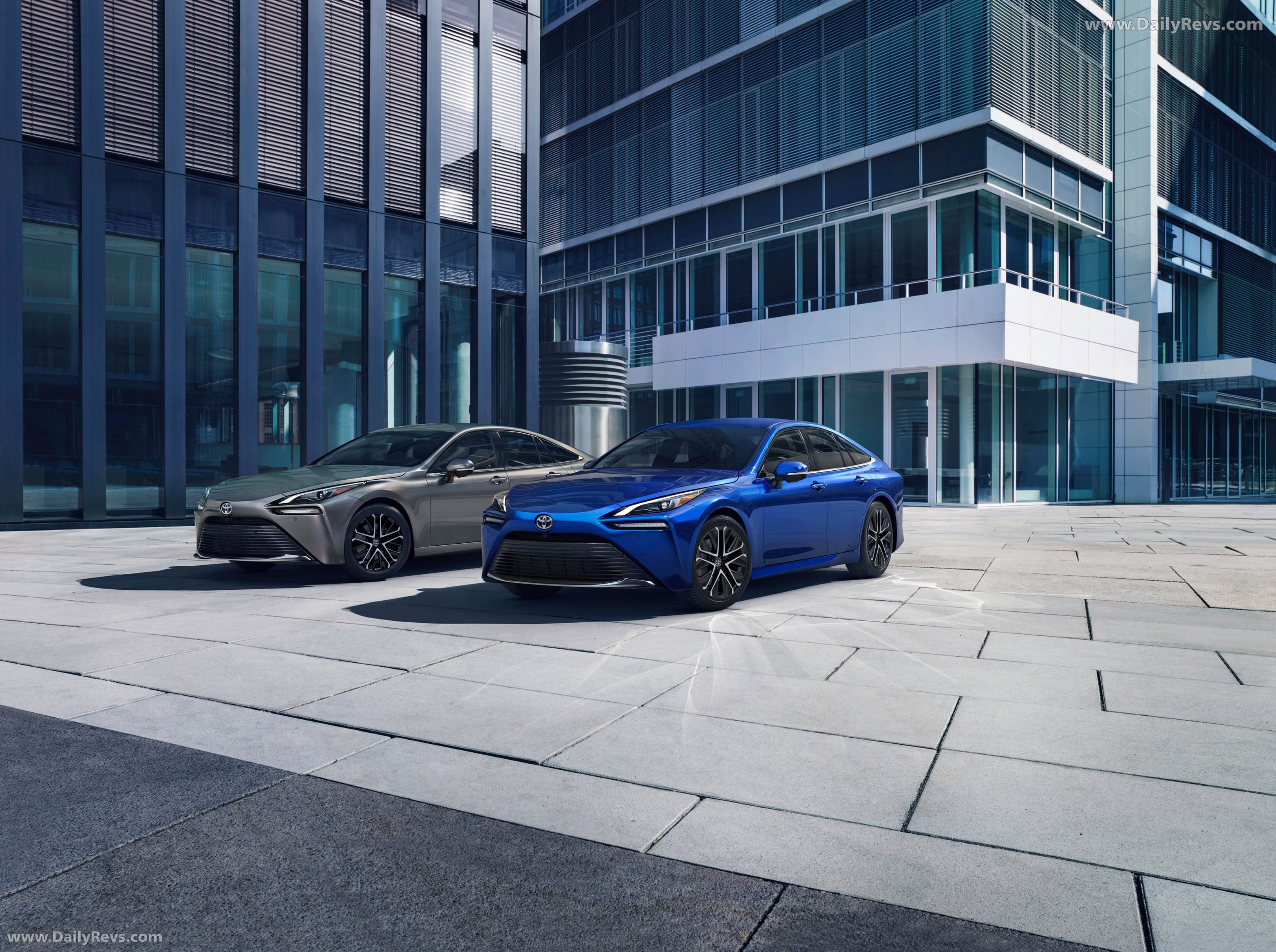
The 2026 Toyota Mirai carries an immediately recognisable stance: low, long, and polished in a way that leans more toward luxury sedan than experimental FCEV. Its proportions follow the familiar Mirai layout from recent years, but the surface treatment feels sharper. The long hood, the stretched roofline, and the short rear deck all create the impression of a car drawn for stability and quiet confidence rather than flash.
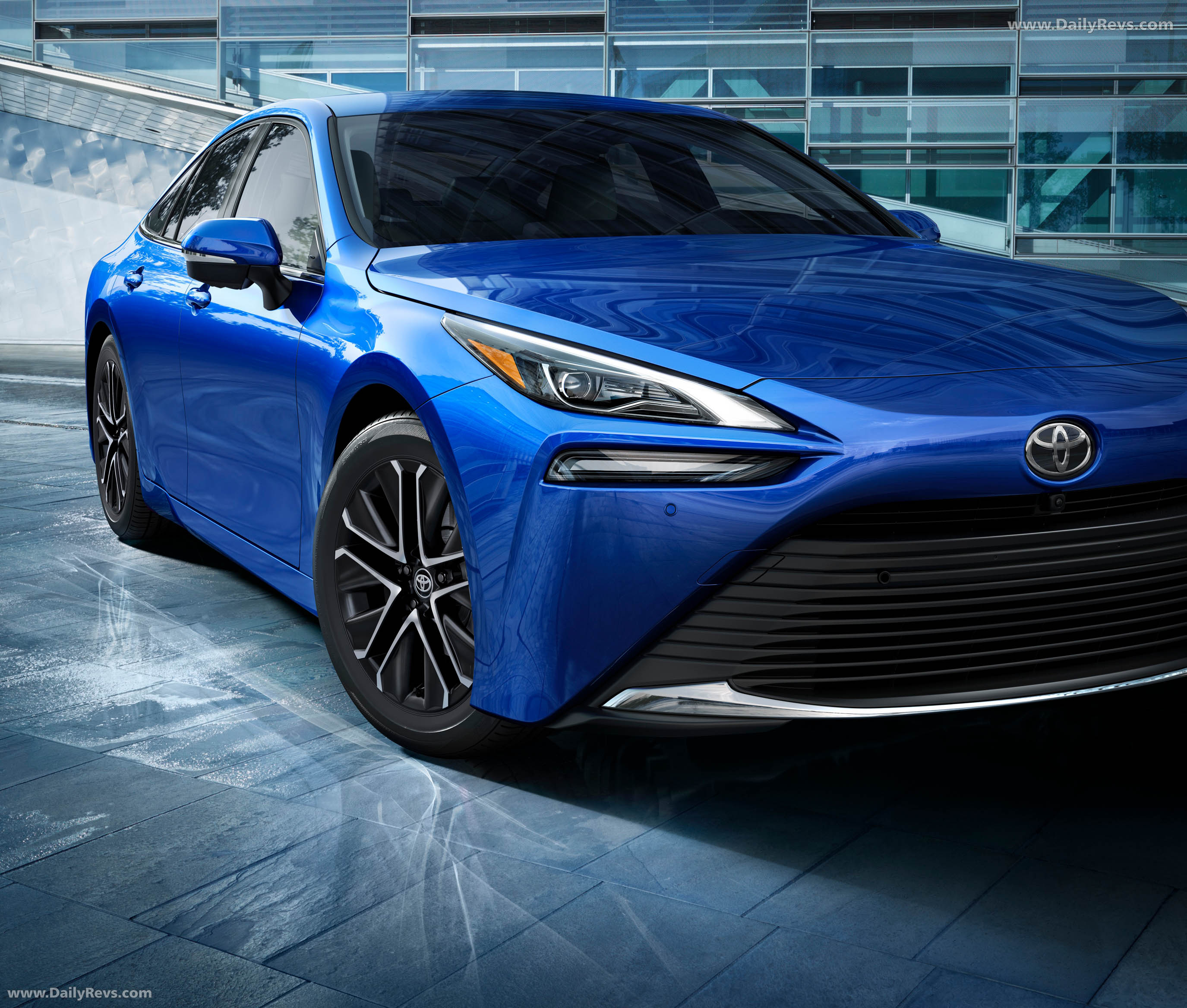
New 19-inch black machine-finished alloy wheels (now standard) set a darker, more athletic tone, something that stands out clearly in the official imagery. The LED lighting signature across the front and rear shows the same attention to detail—multi-LED turn signals, auto-levelling bi-beam units up front, and a wide horizontal taillight panel tapering toward the center. Even the side marker lamps carry the Mirai logo, a small but intentional design flourish captured clearly in the press material.
Exterior mirrors add dual-tone housings and integrated lighting elements, including puddle lamps and blind-spot monitoring indicators, further reinforcing its premium positioning.
Performance and Powertrain Overview
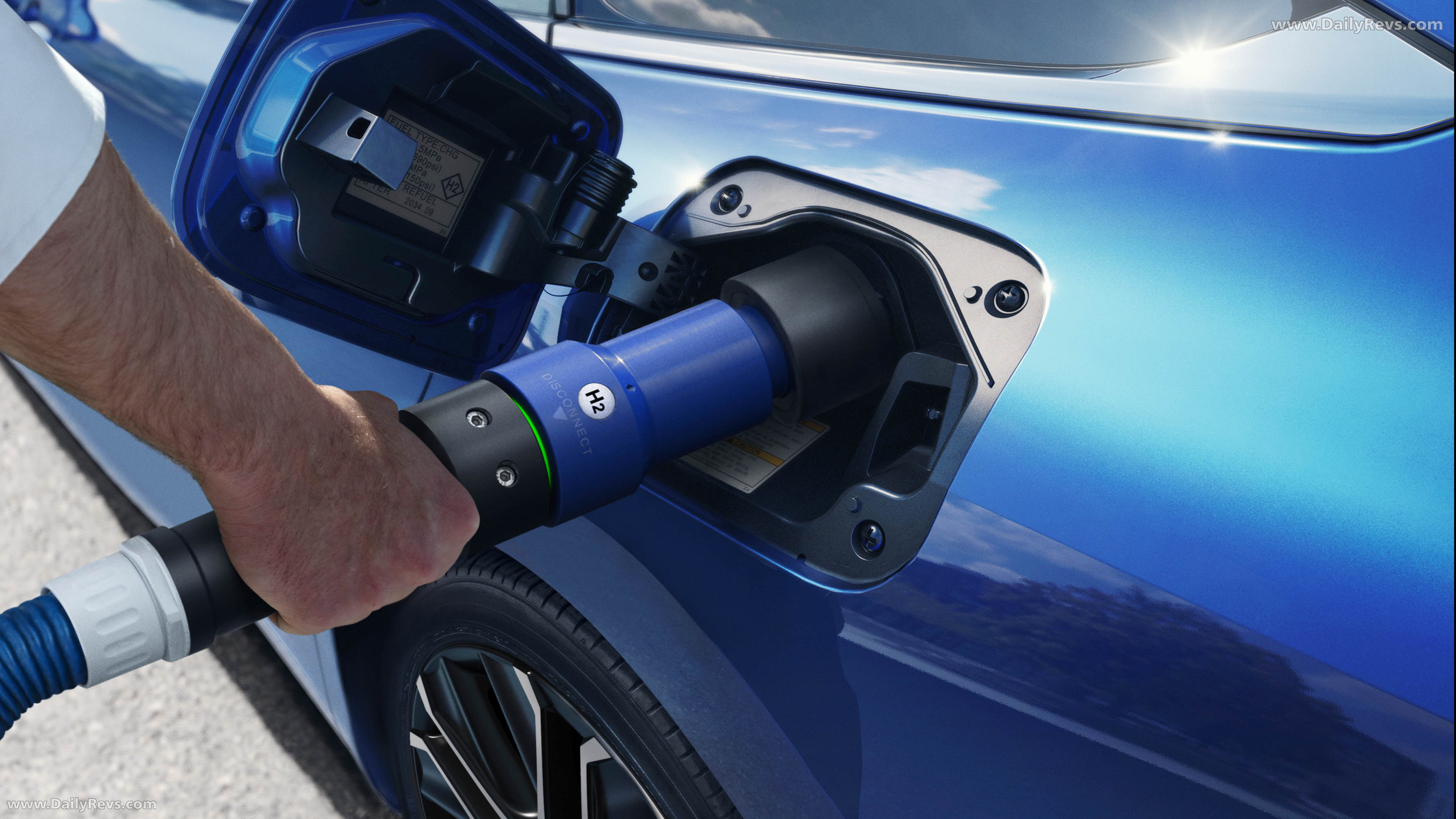
Toyota remains firm in its hydrogen strategy, and the Mirai continues to serve as the brand’s showcase for fuel-cell mobility. It operates as a “plug-less” EV—creating electricity onboard through a chemical reaction between stored hydrogen and ambient oxygen. Output remains at 182 horsepower, sent to the rear wheels via an AC synchronous motor.
Toyota lists an EPA-estimated 402-mile range, placing the Mirai among the longest-range zero-emission passenger vehicles currently available. Hydrogen refueling, as always, remains the Mirai’s advantage over battery-EVs: a few minutes instead of hours.
The rear-wheel-drive GA-L platform, shared with several Lexus models, continues to underpin the car. Multilink suspension, adhesive bonding, laser screw welding, and structural reinforcement all contribute to the ride quality Toyota highlights in its official documentation. Active Cornering Assist and Hill Start Assist return as standard.
Key Features and Interior Impression
Inside, the Mirai adopts a measured approach rather than a disruptive one. SofTex-trimmed heated seats, subtle cabin lighting, and dual-zone climate control give the interior the understated calm expected in a luxury-leaning sedan. The driver receives an 8-way power seat; the passenger, a 4-way unit.
Tech is where the cabin becomes more assertive. A 12.3-inch multimedia display dominates the central interface, controlling navigation, climate functions, and the Panoramic View Monitor. A second 12.3-inch digital gauge cluster provides efficiency scoring, fuel-cell information, and range data. Wireless phone charging, multiple USB-C ports, and dual Bluetooth connectivity broaden everyday usability.
Toyota’s latest Audio Multimedia system supports OTA updates, “Hey Toyota” voice activation, and integrates Apple CarPlay and Android Auto wirelessly. A JBL premium audio system is standard
Market Positioning and Segment Context
The Mirai occupies a unique position. It doesn’t compete directly with mainstream EVs, nor does it chase high-volume hybrid territory. Rather, it is more appealing to drivers who have access to hydrogen infrastructure and who appreciate both the comfort of a luxury sedan and its ability to emit no emissions.
The 2026 model, which has an MSRP of $51,795 before destination fees and incentives, carries on Toyota's long-term strategy of gradually advancing hydrogen technology, improving the premium experience, and treating the Mirai as both a halo project and a bridge to broader fuel-cell adoption.