
2026 Toyota bZ US Version
By Lorenzo Bianchi December 22, 2025
Up to 314 miles of estimated range with the new 74.7kWh battery.
NACS charging port and improved DC fast-charging performance.
Subtle but important design and interior revisions for 2026.
Design and Proportions of the Vehicle
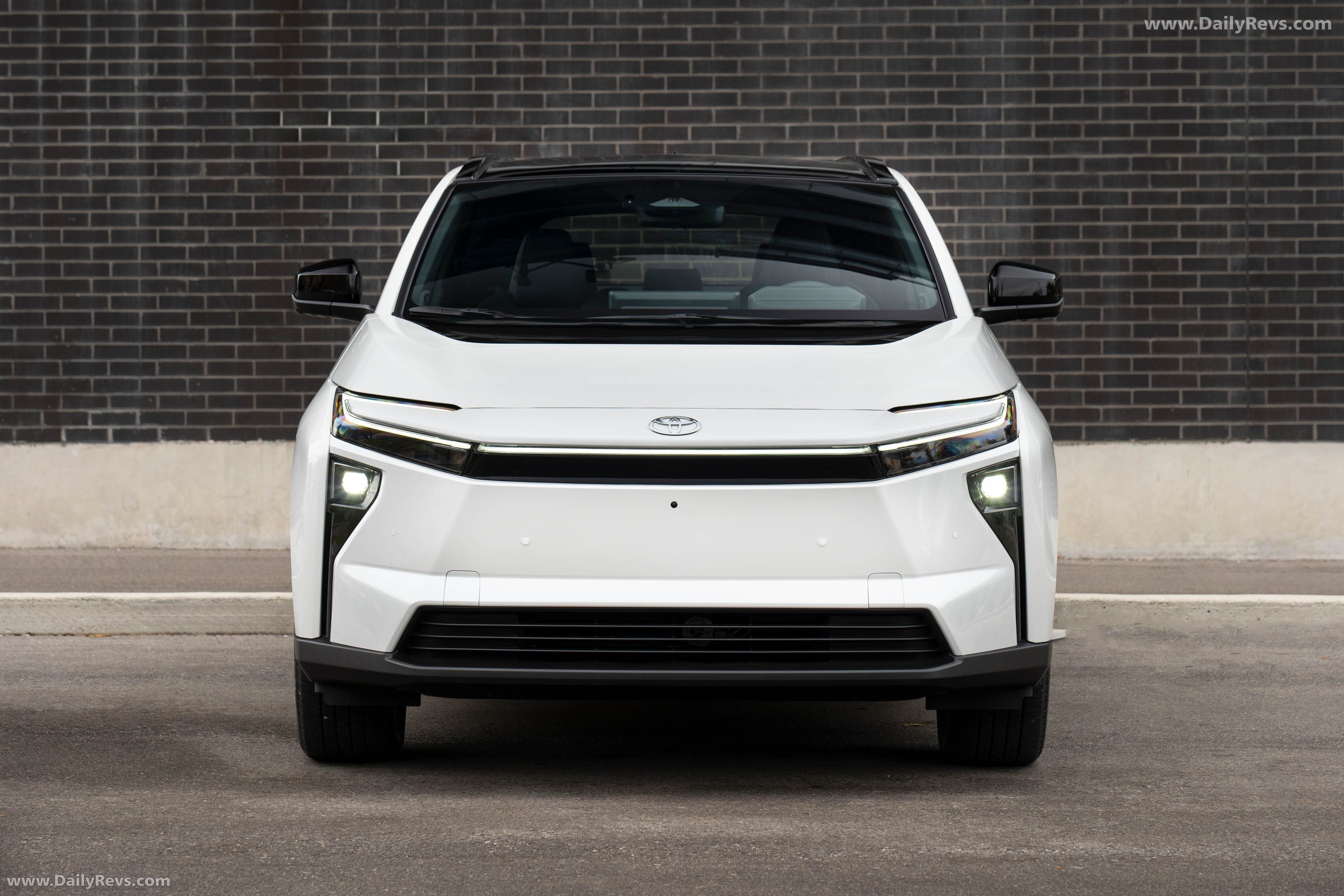
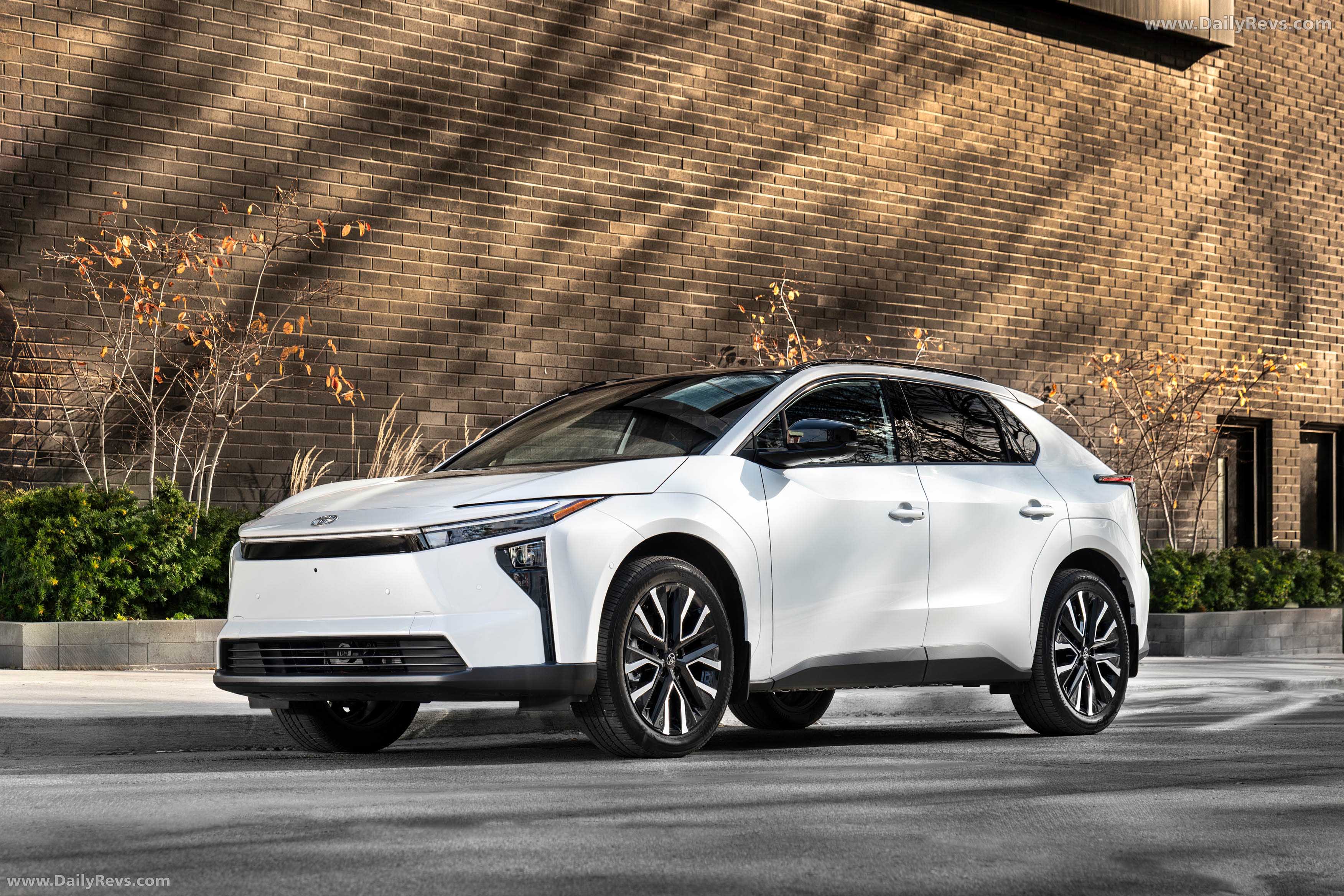
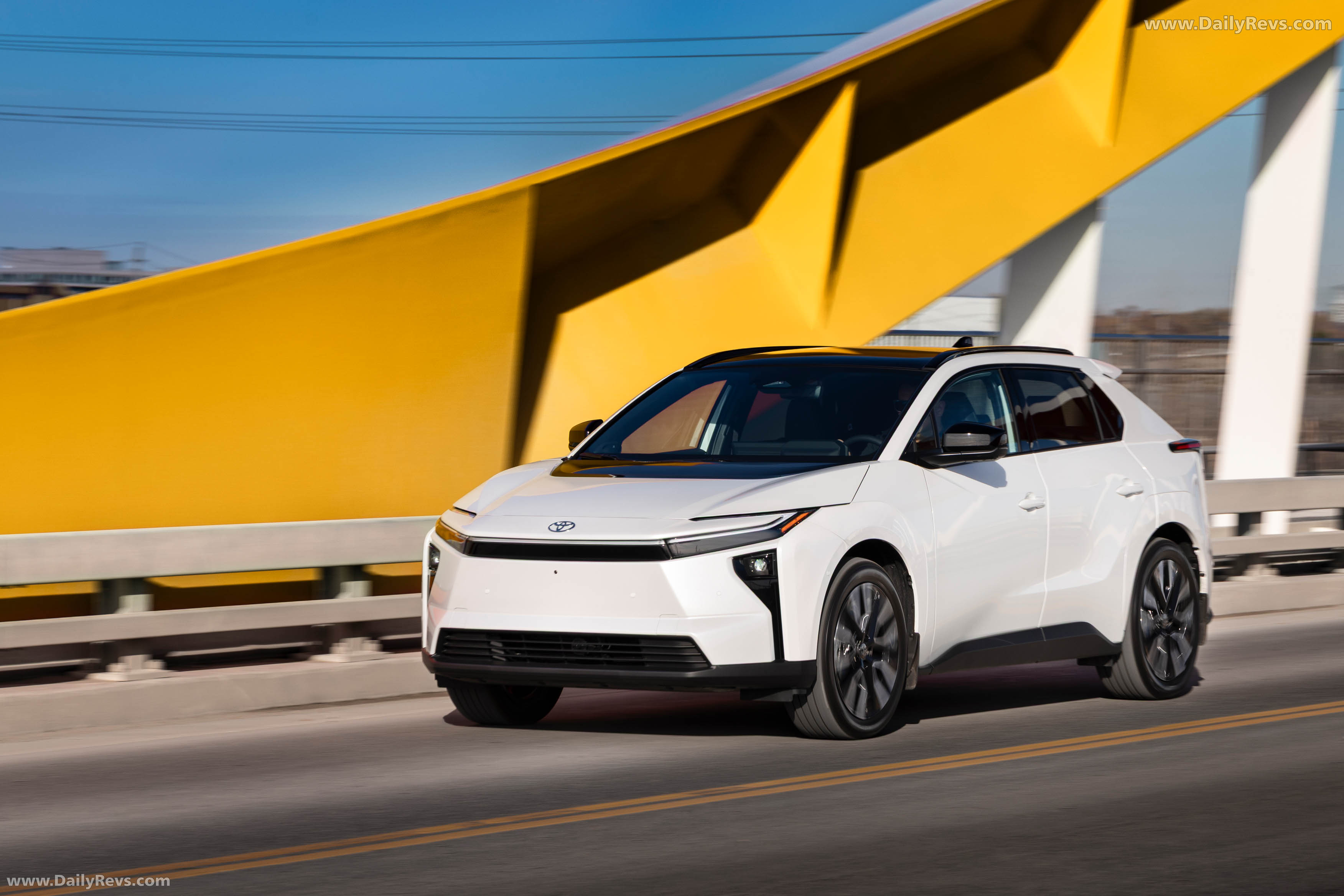
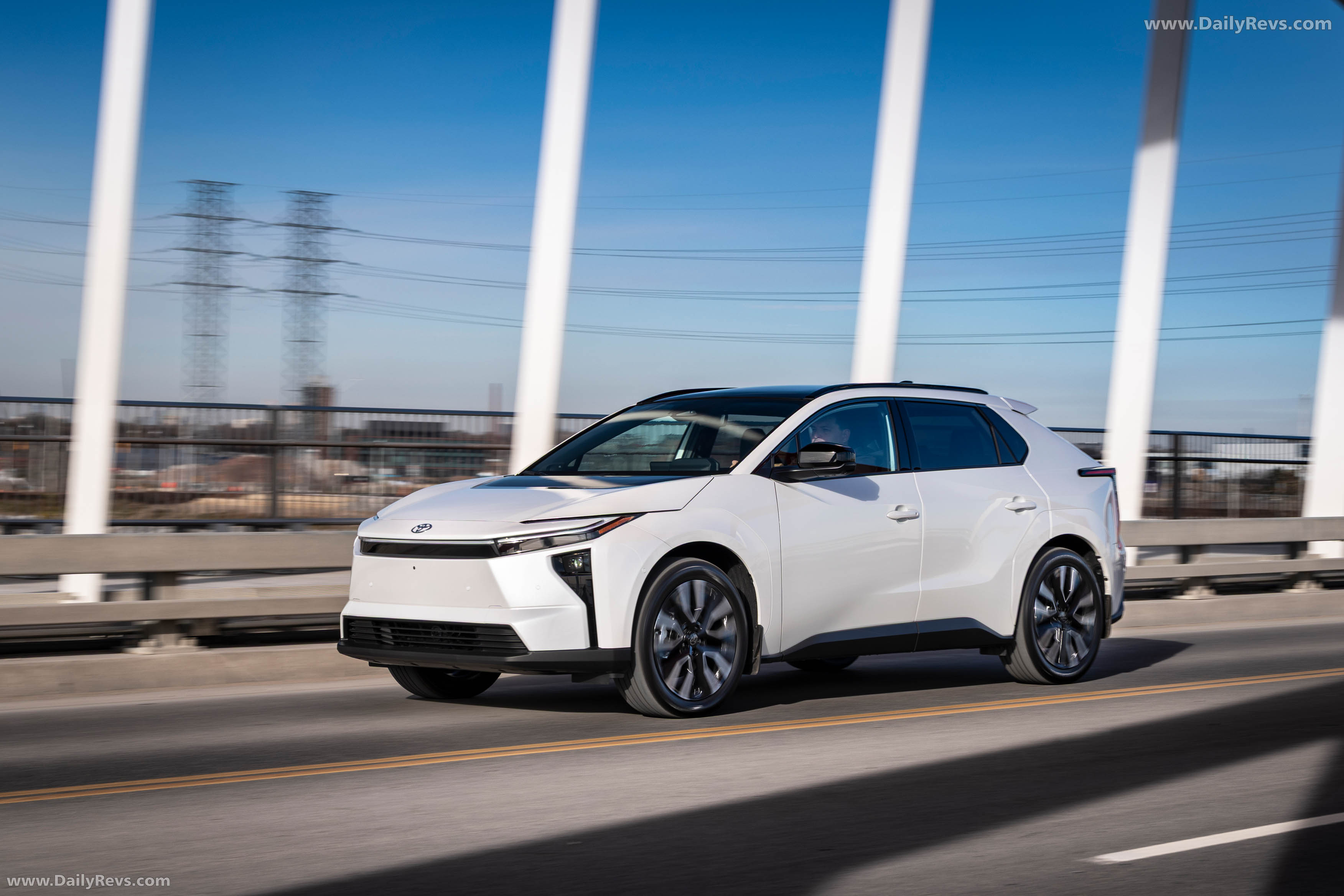
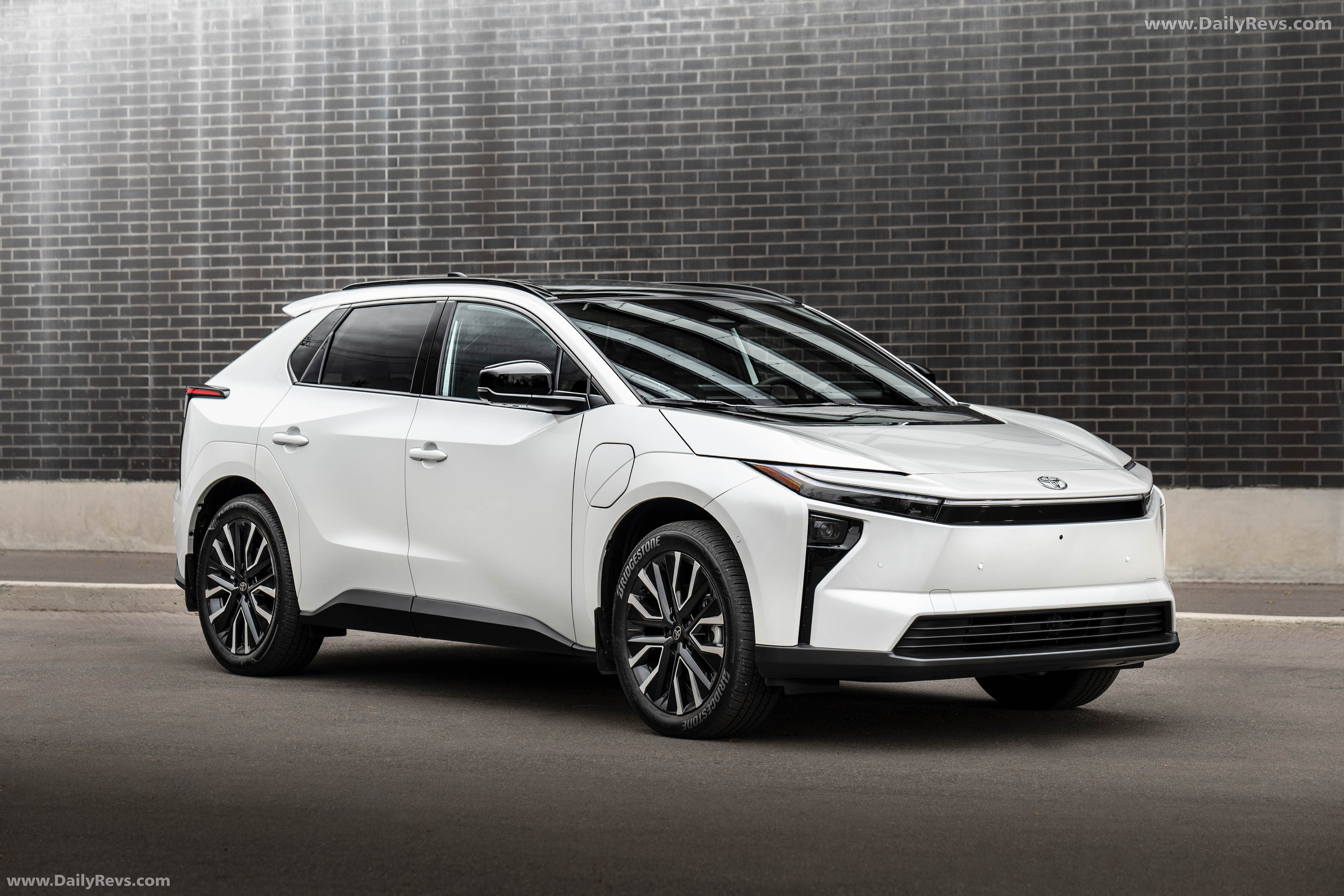
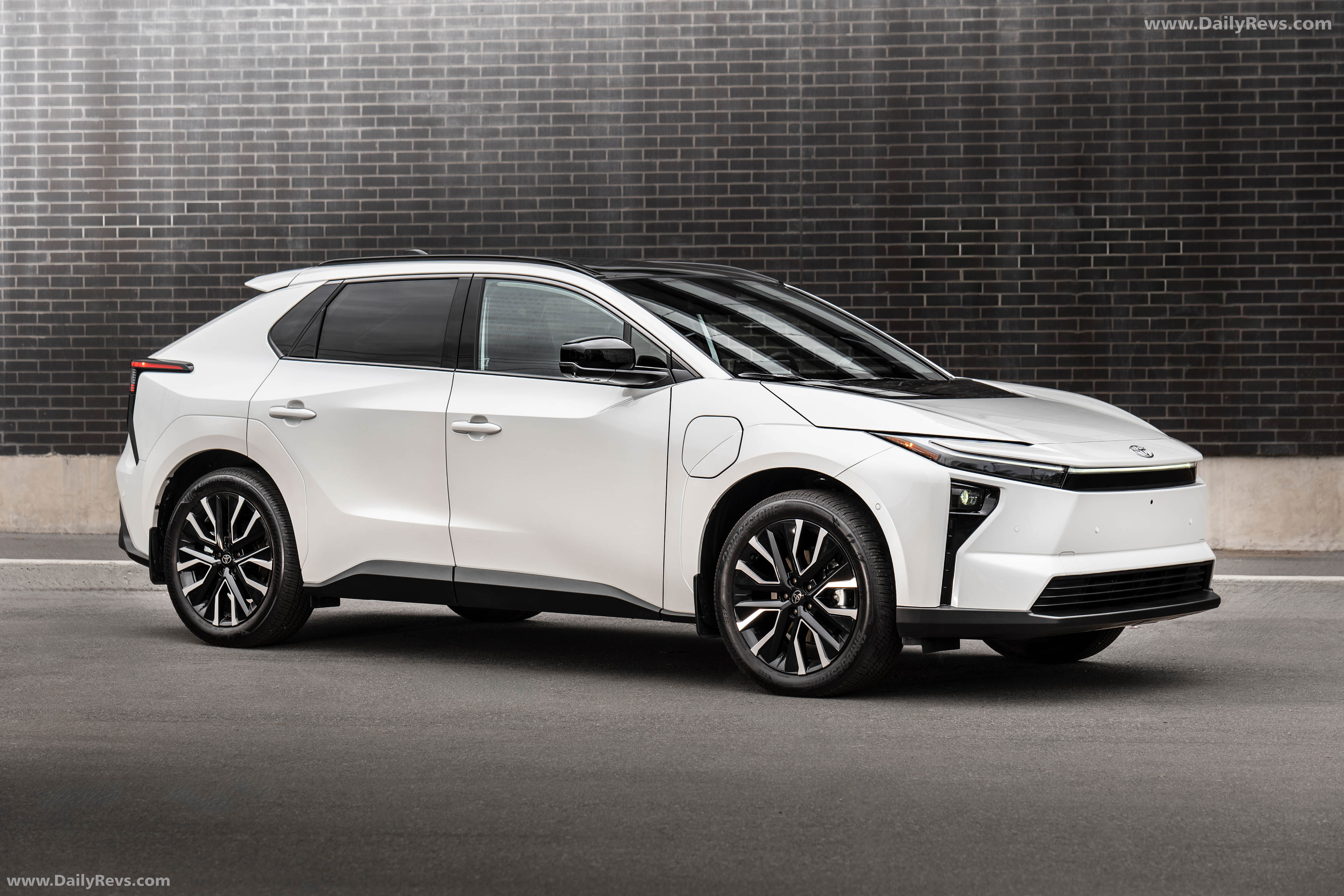
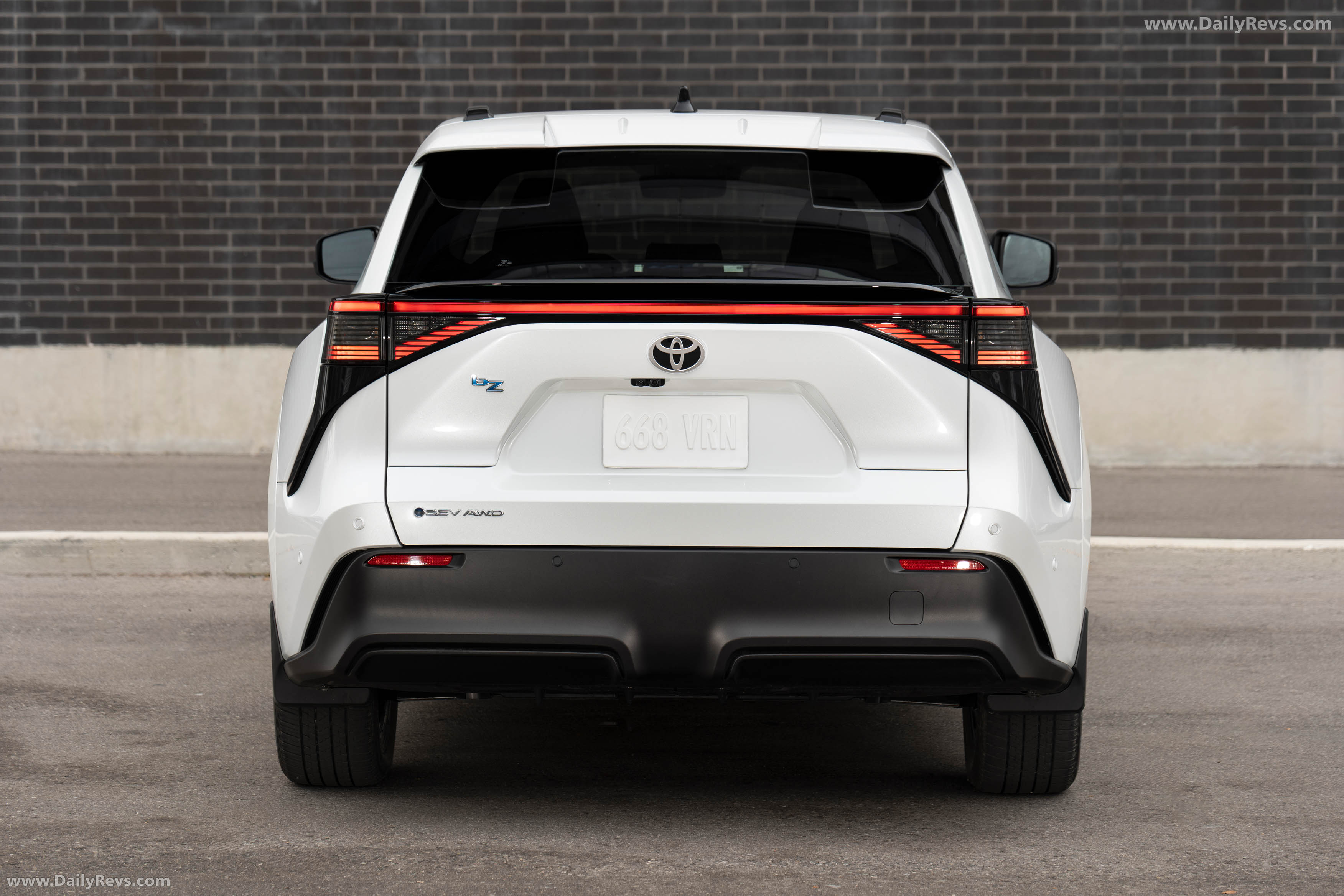
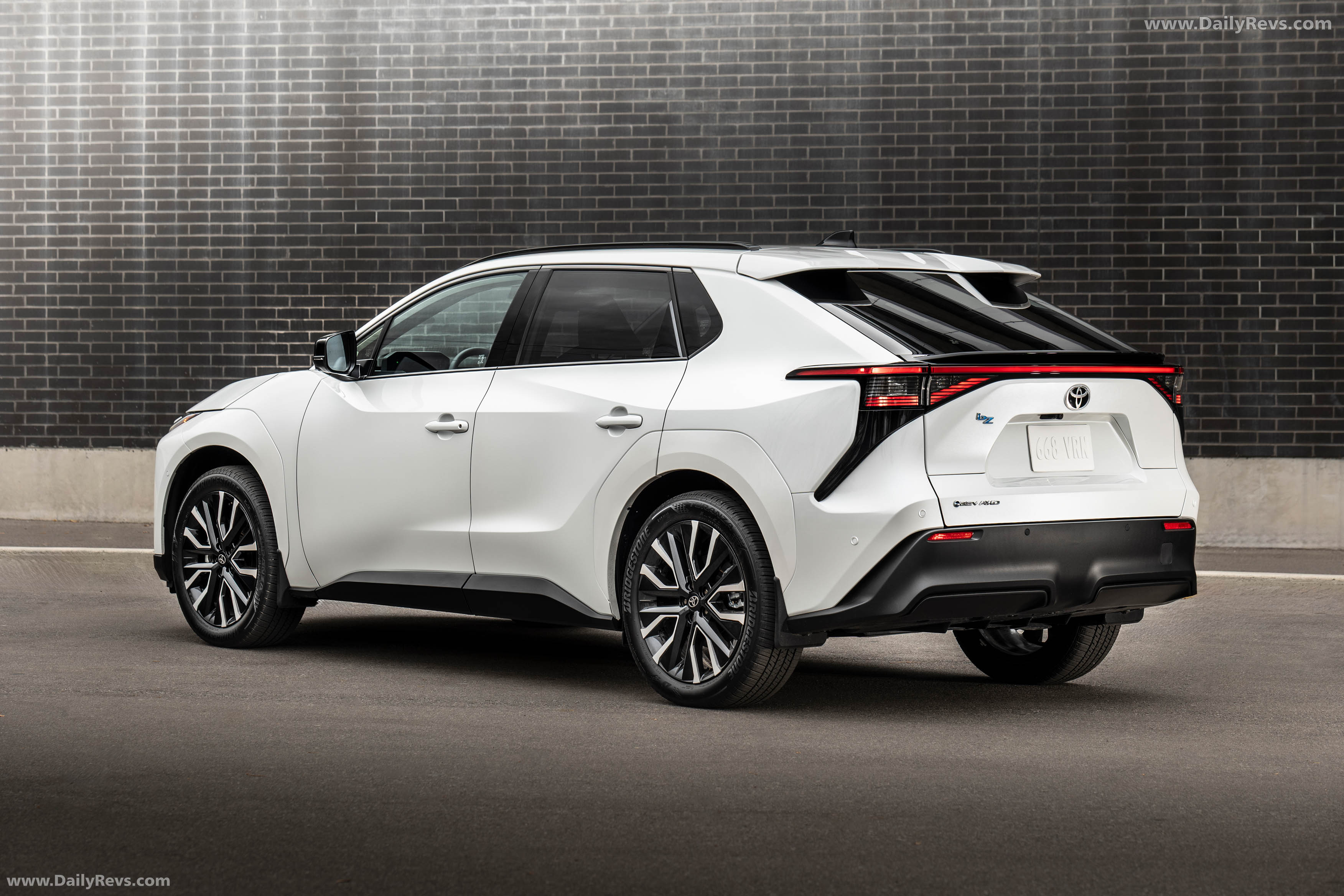
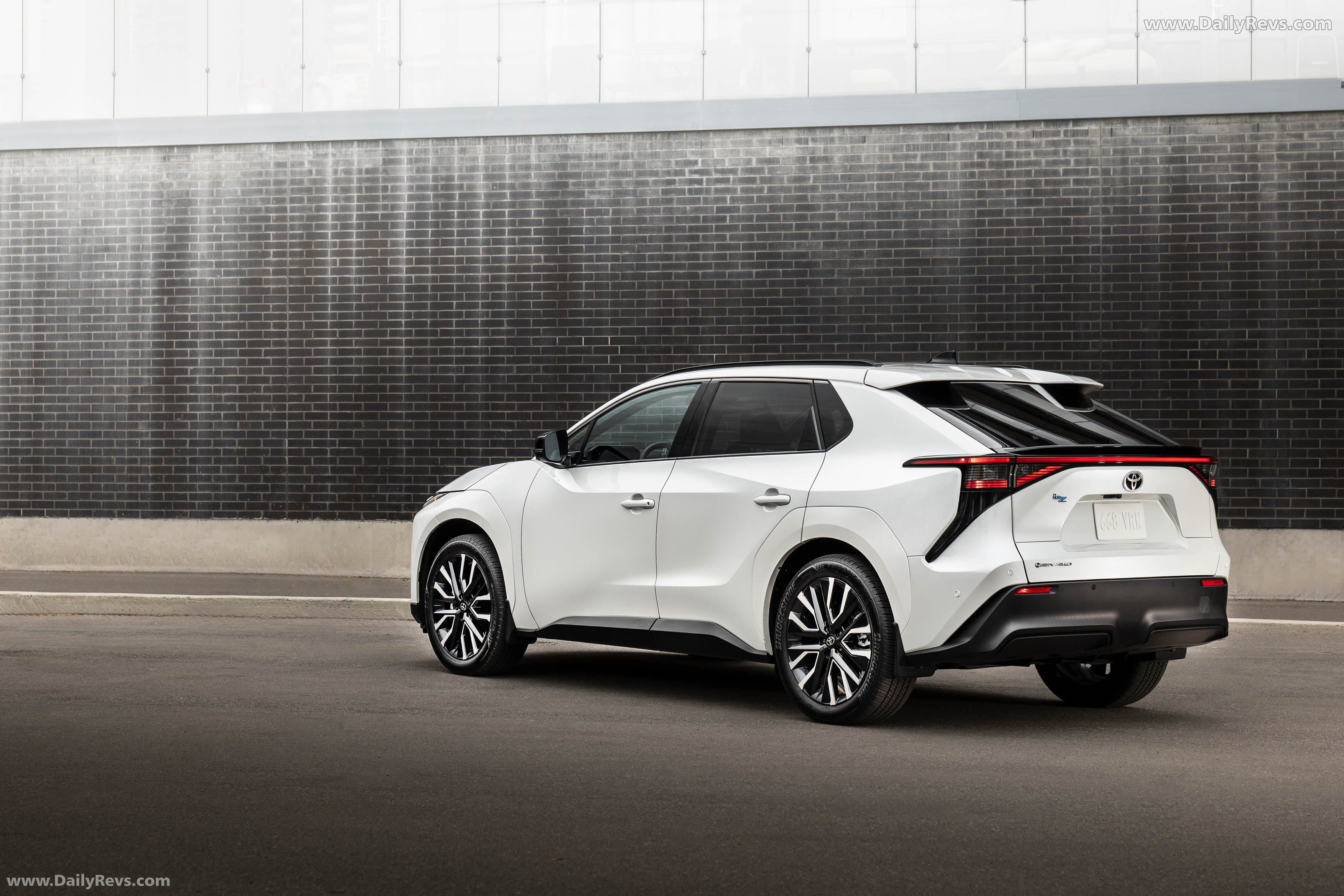
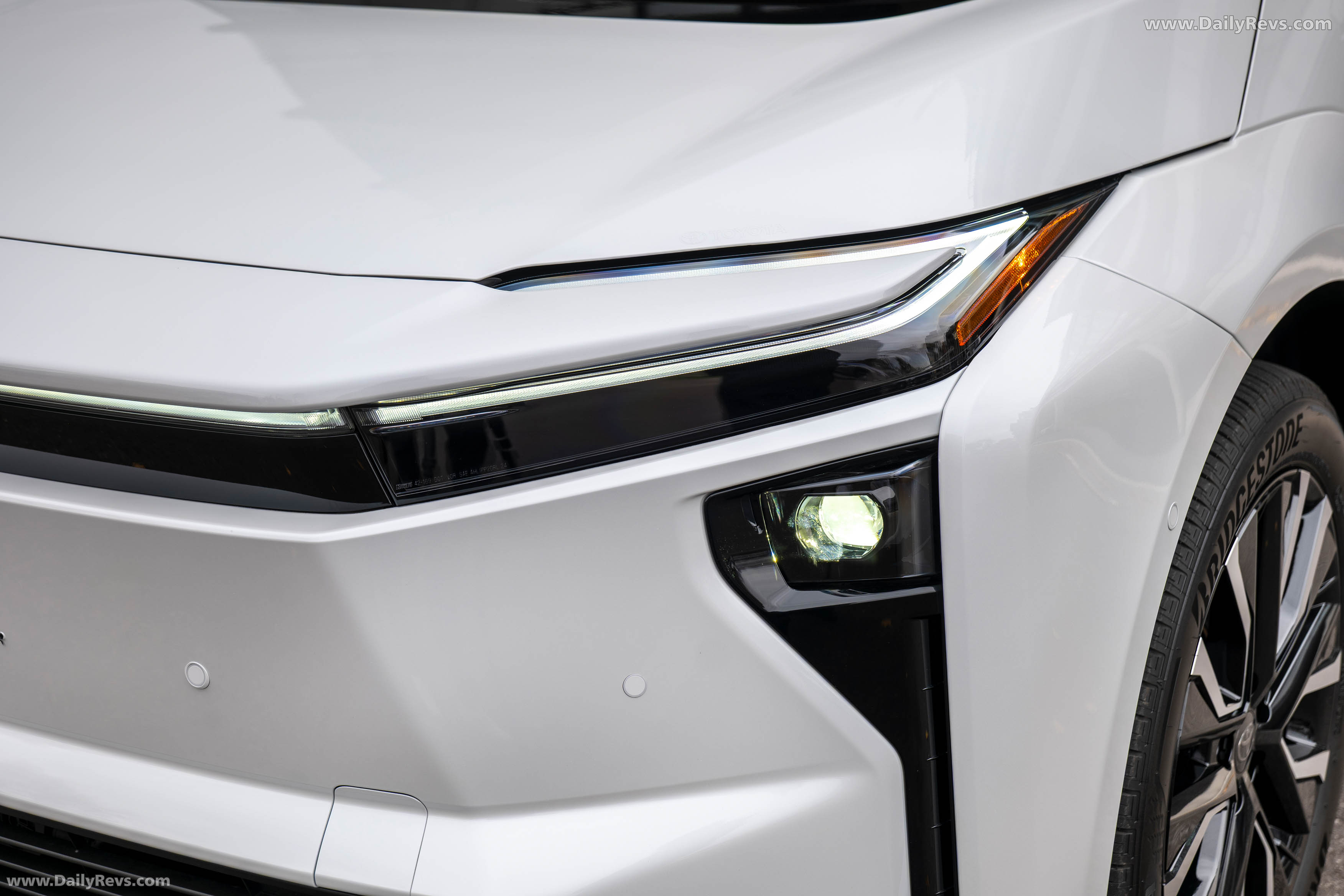
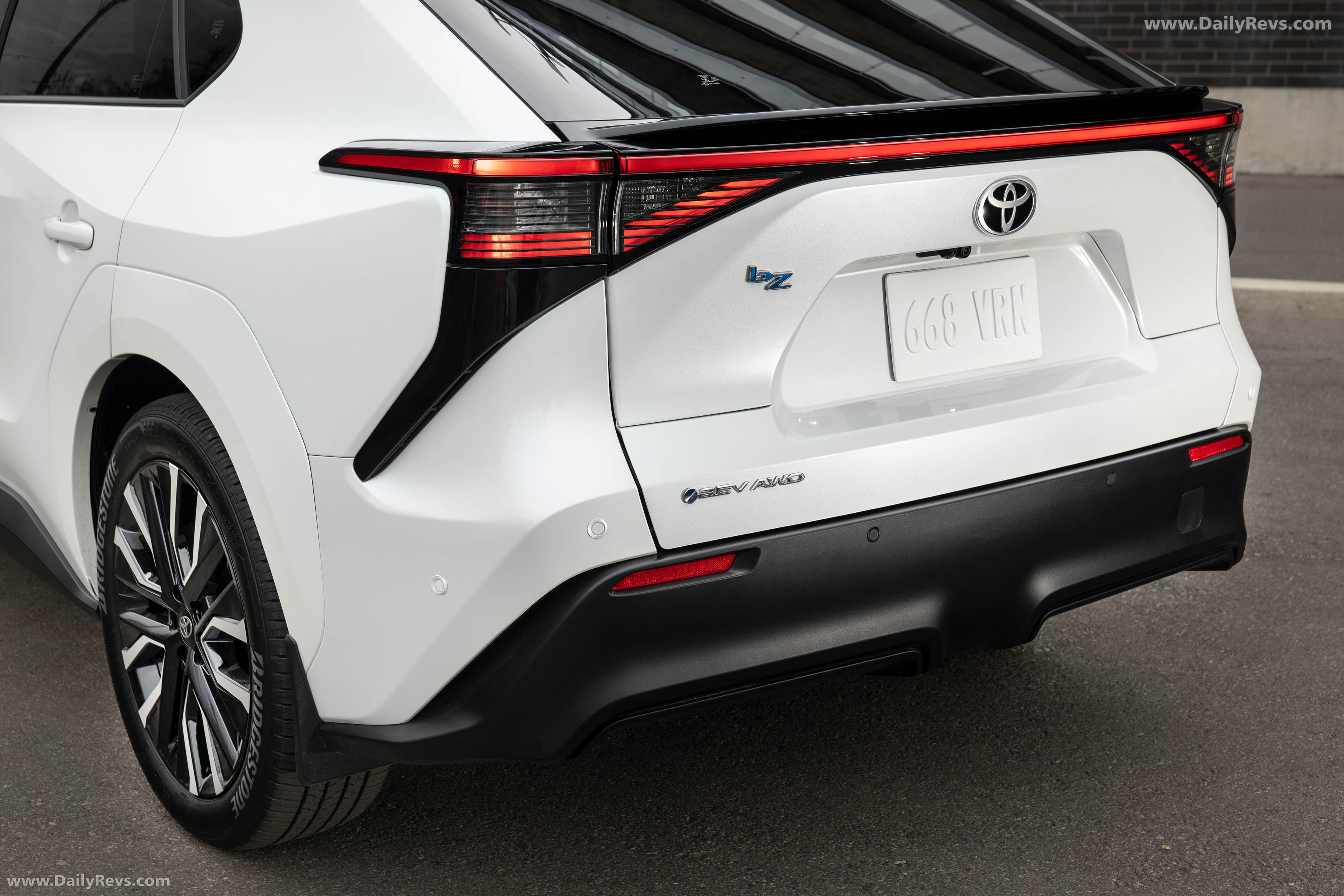
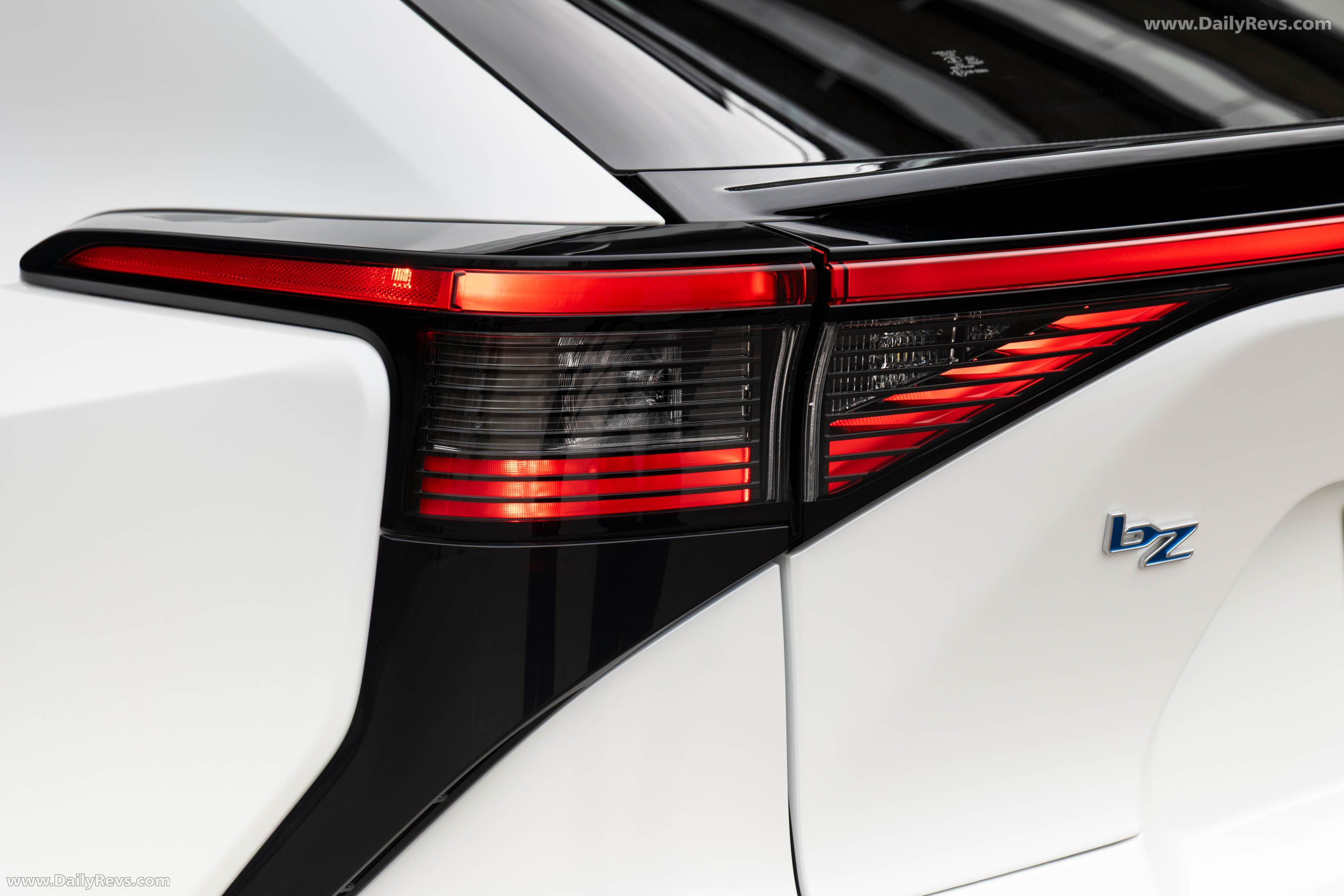
The 2026 Toyota bZ is less about reinvention and more about correction. Visually, it retains the same compact SUV footprint, but the front end has been softened and clarified. Slim LED daytime running lights stretch across a cleaner hammerhead-style fascia, reducing the visual clutter that defined the outgoing bZ4X. Color-matched front overfenders, newly available on select paints, help the body appear more cohesive rather than segmented.
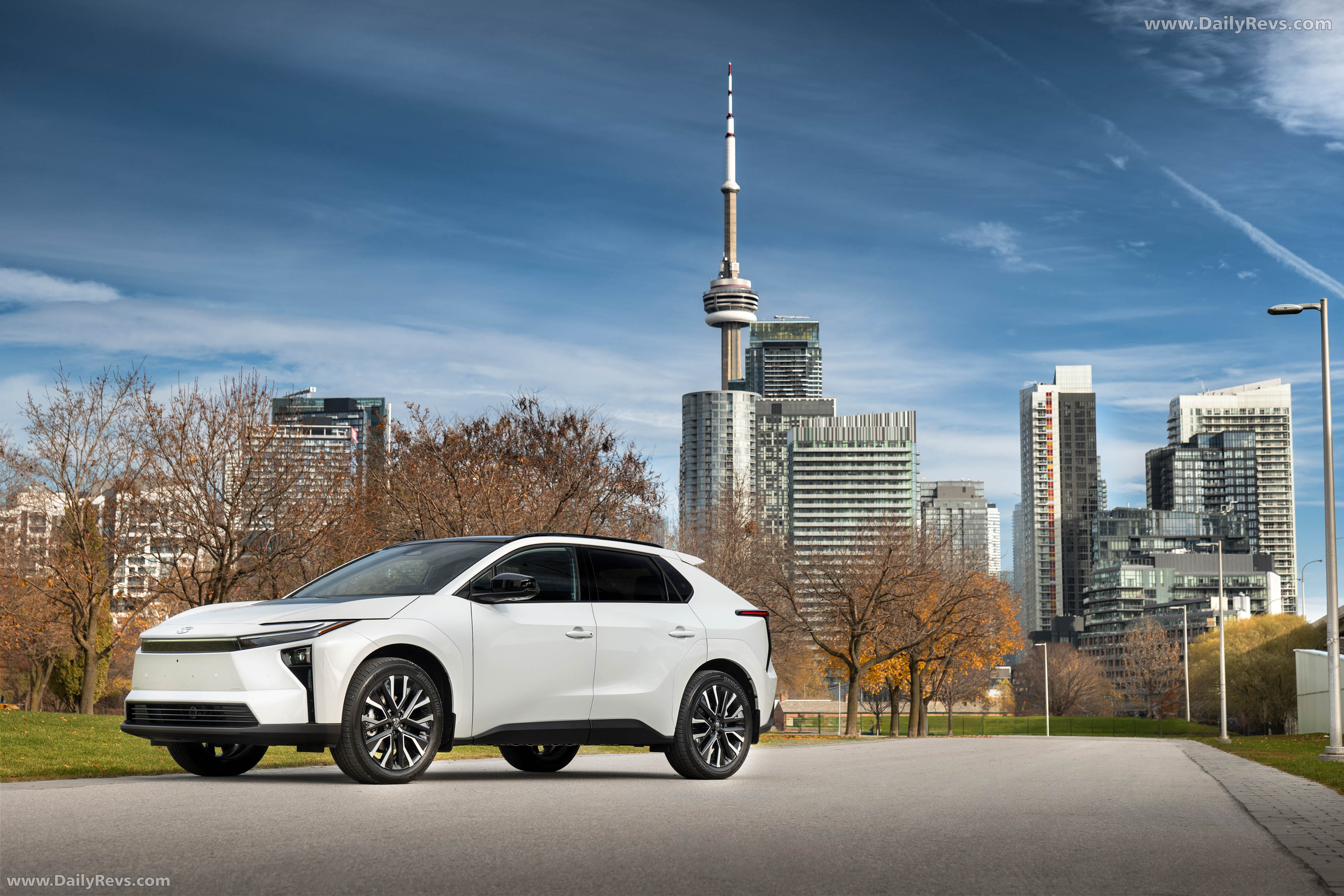
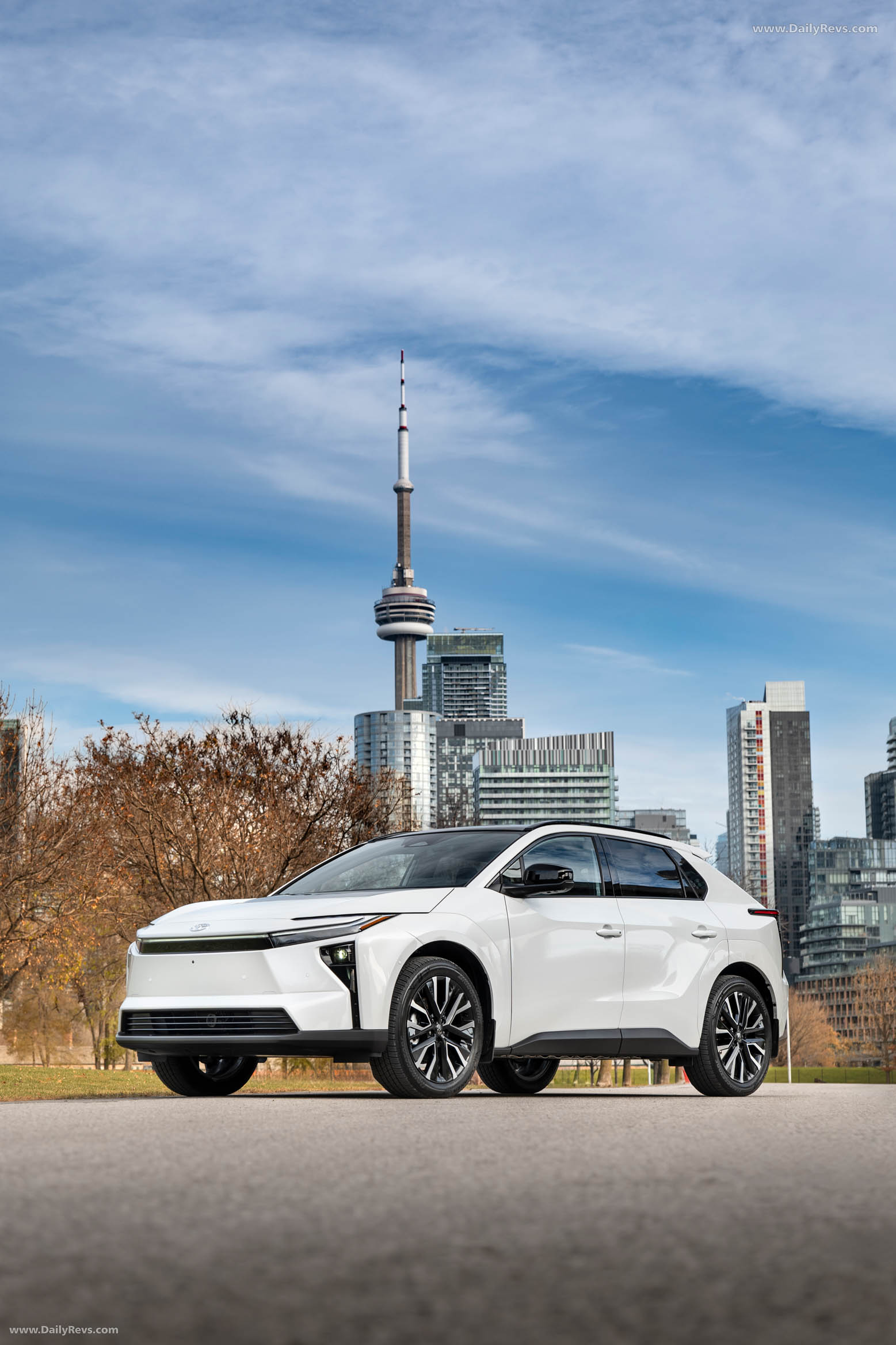
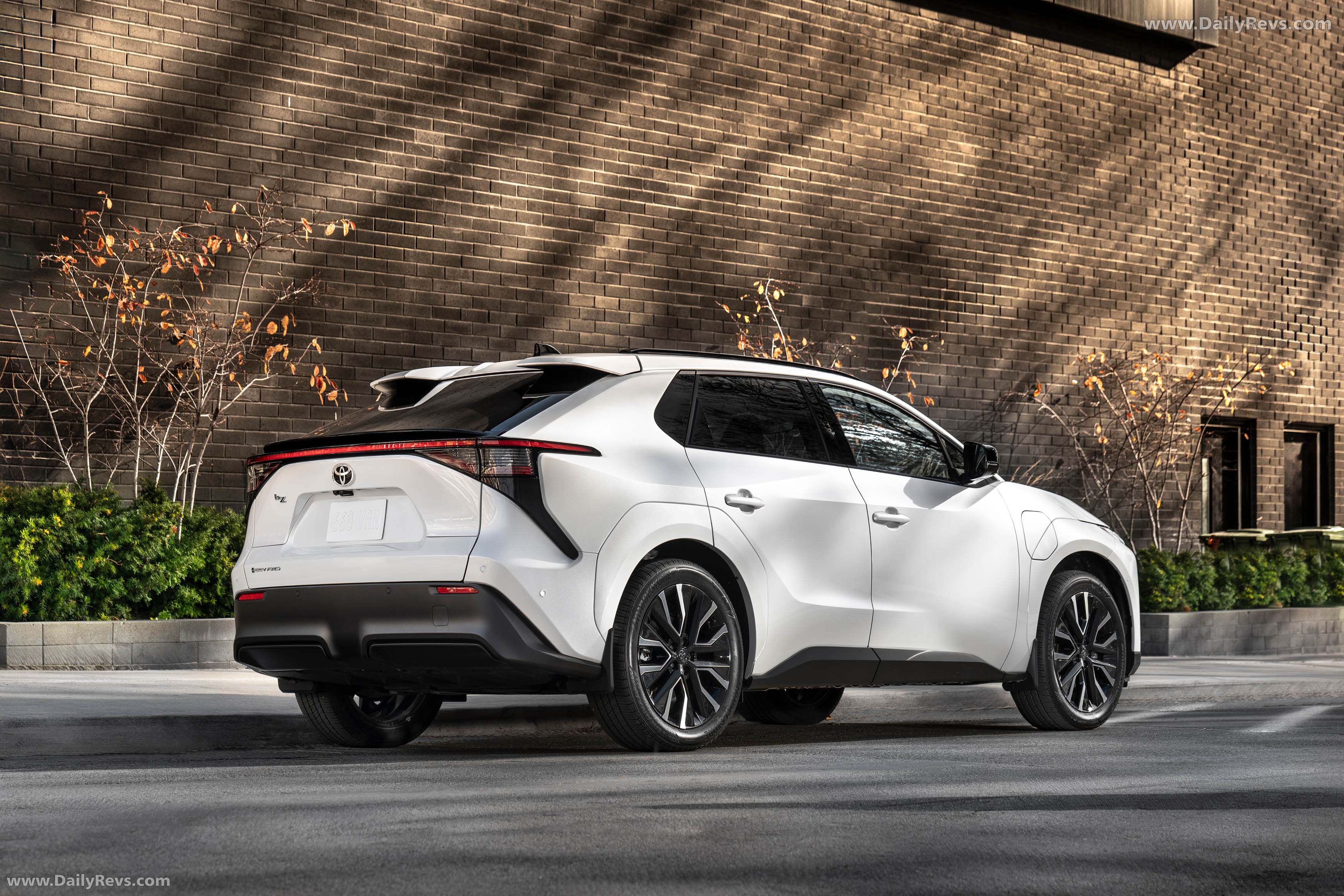
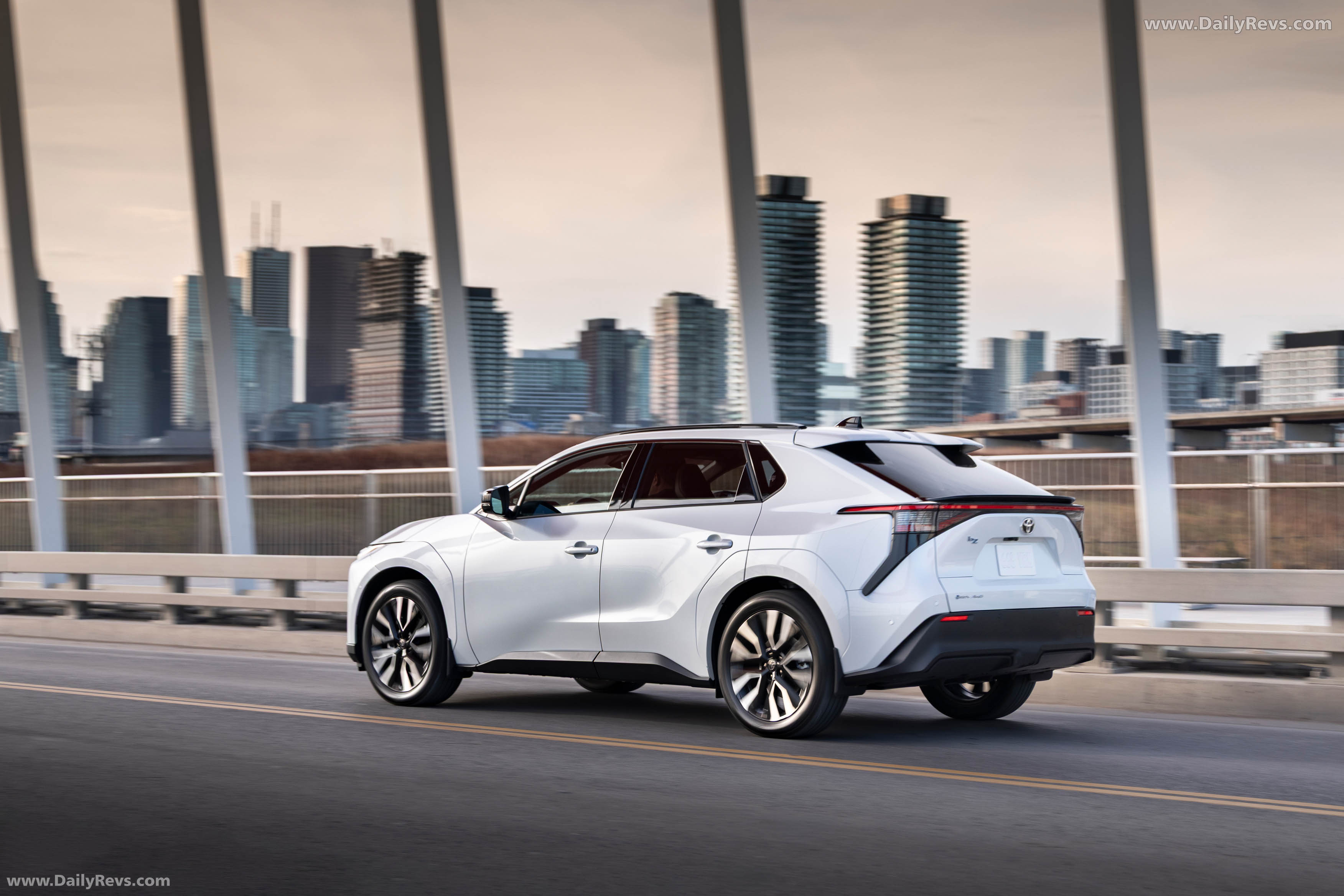
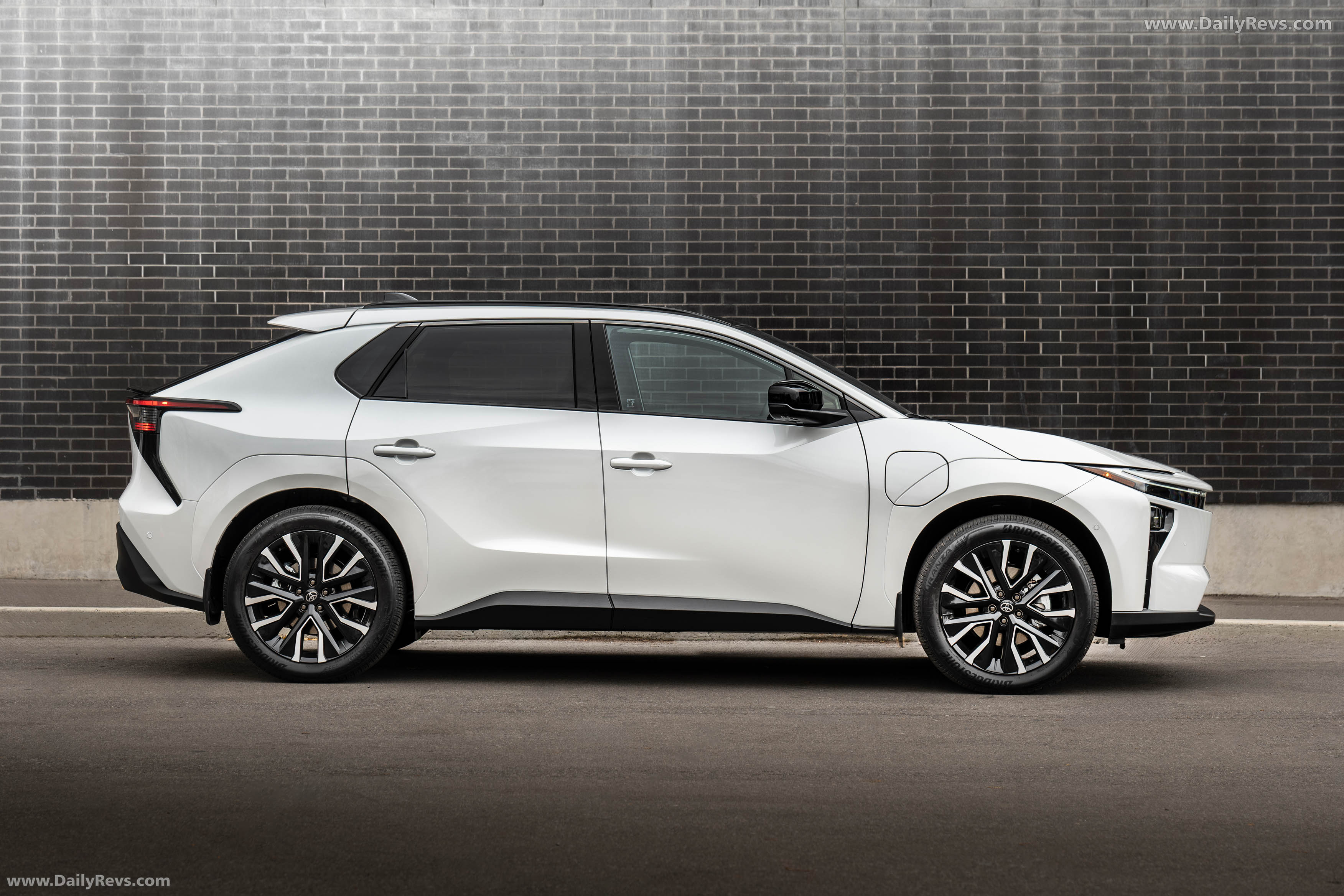
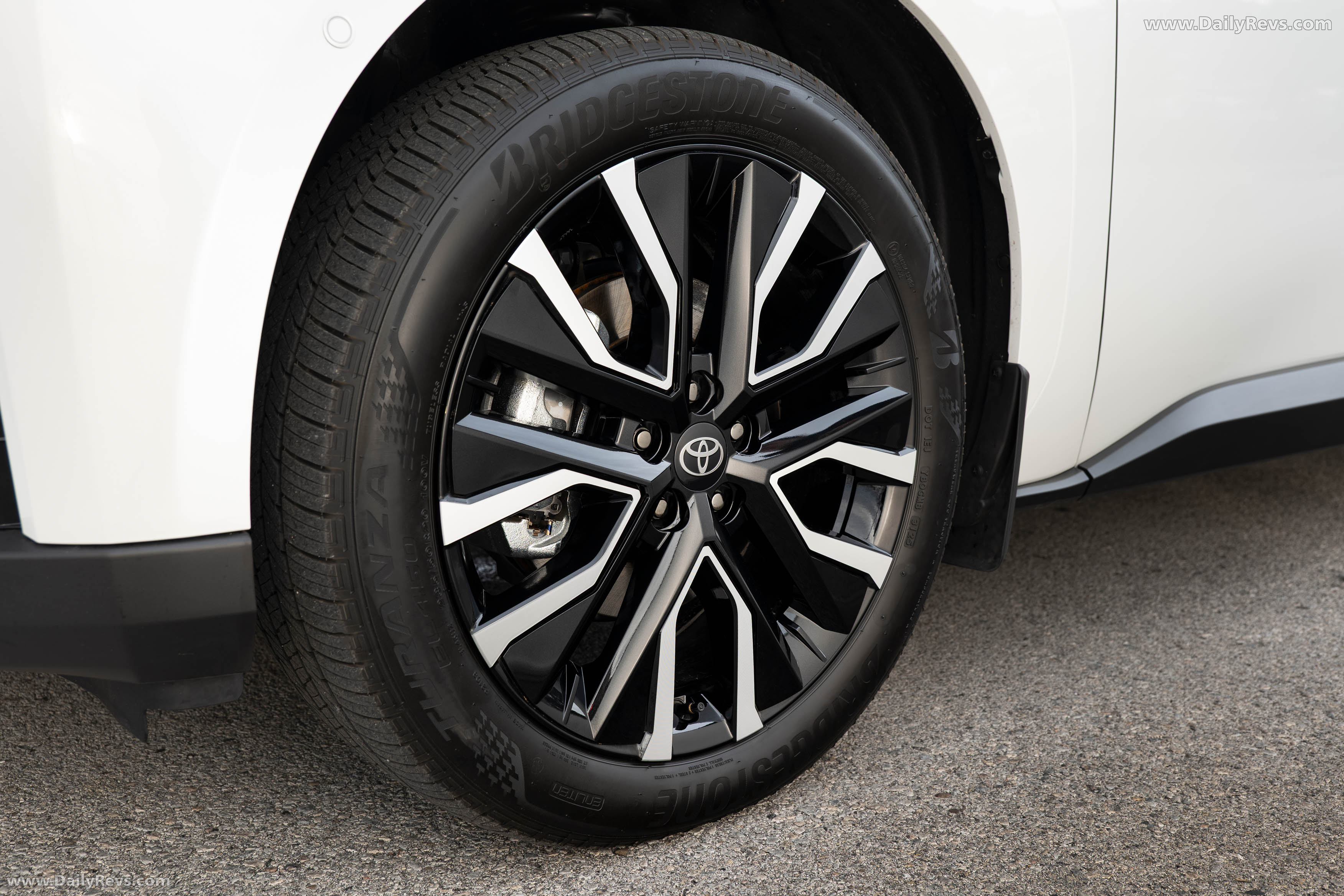
In profile, the bZ remains upright and practical. With an overall length of 184.6 inches and 8.2 inches of ground clearance, it sits firmly in the small SUV class rather than chasing coupe-like proportions. Wheel designs vary by grade, but the overall stance feels more settled, helped by subtle surface refinements rather than aggressive reshaping.
Performance and Powertrain Overview
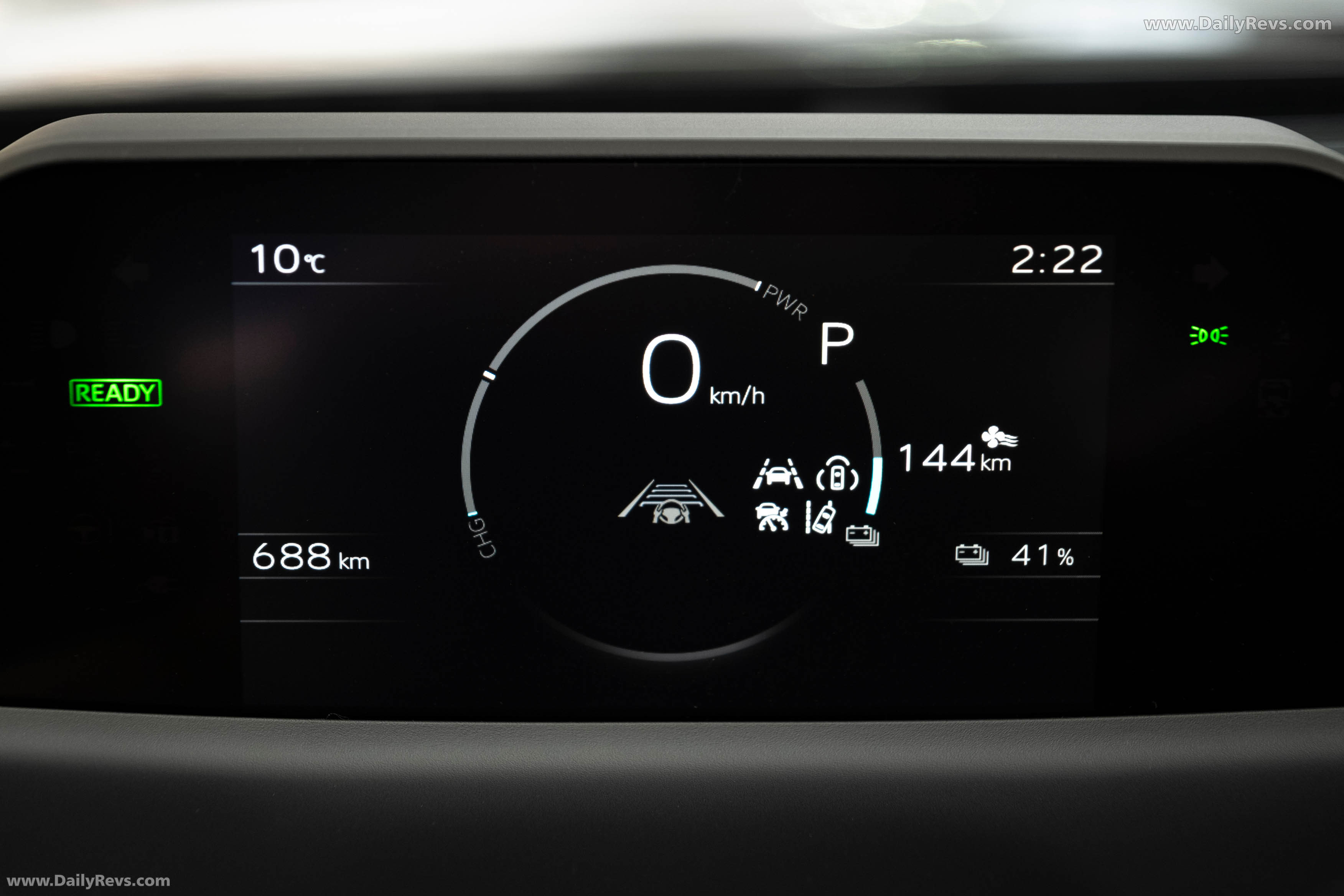
Toyota’s most significant updates live beneath the skin. For 2026, the bZ gains two battery options: a 57.7kWh pack for entry-level models and a new 74.7kWh unit for higher trims. The larger battery enables a manufacturer-estimated range of up to 314 miles on XLE FWD Plus models, addressing one of the original car’s biggest criticisms.
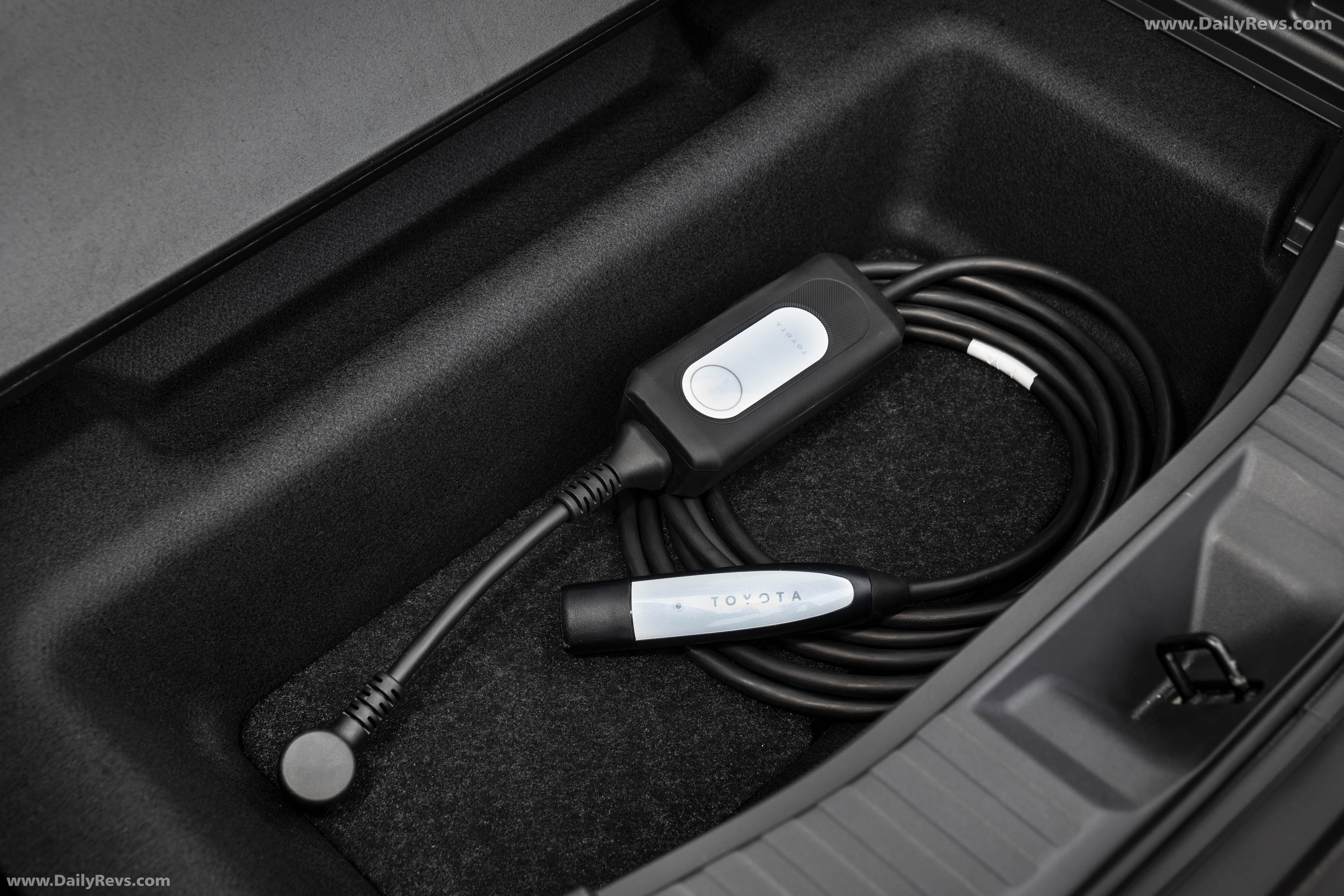
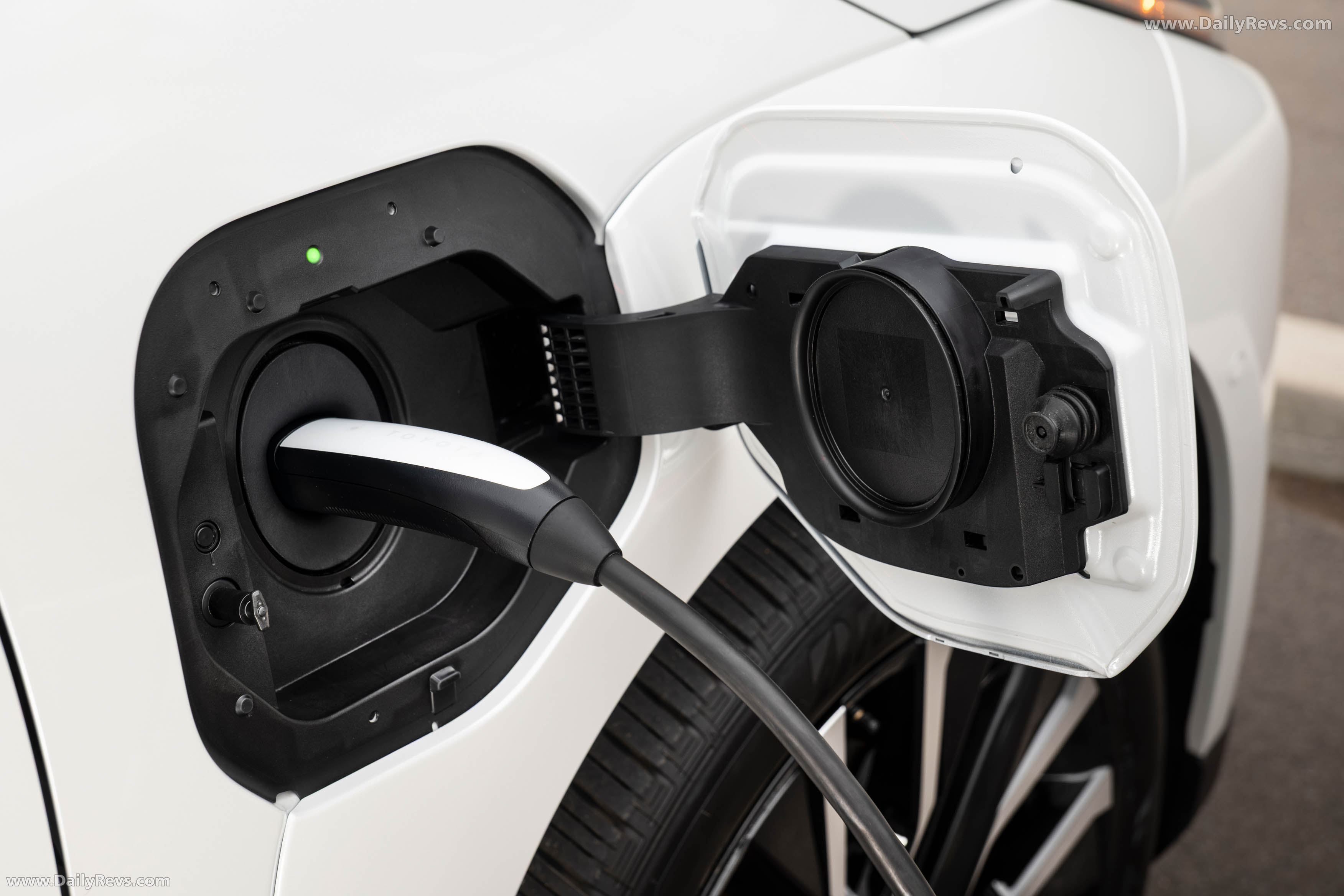
Charging performance also improves. The bZ now adopts a North American Charging System (NACS) port, opening access to a wider fast-charging network. Under ideal conditions, DC fast charging from 10 to 80 percent takes about 30 minutes. An upgraded 11kW onboard AC charger further shortens home charging times.
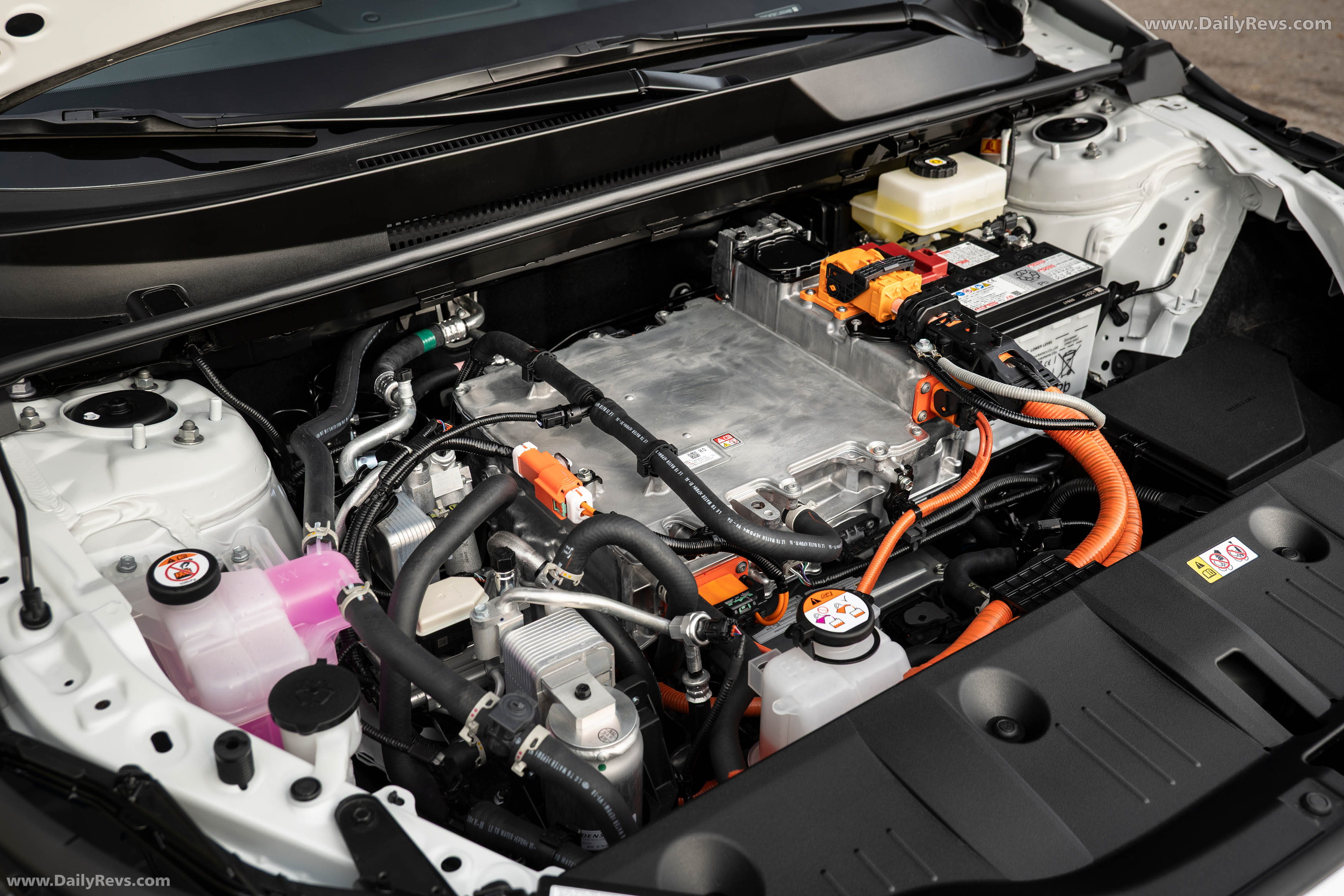
Power outputs increase across the range. Front-wheel-drive models now produce up to 221 horsepower, while all-wheel-drive variants see a substantial jump to 338 combined horsepower, cutting the 0–60 mph time to a claimed 4.9 seconds. Silicon carbide semiconductors in the updated eAxles play a key role in these gains.
Key Features and Interior Impression
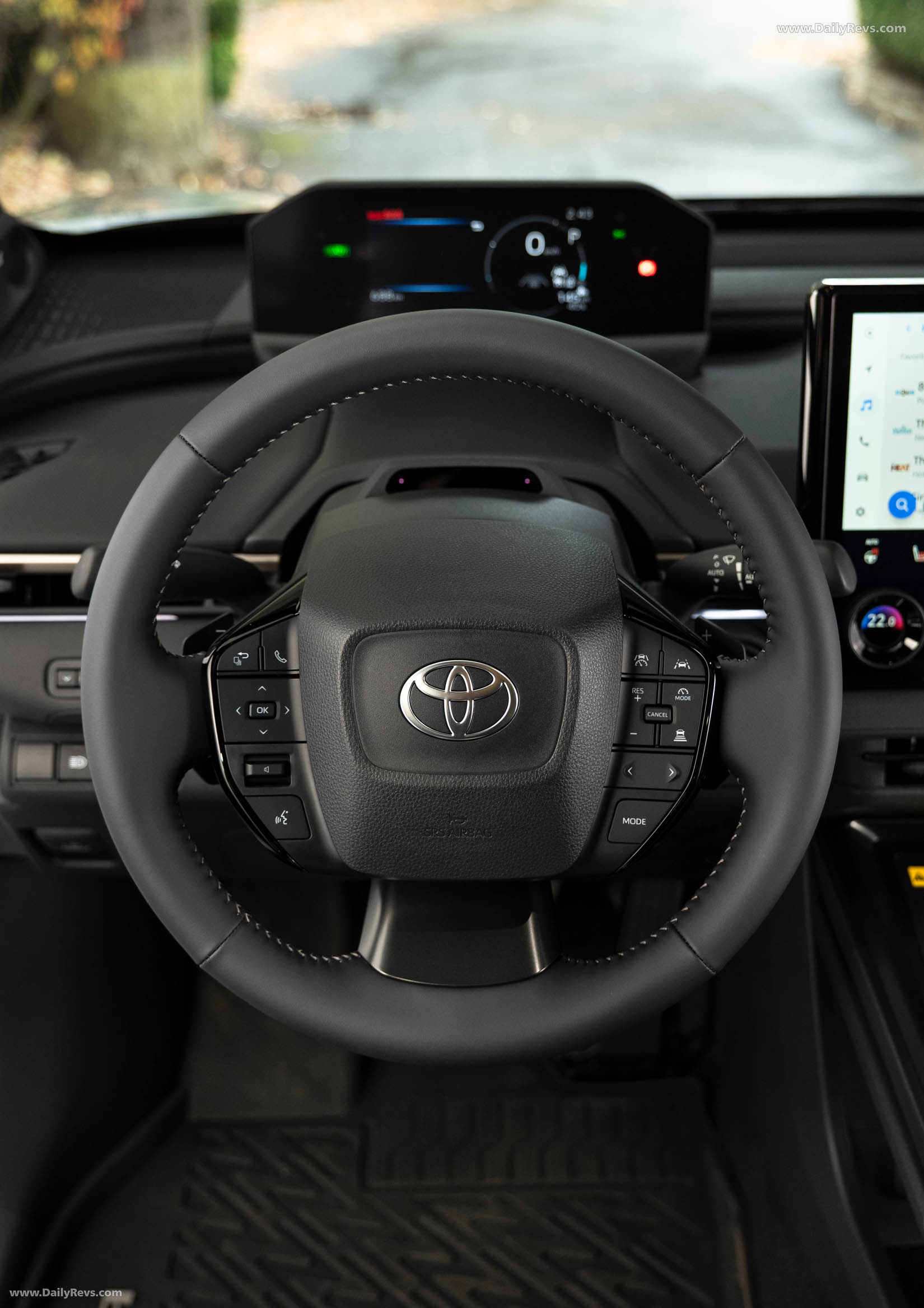
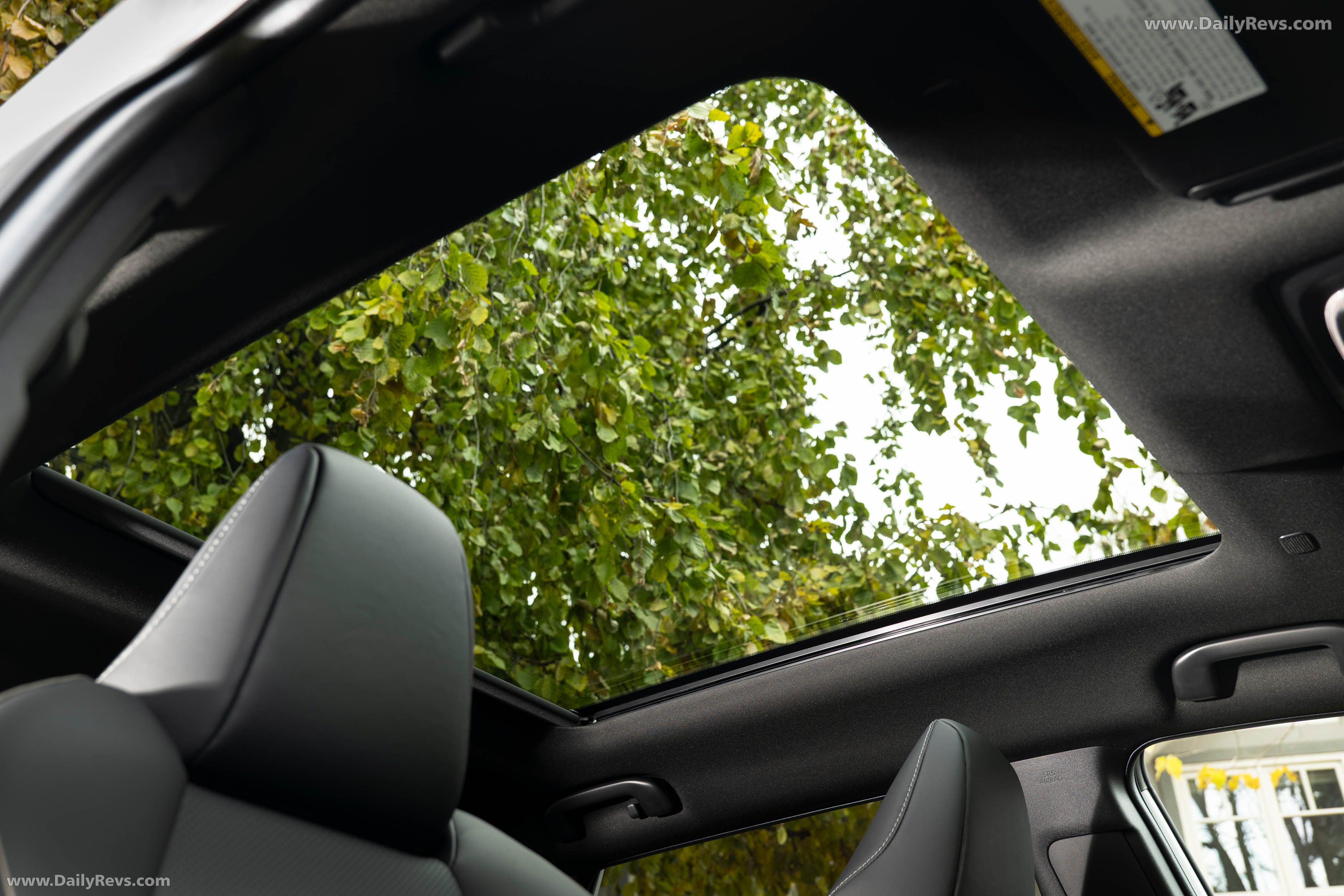
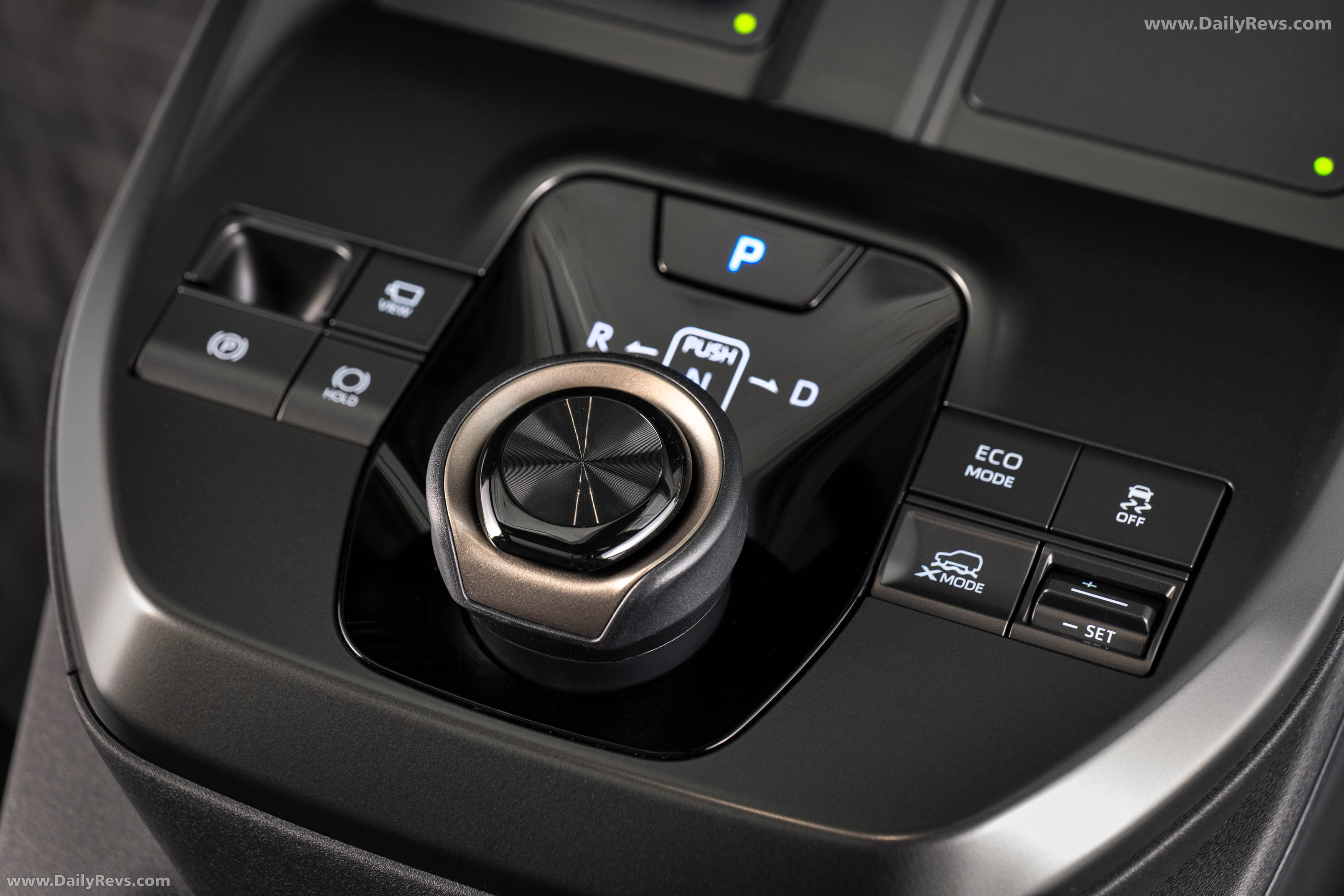
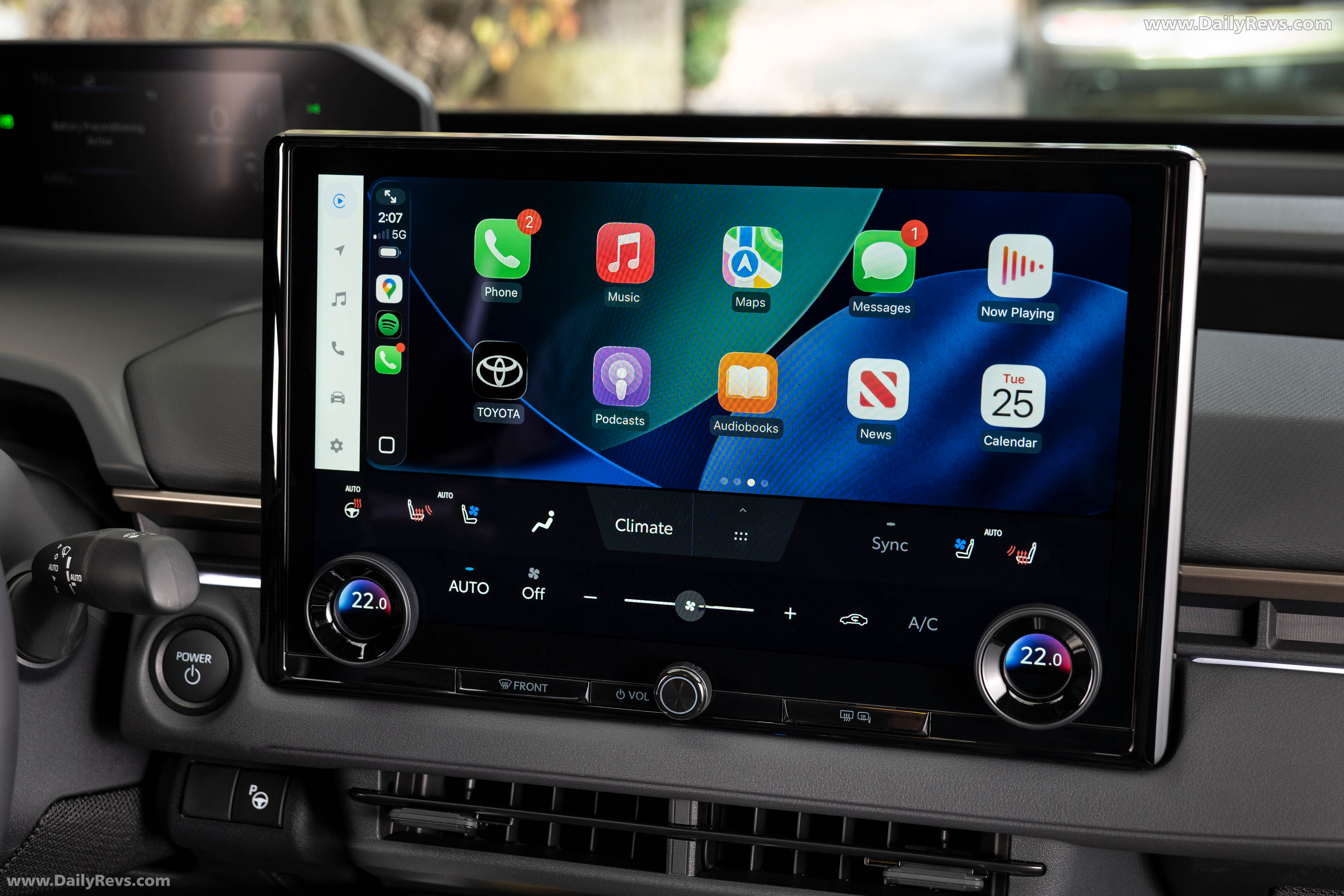
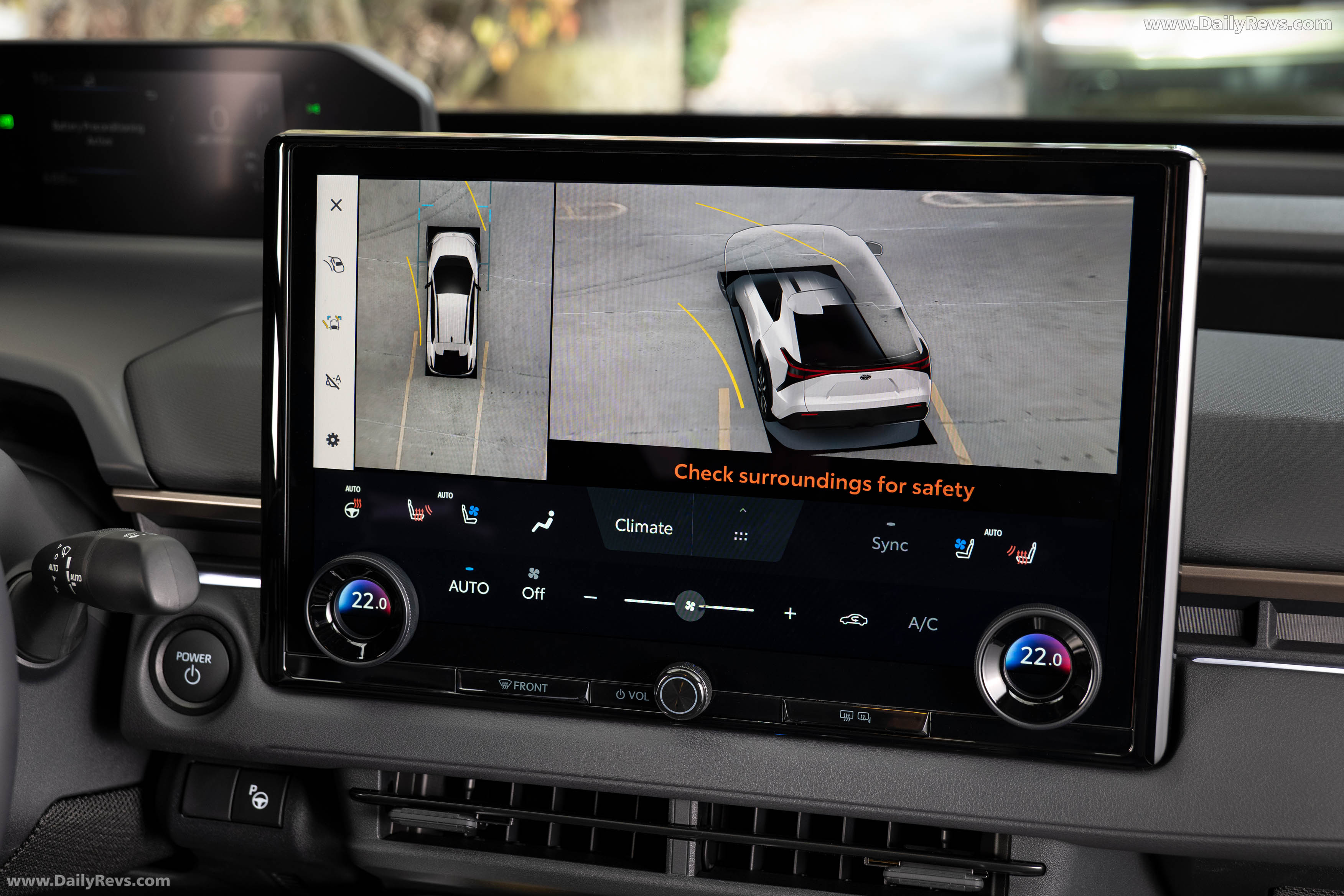
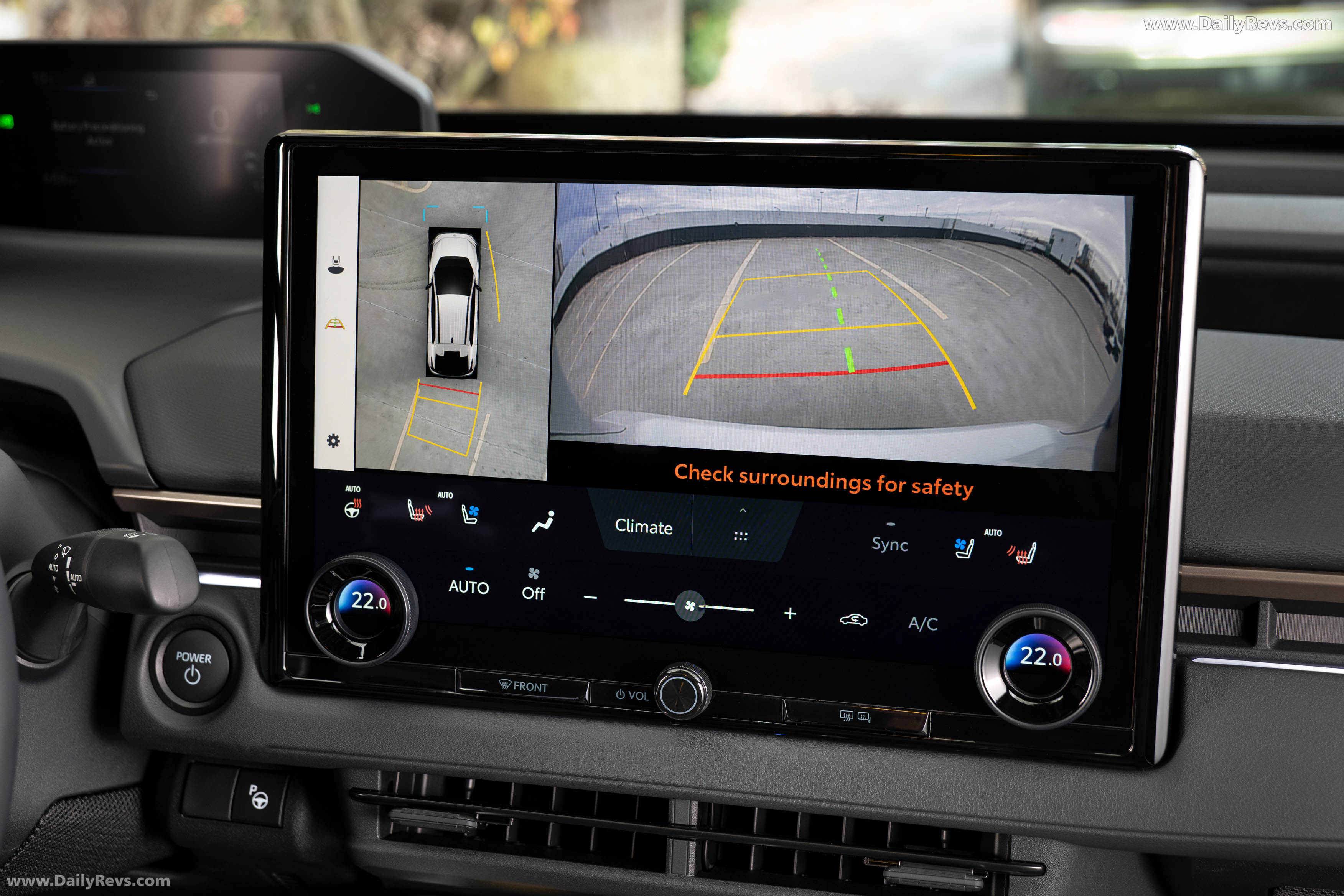
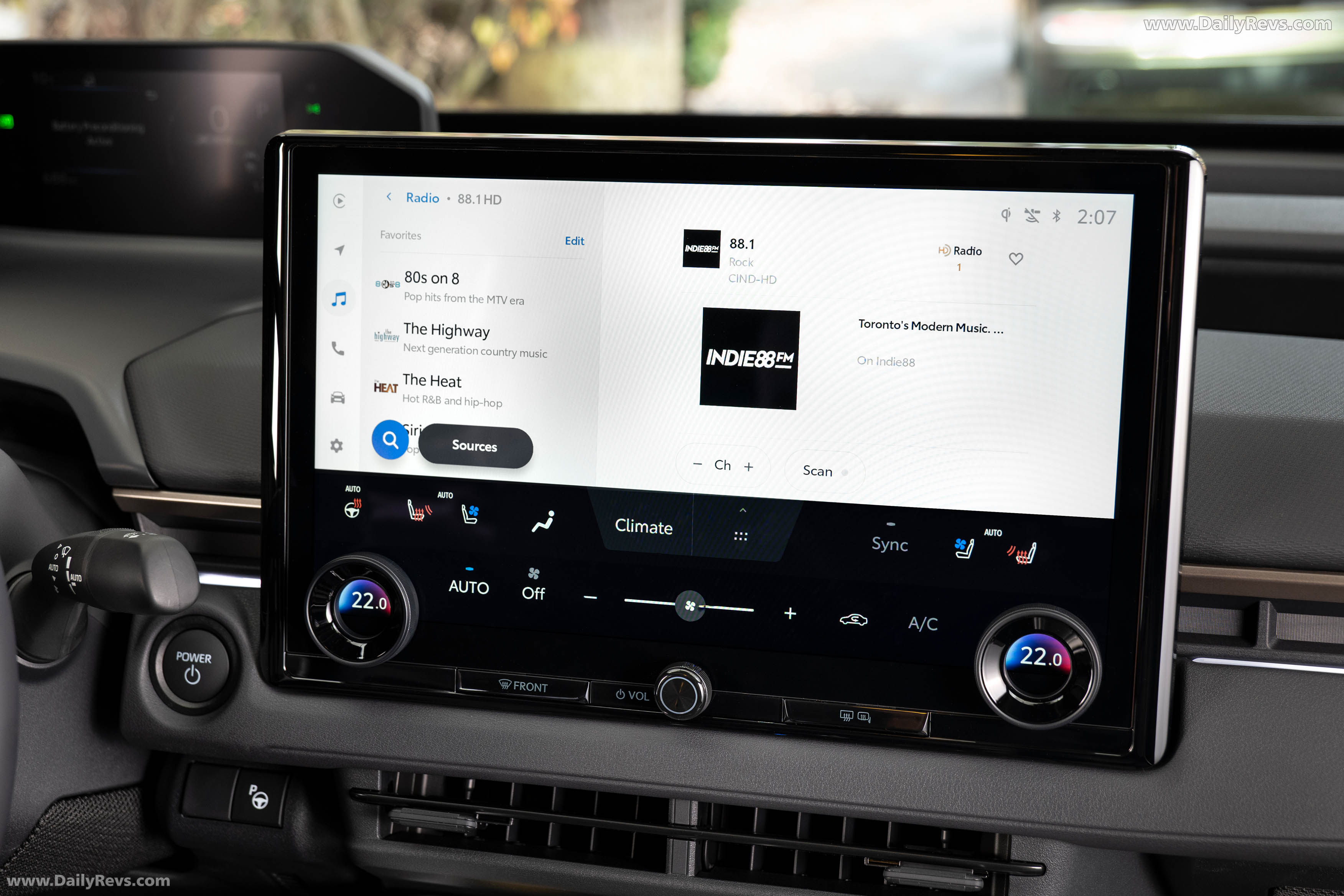
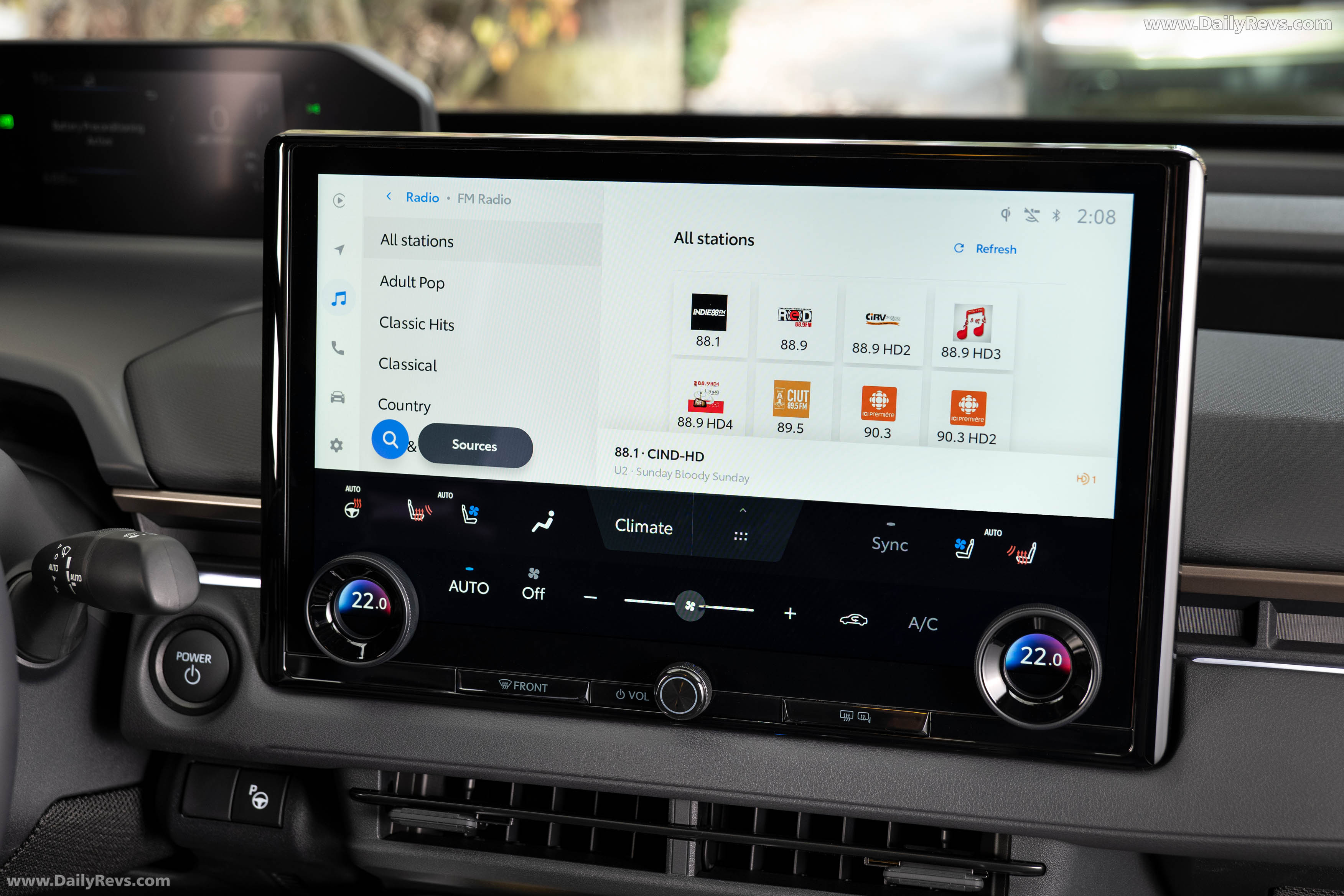
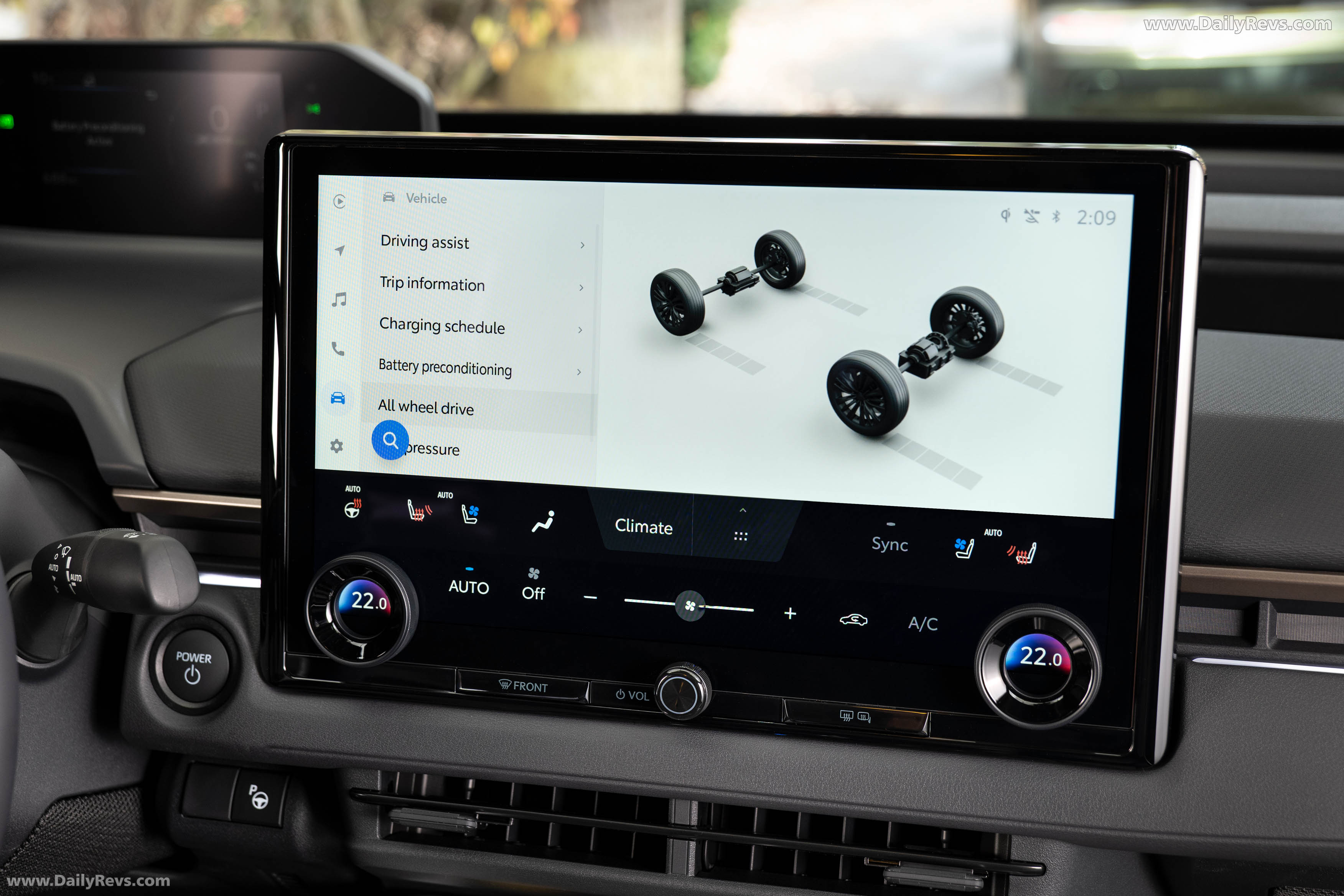
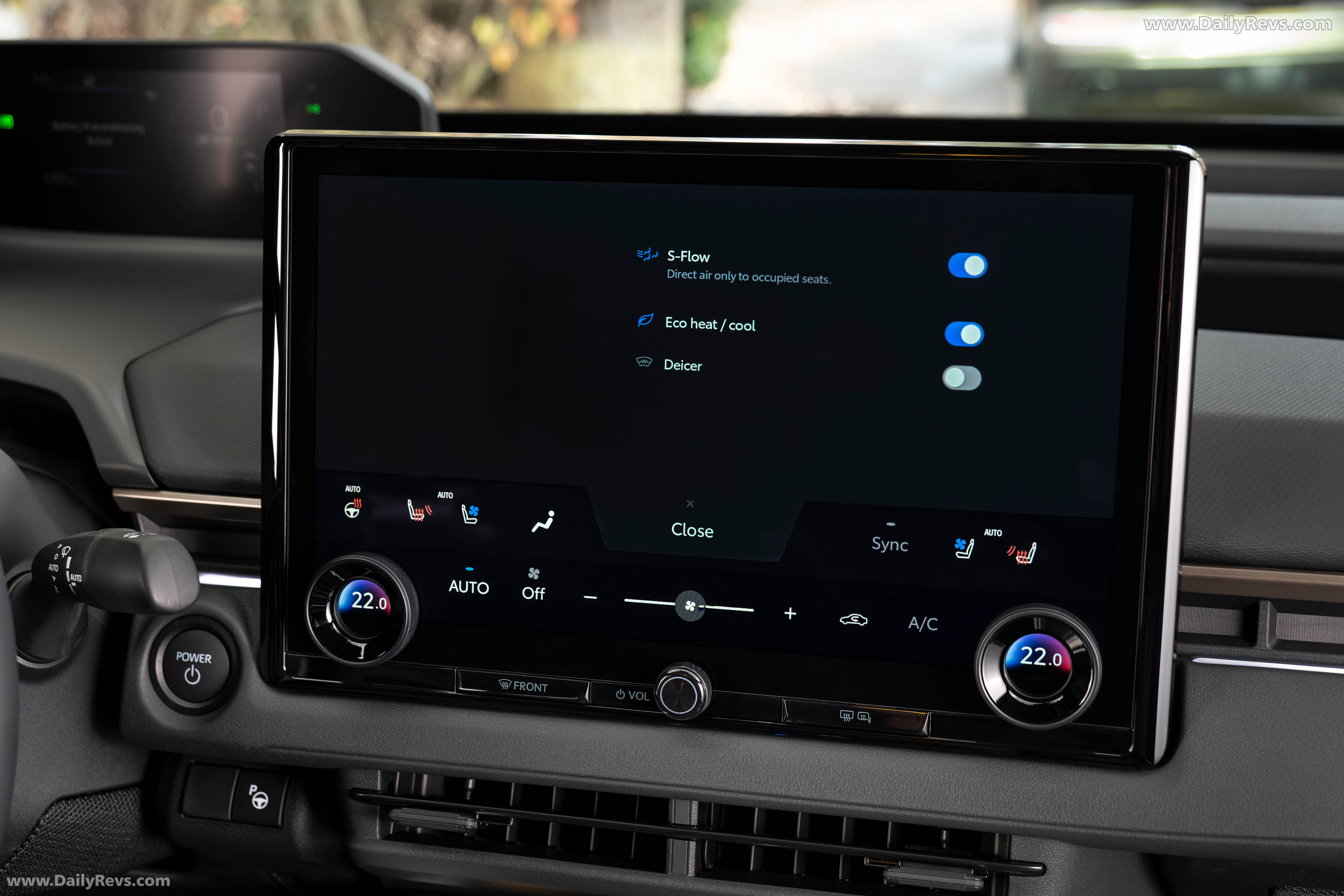
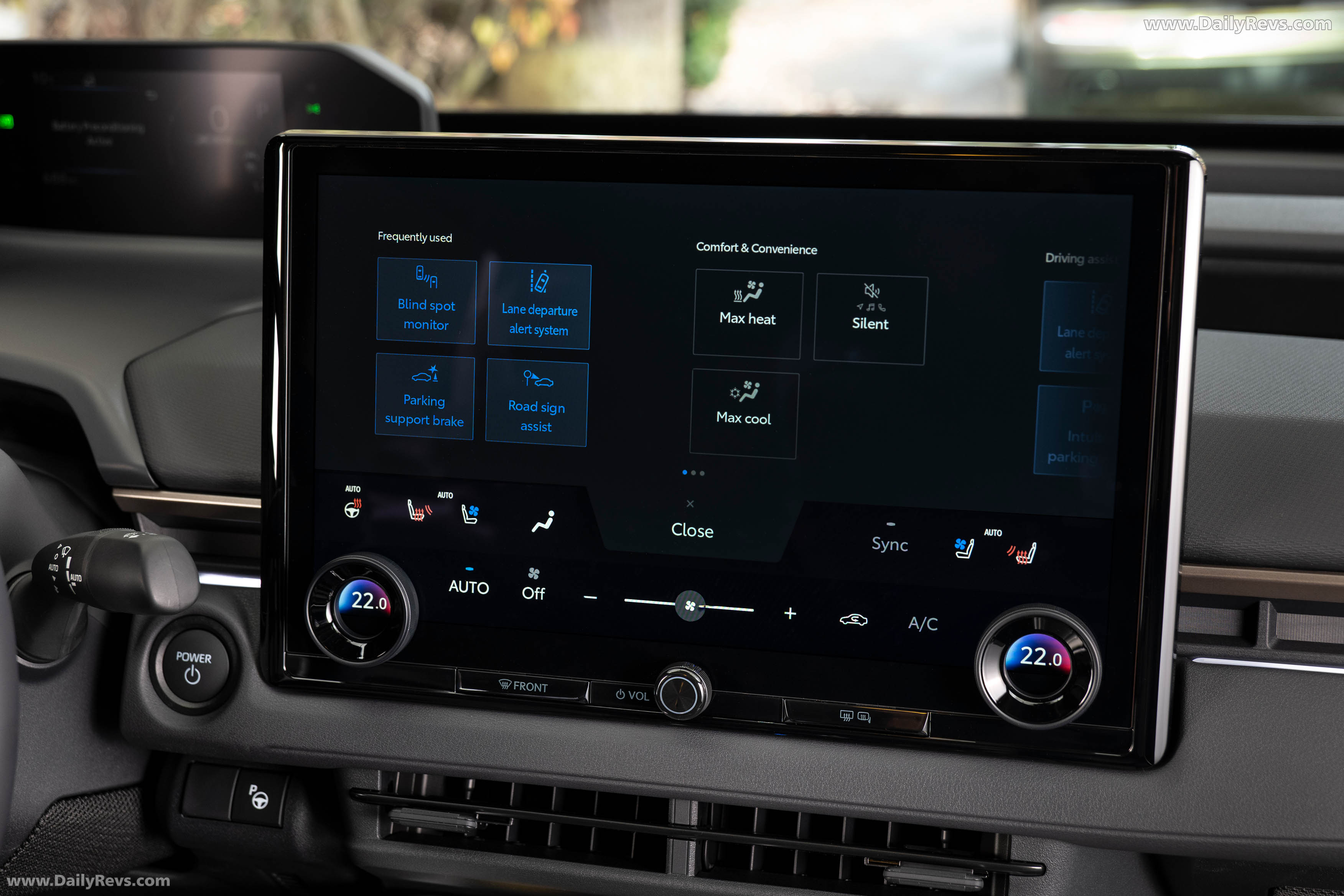
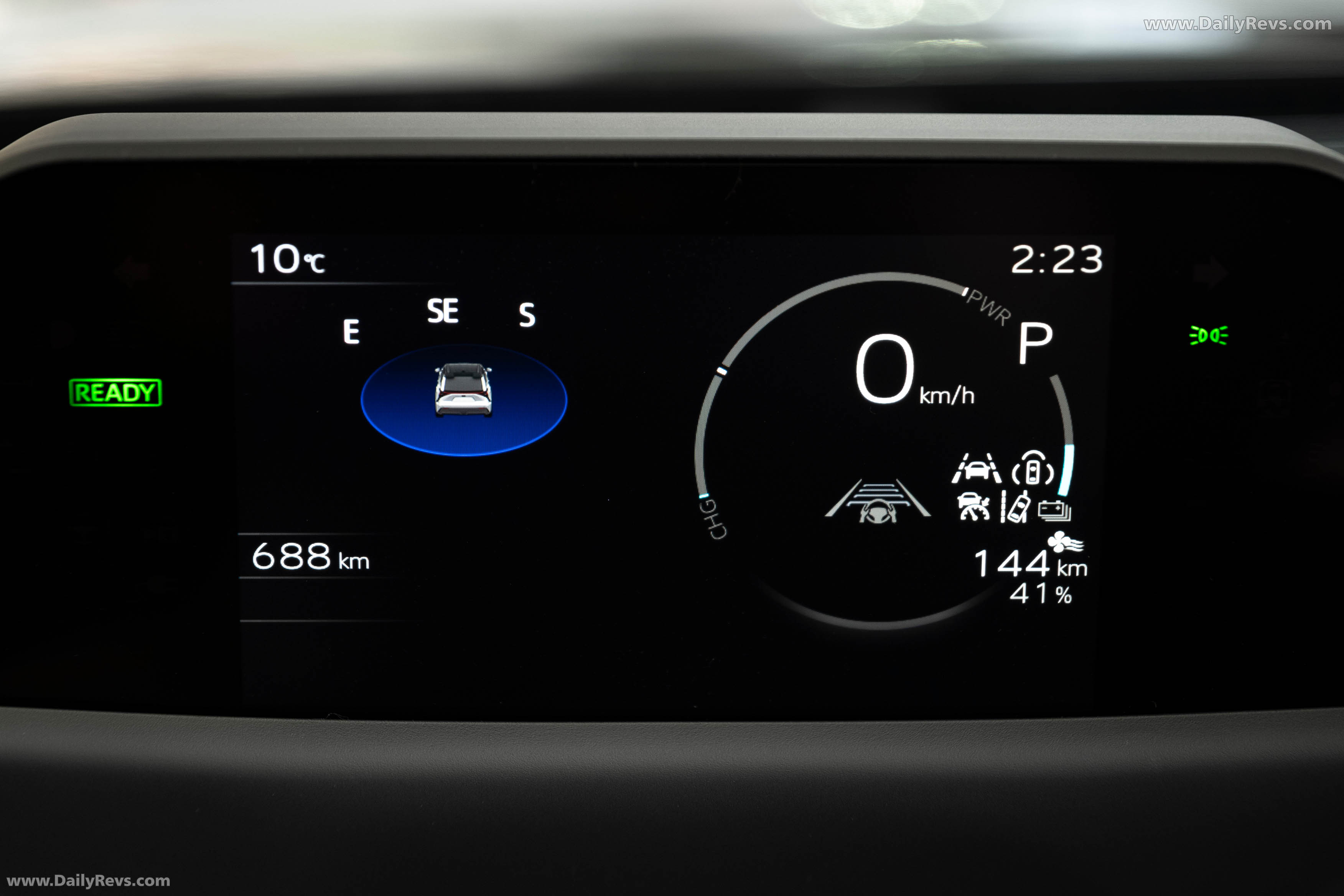
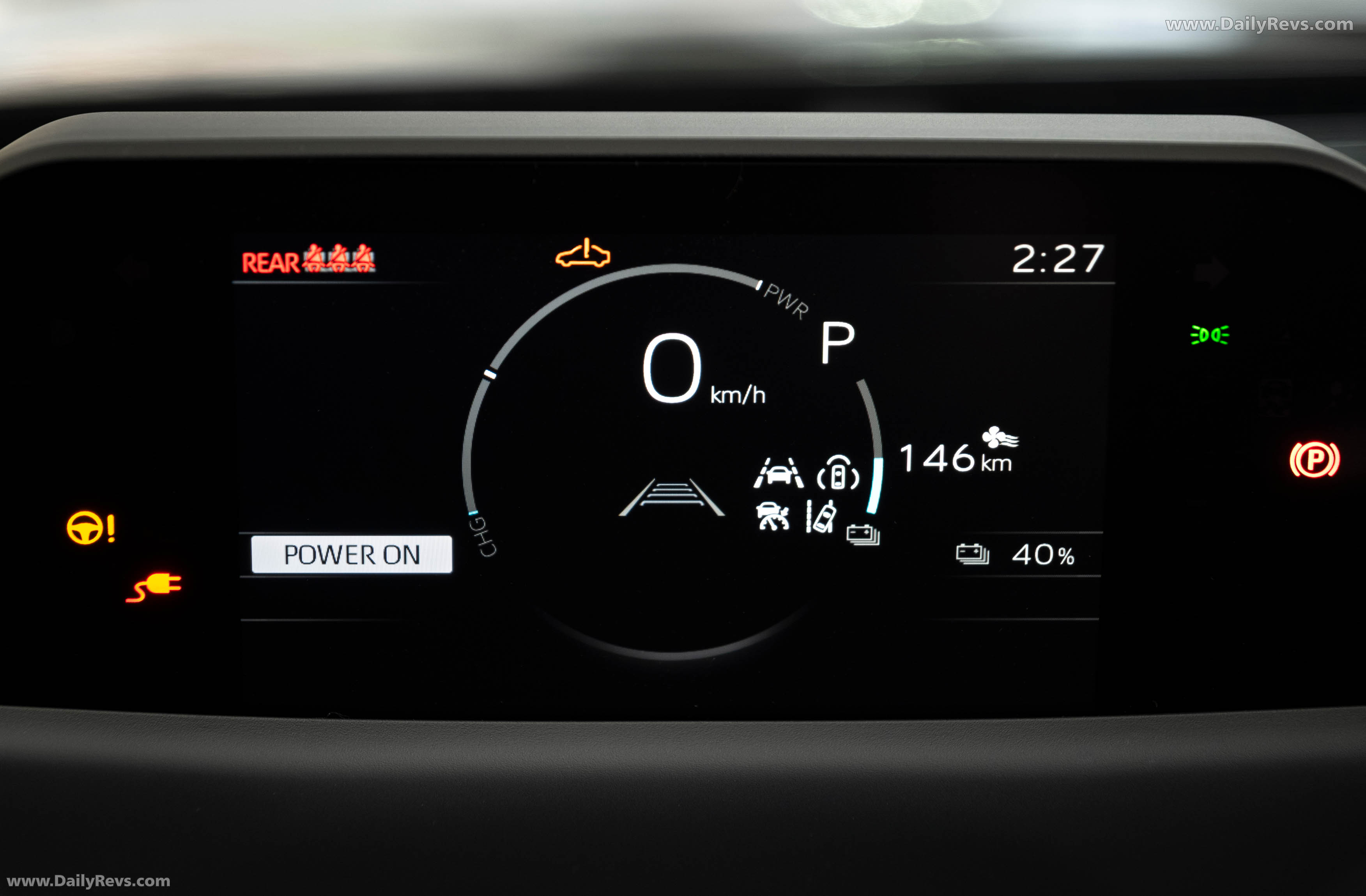
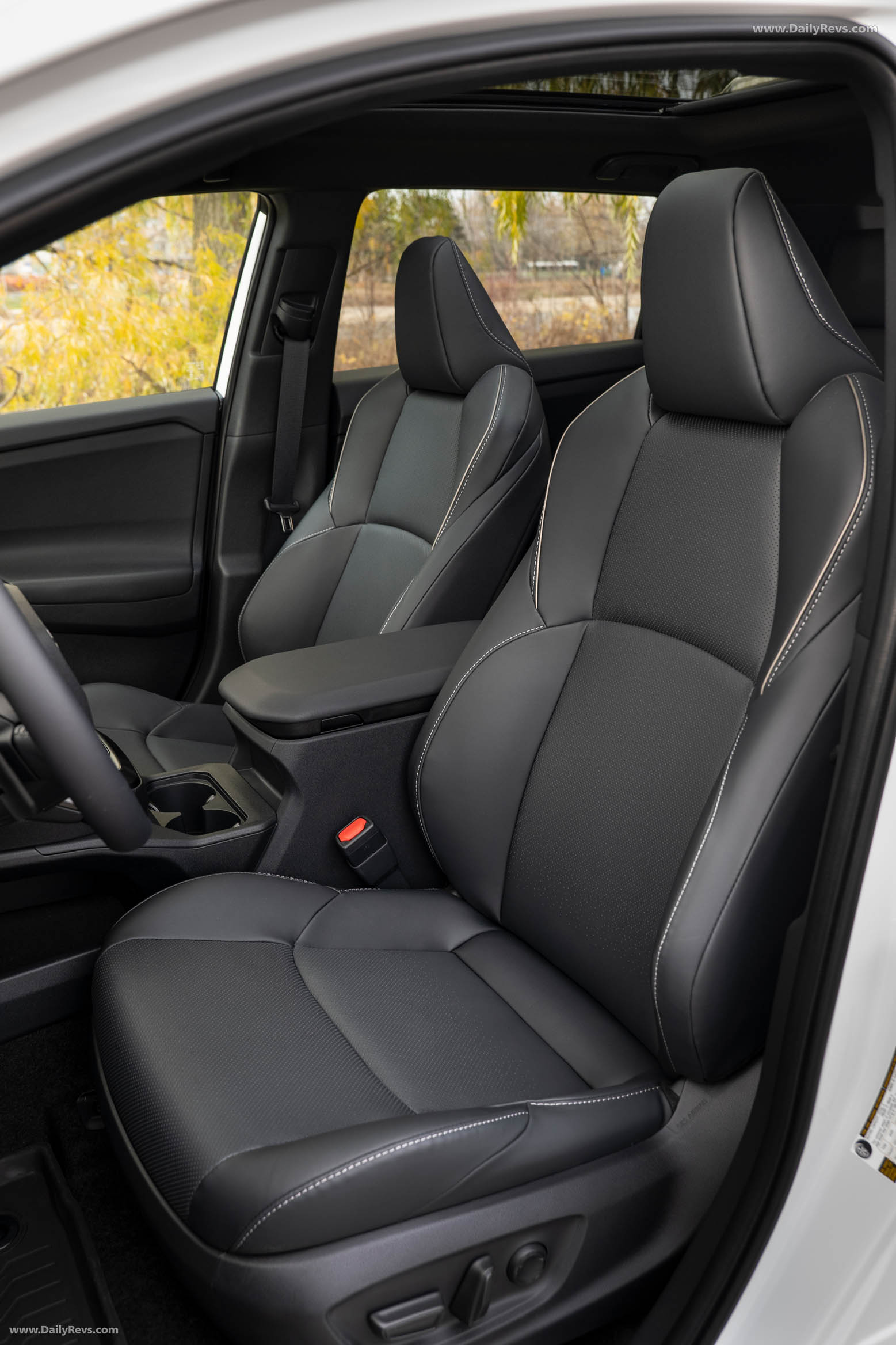
Inside, the changes are more immediately noticeable. A slimmer dashboard design and a standard 14-inch touchscreen bring the cabin closer to Toyota’s newer interiors. Materials feel warmer and more deliberate, supported by soft-touch surfaces and 64-color ambient lighting that runs front to rear.
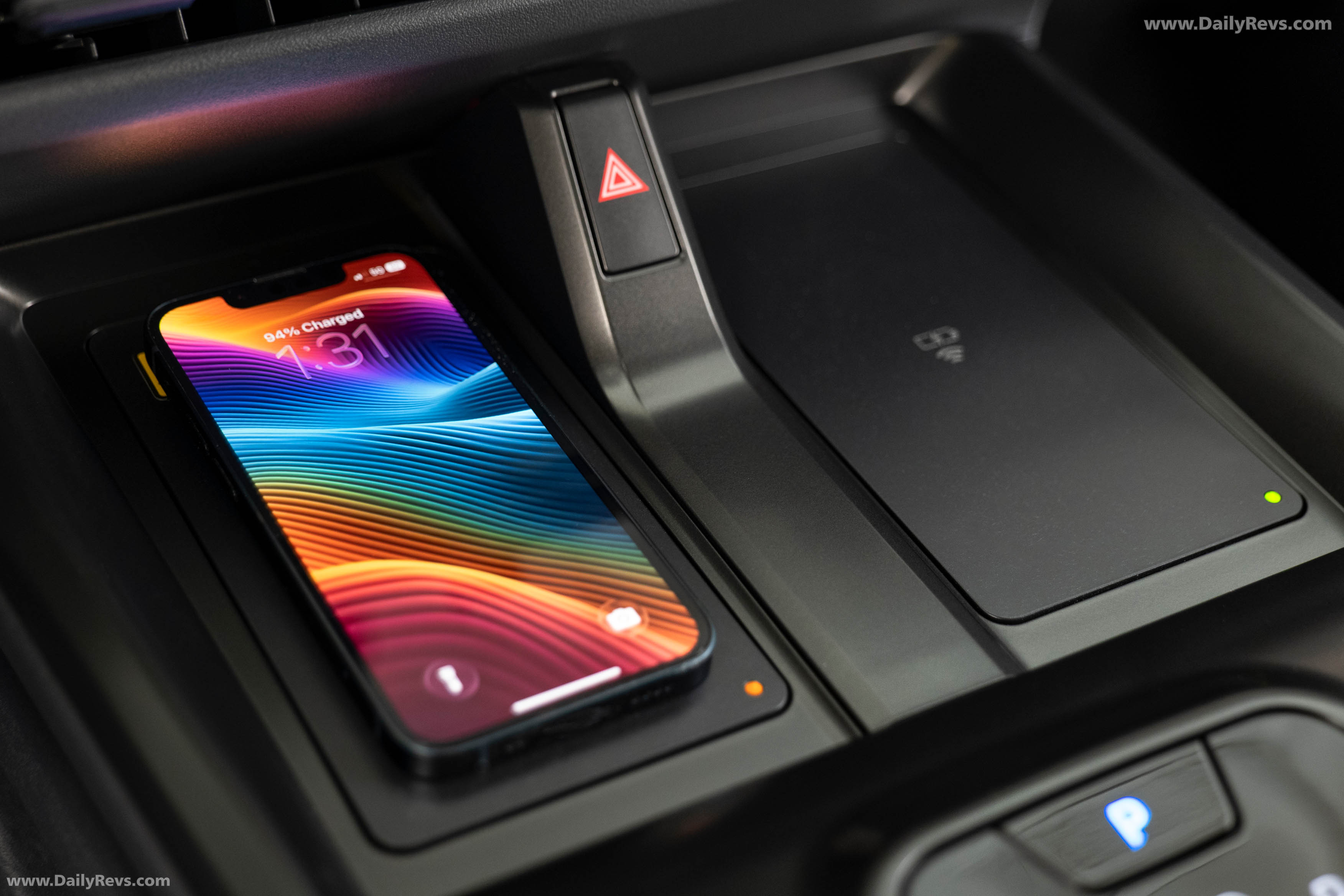
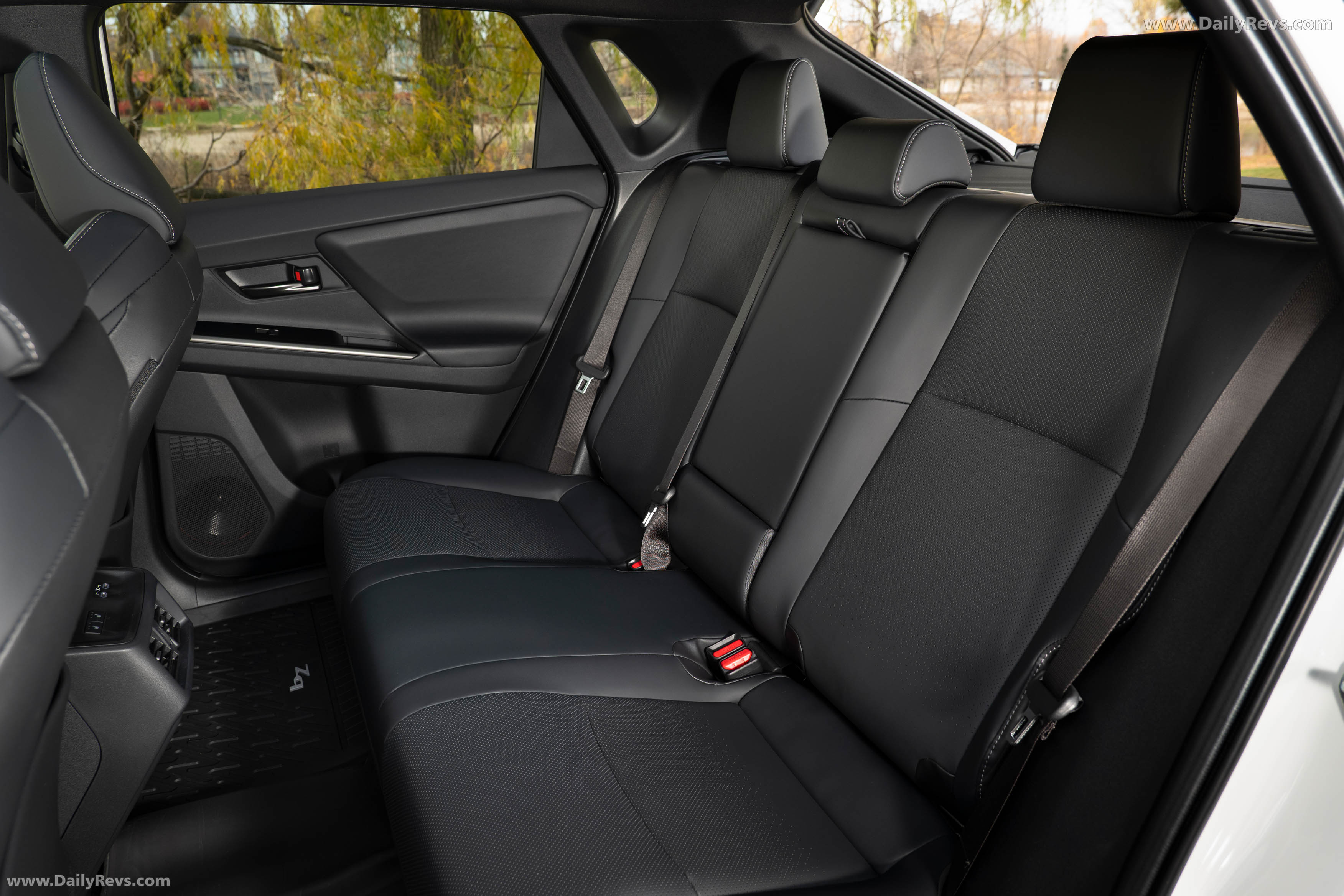
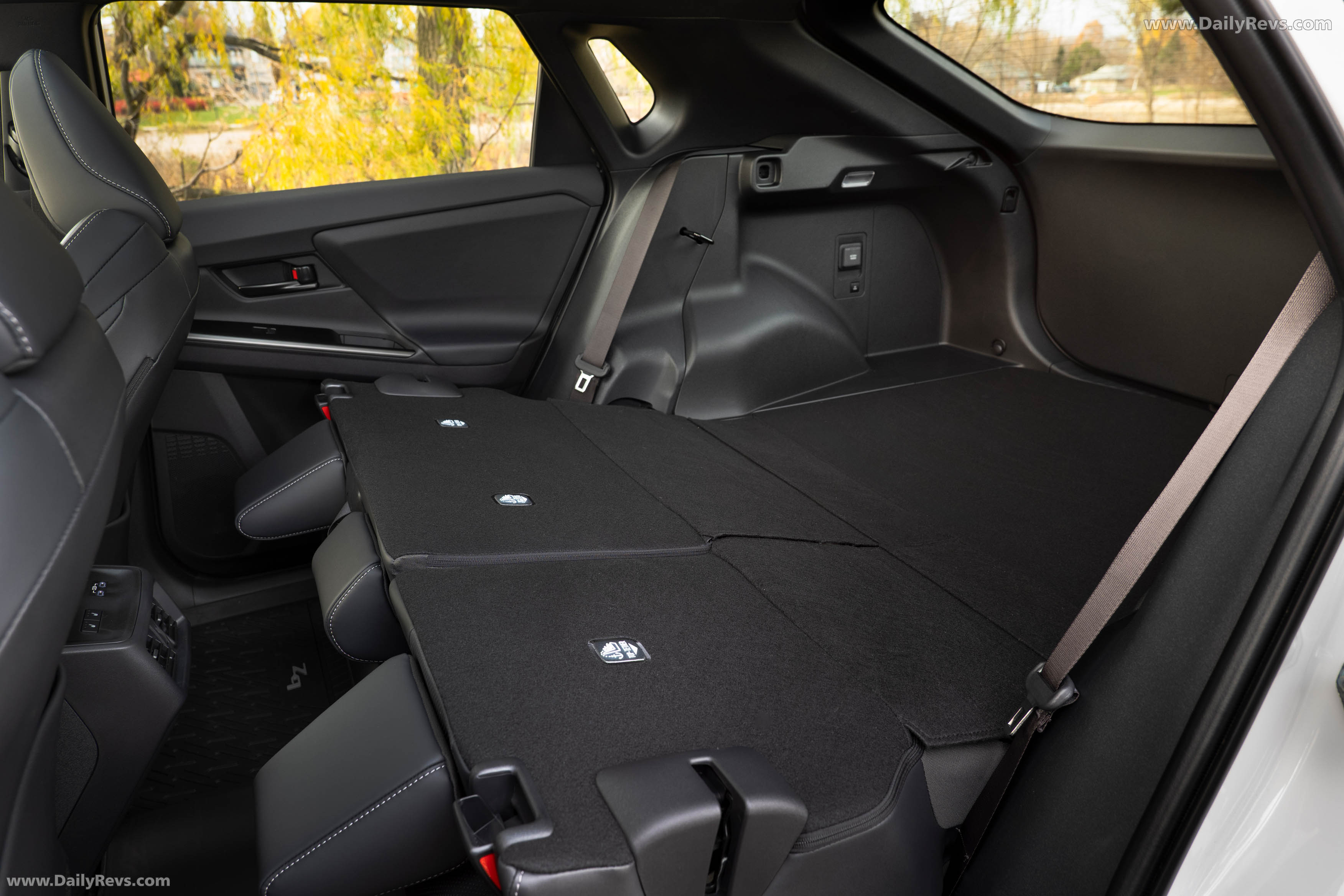
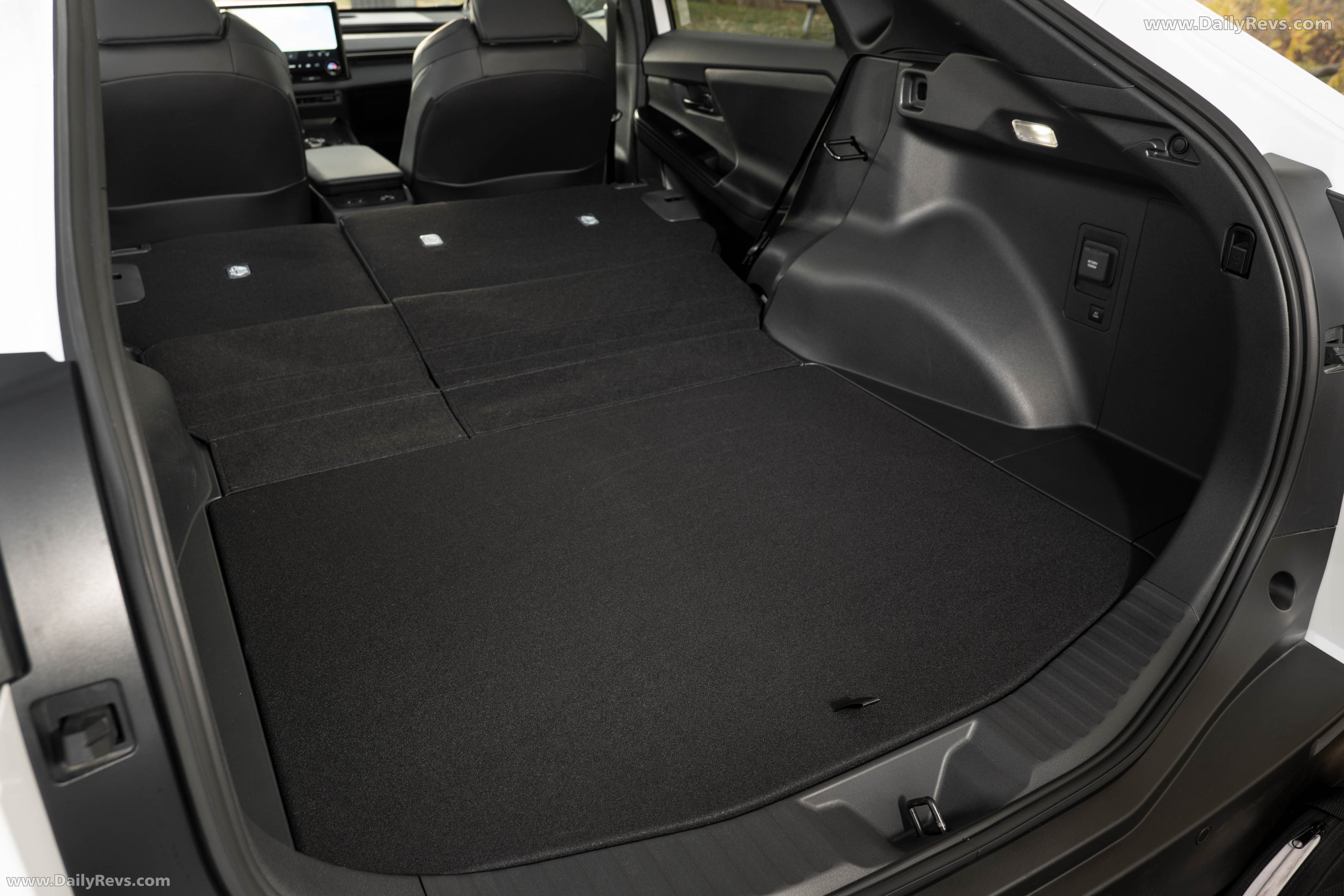
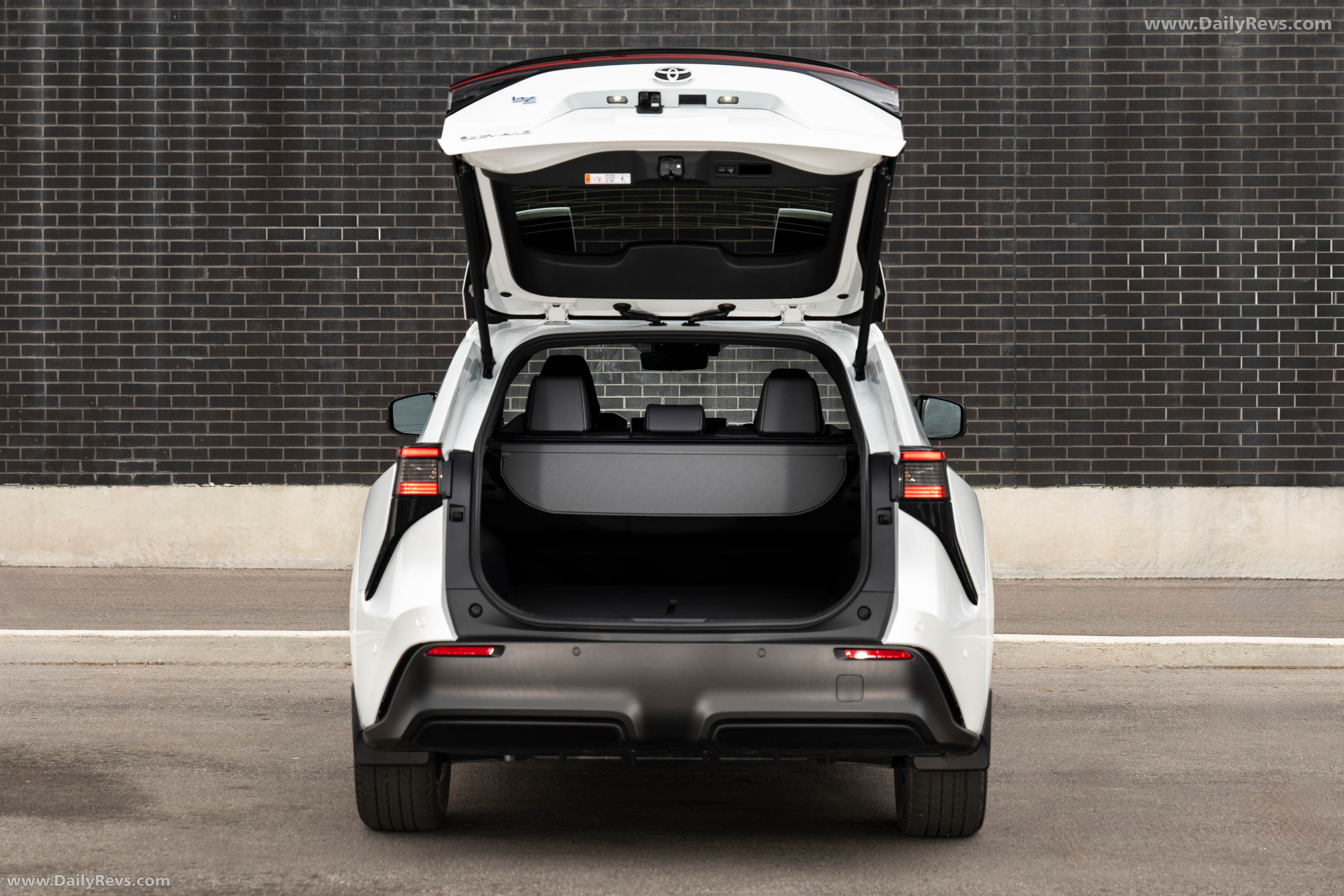
Dual wireless phone chargers are now located in the center console, which has been remodeled for daily use. Drivers can modify energy recovery while driving thanks to regenerative braking paddles that emerge behind the steering wheel. With 42.1 inches of front legroom, 35.3 inches of back legroom, and 27.7 cubic feet of cargo space behind the second seat, spaciousness is still competitive.
Market Positioning and Segment Context
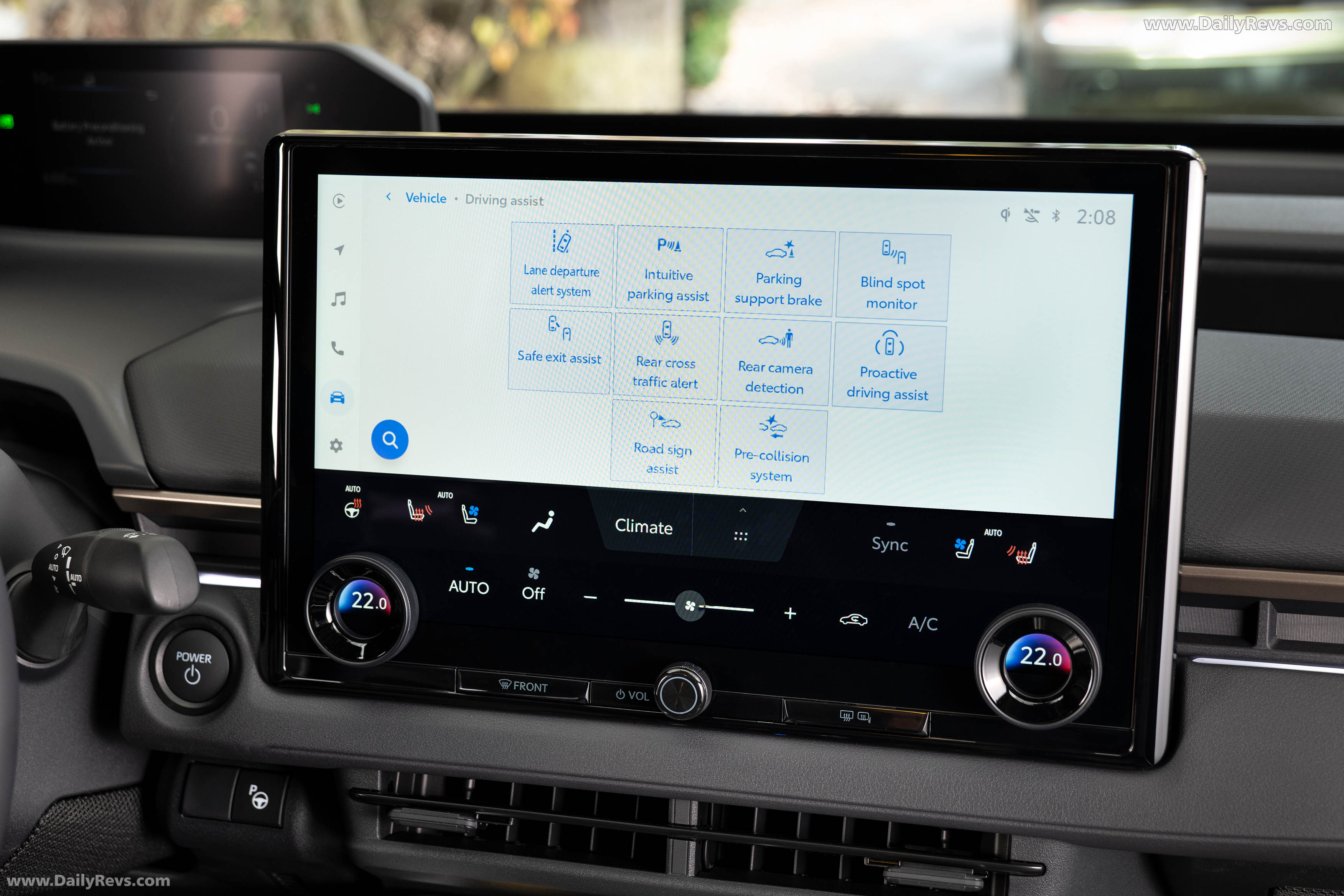
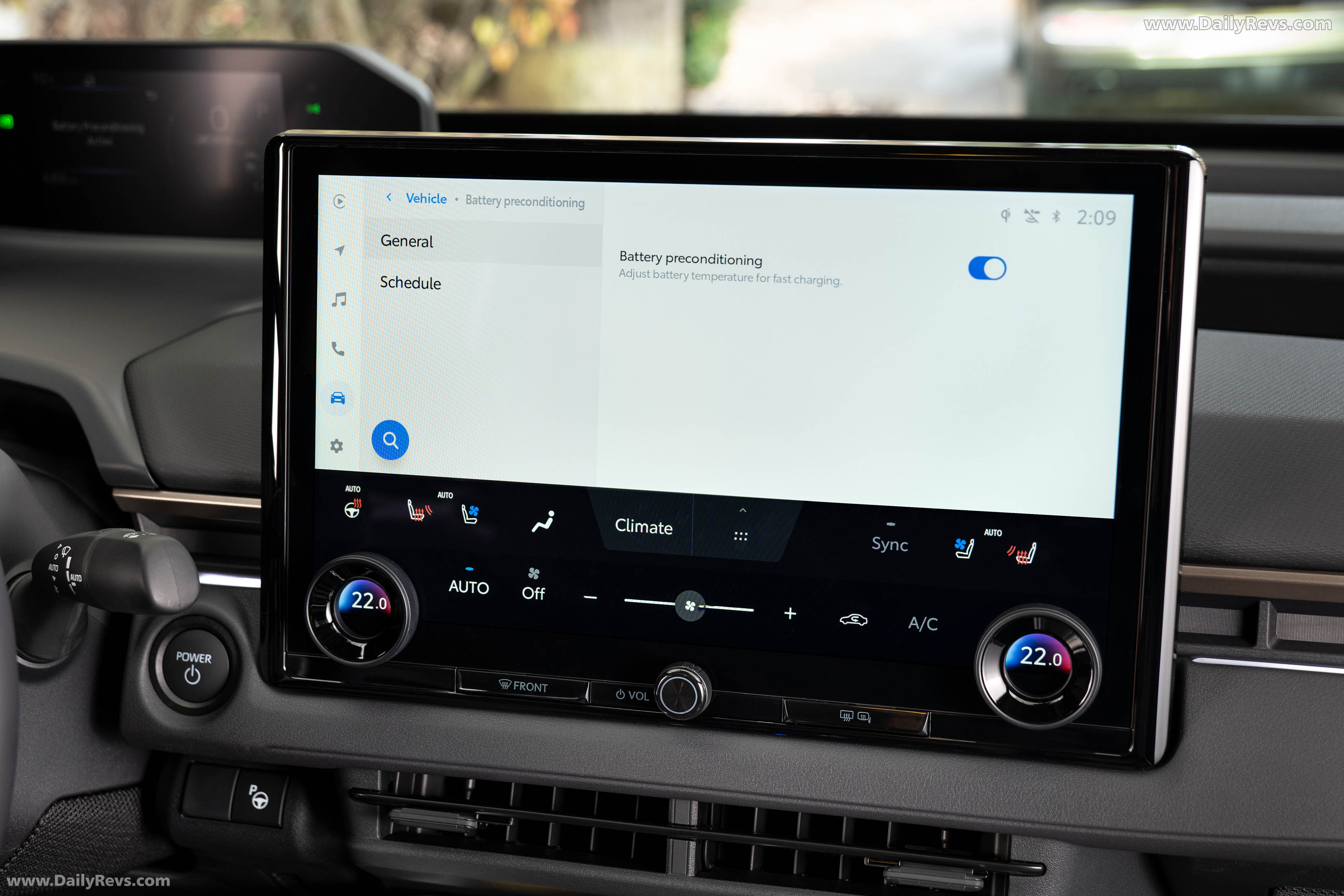
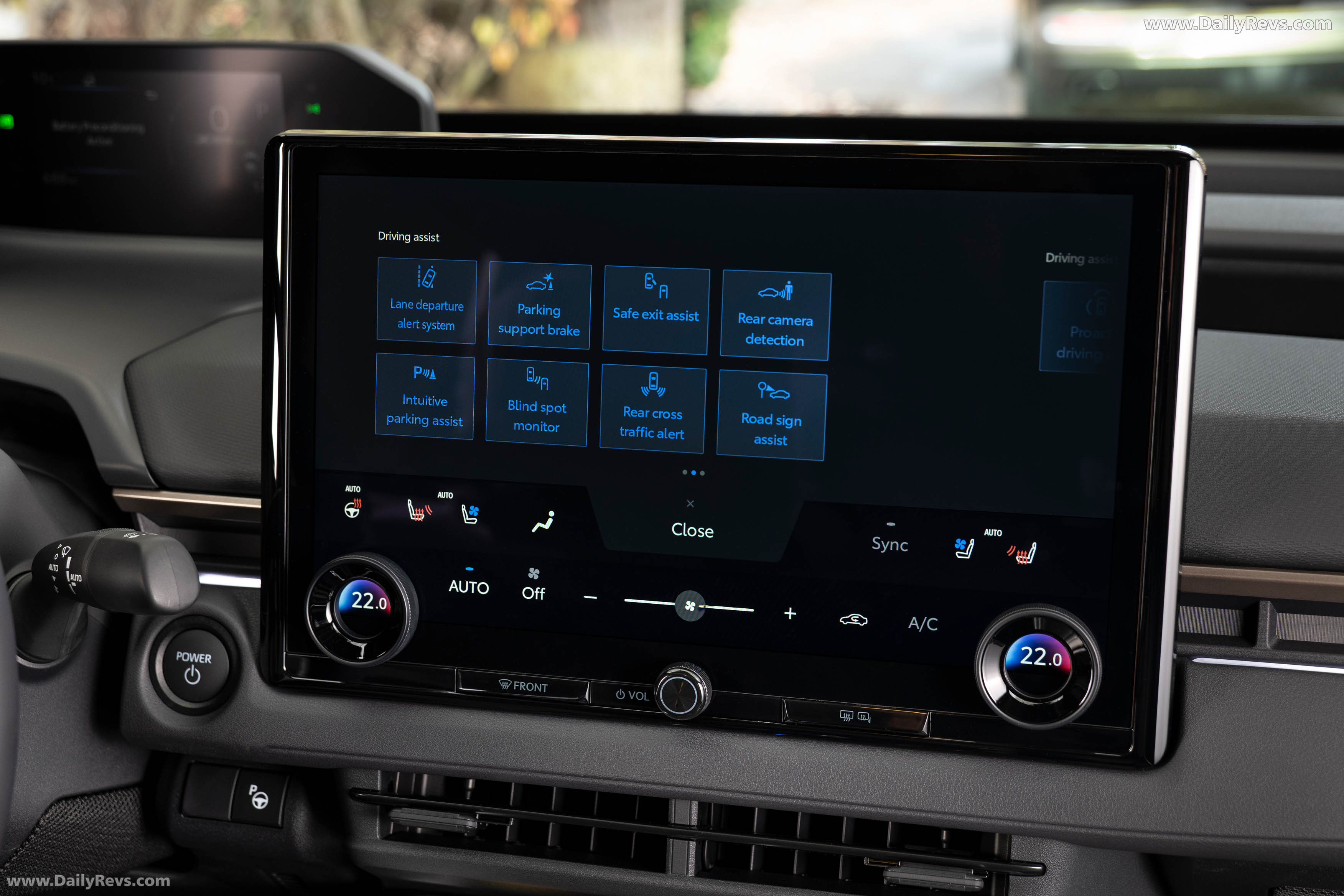
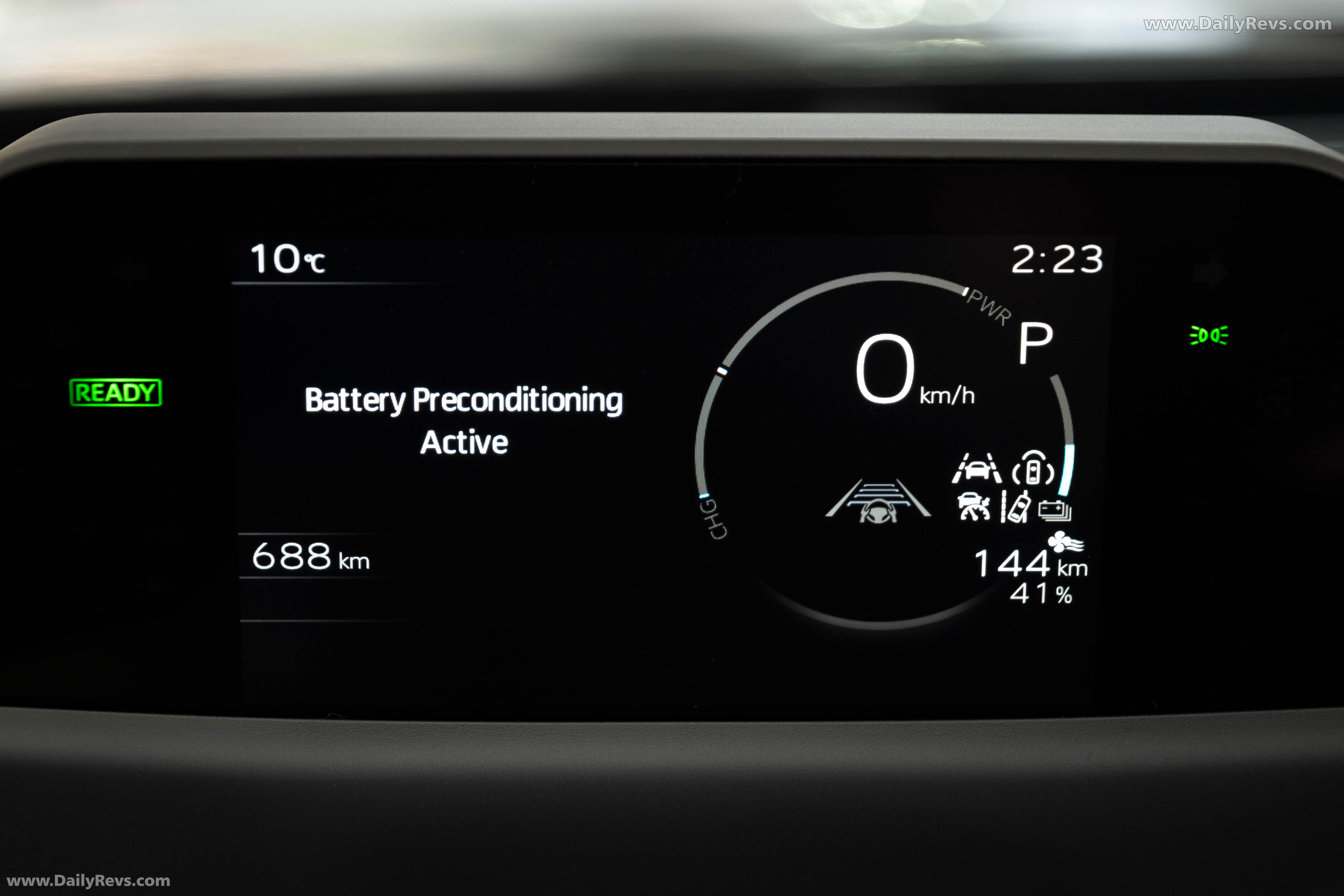
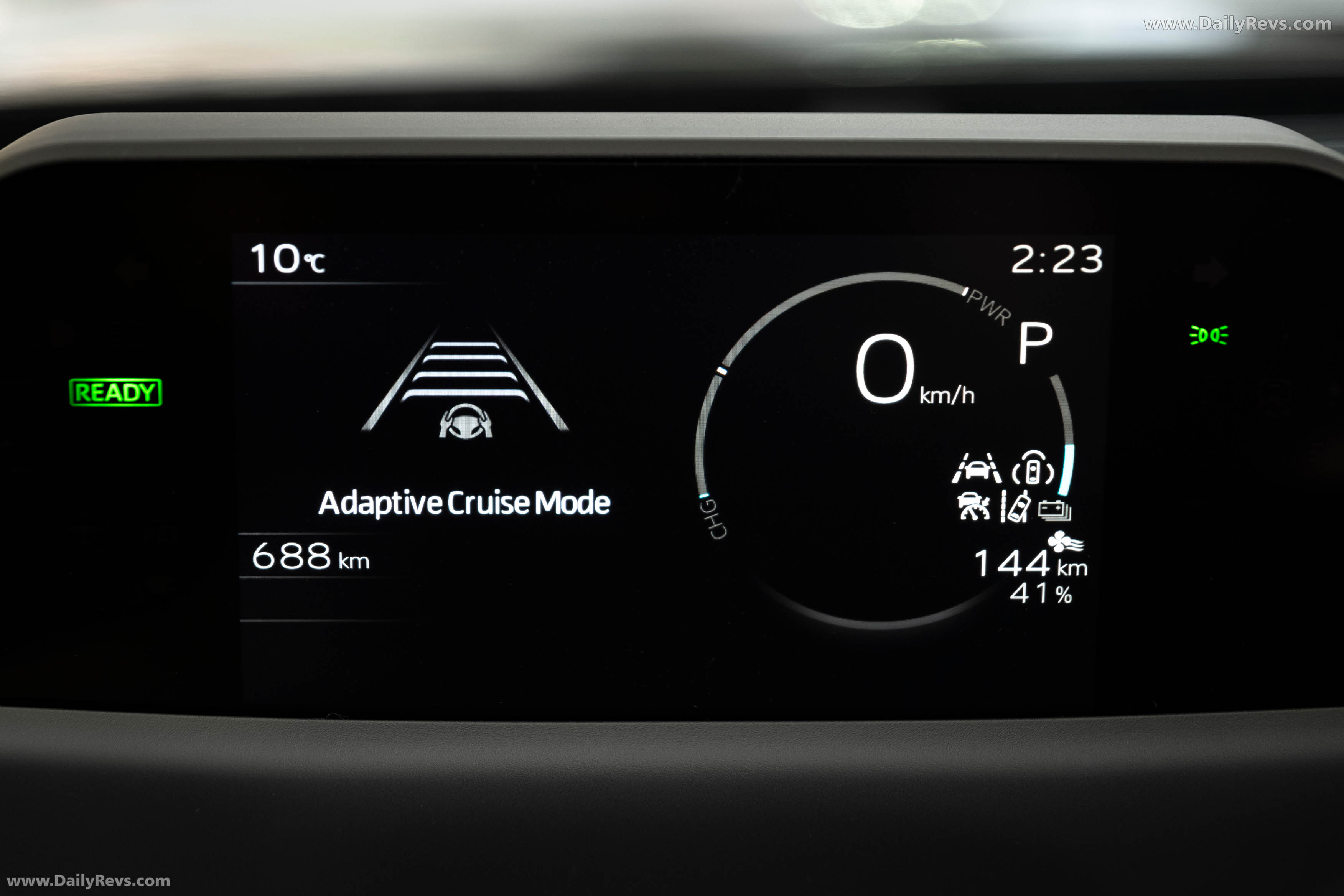
The 2026 Toyota bZ reflects a more pragmatic approach to Toyota’s EV strategy. With a starting price of $34,900 in the US, it is targeted at mainstream users who value durability, charging availability, and range over novelty. Features like battery pre-conditioning, Plug & Charge capabilities, and Toyota Safety Sense 3.0 support this approach.
Instead of chasing headlines, the bZ now aims to be reputable and competitive. For Toyota, that shift may be more important than gaudy performance claims or fashion.