
2026 Smart Concept No.2
By Lorenzo Bianchi April 23, 2026
Previews a reinvention of the iconic two seater Smart city car.
Compact 2,792 mm length with tight 6.95 m turning circle.
Up to 300 km range with fast charging under 20 minutes.
A small car with a very different presence
The 2026 Smart Concept #2 arrives with a clear intention. It wants to rethink what a tiny city car can look like.
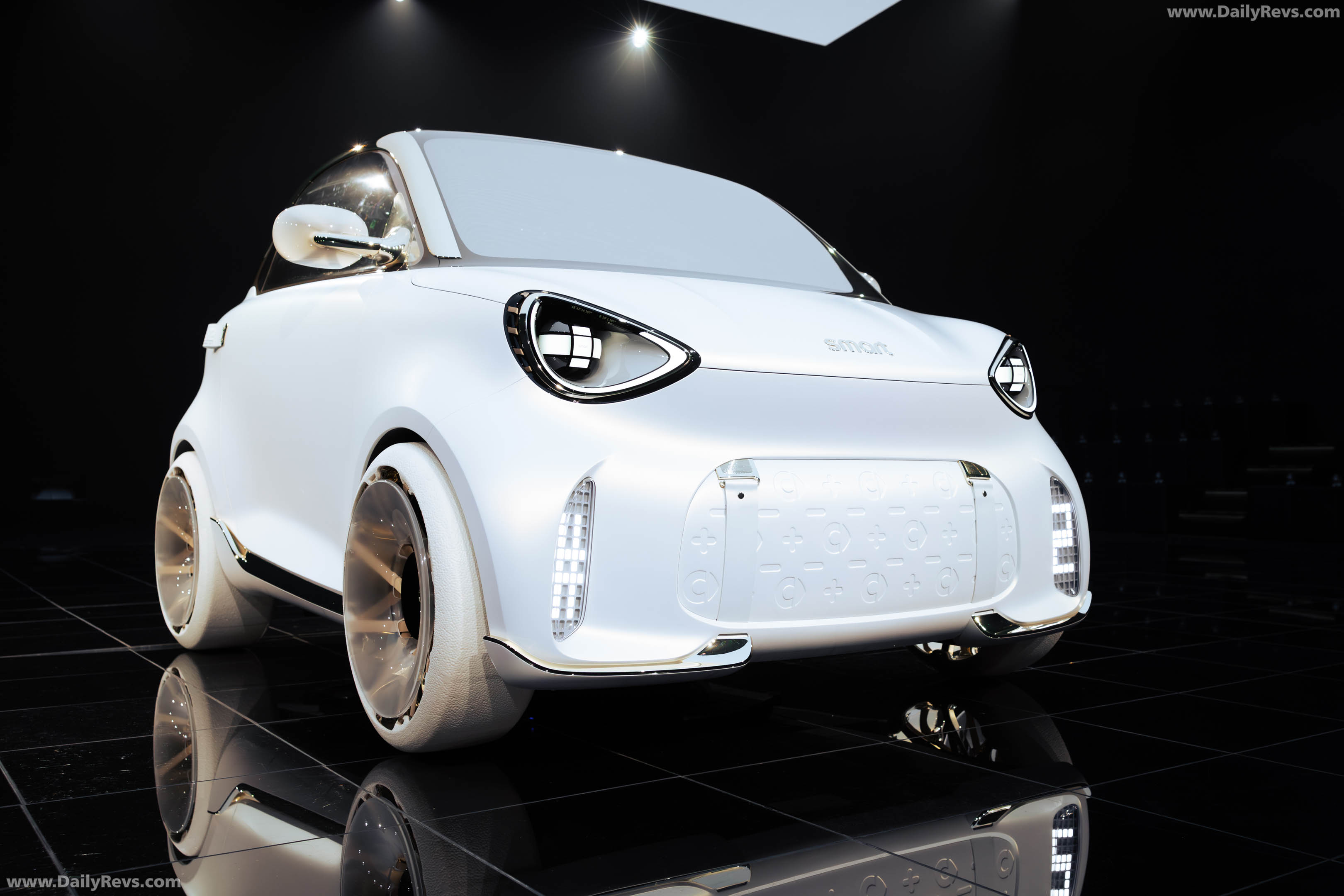
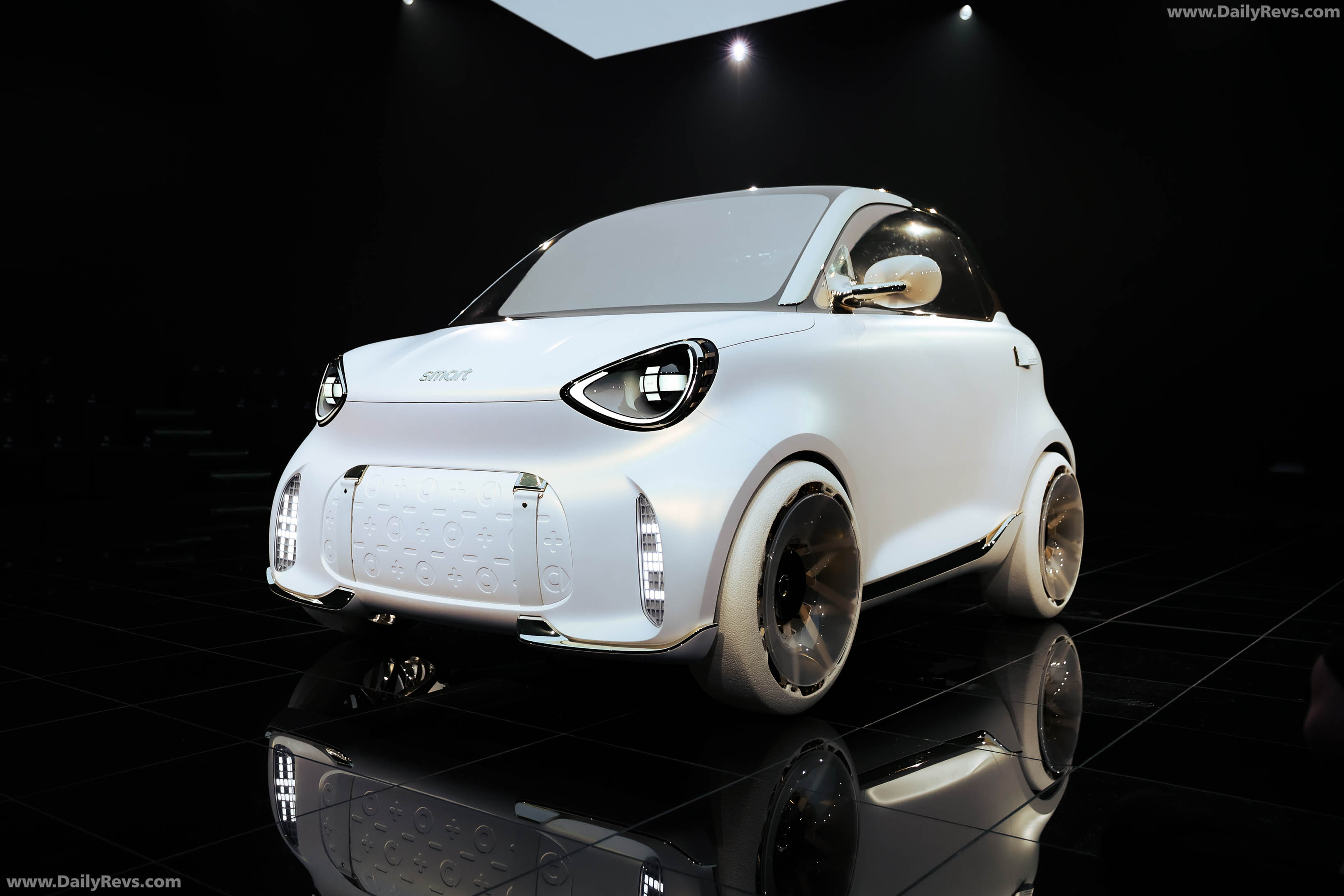
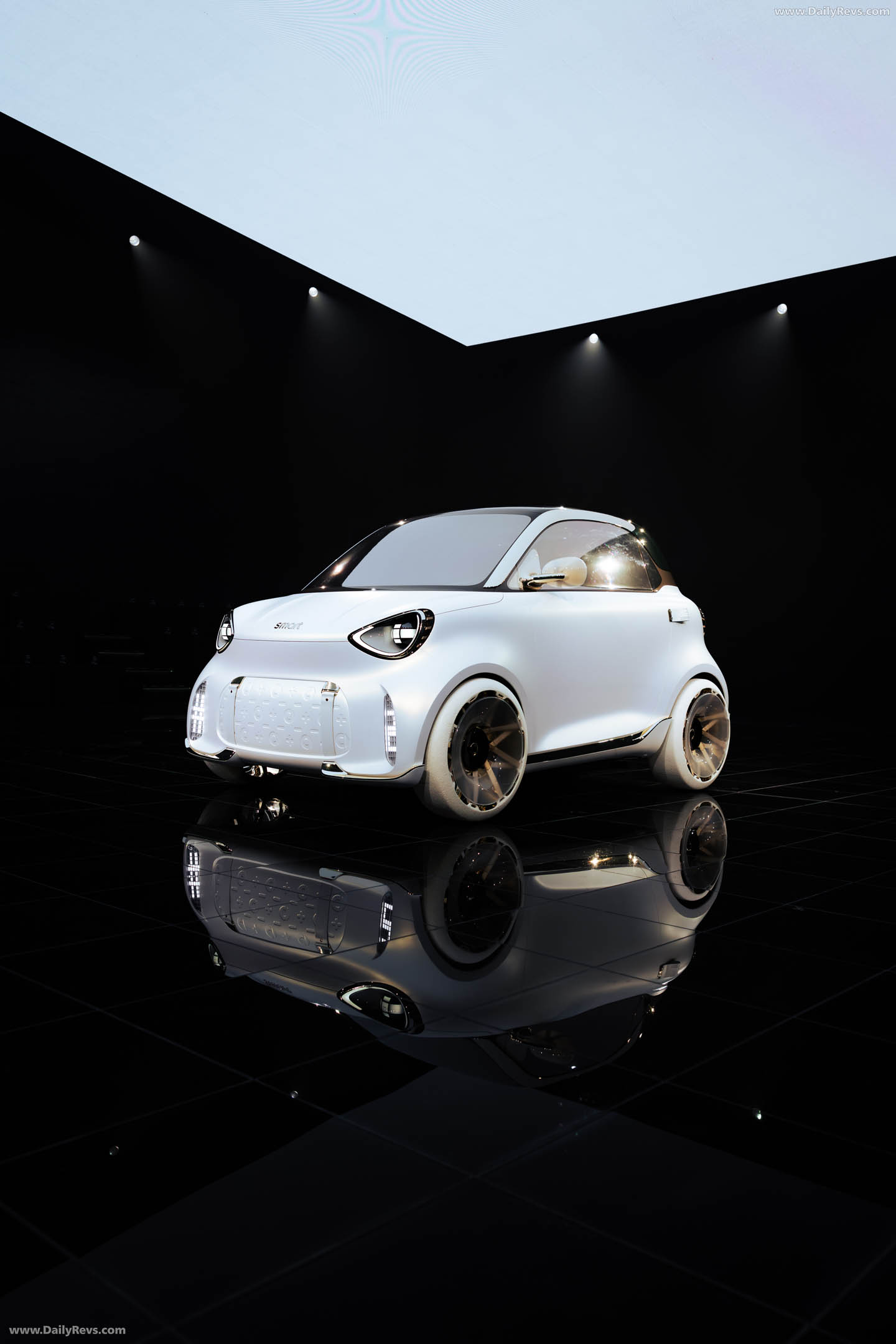
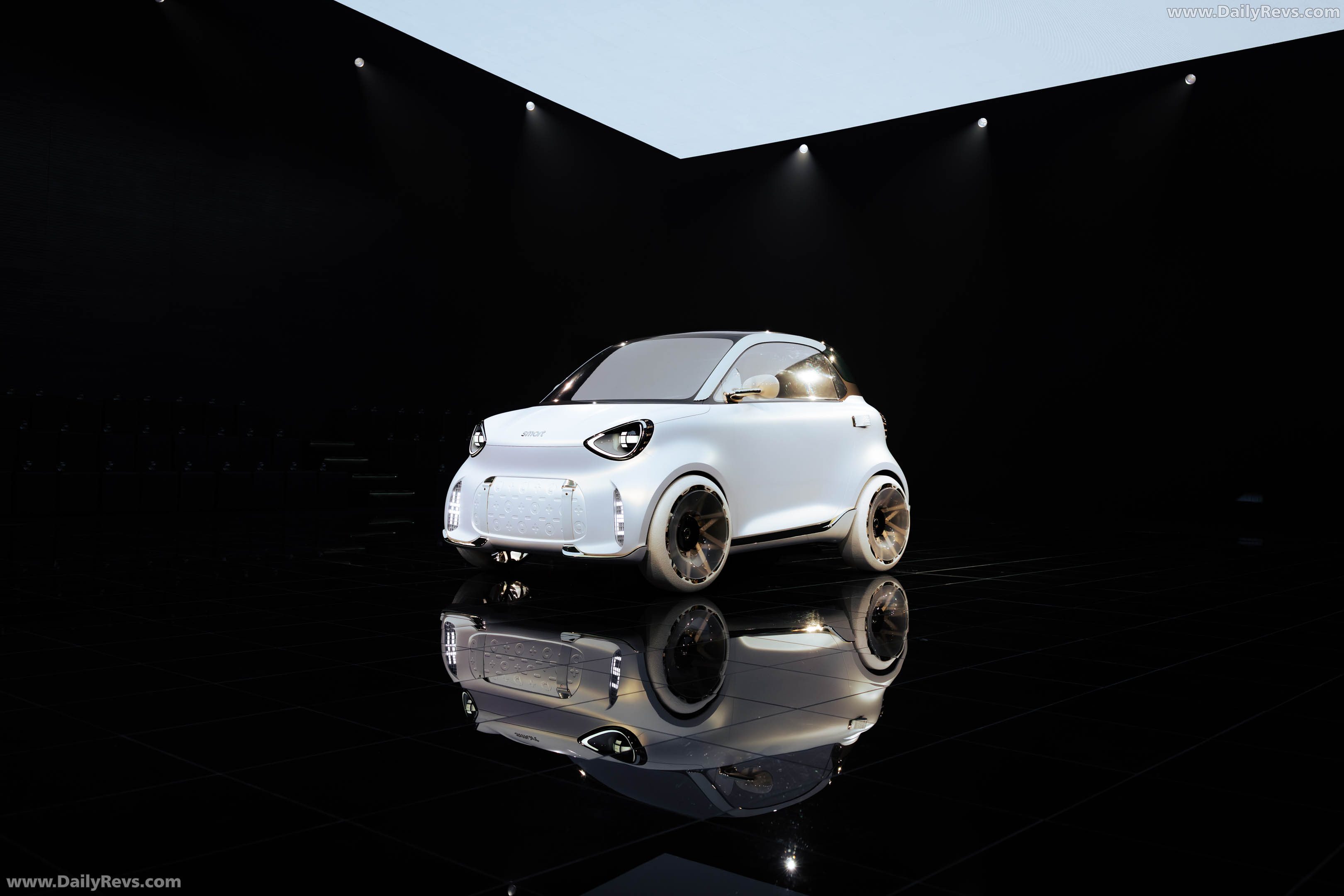
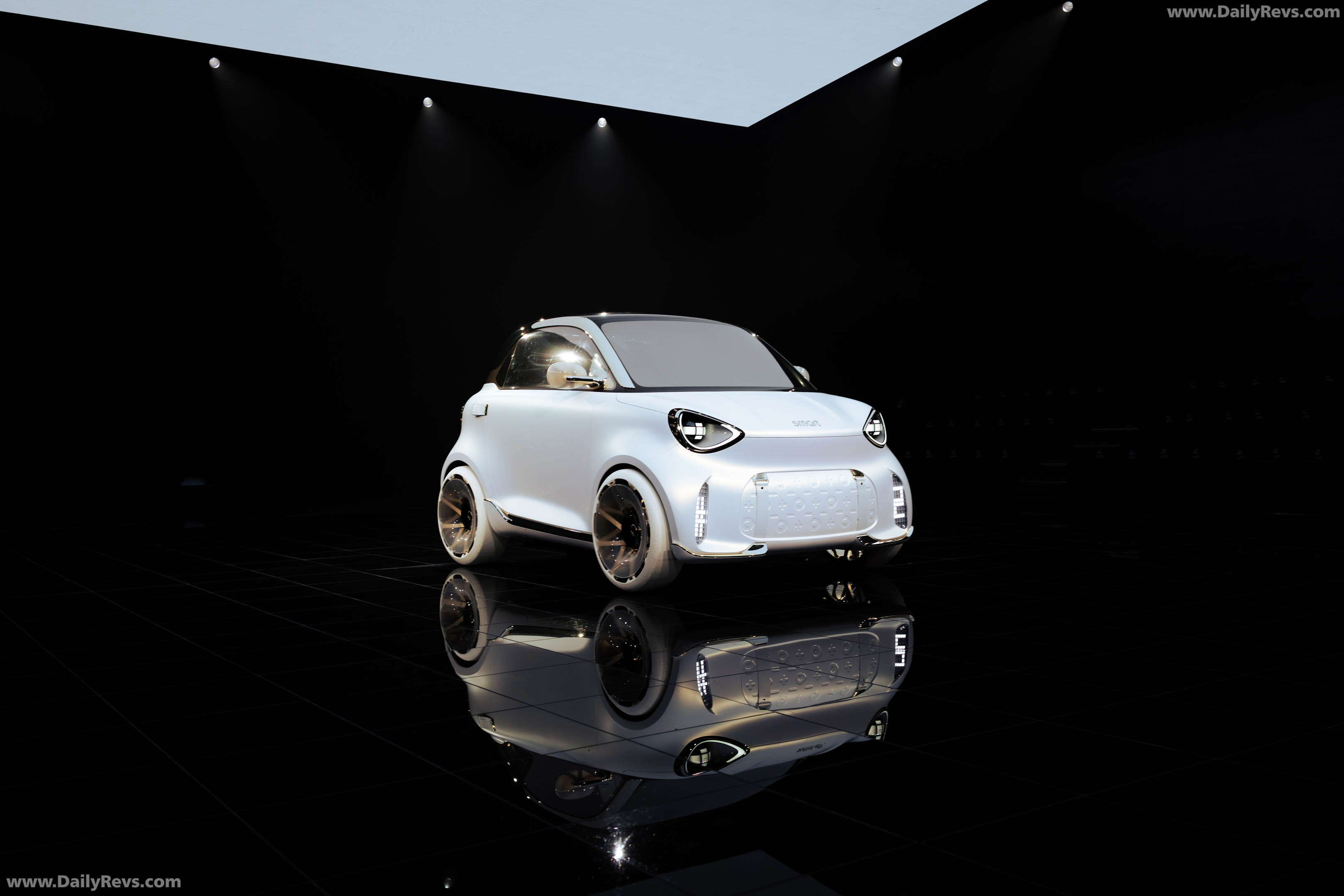
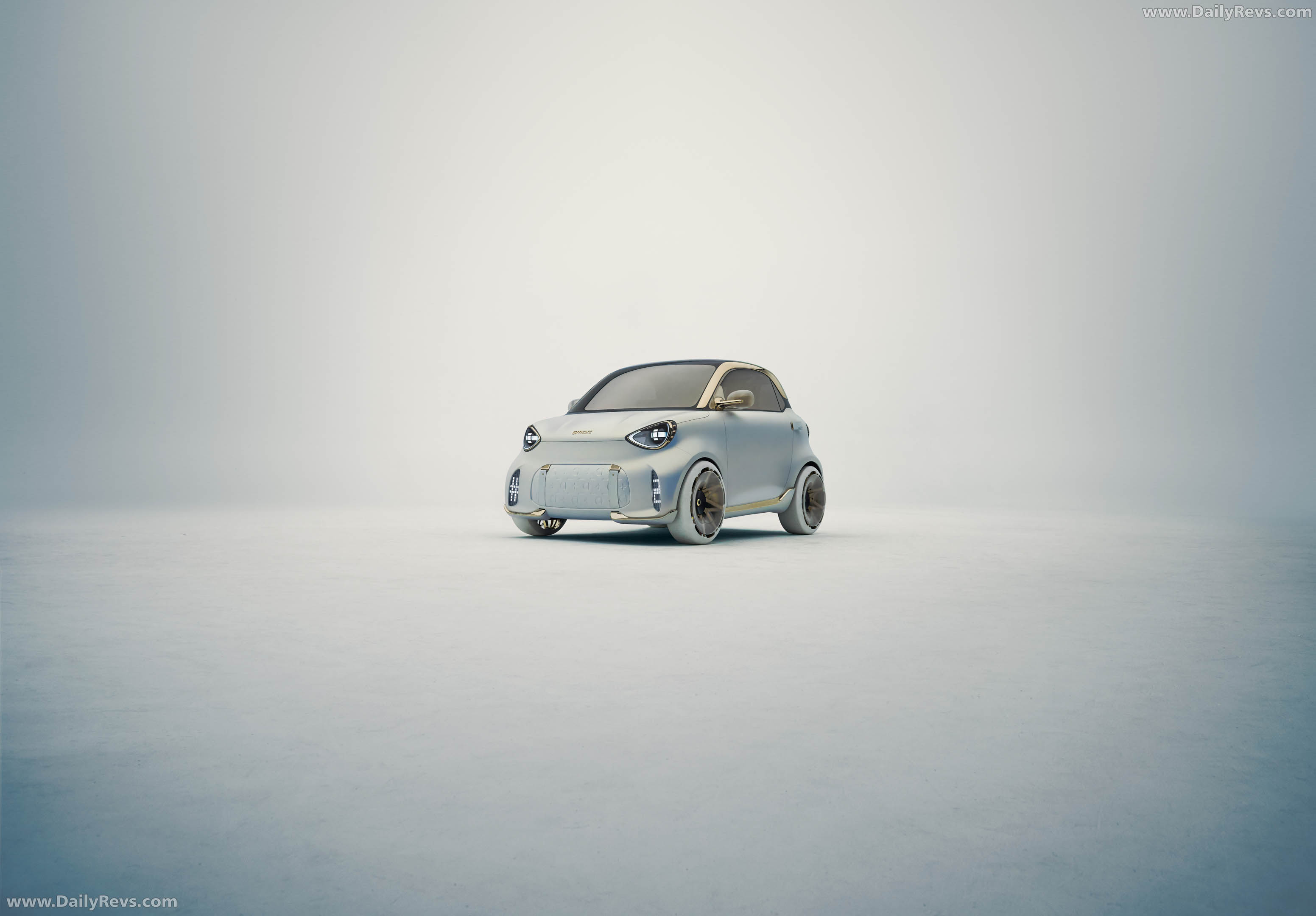
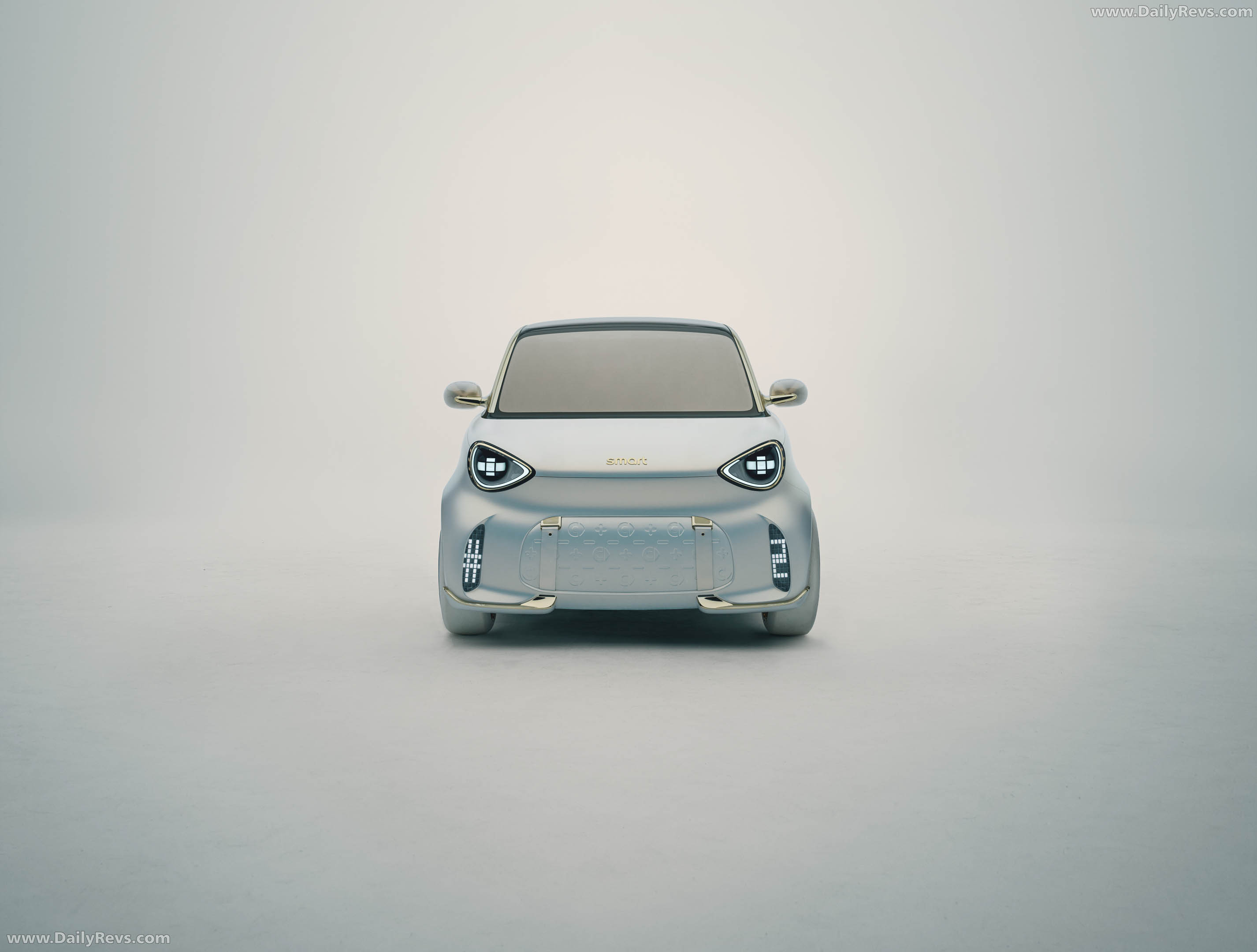
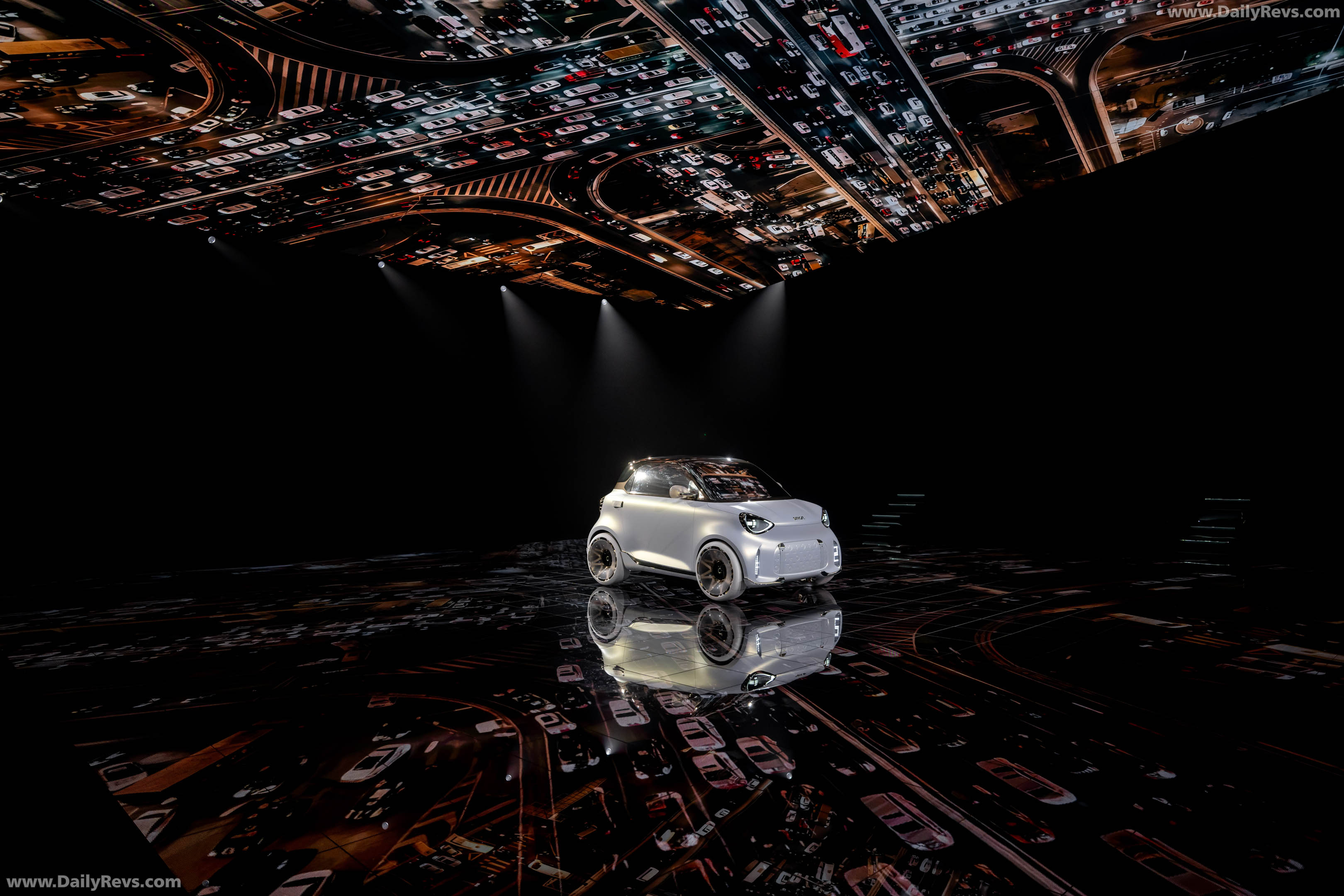
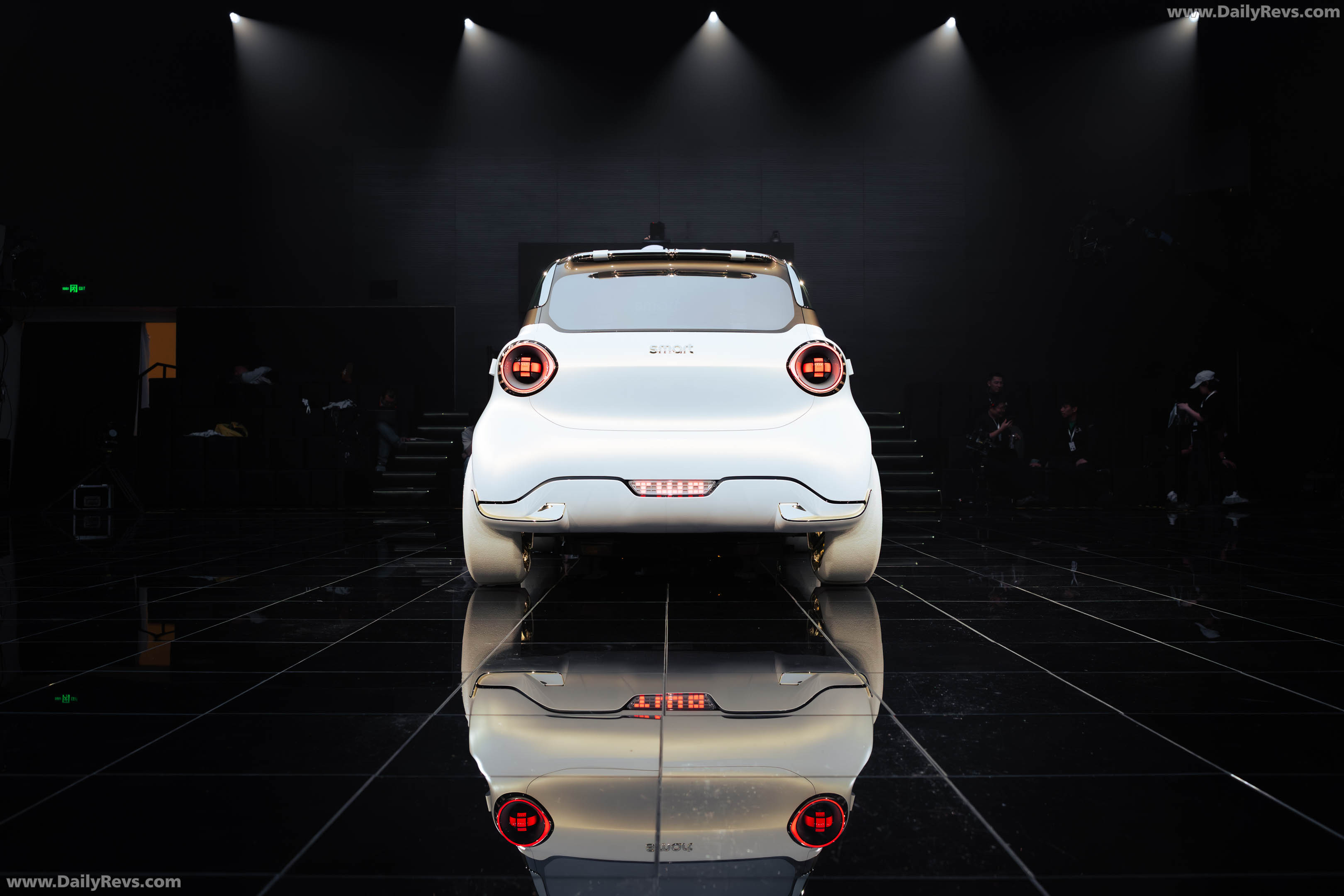
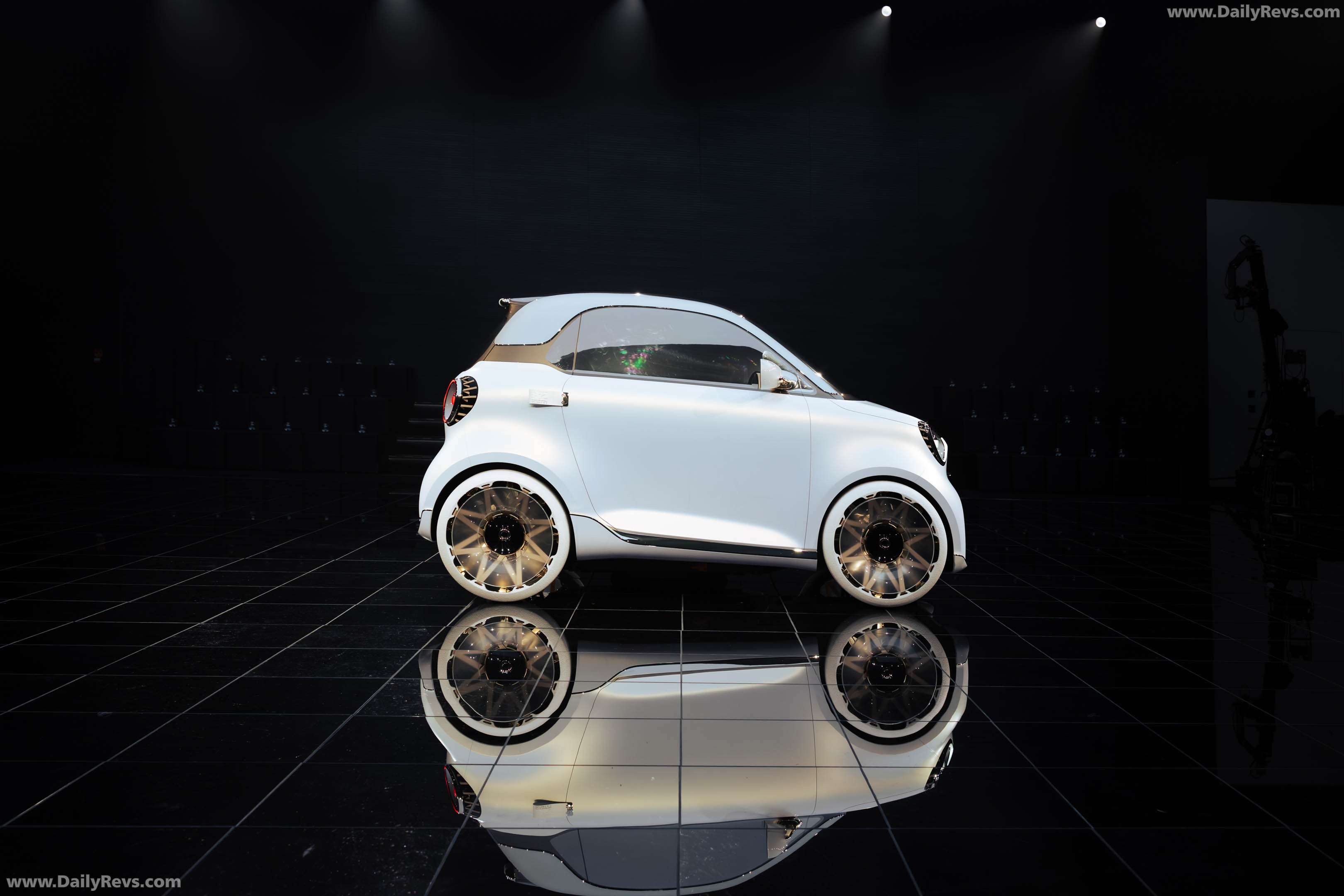
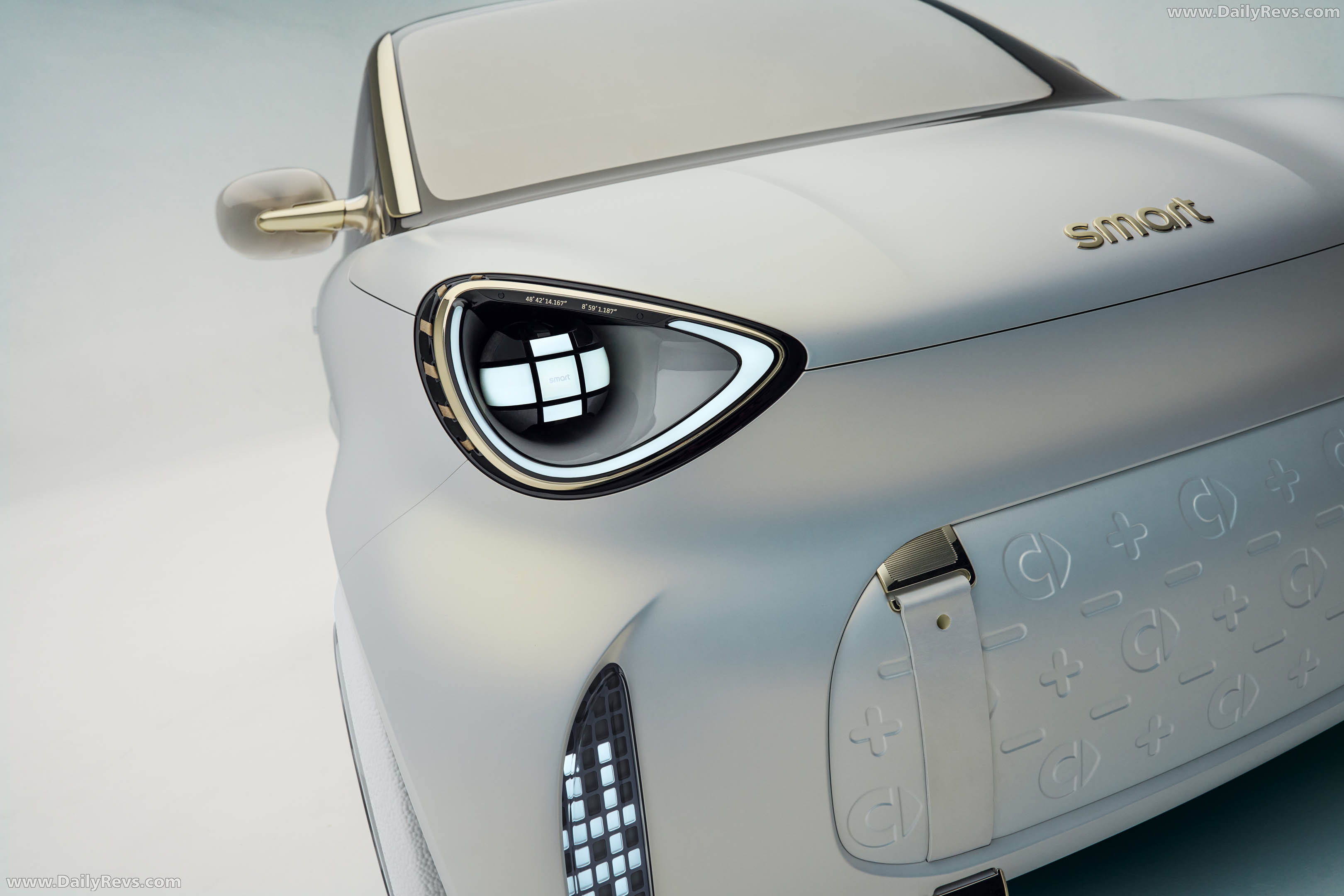
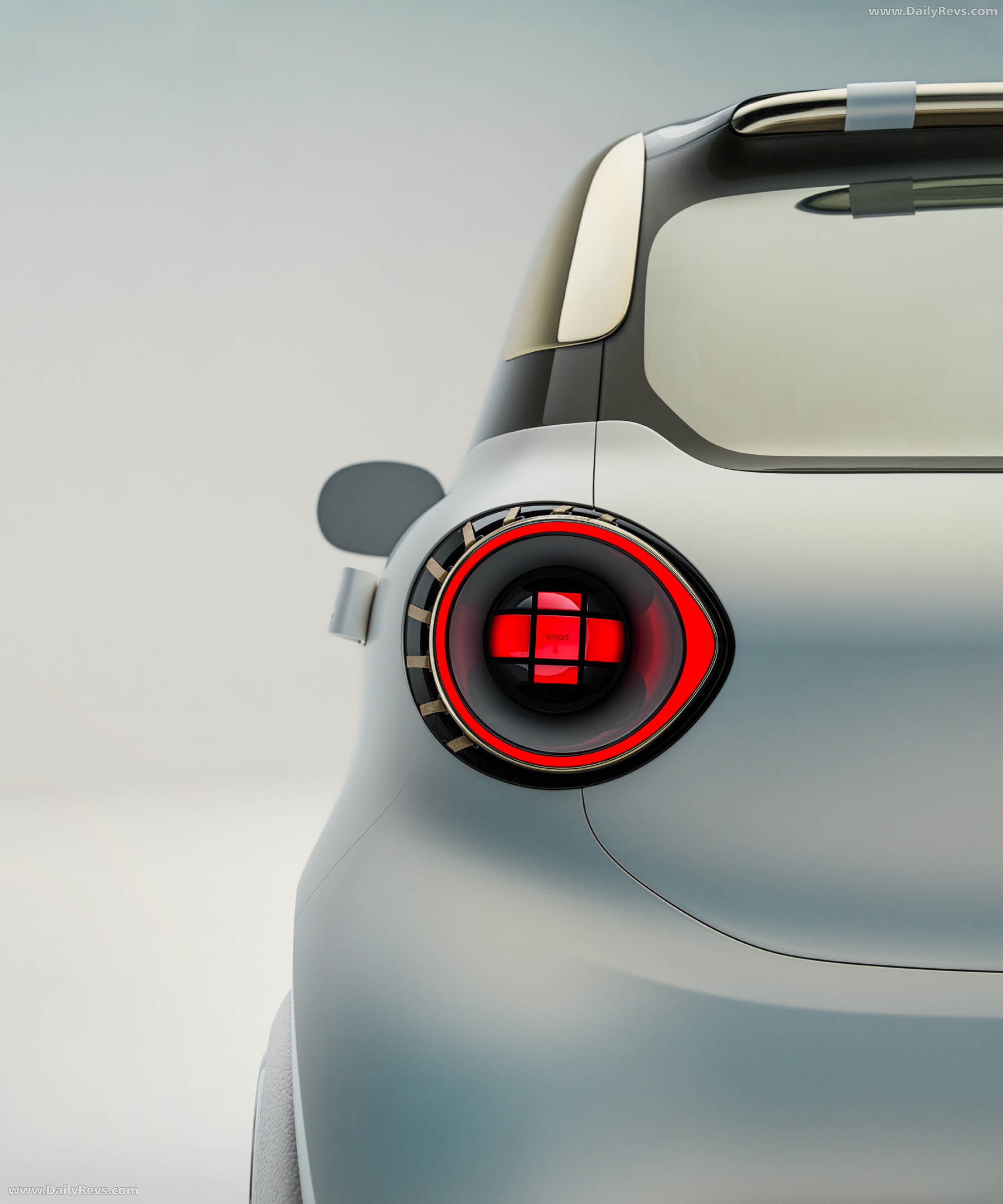
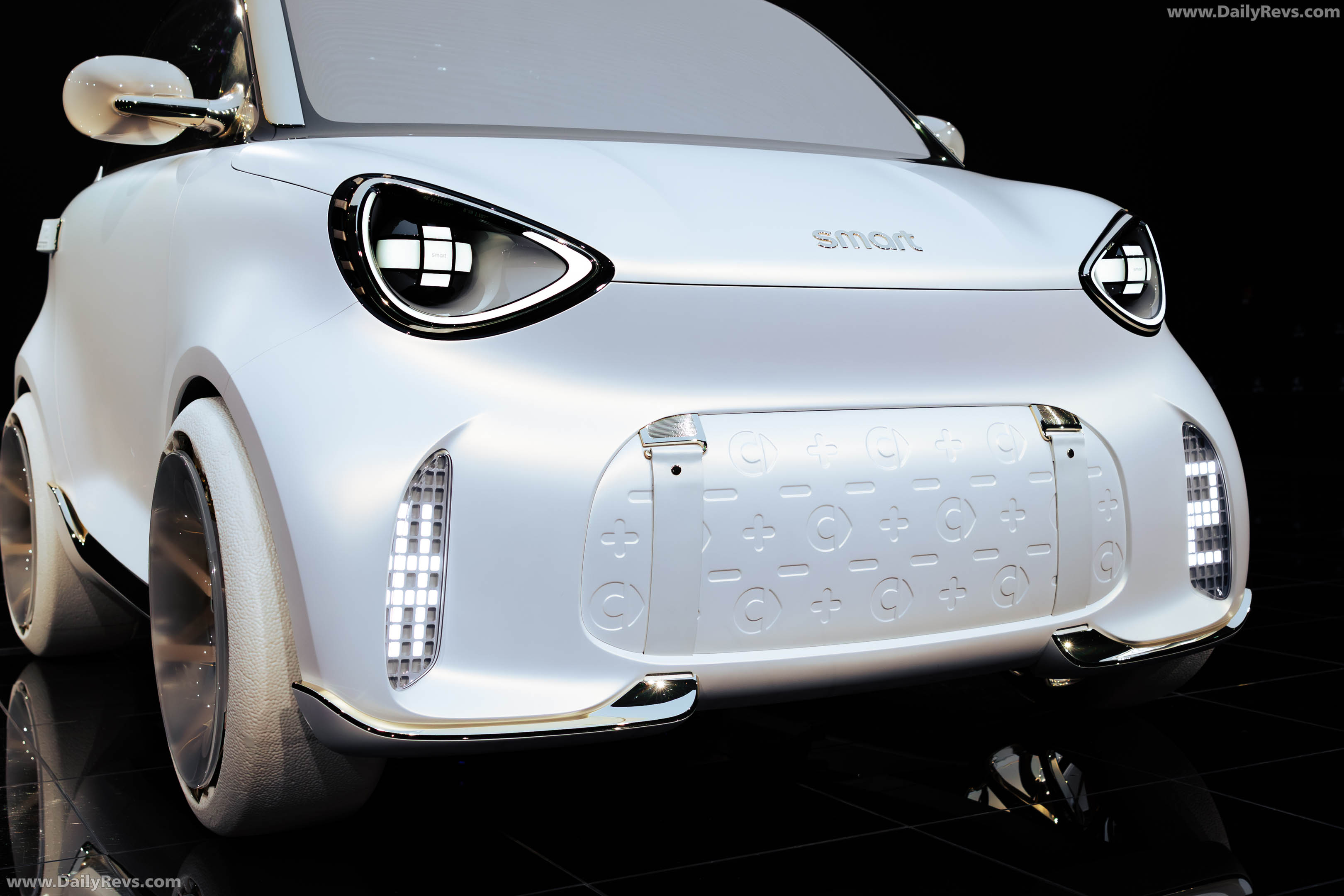
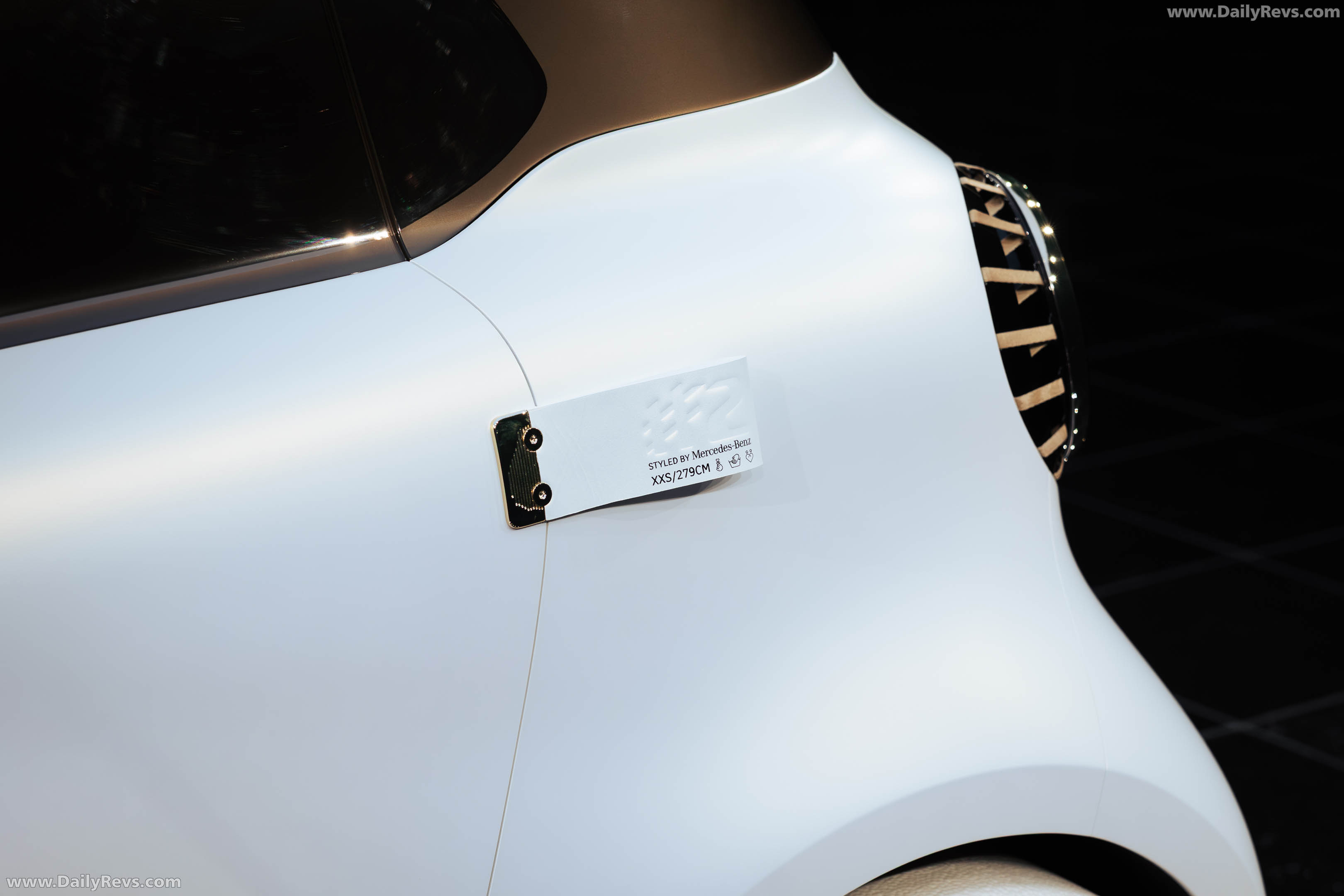
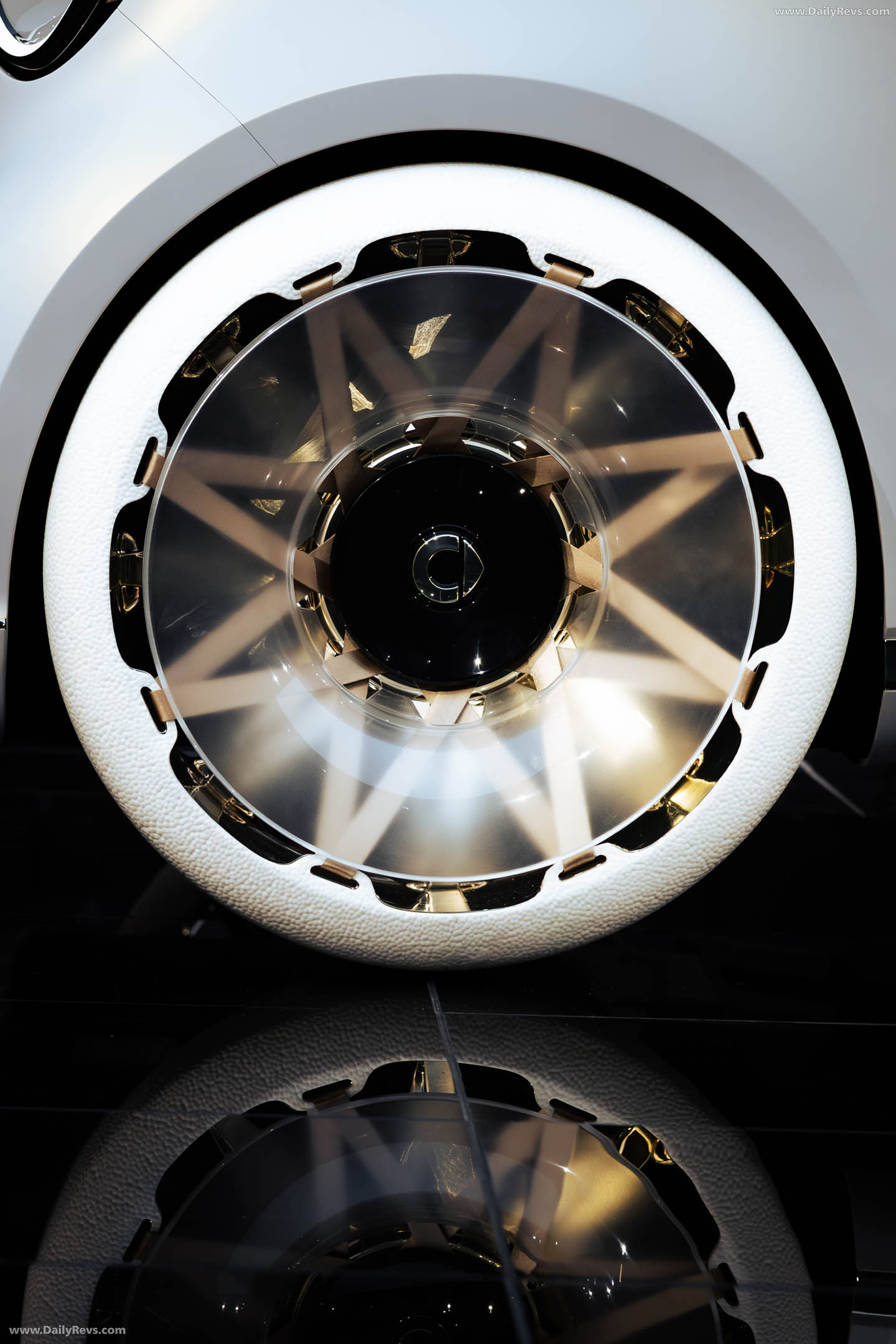
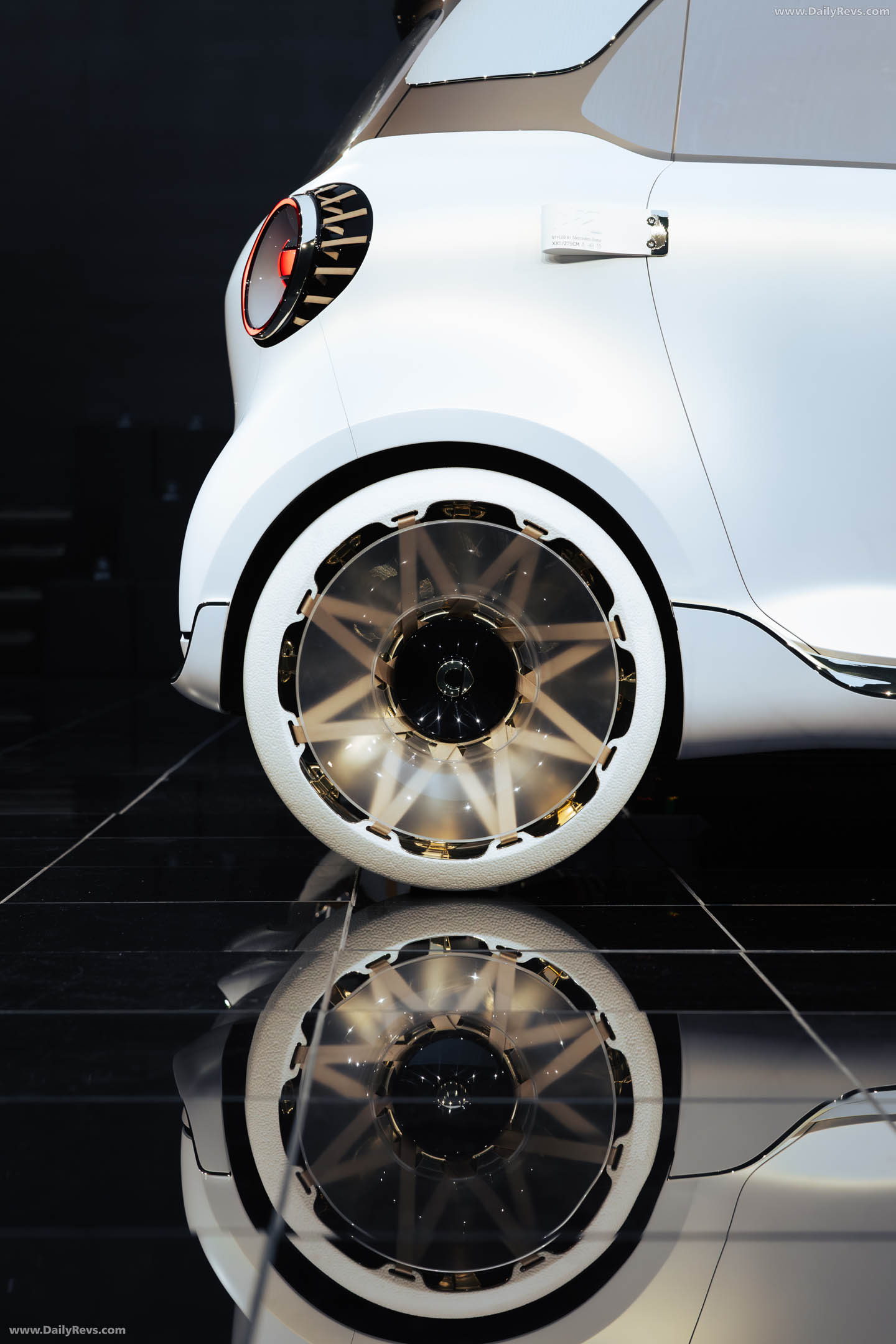
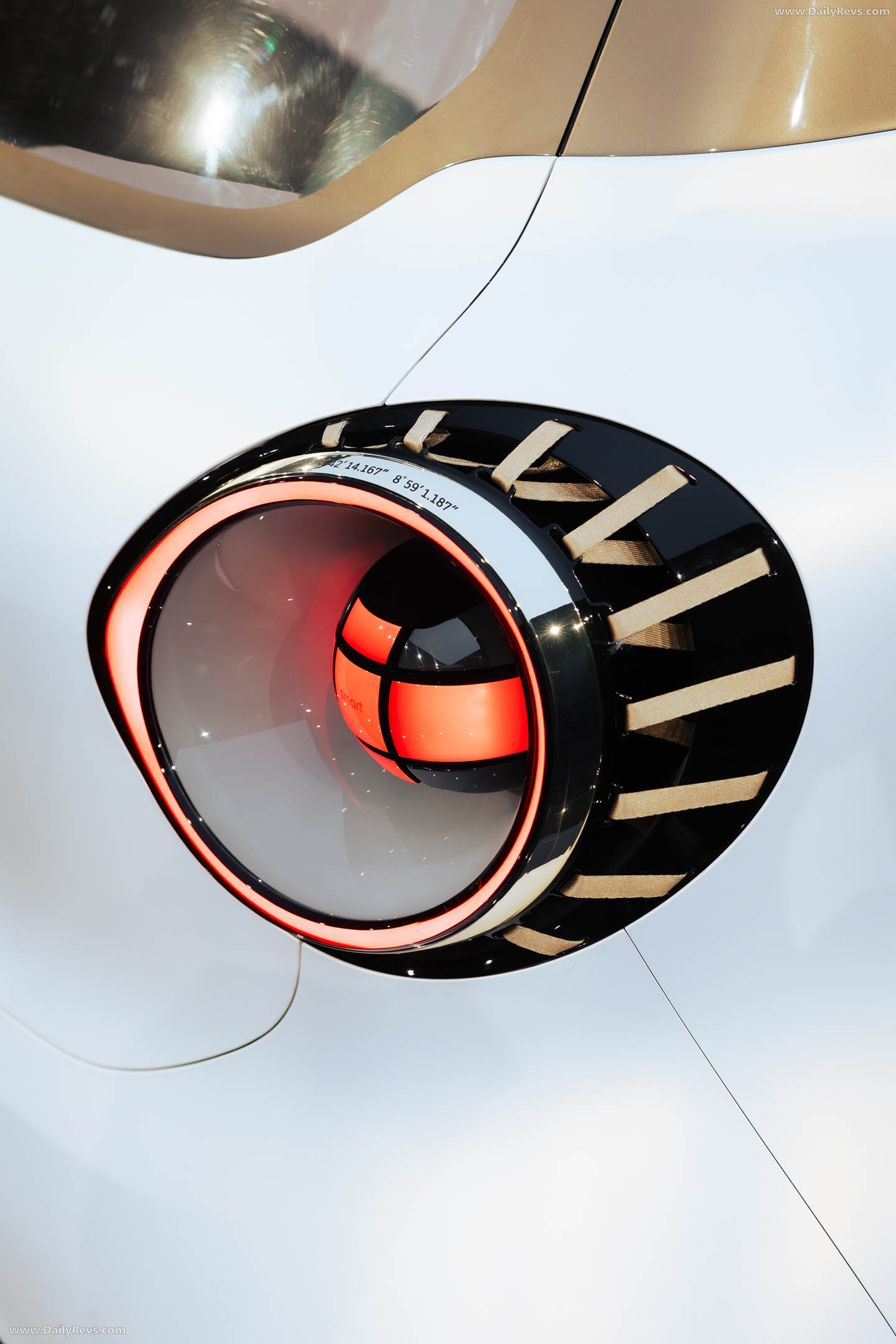
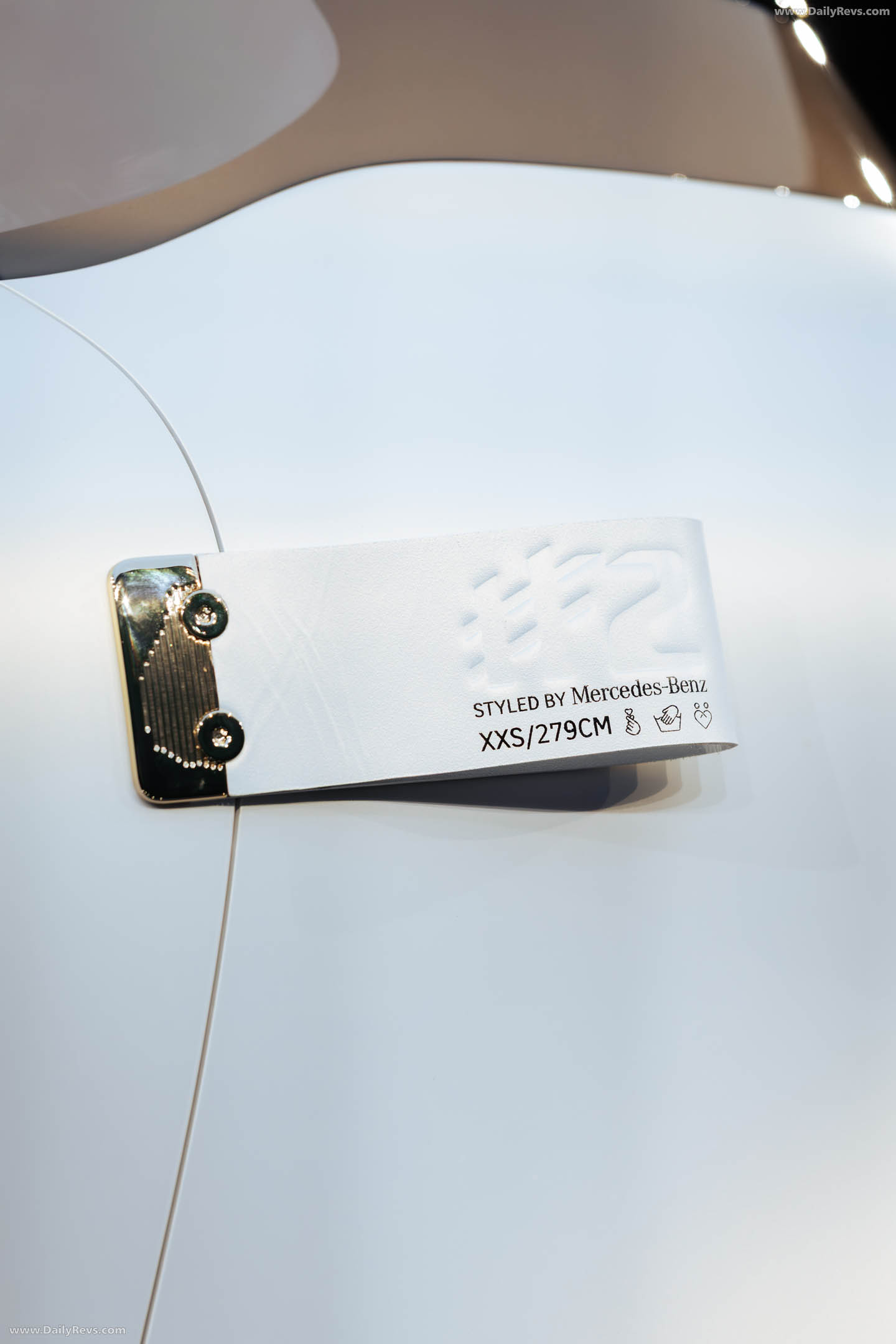
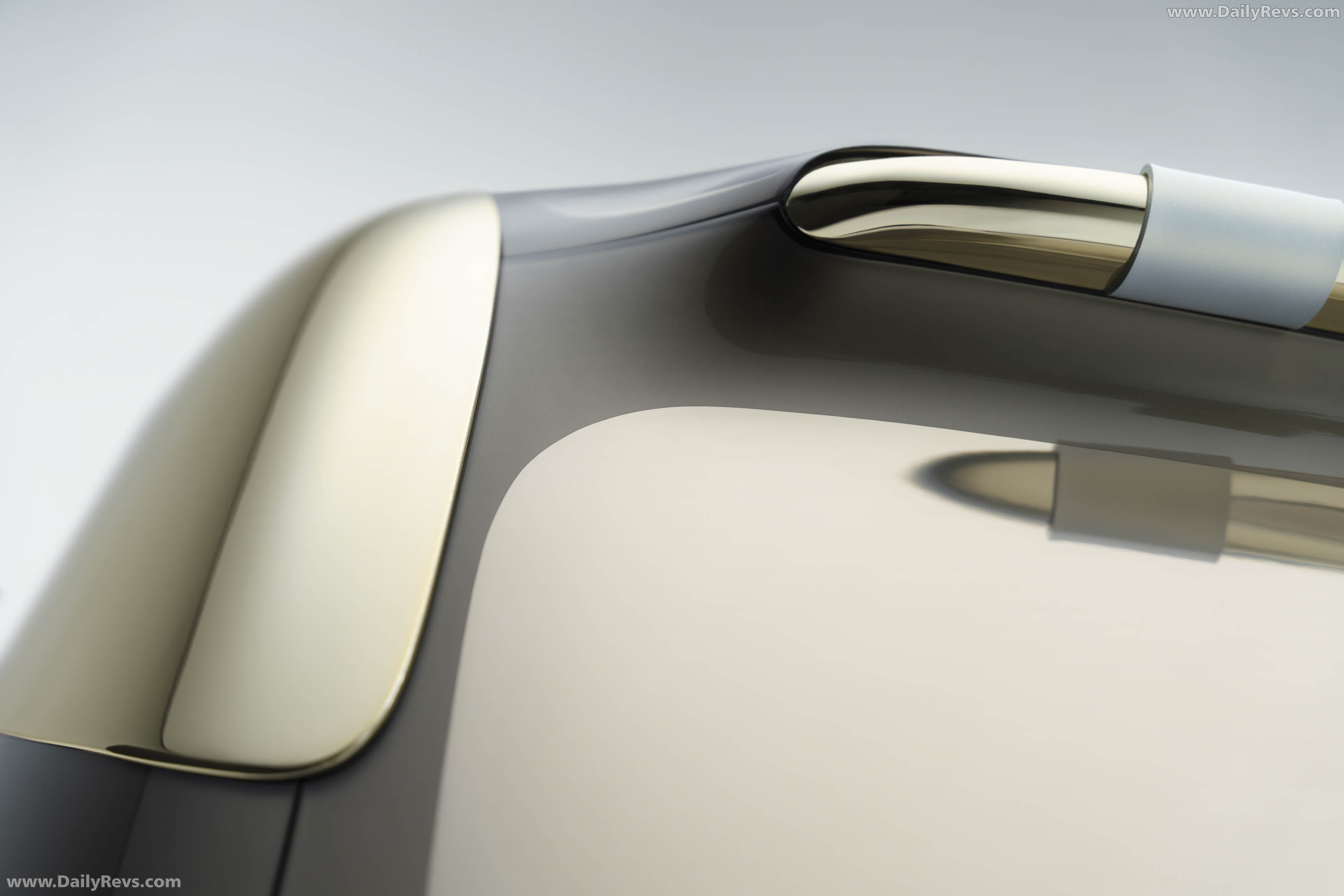
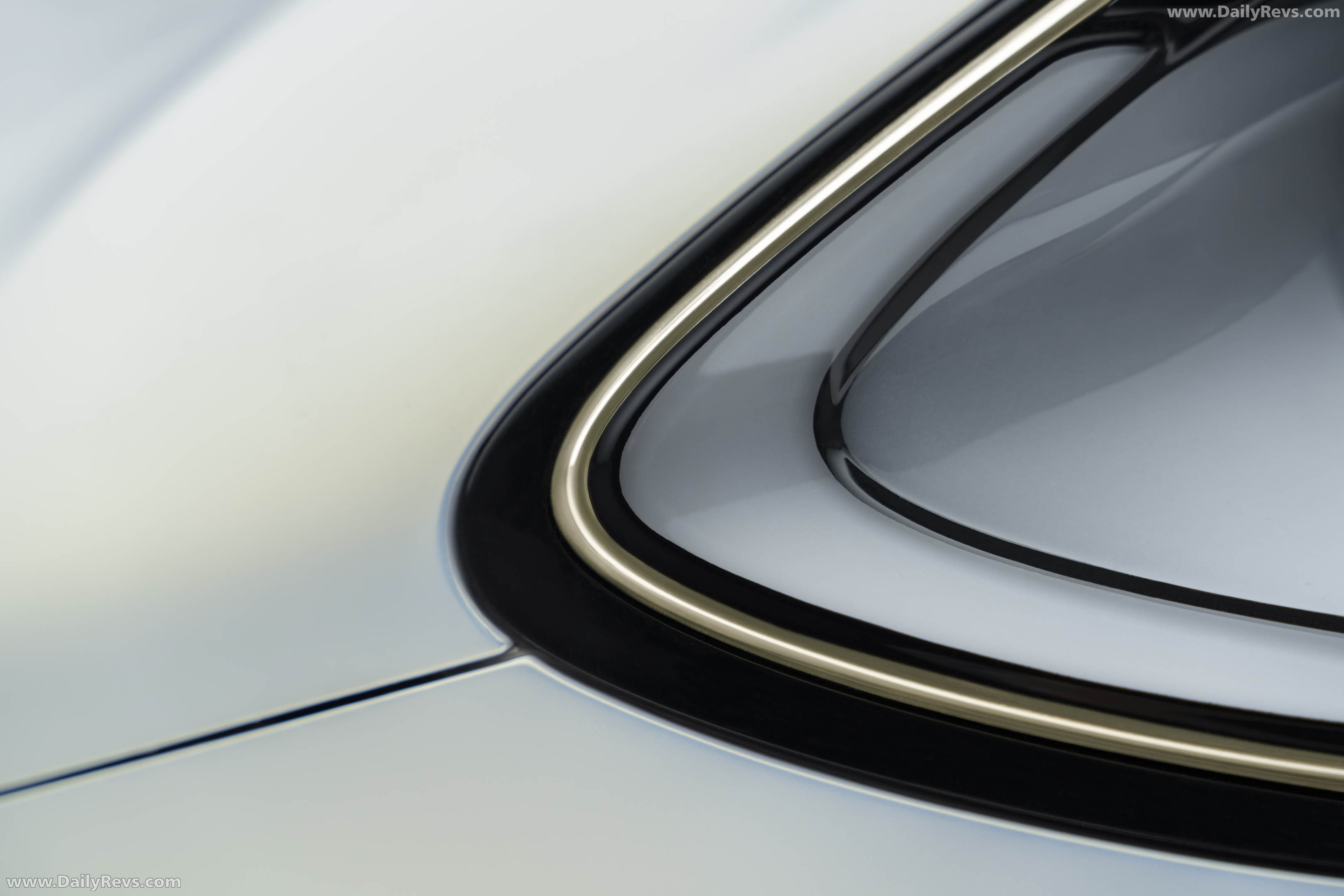
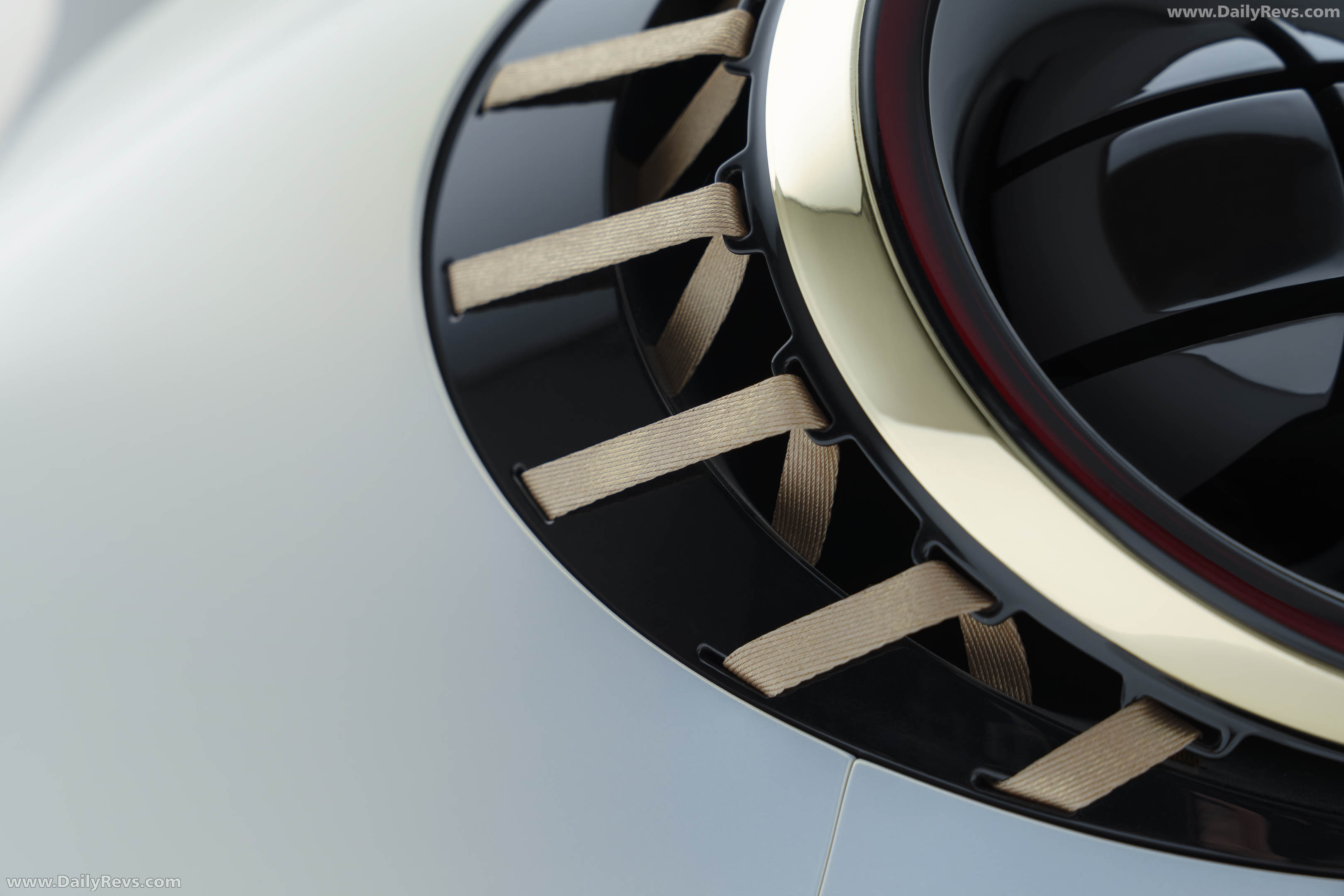
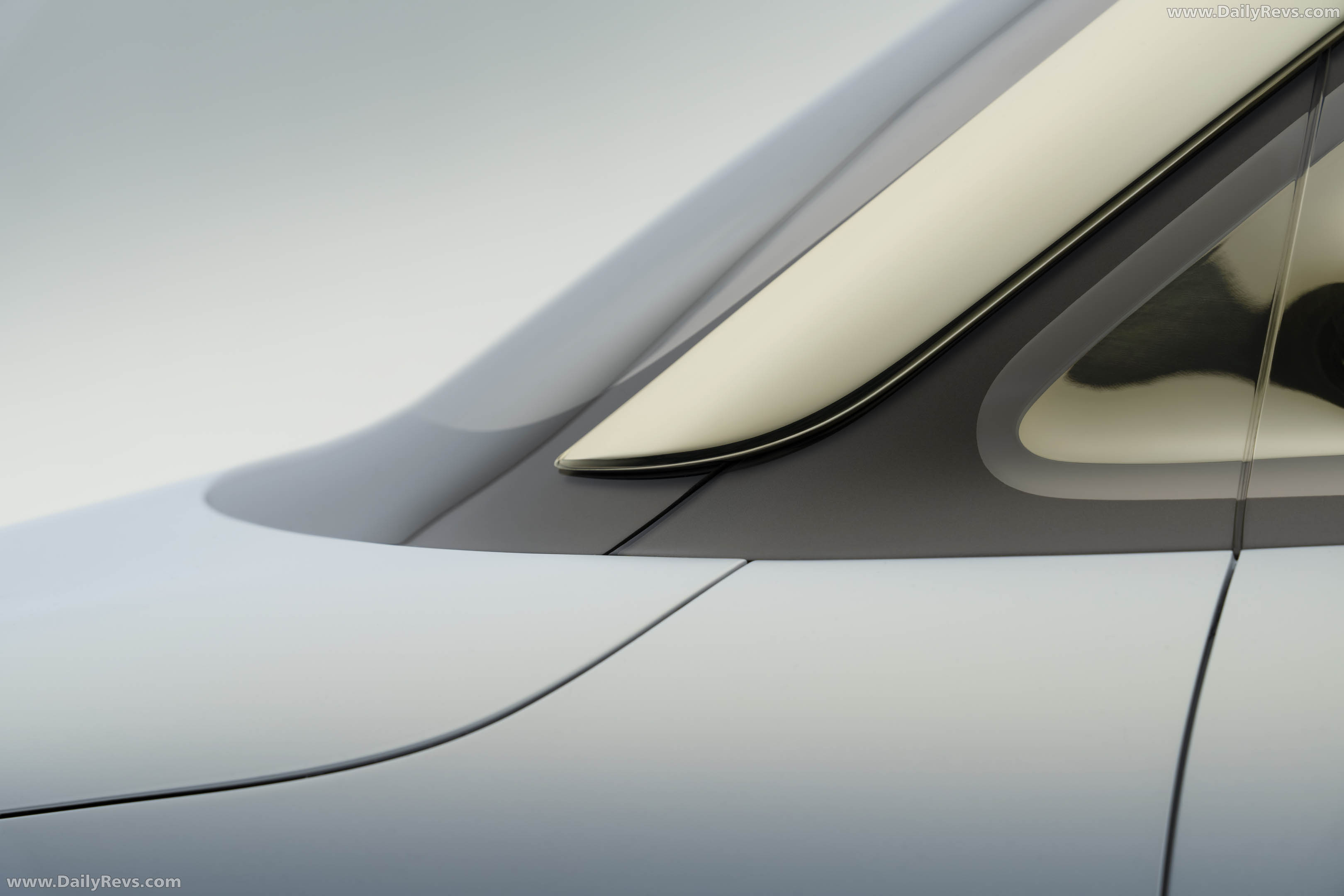
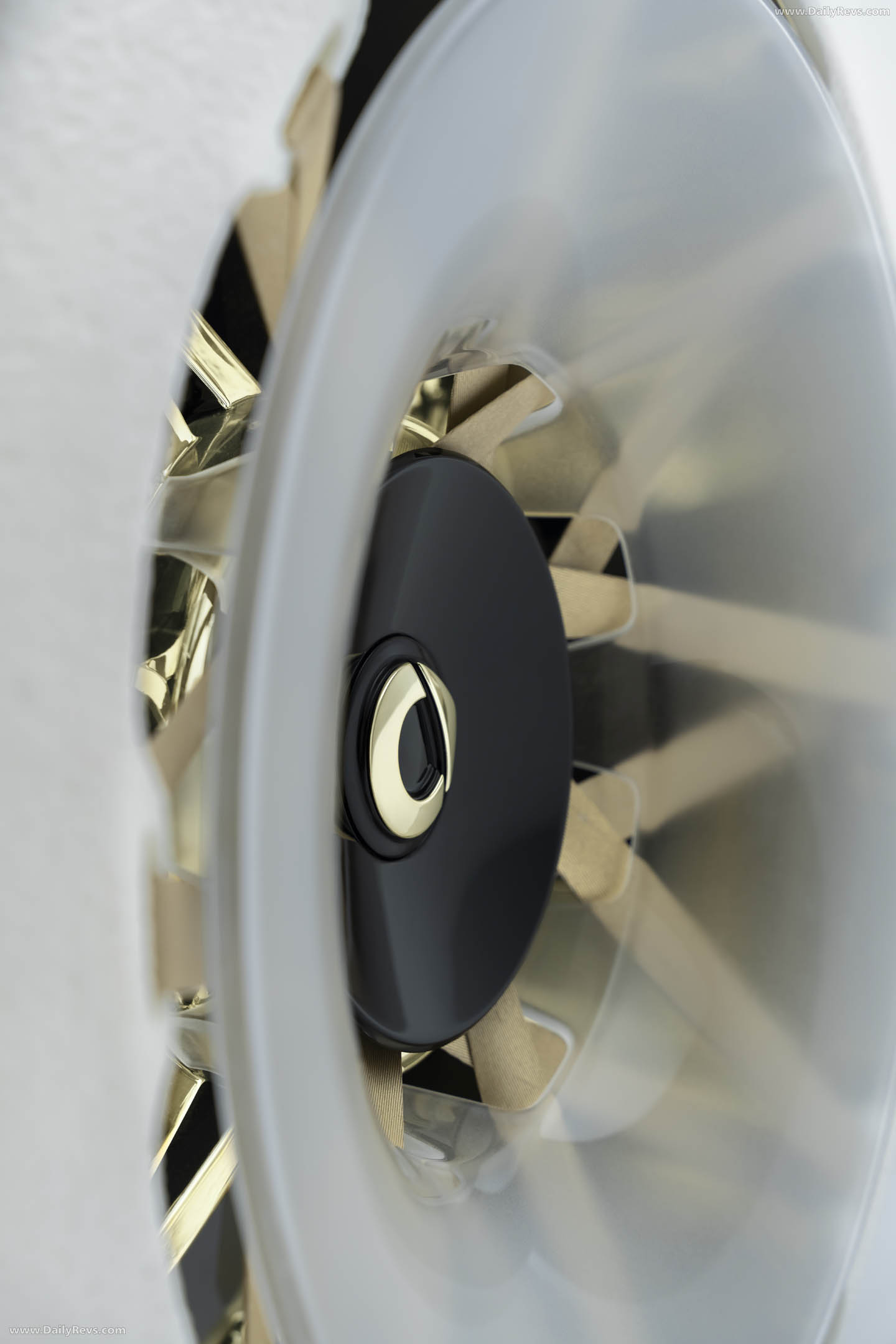
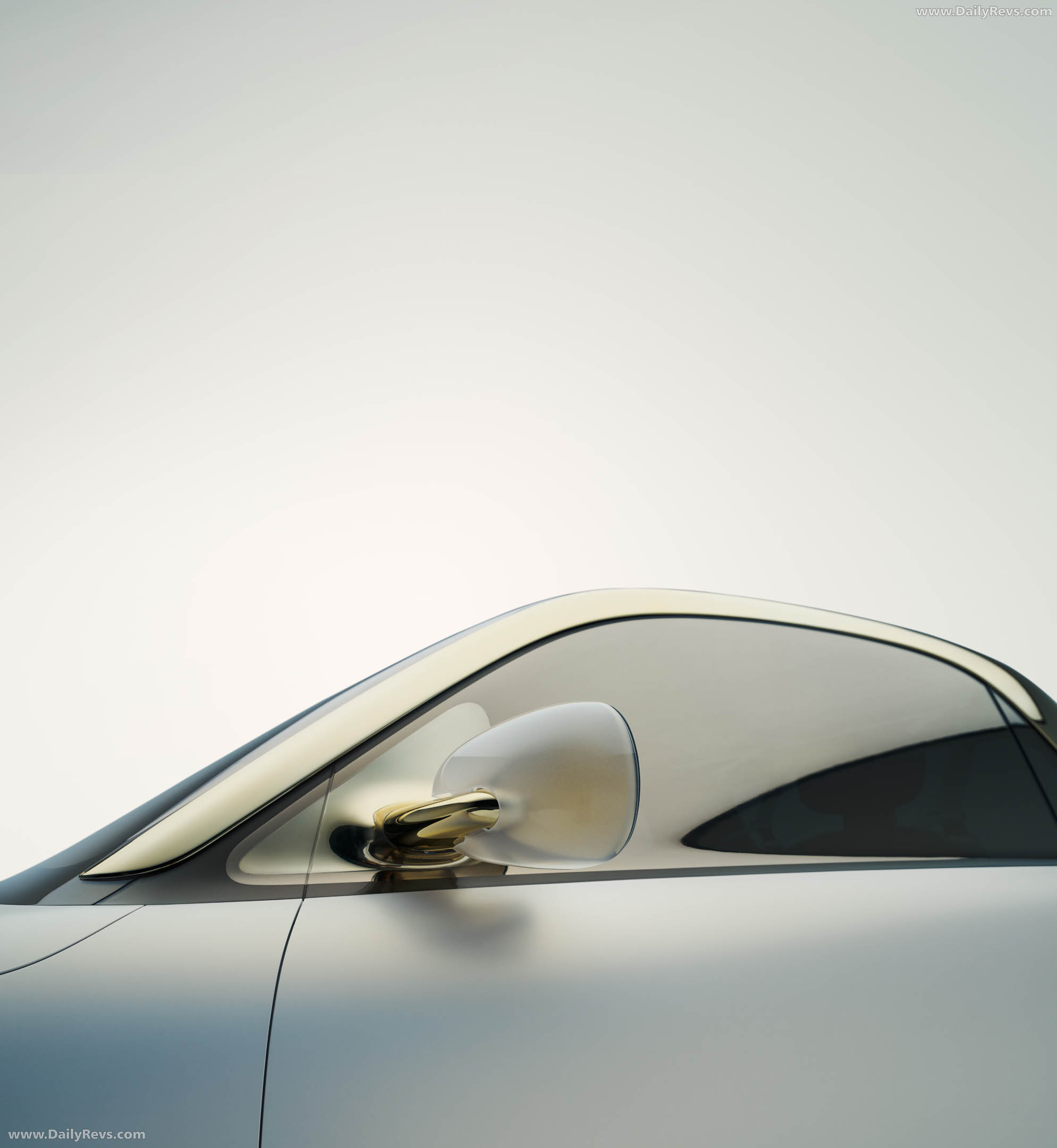
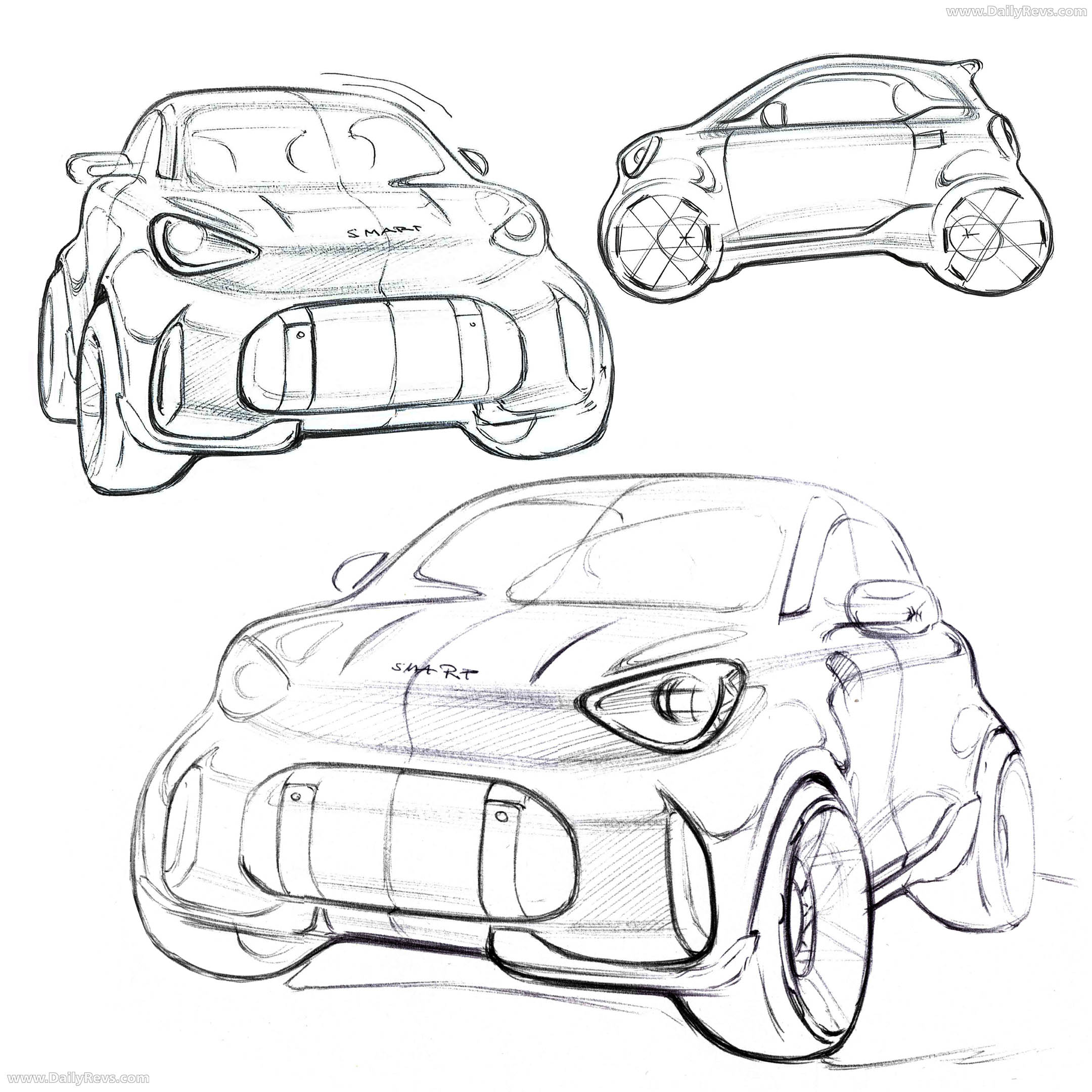
At first glance, the proportions are familiar. Short body, upright stance, wheels pushed right out to the corners. Then the details start to shift the perception. The surfaces are clean but not plain. There’s a matte white finish paired with warm gold accents that give it a slightly unexpected tone.
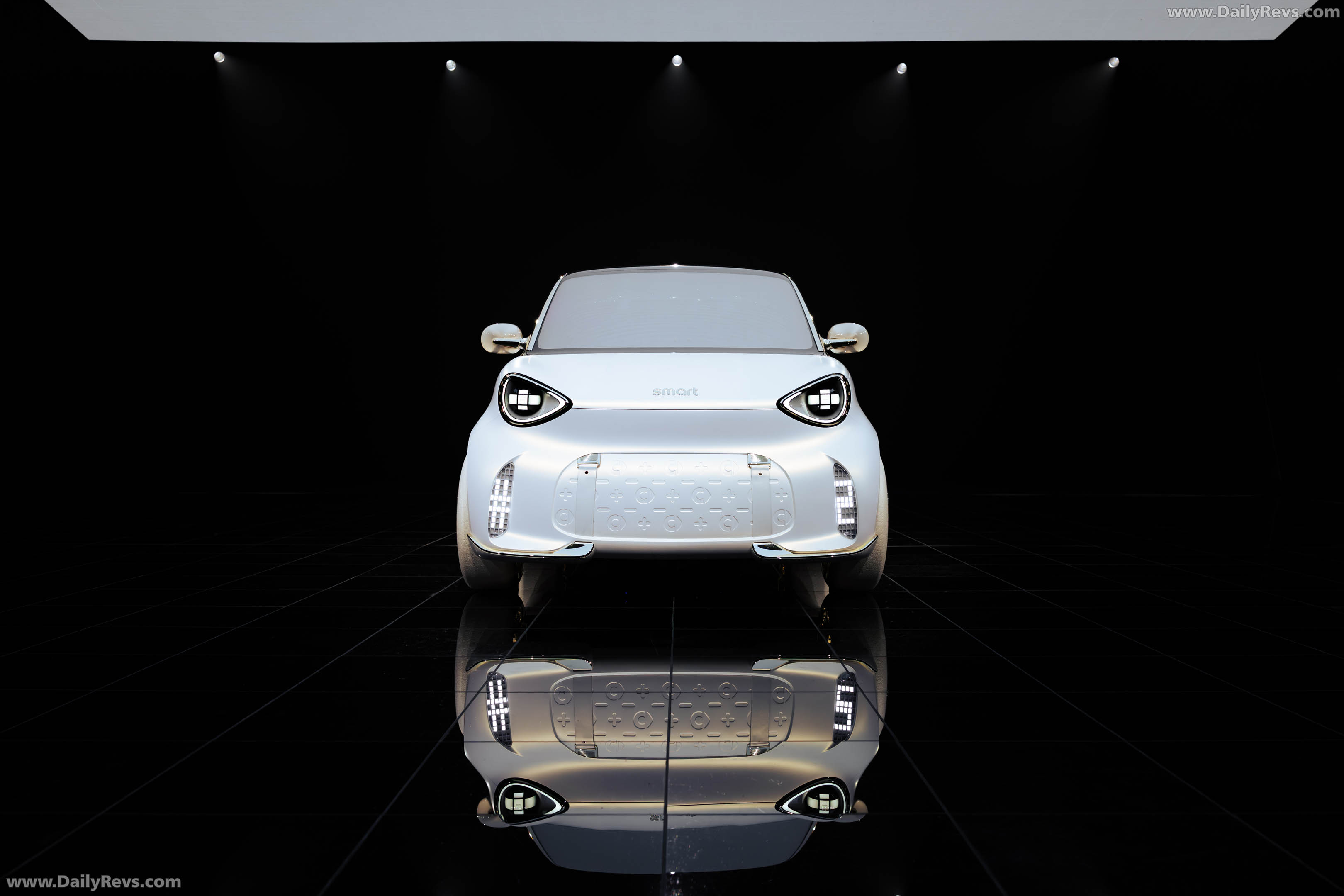
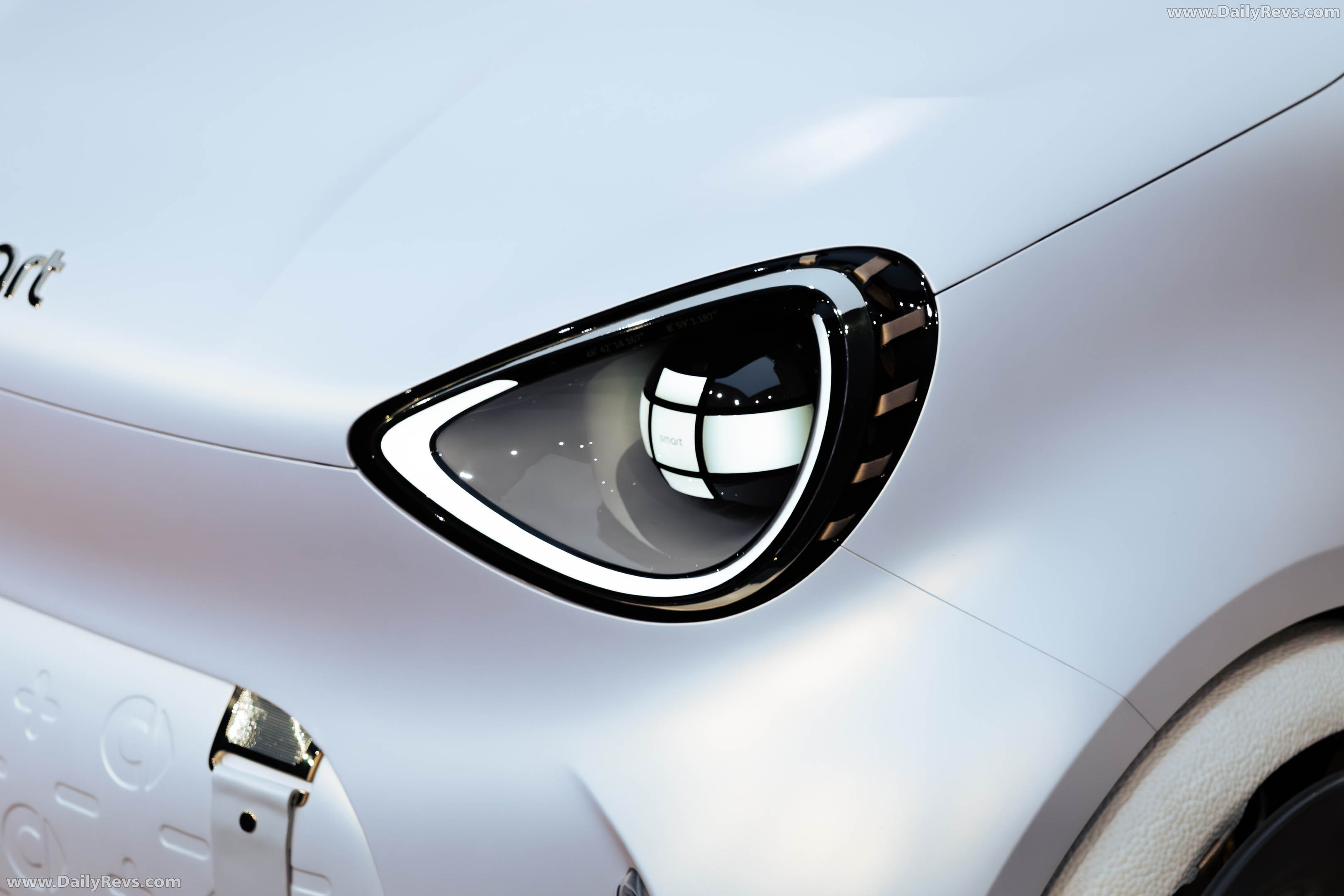
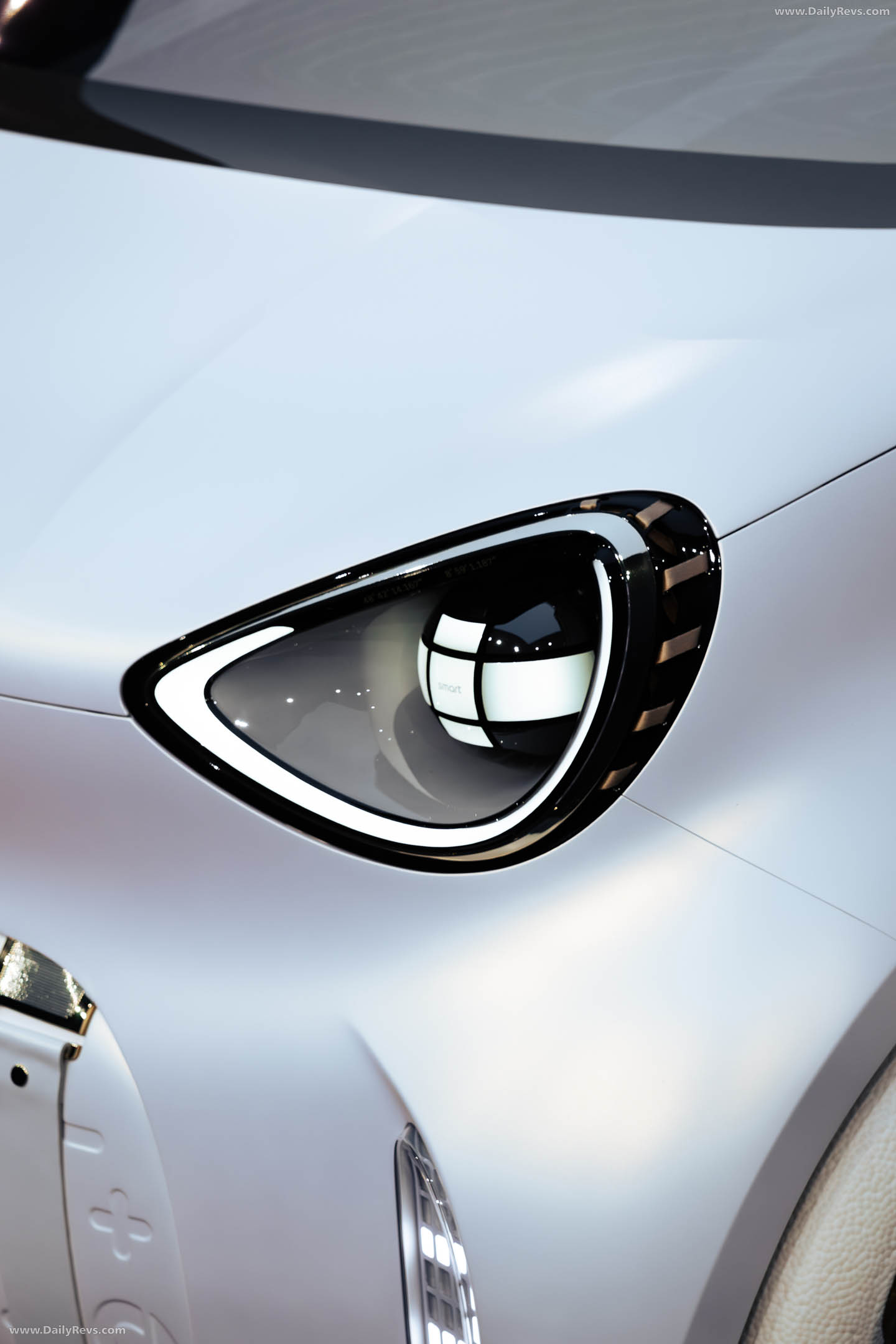
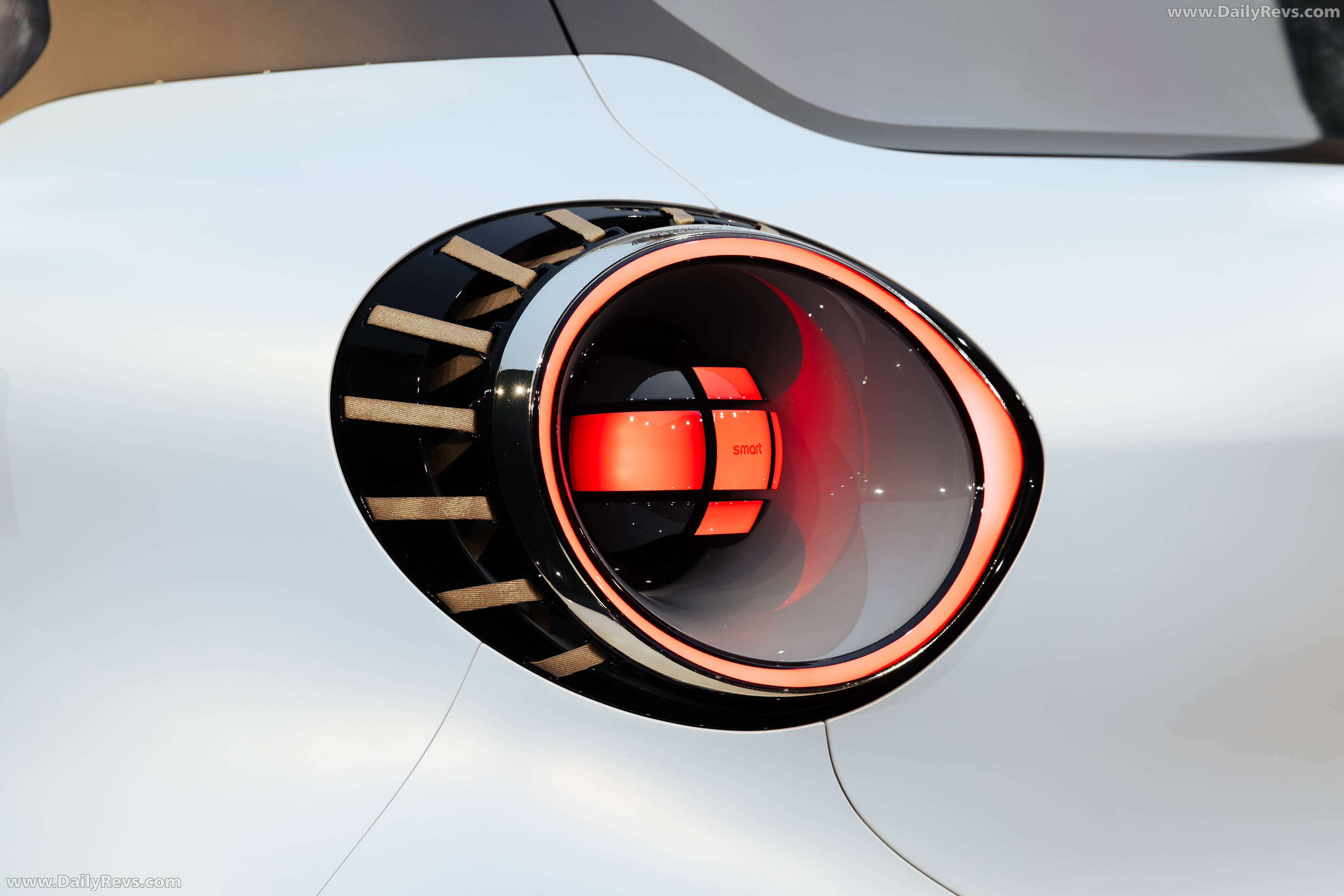
The front end avoids the usual aggression. Lighting elements are soft in shape, almost playful. Some surfaces appear translucent, with small details sitting just beneath them. It’s subtle, but it adds character without clutter.
Compact footprint, stretched interior thinking
The numbers tell part of the story.
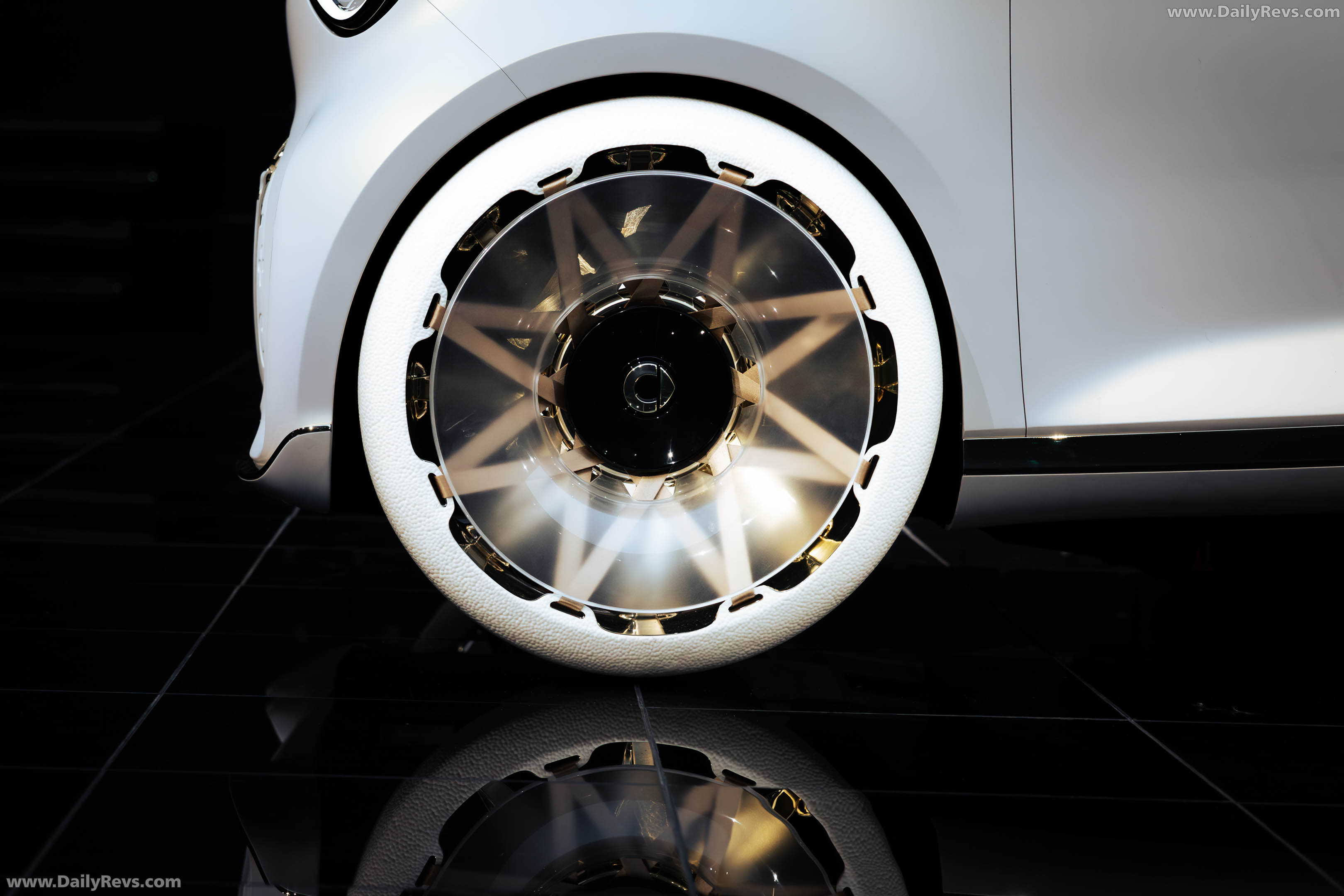
At just 2,792 mm in length, the Concept #2 sits firmly in microcar territory. Yet the wheels-at-the-corners layout makes a difference. It frees up as much usable space as possible inside that short footprint.
The turning circle sits at 6.95 metres. That’s tight, even by city car standards, and it gives the car a sense of agility that feels true to Smart’s original idea.
There’s a deliberate effort here to keep things simple. The shape is reduced to the essentials, with enough volume to avoid feeling cramped. It’s less about squeezing into space, more about using it properly.
Interior direction still under wraps
The concept doesn’t go deep into cabin details.
What’s clear is the intent. The car is designed as a two seater, staying close to the original fortwo formula. The idea is personal mobility, not shared space.
Given the design approach outside, it’s reasonable to expect a similar philosophy inside. Minimal structure, a focus on materials, and some unexpected touches hidden within the surfaces. [Inference]
Electric setup aimed at urban use
Underneath, the Concept #2 is built on Smart’s new Electric Compact Architecture.
Exact outputs aren’t disclosed. What Smart does provide is a general direction. The concept targets an electric range of up to nearly 300 kilometres. Charging is expected to be quick, with a 10 to 80 percent top up taking under 20 minutes in ideal conditions.
There’s also mention of vehicle to load capability. That’s a small detail, but it fits the idea of a city car that can do a bit more than just move from A to B.
It’s worth noting that these figures are still estimates tied to the concept stage. [Unverified]
Practicality still sits at the core
For all the design talk, the basics haven’t been ignored.
The short length, tight turning circle, and two seat layout all point to a car built for dense urban environments. Parking, manoeuvring, and short trips remain the priority.
The concept also hints at a lifestyle angle. It’s positioned as something personal, something that reflects the owner rather than just solving a transport problem. That’s a shift from older Smart models, which leaned more toward pure utility.
Where it fits in Smart’s evolving lineup
The Concept #2 is more than a standalone idea.
It previews a production model, expected to debut later in 2026 in Paris. That car is set to take over the role of the traditional fortwo, but with a different approach in design and technology.
Within the broader Smart range, it sits as the smallest and most focused offering. While larger models like the #1 and #3 move into crossover territory, this one pulls the brand back to its original space, just interpreted differently.
There’s no attempt to overcomplicate it. The Concept #2 stays close to the basics. Small size, electric drive, city focus. The difference is in how those basics are presented.