
2026 Singer Porsche 911 Cabriolet
By Lorenzo Bianchi February 3, 2026
Singer partners with Red Bull Advanced Technologies to structurally reinforce 964 Cabriolets.
Carbon-fiber reinforcements increase torsional stiffness by 175 percent.
Open-roof driving dynamics are engineered to match Singer’s coupe restorations.
Addressing the Open-Roof Limitation
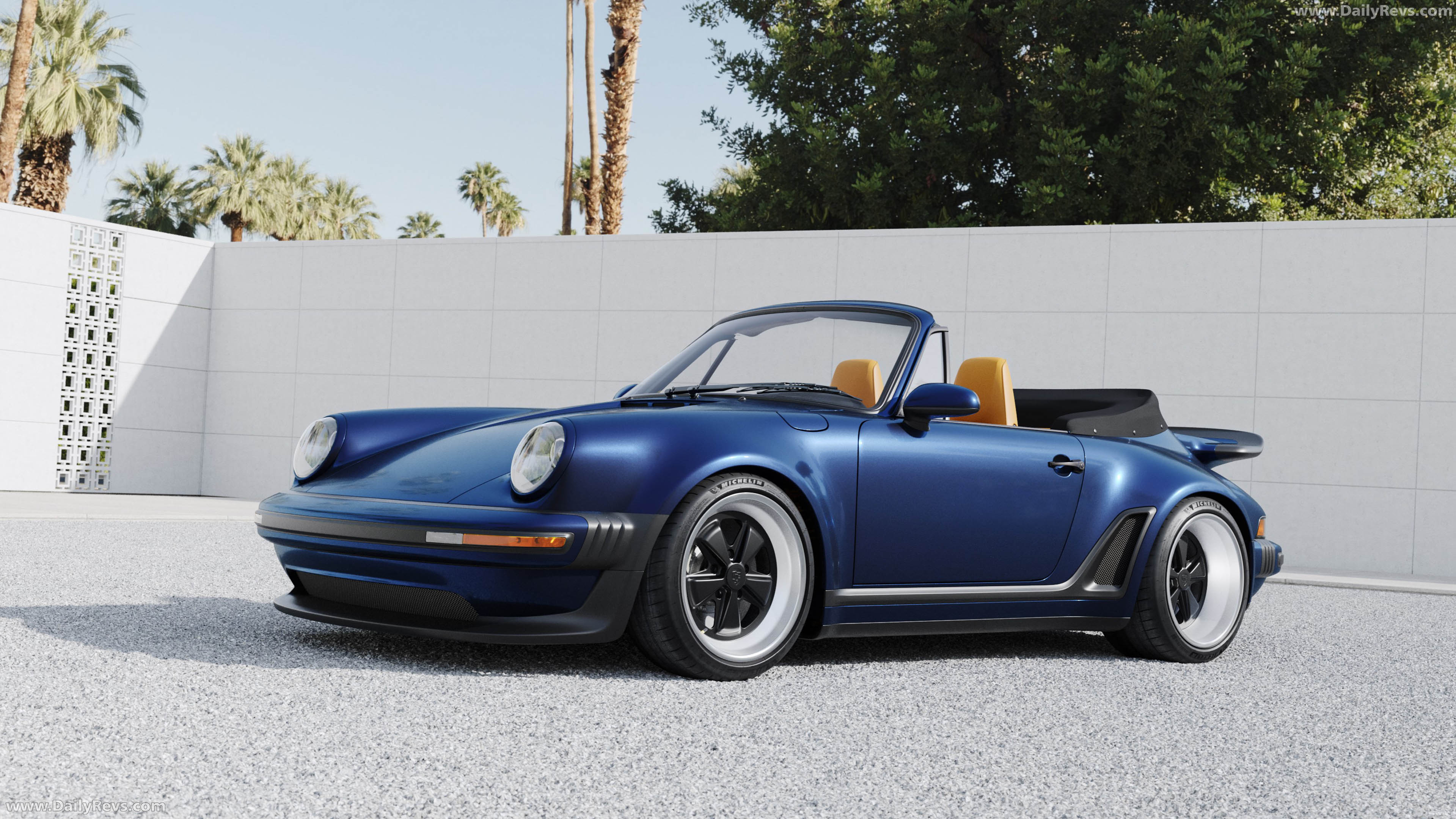
The 2026 Singer Porsche 911 Cabriolet is defined less by what is added than by what is resolved. Open-roof 911s from the 964 generation have always carried a structural compromise, trading rigidity for exposure. Singer’s latest work confronts that reality directly, enlisting Red Bull Advanced Technologies to engineer a solution rather than accept a limitation.
As with every Singer restoration, the process begins with a client-owned Porsche 911 Type 964 Cabriolet, typically more than thirty years old. The car is fully disassembled until only the steel monocoque remains. That shell is not replaced or reimagined. It is assessed, cleaned, and prepared for reinforcement, preserving originality as a non-negotiable starting point.
Engineering by Simulation and Validation
Red Bull Advanced Technologies approached the Cabriolet as a structural problem to be solved with precision. Using scanned data and manual measurements, the 964 chassis was digitally recreated and subjected to Finite Element Analysis. Variants with and without a fixed roof were modeled, and predicted stiffness values were carefully matched to physical test data.
This correlation allowed engineers to identify where the open-roof structure worked hardest under torsional load. Rather than blanket reinforcement, thirteen targeted carbon-fiber structures were designed to strengthen only the most stressed areas. These components were tuned digitally, then validated on a prototype vehicle before being approved for production use.
Carbon Fiber, Bonded with Restraint
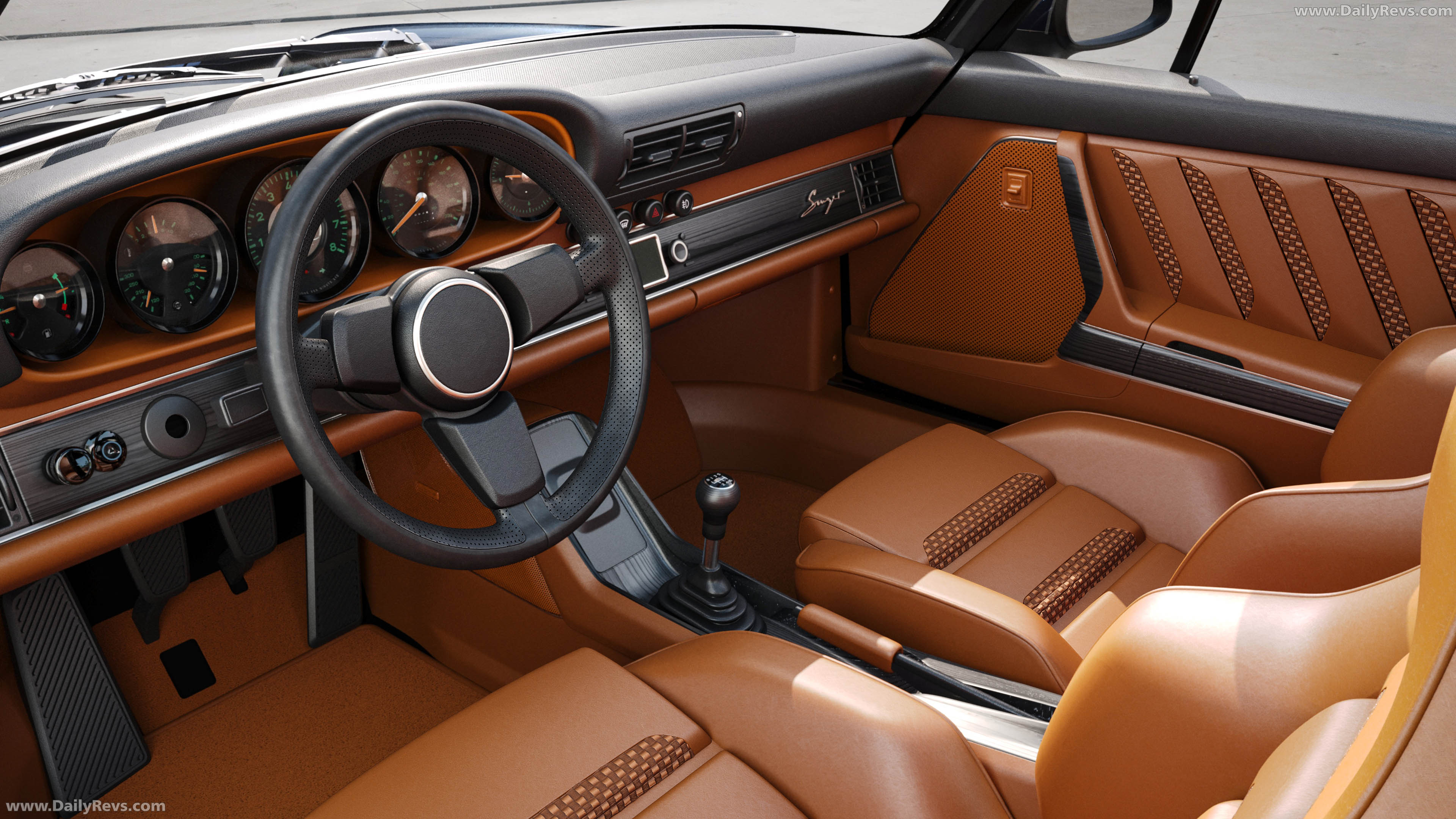
The reinforcing structures are bonded directly to the original steel monocoque during the restoration process. They do not alter the Cabriolet’s external proportions or interfere with packaging requirements. Visually, the car remains unmistakably Singer, with classic 911 surfaces, careful panel alignment, and an open profile that remains light and honest.
The result is a documented 175 percent increase in torsional rigidity. That figure is not presented as a headline boast, but as a functional threshold. Singer states that the reinforced Cabriolet now delivers handling, braking stability, and overall refinement on par with its coupe equivalents.
Driving Parity with the Coupe
In practical terms, the additional stiffness sharpens responses without altering character. Steering inputs are cleaner. The body settles more quickly over uneven surfaces. Under braking, the structure resists deformation that would previously have been felt through the cabin. These changes are subtle in isolation, but cumulative in effect.
The goal was not to make the Cabriolet feel different. It was to remove the sense of compromise that traditionally accompanies open-roof cars. Singer’s approach suggests that parity, rather than distinction, is the ultimate measure of success.