
2026 Seat Cupra Tavascan VZ
By Lorenzo Bianchi January 5, 2026
Dual-motor all-wheel drive delivers 250 kW and focused electric performance.
Design stays close to the 2019 concept, prioritising stance and lighting identity.
Positioned as a range-topper, the VZ anchors Cupra’s electric transition.
The exterior is shaped by concept fidelity.
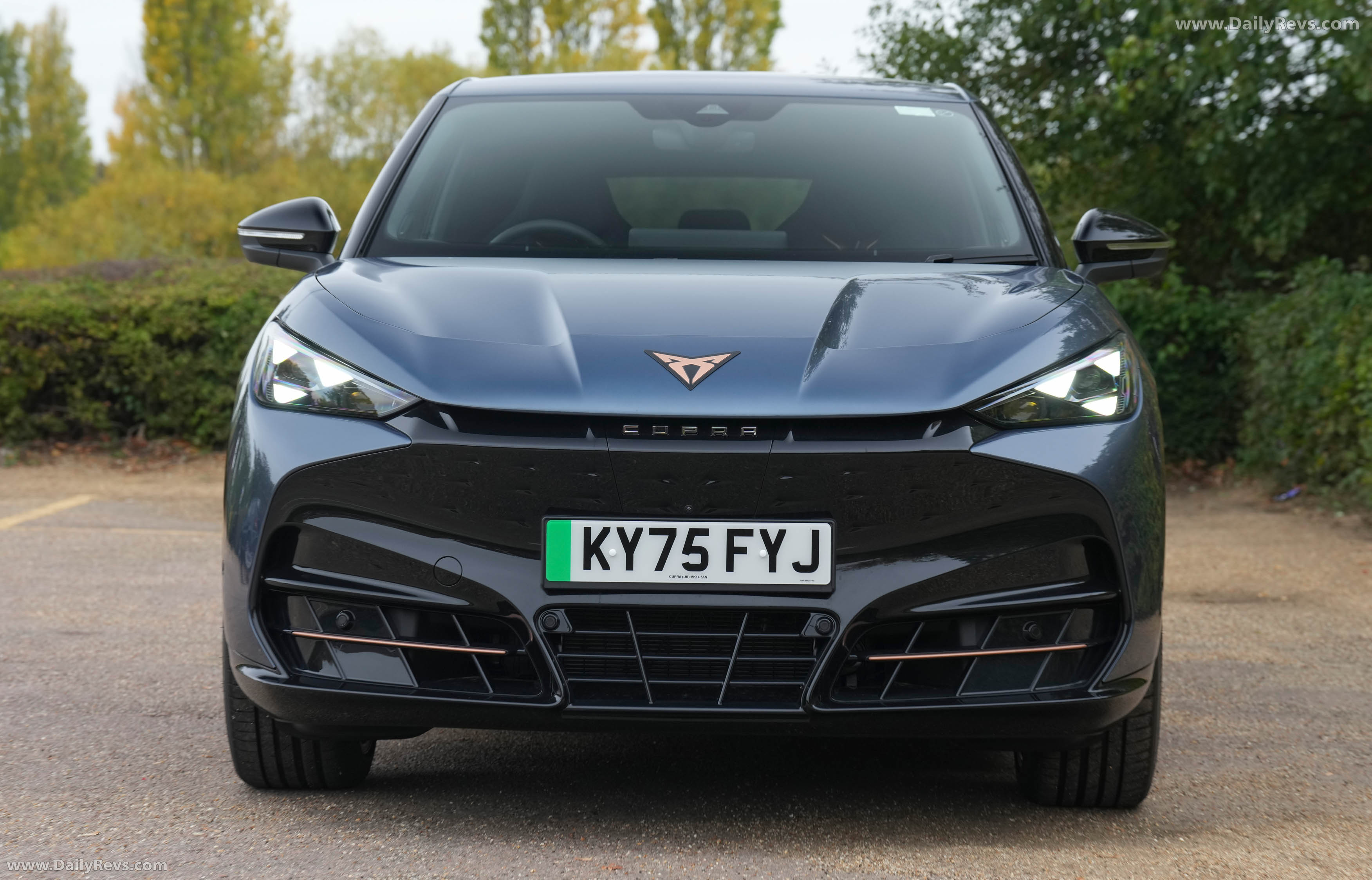
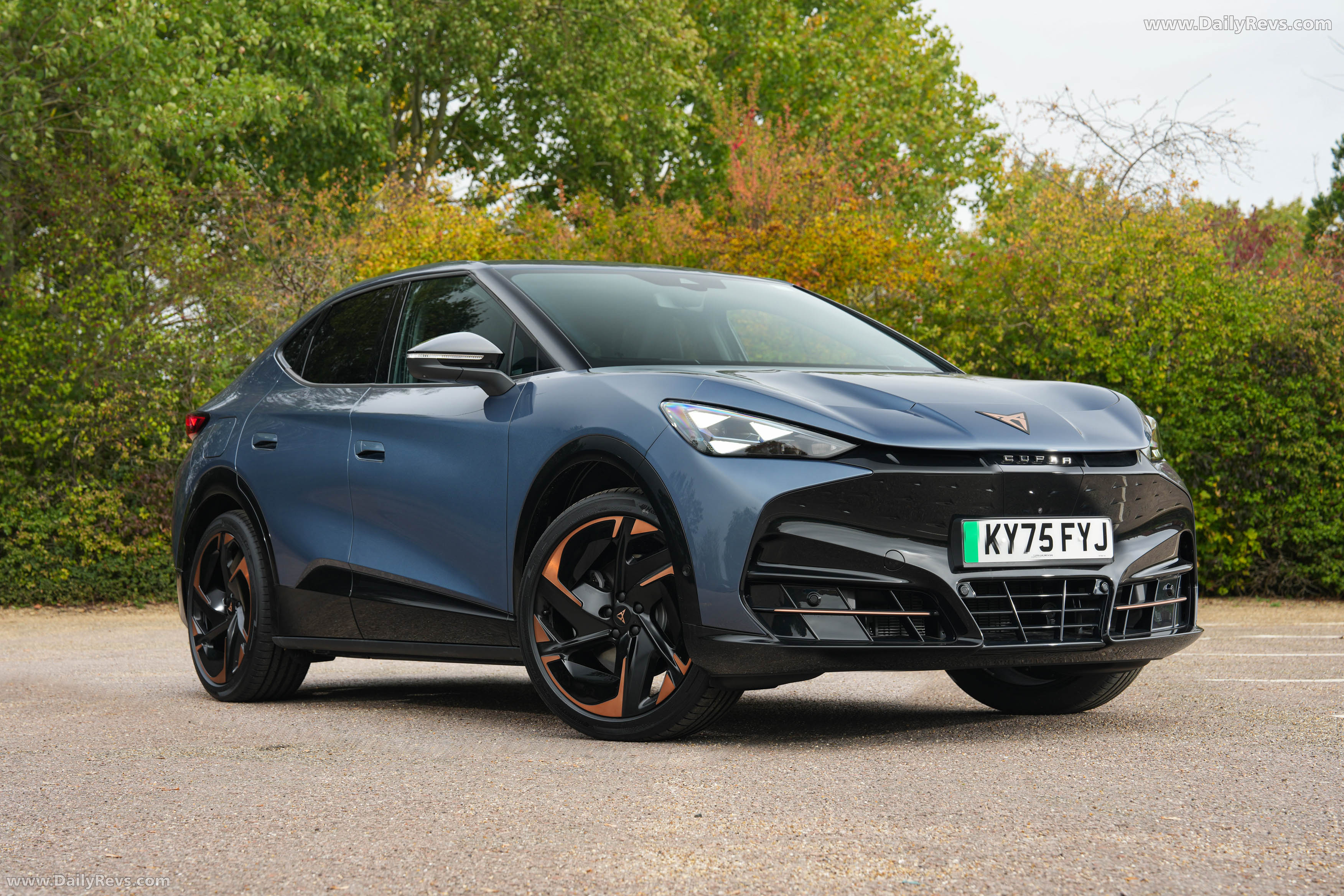
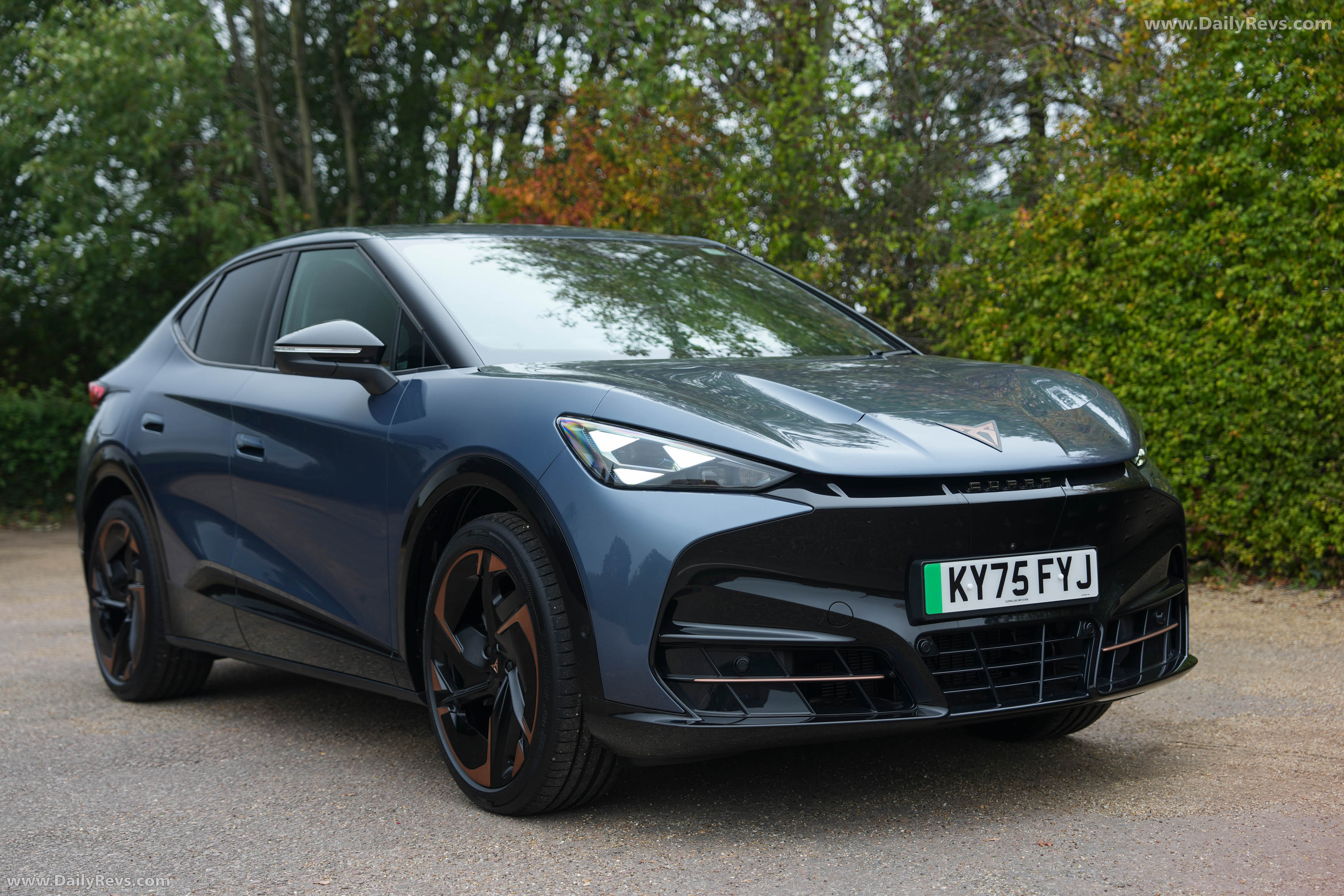
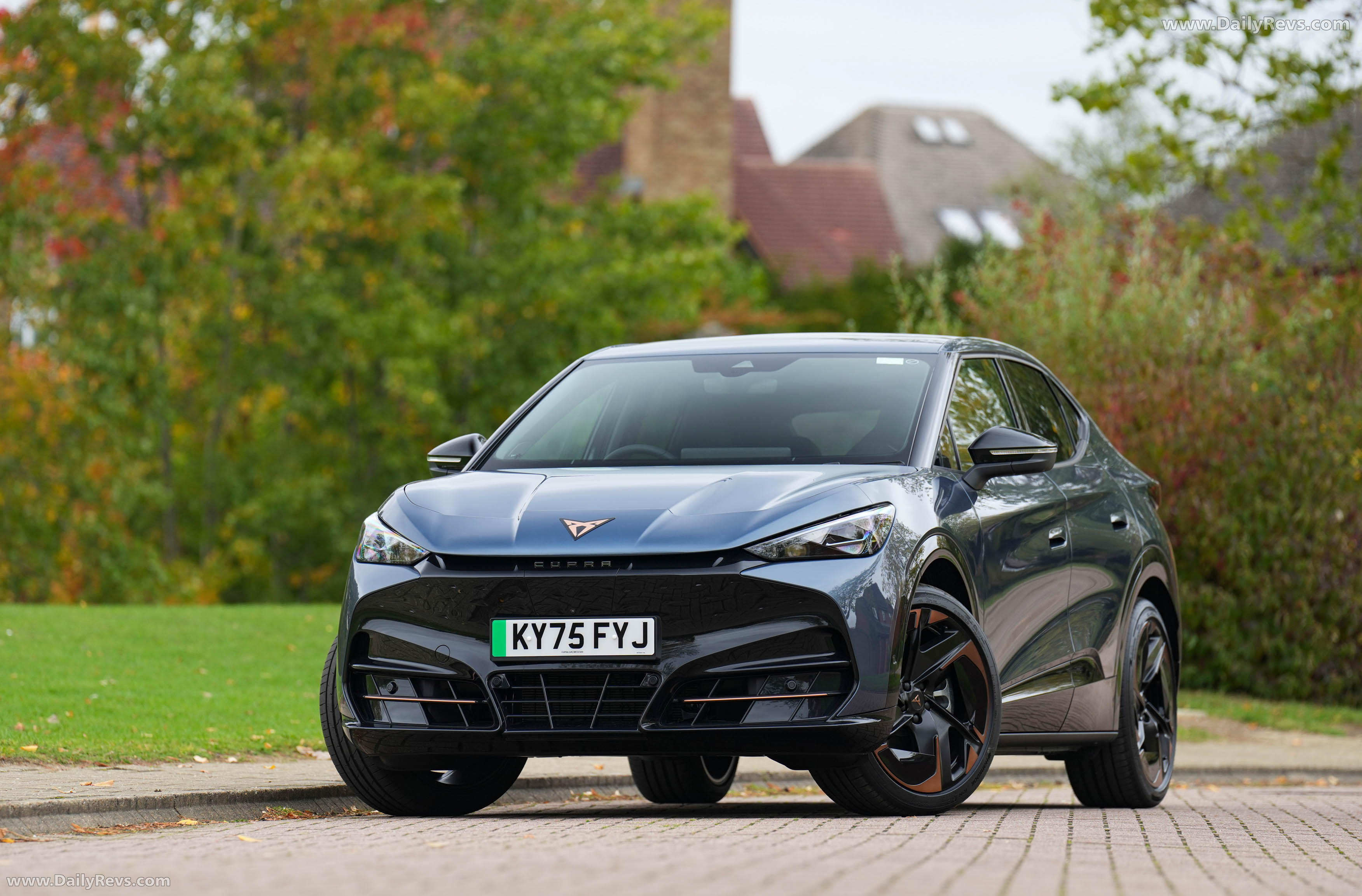
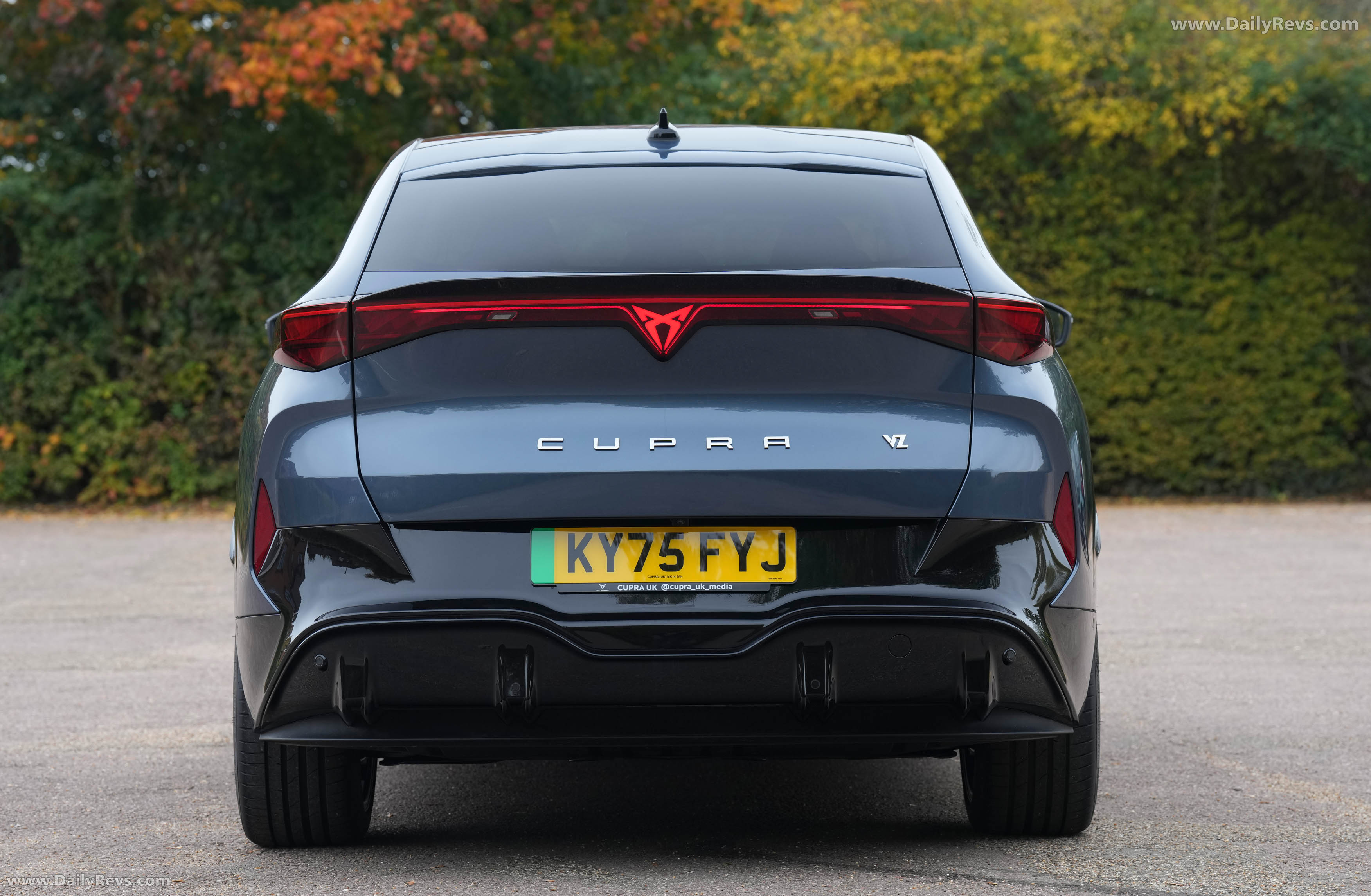
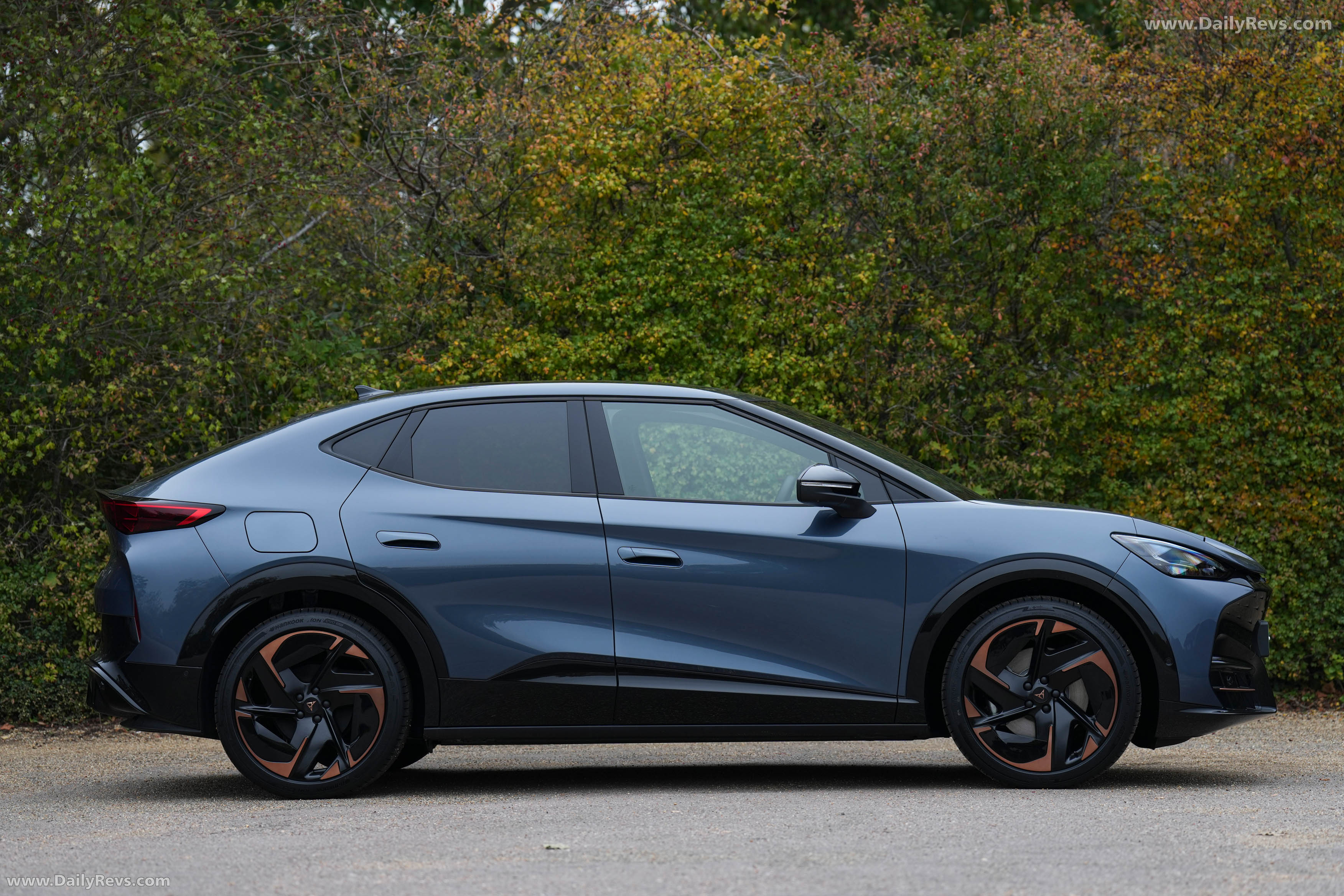
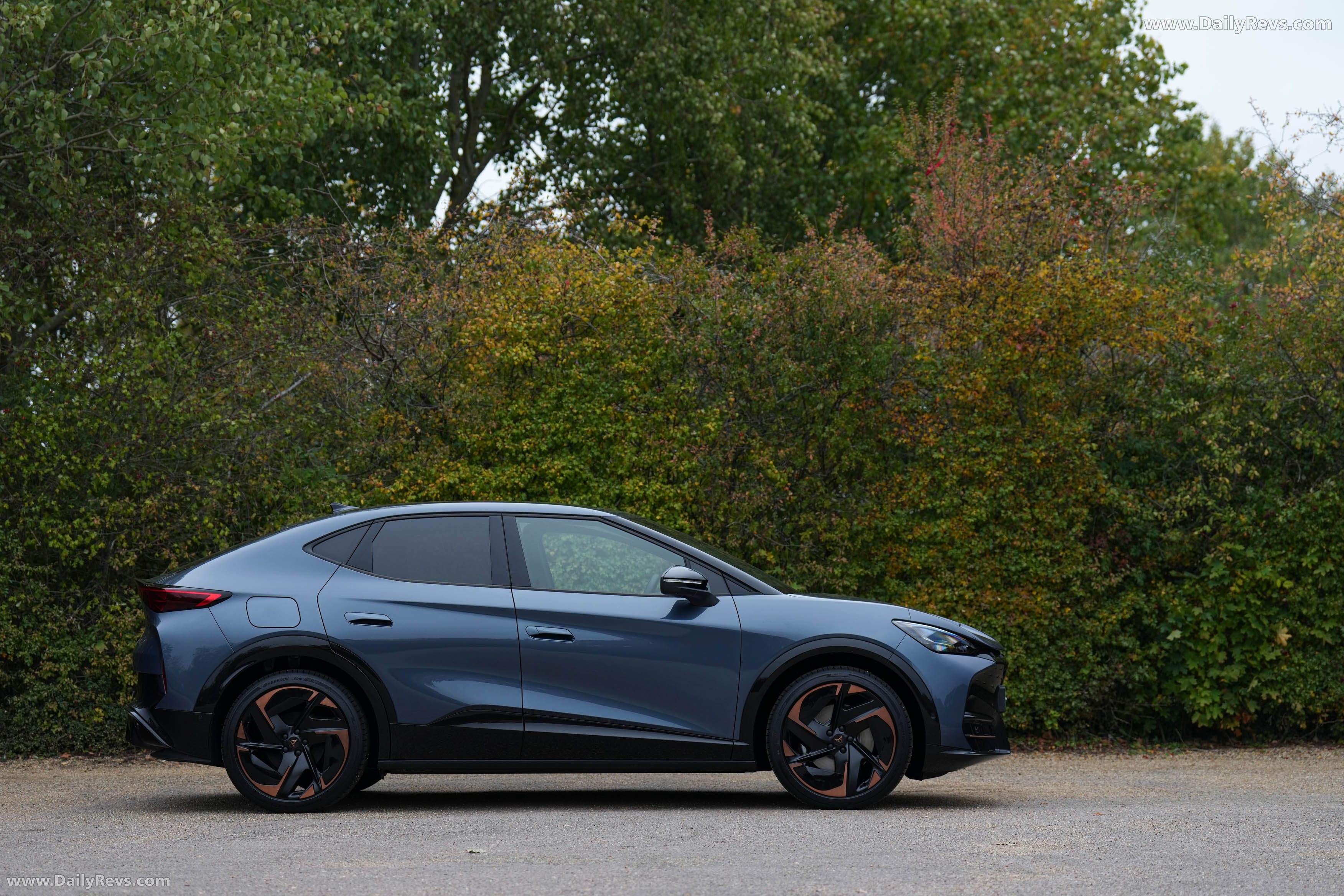
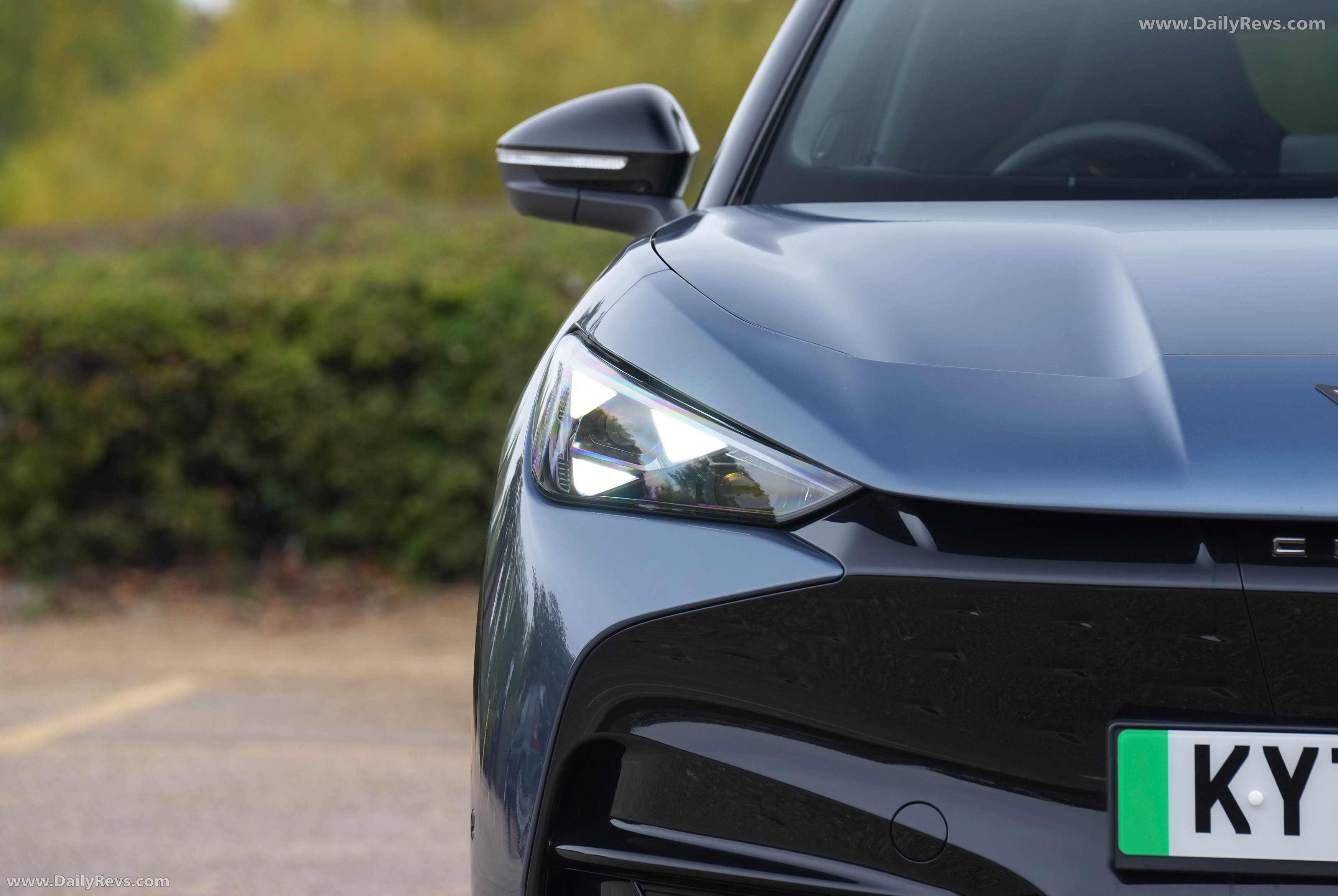
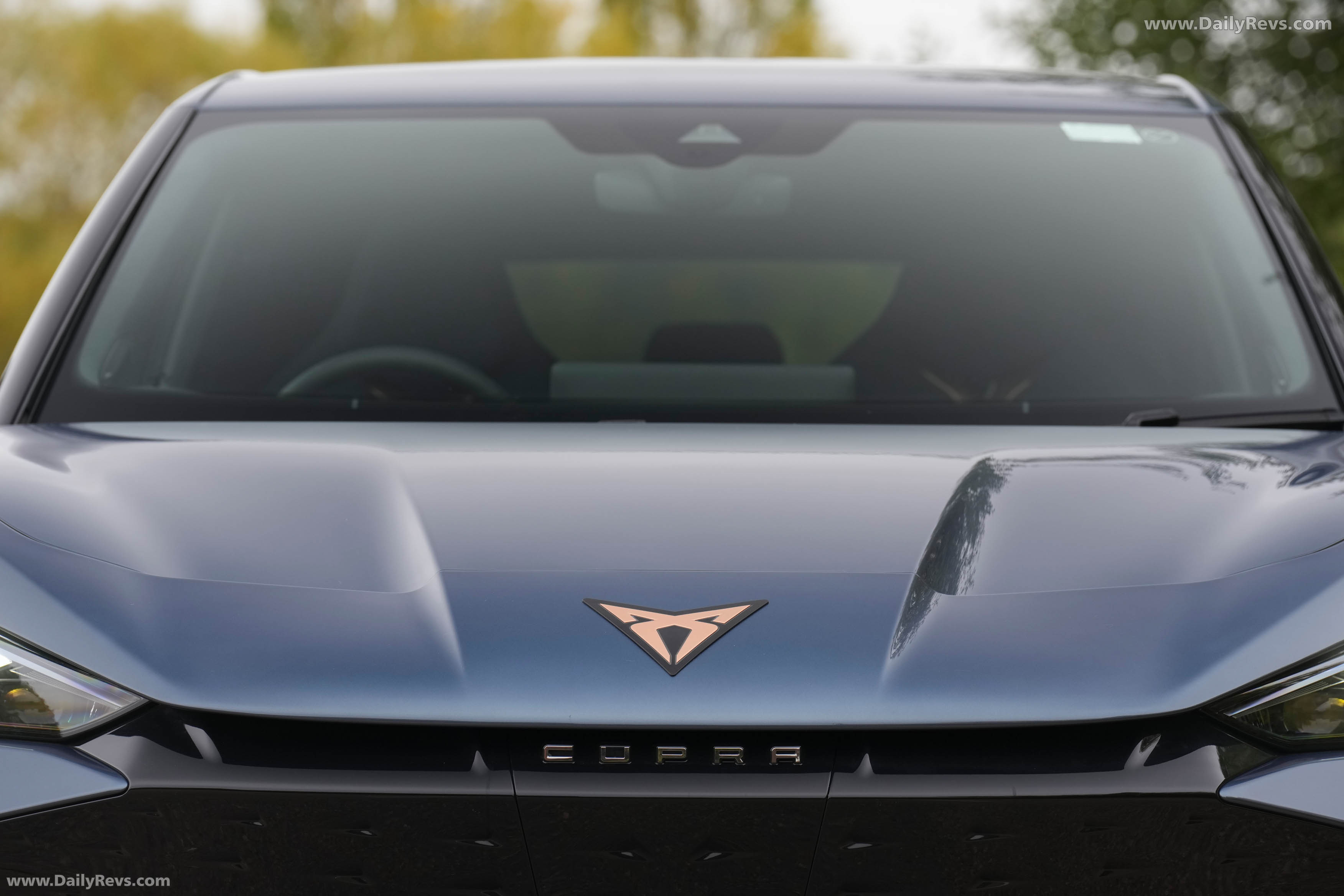
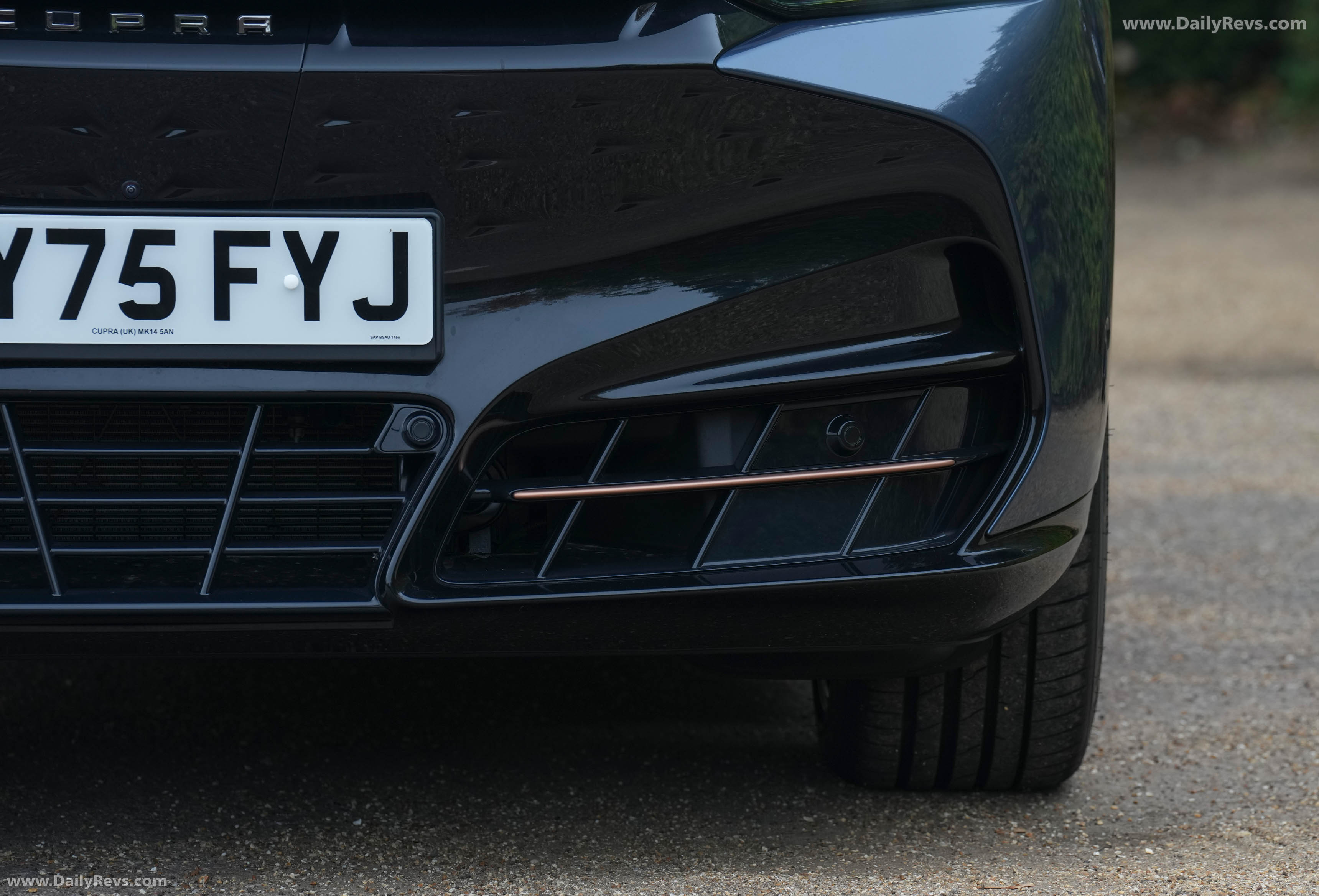
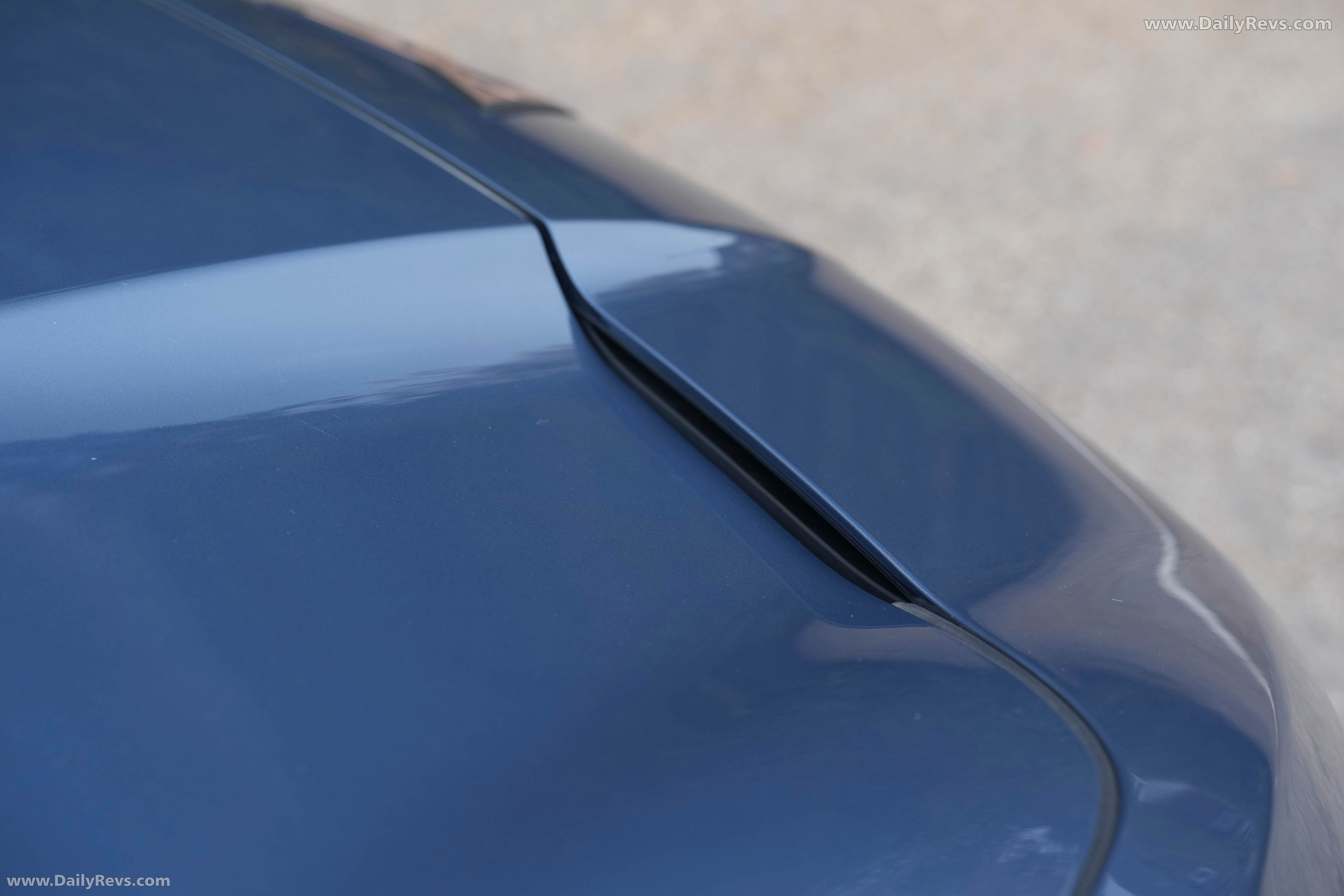
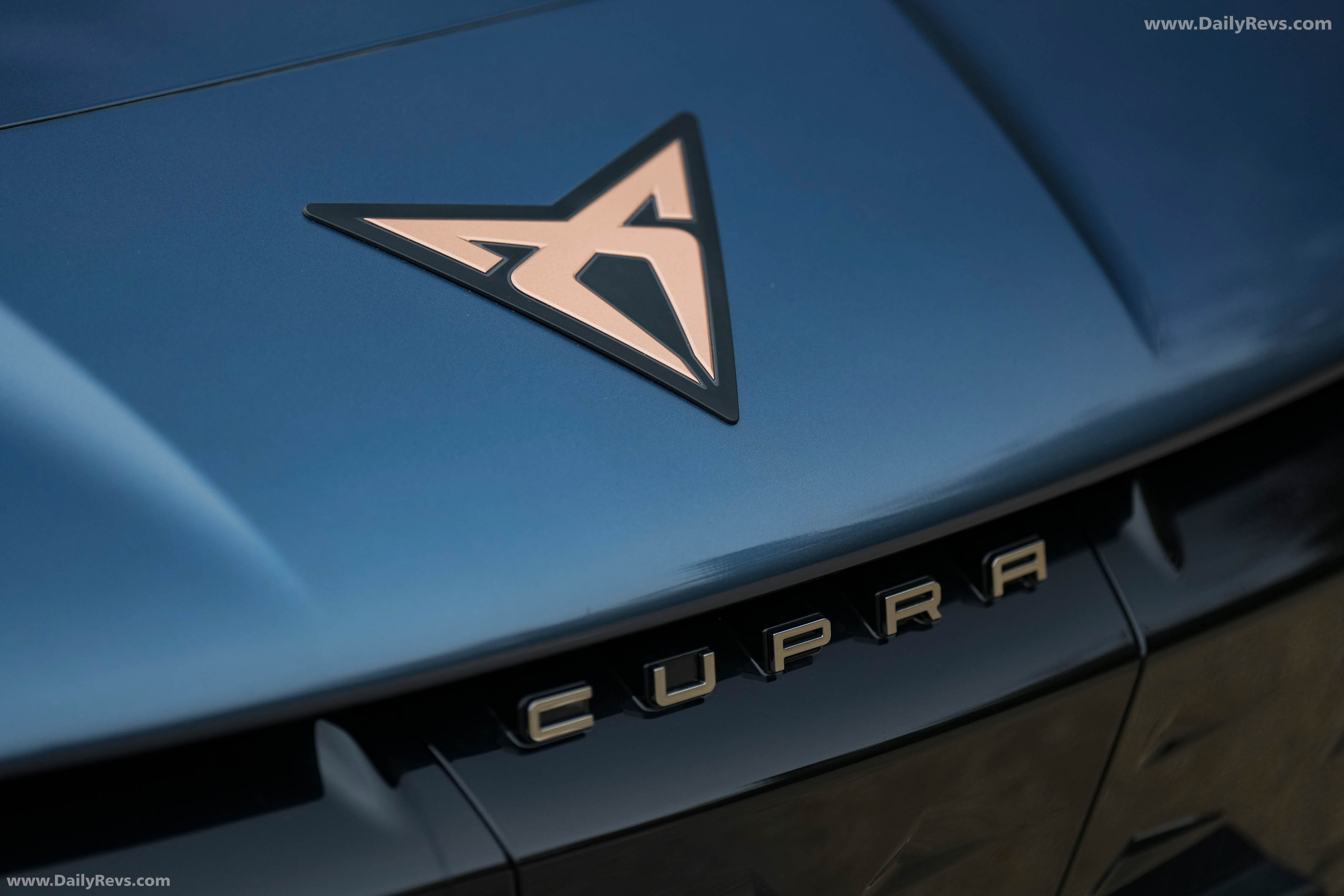
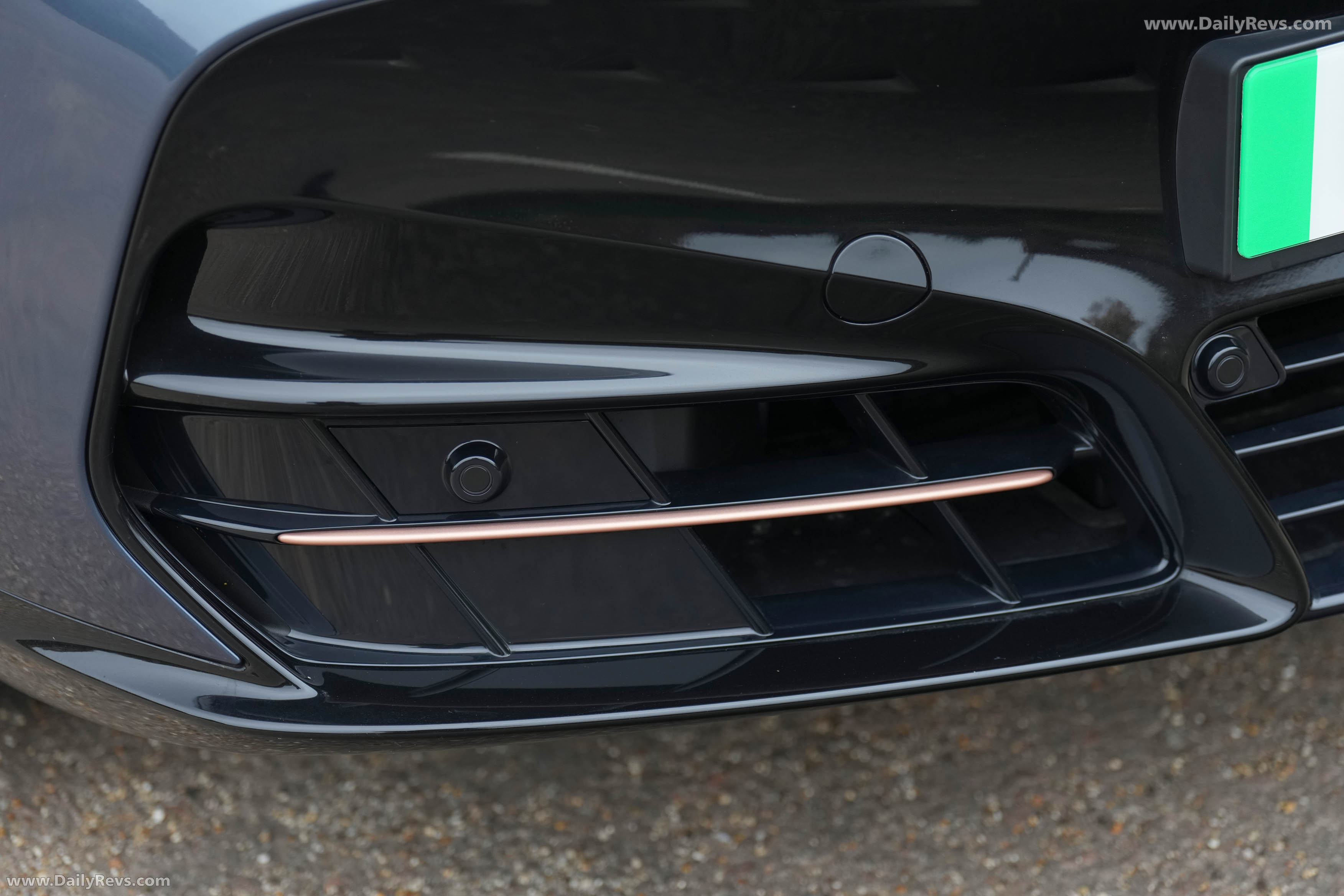
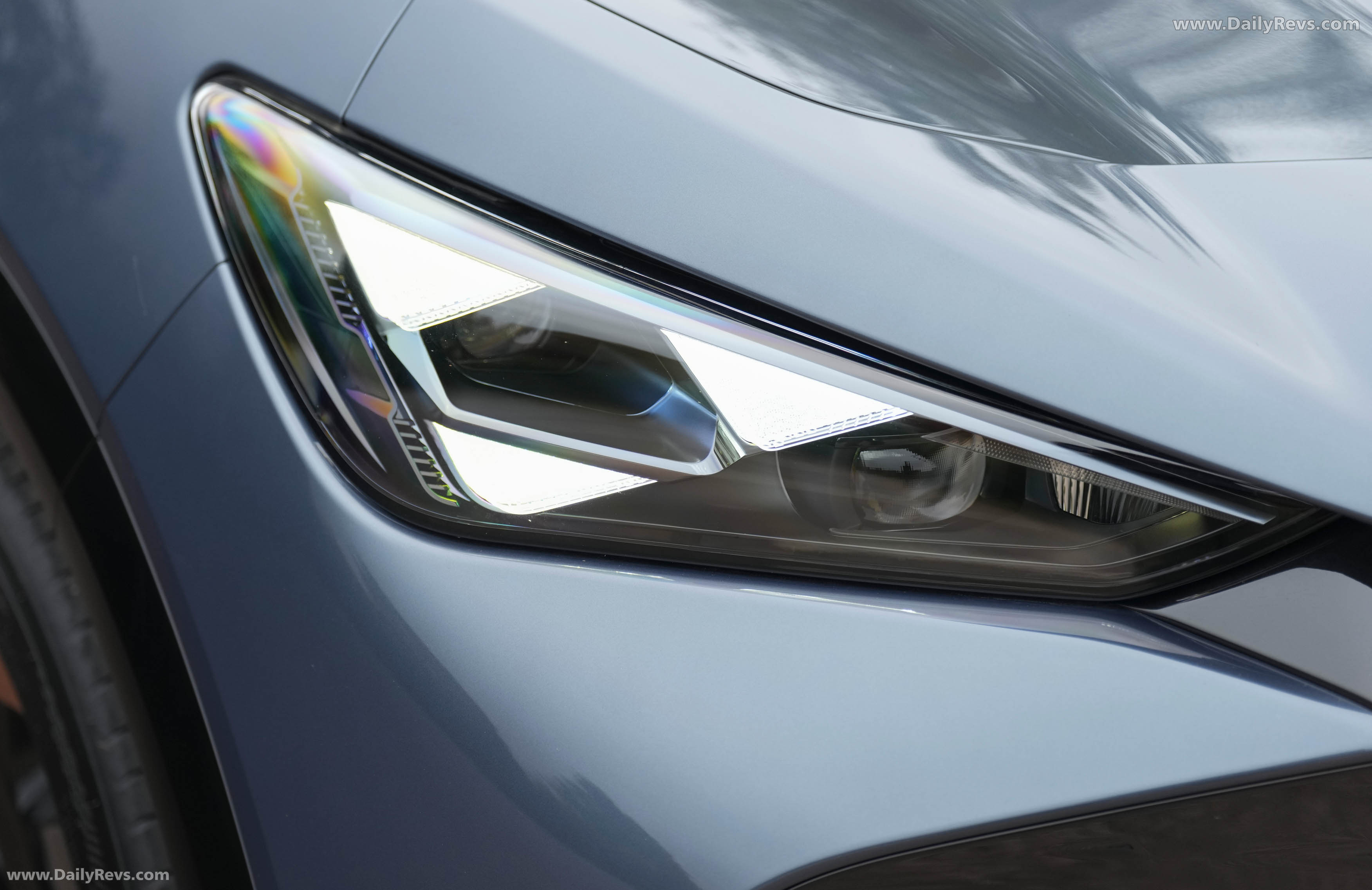
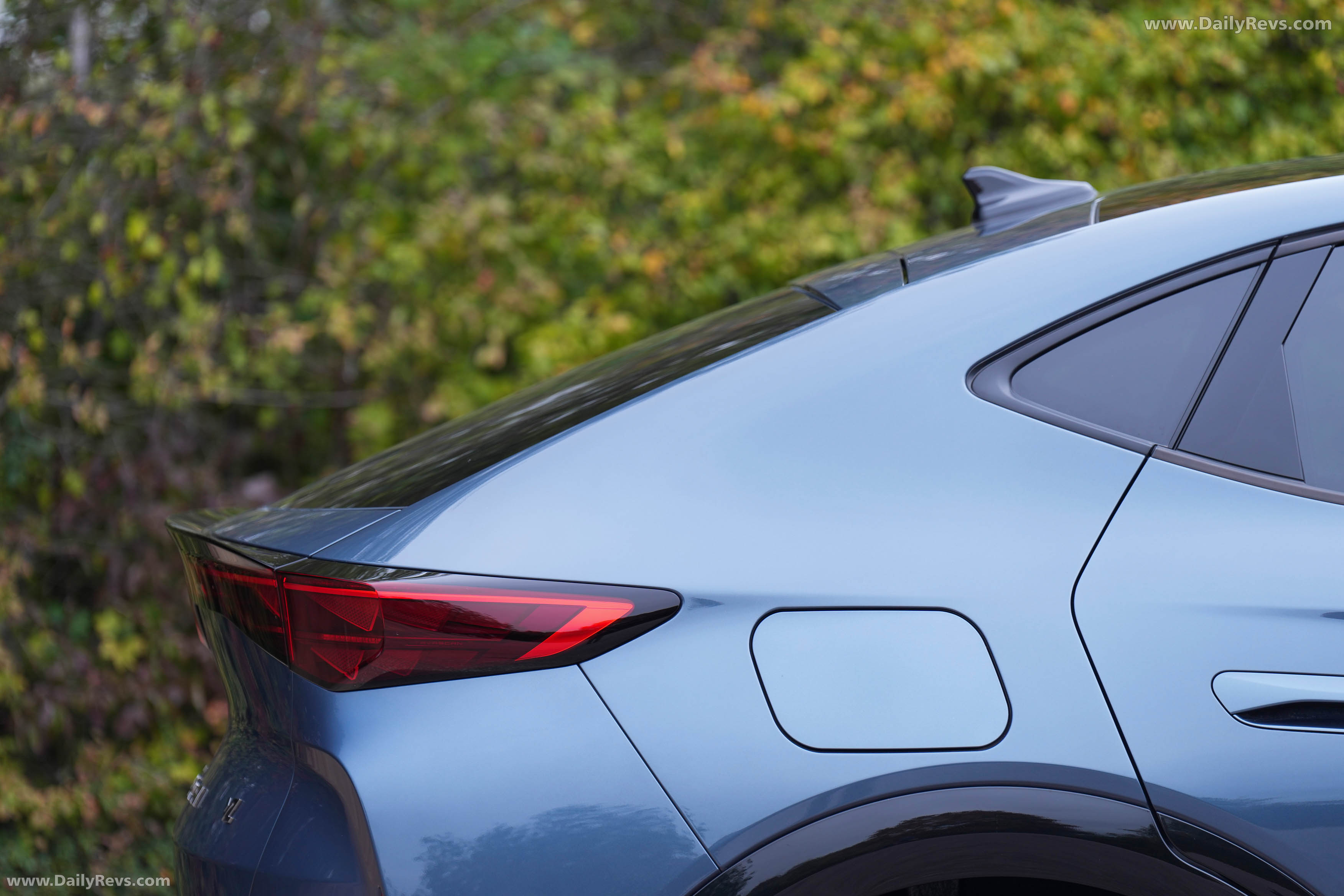
When the 2026 Seat Cupra Tavascan VZ goes into production, its dimensions are remarkably close to those of its original show car. The stance is characterized by a long wheelbase, short overhangs, and a prominent coupe roofline. In press photos, the body surfaces are taut rather than ornamental, with clean light-catching transitions. Framed by a low nose and sculpted intakes that are shaped as much by aerodynamics as by visual intent, the three-triangle lighting signature at the front creates instant brand recognition.
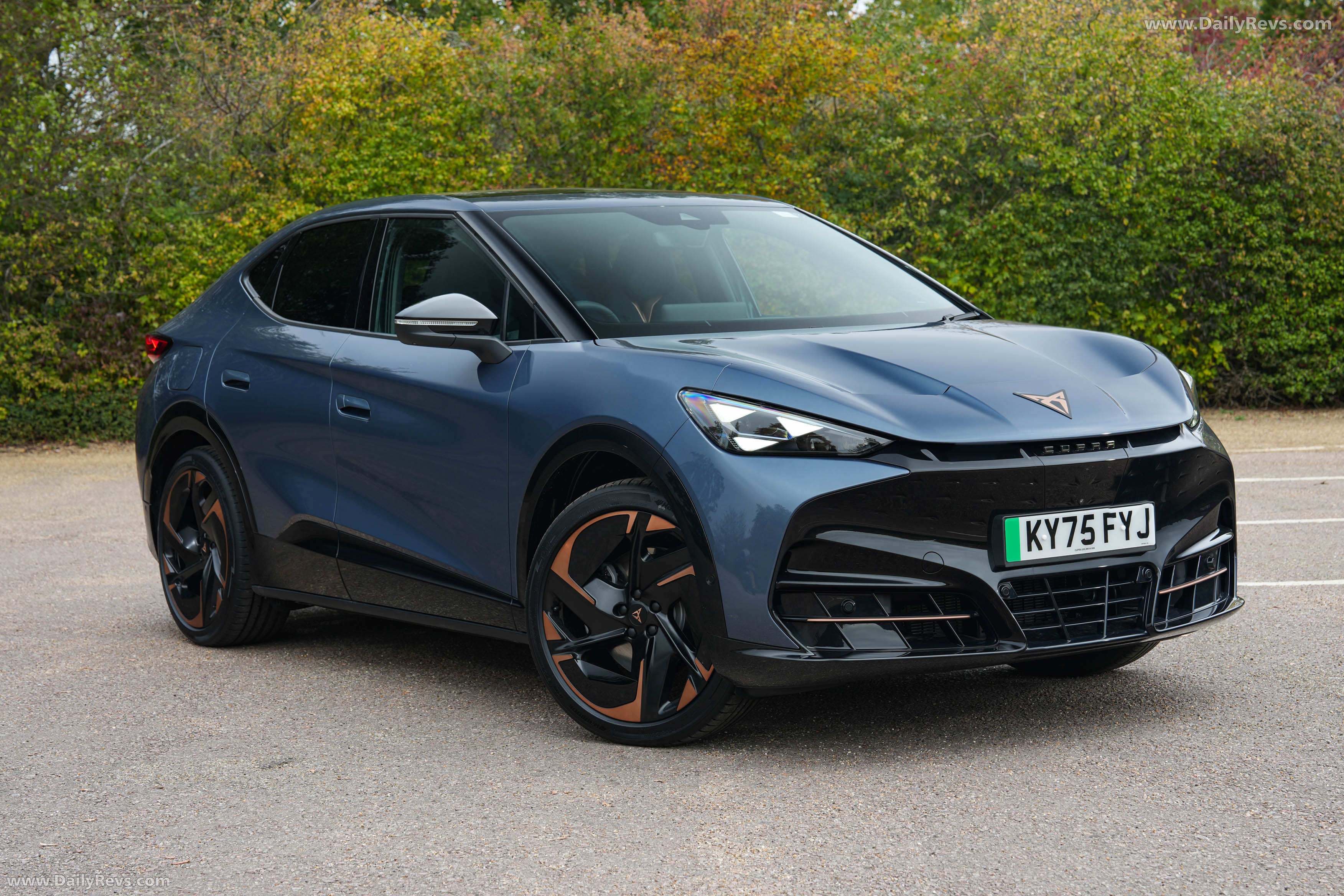
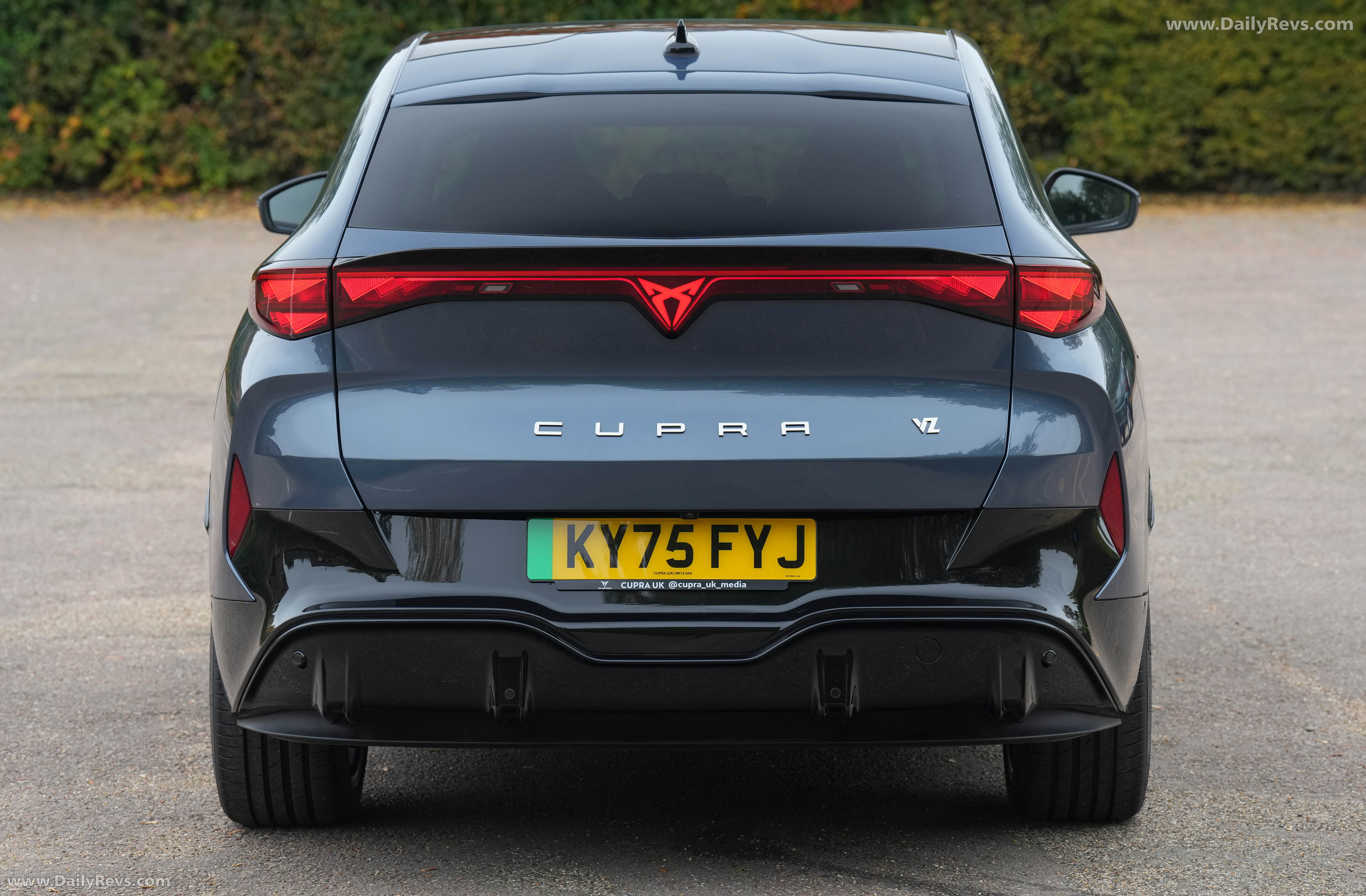
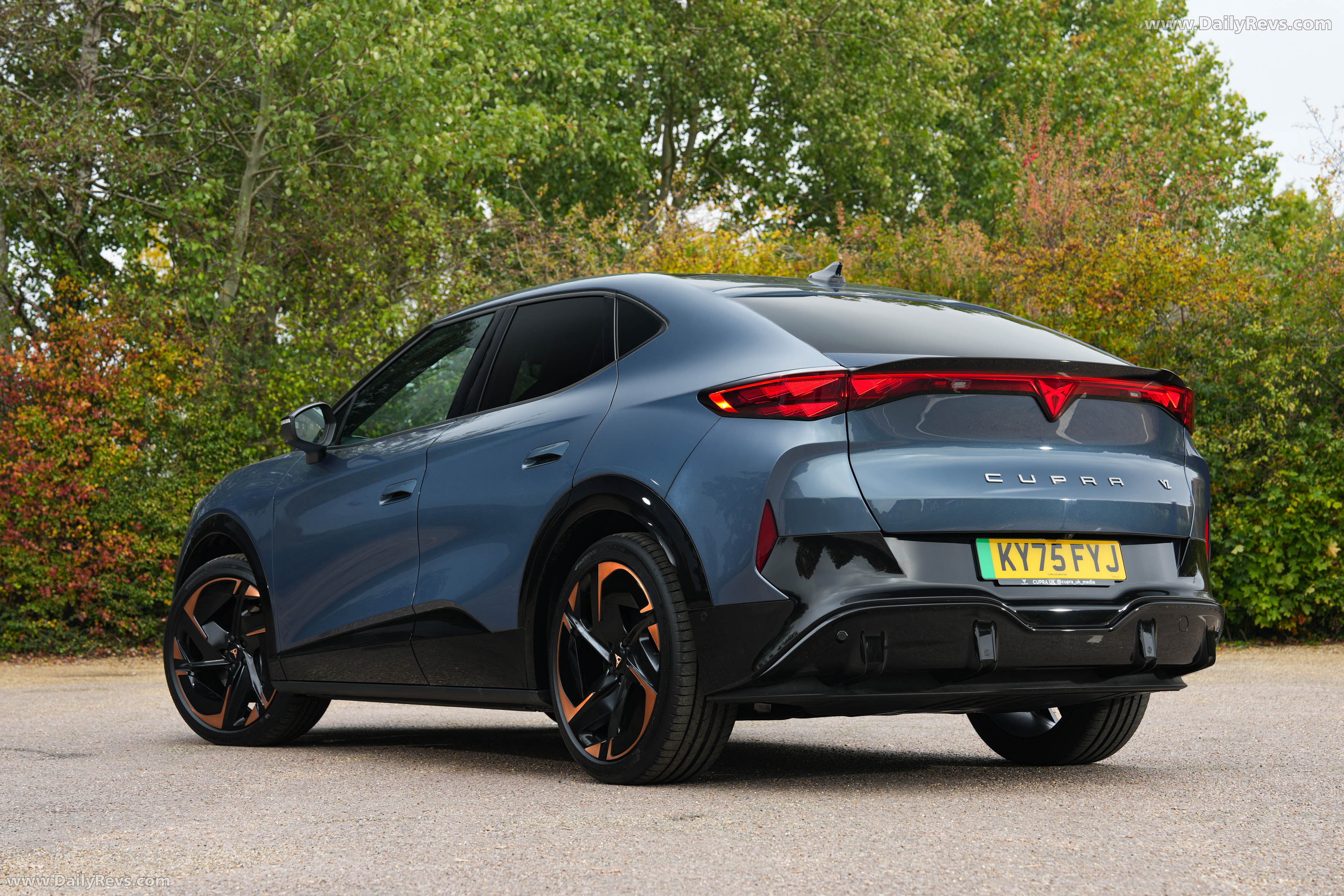
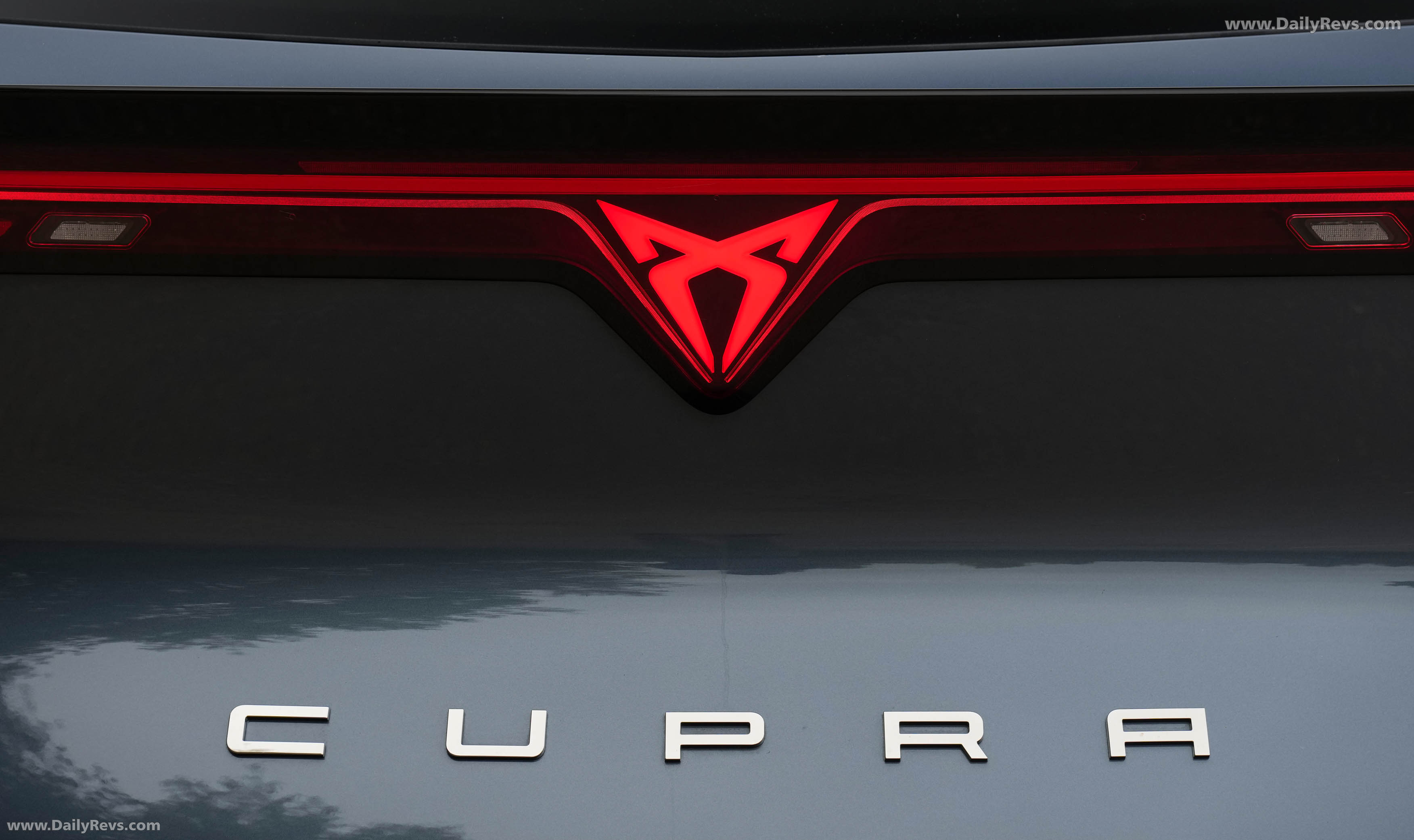
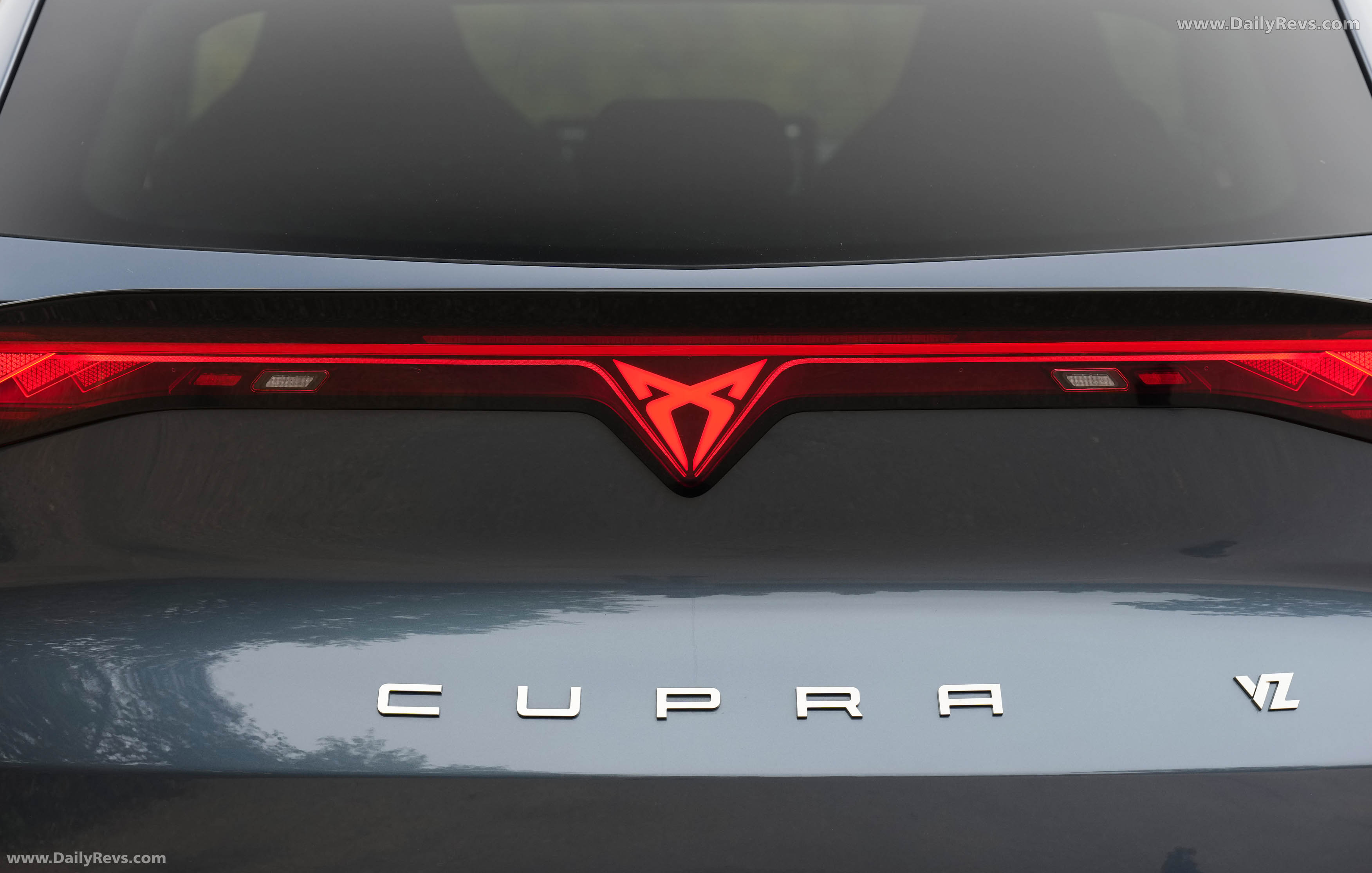
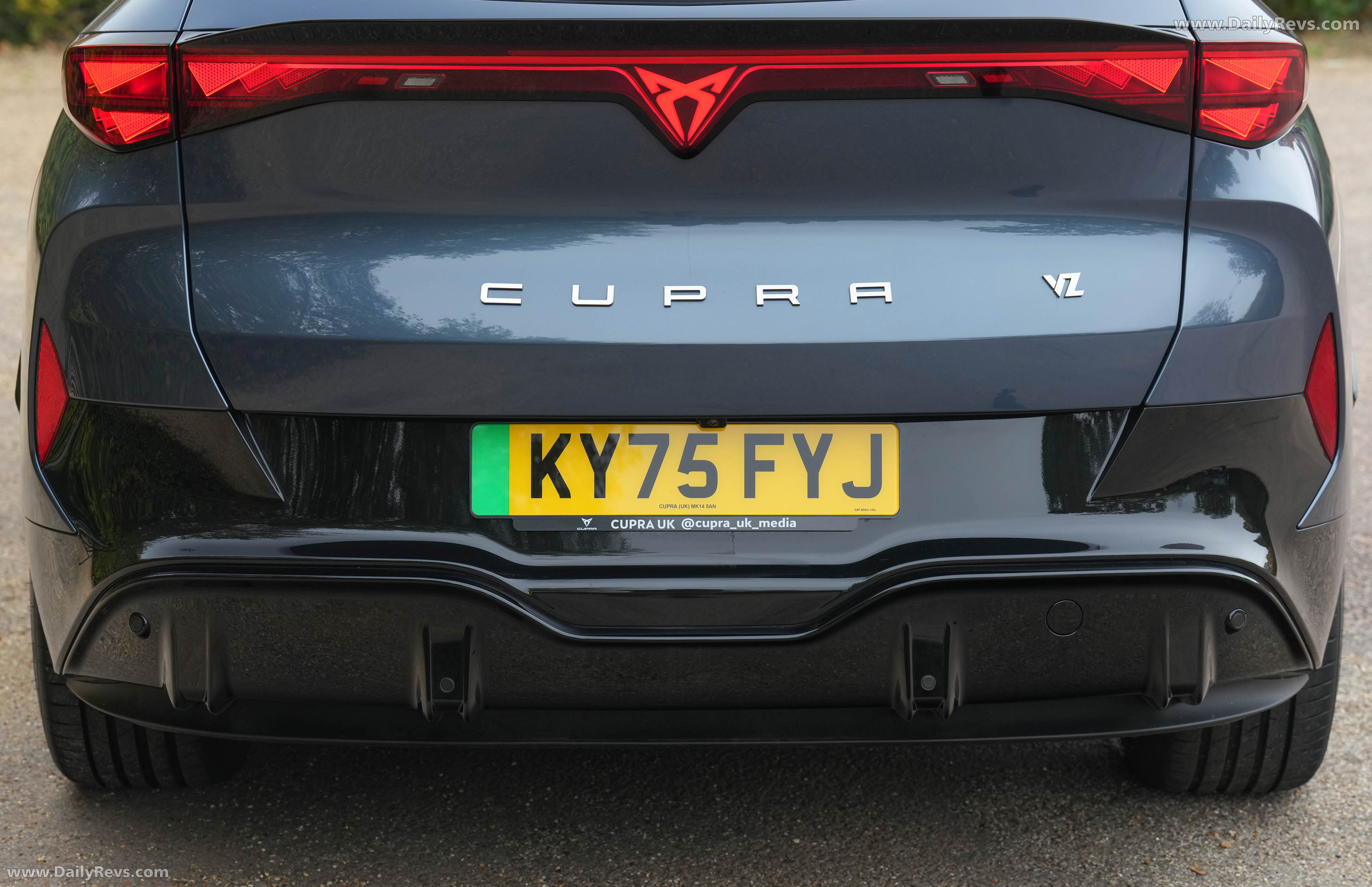
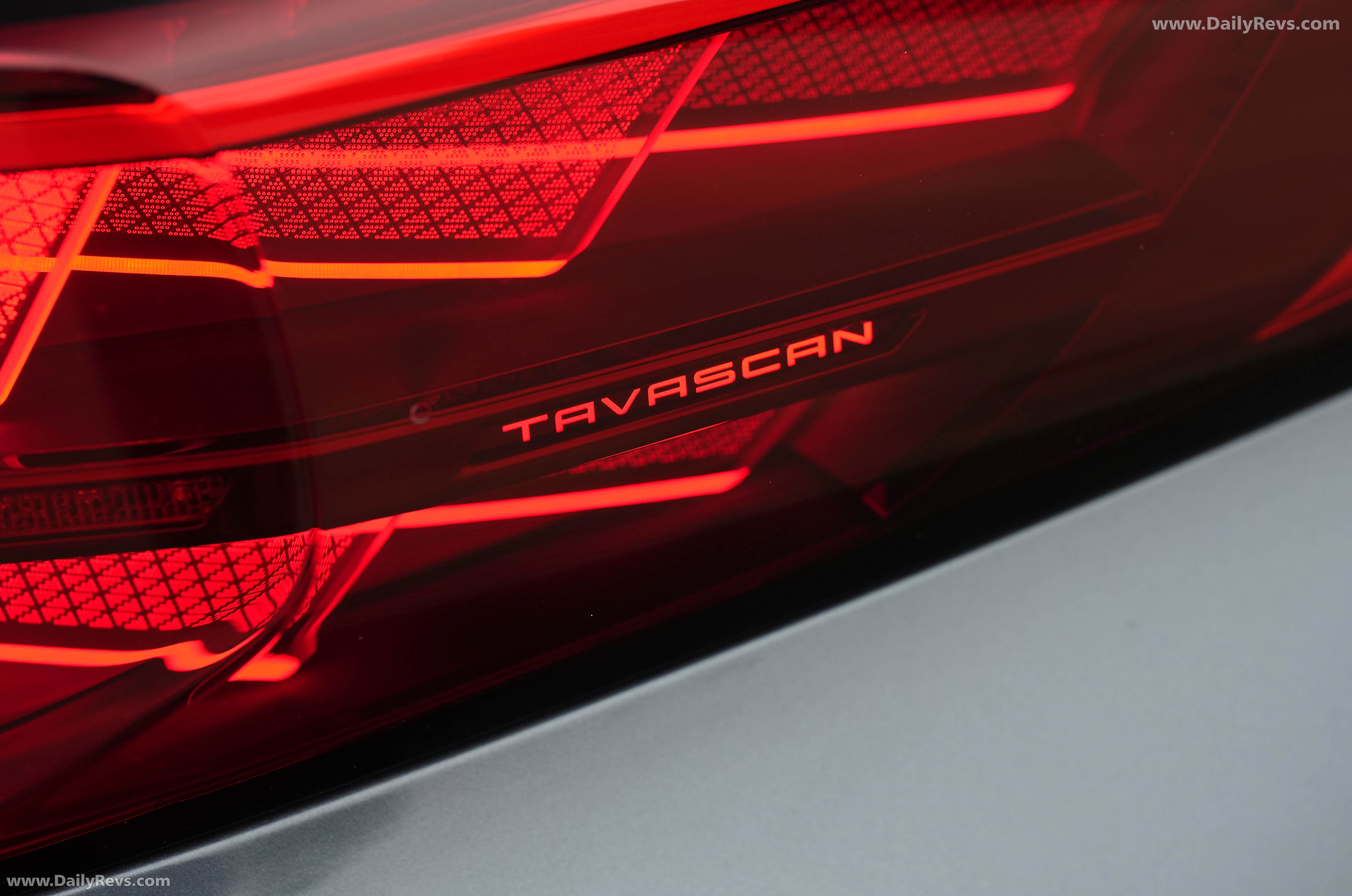
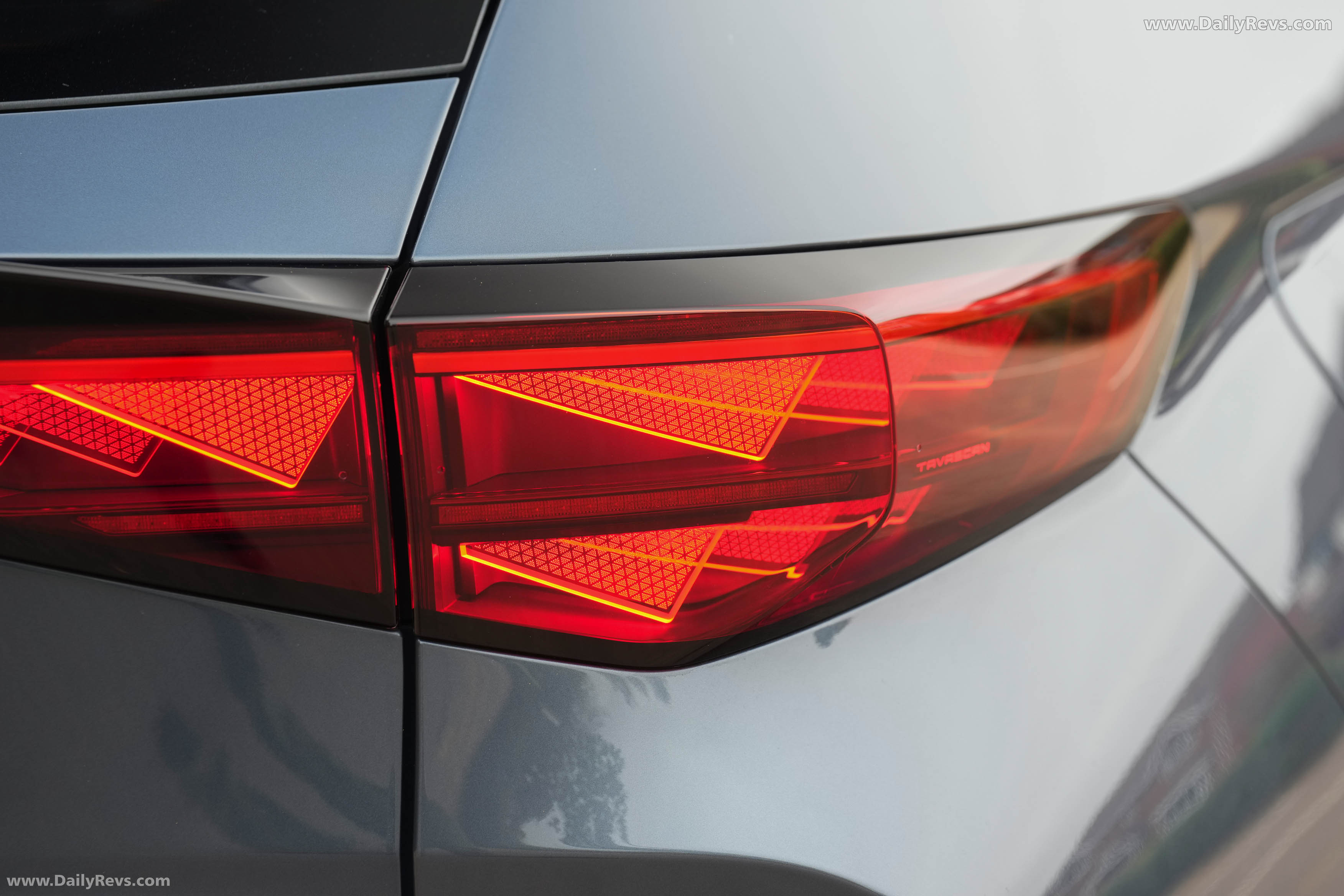
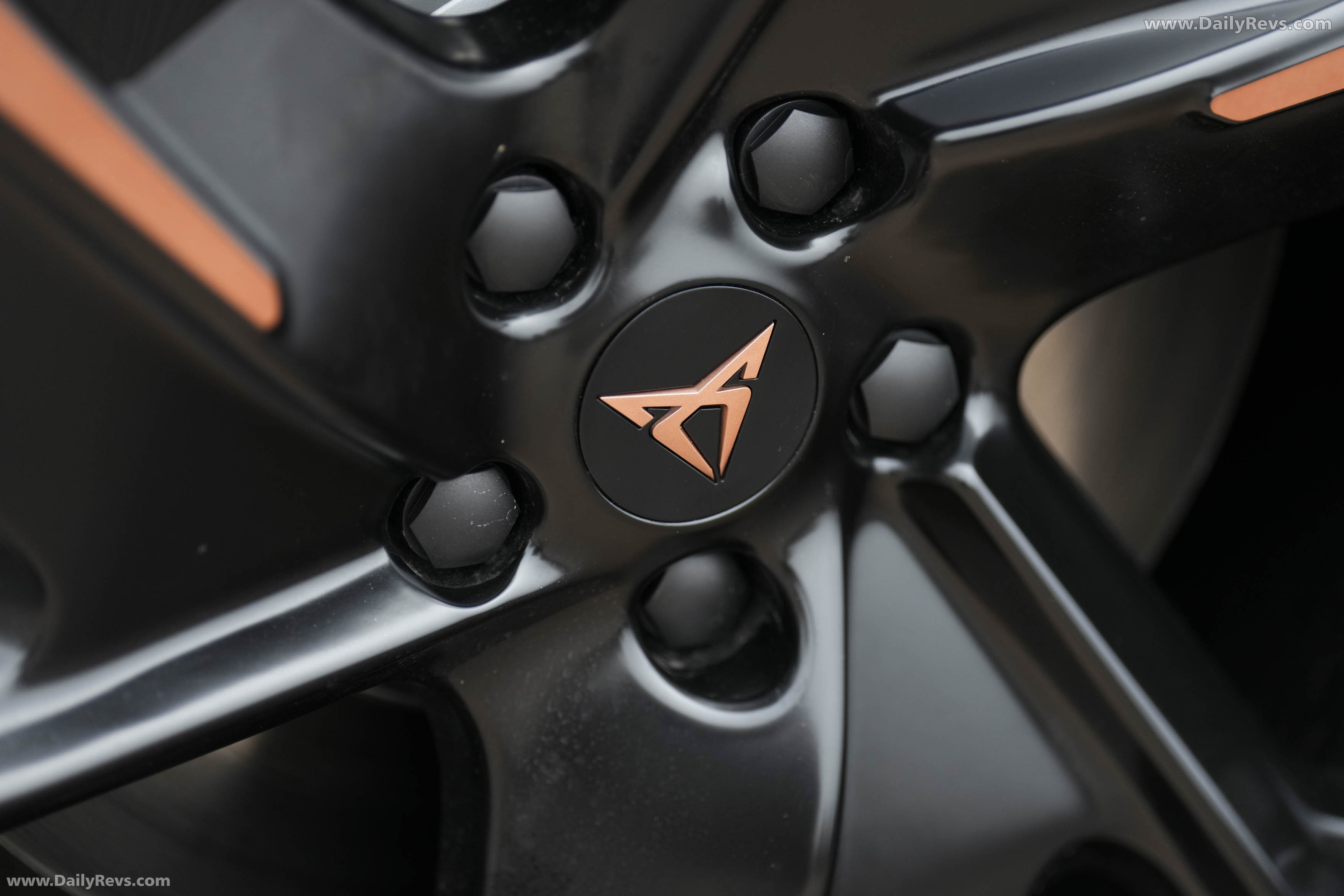
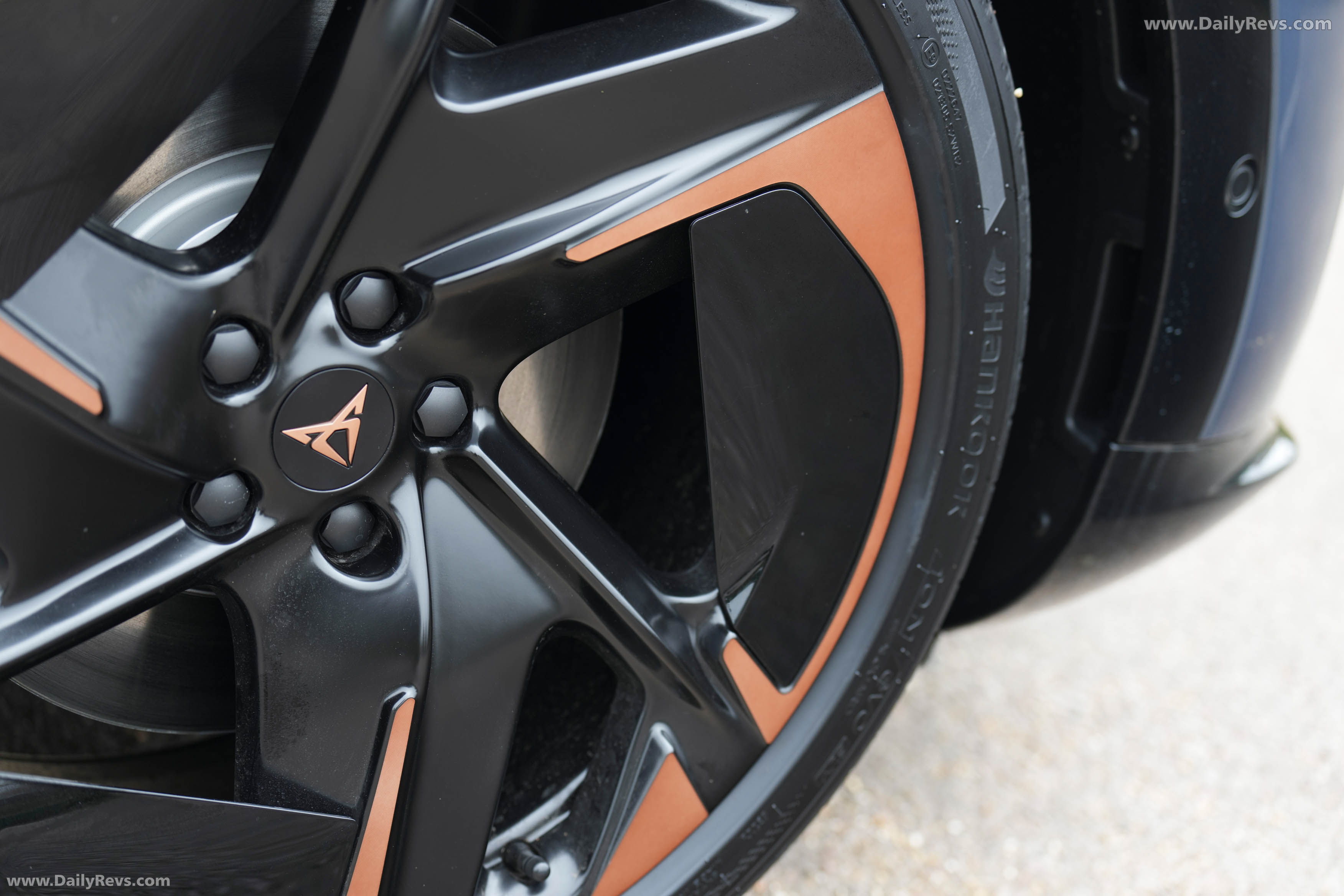
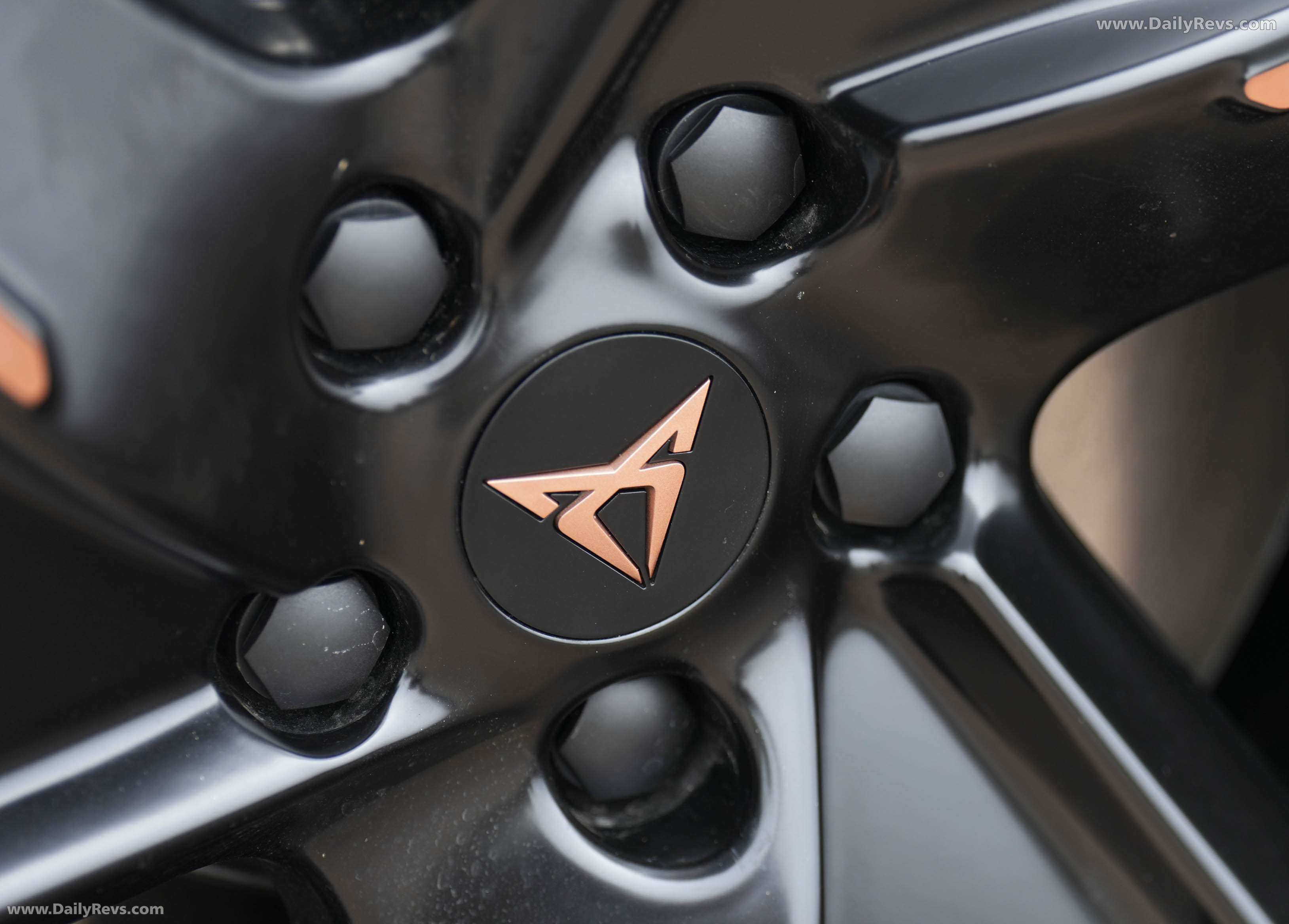
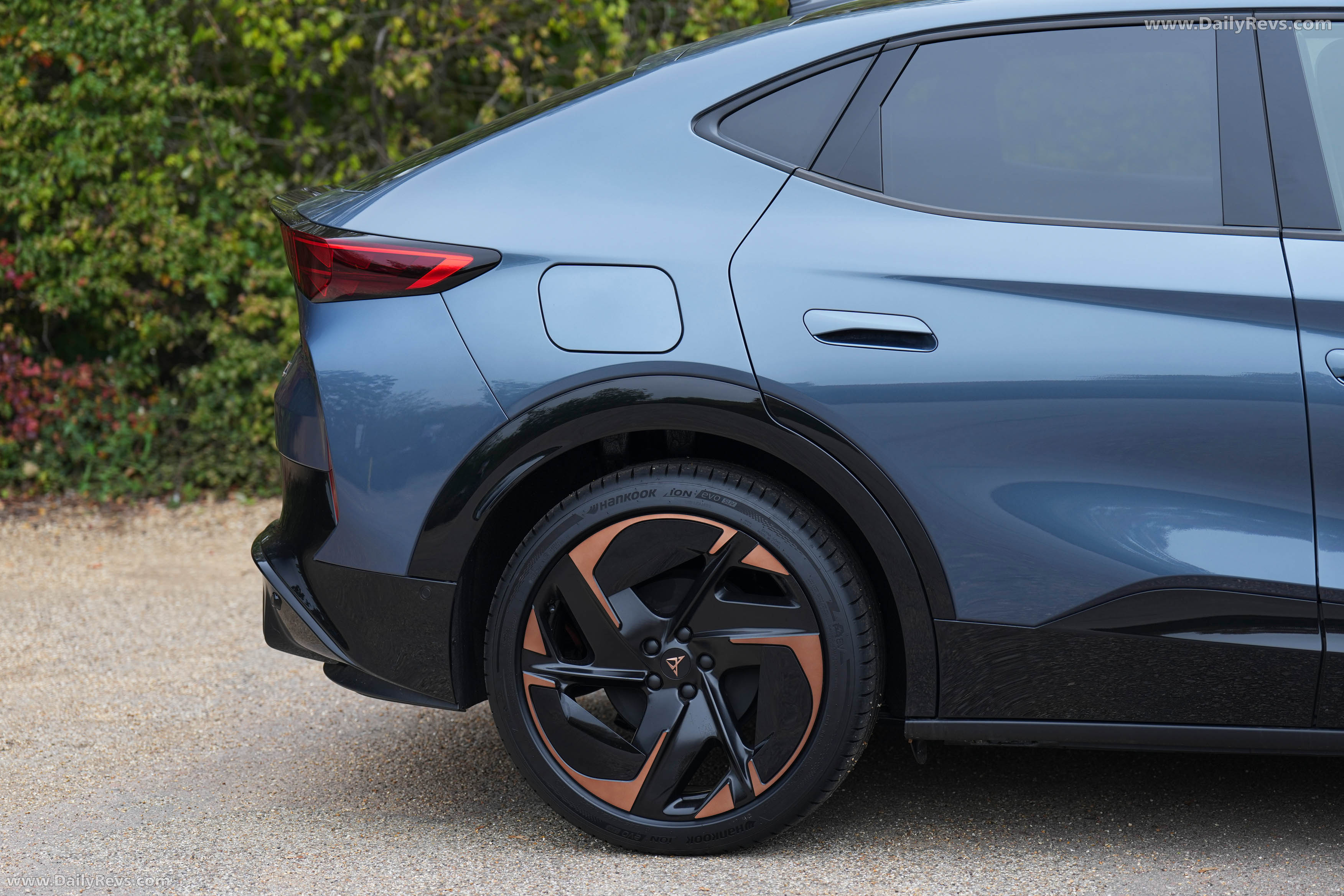
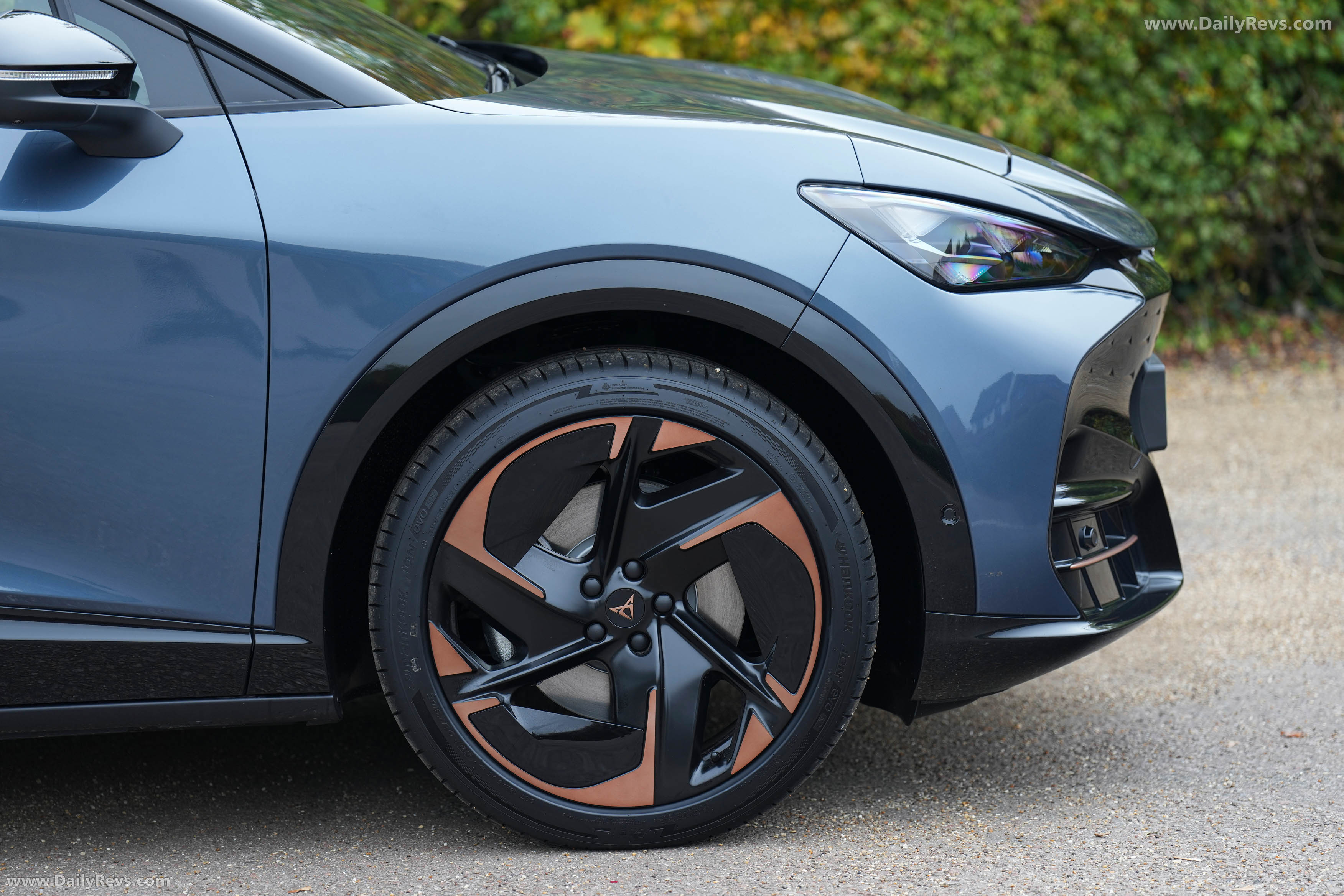
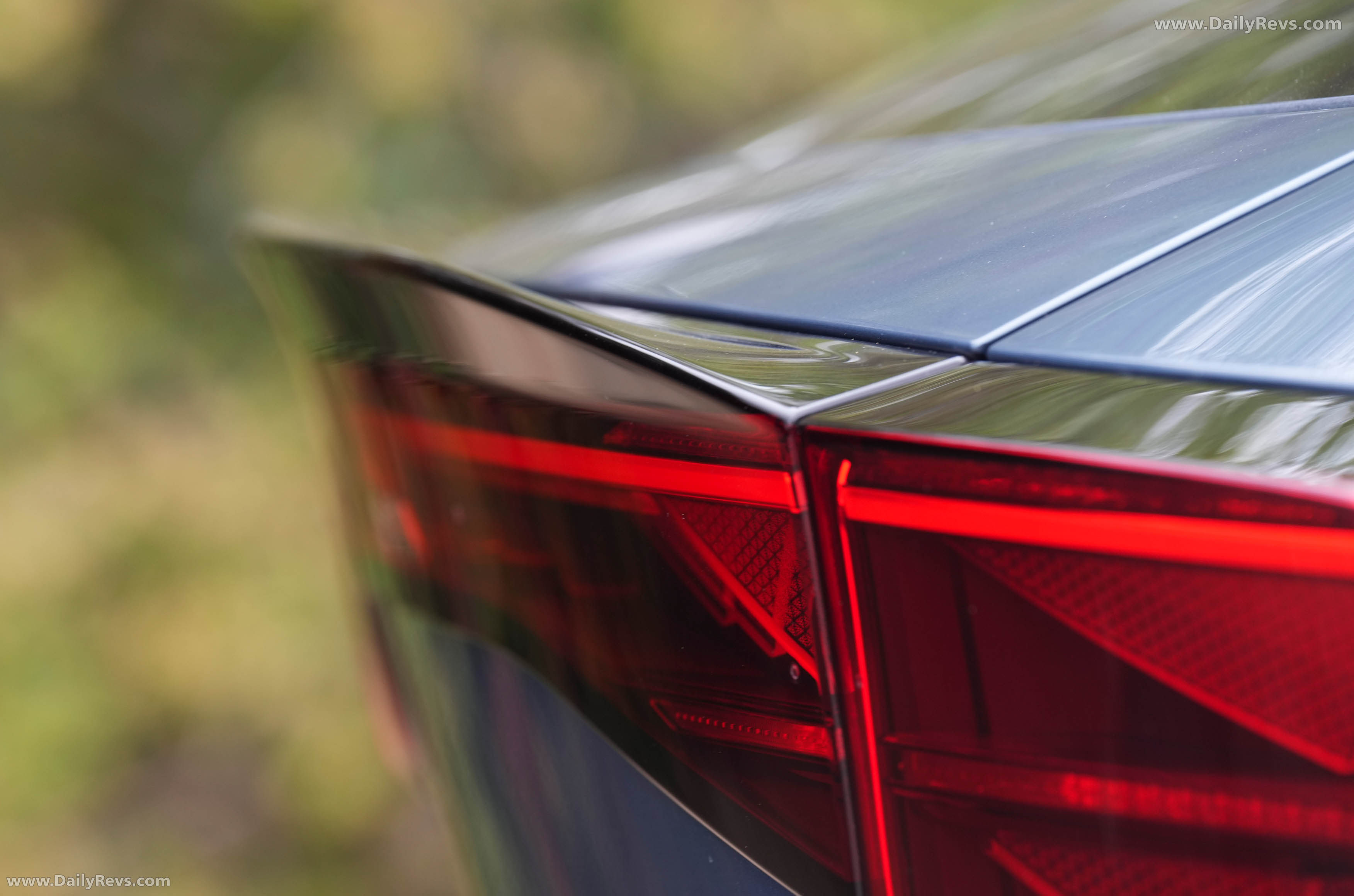
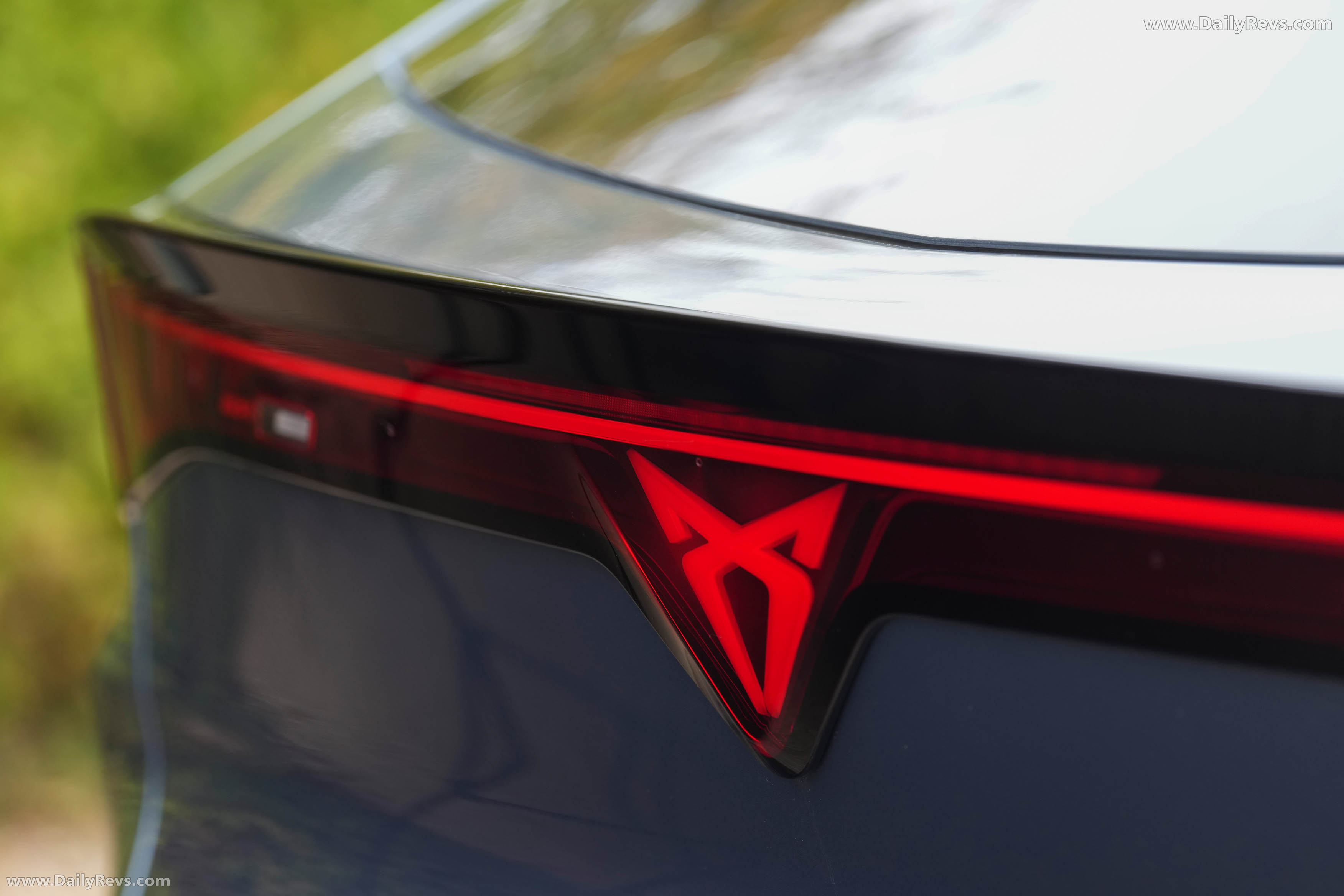
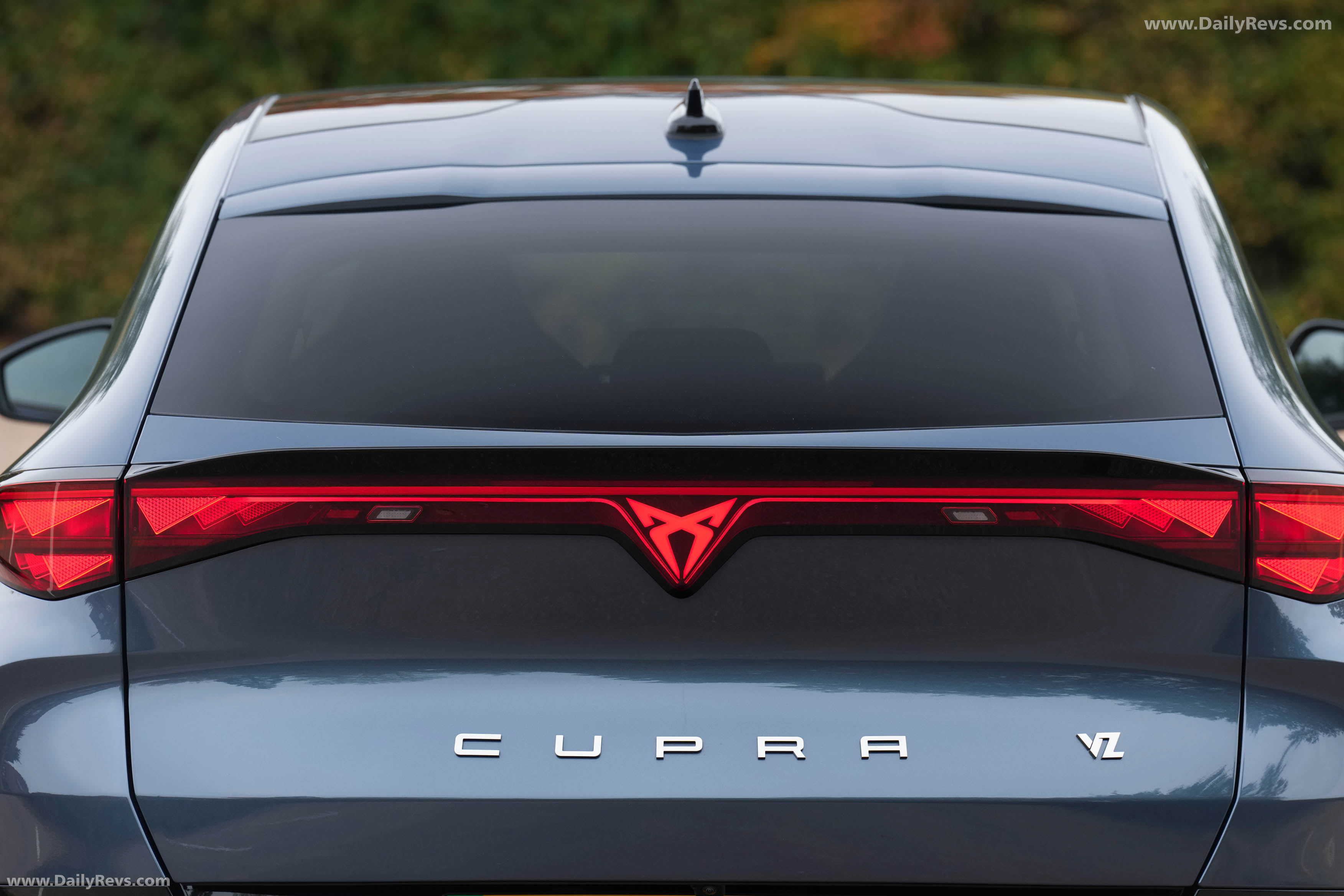
From the side, the design reads wide and grounded. Darkened A-pillars create a visor-like effect, visually lowering the roof and stretching the glasshouse rearward. Wheel sizes up to 21 inches fill the arches with purpose, reinforcing the Tavascan’s performance positioning without resorting to exaggerated cladding. At the rear, the illuminated logo and full-width lighting graphic emphasise width and give the VZ a distinctive night-time identity.
Dual-motor VZ performance brief
In VZ form, the Tavascan adopts a dual-motor all-wheel-drive layout producing 250 kW (340 PS) and 545 Nm of torque. Power delivery is described as immediate and traction-focused, with the front motor engaging only when required to manage grip. Official figures place 0–100 km/h at 5.5 seconds, with top speed electronically limited to 180 km/h.
Energy is supplied by a 77 kWh net battery, shared across the range, with the VZ quoted at up to 522 km of WLTP range. The emphasis here is not headline acceleration but repeatable performance, supported by thermal management and selectable drive modes that adjust steering, damping, and throttle response.
Chassis tuning and driver focus
Underneath, the MEB platform is reworked with sport intent. A low-mounted battery contributes to near-even weight distribution, while DCC Sport adaptive dampers and progressive steering aim to maintain body control without dulling feedback. The calibration suggests a preference for composure over spectacle, particularly relevant for an electric SUV coupe expected to cover long distances as readily as short, fast routes.
Interior architecture and digital emphasis
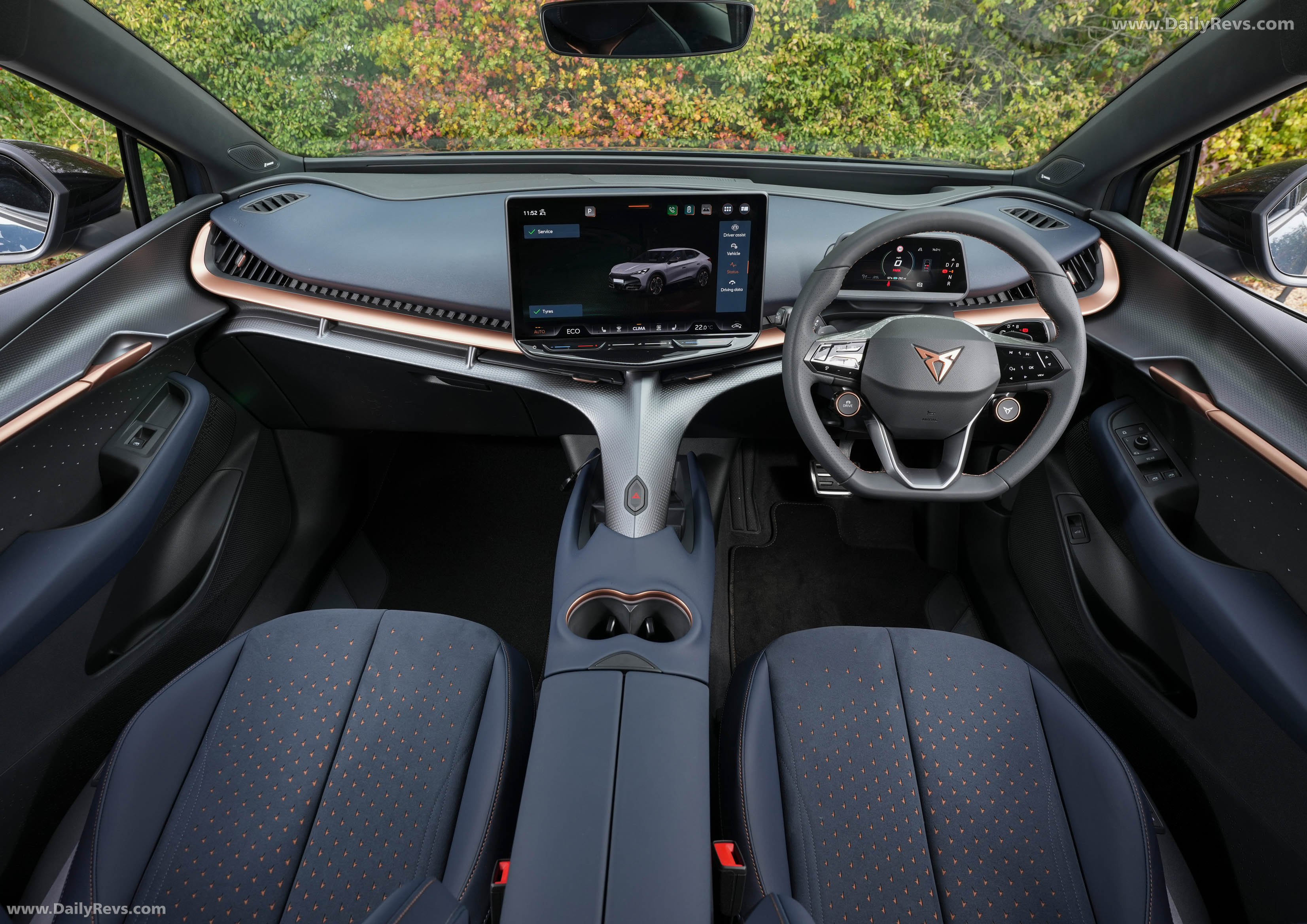
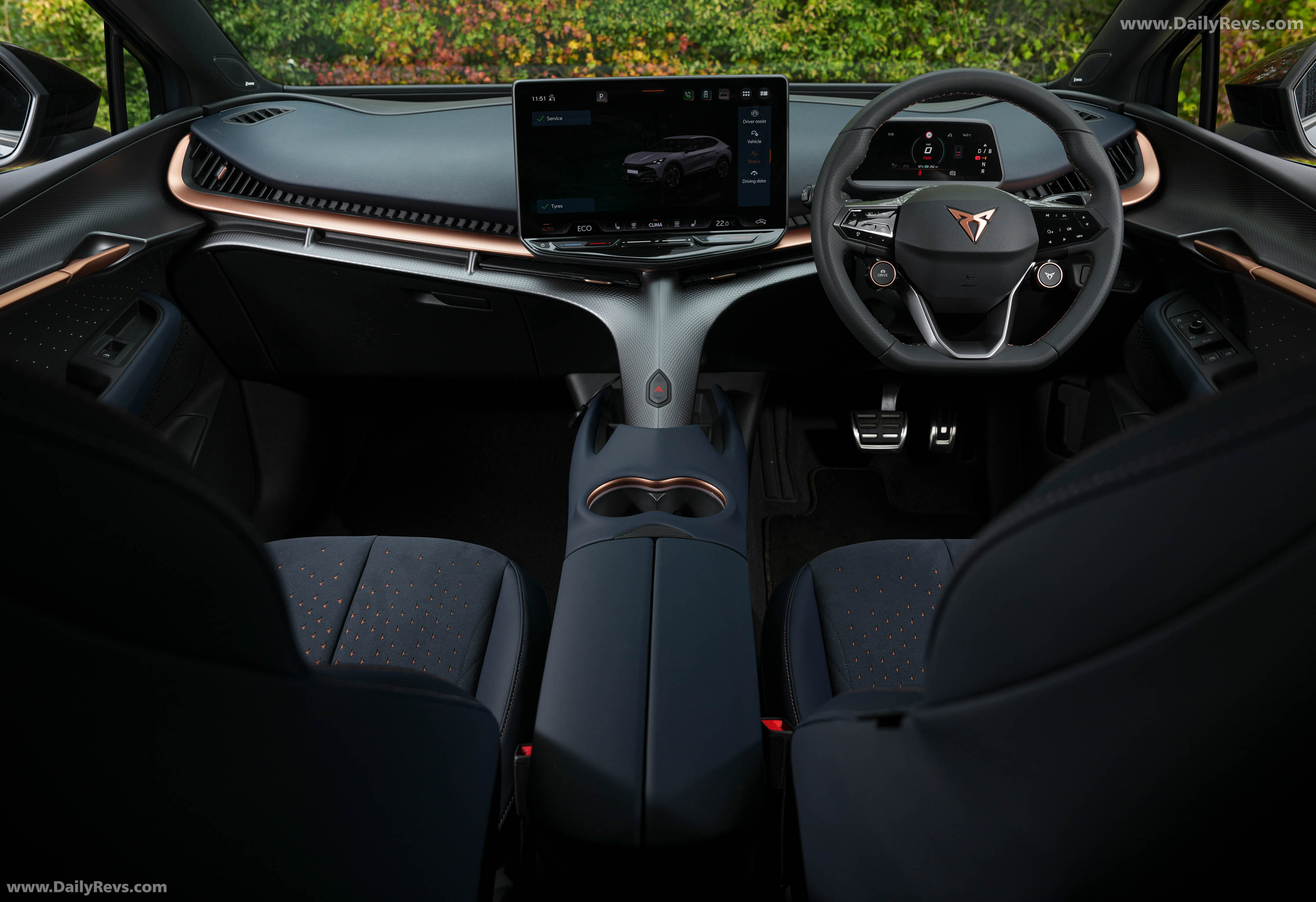
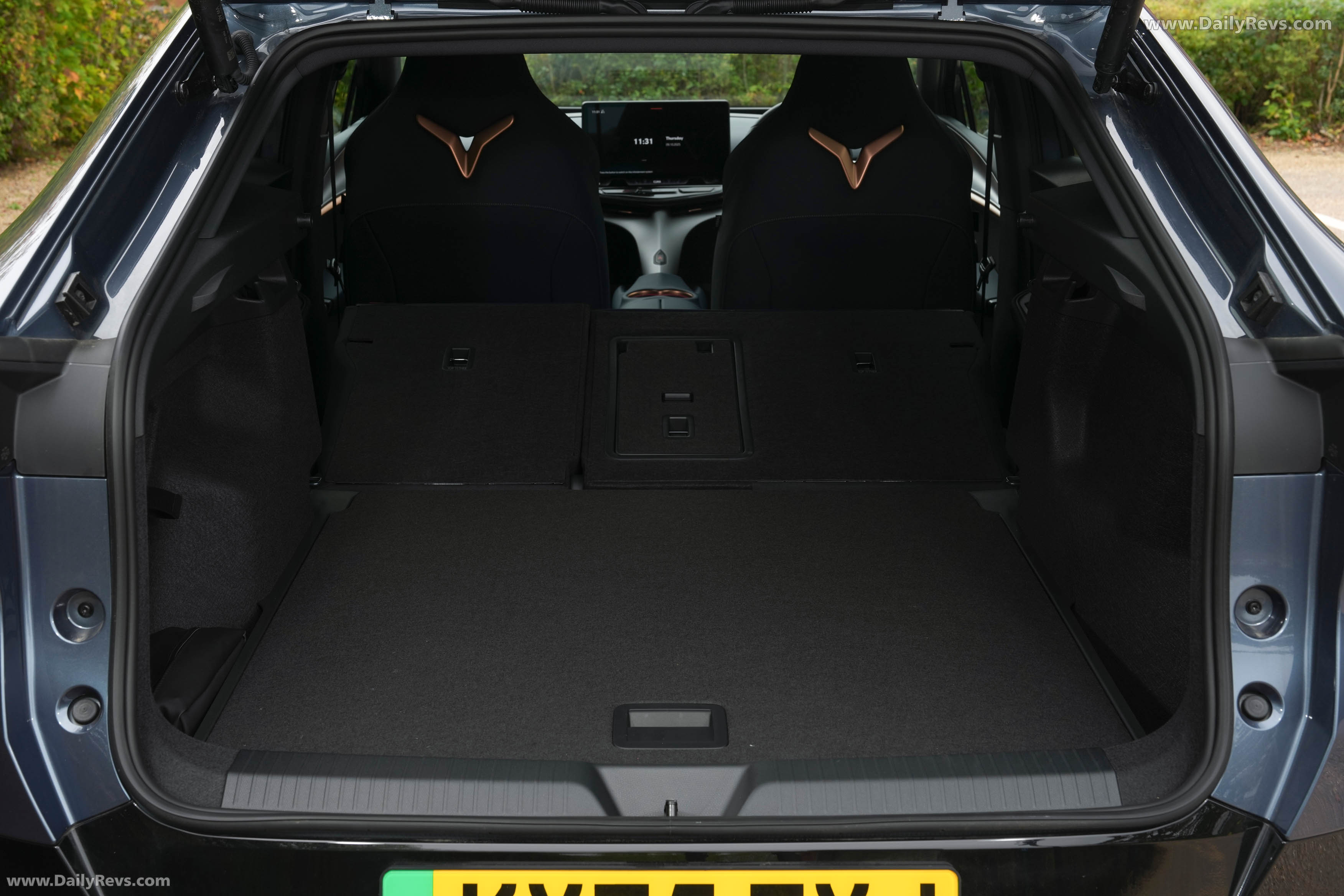
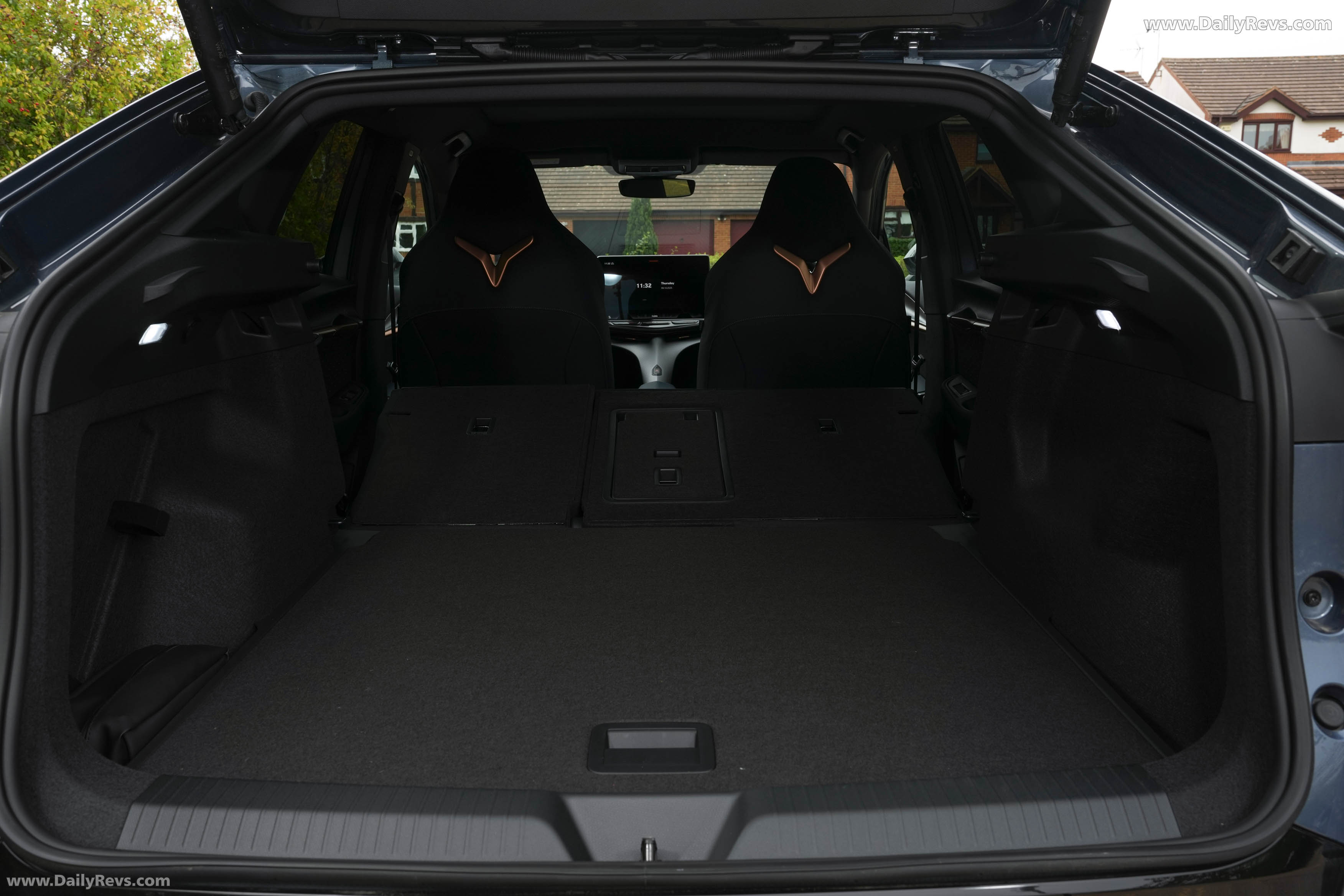
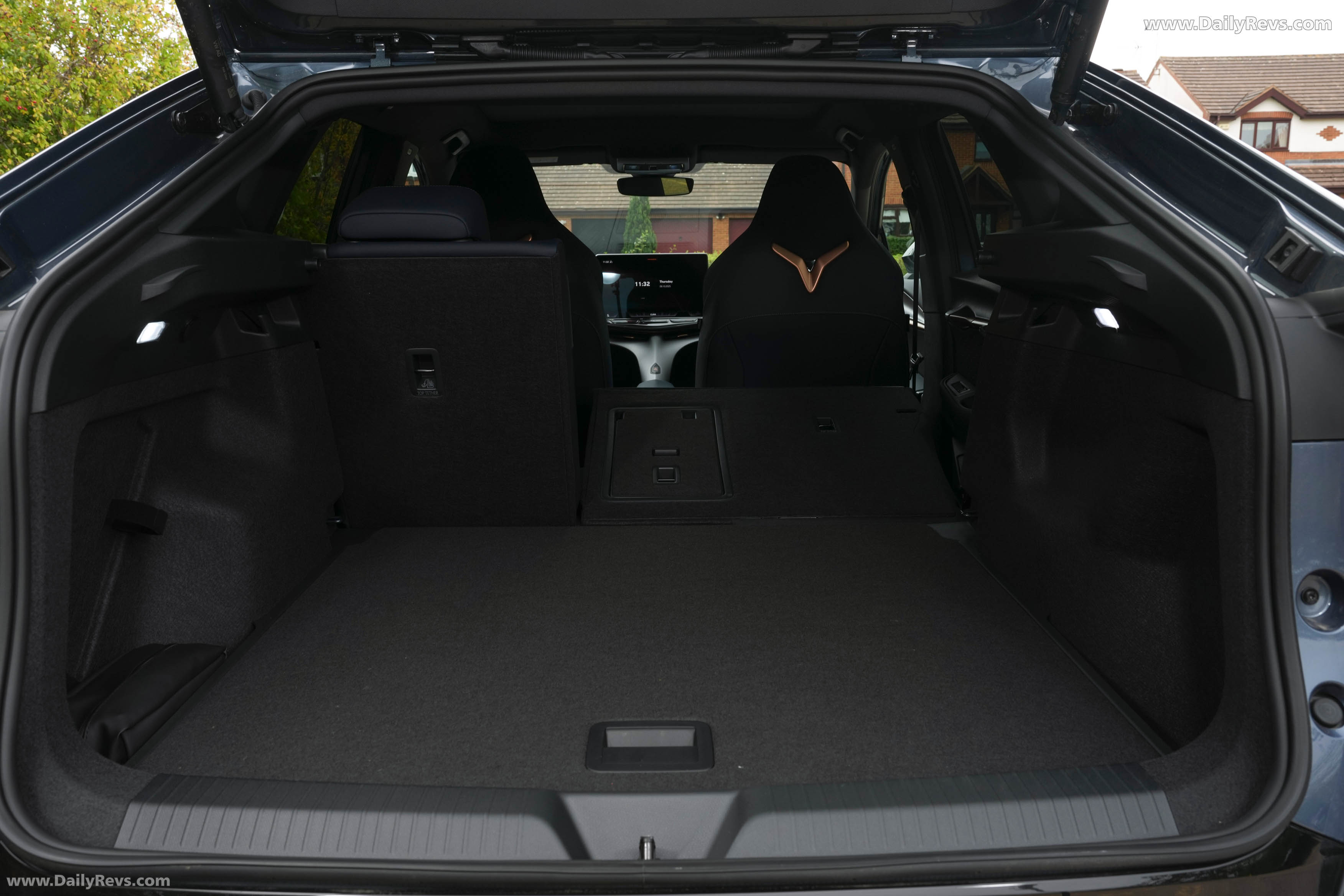
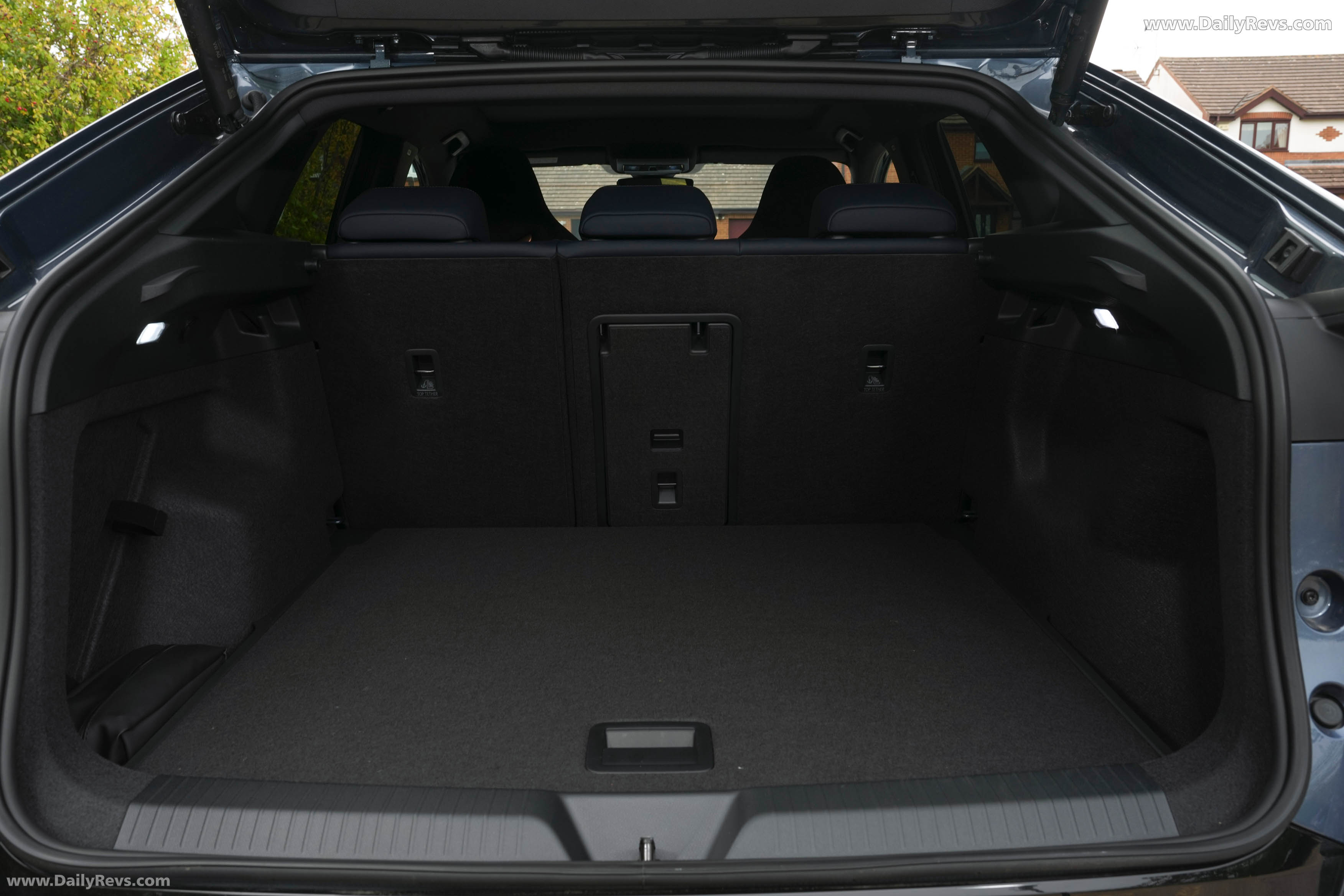
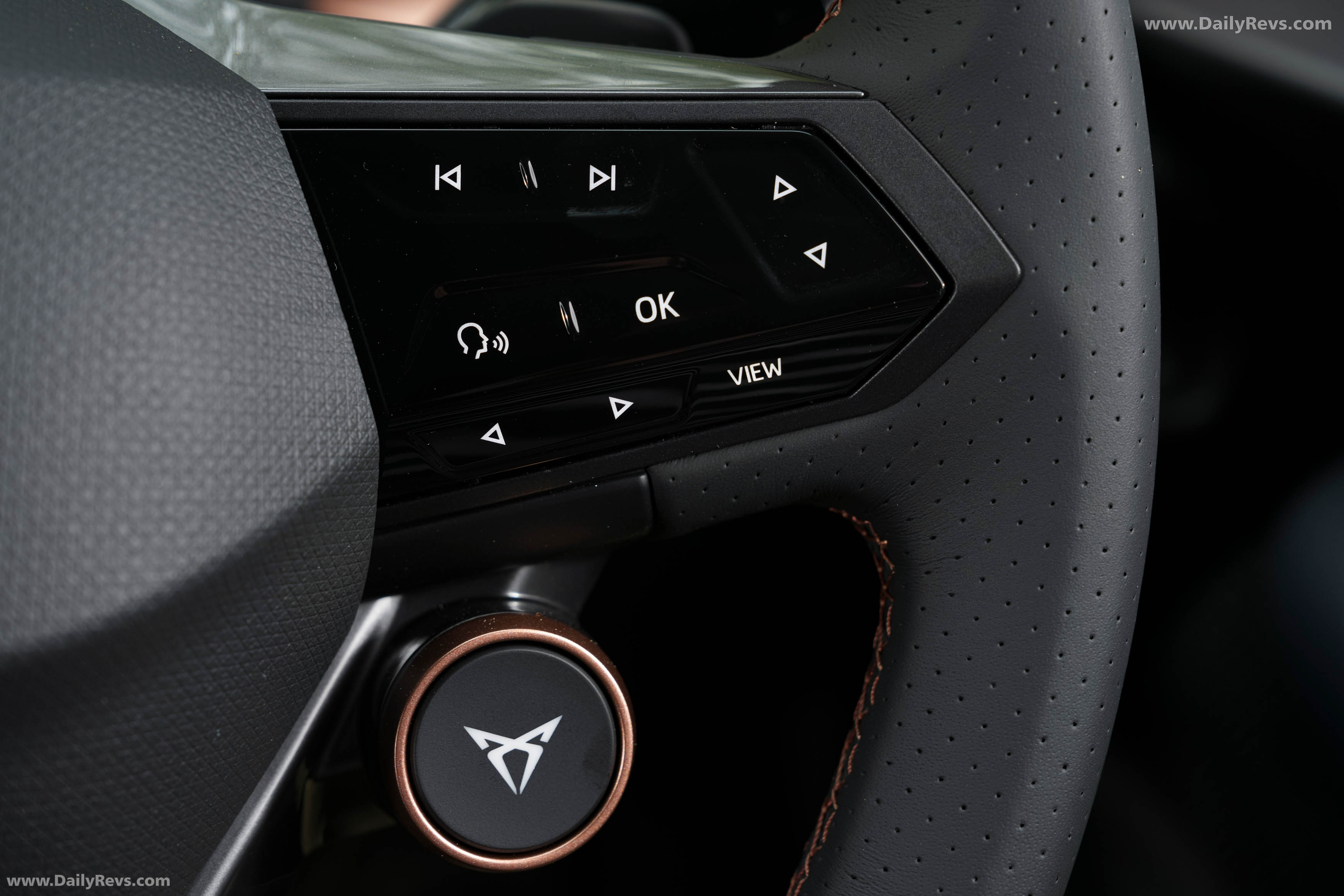
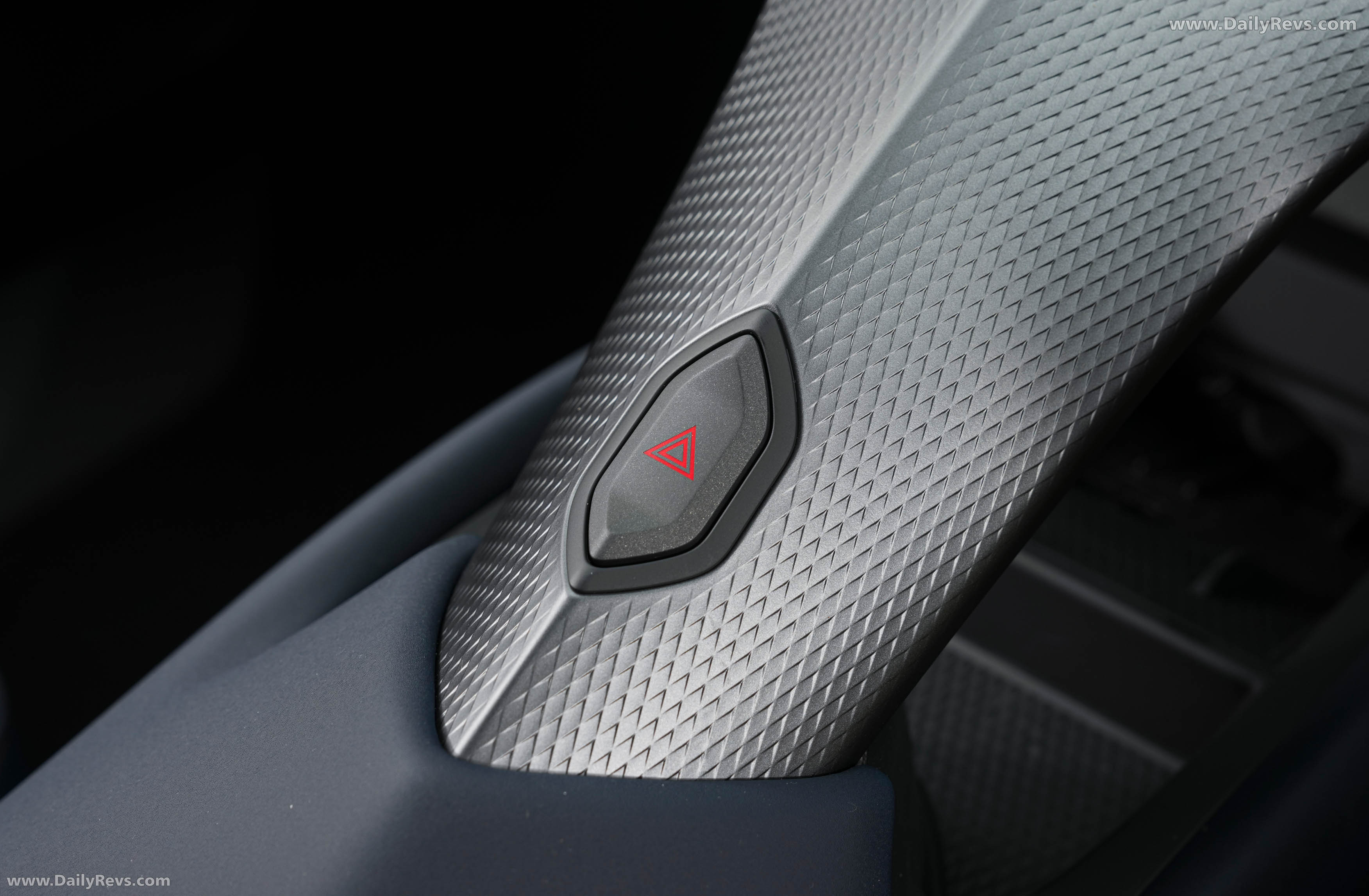
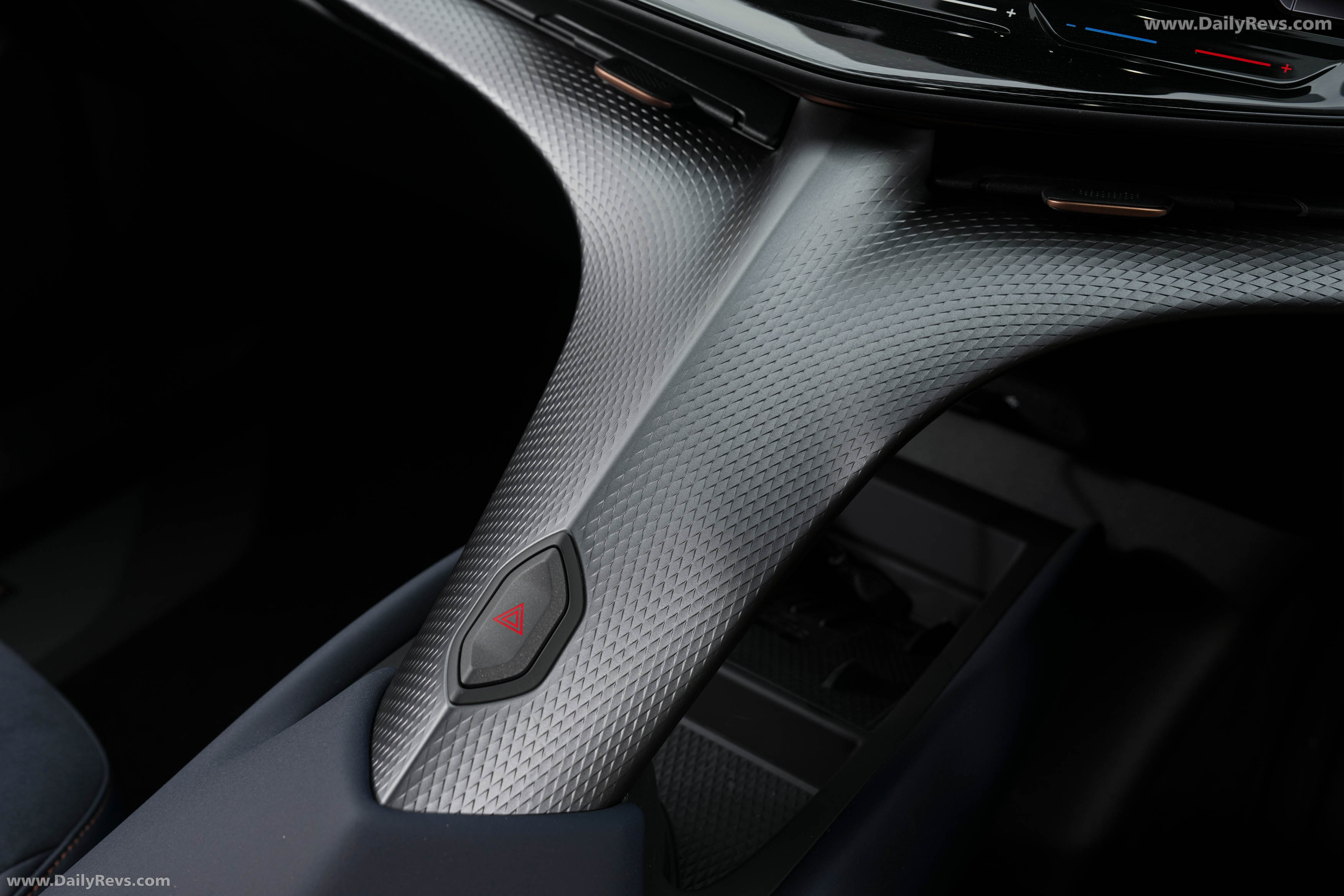
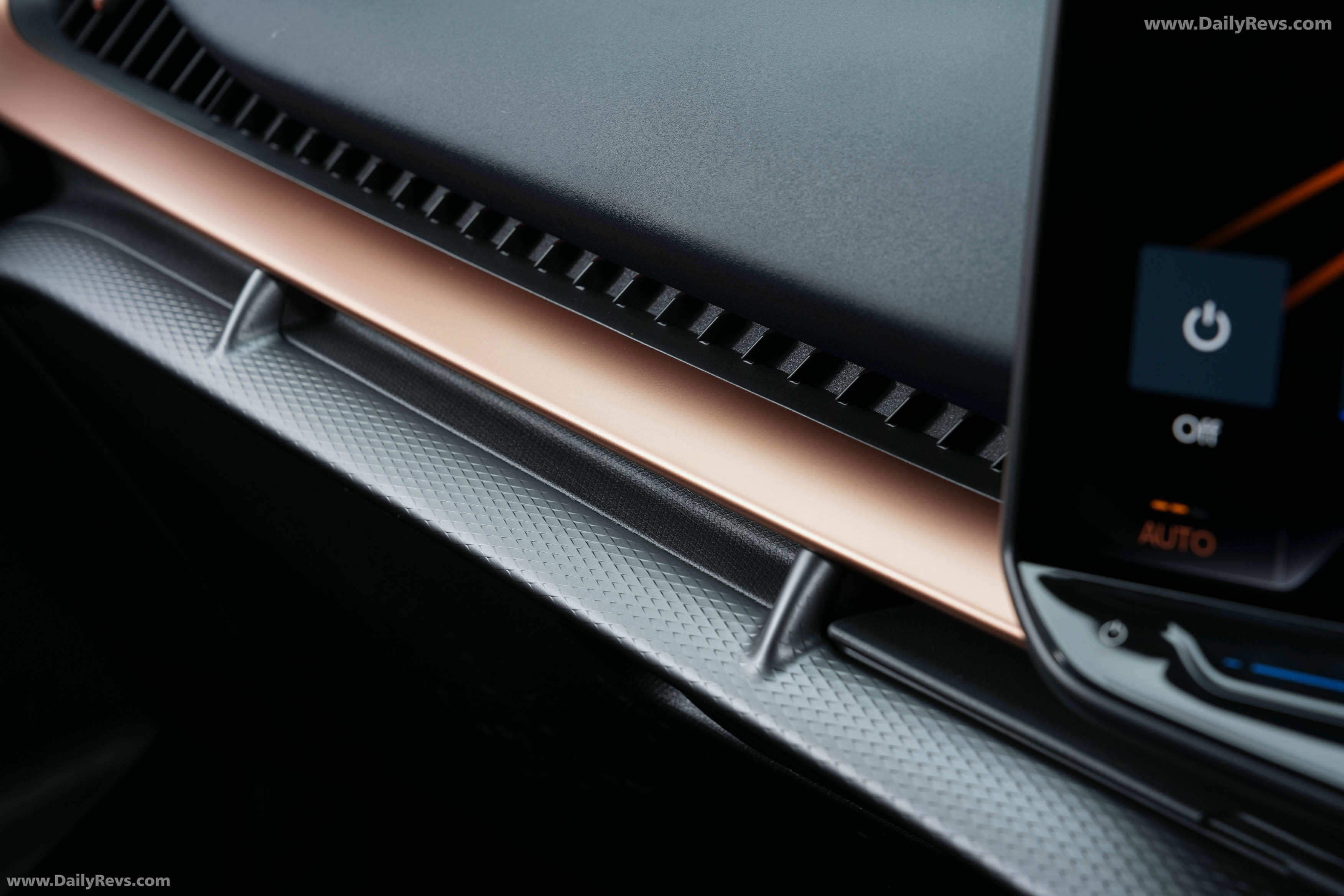
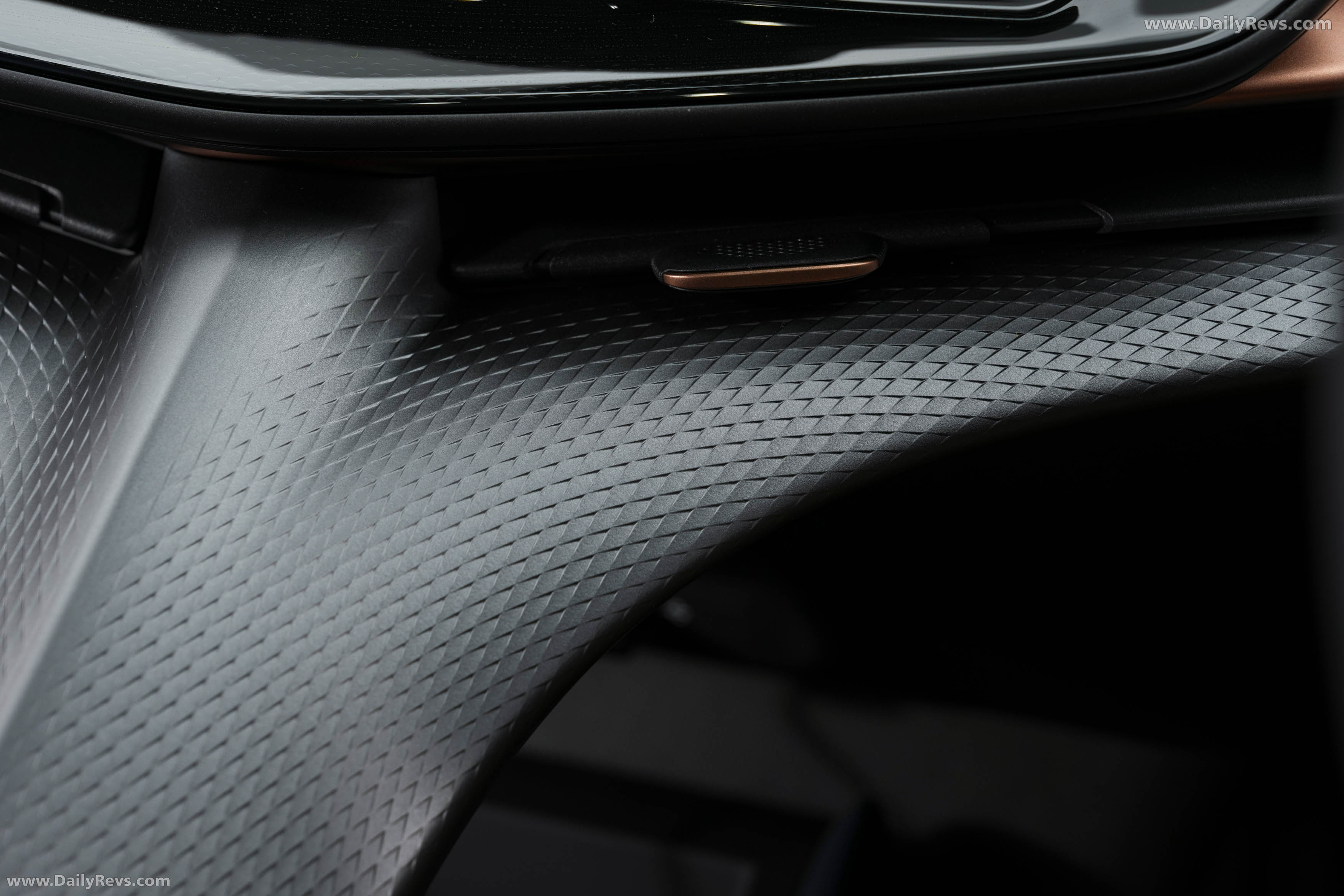
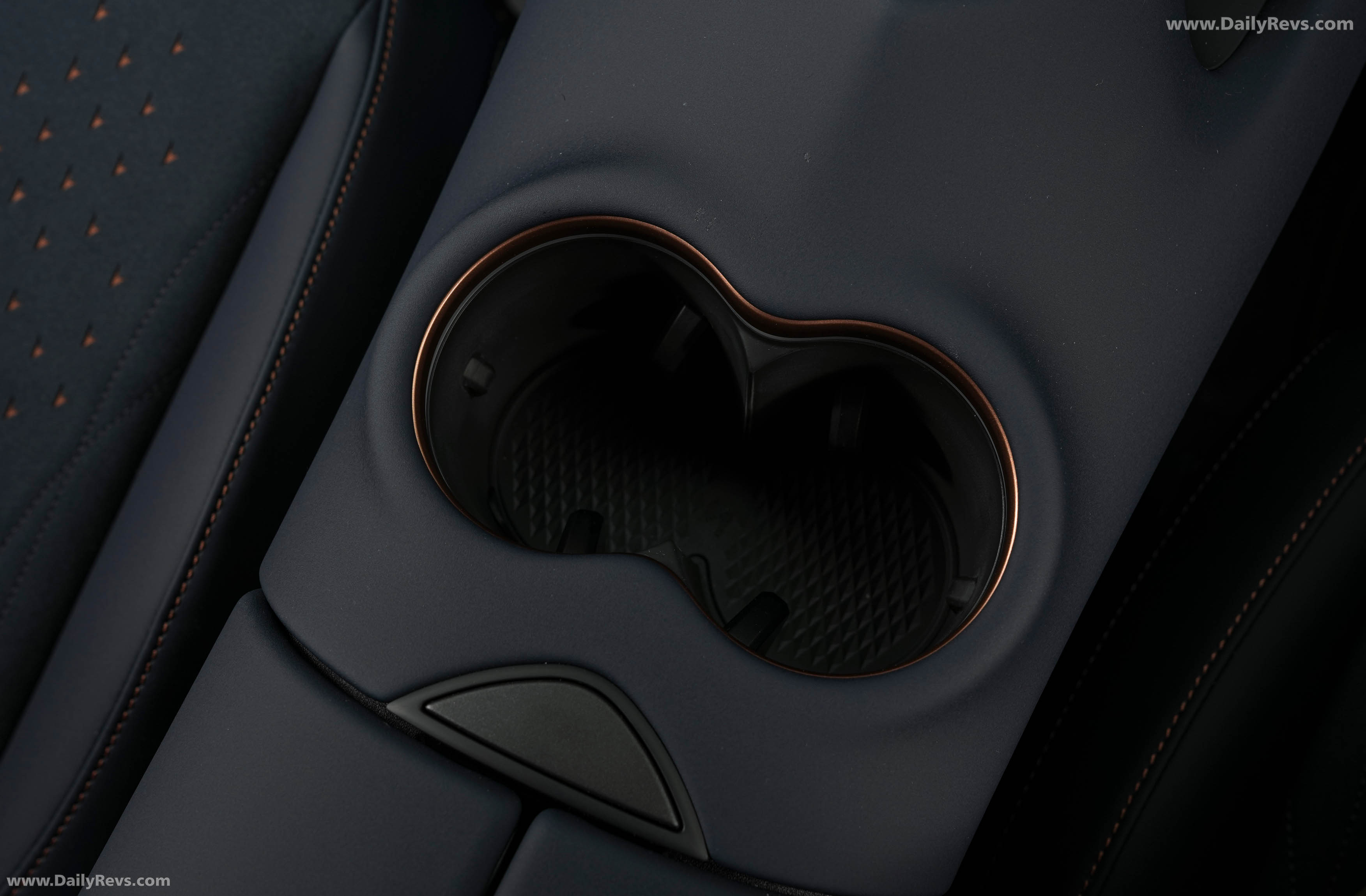
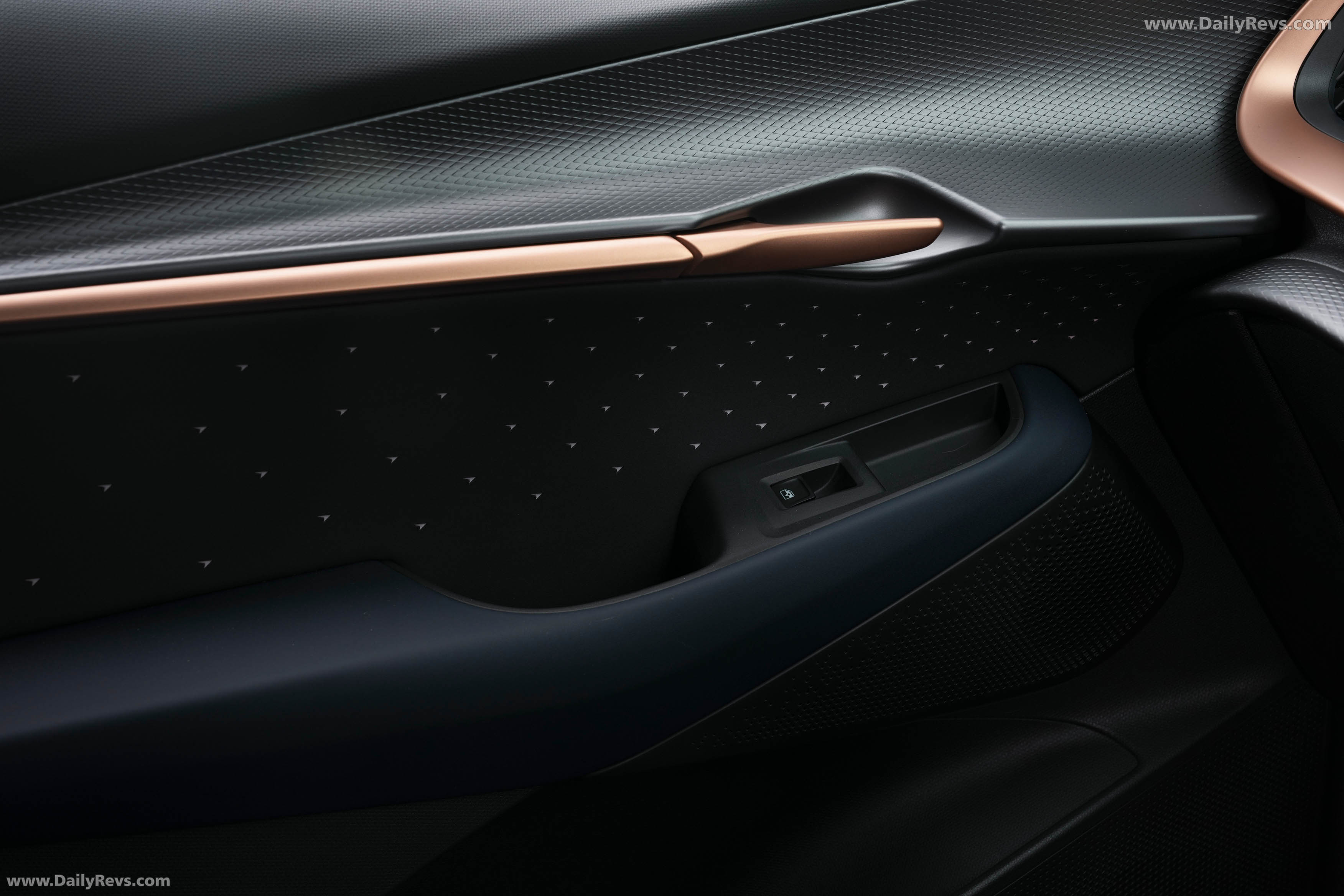
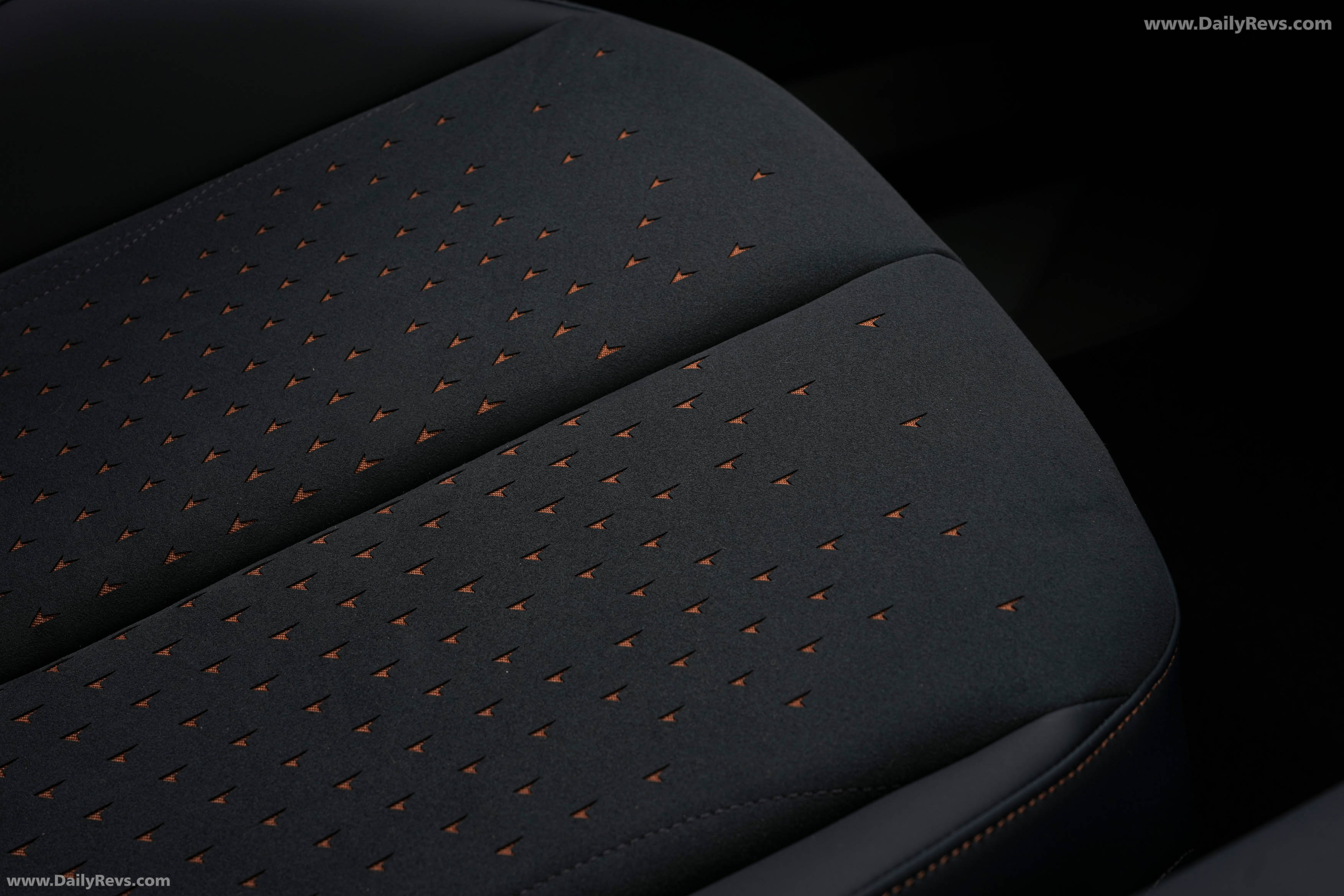
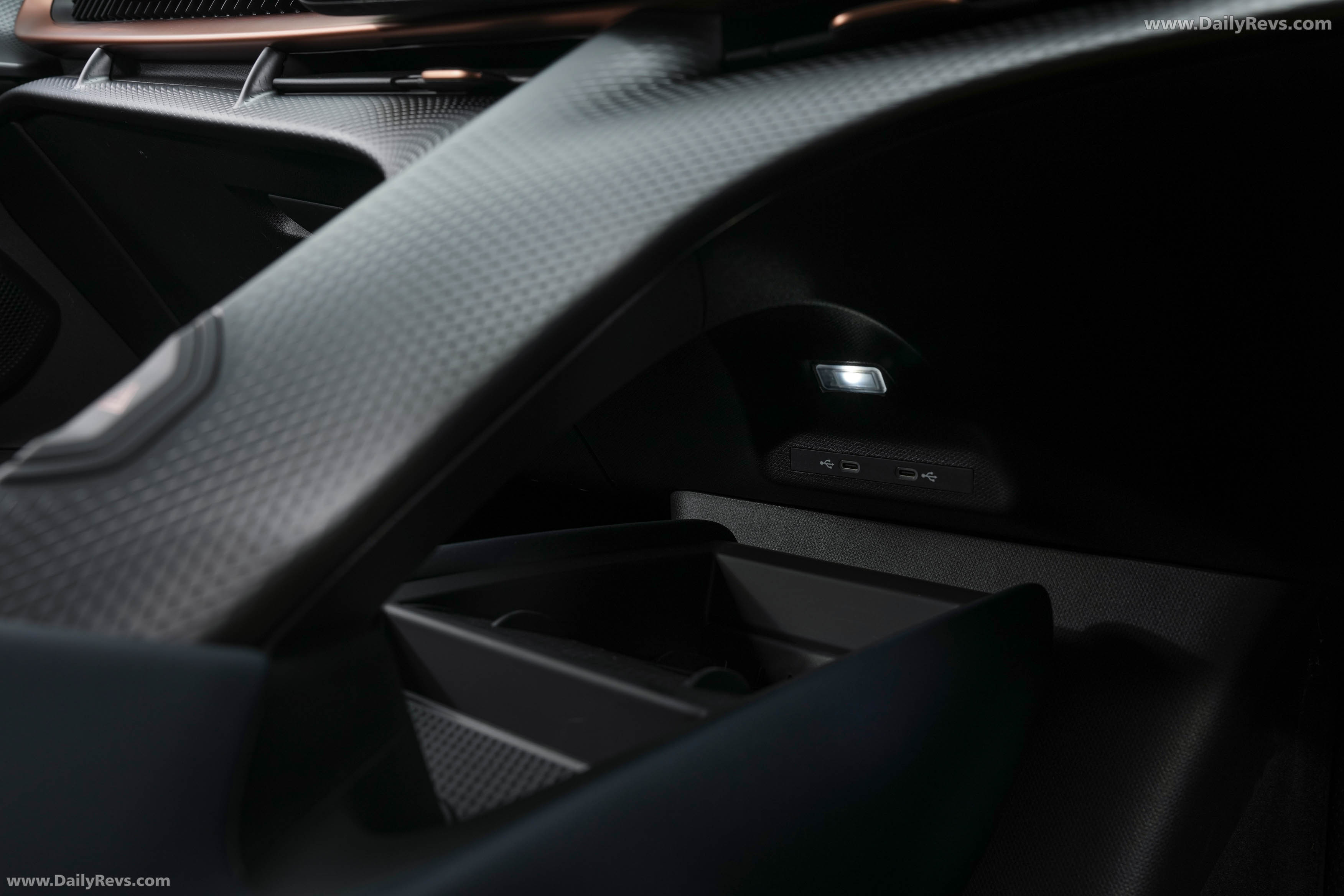
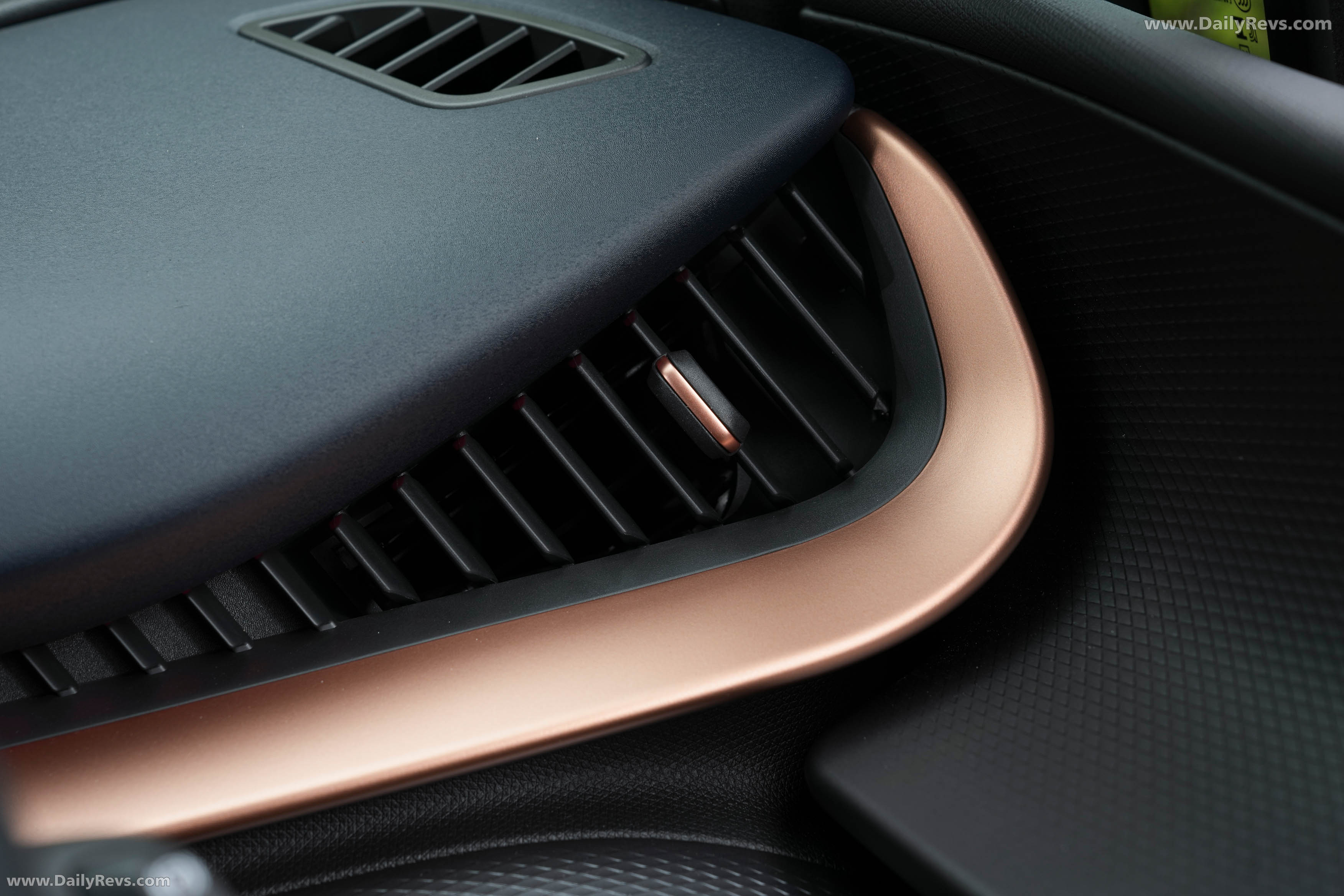
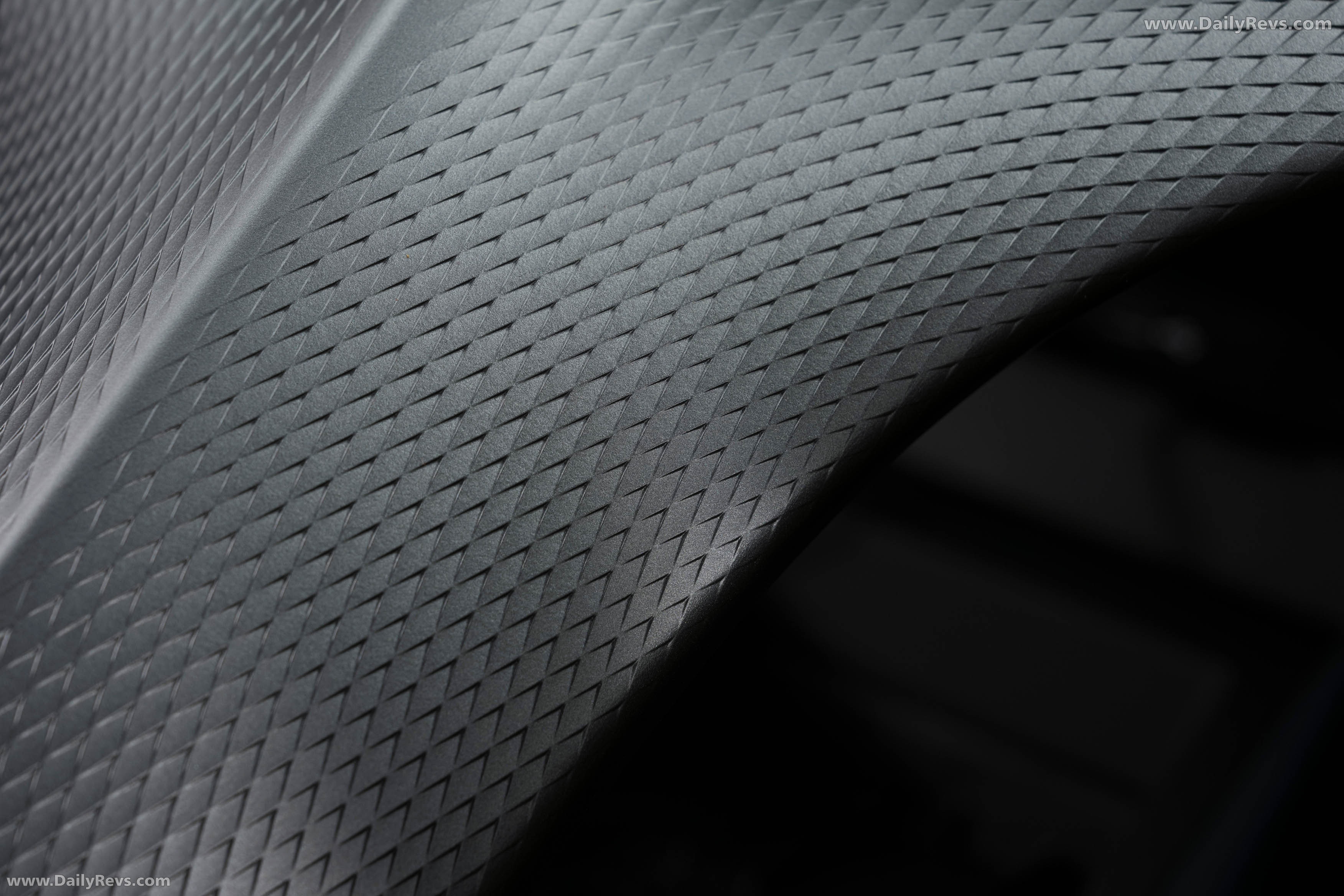
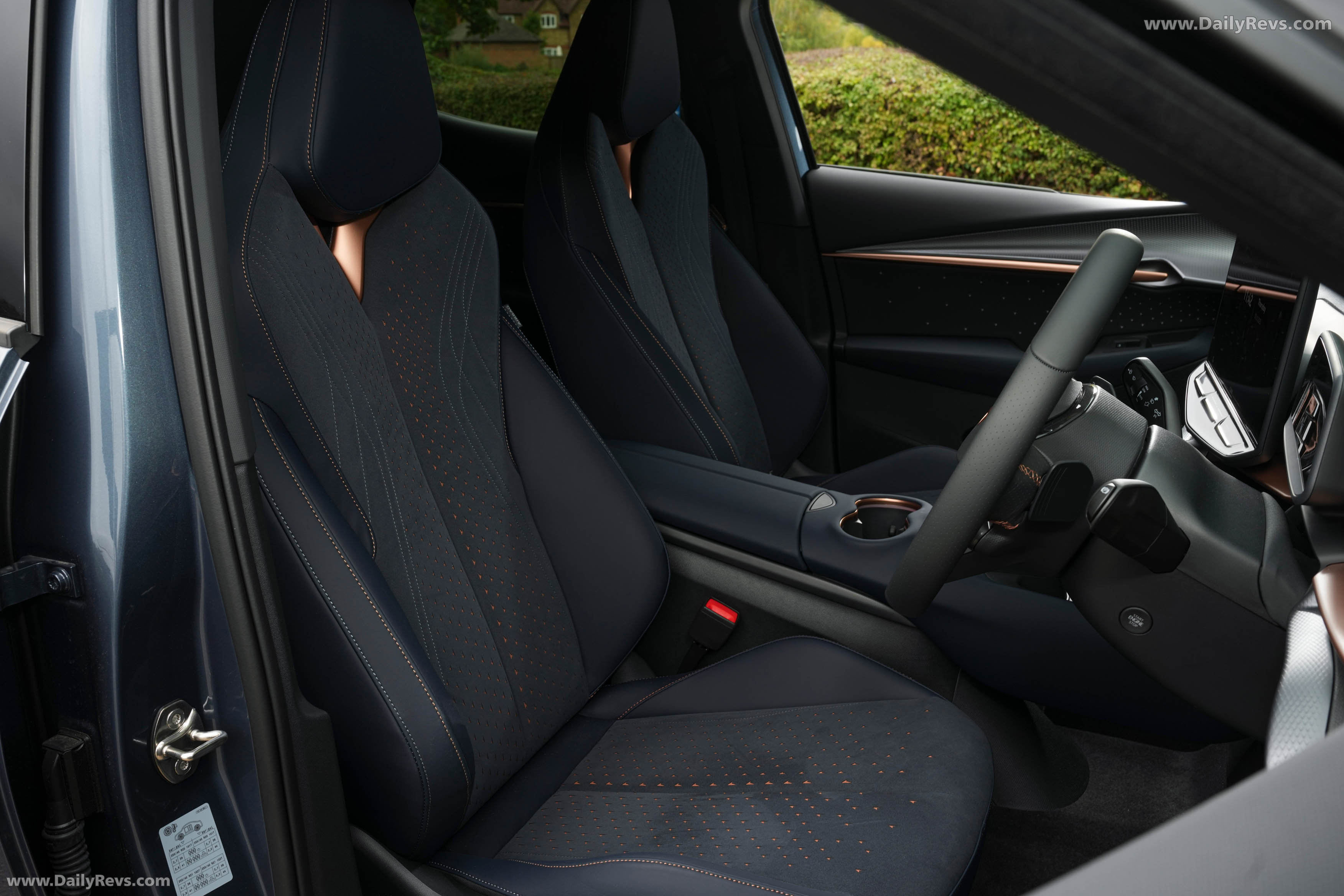
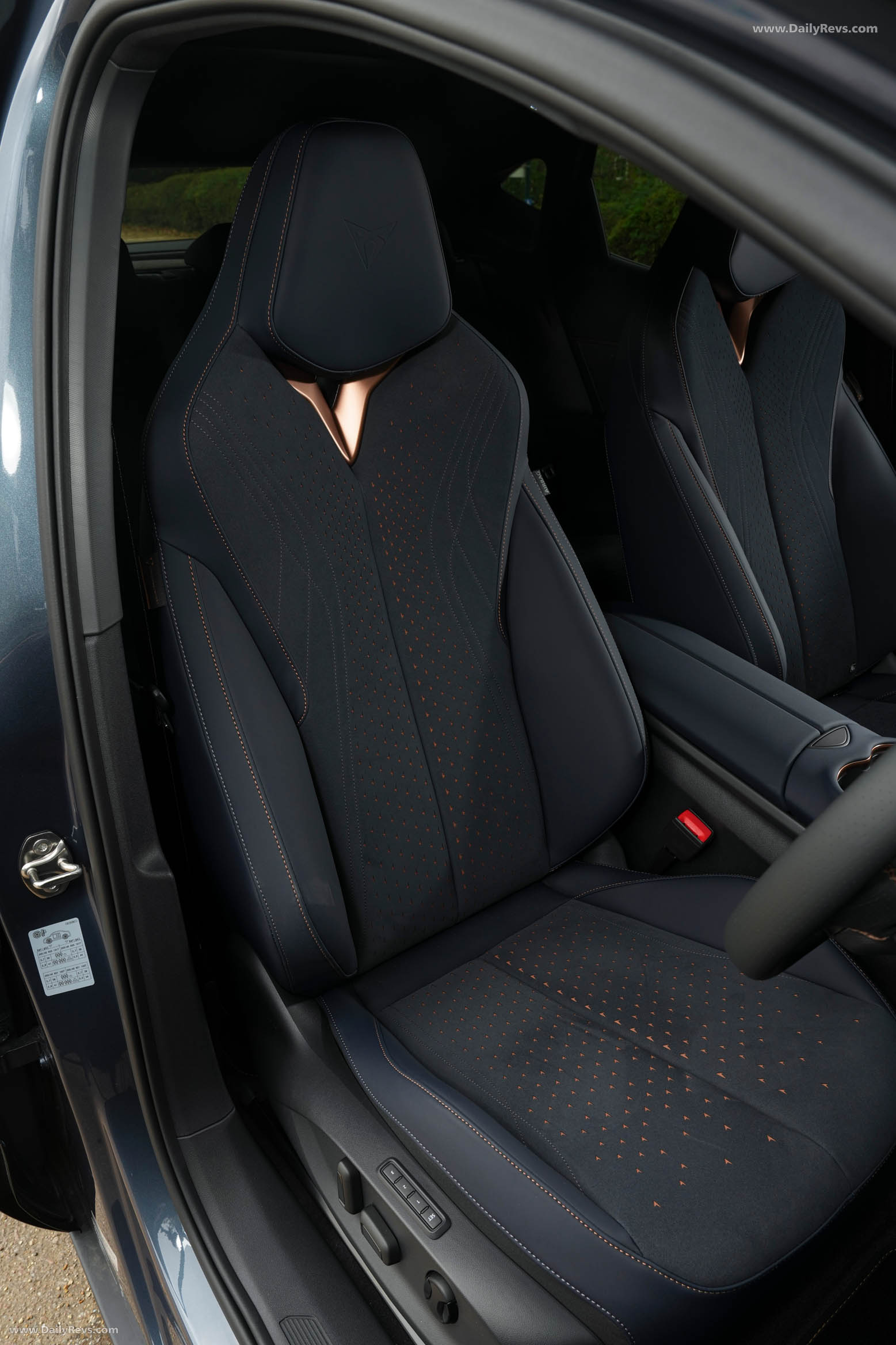
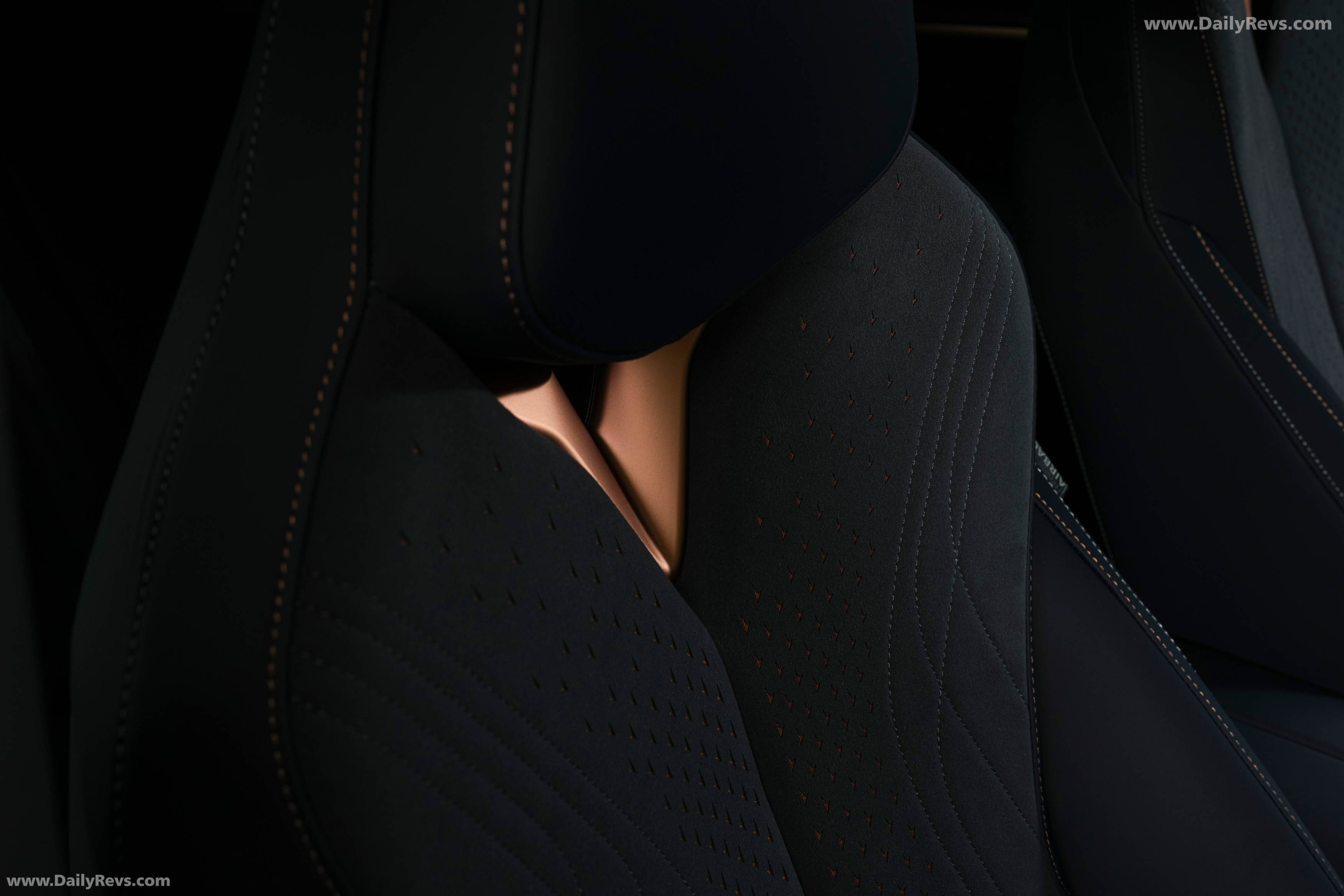
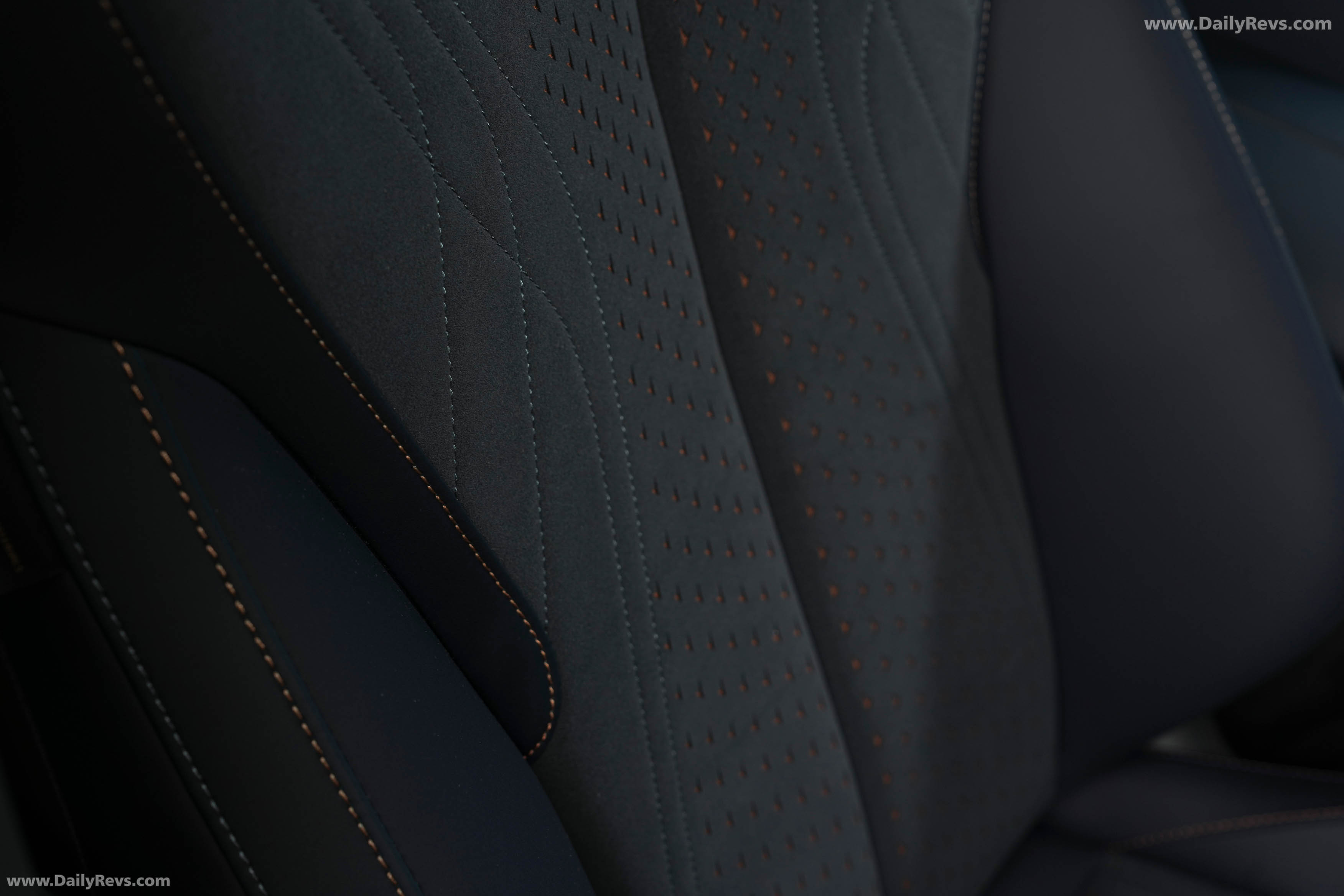
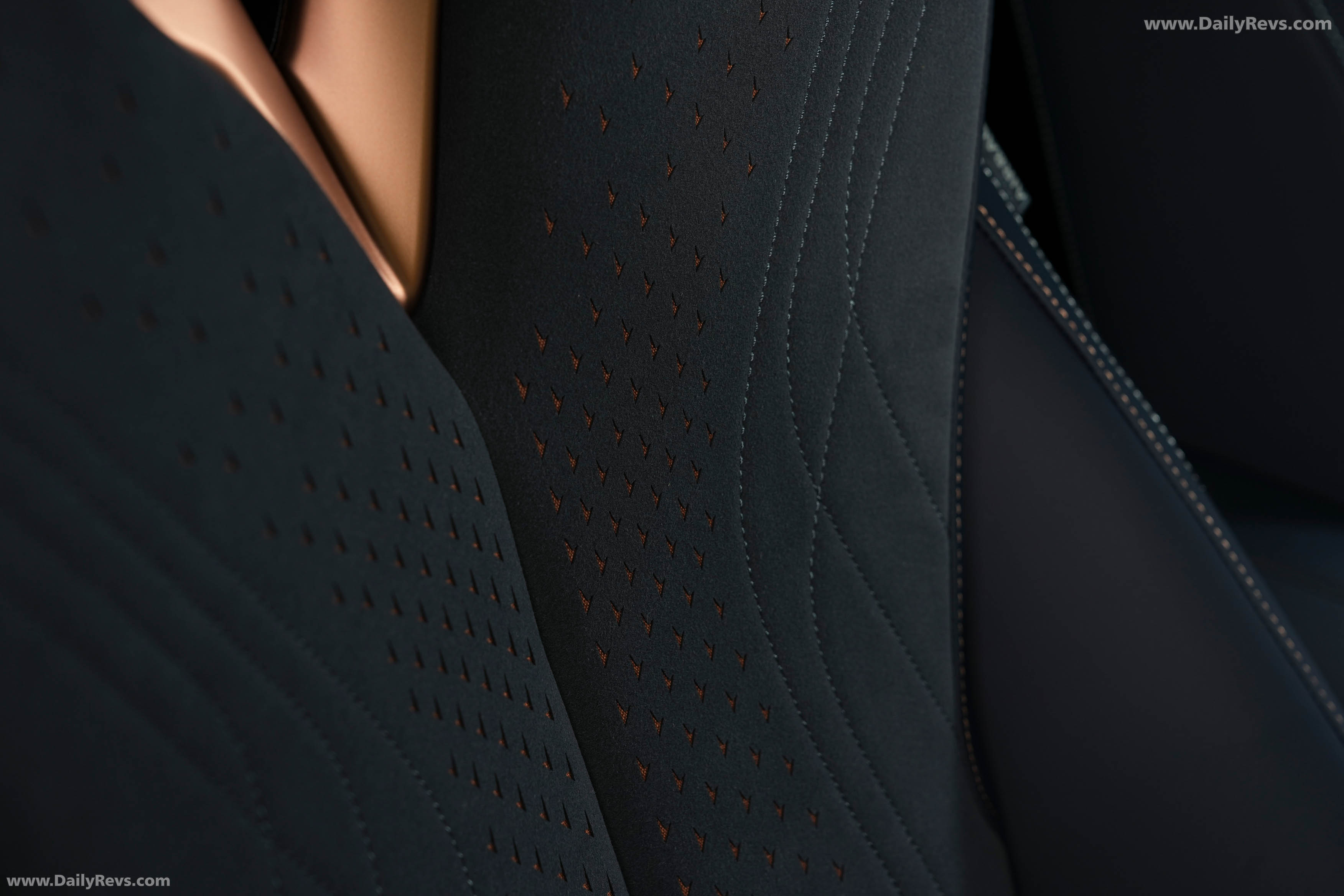
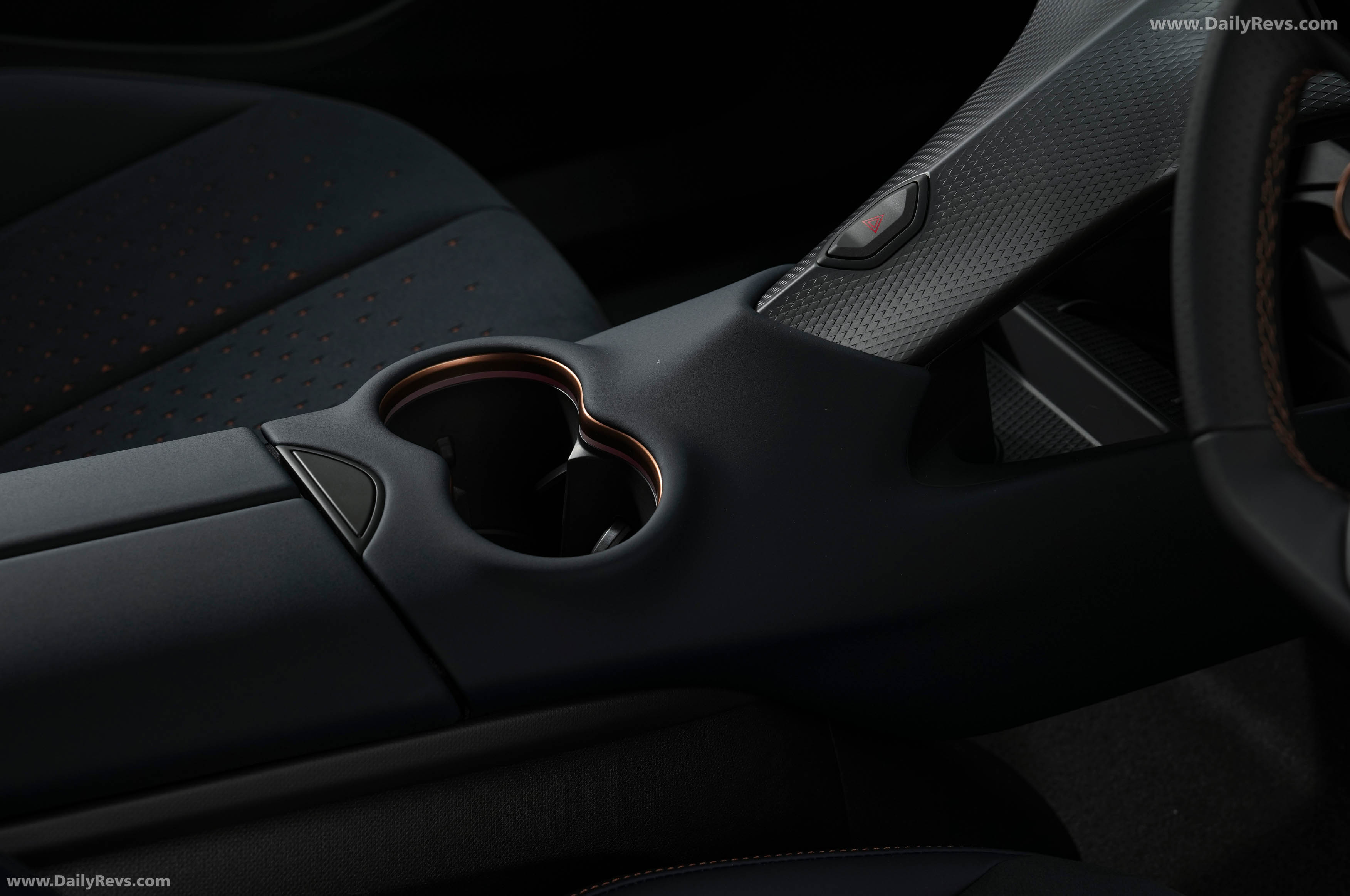
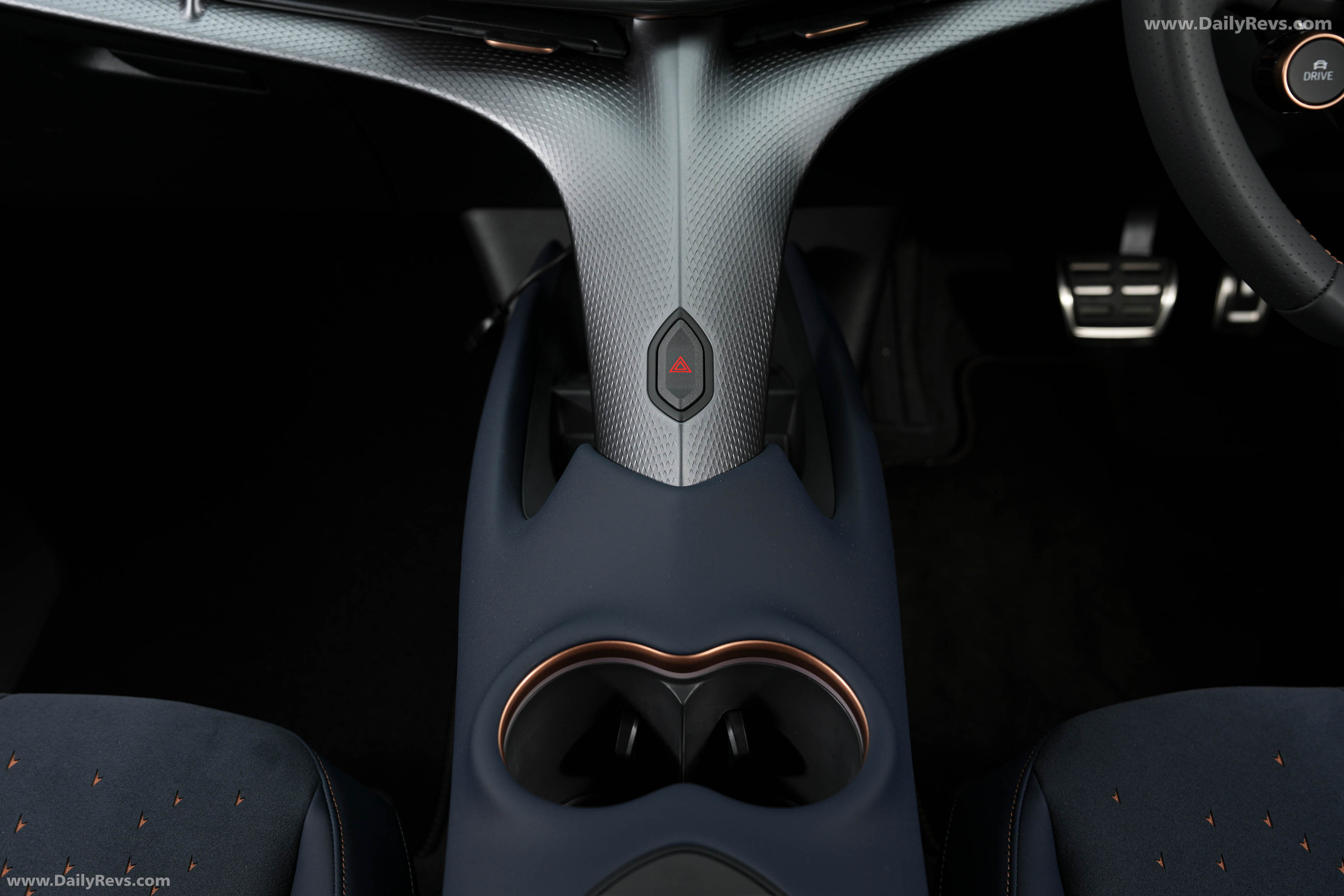
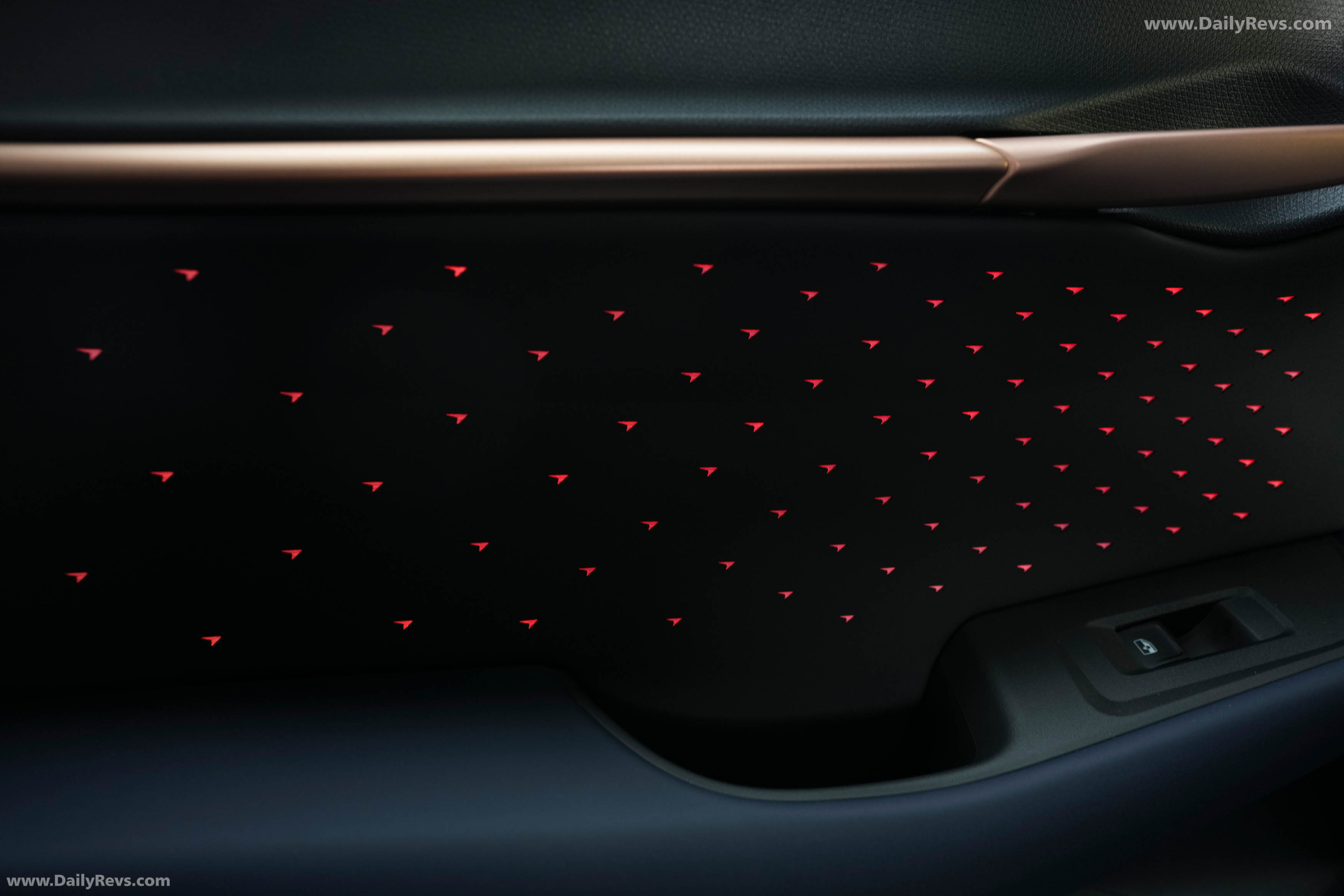
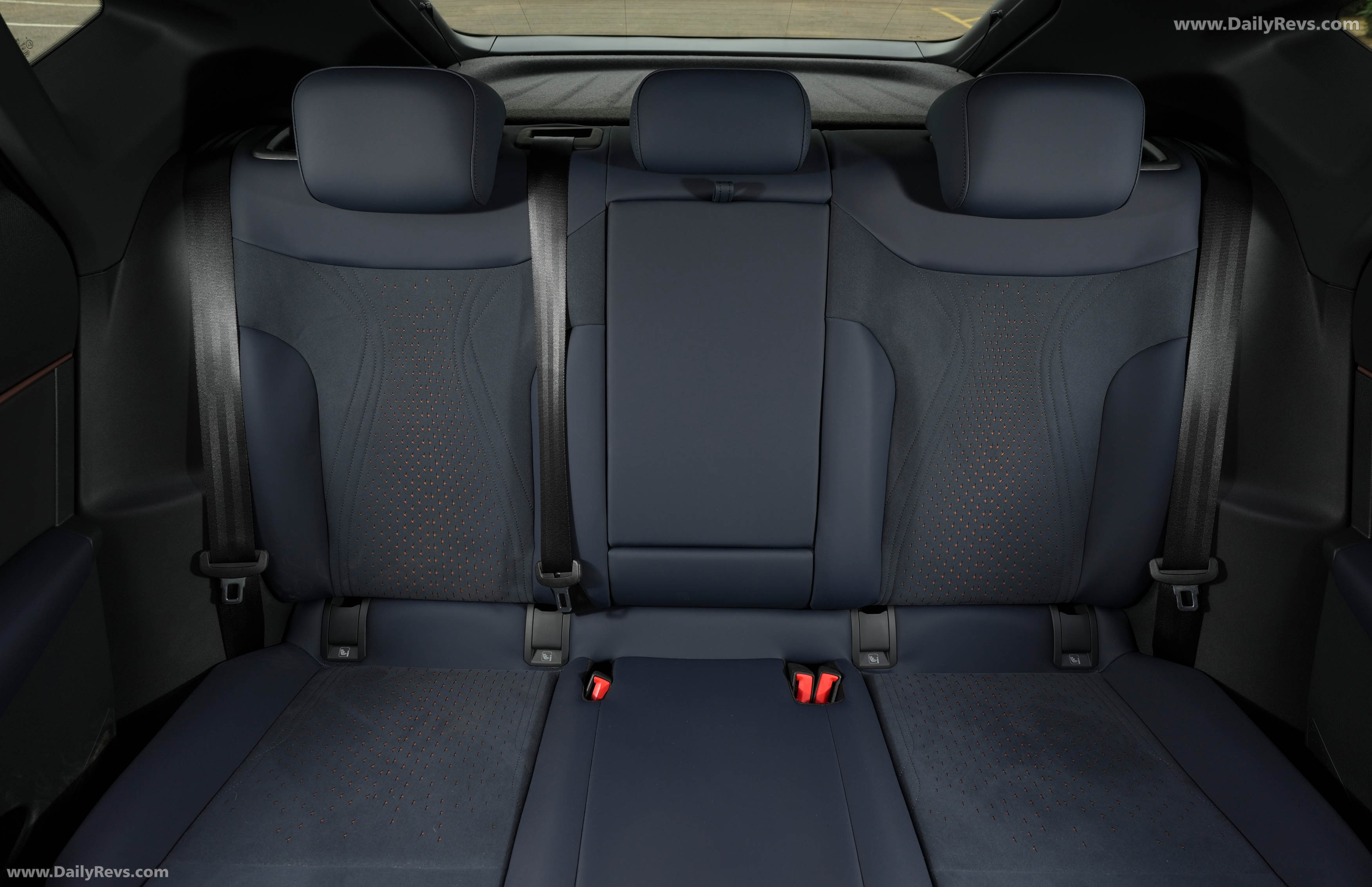
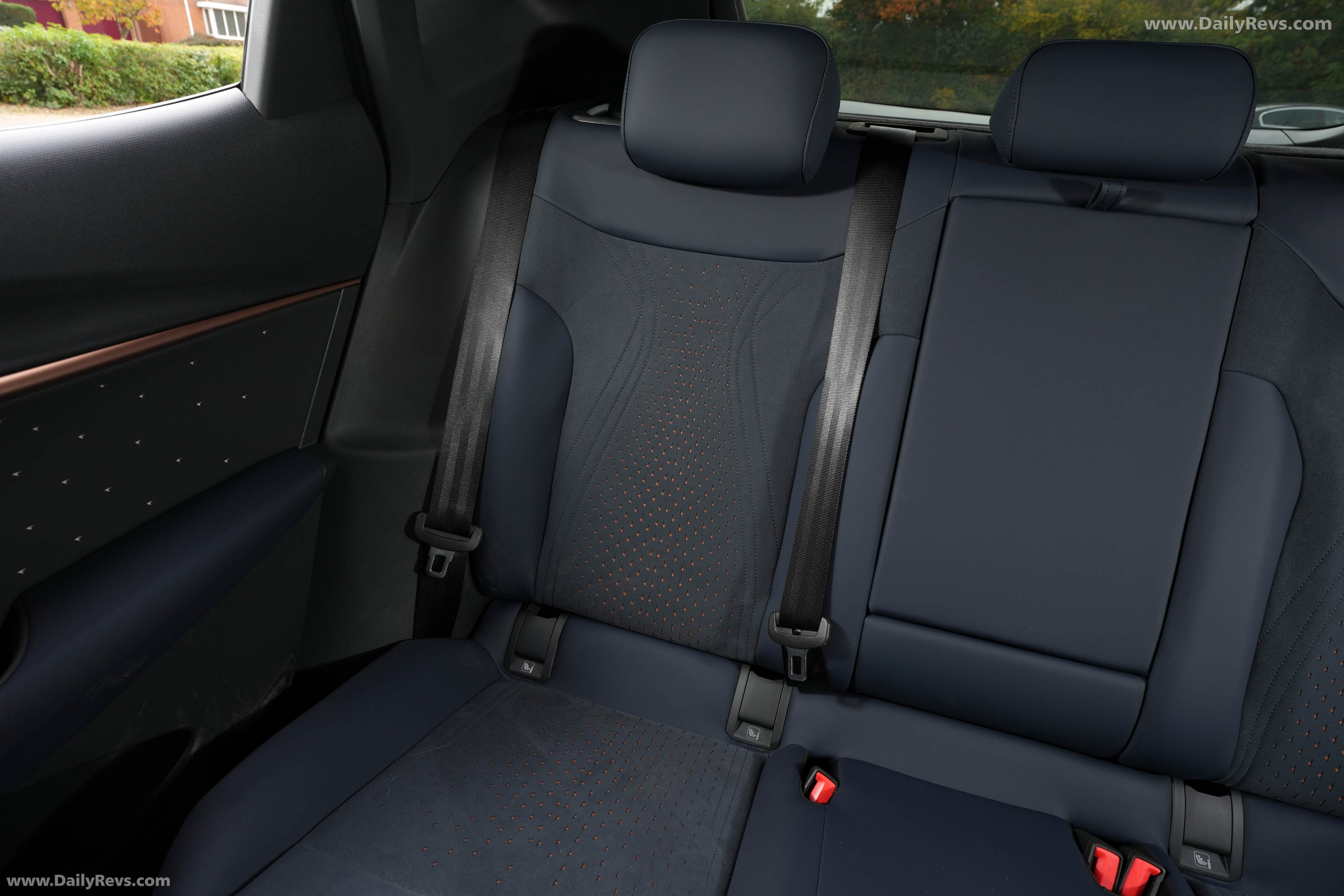
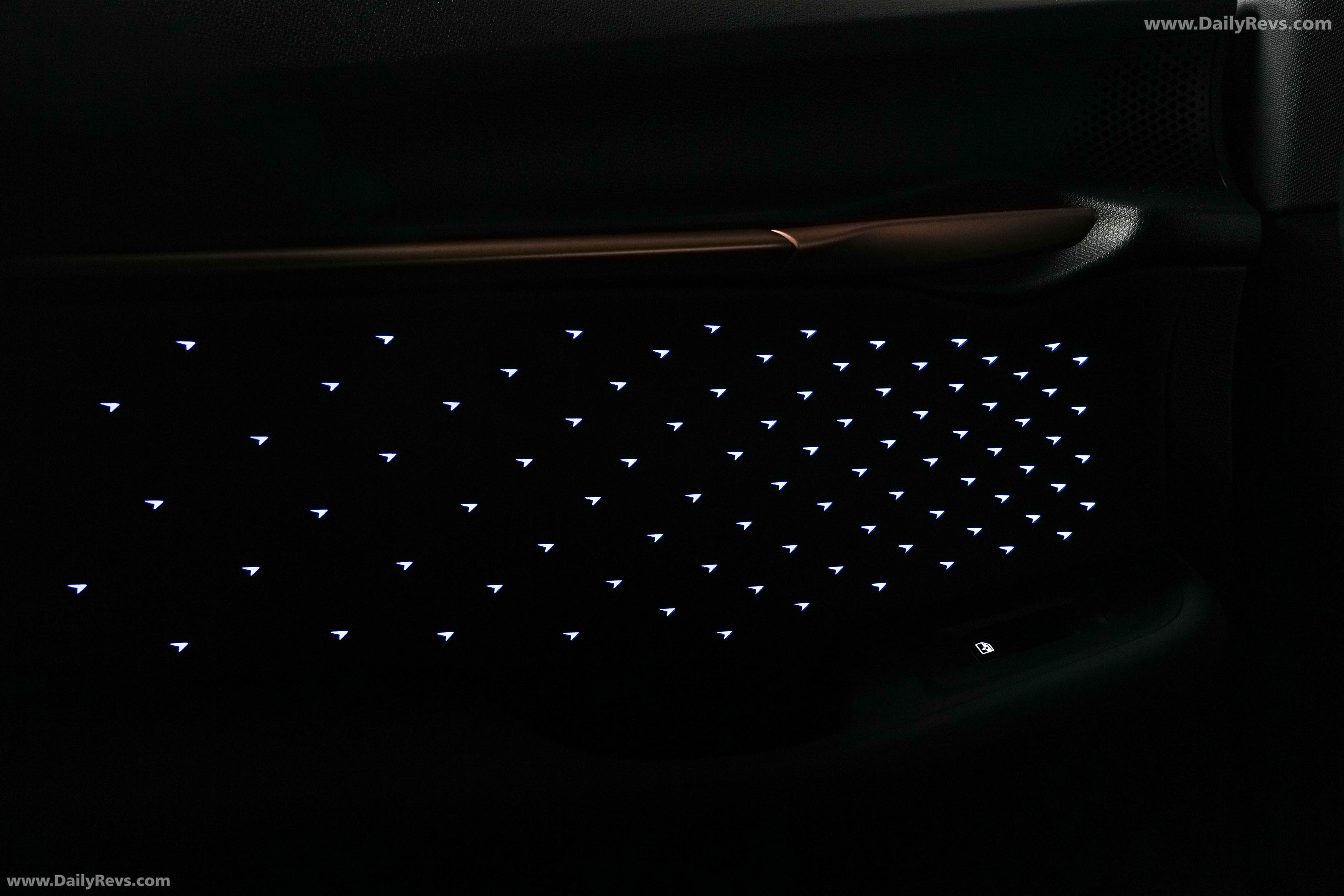
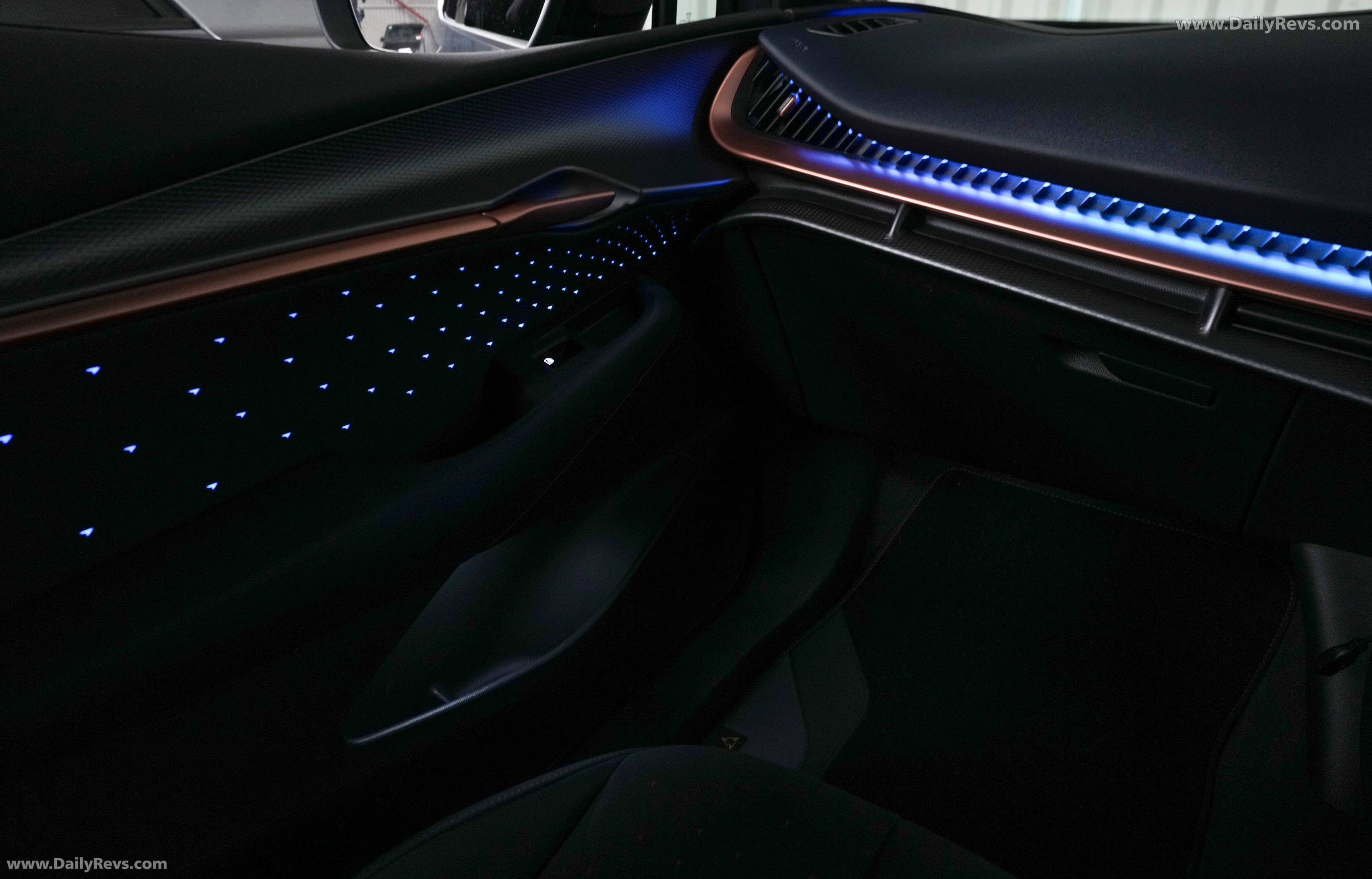
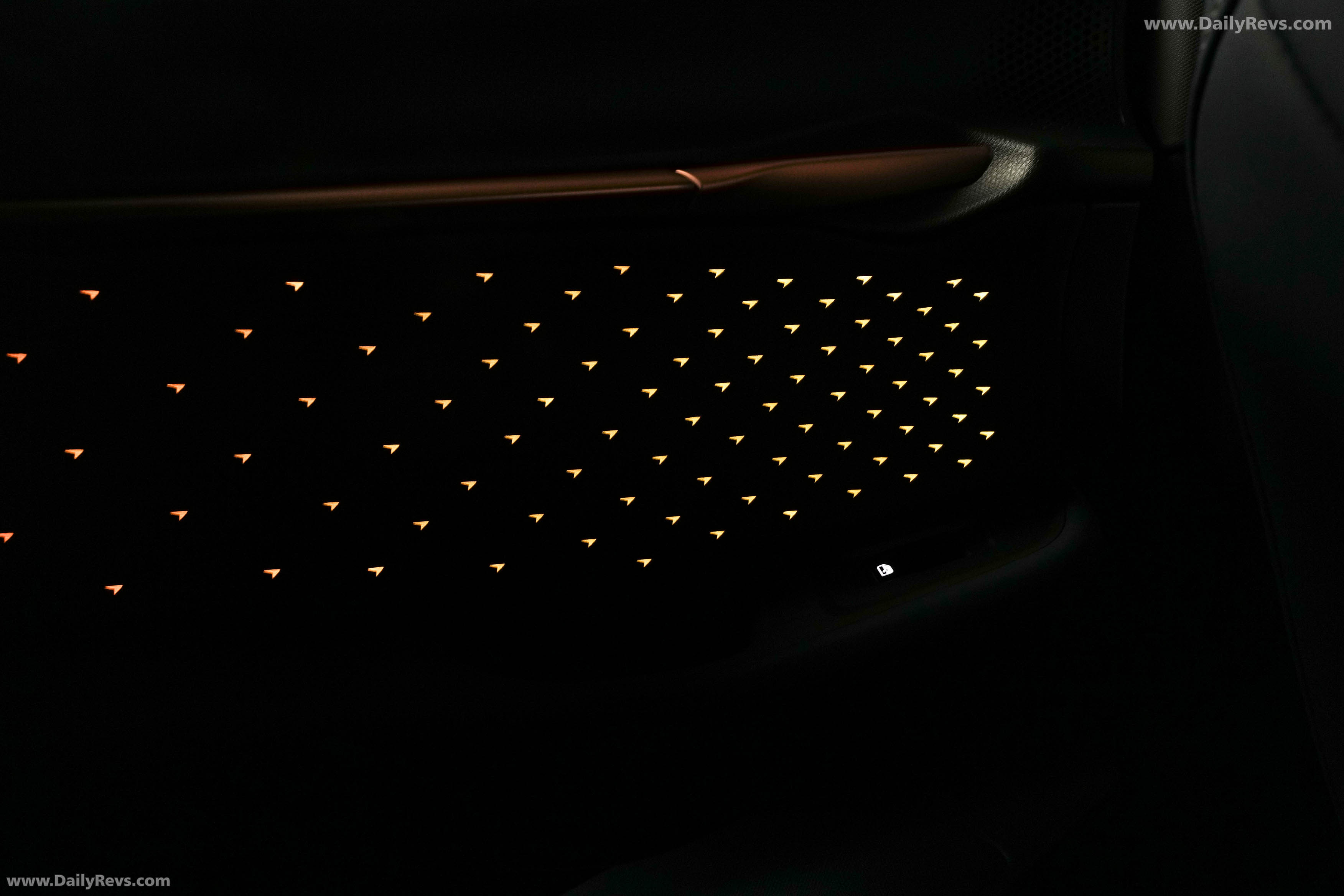
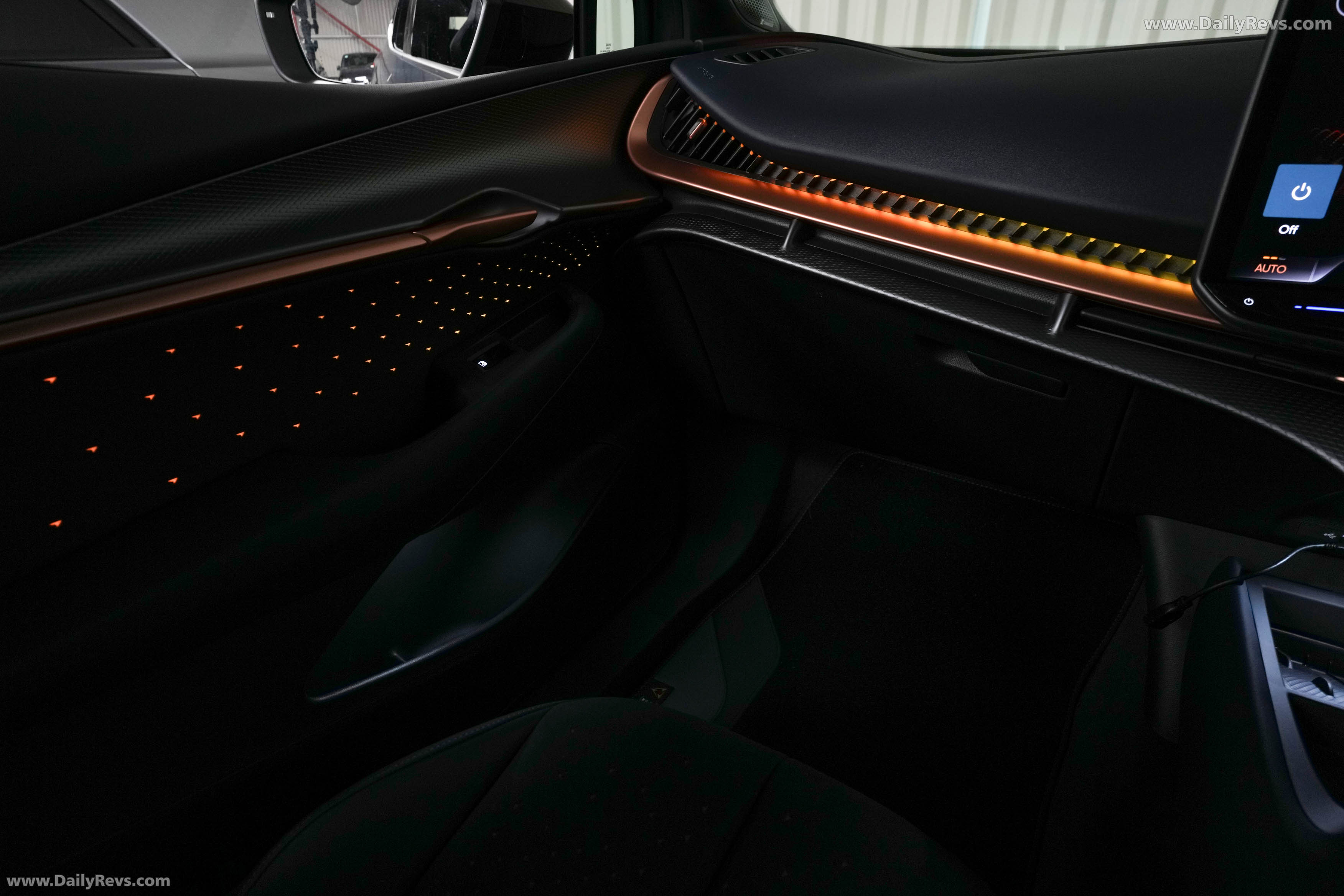
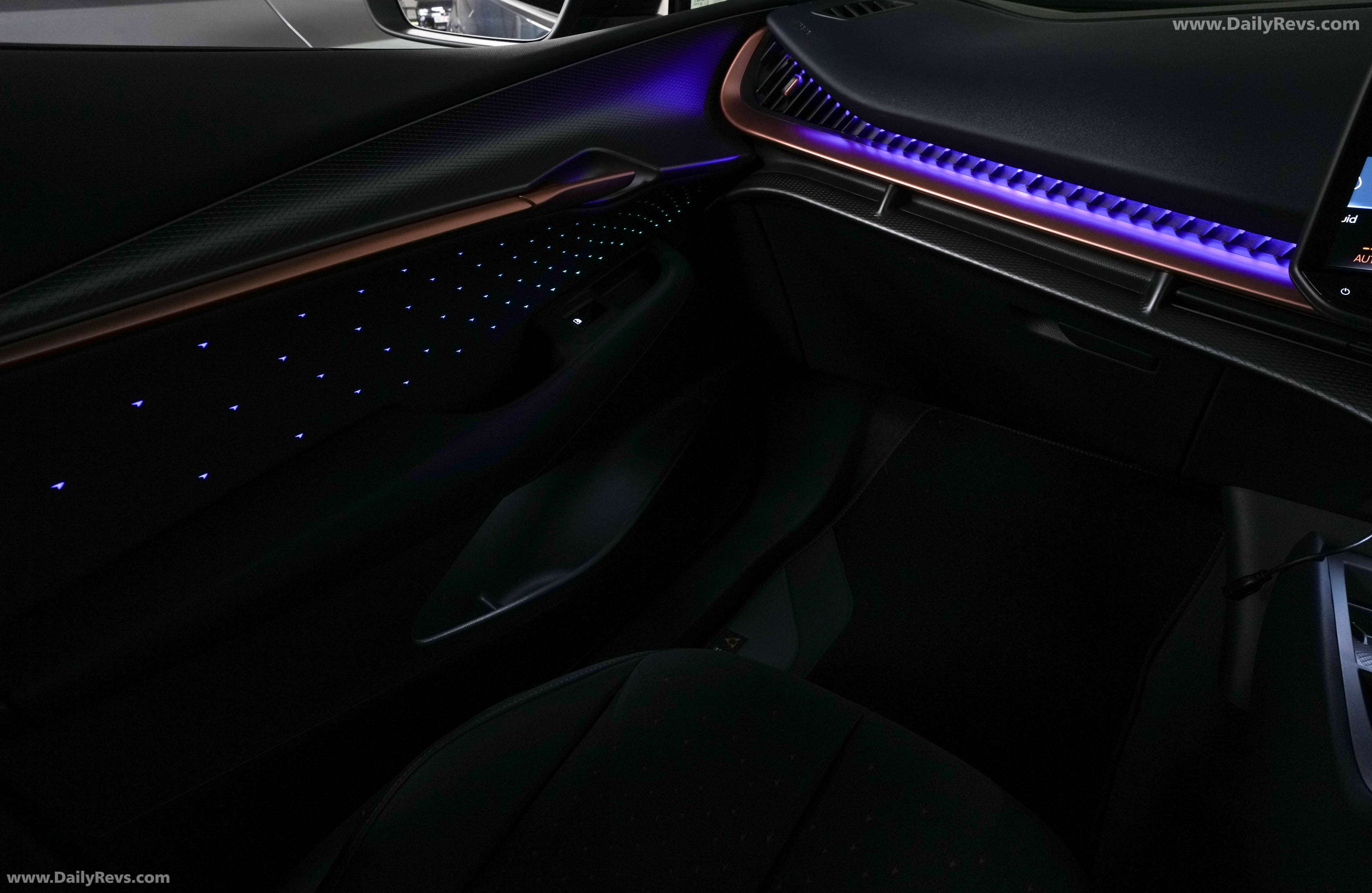
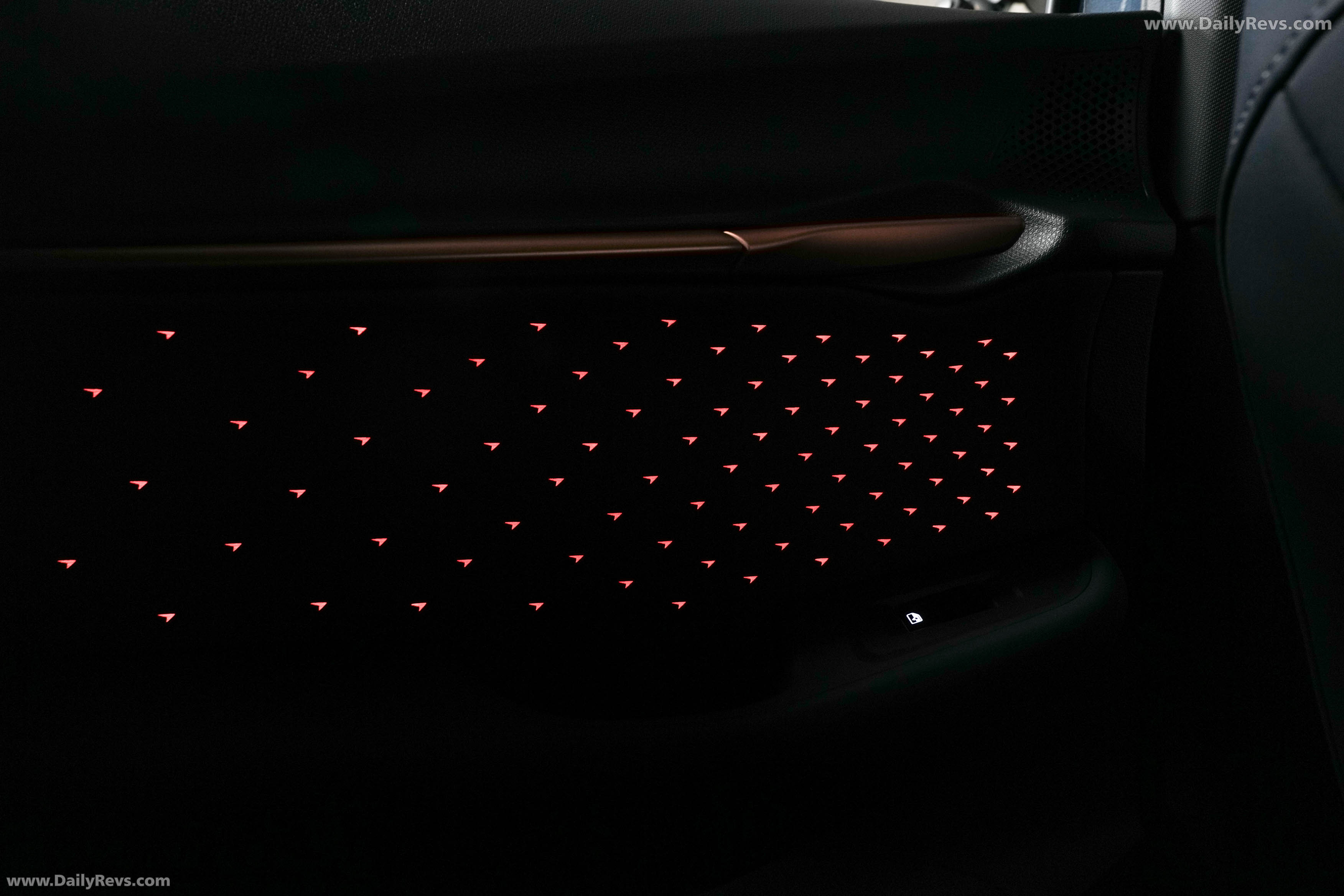
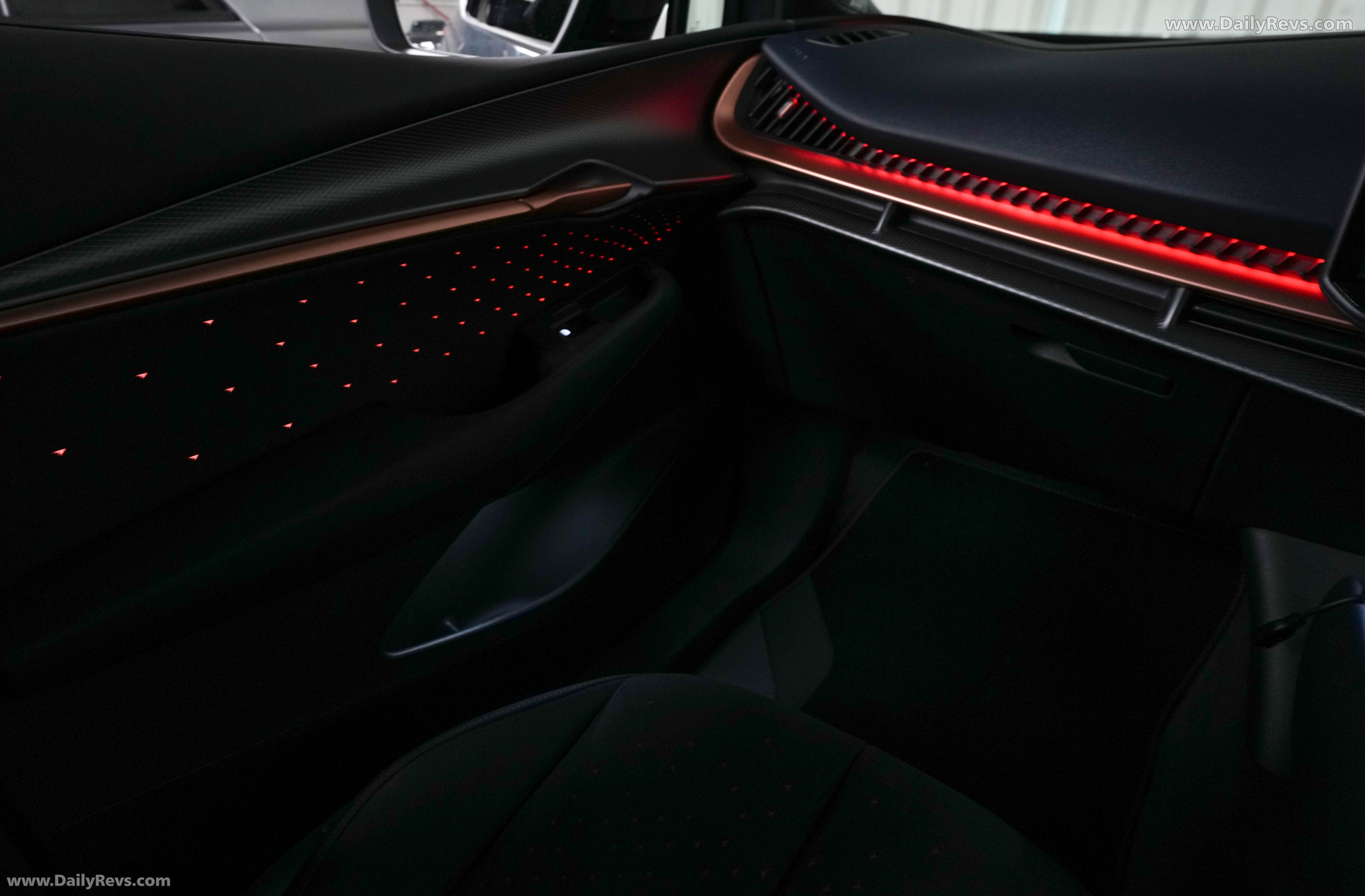
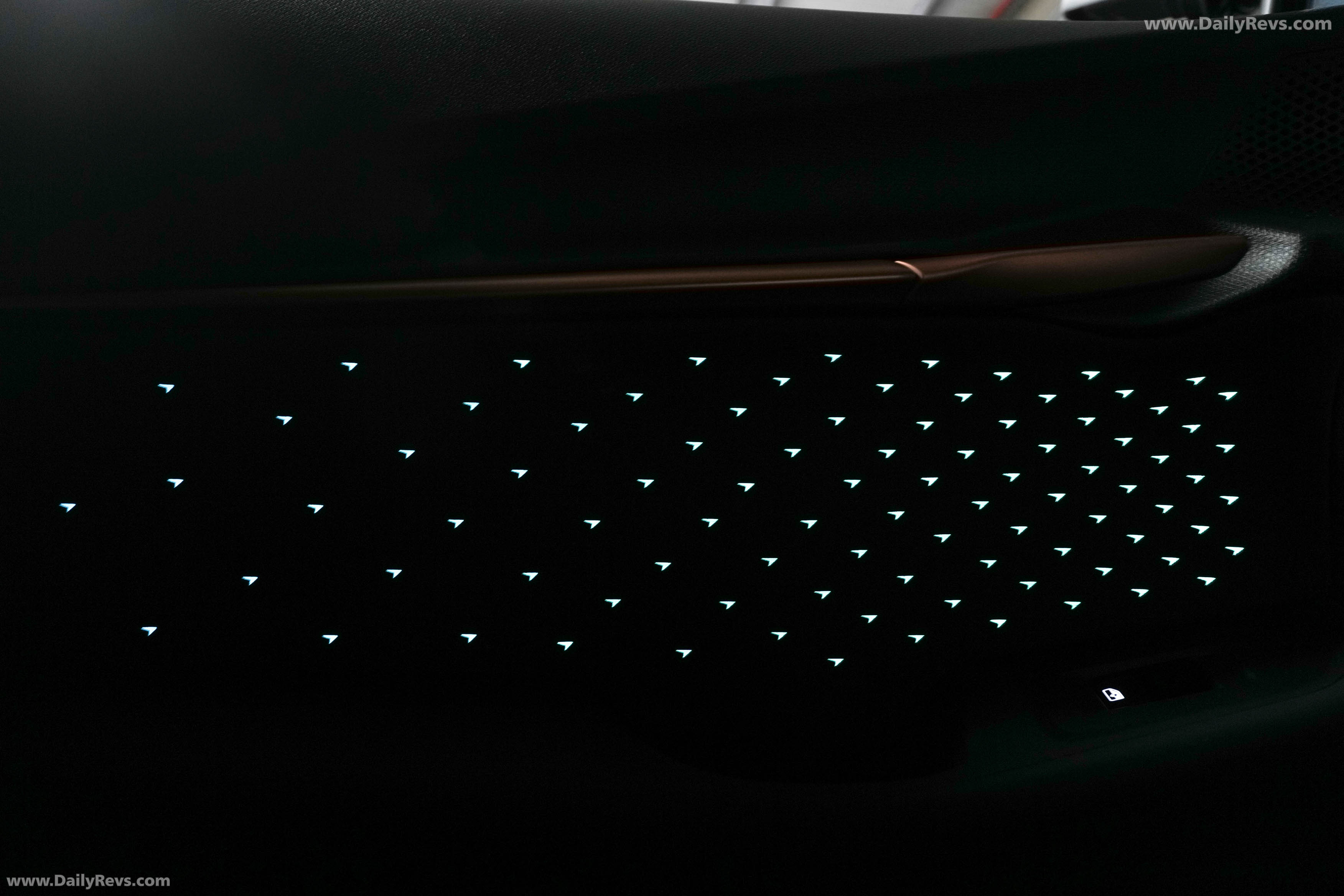
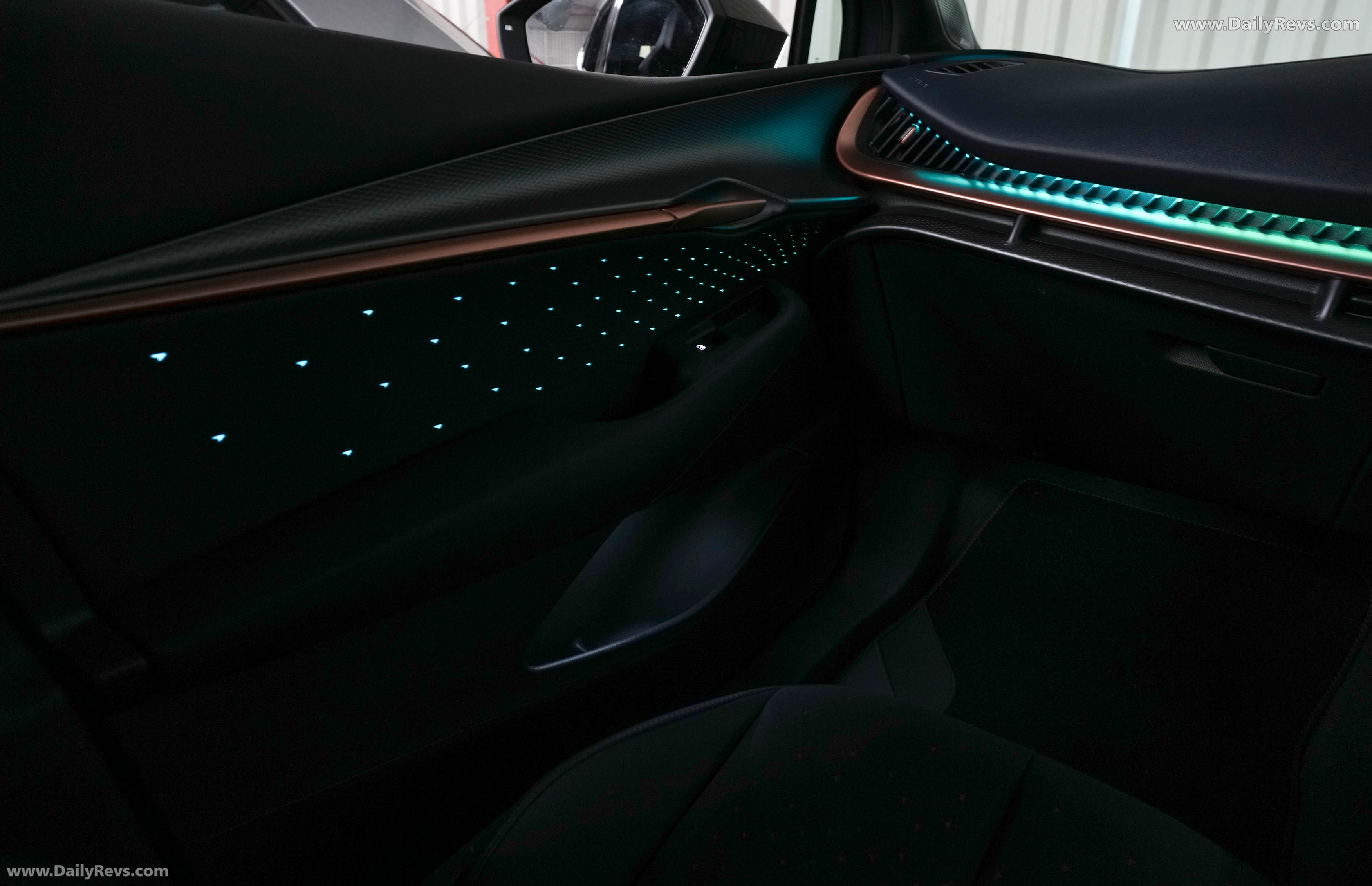
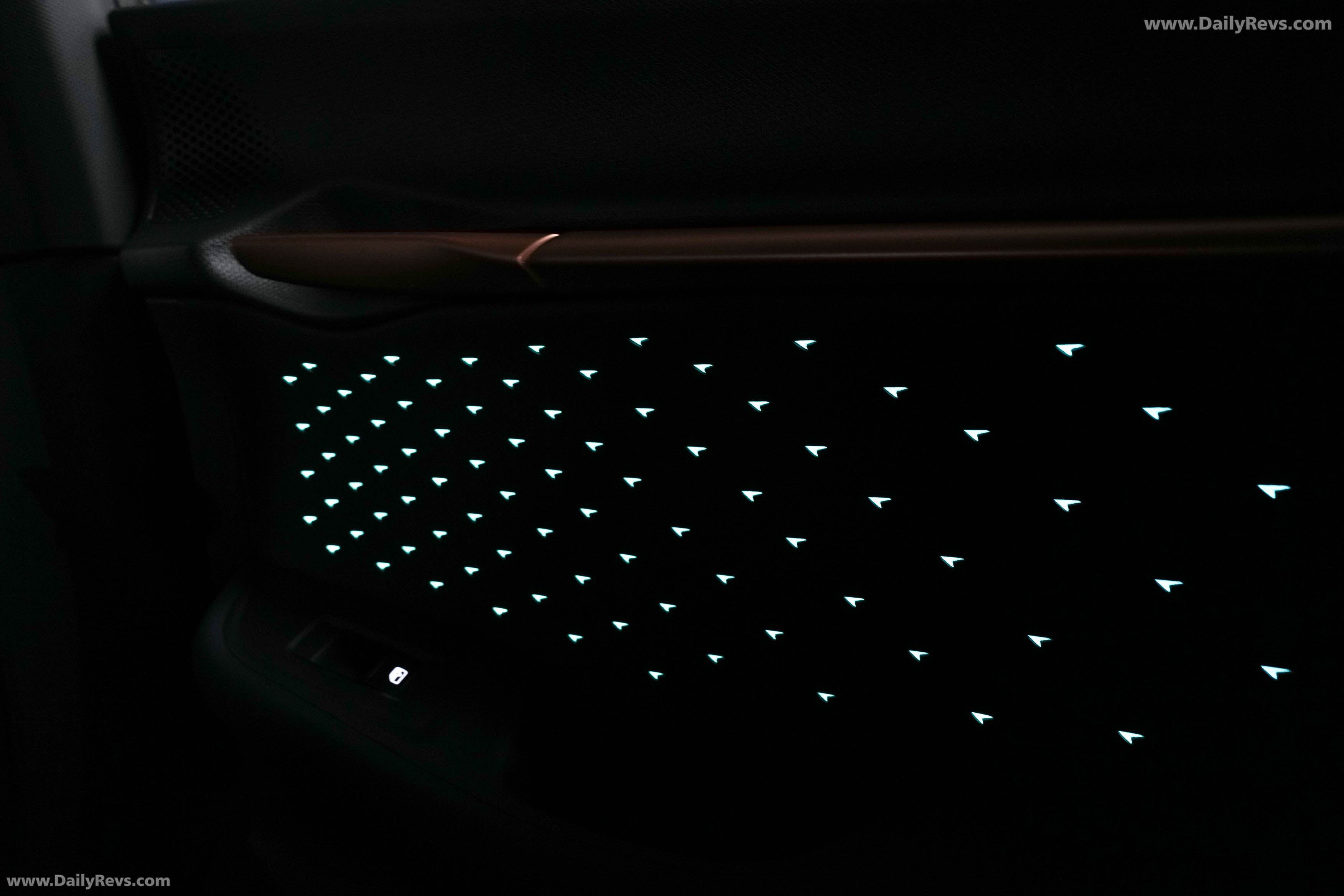
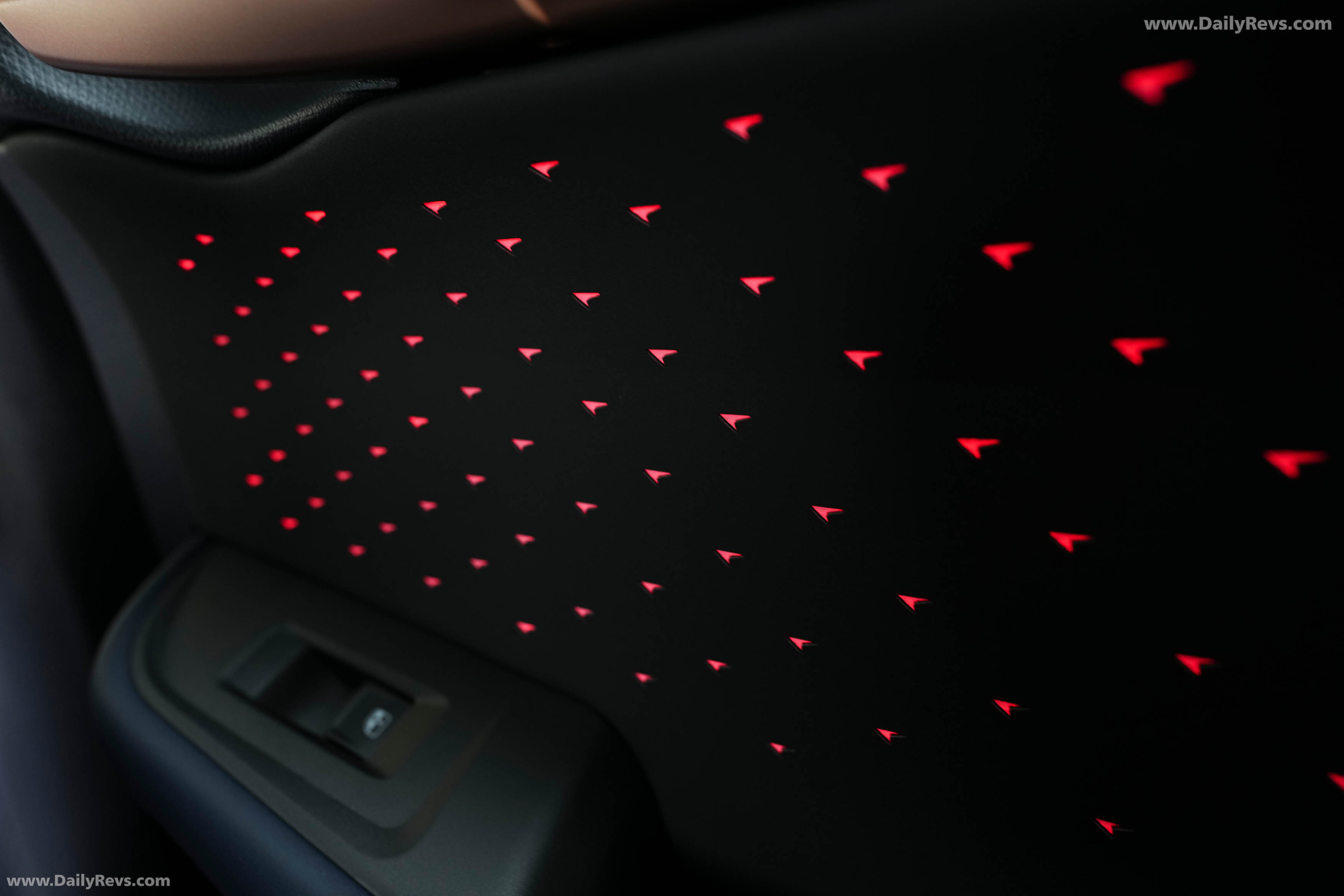
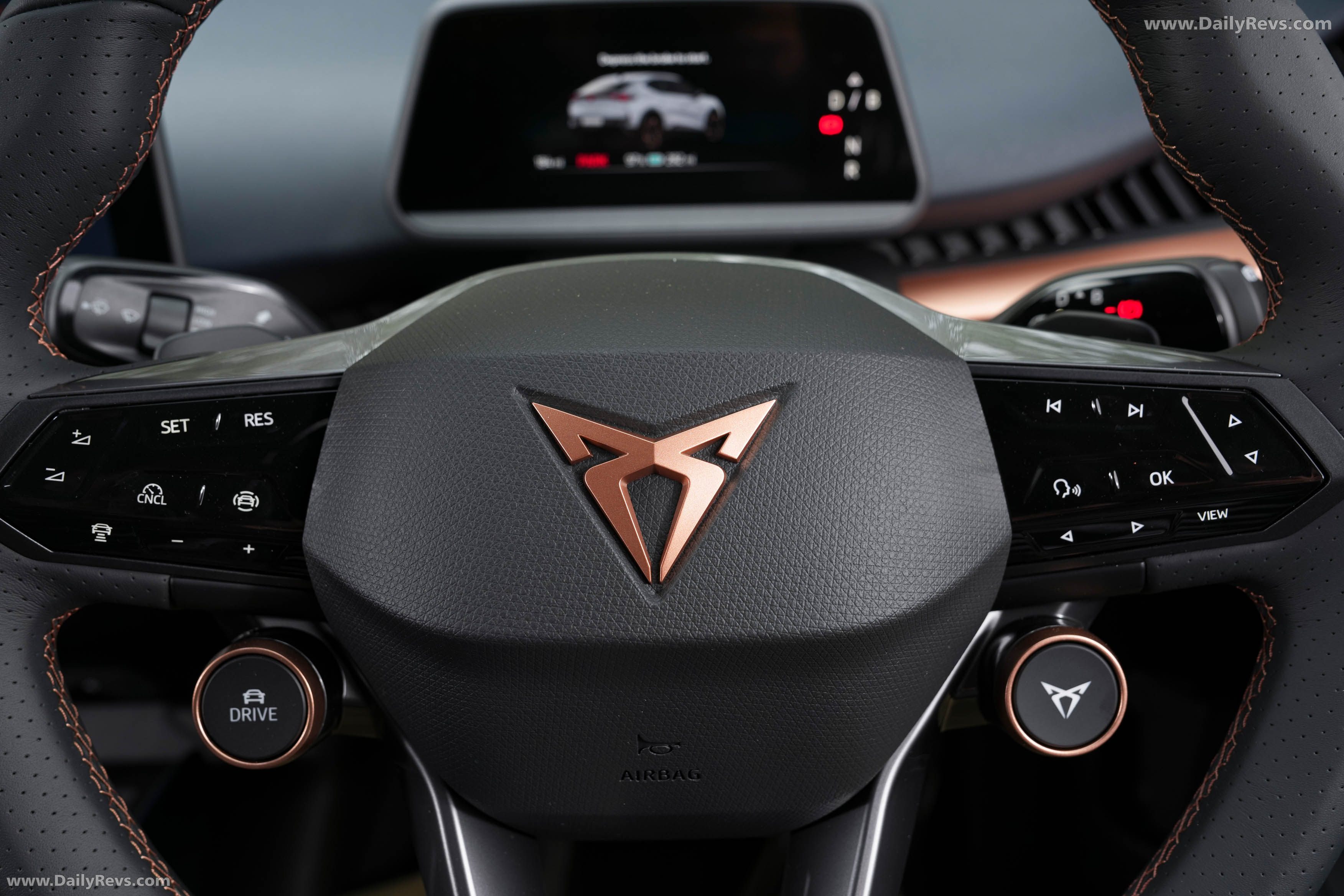
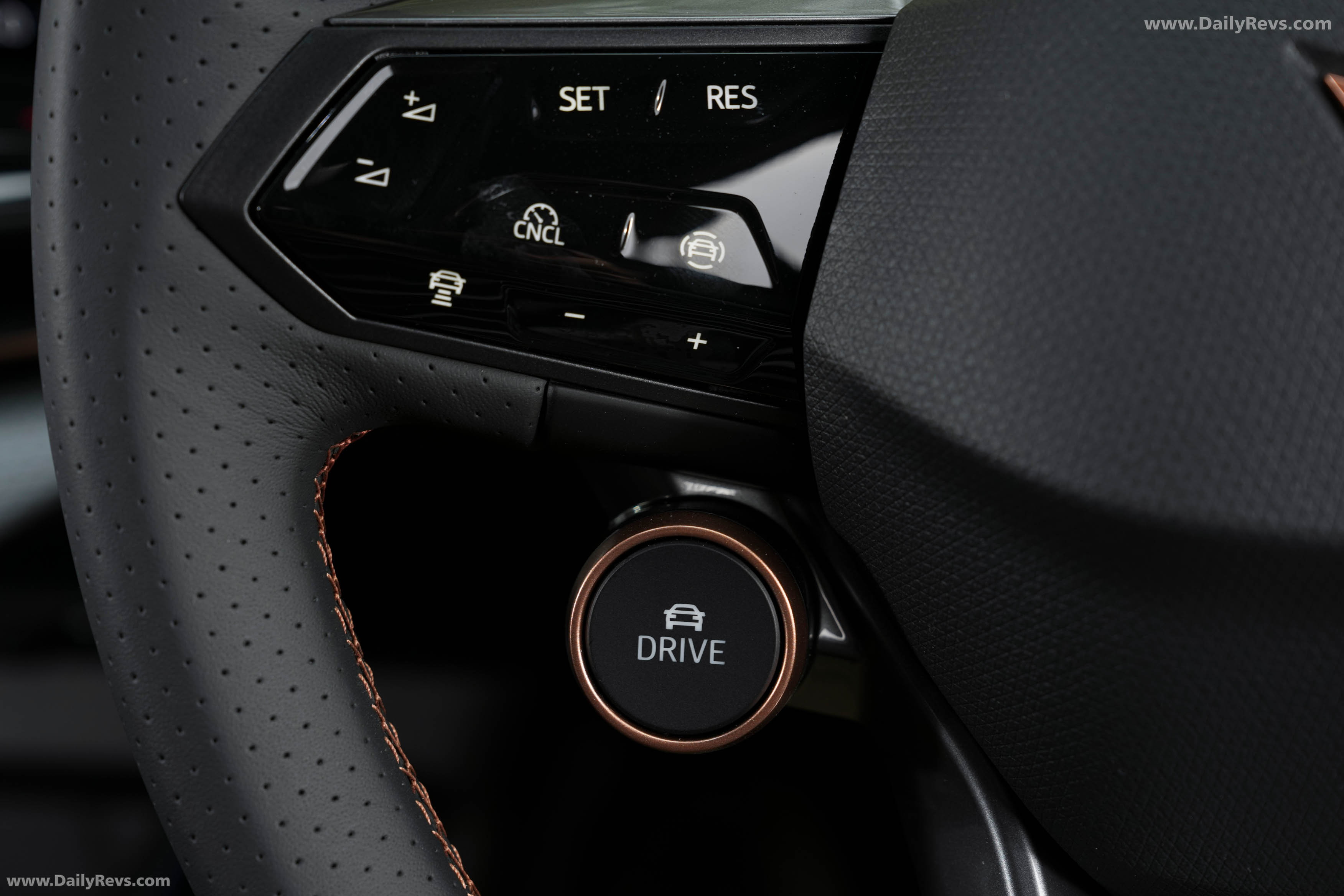
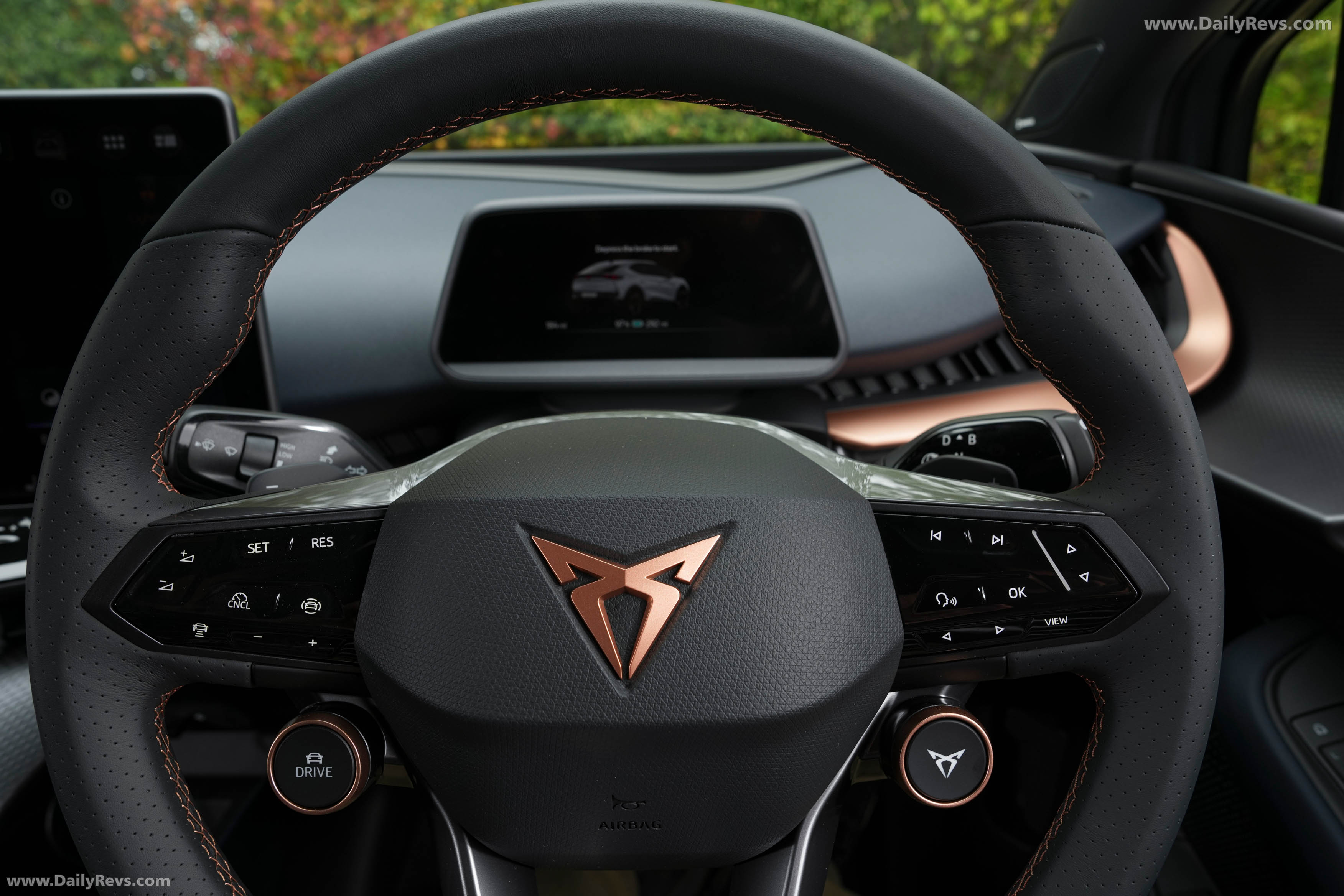
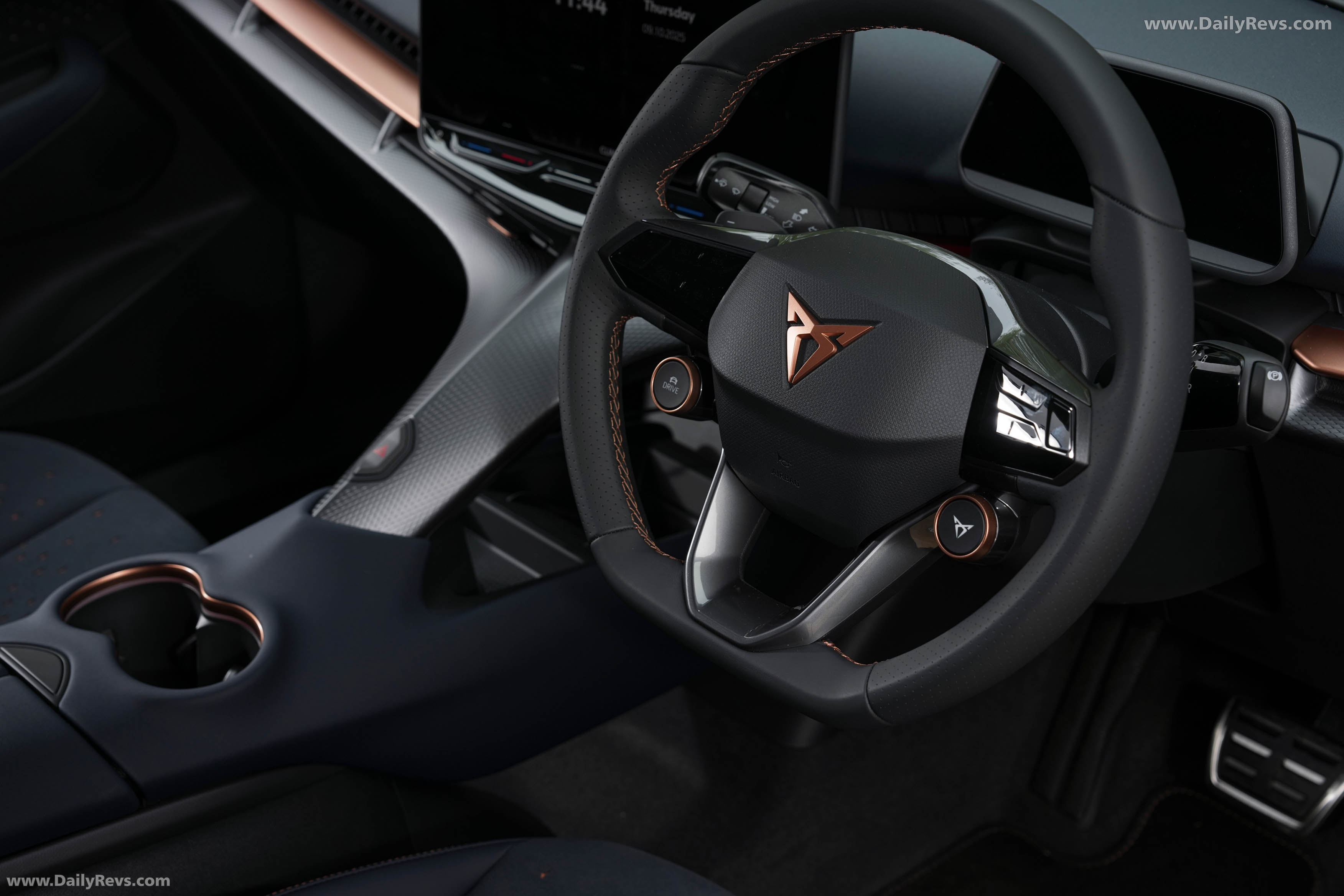
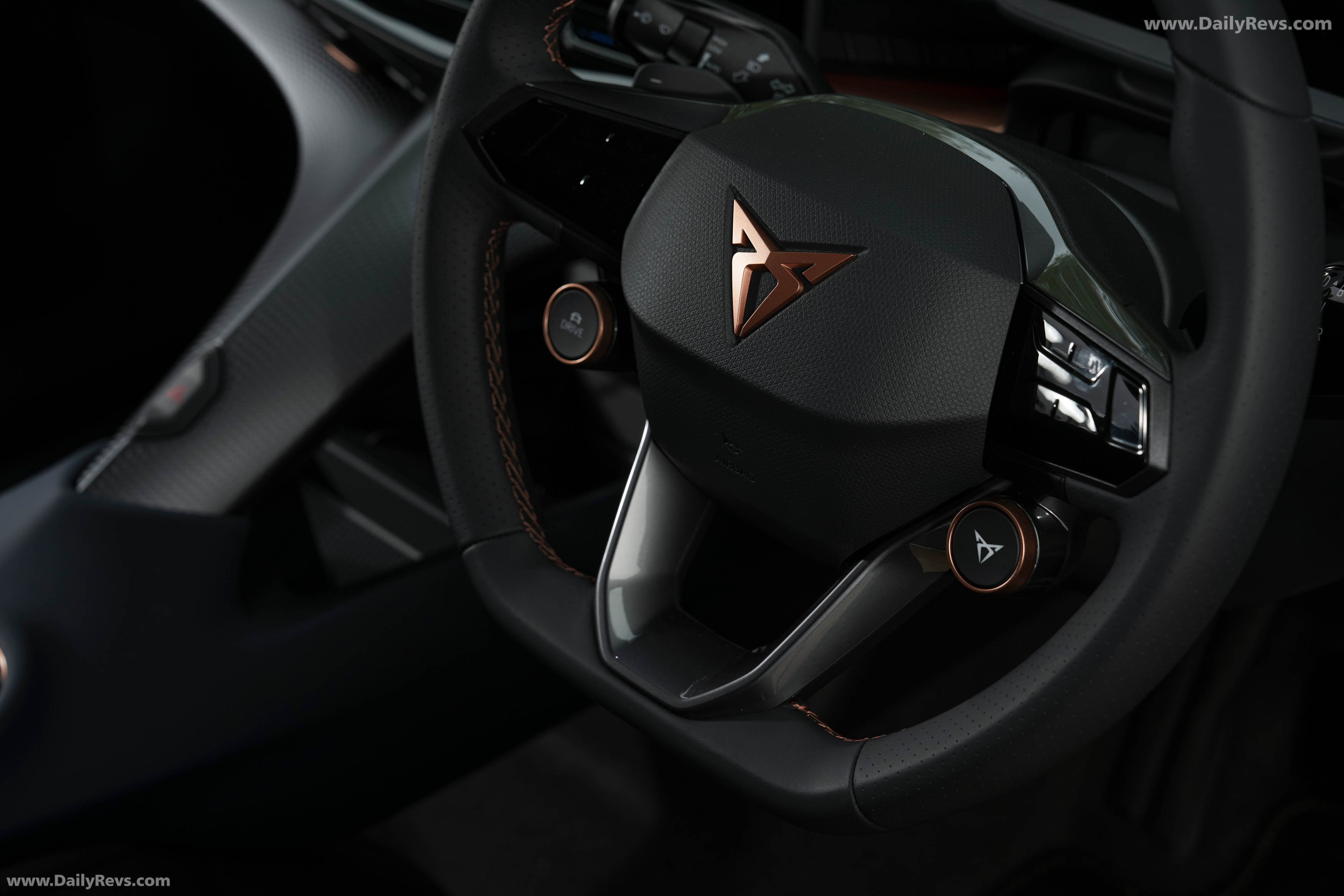
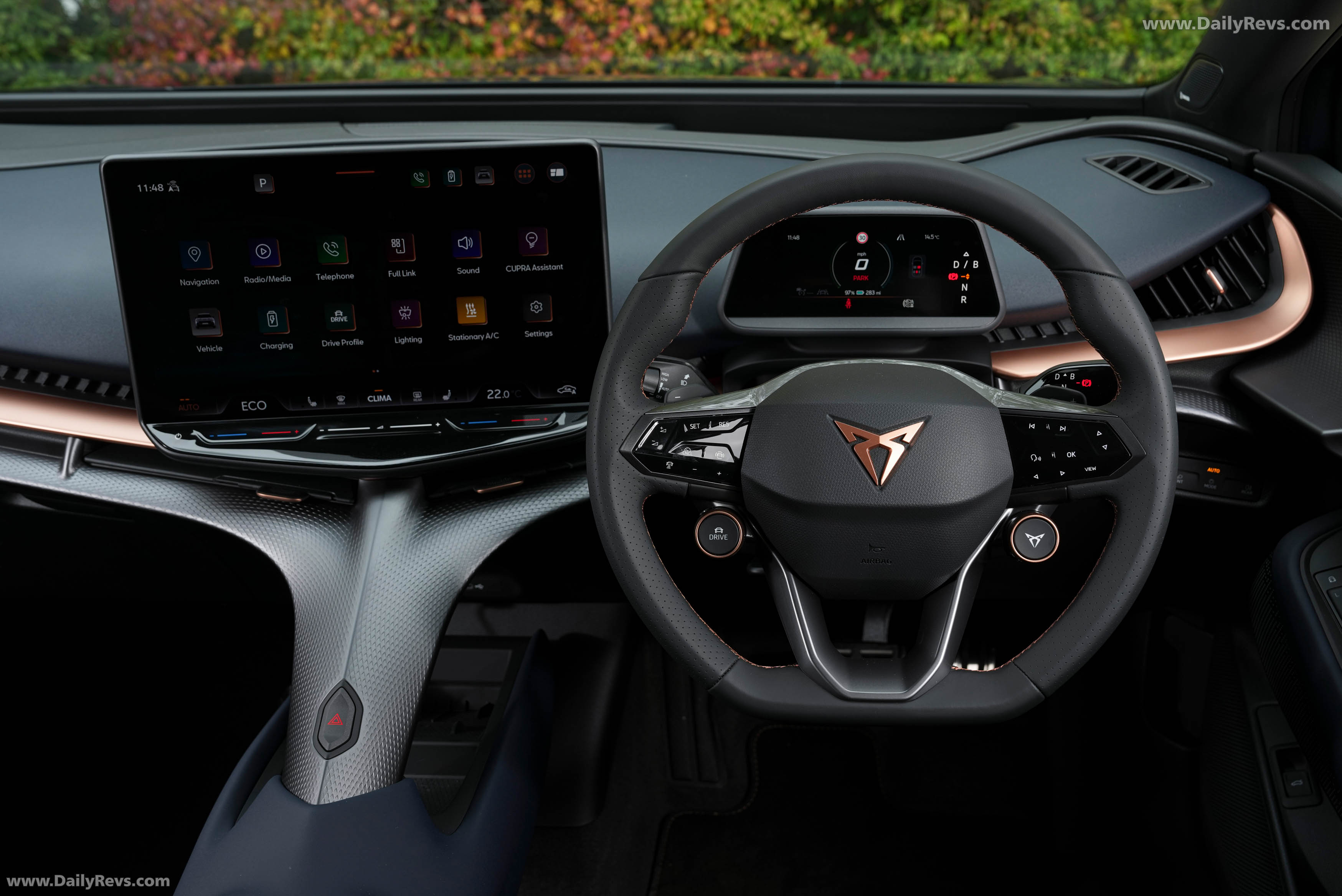
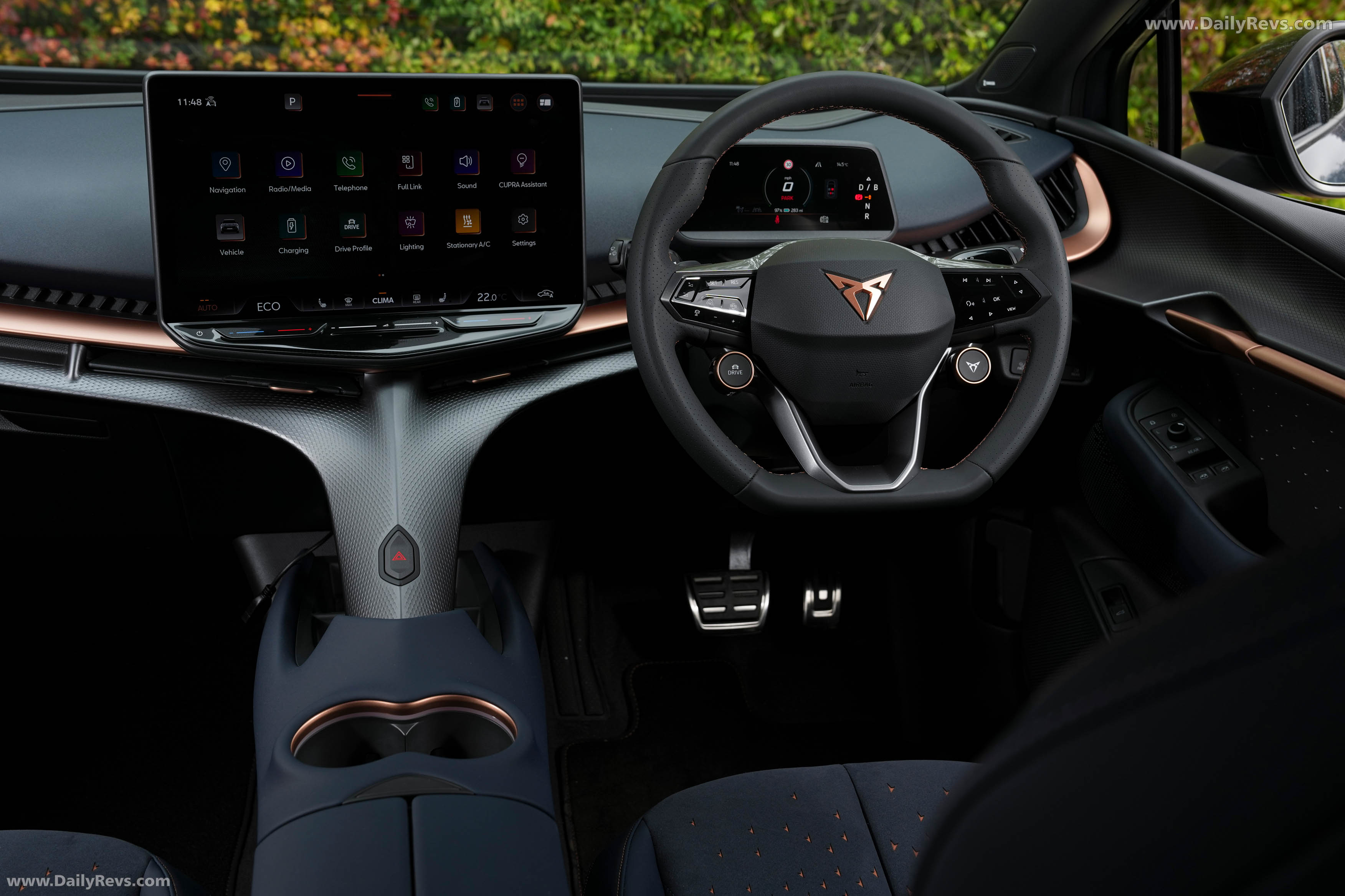
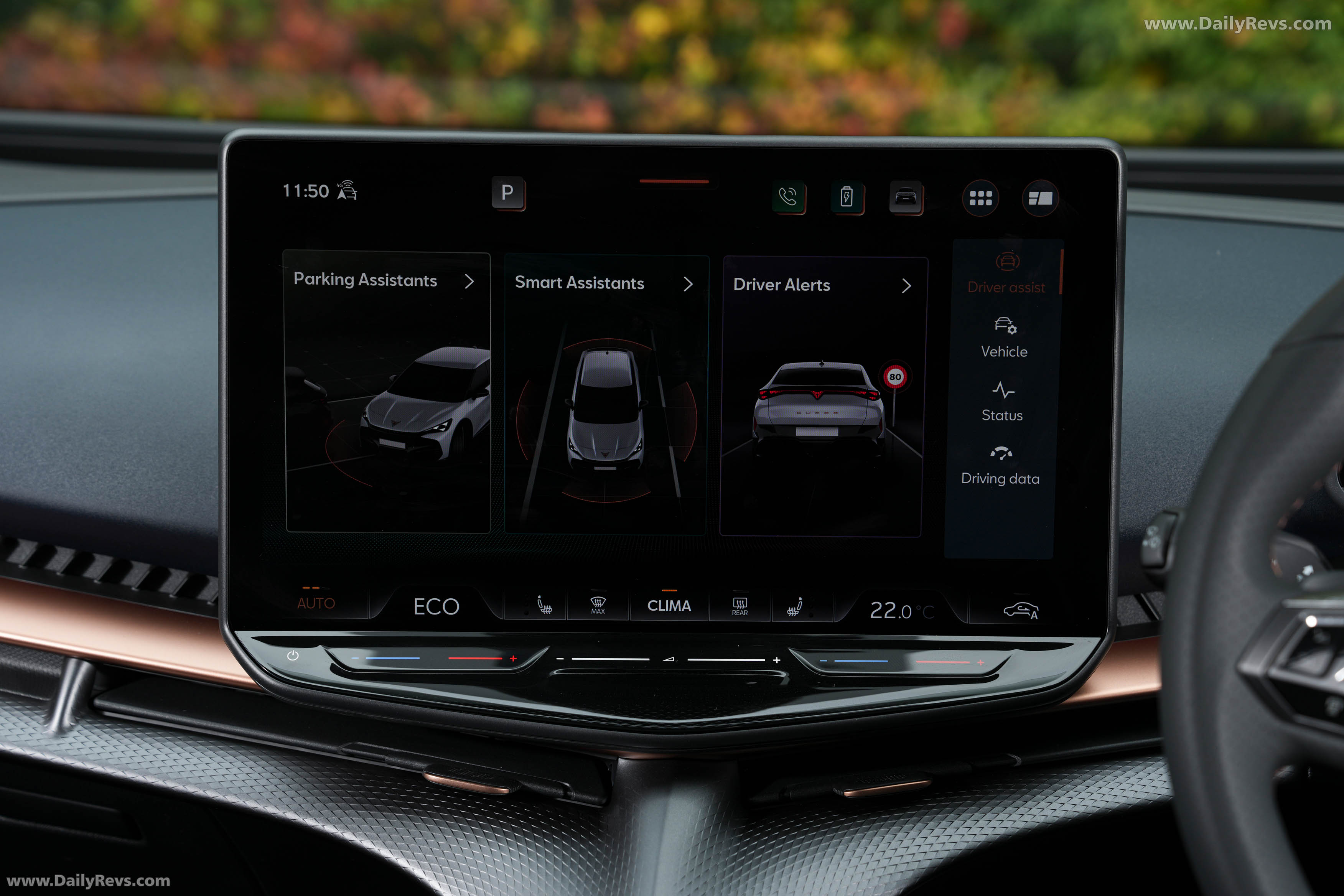
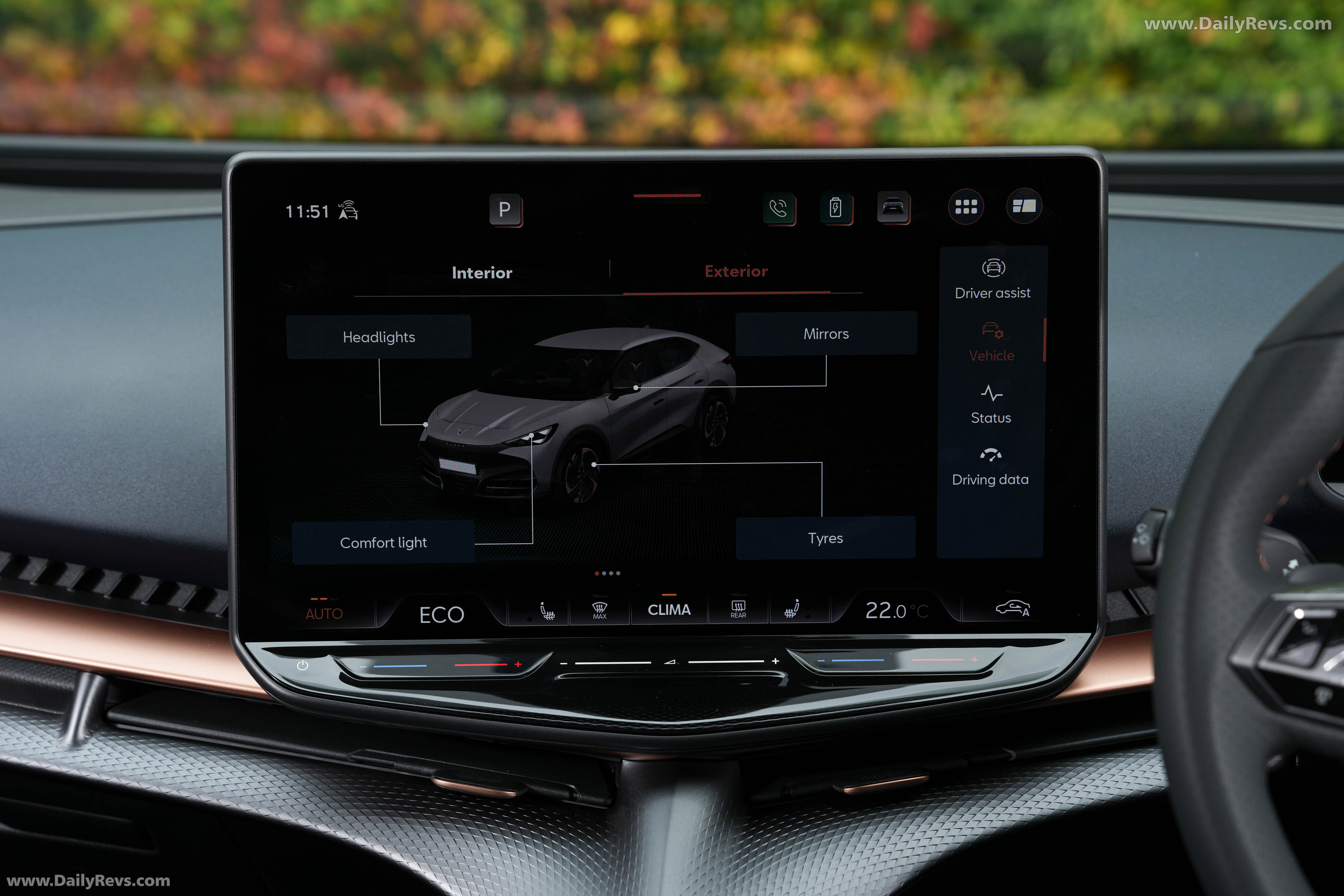
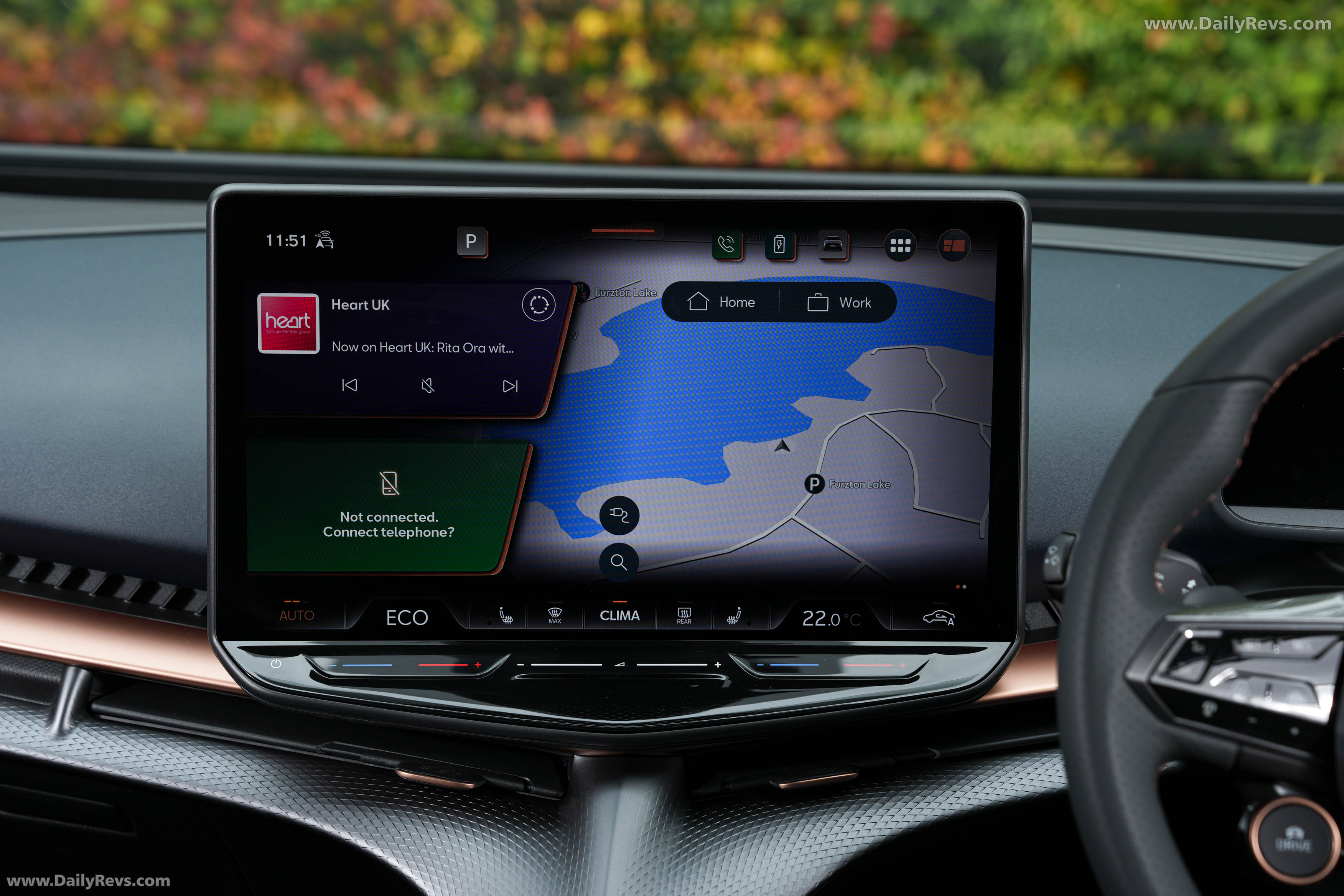
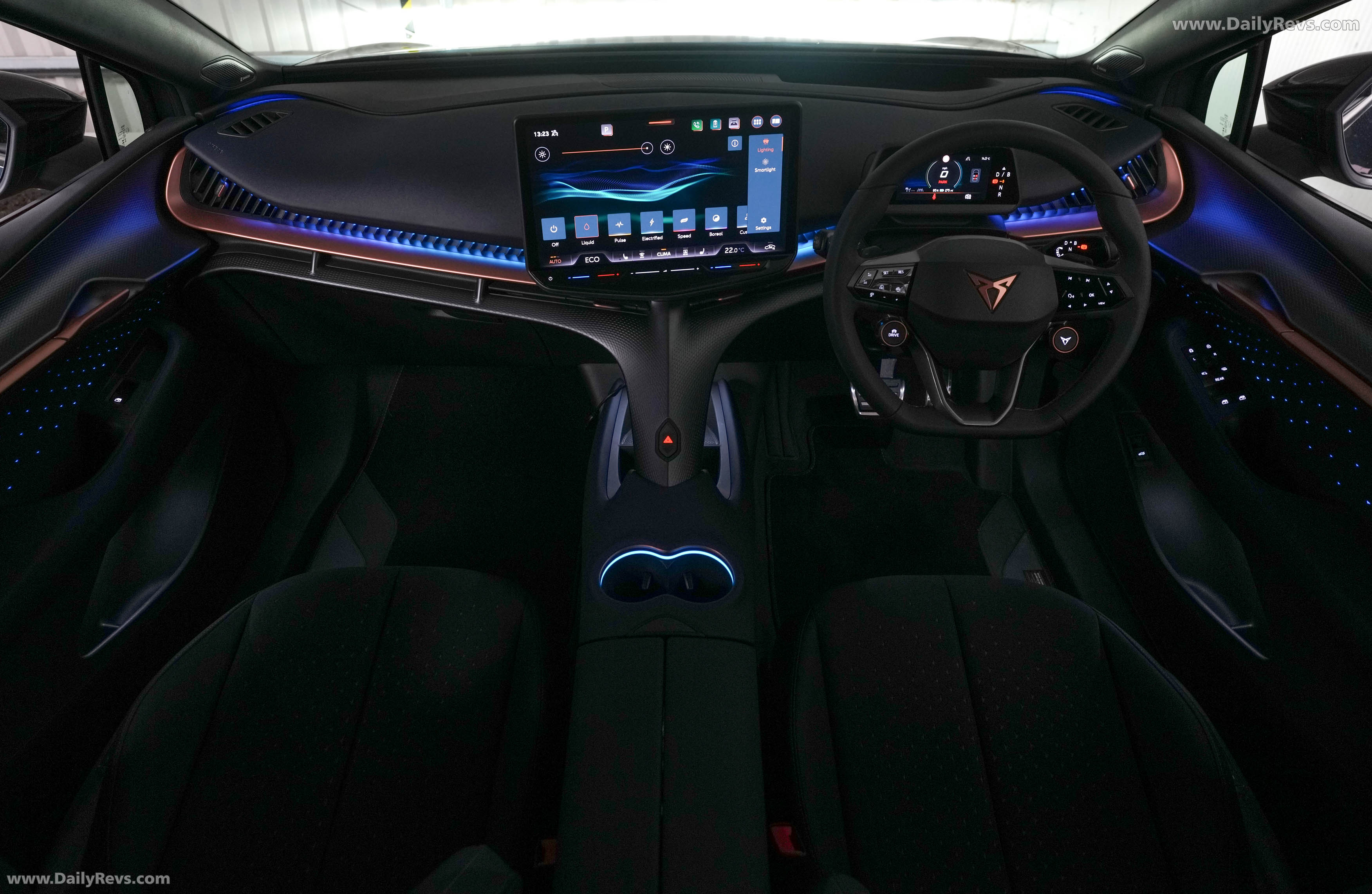
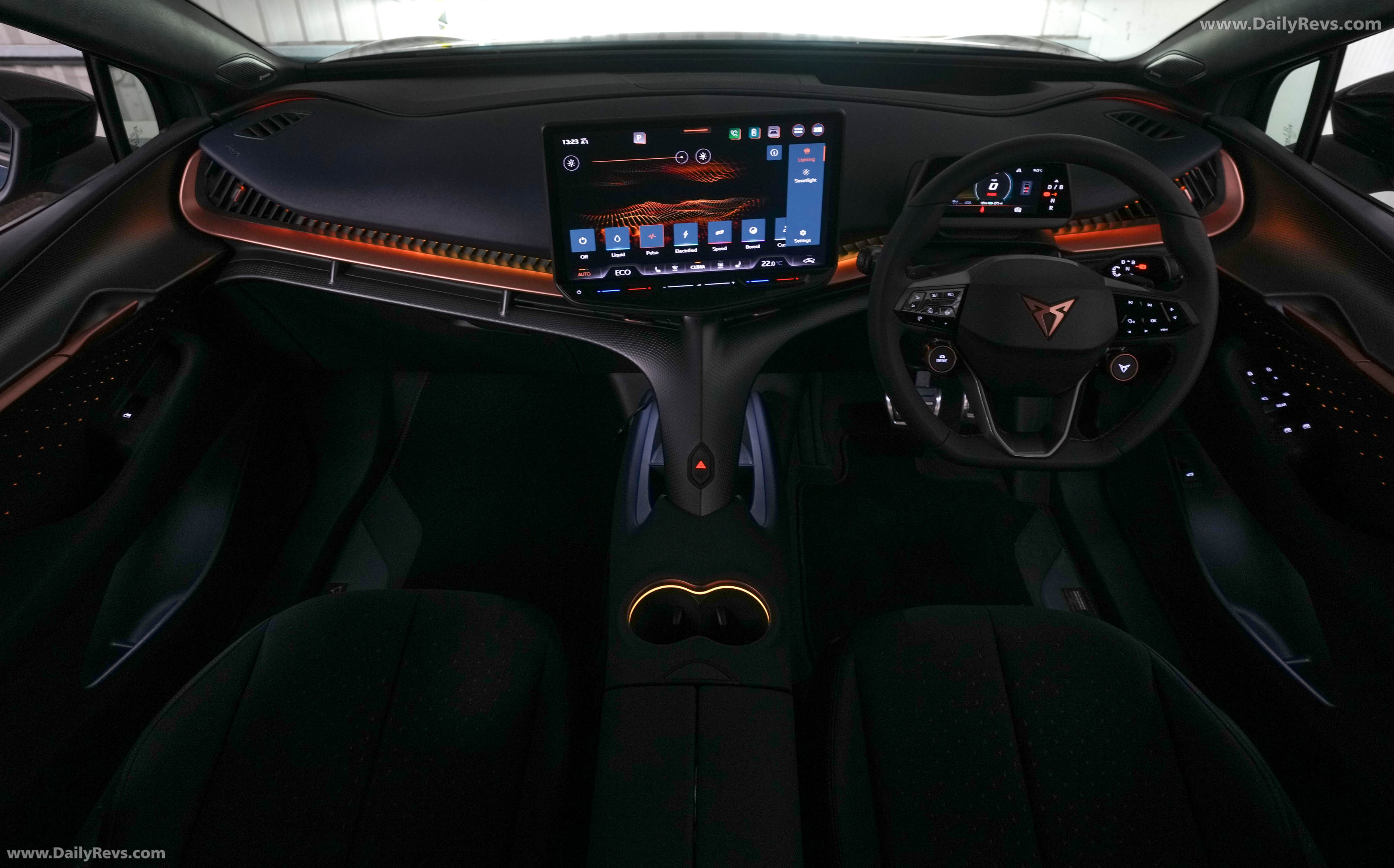
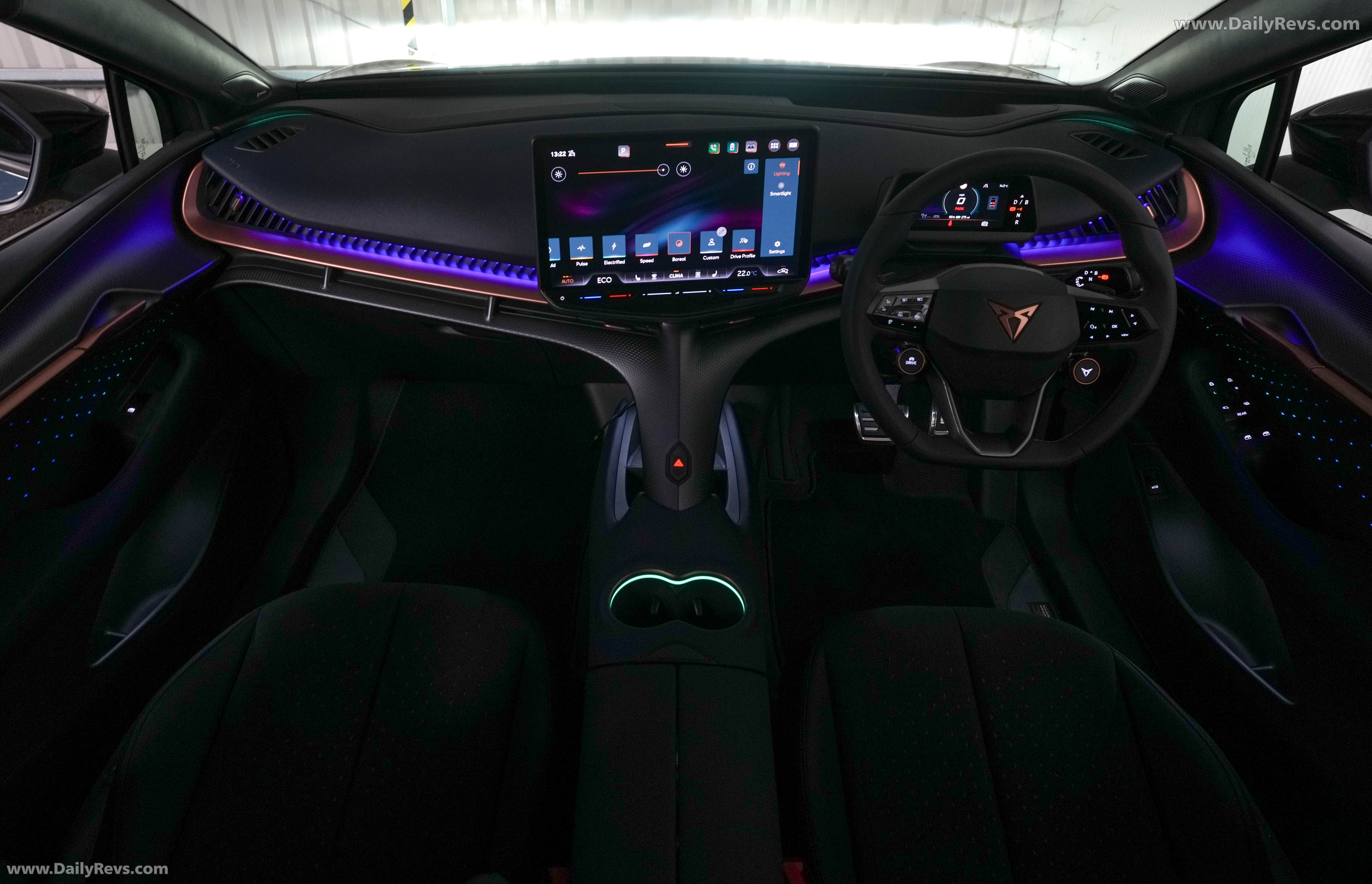
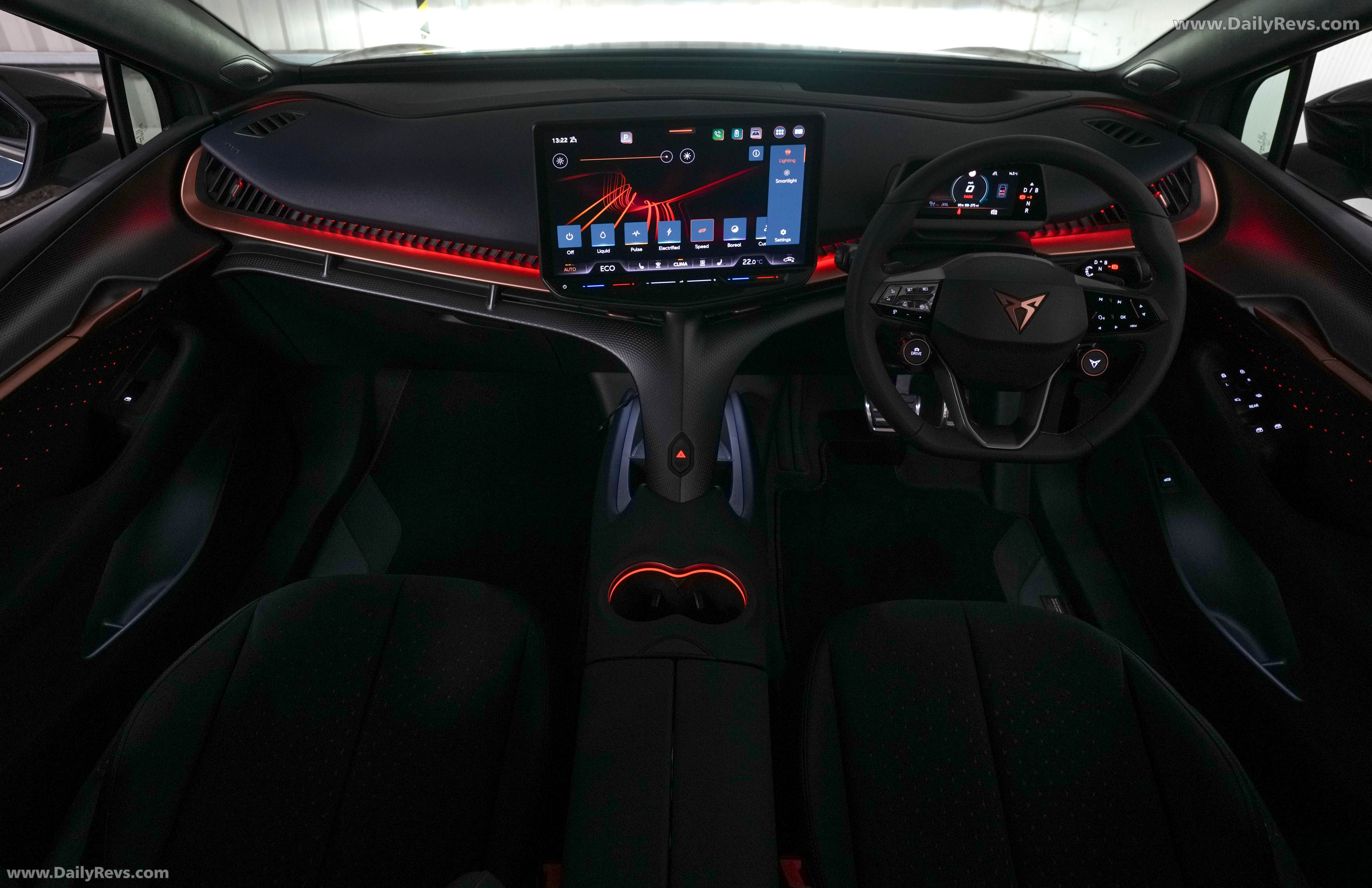
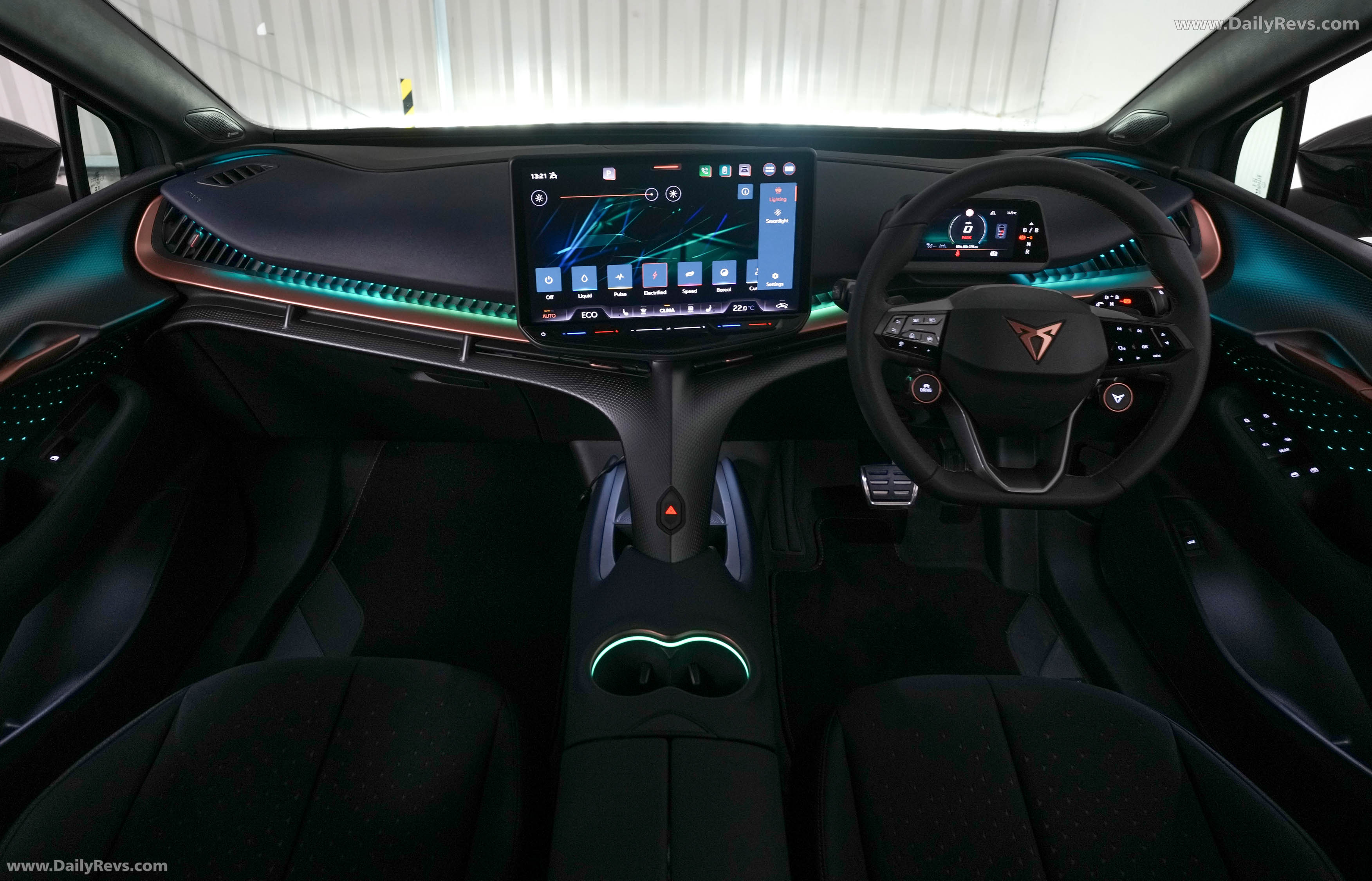
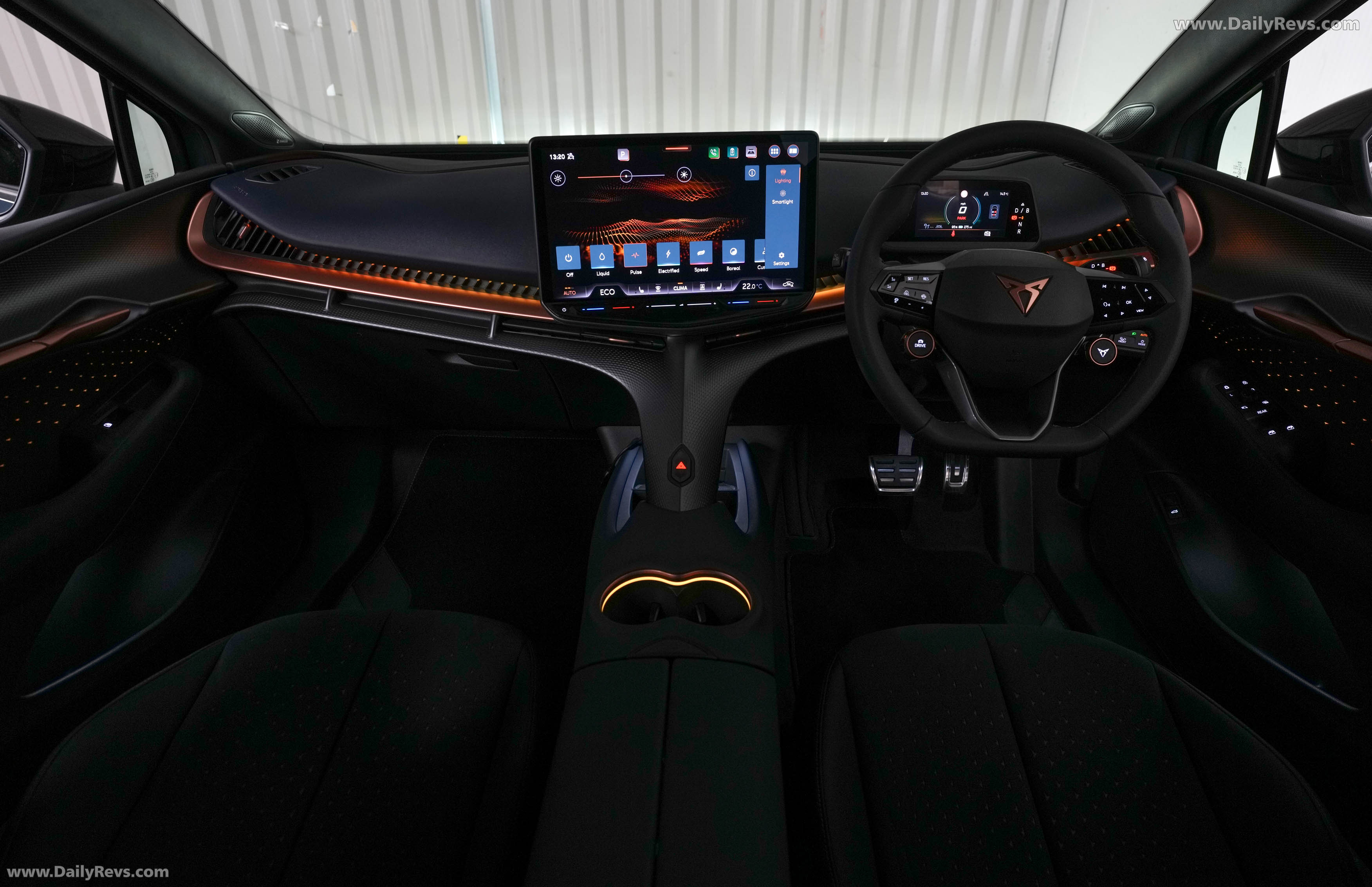
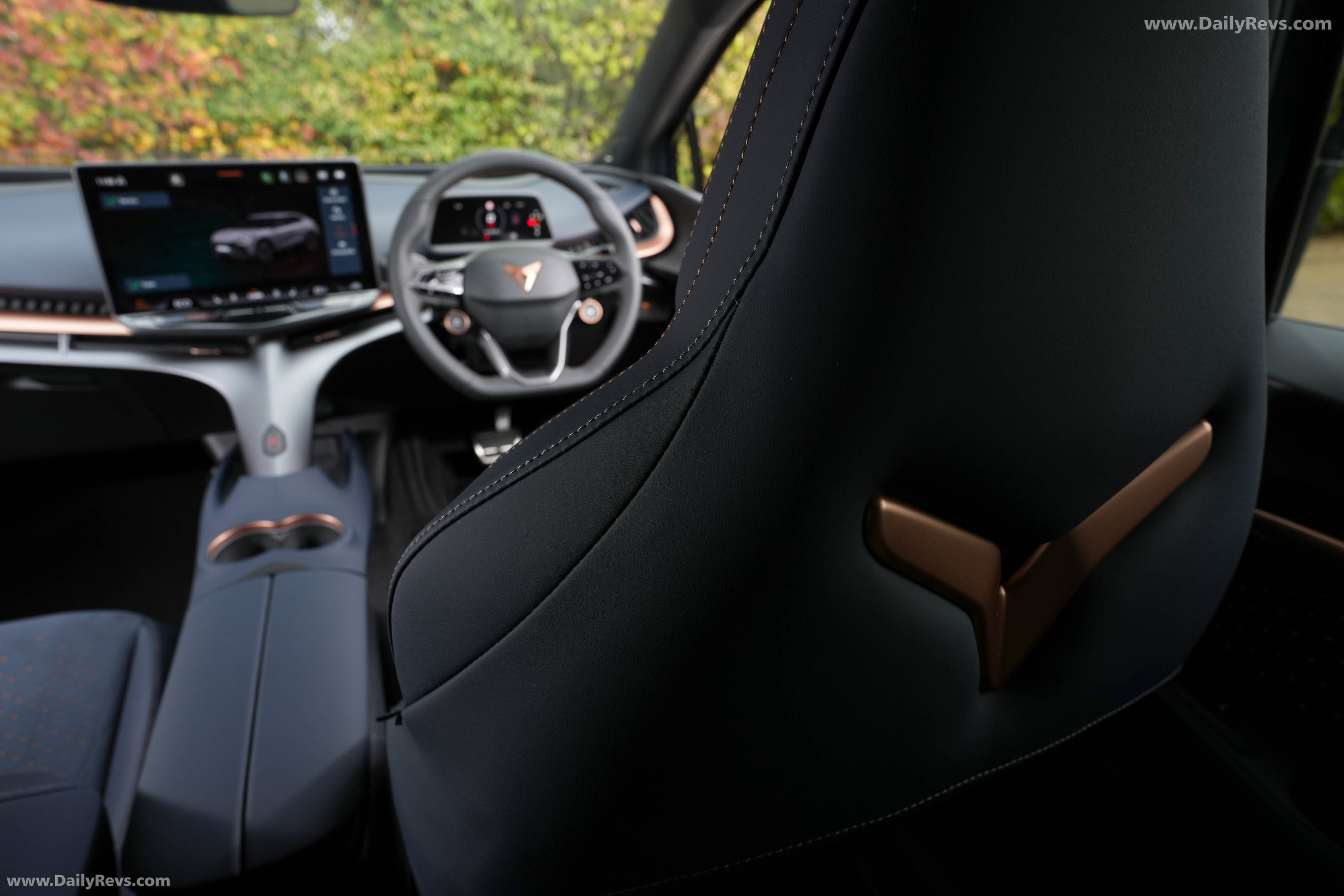
Inside, the Tavascan VZ continues the exterior’s architectural theme. The cabin is dominated by the central spine, which serves as a structural and aesthetic anchor. Along with a small digital cockpit and an optional augmented reality head-up display, a 15-inch infotainment screen is positioned high and angled toward the driver. Materials adhere to the brand's design language by combining recycled textiles with copper accents.
Market positioning in a crowded EV field
As electric SUV coupes proliferate, the Tavascan VZ positions itself as a design-led alternative to more conservative rivals. It does not chase maximum range figures or extreme output claims. Instead, it reinforces CUPRA’s intent to inject personality into electrification, using form, lighting, and chassis tuning as differentiators. Deliveries are scheduled to follow orders opening from autumn 2024, placing the VZ at the forefront of the brand’s electric expansion.