2026 SAIC Z7T
By Lorenzo Bianchi March 6, 2026
First shooting brake model within the HarmonyOS intelligent driving family.
Coupe-inspired design with a sloping roofline and full-width taillight.
Huawei intelligent driving systems and an interactive rotating display.
A new shooting brake joins the Z7 lineup
The SAIC Z7T appears as the more expressive sibling to the newly introduced Z7 sedan, extending the model family with a shooting brake body style. Official images surfaced during the HarmonyOS Intelligent Mobility Technology Launch Conference, where the interior of the Z7 platform was also shown publicly for the first time.
The idea behind the Z7T is straightforward. Take the low, coupe-like character of the Z7 and stretch it toward something a little more versatile. Shooting brakes often walk that line between style and practicality, and this one follows the same formula.
The Z7 itself is positioned as a mid-to-large luxury sedan aimed at the high-end coupe segment, with an expected price range between 250,000 and 350,000 yuan and a planned debut later in March. The Z7T builds on that foundation but adds a more lifestyle-oriented body shape.
Rear design gives the Z7T its identity
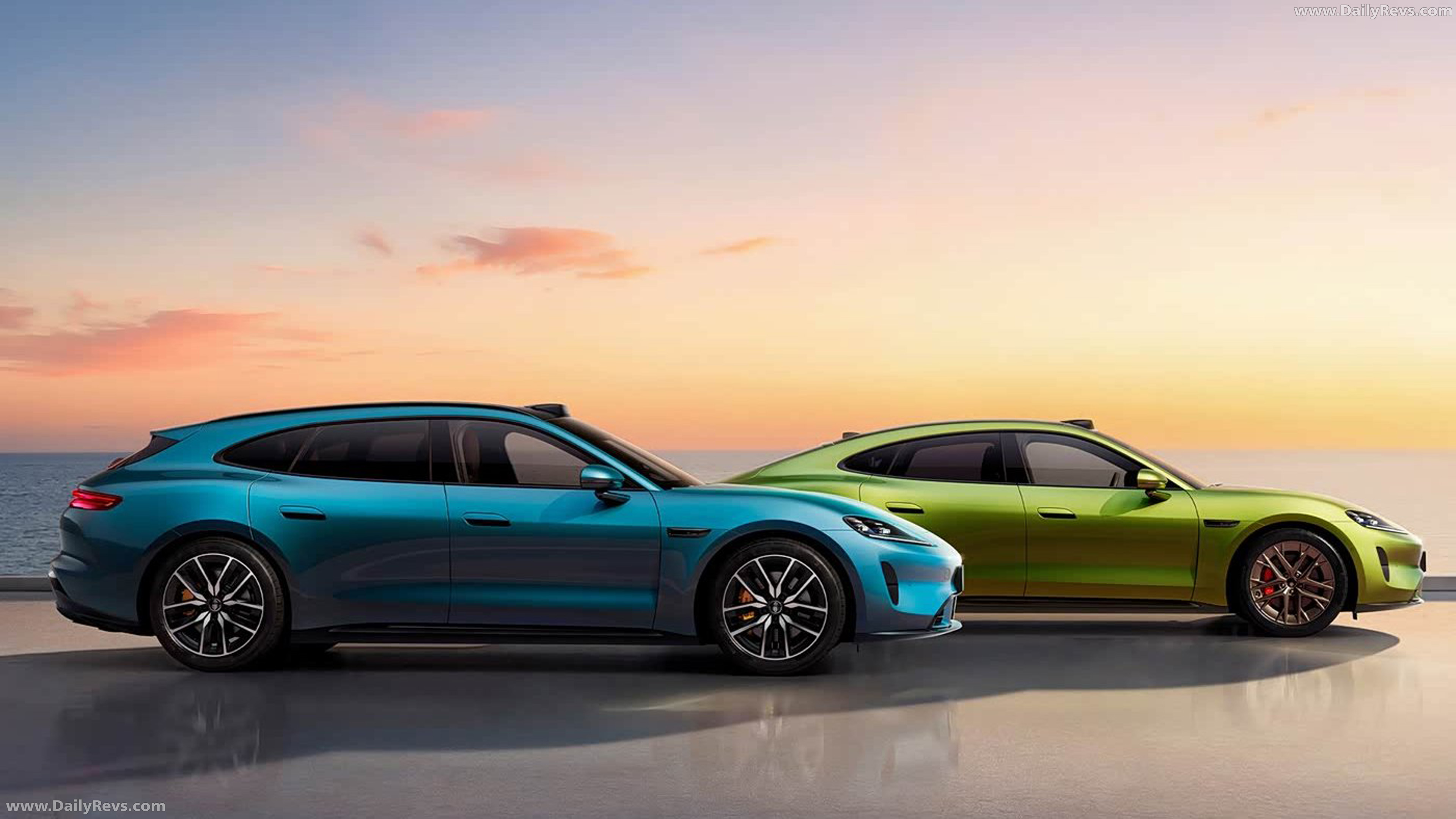
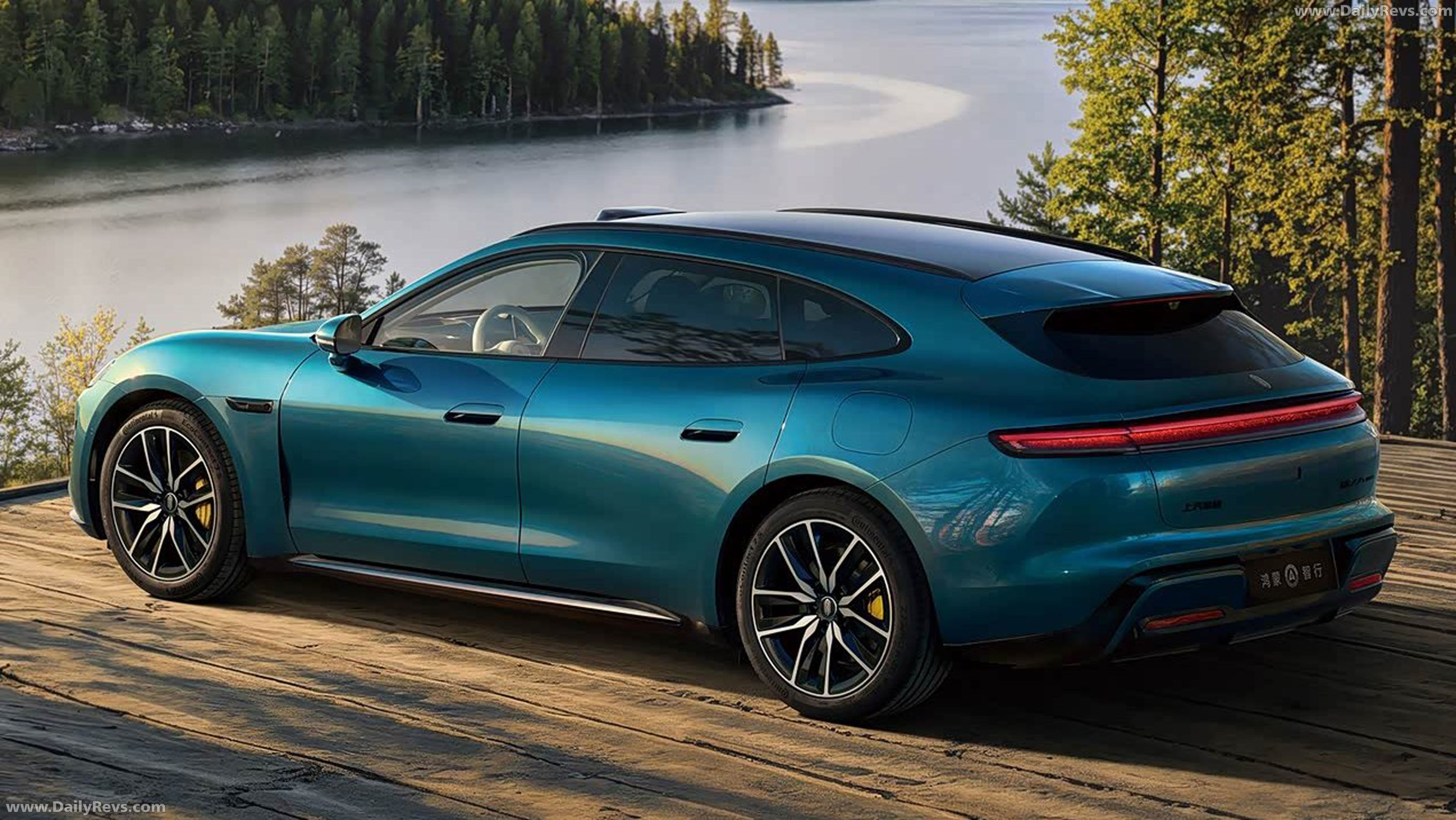
Viewed from the side, the SAIC Z7T carries the sort of long, flowing profile typical of a shooting brake. The roofline slopes gradually toward the rear, where the bodywork rounds off into a broad, sculpted tail.
A continuous taillight strip runs across the width of the rear, visually stretching the car and reinforcing its wide stance. The surfaces remain relatively smooth and uncluttered. Rather than relying on sharp creases, the design leans toward fuller shapes and gentle curves.
Proportion plays a big role in the car’s visual presence. The platform uses a 0.5 wheel-height ratio and a four-times wheelbase ratio, giving the Z7T a low, elongated look that places the cabin neatly within the body.
At the front, the lighting signature stands out immediately. The headlamps feature 408 laser-etched points within a segmented lens design, creating a star-like effect when illuminated. It is a detail that feels intentionally theatrical without becoming overly complex.
The Z7T also introduces a new exterior color named Evening Mountain Green, while the wider Z7 lineup will offer nine body colors, including Electric Purple Pink and Amber Gold Green.
Interior technology focuses on interaction
Inside the SAIC Z7T, the approach shifts toward digital interaction and personalization.
One small but interesting touch sits on the passenger side of the cabin. Instead of hiding personal items away, the design allows space for occupants to place things like plush toys or small collectibles on display. It feels unusual in a luxury sedan, but the intention seems to be making the cabin feel more personal.
The centerpiece of the dashboard is a dynamic four-dimensional display. Unlike a fixed screen, it can move forward or backward and rotate left or right. The system interacts with the vehicle’s AI assistant, greeting occupants, responding to voice commands, and adjusting its position automatically.
It is clearly designed to make the relationship between driver and machine feel a bit more natural.
Huawei technology shapes the platform
Underneath the design and digital features, the SAIC Z7T incorporates a range of systems developed in cooperation with Huawei.
The vehicle is expected to use Huawei’s Qiankun Intelligent Driving System, supported by a head-up display and a sophisticated chassis layout. Suspension combines a double wishbone front setup with a five-link rear configuration, paired with the Huawei TuLing chassis and air suspension system.
Additional control is managed through the Huawei XMC intelligent chassis and body control platform, which supports functions such as torque vectoring, traction stability control, and adaptive steering assistance.
Energy storage will come from what the company describes as a “giant whale battery.”
A new take on the intelligent luxury sedan
The SAIC Z7T reflects how quickly the luxury car segment is evolving. Traditional ideas about performance and prestige are gradually being joined by software ecosystems, interactive interiors, and advanced driving technology.
By combining a shooting brake silhouette with a heavily digital cabin and Huawei-powered systems, the Z7T signals a shift toward a more technology-driven interpretation of the modern luxury car.
For a first appearance, it leaves a clear impression.