2026 Porsche Flachbau RS
By Lorenzo Bianchi August 15, 2026
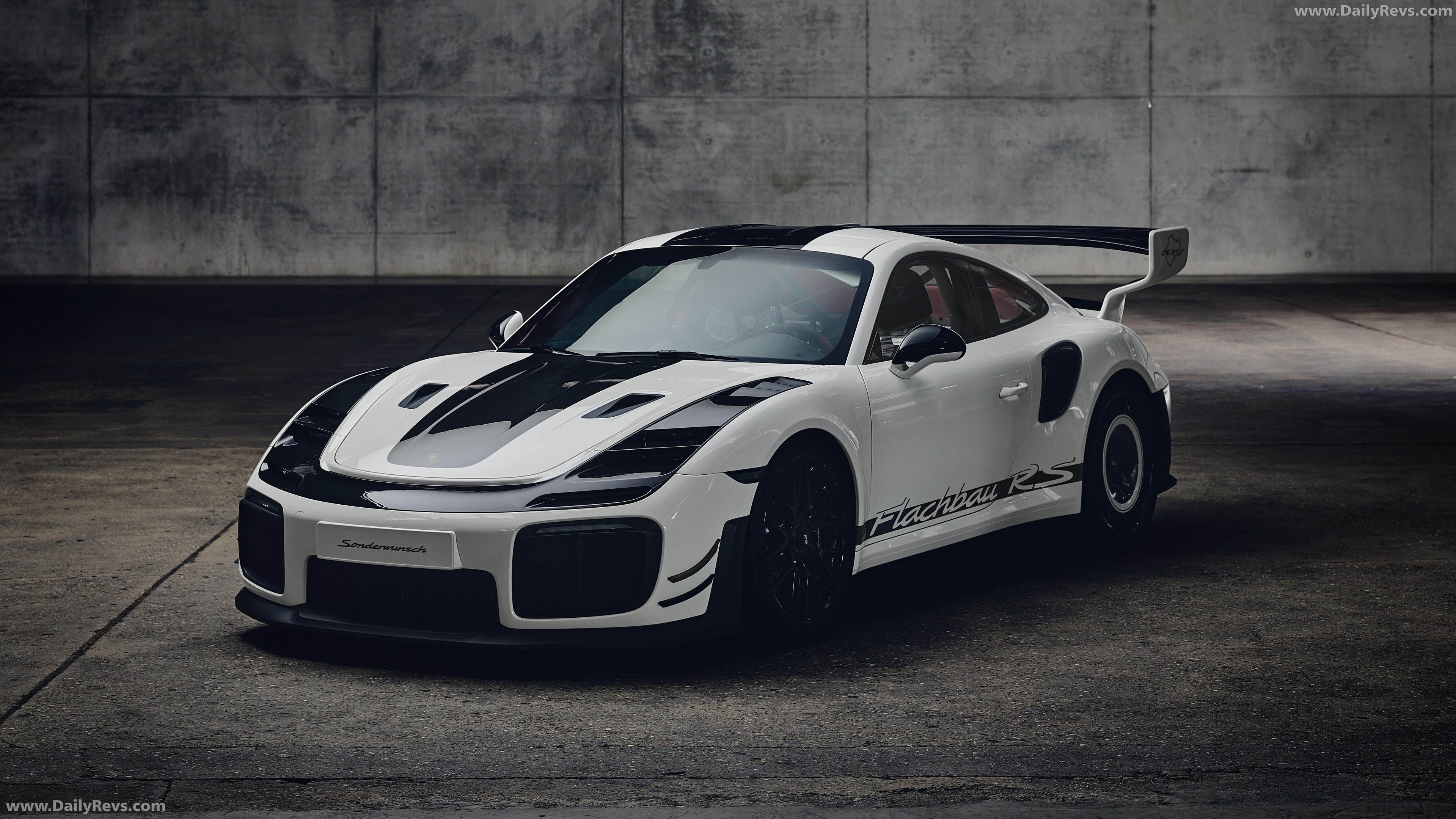
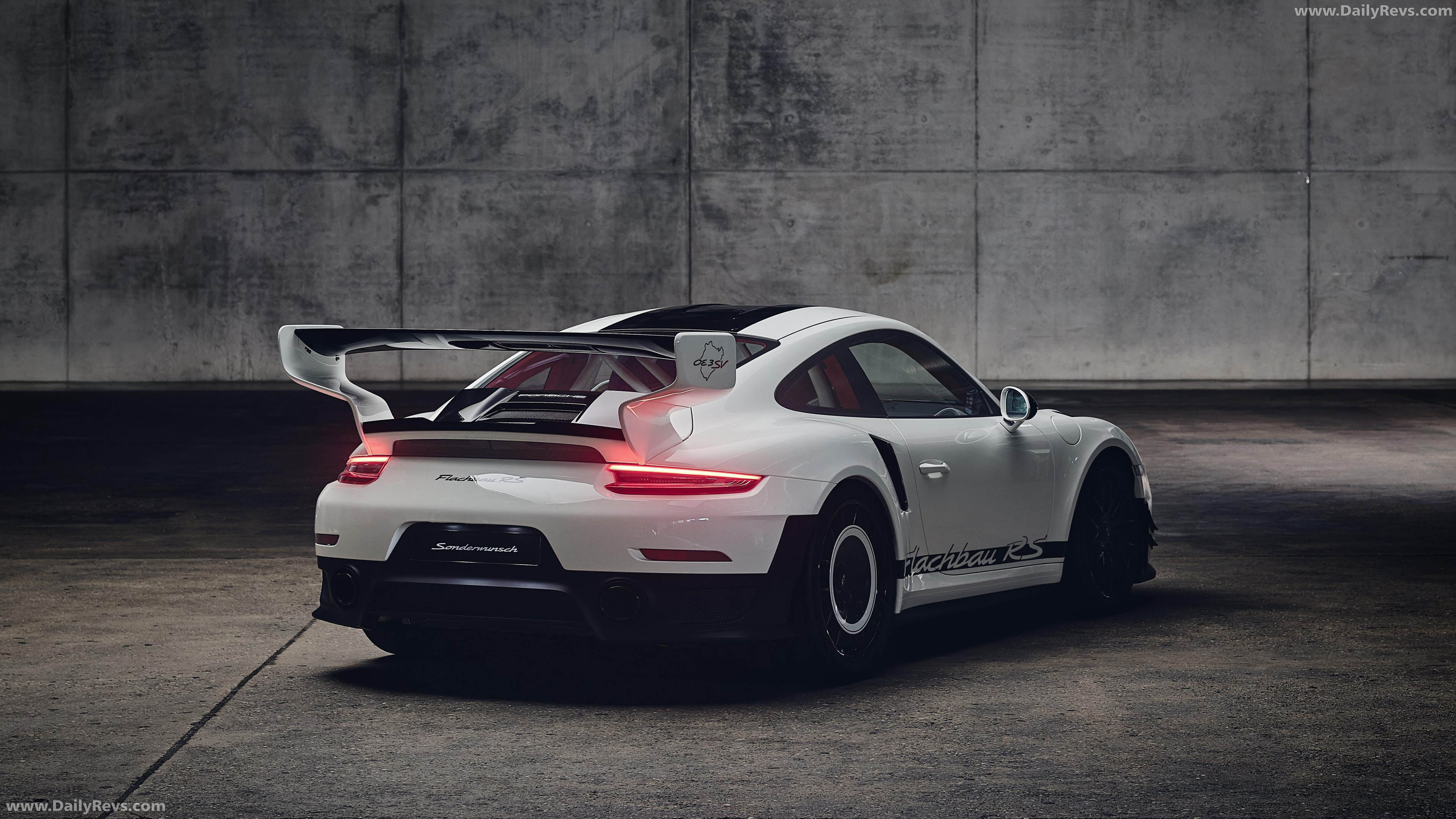
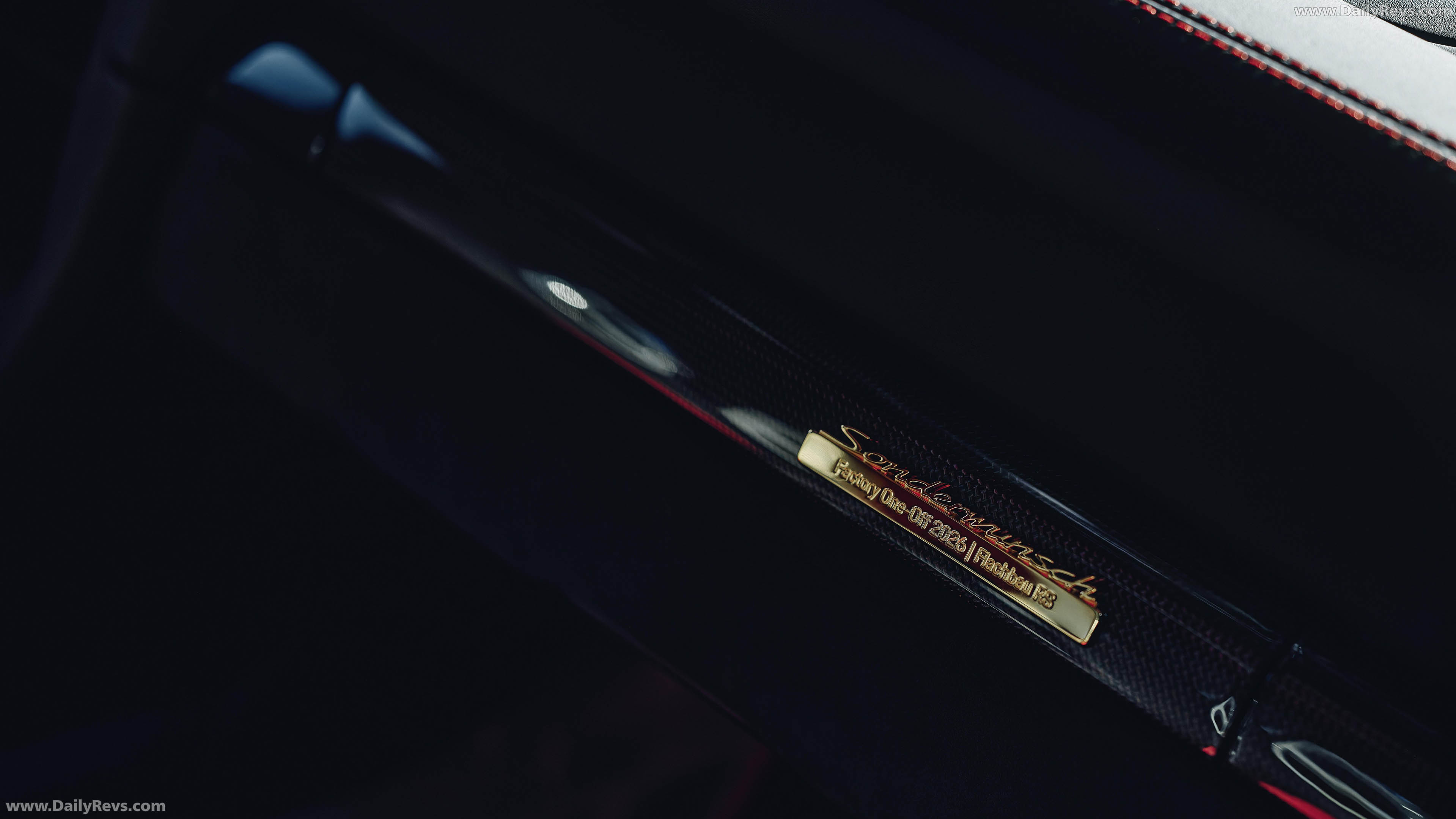
Flachbau RS is a single factory one-off built from a 2018 911 GT2 RS (Type 991.2) with Weissach Package, developed with Manthey over nearly three years.
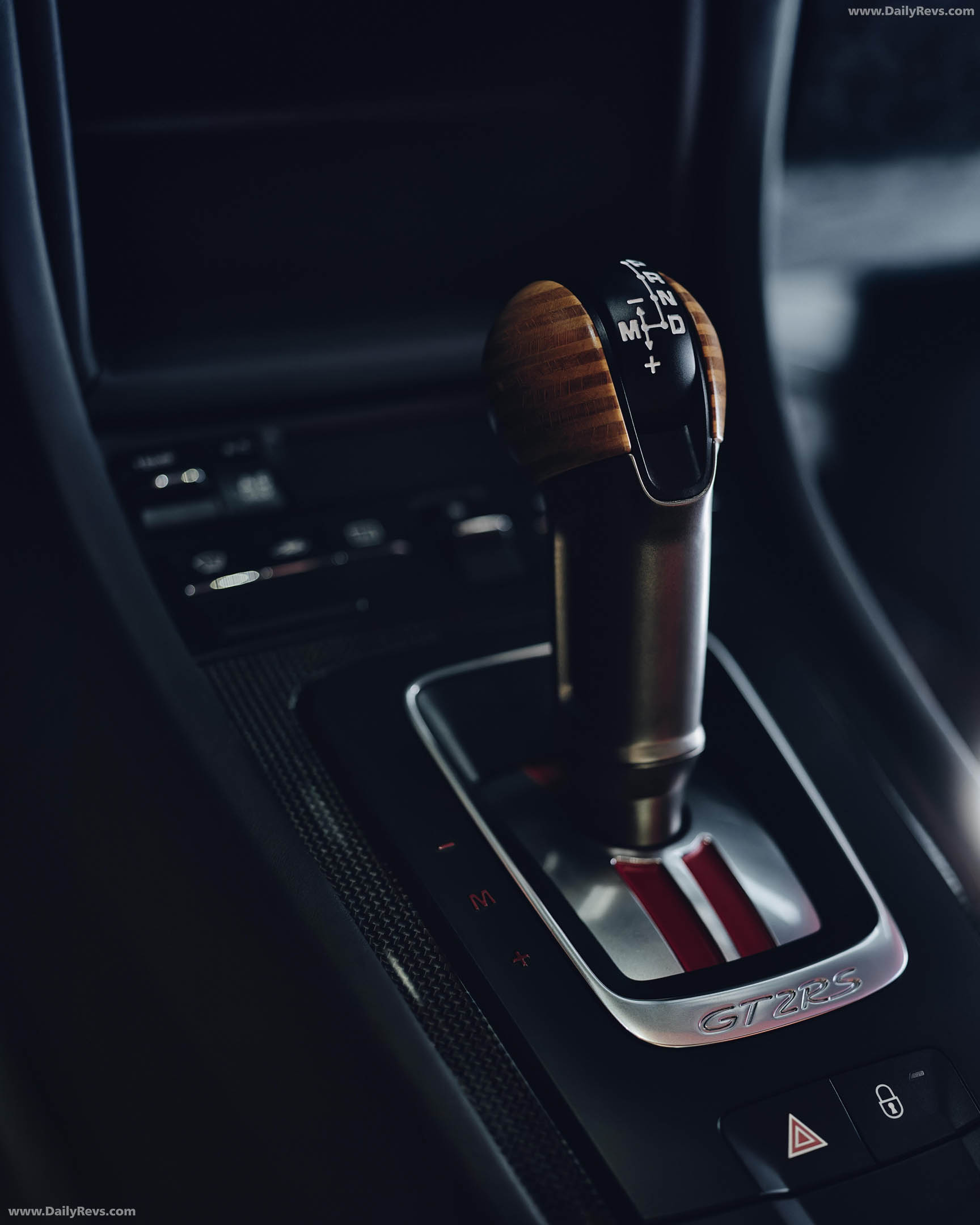
The car's engine and drivetrain remain unchanged from the donor GT2 RS; the transformation focused entirely on bodywork, aerodynamics, and weight reduction.
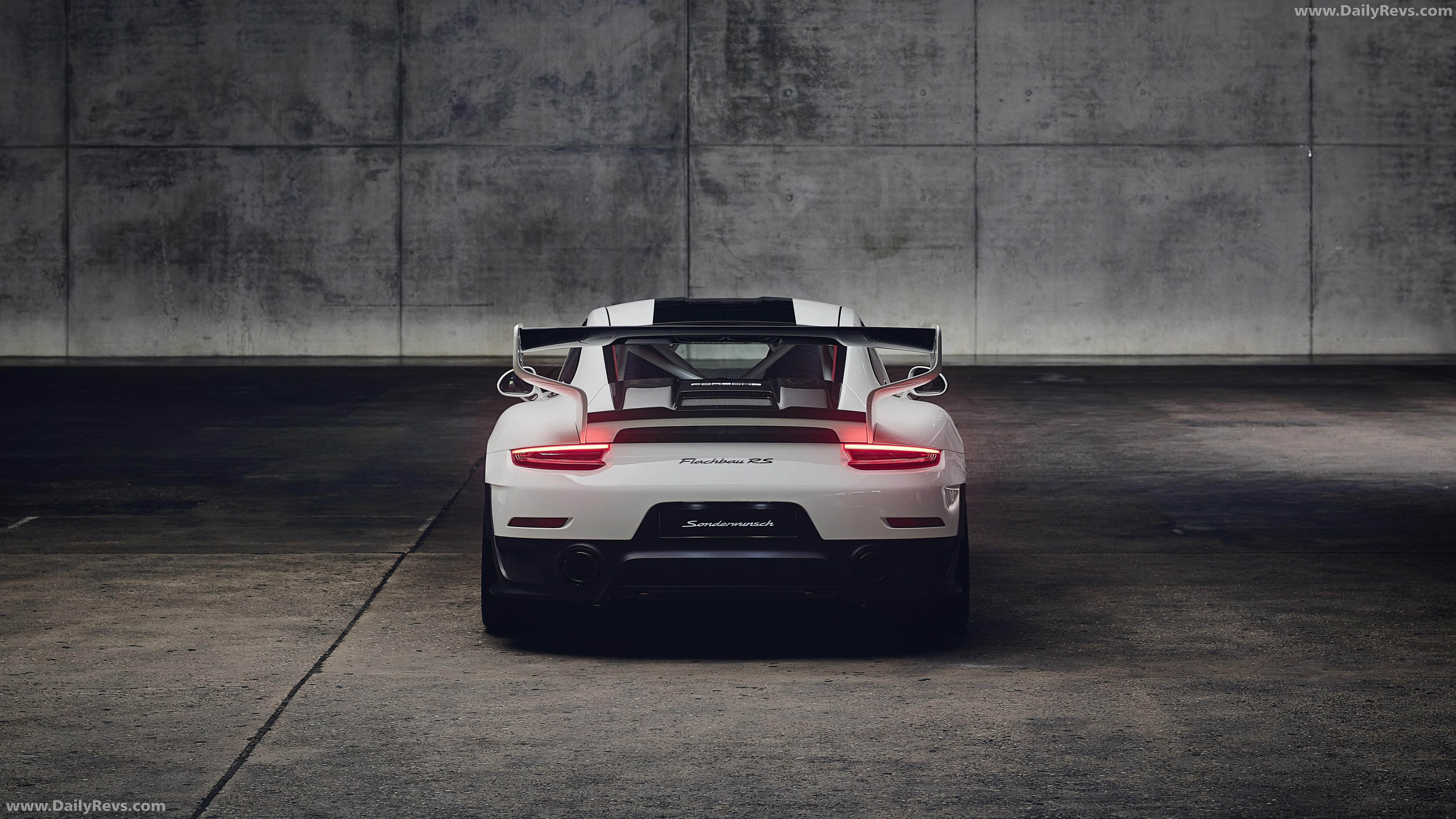
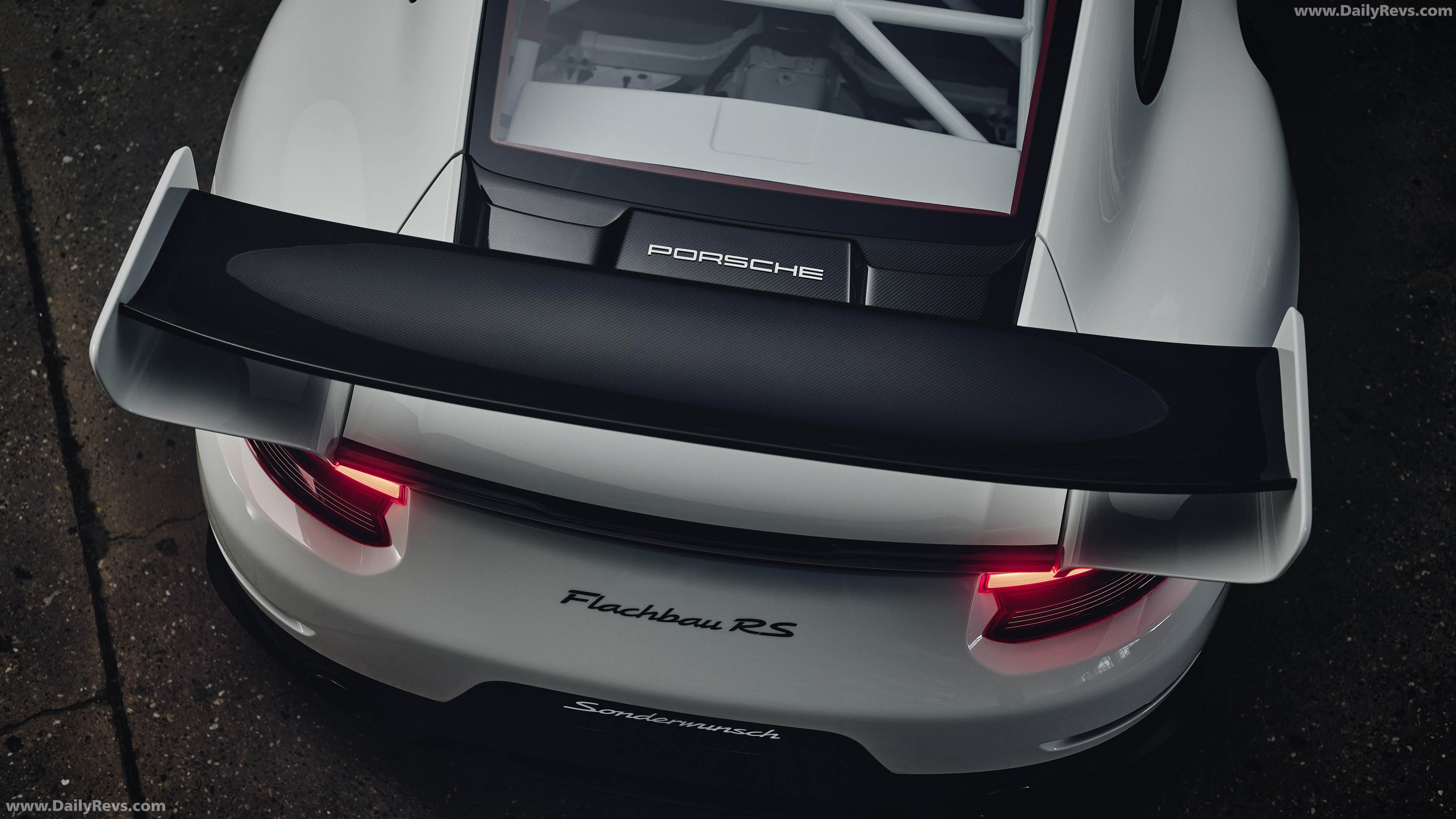
At 340 km/h in its "High Downforce" wing setting, the Flachbau RS produces 554 kg of rear-axle downforce, two percent more than a GT2 RS with the standard Manthey Kit.
A Body Reworked Around a 1970s Legend
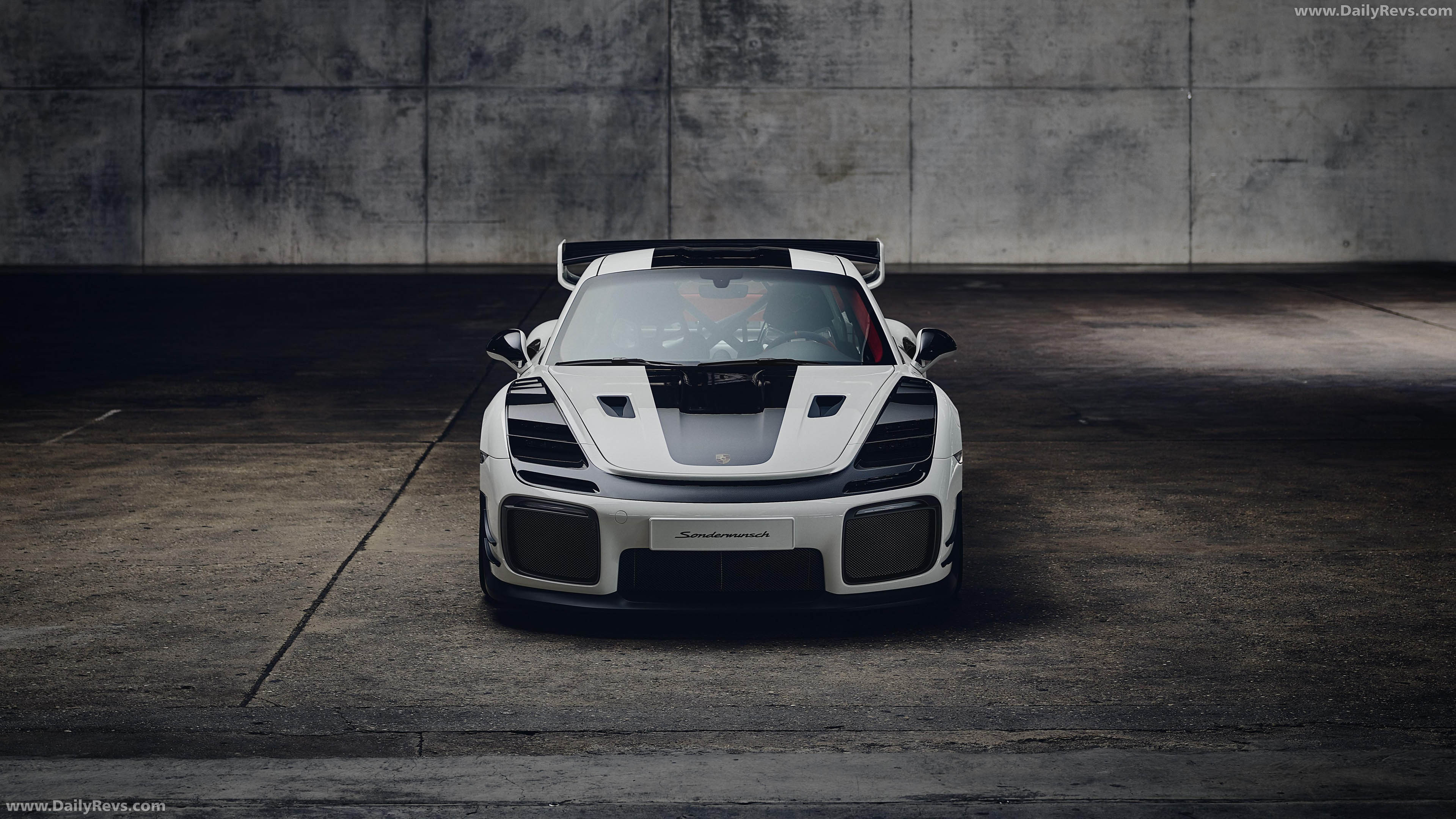
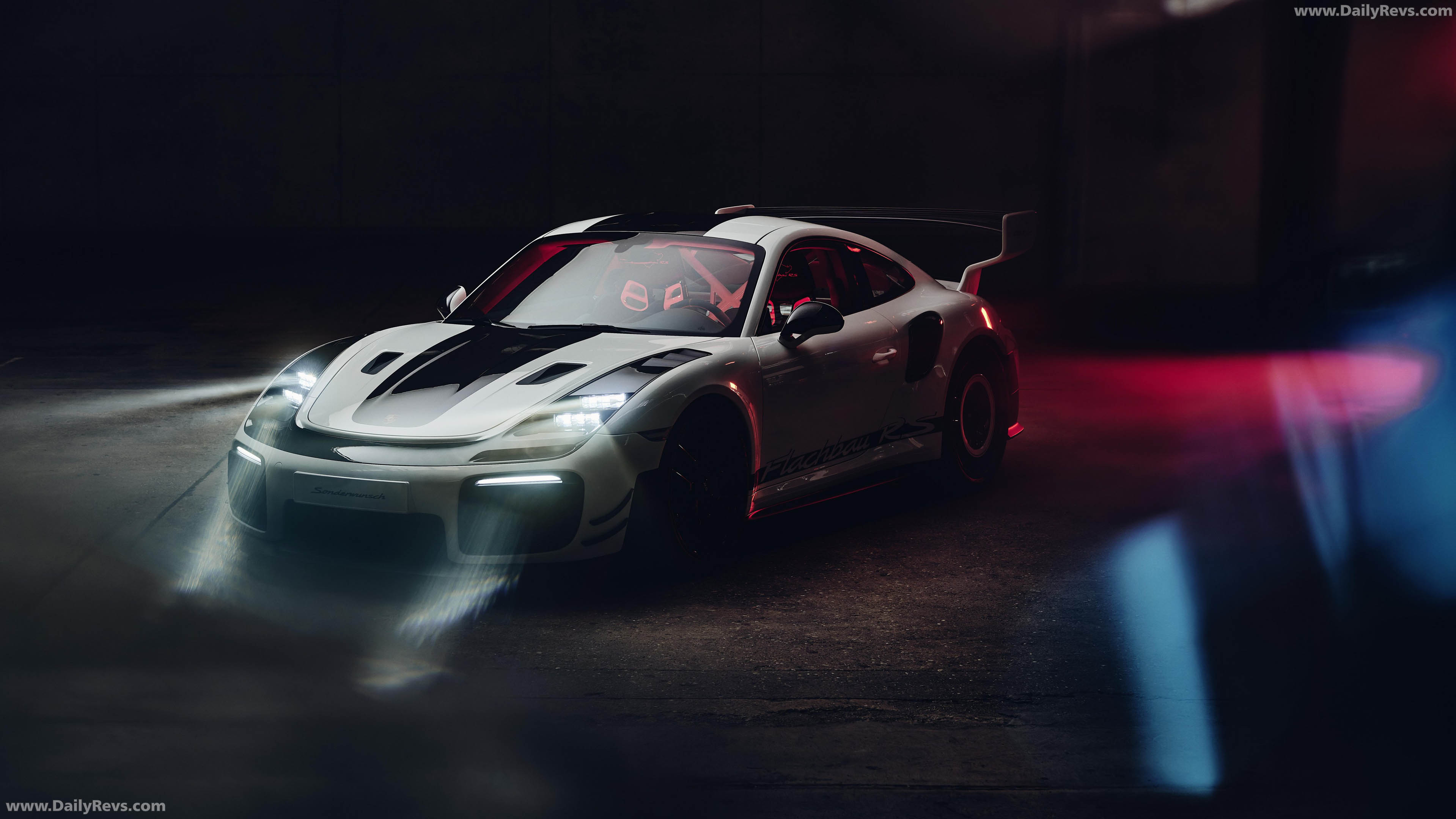
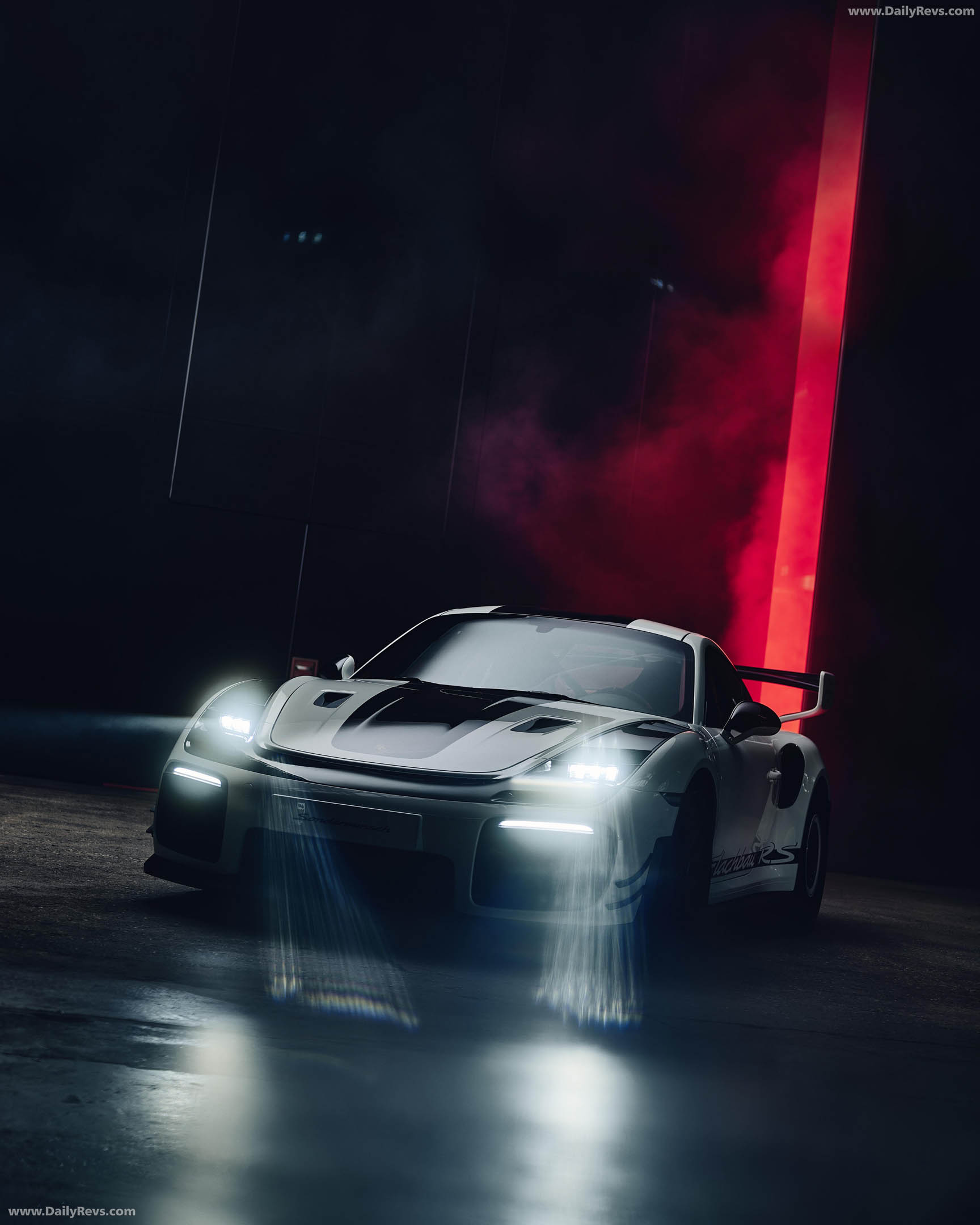
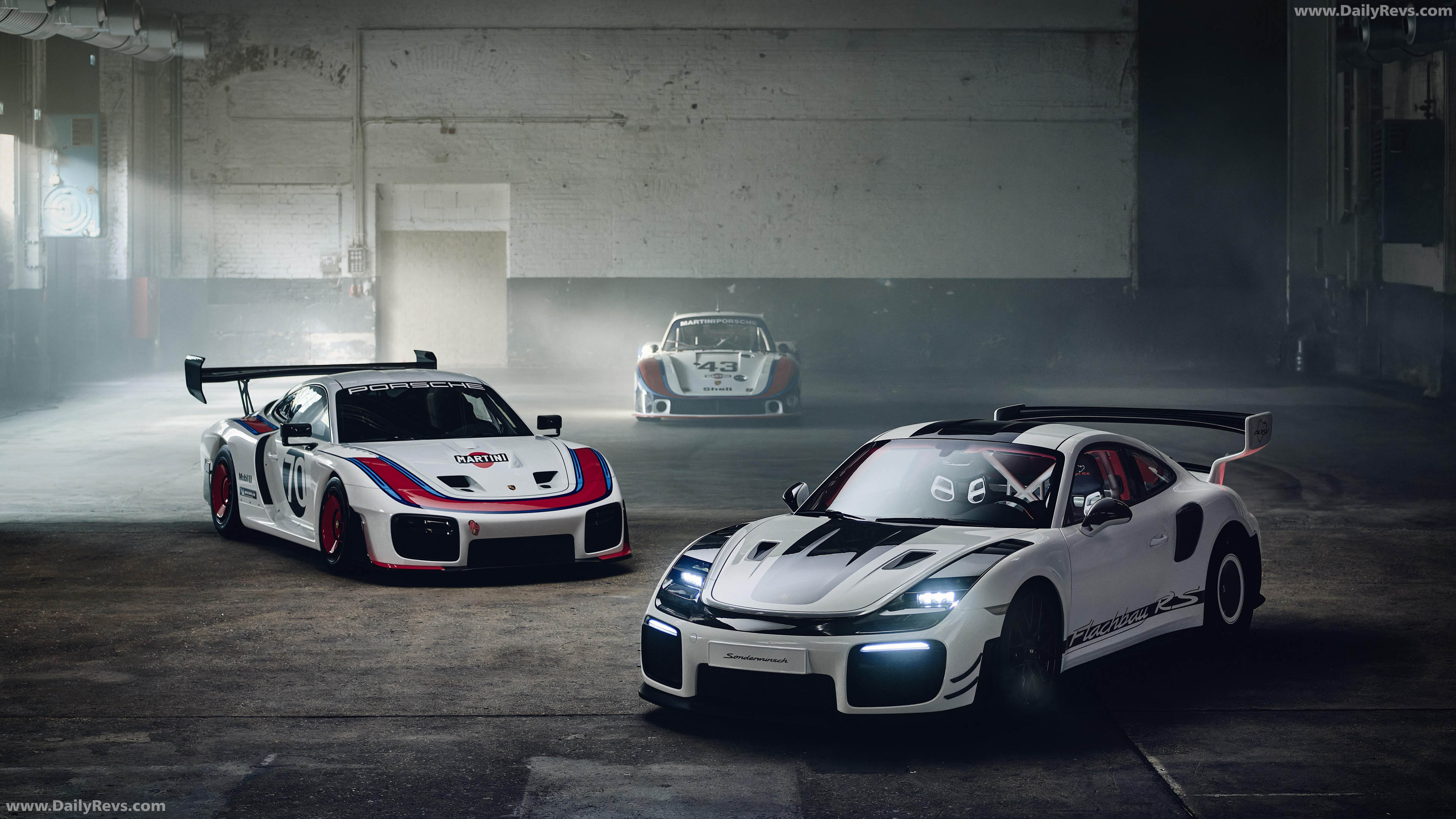
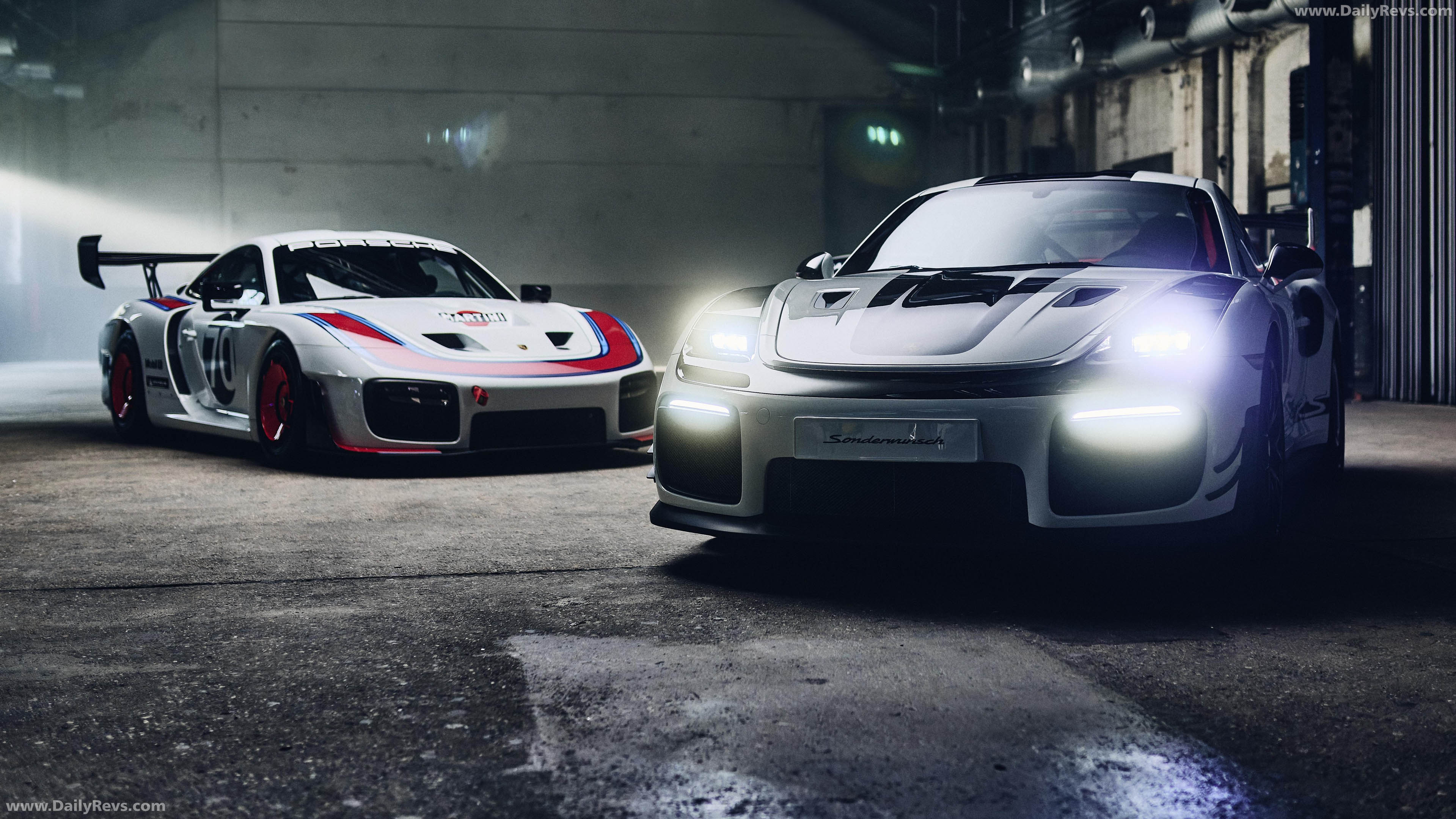
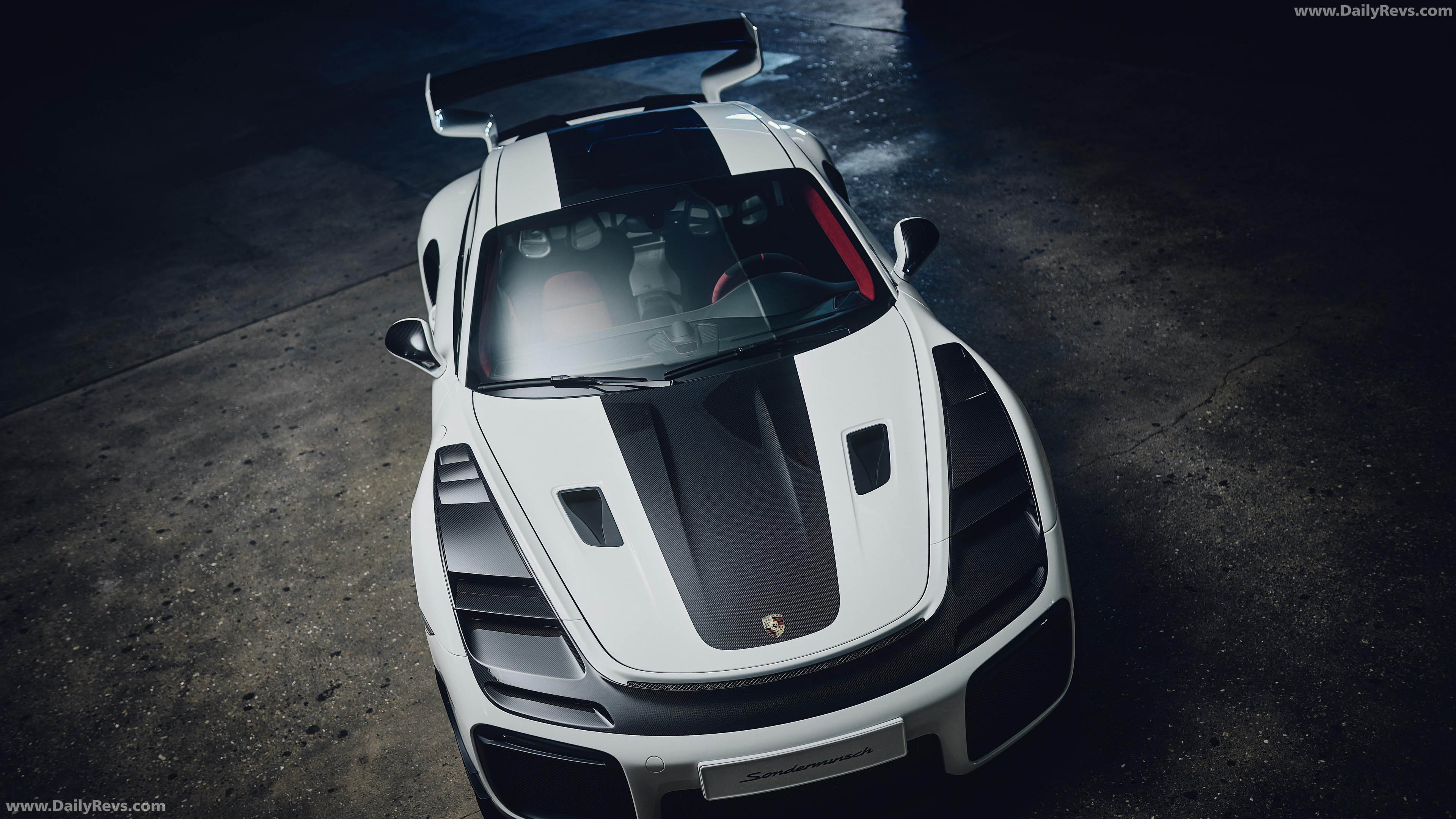
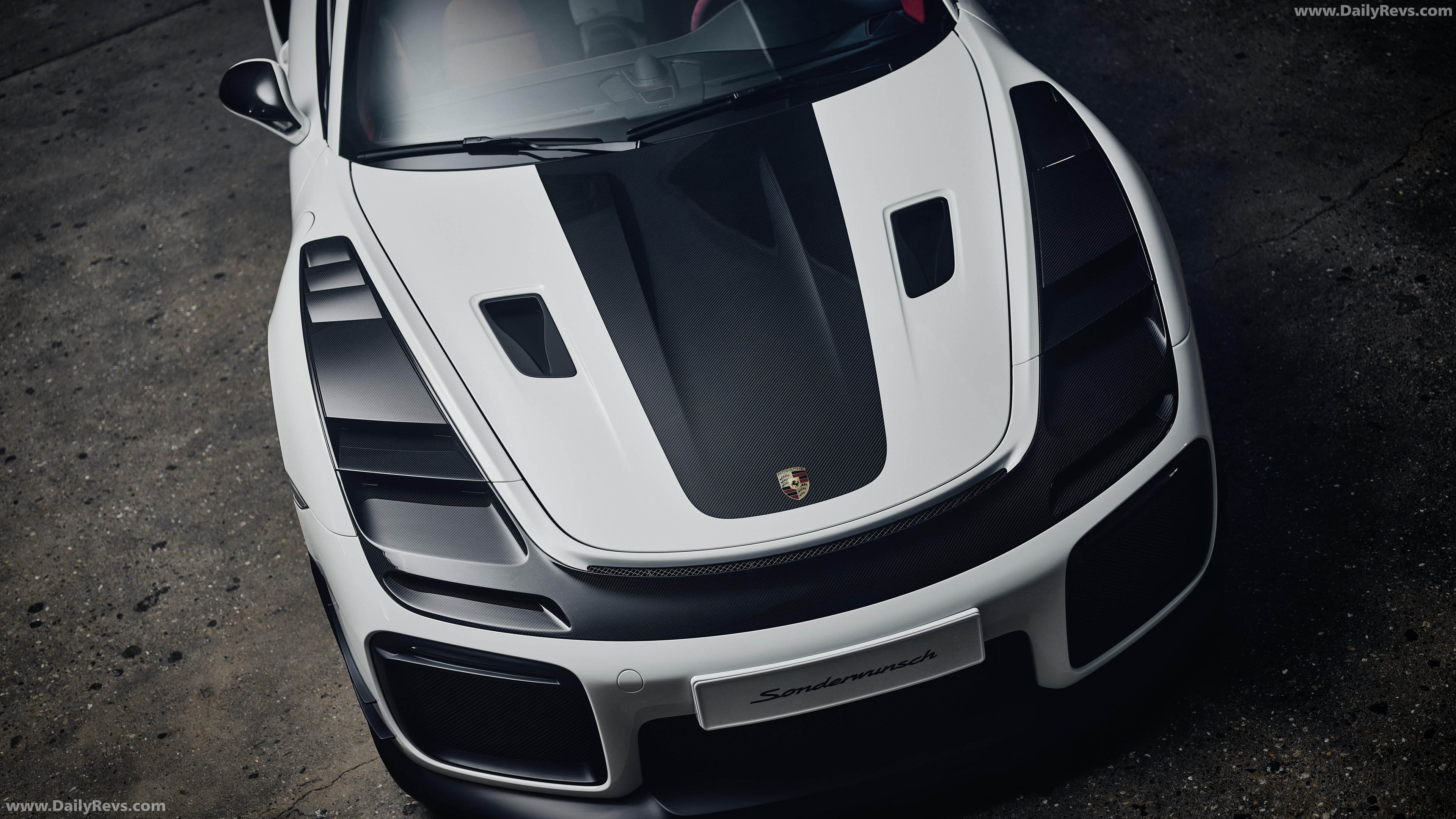
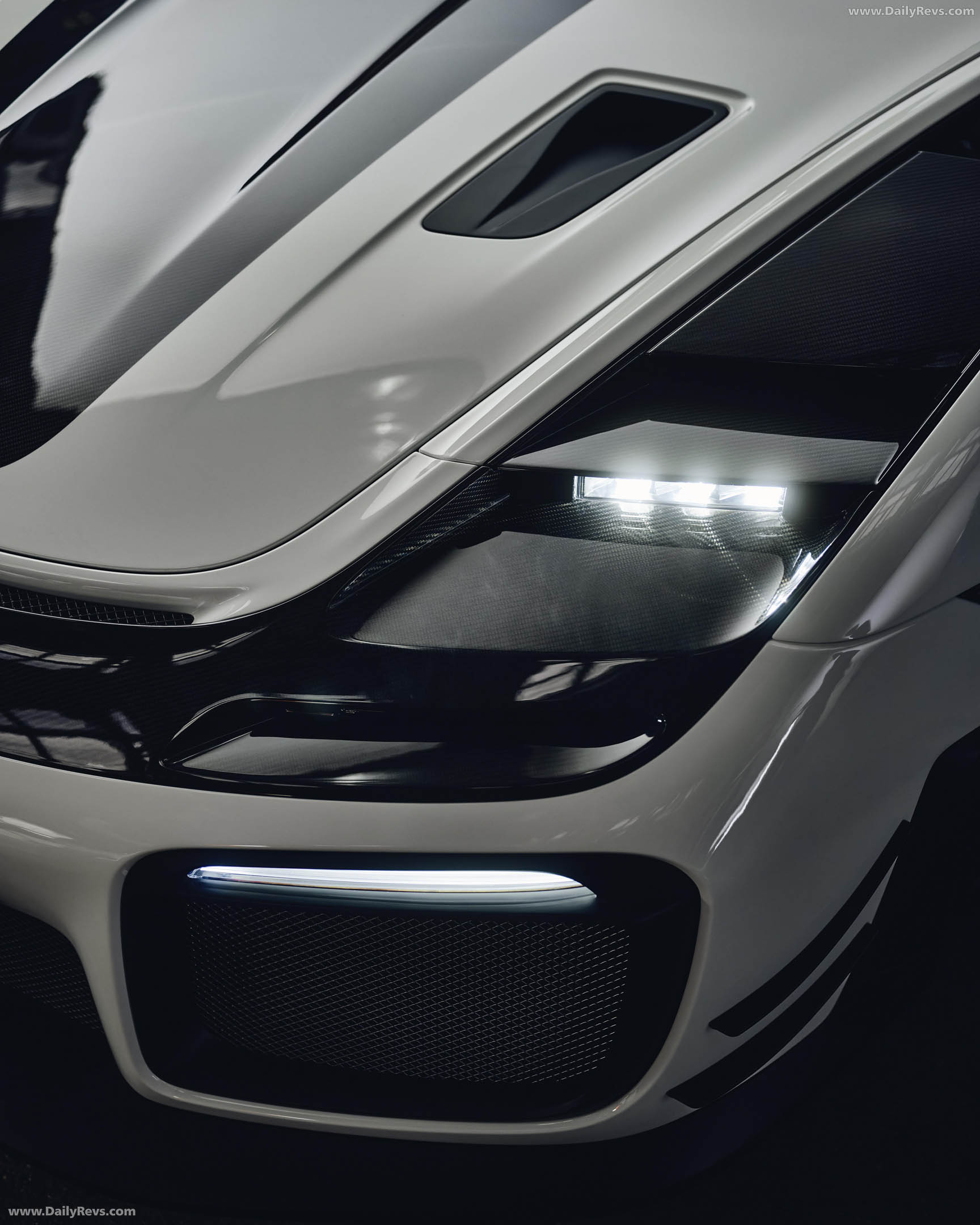
Porsche's Sonderwunsch department didn't restyle this GT2 RS lightly. The front wings are now more low-slung with slatted air outlets that vent the wheel arches, and the front bumper has been completely redesigned. In place of the standard round headlights, a tiered LED lighting system stacks high-beam, low-beam and daytime running elements — the low and high beam units measure just under four centimeters tall, with the daytime running lights even slimmer at under two centimeters. The look draws directly from the Porsche 935/78, nicknamed "Moby Dick," with retired designer Grant Larson — who also penned Porsche's 2018 modern 935 tribute — leading this project's design work.
Familiar Proportions With New Aerodynamic Hardware
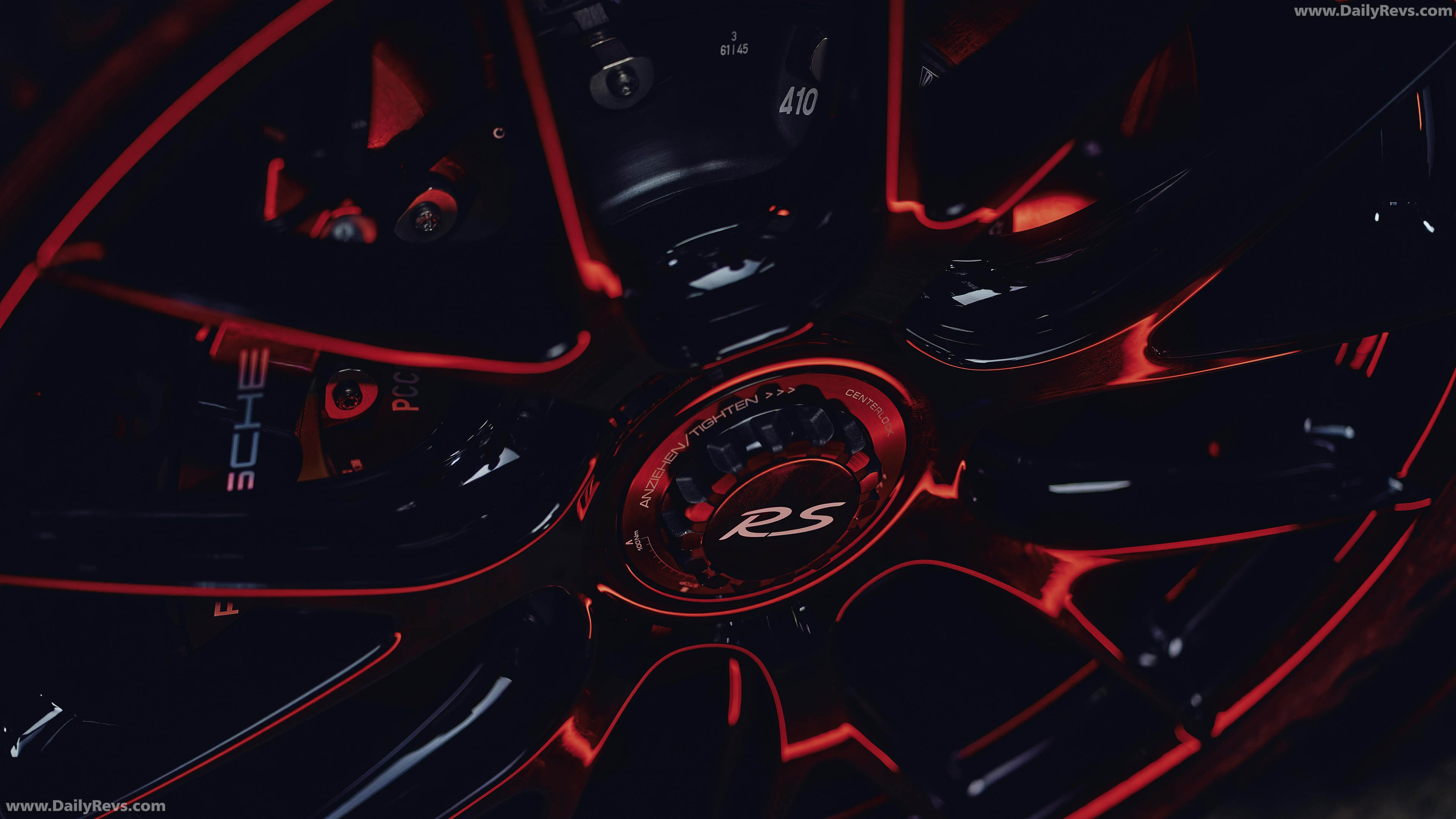
Because the changes are focused on bodywork rather than the chassis, the Flachbau RS keeps its GT2 RS proportions underneath a reshaped skin. The rear end gets a new wing with S-shaped mounts inspired by the 911 GT3 R rennsport (Type 992), sitting about five centimeters higher than that reference point. It's manually adjustable across three positions, letting the owner dial in downforce for different track conditions, while a front splitter and Manthey Kit underbody structure — including a rear diffuser — round out the aero package. Carbon-fiber aerodiscs on the rear wheels are included specifically to cut drag.
A Cabin Stripped for Weight, Not Comfort
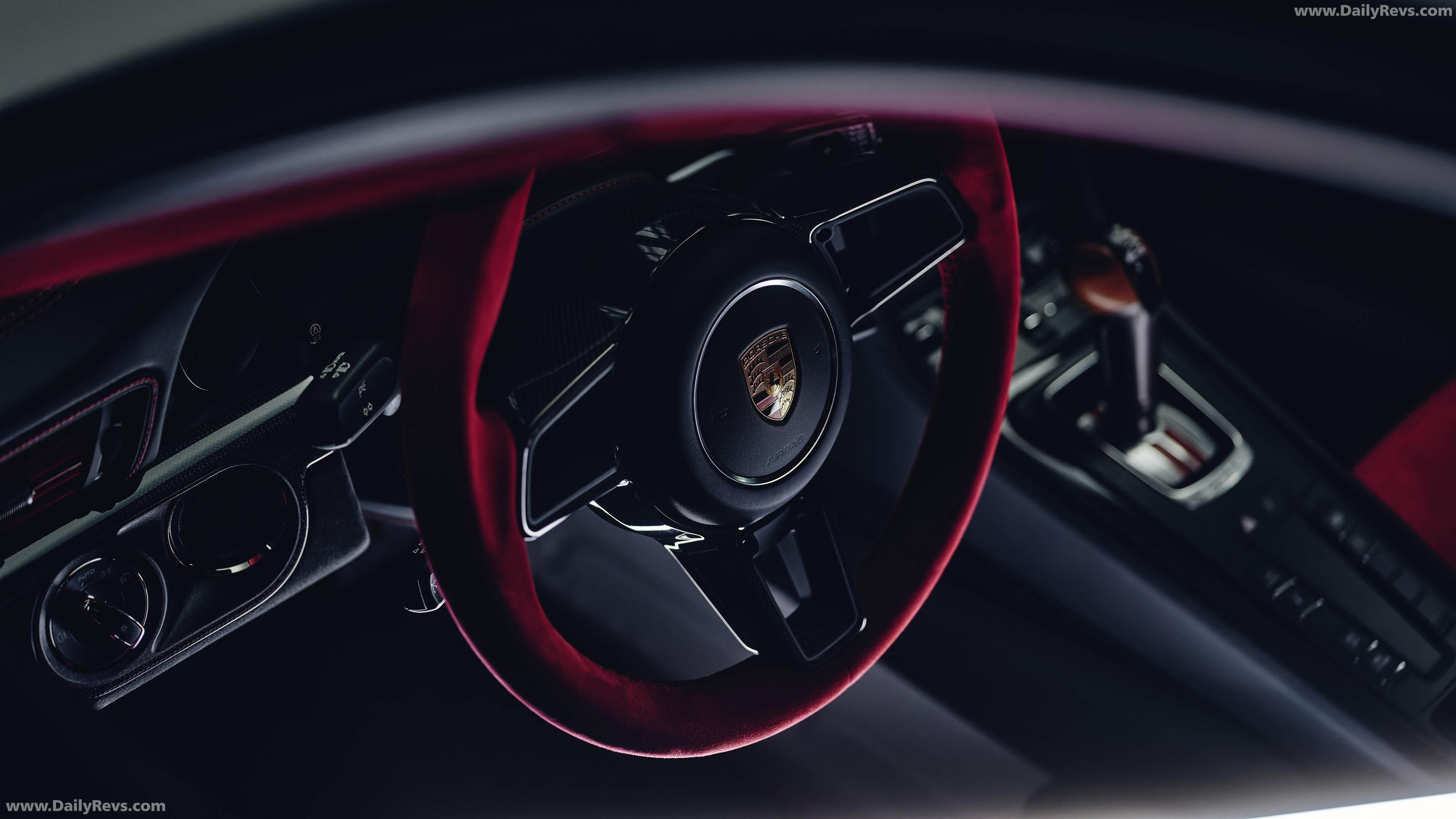
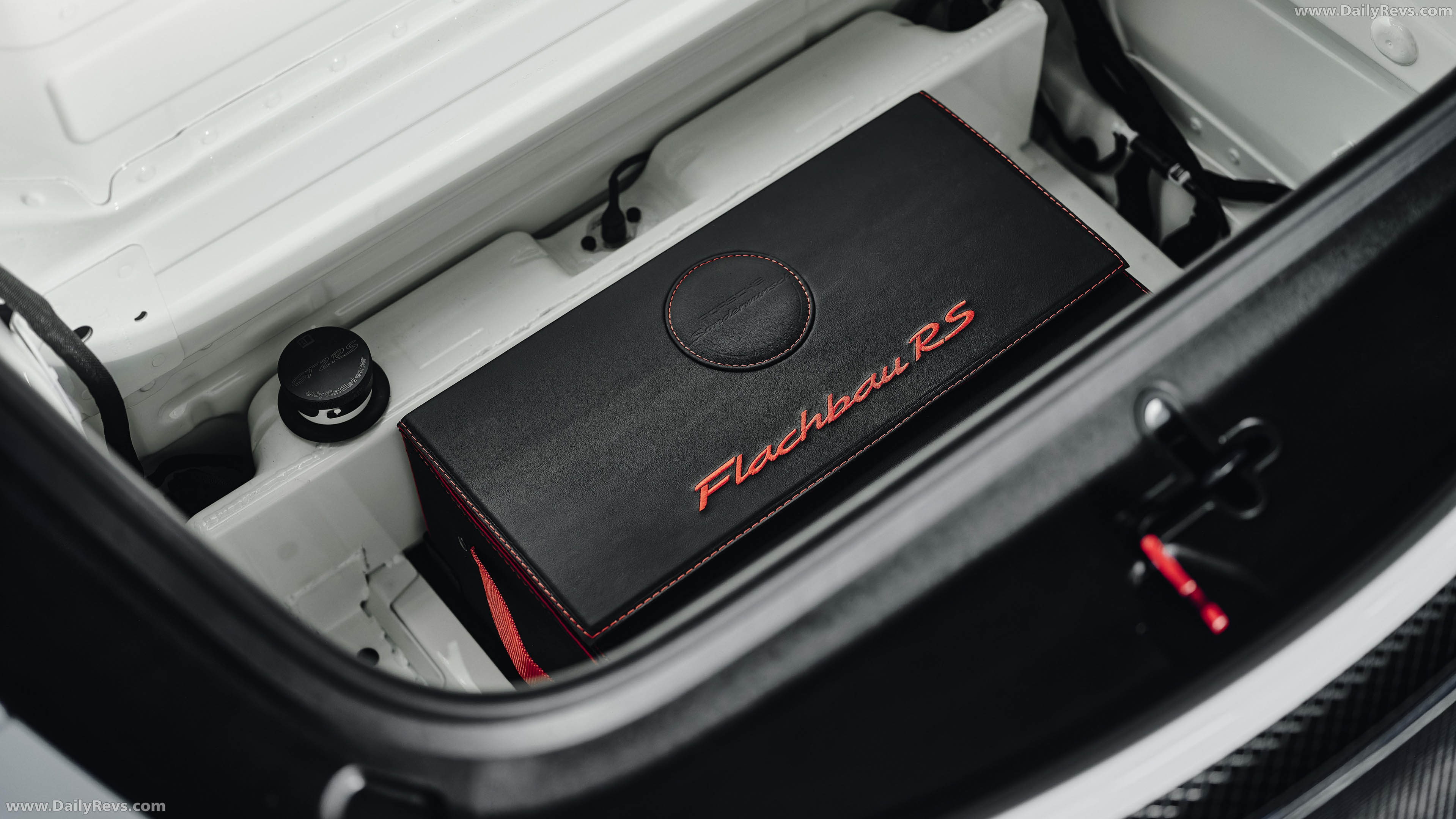
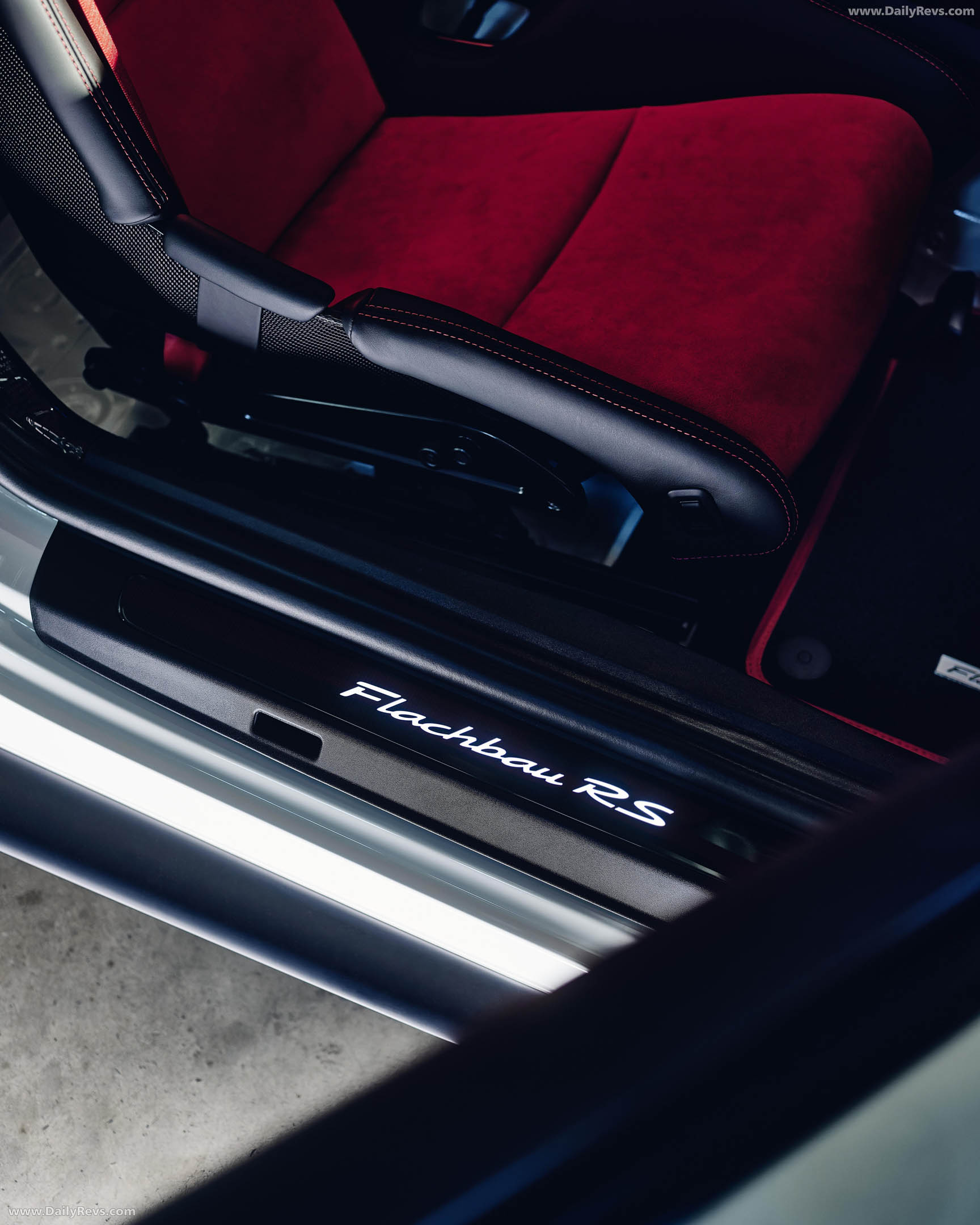
Porsche kept the front cabin largely as it was — red Alcantara, black leather and exposed carbon fiber carry over up to the seats — but everything behind that point has been gutted in a manner Porsche compares to a racing car. The PCM infotainment system was removed entirely and replaced with a leather-trimmed storage compartment, the full audio system was deleted, and sound-deadening material and floor coverings were stripped from both the cabin and luggage compartment. What remains is finished in spartan metal painted Grand Prix White, with the newly laid wiring harness left visibly exposed under protective sheathing. Carbon-fiber bucket seats carry "Flachbau RS" embroidery on the headrests, backed by a stylized Nordschleife outline.
Same Powertrain, Different Mission Entirely
Notably, Porsche and the customer agreed to leave the drivetrain unchanged throughout the conversion — this is a bodywork and weight-reduction project, not a power upgrade. Through lightweight measures alone, the one-off car sheds 31.6 kg versus its starting point, a meaningful figure given the GT2 RS with Weissach Package was already optimized for weight before the conversion began. Porsche doesn't publish updated performance figures like 0-60 mph or top speed for the Flachbau RS itself in this release, since the powertrain carries over unmodified.
Road Legality Preserved Through Careful Engineering
Despite the extensive stripping, Porsche kept the car road-legal. Mandatory road equipment like the warning triangle and towing eye — whose usual mounting points were removed — now lives in a removable "emergency box" that can be taken out entirely for track use to save additional weight. The car underwent extensive validation, including crash simulations, airbag deployment testing, and roughly 150,000 kilometers' worth of simulated rear-wing load through combined testing at Mendig airfield, 50 laps of the Nürburgring-Nordschleife, and endurance runs at Weissach.
A One-of-One Statement Piece, Not a Production Model
As a single factory-built car rather than a limited series, the Flachbau RS doesn't compete in a traditional market segment — Porsche's release doesn't mention pricing, availability, or any plan for additional units. Its closest points of comparison are Porsche's own past Sonderwunsch projects and the 2018 935 tribute, itself limited to 77 units, positioning the Flachbau RS as a continuation of that same collector-focused, one-off individualization program rather than a car aimed at broader sale.