2026 Polestar Formula 2030 Concept
By Lorenzo Bianchi November 10, 2026
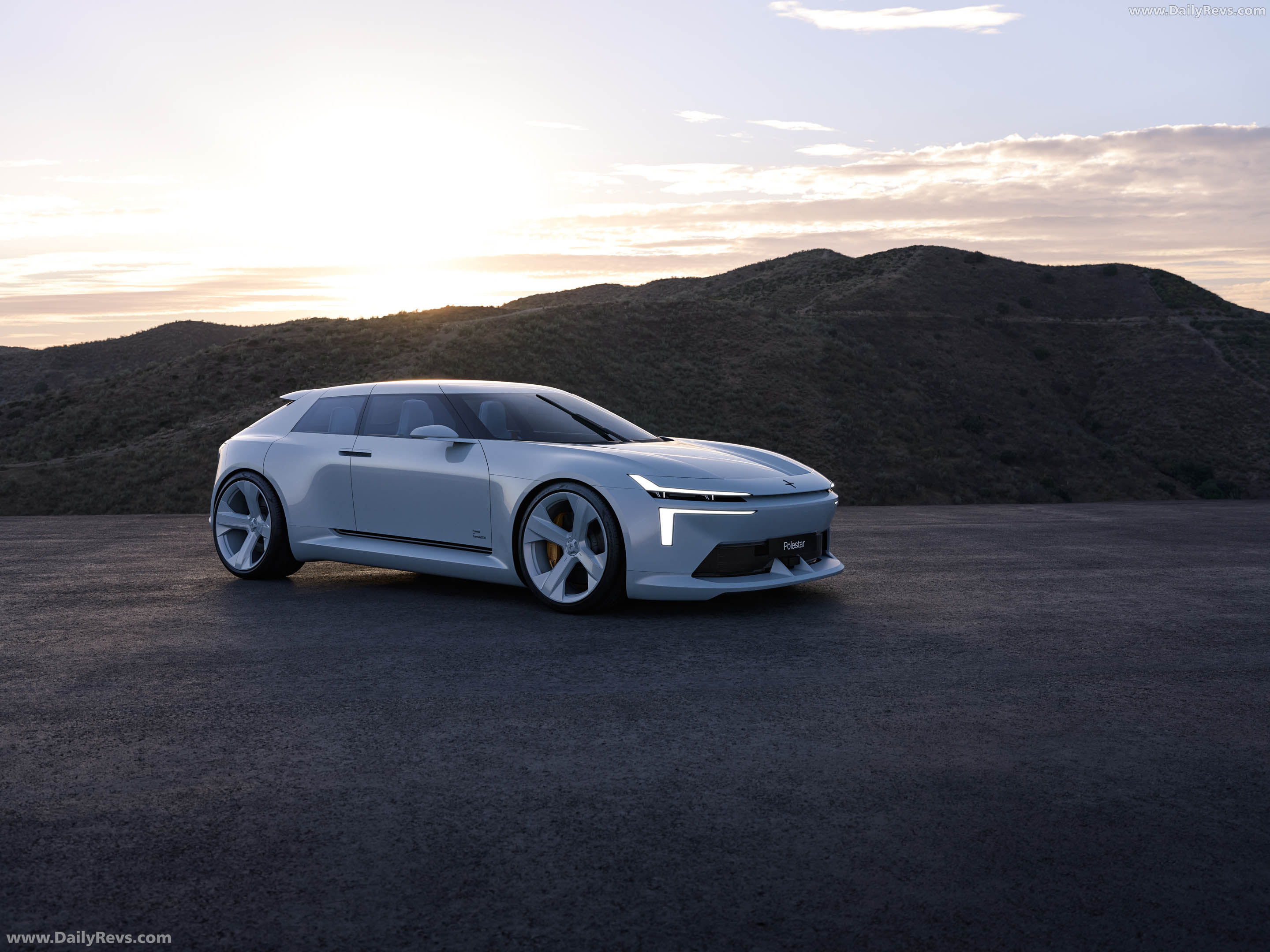
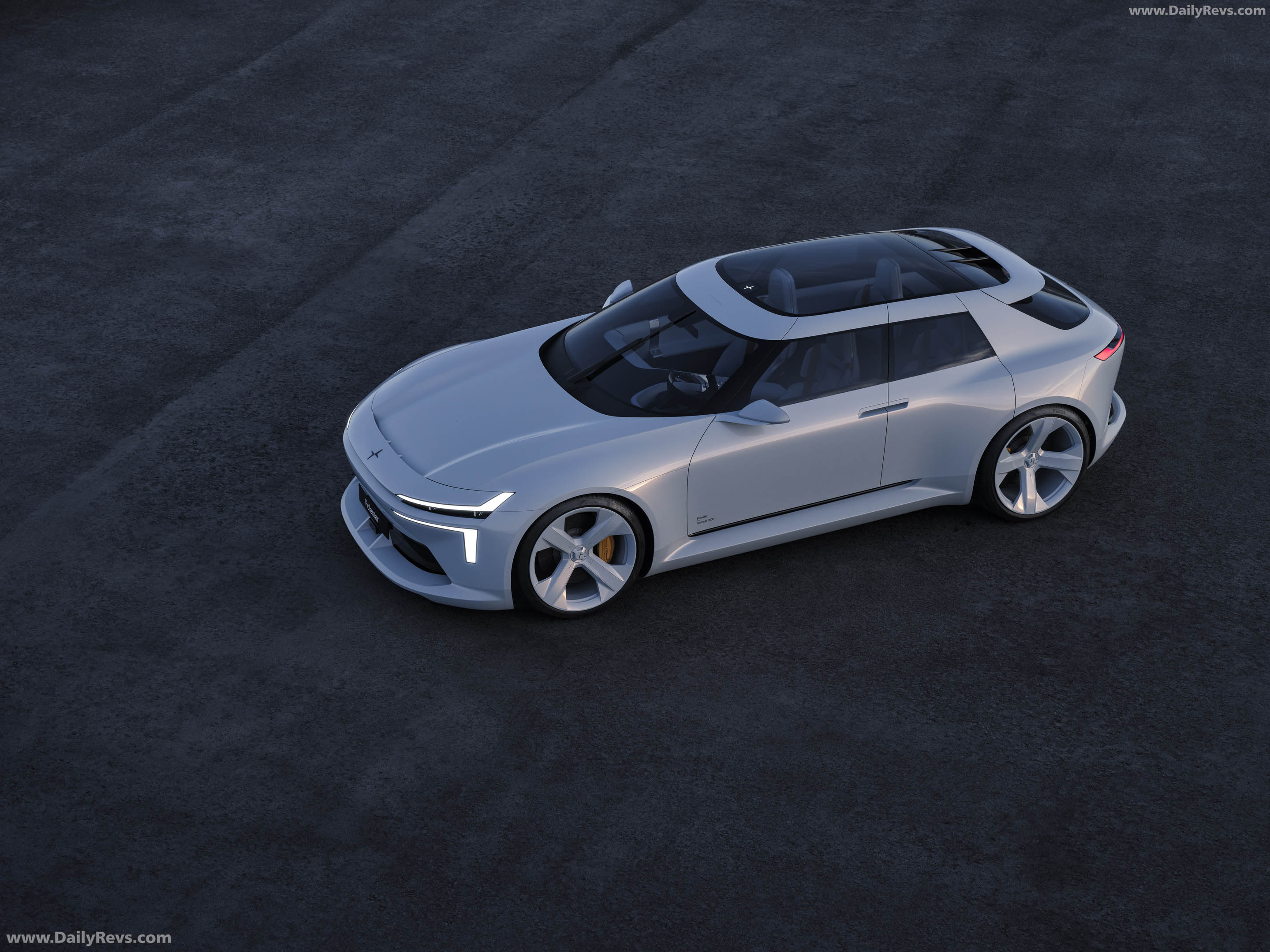
The 2026 Polestar Formula 2030 Concept introduces a new design direction under Head of Design Philipp Römers, with styling elements planned for the next Polestar 2 and Polestar 7.
The electric four-door concept measures 4,680 mm long, 2,021 mm wide and just 1,350 mm tall, featuring 22-inch centre-lock wheels and distinctive aerodynamic bodywork.
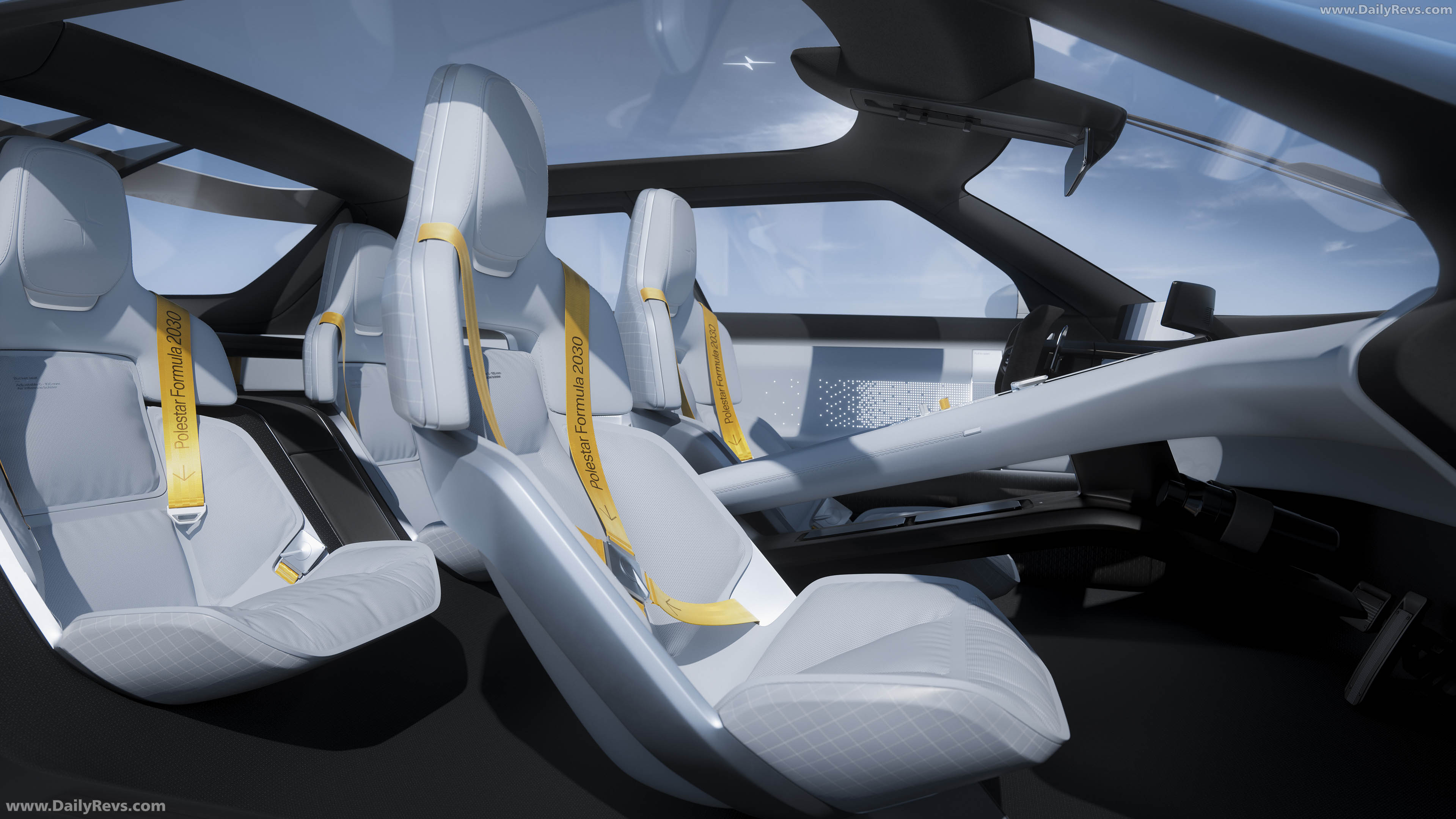
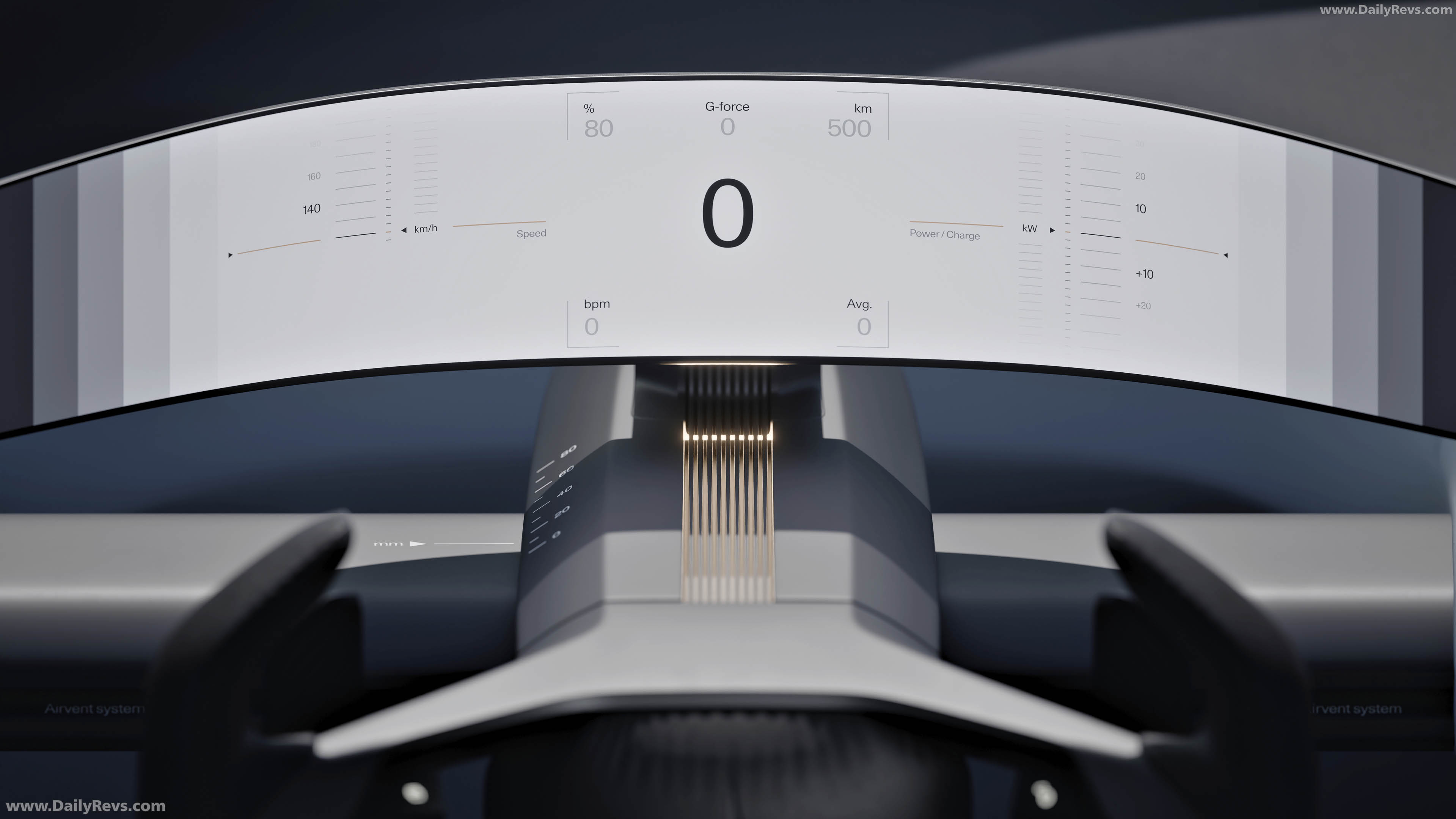
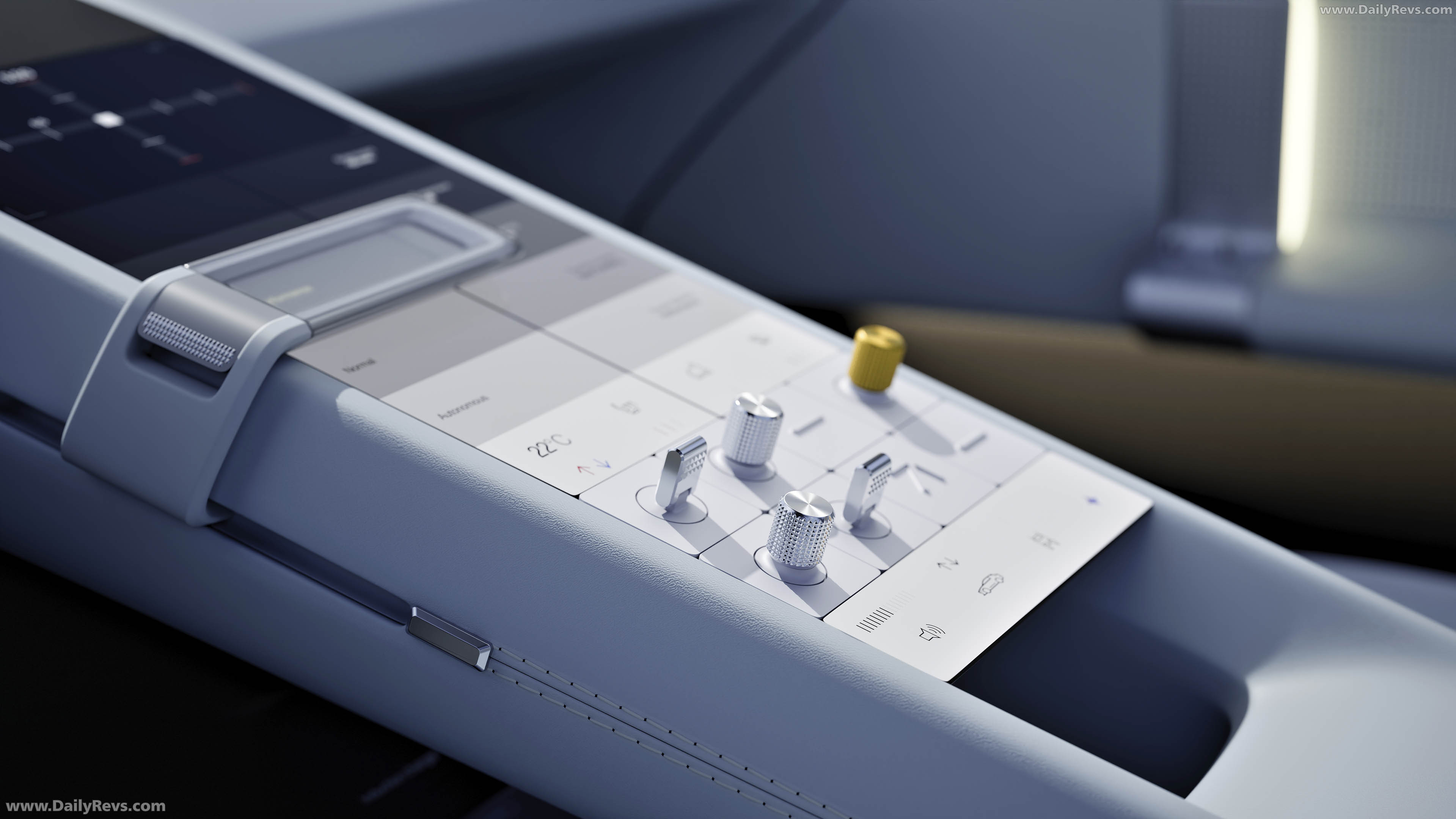
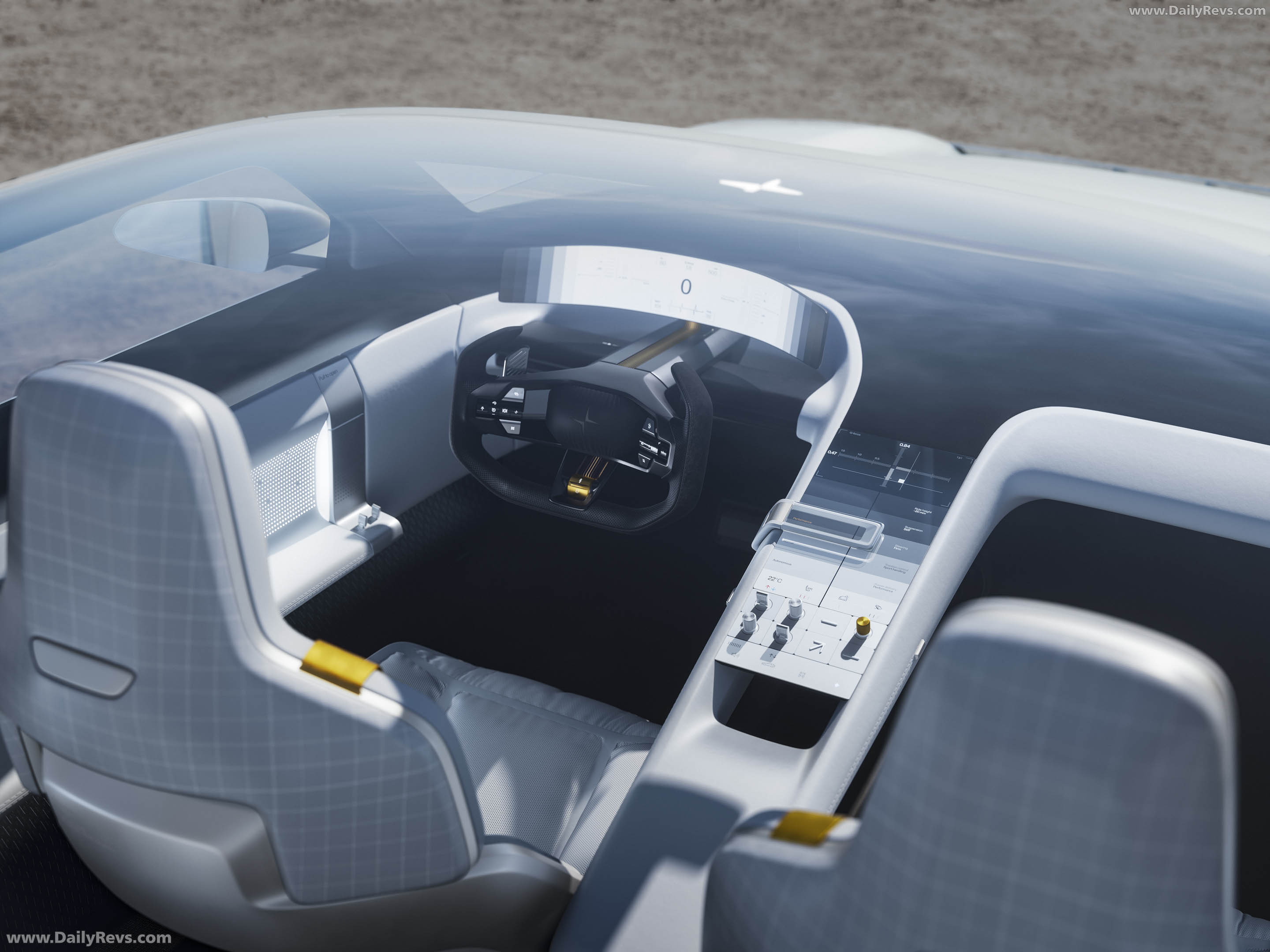
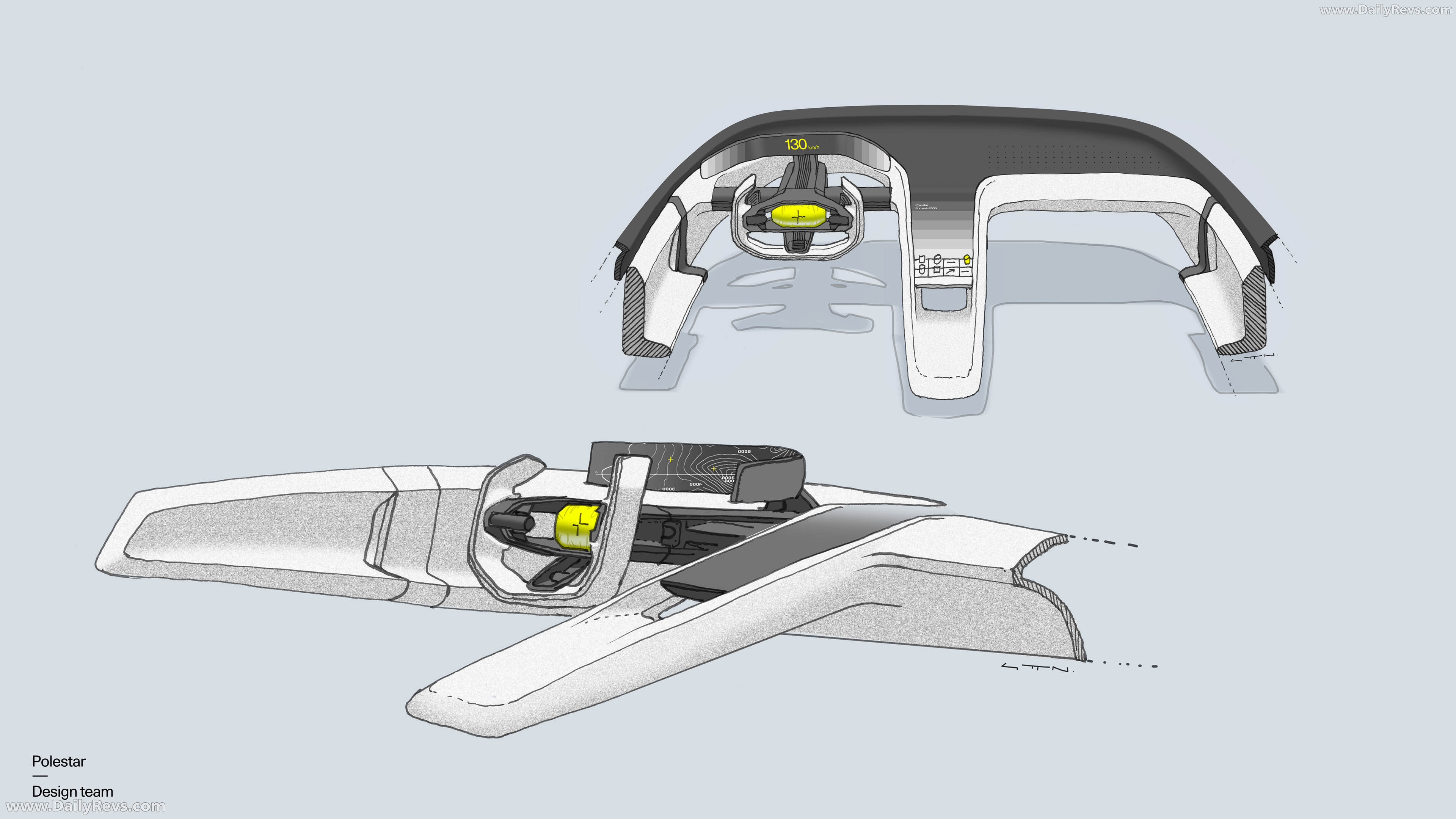
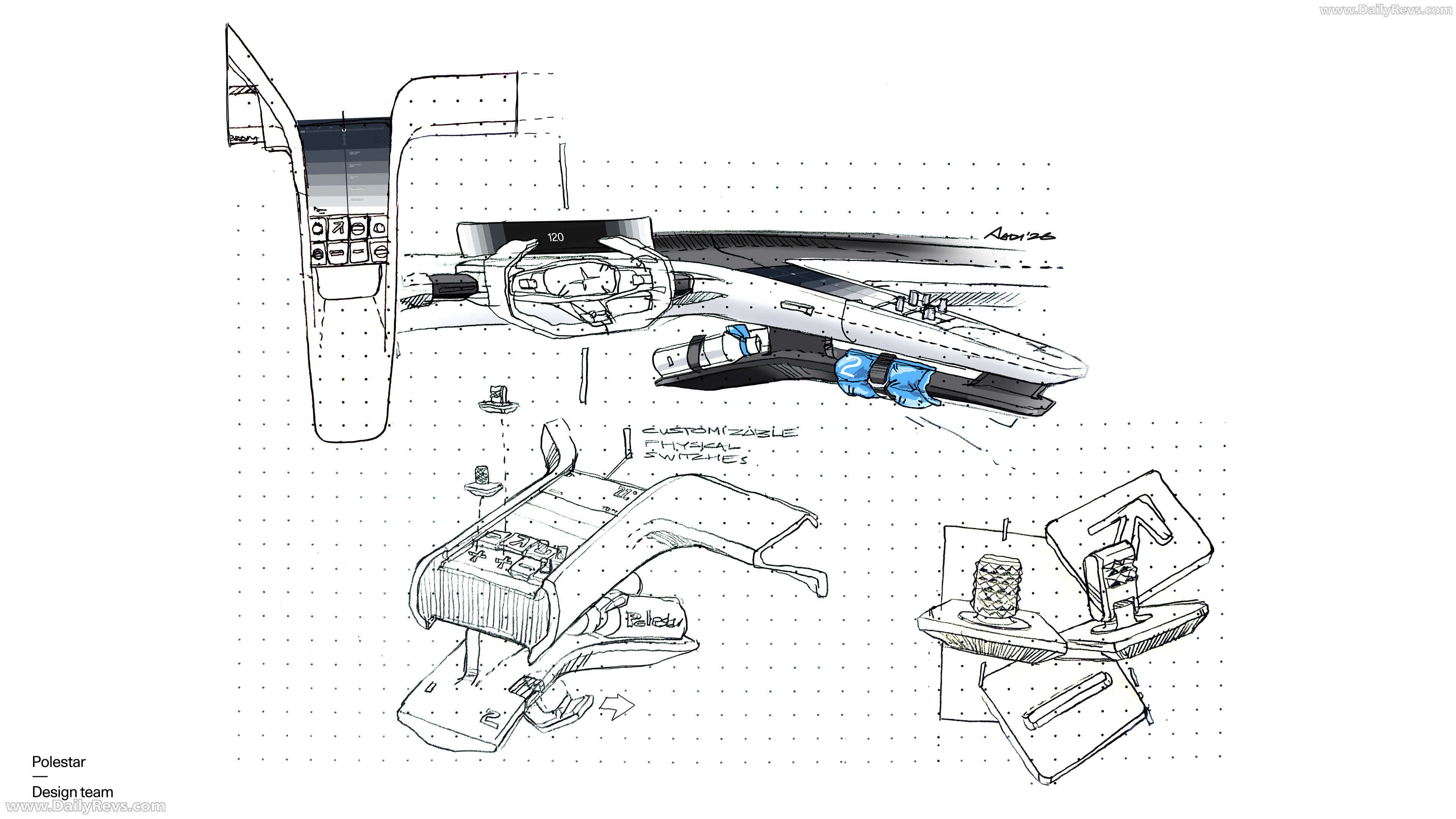
Its interior combines a 20-inch curved driver display, 12.2-inch central screen, adjustable seating positions and eight configurable physical controls.
2026 Polestar Formula 2030 Concept Previews Future Models
Polestar has revealed the Formula 2030 Concept, a low-slung electric sports car developed to preview the Swedish manufacturer's next generation of vehicles.
Unveiled on November 10, 2026, the 2026 Polestar Formula 2030 Concept is the first show car created under Head of Design Philipp Römers.
Rather than introducing another SUV, Polestar has chosen a compact four-door sports car to demonstrate its future styling and interior philosophy.
Several design elements are already confirmed for the next Polestar 2 and forthcoming Polestar 7.
Shark Nose Front and New Lighting Signatures
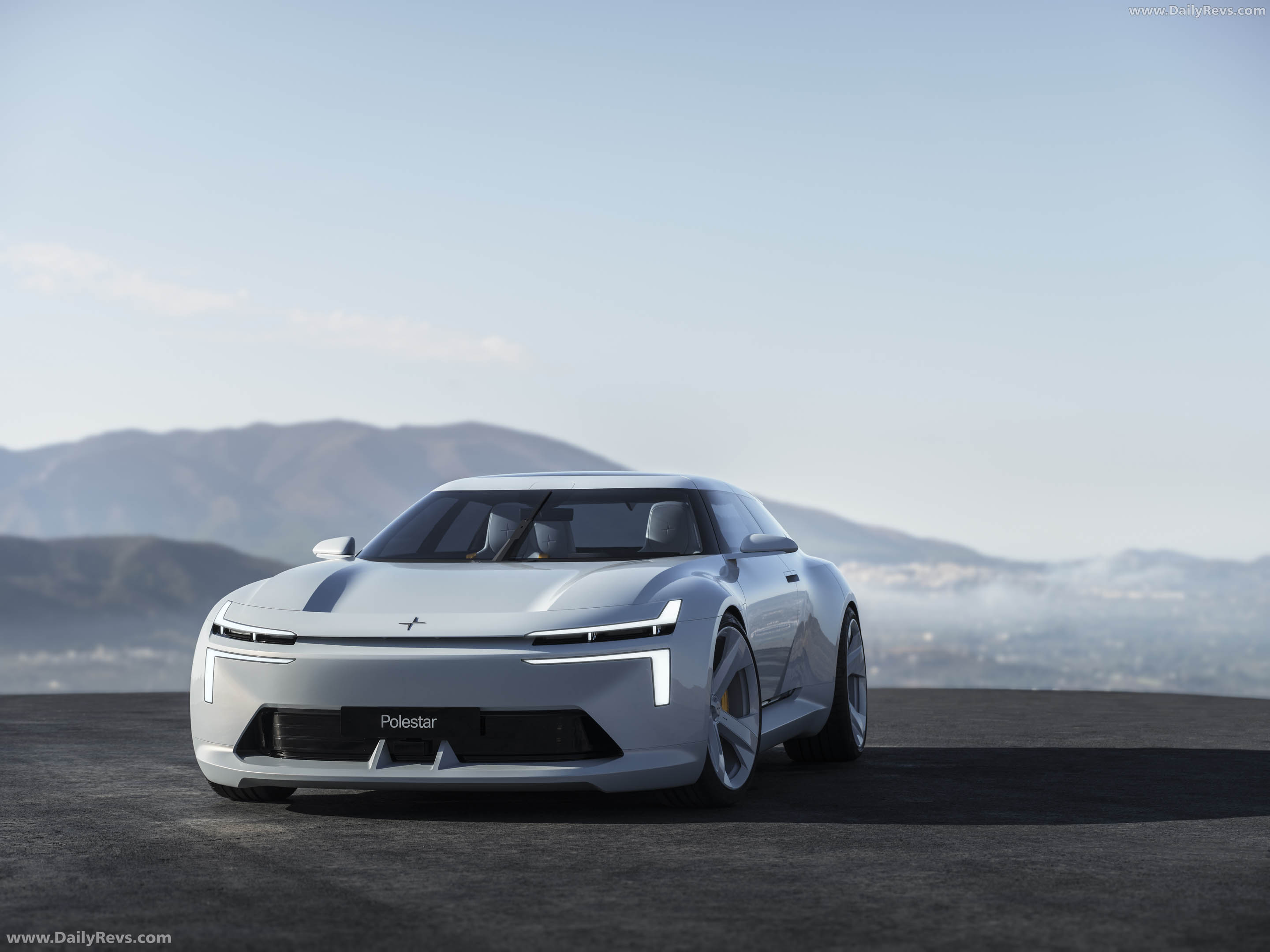
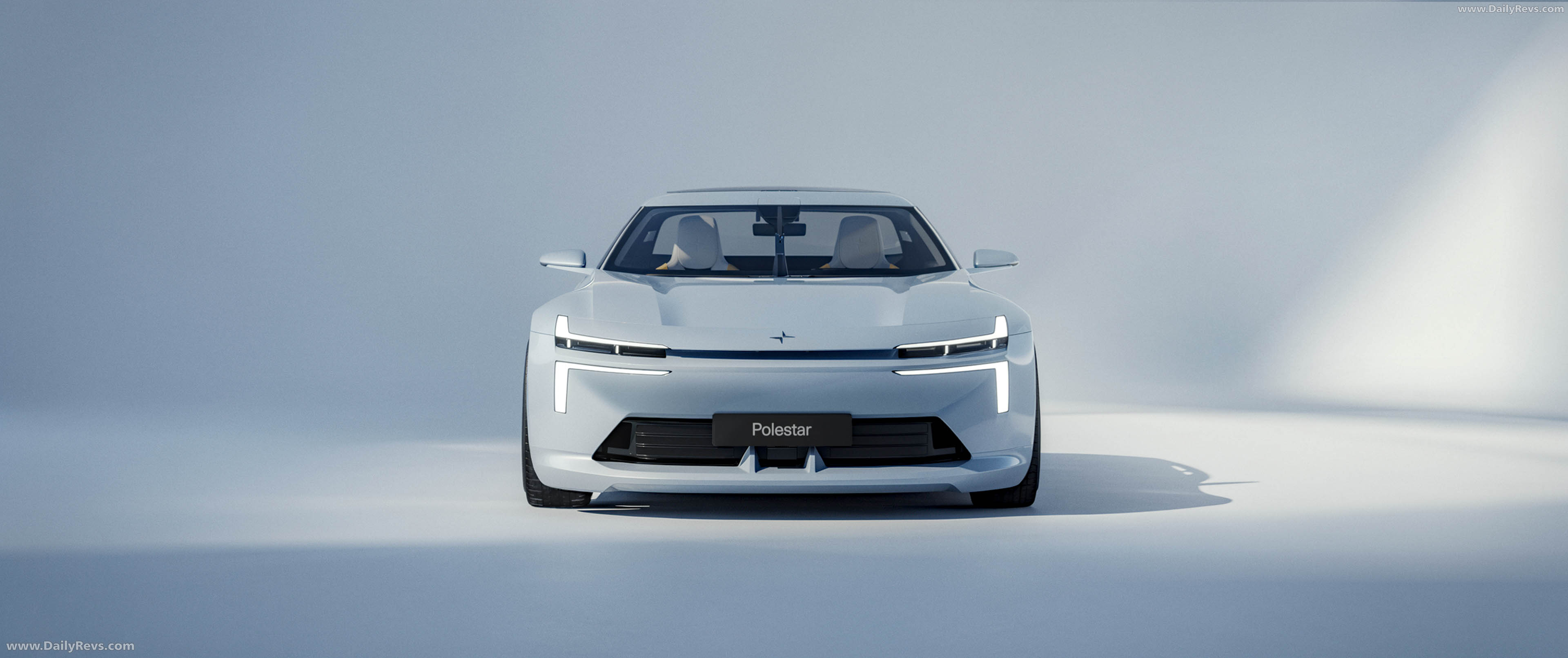
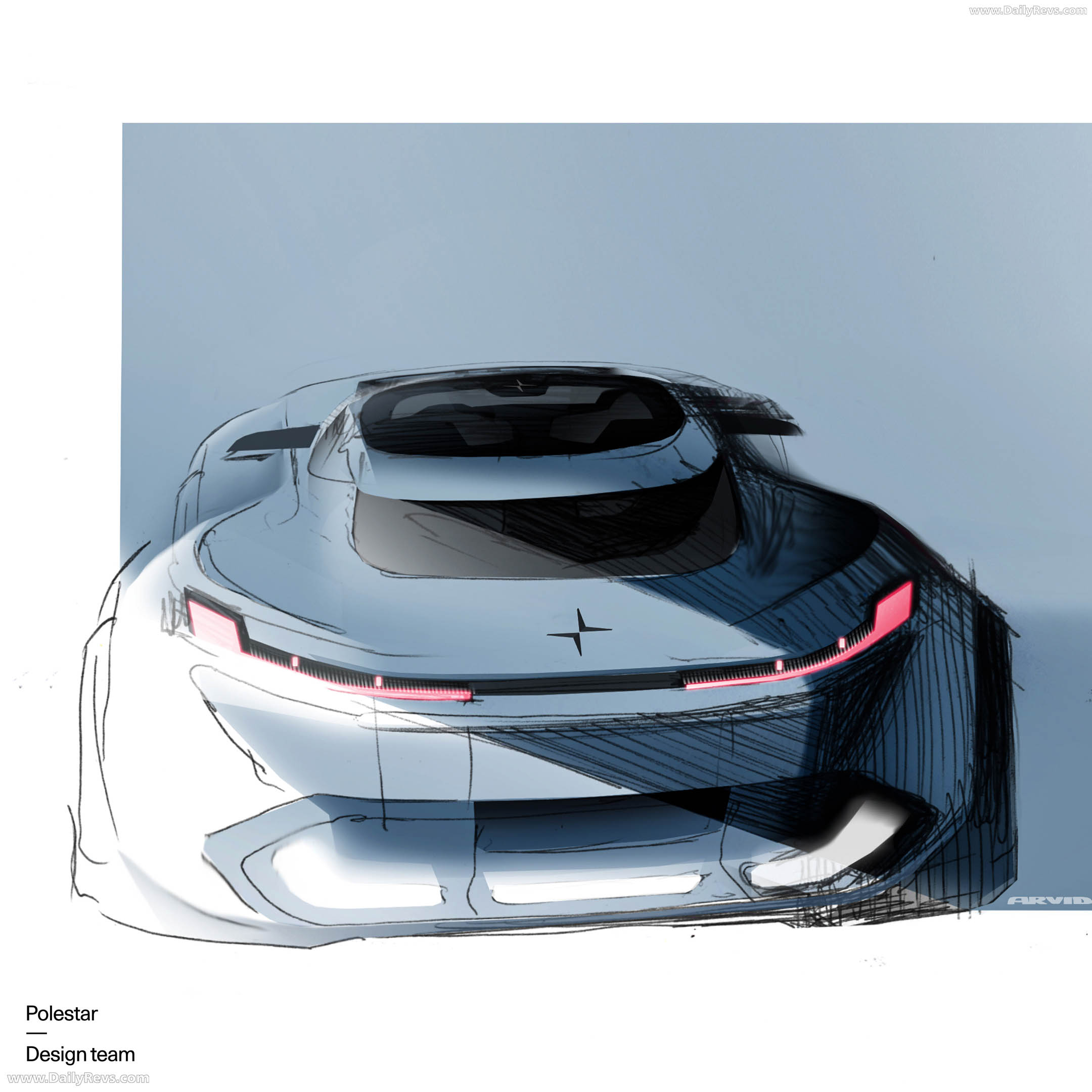
The Formula 2030 introduces a revised interpretation of Polestar's Dual Blade headlights.
The lighting elements are integrated into a front aerodynamic wing, sitting above a pronounced splitter supported by a central spine.
A single vertical windscreen wiper is mounted against the wraparound glass.
Polestar has also concealed a LiDAR sensor beneath an aerodynamic cover, which opens when autonomous driving functions are used.
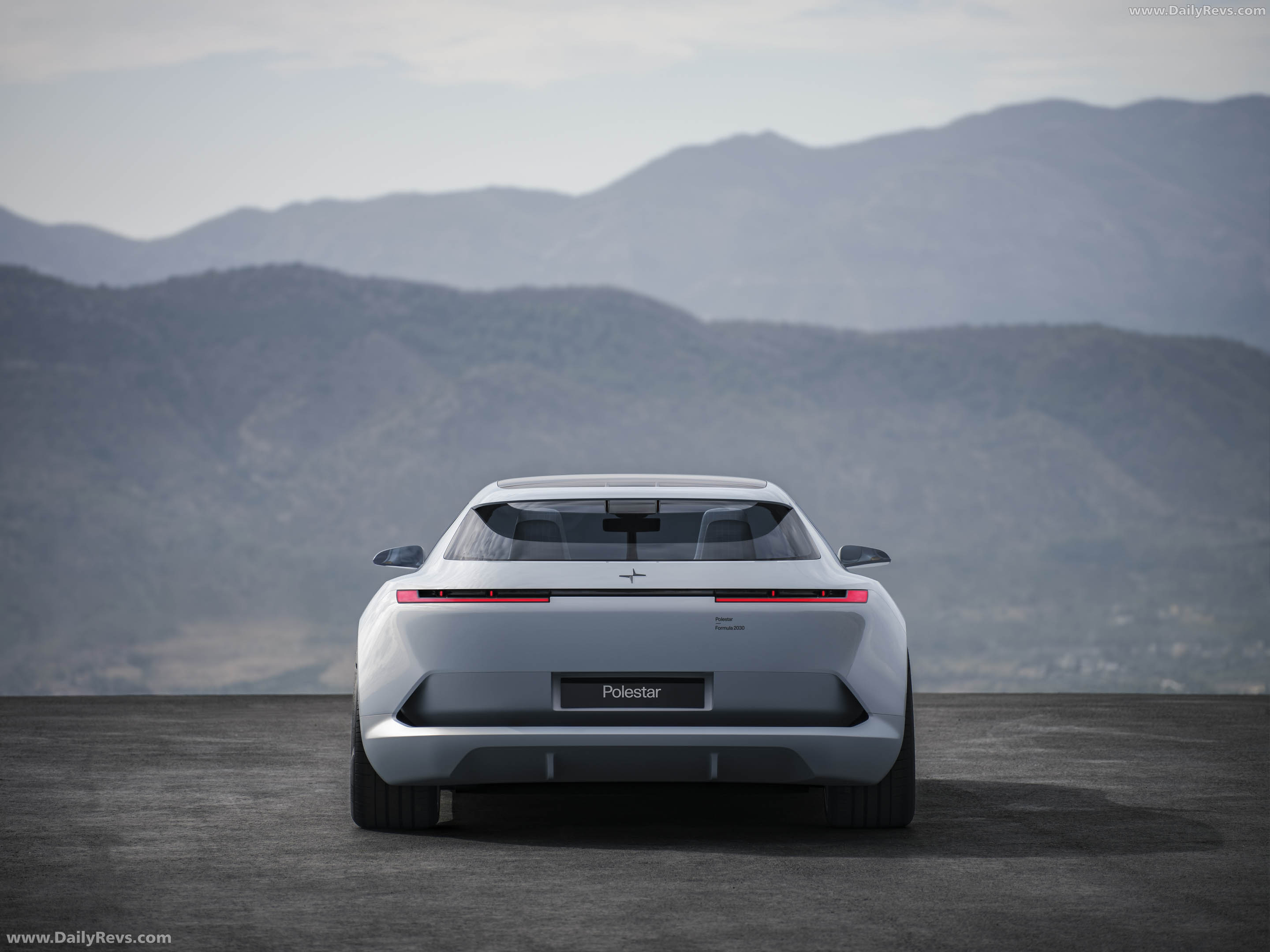
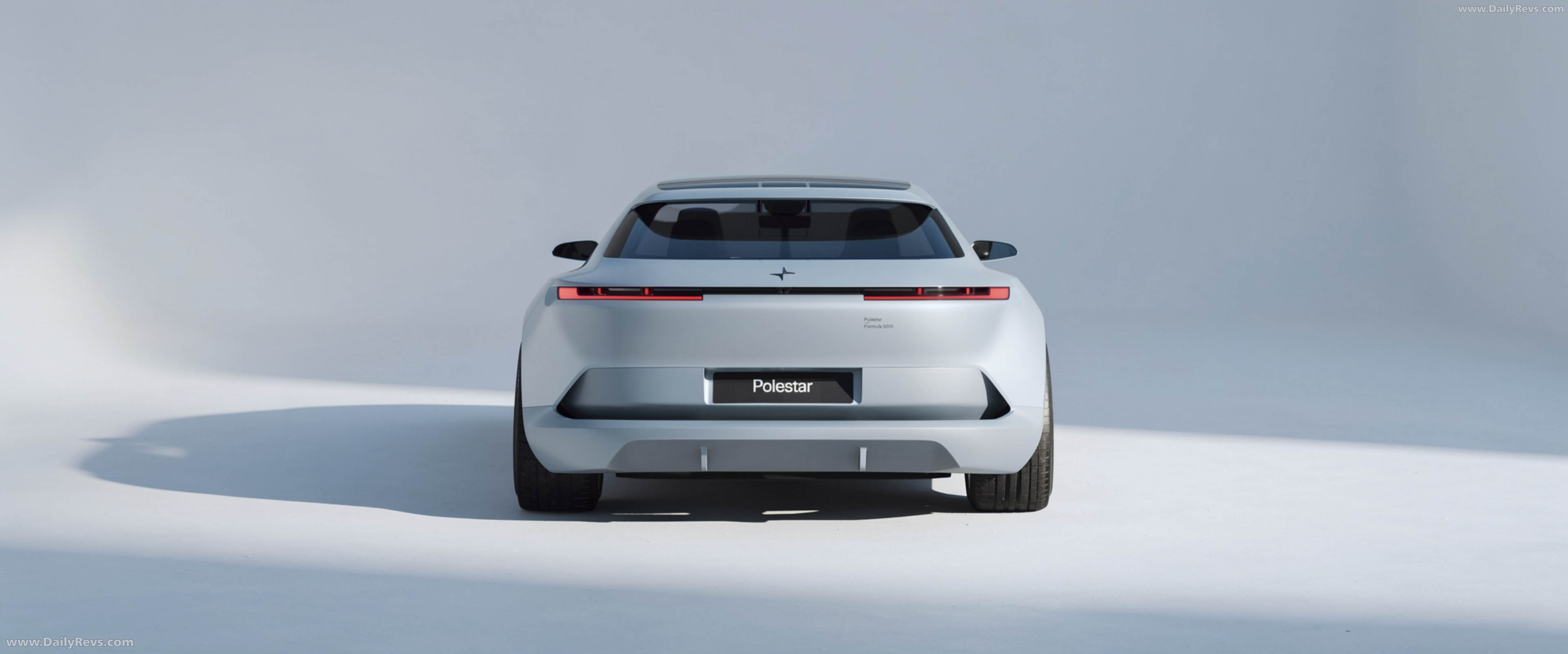
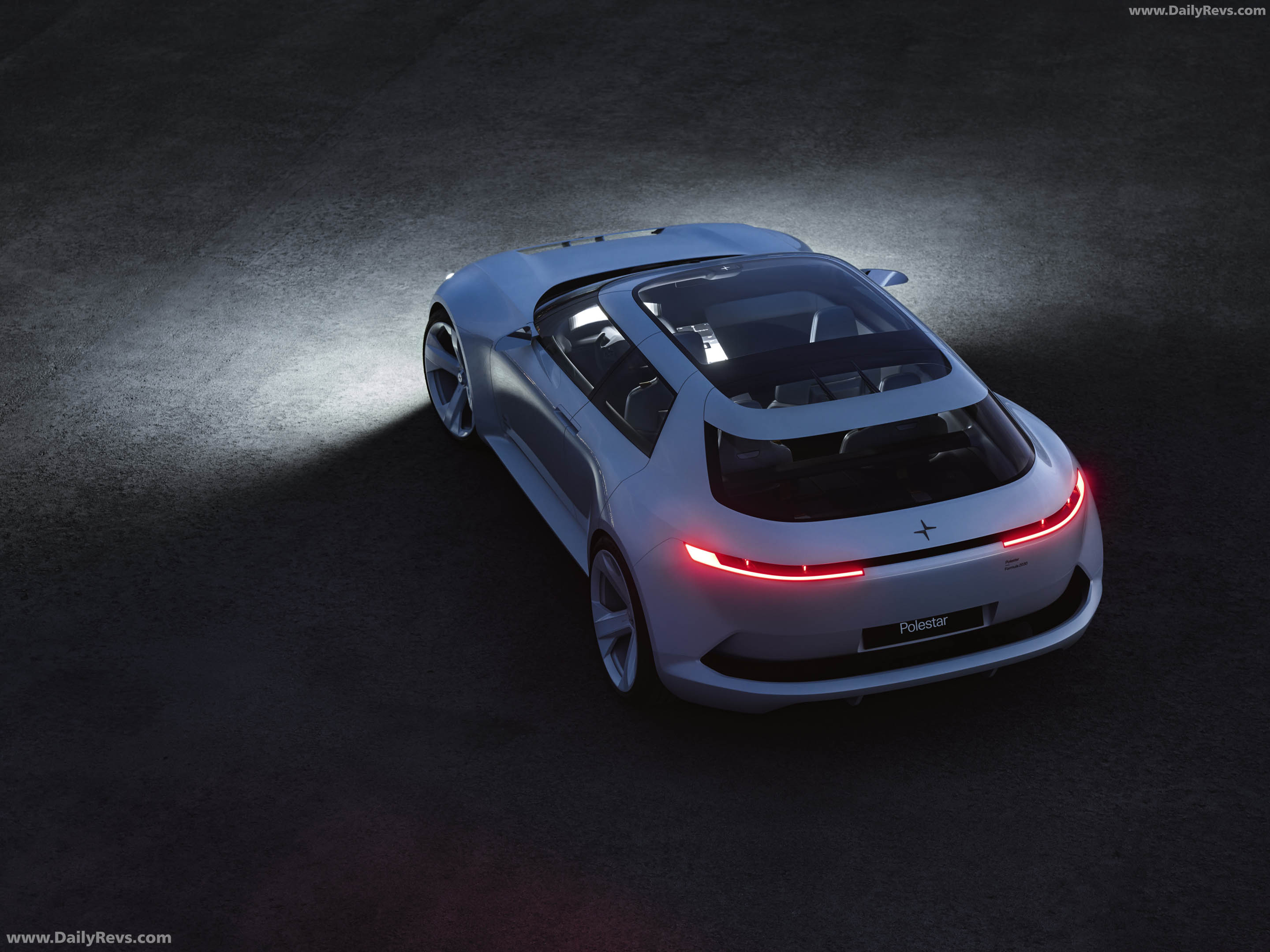
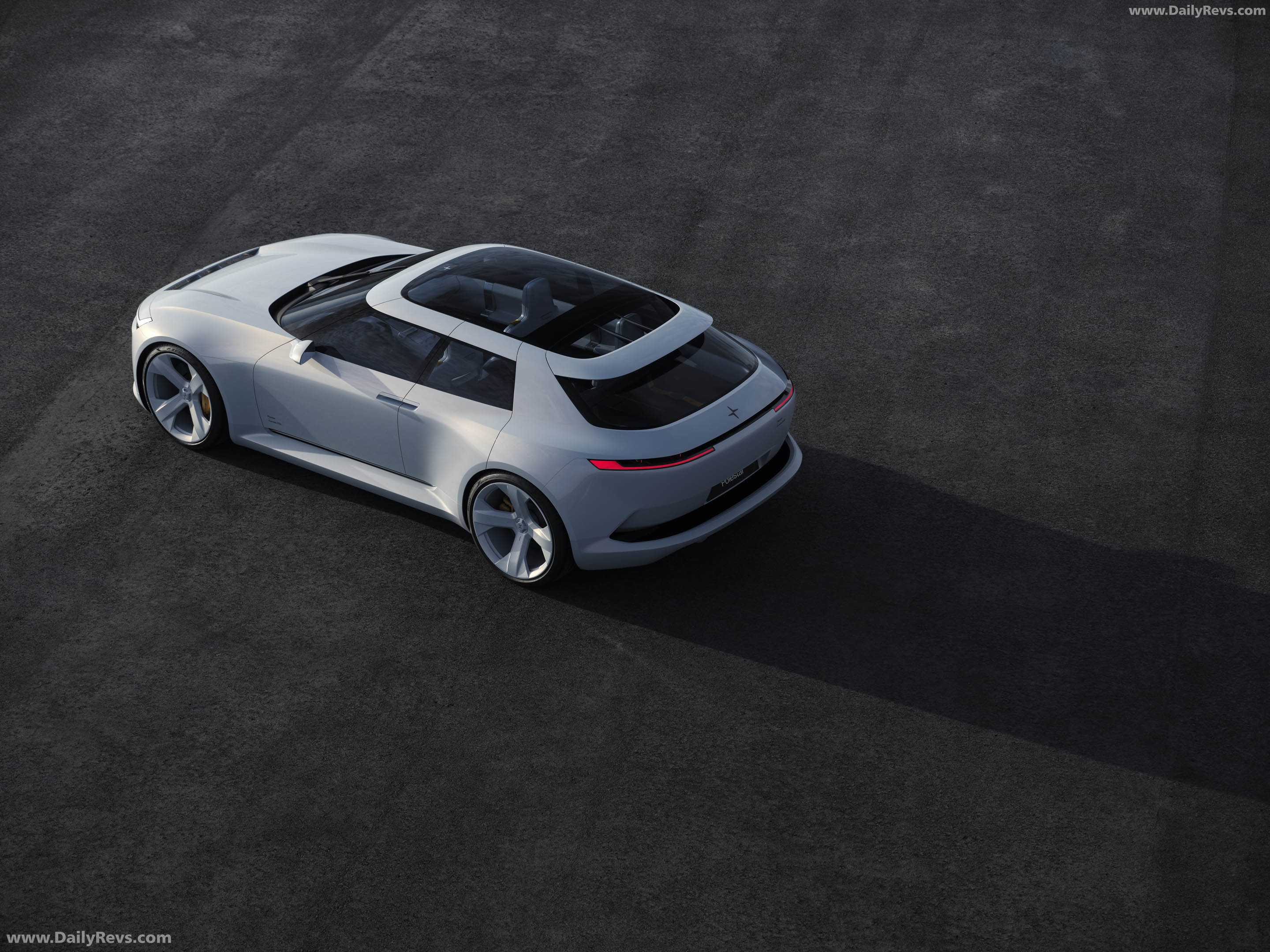
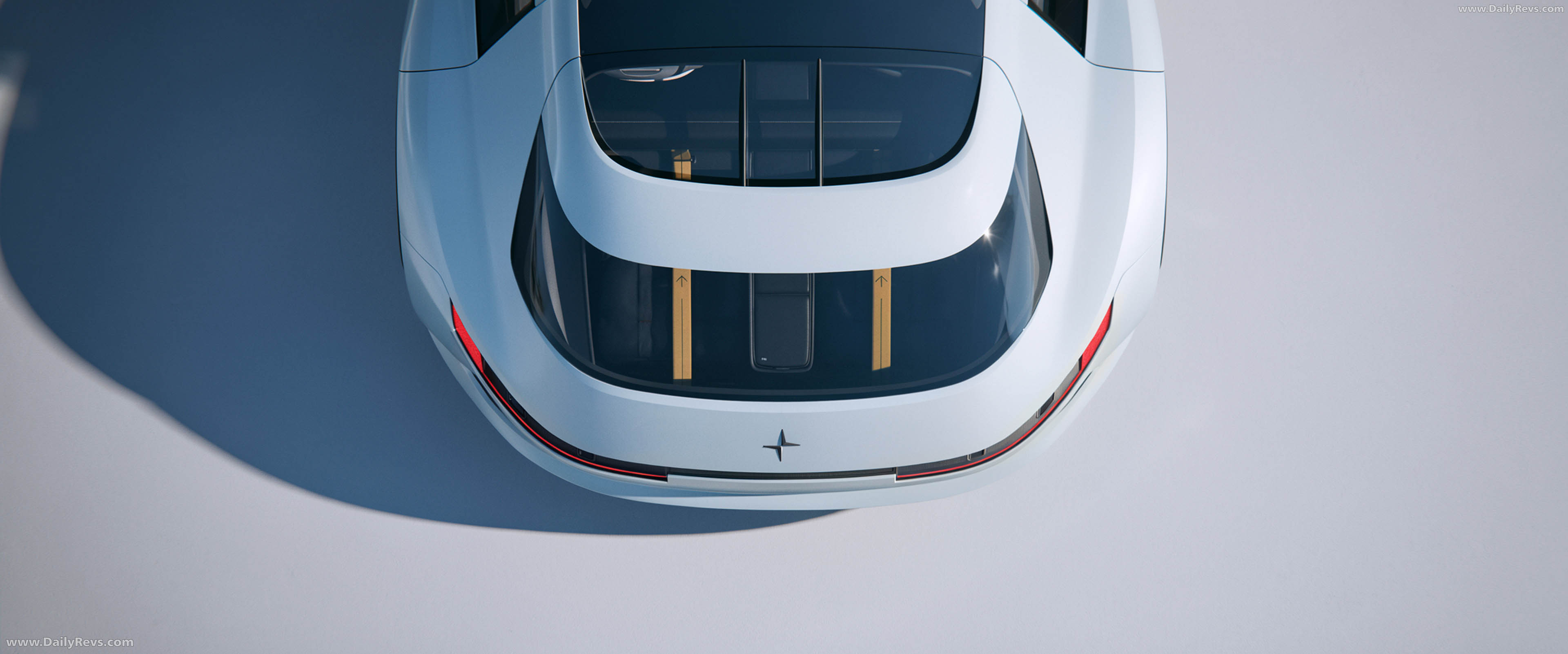
At the rear, the familiar full-width light bar disappears in favour of new Single Blade lamps.
A centrally mounted rear wing and lower diffuser complete the aerodynamic treatment.
Low Roofline and 22 Inch Centre Lock Wheels
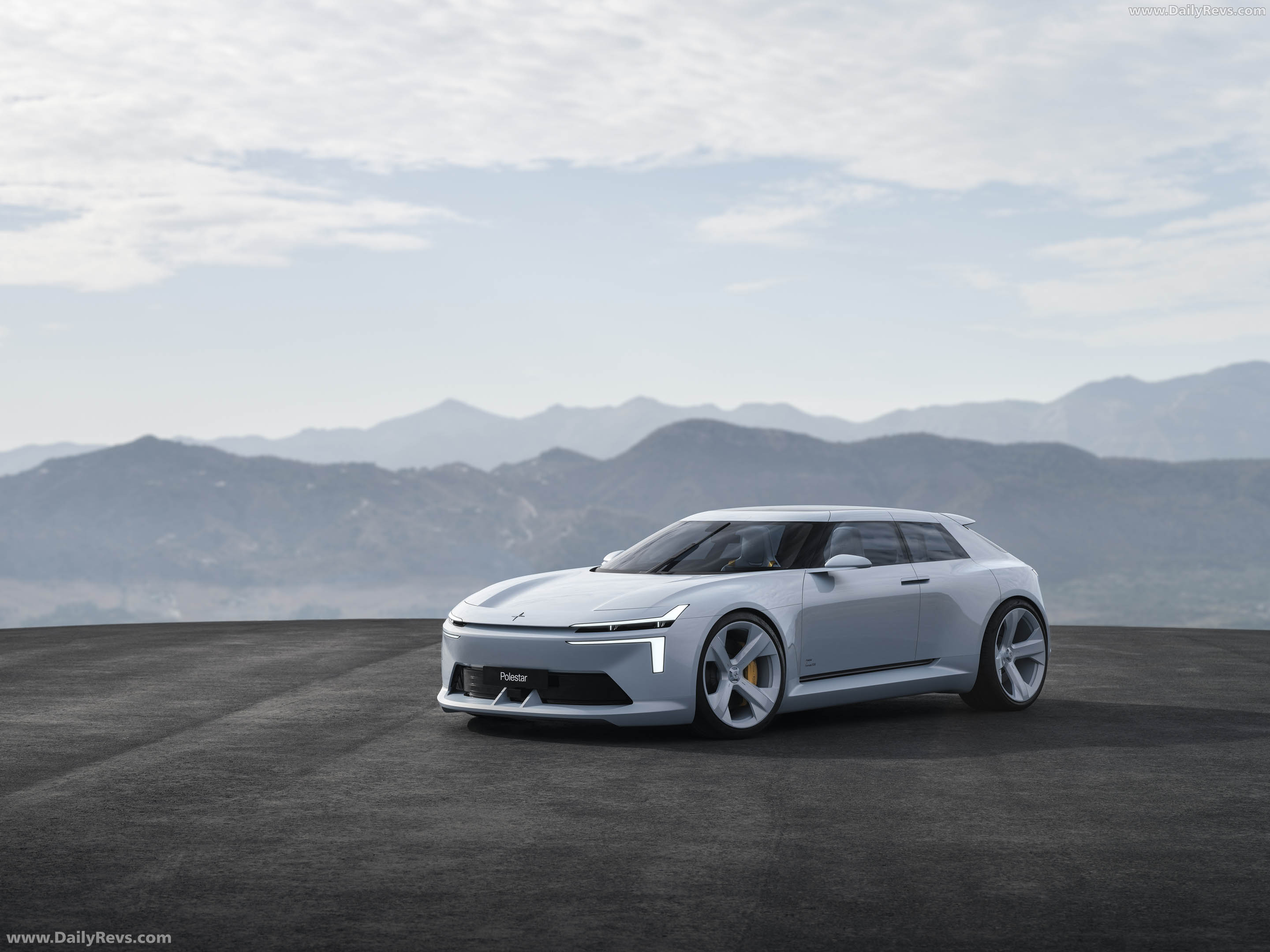
The concept measures 4,680 mm in length, 2,021 mm in width and 1,350 mm in height, with a 2,780 mm wheelbase.
Its roof sits lower than that of the Polestar 5.
A long bonnet, short overhangs and rearward-positioned cabin establish the proportions, while broad rear haunches give the body additional visual width.
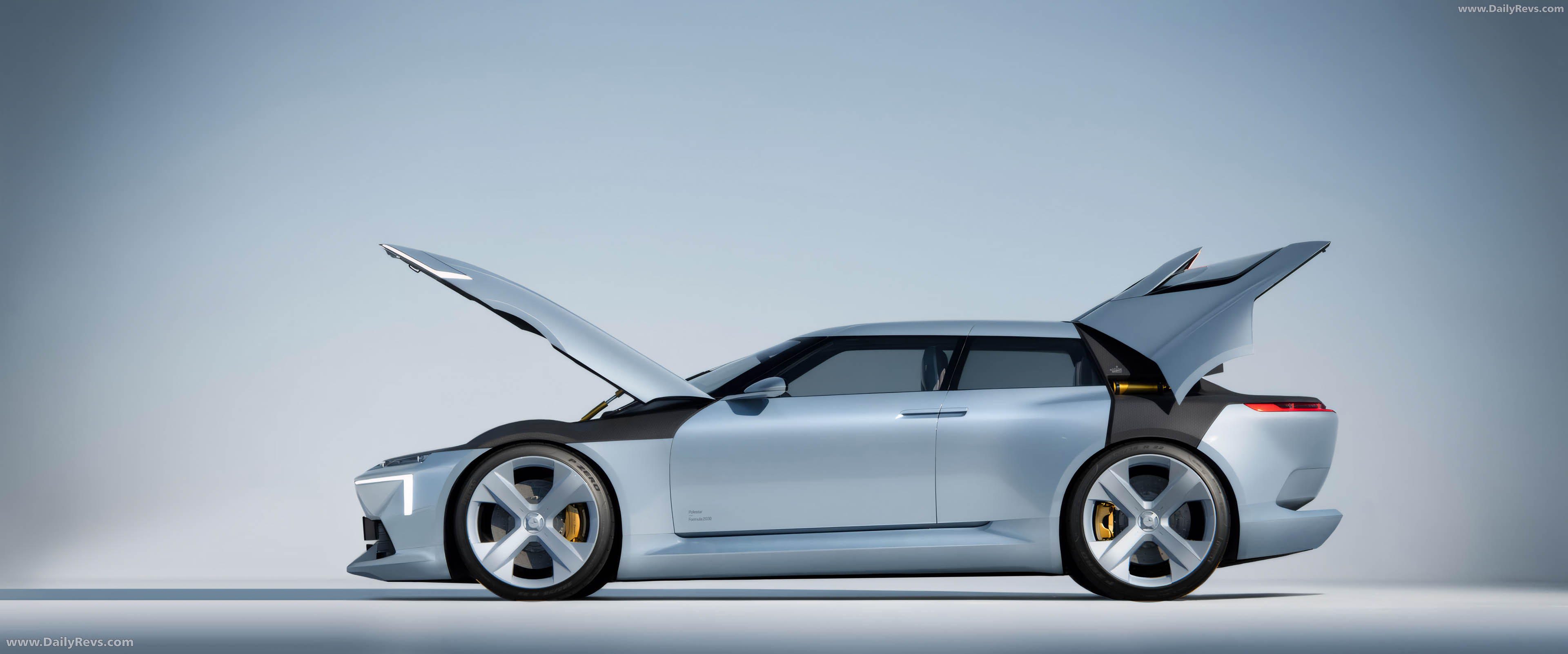
The concept rides on 22-inch four-spoke centre-lock wheels finished in Nitrogen, a colour developed specifically for the show car.
Swedish Gold Brembo brake callipers provide contrast.
Driver Focused Cabin With Moving Displays
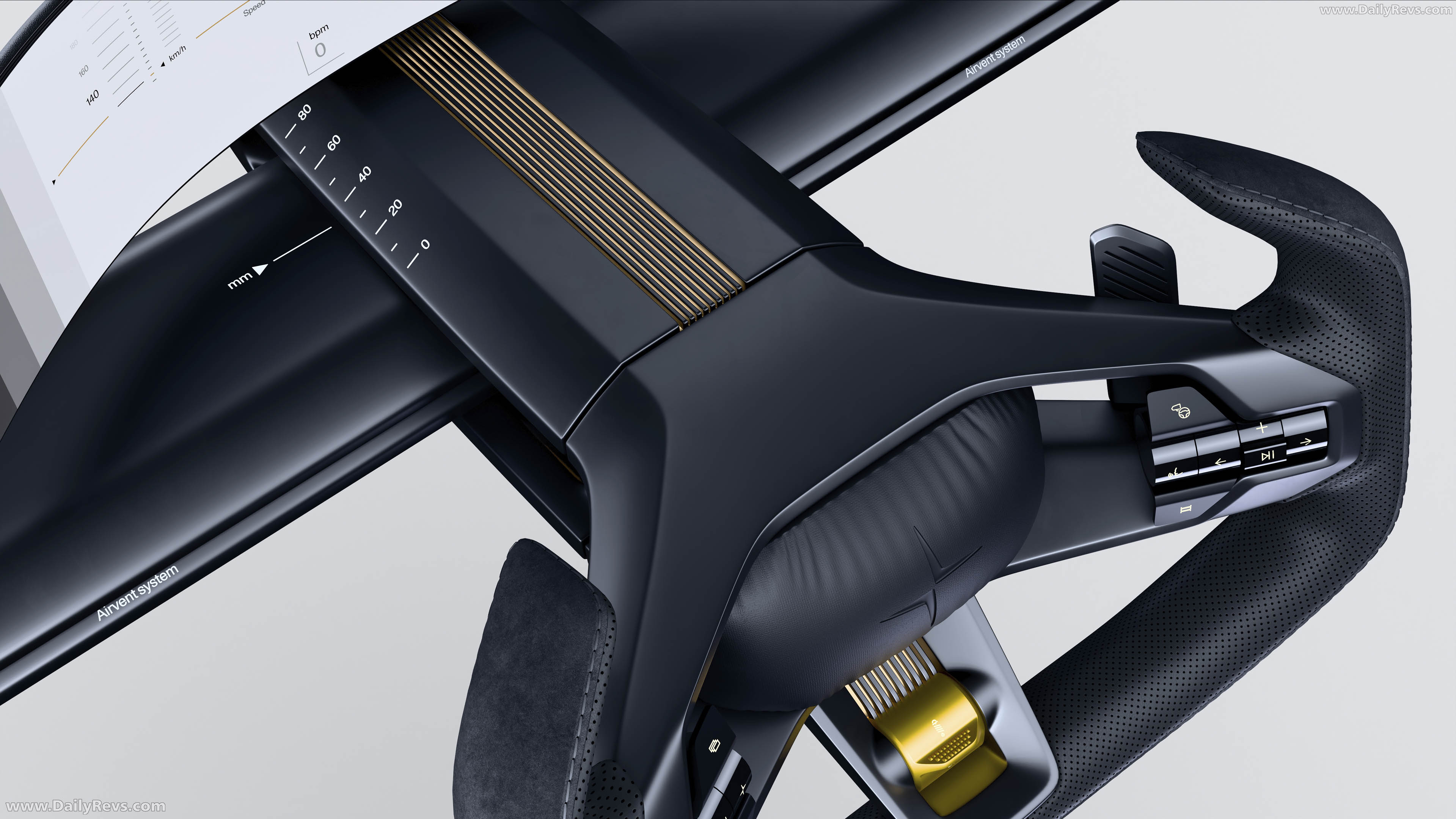
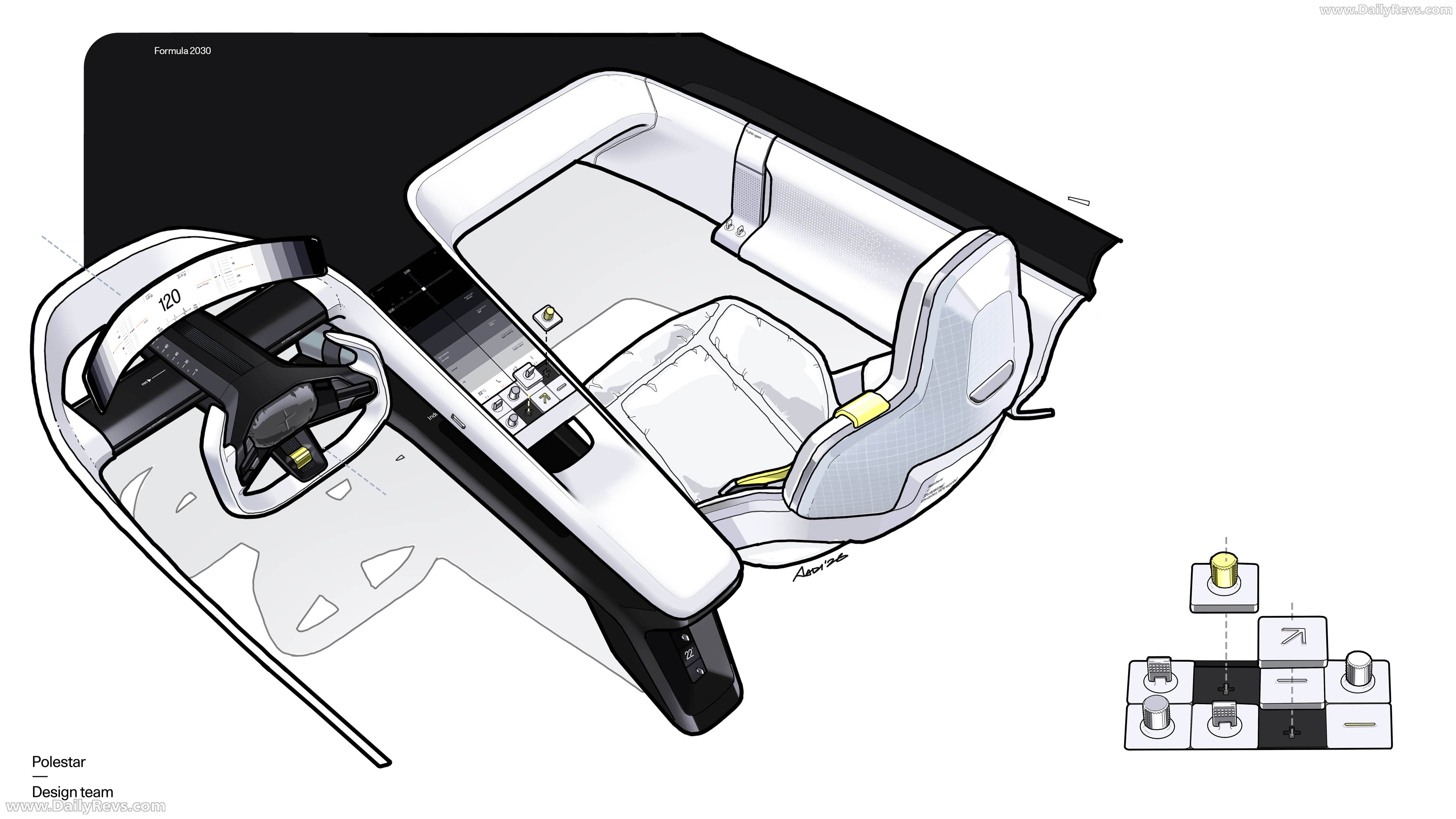
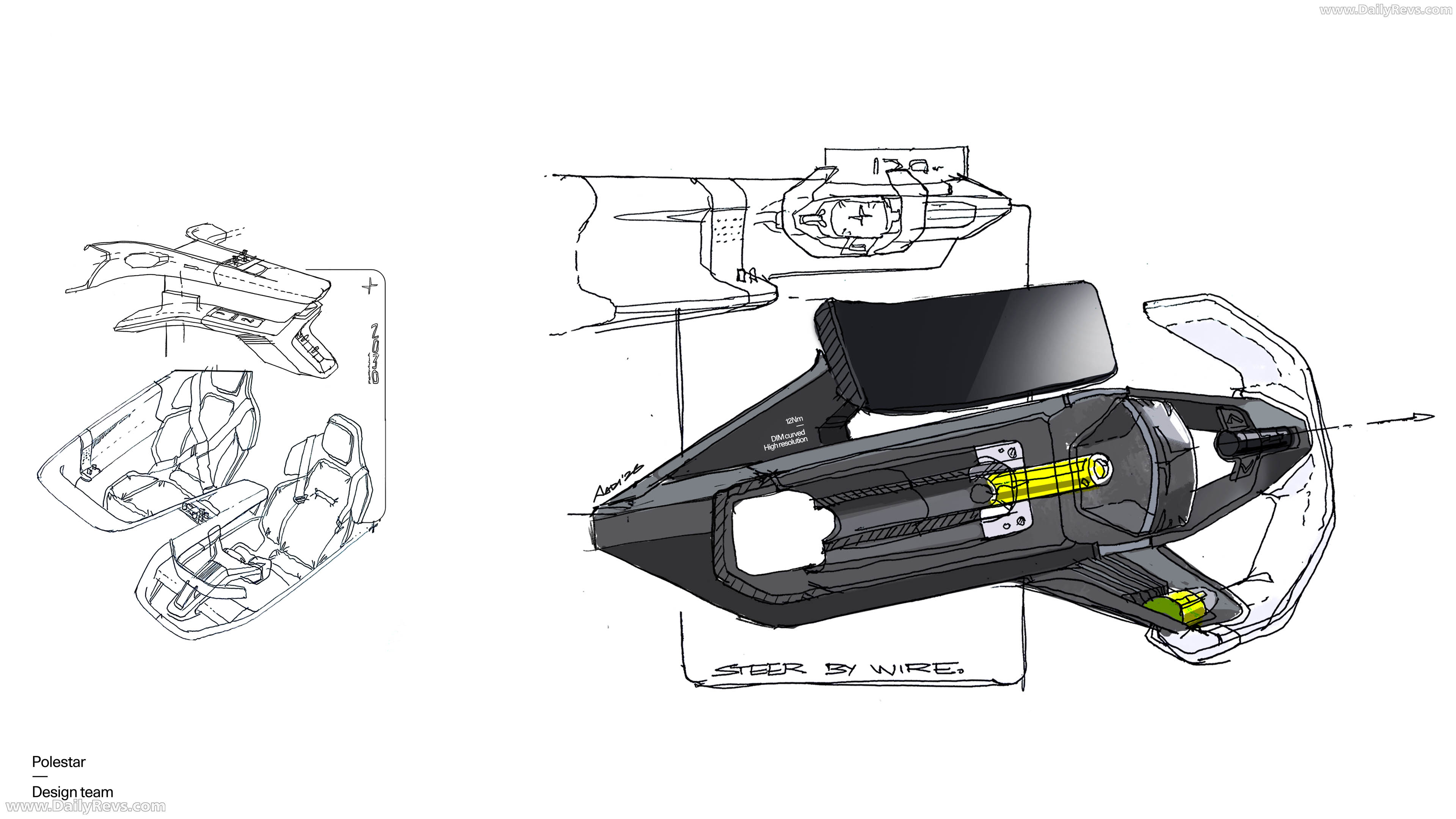
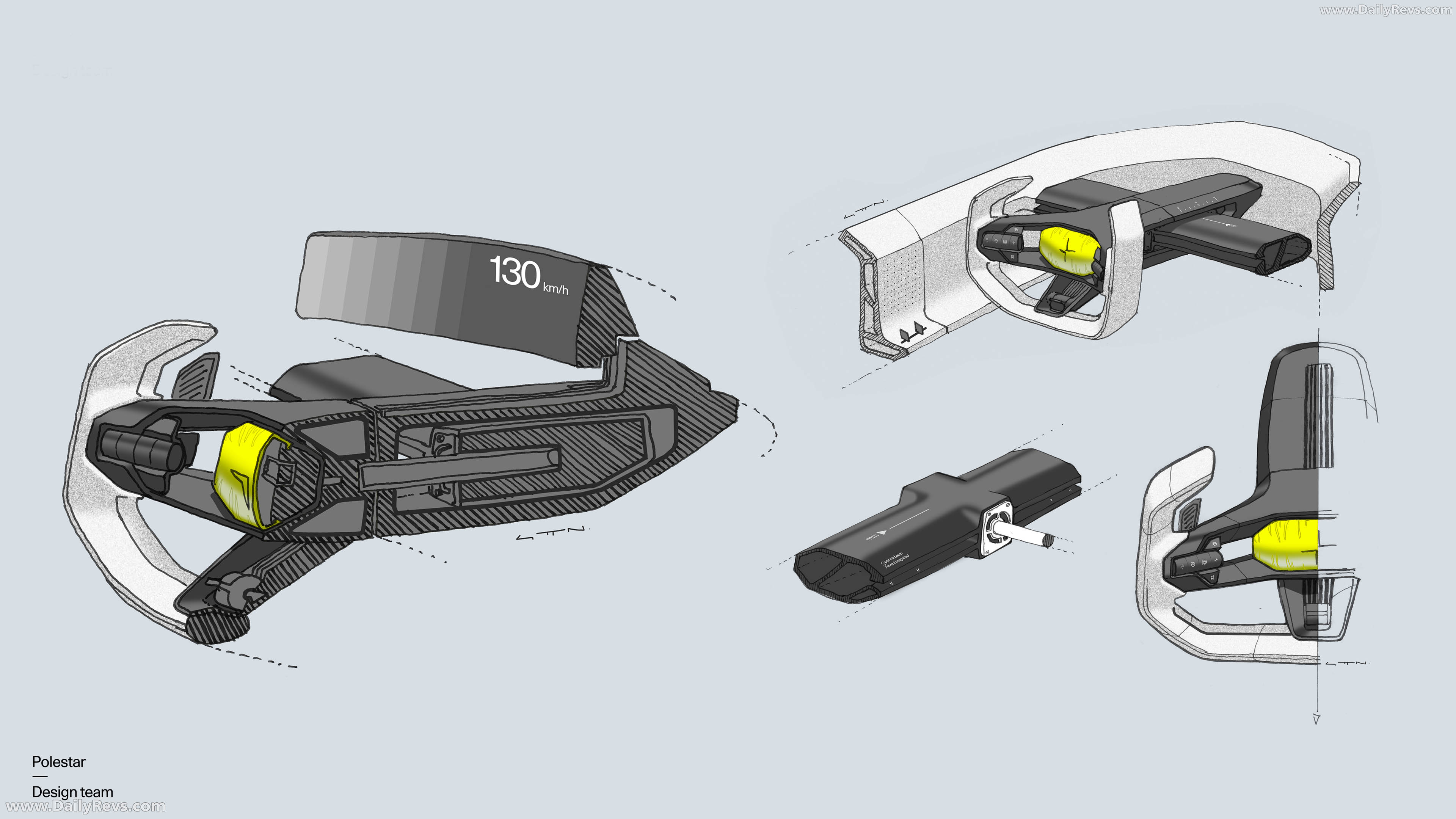
Inside, a curved 20-inch HyperDIM instrument display is attached to the steering column.
A separate 12.2-inch centre touchscreen sits within the raised centre tunnel.
Three driving modes alter the cabin arrangement. In Performance mode, the steering wheel moves closer to the driver while the central display lowers into the console.
Autonomous mode moves the steering wheel and seat apart, repositioning the display for easier viewing.
Eight configurable physical controls provide access to commonly used functions.
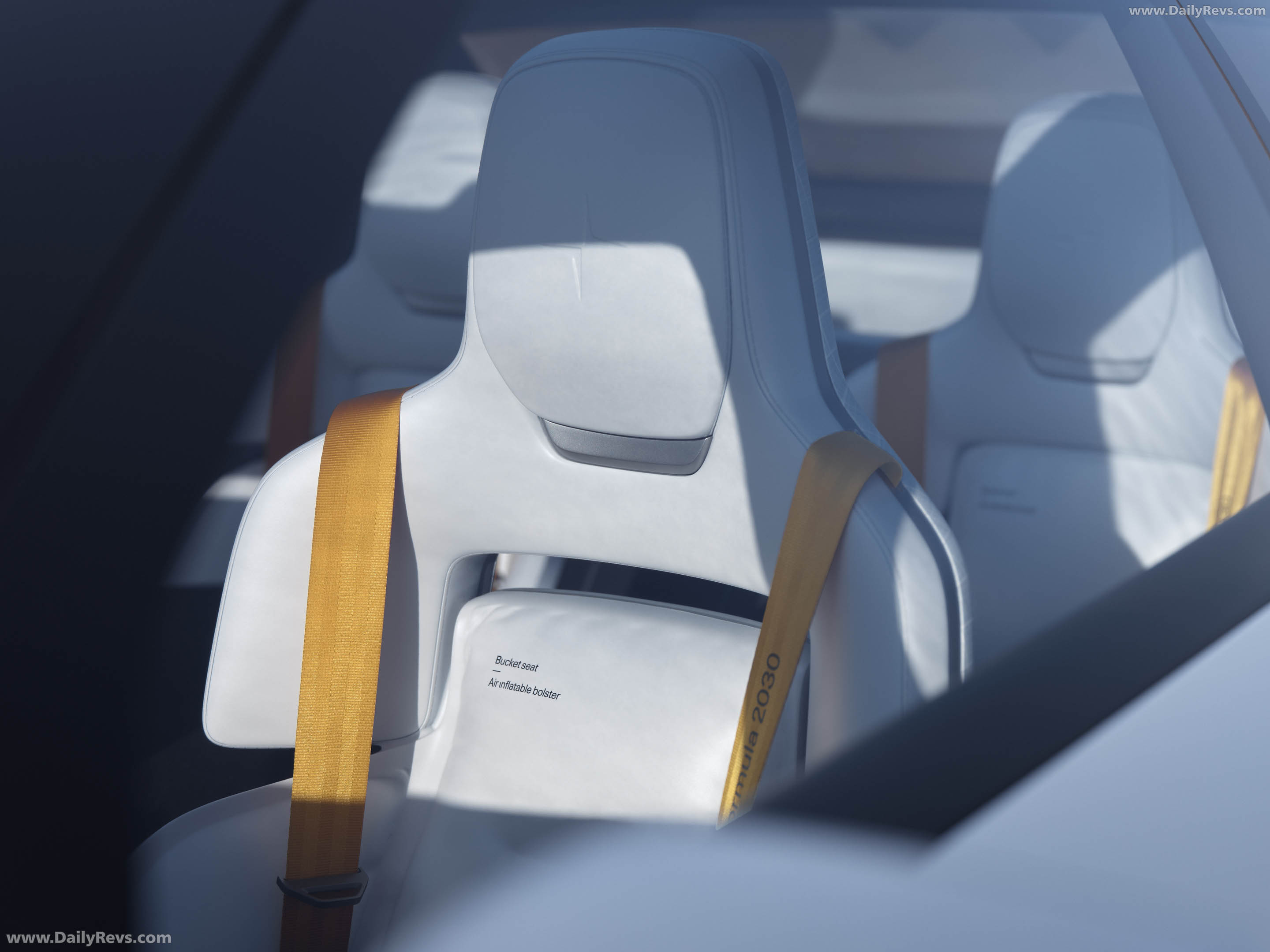
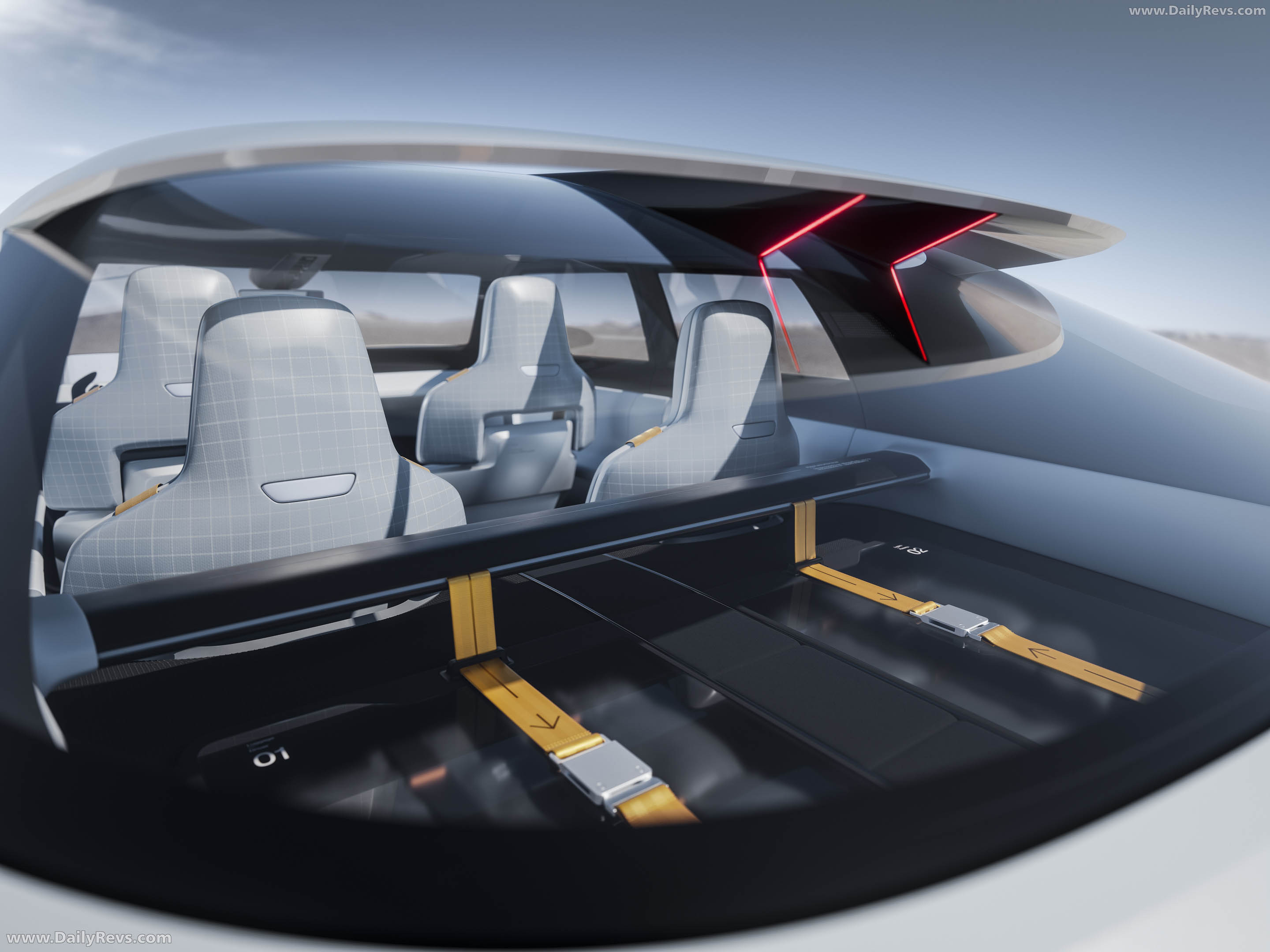
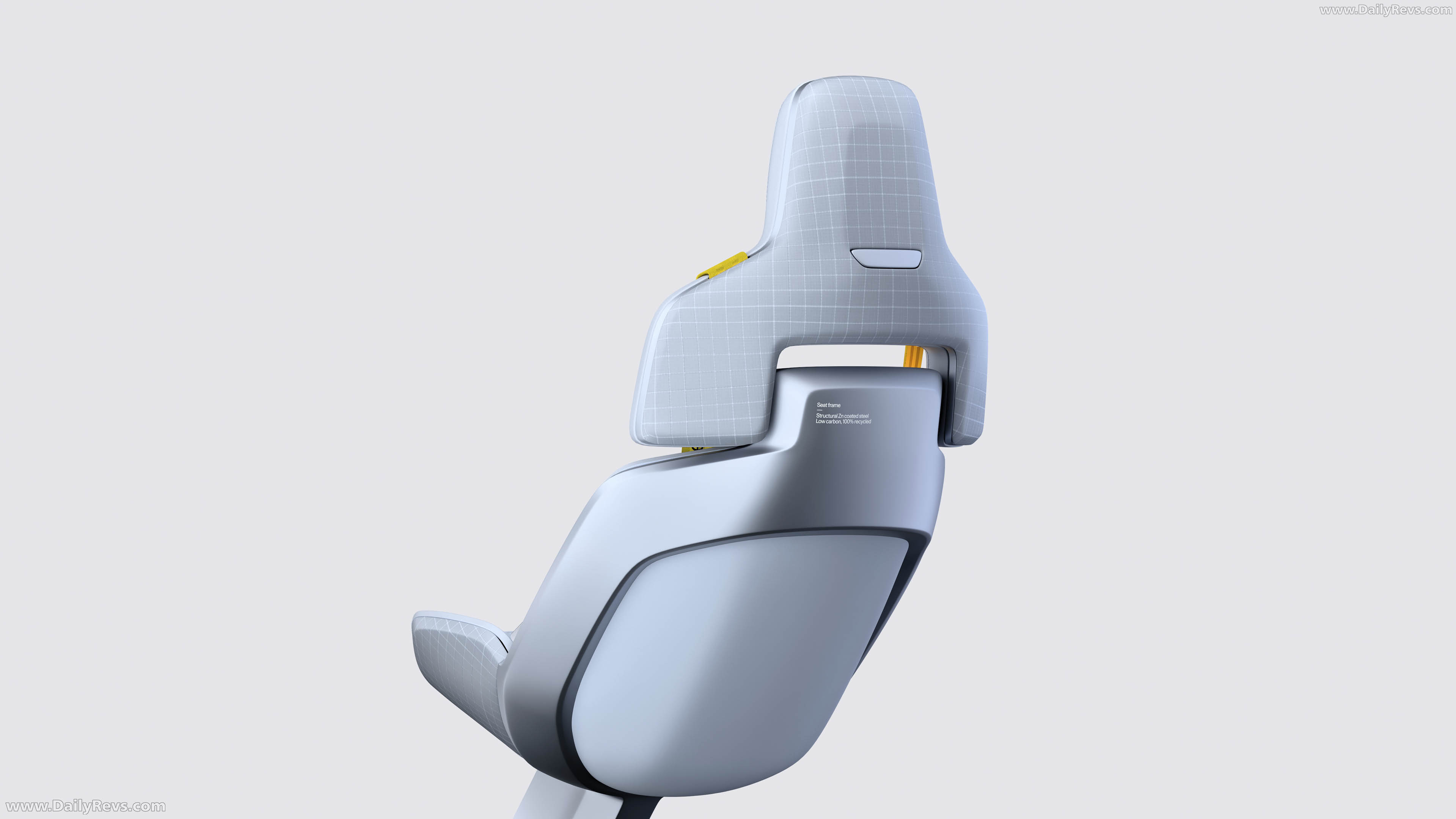
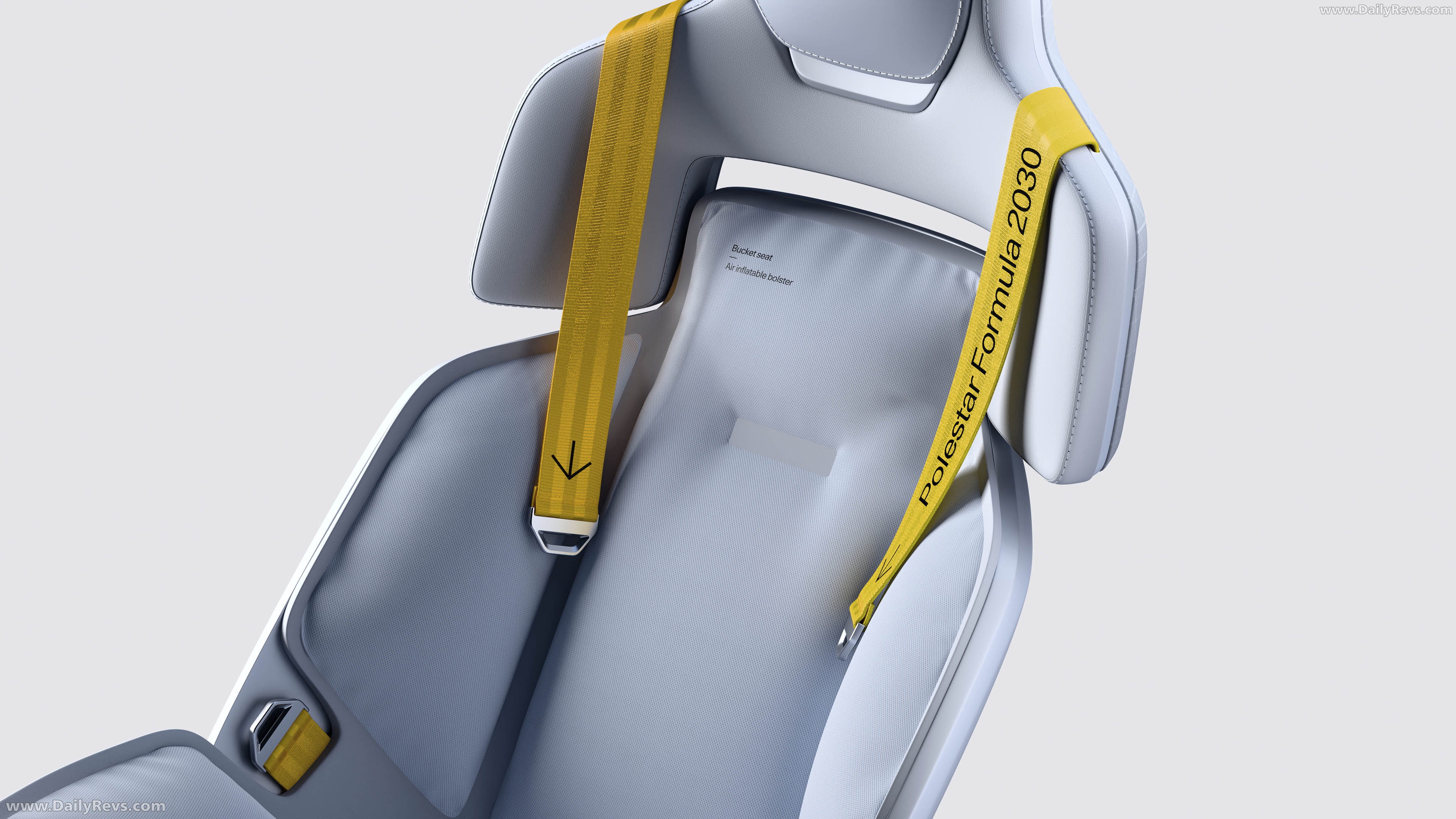
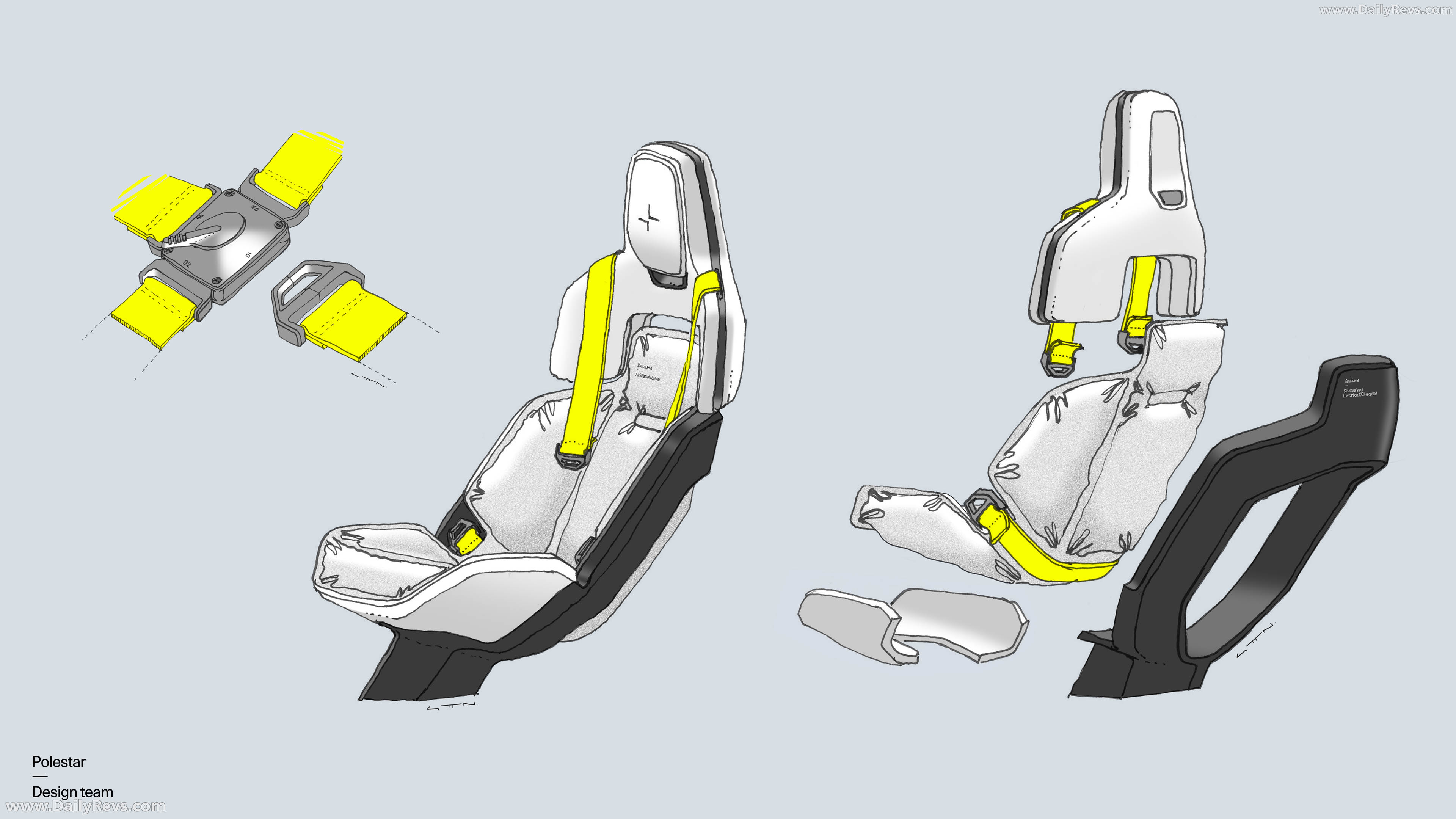
Four individual seats feature inflatable bolsters and cushions.
Sustainable Materials and Practical Storage
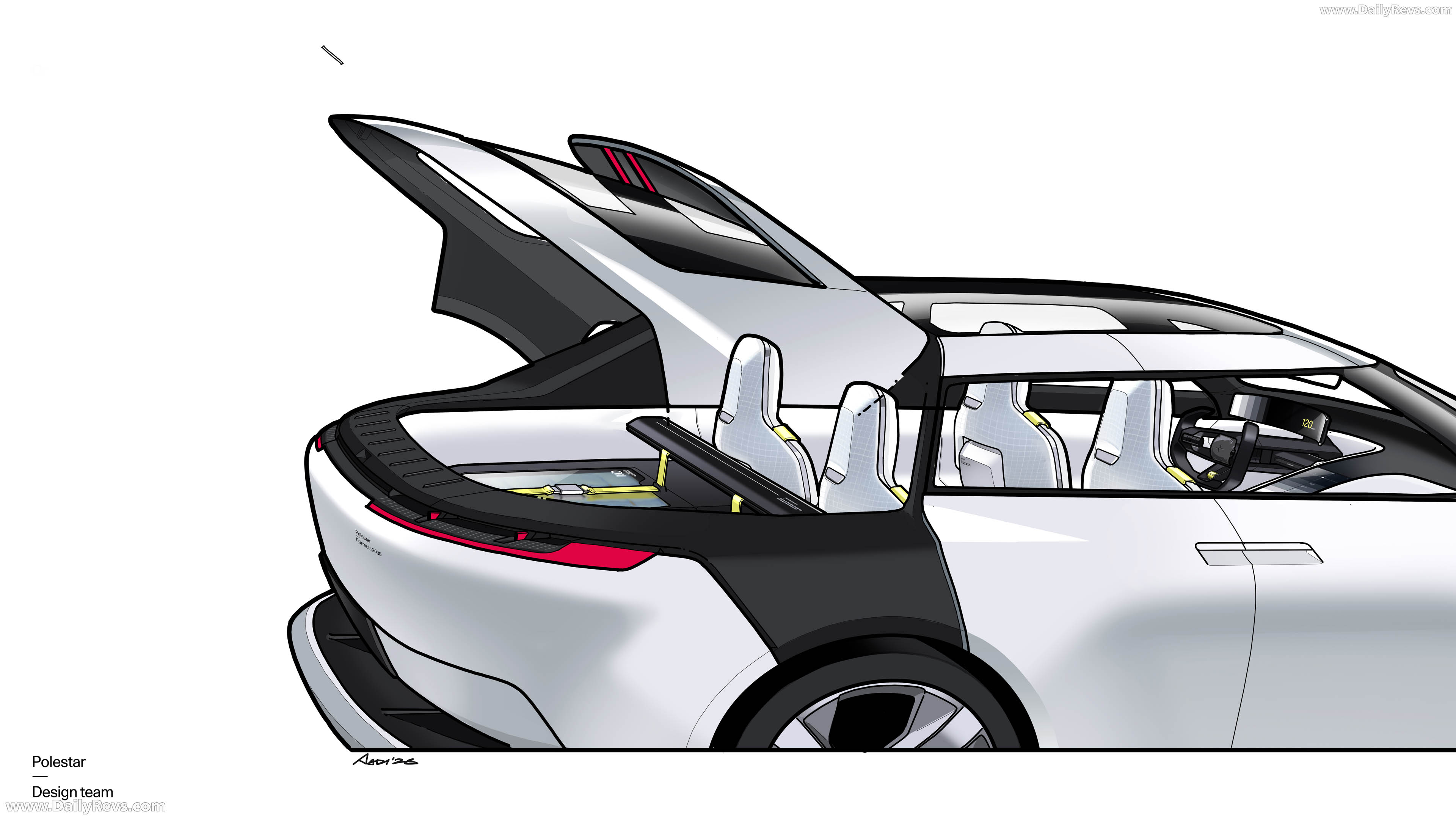
Opposing doors create a pillarless opening for easier access.
The cabin incorporates recyclable door materials, low-emission steel structures and seat backs made from European flax and bio-based polypropylene.
At the rear, a clamshell opening reveals a luggage compartment with a transparent floor and bespoke bags.
A separate front compartment accommodates racing helmets and a fire extinguisher.
Electric Performance and Future Production Plans
Polestar describes Formula 2030 as an electric performance concept but has not disclosed motor output, battery capacity, acceleration or driving range.
Race-inspired Öhlins dampers are visible beneath the rear bodywork.
The concept's importance lies primarily in its influence on future production vehicles.
Polestar confirms that selected design elements will reach the next-generation Polestar 2, planned for 2027, and the Polestar 7 compact SUV, scheduled for introduction in 2028.