
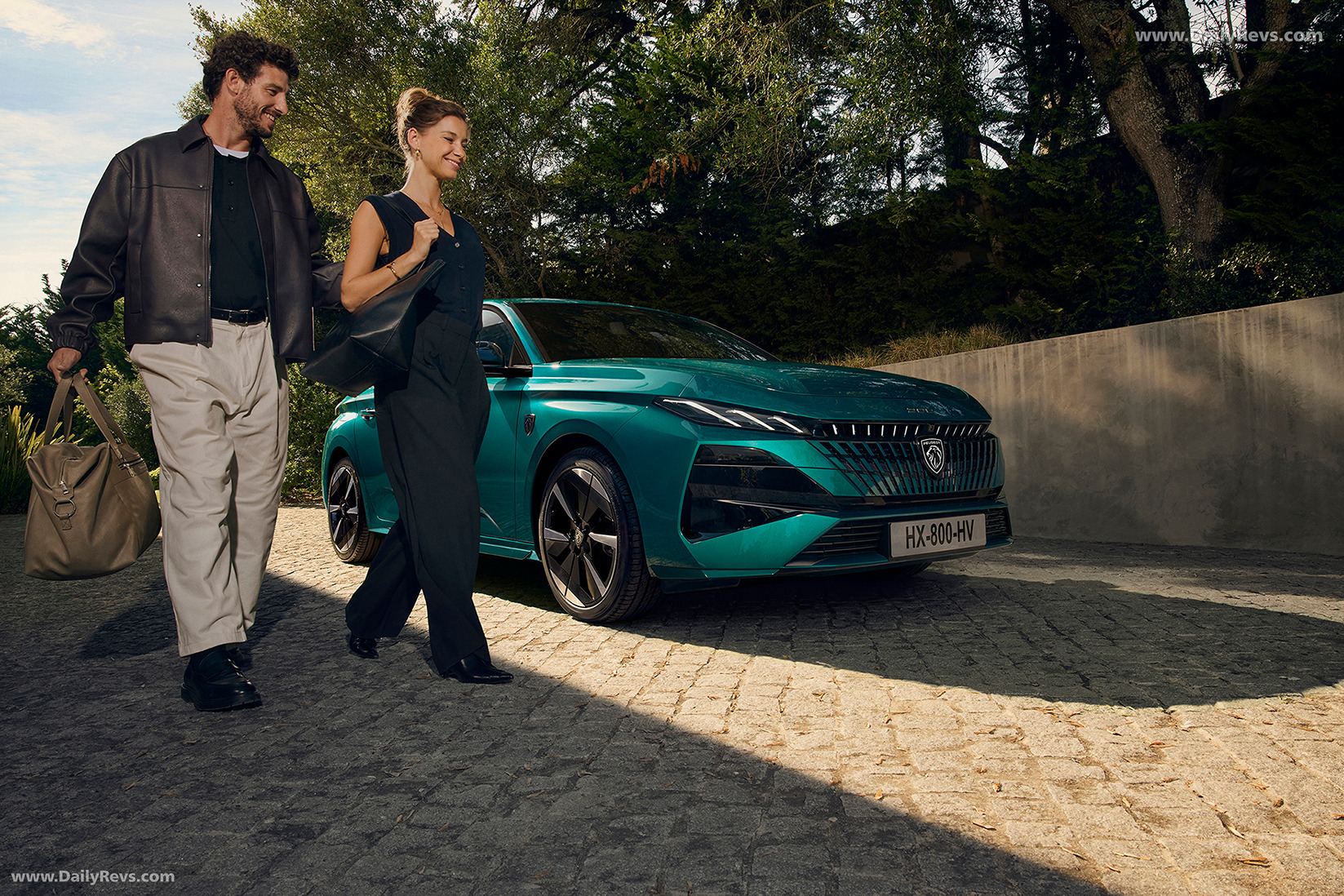
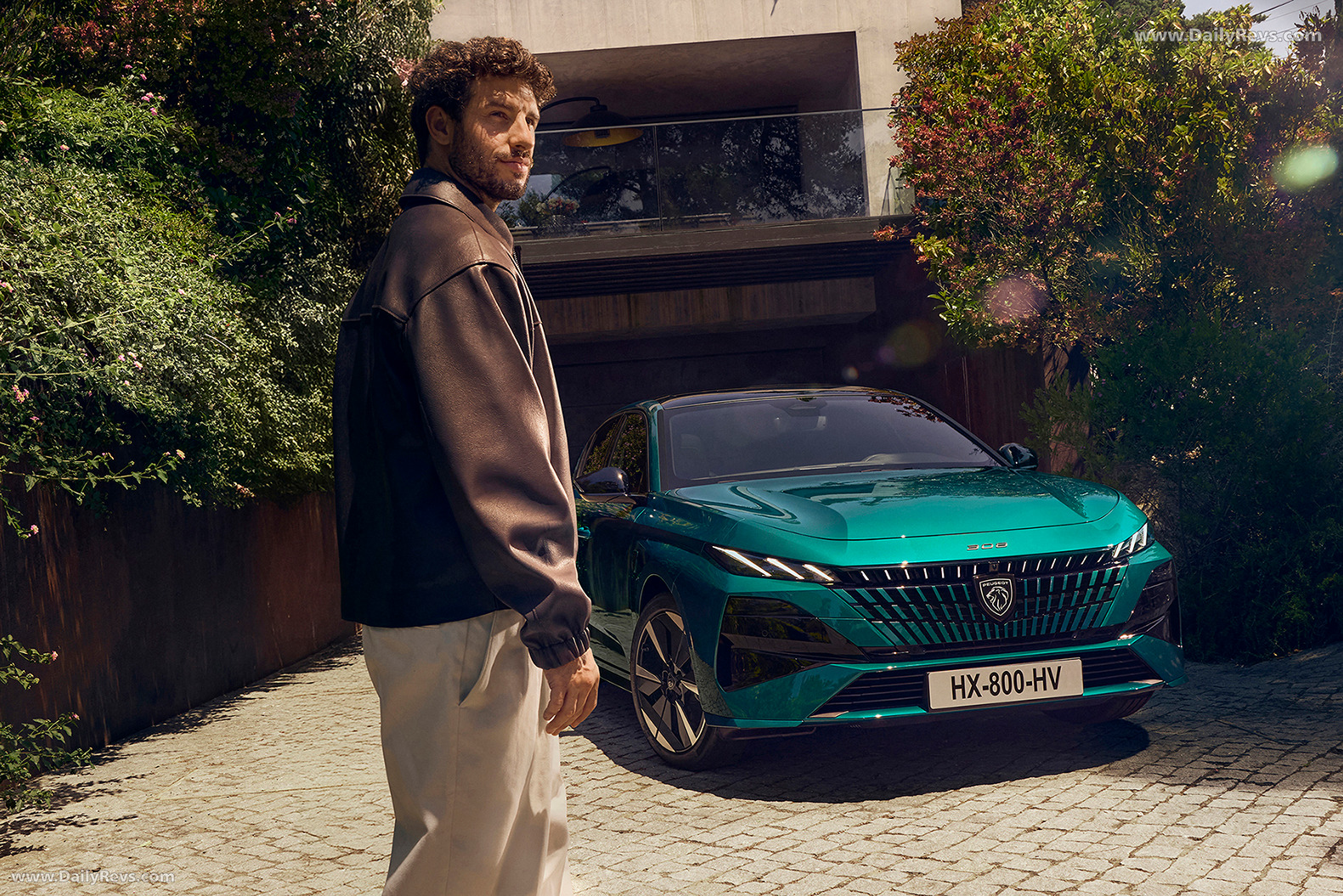

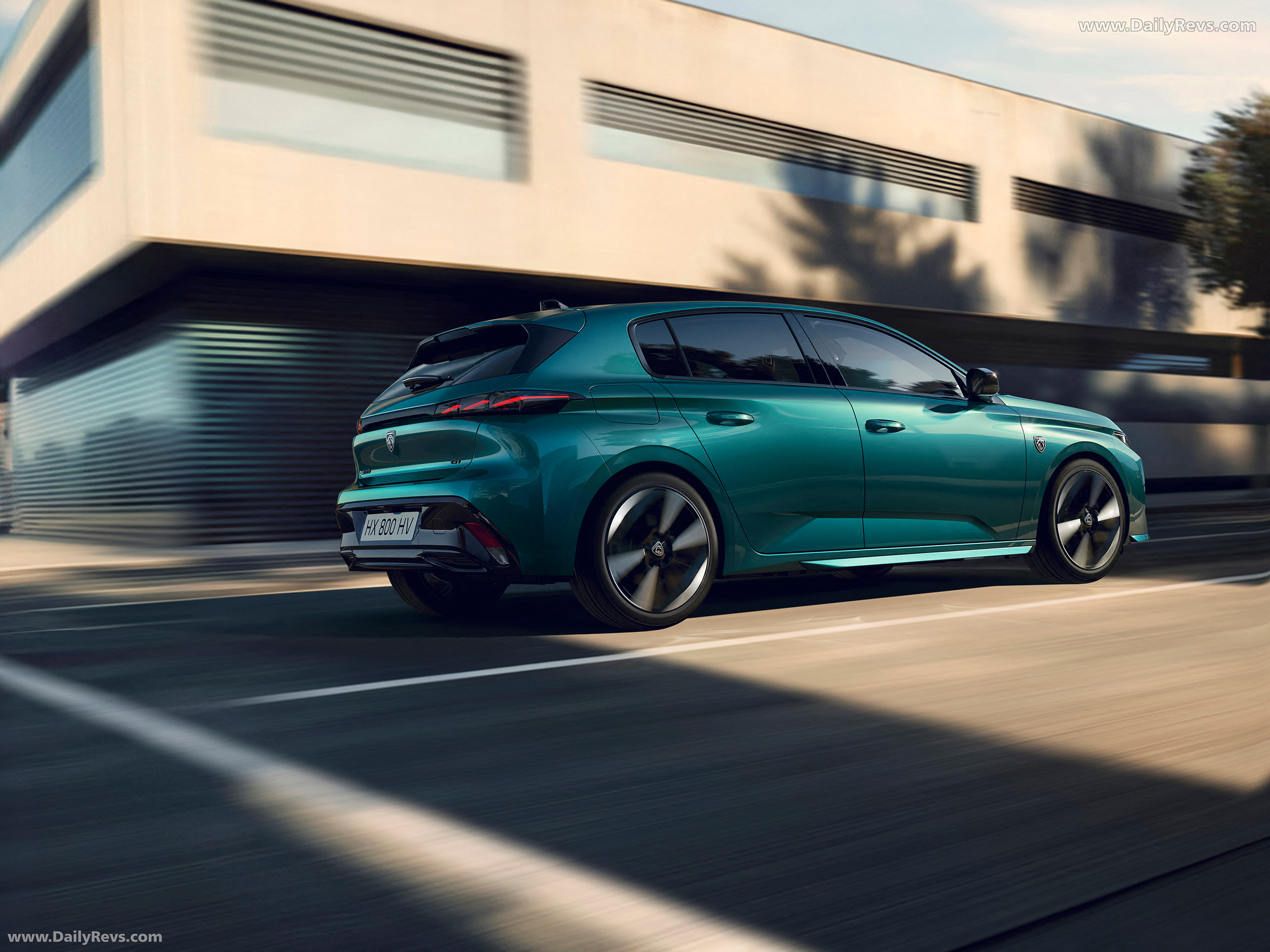






2026 Peugeot E-308 GT
By Lorenzo Bianchi August 26, 2025
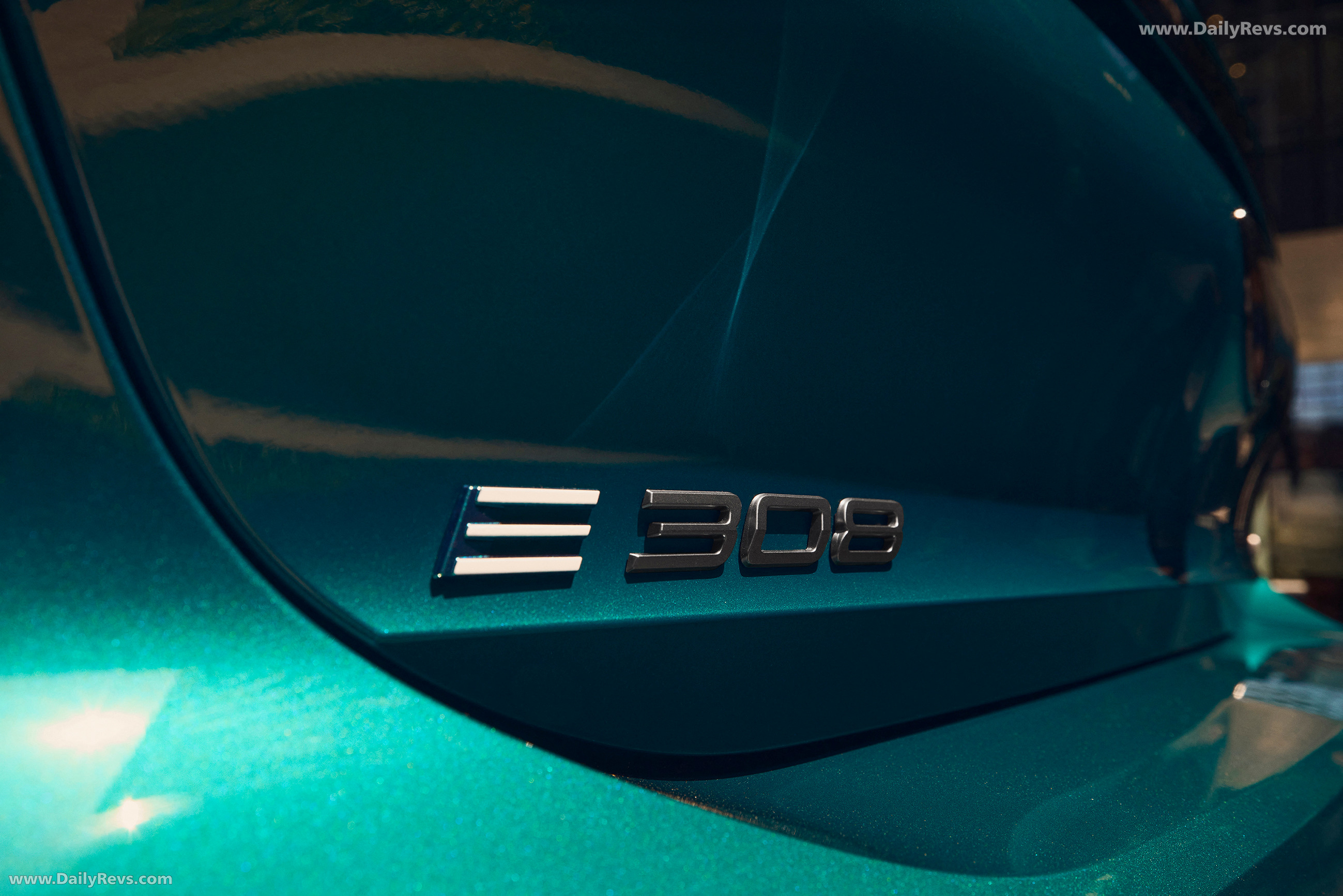
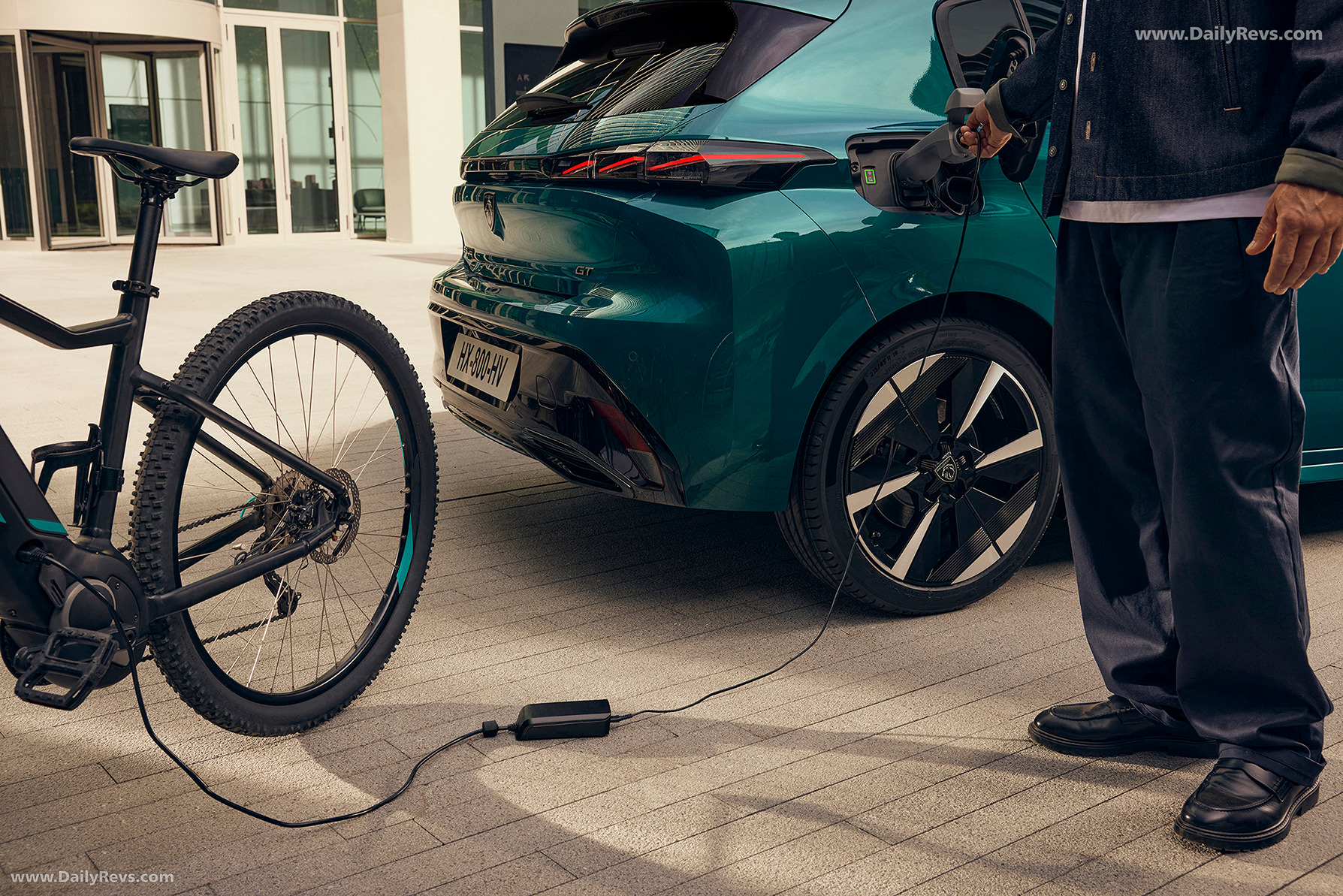
The E‑308 GT uses a 115 kW (156 hp) electric motor and 54 kWh battery to deliver up to 416 km WLTP range, with fast charging on 100 kW DC.
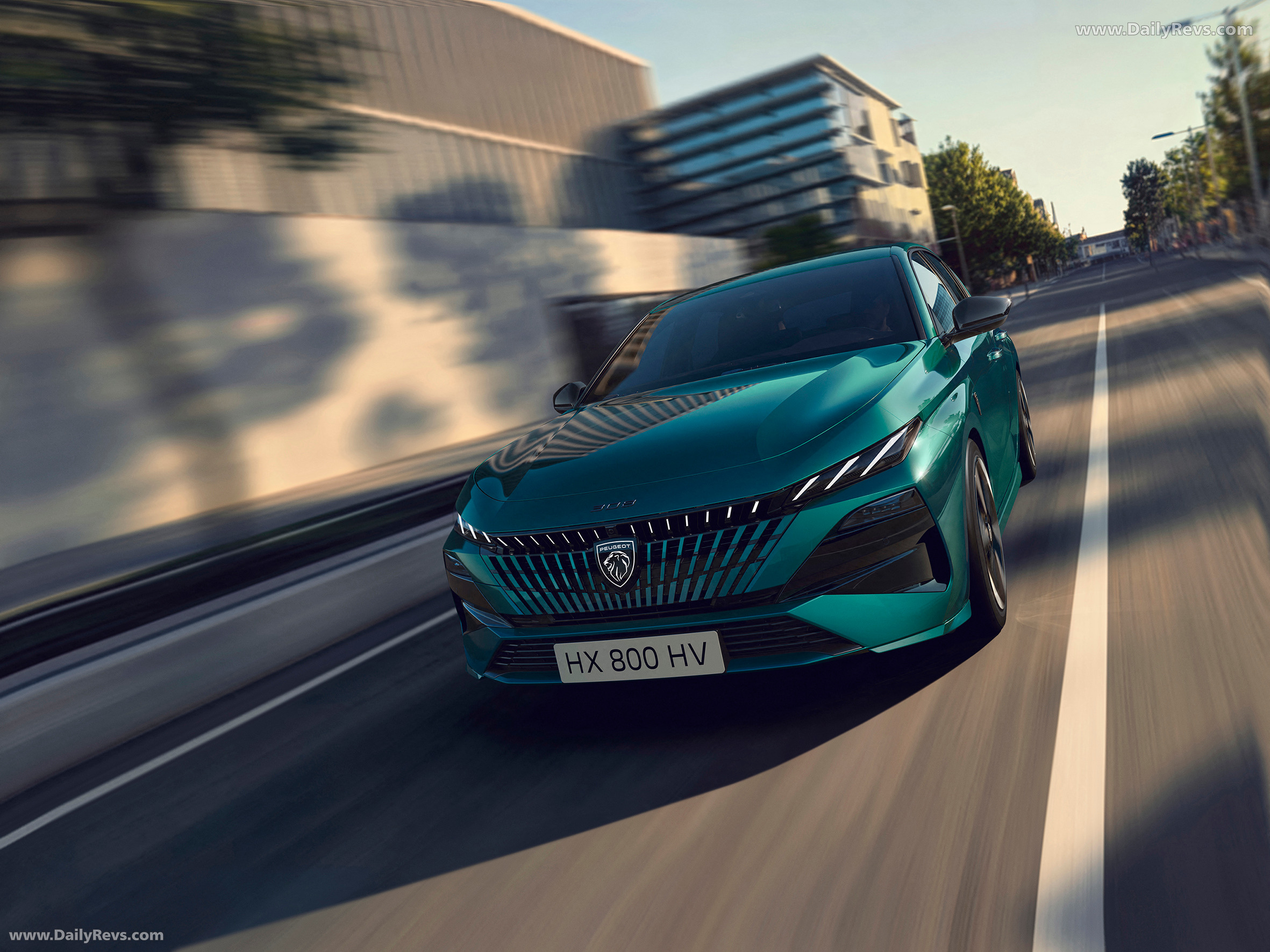
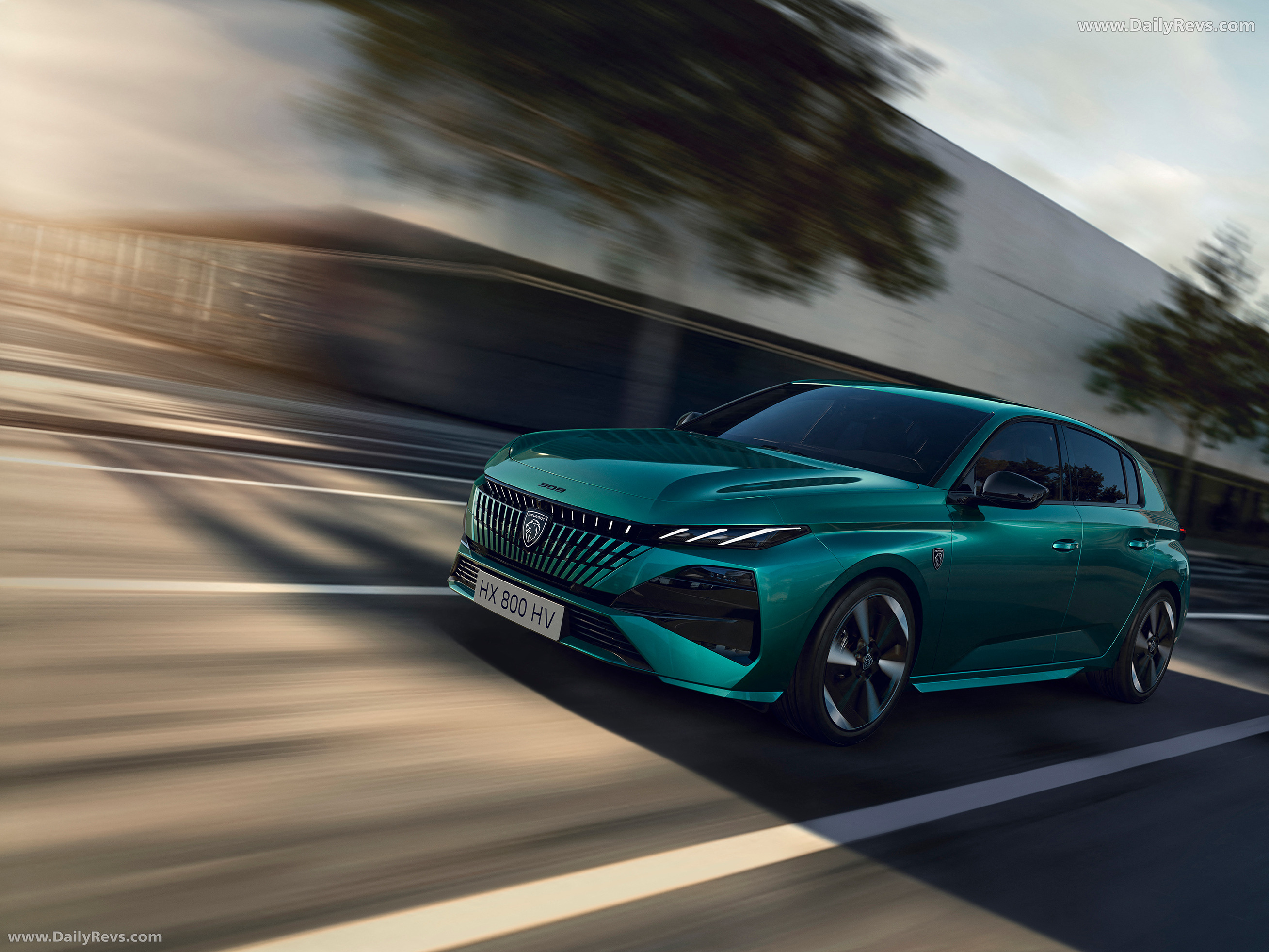
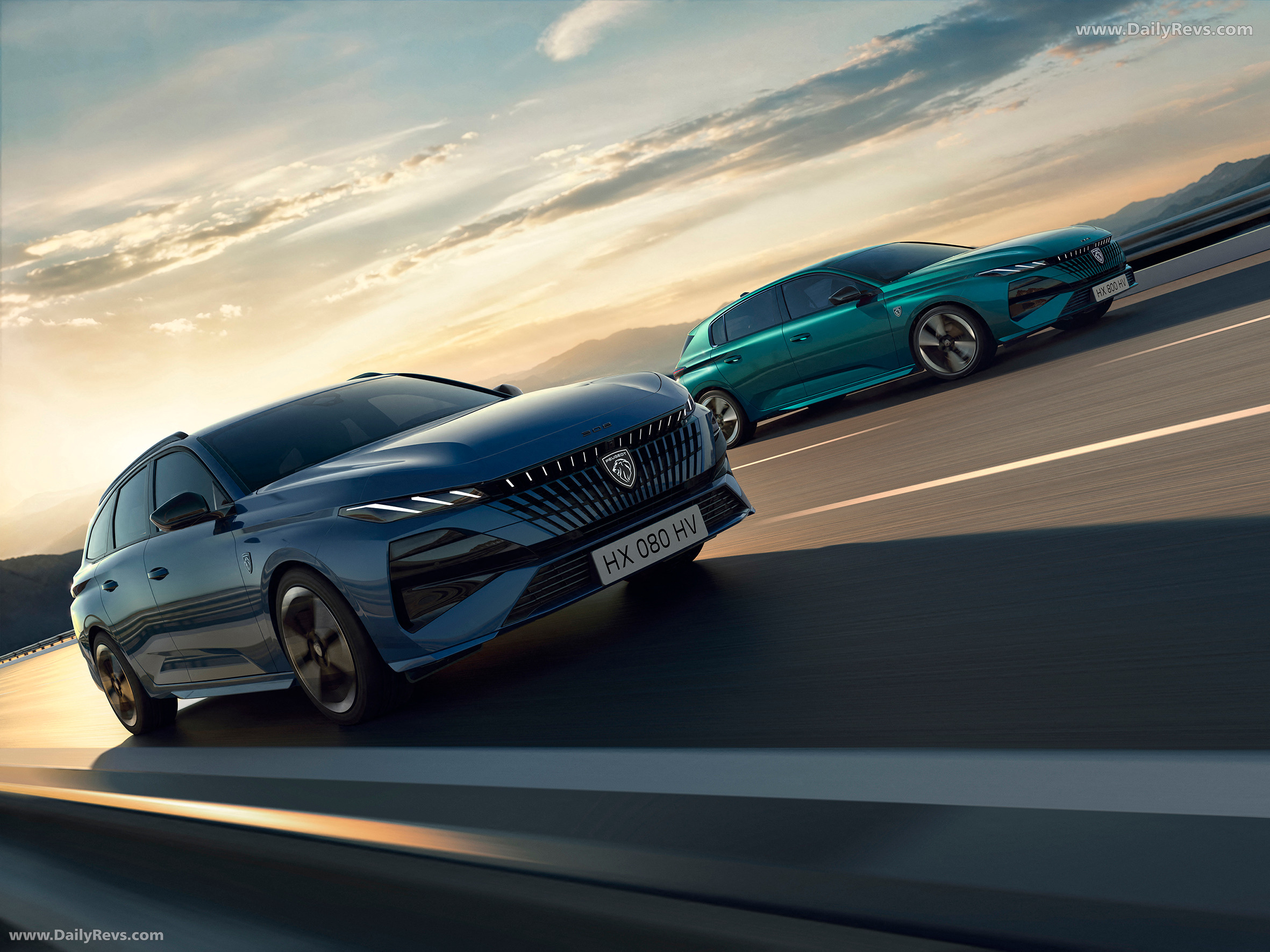
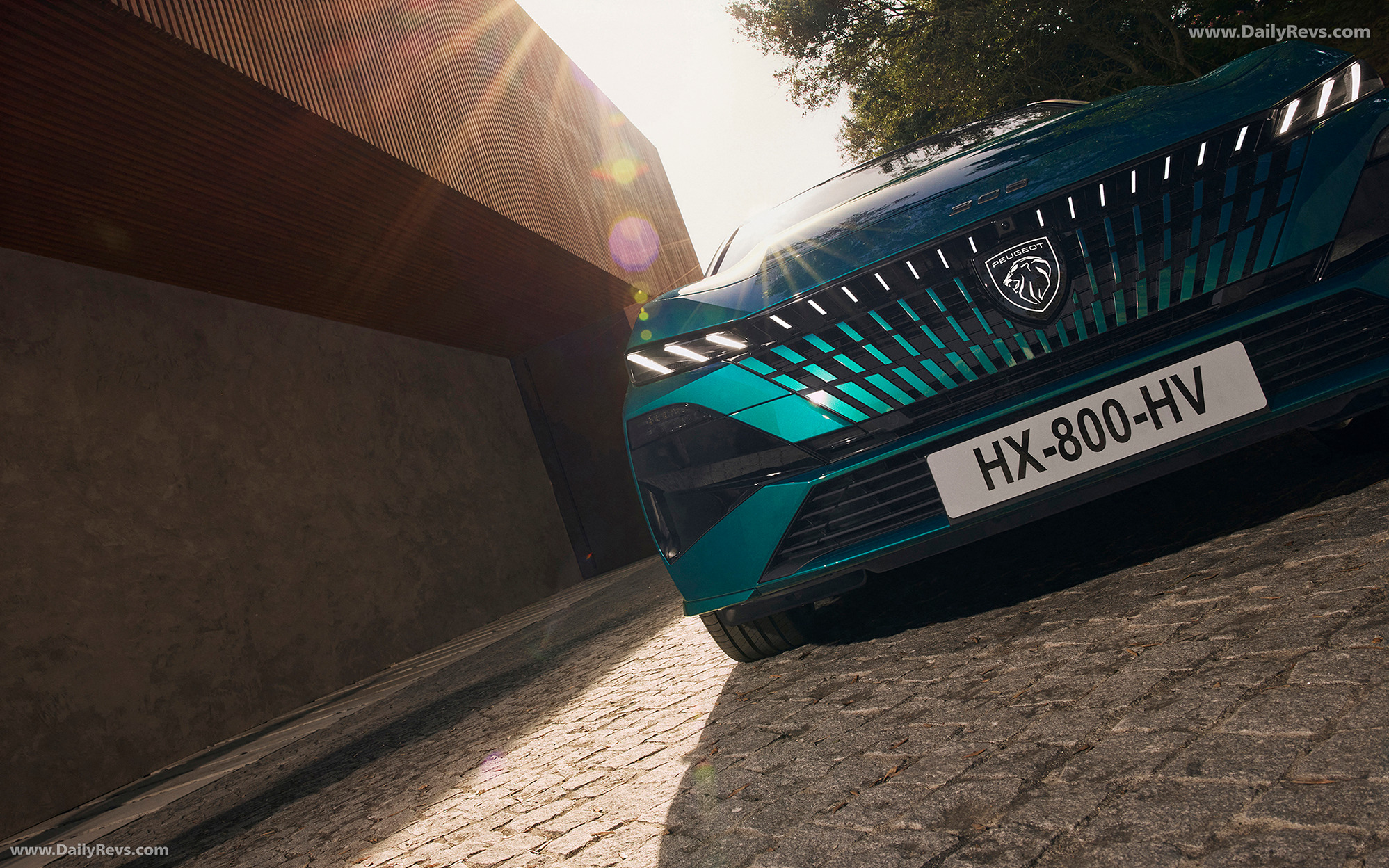
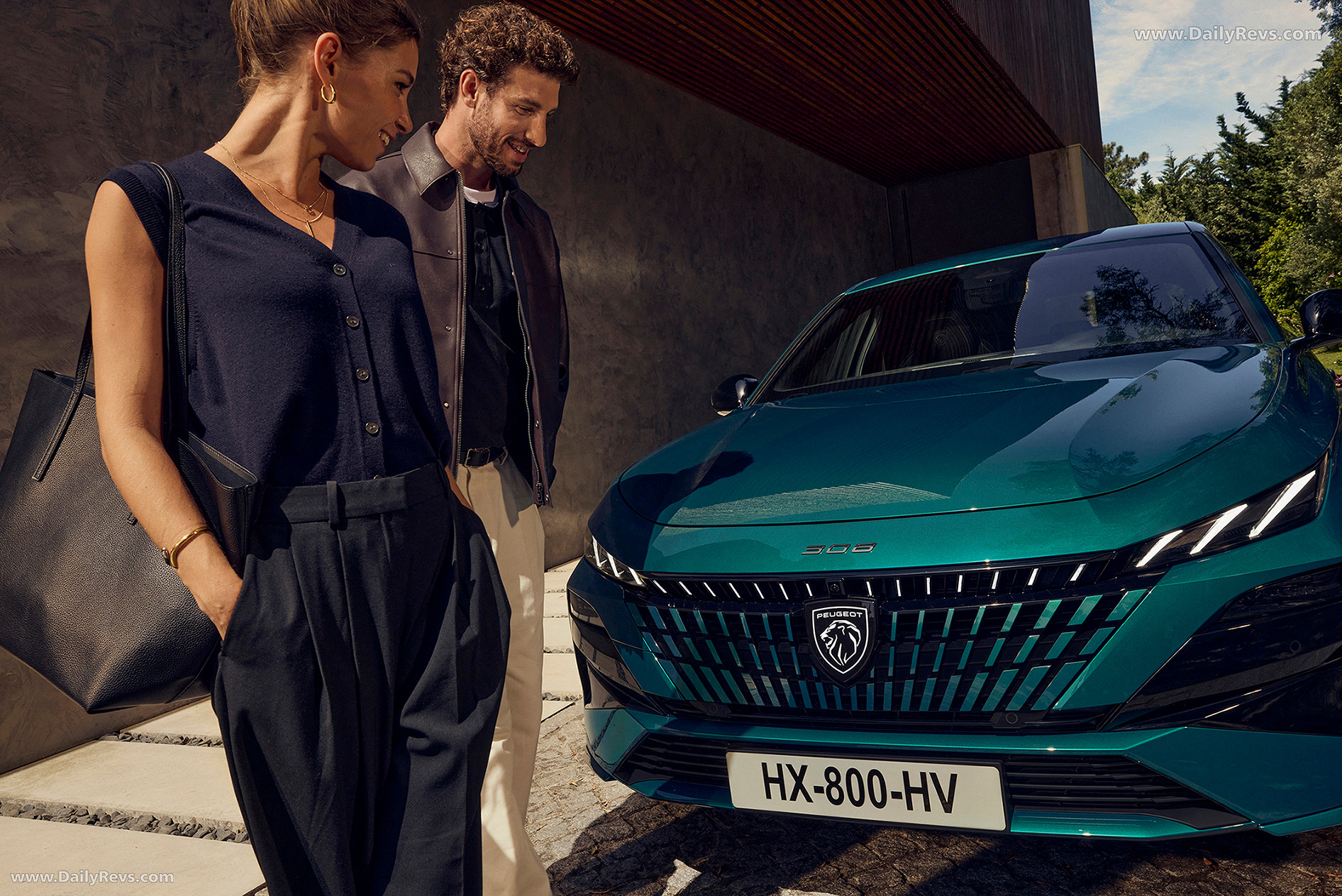
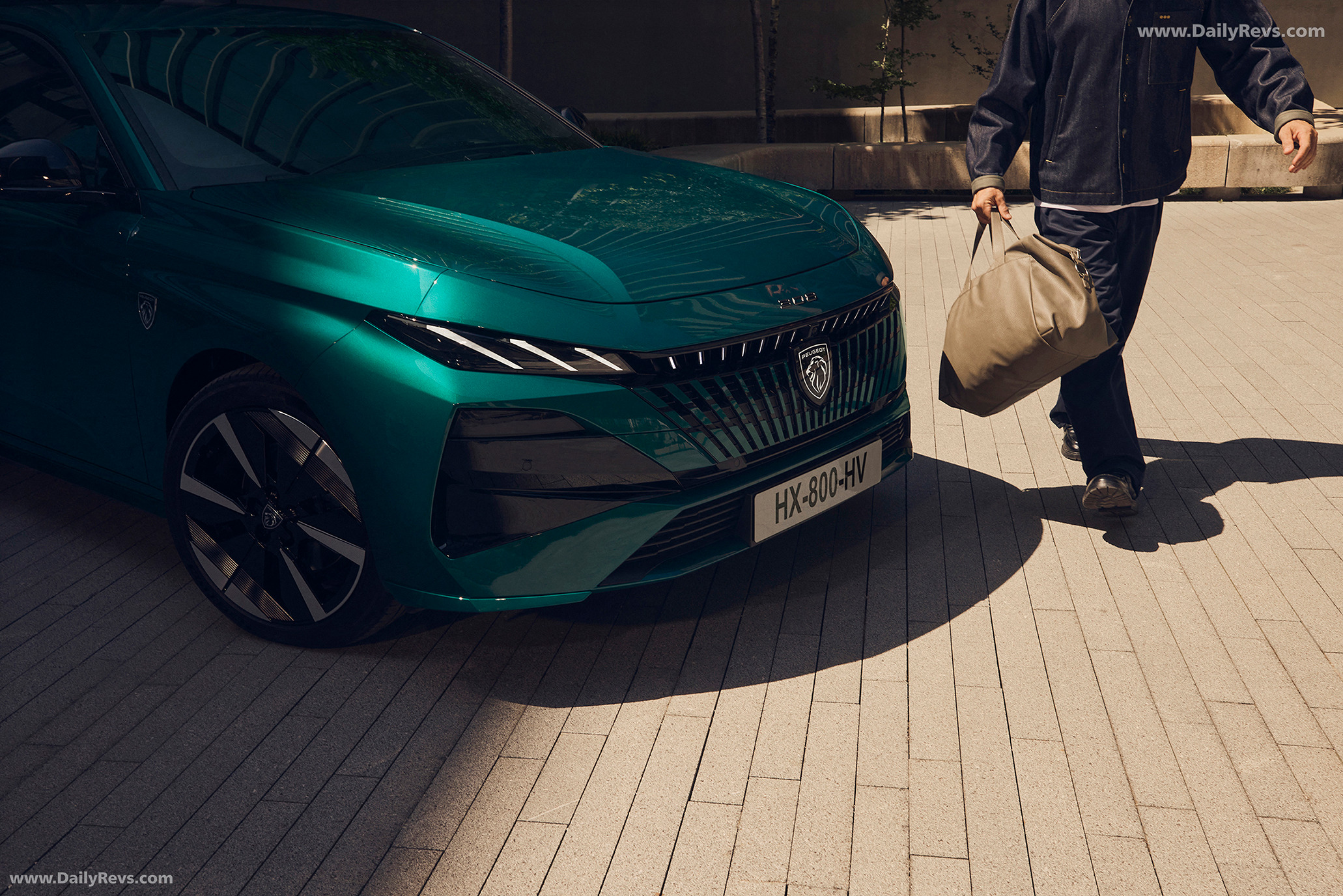
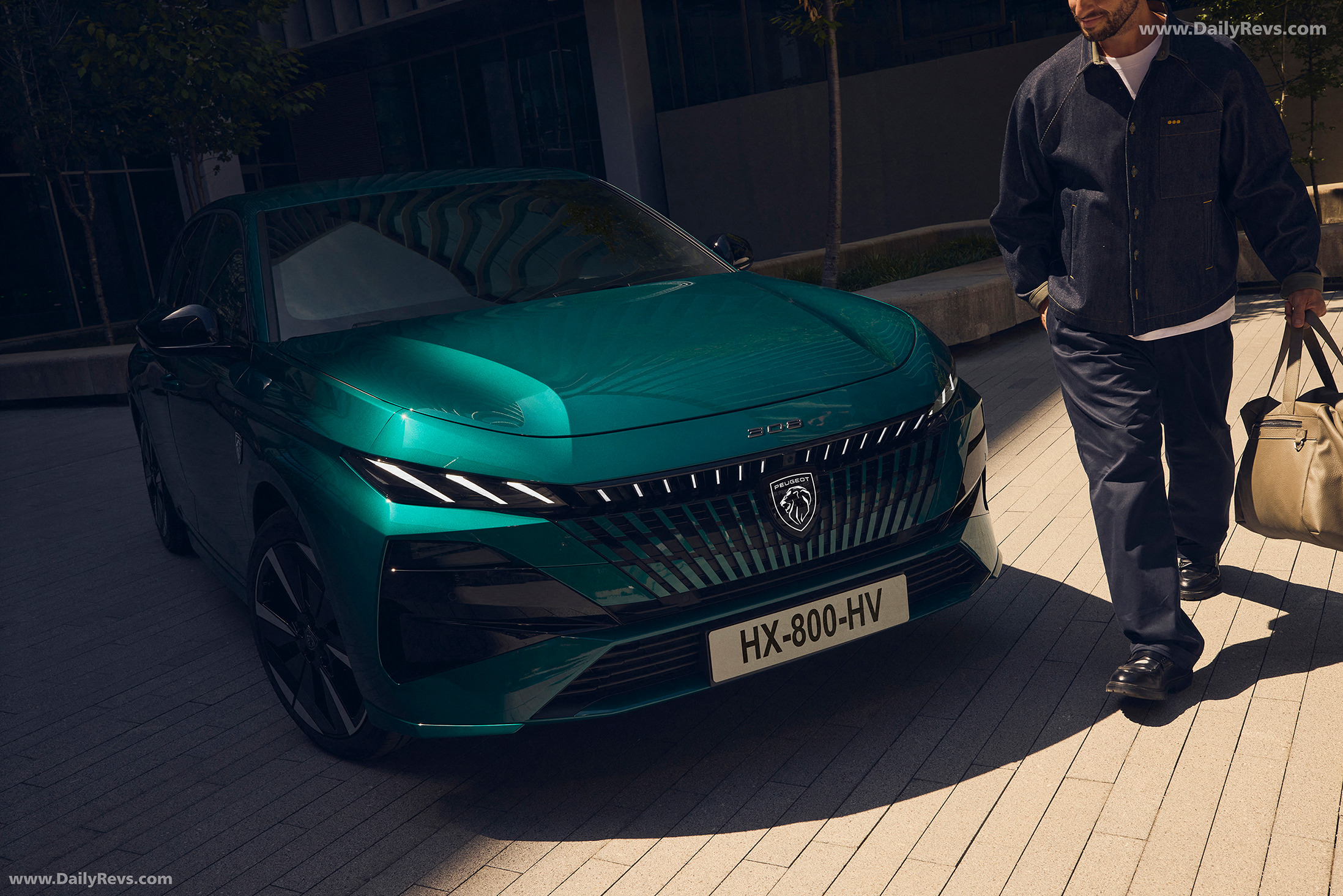
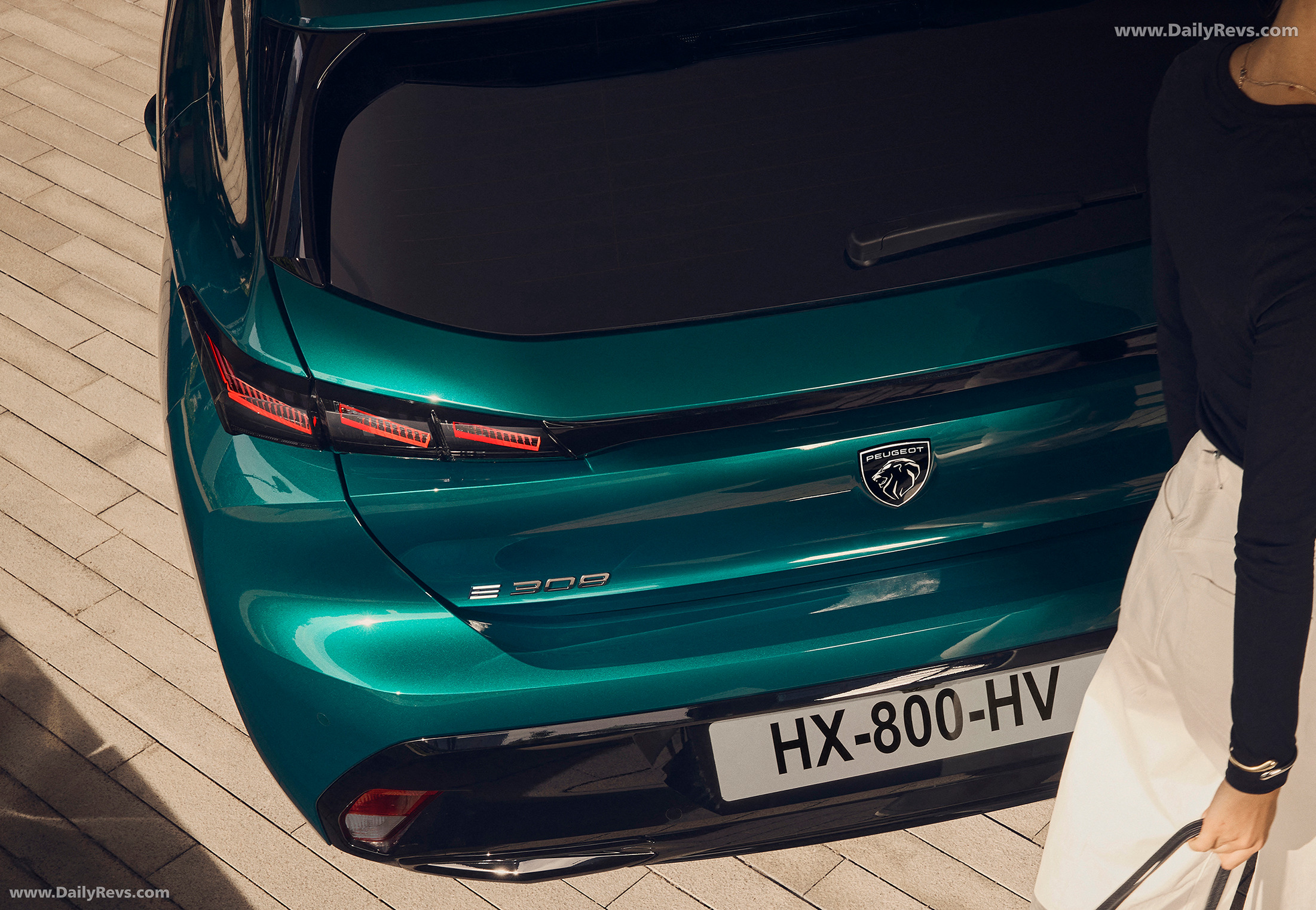
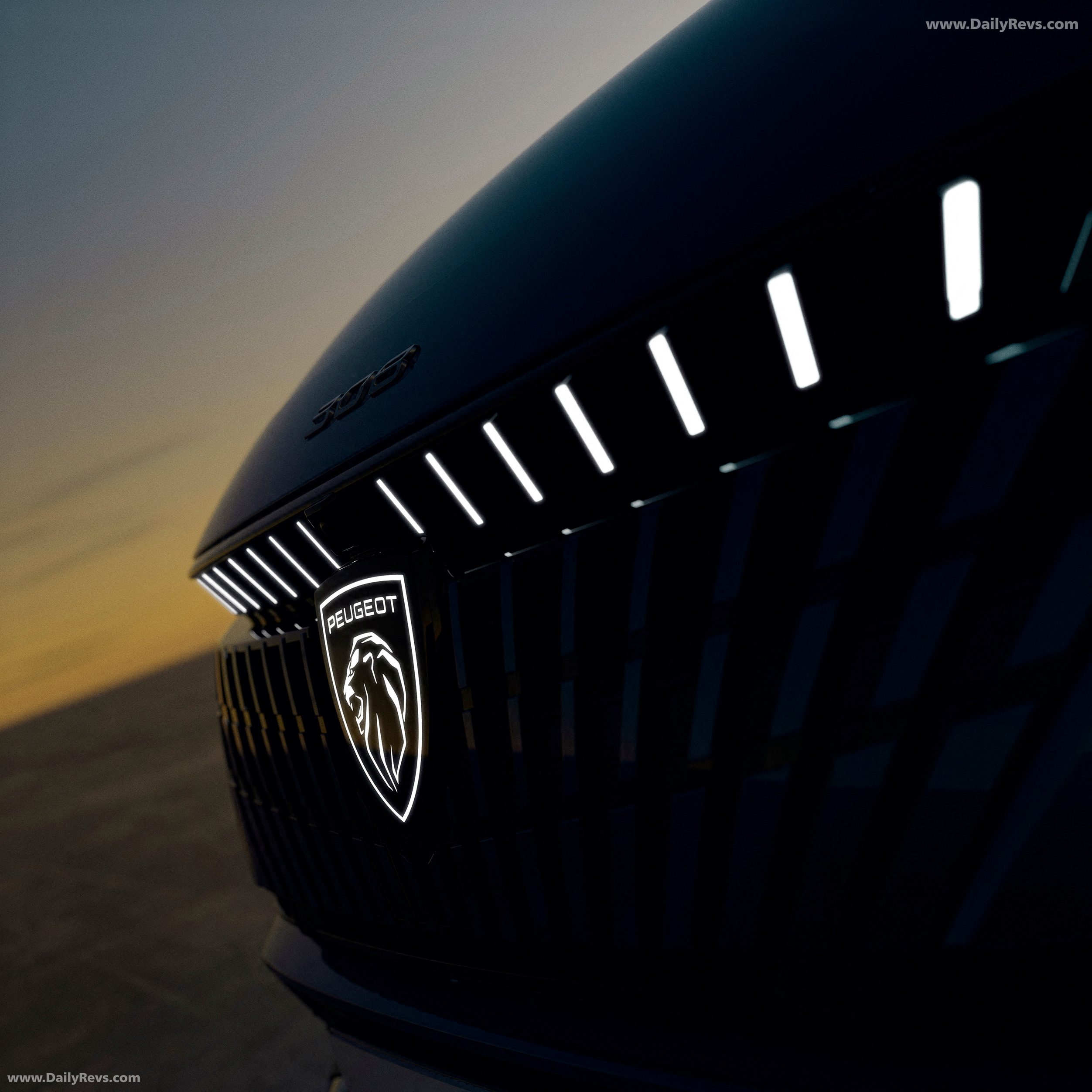
Design updates include new headlights with claw signature lighting, revised grille, and sportier front bumper—offering sharper styling ahead of full refresh.
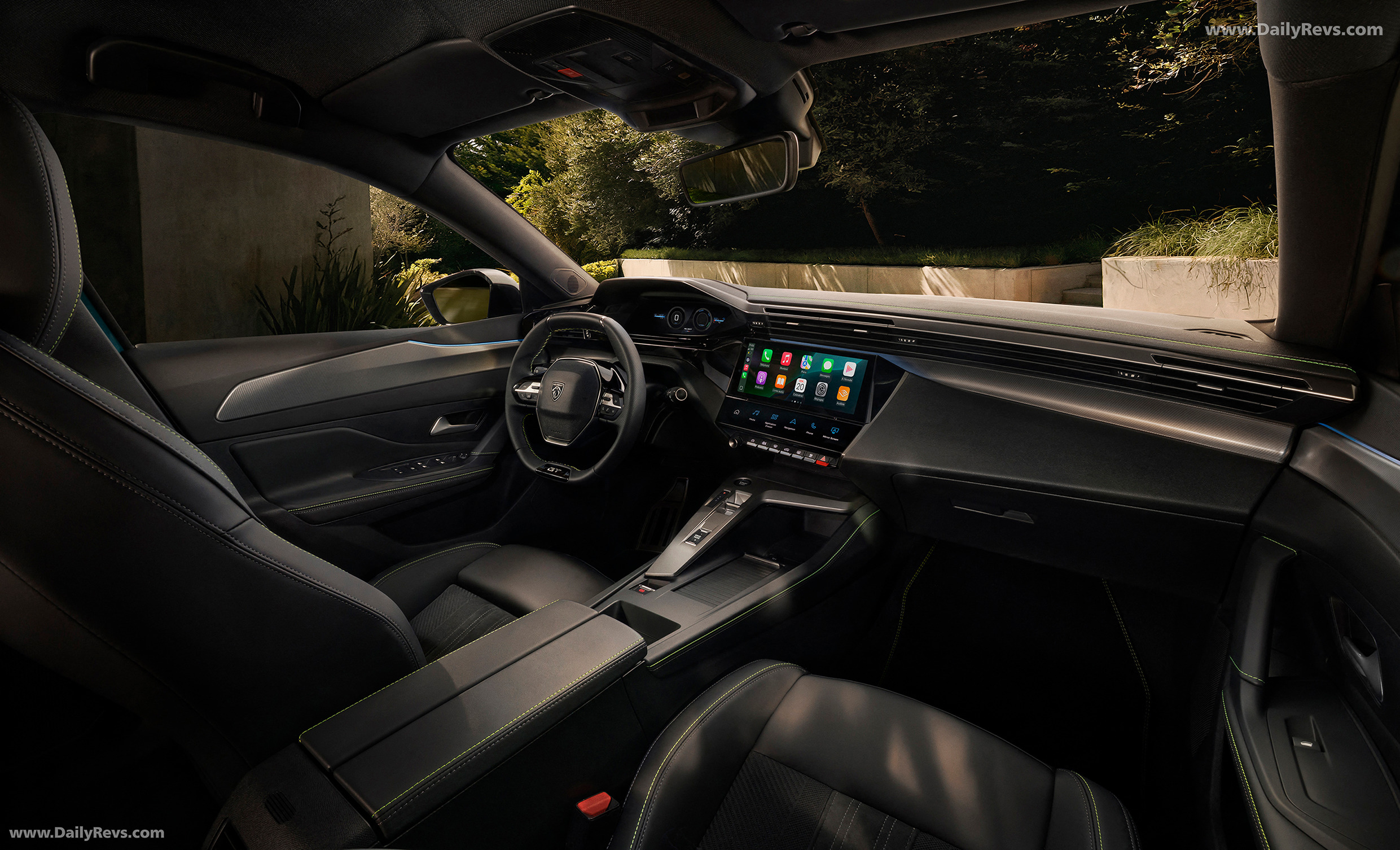
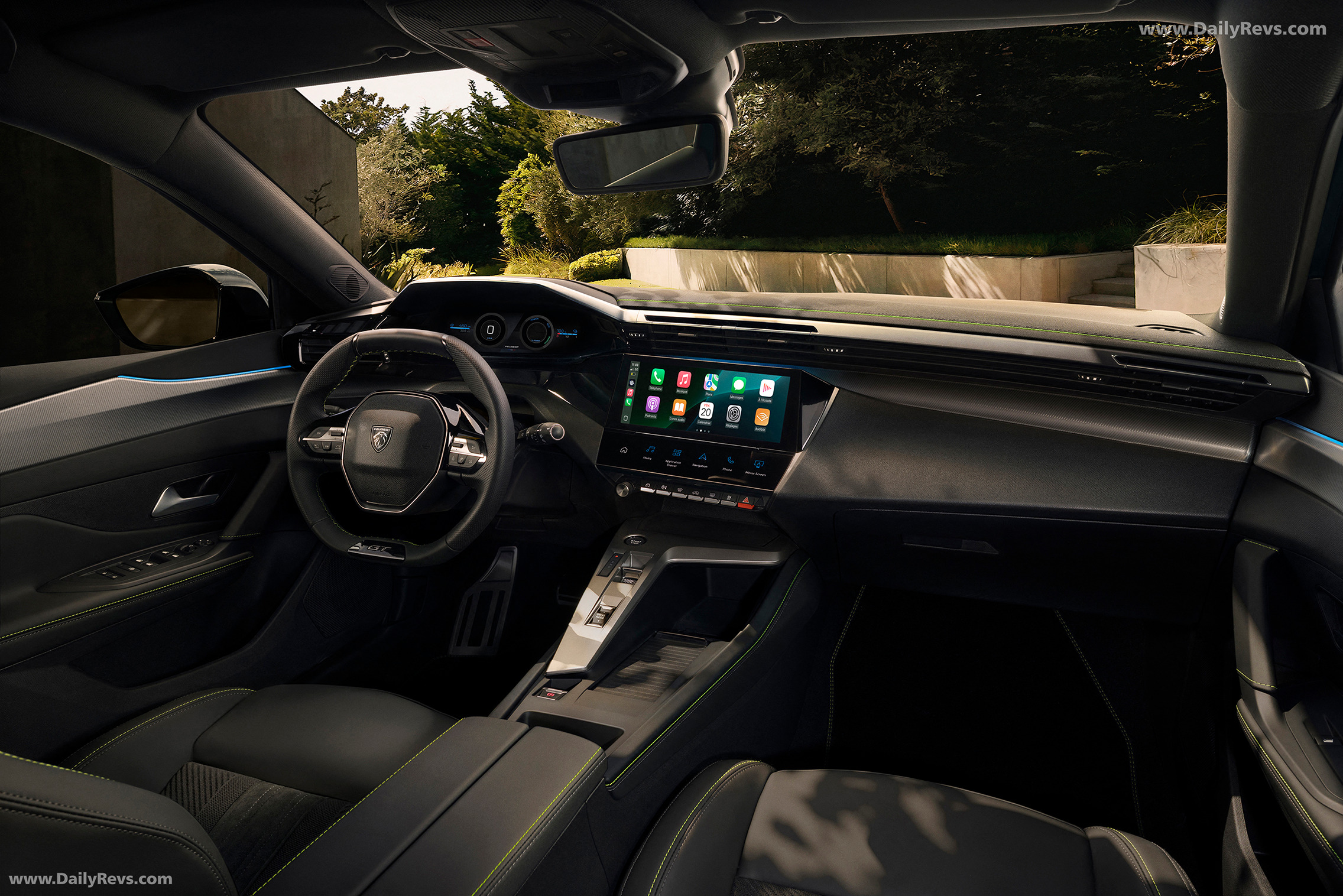
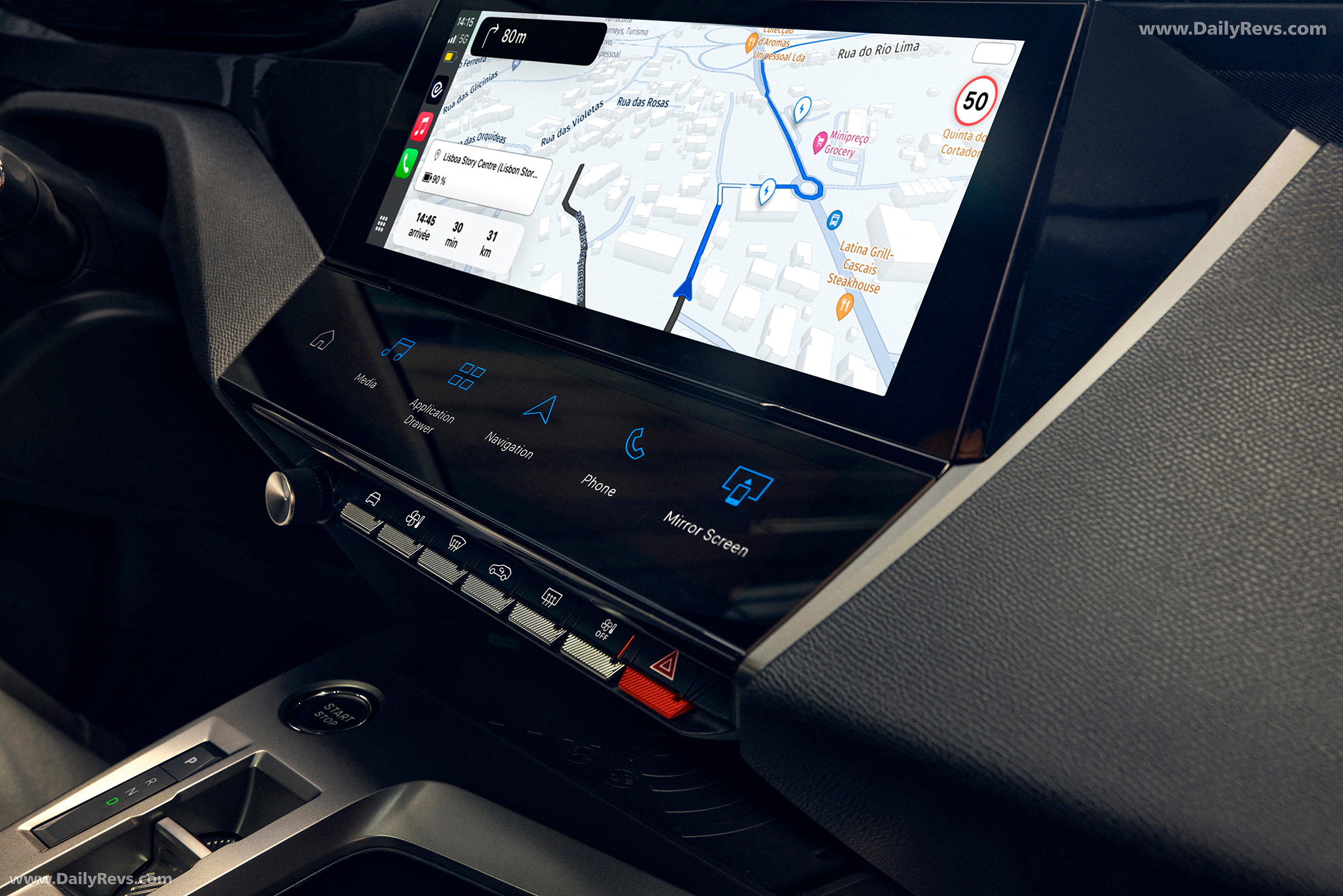
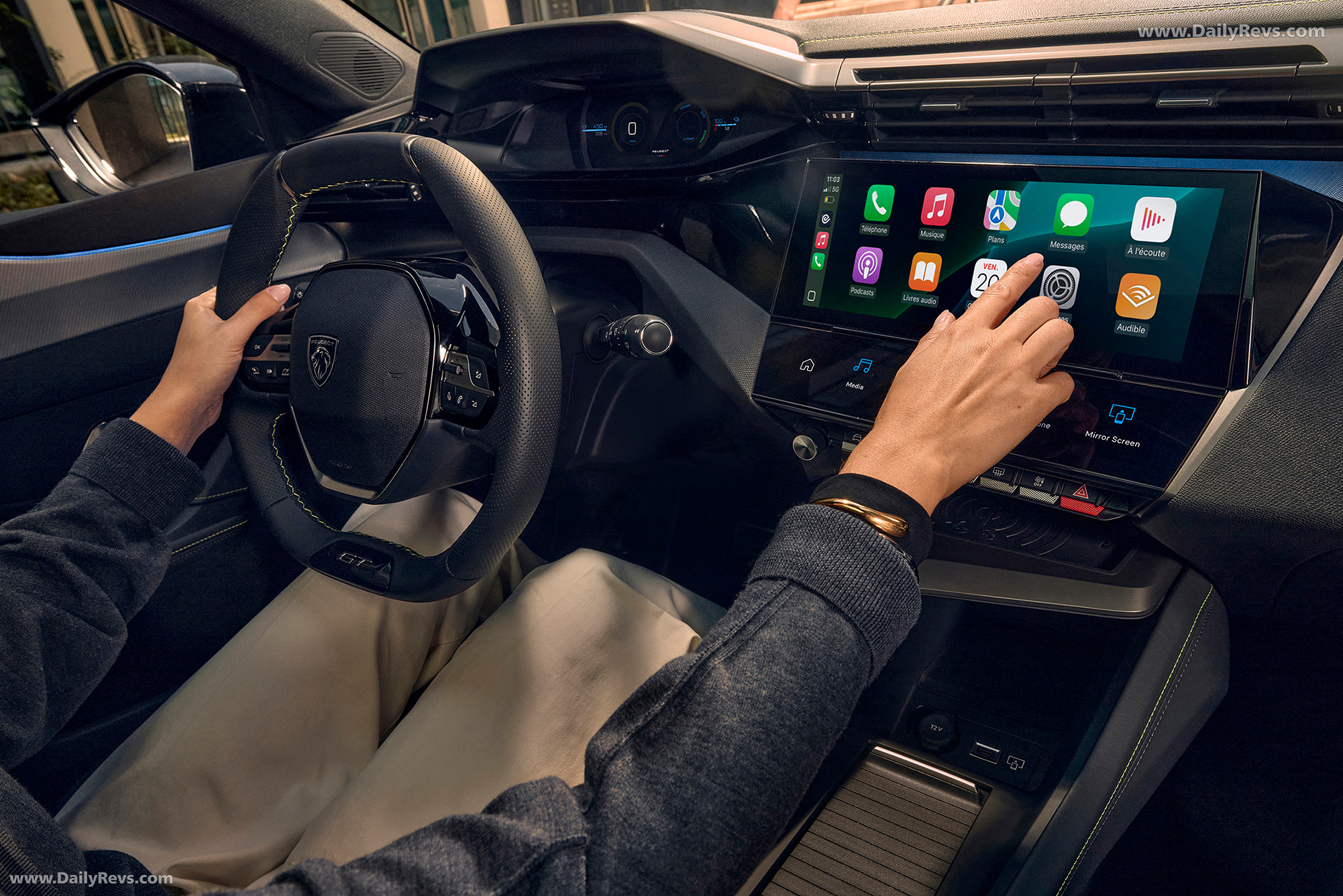
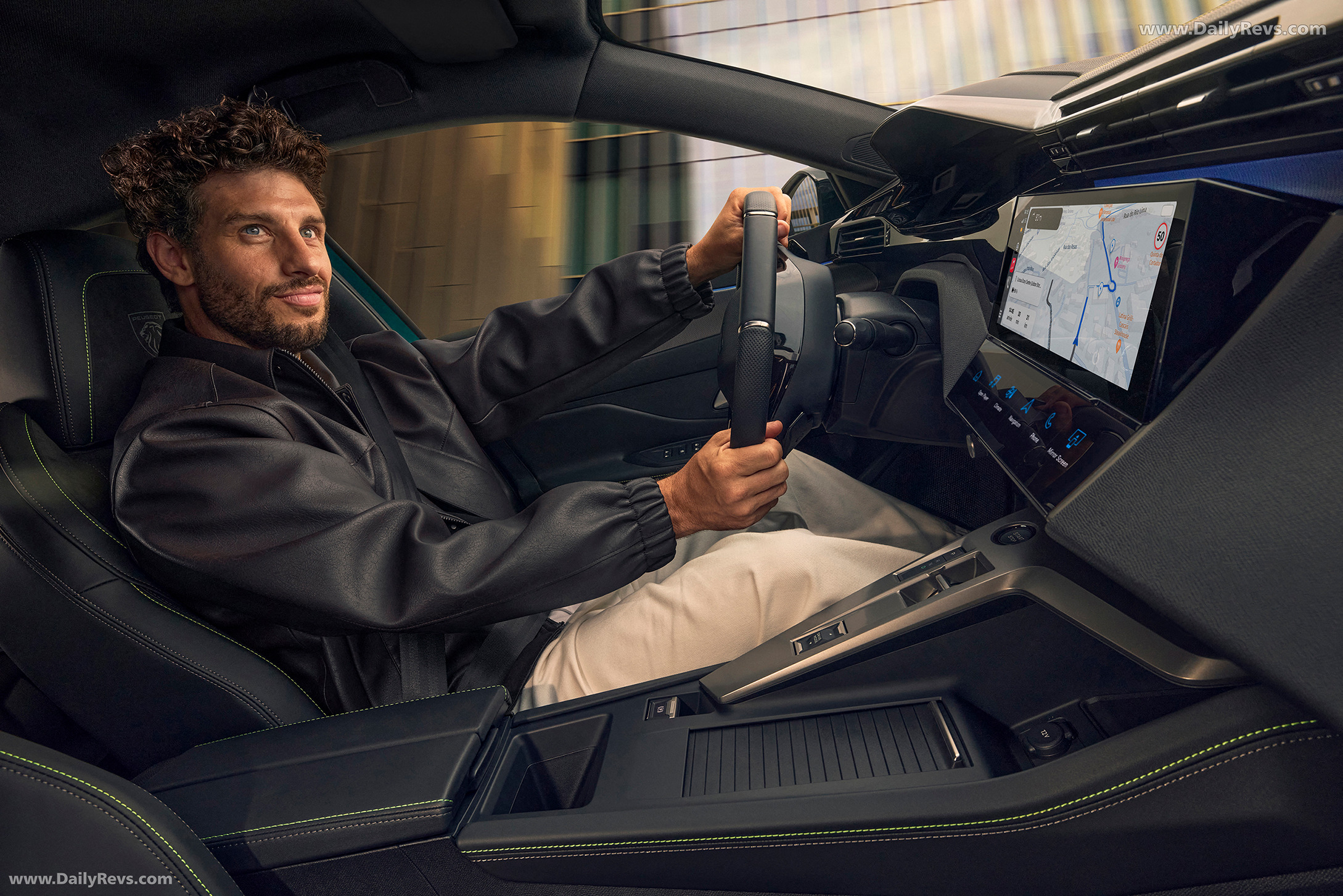
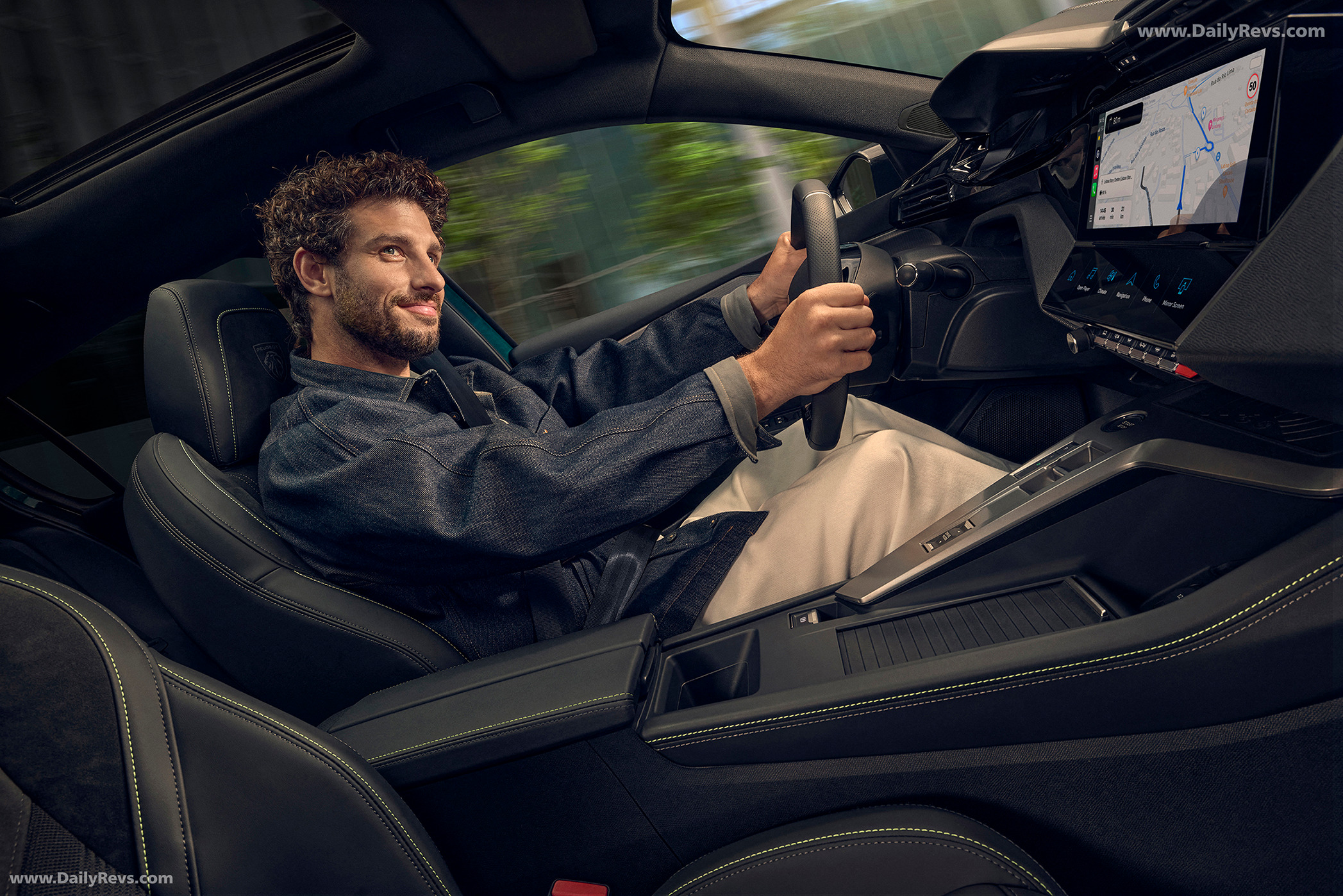
The electric hatch integrates Peugeot’s latest i‑Cockpit® with a 10″ touchscreen, compact steering wheel, and optional 3D heads-up display, targeting high-end compact EV buyers.
Refreshed Aesthetics and Improved Aerodynamics
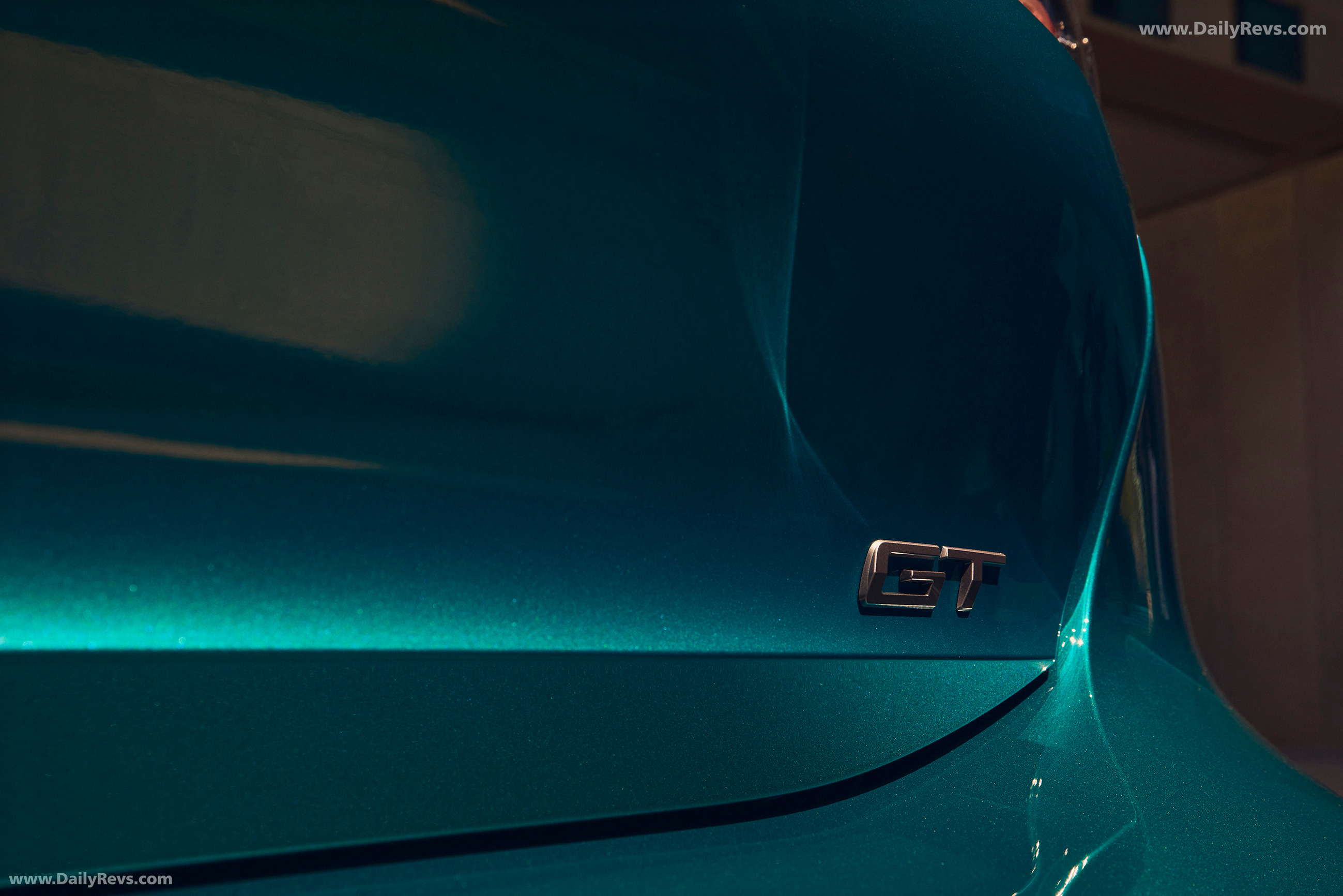
Peugeot’s 2026 update to the Peugeot E‑308 GT keeps its compact proportions but sharpens the front with sleeker signature “lion‑claw” daytime running lights and a gripper grille edged by revised styling lines. Sportier bumpers appear to improve airflow and visual dynamism, drawing directly from the brand’s recent family design language. These refinements aim to maintain the hatchback’s modern edge against rivals like the VW ID.3 and Renault Megane E‑Tech.
Electric Powertrain: Balanced Performance and Range
At its core, the Peugeot E‑308 GT features a 115 kW (156 hp) electric motor with 260 Nm torque driving through a single-speed gear. The hatch is powered by a 54 kWh (51 kWh usable) lithium-ion battery with an advanced chemistry mix—80% nickel, 10% manganese, 10% cobalt. It delivers a WLTP-rated range of 416 km, positioning the GT variant competitively in the compact EV class.
Cabin with i-Cockpit® and Digital Upgrades
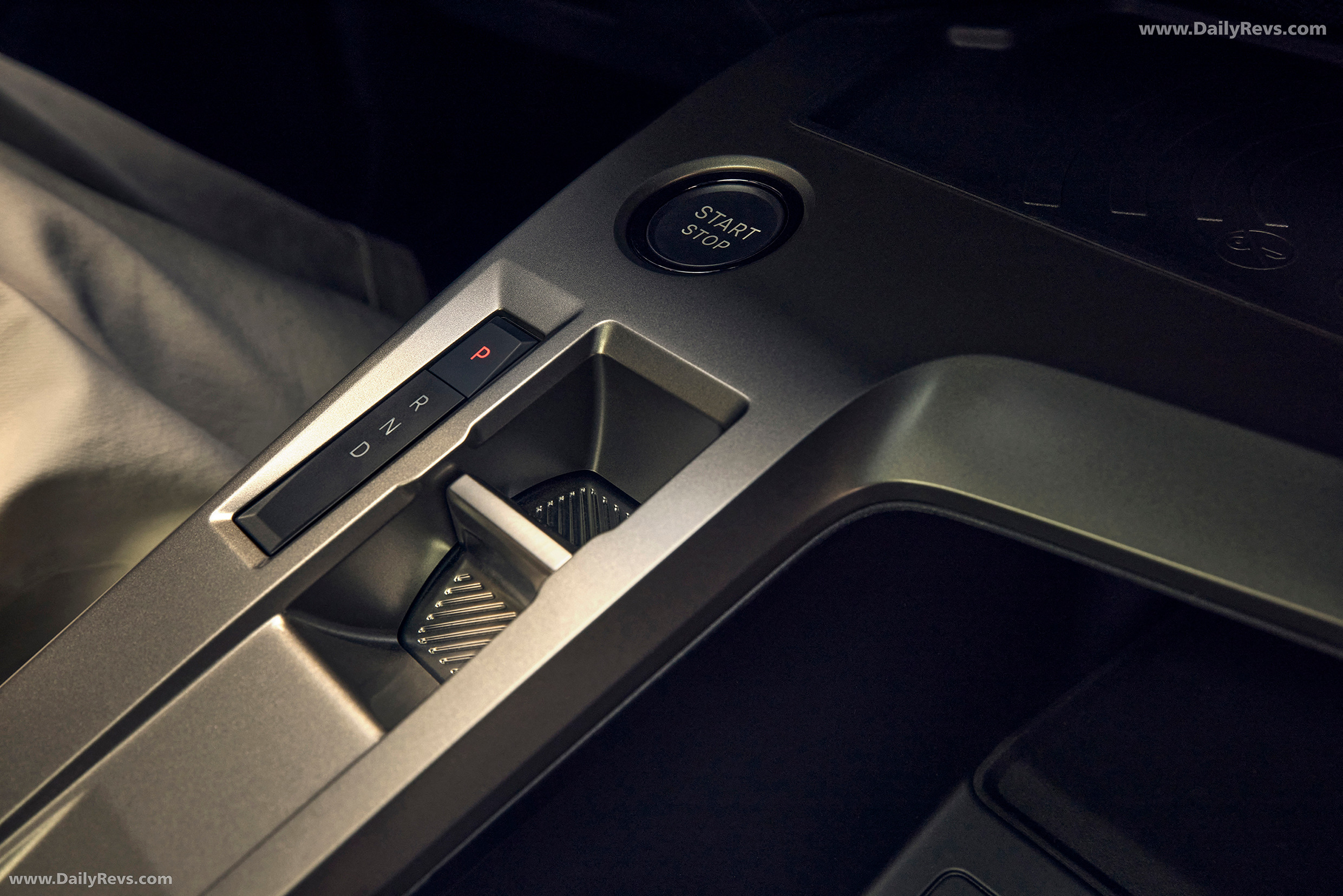
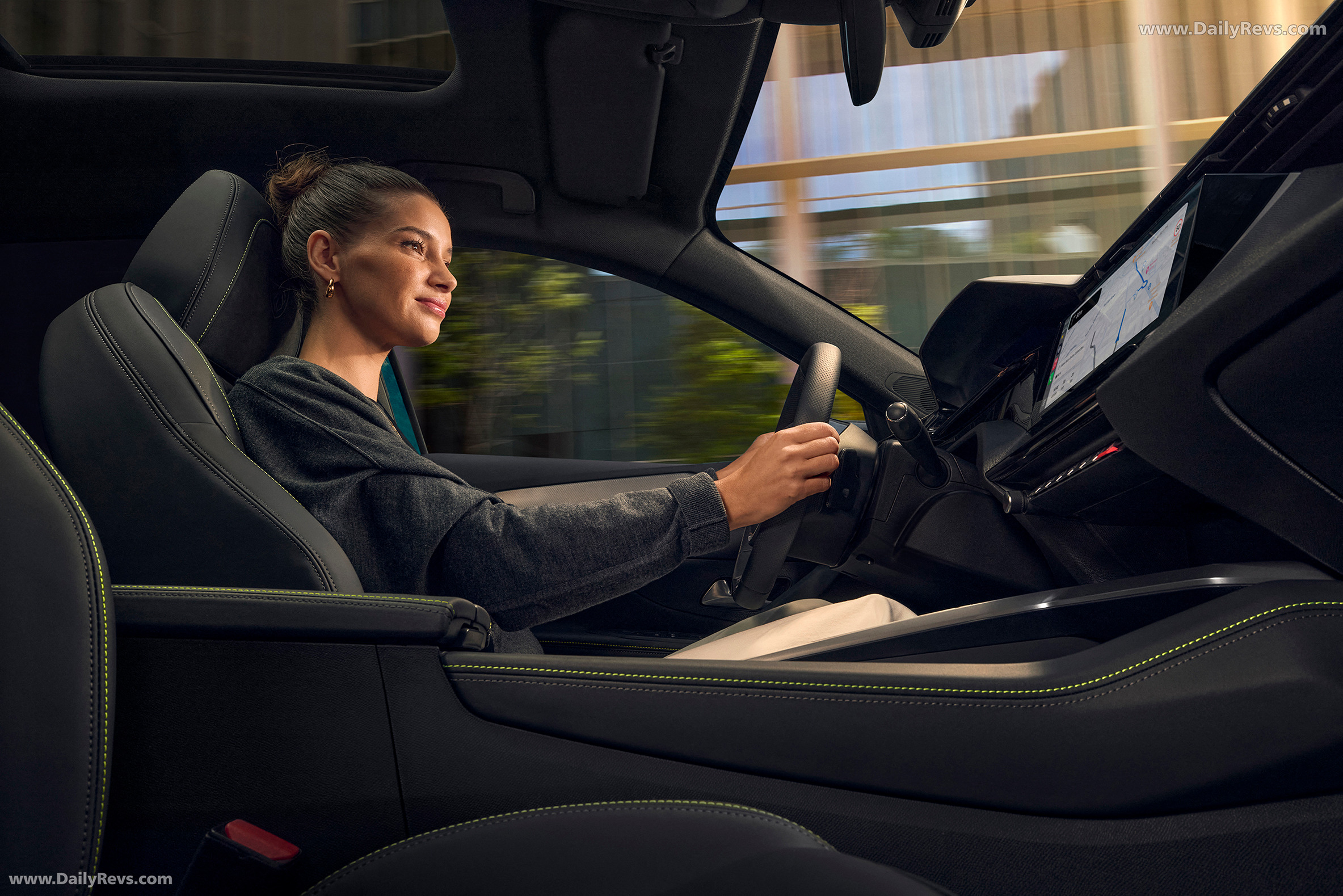
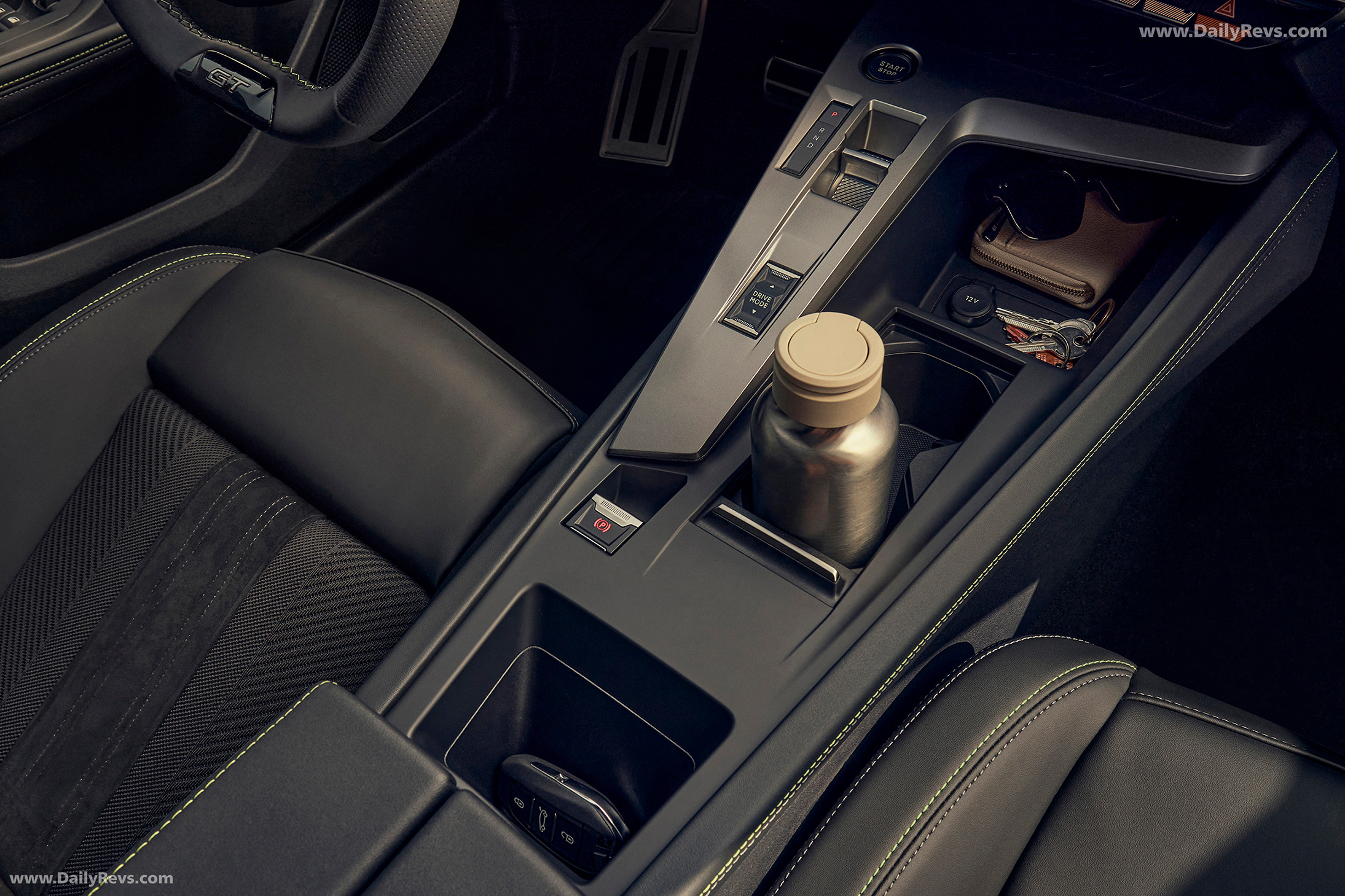
Peugeot positions the Peugeot E‑308 GT’s interior around its refined i‑Cockpit® layout. Features include a compact heated steering wheel, 3D digital heads-up display, and a 10-inch HD touchscreen for infotainment and vehicle controls. Higher trim levels often feature ambient lighting and upgraded materials, elevating the feel to near upmarket standards for compact EVs.
Platform, Dimension, and Practicality
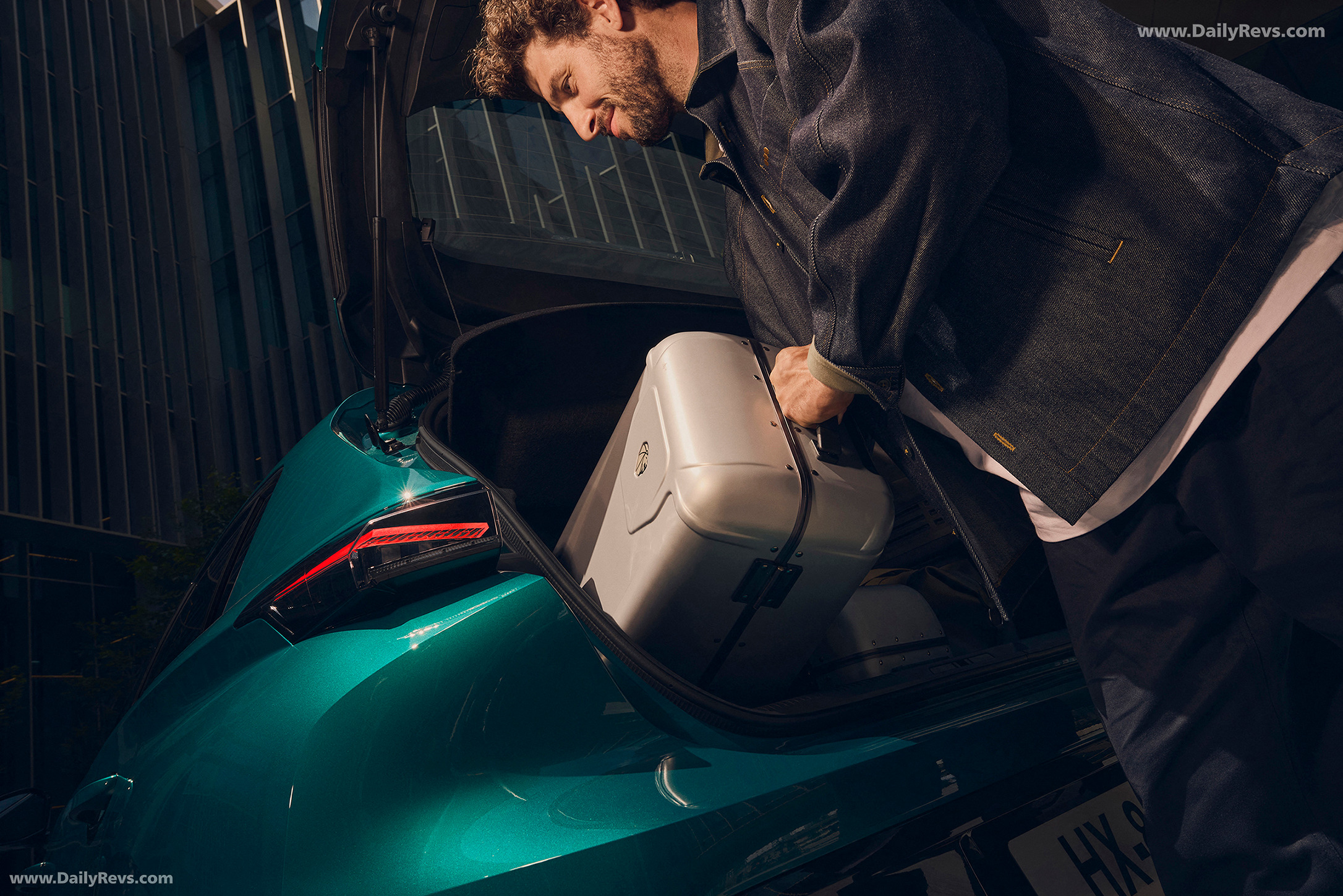
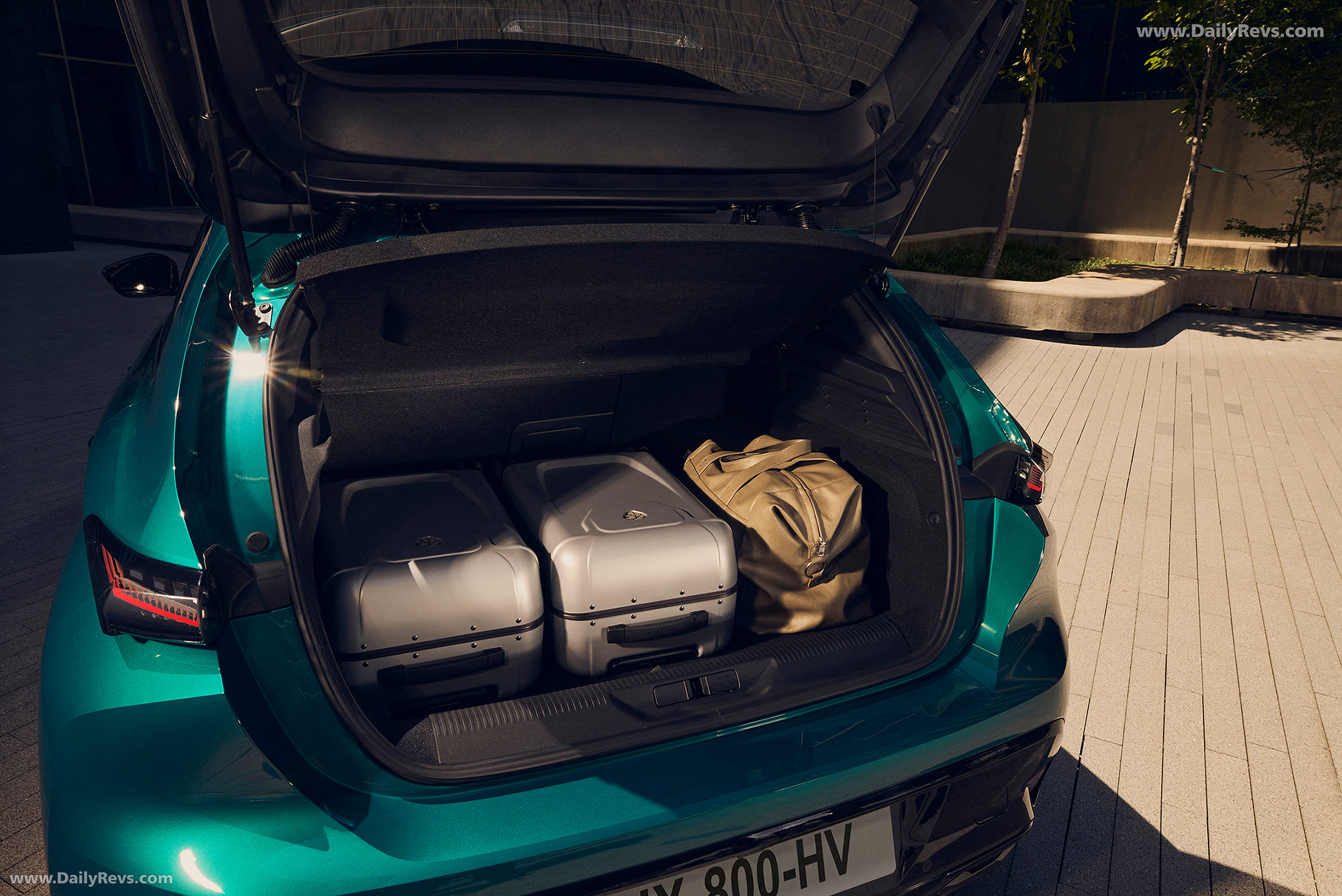
Built on Stellantis’ modular EMP2 platform, the Peugeot E‑308 GT benefits from weight savings and flexible architecture suited for electric powertrains. Dimensions place it squarely in the C‑segment: approximately 4,365 mm length, 1,850 mm width, 1,465 mm height, and 121 mm ground clearance. The hatch balances compact footprint with usable cabin volume, including 361 L boot space and enhanced cargo flexibility through folding seats.
Market Strategy and Positioning
Peugeot is set to phase out combustion models by 2026, making the Peugeot E‑308 GT a cornerstone of its all-electric future in Europe. Key competitors include the VW ID.3, Renault Megane E‑Tech, and Cupra Born. Despite a premium price, Peugeot aims for buyers seeking style, range, and cabin refinement.
Technical Specification
Performance
- Electric motor output: 115 kW (156 hp)
- Torque: 260 Nm
Body Measurements
- Length: 4,367 mm (≈171.9 inches)
- Width: 1,852 mm (≈73.0 inches)
- Height: 1,441 mm (≈56.7 inches)
- Wheelbase: 2,675 mm (≈105.3 inches)
- Ground clearance: 132 mm (≈5.2 inches)
Powertrain & Charging
- Battery capacity: 54 kWh gross / 51 kWh usable
- Battery chemistry: NMC (80% Nickel, 10% Manganese, 10% Cobalt)
- Charging rates: 11 kW AC onboard; 100 kW DC fast charging
- 20–80% DC fast-charge time: ~28 minutes
Performance & Range
- WLTP-rated range: 400–416 km (combined)
- 0–100 km/h acceleration: approximately 9.8 seconds (hatchback)
- Top speed: approximately 170 km/h (106 mph)
Capacities
- Boot (hatch): 361 L with seats up; expands to 1,271 L with seats down
- Boot (SW version): 608 L up to 1,634 L with rear seats folded
Price / Cost (accurate for United Kingdom and Germany, where available)
- Hatchback Allure trim (UK): £40,050 OTR
- Hatchback GT trim (UK): £43,020 OTR (including optional sunroof)
- SW Allure version (UK): £40,050 OTR
- SW GT version (UK): £43,265 OTR
- Hatchback (Germany): €44,765