


2026 Peugeot 308 SW PHEV
By Lorenzo Bianchi December 25, 2025
Illuminated Peugeot emblem and revised lighting debut on the 308 SW.
Plug-in hybrid system delivers 195 PS with up to 81–82 km electric range.
New connected services and V2L capability arrive from spring 2026.
Design and Proportions of the Vehicle
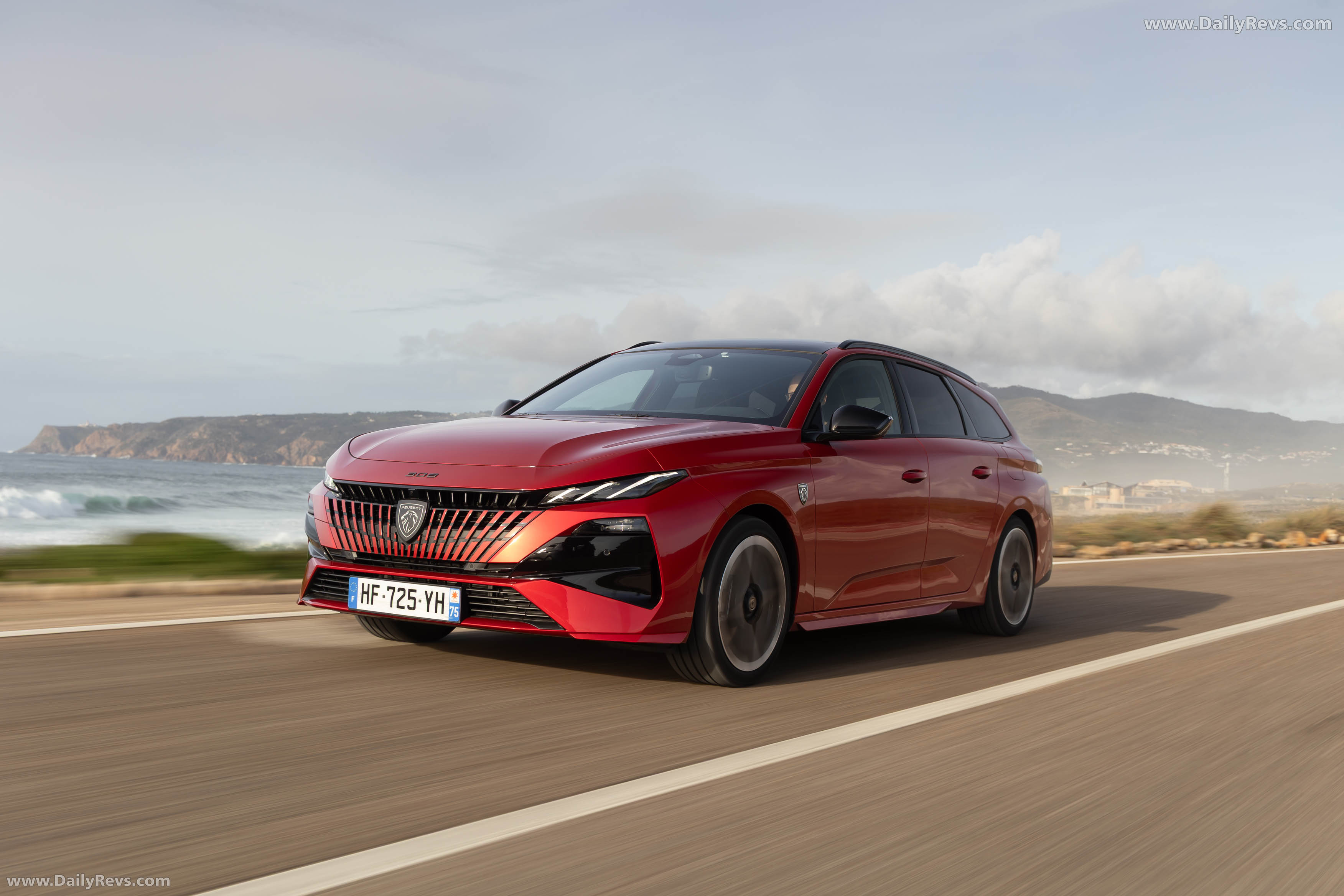
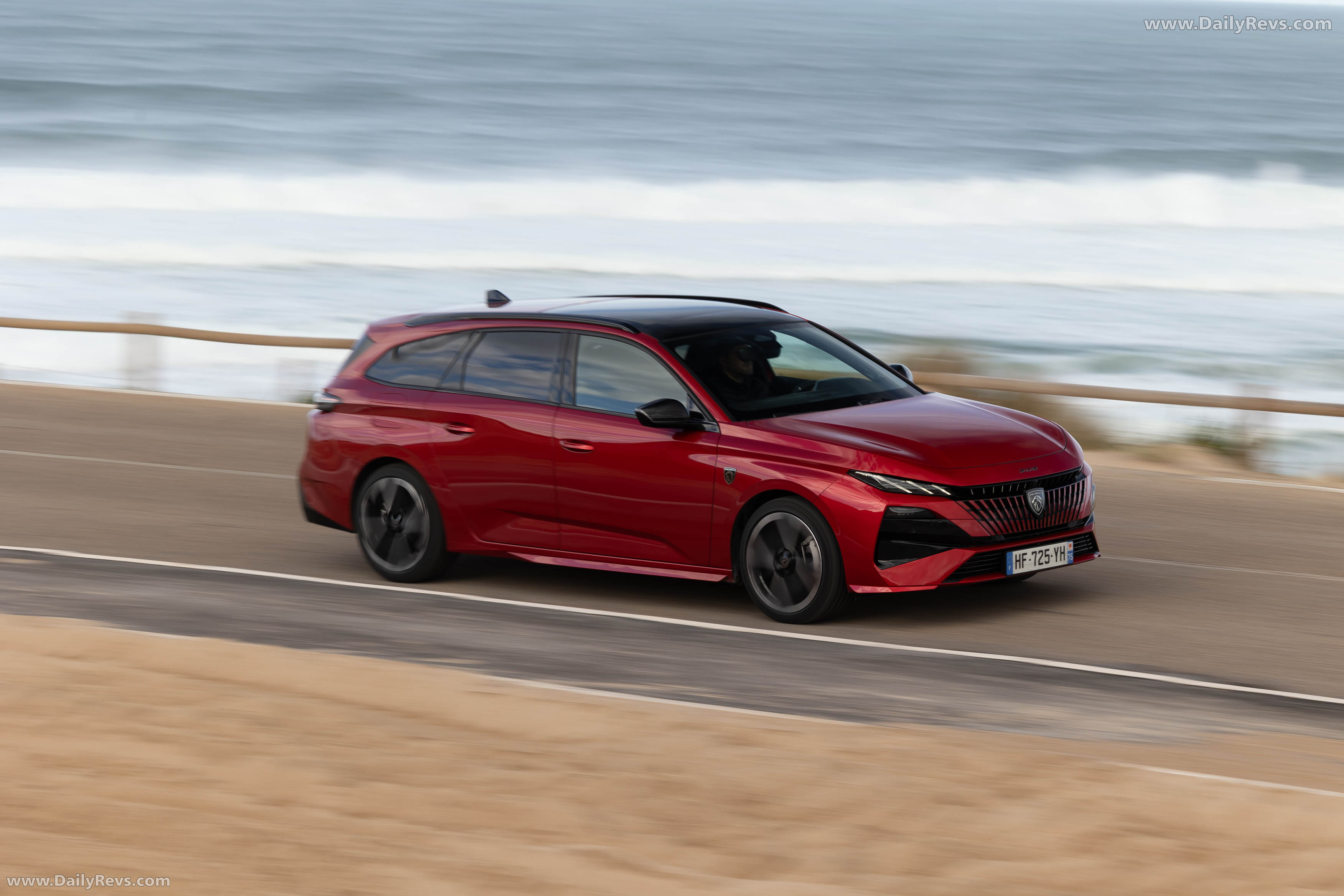
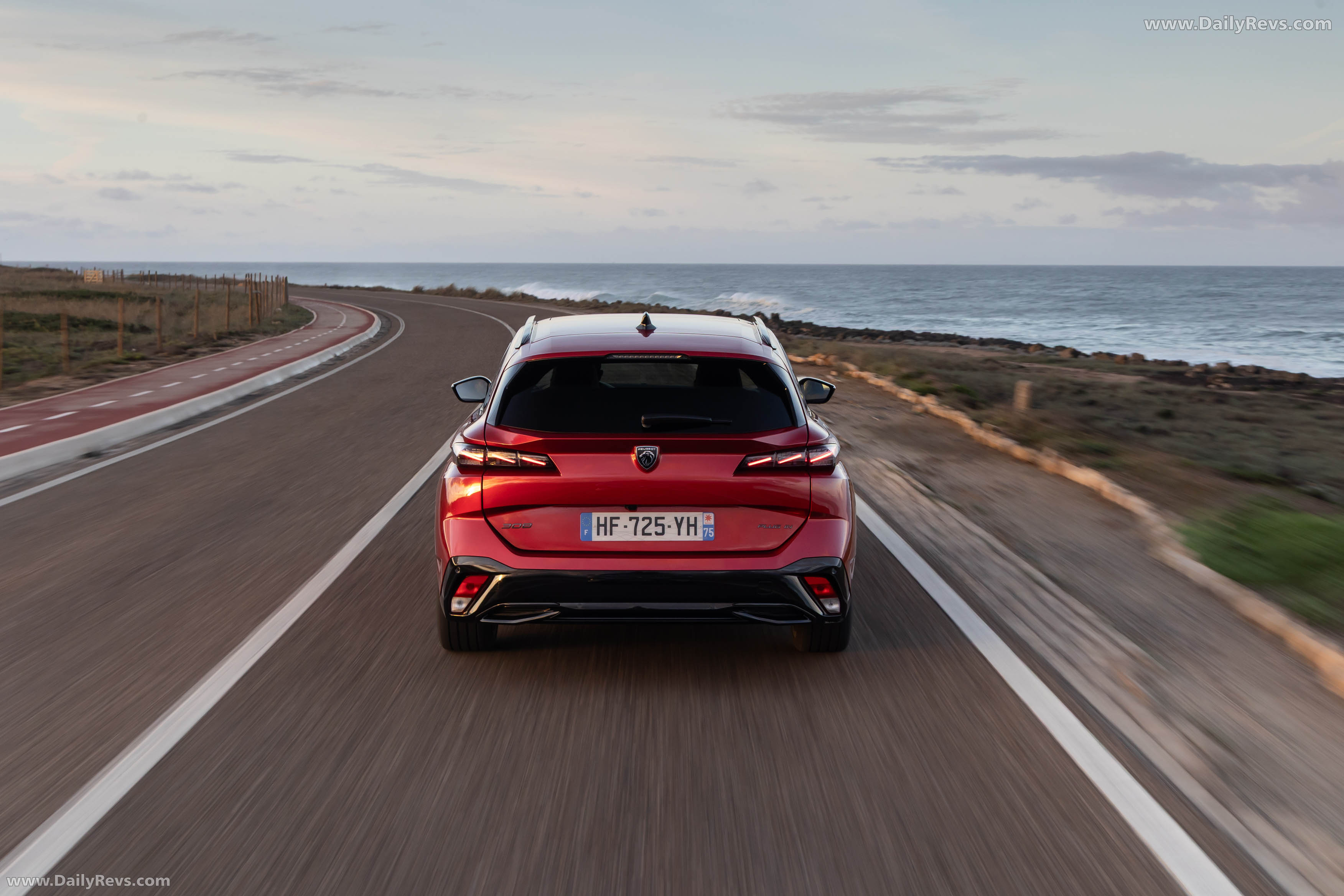
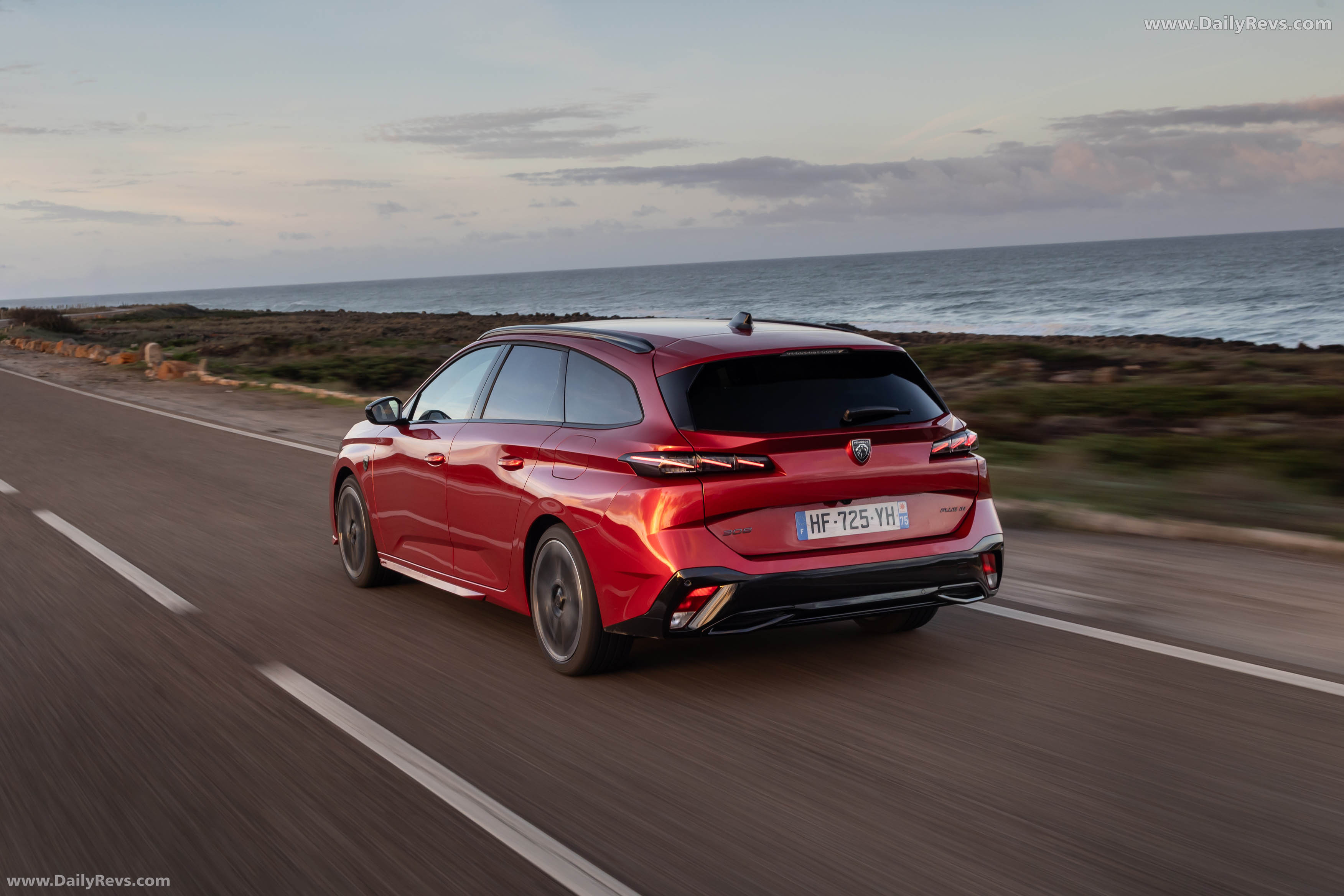
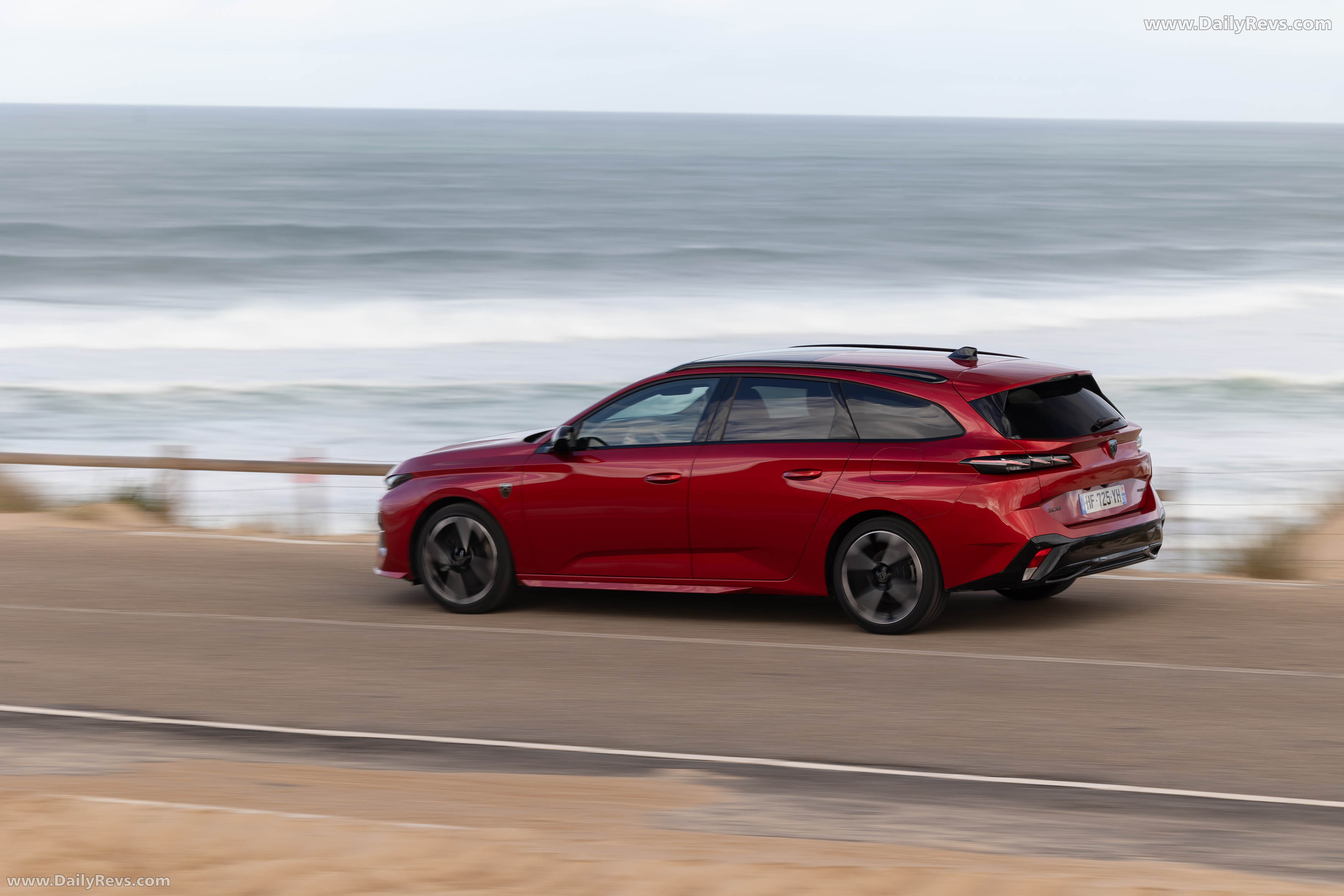
The 2026 Peugeot 308 SW PHEV builds on an estate shape that already prioritised balance and usability. Its proportions remain familiar: a long roofline, a clean shoulder line, and a rear profile that stays slim rather than bulky. The stance reads stable and functional, with no attempt to dramatise the form.
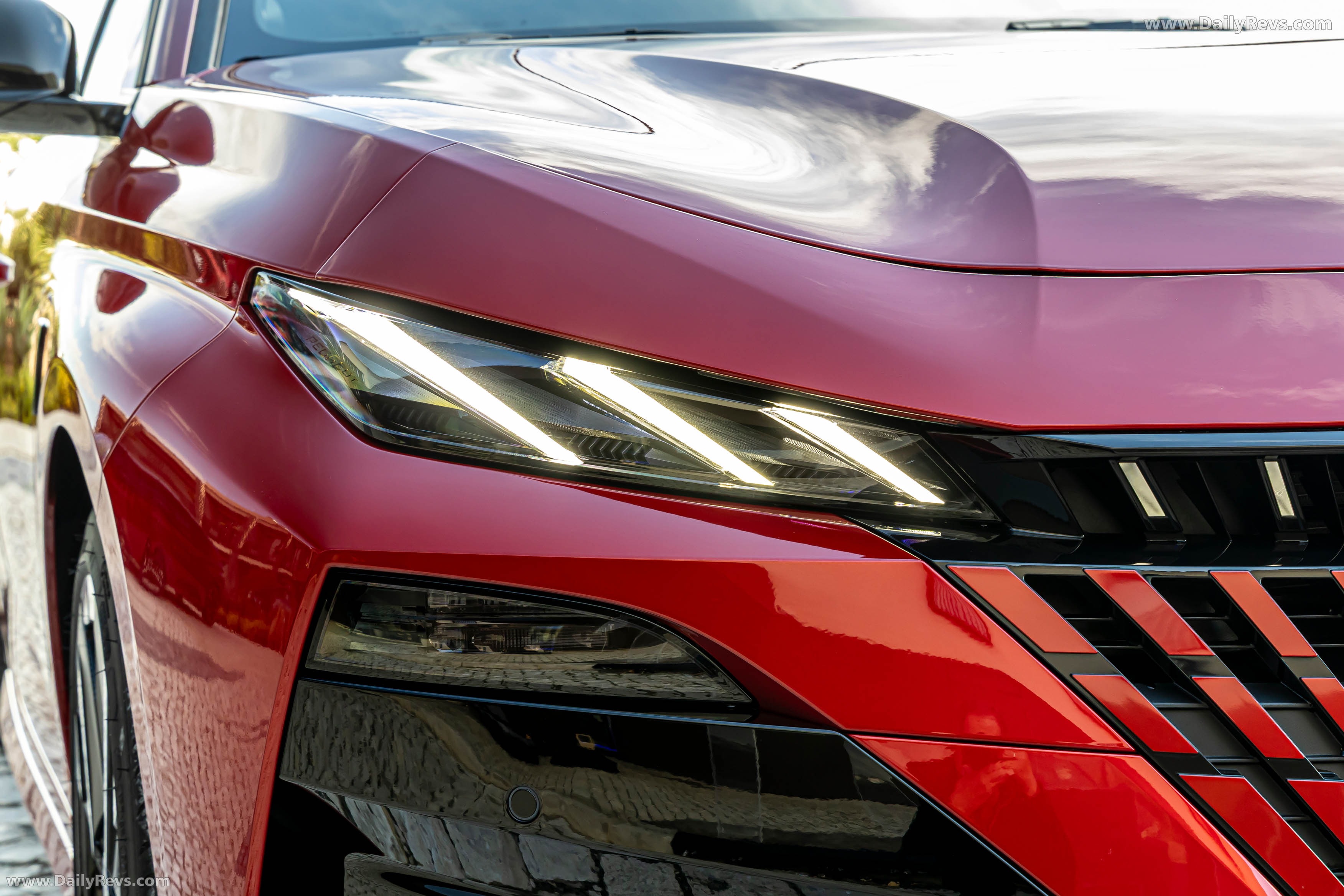
The most visible change is at the front. From GT trim upward, the 308 SW now features an illuminated Peugeot emblem, integrated into a newly sculpted grille finished in body colour. The grille pattern opens wider at the centre and tightens toward the edges, giving the front end a more cohesive appearance. Above it, fine illuminated lines extend outward into the headlights, visually broadening the nose without altering the underlying structure.
Lighting remains central to the design. Slim three-claw LED daytime running lights define the front, echoed at the rear by matching three-claw LED elements set within a black horizontal strip. New alloy wheel designs and additional exterior colours, including Lagoa Blue, provide subtle variation without changing the estate’s restrained character.
Performance and Powertrain Overview
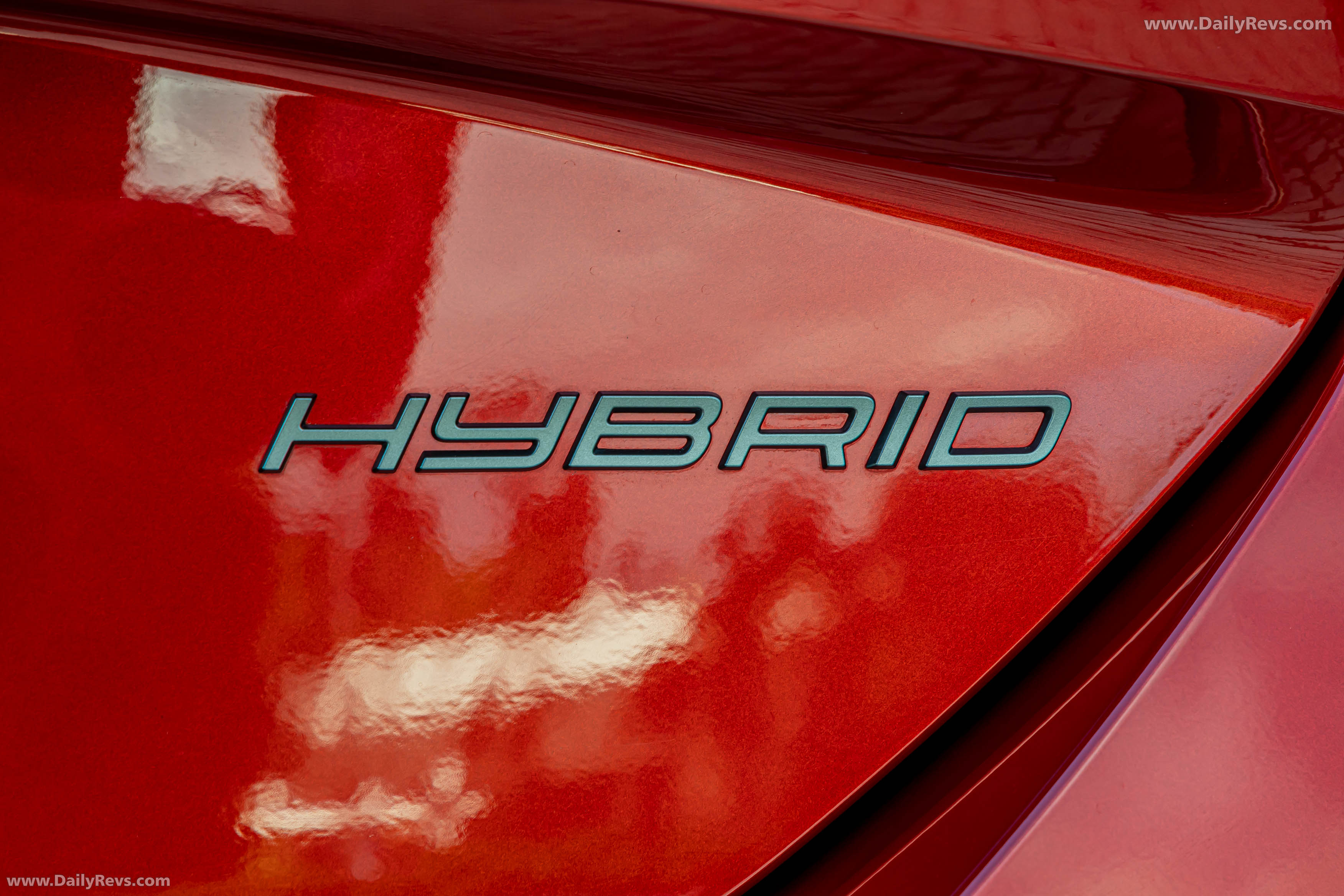
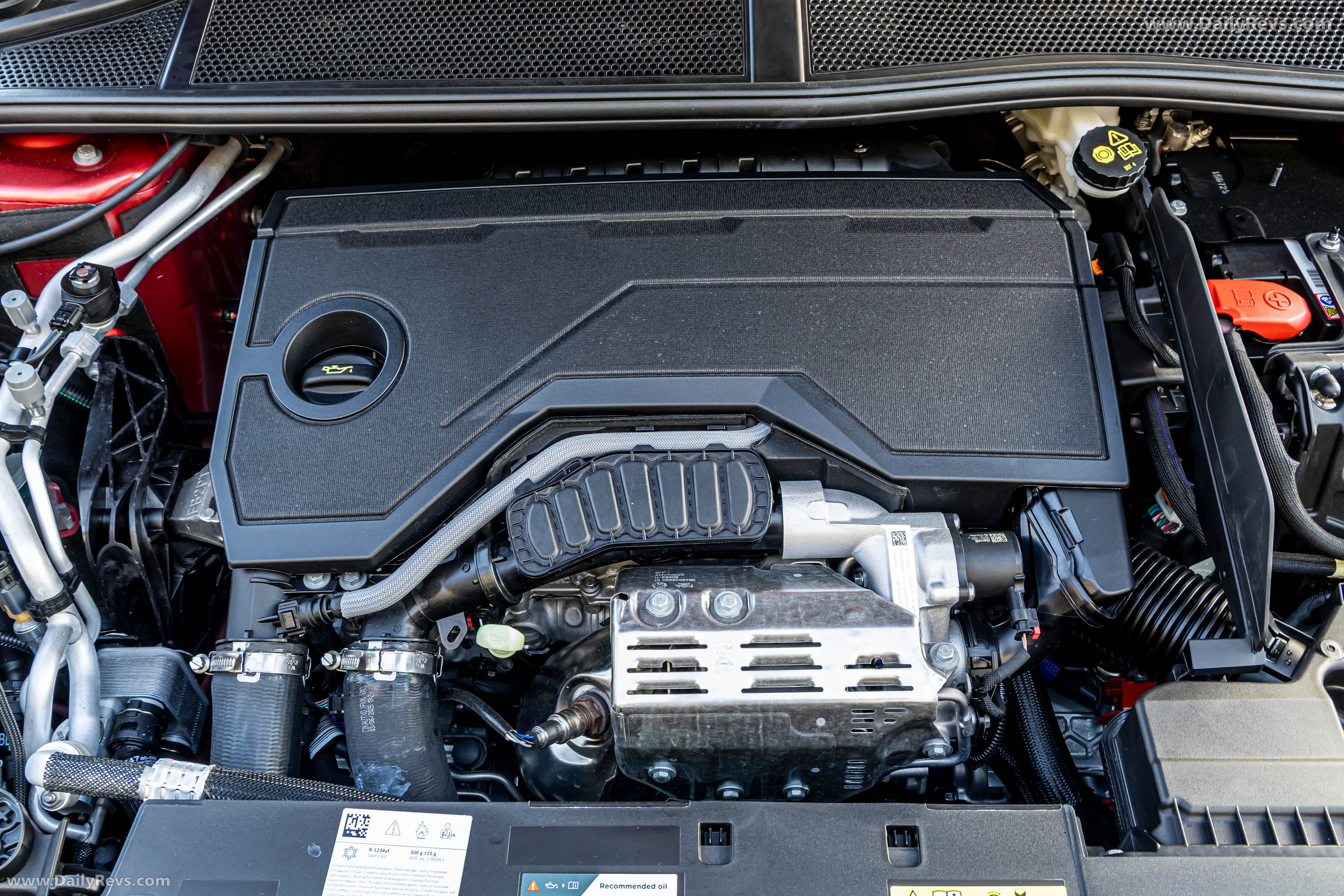
The 308 SW PHEV uses Peugeot’s second-generation plug-in hybrid system. It pairs a turbocharged 1.6-litre petrol engine with an electric motor for a combined output of 195 PS, delivered through a seven-speed dual-clutch automatic transmission.
Energy is supplied by a 17.2 kWh battery, enabling a WLTP EAER combined electric range of 81–82 km, rising to 94–96 km in urban driving. This allows the car to operate electrically for most daily journeys while retaining the flexibility of a combustion engine for longer distances. Charging from empty to full can be completed in just over two hours using a 22 kW public AC charger.
Key Features and Interior Impression
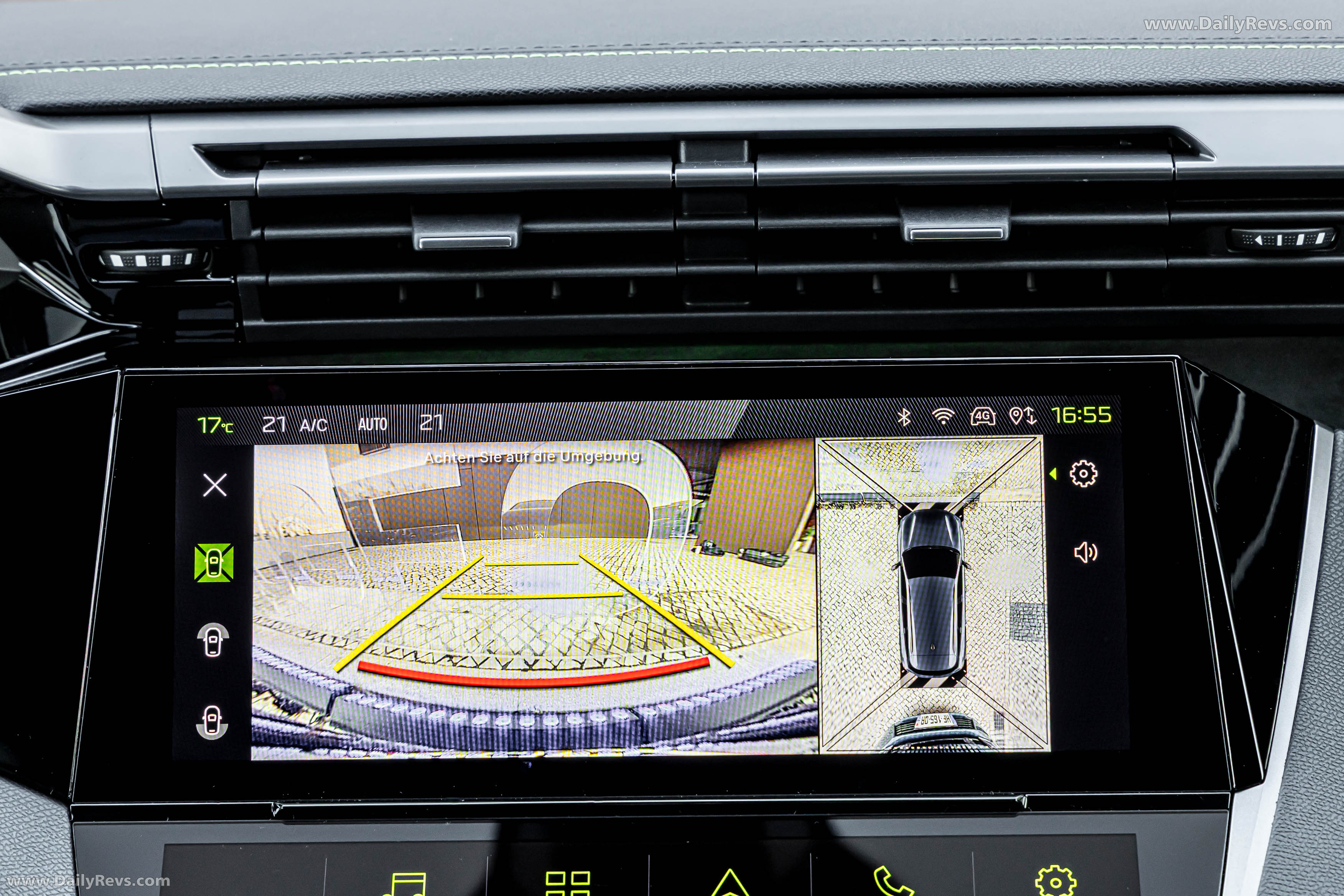
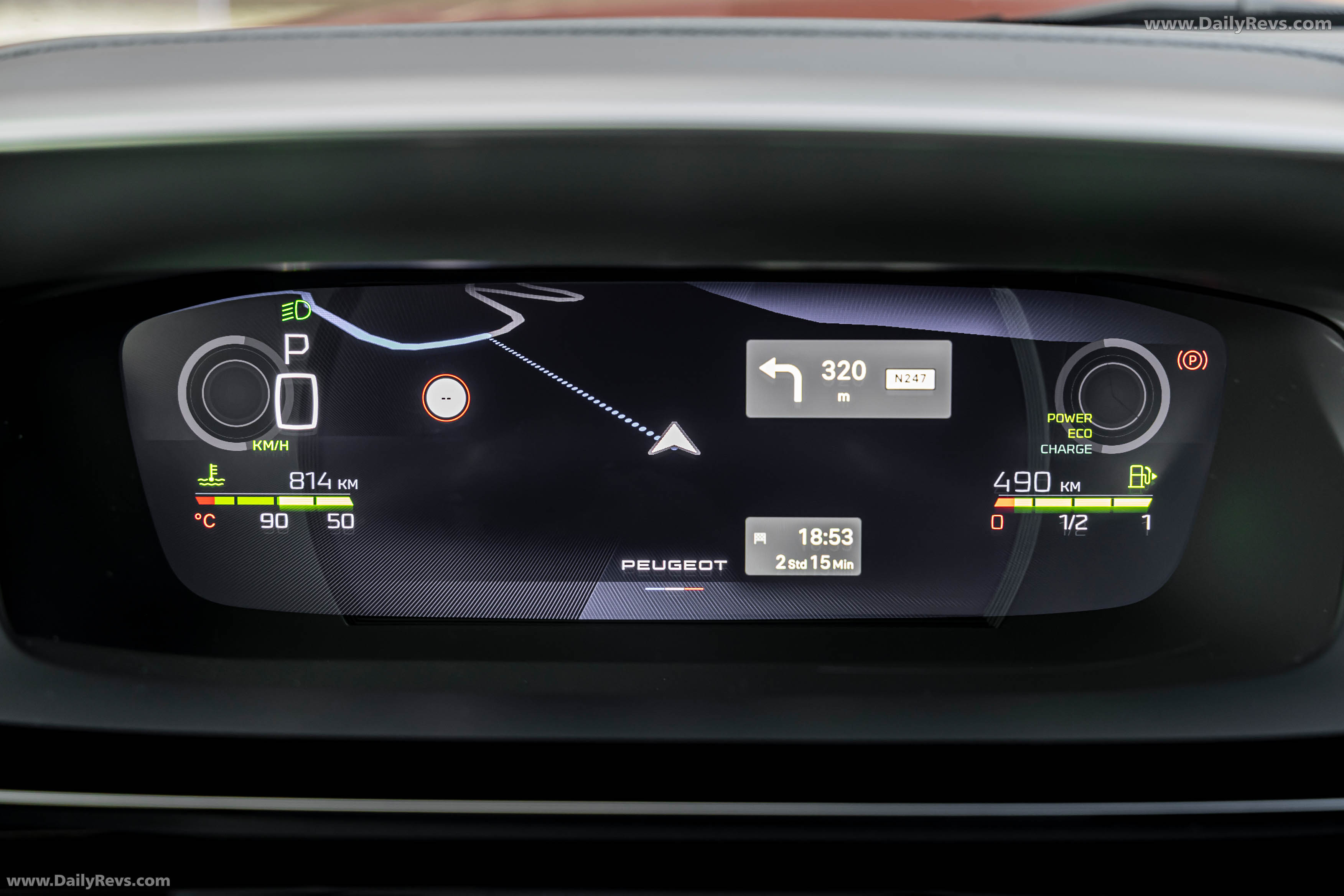
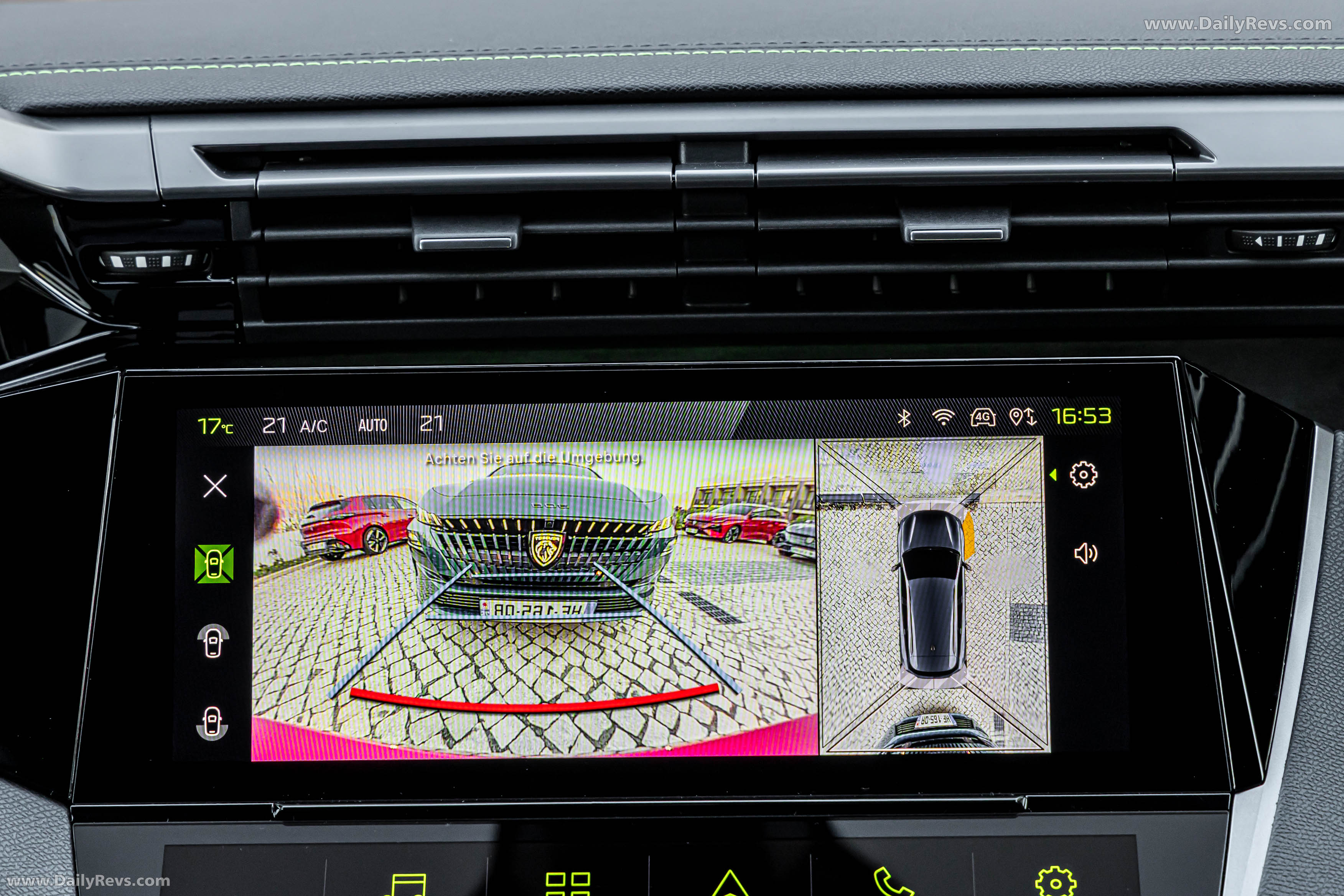
Inside, the 308 SW PHEV continues with Peugeot’s i-Cockpit layout. The 10-inch central touchscreen and digital instrument cluster are positioned high and near the driver's line of sight, while a small steering wheel rests low.
Higher trim levels provide aluminum and Alcantara trim, which reflects the model's positioning.
Five configurable i-Toggles beneath the touchscreen allow direct access to commonly used functions, reducing reliance on menus.
Connectivity expands further. Over-the-air updates are standard, and from spring 2026 the 308 SW PHEV gains Plug & Charge and Vehicle-to-Load capability. The latter allows the high-voltage battery to power external electrical devices, adding a practical layer beyond transport.
Positioning in the Context of the Market and Segment
The 2026 Peugeot 308 SW PHEV sits comfortably in the European C-segment estate class, where practicality still matters as much as electrification. Rather than steering buyers toward a single solution, Peugeot has chosen a broader approach. The 308 range brings diesel, mild hybrid, plug-in hybrid, and fully electric options together under one consistent design, allowing customers to choose how far they want to go down the electrification path.
The result is a lineup shaped around flexibility rather than pressure. In a segment where needs vary widely, that balance remains one of the 308 SW PHEV’s strongest arguments.
Produced at Peugeot’s Mulhouse plant in France and supported by extended coverage programmes of up to eight years or 160,000 km, the 308 SW PHEV reflects a measured approach. It does not attempt to disrupt its segment. Instead, it reinforces everyday usability, design continuity, and powertrain choice at a time when the market continues to shift.