2026 Nissan Ariya Concept
By Lorenzo Bianchi January 27, 2026
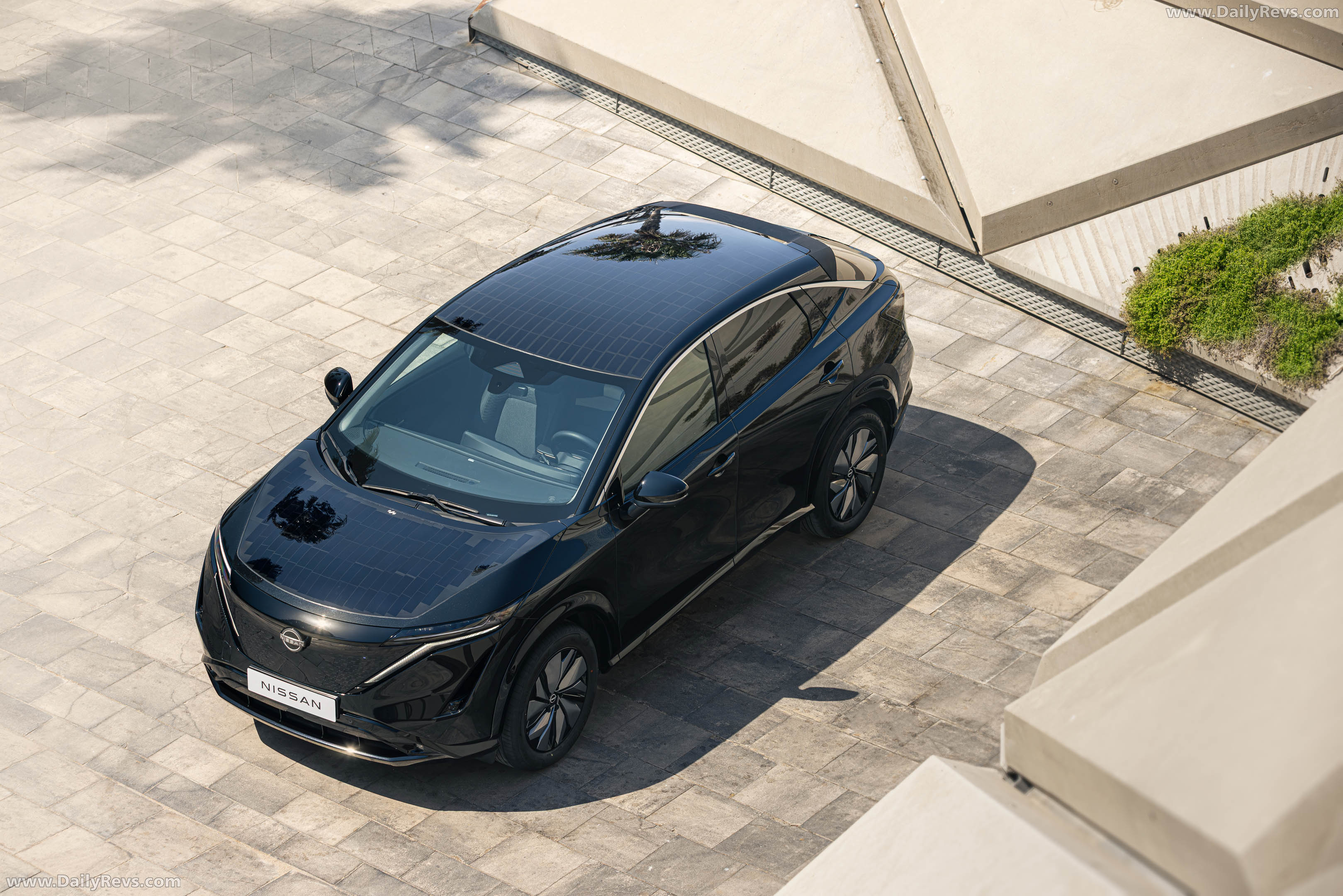
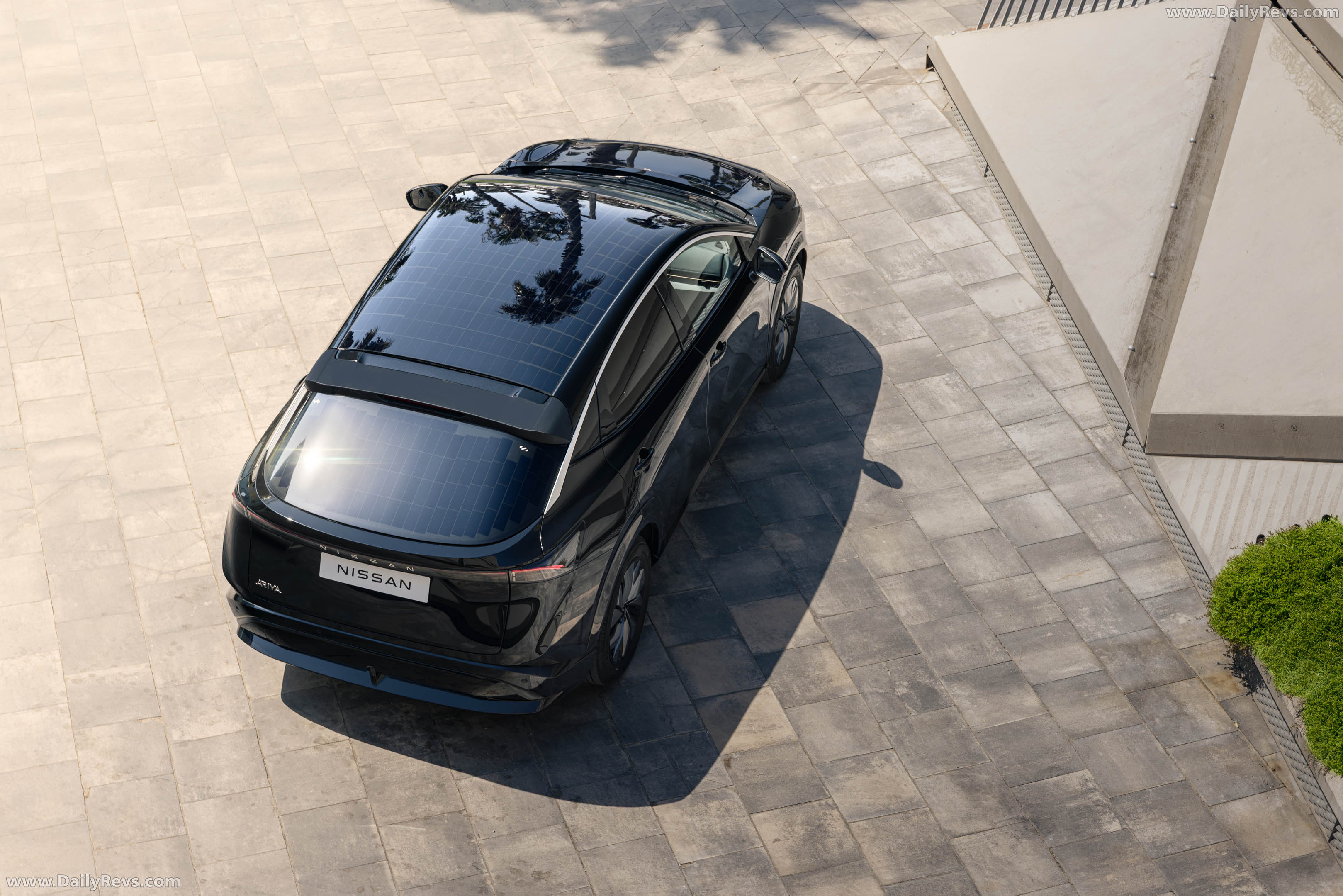
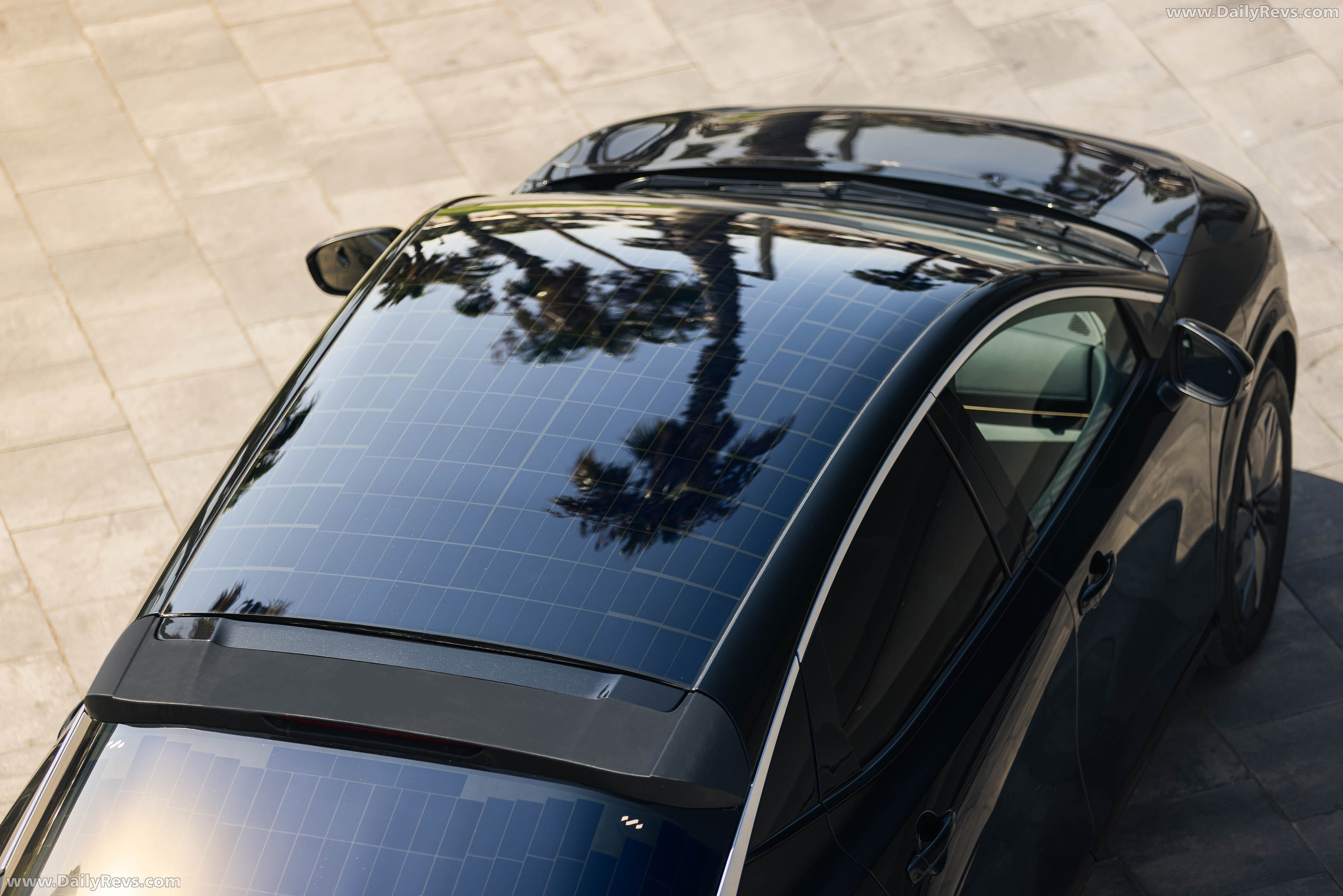
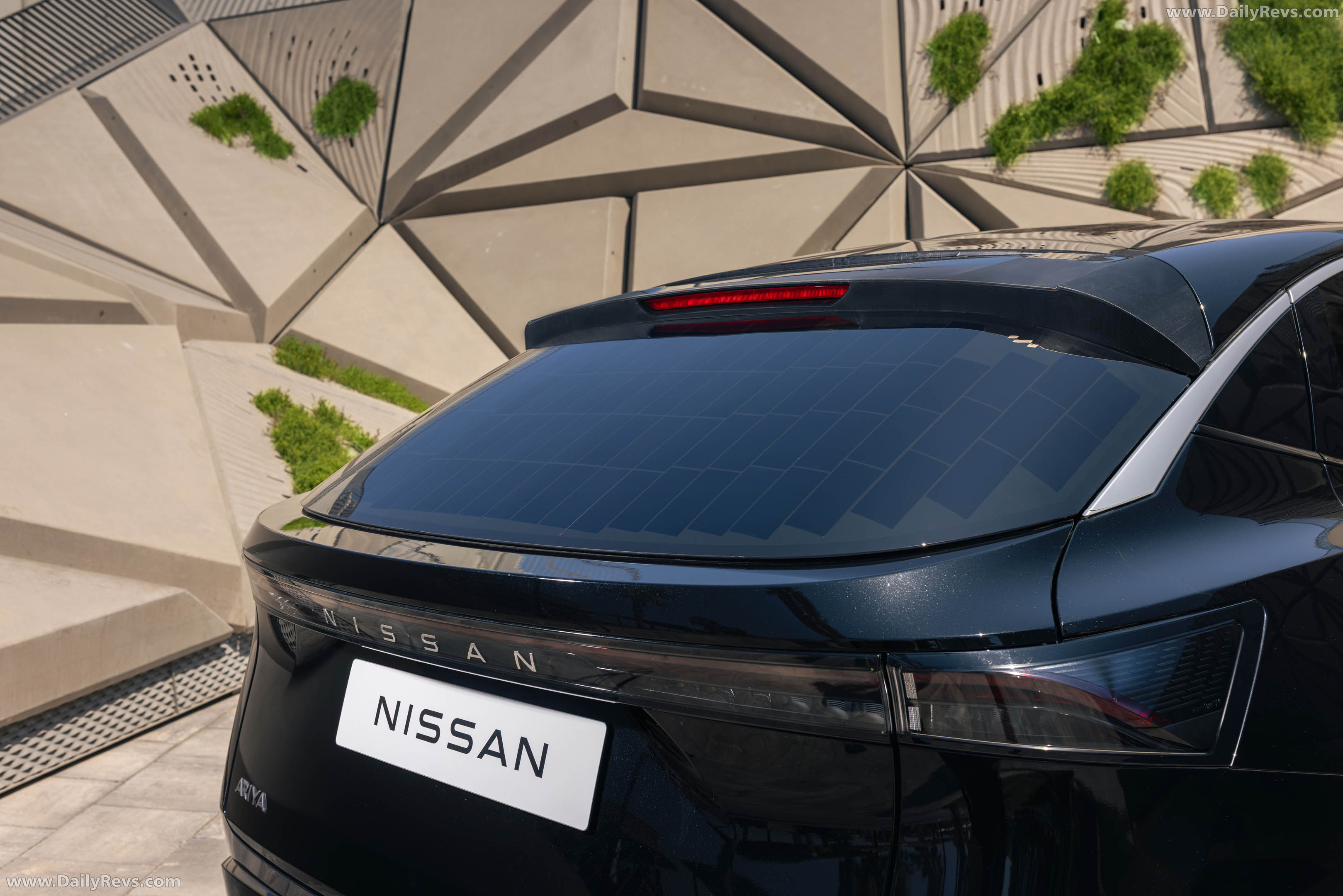
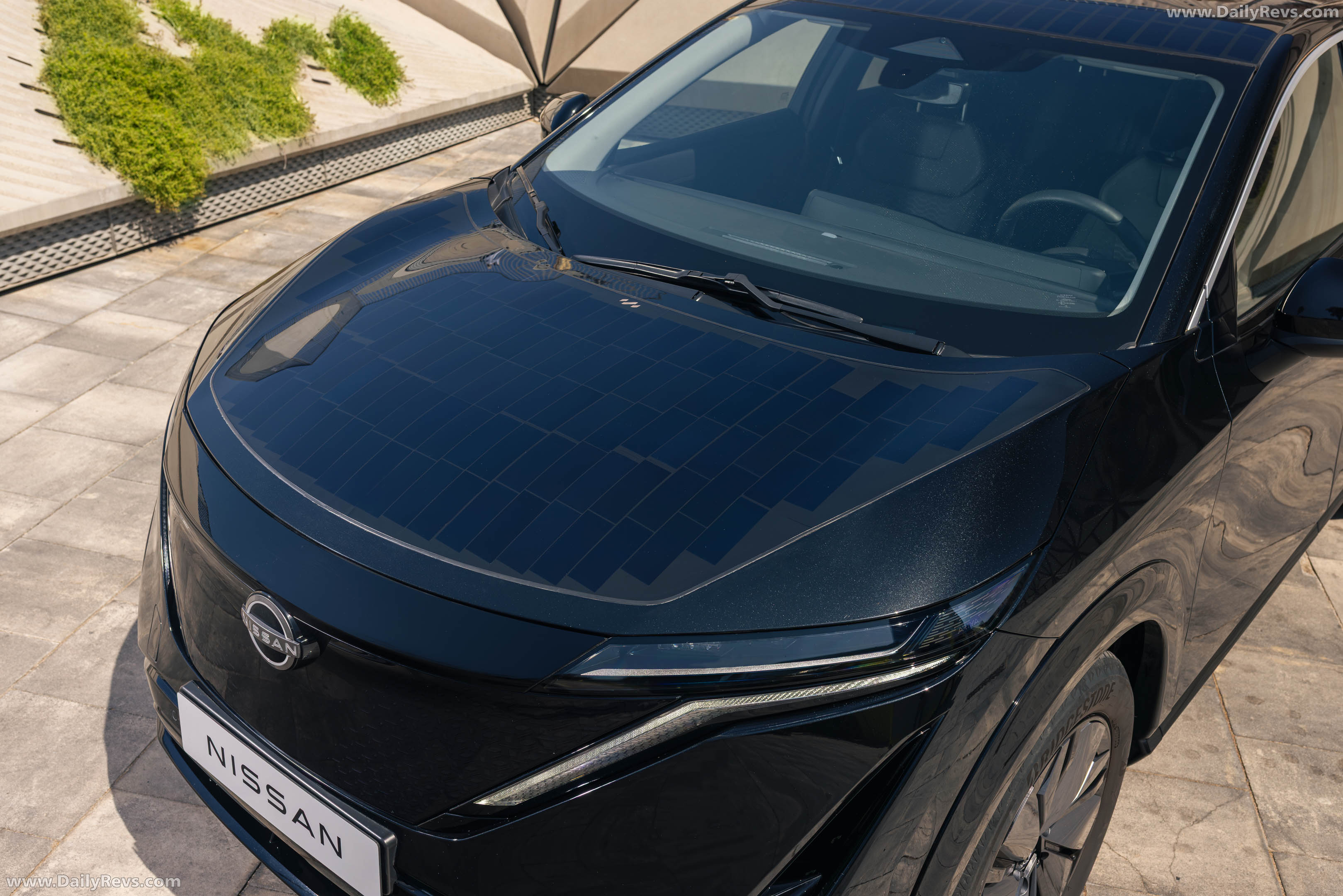
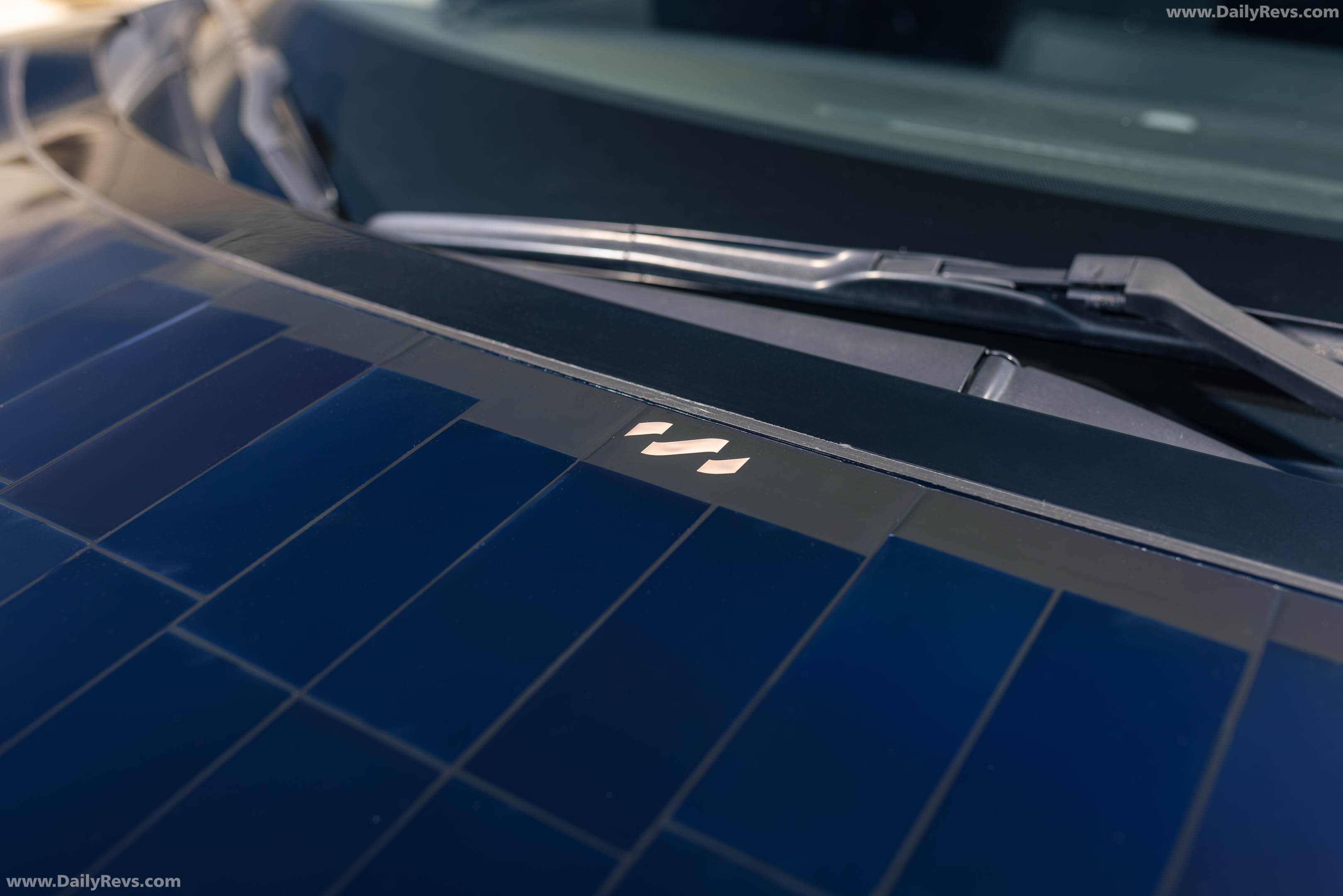
The Ariya Concept integrates 3.8 m² of high-efficiency solar panels across body surfaces.
Real-world testing shows up to 23 km of additional range per day under ideal conditions.
The project previews Nissan’s approach to clean-energy integration on the road to carbon neutrality.
A Concept Built Around Everyday Energy
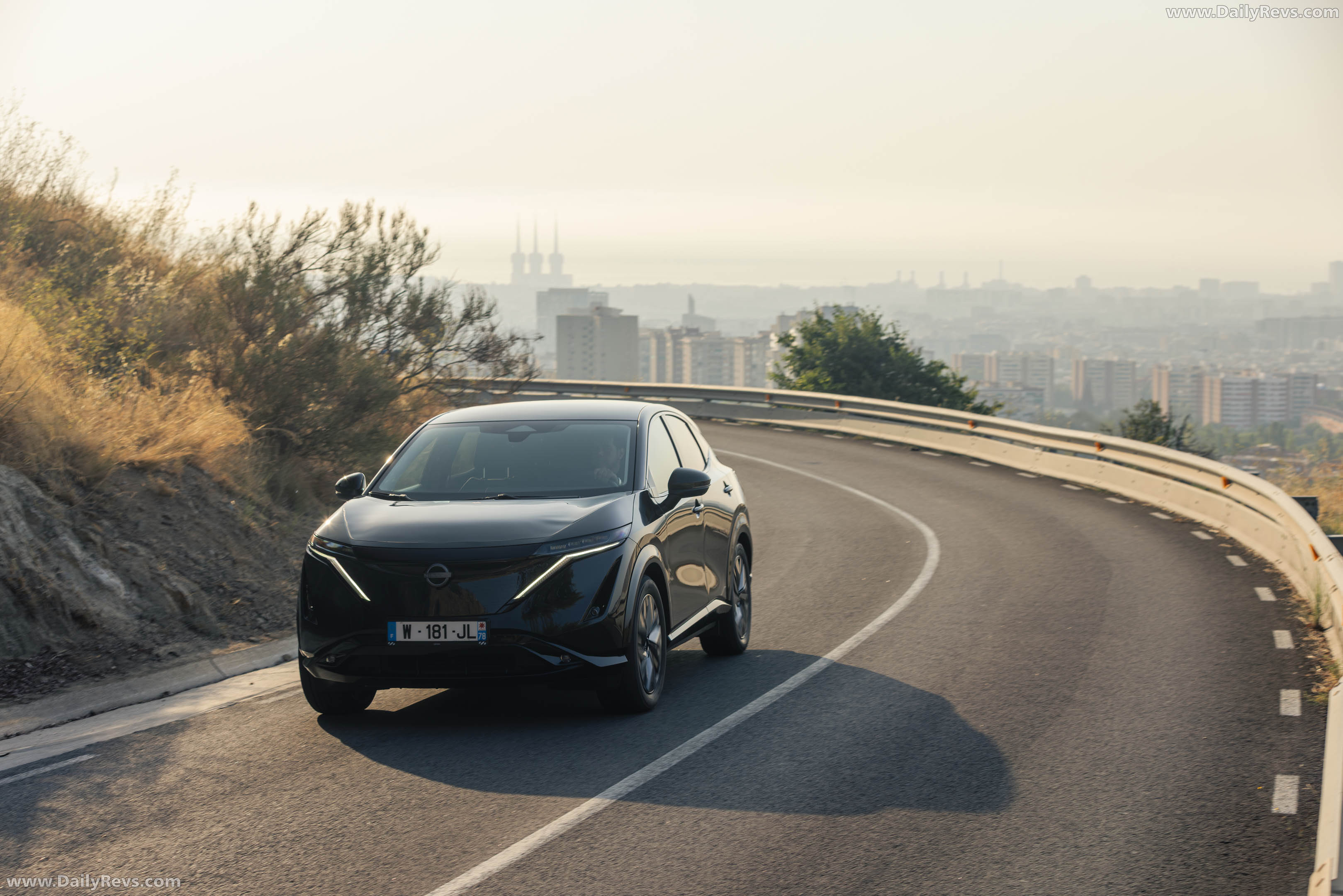
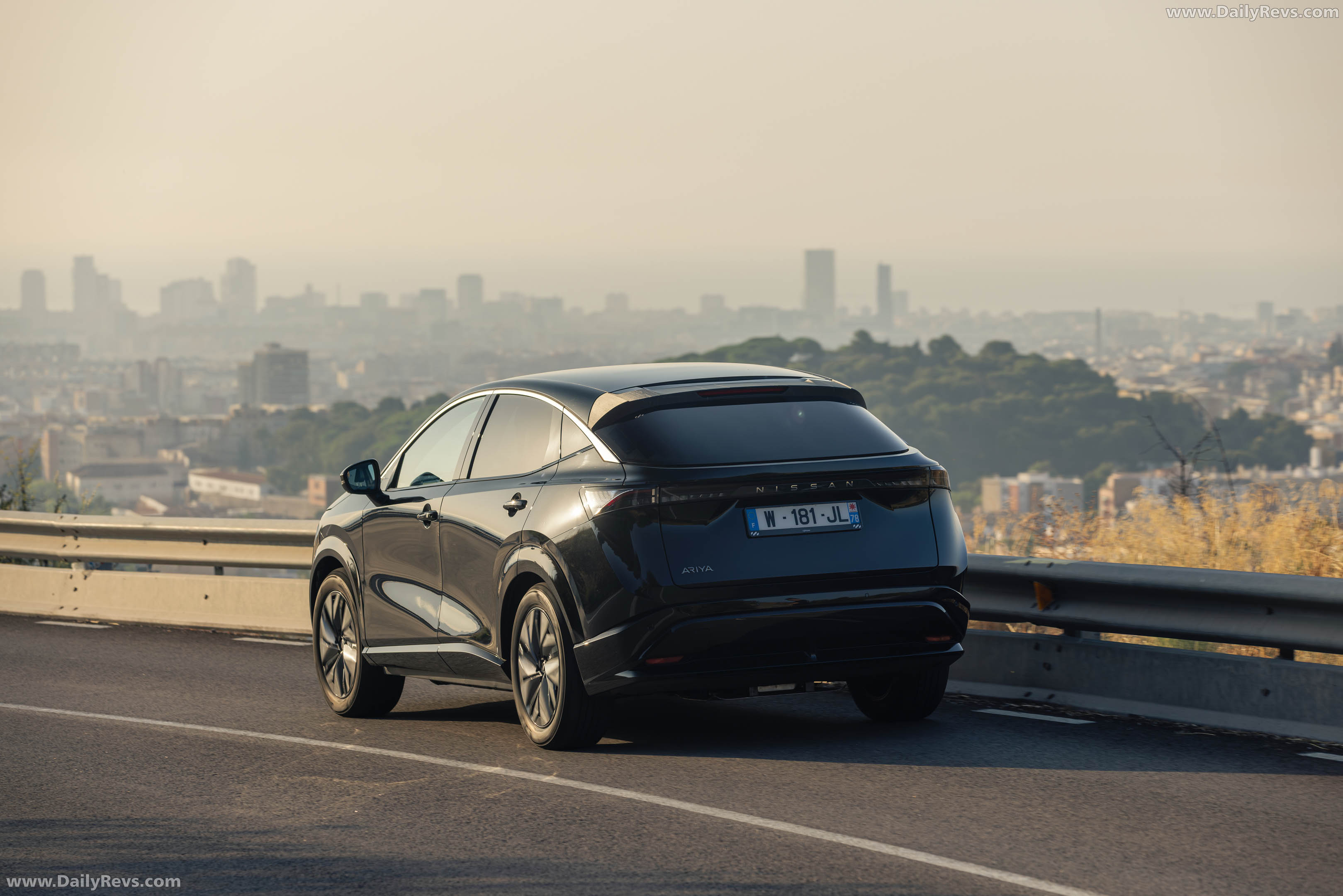
Unveiled on Clean Energy Day in January 2026, the Nissan Ariya Solar Concept is presented less as a styling exercise and more as a working demonstration. Nissan frames the vehicle as an exploration of how electric cars might actively generate part of their own energy, rather than relying exclusively on plug-in charging. Developed jointly by Nissan’s Advanced Product Planning team in Dubai and its powertrain engineers in Barcelona, the concept uses the existing Ariya as a testbed for solar integration at scale.
Exterior Integration Without Visual Disruption
The defining feature of the Ariya Concept is its 3.8 m² solar-panel system, seamlessly integrated into the hood, roof, and tailgate. Rather than appearing as add-on hardware, the polymer- and glass-based photovoltaic panels sit flush with the bodywork, preserving the Ariya’s smooth, aerodynamic surfaces. The intent is subtlety. Nissan’s engineers aimed to prove that solar charging could be incorporated without compromising the vehicle’s form or everyday usability.
Converting Sunlight into a Useful Range
In theory, the system uses a specialized controller to optimize energy flow and lessen dependency on external chargers by directly converting sunlight into DC power. Nissan's practical testing yields quantifiable results. The system can provide an extra 23 kilometers of driving range per day under perfect sunny conditions. Average daily gains of 17.6 km were noted in cities with high solar exposure, like Barcelona; year-round averages were 10.2 km in London, 18.9 km in New Delhi, and 21.2 km in Dubai.
Over time, those figures add up. Nissan estimates that drivers could reduce charging frequency by between 35 and 65 percent depending on usage patterns. Even short journeys contribute: a two-hour, 80 km drive can generate around 0.5 kWh of solar energy, equating to roughly 3 km of additional zero-emission range.
Tested Beyond the Laboratory
The concept’s development extended beyond controlled testing. The system was validated in a variety of real-world scenarios using a 1,550-kilometer trip between the Netherlands and Barcelona. According to Nissan, solar integration during the test reduced a 6,000 km/year commuter's annual charging visits from 23 sessions to just eight, highlighting the potential benefits in places with poor infrastructure for charging.
Lightyear, a Dutch solar-mobility specialist, provided the project with next-generation photovoltaic technology intended for automotive use. This partnership is a prime example of Nissan's strategy for expediting development by combining internal engineering with foreign experience.