



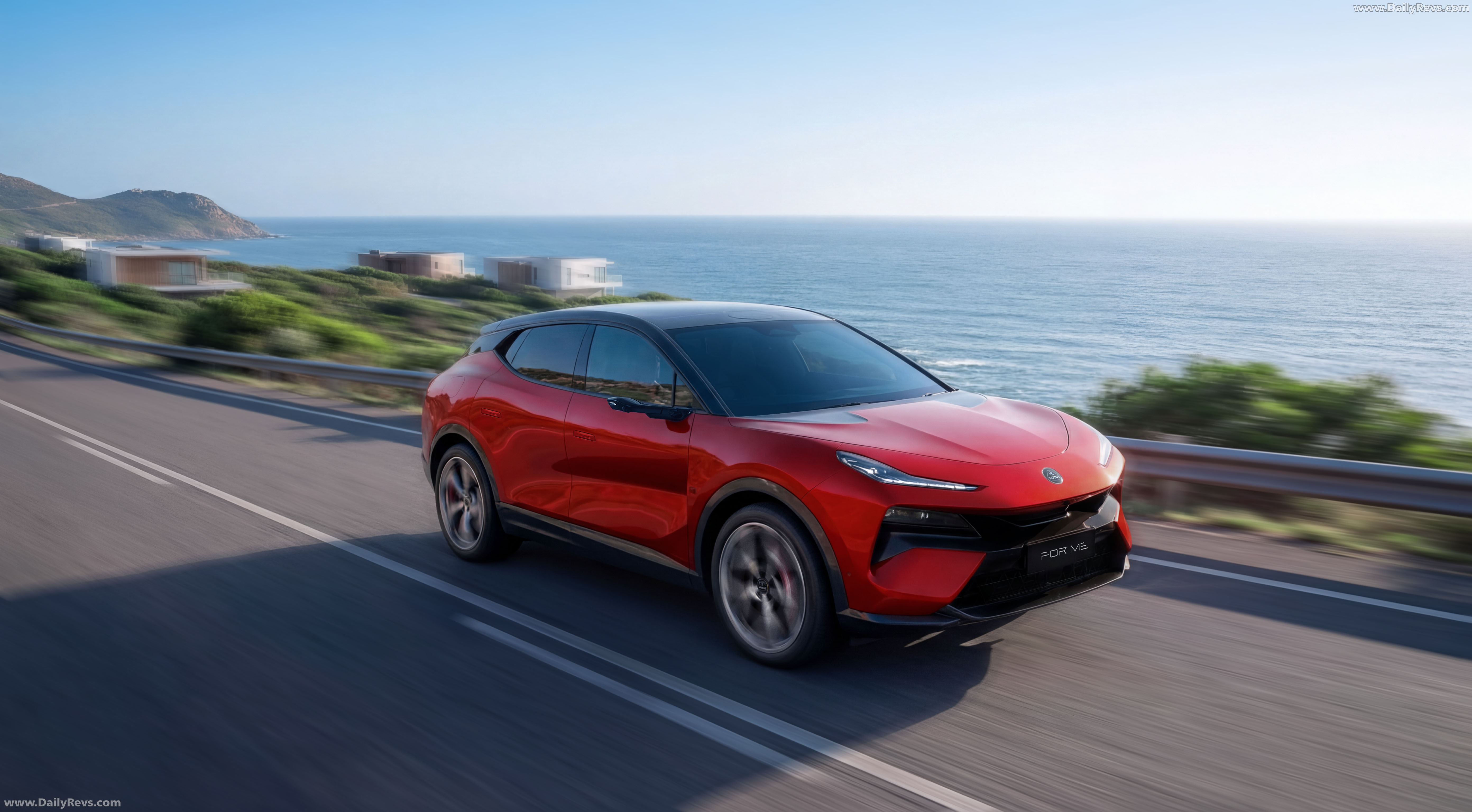
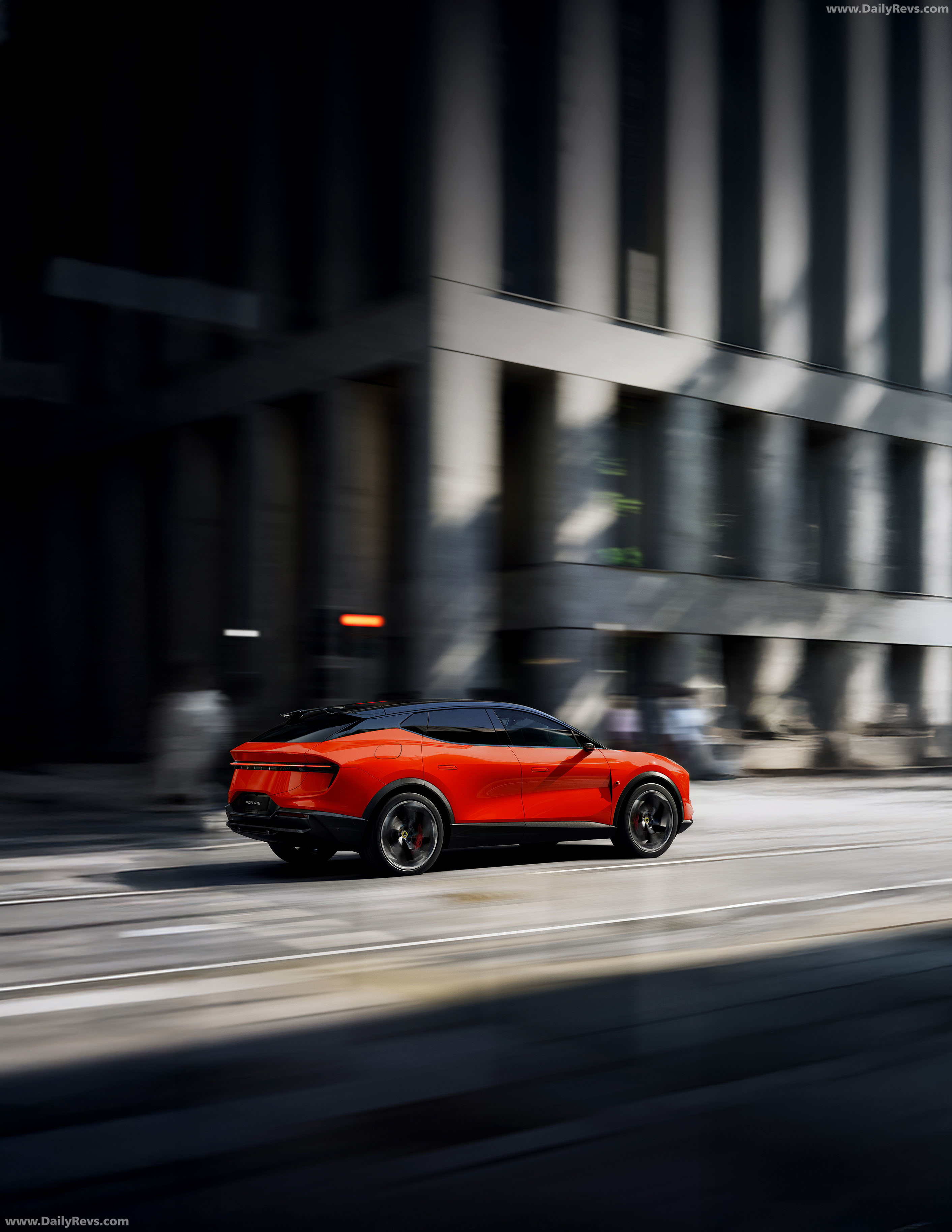


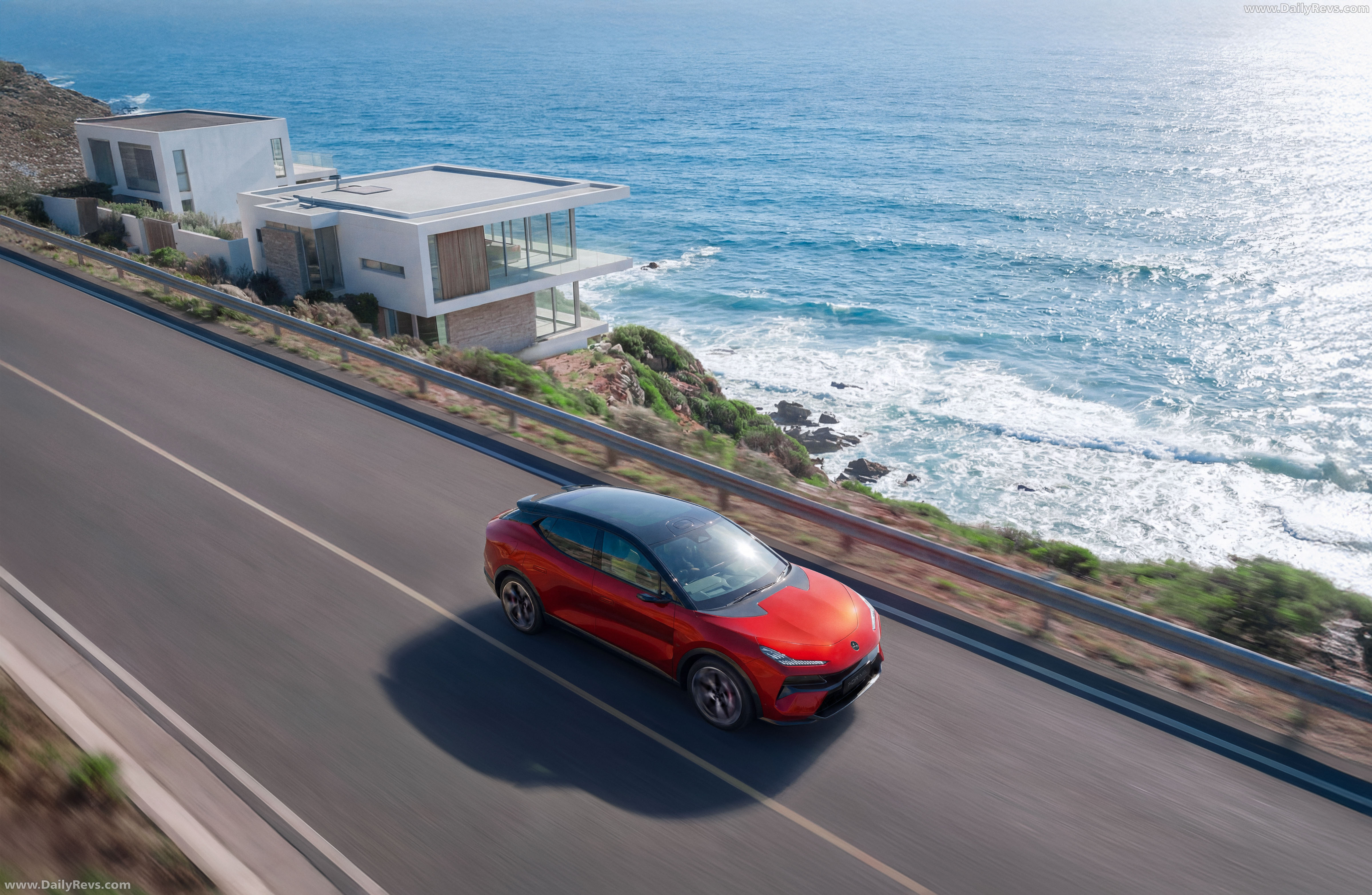
2026 Lotus Eletre X
By Lorenzo Bianchi March 7, 2026
Lotus introduces the new X Hybrid platform with up to 952 PS system output.
Electric-first hybrid SUV capable of up to 350 km pure electric range.
900V architecture supports ultra-fast charging from 20–80% in around 9 minutes.
Lotus Introduces Electric First Hybrid Strategy
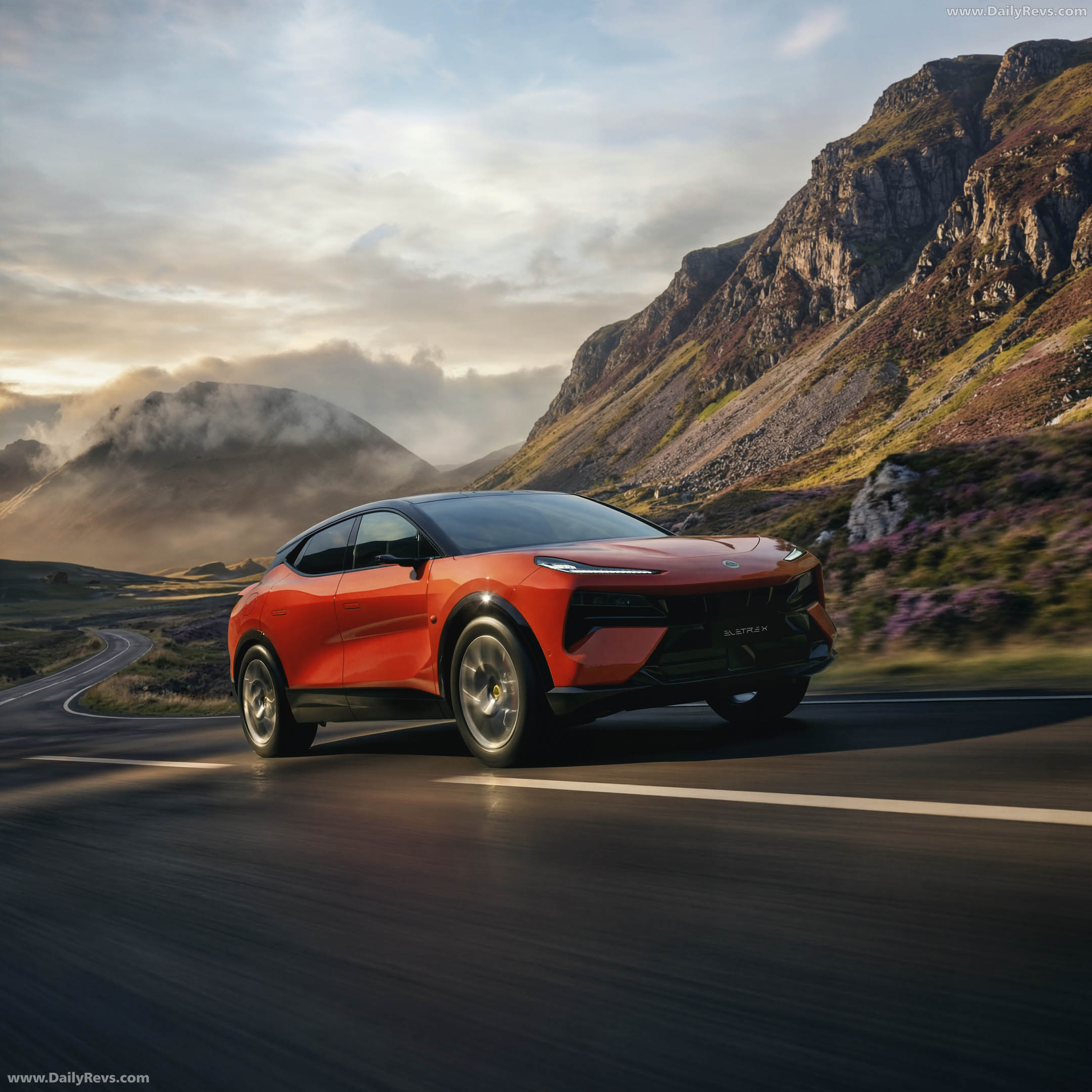
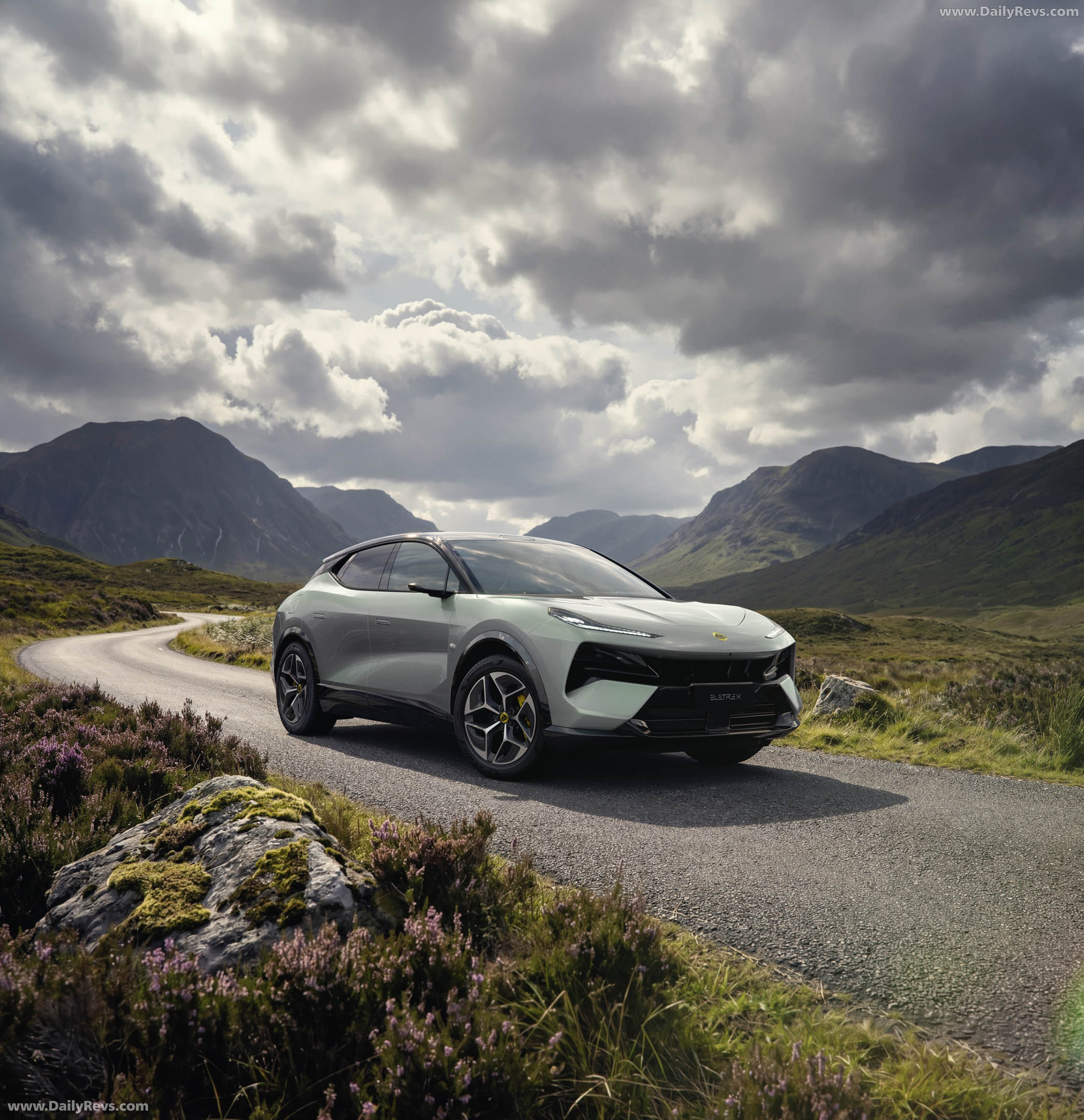
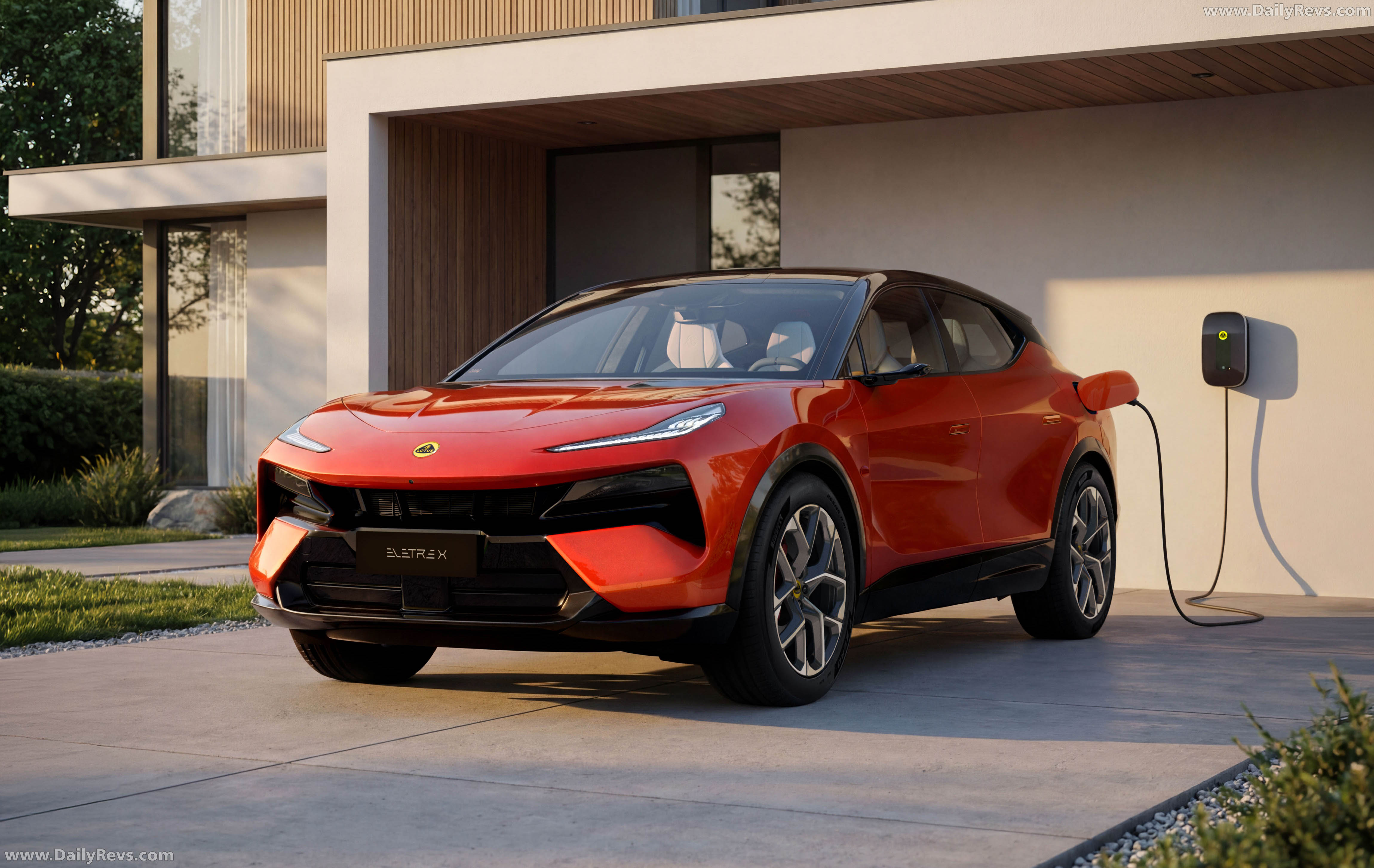
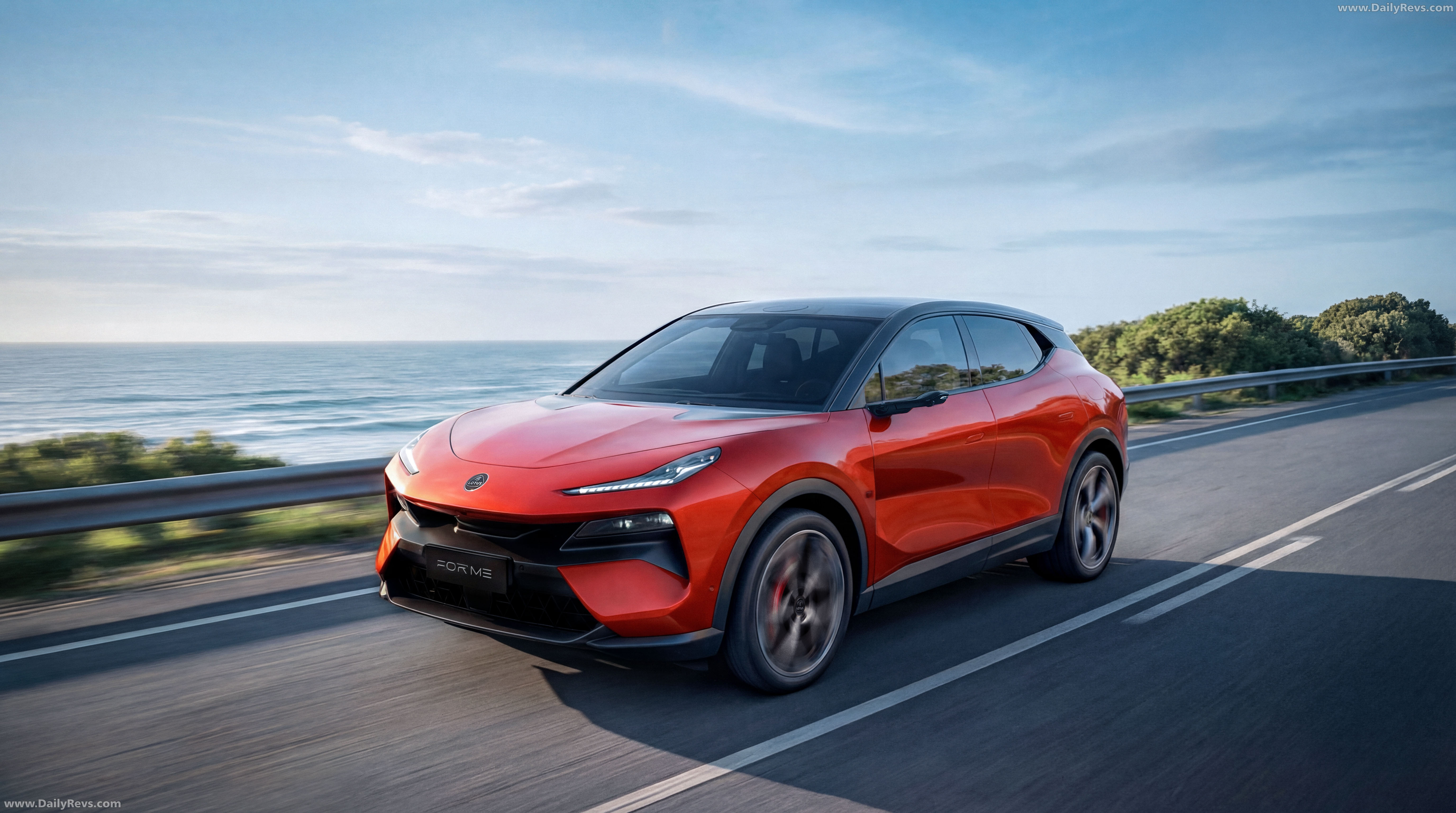
The 2026 Lotus Eletre X marks a significant step in Lotus’ evolving electrification strategy. Revealed as part of the brand’s latest technology showcase, the model becomes the first European vehicle to adopt Lotus’ newly developed X Hybrid platform, an electric-first system designed to combine EV immediacy with extended range capability.
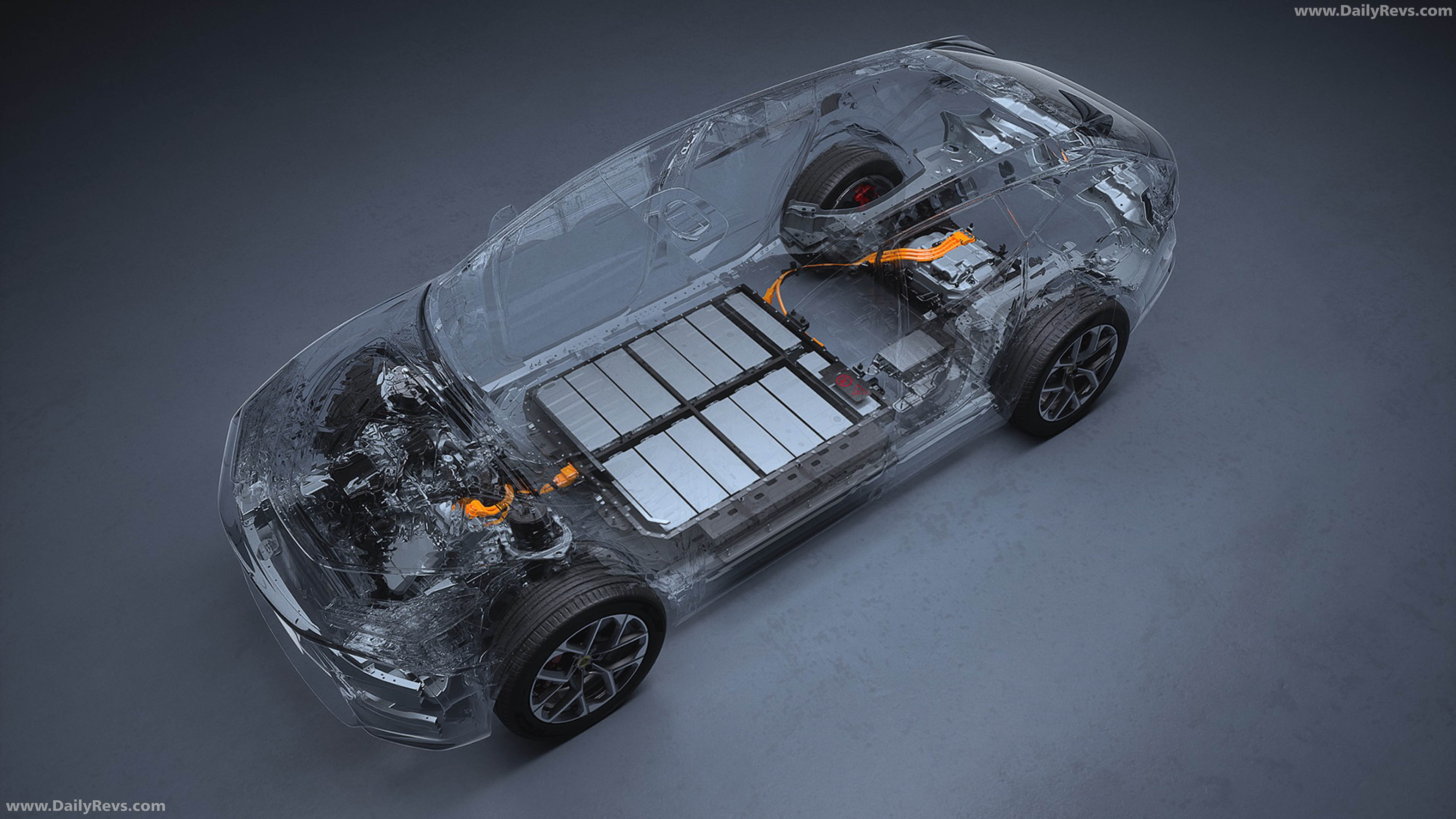
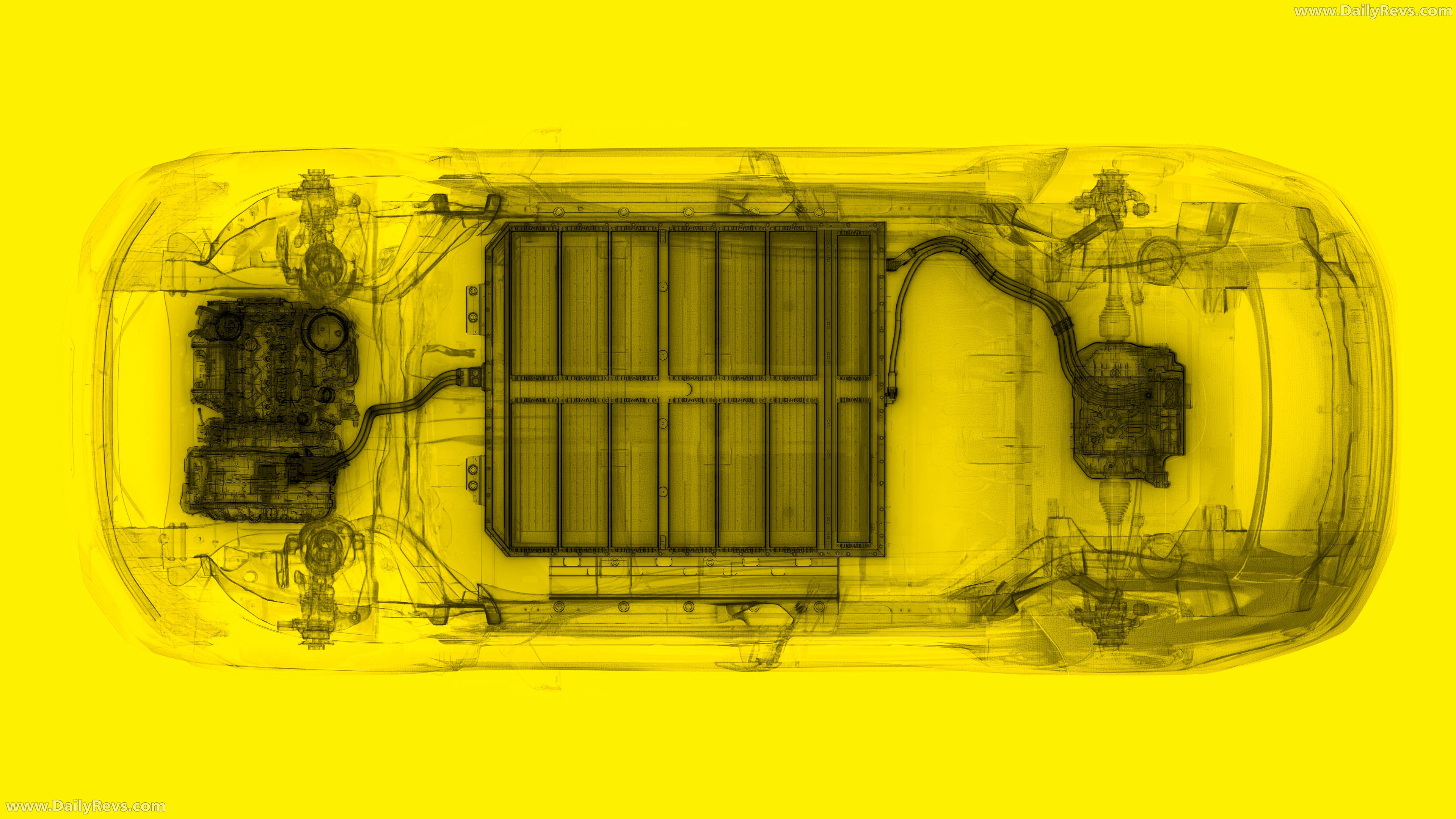
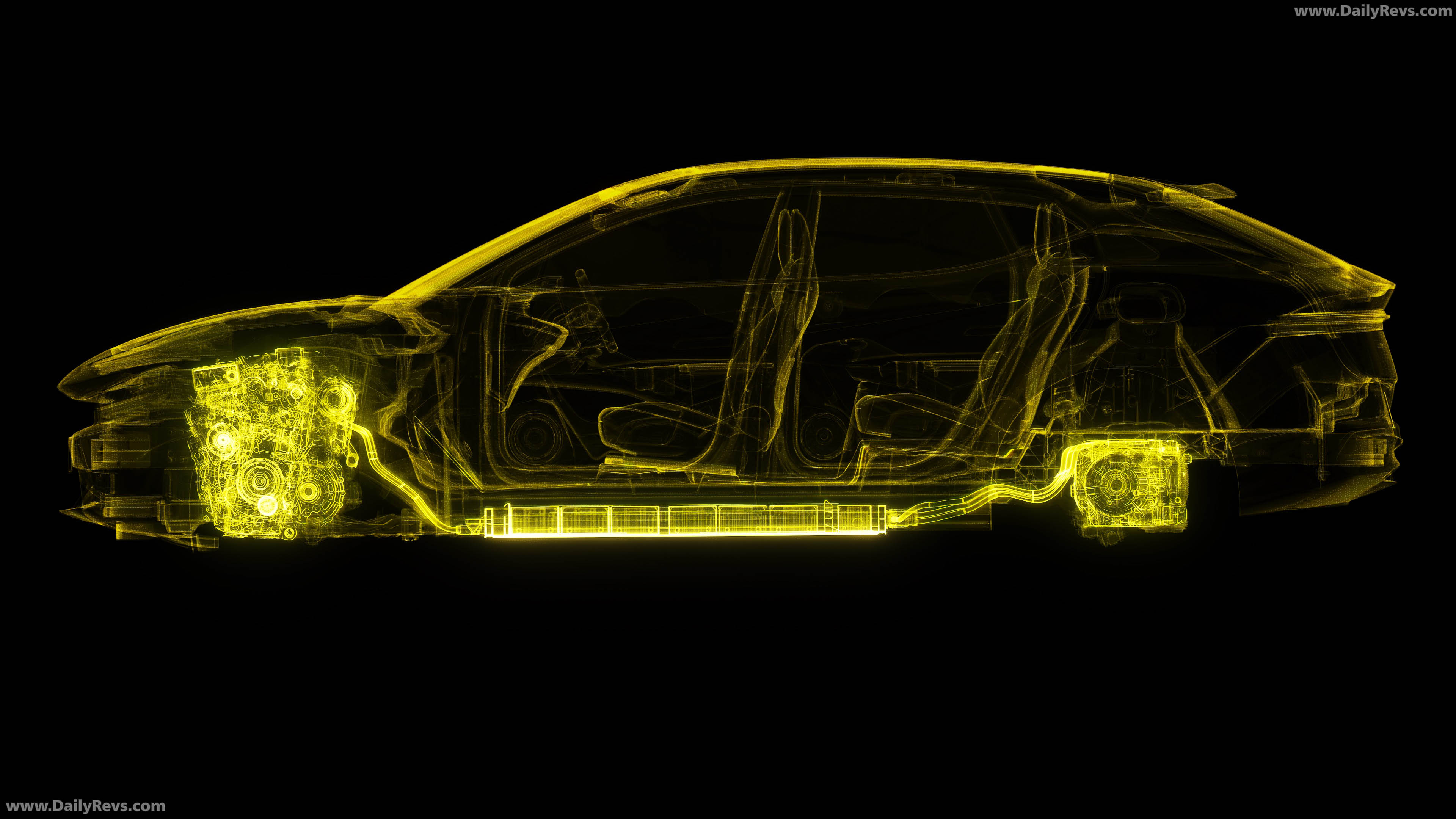
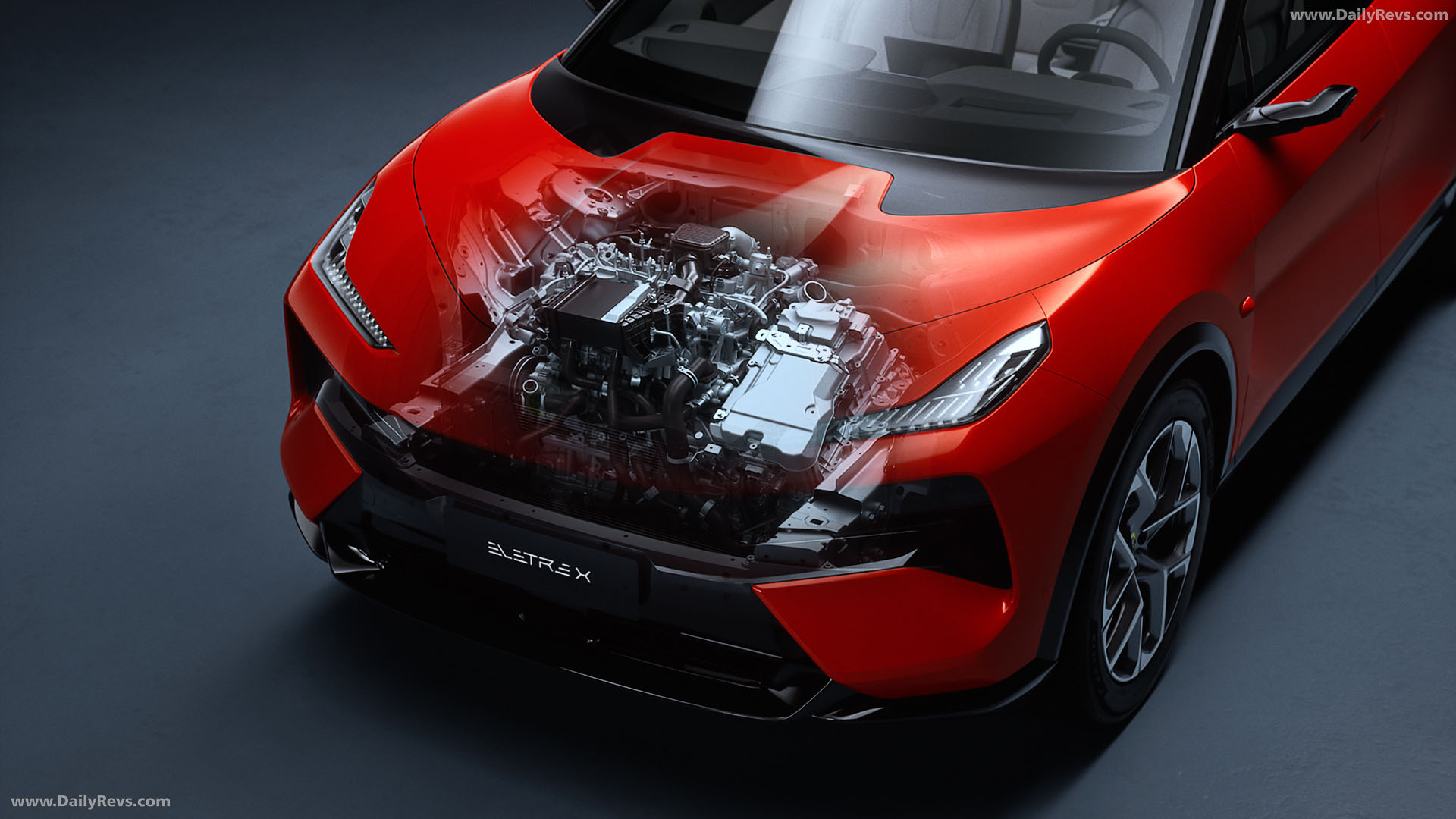
Unlike conventional hybrids, the system prioritizes electric driving for daily use while integrating hybrid operation for long-distance travel. The architecture can switch between pure EV operation, series hybrid mode, and parallel hybrid drive depending on speed, battery state, and driver demand.
Lotus describes the approach as an answer to range limitations often associated with high-performance electric vehicles, while preserving the brand’s traditional focus on driver engagement.
Performance Figures Approach Supercar Territory
At the heart of the system sits a dual-motor permanent magnet setup capable of delivering up to 700 kW, equivalent to 952 PS, along with 935 Nm of torque.
Those numbers place the Eletre X firmly in the upper tier of performance SUVs. Lotus states the electrified system enables 0–100 km/h acceleration in approximately 3.3 seconds, a figure that positions the vehicle alongside the fastest electric SUVs currently on the market.
A 150 kW generator is another part of the engine that helps sustain performance over extended distances by producing energy while driving.
Even when battery levels are only 20% charged, the system can deliver roughly 550 kW of power, ensuring reliable operation under demanding conditions.
900V Architecture Enables Ultra Fast Charging
The platform introduces a 900-volt electrical architecture, designed to support high-output charging and consistent power delivery.
Under optimal conditions, the battery can charge from 20 to 80 percent in roughly nine minutes, one of the fastest claimed charging speeds currently associated with electrified production vehicles.
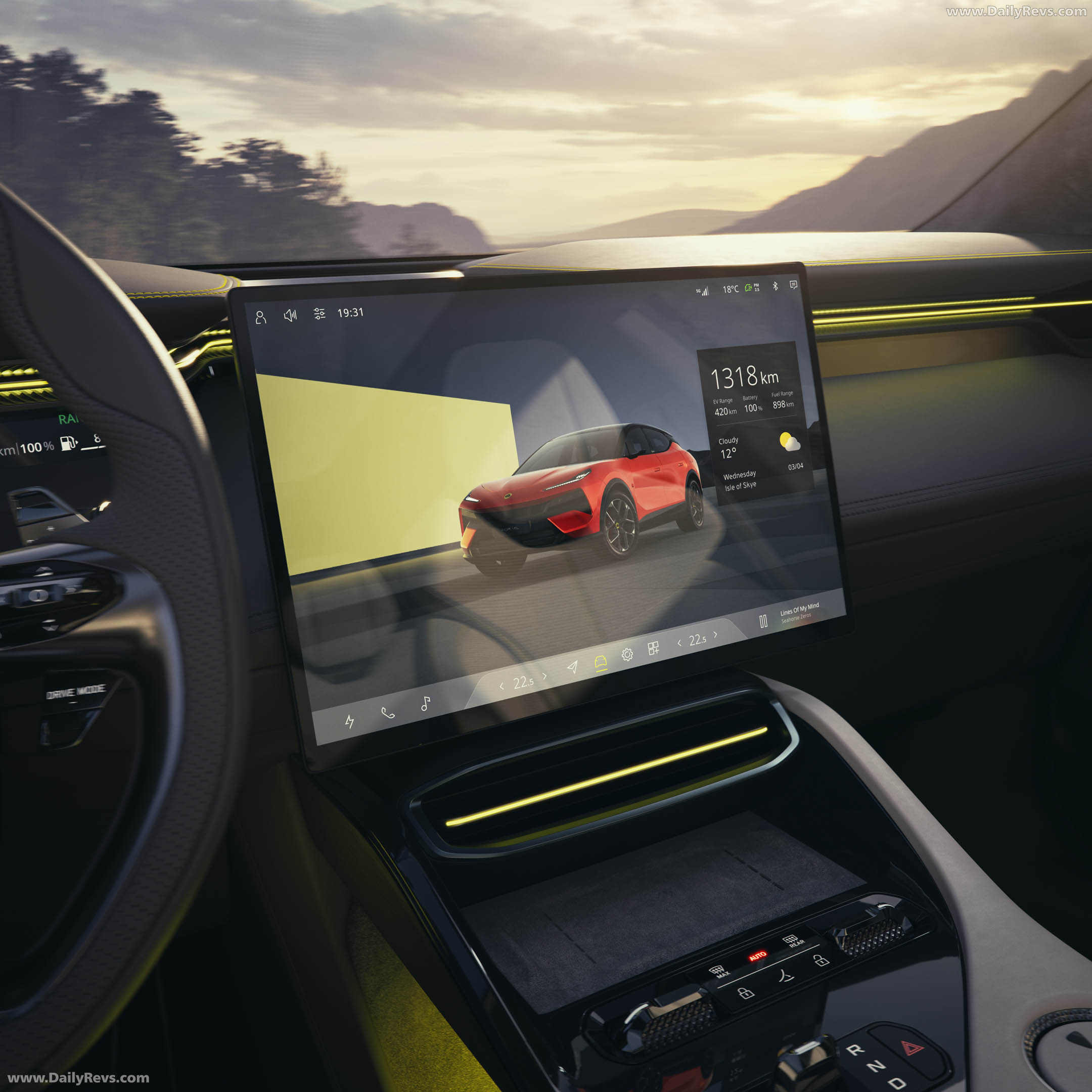
Energy is stored in a 70 kWh battery pack, delivering up to 350 km of pure electric driving range under WLTP testing conditions.
Working together with the hybrid system and a 52-liter fuel tank, the platform is capable of providing over 1,200 km of combined driving range.
For most daily journeys, Lotus suggests the vehicle will operate primarily as a fully electric SUV, with the hybrid system extending usability during longer trips.
Lotus Performance DNA Is Reflected in Chassis Technology
Lotus highlights that the Eletre X is still focused on driving dynamics despite its size and electrified architecture.
The platform features a 48-volt active anti-roll system capable of generating up to 1,400 Nm, helping control body movement during high-speed cornering.
Suspension is handled by a dual-chamber air suspension system paired with dual-valve dampers, able to react in as little as two milliseconds.
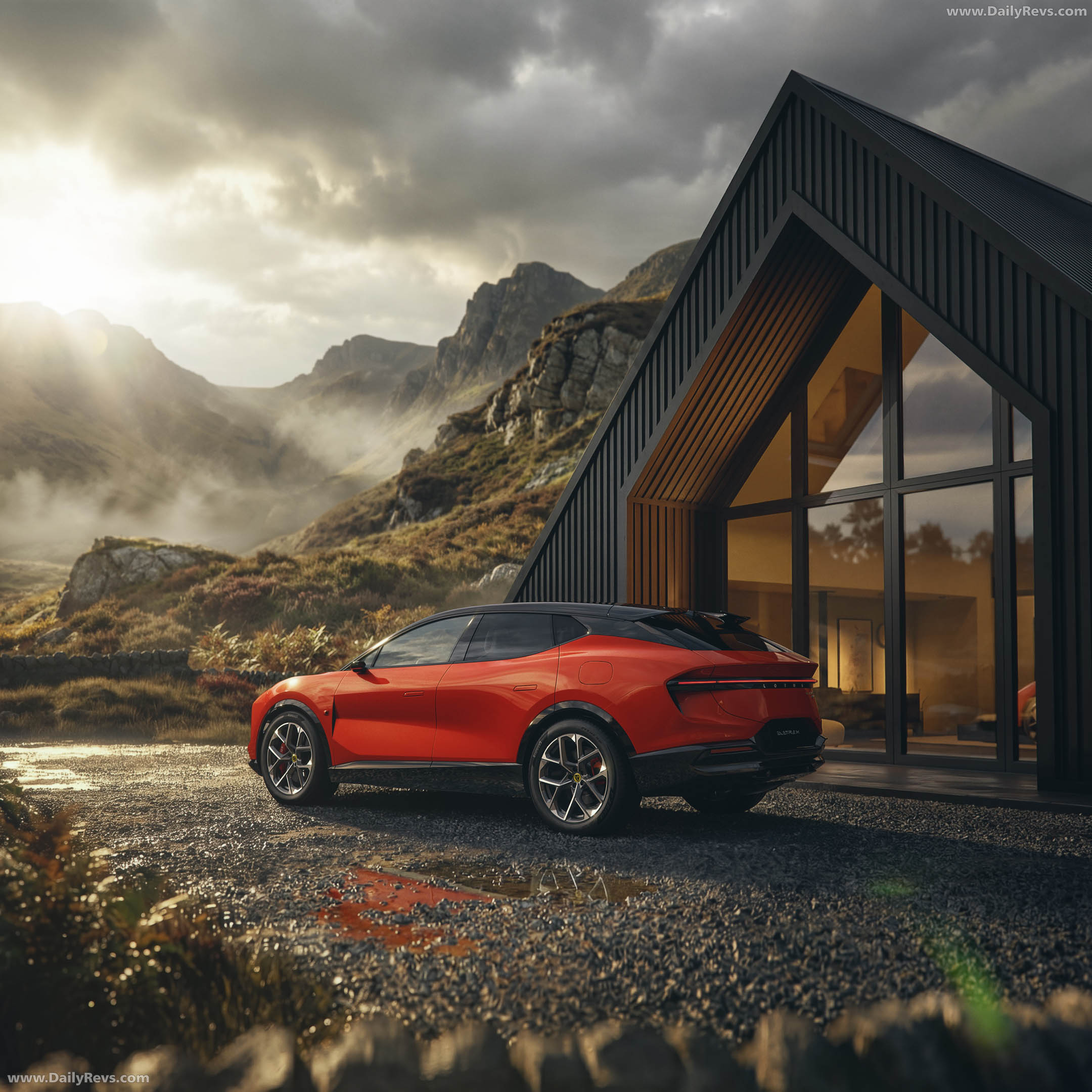
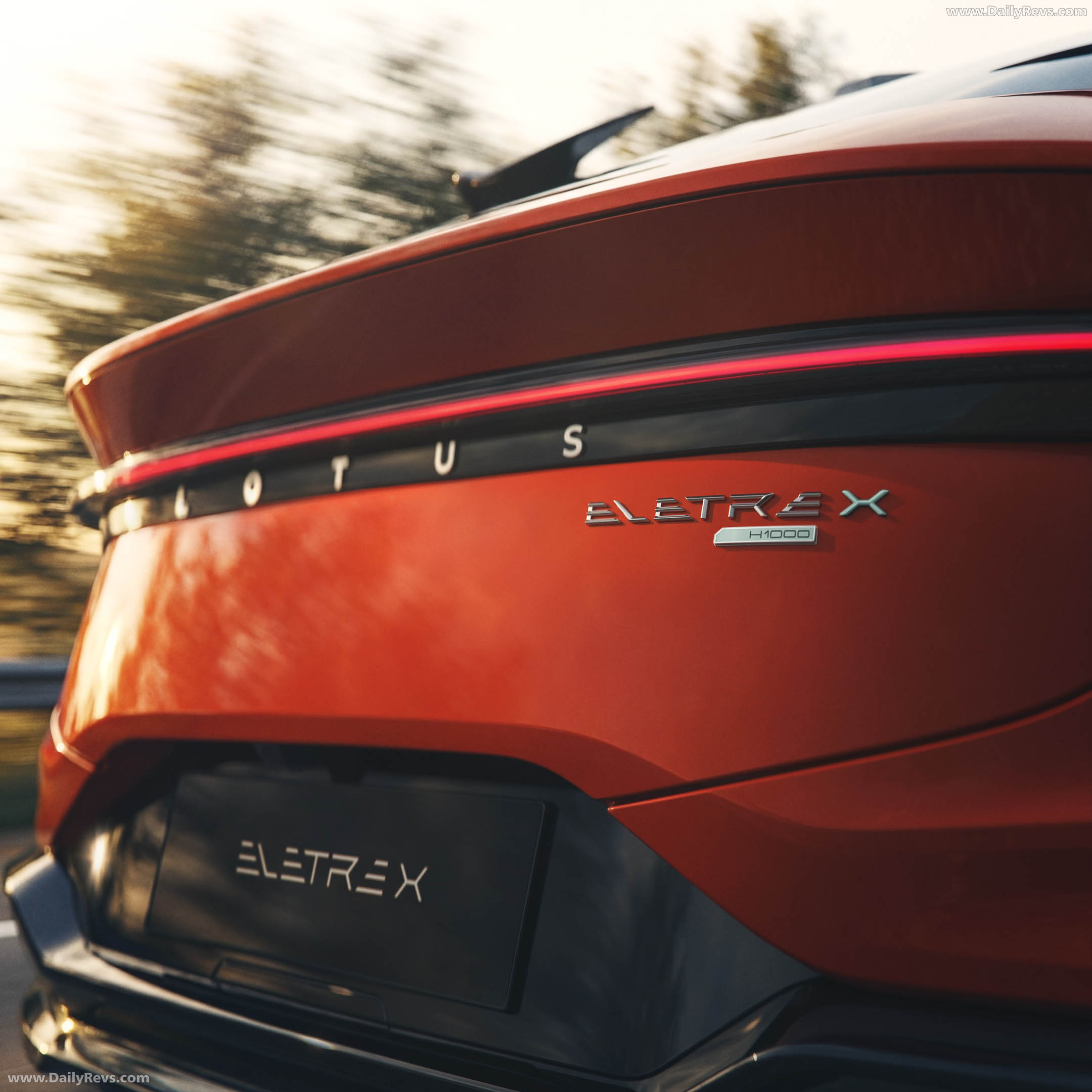
Aerodynamic elements also contribute to performance. A four-position active rear spoiler can generate up to 120 kg of downforce, adjusting automatically depending on driving conditions.
Braking performance is supported by Brembo six-piston front calipers, delivering a claimed 100–0 km/h stopping distance of 33.9 meters.
Interior Technology and Market Position
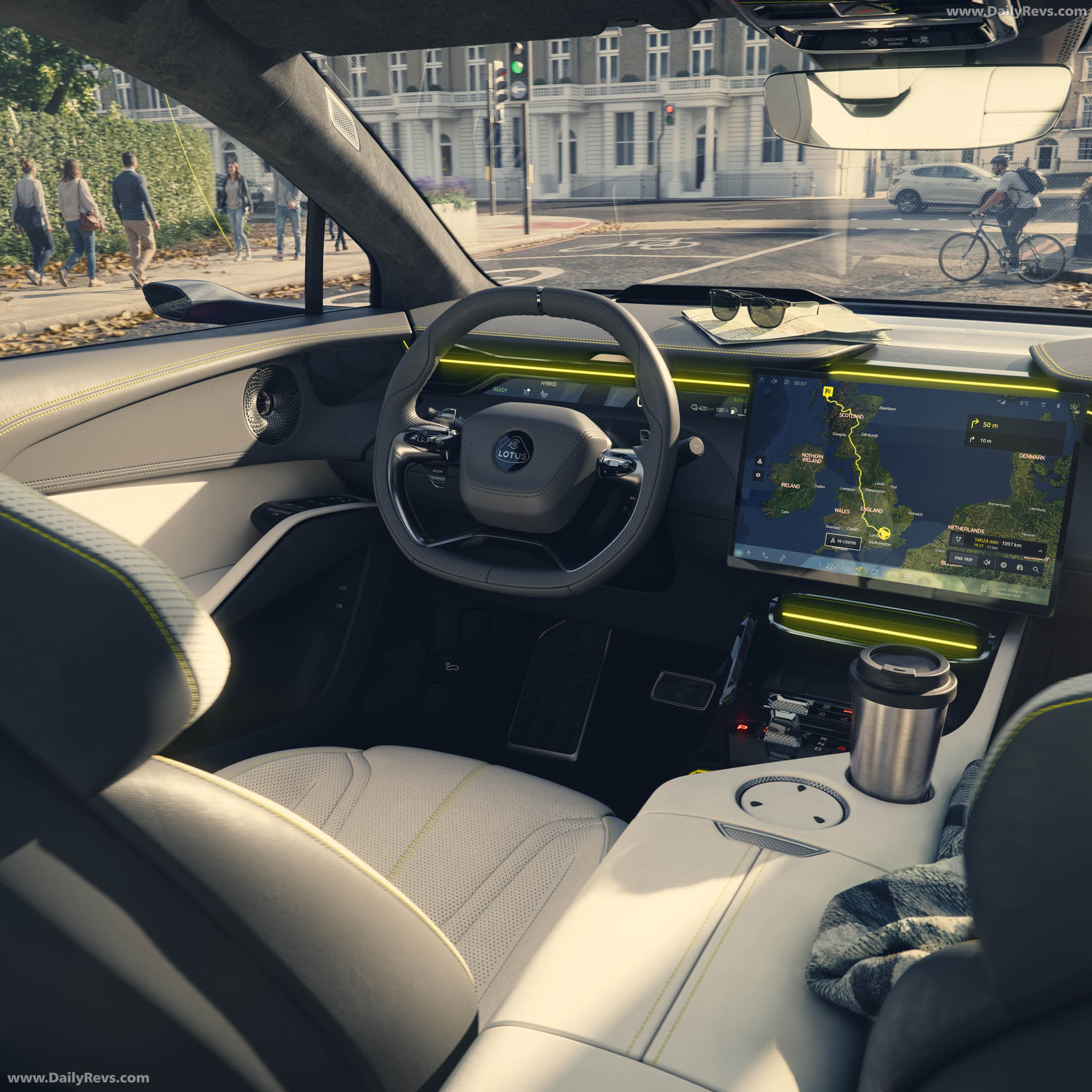
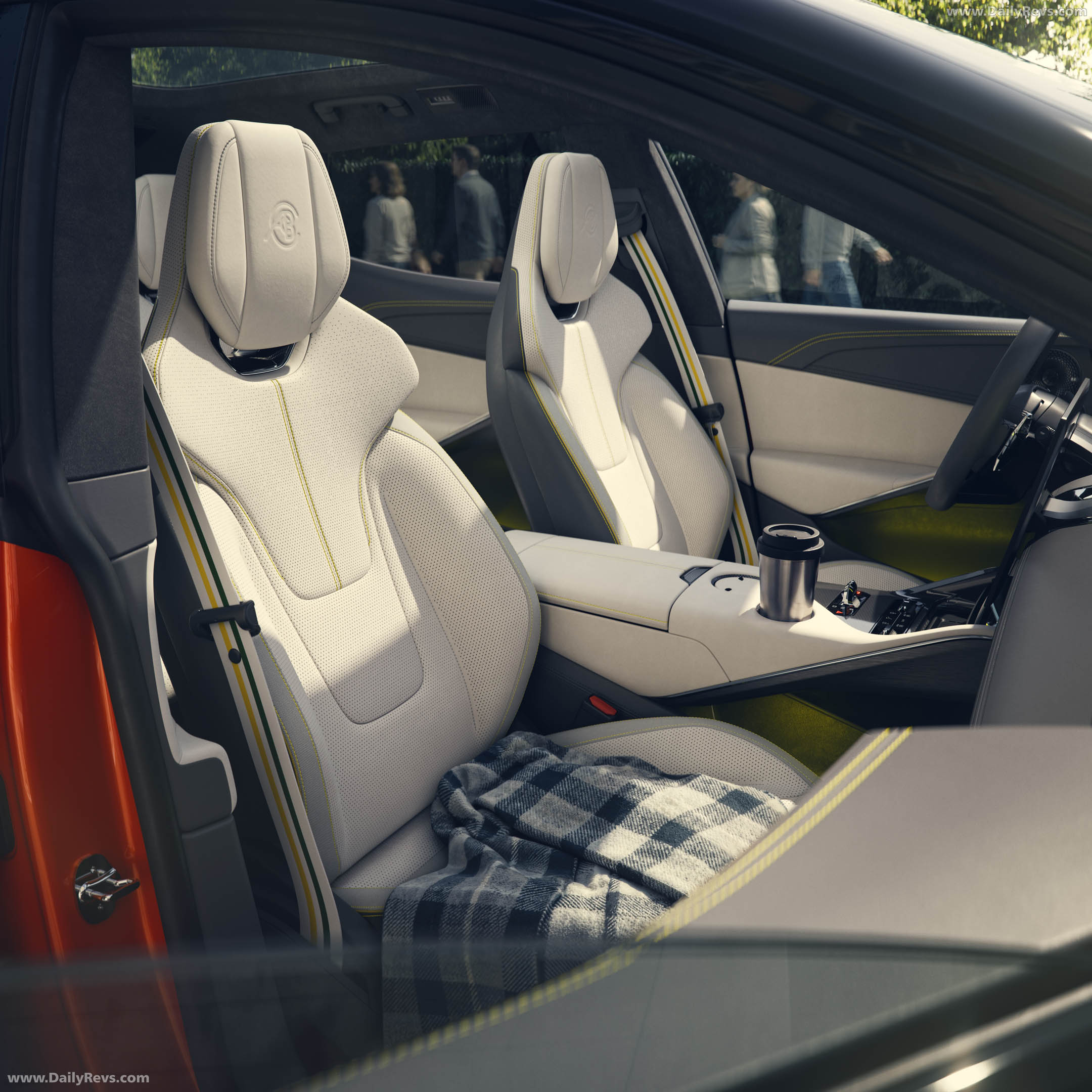
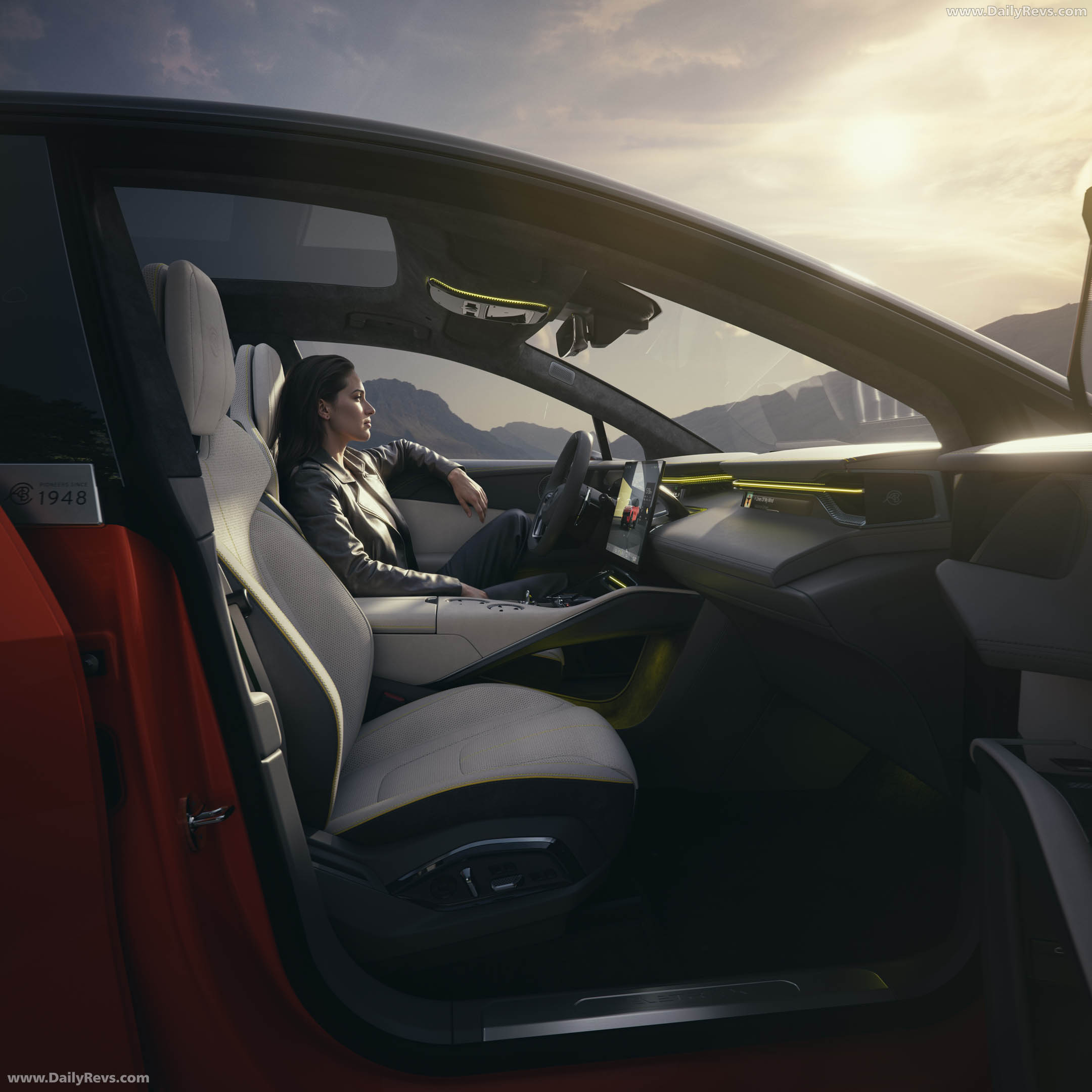
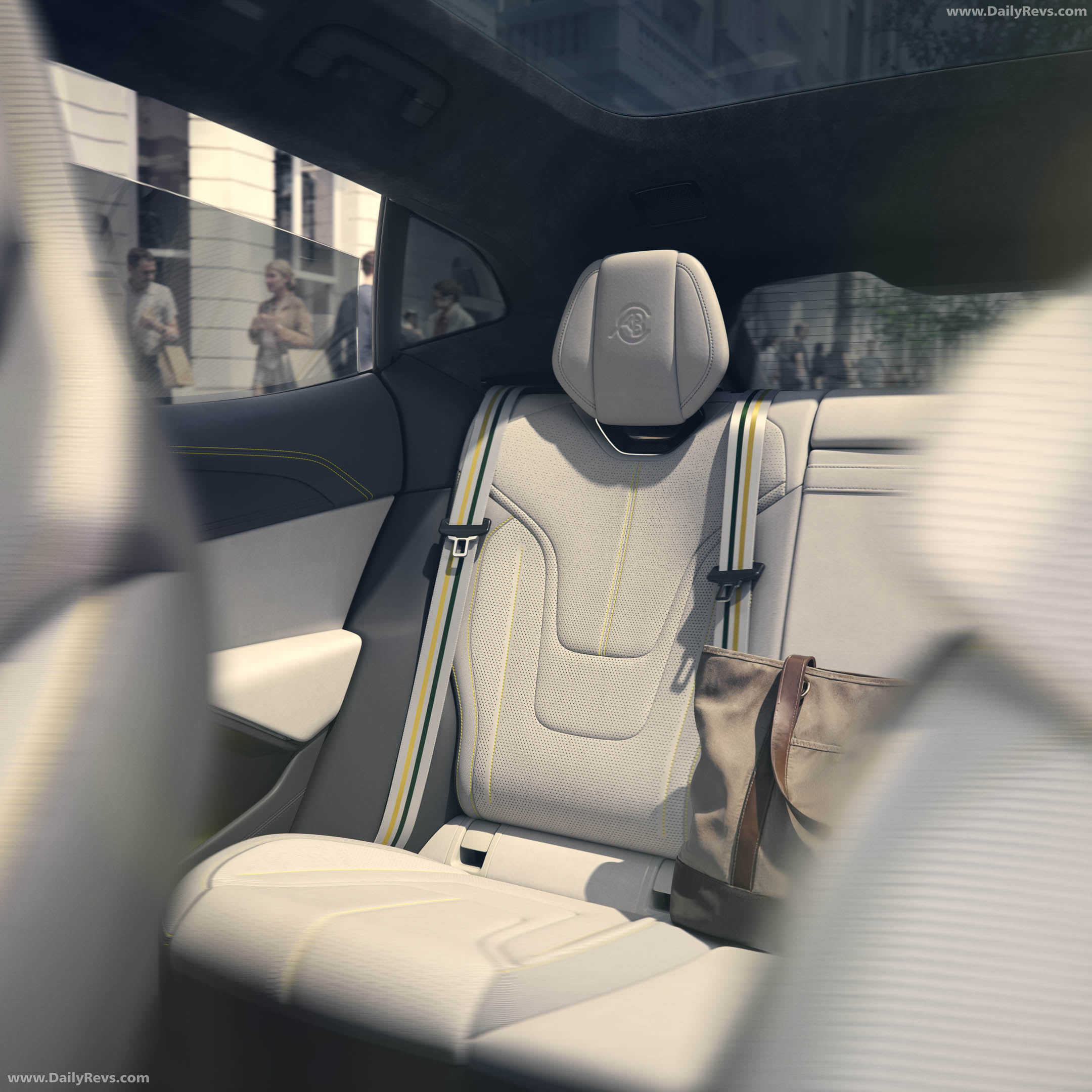
Inside, the Eletre X is positioned as a luxury flagship. Optional materials include full Nappa leather upholstery using approximately nine hides, along with a 23-speaker KEF Reference audio system producing 2,160 watts of output.
A PDLC dimming panoramic roof adds adjustable transparency across a large glass surface, increasing headroom compared with traditional roof structures.
Lotus has confirmed that full European specifications for the 2026 Lotus Eletre X will be released closer to its official market launch in June 2026, with deliveries expected later in the year.