2026 Lexus ES 350e Premium
By Lorenzo Bianchi May 28, 2026
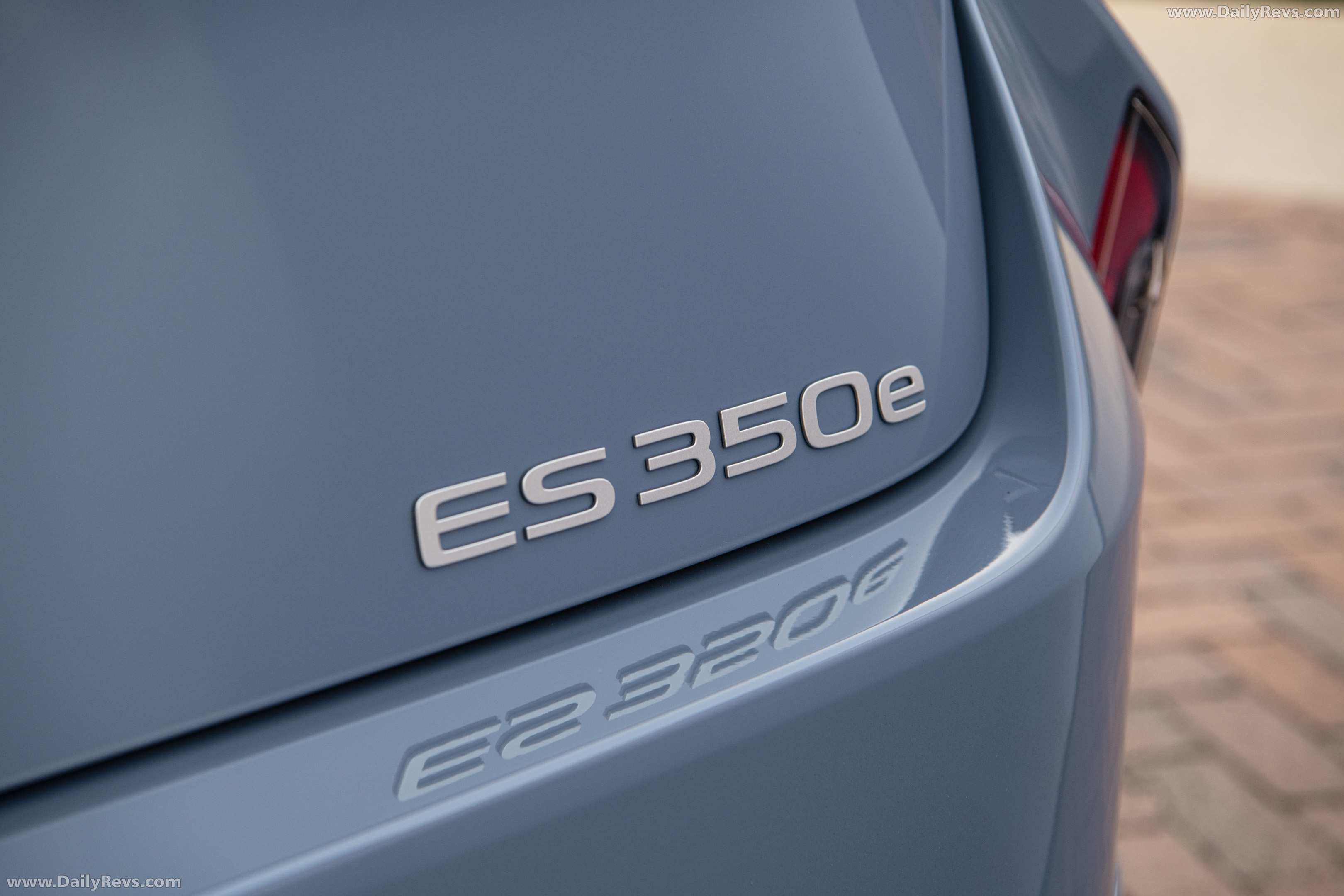
The 2026 Lexus ES 350e Premium is the first fully electric ES sedan and offers up to 581 km of claimed range.
Lexus has significantly increased cabin space and wheelbase dimensions while introducing new luxury-focused rear seating features.
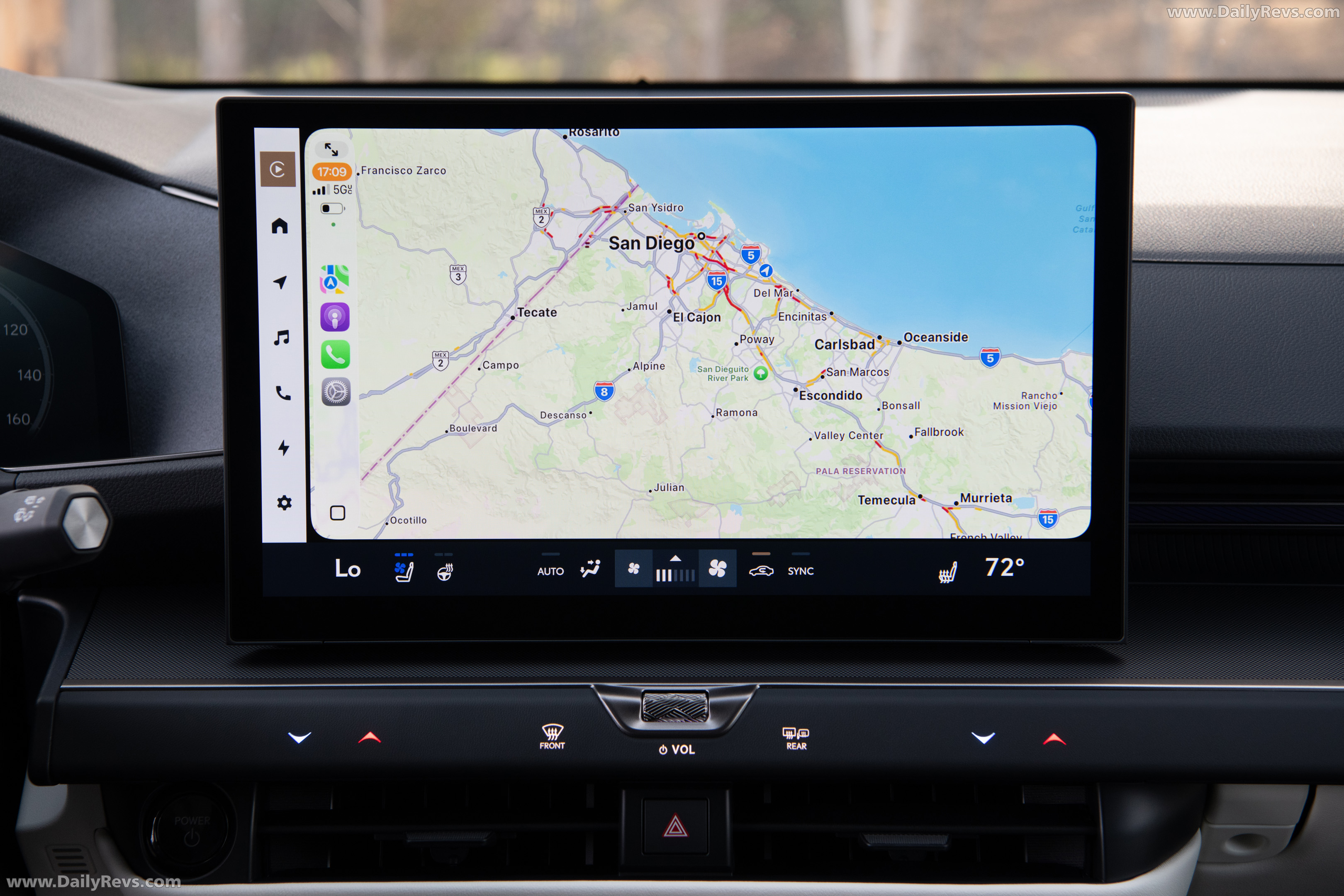
A new 14-inch LexusConnect multimedia system and updated safety suite headline the technology upgrades.
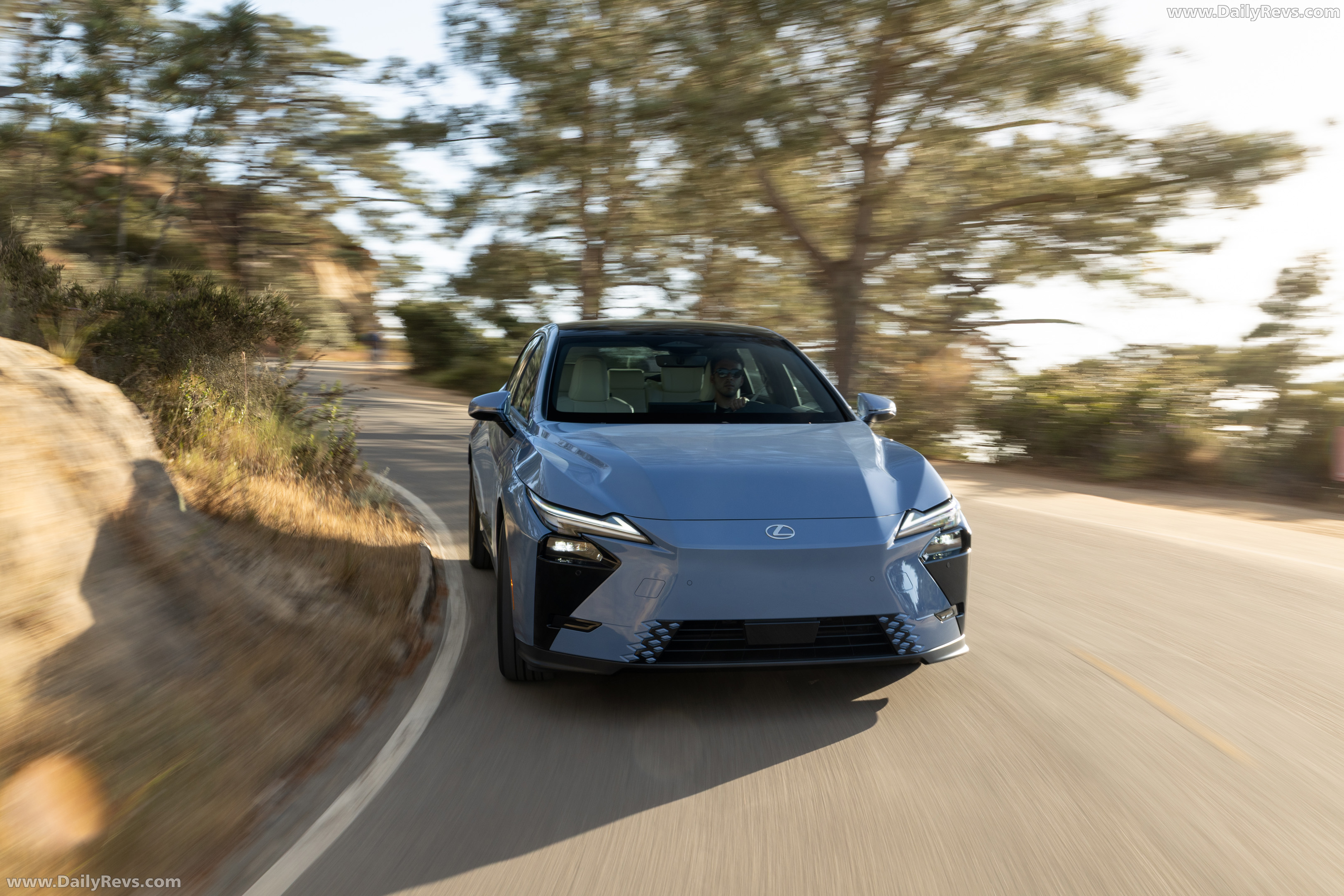
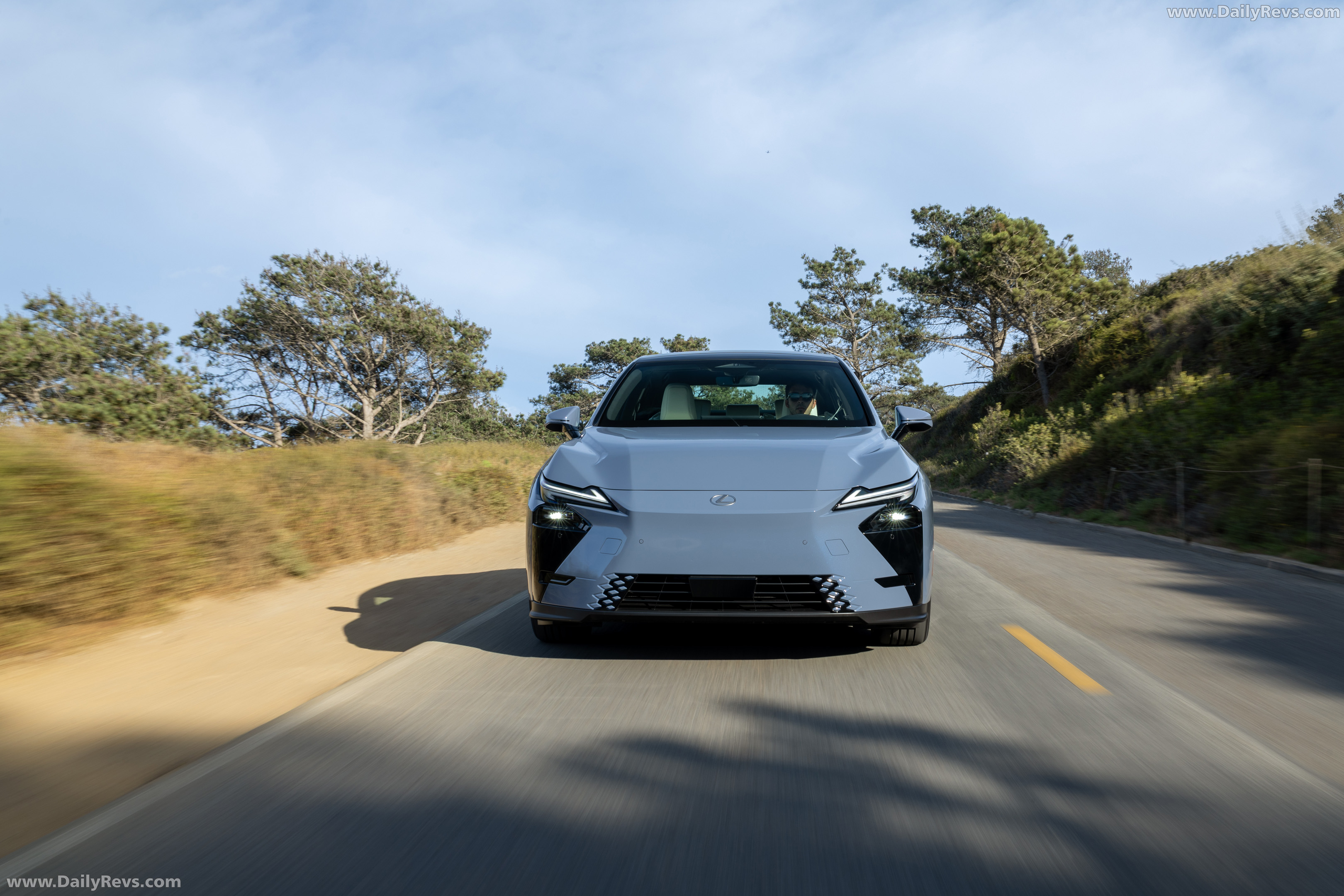
A Familiar Lexus Sedan Shape, Reworked for EV Duty
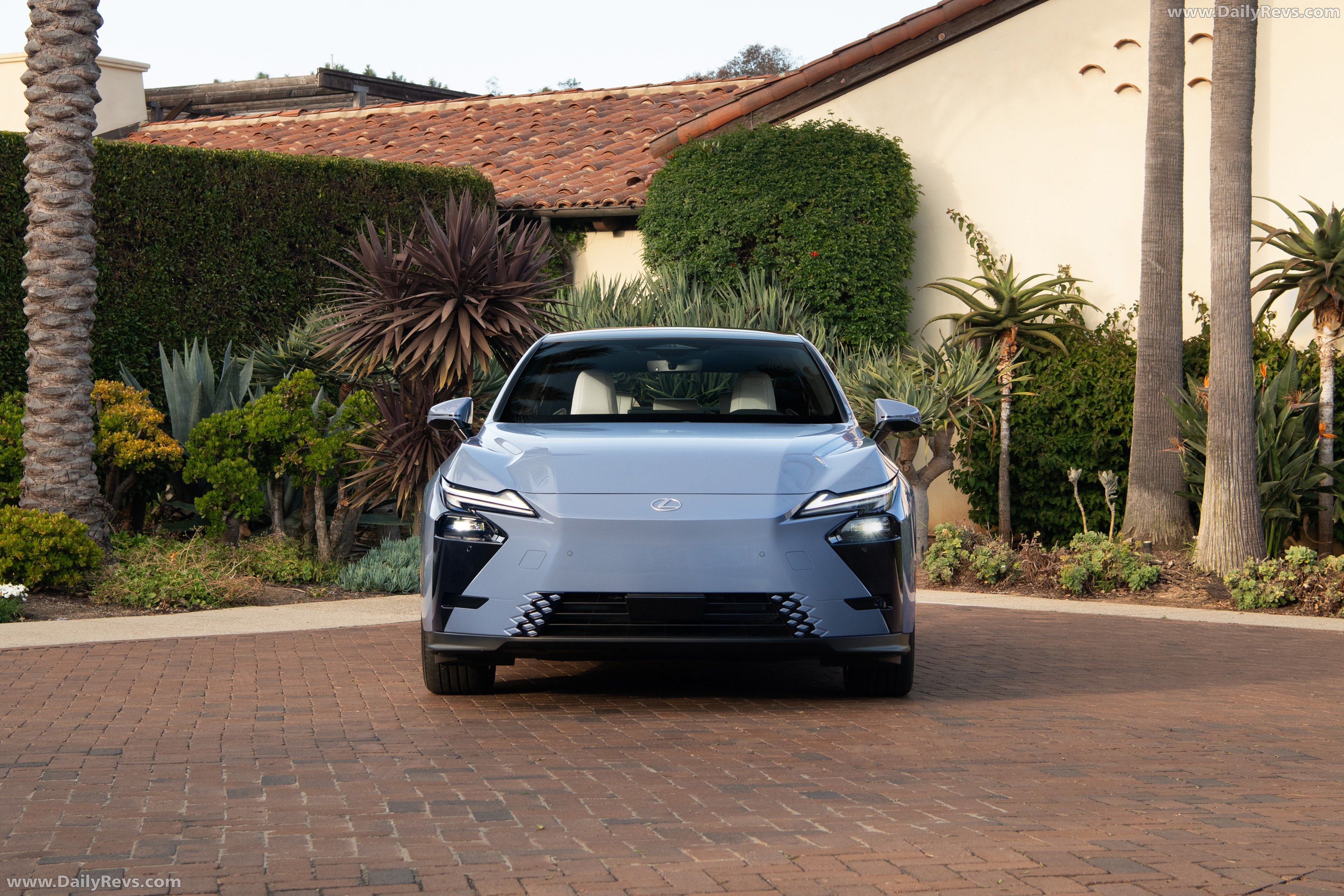
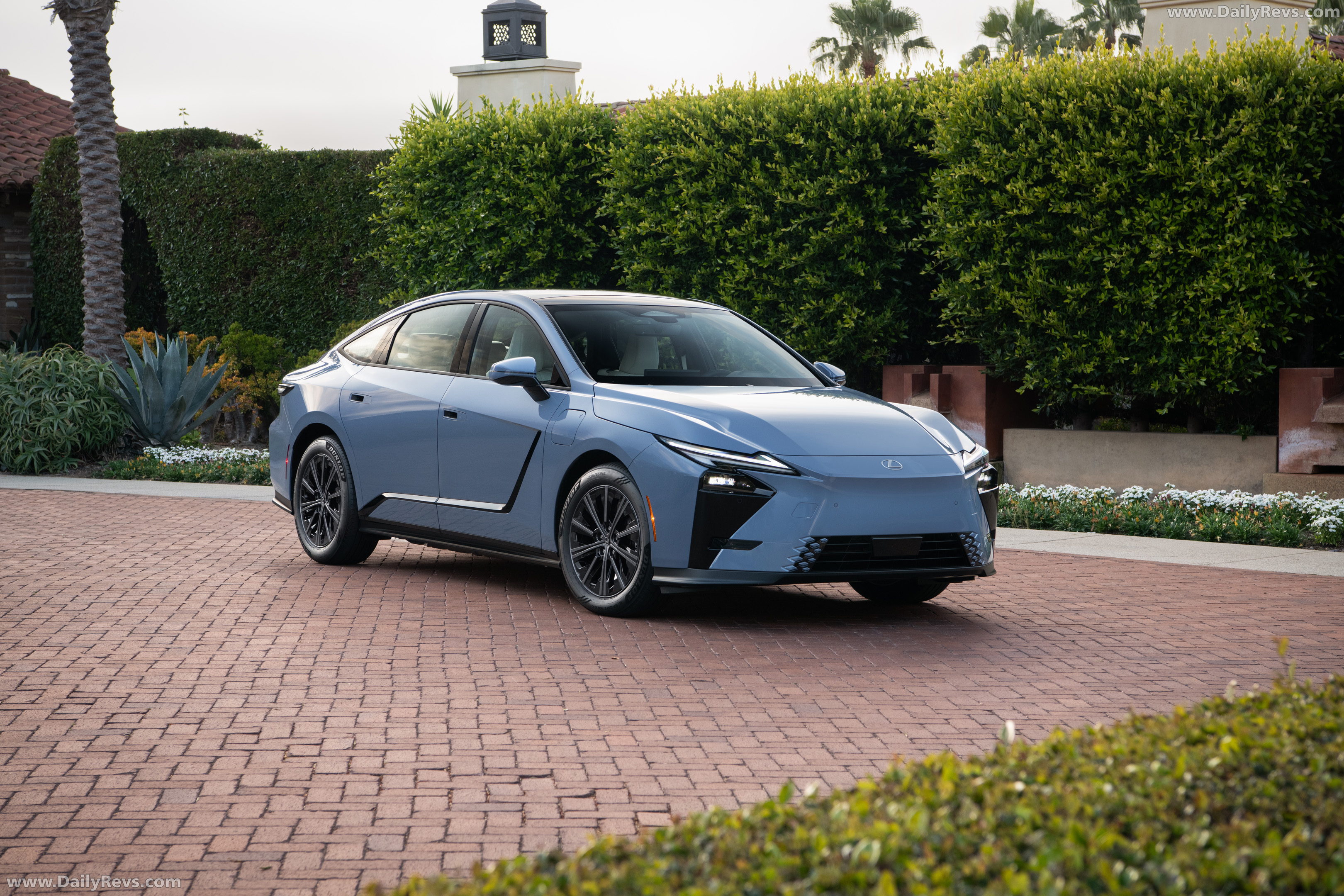
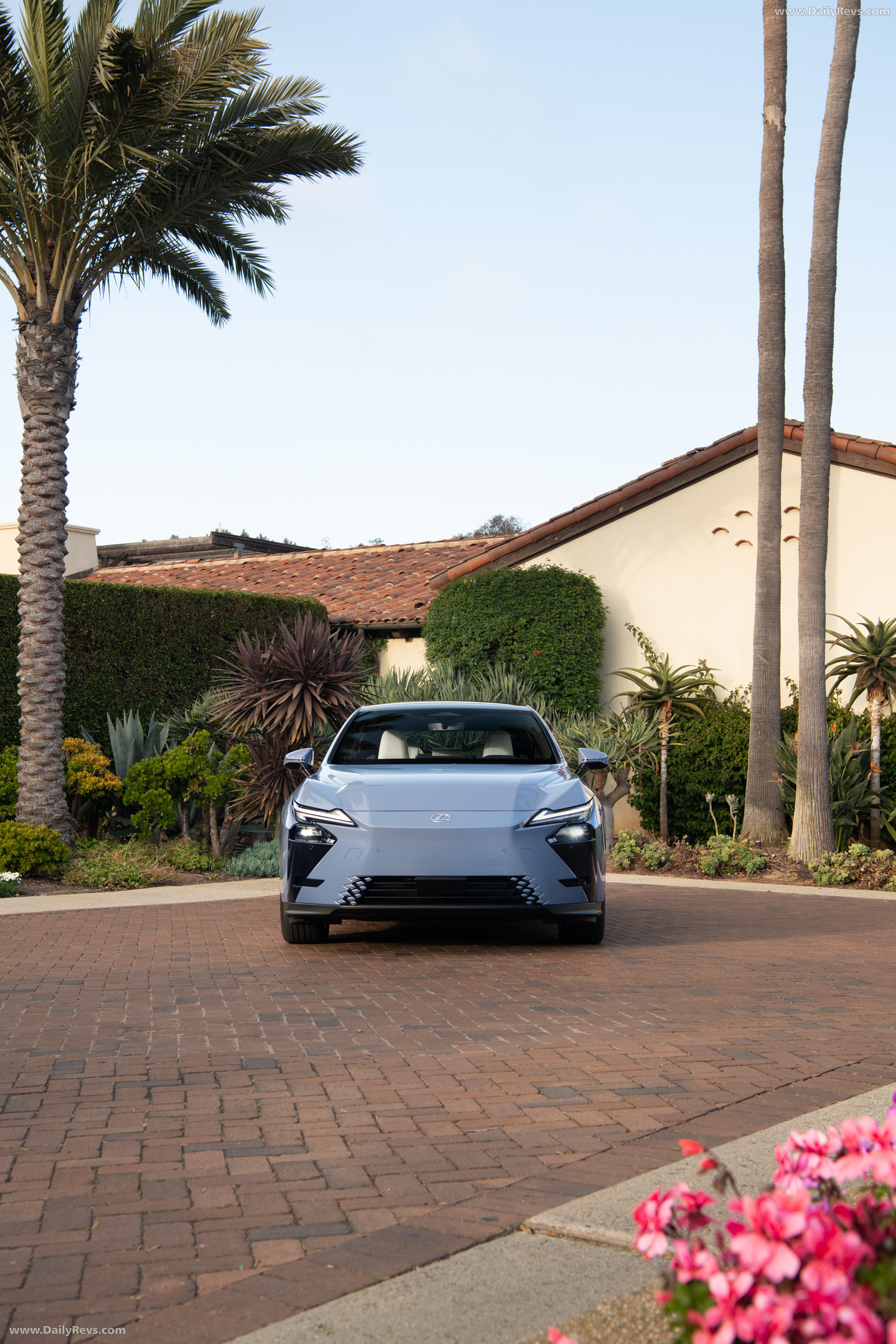
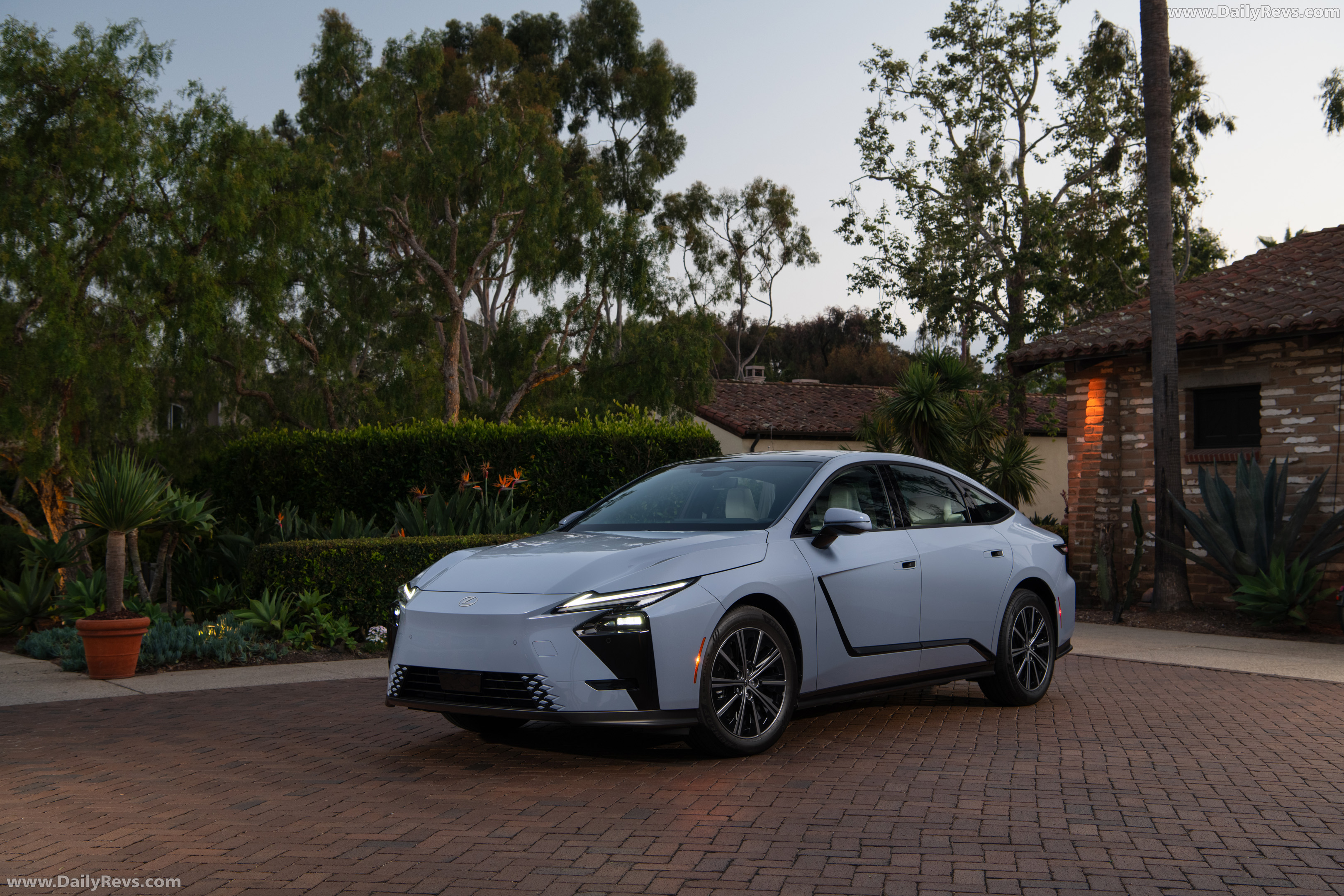
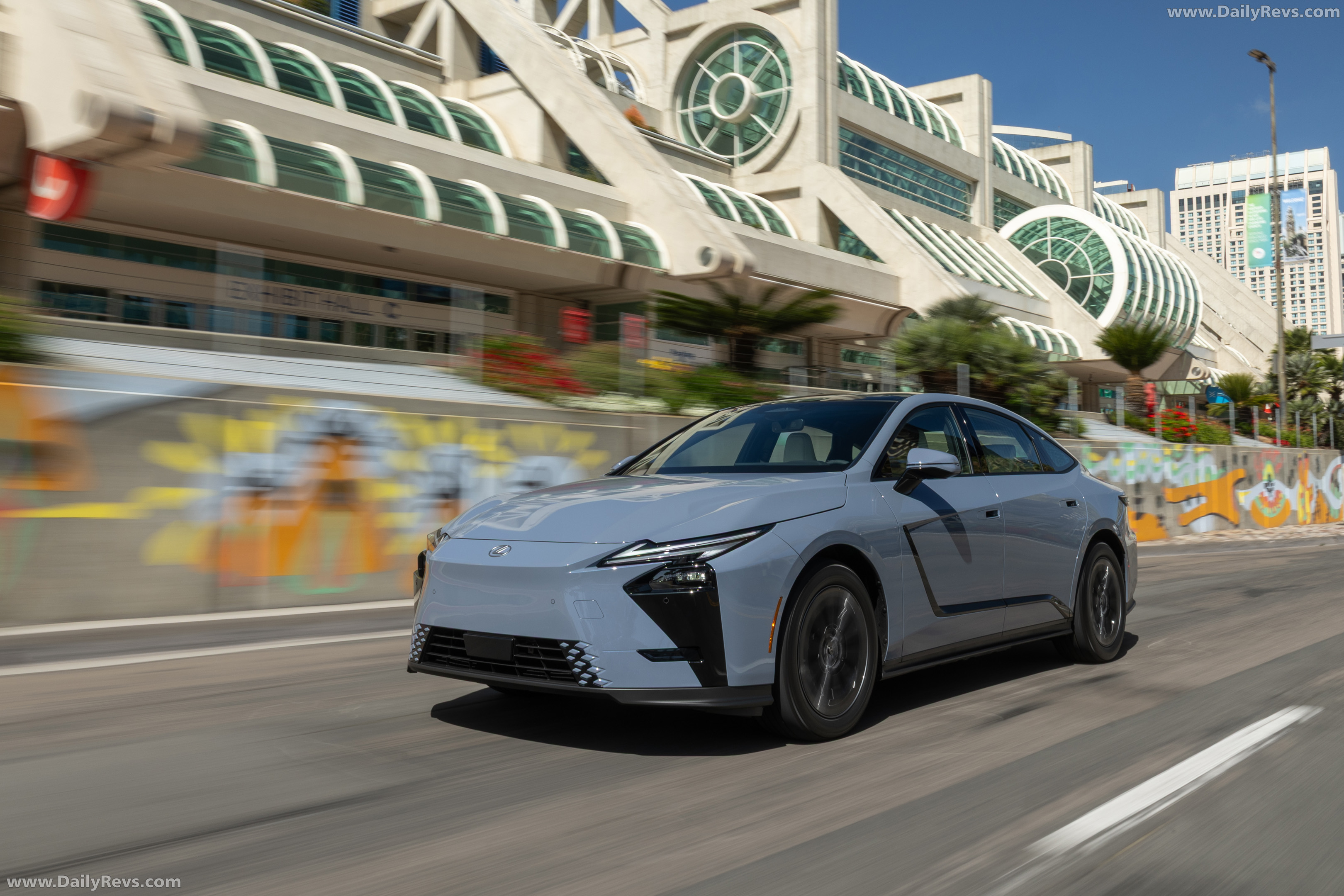
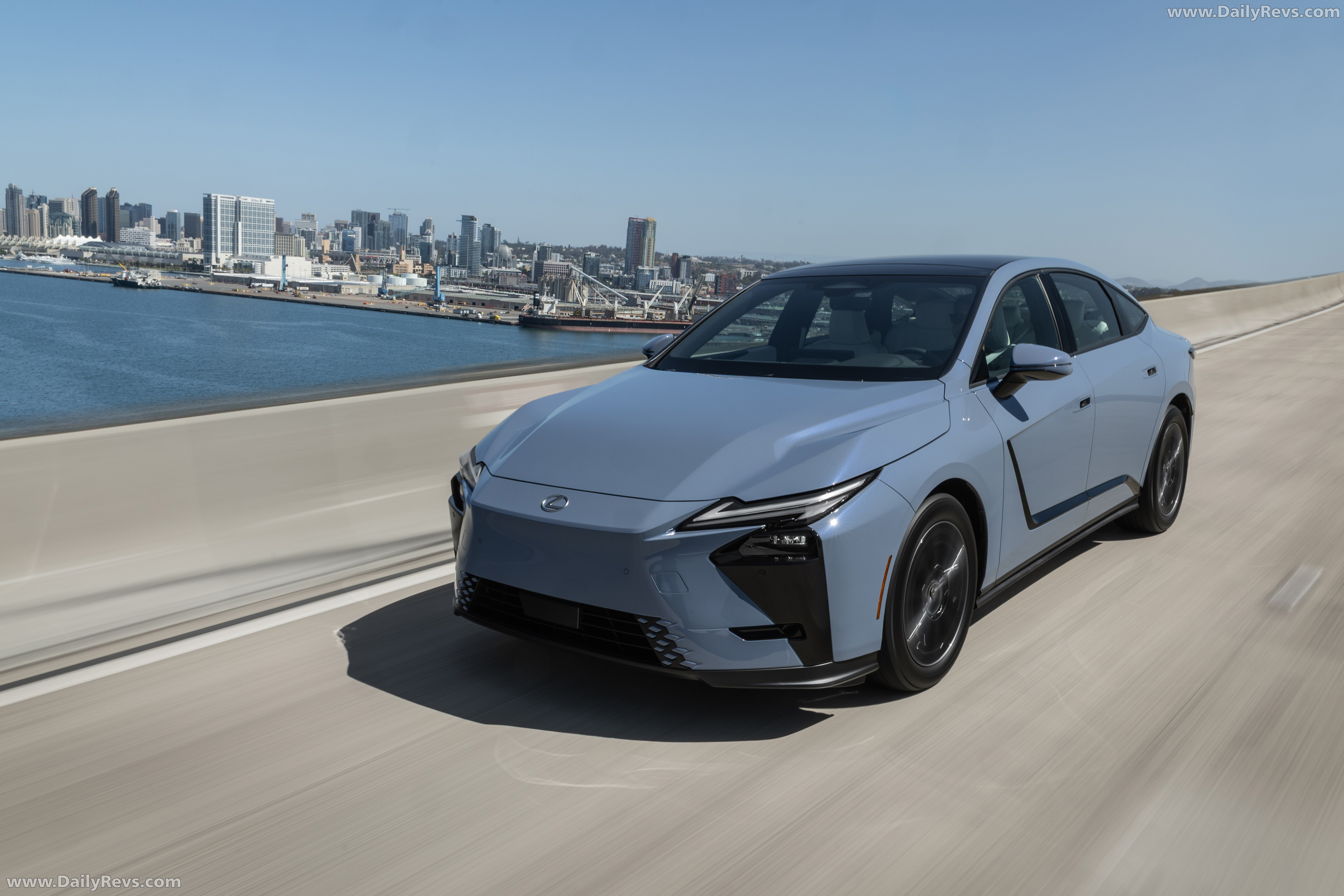
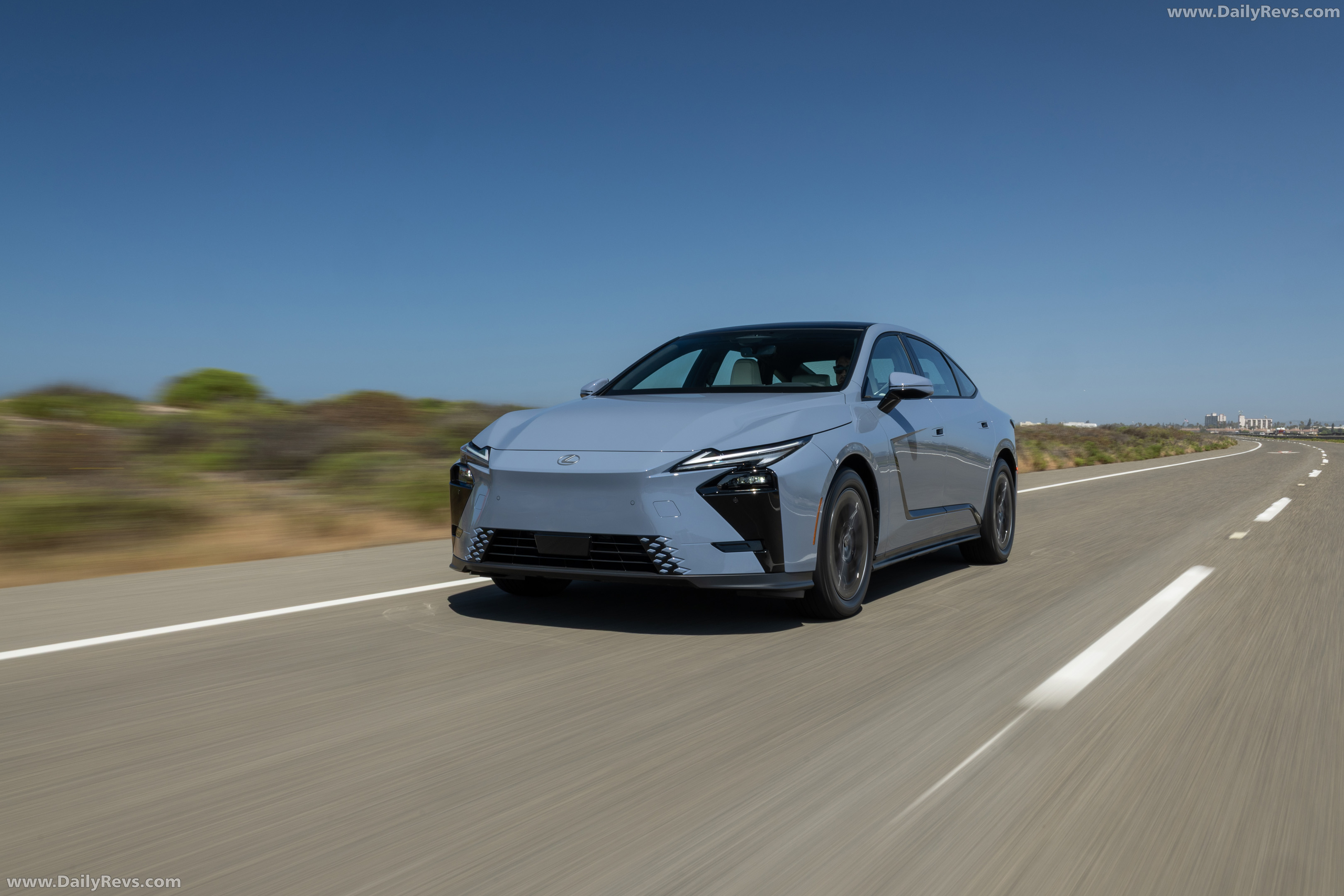
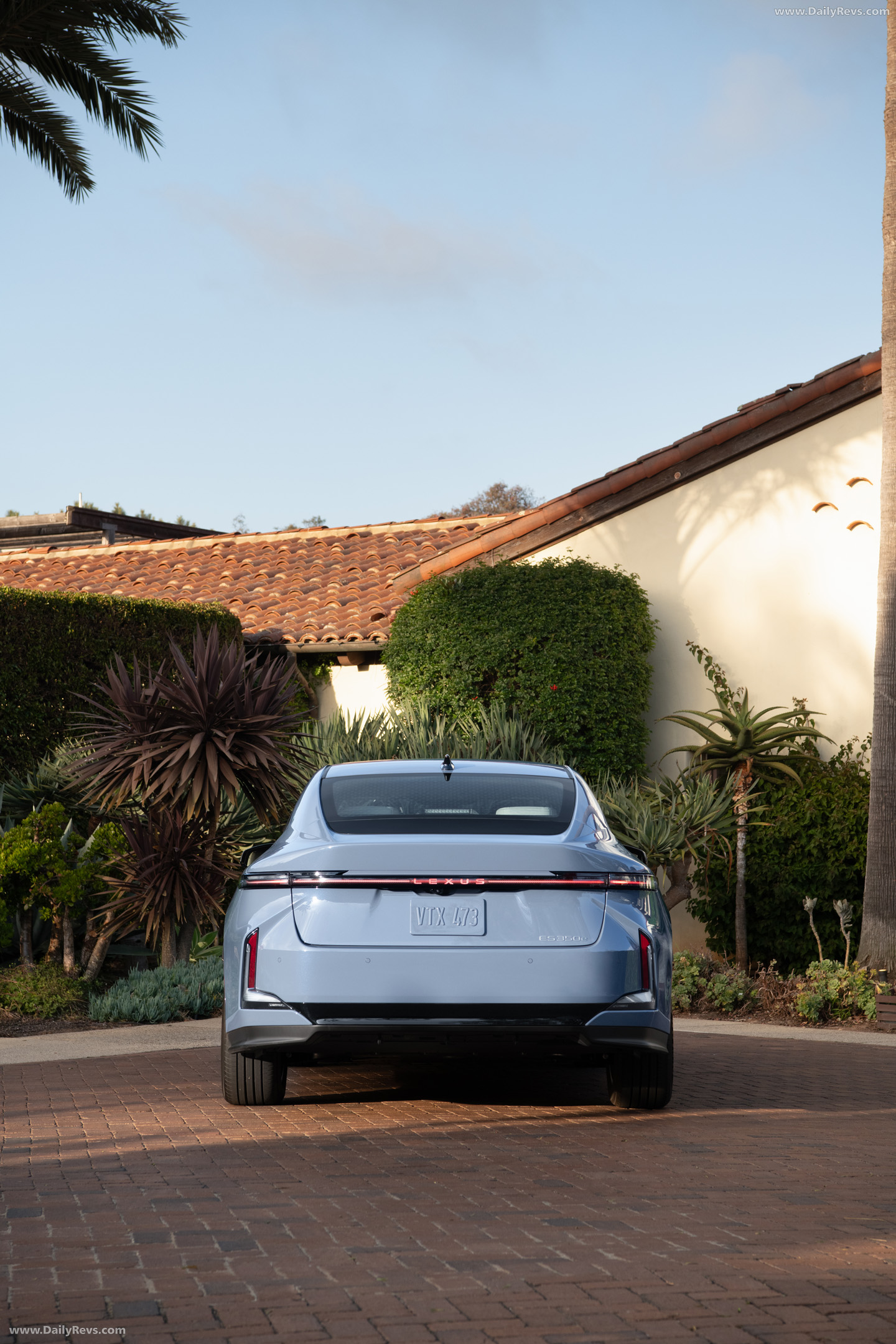
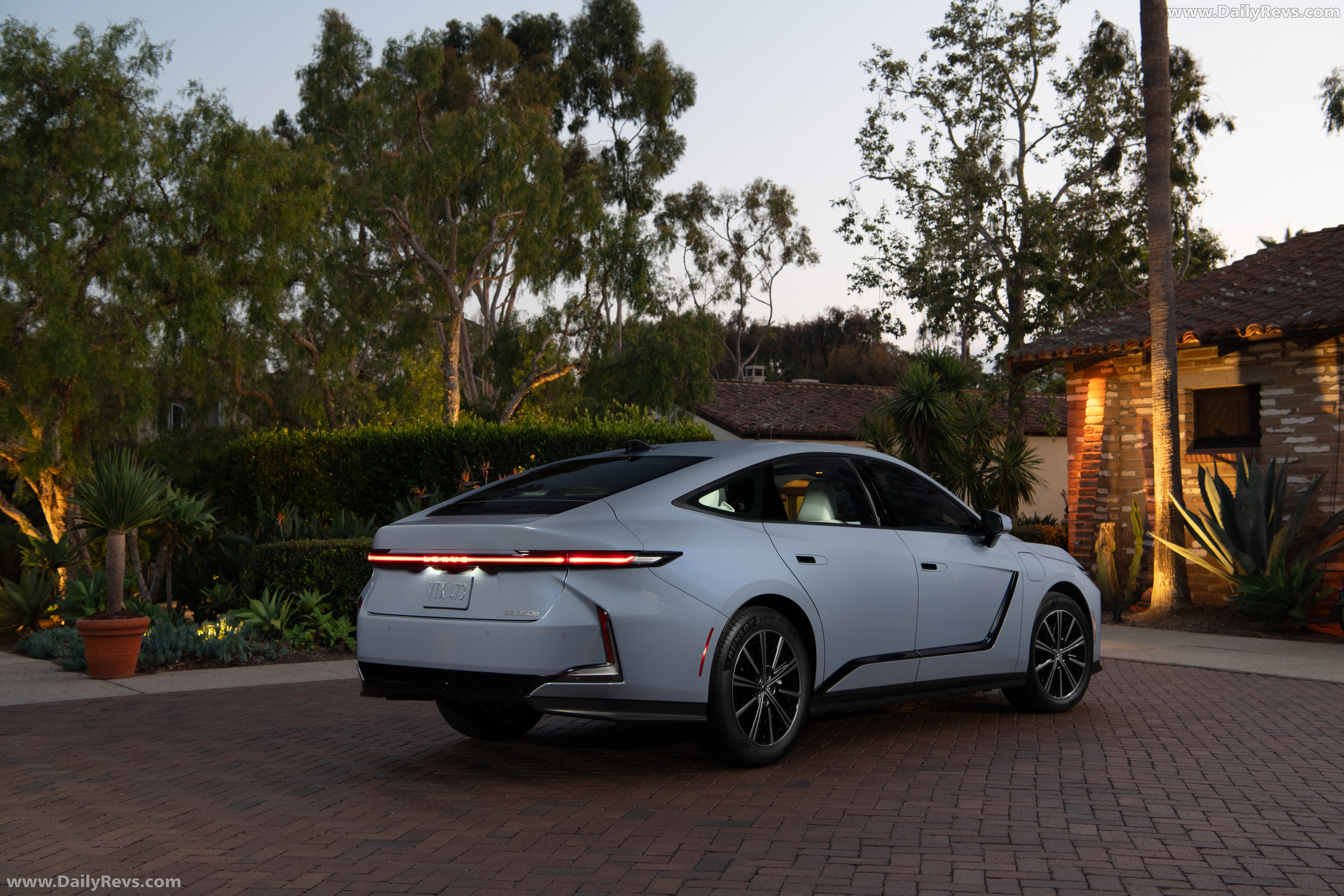
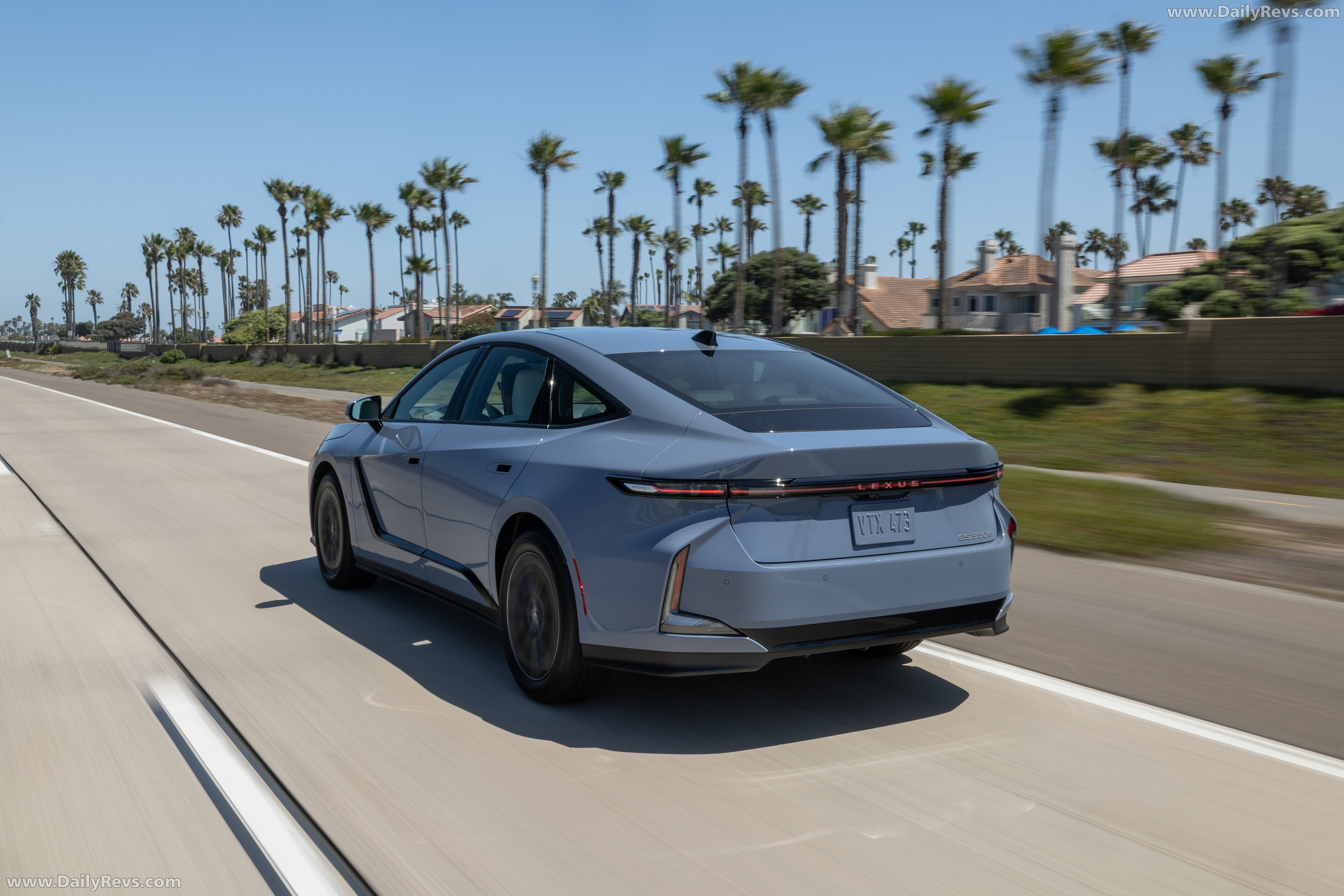
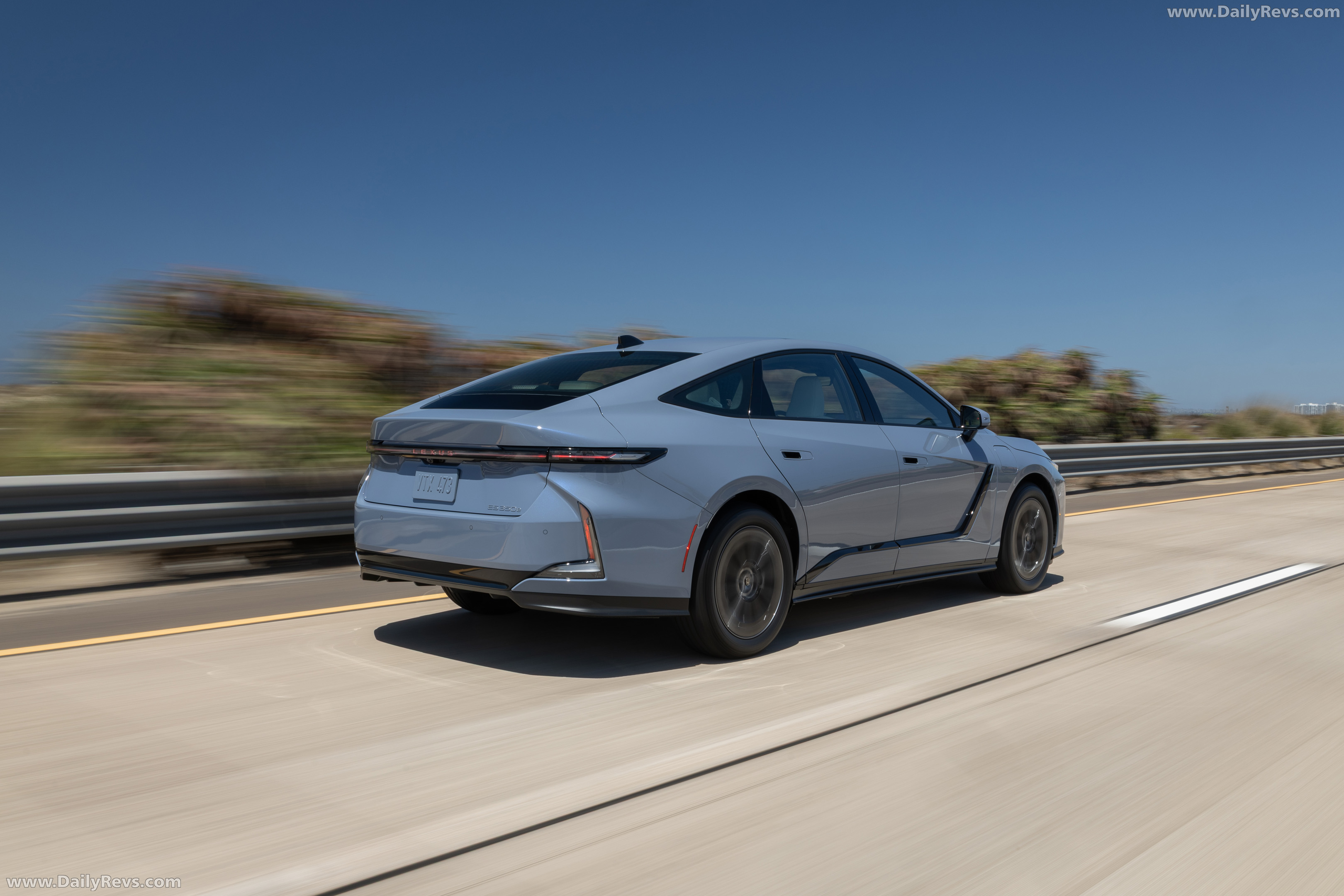
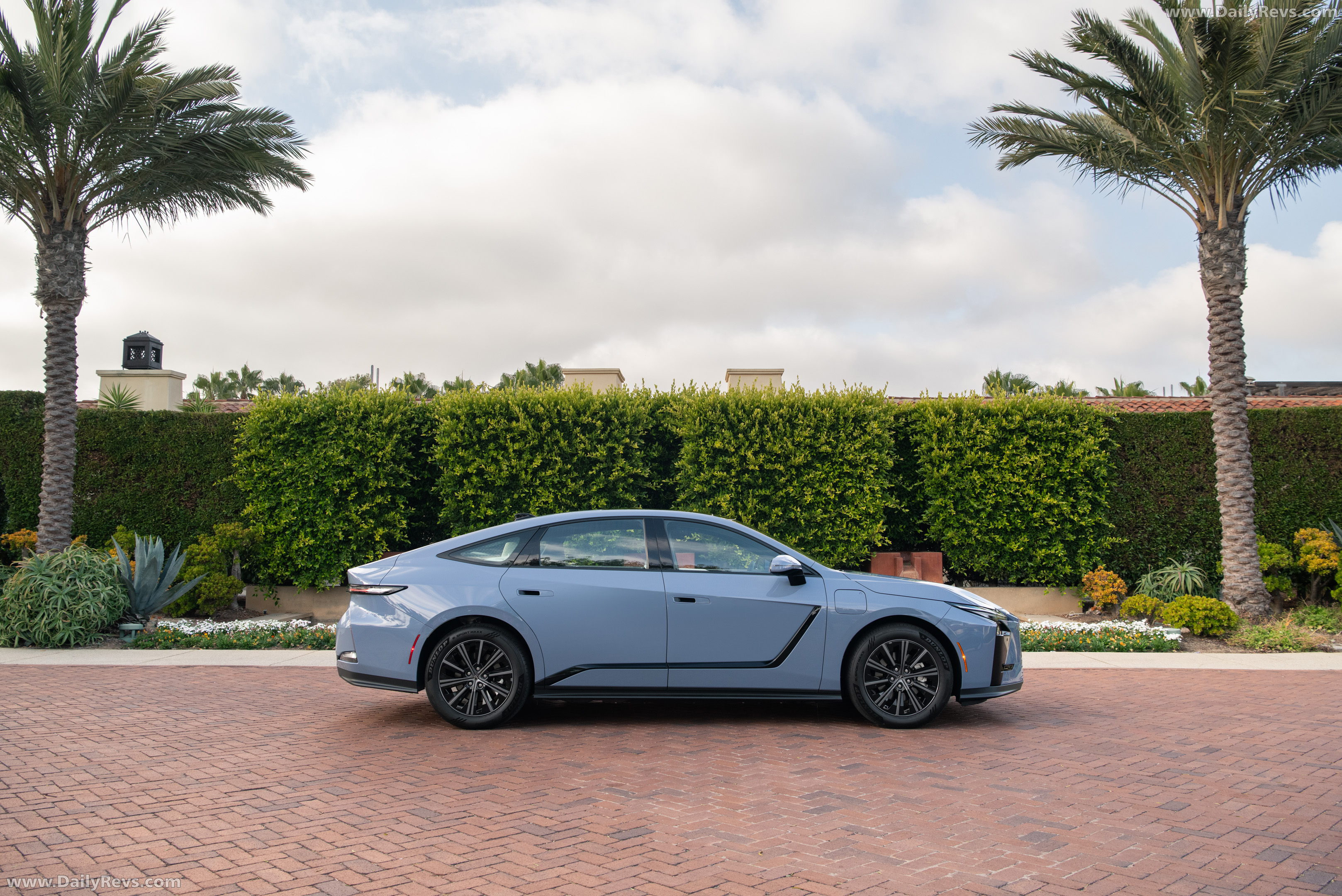
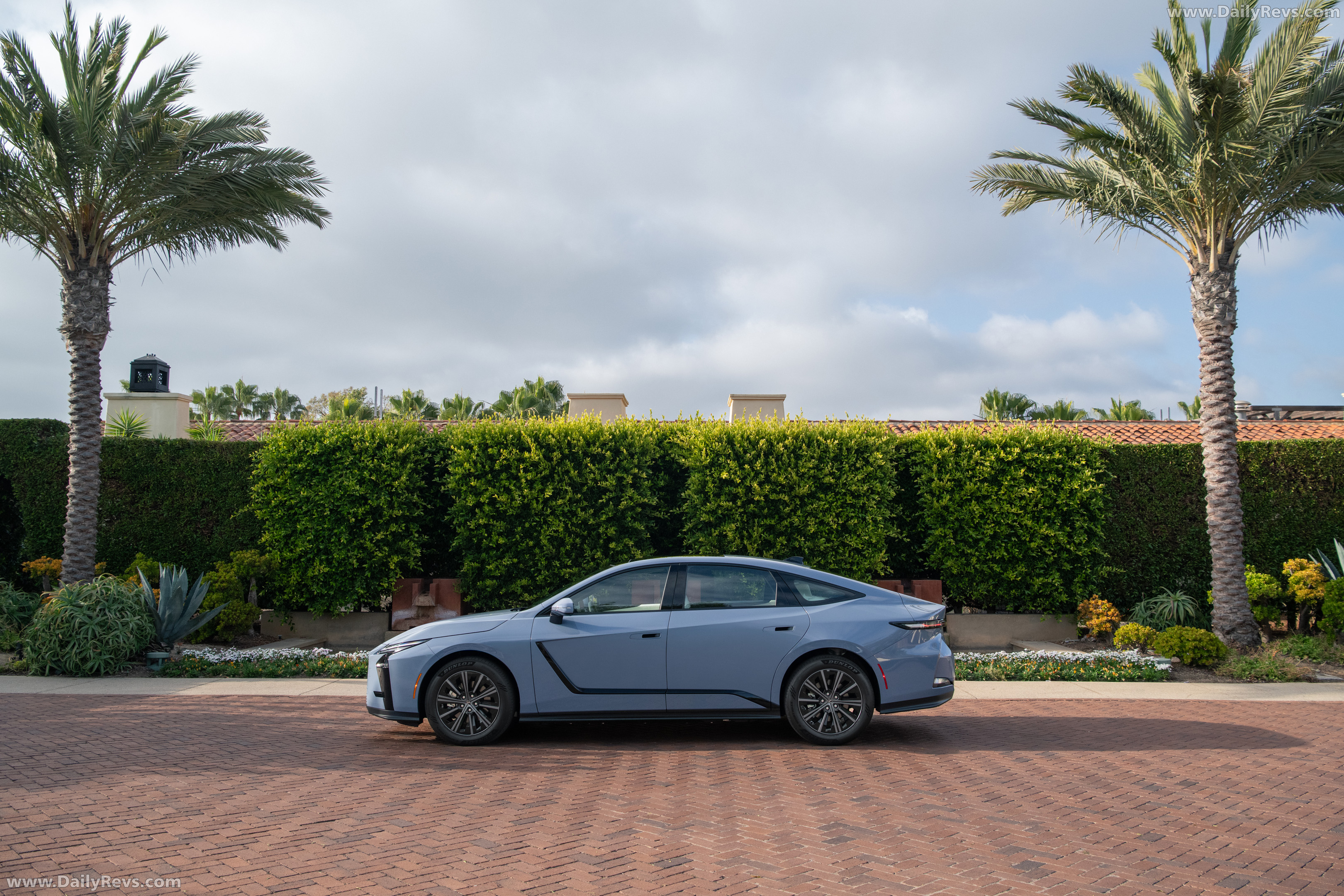
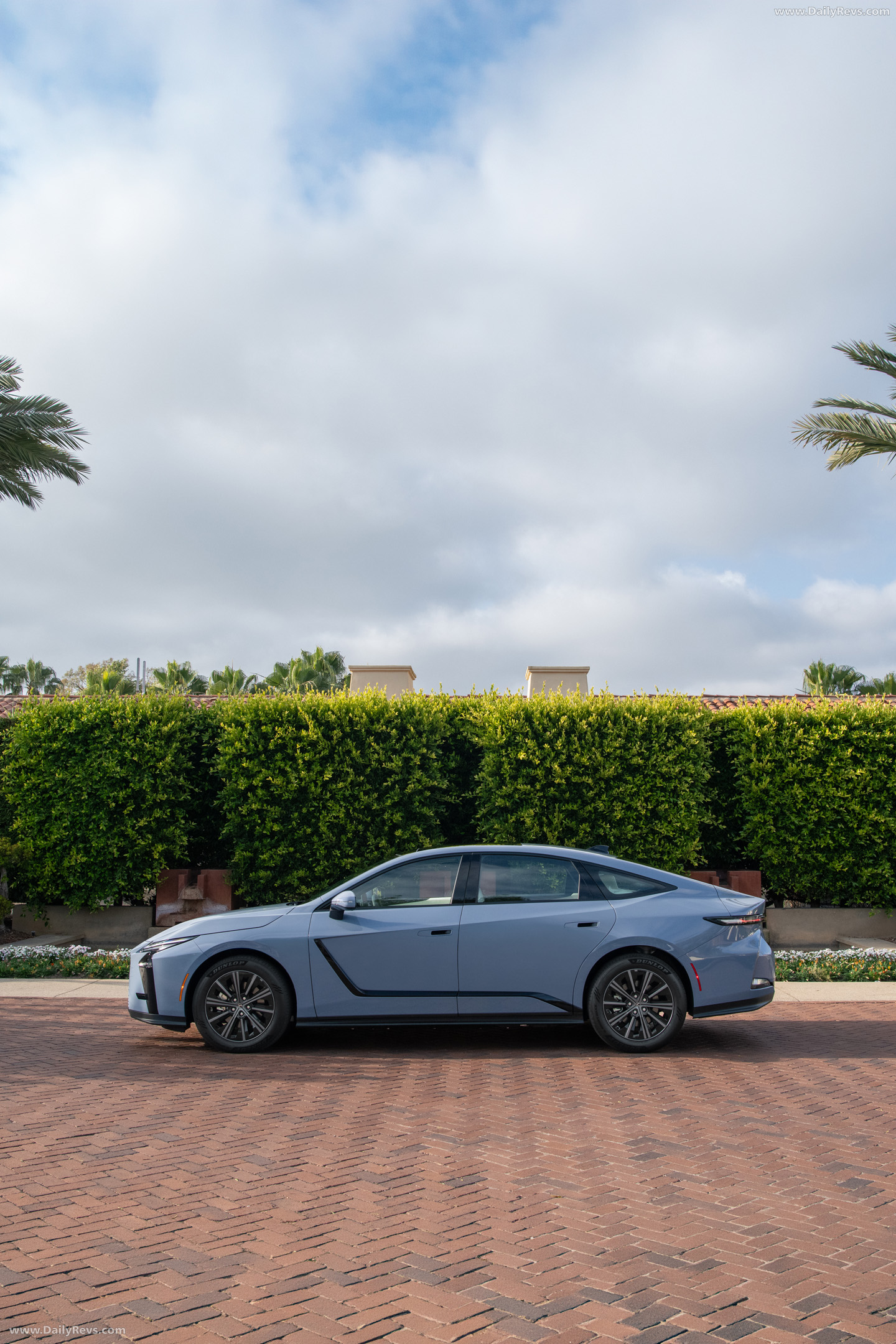
The 2026 Lexus ES 350e Premium marks a significant shift for the brand’s long-running luxury sedan. While the silhouette still carries the low-slung proportions expected of an ES, the new generation has clearly been designed around electrification from the start. Lexus calls the styling philosophy “Clean Tech x Elegance,” and the production car closely follows ideas first shown on the LF-ZC concept.
Dimensionally, the sedan has grown in every major direction. Overall length now measures 5,140 mm, while the wheelbase stretches to 2,950 mm. Width is also up by 55 mm compared to the previous ES. The result is a sedan that visually sits closer to traditional F-segment luxury cars than before.
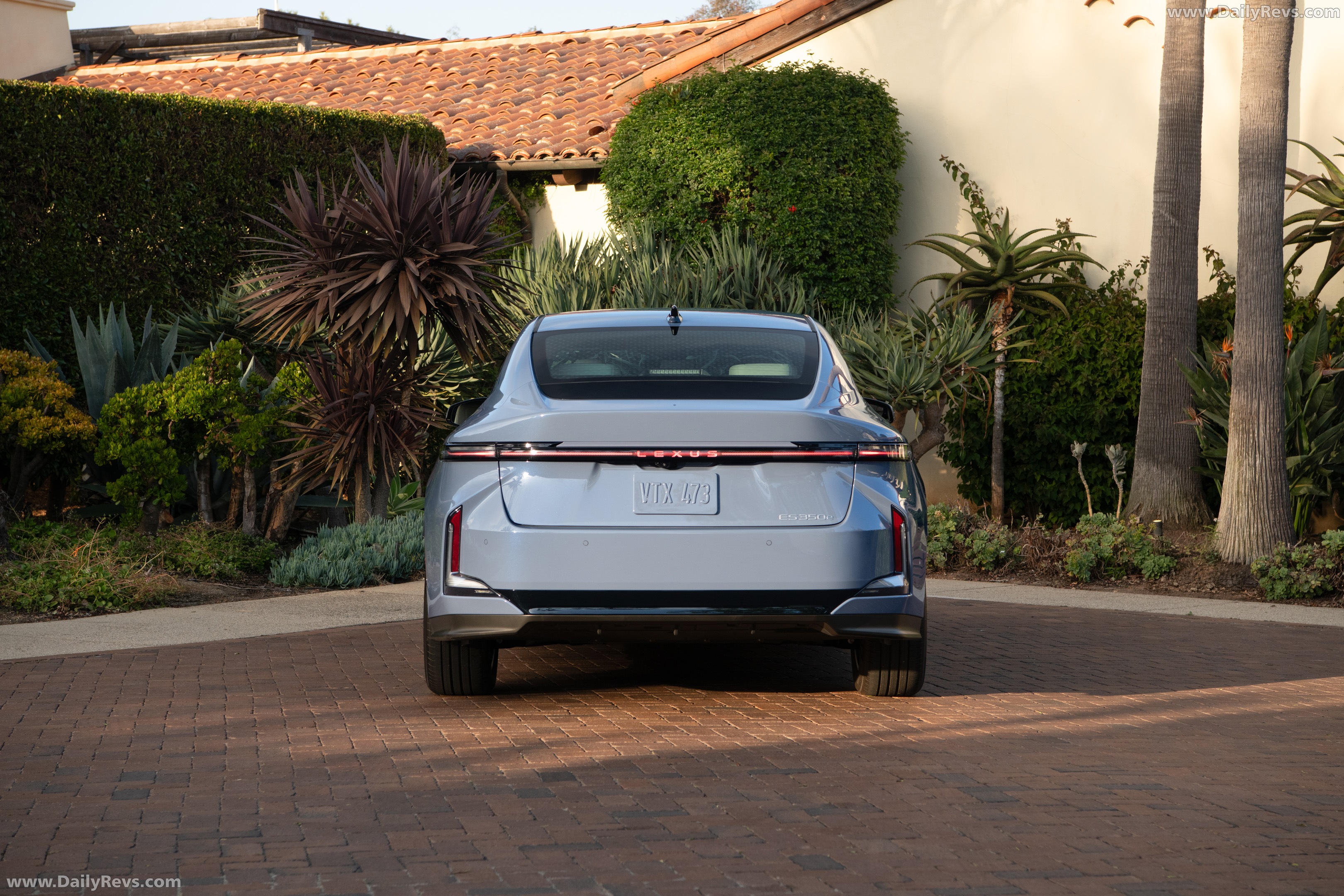
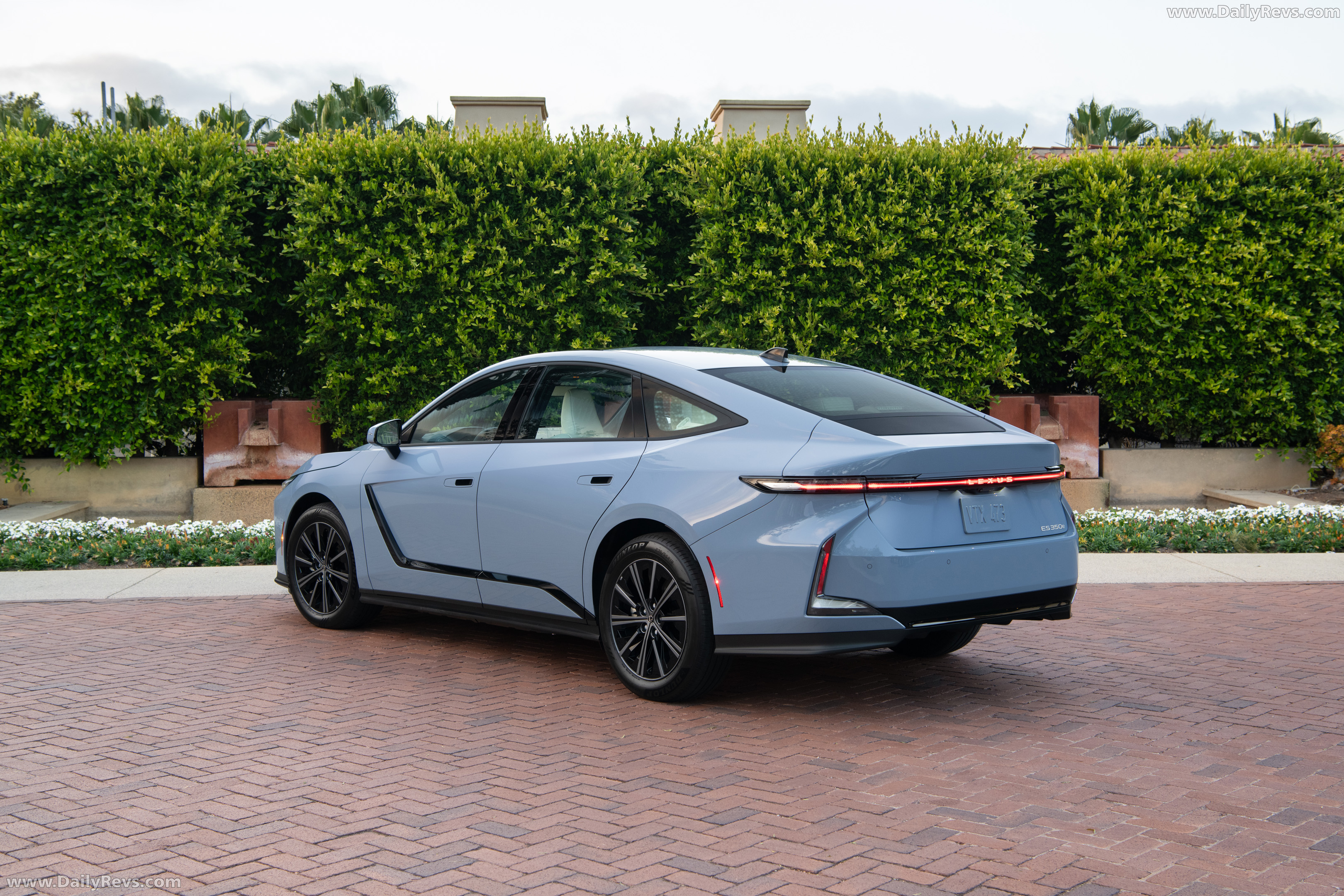
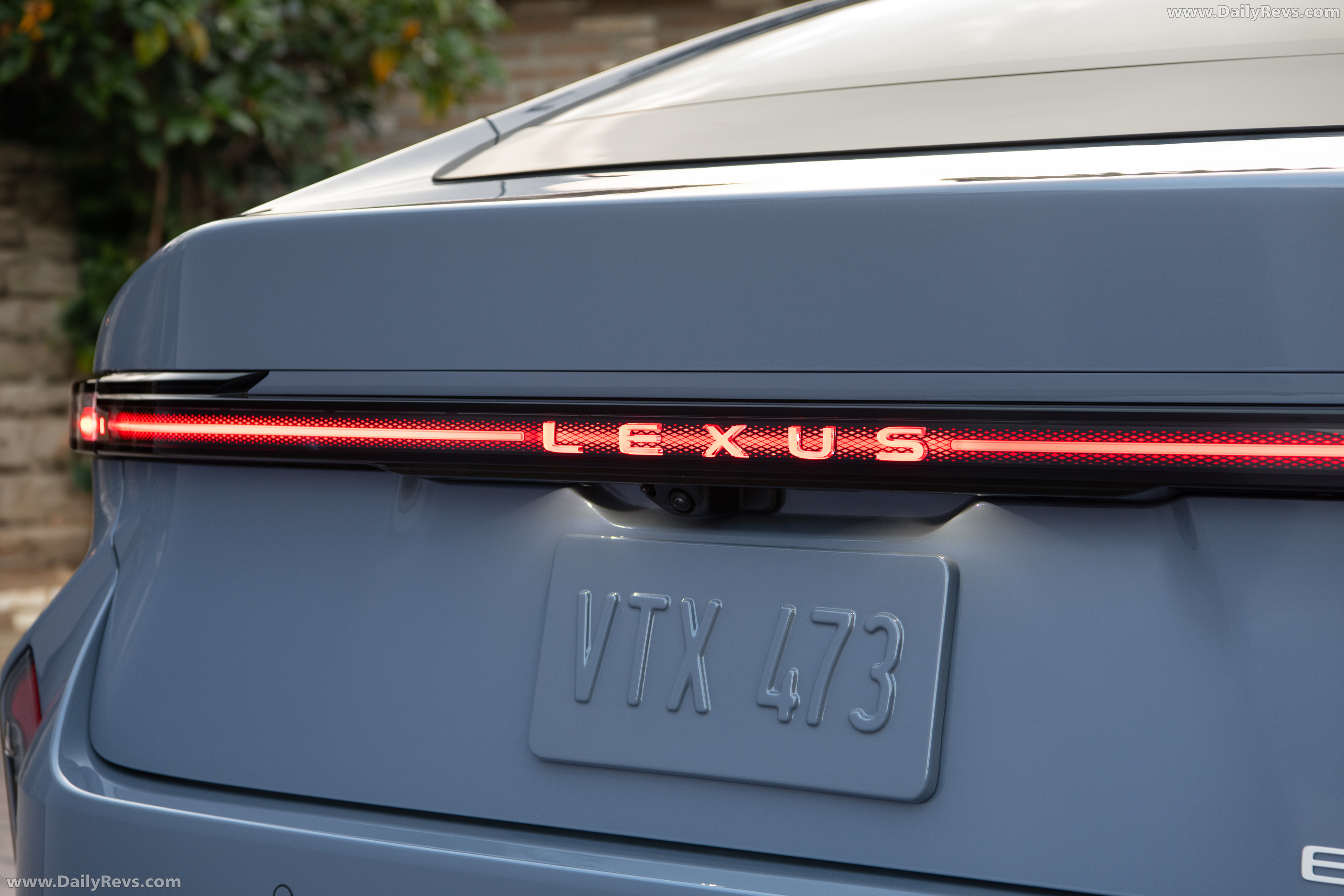
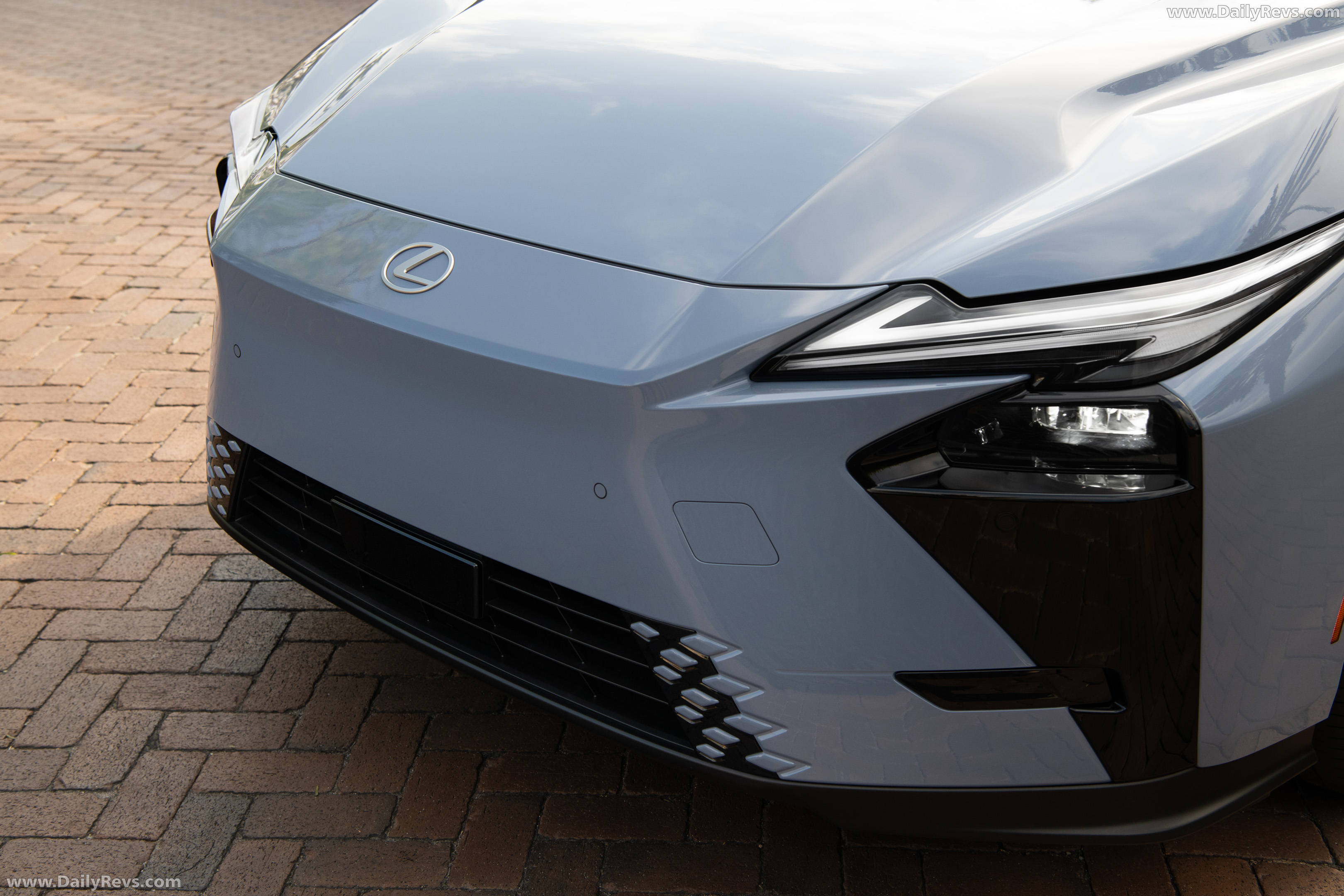
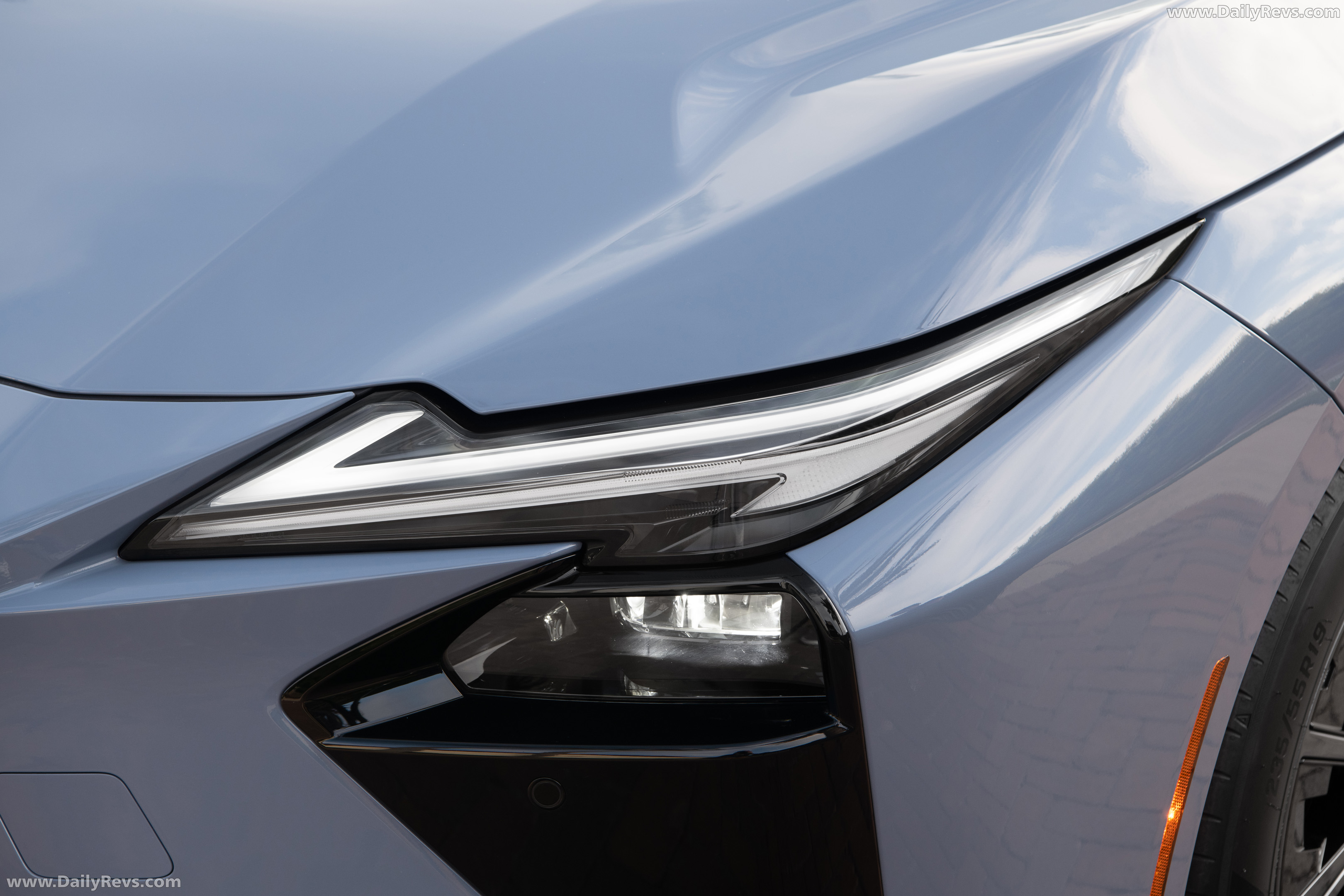
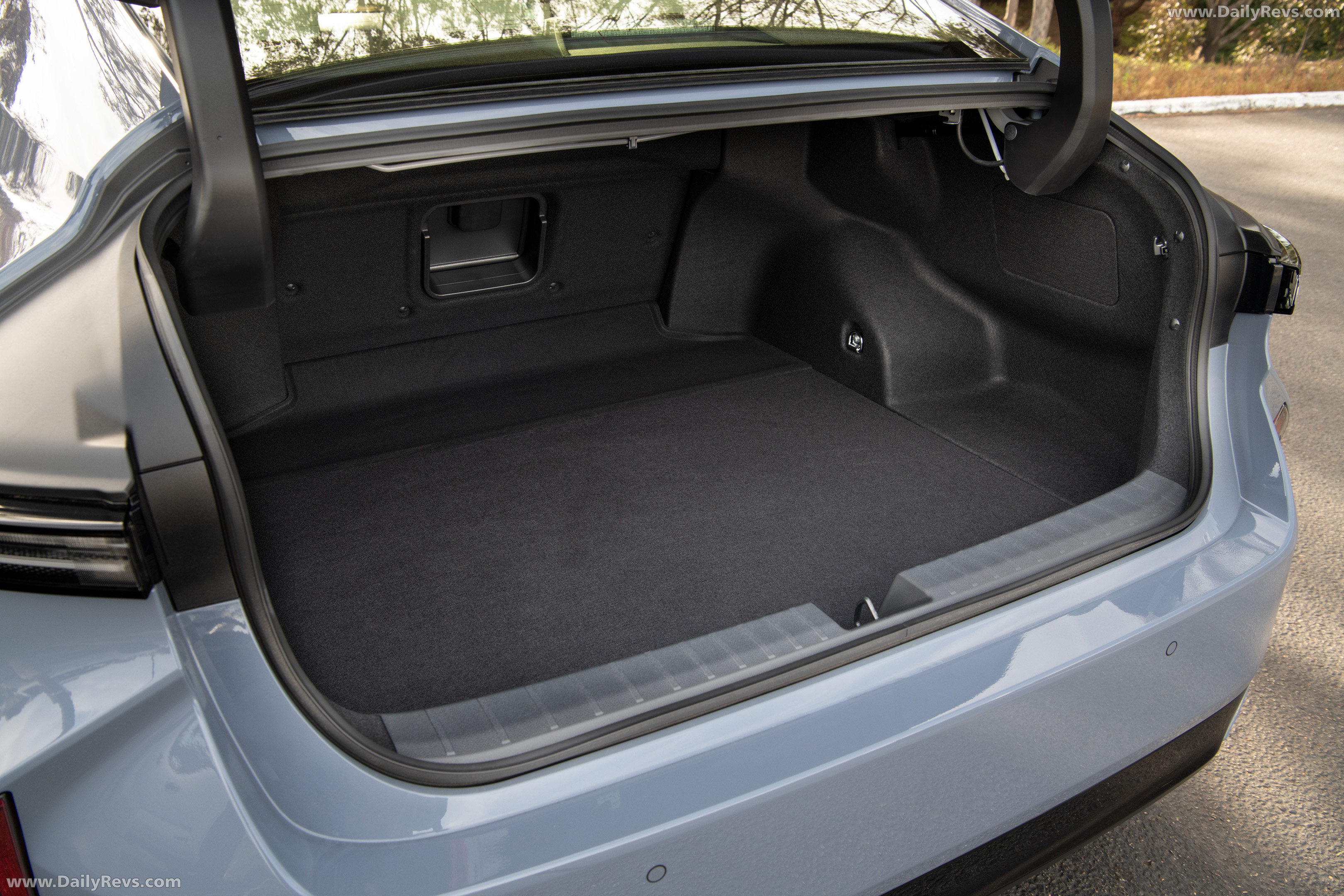
From certain angles, the new ES almost avoids looking like a conventional three-box sedan altogether. The tapering roofline and heavily sculpted rear section create what Lexus describes as a “trunkless” appearance. Slim lighting signatures and a full-width rear light bar push the design further into EV territory without abandoning Lexus identity entirely.
Aerodynamics Shape Much of the Exterior
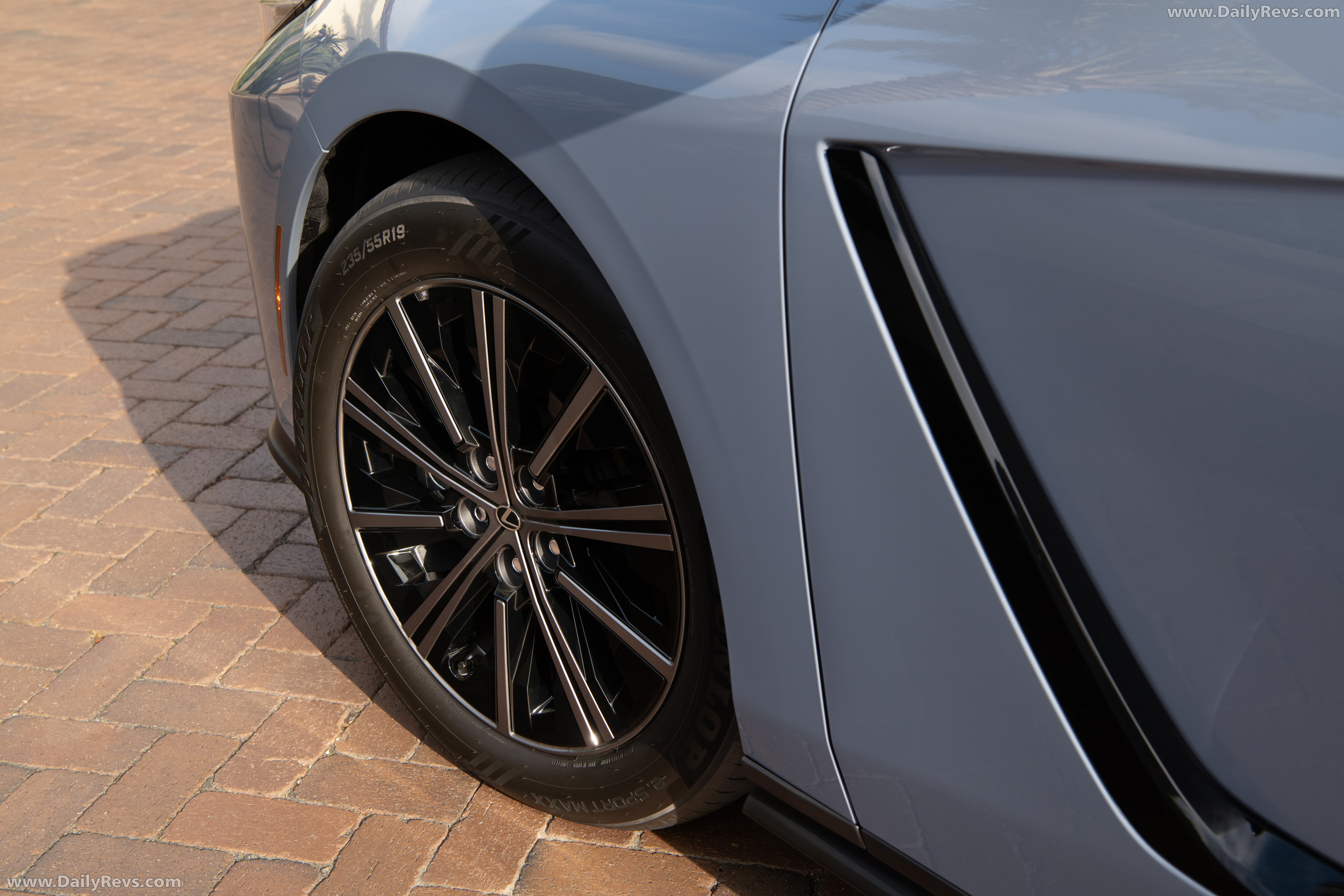
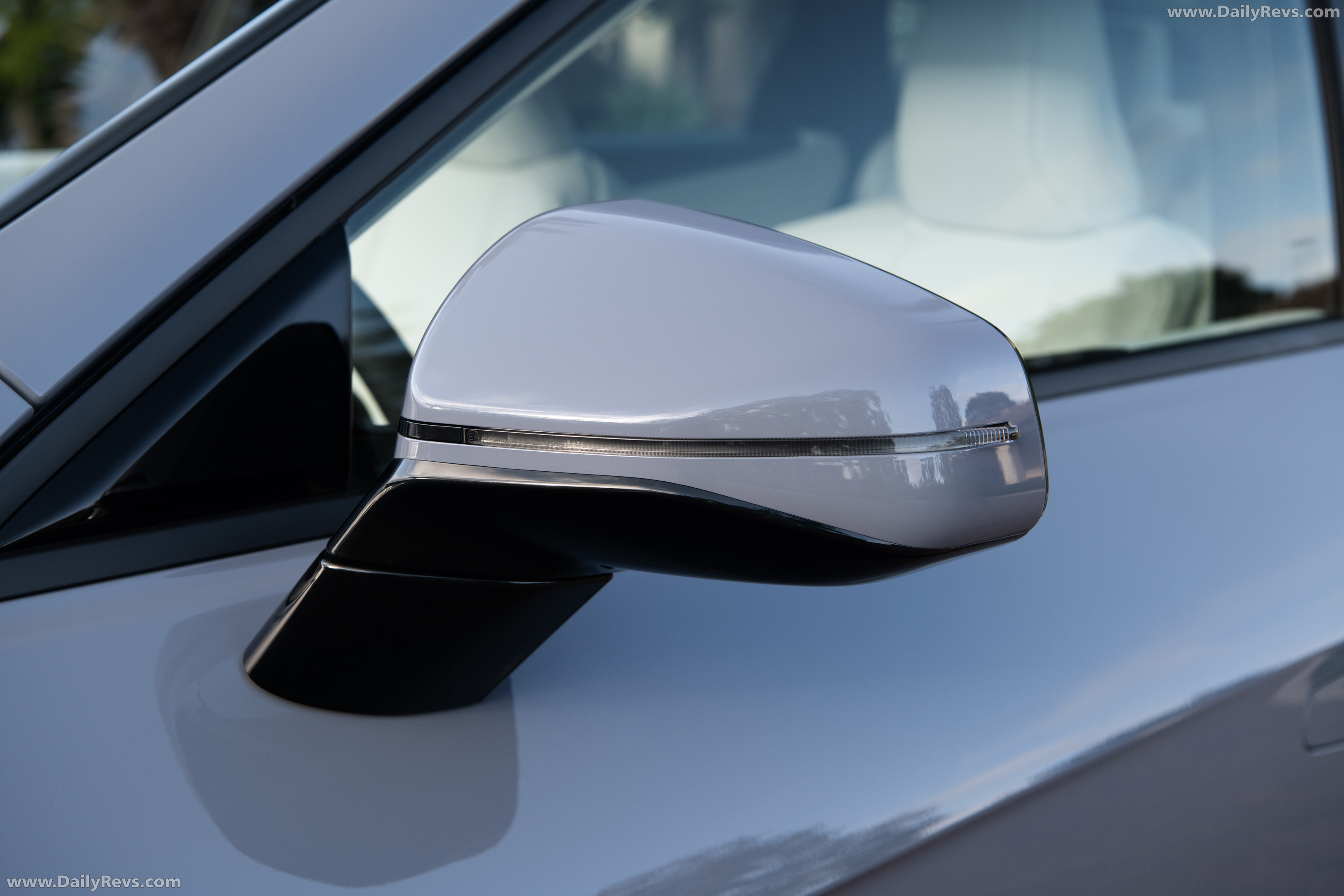
Beyond styling, aerodynamic efficiency appears to have guided many of the finer details. The ES uses a full underbody cover, airflow-control fins, flush mouldings, and semi-flush door handles to improve efficiency and cabin quietness. Battery electric variants also feature active grille shutters to help reduce drag.
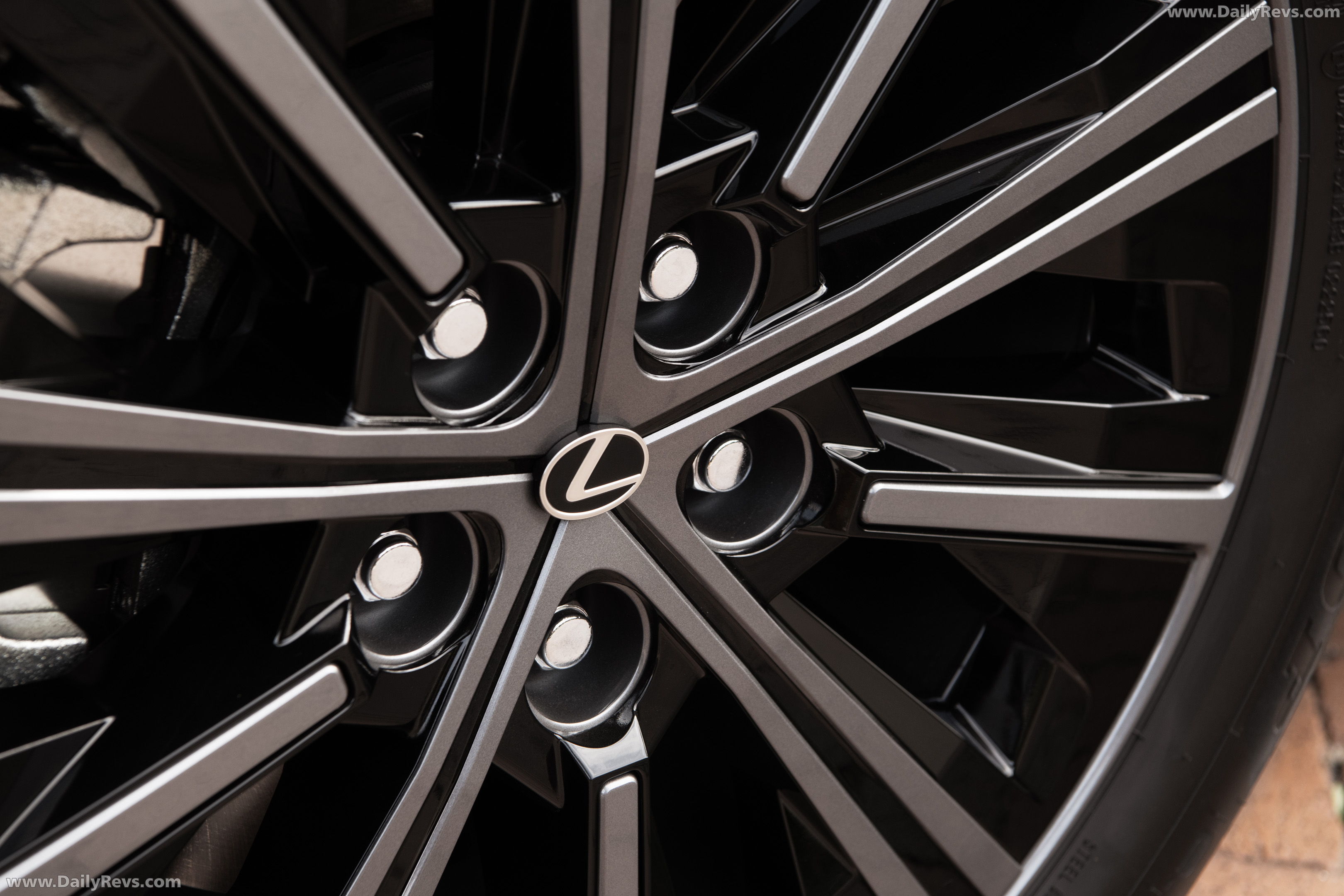
Standard models ride on 19-inch aero-focused wheels, while larger 21-inch designs are available depending on trim level. Lexus also introduces a new Skylight Blue exterior finish that works particularly well with the cleaner surfacing of the body.
Cabin Prioritises Space and Quietness
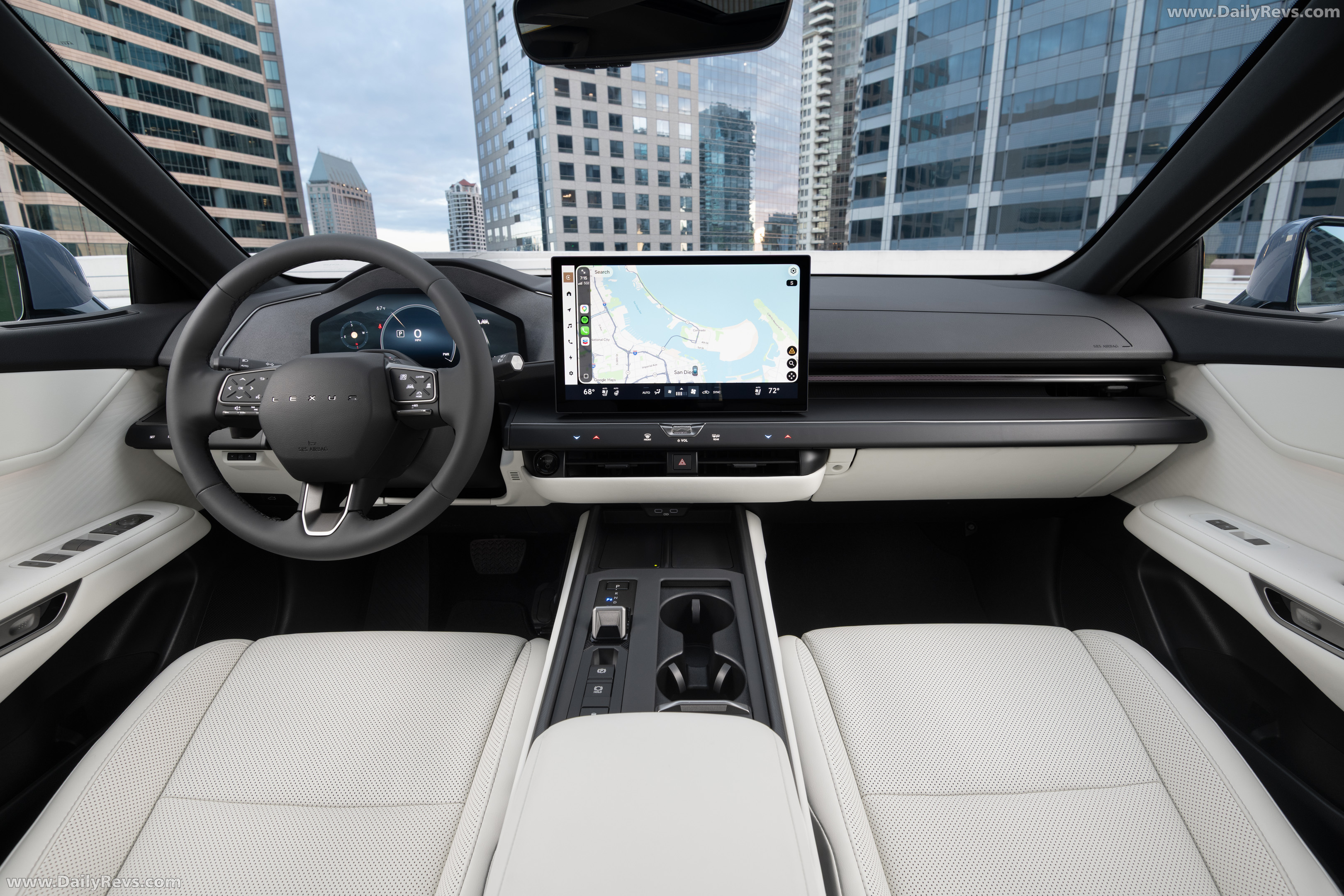
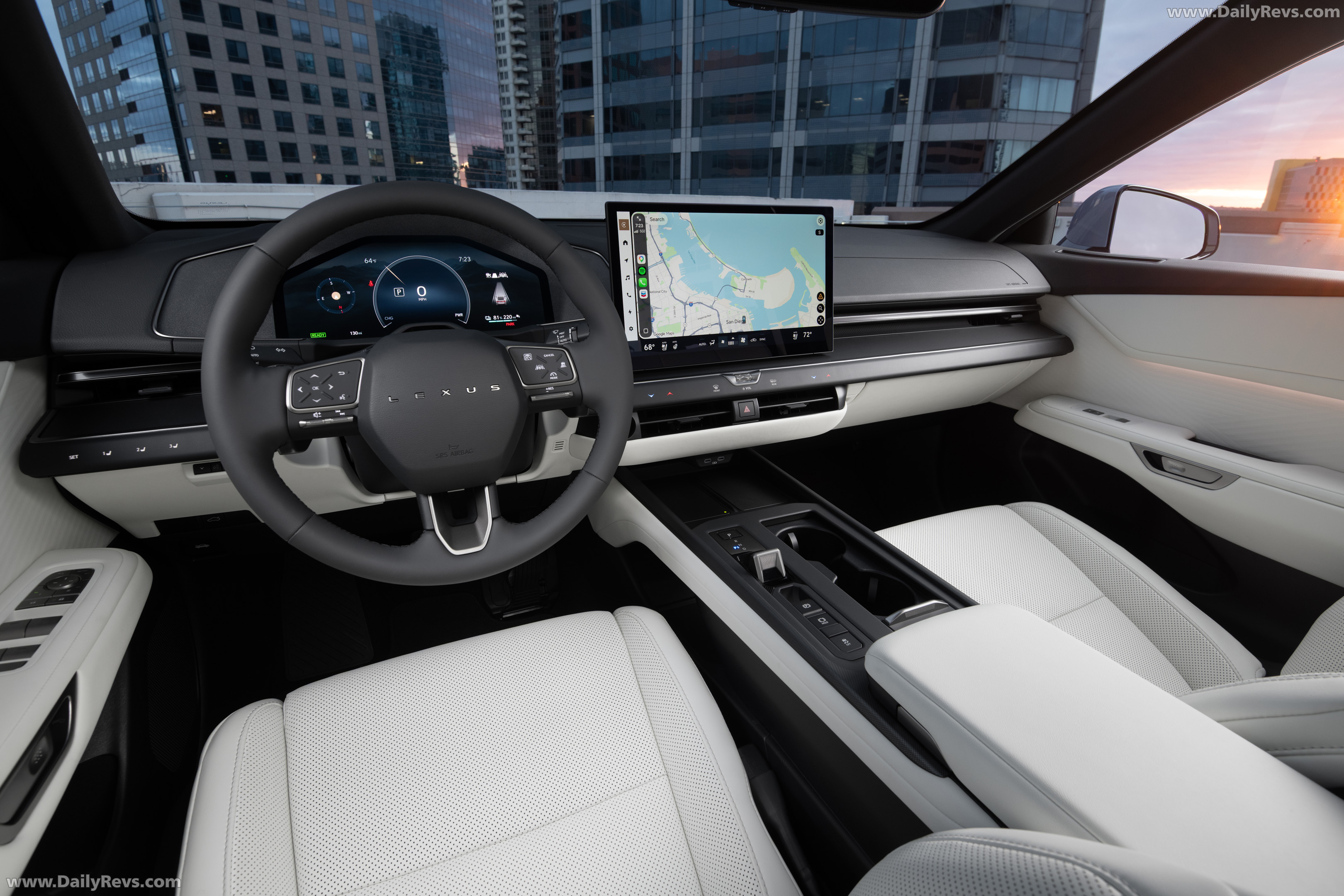
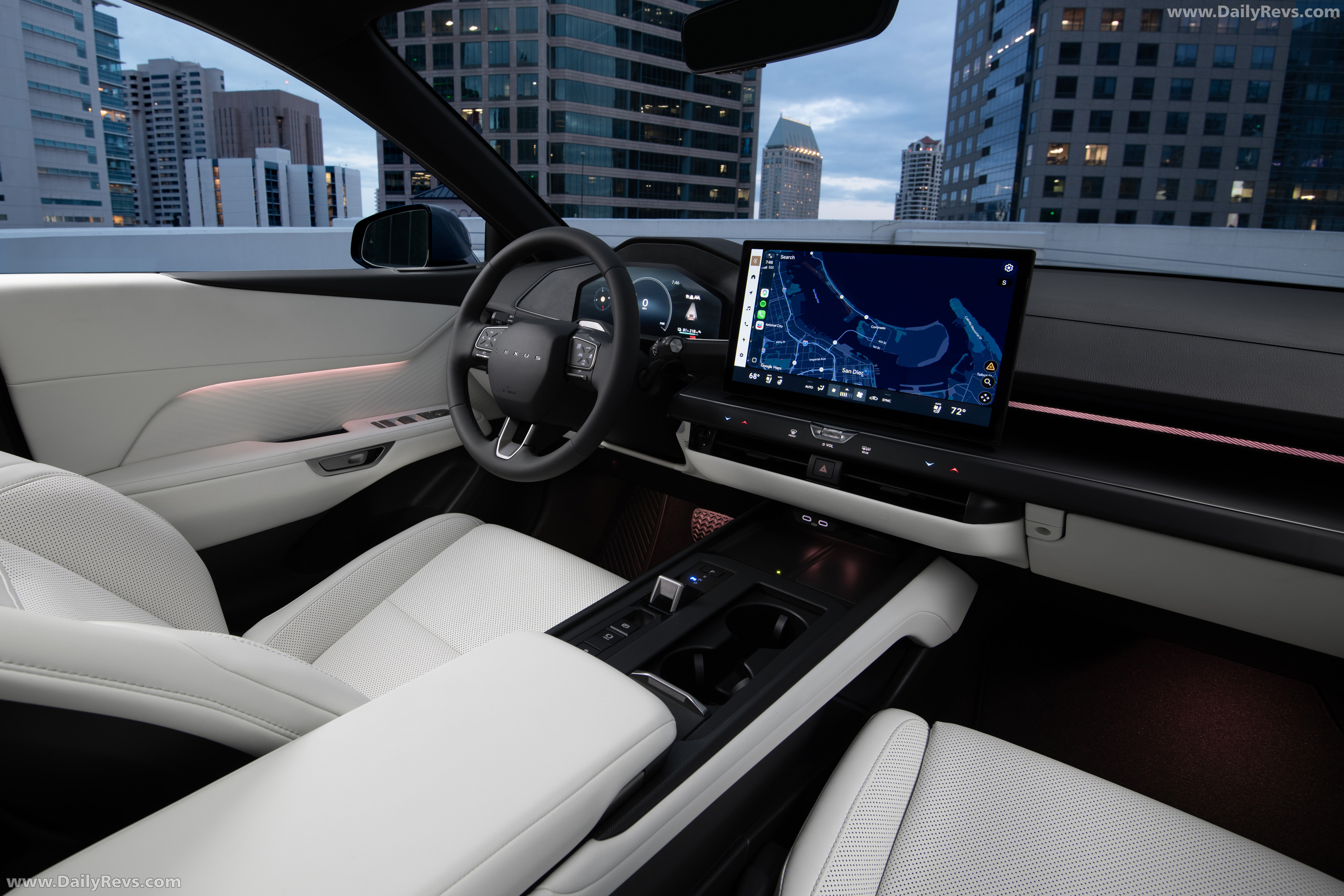
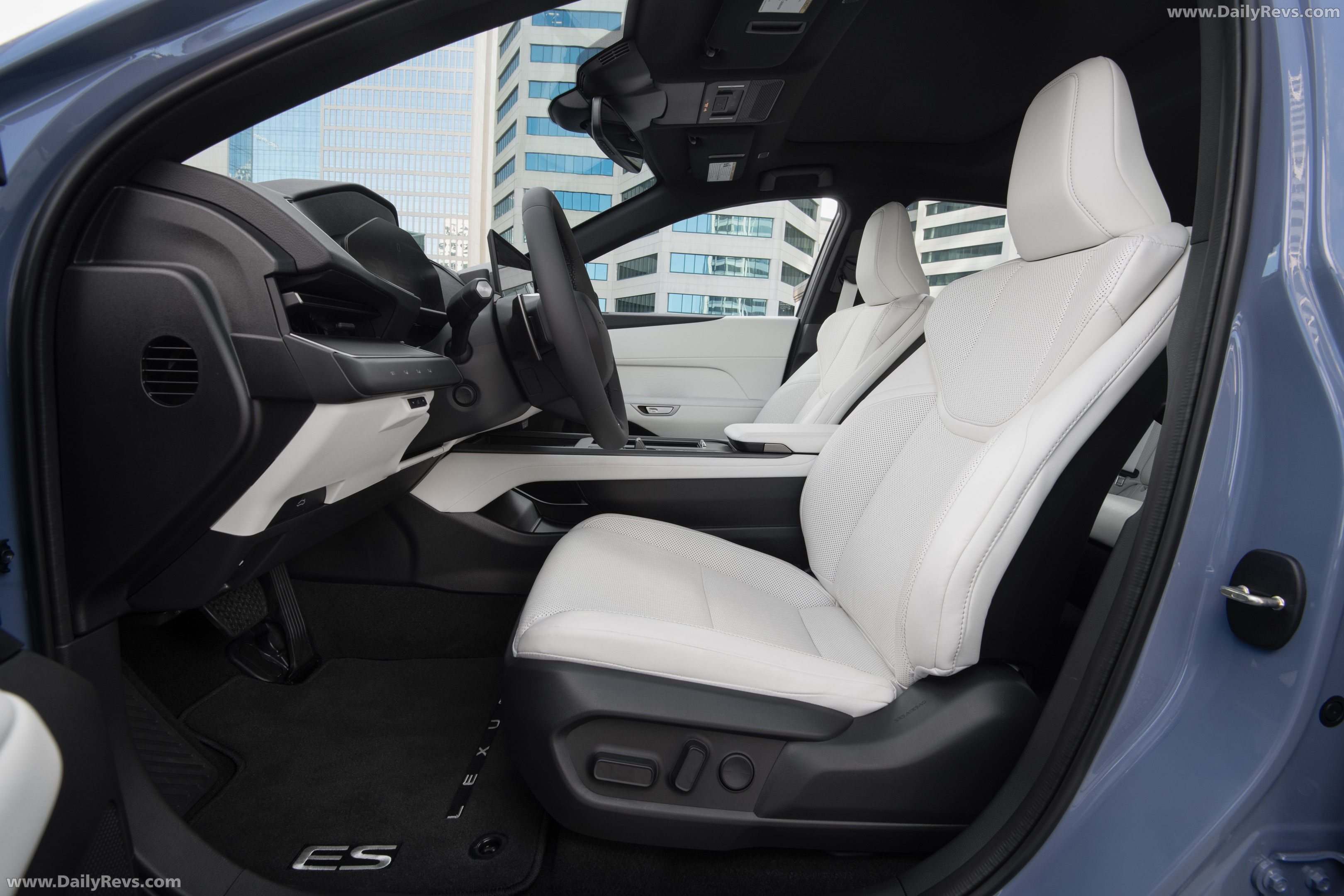
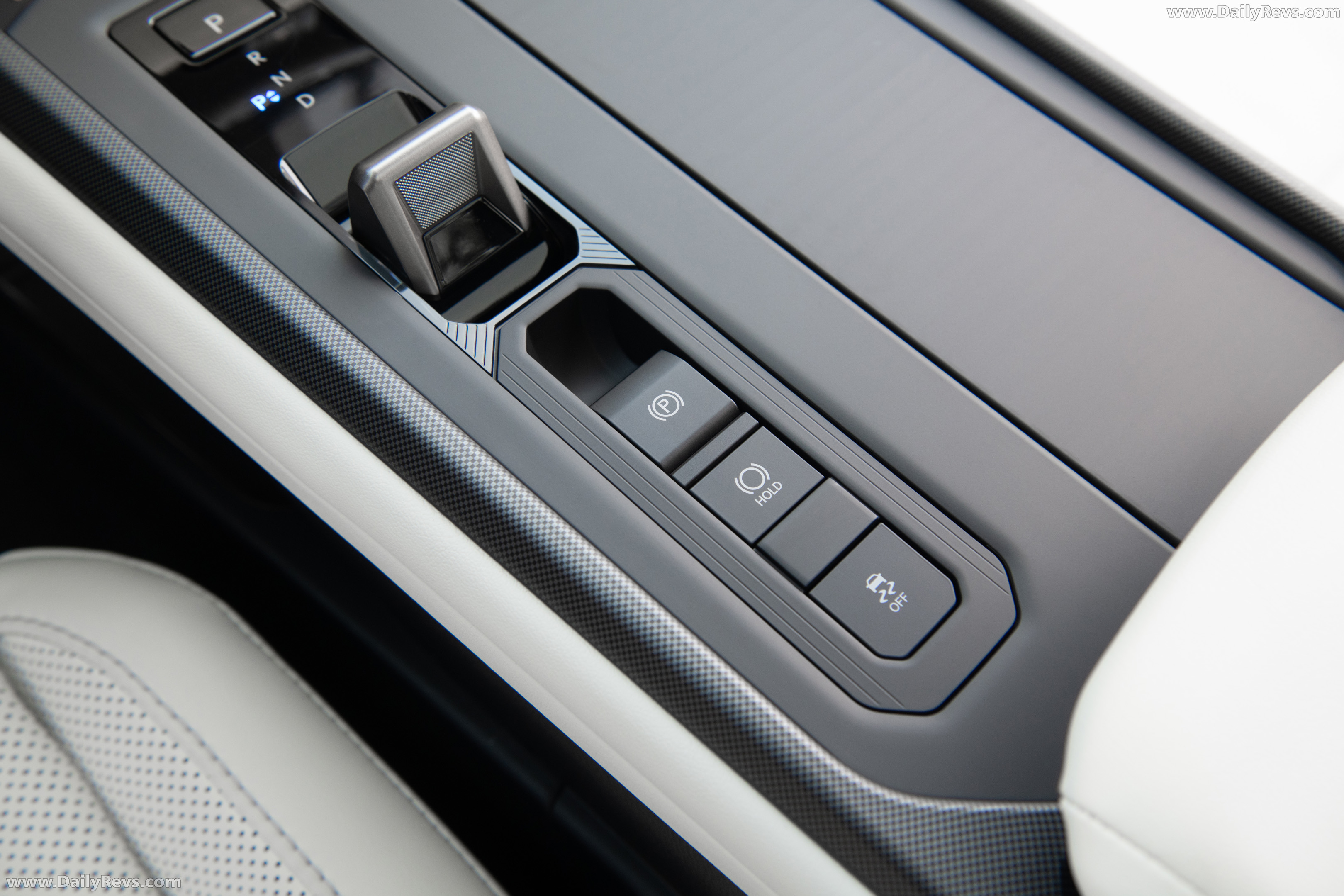
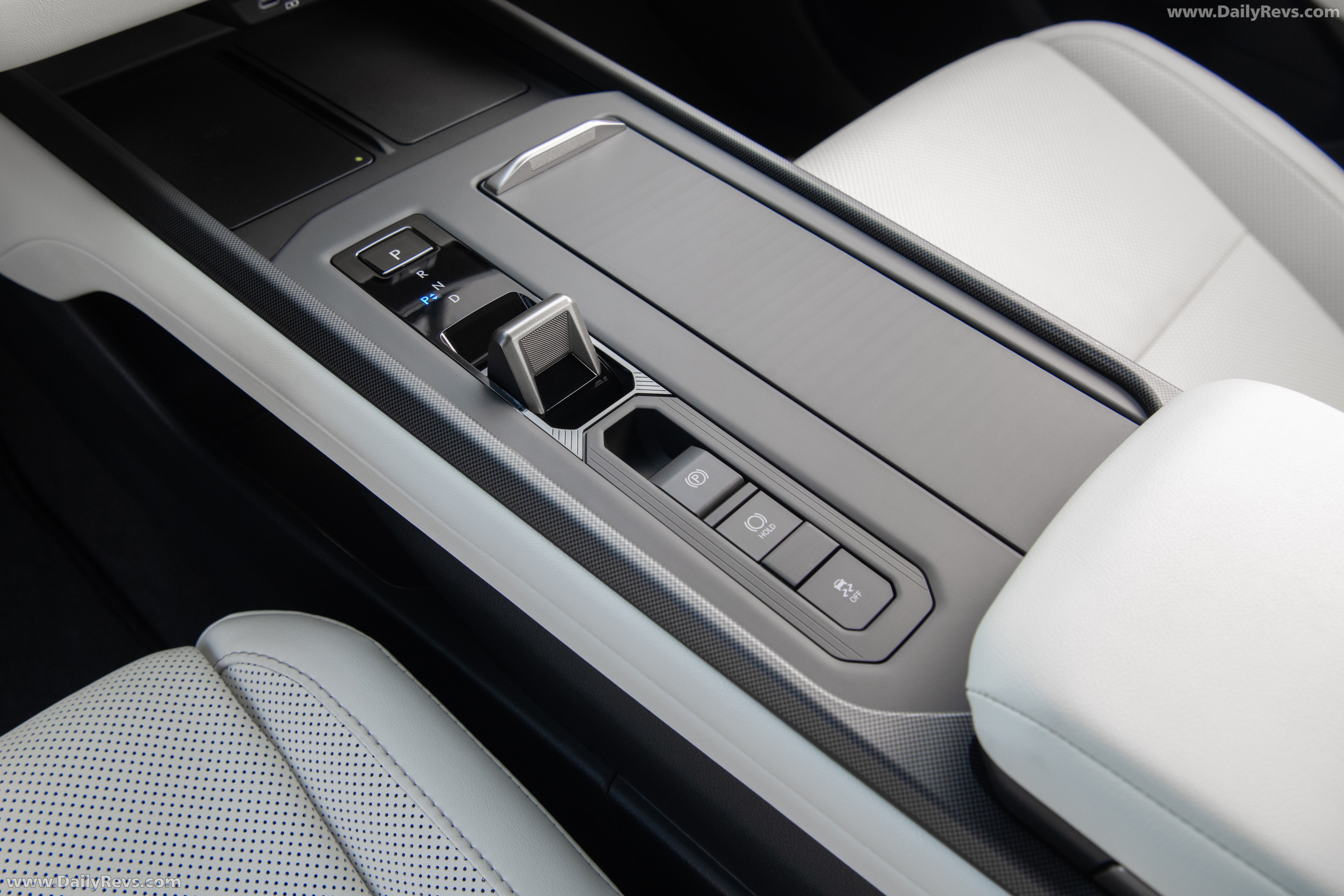
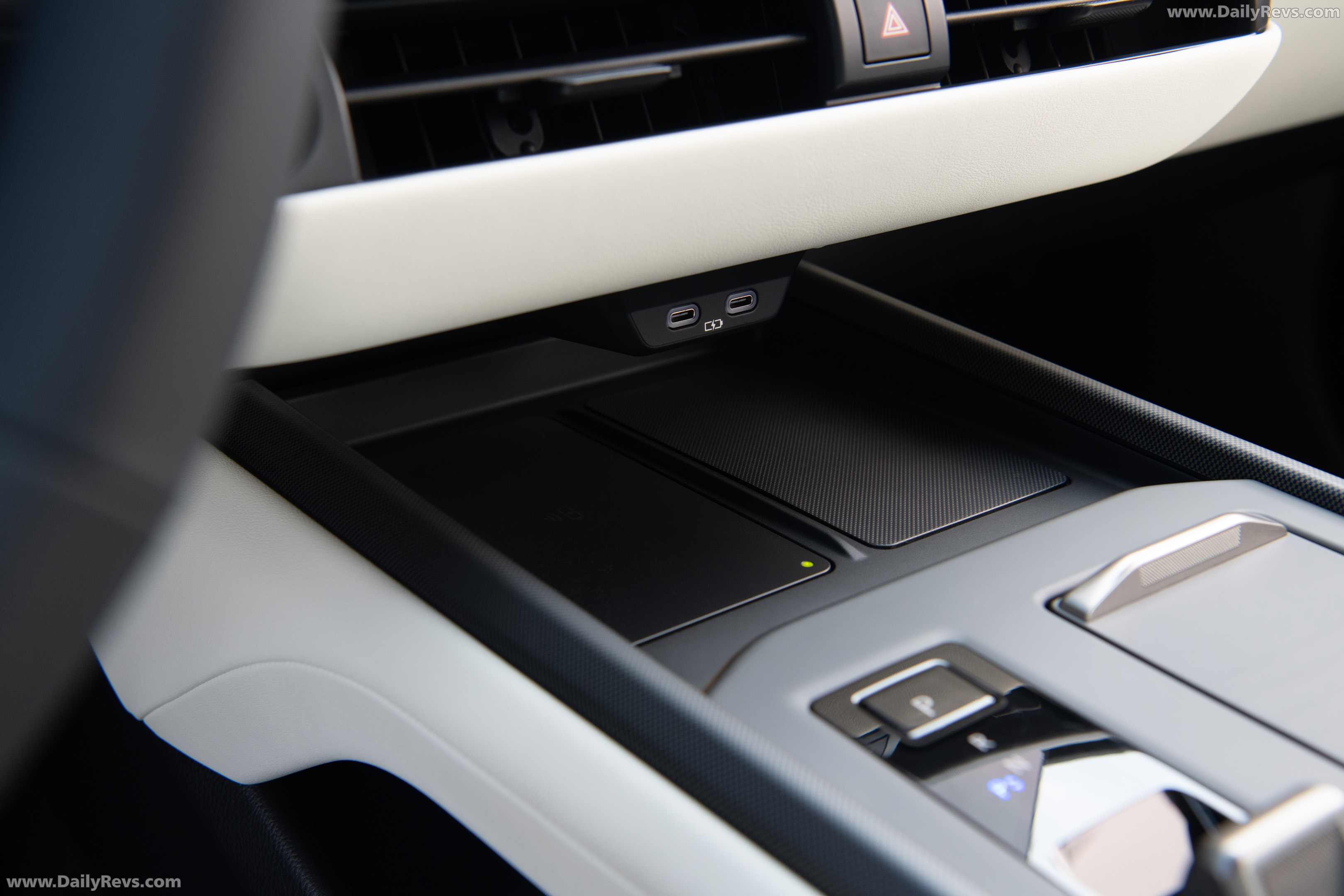
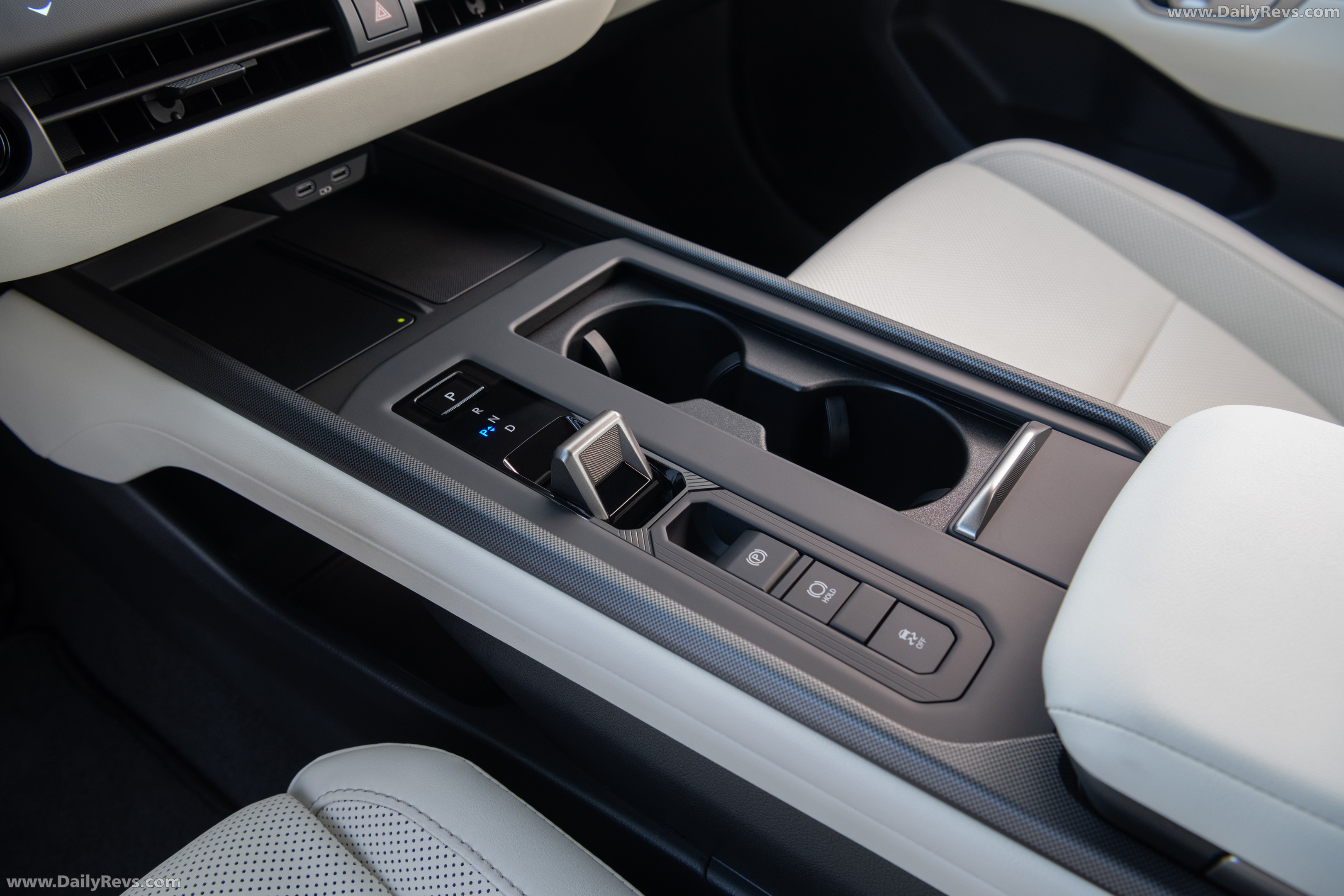
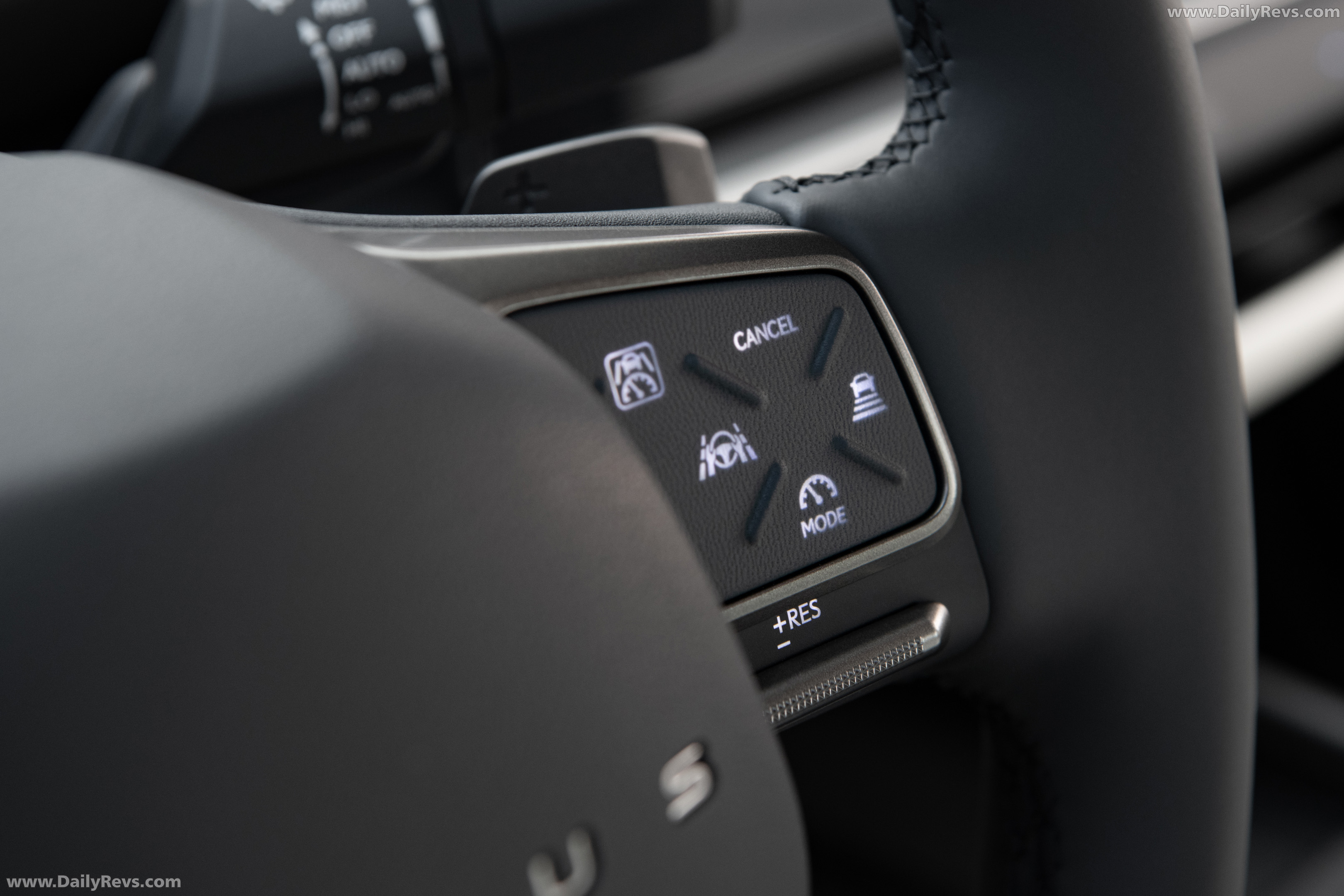
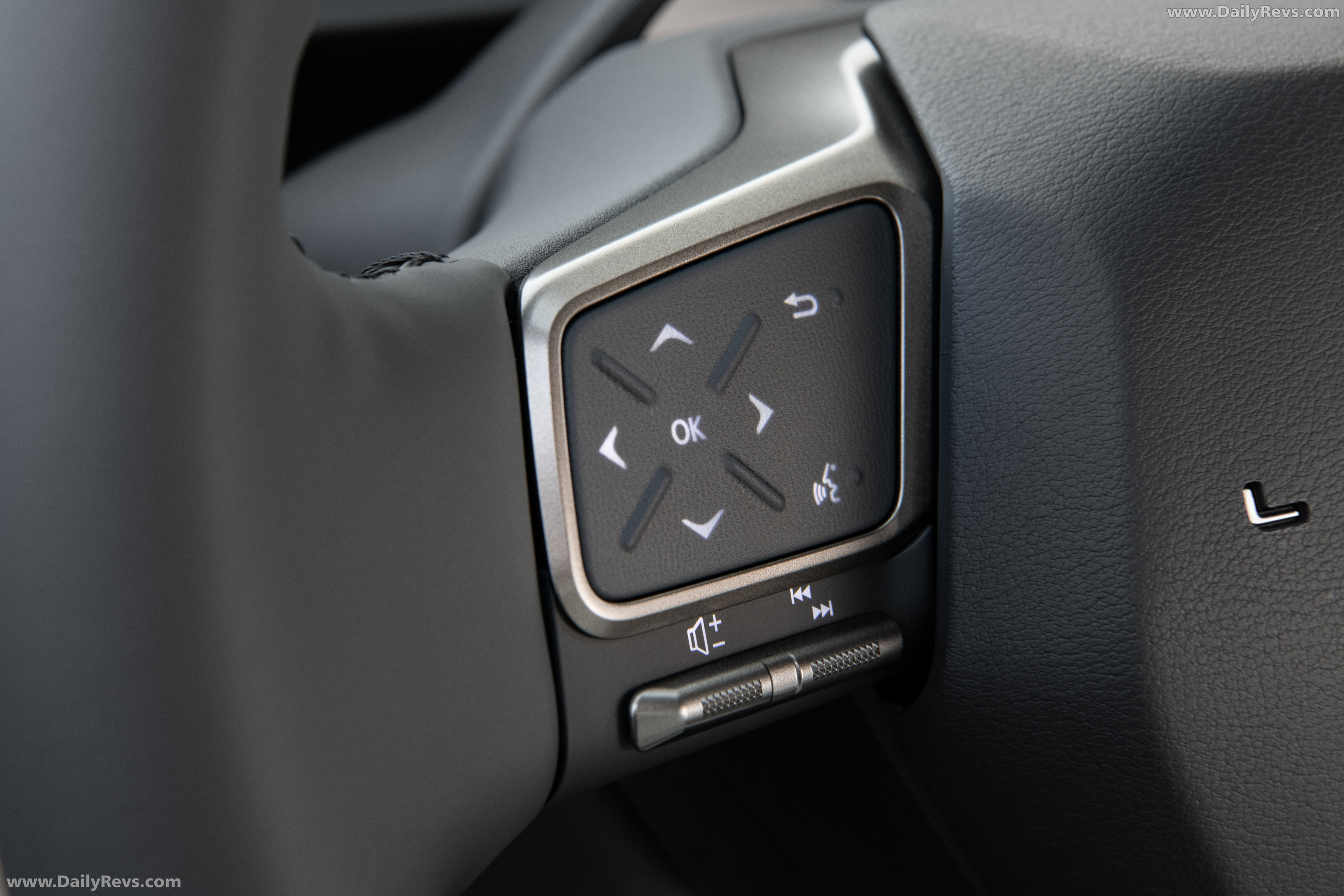
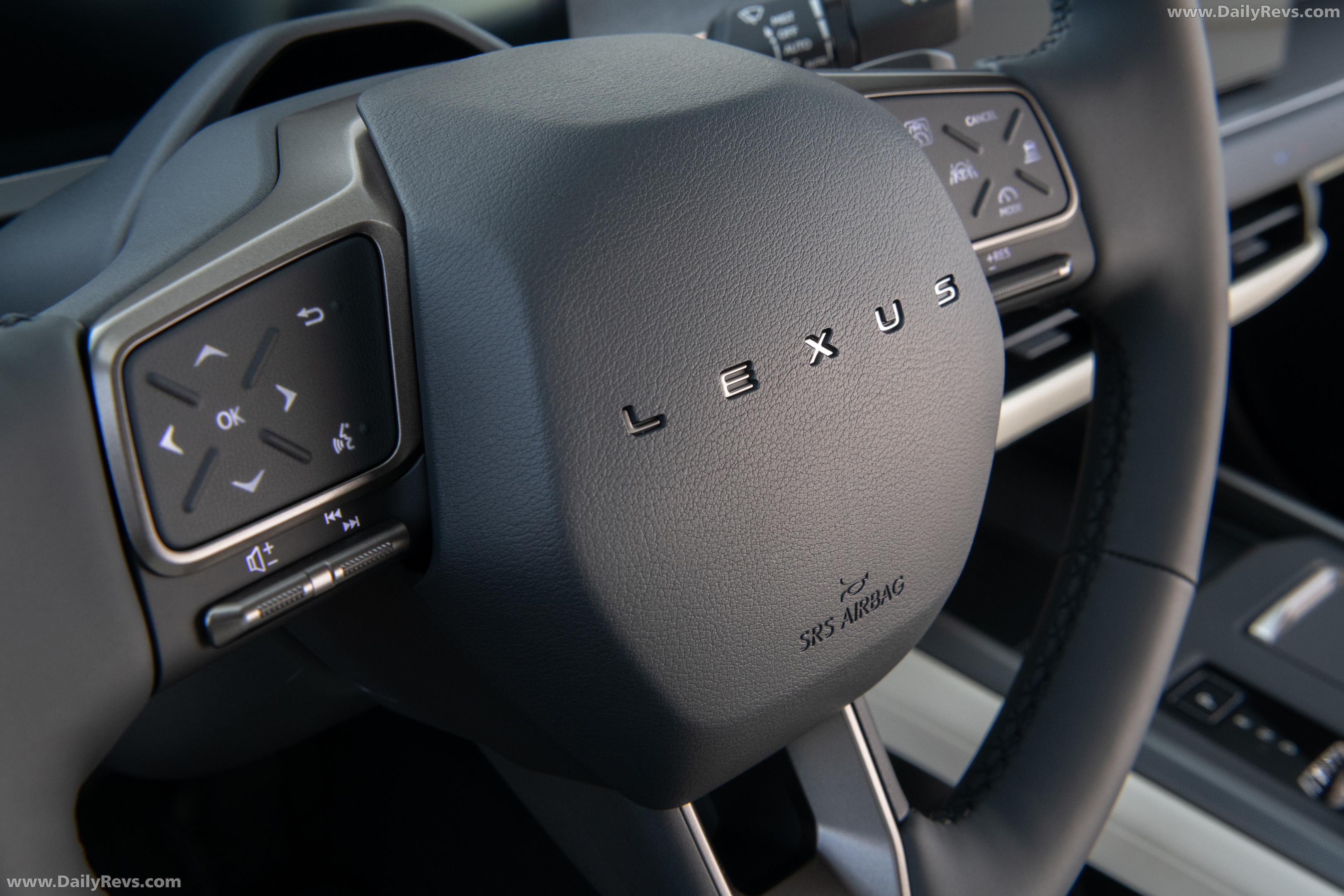
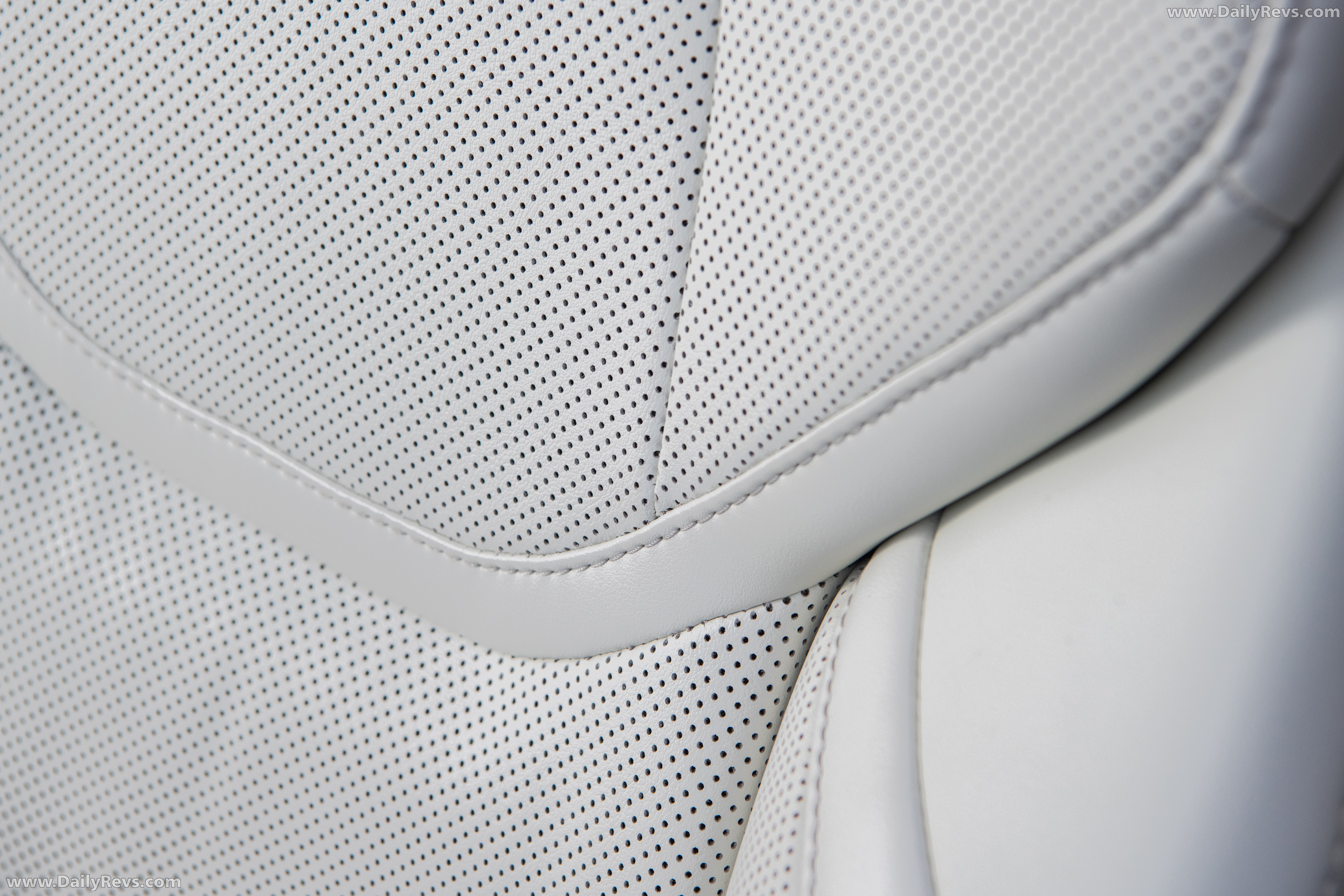
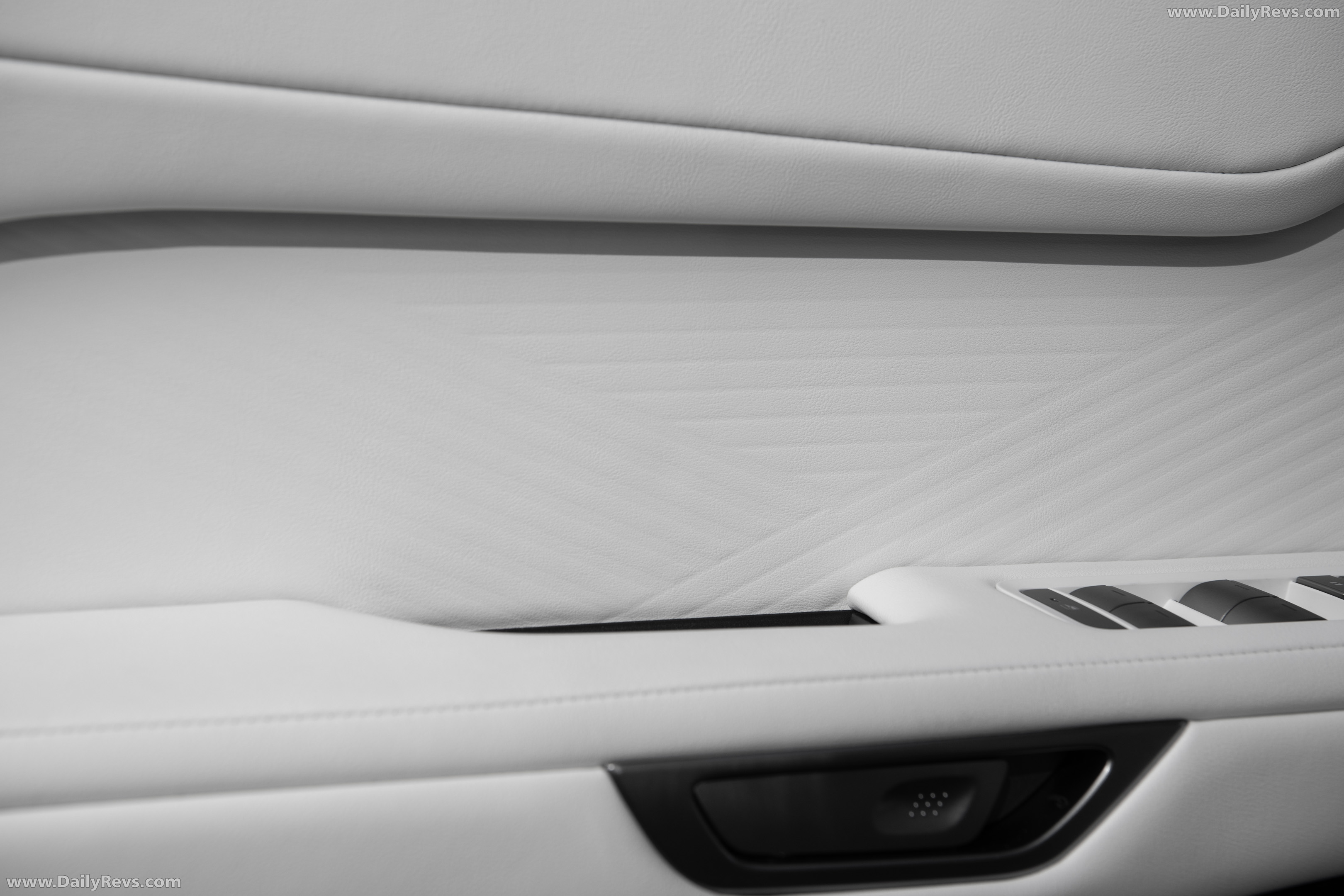
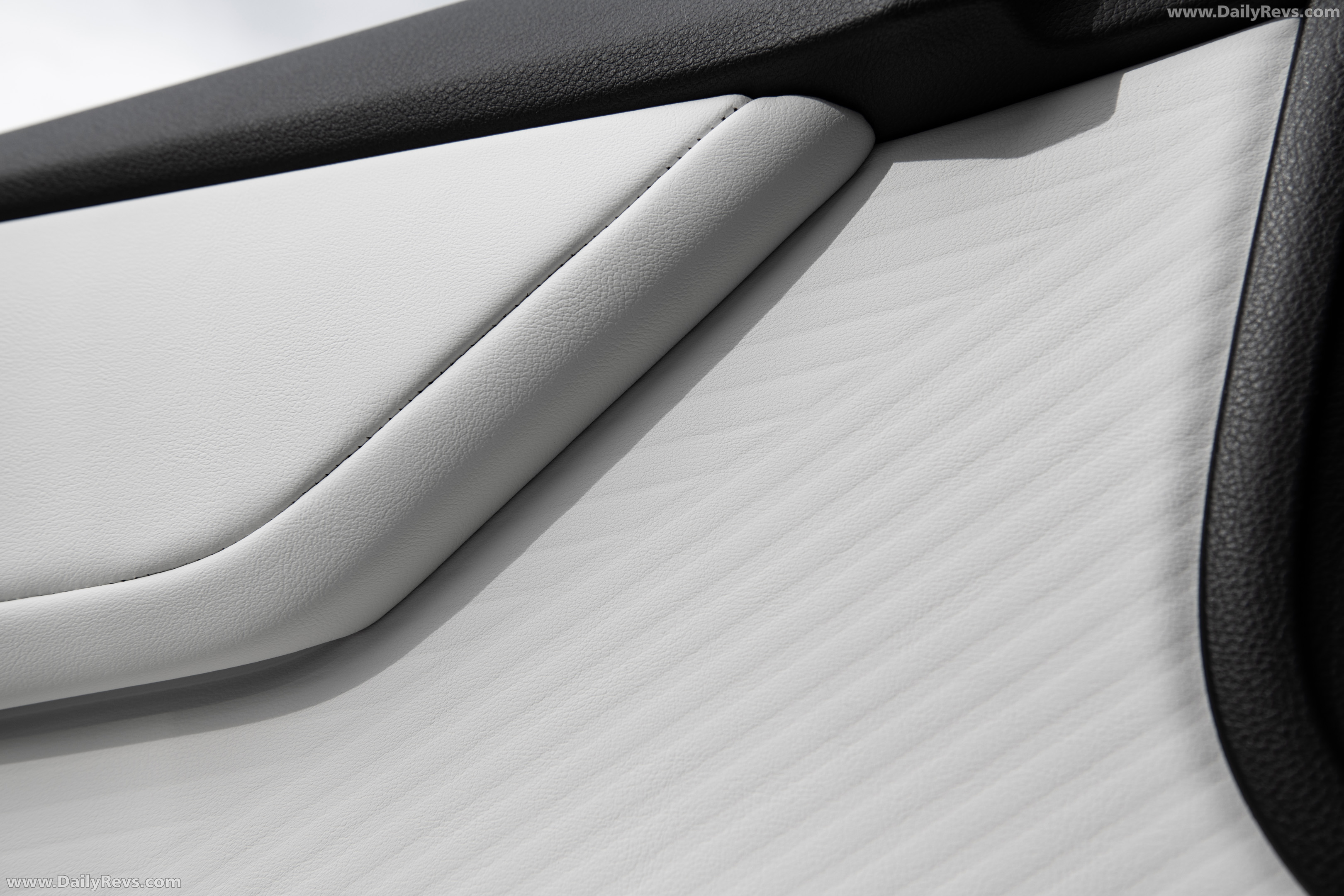
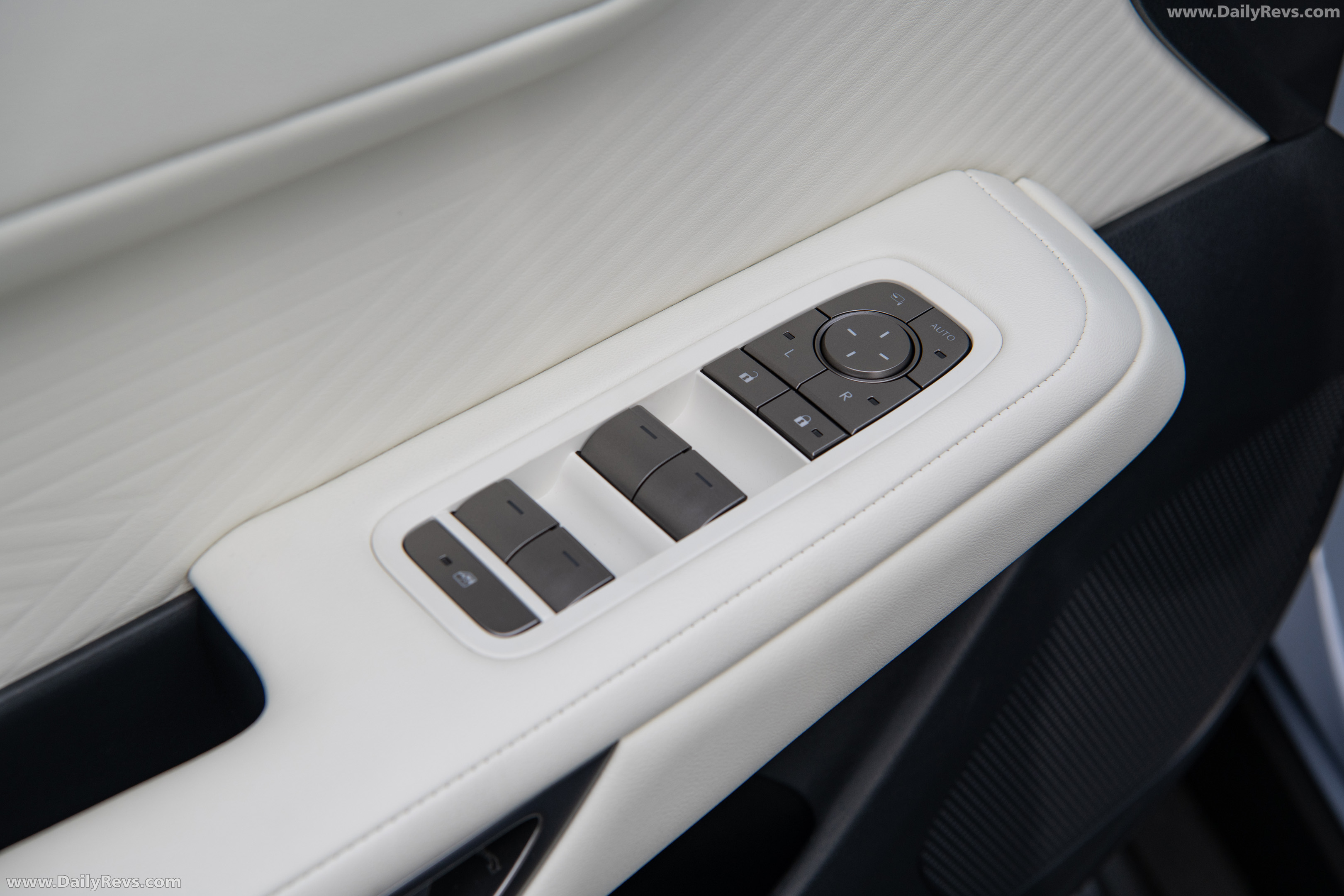
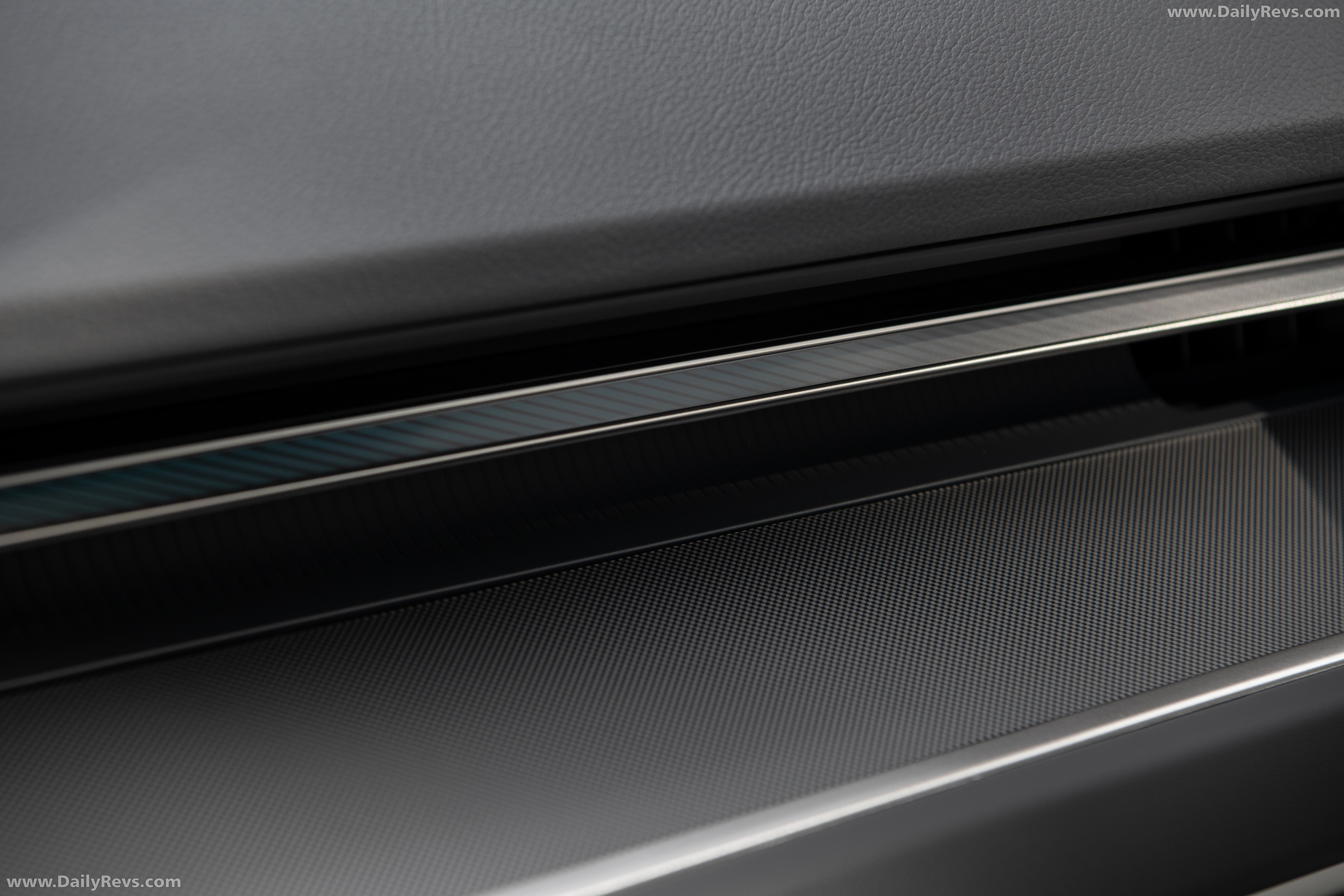
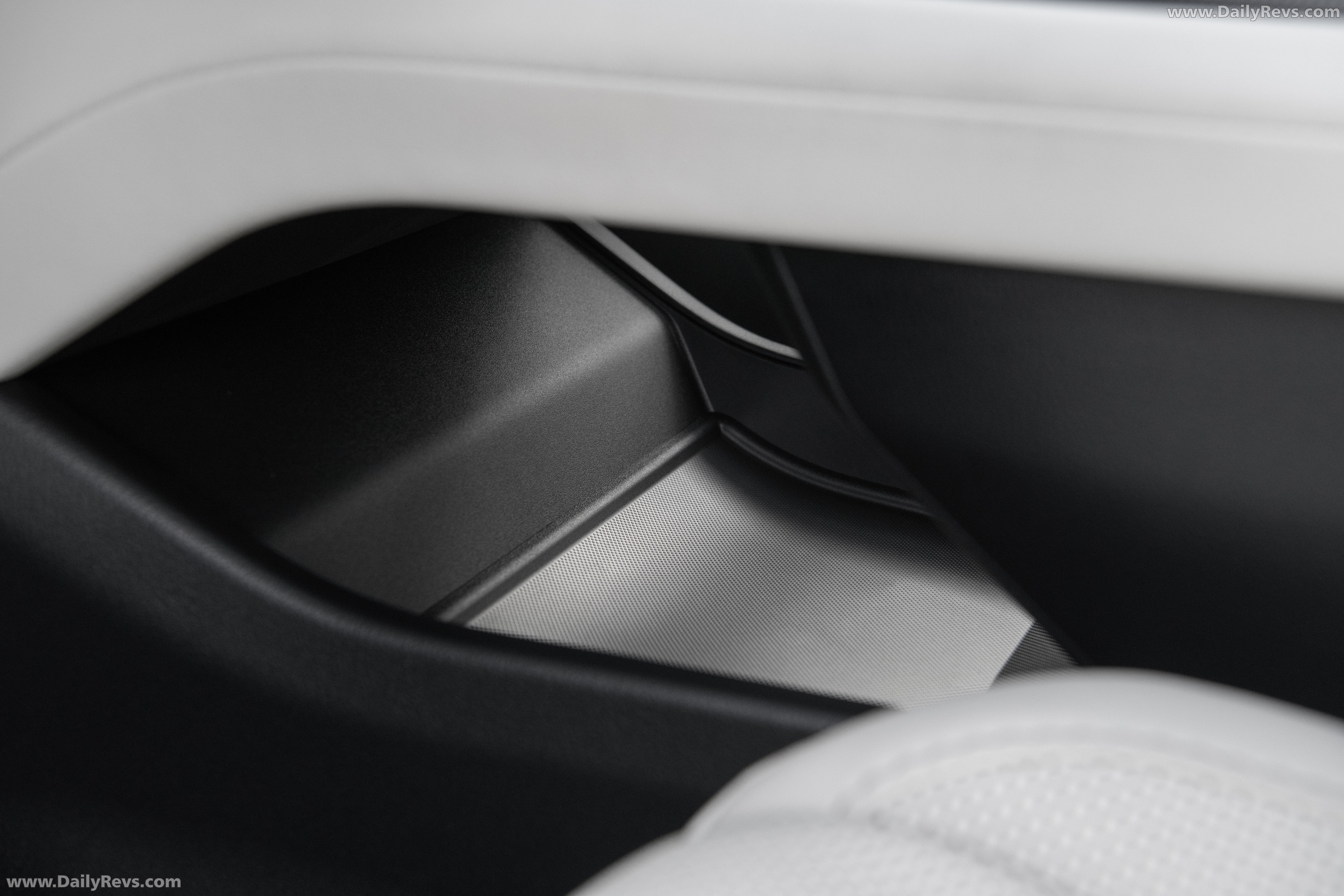
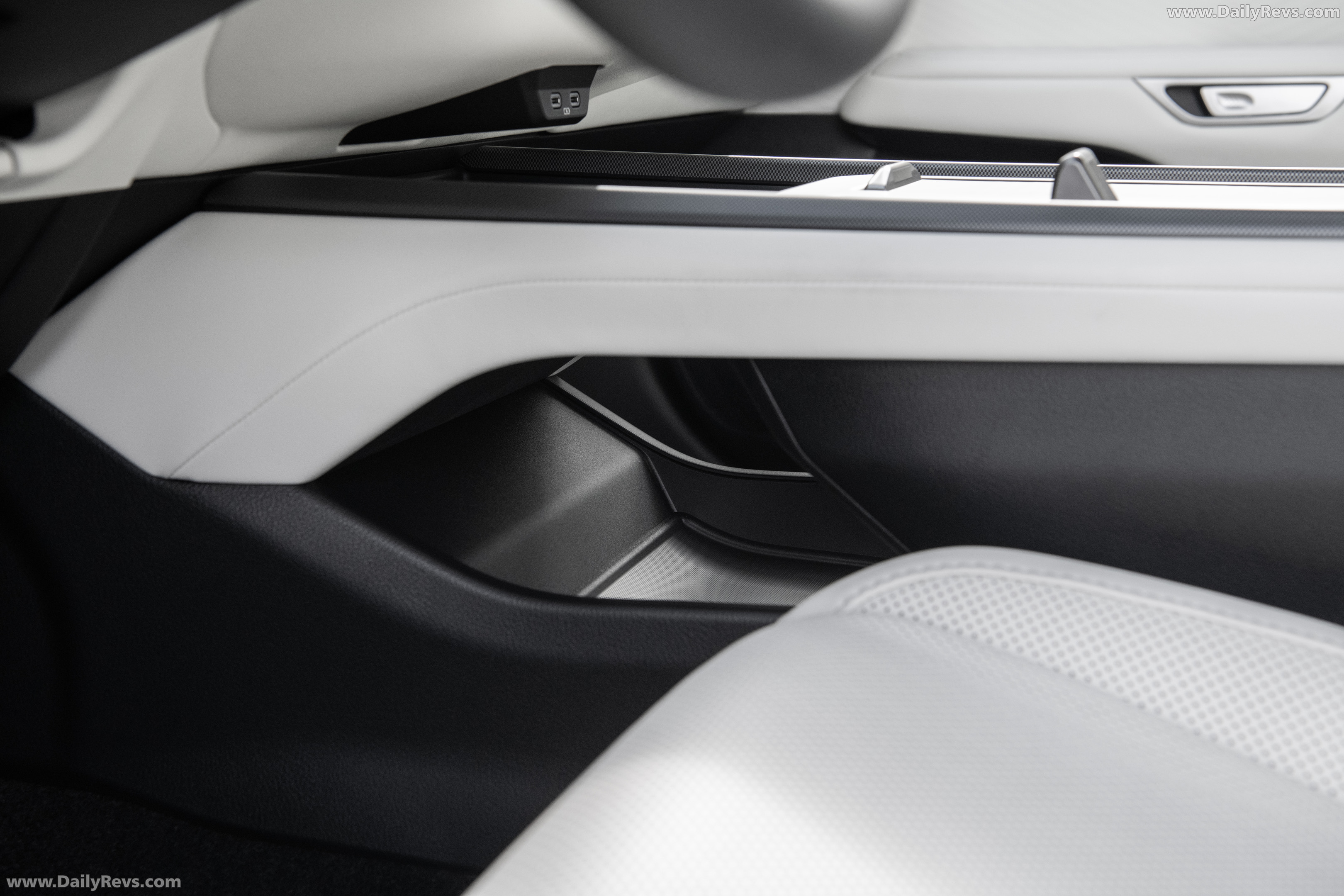
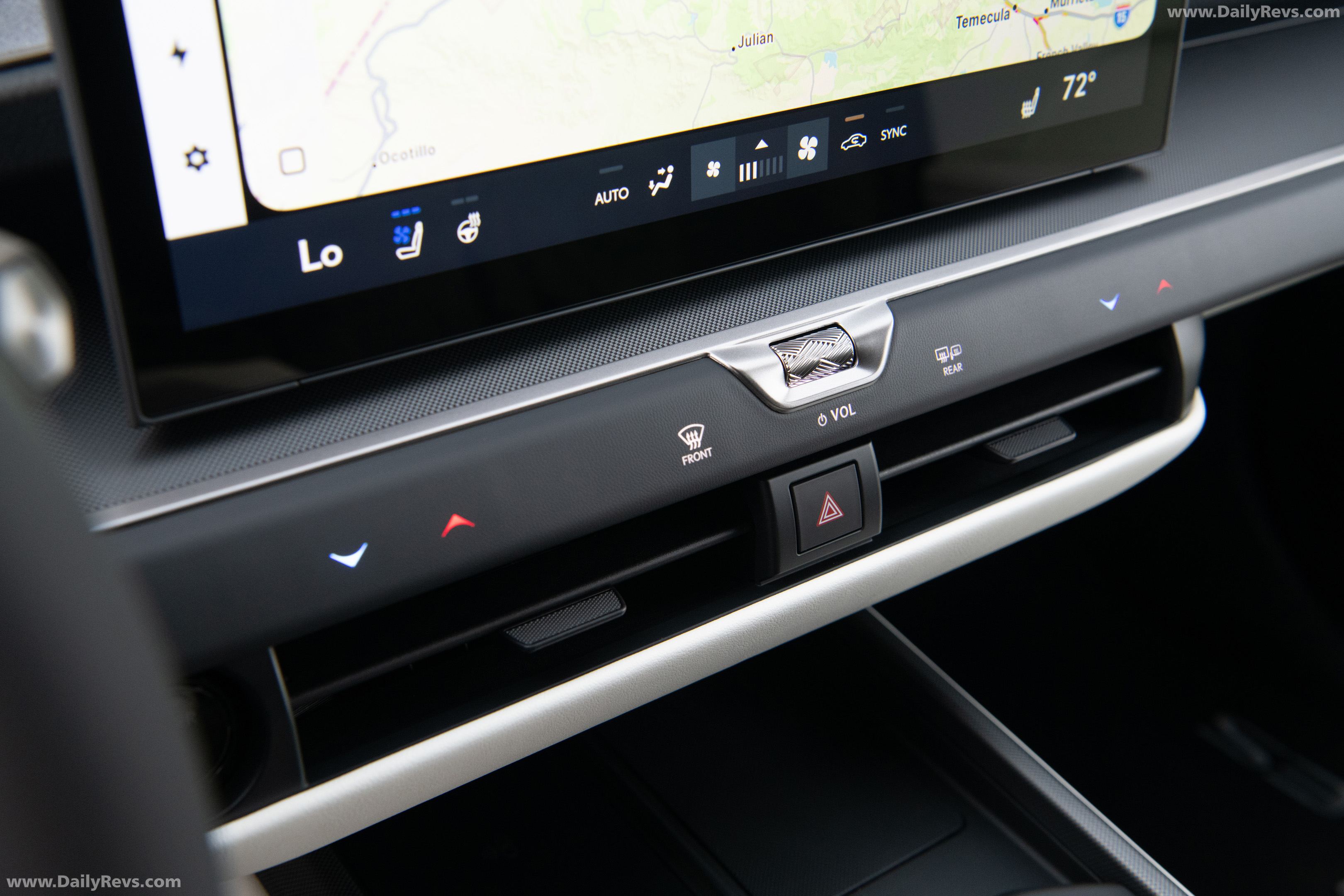
Inside, the 2026 Lexus ES 350e Premium takes a much more minimalist approach than the outgoing car. Physical switchgear has largely disappeared beneath what Lexus calls “Hidden Switches,” touch-sensitive controls that remain visually concealed until illuminated.
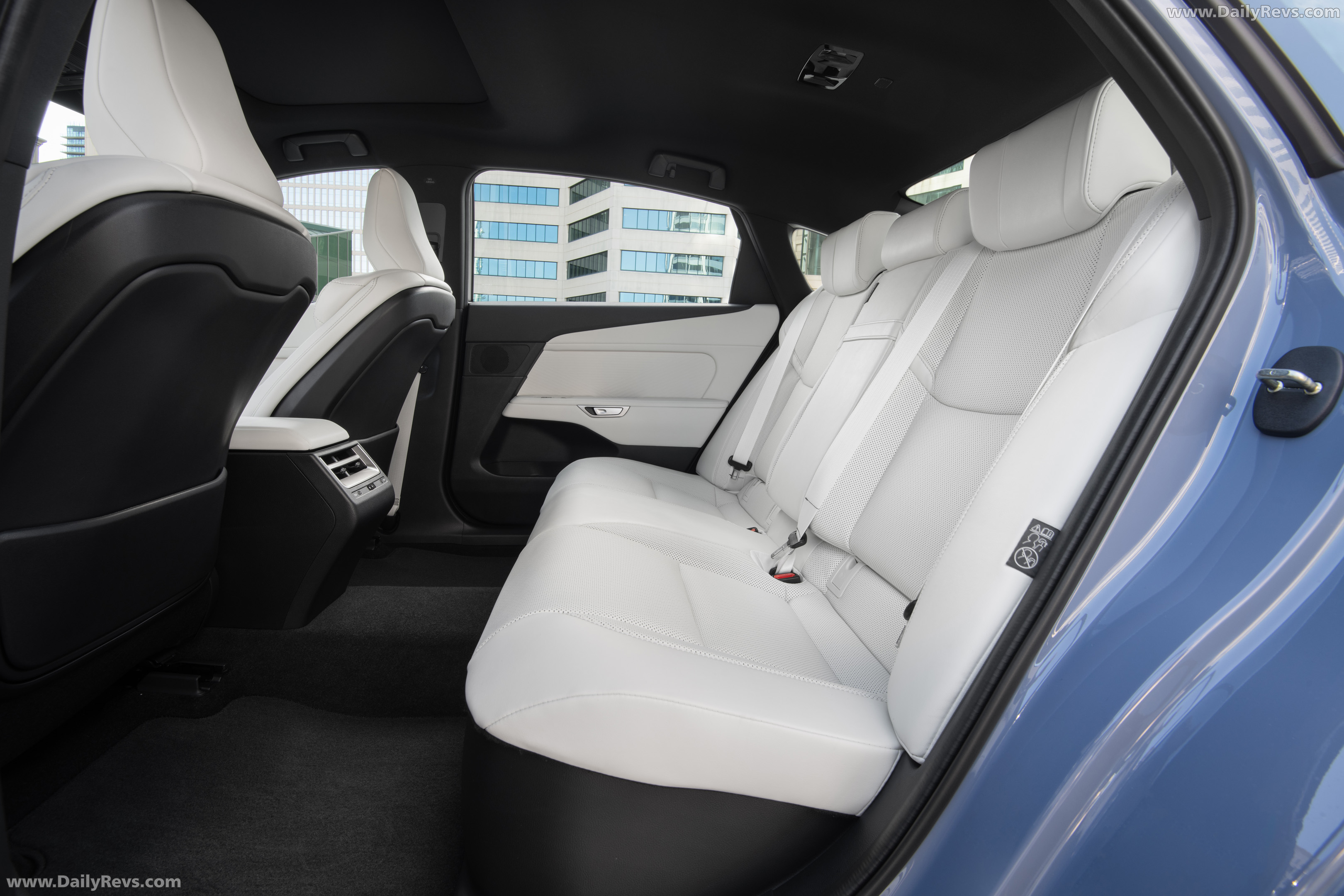
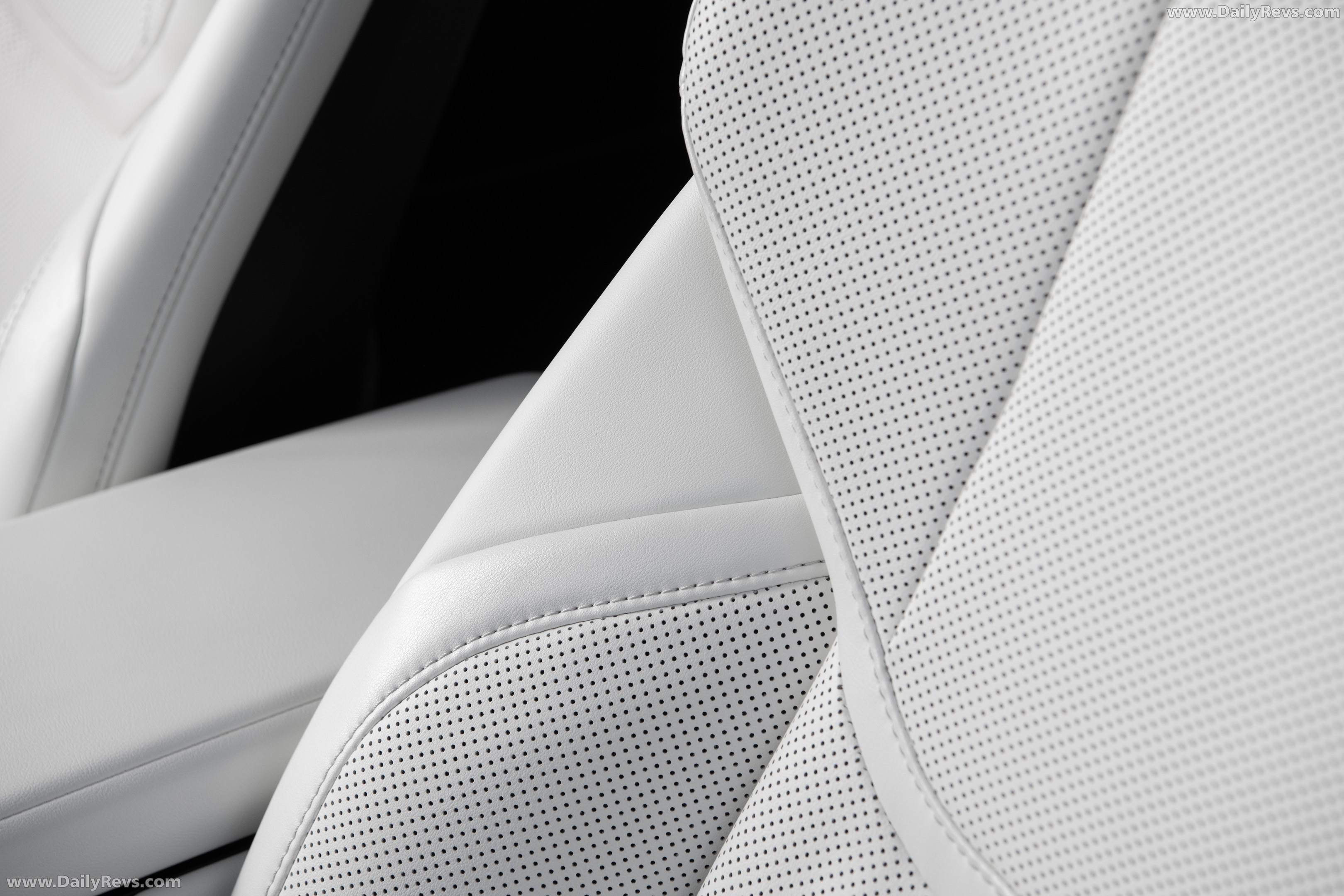
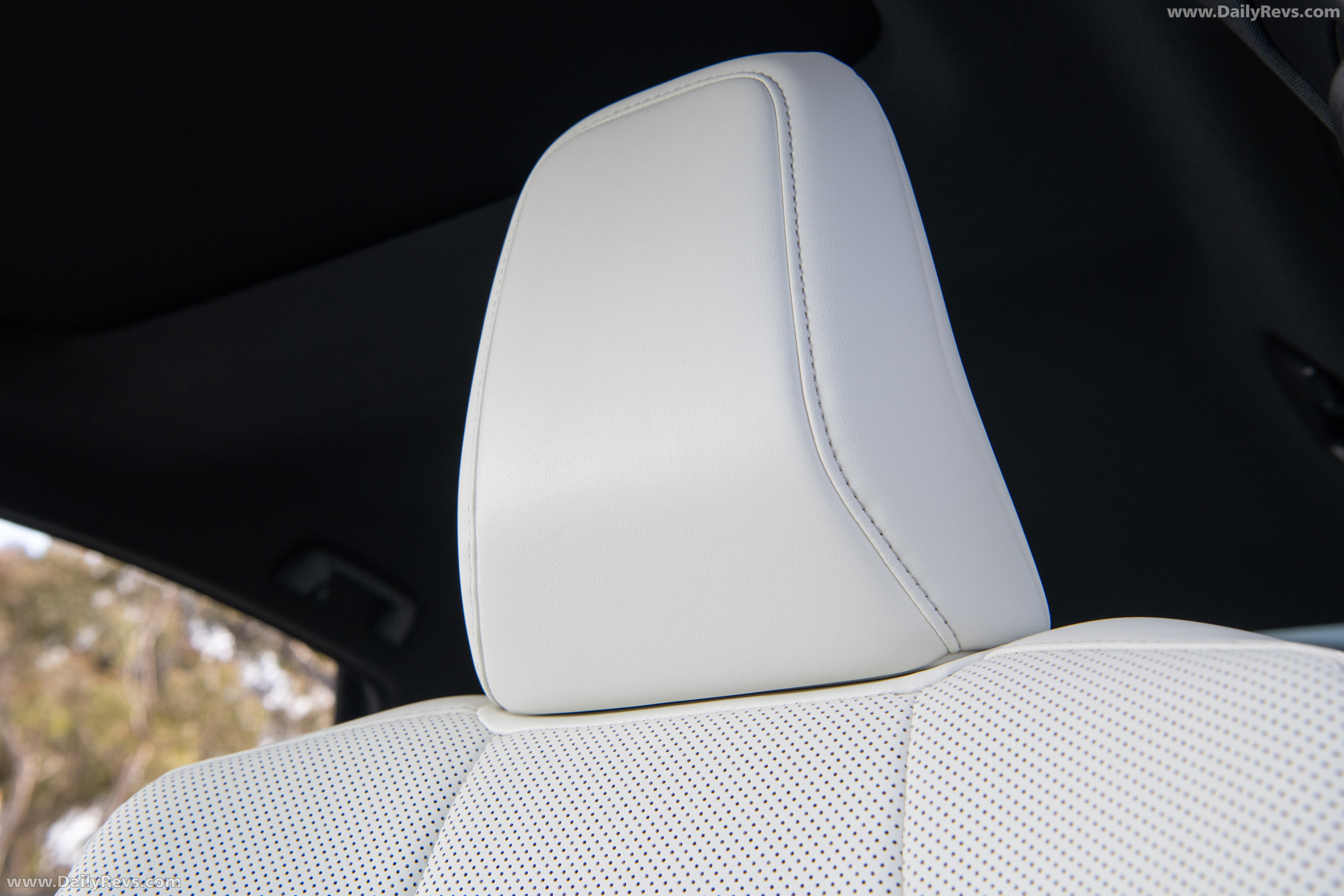
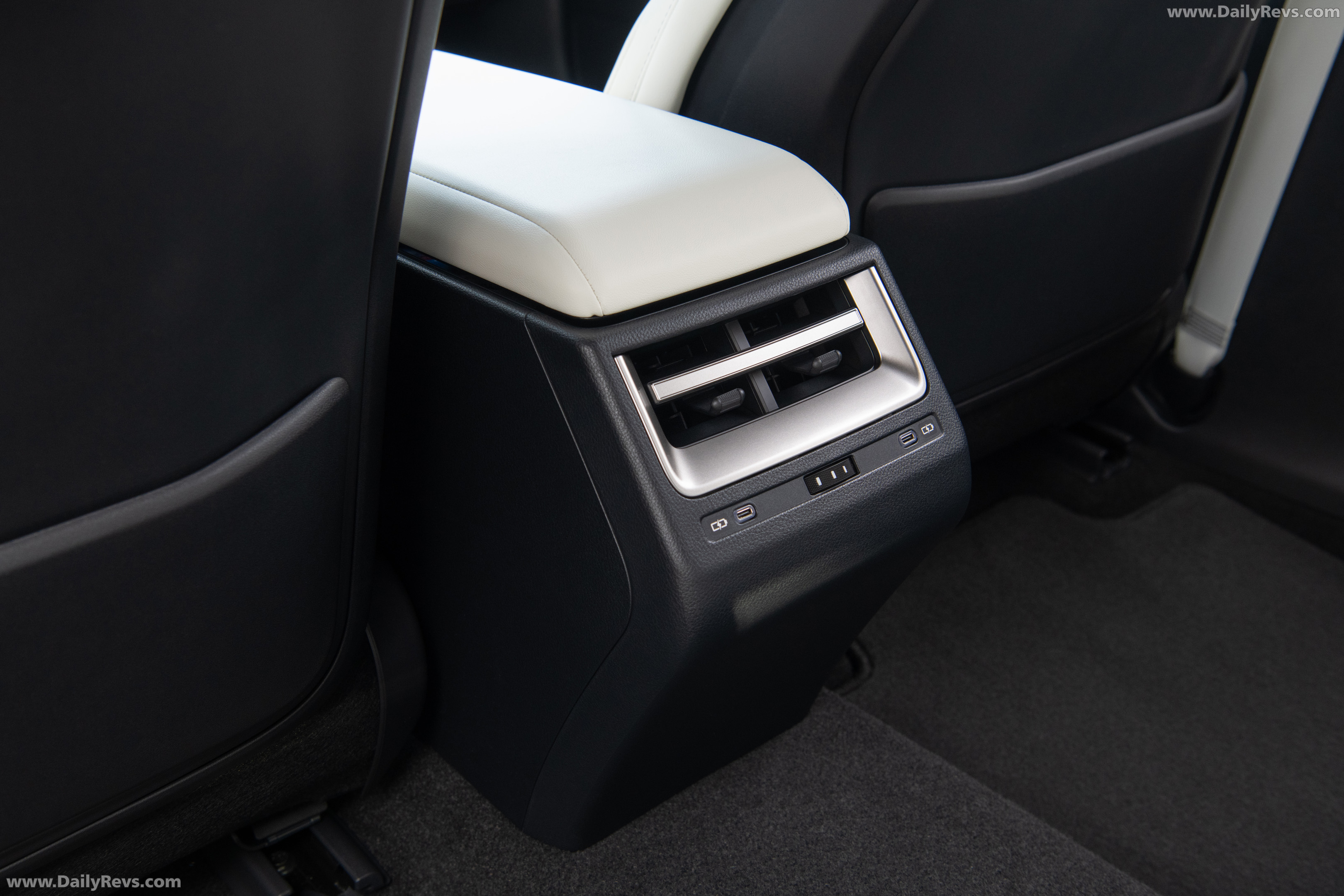
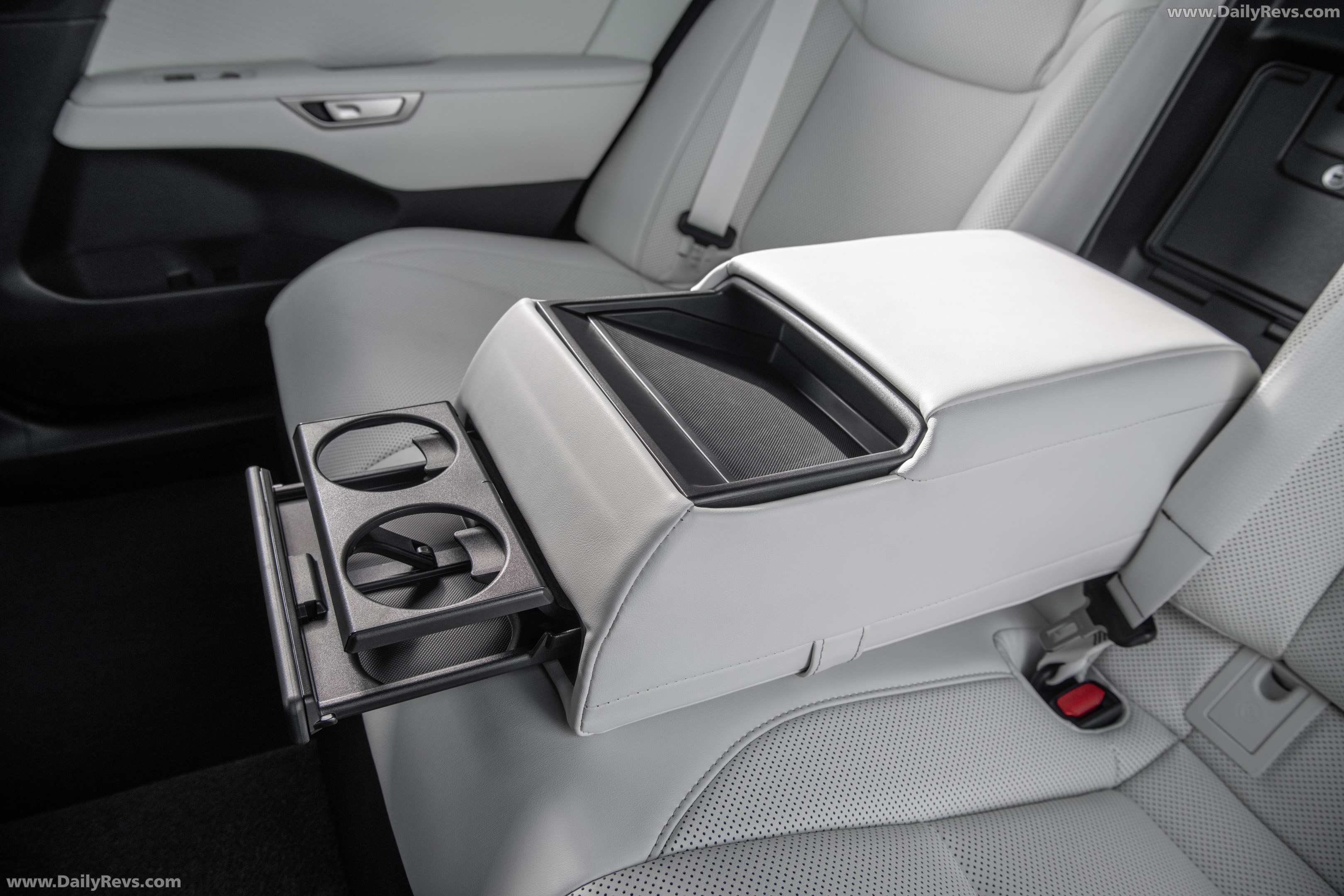
Rear passenger space appears to have been a major development priority. Lexus claims a class-leading front-to-rear seating distance of 1,102 mm, while higher-grade models introduce reclining rear seats with heating, ventilation, massage functionality, and an ottoman-style leg support.
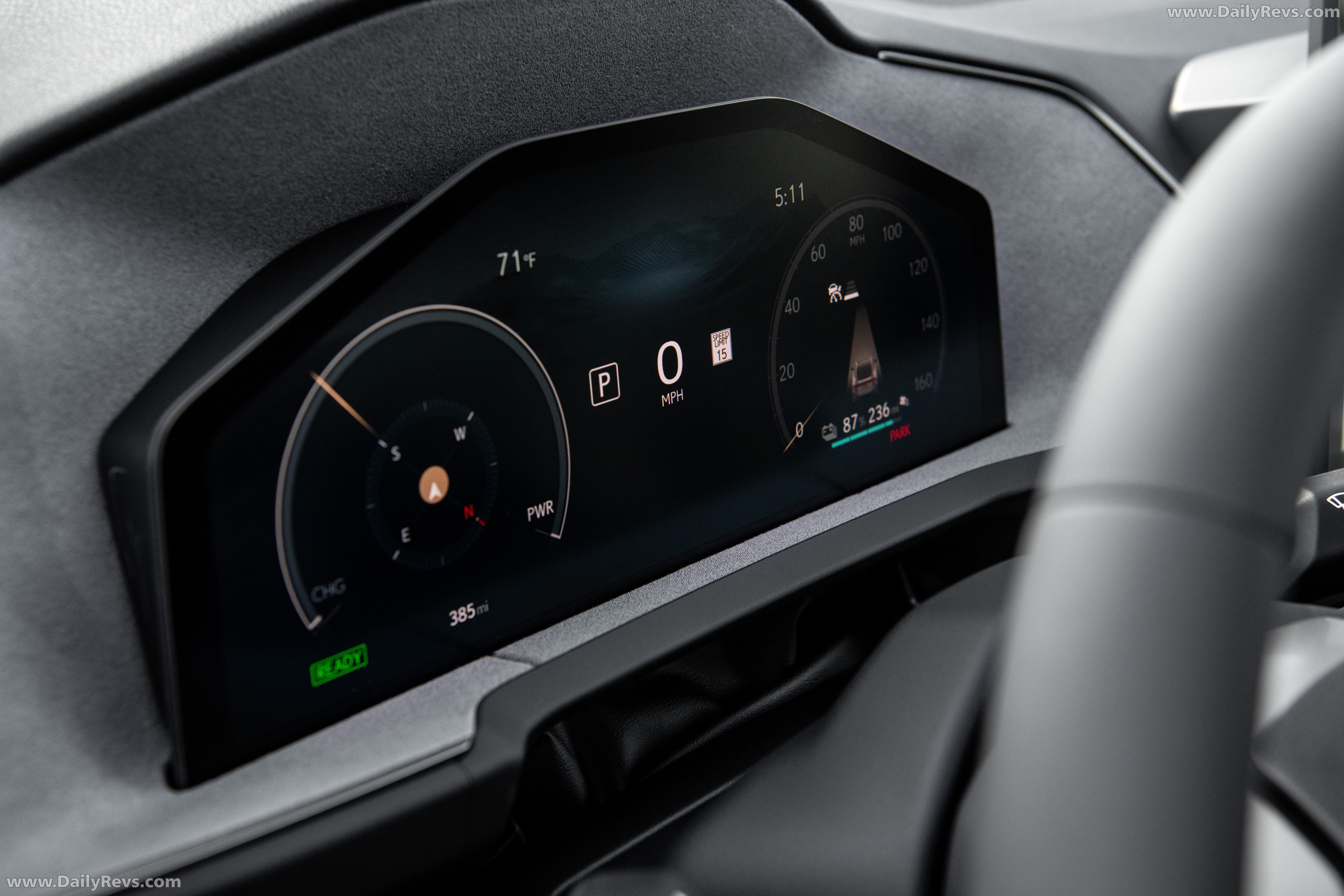
The dashboard layout remains driver-focused through Lexus’ Tazuna cockpit philosophy. A 12.3-inch digital combimeter works alongside a new 14-inch multimedia display, while the latest LexusConnect system adds quicker processing speeds, expanded cloud navigation, and integrated connected services.
ES 350e Focuses on Smooth Electric Touring
The ES 350e Premium uses a front-wheel-drive electric powertrain producing 224 hp (165 kW). Lexus estimates a 0-100 km/h time of 8.0 seconds. Depending on wheel size and specification, the claimed WLTP driving range sits between 493 and 581 km.
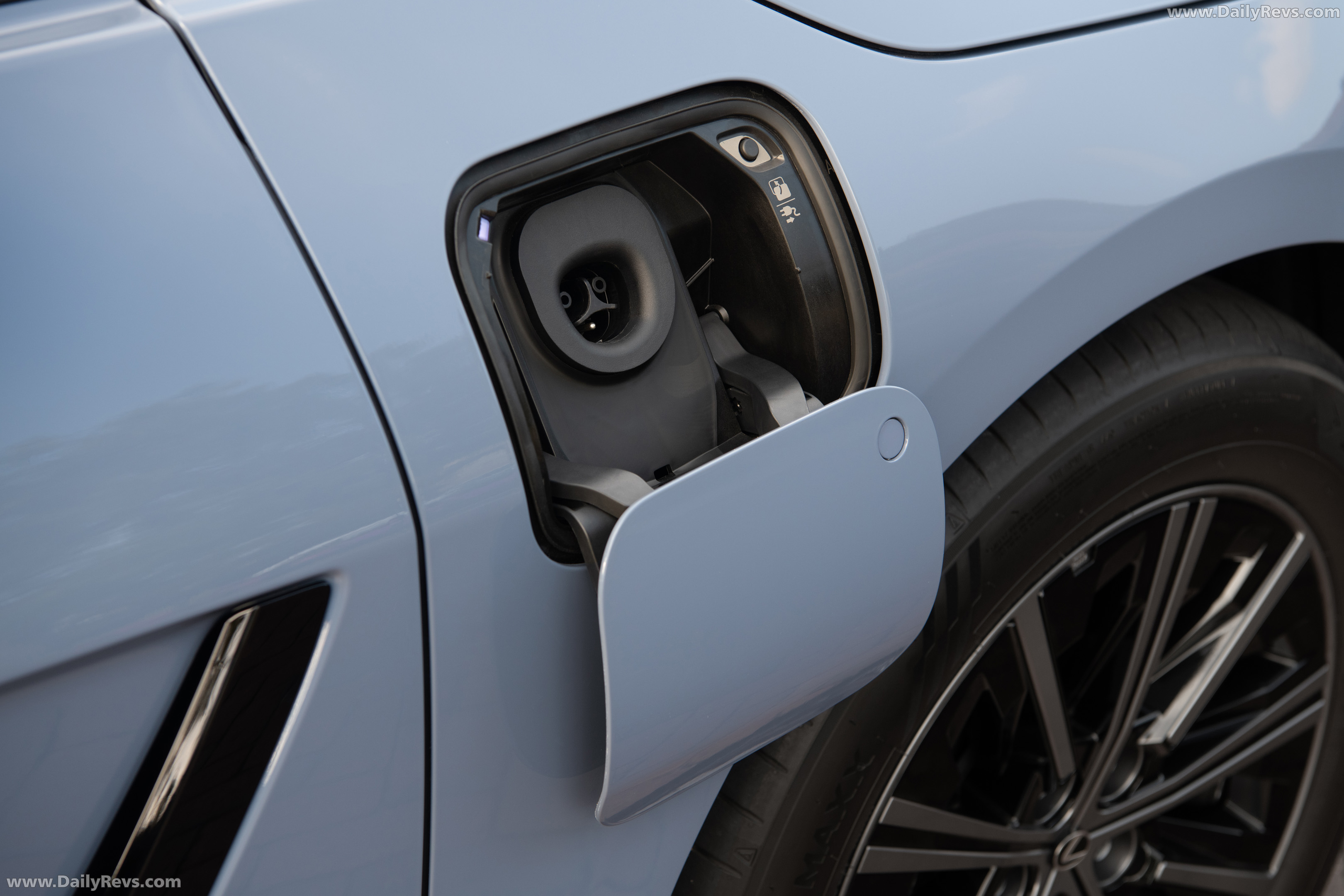
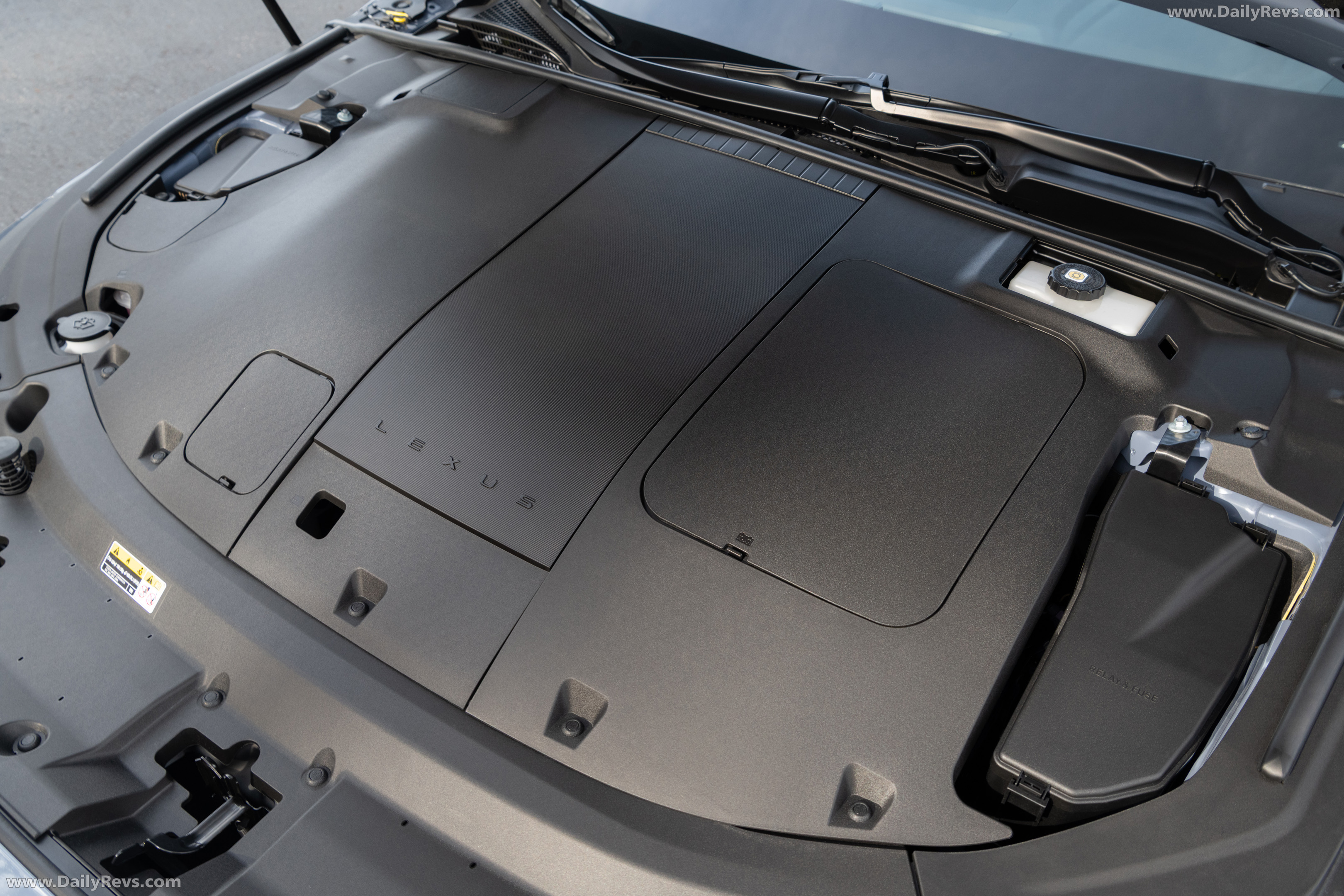
Power comes from a new lithium-ion battery mounted beneath the cabin floor, helping maintain interior space while lowering the centre of gravity. Lexus says 10-80% DC fast charging can be completed in around 30 minutes under suitable conditions using a 150 kW charger.
Underneath, the ES adopts revised suspension hardware including a multi-link rear suspension for the first time on an ES model. Lexus also focused heavily on structural rigidity and vibration suppression, areas that traditionally define refinement in large luxury sedans.
The new ES now enters a segment increasingly populated by electric executive sedans from German and Chinese brands alike. Lexus appears to be positioning the 350e less as a performance EV and more as a long-range luxury cruiser with strong emphasis on comfort, quietness, and rear-seat usability.