

2026 Kia Stonic
By Lorenzo Bianchi September 1, 2025
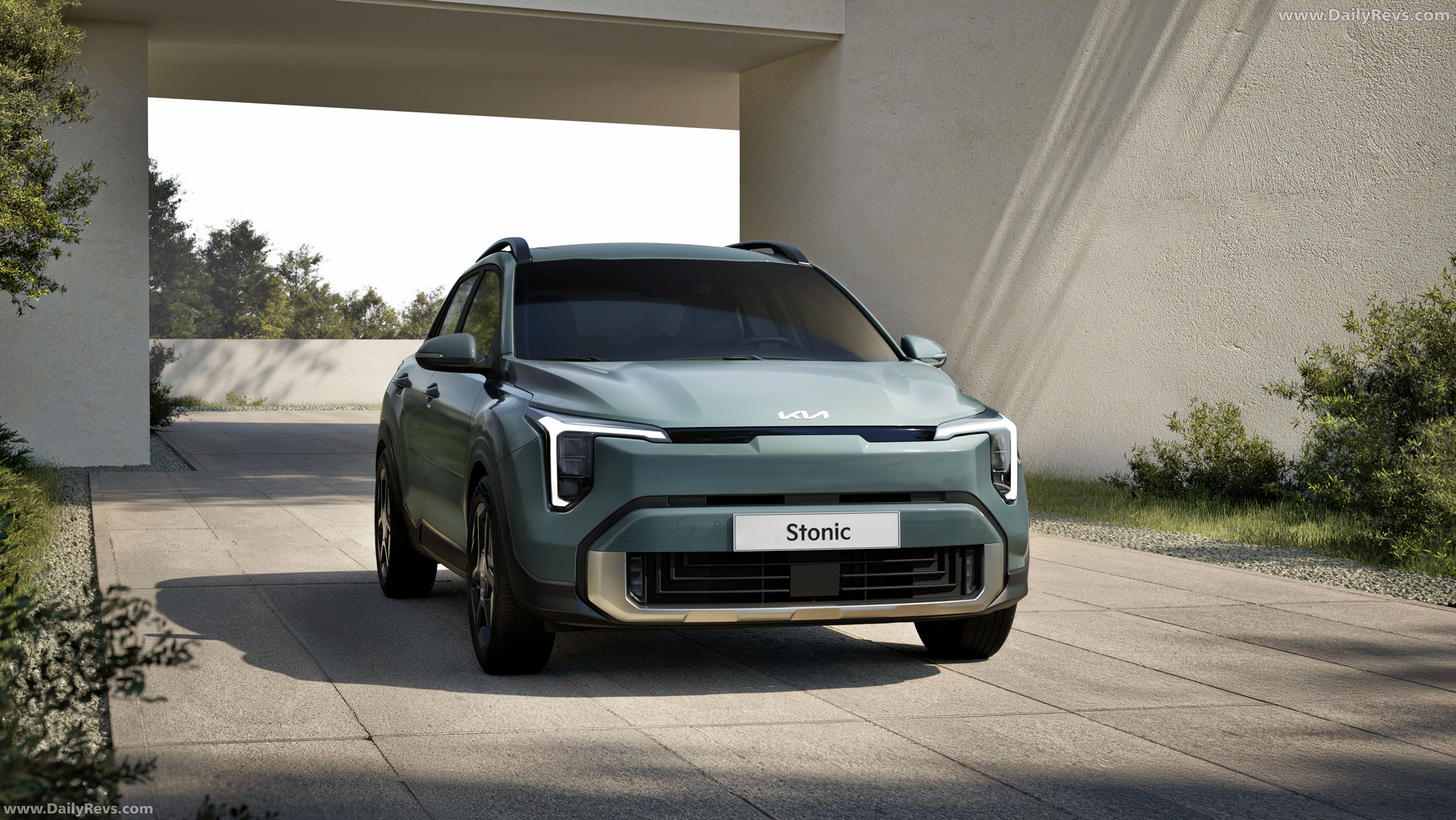
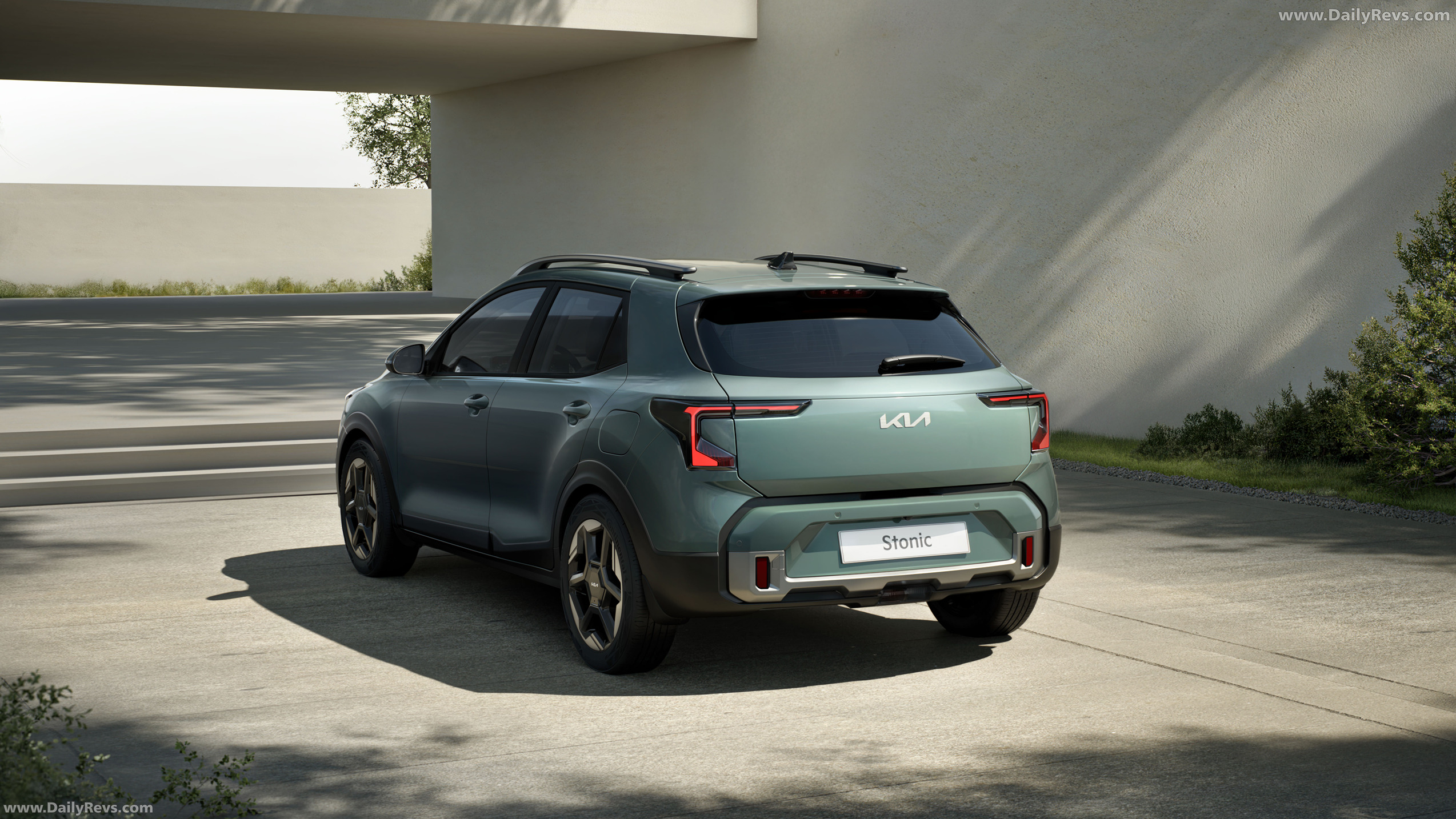
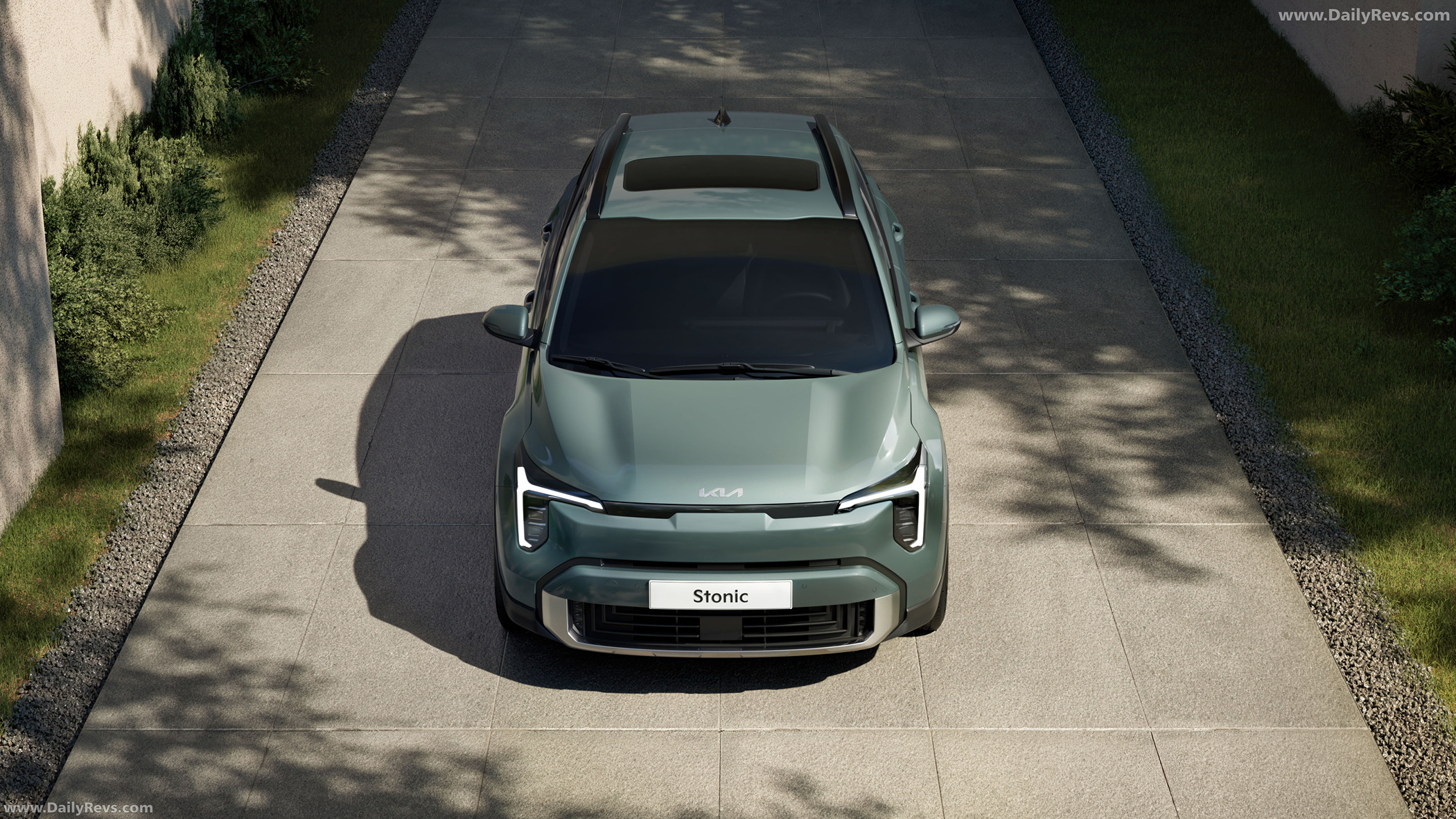
Redesigned front and rear give the 2026 Kia Stonic a bolder stance with Y-shaped lighting and a wider grille.
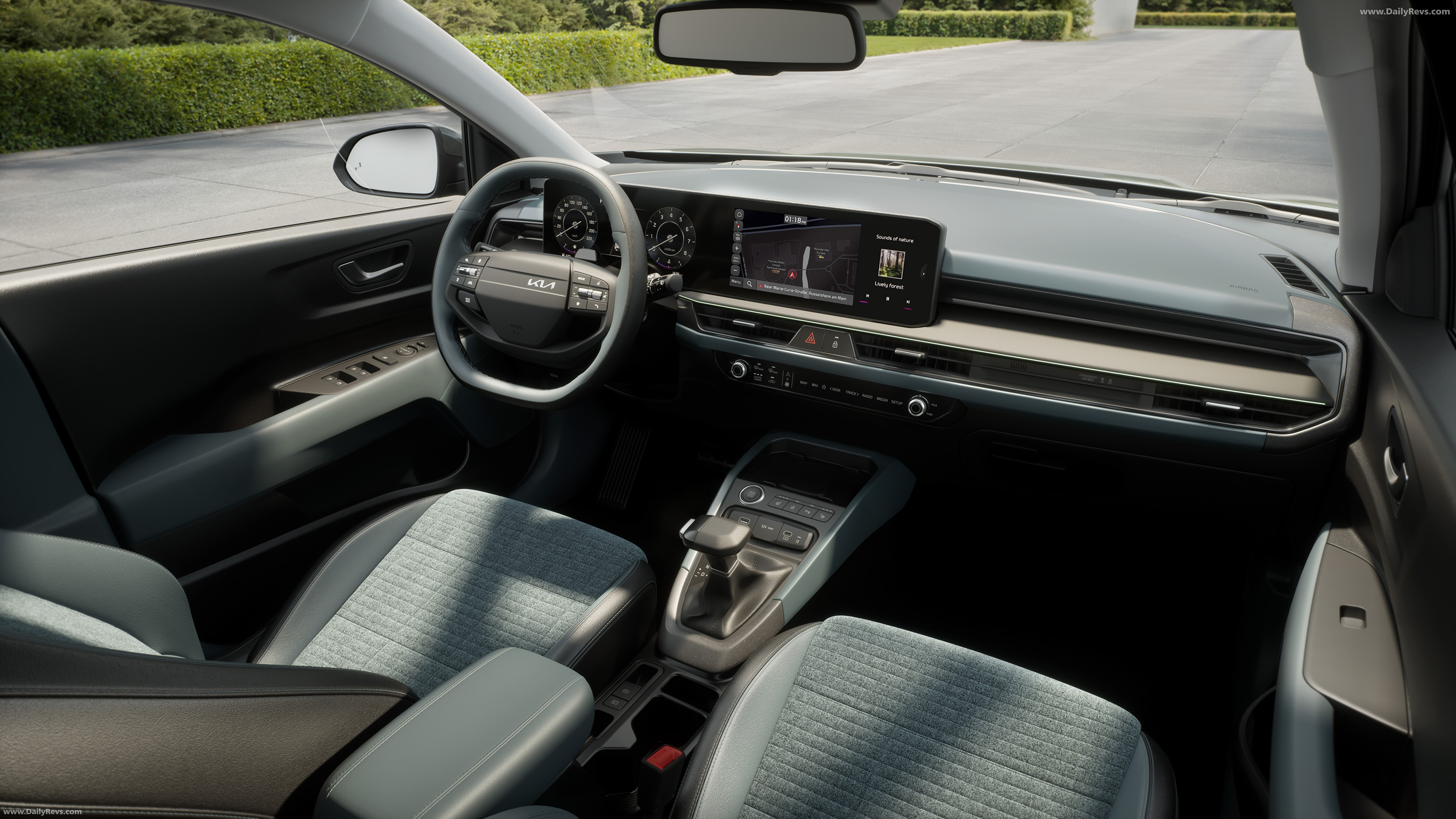
Cabin gains a dual-screen layout, better materials, and expanded driver assistance features.
1.0-litre turbo three-cylinder carries over, paired with a 48V mild-hybrid system in selected markets.
Design That Pushes It Forward
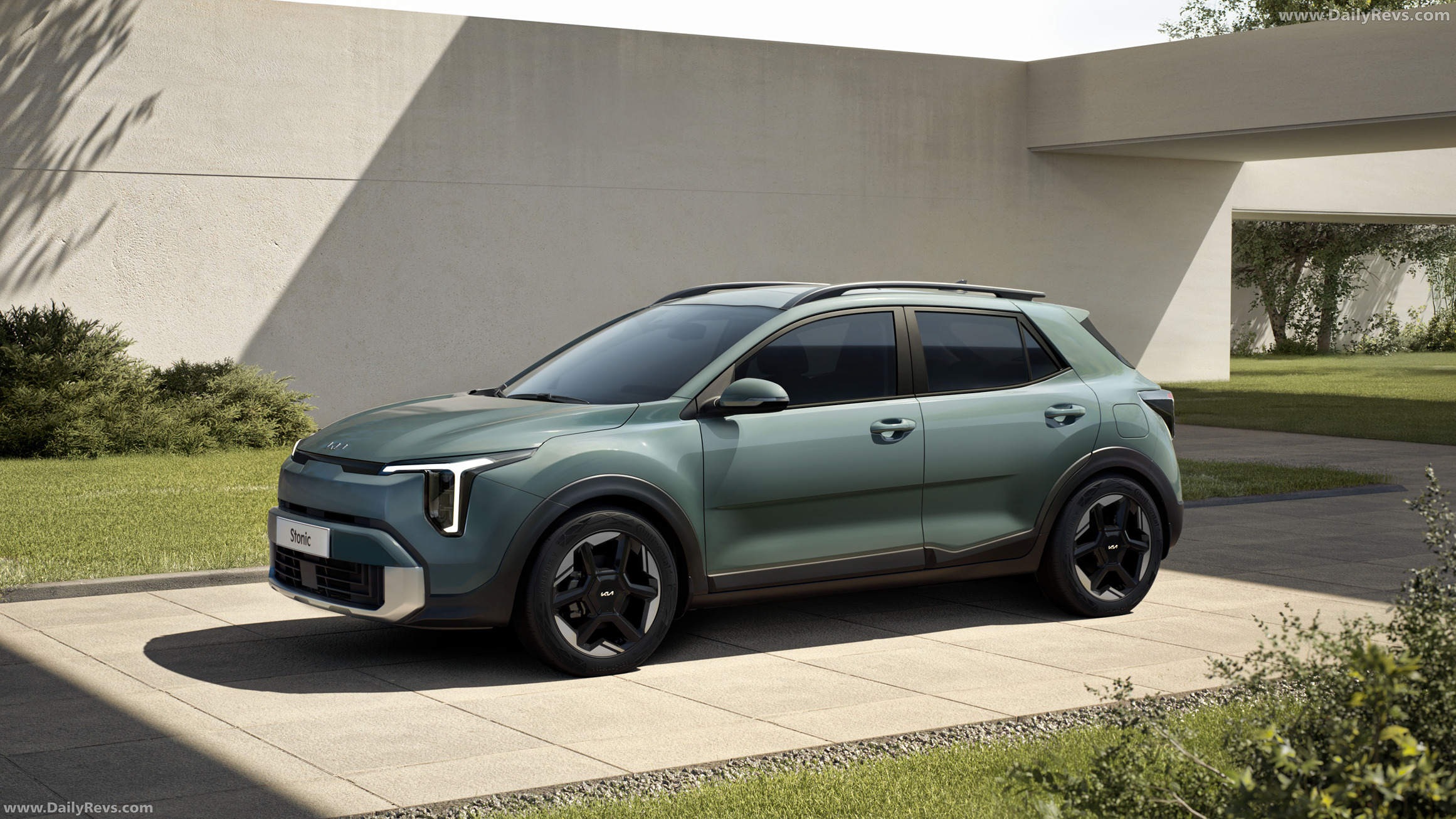
The facelifted Stonic looks immediately more assertive. At the front, a wider grille sits between stacked vertical headlights with Kia’s new Y-shaped LED signature. The bumper is deeper, the air intake larger, and the bonnet wears the updated Kia badge with cleaner surfacing. Around the back, L-shaped taillights and a reshaped bumper give it more width visually, a small tweak but one that changes its stance.
It’s still unmistakably Stonic in proportion, but there’s more edge to it now. The boxier, slightly tougher shape ties it closer to Kia’s latest design language, one we’ve already seen across the EV line-up.
Inside the Cabin
The most obvious change is the new dual-screen cockpit. A fully digital instrument cluster sits alongside a larger infotainment display, integrated cleanly into a single housing. It’s a layout that aligns the Stonic with Kia’s newer models, both in looks and usability.
Material quality has been pushed up a notch, and the brand has confirmed broader availability of driver assistance systems. Lane-keeping, adaptive cruise, and upgraded collision avoidance tech are expected to be part of the updated suite. It’s all in step with what small SUV buyers are asking for, especially in Europe.
Powertrain: Familiar, but Smarter
Under the skin, the 1.0-litre turbocharged three-cylinder remains the heart of the line-up. Performance figures don’t change much, but in several markets it now pairs with Kia’s EcoDynamics+ 48-volt mild-hybrid system. That setup brings small efficiency gains through idle-stop, coasting, and smoother restarts in stop-go traffic.
Australia, for example, keeps the same 1.0 T-GDi without hybrid assistance, but Europe is expected to lean heavily on the mild-hybrid variant to meet efficiency demands.
Dimensions and Everyday Practicality
The Stonic hasn’t grown. At just over 4.16 metres long, it remains tightly packaged for urban driving. The 352-litre boot stays the same, good for weekly errands or a short family trip but never oversized. That compact footprint is exactly why the model continues to resonate in busy city markets.
Technical Specification
Performance (hp and kW)
- Turbocharged 1.0-litre three-cylinder (non-hybrid): 74 kW (100 hp) and 172 Nm of torque (Australia)
- Optional mild-hybrid 48V setup: 85 kW (approx. 114 hp) and 200 Nm of torque, available in select markets
Body Measurements
- Length: approximately 4,165 mm (~164 in) — slightly longer than before
Powertrain
- Base: turbocharged 1.0-litre three-cylinder petrol engine
- Mild-hybrid in some regions: integrated 48V system to improve efficiency
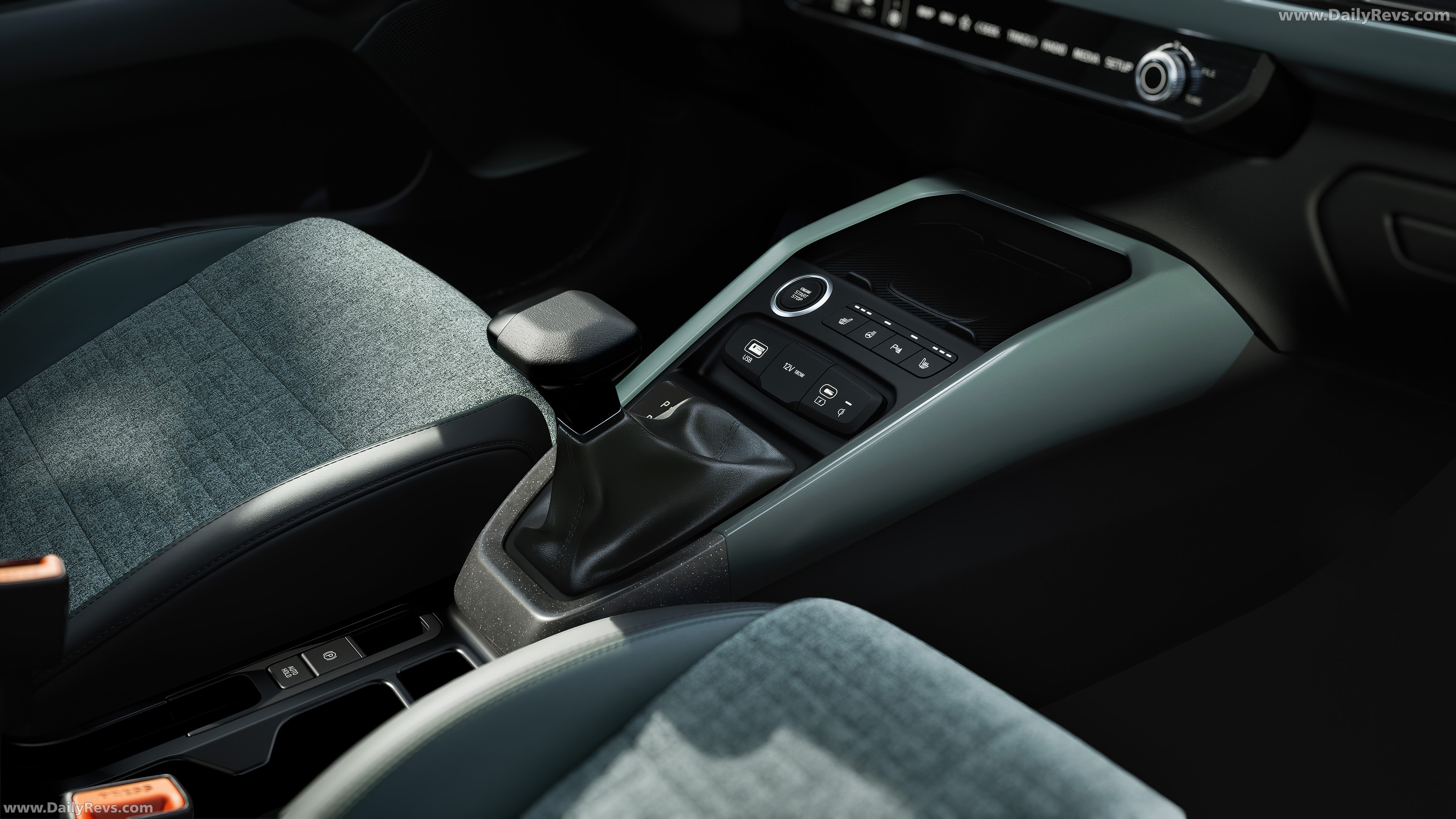
- Transmissions confirmed: 7-speed dual-clutch automatic
Capacities
- Boot space: around 352 litres (standard cargo volume)
Price
- Price range (some markets): from approximately $25,660 for base models to $31,980 for top GT-Line trims