2026 Hyundai Ioniq Earth Concept
By Lorenzo Bianchi April 11, 2026
Earth Concept previews future Ioniq electric SUV direction.
Aurora Shield’ exterior with skid plates and exposed bolts.
Interior features air-hug seats and nature-inspired lighting.
A more rugged take on the Ioniq design language
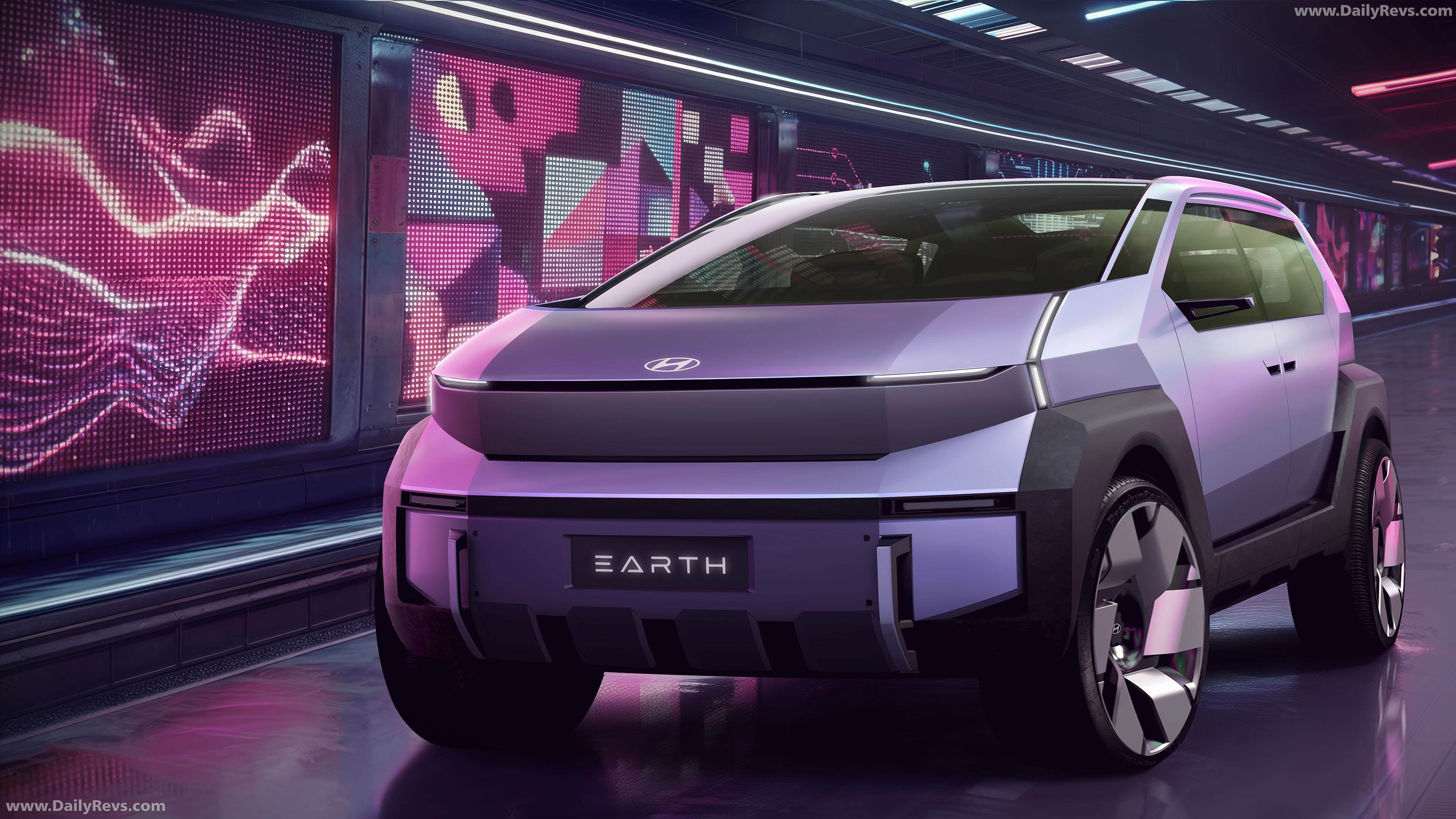
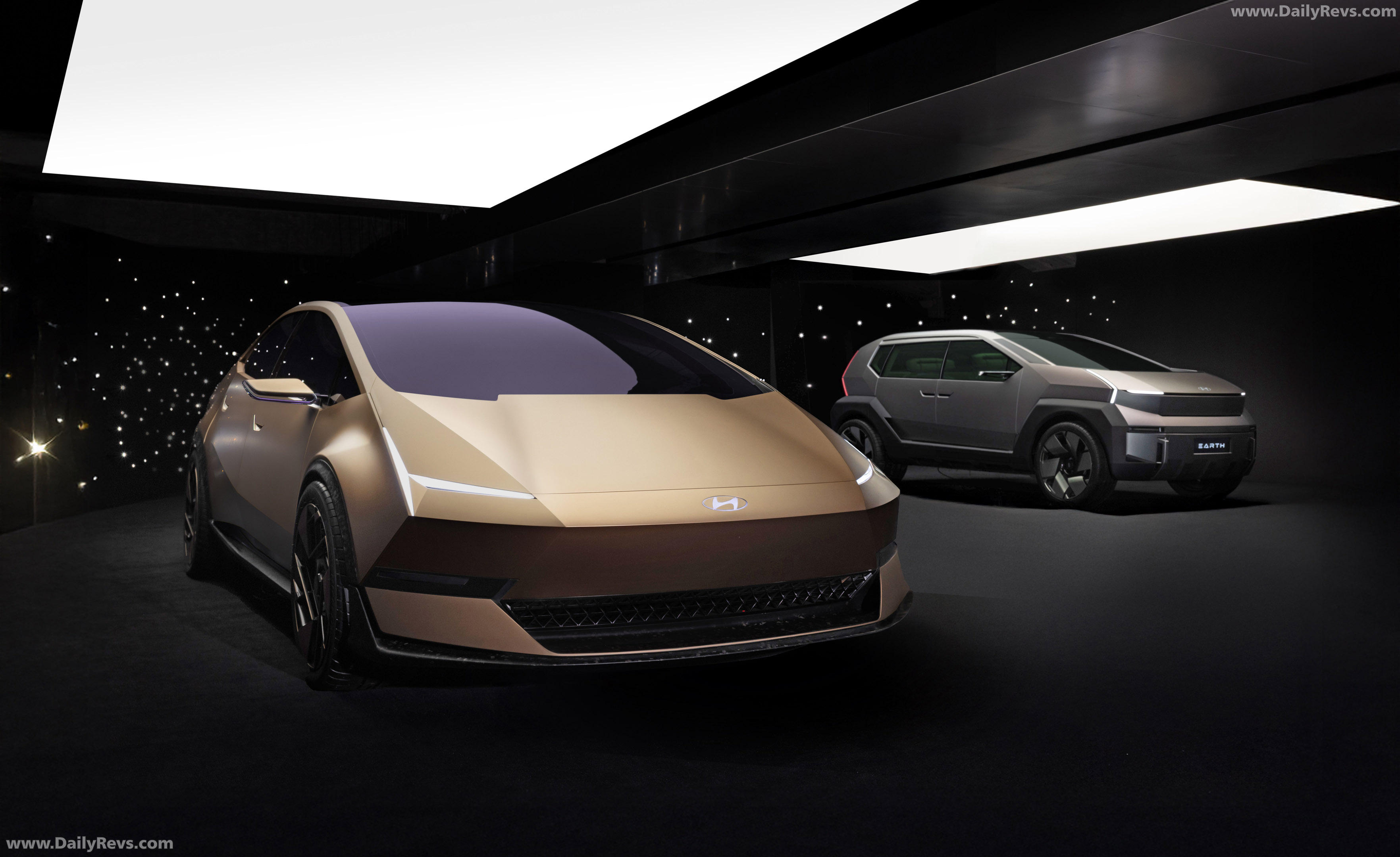
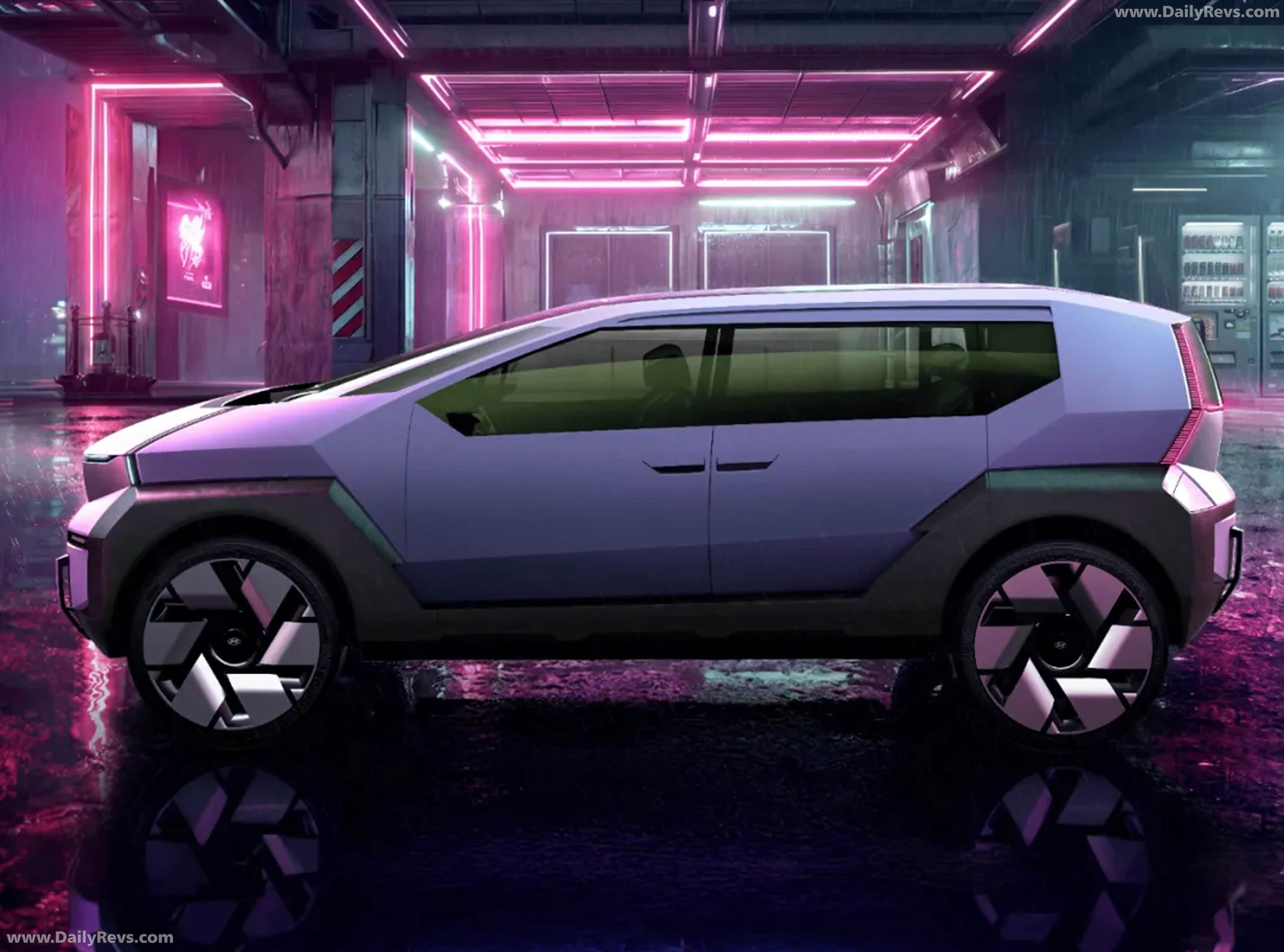
The 2026 Hyundai Ioniq Earth Concept moves in a different direction from the Venus sedan. Where that car leans into smooth surfaces, this one feels more structured.
The body is shaped around sharper edges and more defined volumes. You notice it immediately at the front, where the surfaces feel tighter, almost layered. It gives the SUV a stronger presence without relying on size alone.
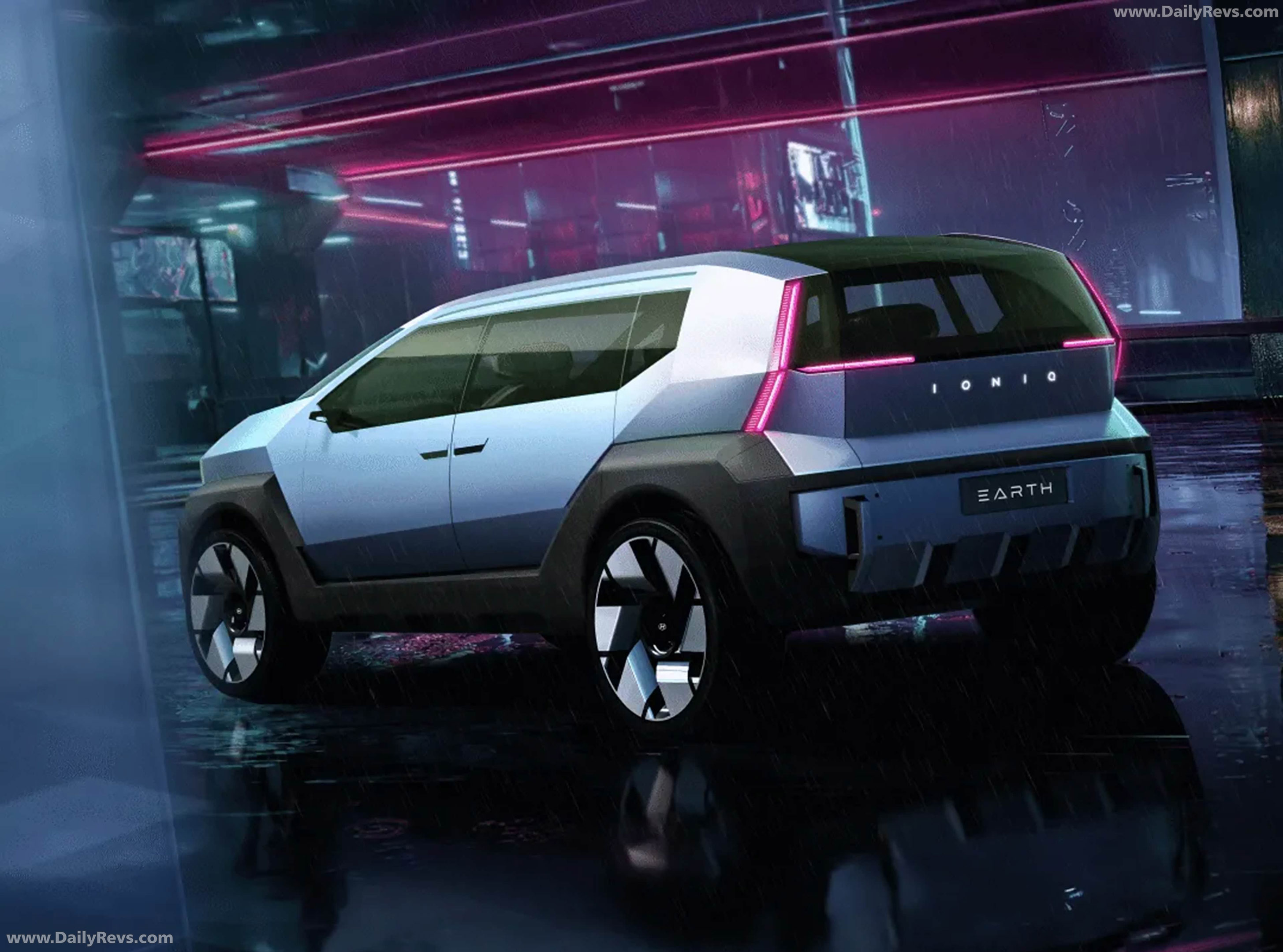
Finished in what Hyundai calls “Aurora Shield,” the exterior has a muted, metallic tone that works with the more technical design. It doesn’t try to stand out through colour. It lets the form do the work.
There are also functional cues built into the design. Skid plates sit low, and exposed bolt details run through parts of the bodywork. They’re small, but they change the overall feel. Less decorative, more purposeful.
Proportions built around a family SUV format
The Earth Concept sits firmly in SUV territory.
It carries a taller roofline, a more upright stance, and a wider footprint compared to the Venus. The proportions feel balanced rather than exaggerated. Enough height for space, enough width to give it stability.
What stands out is how the design manages weight. Even with the more robust detailing, it doesn’t feel heavy. The surfaces are shaped in a way that breaks up the mass, especially around the sides.
From certain angles, it almost looks lighter than it should. [Inference]
Interior focuses on comfort and atmosphere
Inside, the Earth Concept takes a different approach again.
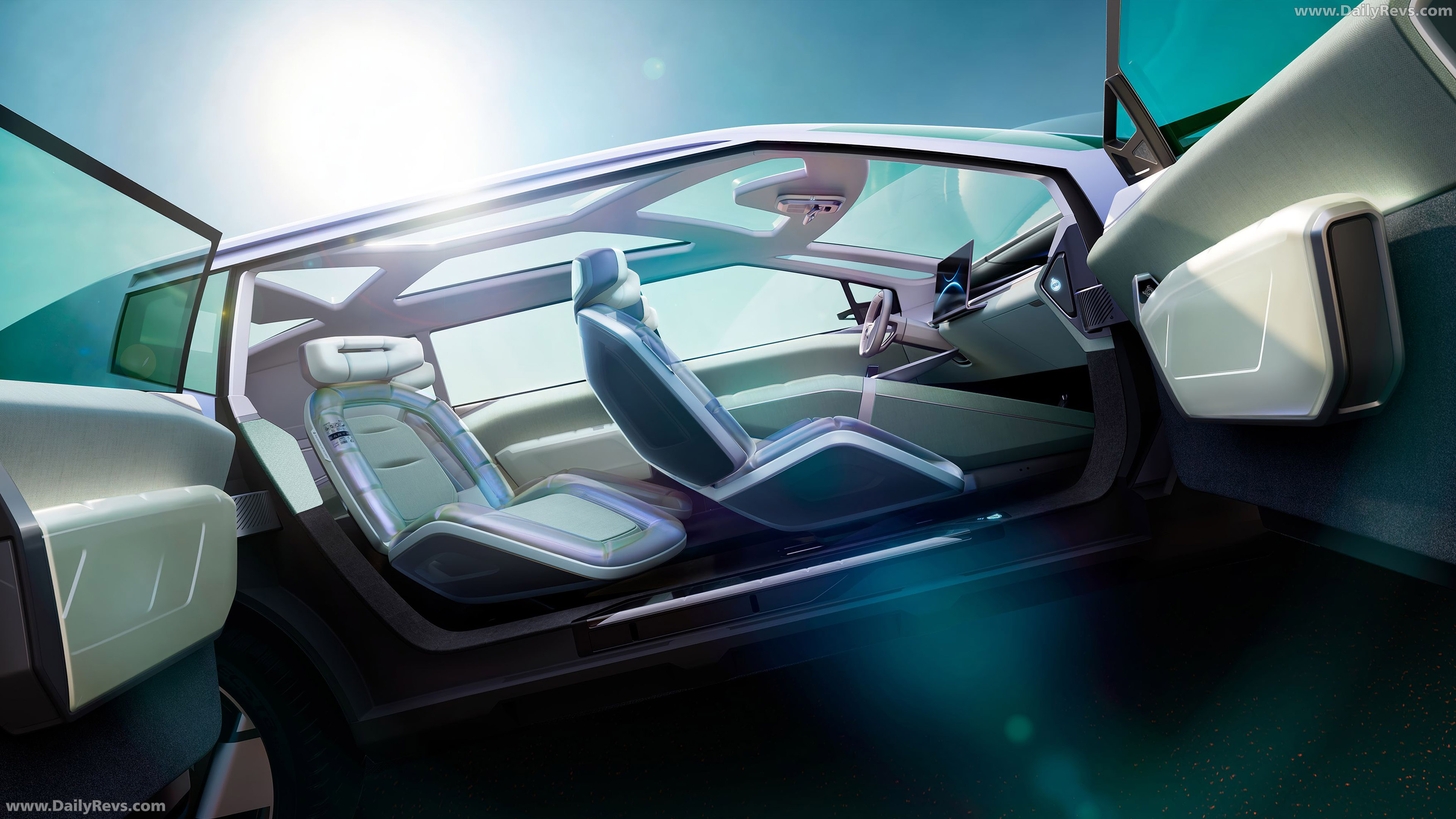
Hyundai describes it as a “small Earth,” which sounds abstract, but the idea is clear once you see it. The cabin is designed to feel calm and breathable rather than busy.
The seats are the main highlight. They’re called air-hug seats, built using soft air modules that adjust to support the body. It’s a different take on comfort compared to traditional foam-based designs.
Lighting plays a big role here as well. The system mimics tree shadows across the cabin, creating a softer, more natural atmosphere. It’s not just ambient lighting—it’s designed to change how the space feels.
There are also subtle design details hidden within the interior, including map patterns of Beijing worked into the surfaces. A small touch, but it ties the concept back to its intended market.
A character element called “Aero” is integrated into the cabin too, adding a more playful layer to the otherwise calm environment.
Electric platform, but details stay limited
Like the Venus Concept, the 2026 Hyundai Ioniq Earth Concept is fully electric.
Beyond that, technical details are limited. There’s no information on battery size, output, or range at this stage. [Unverified]
The emphasis here is clearly on design direction rather than specification.
Practicality hinted, not fully defined
As a concept SUV, the Earth suggests a usable layout.
The upright proportions and interior packaging indicate space for passengers and cargo, though exact figures aren’t provided. [Unverified]
The focus seems to be on creating a comfortable environment first, with practicality following naturally from the overall shape. [Inference]
A preview of Hyundai’s SUV direction in China
The 2026 Hyundai Ioniq Earth Concept sits alongside the Venus as part of a broader shift.
Hyundai is building out its Ioniq lineup in China with a more localised approach. The idea is to go beyond just products and create a full mobility experience around them.
The Earth Concept acts as a preview of how future electric SUVs from the brand might look and feel. Not final, but clearly pointing in a specific direction.