2026 Hyundai Grandeur
By Lorenzo Bianchi May 1, 2026
Redesigned cabin with new 17-inch integrated touchscreen.
Subtle exterior updates with longer 5050 mm body.
Expected to retain petrol and hybrid powertrain options.
Sharper front design with restrained updates
The 2026 Hyundai Grandeur doesn’t move far from its existing identity, but the changes are noticeable once you focus on the details.
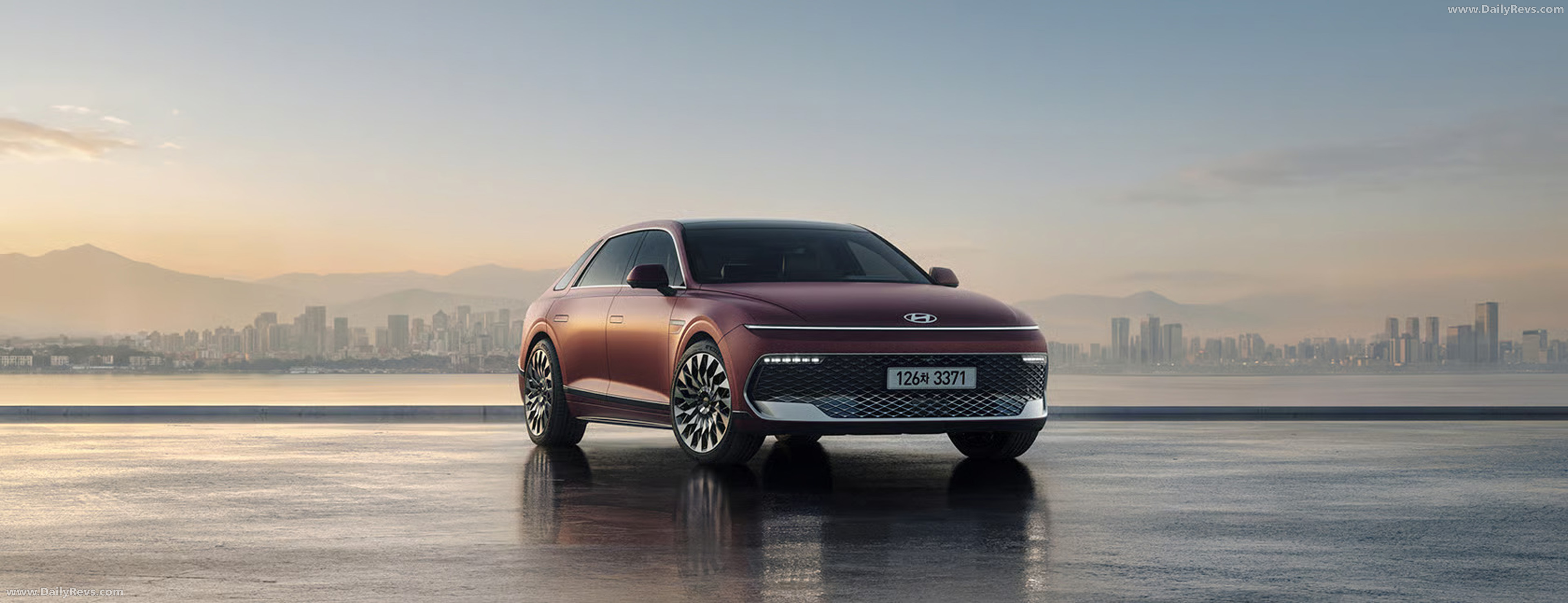
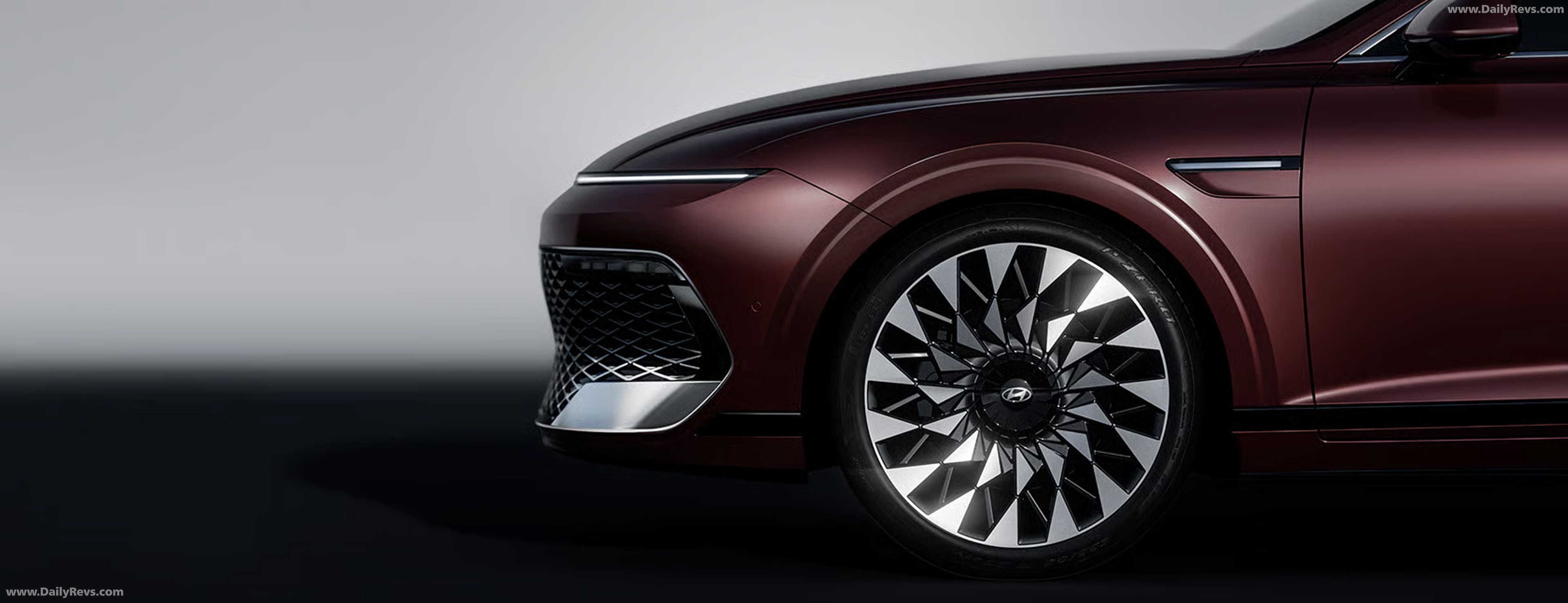
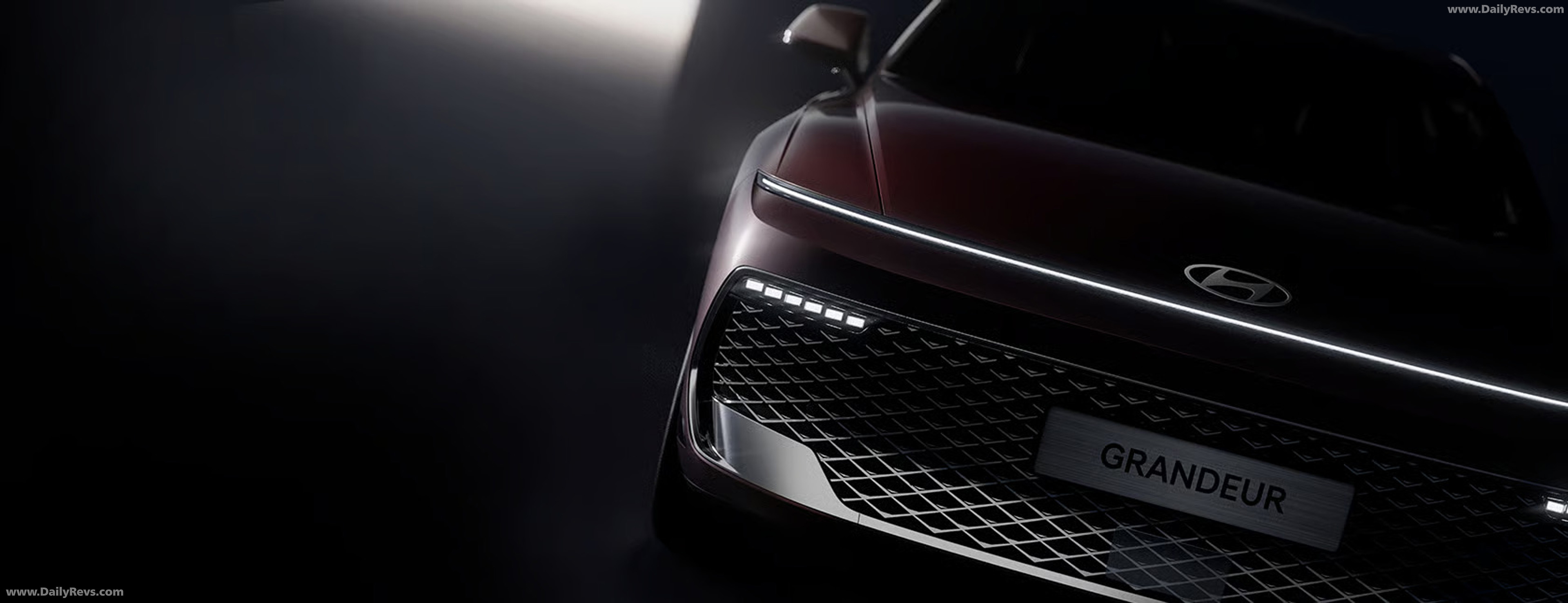
Up front, the fascia has been reworked. The “shark-nose” design is cleaner now, with a narrower full-width LED daytime running light strip sitting above smaller main headlights. Those headlights are more tightly integrated into the grille and intake areas, giving the front end a slightly more formal, business-like appearance.
Chrome accents remain part of the look, though they’re used more selectively. It’s a quieter update rather than a bold one, but it tightens the overall presentation.
Slightly longer body improves stance
The Hyundai Grandeur keeps its general proportions.
Side profile changes are minimal. The silhouette stays familiar, though new multi-spoke wheels and an optional Art Wine Red finish add a bit of variation. The paint is offered in both gloss and matte, which shifts how the car reads depending on lighting.
There is a small dimensional change. Overall length increases to 5,050 mm, around 15 mm longer than before. It’s not a dramatic extension, but it does stretch the car slightly, giving it a more elongated stance when viewed from the side.
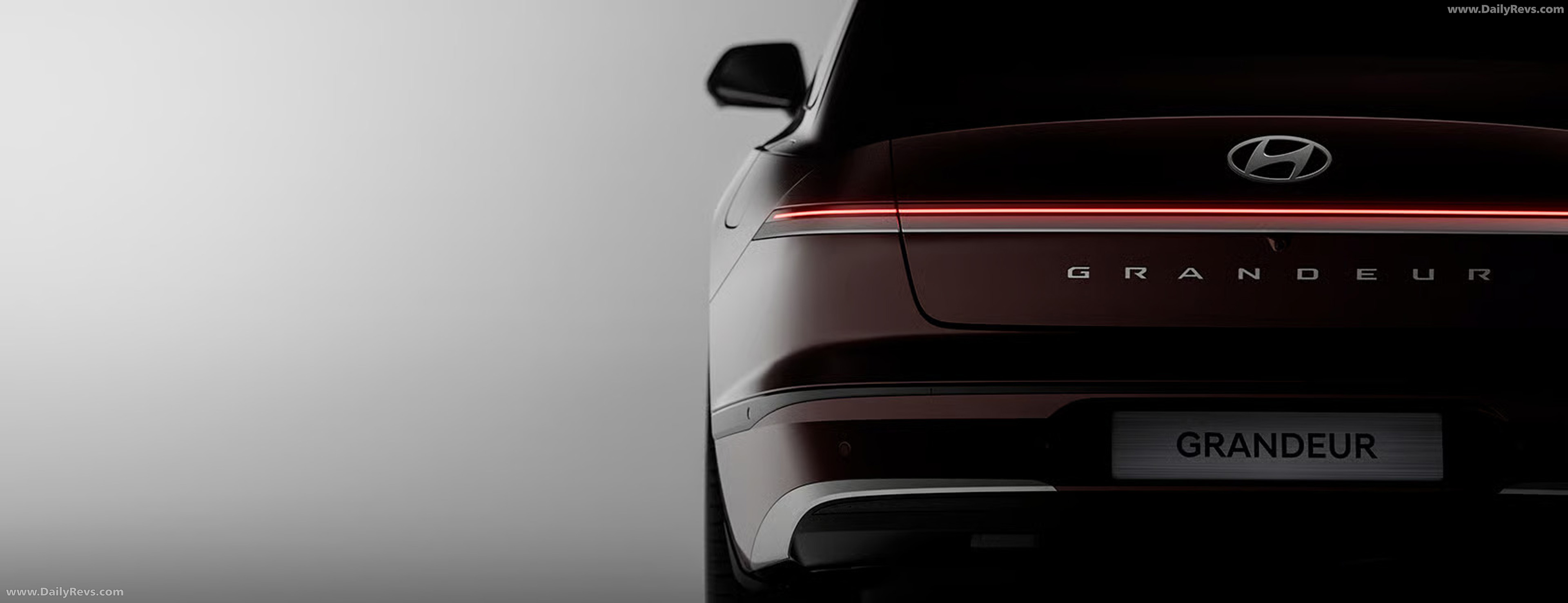
At the rear, updates are subtle. Turn signals are now integrated into the full-width taillights, while the lower bumper gets slimmer black trim and added chrome detailing. The result feels cleaner rather than completely new.
Interior redesign becomes the main highlight
Inside, the shift is more obvious.
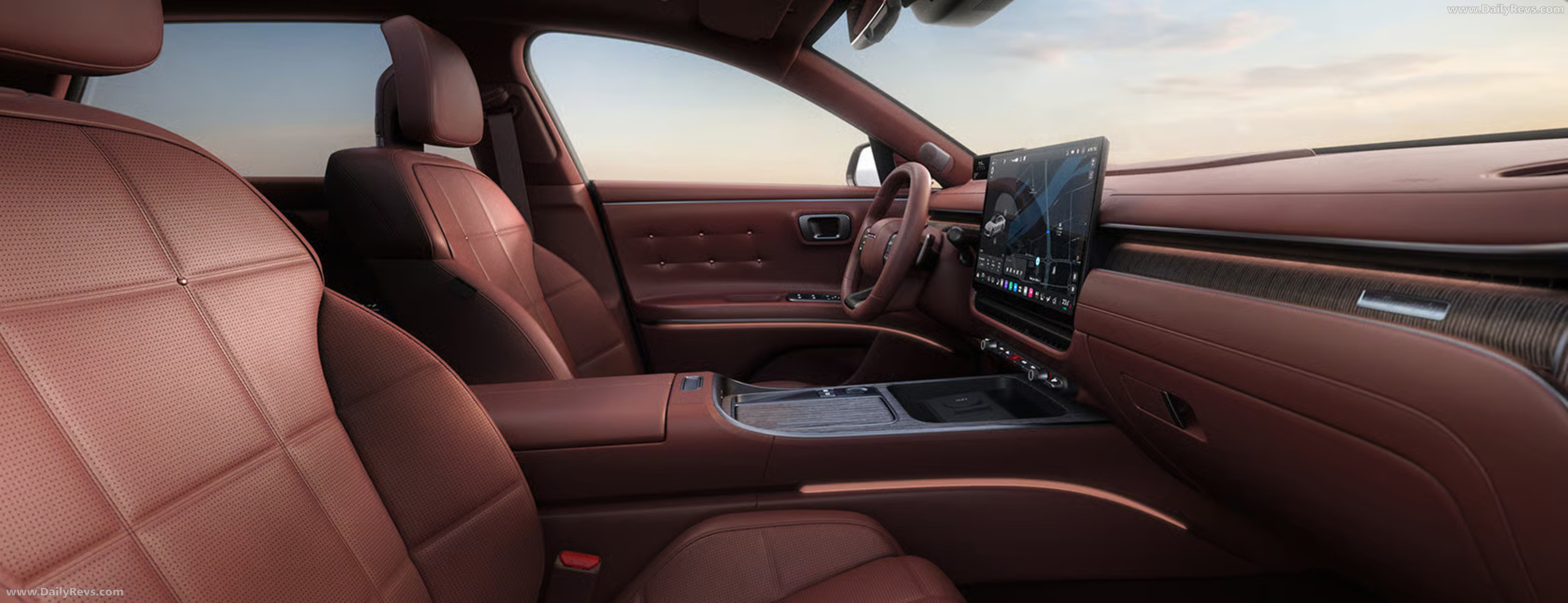
The dashboard is completely reworked around a new 17-inch central touchscreen. This display replaces the previous split layout of a 12.3-inch infotainment screen and a separate climate panel, combining them into a single interface. It simplifies the layout and reduces the number of physical controls.
Hyundai also introduces a new Pleos Connect system, built on an Android-based platform. It’s expected to improve responsiveness and overall usability, though detailed performance figures aren’t specified here.
Air vents are now concealed, with airflow controlled through the touchscreen. It’s a cleaner design approach, though it changes how users interact with basic functions.
Materials move in a more premium direction. Quilted seats, wood trim, metal accents, and ambient lighting work together to create a warmer cabin environment. There’s also an intelligent dimming roof that can switch between transparent and opaque, adding another layer of functionality.
Powertrain options expected to continue unchanged
Under the surface, the setup appears familiar.
The 2026 Grandeur is expected to retain its existing powertrain lineup. That includes a 2.5.