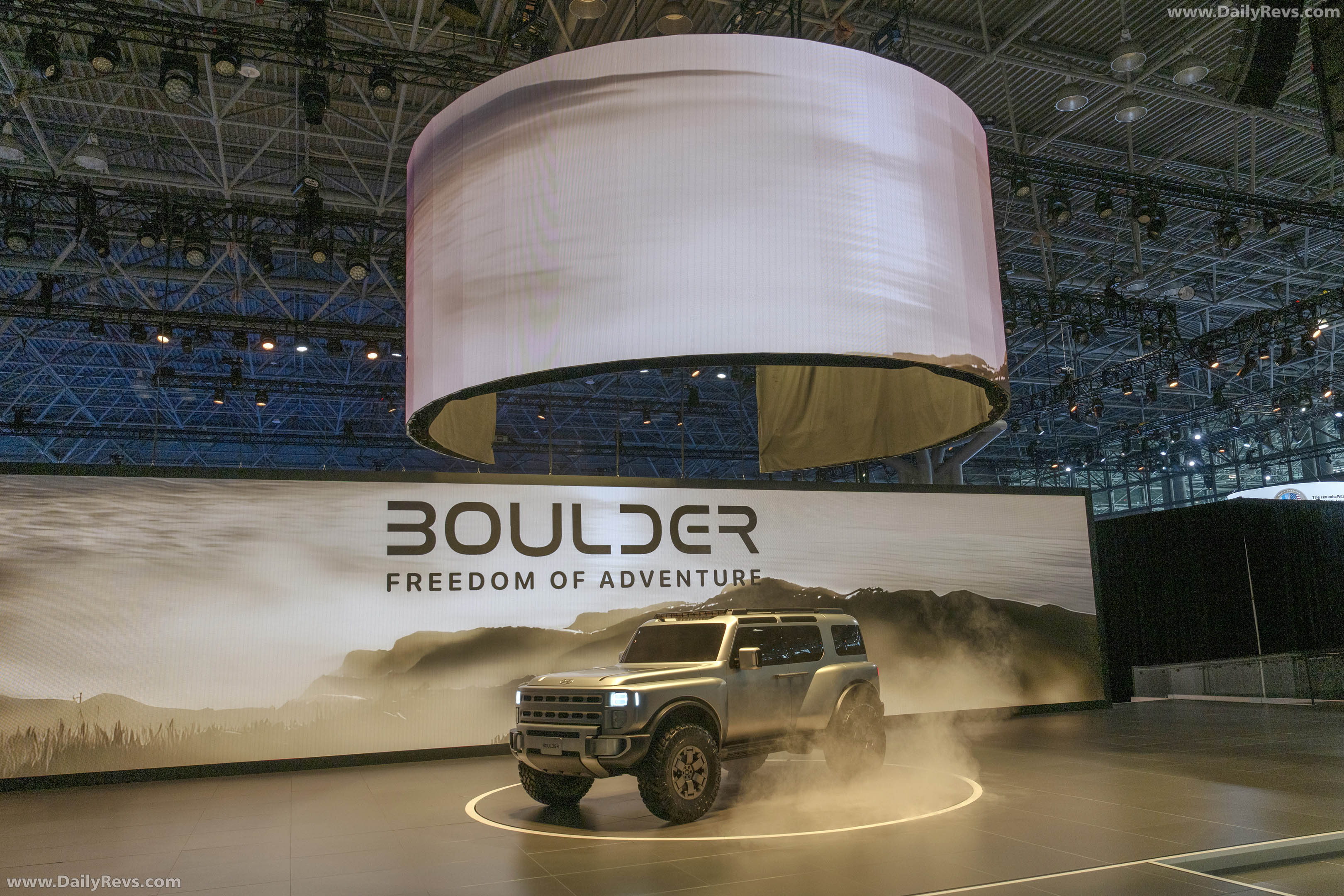
2026 Hyundai Boulder Concept
By Lorenzo Bianchi April 2, 2026
Previews Hyundai’s first U.S. body-on-frame platform for a future pickup.
Upright two-box design focused on strength and off-road usability.
Features 37-inch tires, dual-opening tailgate, and practical interior layout.
A concept that quietly changes Hyundai’s direction
The 2026 Hyundai Boulder Concept isn’t just about design. It hints at where the brand is heading next.
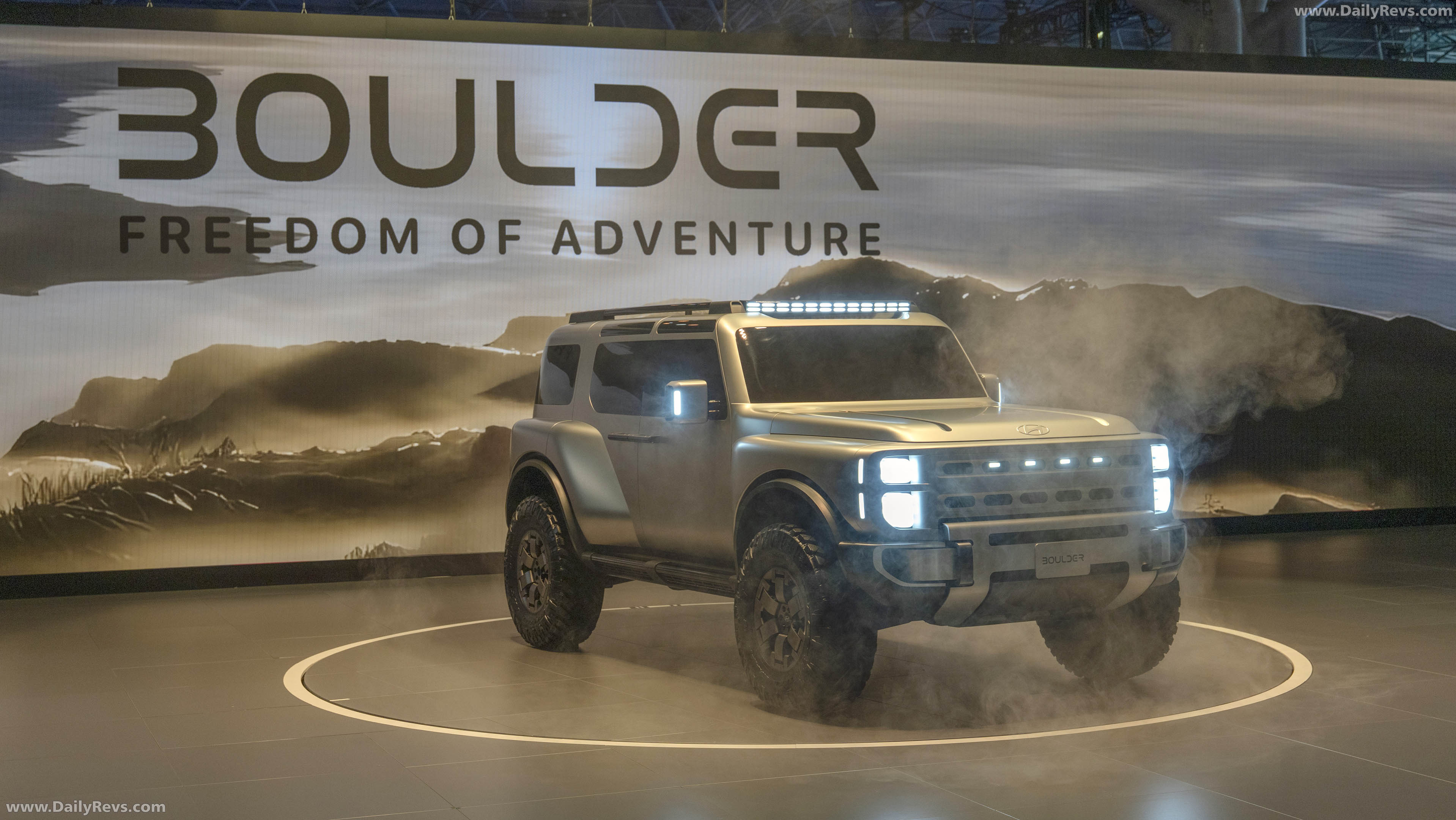
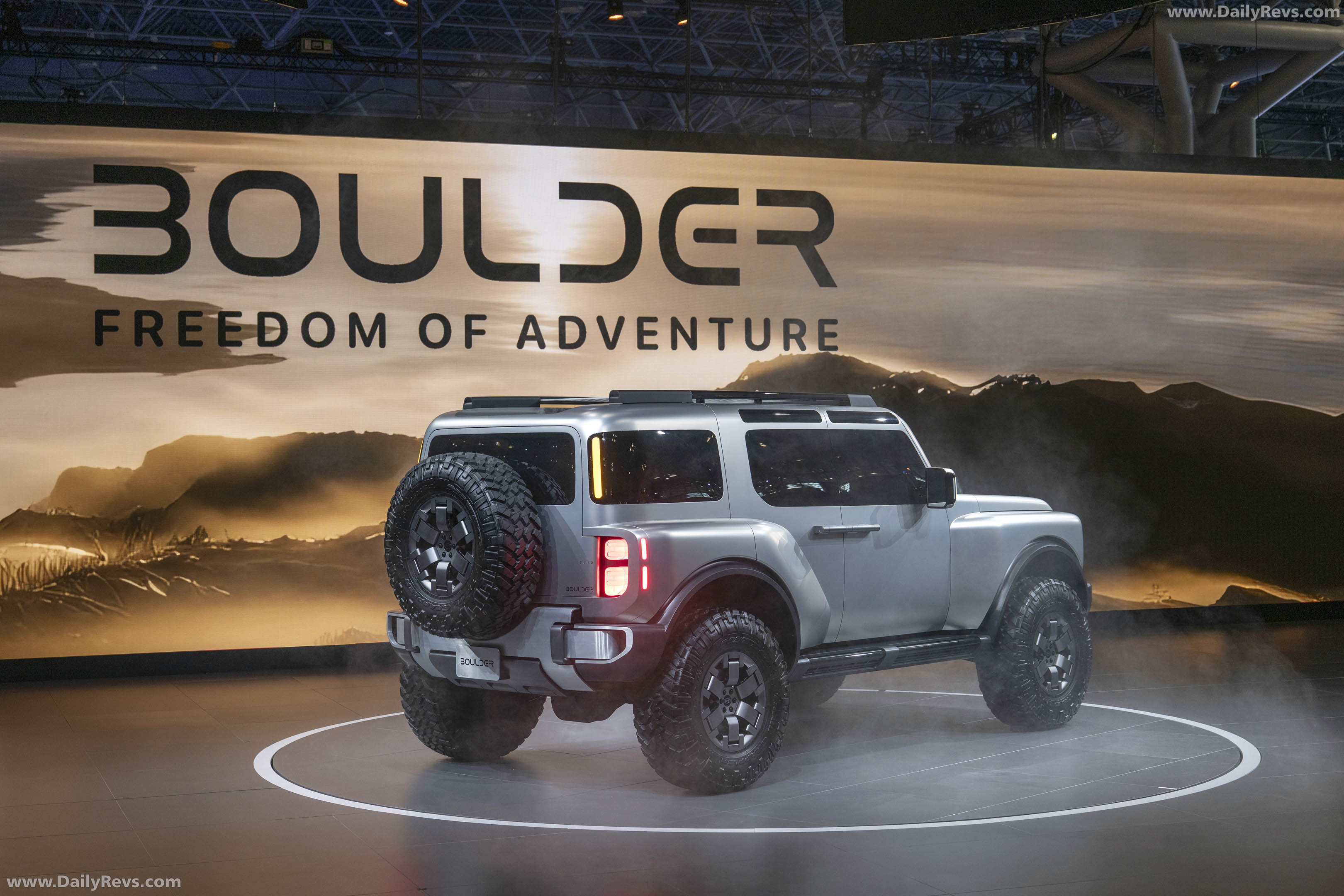
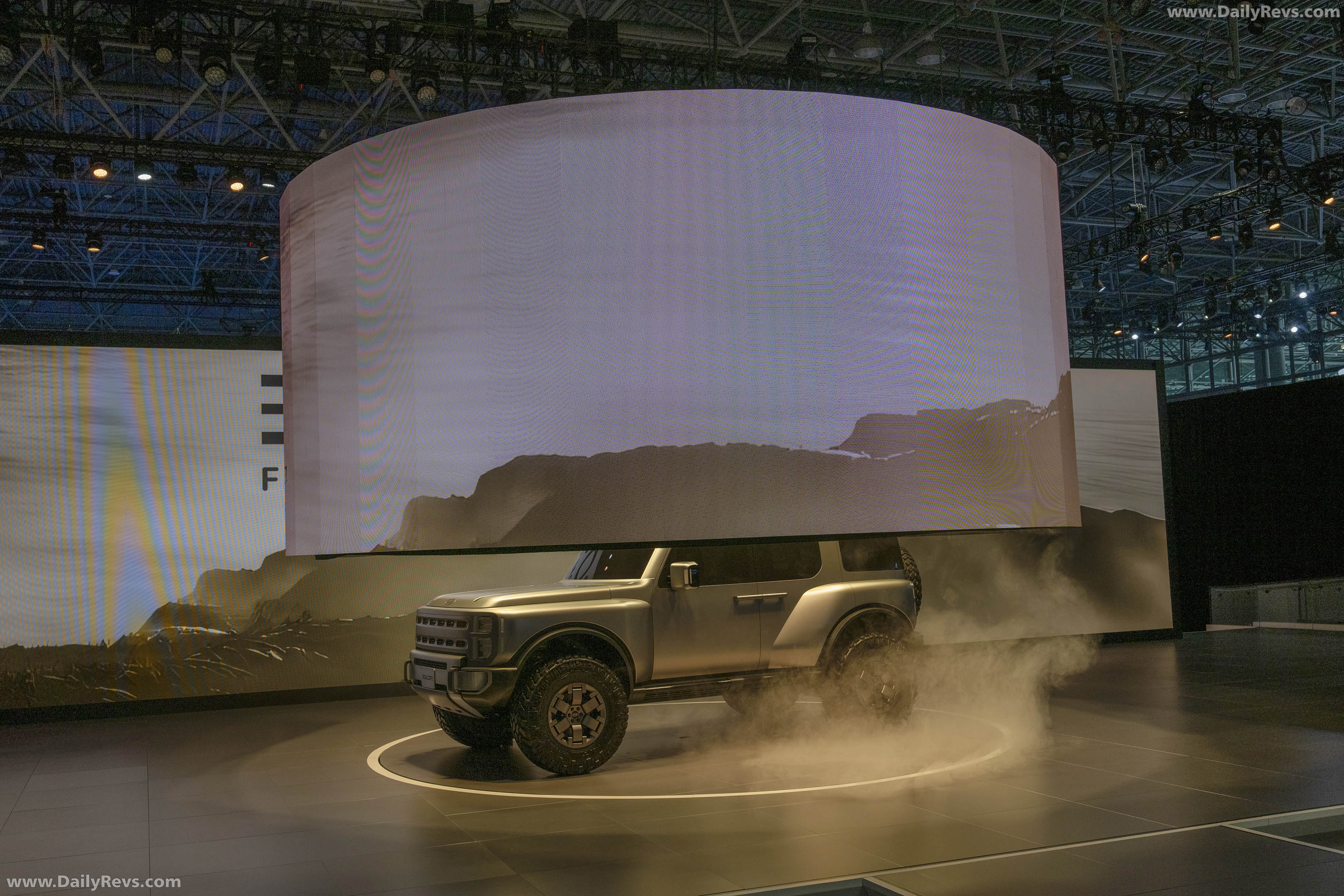
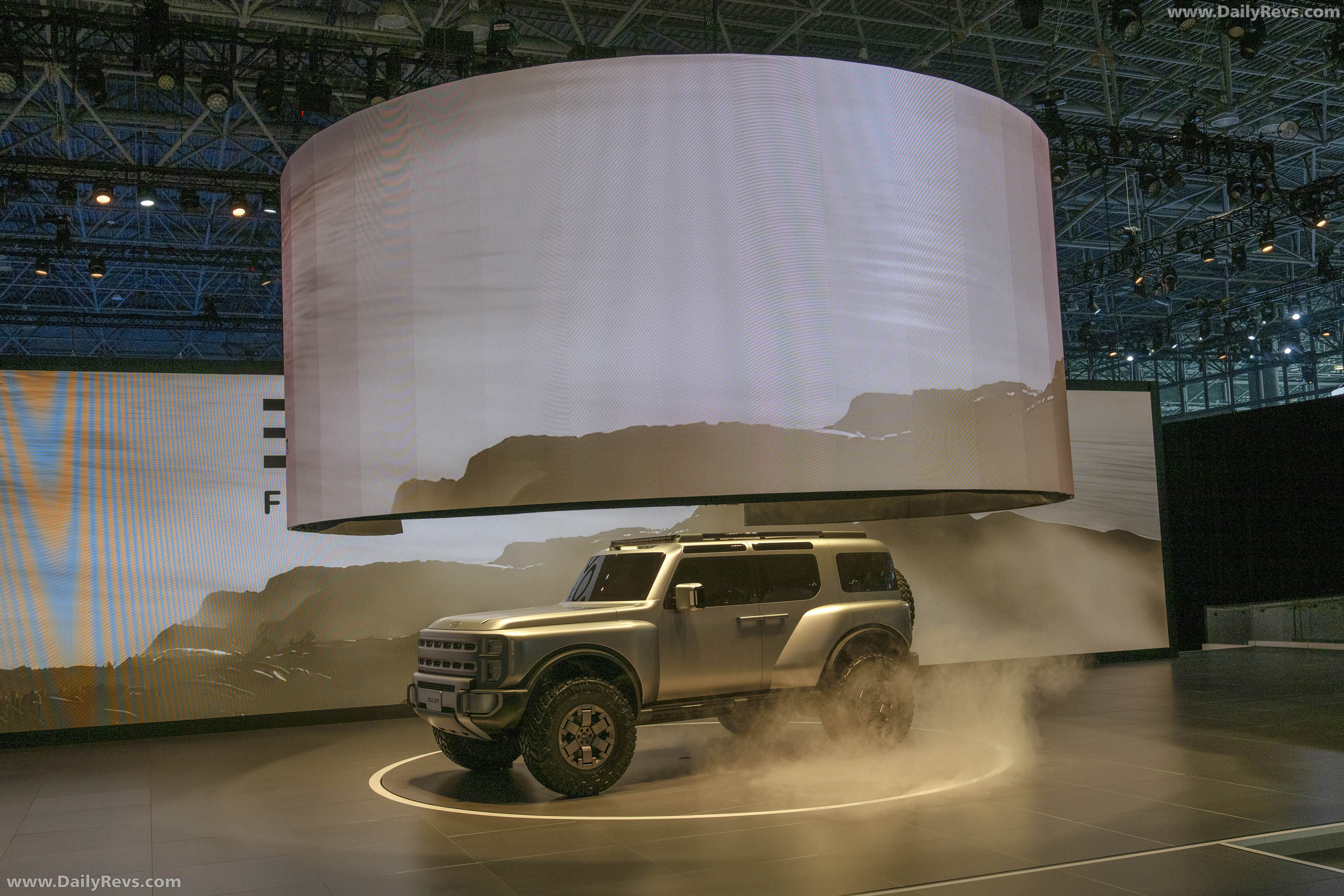
Shown in New York, the concept sits on a fully boxed body-on-frame structure. That’s a first for Hyundai in the U.S., and it matters. This same architecture is expected to underpin a midsize pickup planned for later in the decade. So while this looks like an SUV, the idea behind it runs deeper. It’s about capability, not just styling.
Design feels built rather than styled
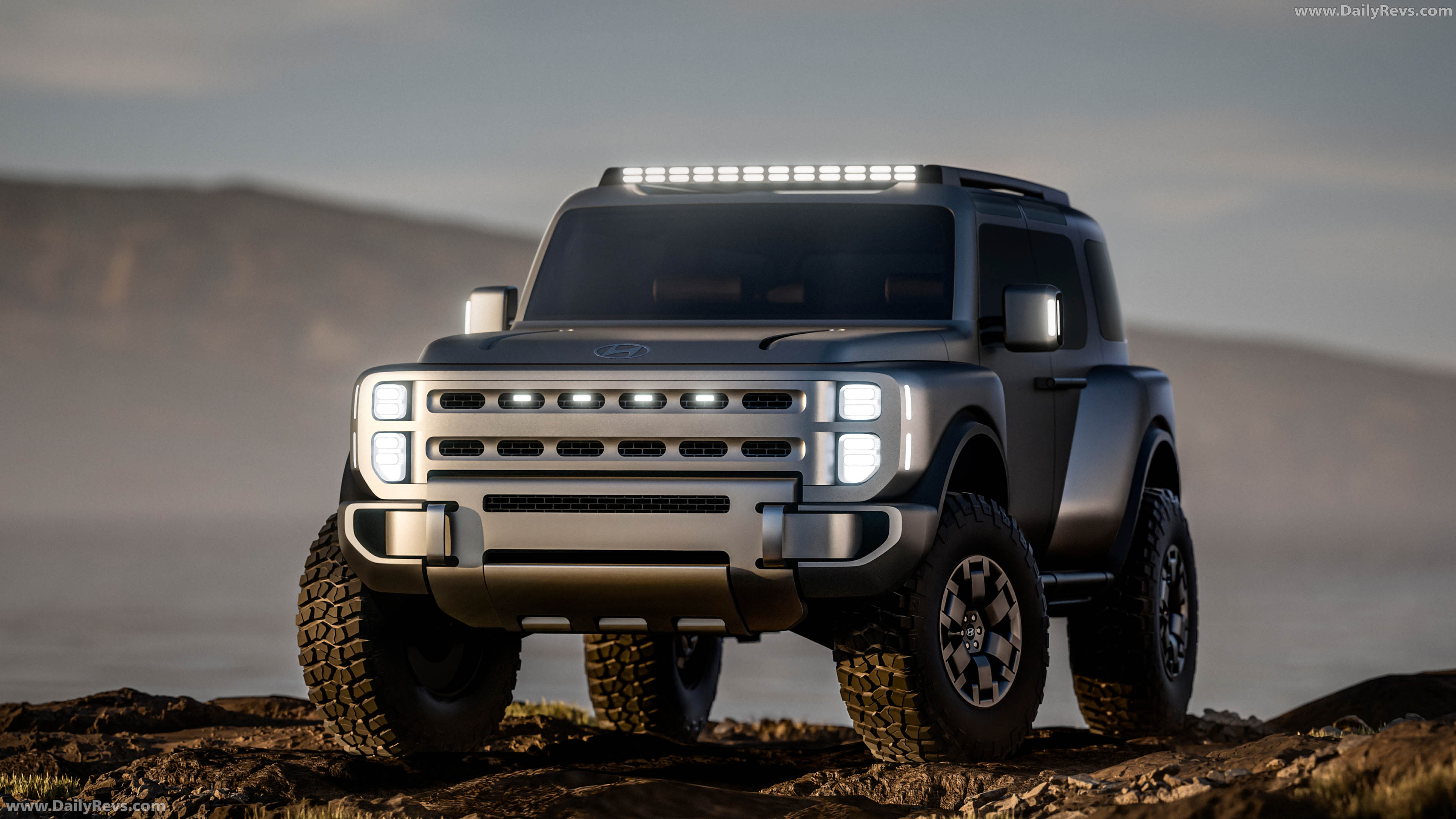
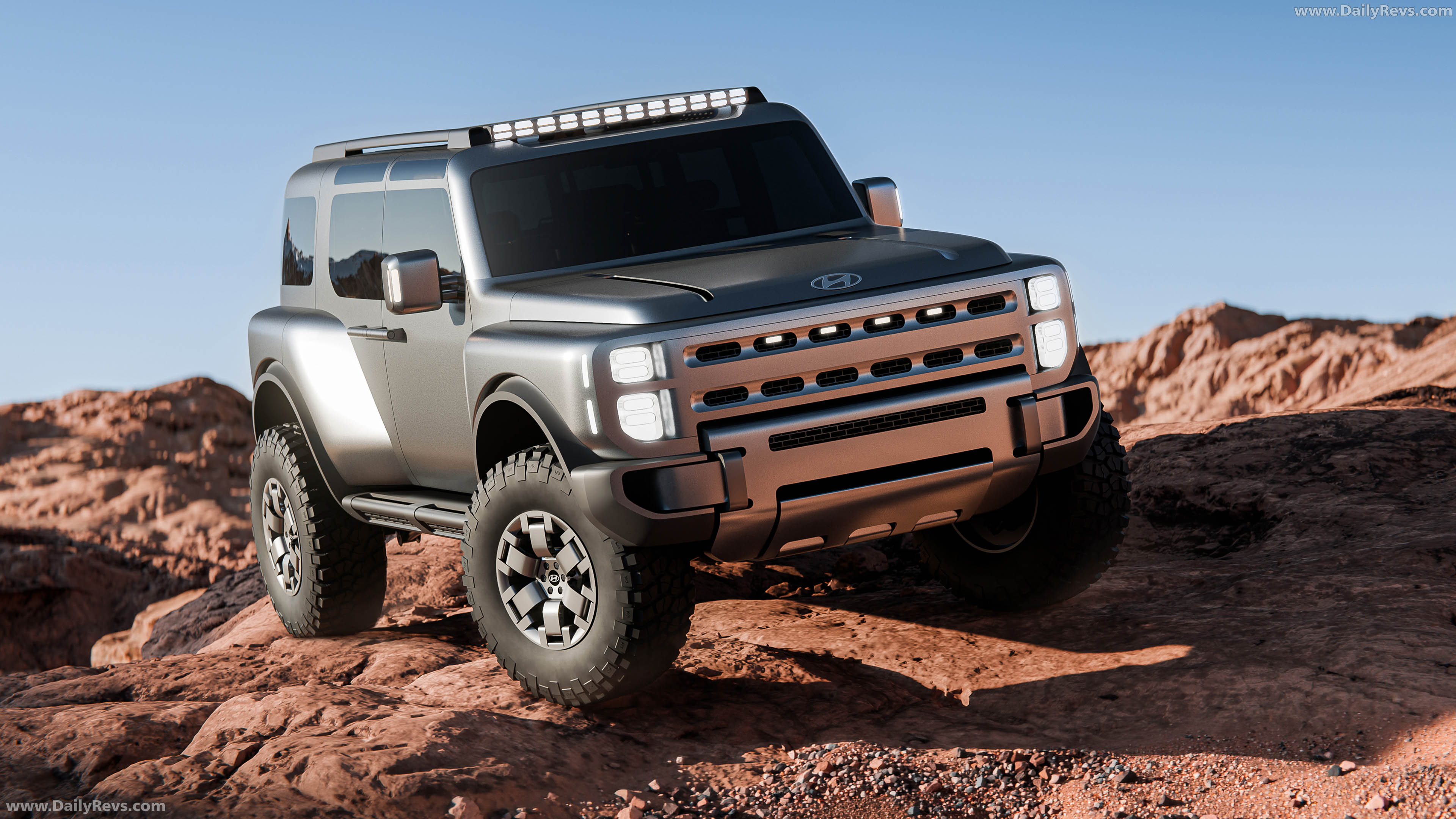
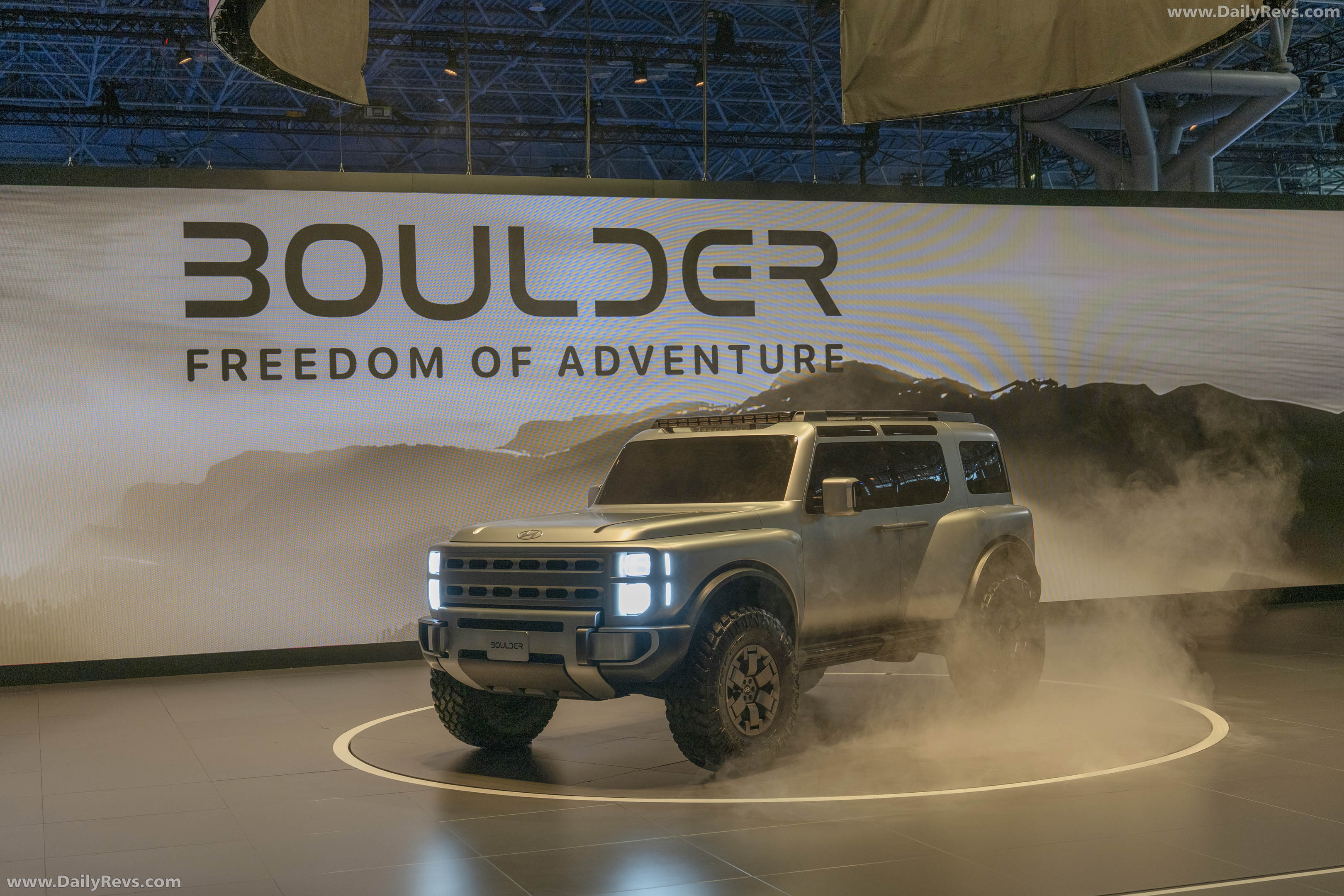
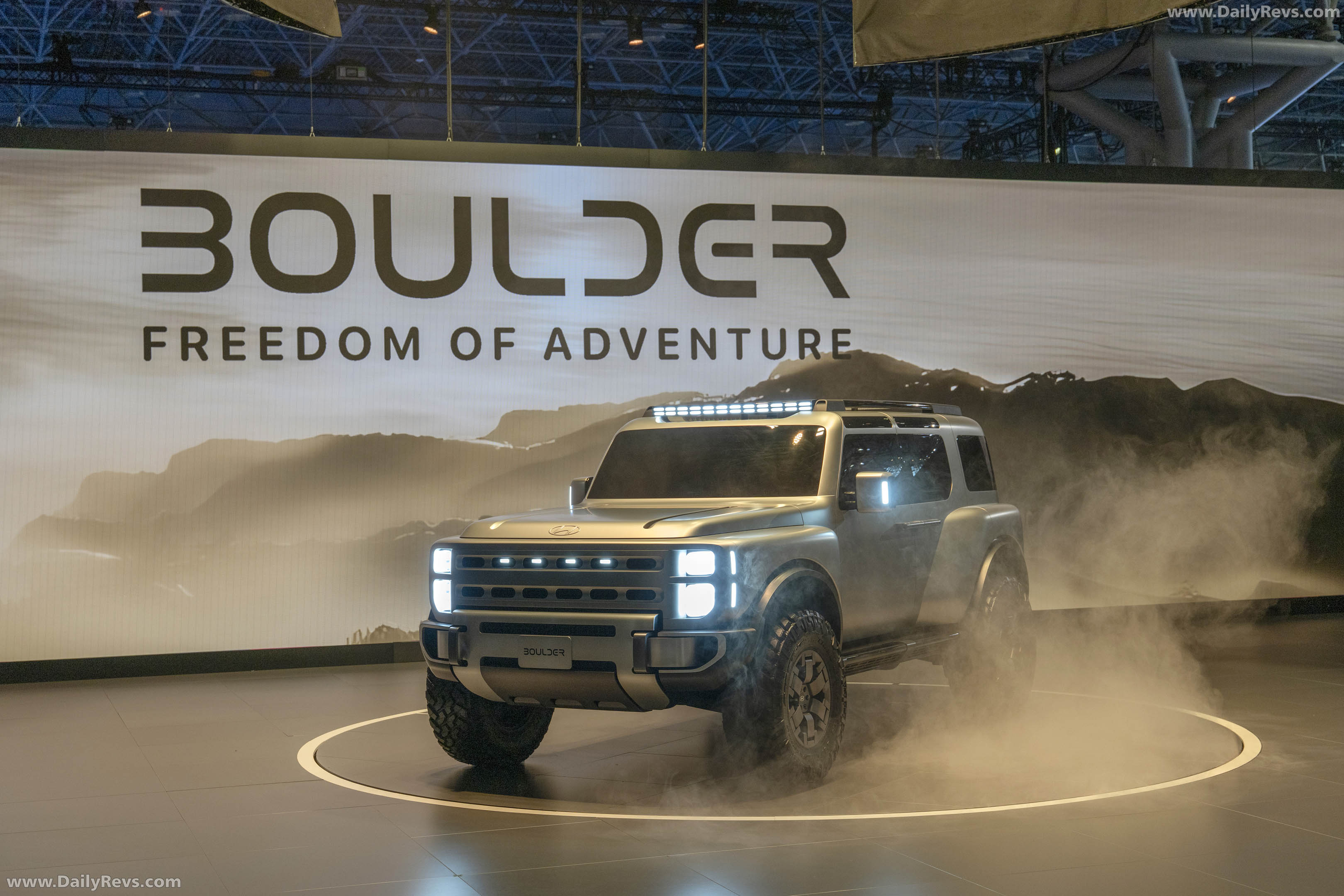
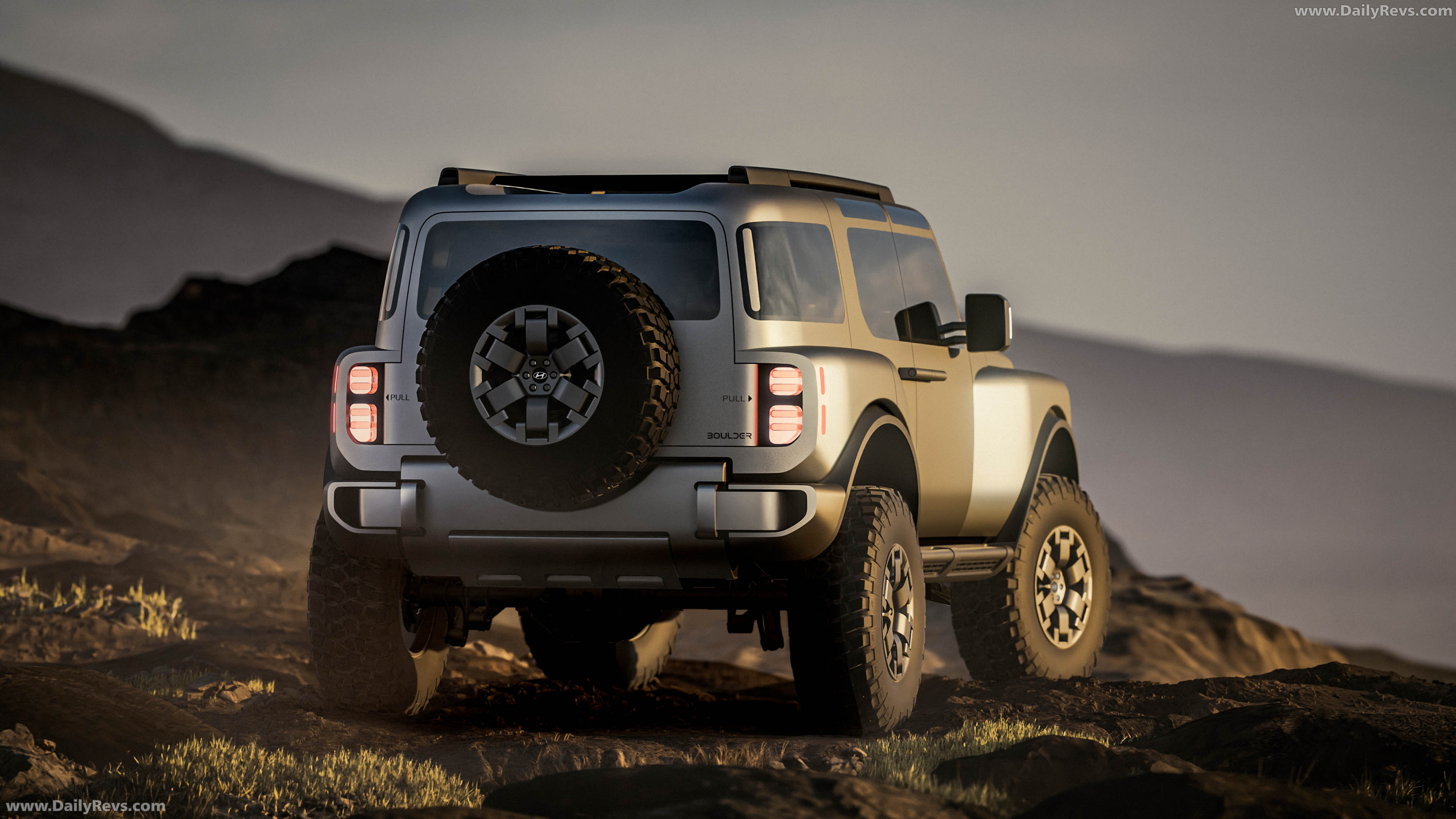
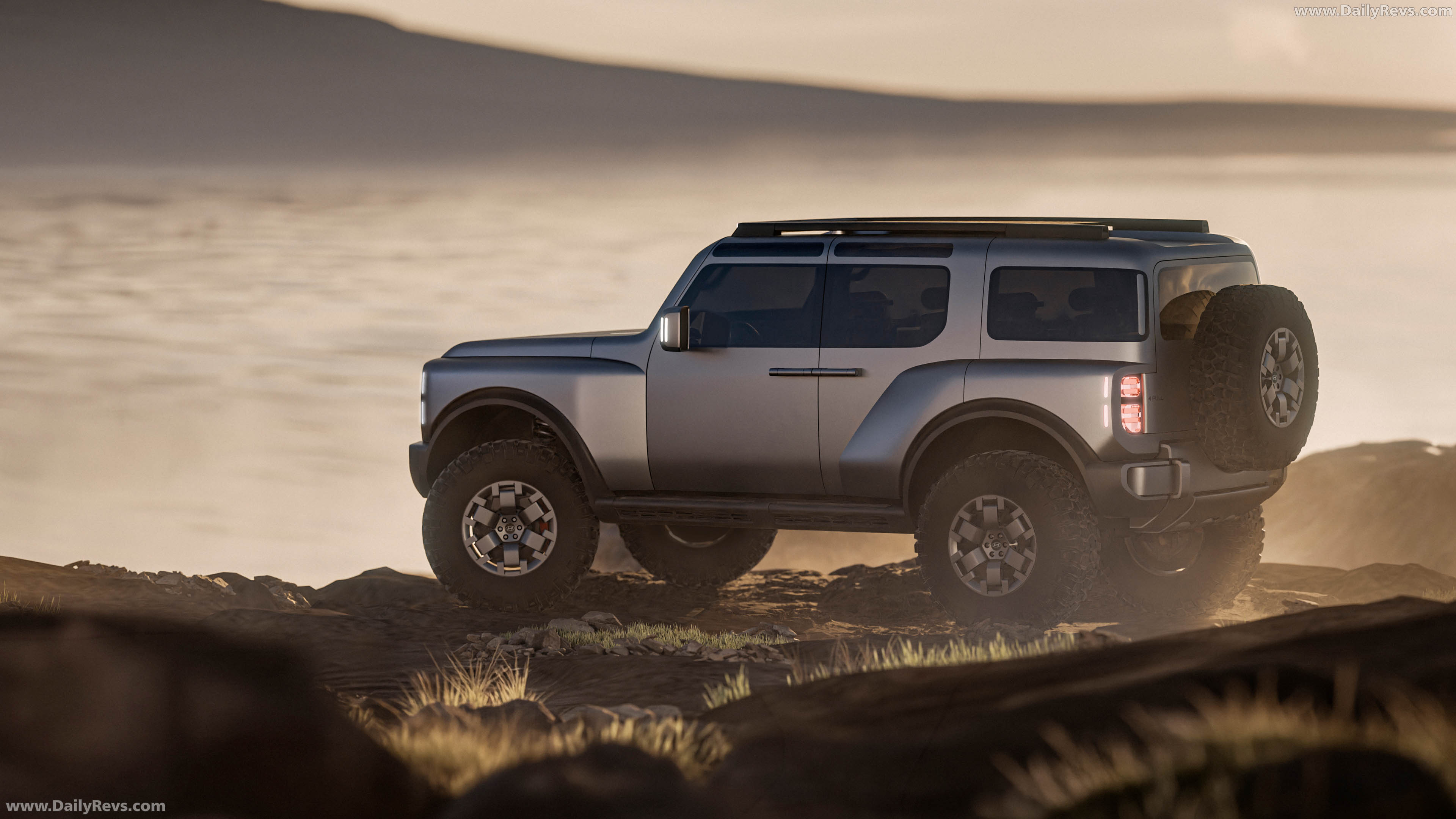
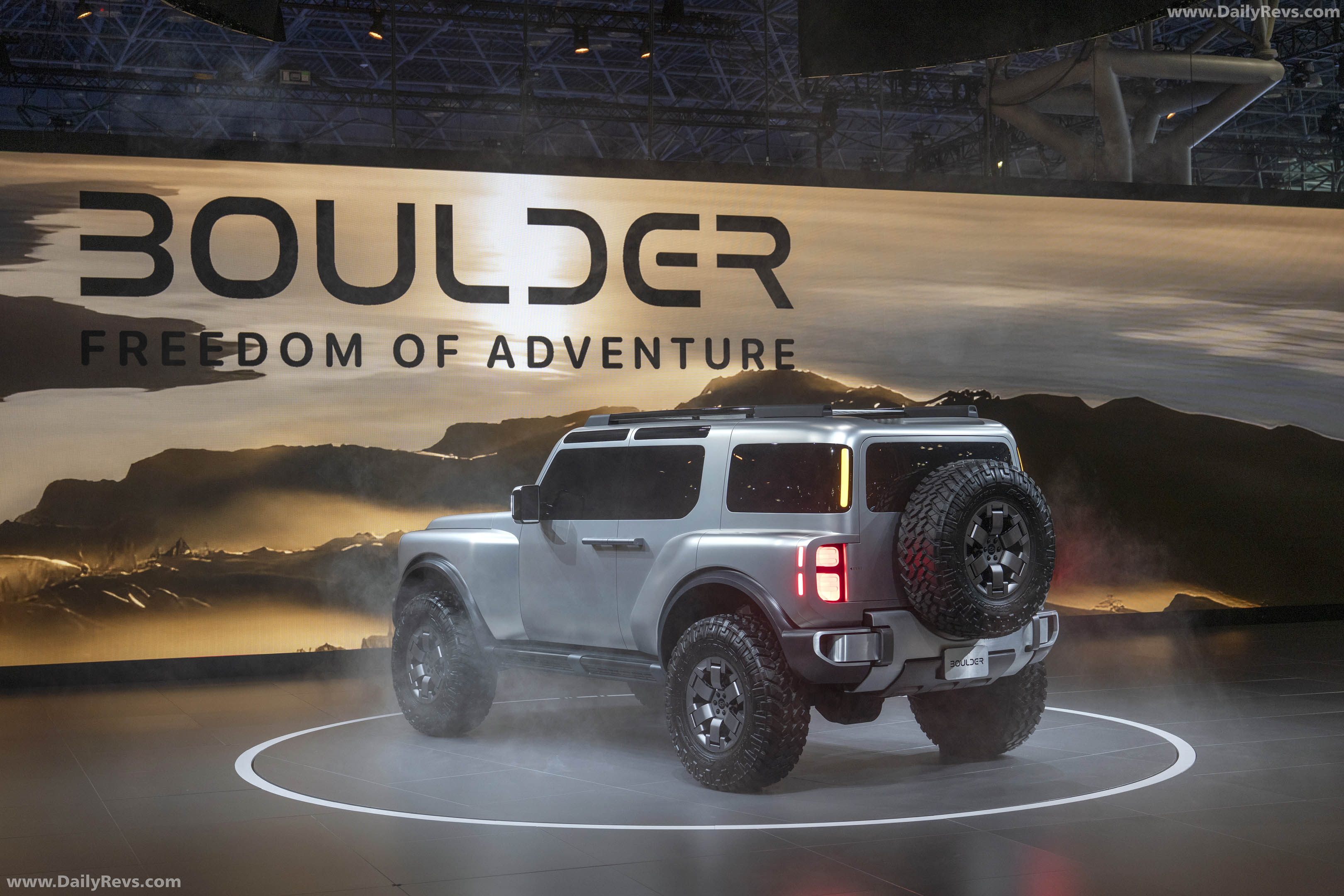
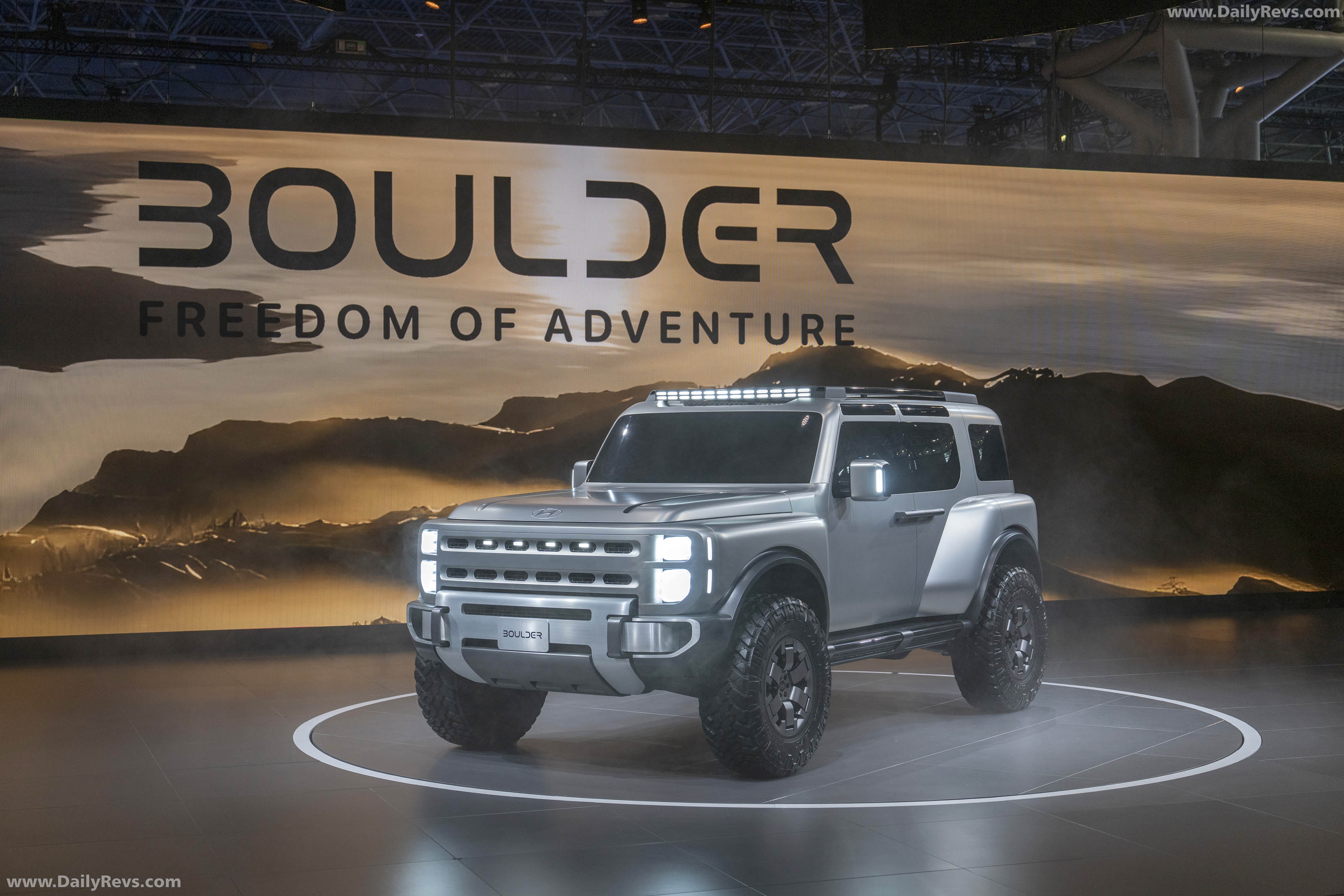
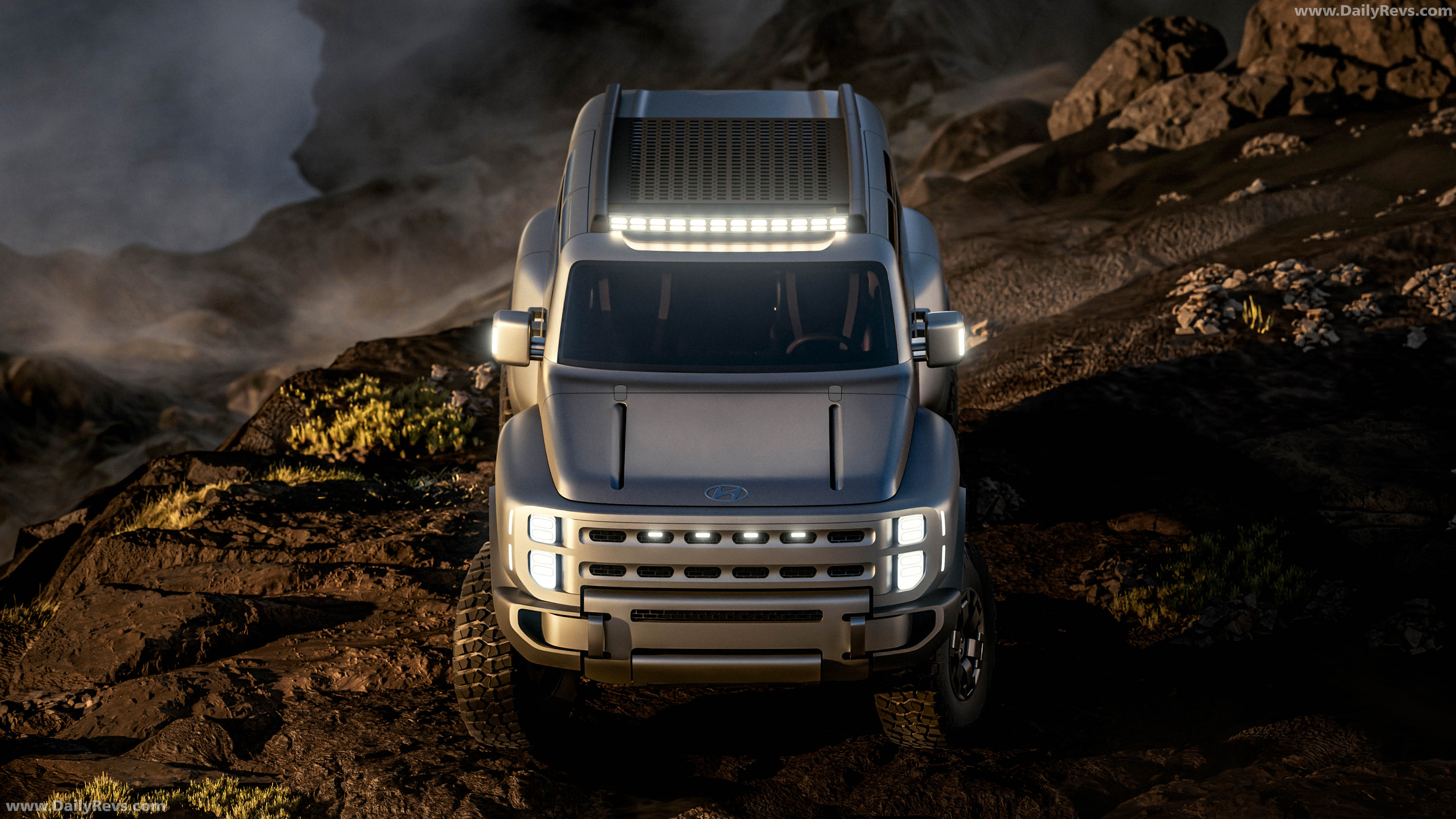
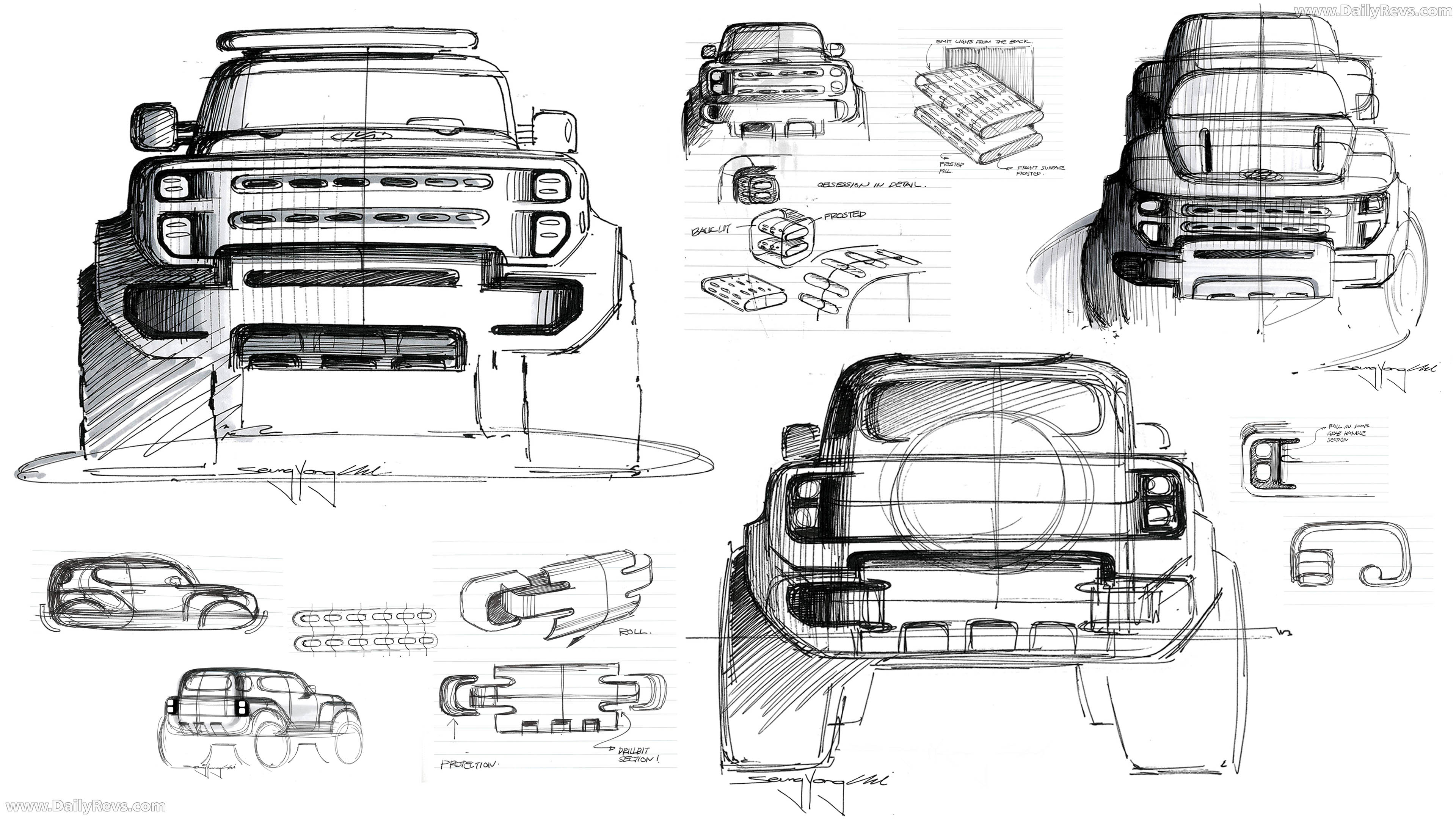
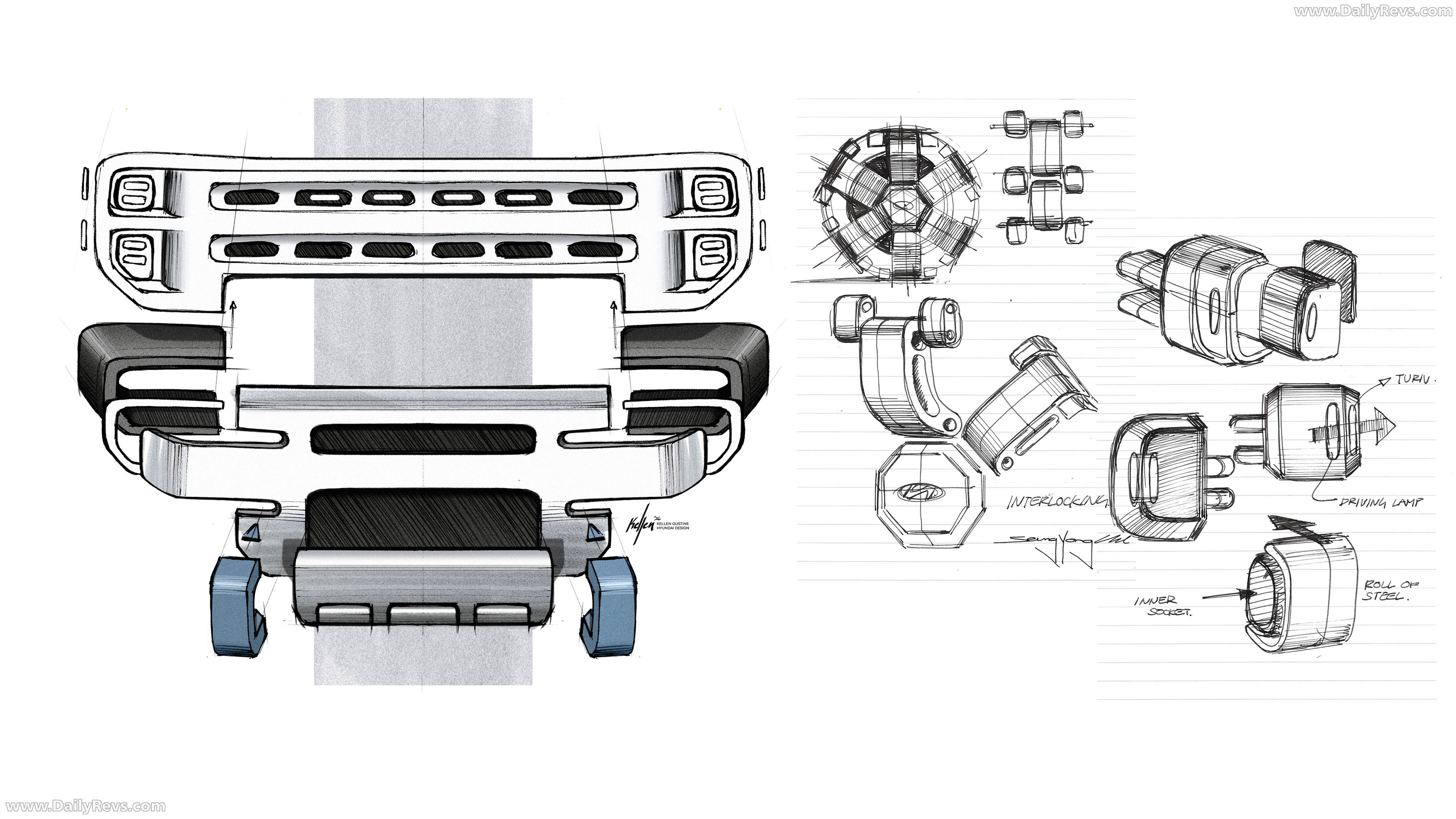
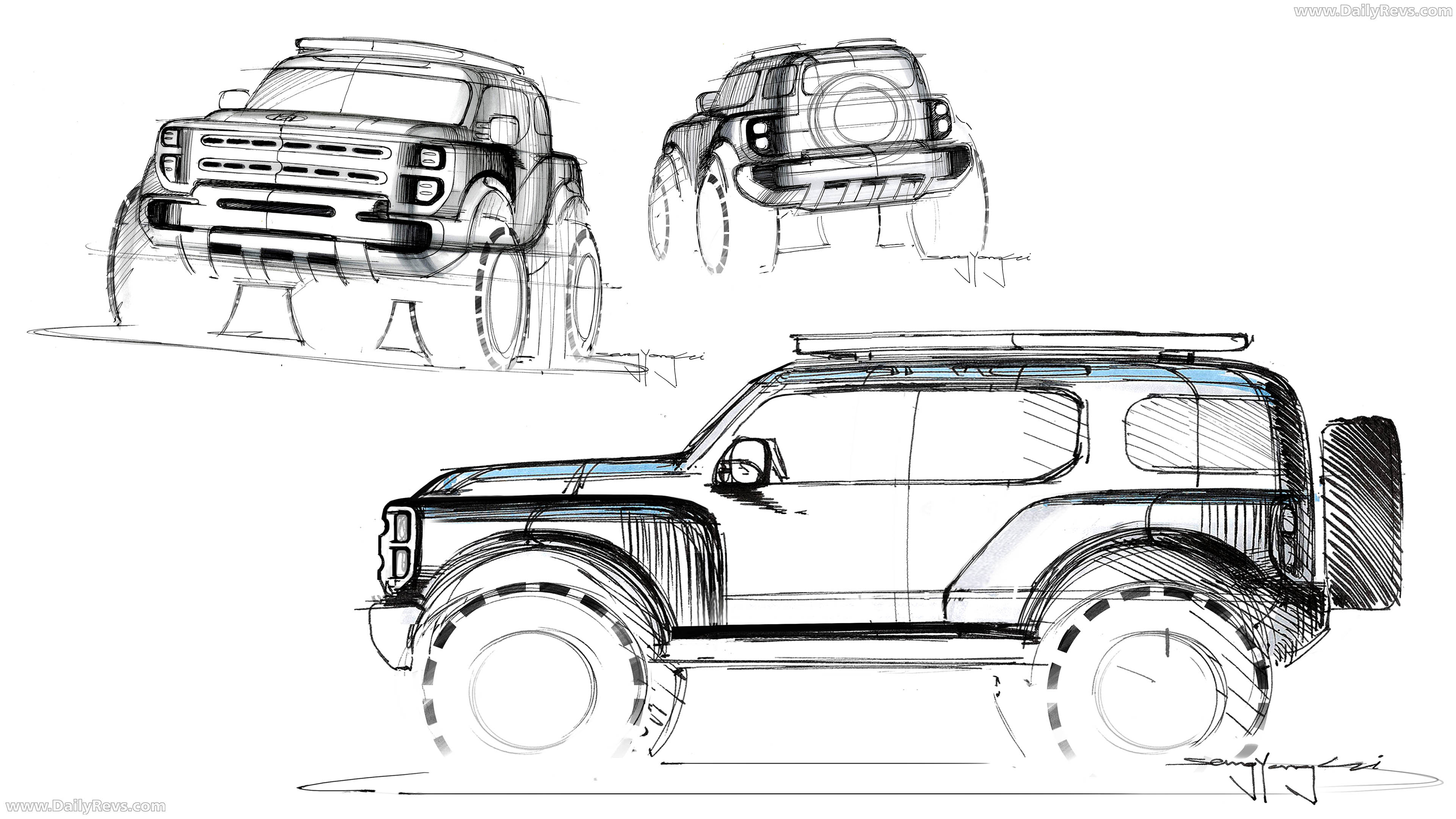
The Boulder doesn’t try to look sleek. It looks constructed. The body follows a simple two-box shape, with an upright greenhouse and flat surfaces that give it a solid, almost industrial presence. Hyundai calls it “Art of Steel,” but in practice, it reads as clean lines and strong volumes rather than anything decorative.
The Liquid Titanium finish adds some visual depth, but the focus stays on the form. You notice the height of the cabin, the squared edges, and the way everything feels stacked rather than sculpted.
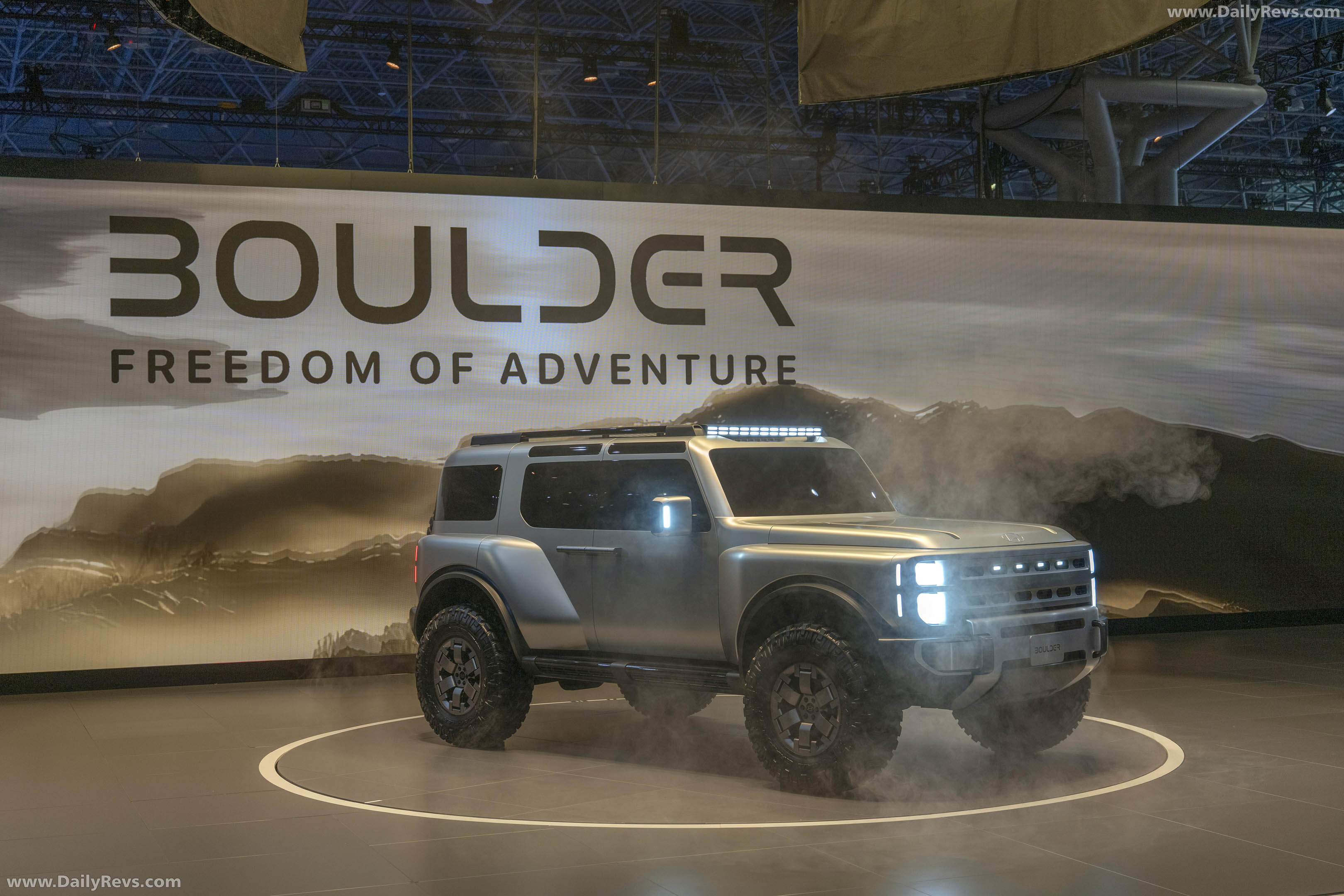
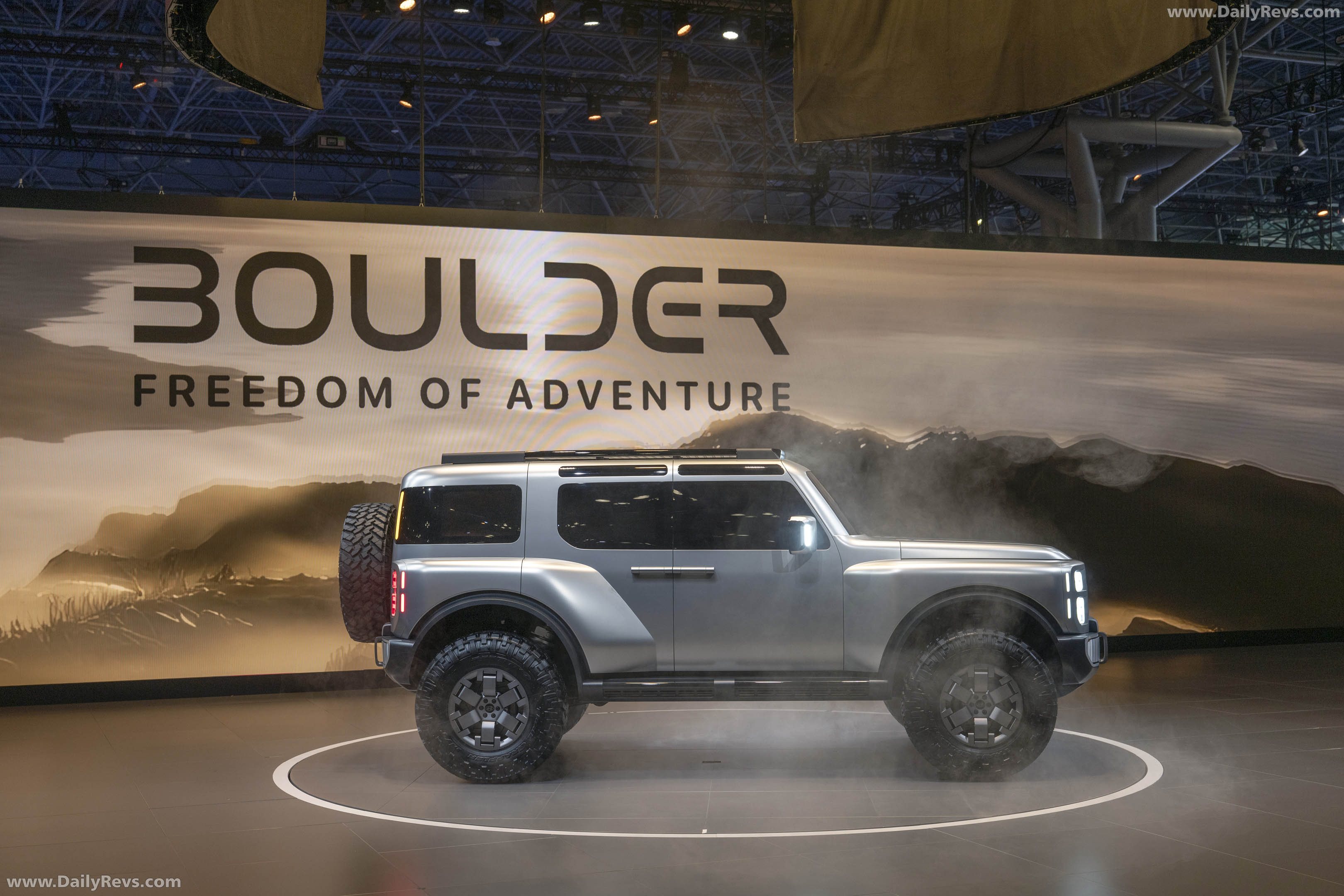
There are small details that break it up. The safari-style upper windows bring extra light into the cabin, and the coach-style doors make access easier, especially in tighter spaces.
Stance tells you what it’s meant to do
The 37-inch mud-terrain tires dominate the lower half, giving it proper ground clearance and a sense of readiness. A full-size spare sits at the rear, which feels appropriate given the off-road focus.
The overhangs are kept short, which helps with approach and departure angles. It’s the kind of proportioning you’d expect from something designed to leave the road behind.
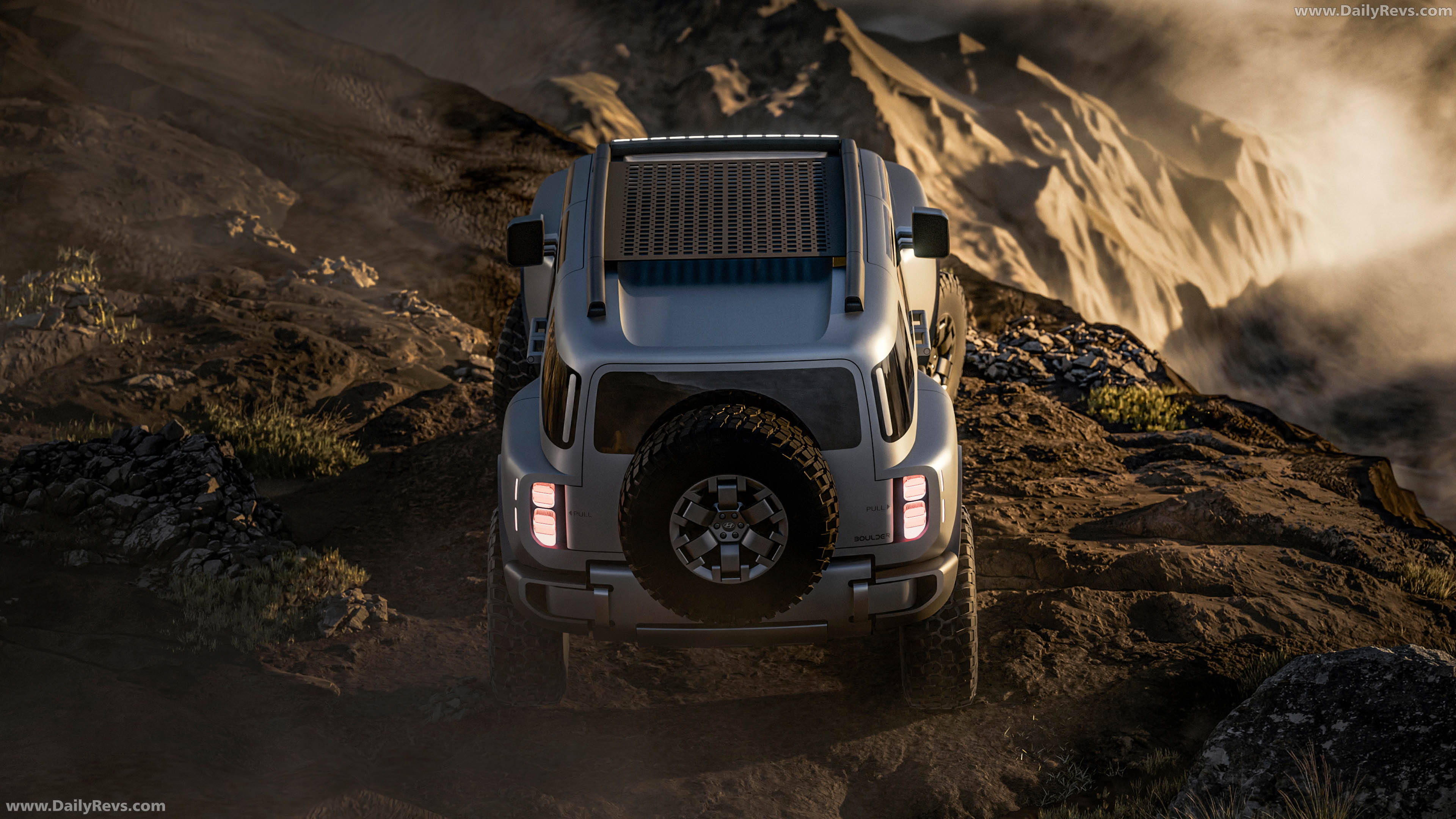
There’s also a practical layer to it. The roof rack integrates steel webbing for carrying gear, and reflective elements on the exterior help with visibility once the light drops.
Interior keeps things usable, not overdone
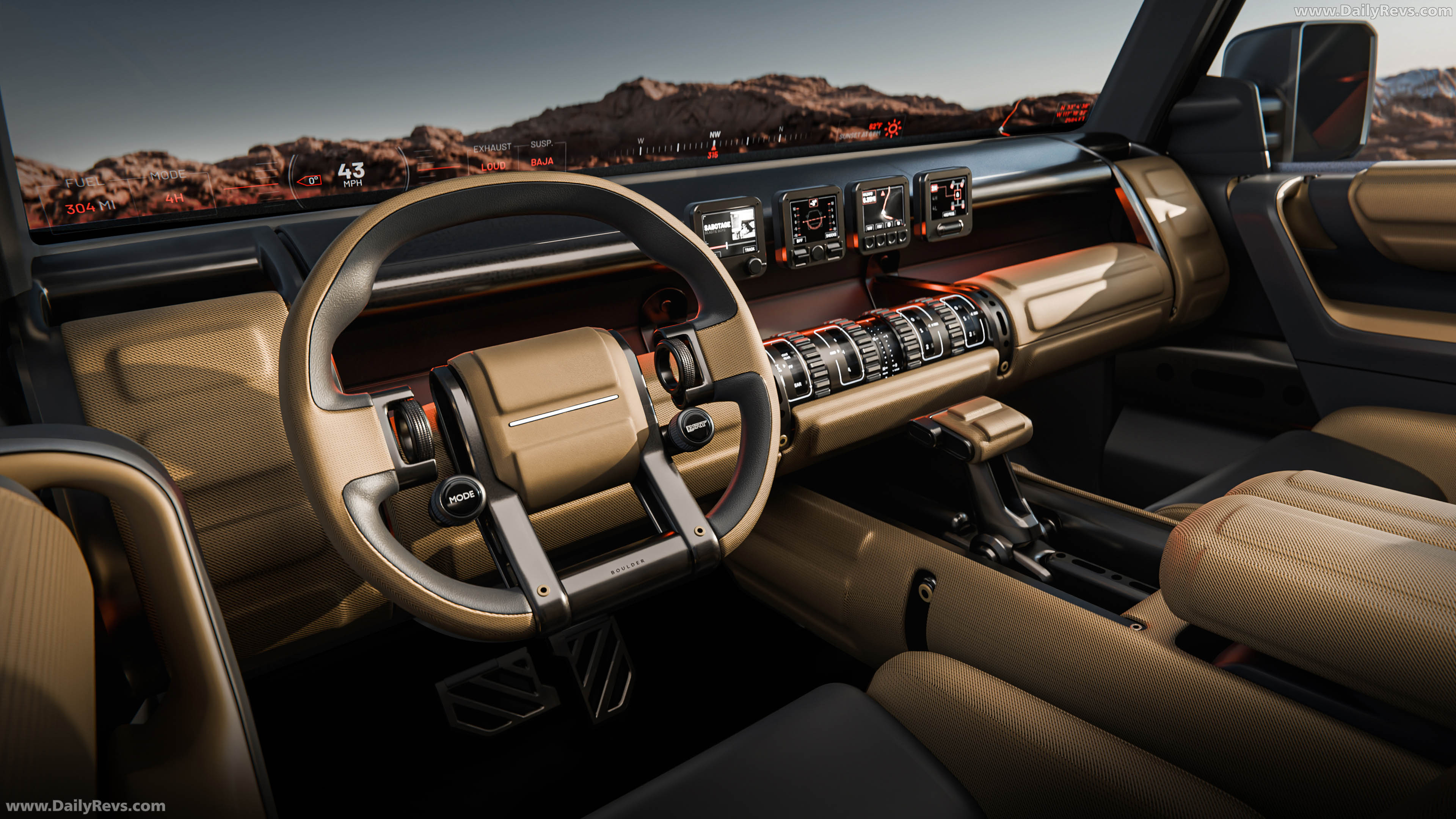
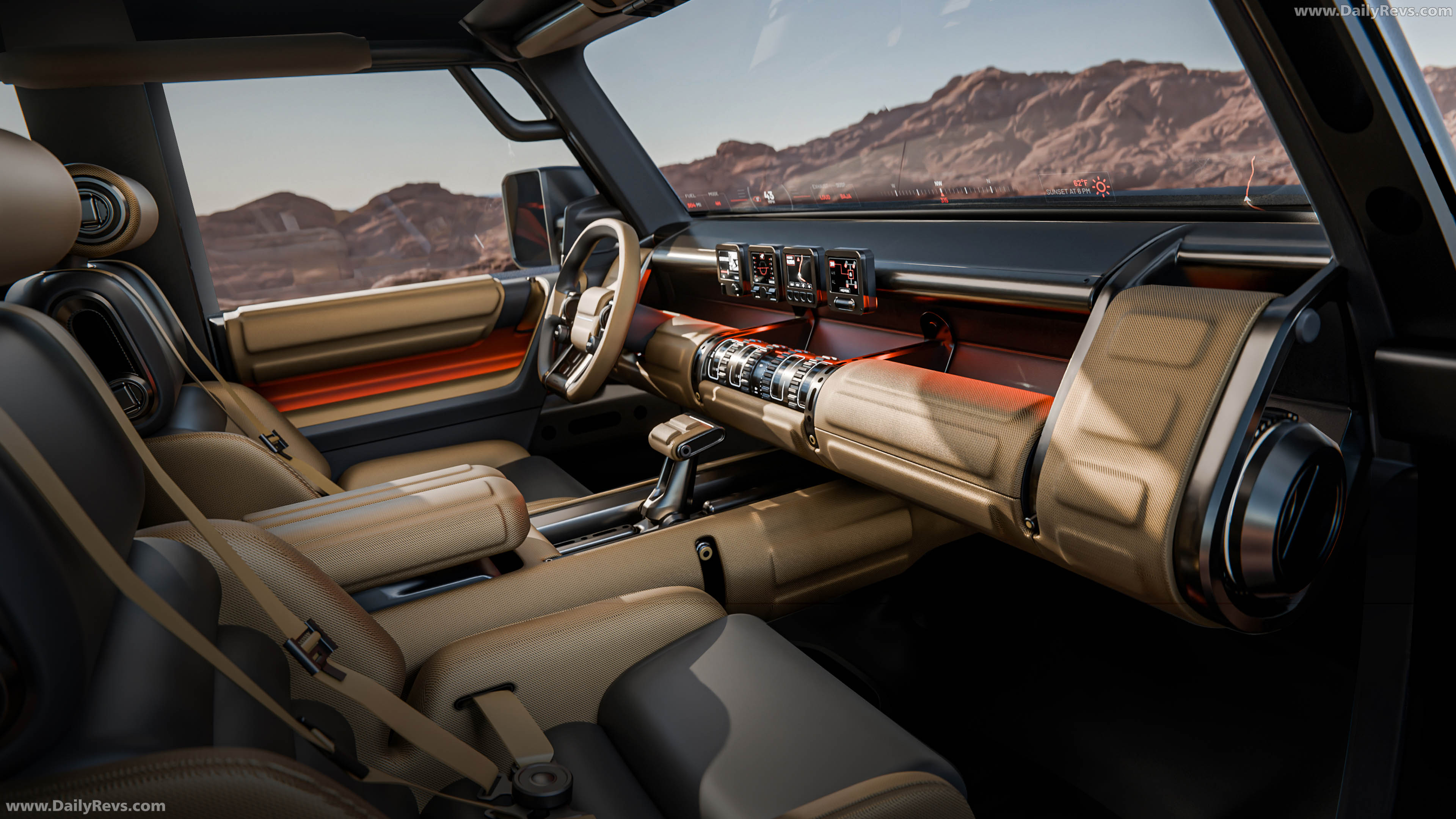
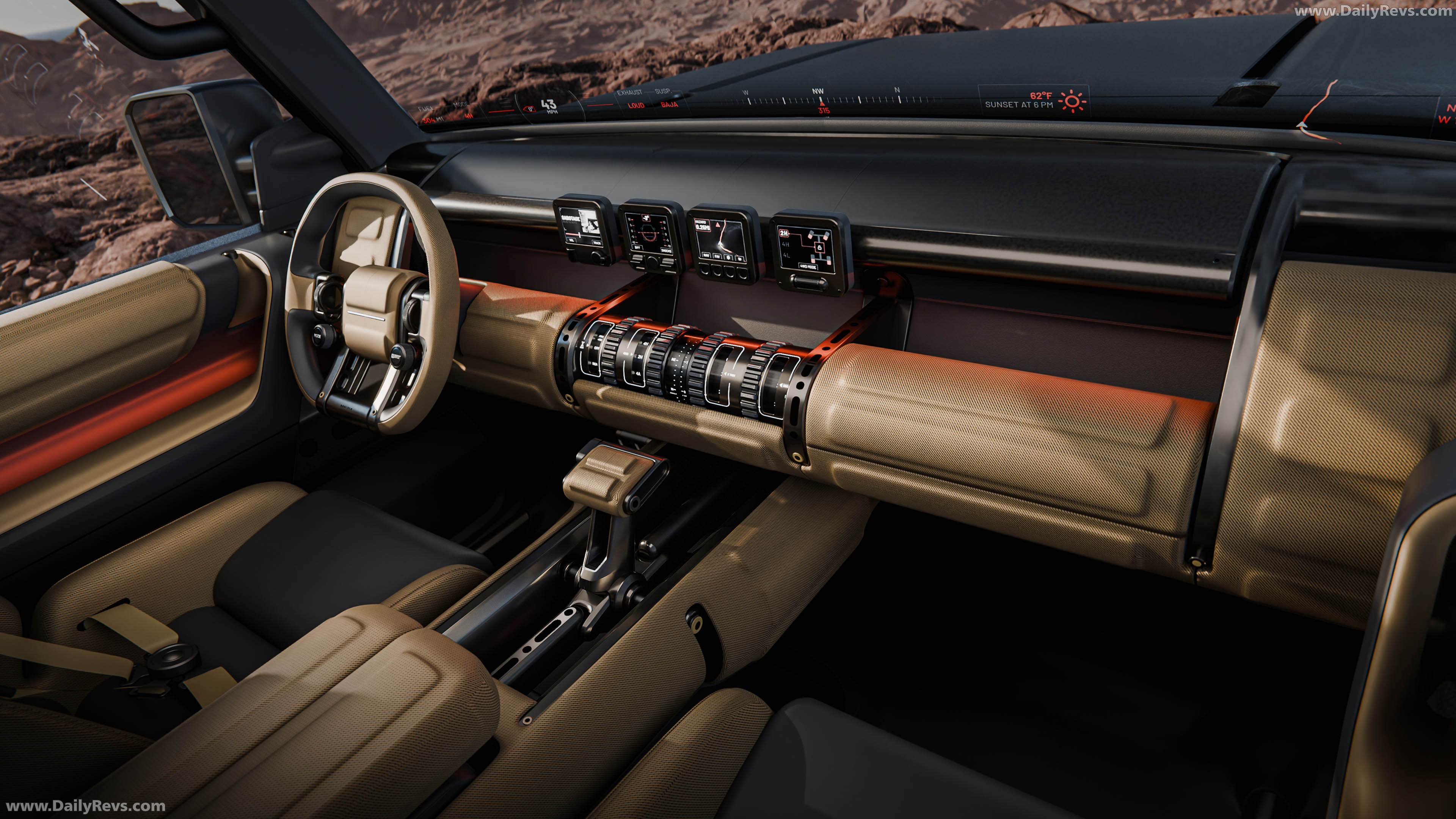
Step inside and the approach stays consistent. The materials feel chosen for durability. Grab points, switches, and high-use areas are built to take wear, not avoid it. Physical buttons are still there, which makes sense in a vehicle that’s meant to be used off-road.
The layout is flexible too. Fold-out tray tables are built into the cabin, which sounds simple, but it adds a bit of real-world usability — whether that’s a quick meal stop or working out of the vehicle. It doesn’t try to overwhelm with screens. That’s noticeable.
No numbers yet, but the intent is obvious
Hyundai hasn’t shared powertrain details for the Boulder Concept. [Unverified] . What’s clear is the focus on what this kind of vehicle needs to do. Body-on-frame construction has always been tied to towing, hauling, and durability, and that’s exactly the space this is aimed at.
There’s also mention of a software-based off-road guidance system. Think of it as a digital spotter, helping the driver navigate tricky terrain.
Small details make it feel thought through
Some of the more interesting elements aren’t immediately obvious.
The rear tailgate can open from either side, depending on how you’re loading. There’s also a drop-down rear window, which helps with longer cargo or just airflow while moving.
These aren’t headline features, but they give a better sense of how the vehicle might be used day to day.
More of a starting point than a finished idea
The 2026 Hyundai Boulder Concept isn’t heading straight to production. It’s a design study. What it does is set the tone. Body-on-frame vehicles, developed in the U.S., aimed at buyers who need more than just urban usability.
That puts Hyundai into a segment it hasn’t played in before. And for now, this is how it plans to enter.