2026 Honda Prelude eHEV European Version
By Lorenzo Bianchi October 28, 2025
The Prelude returns after 25 years with a hybrid e:HEV system.
New Honda S+ Shift simulates gear changes for a more natural drive.
Design draws inspiration from gliders, balancing grace and aerodynamics.
A Return to Form
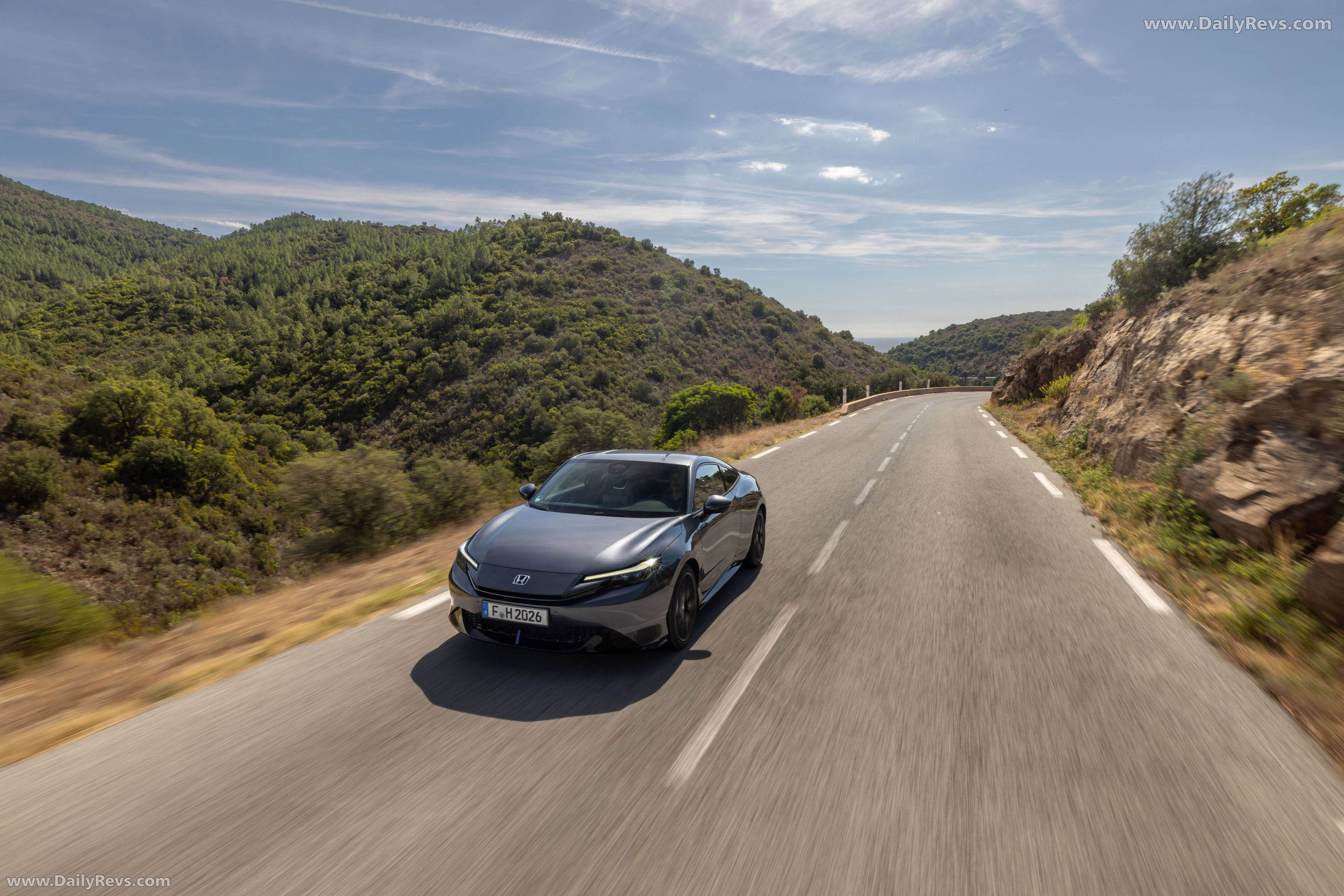
The 2026 Honda Prelude eHEV is more than just a revival — it’s Honda quietly reminding everyone what a driver’s car can feel like. After a 25-year hiatus, the sixth-generation Prelude arrives as a low, elegant hybrid coupe built around the brand’s long-standing philosophy of “Man-Maximum, Machine-Minimum.”
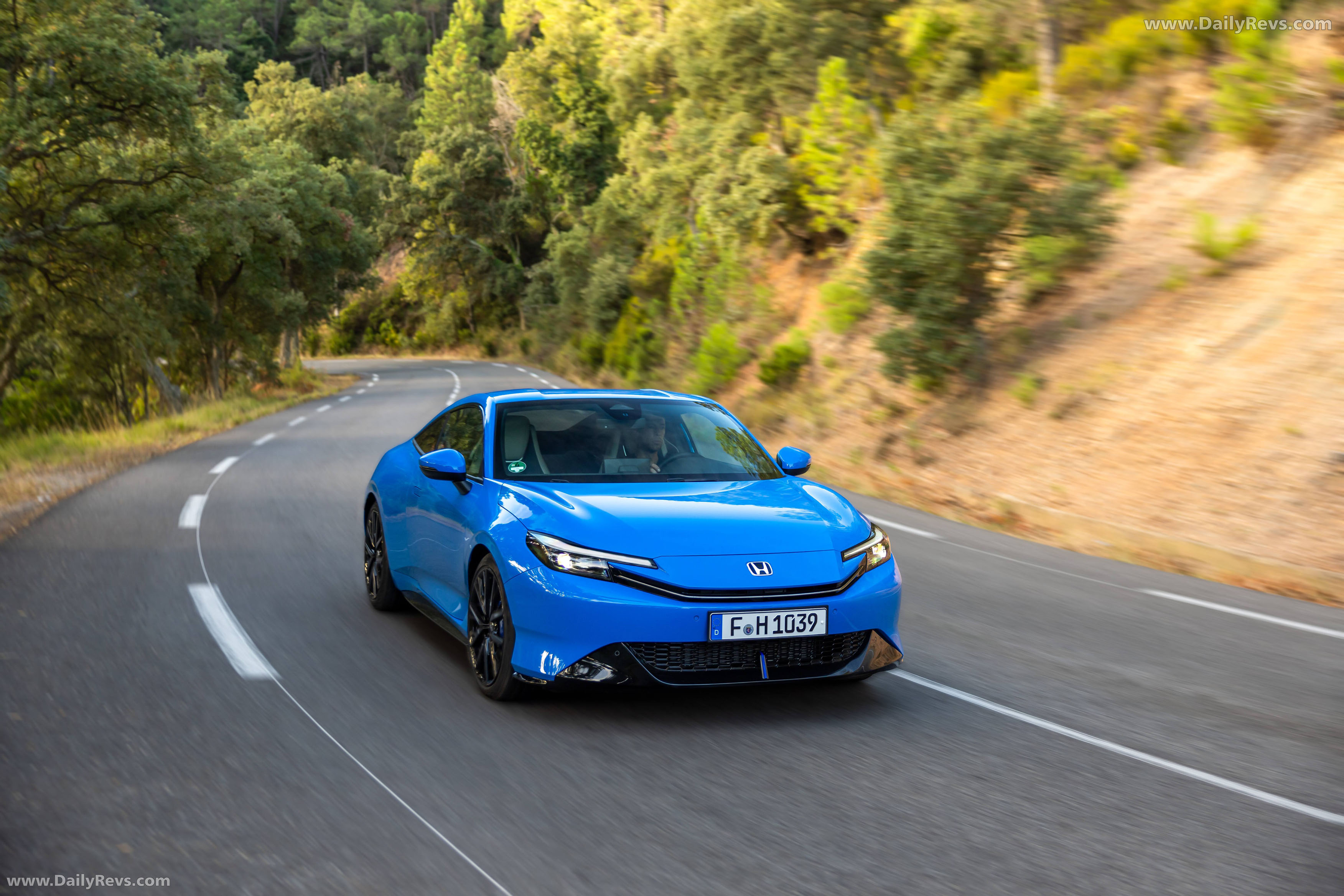
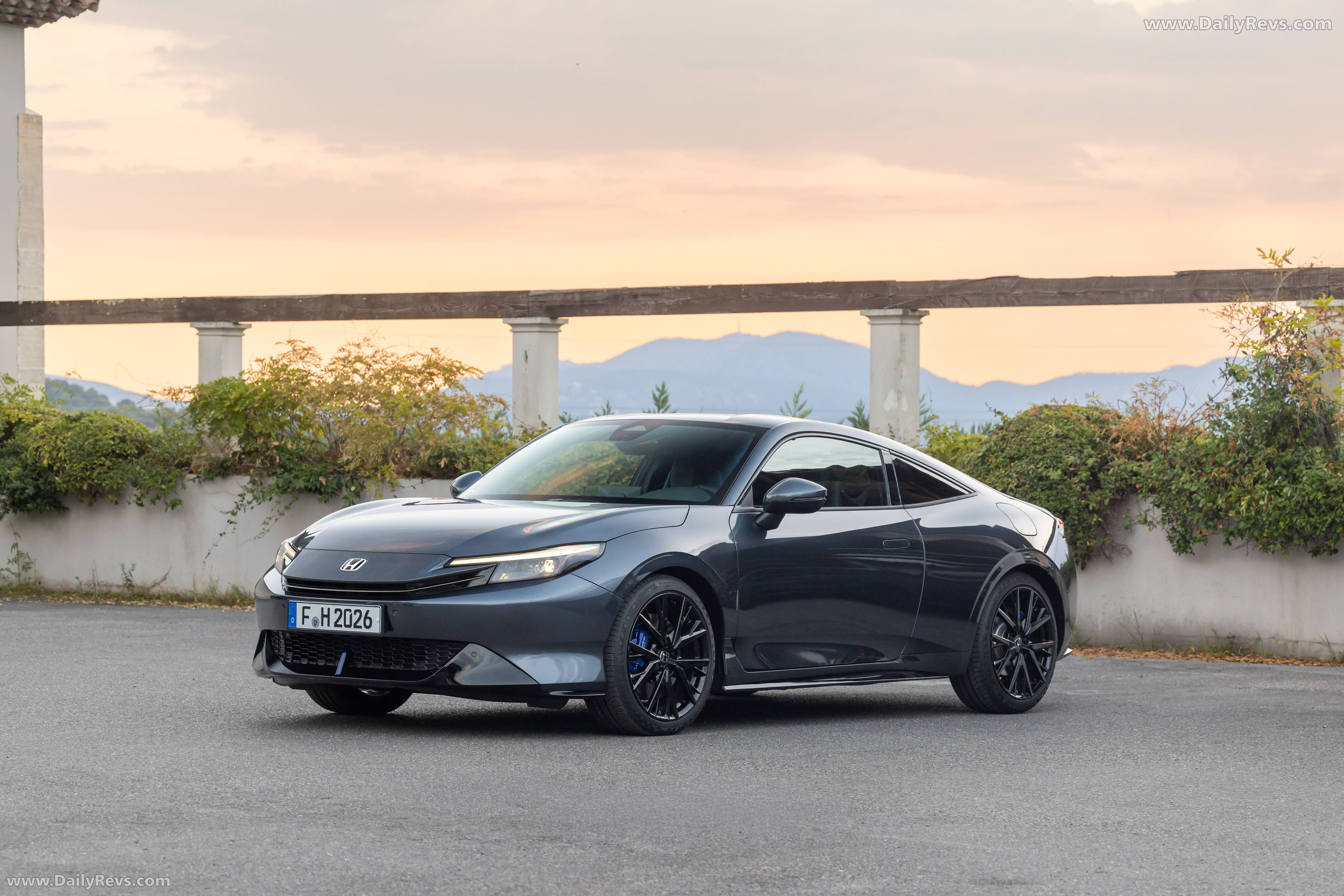
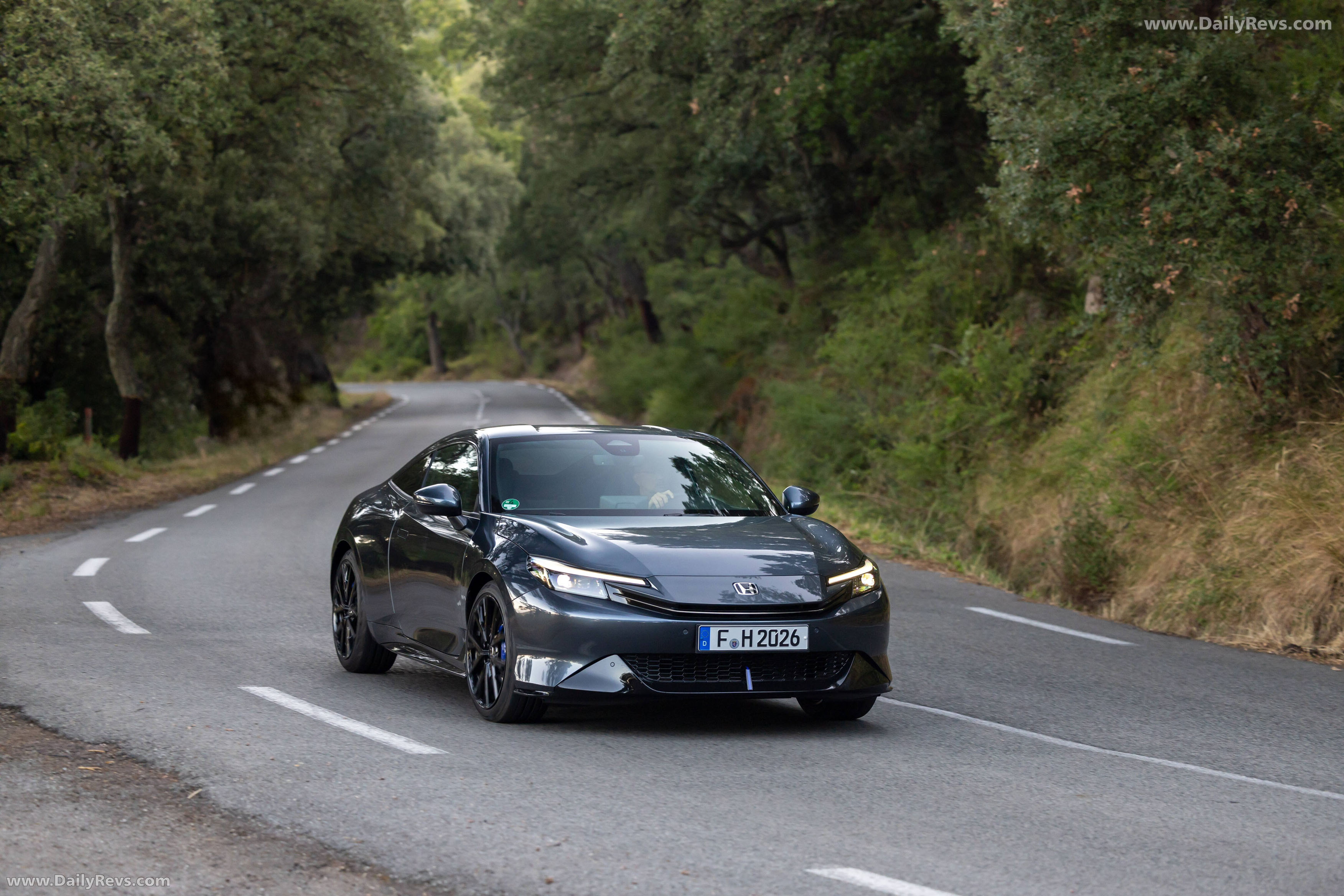
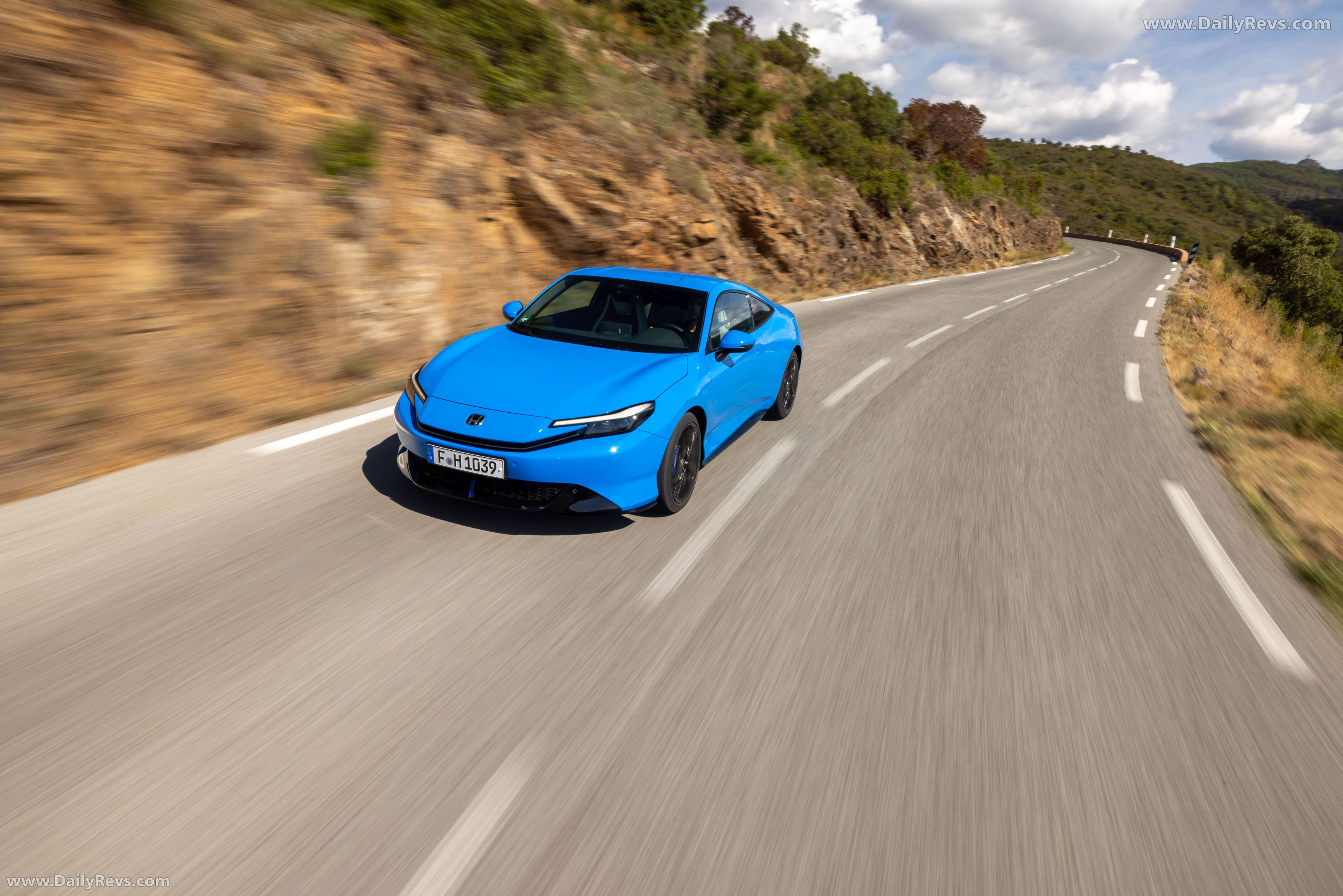
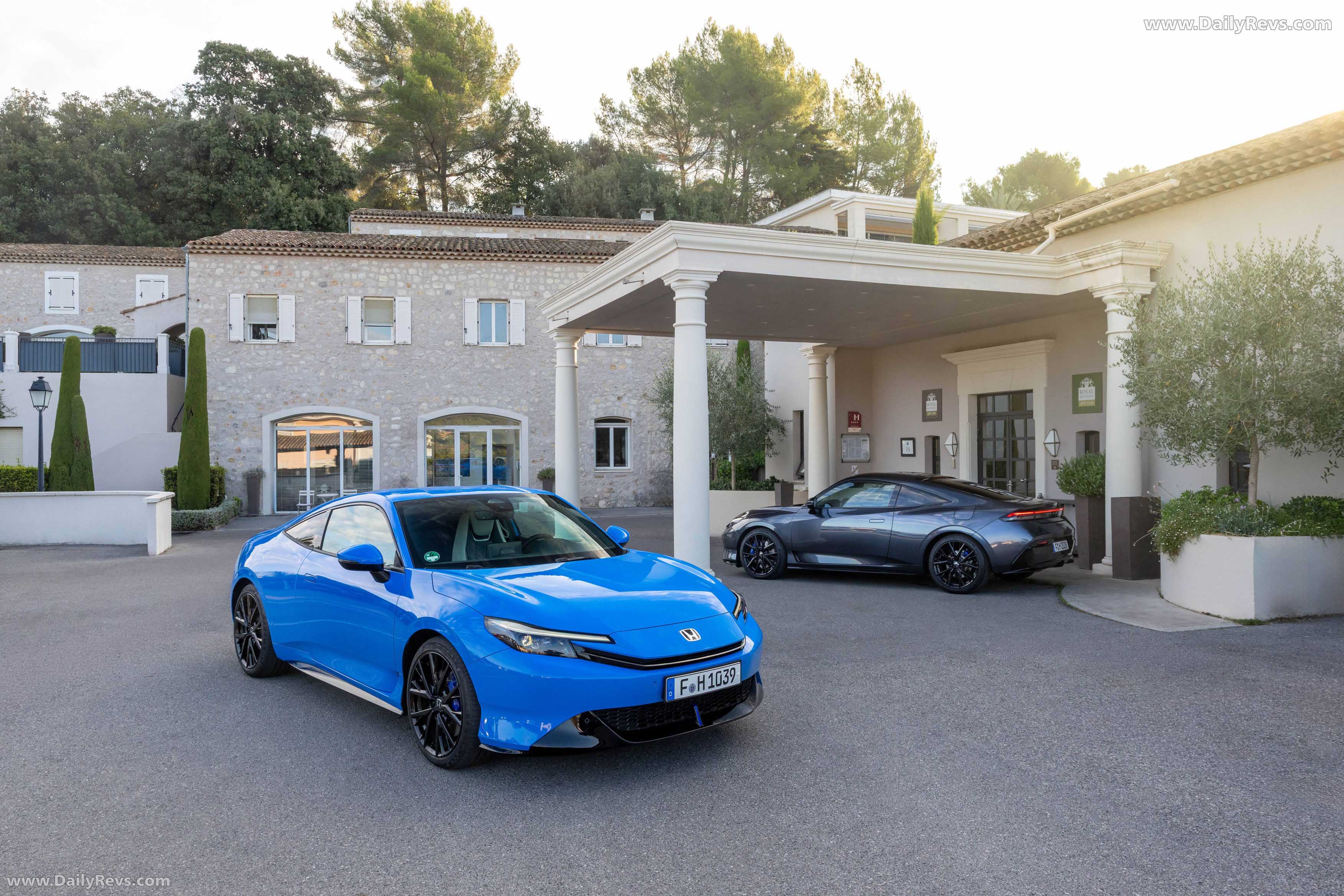
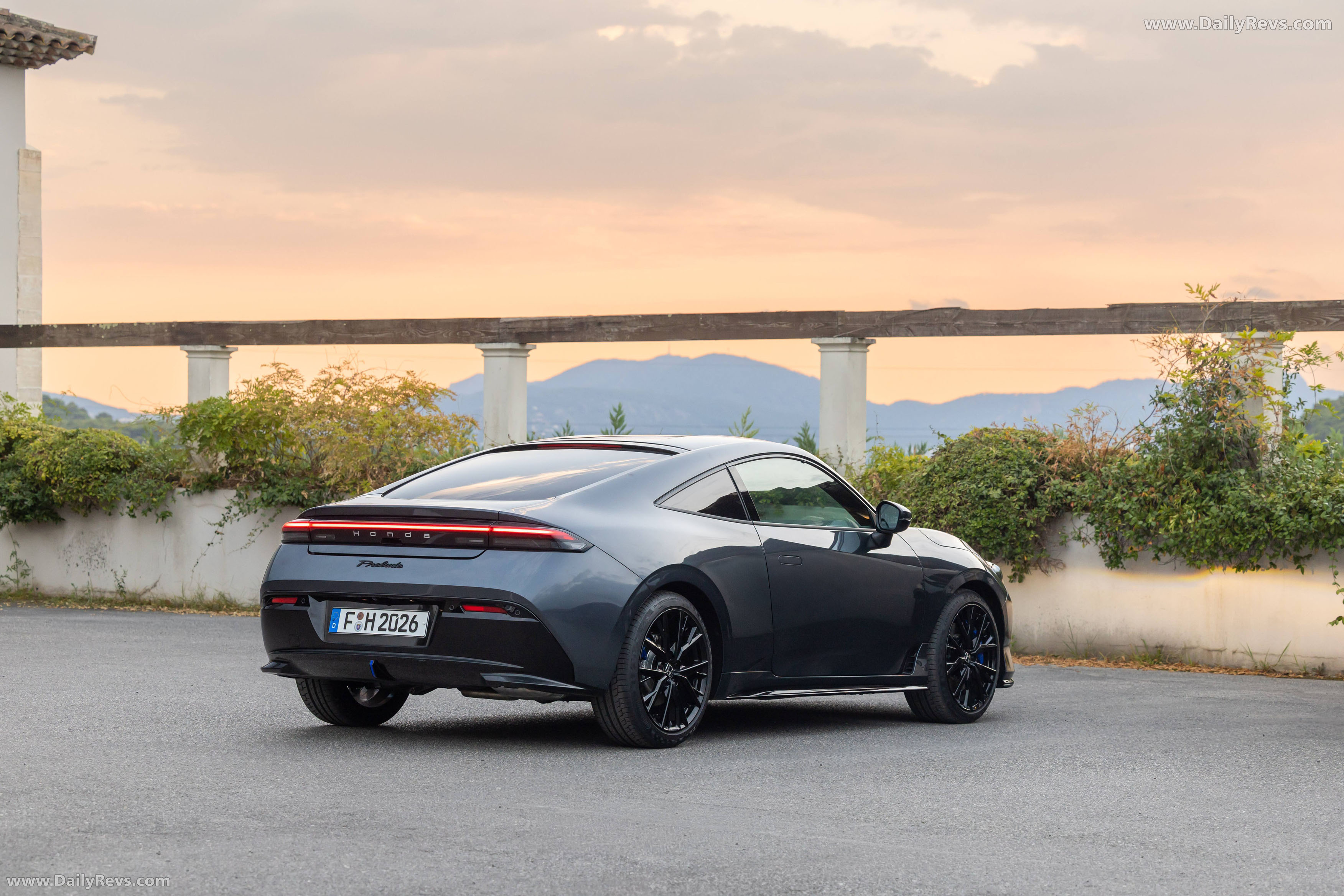
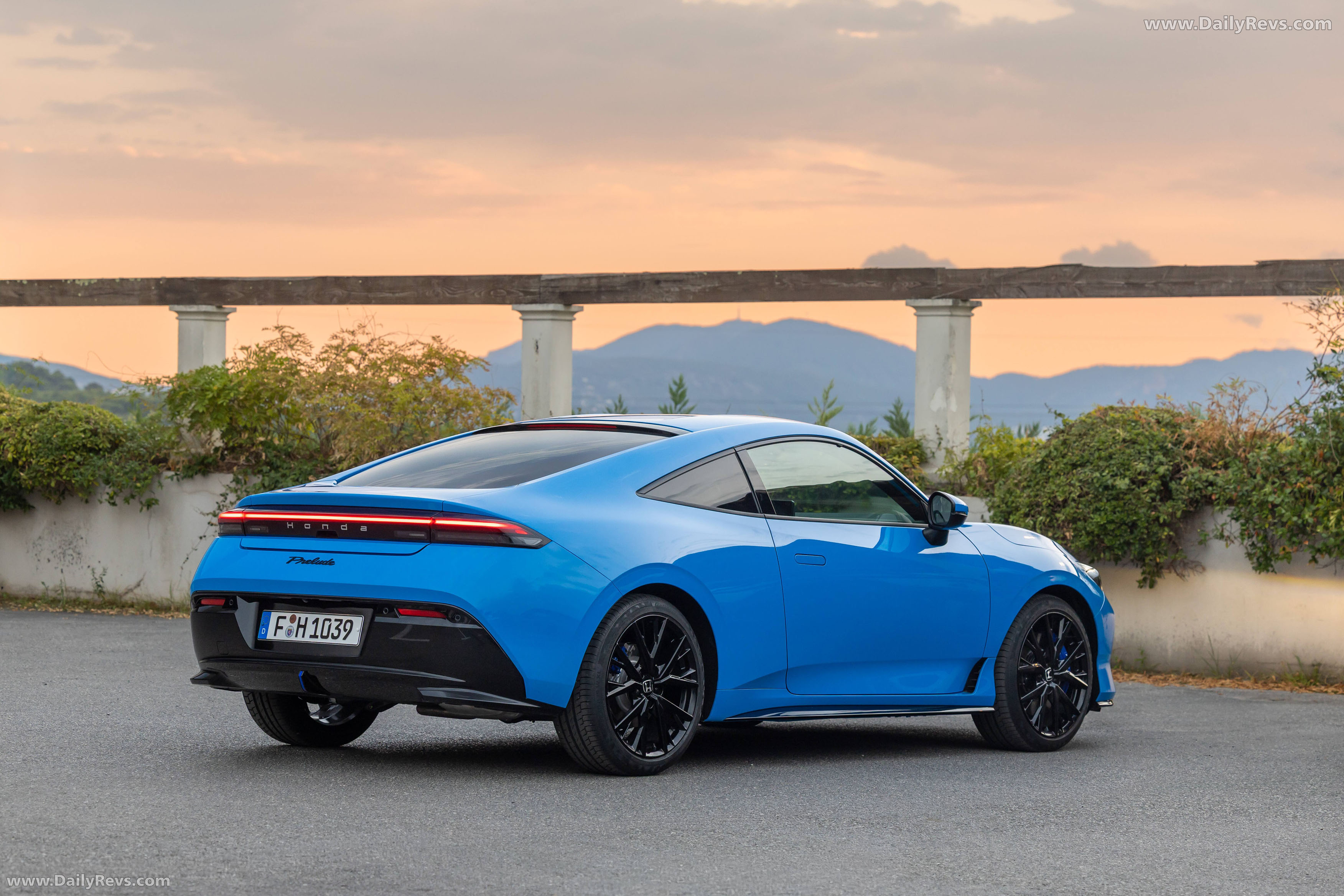
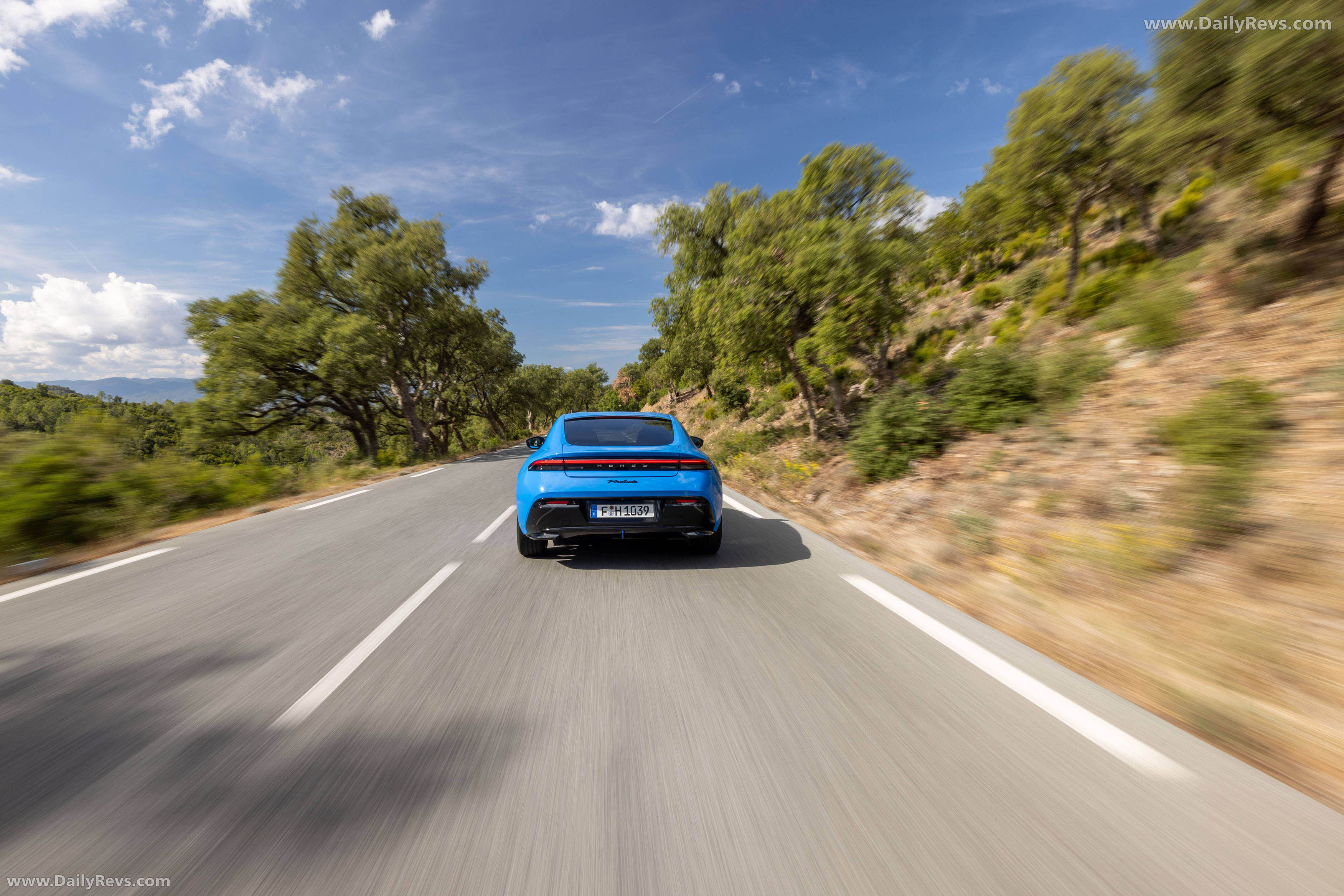
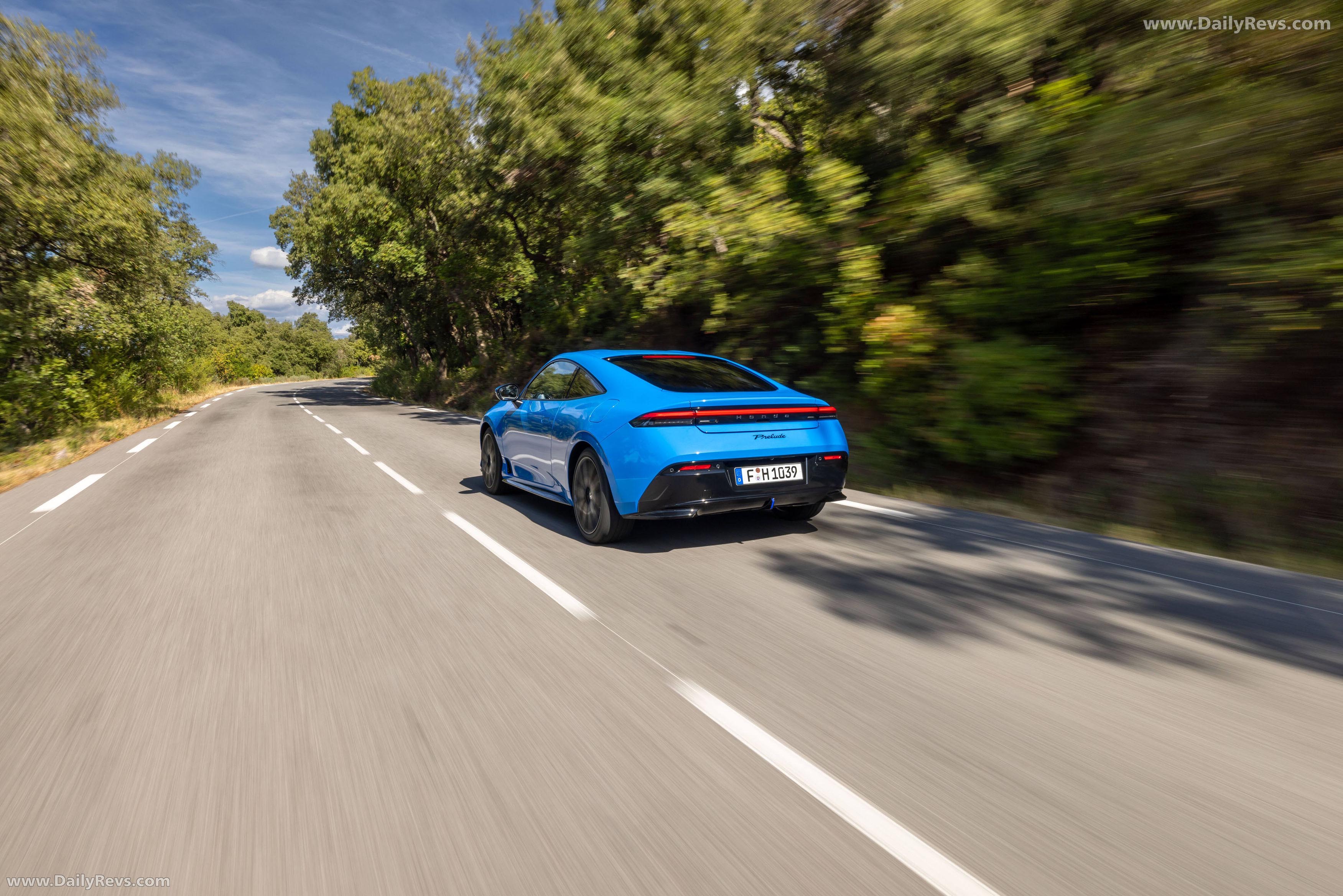
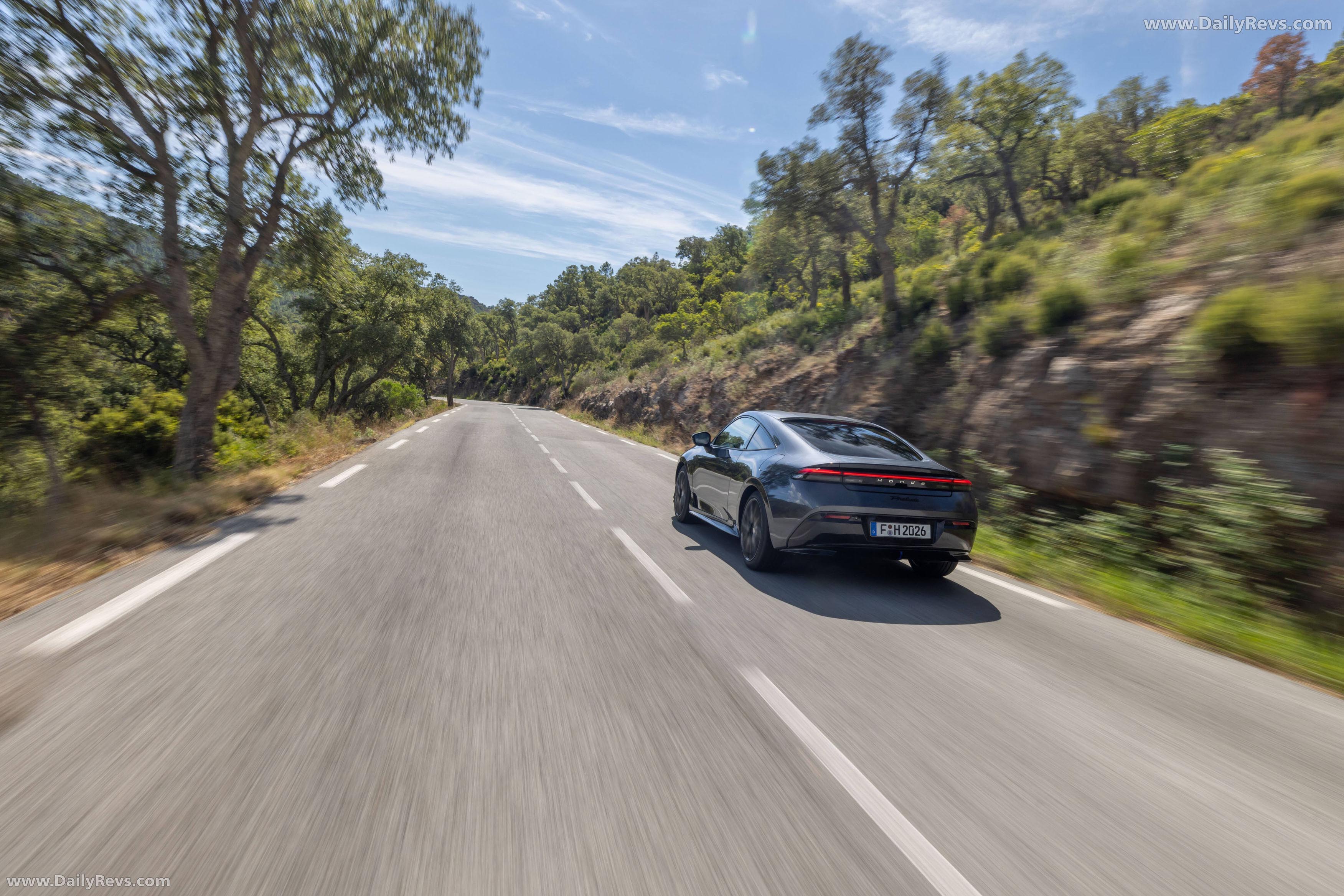
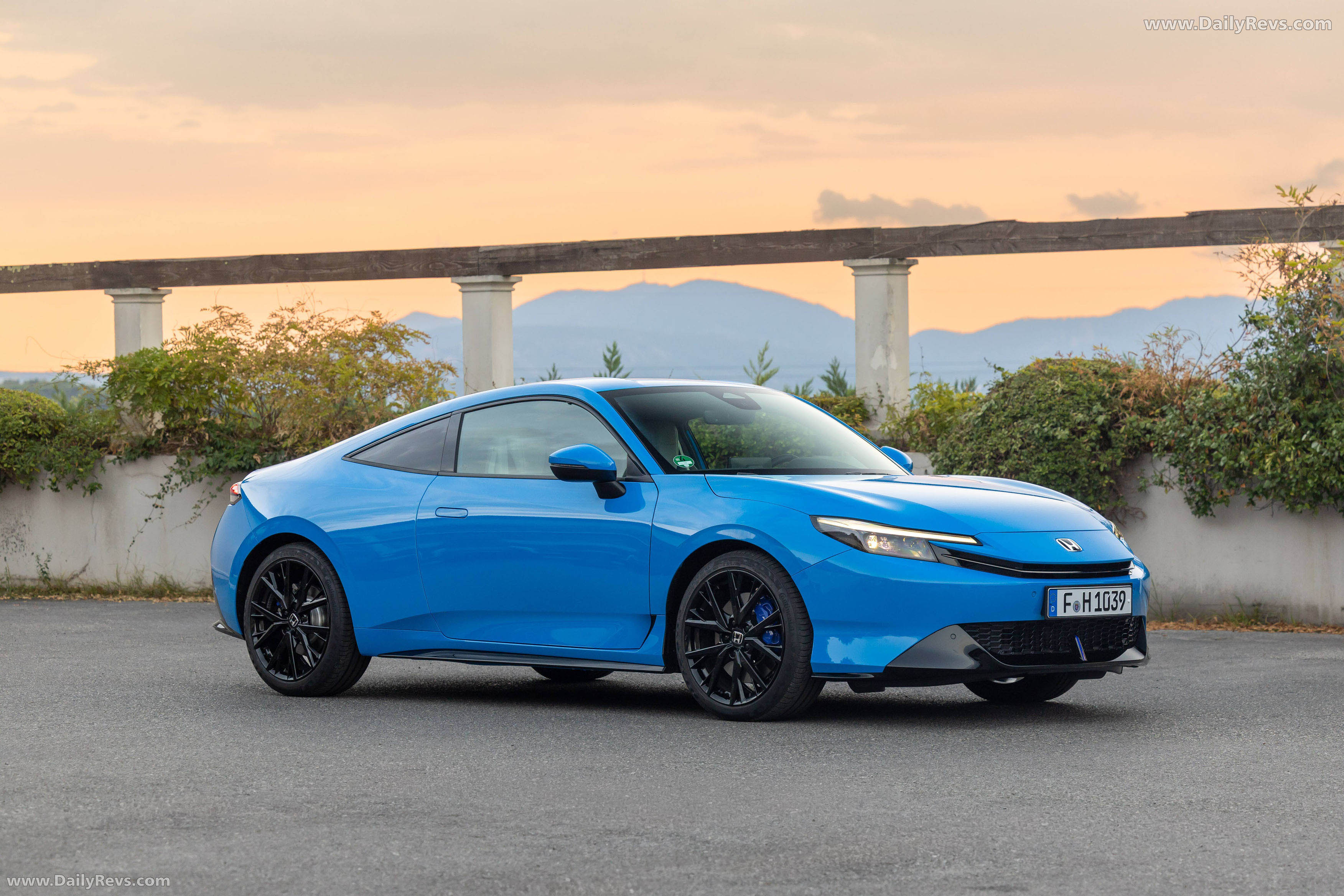
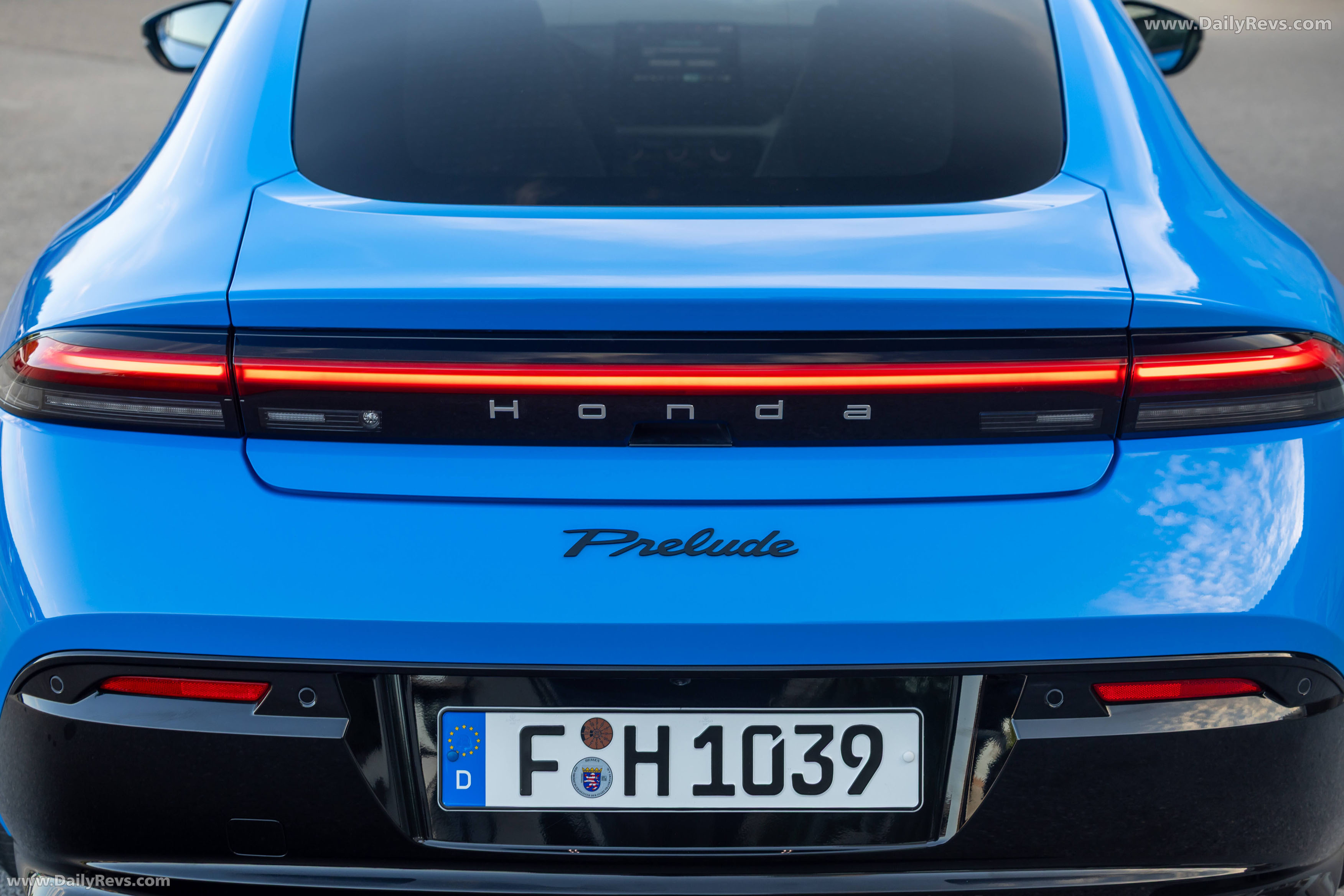
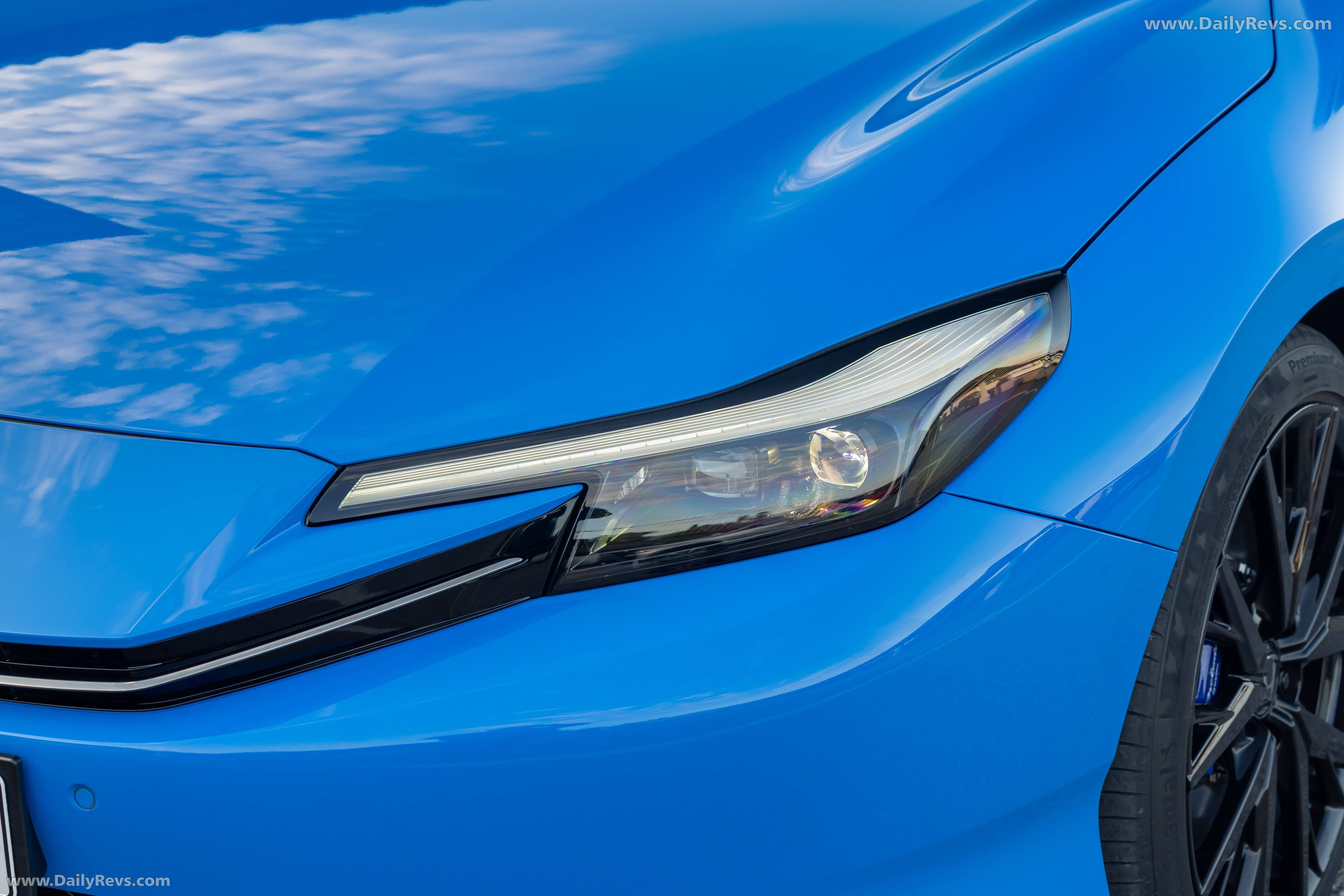
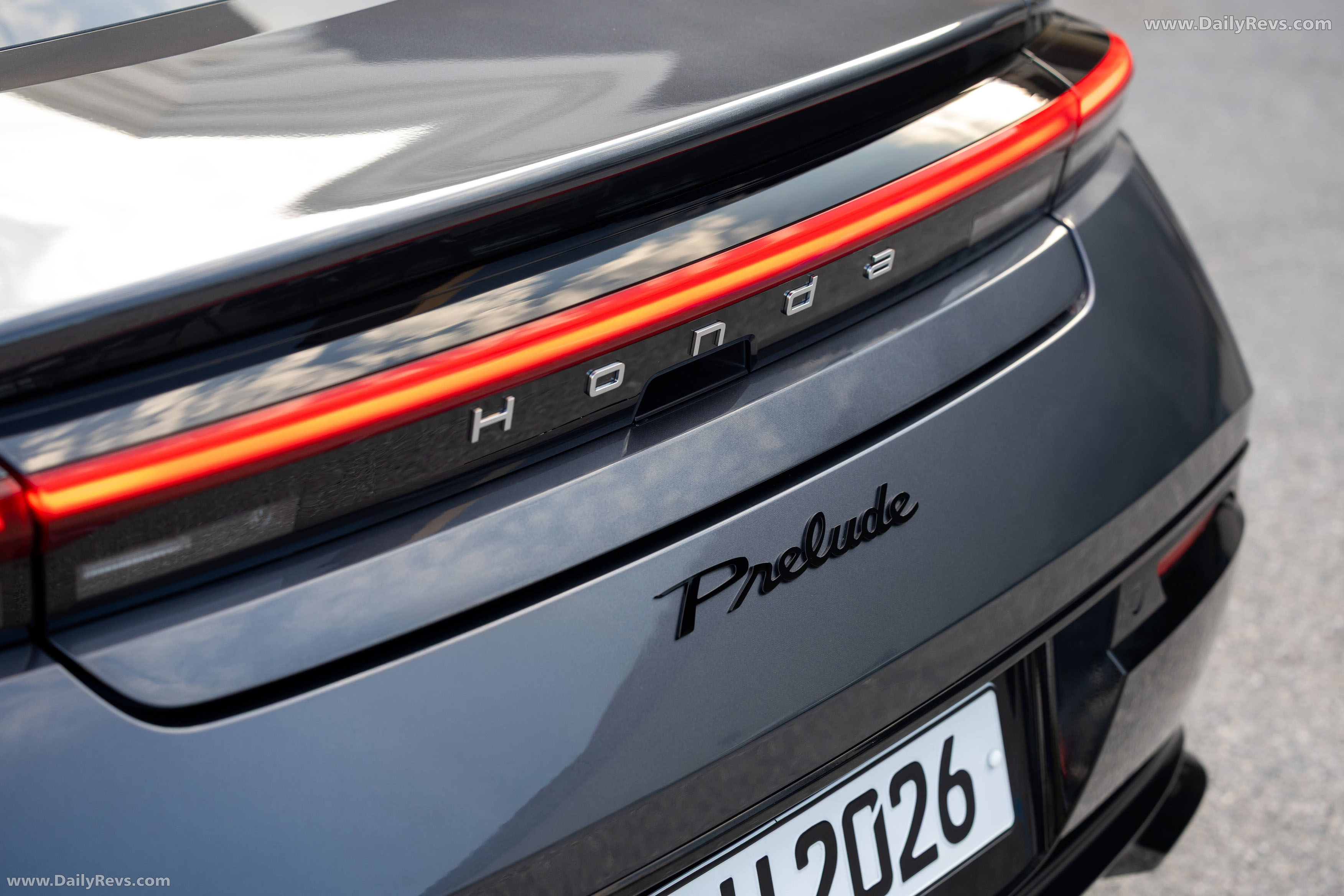
The proportions immediately read as classic Prelude: a stretched bonnet, tight glasshouse, and a stance that’s low and calm rather than aggressive. Inspired by modern gliders, its surfaces flow cleanly from nose to tail — no excessive creases, just aerodynamic precision shaped by purpose. The new LED light signatures — slim, almost architectural — emphasize width and stability. From the rear, a single horizontal light bar underlines the coupe’s balance and poise
Hybrid Power, Human Touch
Honda’s hybrid system is the heart of the new Prelude. The e:HEV powertrain combines a 2.0-liter direct-injection engine with twin electric motors, delivering a total of 184 PS and 315 Nm of torque through an intelligent dual-motor automatic unit. It’s the same layout familiar from the Civic and CR-V hybrids but tuned here for sharper response and a lighter touch on the road.
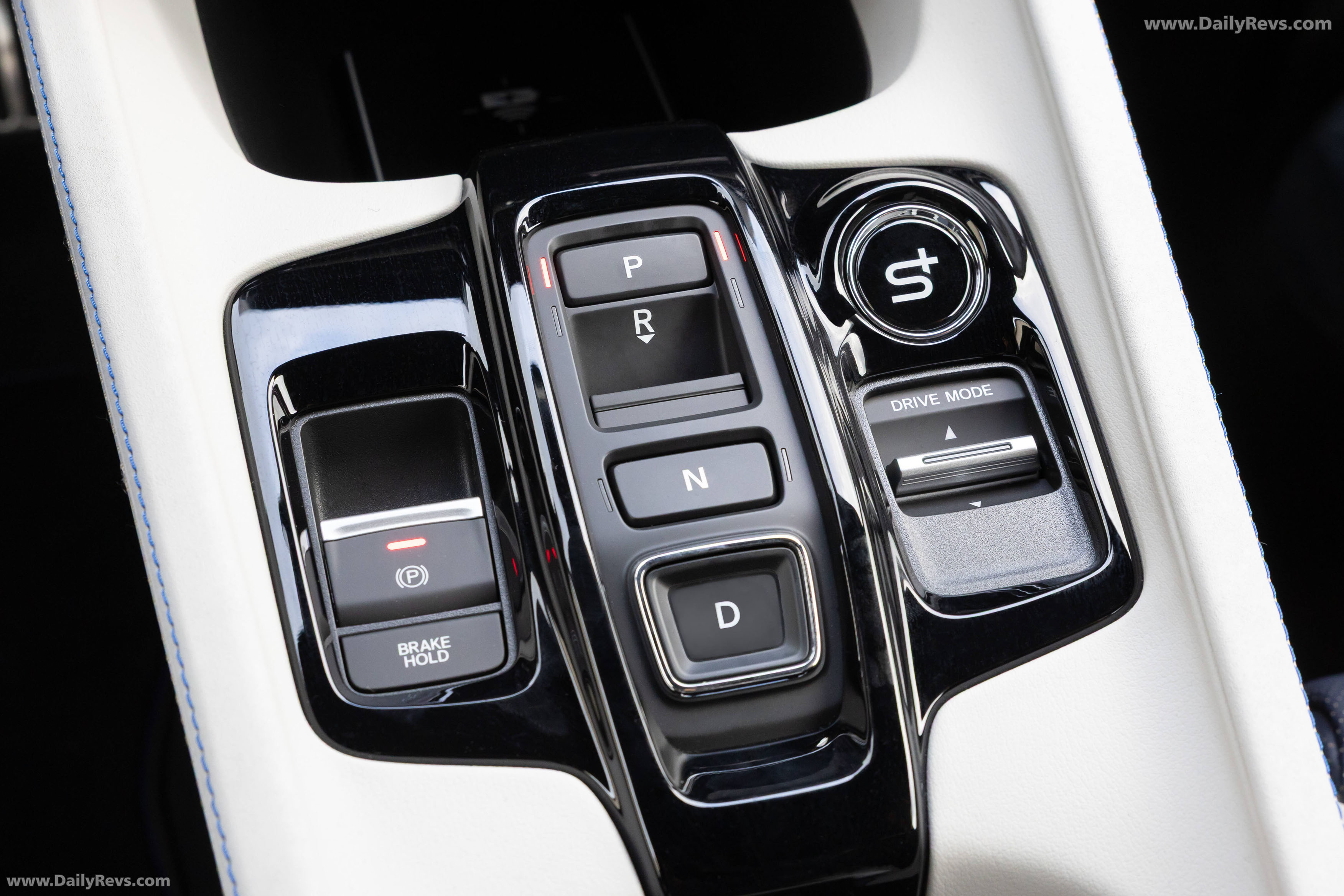
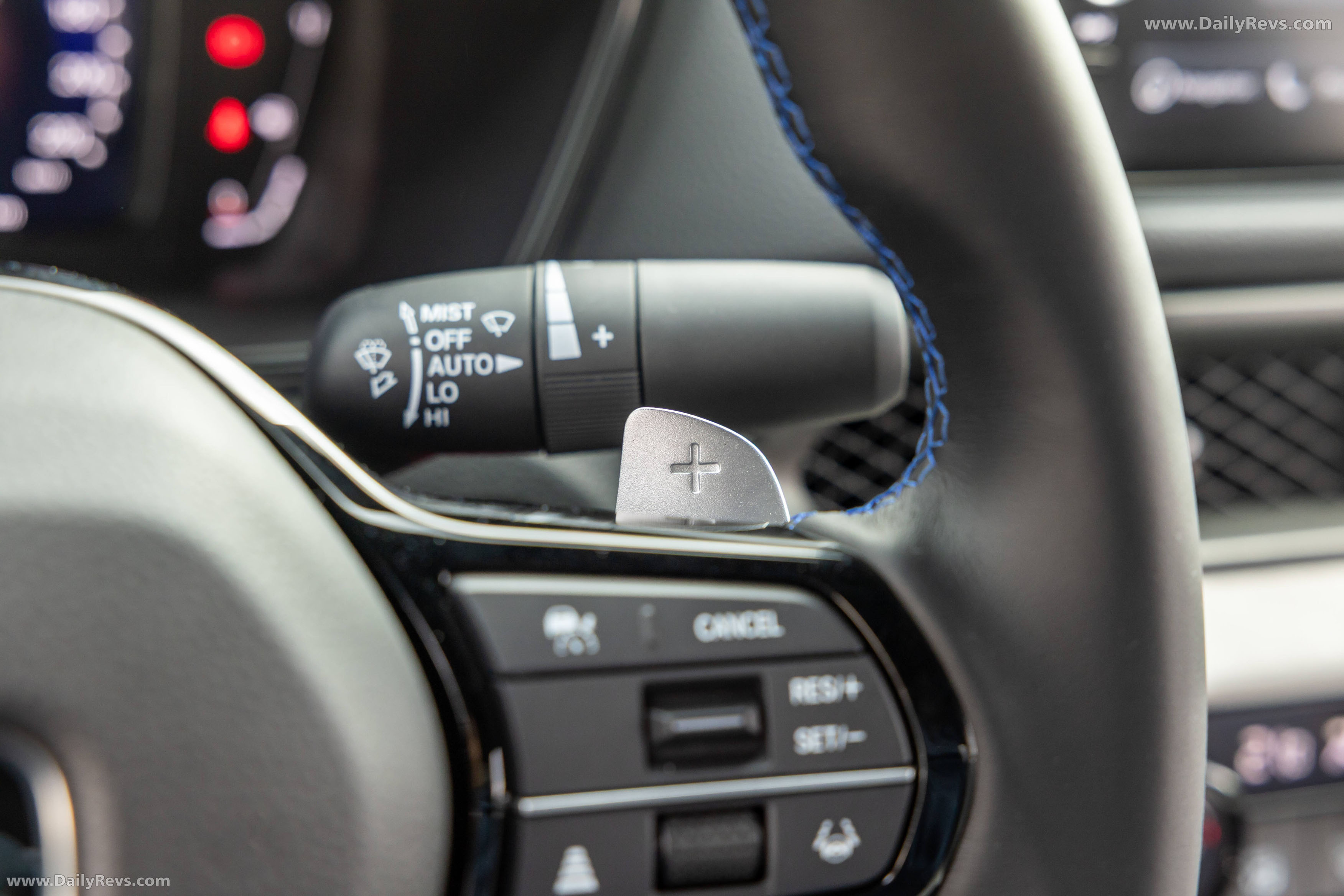
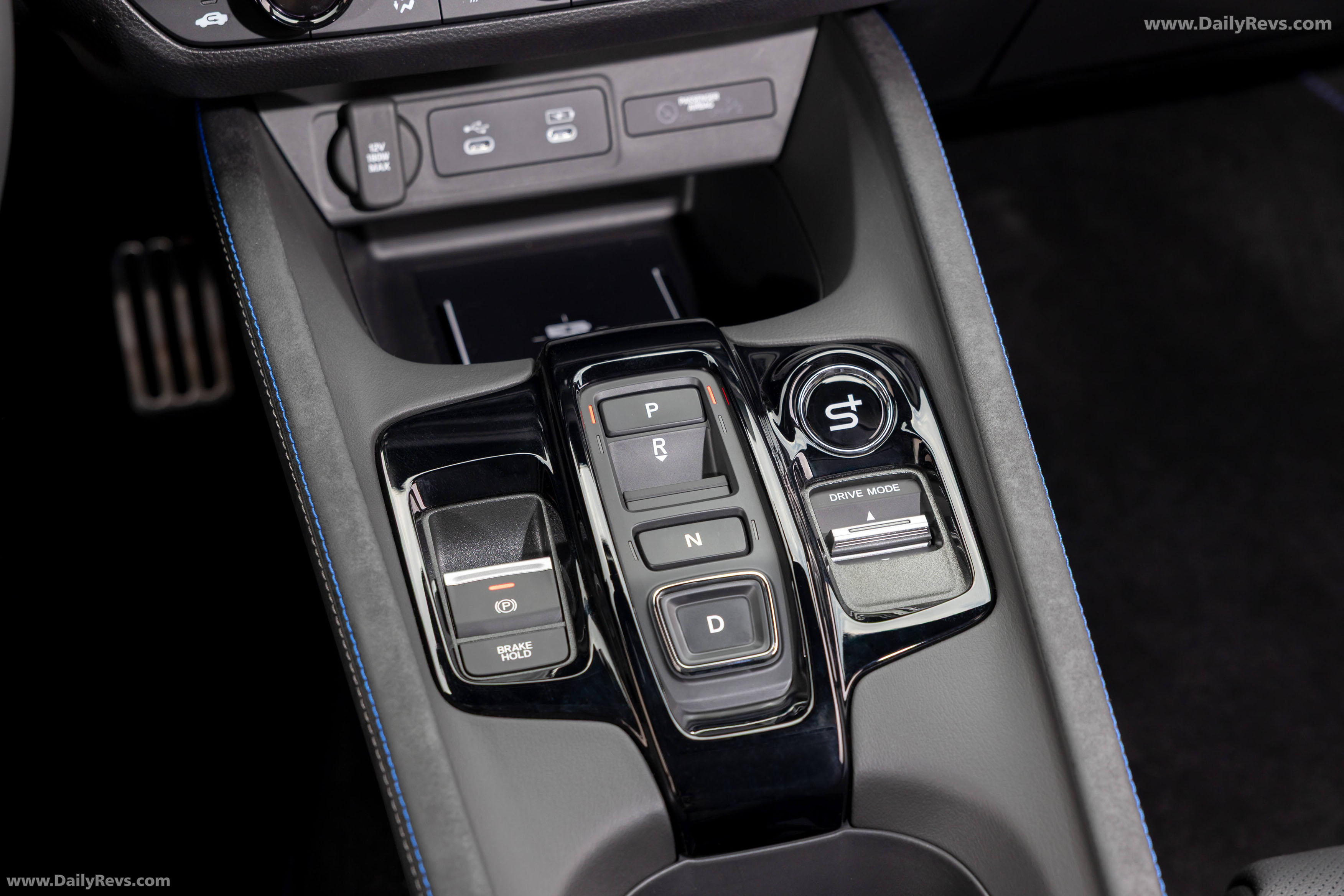
A first for Honda, the new S+ Shift system simulates gear changes — even adding a throttle “blip” on downshifts — to recreate the rhythm of a manual gearbox without actually having one. It’s not a gimmick; it restores a tactile link between driver and drivetrain that many electrified cars have lost
The Prelude also gains adaptive dampers and drive modes — Comfort, GT, Sport, and Individual — letting the driver dial in suspension stiffness, throttle response, and steering weight. GT mode, the default, strikes a middle ground: supple but responsive, clearly tuned for long drives rather than outright speed.
Cabin Simplicity, Thoughtful Execution
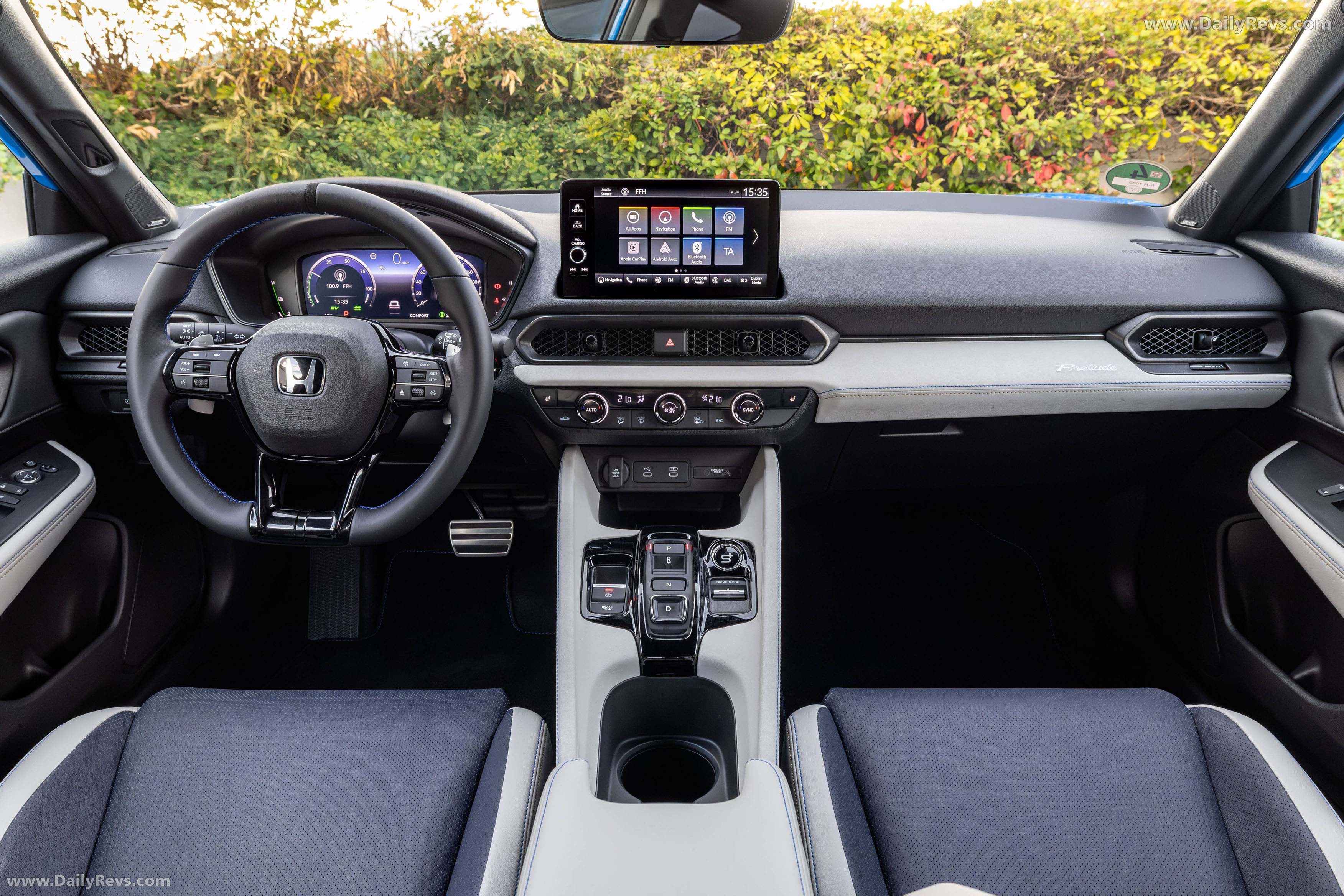
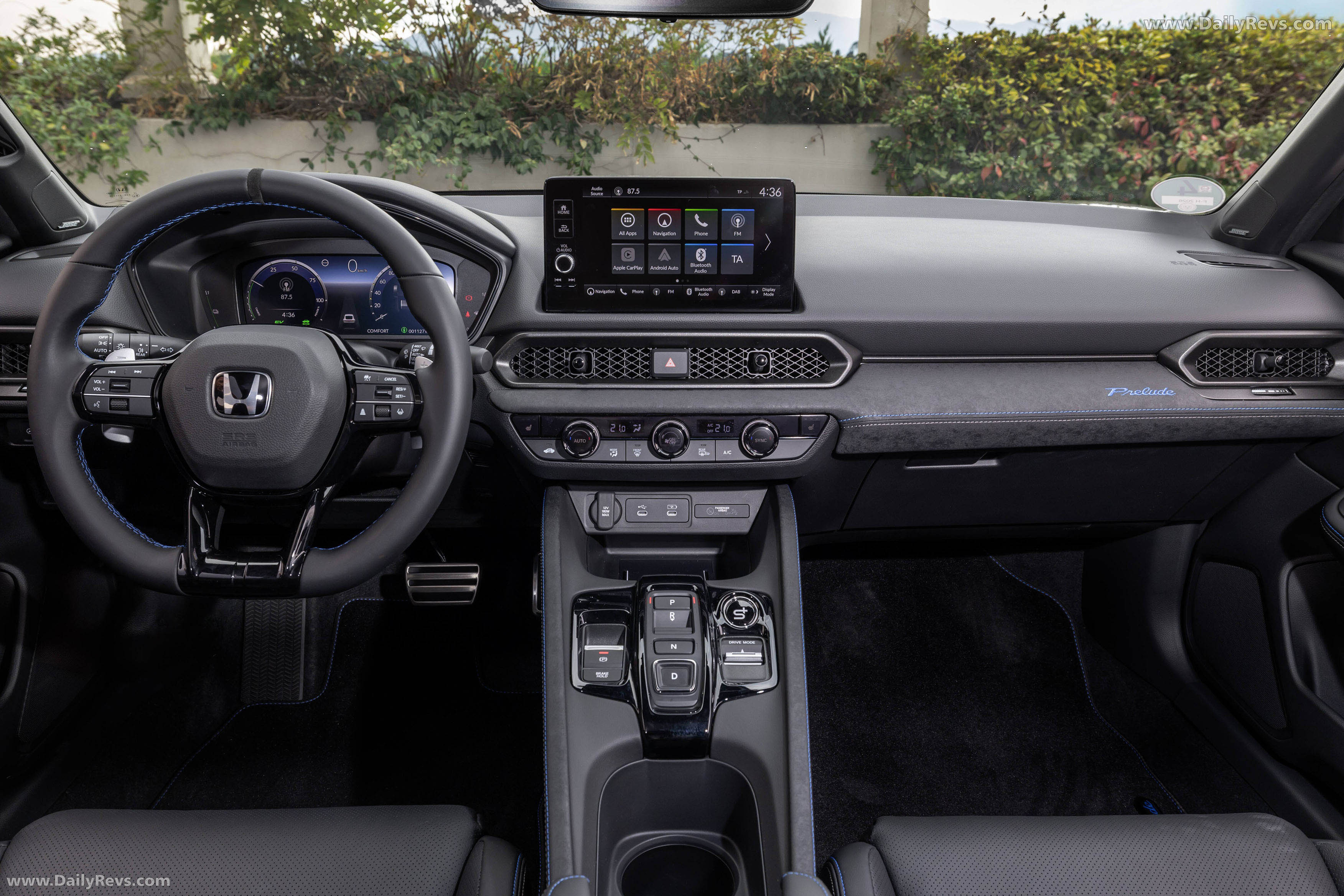
Inside, the design continues the “glider” philosophy — open, airy, and neatly functional. A wide, low dashboard stretches horizontally, improving visibility. The 10.2-inch driver display integrates with a 9-inch central touchscreen running a straightforward infotainment setup with wireless Apple CarPlay and Android Auto.
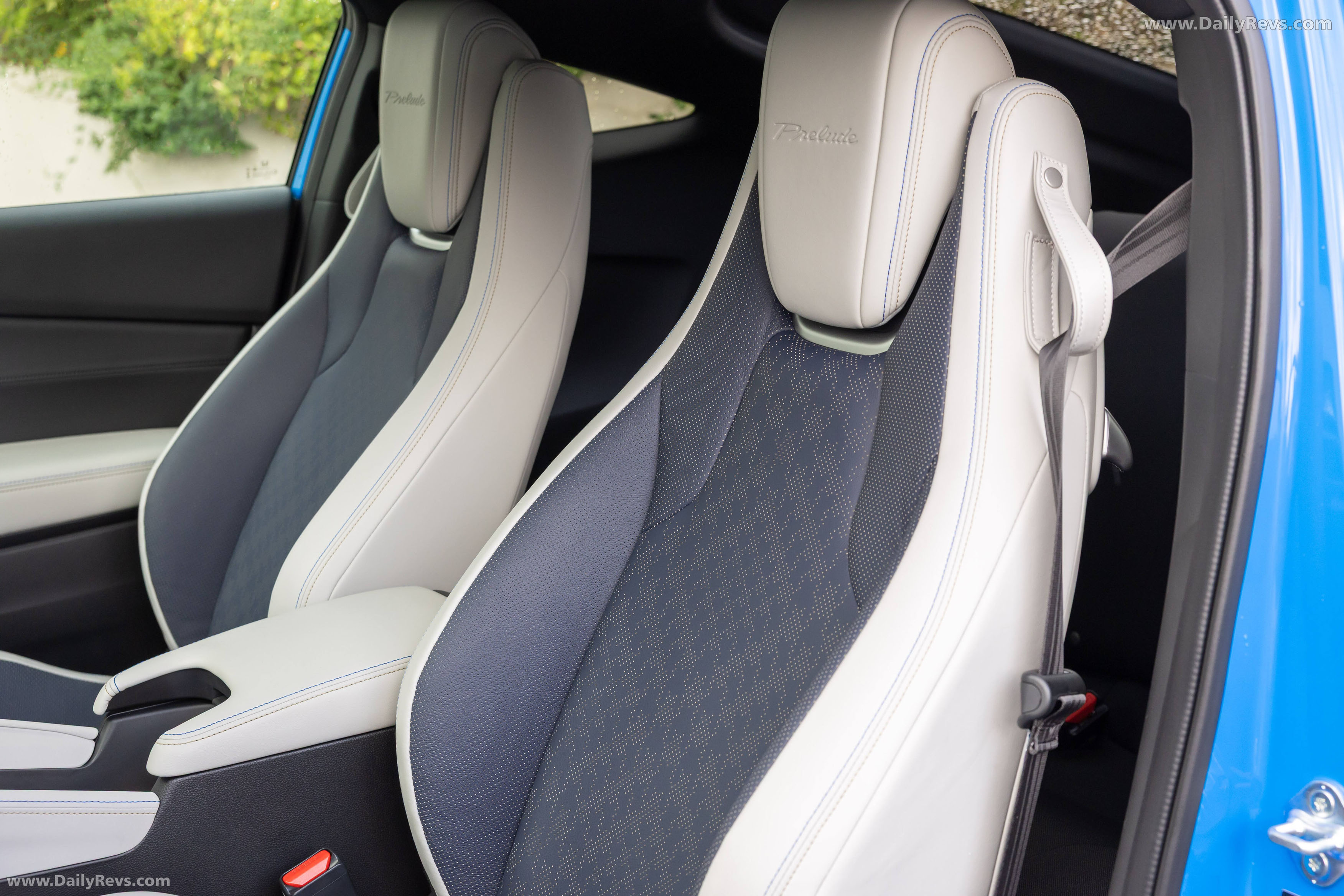
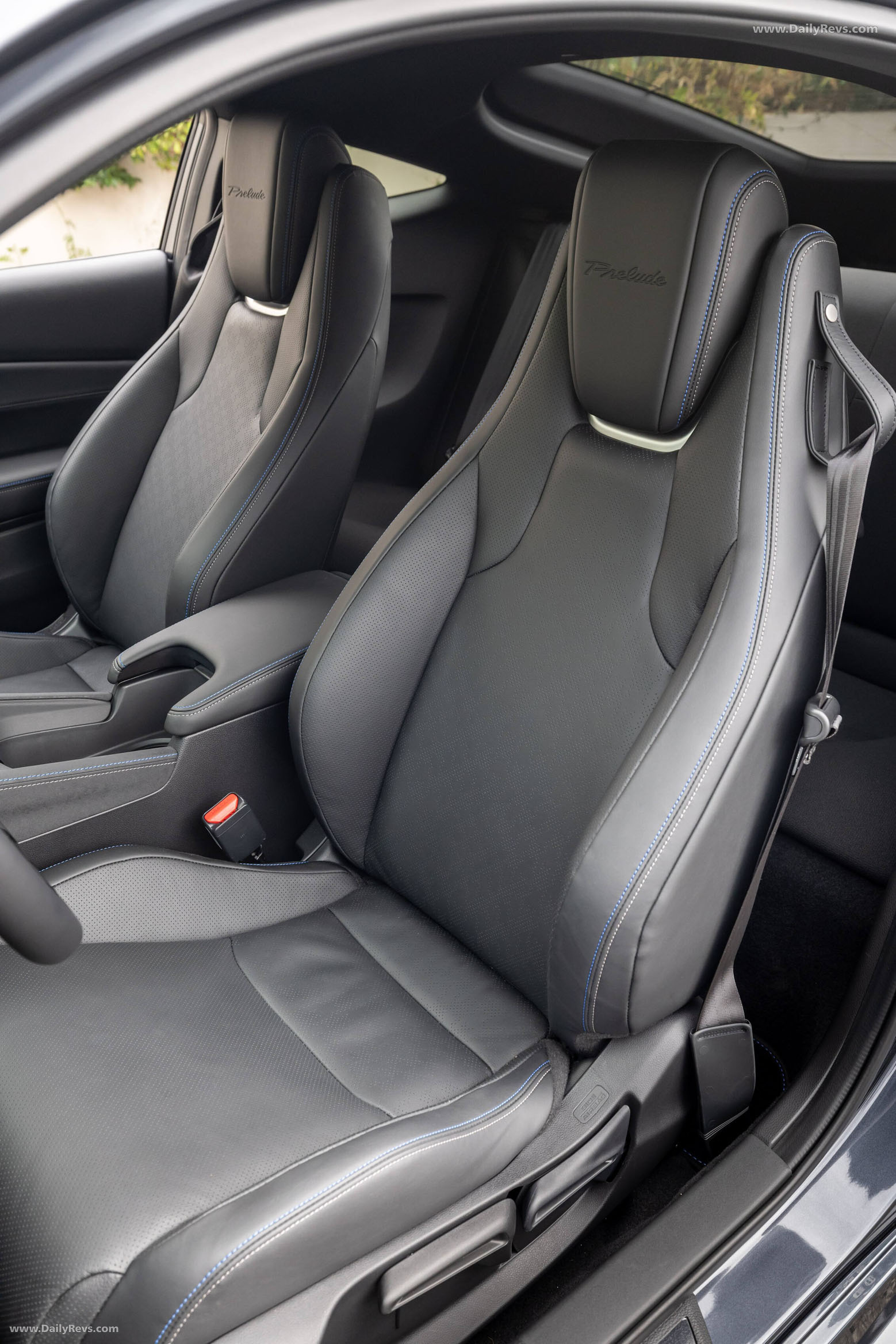
Even the seats are asymmetrical in purpose — the driver’s side firmer and bolstered for support, the passenger’s slightly softer for comfort. It’s the kind of detail that speaks to engineering empathy rather than marketing flourish
Designed to Glide
Beneath the clean bodywork lies a carefully balanced chassis borrowing key components from the Civic Type R, including adaptive suspension geometry. The setup prioritizes stability, with near-perfect aerodynamic balance between front and rear lift. It’s not chasing lap times — it’s chasing that satisfying feeling of effortlessness through a long curve.
Honda even describes the car’s philosophy as “unlimited glide.” That may sound poetic, but it fits: the new Prelude isn’t a retro statement, nor a full EV future play. It’s a bridge — between combustion and electrification, between nostalgia and necessity.
Technical Specifications
Powertrain
- System: e:HEV full hybrid (two-motor system)
- Engine Type: 2.0-liter direct-injection Atkinson-cycle i-VTEC petrol engine
- Electric Motors: Twin-motor hybrid system (traction + generator motors)
- Combined Power Output: 184 PS (135 kW)
- Combined Torque: 315 Nm
- Transmission: Automatic, electronically controlled with S+ Shift system
- Drivetrain: Front-wheel drive (FWD)
Performance
- Driving Modes: Comfort, GT, Sport, Individual
- S+ Shift: Simulated gear changes with throttle blip function
Chassis and Suspension
- Platform: Honda global architecture derived from Civic / Type R
- Front Suspension: MacPherson strut with adaptive damping
- Rear Suspension: Multi-link independent with adaptive damping
- Steering: Electric power-assisted with variable ratio
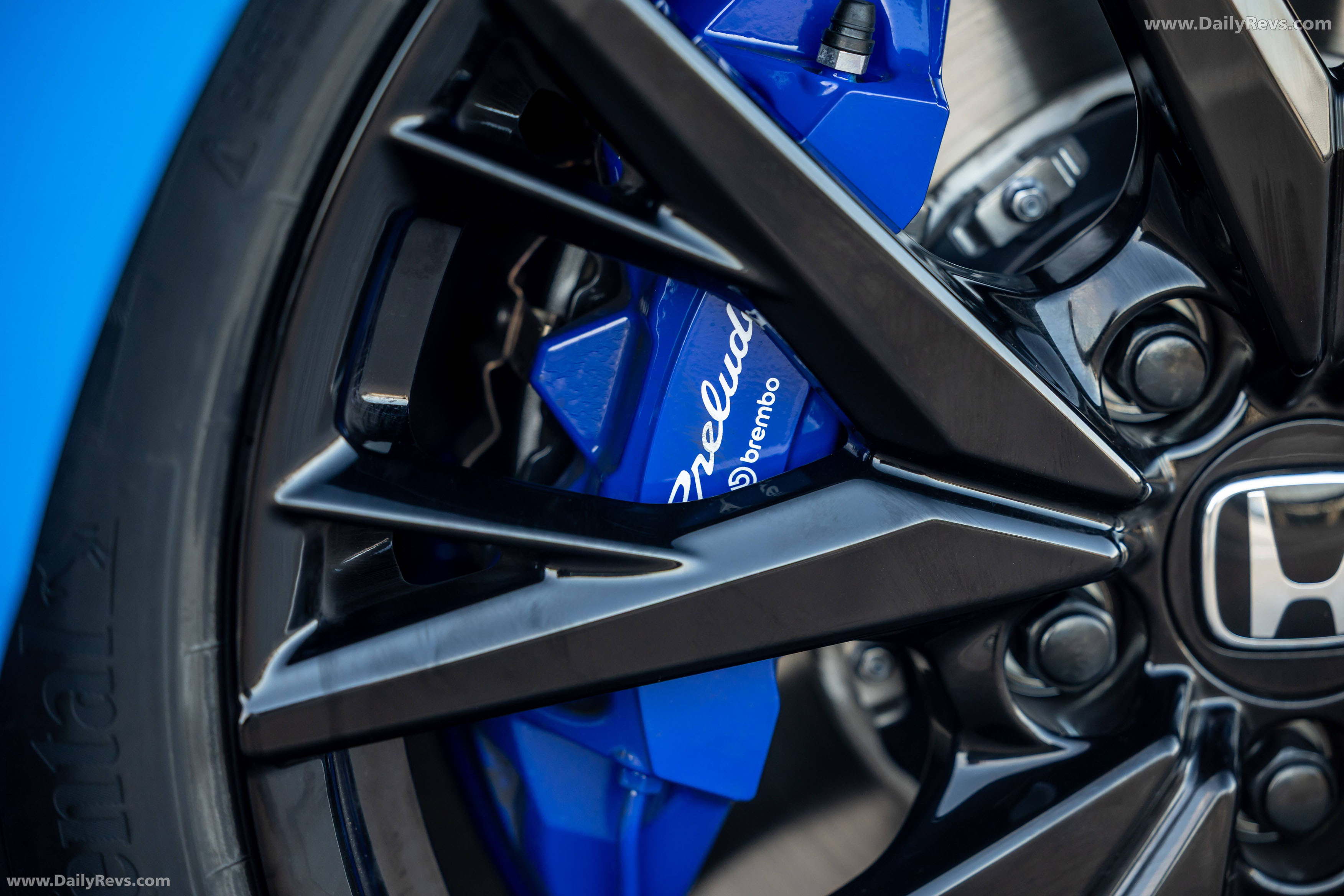
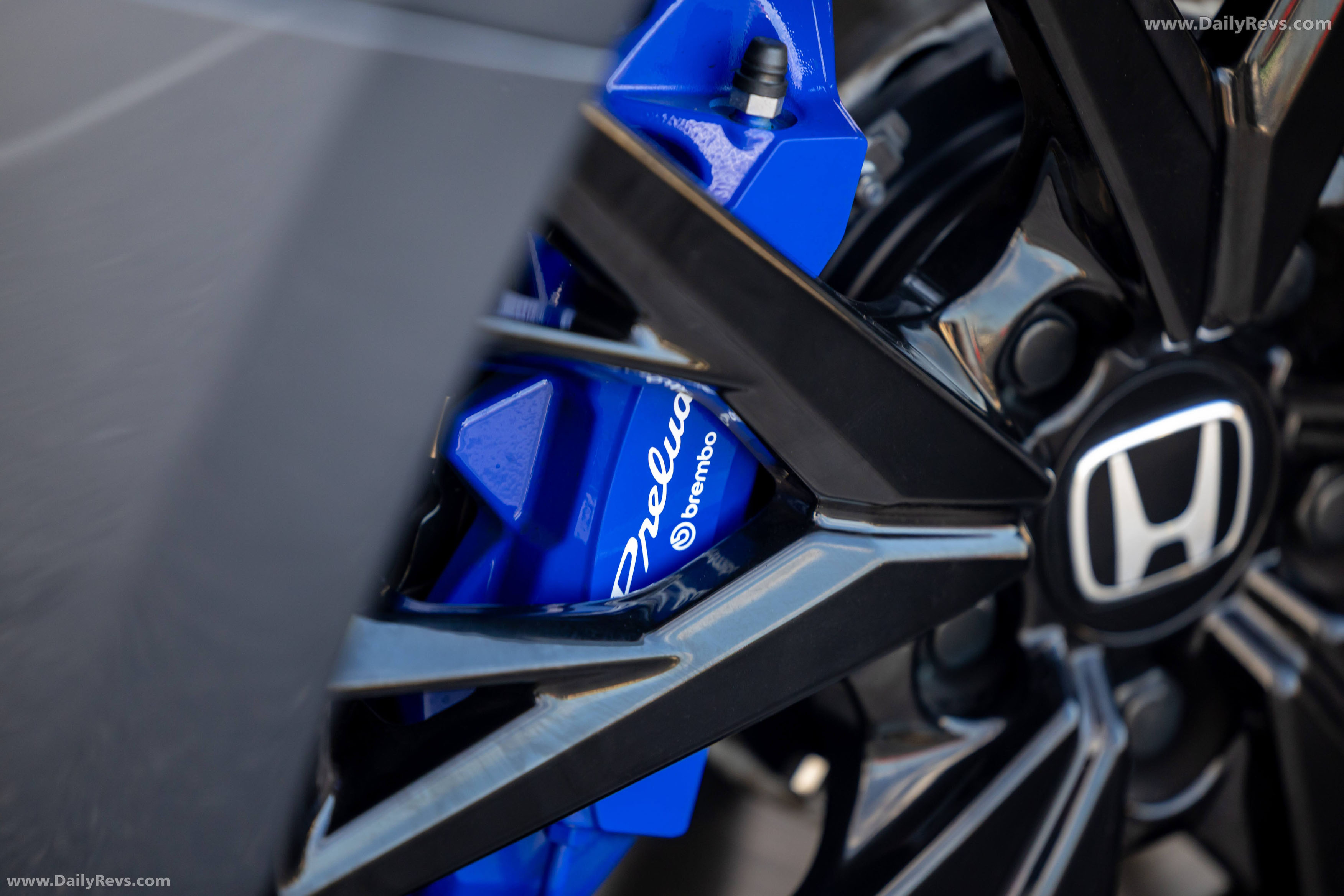
- Brakes: Ventilated front discs / solid rear discs with regenerative braking
Dimensions
- Length: 4,560 mm
- Width: 1,790 mm
- Height: 1,300 mm
- Wheelbase: 2,735 mm
Aerodynamics
- Design Inspiration: Glider silhouette for low-drag efficiency
- Balance: Near-equal front and rear lift coefficients
Interior & Technology
- Displays: 10.2-inch digital driver display + 9-inch central touchscreen
- Connectivity: Wireless Apple CarPlay and Android Auto
- Audio System: Premium multi-speaker sound system (model-specific)
- Seating: Driver-oriented sport seats (firm bolstering)
- Climate: Dual-zone automatic climate control
Safety & Driver Assistance
- Active Safety: Honda SENSING suite (collision mitigation, lane-keeping assist, adaptive cruise control, traffic sign recognition)
- Visibility: Wide windshield and low cowl design
Wheels & Tires
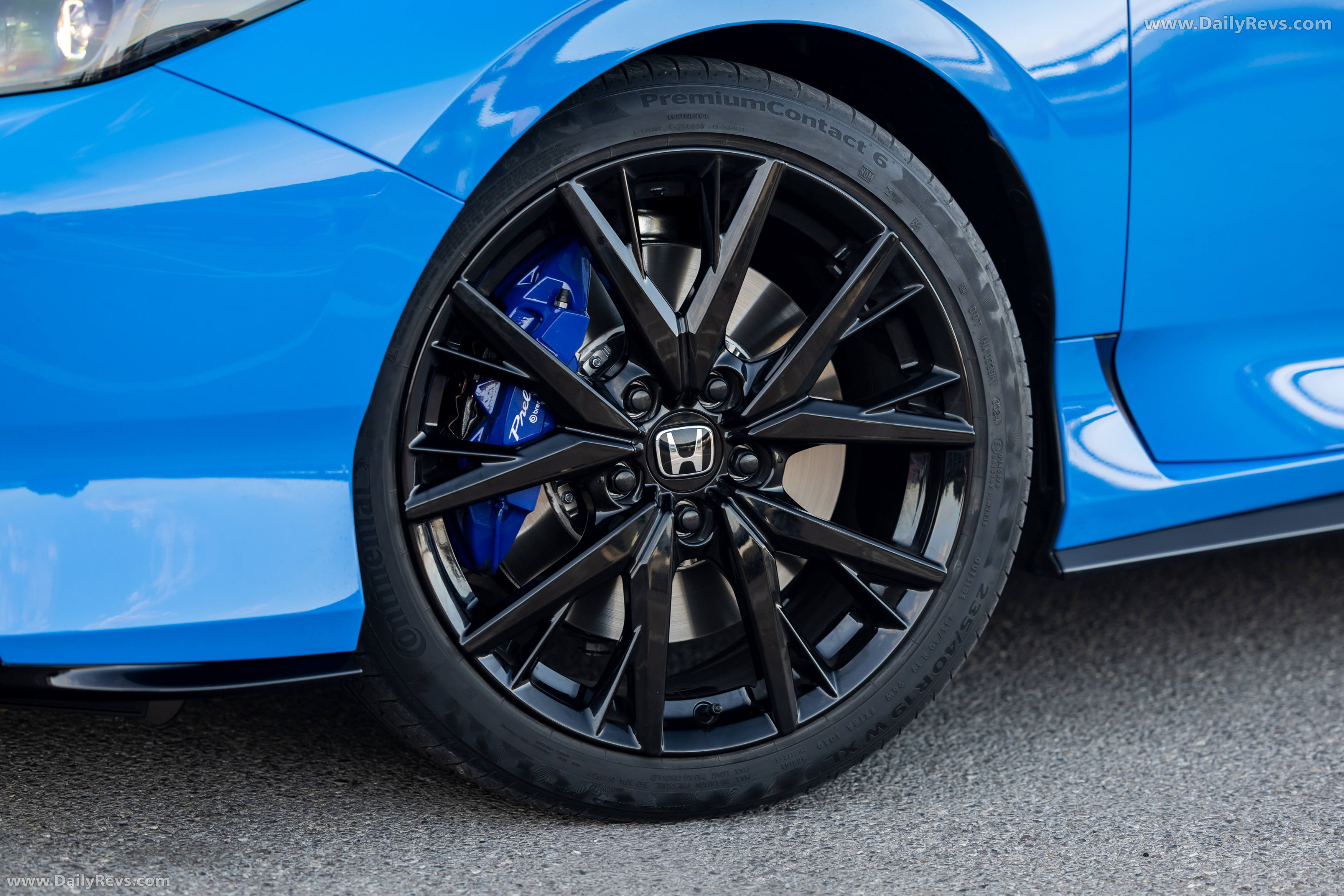
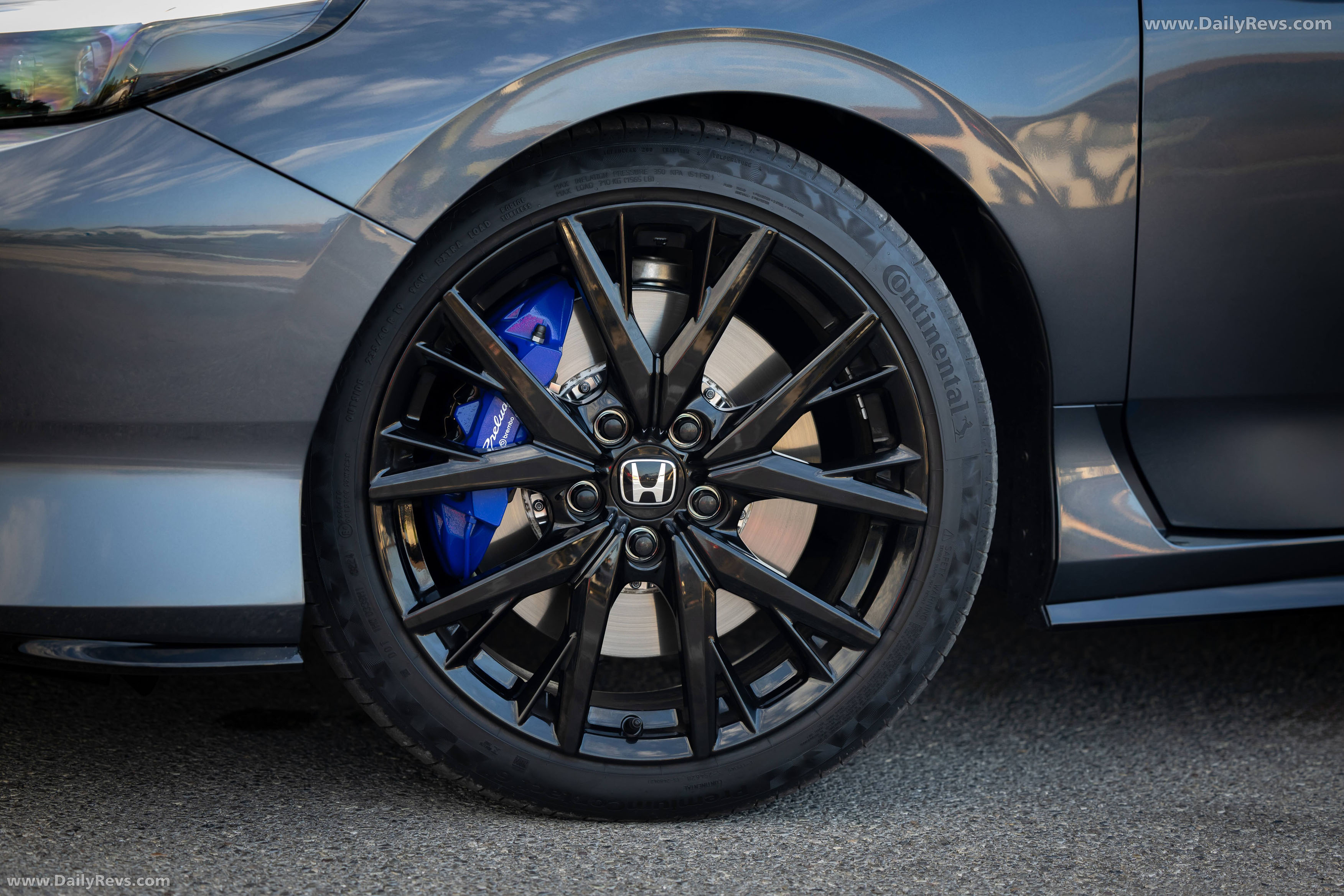
- Wheel Sizes: 18-inch or 19-inch alloys (model-dependent)
- Tire Type: Low-resistance performance tires
Production & Availability
- Production Start: 2025 (Japan)
- Market Launch: 2026
- Powertrain Type: Hybrid only
- Availability: Europe and global markets