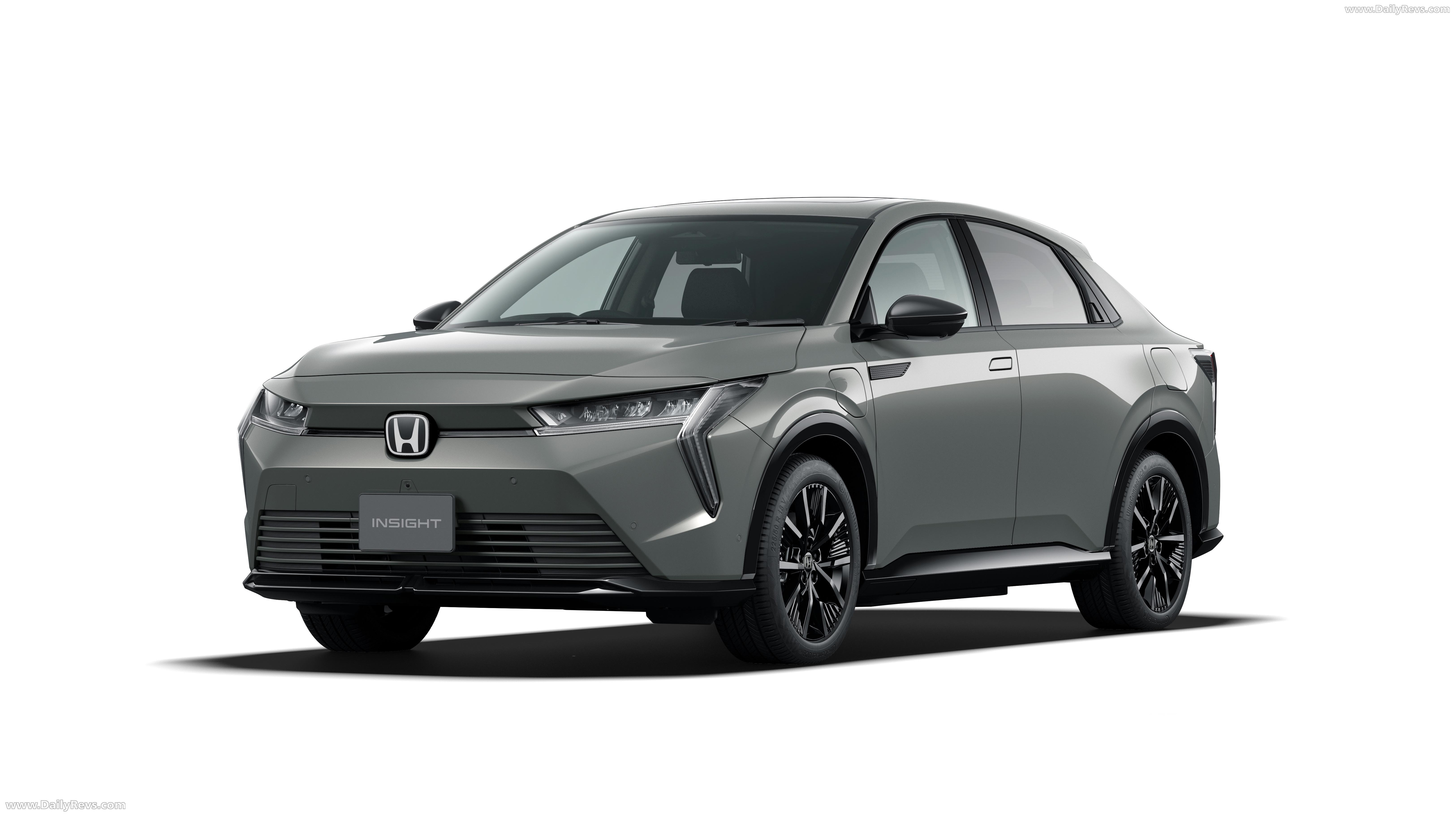
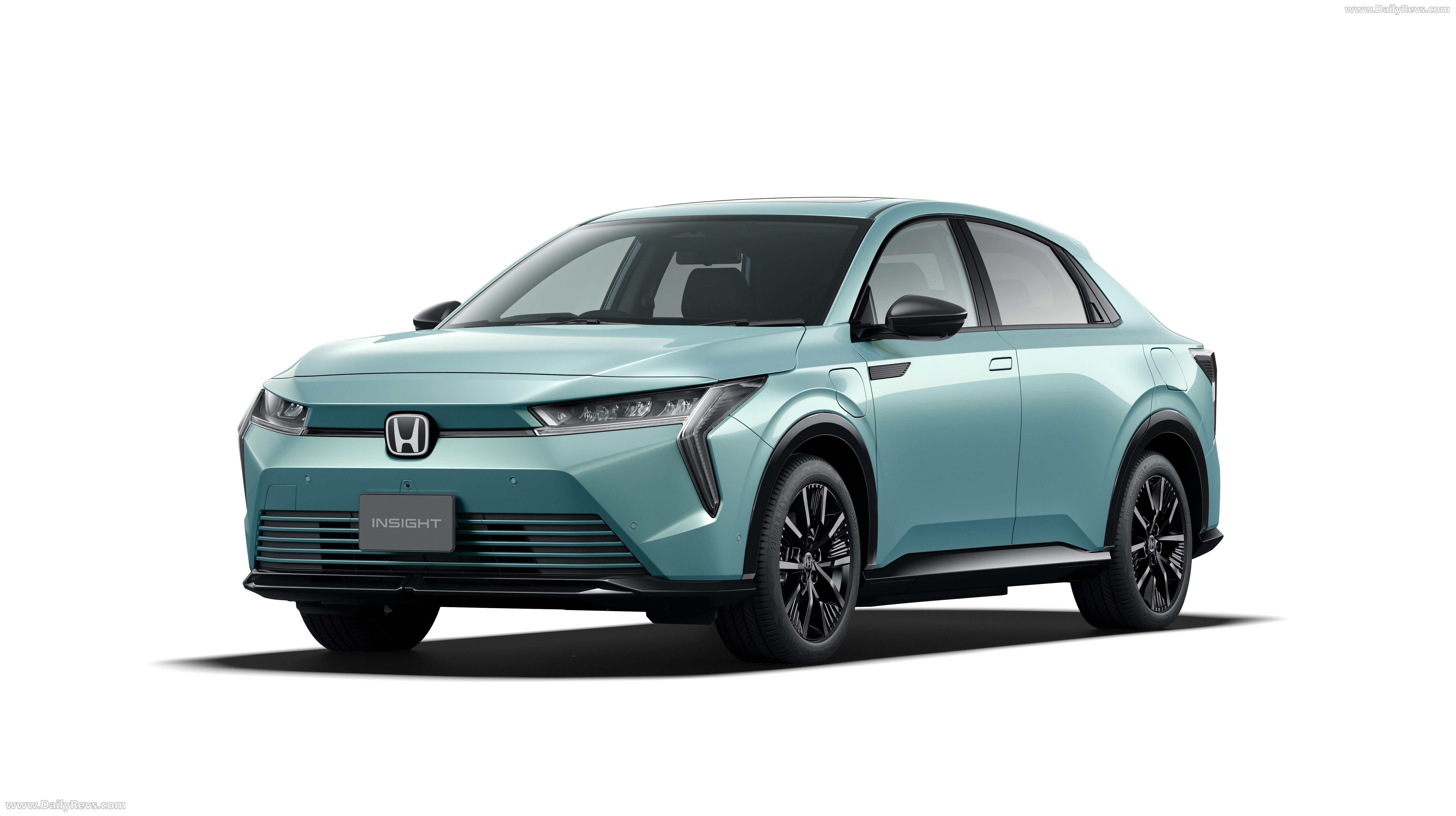
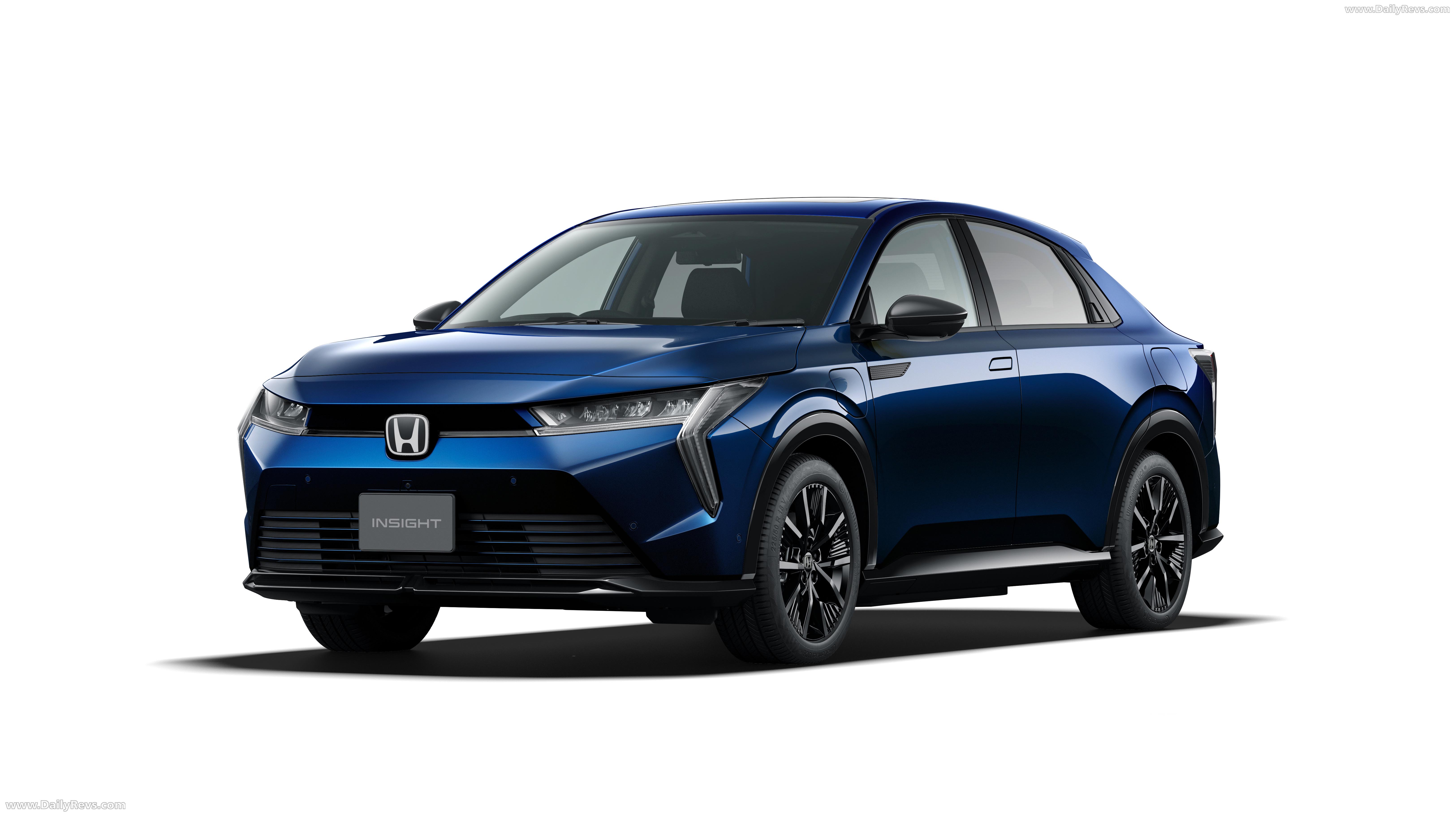
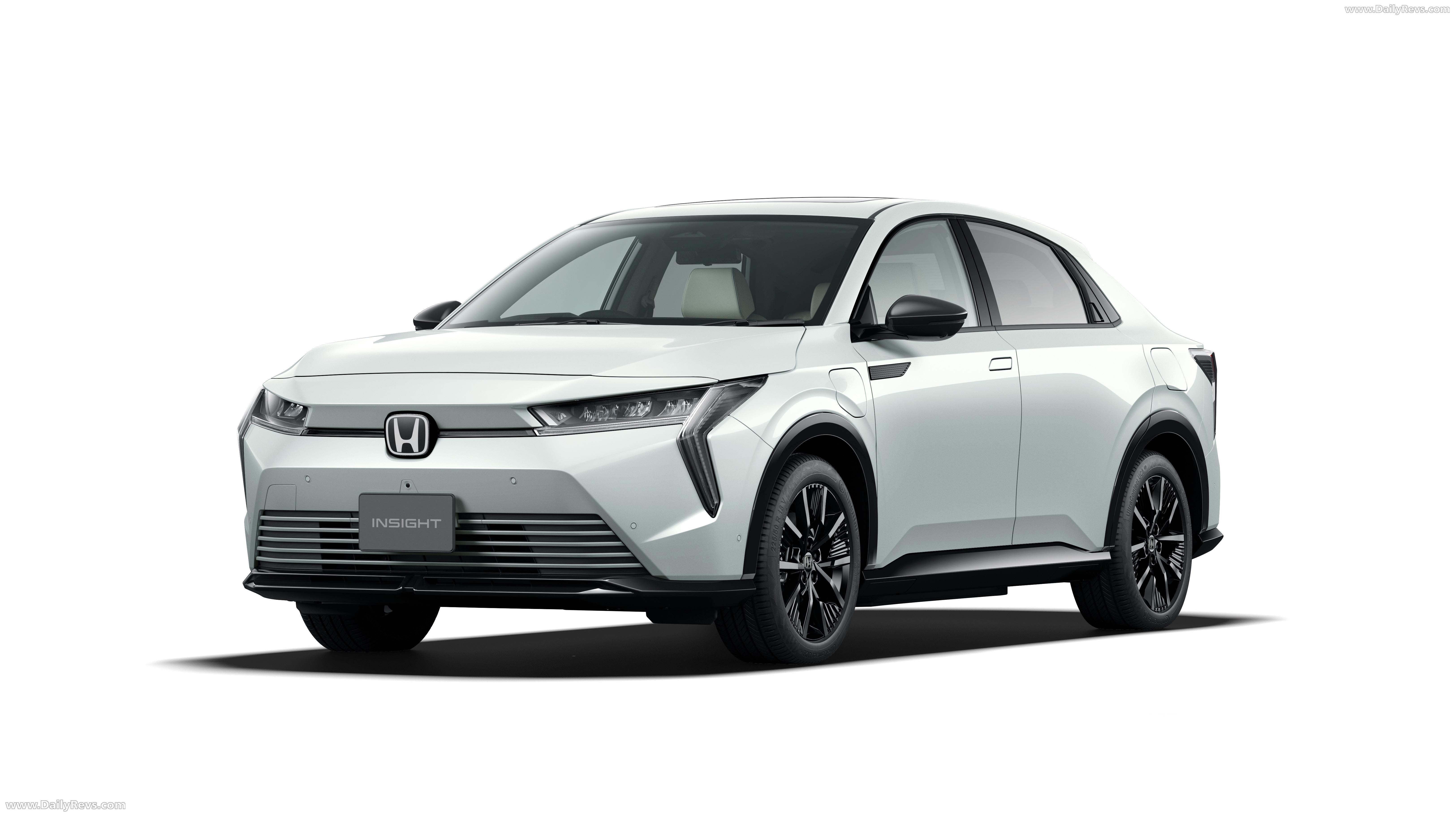
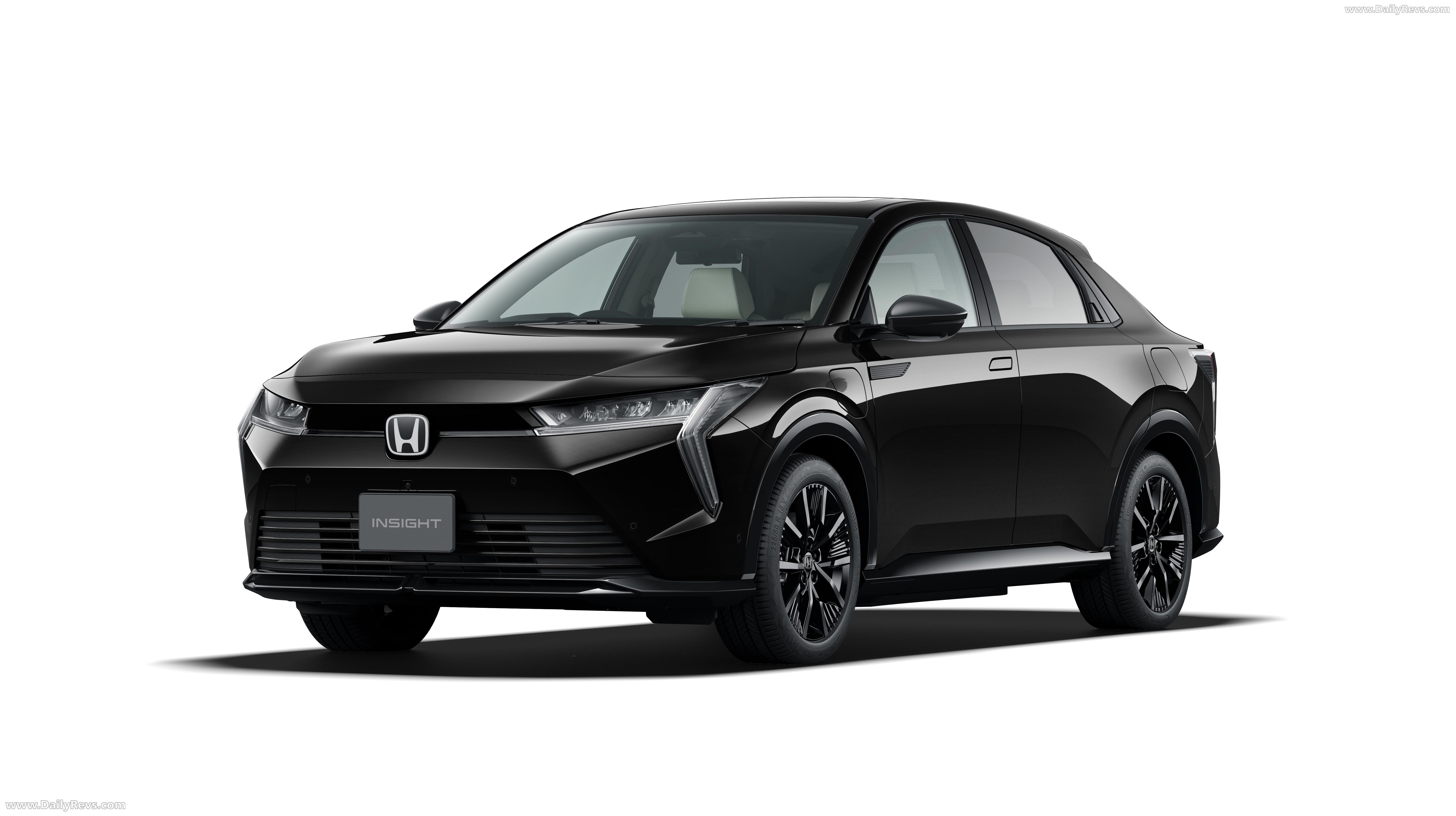
2026 Honda Insight EV
By Lorenzo Bianchi May 15, 2026
Fourth-generation Insight transitions from hybrid sedan to crossover EV.
Honda claims up to 535 km (332 miles) of WLTC driving range.
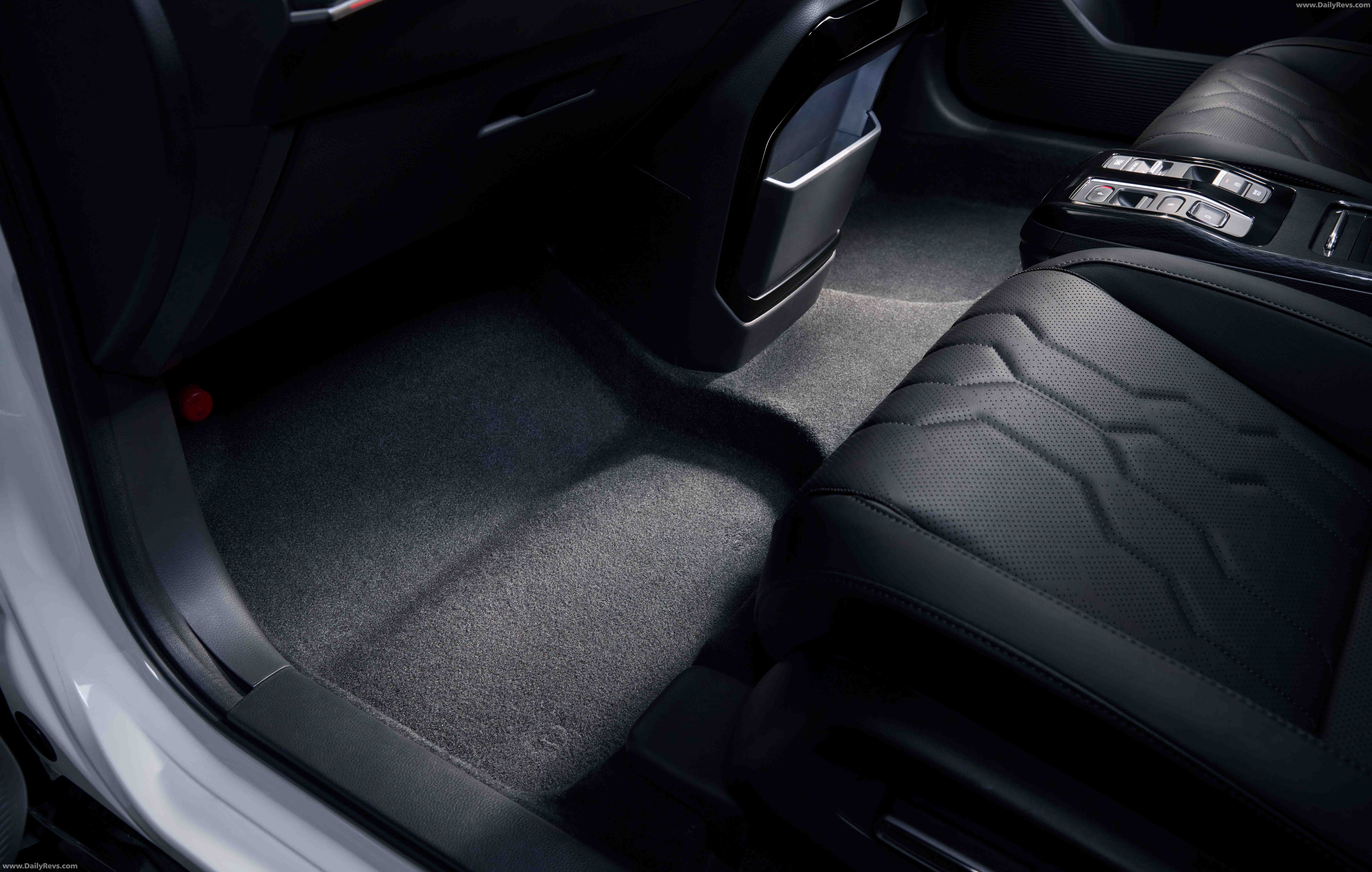
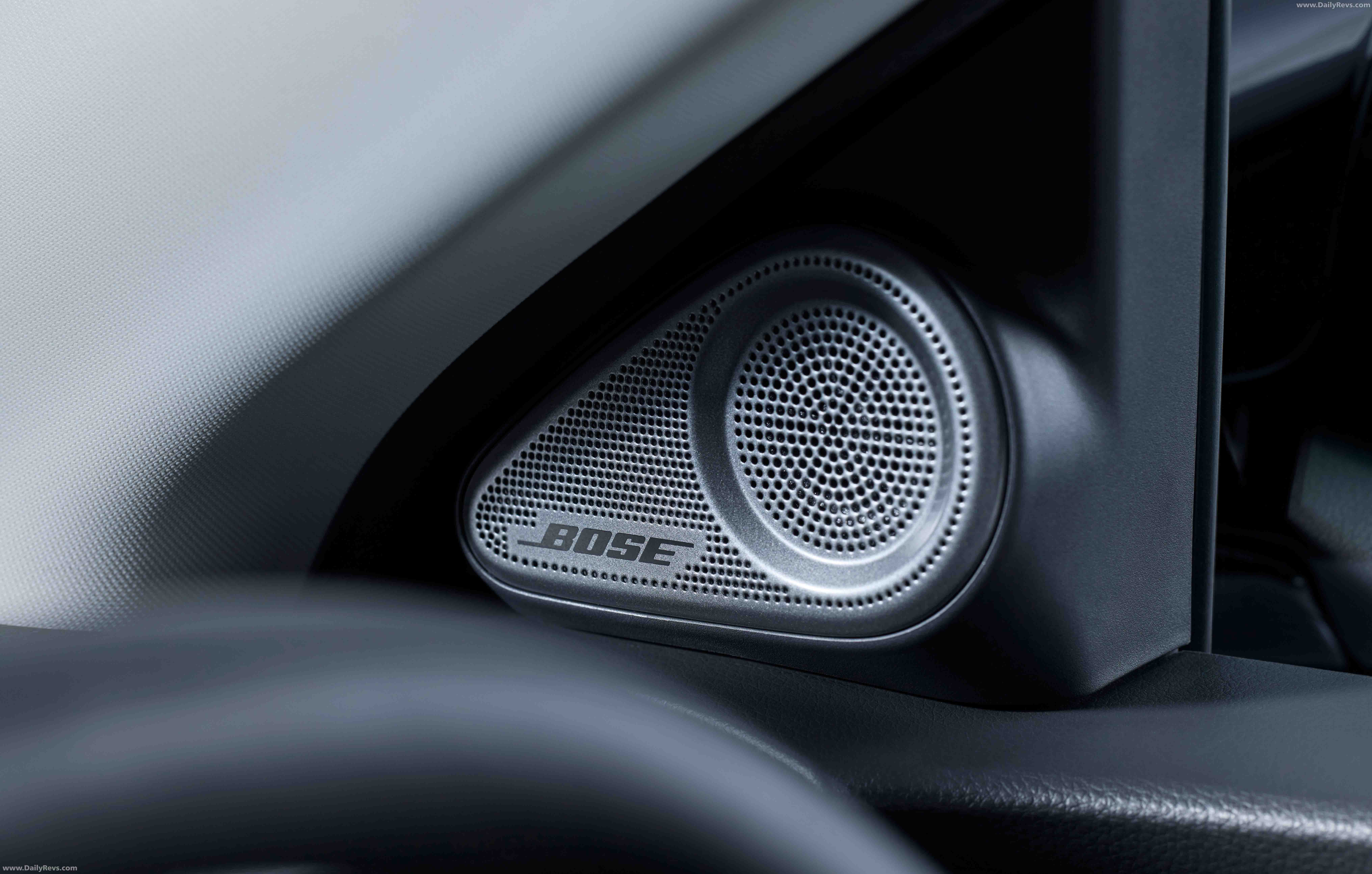
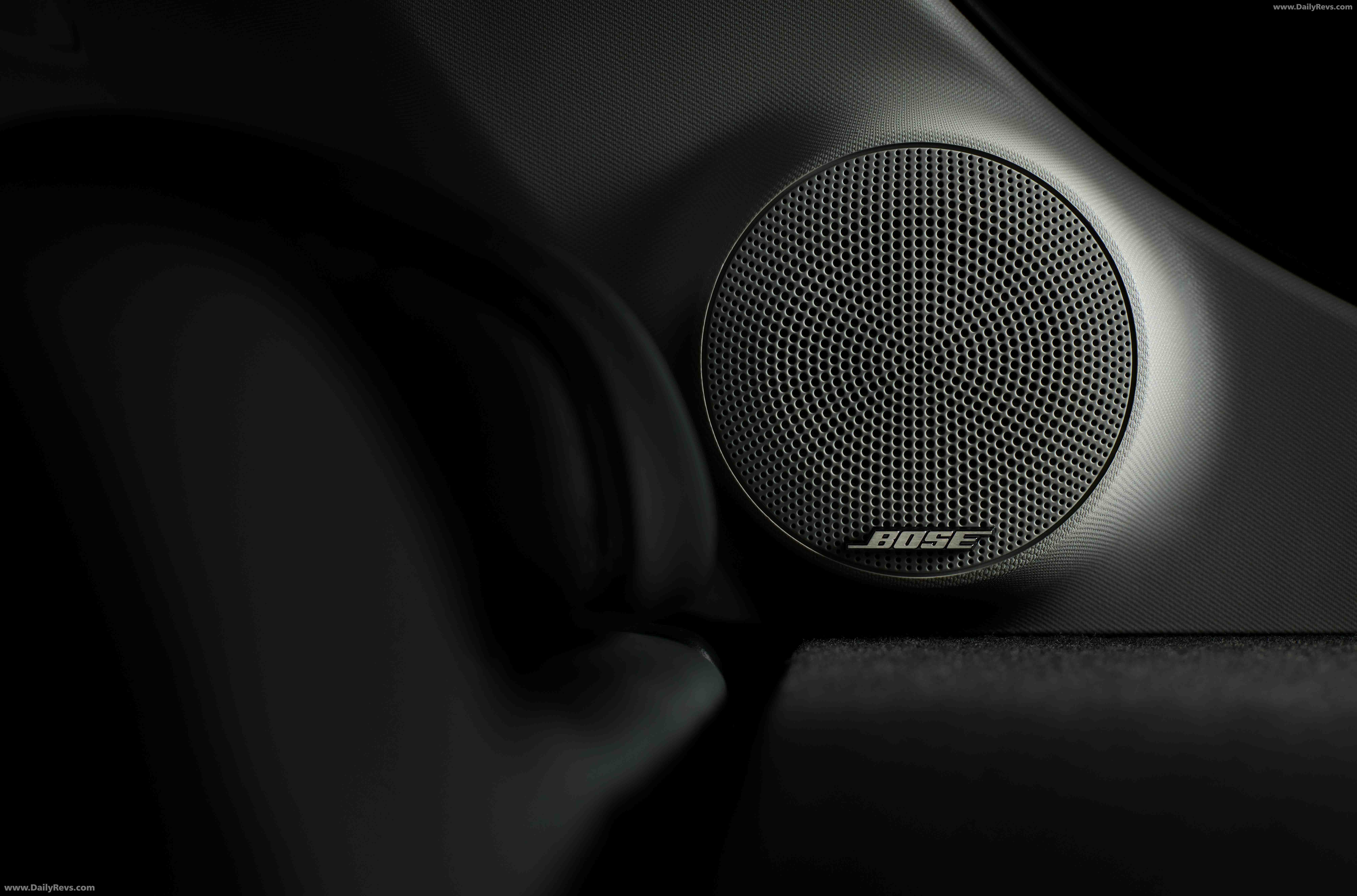
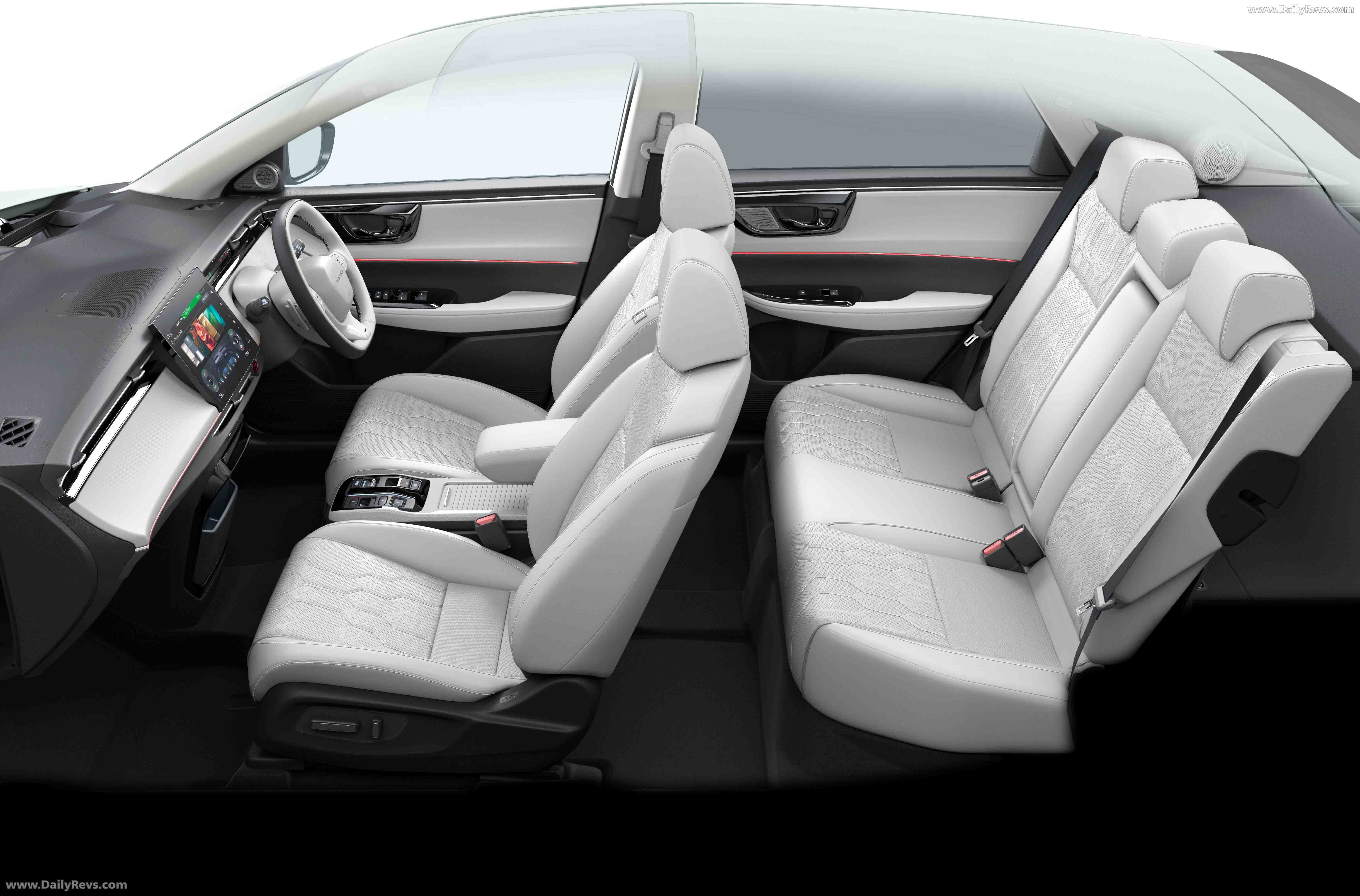
Cabin adds reclining rear seats, aroma diffuser, and BOSE premium audio system.
Honda Reinvents The Insight As An EV Crossover
The Honda Insight name has always carried a certain amount of history inside the company.
Back in 1999, the original Insight became Honda’s first mass-production hybrid vehicle and one of the earliest mainstream electrified cars sold globally. Now, the 2026 Honda Insight EV returns in a completely different form.
The fourth-generation model abandons the traditional sedan layout entirely and reappears as a fully electric crossover passenger vehicle. Honda says the new Insight was developed as an EV “with a distinctive character” capable of combining strong visual presence with high levels of comfort and everyday usability.
And honestly, the transformation is fairly dramatic.
The previous Insight generations always leaned toward understated efficiency. This new version feels far more expressive visually, while also targeting buyers who expect crossover practicality alongside EV technology.
The Exterior Looks Sharper Than Previous Insights
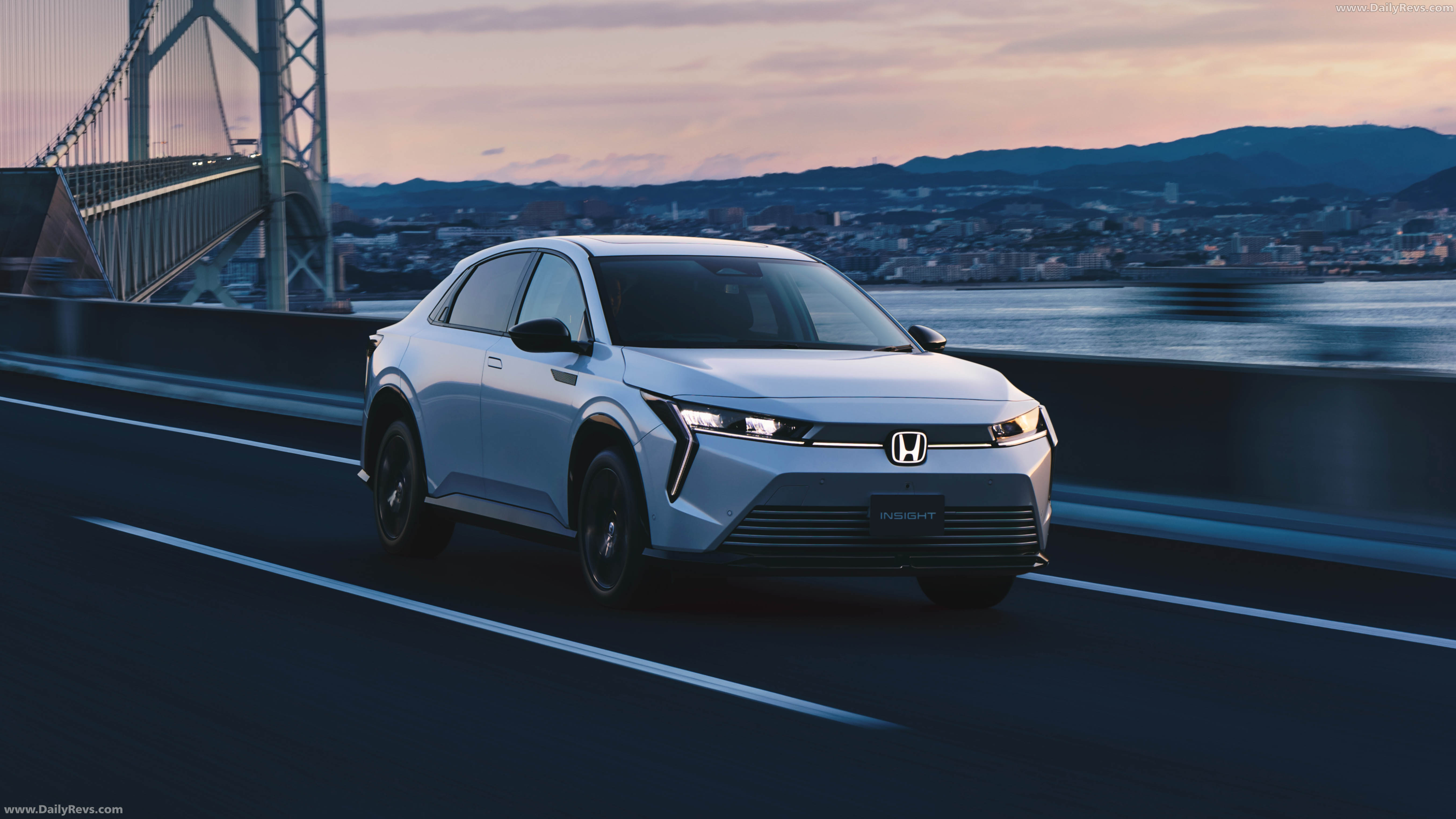
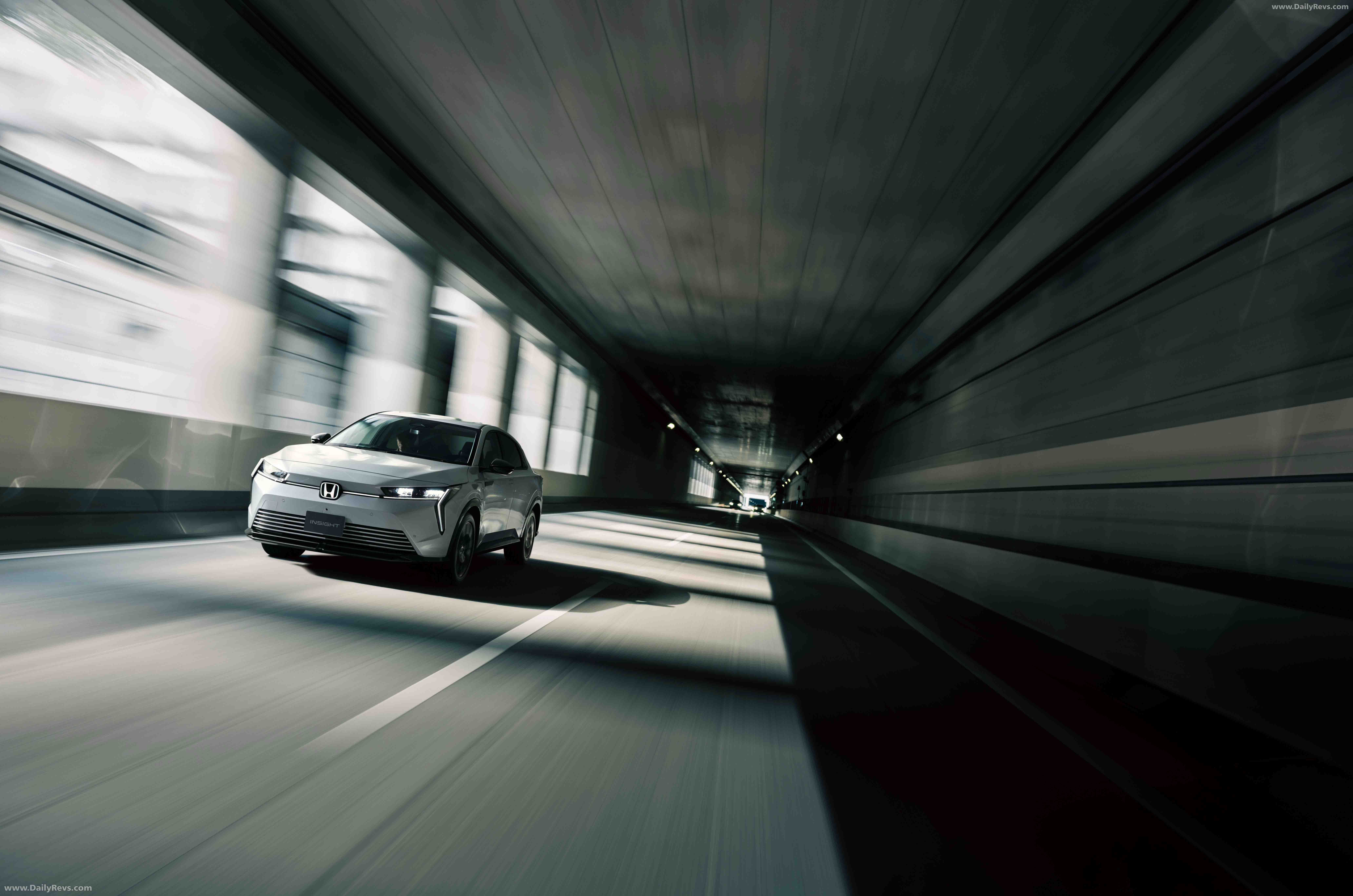
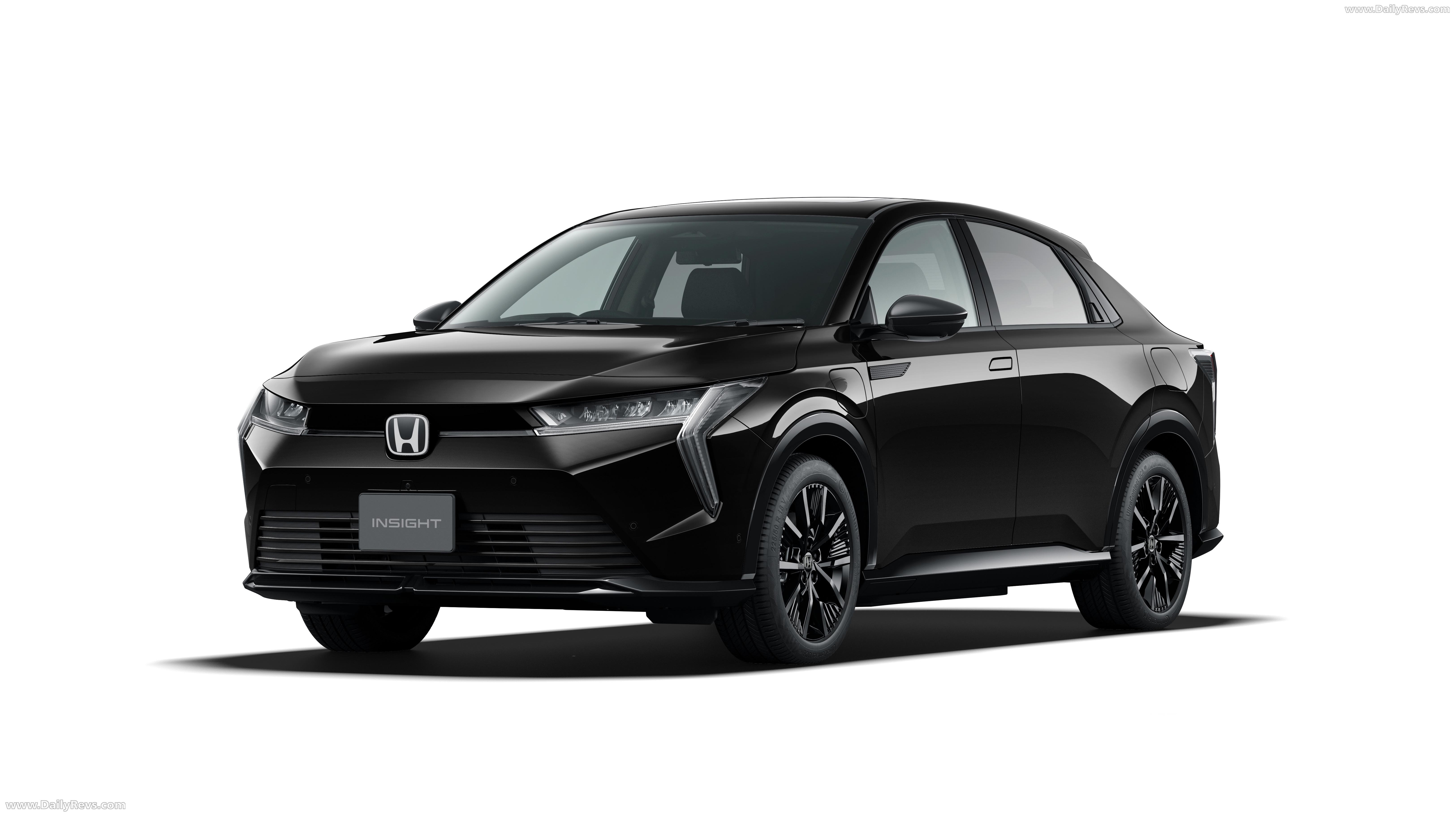
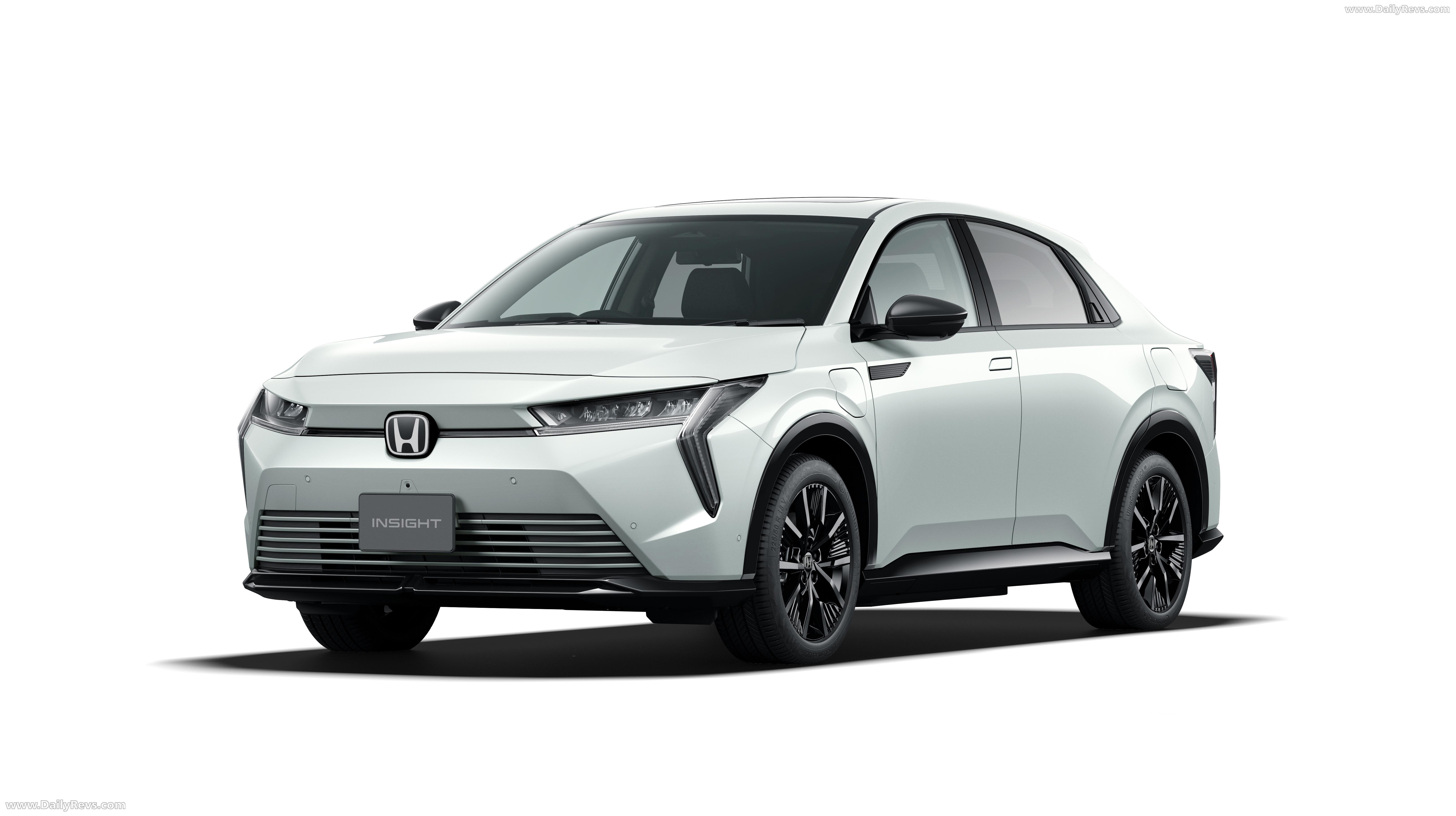
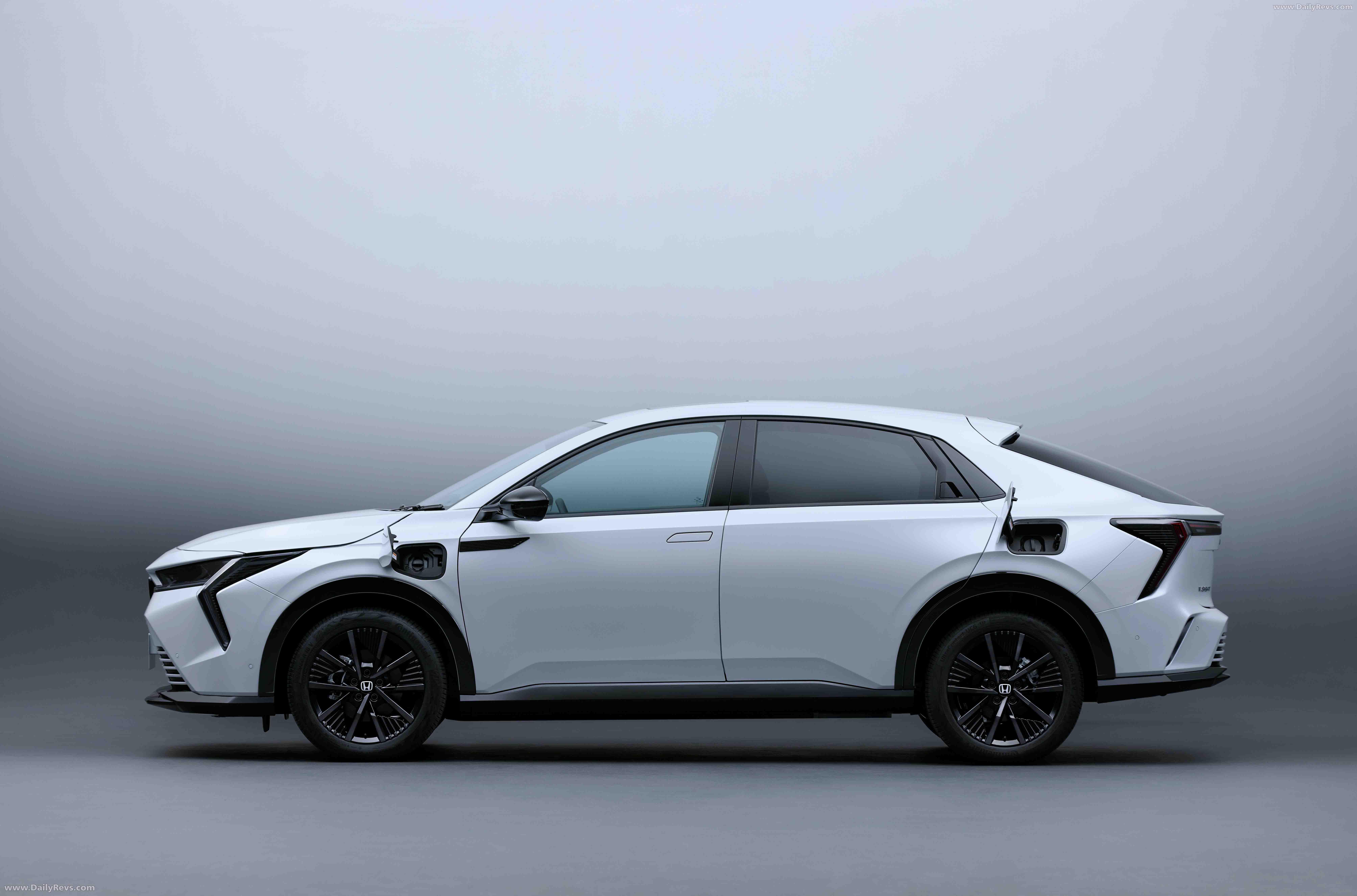
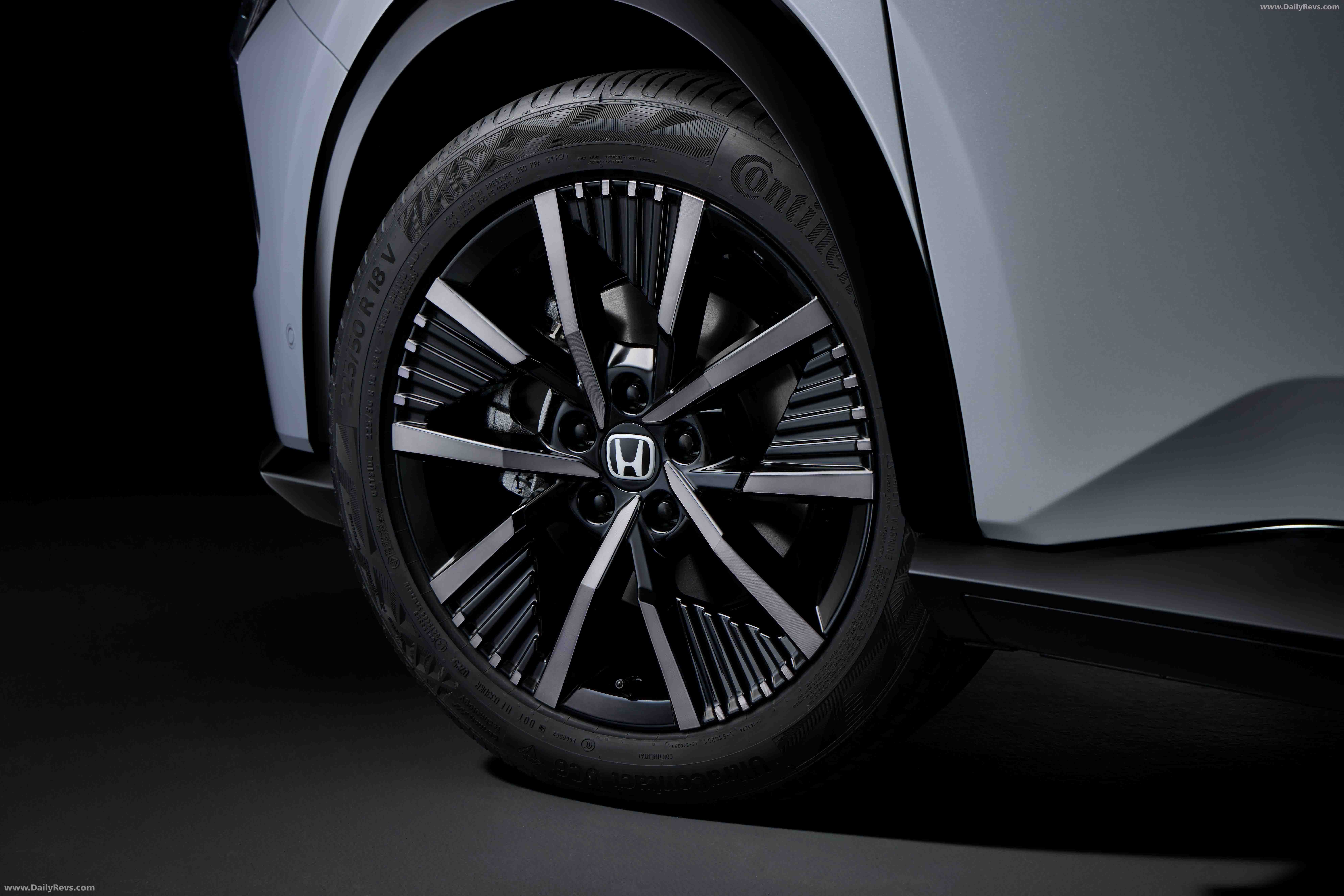
Honda describes the exterior as a “sharp, yet flowing form” intended to create the impression of dynamic forward motion even while stationary.
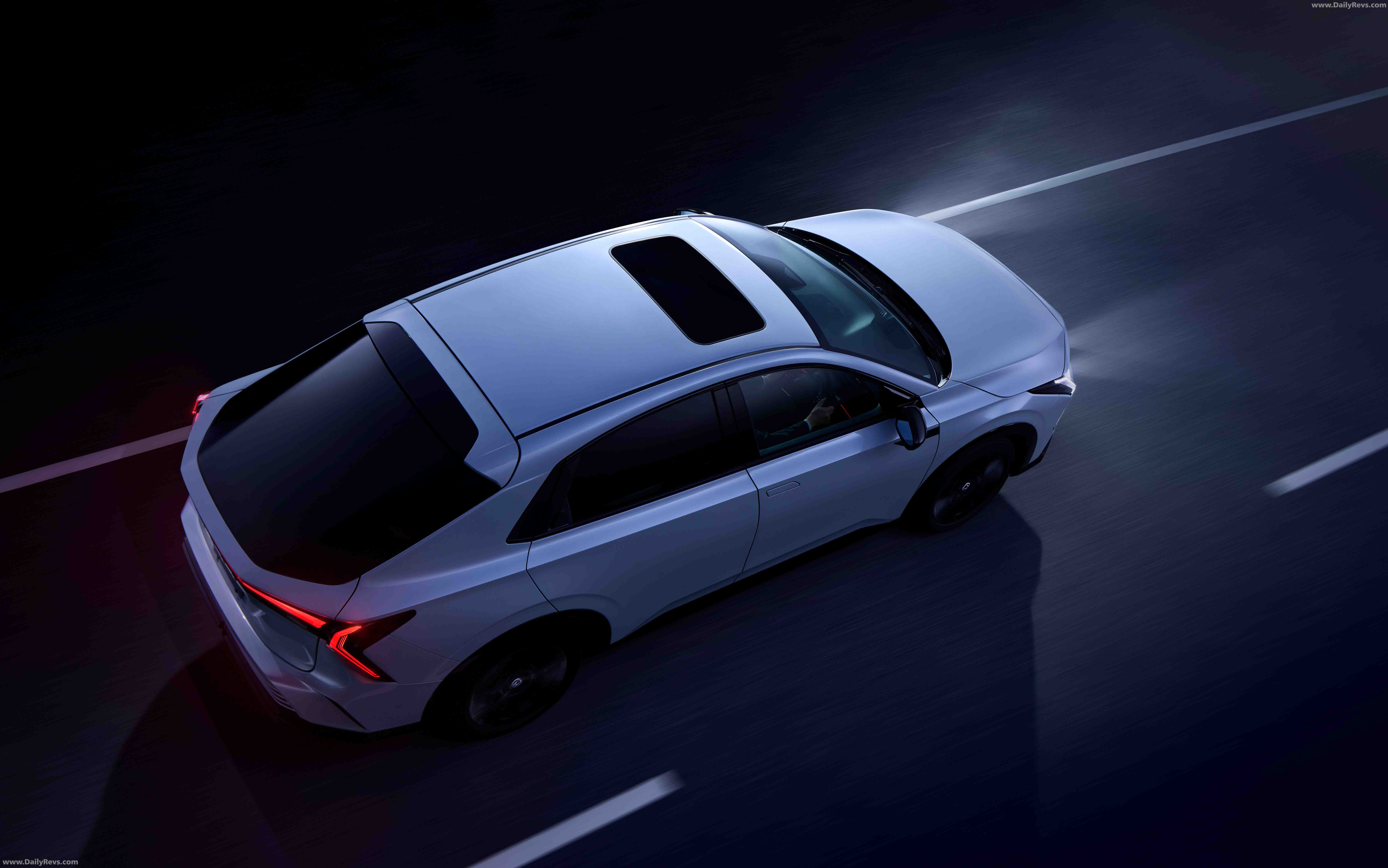
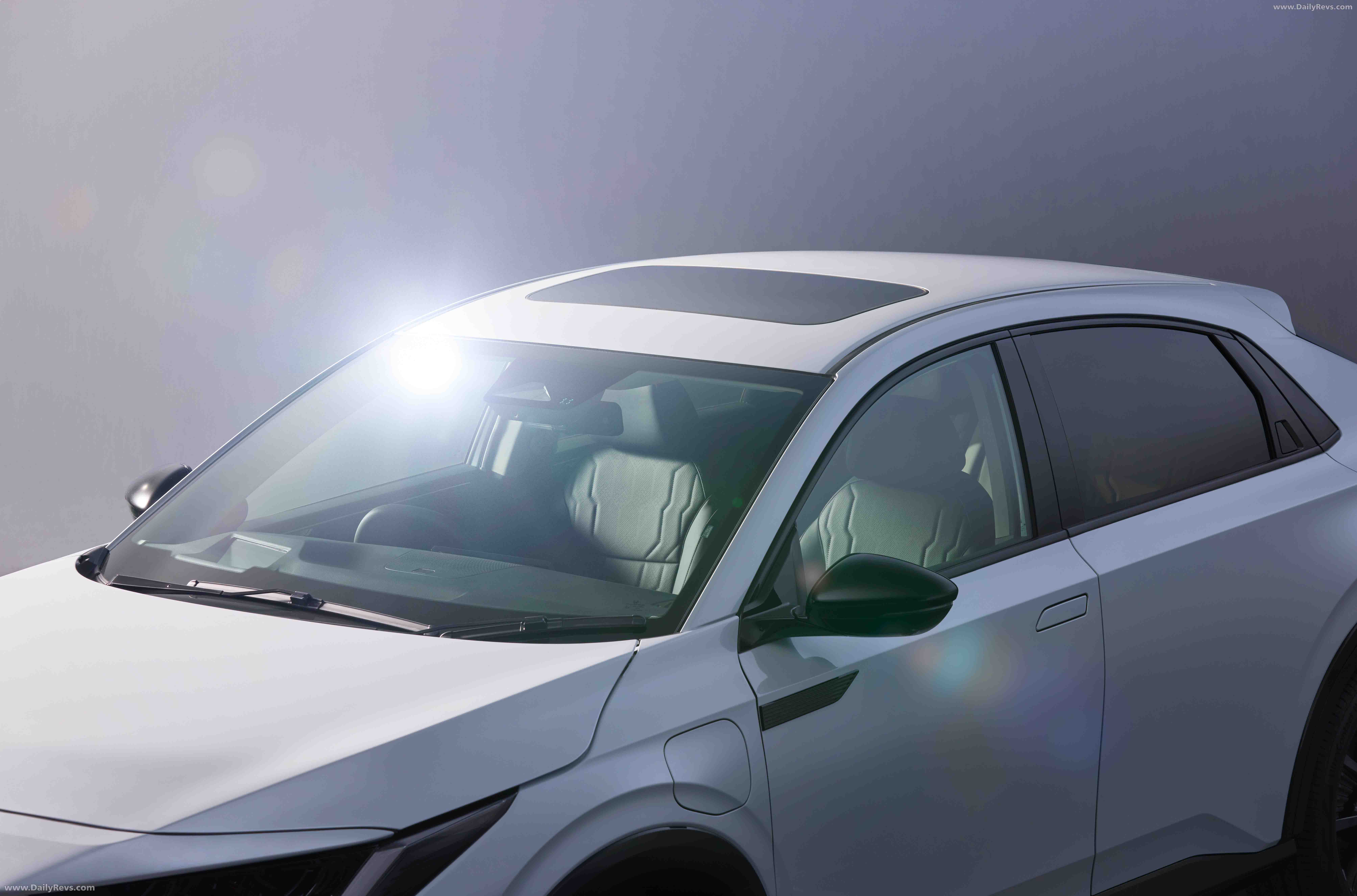
Looking at the proportions, the new Insight sits somewhere between a crossover coupe and a compact SUV. The body features a higher ride height than earlier Insight models, though the roofline still tapers gently toward the rear instead of adopting a boxy SUV silhouette.
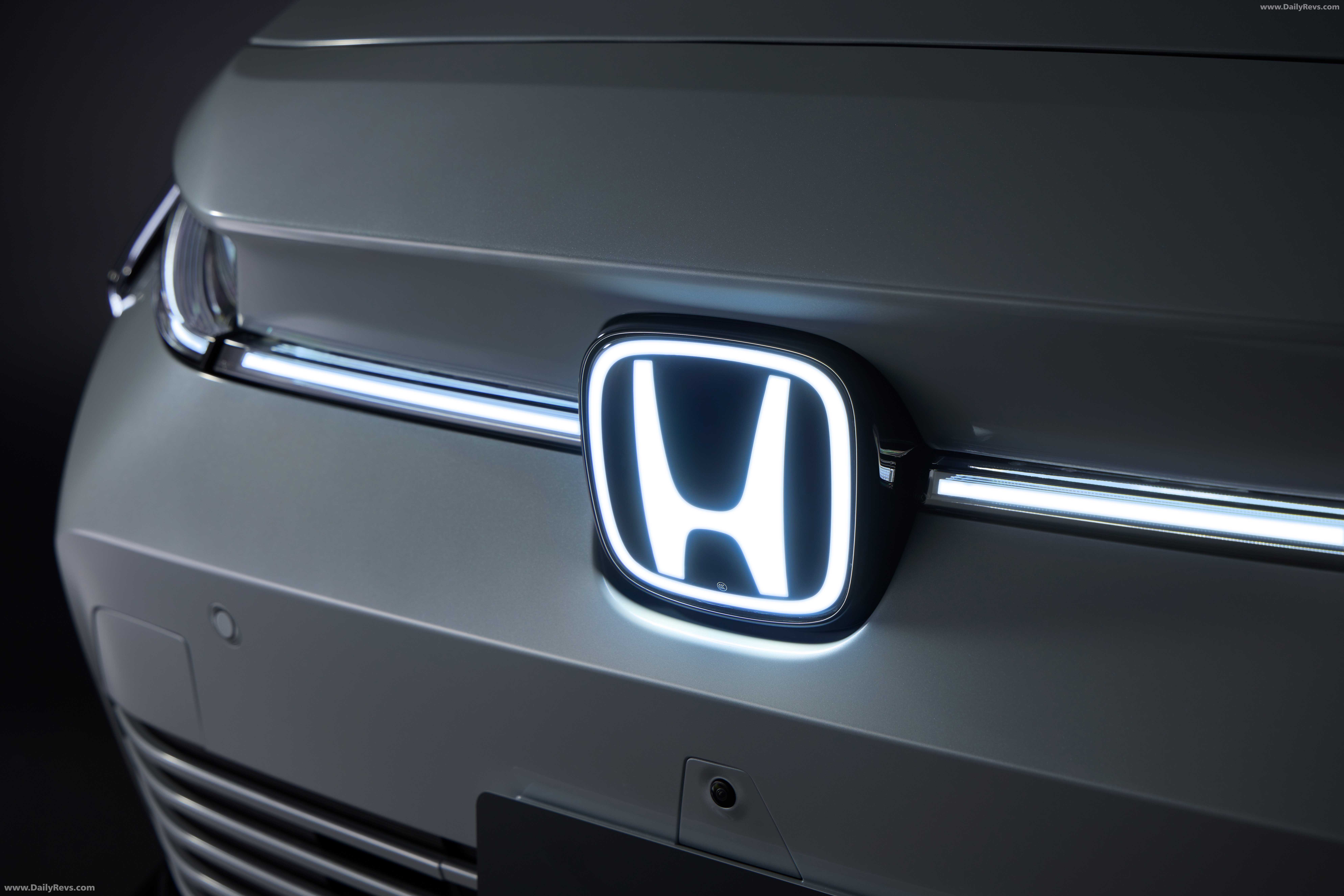
The front fascia uses slim lighting signatures and a smooth closed-off EV grille treatment, while the sharp vertical detailing around the bumper sections adds a slightly futuristic edge.
There is also noticeably less visual clutter than many recent EV crossovers.
That cleaner approach helps the Insight appear more mature and premium than some competitors currently relying on exaggerated surfacing and oversized lighting graphics. [Inference]
Honda says the overall design was shaped specifically to stand out naturally within urban environments.
The Cabin Prioritizes Passenger Comfort
Inside, the new Insight shifts heavily toward comfort-focused packaging.
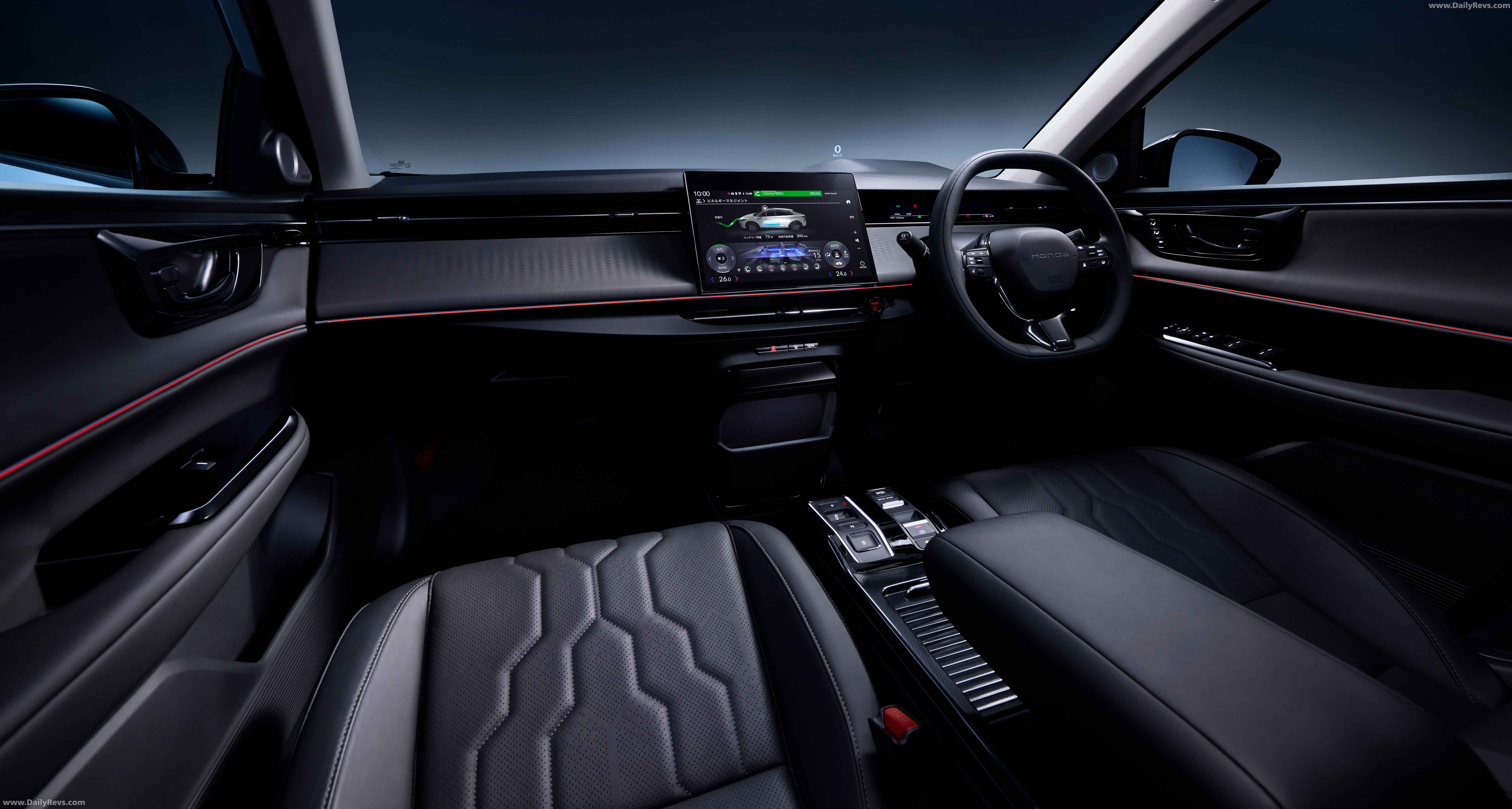
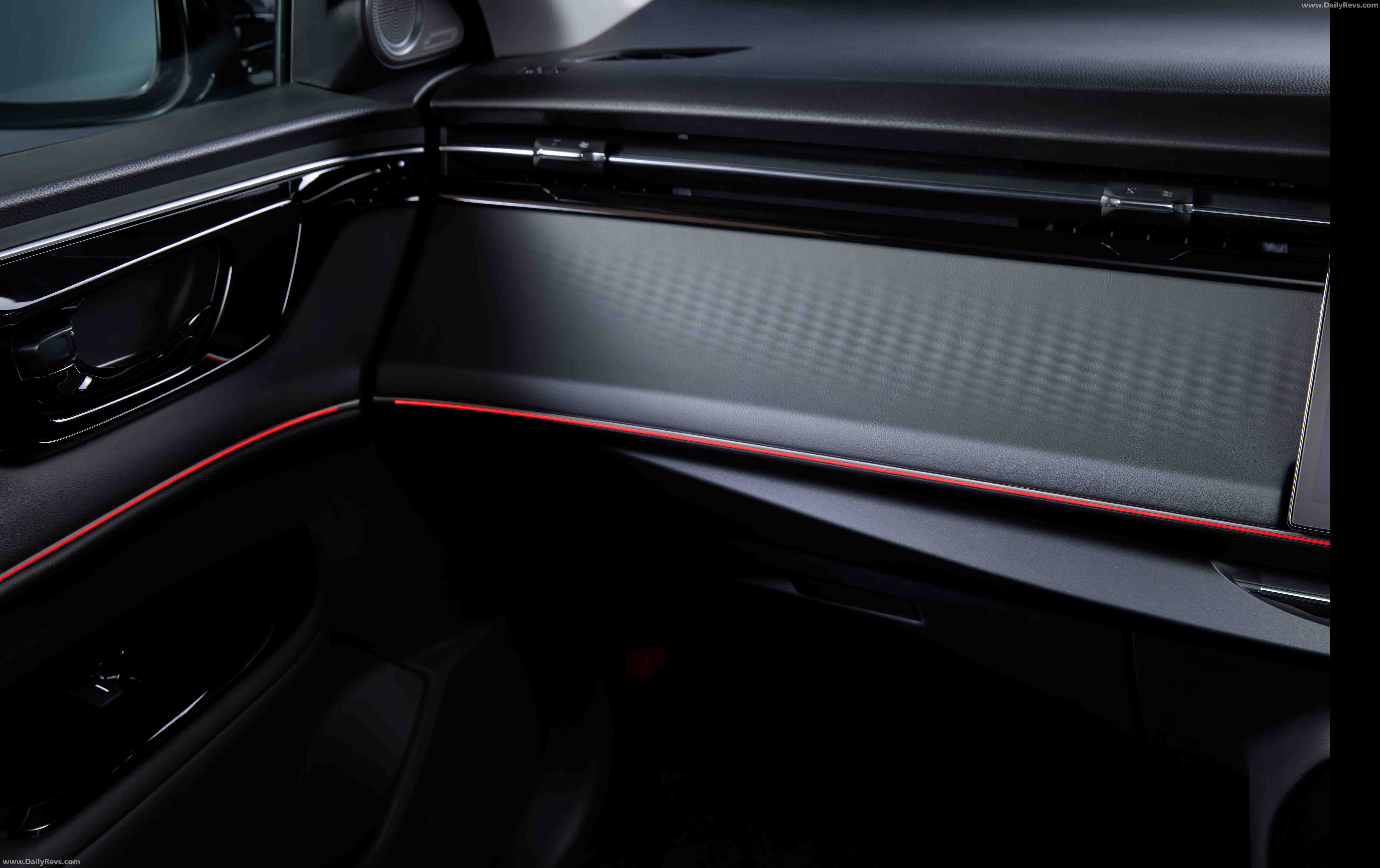
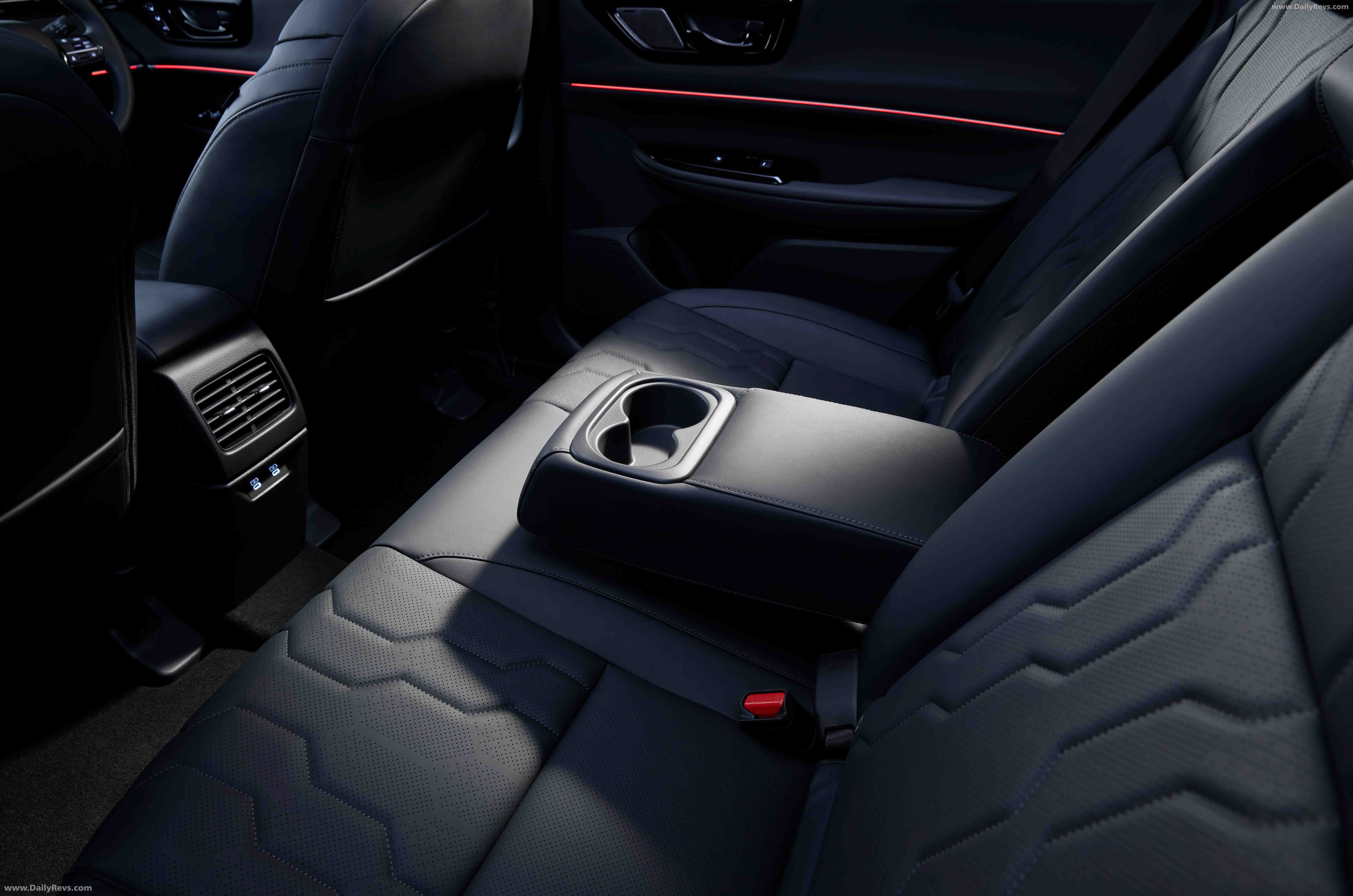
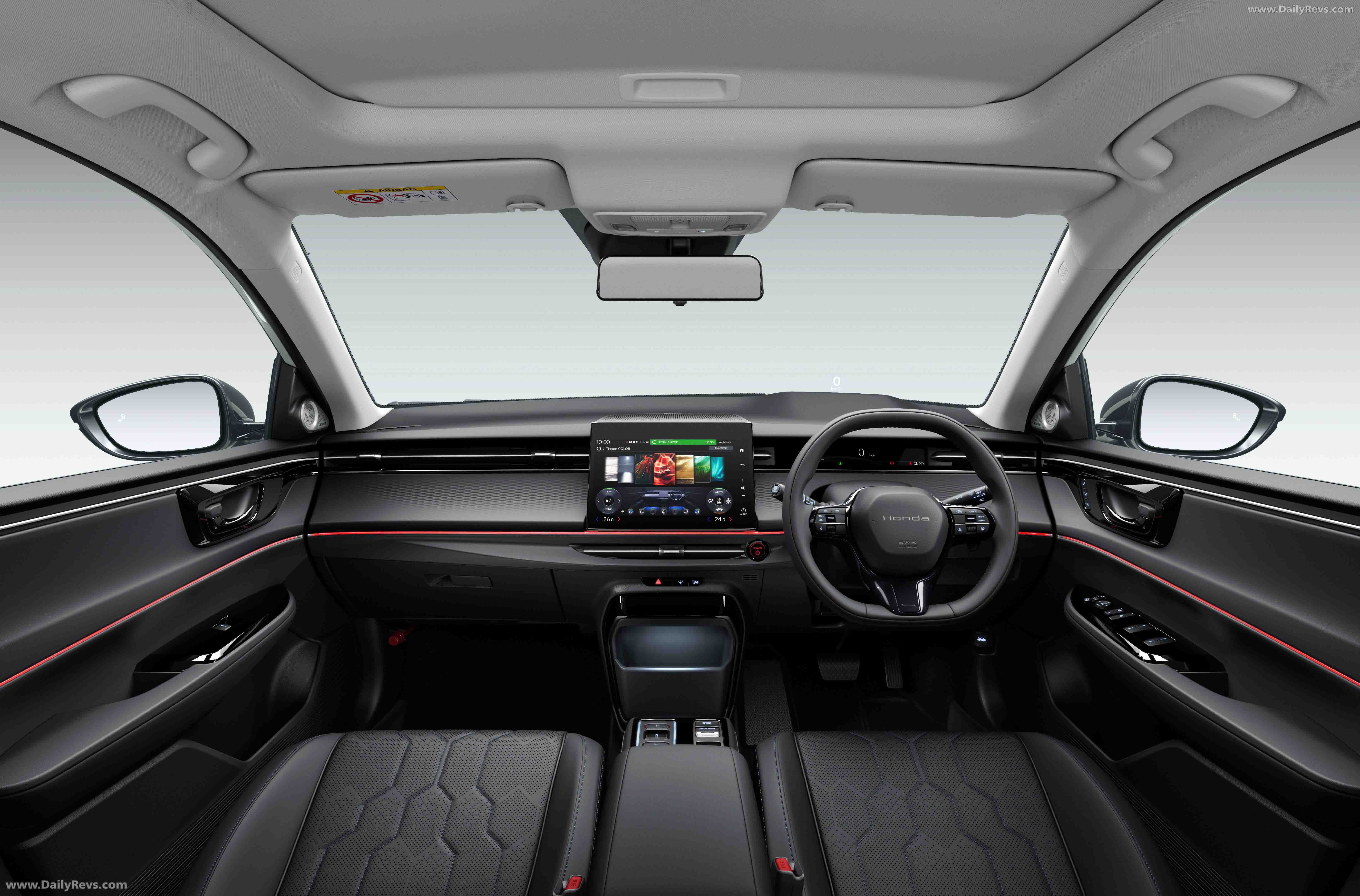
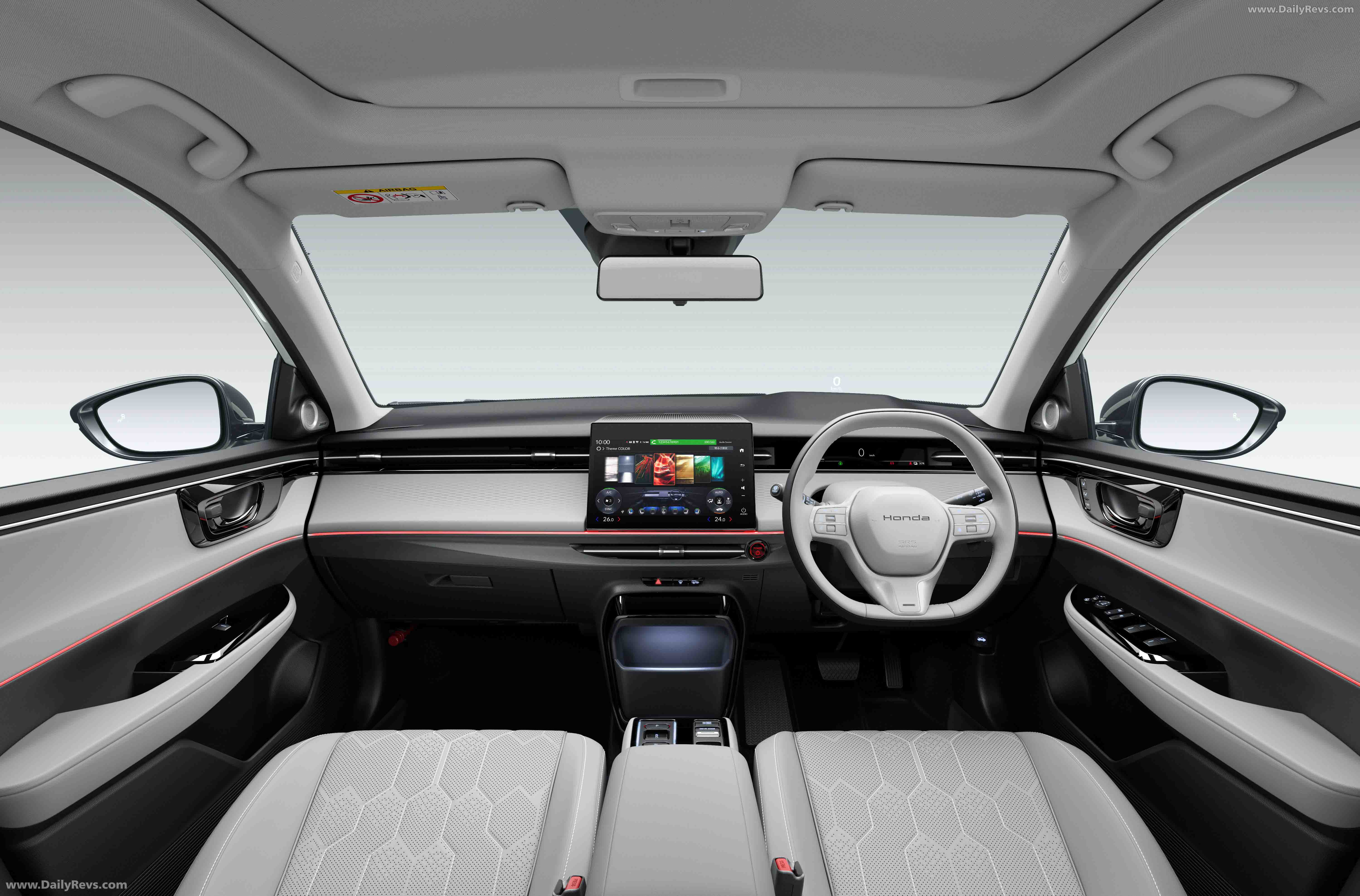
Honda designed the cabin around a rounded, continuous layout intended to create a stronger feeling of enclosure and relaxation for occupants. Soft-padded materials, LED ambient lighting, and a wide center console area help create a noticeably more upscale atmosphere than earlier Insight models.
The packaging itself seems particularly thoughtful.
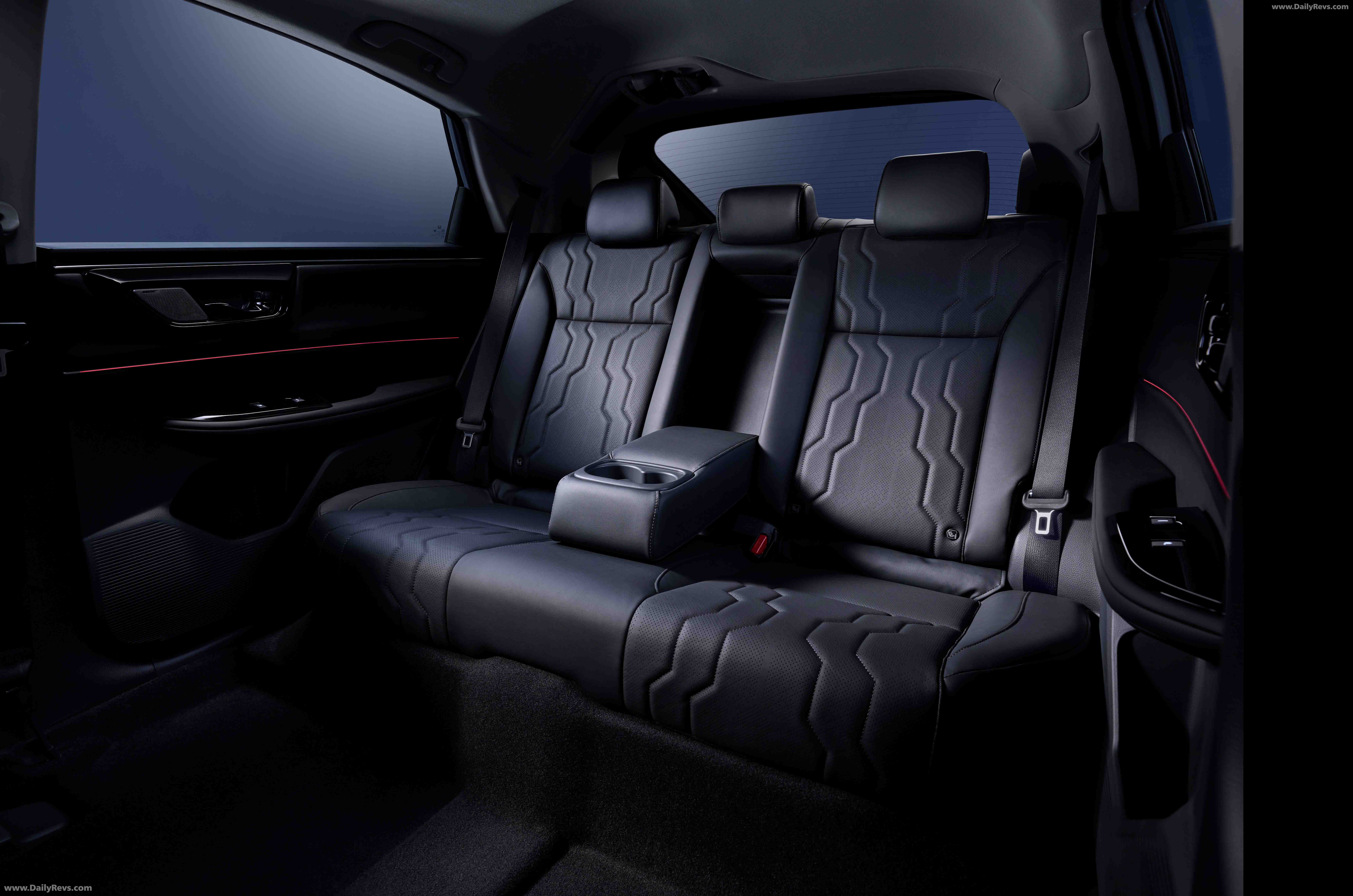
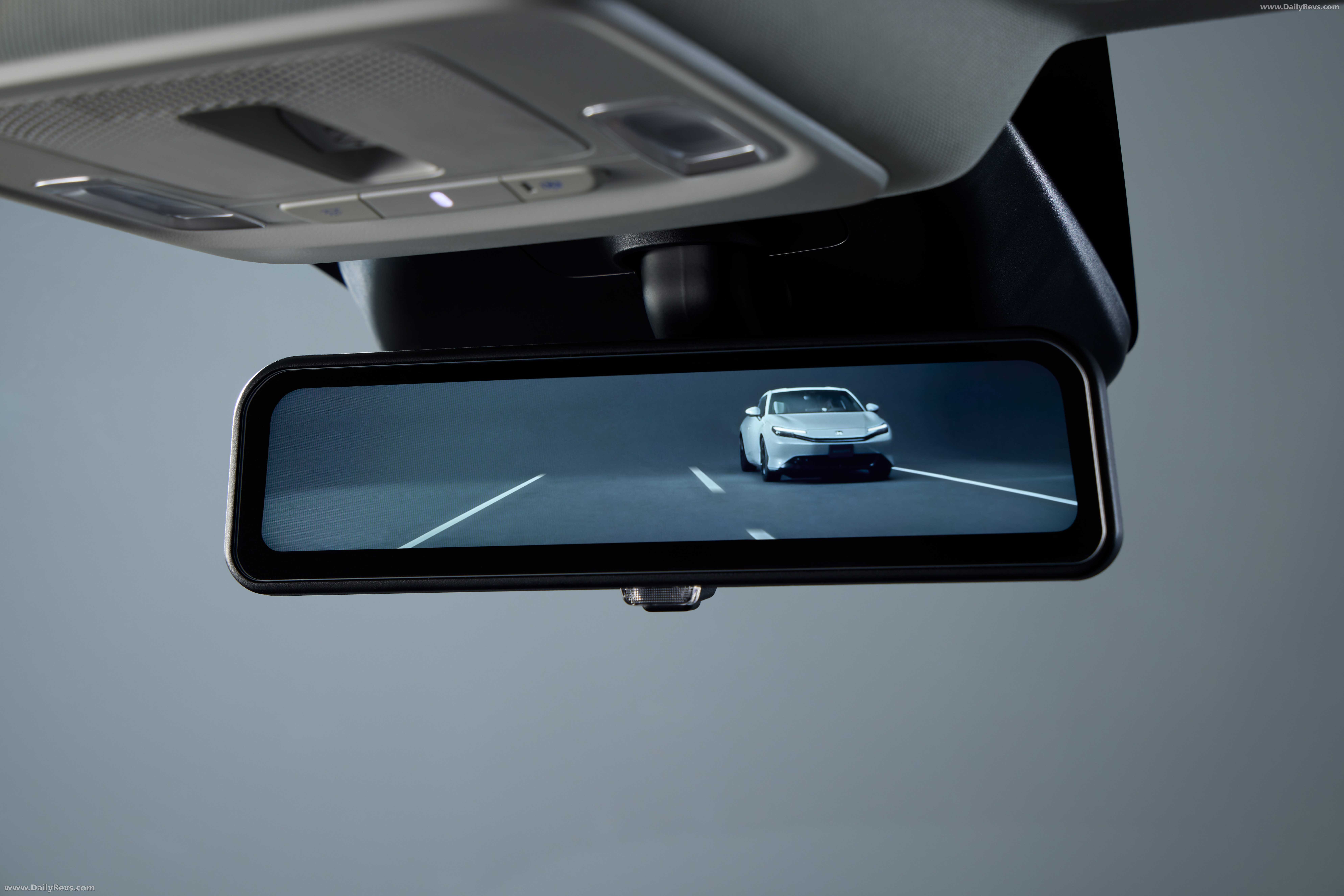
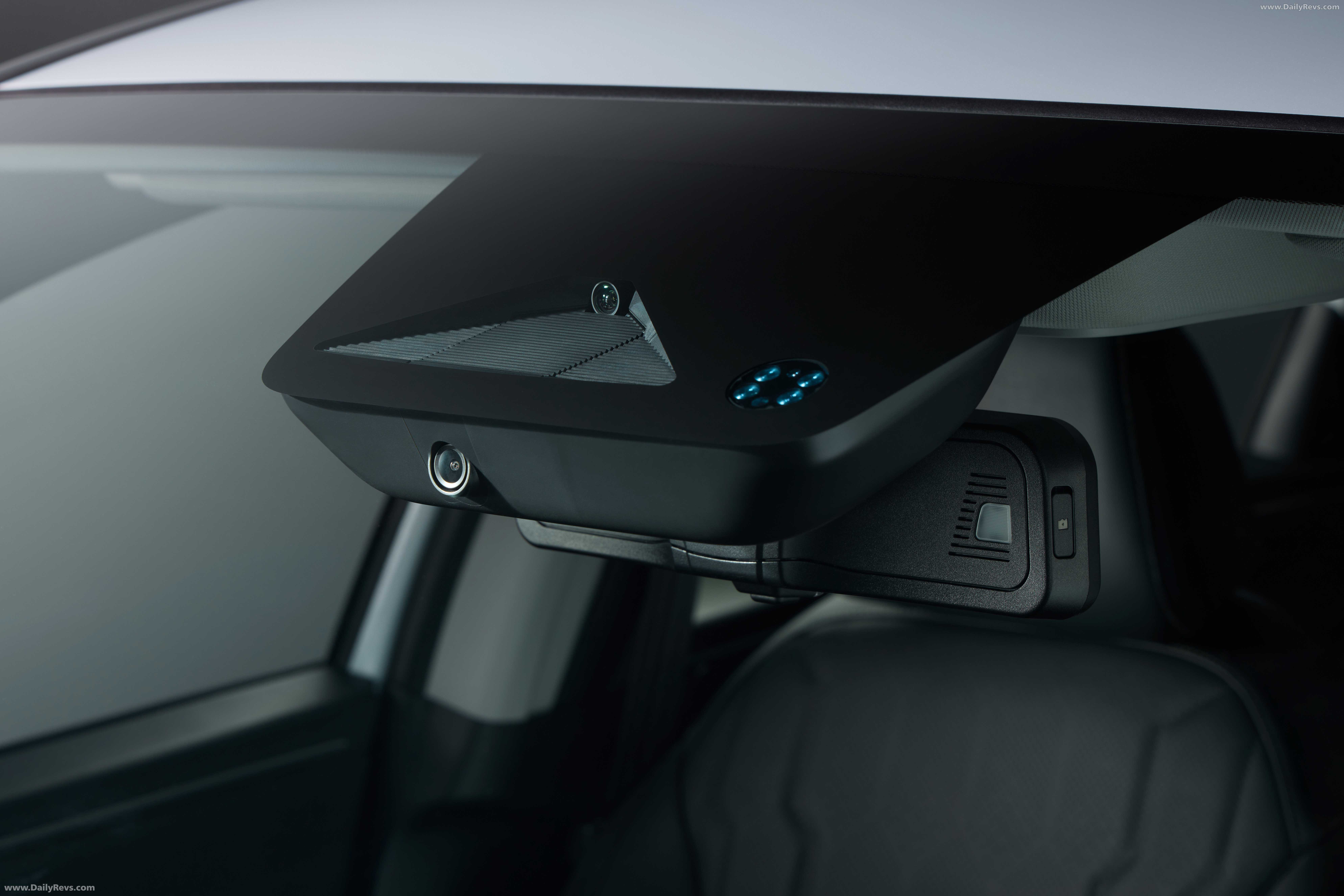
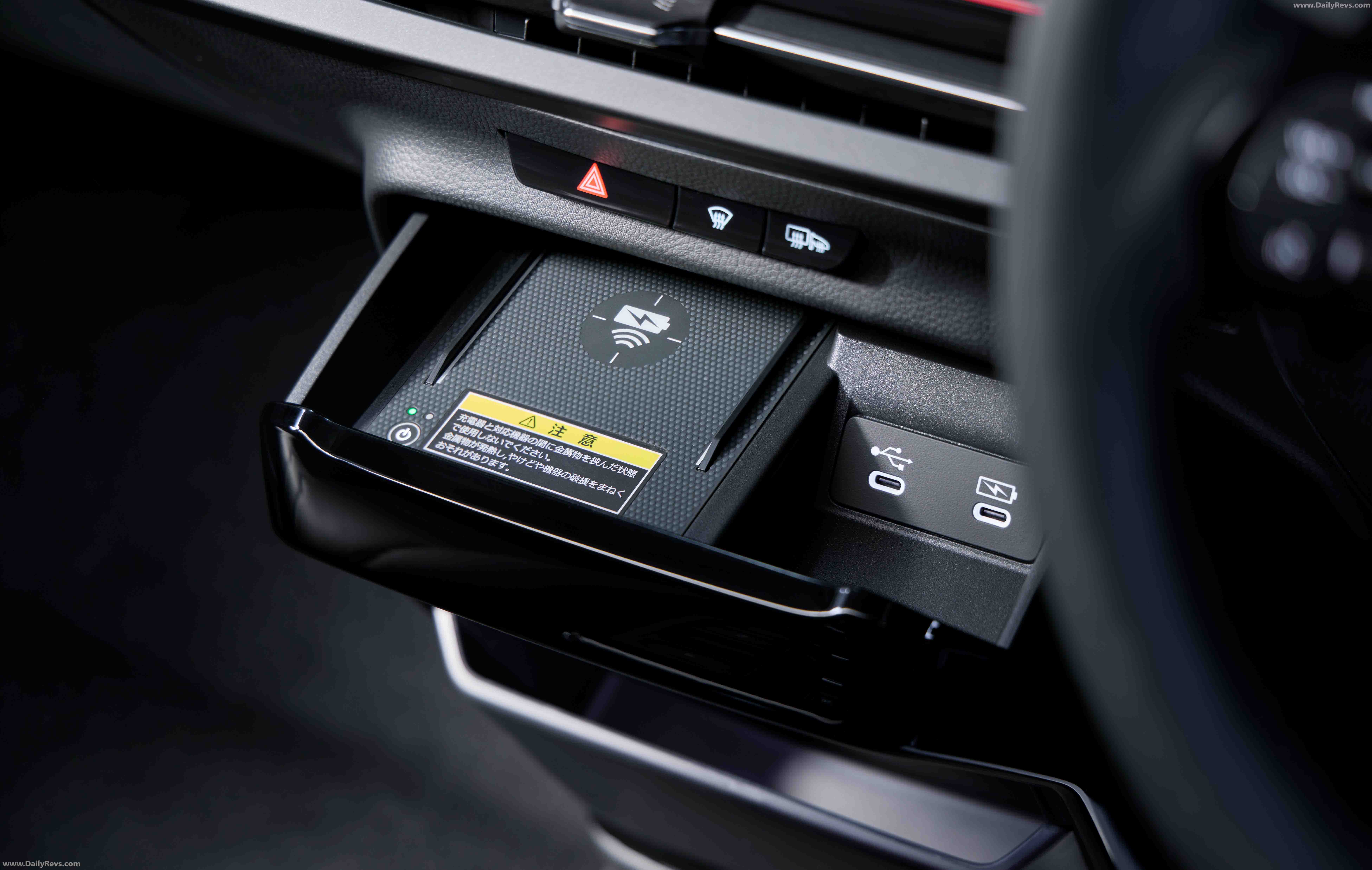
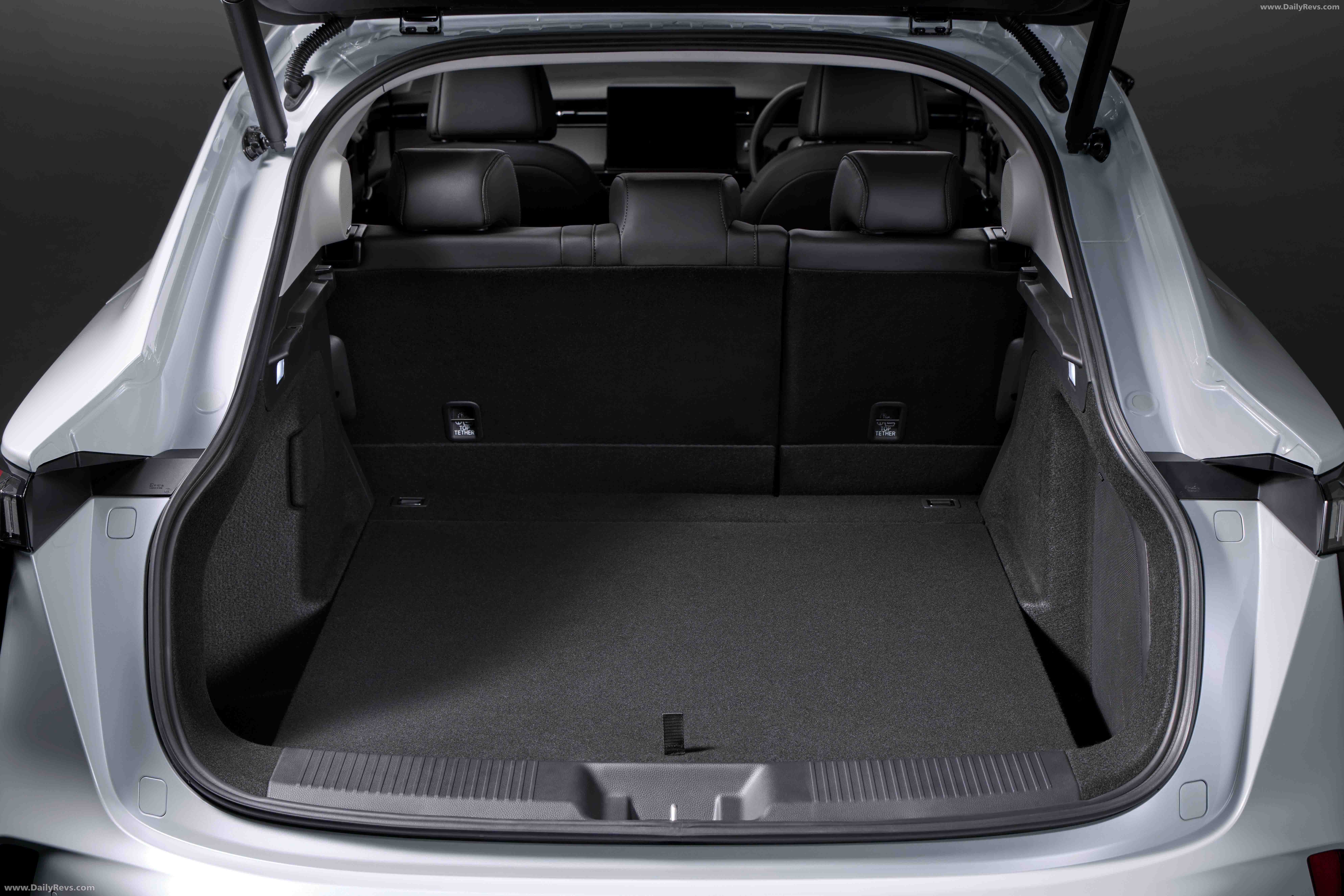
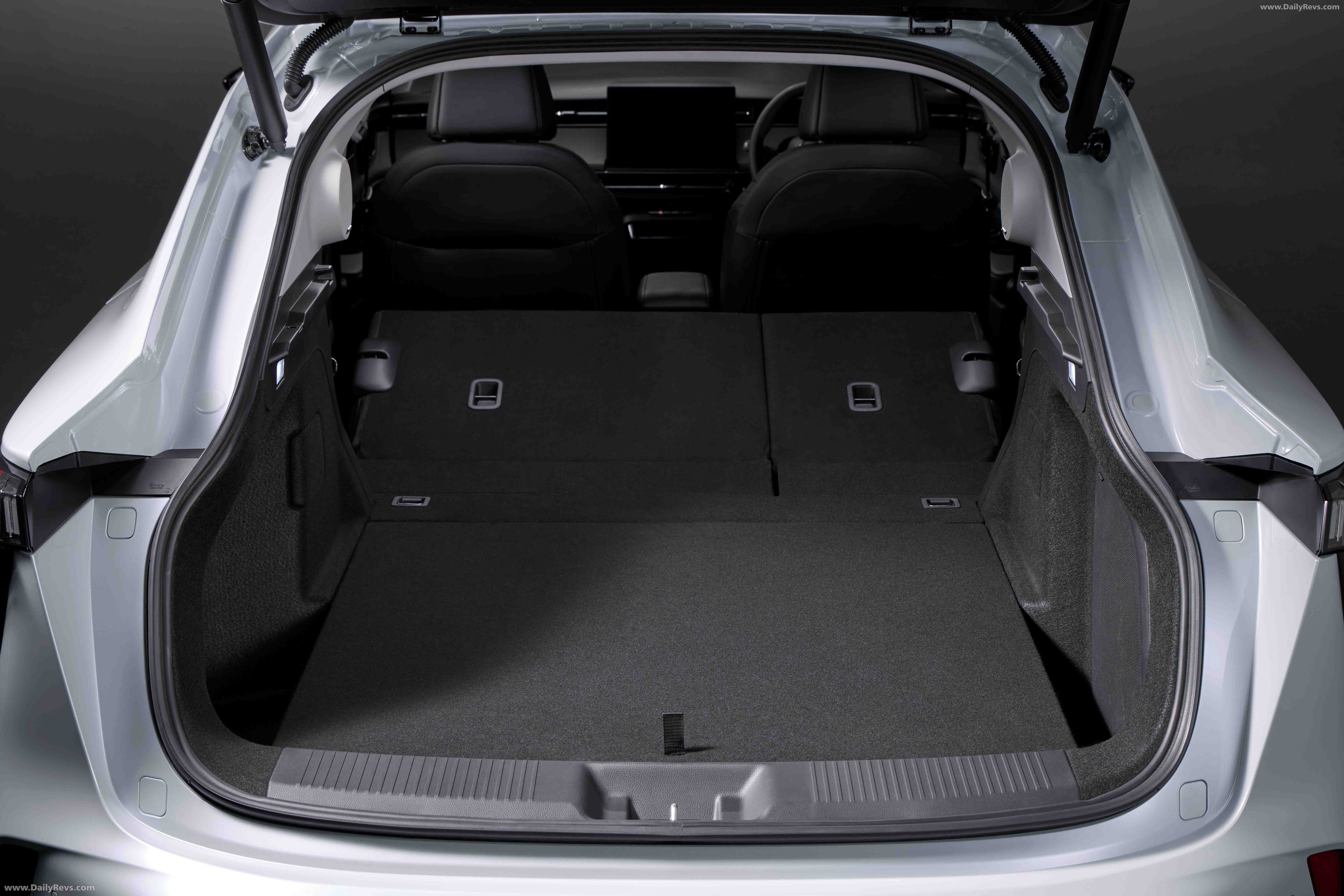
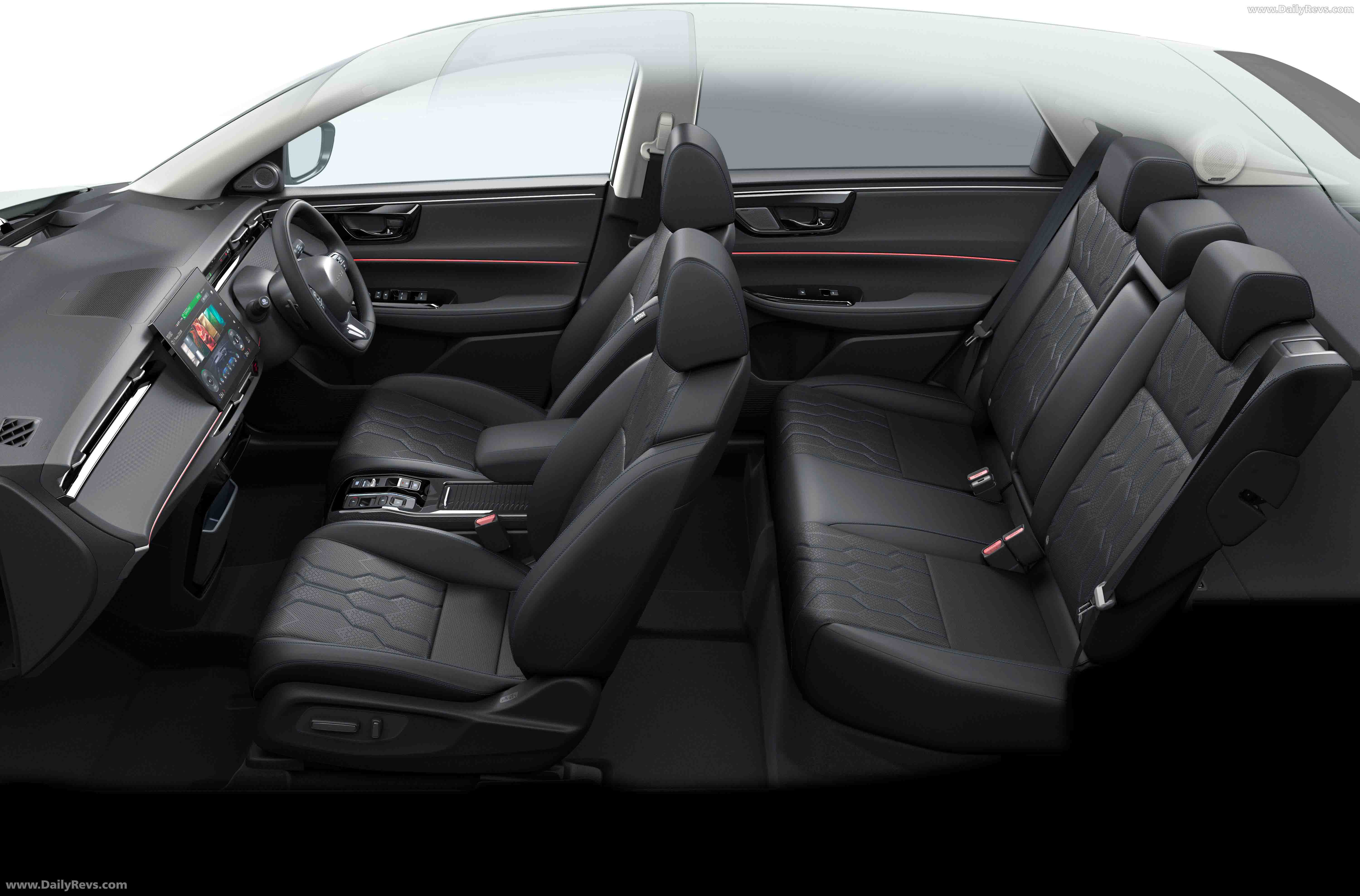
Honda elevated the driver’s eye point to improve forward visibility while also simplifying dashboard information through a Head-Up Display system. Rear passengers receive reclining seats and generous legroom, while the front cabin uses a walk-through center console design that avoids separating the driver and passenger entirely.
Some of the comfort features are unusually detailed for this segment.
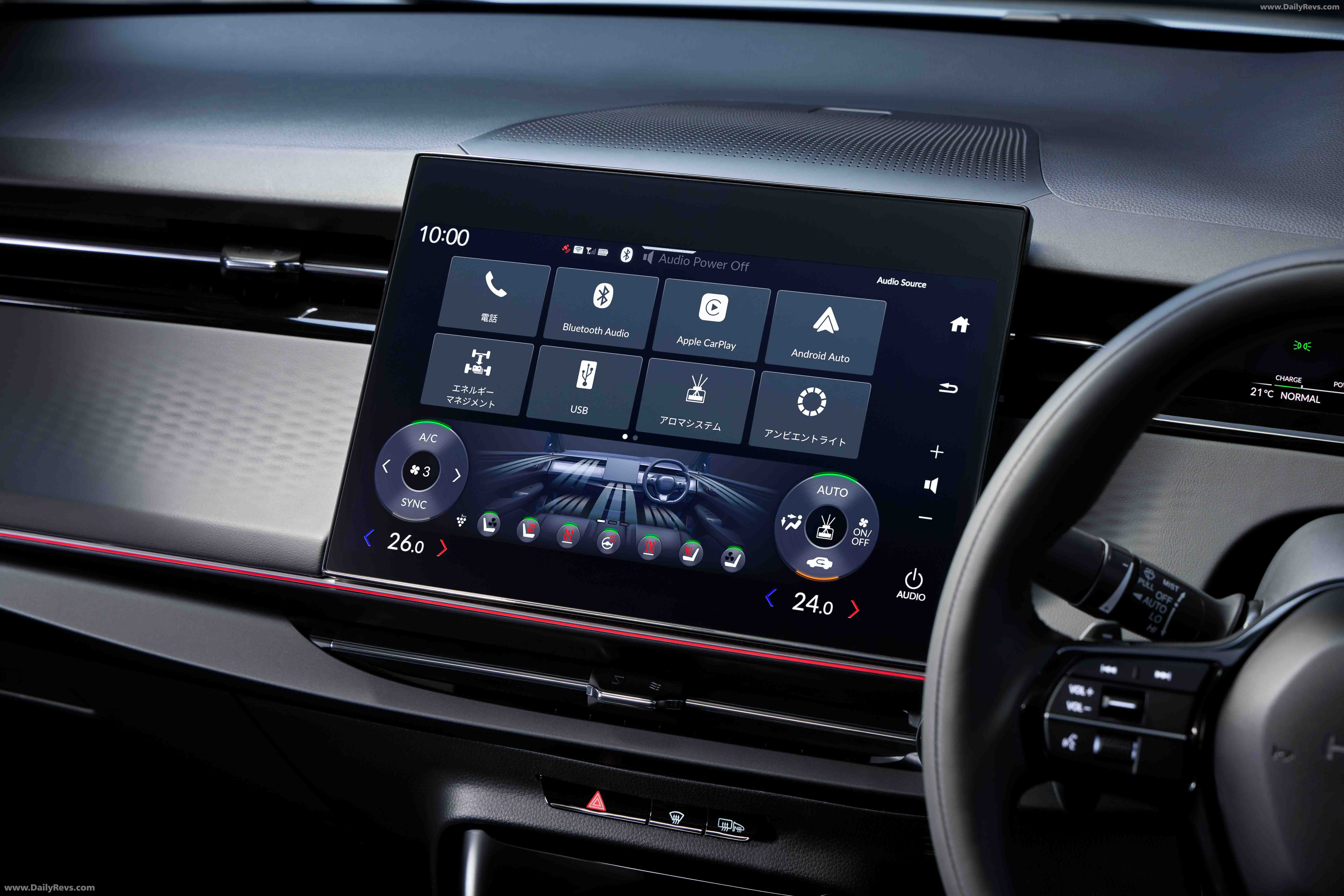
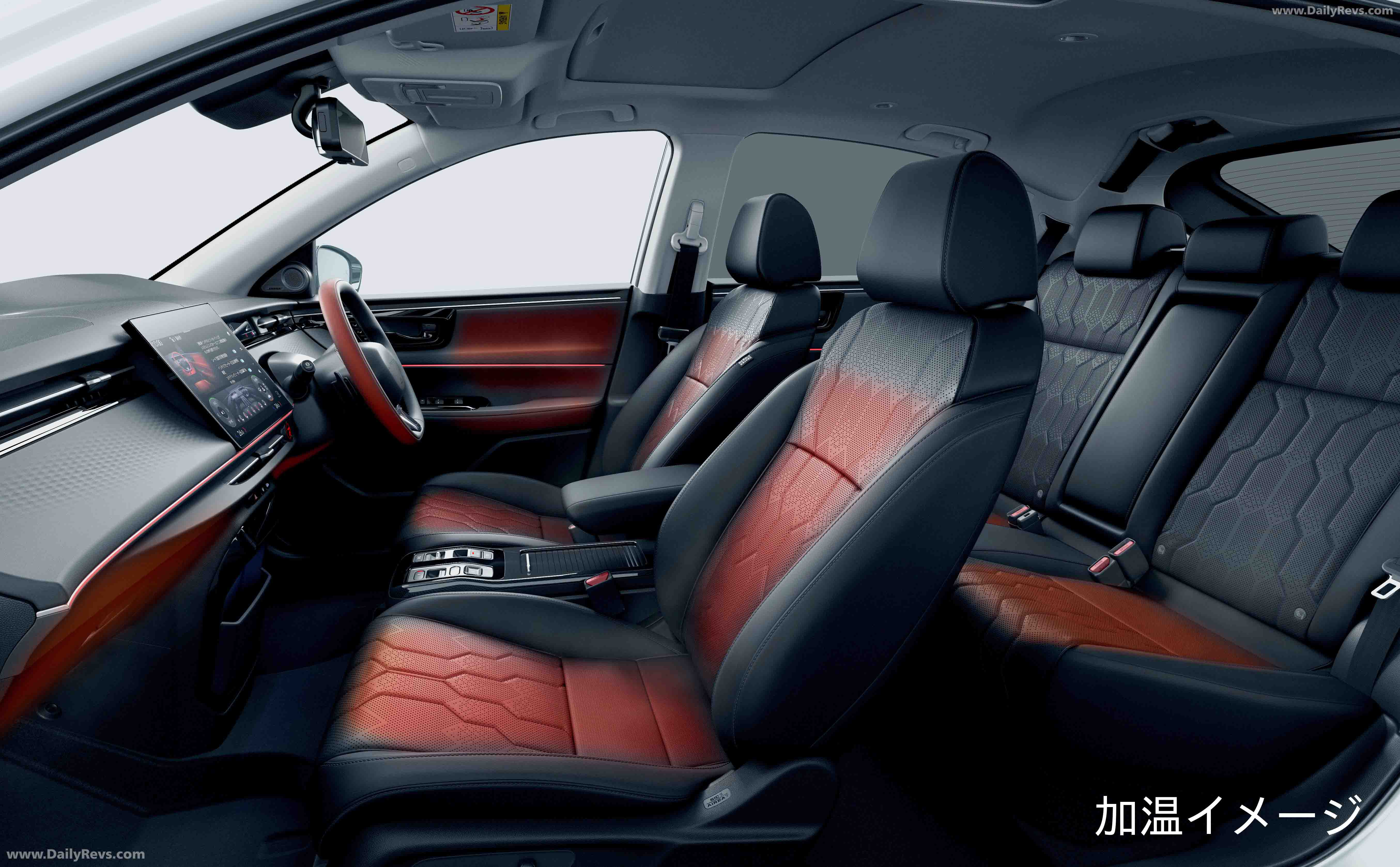
The Insight EV introduces an Intelligent Heating System that automatically adjusts heating performance based on occupant detection, while newly added radiant heater panels reduce cabin dryness and improve efficiency compared with traditional forced-air systems.
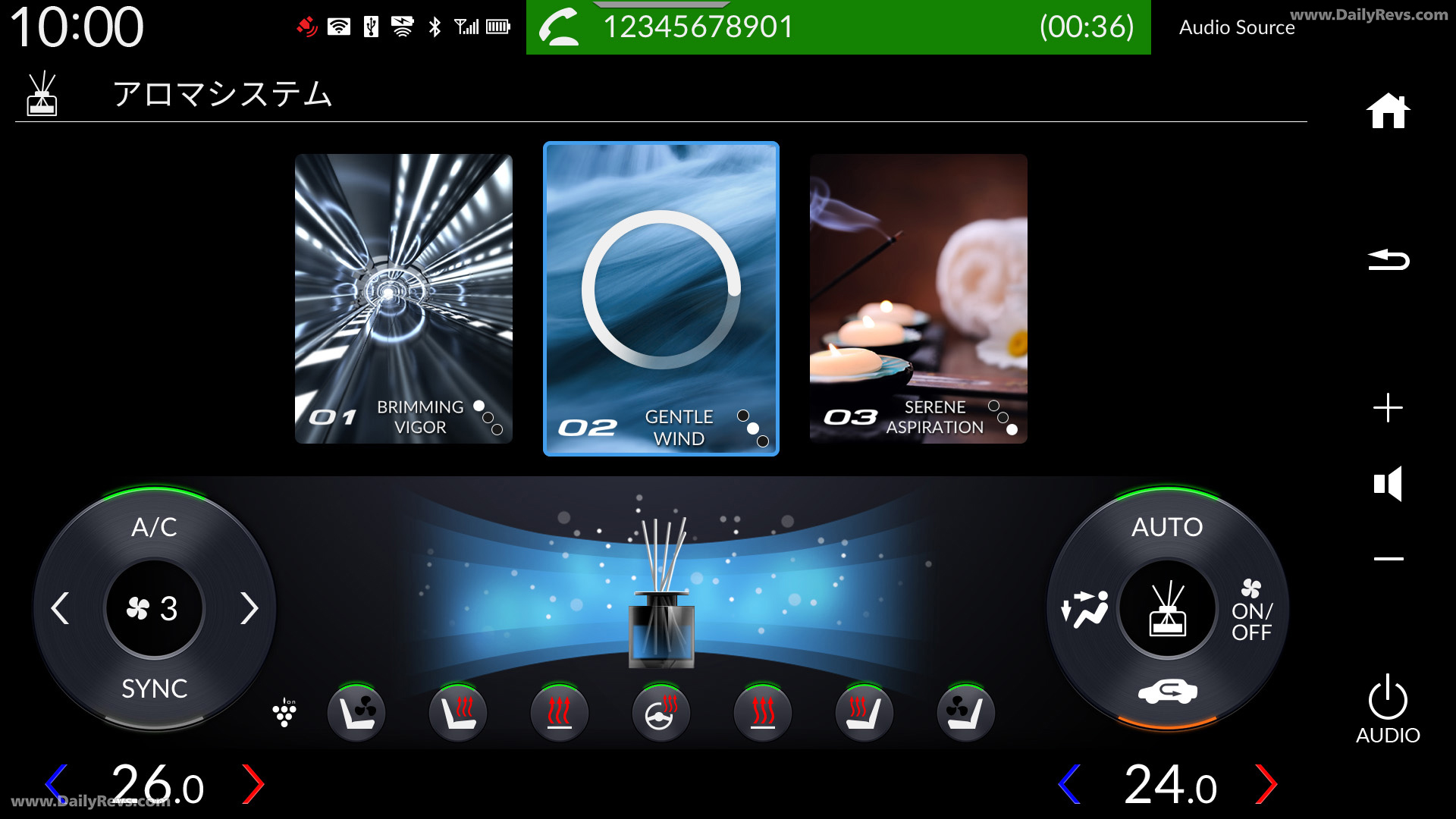
Honda also fits an aroma diffuser with selectable fragrance cartridges and a 12-speaker BOSE premium sound system.
Range And Everyday Practicality Remain Central
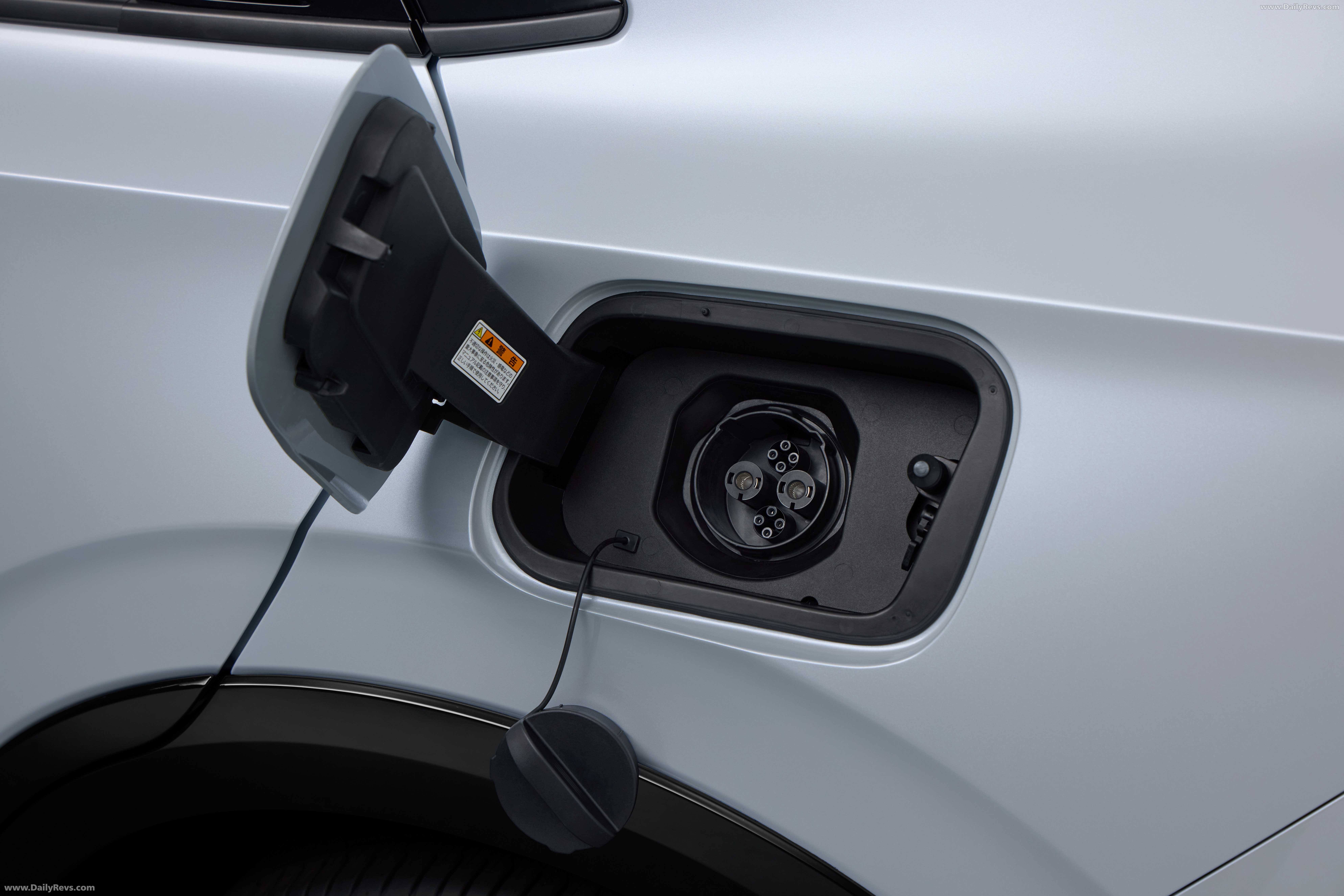
Underneath, the Insight EV uses a compact high-output drive unit paired with a large-capacity battery pack. Honda claims a WLTC driving range of 535 km (332 miles), placing the crossover comfortably within modern long-range EV territory.
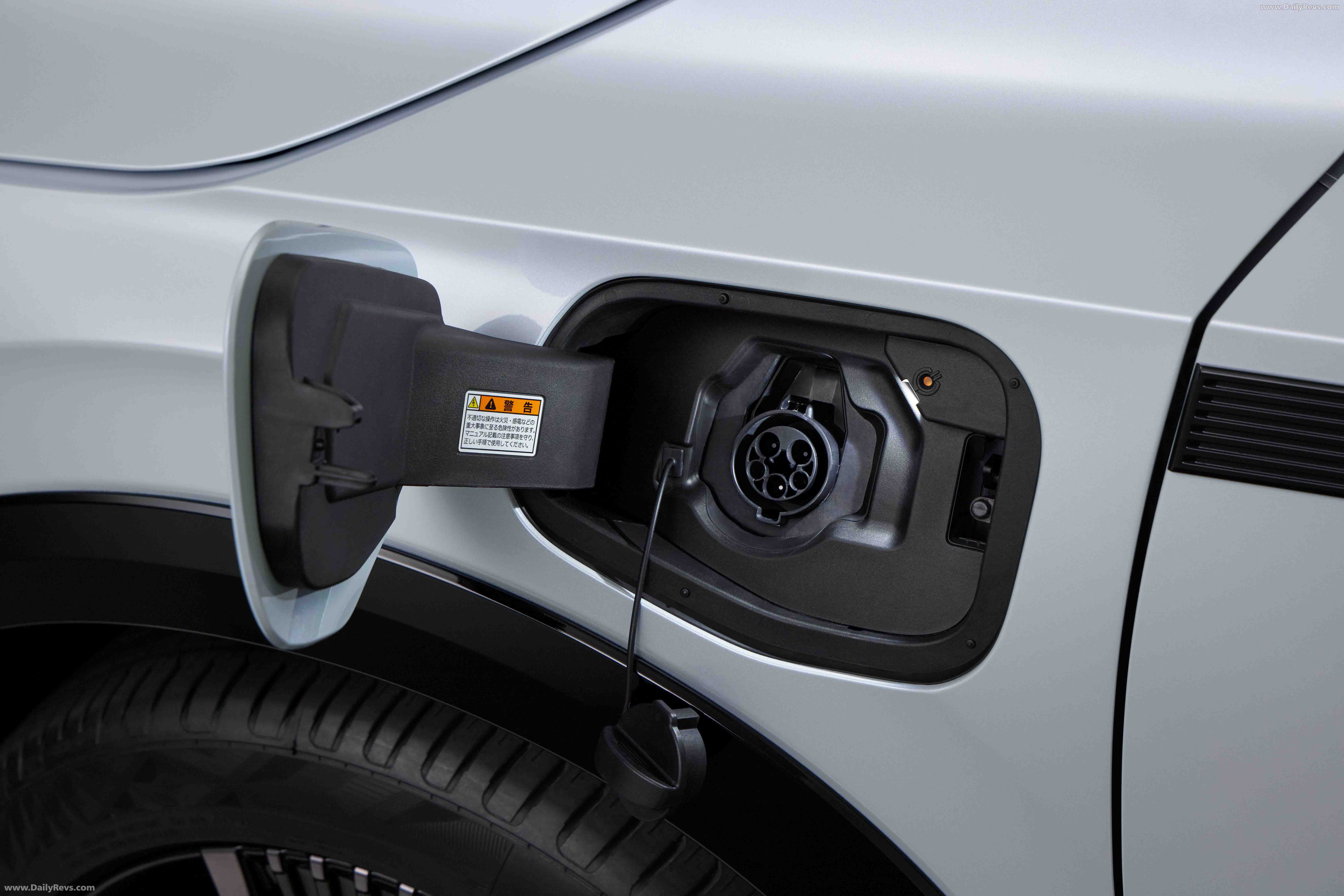
Fast charging to approximately 80 percent can reportedly be completed in around 40 minutes using chargers above 50 kW.
The EV also includes four drive modes — Normal, Sport, Econ, and Snow — together with an Active Sound Control system in Sport mode that generates synthetic acceleration sounds to enhance driver engagement.
Honda says the system was engineered specifically to preserve the “joy of driving” traditionally associated with the brand.
Sales in Japan begin April 17, with production limited initially to 3,000 units. Pricing starts at 5,500,000 yen.