2026 Haval Raptor Plus
By Lorenzo Bianchi February 9, 2026
The Haval Raptor Plus adopts the Hi4 plug-in hybrid system with a WLTC electric range of up to 191 km.
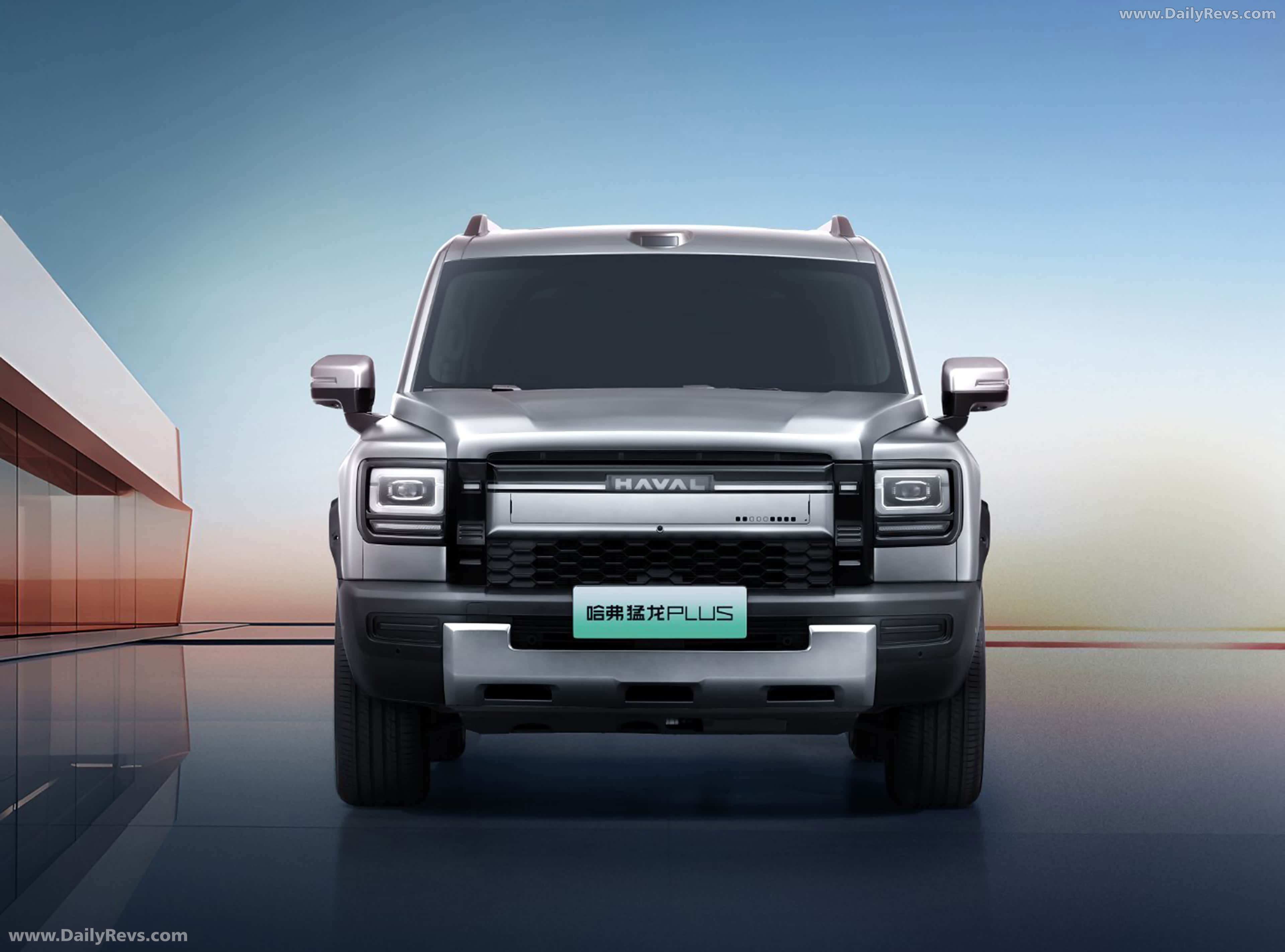
Boxy proportions remain, paired with a revised grille and roof-mounted lidar for advanced driver assistance.
Five- and seven-seat configurations broaden its appeal in the mid-size SUV market.
A Familiar Shape With a New Technical Focus
The 2026 Haval Raptor Plus builds directly on the visual and conceptual foundation of the standard Raptor, keeping the squared-off silhouette that has become its calling card. The approach is evolutionary rather than disruptive. From press images and specifications, the emphasis is clear: preserve the rugged identity while pushing the underlying technology forward.
Positioned in the 200,000 RMB price range, the Raptor Plus sits in a competitive space where electrification and versatility increasingly define buyer expectations. Haval’s response is to lean into plug-in hybrid capability without softening the vehicle’s upright stance or utilitarian presence.
Exterior Design and Proportions
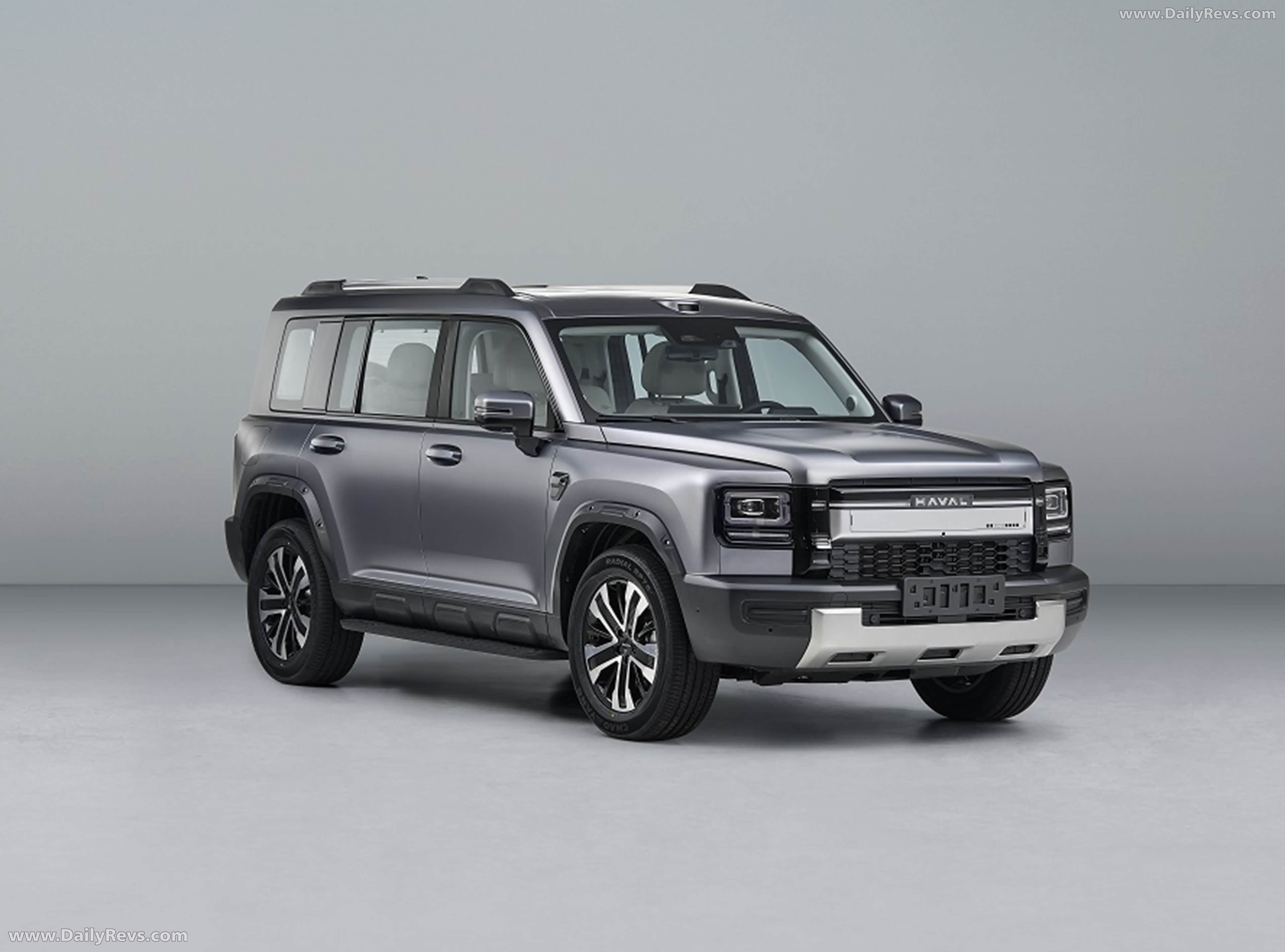
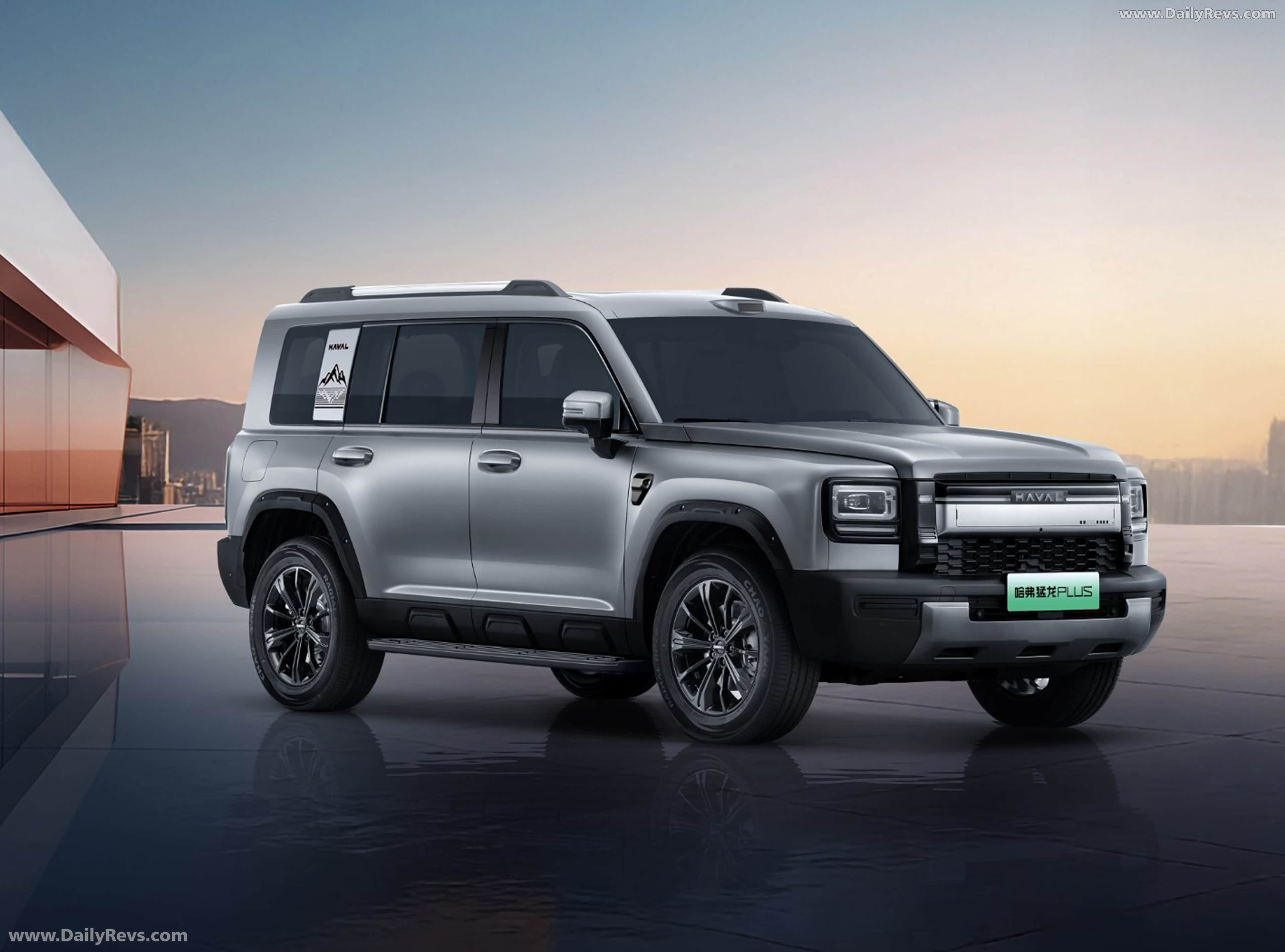
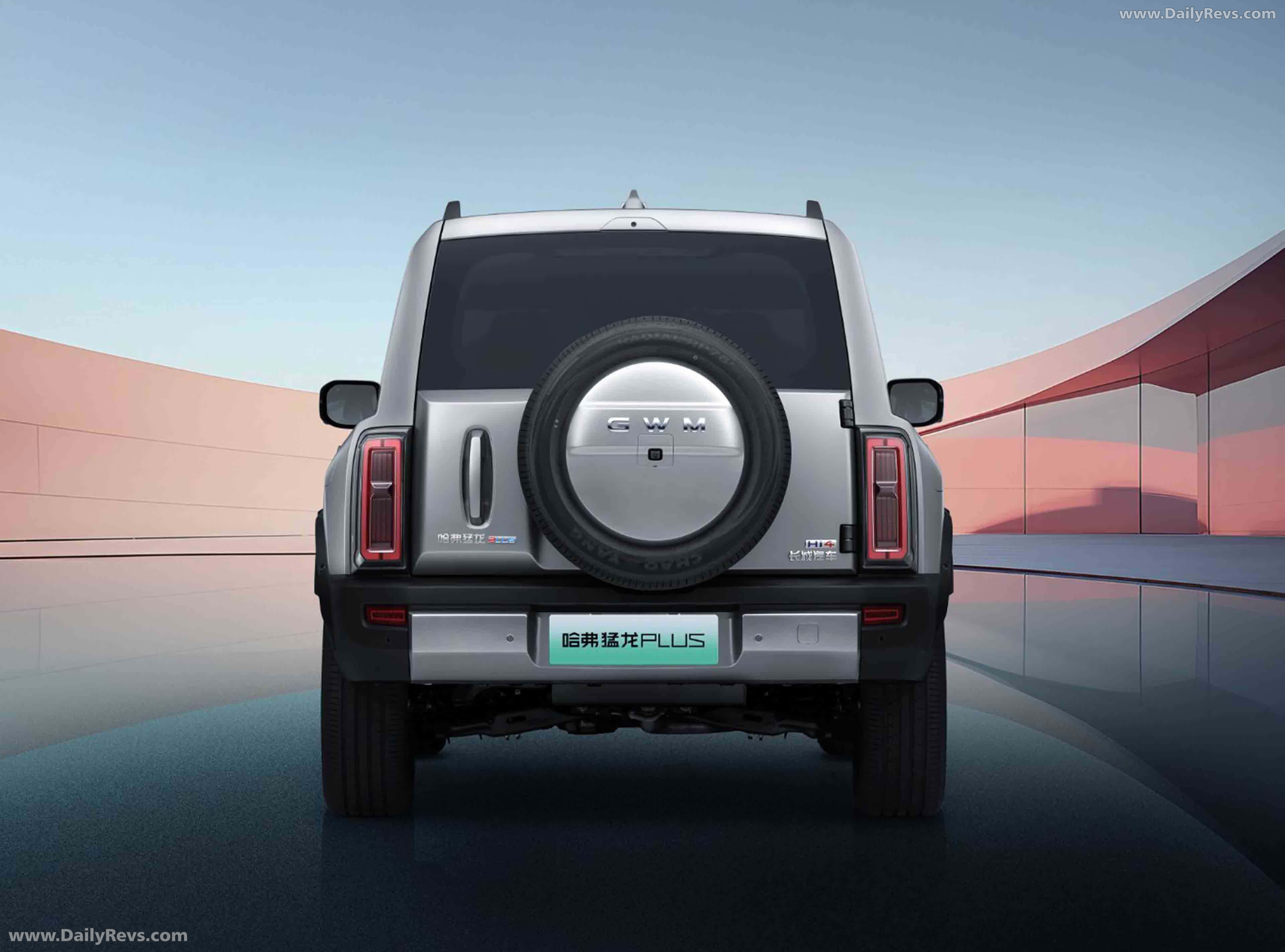
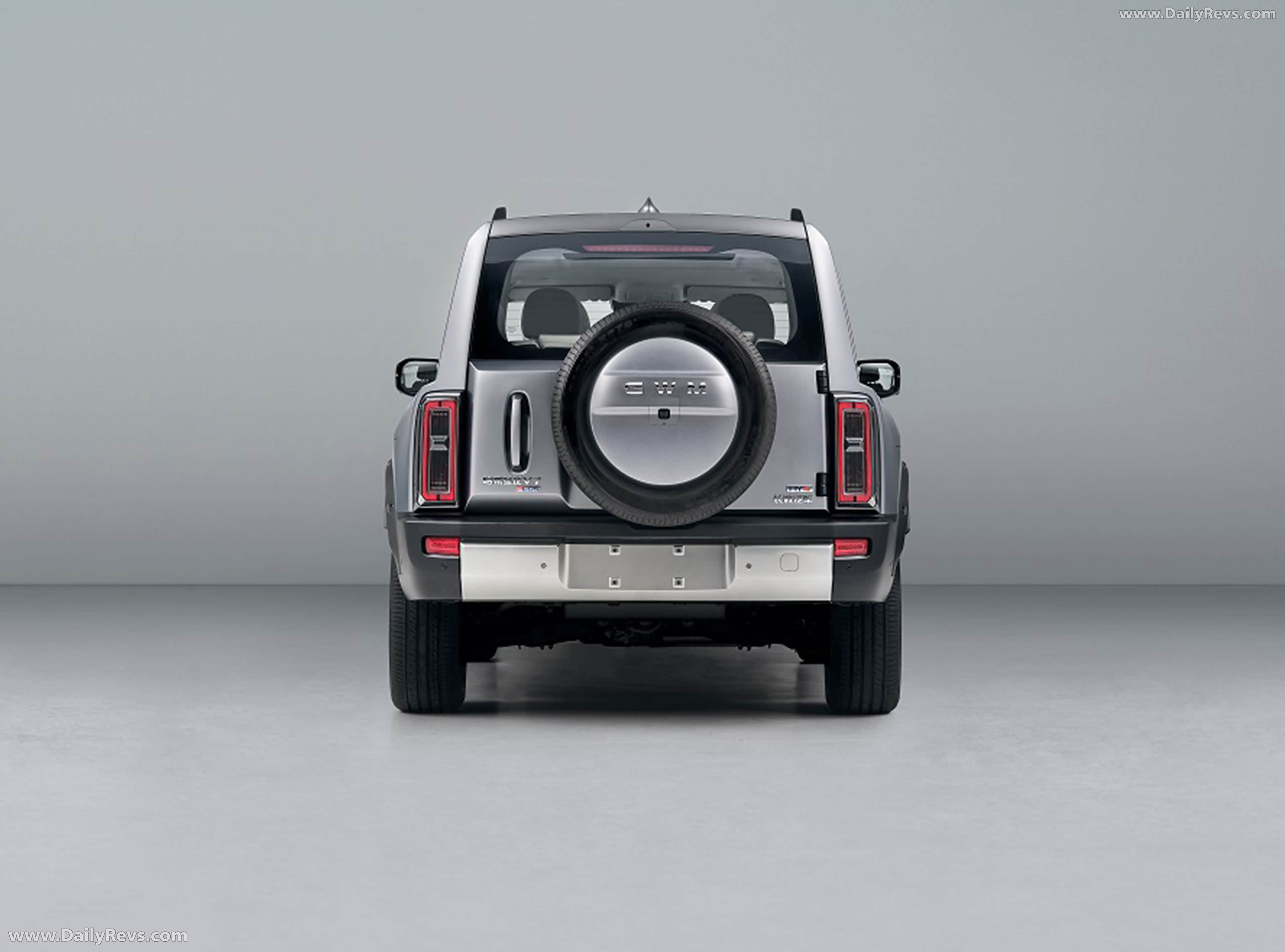
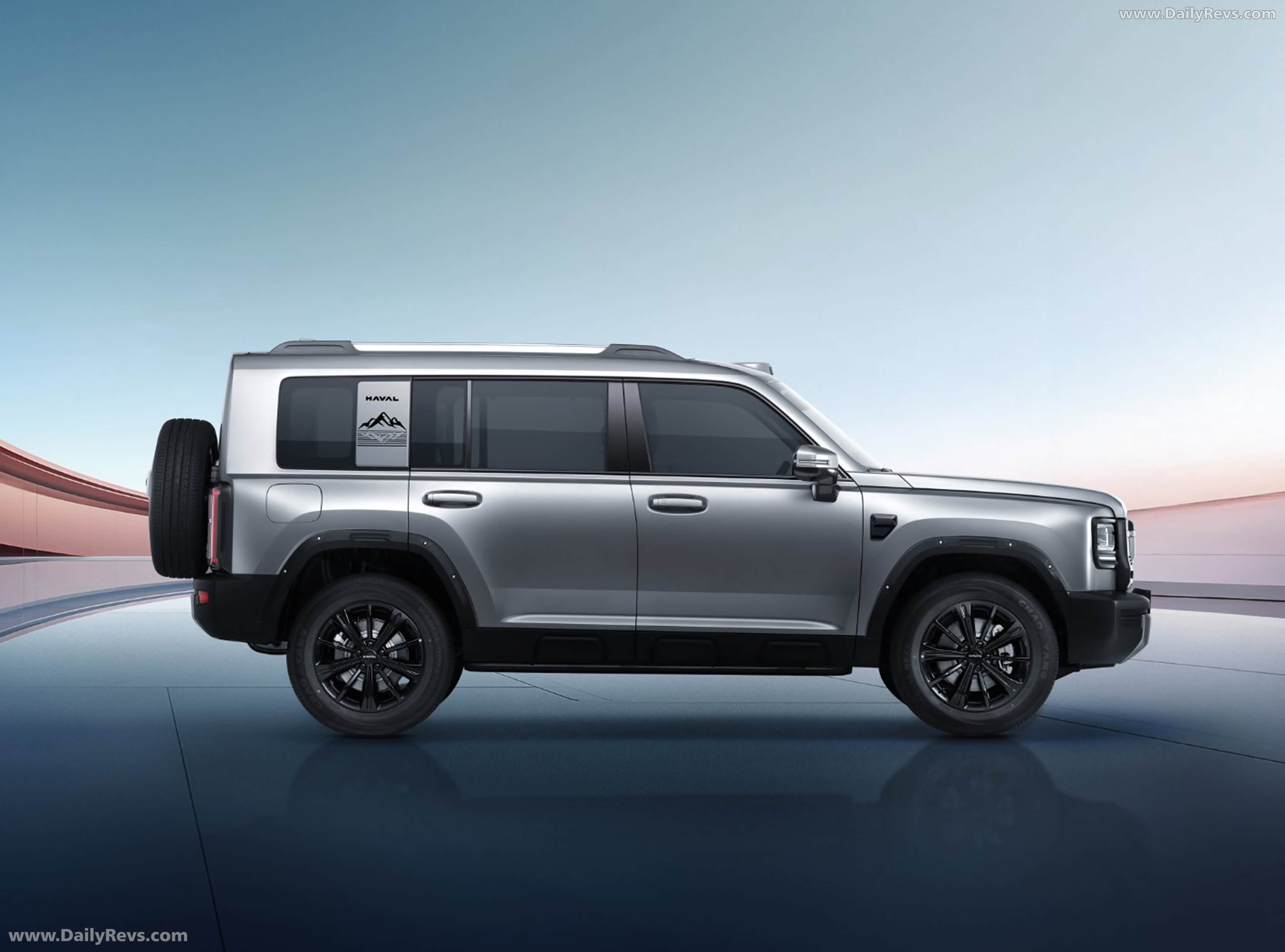
Visually, the Raptor Plus remains unapologetically boxy. Flat surfaces, vertical edges, and a tall body give it a planted, almost industrial feel that separates it from softer, more car-like crossovers. A newly designed front grille adds a touch of refinement, subtly modernizing the face without changing its character.
One of the most telling exterior details is the lidar unit mounted on the roof. Its placement signals a clear focus on advanced driver assistance systems, and it stands out as a functional addition rather than a styling flourish. In terms of size, the Raptor Plus measures 4,912 mm in length, 1,950 mm in width, and 1,905 mm in height, with a 2,850 mm wheelbase. These proportions support both five- and seven-seat configurations, reinforcing its family-oriented flexibility.
Plug In Hybrid Powertrain
Under the skin, the 2026 Haval Raptor Plus is defined by its Hi4 plug-in hybrid system. The setup combines a 1.5-liter turbocharged engine producing 115 kW with electric assistance, delivering a top speed of 190 km/h. The focus here is not outright performance, but balanced, all-around capability.
Battery options are central to its positioning. Three capacities are listed—23.7 kWh, 33.7 kWh, and 44.7 kWh—supporting a range of WLTC-rated pure electric distances. Depending on configuration, electric-only range spans from just over 100 km to a maximum of 191 km, a figure that places the Raptor Plus firmly among long-range plug-in hybrids.
Interior Layout and Seating Strategy
While interior imagery and detailed material specifications are not disclosed, the confirmation of both five- and seven-seat versions shapes expectations. The extended wheelbase suggests usable third-row space rather than a symbolic extra row, positioning the Raptor Plus as a practical alternative for larger households seeking electrified mobility without moving into full-size SUV territory.
Positioning in a Crowded Segment
The 2026 Haval Raptor Plus occupies a clear niche. It blends traditional SUV proportions with a modern plug-in hybrid drivetrain and visible investment in driver assistance technology. Rather than chasing sleekness or performance headlines, it presents itself as a durable, forward-looking utility vehicle adapted to changing regulatory and consumer demands.
In that sense, the Raptor Plus feels less like a reinvention and more like a careful extension of an existing idea—boxy, capable, and now meaningfully electrified.