2026 Haval H6GT Hi4 PHEV
By Lorenzo Bianchi April 18, 2026
Hi4 intelligent AWD system with dual-motor hybrid setup.
321kW and 642Nm with 0–100 km/h in 4.6 seconds.
Up to 183 km electric range and 1,183 km combined range.
Coupe SUV shape remains, but the focus shifts inside
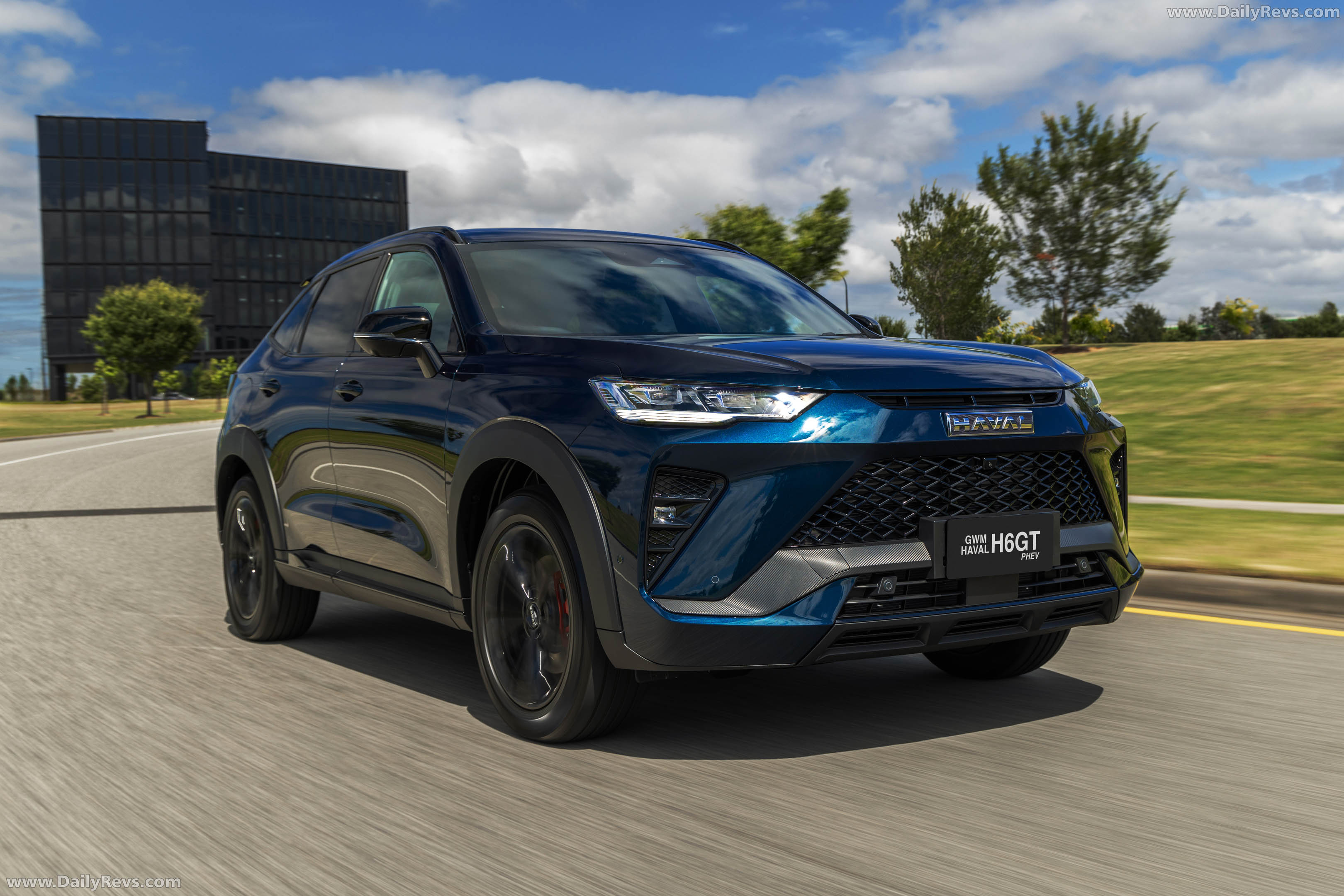
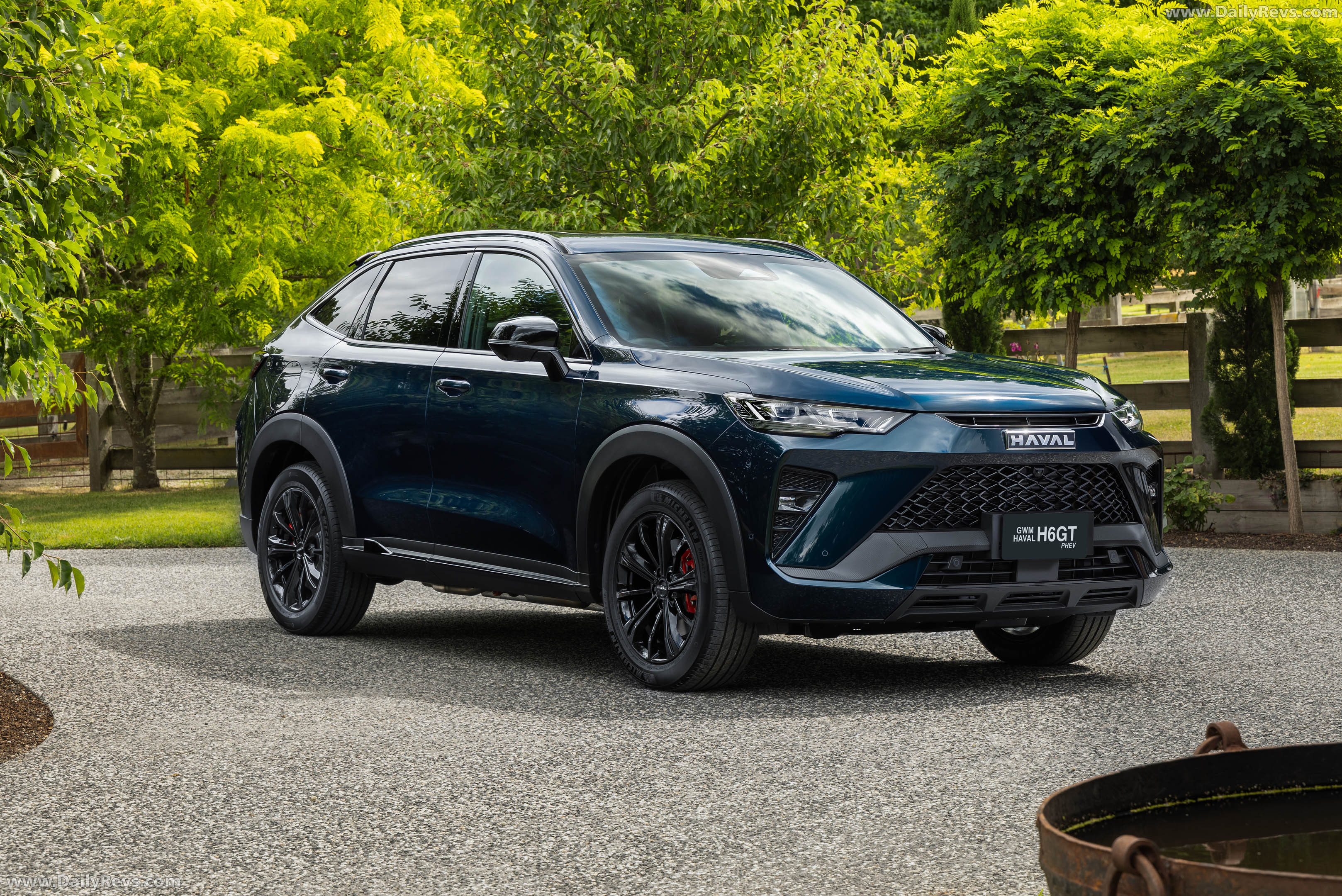
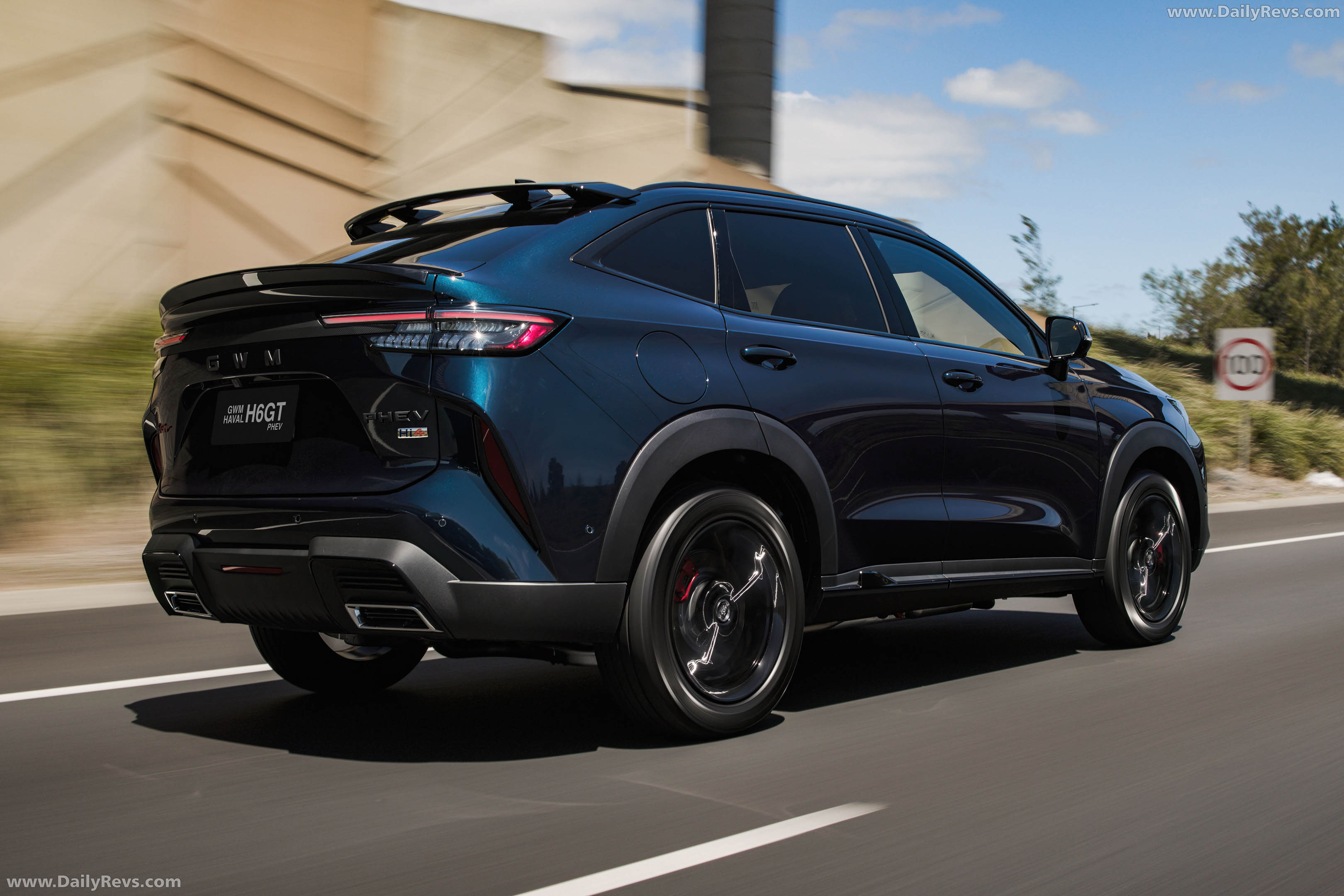
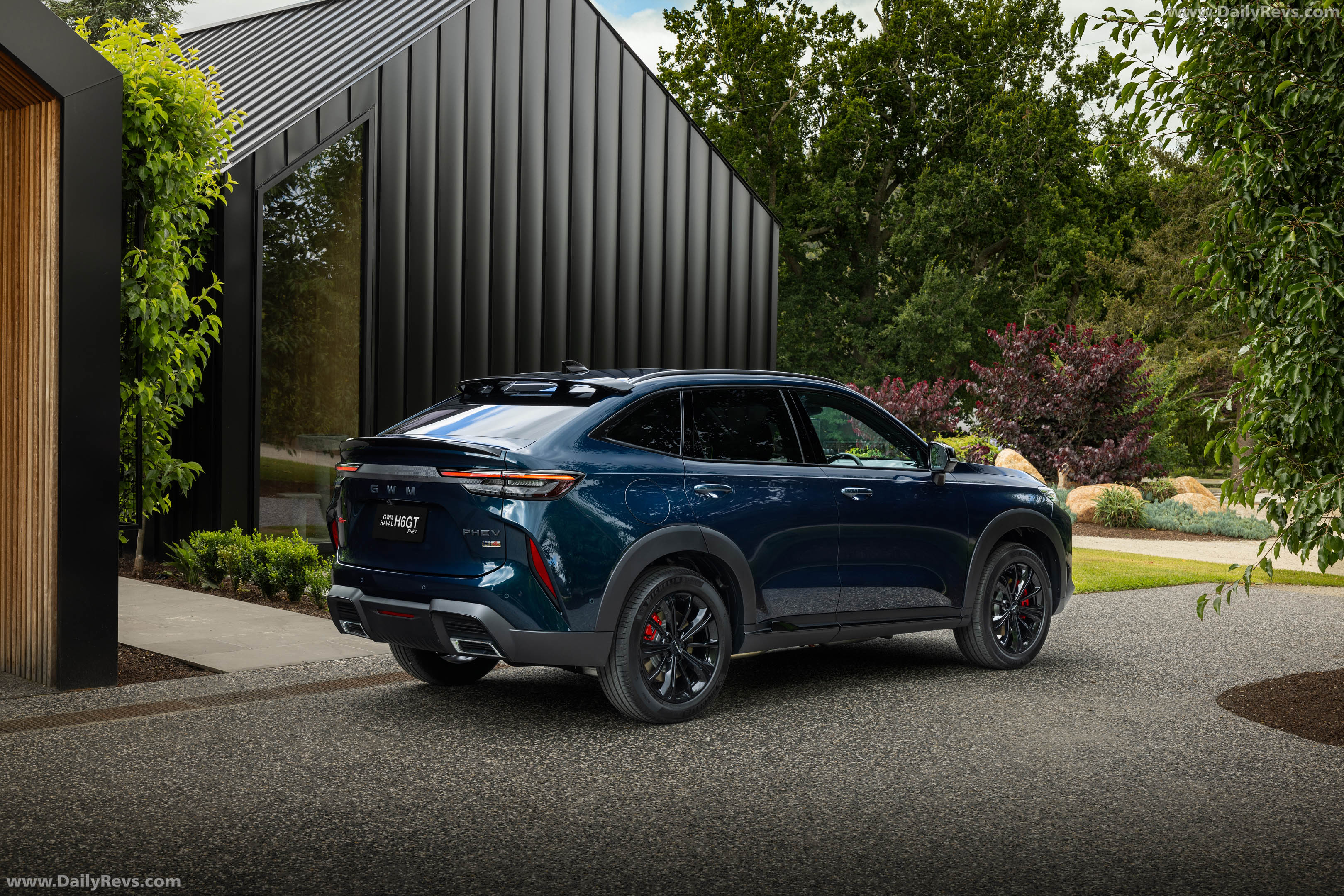
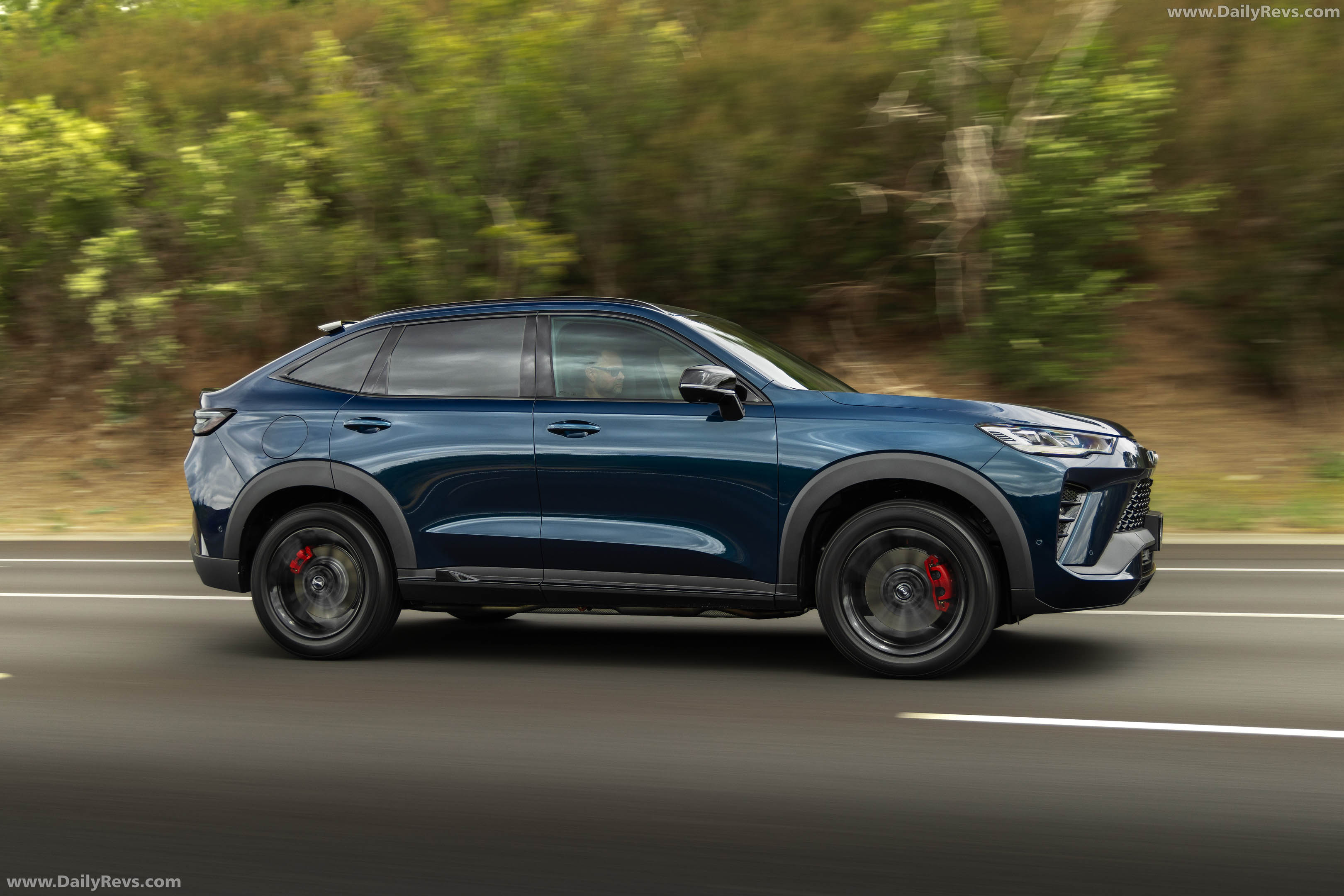
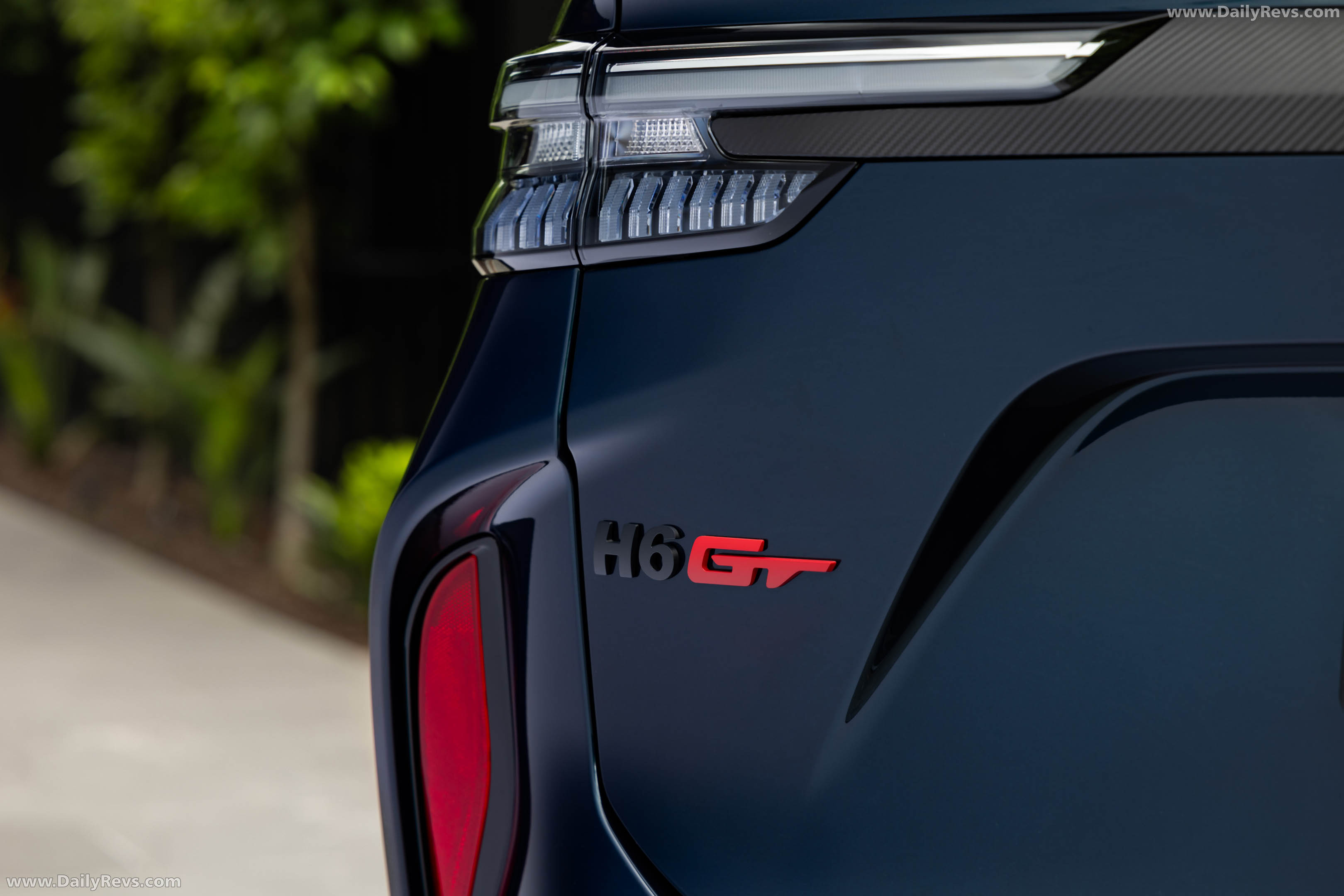
The 2026 Haval H6GT Hi4 PHEV doesn’t change its identity on the outside. It still carries that coupe-style SUV silhouette, with a sloping roofline and a slightly more aggressive rear than the standard H6.
At a glance, it looks familiar. The proportions stay intact. Long wheelbase, relatively short overhangs, and a stance that leans more toward sport than utility.
What stands out is how little has been altered visually. That’s deliberate. The design already does enough to separate it from more conventional SUVs. Instead of reworking the exterior, GWM has focused attention elsewhere.
This version is less about how it looks, more about how it works.
Proportions stay planted, supported by AWD hardware
Underneath, though, there’s a more meaningful shift.
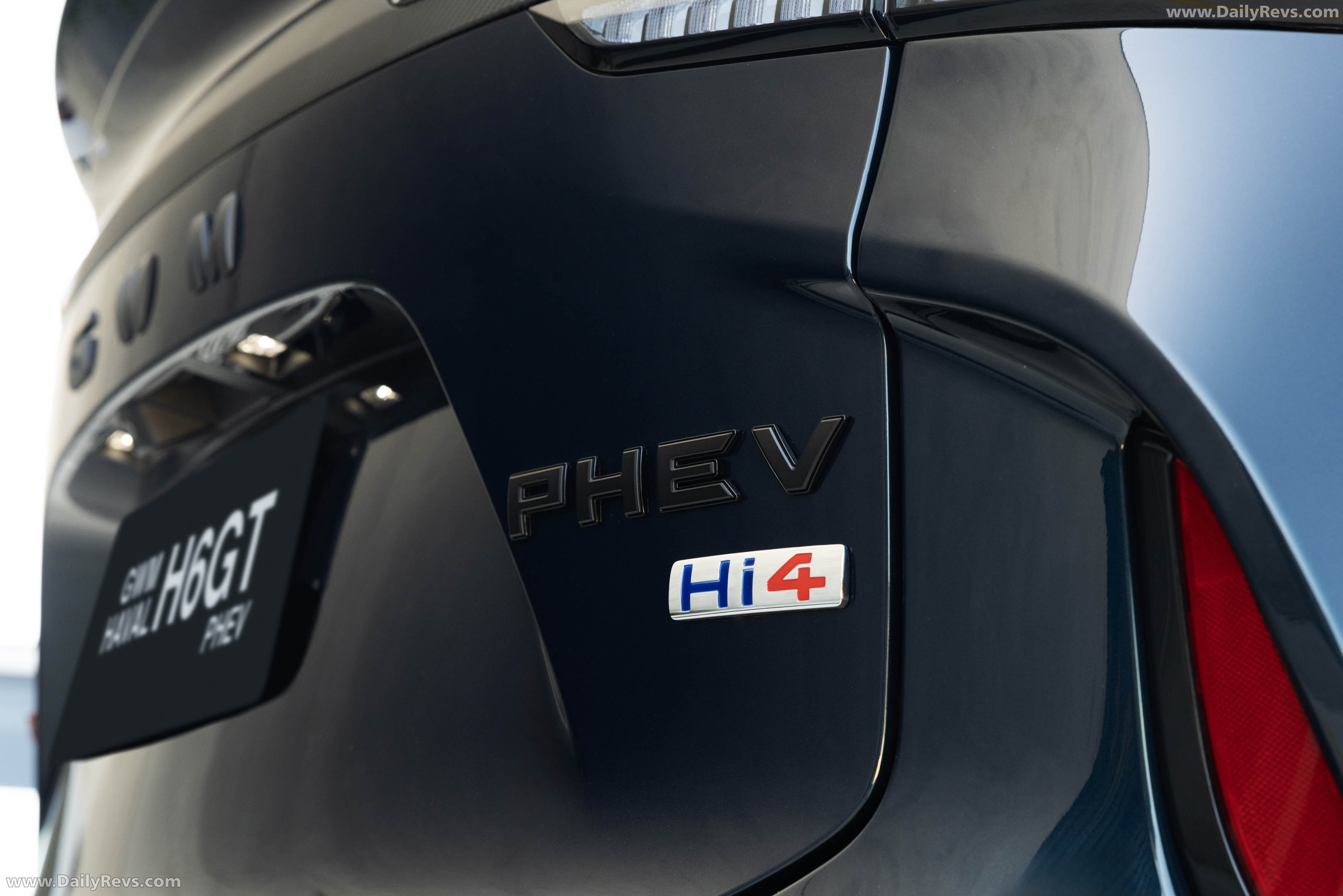
The introduction of the Hi4 system changes how the car behaves. It’s a hybrid all-wheel-drive setup that uses dual electric motors to distribute torque between the front and rear axles.
Rather than fixed mechanical distribution, the system continuously adjusts based on inputs. Road surface, throttle position, load — all of it feeds into how power is delivered.
The idea is simple. Maintain traction and efficiency at the same time, without the driver needing to think about it.
It’s the kind of system that’s hard to notice when it’s working well. Which is the point.
Interior redesign moves toward simplicity
Inside is where the update becomes obvious.
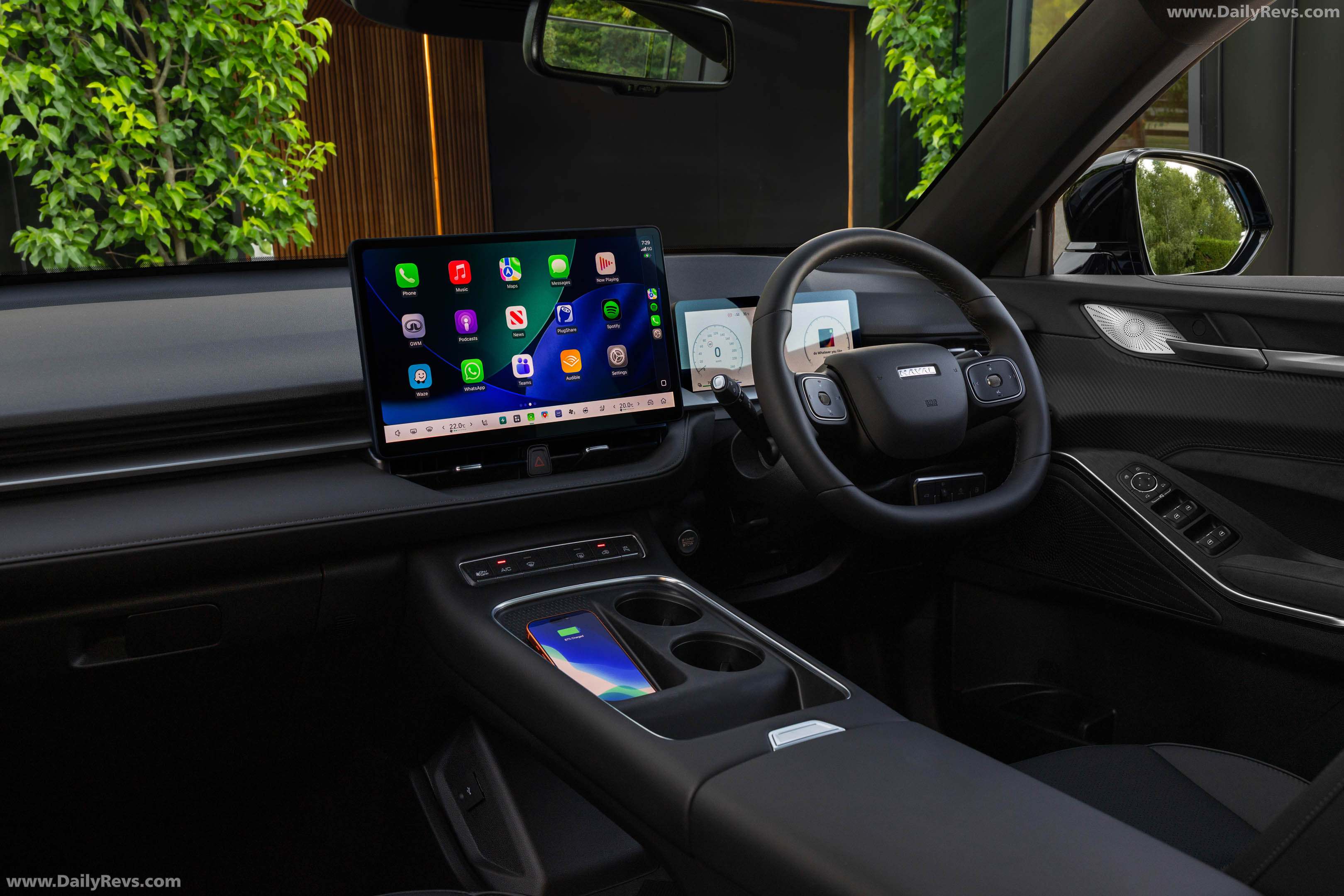
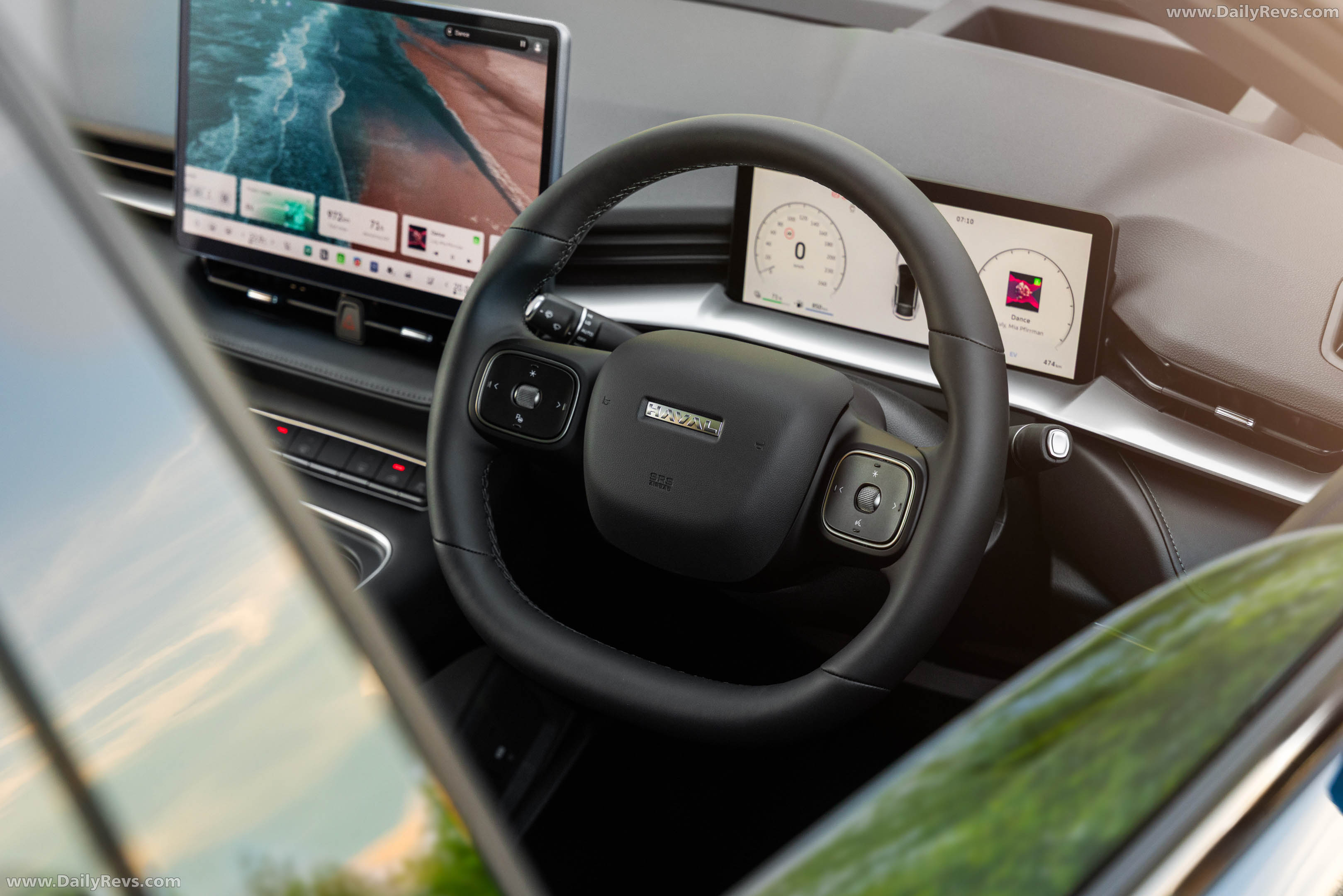
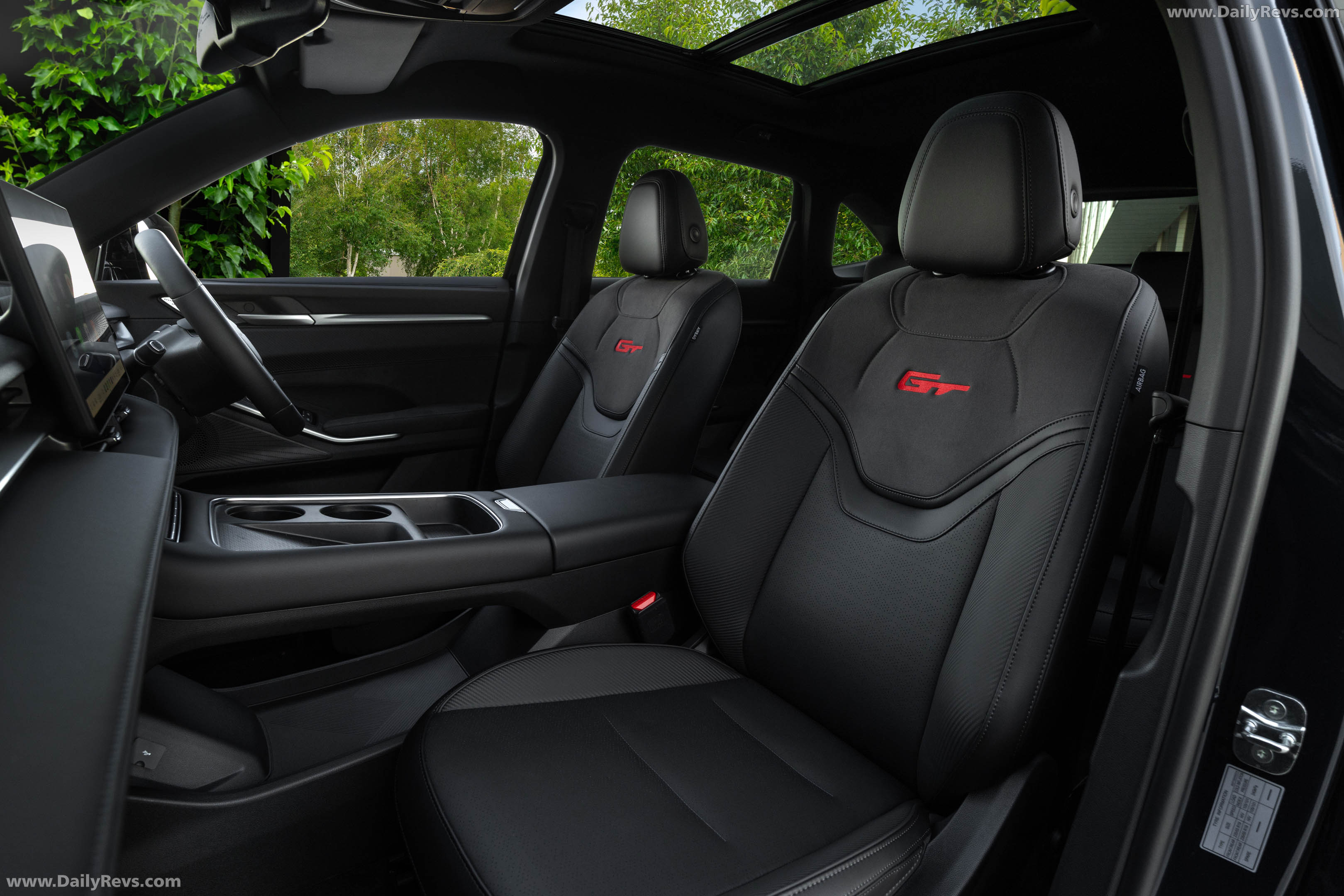
The cabin has been brought in line with the latest H6 design language. That means a cleaner layout, fewer visual distractions, and a more open centre console.
One detail that changes the feel quite a bit is the column-mounted gear selector. It frees up space between the seats, making room for additional storage and a wireless charging pad.
Materials have also been reworked. There’s a greater emphasis on consistency, with suede-appointed seats featuring ‘GT’ embossing to tie it back to the model’s identity.
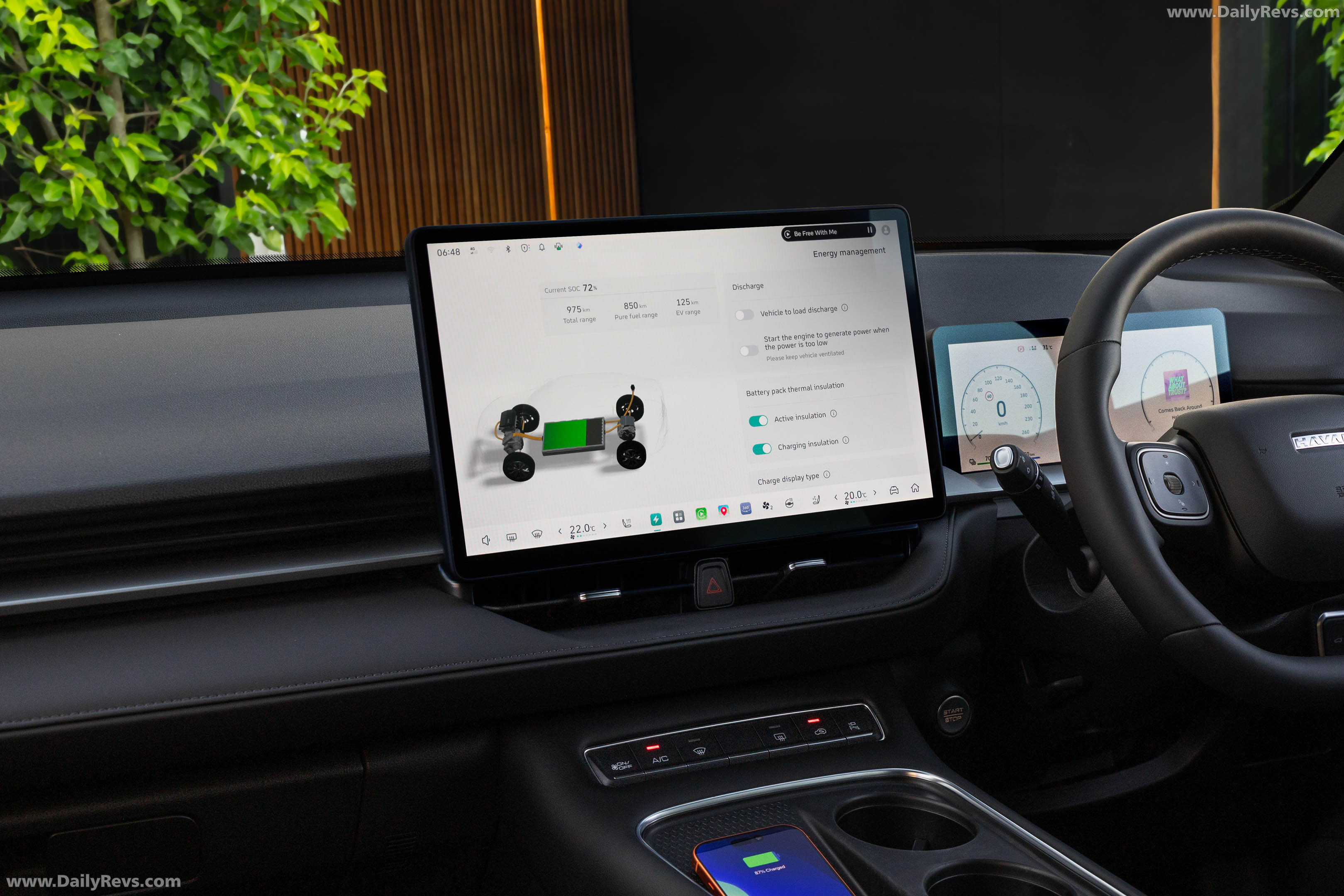
The main interface is now handled through a 14.6-inch display running the latest Coffee OS system. It’s quicker, more responsive, and integrates most functions into a single interface rather than spreading them across multiple controls.
Wireless Apple CarPlay and Android Auto are included, reducing reliance on cables for everyday use.
Hybrid system delivers strong performance figures
The numbers tell a different story to the restrained design.
The H6GT Hi4 PHEV produces a combined 321kW and 642Nm, which places it firmly in performance-focused territory. Acceleration from 0 to 100 km/h takes 4.6 seconds.
Power comes from a combination of petrol and electric systems, working together rather than separately. The transition between the two is designed to be seamless, with the system prioritising electric driving when conditions allow.
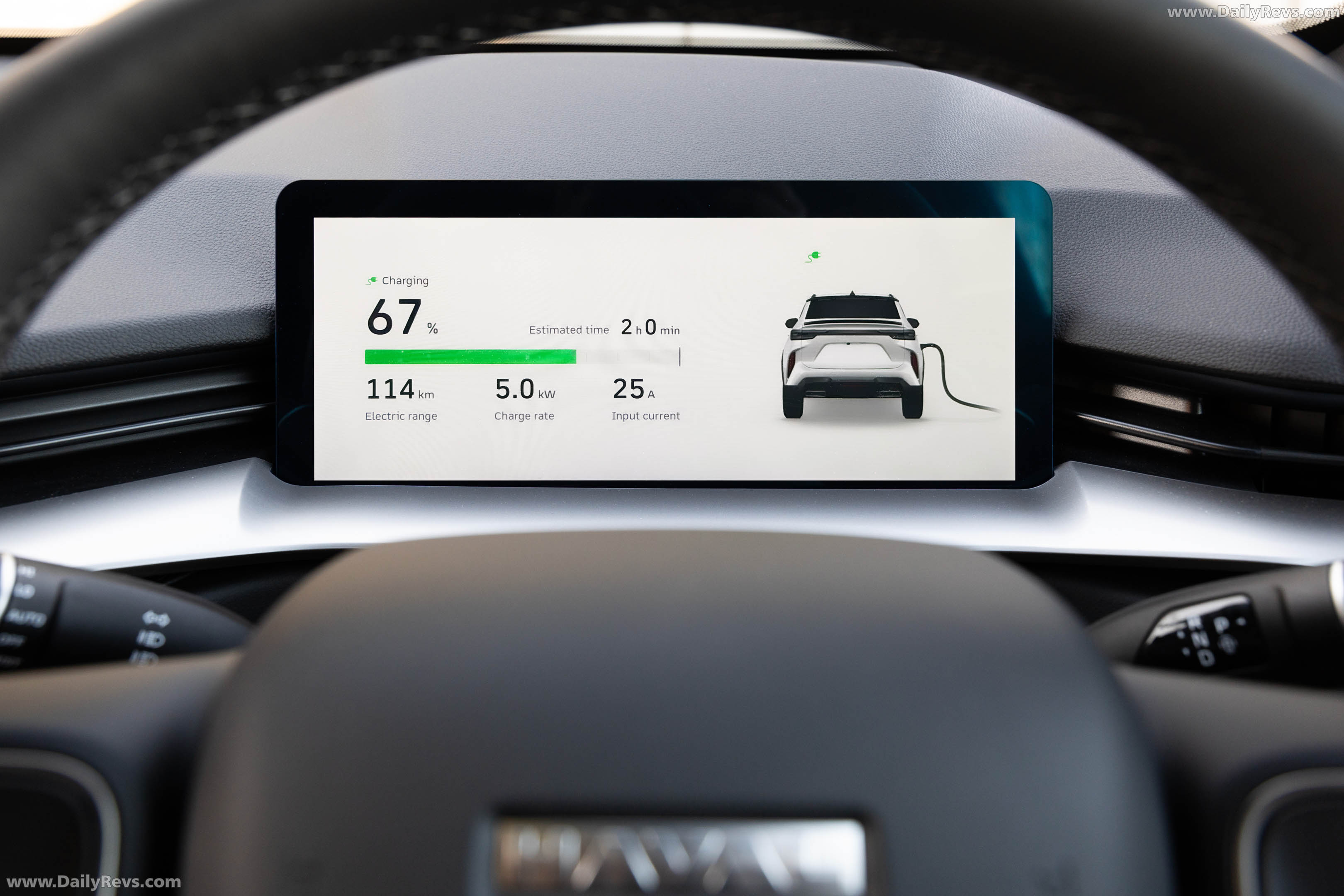
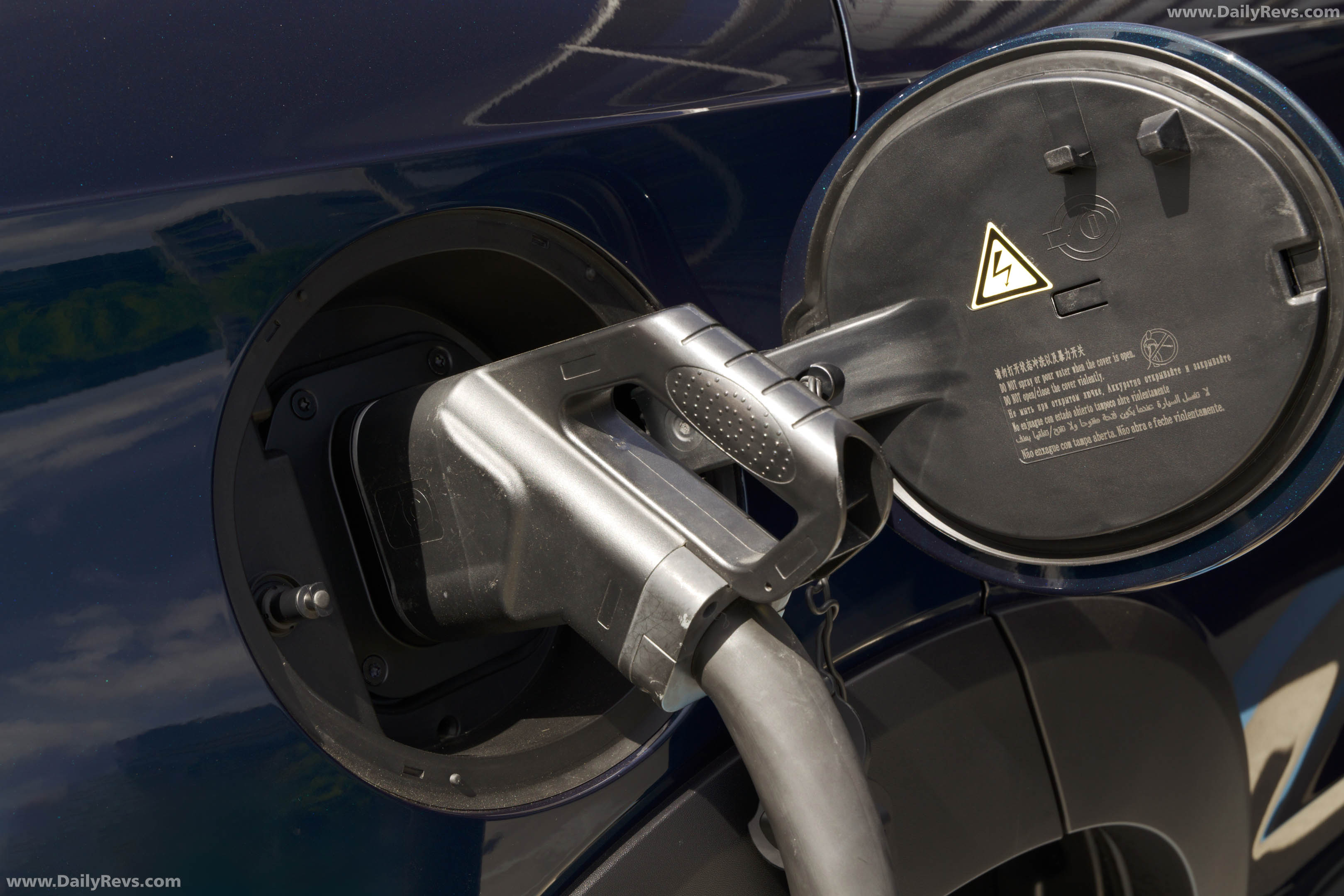
The battery, rated at 35.43kWh, enables up to 183 km of electric-only driving under NEDC testing. Combined range stretches to around 1,183 km, covering both urban and longer-distance use.
Fuel consumption sits at 0.6L/100 km under the same testing cycle, though real-world figures will vary.
Practicality remains consistent with the H6 range
Despite the coupe-style roofline, the H6GT doesn’t move away from everyday usability.
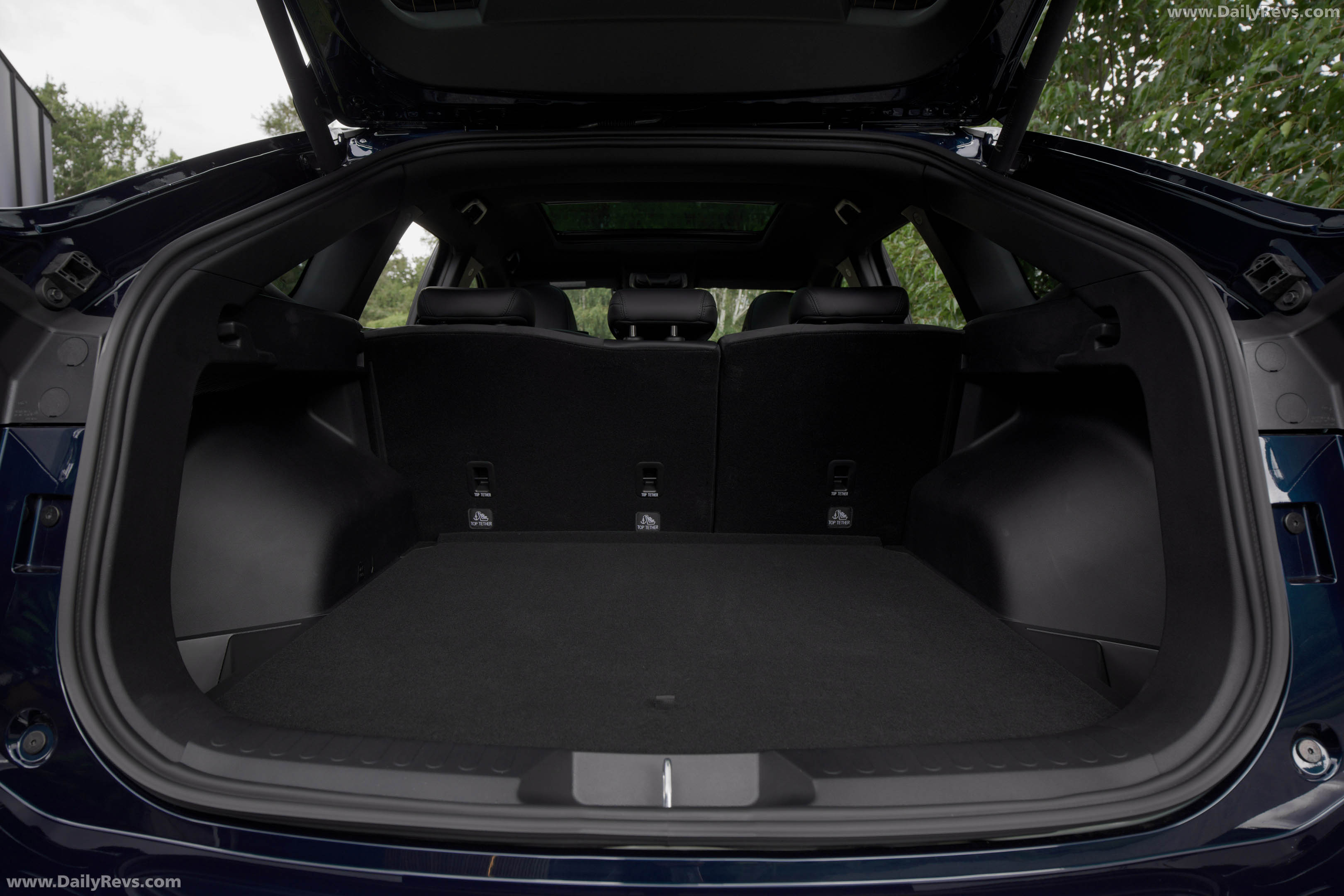
It retains the same core practicality as the broader H6 lineup, with enough space for passengers and luggage to suit daily needs. The hybrid system adds flexibility rather than limiting it.
Short trips can be handled entirely on electric power. Longer drives rely on the combined system, removing the need to plan charging stops as carefully as a full EV.
That balance between efficiency and convenience continues to define the model.
Positioned as a performance focused hybrid option
The 2026 Haval H6GT Hi4 PHEV sits within a wider range that now includes petrol, hybrid, and plug-in hybrid options.
Within that structure, this version takes on a more specific role. It combines higher performance with electrified efficiency, rather than prioritising one over the other.
Pricing starts from $52,990 driveaway, positioning it competitively within the plug-in hybrid SUV segment.
It doesn’t try to redefine the category. It adds another option within it, with a slightly different emphasis.