


2026 Gordon Murray LeMans GTR
By Lorenzo Bianchi August 16, 2025
Just 24 examples of the Gordon Murray Le Mans GTR will be built, each already paired with an owner.
The car carries a naturally aspirated V12 revving to 12,100 rpm, linked to a six-speed manual gearbox.
Its design draws directly from Murray’s 1995 Le Mans-winning McLaren F1 GTR, blending longtail proportions with modern aero.
A Car Born from Le Mans History
When Gordon Murray Special Vehicles (GMSV) pulled the wraps off the Le Mans GTR at Monterey Car Week 2025, the message was clear. This wasn’t just another limited-run hypercar—it was a direct nod to the 1995 Le Mans triumph that cemented Murray’s McLaren F1 GTR in endurance racing folklore.
The Le Mans GTR is being built under the company’s SV Design division, the branch dedicated to highly exclusive, heritage-driven projects. Each car is individually matched with an owner in collaboration with Joe Macari Performance Cars, making the 24-car run feel more like a curated collection than a sales exercise.
Design with Purpose
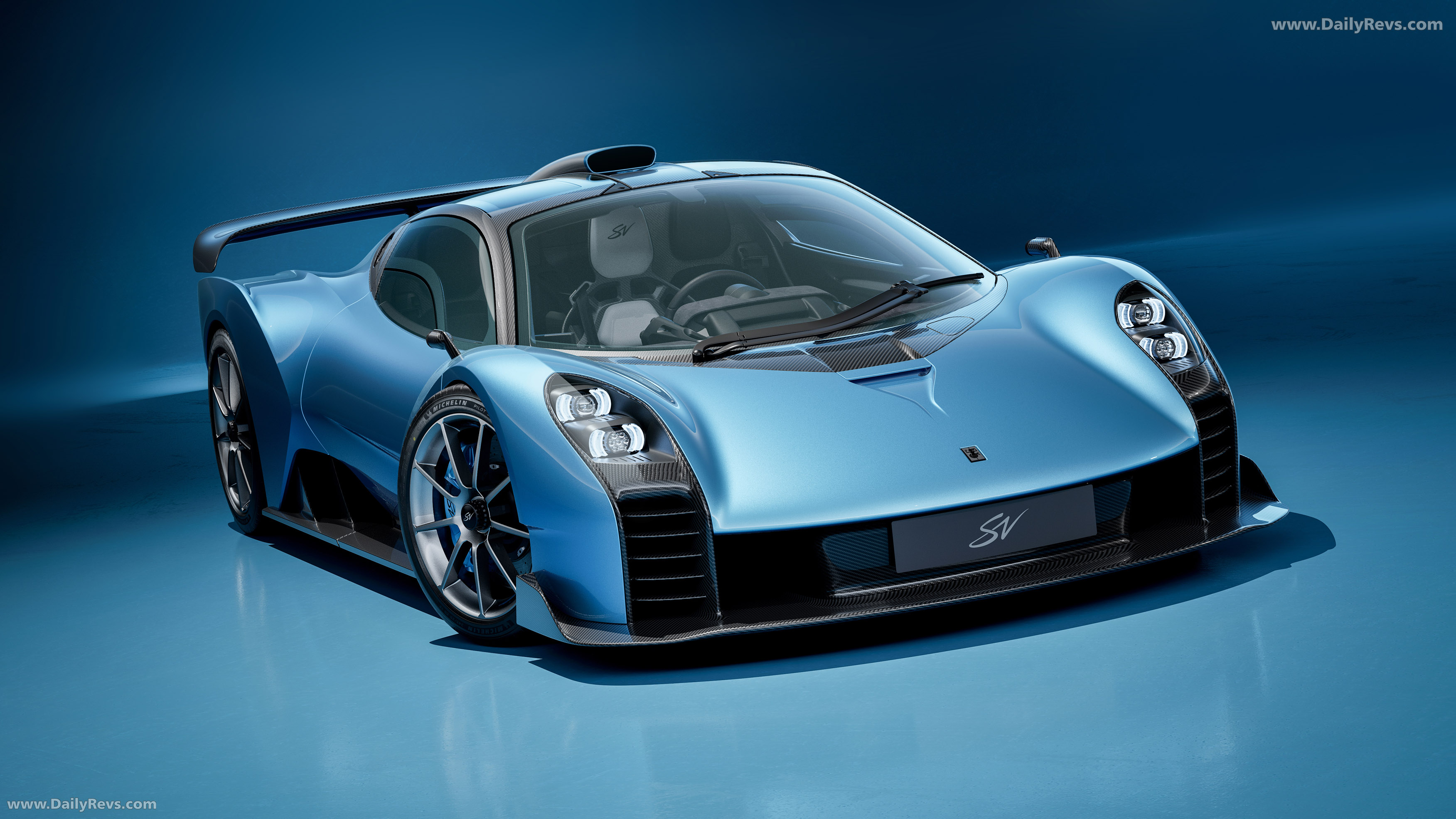
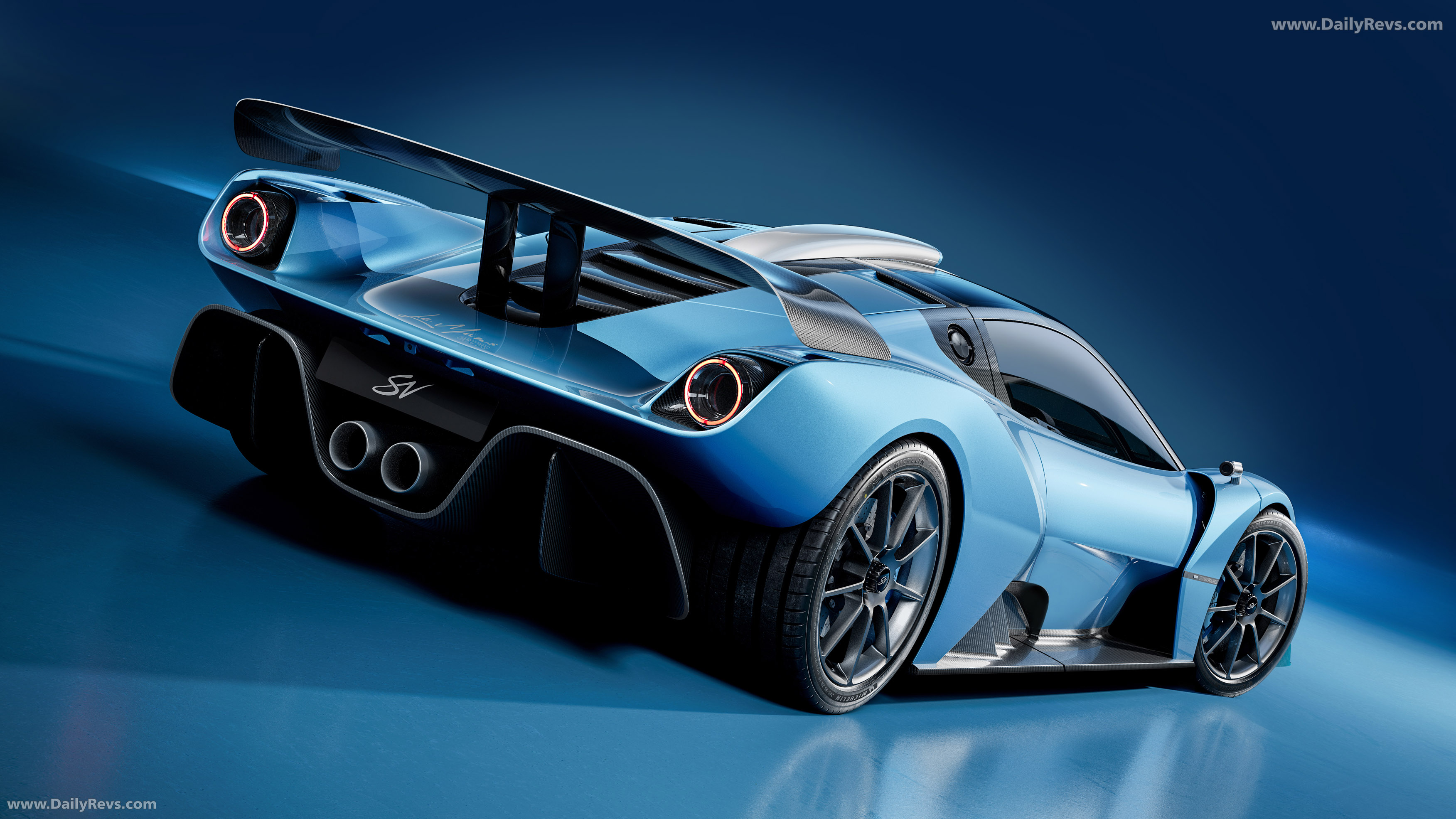
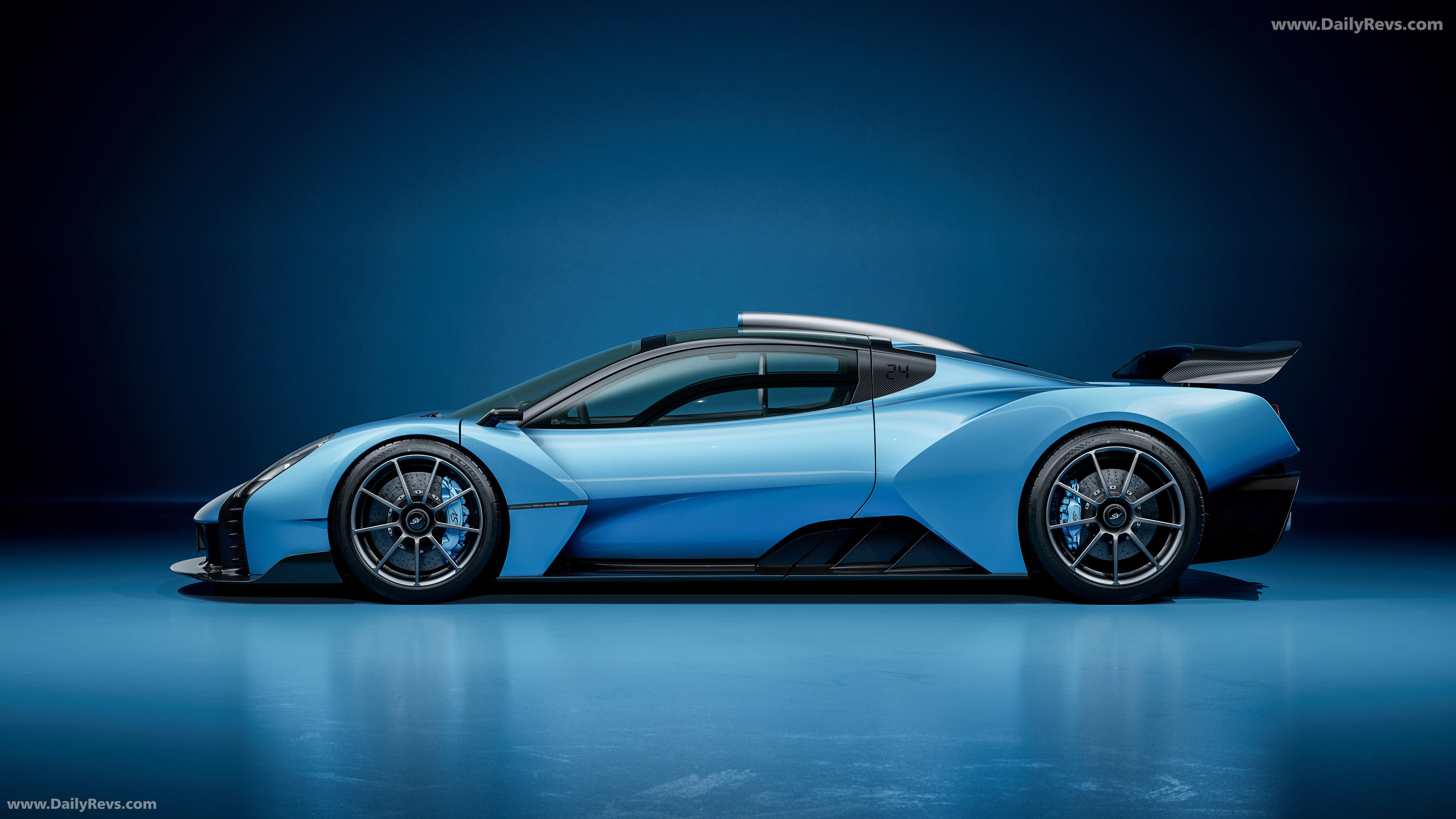
Visually, the Le Mans GTR carries the silhouette of a classic longtail, stretching its bodywork in the spirit of endurance racers from the 1970s through the ’90s. But its surfaces aren’t just a nostalgic sketch. Every line serves aerodynamic purpose.
Passive Boundary Layer Control channels airflow cleanly across the body.
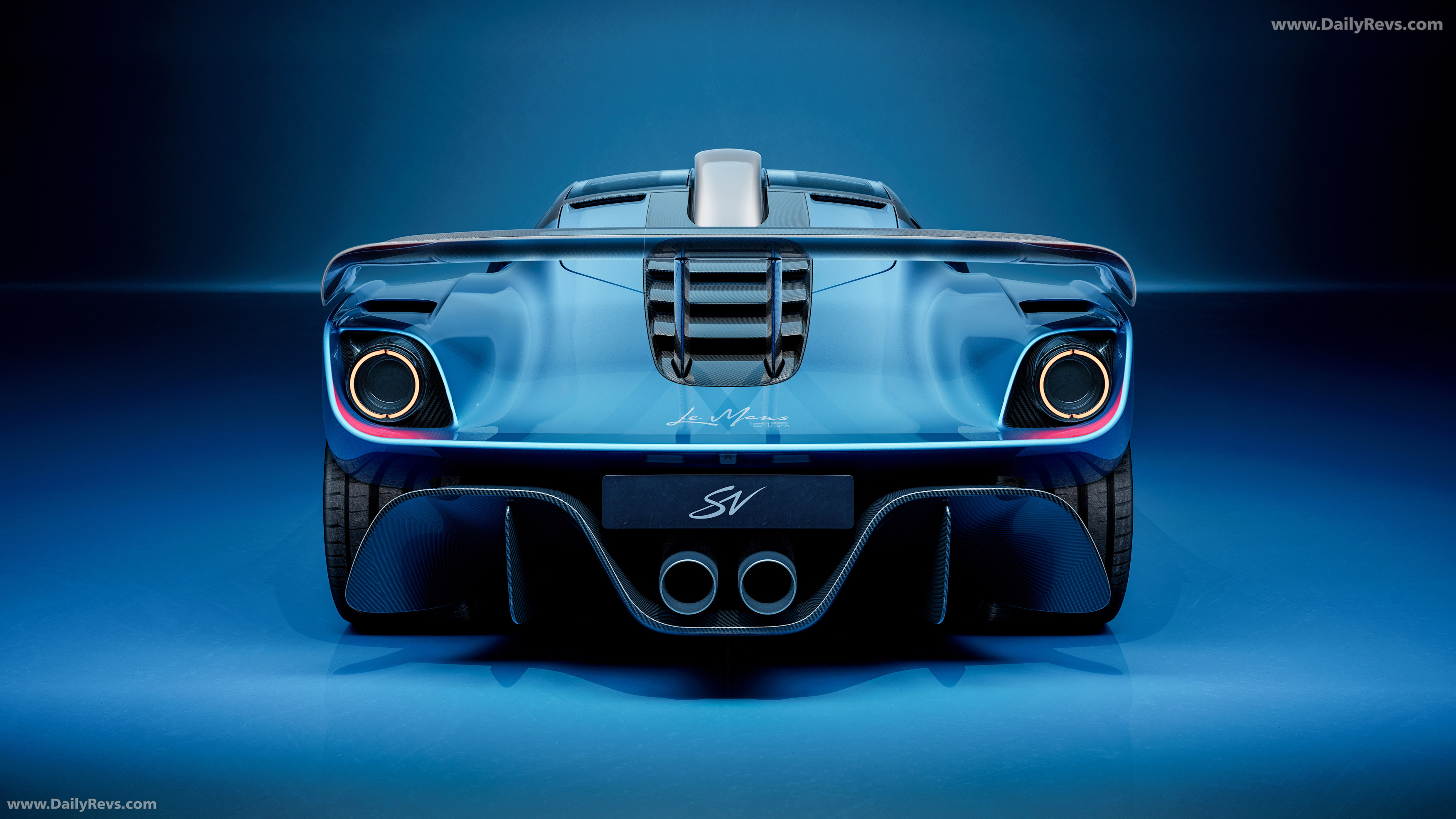
A deep front splitter, extended skirts, and twin-channel diffuser generate meaningful ground effect.
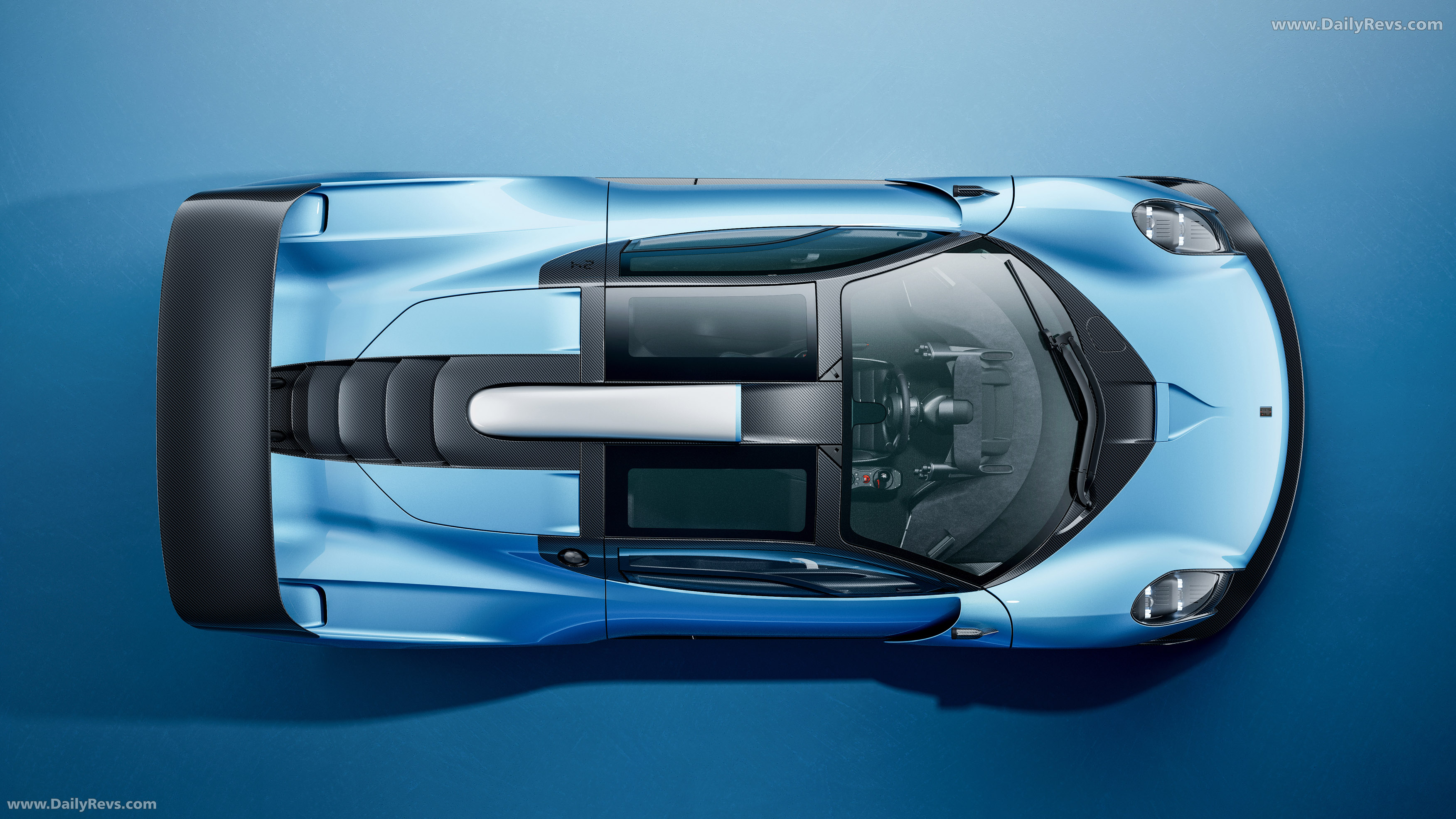
A full-width rear wing provides stability without the fan system used in the earlier GMA T.50.
The end result is a car that looks planted even at a standstill, designed to carve through the air at high speed with minimal resistance.
Powertrain and Performance
At the heart of the Le Mans GTR sits a familiar yet sharpened jewel: the naturally aspirated GMA V12. It revs to an extraordinary 12,100 rpm, fed by a roof-mounted ram-air intake that keeps it breathing under pressure.
The transmission is a six-speed manual gearbox, a deliberate choice that prioritizes direct driver involvement over automated systems. Exhaust gases exit through a twin-tunnel diffuser setup, producing a soundtrack that, while engineered, feels raw and mechanical—just as an endurance-inspired machine should.
Chassis and Dynamics
The chassis has been tuned to deliver the balance Murray’s cars are known for. Suspension geometry has been revised for sharper responses, while a wider track and Michelin Pilot Sport Cup 2 tyres give the car its footprint.
The engine is solid-mounted for more immediate feedback, and the car benefits from enlarged cooling channels—vents across the nose and intakes ahead of the rear wheels—ensuring thermal stability during extended running.
This makes the Le Mans GTR road-legal but uncompromising when driven hard on a circuit. Owners will find it equally at home in either environment.
Inside the Cockpit
The interior avoids showboating in favor of precision. The driver sits at the heart of the experience, with:
A revised dash layout featuring new dials and switchgear.
Bespoke pedal pads and improved cushioning for seat ergonomics.
Options for finishes that reference historic longtail race cars or lean toward a more modern, personalized theme.
It’s a cabin that doesn’t chase luxury but reflects Murray’s core philosophy: every detail should serve the driver.
The Le Mans GTR’s production run is locked at 24 units—a symbolic link to the 24 hours of Le Mans. All have been allocated to customers, and development work is already underway. Deliveries are scheduled to begin in 2026.
Pricing has not been disclosed, but given the Le Mans GTR’s scarcity, technical execution, and historical resonance, it sits comfortably in the territory of the most exclusive supercars of the era.
Technical Specification
Performance
- Engine output: 608 hp (453 kW)
- Maximum rpm: 11,500 rpm
- Redline: 12,100 rpm
Body Measurements
- Length: 4,352 mm (171.3 in)
- Width: 1,850 mm (72.8 in)
- Height: 1,150 mm (45.3 in)
- Wheelbase: 2,750 mm (108.3 in)
- Dry weight: 986 kg (2,173 lbs)
Powertrain
- Engine: 3.9-litre naturally aspirated Cosworth V12
- Configuration: Rear-mid mounted
- Transmission: 6-speed manual gearbox
- Drive layout: Rear-wheel drive
Capacities
- Fuel tank: 100 litres (26.4 US gallons)
- Seating: Two-seat configuration
Price
- £3.1 million (before taxes and options)
- Strictly limited production: 25 units worldwide