


2026 Geely Eva Cab Concept
By Lorenzo Bianchi April 25, 2026
Purpose-built autonomous robotaxi with L4-ready system.
Face-to-face cabin layout with sliding doors.
Built on Geely Full-Domain AI 2.0 architecture.
A design shaped by function and philosophy
The 2026 Geely Eva Cab Concept doesn’t follow typical car design rules.
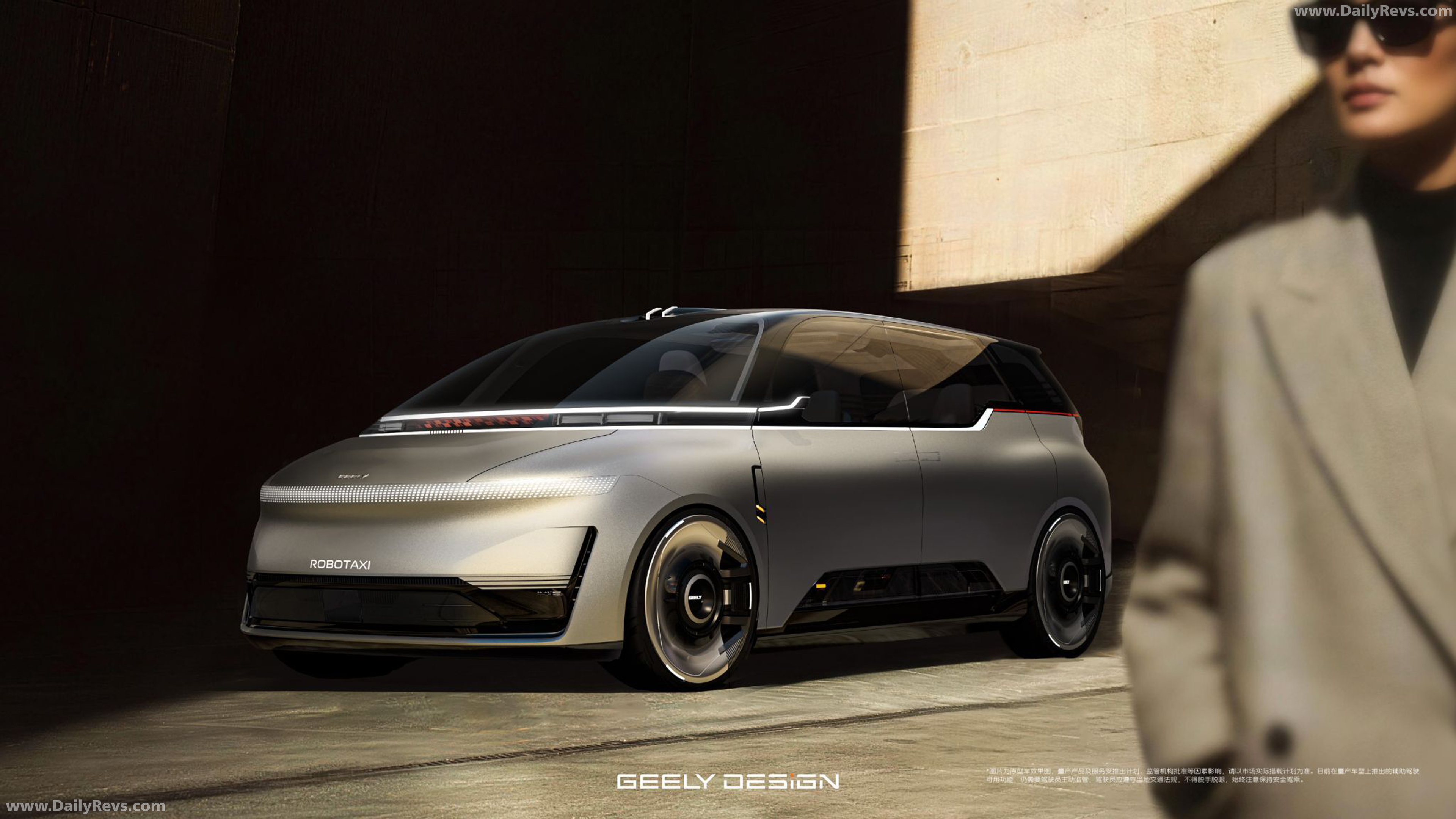
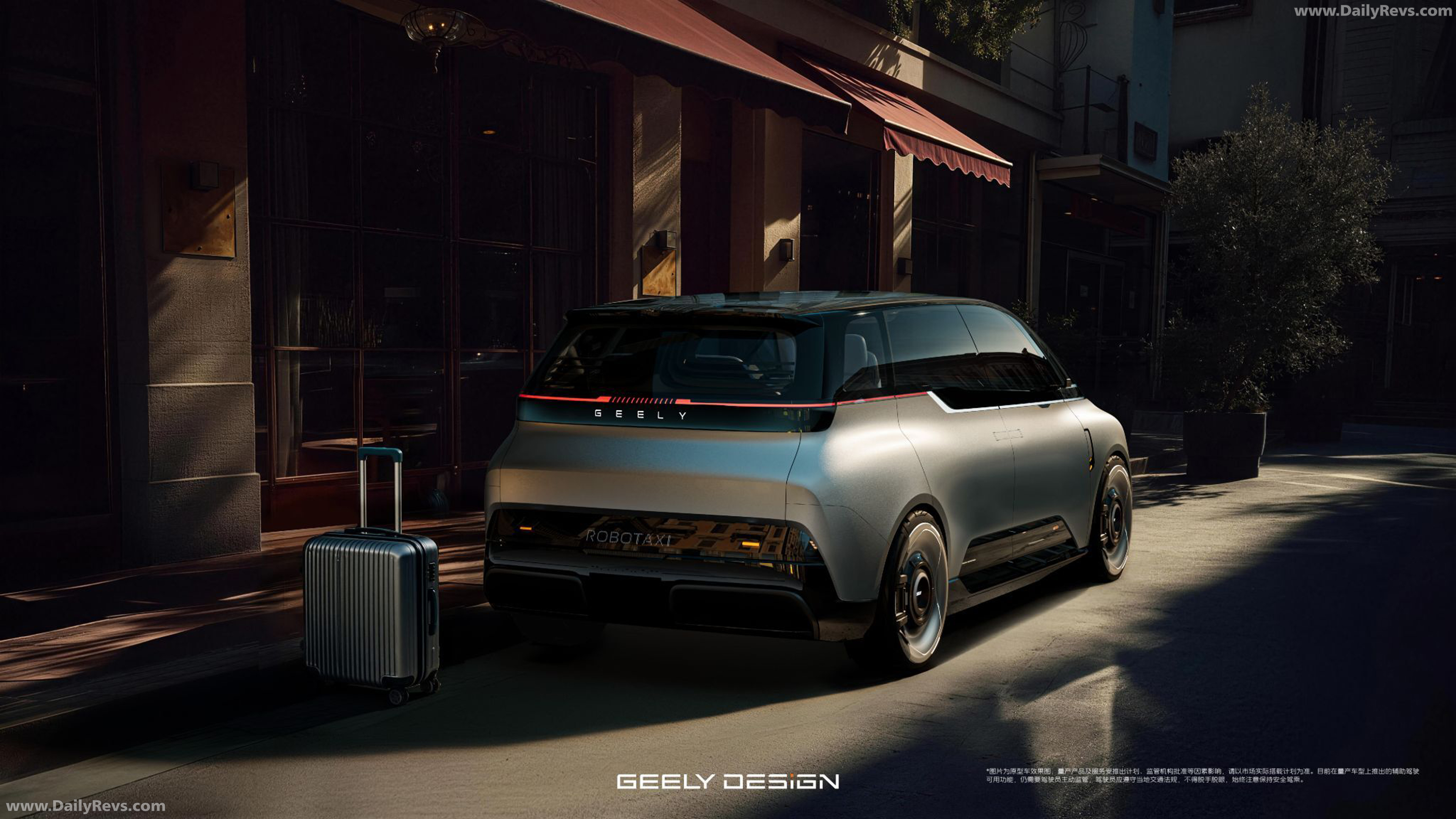
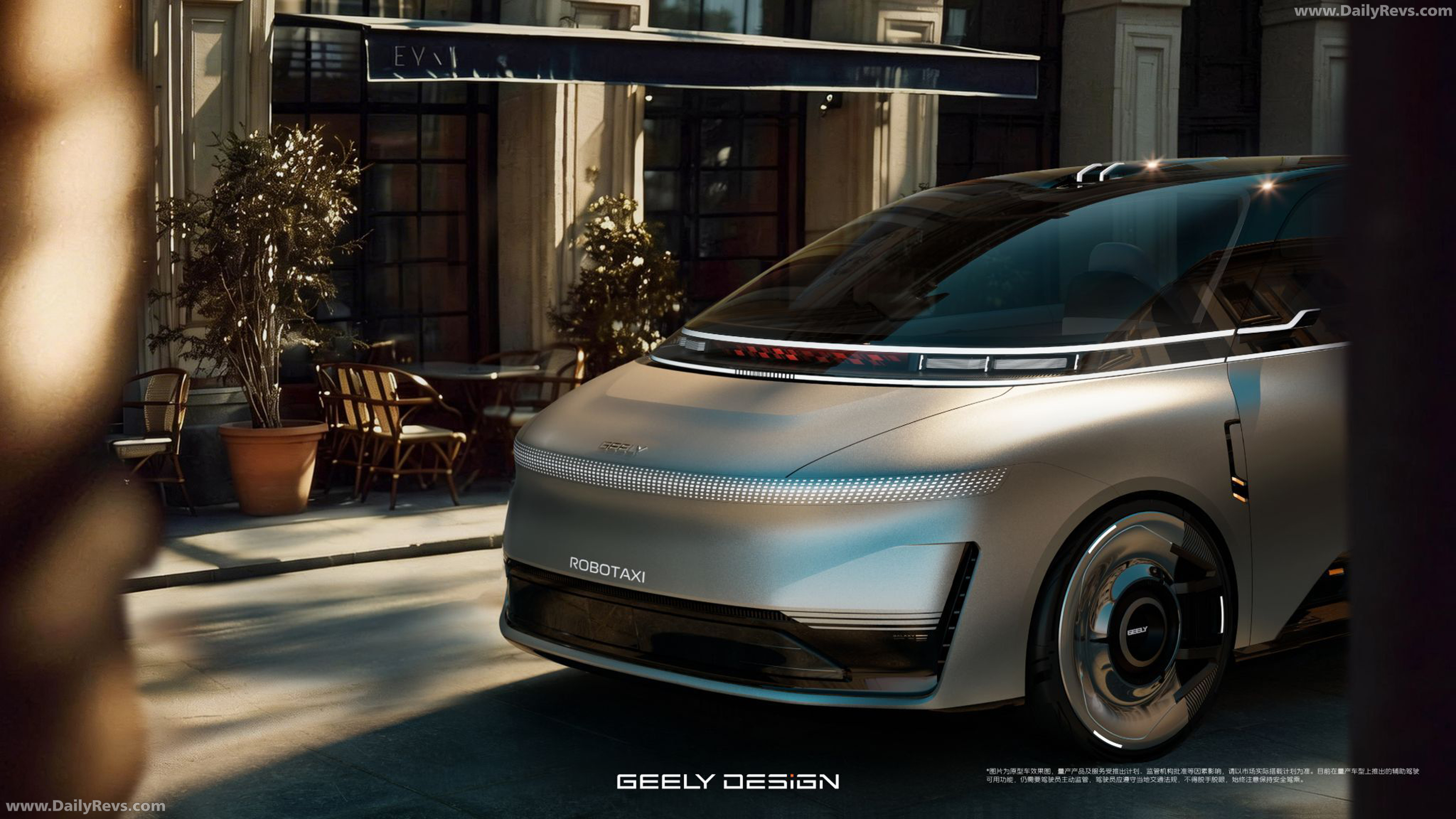
It’s built from the ground up as a robotaxi, and that changes how everything looks. The form takes inspiration from the idea of “round sky, square earth,” which gives the exterior a softer, more balanced appearance. There’s less emphasis on sharp lines or aggressive detailing. Instead, the shape feels calm, almost neutral.
That approach isn’t just aesthetic. It reflects how the vehicle is meant to be used. Not driven, but experienced.
The integration of sensors is also visible. LiDAR units and other hardware are placed across the front and body, forming what Geely describes as an “intelligent zone.” It’s not hidden. The tech is part of the design.
Proportions built around passenger space
The layout is dictated by the interior rather than the other way around.
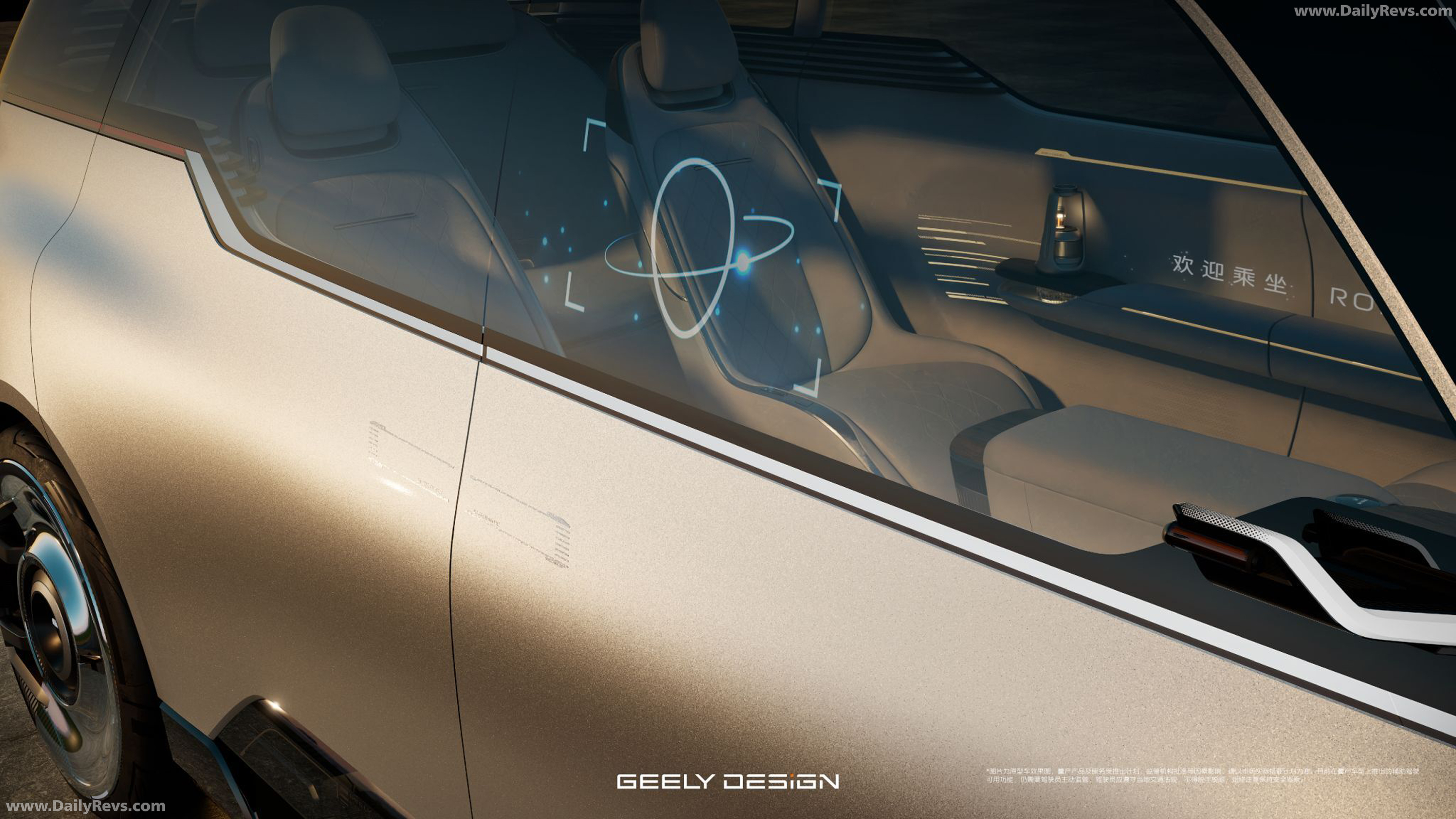
Wide sliding doors open up the cabin, making entry and exit easier, especially in urban environments. There’s no traditional front or rear hierarchy here. Instead, the focus shifts inward.
The proportions feel more like a mobile lounge than a conventional vehicle. It’s upright, open, and clearly designed to prioritize space over stance.
Interior focuses on interaction, not driving
Step inside, and the concept moves even further away from familiar territory.
The seating is arranged face-to-face, reinforcing the idea that this isn’t about the driver. It’s about passengers sharing space. That alone changes how the cabin is perceived.
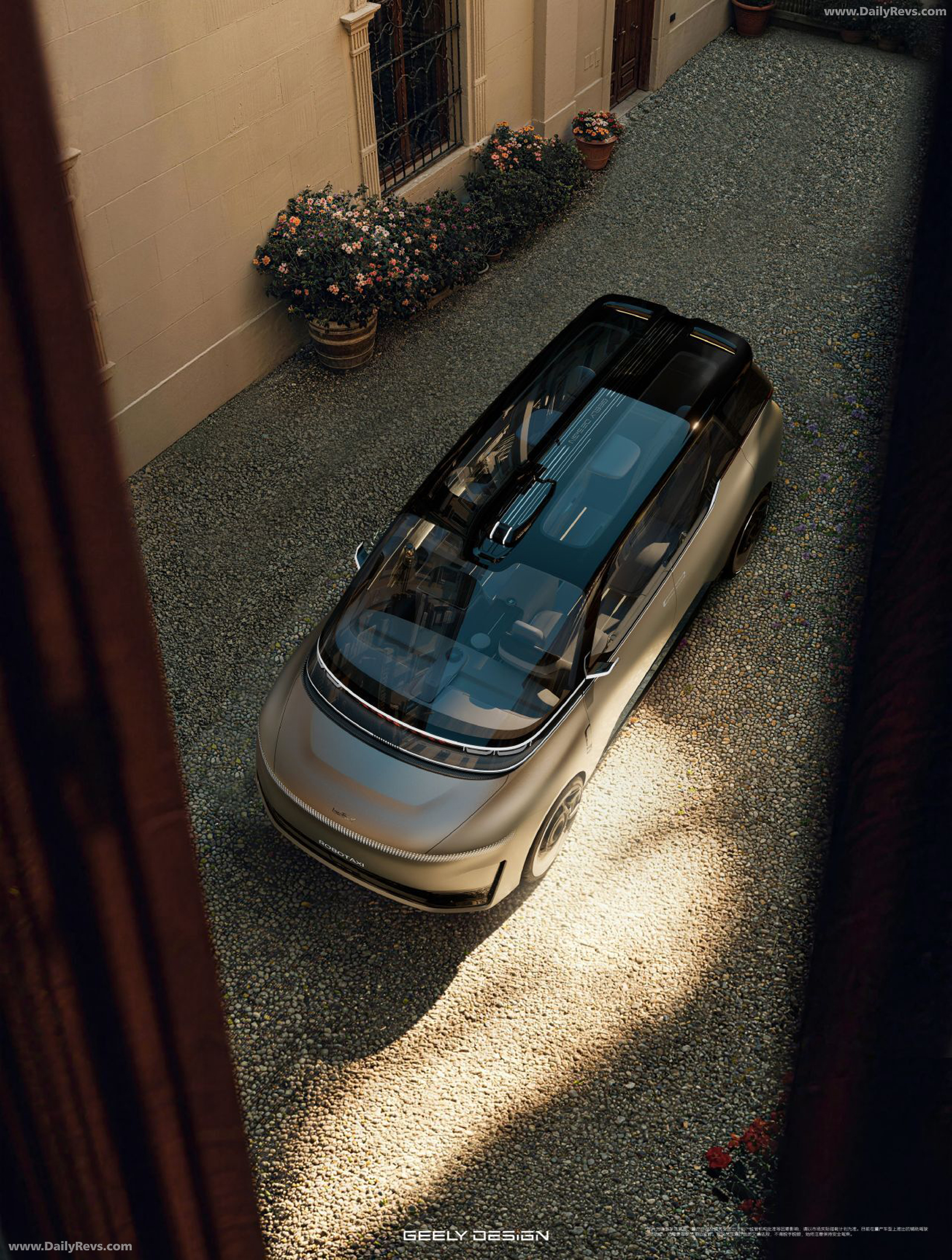
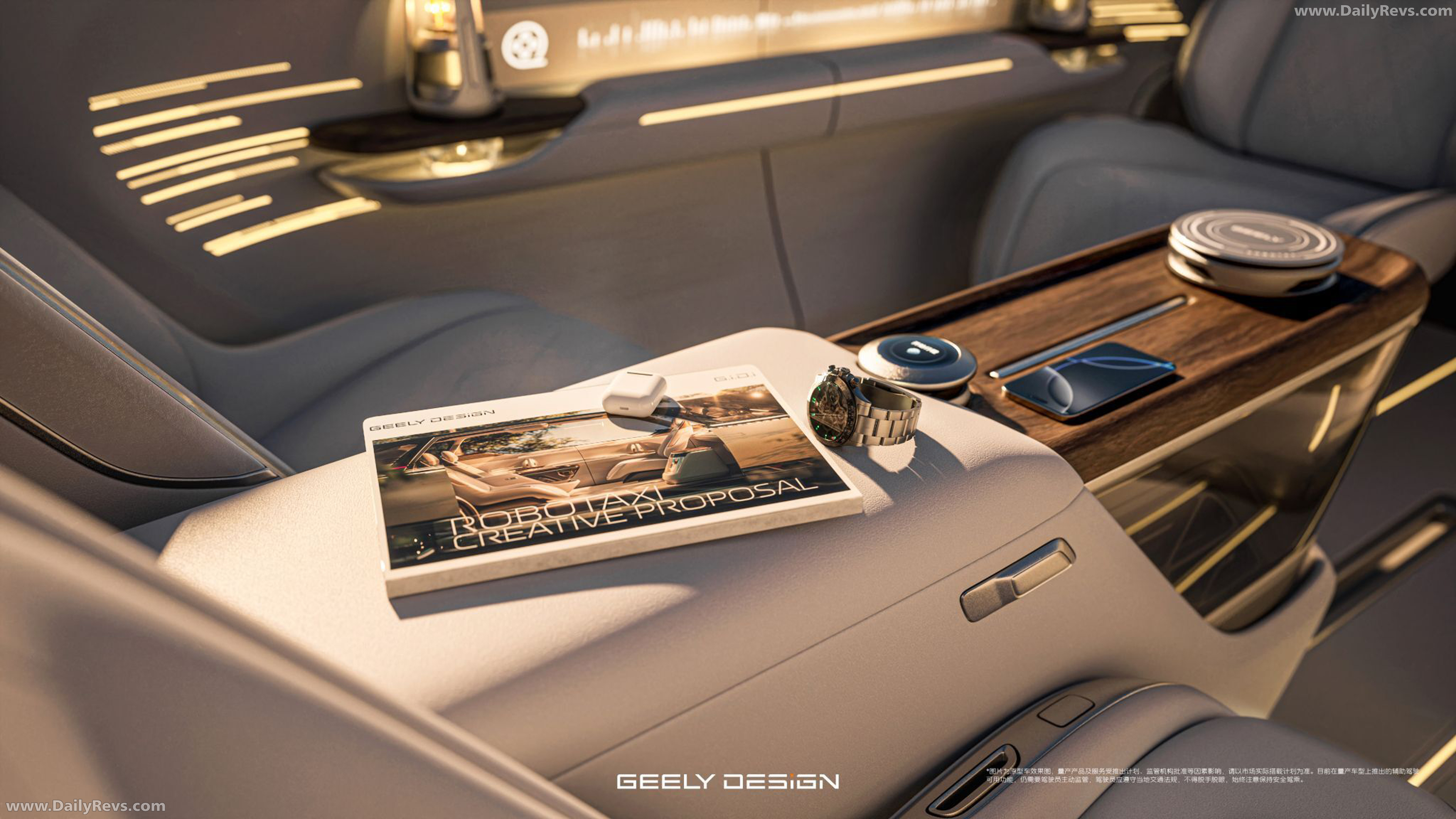
Details are more expressive than expected for a tech-focused vehicle. A large panoramic “Galaxy Skyroof” stretches overhead, while elements like wood trim and floating console designs bring a softer, more tactile feel.
There’s an attempt to make the space feel less clinical. More like a living environment than a transport pod.
Autonomous system defines the concept
The core of the Eva Cab sits in its software and architecture.
It’s built on Geely’s Full-Domain AI 2.0 system, which ties together hardware, software, and broader ecosystem functions. The vehicle is also equipped with what’s described as a quantum-secure electronic and electrical architecture, labeled EEA 4.0.
On the autonomy side, it features an L4-ready system based on Geely’s G-ASD platform. That places it close to full self-driving capability within defined conditions, though real-world deployment will depend on regulatory approval.
Practicality tied to future urban mobility
The Eva Cab isn’t meant for private ownership in the usual sense.
It’s designed as part of a larger mobility network, likely operating within ride-hailing or fleet-based services. That explains the emphasis on easy access, shared seating, and integrated safety systems.
Positioned for near-term deployment
This isn’t a distant concept.
Geely plans to introduce a production-oriented version, referred to as the Eva Cab CaoCao Mobility Customized Edition, by 2027. That suggests the current concept is relatively close to what will eventually reach the road.
The broader goal is clear. A scalable robotaxi platform that integrates with existing mobility services and pushes autonomous transport into everyday use.
The 2026 Geely Eva Cab Concept doesn’t try to behave like a car. It rethinks the idea entirely, focusing on space, interaction, and autonomy. The success of that approach will depend less on design, and more on how quickly the surrounding ecosystem catches up.