








2026 Ferrari SC40
By Lorenzo Bianchi October 18, 2025
The 2026 Ferrari SC40 is a one-off commission inspired by the legendary F40.
Designed under Flavio Manzoni, based on the 296 GTB’s hybrid V6 platform.
A styling buck will go on display at the Ferrari Museum in Maranello.
Maranello doesn’t do nostalgia in a predictable way. The new 2026 Ferrari SC40 — the latest creation from the brand’s “Special Projects” program — isn’t a replica or retro reboot. It’s something more subtle, more deliberate: a reimagining of the F40’s spirit through today’s proportions and materials.
Ferrari’s design boss Flavio Manzoni and his team at the Styling Centre have taken the bones of a 296 GTB — architecture, chassis, and hybrid powertrain — and built an entirely new body over it. Every inch feels drawn with surgical intent. The brief came from a single client, and as with all Ferrari One-Offs, the process was deeply personal — an extended dialogue that turns sketches into sculpture over the course of nearly two years
A Modern Shape with an Old Soul
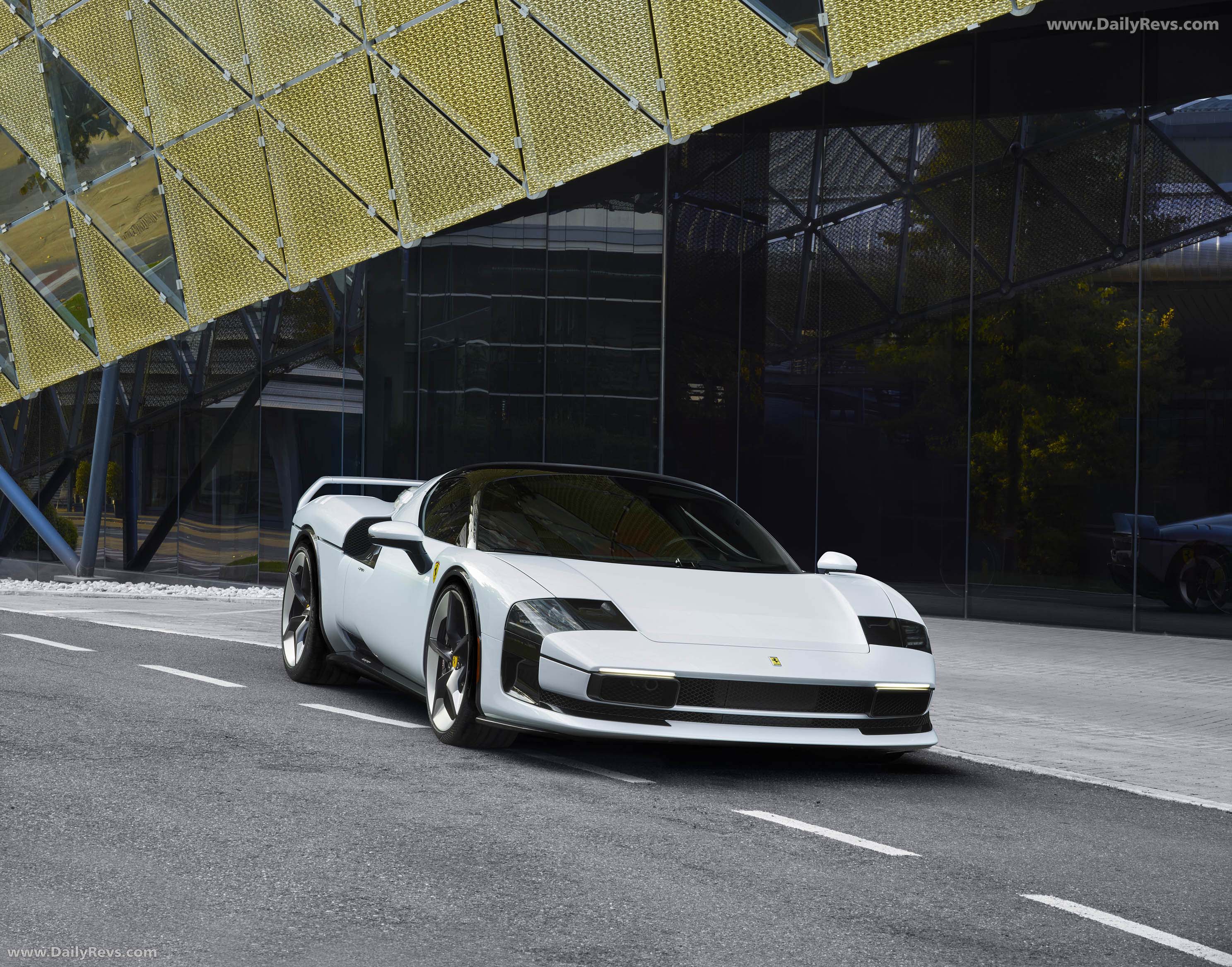
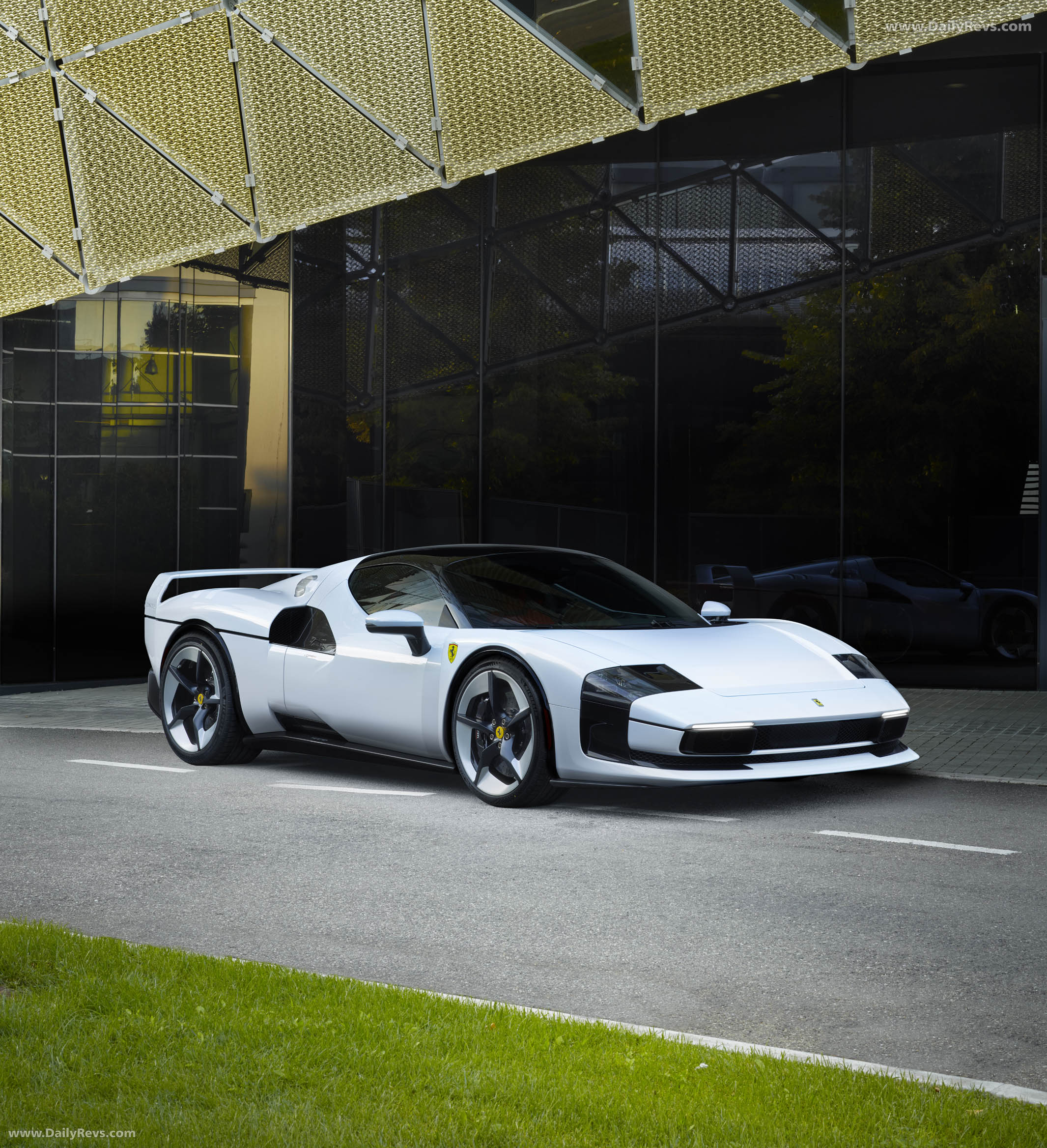
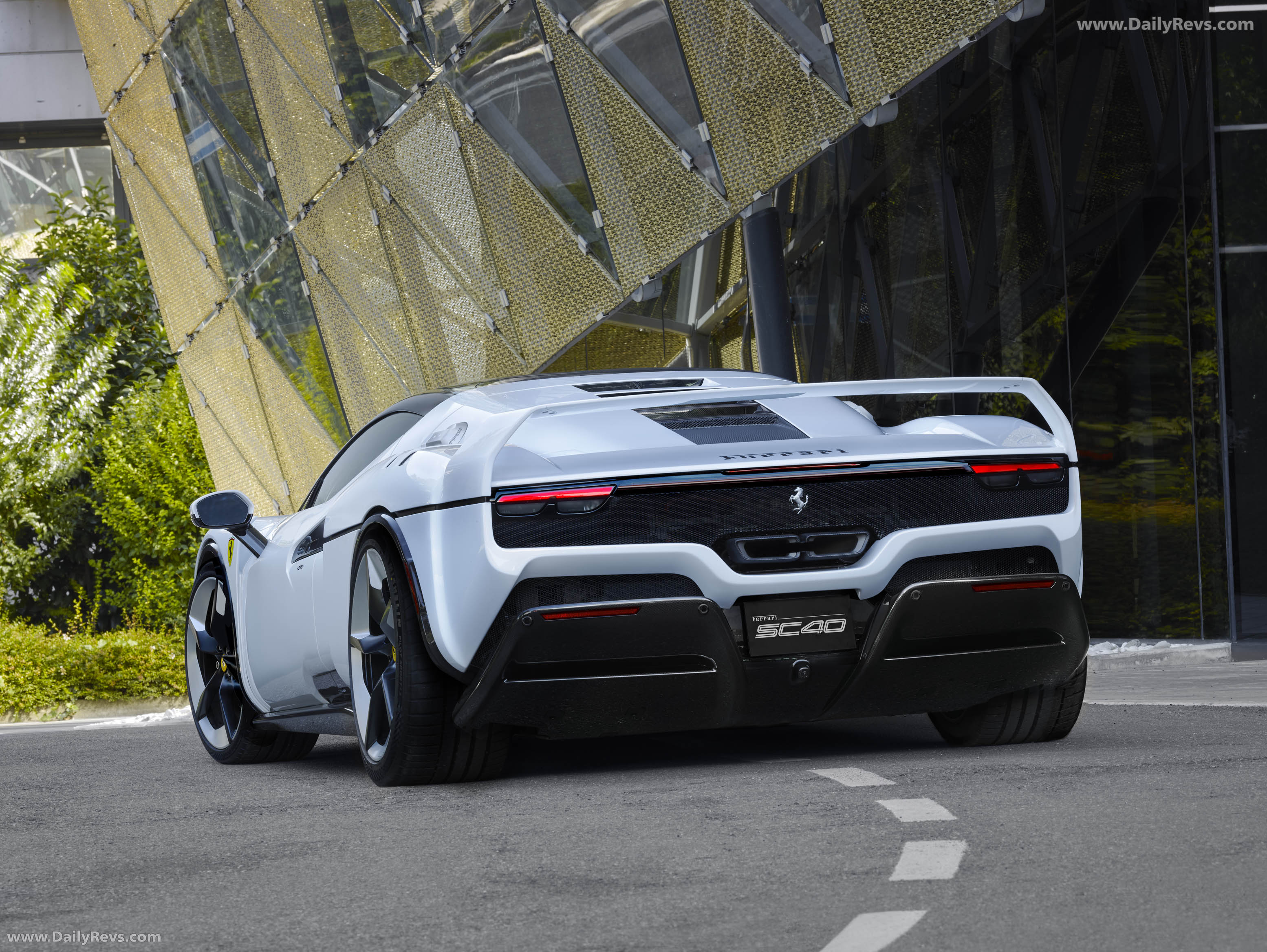
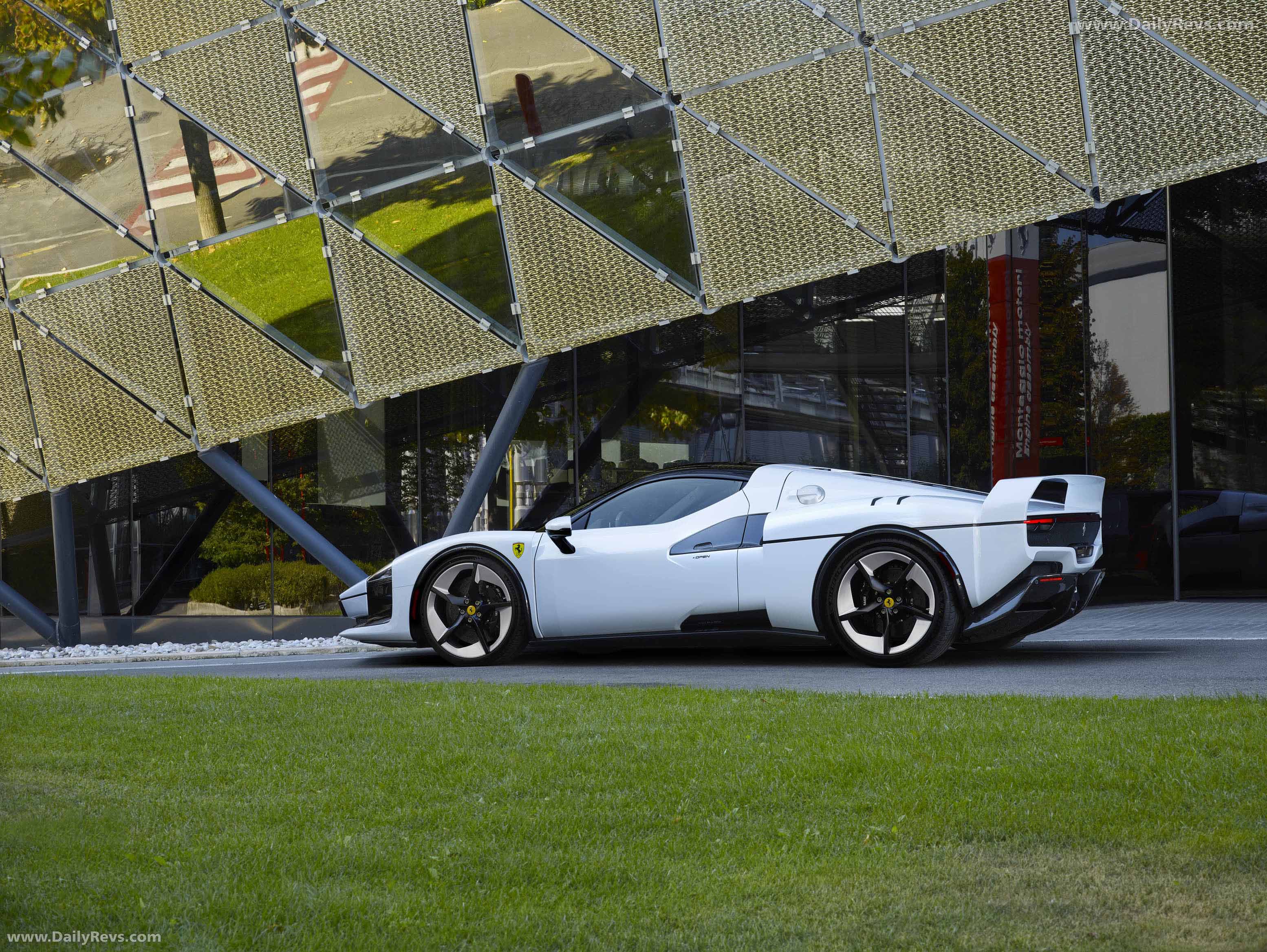
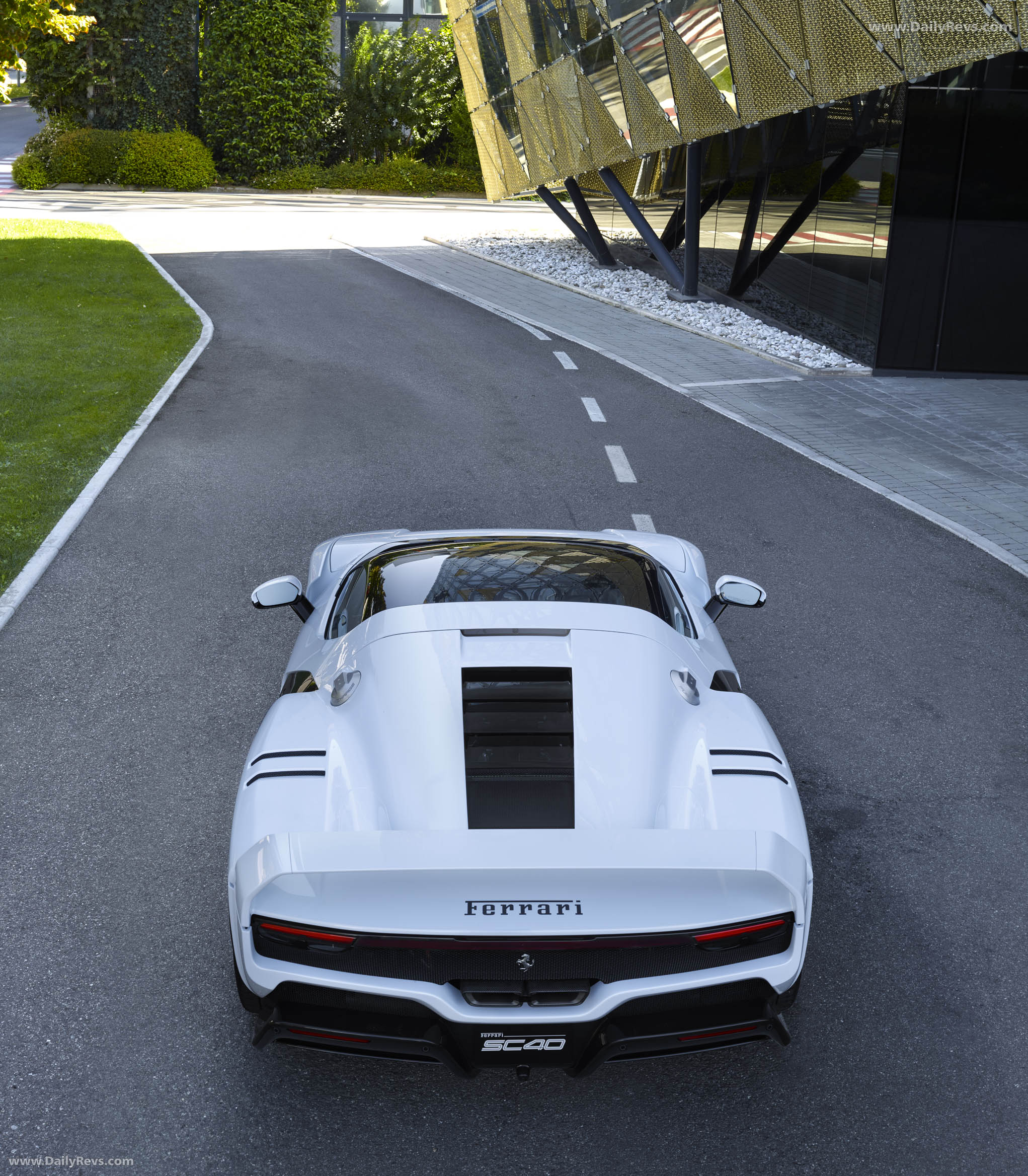
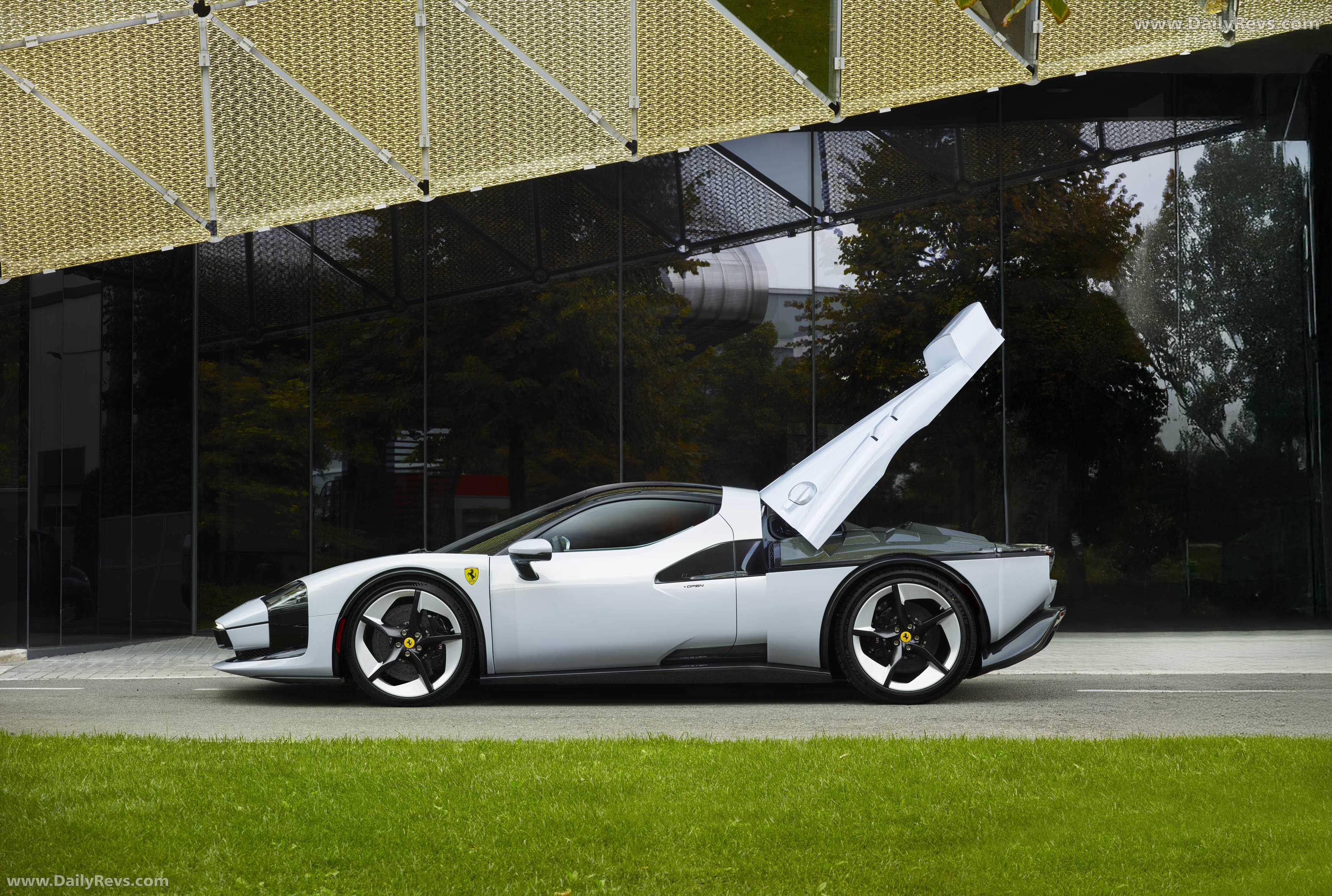
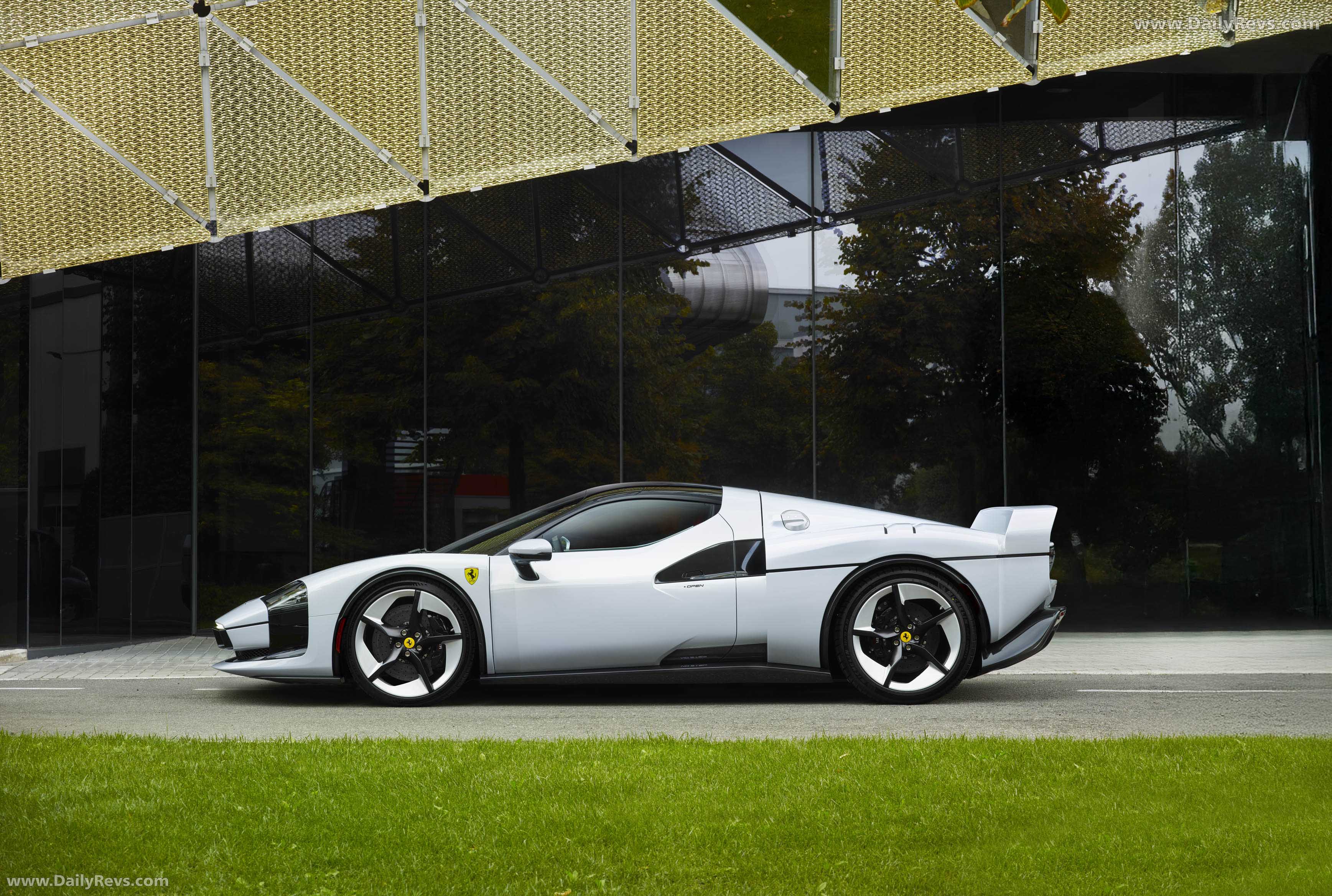
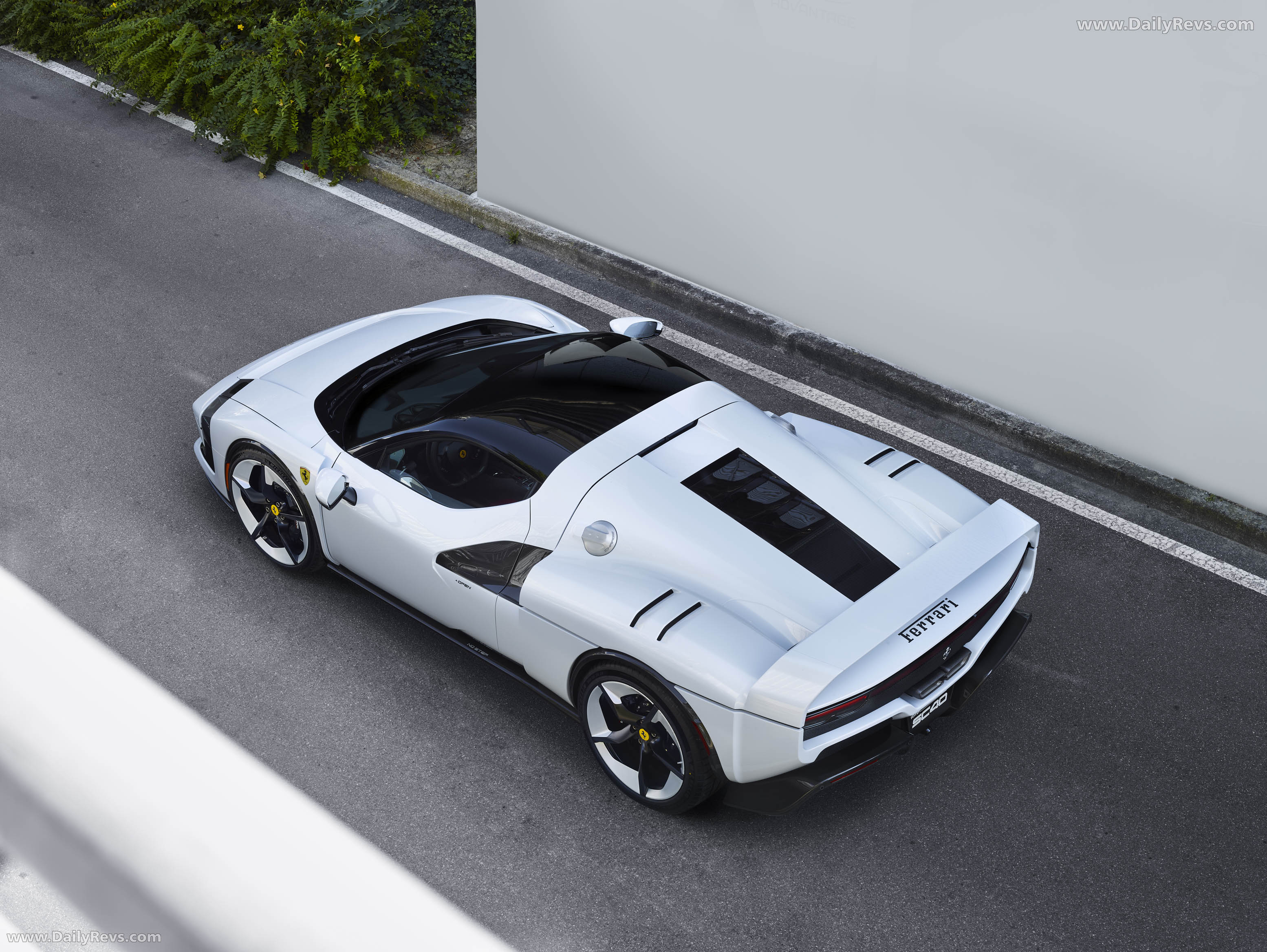
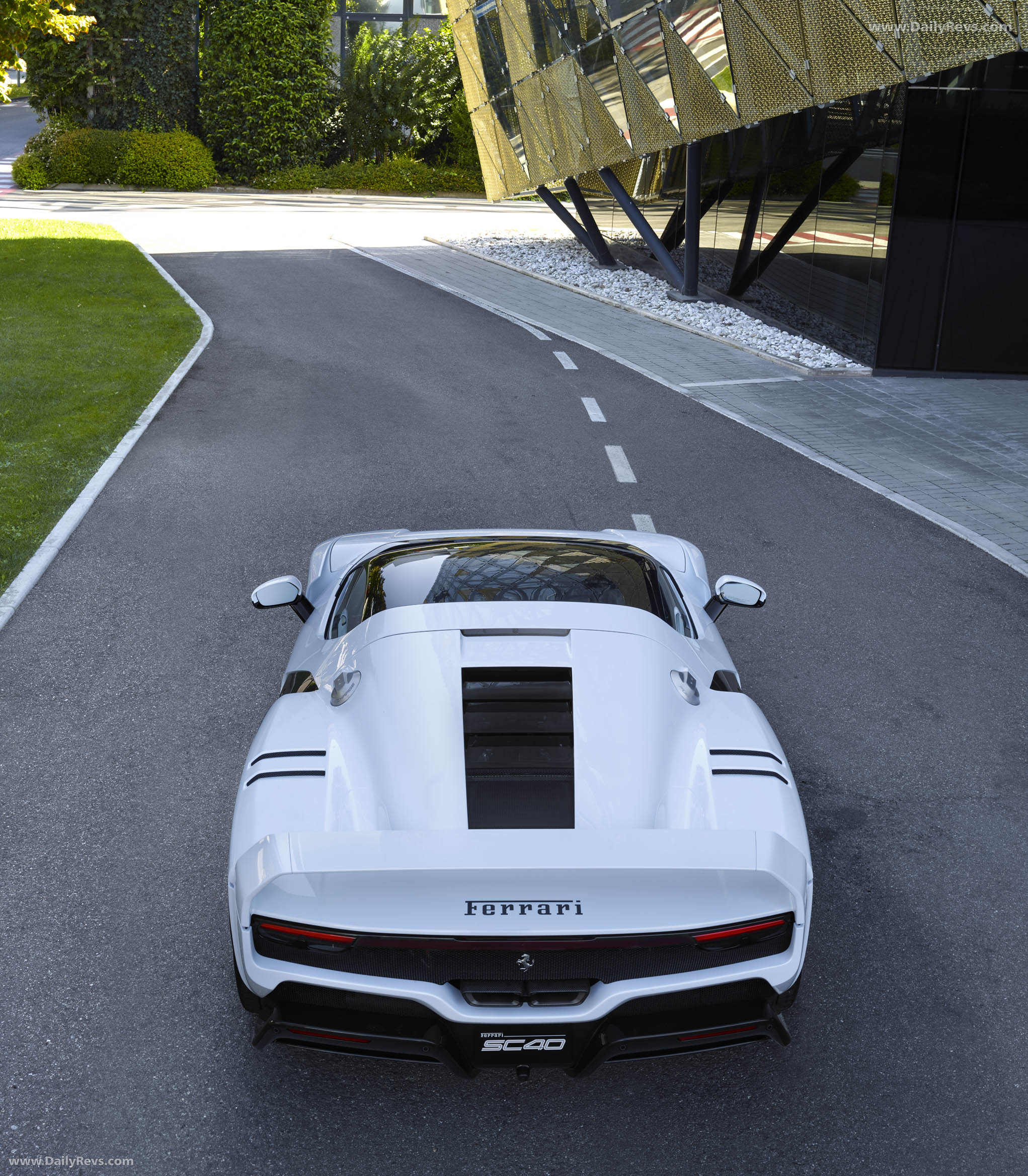
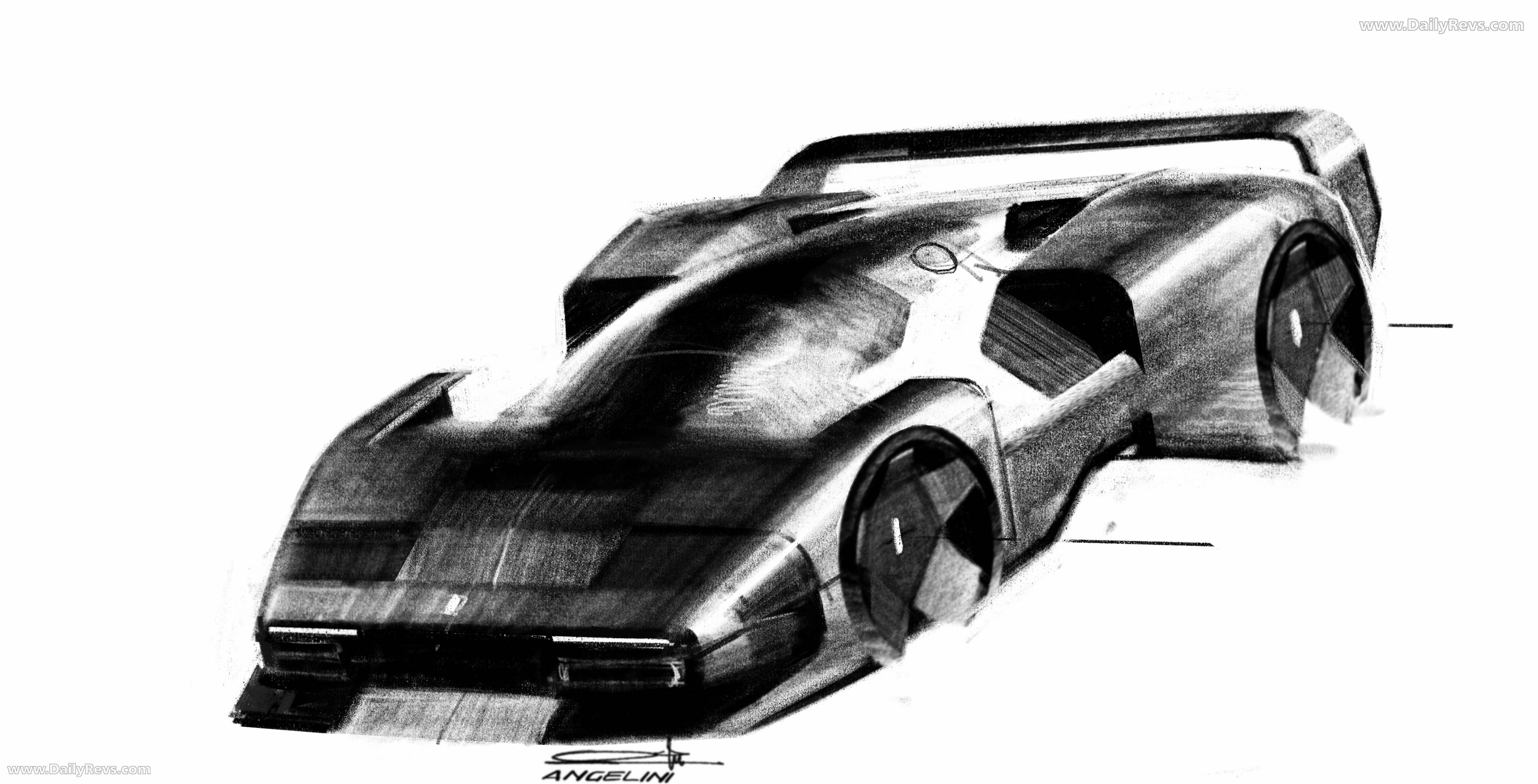
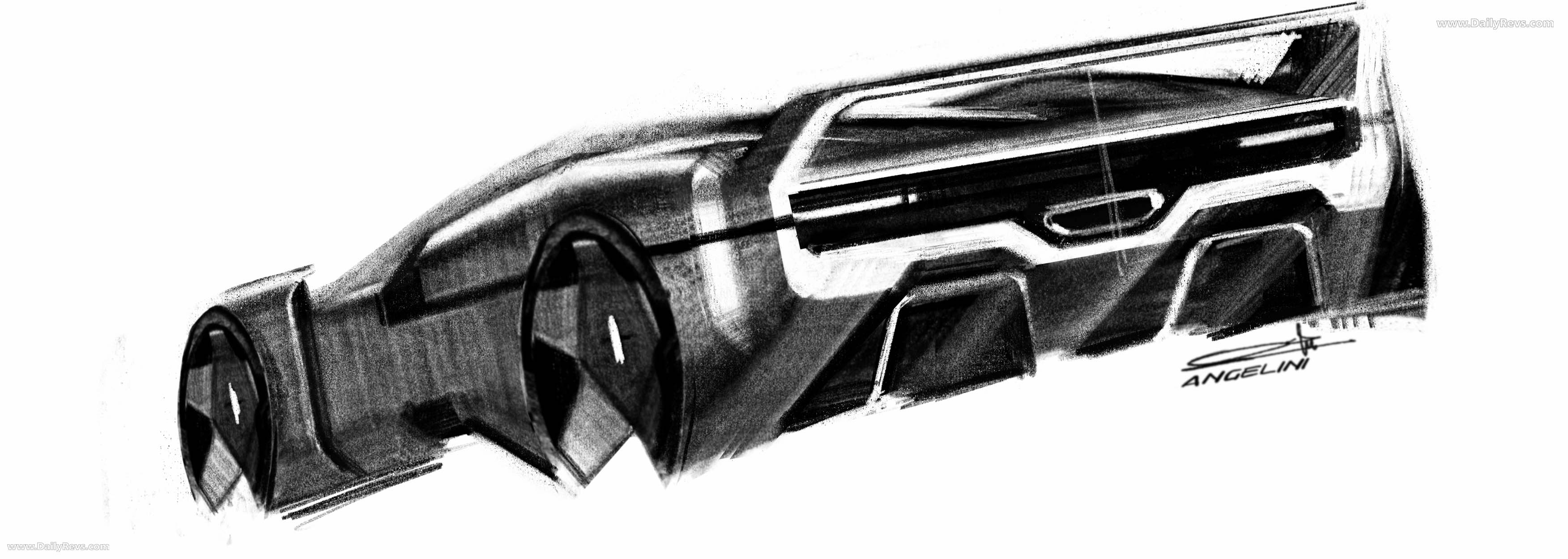
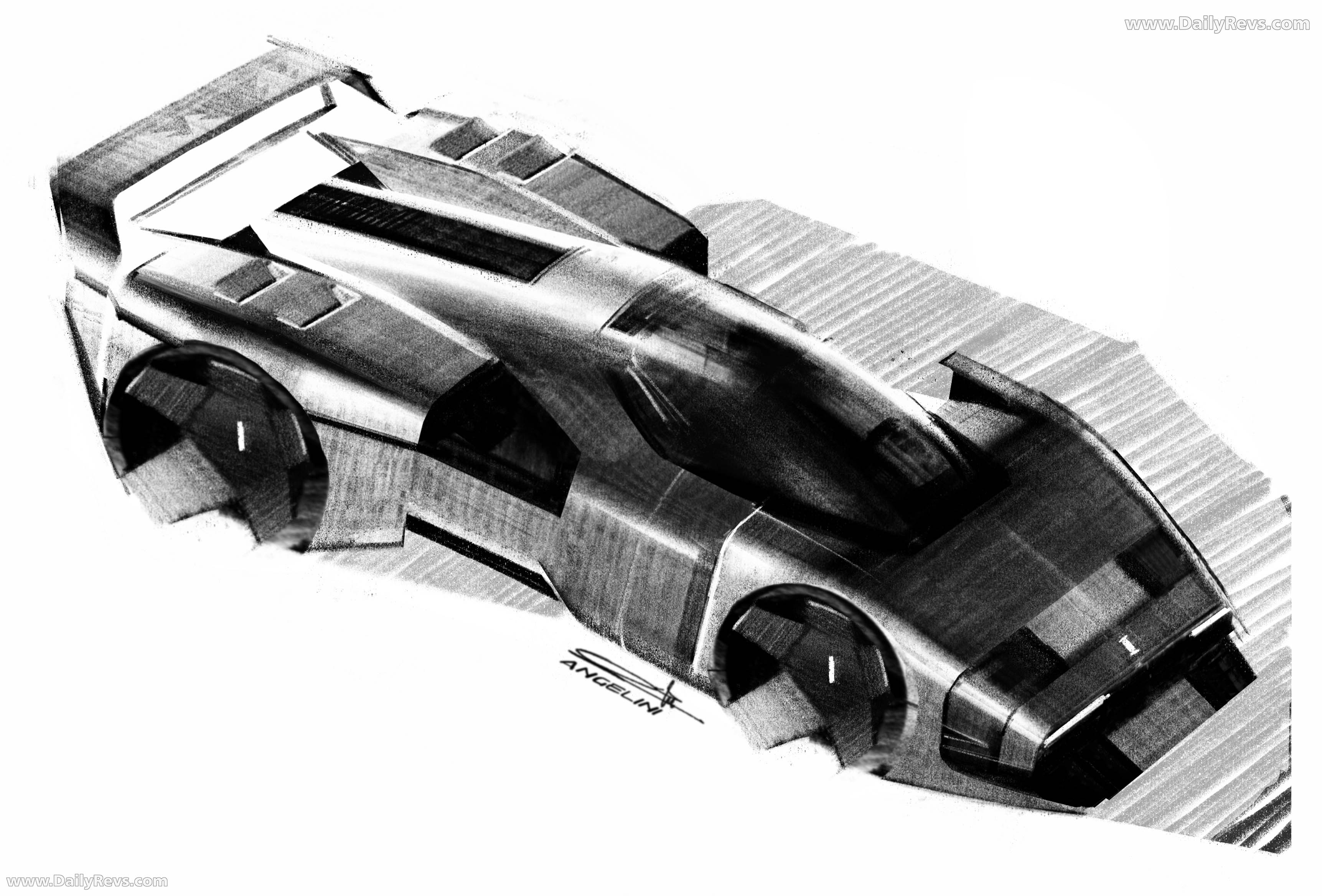
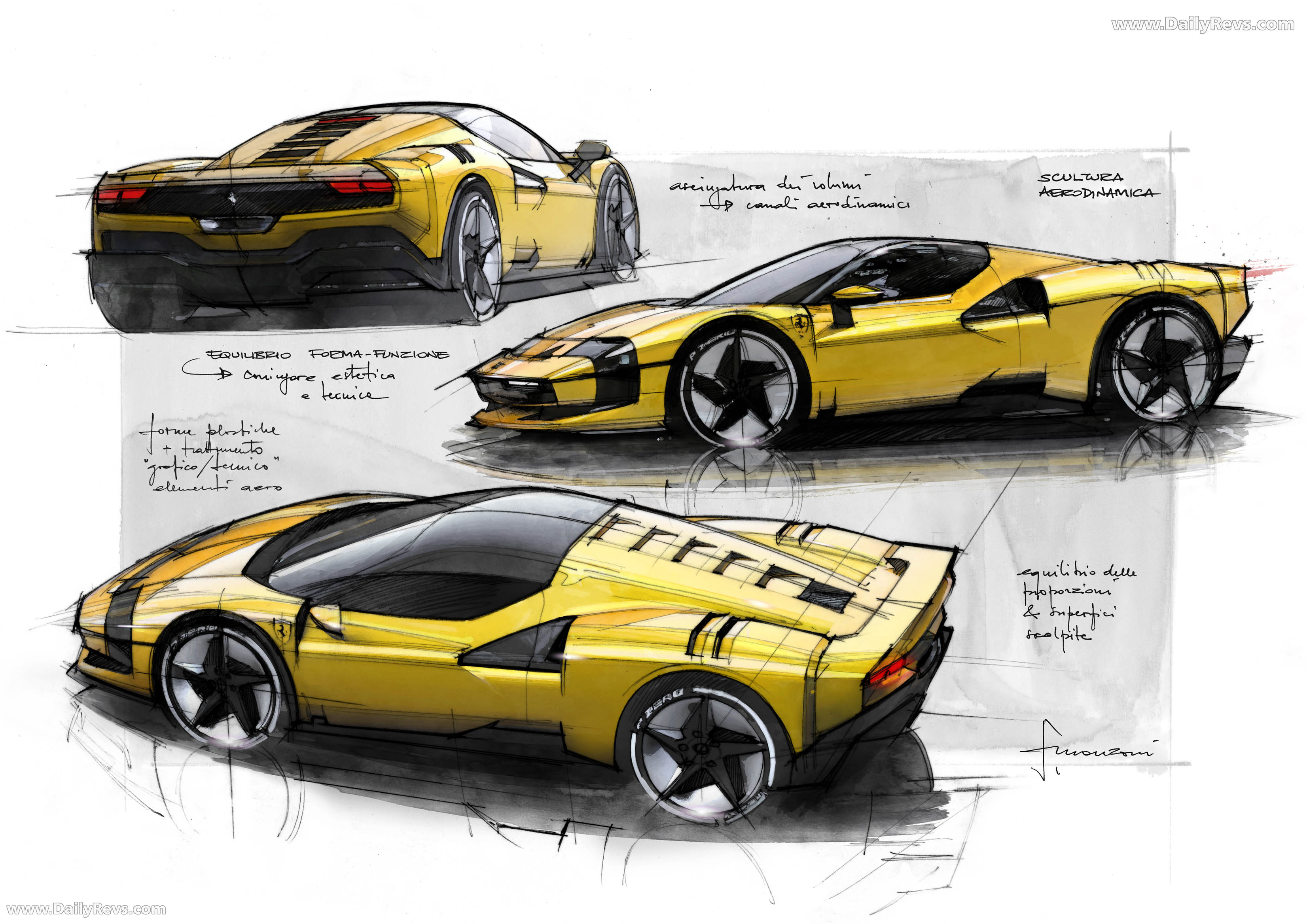
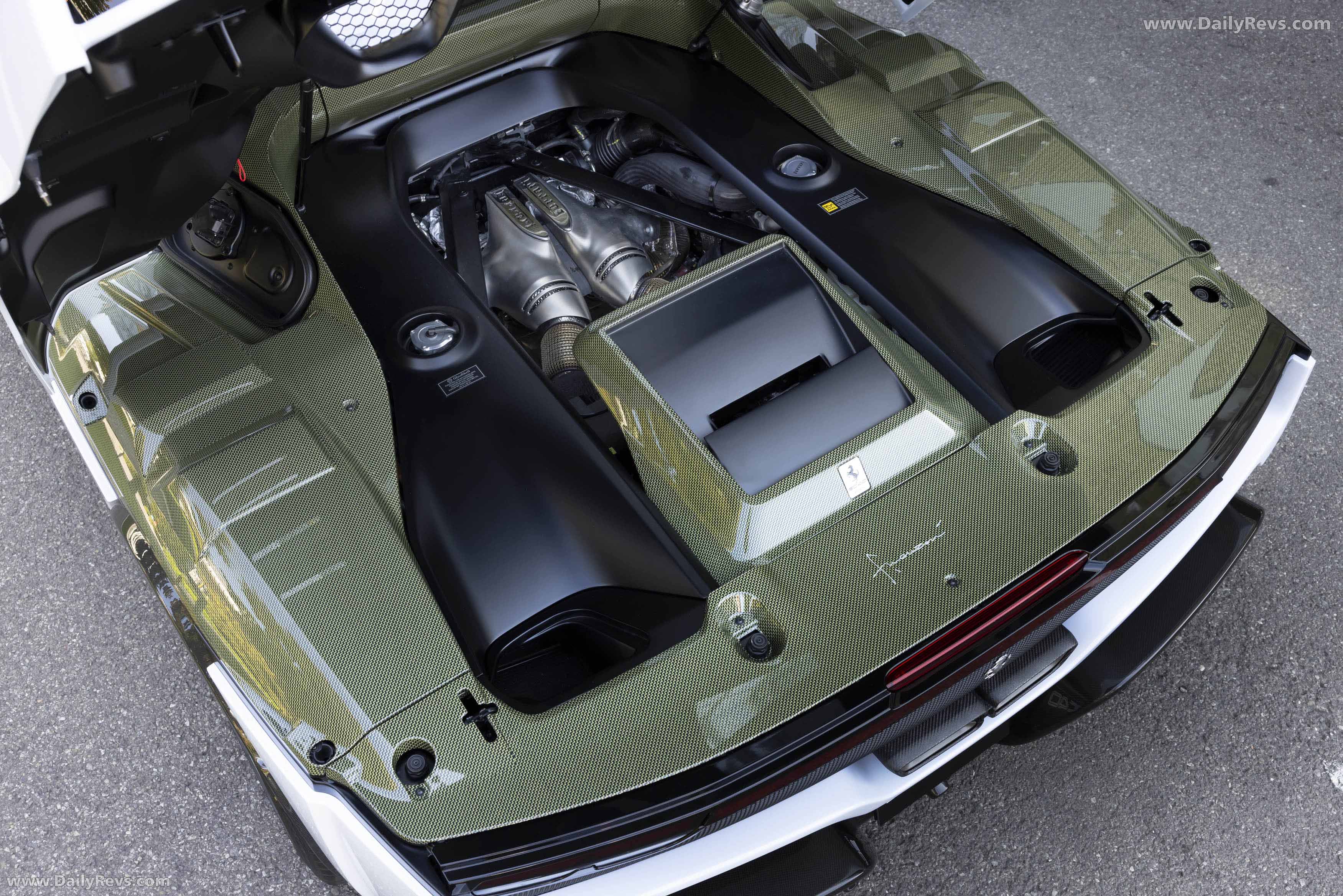
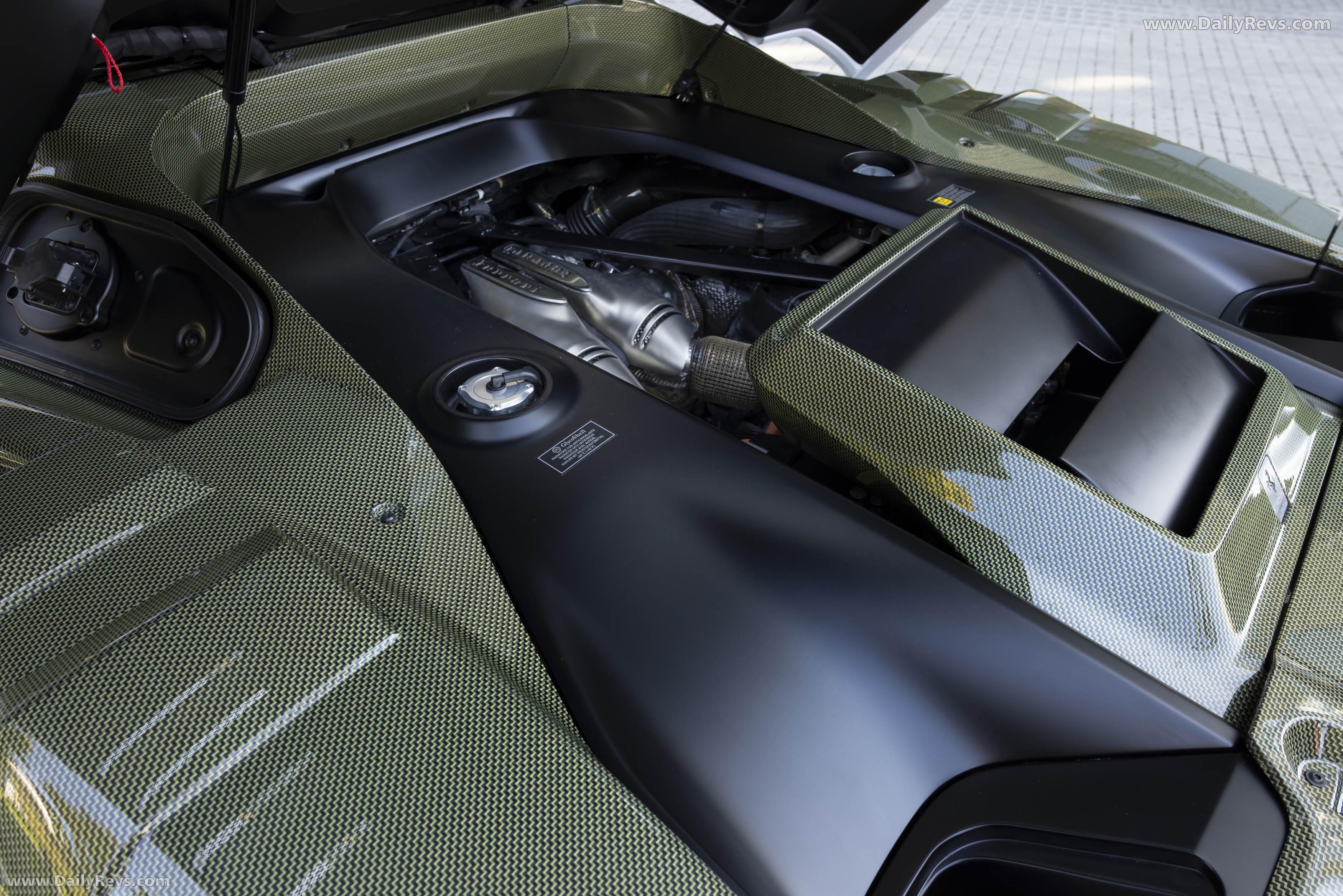
At first glance, the SC40 is unmistakably Ferrari but also detached from any model line. Its long, low nose and compact rear overhang give it a balanced, almost athletic stance — more industrial sculpture than flowing supercar. The proportions nod to the F40’s sharp geometry without copying it. A fixed rear wing — painted in a bespoke “SC40 White” — rises directly from the rear bodywork, outlined by a black fascia that cuts visually through the tail. It’s assertive, not exaggerated. Beneath the mesh rear grille, the hybrid V6 sits partially exposed under smoked Lexan® louvres, with titanium and carbon-fibre exhausts exiting dead center. It’s mechanical honesty presented as theatre
From the side, the surfaces feel tight, muscular, and deliberate. The air intakes — a modern interpretation of the classic NACA ducts — are framed by carbon-fibre plates that slice into the bodywork. There’s a rhythm to it: the vertical cuts along the fenders, doors, and engine cover build a kind of visual cadence. It’s as if Manzoni’s team was composing in lines rather than notes.
Angular but Controlled
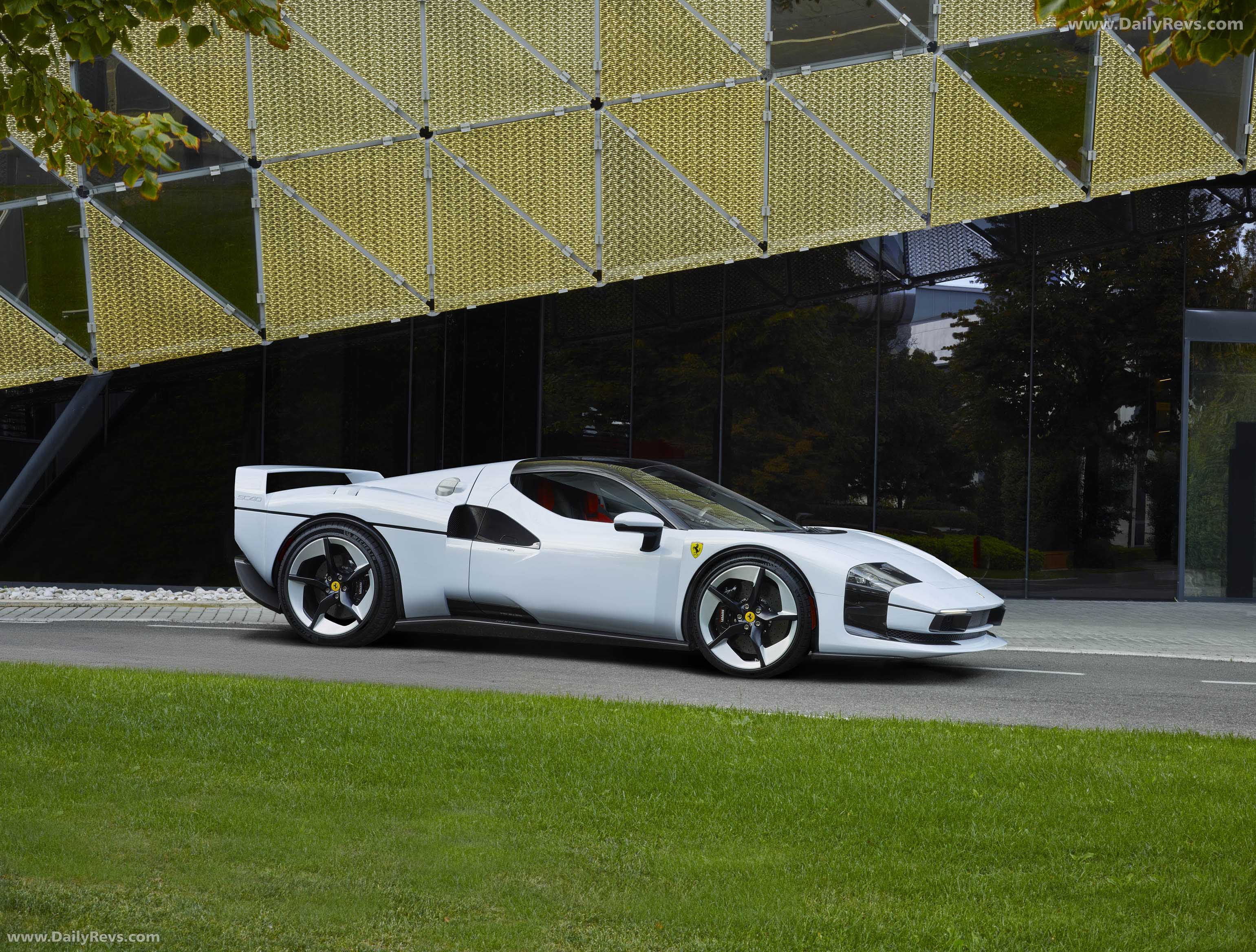
The front is equally composed. The headlights sit wide apart, buried inside black housings that stretch into the bumper. Below them, rectangular brake ducts framed in body color add structure, while slim LED daytime running lights hover above. It’s all quite technical and exacting — not beautiful in a traditional sense, but purposeful and confident.
The SC40’s presence is more industrial than romantic. You can see traces of the 1980s Ferrari design ethos — geometric aggression balanced with aerodynamic logic — but the language has evolved. Where the F40 was raw, the SC40 is refined in its brutality. It feels like it was designed with a straightedge, then softened just enough to let the light run across its surfaces.
Inside the Workshop Aesthetic
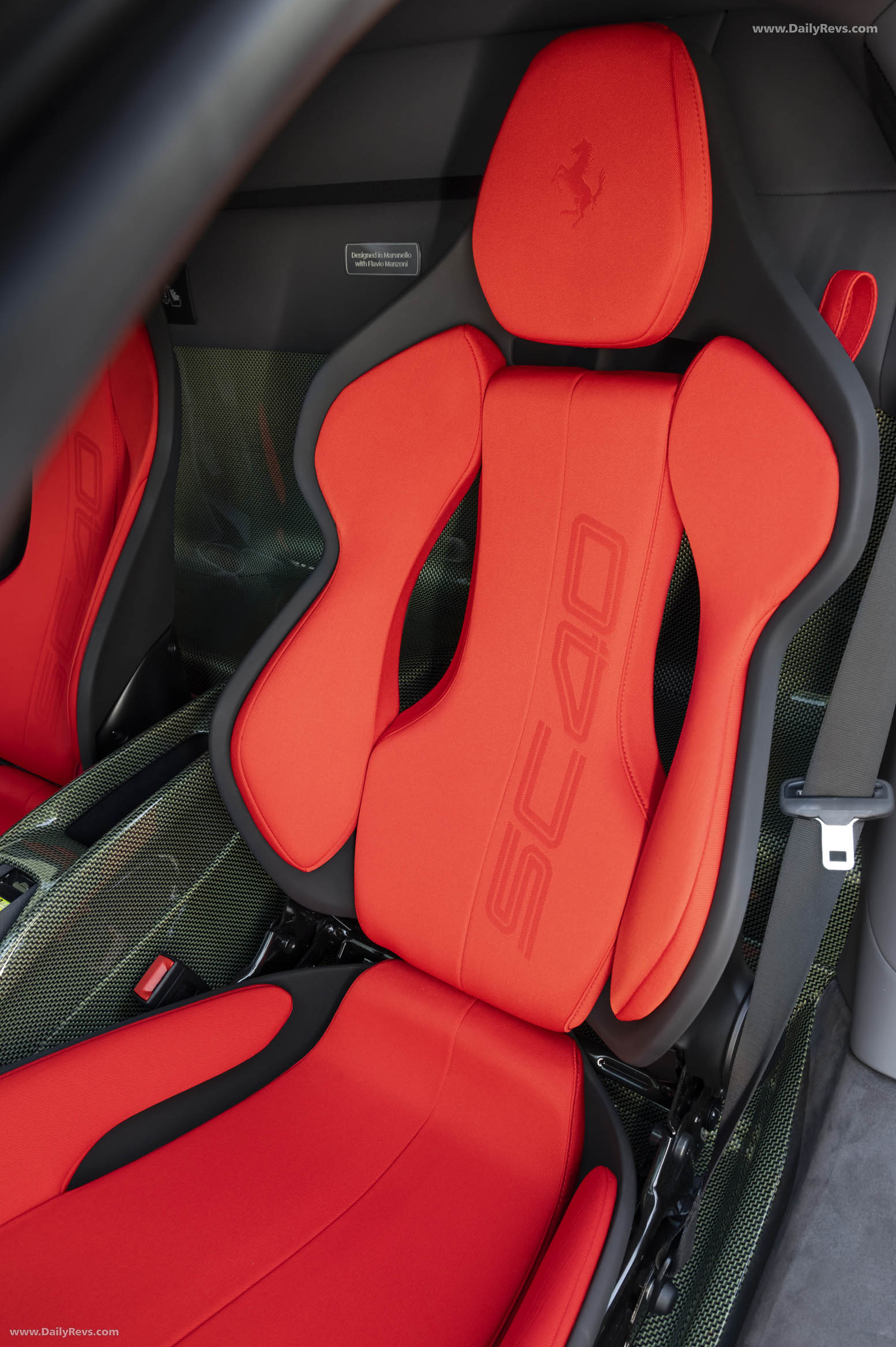
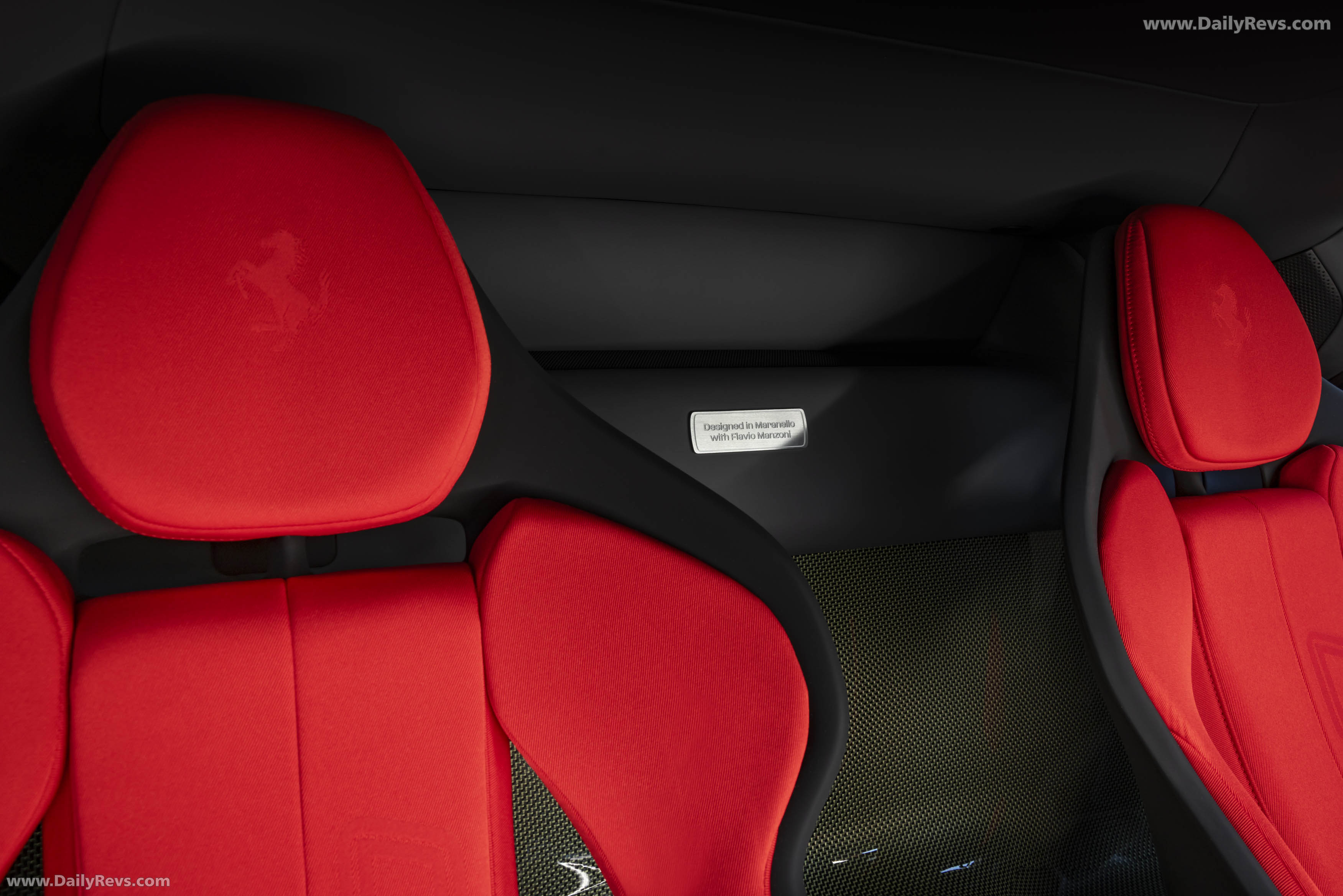
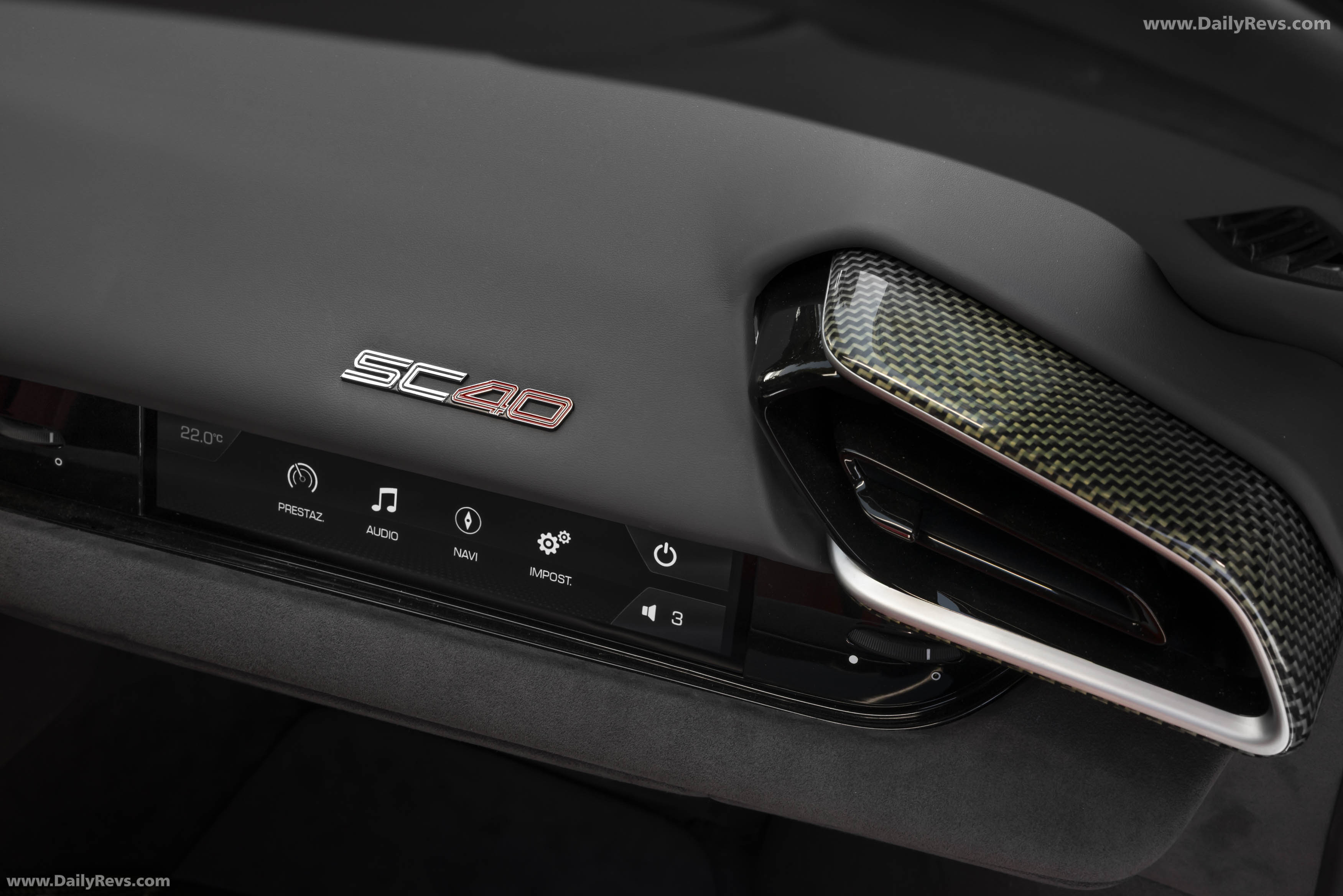
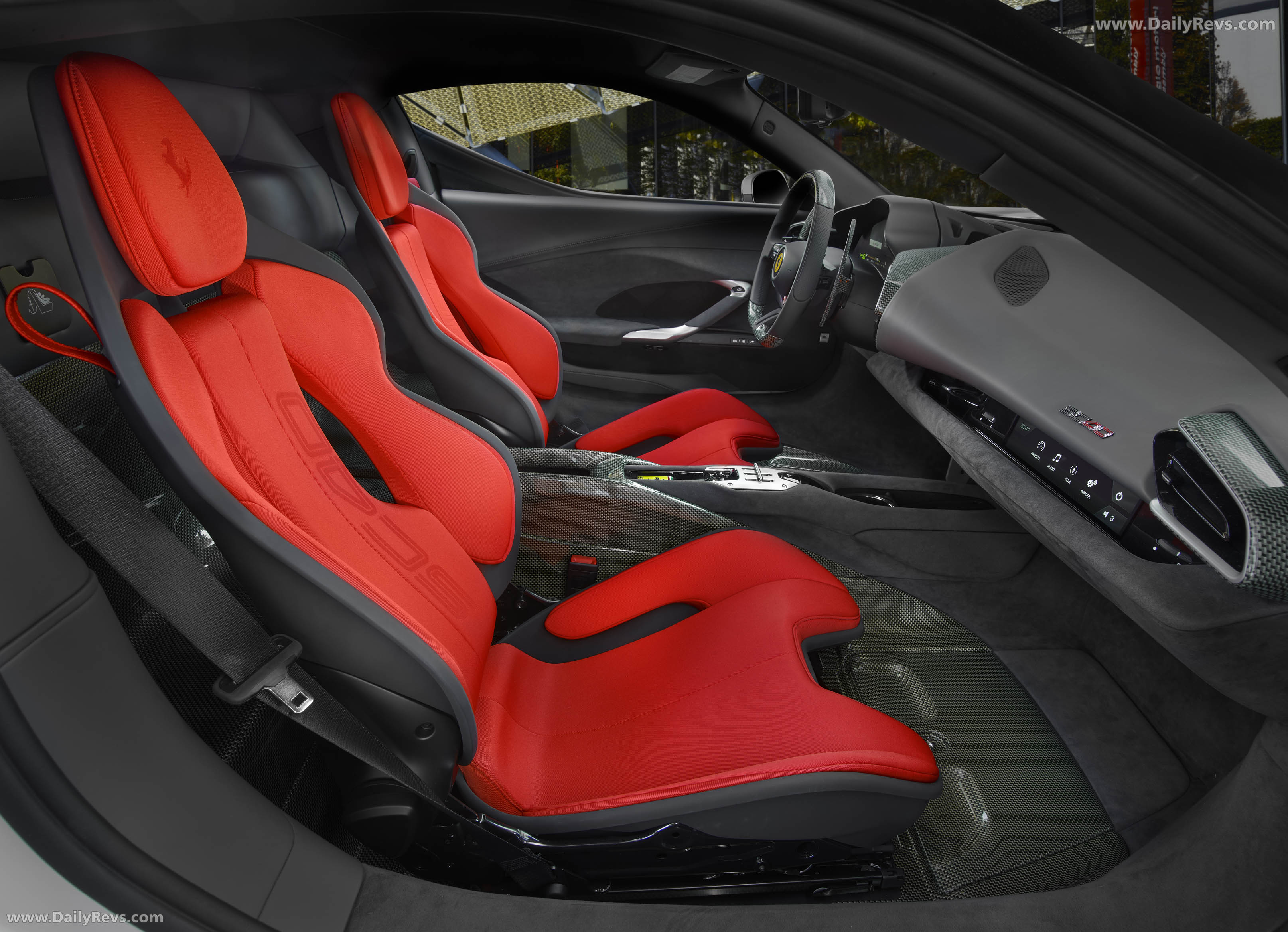
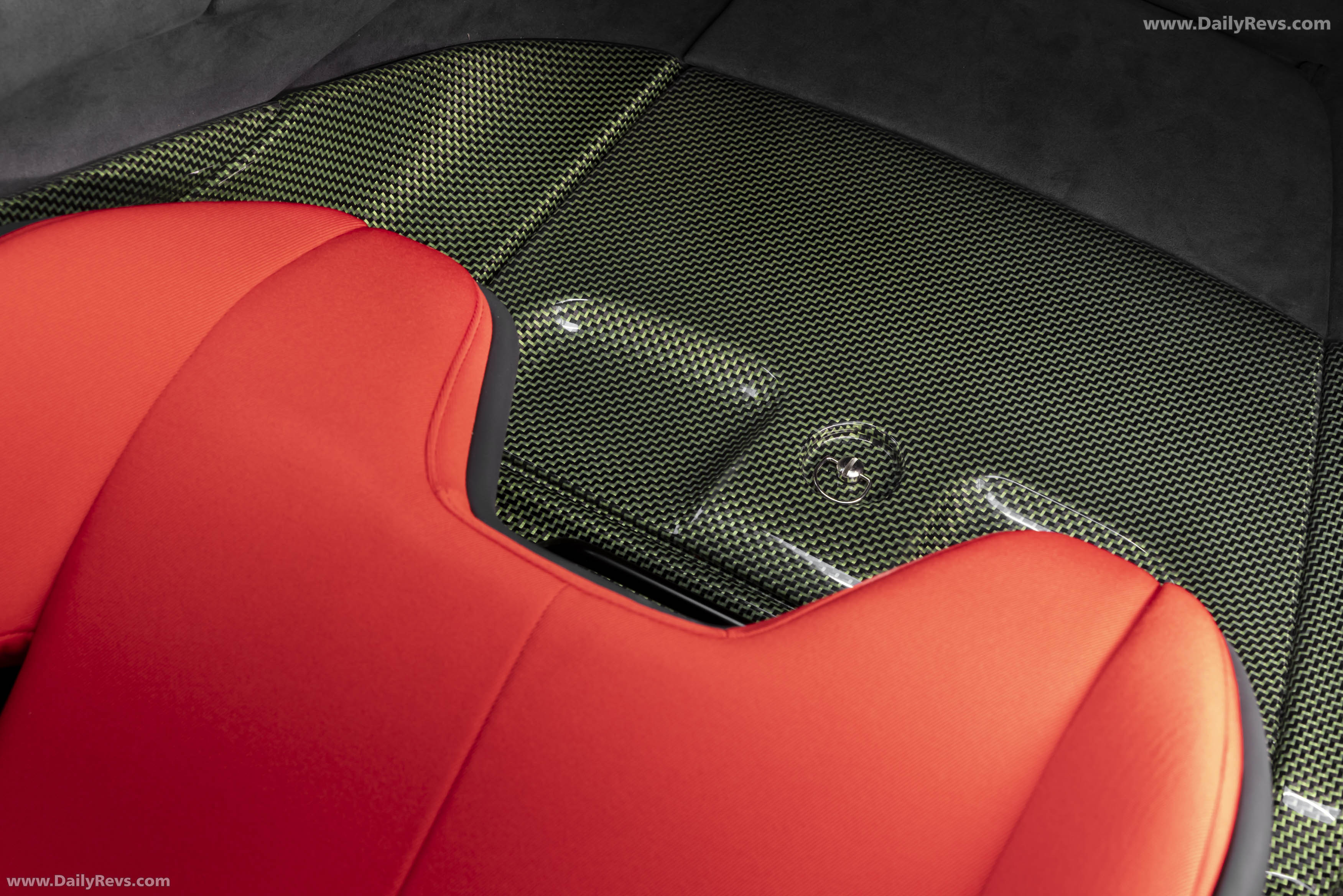
The cabin takes the same pragmatic approach. Kevlar, used prominently in the F40, makes a return — now in a new carbon-Kevlar weave that runs through the footwells, dashboard inserts, and even behind the seats. Charcoal Alcantara® wraps the interior with flashes of red Jacquard technical fabric, and the SC40 logo appears woven into the seats. It’s technical without being sterile, tailored yet tough.
Even the finishing touches carry intent. The “SC40 White” exterior has a cool tone that picks up the interior’s Kevlar hues under sunlight. The Ferrari script on the rear is cut in negative to reveal the carbon fibre beneath. The wheels are a mix of brushed metal and black spokes — almost architectural in detail.
A Collector’s Ferrari, But More Than That
The SC40 will never be repeated. Its styling buck goes on display at the Ferrari Museum in Maranello from October 18, where it will quietly tell its story among the brand’s greats. It’s a reminder of what Ferrari still does best — building something unique, not for algorithms or markets, but for one person who wanted their own slice of the Prancing Horse mythos.
TECHNICAL SPECIFICATIONS
POWERTRAIN
- Type V6 – 120°
- Overall displacement 2992 cm3
- Bore and stroke 88 mm x 82 mm
- Max. power output ICE* 663 cv
- Max. power output hybrid** 610 kW (830 cv) at 8000 rpm
- Max. torque 740 Nm at 6250 rpm
- Max. revs 8500 rpm
- Compression ratio 9.4:1
- High voltage battery capacity 7.45 kWh
DIMENSIONS AND WEIGHTS
- Length 4700 mm
- Width 1975 mm
- Height 1198 mm
- Wheelbase 2600 mm
- Front track 1665 mm
- Rear track 1642 mm
- Dry weight*** 1550 kg
- Dry weight/power ratio 1.87 kg/cv
- Weight distribution 41.5 % front / 58.5 % rear
- Fuel tanks capacity 65 litres
TYRES AND WHEELS
- Front 245/35 ZR 20 J9.0
- Rear 305/35 ZR 20 J11.0
BRAKES
- Front 398 x 223 x 38 mm
- Rear 360 x 233 x 32 mm
TRANSMISSION AND GEARBOX
- 8-speed F1 DCT
ELECTRONIC CONTROLS
- eSSC: eTC, eDiff, SCM, FDE2.0, EPS, ABS Evo, 6w-CDS; high-performance ABS/EBD with energy recovery
PERFORMANCE
- Max. speed > 330 km/h
- 0-100 km/h 2.9 s
- 0-200 km/h 7.3 s
- 200-0 km/h 107 m