







2026 Exeed ES7 GT
By Lorenzo Bianchi December 23, 2025
Shooting brake body targets a niche beyond conventional SUVs and sedans.
Range-extended powertrain delivers over 1,300 km combined range.
High sensor count and lidar underline a technology-led positioning.
Exterior Design and Proportions
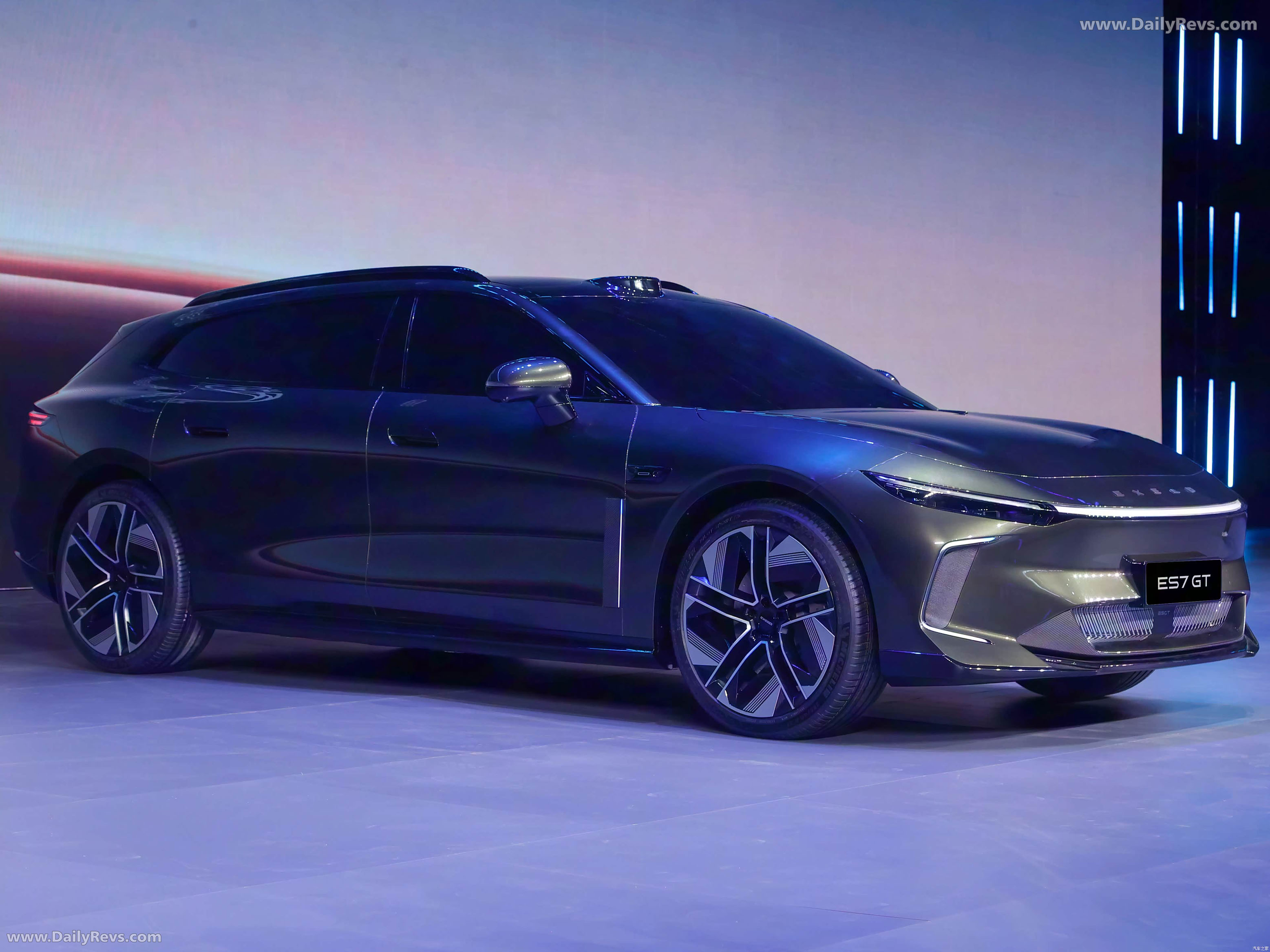
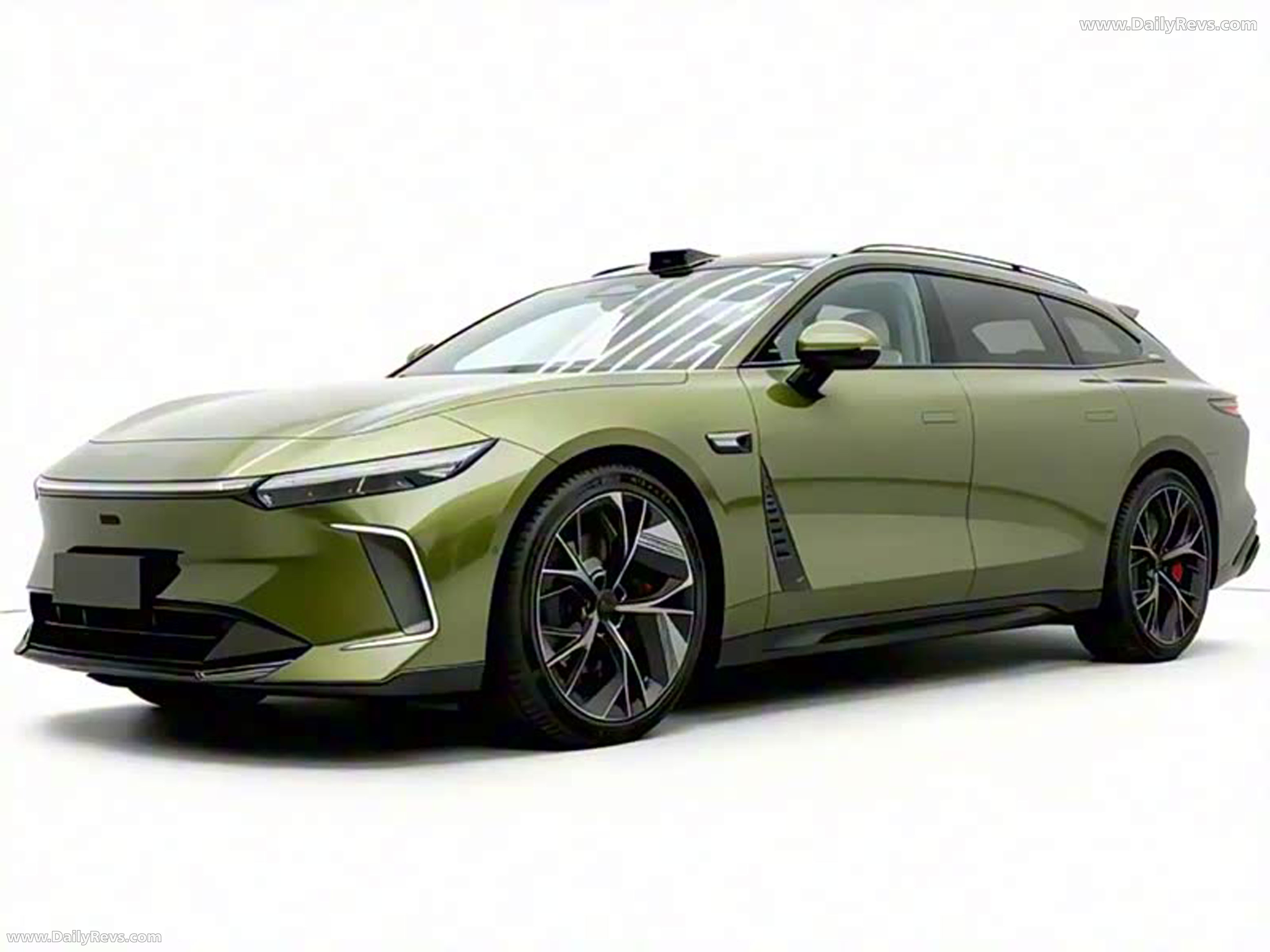
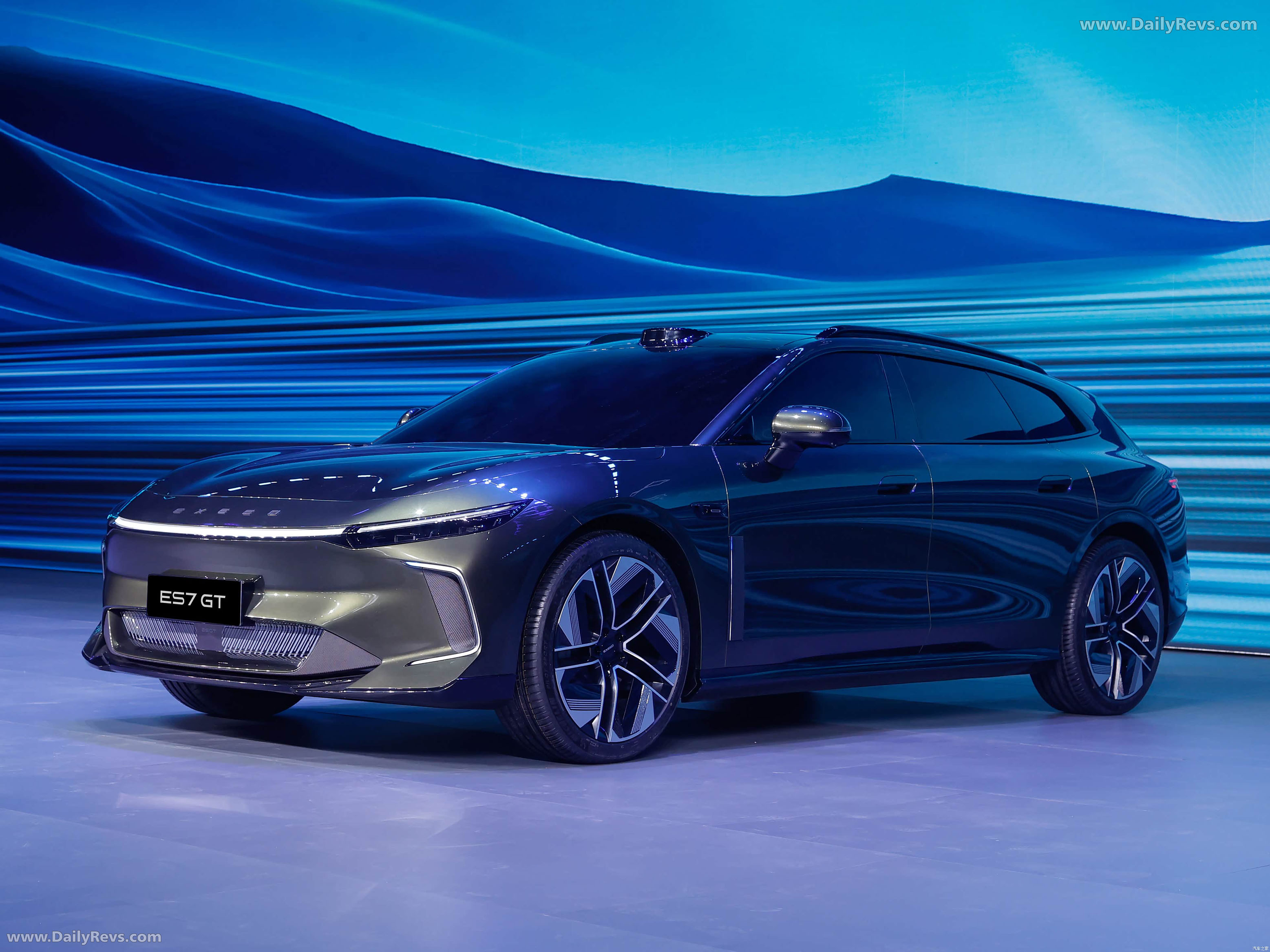
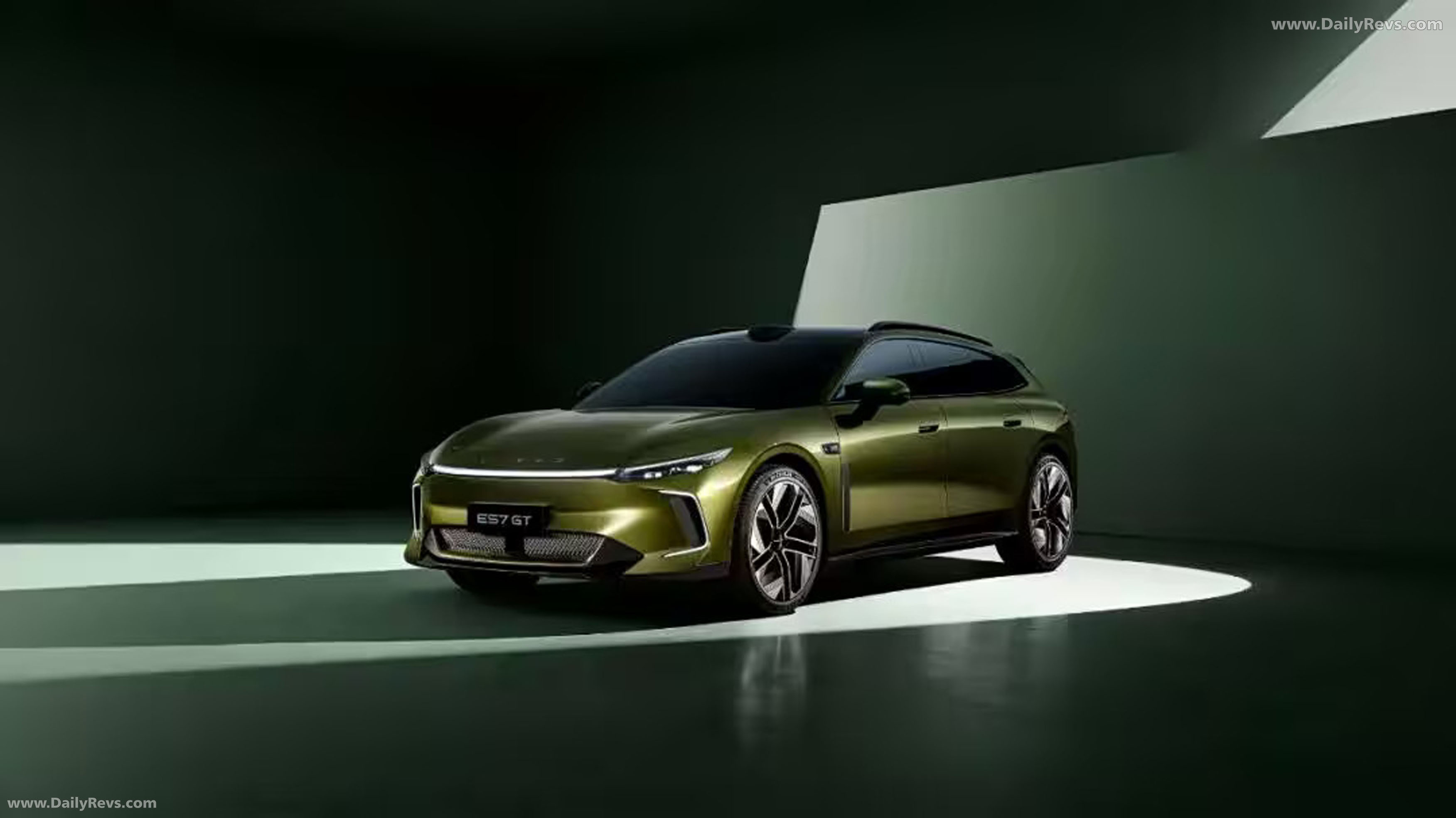
The 2026 Exeed ES7 GT steps into a segment few Chinese brands have attempted seriously: the shooting brake. In profile, the long roofline and sharply raked rear glass define its stance, giving it a lower visual centre of gravity than most crossovers. Finished in Ranger Green on the launch car, the bodywork leans into a restrained, almost retro palette rather than the bright metallics common in the category.
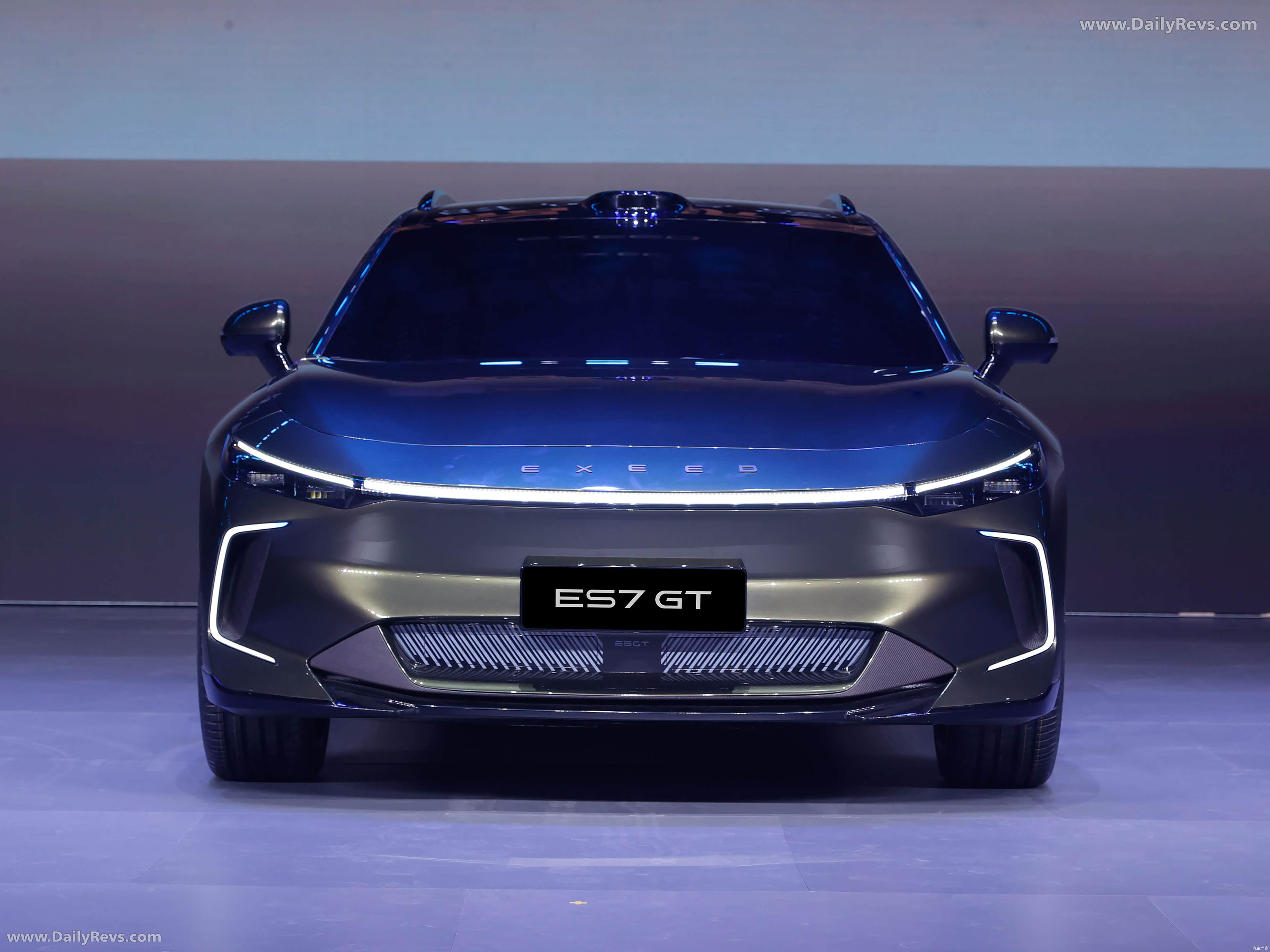
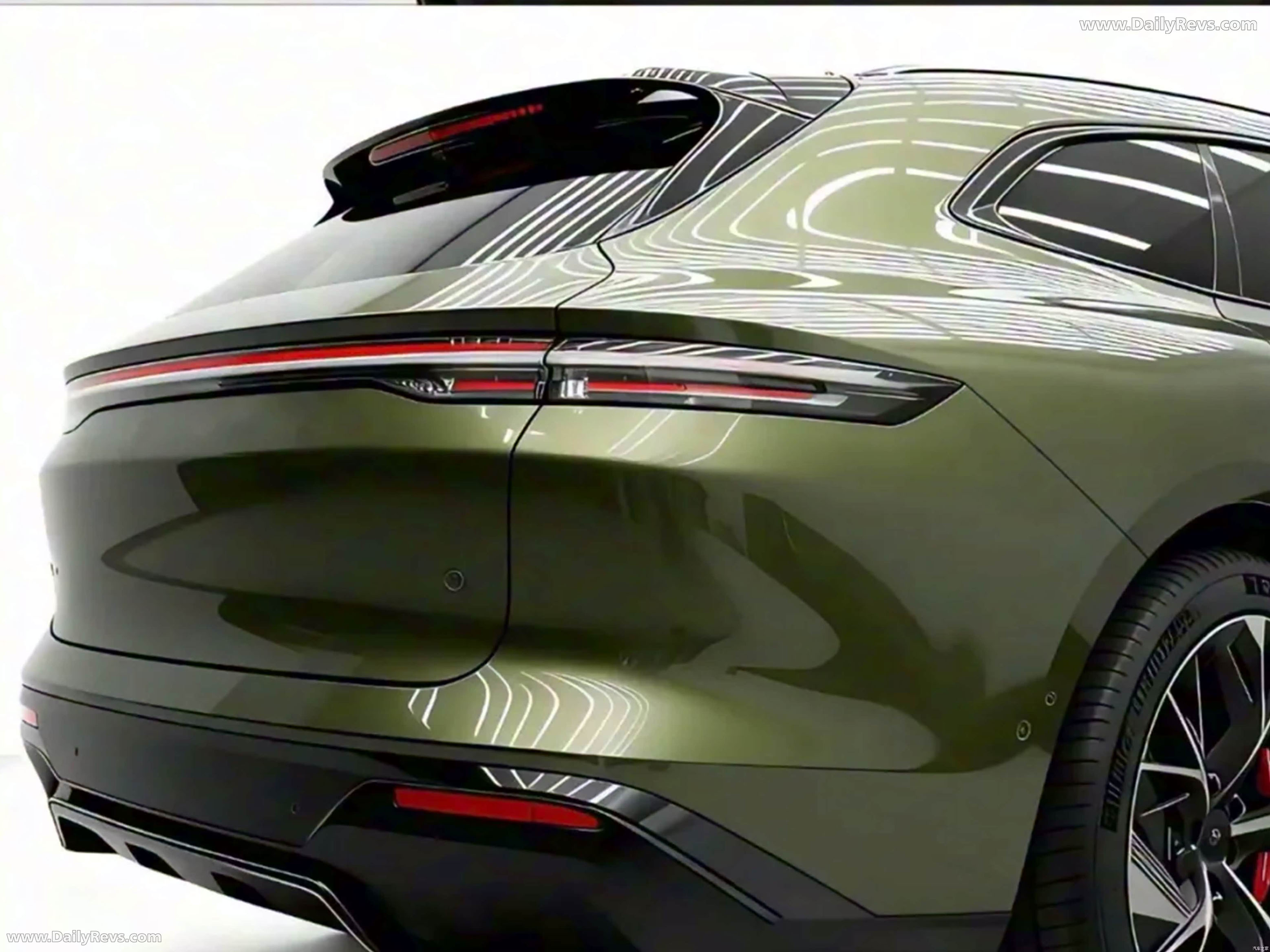
Details matter here. The bonnet slopes aggressively, visually pushing mass rearward, while the closed front grille and vertical air inlets signal its electrified underpinnings. Without using large designs, star-ring daytime running lights with complex internal components offer a unique light character. At the rear, a full-width taillight bar is paired with a carbon-fibre rear wing and a dark diffuser, creating a layered look that reads more performance-oriented than utilitarian.
Large wheels fill the arches, and the presence of a roof-mounted lidar unit and full-length roof rack hints at the ES7 GT’s dual intent: lifestyle practicality and advanced driver assistance. It is not subtle, but it is cohesive
Powertrain and Driving Character
Beneath the sculpted bodywork sits a range-extended powertrain. A 1.5-litre turbocharged petrol engine acts as a generator, supporting a rear-mounted electric motor producing a quoted 265 horsepower. The layout prioritises electric drive feel while retaining long-distance usability.
For everyday commuting without utilizing the motor, the advertised 165 km of pure electric range is adequate. The ES7 GT's combined range surpasses 1,300 km, making it a viable long-distance choice in areas with inconsistent charging infrastructure. With a stated 0–100 km/h time of less than 5.3 seconds, acceleration figures put it squarely in performance area for the sector.
Interior Layout and Technology
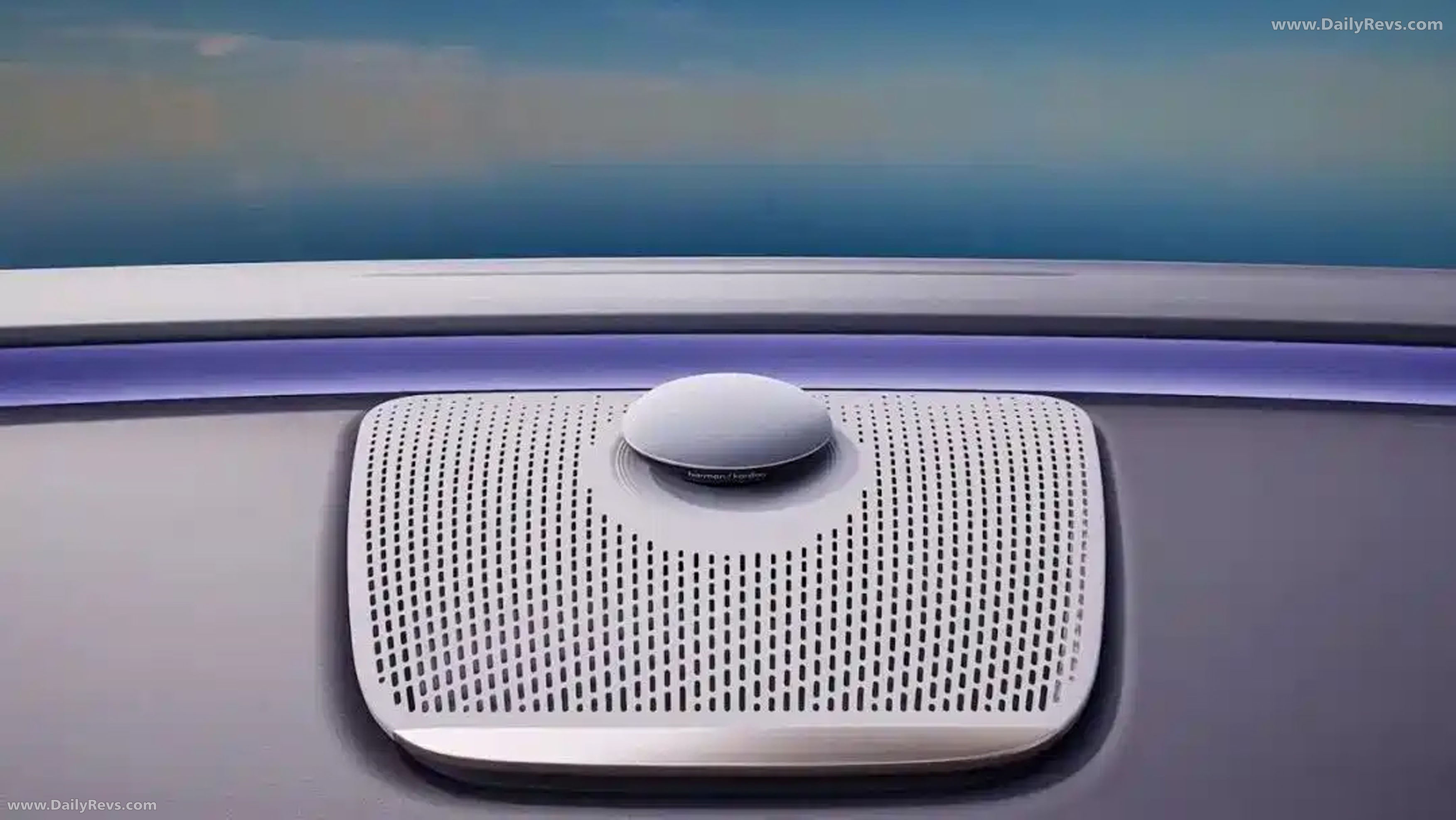
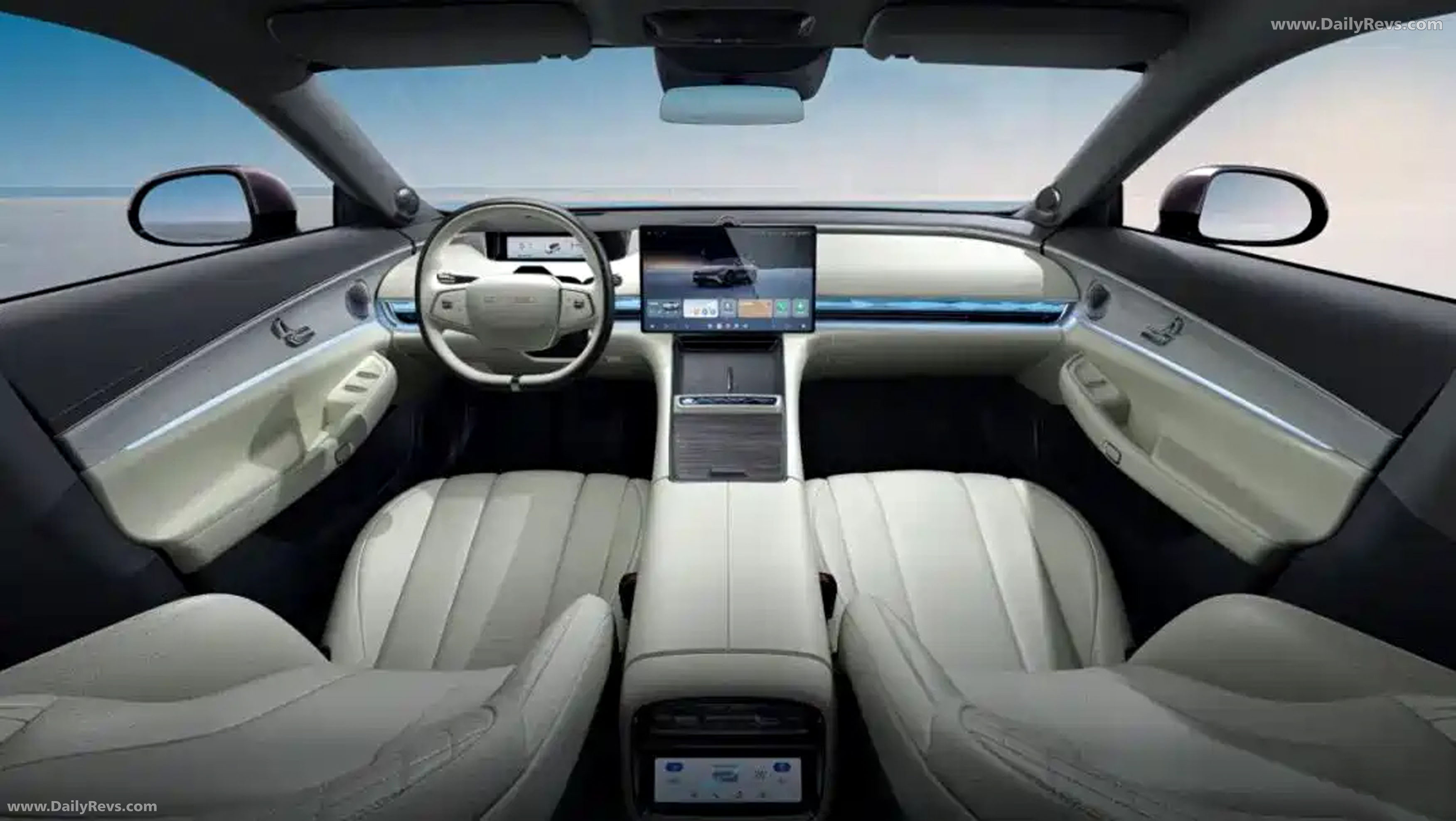
Inside, the ES7 GT blends sporting cues with a technology-heavy dashboard. Bucket-style front seats, extensive contrast stitching, and carbon-look trim set a focused tone. The layout avoids excessive ornamentation, instead relying on texture and colour contrast to convey intent.
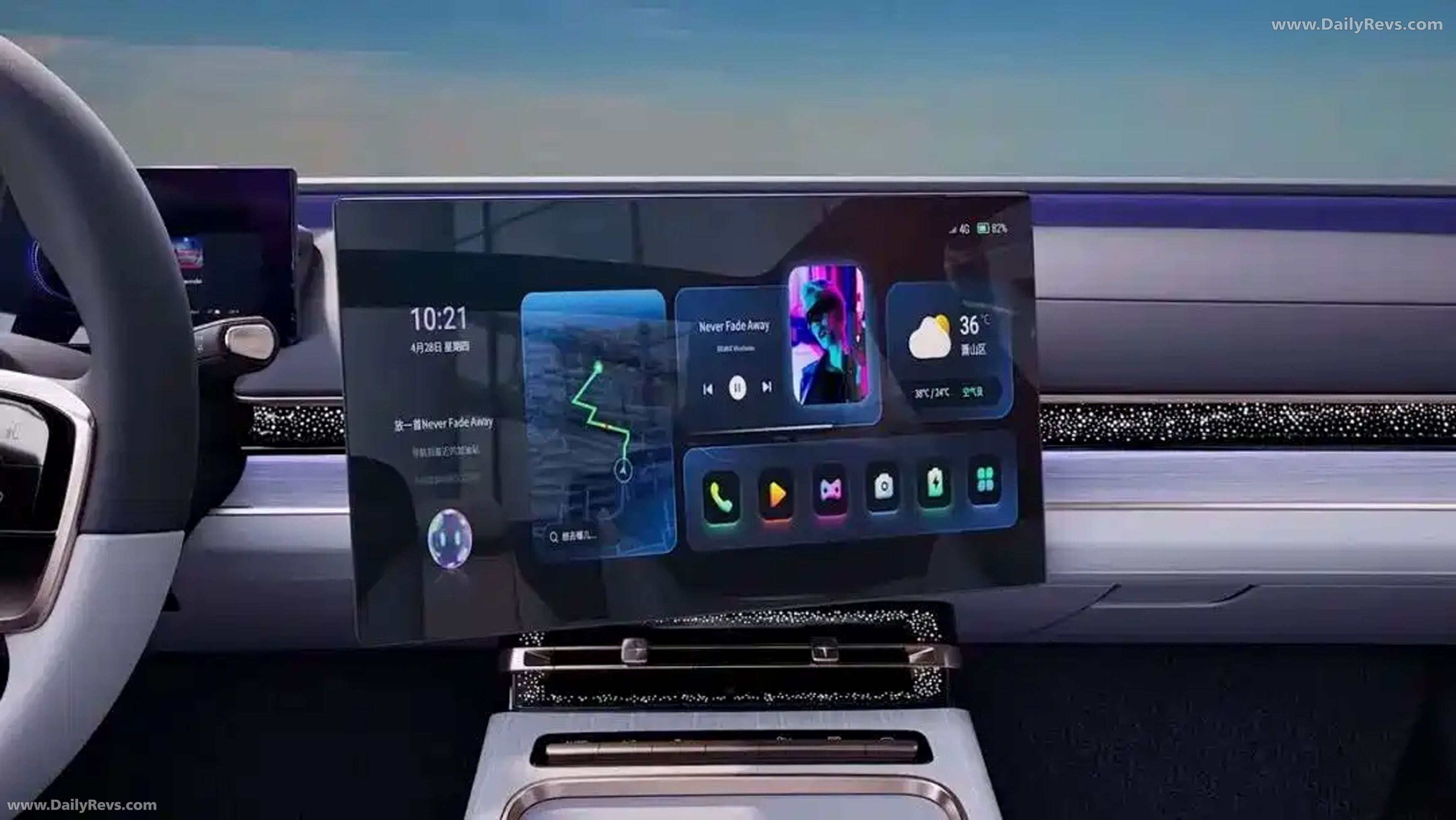
The façade is dominated by a three-screen configuration: a 10.25-inch driver cluster, a 12.3-inch passenger screen, and a center 15.6-inch display. Processing is handled by a high-performance chipset, enabling smooth function transitions. Wireless charging is rated at 50W, a practical detail that reflects the car’s everyday ambitions.
Driver assistance is a major pillar of the ES7 GT’s identity. The Falcon 700 system uses a suite of 27 sensors, including a single lidar unit, supported by substantial computing power. Highway and urban assisted driving functions are central to the pitch, rather than optional extras.
Context and Market Positioning
Rather, it focuses on consumers who place equal emphasis on utility and uniqueness.
Its shooting brake form, range-extended drivetrain, and high sensor count place it against a loose collection of premium wagons and electrified crossovers, rather than direct rivals.
With pricing positioned just above the 100,000-yuan mark in its home market, the ES7 GT frames itself as accessible experimentation rather than luxury indulgence. For Exeed, it represents a calculated move into a niche that rewards differentiation over conformity.