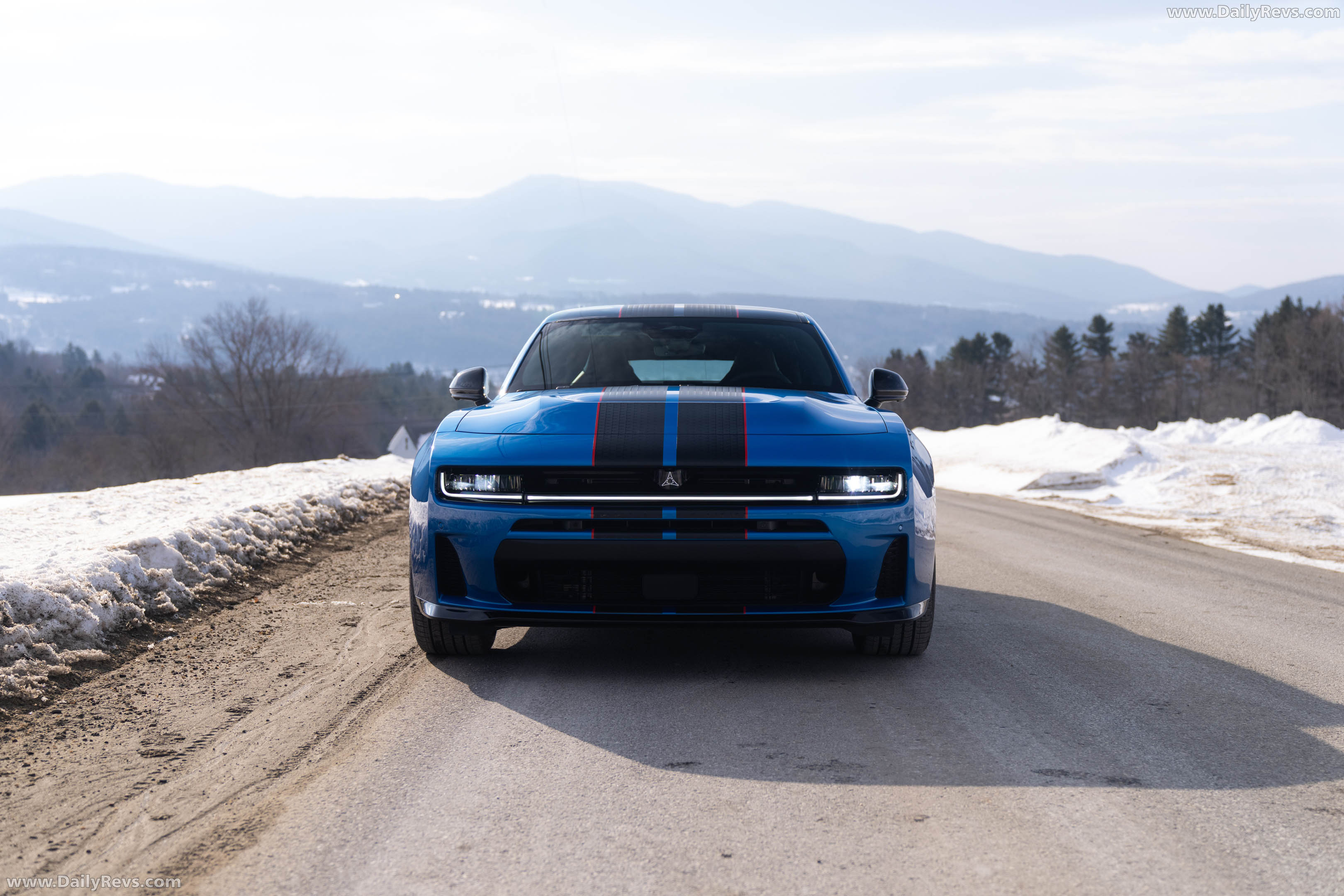
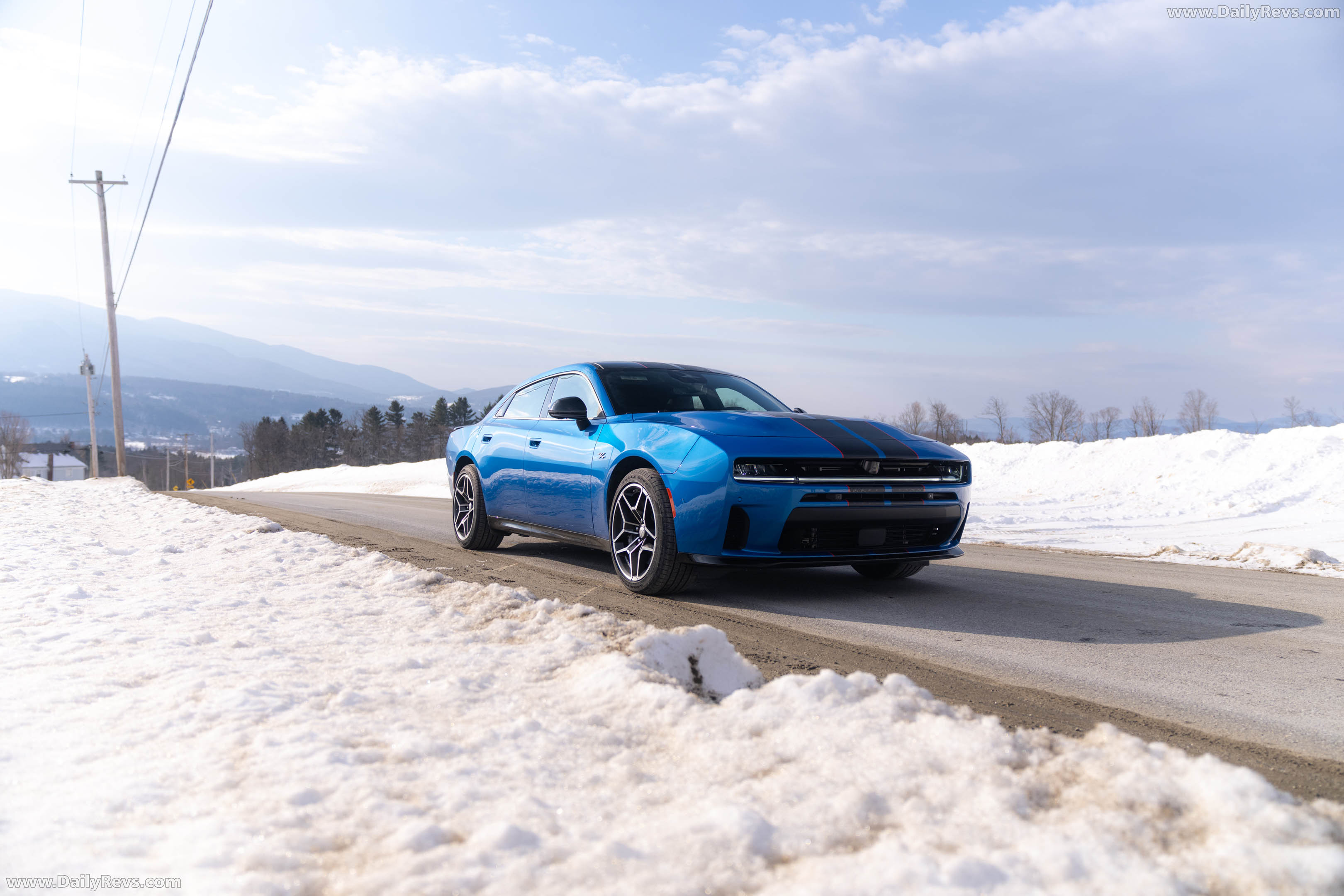
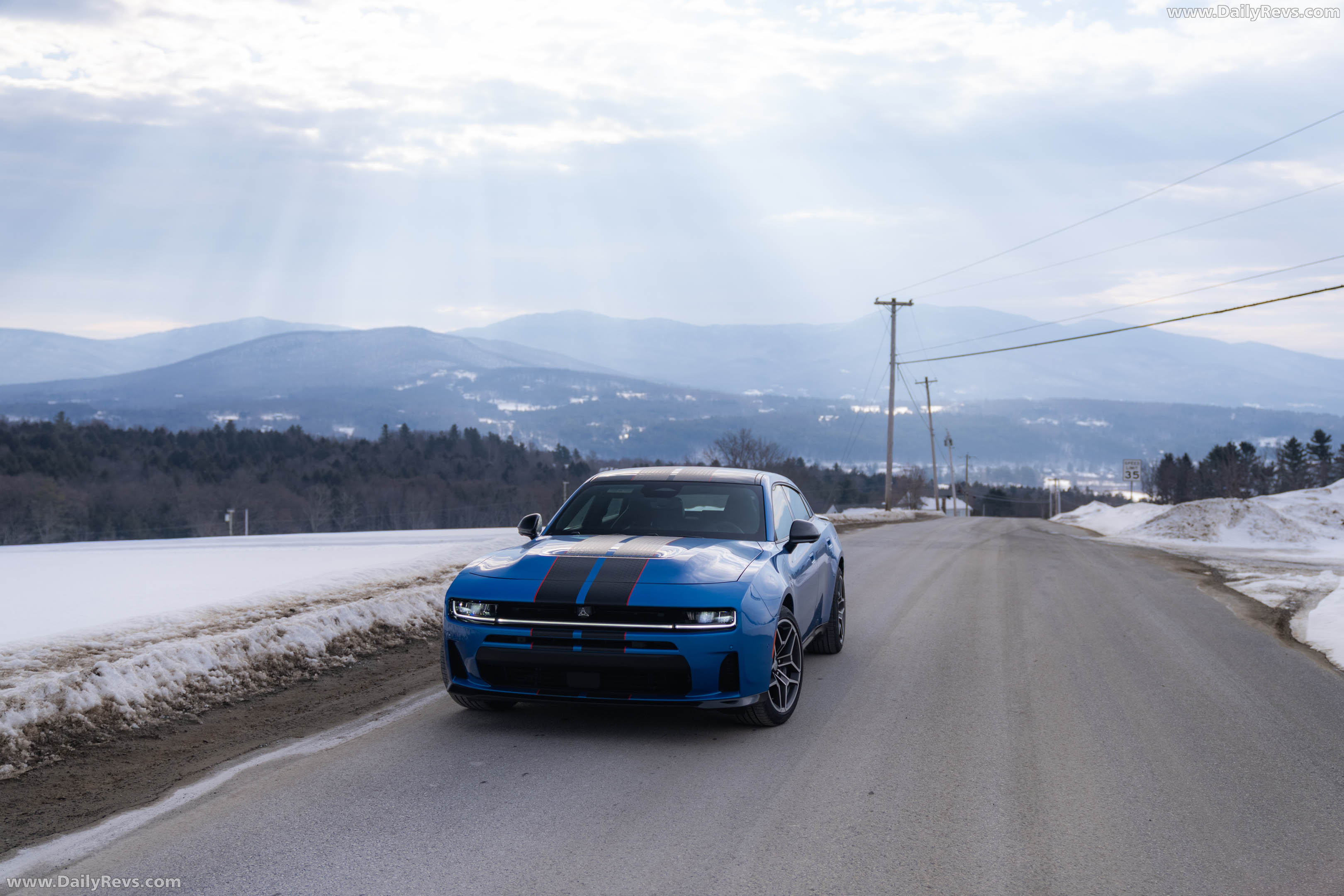
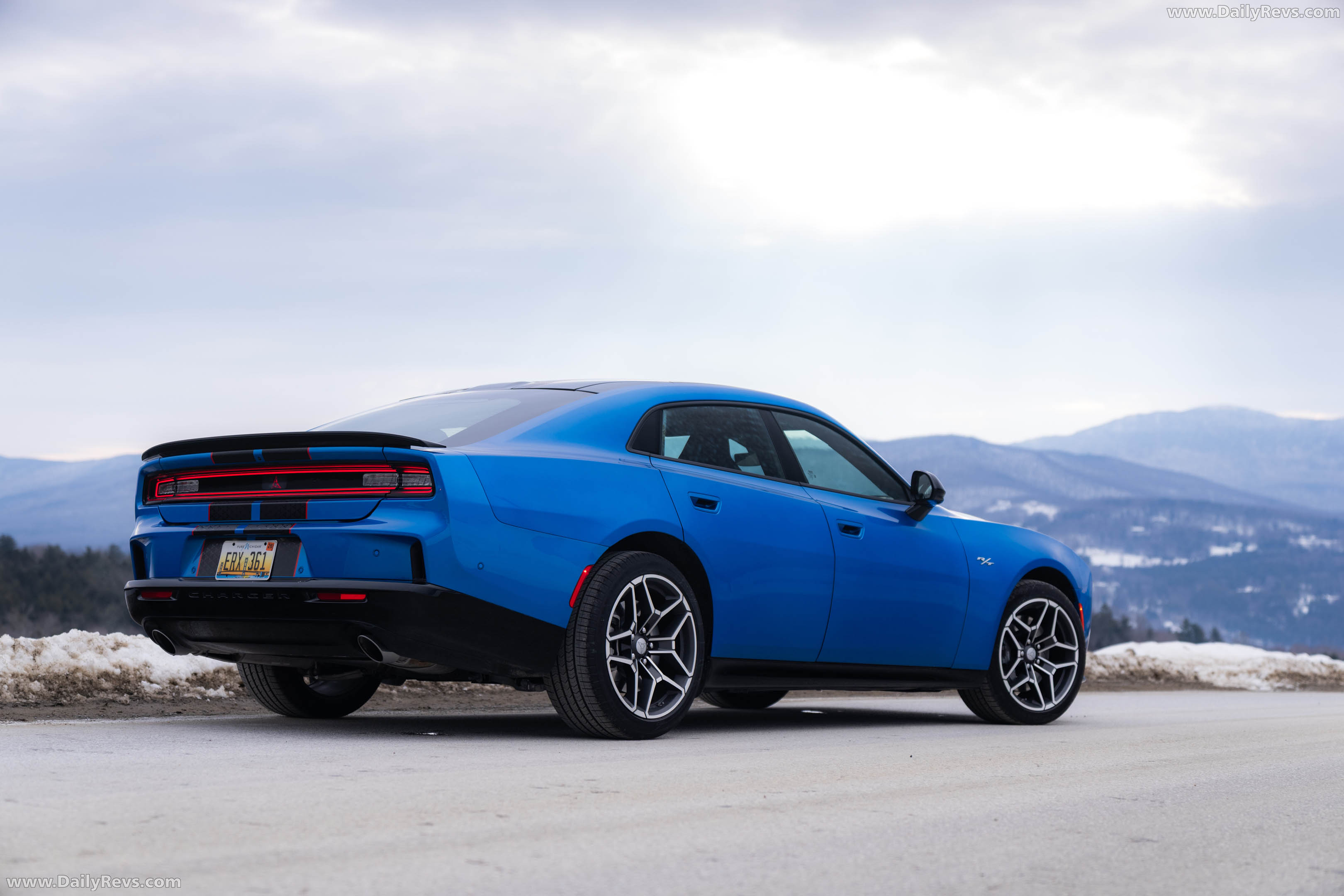


2026 Dodge Charger Sedan SIXPACK
By Lorenzo Bianchi March 13, 2026
420-hp twin-turbo SIXPACK inline-six with standard all-wheel drive.
0–60 mph in 4.6 seconds and quarter-mile in 12.9 seconds.
Four-door muscle car with hidden hatch and expanded cargo space.
Dodge Expands Charger Lineup With SIXPACK Sedan
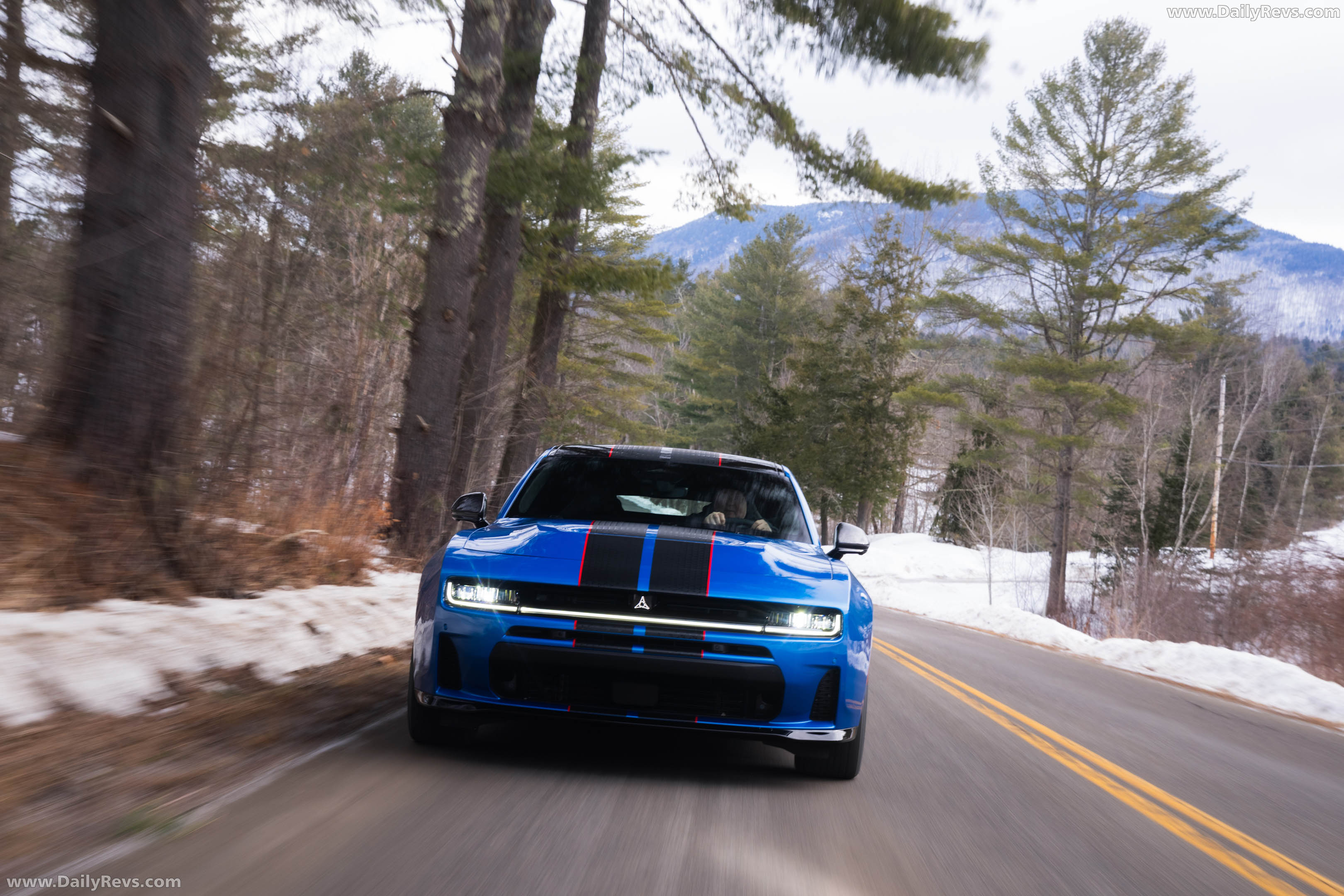
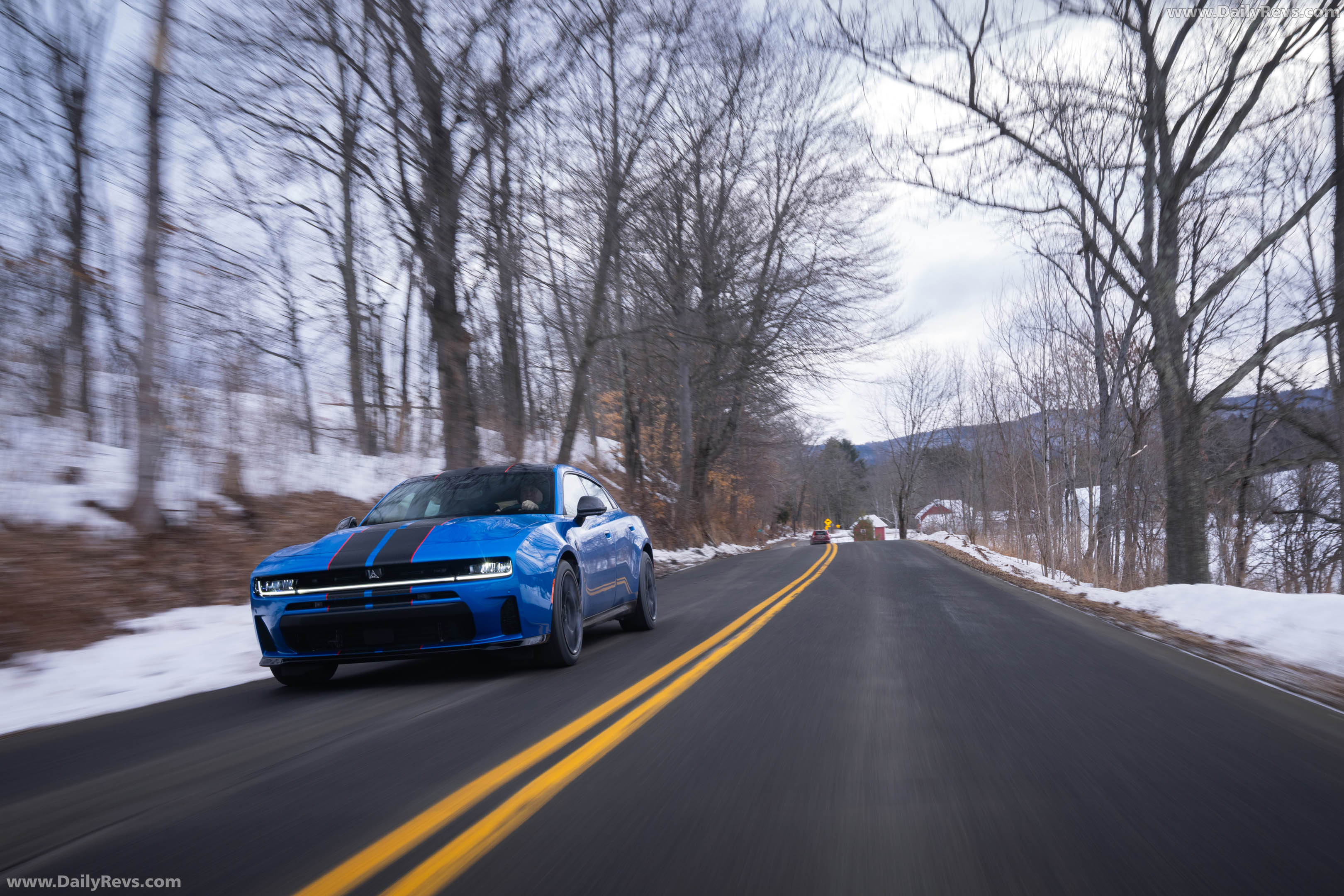
The Dodge Charger Sedan SIXPACK marks a new chapter for the brand’s muscle-car lineup. Returning as part of the eighth-generation Charger family, the four-door model combines traditional American performance cues with a modern turbocharged powertrain and all-wheel drive capability.
The sedan arrives as part of Dodge’s broader multi-energy strategy. Alongside the electric Charger Daytona variants, the SIXPACK-powered Charger keeps combustion performance in the lineup while modernizing the formula with a twin-turbo inline-six engine.
In doing so, Dodge maintains what it describes as the world’s only four-door muscle-car configuration, pairing performance credentials with everyday practicality.
Widebody Stance and Heritage-Inspired Proportions
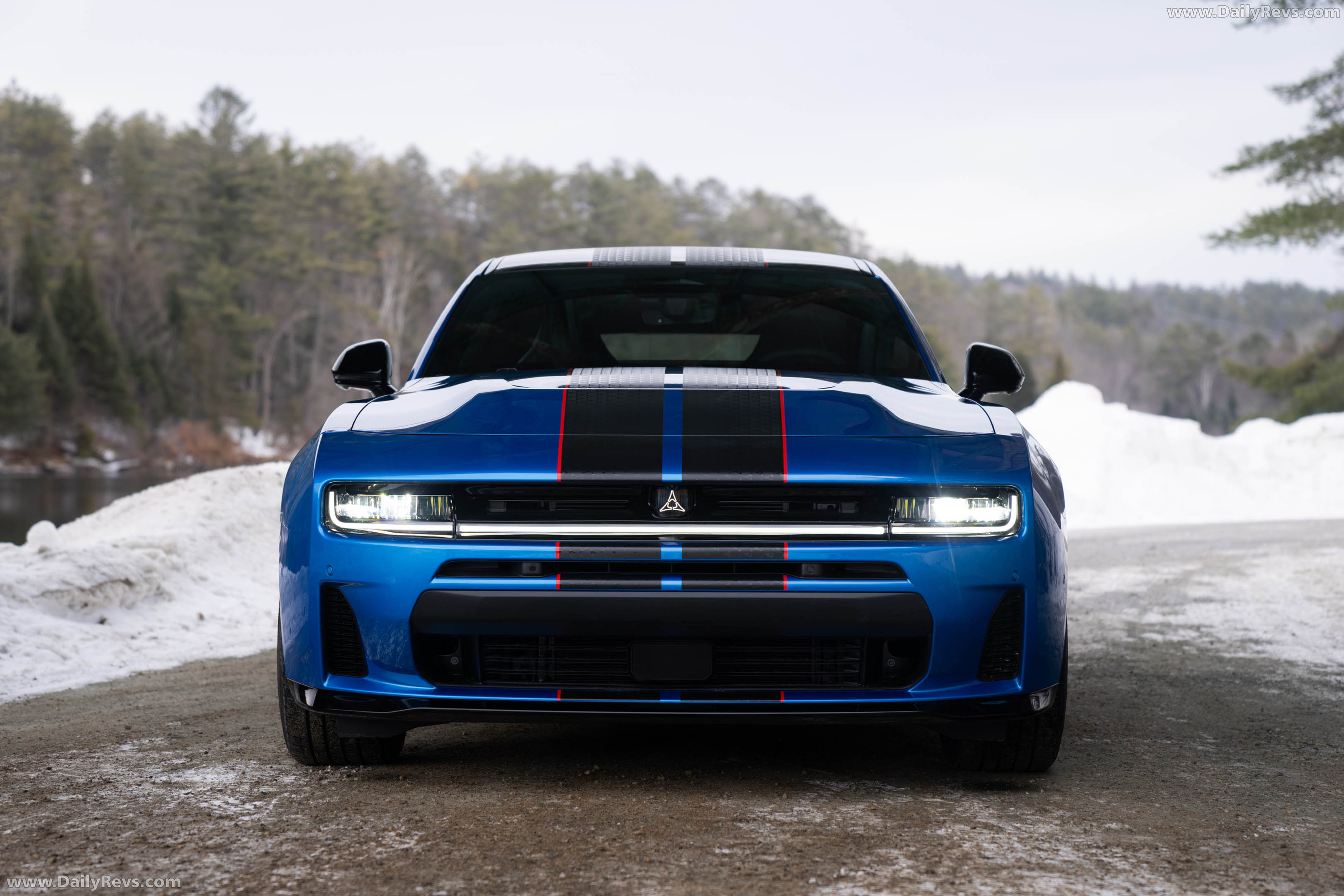
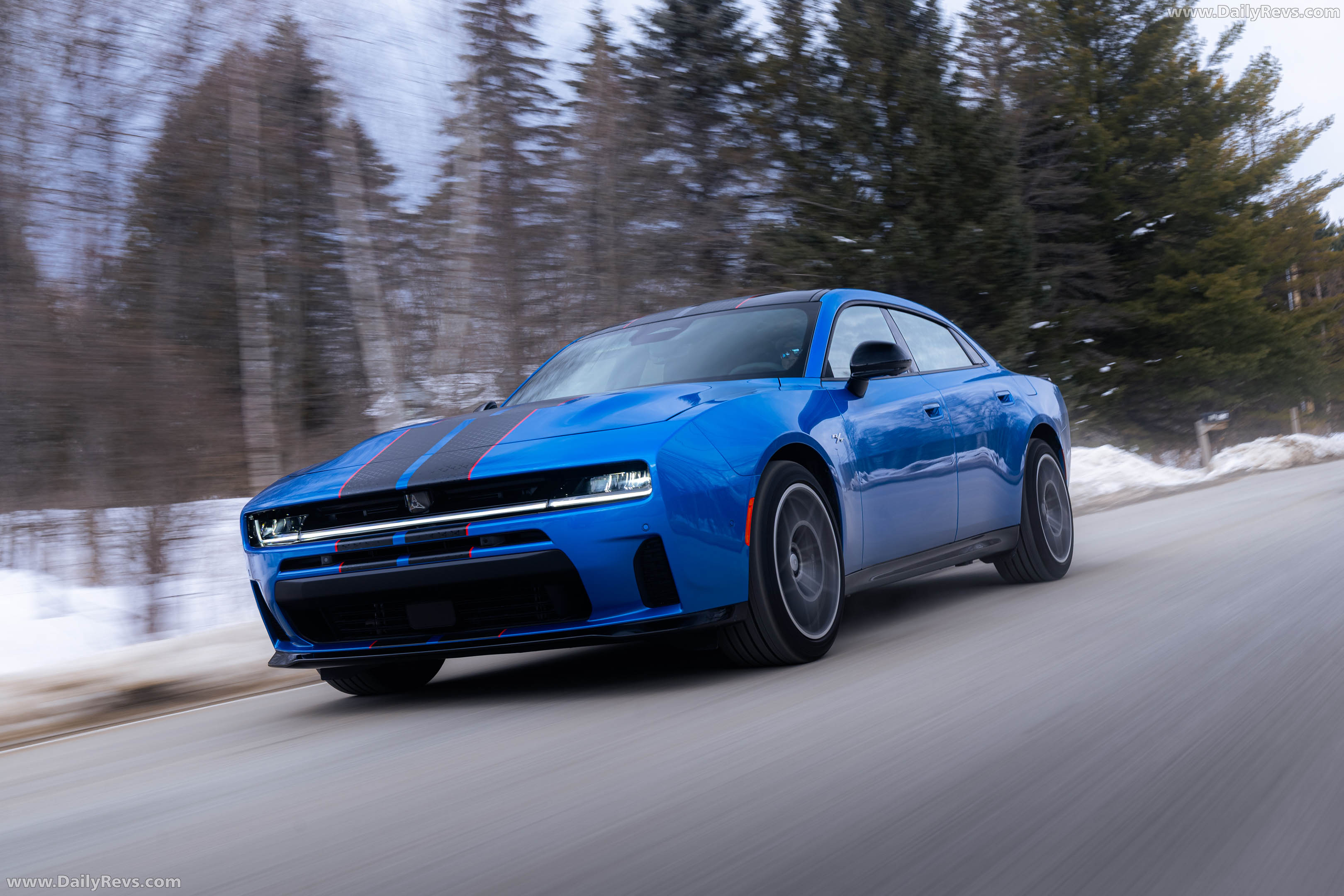
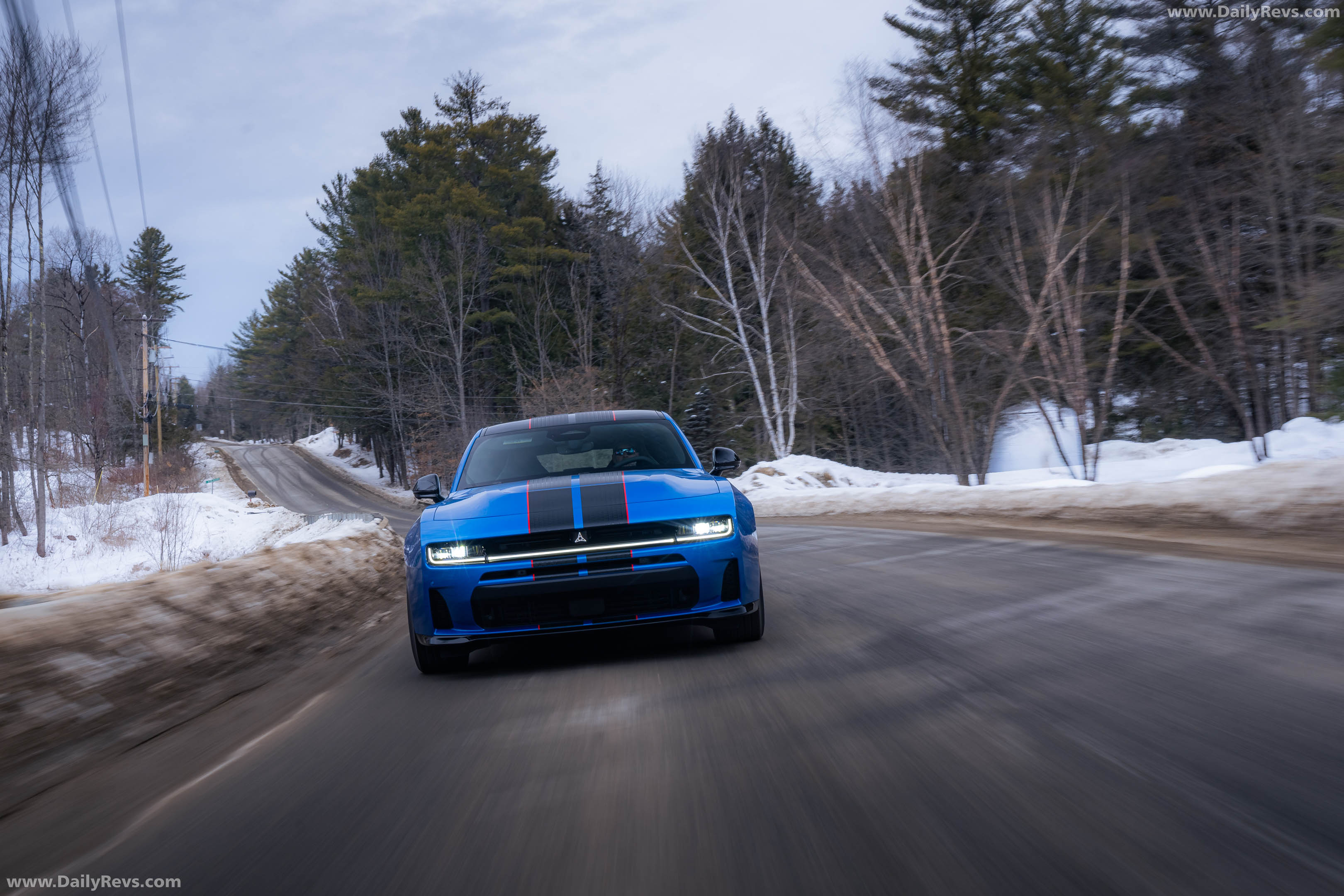
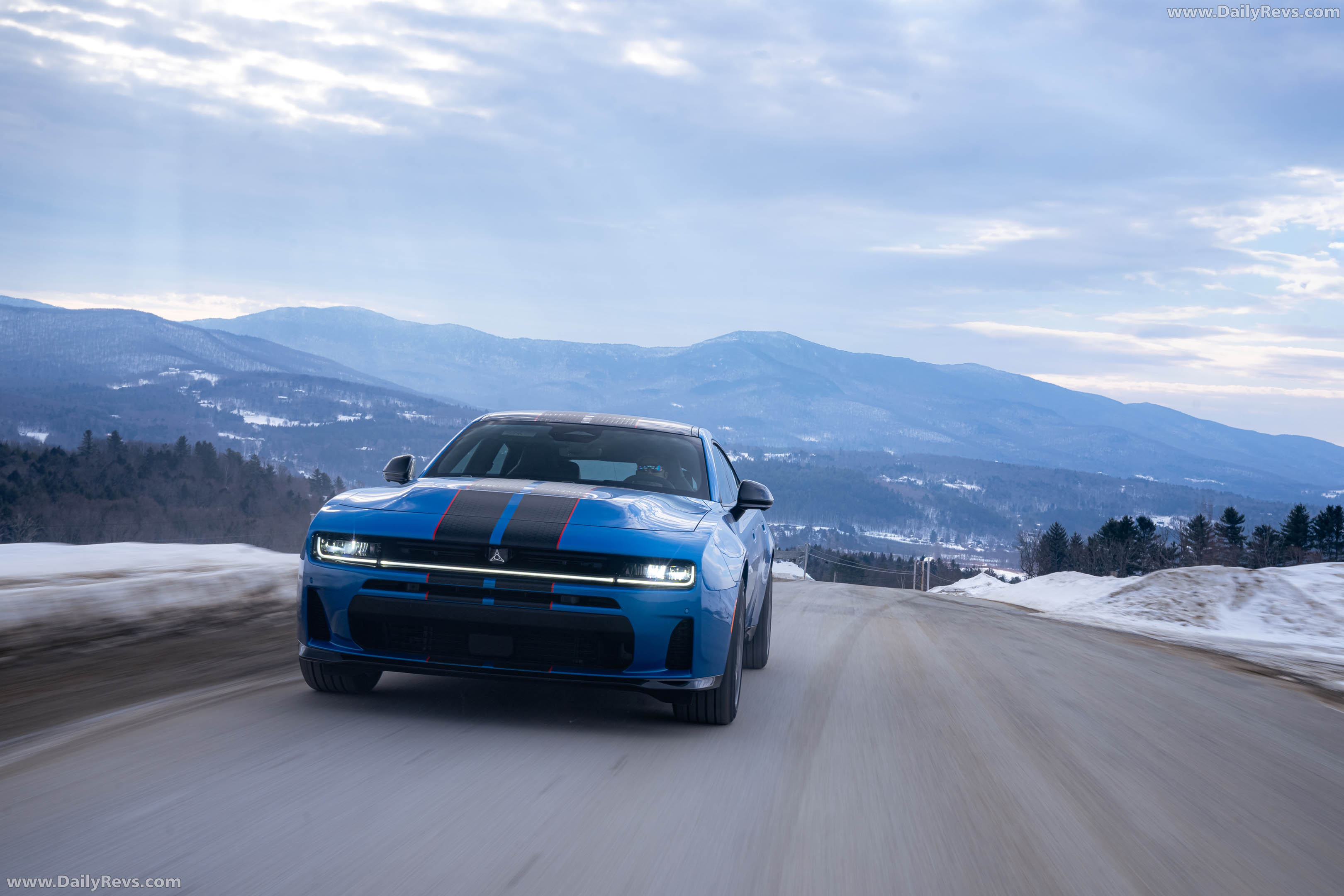
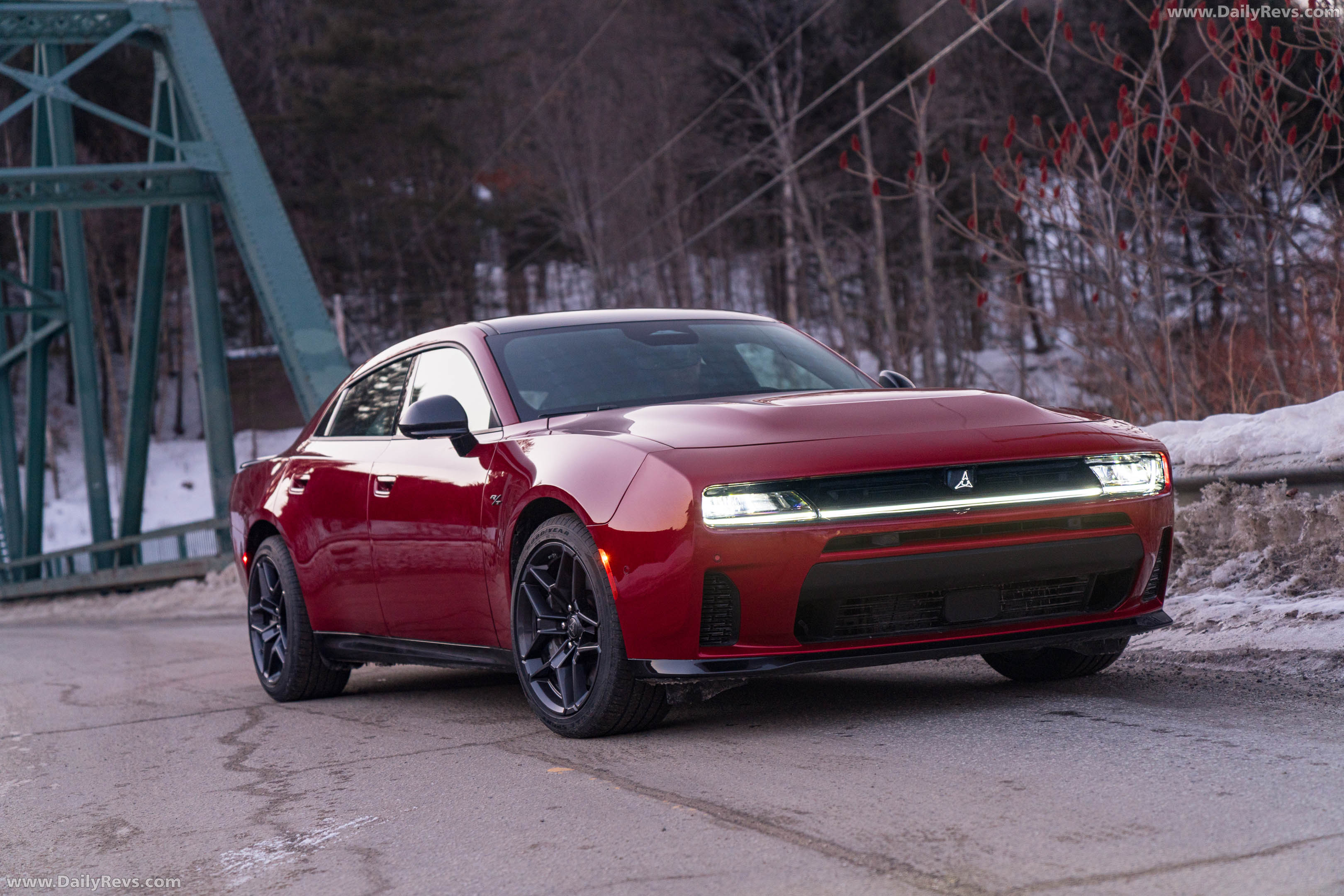
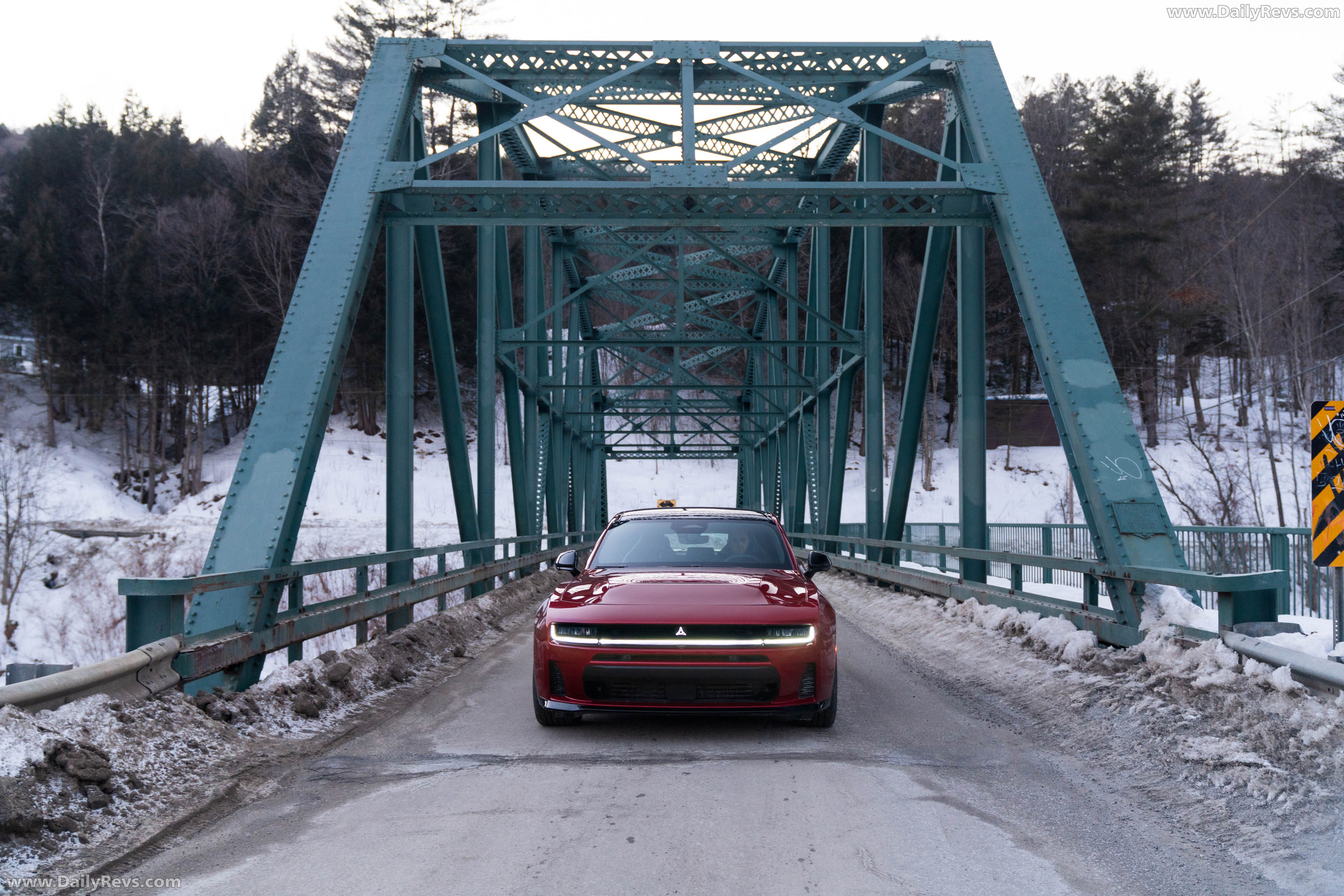
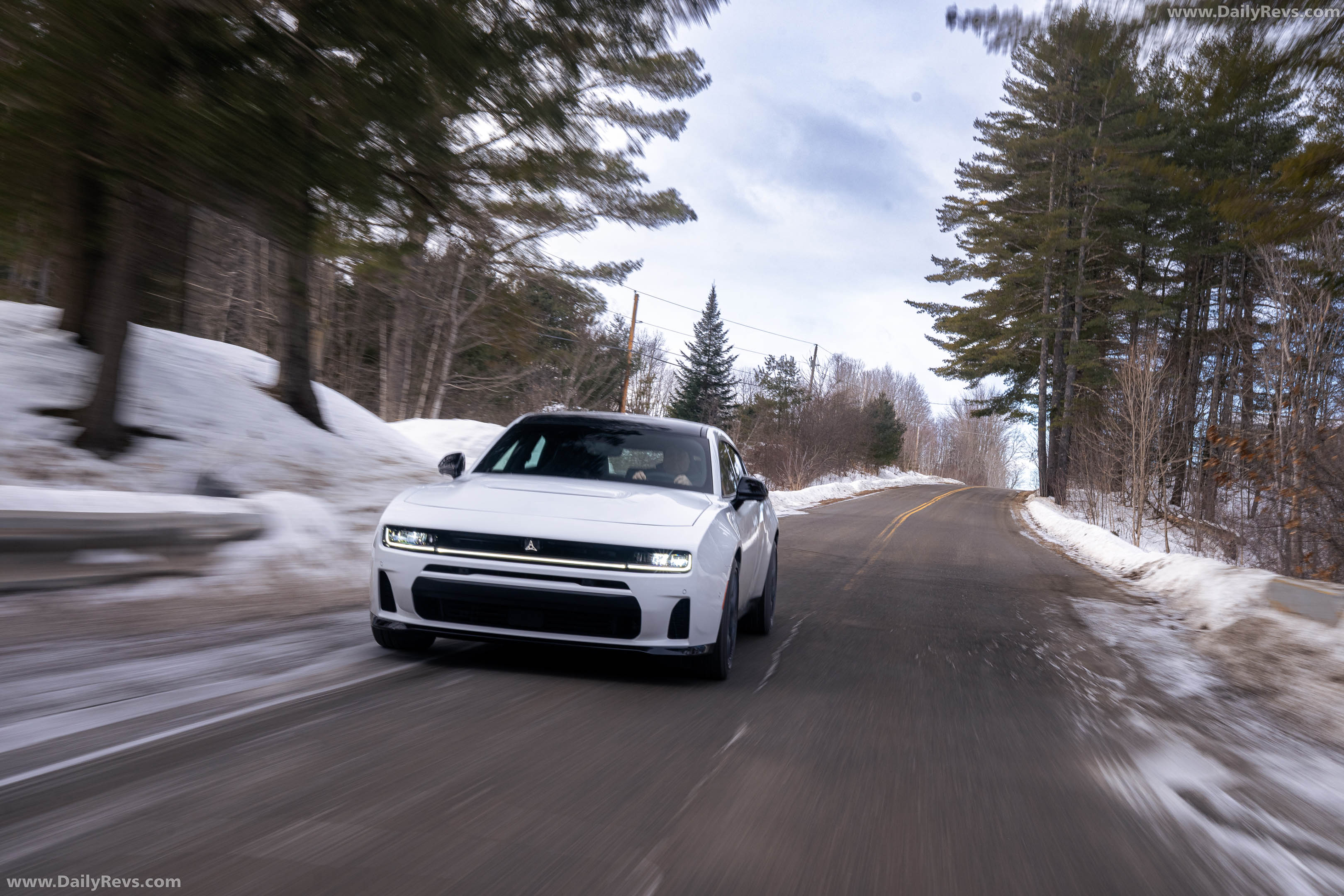
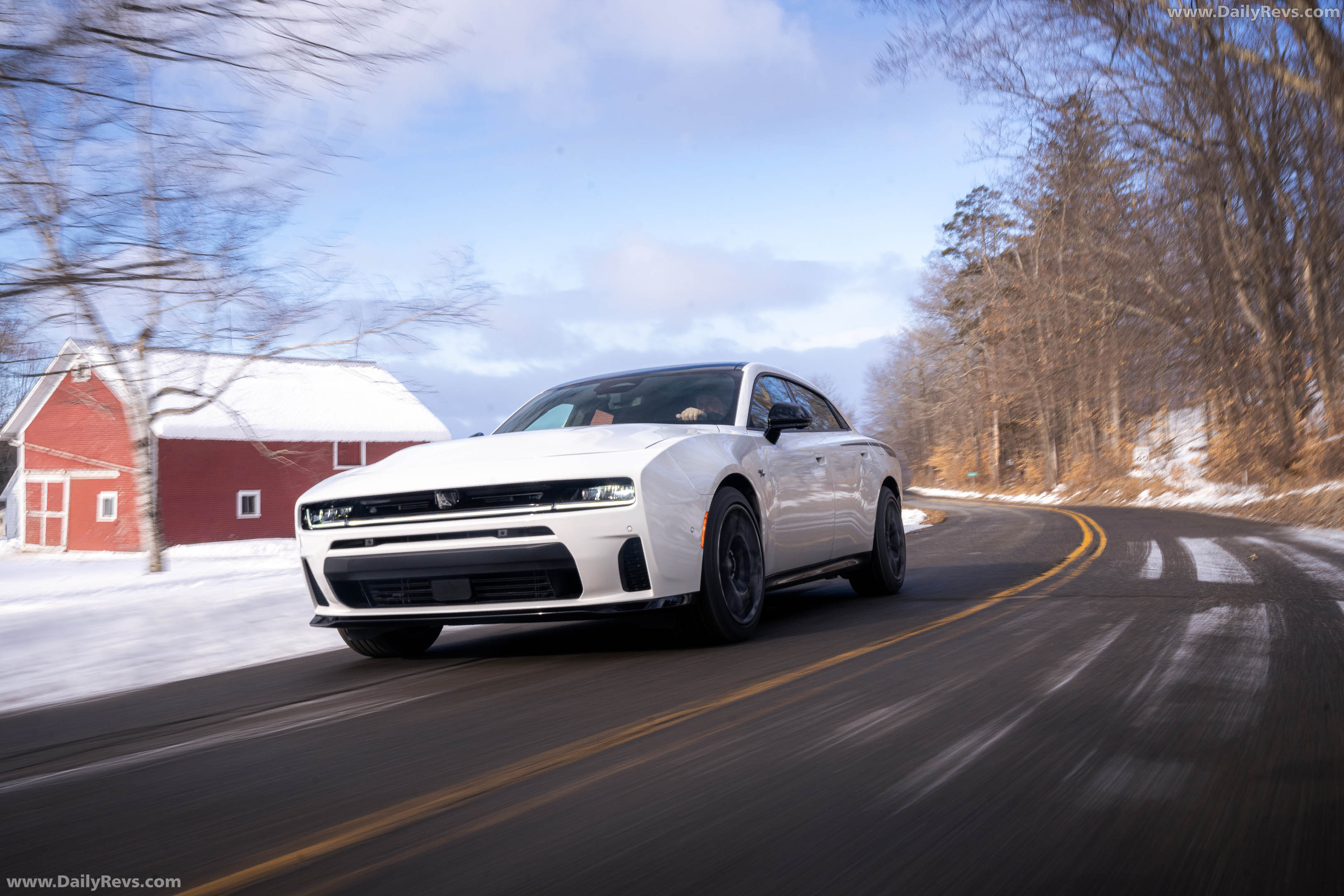
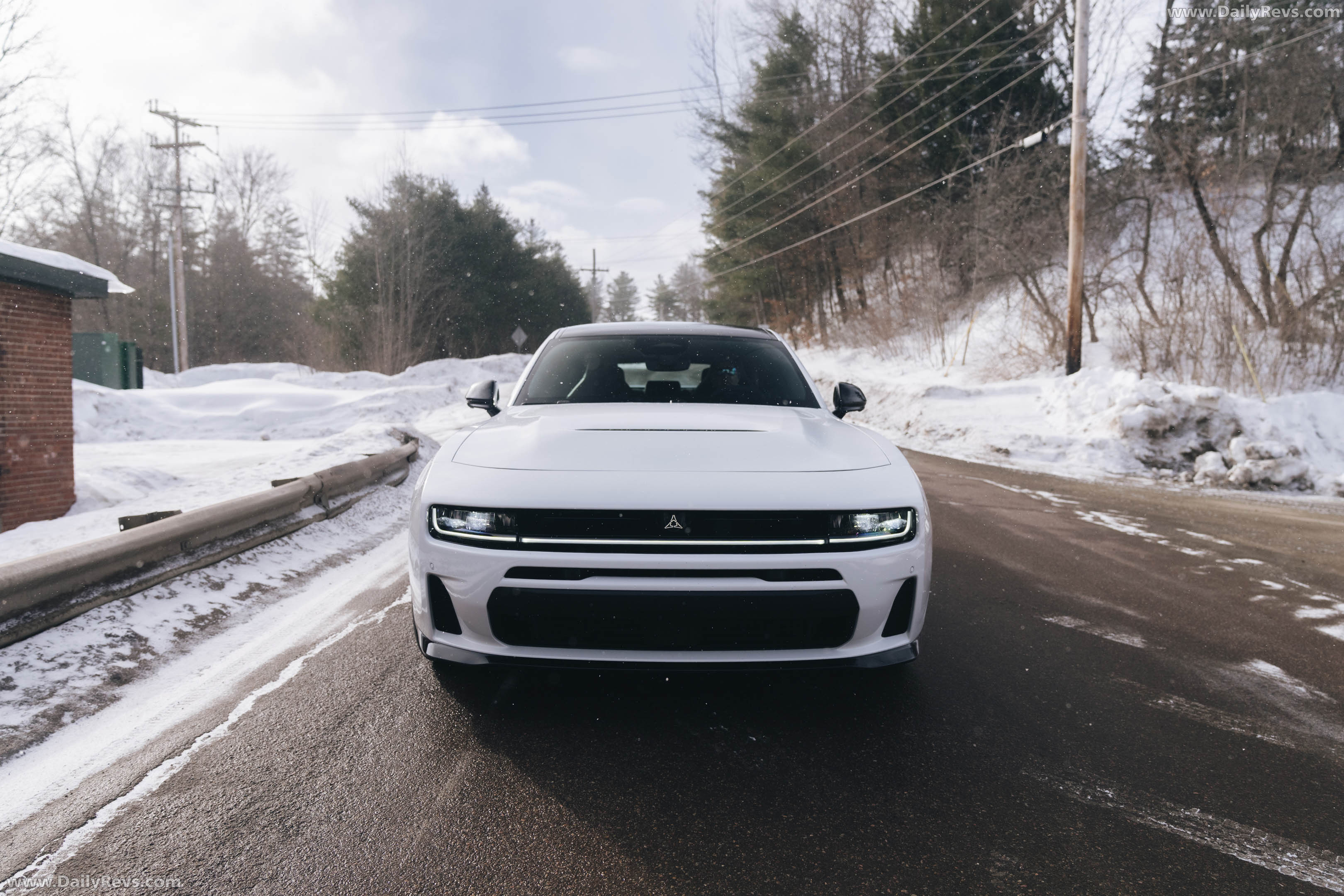
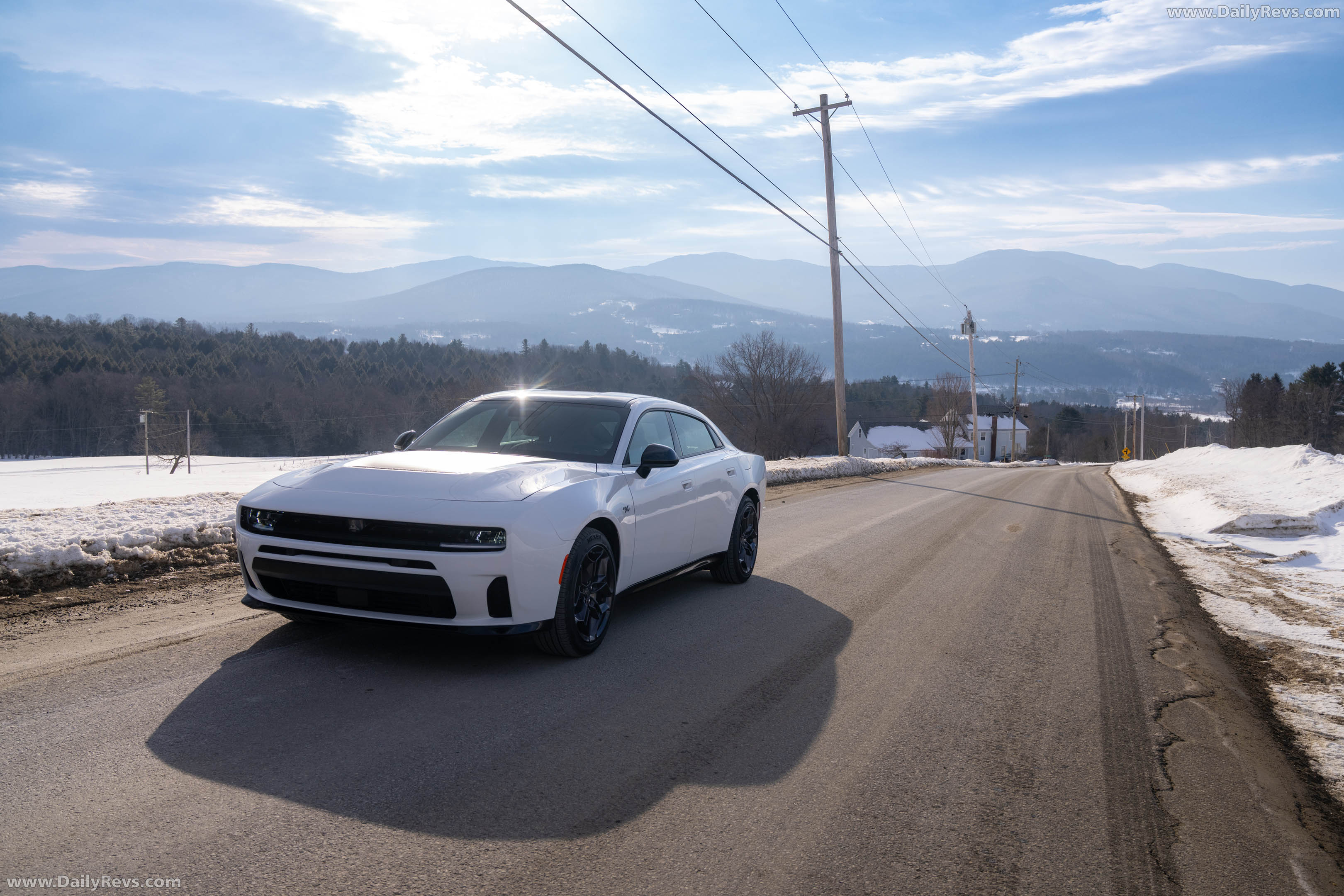
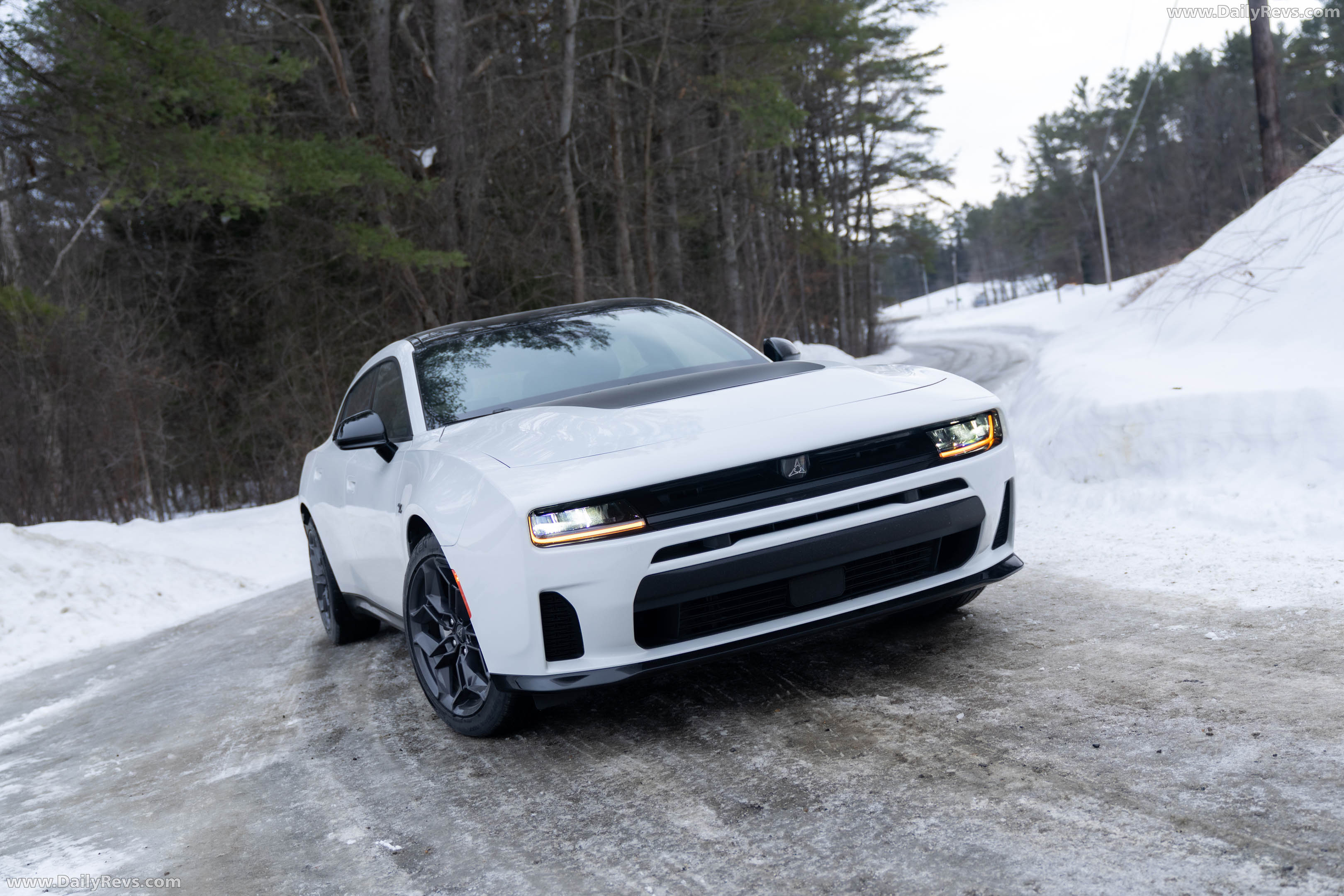
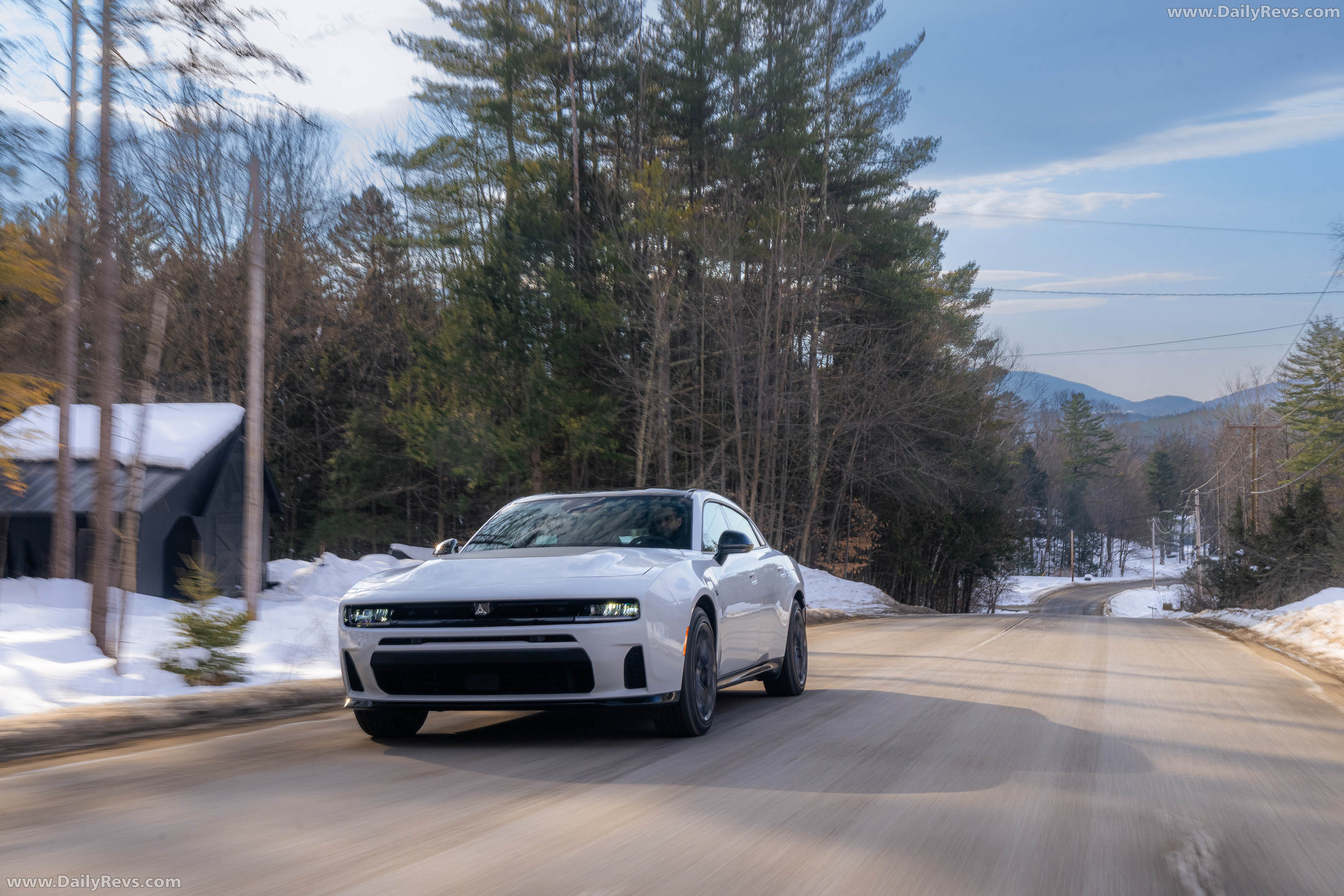
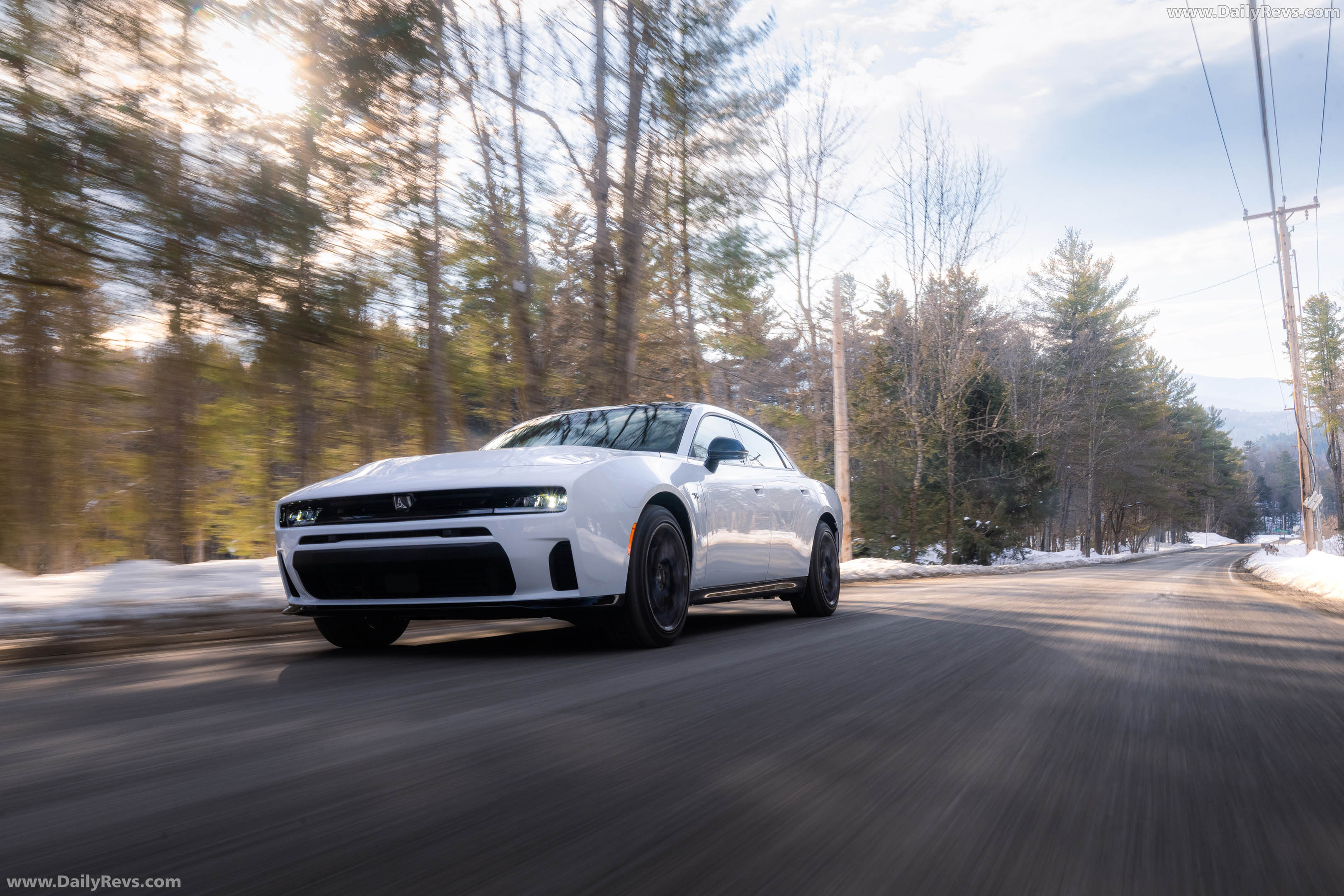
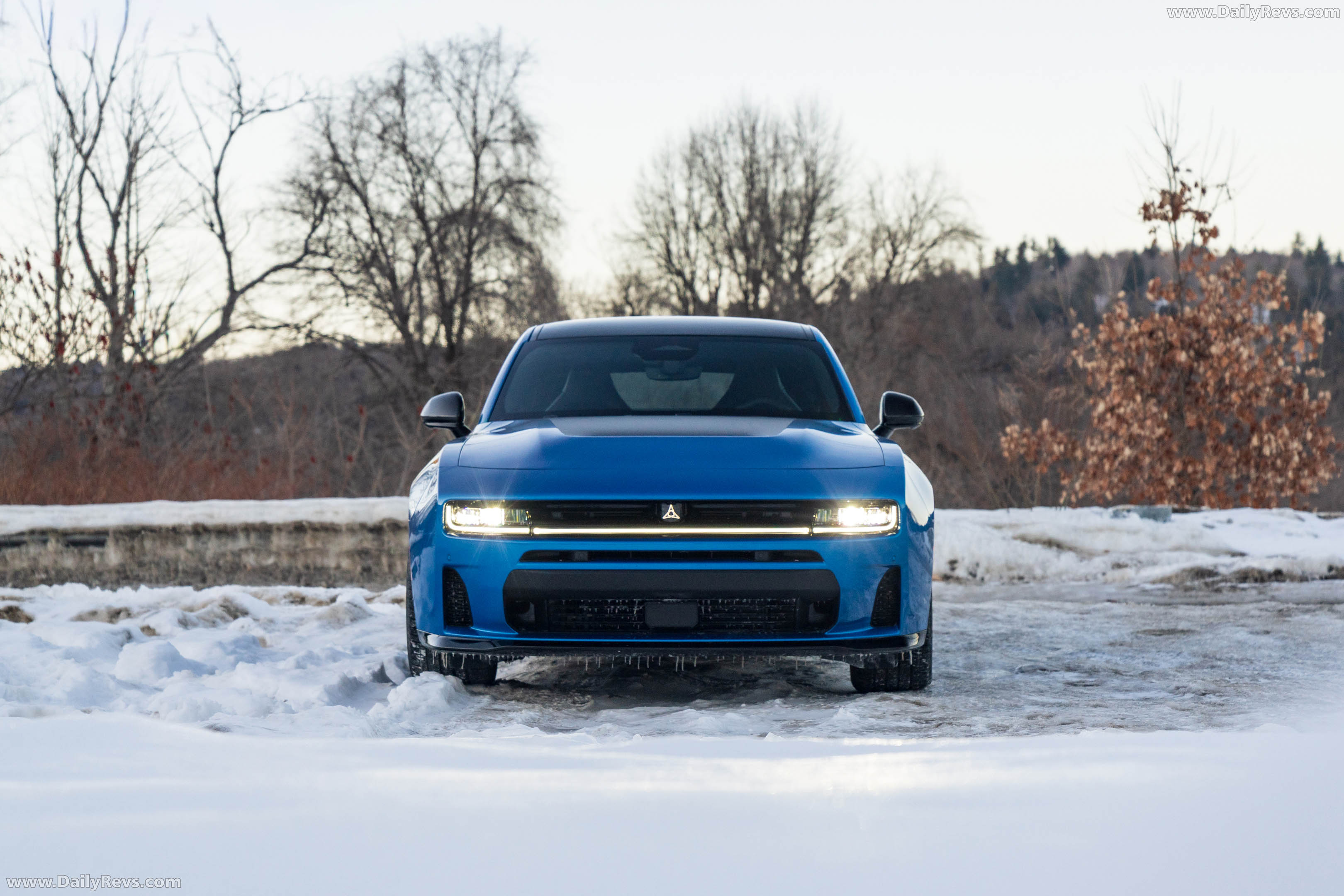
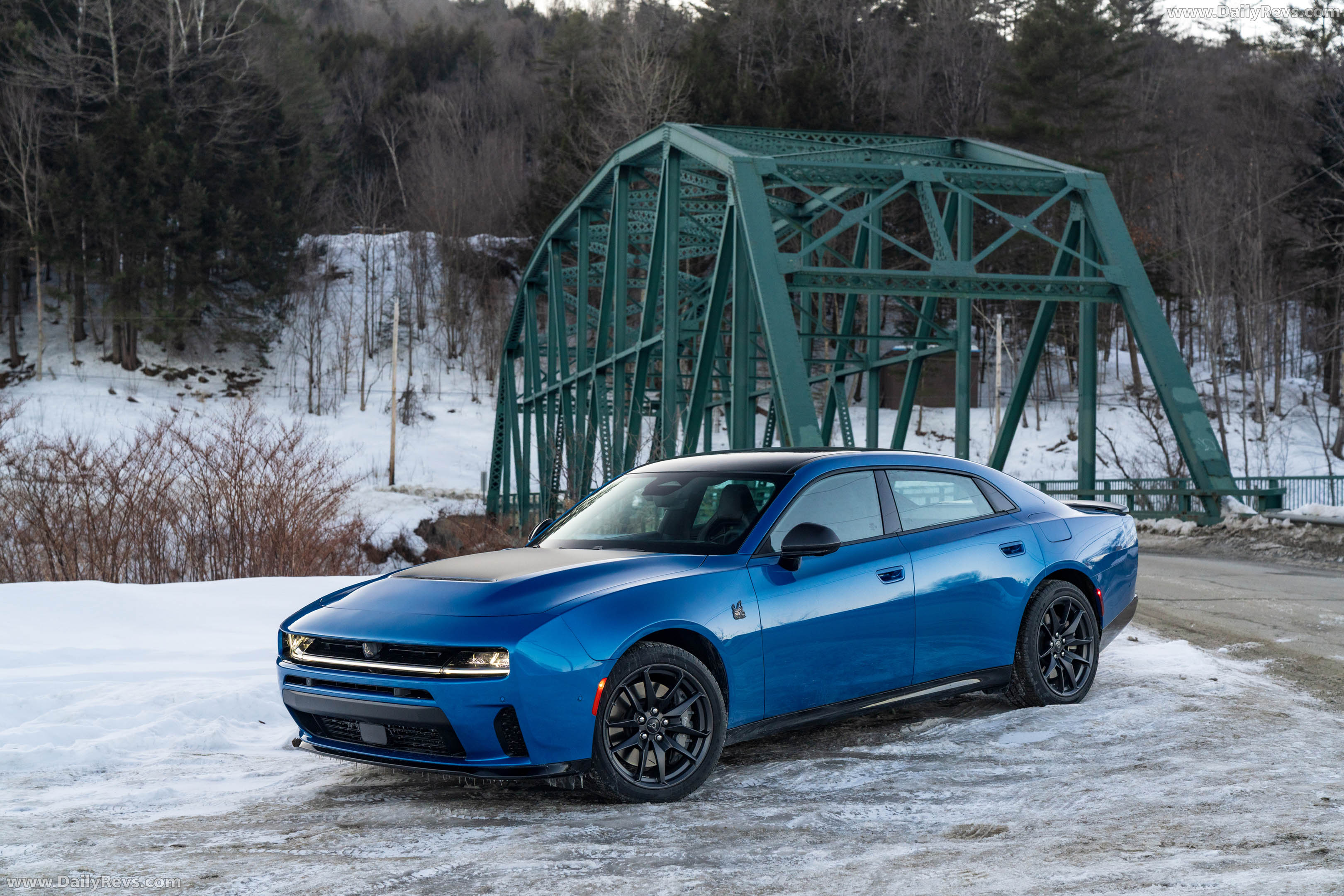
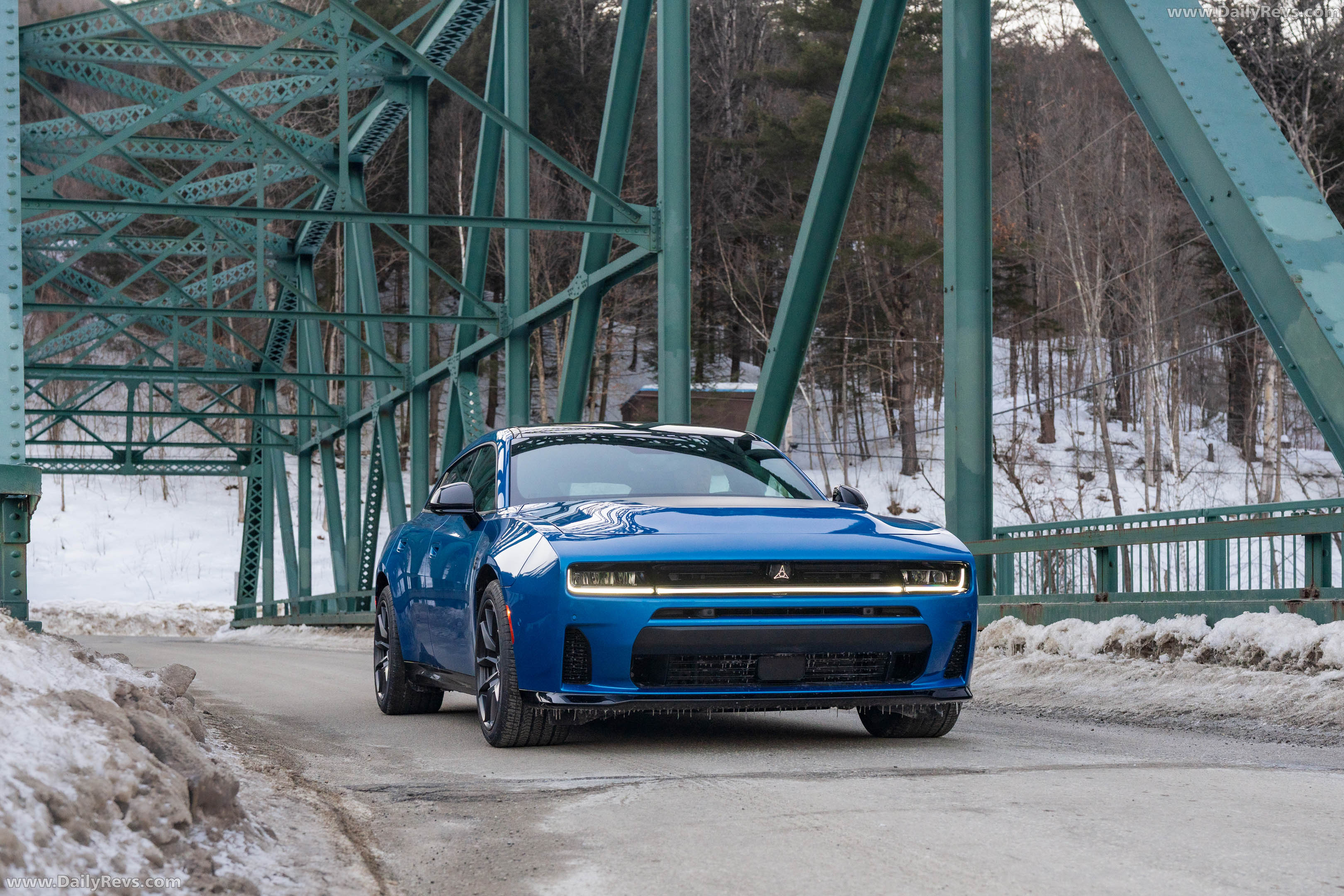
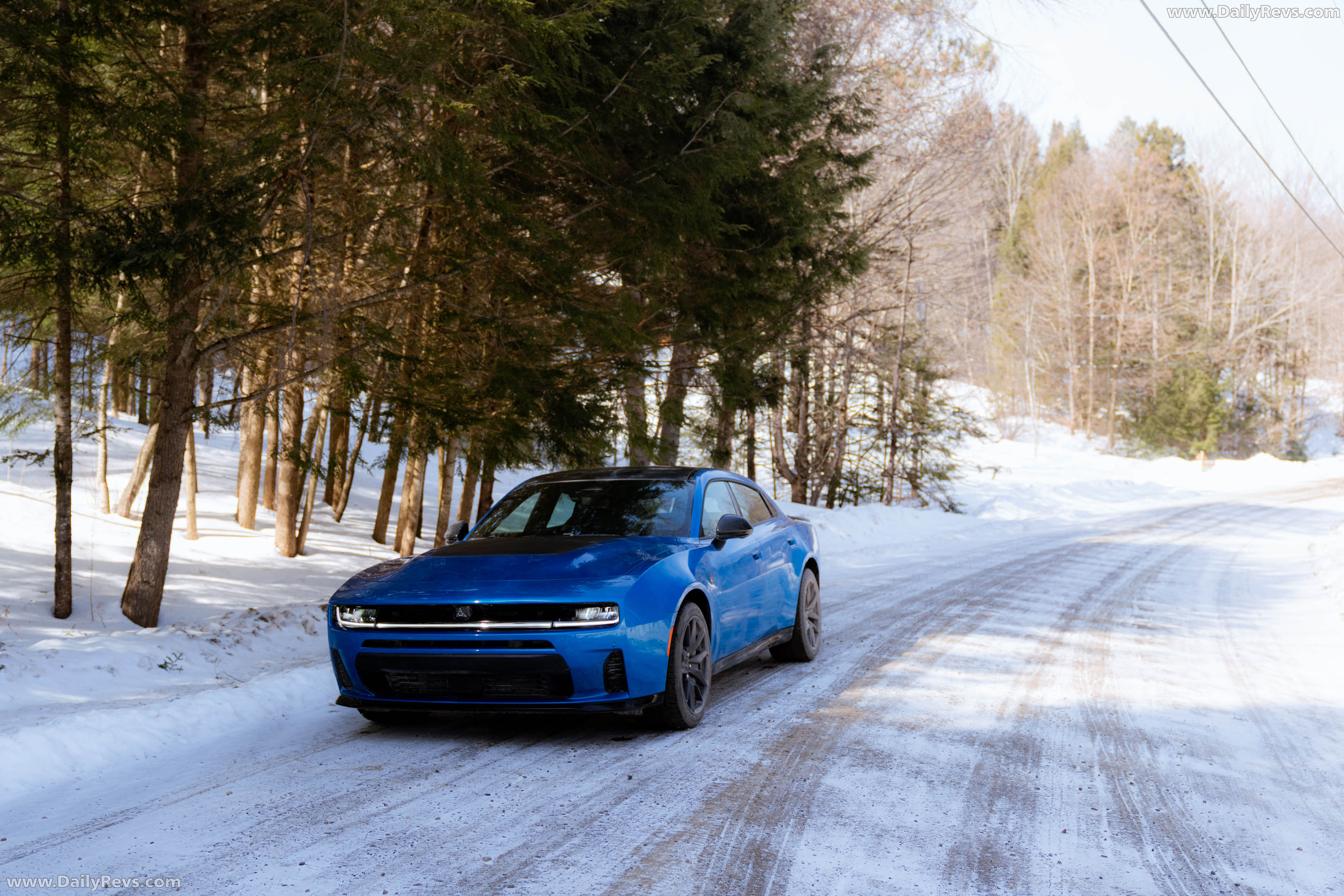
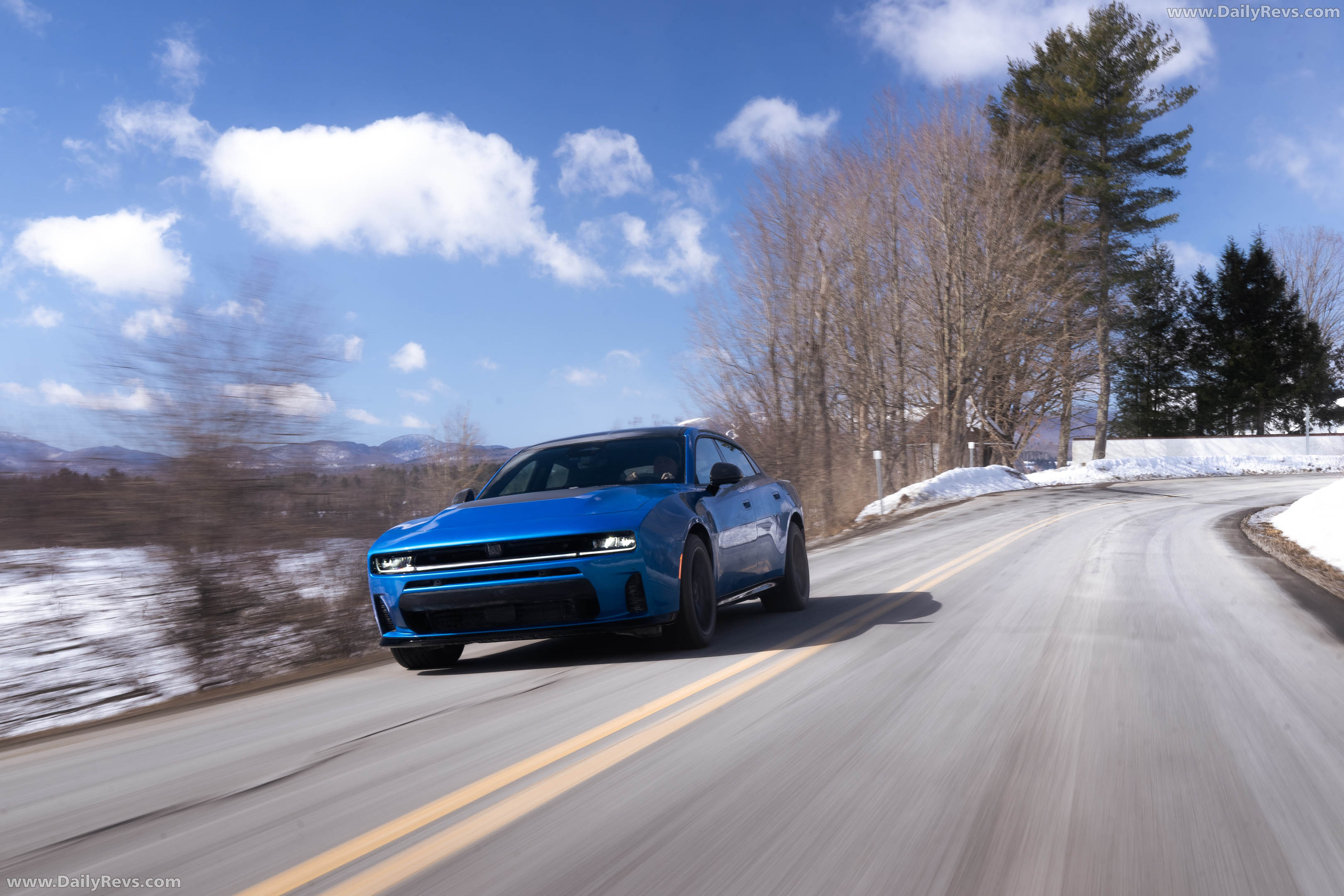
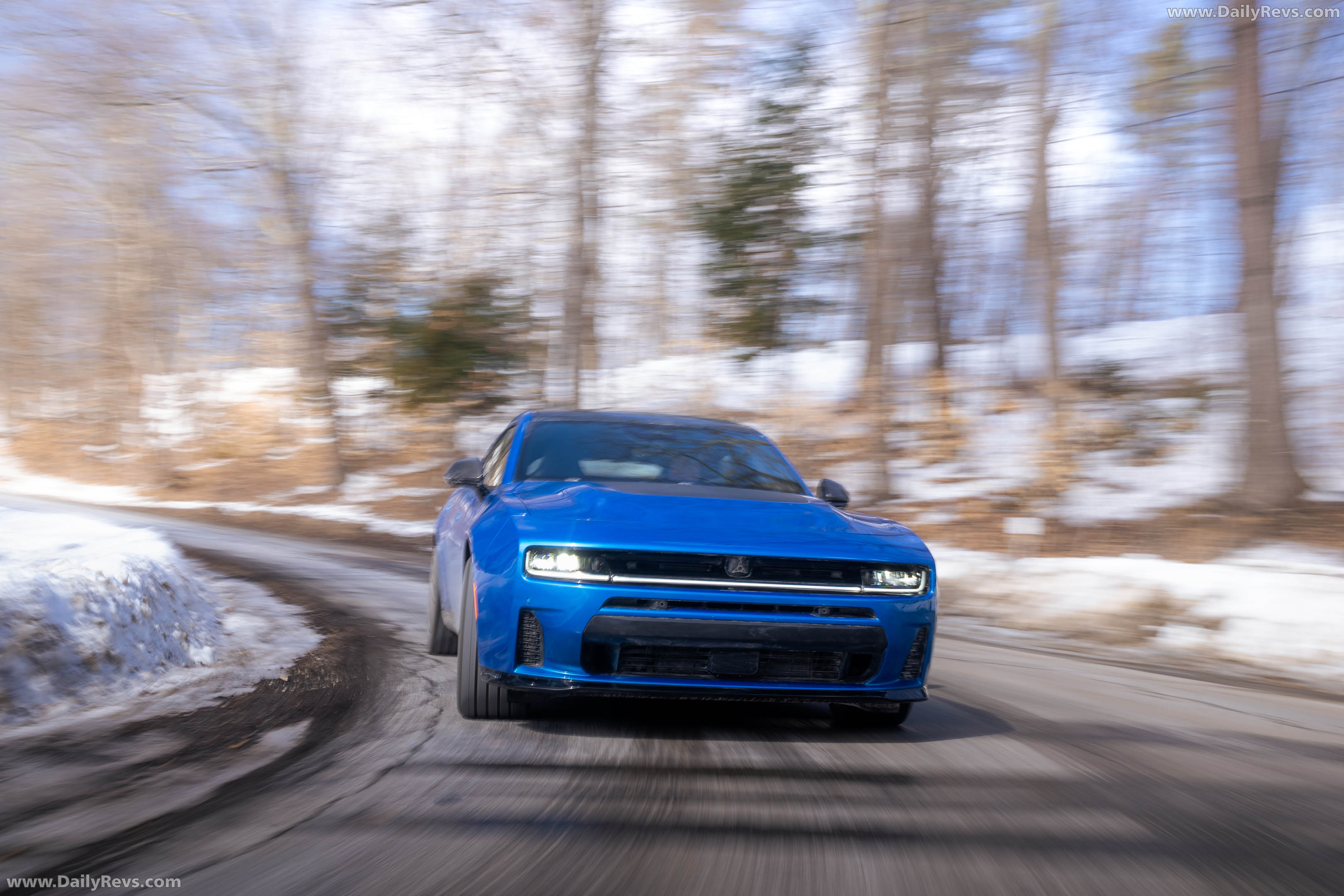
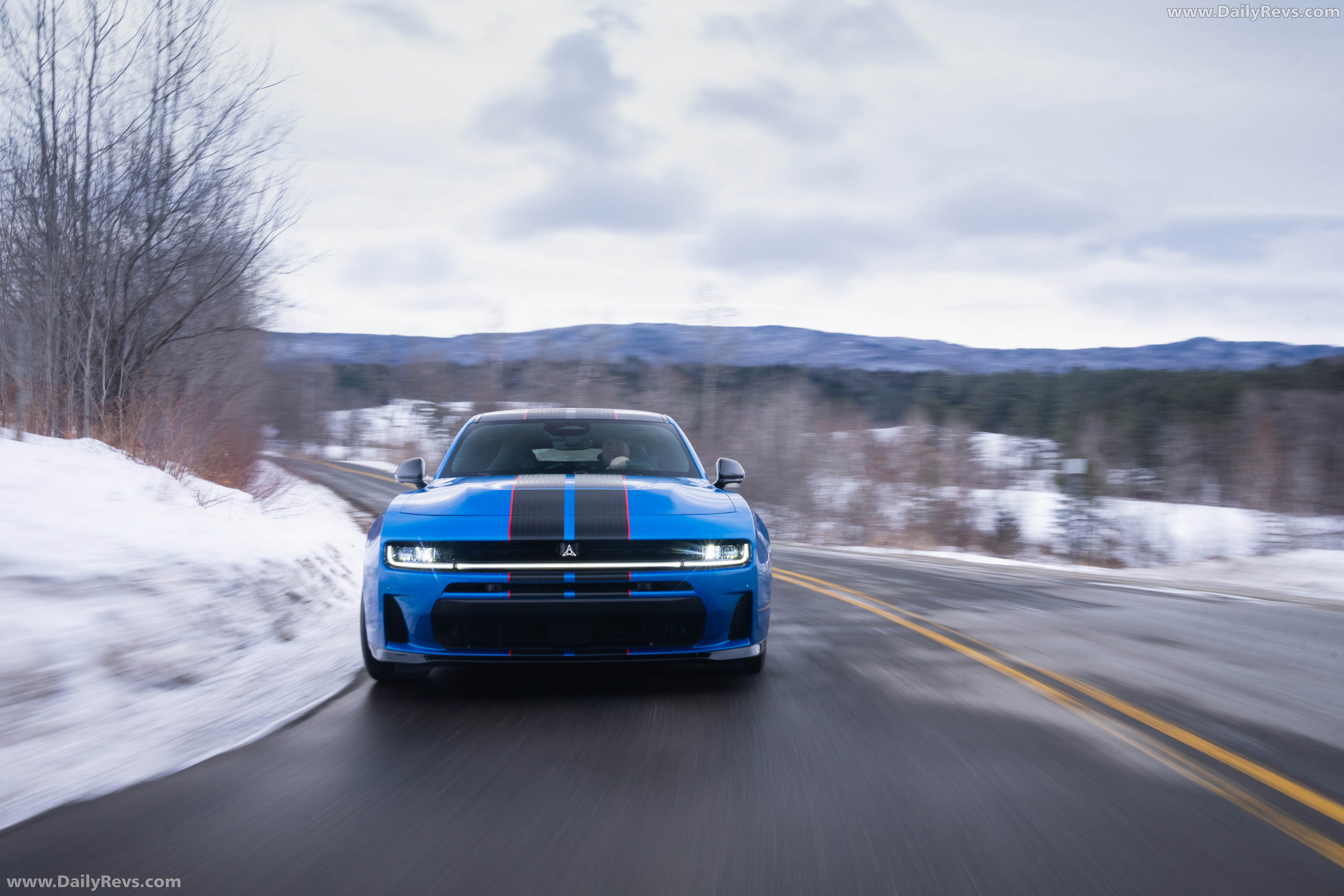
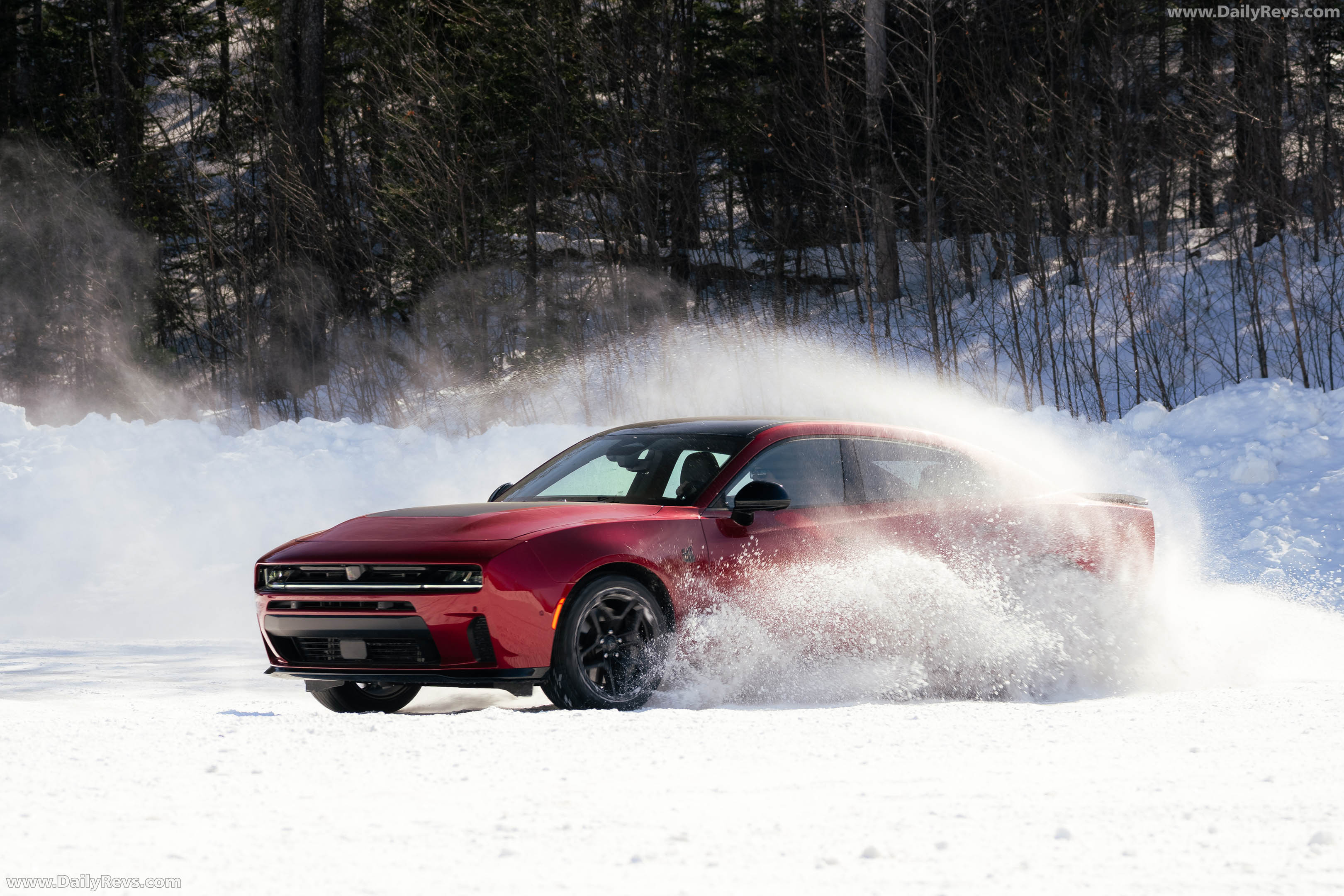
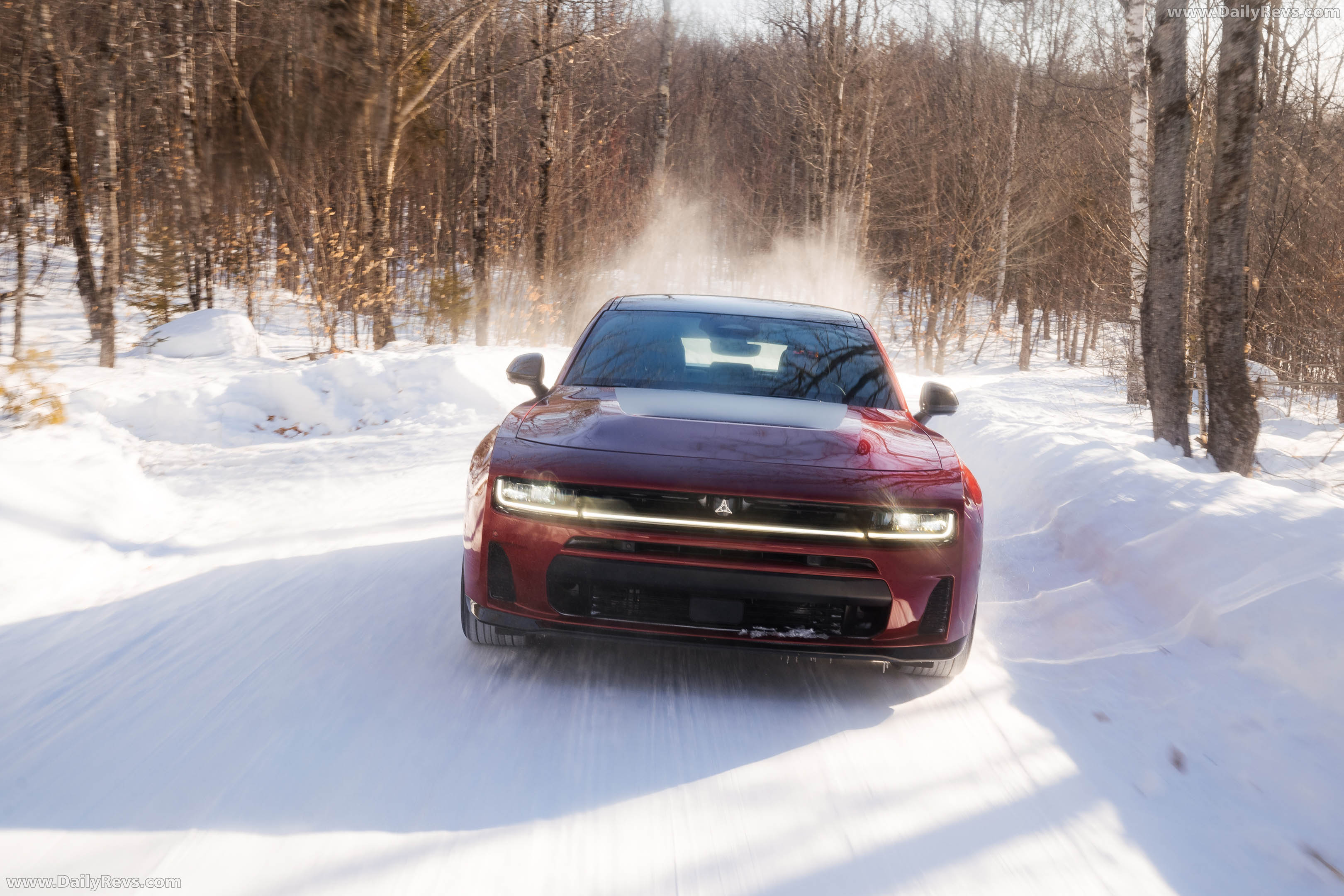
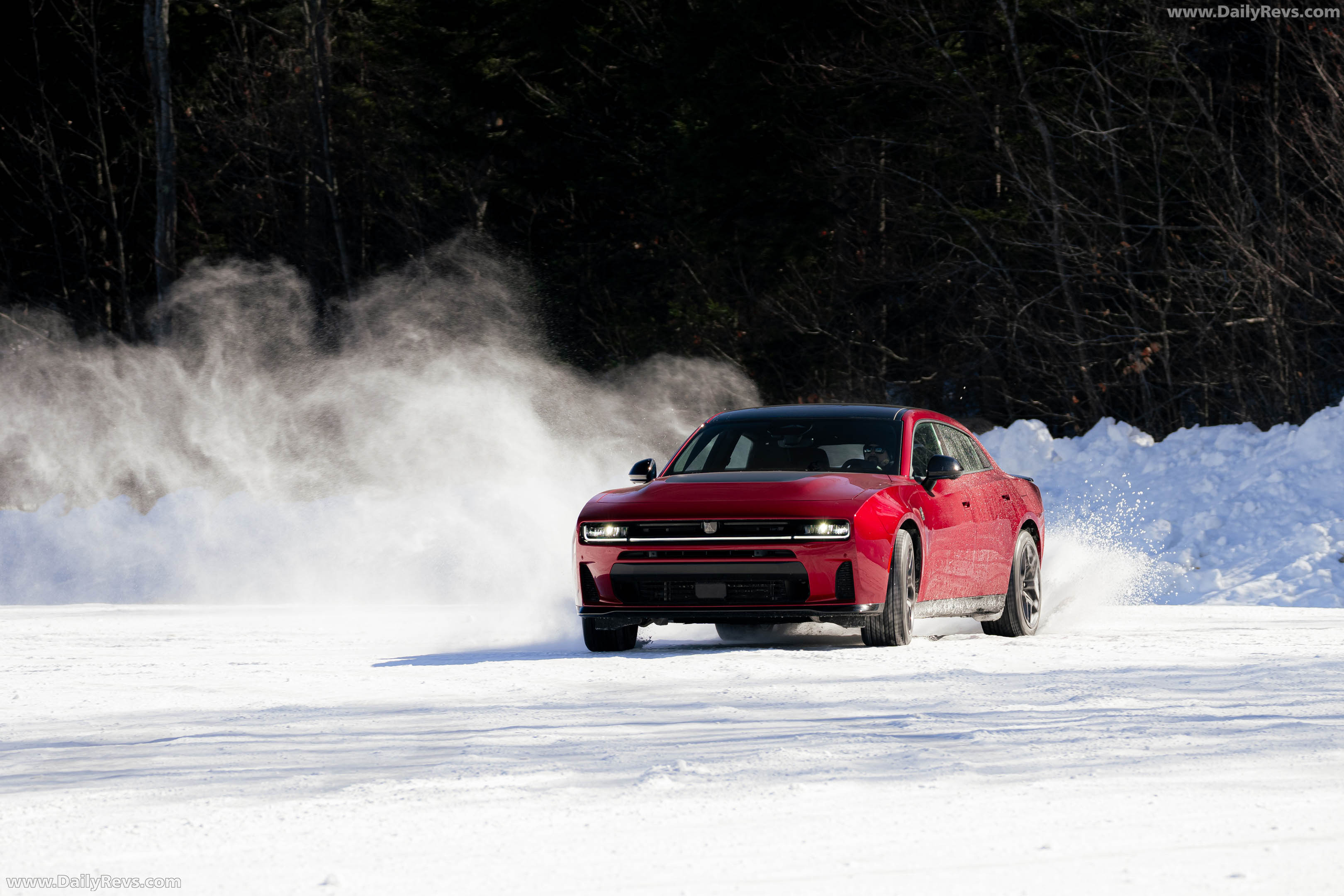
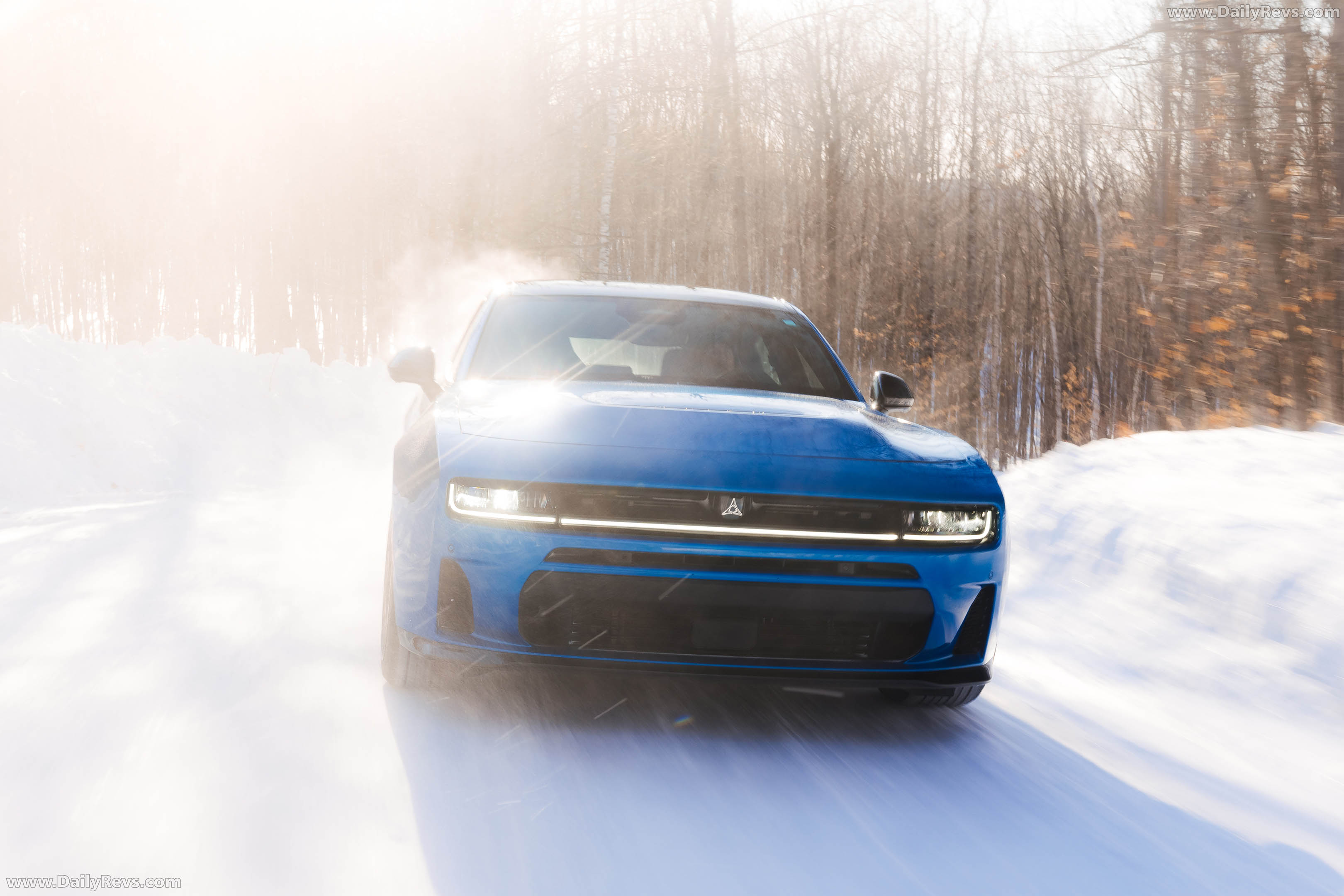
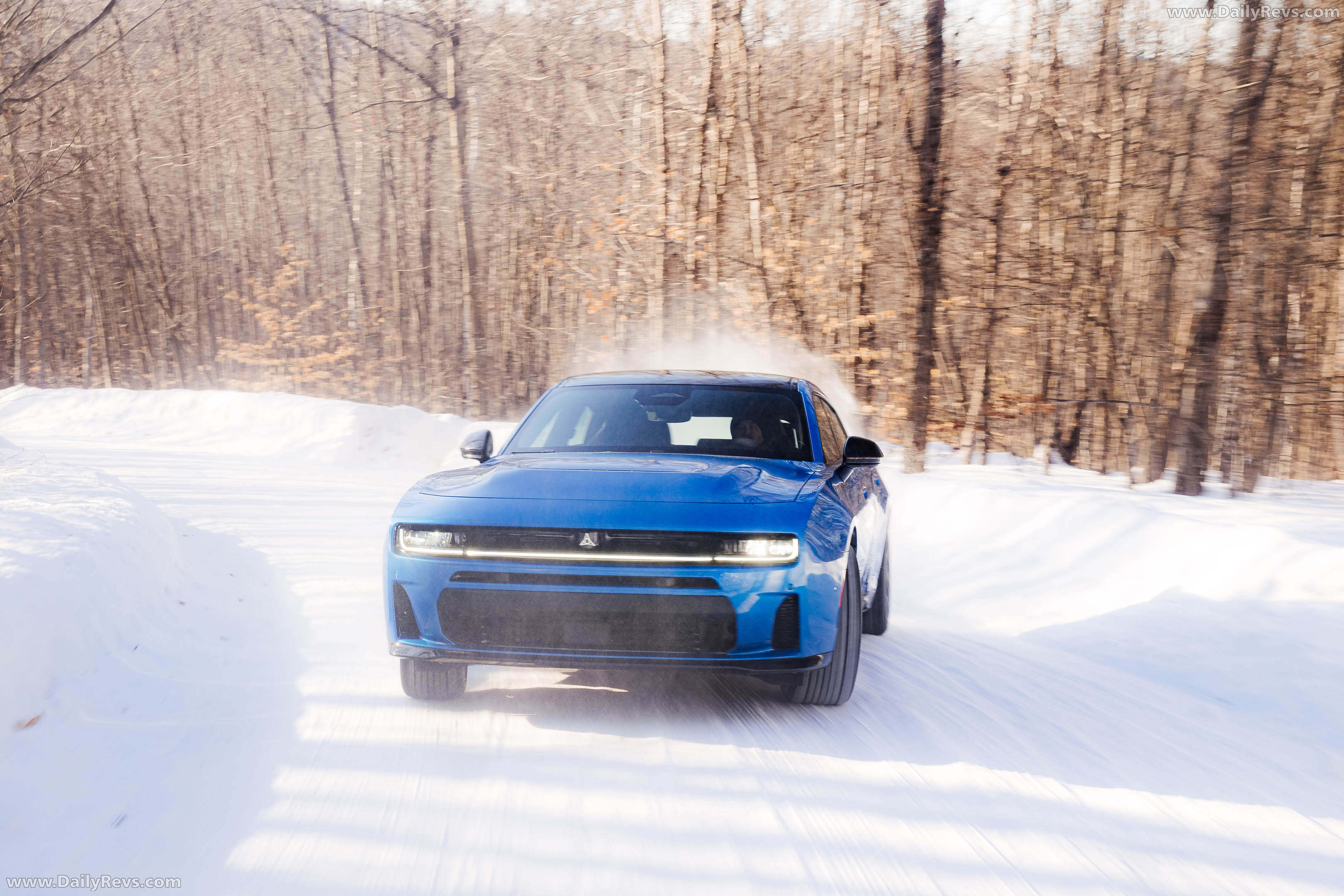
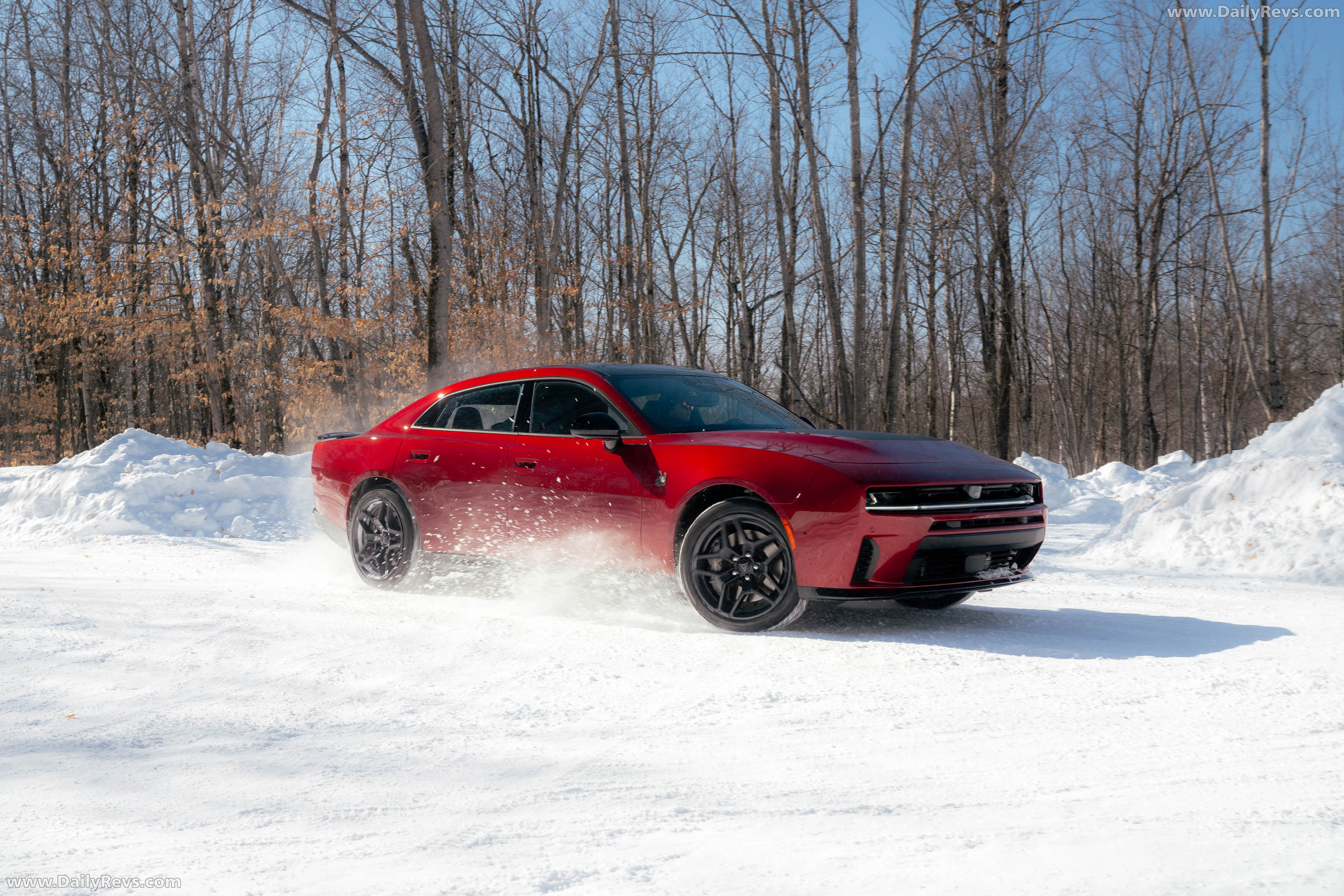
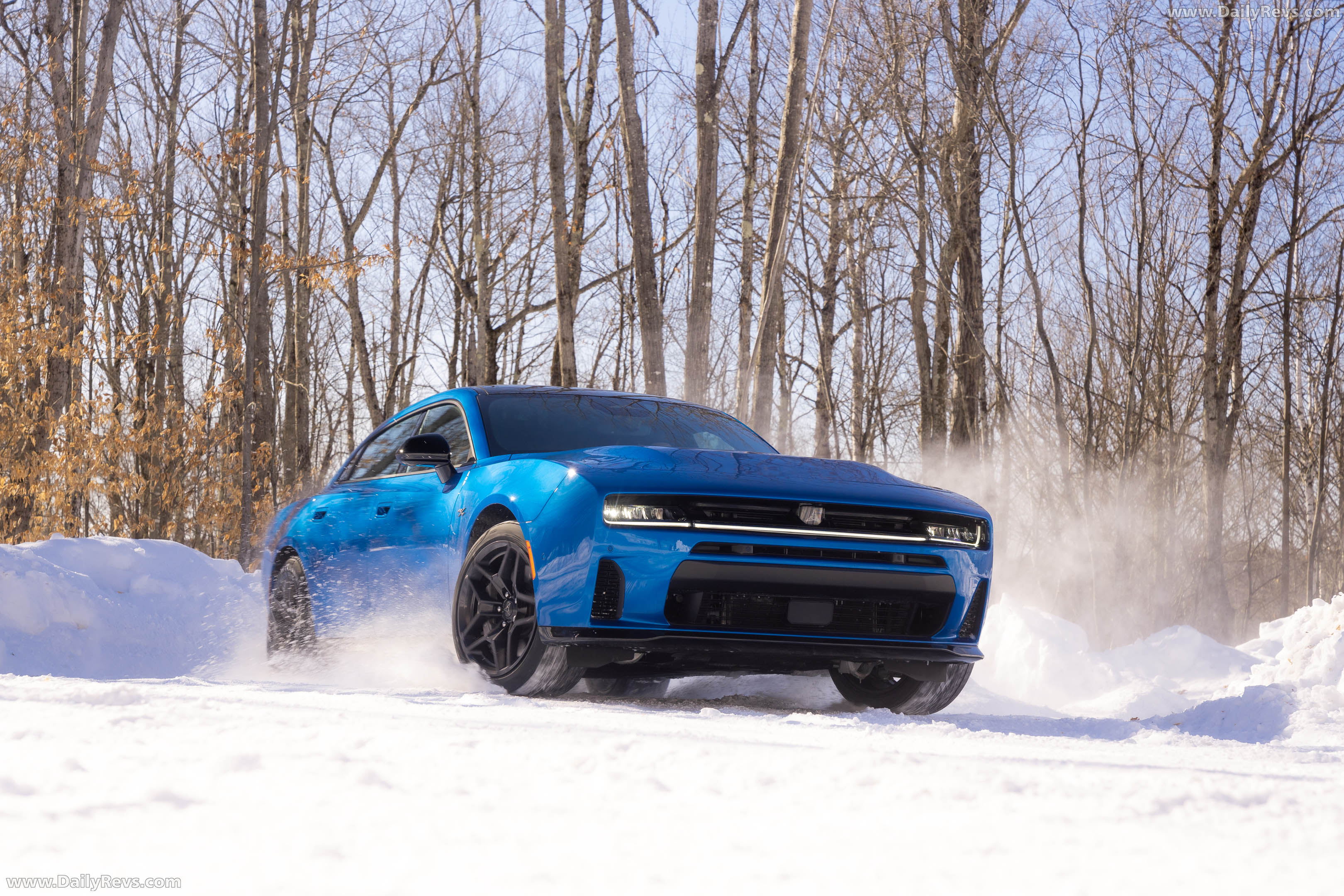
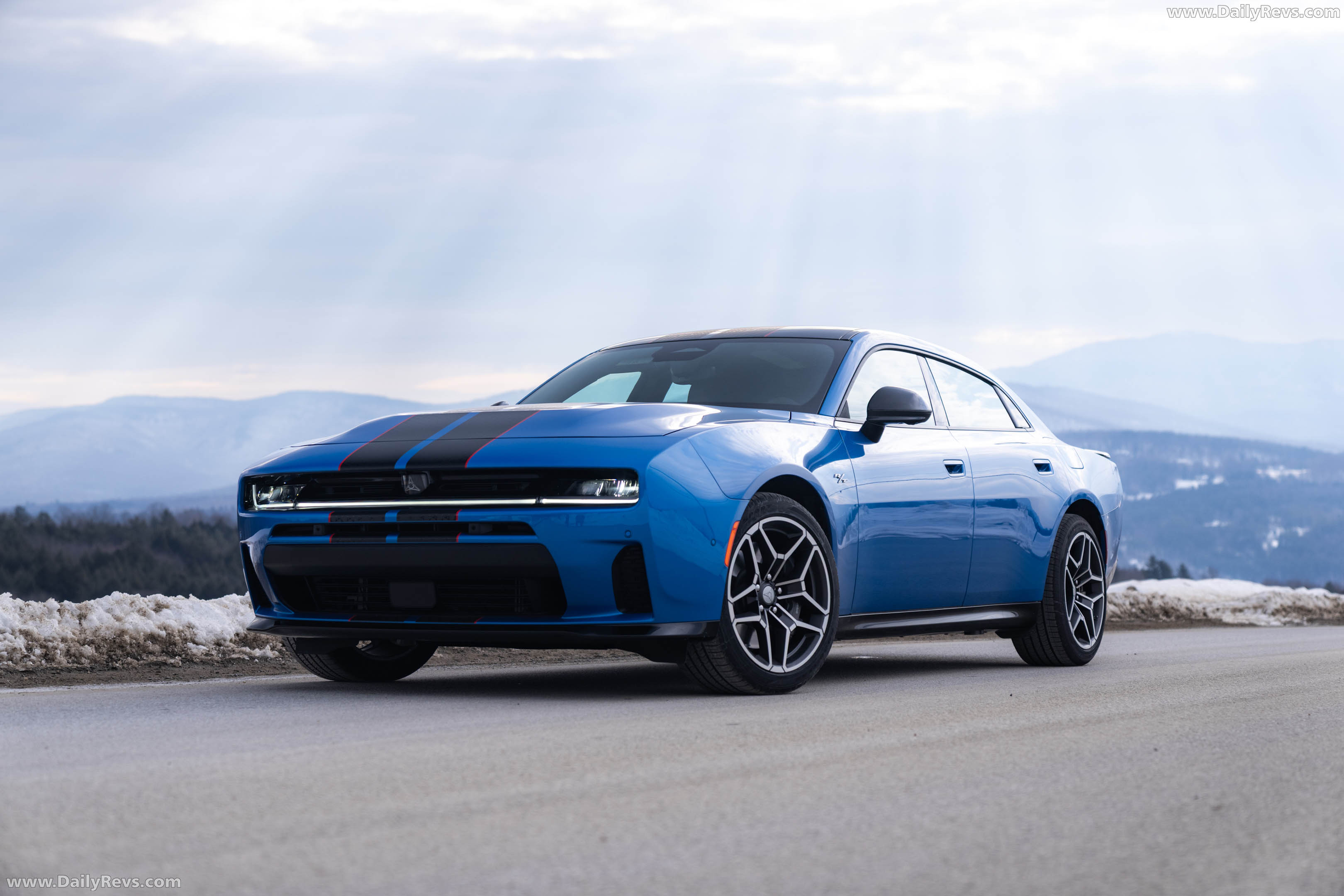
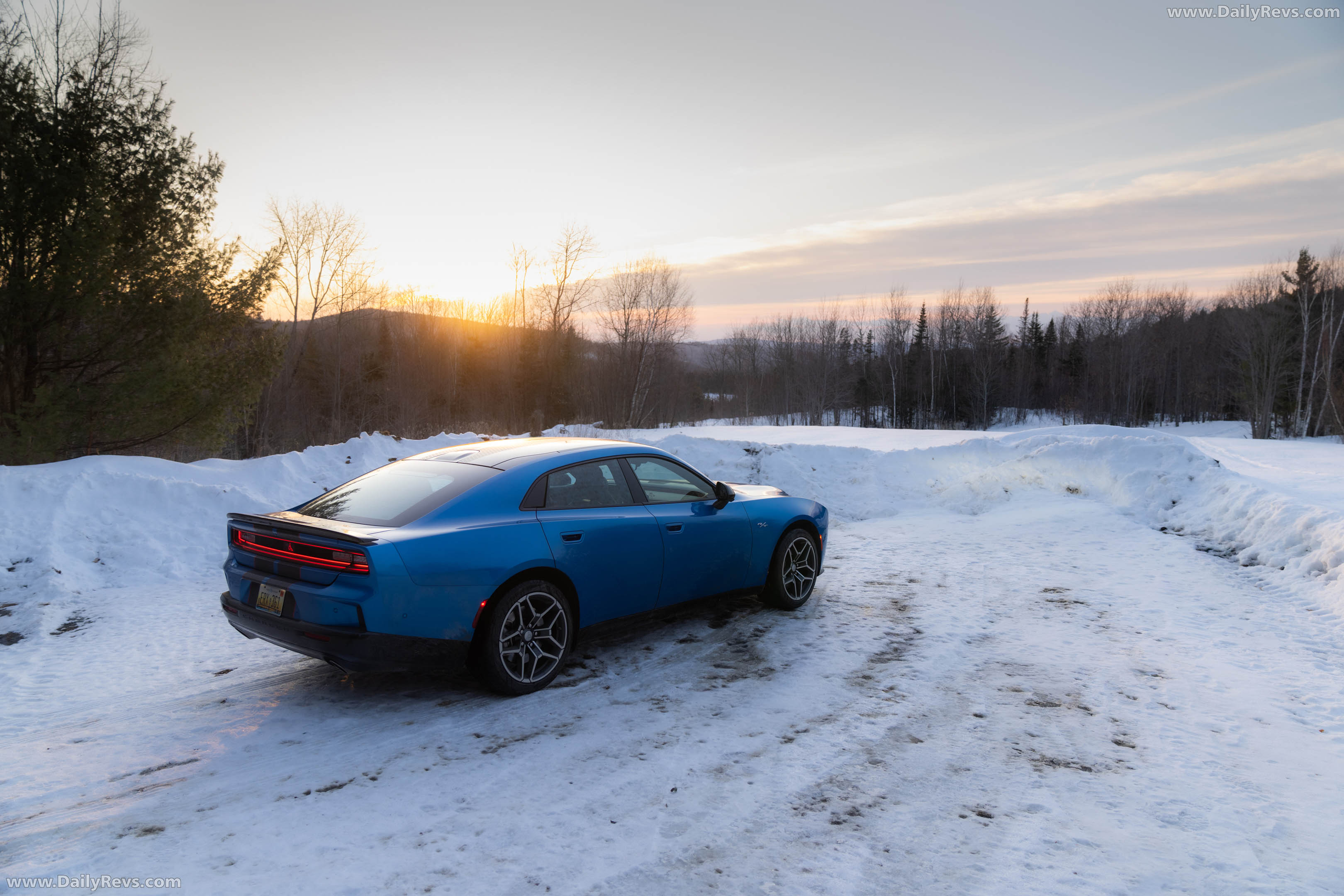
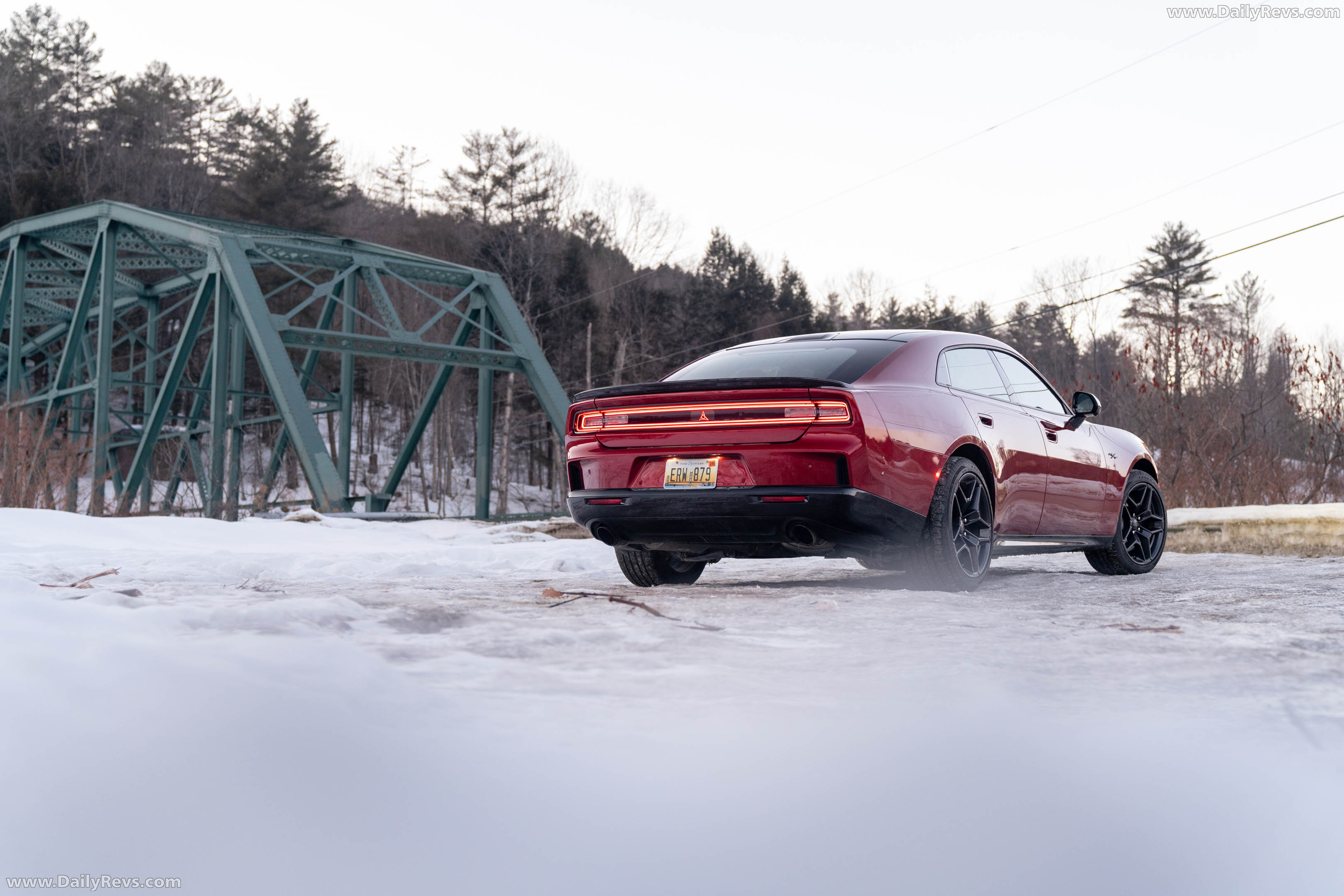
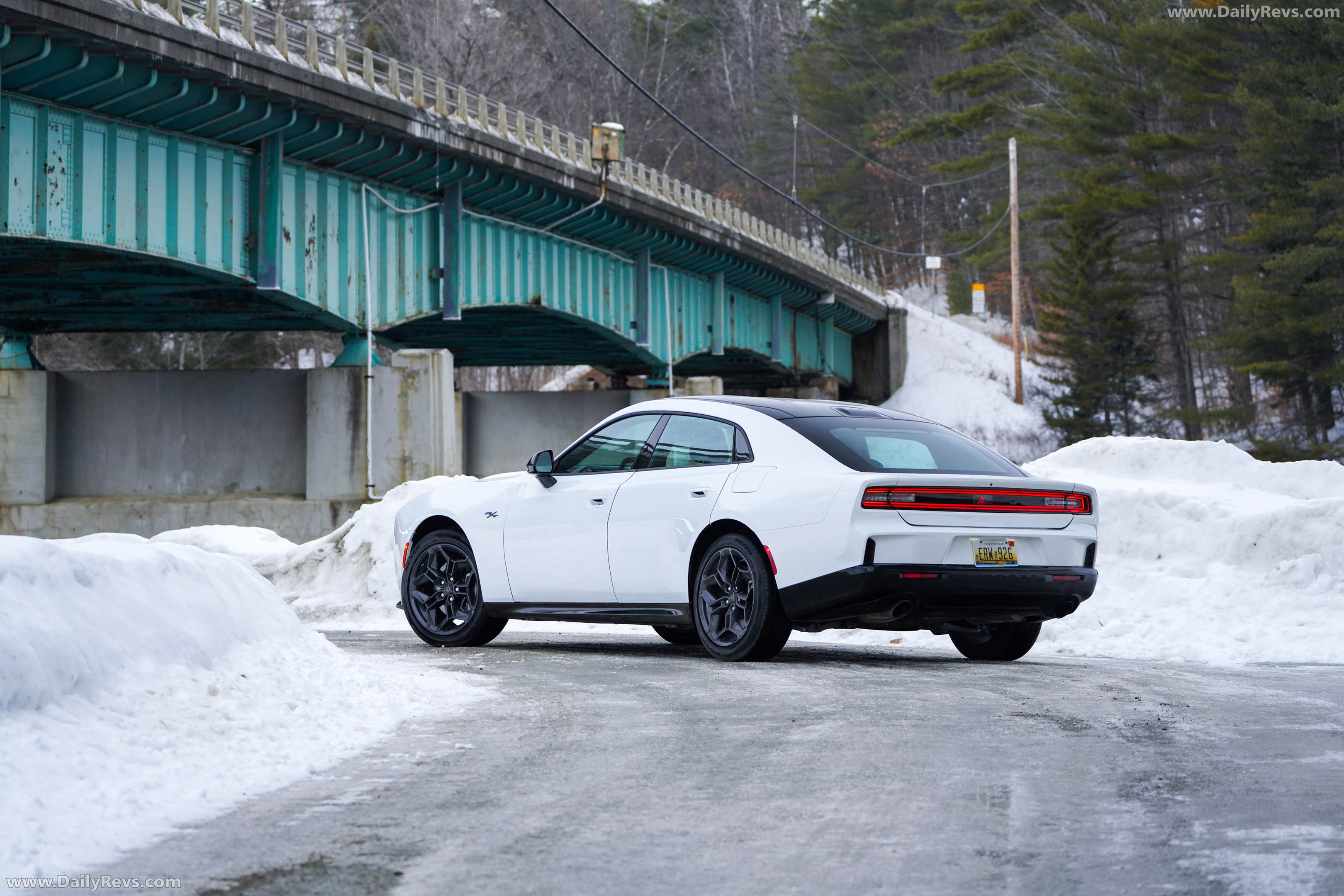
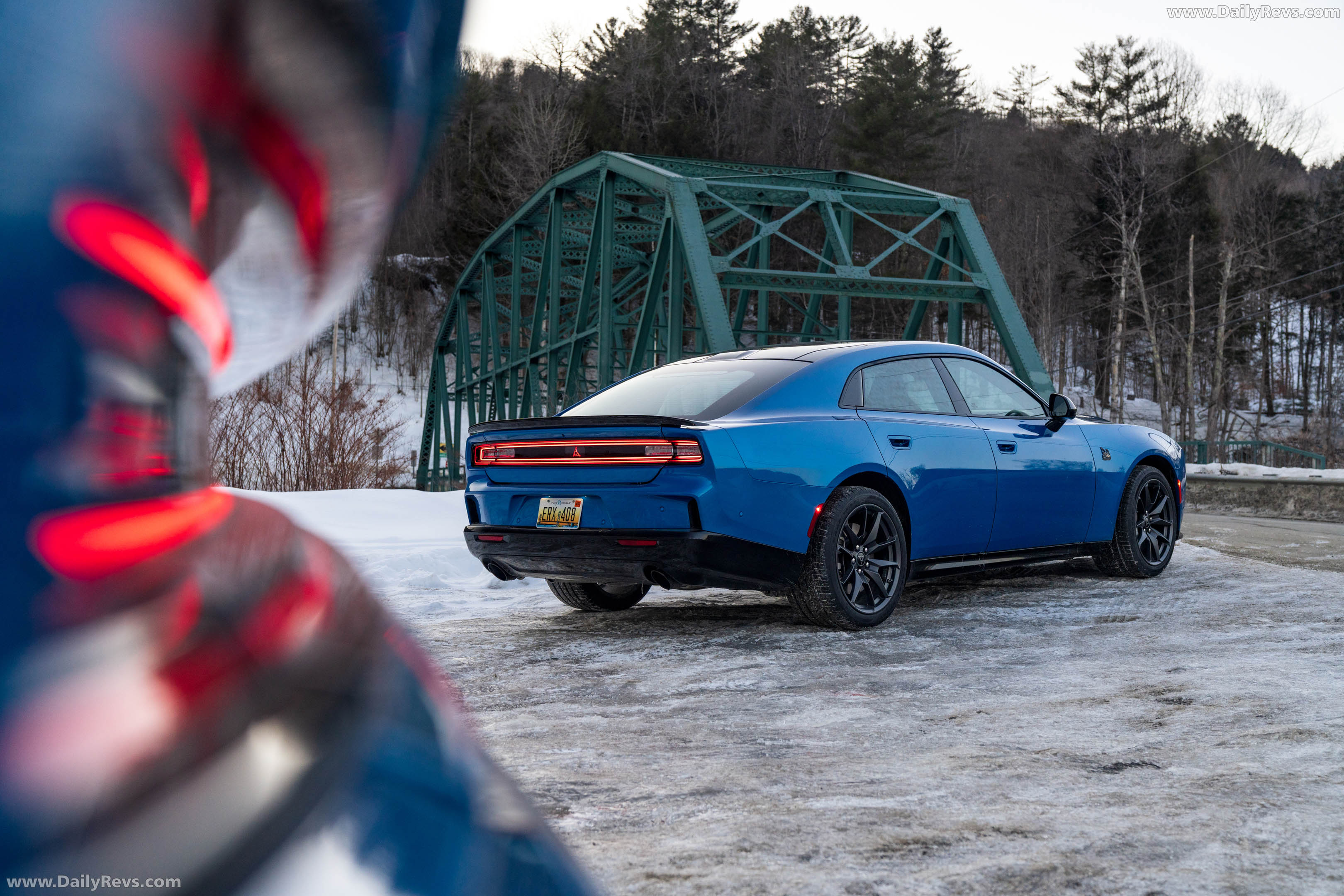
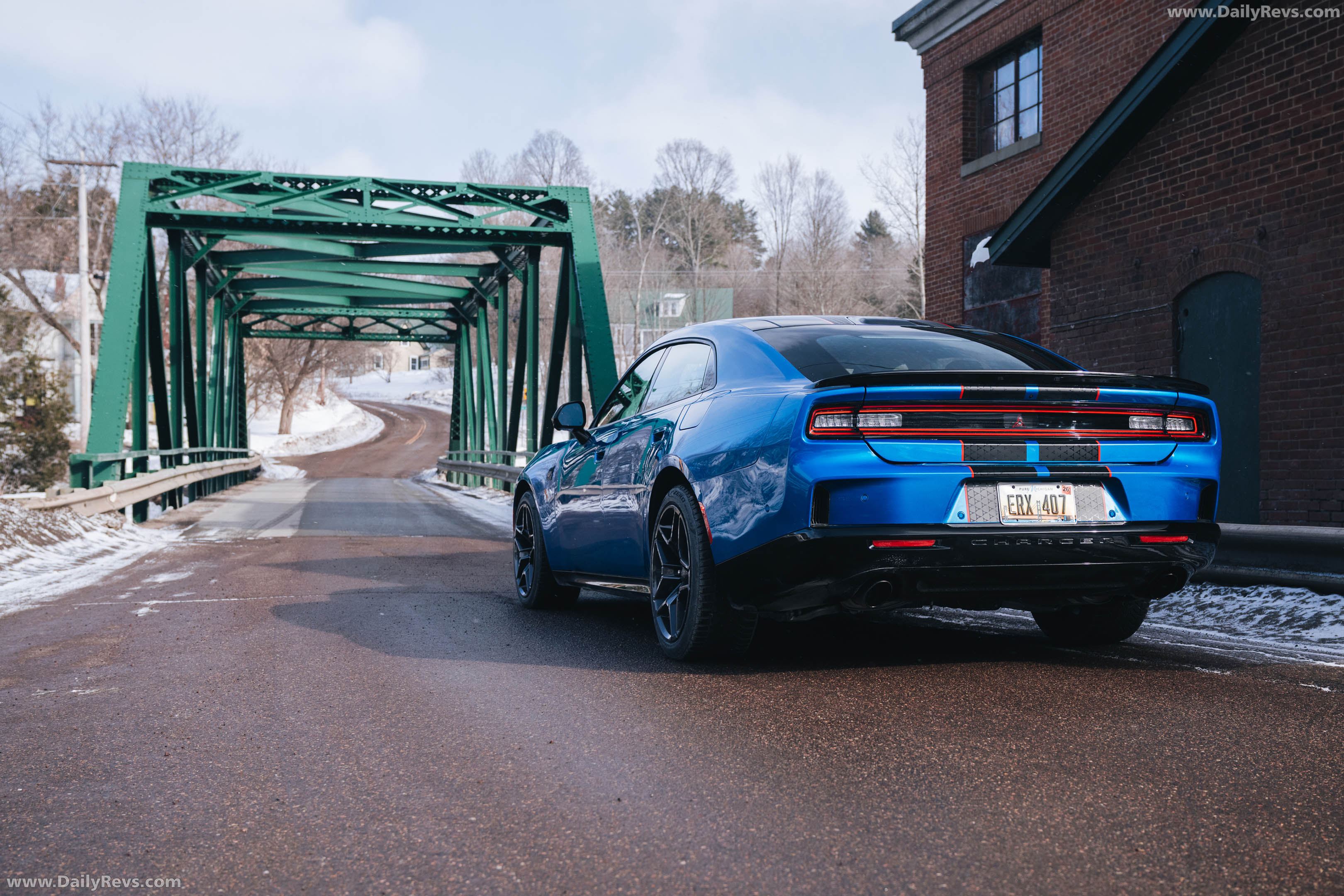
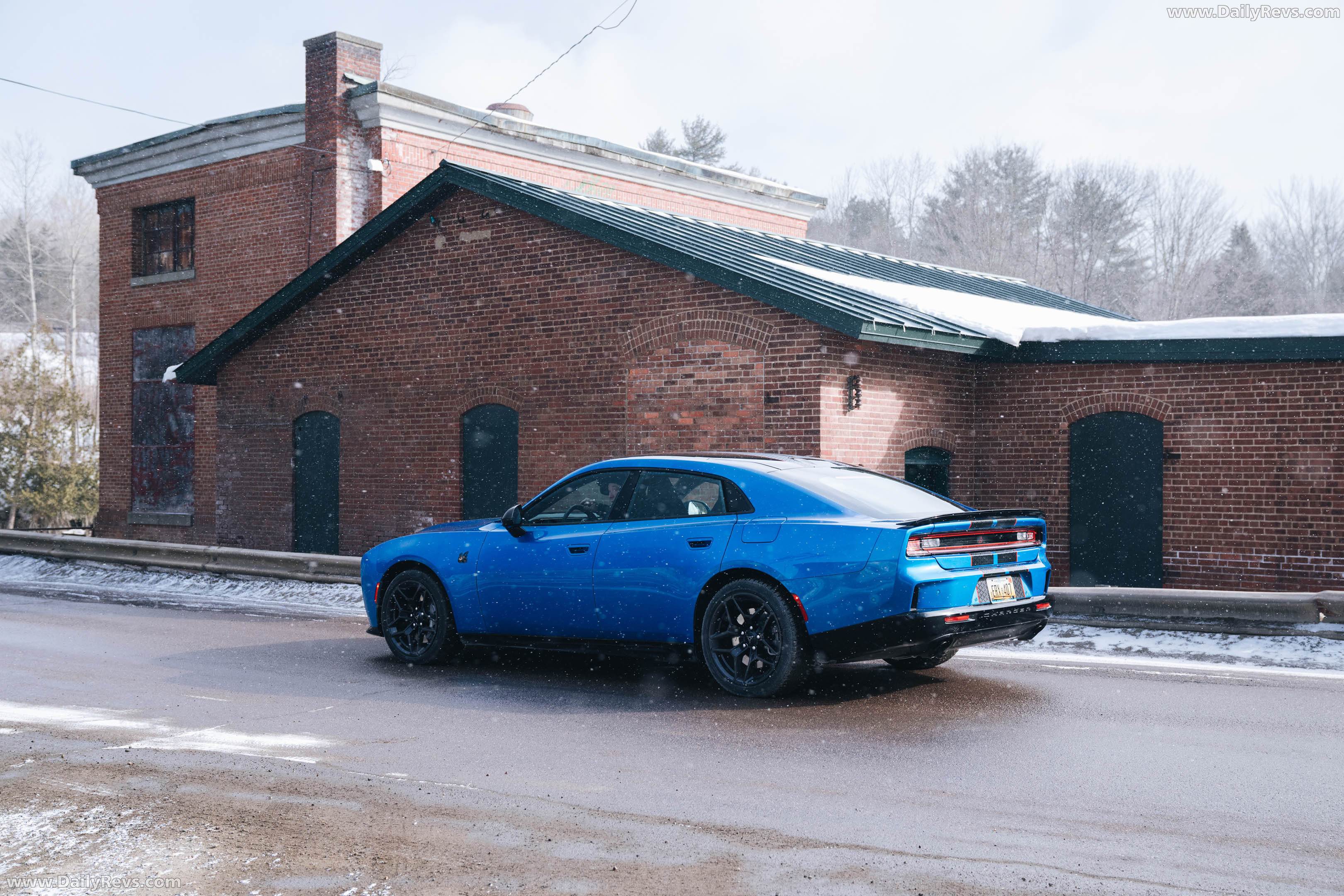
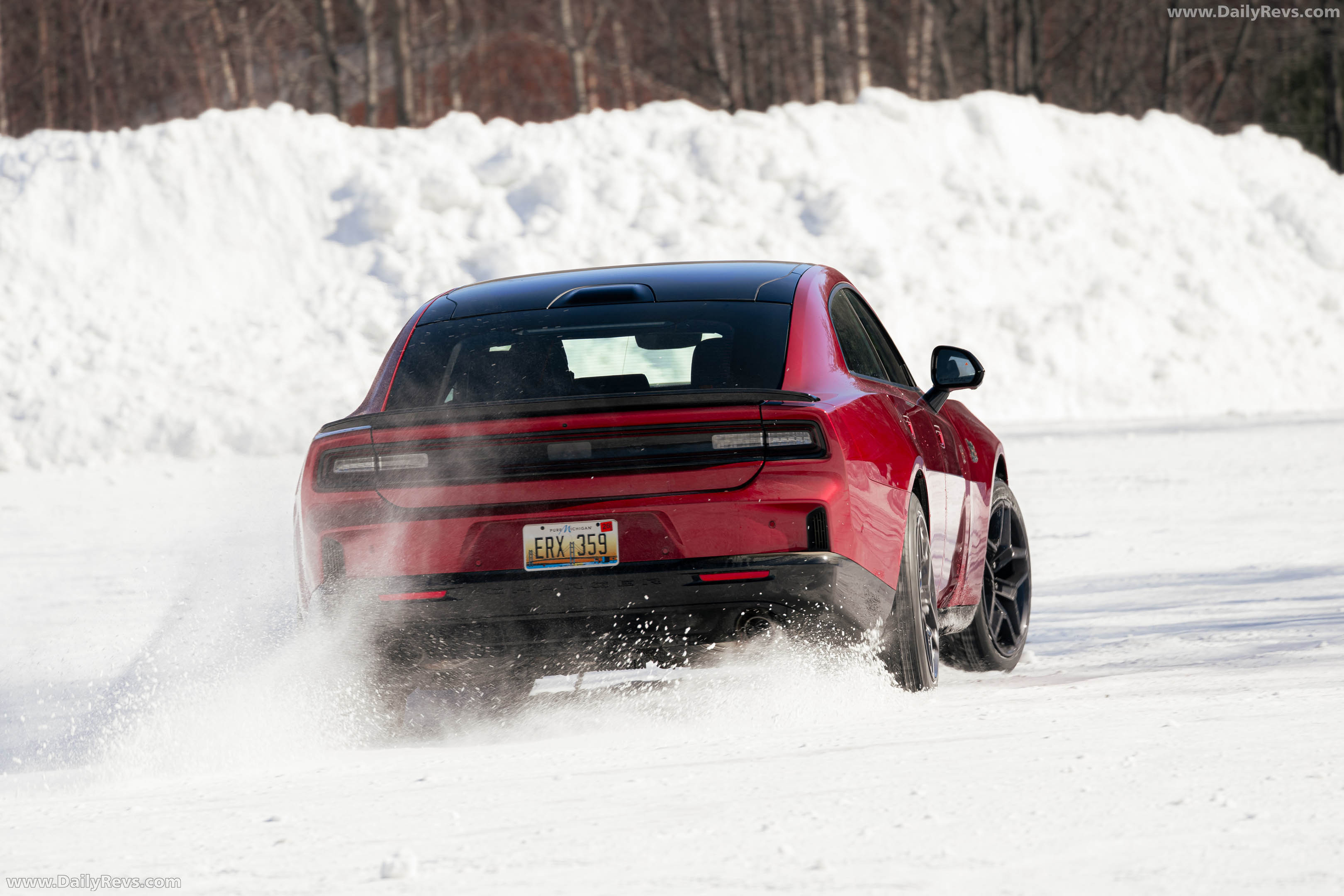
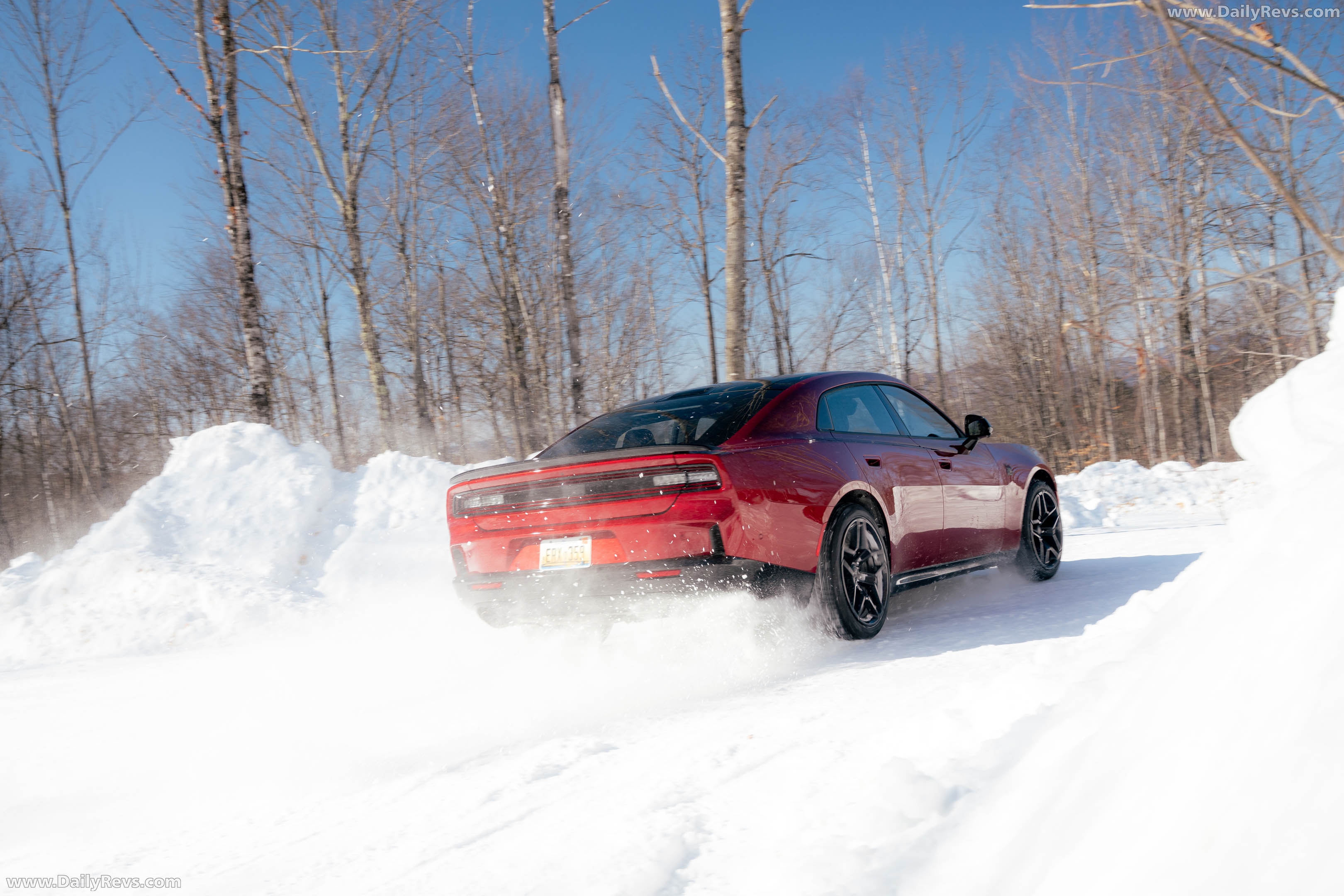
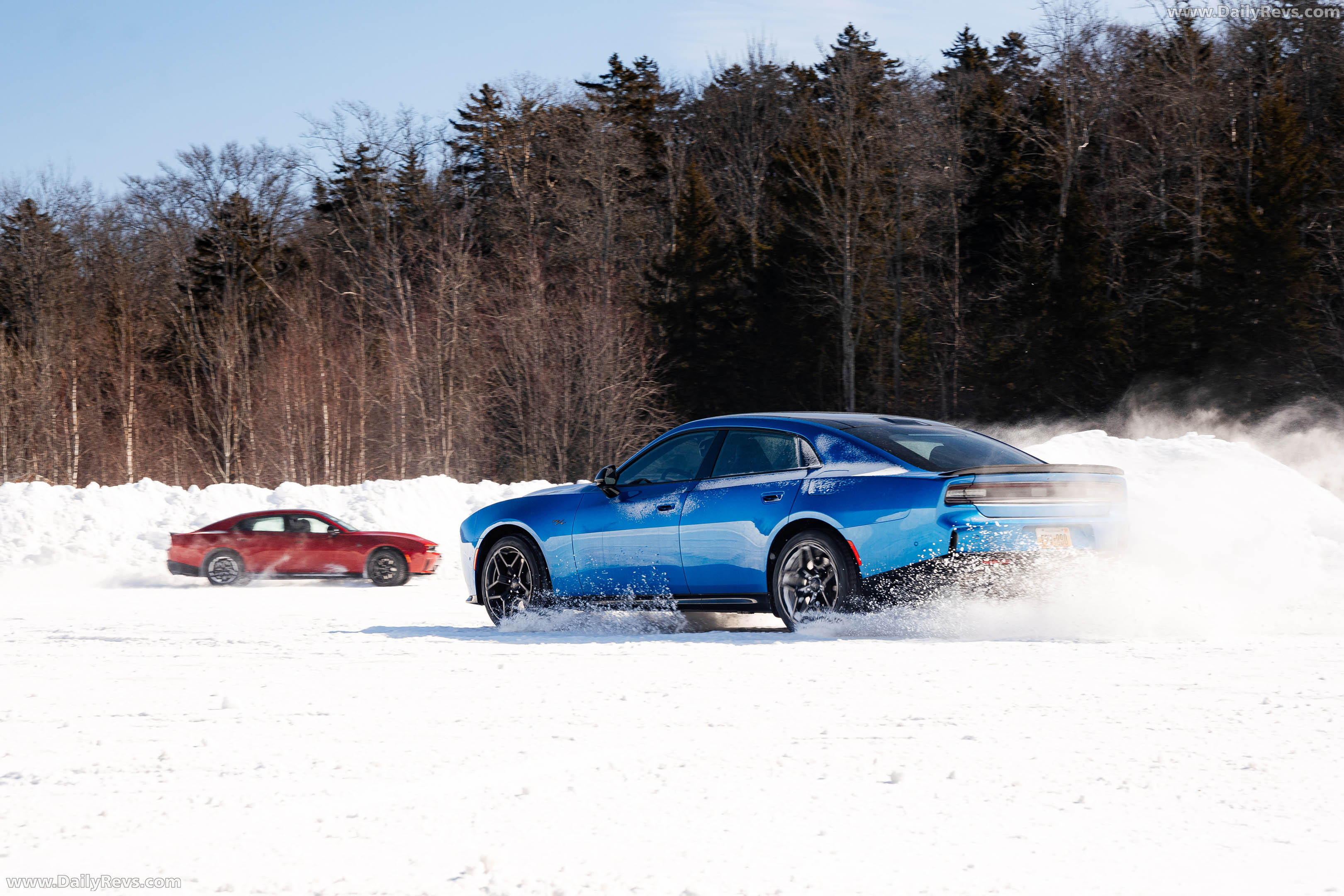
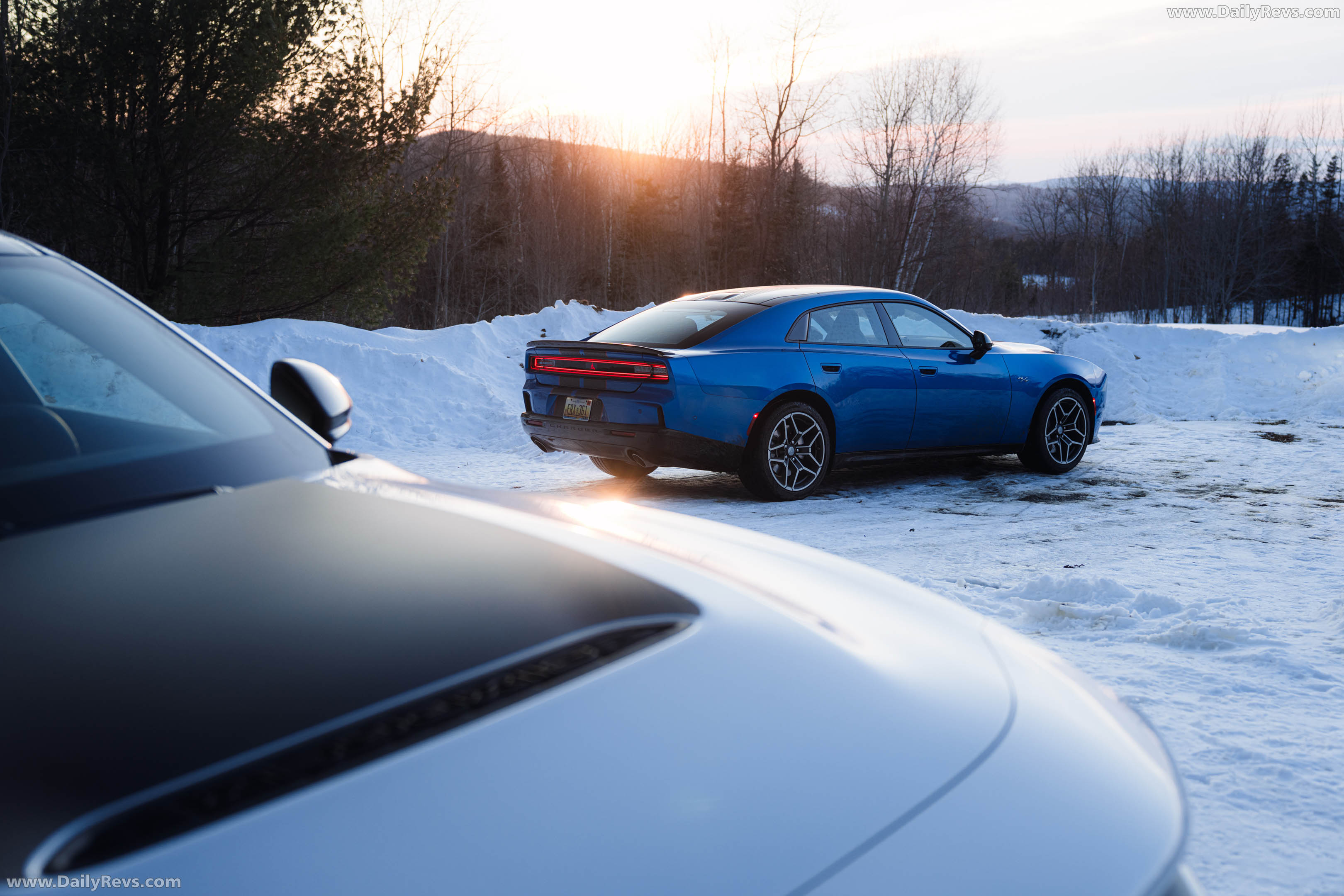
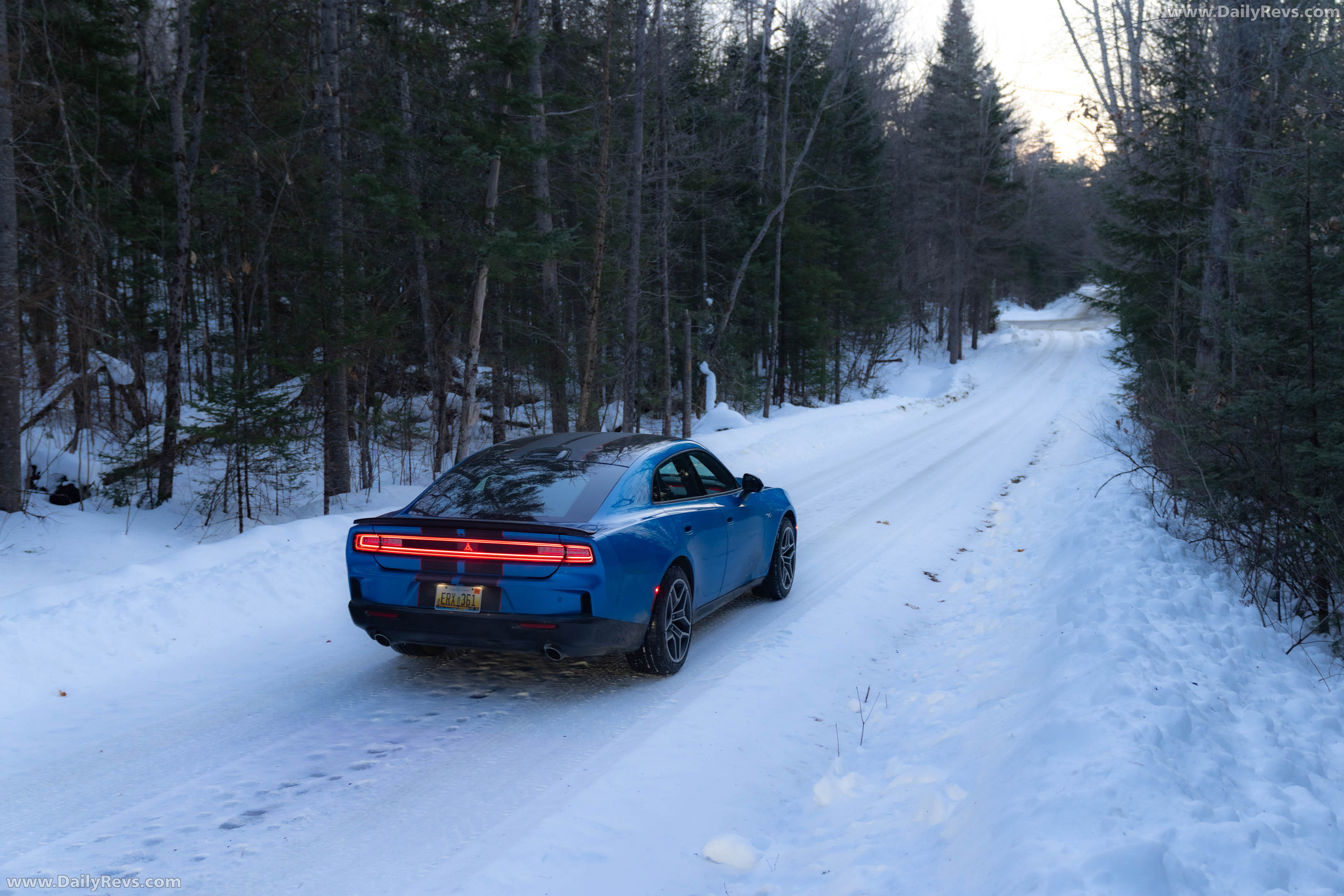
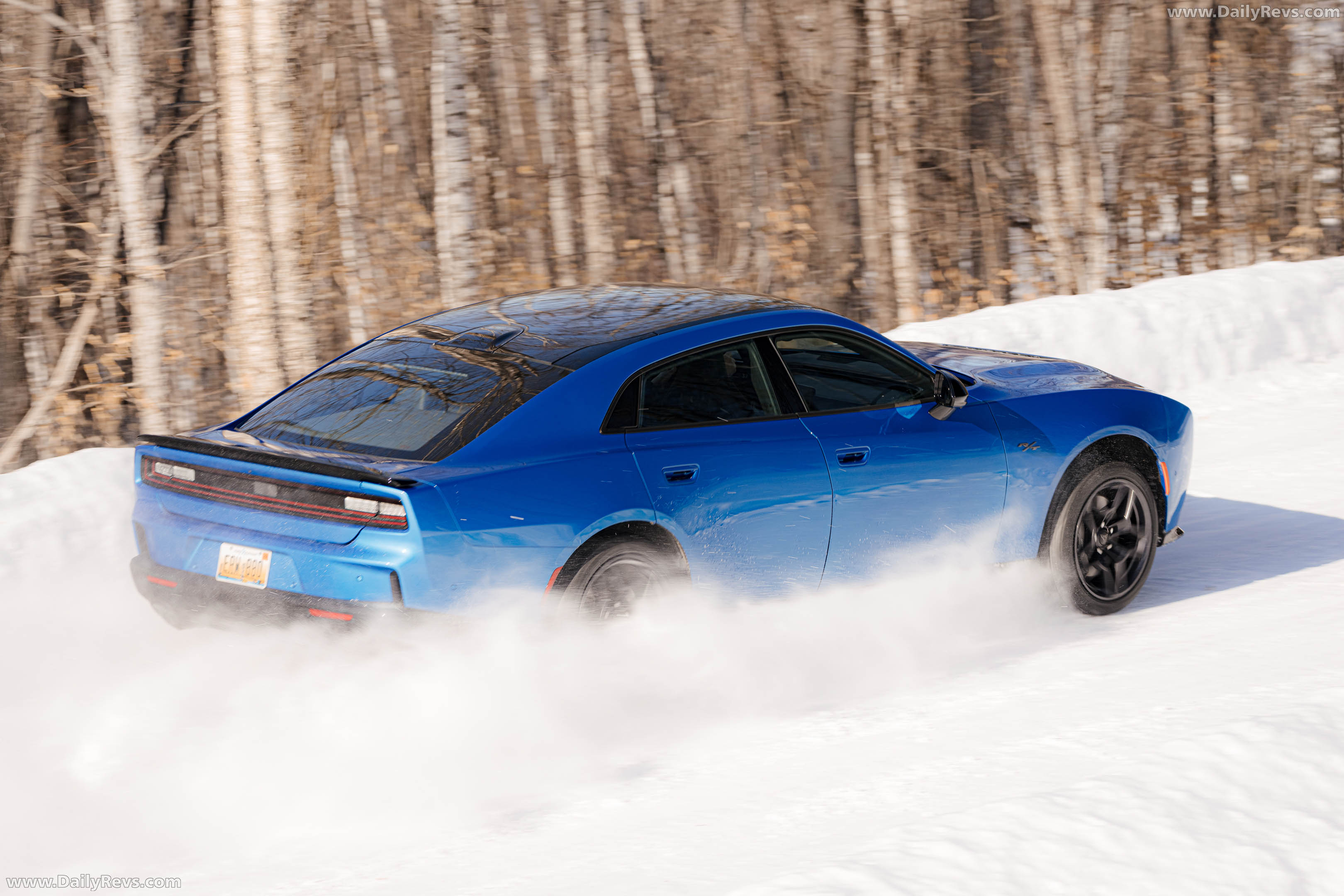
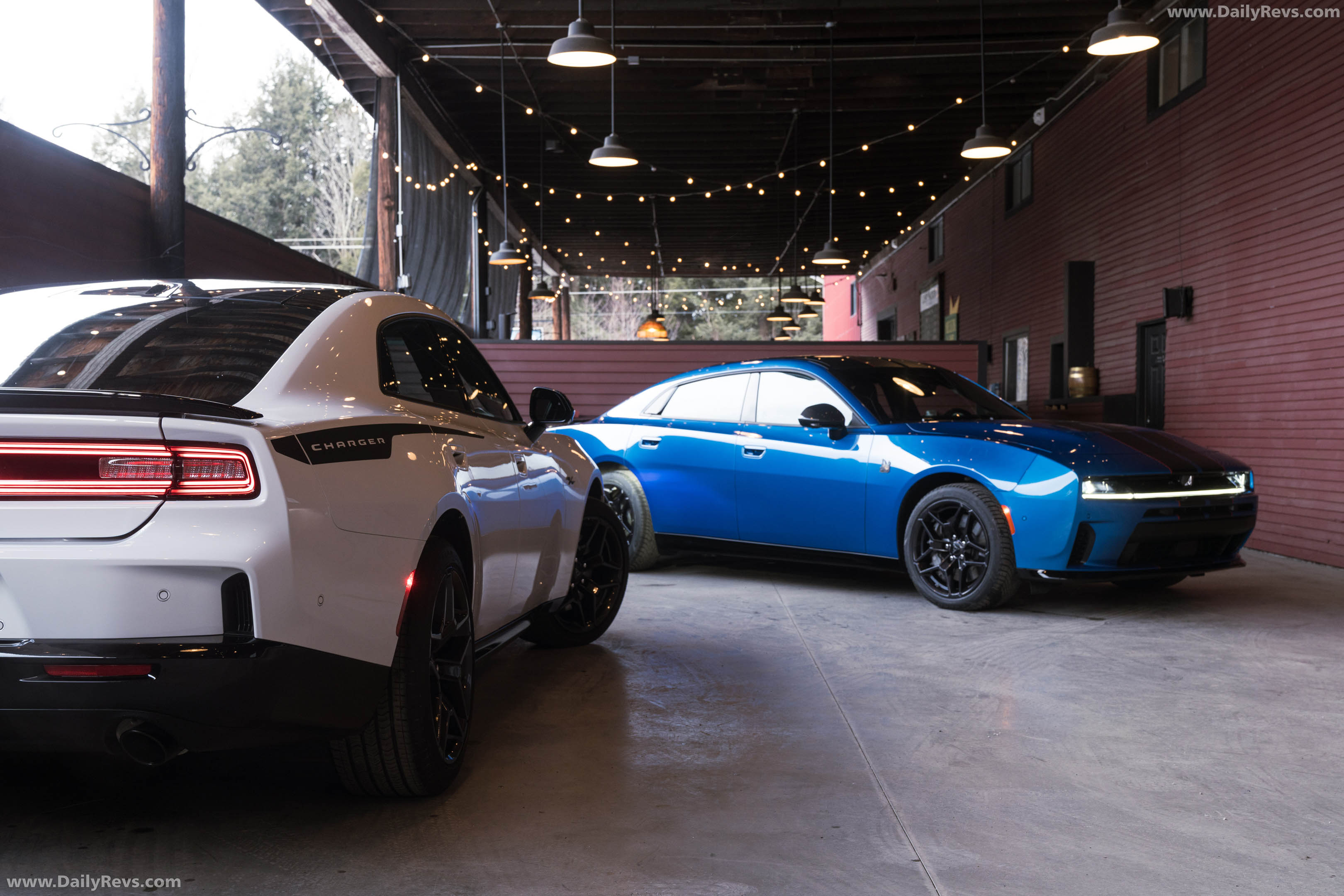
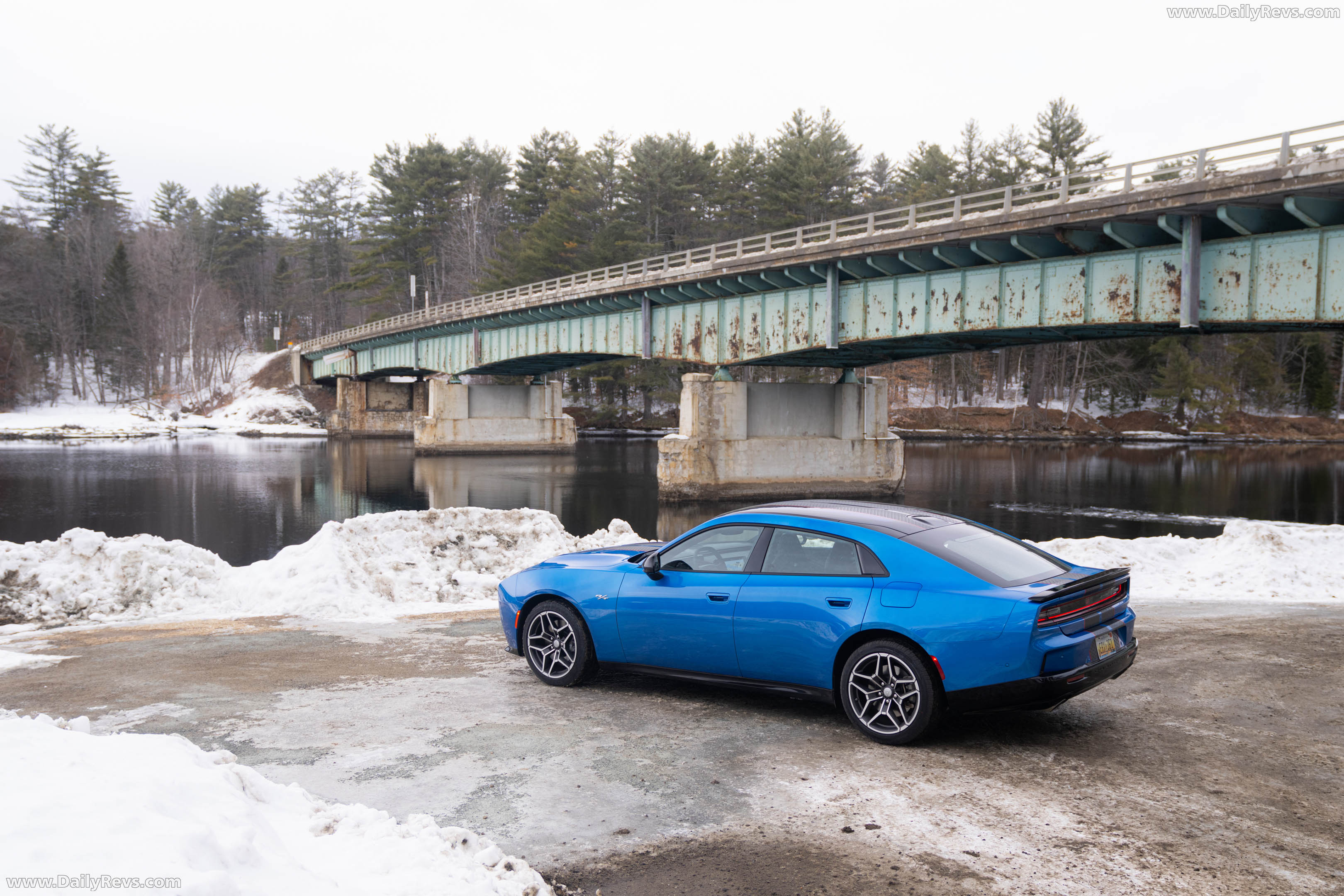
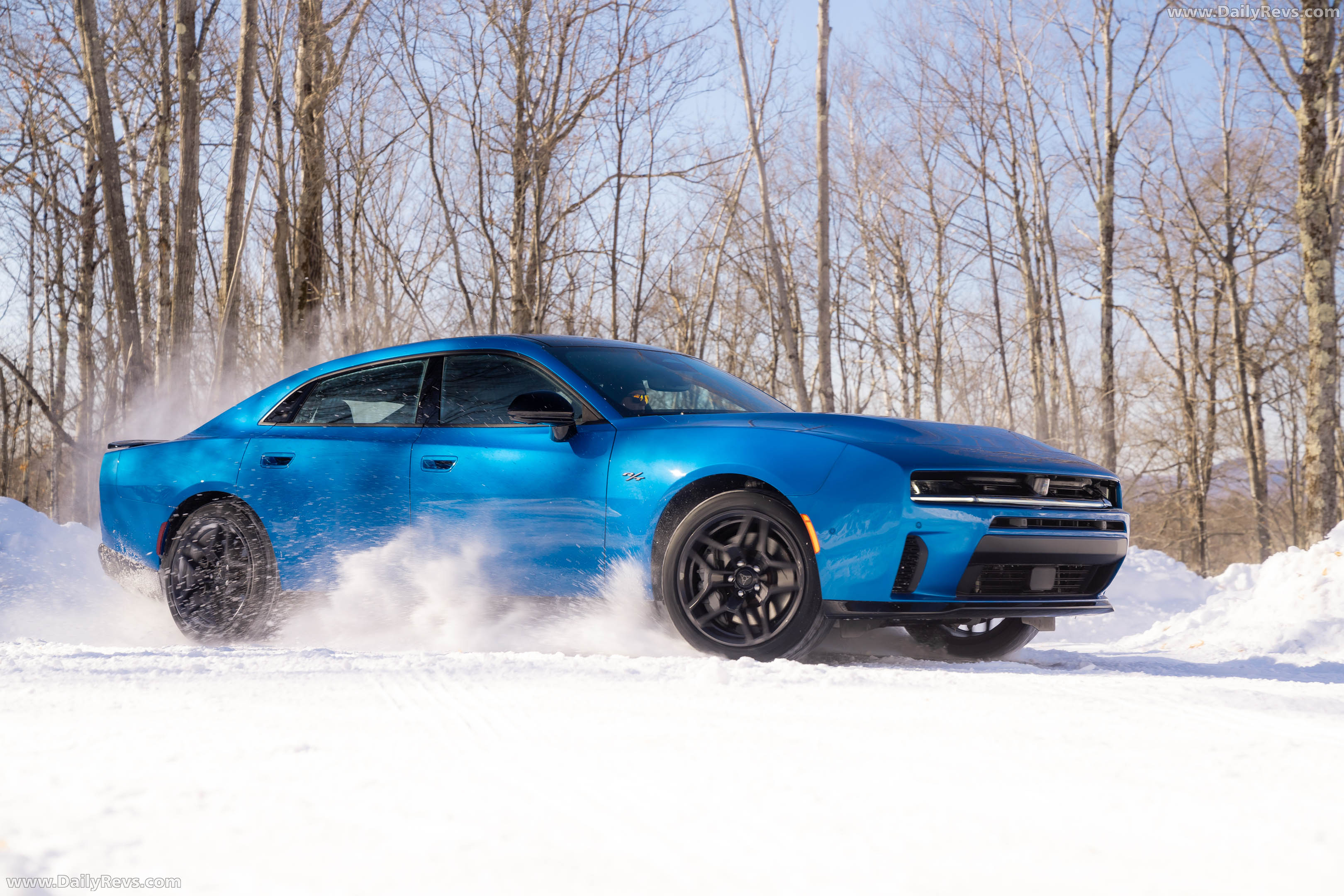
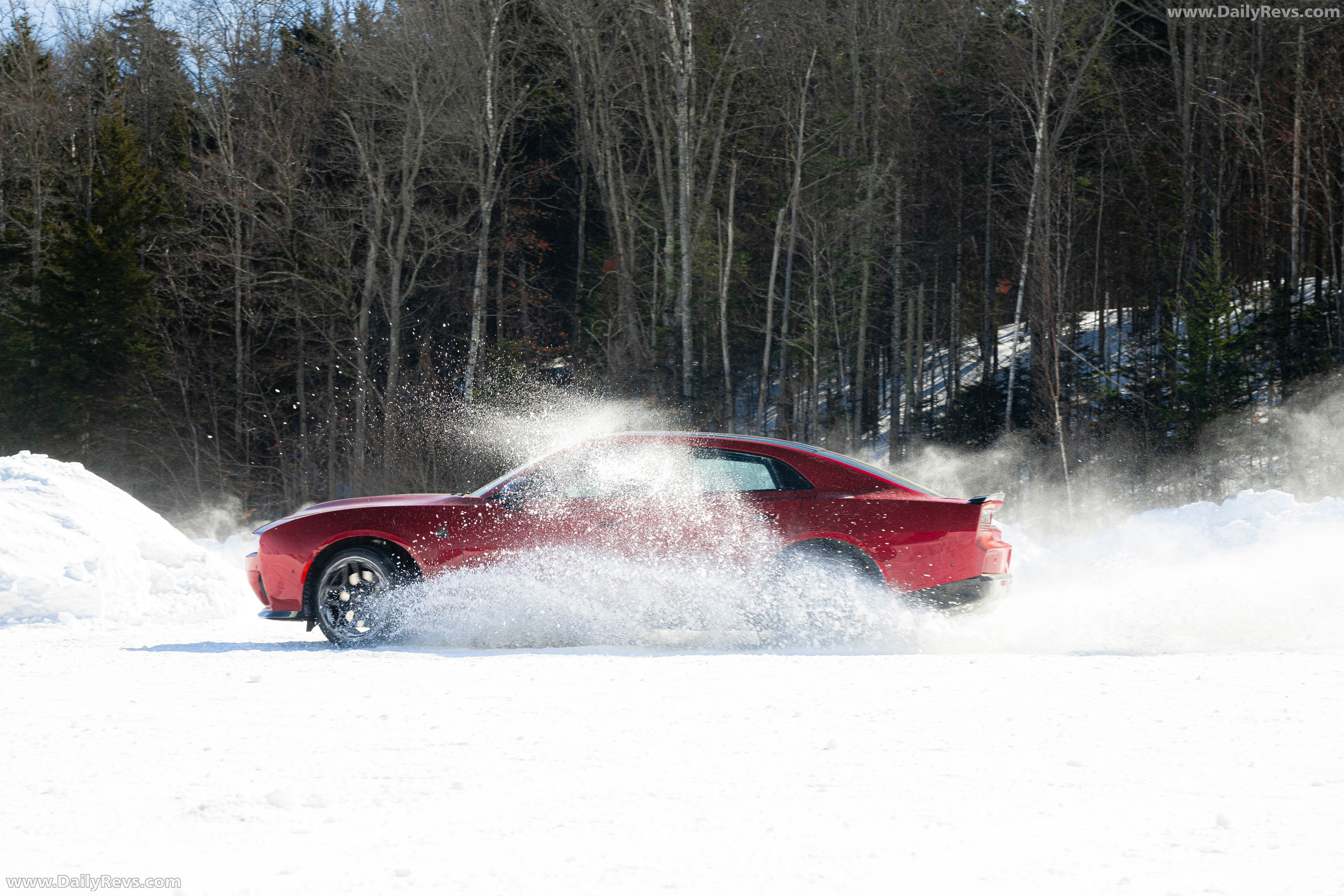
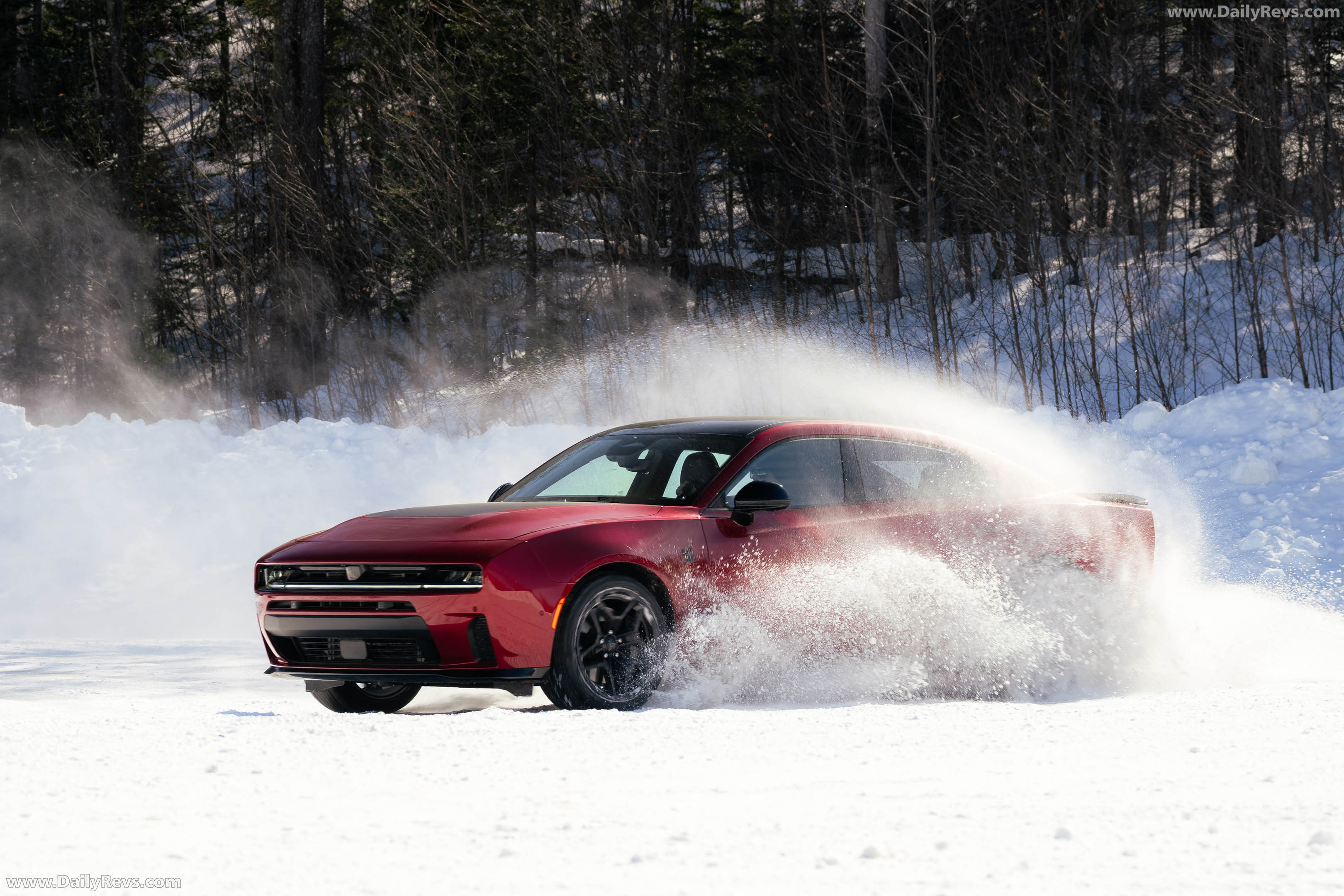
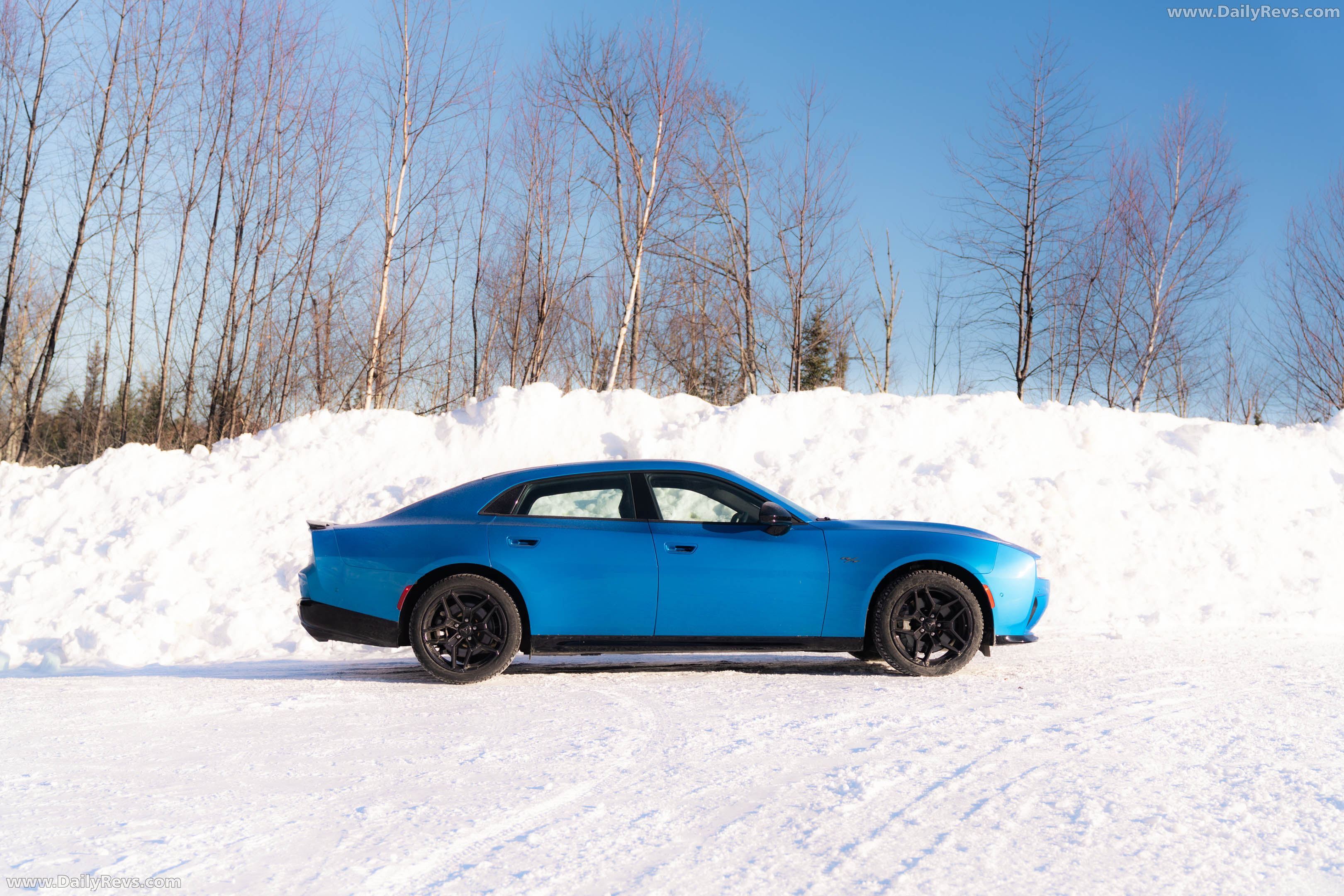
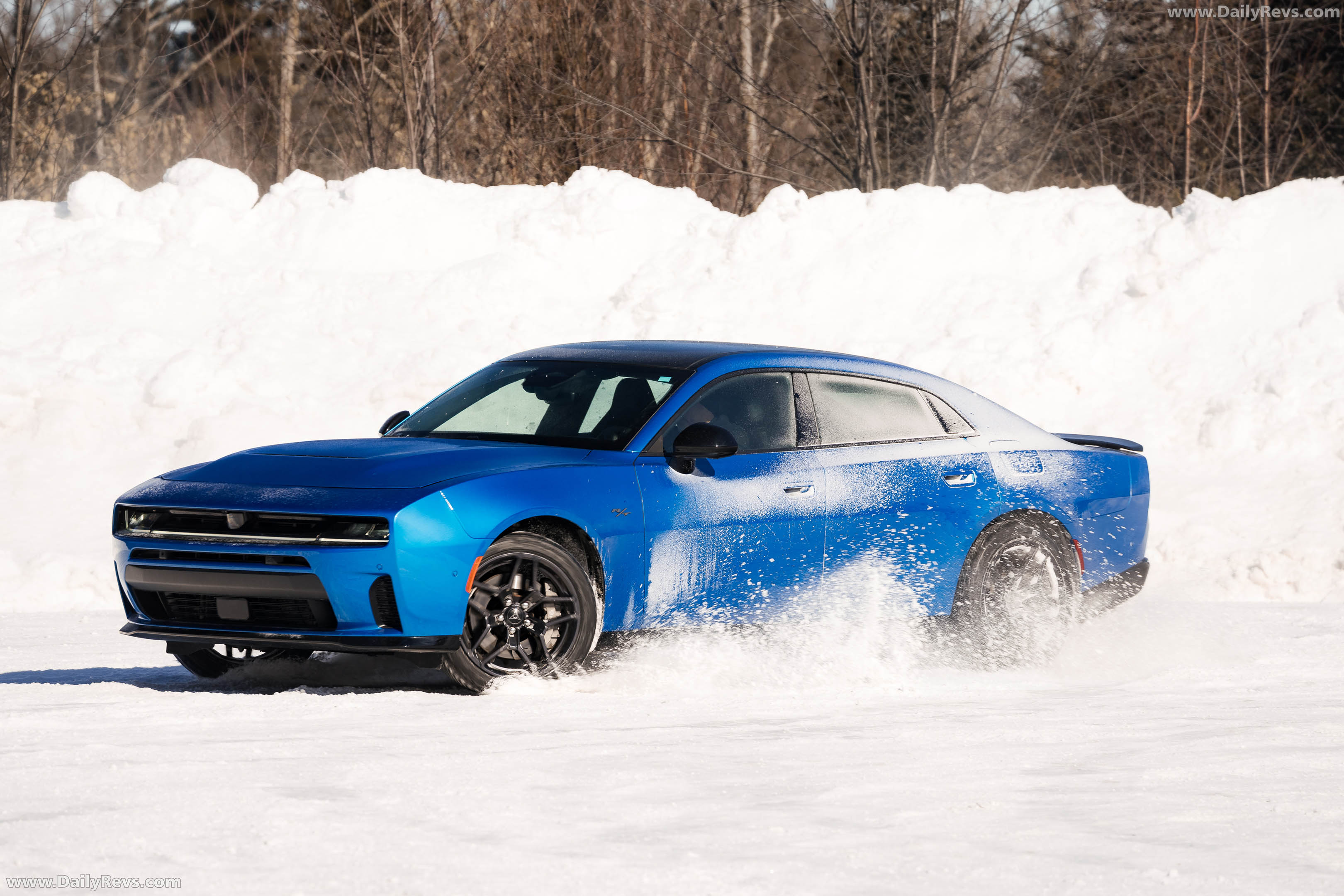
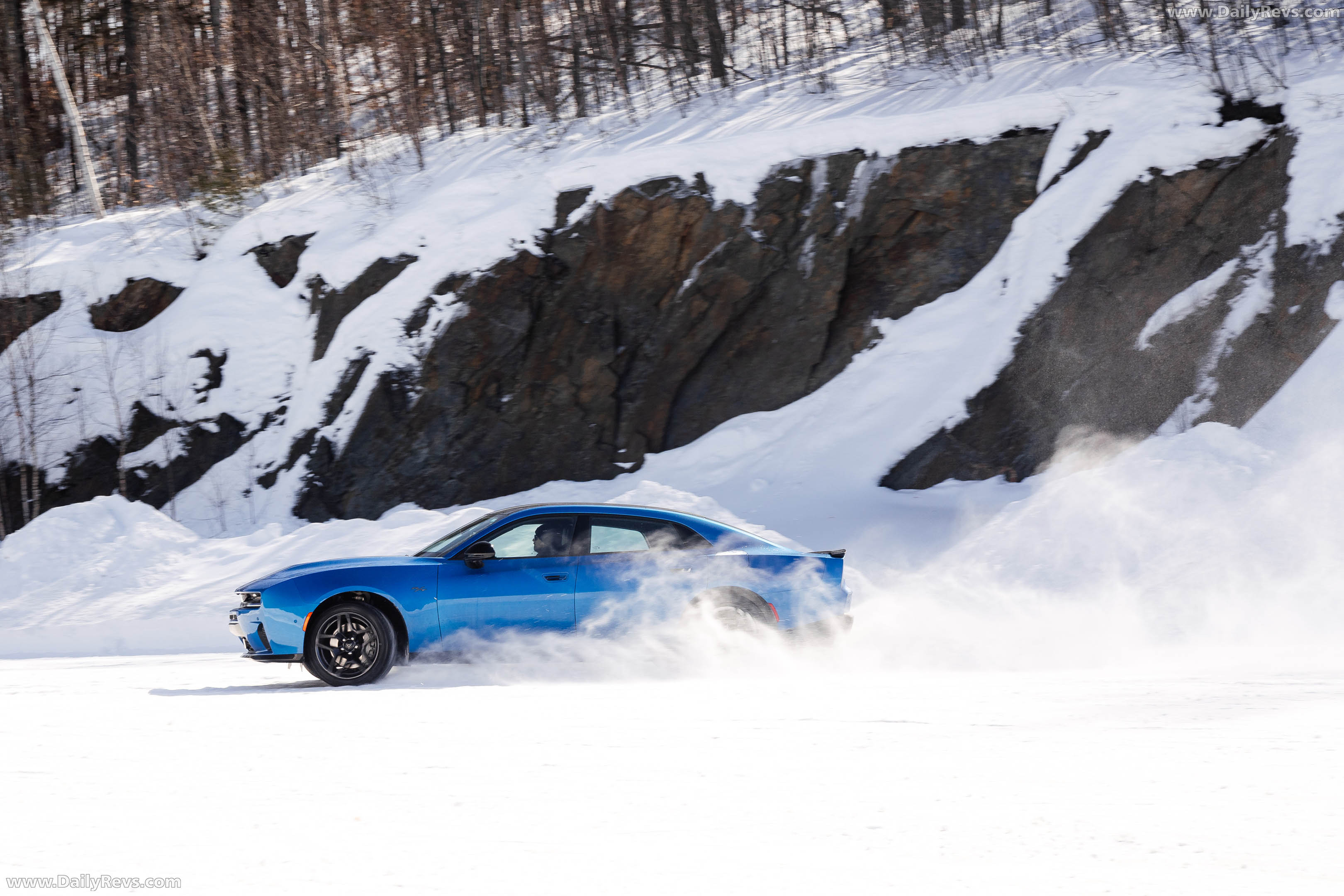
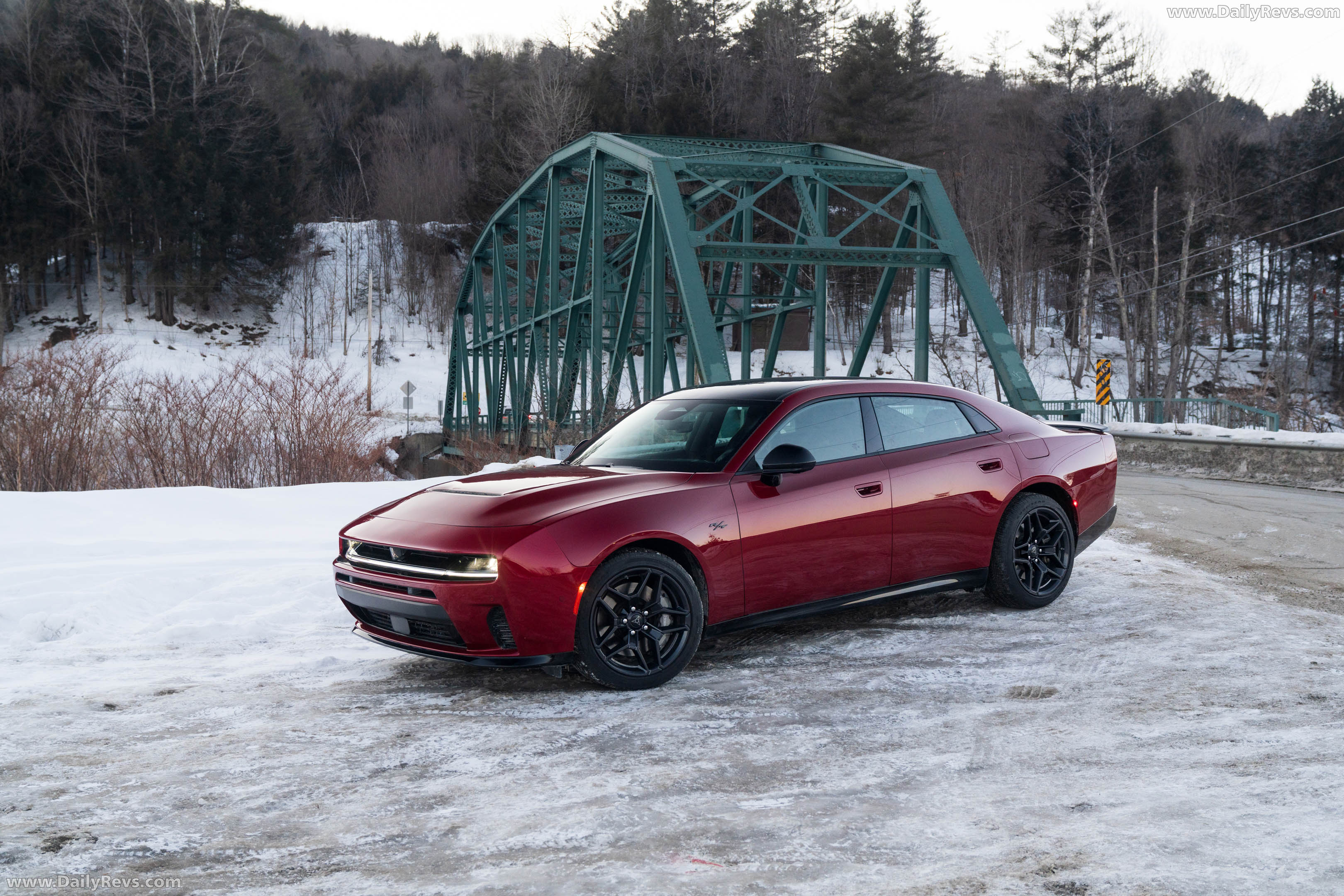
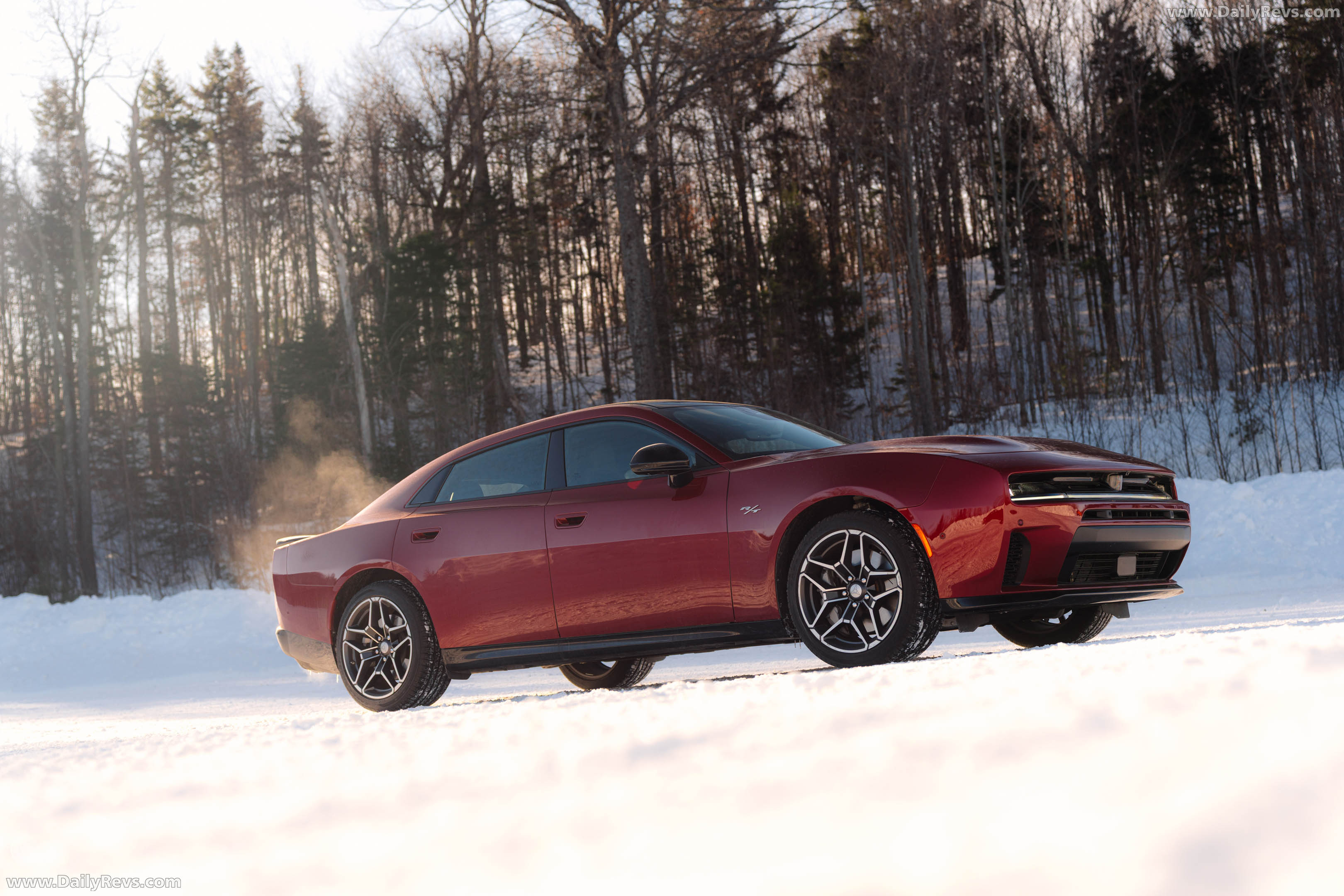
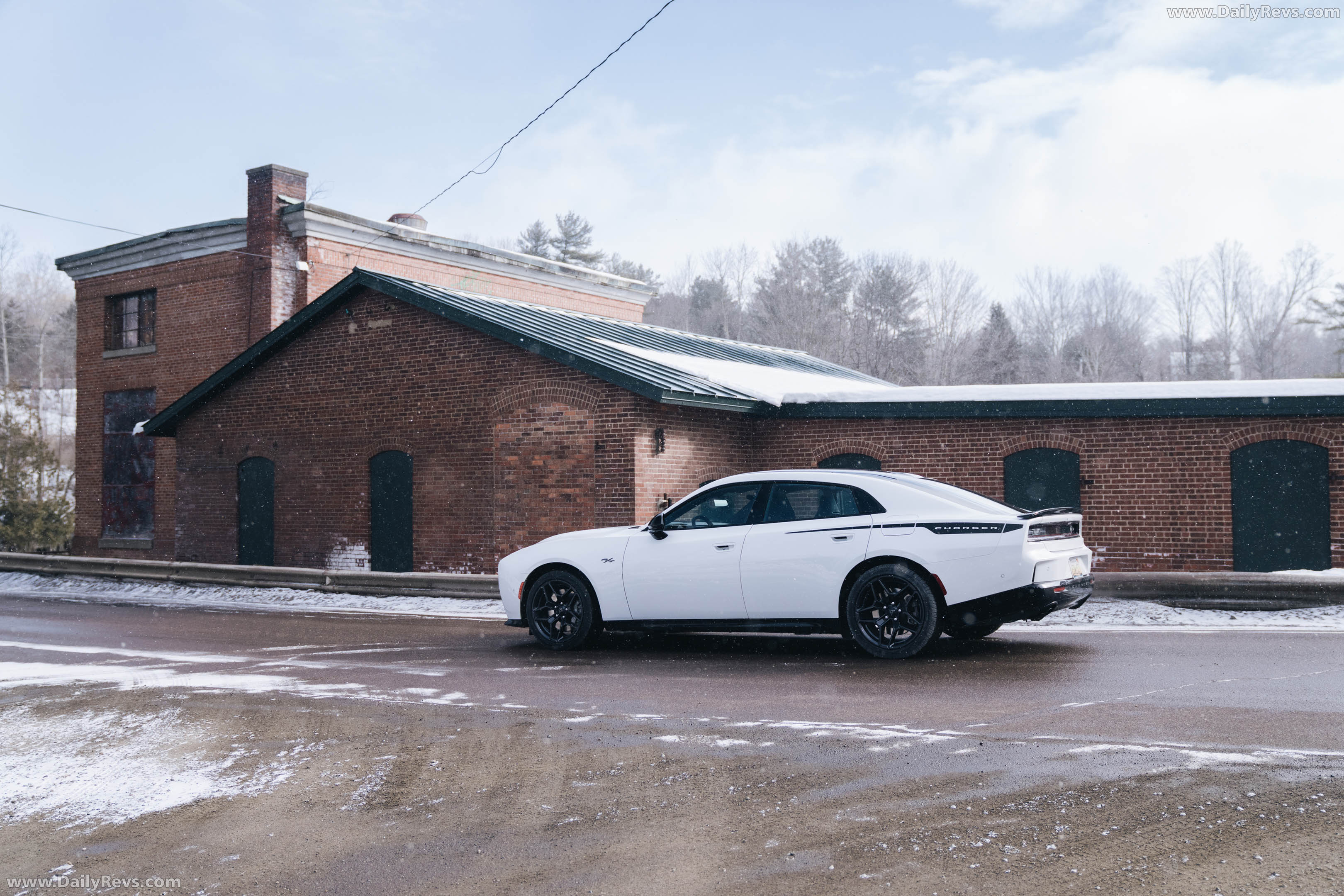
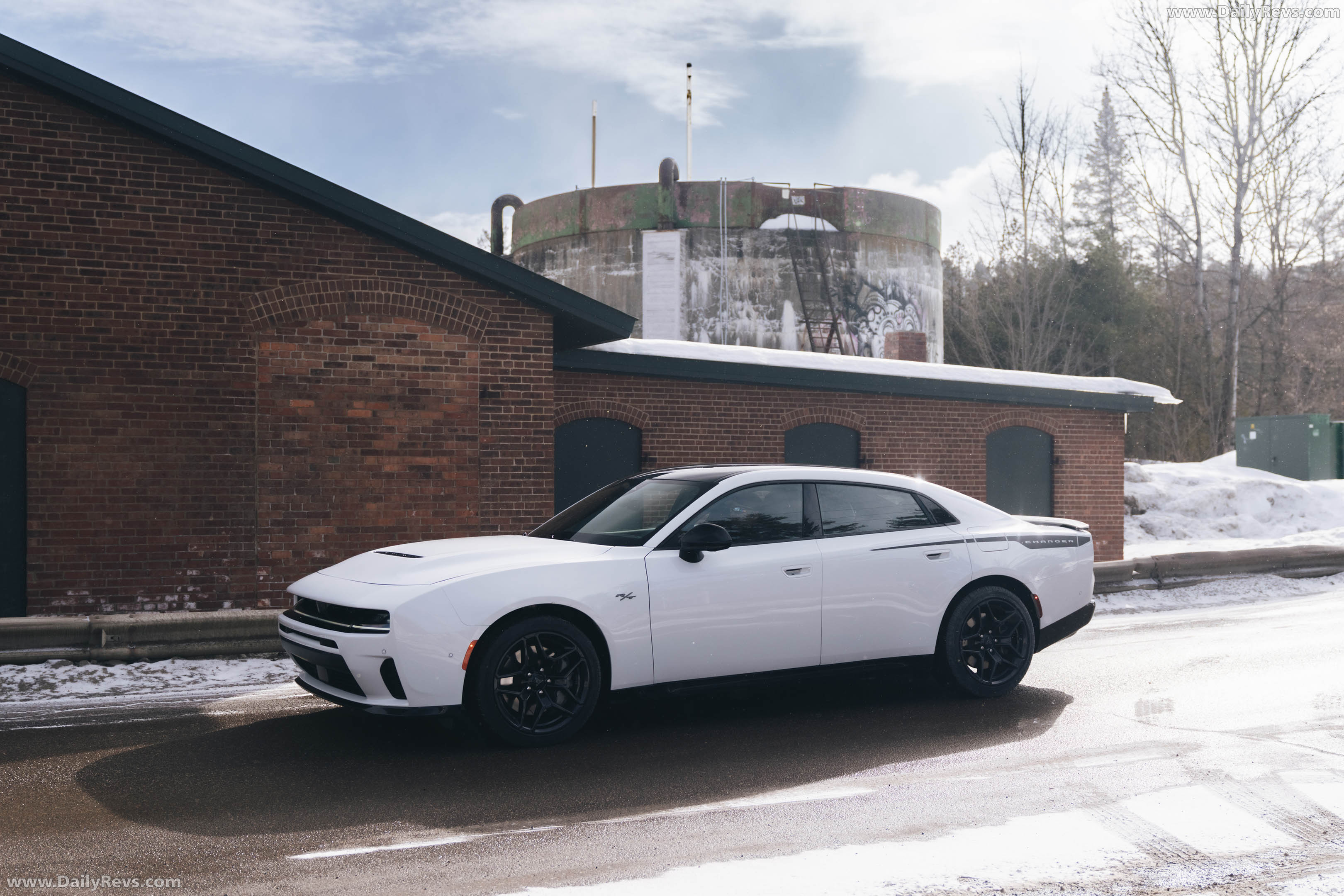
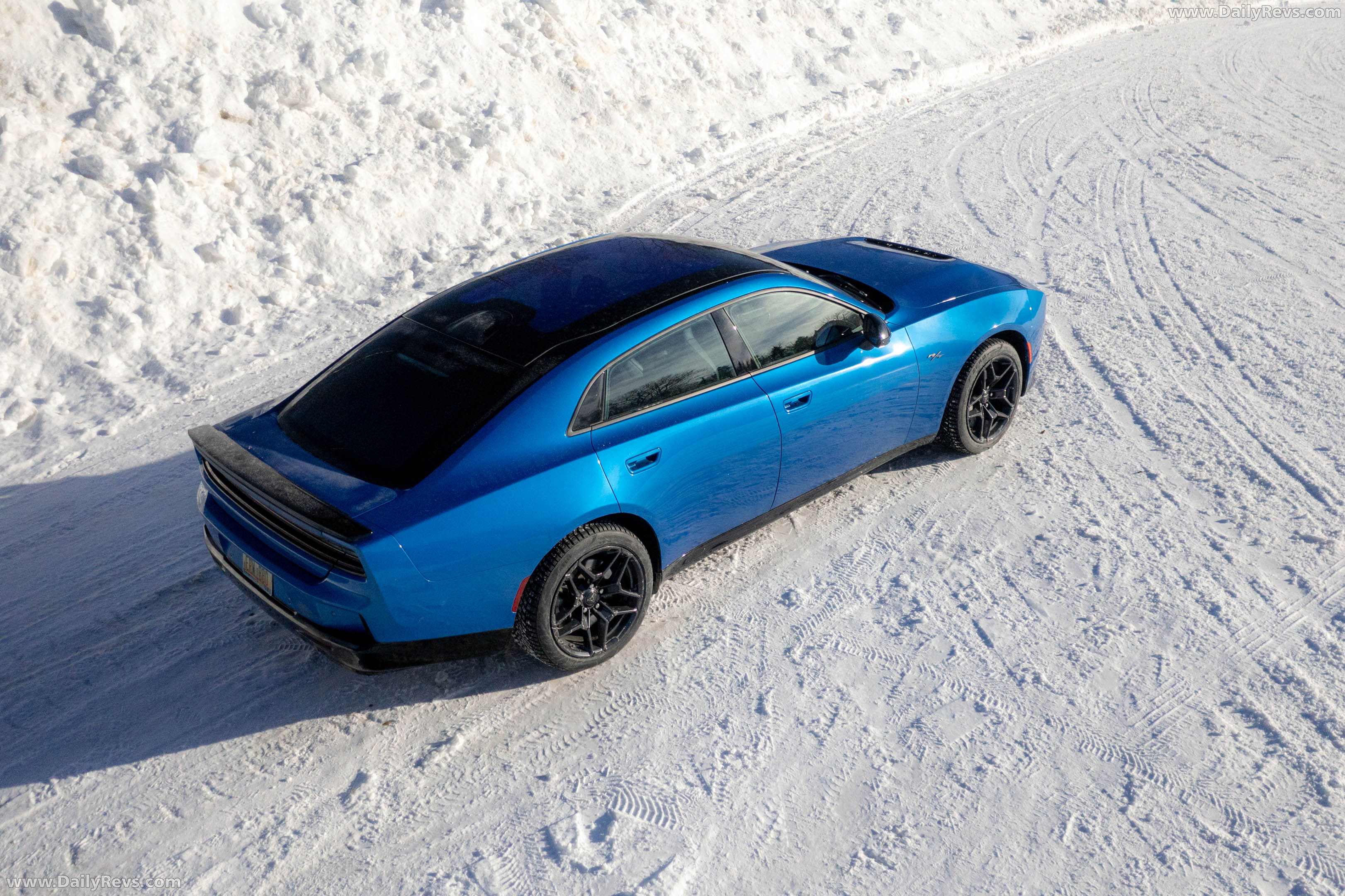
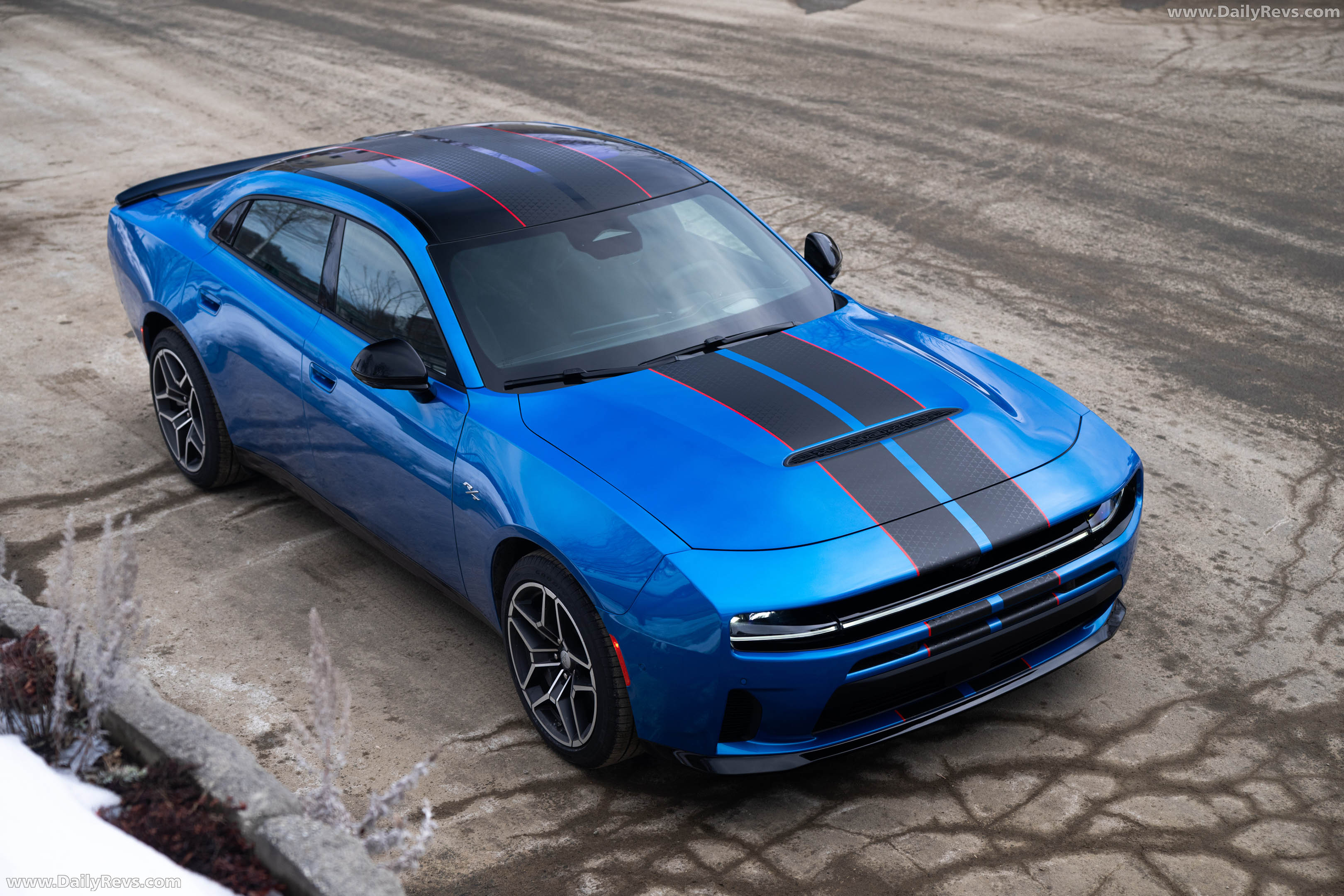
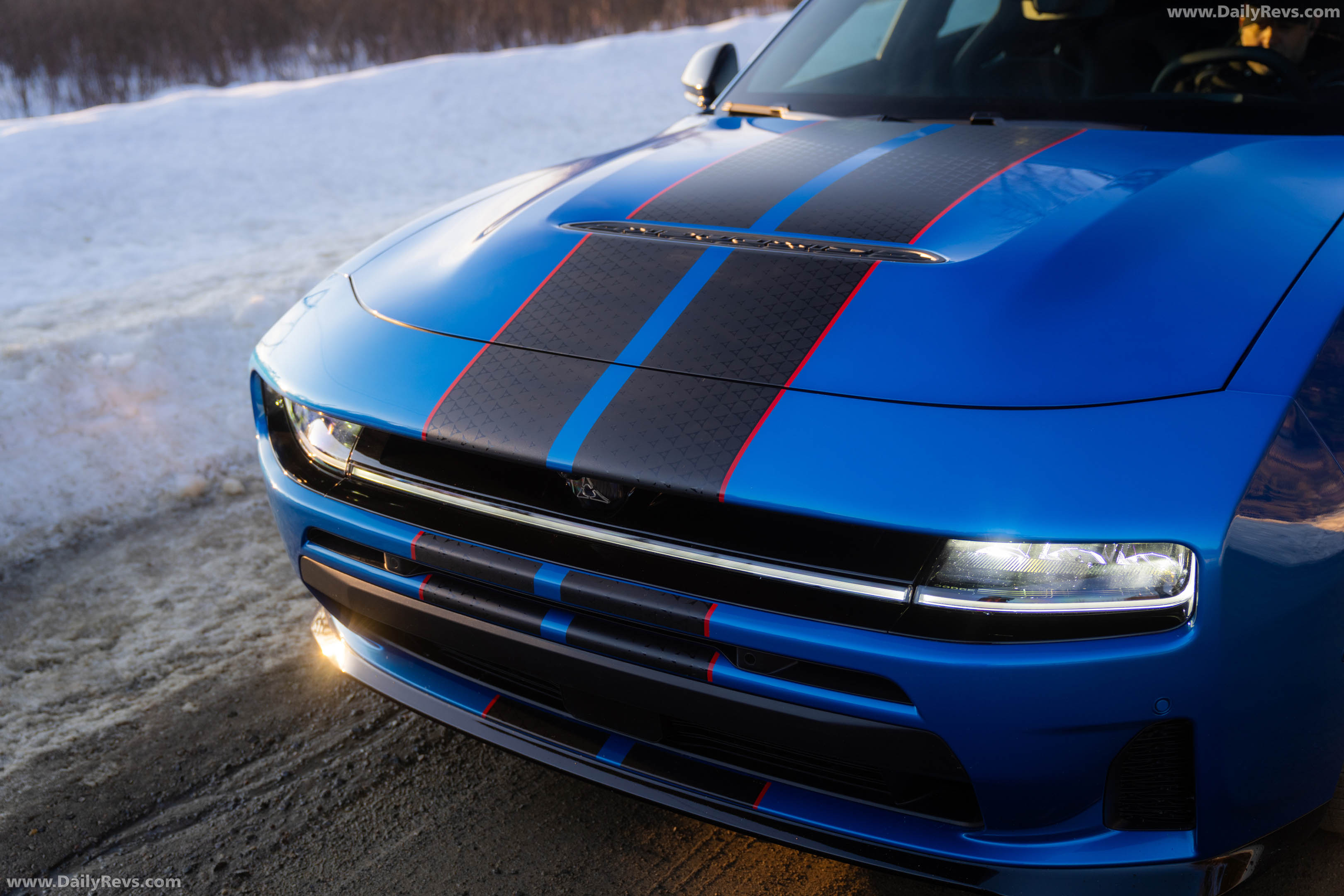
Visually, the Charger Sedan SIXPACK leans heavily on familiar muscle-car proportions. The car's broad body and planted stance highlight its performance goal.
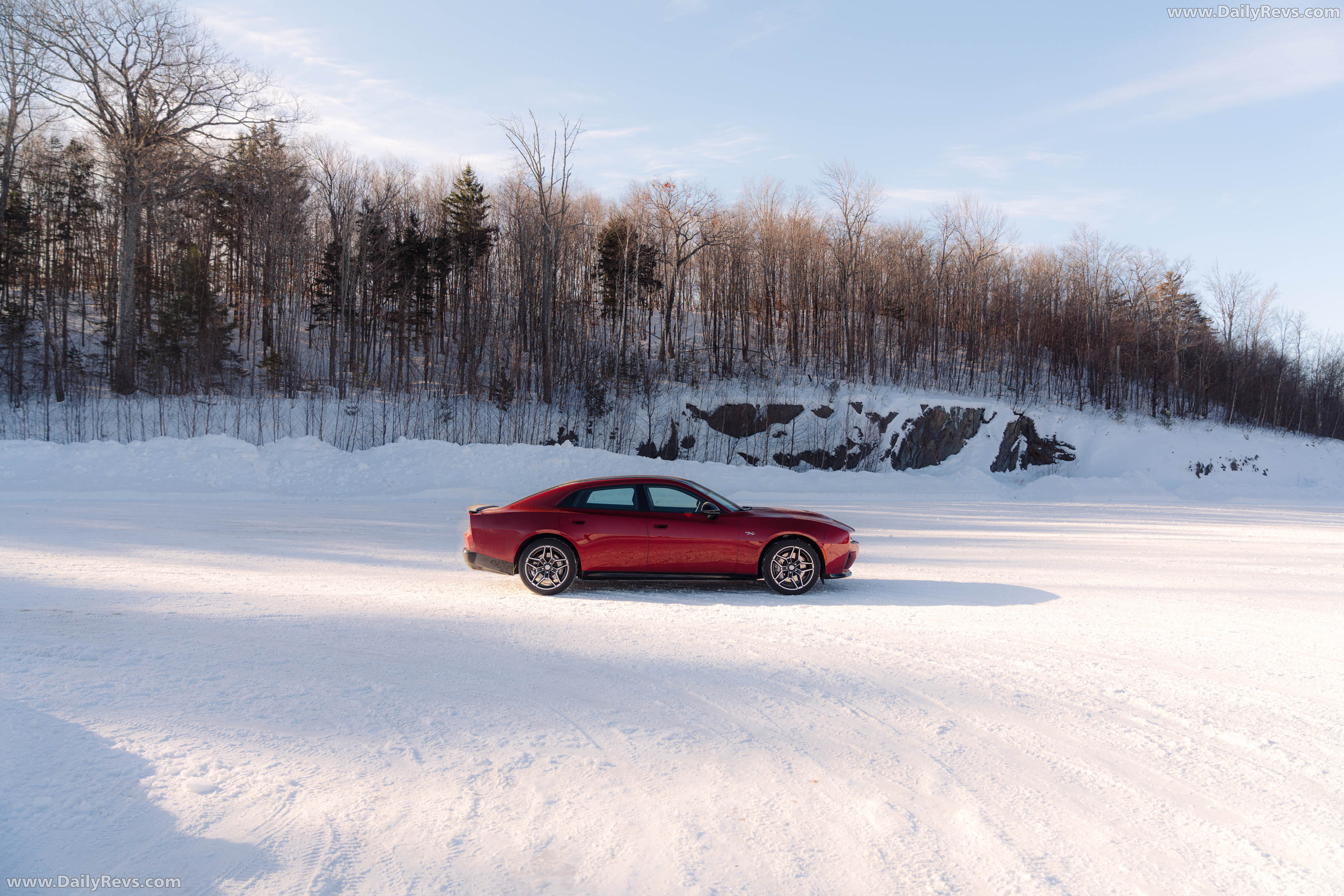
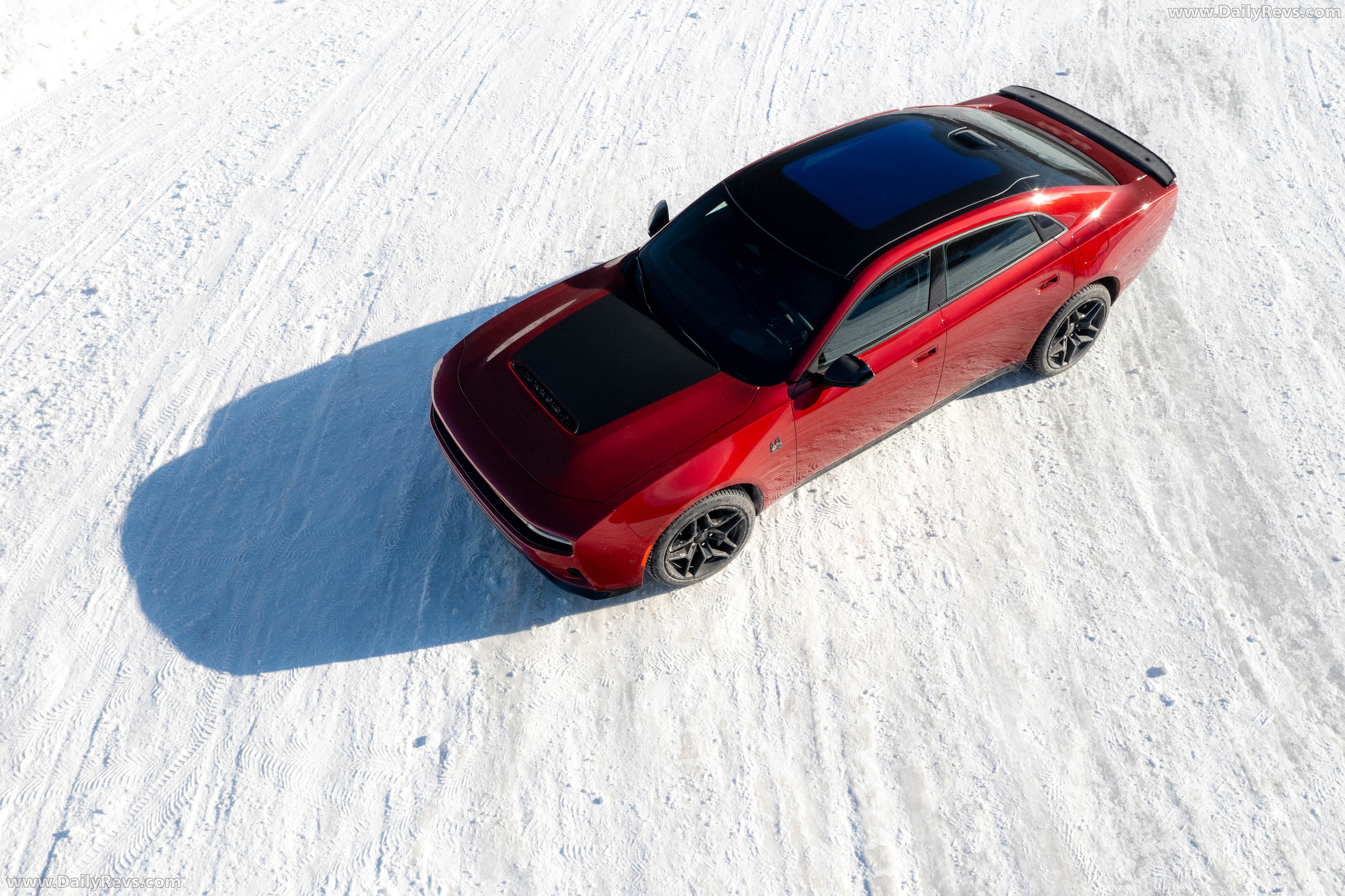
The silhouette carries classic Dodge cues: long hood, broad shoulders and a relatively upright rear section. Those surfaces are clean and purposeful rather than overly sculpted. The design references earlier Chargers while adapting them to a modern platform.
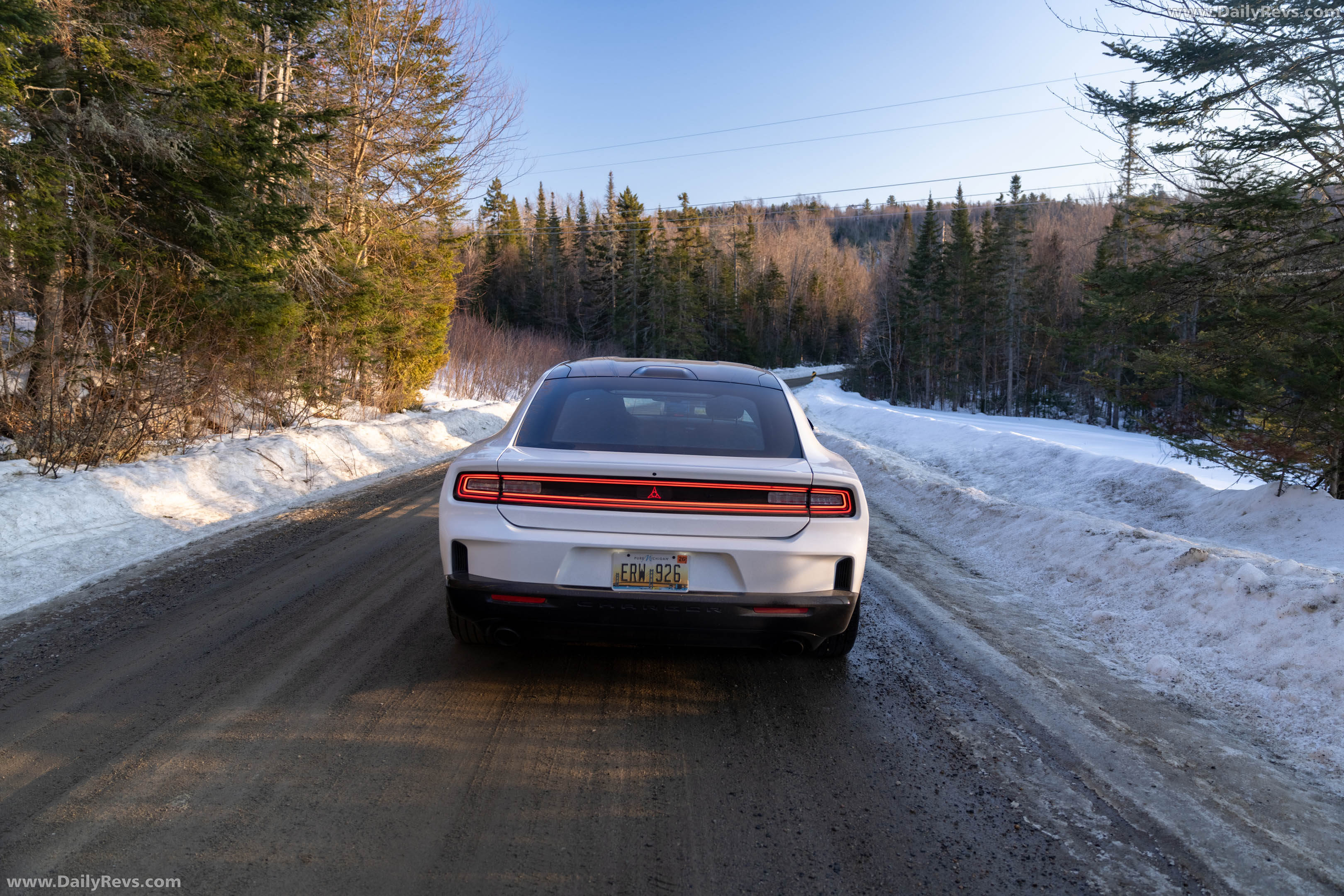
The technique provides significantly more storage flexibility than previous Charger generations.
The result is a car that reads visually as a muscle sedan but behaves more like a performance hatch when it comes to cargo.
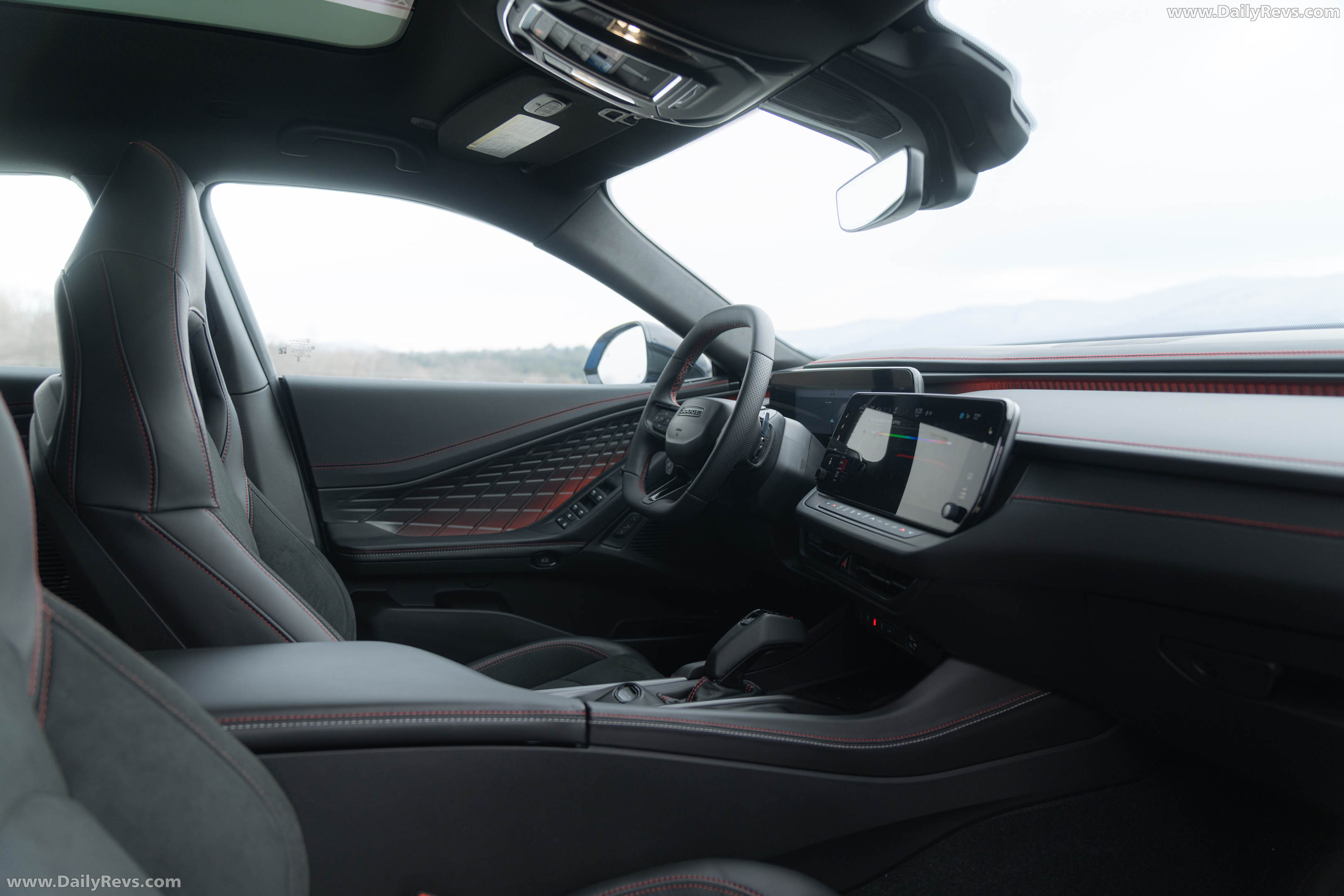
Driver-focused interior and digital interface
The
dashboard is anchored by a 12.3-inch central touchscreen, a 10.25-inch
digital instrument display, and an optional 16-inch driver cluster.
The interior retains traditional muscle-car cues such as a pistol-grip shifter positioned near the engine start button.
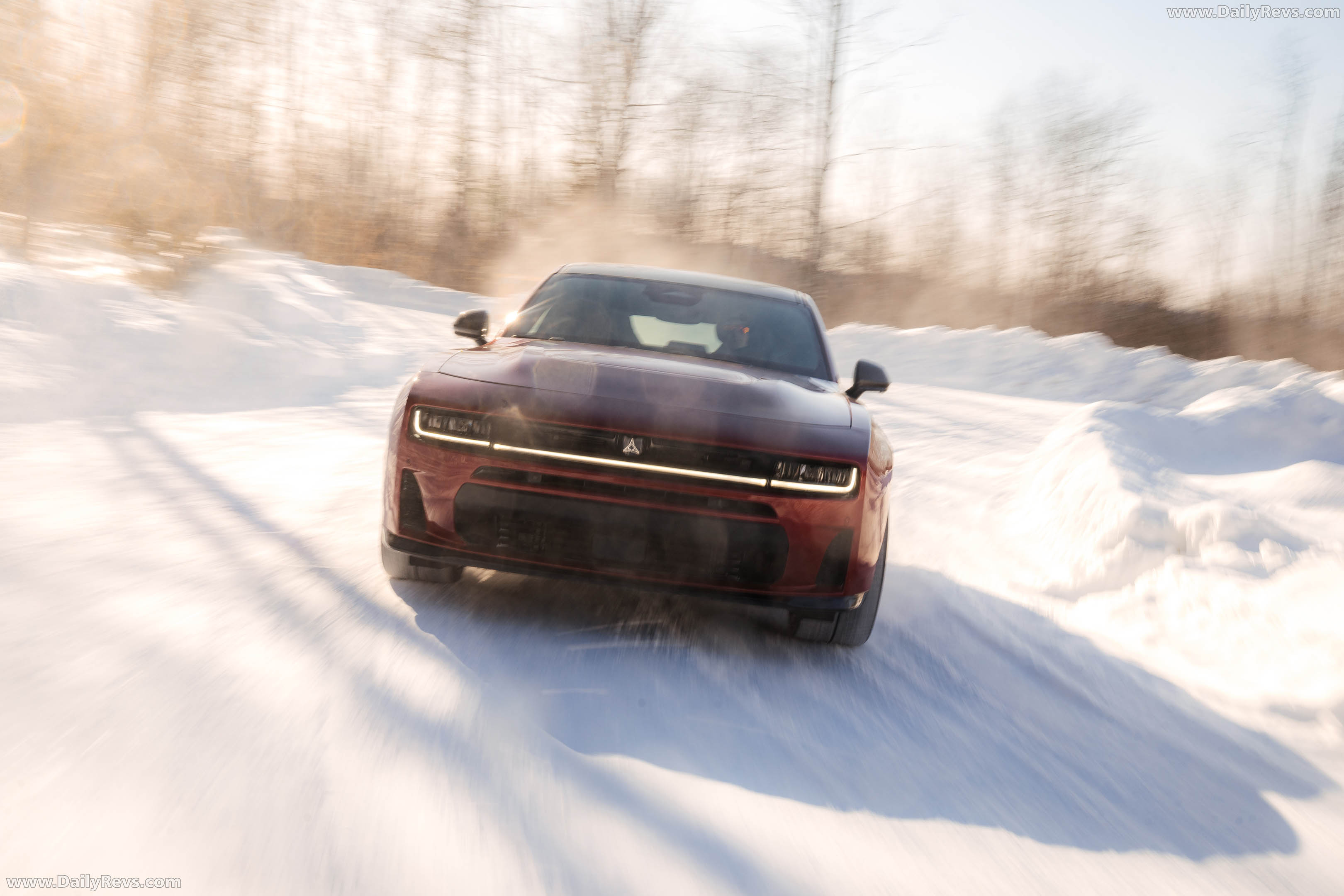
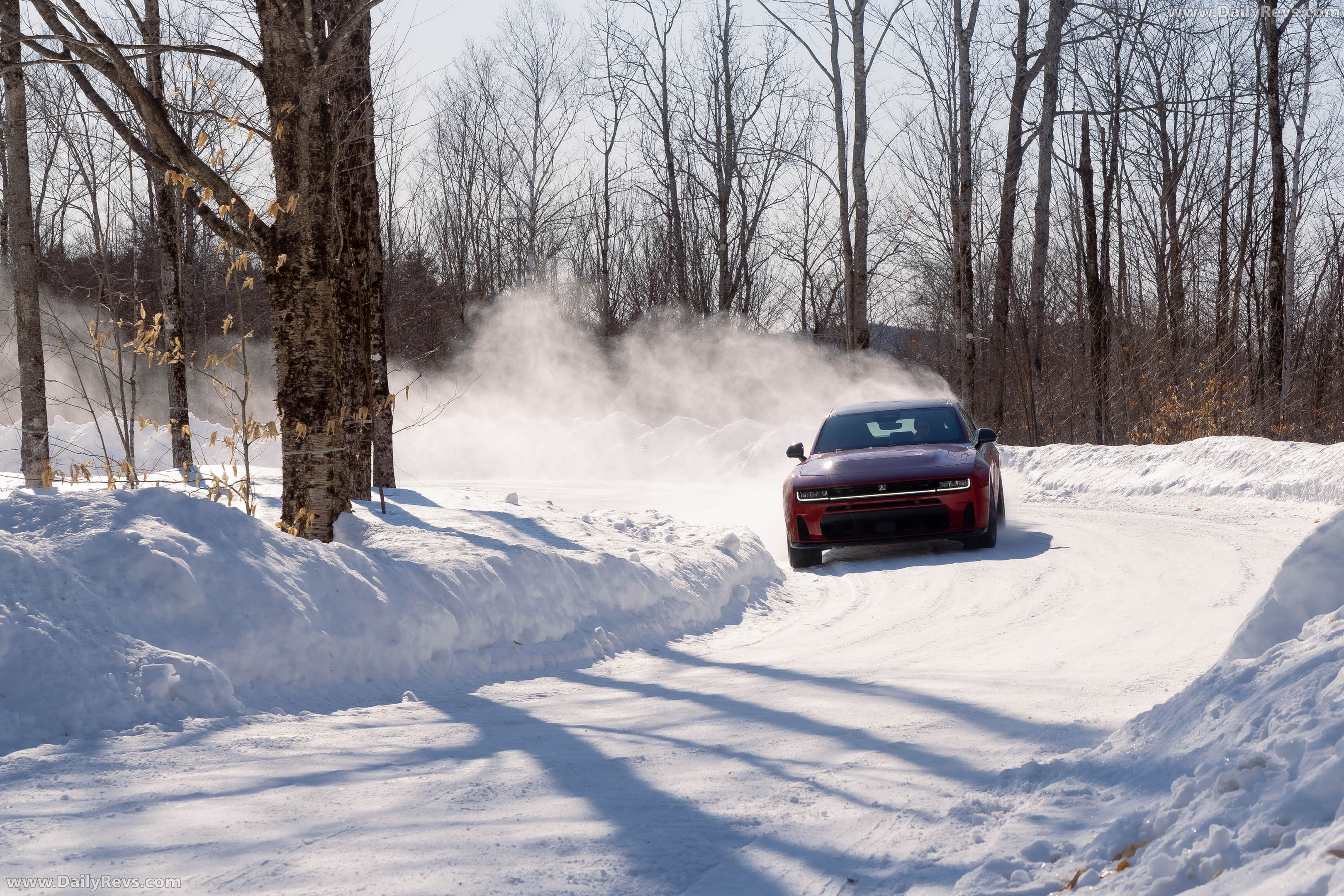
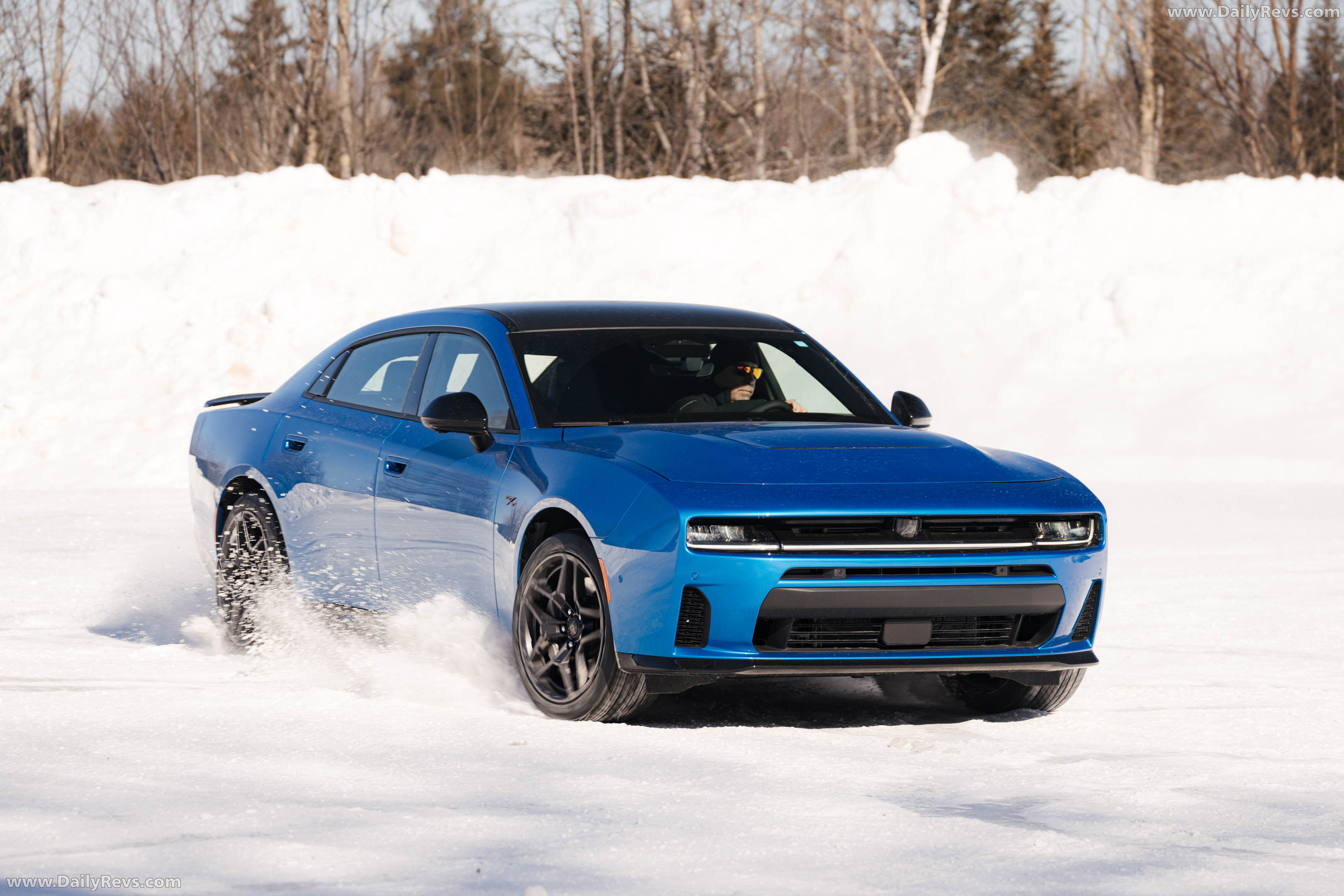
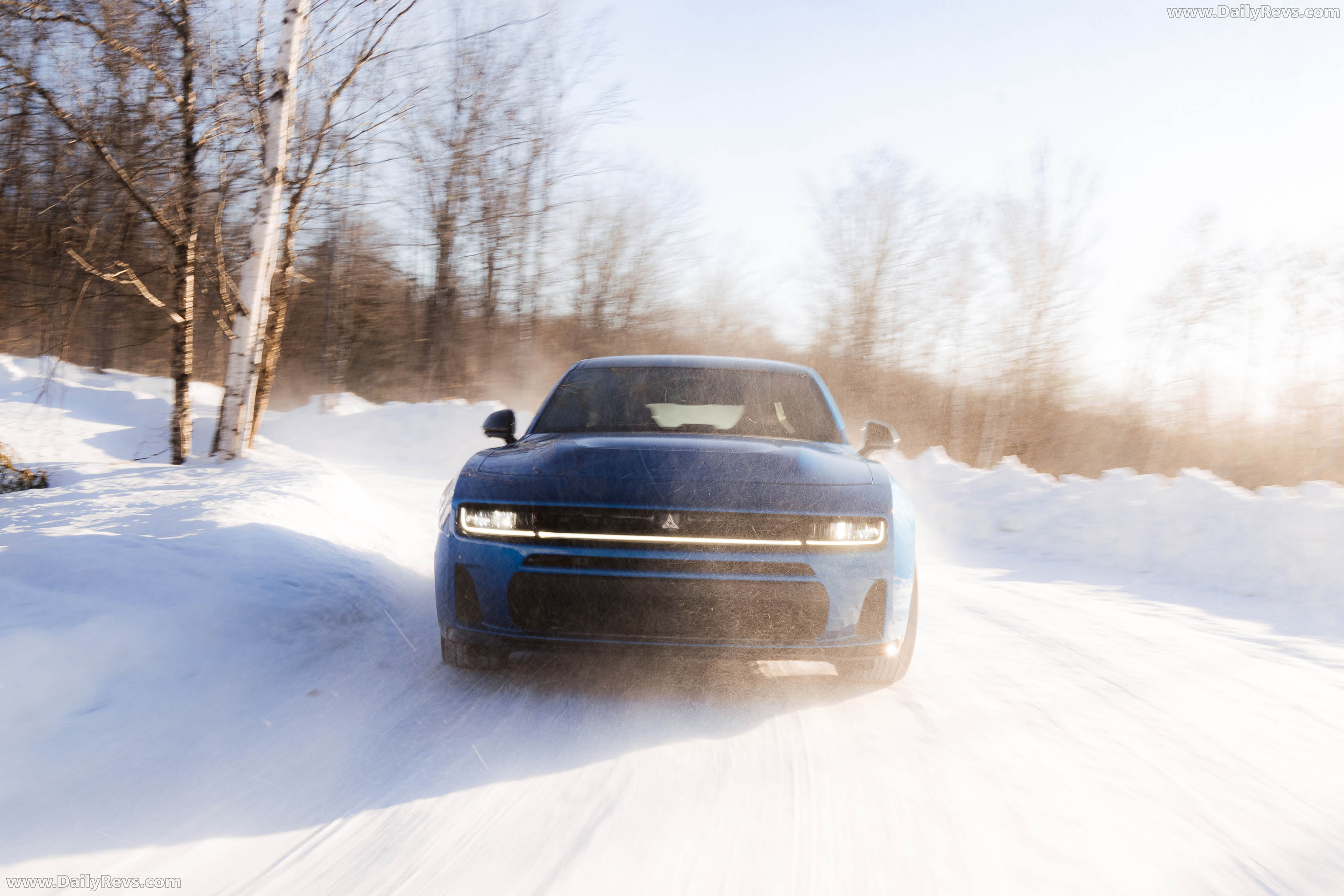
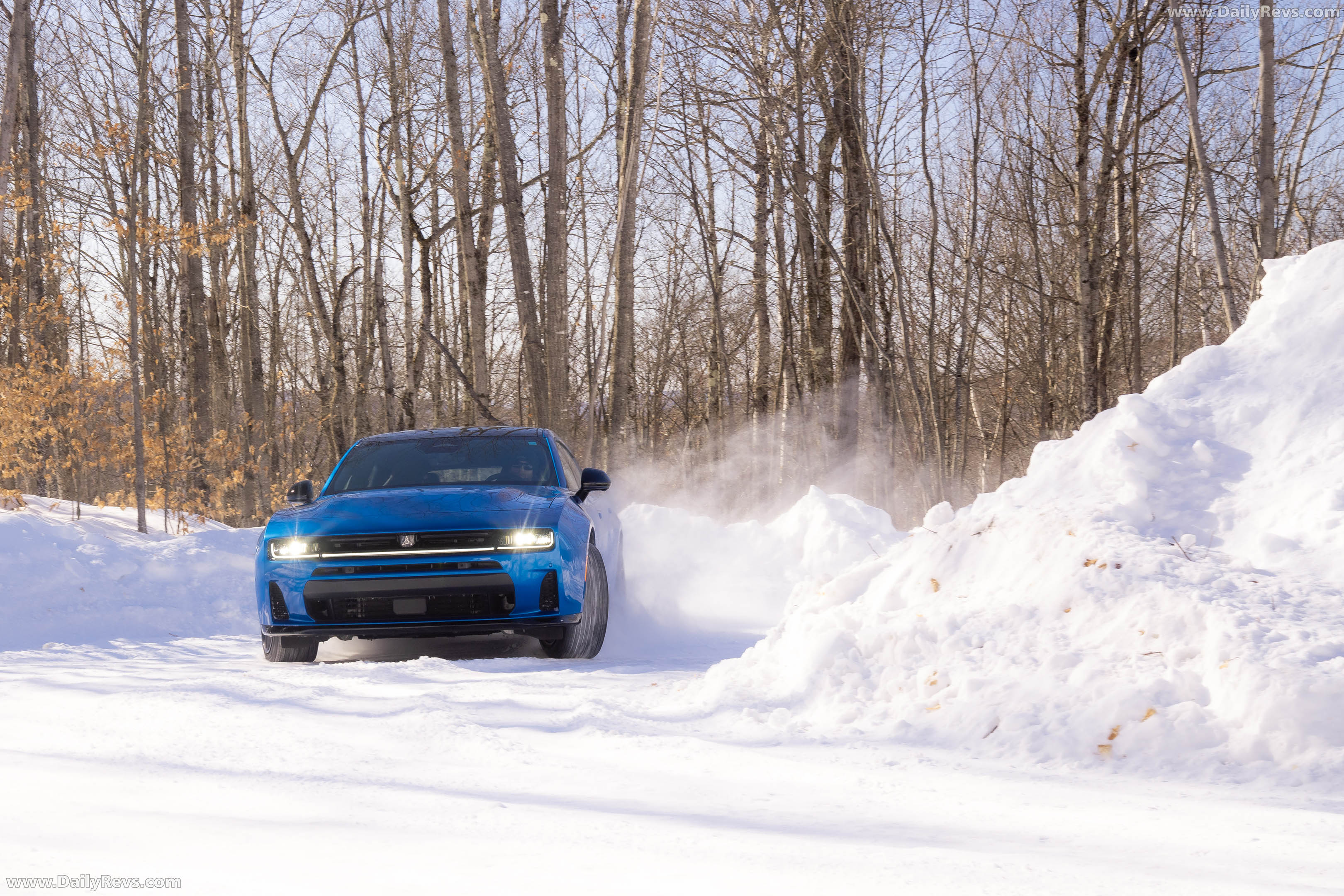
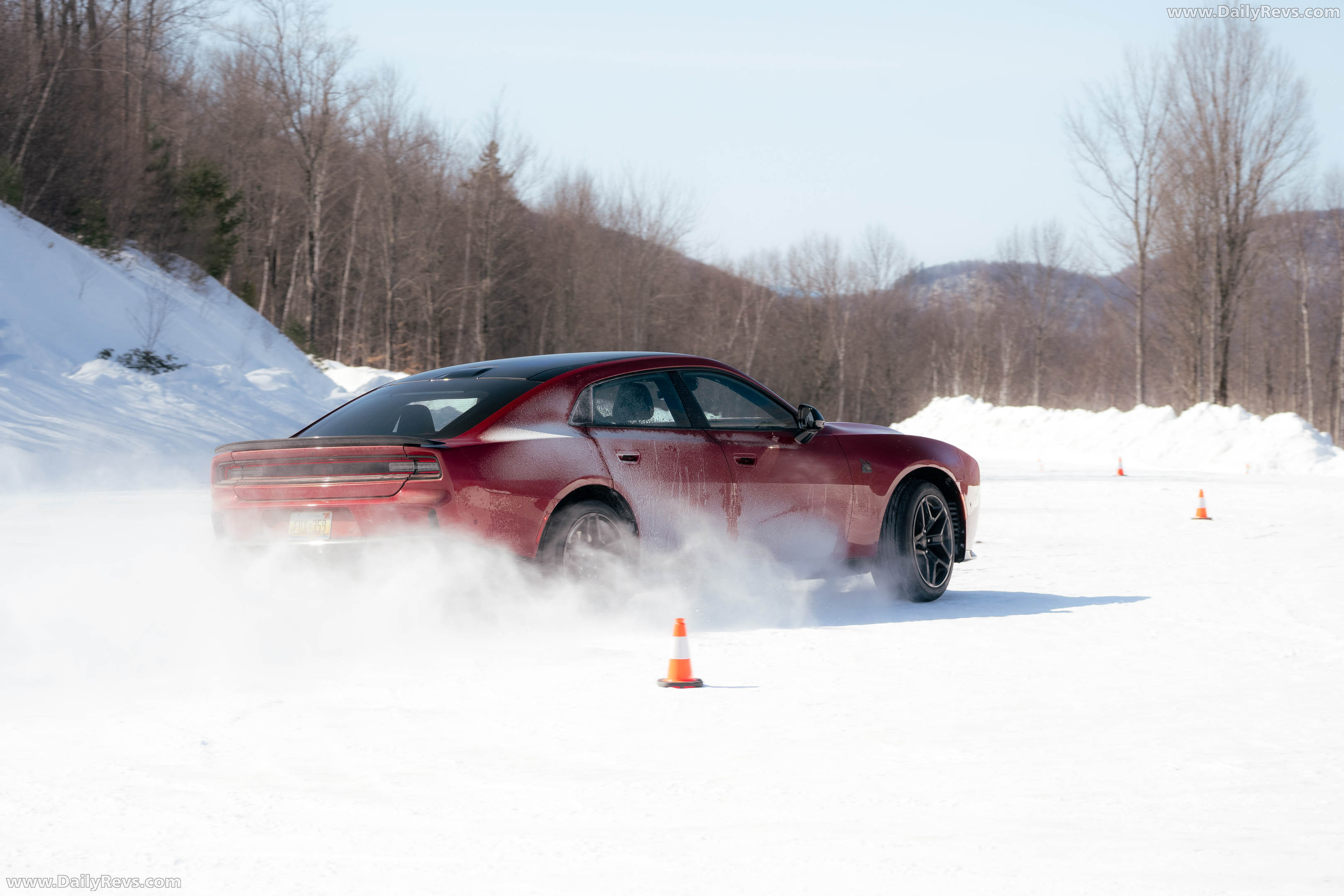
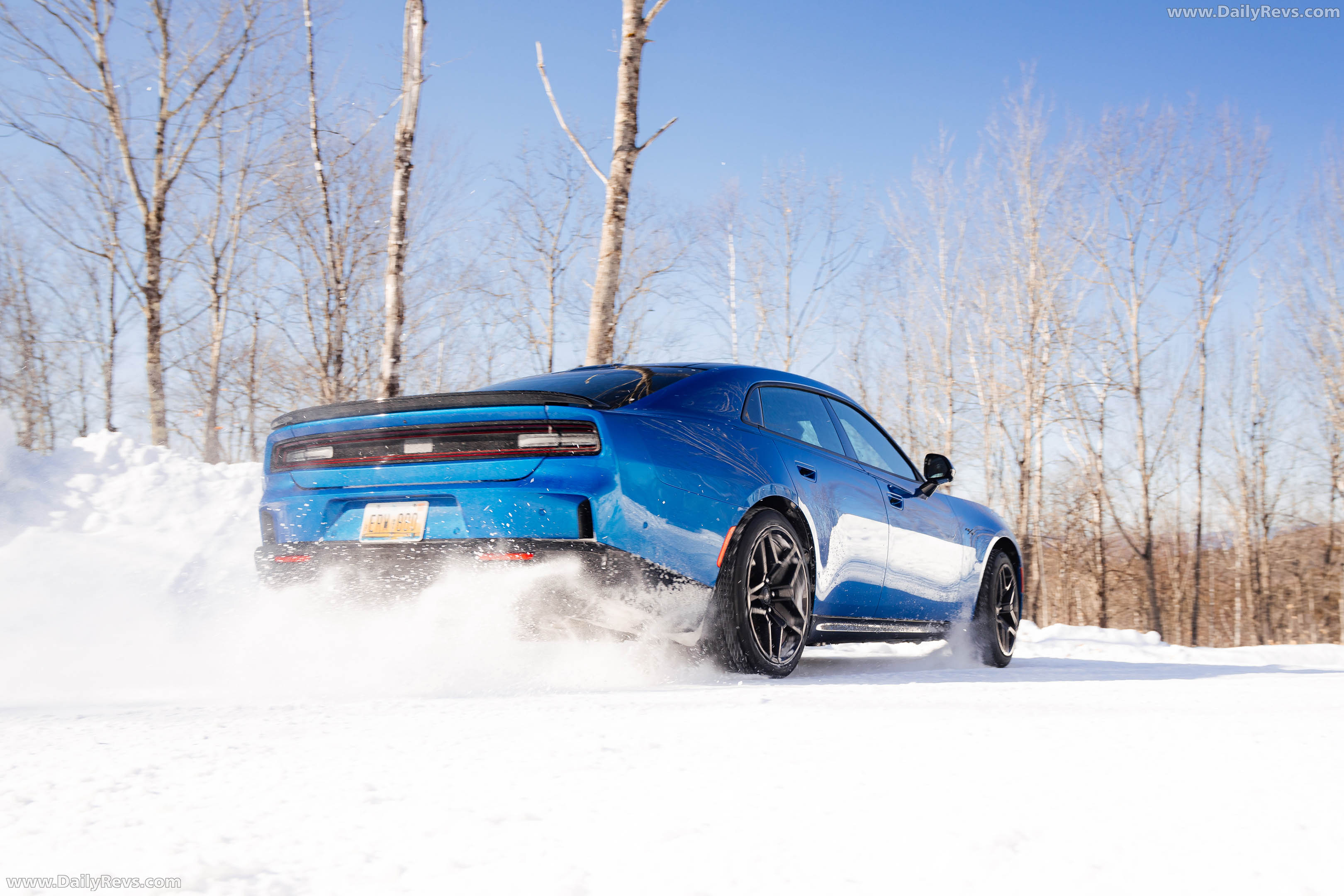
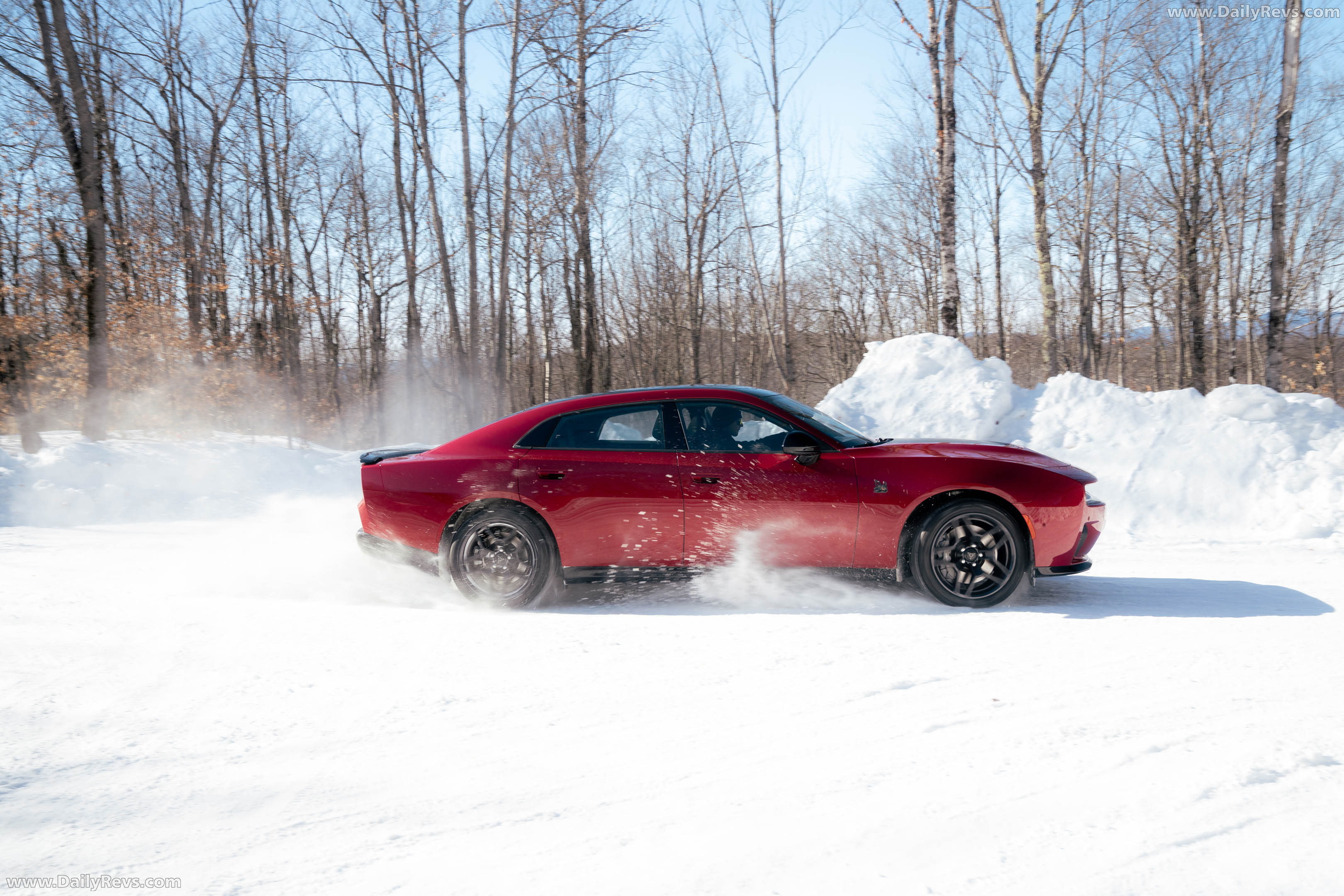
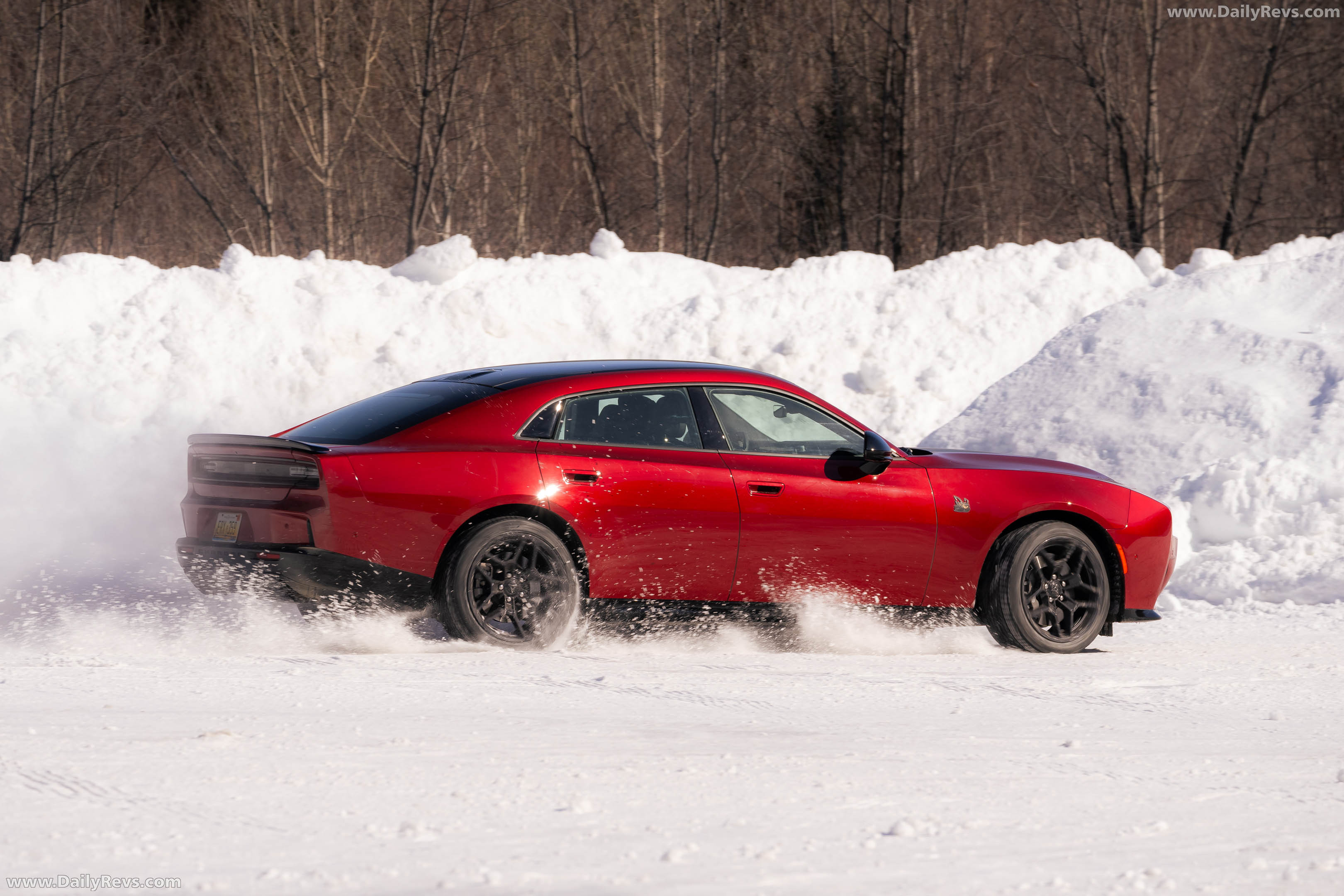
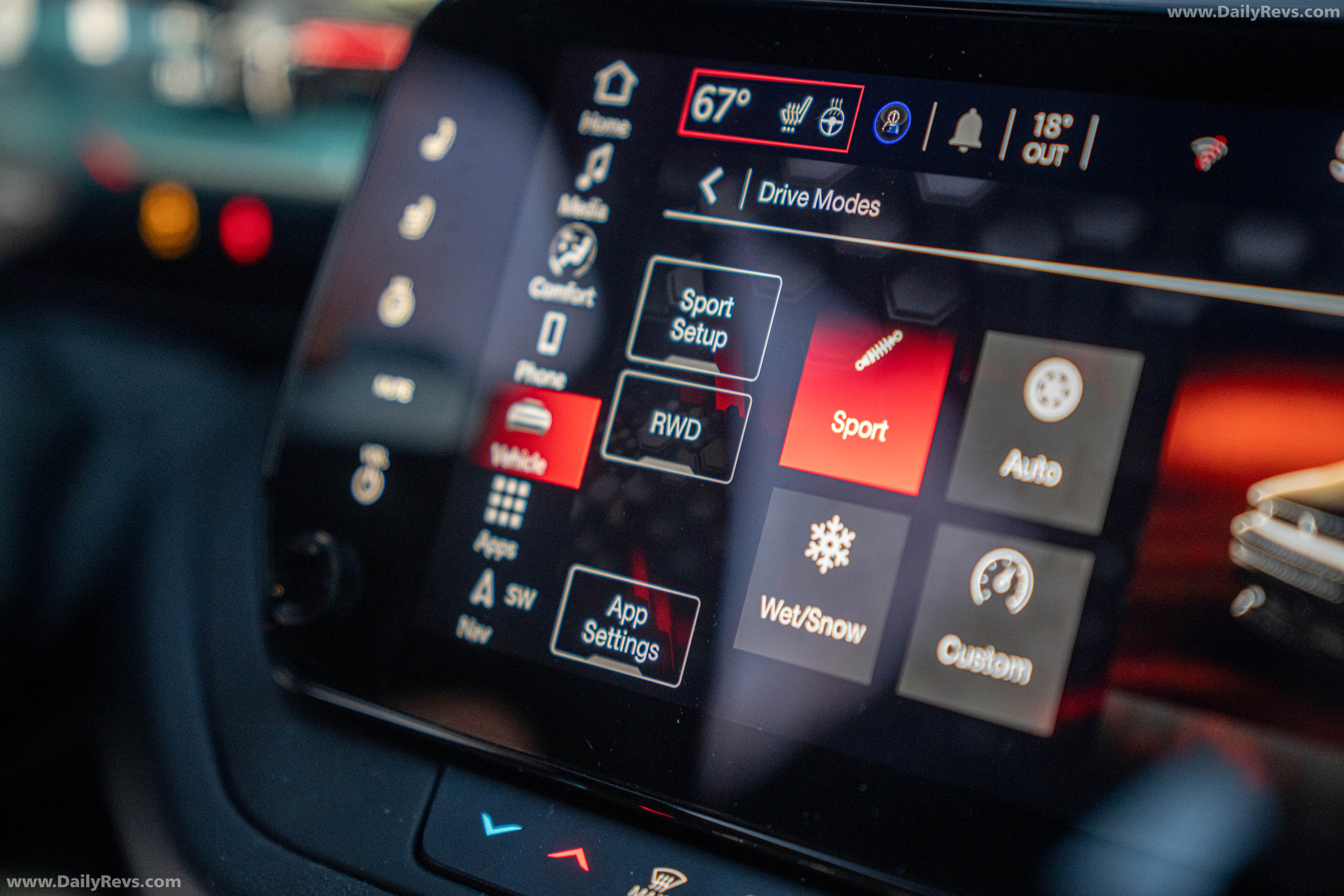
Selectable drive modes — including Auto, Sport, Eco and Wet/Snow — allow drivers to adjust the vehicle’s behavior depending on road conditions.
Optional packages introduce additional performance hardware, including Brembo braking systems, performance suspension tuning and launch control functionality.
Twin Turbo SIXPACK Inline Six Performance
Powering the Charger Sedan SIXPACK is a 3.0-liter twin-turbocharged inline-six, known internally as the SIXPACK standard-output engine.
The powerplant produces 420 horsepower and 468 lb-ft of torque, giving the sedan strong acceleration figures for the segment. Dodge claims 0–60 mph in 4.6 seconds, with the quarter-mile completed in 12.9 seconds.
Compared with the outgoing 5.7-liter HEMI Charger R/T, the new engine adds 50 horsepower and 73 lb-ft of torque while reducing acceleration times.
Twin low-inertia turbochargers deliver up to 22 psi of boost, with peak torque arriving early in the rev range, helping deliver strong low-end response.
Practical Muscle Car Packaging
Despite its performance credentials, the Charger Sedan SIXPACK maintains an emphasis on everyday usability.
The hidden hatch design allows 37.4 cubic feet of cargo space, while folding rear seats further expand the available load area.
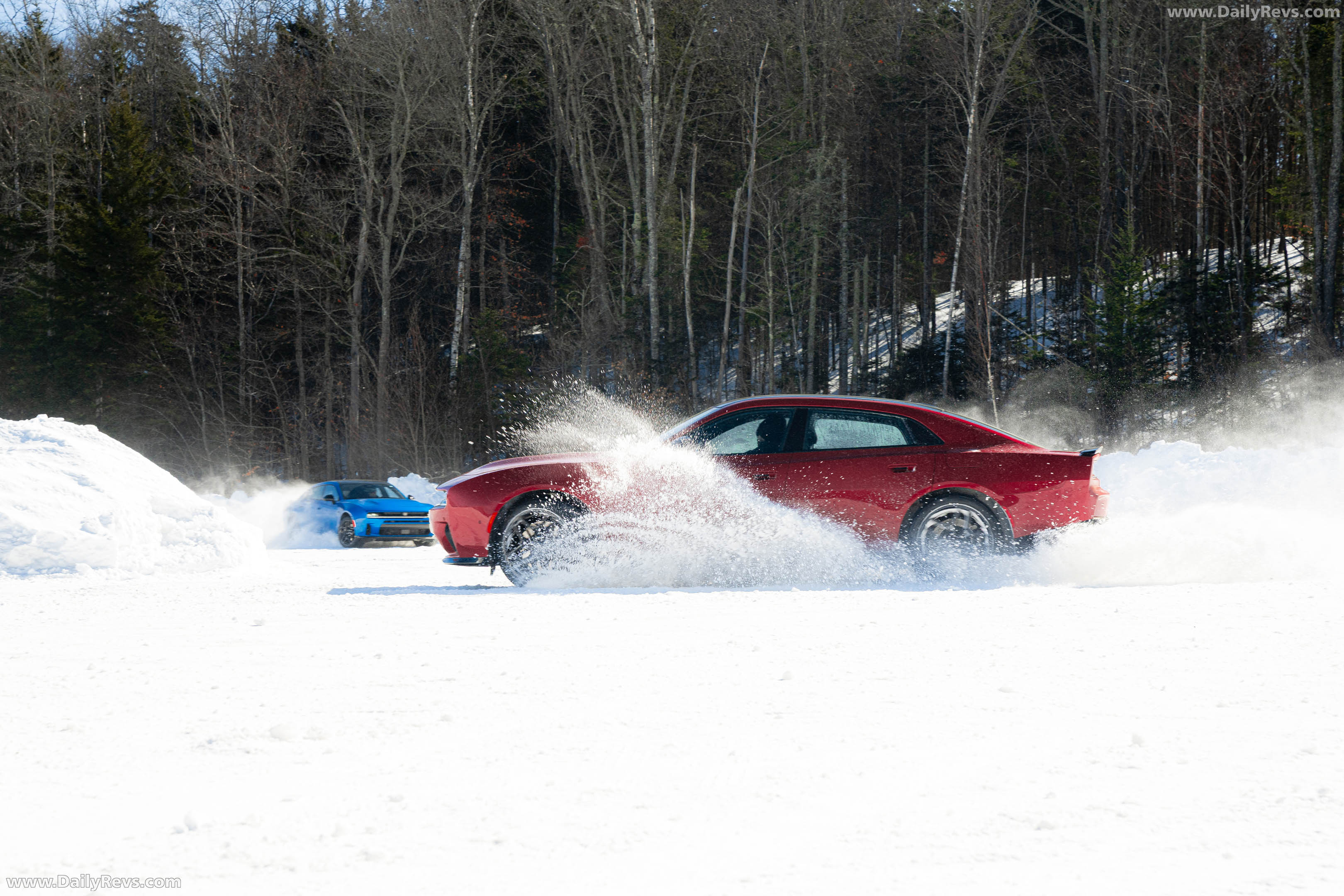
Standard all-wheel drive includes an on-demand rear-wheel-drive mode, allowing the driver to send full torque to the rear axle when desired.
The combination reflects Dodge’s attempt to balance traditional muscle-car character with the expectations of modern drivers.
Position Within Dodge’s Multi Energy Muscle Strategy
The Charger Sedan SIXPACK sits at the center of Dodge’s evolving performance strategy.
Above it in the lineup sits the 550-horsepower SIXPACK Scat Pack variant, while the electric Charger Daytona models introduce fully battery-powered performance options.
With a starting MSRP of $49,995, the Charger R/T variant positions itself as the most affordable all-wheel-drive muscle car in the American market.
For Dodge, the formula remains clear. Preserve the attitude of a muscle car. Add modern powertrain technology and practical usability. And, crucially, keep four doors in the mix.