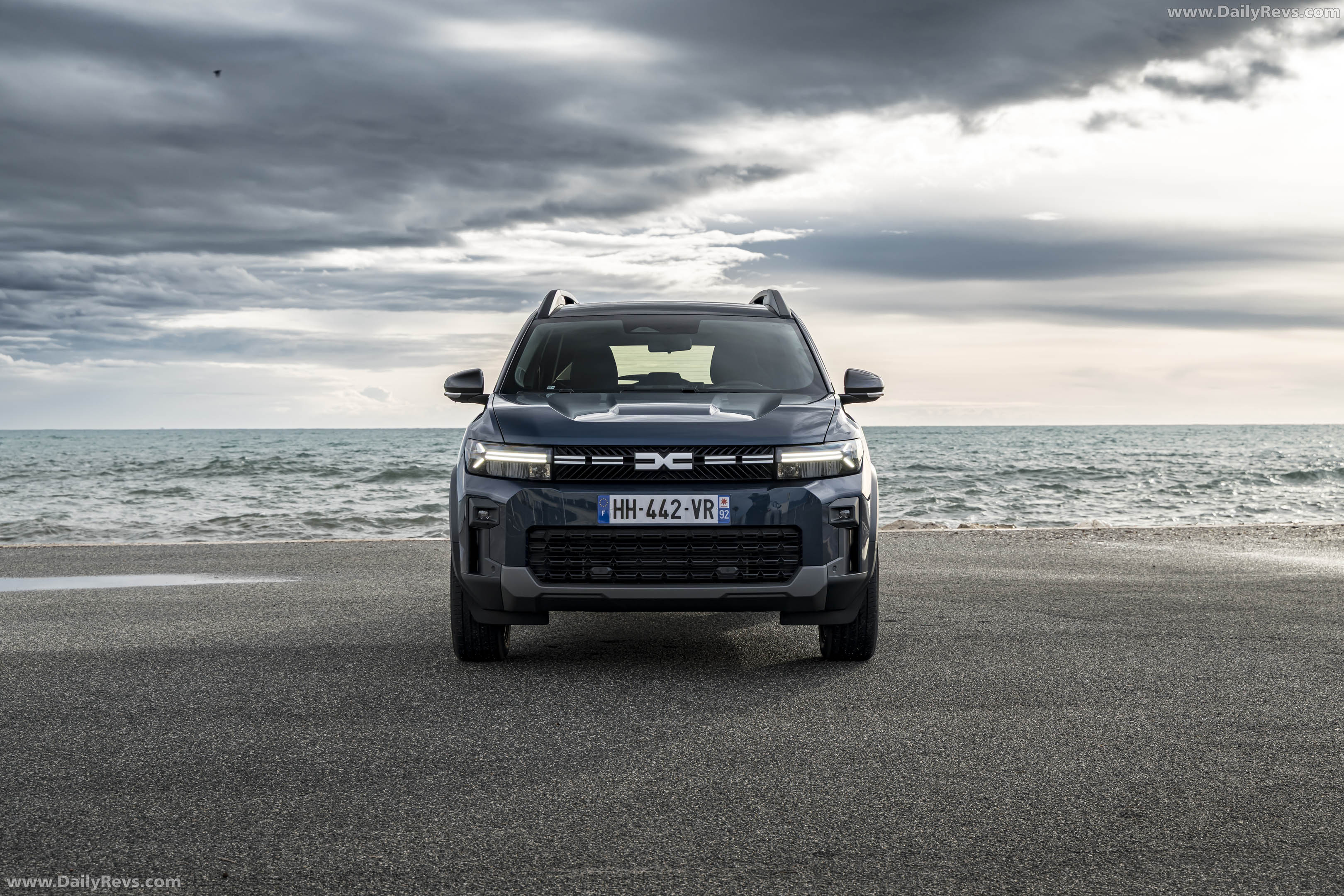
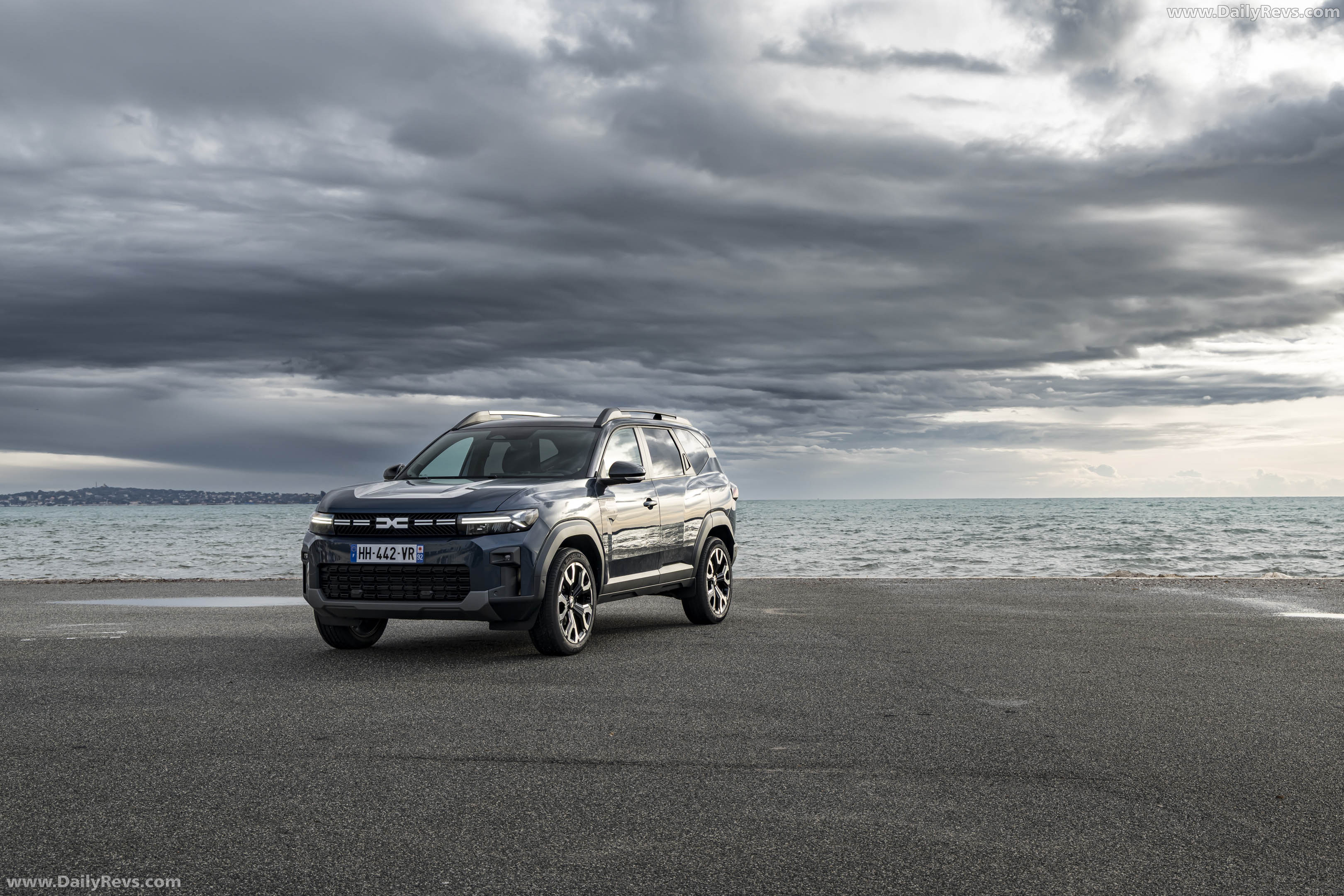
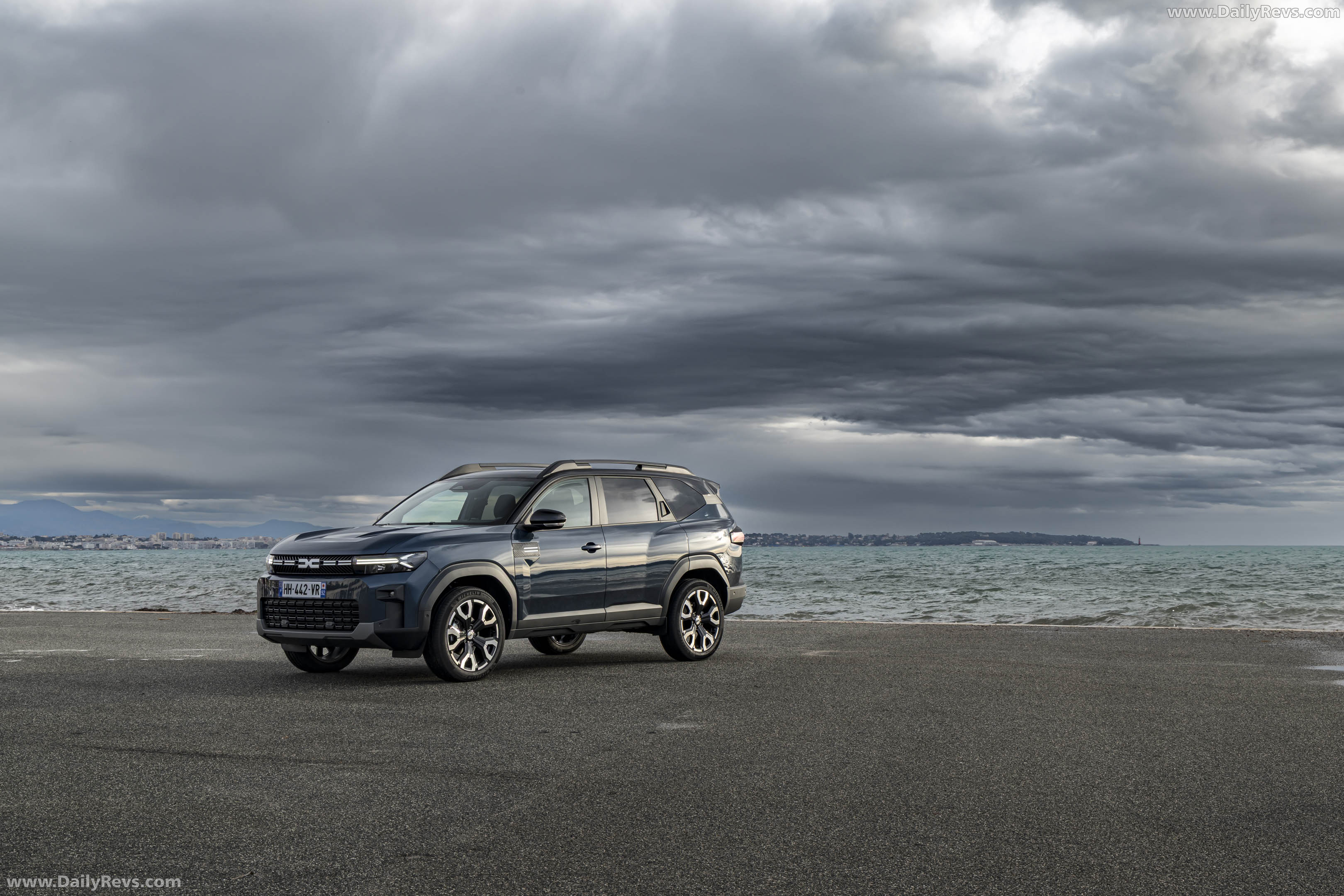
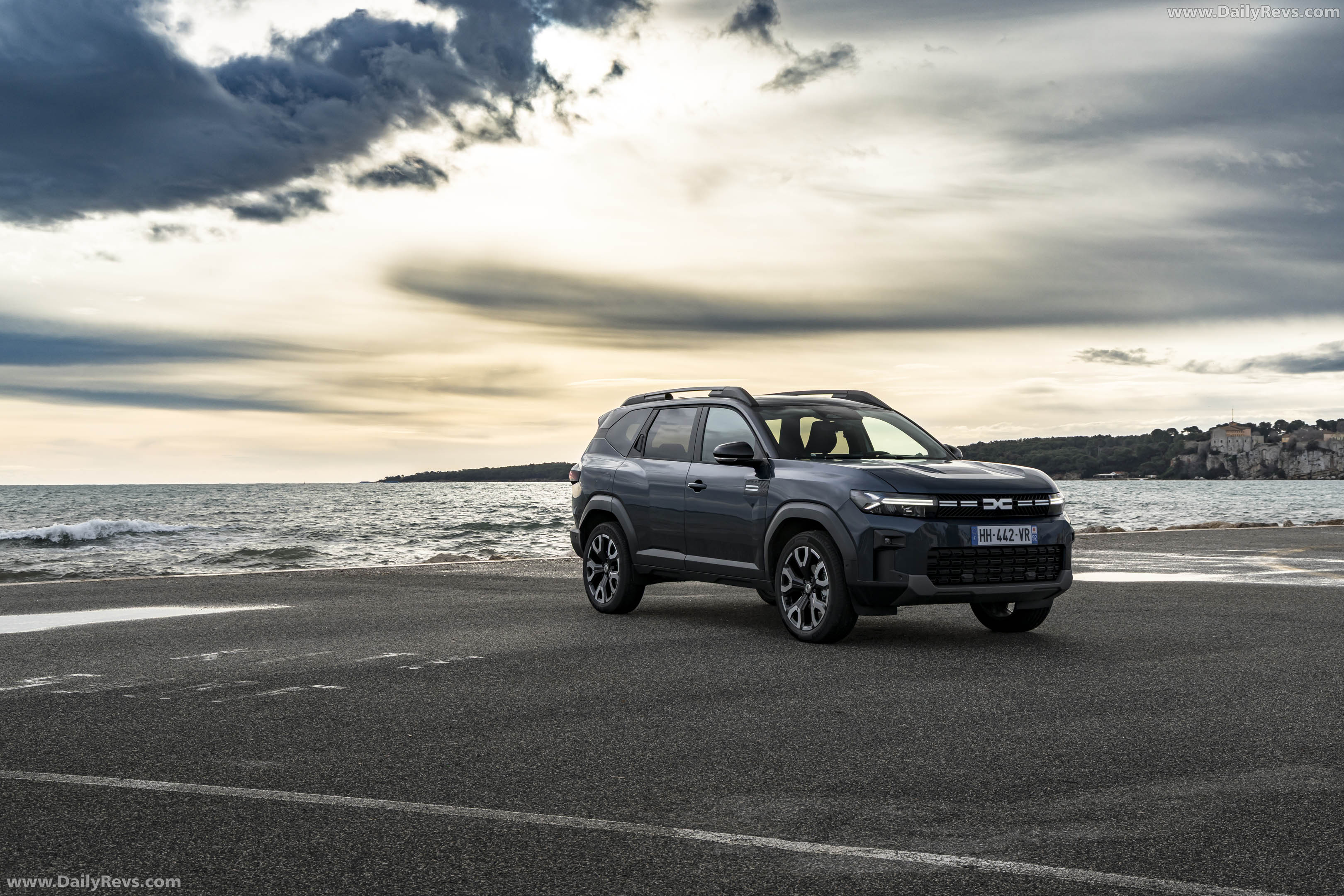
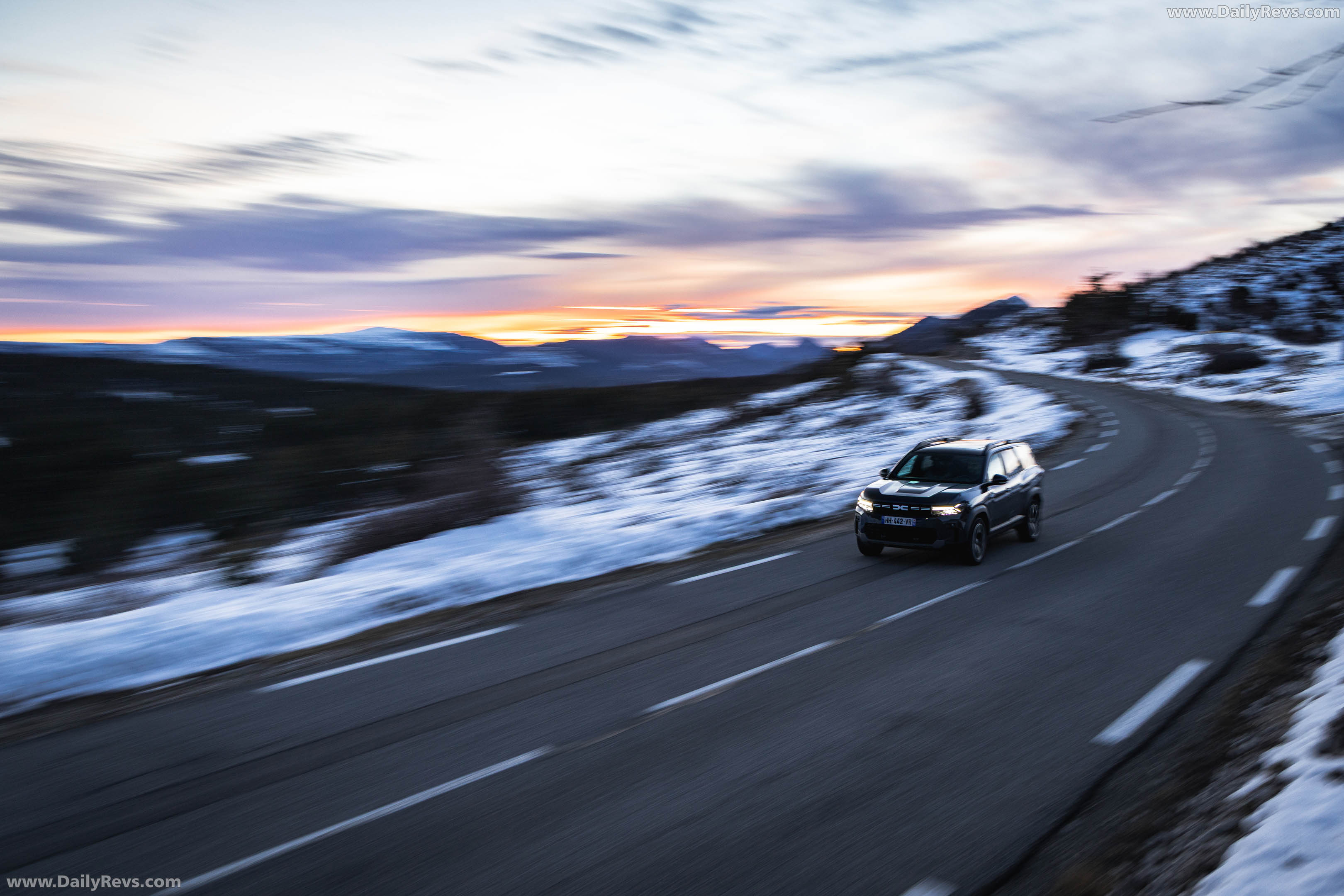
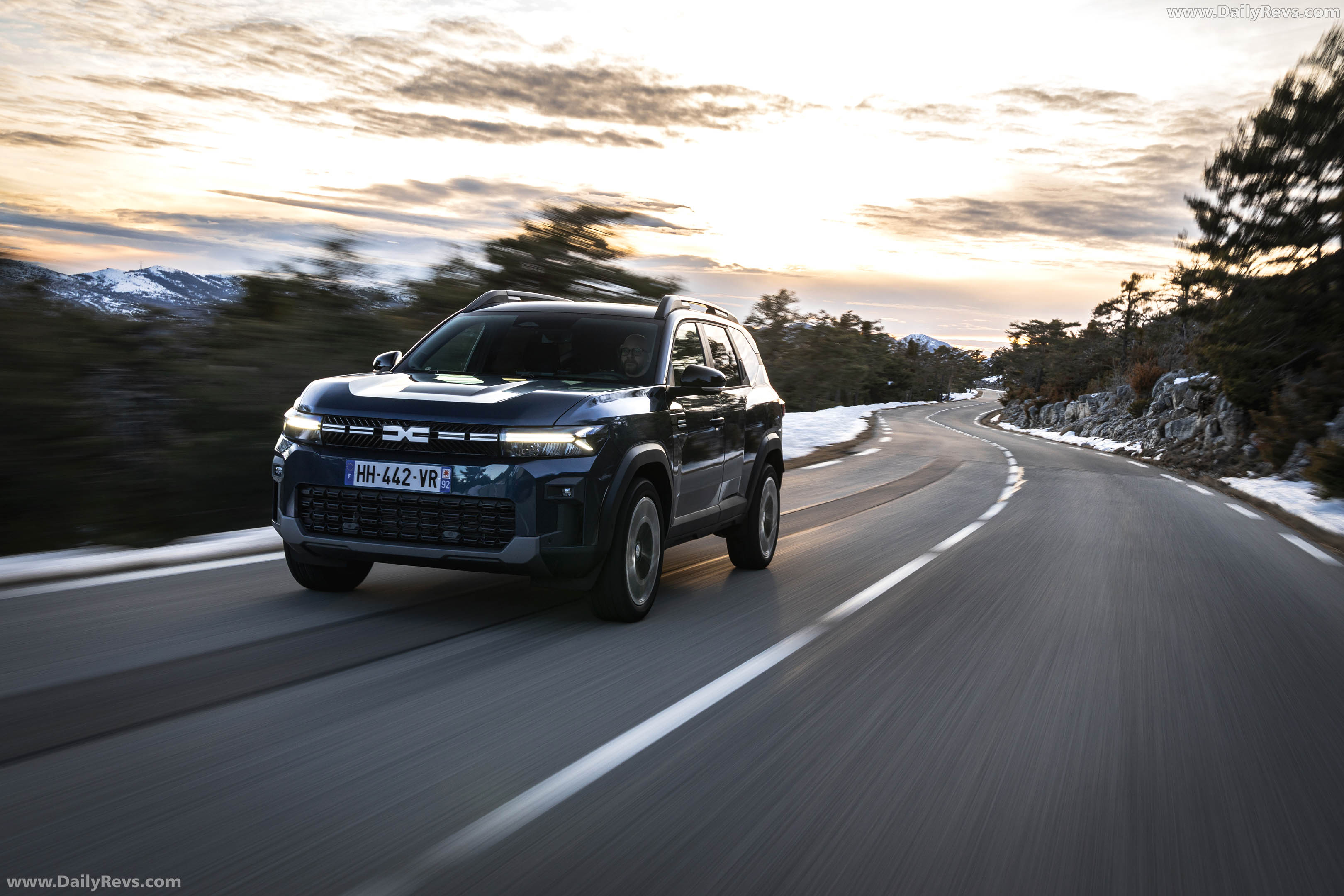
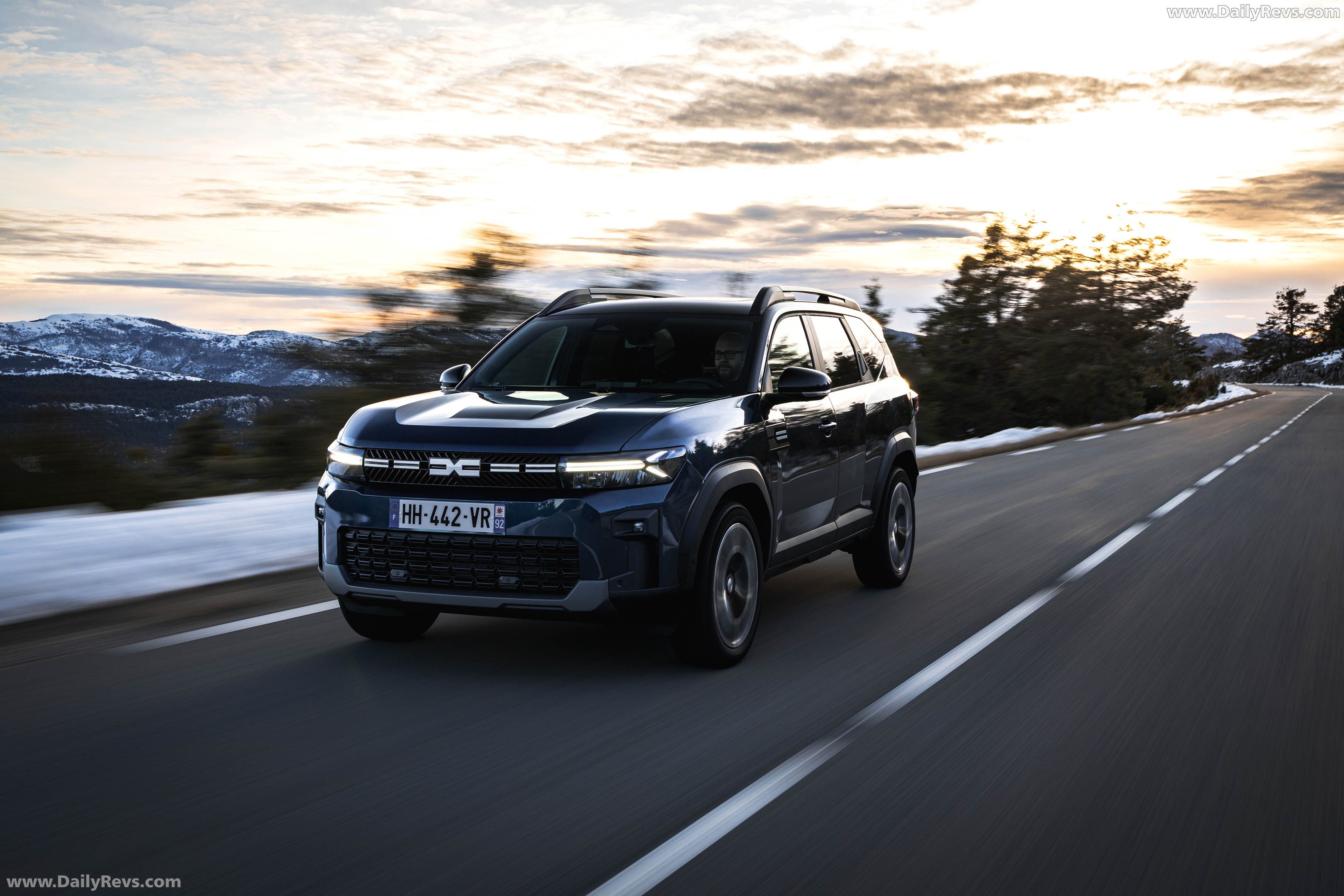
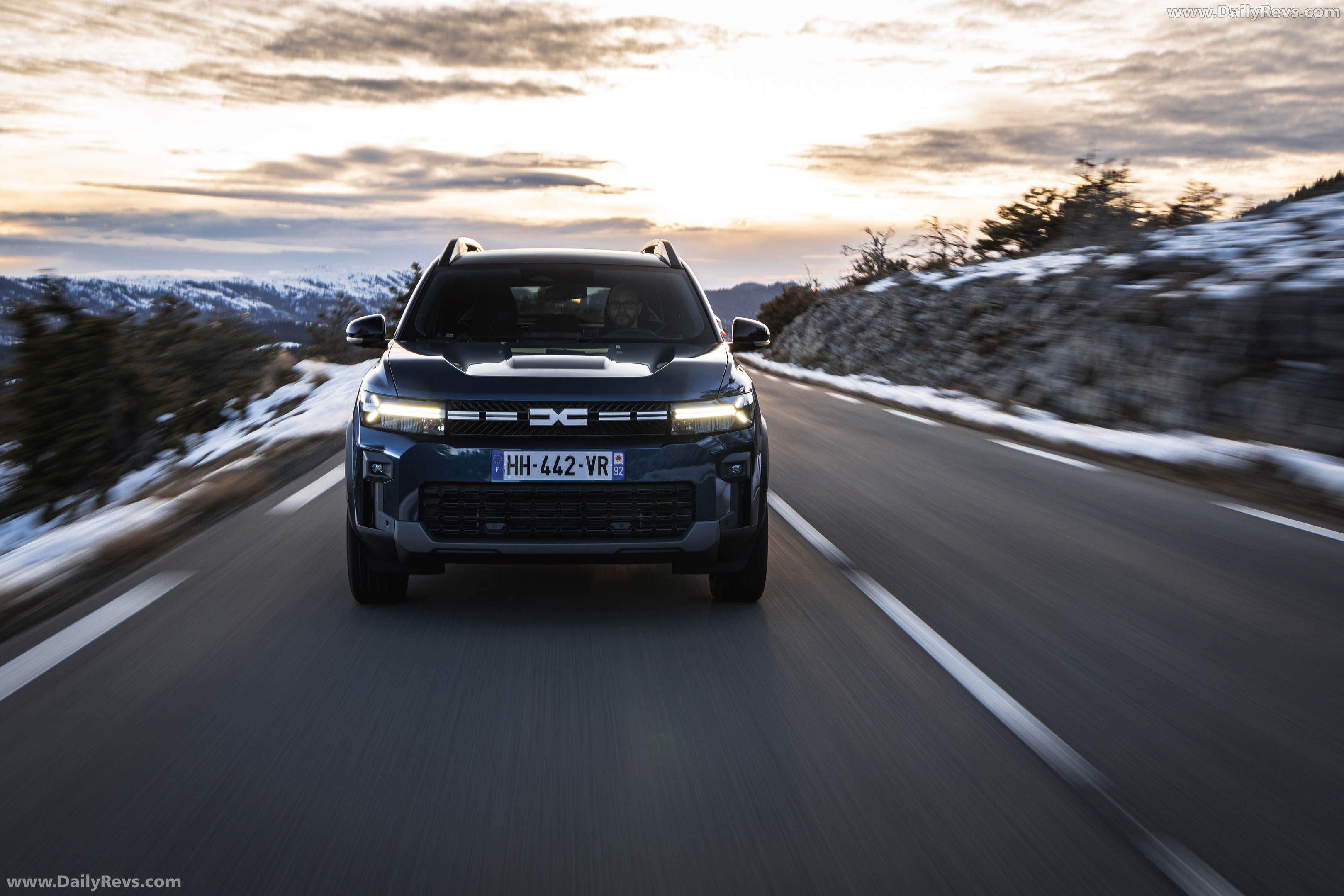
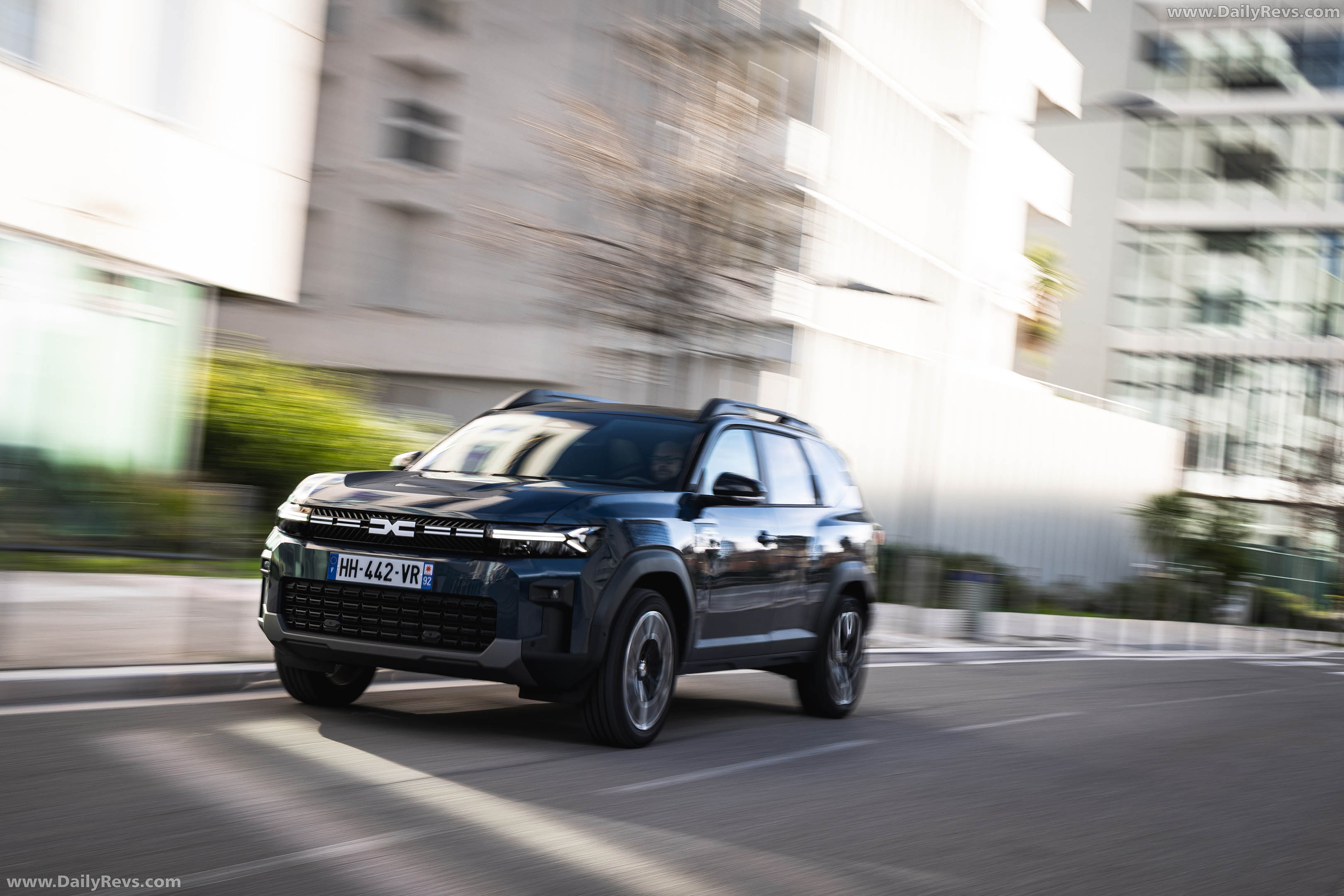
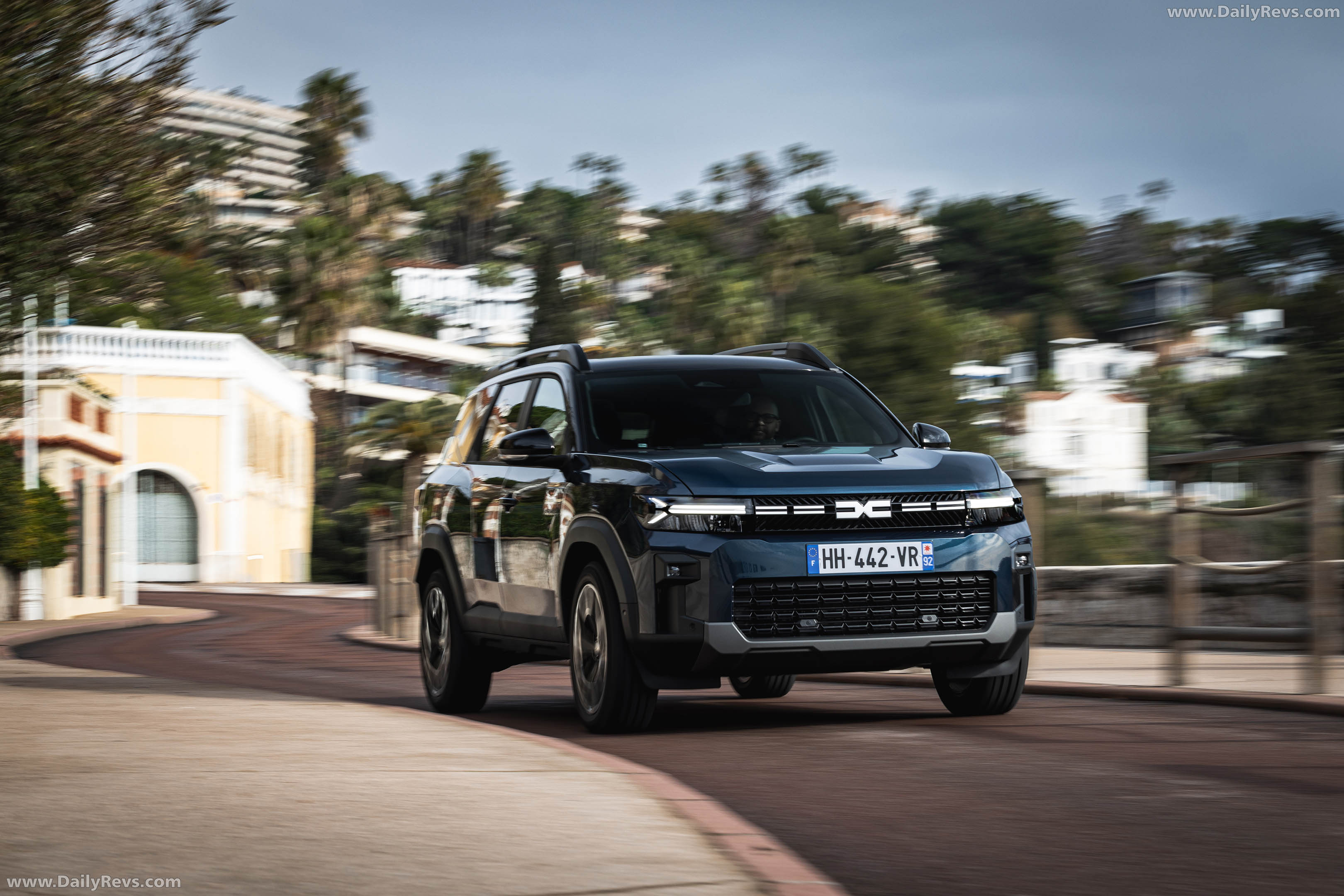
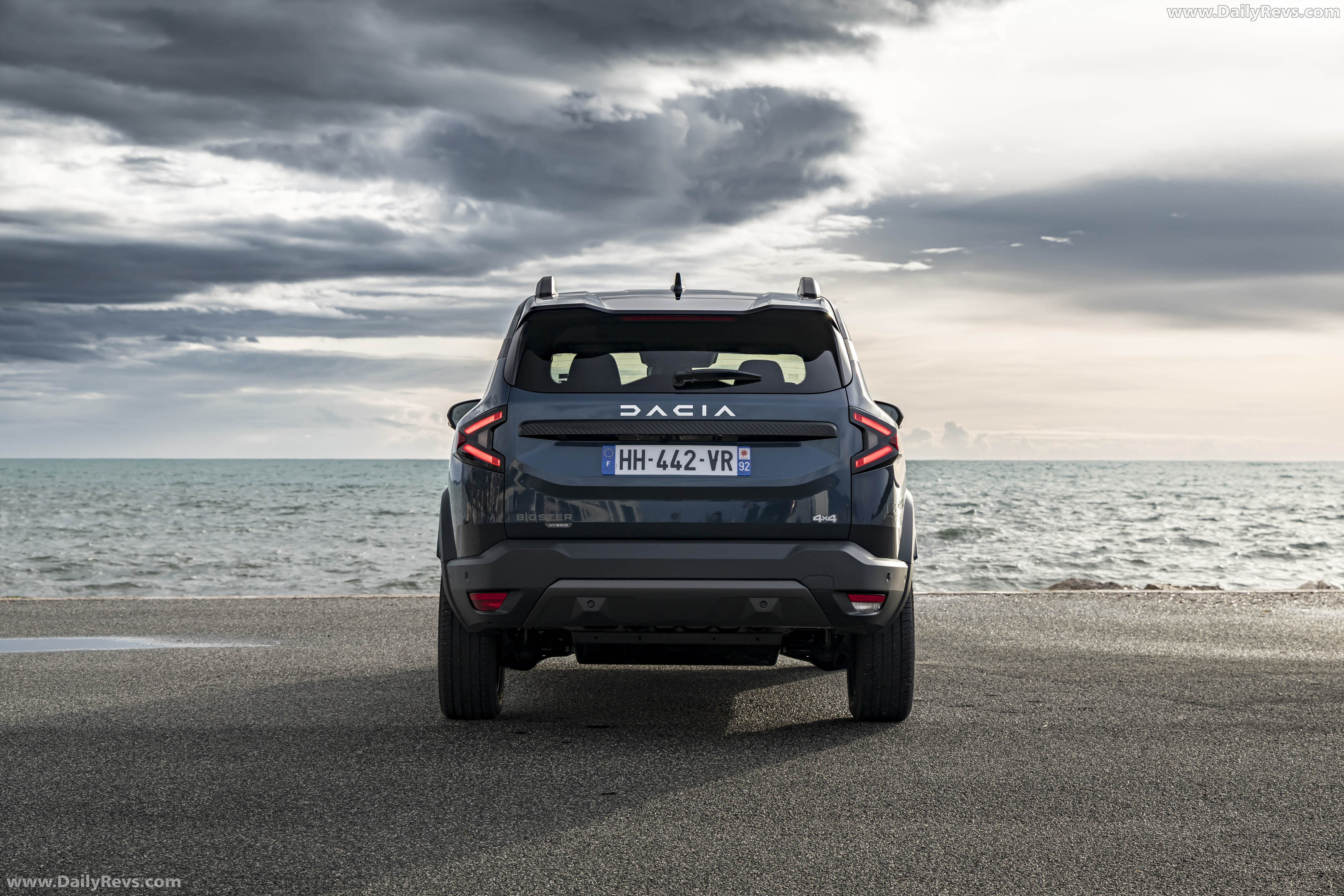
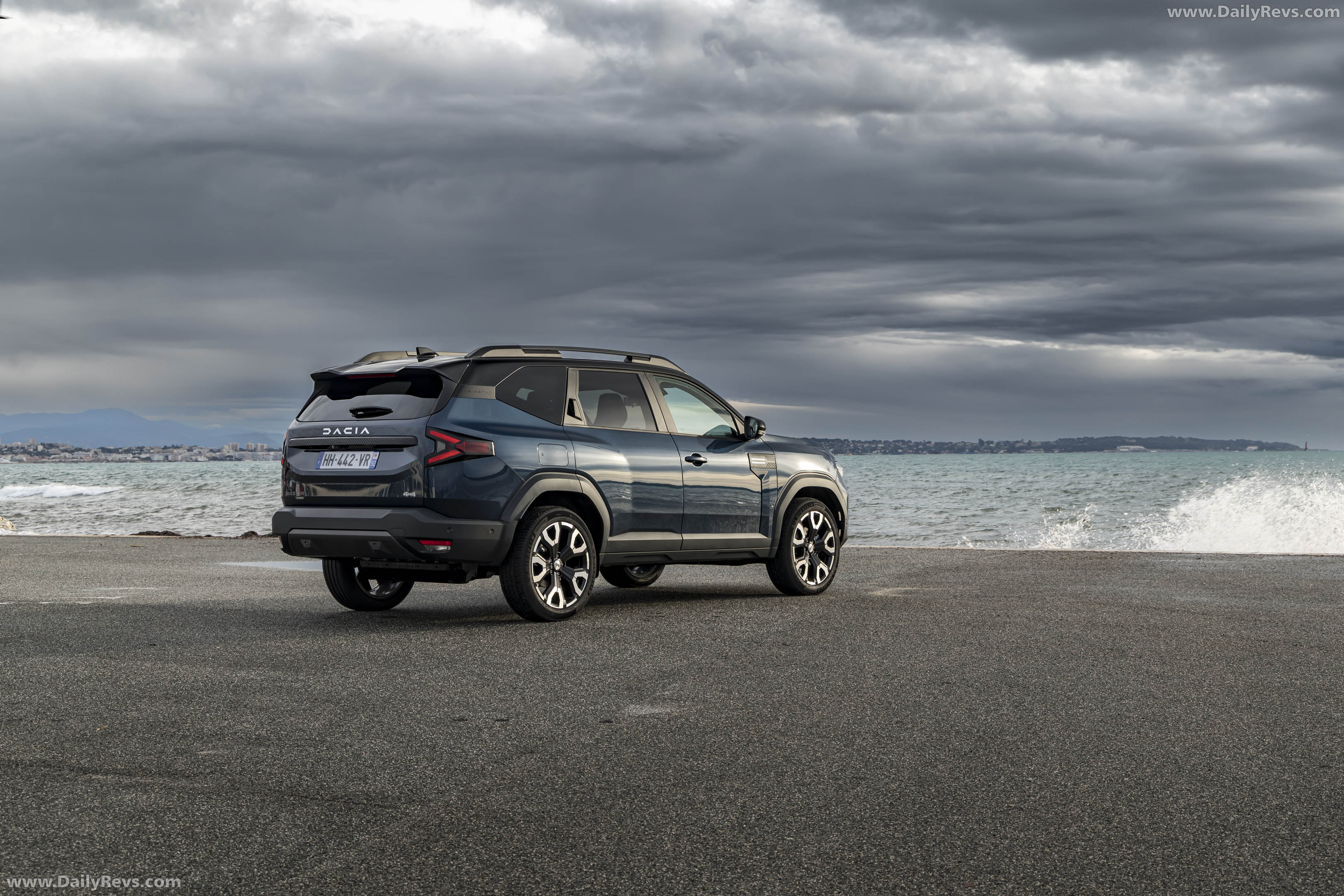
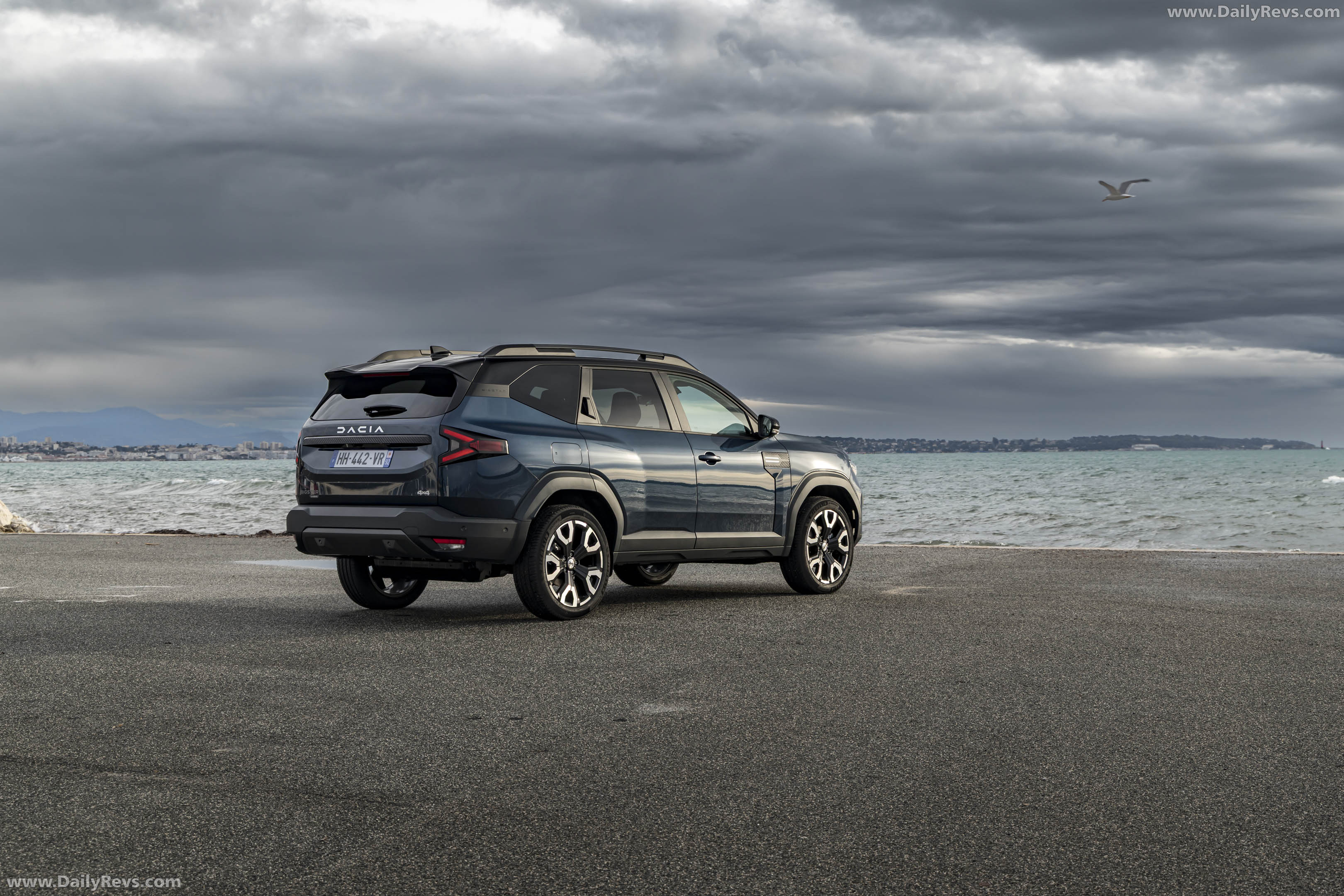
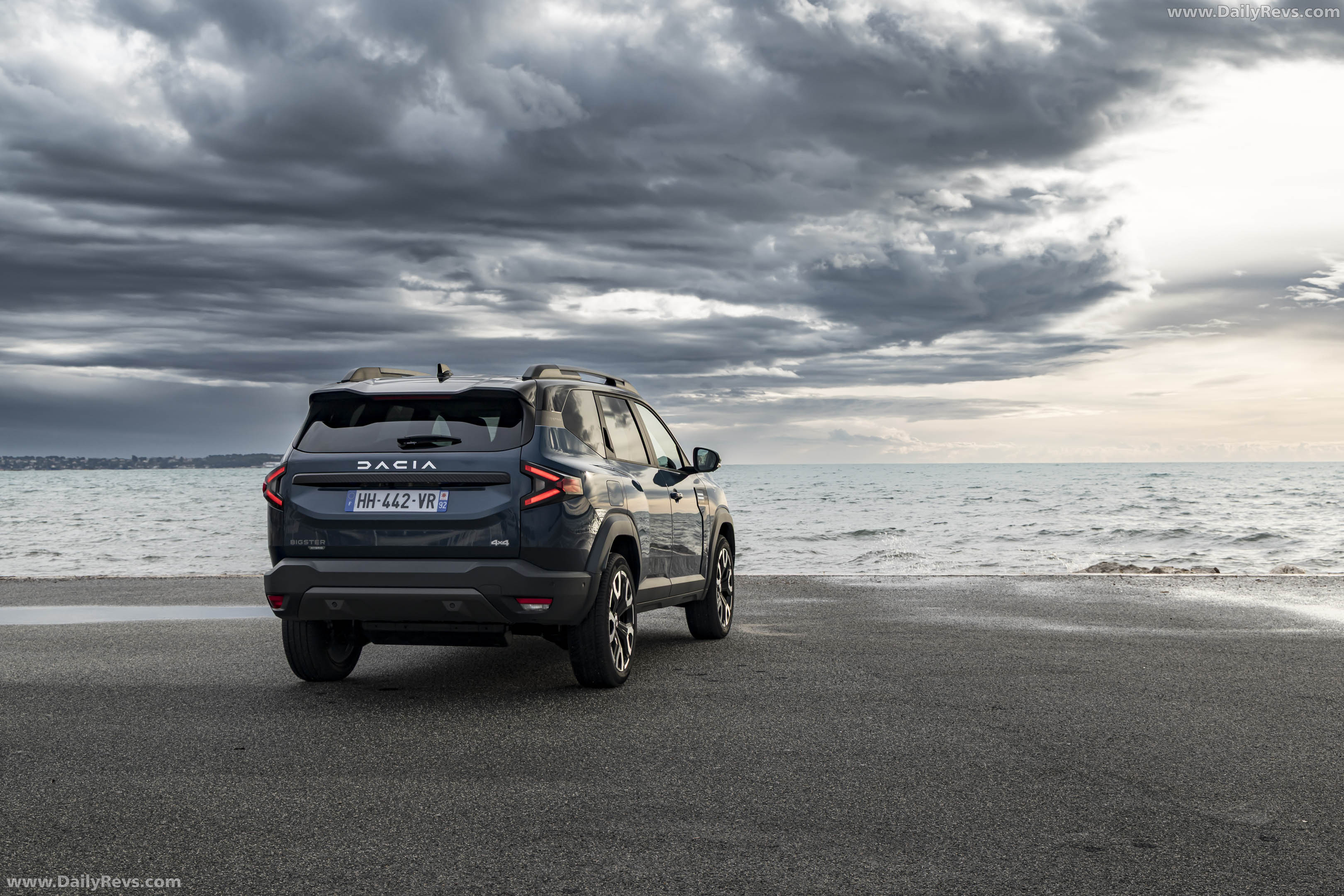
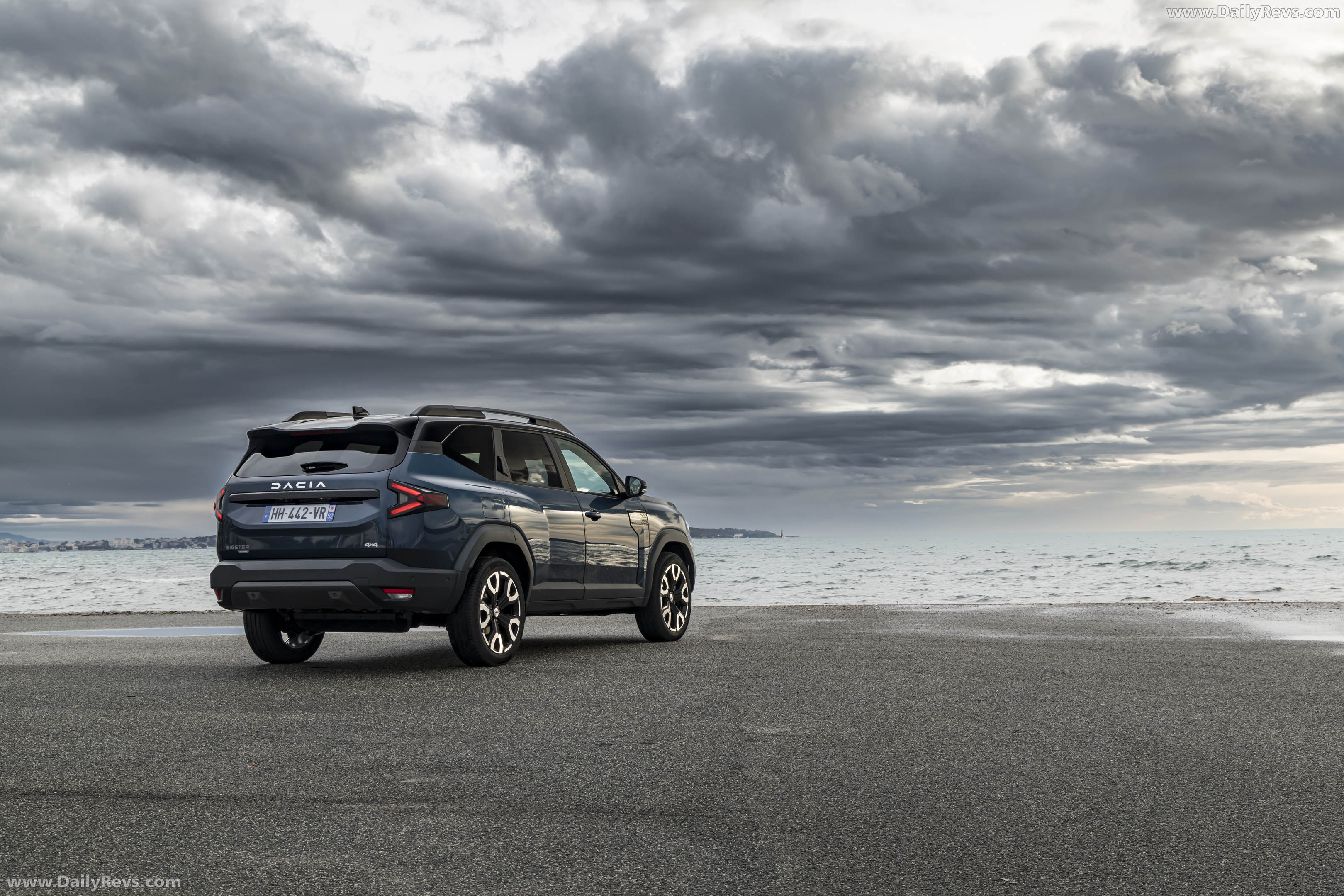
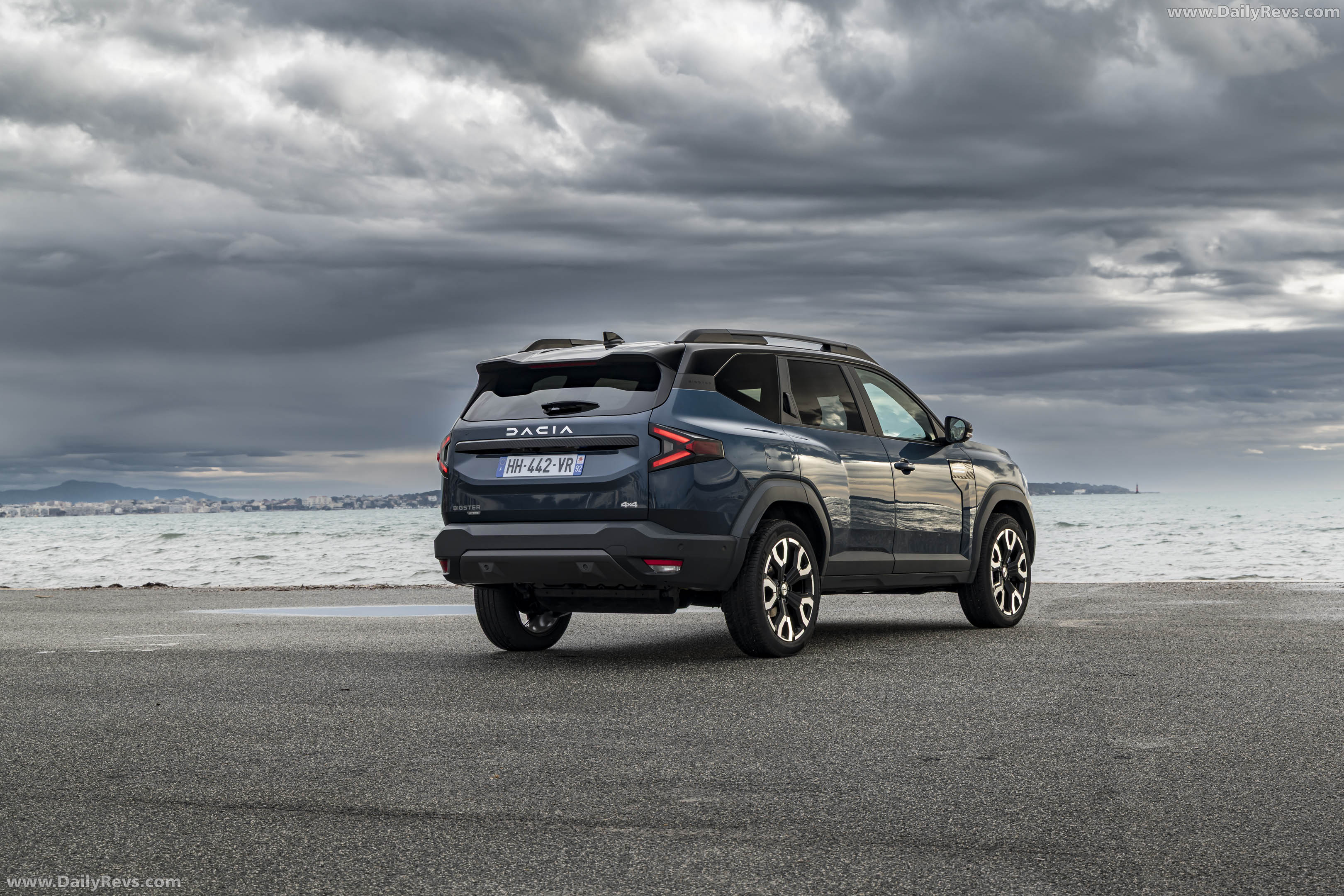
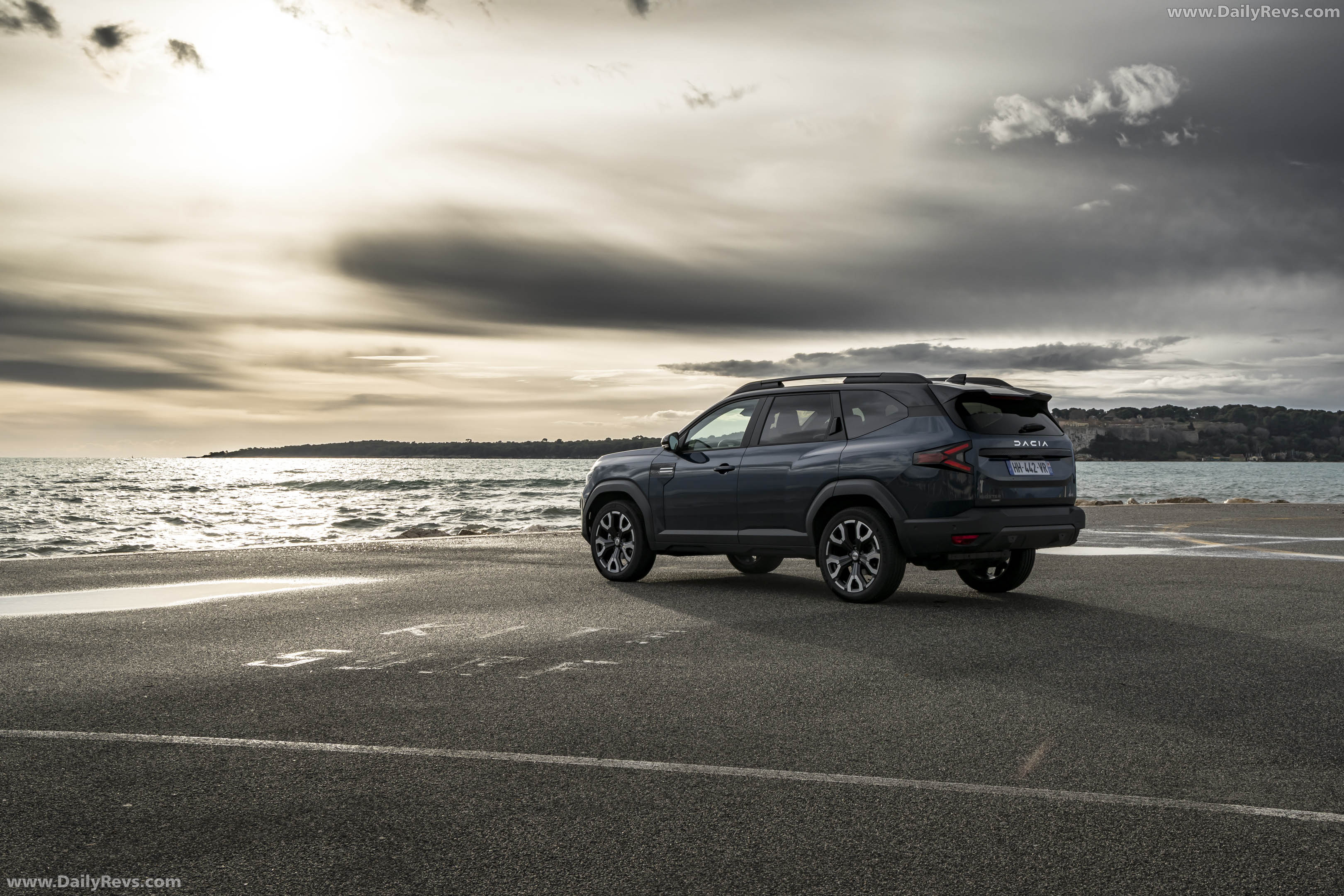
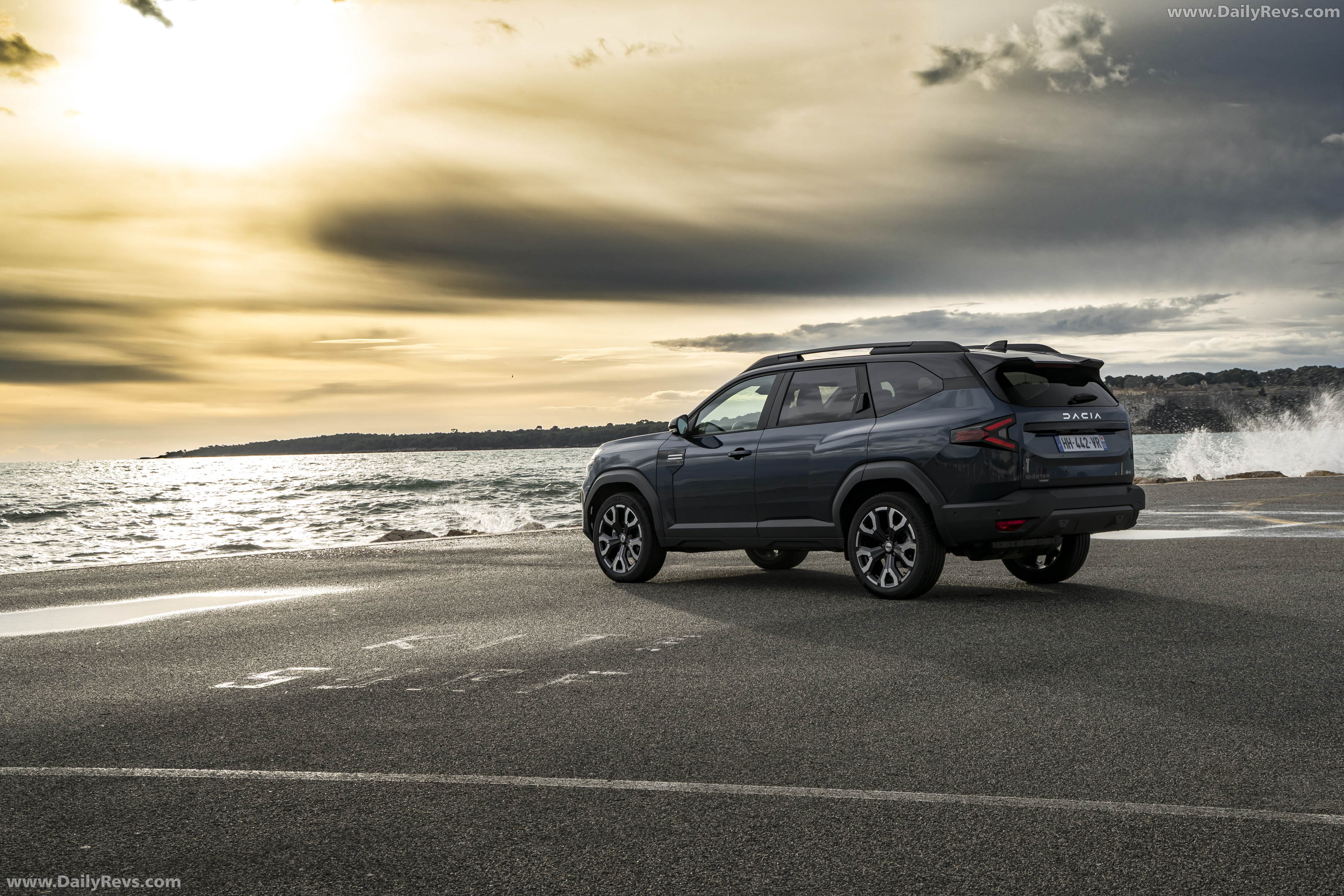
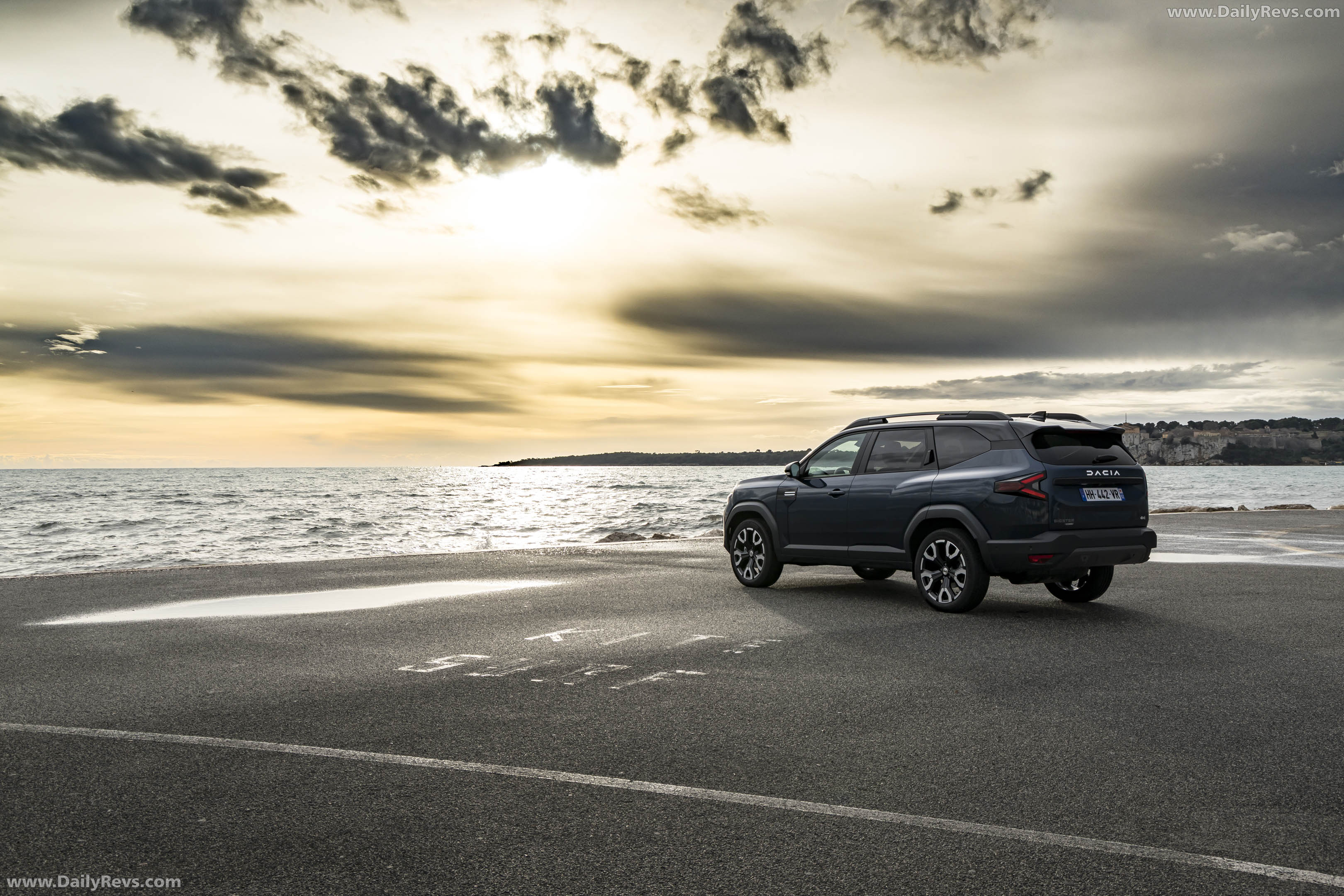
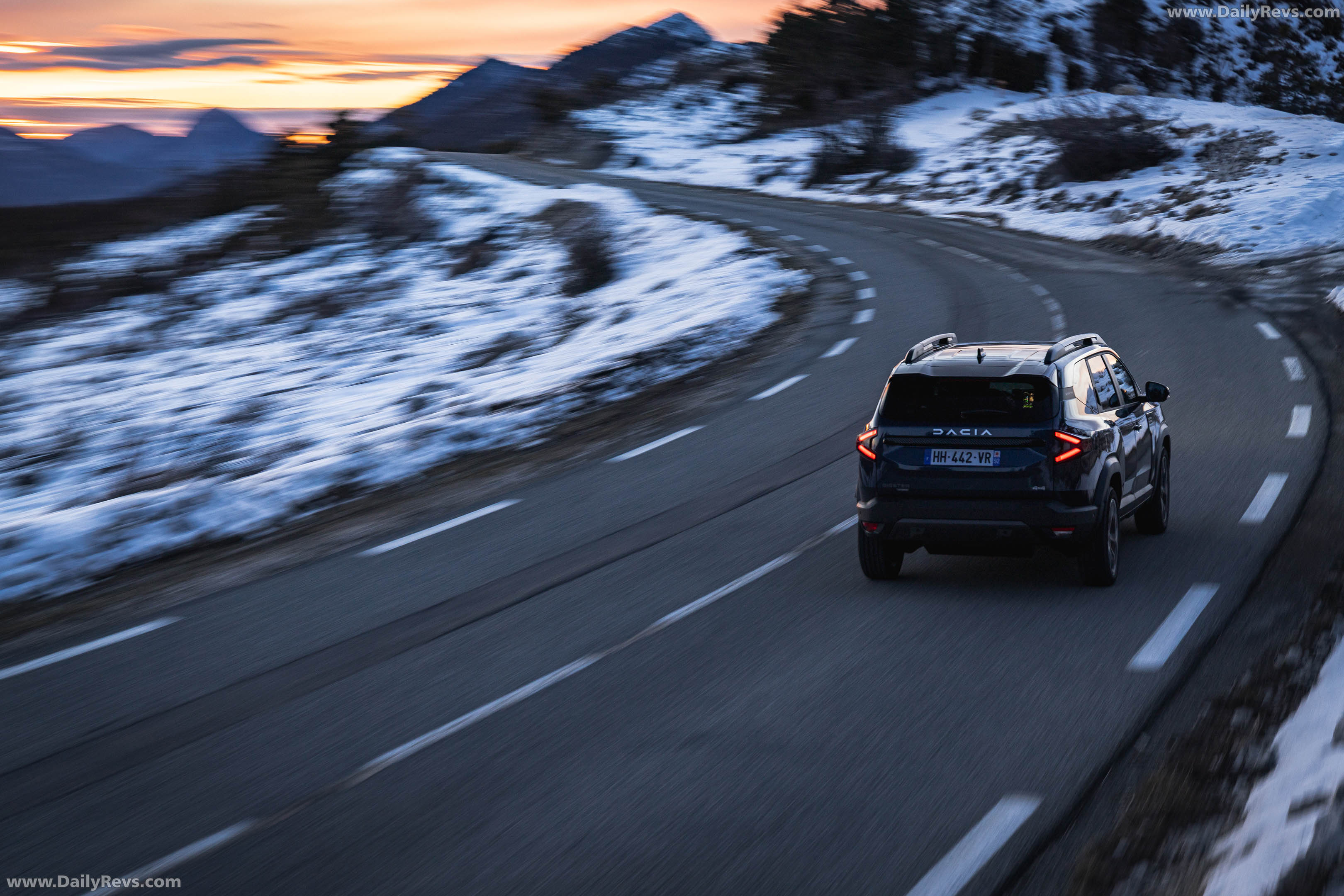
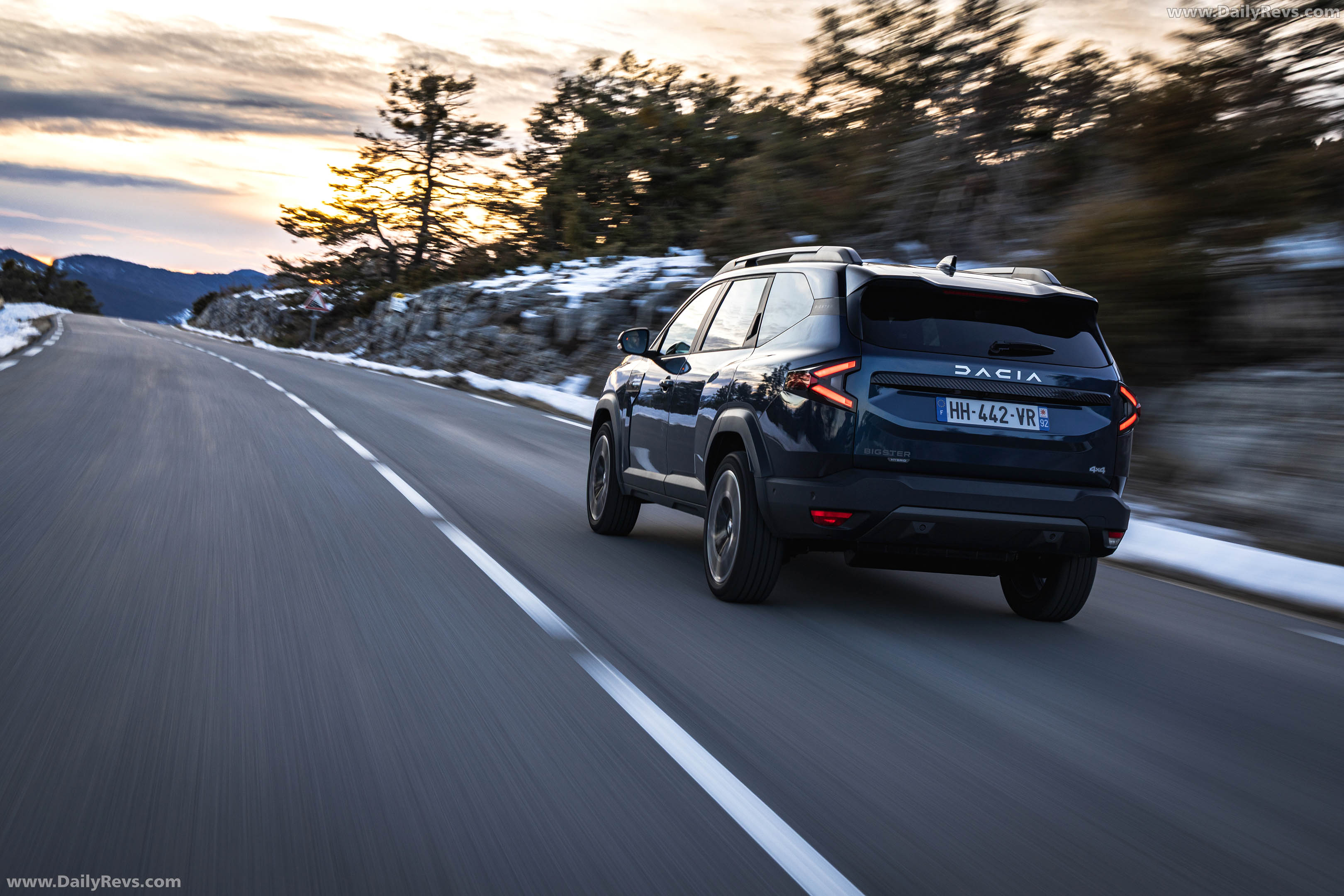
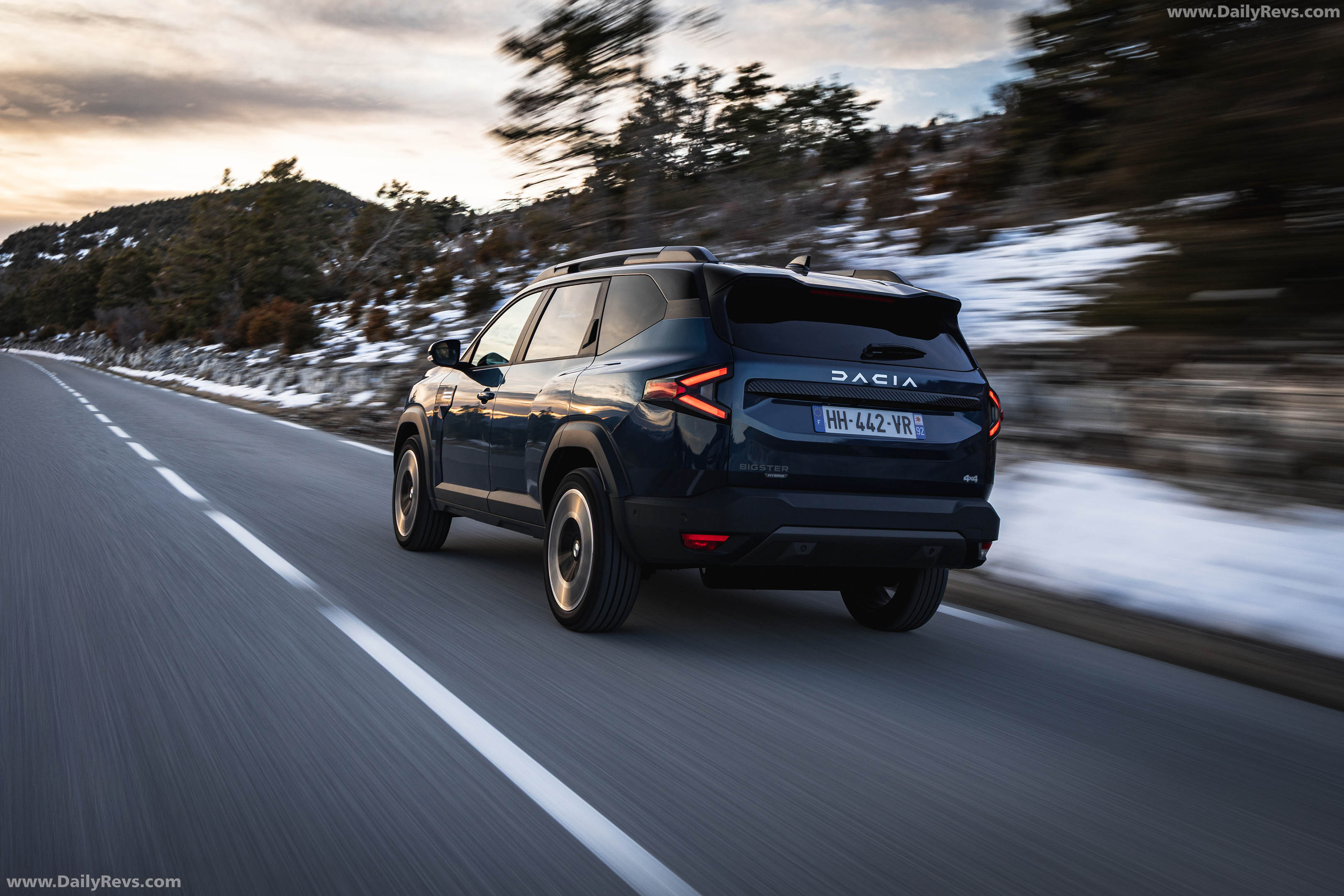
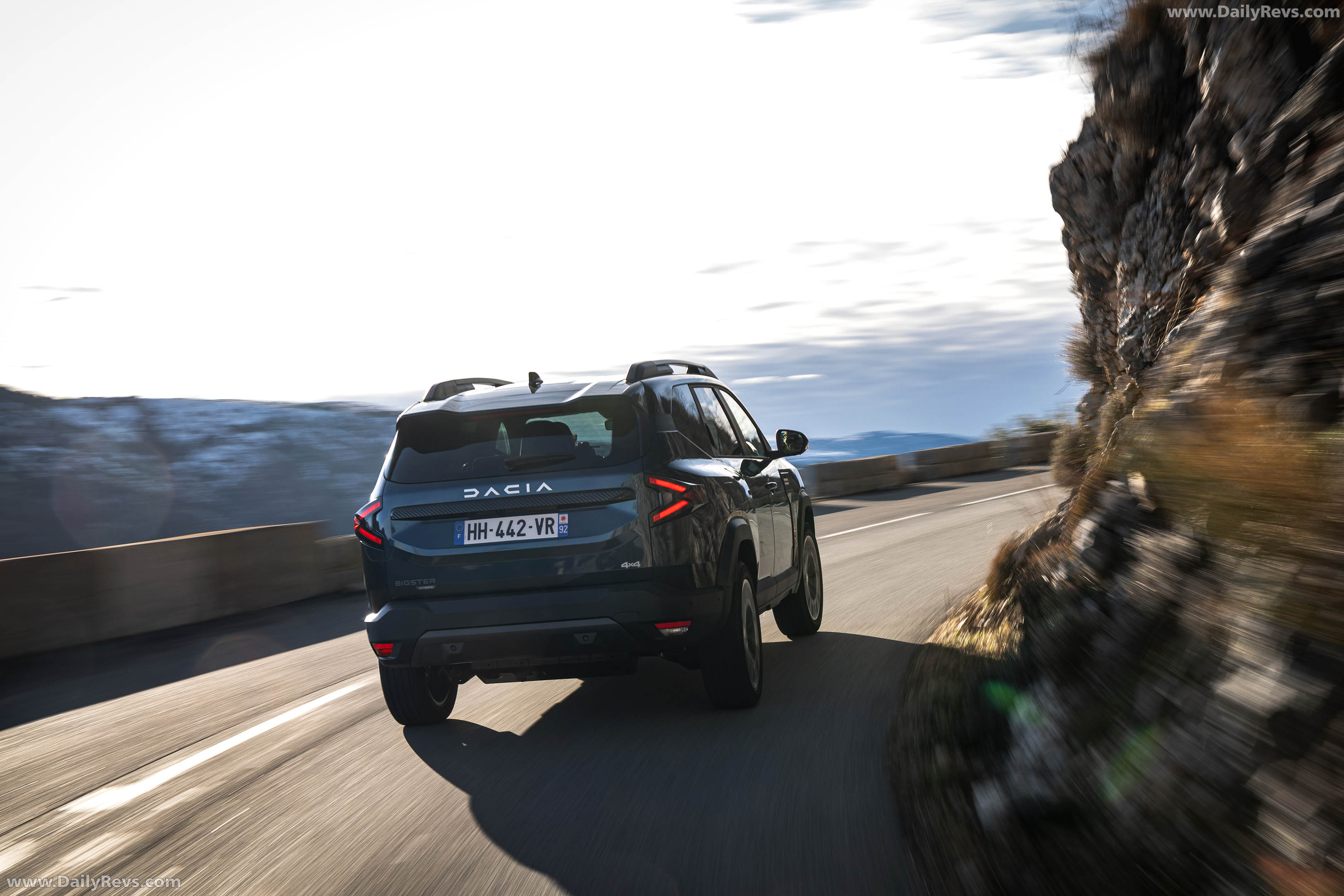
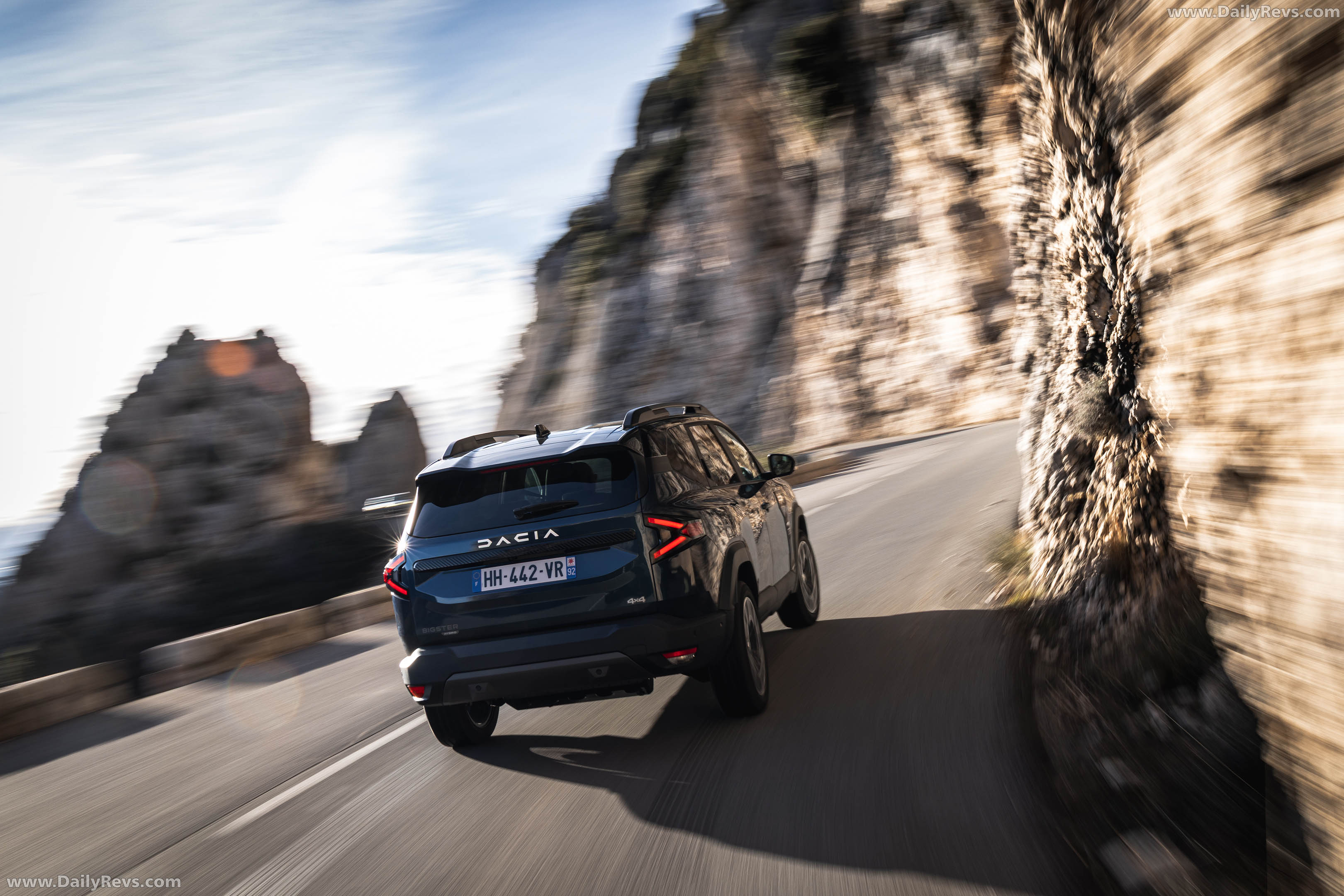
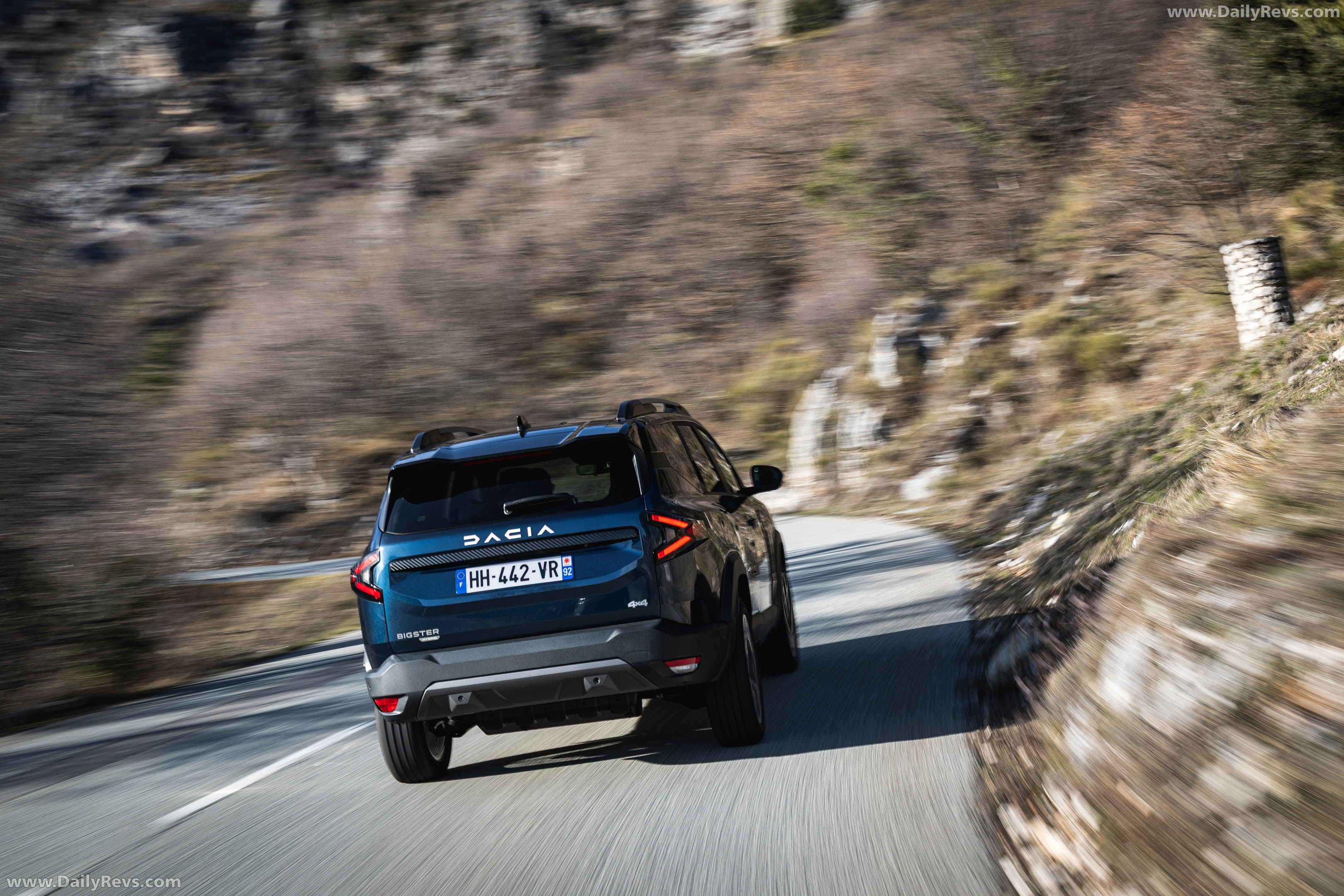
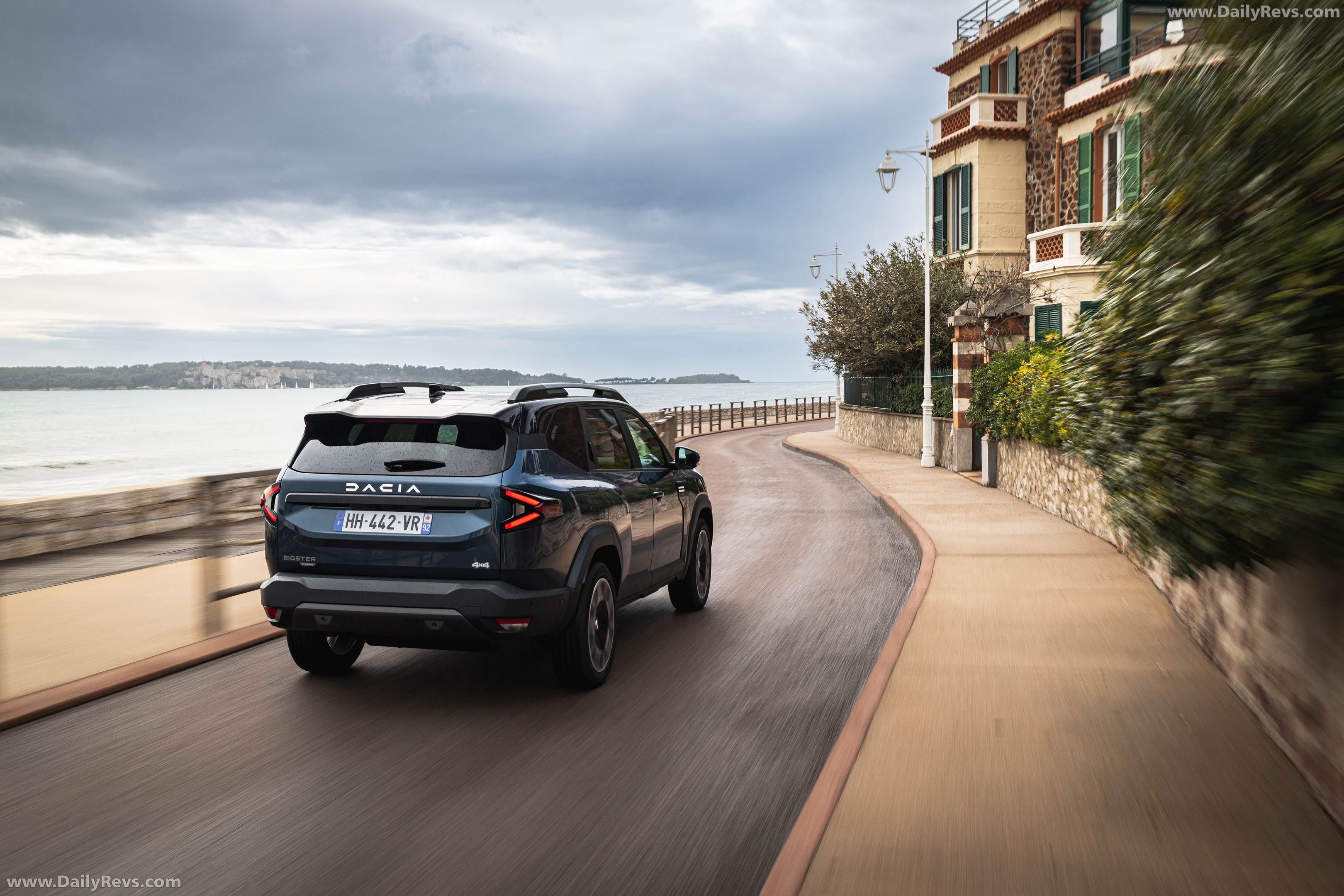
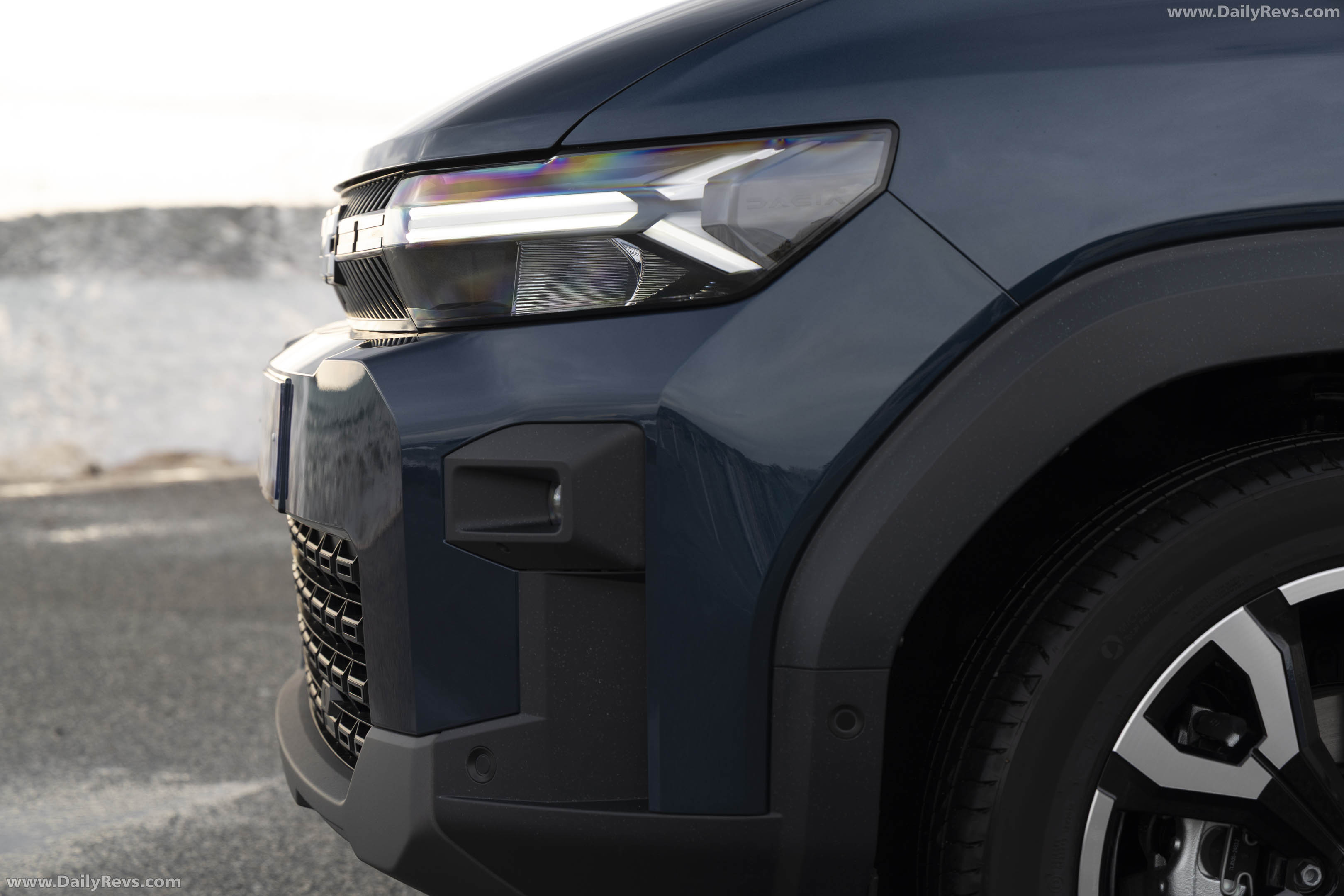
2026 Dacia Bigster Hybrid G-150 4x4 Journey
By Lorenzo Bianchi February 21, 2026
World-first hybrid-G 150 4x4 combining LPG, 48V mild hybrid and AWD.
Up to 60% electric driving in urban cycles with rear e-motor.
30% lower running costs and 20g CO₂ reduction vs previous 4x4 ICE.
Hybrid-G 150 4x4 Powertrain Architecture
The 2026 Dacia Bigster hybrid G-150 4x4 Journey arrives as part of Dacia’s 2026 product offensive, introducing what the brand describes as a world-first combination of hybrid technology, LPG flex-fuel capability and all-wheel drive.
At the front sits a 1.2-litre 48V mild-hybrid petrol engine producing 103 kW (140 hp). At the rear, an electric motor delivers up to 23 kW (31 hp). Combined system output stands at 113 kW (154 hp), with 230 Nm from the combustion engine and up to 87 Nm from the rear-mounted electric motor.
The combustion engine is paired with a 6-speed dual-clutch automatic gearbox featuring steering-wheel paddles. The rear electric motor is connected to a dedicated two-speed transmission and a disengageable rear axle. This layout allows high torque delivery at low speeds in first gear, while maintaining traction at the rear axle at speeds up to 140 km/h.
In urban use, the 2026 Dacia Bigster hybrid G-150 4x4 can operate in all-electric mode for up to 60% of driving time, with the 0.84 kWh 48V Li-Ion battery self-charging while driving.
Efficiency, Range and Operating Costs
Dacia positions the Bigster hybrid G-150 4x4 Journey as a pragmatic alternative to conventional all-wheel-drive SUVs. Compared with the previous mild hybrid 130 4x4 ICE offering, this new powertrain reduces CO₂ emissions by 20g and cuts running costs by 30%.
Fuel consumption is quoted at 7.1–7.2 l/100 km in LPG mode and 5.9 l/100 km in petrol mode, depending on model specification. CO₂ emissions range from 115–117 g/km on LPG and 133–134 g/km on petrol.
The system retains dual 50-litre tanks — one for petrol and one for LPG — delivering a combined range of up to 1,500 km (WLTP cycle) without refuelling. For buyers in markets where LPG pricing remains competitive, that figure carries weight.
All-Wheel Drive and Driving Modes
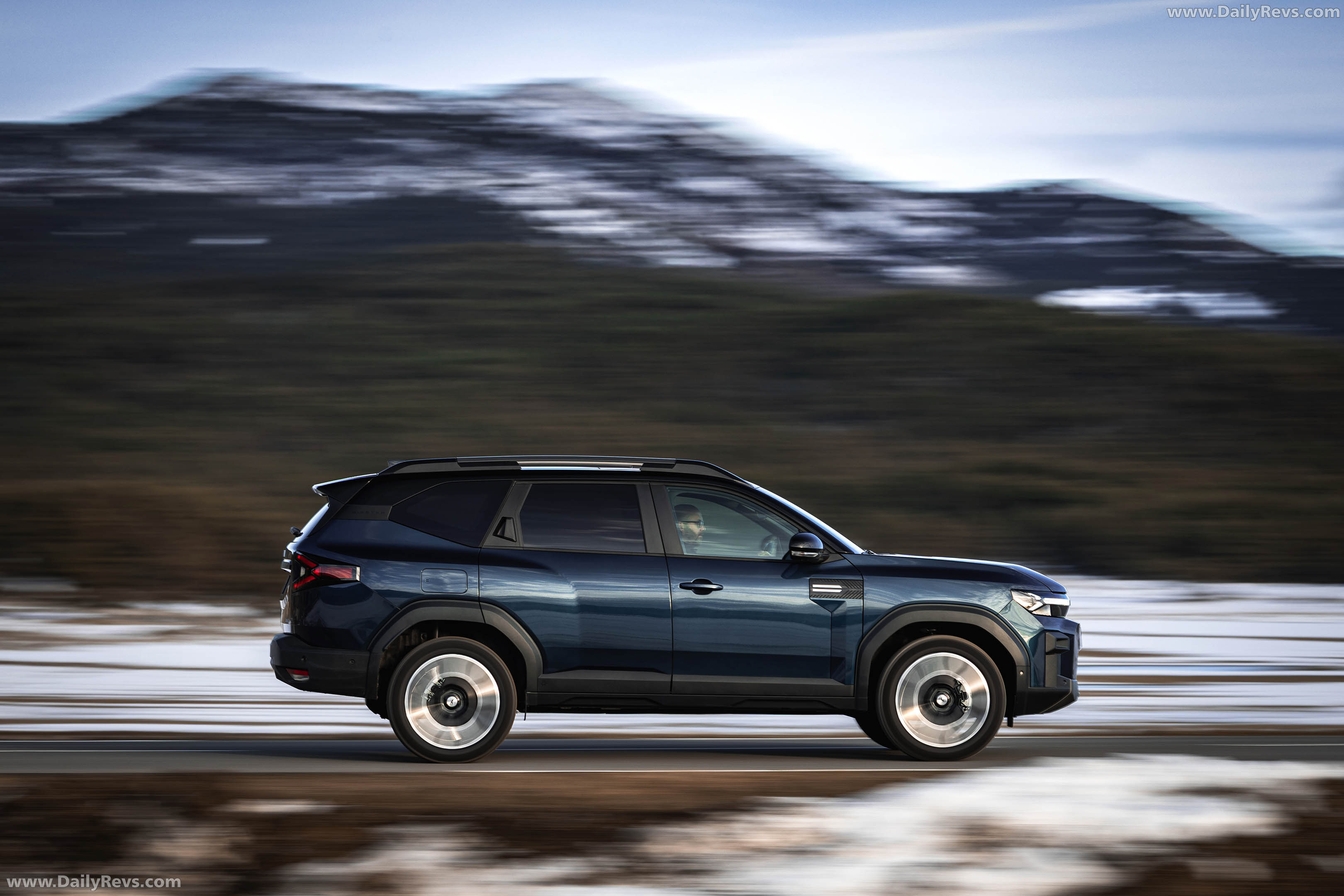
The rear-mounted electric motor transforms the Bigster’s all-wheel-drive strategy. Torque is delivered instantly to the rear axle when grip loss is detected. In 2WD mode, the rear axle can disengage to reduce friction losses and improve efficiency.
Six selectable driving modes underline the system’s versatility: Auto, Eco, Snow, Mud/Sand, Lock and Hill Descent Control, the latter stabilising speed between 3 and 30 km/h on steep descents. The layout maintains the off-road positioning long associated with Dacia’s larger SUVs while introducing electrified traction assistance.
Design and Market Positioning
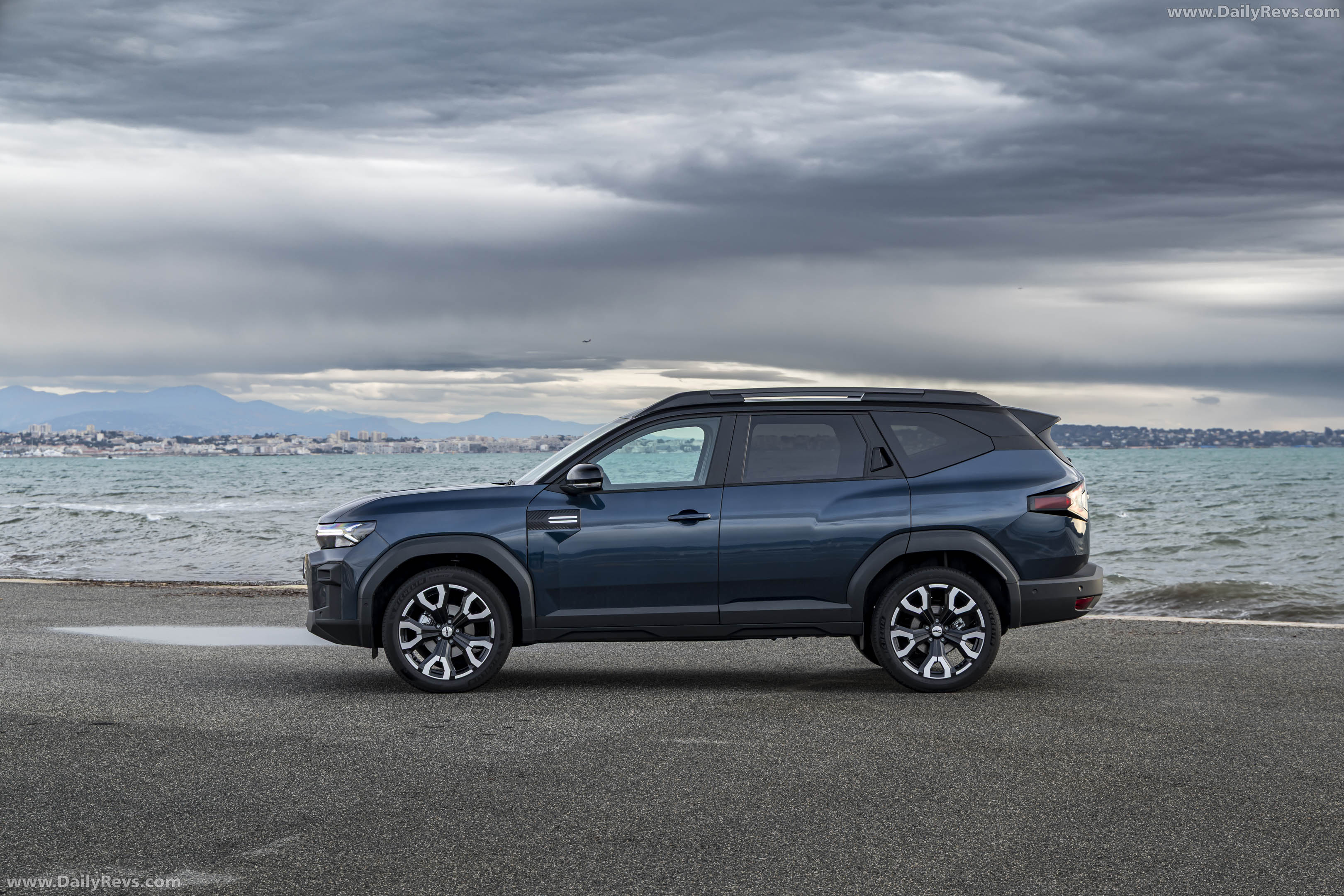
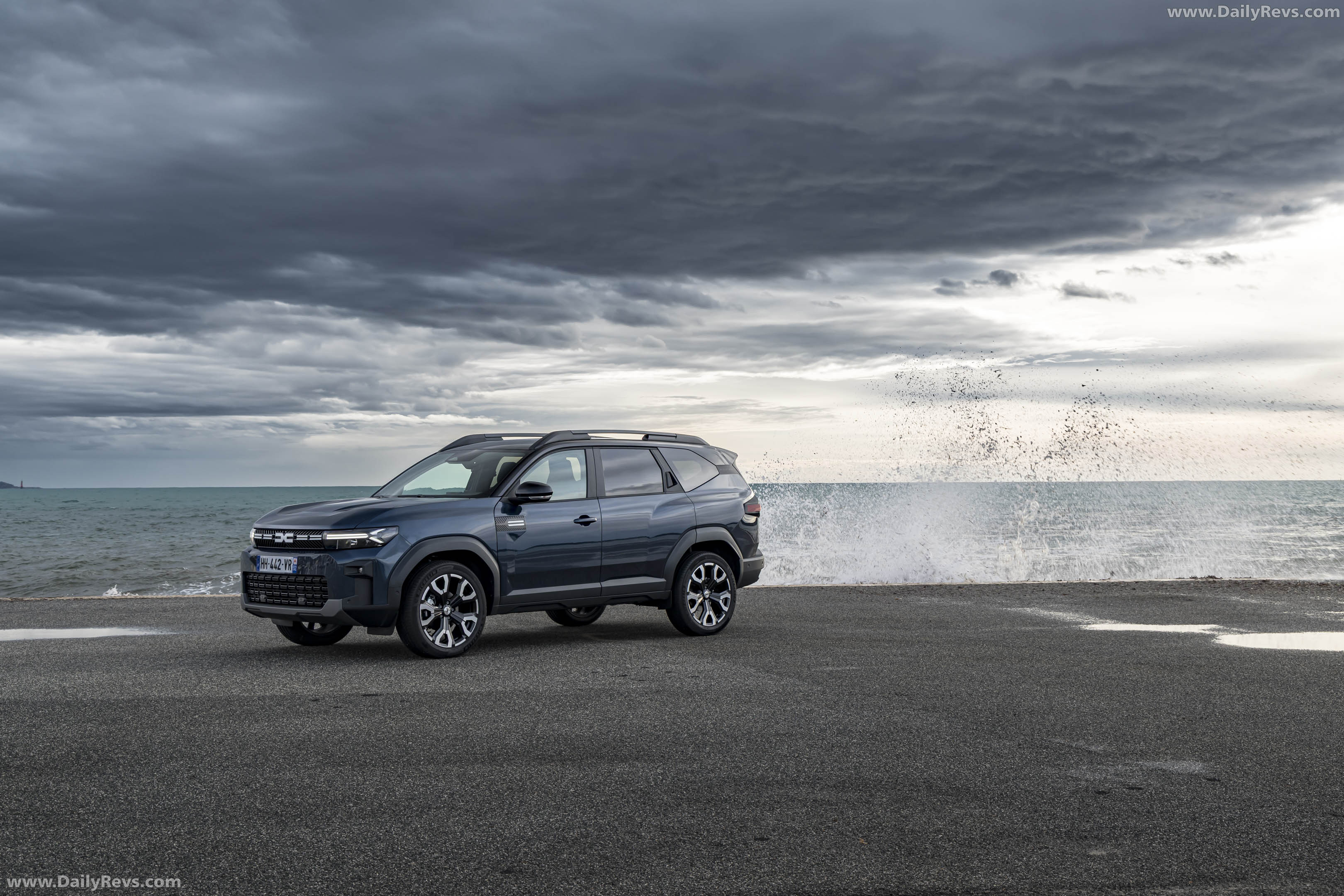
While the powertrain defines the headline, the 2026 Dacia Bigster hybrid G-150 4x4 Journey maintains the upright proportions and squared-off stance expected of a C-segment SUV. The high ride height and broad shoulders support its functional character. The Journey trim positions the model toward buyers seeking additional comfort and equipment without abandoning the brand’s value-driven identity.
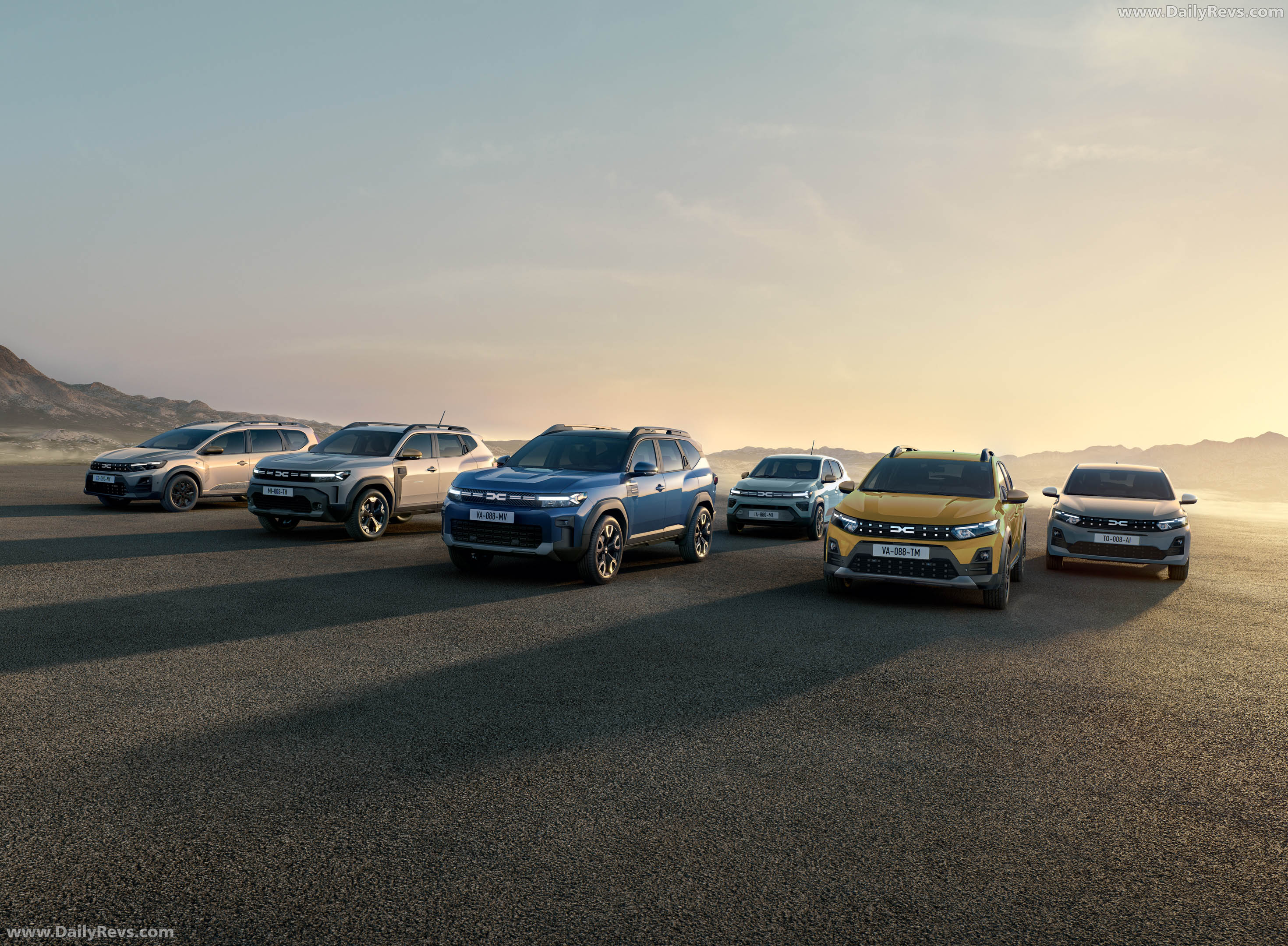
In a European market increasingly focused on electrification and cost control, the Bigster hybrid G-150 4x4 sits in a narrow space. Few rivals combine LPG capability, mild hybridisation and electric rear-axle drive in this segment. For customers balancing fuel costs, traction demands and regulatory pressure, Dacia’s approach is direct.
The result is not a radical reinvention of the formula. It is a technical reworking of familiar hardware, configured for lower emissions and broader usability. On paper, at least, it is a logical evolution.