
2026 Chevrolet Captiva EV
By Lorenzo Bianchi February 6, 2026
The Captiva EV is engineered specifically for Brazilian family use, not adapted as an afterthought.
A 201 hp electric drivetrain favors smooth, predictable performance over outright pace.
Space, comfort, and ownership economics shape its position against hybrid and combustion SUVs.
A Regional EV With Clear Intent
The Chevrolet Captiva EV arrives in Brazil with a straightforward brief: deliver an electric SUV that works for daily family life without forcing buyers to rethink how they use a car. Chevrolet frames it as part of a broader electrification effort in a market where SUVs dominate the transition, with electrified models now accounting for a meaningful share of sales.
Rather than adapting a global EV unchanged, the Captiva EV is offered in a configuration developed around local needs and validated by Brazilian engineering teams. That detail matters. It sets the tone for a vehicle positioned less as a technology showcase and more as a practical replacement for familiar mid-size SUVs.
Exterior Design Read Through Proportion
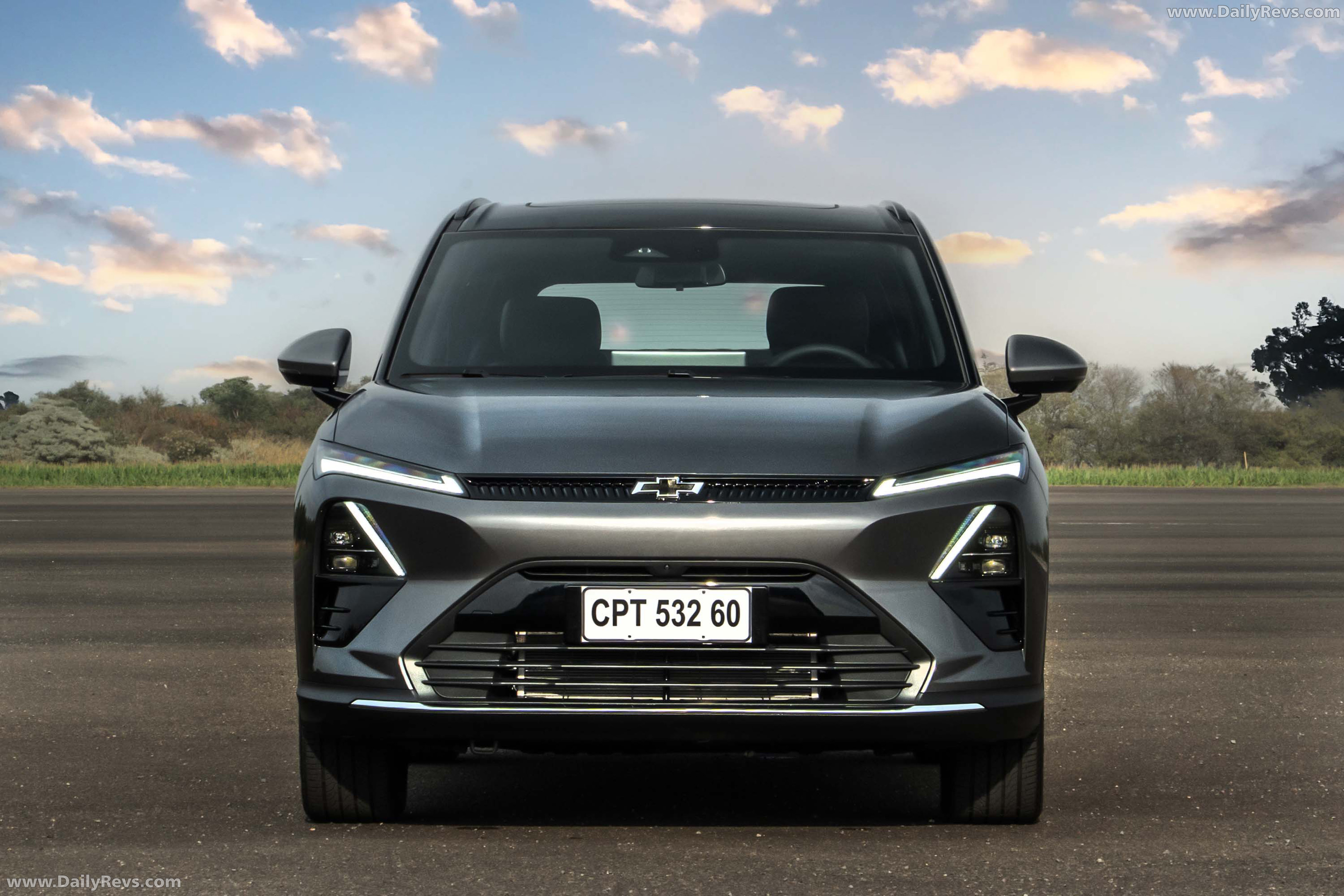
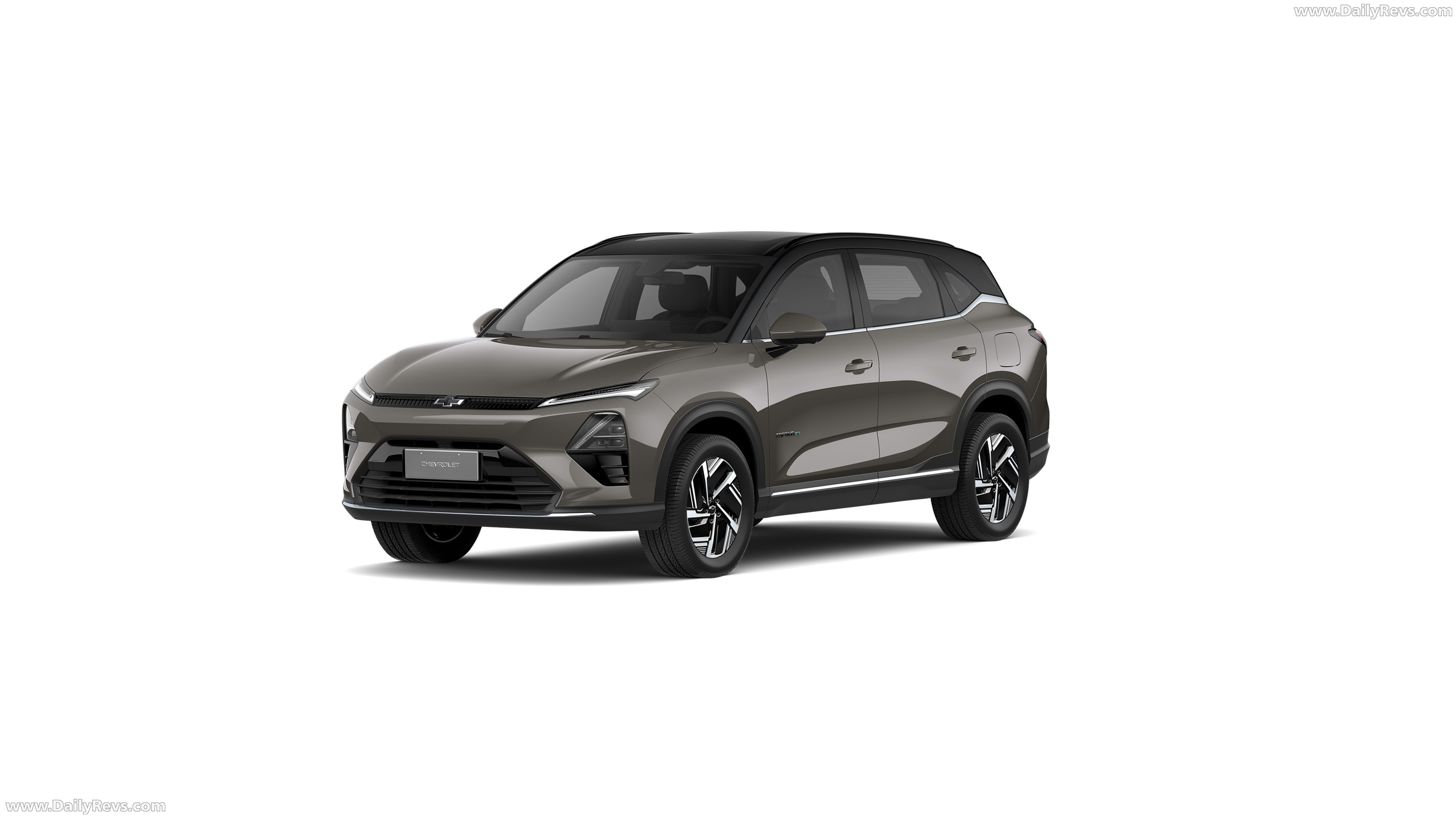
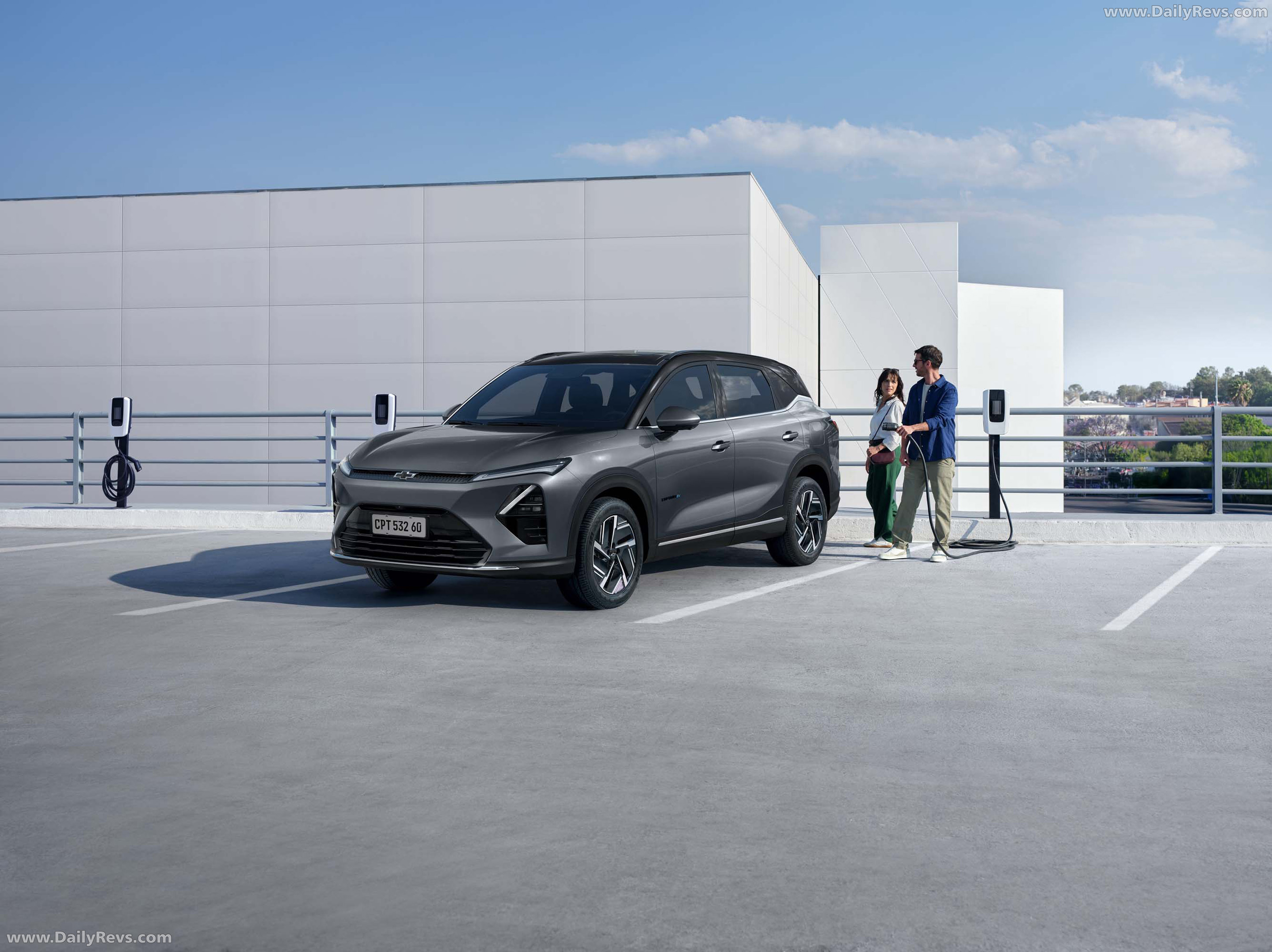
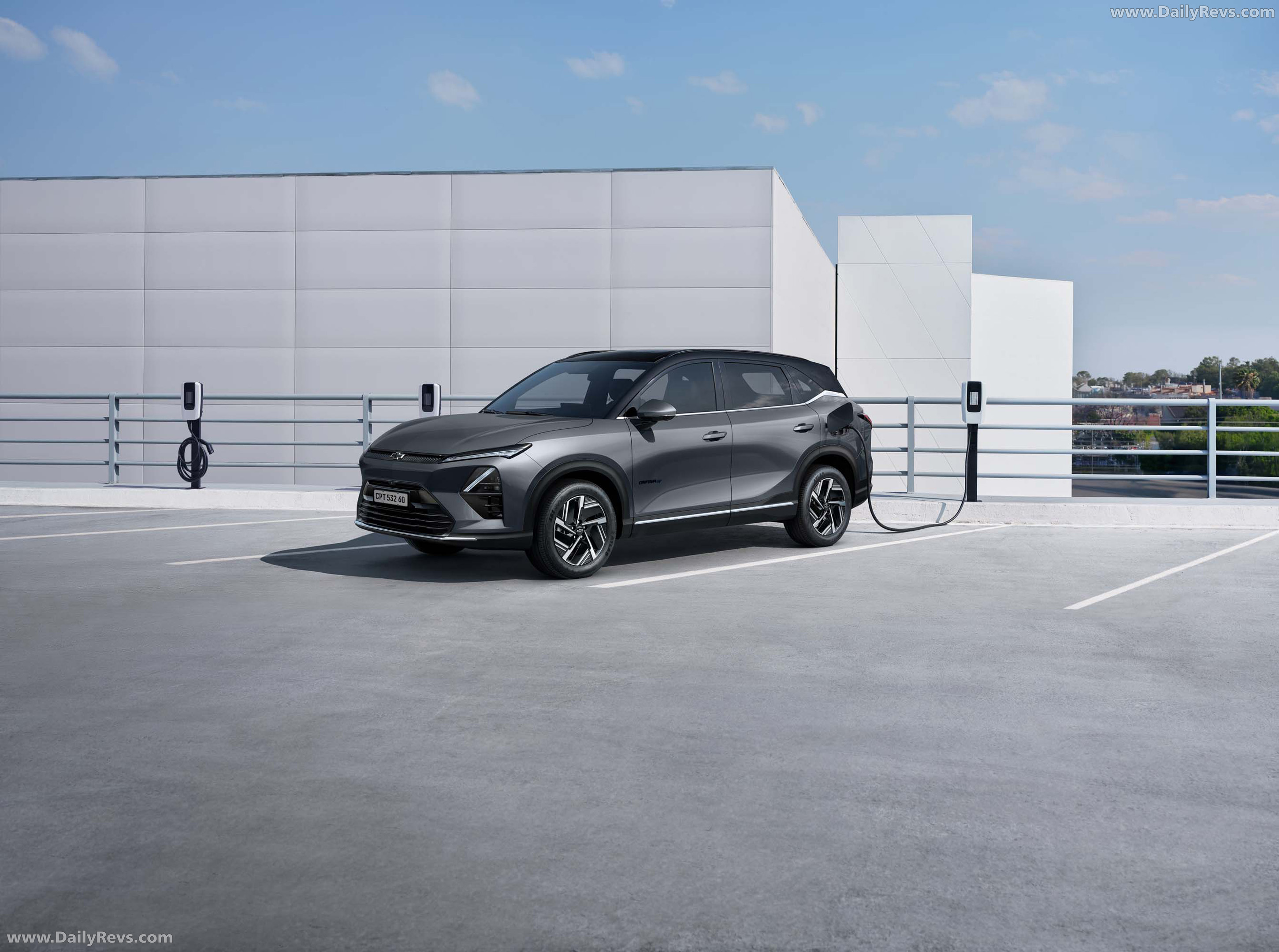
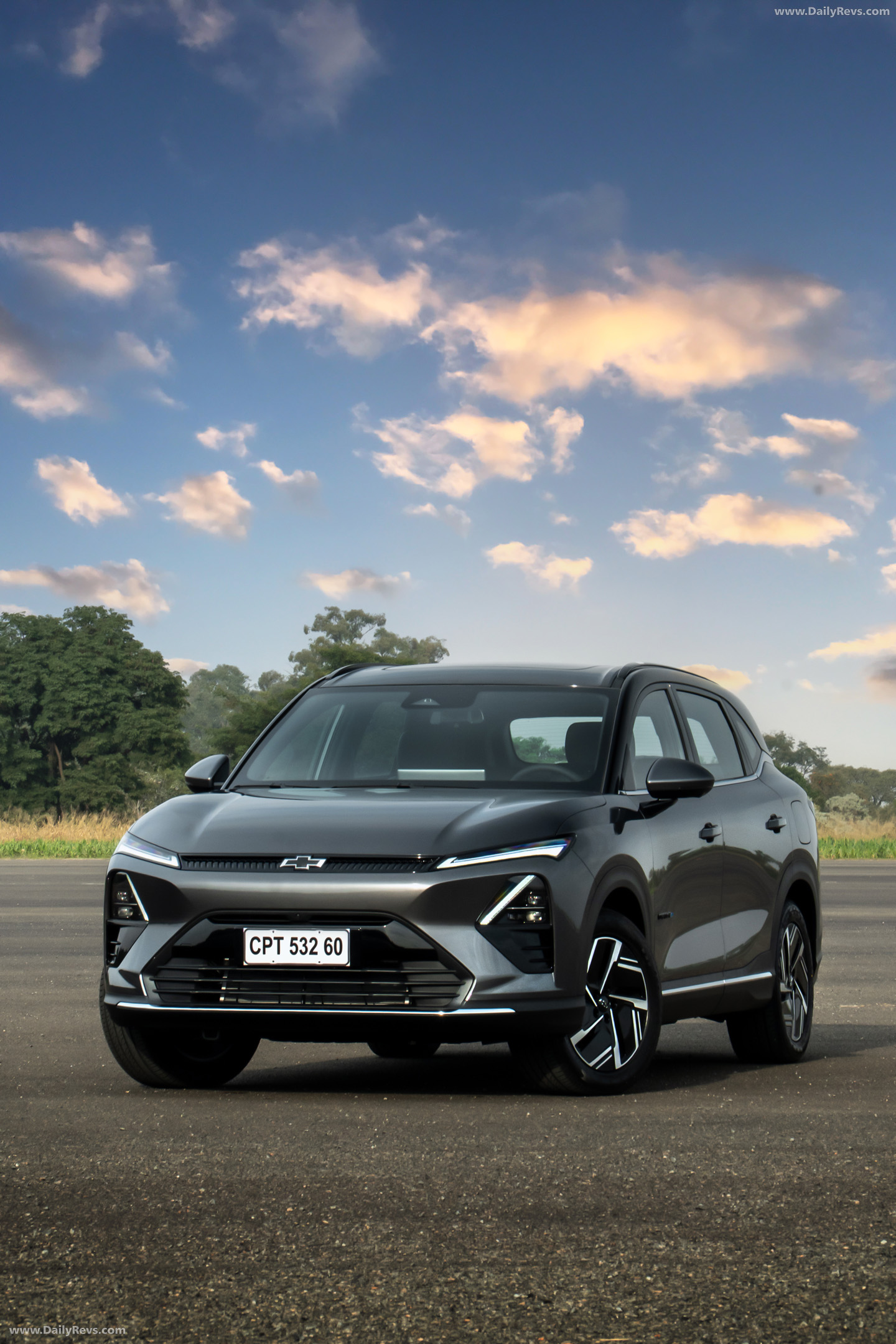
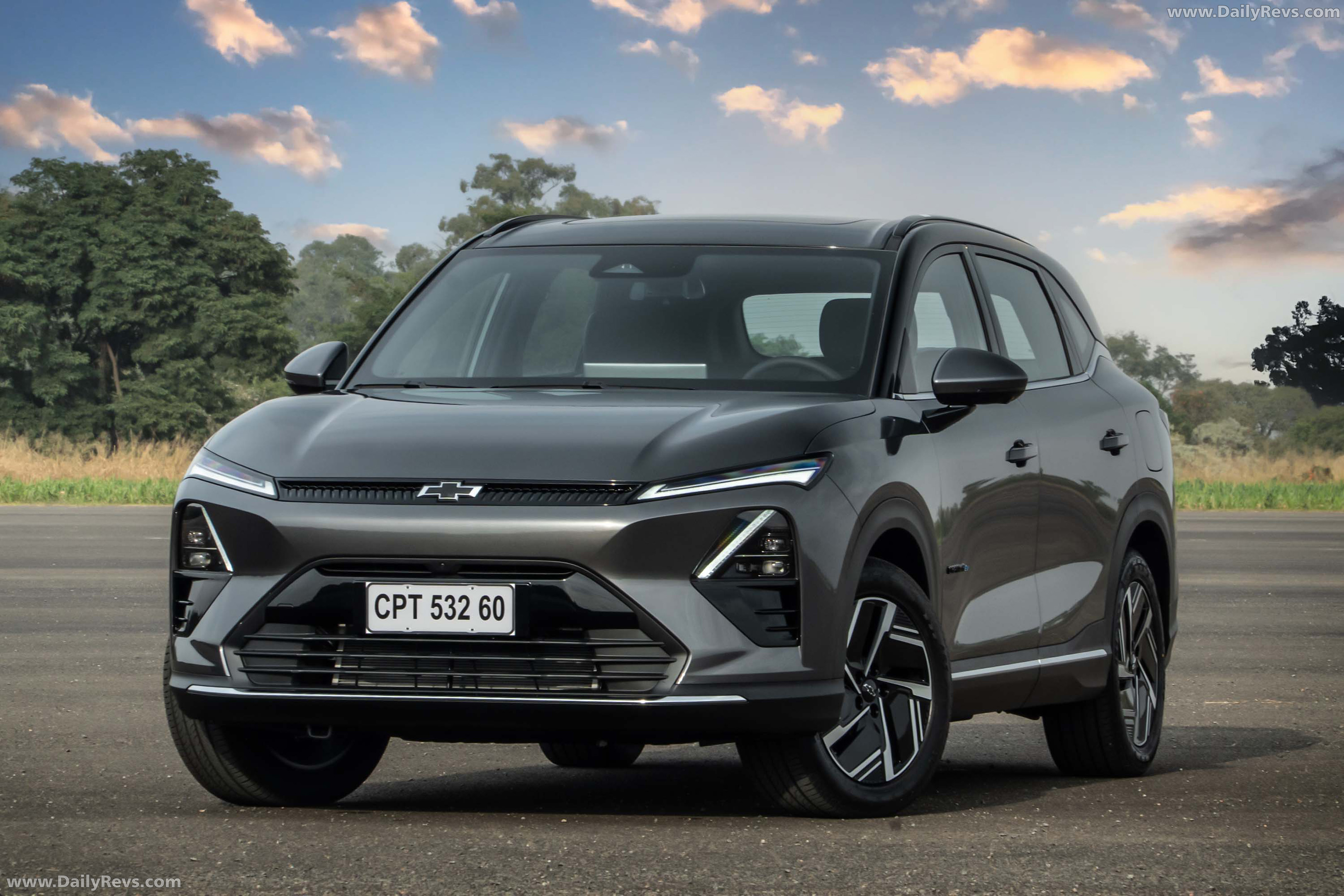
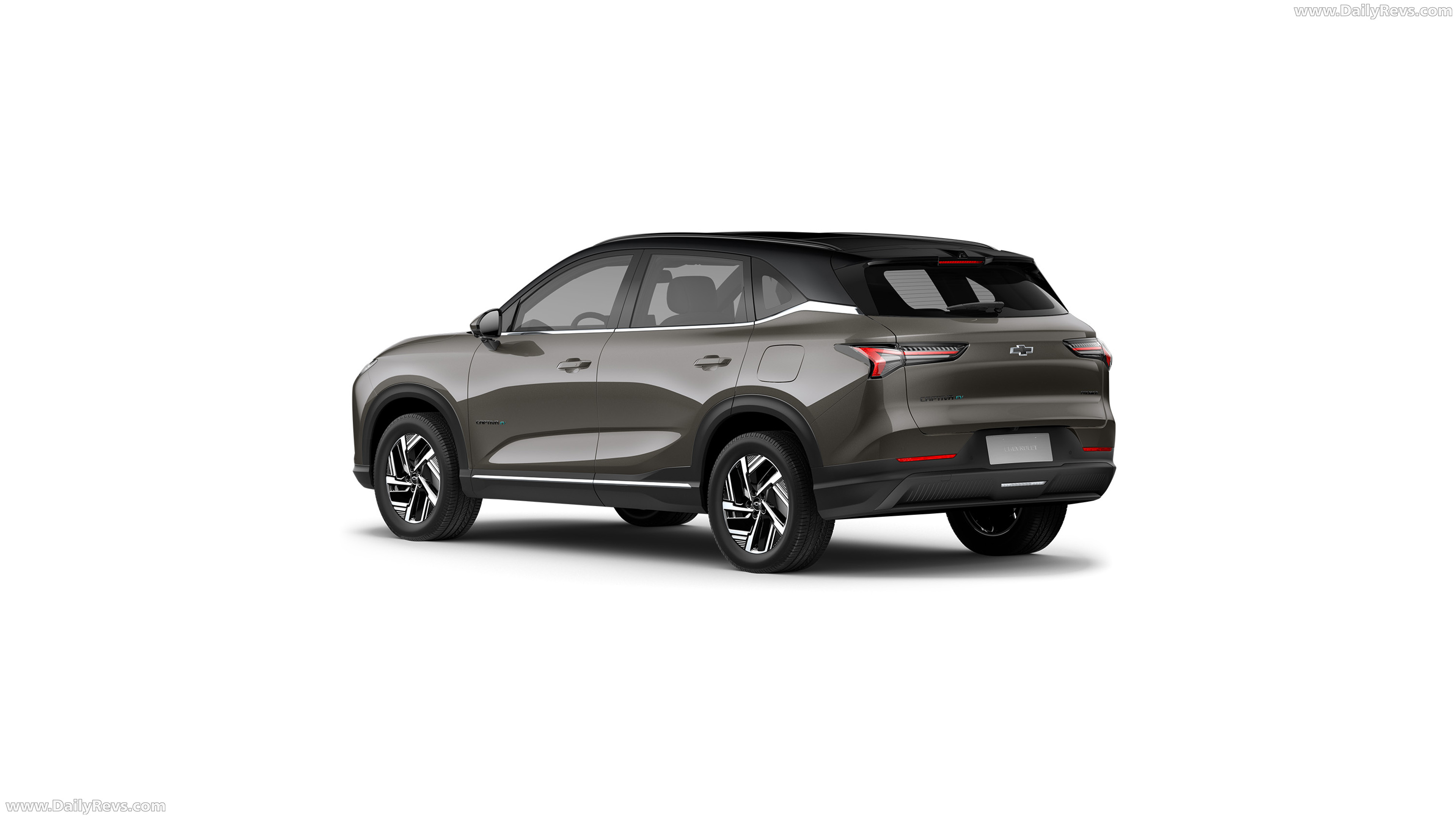
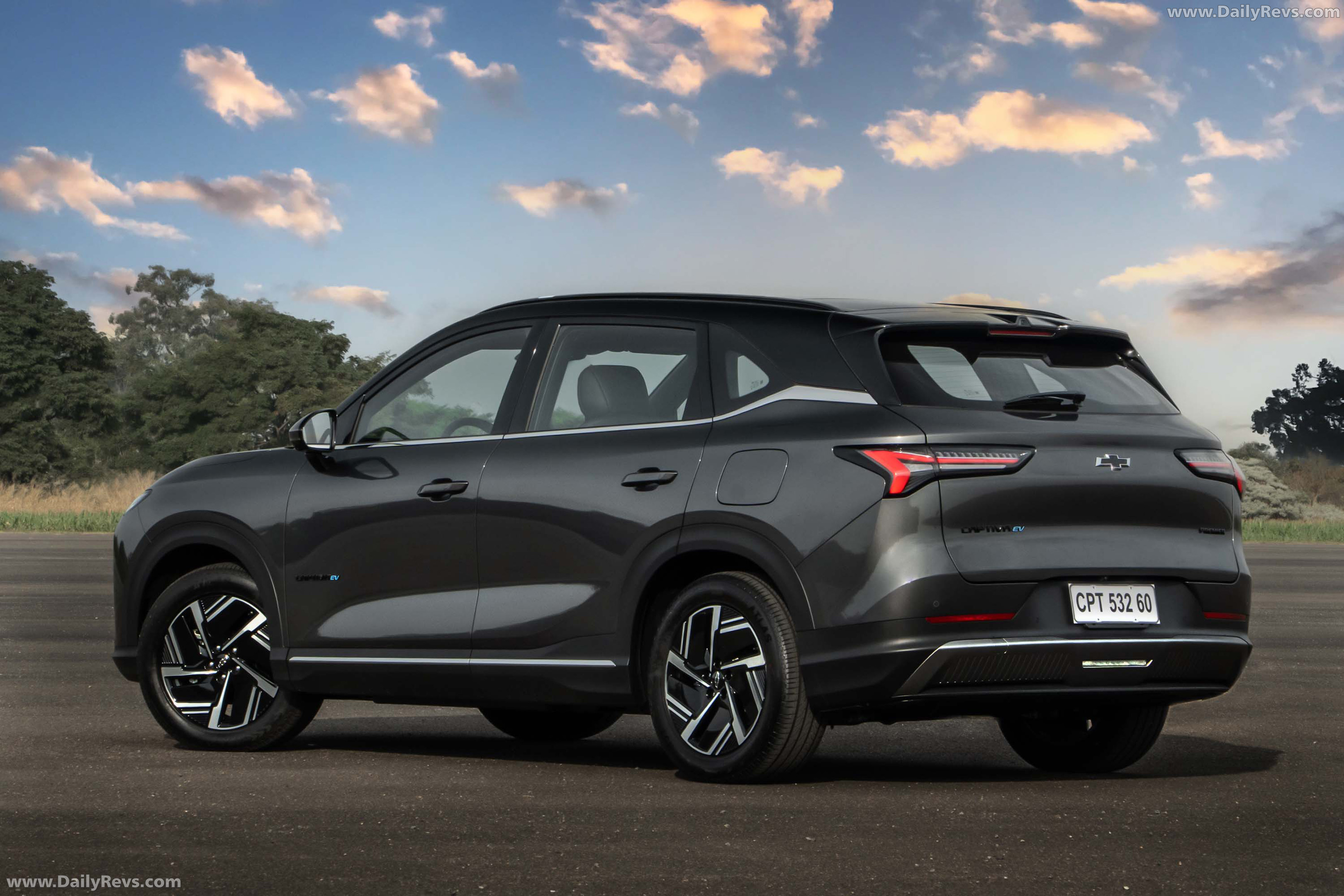
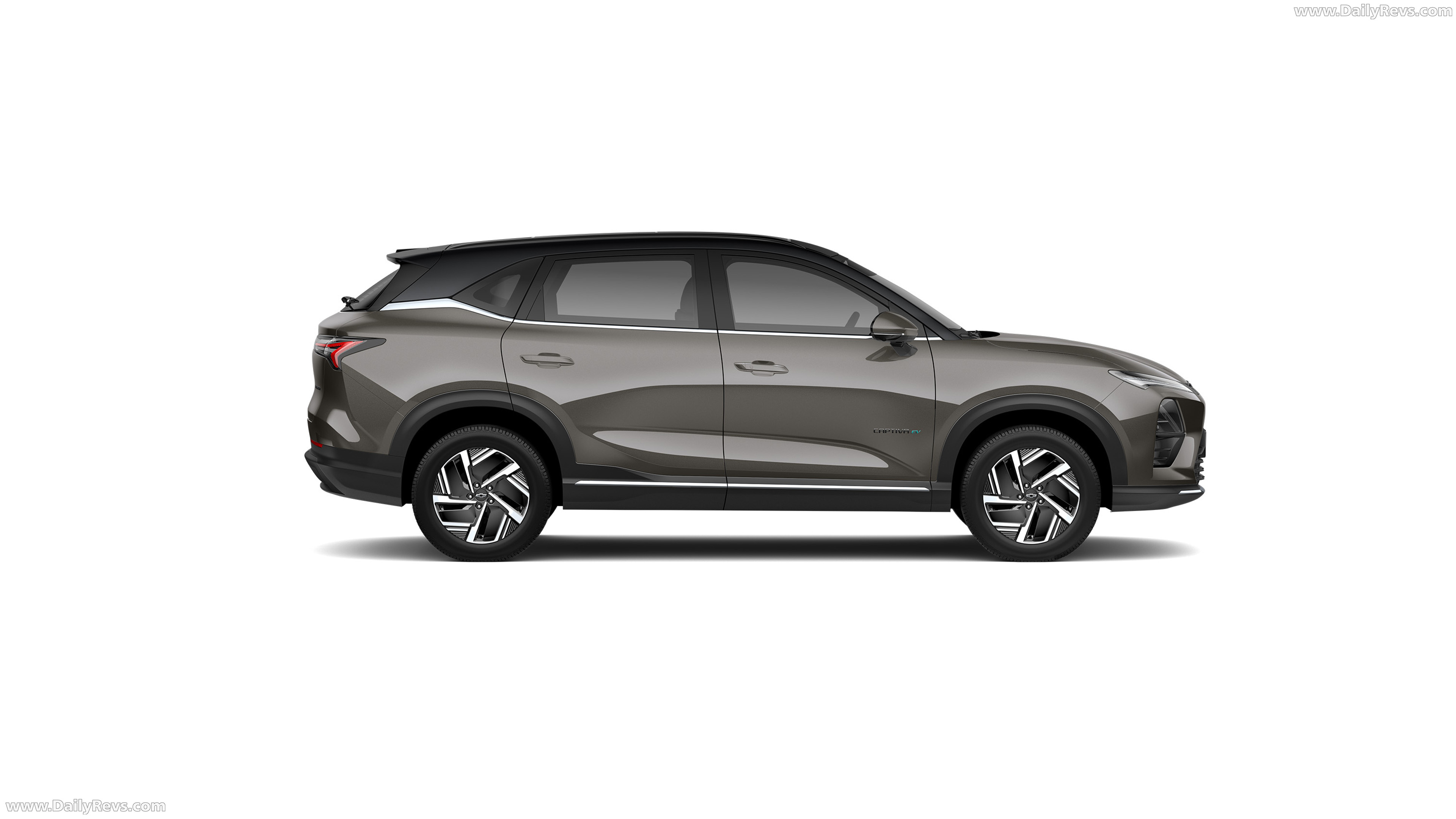
Seen in press imagery, the Captiva EV presents itself with restraint. The surfaces are clean, the volumes evenly distributed. Chevrolet’s SUV design DNA is evident without leaning on decorative excess. Slim LED headlamps stretch the front visually, while the closed grille signals its electric architecture and subtly improves aerodynamic efficiency.
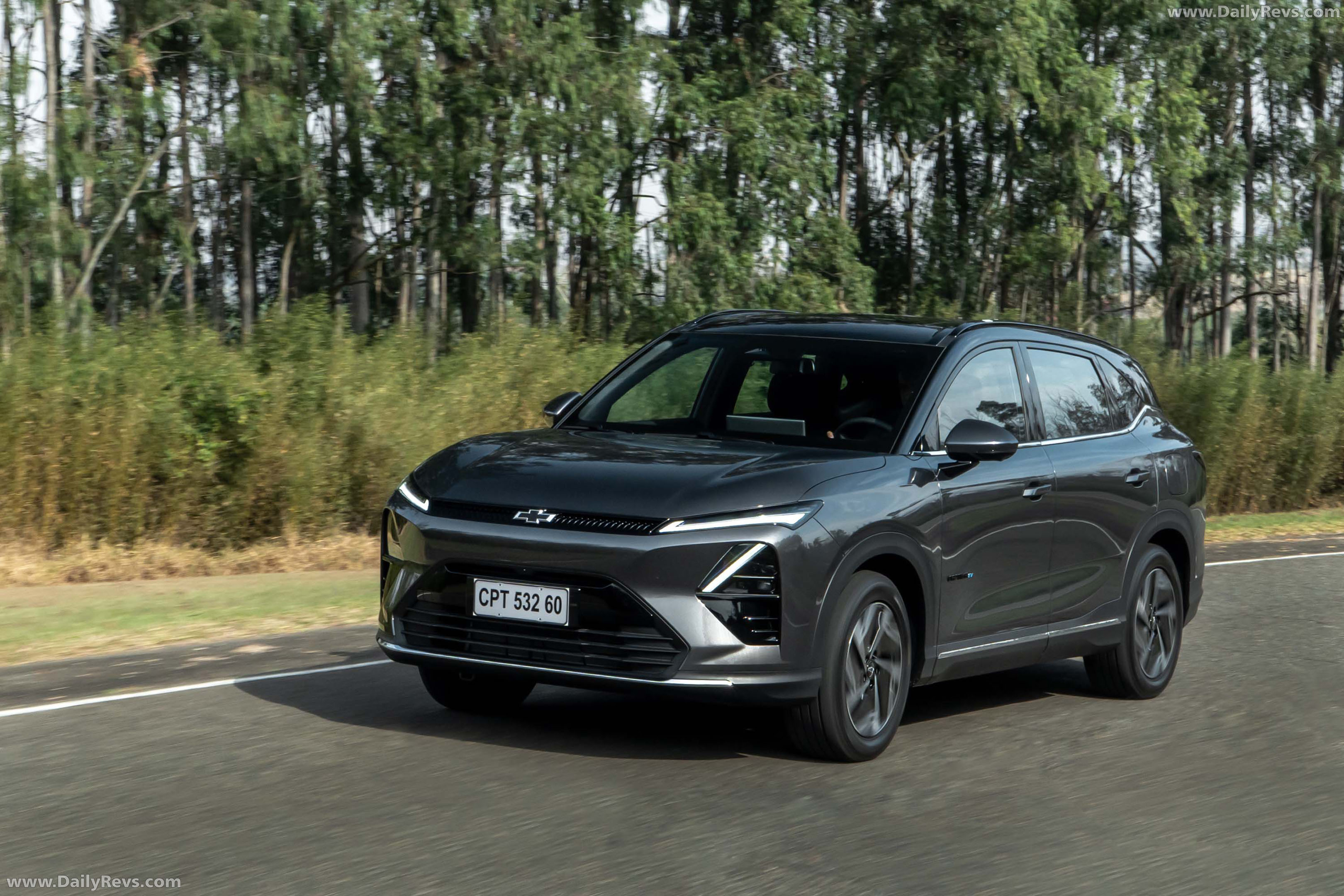
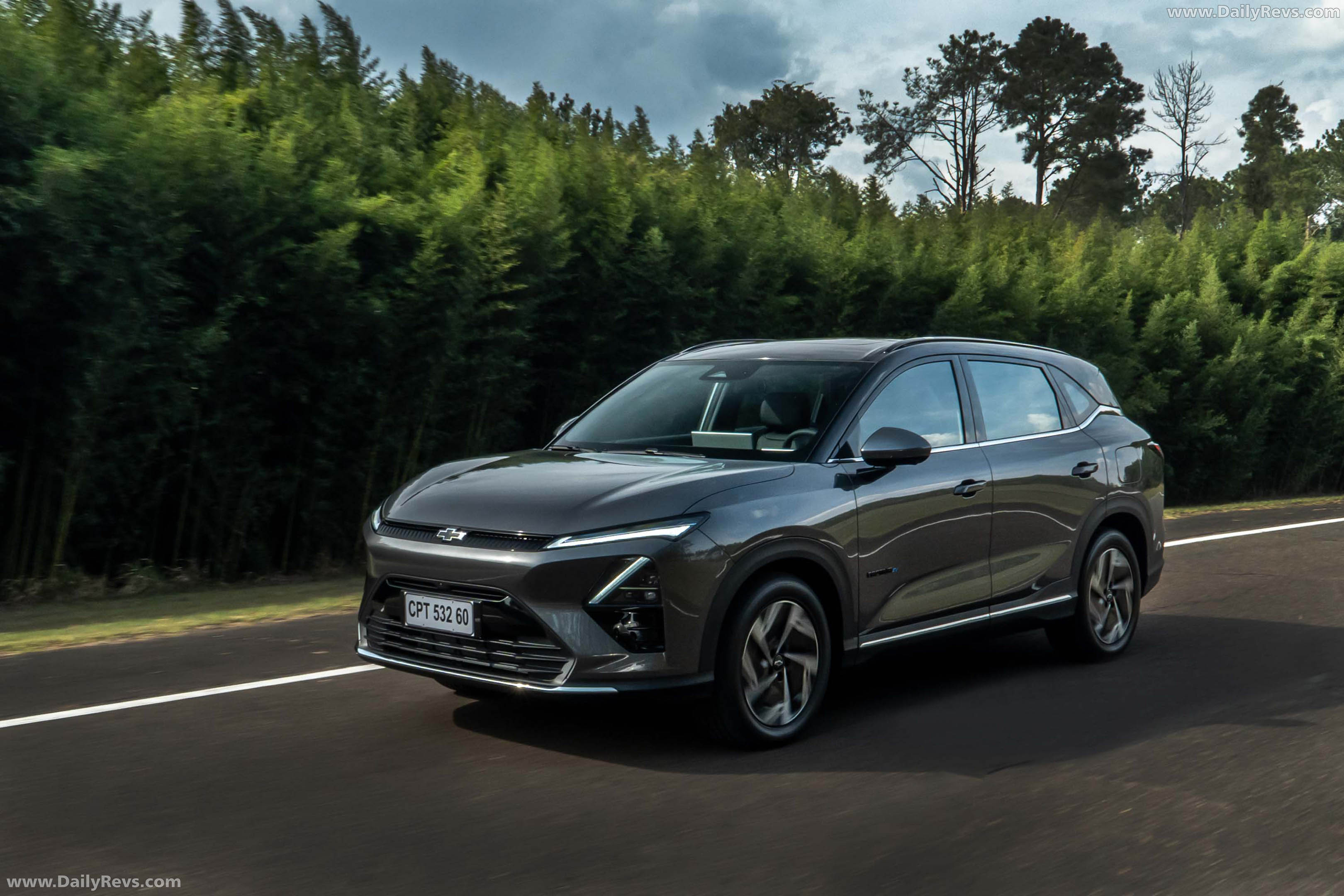
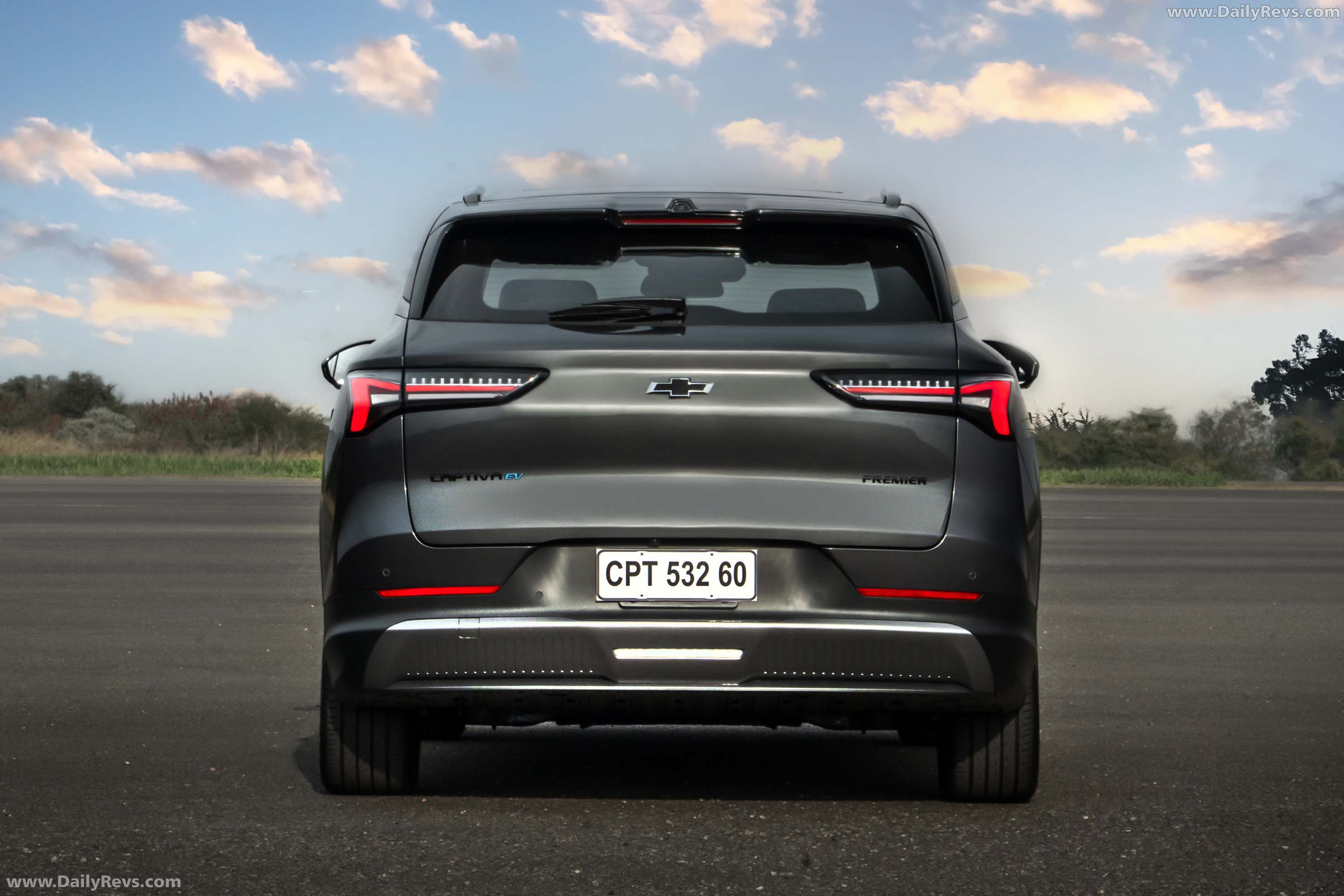
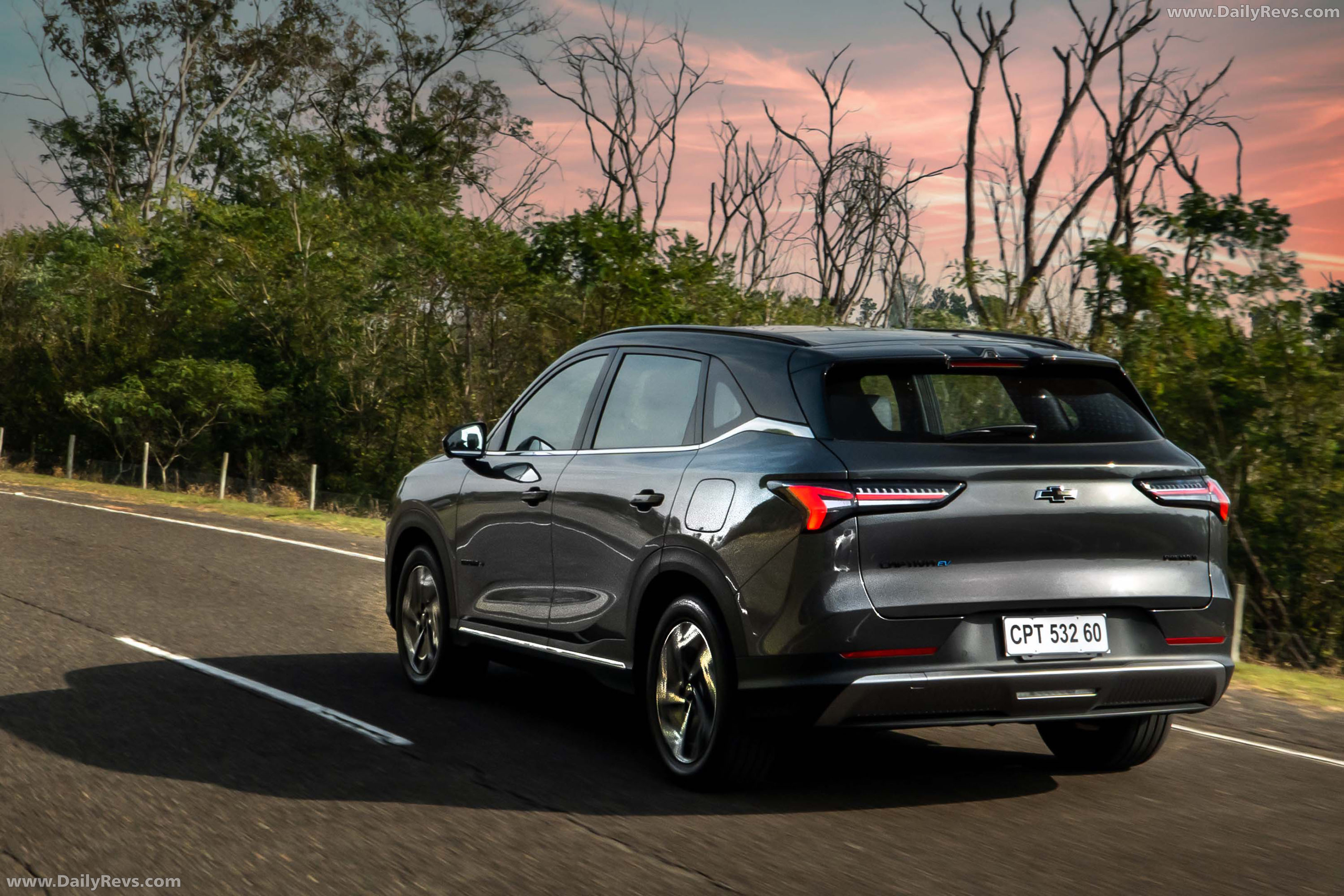
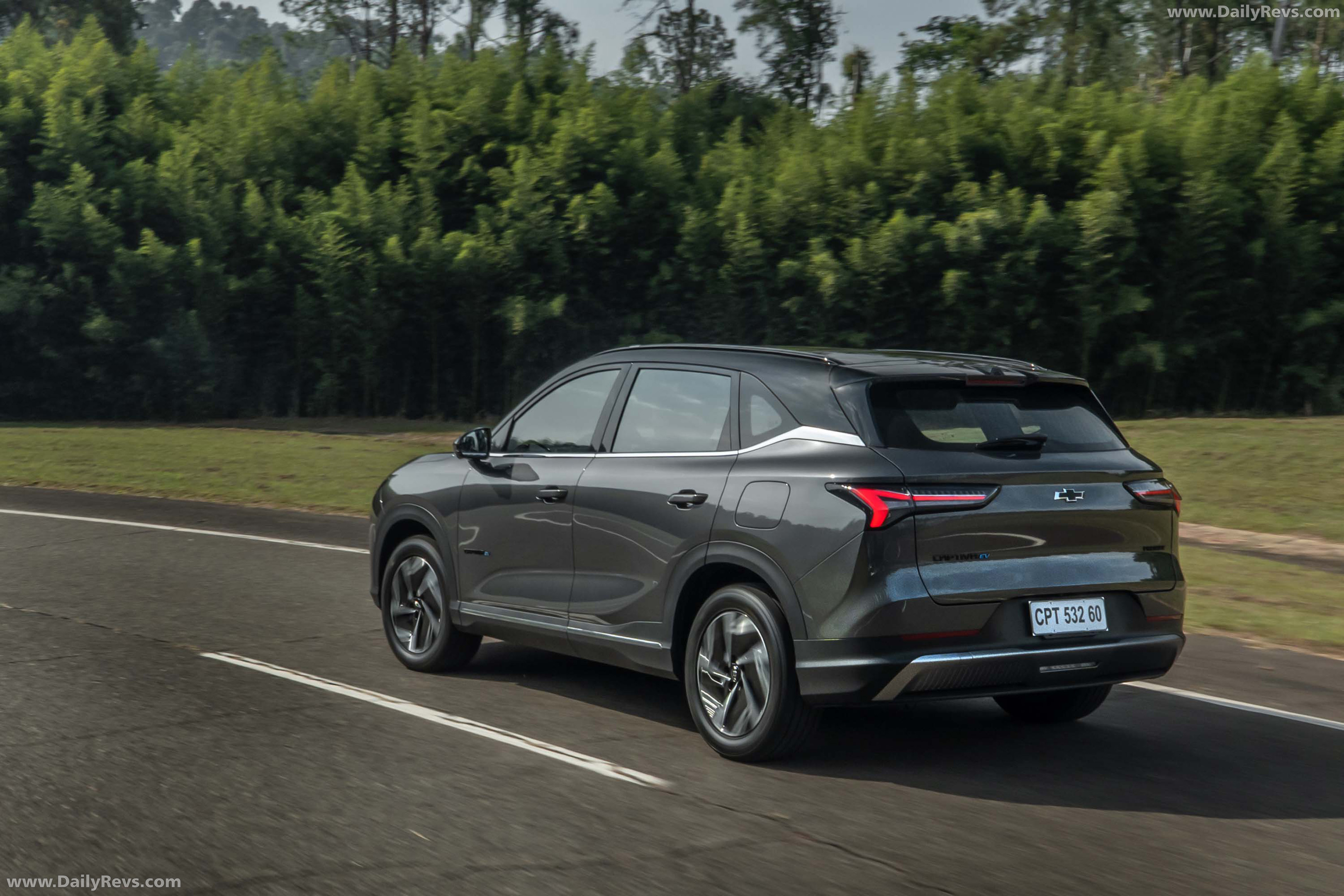
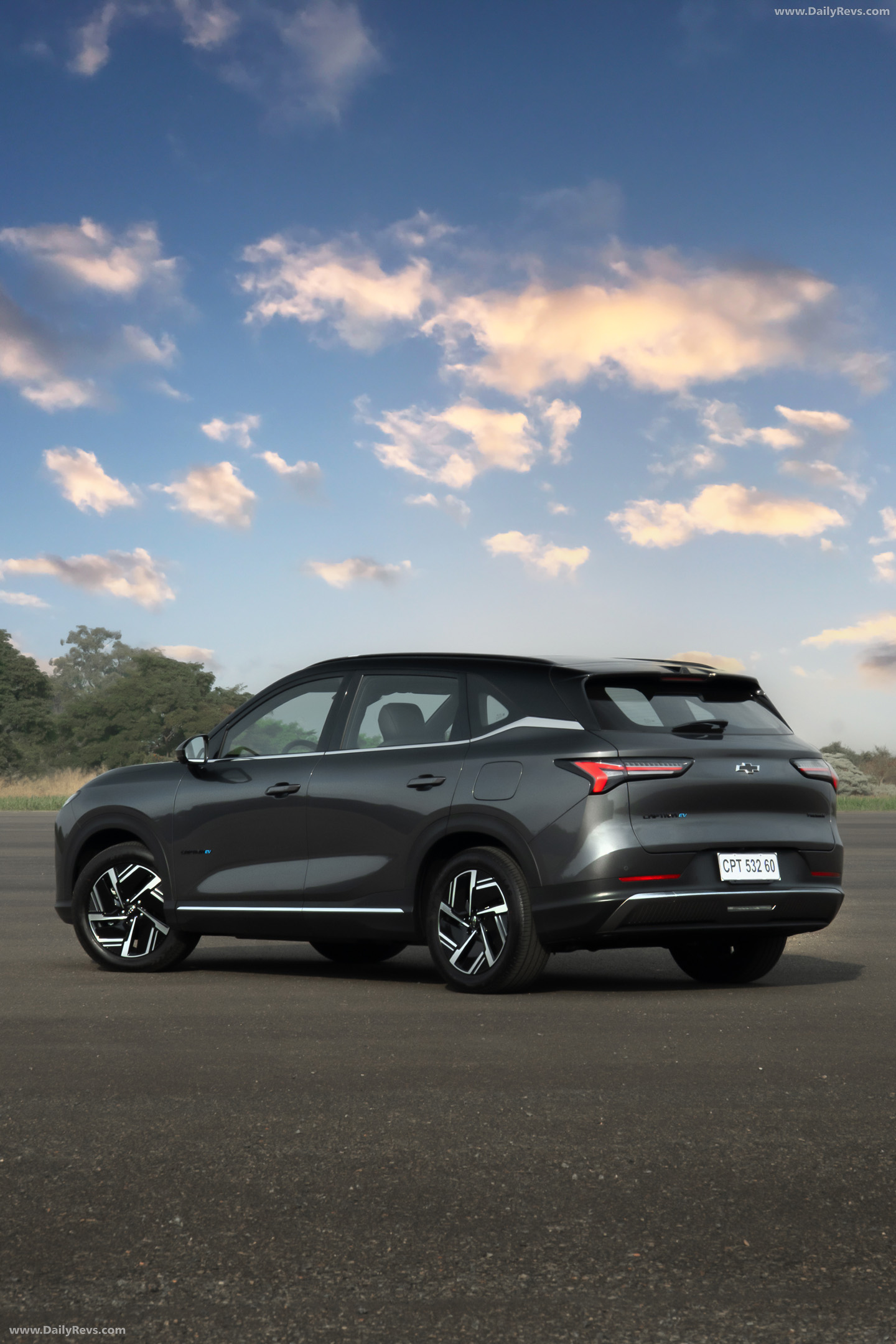
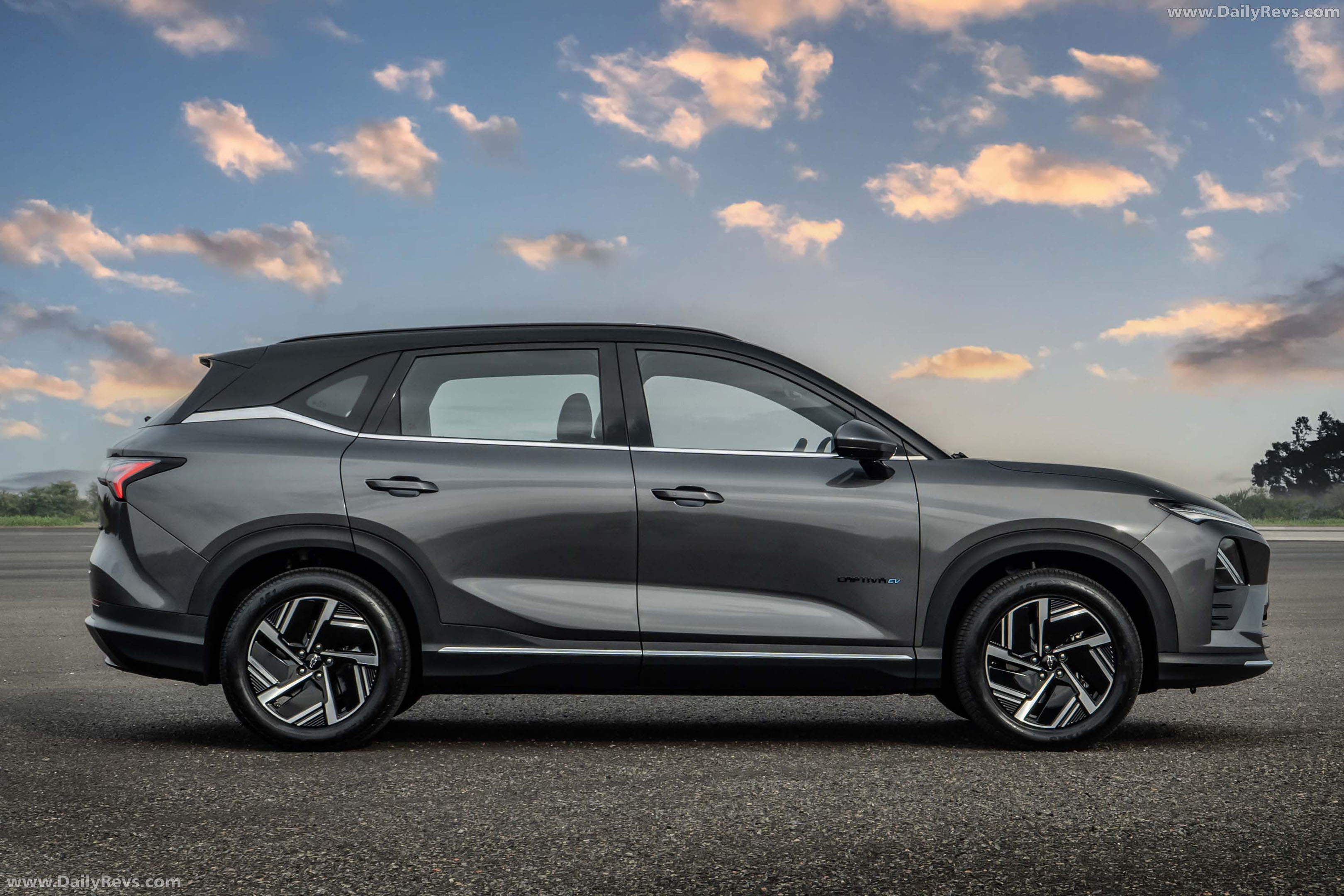
From the side, the long 2,800 mm wheelbase does most of the work. It gives the body a settled stance and hints at the interior space within. A rising chrome beltline connects visually to the two-tone roof, extending the profile without resorting to sharp creases. Eighteen-inch wheels feel appropriately sized, reinforcing balance rather than aggression. At the rear, horizontal LED lighting emphasizes width and stability.
Interior Space as the Core Argument
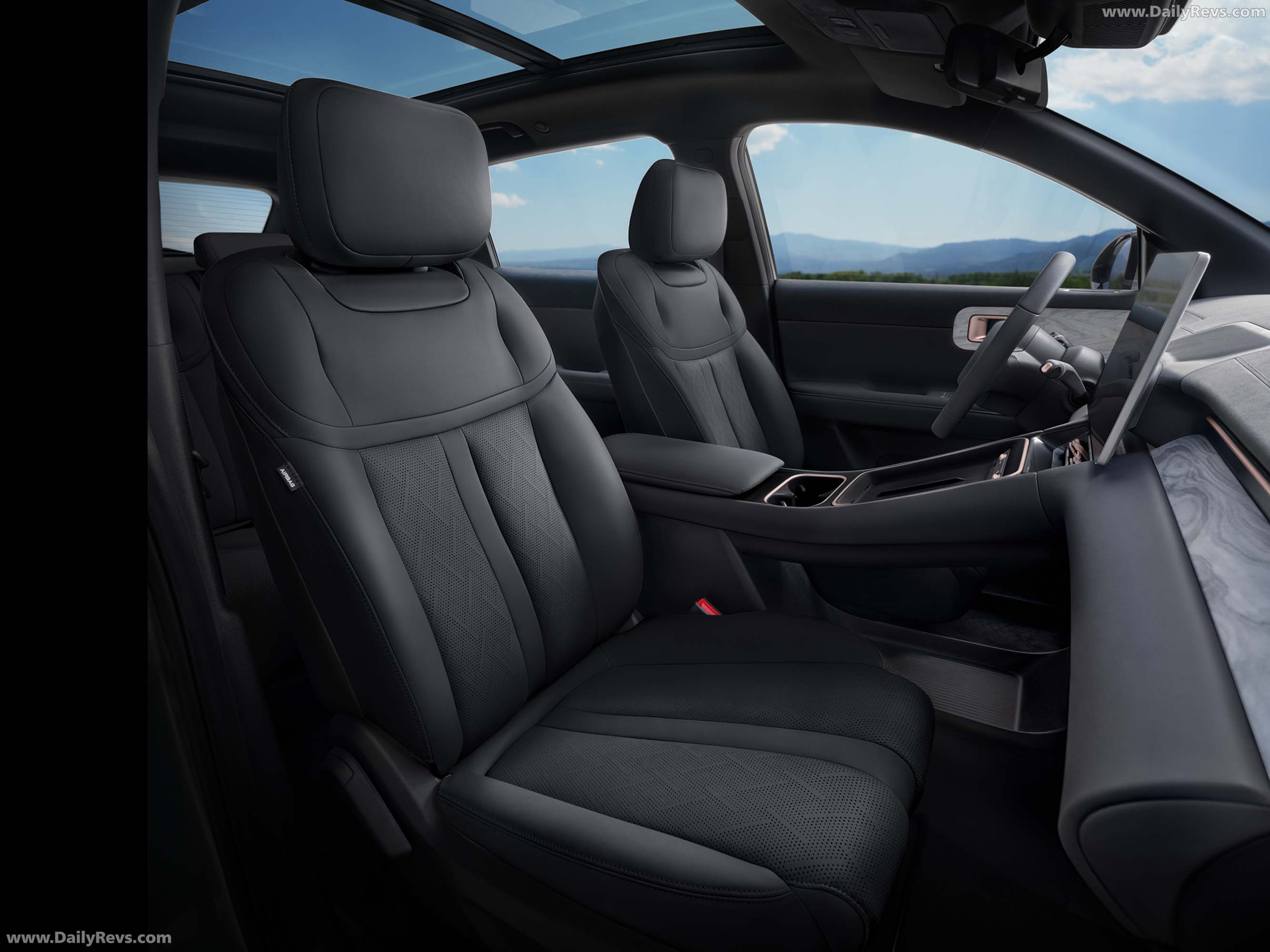
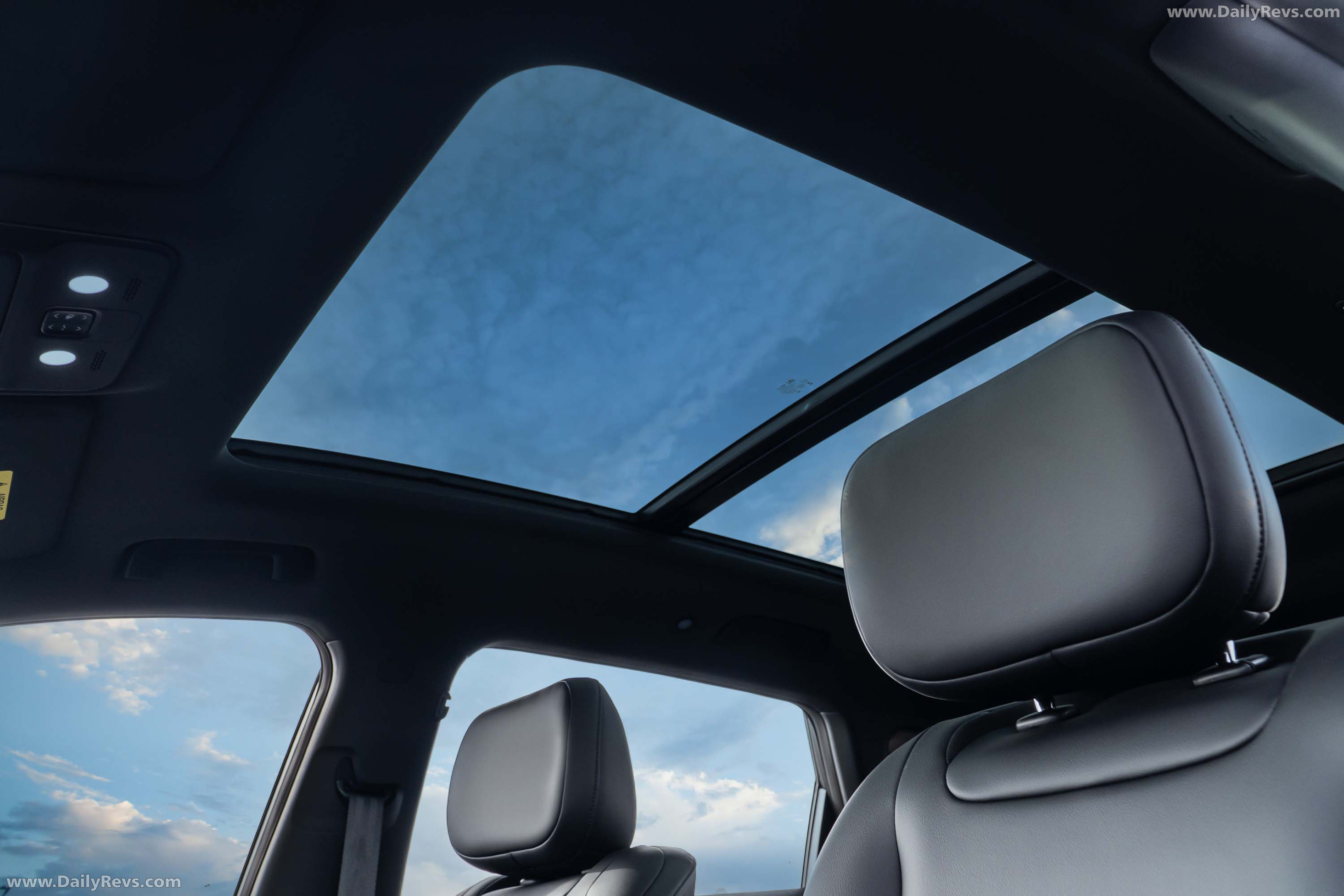
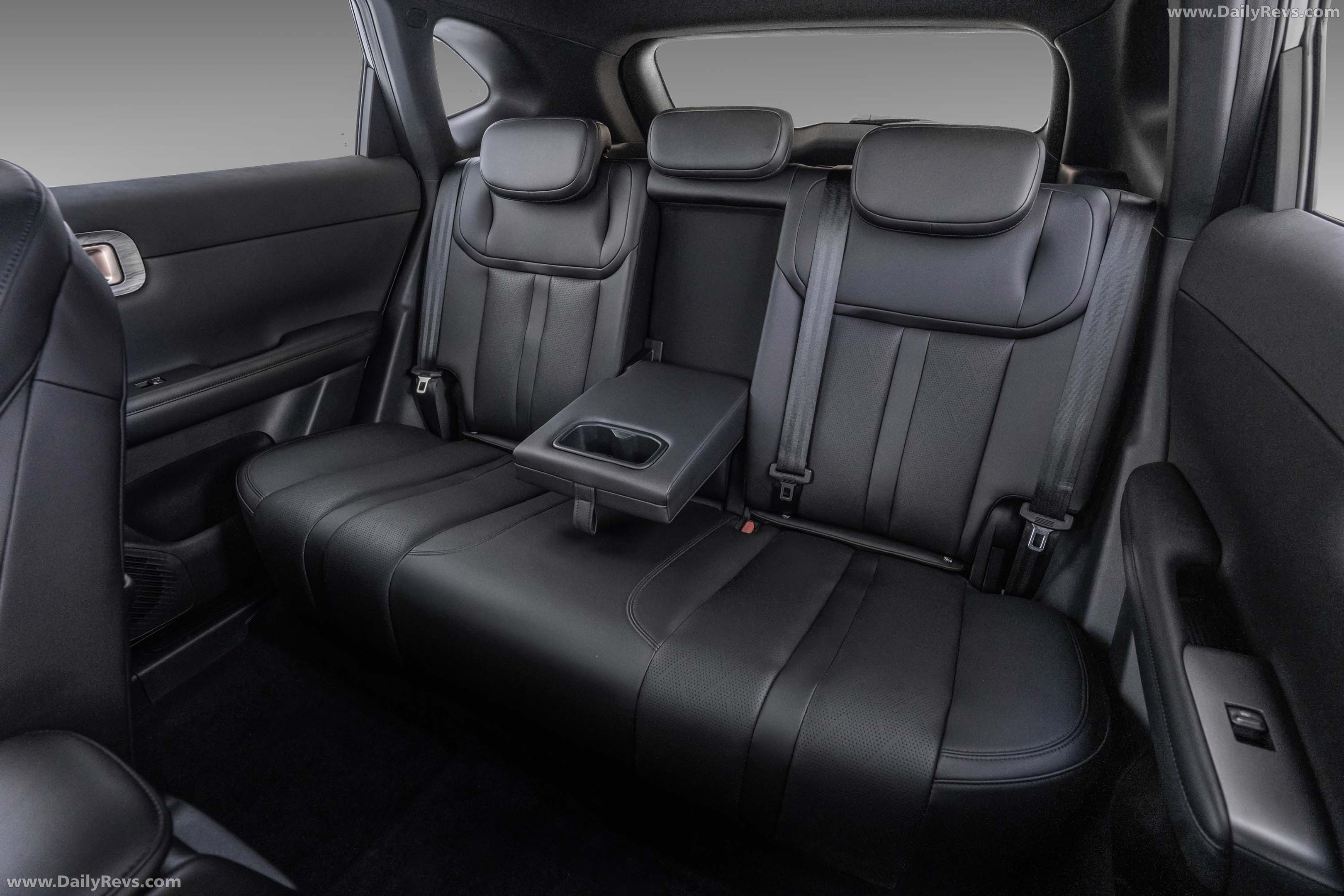
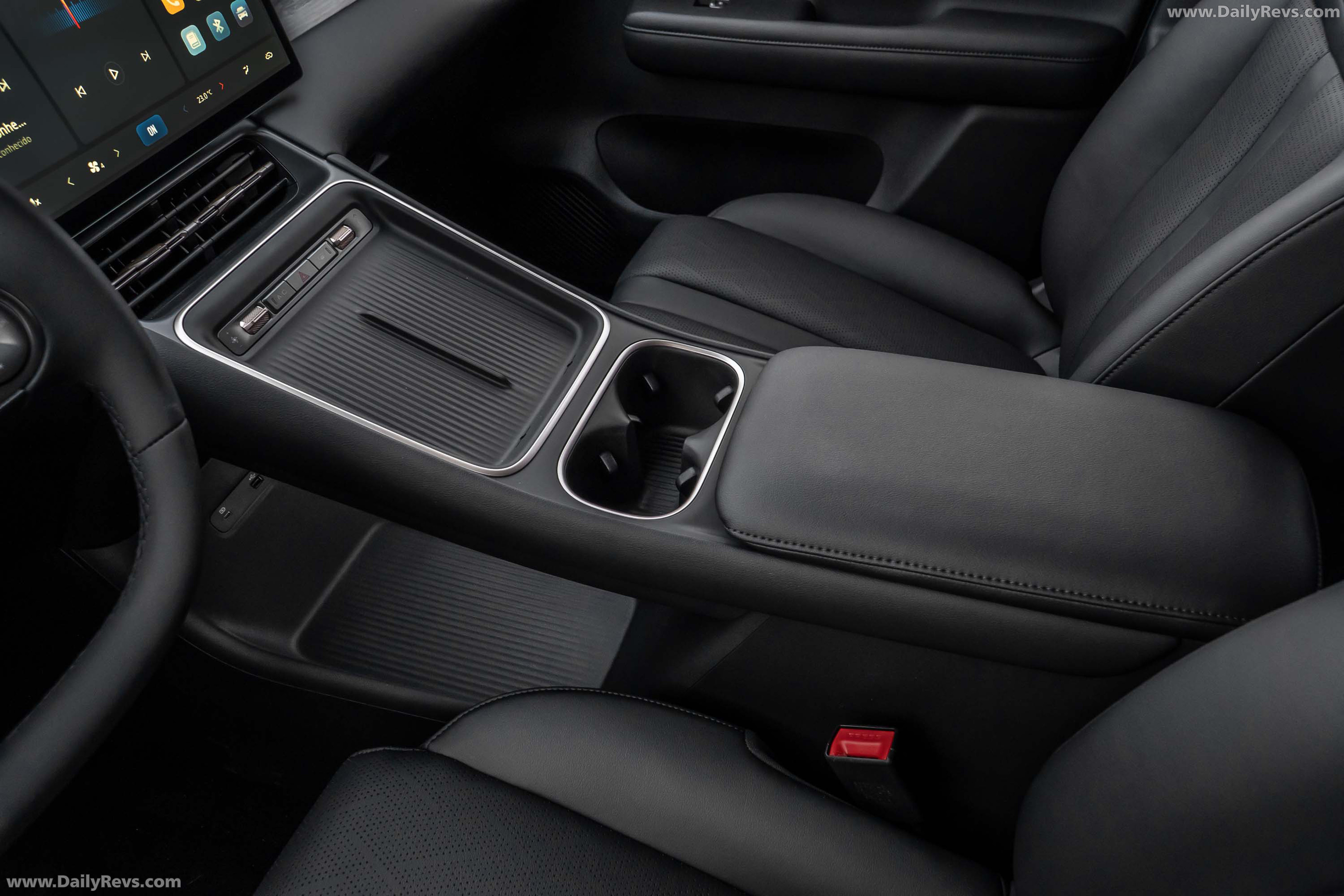
Inside, the Captiva EV leans into the inherent advantages of an electric platform. A flat floor opens up foot space, while storage niches are distributed logically rather than theatrically. With overall dimensions of 4,745 mm in length and more than 400 liters of cargo capacity, the SUV is clearly shaped around family routines. Taller persons can be comfortably accommodated in the rear seats, and the design permits revolving child seats without compromising the flexibility of the luggage.
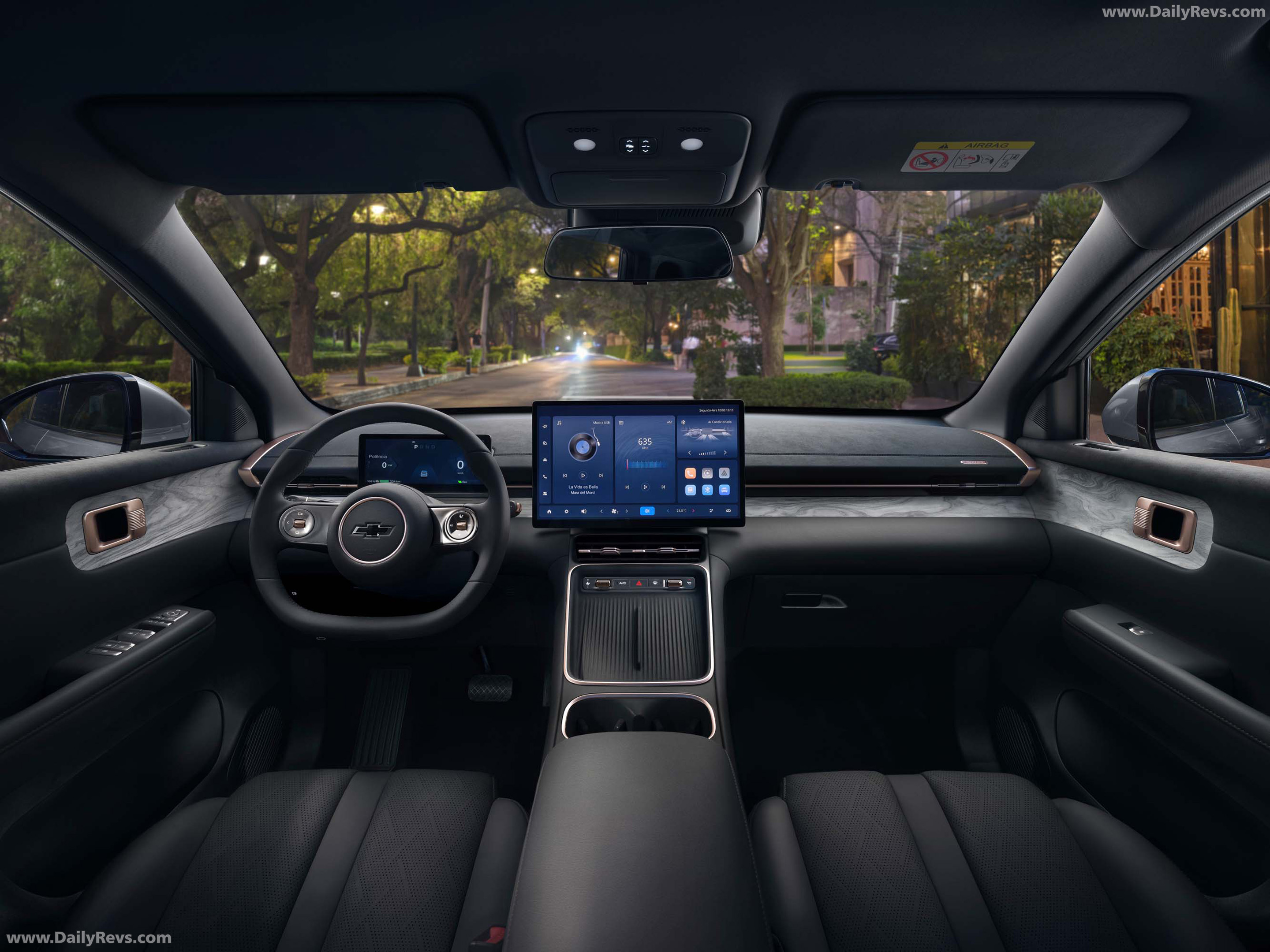
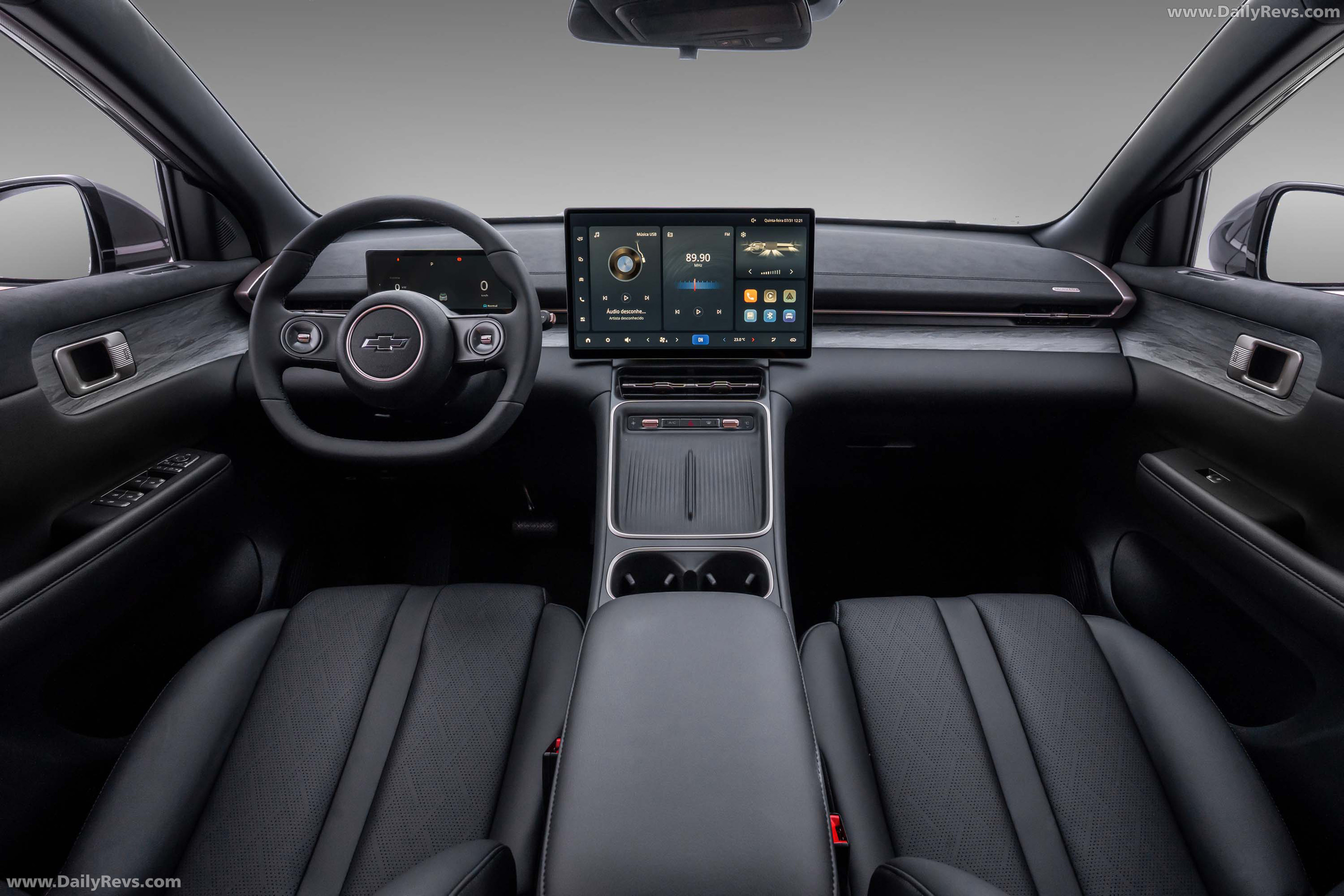
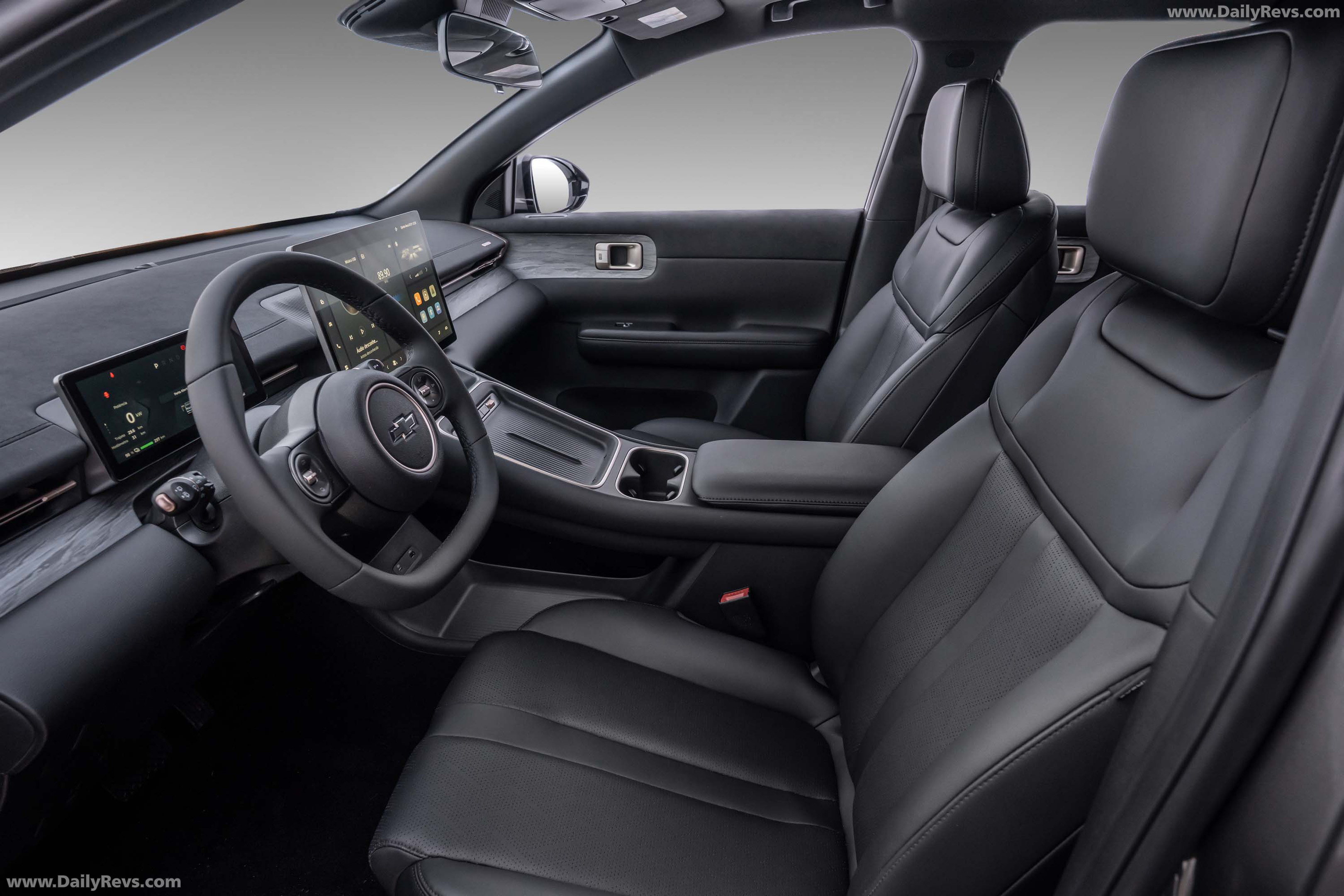
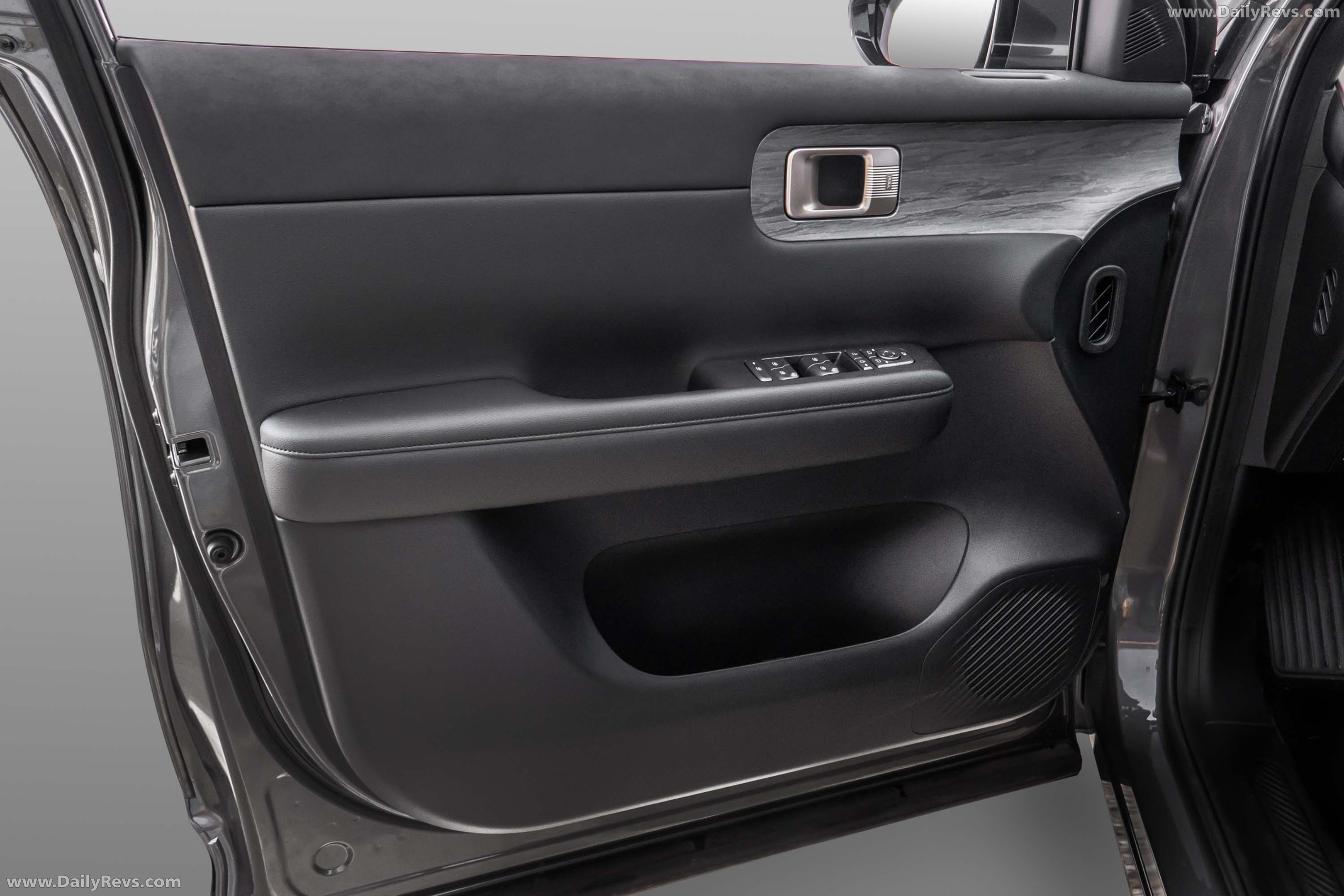
The choice of materials places an emphasis on tactility and serenity. High-end upholstery and significant soundproofing complement the soft-touch materials on the dashboard and doors. Thanks to the company's use of more than 45 sound-absorbing locations, laminated front glass, and low-noise tires, Chevrolet's cabin reads as intentionally quiet rather than being electronic by default.
Technology That Serves the Routine
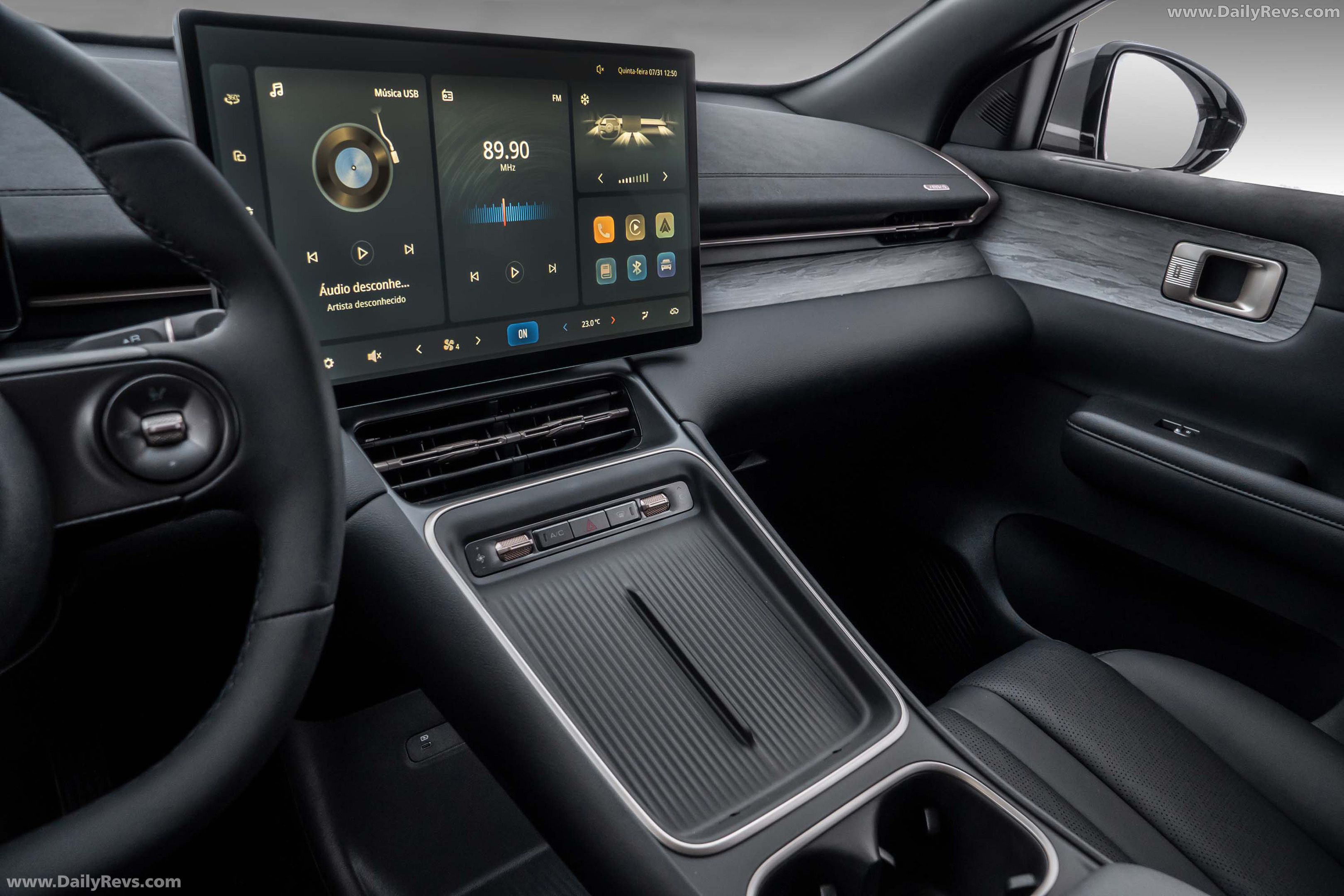
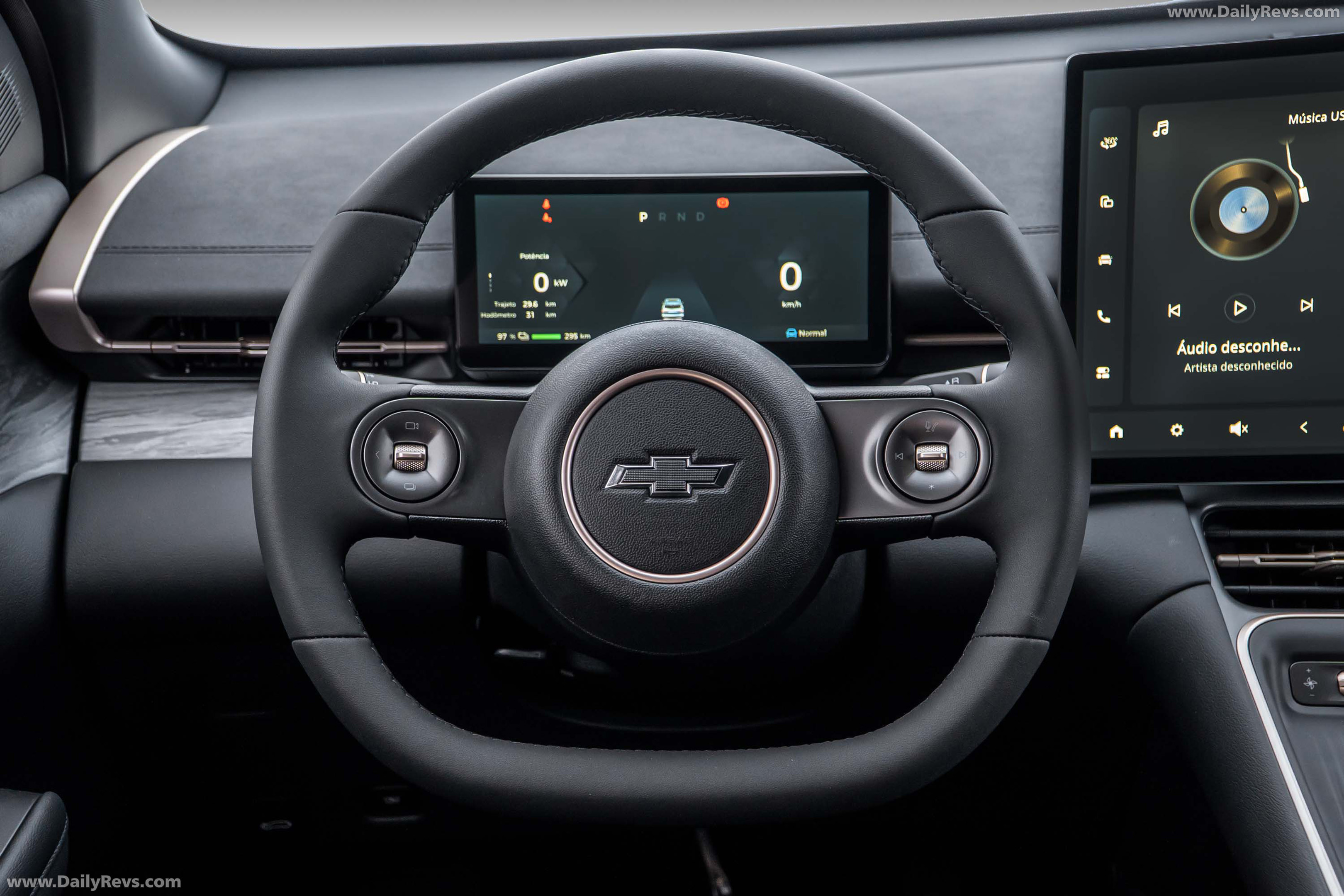
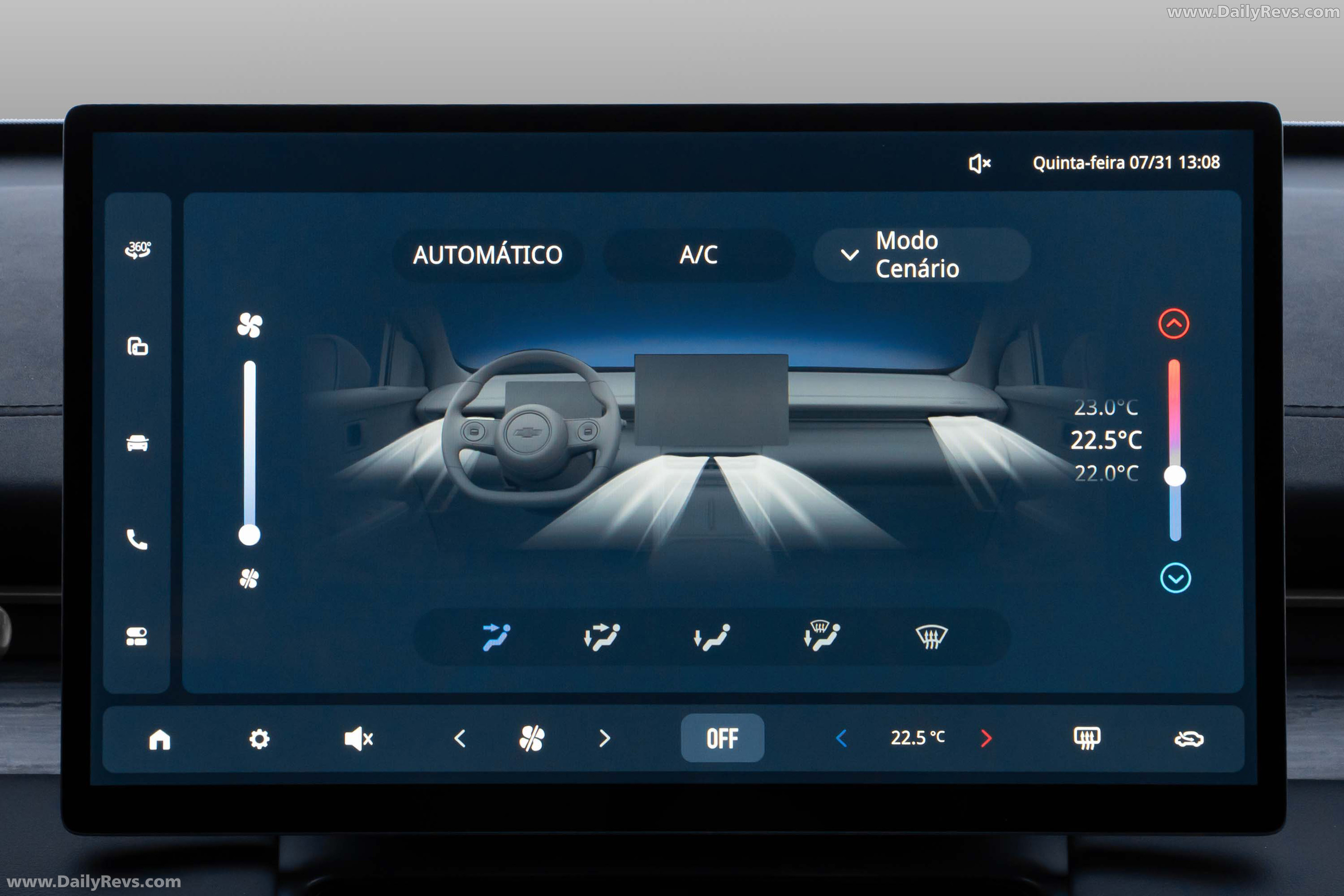
The cabin’s digital centerpiece is a 15.6-inch vertical touchscreen, one of the largest in its segment, paired with an 8.8-inch digital instrument cluster. The user interface (UI), which shows range, consumption, and energy flow without visual clutter, prioritizes larity. Despite the widespread availability of smartphone connectivity, features like the 360-degree camera are designed for everyday urban use rather than harsh conditions.
Chevrolet frames driving impressions as emphasizing poise. Suspension tuning, which provides better steering calibration and dependable reflexes, reflects Brazilian road conditions.
With 201 horsepower and instantaneous torque of 31.6 kgfm, the electric motor accelerates quickly but smoothly, reaching 100 km/h in around nine seconds.
Multiple drive modes and adjustable regeneration levels allow the driver to fine-tune behavior in traffic-heavy scenarios.
Battery Strategy and Ownership Context
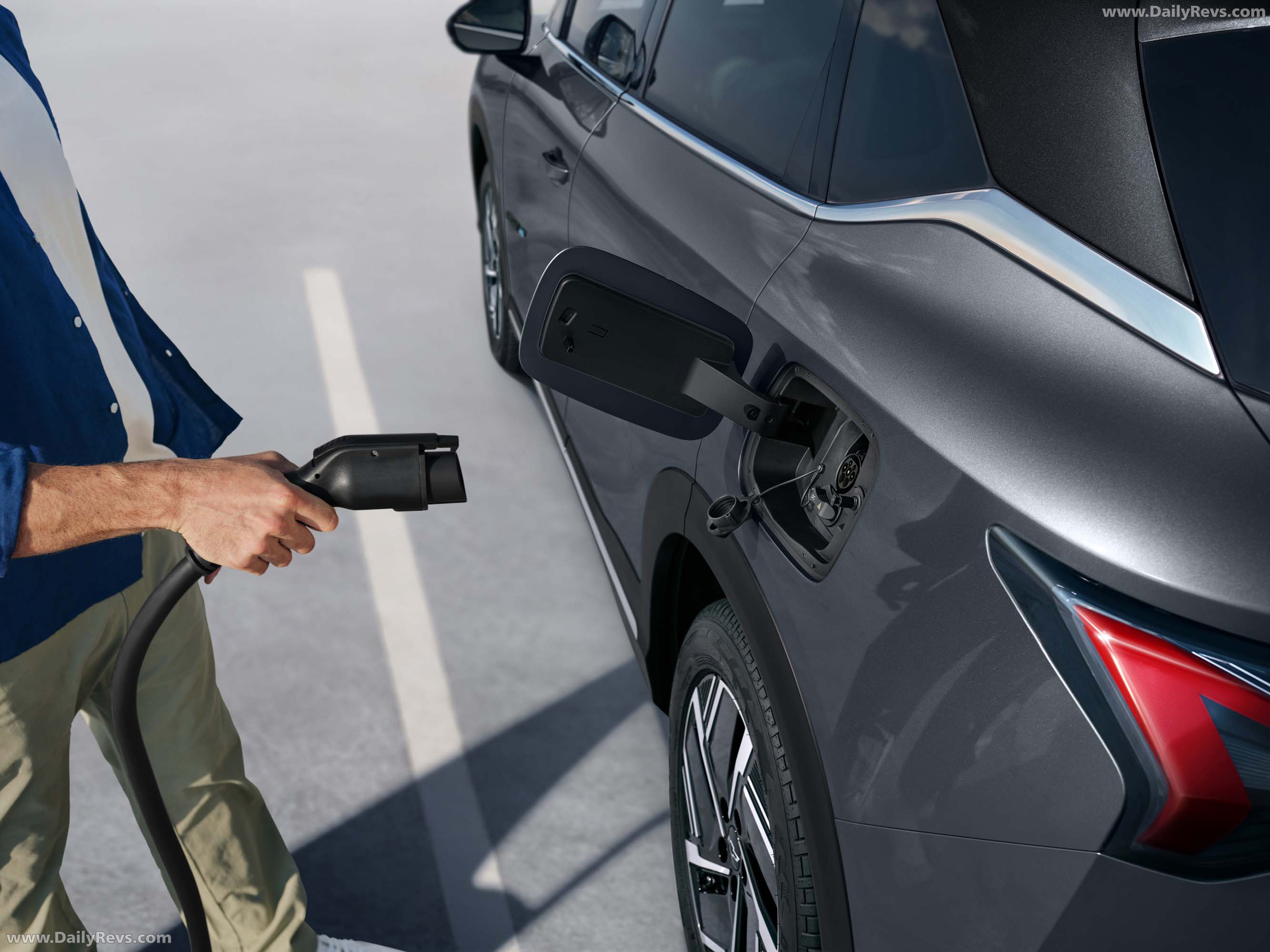
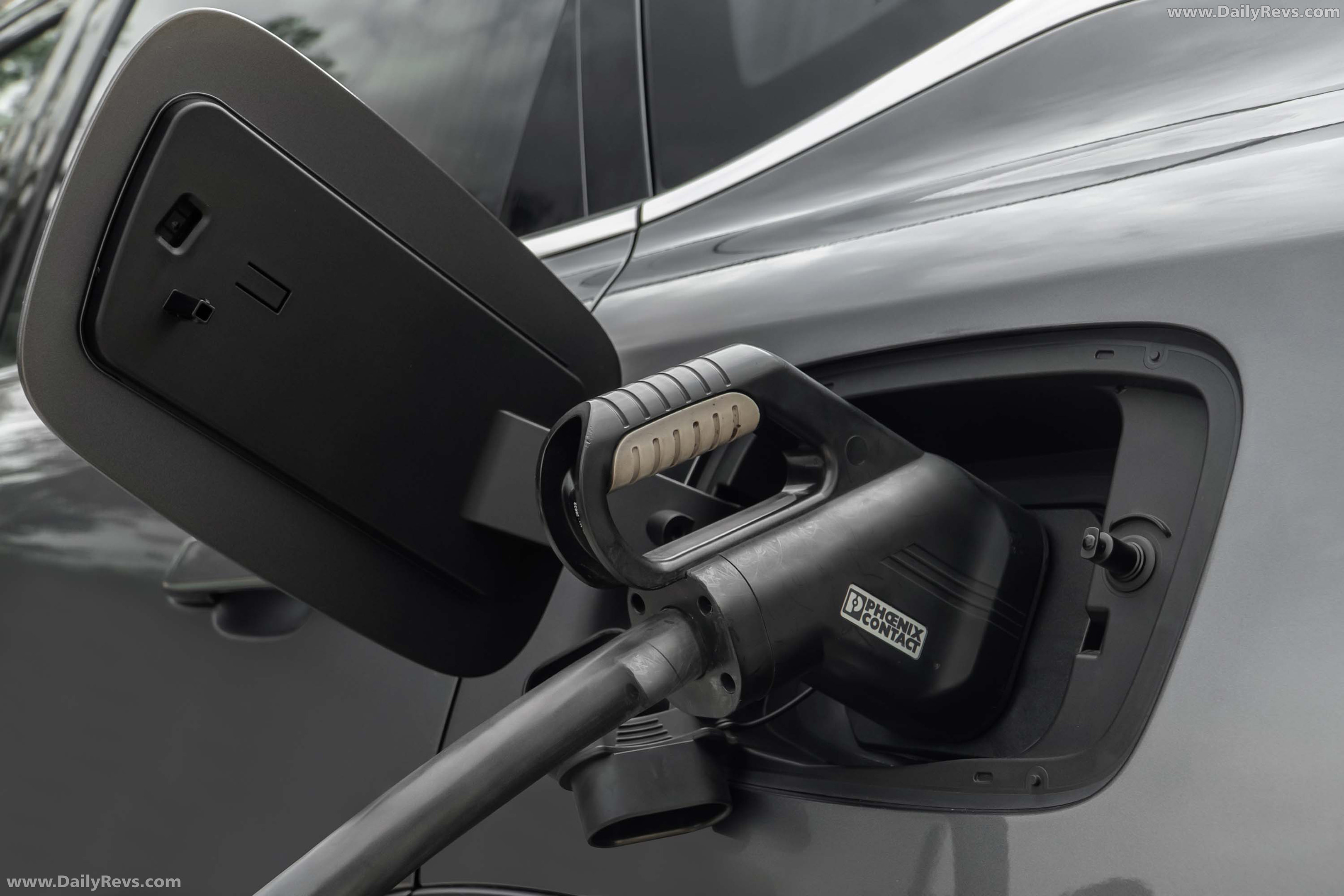
Power is supplied by a 60 kWh lithium-iron-phosphate battery, which was selected for its durability and thermal stability. The Inmetro standard states that the permitted range is 304 km, and that a 30-80% recharge can be achieved in around 30 minutes with rapid charging up to 120 kW.
An eight-year or 160,000 km battery warranty is paired with a health-monitoring system that reports battery condition transparently over time.
Chevrolet positions the Captiva EV as a cost-reset for families accustomed to mid-size SUVs. Estimated cost per kilometer is roughly half that of a hybrid equivalent, with simplified maintenance removing traditional service items entirely. In that context, the Captiva EV is less about disruption and more about substitution—electric, but familiar.