2026 Bovensiepen Zagato Verde Masoni
By Lorenzo Bianchi April 22, 2026
3.0L inline-six produces 449 kW and 700 Nm.
Carbon fibre body with classic Zagato double-bubble roof.
Hand-built GT with over 250 hours of craftsmanship.
Italian design meets Bavarian precision
The 2026 Bovensiepen Zagato arrives as the first model from the newly formed Bovensiepen brand. It doesn’t follow the usual launch formula.
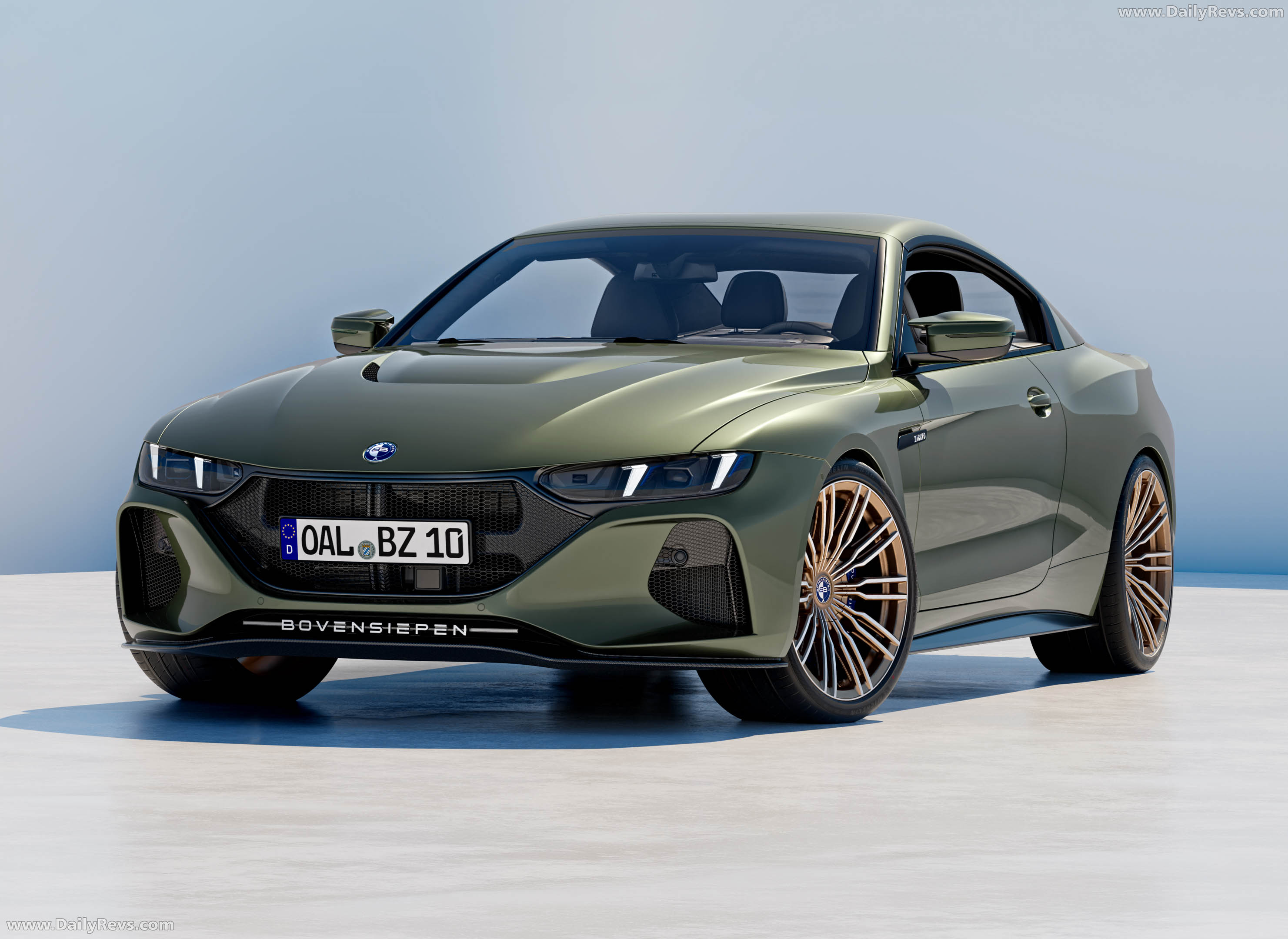
Instead, it leans heavily on heritage. Italian design from Zagato meets engineering developed in Buchloe, Germany. The result is a low-slung grand tourer that feels more like a coachbuilt project than a conventional production car.
The proportions are immediately clear. Long bonnet, compact cabin, and a tapered rear. There’s no B-pillar, and the frameless windows retract fully, giving the side profile a clean, uninterrupted line.
The double-bubble roof, a Zagato signature, defines the silhouette from above. It’s subtle, but it shapes how the car sits visually. The surfaces remain smooth, almost restrained, with just enough tension in the lines to avoid looking flat.
It doesn’t try to look aggressive. It’s more about proportion and balance.
A low, wide stance built around traditional GT form
Dimensionally, the car sits in familiar GT territory.
At just under five metres long and under 1.4 metres tall, the stance is low and stretched. The bonnet dominates the front half, while the rear tapers into a compact, muscular form.
Airflow is carefully managed. Side vents and a pronounced rear diffuser hint at the performance underneath, while the integrated rear spoiler is shaped into the body rather than added on.
The wheels, 20-inch forged alloys, carry a multi-spoke design that adds depth without drawing too much attention.
Everything feels resolved. Nothing appears unnecessary.
Cabin blends craftsmanship with modern structure
Inside, the approach shifts slightly.
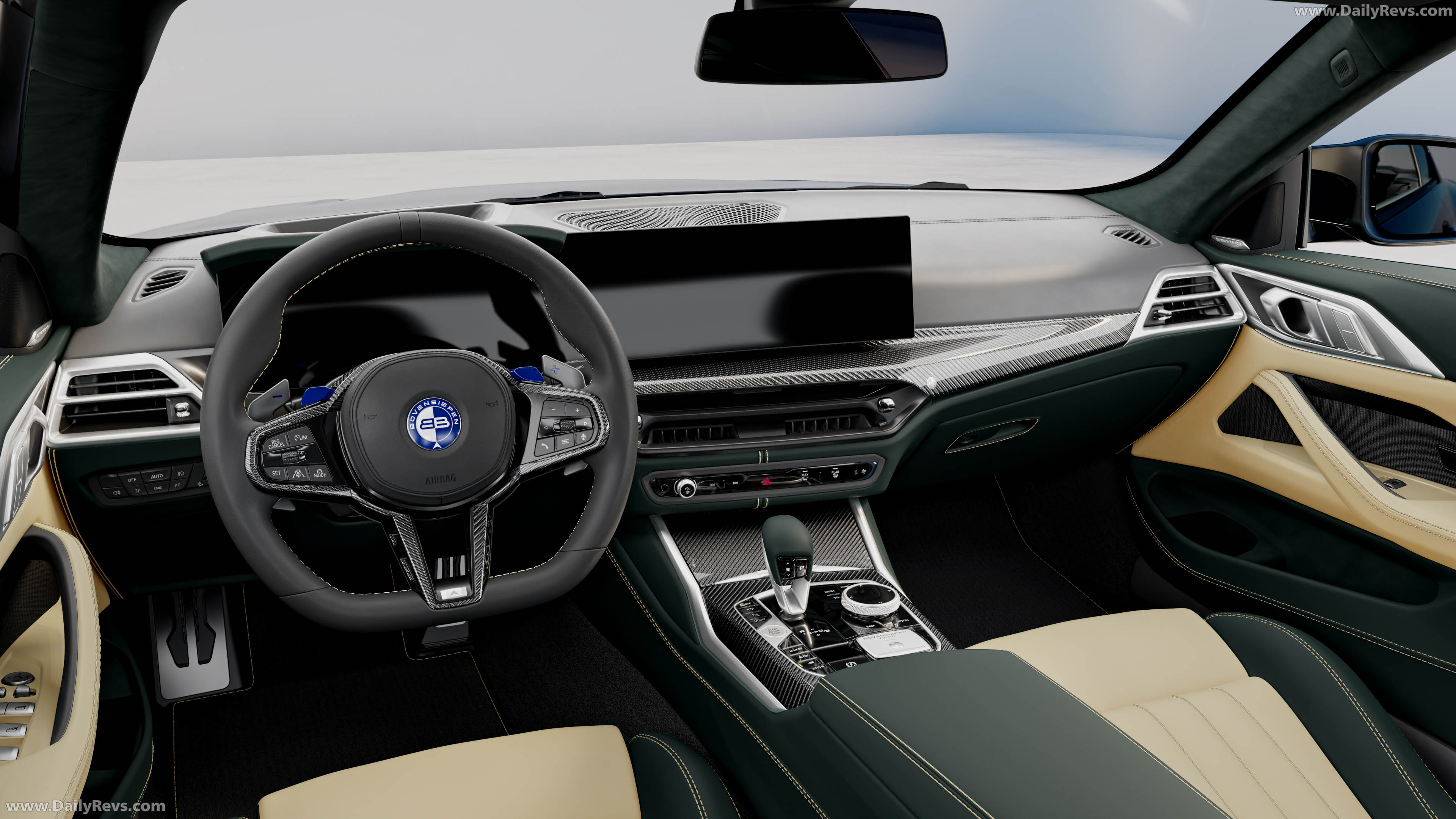
The layout is modern enough, with a digital infotainment display integrated into a leather-covered dashboard. But the emphasis sits firmly on materials and craftsmanship.
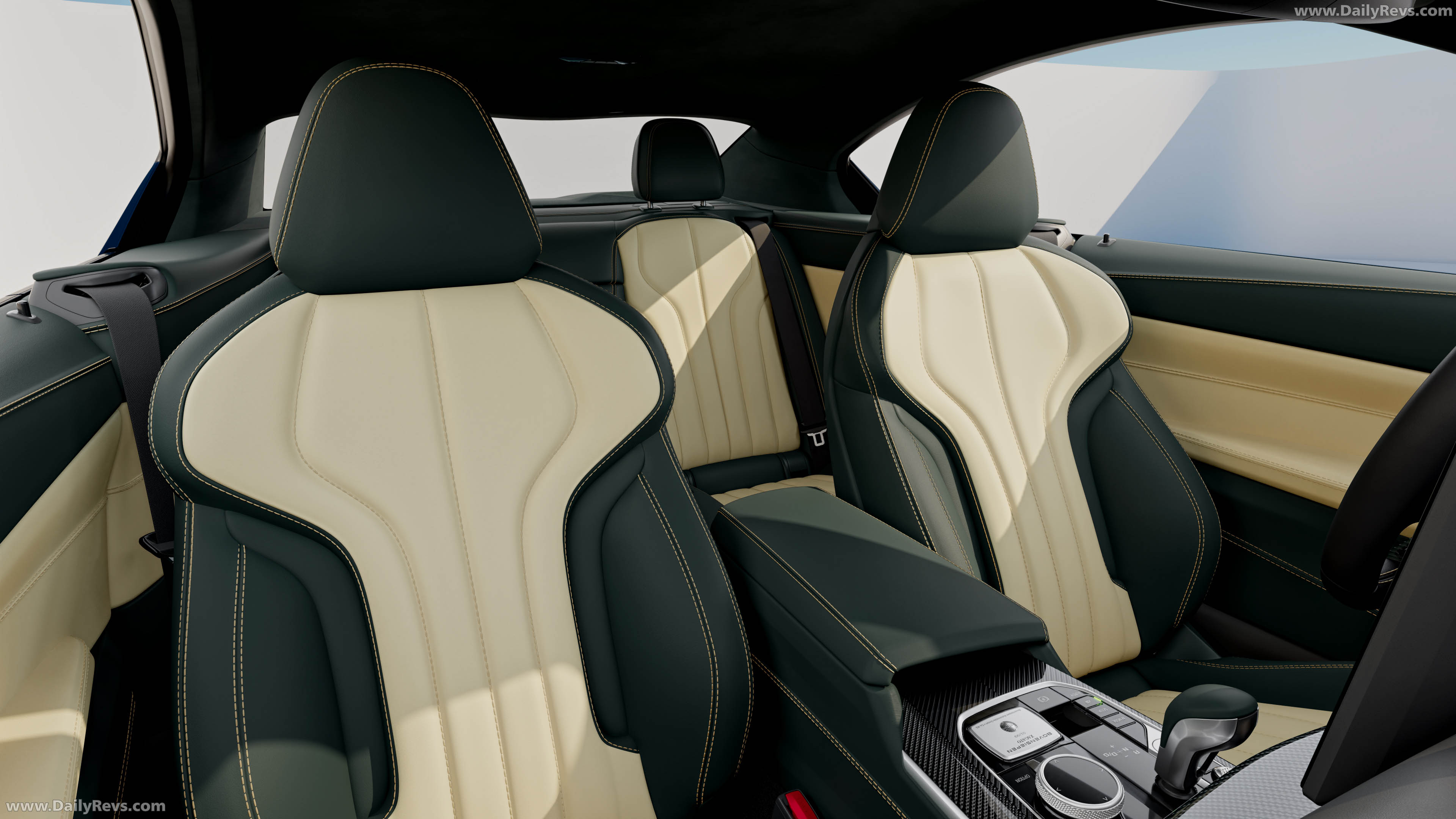
Lavalina leather covers most surfaces, stitched by hand over more than 130 hours. Aluminium shift paddles, a bespoke steering wheel, and a personalised build plate add to the sense of detail.
Seat design follows the GT theme. Slim, supportive, with a mix of classic striping and a more contemporary backrest shape.
There’s a degree of flexibility here as well. Buyers can customise materials, colours, and finishes through a bespoke programme. Each car ends up slightly different.
It feels less like a standard interior, more like something assembled to order.
Inline six delivers serious performance
The mechanical package is more straightforward.
A 3.0-litre inline-six engine produces 449 kW and 700 Nm. Those are strong numbers for a grand tourer, and they translate into real performance.
Acceleration from 0 to 100 km/h takes 3.3 seconds, with top speed exceeding 300 km/h. The delivery is shaped to suit long-distance driving as much as outright pace.
The chassis setup includes specially developed Bilstein dampers, tuned to offer a range of driving modes from Comfort to Sport Plus.
A titanium exhaust system, developed with Akrapovič, reduces weight and adds a sharper sound profile. At 22 kg, it’s significantly lighter than a conventional system.
The focus isn’t just speed. It’s how the car behaves over longer journeys, which remains central to the GT concept.
Built by hand with a focus on detail
Production is handled entirely in Buchloe.
Each car takes over 250 hours to complete, with around 400 individual components assembled by hand. That level of involvement is part of the car’s identity.
The body is constructed largely from carbon fibre, keeping weight in check while maintaining structural rigidity.
There’s also a clear emphasis on individuality. Buyers can specify colours, materials, and finishes down to minor details, making each example effectively unique.
It’s not a mass-production approach. That’s part of the appeal.
Positioned as a modern interpretation of the GT
The 2026 Bovensiepen Zagato sits in a niche space.
It’s not chasing volume. It’s not even chasing mainstream recognition. Instead, it’s aimed at buyers who value design, craftsmanship, and a certain kind of driving experience.
Deliveries are expected to begin in the second quarter of 2026, with pricing and production numbers to be confirmed later. [Unverified]
What’s clear is the intent. This is a grand tourer in the traditional sense, reworked through a modern lens.