2026 Beijing Auto BJ81
By Lorenzo Bianchi April 23, 2026
Military derived platform based on second generation Warrior.
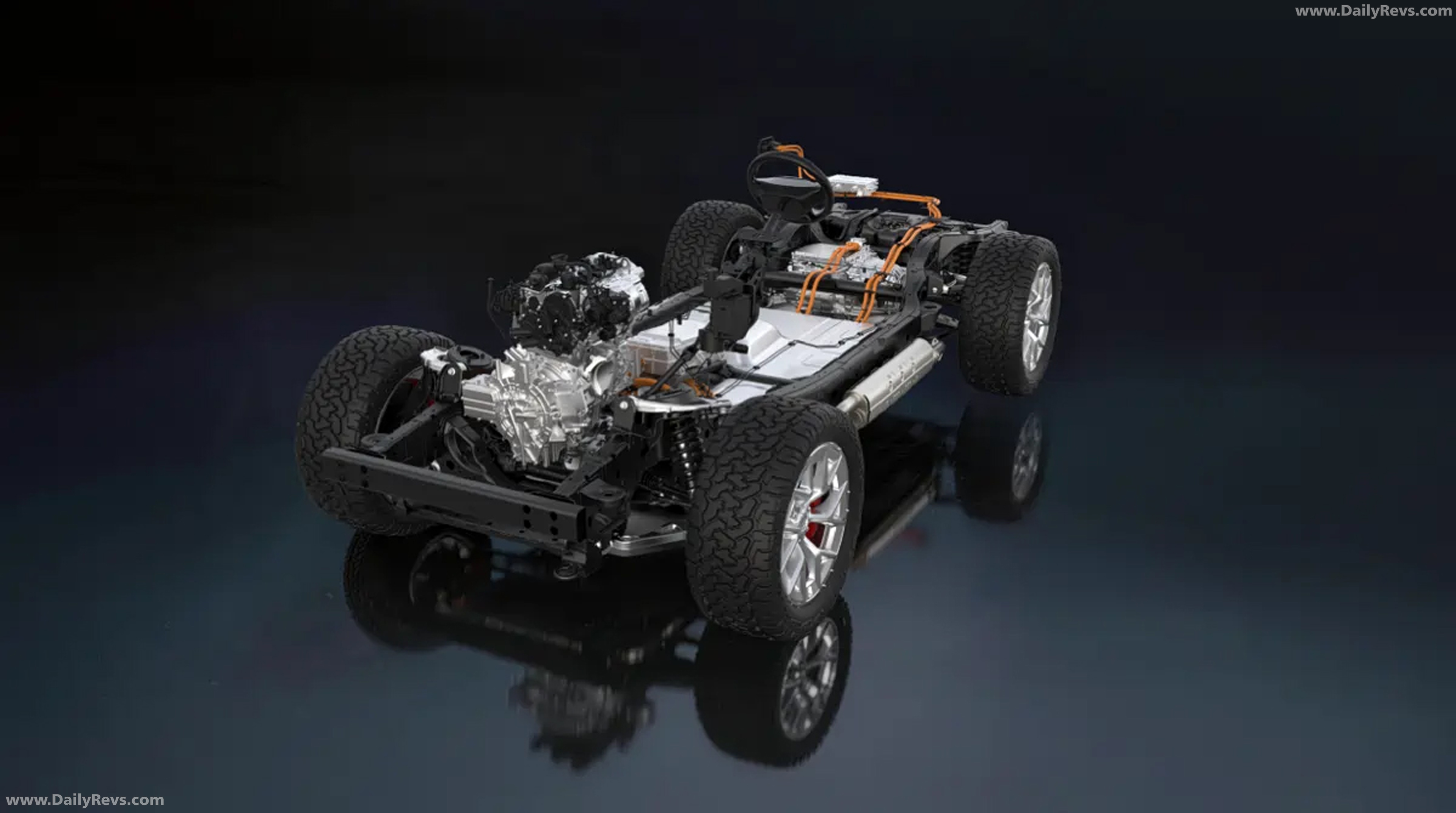
Range extending system with over 1,000 km combined range.
Modular BIP production allows factory customization.
Boxy design shaped by military roots
The 2026 Beijing BJ81 arrives without much drama, but the design speaks for itself.
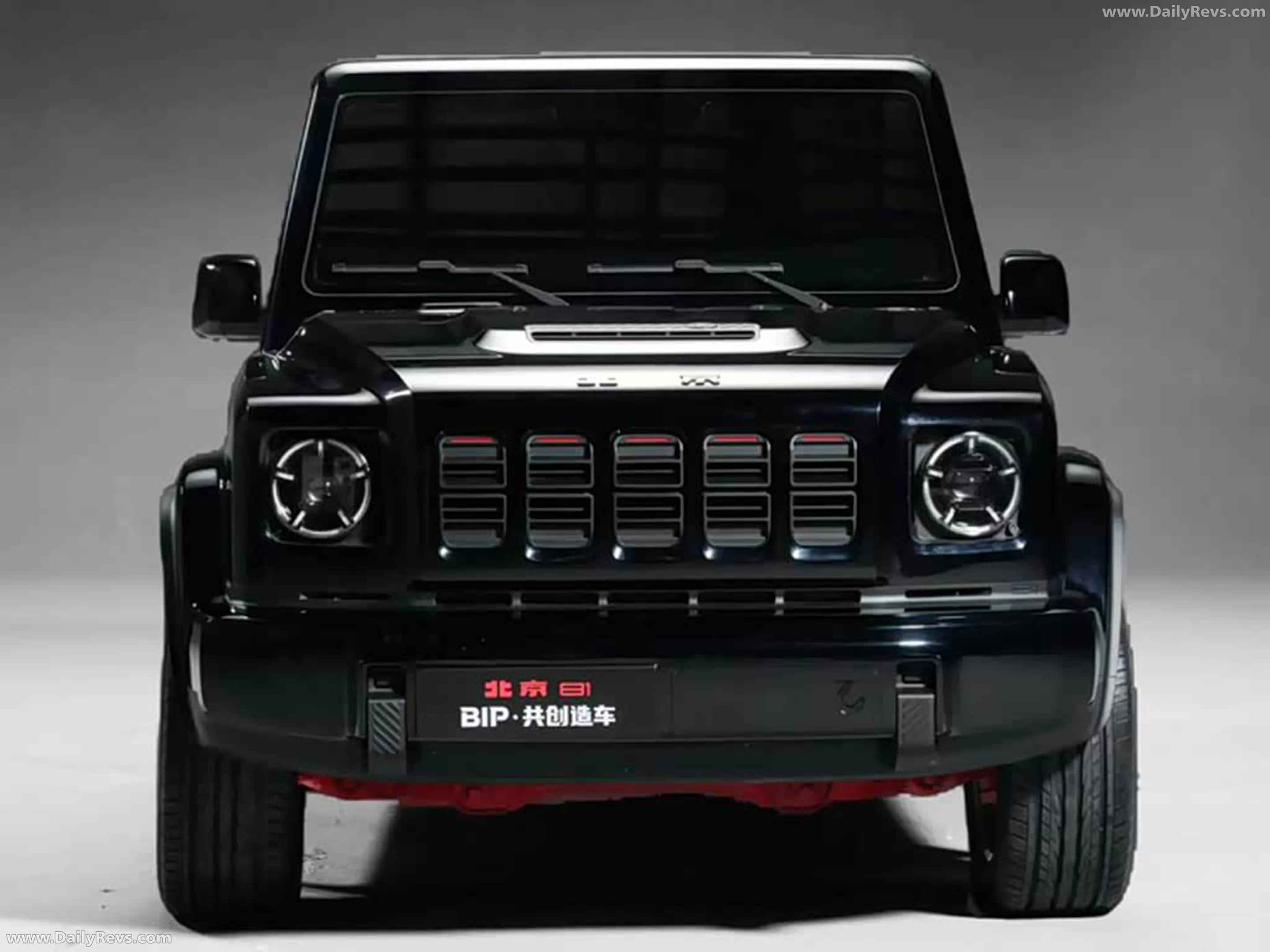
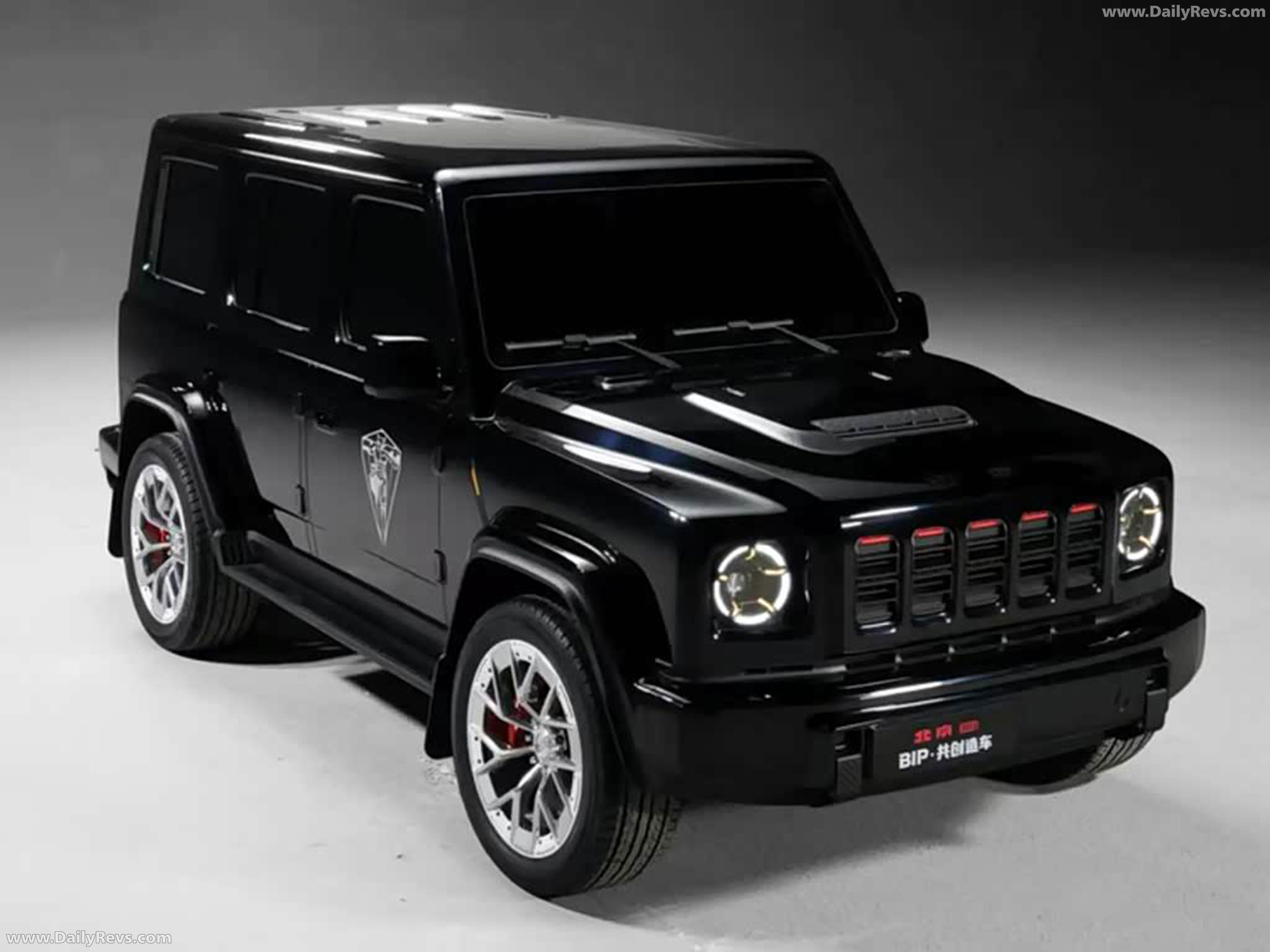
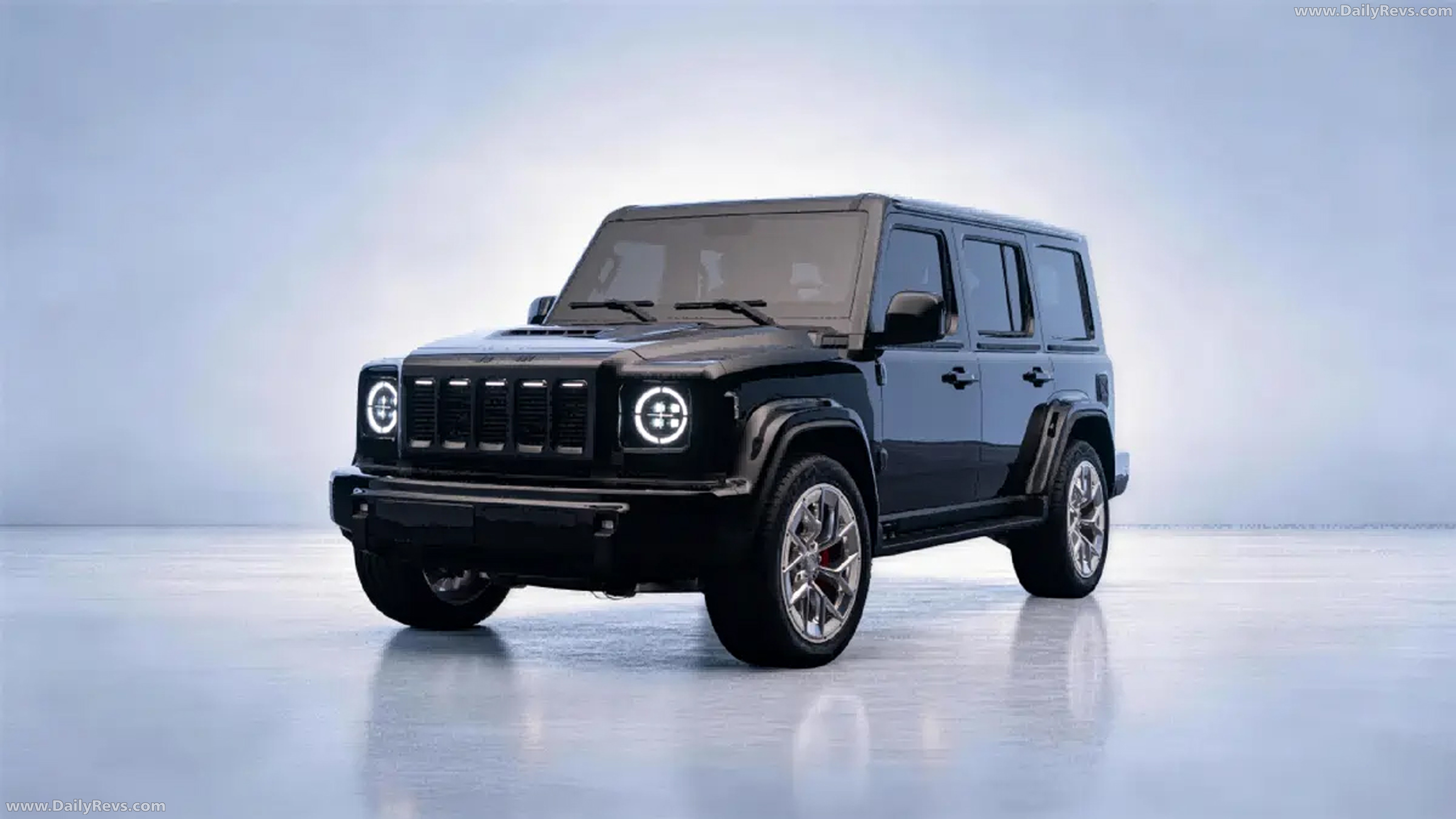
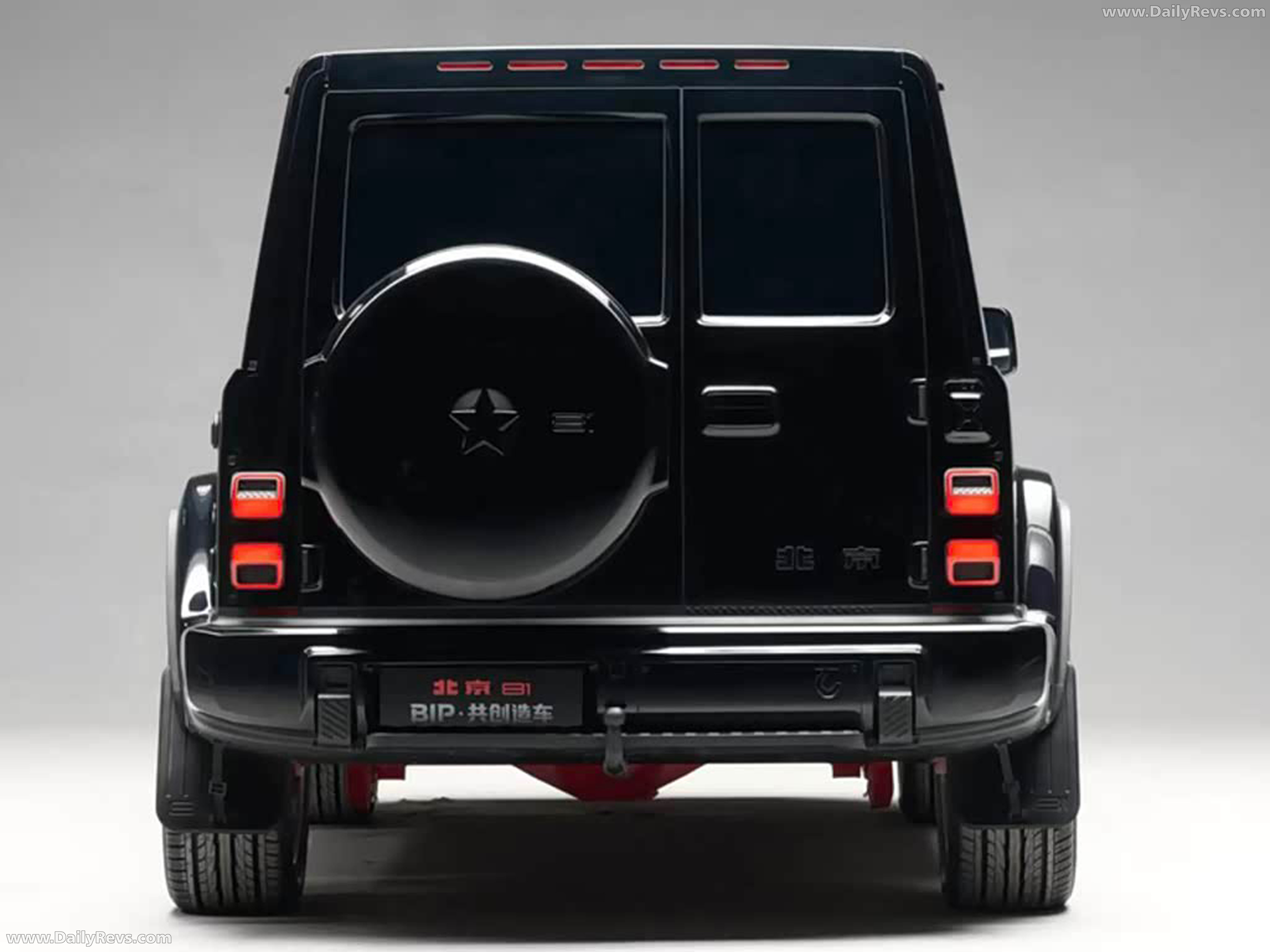
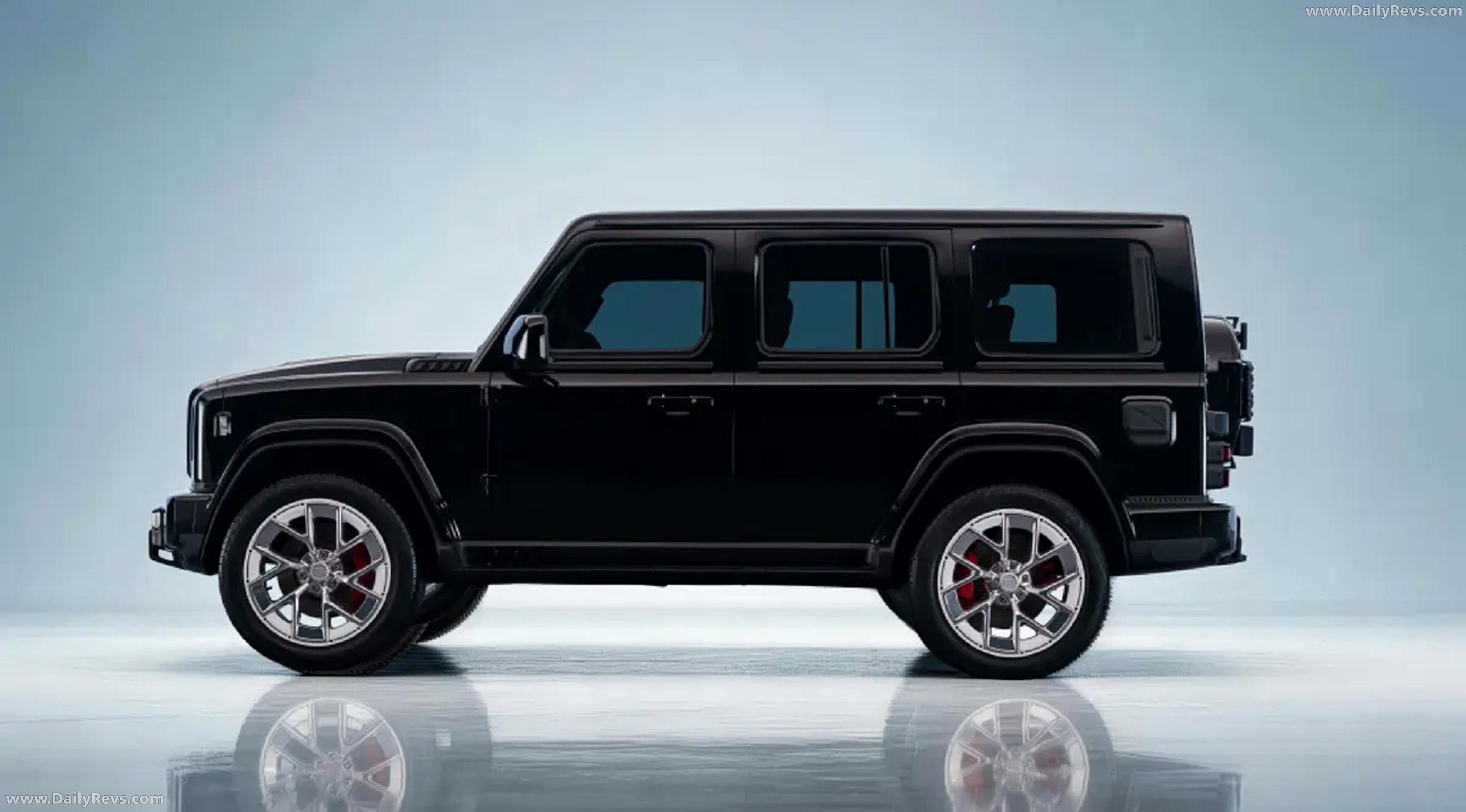
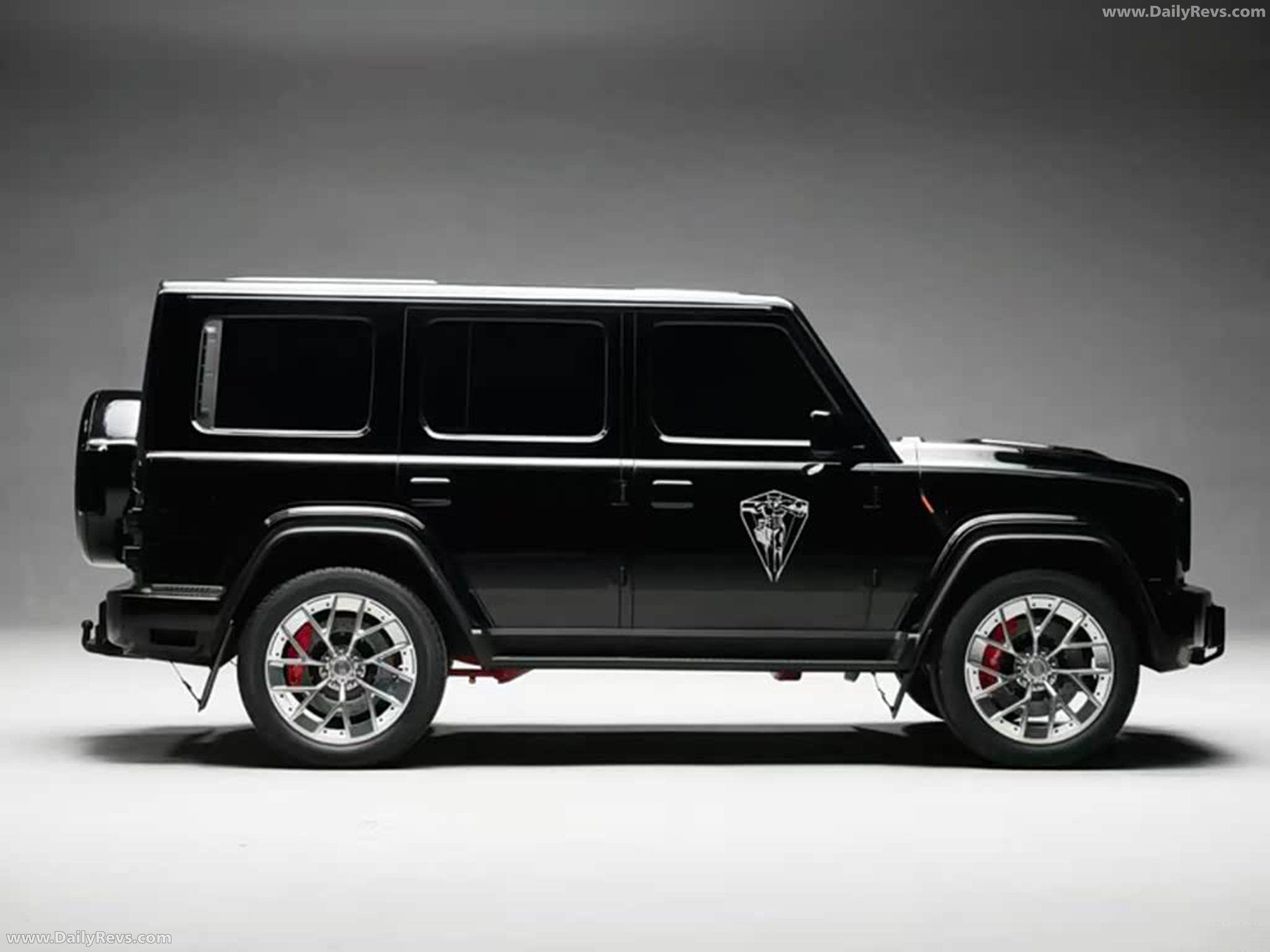
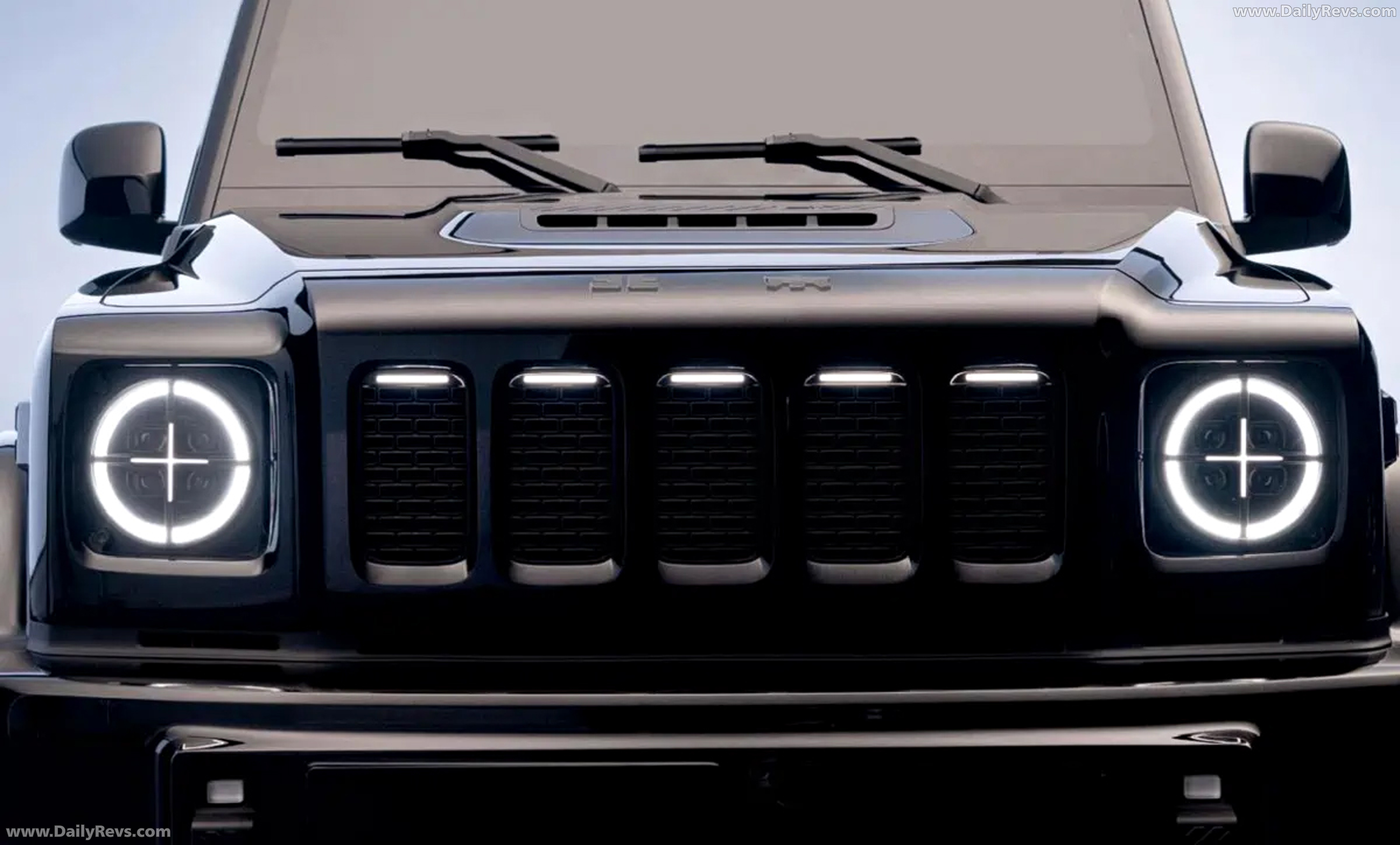
It’s unapologetically square. Flat panels, upright glass, and a stance that leans more functional than styled. There’s a clear link to military vehicles, though it avoids looking like a direct carryover. The proportions feel slightly softened, just enough to make it usable in everyday settings.
Width stands out immediately. At over two metres, it’s broader than most SUVs in this space. That gives it presence, but also hints at stability when the road disappears.
Proportions built for terrain, not just roads
The dimensions underline its intent.
With a length of 4,850 mm and a wheelbase of 2,810 mm, the BJ81 sits in the mid to large SUV category, but the packaging feels more purposeful than luxurious. Ground clearance is rated at 230 mm, and wading depth reaches 800 mm. Those are usable numbers, not just figures for a brochure.
There’s also a transparent chassis view and wading sensors, which suggest the car is designed to be driven in environments where visibility and awareness matter.
Interior shifts toward usability and flexibility
Inside, the approach appears more pragmatic than premium.
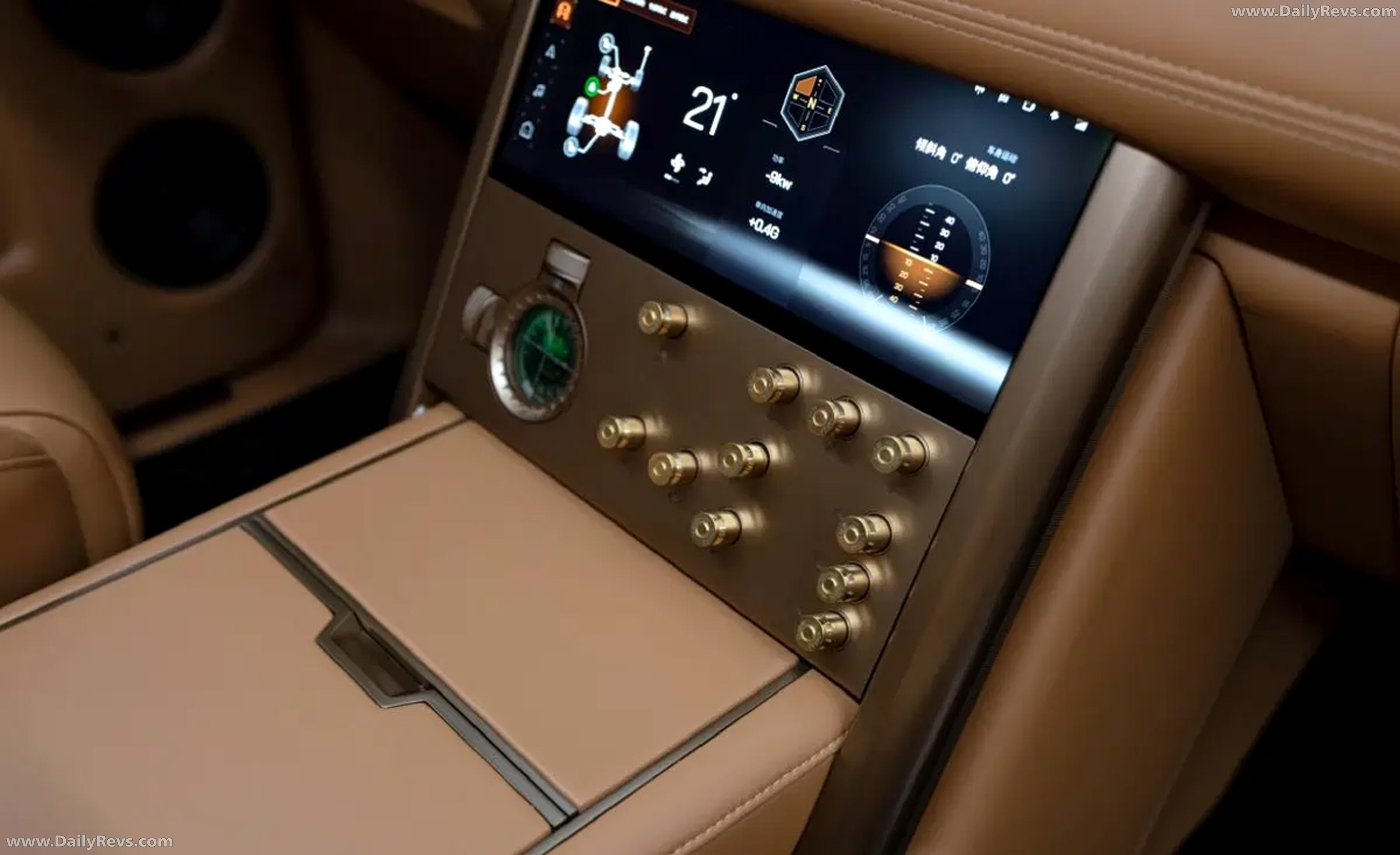
While full details aren’t outlined, the BJ81 is described as combining a “hardcore framework” with a more flexible, user friendly experience. That likely means improved ergonomics and passenger comfort compared to its military counterparts.
The broader idea is adaptability. It’s not meant to be a stripped down utility machine, nor a soft urban SUV. Instead, it sits somewhere in between, depending on how it’s configured.
Range extender setup adds everyday practicality
Powertrain details focus on usability rather than outright performance.
The BJ81 uses a range extending system, delivering a combined range of over 1,000 kilometres. In city conditions, it can rely on electric driving, while longer journeys benefit from the extended range setup.
Exact power figures and battery specifications haven’t been disclosed. [Unverified]
What stands out more is the intent. This is designed to reduce dependency on charging infrastructure while still offering some of the benefits of electrification.
Modular build approach changes how it’s configured
One of the more interesting elements is the BIP manufacturing model.
In simple terms, it allows buyers to configure the vehicle with different functional components from the factory. Roof racks, snorkels, bumper bars, and towing equipment can all be selected based on intended use.
That matters. It avoids the usual aftermarket route, where modifications can complicate warranty and compliance. Here, everything is integrated from the start.
Positioned for real world mixed use
The BJ81 isn’t aimed purely at extreme off road users.
It’s positioned for a broader group. People who move between city driving, long distance travel, and occasional rough terrain. That could include field workers, outdoor enthusiasts, or even families who spend time away from paved roads.
There are still open questions. High speed comfort, wind noise, and long term efficiency are areas that will depend on how the production version is tuned.
The 2026 Beijing BJ81 doesn’t try to redefine the segment. It focuses on covering multiple use cases without leaning too far in any one direction. That alone gives it a different kind of appeal.