2026 Audi Auto Union Lucca
By Lorenzo Bianchi May 7, 2026
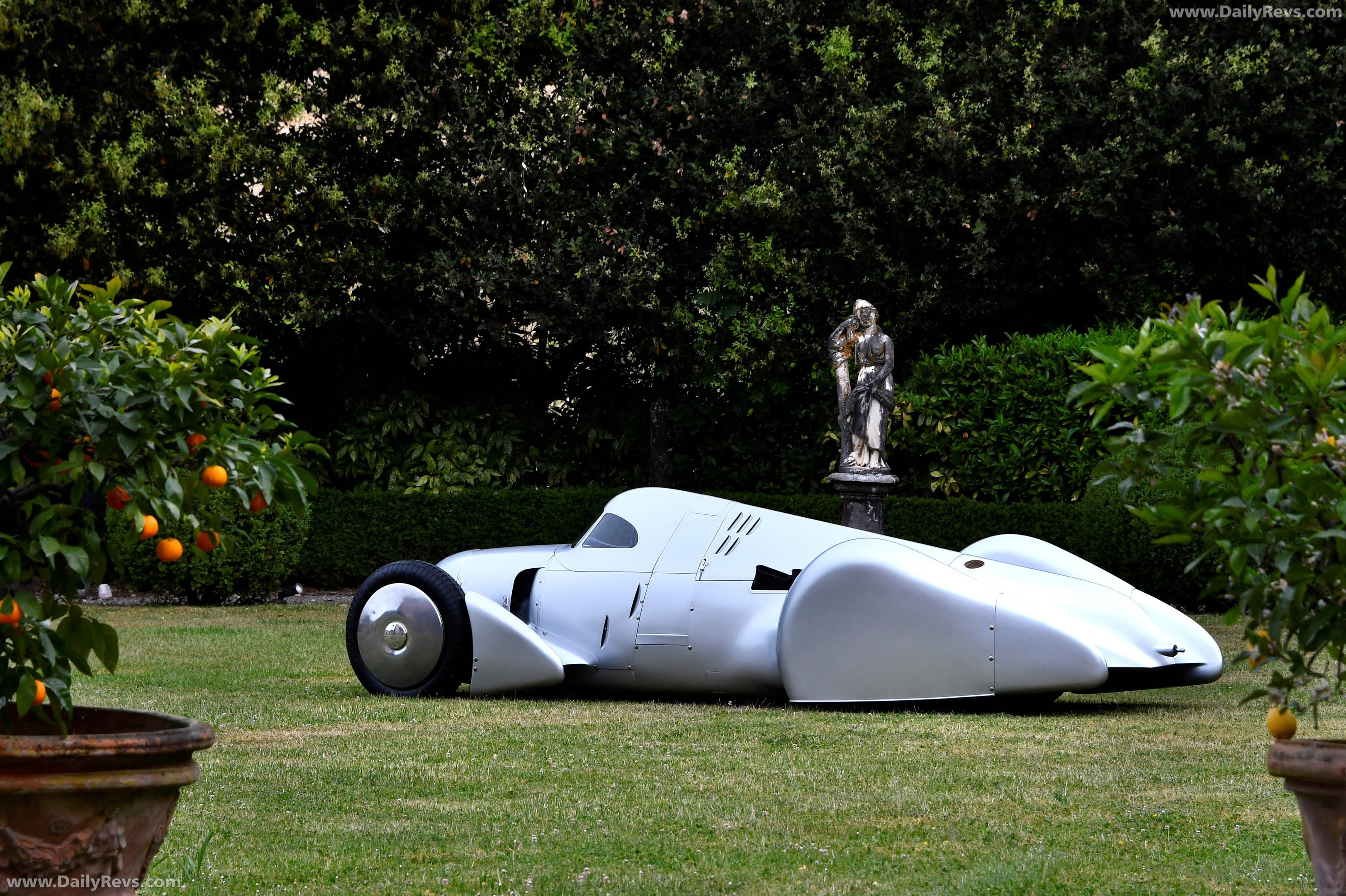
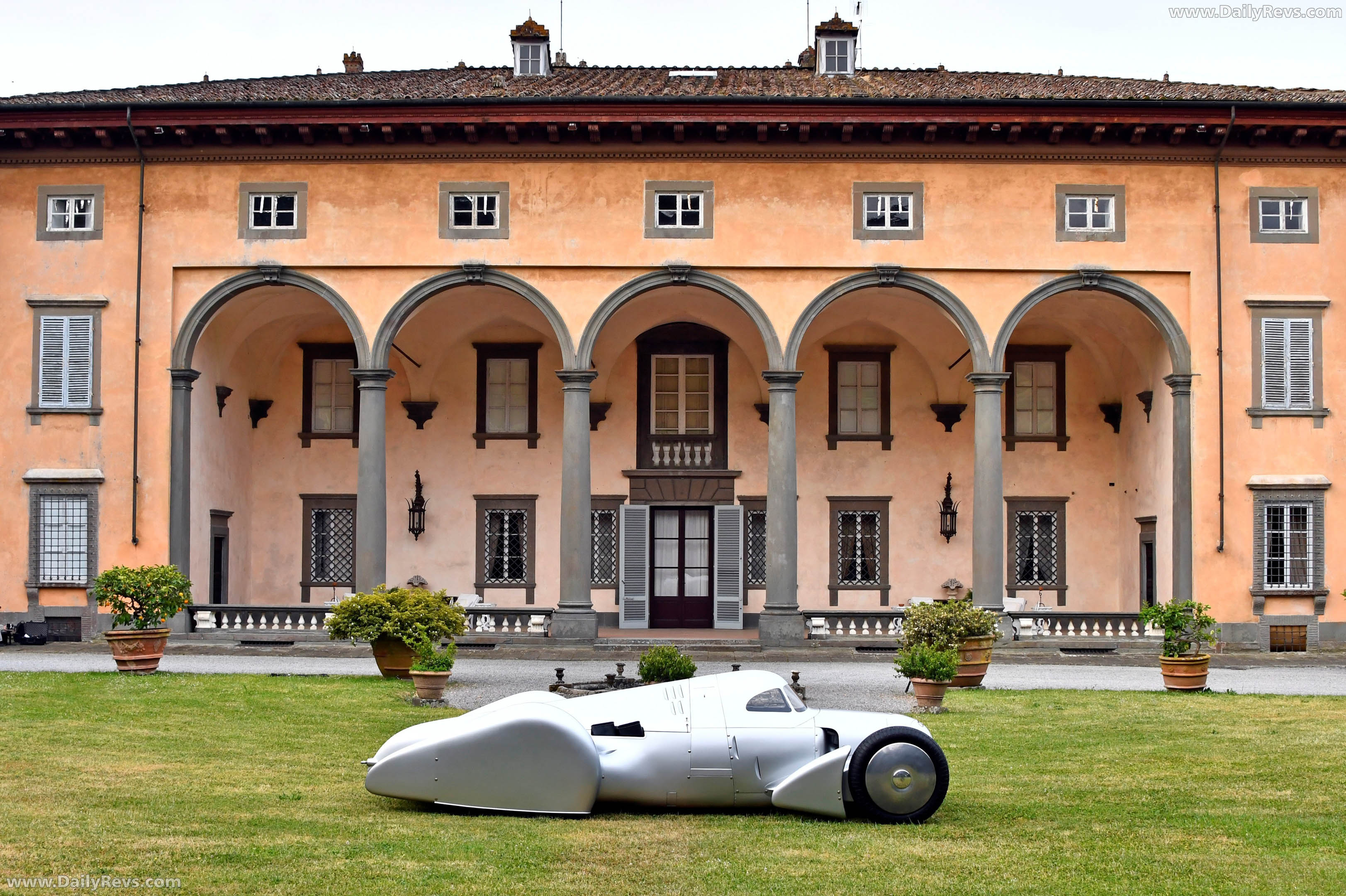
Audi Tradition recreated the 1935 Auto Union Lucca after a three-year build process.
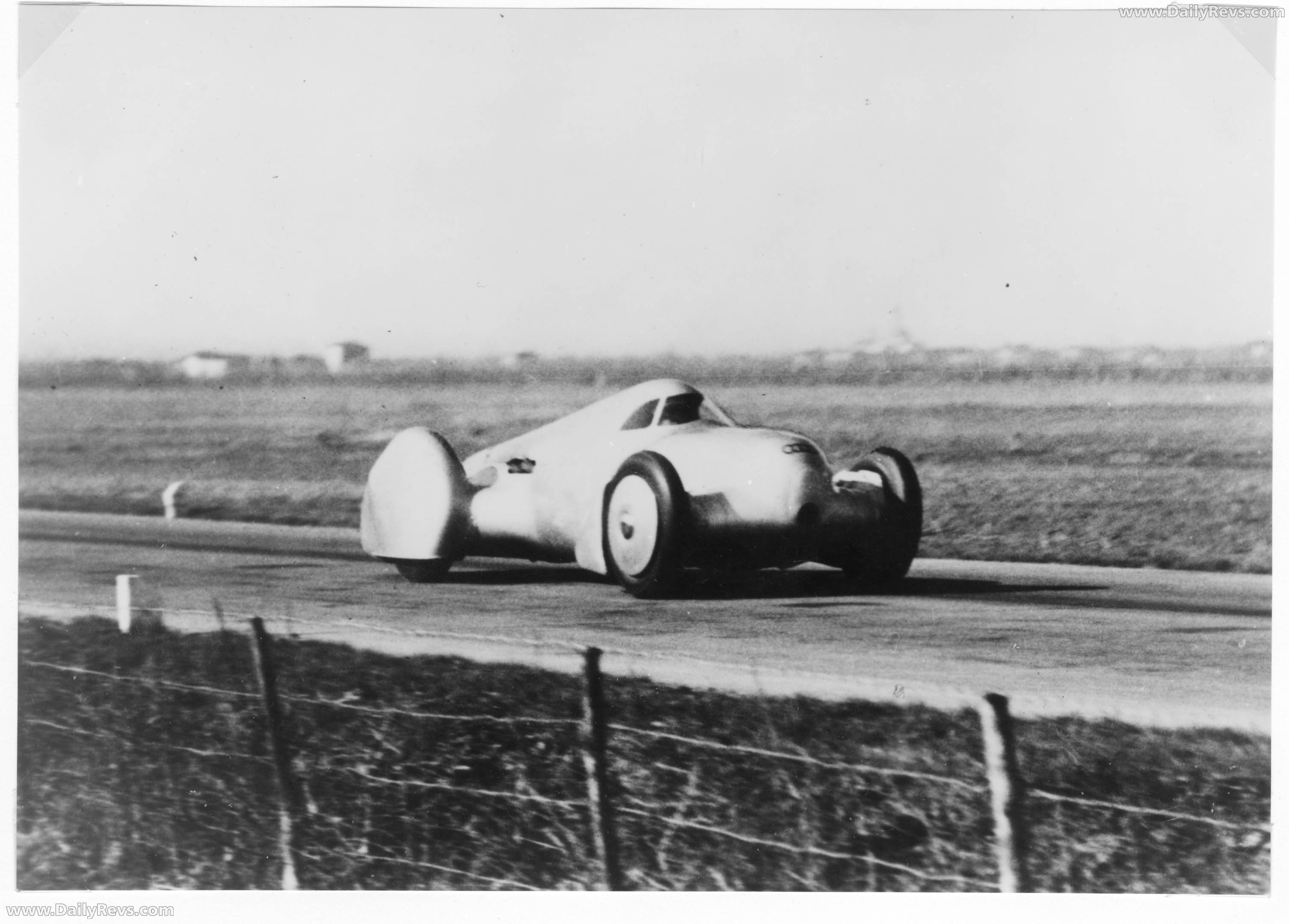
Original Rennlimousine reached 326.975 km/h near Lucca, Italy.
Hand-built revival uses a supercharged 16-cylinder engine producing 520 PS.
A forgotten Auto Union record car comes back to life
The 2026 Audi Auto Union Lucca is not a new production model, nor is it another modern electric concept pretending to celebrate heritage.
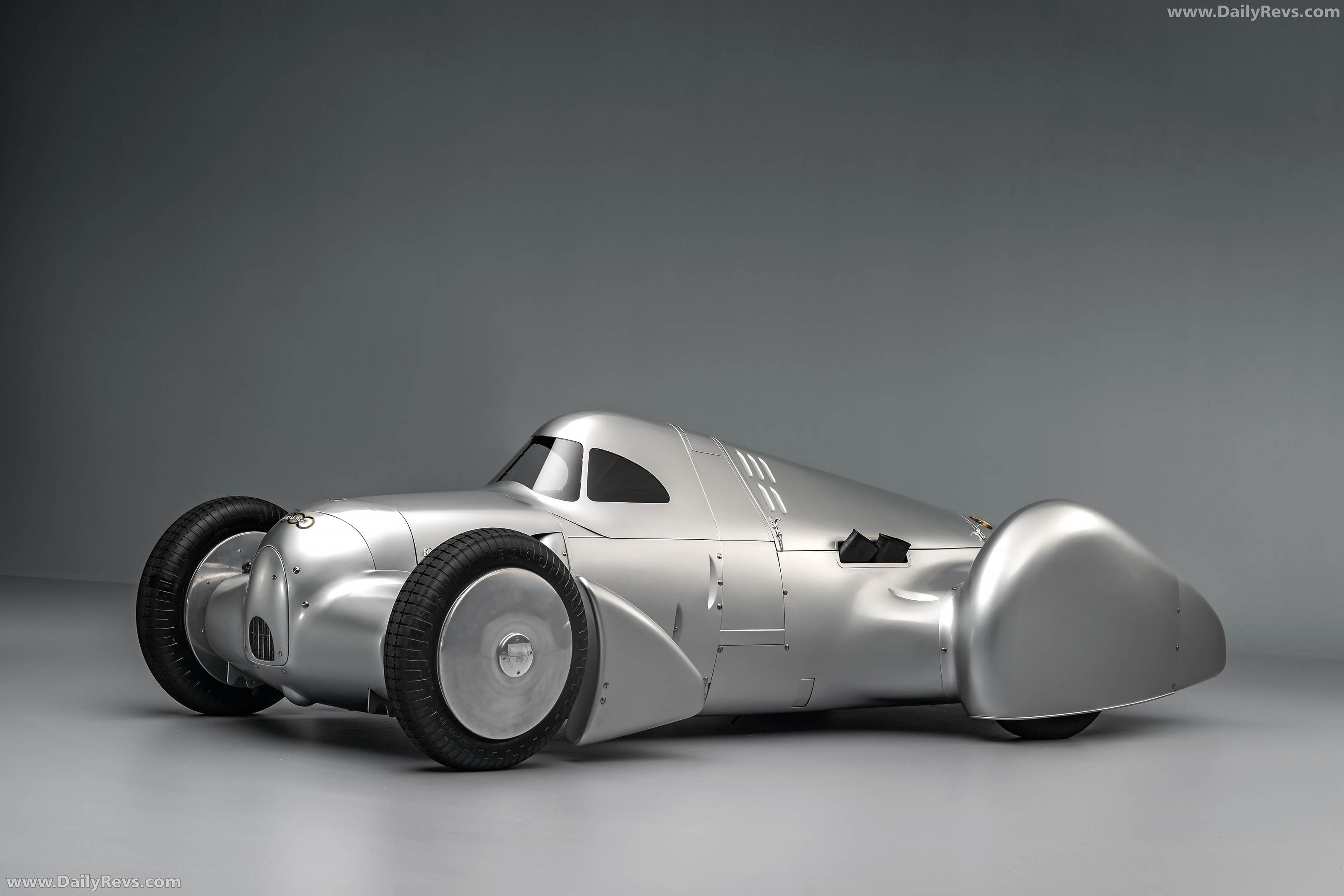
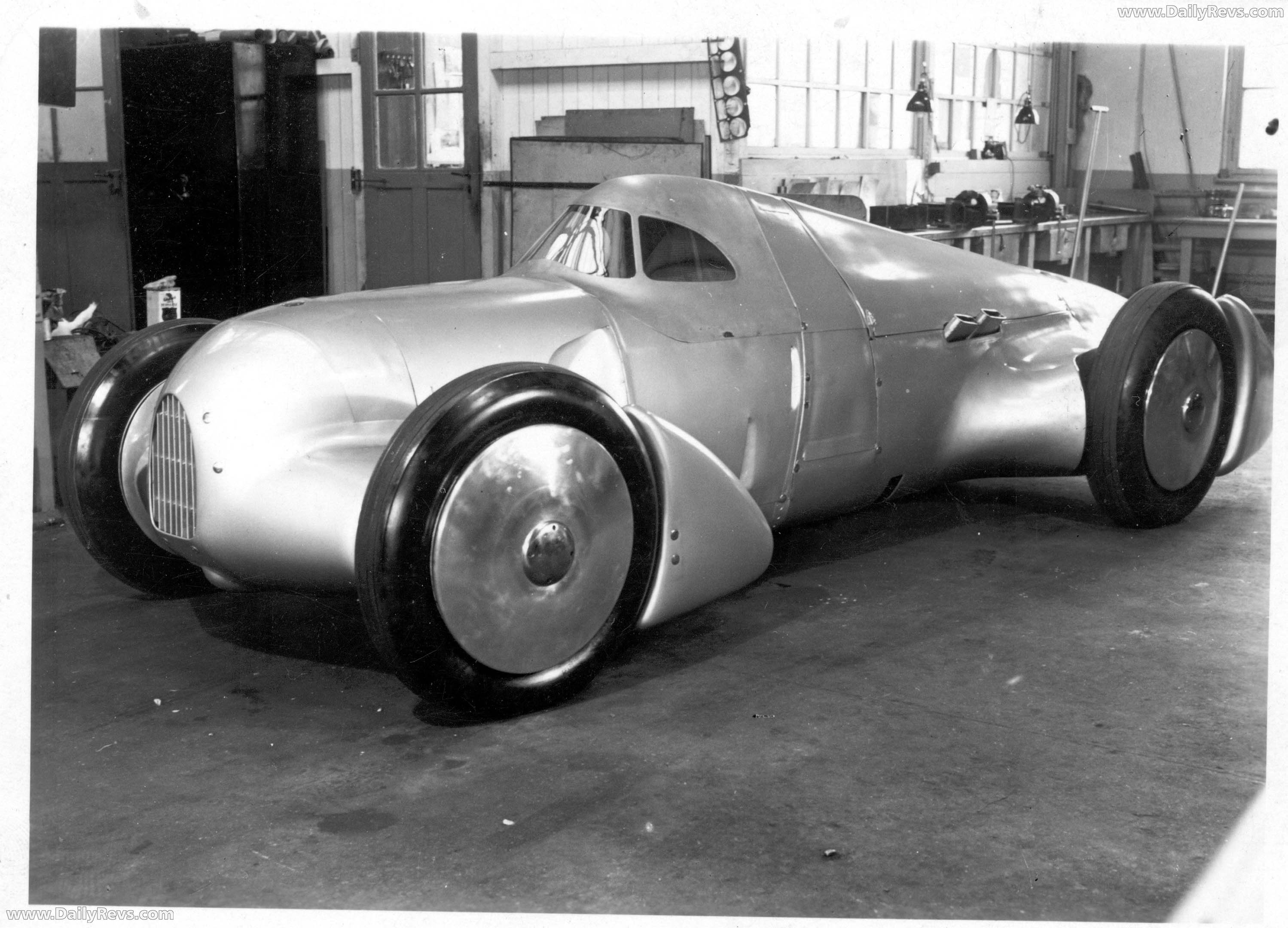
This one is something rarer. Audi Tradition has recreated one of the most unusual machines ever associated with the four rings: a streamlined Auto Union Rennlimousine that briefly became the fastest road racing car in the world back in 1935.
The original car was developed during Germany’s brutal pre-war speed race between Auto Union and Mercedes-Benz. Records mattered almost as much as Grand Prix victories then, and manufacturers pushed engineering to extremes in pursuit of headlines.
The Lucca car existed for one purpose only: outright speed.
The shape was dictated by aerodynamics
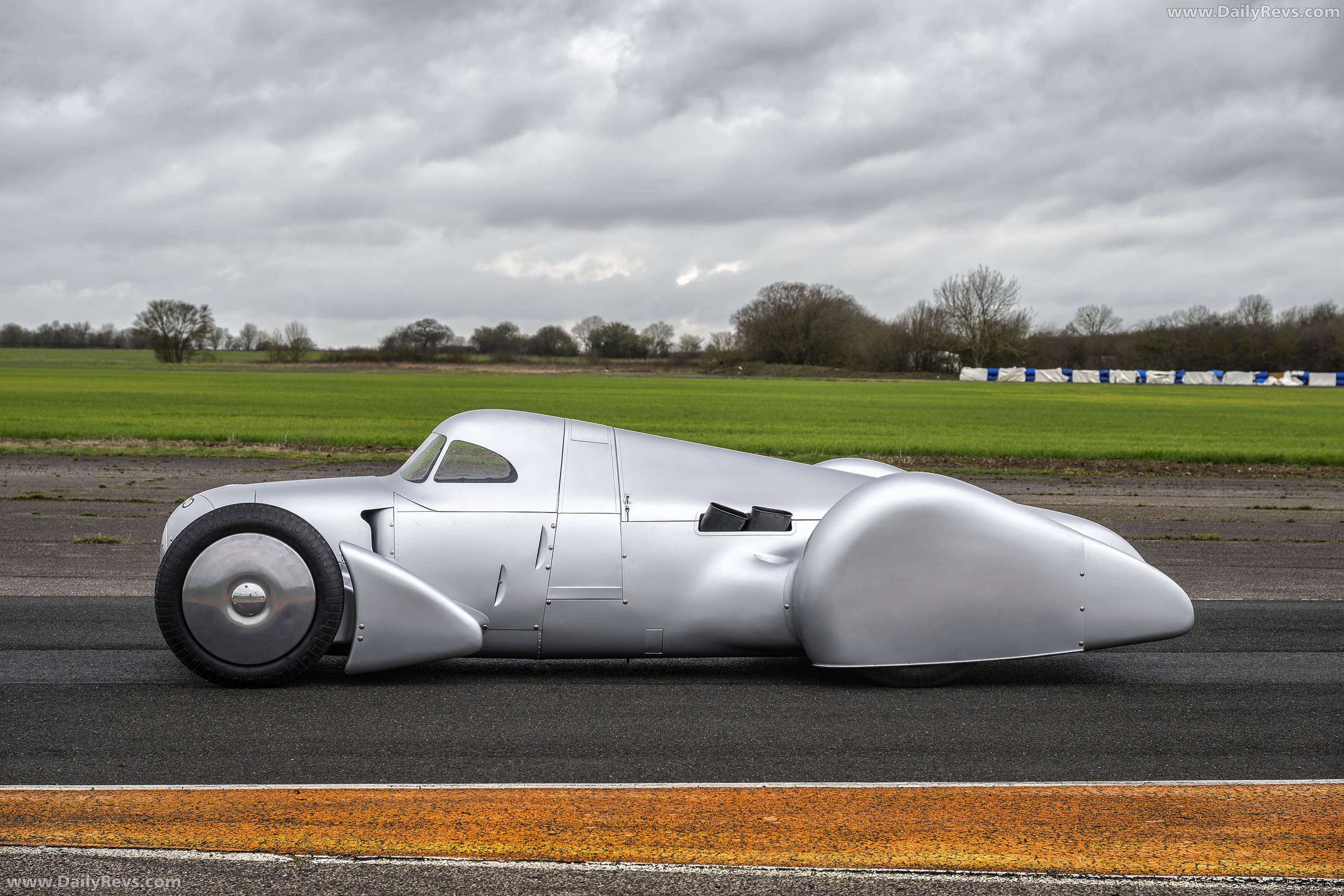
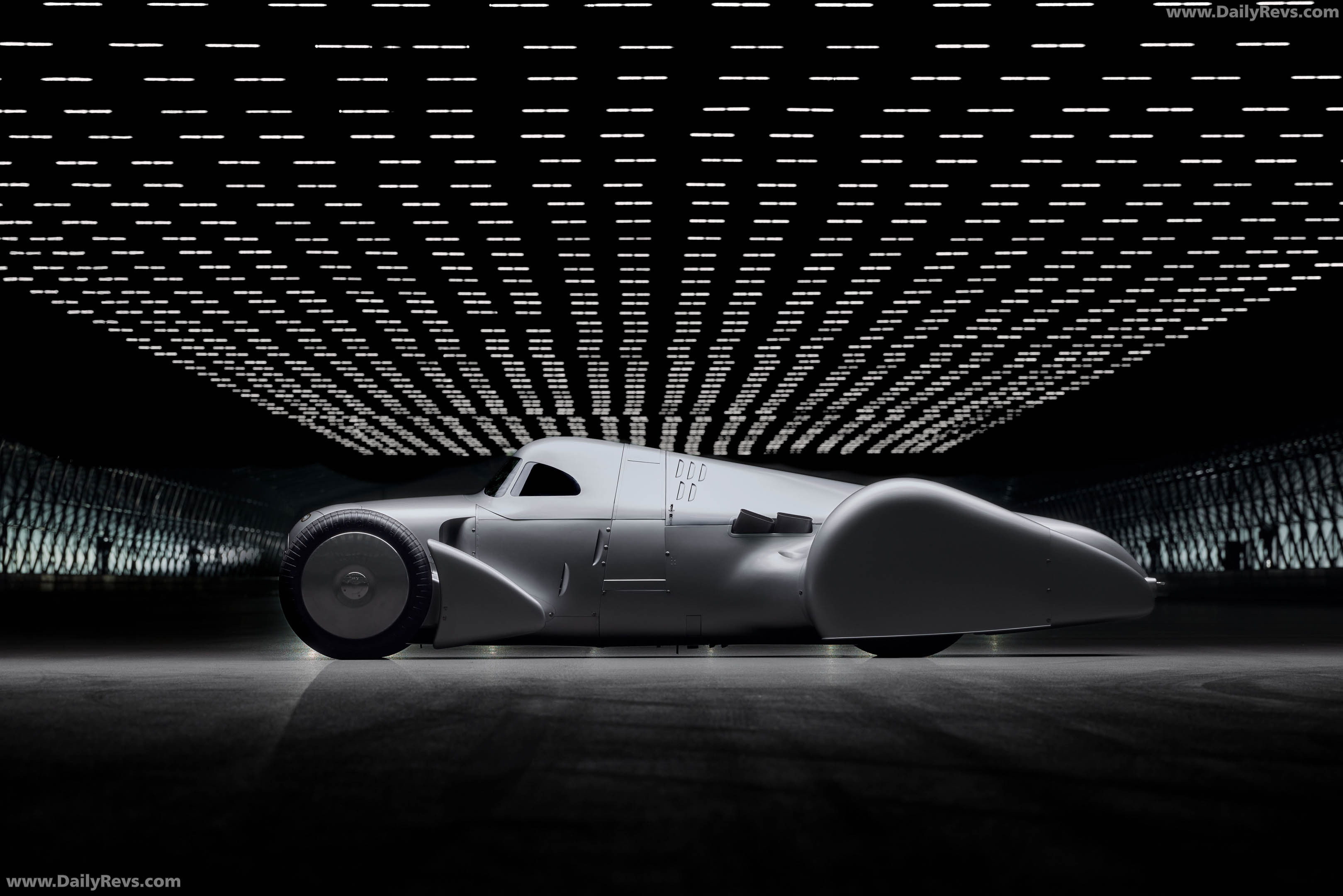
Even today, the Auto Union Lucca looks remarkably advanced.
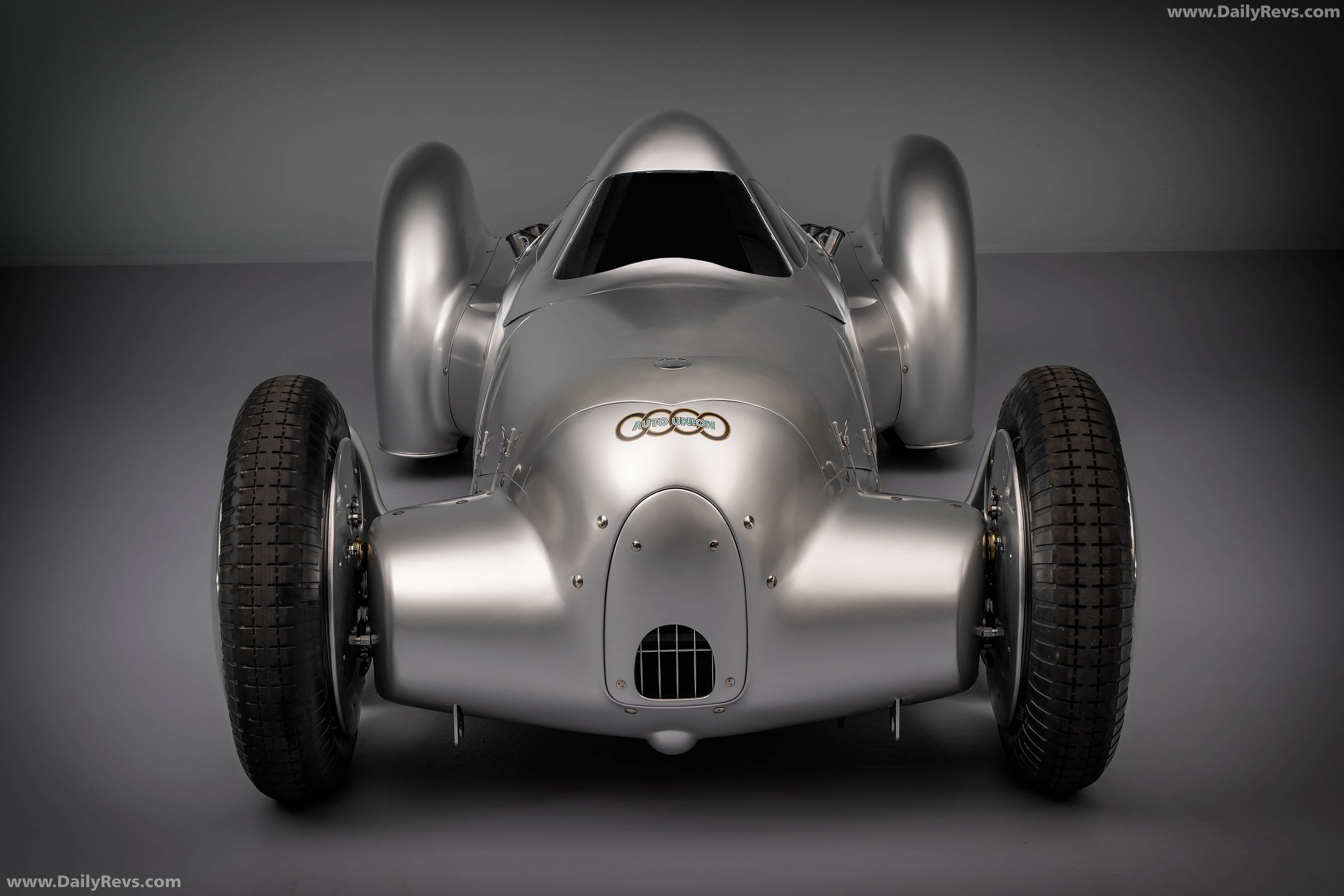
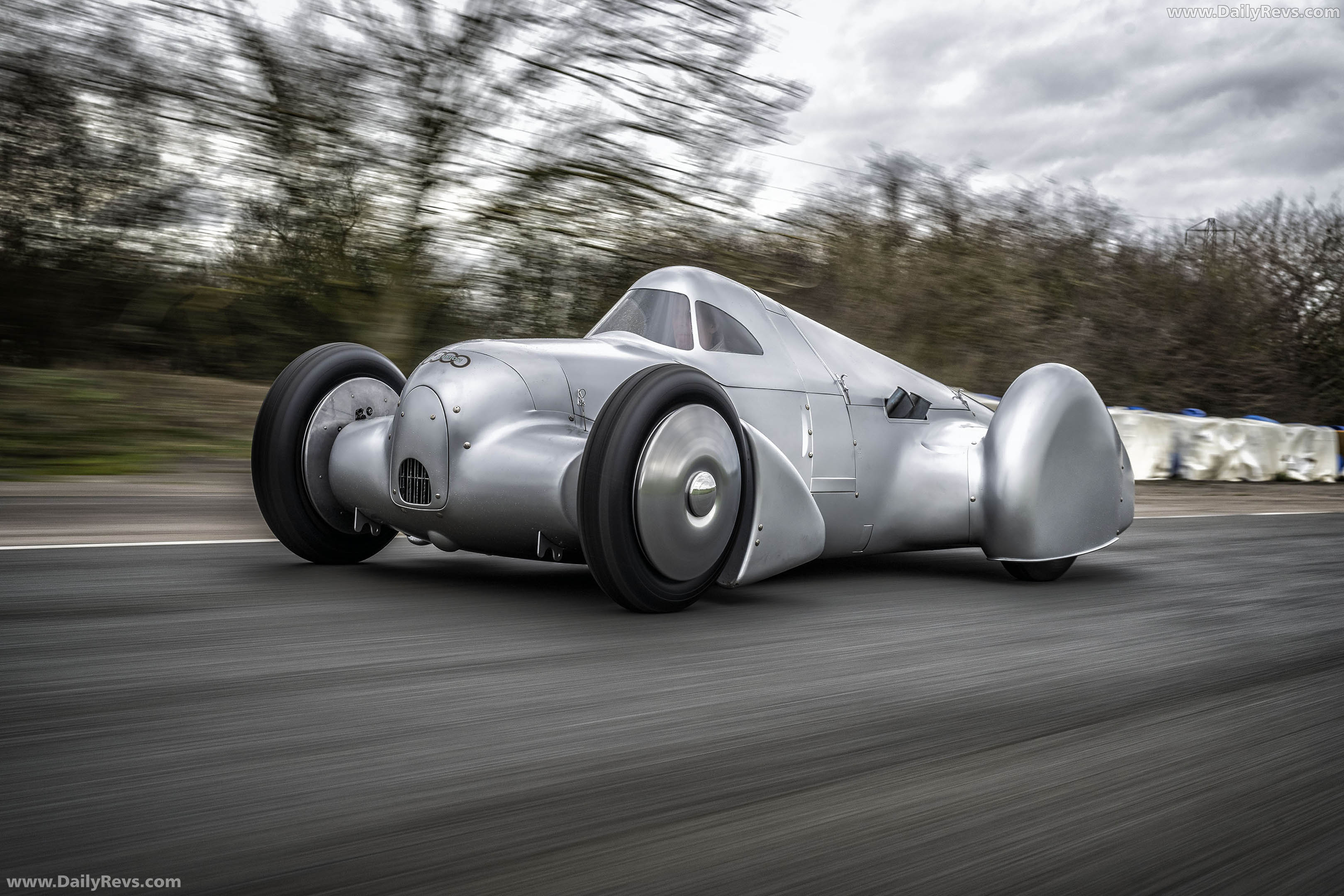
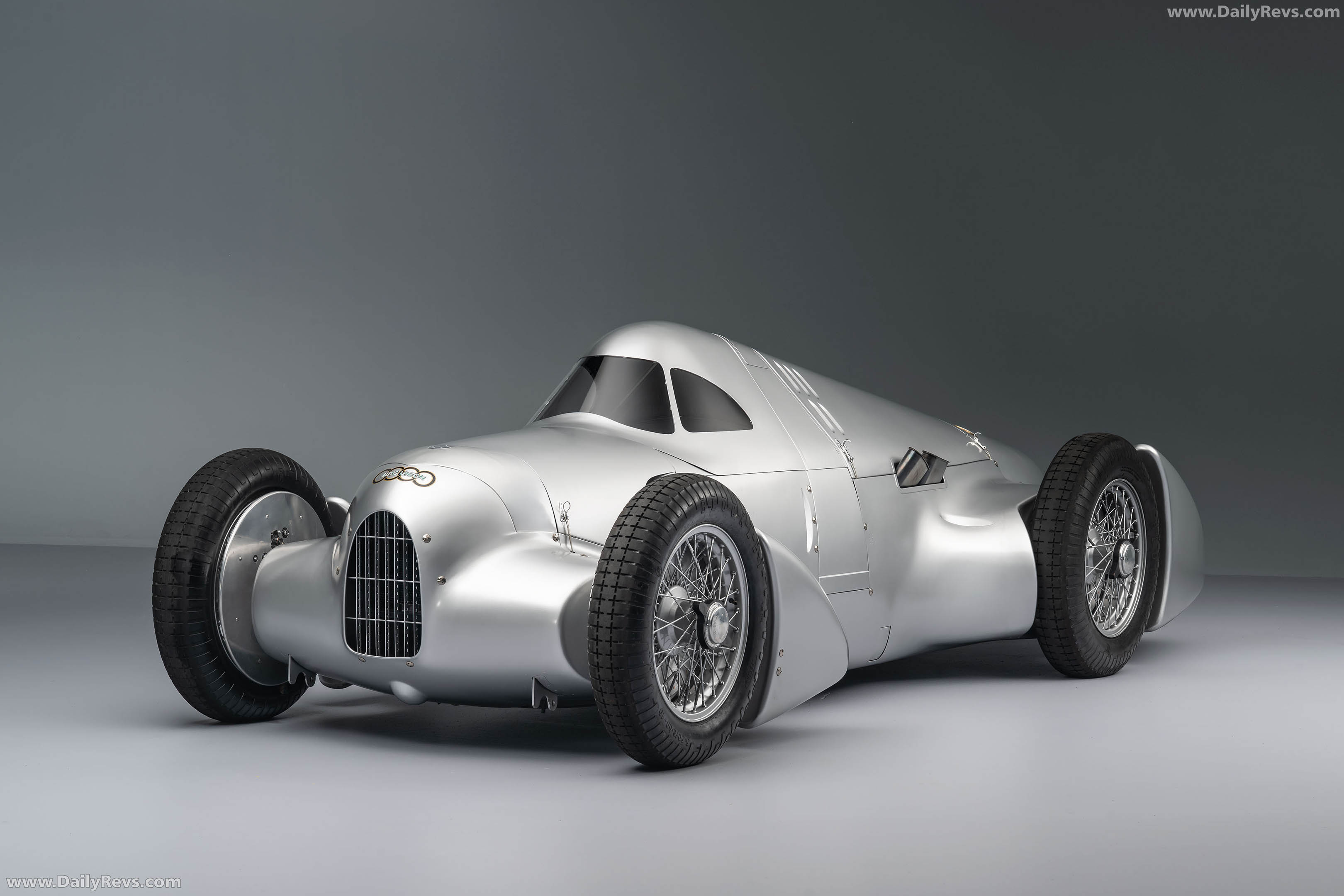
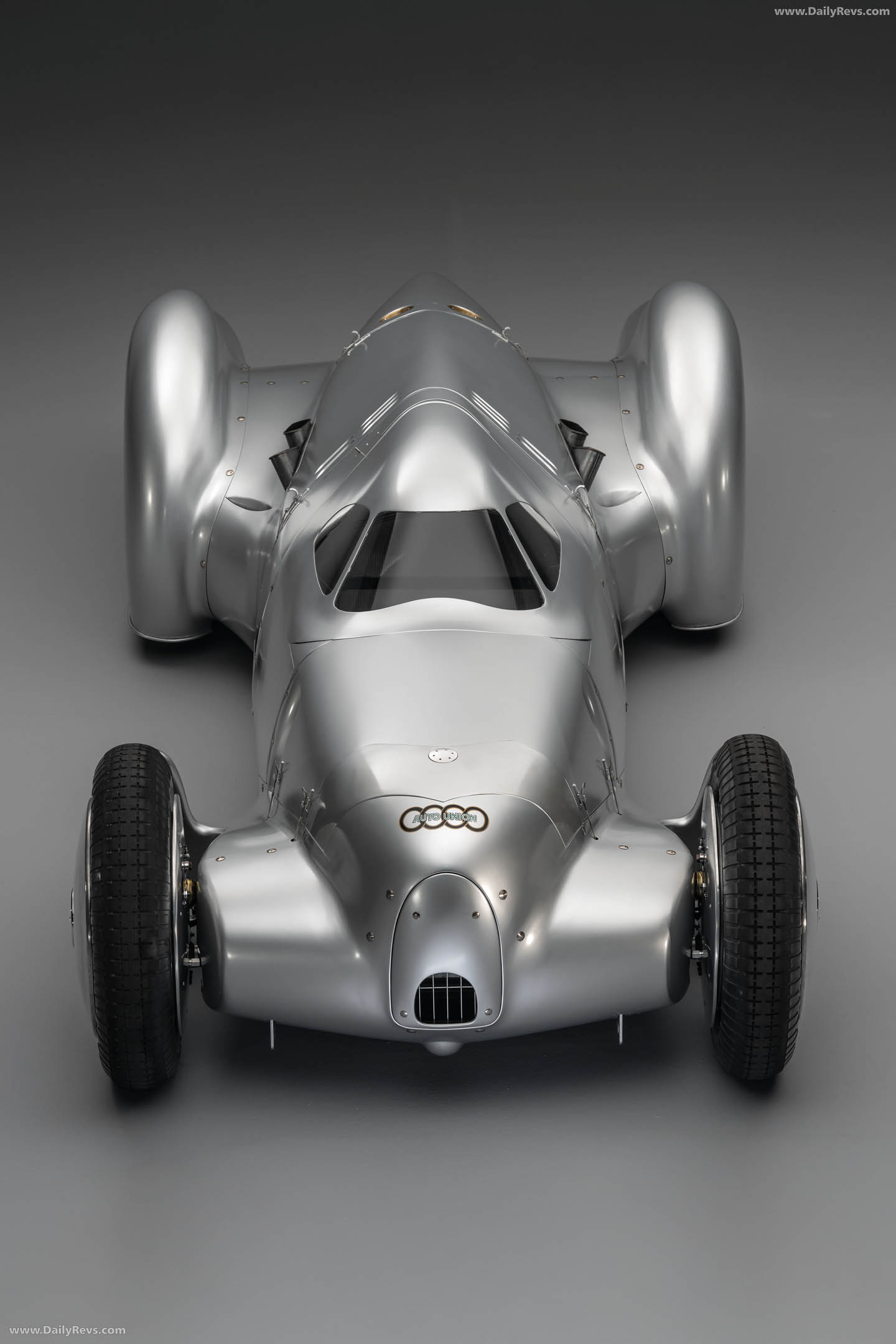
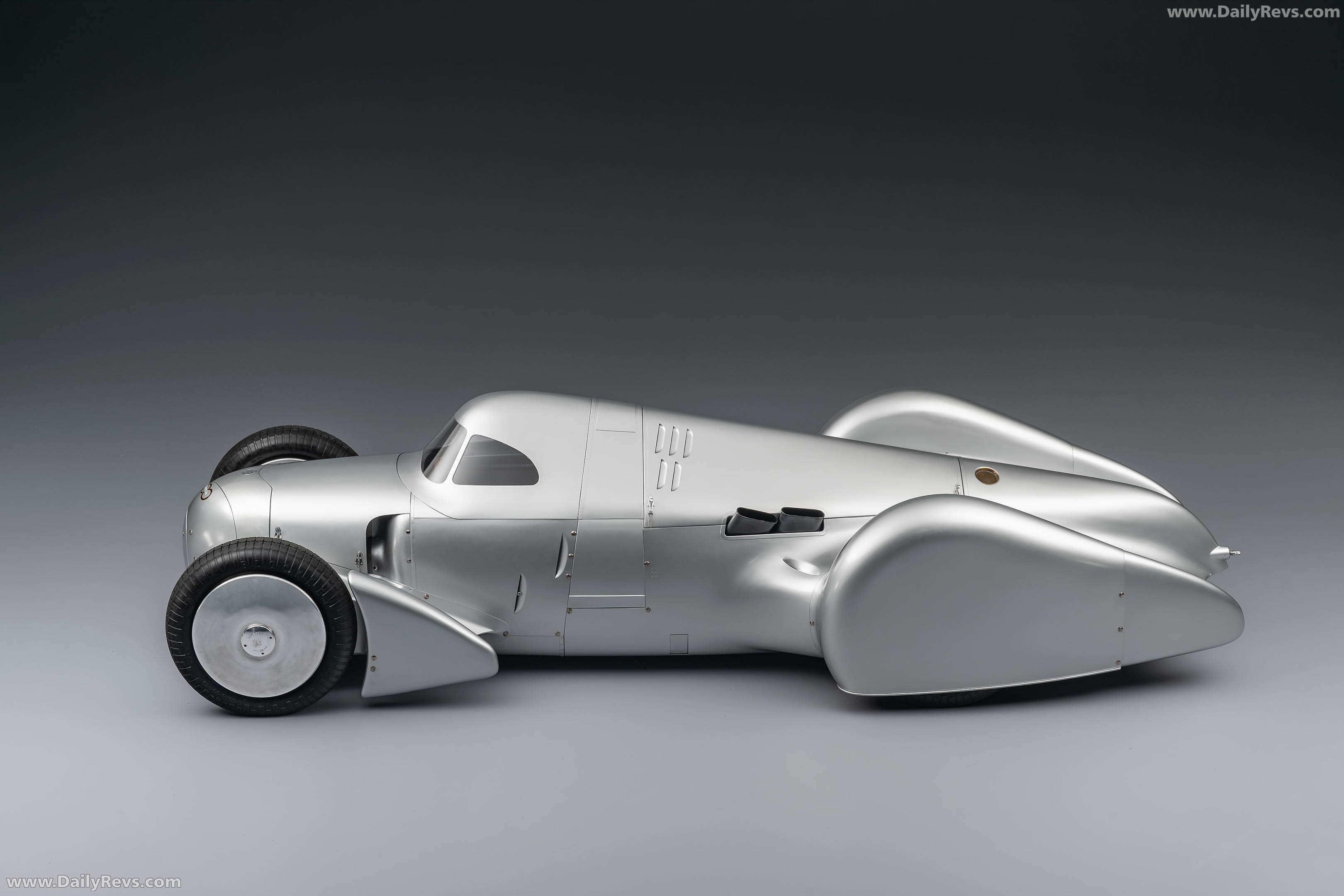
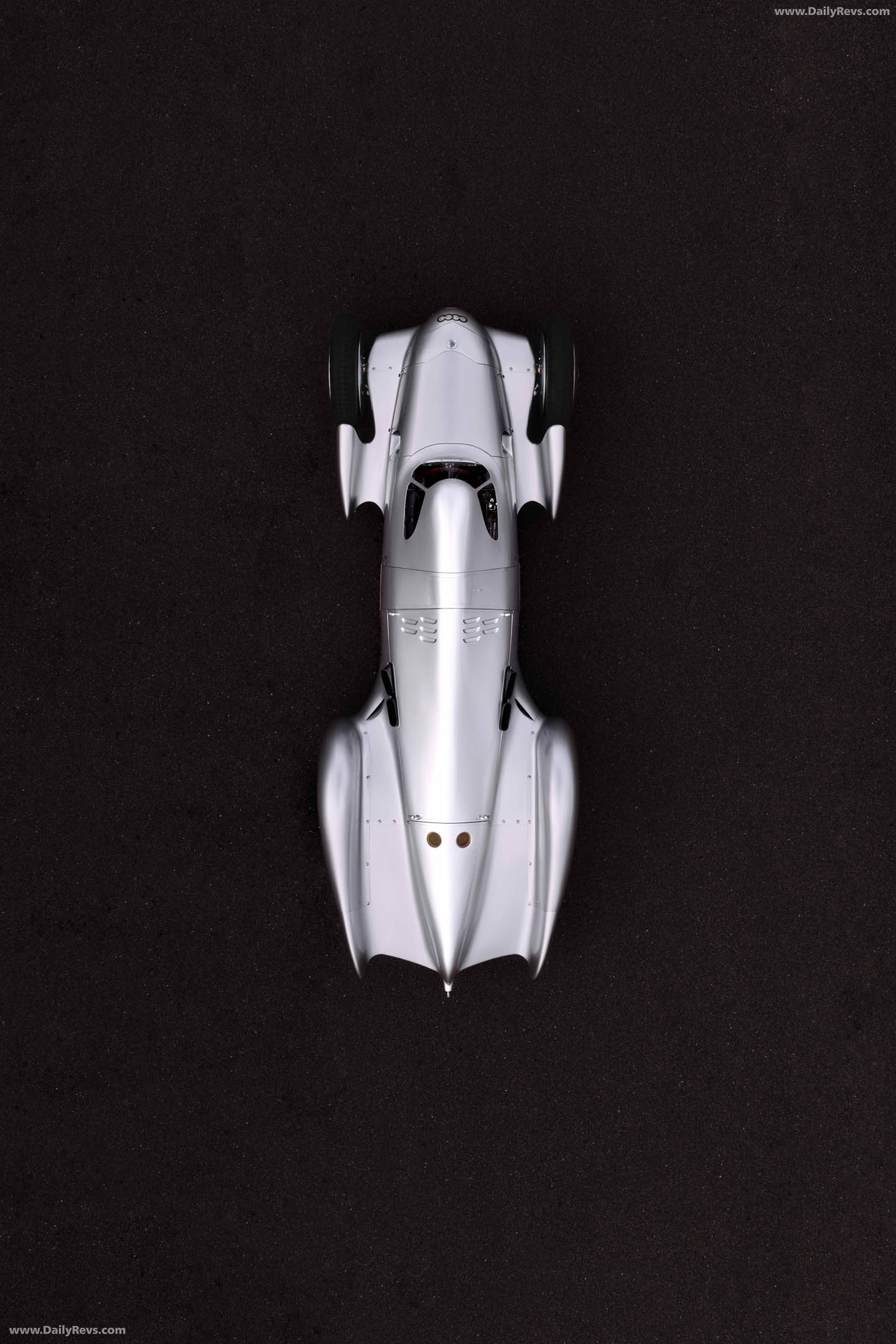
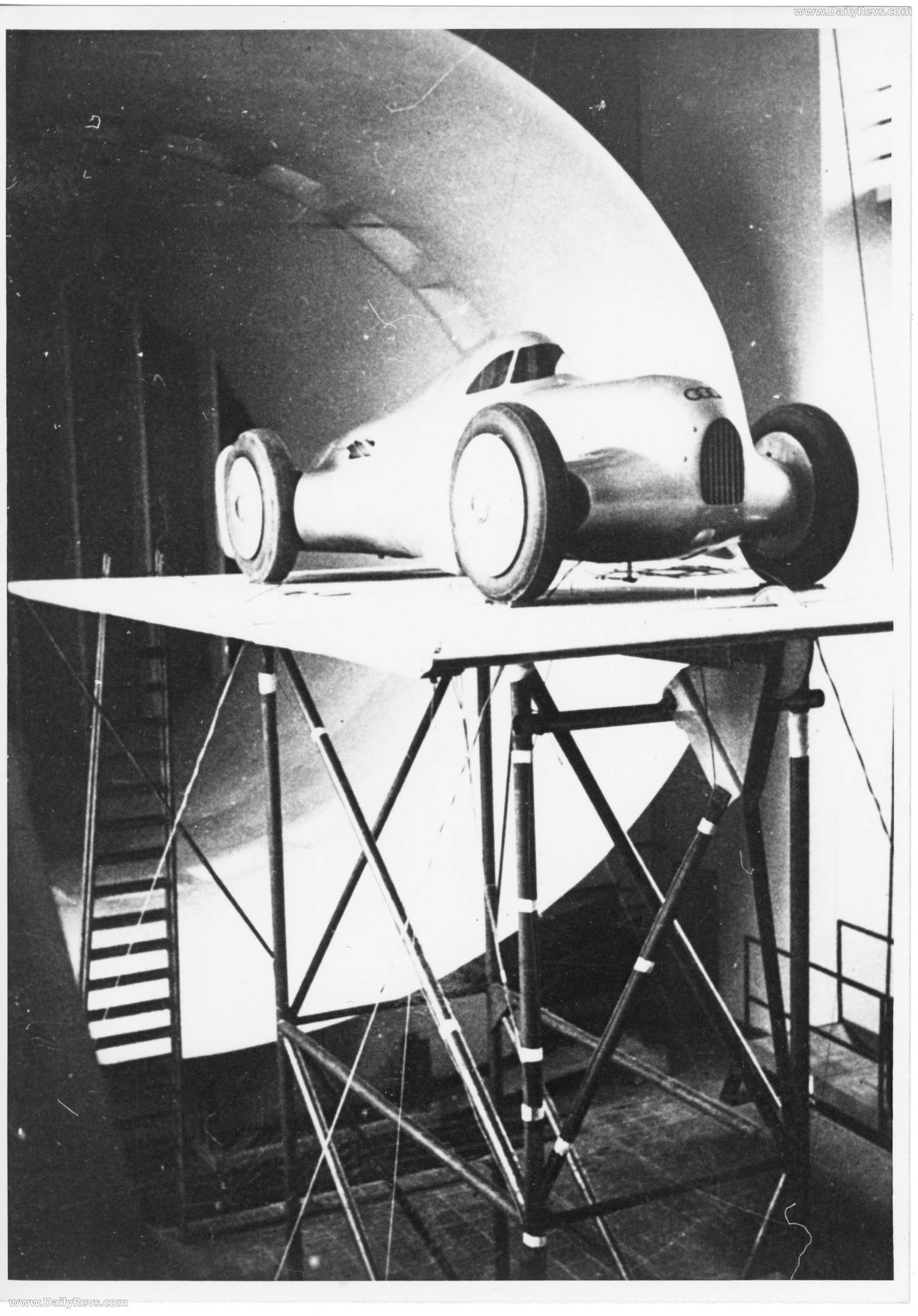
The body sits low and narrow, with enclosed wheels, a tapered rear section, and smooth surfaces that almost resemble post-war streamliners from another decade. Audi says the car was developed using wind tunnel testing at the Berlin-Adlershof Aeronautical Research Institute, something still relatively rare in racing car development at the time.
The proportions are dramatic but functional. The rear fin stabilizes airflow, the bodywork minimizes drag, and even the wheel covers were designed specifically for aerodynamic efficiency.
There’s no decorative excess here. Everything looks engineered around velocity.
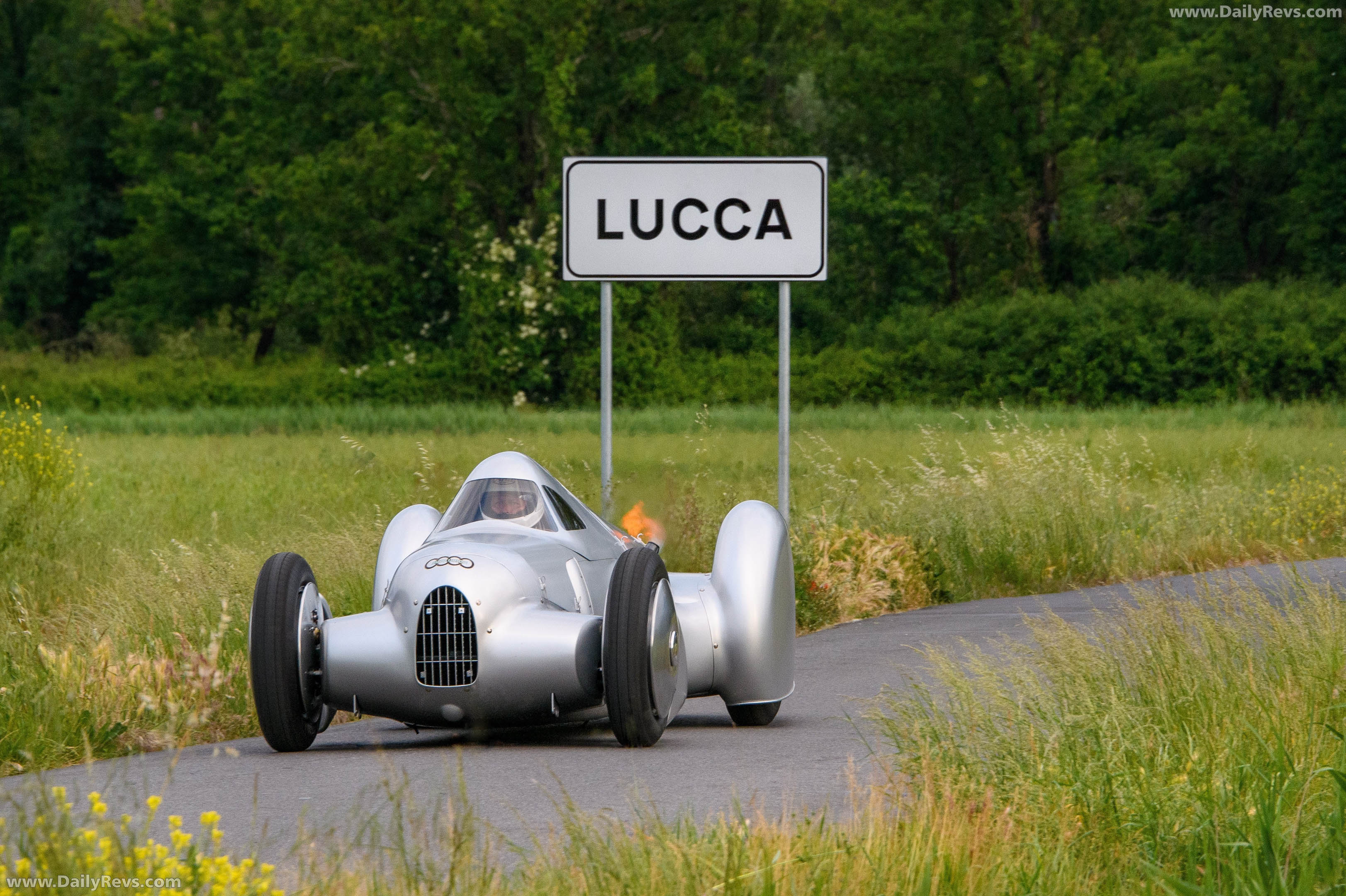
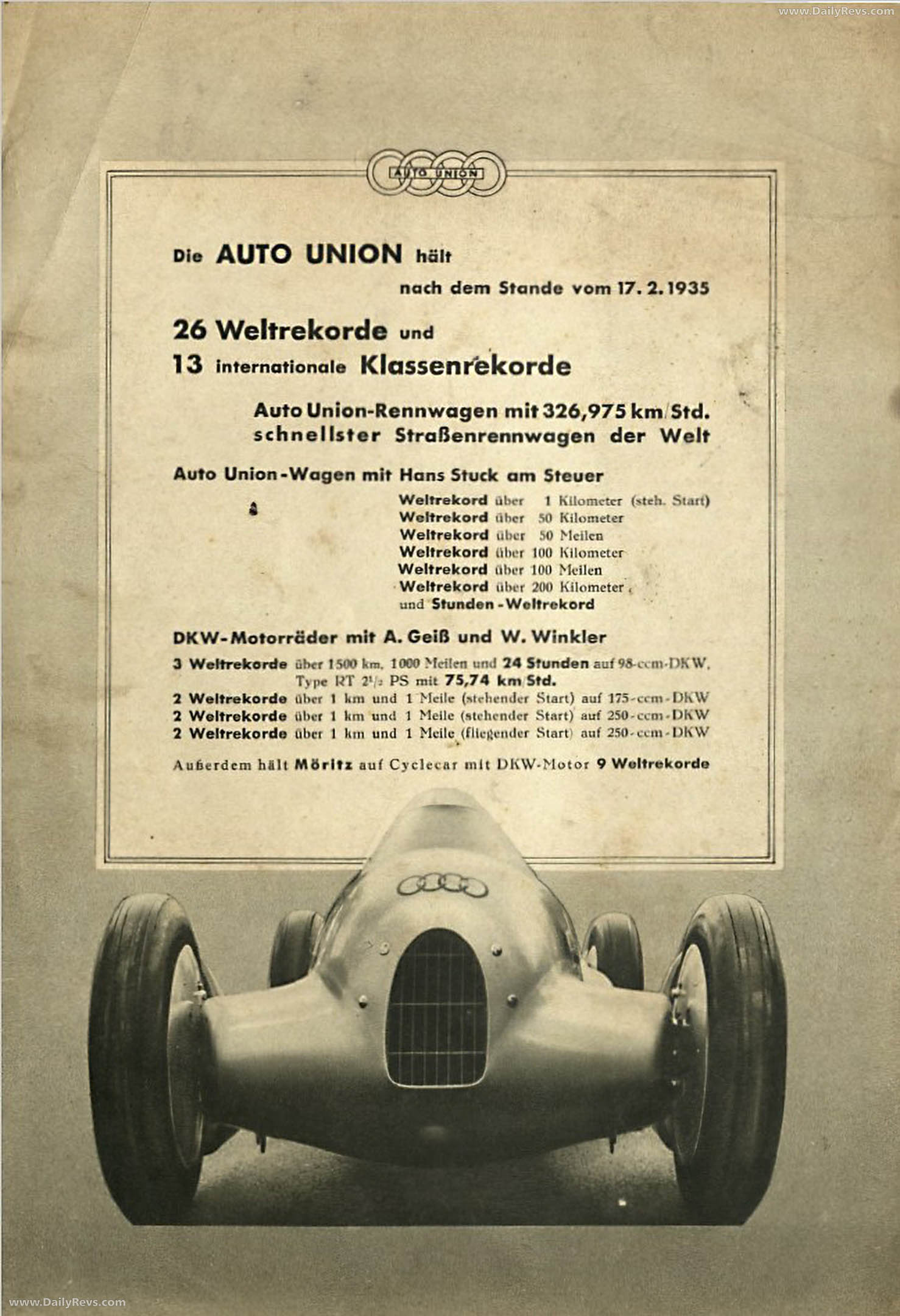
That obsessive approach paid off in February 1935 near Lucca, Italy, when Hans Stuck drove the original Rennlimousine to a measured top speed of 326.975 km/h. The flying-start mile average reached 320.267 km/h, making it the fastest road racing car in the world at the time.
Hand-built recreation stays close to the original
Audi Tradition commissioned British restoration specialists Crosthwaite & Gardiner to recreate the car using archival photographs and historical documentation. The project reportedly took more than three years to complete.
Nearly every component was handcrafted, including the complex aluminum bodywork and the enclosed cockpit canopy. Audi also confirmed the recreated car achieved a drag coefficient of 0.43 during wind tunnel testing earlier this year.
The mechanical package is equally serious.
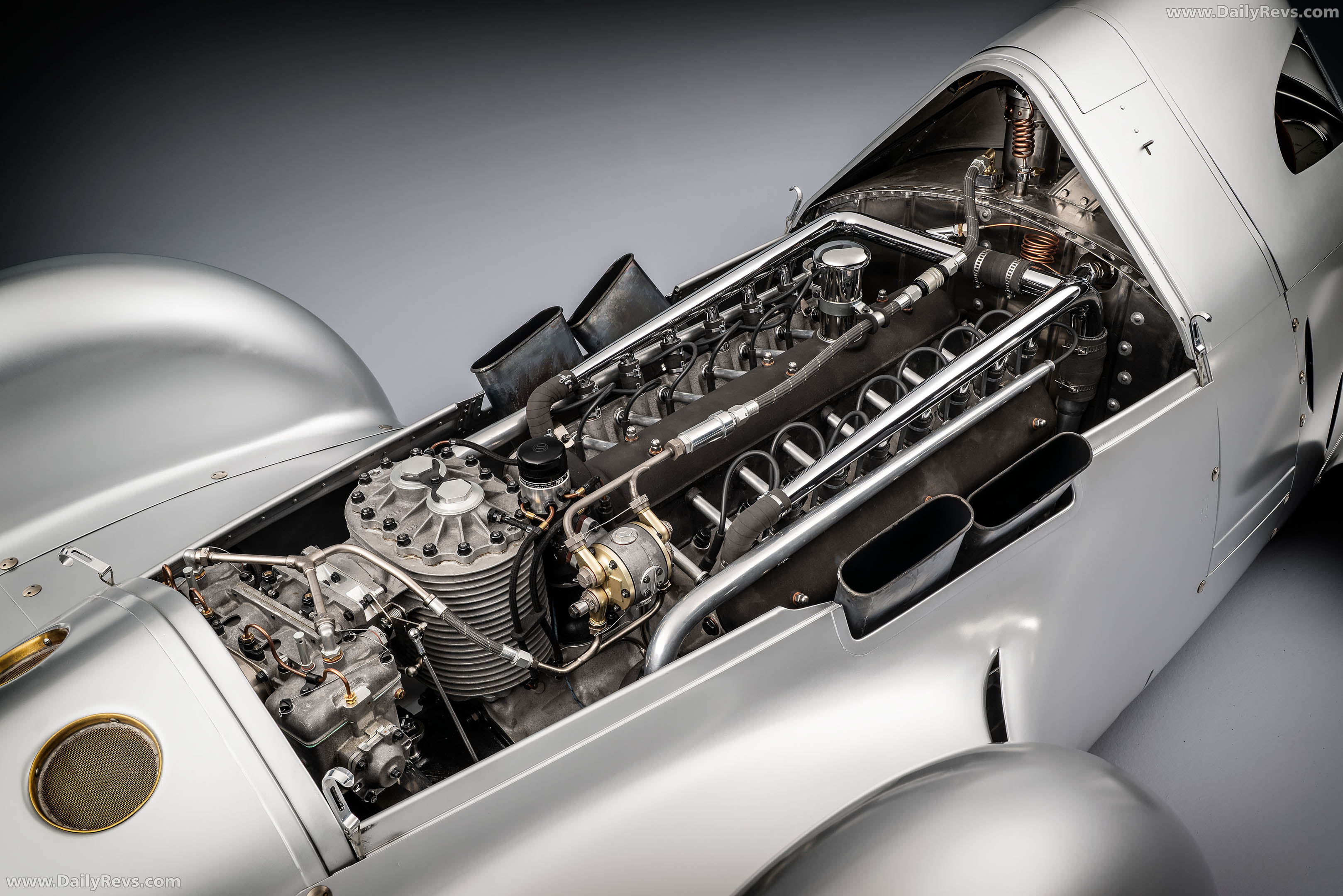
Power comes from a supercharged 6.0-liter V16 engine producing 520 PS at 4,500 rpm. The drivetrain layout reflects Auto Union’s famous mid-engine Grand Prix cars of the era, a configuration that was still highly unconventional in the mid-1930s.
At just 960 kilograms, the Lucca remains astonishingly lightweight considering its dimensions and massive engine.
More than a museum piece
Interestingly, Audi did not build the Lucca purely for static display.
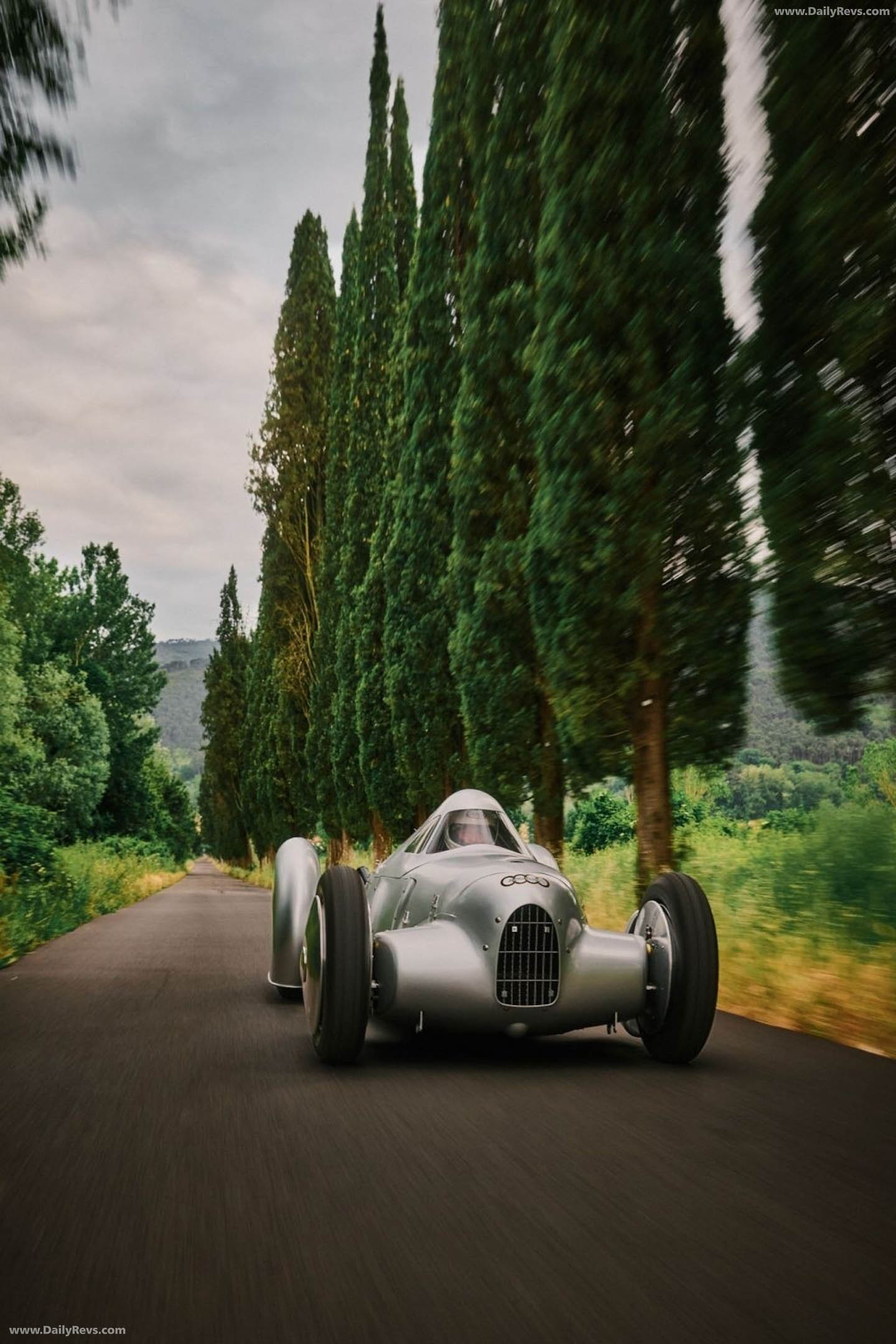
The recreated Rennlimousine is expected to make its first dynamic public appearance at the Goodwood Festival of Speed in July, where it will join Audi’s historic Silver Arrow collection.
That decision feels important. Cars like this only fully make sense in motion.
The Auto Union Lucca represents a strange and ambitious era where engineering teams chased speed records across European highways using little more than courage, experimentation, and mechanical intuition. The car’s existence captures that atmosphere almost perfectly.
Even ninety years later, it still looks fast standing still.