





2026 Aston Martin DB12 S
By Lorenzo Bianchi October 9, 2025
New 4.0-litre twin-turbo V8 produces 700 PS and 800 Nm, delivering 0–60 mph in 3.4 seconds.
Standard Carbon Ceramic Brakes reduce unsprung weight by 27 kg and enhance agility.
Updated aerodynamic design and interior refinements define the DB12 S as Aston Martin’s halo model.
A Sharper Edge to Aston Martin’s Grand Tourer
The 2026 Aston Martin DB12 S takes what was already one of the most complete GTs in the world and turns the dial just a bit further. This is the new halo model of the DB bloodline — sharper, faster, and louder. It’s still a grand tourer at its core, but the details tell you it’s chasing something more visceral.
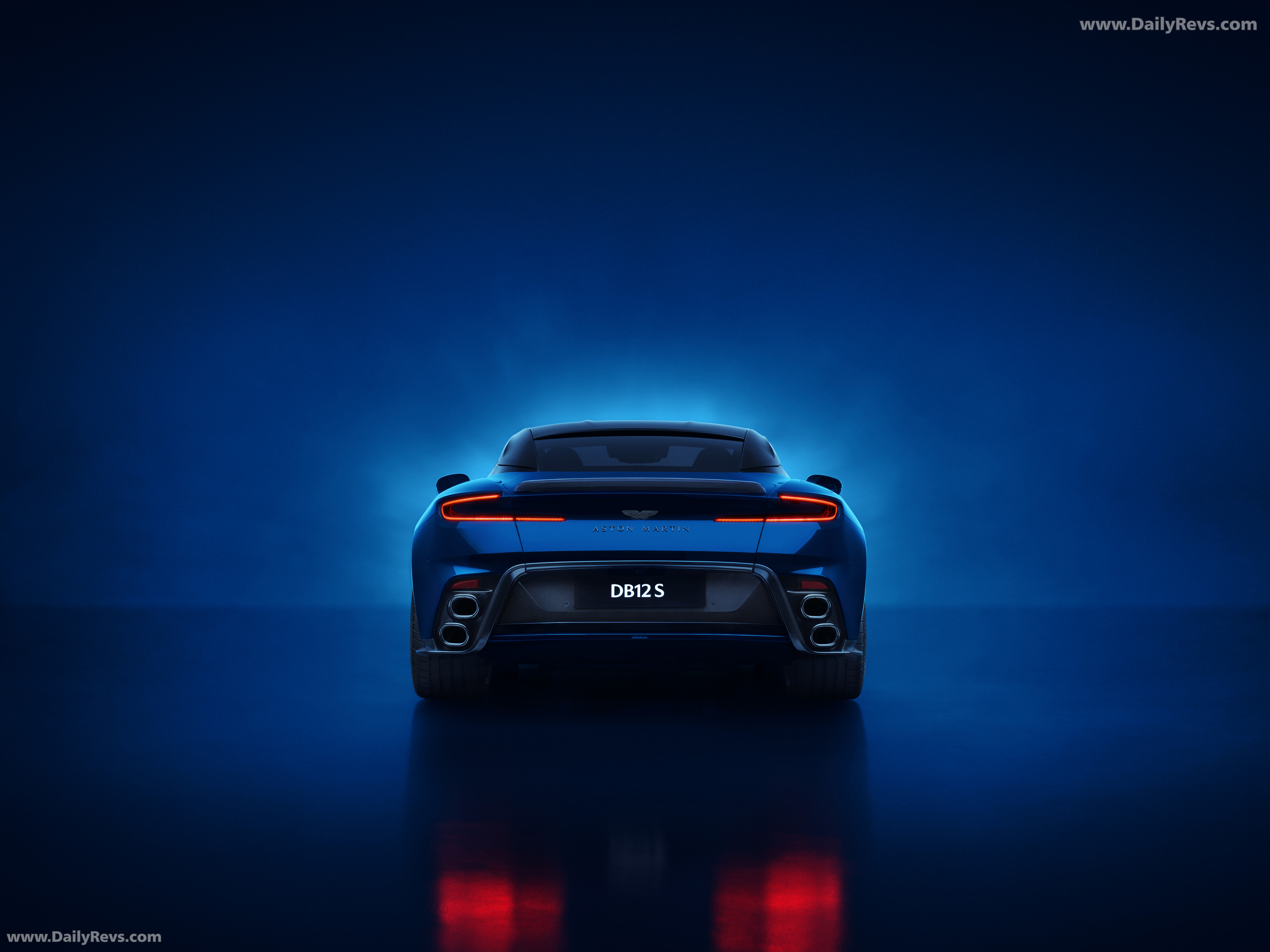
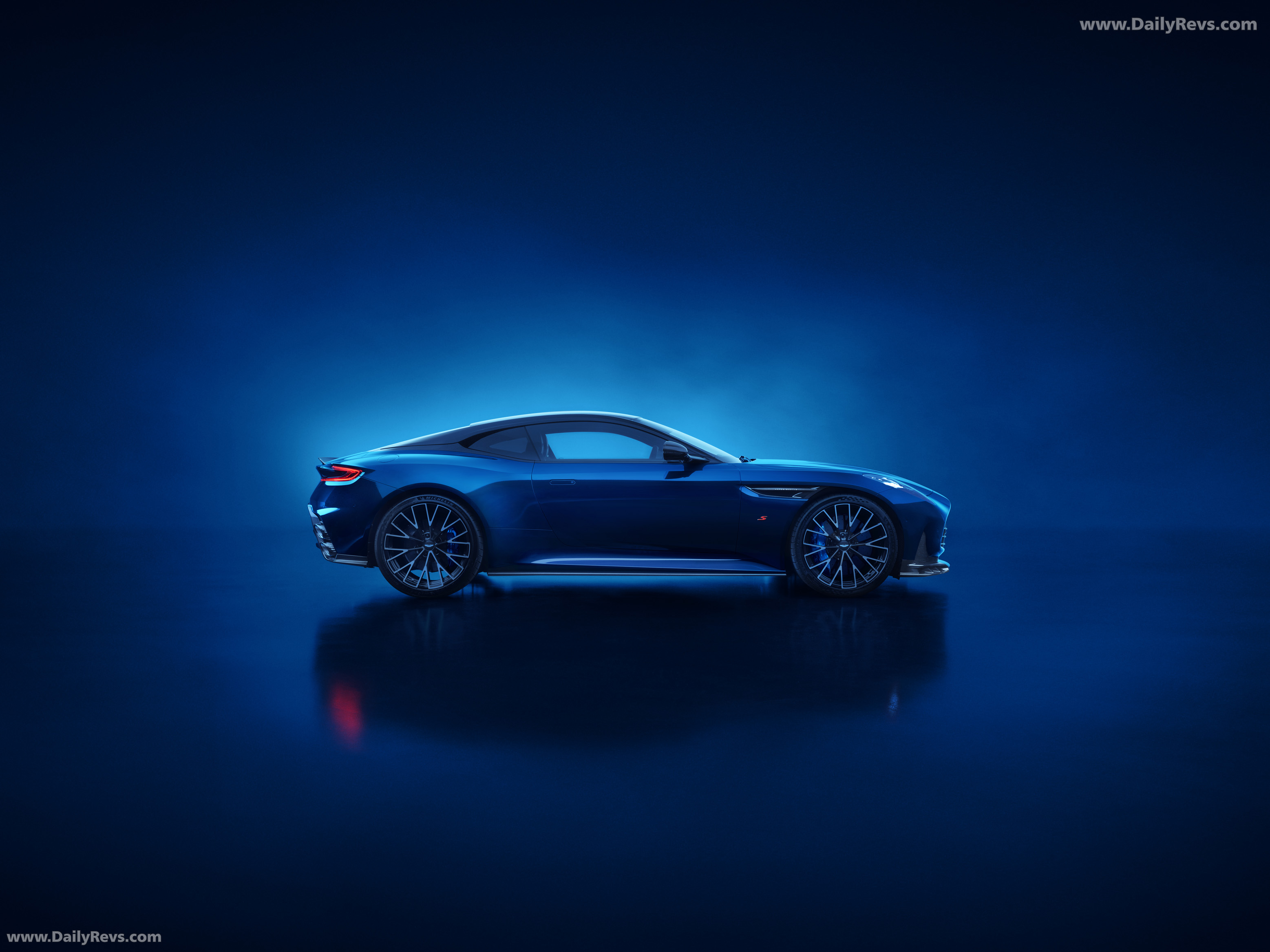
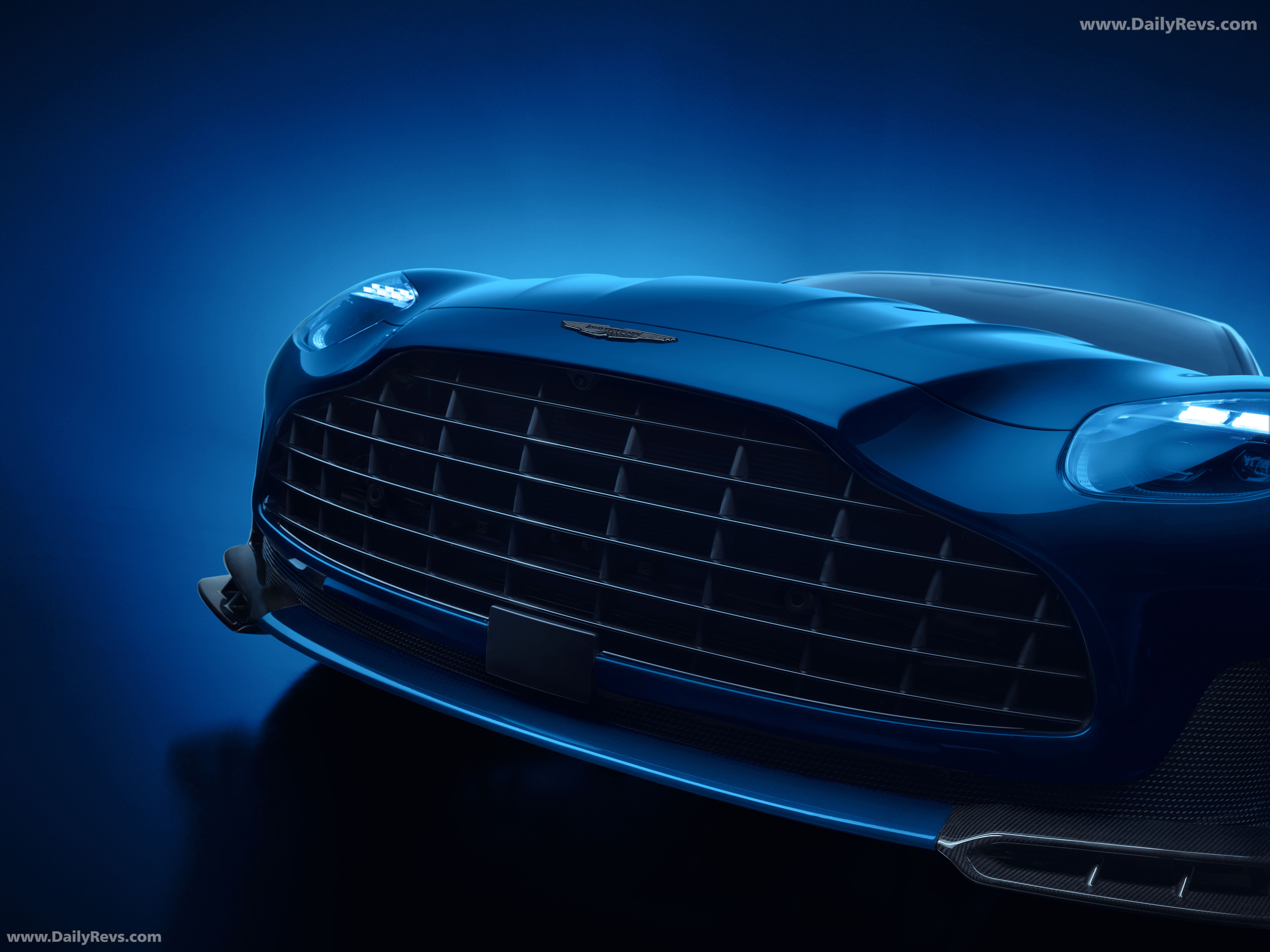
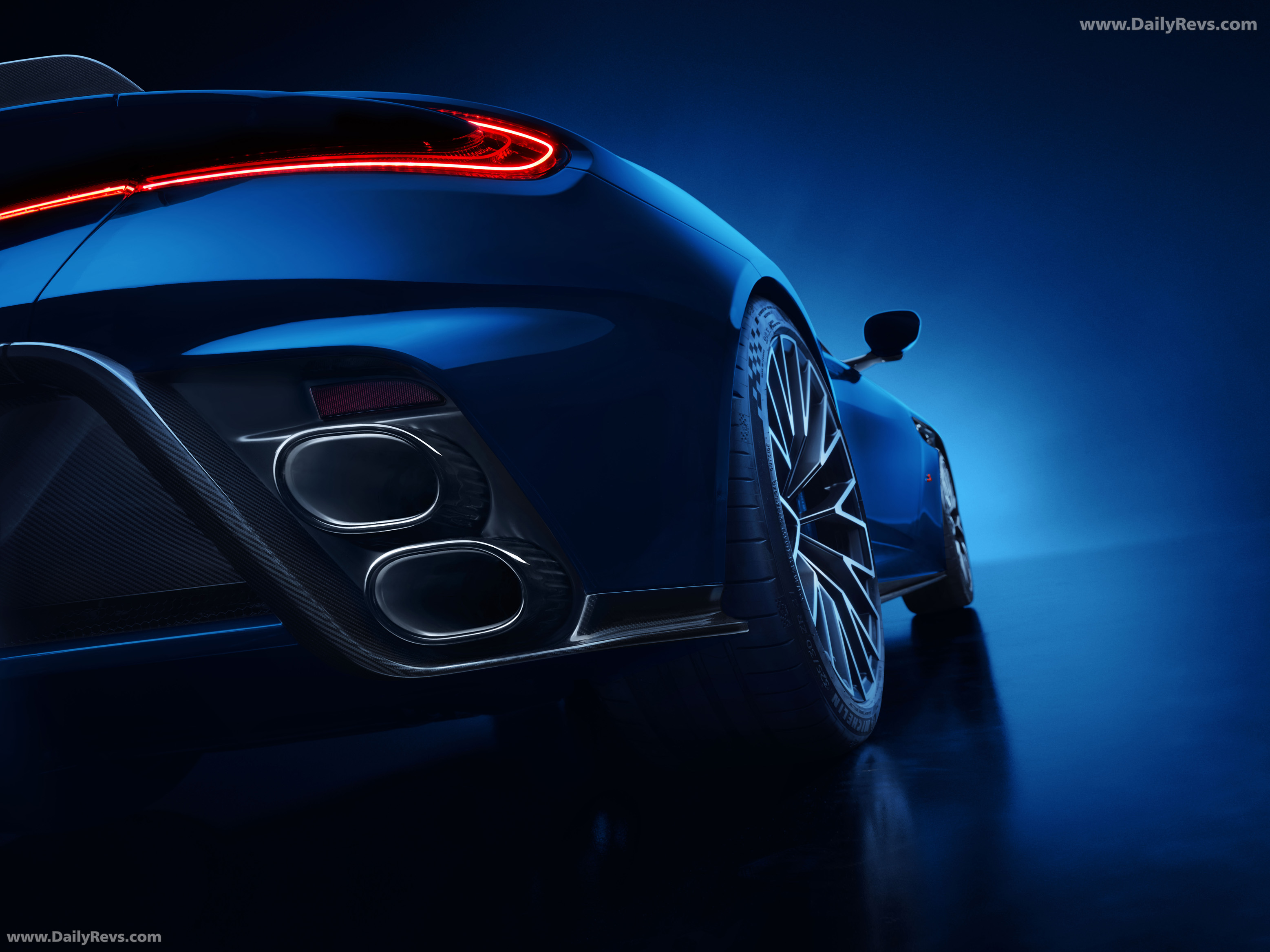
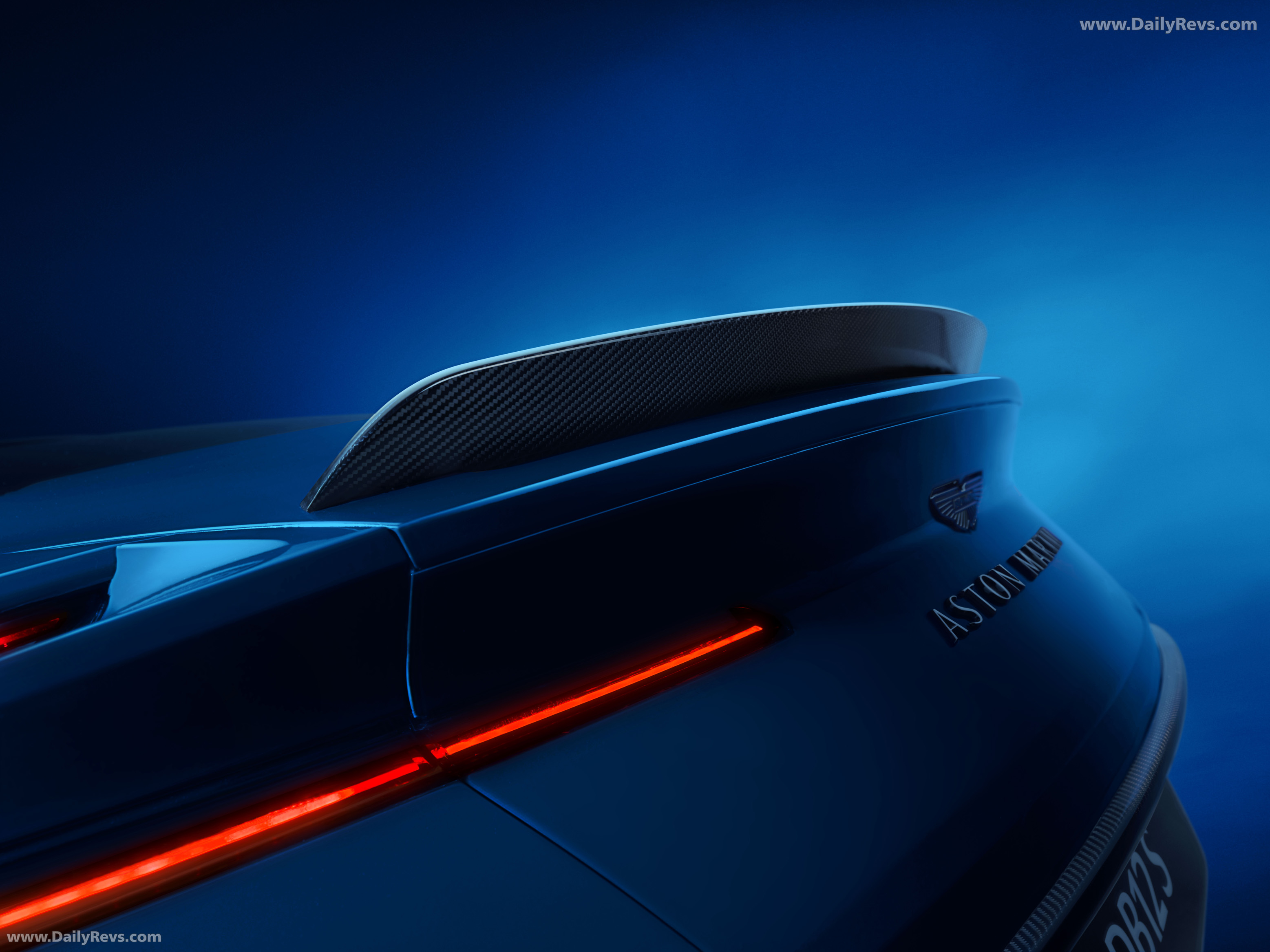
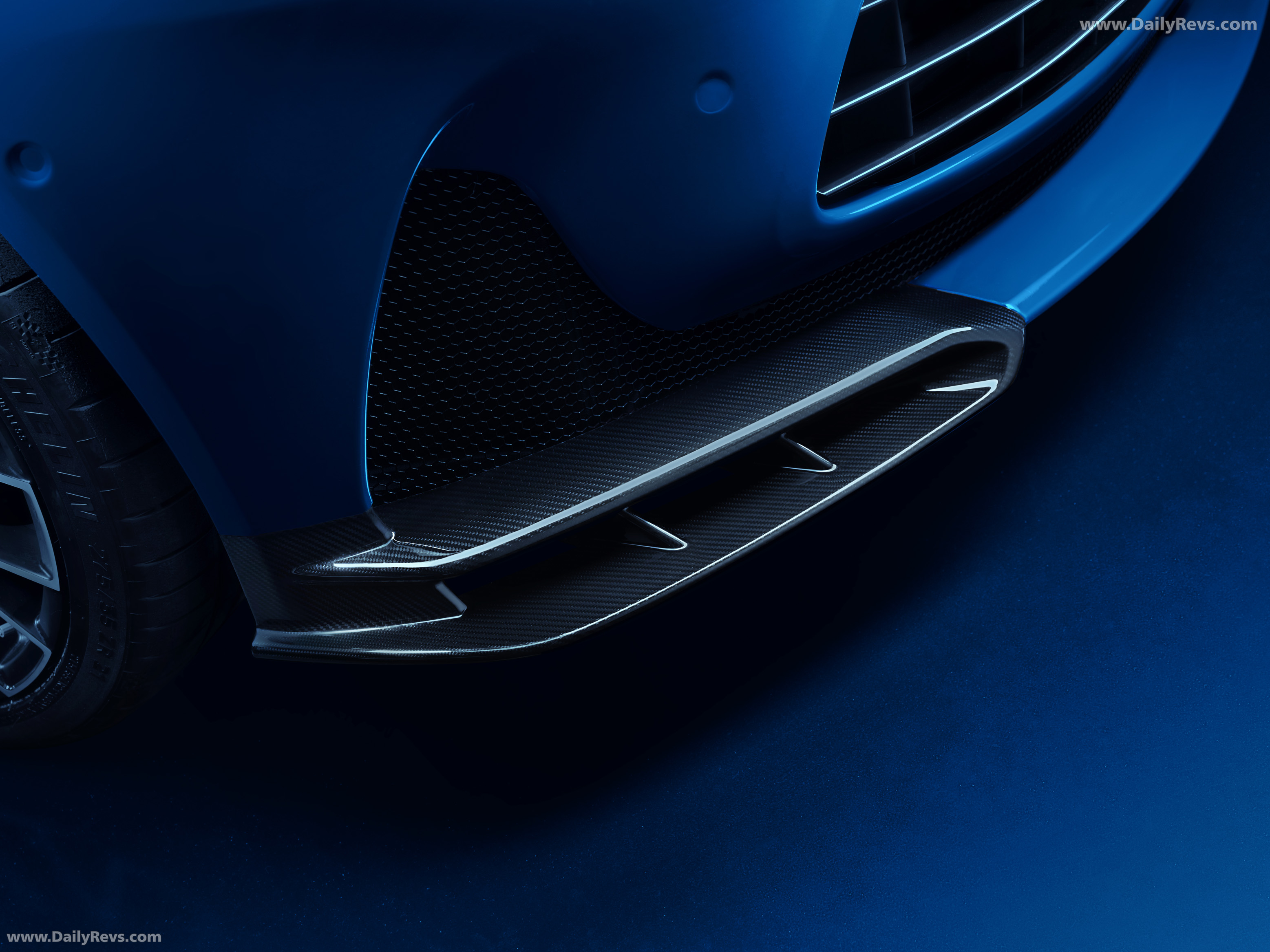
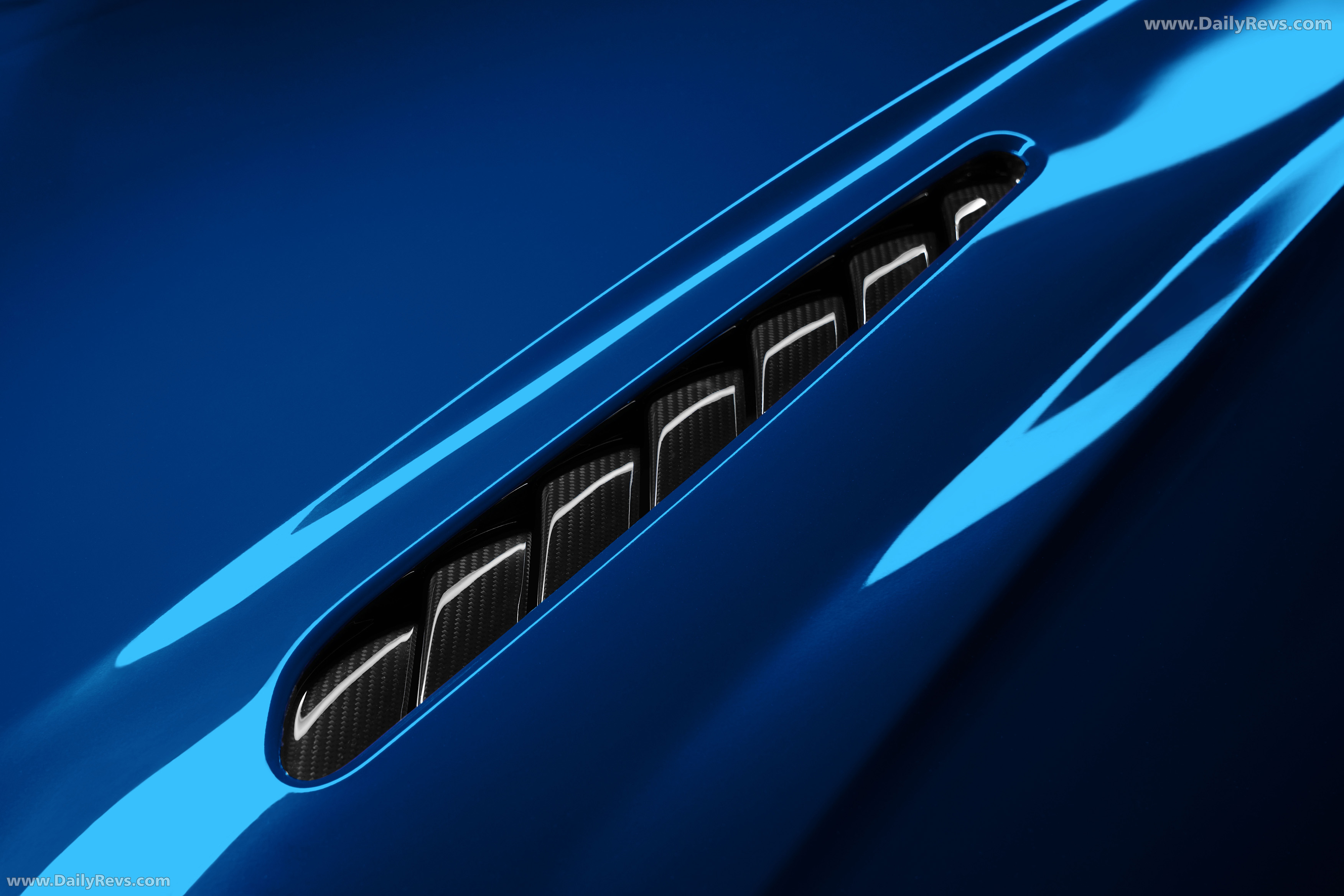
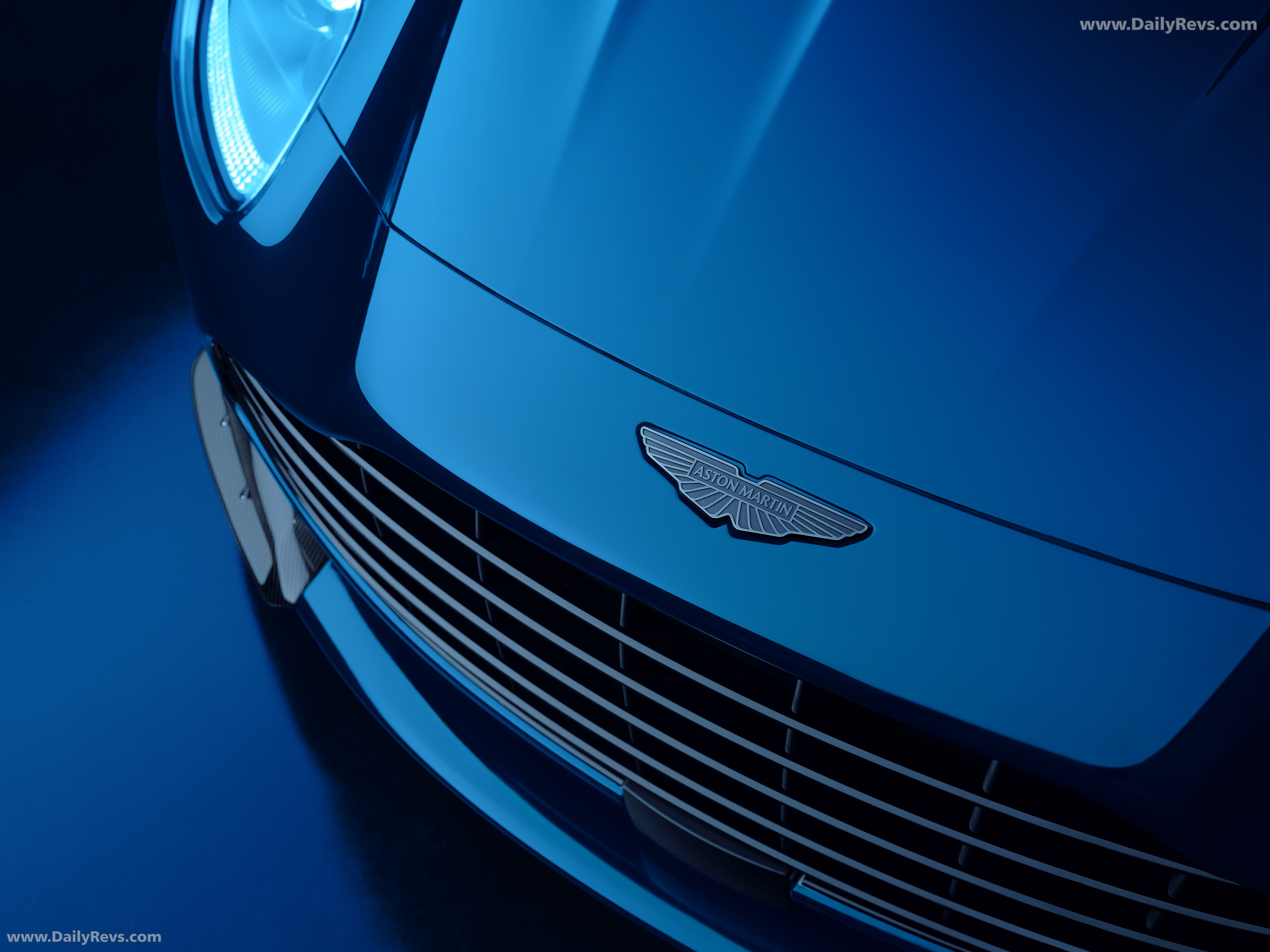
From the press photos, the stance alone does half the talking. The front splitter stretches wider and lower, framed by new bonnet louvres that bleed heat from the twin-turbo V8 beneath. The shape feels tighter, almost clenched. And then there’s the back — stacked quad pipes framed by a deep rear diffuser, the kind of design that looks purposeful, not decorative. You get the impression every vent and crease has a job to do.
Power, Precision, and Purpose
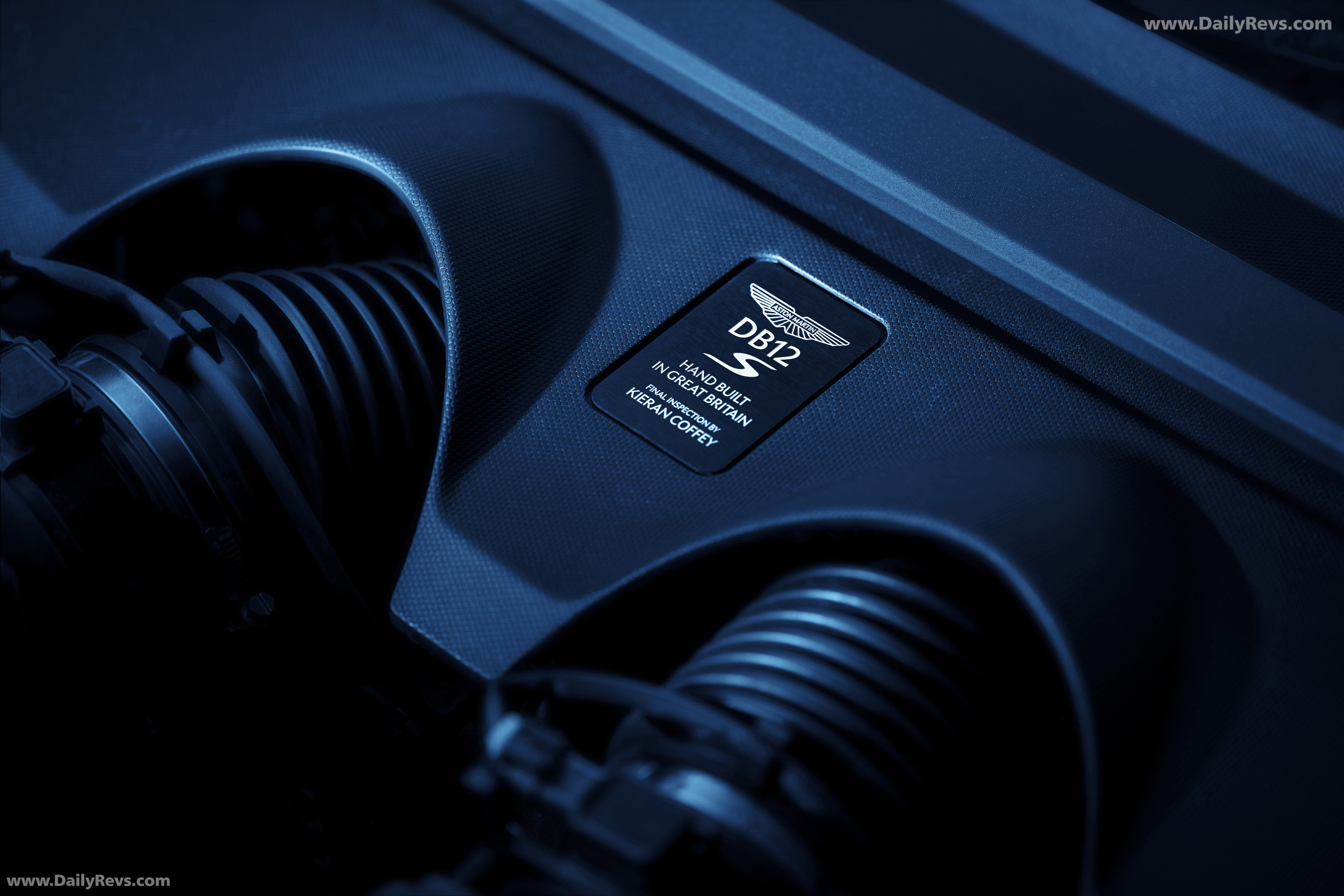
Under the hood, the DB12 S carries a 4.0-litre twin-turbocharged V8, now tuned to produce 700 PS and 800 Nm of torque, channeled to the rear wheels through an eight-speed automatic. The launch control has been recalibrated, and gearshifts are 50 percent quicker. The sprint to 60 mph now takes just 3.4 seconds, topping out at 202 mph
Aston’s engineers have leaned into refinement and control. The throttle mapping feels crisper, the suspension’s adaptive dampers — revised Bilstein DTX units — read the road faster. There’s a new rear anti-roll bar, tighter geometry, and a more communicative electronic differential. On paper, it’s all calibration and precision. In practice, it’s about giving the driver more to work with, not more to fight against.
Braking is handled by standard Carbon Ceramic Brakes, measuring 410 mm up front and 360 mm at the rear. Beyond the obvious stopping power, they shave 27 kilograms of unsprung mass, giving the DB12 S sharper steering feedback and cleaner body control over uneven surfaces
Design and Detail
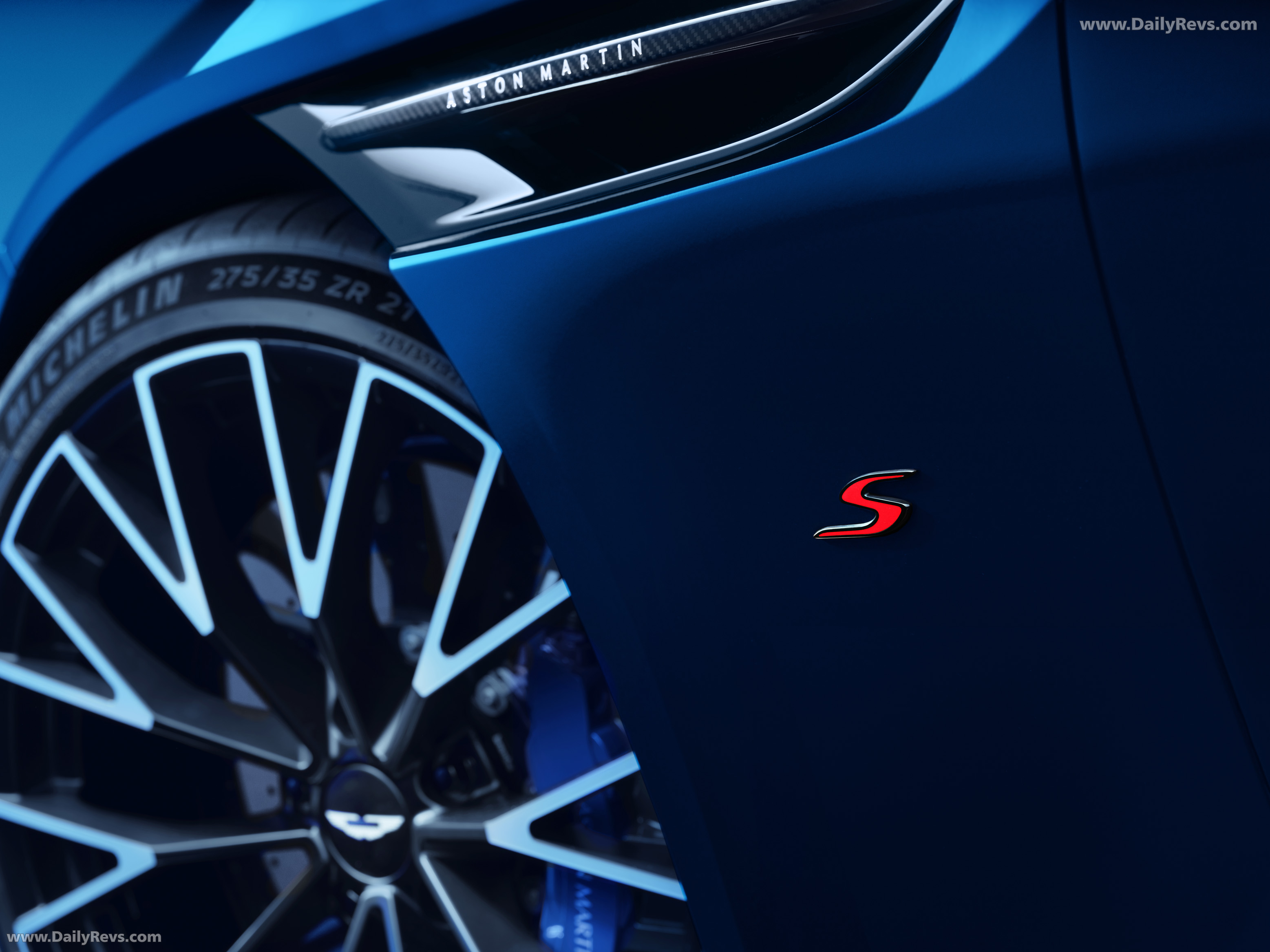
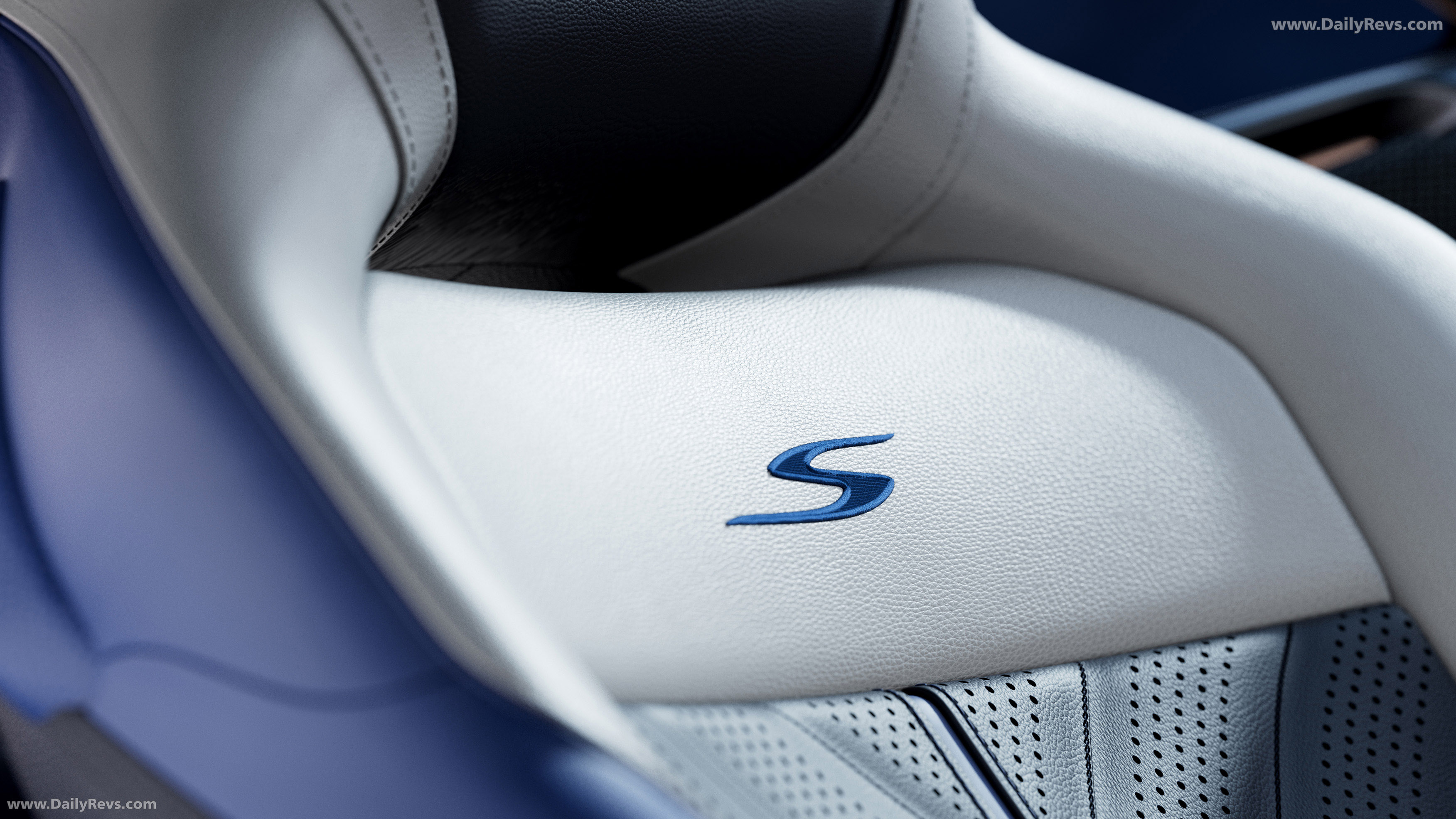
Visually, the DB12 S builds its own identity without rewriting the car’s design language. The dual-element splitter, black sill extensions, and new S-badging are subtle but deliberate. Each side fender carries a hand-made ‘S’ insignia — finished in chrome or dark metal, with a red enamel infill. It’s the kind of detail few will notice at first glance, but it matters to those who do.
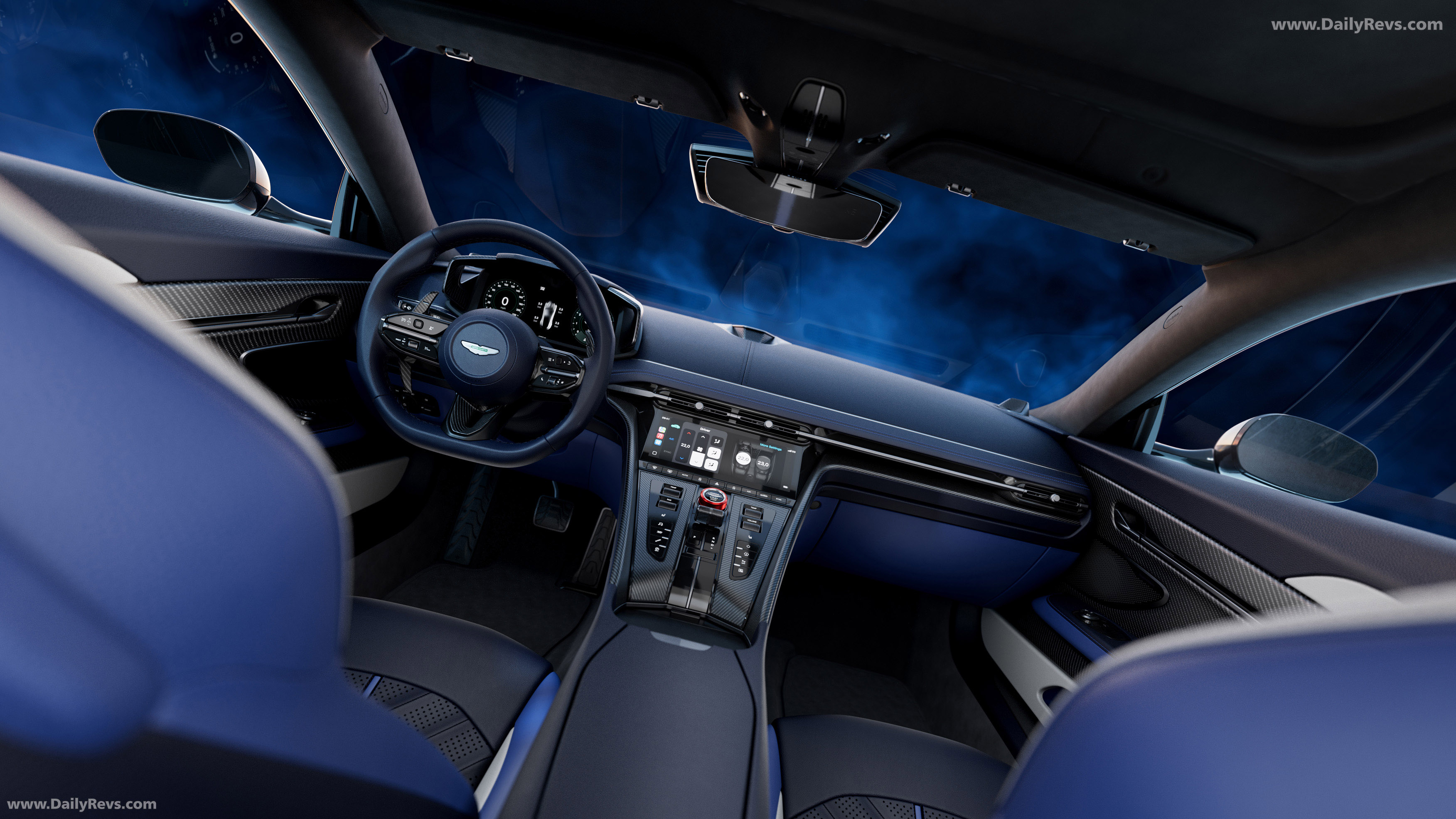
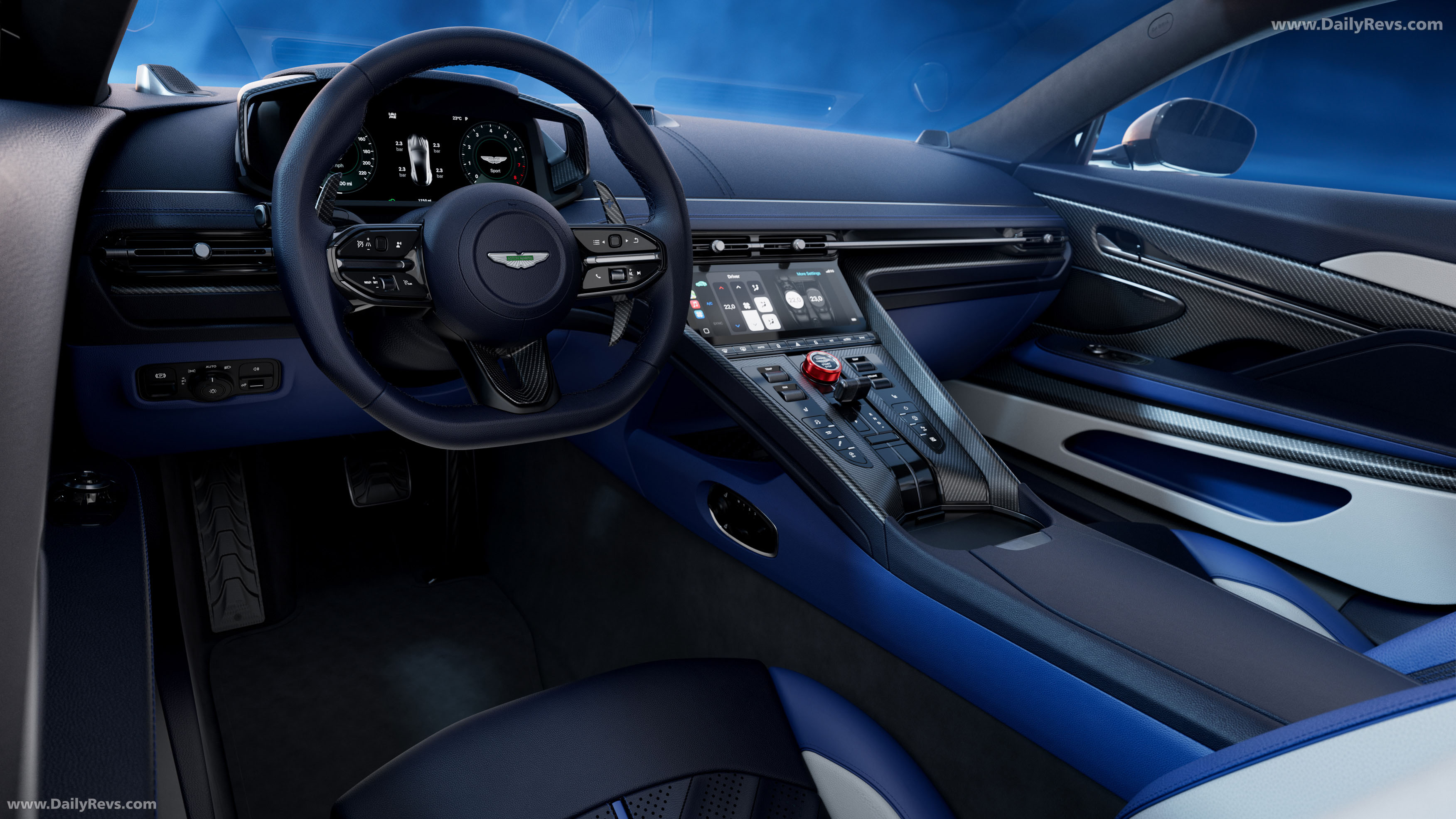
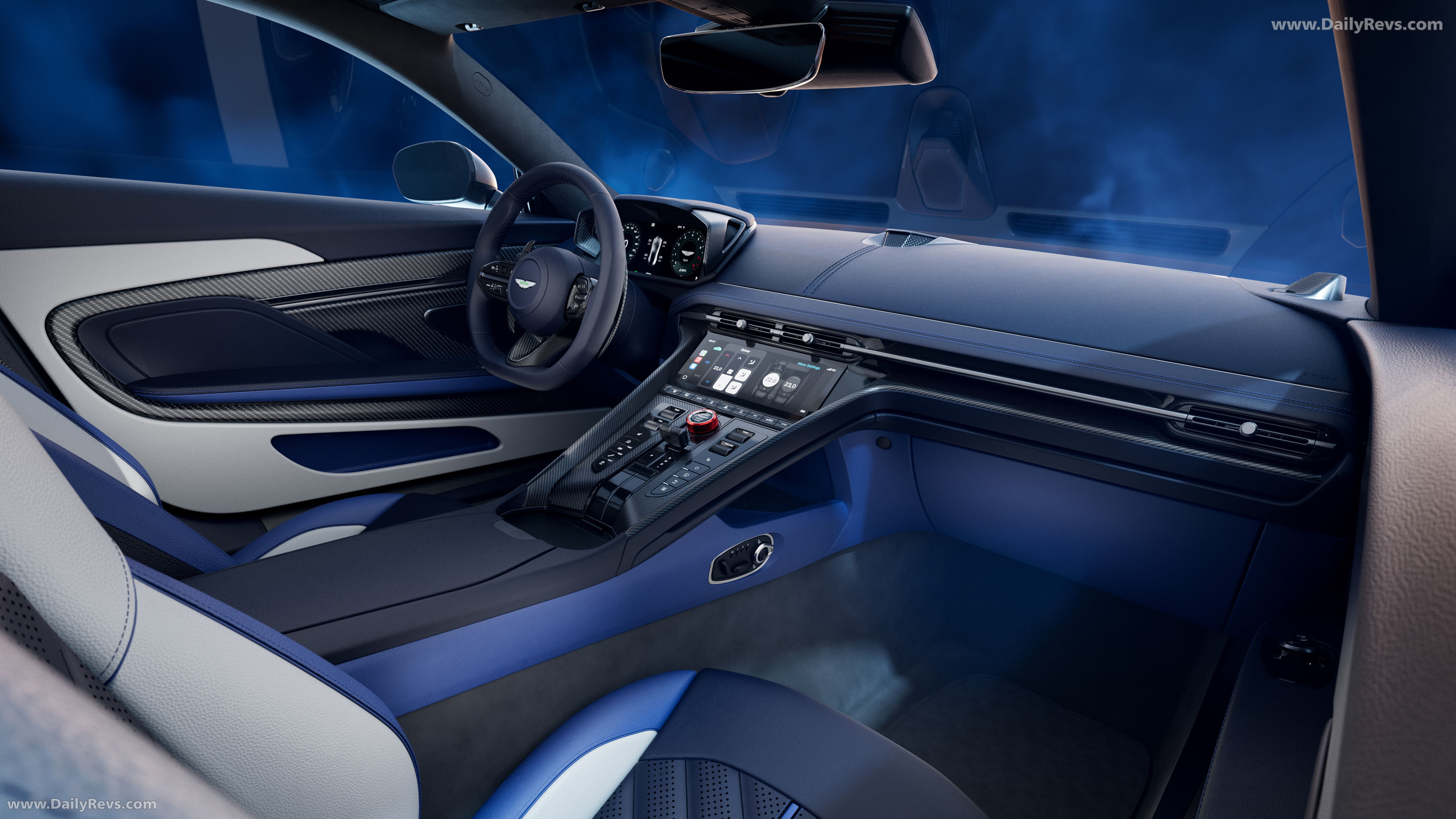
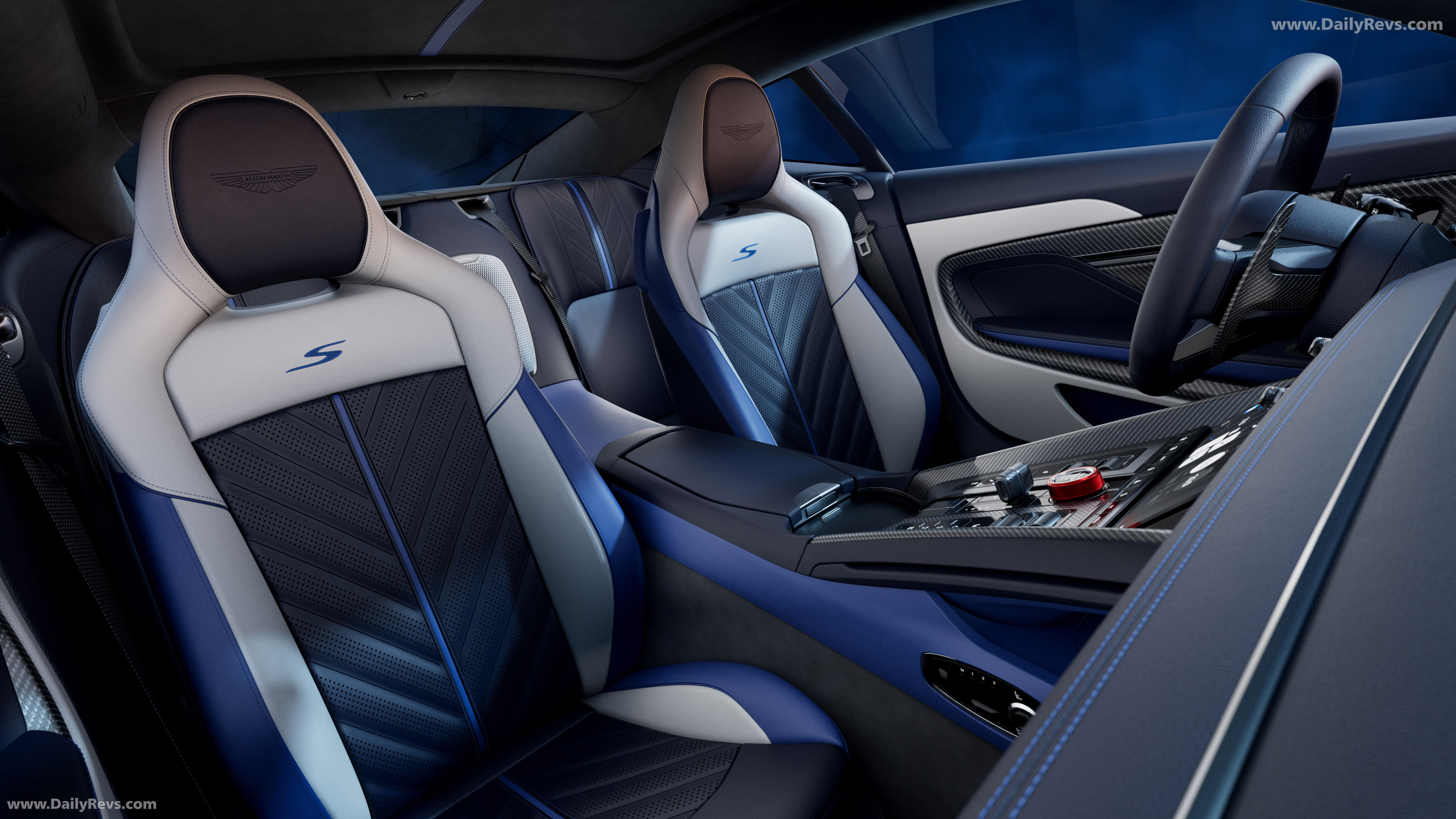
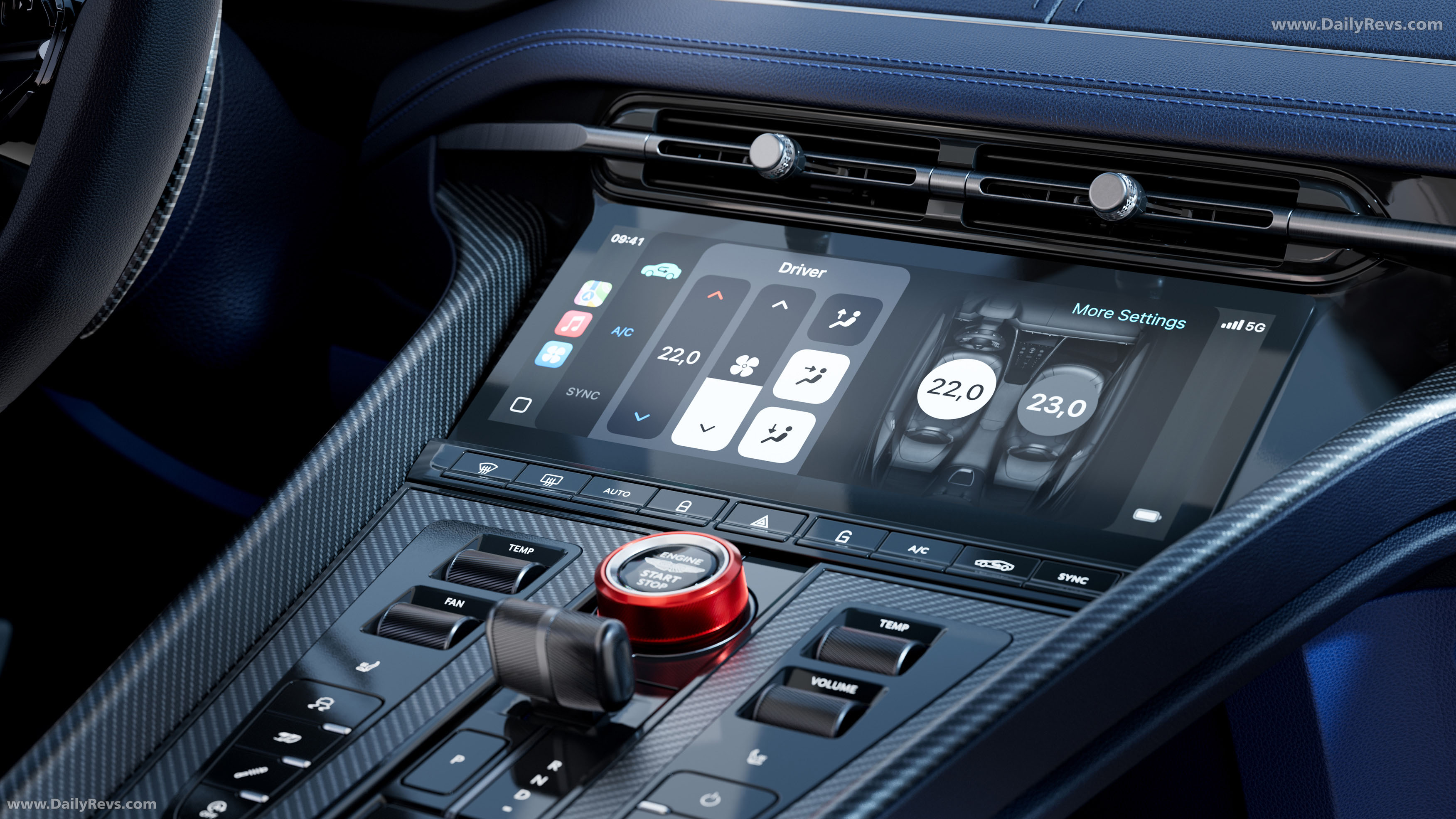
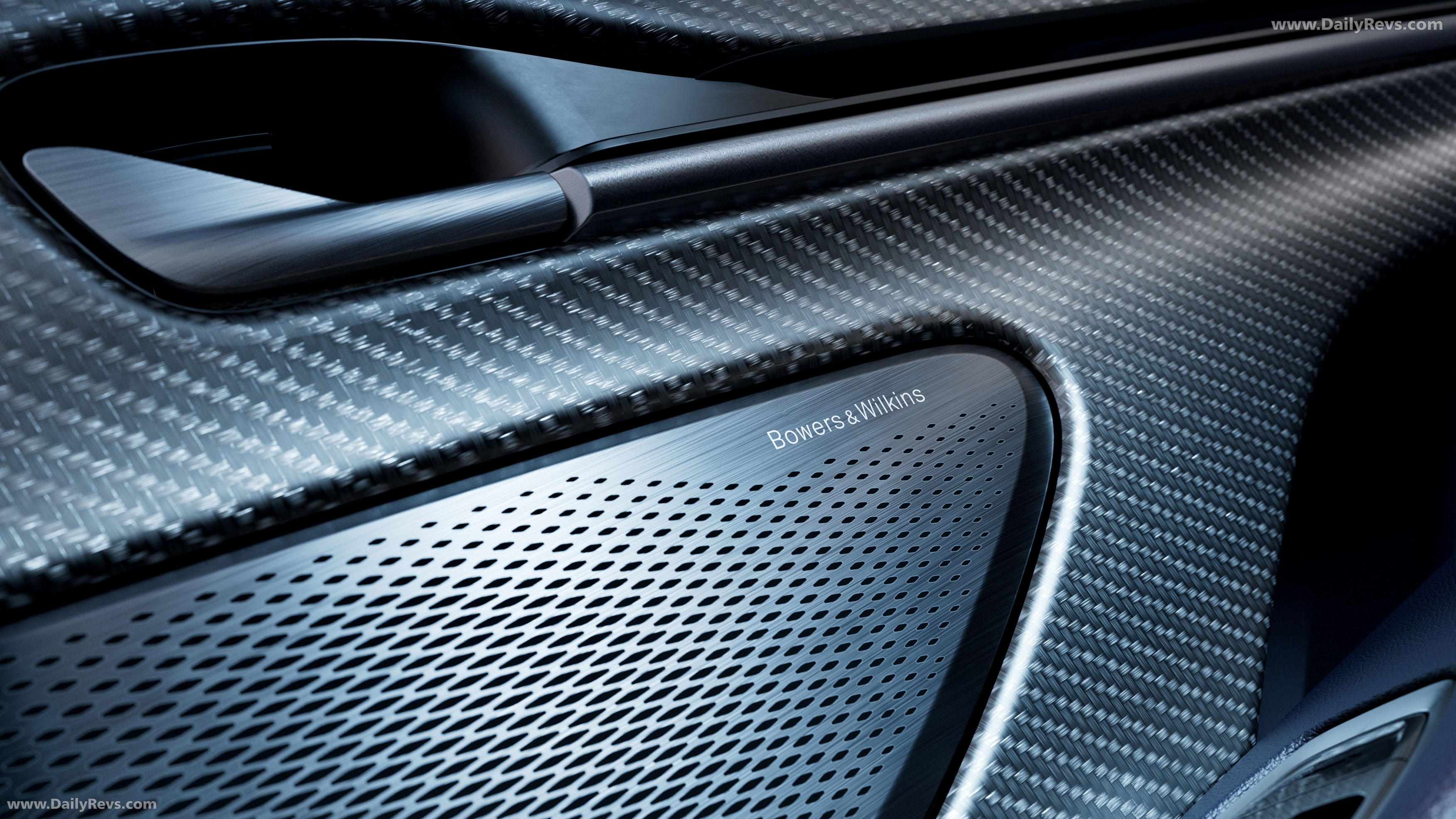
Inside, the tone shifts to something more tactile. Red anodised controls, semi-aniline leather, and Alcantara upholstery create a cabin that feels closer to the brand’s racing heart than before. Three interior themes — Accelerate, Inspire S (leather and Alcantara), and Inspire S (full leather) — define the mood. The materials feel heavier, the craftsmanship more assertive. A 16-way Sport Plus seat is standard, while a Carbon Fibre Performance seat can be fitted for those willing to sacrifice a few grams for grip
Even the steering wheel feels like an evolution. Heated Alcantara options, embossed Aston Martin wings on the headrests, and the now-signature red drive mode dial all reinforce the car’s halo status without tipping into excess.
Driving Character and Positioning
The DB12 S doesn’t exist to replace anything — it exists to sharpen the company’s own definition of a Super Tourer. The car sits atop Aston Martin’s current performance hierarchy alongside the DBX S and Vantage S, completing a lineup designed to reassert the marque’s performance credibility.
Against competitors like the Ferrari Roma and Bentley Continental GT Speed, the DB12 S feels distinctly British — measured, muscular, and hand-finished. There’s restraint in its design, confidence in its execution, and an honesty in the way it approaches performance.
Deliveries begin in early 2026, with both Coupe and Volante body styles available. And while electrification is creeping into Aston Martin’s long-term roadmap, the 2026 Aston Martin DB12 S stands as a pure statement of combustion-era craft — a grand tourer built for those who still care how something feels at the limit.
Technical Specifications
- Engine: 4.0-litre twin-turbo V8
- Power: 700 PS (690 bhp) @ 6,000 rpm
- Torque: 800 Nm @ 3,000–6,000 rpm
- Transmission: 8-speed automatic, rear-mounted
- Drive: Rear-wheel drive
- 0–60 mph: 3.4 seconds (Coupe) / 3.5 seconds (Volante)
- Top Speed: 202 mph (325 km/h)
- Brakes: Carbon Ceramic Brakes (410 mm front / 360 mm rear)
- Suspension: Adaptive damping with Bilstein DTX technology
- Wheels/Tyres: 21-inch alloys, Michelin Pilot Sport 5 S (275/35ZR21 front, 325/30ZR21 rear)
- Dimensions (Coupe): 4,725 mm L / 2,045 mm W / 1,295 mm H / 2,805 mm wheelbase
- Weight: 1,820 kg (DIN)
- Fuel Tank: 78 litres
- Body: Extruded bonded aluminium structure with composite panels
- Interior: 16-way Sport Plus seats, Alcantara and semi-aniline leather trim
- Production Start: Q1 2026