2025 Volkswagen Caravelle South African Version
By Lorenzo Bianchi March 16, 2026
2025 Volkswagen Caravelle launches with plug-in hybrid 4MOTION all-wheel drive.
Up to 91 km electric driving range from a 19.7 kWh battery.
Dual electric motors and 1.5-litre TSI engine combine for hybrid performance.
Volkswagen Reinvents the Caravelle for the Electrified Era
The 2025 Volkswagen Caravelle marks the next step in the long history of Volkswagen’s passenger vans. The model is scheduled to launch in South Africa in mid-2026, introducing plug-in hybrid technology and a new generation of electrified drivetrain systems.
For decades the Caravelle name has been associated with family transport, shuttle services and long-distance touring. The new generation keeps that role intact but introduces a more modern powertrain strategy built around electrification and improved efficiency.
The latest version builds on the legacy of Volkswagen’s iconic Transporter lineage, from the early T1 bus through to the T6.1 generation. The new T7 Caravelle signals a shift toward cleaner mobility while maintaining the practicality that has defined the model for more than seventy years.
Exterior Presence Reflects the Transporter Heritage
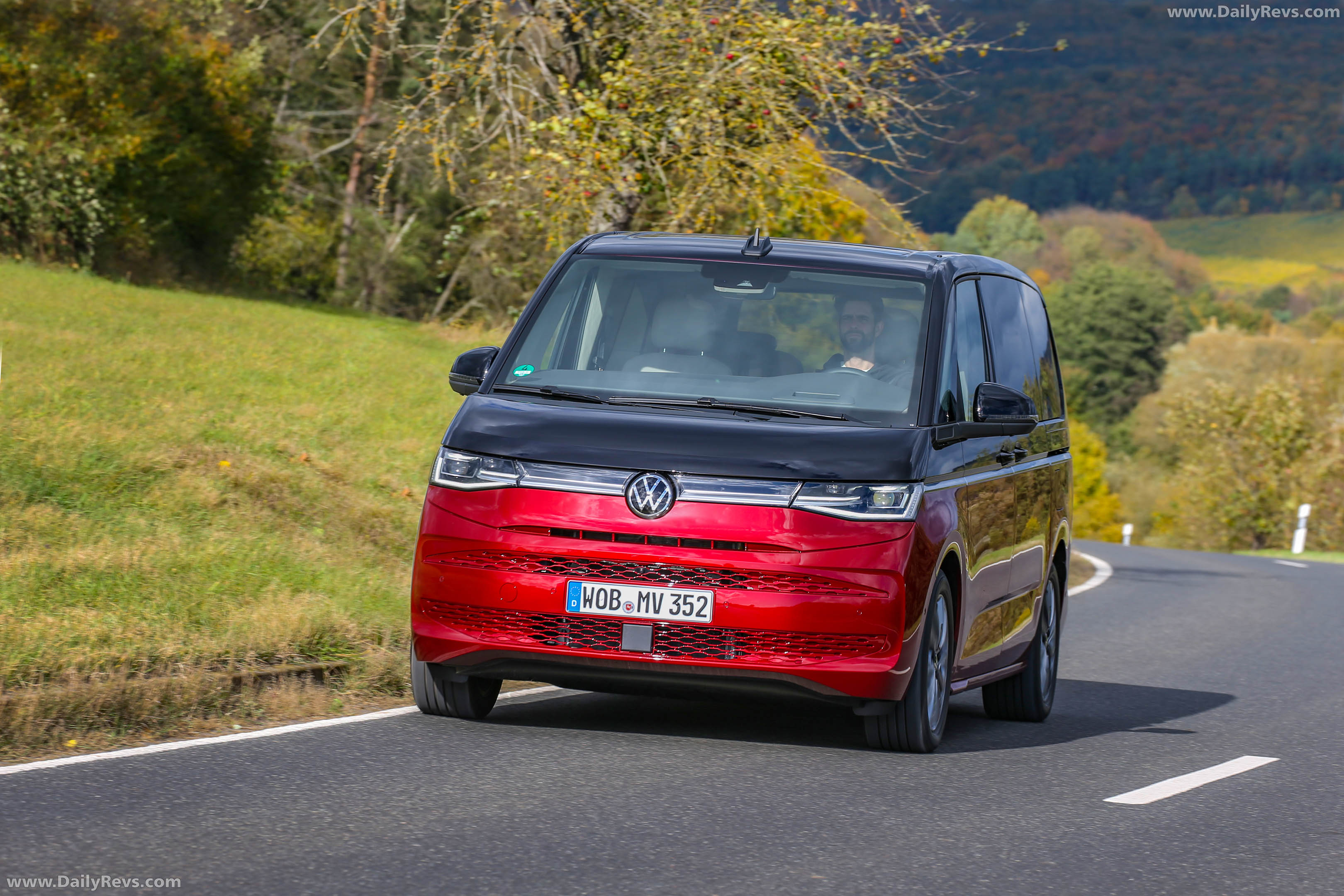
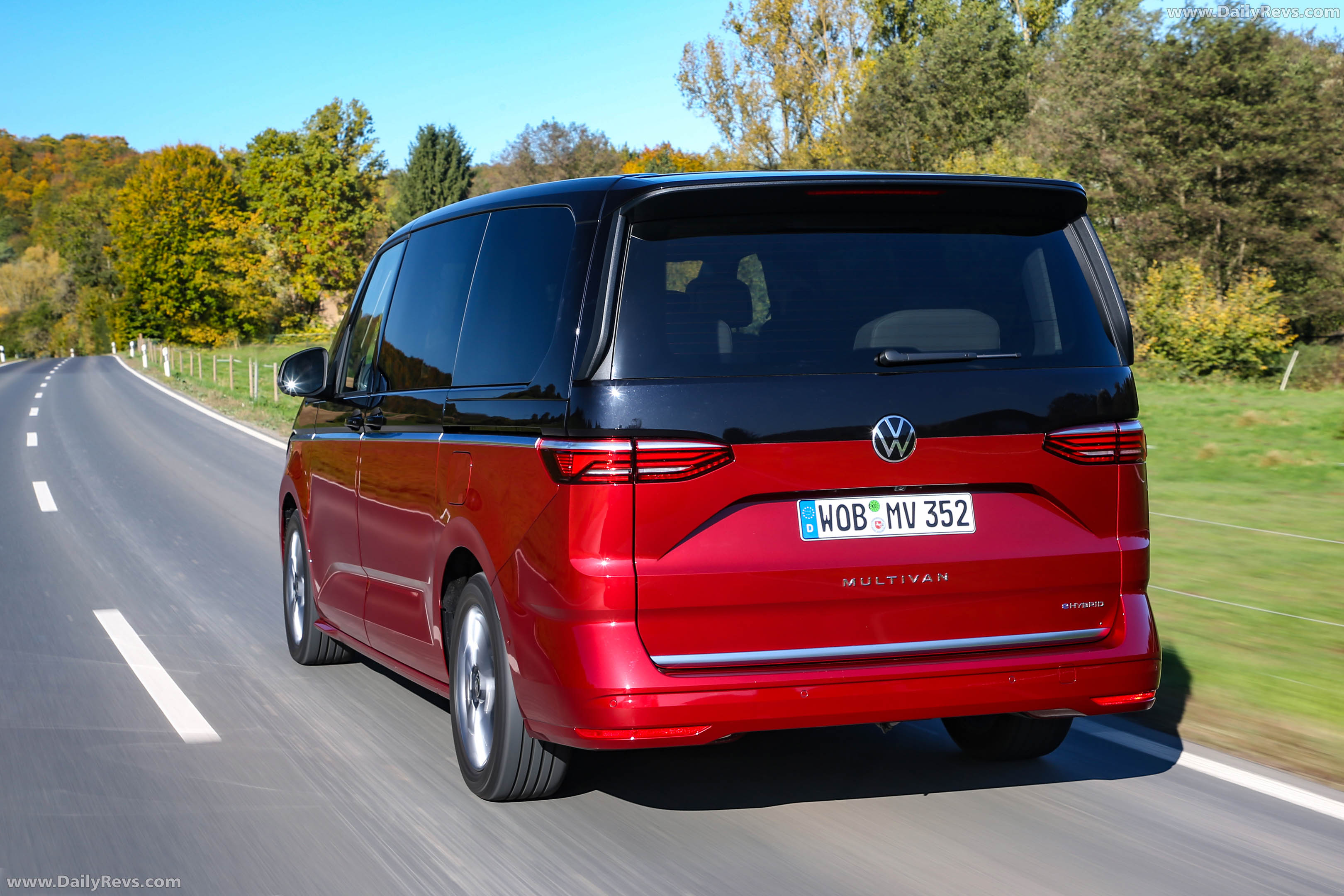
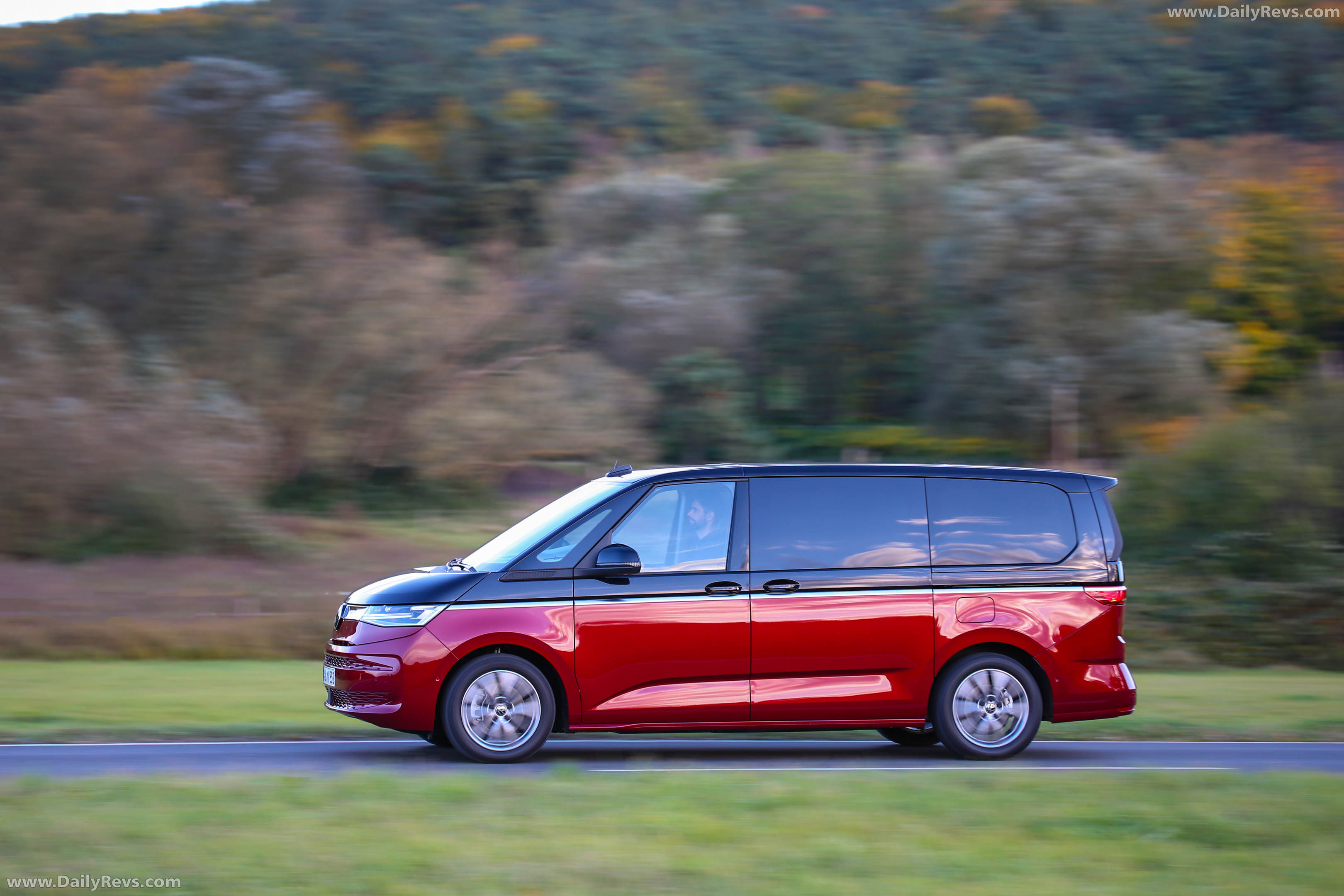
Although detailed styling information is limited in the press material, the Caravelle continues to follow the familiar proportions that have defined Volkswagen’s passenger vans for generations.
The design prioritises interior space and passenger visibility. That typically results in a tall body, upright windshield and long roofline, characteristics that support its role as a multi-passenger vehicle.
Rather than emphasizing style, Volkswagen presents the vehicle as a mix between comfort and functionality.
Interior Comfort Focused on Everyday Mobility
Inside, the new Caravelle emphasises passenger comfort and everyday usability. One notable addition is electric stationary air conditioning, supplied as standard on the plug-in hybrid models.
This system allows the vehicle to cool, ventilate or heat the interior while parked, charging or camping. When connected to an external power supply it can operate for up to 30 minutes, helping bring the cabin to a comfortable temperature before a journey begins.
The feature also functions as an auxiliary heater during colder conditions, but unlike traditional systems it operates using electricity rather than fuel combustion.
These kinds of details underline the Caravelle’s purpose as a comfortable long-distance people mover rather than a purely utilitarian van.
Connect Dual Electric Motors to a Hybrid Powertrain
The 2025 Volkswagen Caravelle's bodywork is where the biggest change is found.
A turbocharged gasoline engine and two electric motors are combined in the new model's plug-in hybrid eHybrid 4MOTION drivetrain. An electrically controlled all-wheel drive system is created when one electric motor powers the front axle and another powers the rear axle.
The combustion engine is a 1.5-litre TSI evo2 turbocharged four-cylinder, producing 130 kW and 250 Nm of torque. It works together with the front electric motor, which generates 85 kW and 330 Nm, and a rear electric motor delivering 100 kW and 250 Nm.
Power flows through a six-speed DSG transmission, while a 19.7 kWh lithium-ion battery allows the Caravelle to travel up to 91 kilometres purely on electric power.
The battery can be recharged from 10 to 80 percent in around 26 minutes using either AC charging up to 11 kW or DC fast charging up to 50 kW.
Practical Hybrid Mobility for Families and Businesses
The hybrid system is designed to prioritise electric driving whenever sufficient battery charge is available. In many everyday situations, the Caravelle can operate using the electric motors alone, with the petrol engine assisting when additional power is required.
Four selectable drive profiles — Eco, Comfort, Sport and Individual — allow the driver to tailor the vehicle’s behaviour depending on driving conditions or efficiency preferences.
The 2025 Volkswagen Caravelle continues to compete in the big passenger van market alongside versions intended for executive shuttles, family transportation, and travel services.