
2025 Toyota GR Yaris Aero Performance
By Lorenzo Bianchi July 7, 2025
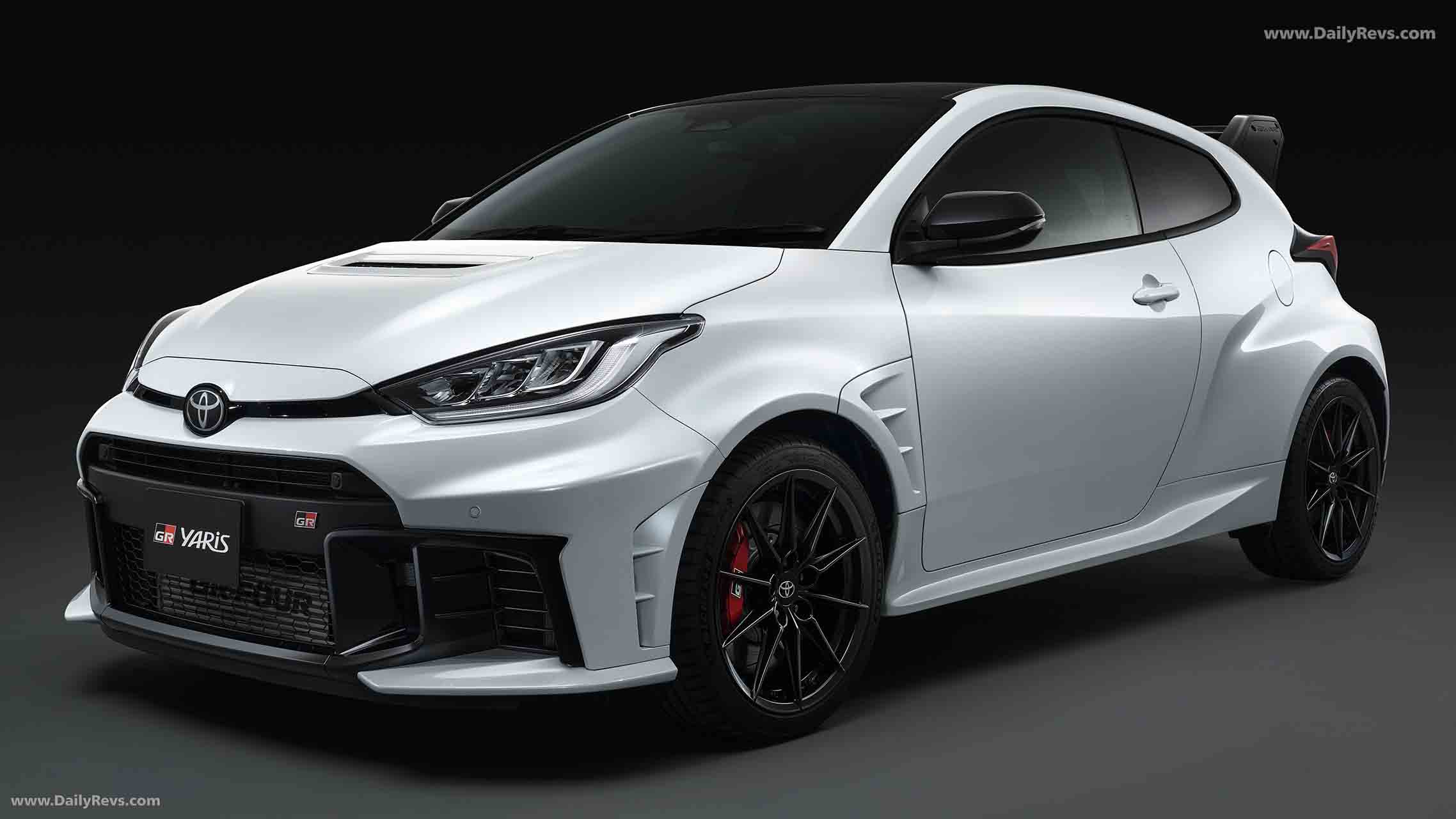
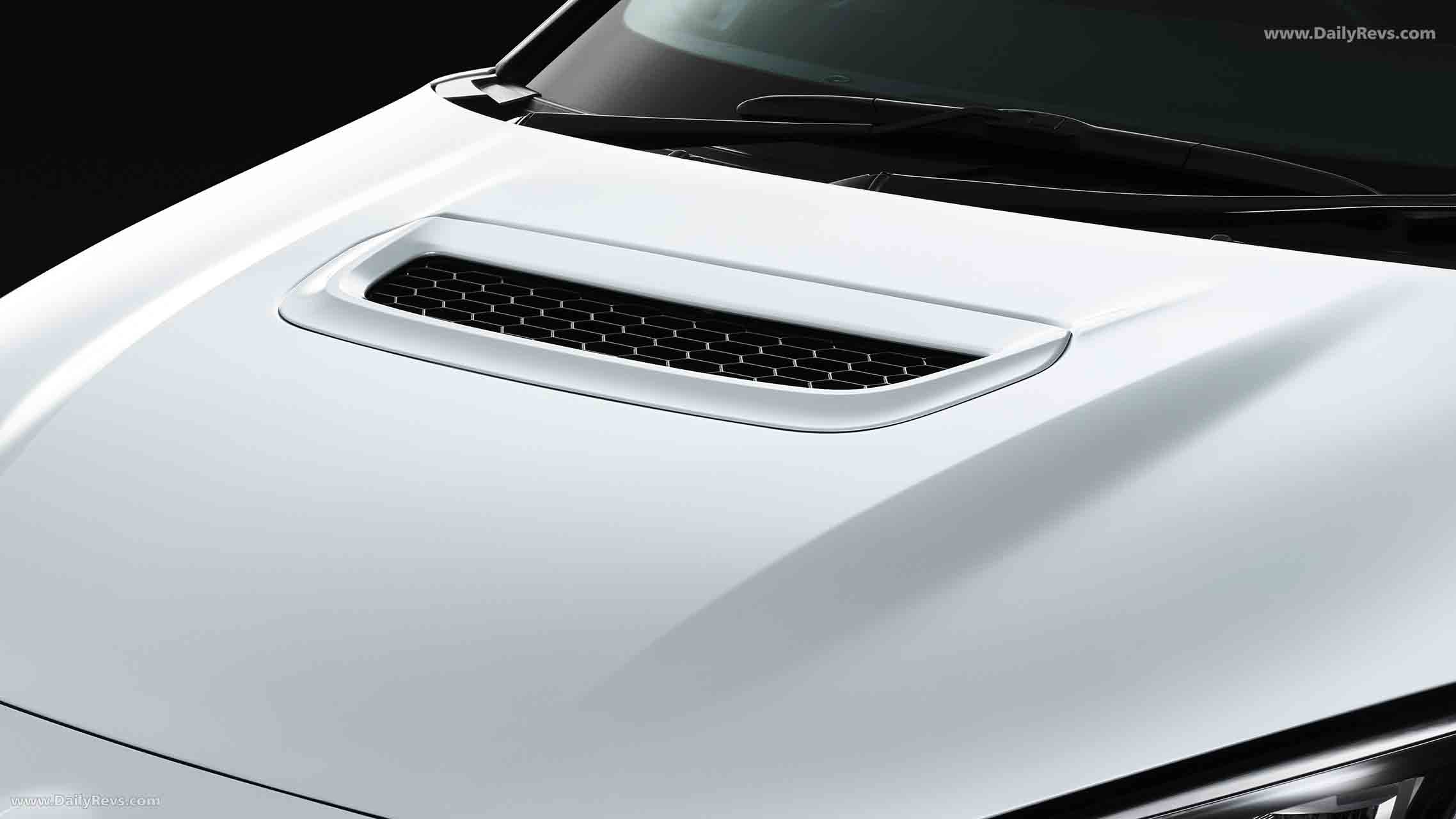
The 2025 Toyota GR Yaris Aero Performance adds functional aero straight from motorsport—think ducts, spoilers, and a vented aluminum hood.
Power is now up to 300 hp, paired with a 6-speed manual or an 8-speed GR-DAT automatic and GR-Four AWD.
It's more than cosmetic—Toyota tightened the chassis, upgraded suspension, and gave it sharper intent without losing hot hatch usability.
Design That Doesn’t Pretend
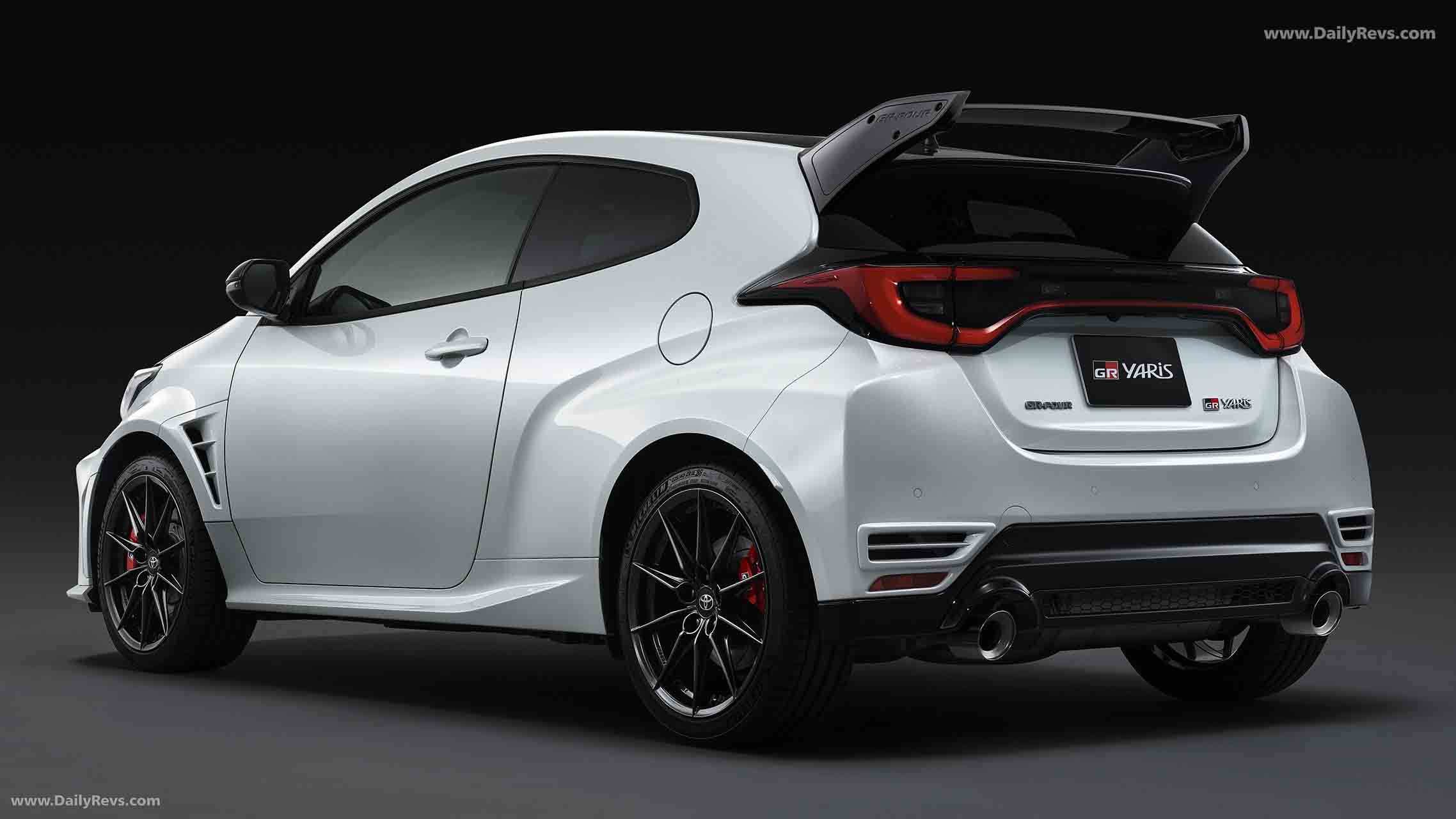
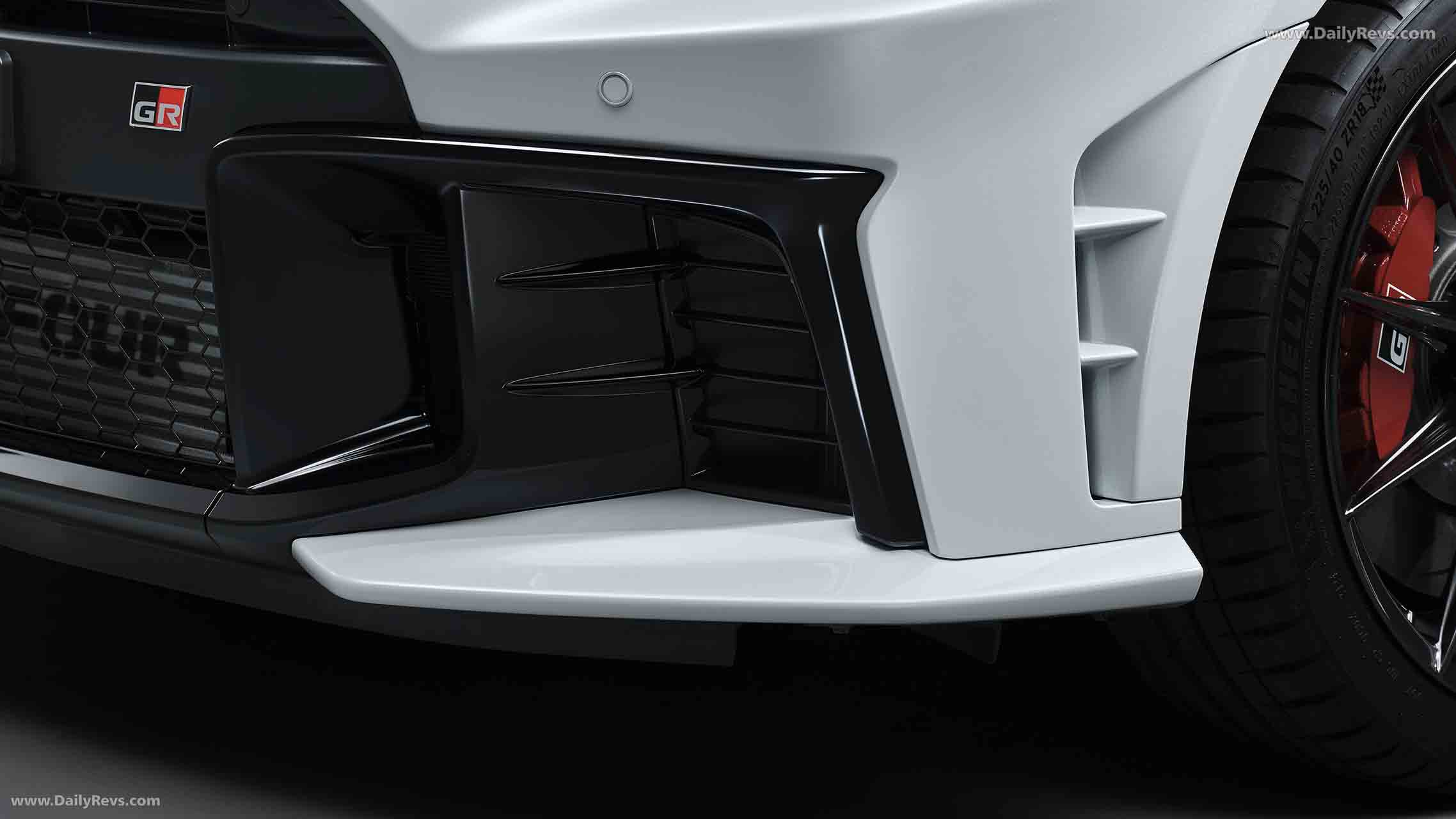
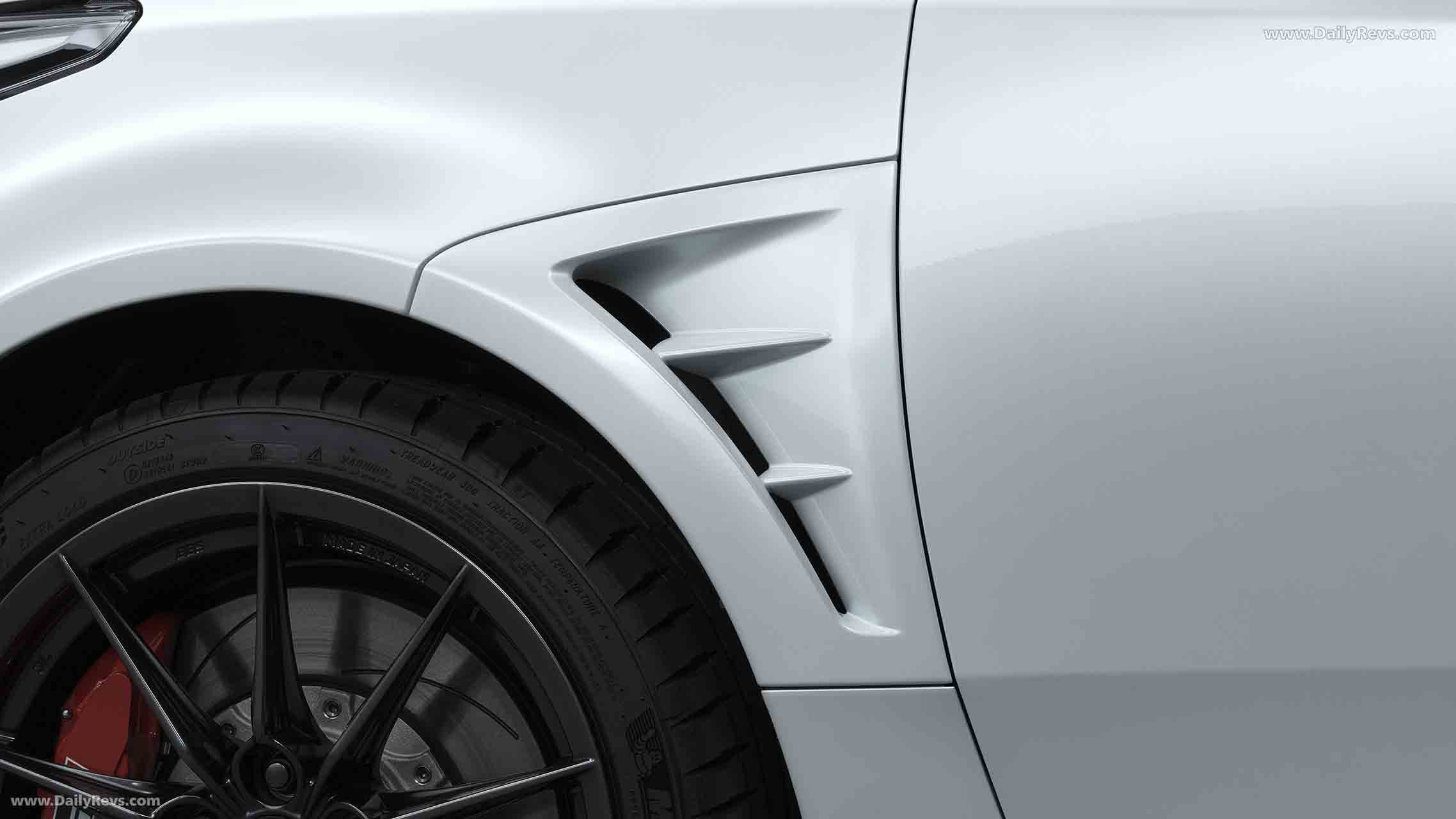
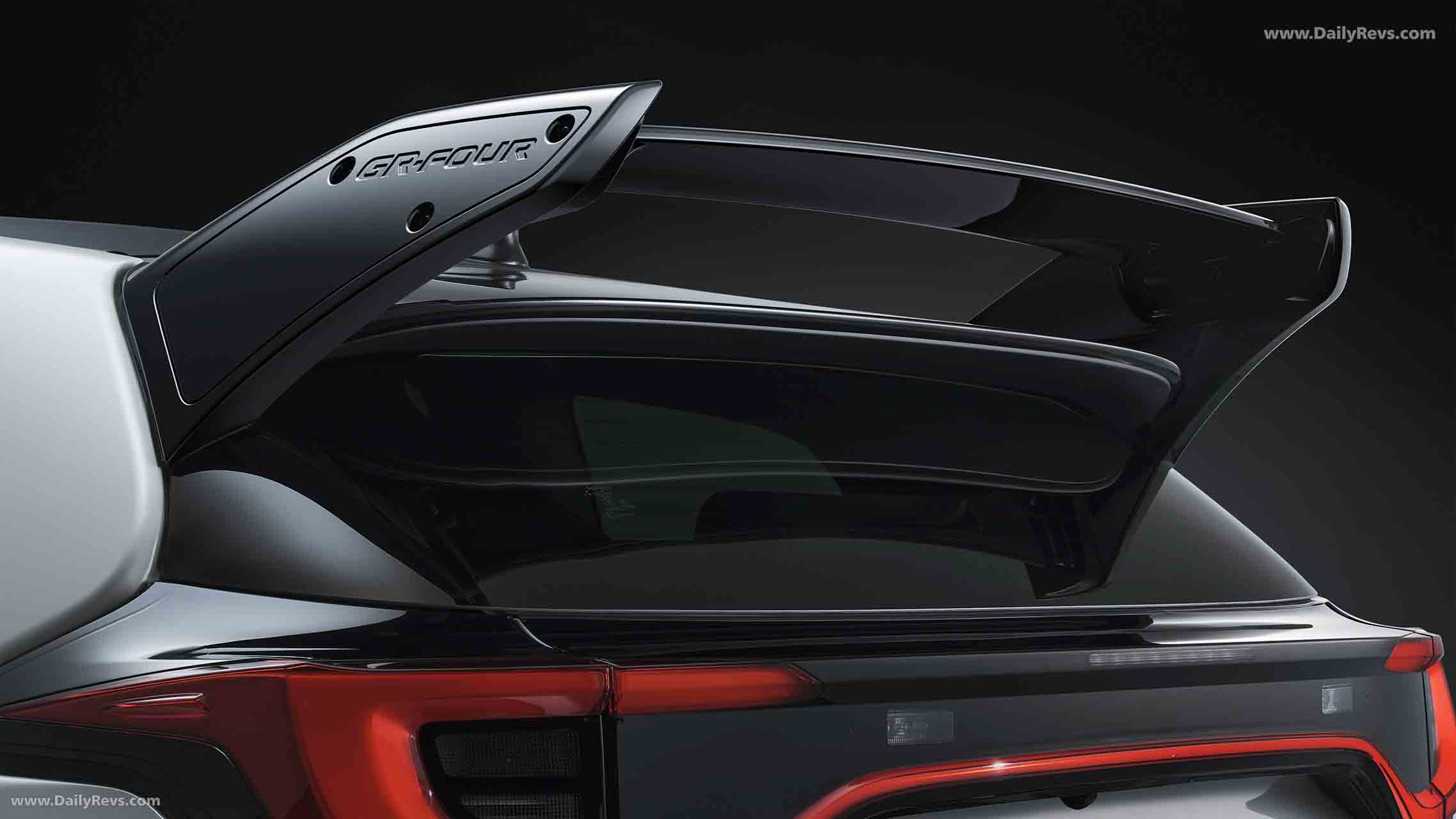
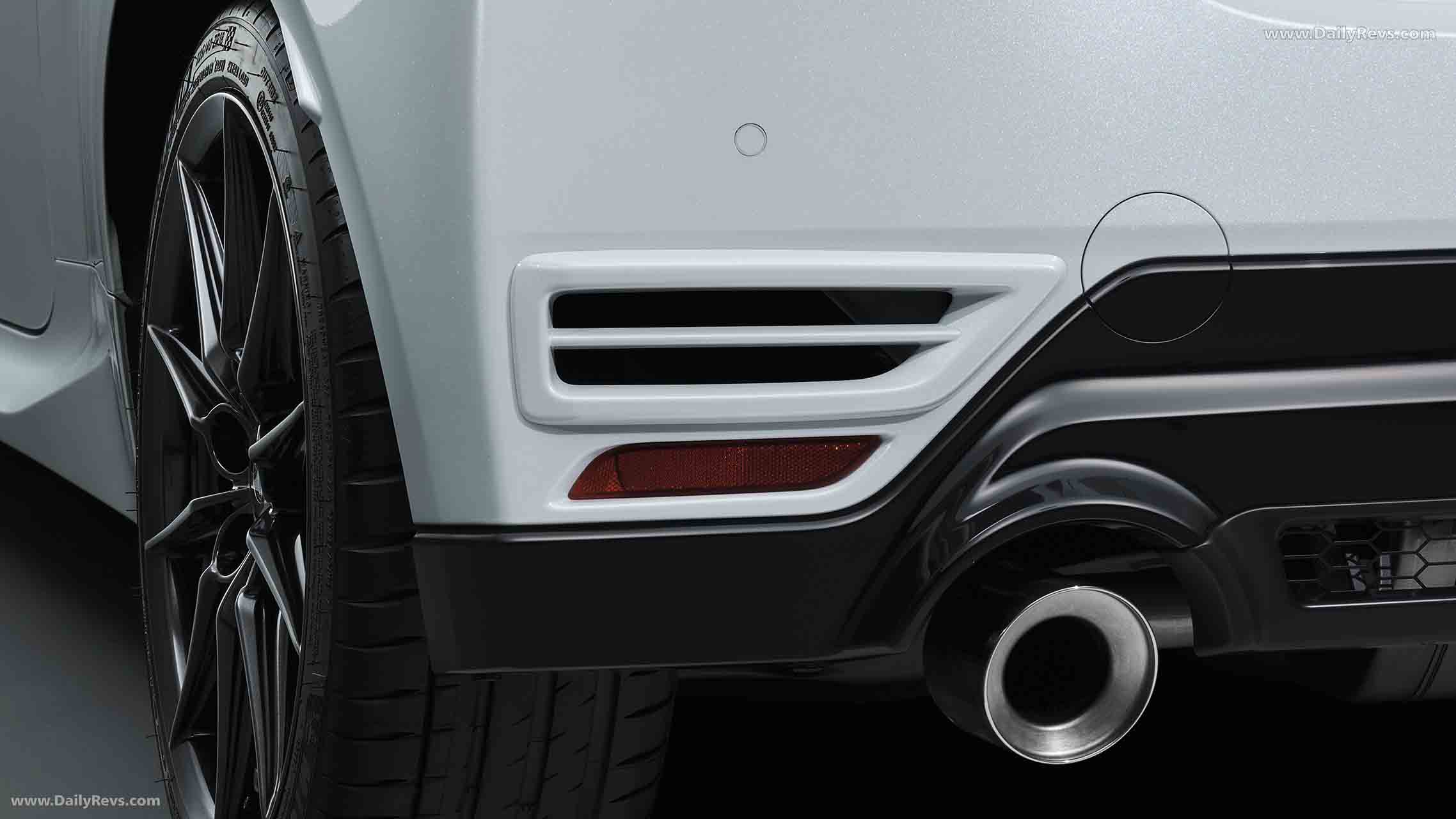
From a distance, it might look like your standard GR Yaris, but it isn’t. The aluminum hood now features a deep functional duct to relieve engine bay pressure. Up front, a sharper chin spoiler sits low and wide, flanked by air-guiding canards. Fender slits channel air toward the new underfloor cover, and there’s a diffuser-like lower bumper at the rear. A manually adjustable rear wing perches on the hatch like a rally car fresh off Parc Fermé. None of it is there to impress Instagram—it’s meant to cut lap times.
Powertrain Tweaks, Now With Choice
Under the hood, Toyota’s trusty little 1.6-liter turbocharged triple still does the work, but now it’s tuned to 300 hp and 400 Nm. That’s a bump—noticeable, not outrageous. What’s new is the choice: you still get the satisfying 6-speed manual, but there’s also a new 8-speed GR-DAT automatic, co-developed by Toyota’s racing division. GR-Four all-wheel drive keeps the power planted, and depending on the trim, you can even spec mechanical limited-slip differentials.
Suspension and Feel
Toyota didn’t just stick aero bits on and walk away. The chassis has been reinforced in key mounting points. The damping has been retuned to work with the added downforce, and brake cooling benefits from airflow redirected by new bumper ducts. These aren’t show-spec tweaks—they’re based on real-world rally learnings.
Where It Lands
The GR Yaris Aero Performance doesn’t slot above the GR Corolla in price or power, but it feels more focused—like Toyota’s engineers finally got to build the car they wanted the first time. It’s raw, not quite civil, and still compact enough to feel fast everywhere. Against rivals like the Hyundai i20 N or even Mini’s JCW GP, it’s the one that feels most serious. Not showy—just serious.
Technical Specification
Performance:
Engine power: 300 hp (224 kW) from the 1.6 L turbocharged G16E‑GTS inline‑3
Torque: 400 Nm
0–100 km/h: ~5.5 seconds
Top speed: Electronically limited to 230 km/h
Body Measurements:
Length: ~3,995 mm (157.3 in)
Width: ~1,815 mm (71.5 in)
Height: ~1,455 mm (57.3 in)
Wheelbase: 2,560 mm (100.8 in)
Curb weight: ~1,356 kg (2,991 lb)
Powertrain:
Engine: G16E-GTS 1.6 L turbo inline‑3, dry-sump lubrication
Transmission: 6-speed manual or optional 8-speed GR‑DAT automatic
Drivetrain: GR‑Four permanent all-wheel drive with mechanical differentials
Capacities & Chassis:
Fuel tank: 50 L
Suspension: Upgraded dampers and higher-rigidity mounting points
Aerodynamics (Aero Performance Package): ducted aluminum hood, front lip spoiler, fender ducts, rear bumper ducts, underfloor cover, variable rear wing
Brakes: Performance stops with improved cooling from motorsport feedback
Price:
Japanese market starting price (RC trim):
¥4,000,000 ($24,700 USD)