2025 Renault Captur Eco-G
By Lorenzo Bianchi February 20, 2026
200 Nm and a new 120 hp LPG drivetrain with reduced CO₂ from 117 g/km
50-liter LPG tank capacity for a maximum range of 1,400 kilometers.
Starting at €26,400, it costs the same as the Eco-G 100 it replaces.
Eco G 100 is replaced by a new 120 hp LPG powertrain.
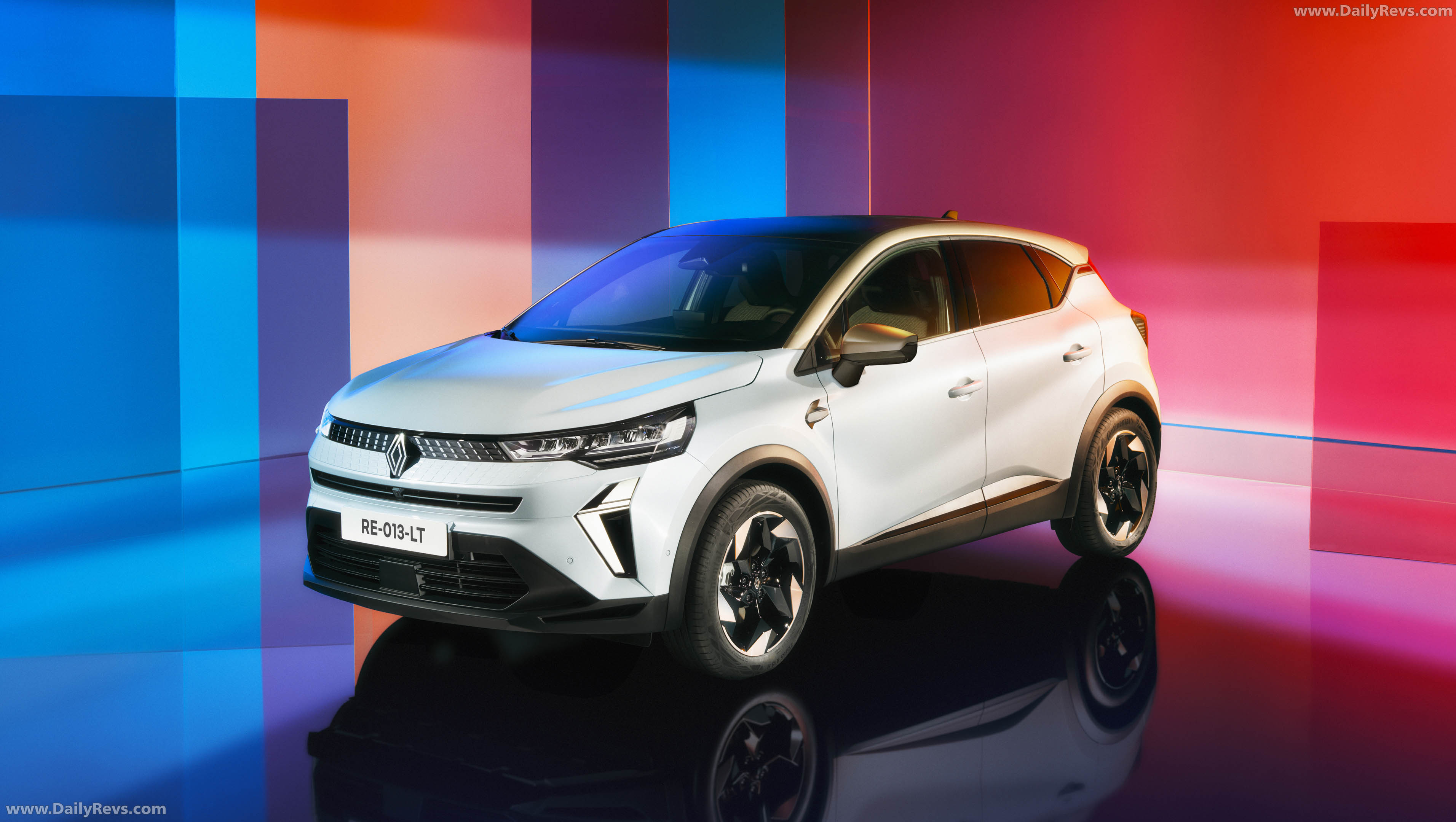
With the 2025 Renault Captur Eco-G, the Eco-G 100's flex-fuel petrol/LPG powertrain is replaced by a more powerful and efficient 120-hp unit.
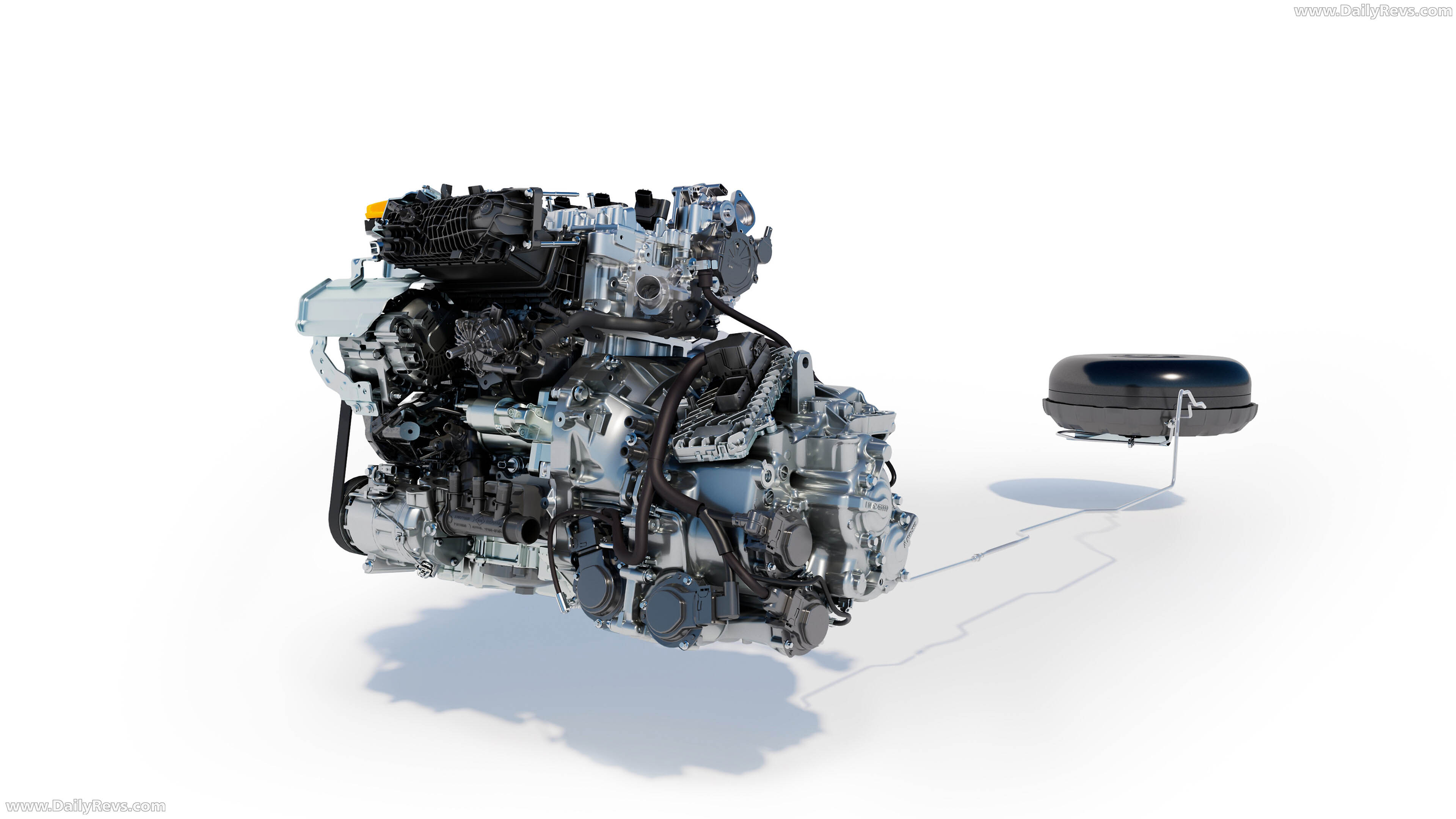
Adapted from the TCe 115 1.2-litre three-cylinder turbocharged direct-injection petrol engine, the new setup delivers 120 hp and 200 Nm of torque, an increase of 20 hp and 30 Nm over its predecessor.
Performance is modest but improved. The Captur Eco-G 120 accelerates from 0 to 100 km/h in 12 seconds, one second quicker than the Eco-G 100. Power is sent through a six-speed manual gearbox.
The technical foundation is familiar, yet the calibration reflects clear intent: greater versatility without compromising running costs.
Dual Tank Layout and Extended Range
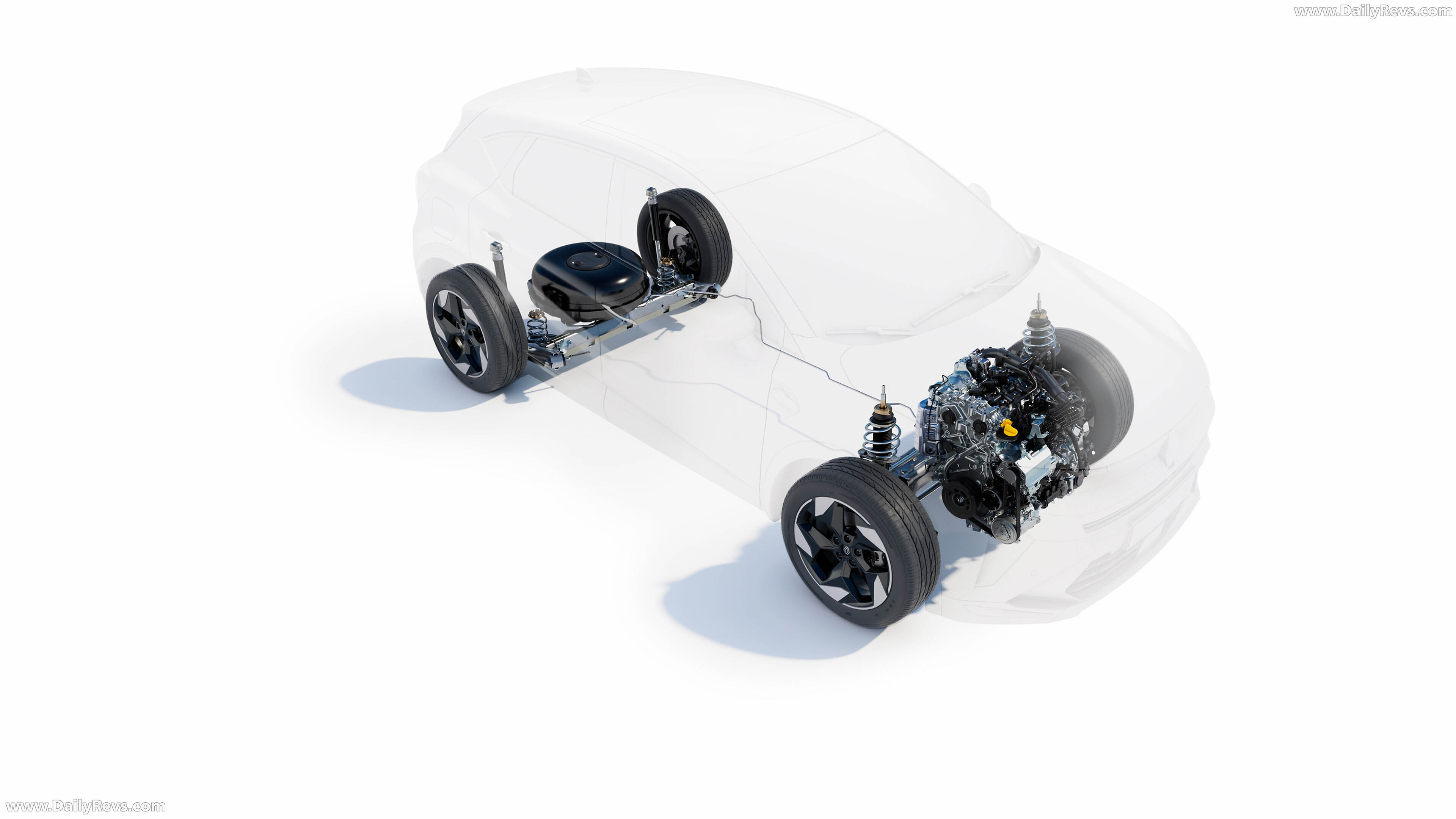
The flex-fuel system allows the 2025 Renault Captur Eco-G to operate on either petrol or LPG, with two separate tanks integrated at the factory. The petrol tank holds 48 litres, while the LPG tank capacity increases by 25 percent, from 40 to 50 litres.
Combined, the system delivers a total range of up to 1,400 kilometres. In LPG mode, CO₂ emissions start from 117 g/km, compared with 133 g/km on petrol. Fuel consumption begins at 7.2 l/100 km on LPG and 5.9 l/100 km on petrol.
Renault notes that LPG operation emits around 10 percent less CO₂ on average than an equivalent petrol engine. The tank is positioned in the spare wheel well, preserving the petrol tank layout and maintaining practicality.
Proven LPG Technology for European Markets
Renault describes the flex-fuel petrol/LPG system as a mature OEM solution built on more than 15 years of Group expertise. The engine is specifically designed to run on LPG, rather than retrofitted after production. Reliability is presented as being on par with a traditional gasoline engine.
The larger context of LPG is still pertinent. In France alone, there are over 1,500 LPG stations, and refueling stations are spaced no more than 60 kilometers apart. Renault registered more than 15,600 LPG vehicles in 2025, including over 5,700 Captur models.
The data points to a persistent need for reasonably priced alternative fuels in Europe.
Design and Equipment Updates Across the Range
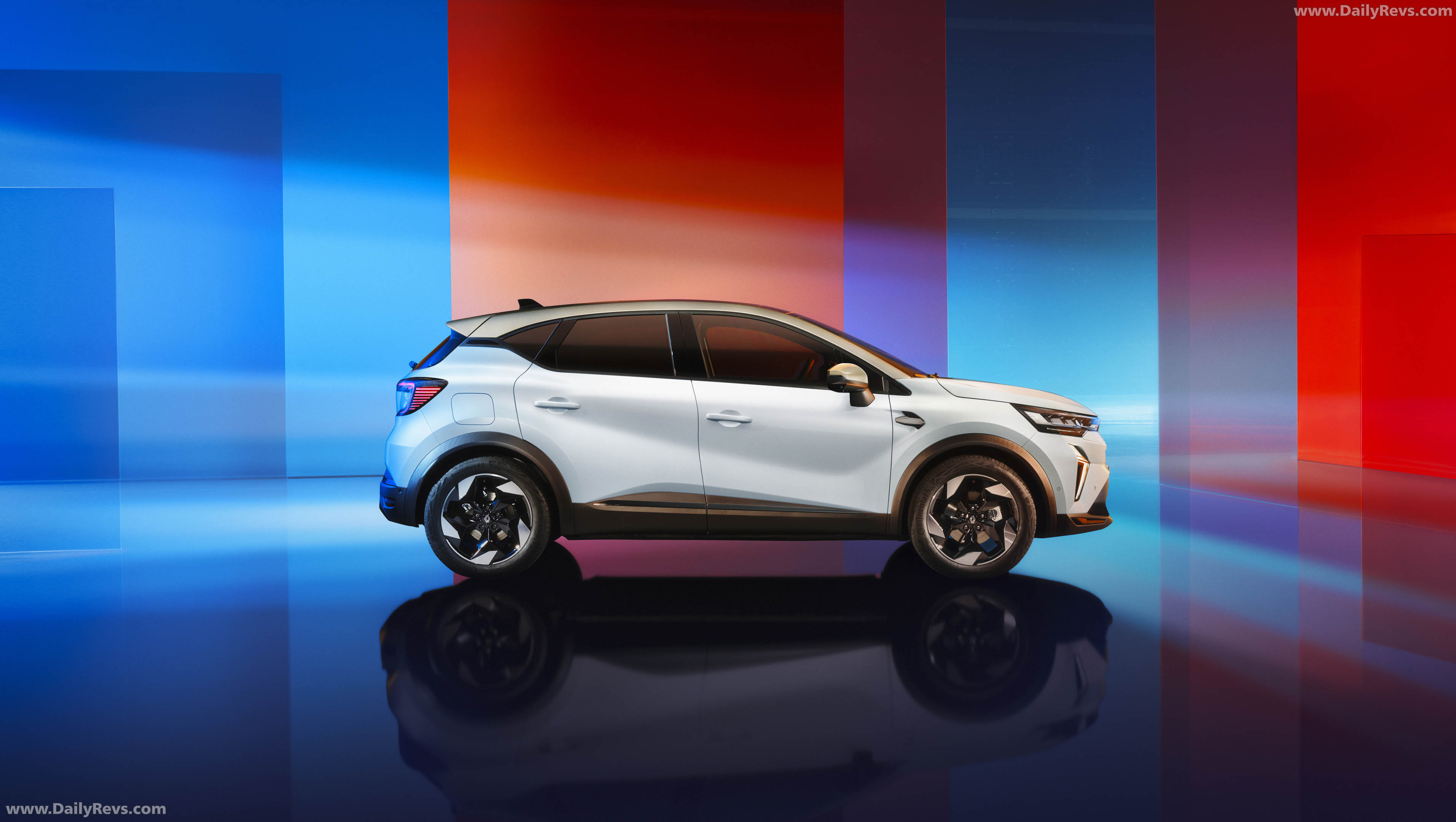
Beyond the powertrain, the 2025 Renault Captur Eco-G benefits from updates across the Captur range. New rearview mirrors, borrowed from Clio 6, reduce wind noise and slightly improve aerodynamics. An optional parking pack allows the mirrors to project a logo onto the ground.
Driver assistance systems have also been expanded. Signs of weariness and attention are detected via an internal camera built into the windscreen pillar. If the driver doesn't react, the emergency stop assist feature in semi-autonomous mode can slow the car to a complete stop while turning on the hazard lights.
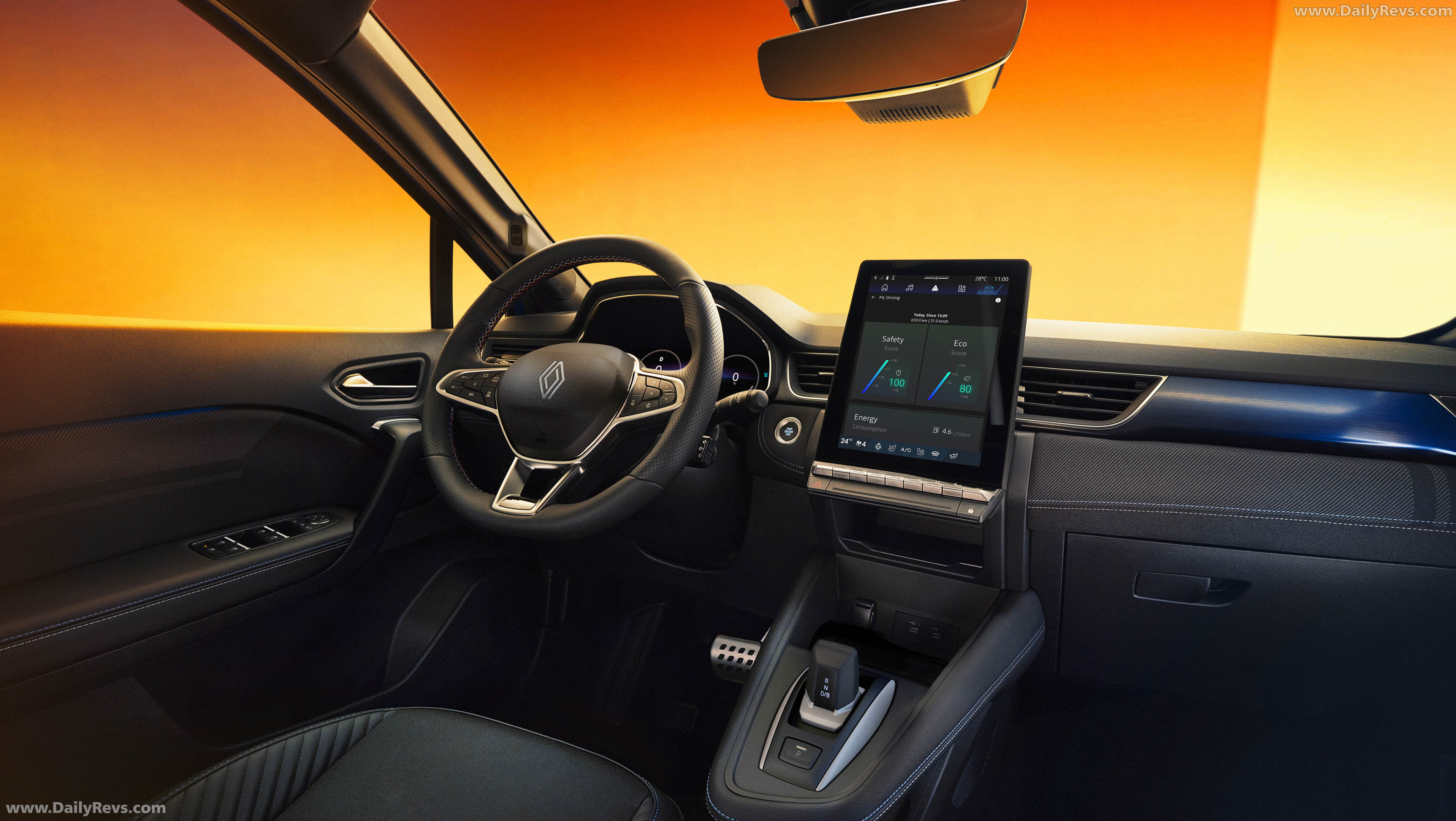
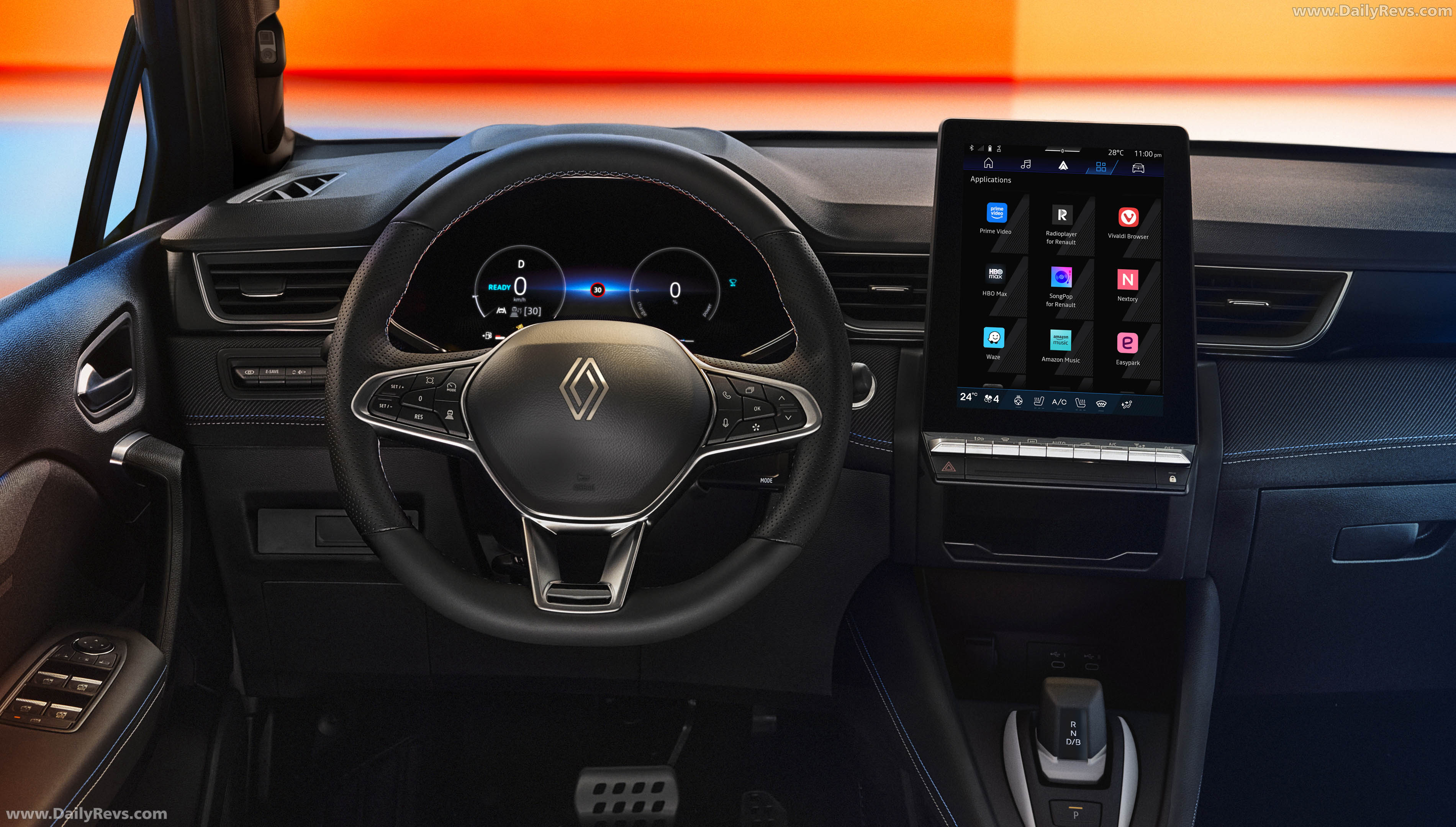
Parking technology receives upgraded high-definition reversing and Vision 360° 3D cameras for improved image clarity. Automatic gearbox versions adopt a new Smart mode, replacing MySense, switching between Eco, Comfort and Sport according to driving style.
Pricing and Market Position
The Evolution Eco-G 120 hp version starts at €26,400 or €210 per month, matching the price of the outgoing Eco-G 100. The Captur range continues to offer TCe 115 petrol and E-Tech 160 hp full hybrid options alongside the new LPG variant.
For the 2025 Renault Captur Eco-G, the proposition is straightforward: extended range, lower emissions and familiar compact SUV practicality, delivered without a price increase.