2025 Peugeot Polygon Concept
By Lorenzo Bianchi November 12, 2025
Introduces Peugeot’s Hypersquare steer-by-wire system for 2027 models.
Features Micro-LED front architecture and immersive i-Cockpit display.
Built with sustainable 3D-printed and recycled materials throughout.
A Compact Manifesto for Peugeot’s Future
The 2025 Peugeot Polygon Concept is not another abstract showpiece. It’s a compact, functioning prototype — under four metres long — that condenses the brand’s evolving philosophy into a single, geometric form
Unveiled as a physical continuation of the digital “Polygon City” first teased inside Fortnite, this concept marks the next chapter in Peugeot’s design and interaction philosophy. It combines physical minimalism with an emphasis on tactile innovation, setting the stage for what future Peugeot models will feel like to drive — not just how they’ll look.
Hypersquare and Steer-by-Wire
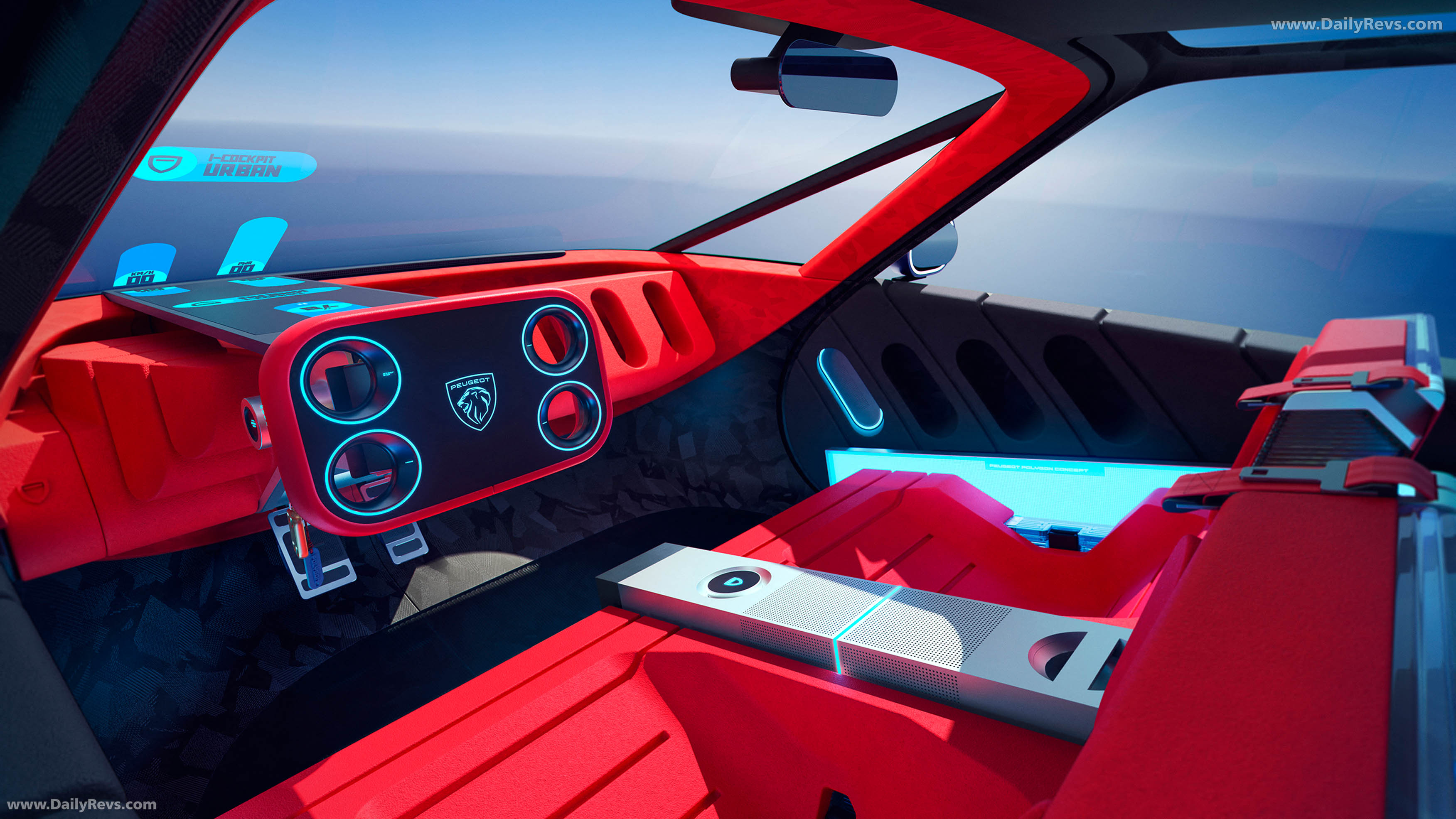
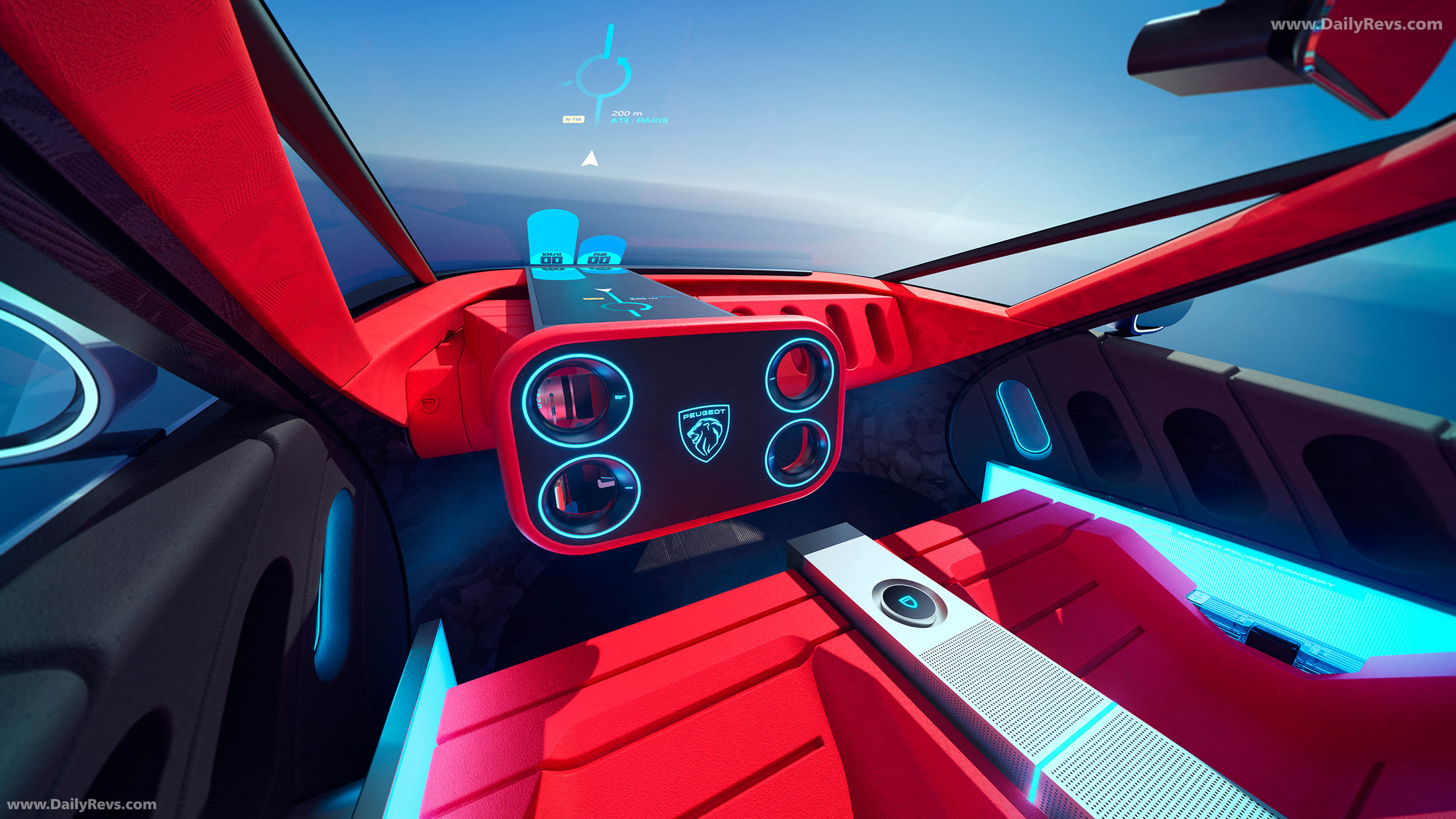
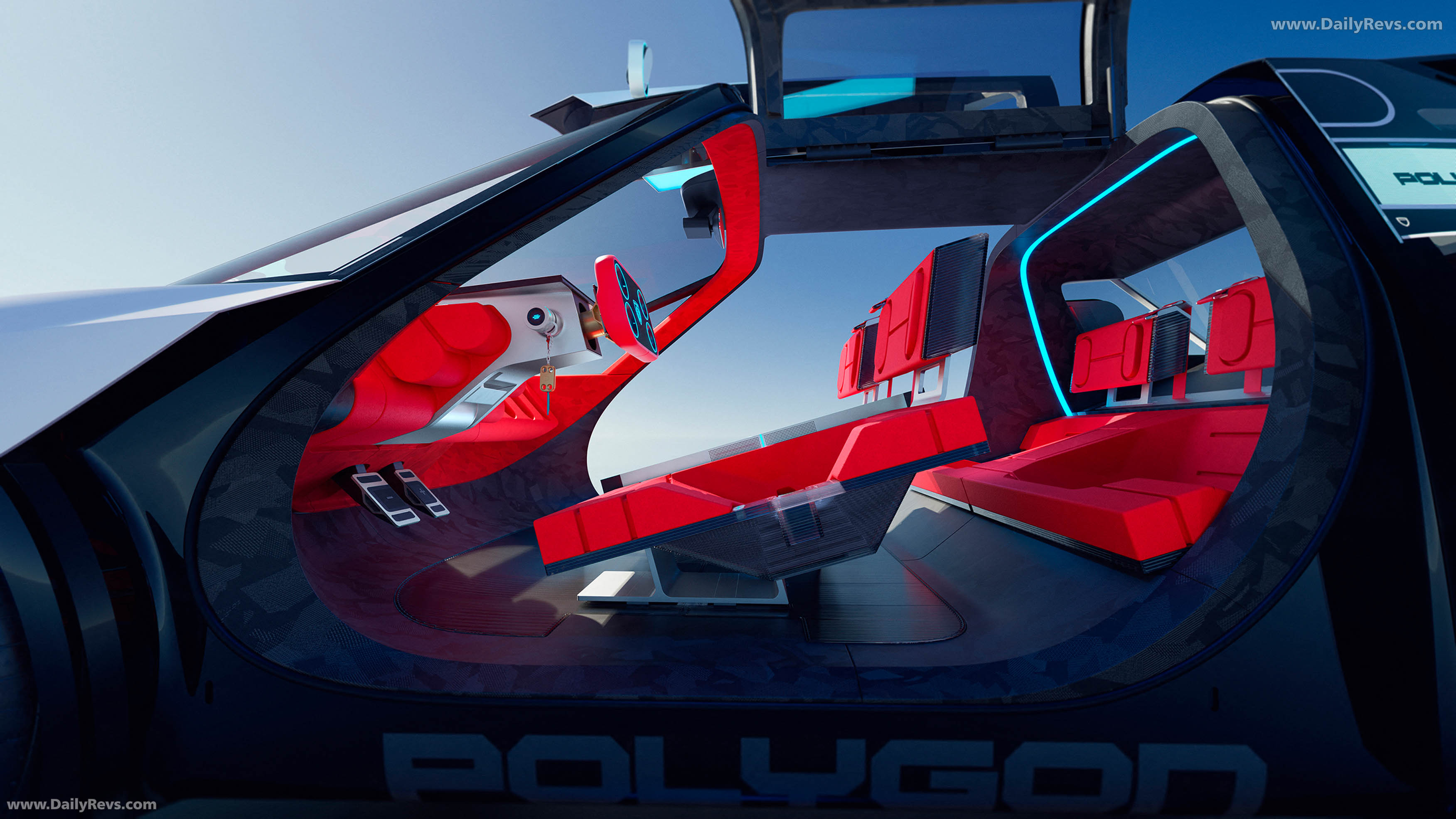
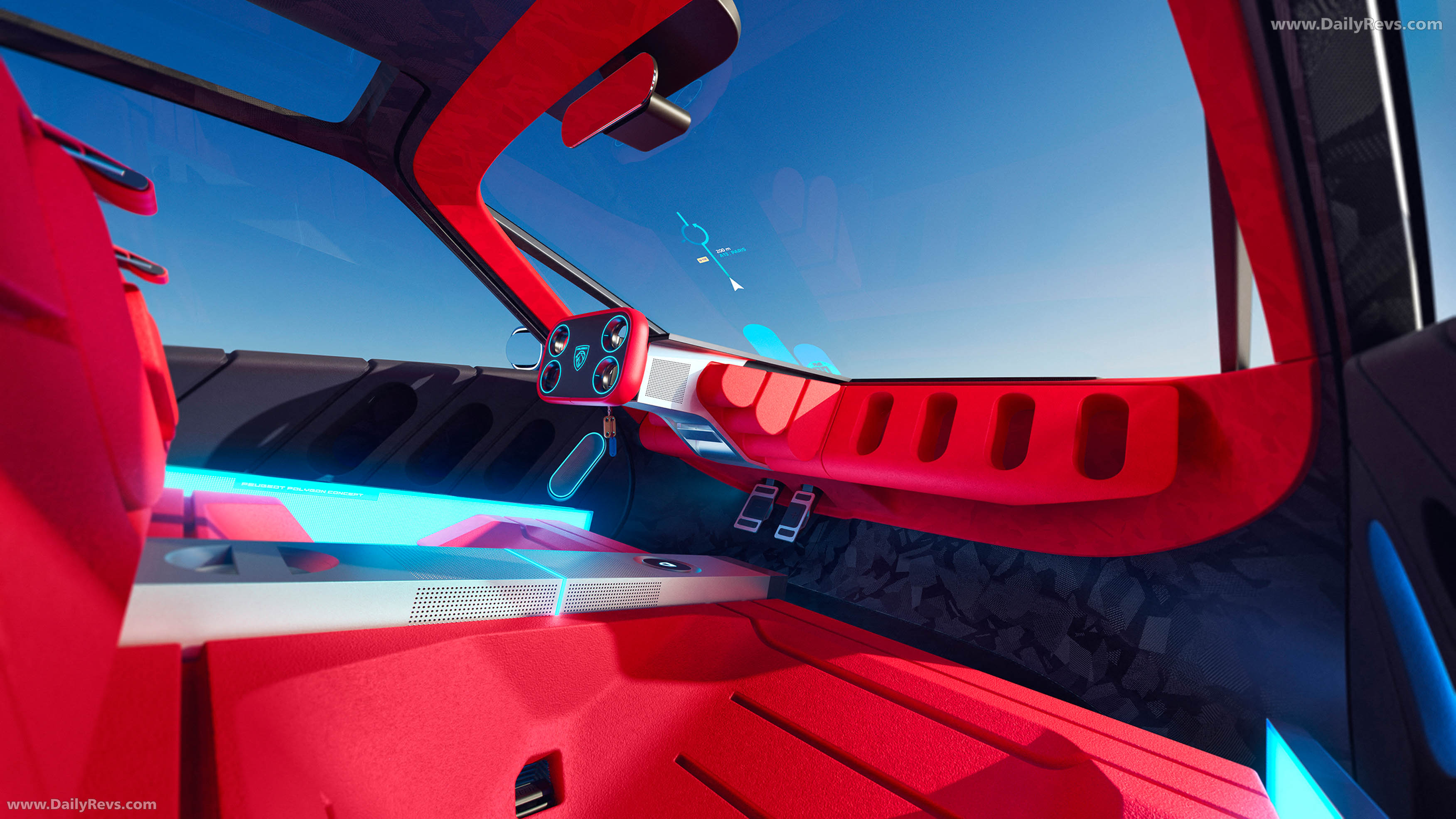
The Polygon’s most striking innovation is the Hypersquare steering system — a rectangular control interface replacing the conventional wheel. Linked to Peugeot’s first Steer-by-Wire system, it removes mechanical connections entirely, relying on electronic precision to translate driver input
The setup limits rotation to 170 degrees in each direction, requiring only small movements for low-speed manoeuvres. At high speeds, the response tightens, resulting in near-instant directional change. Four touch-sensitive pods at each corner of the Hypersquare house essential controls — turn signals, drive modes, media — reducing the need to move hands from the control.
Peugeot says this system will reach production in 2027, marking one of the first mainstream integrations of full electronic steering in the brand’s lineup.
An Immersive i-Cockpit Experience
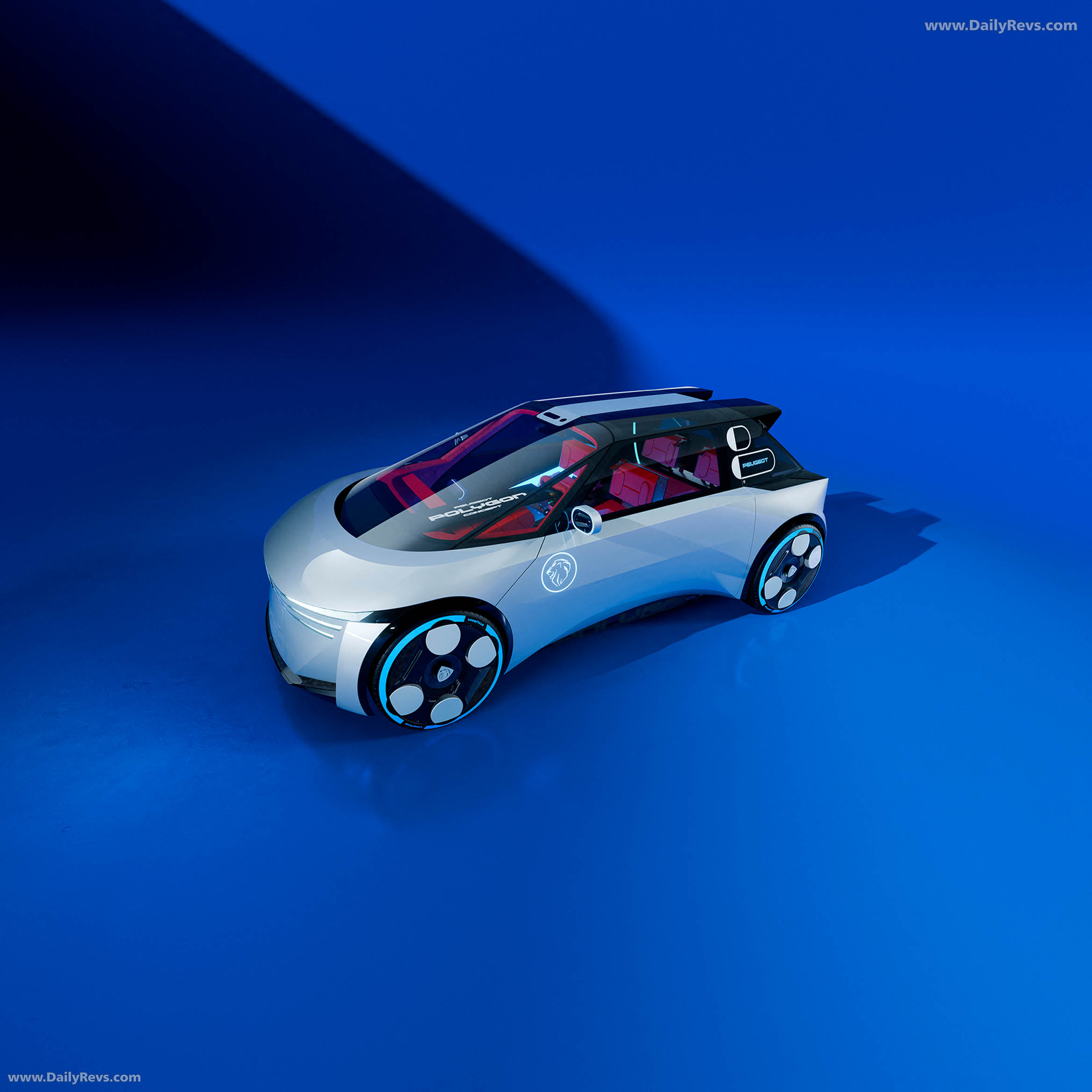
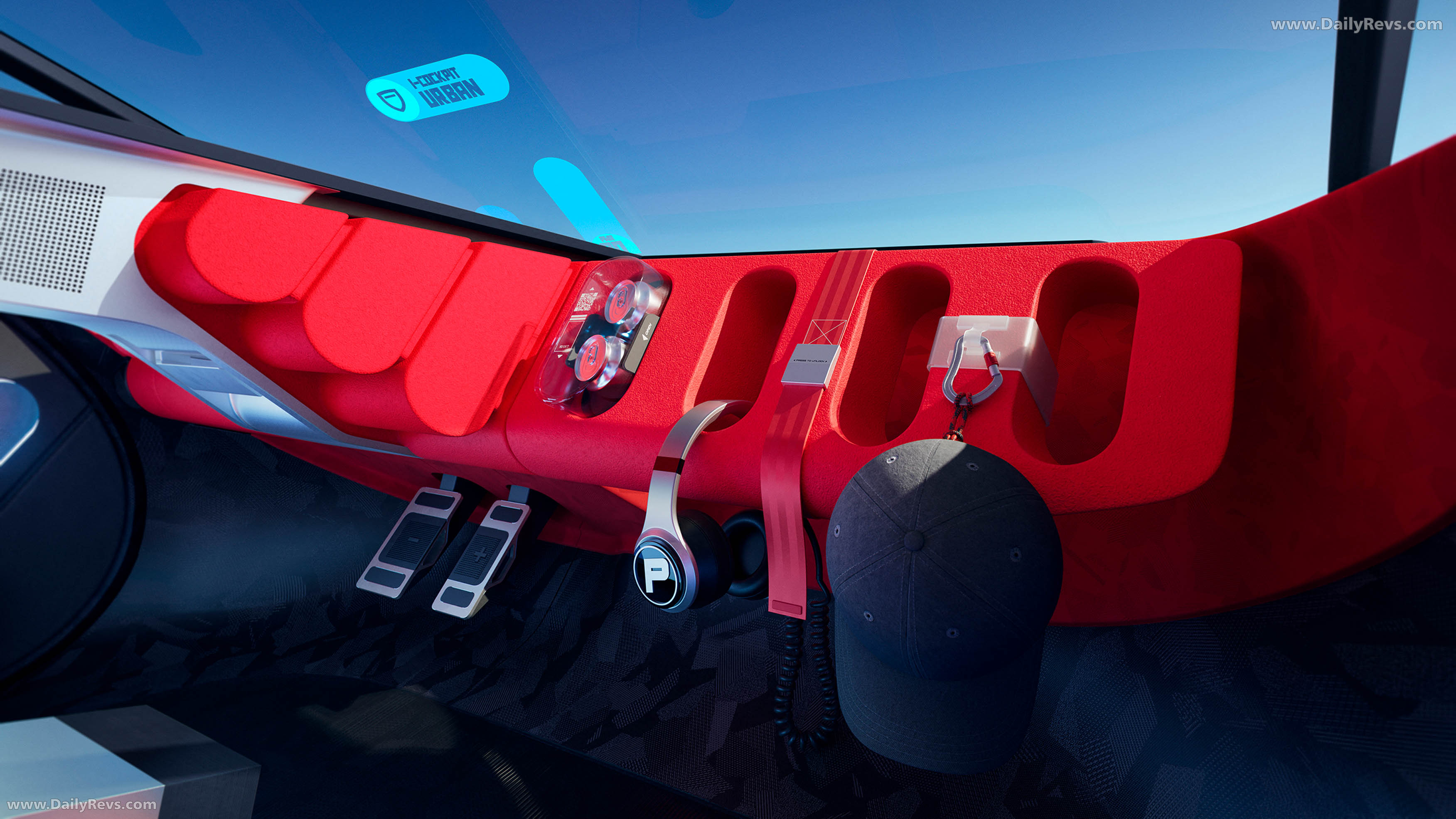
Inside, the traditional dashboard is gone. Instead, all vehicle information is projected onto the windscreen using a Micro-LED reflective panel — a vertical 31-inch display embedded behind the steering assembly
The display synchronises with exterior lighting, creating an environment that changes based on drive mode. In “Cruise,” the cabin glows in calm hues; in “Fun” or “Hyper,” the lighting pulses in rhythm with vehicle dynamics.
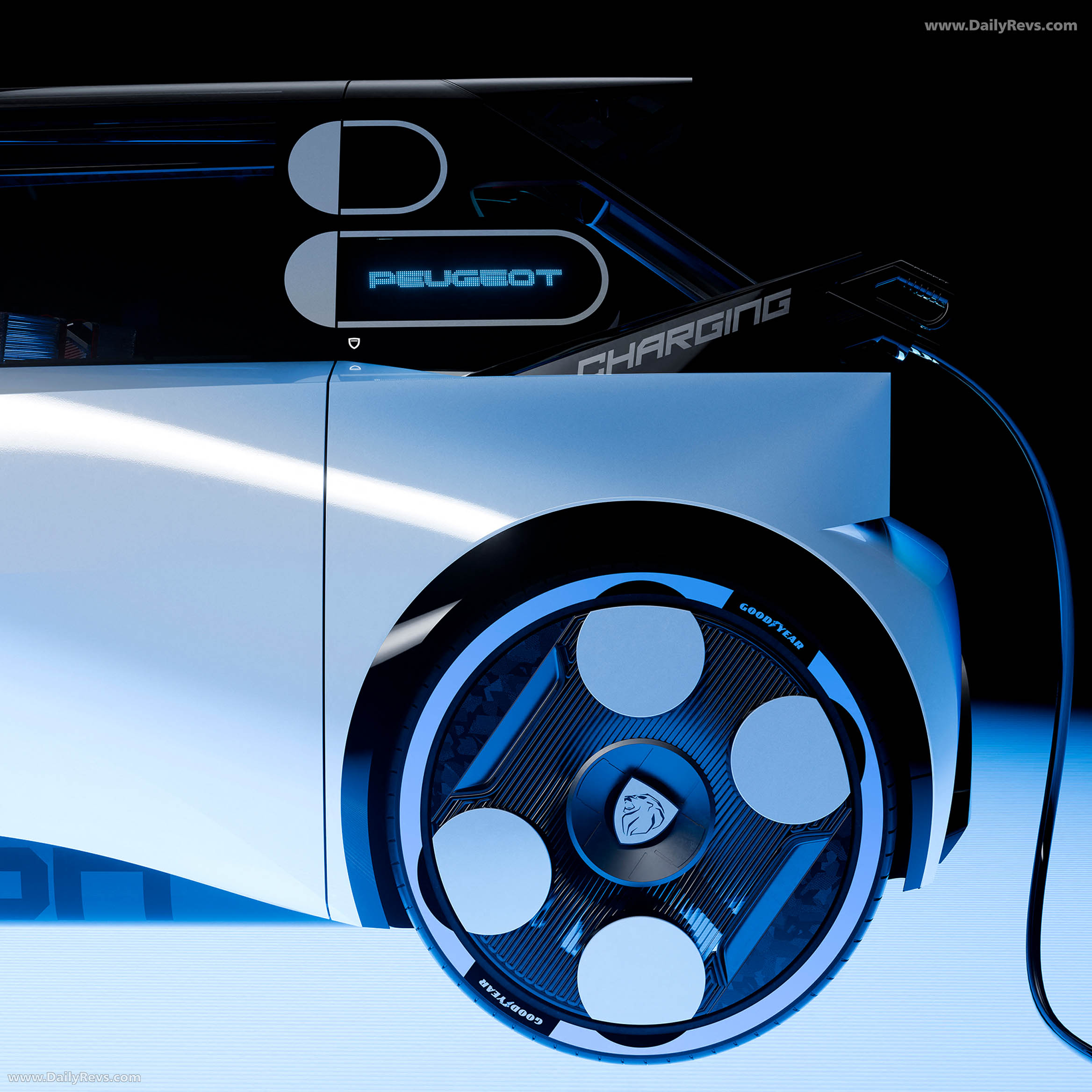
Even the C-pillar houses a Micro-LED screen, showing battery status during charging — an inventive approach that merges design and function into one surface.
Geometry, Light, and Sustainability
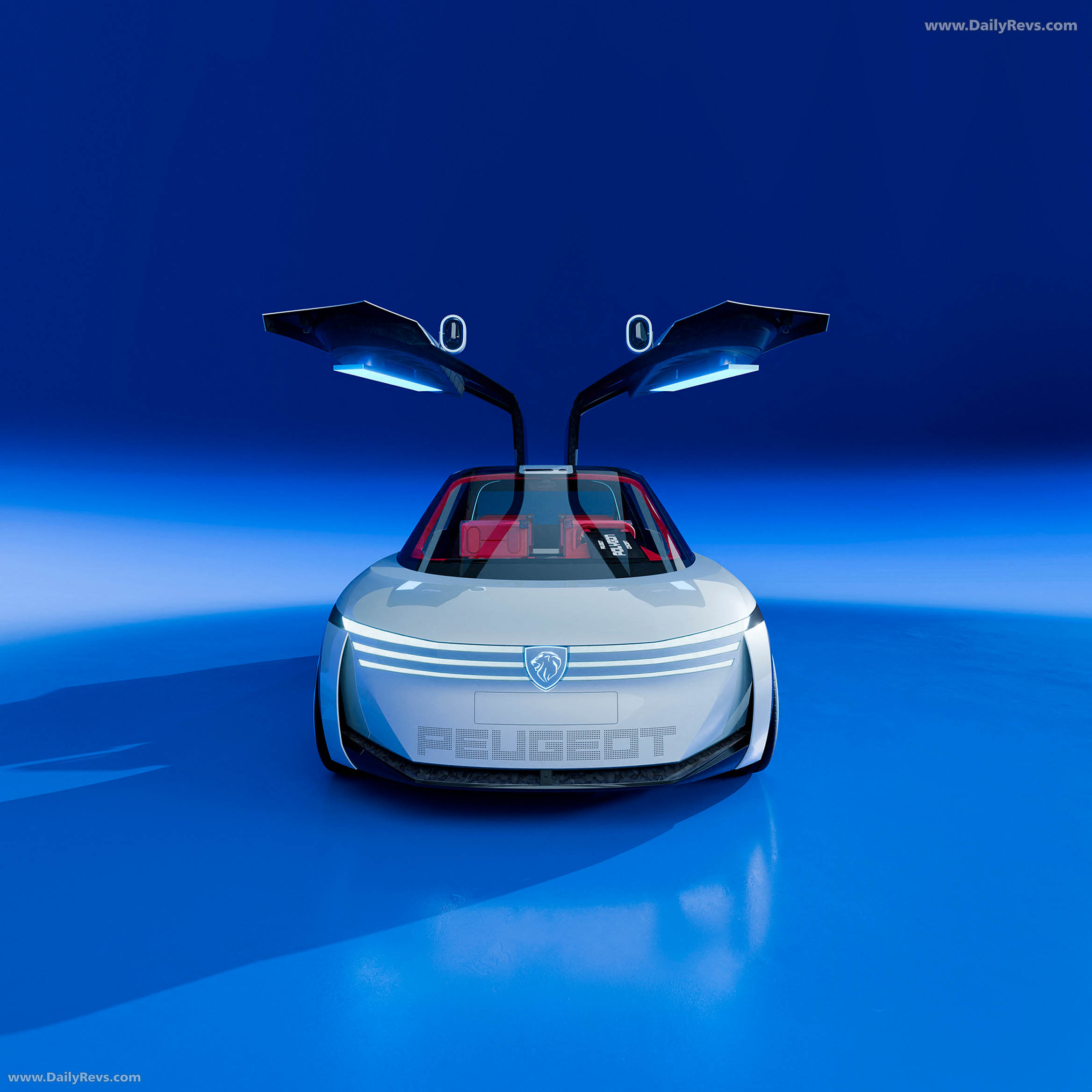
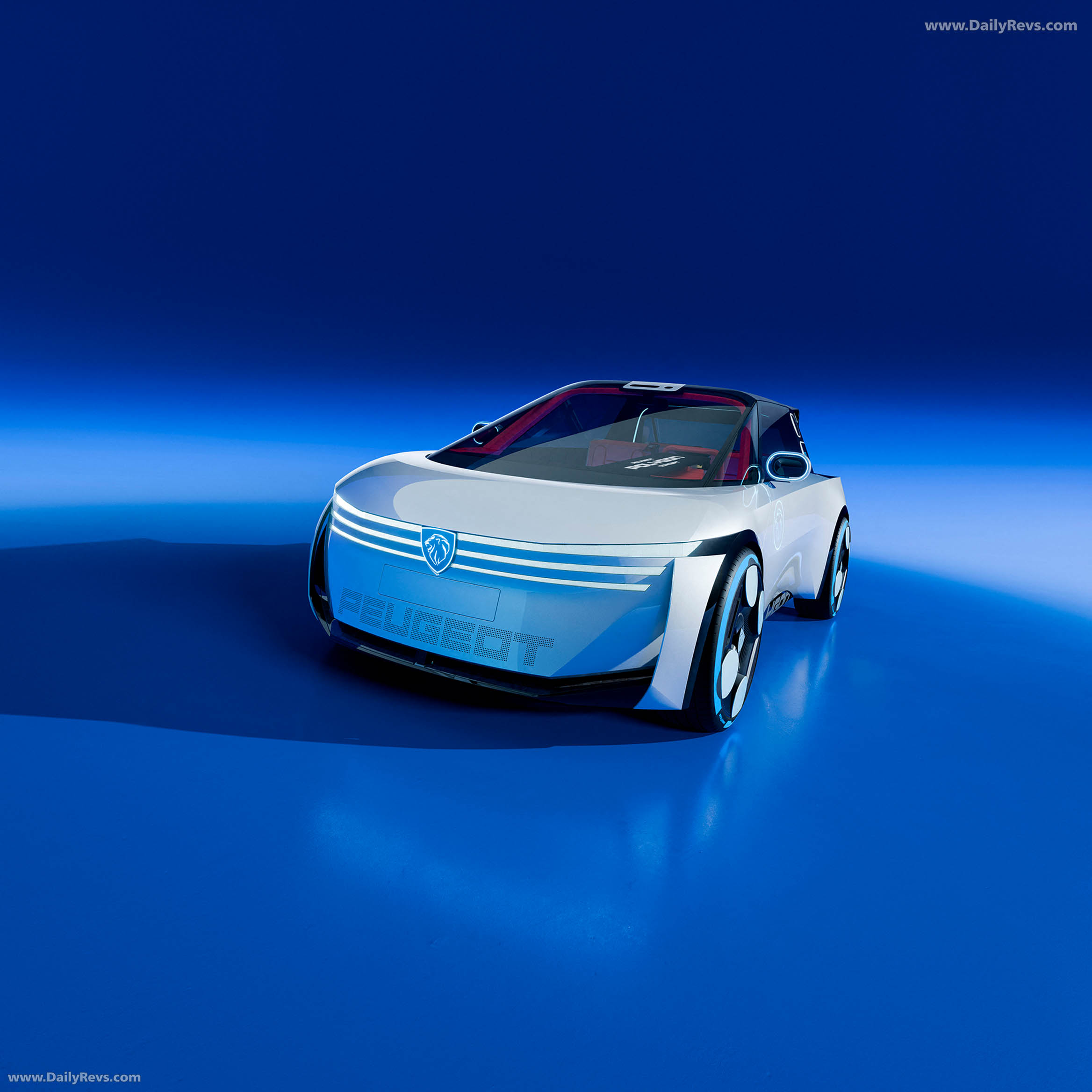
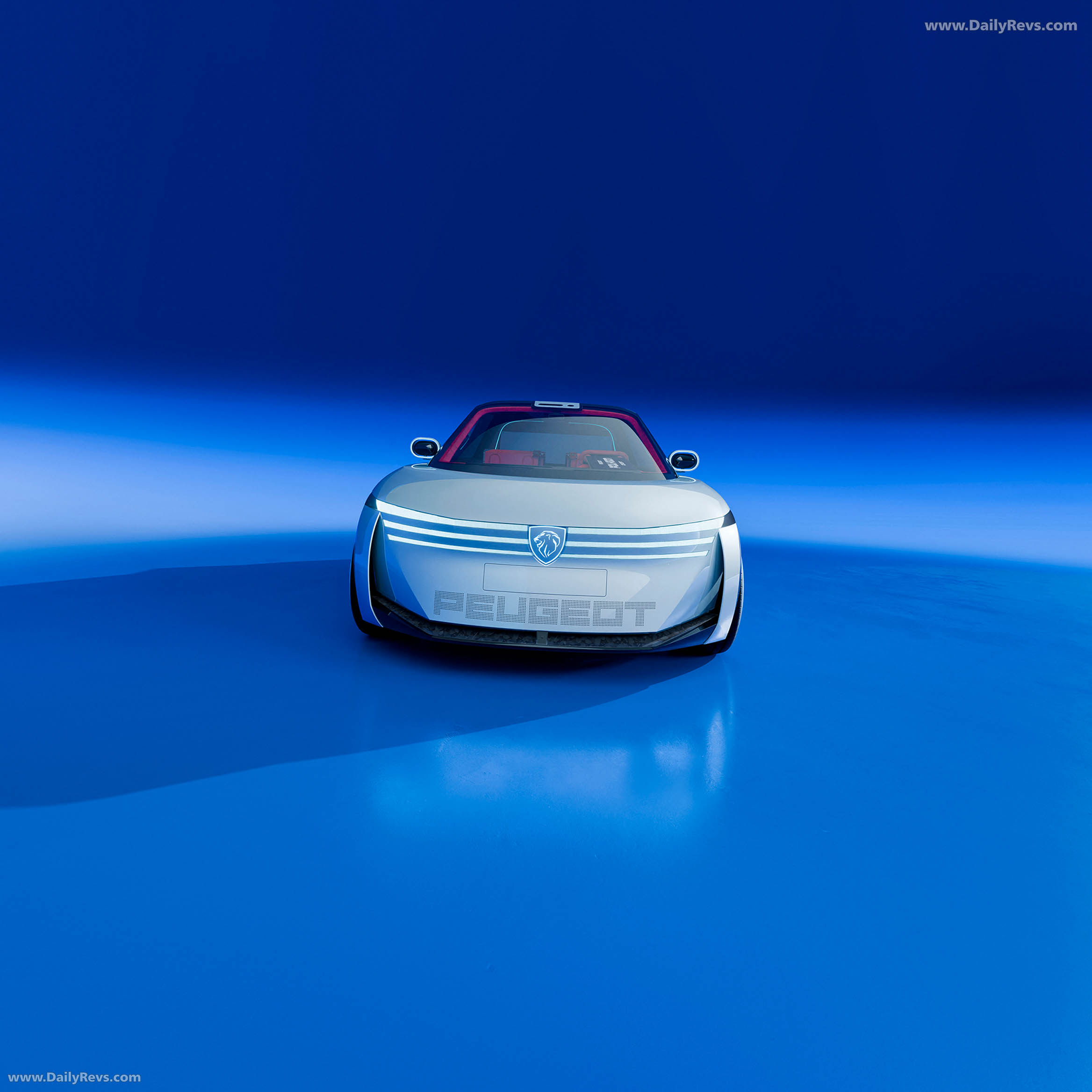
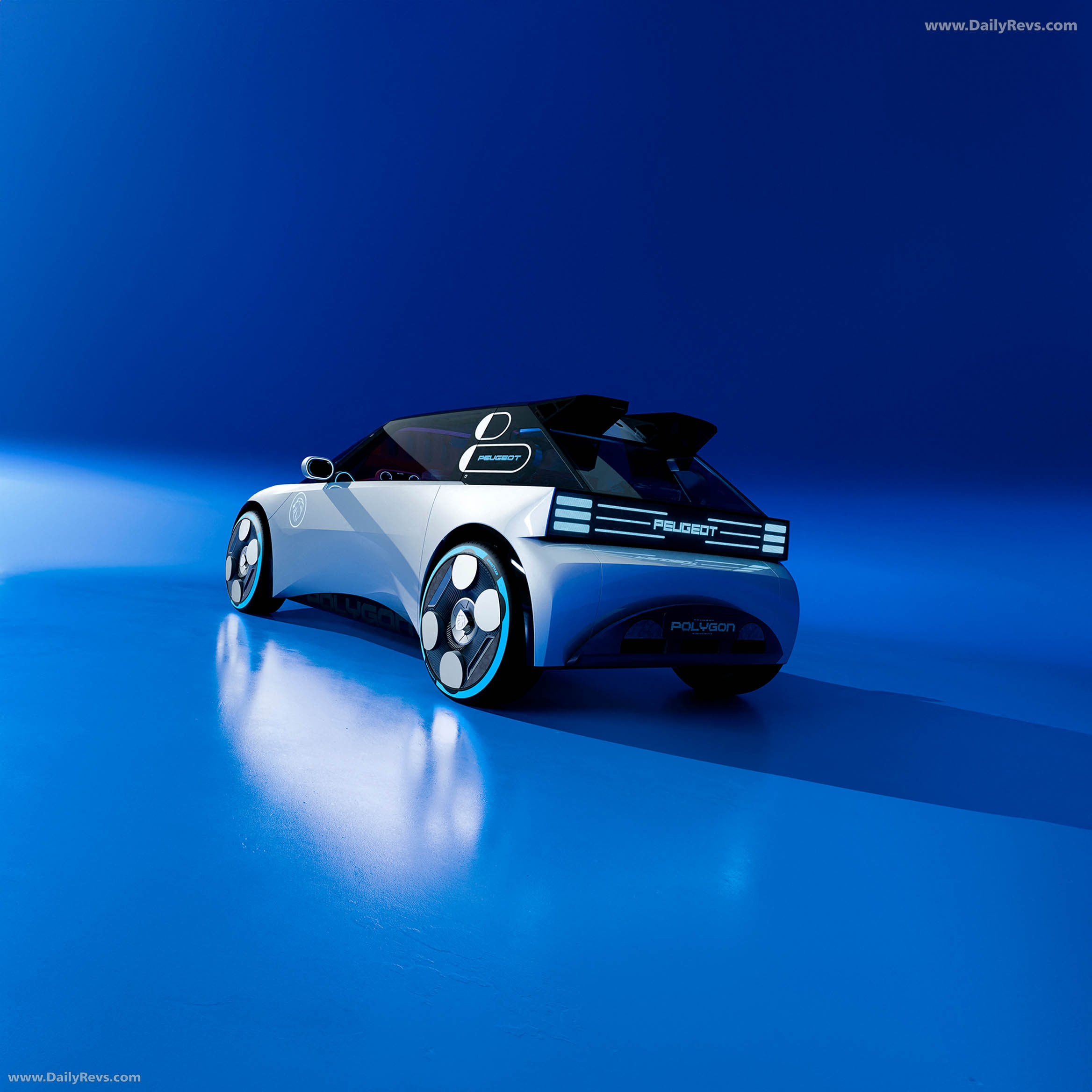
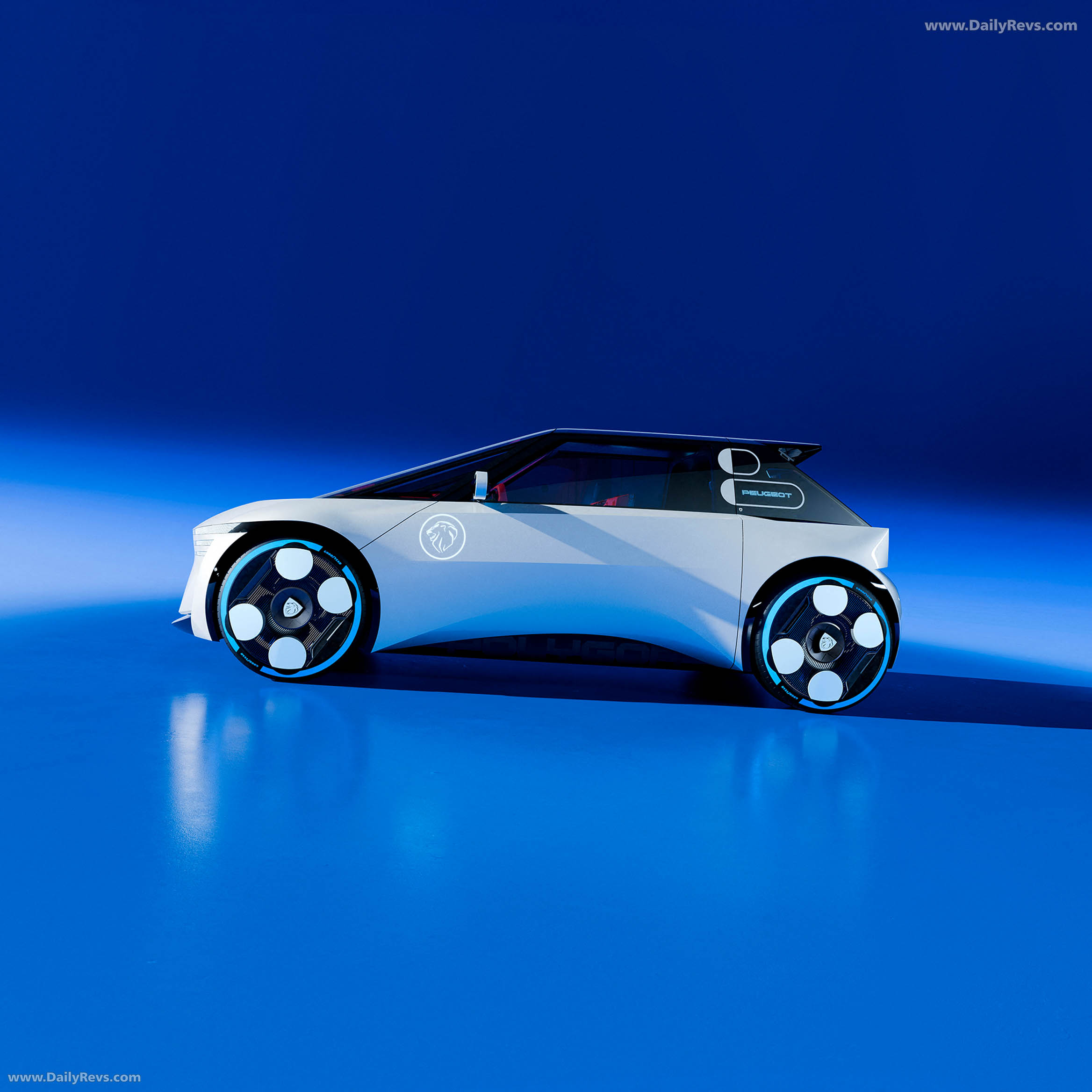
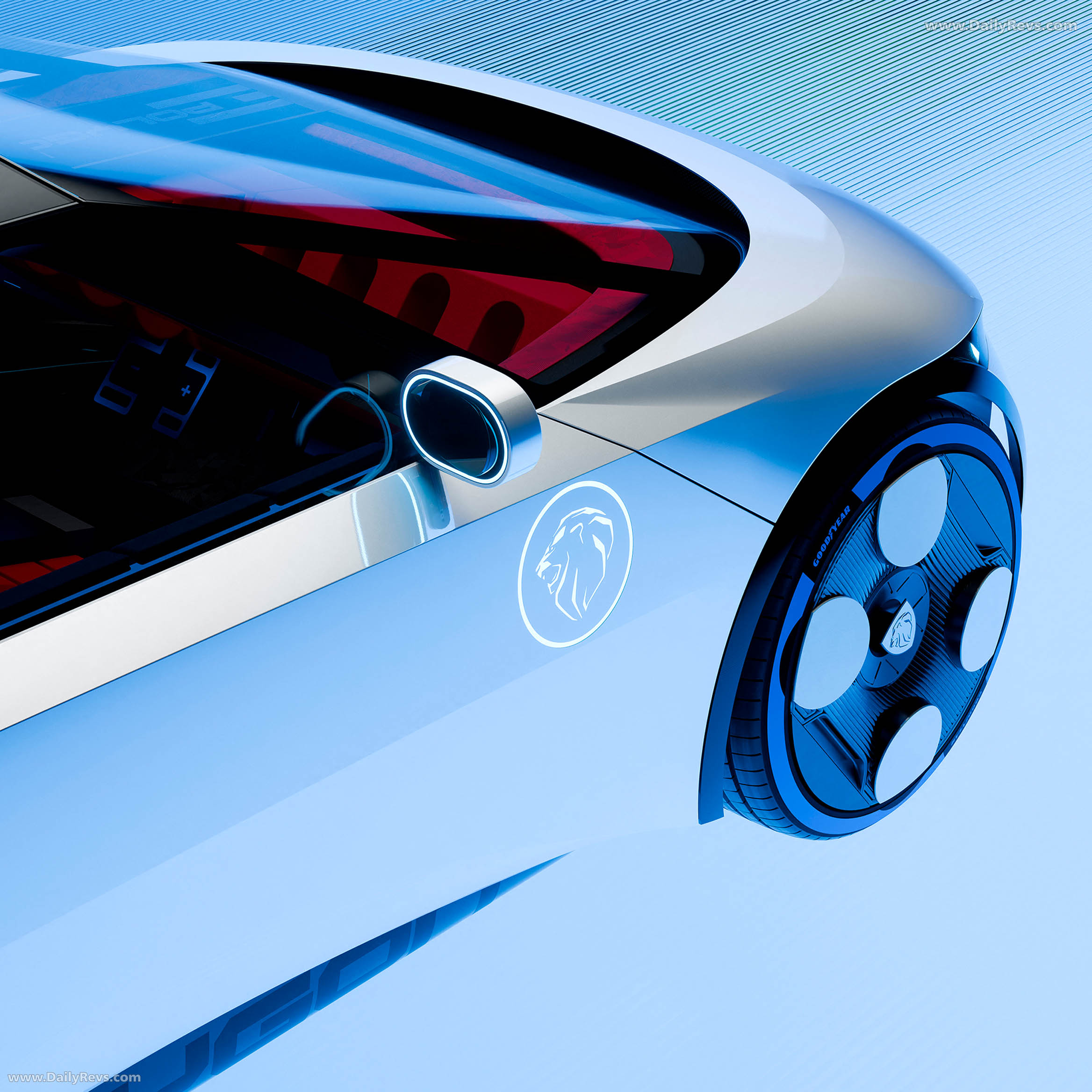
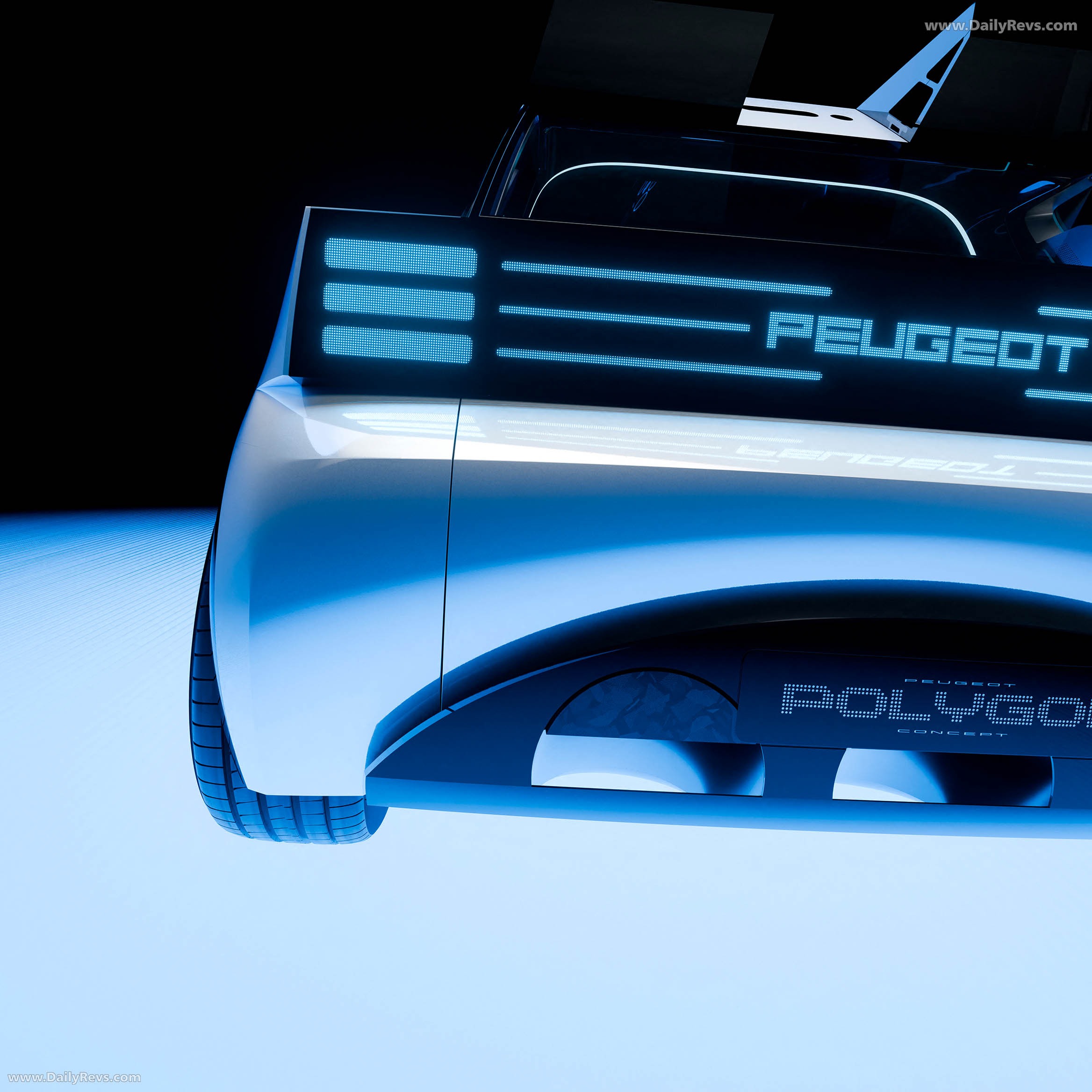
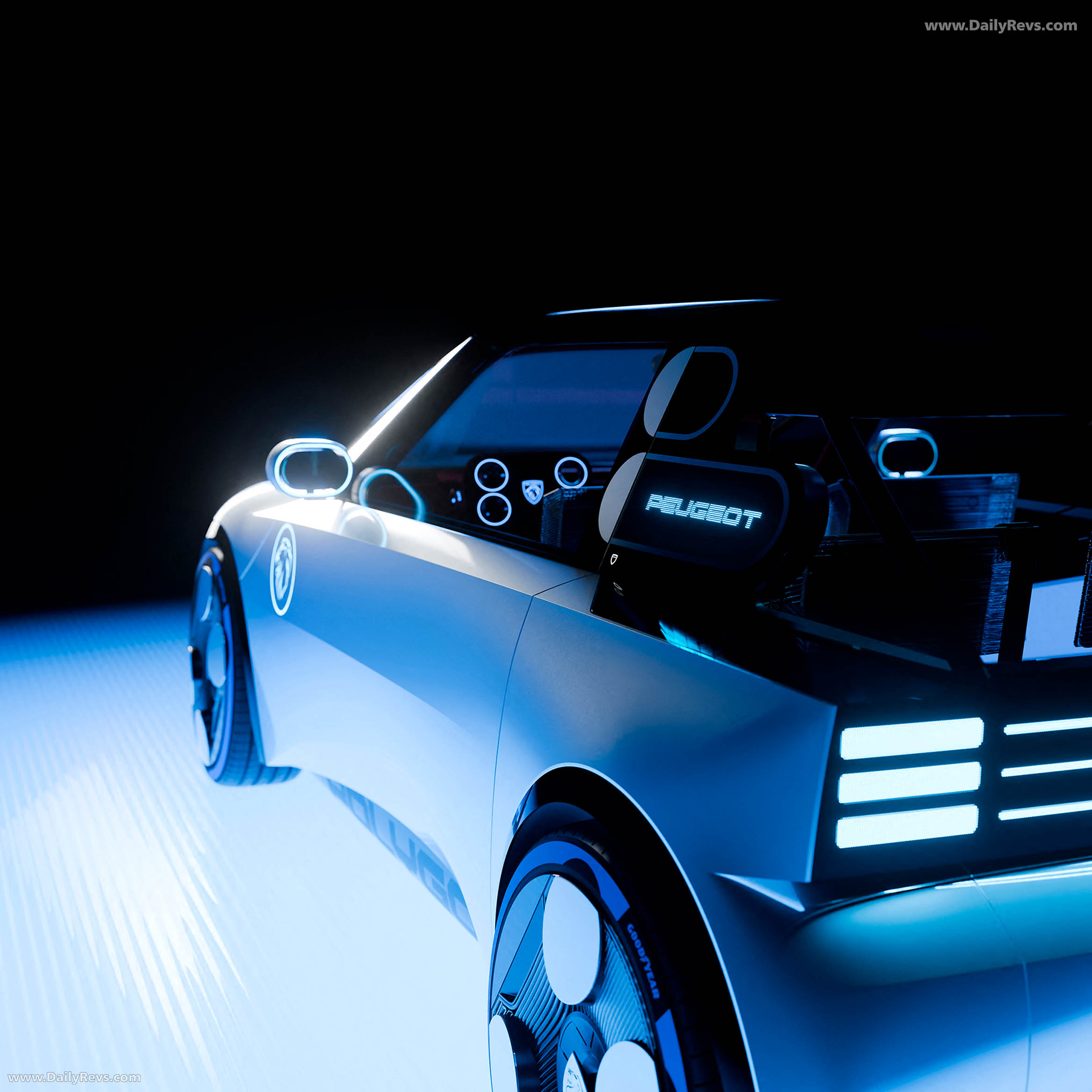
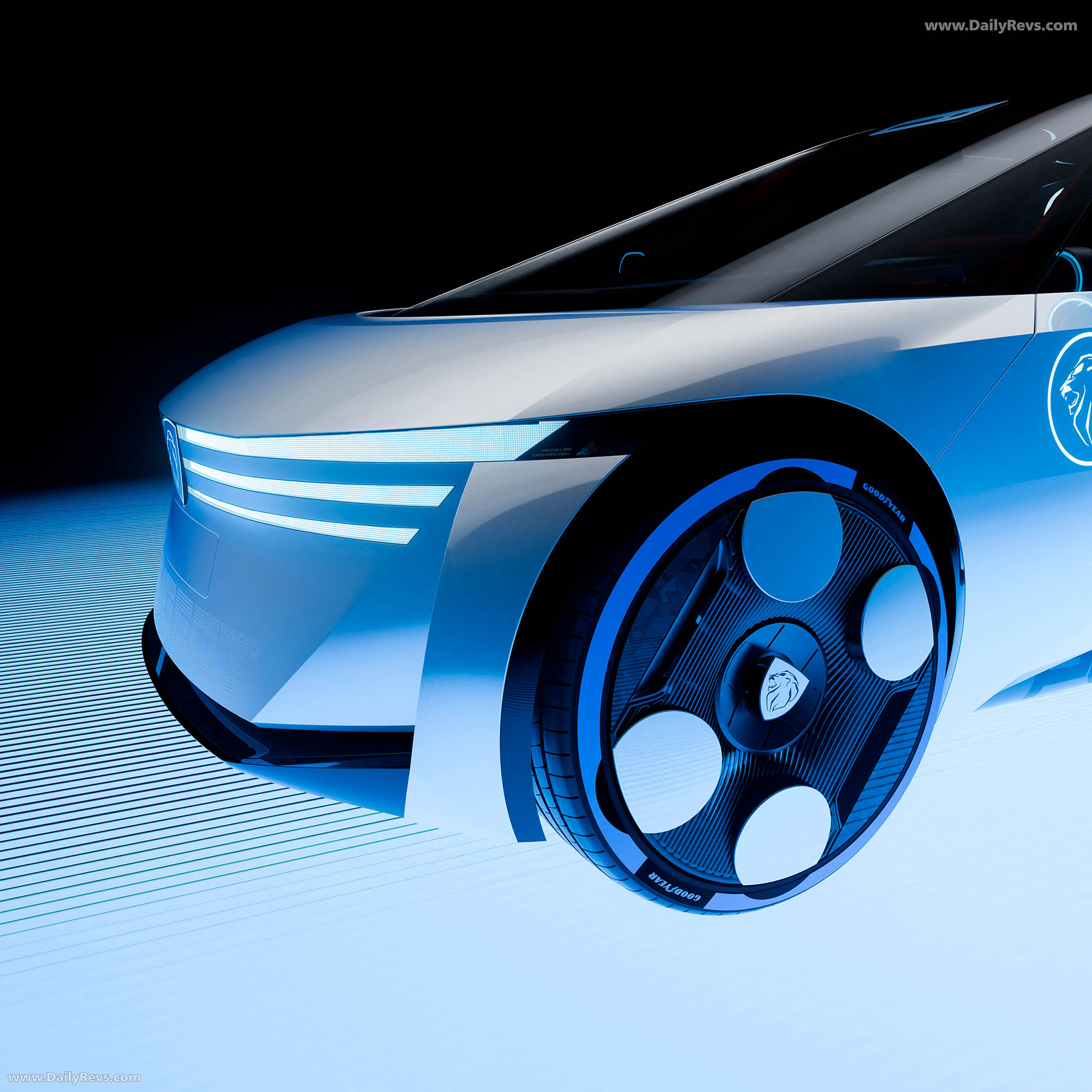
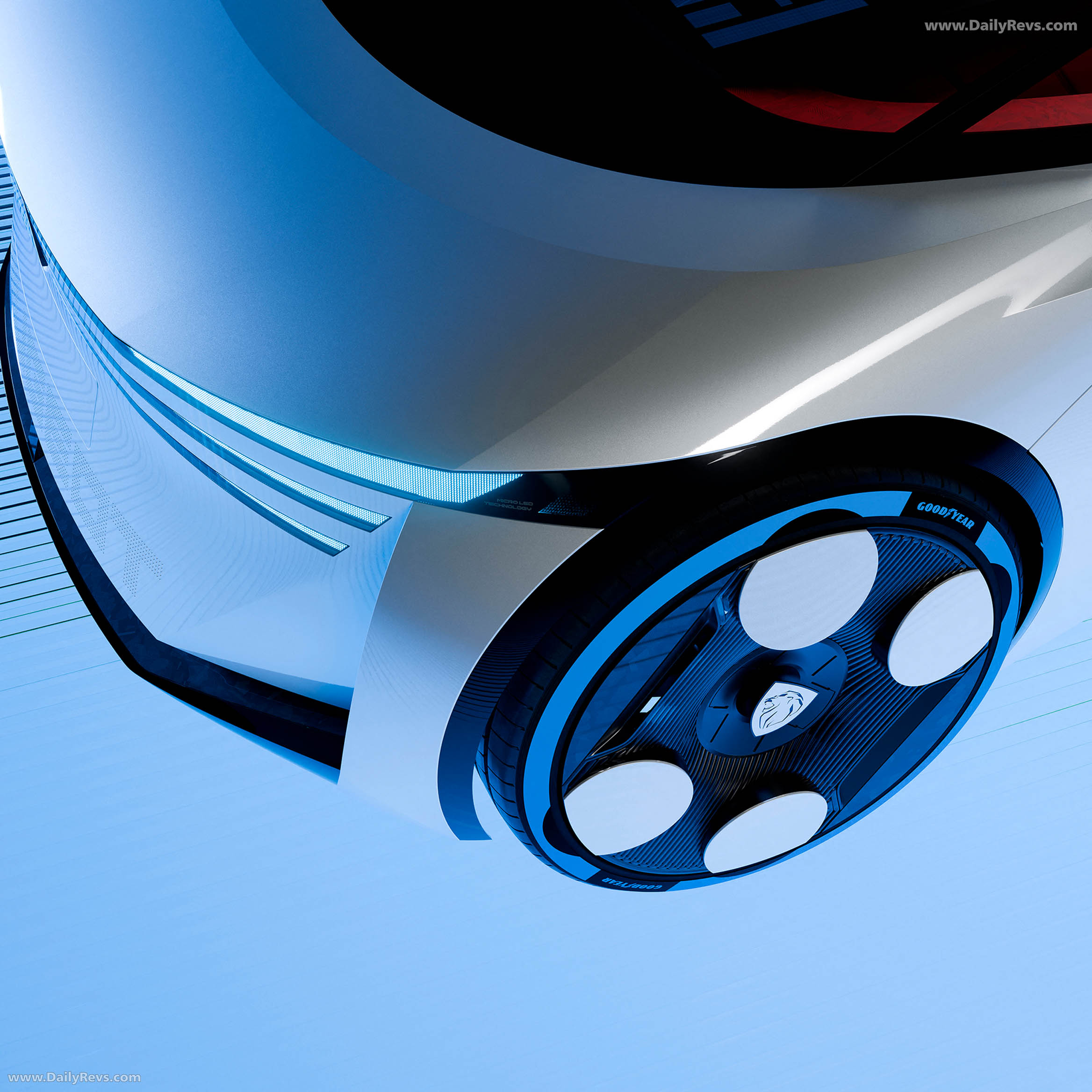
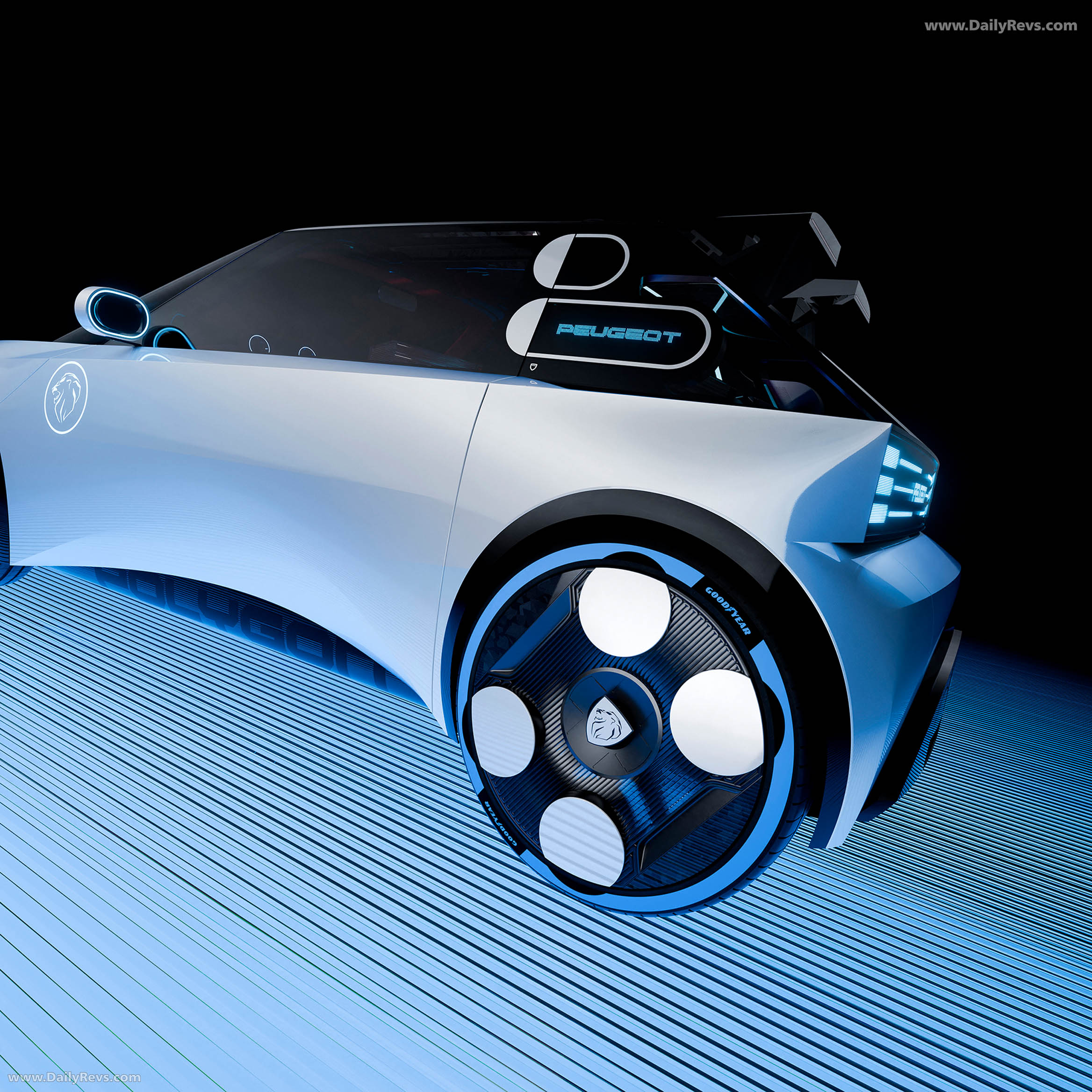
Visually, the Polygon abandons fluidity for precision. Its stance is taut, with horizontal LED signatures replacing Peugeot’s usual vertical “claws.” The bodywork mixes sharp lines and pure geometric surfaces that project strength without aggression.
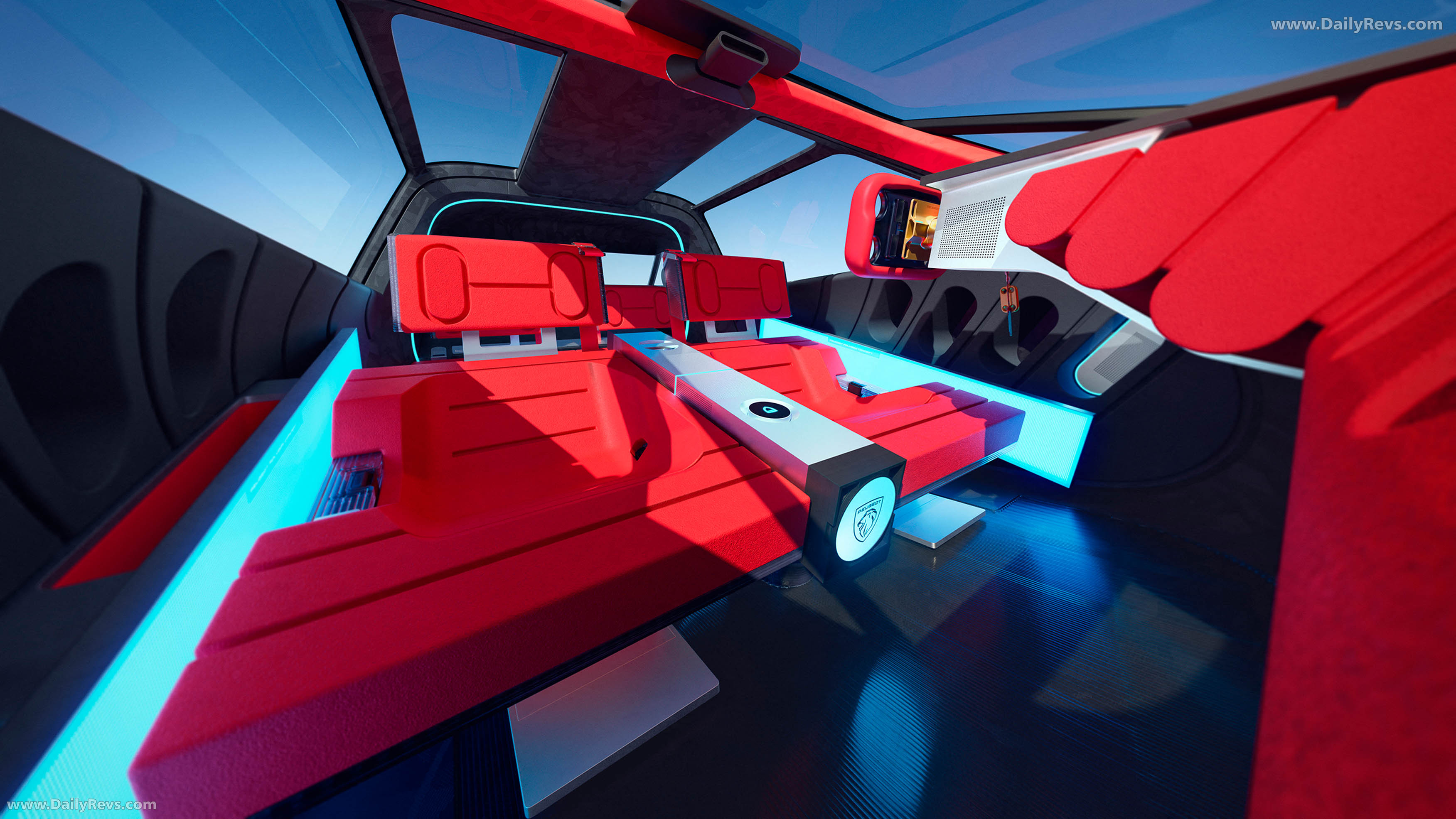
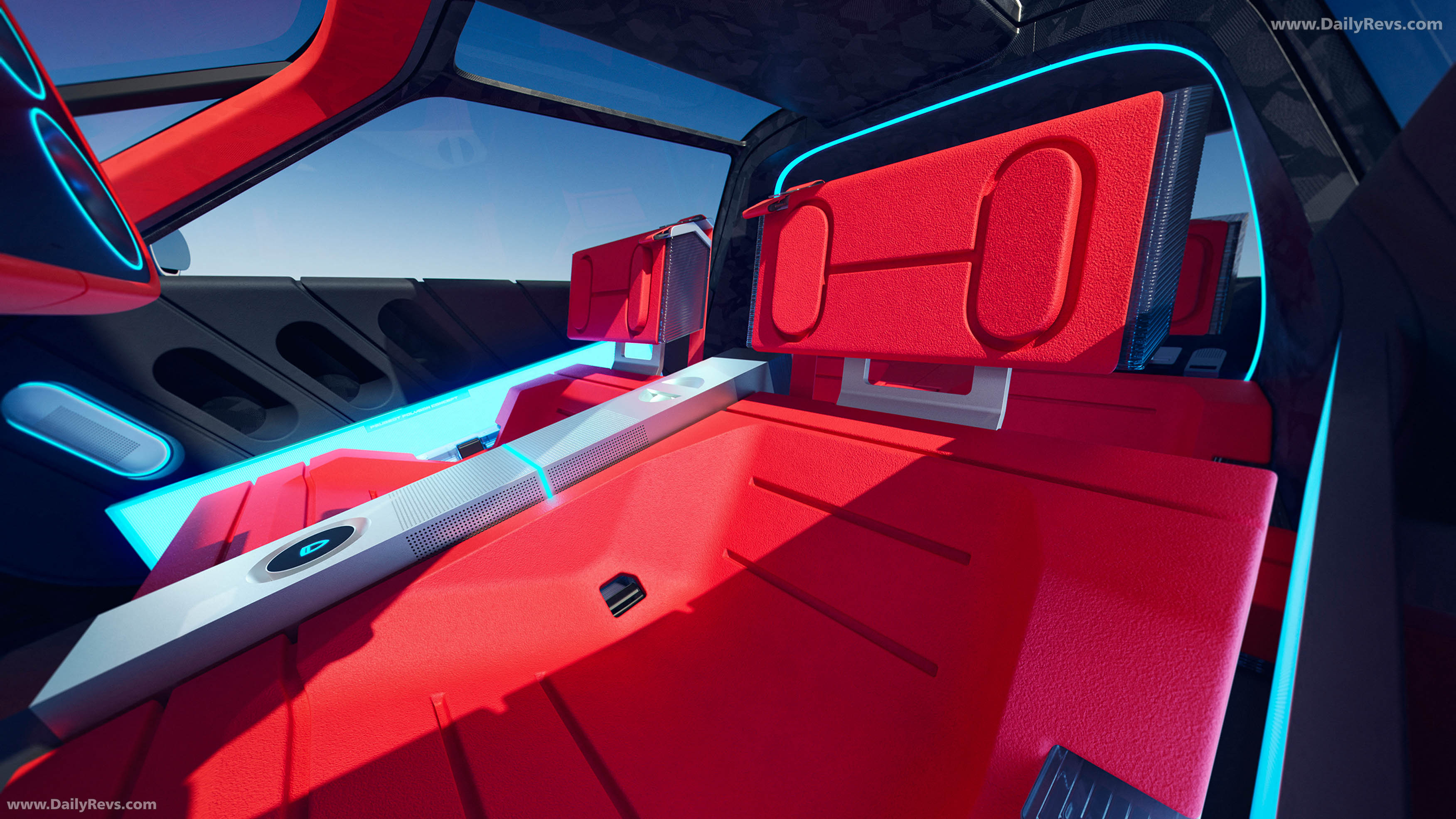
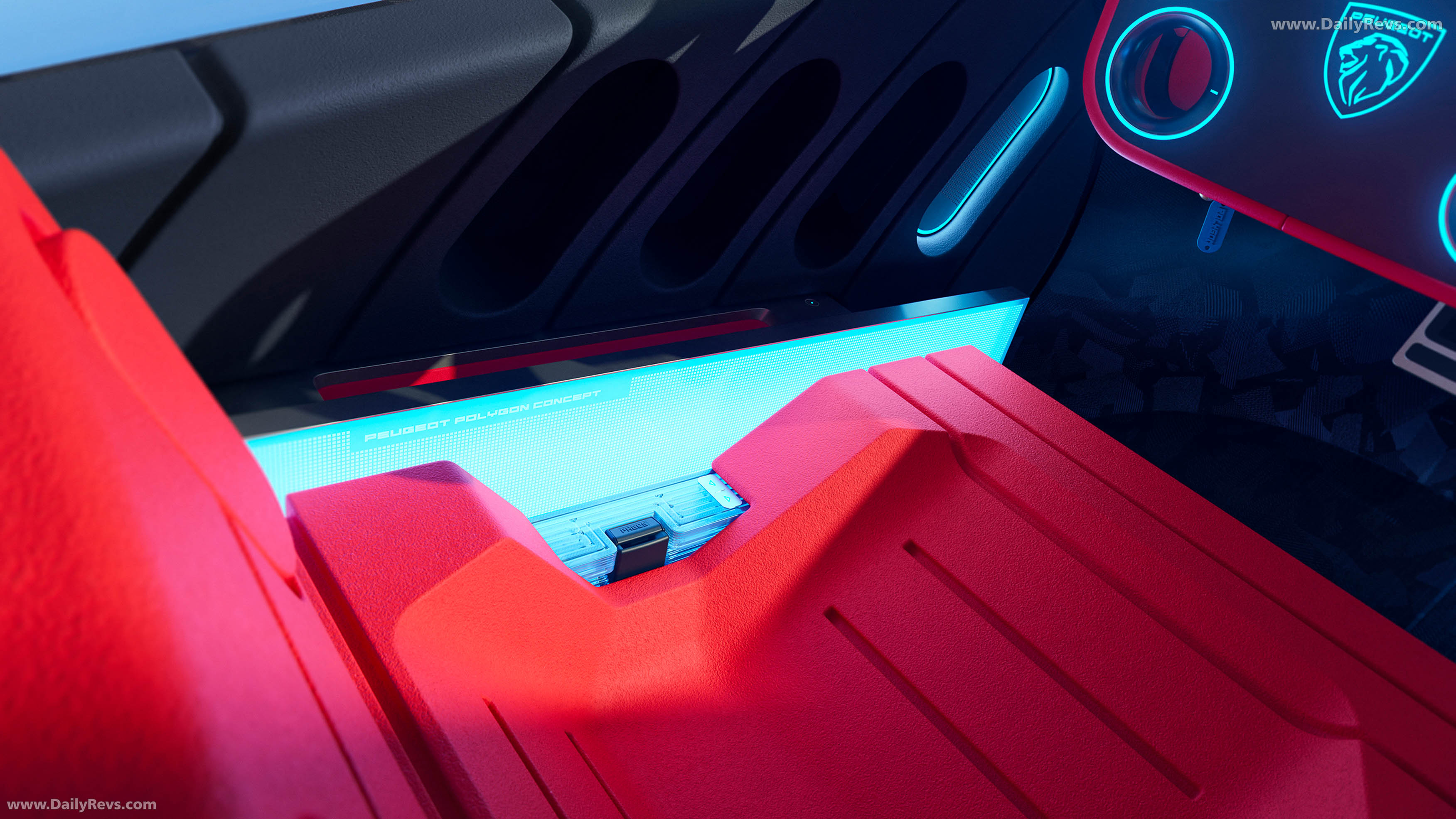
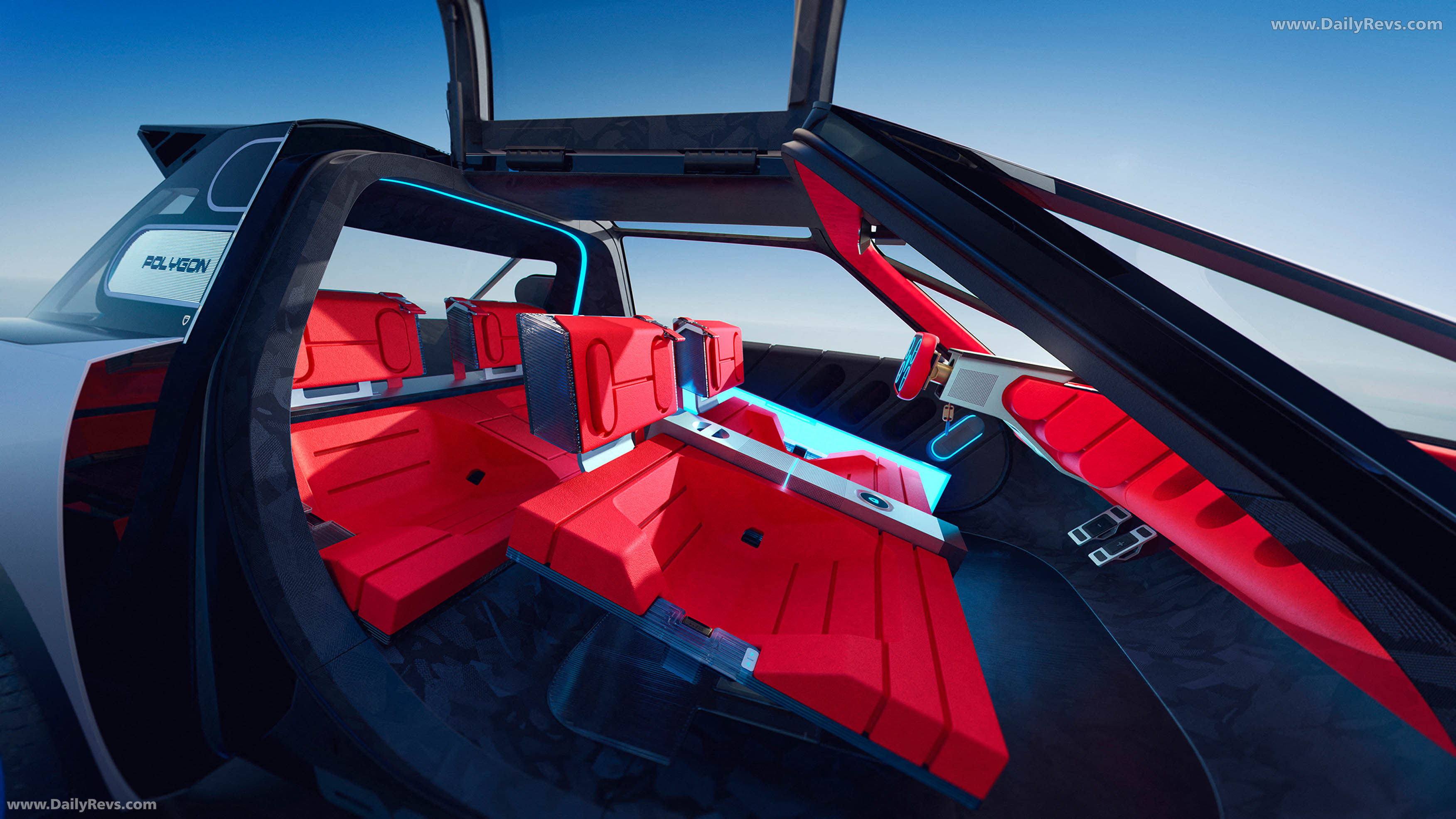
The interior follows the same discipline. Each element — from 3D-printed seat shells made of recycled R-PET plastic to the “forged textile” woven from reused Peugeot materials — has been designed with disassembly and reusability in mind
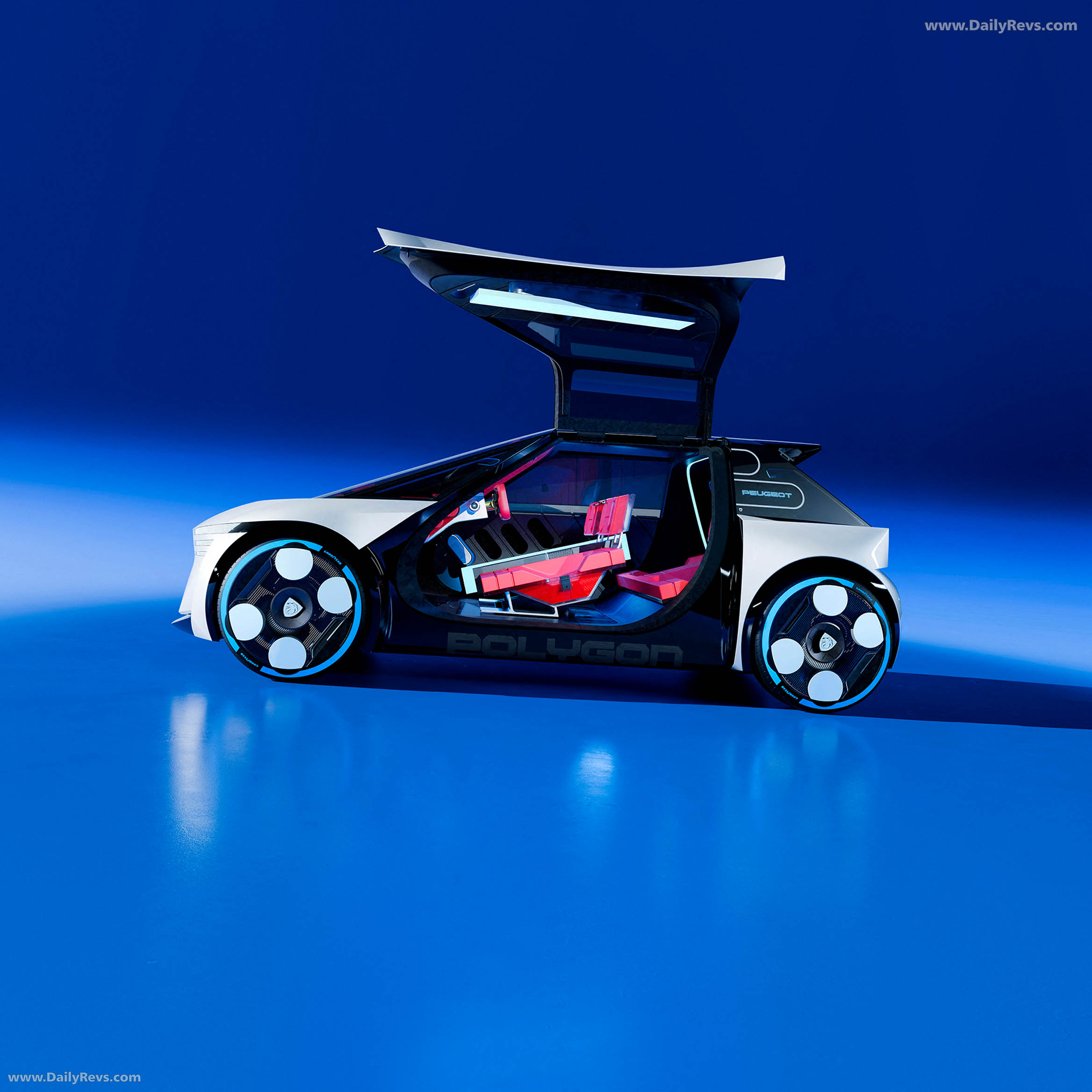
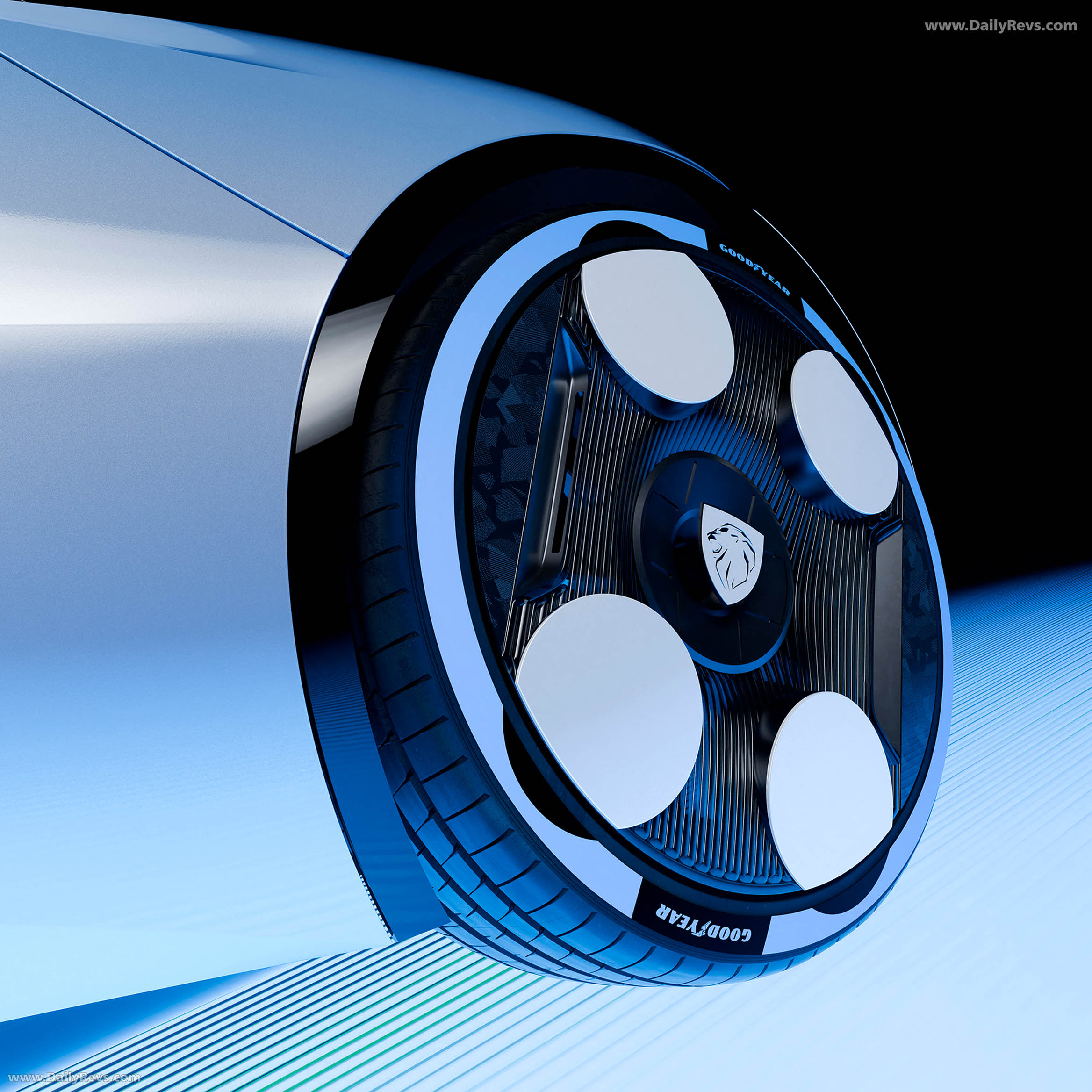
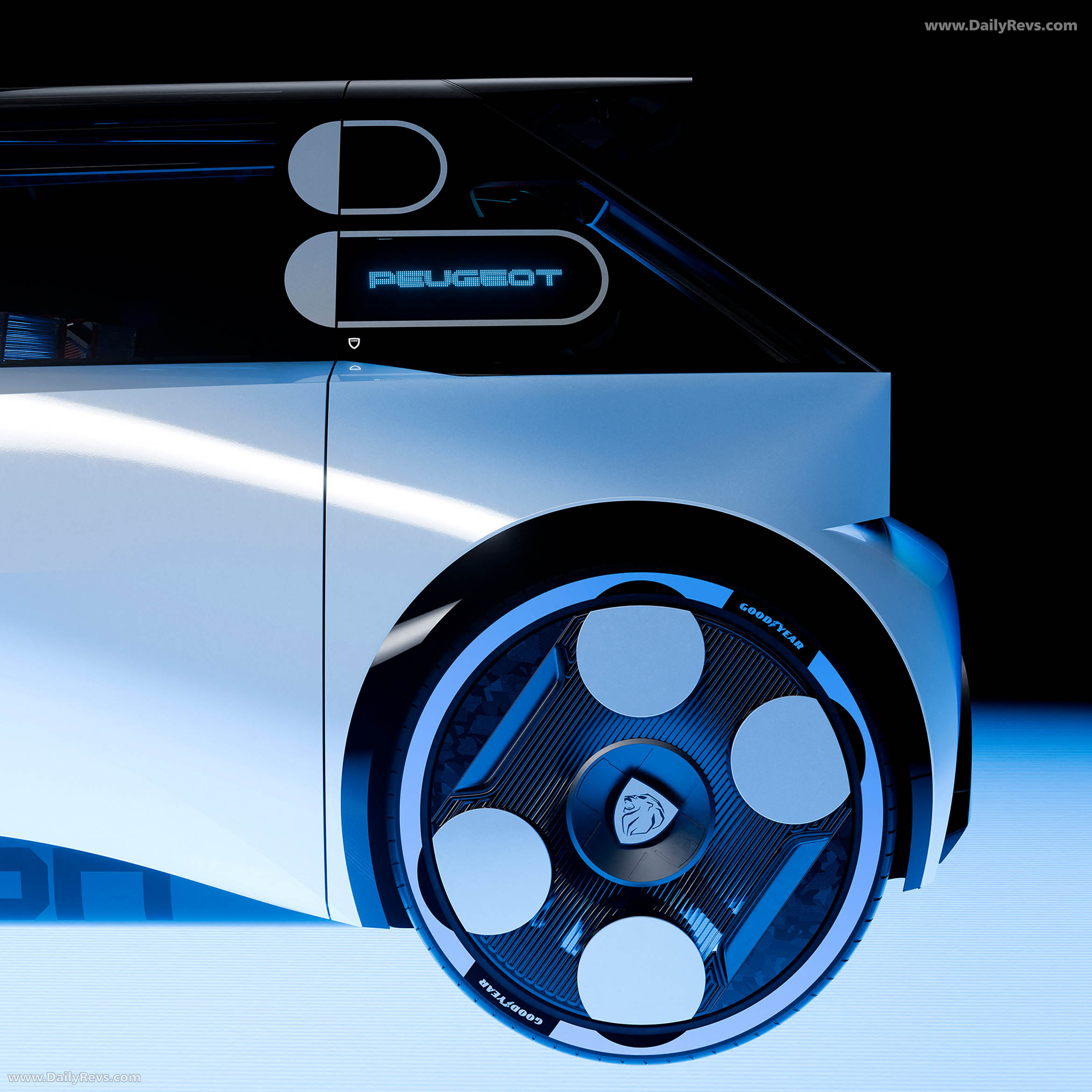
Light floods the cabin through a glass canopy created by eliminating the B-pillars entirely. Two butterfly doors ease entry while simplifying the structure. Even the Goodyear tyres, laser-engraved and colour-customisable, feed live data to the i-Cockpit display via Goodyear’s SightLine sensor system.
One Car, Multiple Personalities
Peugeot presents three thematic configurations for the concept: Urban, Player, and Explorer — each altering ride height, colour palette, and trim detail
It’s an idea that treats the car as a wearable object — adaptable, expressive, and never static.
The Polygon Concept, then, is less about prediction and more about intent. Peugeot’s message is clear: driving pleasure will survive electrification, but it will look — and feel — entirely different.
Technical Specifications
- Type: Fully electric compact concept vehicle
- Length: 3.85 m
- Width: [Unverified] approximately 1.95 m
- Height: [Unverified] approximately 1.35 m
- Wheelbase: [Unverified] approximately 2.50 m
- Seating Capacity: 2
- Platform: Peugeot Concept EV Architecture (dedicated experimental chassis)
Powertrain and Performance
- Propulsion: 100% electric drive system
- Drive Type: Rear-wheel drive (single-motor configuration)
- Power Output: [Unverified] estimated 150–200 kW based on comparable Peugeot EV prototypes
- Transmission: Single-speed reduction gear
- Steering System: Peugeot Hypersquare steer-by-wire interface
- Steering Rotation: ±170° range of motion
- Regenerative Braking: Adjustable with multi-mode calibration
- Acceleration (0–100 km/h): [Unverified] expected under 6 seconds (concept projection)
- Top Speed: [Unverified] approximately 200 km/h
- Range: [Unverified] approximately 400 km (based on compact EV configuration assumptions)
Battery and Charging
- Battery Type: High-density lithium-ion pack
- Estimated Capacity: [Unverified] around 60–70 kWh
- Charging: DC fast-charging supported via CCS interface
- Charging Time (10–80%): [Unverified] approx. 25 minutes
- Battery Display: Rear C-pillar Micro-LED indicator for charge status
Chassis and Suspension
- Construction: Lightweight modular structure using recycled aluminum and bio-composite materials
- Front Suspension: Double-wishbone independent setup
- Rear Suspension: Multi-link configuration
- Steering: Electronic steer-by-wire (no mechanical column)
- Brakes: Regenerative braking integrated with electronic brake control
- Wheels: 19-inch forged alloy rims
- Tyres: Goodyear SightLine connected tyres with embedded sensors and custom laser-etched surfaces
Exterior Features
Lighting:
- Front: Micro-LED “horizontal claw” signature
- Rear: Full-width Micro-LED bar with animated functions
- C-pillar: Battery charge status display
- Doors: Butterfly-style, no central B-pillar
- Roof: Full glass canopy design
- Mirrors: Camera-based rear-vision system
- Body Construction: Multi-material shell with 3D-printed components and bio-sourced polymers
- Colour Themes: Urban, Player, and Explorer configurations with adaptive lighting and trim contrast
Interior and Controls
- Steering: Hypersquare system with touch-sensitive control pods
Display:
- 31-inch Micro-LED reflective digital cockpit
- Full-width windscreen projection for augmented navigation and information
- Seats: Lightweight 3D-printed shells made from recycled R-PET plastic
- Upholstery: Forged textile made from reused Peugeot fabrics and bio-based fibres
- Pedals: Fixed position with fully electronic input response
- Lighting: Adaptive ambient lighting with dynamic driving modes
- Storage: Compact modular compartments beneath the seats
Technology and Connectivity
- Operating System: Peugeot i-Cockpit next-generation interface
- Voice Interaction: Integrated AI assistant with contextual language model
- Connectivity: 5G link with OTA software updates
- Drive Modes: “Cruise,” “Fun,” and “Hyper” performance profiles
- AR Head-Up Display: Embedded in Micro-LED projection system
- Audio: Integrated directional sound system (hidden in dashboard architecture)
Sustainability Highlights
- Body panels and interior trim produced from recycled aluminium and biopolymers
- 3D-printed interior surfaces using low-energy manufacturing
- Seat textiles made from 100% recycled materials
- Fully modular disassembly for end-of-life recycling
Production Outlook
- Concept Debut: 2025
- Intended Production Technology: Hypersquare steering planned for Peugeot production models by 2027
- Development Scope: Design study to preview future i-Cockpit ergonomics and Peugeot’s steer-by-wire technology