
2025 Nissan Kicks Exclusive
By Lorenzo Bianchi July 2, 2025
The 2025 Nissan Kicks enters its next generation with sharper styling, a roomier interior, and electrified powertrain options.
-
Built on a new global platform, it’s a noticeable evolution in both design and perceived quality.
-
Positioned to take on compact SUV staples like the Honda HR-V and Hyundai Creta with a more assertive design and local production.
First Impressions: It’s Not the Same Kicks
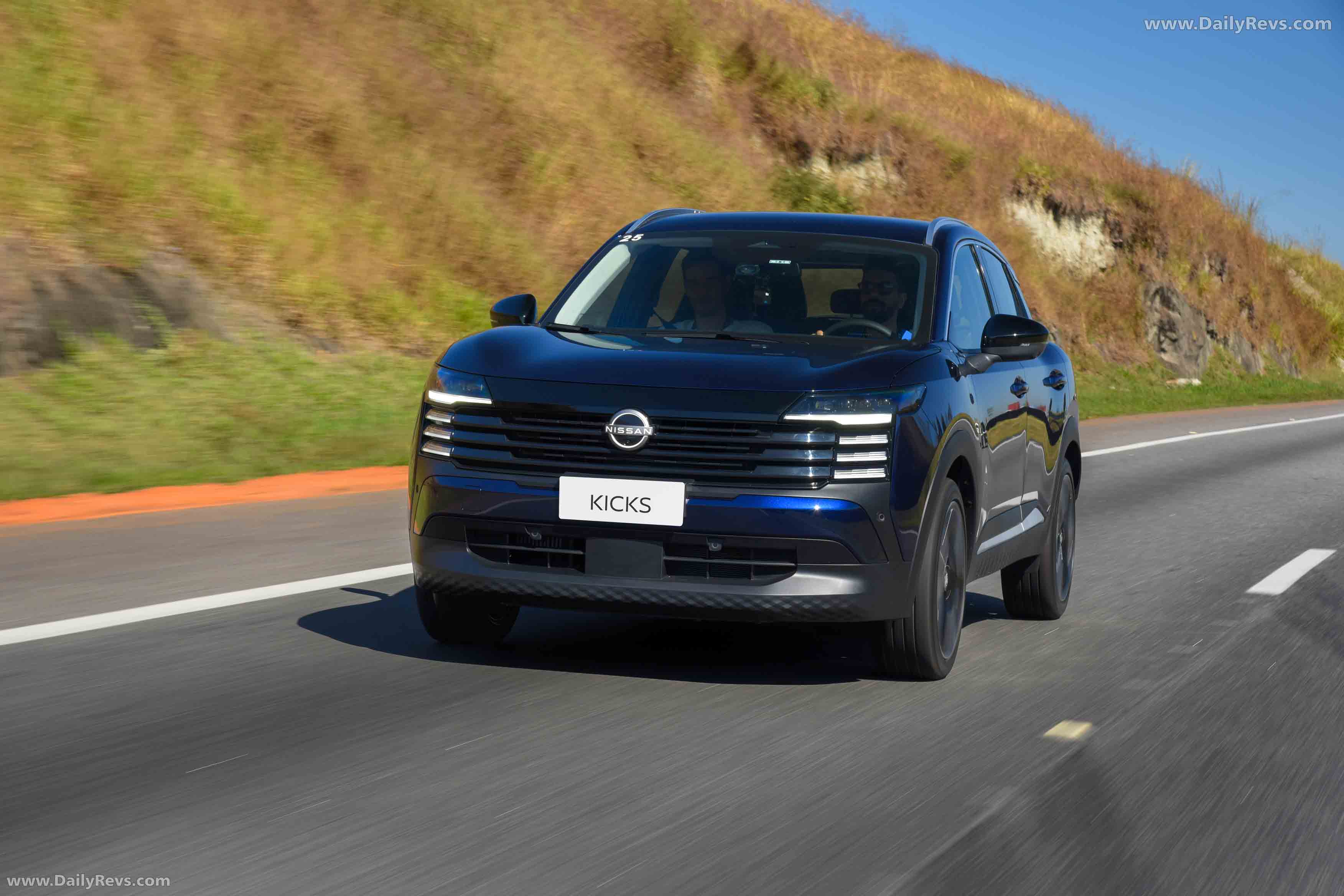
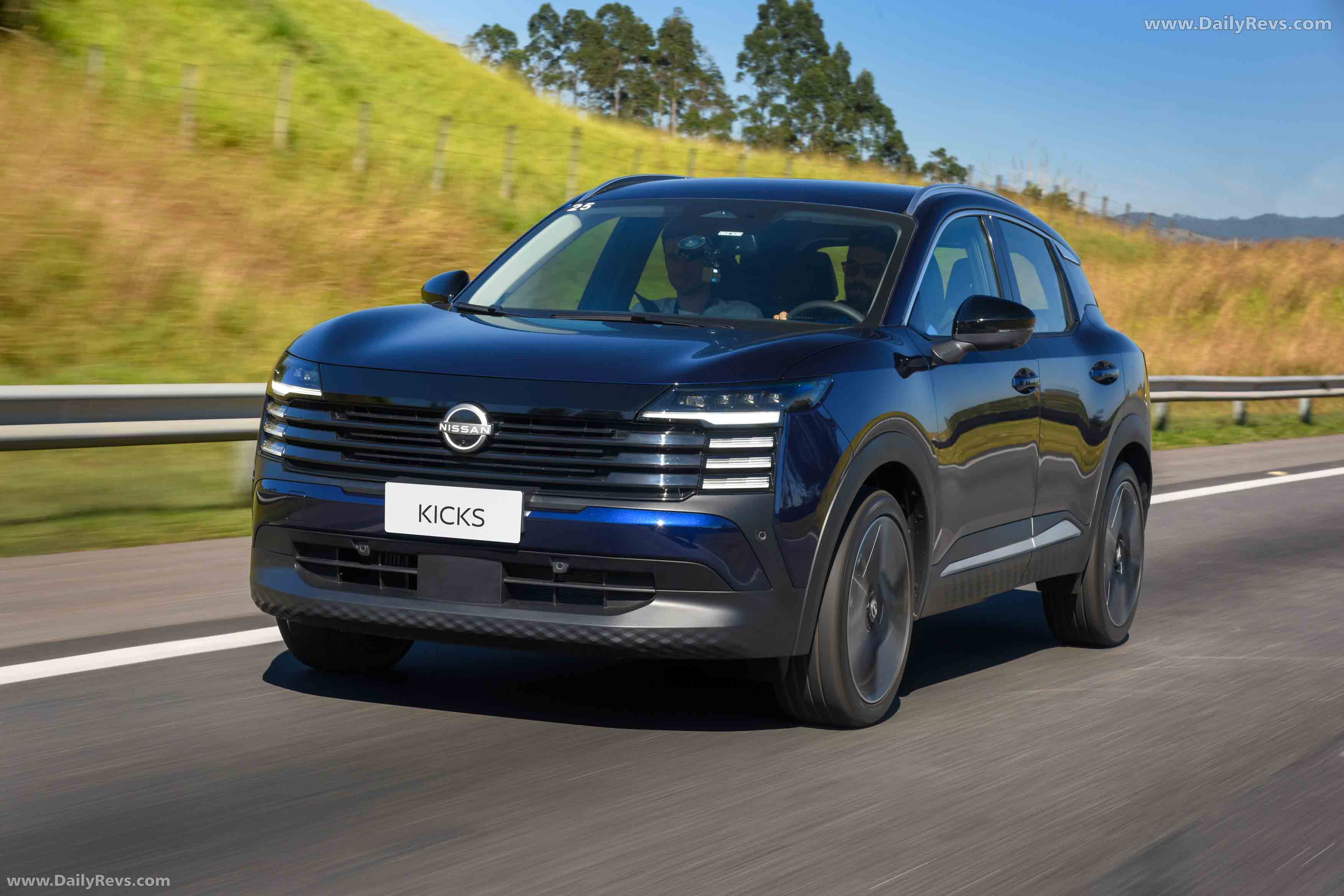
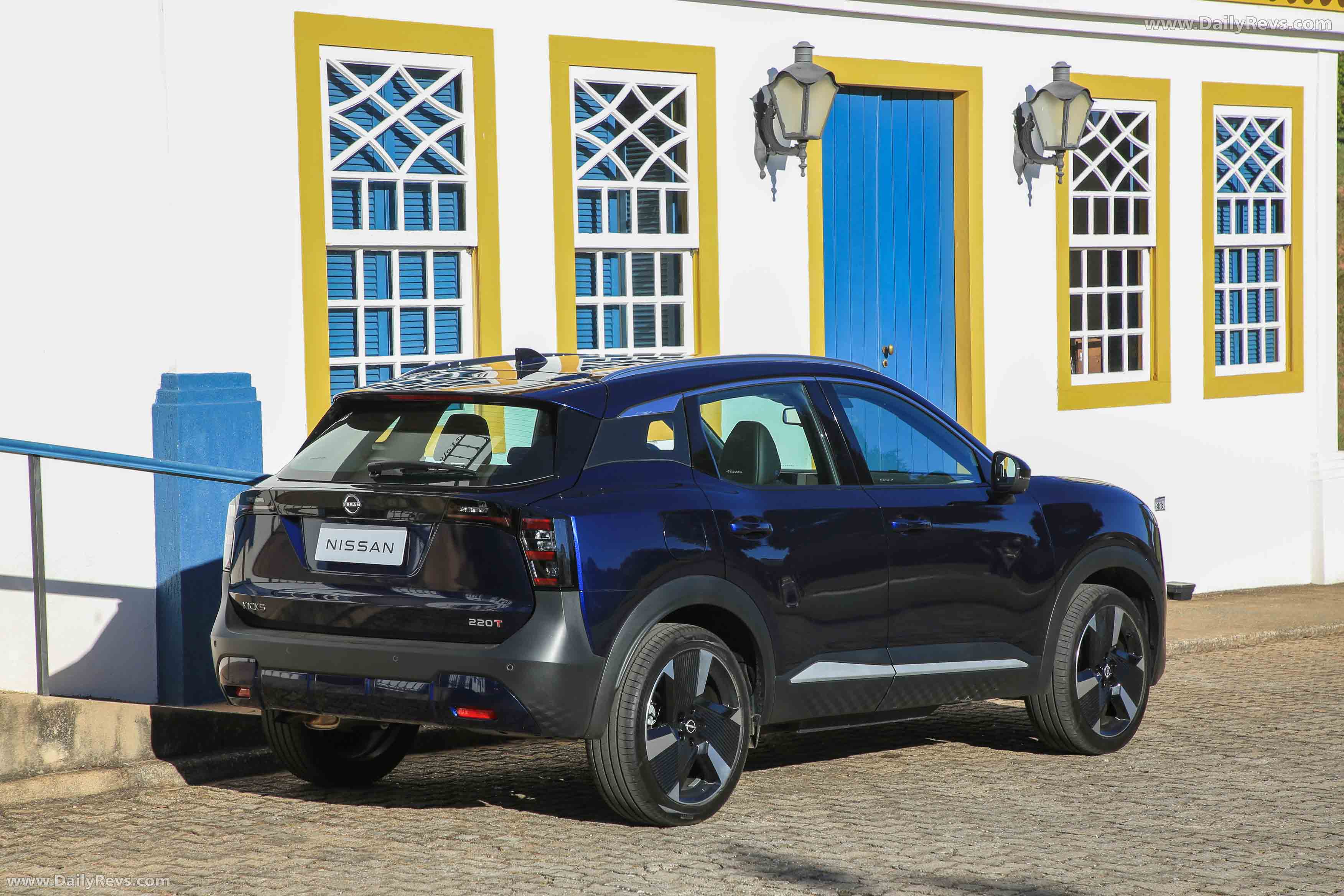
The 2025 Nissan Kicks doesn’t try to ease into its next chapter—it makes its presence known. From the very first press shots, it’s obvious this isn’t a minor facelift. The new generation drops the rounded cuteness of the outgoing model for something much more mature, even a little aggressive.
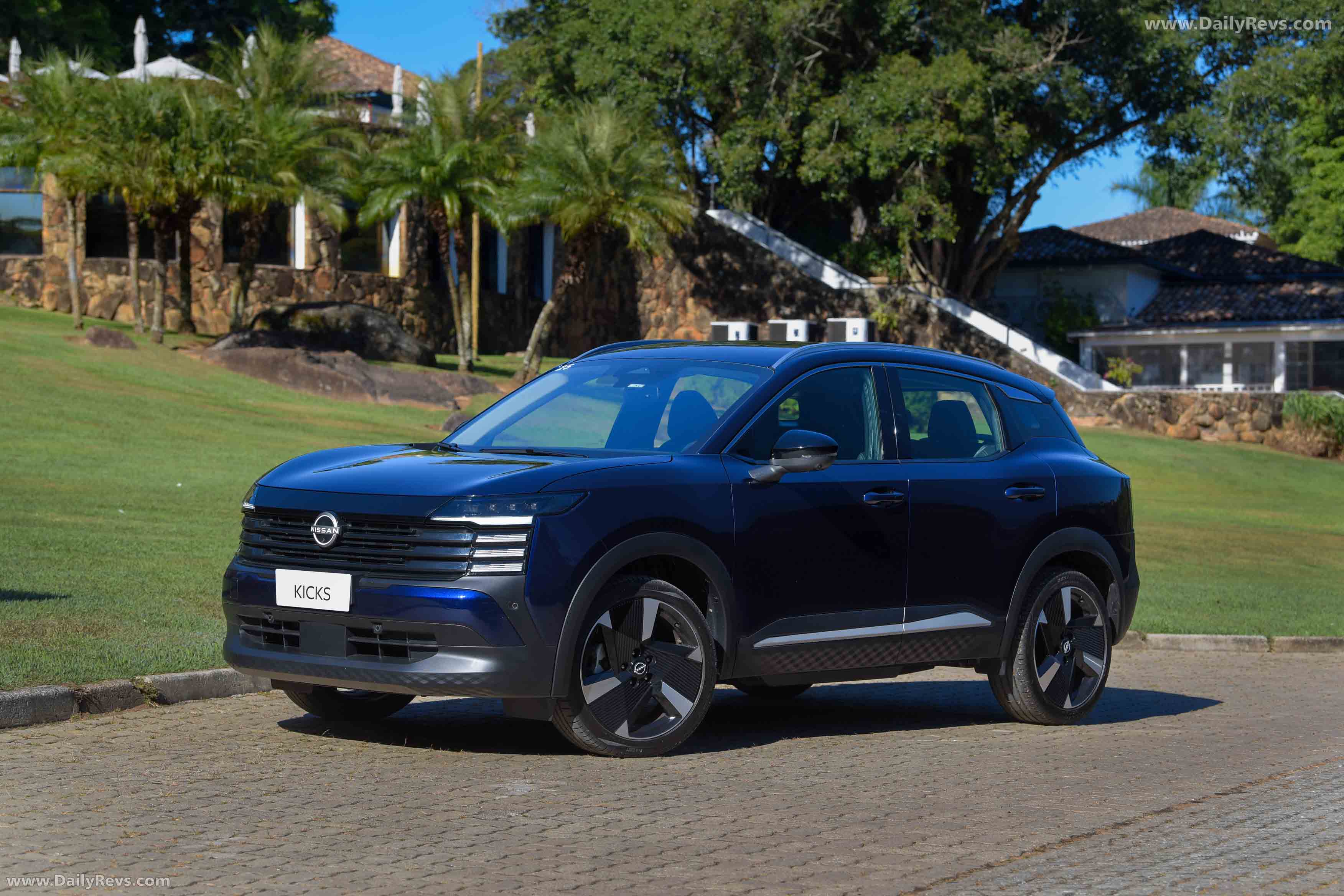
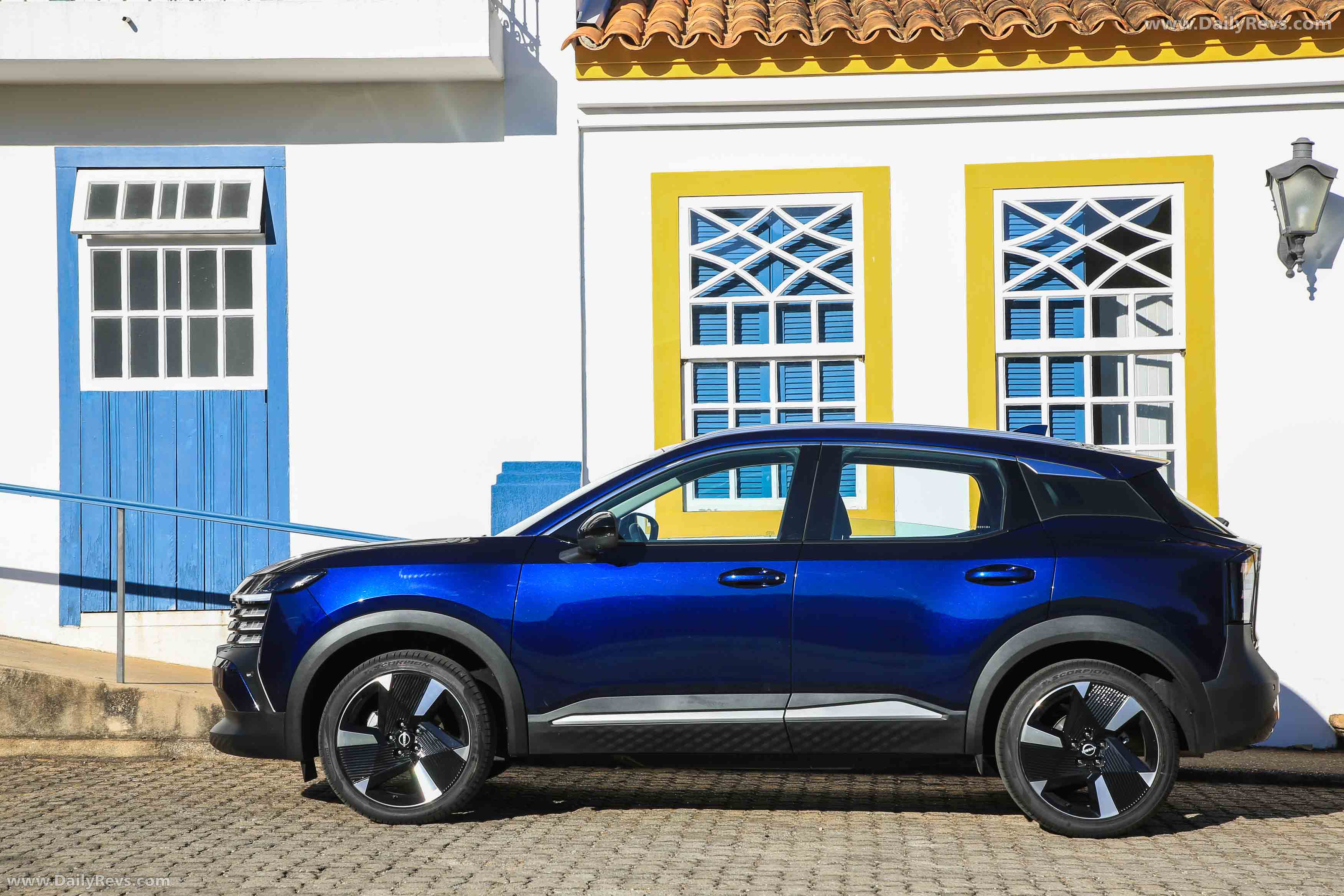
The front end is where most eyes will land first. A wide, flattened grille flanked by tight LED headlamps gives the Kicks a stronger stance. The V-motion graphic remains, but it's toned down—more architectural now, less ornamental. There's a distinct tension to the lines, especially in profile.
Built on a New Platform with Better Proportions
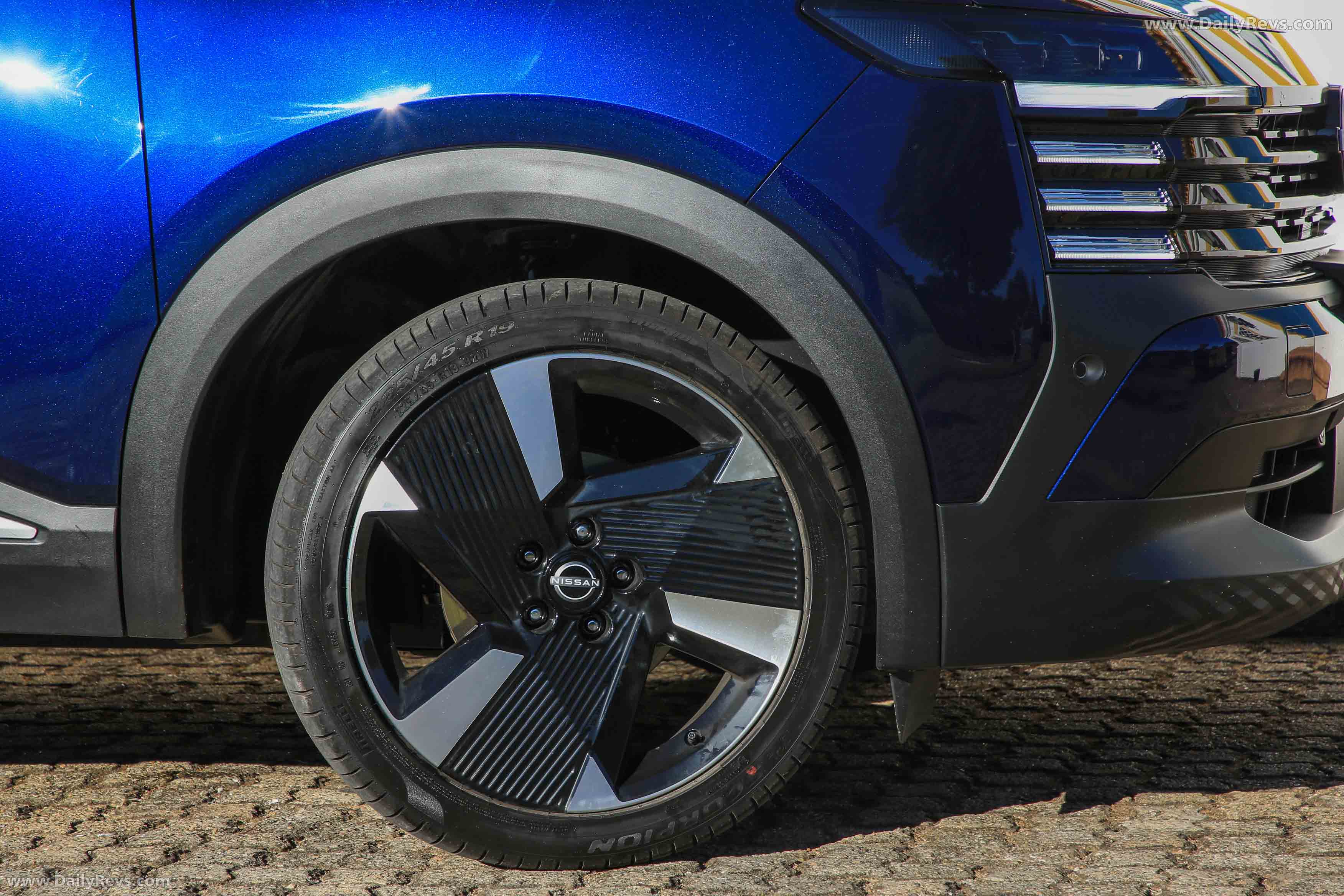
This 2025 Nissan Kicks rides on a brand-new platform, and you feel it in the proportions. The wheelbase is stretched slightly, the overhangs trimmed back. The whole thing looks better balanced. It sits confidently on squared-off wheel arches, which look more structural than decorative. In a sea of faux-rugged SUVs, this one at least looks like it was actually thought through.

Inside: Less Gadget, More Geometry
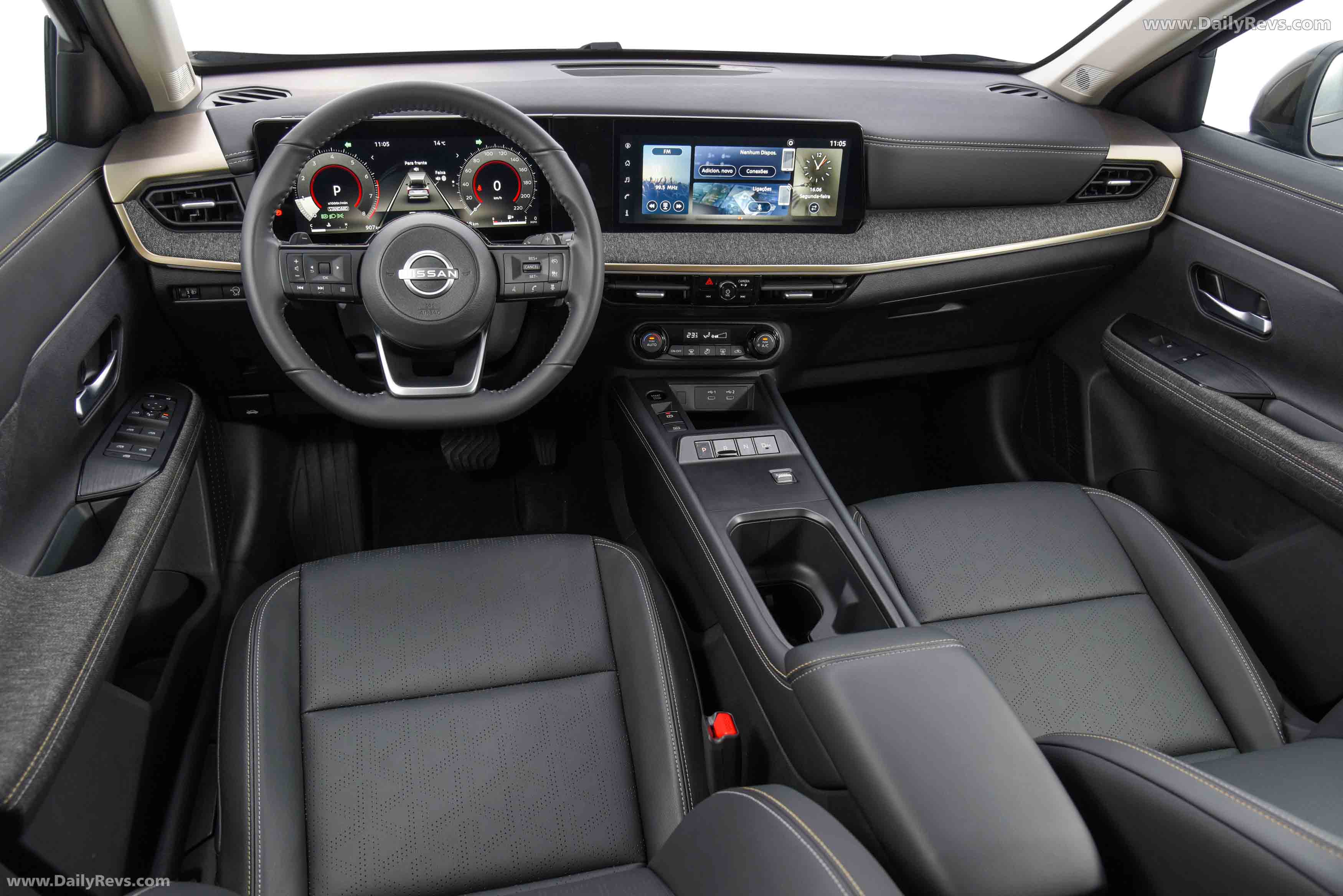
Inside, the layout has taken a clear step forward. There’s more horizontal emphasis on the dash, more physical volume to the surfaces. The digital cluster and central touchscreen are larger, but they’re better integrated—like actual design elements instead of just tech stuck on late in the game.
Space is up, both for passengers and cargo. Nissan says the rear seat room benefits from the platform change, and from the looks of it, they’ve trimmed the packaging well to carve out usable volume. And, no surprise, there’s a new focus on e-POWER. Nissan’s signature hybrid setup means the Kicks drives like an EV, but charges its battery through a gasoline engine, which is a useful compromise for markets not fully plugged in yet.
Positioned to Challenge Segment Leaders
Built at Nissan’s Resende plant, the Kicks is aimed primarily at Latin American markets for now, but its design feels ready for global roads. With competitors like the Honda HR-V, Hyundai Creta, and VW T-Cross continuing to sell well in this segment, Nissan seems to have done the homework. The 2025 Kicks looks more expensive than its predecessor, without overreaching.
It's not flashy. It's not dripping in chrome or covered in fake vents. But it does look well-resolved. And that might be enough. For a model that’s always flown under the radar, the new Kicks might finally turn some head.
Technical Specification :
-
Performance
-
Engine: 1.0 L turbocharged three-cylinder flex-fuel
-
Power: approx. 141 hp (104 kW)
-
Torque: ~220 Nm
-
Transmission: CVT automatic
-
Drivetrain: Front-wheel drive
-
0–100 km/h: not published, but brisk in class
-
Top speed: ~185 km/h
-
-
Body Measurements
-
Length: ~4,370 mm (172 in), ~60 mm longer than previous generation
-
Wheelbase: ~2,660 mm (105 in) (+40 mm)
-
Width: ~1,800 mm (70.9 in) (+40 mm)
-
Height: ~1,630 mm (64.2 in) (+20 mm)
-
Boot capacity: approx. 450–470 L (+)
-
-
Powertrain
-
Engine: 1.0 L turbo flex-fuel (Brazilian-built, shared regionally)
-
Transmission: CVT (replaces outgoing dual-clutch)
-
Layout: 2,600 mm-long CMF platform, front-wheel drive
-
-
Capacities & Features
-
Fuel tank: ~48 L
-
Airbags: six standard
-
Dimensions: Larger cabin footprint with more rear legroom
-
Infotainment: twin 12.3″ screens, wireless Apple CarPlay/Android Auto
-
Assistance: adaptive cruise control, automatic emergency braking, 360° camera (upper trims)
-
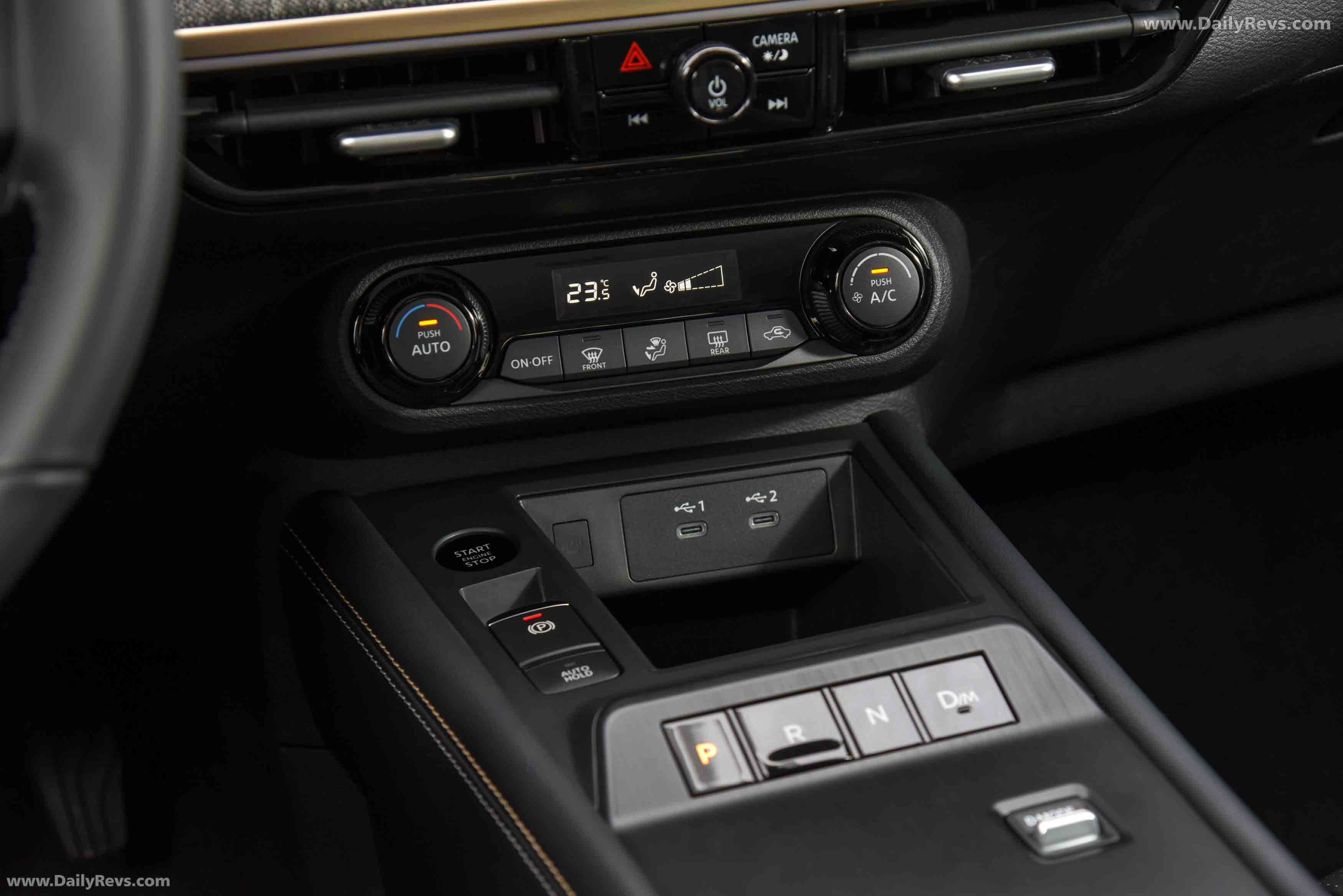
Interior enhancements: electronic parking brake, auto-hold, soft-touch materials
-
-
Price (Brazil)
-
Entry trim (Sense): ~R$130,000
-
Top trim (Platinum): ~R$190,000
-