



2025 Nissan Ariya EV
By Lorenzo Bianchi December 24, 2025
Cleaner front-end design replaces the heavy blacked-out fascia.
Powertrain lineup carries over with ride comfort as the main engineering focus.
Subtle interior and software updates underline a mid-cycle refinement.
Design and Proportions of the Vehicle
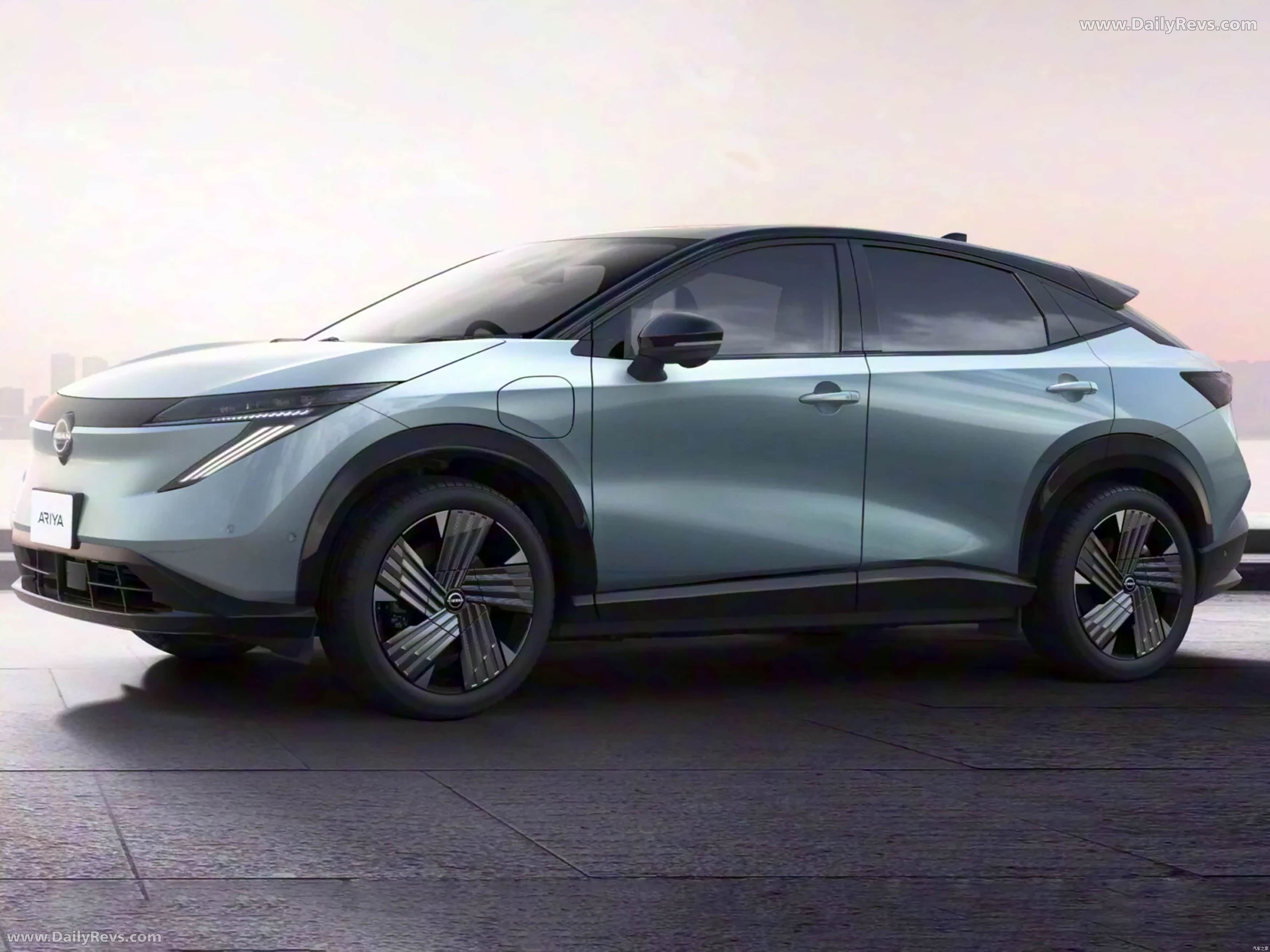
The 2025 Nissan Ariya EV presents itself as a quiet but deliberate evolution. From the press images, the overall silhouette remains unchanged: a wide-set electric crossover with short overhangs, a low hood line, and a roof that tapers gently rather than aggressively. The stance still prioritizes stability and visual width over sportiness.
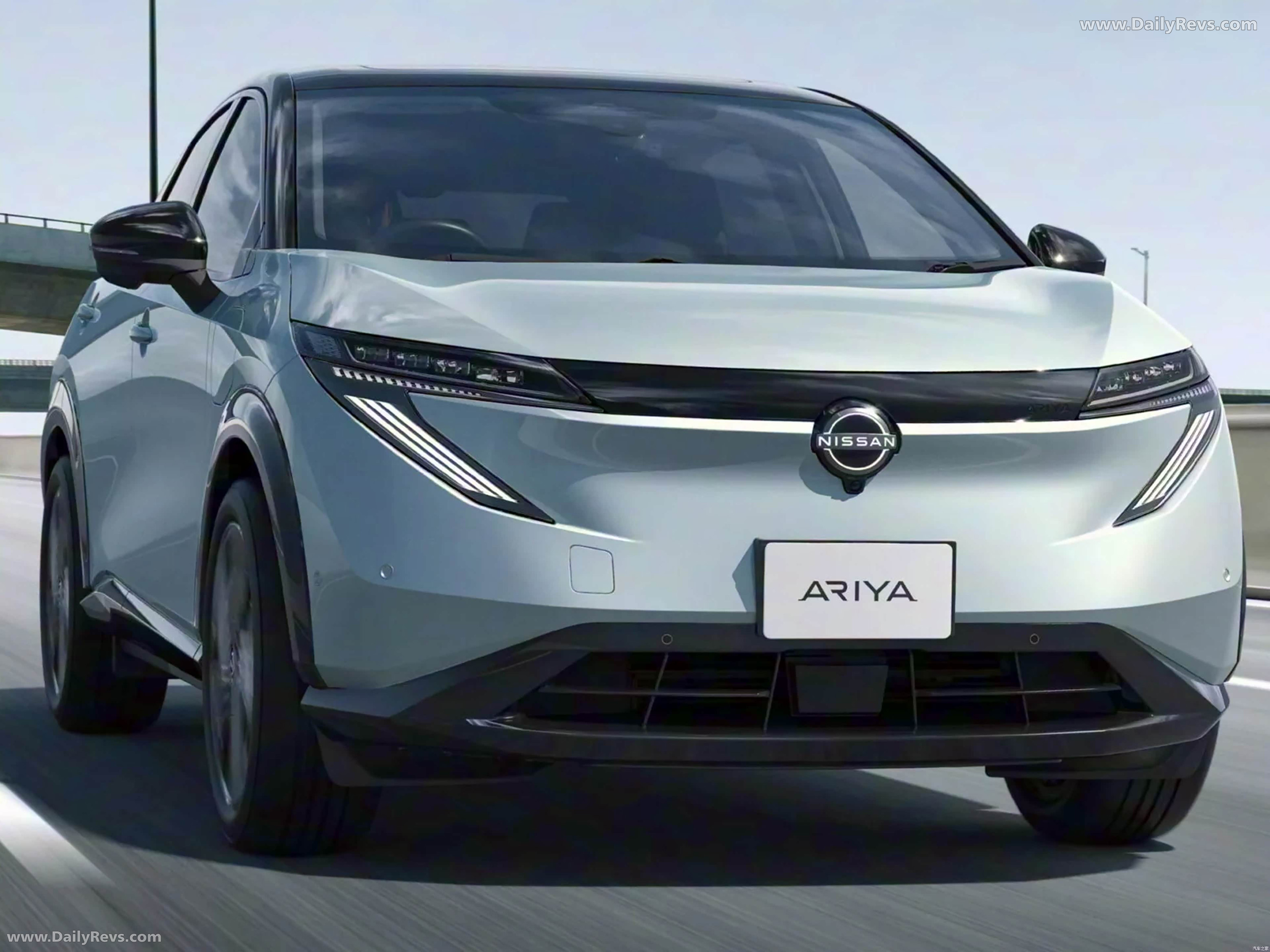
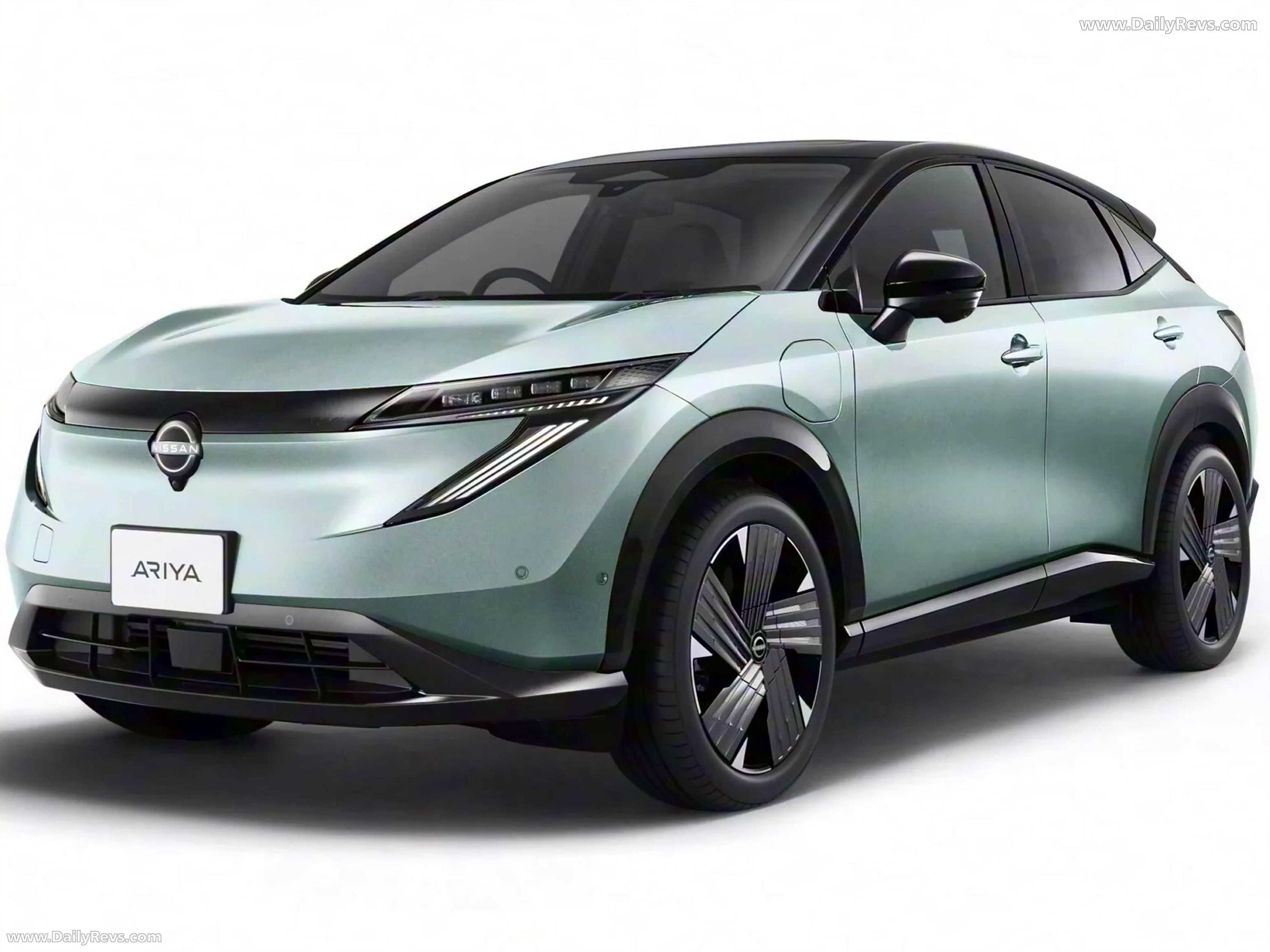
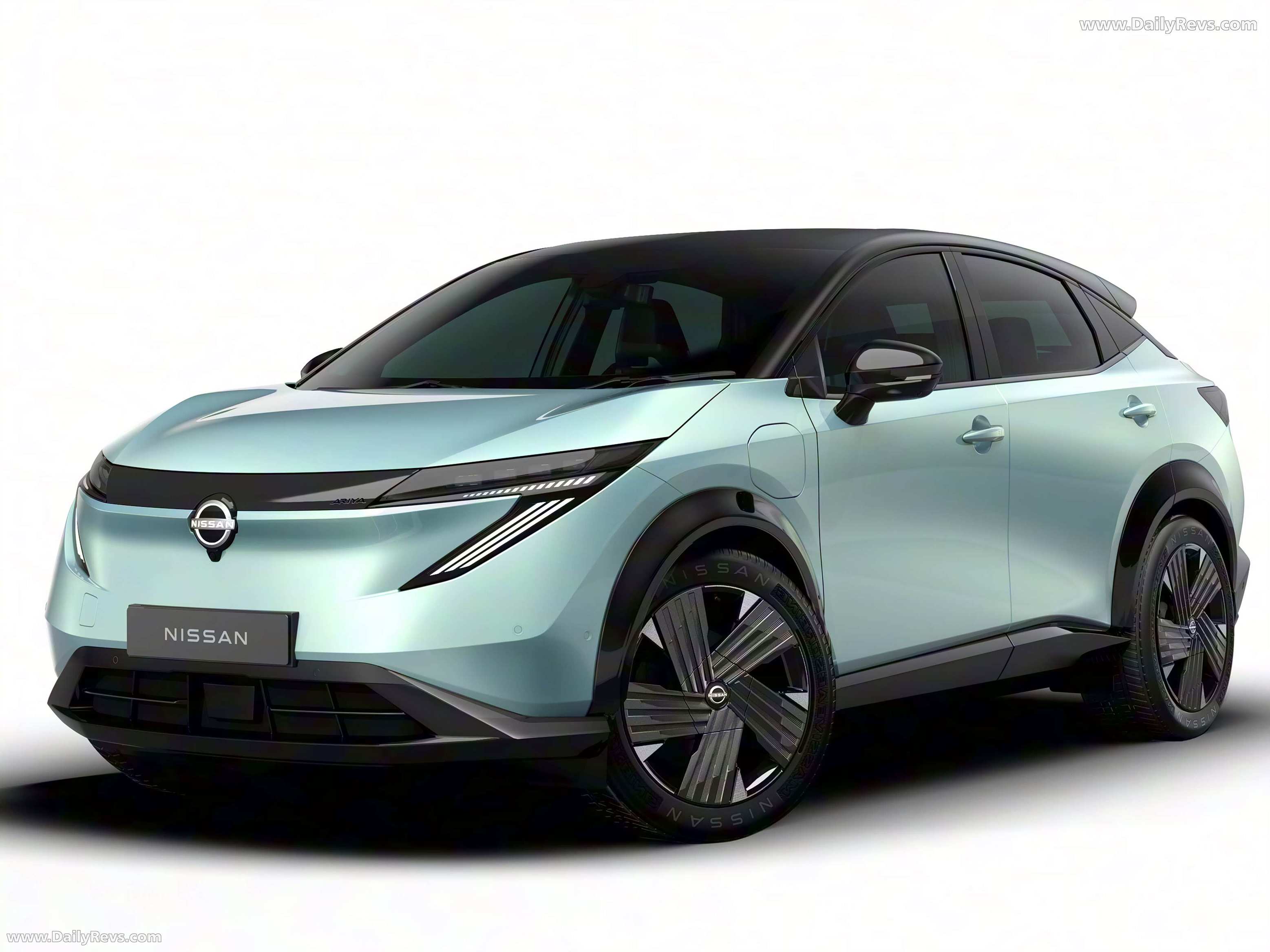
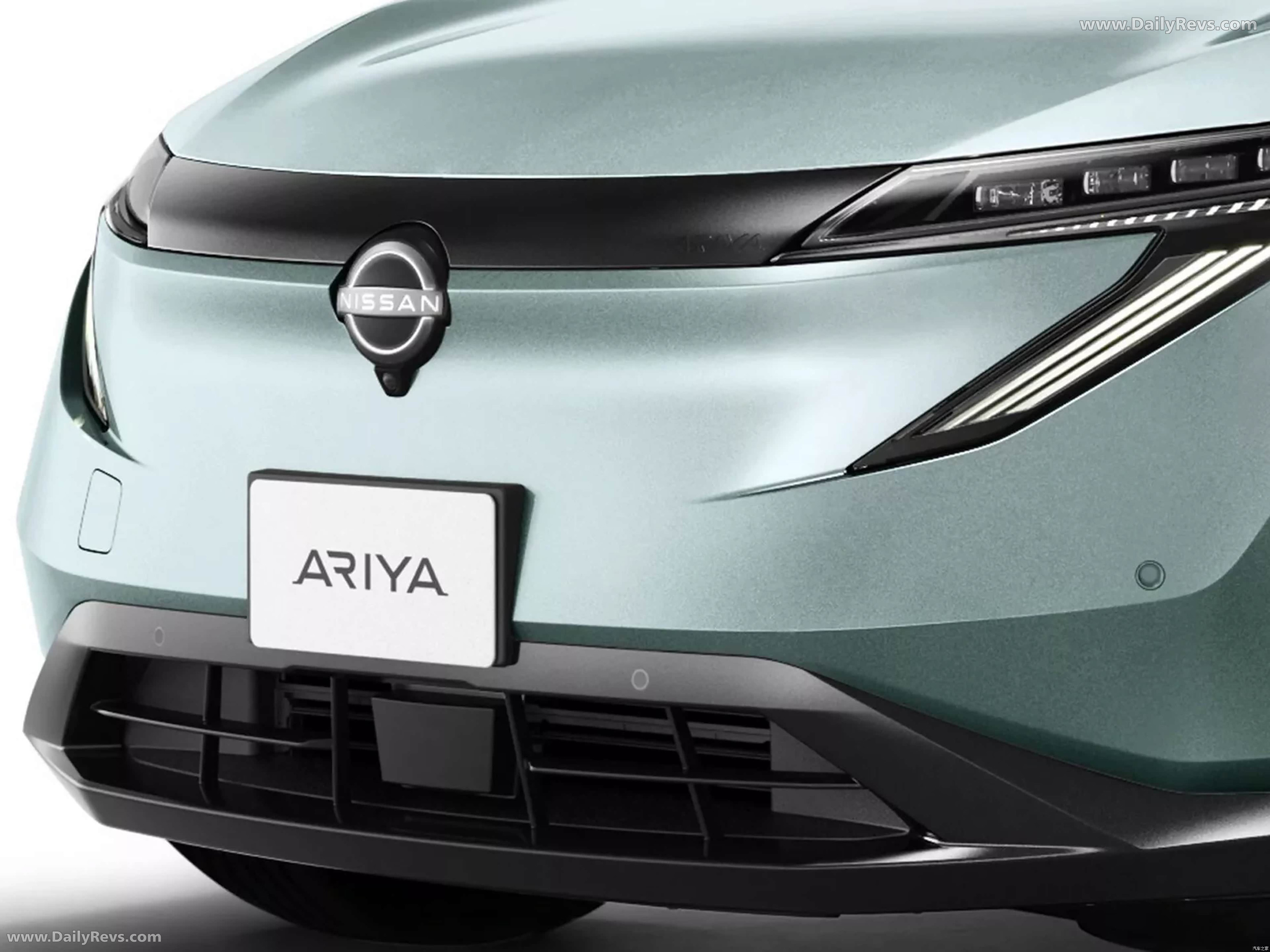
The most visible changes are concentrated at the front. Nissan has removed the large black panel that previously dominated the Ariya’s nose, replacing it with a slimmer black strip linking the headlights. This immediately lightens the face and allows the body color to do more work. The headlights themselves adopt a new “7-shaped” layout, with daytime running lights positioned lower and the primary light elements above. The illuminated Nissan emblem remains centered, now standing out more clearly against the simplified background. Side air ducts integrated into the earlier front fascia have been deleted, reducing visual clutter.
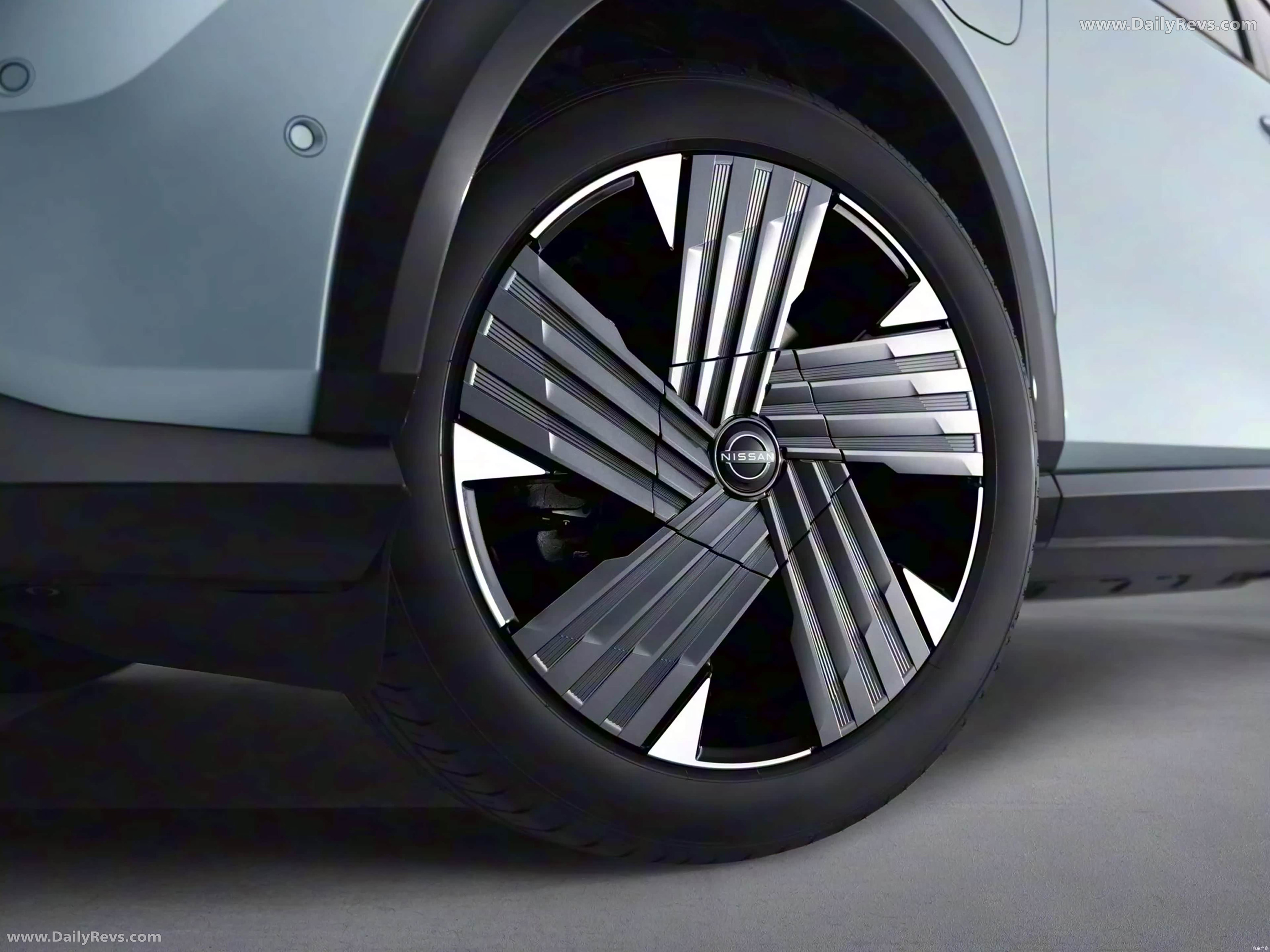
Newly designed 20-inch alloy wheels sharpen the side profile, adding a sense of motion without changing proportions. At the rear, the Ariya stays familiar, retaining its full-width taillight bar and clean surfacing. The overall impression is calmer and more resolved, as if Nissan has trimmed excess rather than added features
Overview of Performance and Powertrain
The 2025 Ariya EV maintains mechanical consistency with the current series. Dual-motor versions can generate up to 290 kW, while single-motor variations continue to produce 160 kW and 178 kW.
The arrangement prioritizes smooth, linear delivery over chasing performance headlines, keeping the Ariya firmly in the mainstream electric crossover sector.
Range figures quoted under the CLTC cycle span approximately 501 km to 623 km, depending on configuration, with dual-motor versions showing slightly reduced numbers. Nissan has not announced changes to battery capacity or drivetrain hardware. Instead, attention has shifted to suspension tuning, with revisions aimed at improving ride comfort. It is a telling decision, suggesting real-world refinement has taken priority over specification escalation.Important
Elements and Interior View
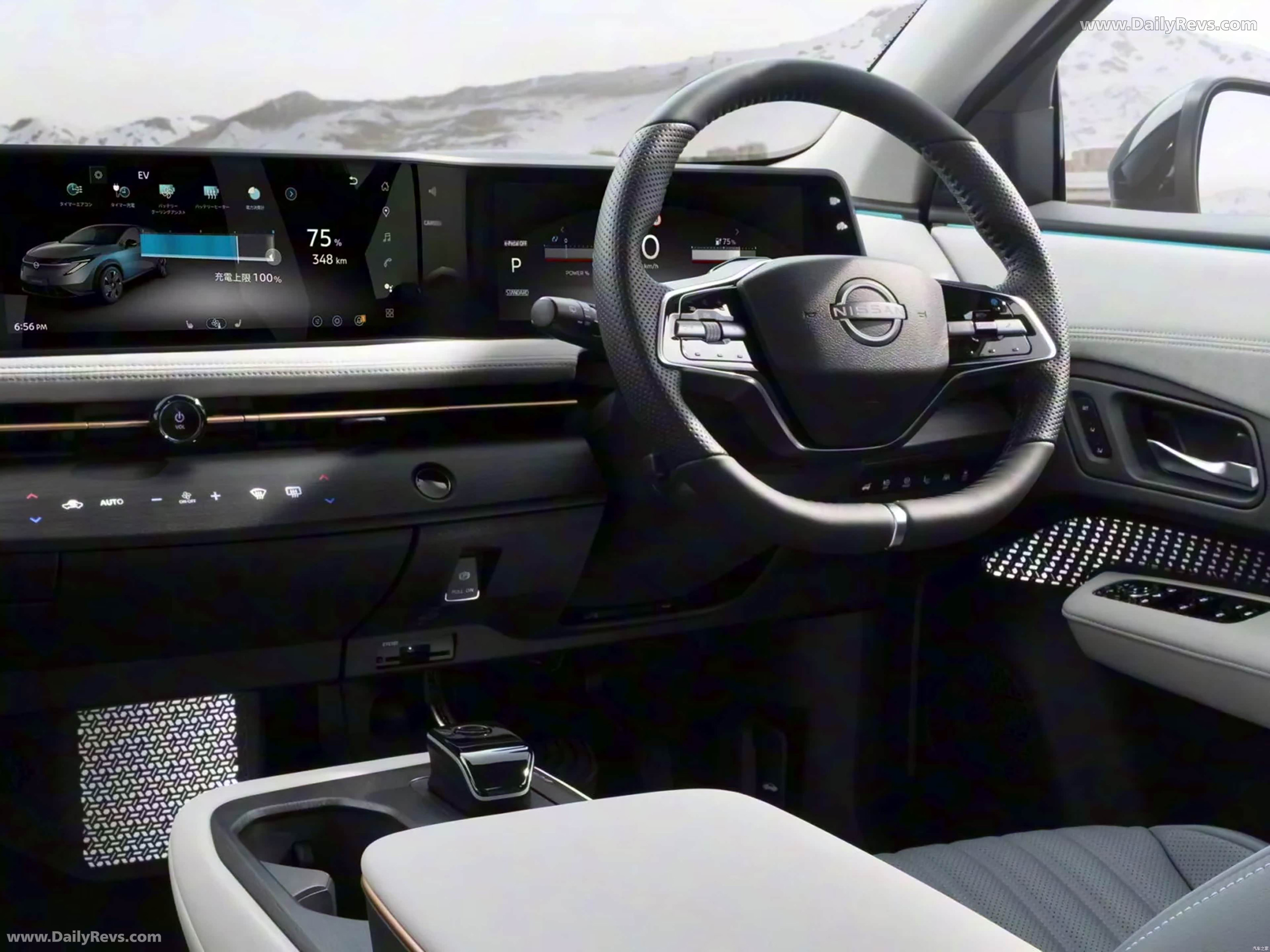
The Ariya's modest cabin design is still visible inside. The horizontal dashboard design, integrated screens, and pristine surfaces maintain the model's lounge-like air from when it first debuted.
Nissan's new interior color palette of green and gray for 2025 offers visual interest without altering materials or layouts. The Ariya's connected-car status is bolstered by the infotainment system's enhanced remote-control functionality and continuous support for Android-based software. The emphasis on usability and remote interaction is consistent with evolving EV ownership patterns, however there are few hardware changes.The interior updates feel measured rather than cosmetic, reinforcing the sense that this is a refinement cycle, not a reset.
Market Positioning and Segment Context
The 2025 Nissan Ariya EV competes in a congested global electric crossover sector with rivals like the Tesla Model Y, Volkswagen ID.4, and Hyundai Ioniq 5. Nissan's strategy for the current model year is noticeably conservative.
Rather than pushing radical design changes or higher outputs, the brand is smoothing edges and improving day-to-day comfort.
Nissan has also confirmed that a Nismo-branded Ariya will appear in overseas markets, using the dual-motor e-4ORCE system with unique exterior styling. Details are scarce, and it appears to be a performance-oriented derivative of the present platform rather than a complete overhaul [Inference].