2025 Mitsubishi Elevance Concept
By Lorenzo Bianchi October 29, 2025
Plug-in hybrid SUV concept showcasing Mitsubishi’s electric and 4WD innovation.
Quad-motor all-wheel control ensures confident performance on and off road.
AI co-driver introduces personalized travel and safety assistance.
Tokyo Showcases Mitsubishi’s Electrified Vision
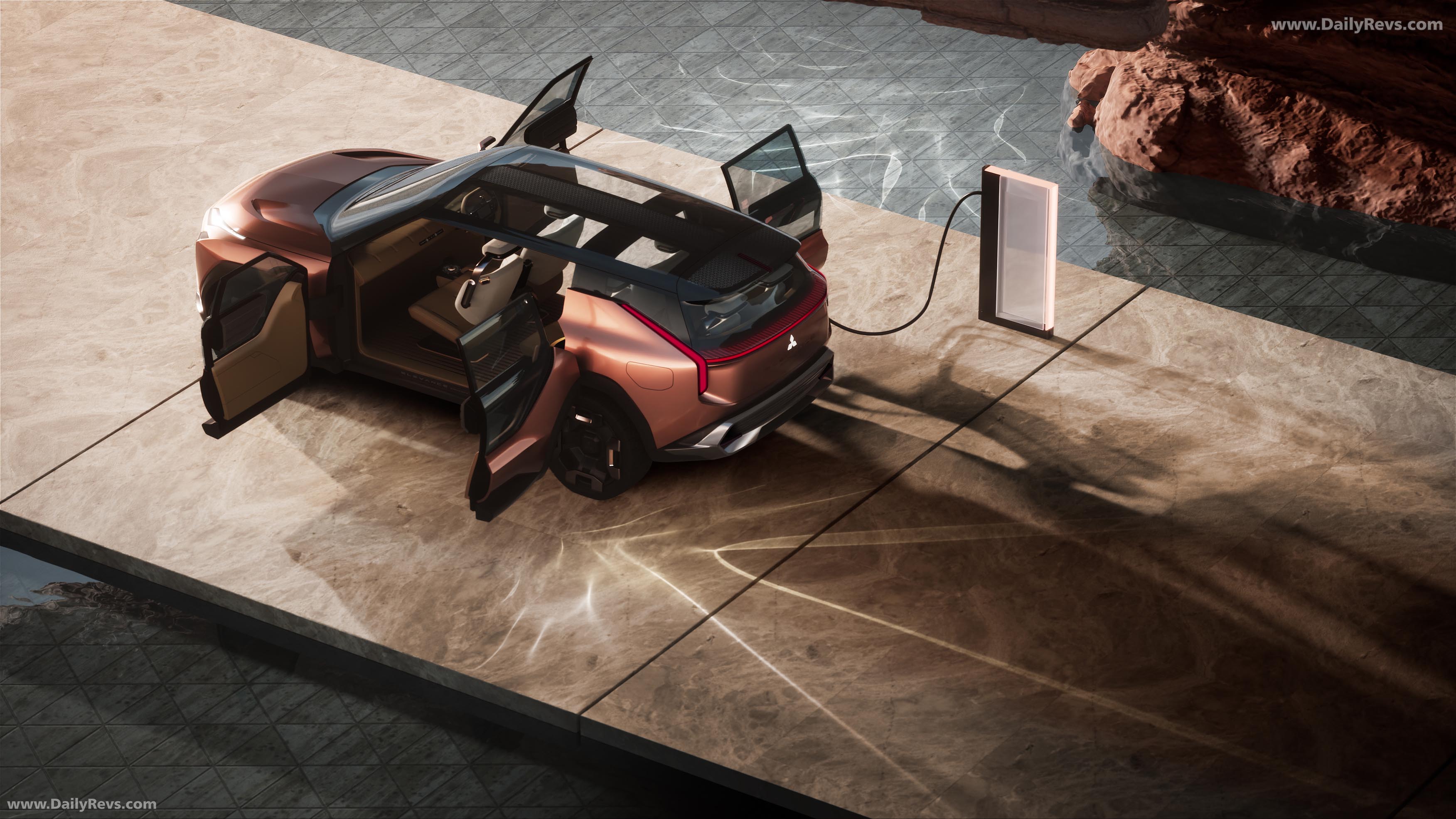
At the Japan Mobility Show 2025, Mitsubishi unveiled something that feels very true to its roots — the 2025 Mitsubishi Elevance Concept, a plug-in hybrid SUV that captures the company’s long-standing connection to exploration. While the market rushes toward fully electric crossovers, Mitsubishi’s concept strikes a balance — technology with purpose, not novelty
President Takao Kato called the theme Forever Adventure, an idea that defines this concept more than any tagline could. It’s designed for those who want the confidence to go anywhere, whether that means carving through city traffic or finding quiet in the mountains.
A Modern Shape for an Old Instinct
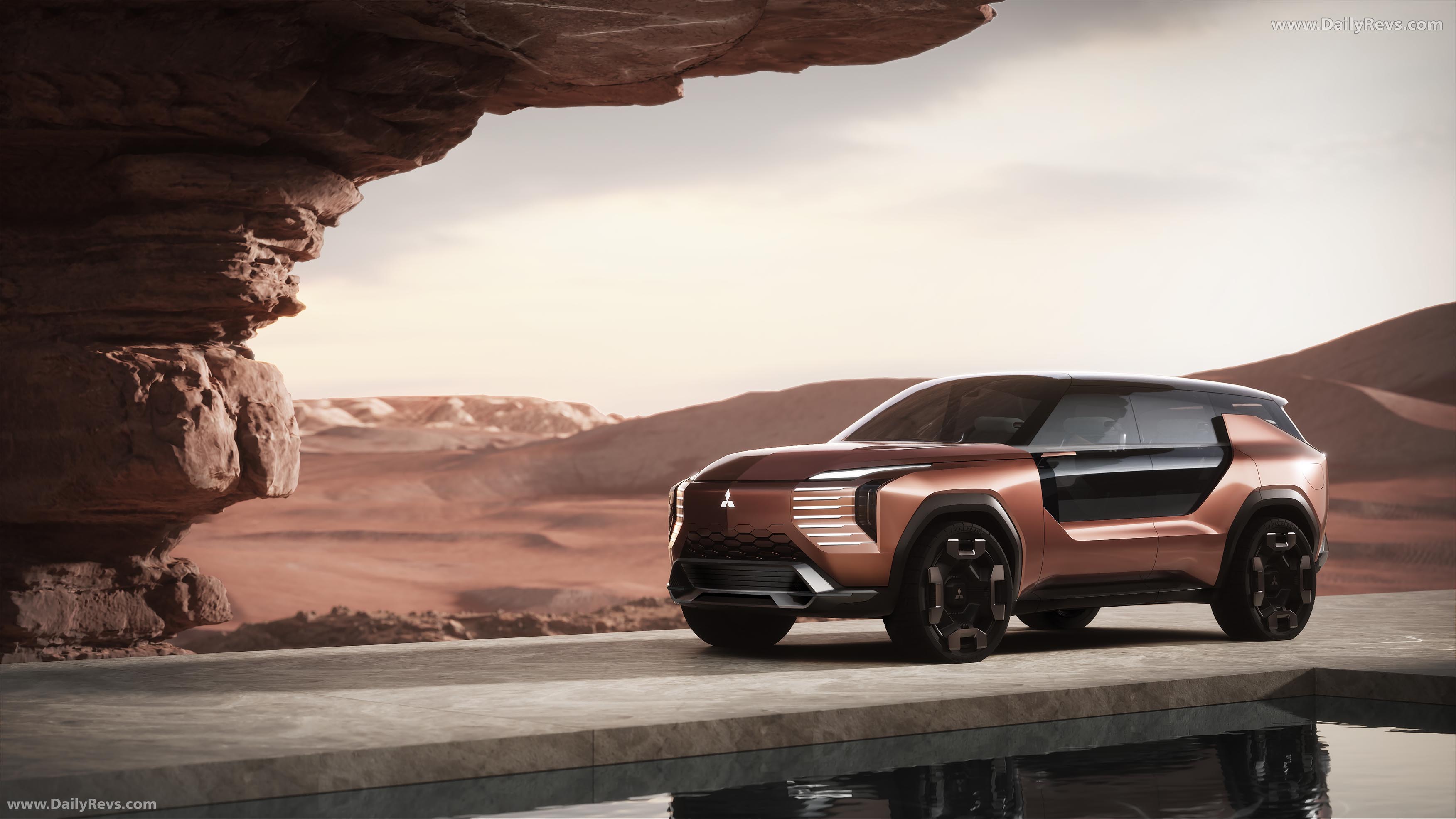
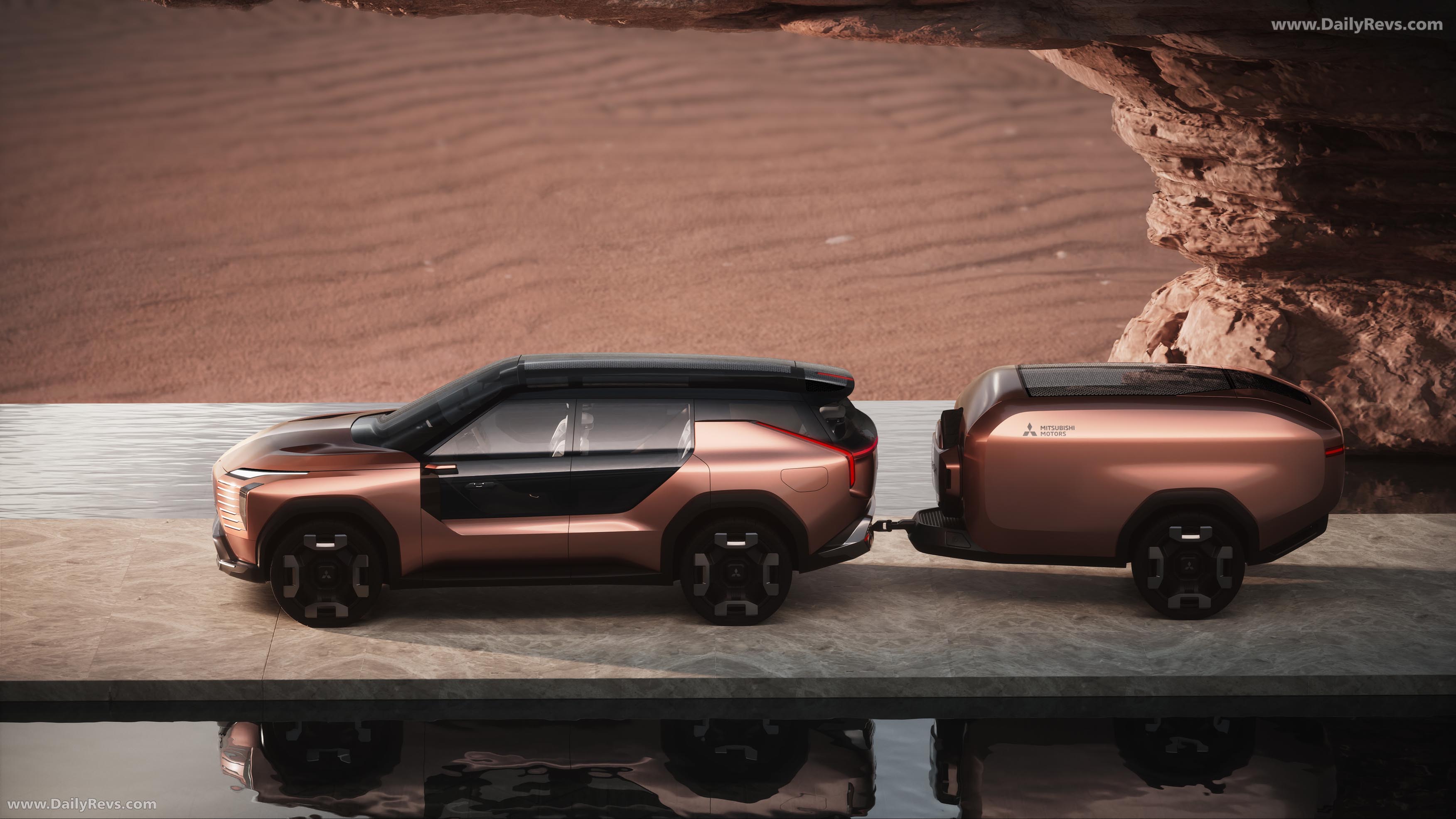
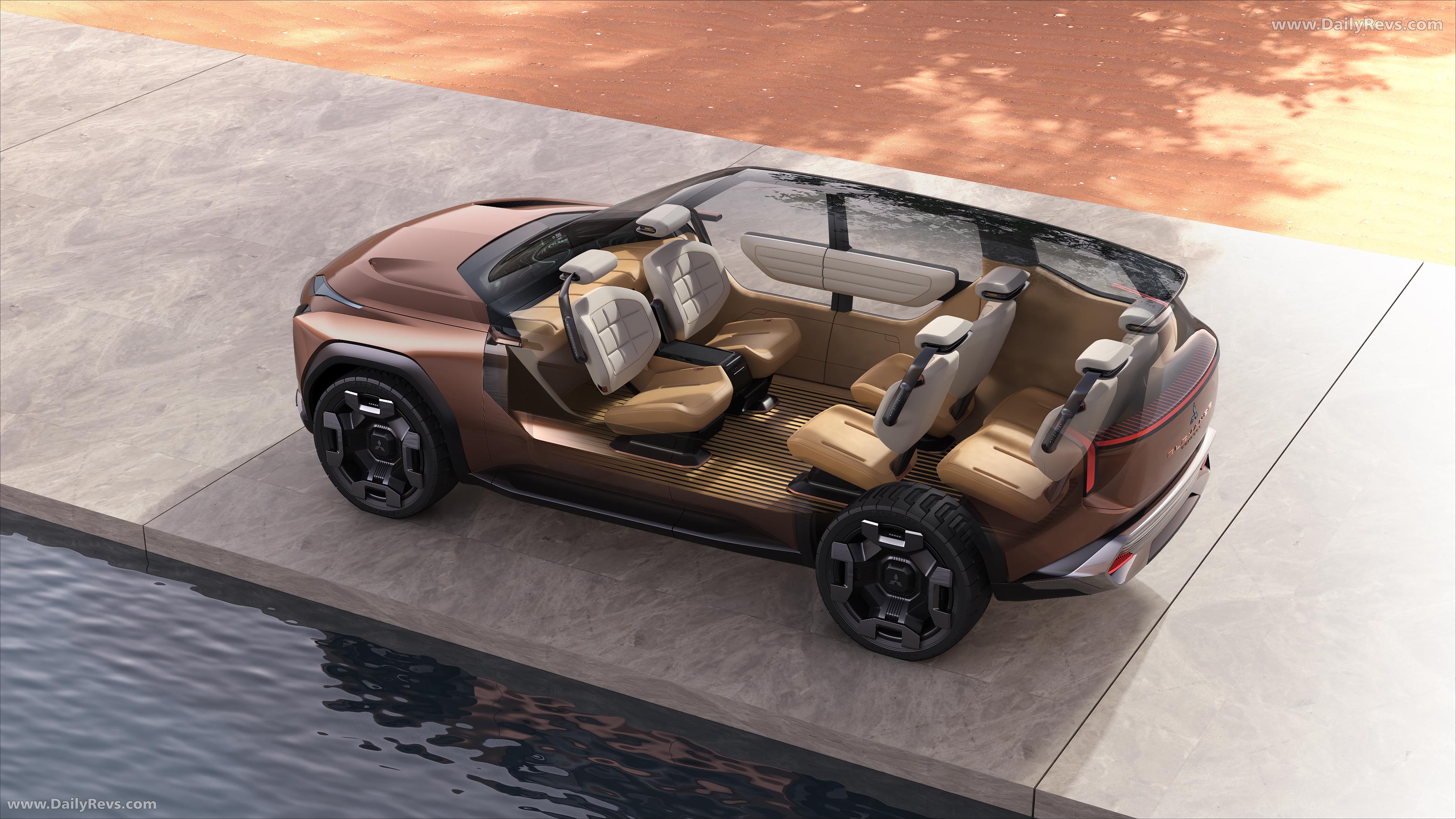
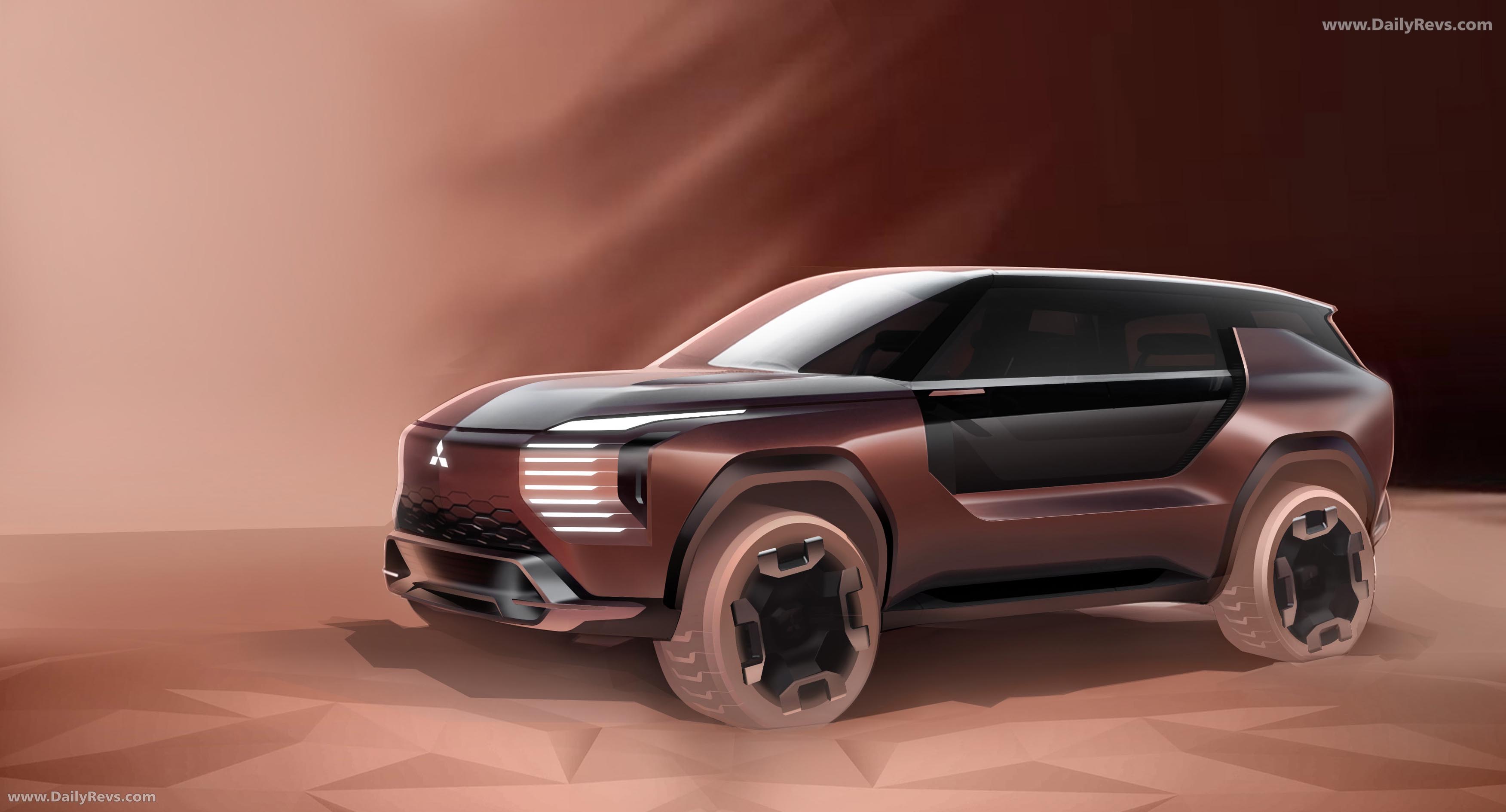
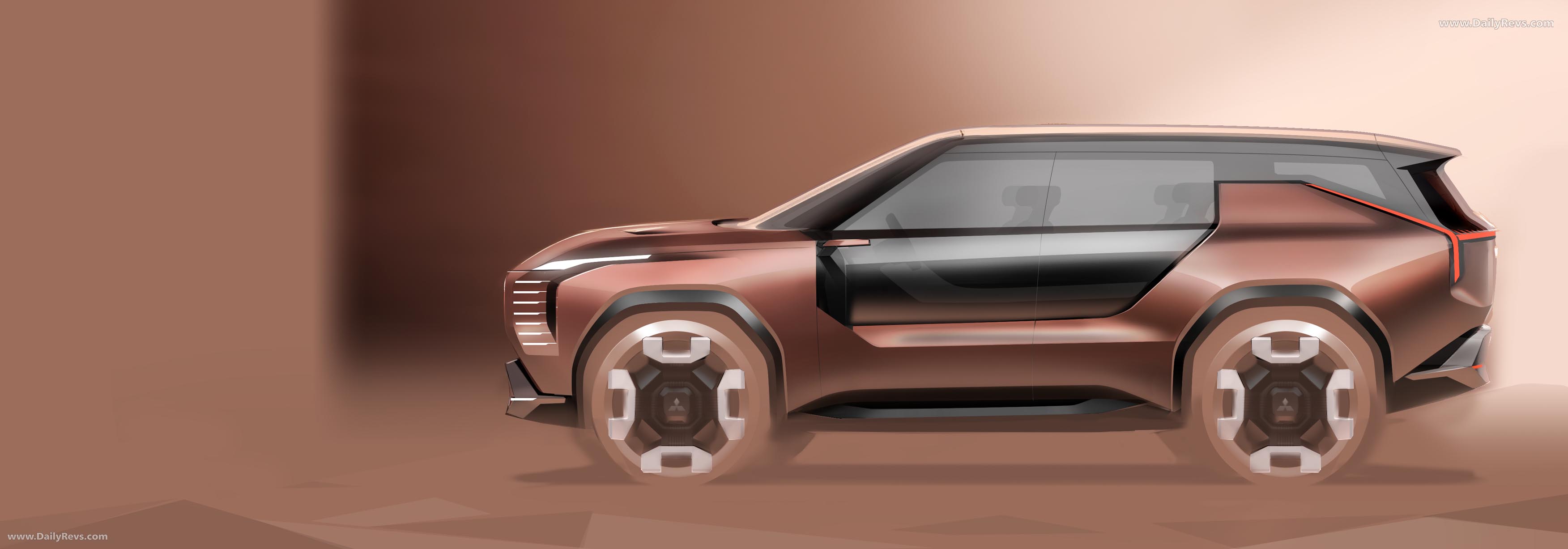
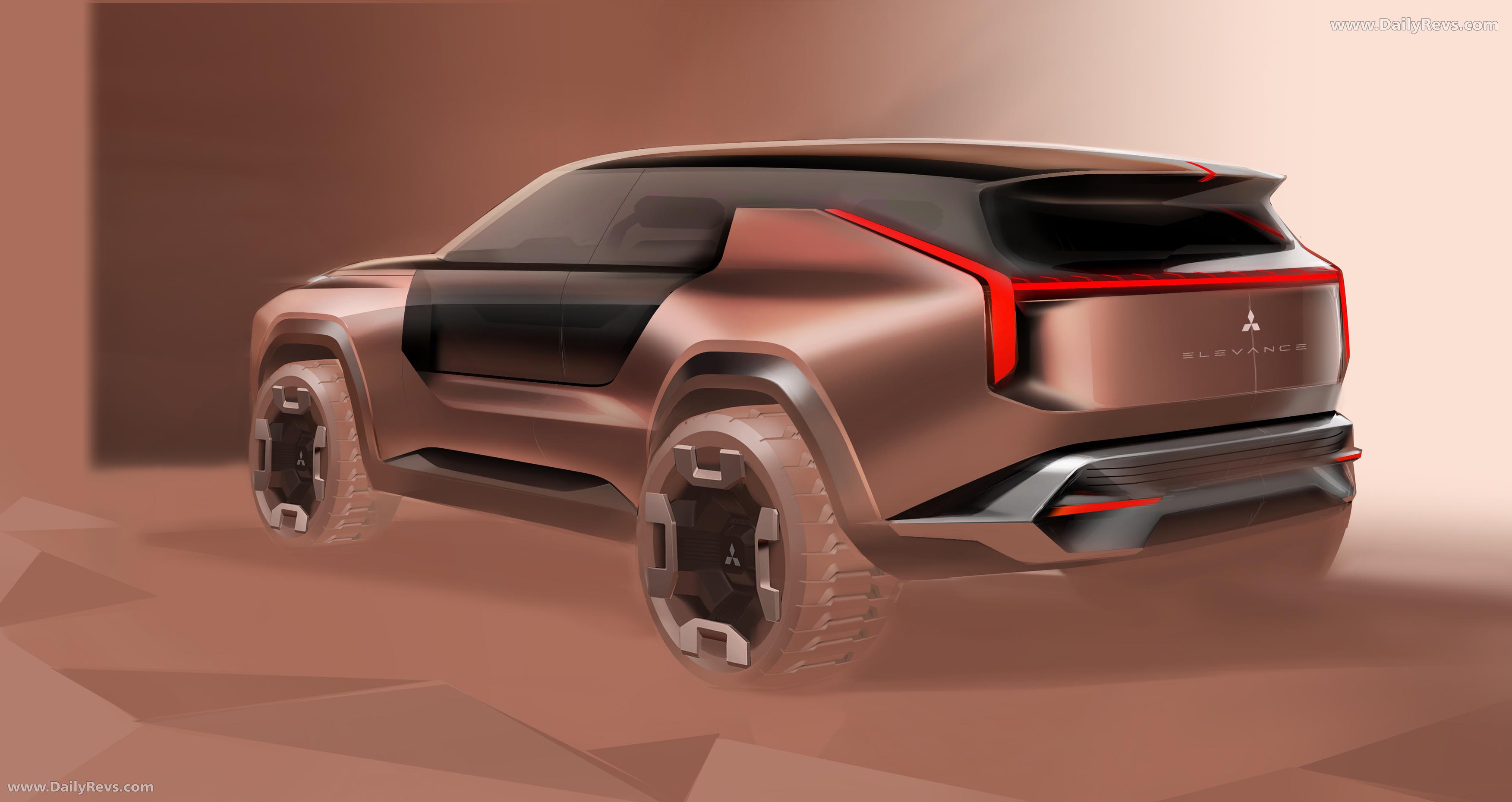
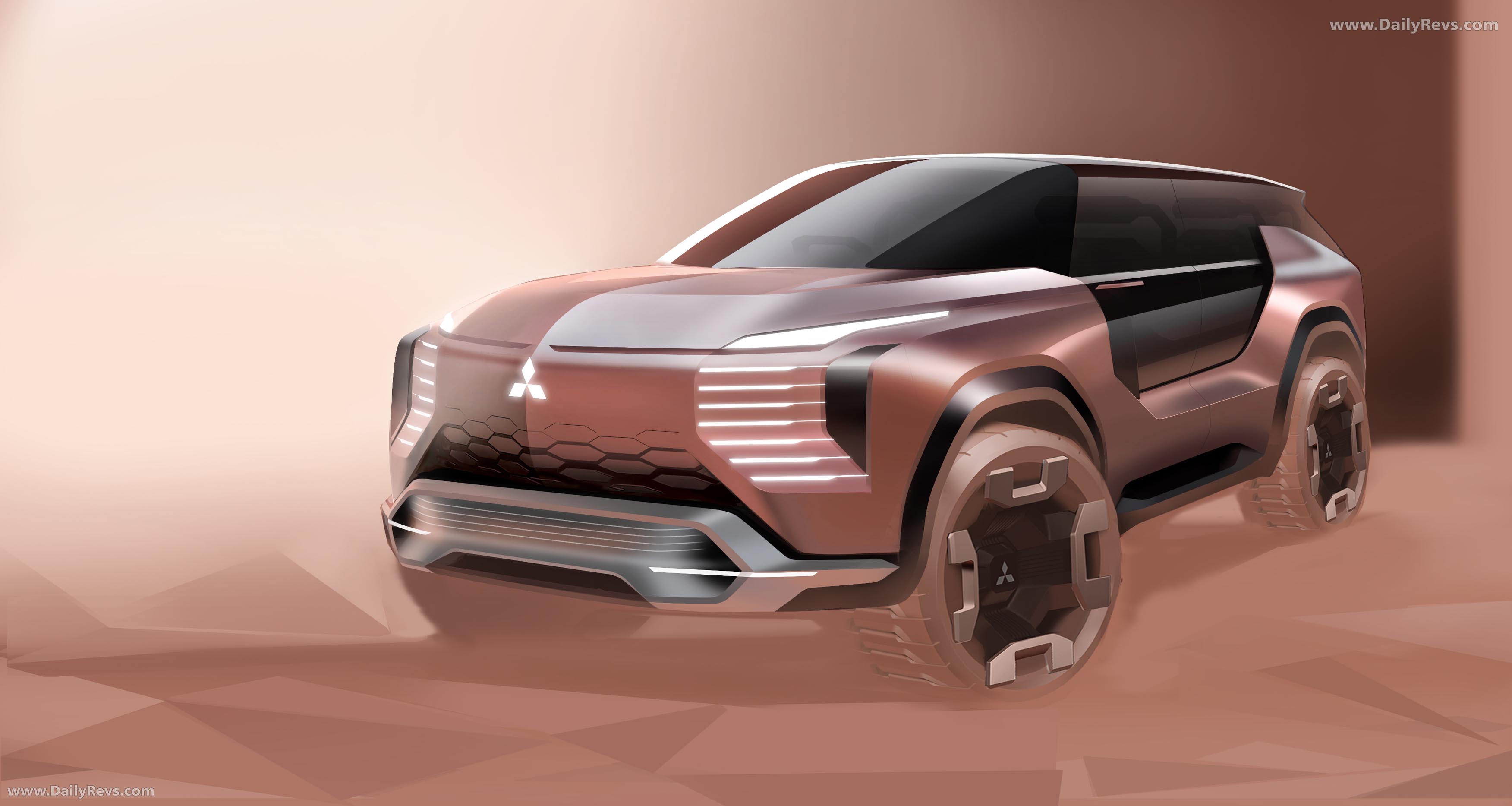
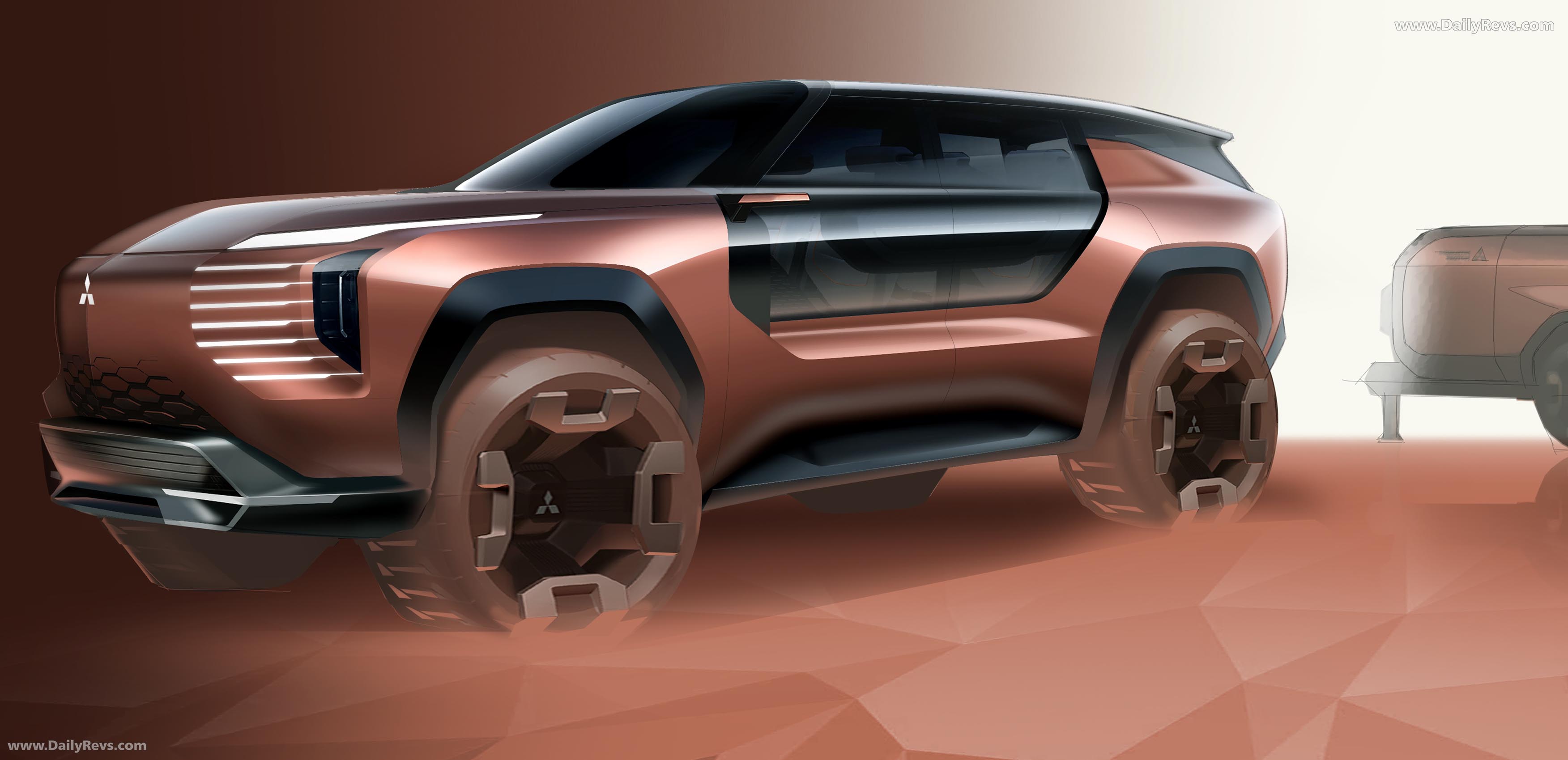
The Elevance looks more sculpted than any SUV Mitsubishi has shown in years. The upper half — a capsule-like cabin — sits atop a strong, muscular lower body. Mitsubishi calls this the “rib-bone frame concept,” designed for structural rigidity and safety. It’s functional, but it gives the car a planted, almost organic stance, like it’s been carved rather than assembled
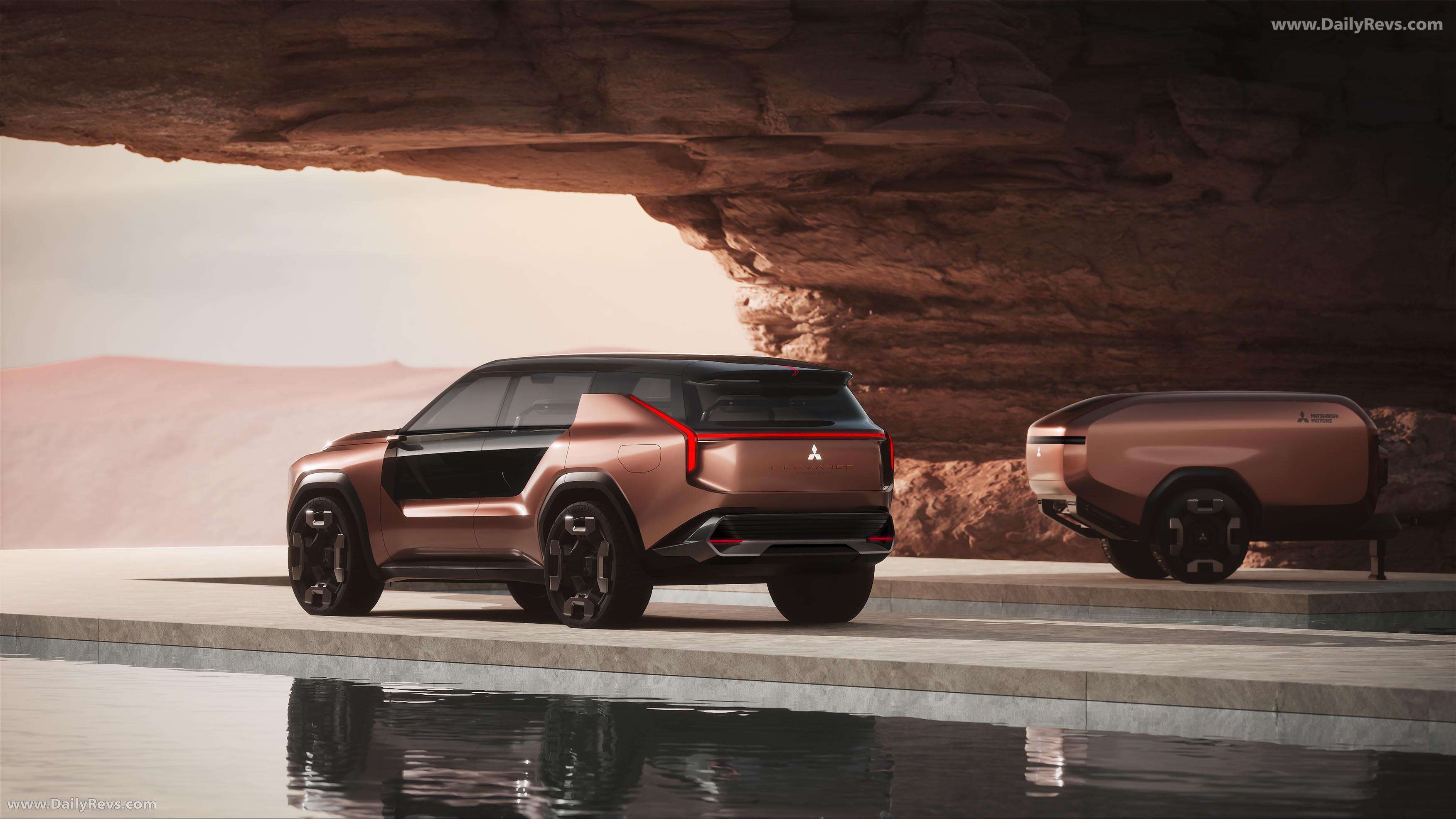
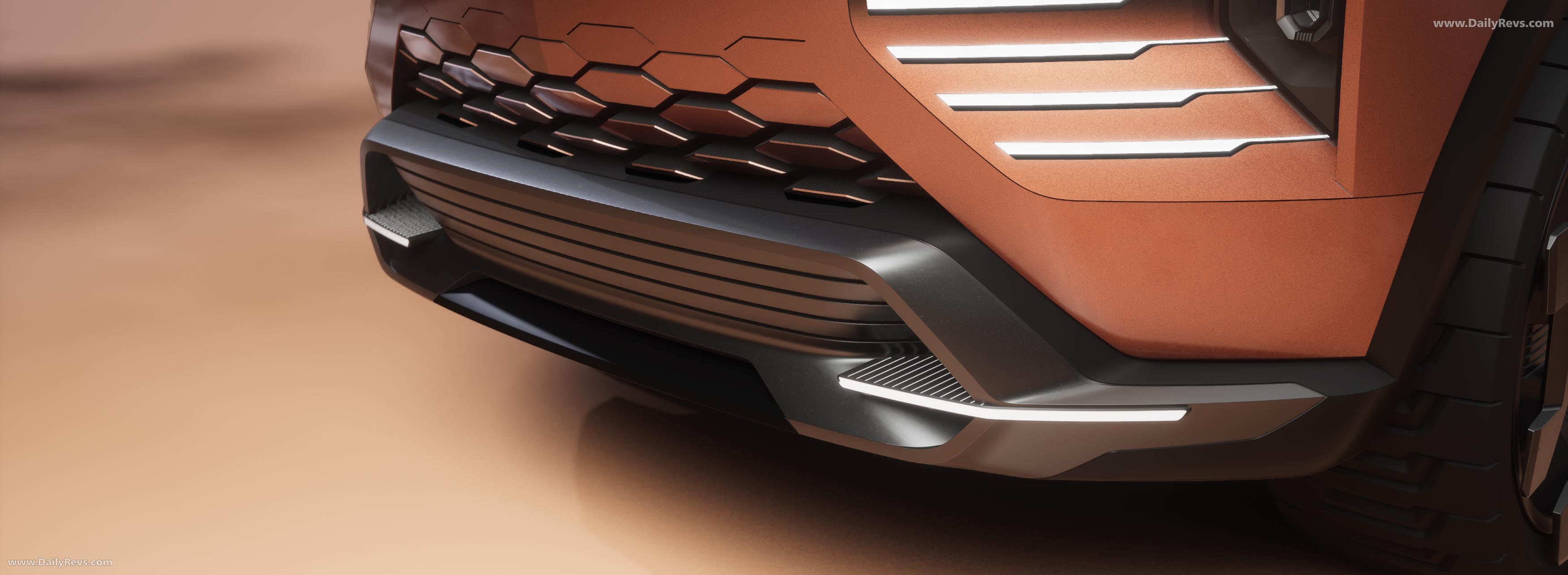
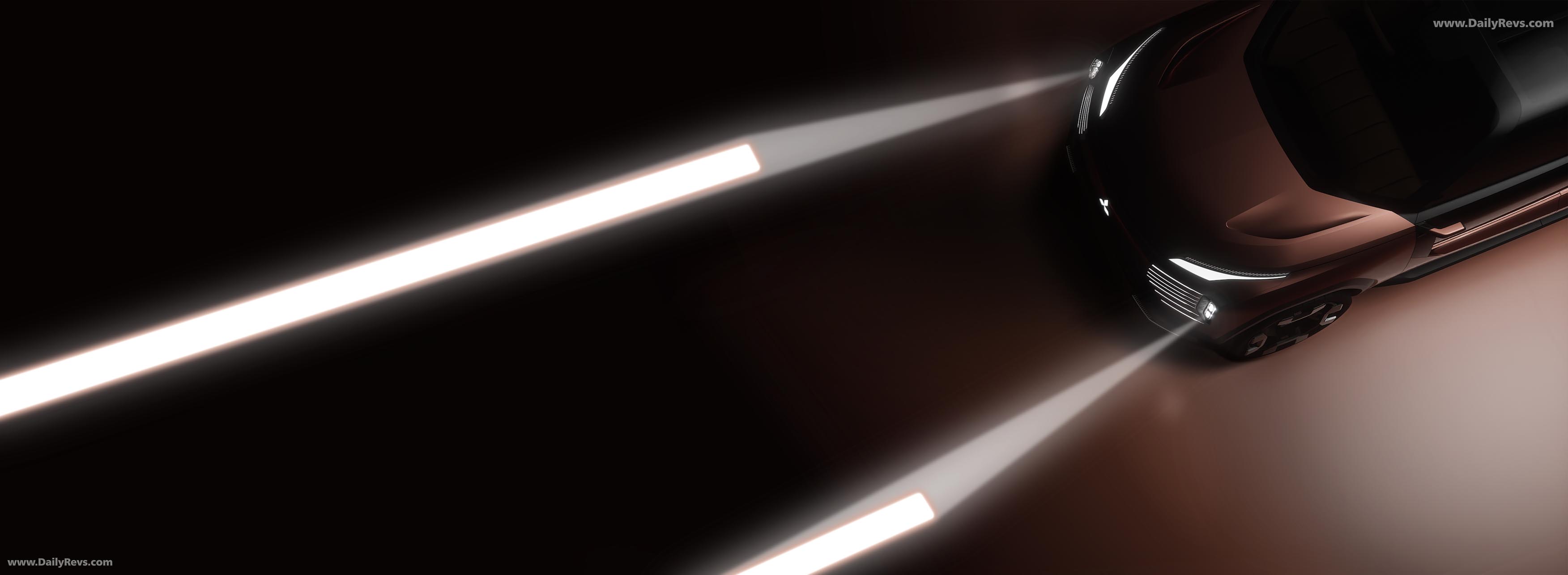
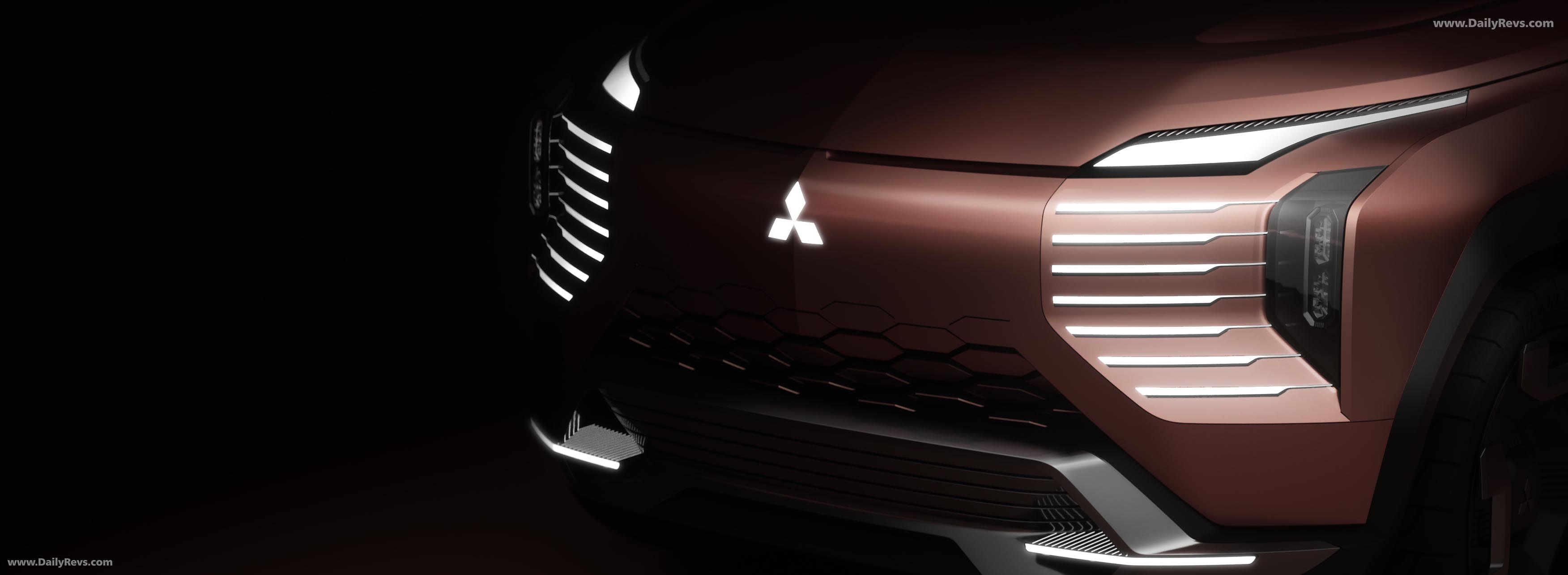
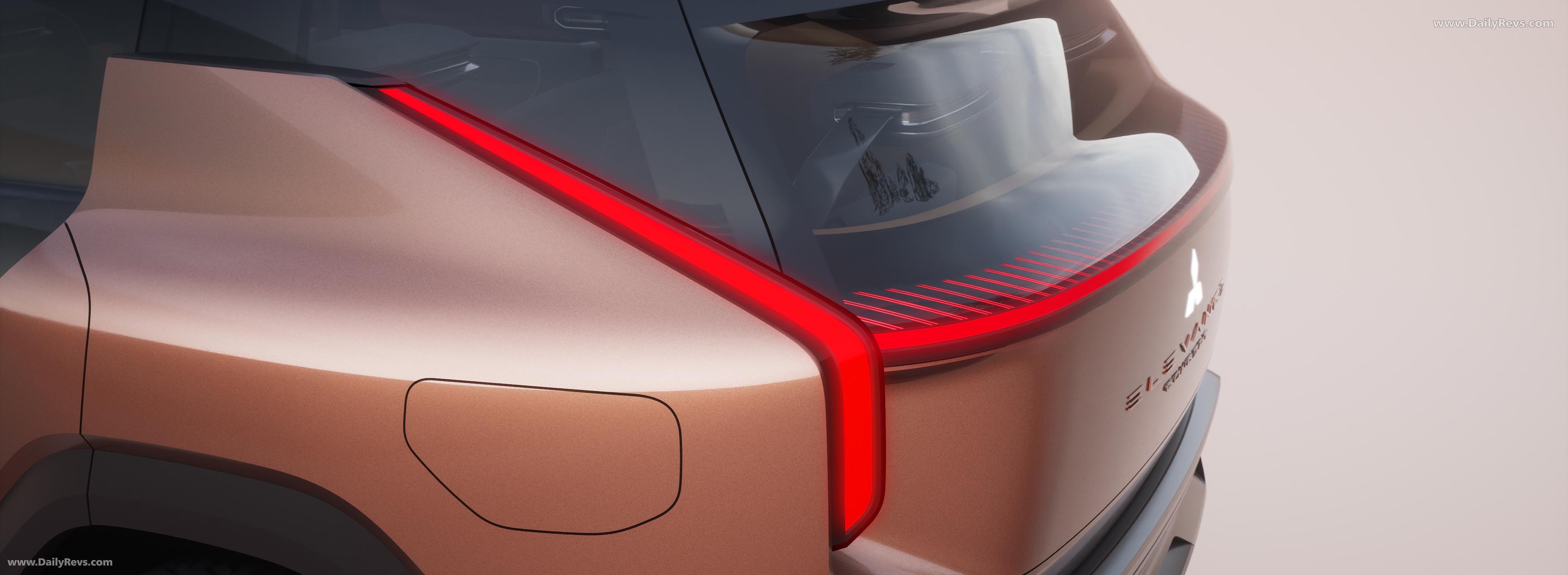
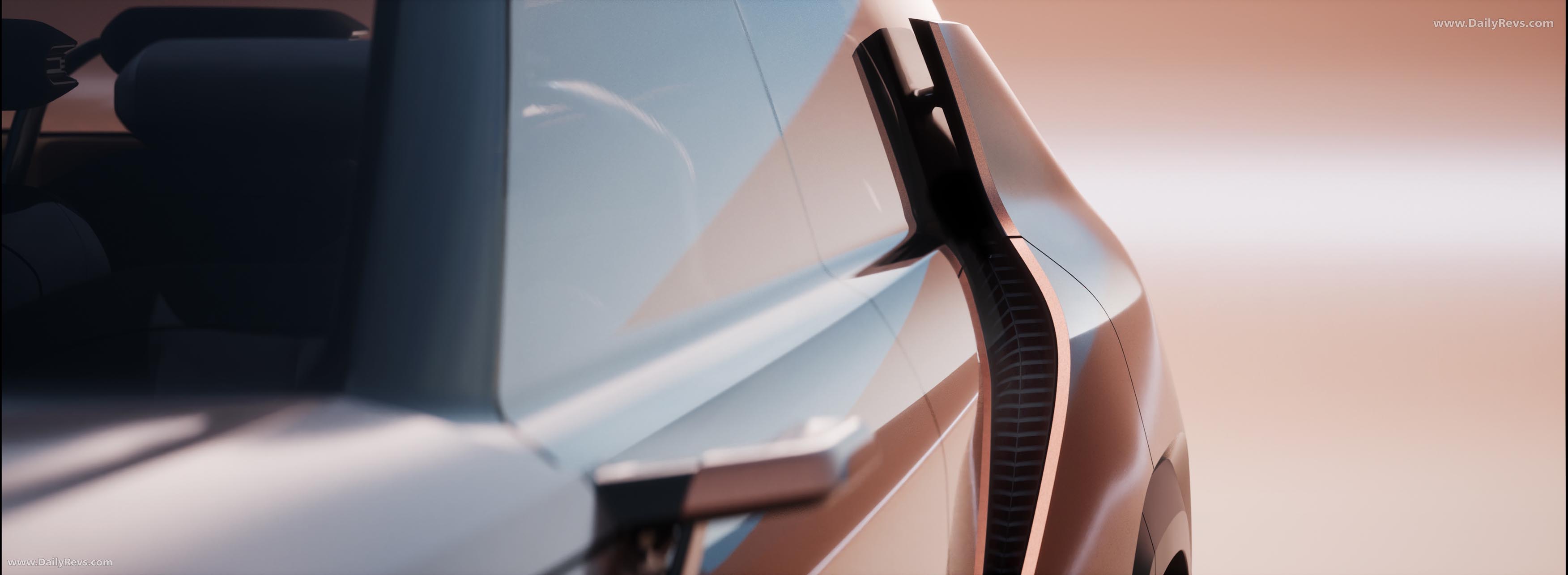
At the front, the familiar Dynamic Shield design remains, now smoother and more technical, framed by a honeycomb grille and sharp LED lighting. The surface treatment feels calm yet deliberate — broad shoulders, lowered side glass, and continuous lines running from nose to tail. It’s not trying too hard to look futuristic. Instead, it looks composed, confident, and quietly premium.
Plug-In Power with All-Wheel Control
Beneath the design, Mitsubishi’s engineering philosophy takes center stage.A high-efficiency gasoline engine that runs on carbon-neutral fuels powers the Elevance's plug-in hybrid electric system. With the hybrid system extending range when necessary, it can manage the majority of daily driving entirely on electricity.
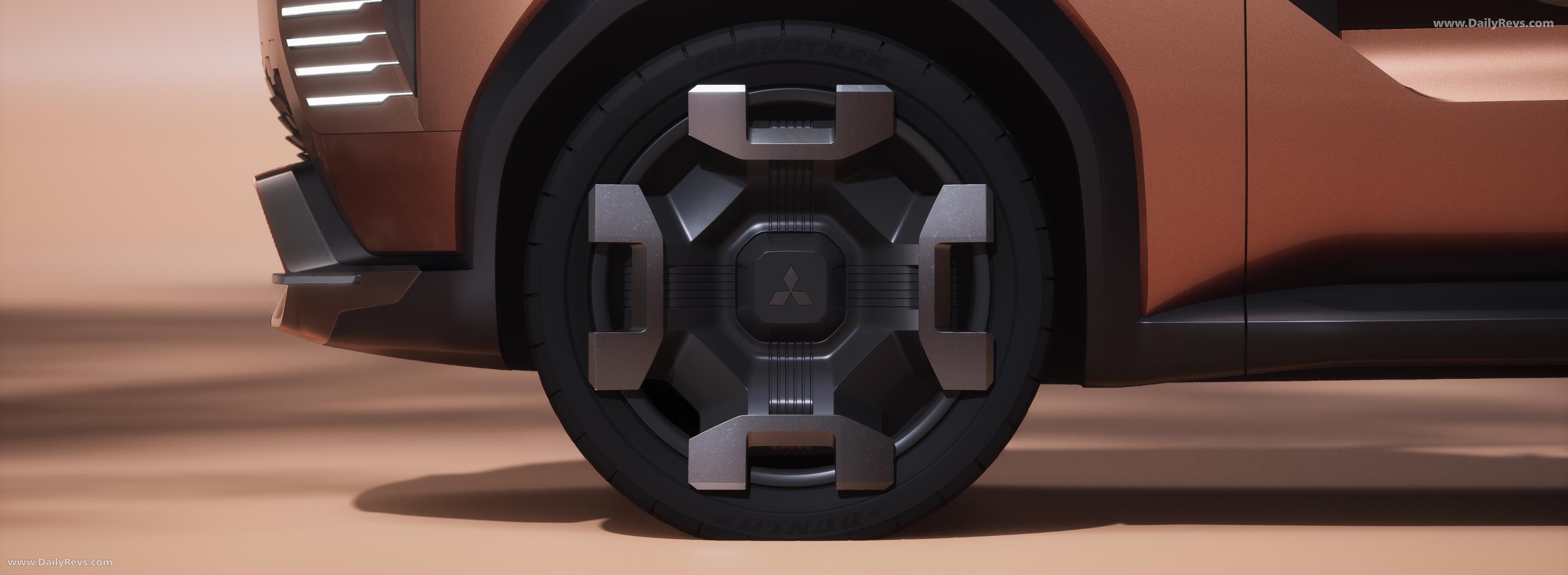
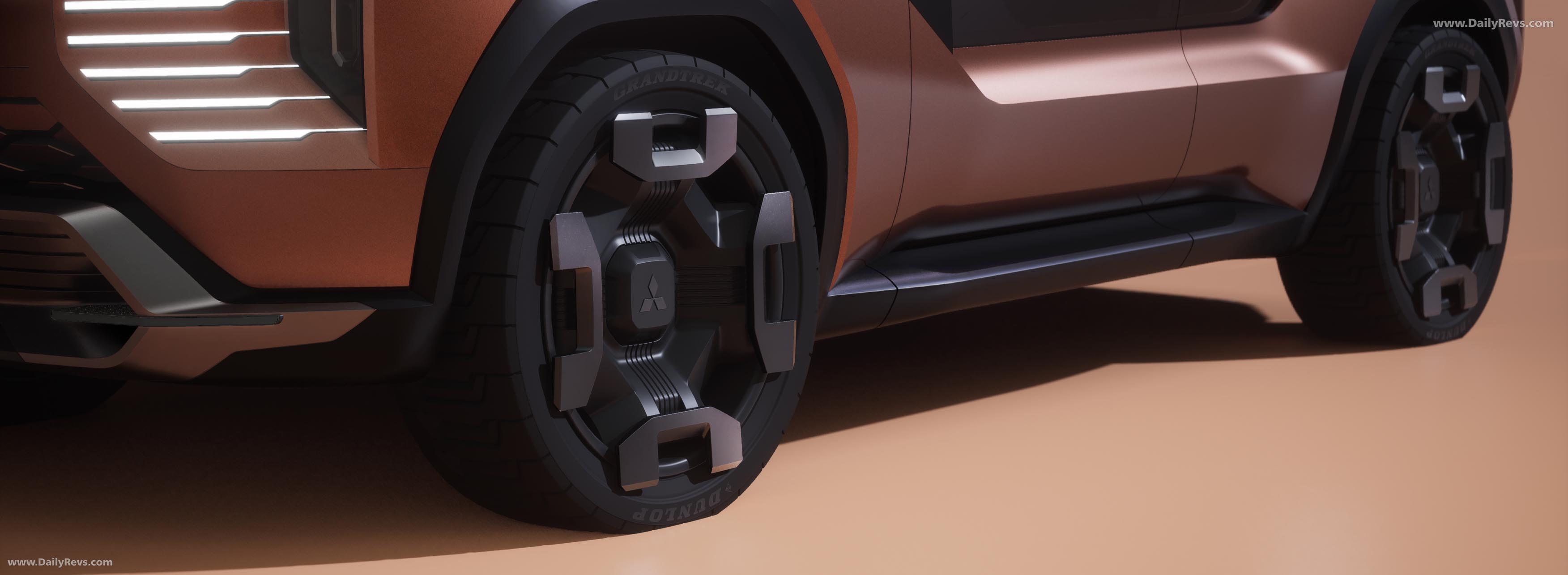
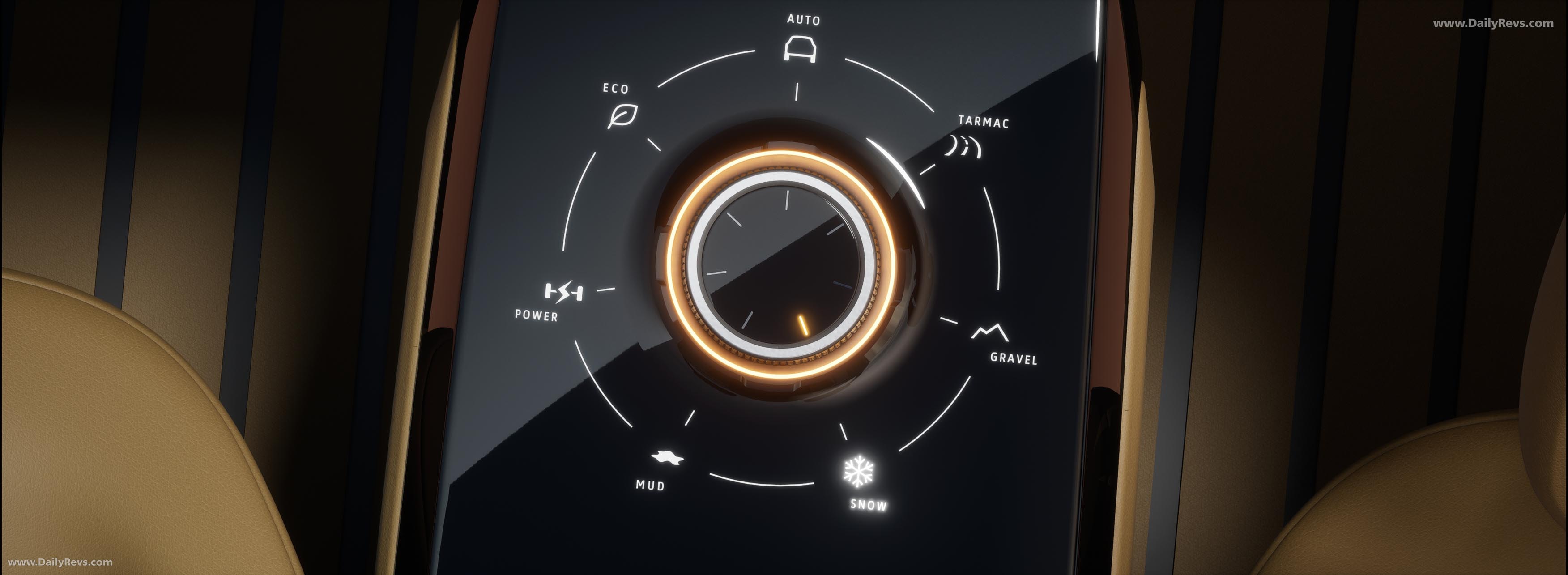
Its quad-motor Super All-Wheel Control (S-AWC) system is where the true innovation is. Each wheel receives its own dedicated torque management through in-wheel motors at the front and a dual Active Yaw Control system at the rear. The result, according to Mitsubishi, is a smoother, more confident drive — one that adapts automatically to varying traction and terrain. Even over uneven ground, the system maintains body composure and reduces sway, giving the ride a steady, almost aircraft-like calmness
Technology That Feels Thoughtful
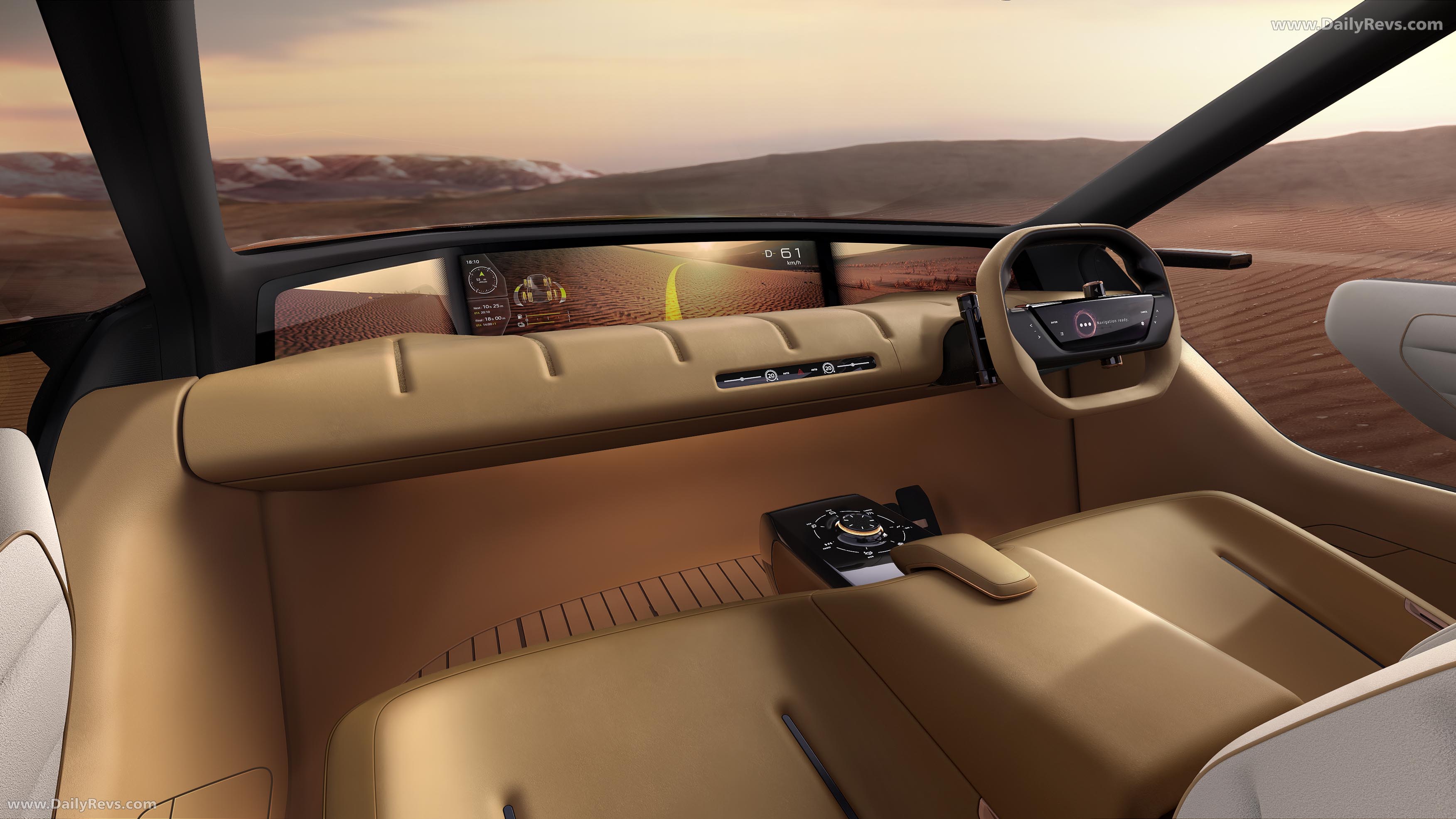
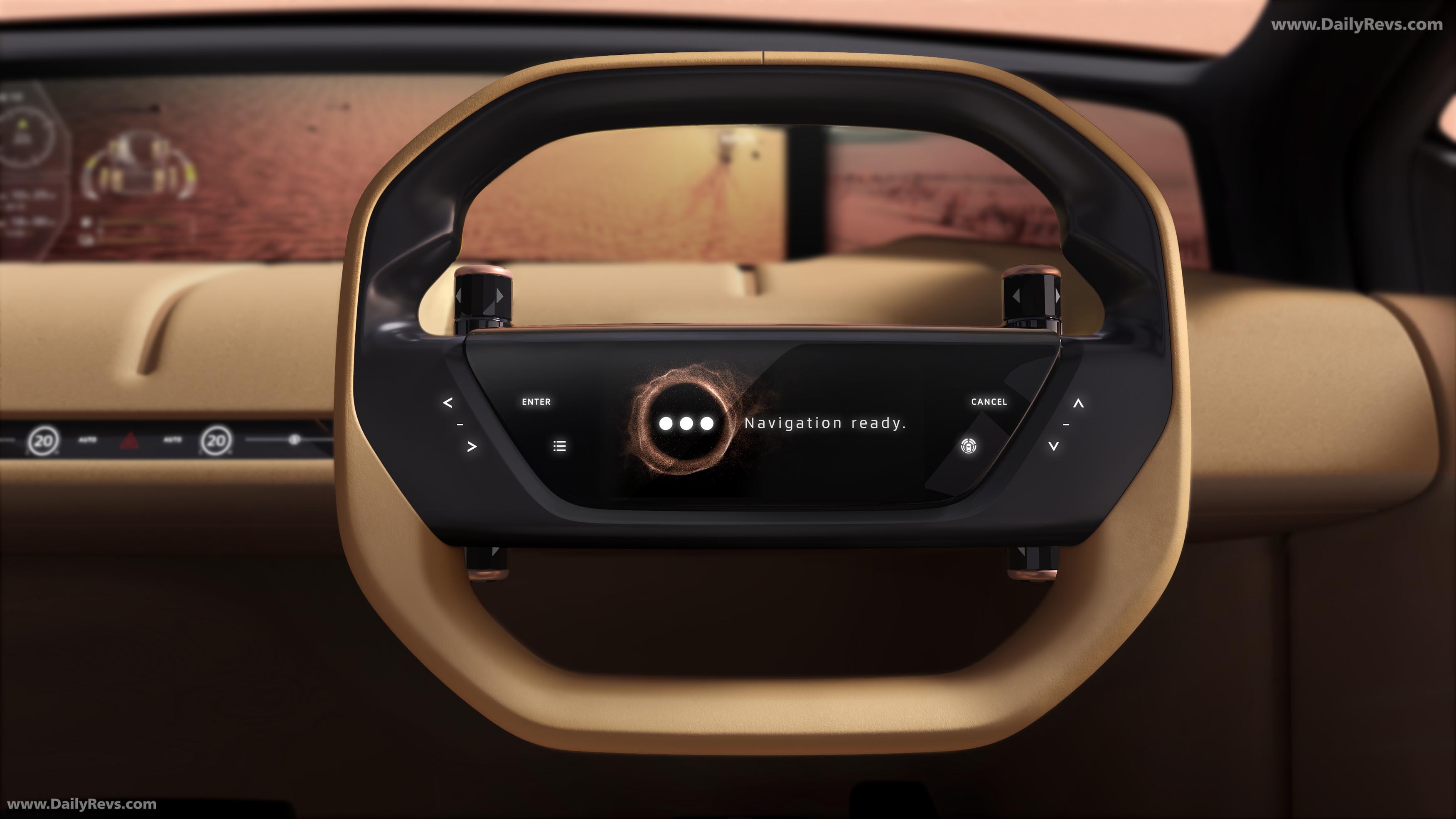
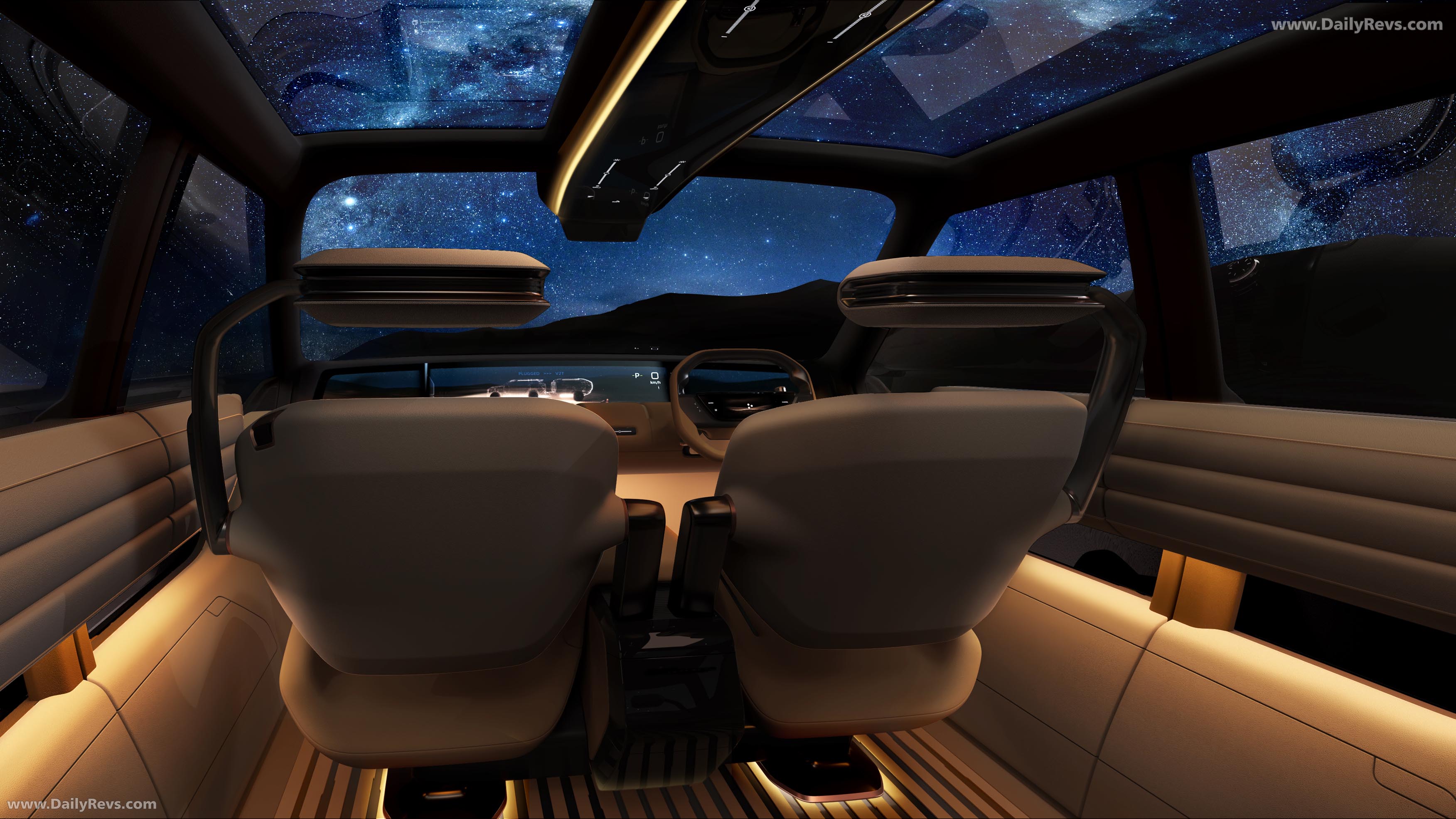
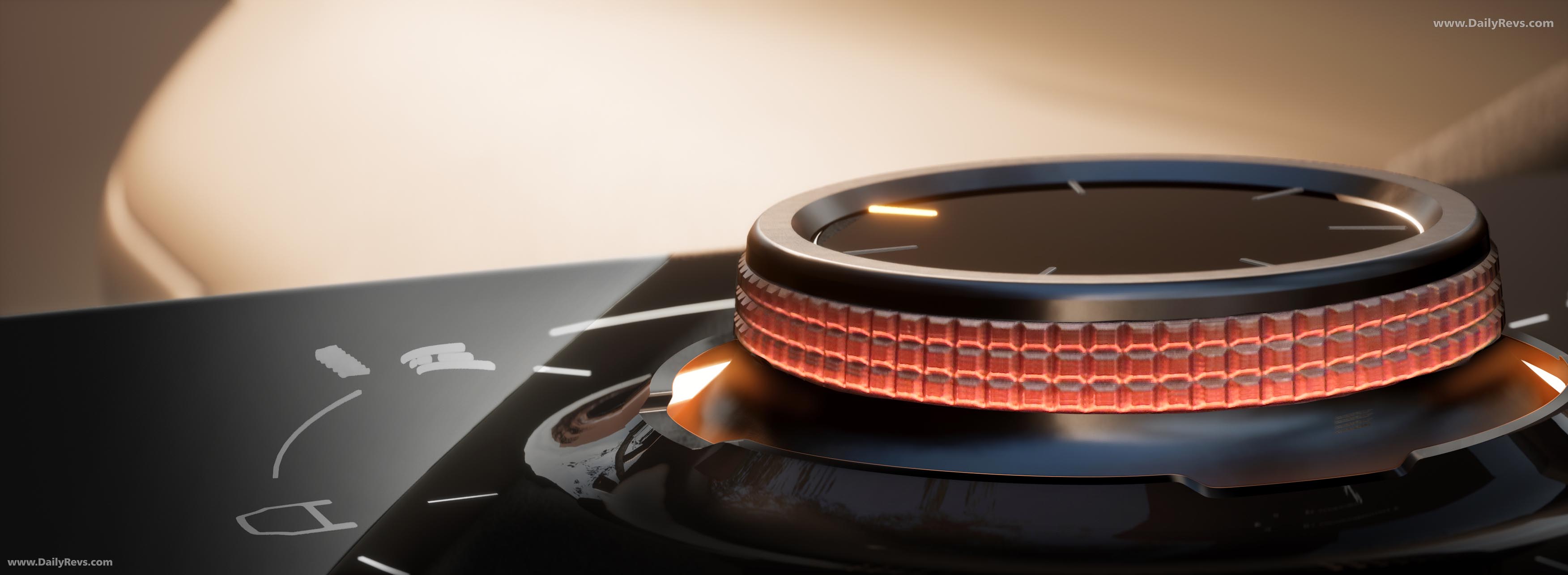
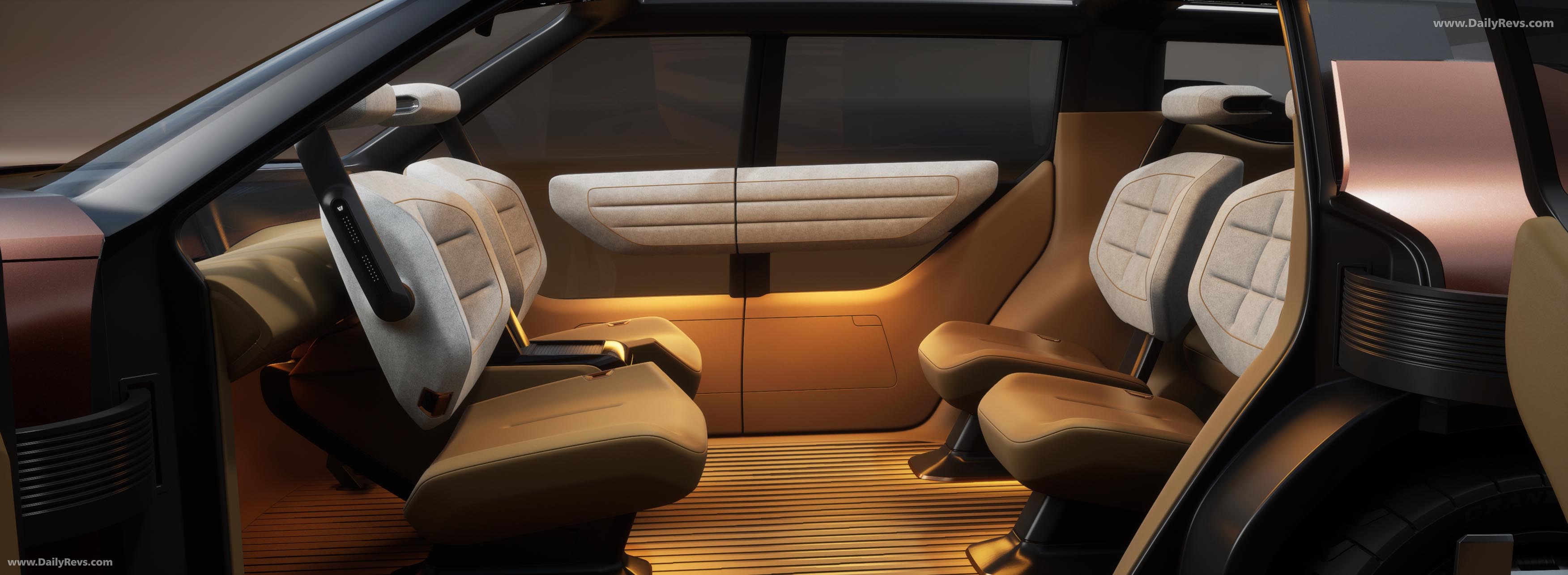
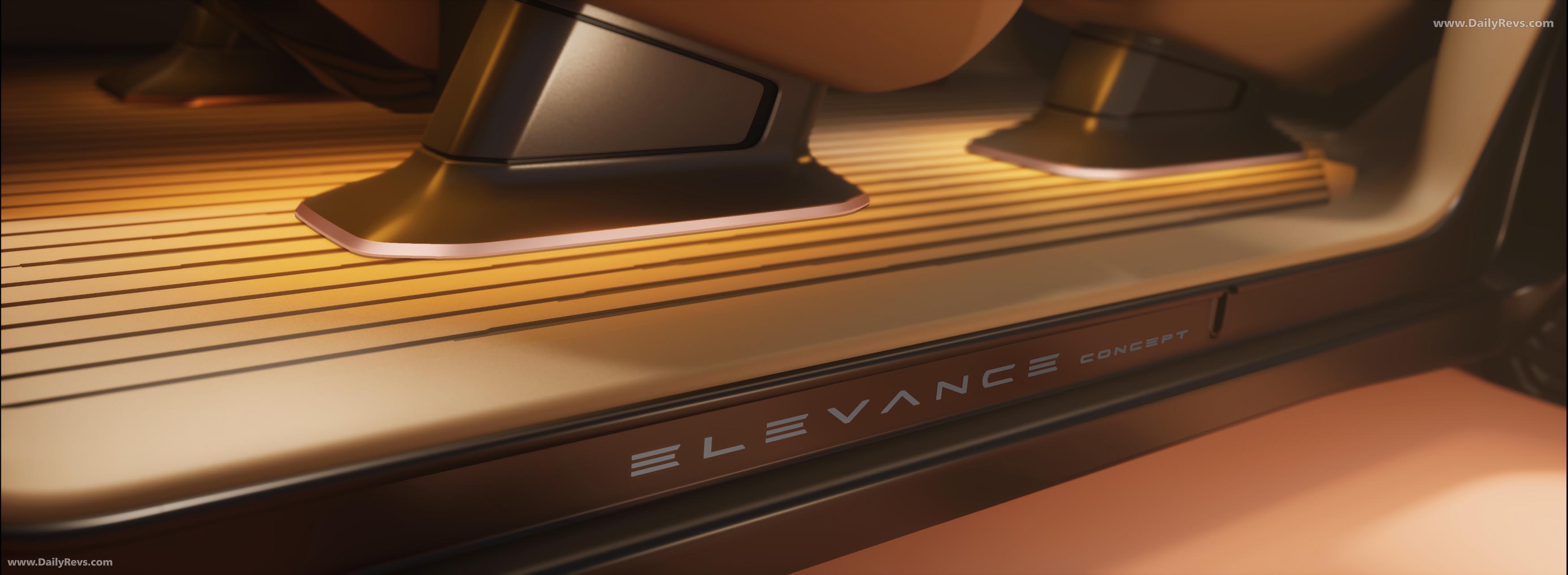
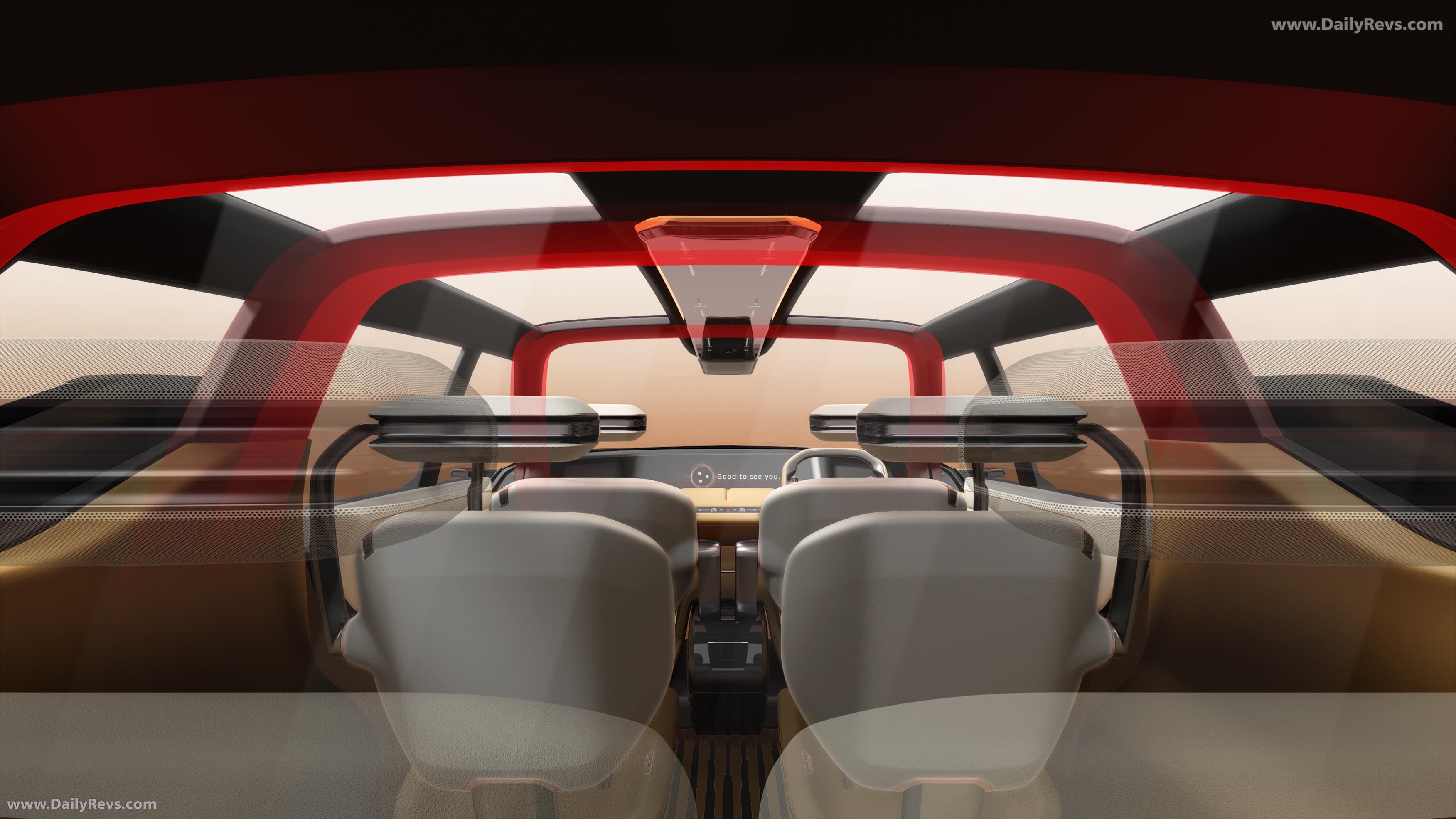
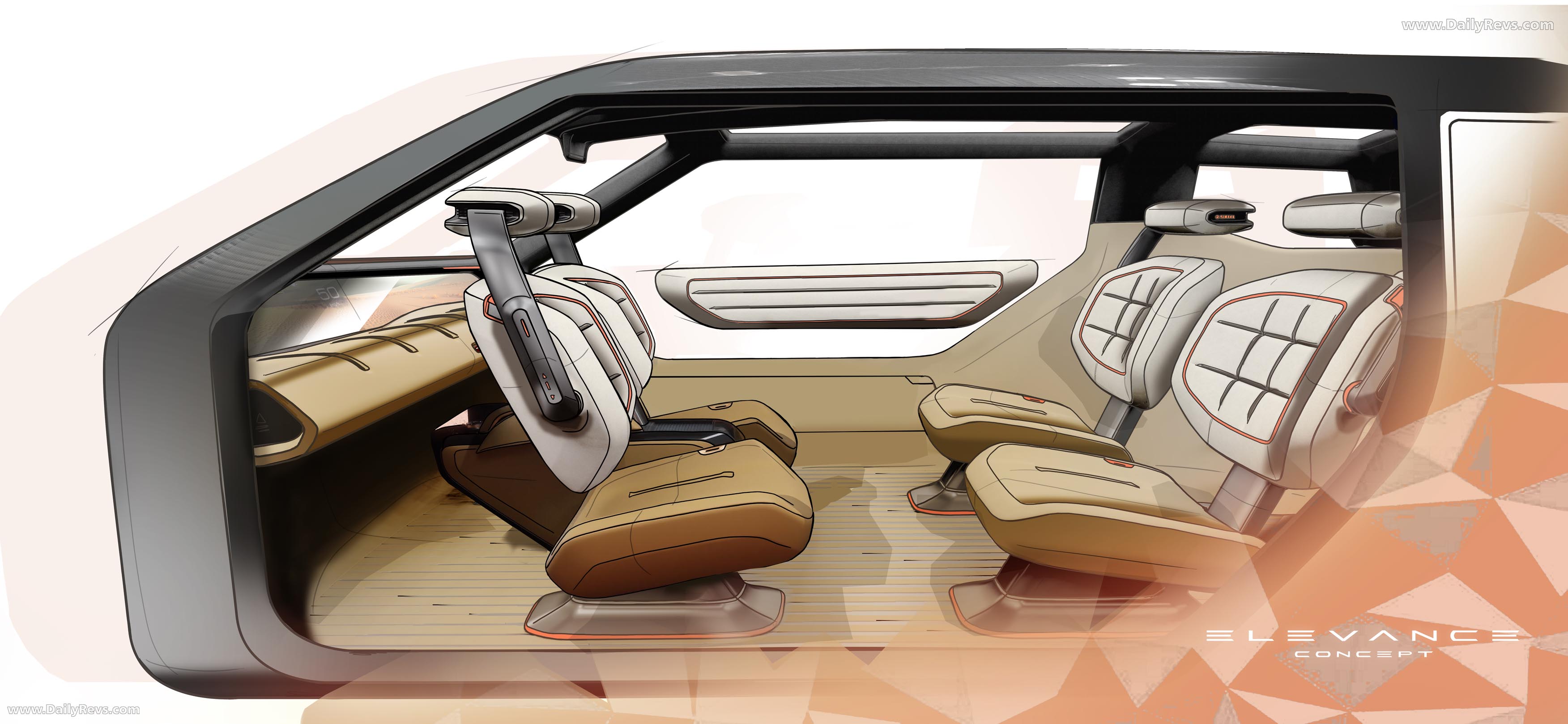
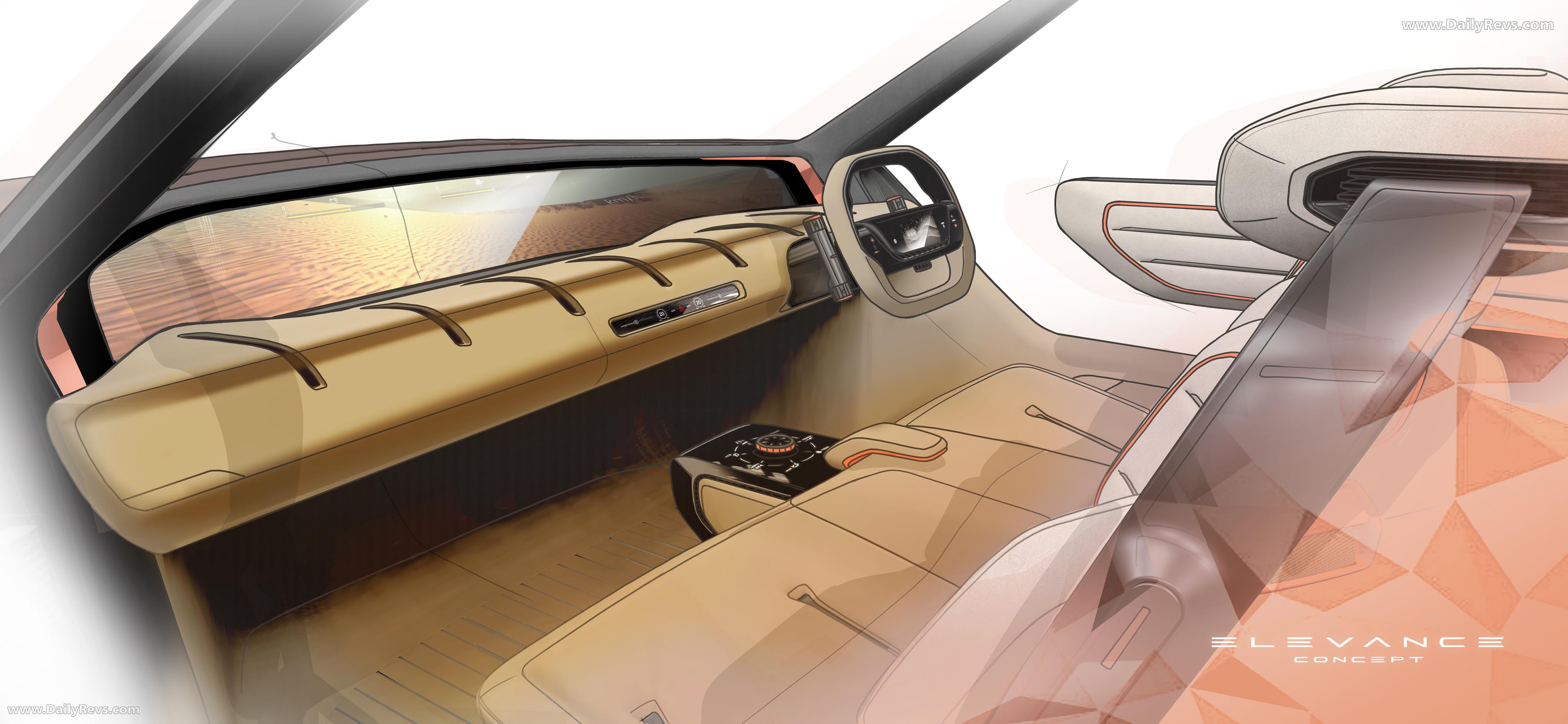
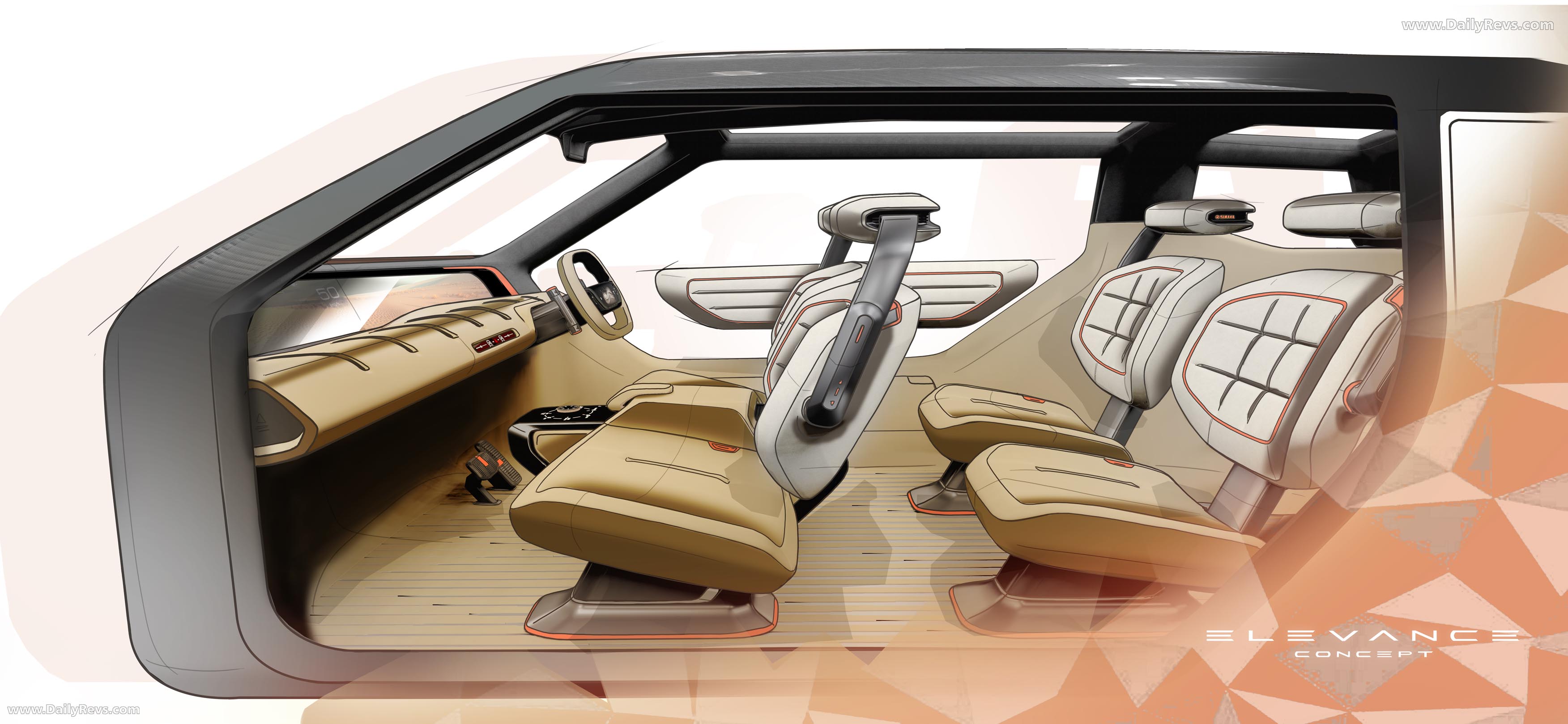
Inside, the Elevance keeps things clean and cocoon-like. The dashboard stretches across the cabin in a single seamless arc, integrating a wide display that doubles as both instrument cluster and visibility aid. The layout, molded as a continuous shell from the doors to the floor, emphasizes calm and unity — less cockpit, more sanctuary
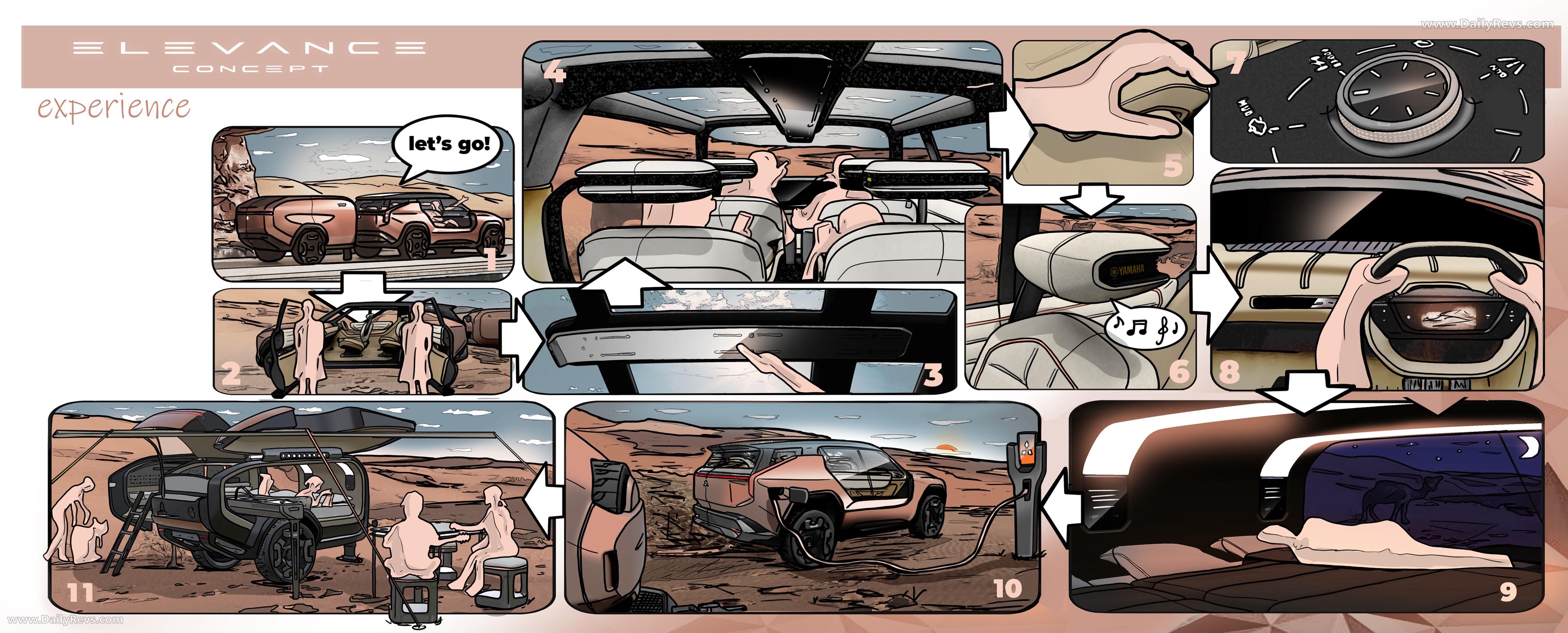
Its AI Co-Driver might be the concept’s most interesting feature. Displayed through an LCD embedded in the steering wheel and instrument panel, it suggests destinations based on personal preferences and analyzes conditions in real time. It’s more travel companion than assistant, designed to enhance, not dominate, the drive.
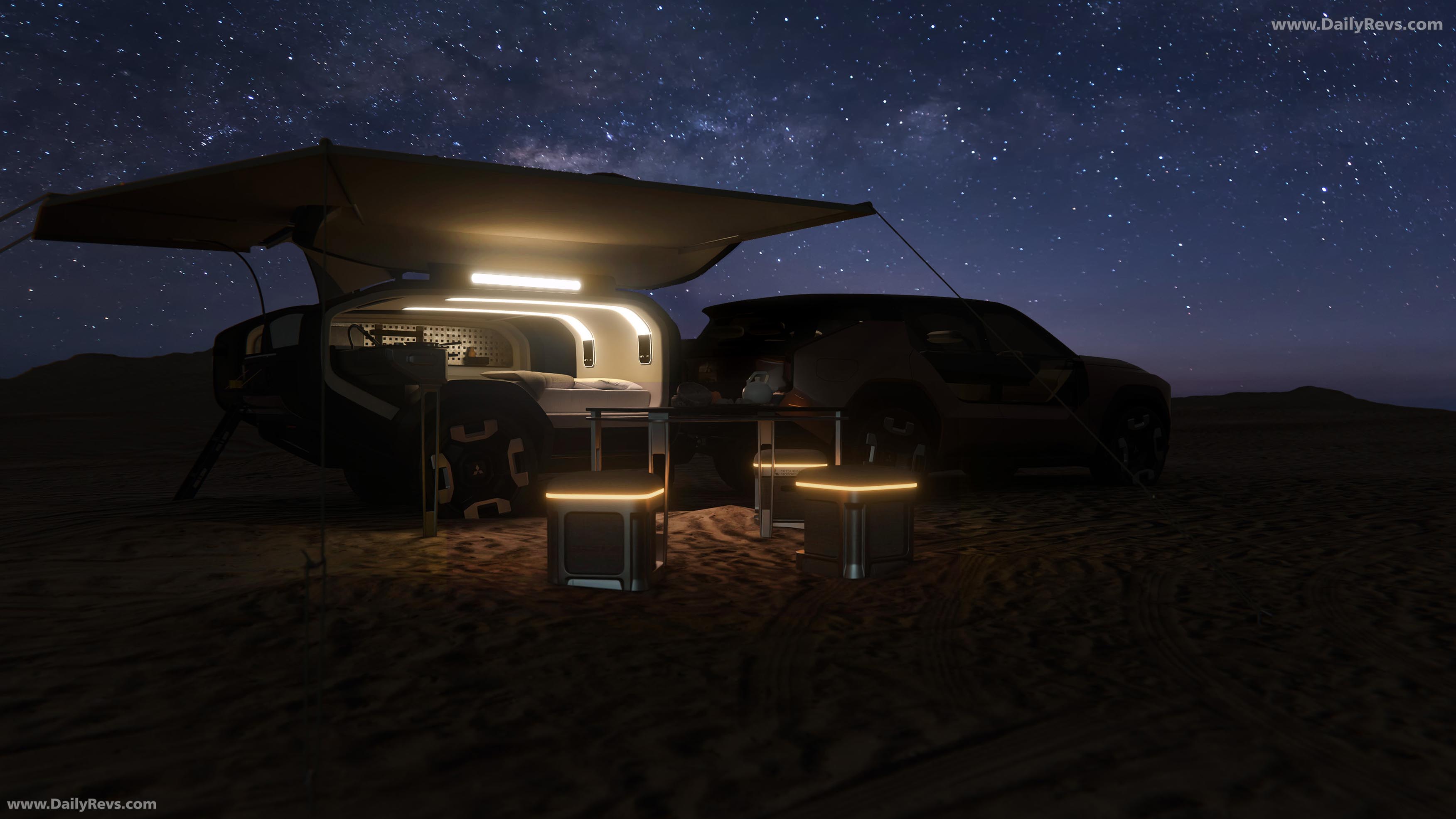
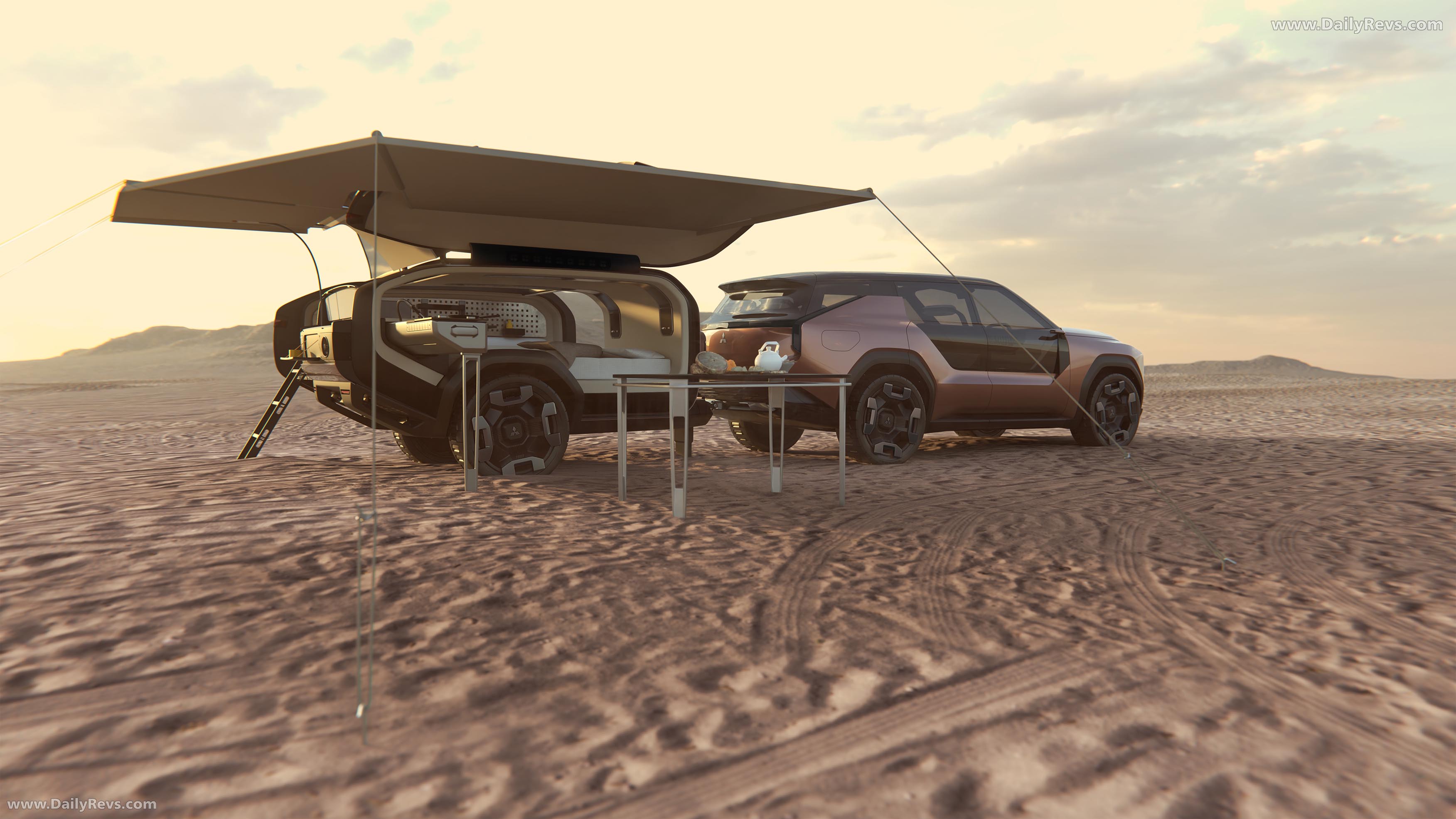
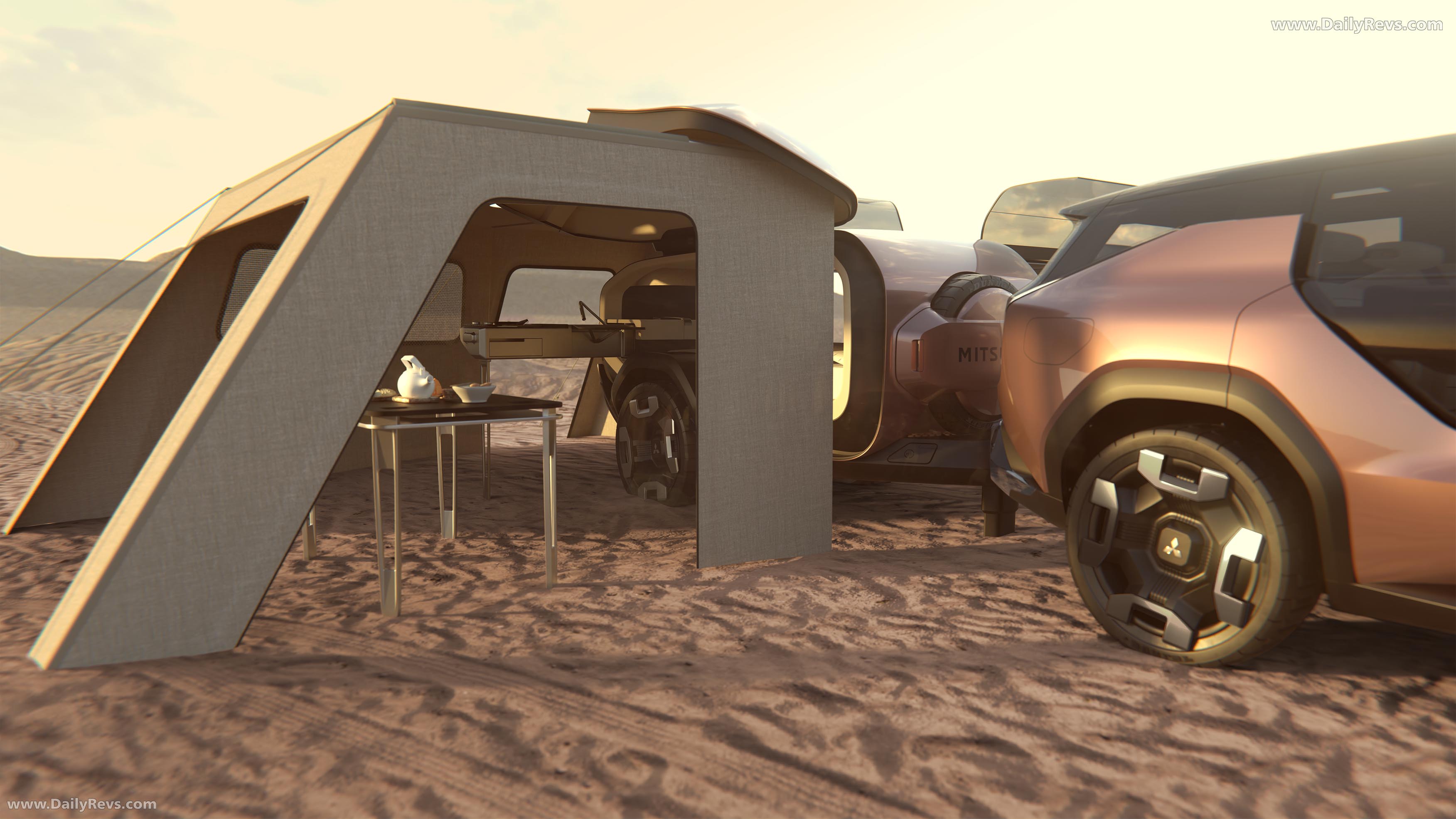
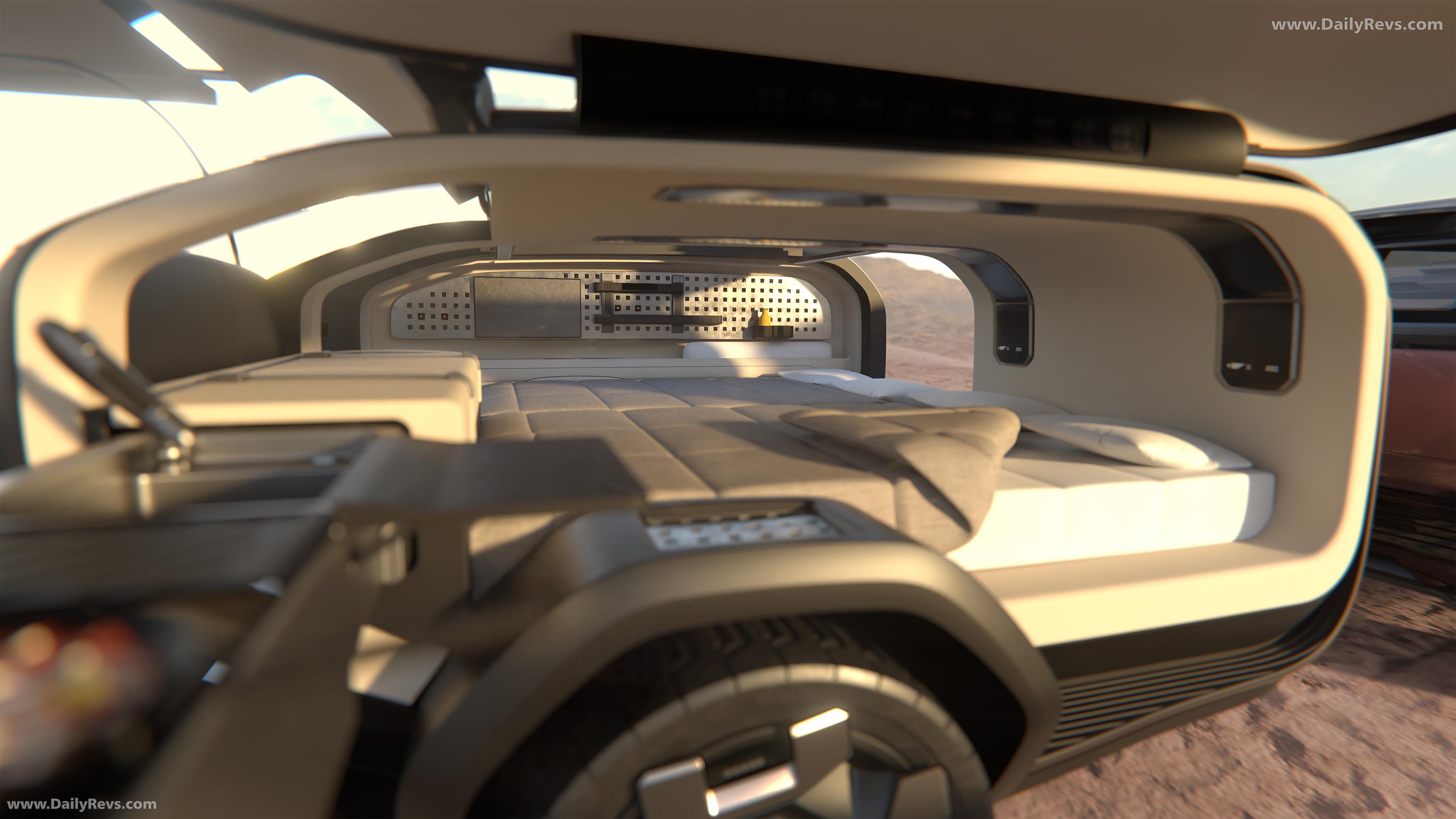
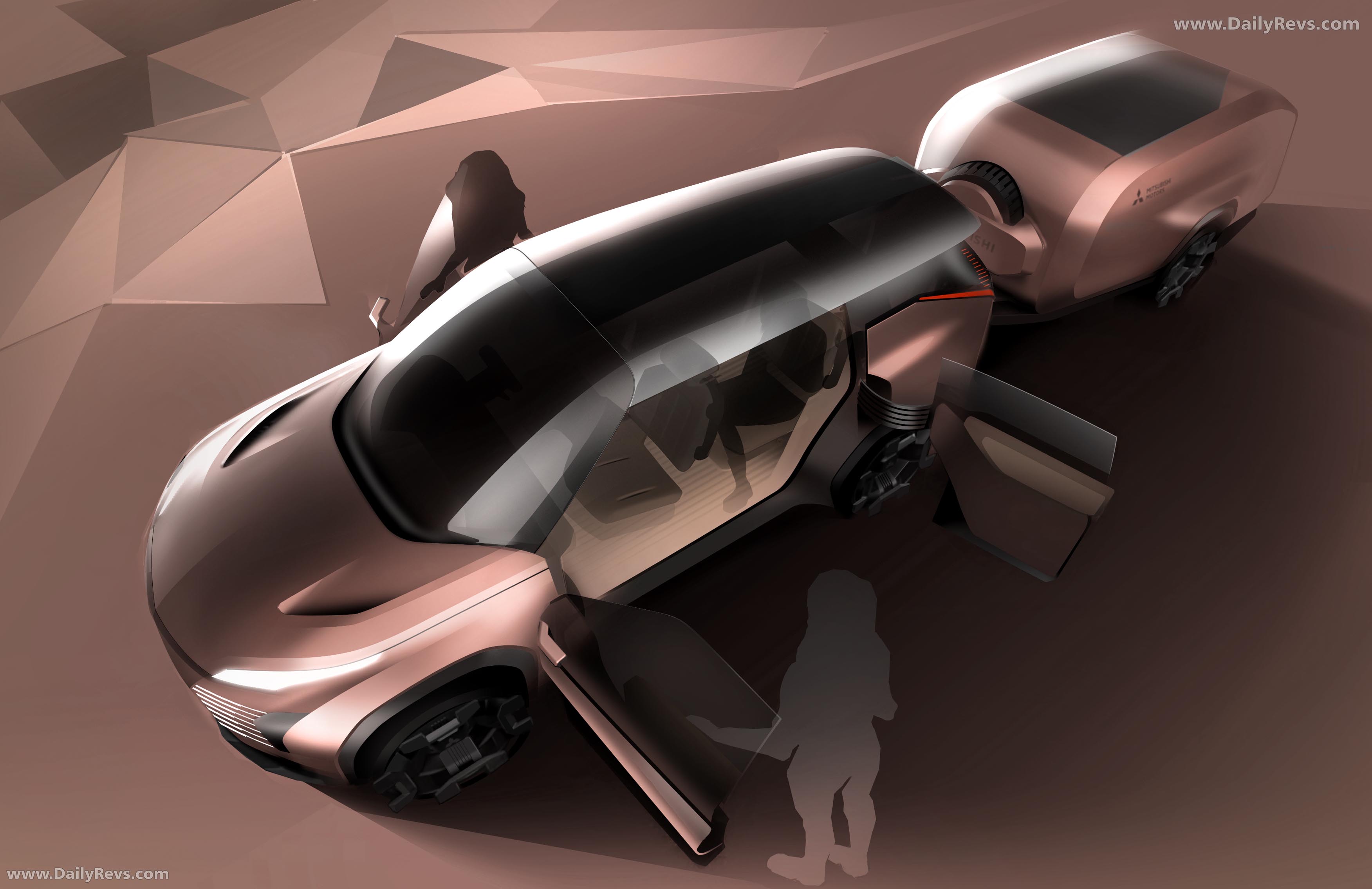
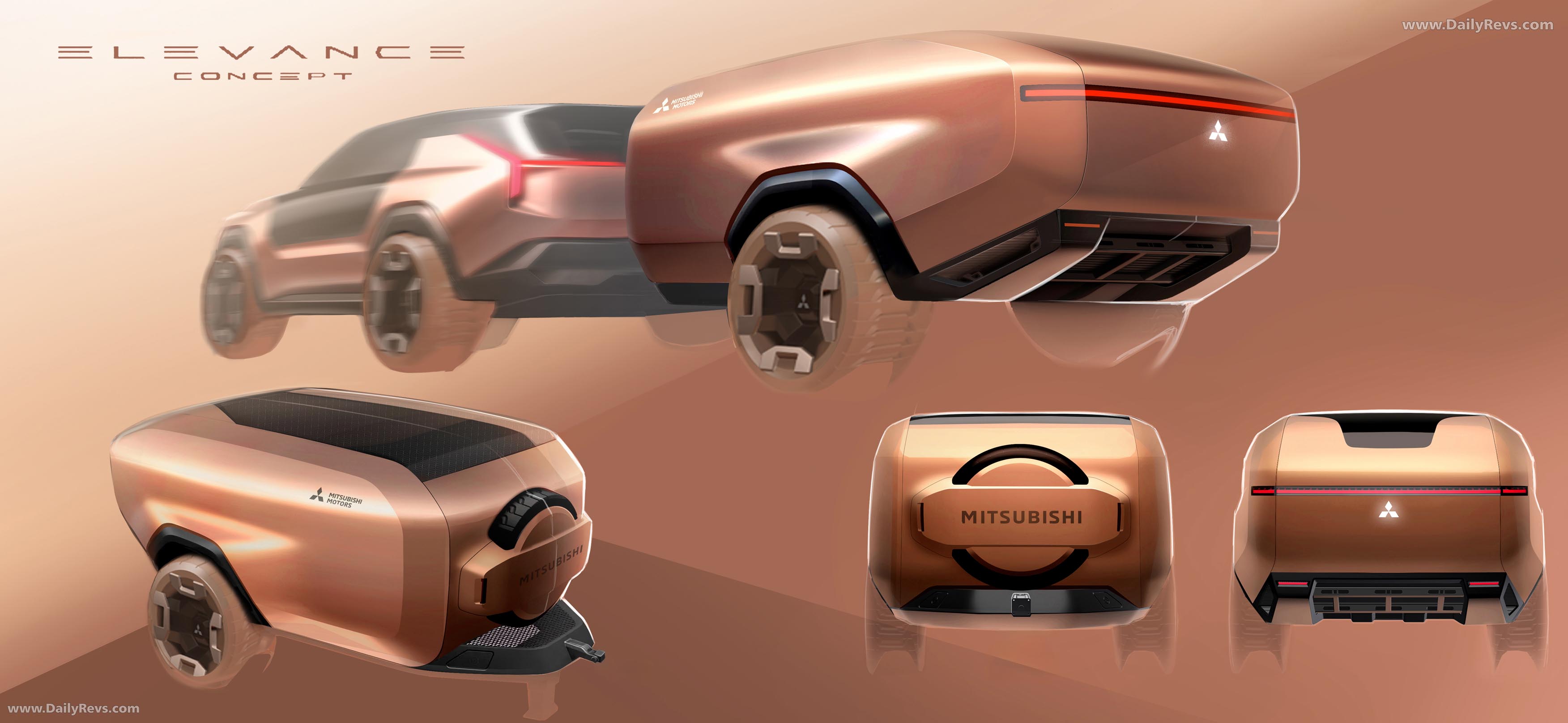
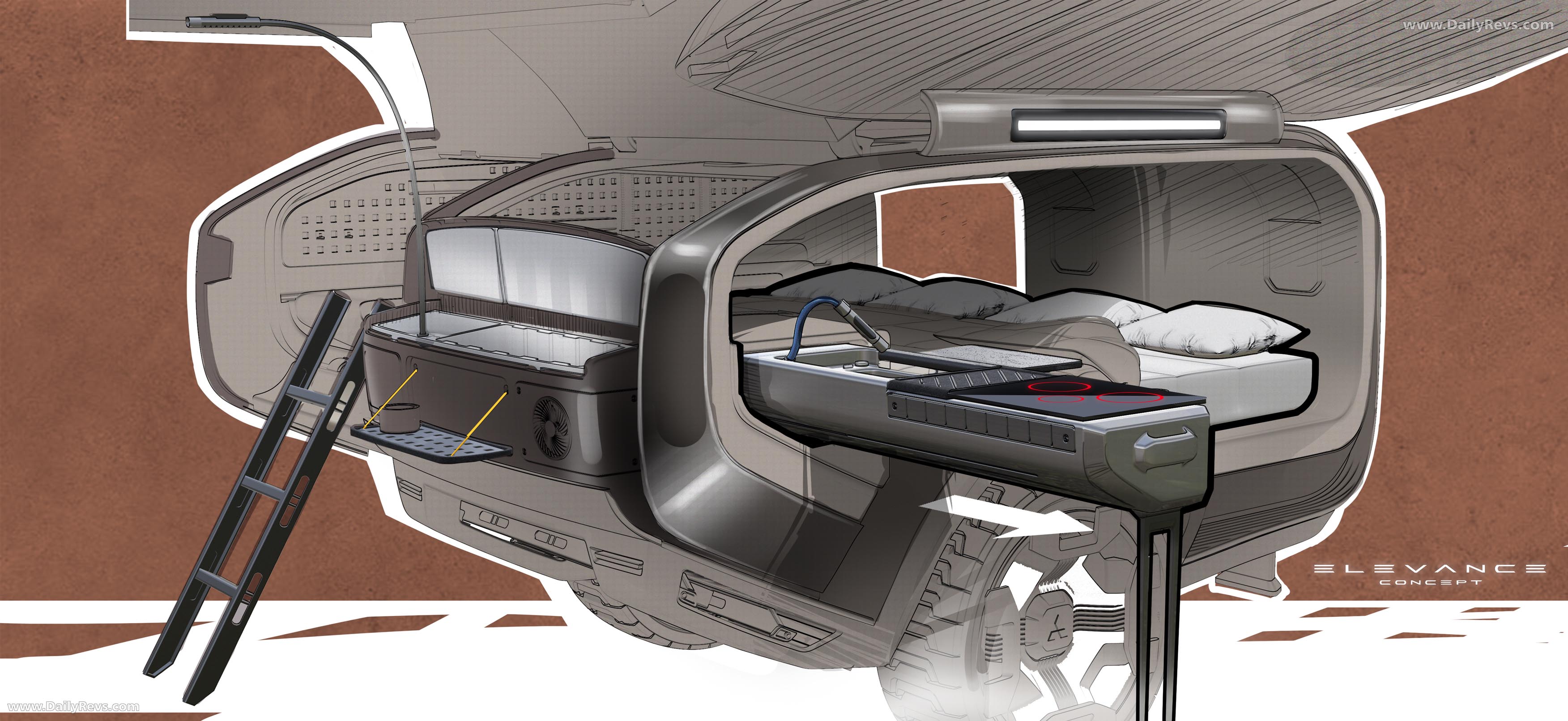
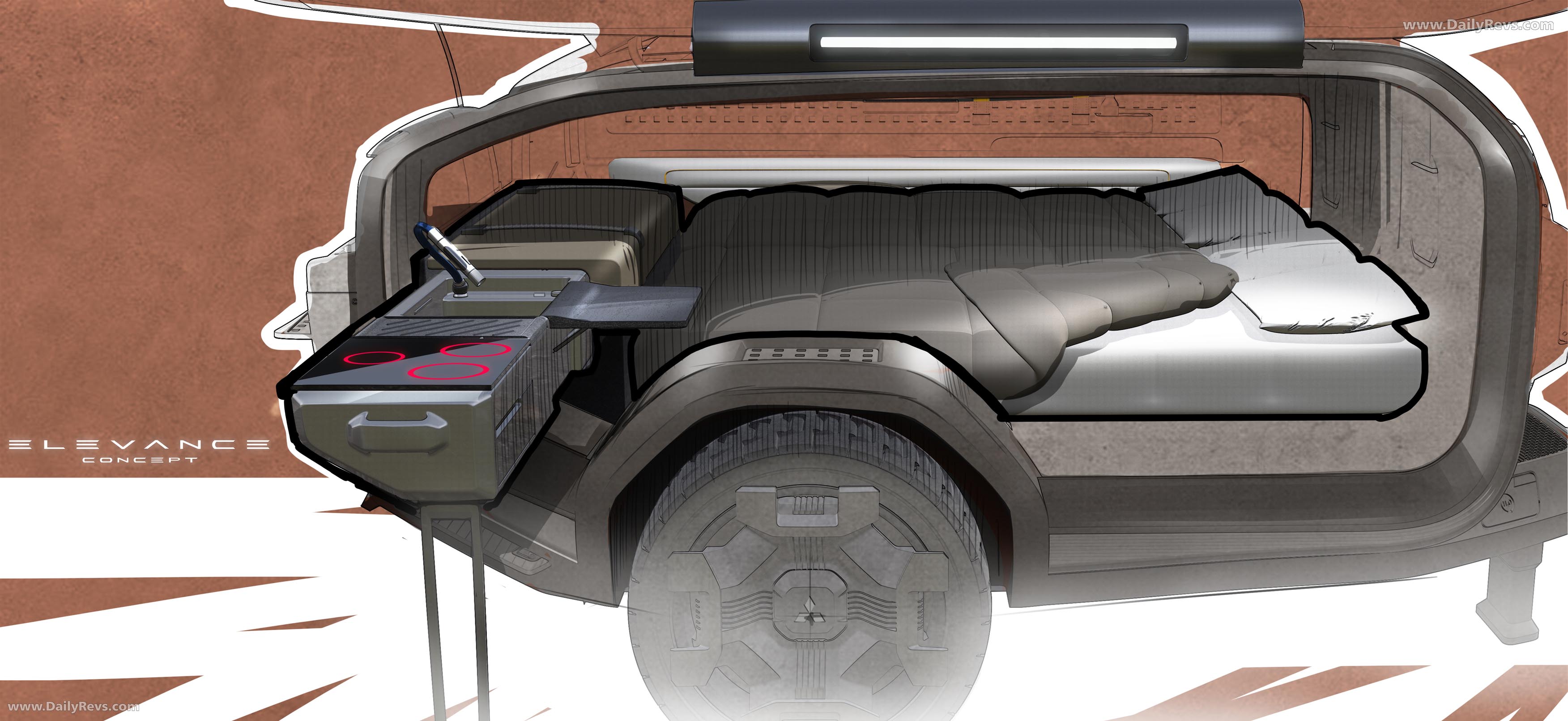
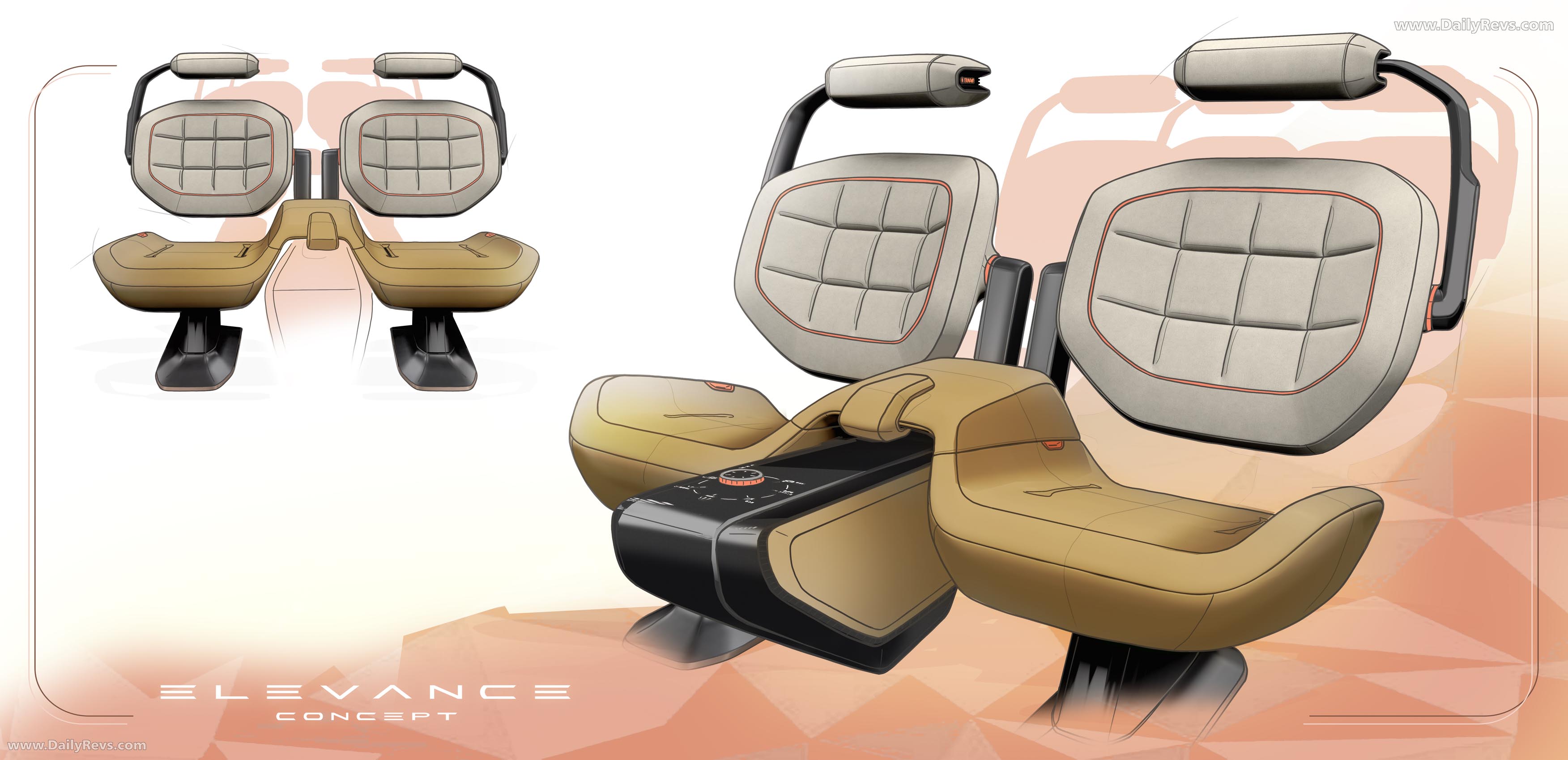
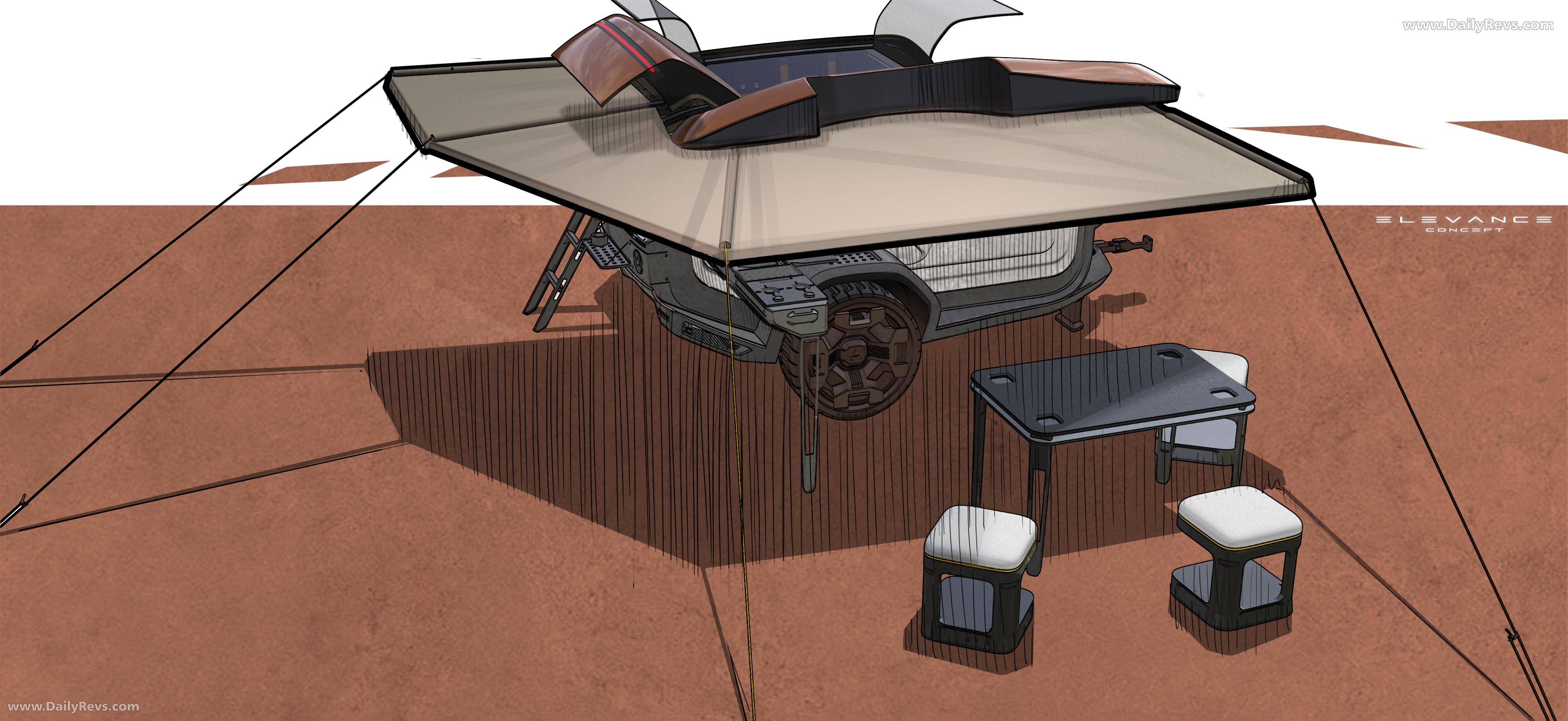
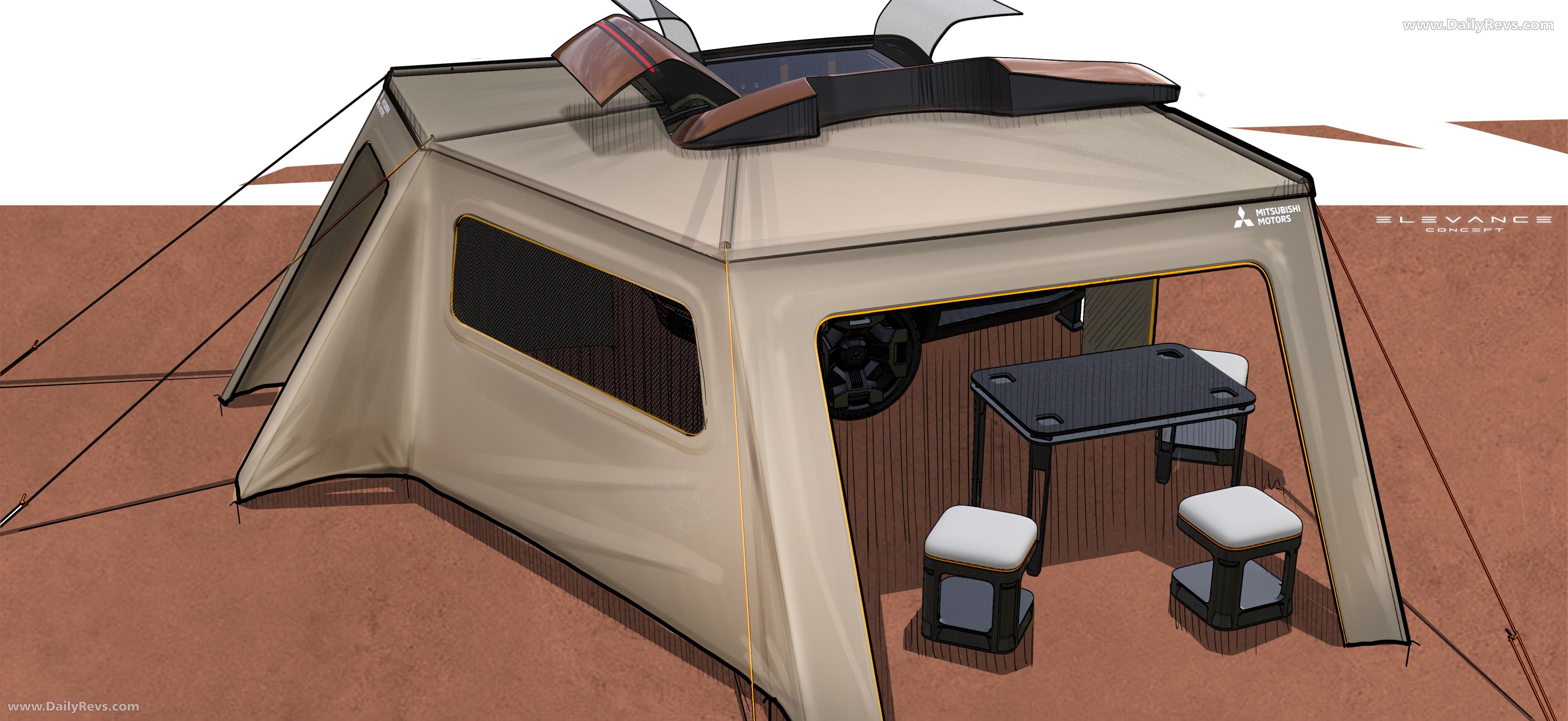
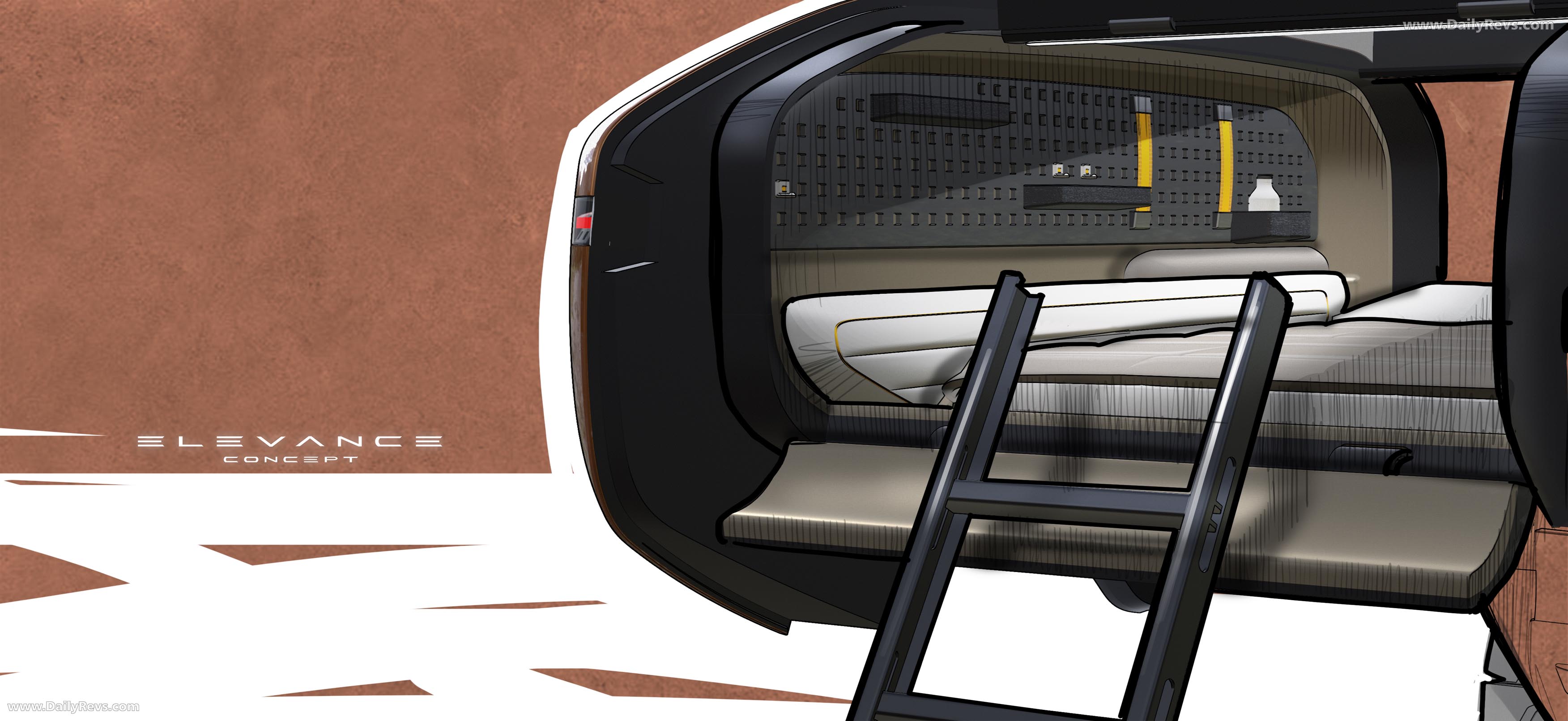
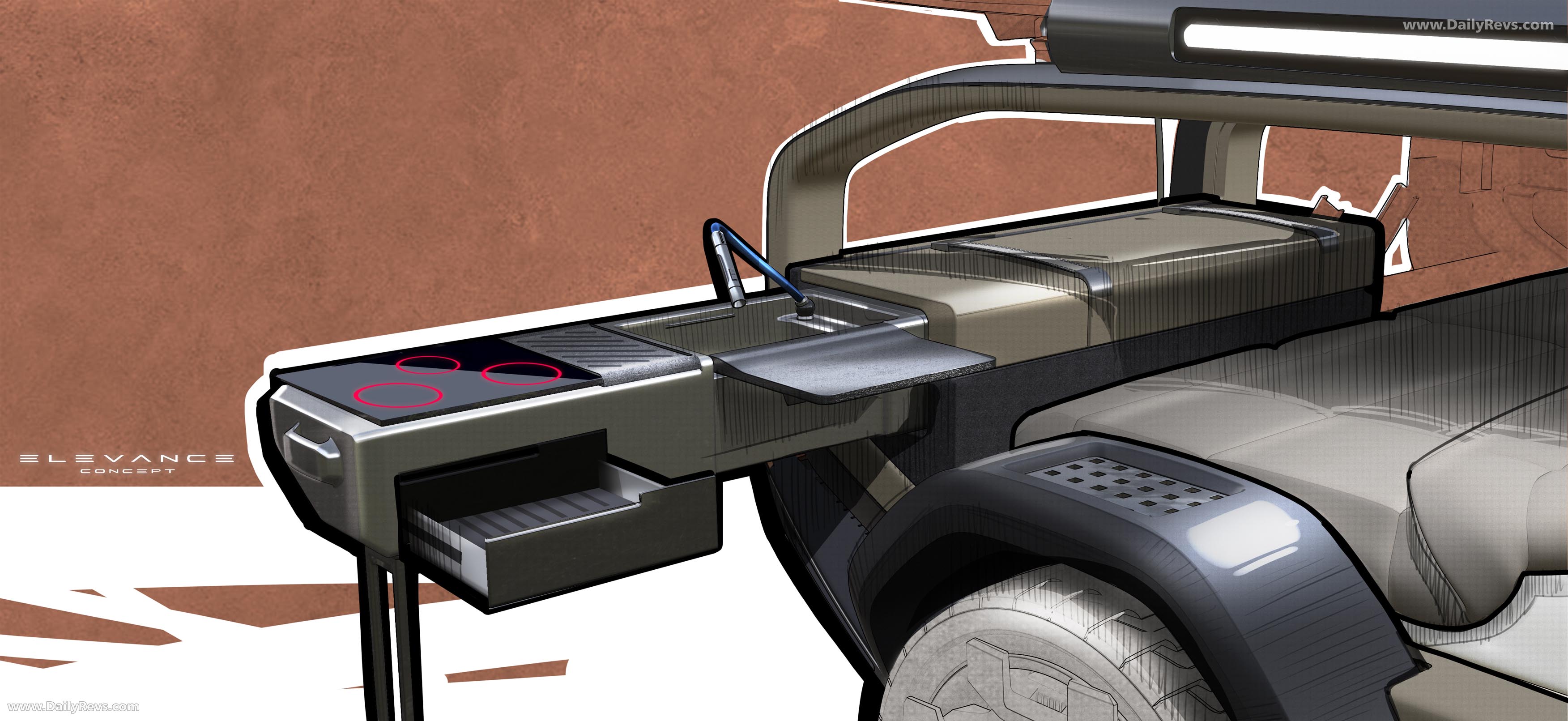
Practical touches remain. The PHEV system can power equipment for camping or trailer use, supporting Mitsubishi’s “glamping” angle. The three-row interior offers comfort for six, wrapped in high-quality leather with thoughtful storage and space efficiency.
Technical Specifications
Powertrain:
- Plug-in Hybrid Electric Vehicle (PHEV) system
- High-efficiency gasoline engine compatible with carbon-neutral fuels
- Large-capacity traction battery enabling EV-only driving
Drivetrain:
- Quad-motor Super All-Wheel Control (S-AWC) system
- Front in-wheel motors with bilateral torque control
- Rear dual-motor configuration with Active Yaw Control
Chassis and Suspension:
- “Rib-bone frame” body structure for improved rigidity and safety
- Active suspension control system designed to reduce body wobble on uneven terrain
Exterior Design:
- Dynamic Shield front fascia with honeycomb grille
- Capsule-style cabin integrated with robust lower body
- Continuous shoulder line from front to rear for improved aerodynamics
- Distinctive LED headlamps and taillights
Interior Design and Features:
- Minimalist, shell-like interior architecture
- Panoramic digital dashboard with wide LCD display
- Integrated AI Co-Driver for route assistance and drive mode optimization
- Electrically powered accessory support for camping and external equipment
- Spacious three-row cabin designed for comfort and visibility
Safety and Assistance Systems:
- Comprehensive S-AWC traction and stability management
- Driver assistance through AI-based predictive controls
Energy and Utility:
- External power supply function for off-grid use and vehicle-to-load (V2L) capability
Seating Capacity:
- Up to 6 passengers
Primary Use Case:
- Electrified SUV concept designed for on-road comfort and off-road capability