



2025 Mercedes-Benz AMG GT 63 PRO C192 UK Version
By Lorenzo Bianchi November 18, 2025
4.0-litre V8 biturbo rated at 612 hp and 850 Nm torque.
0-200 km/h in 10.9 seconds; top speed 317 km/h.
Extensive aero and cooling upgrades reduce lift and boost track dynamics.
Design and Aerodynamics Focus
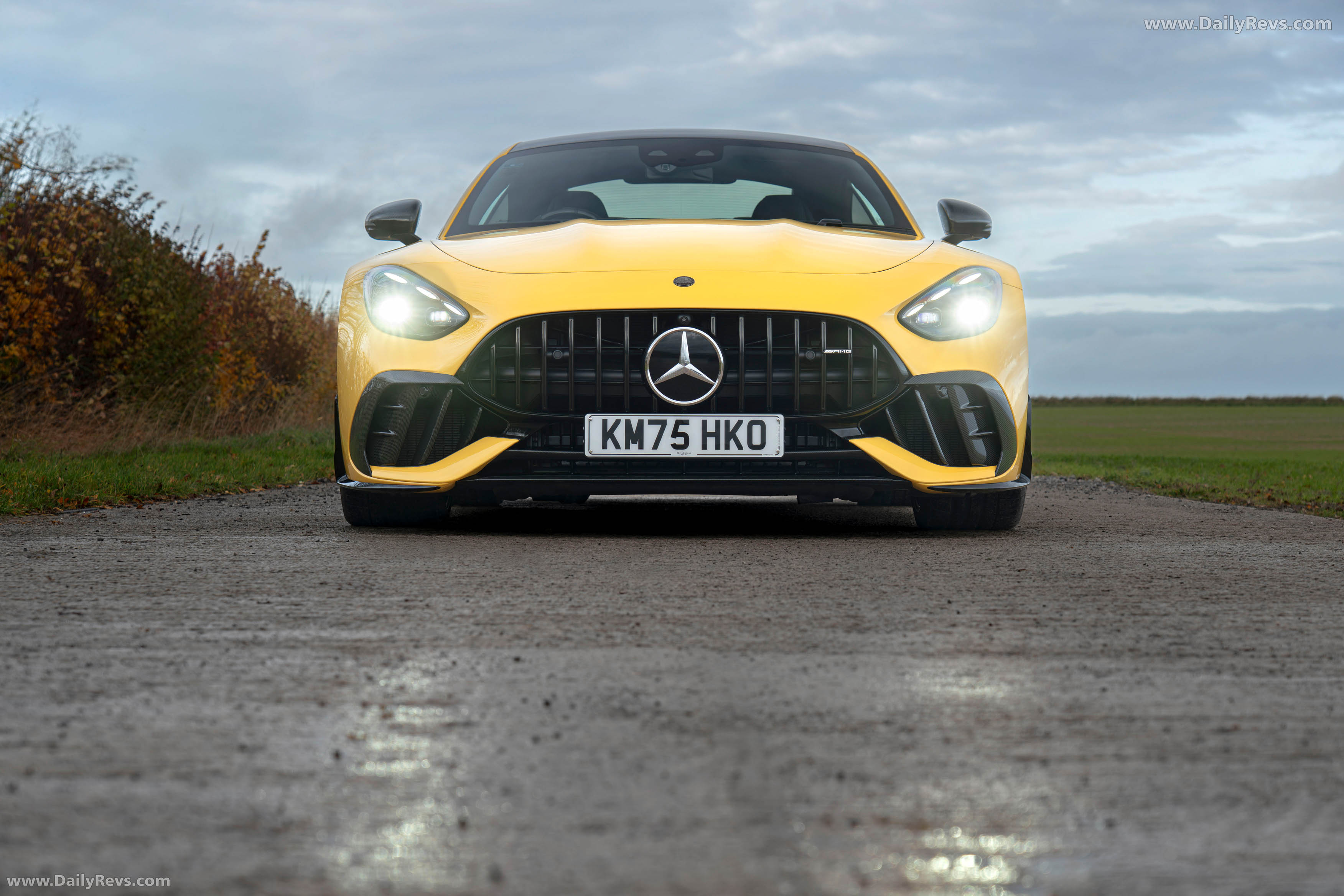
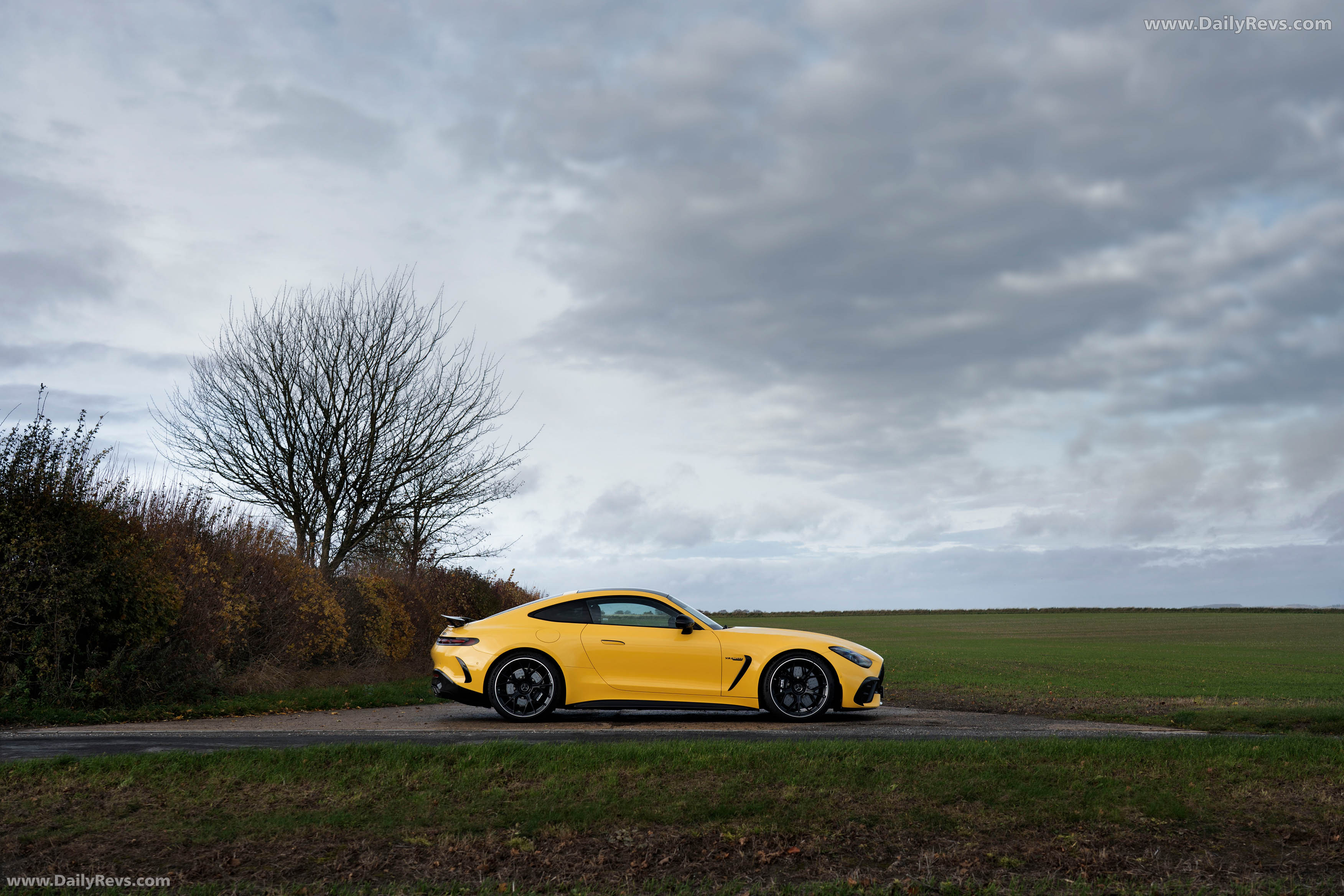
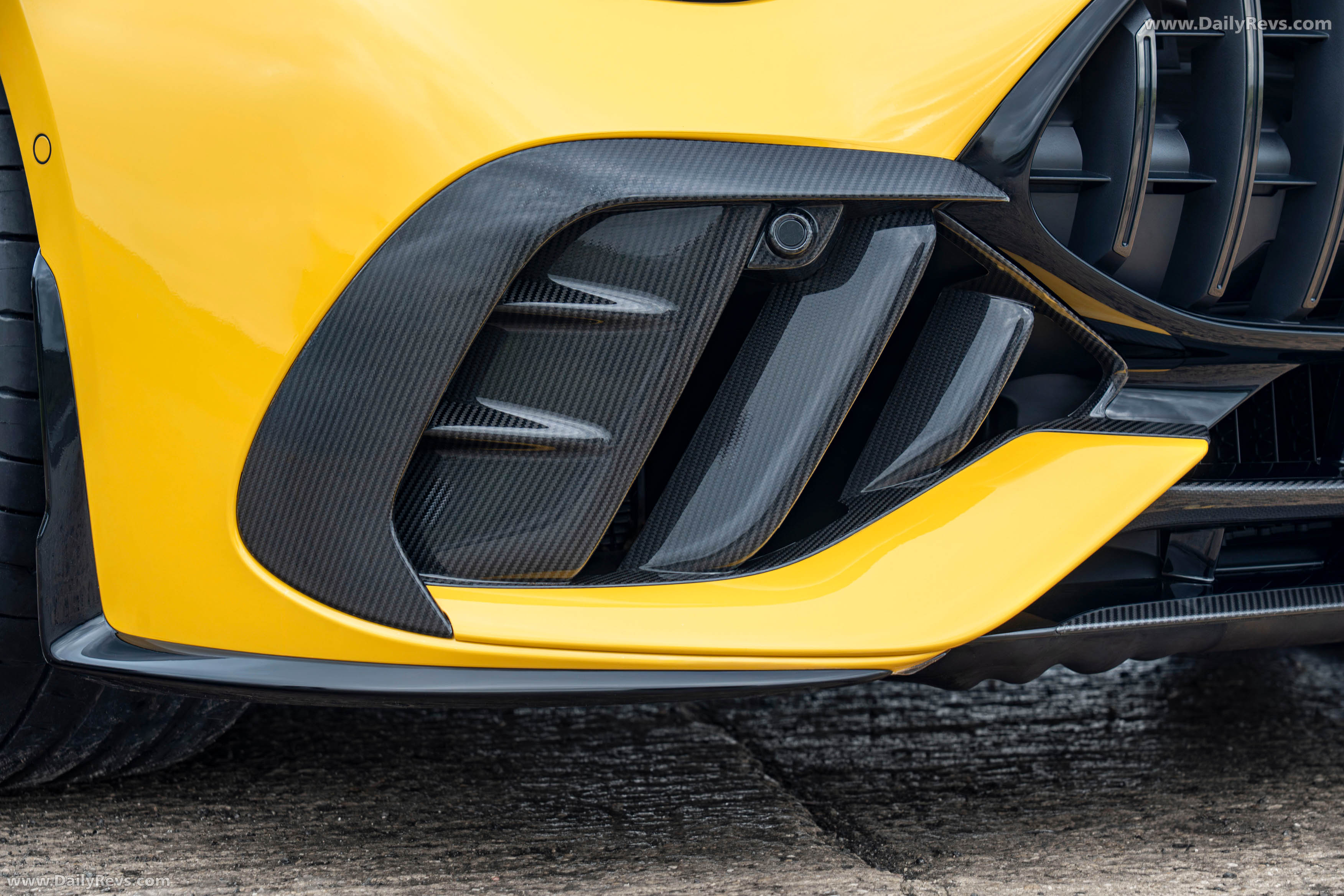
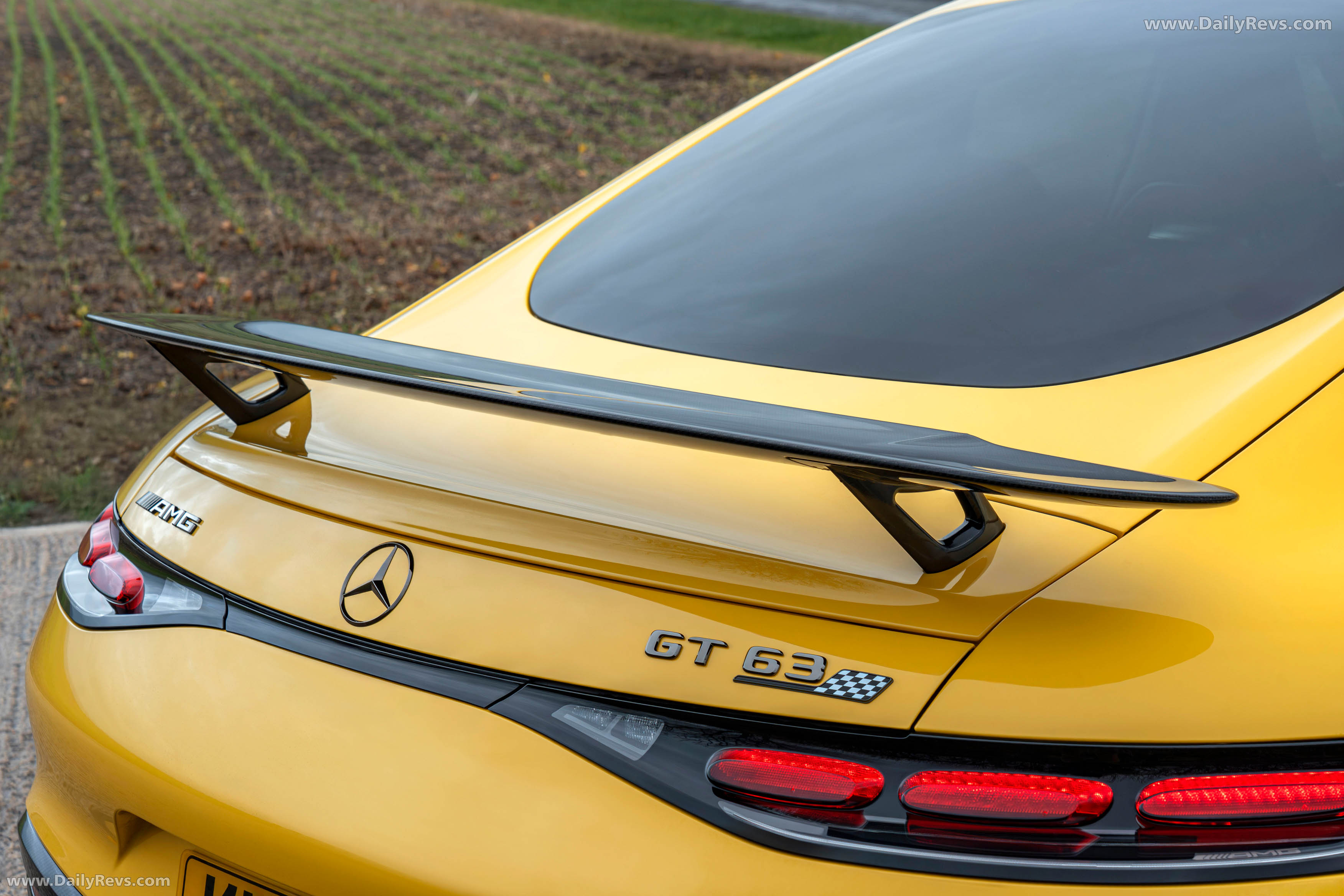
The 2025 Mercedes-Benz AMG GT 63 PRO assumes a refined yet purposeful presence, with design cues clearly shaped by track demands. The front apron is redesigned to include visible carbon-fibre air deflectors, underscoring the increased cooling and aerodynamic focus. According to AMG, the aero package reduces front lift by more than 30 kg. The proportions remain that of a four-door coupe—its long bonnet and broad stance brook no disguise—but the surfaces carry sharper edges, sculpted intakes and a fixed rear wing that signal serious performance intent.
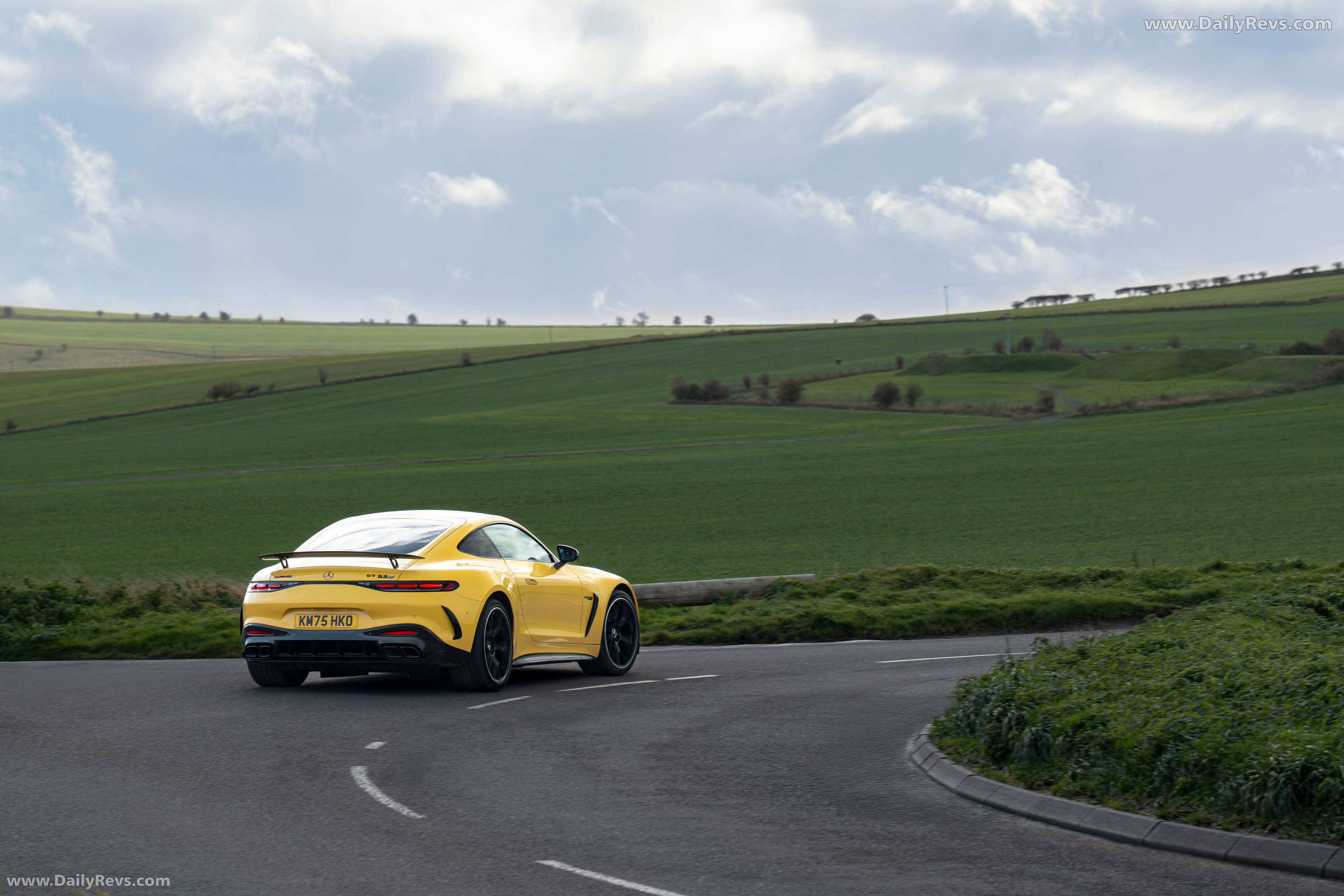
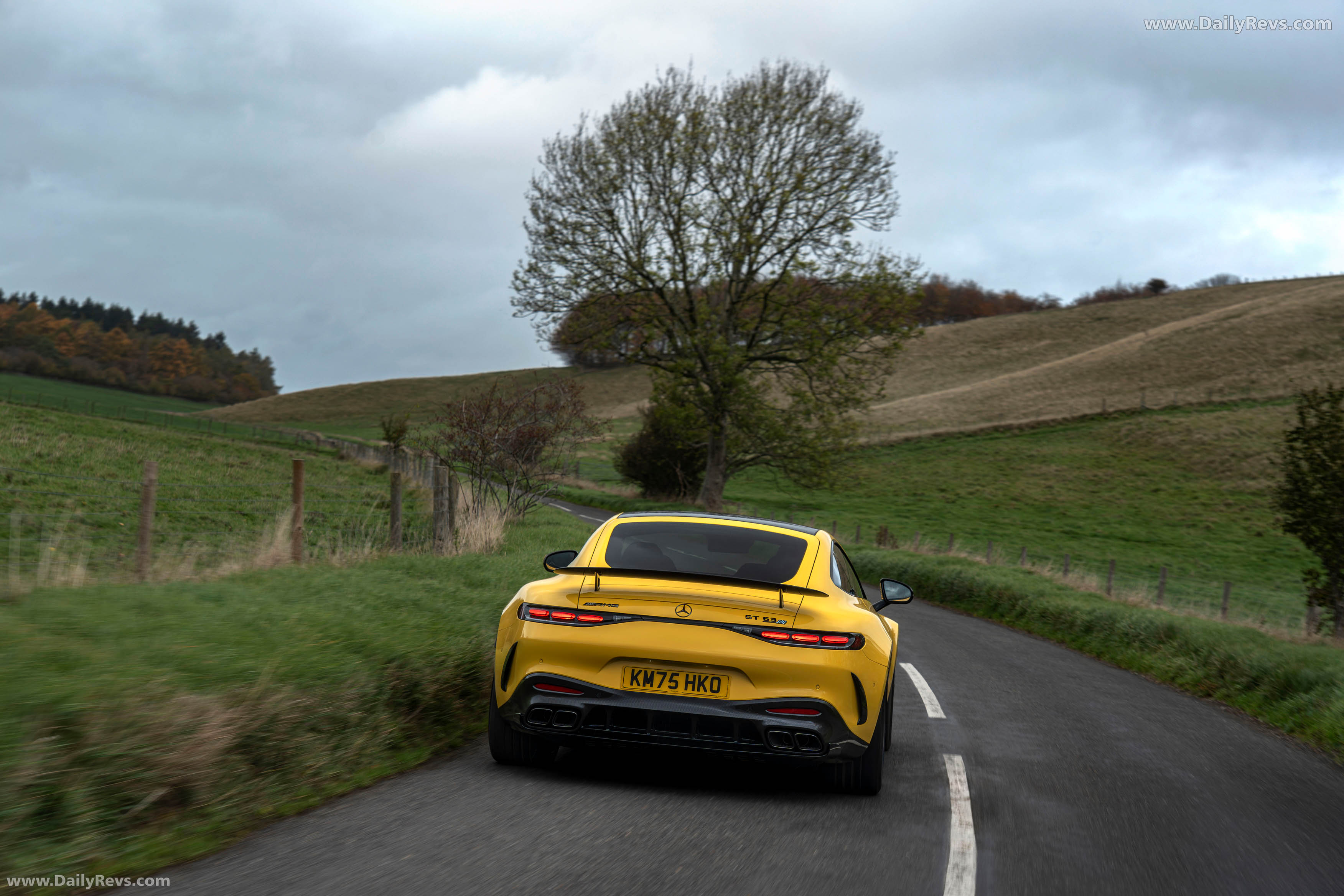
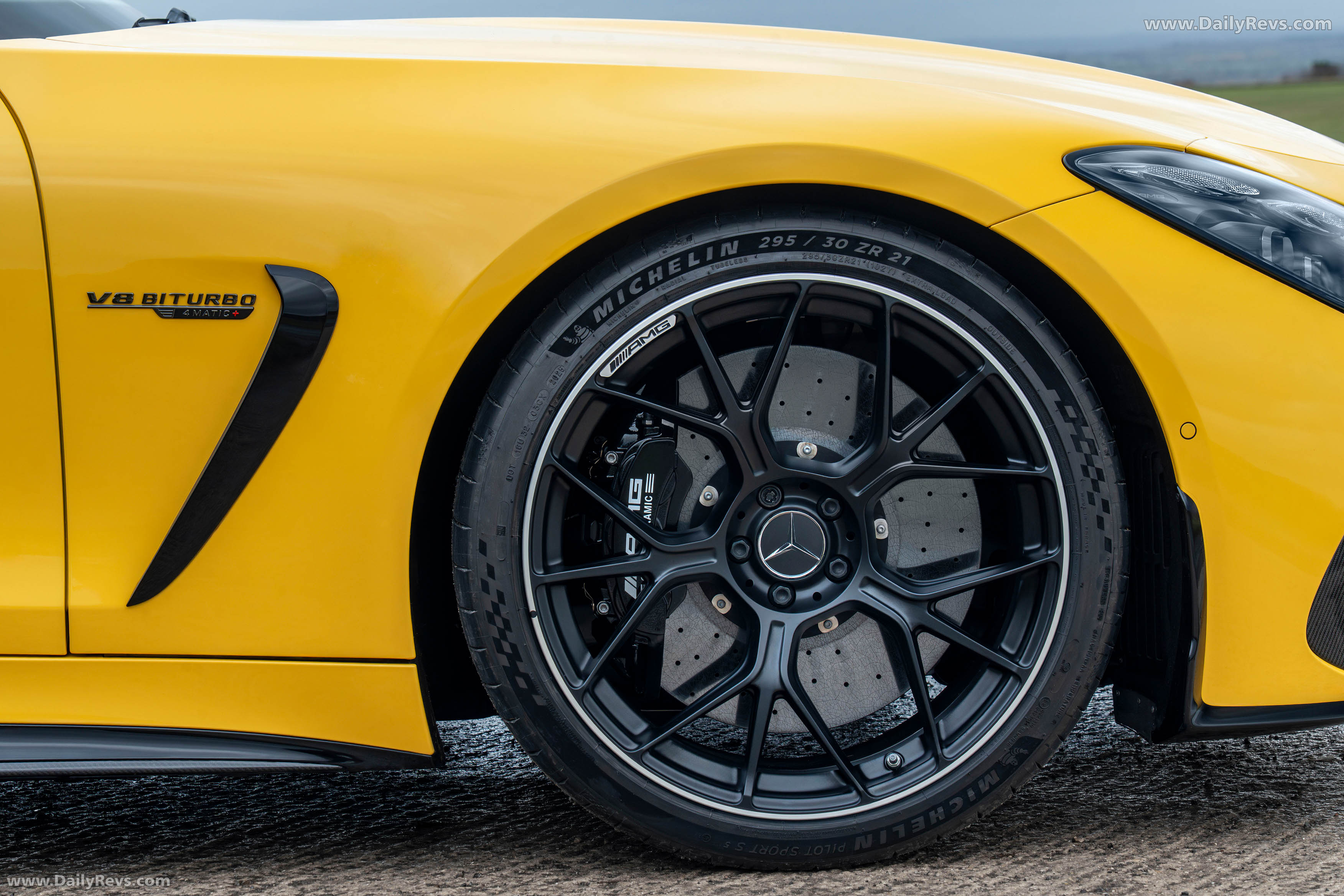
In profile the GT 63 PRO maintains the low–slung silhouette of the GT family, but the widened track and aggressive wheelarch treatment give it a more planted look. The forged 21-inch cross-spoke wheels in Himalaya matt grey, standard on this variant, contribute both visual and performance improvements. The rear tightens the form with an integrated diffuser and darkened trim elements, echoing its performance orientation without resorting to overt styling gimmicks.
Performance and Powertrain Enhancements
Under the bonnet sits the handcrafted AMG 4.0-litre V8 biturbo engine tuned to 450 kW (612 hp) and 850 Nm of torque. AMG states this is 27 hp more than the standard GT 63. The sprint from 0 to 200 km/h is achieved in 10.9 seconds, and the top speed is 317 km/h.
The vehicle retains the AMG SPEEDSHIFT MCT 9-speed transmission and AMG Performance 4MATIC+ all-wheel-drive system seen in its siblings. That familiar powertrain is augmented for this specification with reinforced cooling circuits and elevated performance thresholds. According to road tests the car exhibits increased agility due to rear-axle steering and optimized balance—traits directly inferred from the chassis changes.
Interior Features and Usage Context
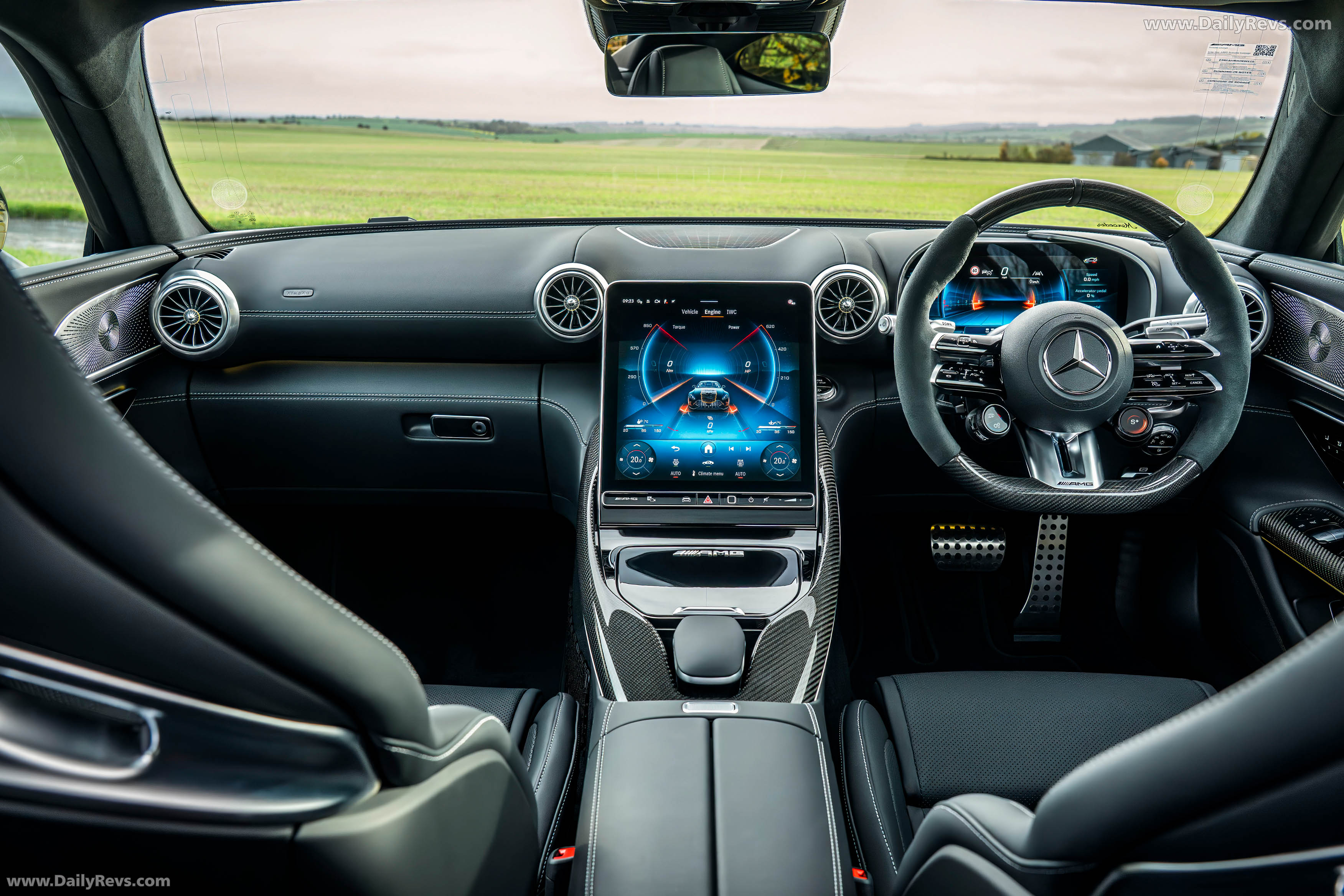
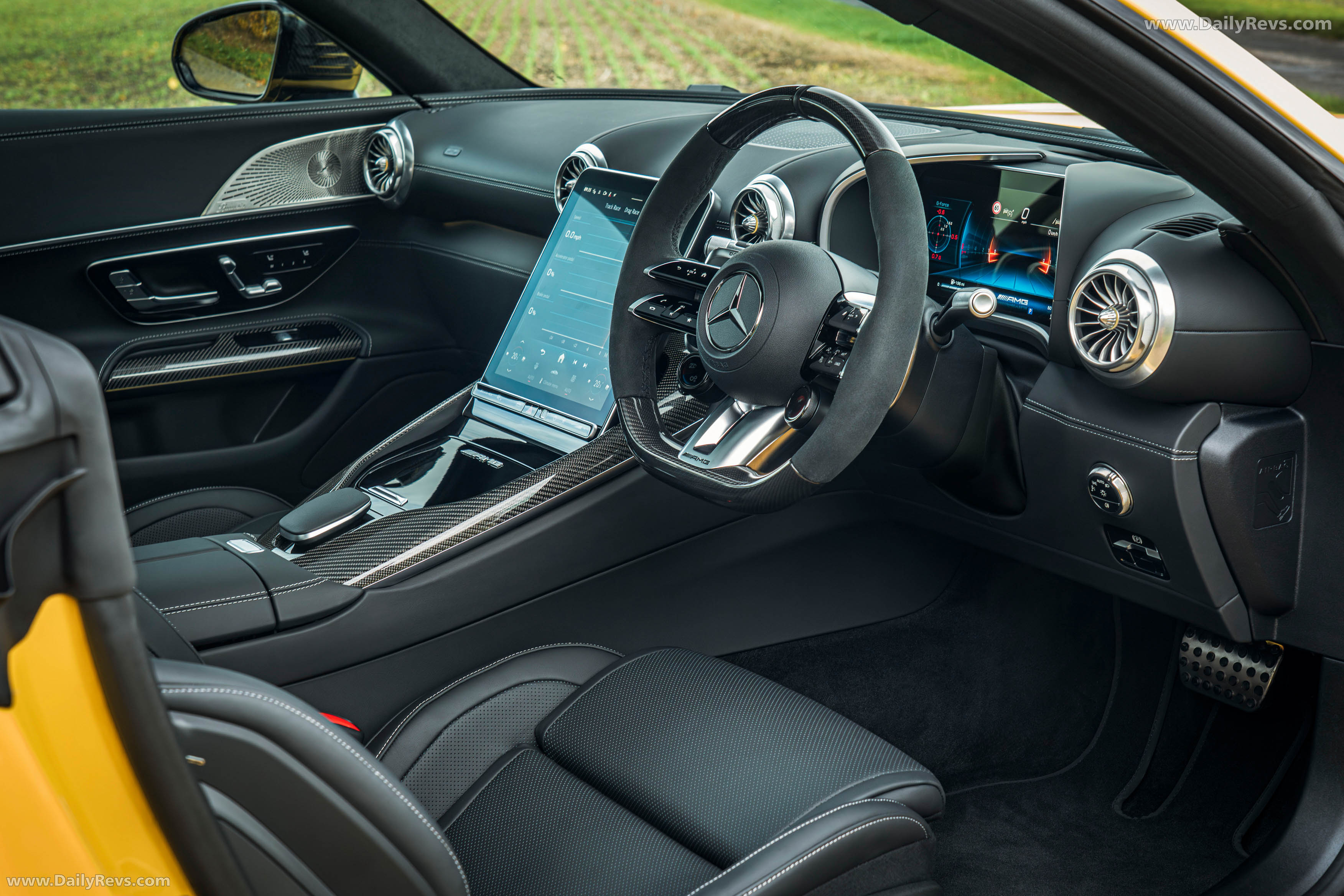
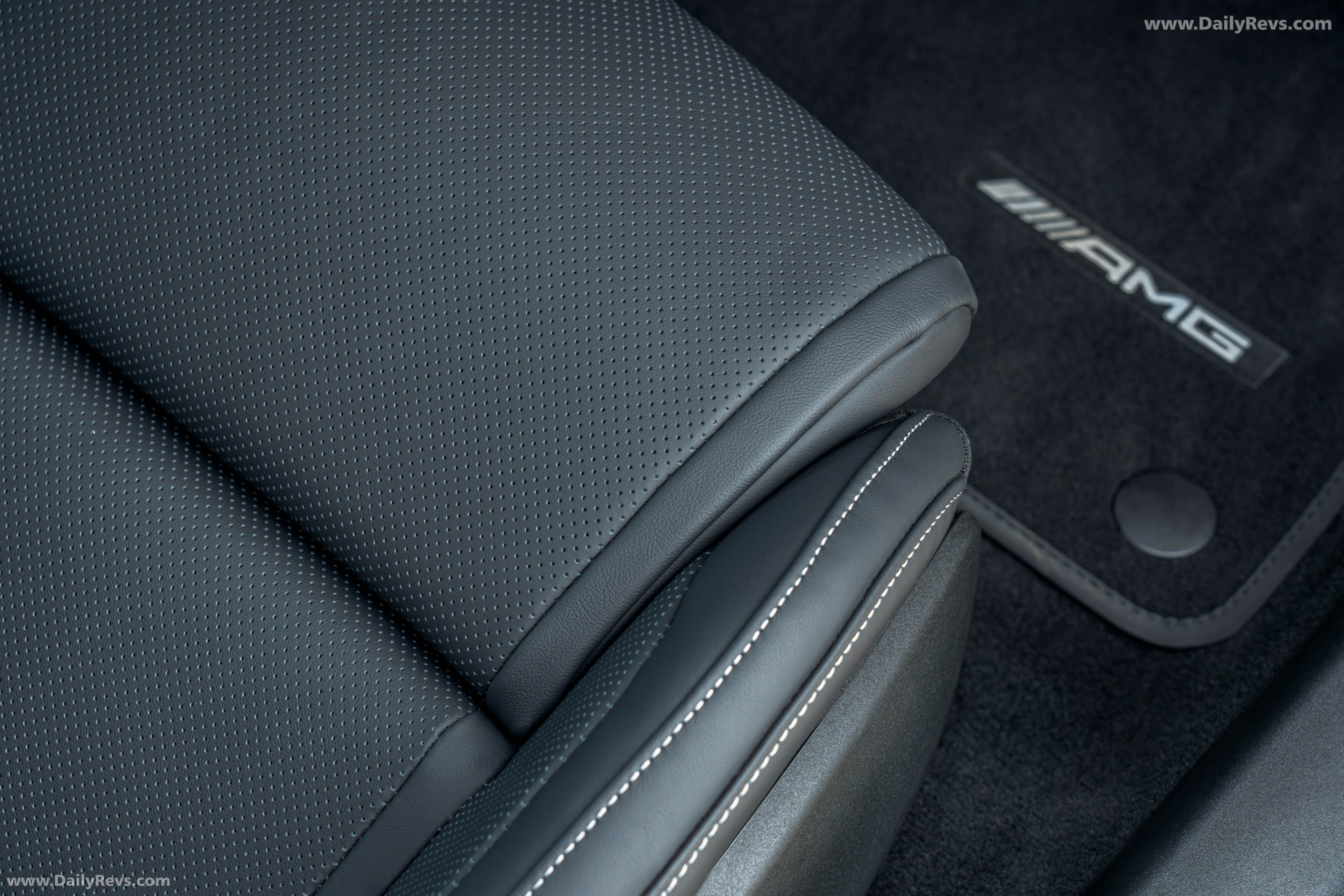
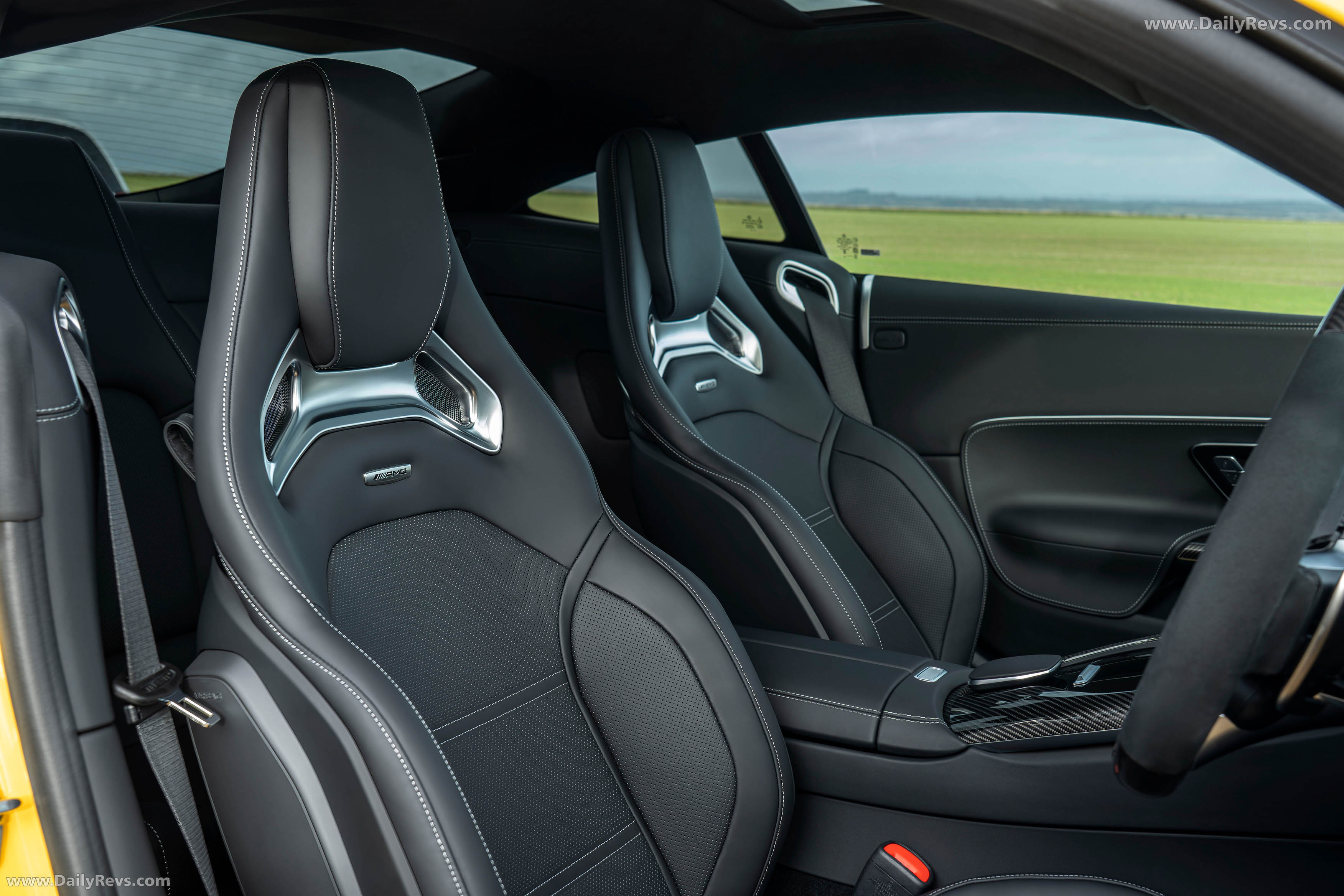
Inside, the GT 63 PRO shares much with other GT models: a driver-centric cockpit, performance seats with lateral support, and the AMG Performance steering wheel in Nappa leather/microfibre. The cabin remains predominantly a performance environment rather than outright luxury. AMG’s focus in this trim is placed on driver engagement and track readiness more than on plush refinement, positioning it between daily usability and circuit capability.
Market Position and Competitive Context
The GT 63 PRO occupies a unique spot in Mercedes-AMG’s lineup. It is more serious than the GT 63 yet stops short of the full hybridised GT 63 S E Performance which delivers over 800 hp. In the performance luxury coupe segment it competes indirectly with the Porsche 911 Turbo S and Aston Martin Vantage in terms of dynamics and exclusivity. Reviewers note that the PRO’s balance of power, chassis refinement and brand cachet make it less extreme than the hybrid monster but more capable for track excursions than a standard grand tourer.
By retaining the internal-combustion thrill of the AMG V8 while adding targeted upgrades and keeping weight in check, AMG has delivered a version of the GT that appeals to enthusiasts who prize performance authenticity. The GT 63 PRO thus reads as a true driver’s machine within a luxury execution, highlighting the direction of AMG’s track-ready models without sacrificing everyday usability.
Technical Specification
- Engine: 4.0-litre AMG V8 biturbo (hand-built)
- Power Output: 612 hp
- Torque: 850 Nm
- Transmission: AMG SPEEDSHIFT MCT 9-speed
- Drive System: AMG Performance 4MATIC+ all-wheel drive
- 0–200 km/h Acceleration: 10.9 seconds
- Top Speed: 317 km/h
- Aerodynamics: Front lift reduced by over 30 kg
- Wheels: 21-inch AMG forged cross-spoke wheels
- Rear-Axle Steering: Standard
- Cooling: Enhanced high-capacity performance cooling package
- Exterior Features: Carbon-fibre air deflectors, fixed rear wing, large front intakes
- Interior Features: AMG Performance steering wheel, performance-oriented seating, driver-centric cockpit