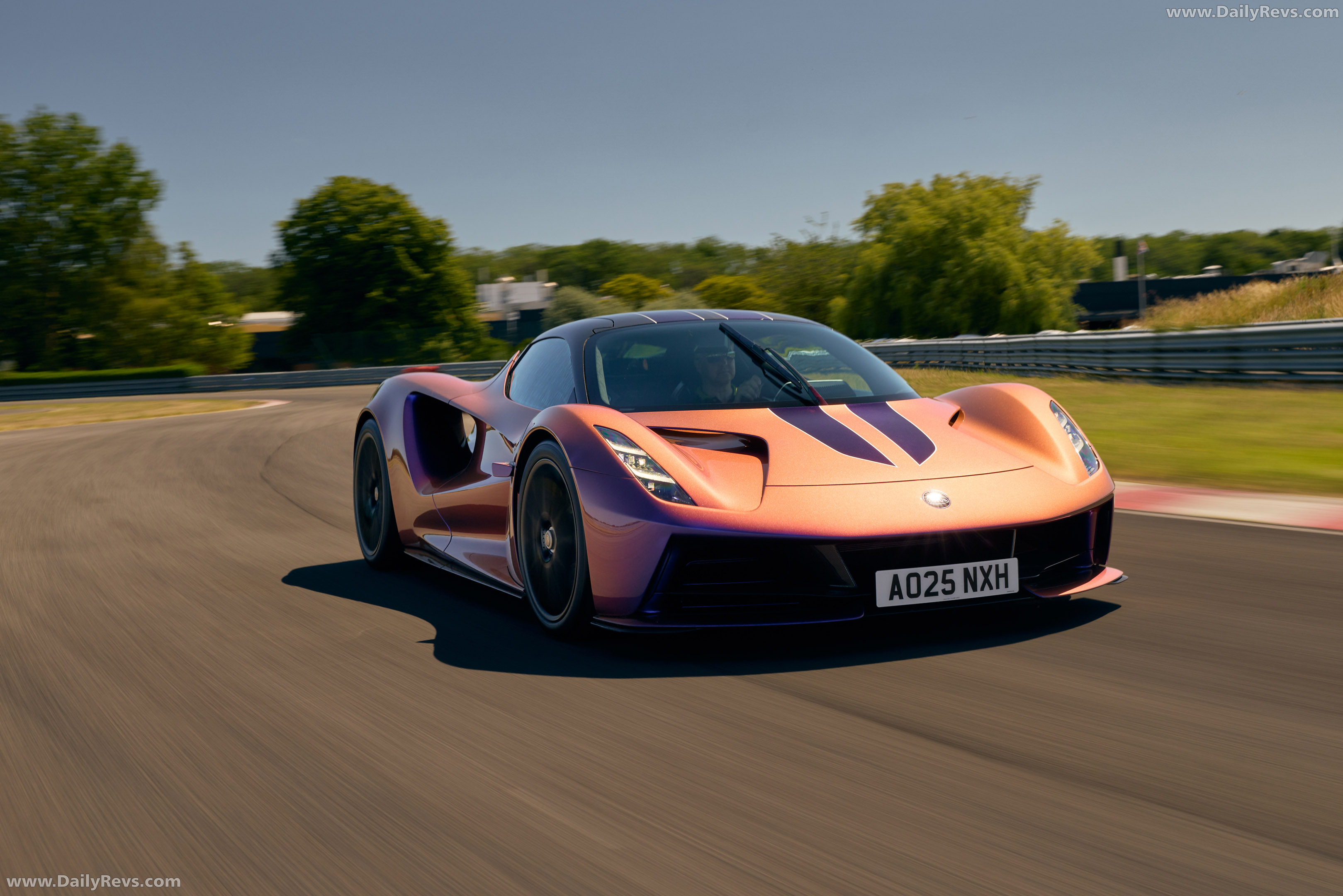
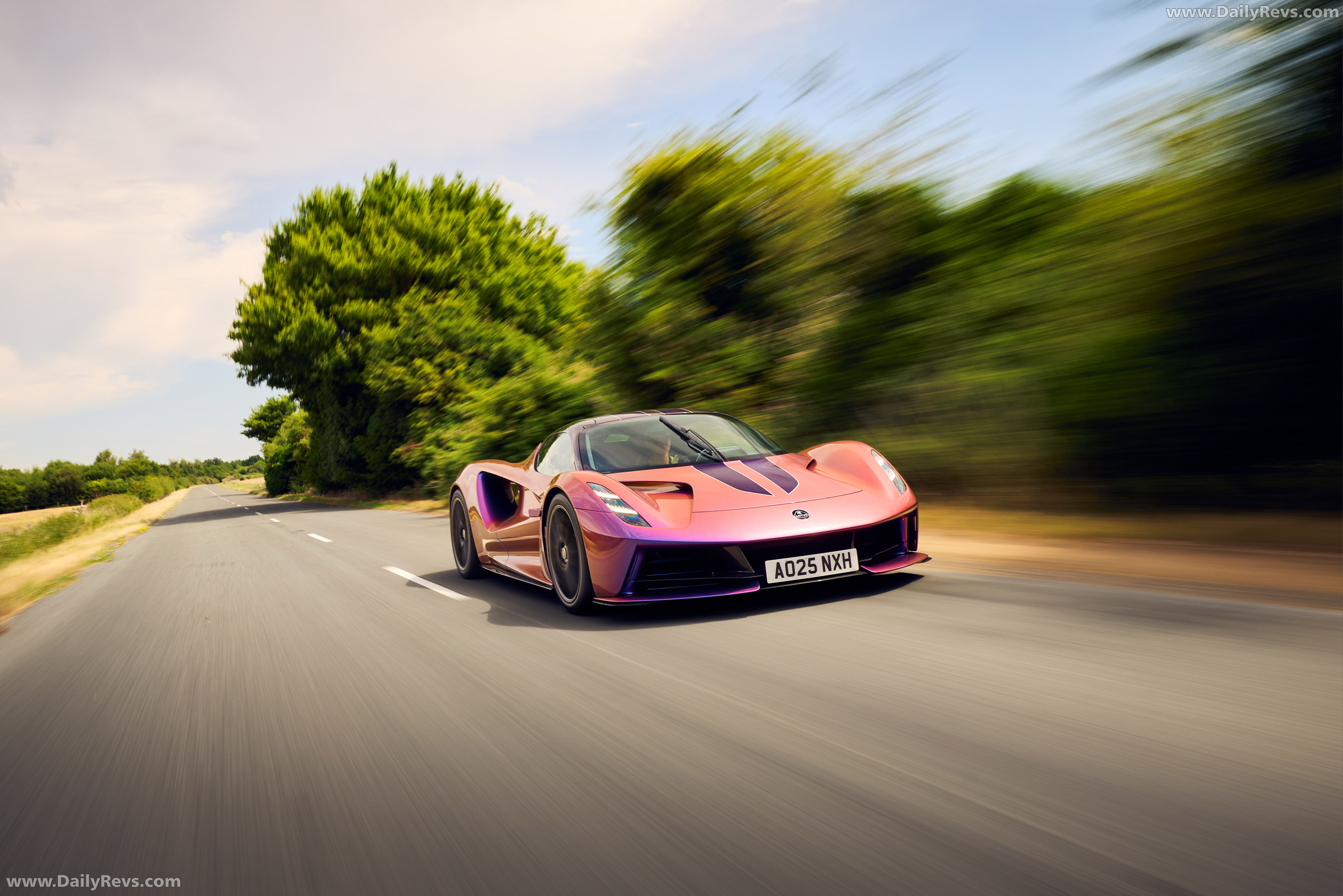
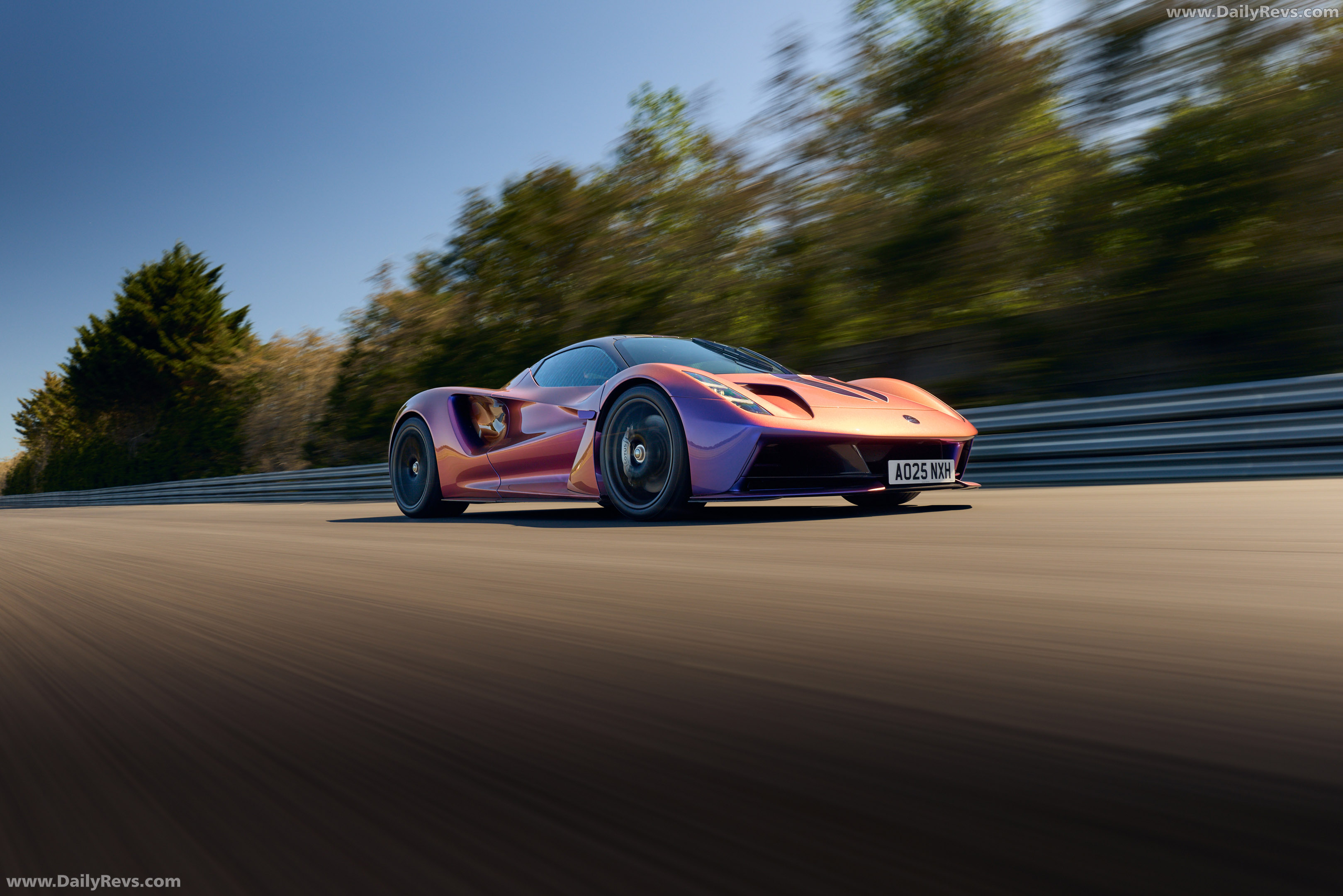
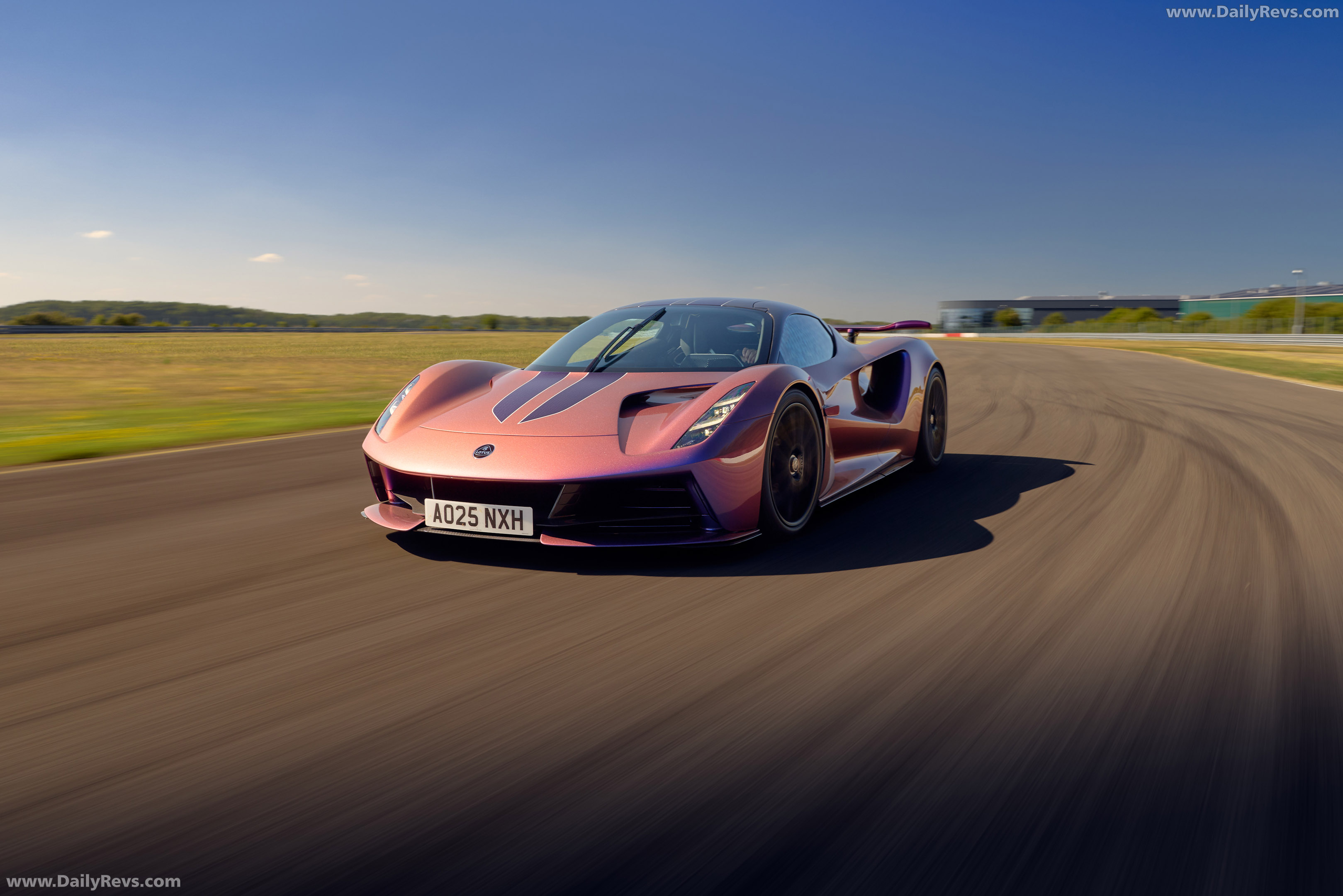
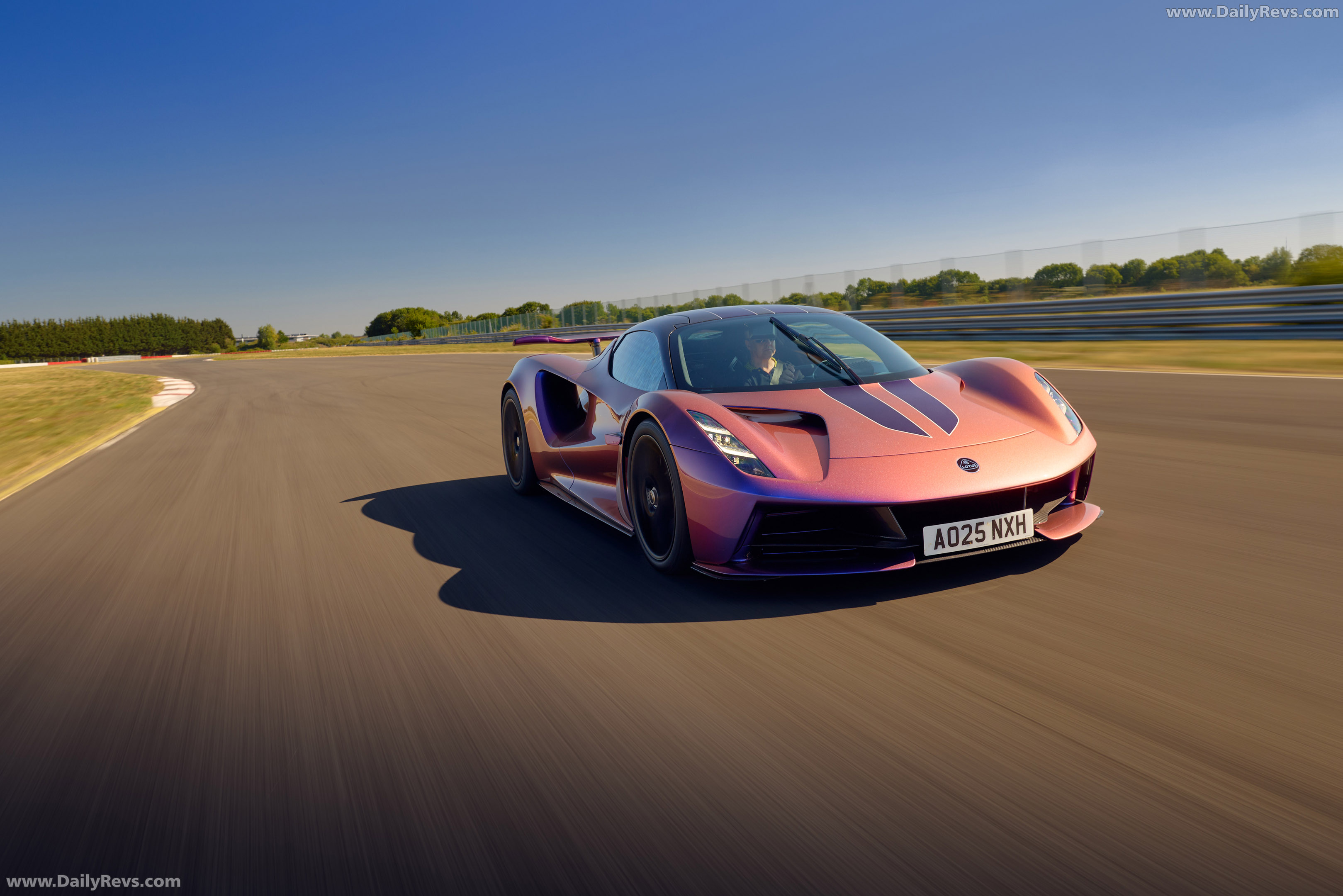
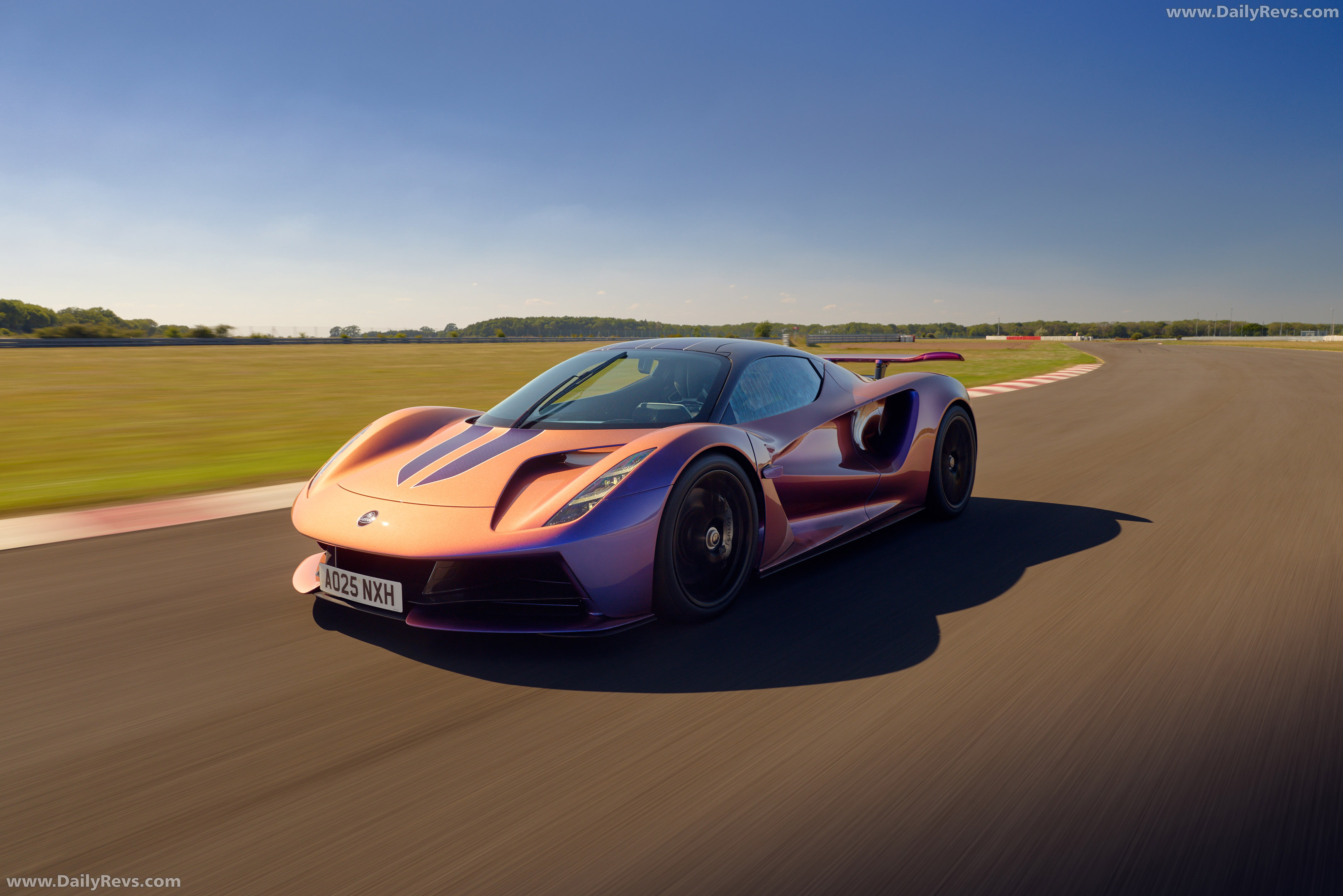
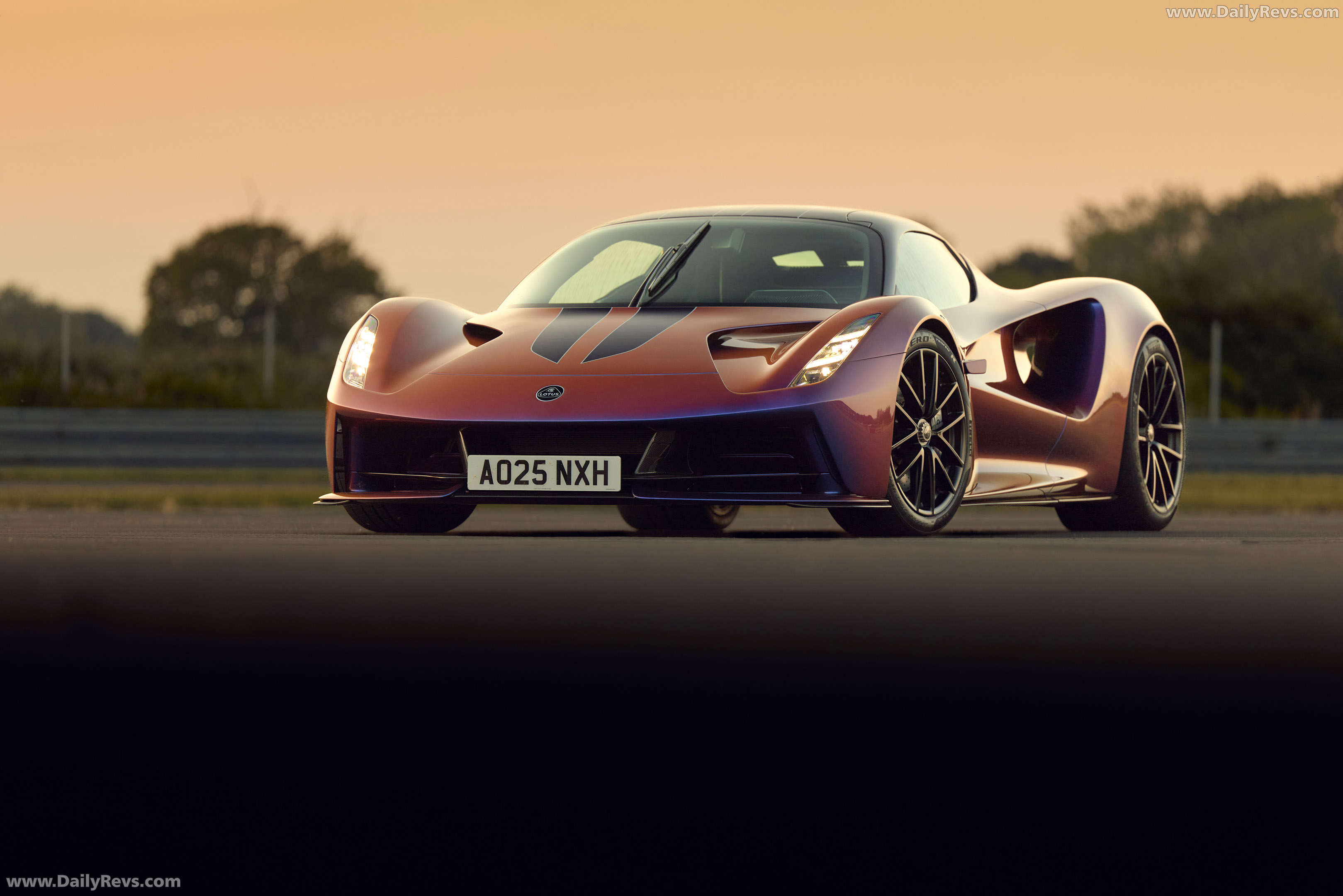
2025 Lotus Evija
By Lorenzo Bianchi June 4, 2026
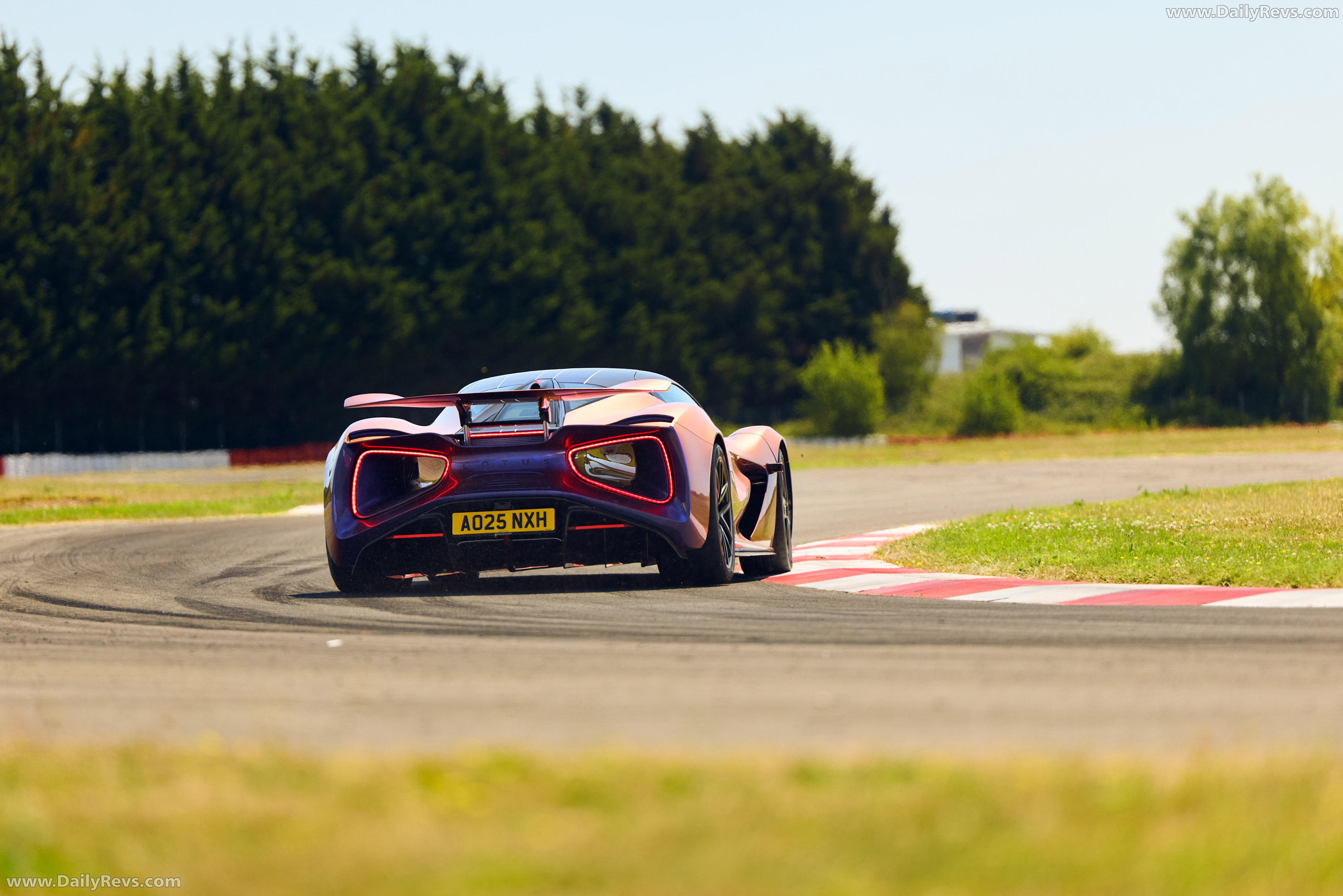
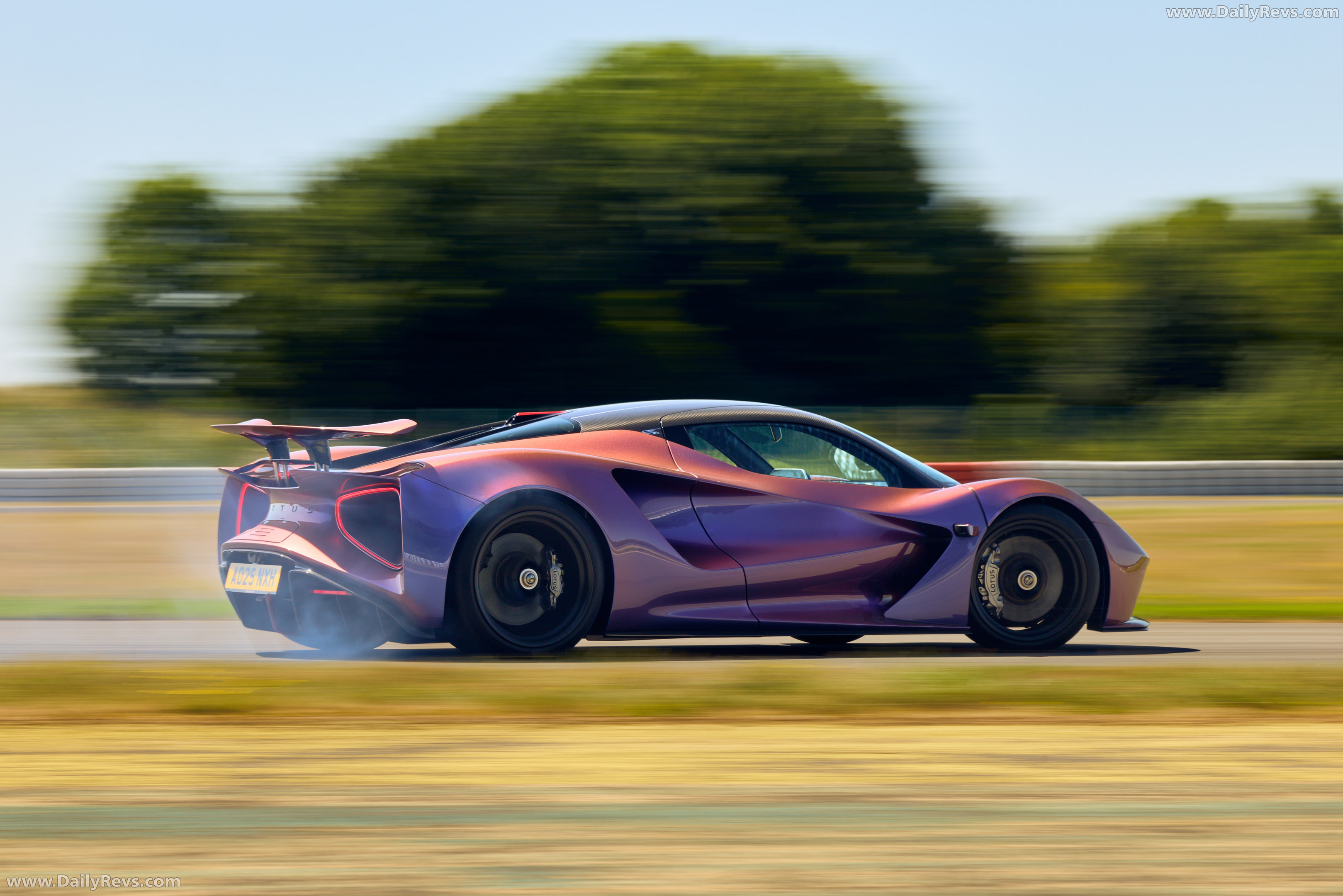
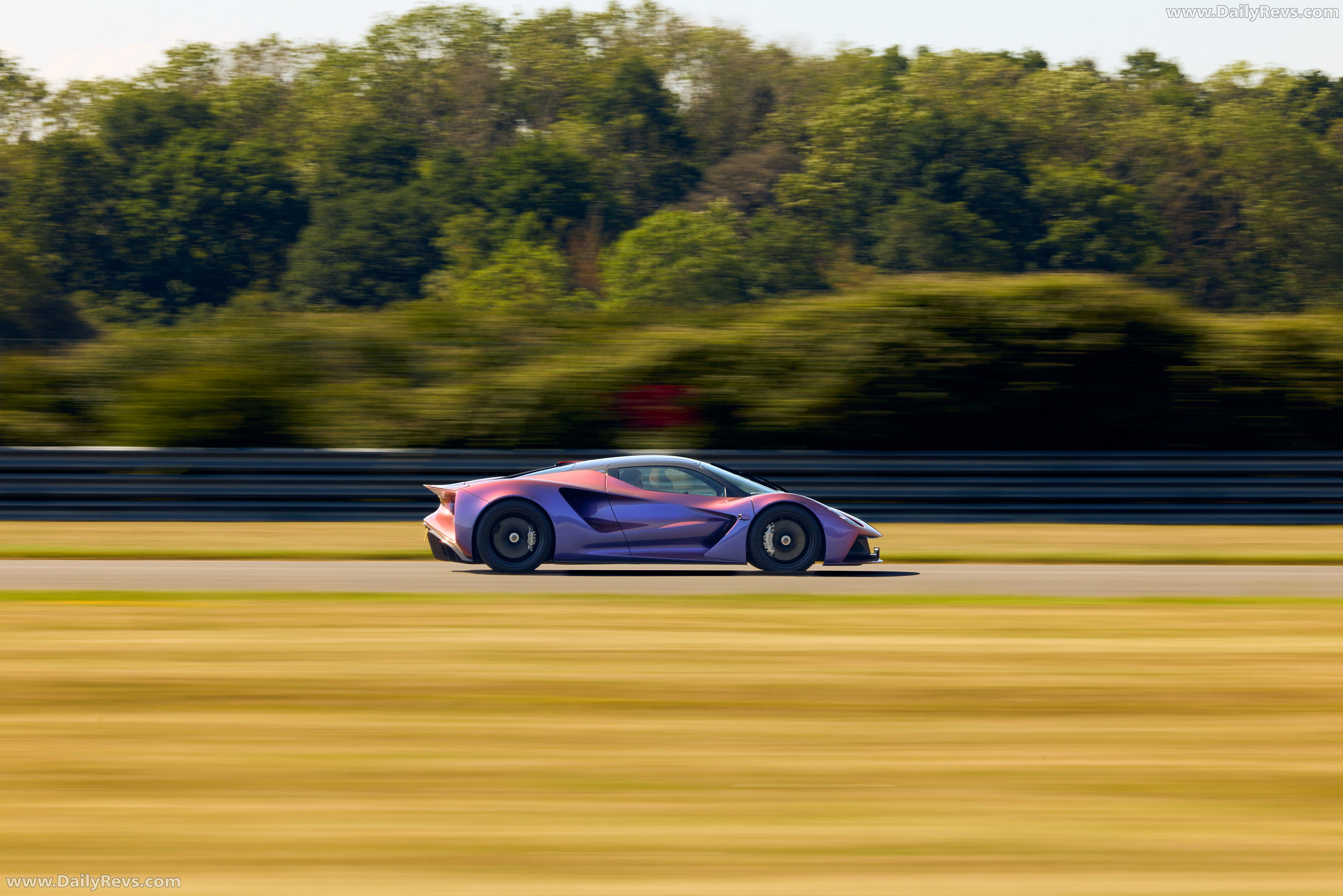
Lotus Evija produces more than 2,000 PS from a four-motor electric powertrain.
Production is limited to a maximum of 130 units worldwide.
Advanced aerodynamics and a carbon-fiber monocoque focus on both track performance and road usability.
The Evija still feels unlike anything else
Electric hypercars are no longer unusual. Several manufacturers have entered the space over the last few years, chasing bigger power figures and faster acceleration numbers.
The 2025 Lotus Evija approaches the segment from a slightly different angle.
Yes, the headline number is impossible to ignore. With more than 2,000 PS available, it remains one of the most powerful production cars ever created. Yet after spending time studying the details, the Evija feels less like a demonstration of brute force and more like a showcase of how Lotus thinks performance should be delivered.
That philosophy is visible before the car even moves.
Airflow shapes every surface
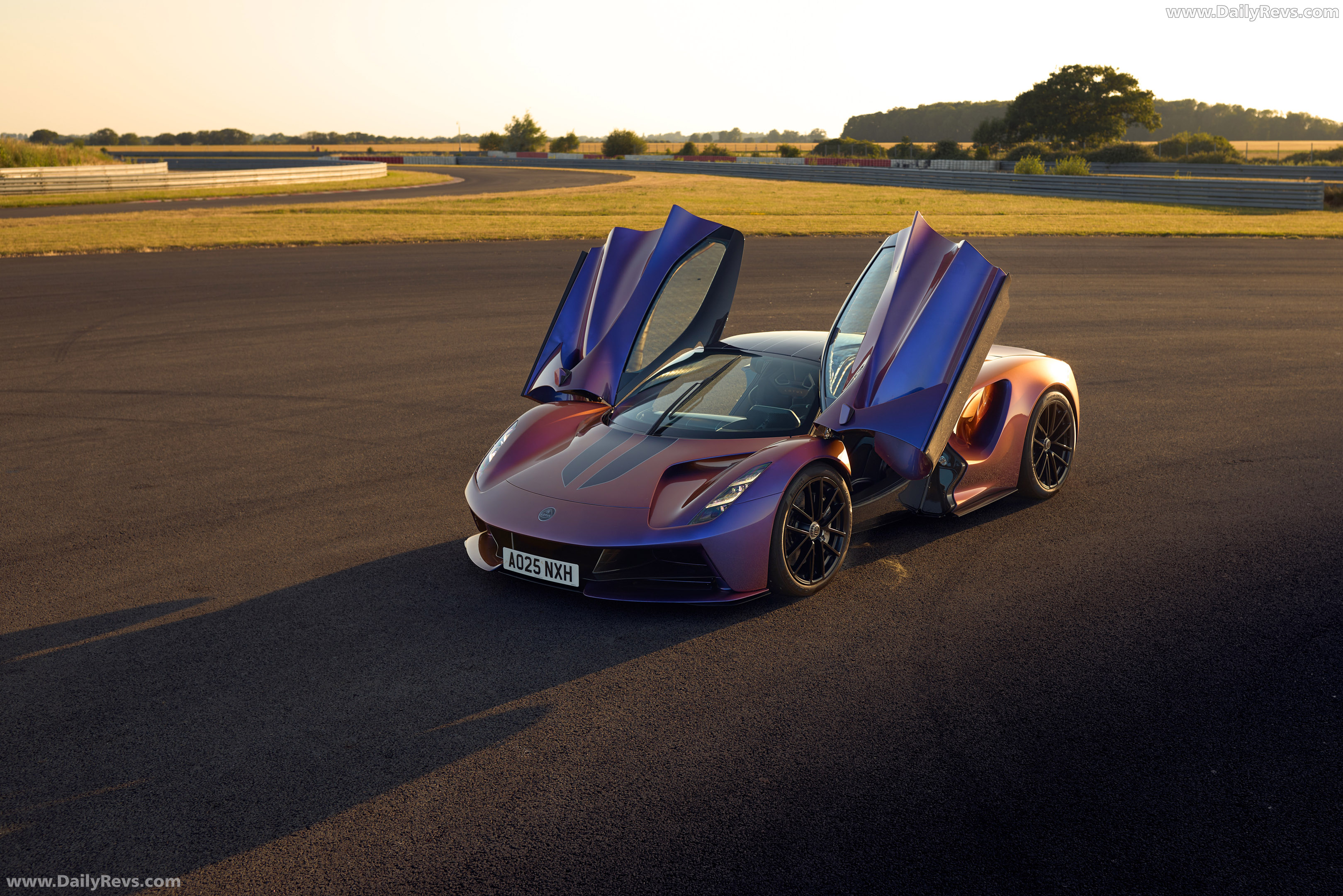
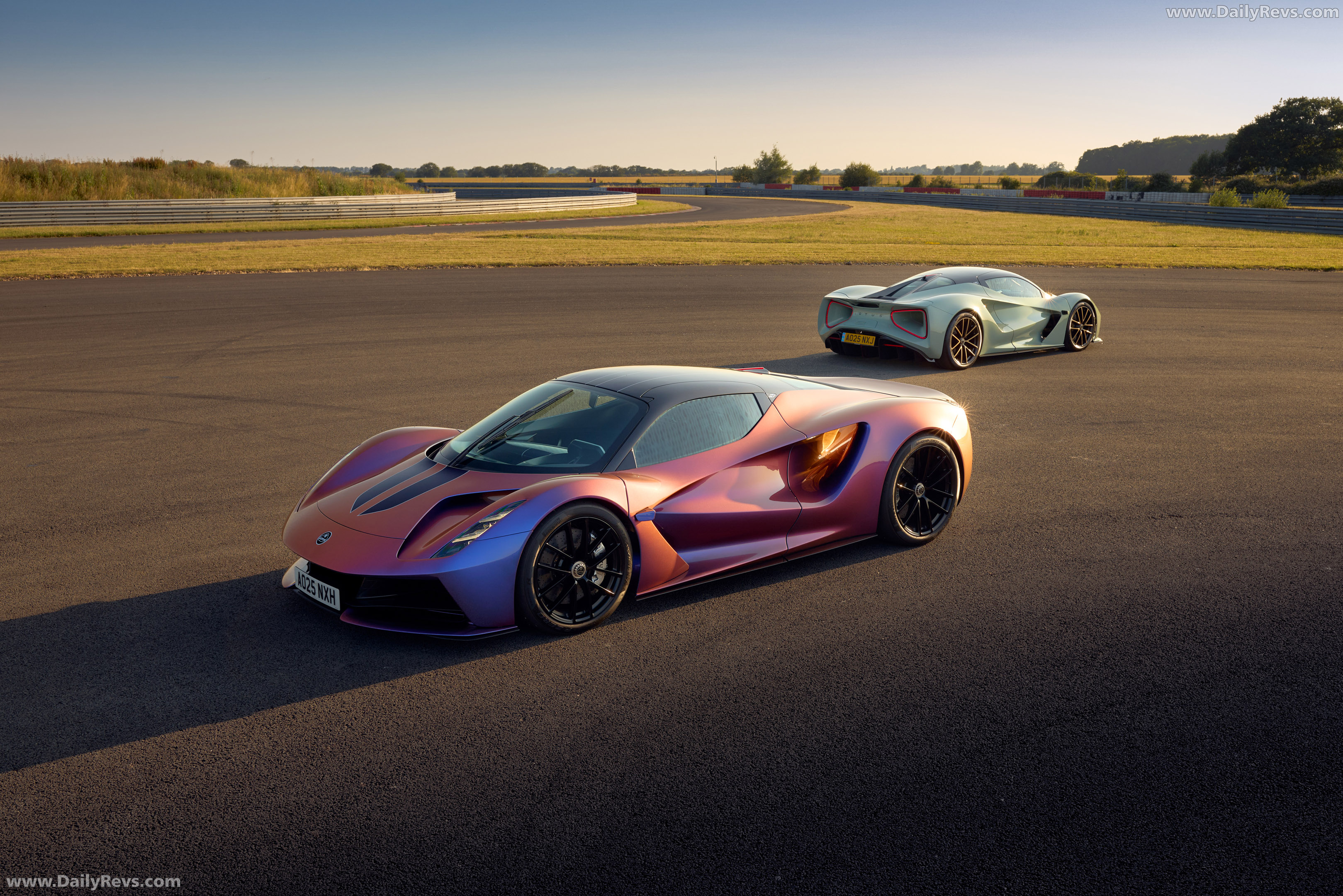
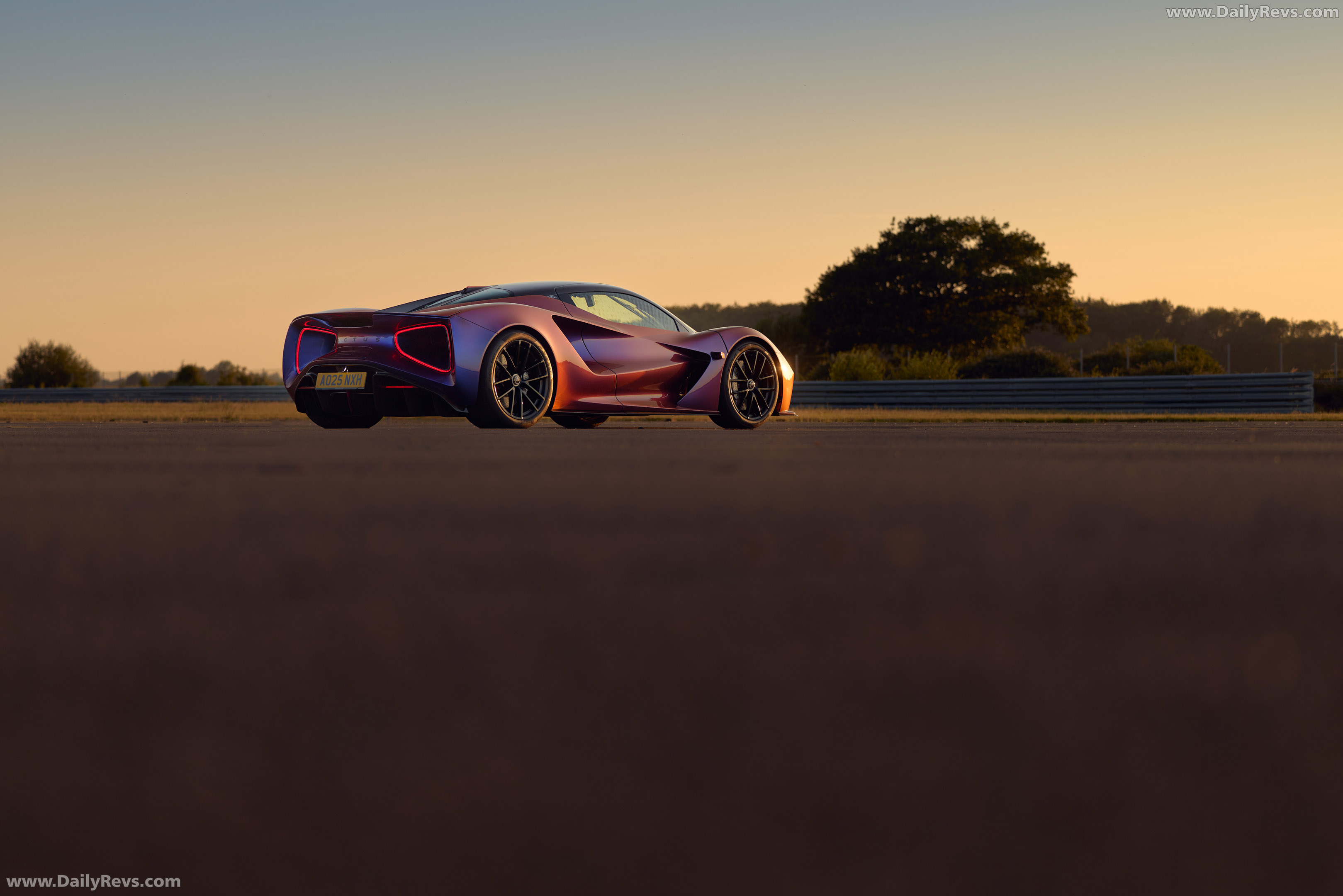
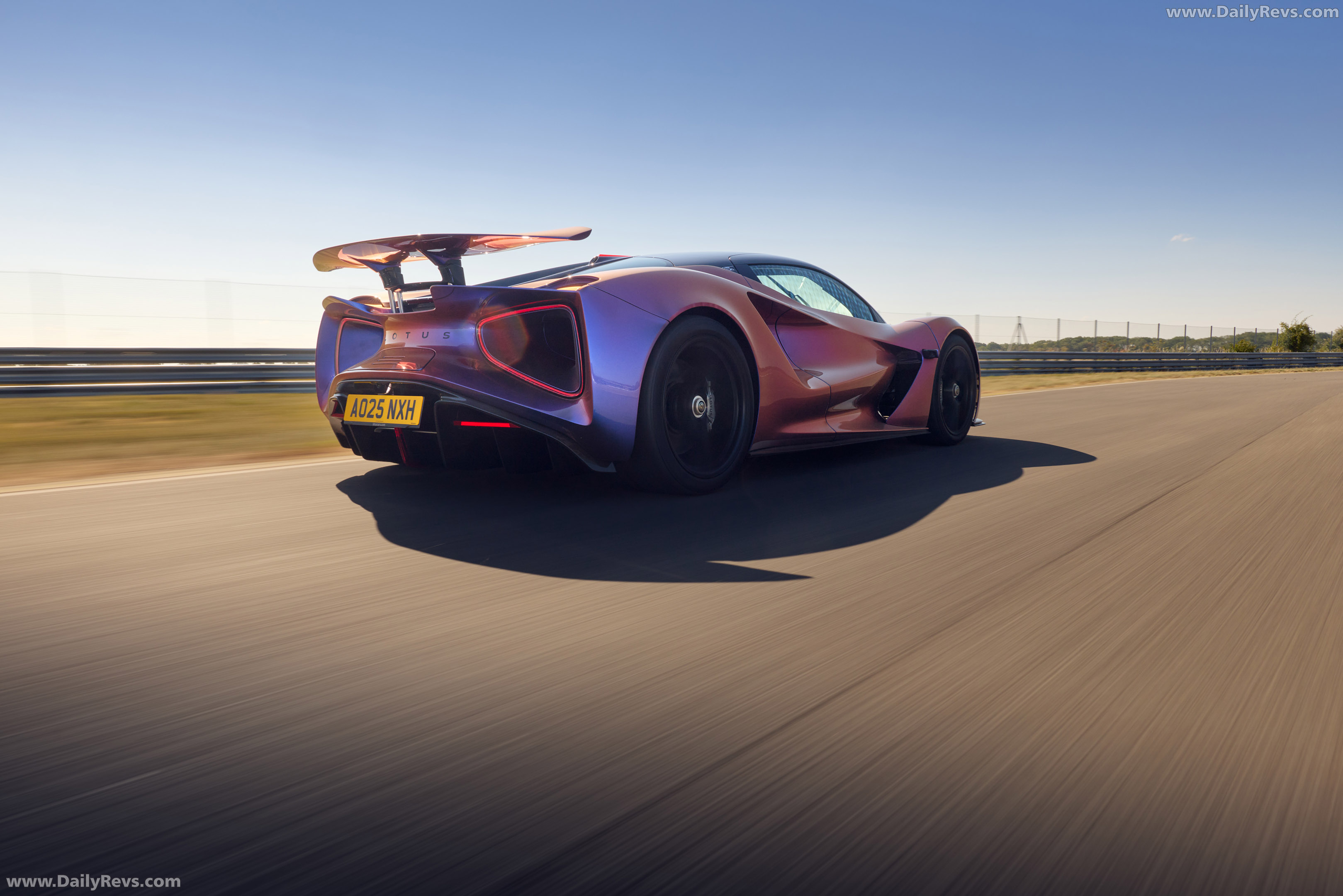
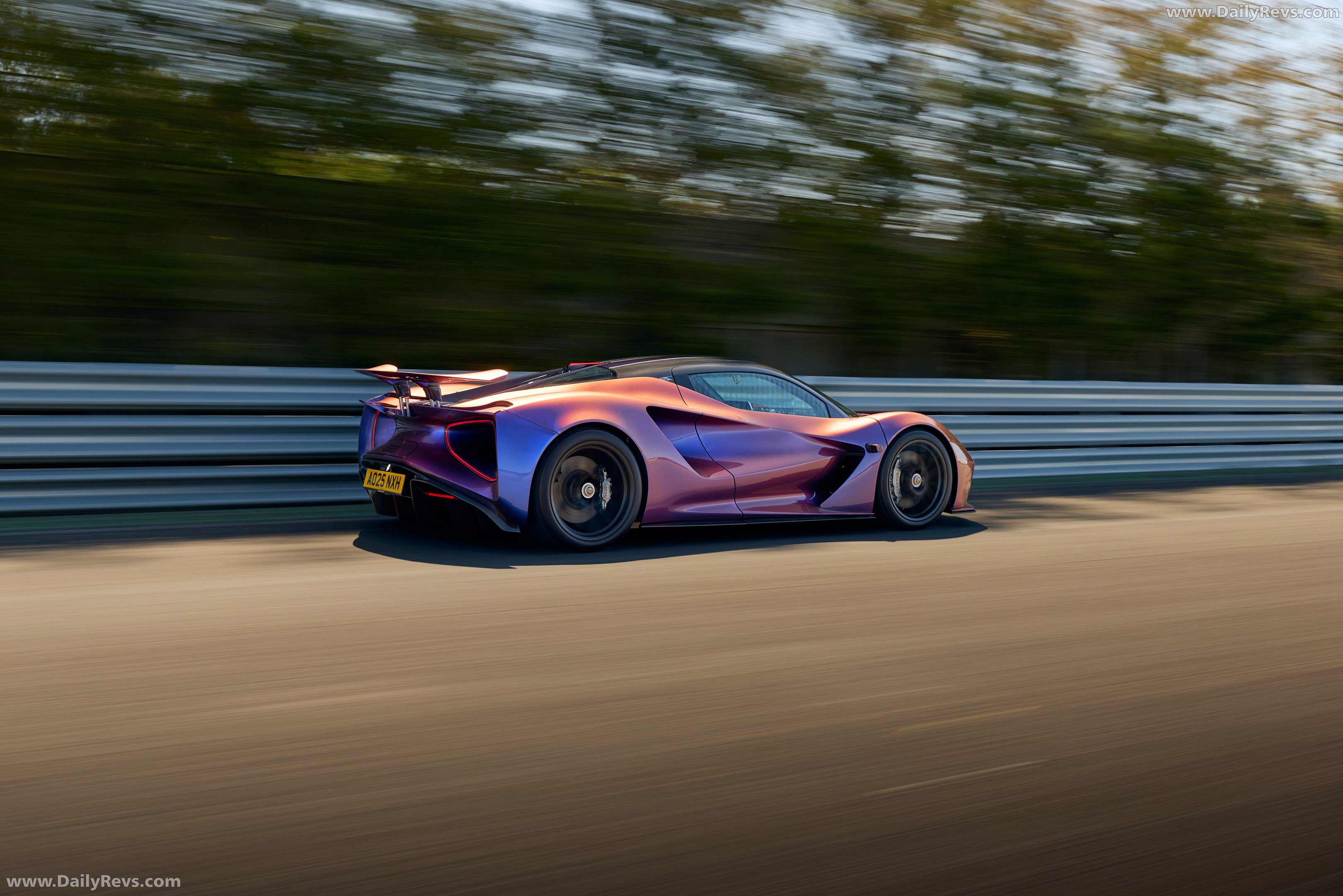
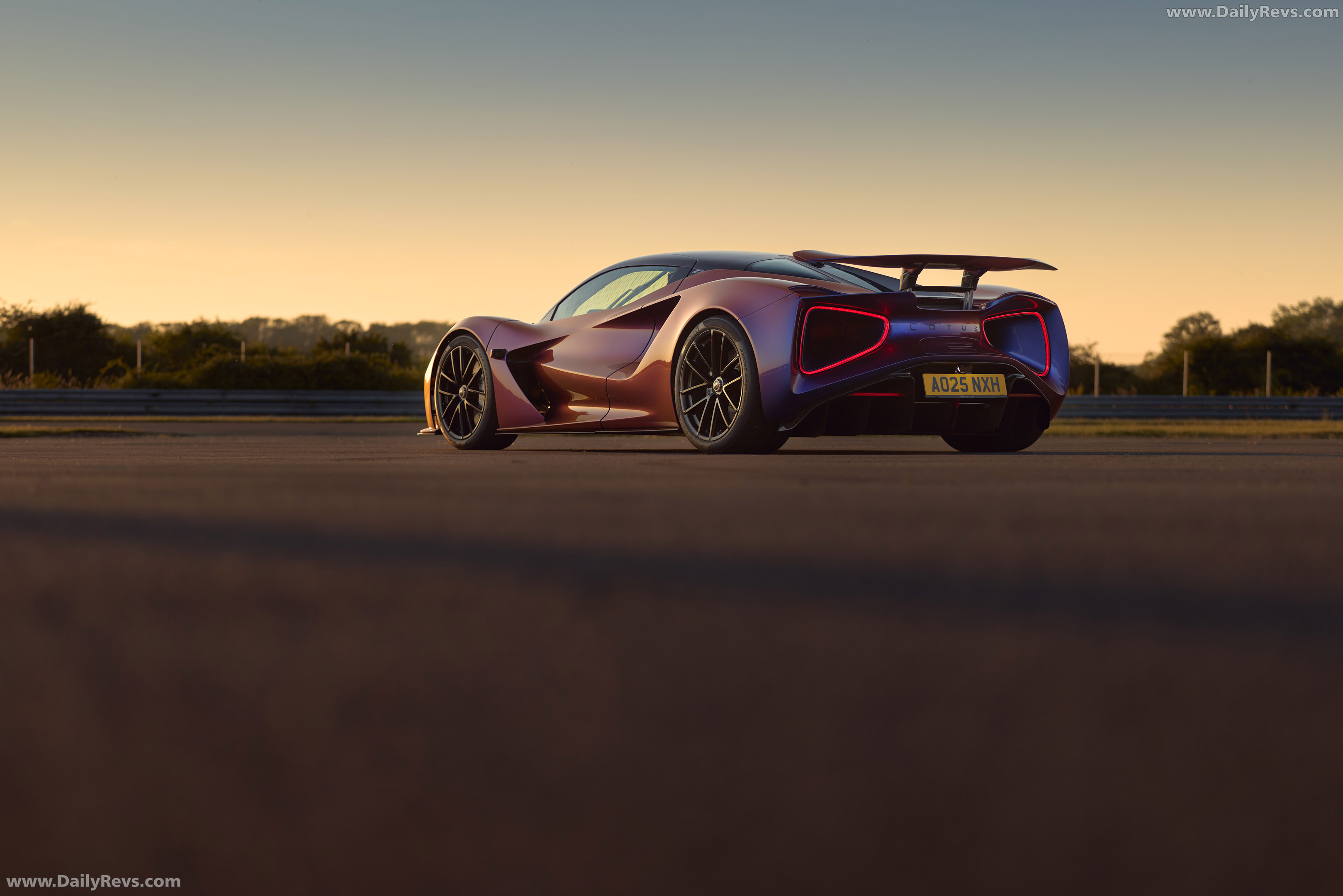
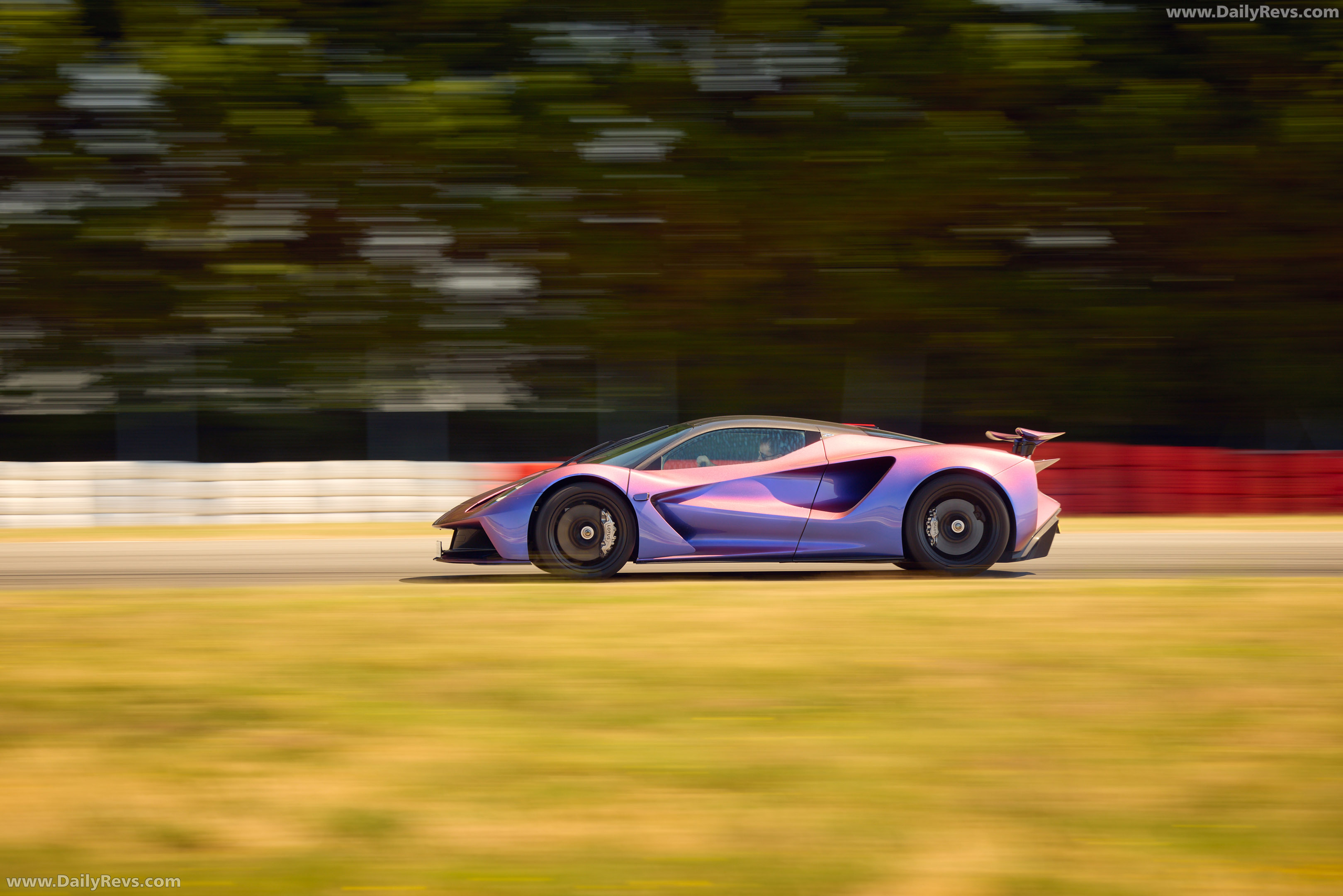
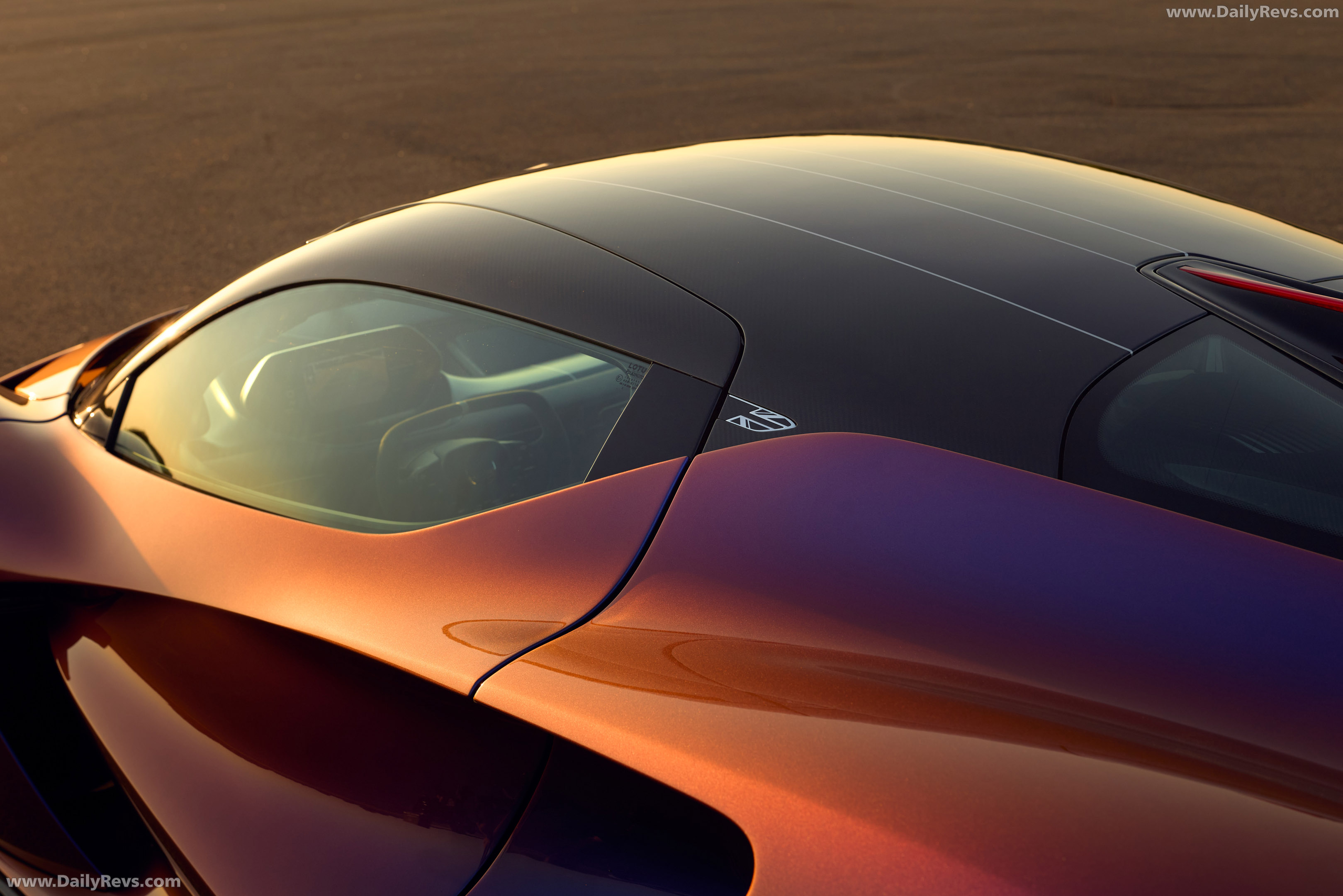
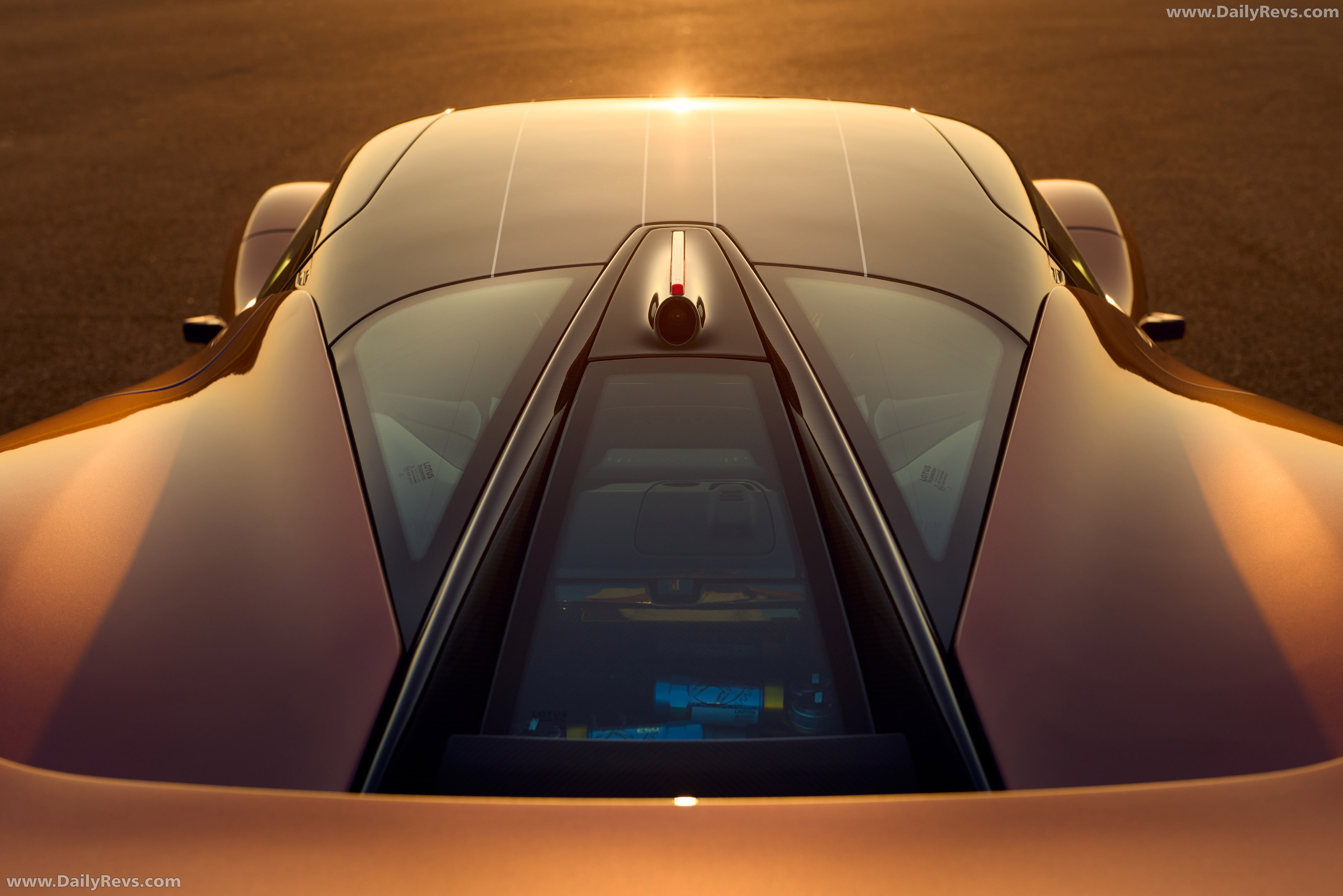
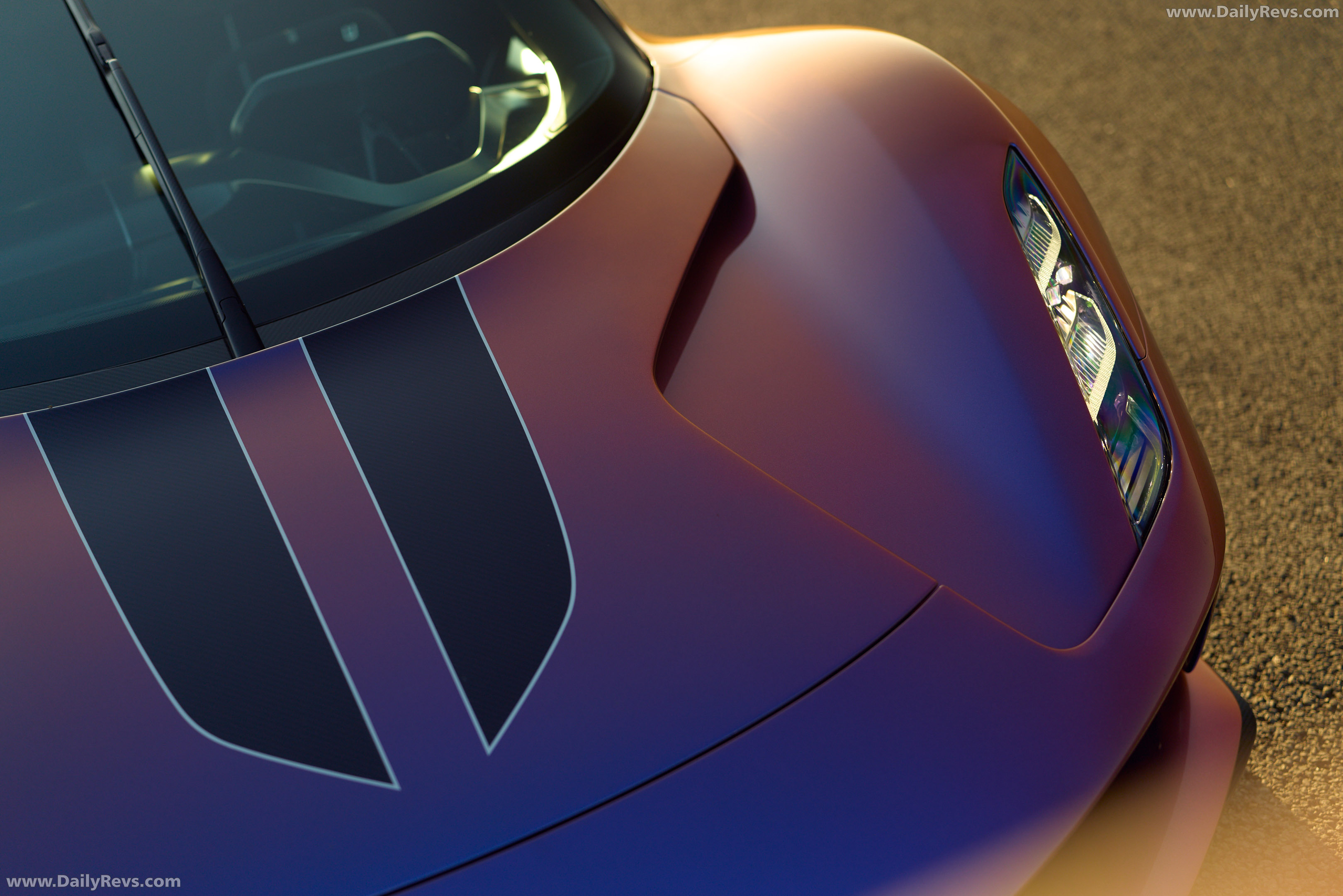
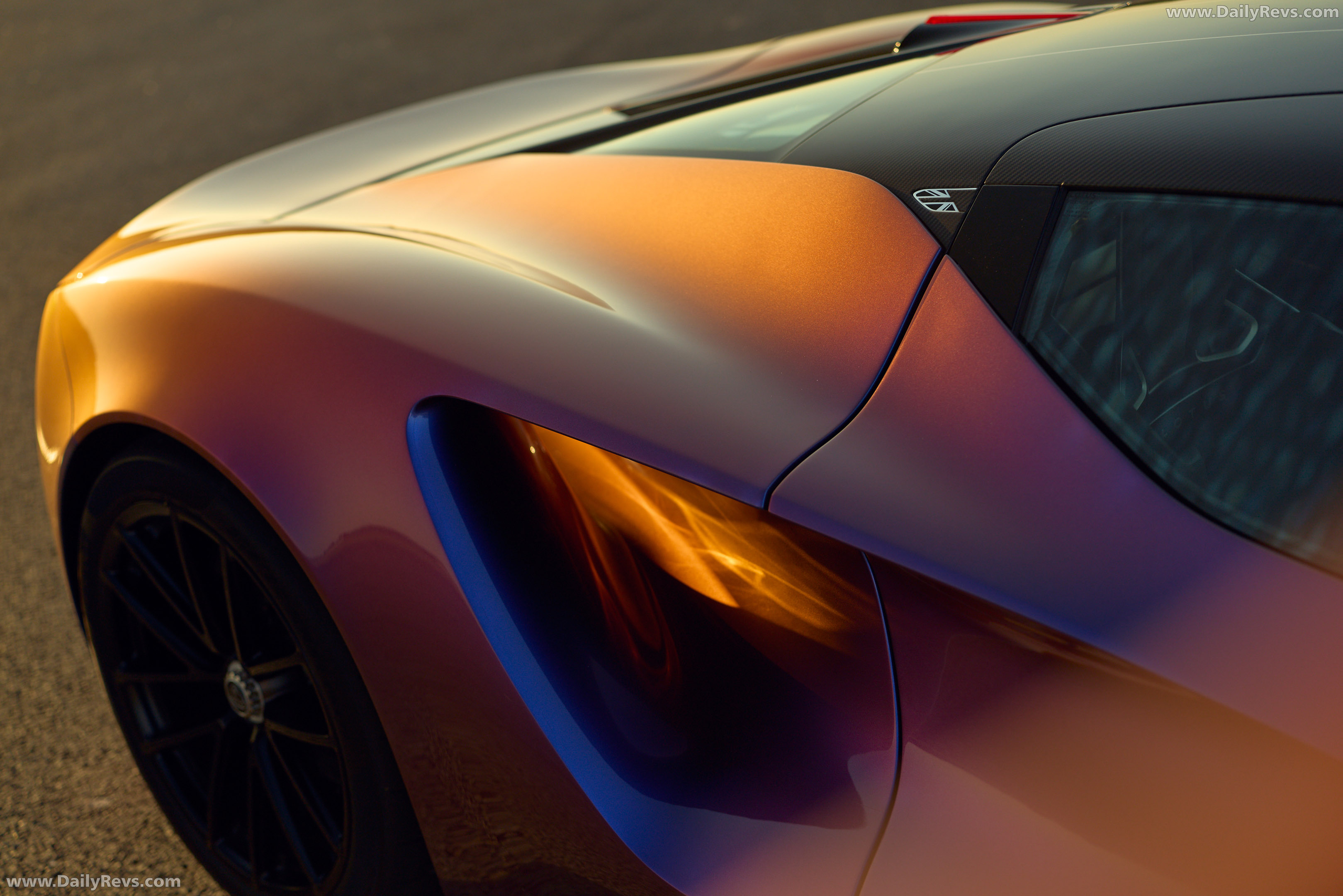
The Evija sits impossibly low, measuring just 105 mm in ride height, with dramatic rear haunches wrapped tightly around a teardrop-shaped cabin. The body appears almost stretched over the mechanical components beneath it.
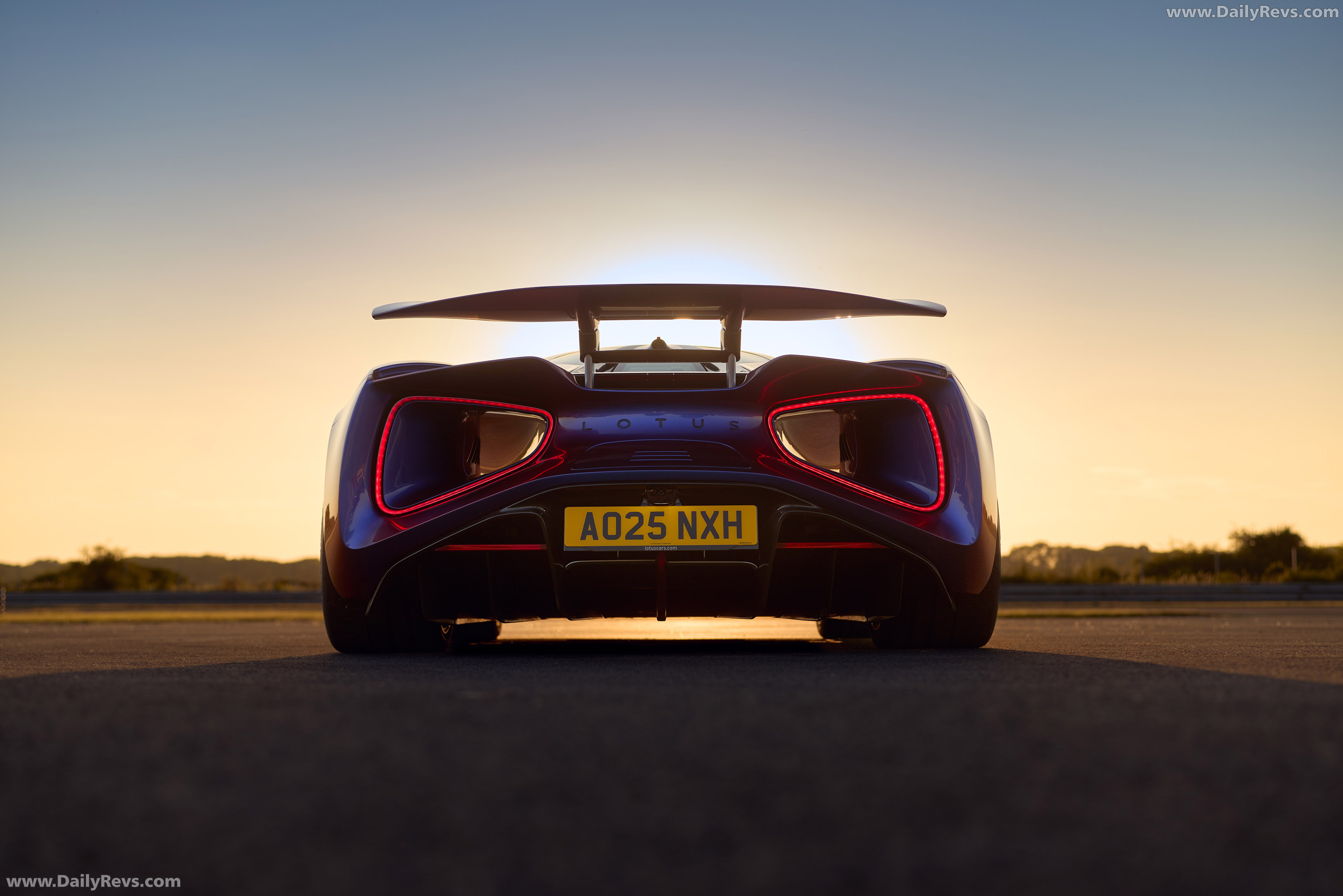
The defining feature is found at the rear.
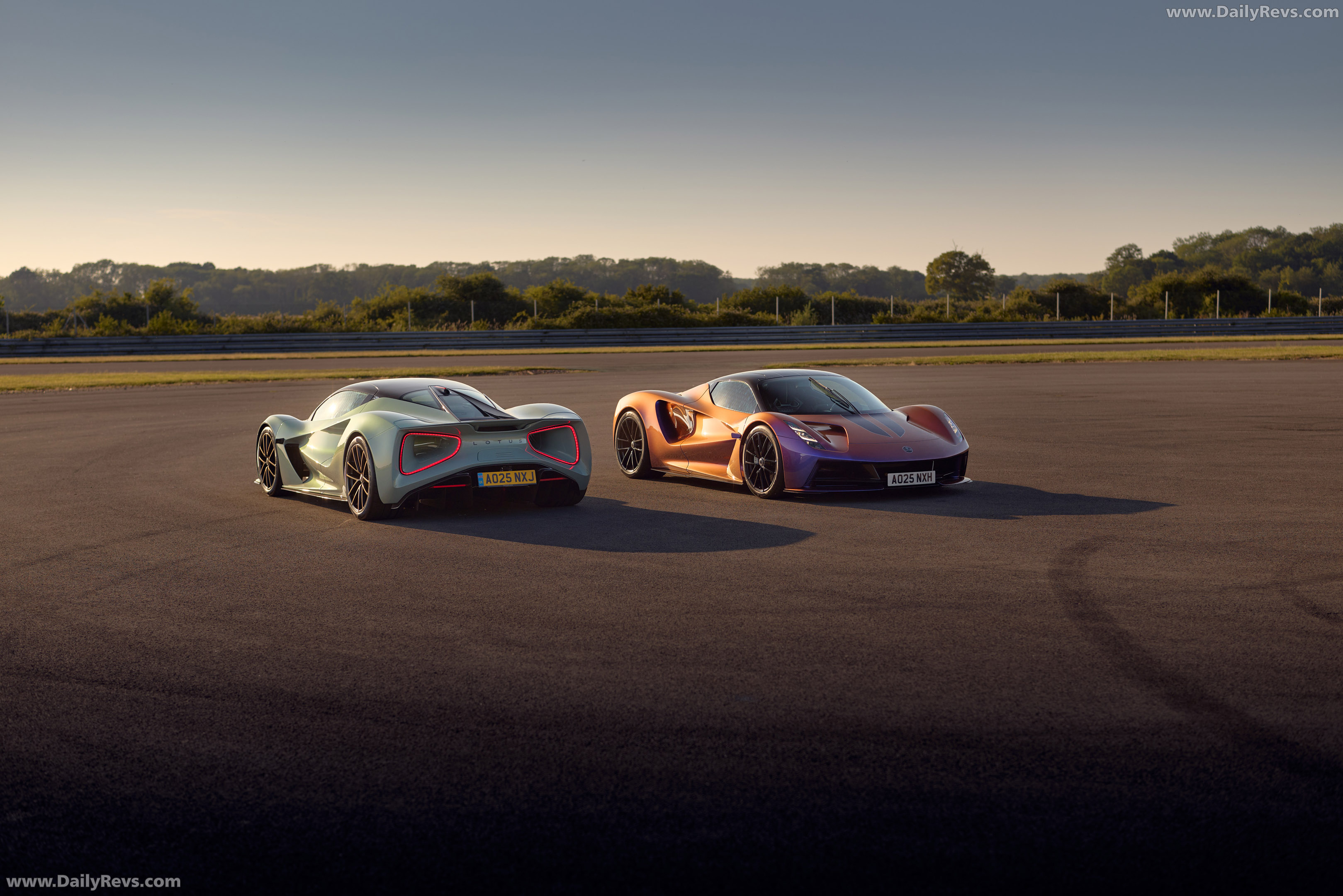
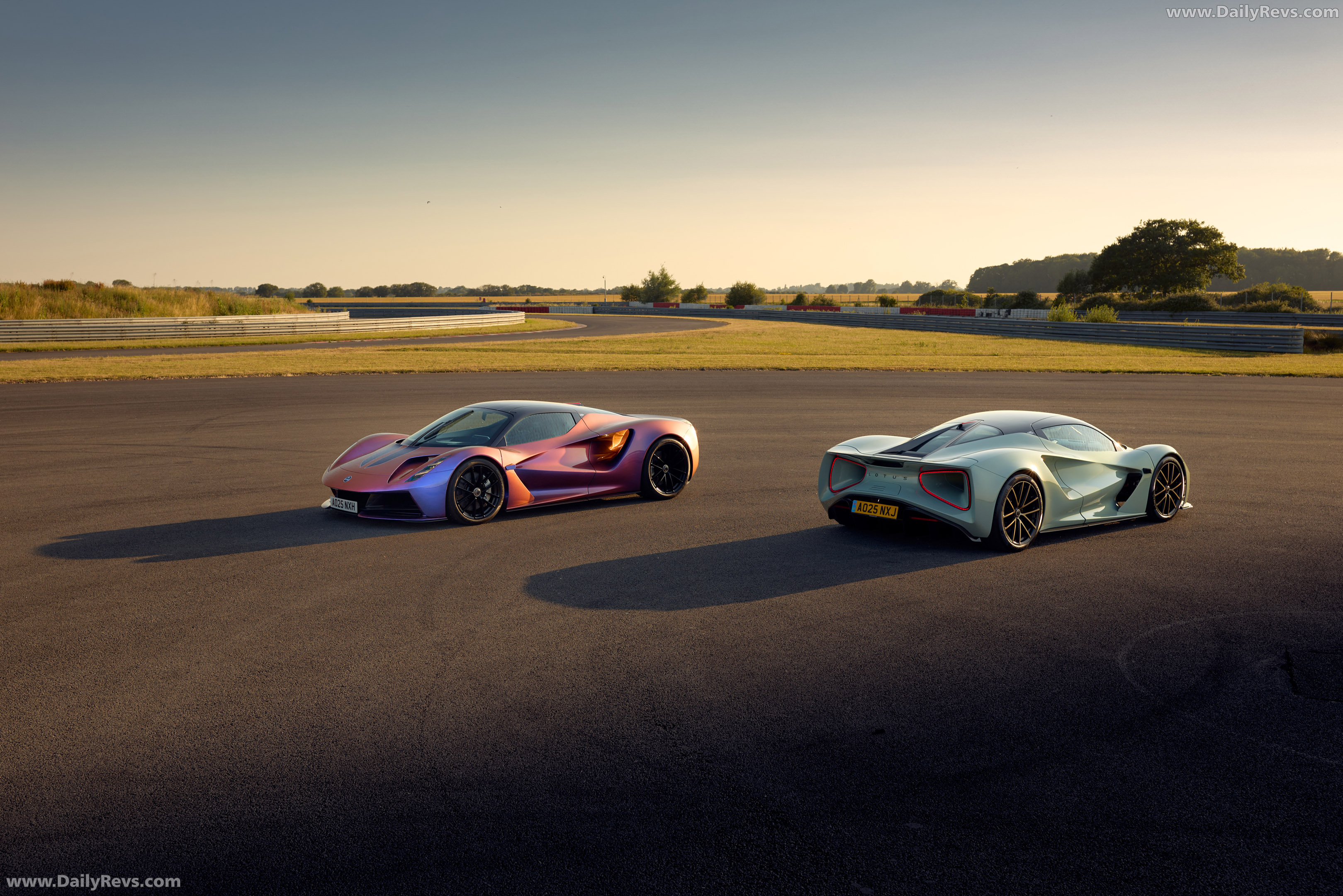
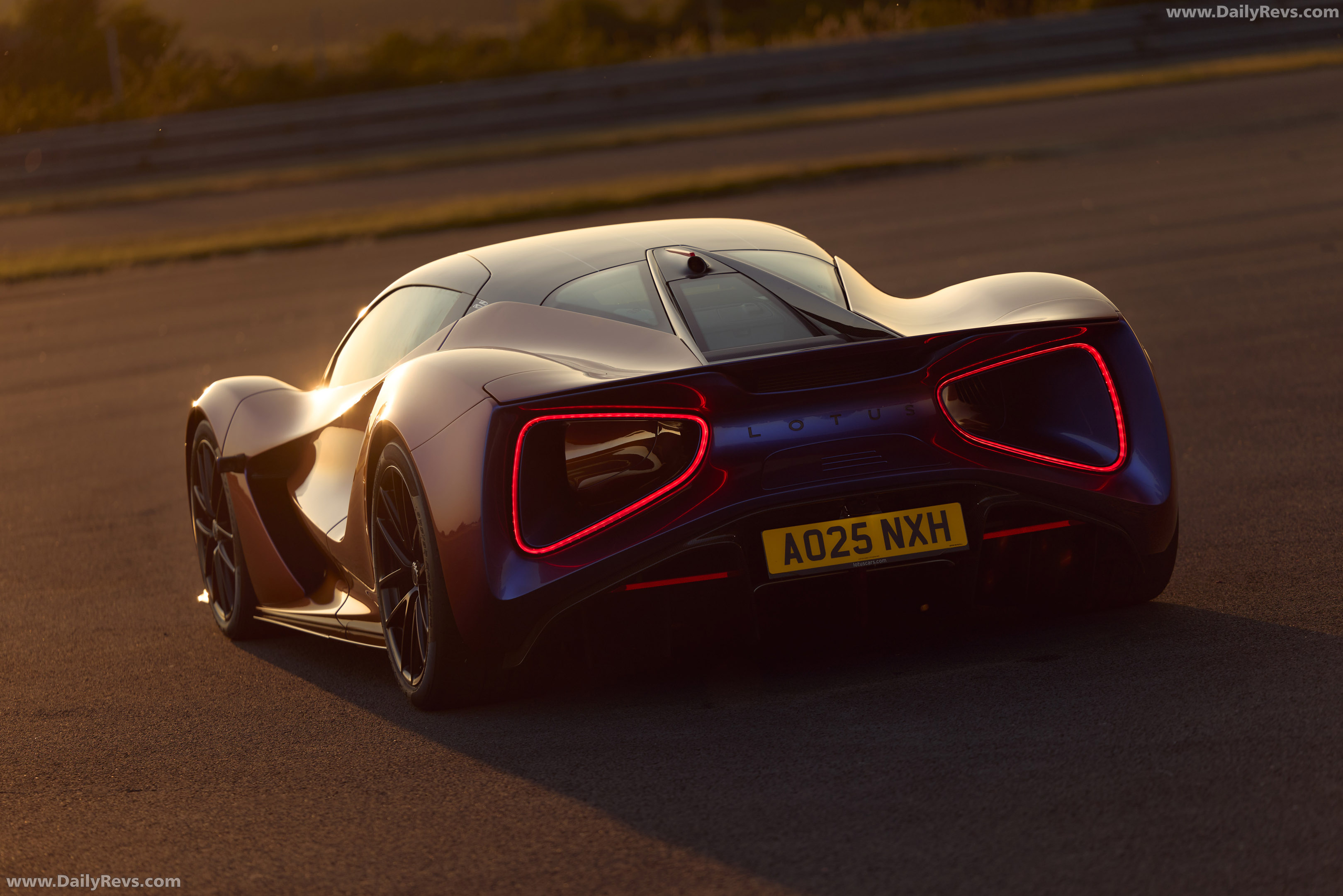
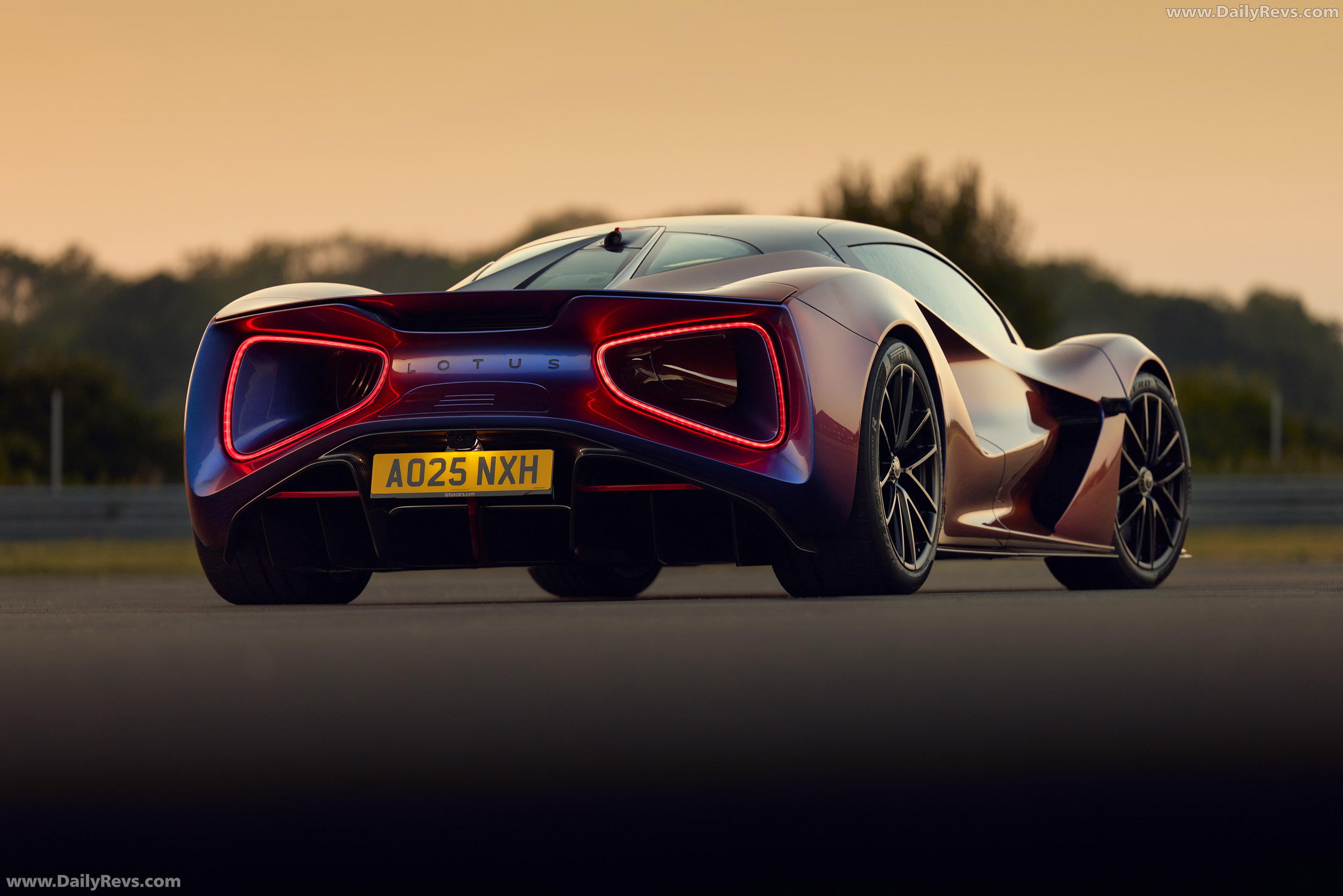
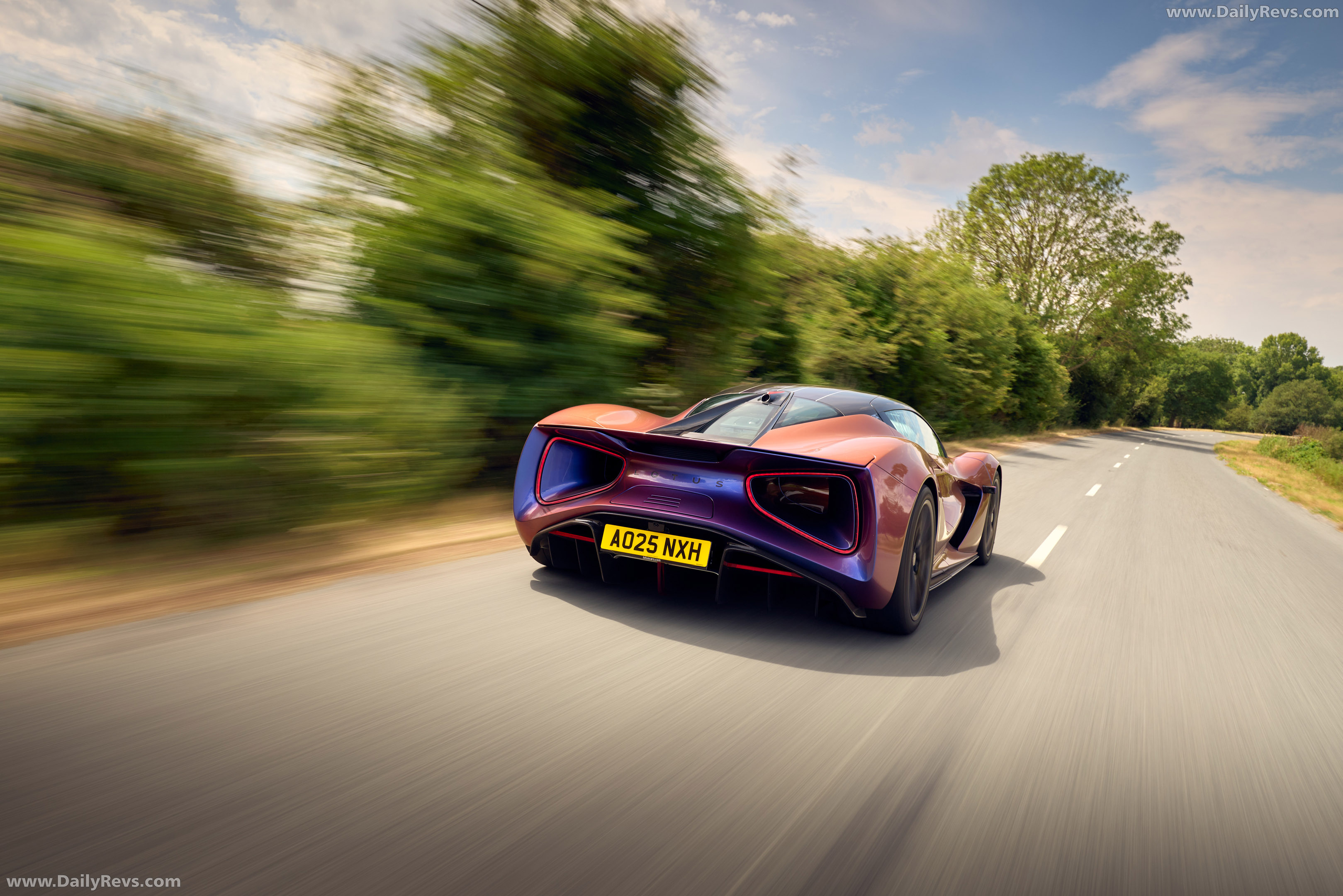
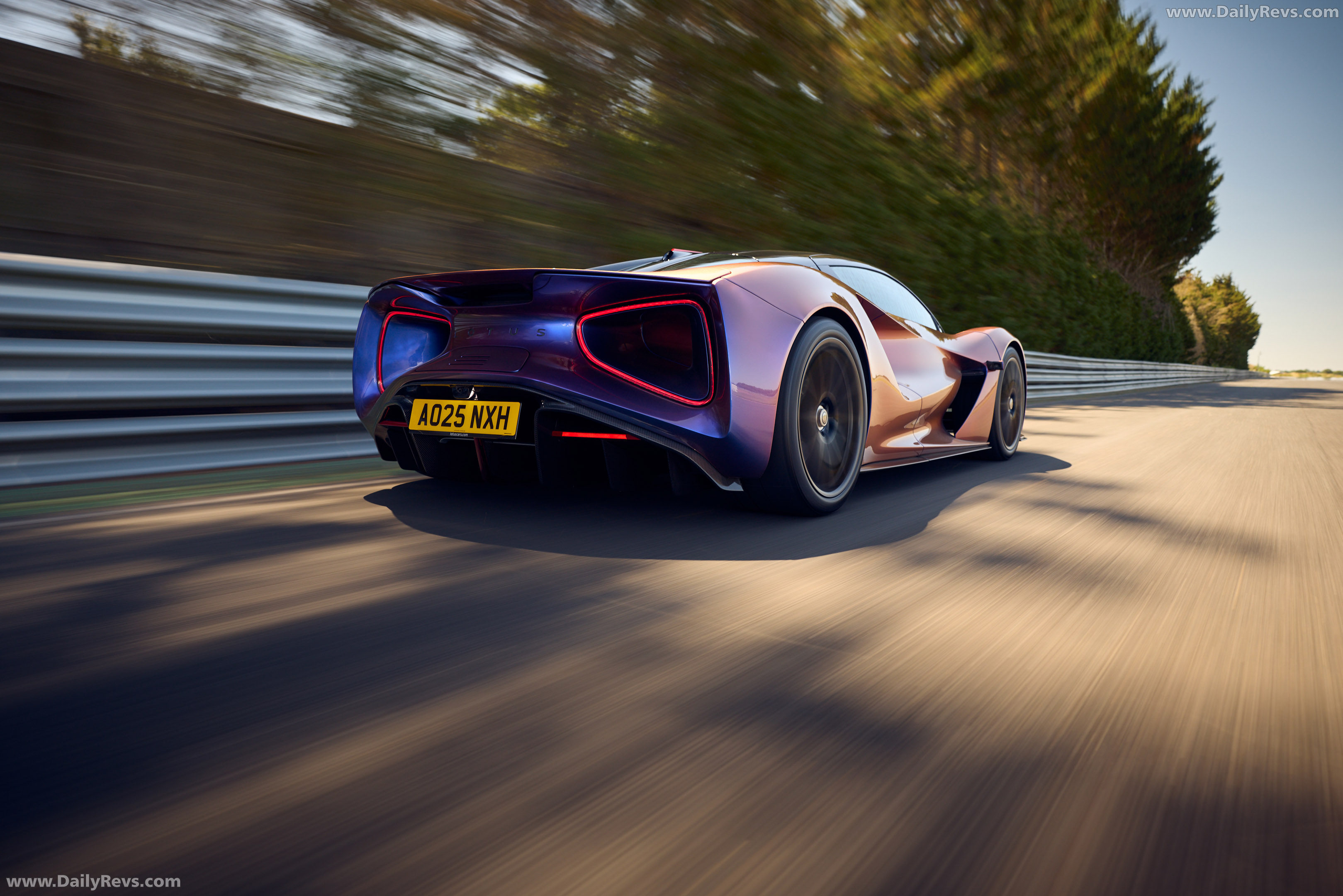
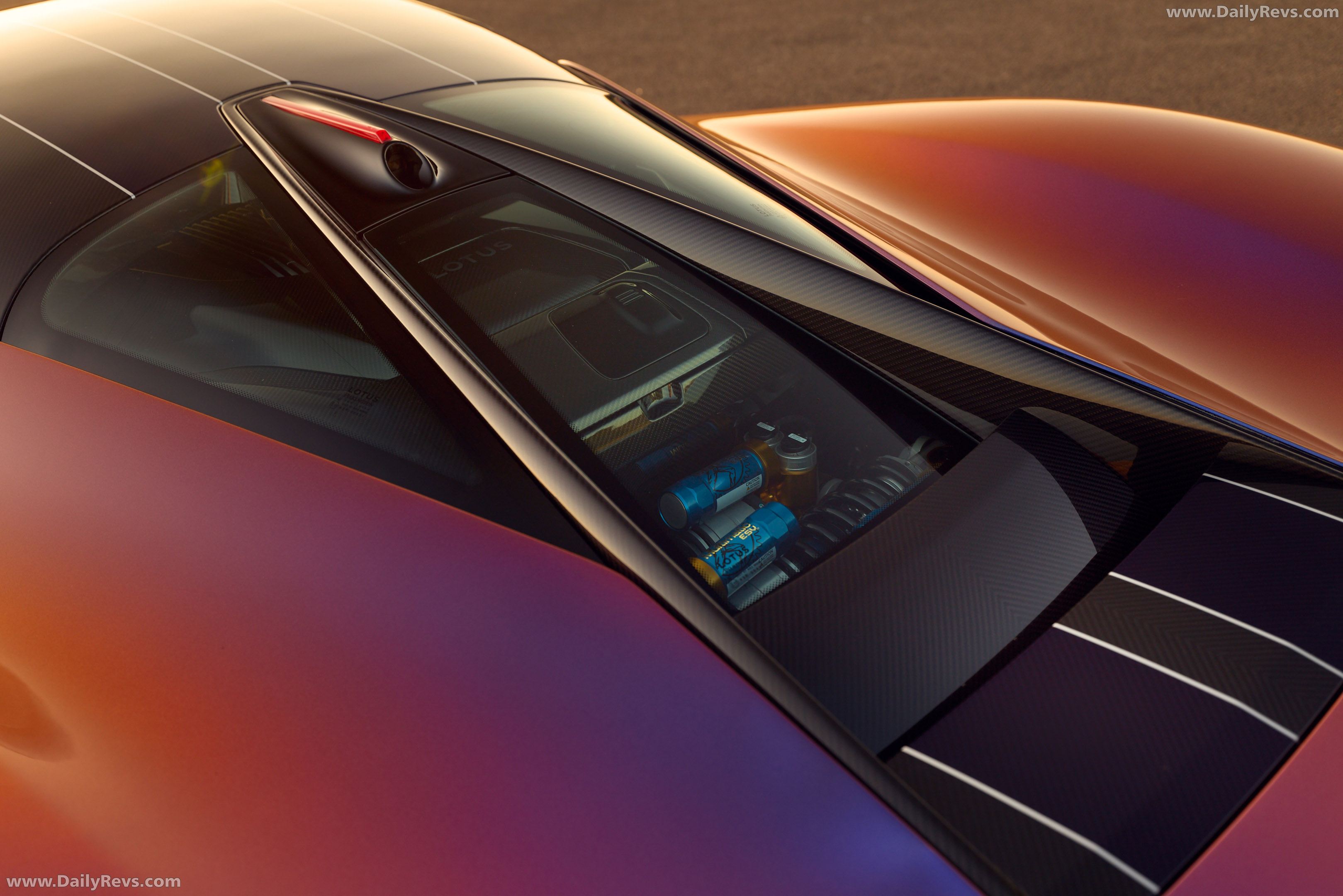
Two enormous Venturi tunnels pass directly through the bodywork, creating what Lotus describes as "porosity." Inspired by Le Mans prototypes, the tunnels channel air through the car rather than simply around it, helping reduce drag while generating the airflow needed for stability at high speed.
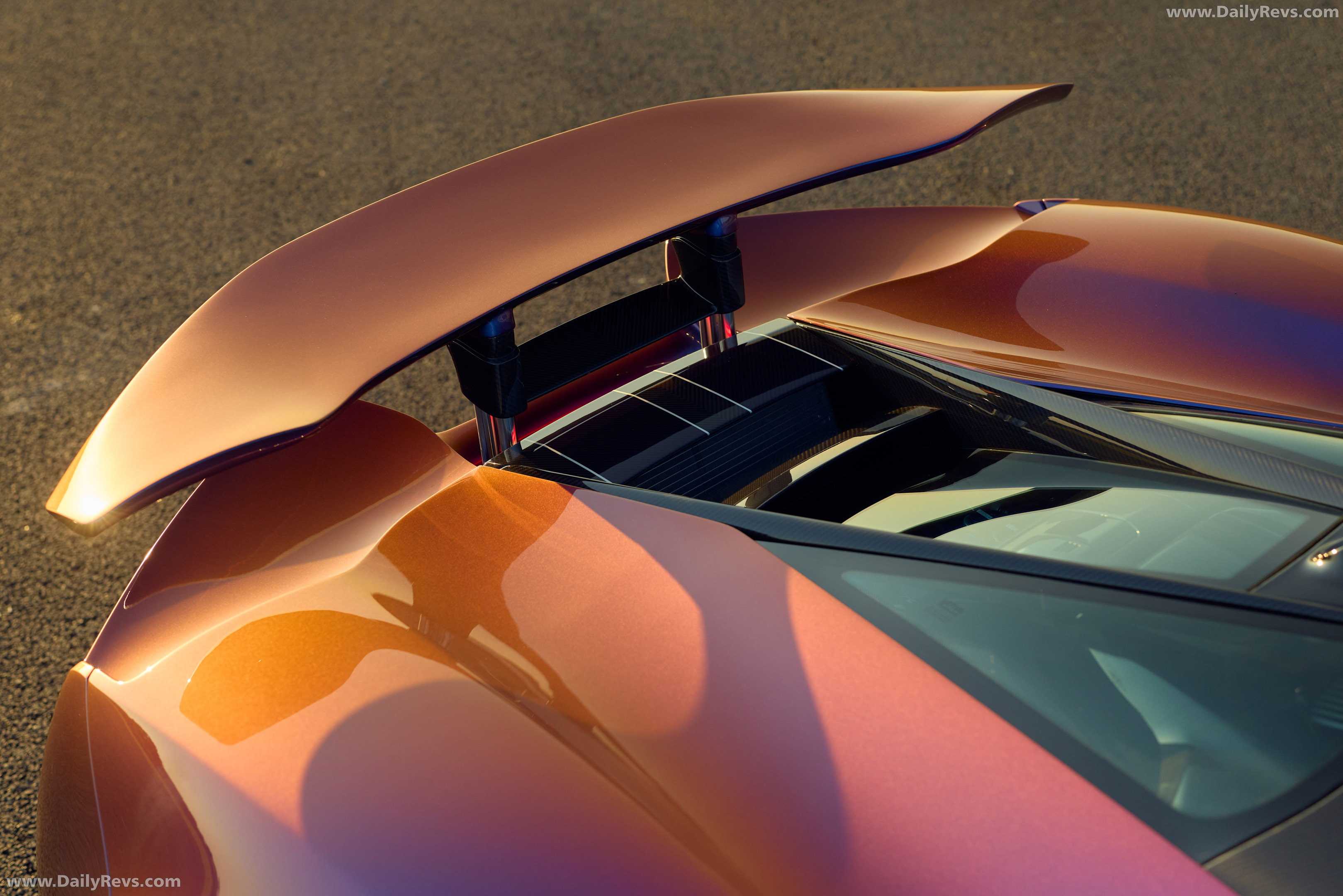
Active aerodynamic elements add another layer of complexity. A deployable rear wing and Formula 1-inspired Drag Reduction System work alongside a three-section front splitter that directs cooling air toward both the battery pack and front electric drive units.
Even parked, the Evija looks engineered around airflow first and styling second.
A cabin built around the driver
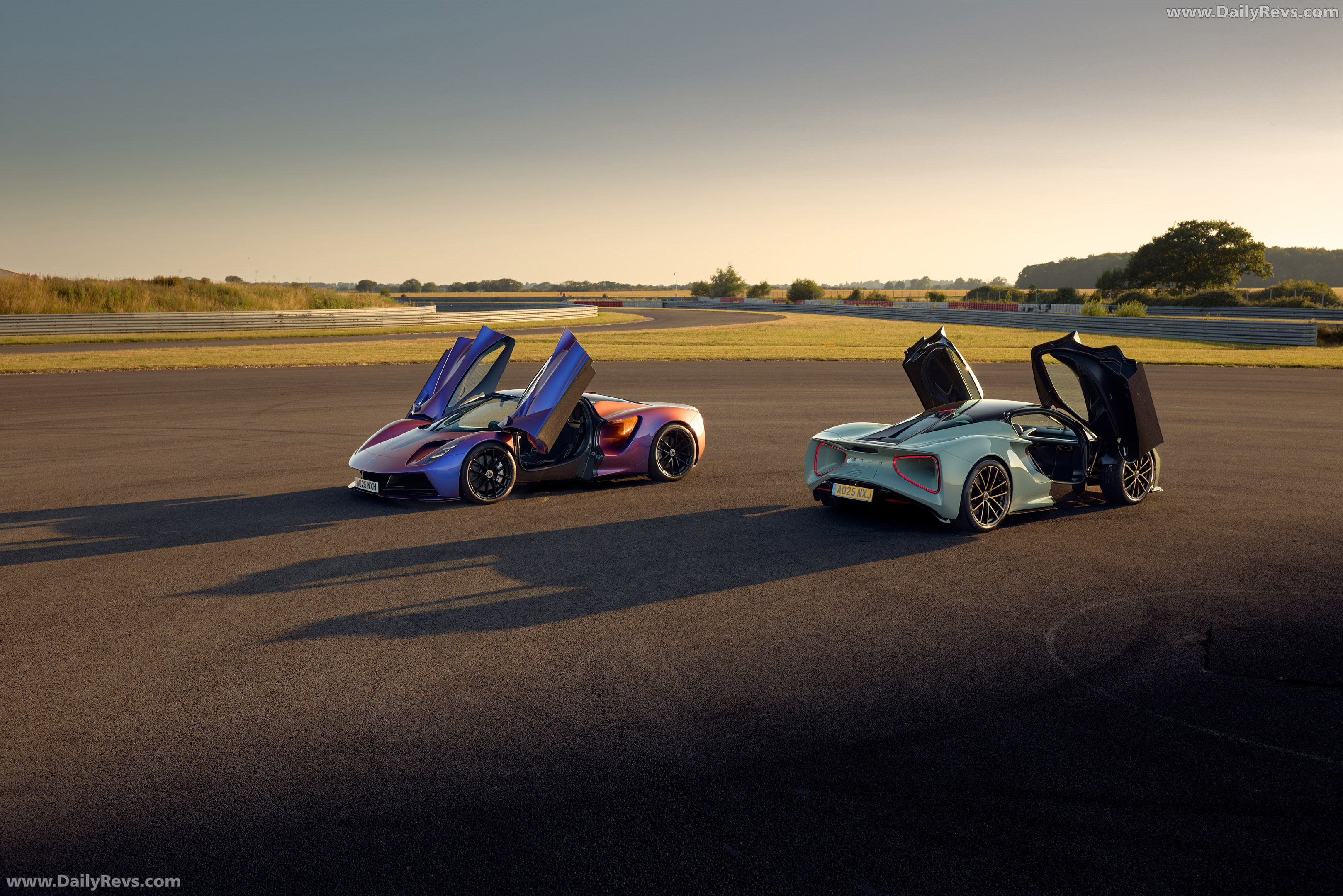
Open the dihedral doors and the focus becomes immediately clear.
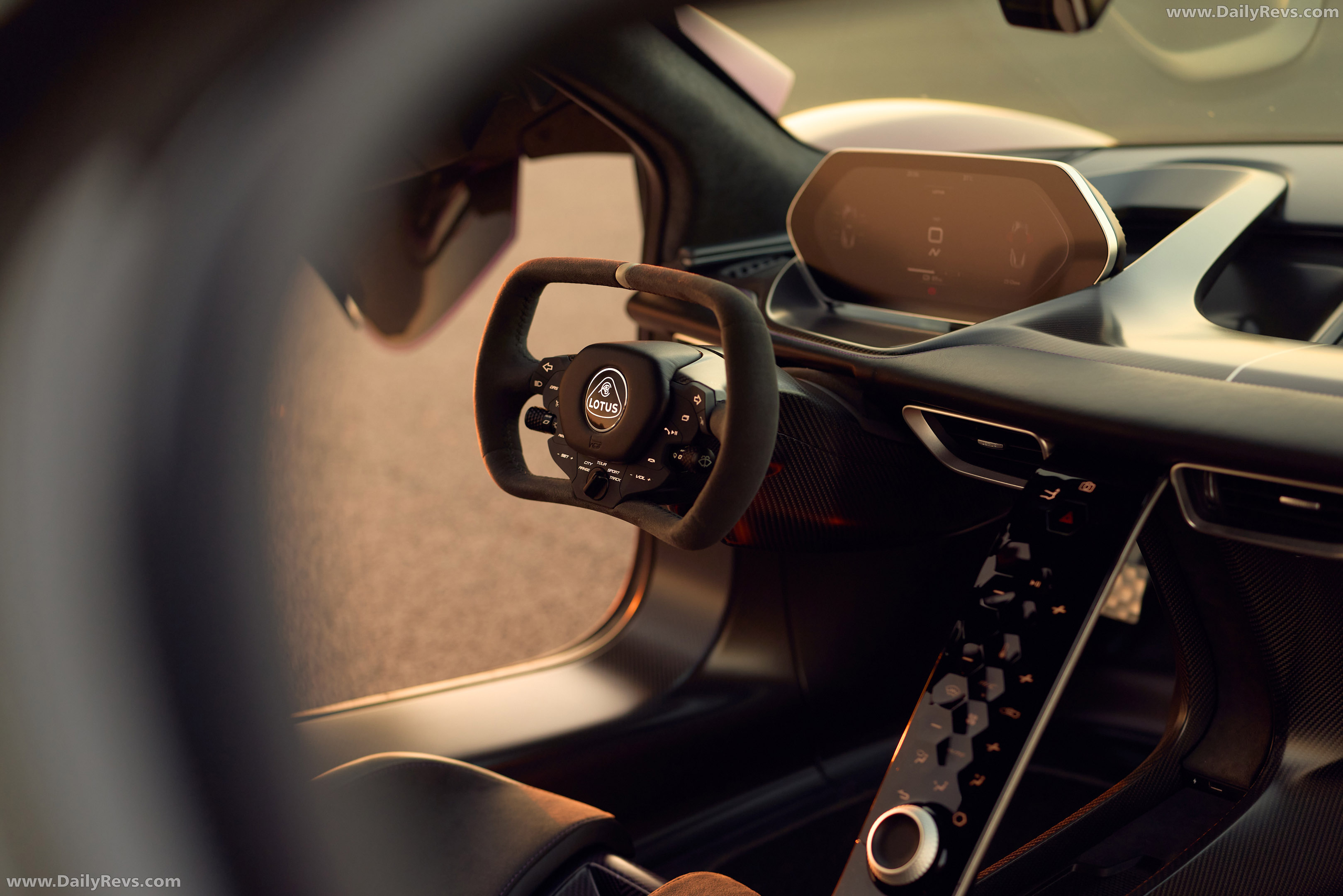
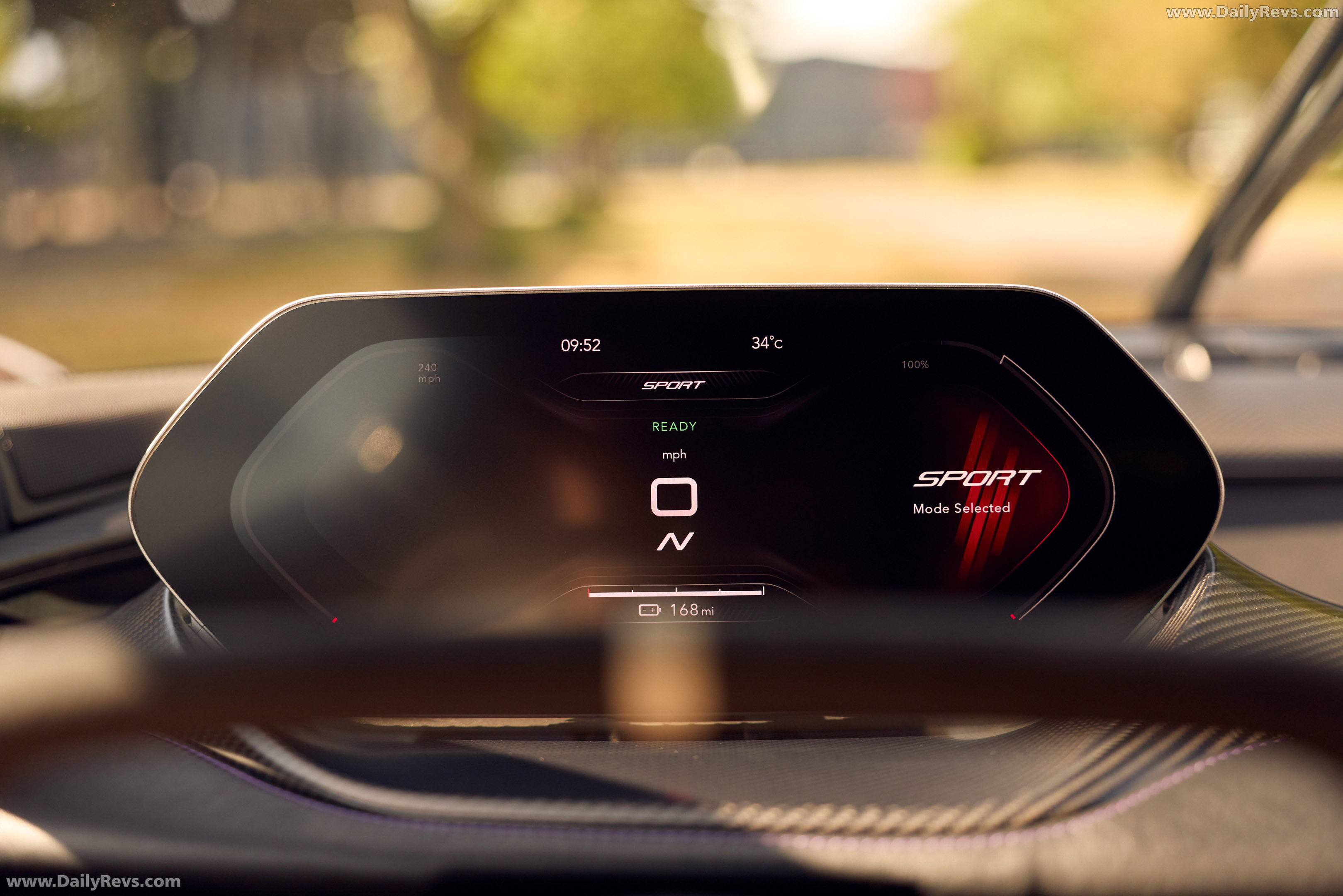
The cockpit combines race-car influences with the refinement expected from a road-going hypercar. A floating wing-style dashboard dominates the cabin, while exposed carbon fiber surfaces reinforce the lightweight theme. Lotus has intentionally avoided filling the interior with multiple displays. Instead, a single digital instrument screen sits ahead of the driver, showing only the information required at any given moment.
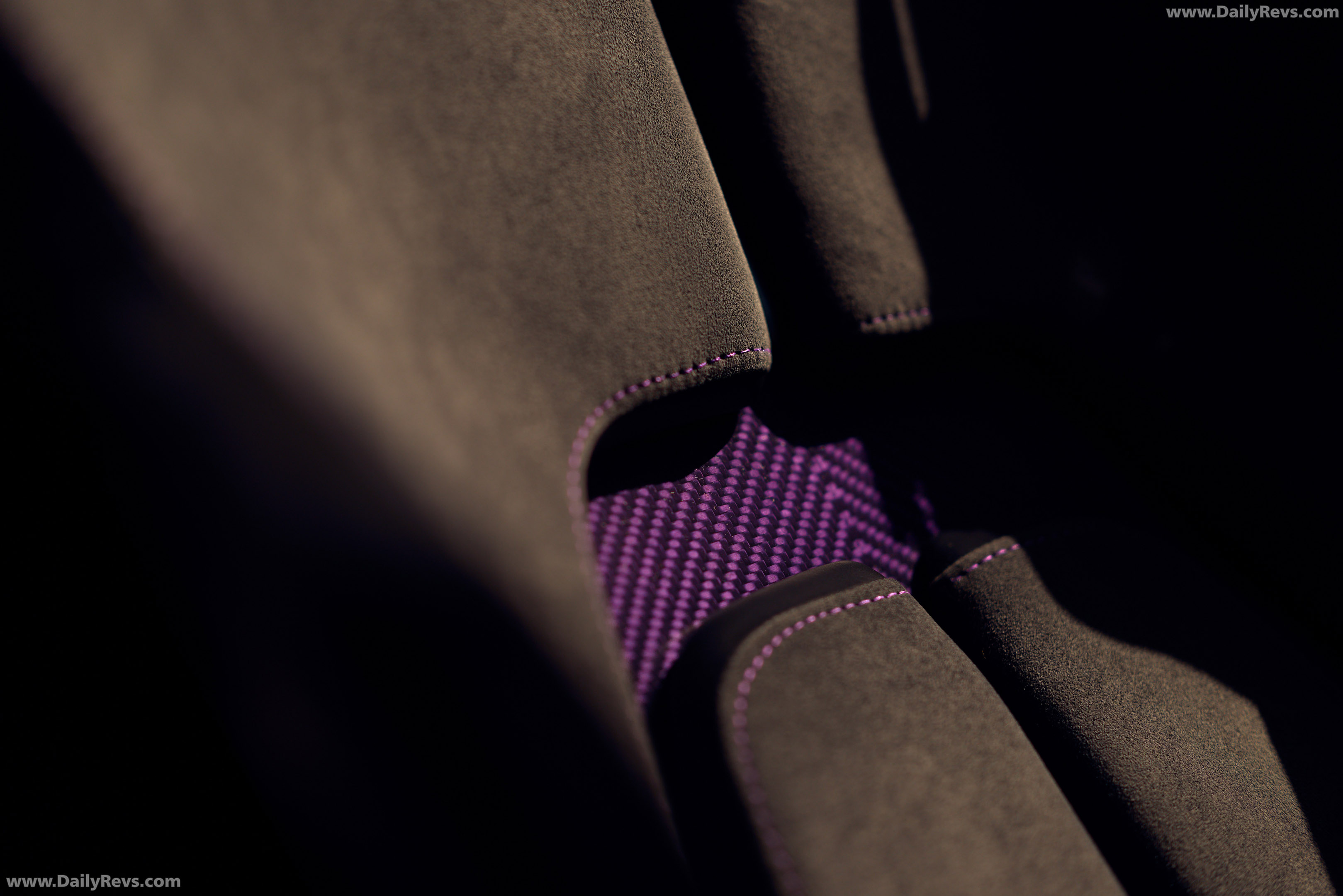
Alcantara-trimmed carbon-fiber seats, a motorsport-inspired steering wheel, and touch-sensitive controls continue the minimalist approach.
Despite the performance focus, features such as climate control, smartphone connectivity, Apple CarPlay, Android Auto, and connected cloud services remain standard.
Four motors, one objective
At the center of the Evija sits a battery pack mounted directly behind the occupants.
Power is sent to four independently controlled electric motors, one for each wheel. Combined output exceeds 2,000 PS, while sophisticated torque vectoring can distribute power between individual wheels within fractions of a second.
Performance figures remain extraordinary. Lotus quotes a 0-100 km/h time of under three seconds and a top speed of 350 km/h. More impressive is the claim that the Evija can maintain flat-out running in Track mode for at least seven minutes without power reduction thanks to its advanced cooling systems.
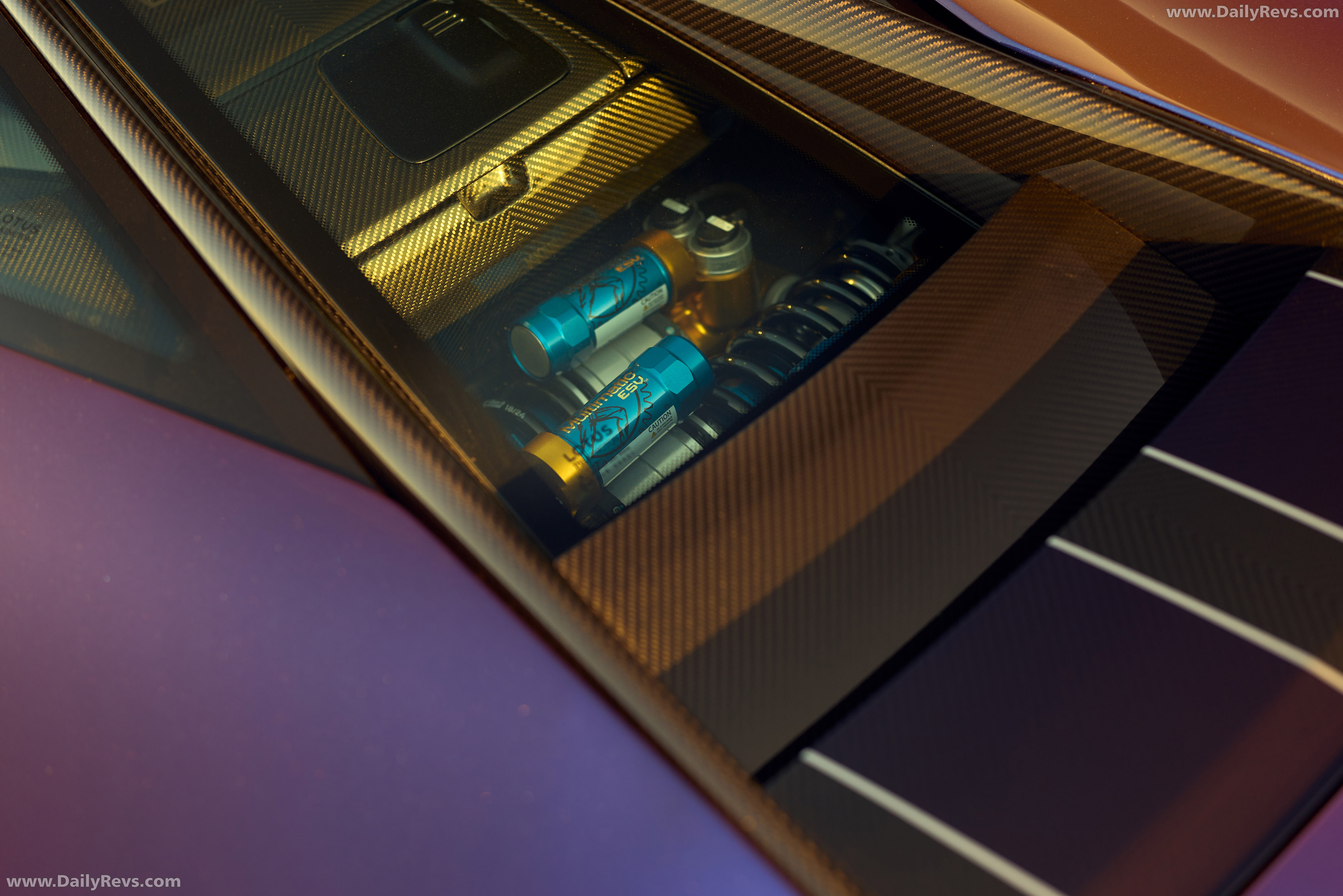
The car's carbon-fiber monocoque weighs only 129 kilograms, helping maximize rigidity while keeping mass under control.
Exclusivity remains part of the appeal
Lotus has capped production at just 130 examples, a figure chosen in reference to the Evija's internal Type 130 project designation. Every car is built at Hethel in the United Kingdom and can be extensively personalized through Lotus' commissioning program.