

2025 Lamborghini Manifesto Concept
By Lorenzo Bianchi October 9, 2025
The 2025 Lamborghini Manifesto Concept previews the brand’s design and material direction for future models.
Focuses on lightweight construction, sustainability, and aerodynamics.
Serves as a design manifesto rather than a production preview.
A Glimpse Into Lamborghini’s Tomorrow
The 2025 Lamborghini Manifesto Concept is the kind of car that makes people pause. Not because it’s a production model — it isn’t — but because it distills what Lamborghini thinks performance and design should look like in the coming decade. It’s an experimental sculpture on wheels, a showcase for ideas that may or may not reach production, but one that still feels undeniably Lambo.
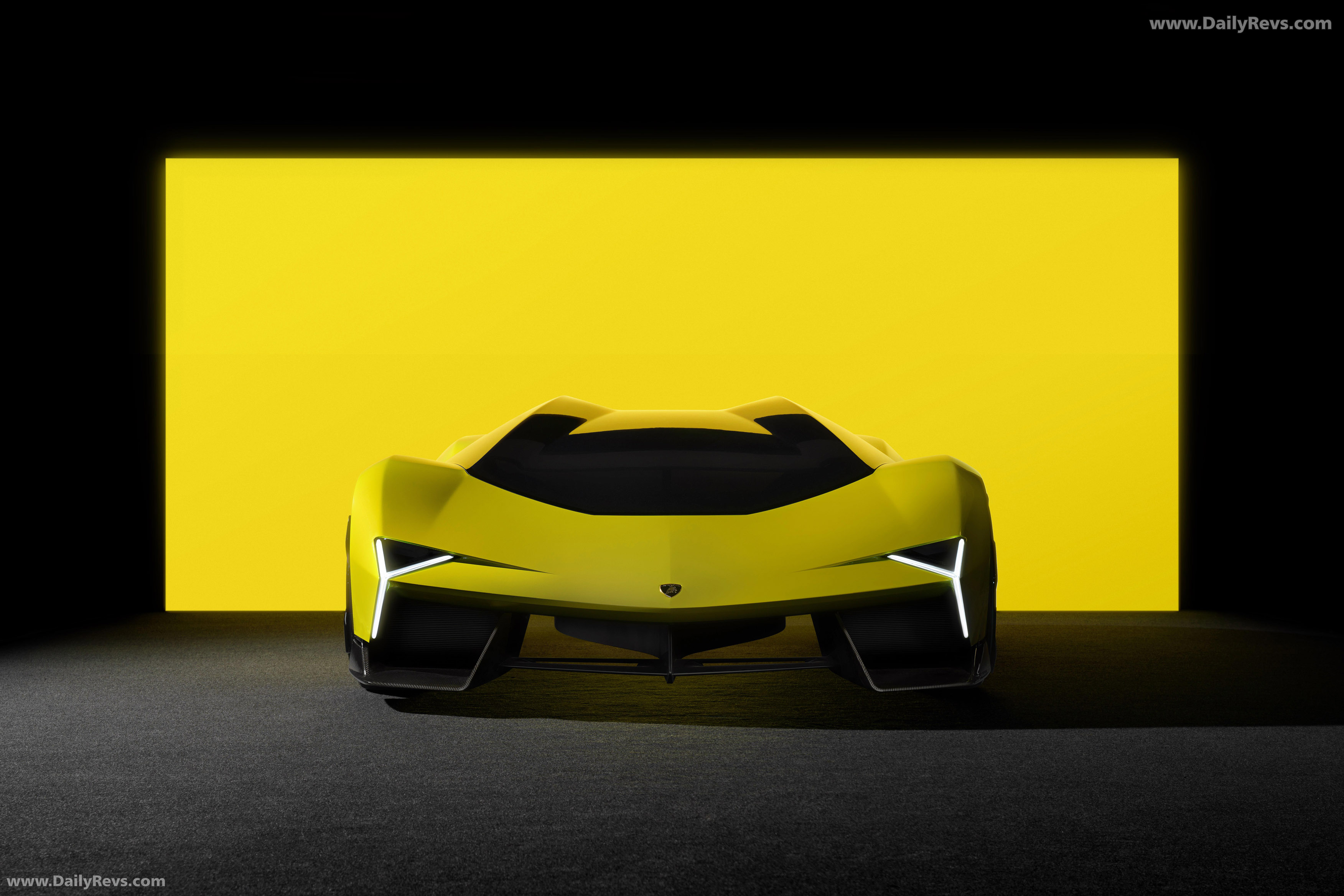
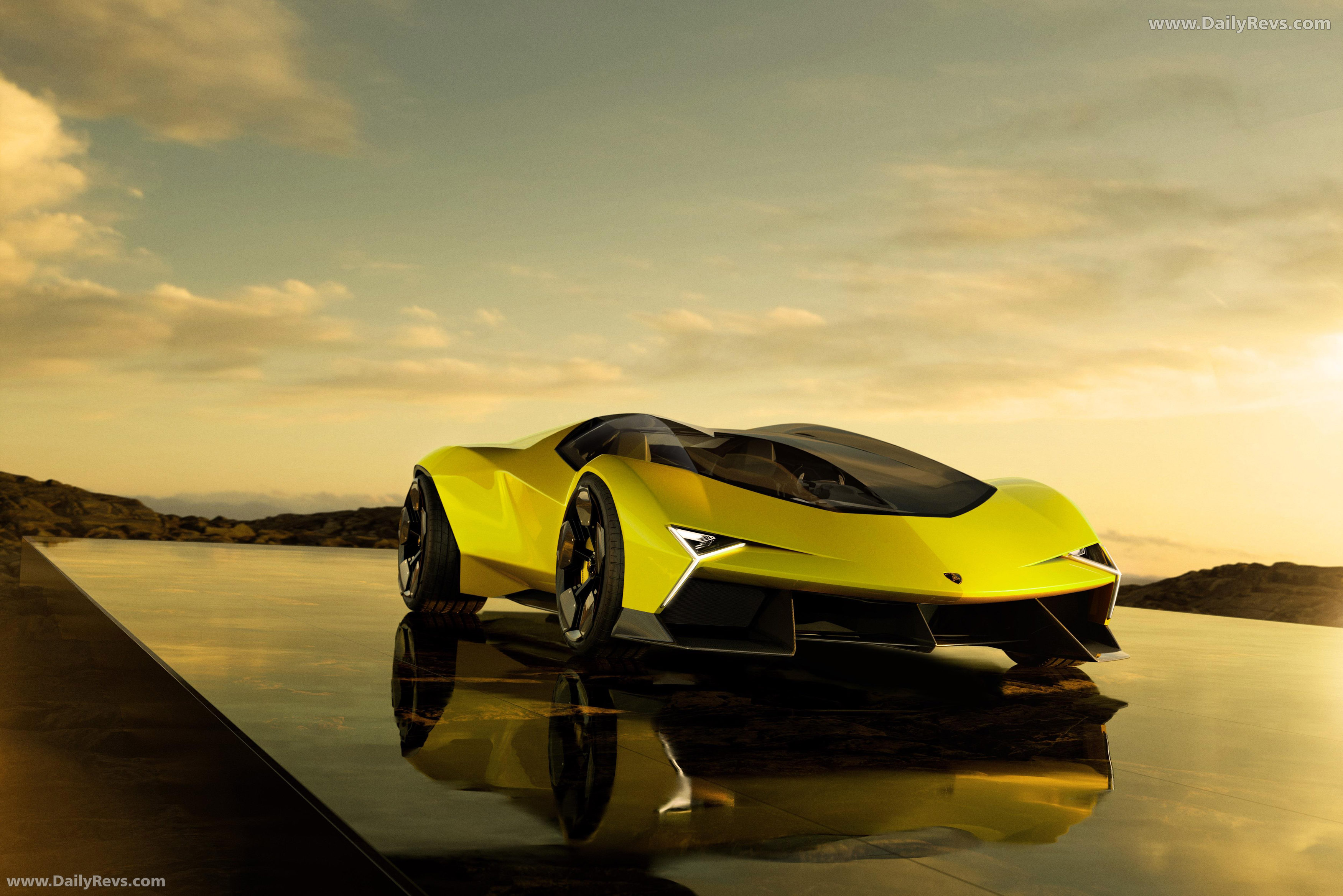
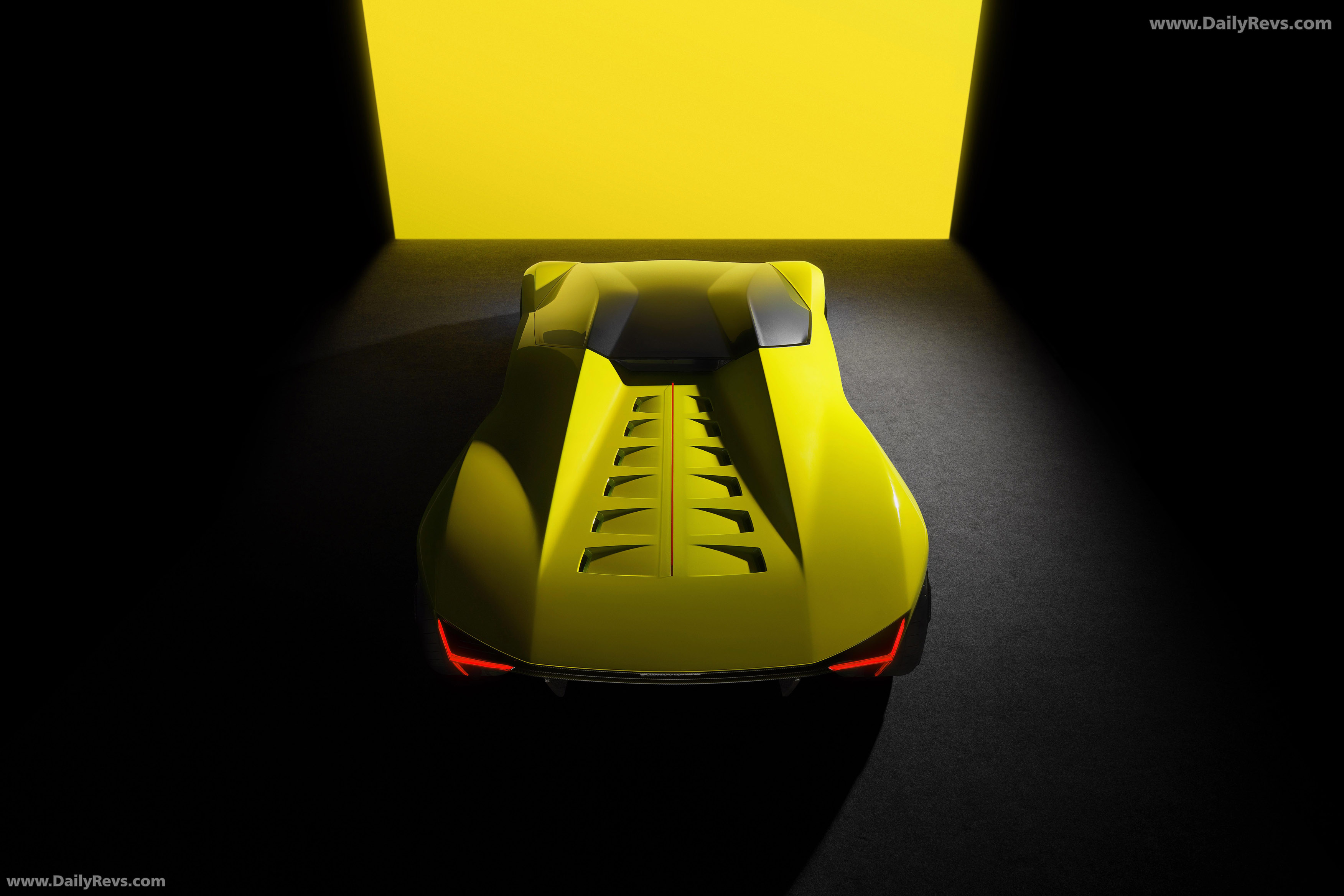
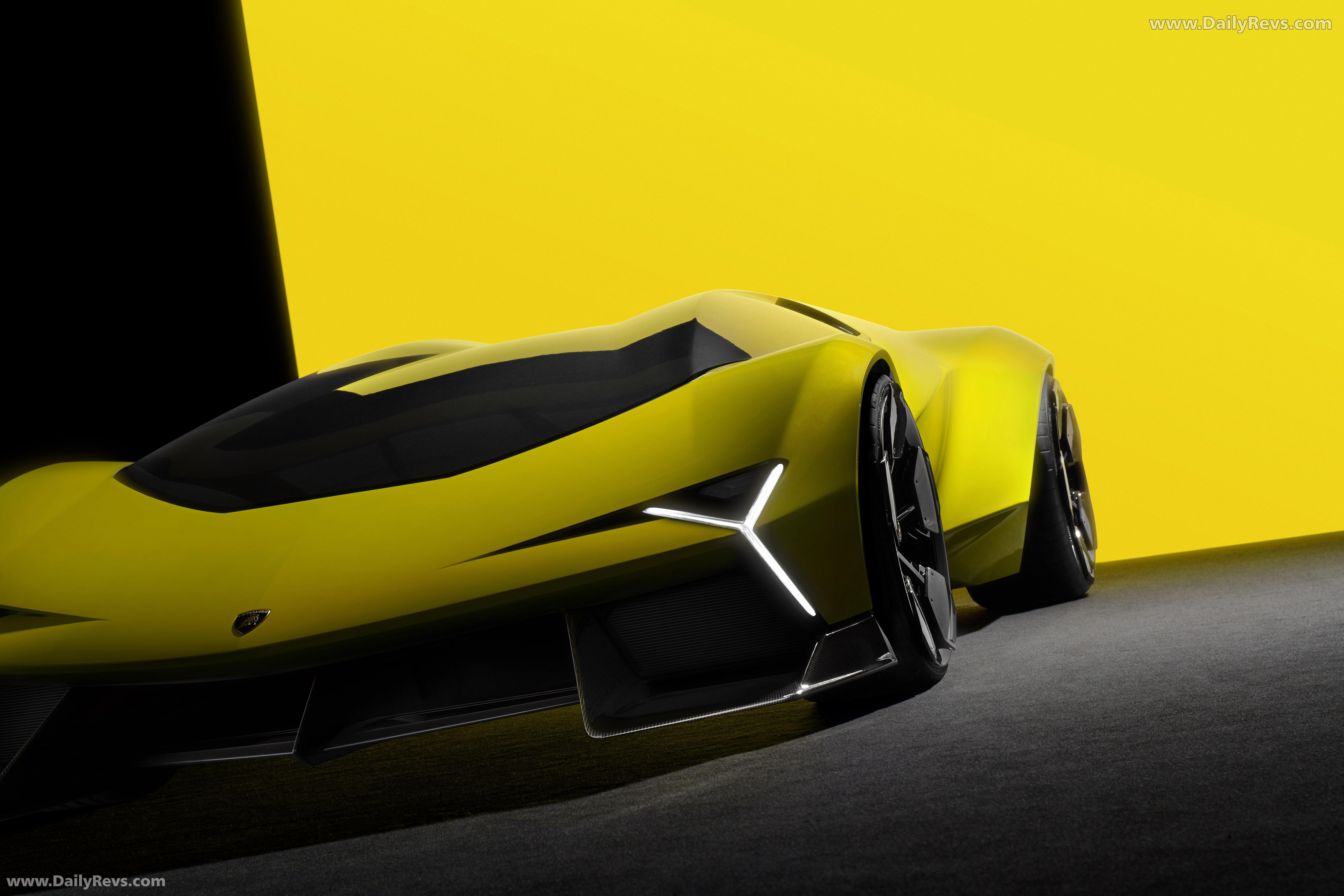
The proportions are extreme, even by Sant’Agata’s standards. The front end dives low, the surfaces are clean but sharply segmented, and the roofline stretches like a fighter jet canopy. You can almost hear the imaginary turbine hum. It’s not nostalgia, nor a direct continuation of the Revuelto or Countach lineage — it’s something more abstract, something aimed at defining a new vocabulary.
The Design Philosophy
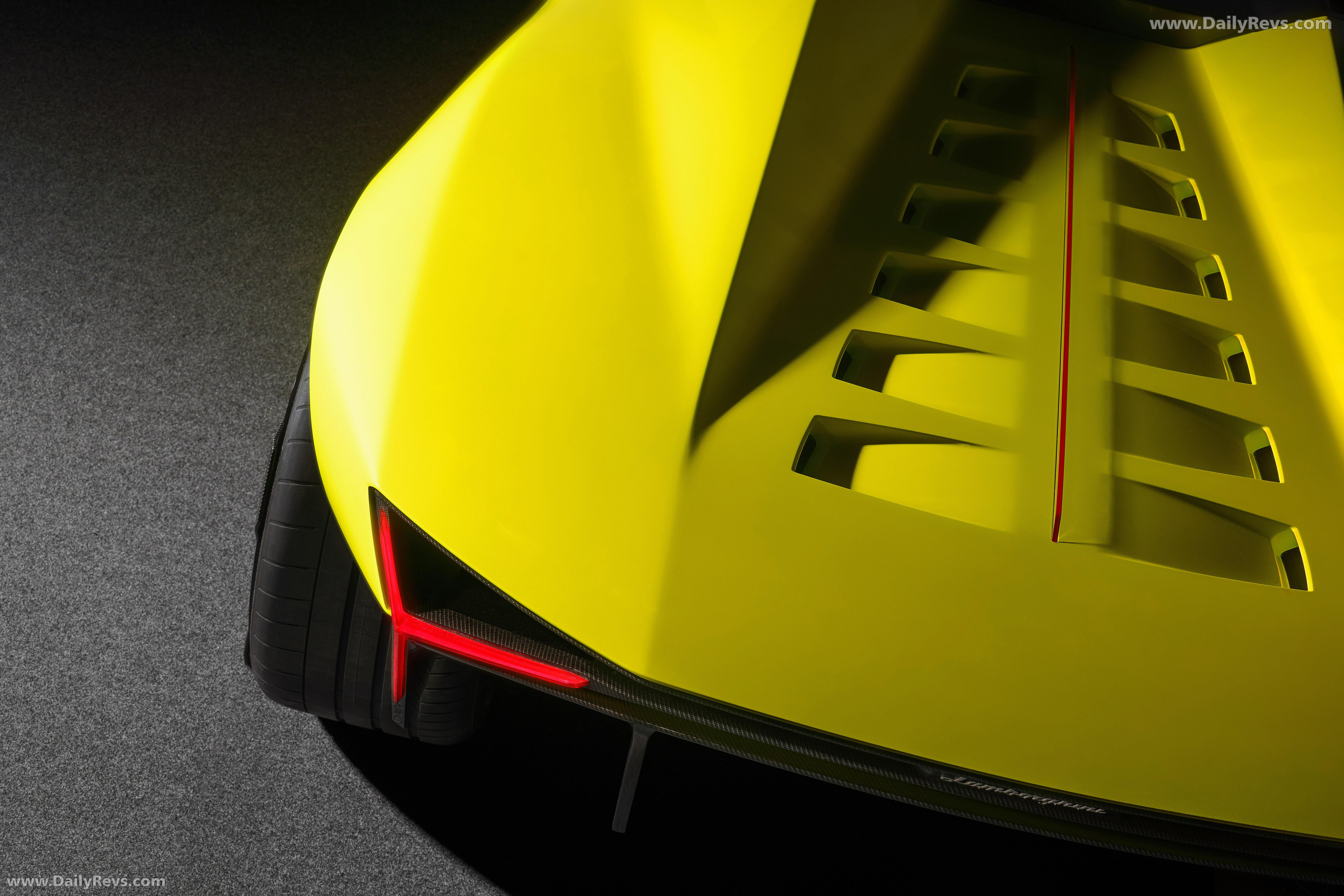
Lamborghini calls the car a “manifesto” for good reason . Every line, material, and interface has been reimagined to align with the company’s evolving philosophy: sustainability through innovation. That means less reliance on traditional leather, more on advanced composites and recycled carbon fiber. Surfaces are left exposed in places, giving the car a raw, functional honesty.
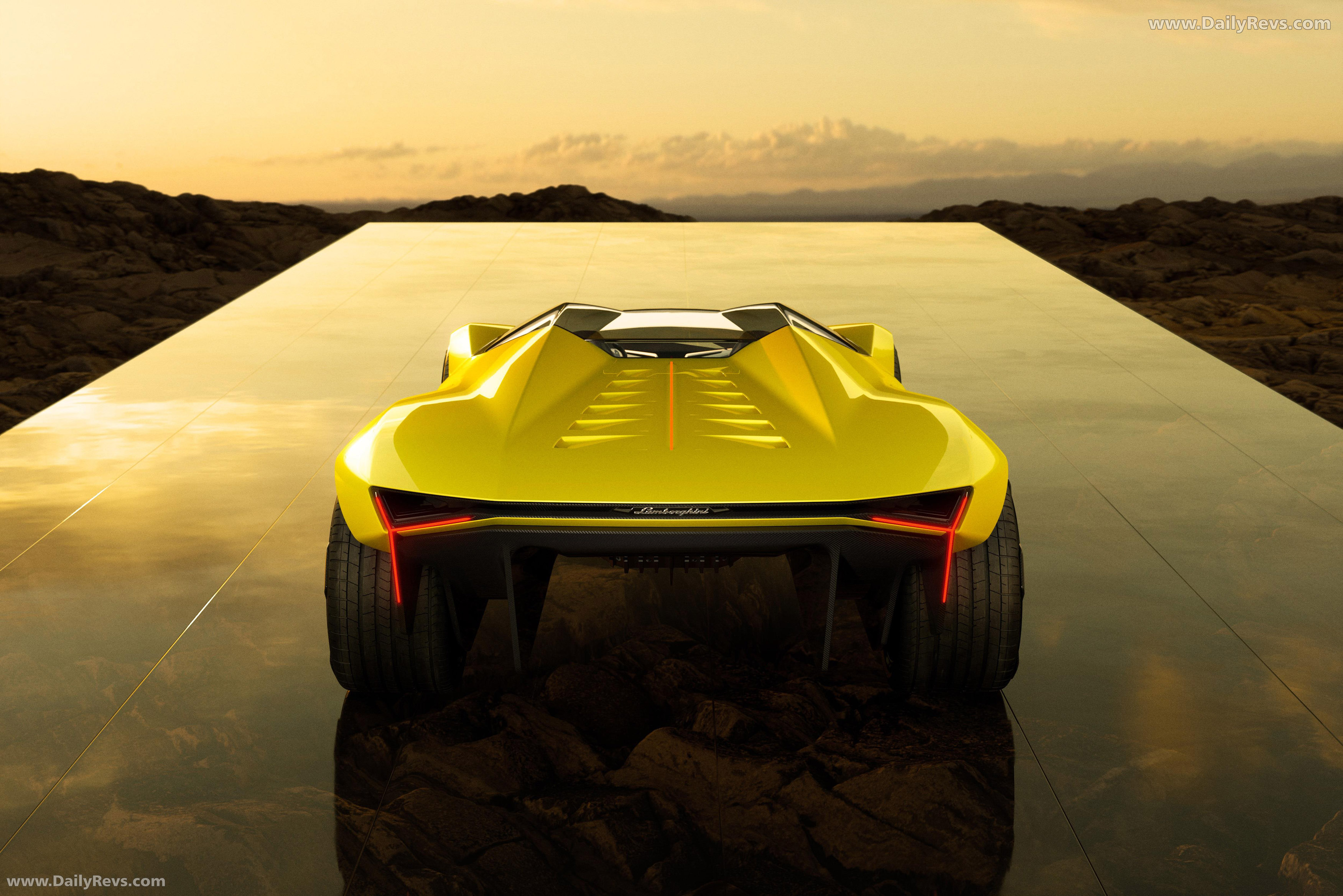
The aerodynamic story is particularly striking — large, clean body sections intersect with technical air channels that carve through the bodywork. From some angles, it looks like the car was designed by airflow itself. There’s no decorative excess here, just precise geometry serving a clear purpose.
In profile, the Manifesto maintains that Lamborghini wedge — low nose, high tail — but softens it with fluid transitions. The lighting signature is razor-thin, using new-generation micro-LED arrays that hint at future production tech.
Interior and Material Innovation
The cabin, at least from the studio renders, feels like a laboratory. The driving position is race-car tight, the screens slim and minimal. Traditional switchgear is nearly absent. Instead, materials do the talking — matte carbon, sustainable Alcantara, and 3D-printed panels where structure and texture merge into one. It’s Lamborghini trying to be futuristic without being sterile.
The brand has been gradually redefining what “luxury” means in its cars, and the Manifesto shows that shift clearly: lightweight design as the new indulgence.
Beyond Concept, Toward Culture
In context, the Manifesto Concept doesn’t preview a single model so much as a mindset. It’s about design continuity in an era of hybridization and electrification. Where the Revuelto bridged combustion and electrification, this concept looks beyond that — imagining a Lamborghini freed from its mechanical past but still deeply emotional.
Competitors like Ferrari and McLaren are on similar paths, but Lamborghini’s approach feels less restrained — more expressive, more visual.
It’s a showpiece, yes, but also a statement that future Lamborghinis will remain instantly recognizable — loud in form, light in structure, and driven by purpose rather than nostalgia.
Technical Specifications
- Name: Lamborghini Manifesto Concept
- Type: Design and innovation concept vehicle
- Purpose: Experimental study exploring Lamborghini’s future design, materials, and sustainability direction
Body and Aerodynamics
- Body Style: Two-door concept supercar
- Construction: Advanced lightweight composite structure utilizing recycled carbon fiber and sustainable materials
- Aerodynamics: Functional air channels integrated into body surfaces for airflow efficiency
- Lighting: New-generation micro-LED lighting signature technology
Interior and Materials
- Cabin Design: Minimalist, driver-focused cockpit inspired by aerospace ergonomics
Materials Used:
- Sustainable Alcantara® alternatives
- Recycled carbon-fiber panels
- 3D-printed interior structural components
- Interface: Simplified digital interface with minimal physical controls
Design Philosophy
- Core Concept: “Manifesto” for future Lamborghini design language
- Key Focus Areas: Sustainability, innovation, and emotional design continuity
- Design Intent: Preview of future Lamborghini aesthetic and material direction rather than production intent