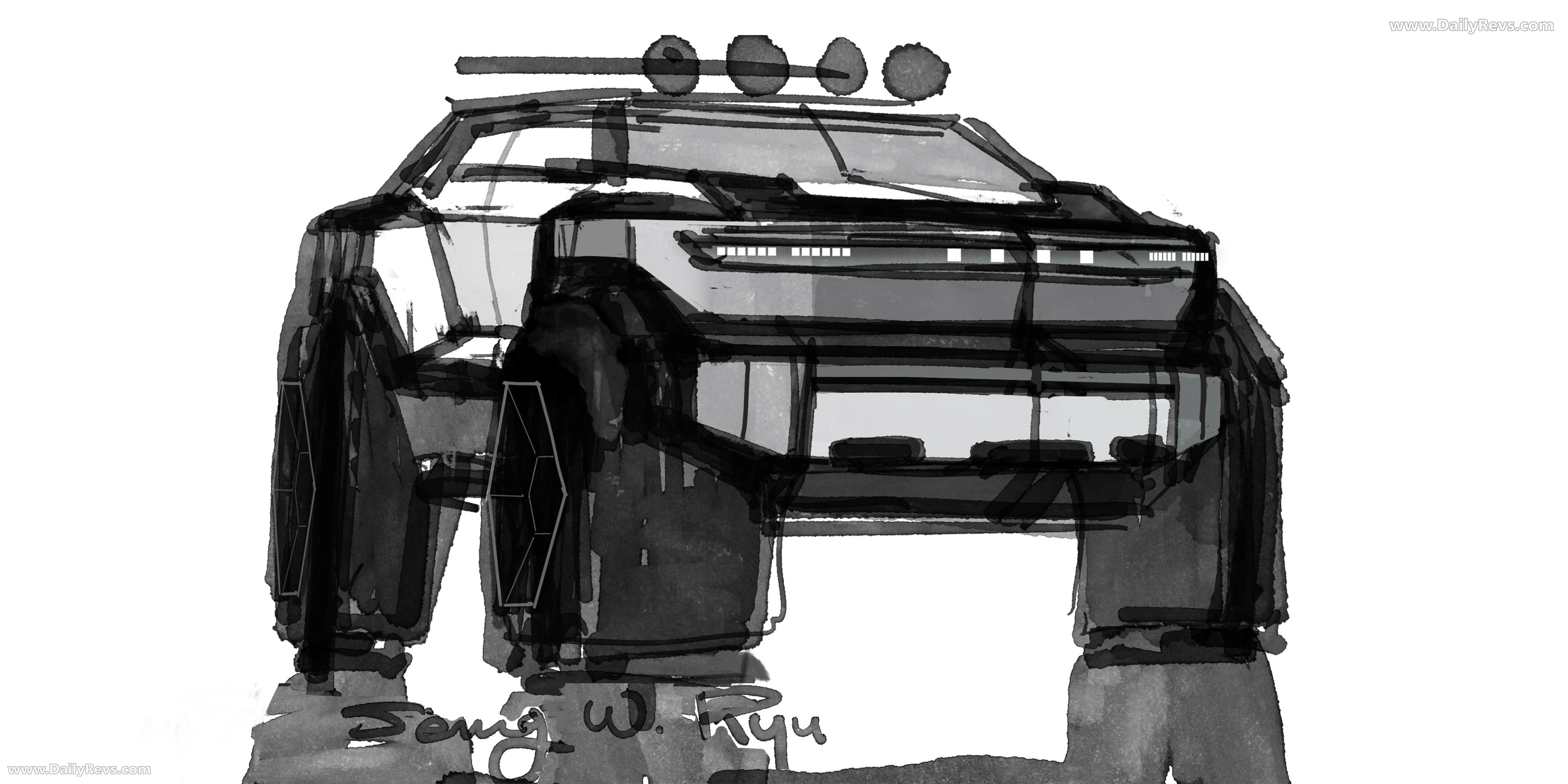
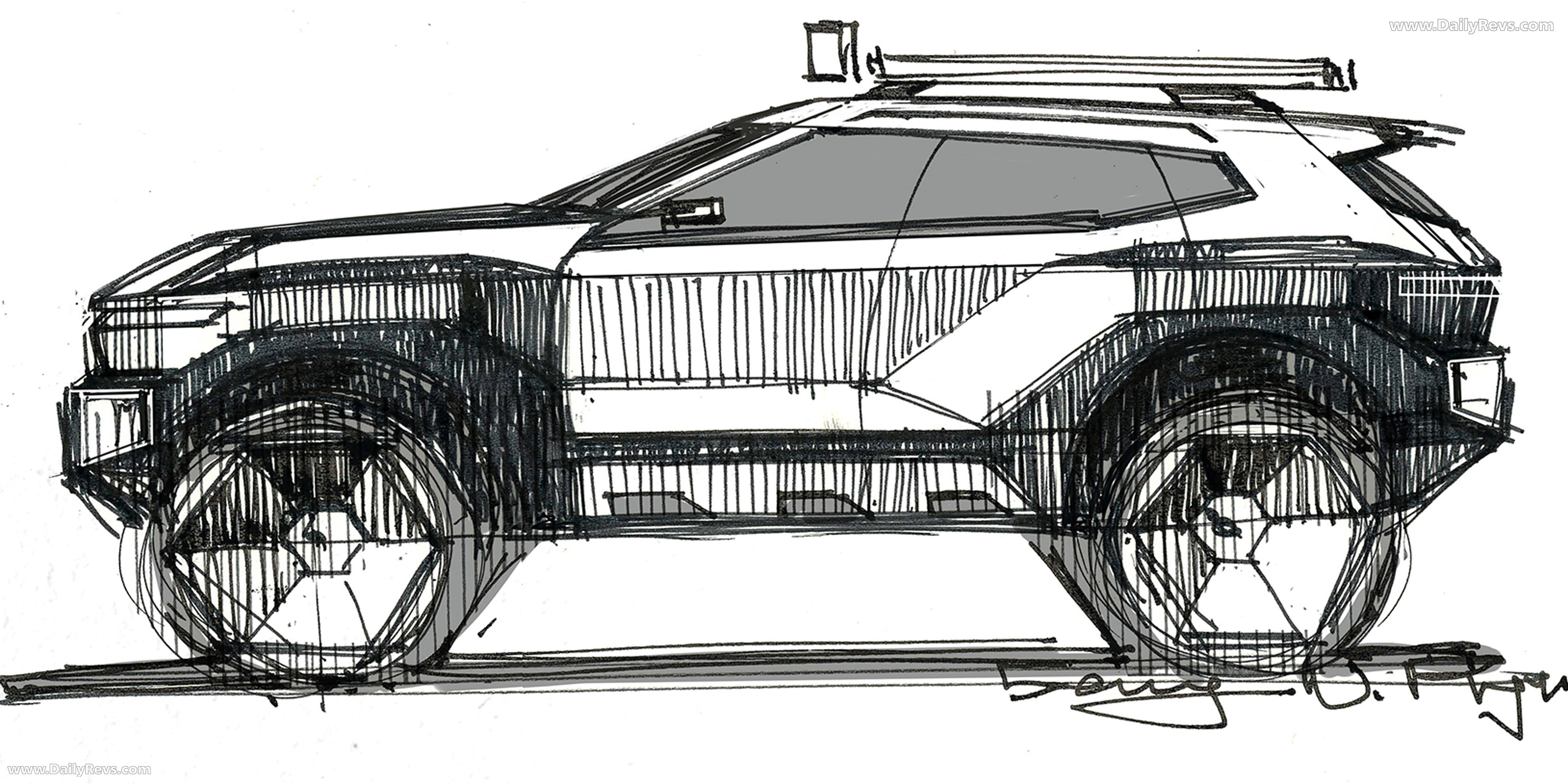
2025 Hyundai CRATER Concept
By Lorenzo Bianchi November 21, 2025
New compact off-road design study created in California.
Previews Hyundai’s evolving XRT identity with tougher proportions and tech-driven features.
Interior emphasizes durability, modularity, and a BYOD-based digital layout.
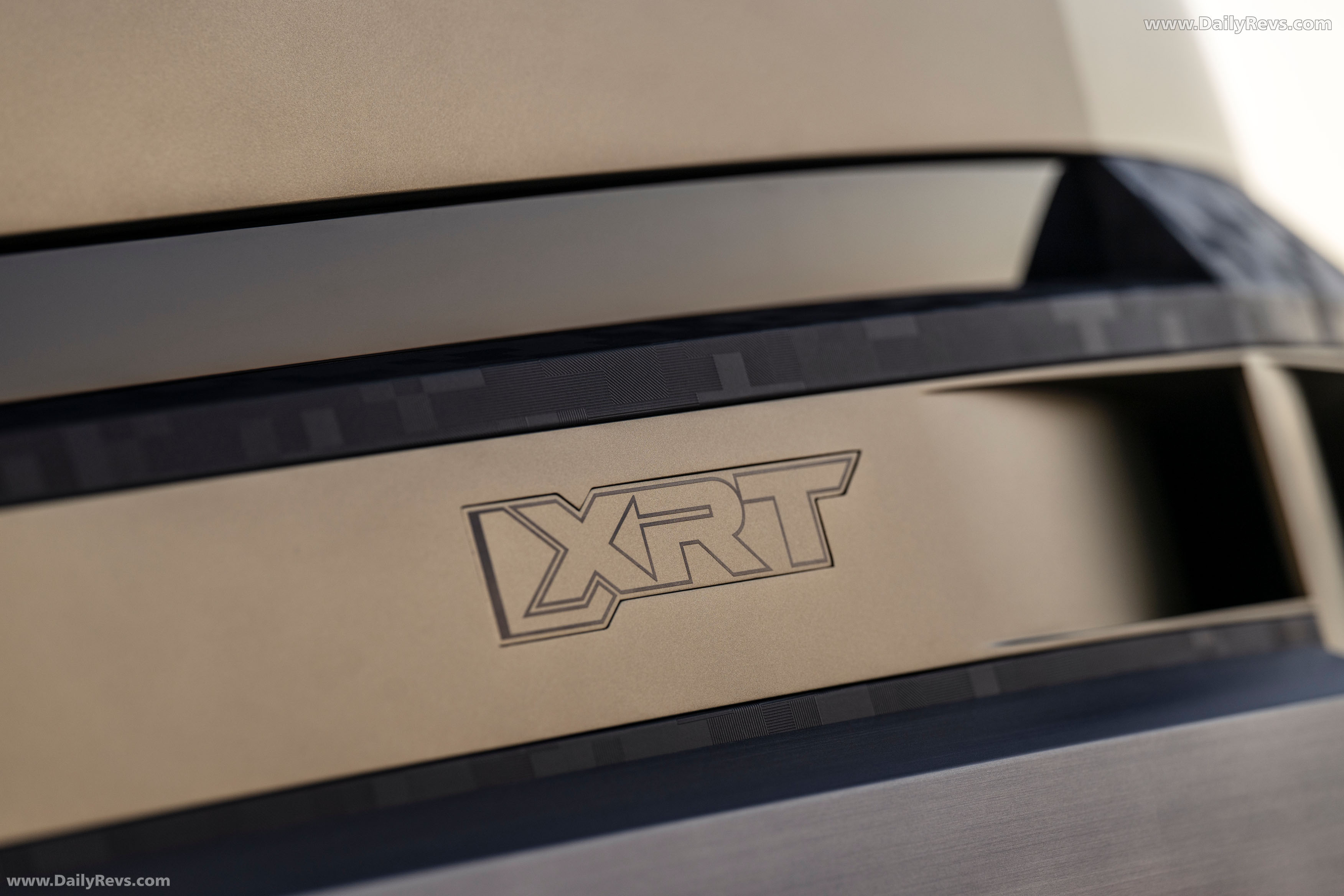
A New Interpretation of Hyundai’s Rugged XRT Direction
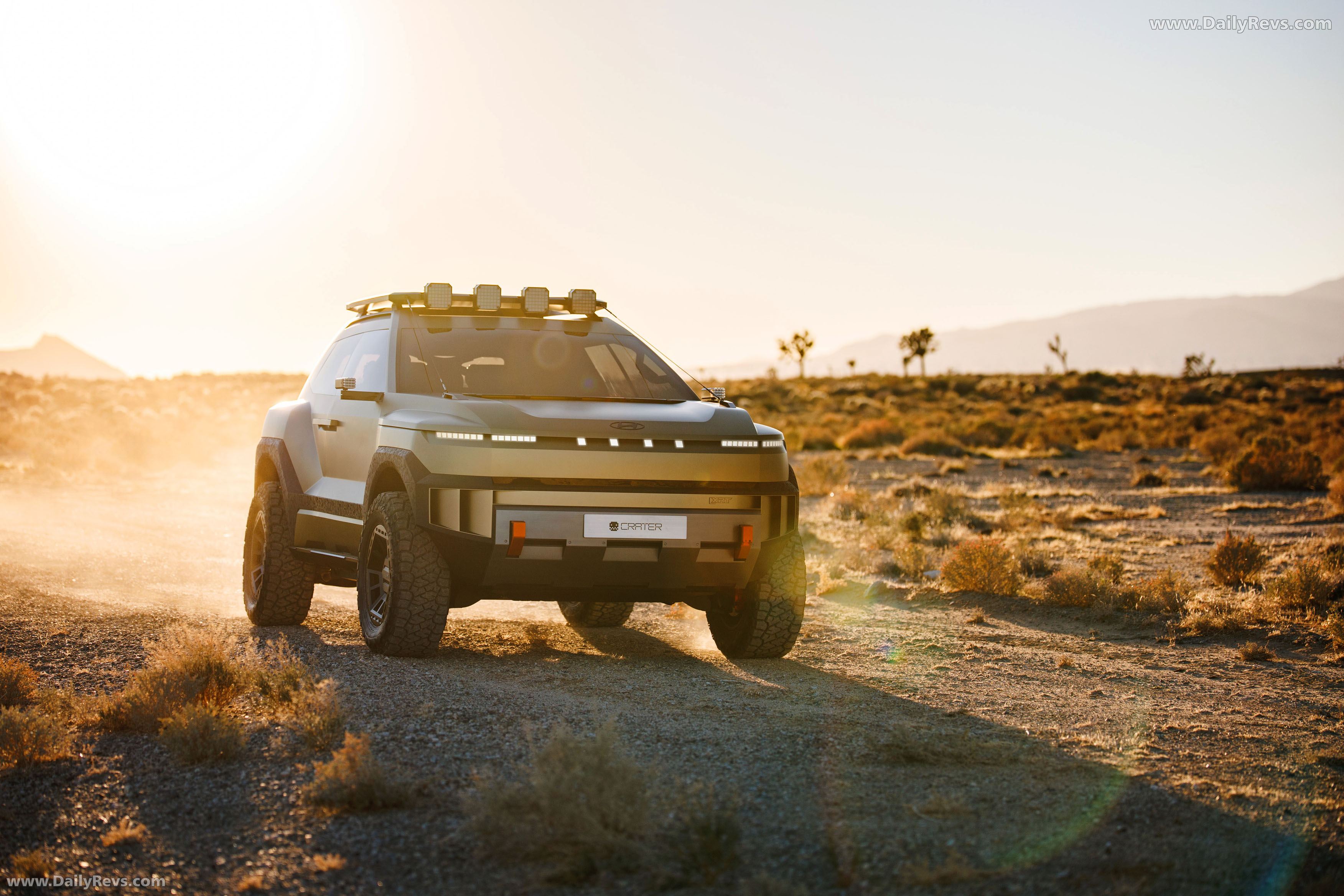
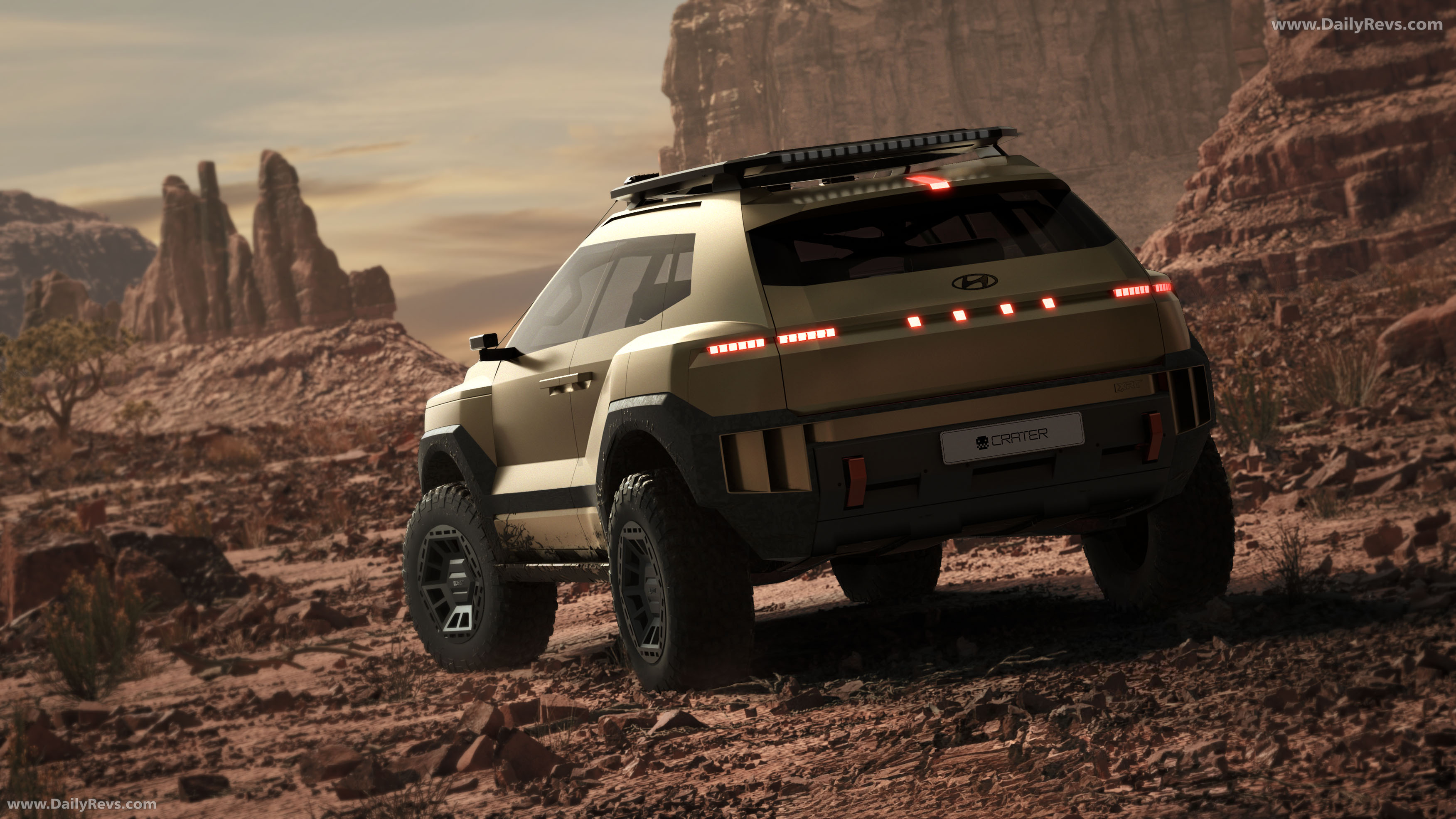
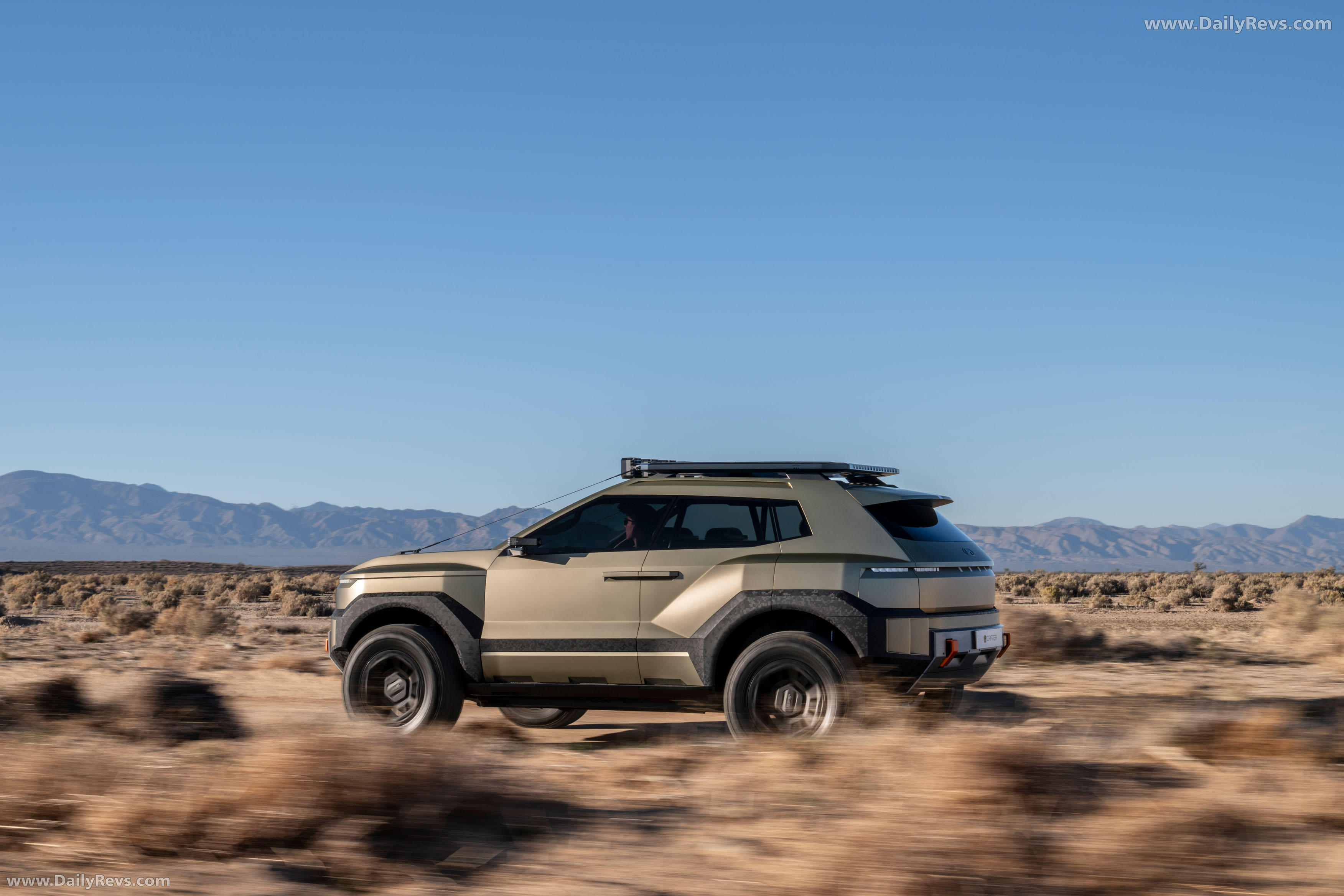
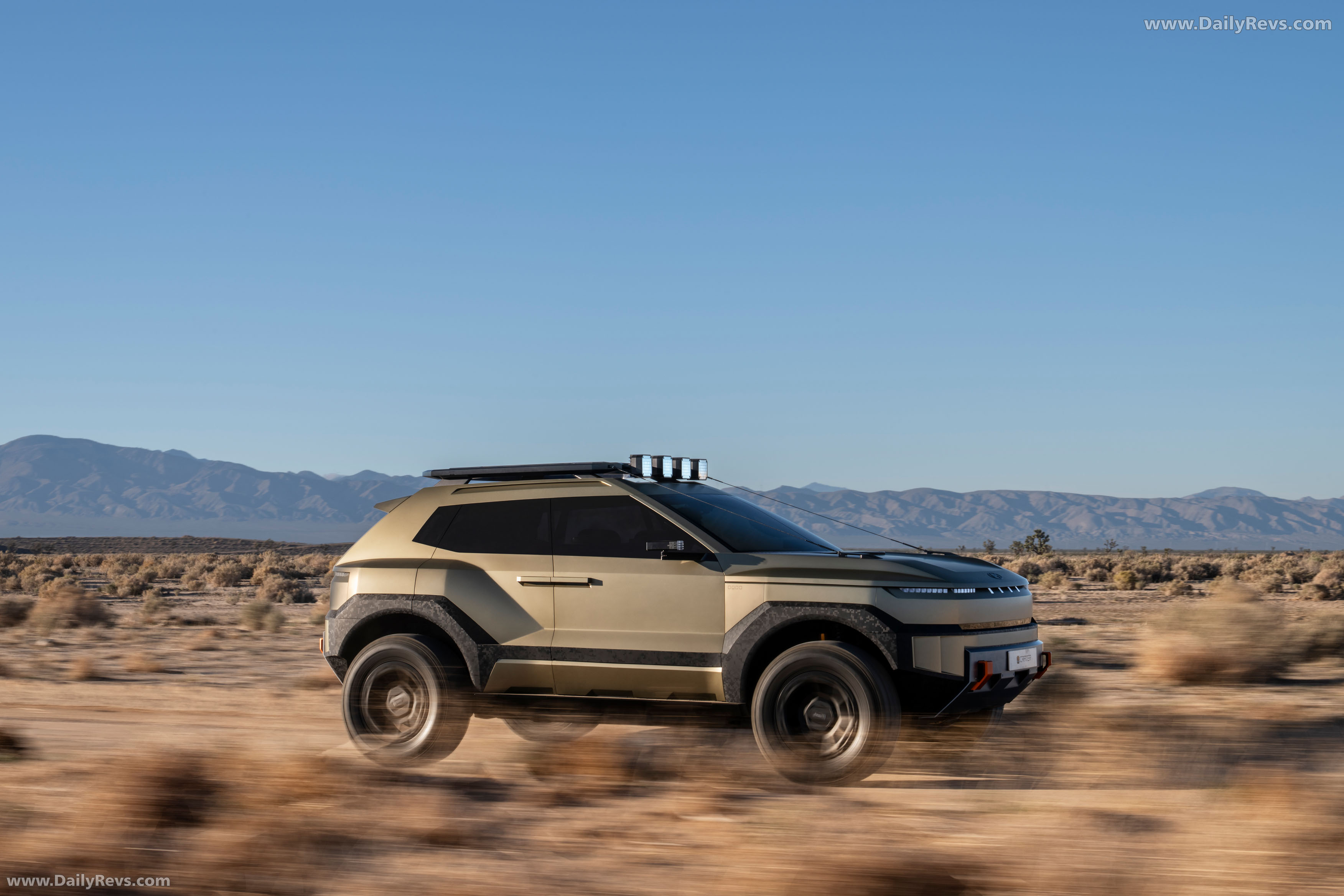
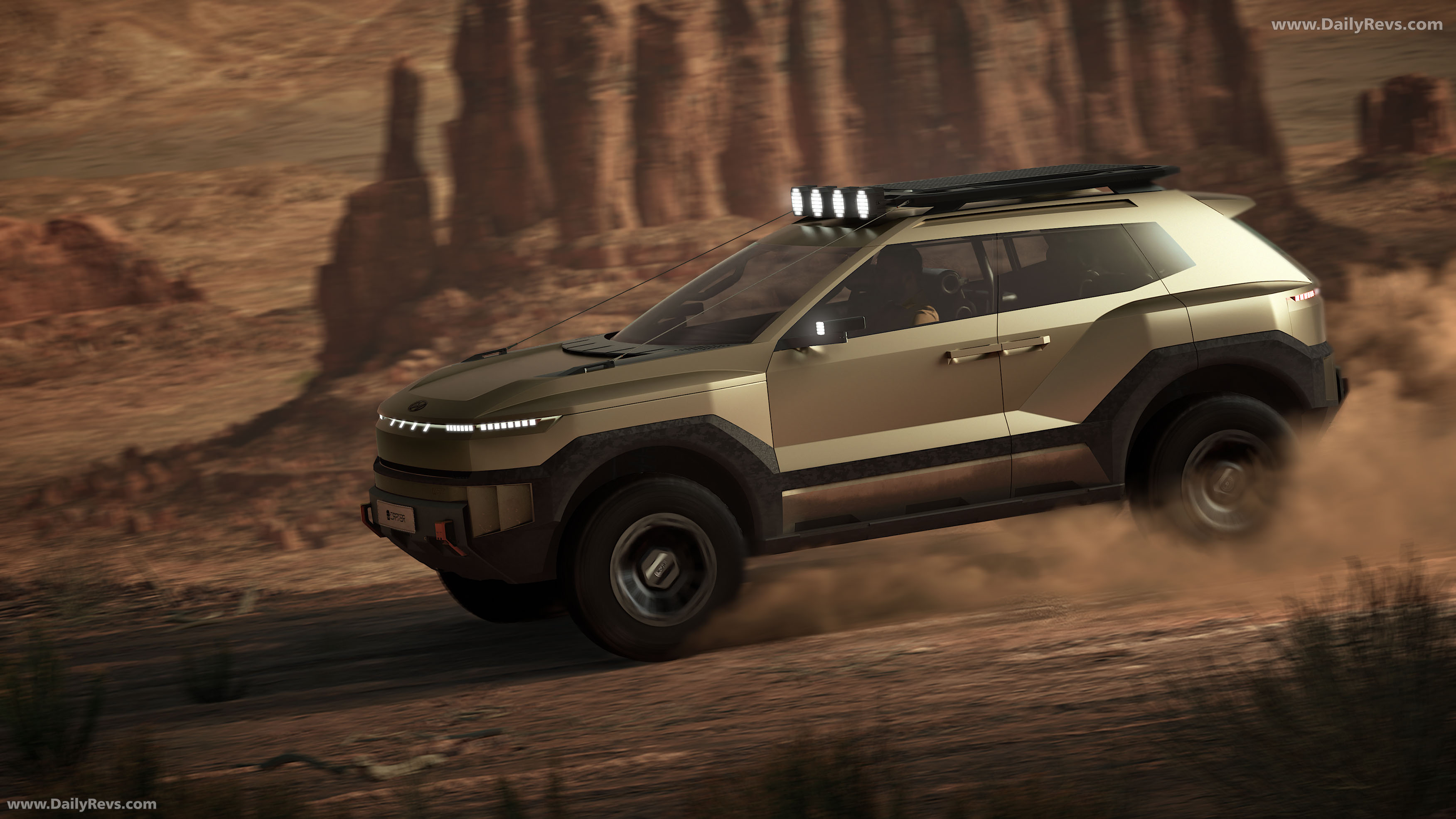
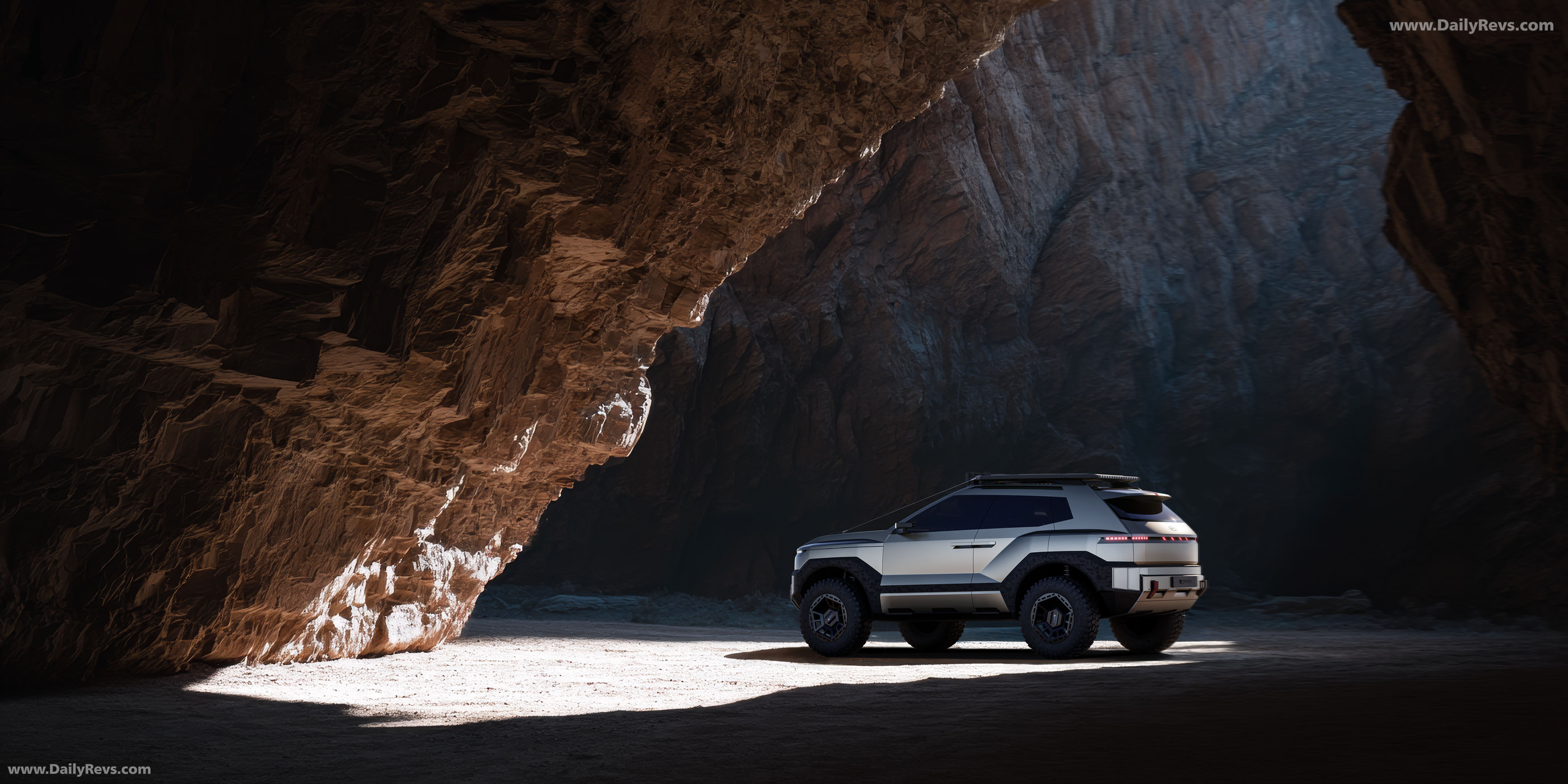
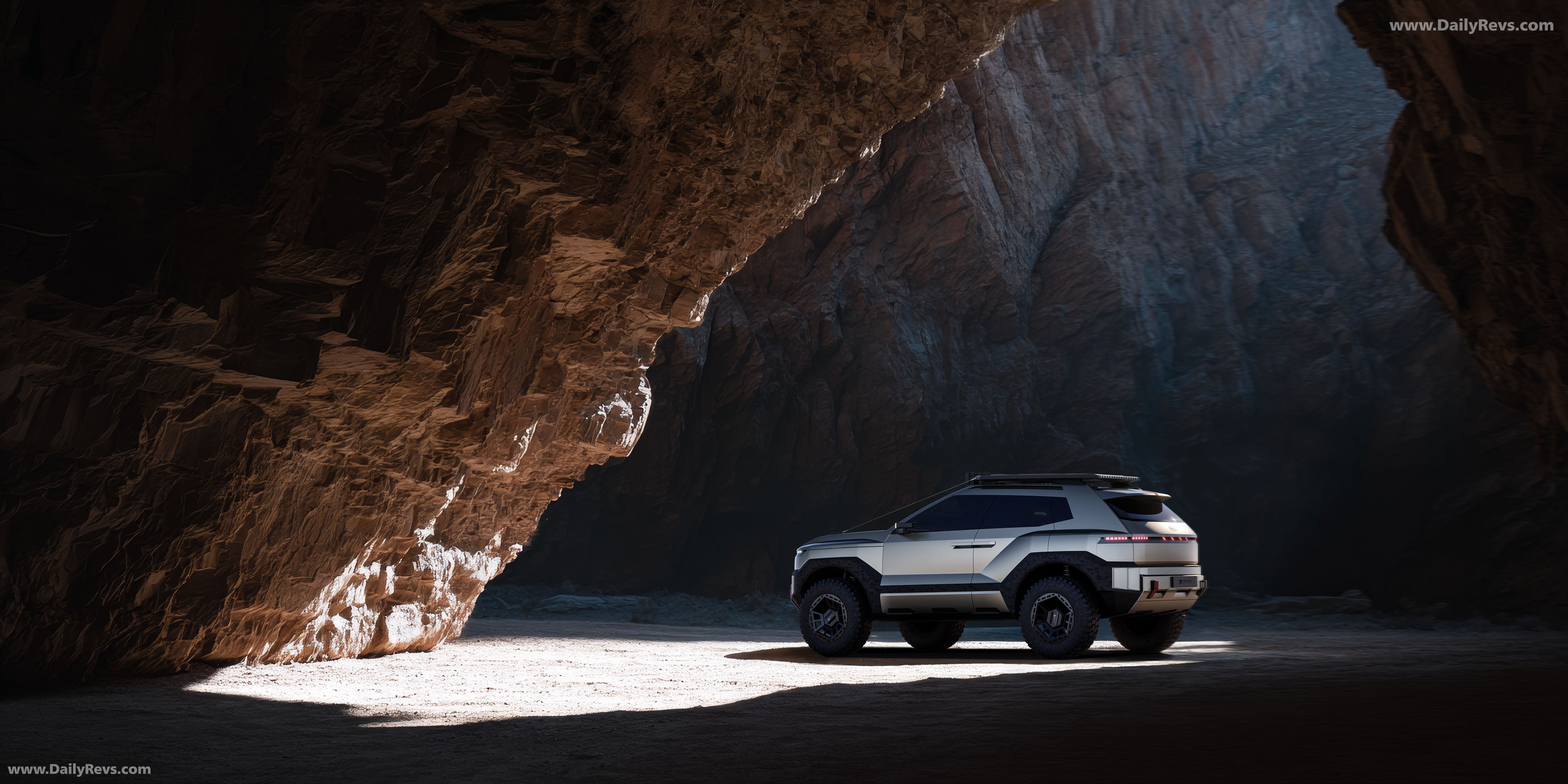
Hyundai has revealed the CRATER Concept at AutoMobility LA 2025, presenting a compact off-road SUV that is less about fantasy and more about capturing what adventure means to American buyers now. Designed in California, the study frames the next stage of the brand’s XRT language with a tougher stance, sculptural bodywork, and an emphasis on utility over theatrics.
The project began with a simple prompt — defining what freedom and exploration might look like in Hyundai’s evolving SUV lineup. According to the design team, that line of questioning shaped a vehicle that expresses capability through clear, architectural forms rather than ornamentation.
Exterior Design Rooted in Terrain and Material
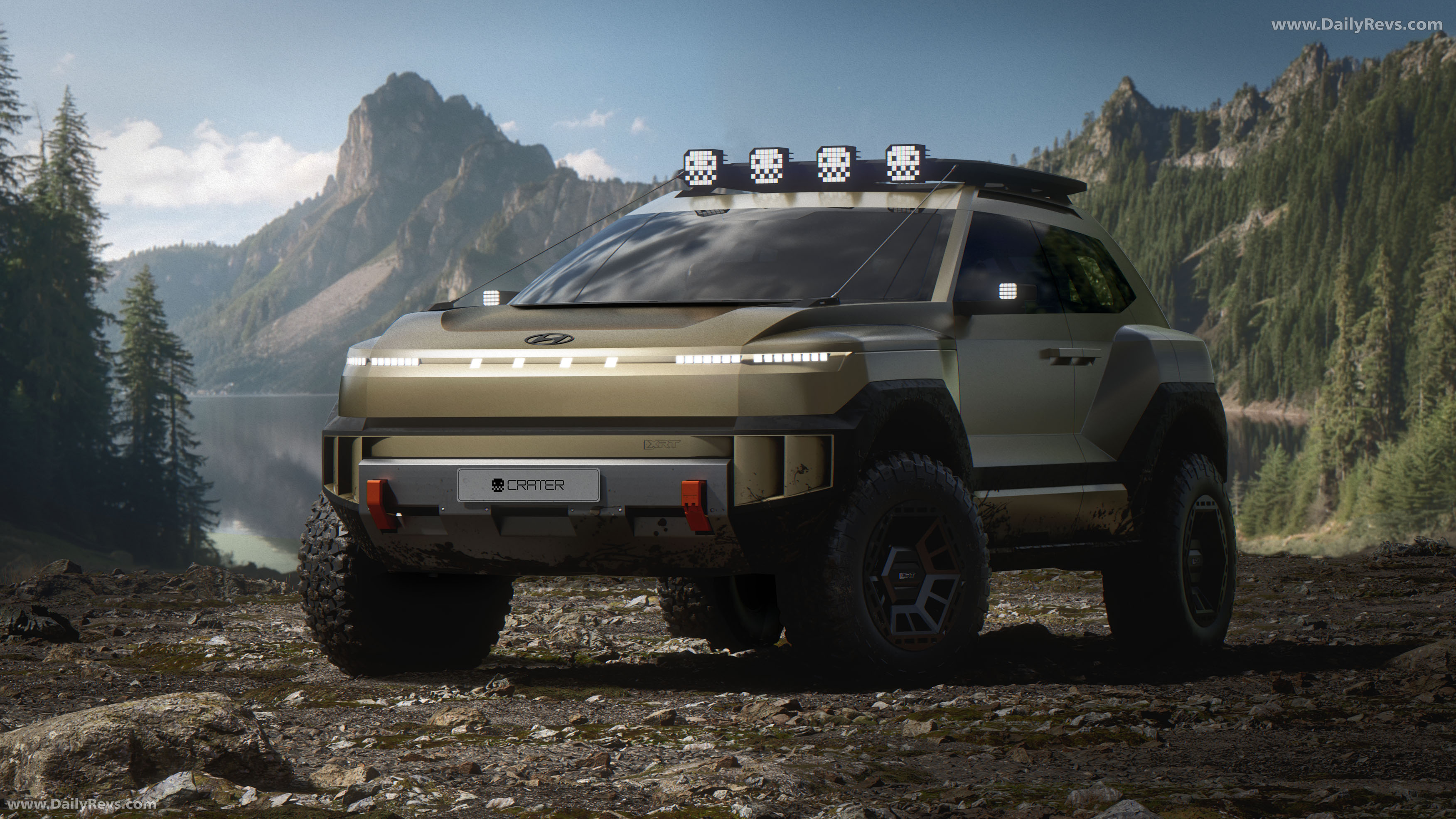
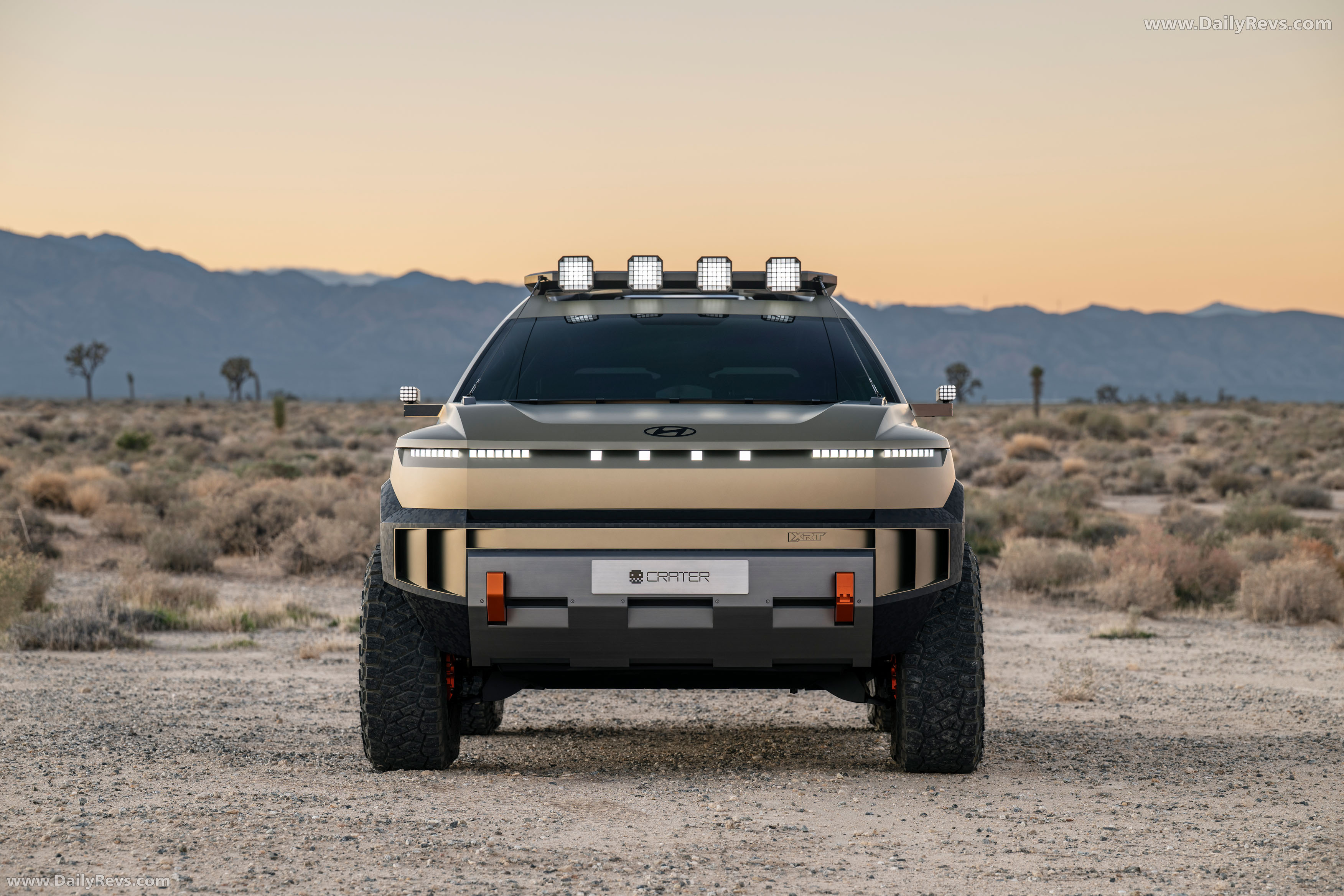
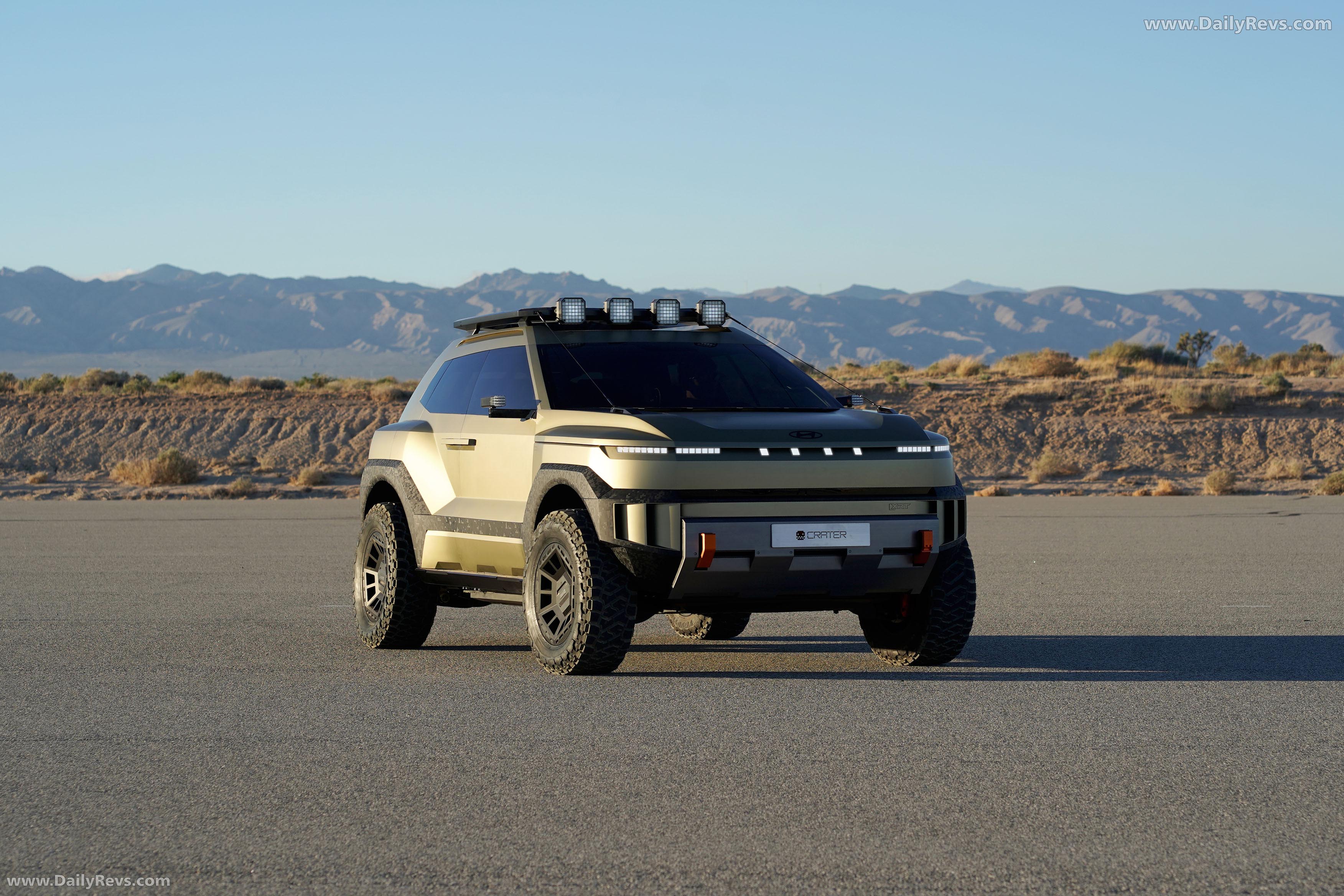
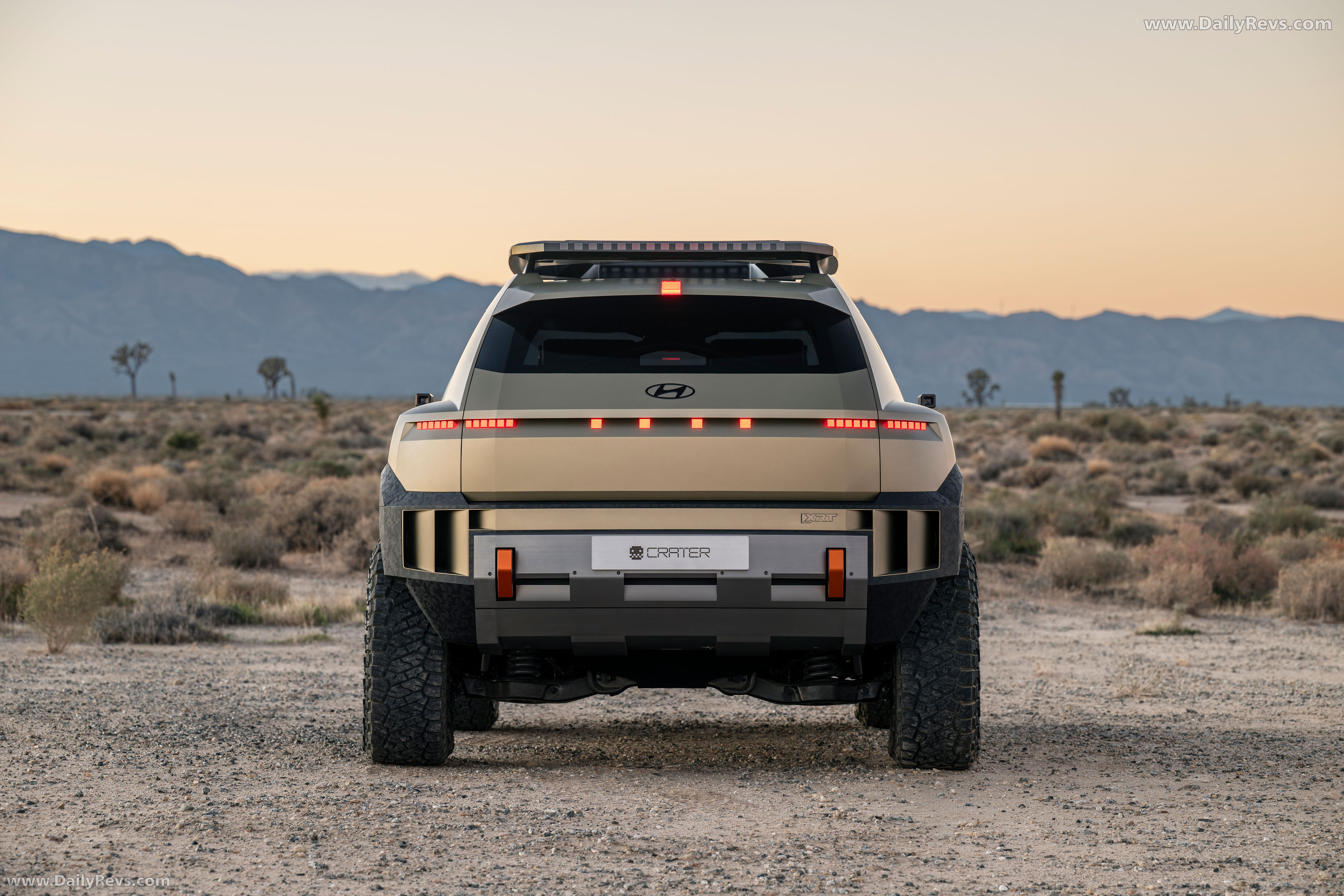
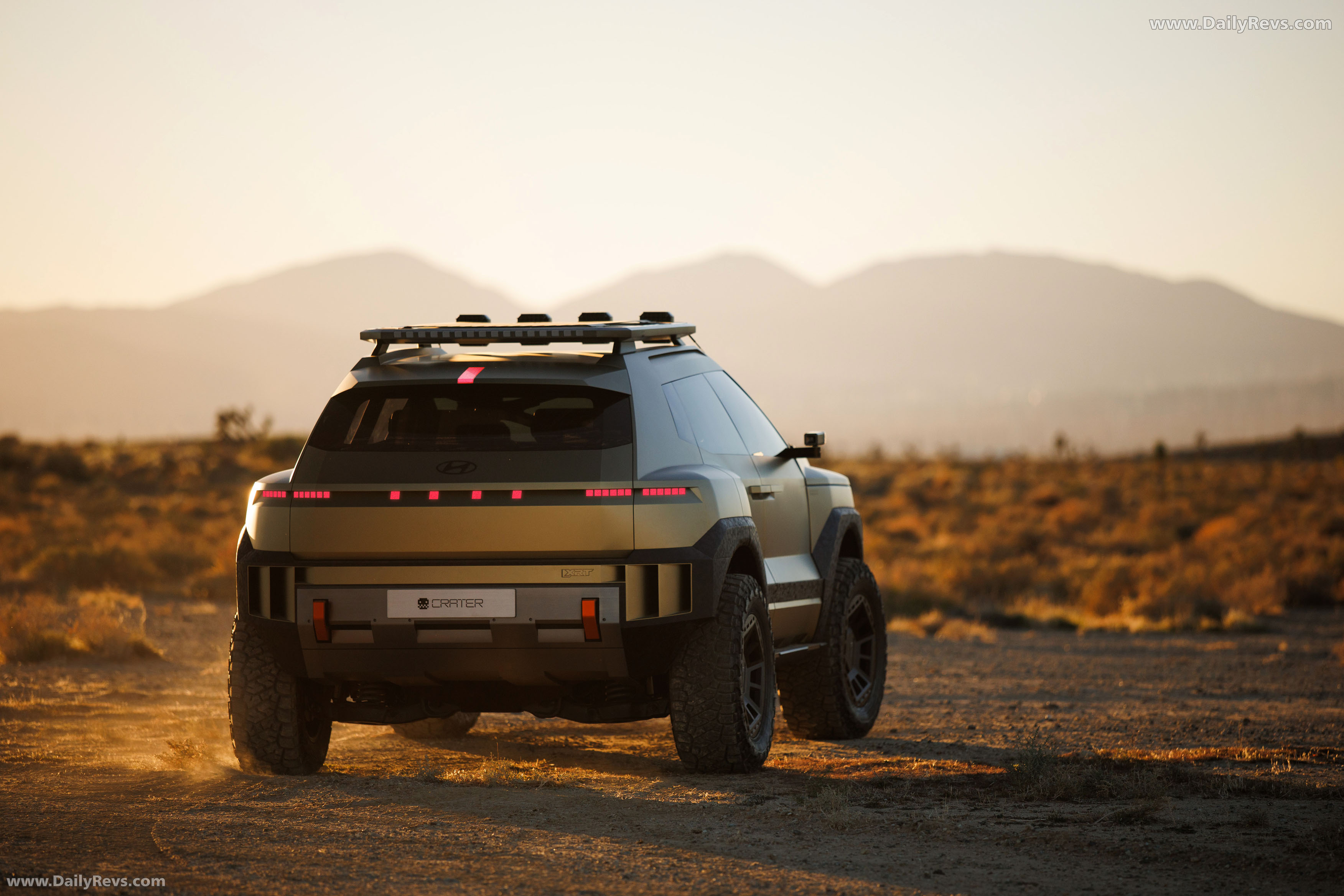
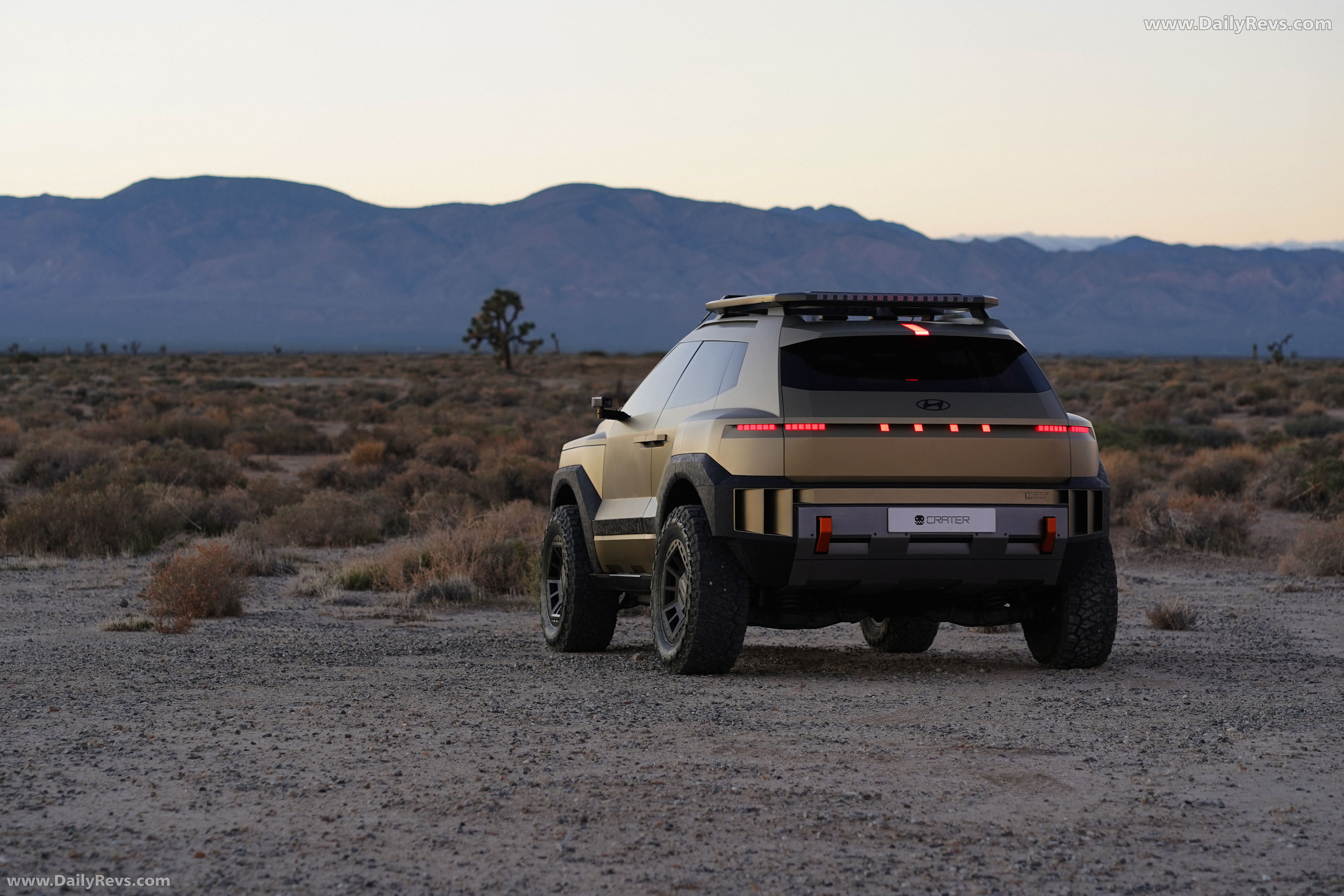
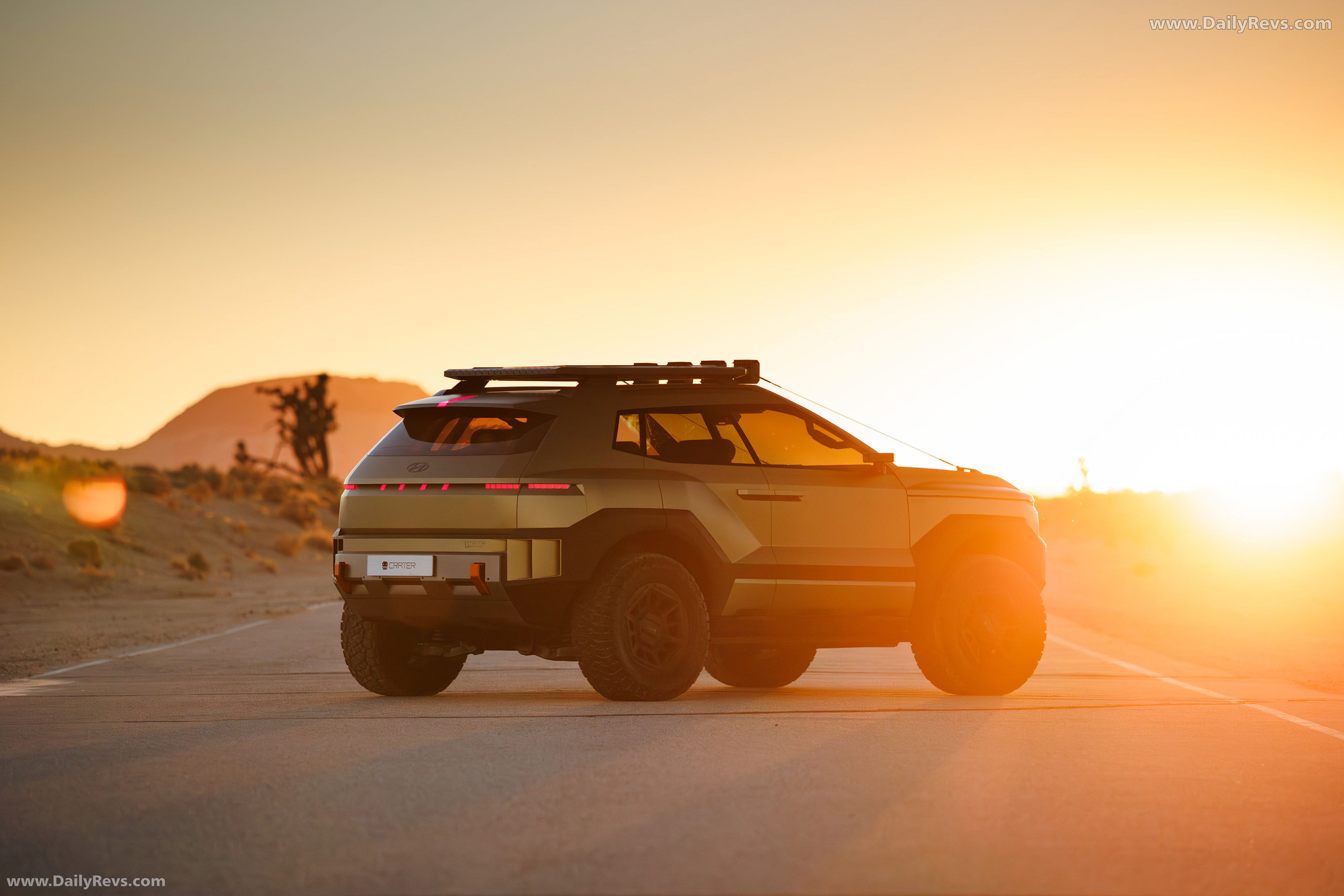
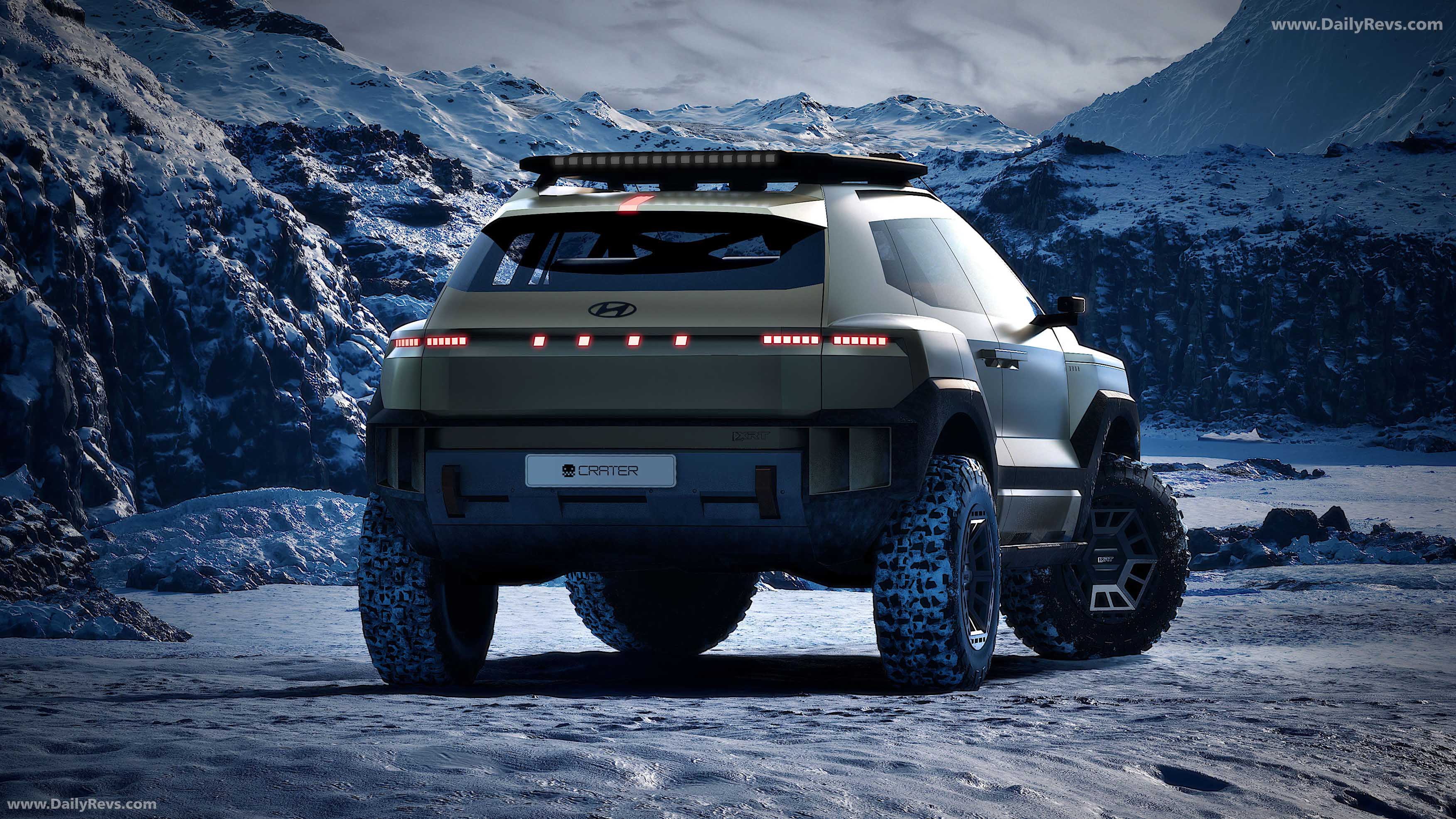
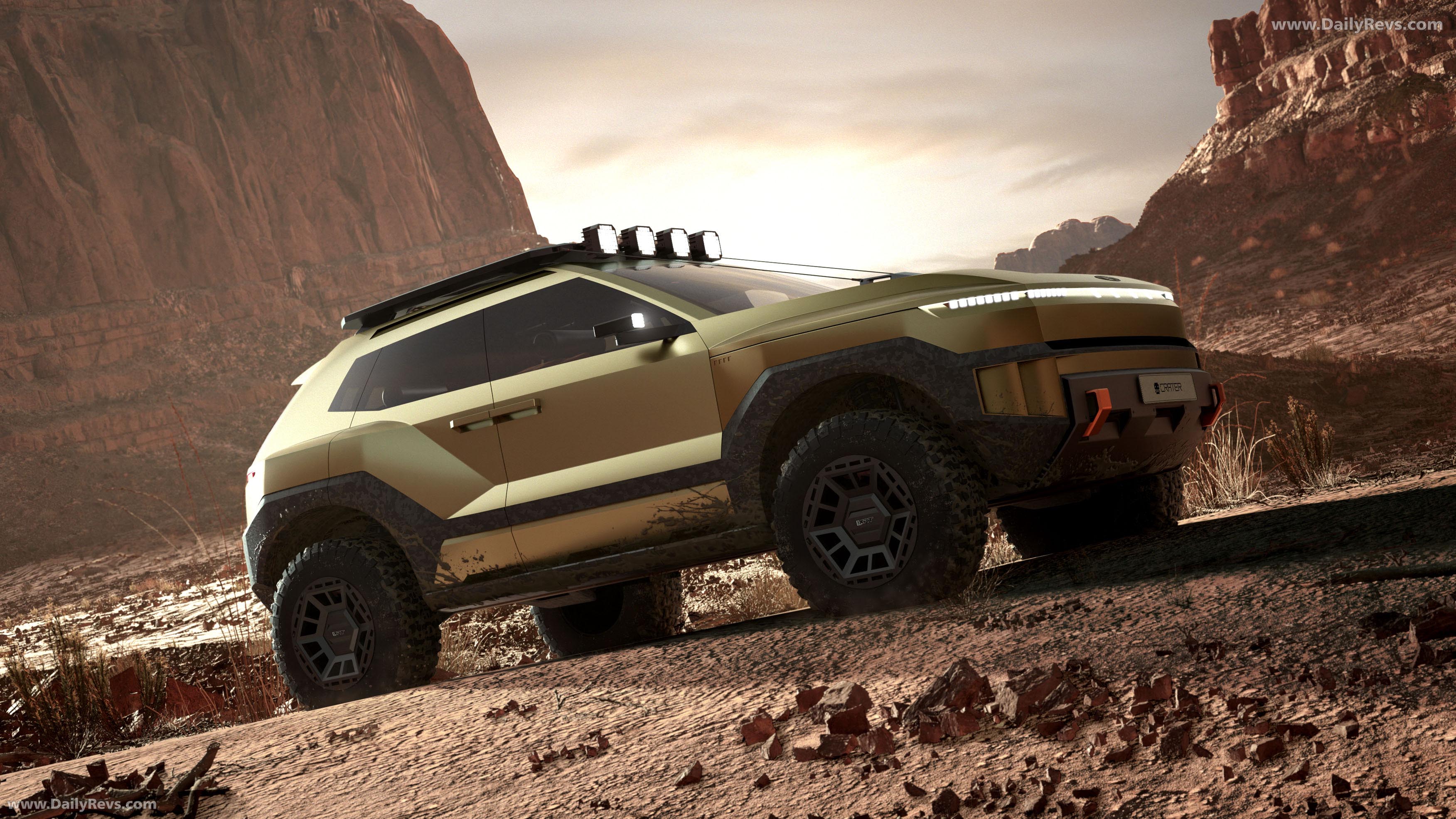
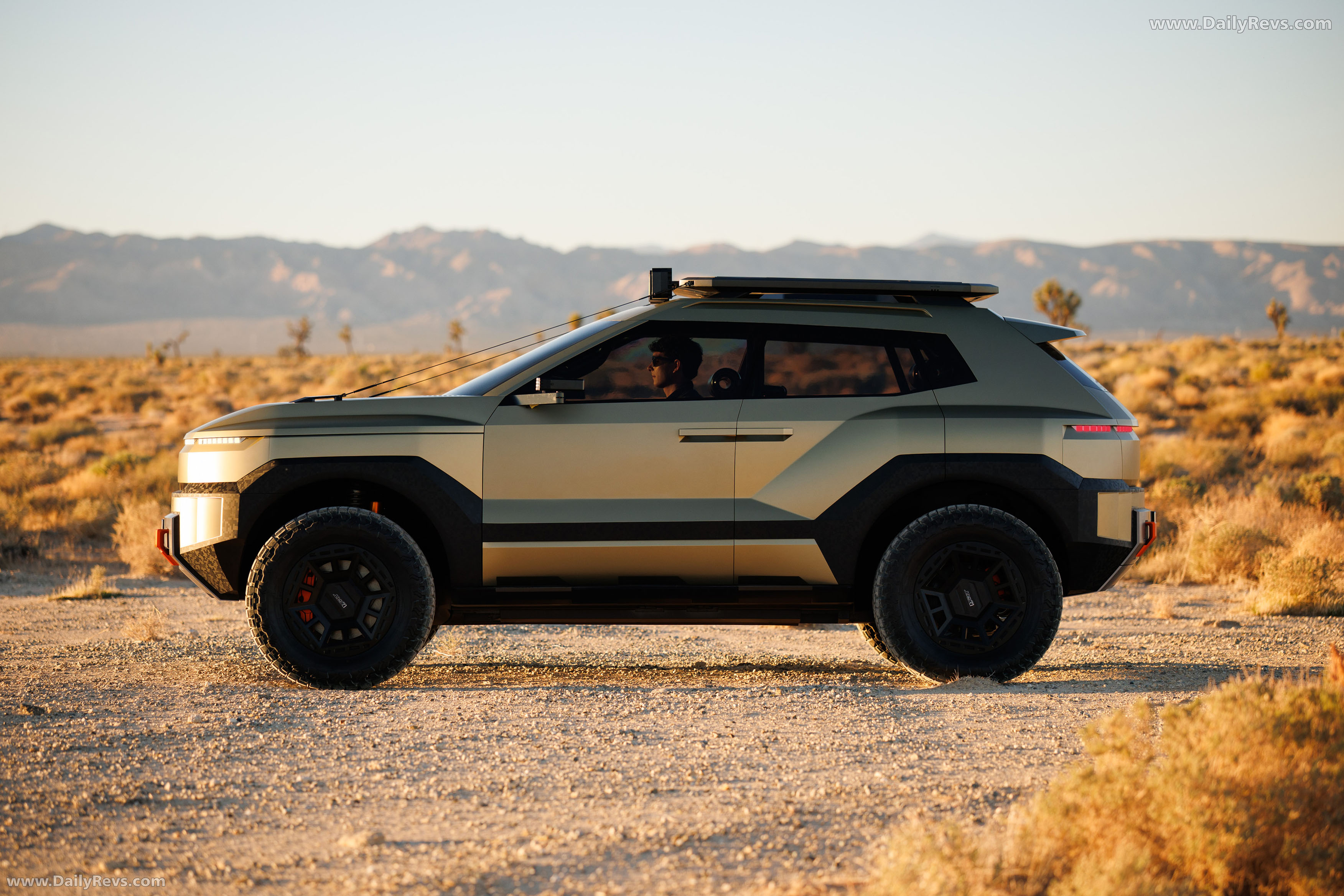
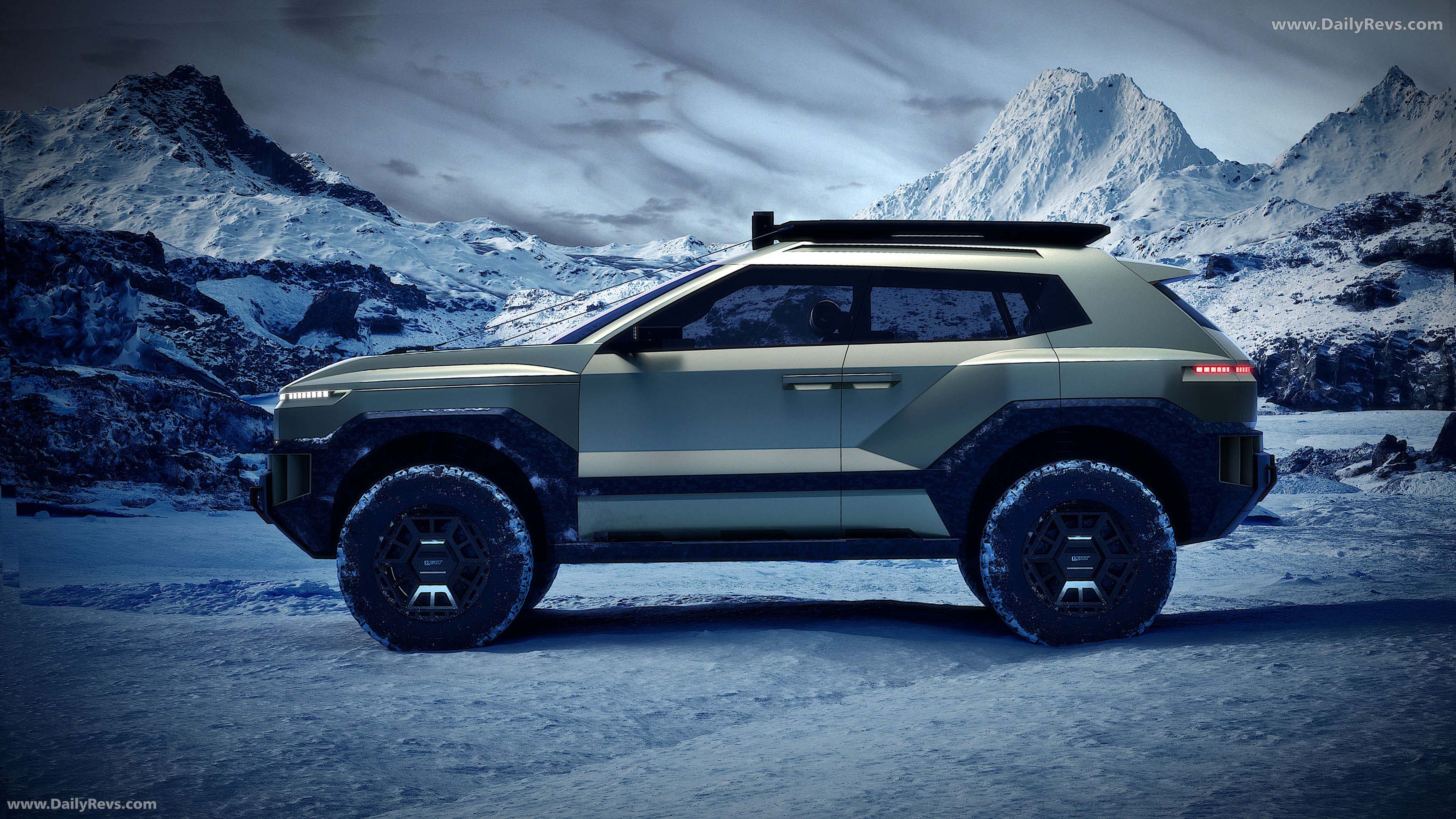
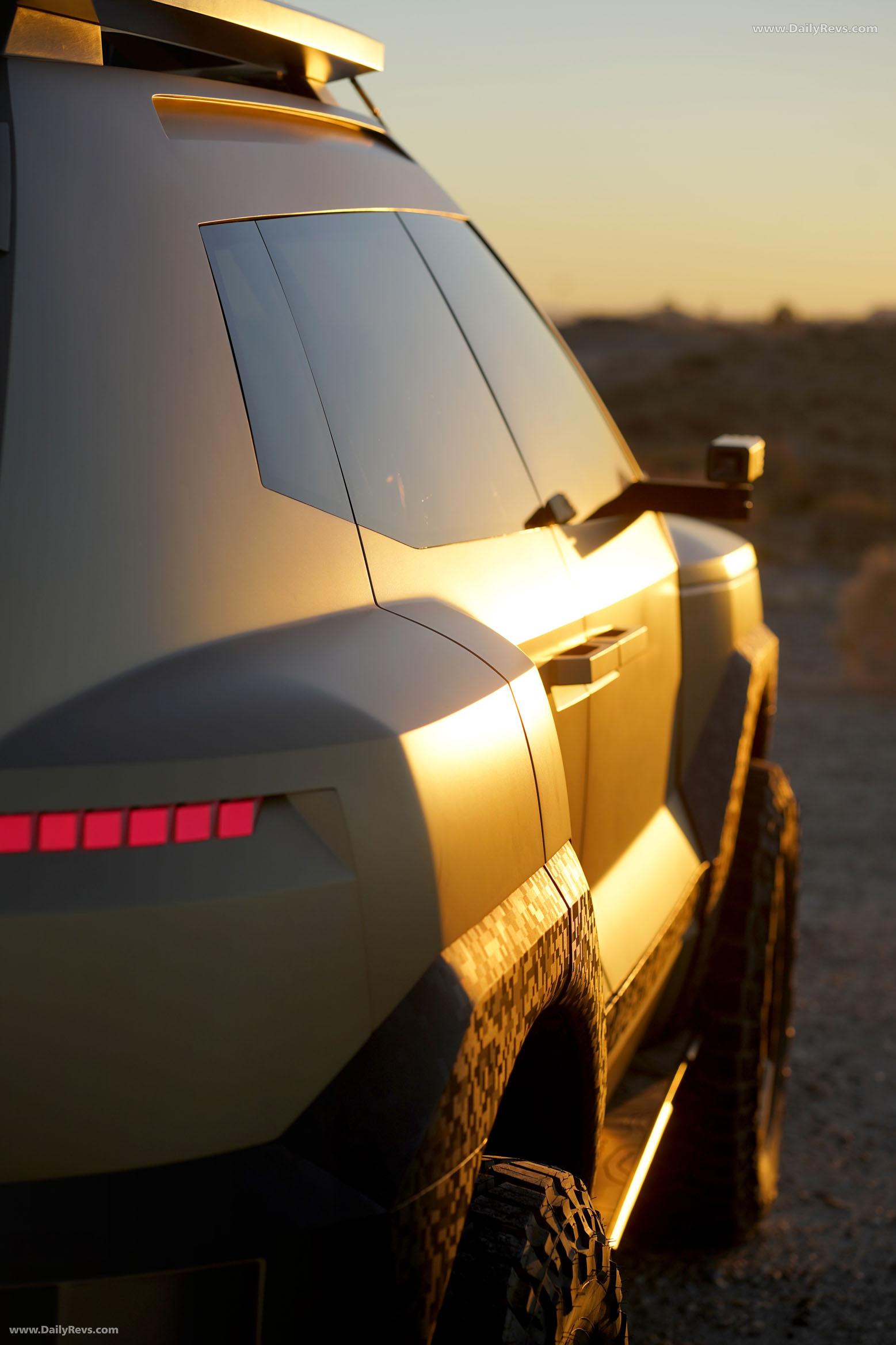
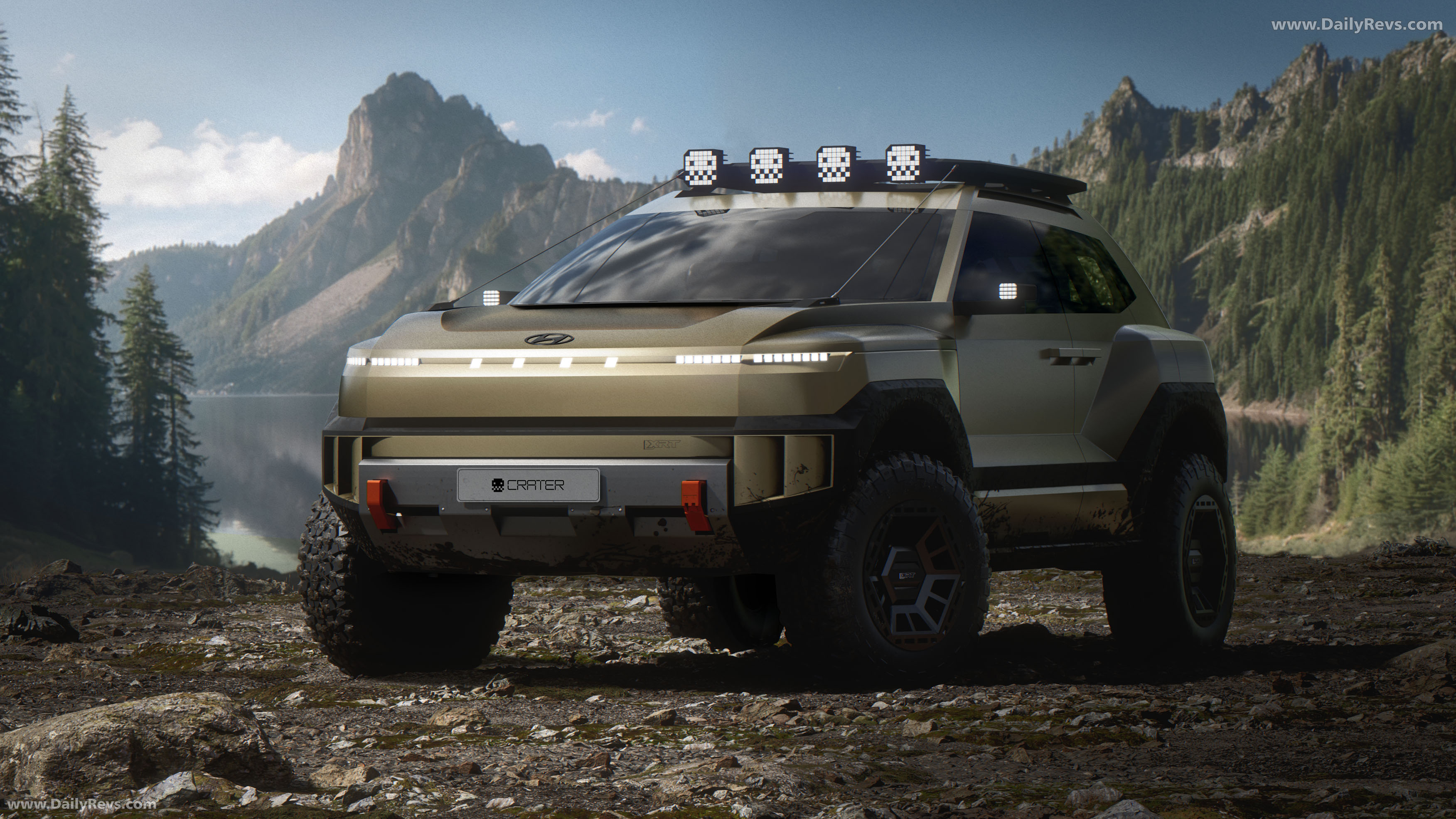
The CRATER Concept introduces what Hyundai calls the “Art of Steel,” a theme visible in its broad, clean body panels and crisp edges. The surfaces follow the natural formability of steel, creating muscular fenders, blocky shoulders, and a silhouette that reads stable and planted even at a standstill.
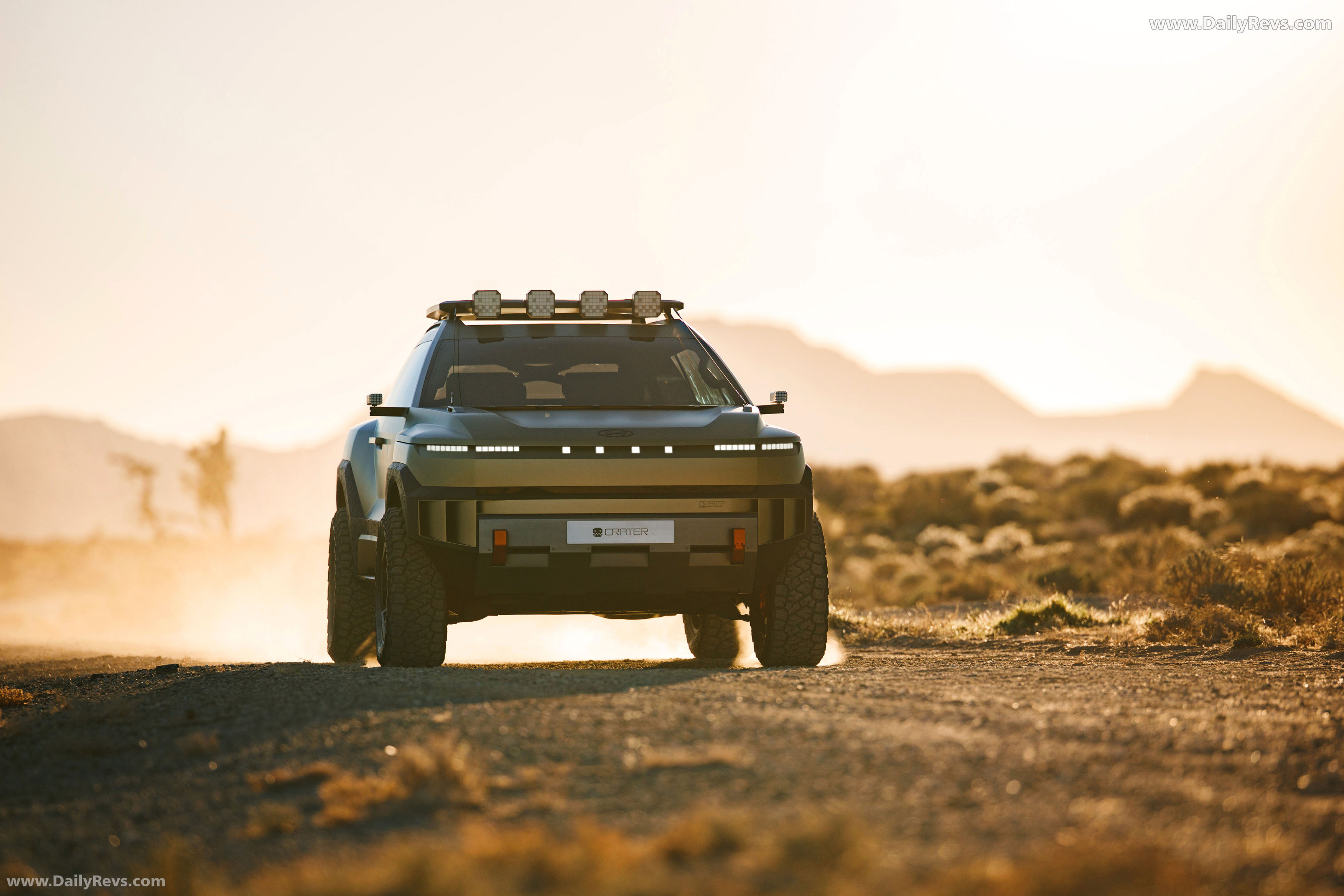
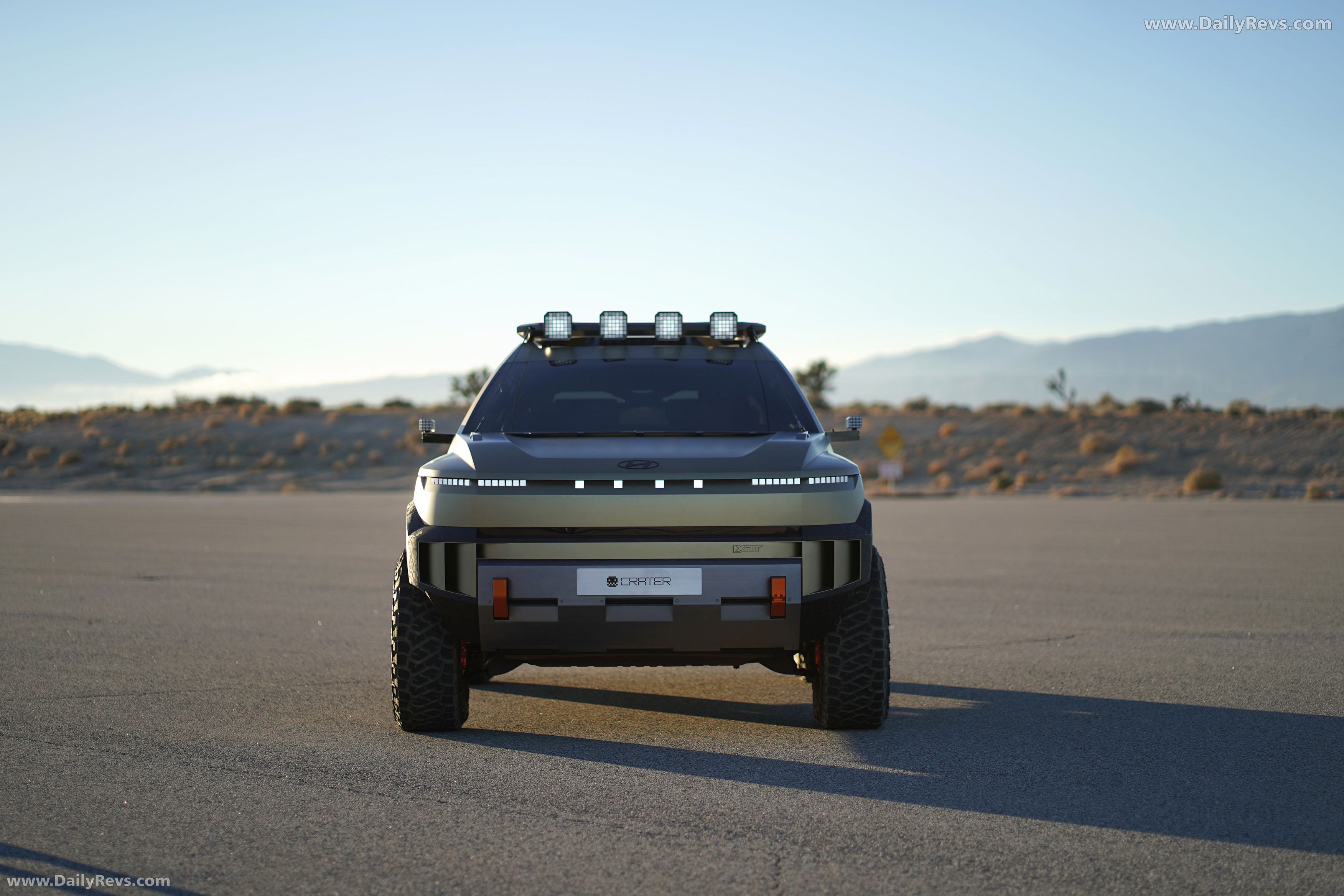
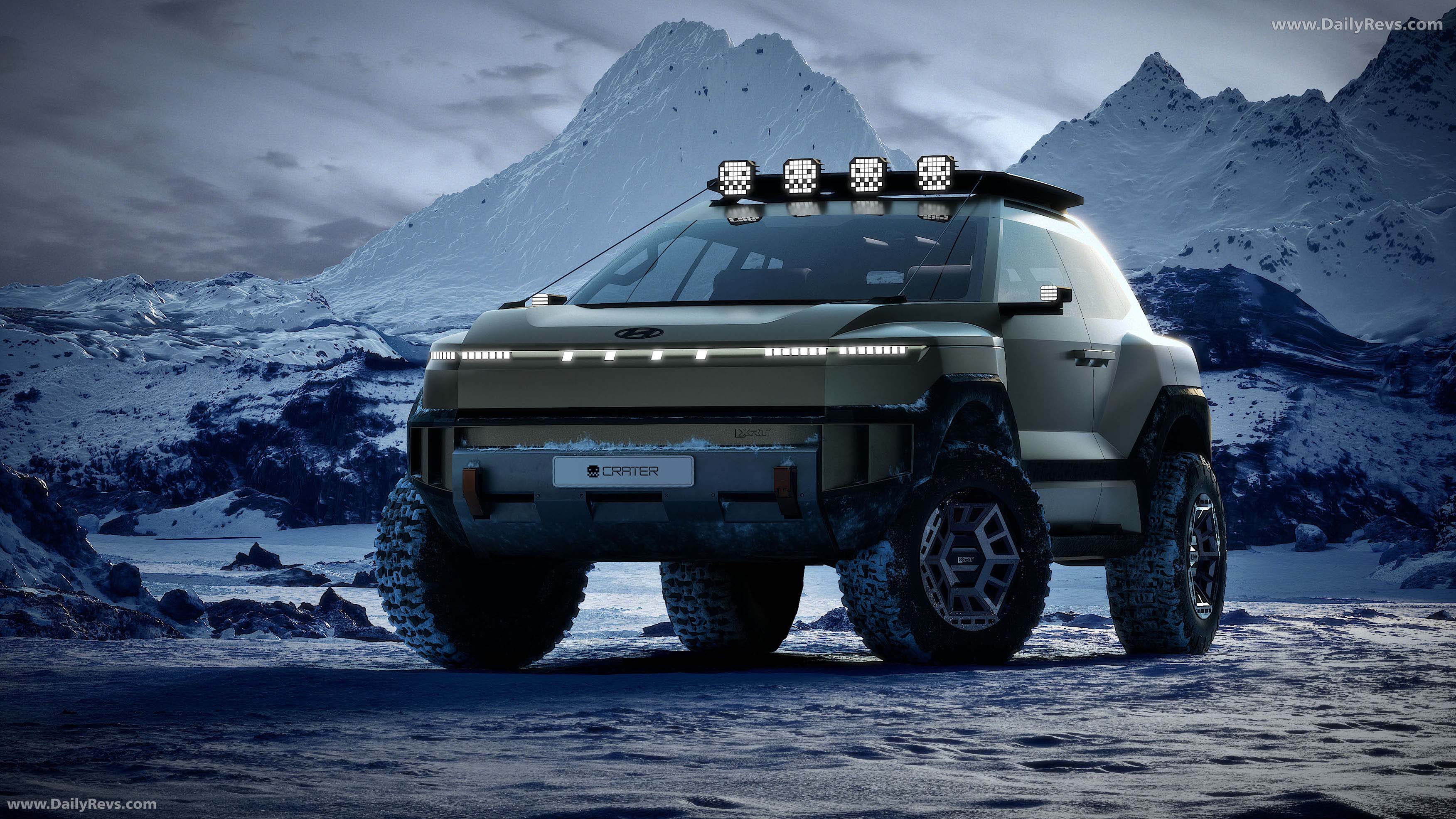
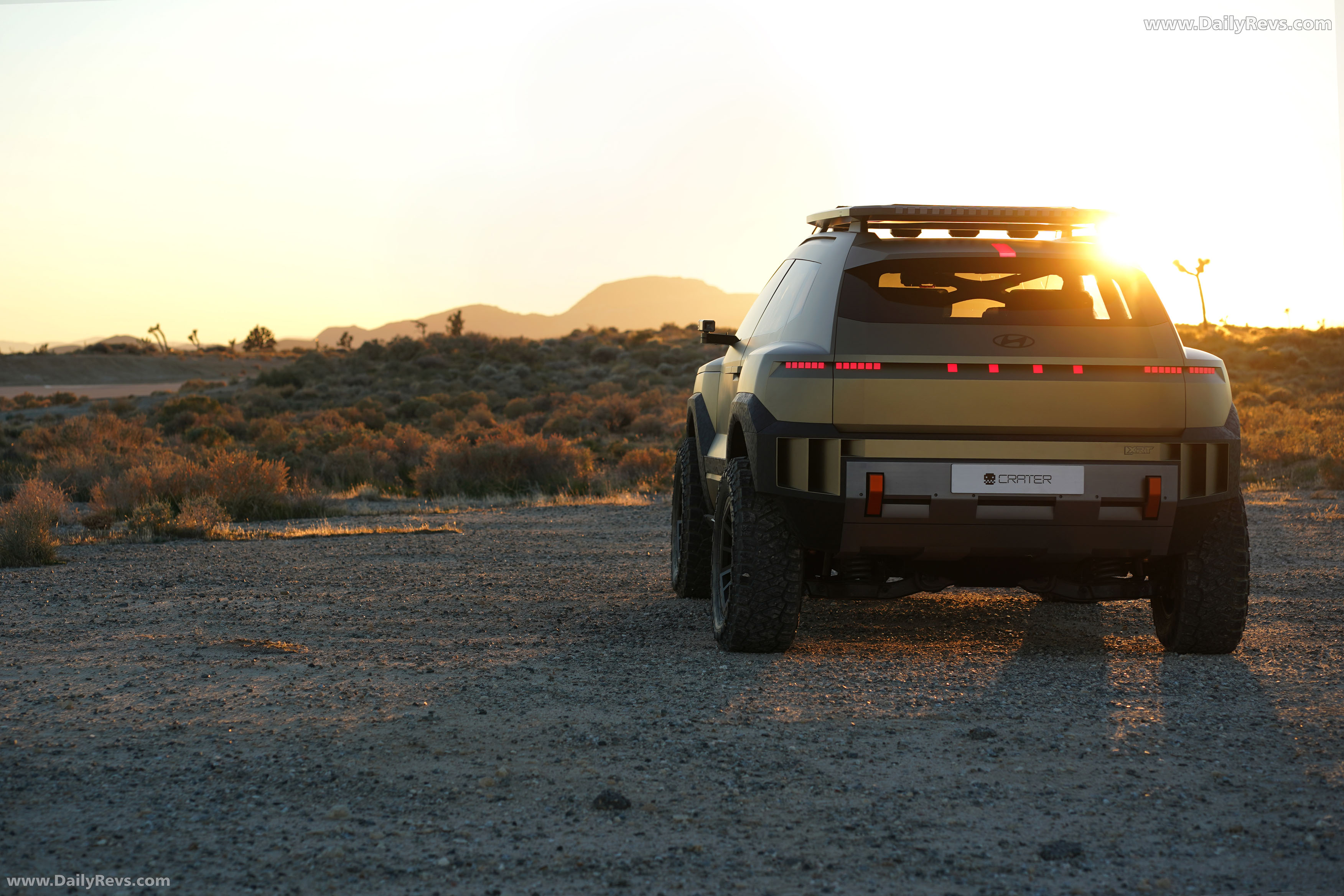
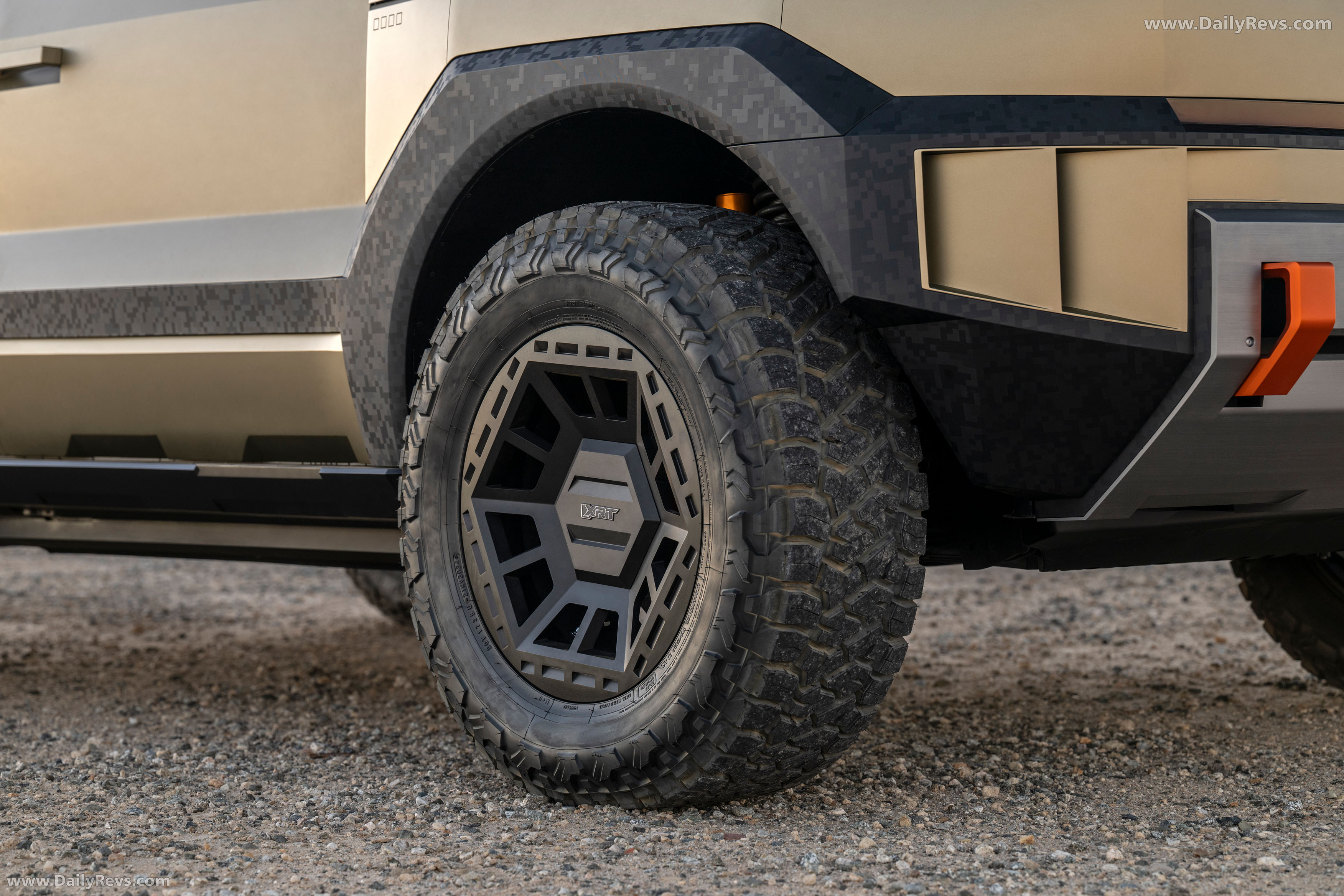
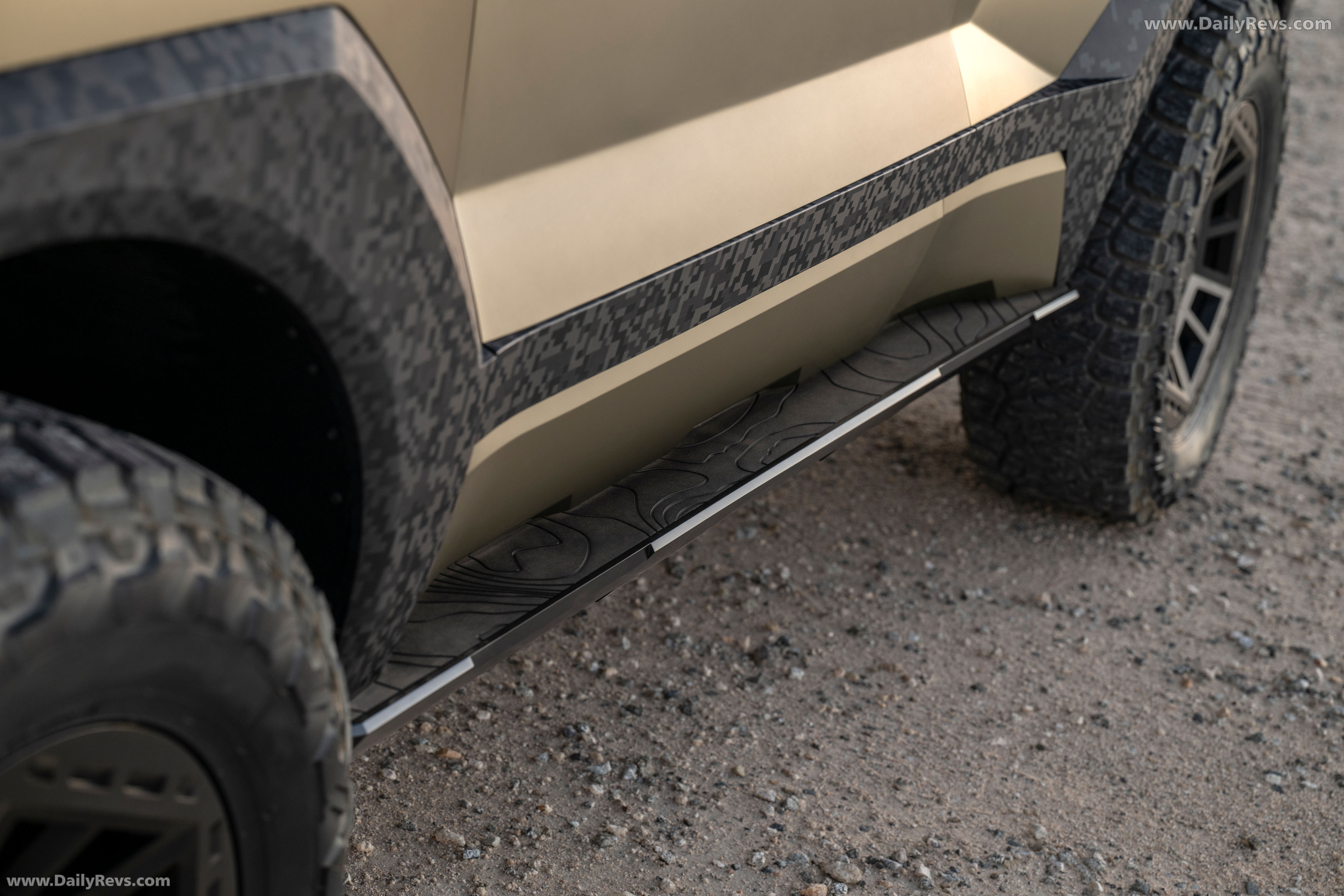
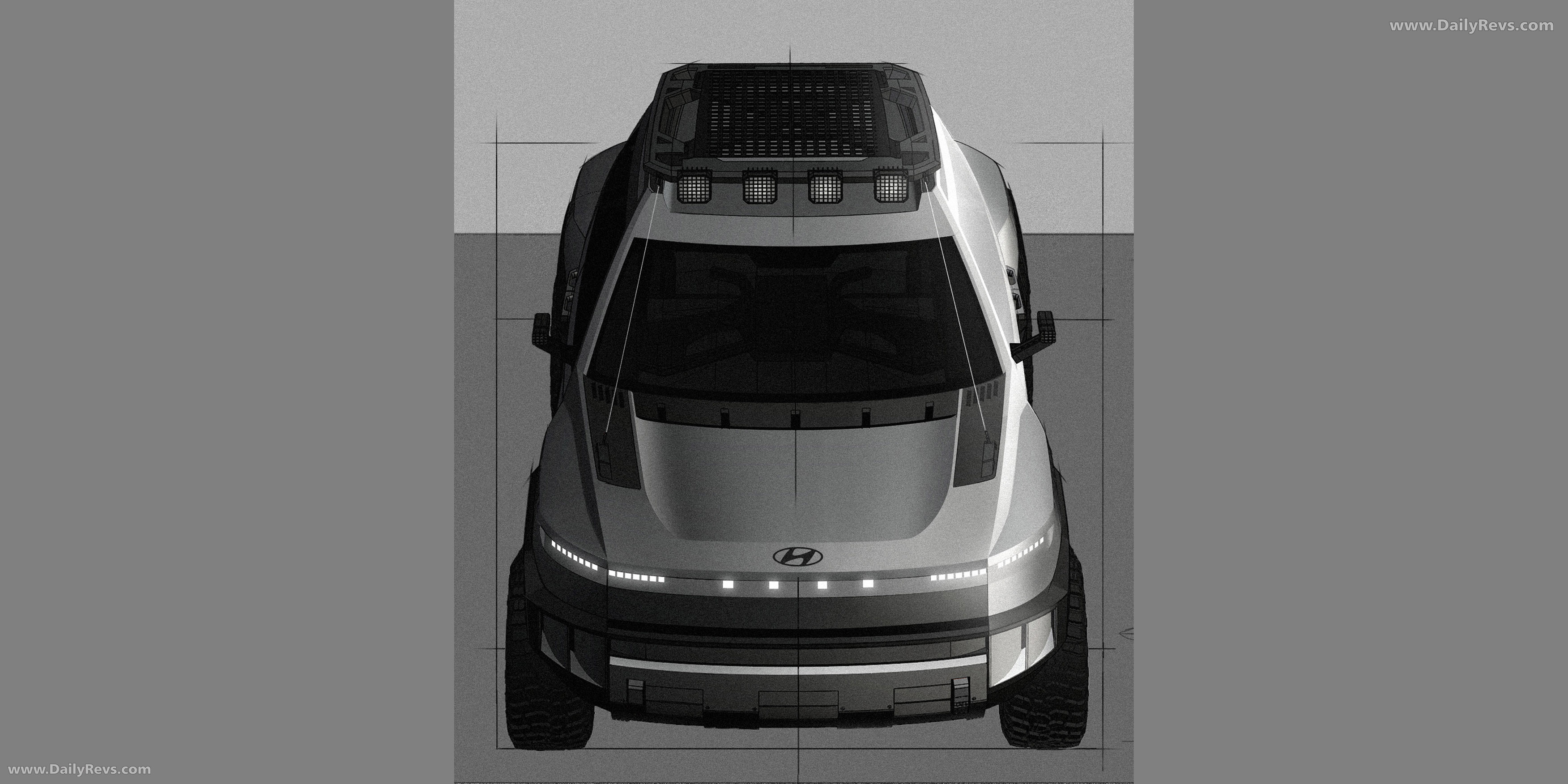
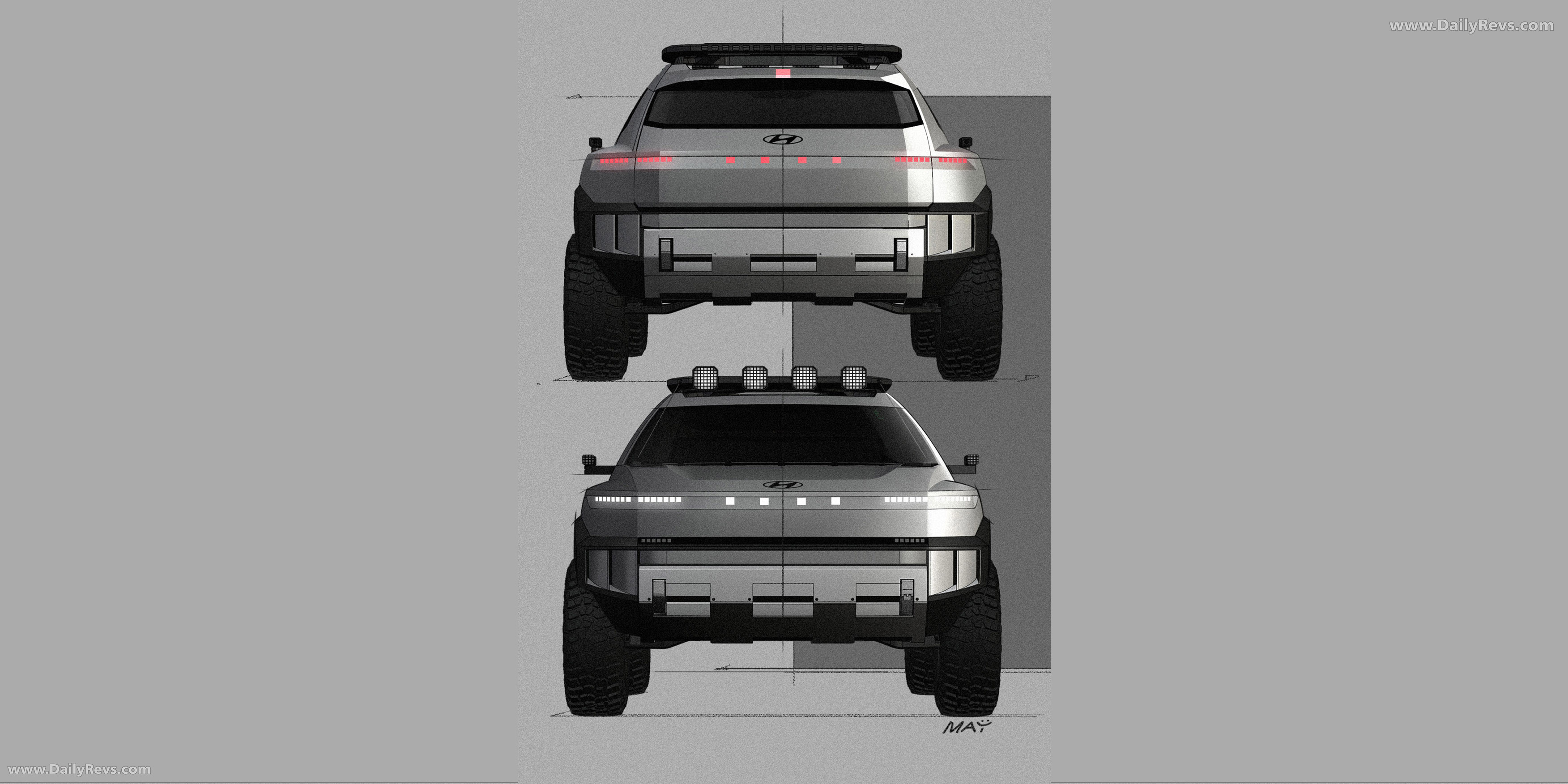
Compact proportions and steep approach and departure angles immediately signal intent. The 18-inch hexagonal-faceted wheels — inspired by an imagined asteroid impact — sit inside wide arches and wear 33-inch off-road tires to amplify ground clearance.
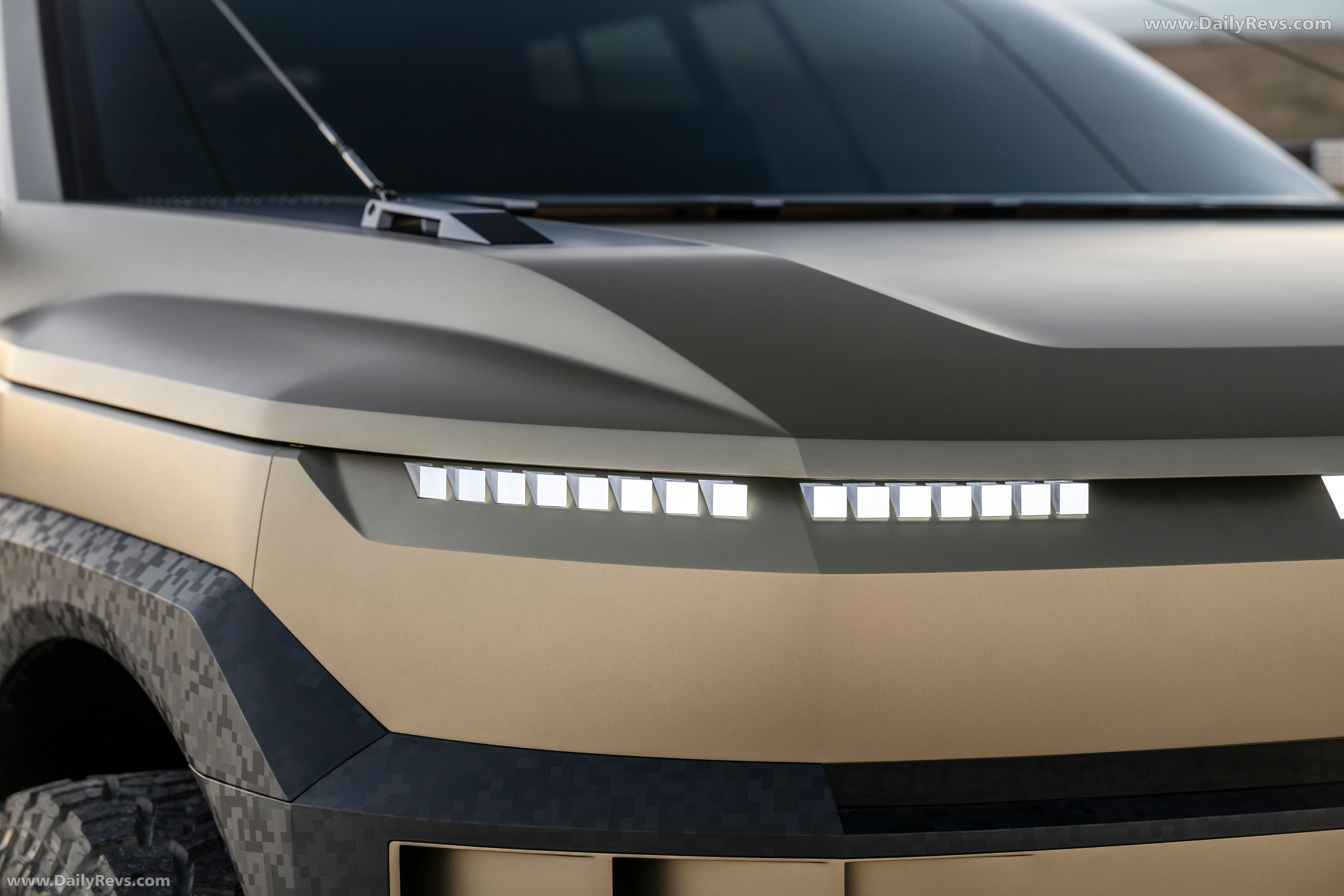
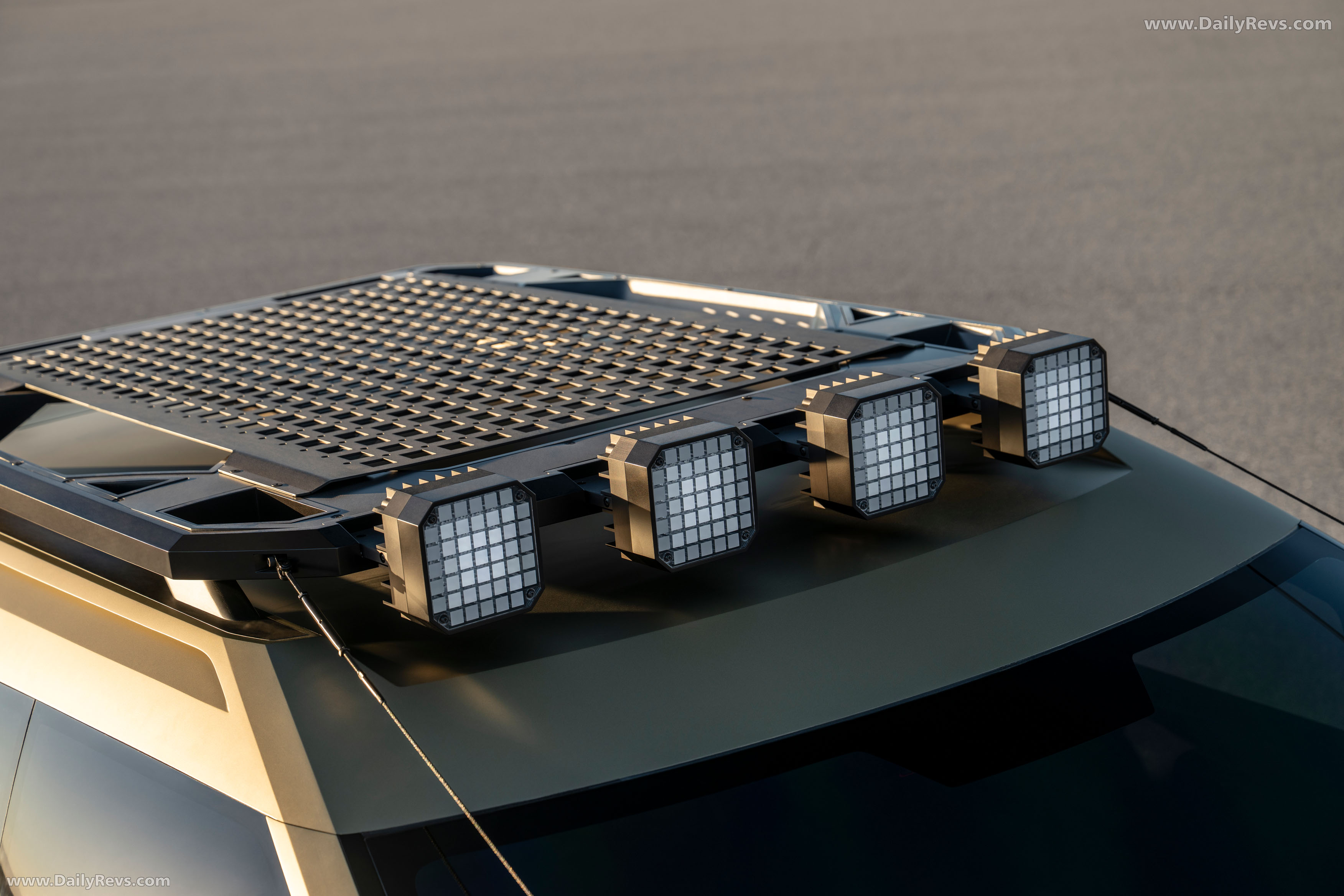
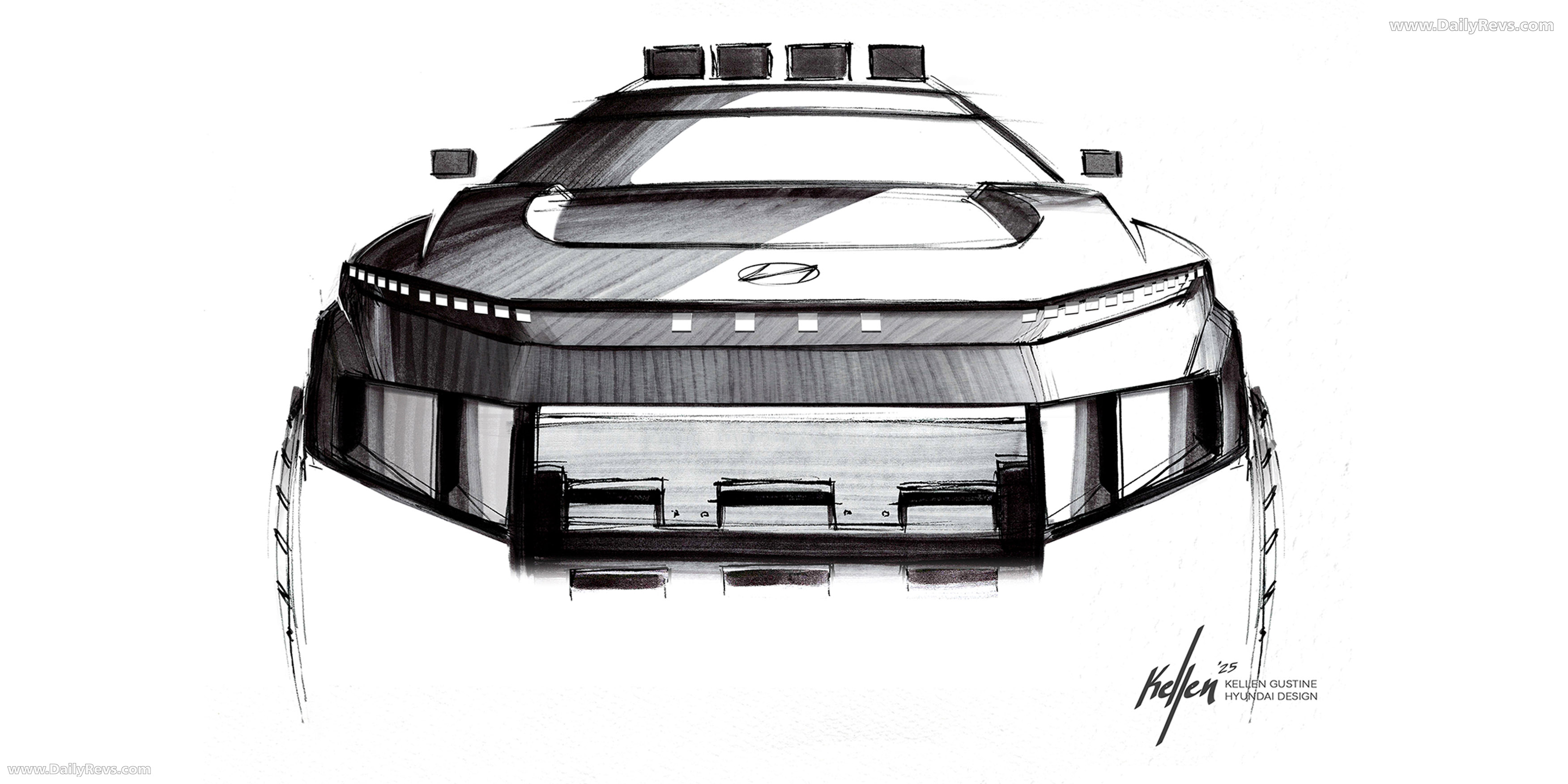
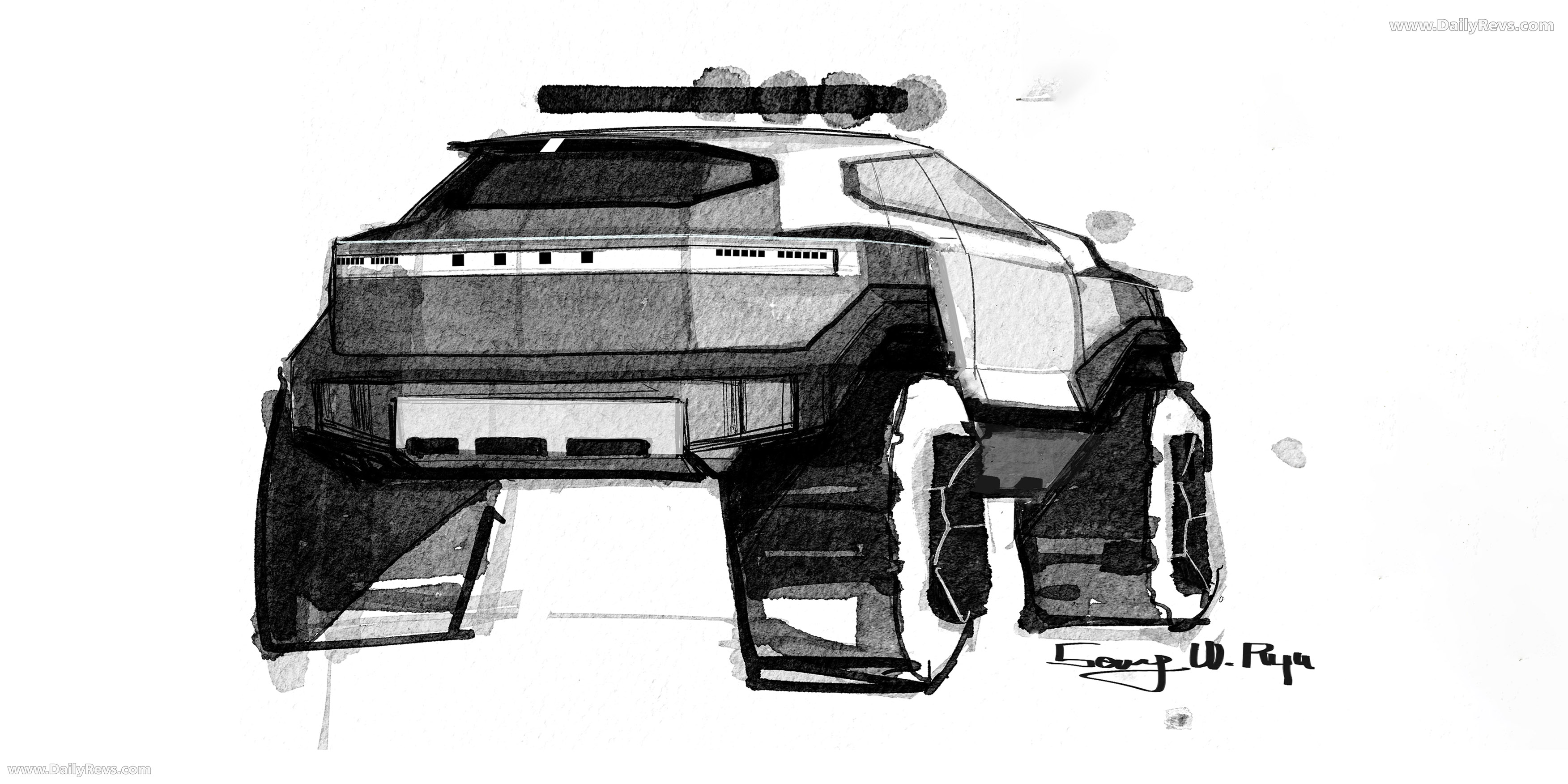
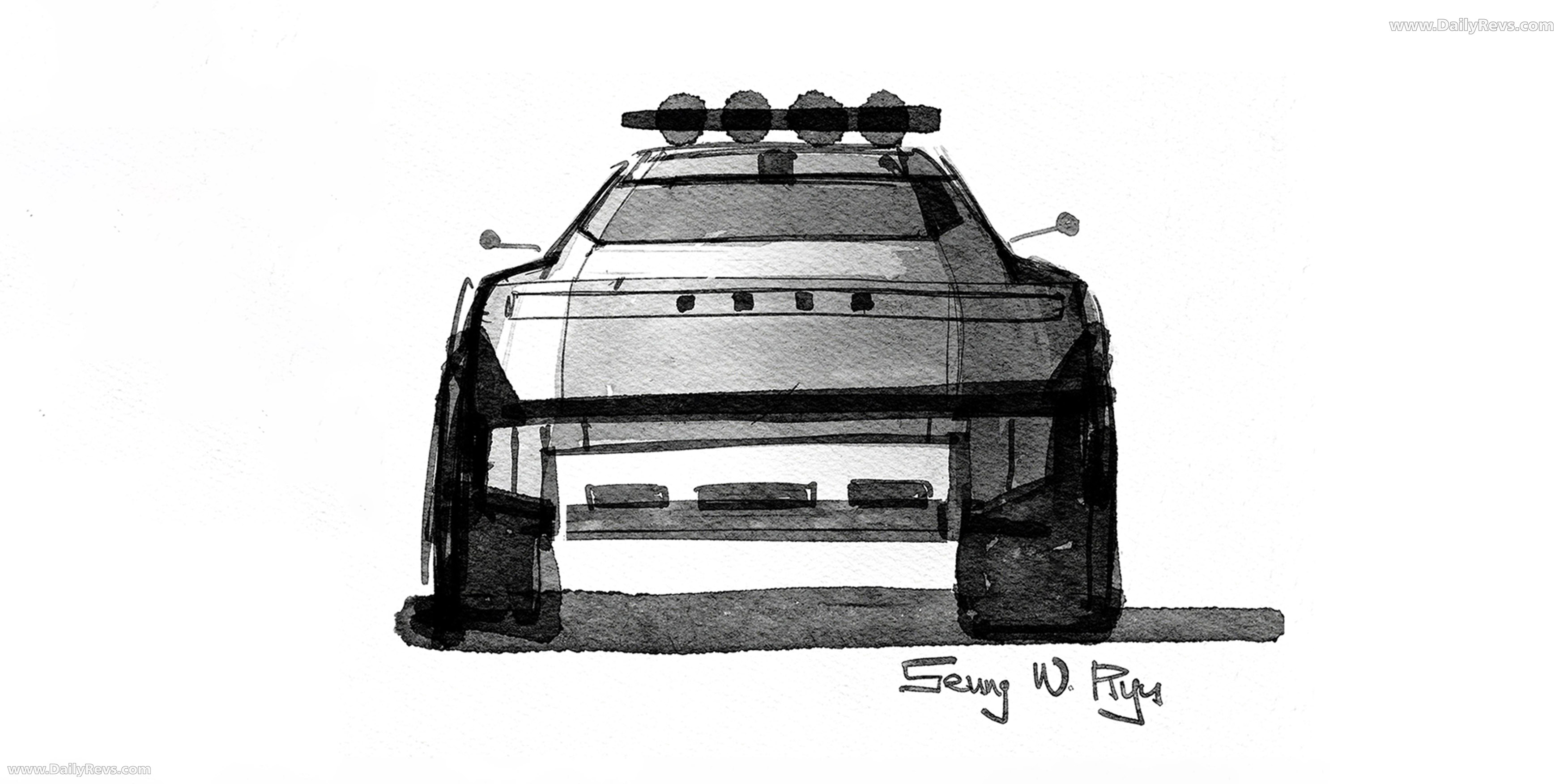
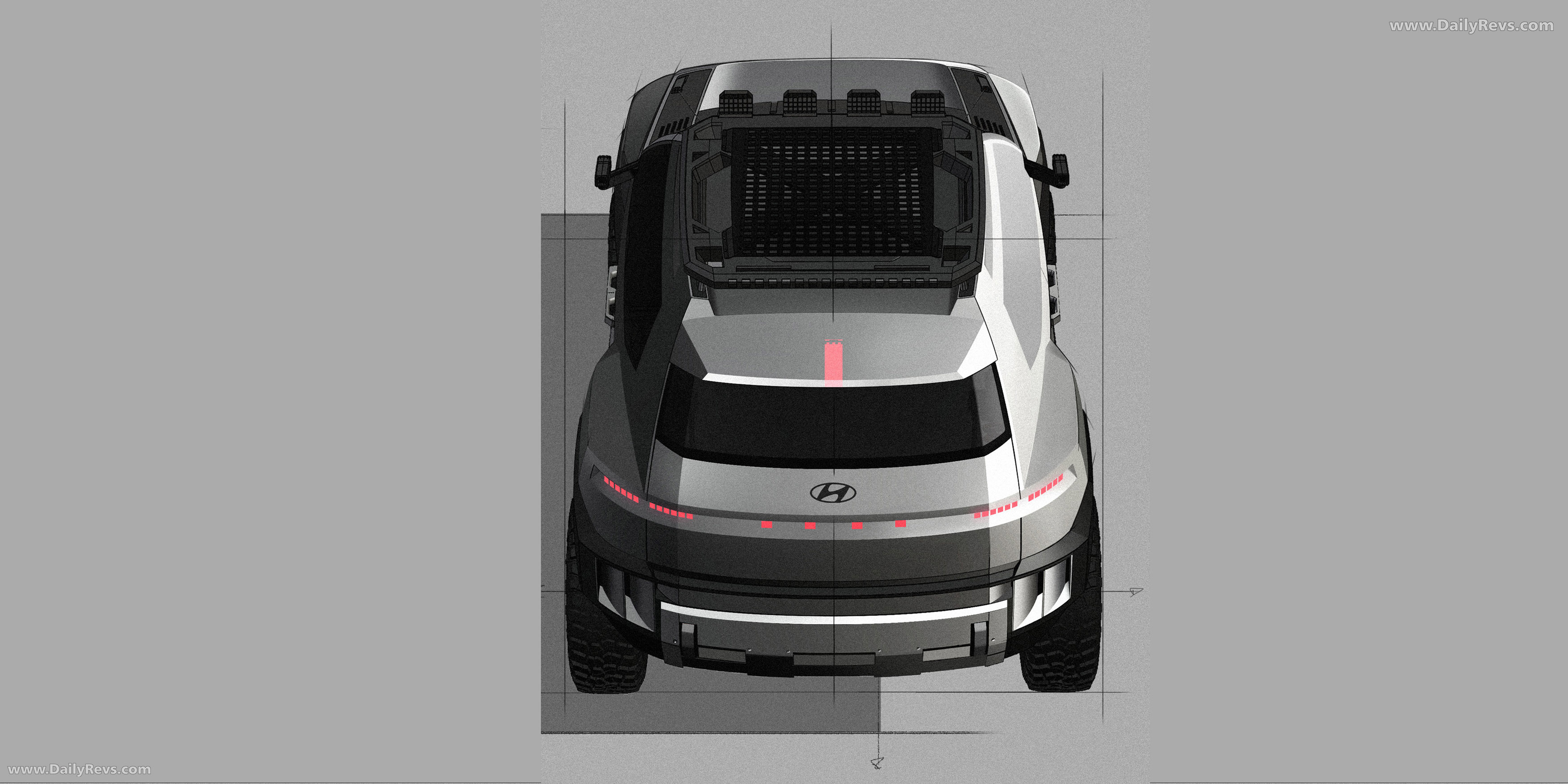
A full-width skid plate frames the lower body, while roof-mounted auxiliary lighting and limb risers add practical grounding for trails where low branches and unpredictable surfaces are routine. The layered lighting signature, with its three-dimensional pixel arrangement, brings Hyundai’s now-familiar parametric pixel design into a more rugged context.
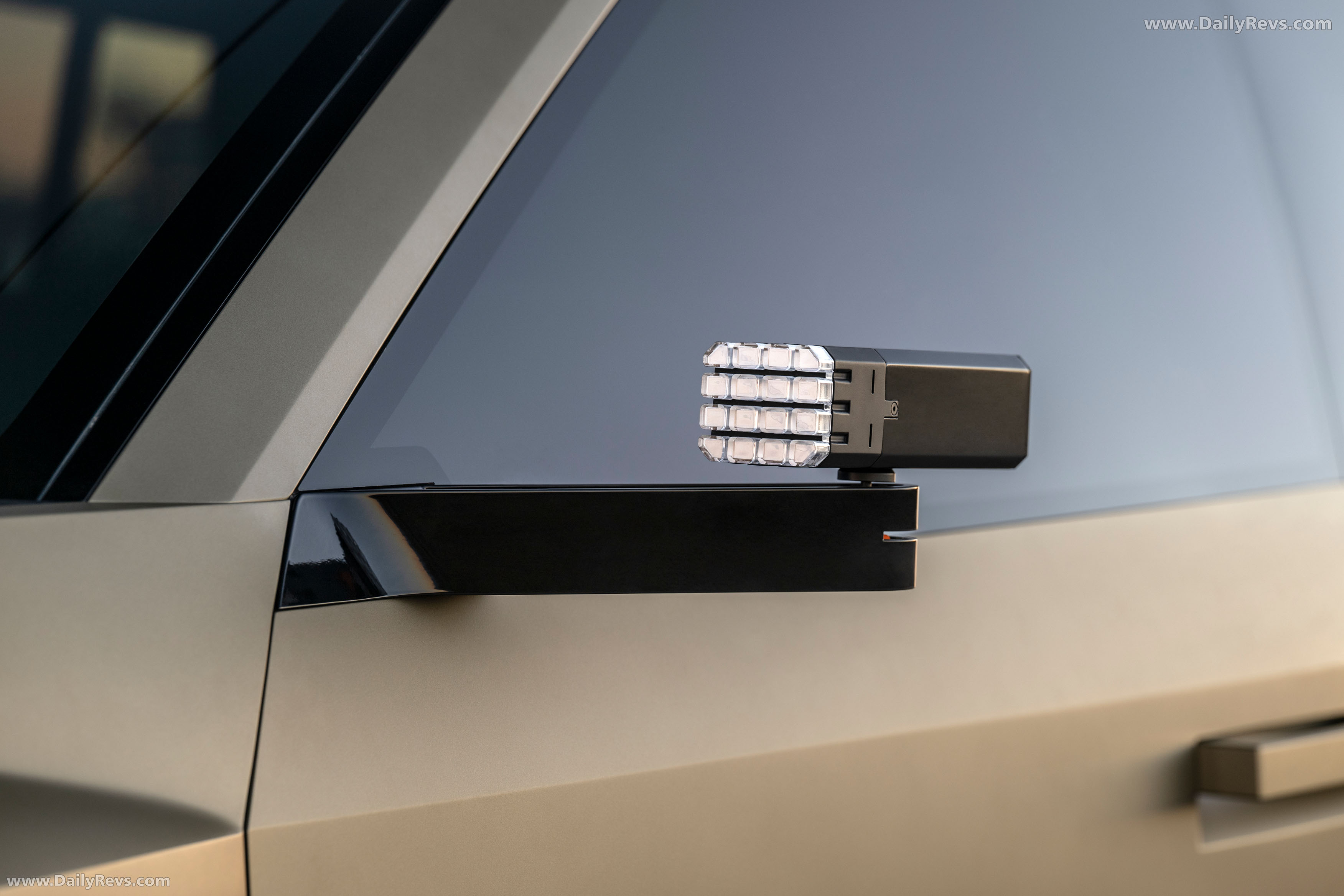
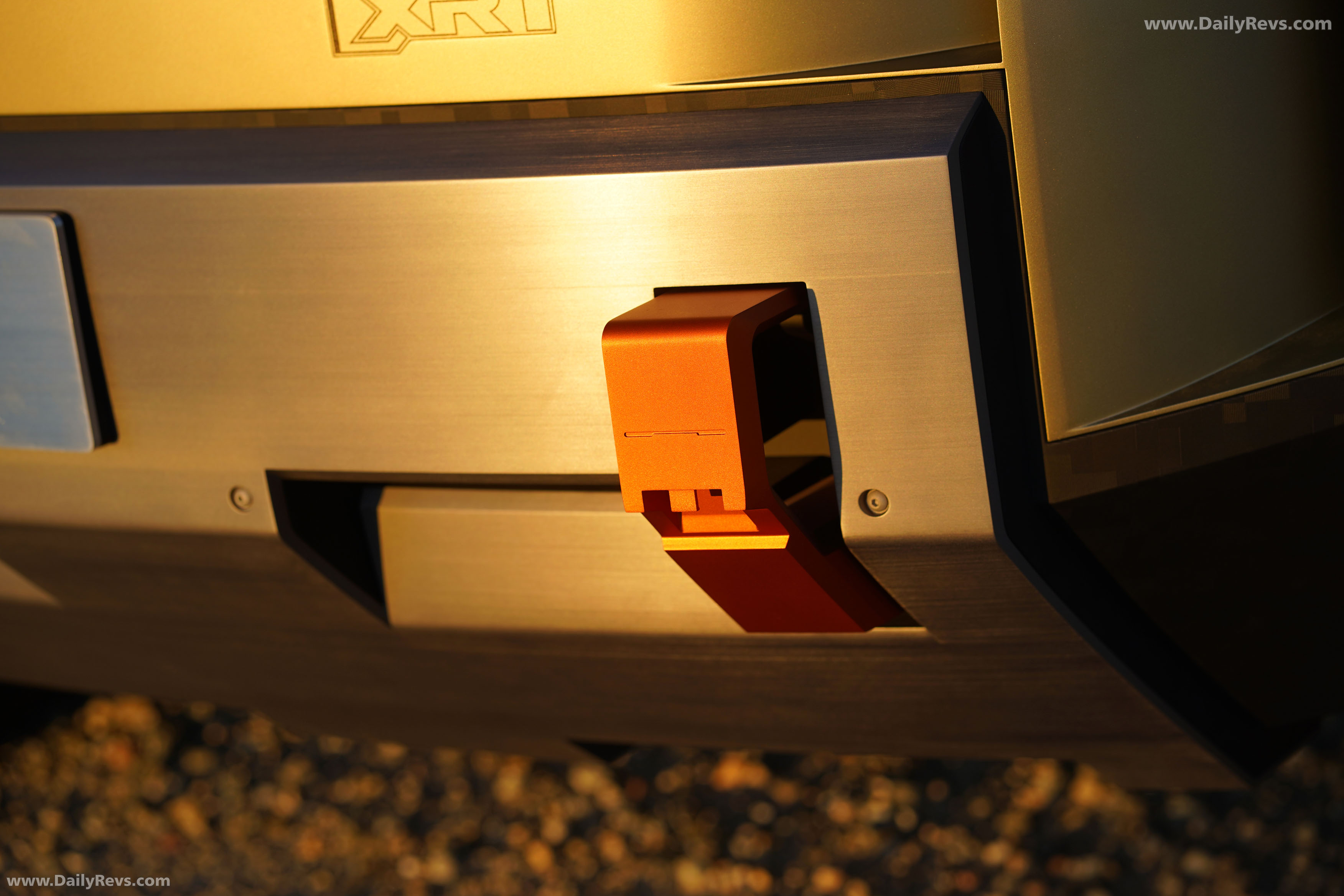
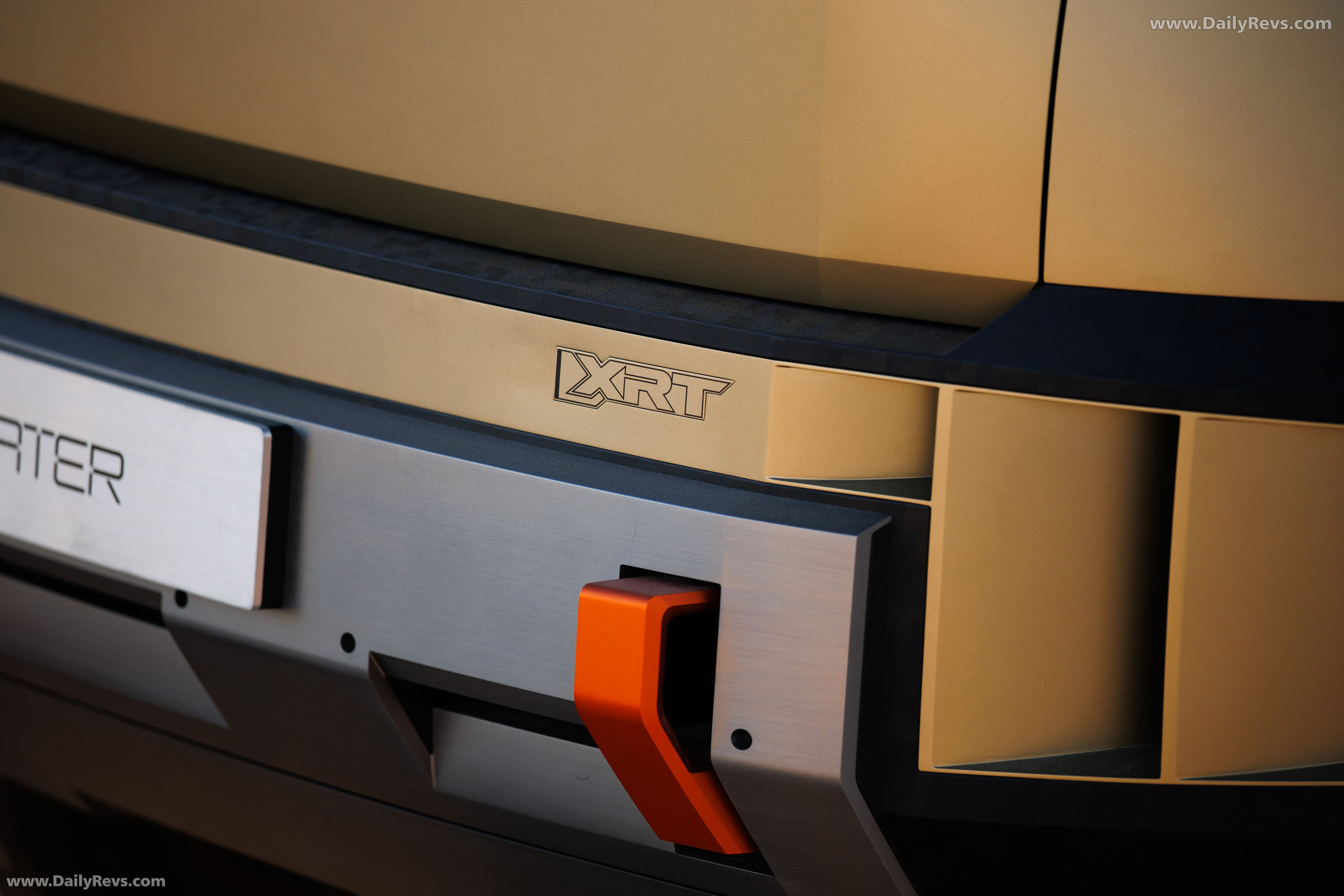
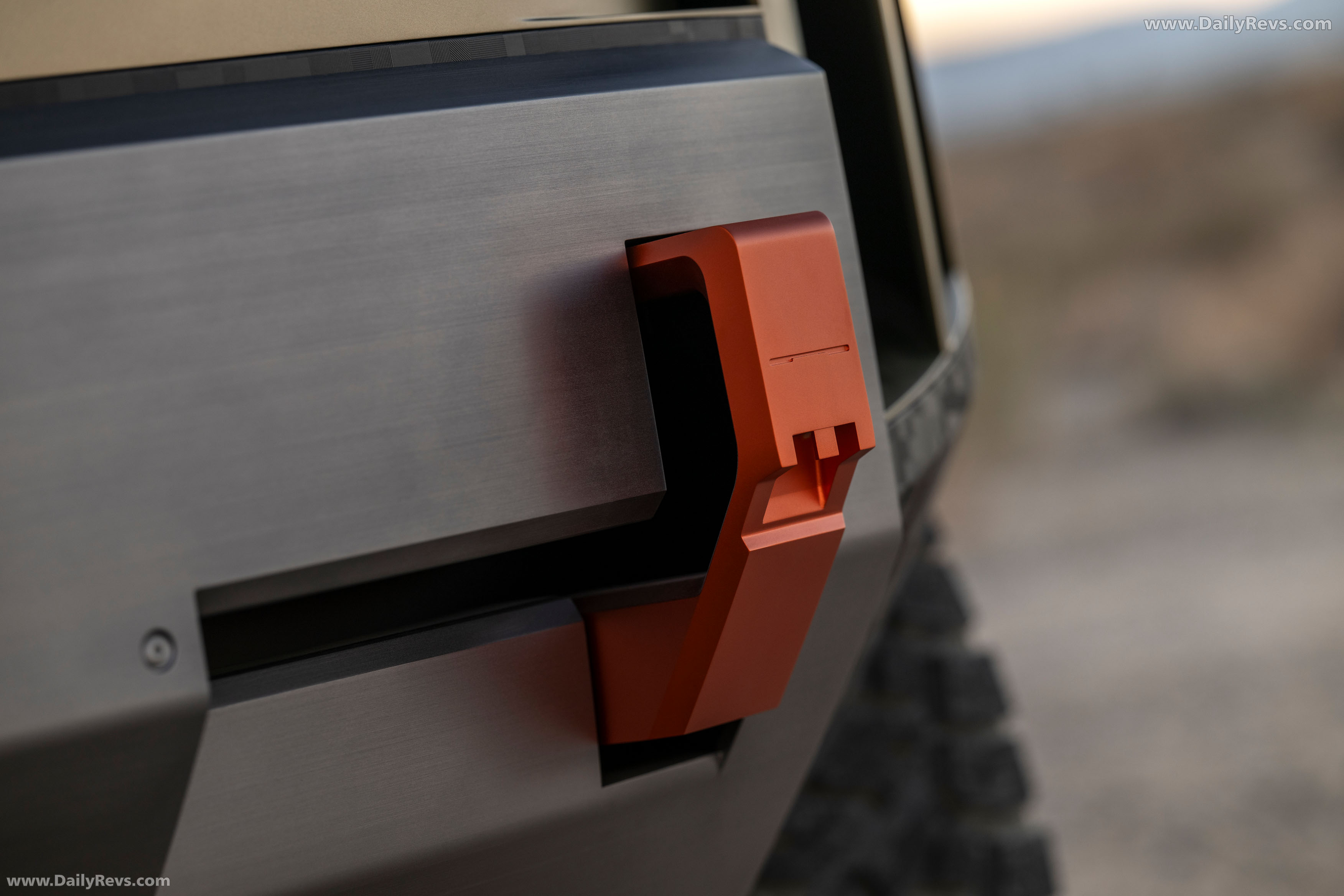
Hidden functional touches — a recovery hook that doubles as a bottle opener and removable side-mirror cameras that act as flashlights — give the concept a subtle, almost playful utilitarian edge.
Interior Built for Real-World Adventure
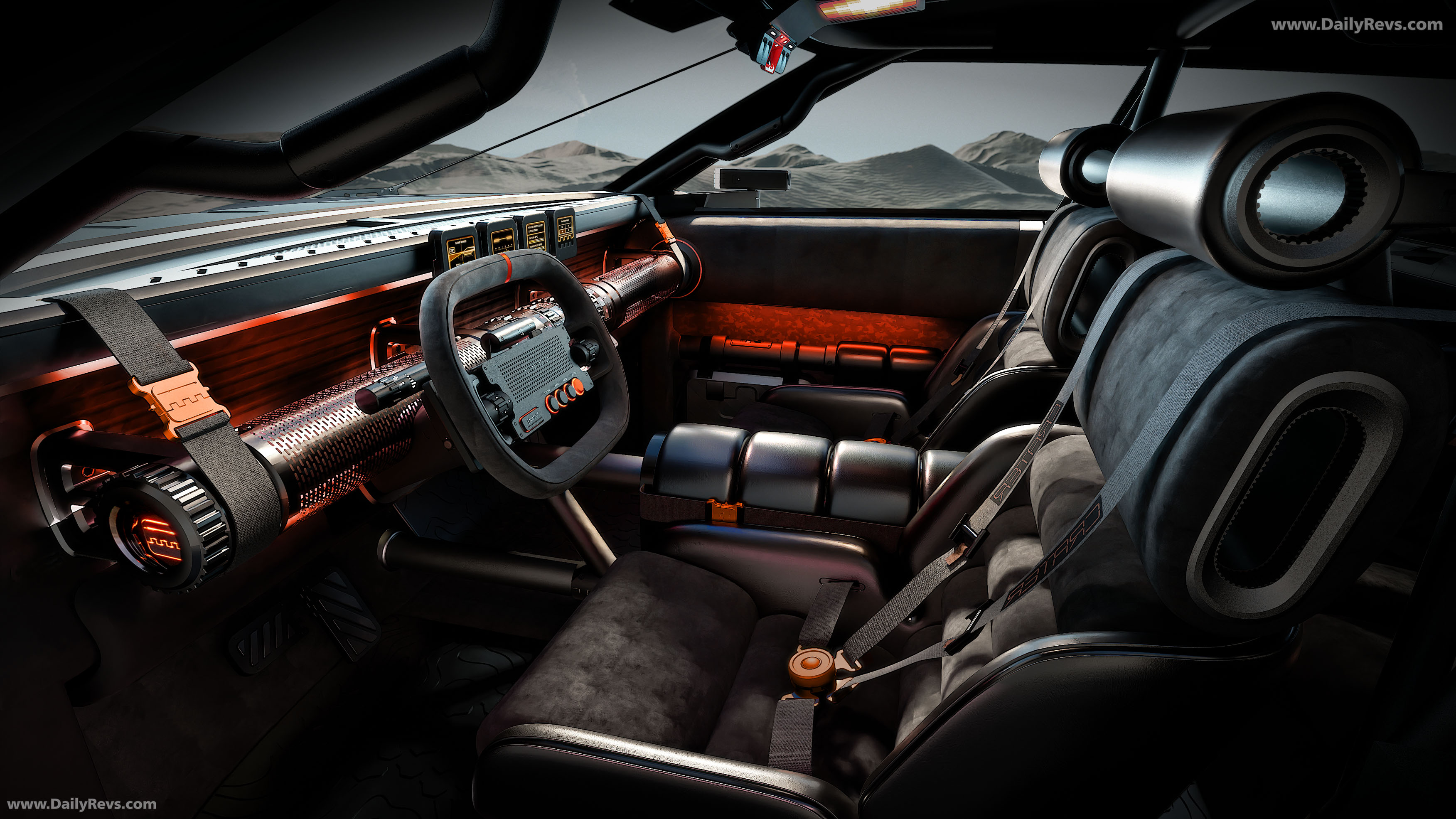
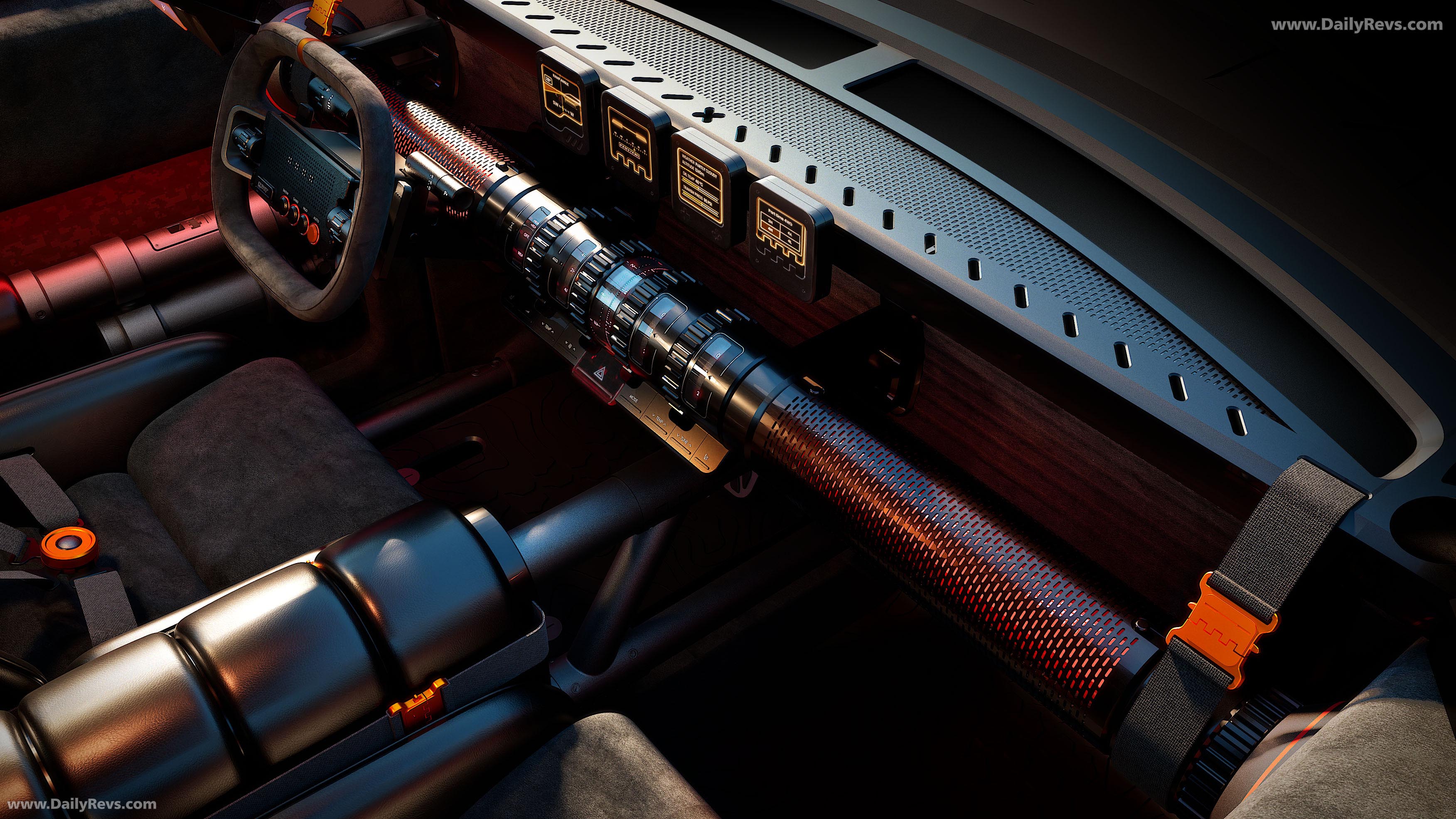
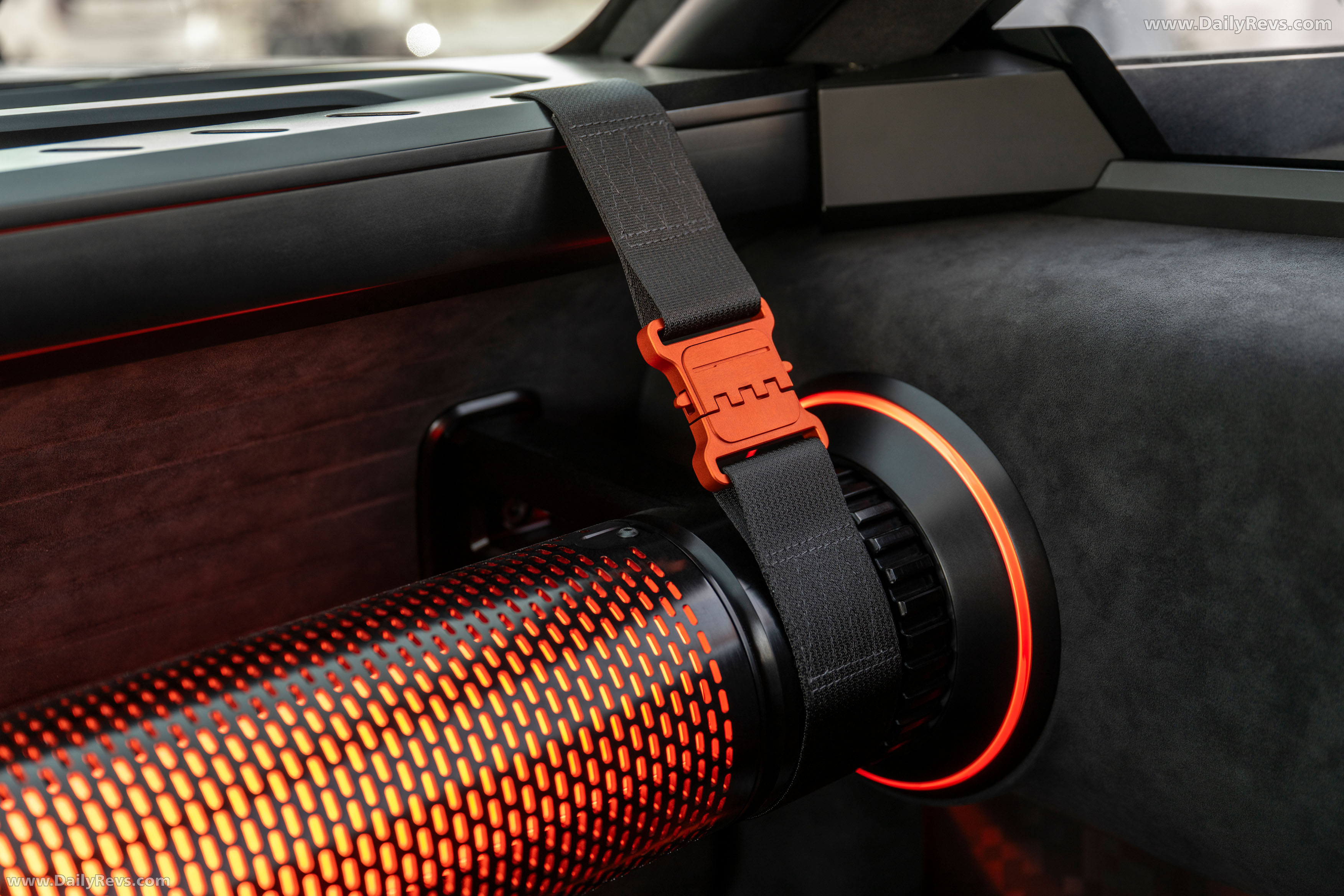
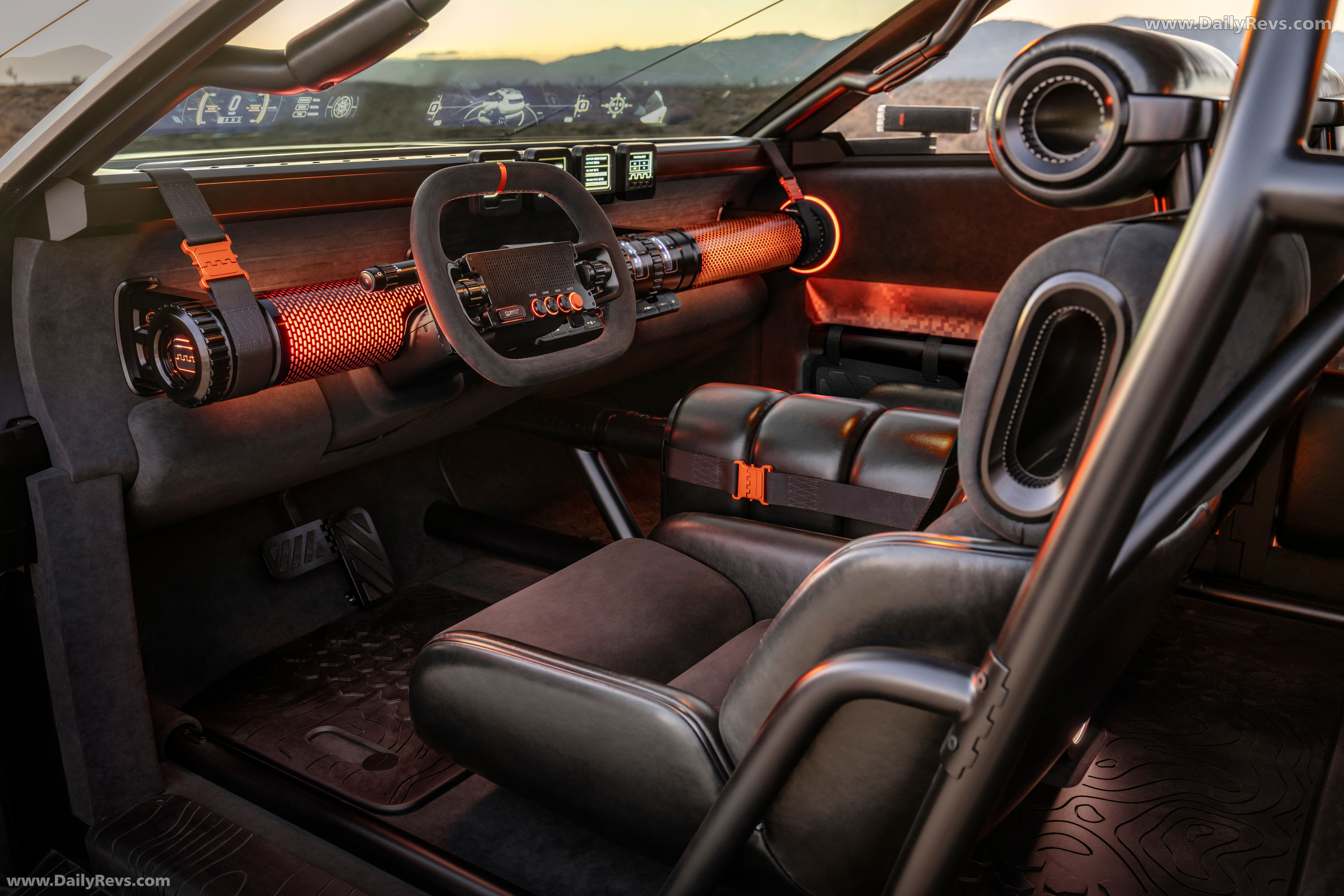
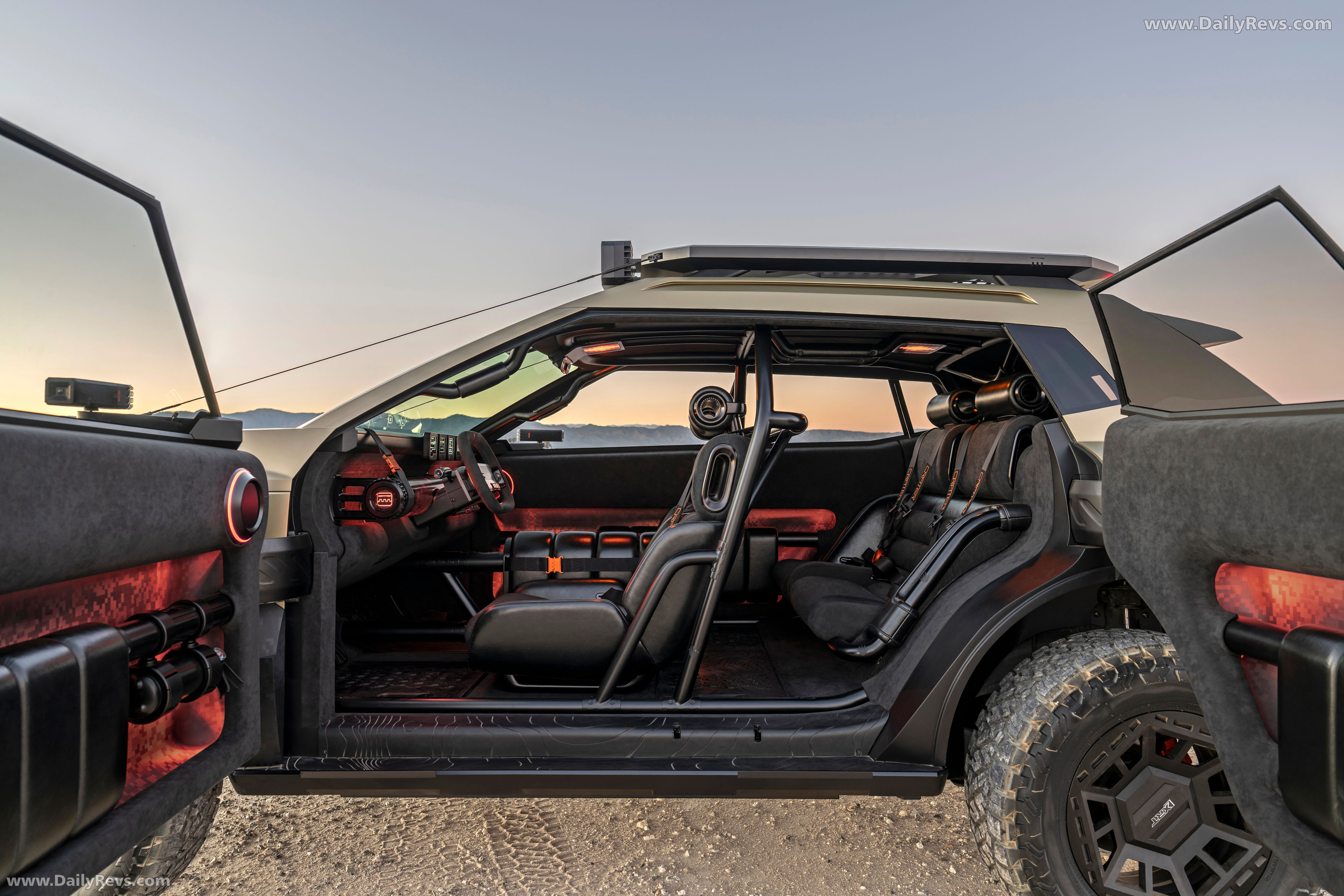
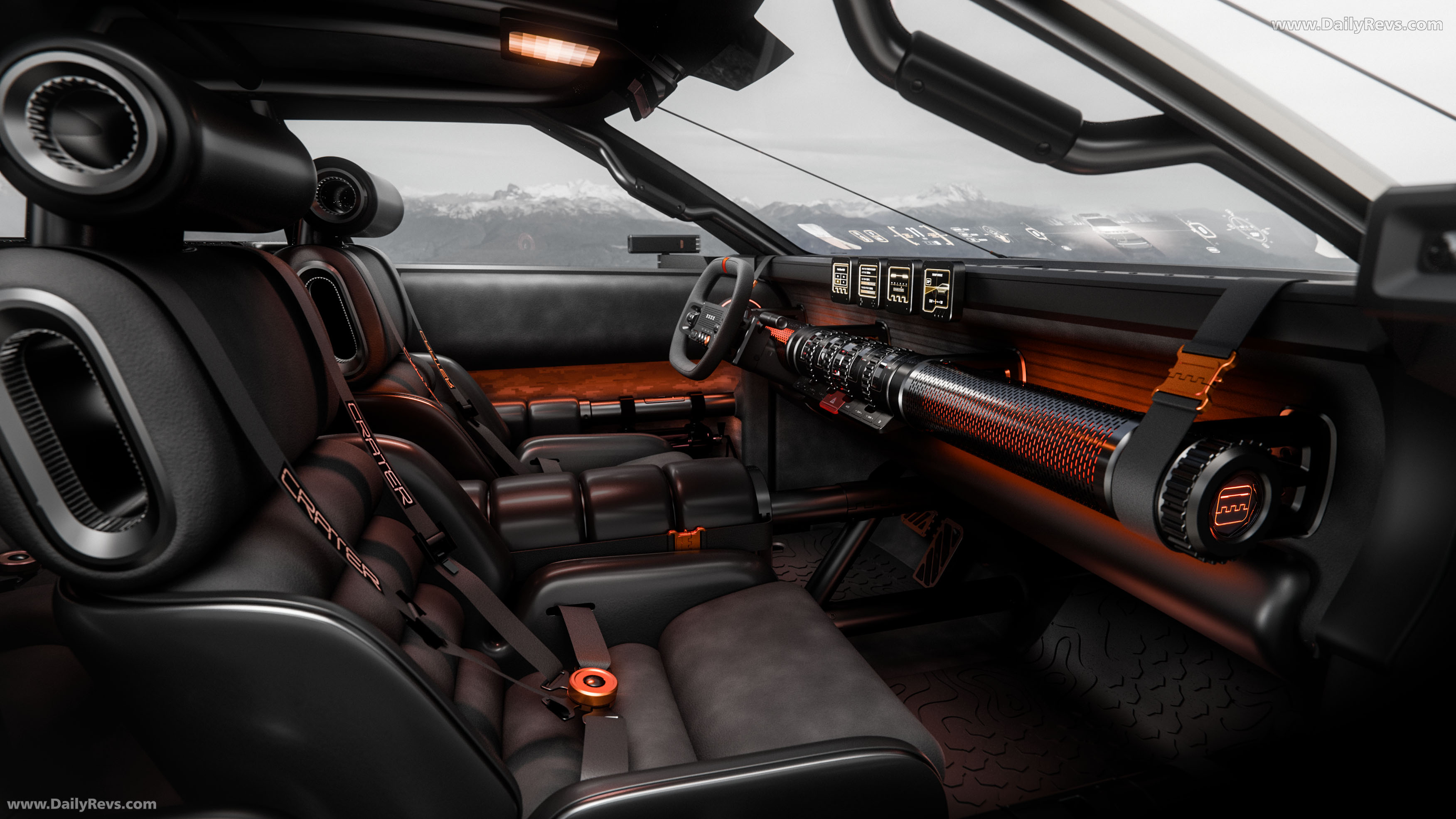
Inside, the CRATER Concept leans into durability. The layout feels purposefully sparse, a cabin for gear and grit rather than gloss, and technical shapes are wrapped in tough, soft-touch materials. Hyundai's design language, known as the "Curve of Upholstery," combines softer surfaces with structural forms to create warmth without sacrificing functionality.
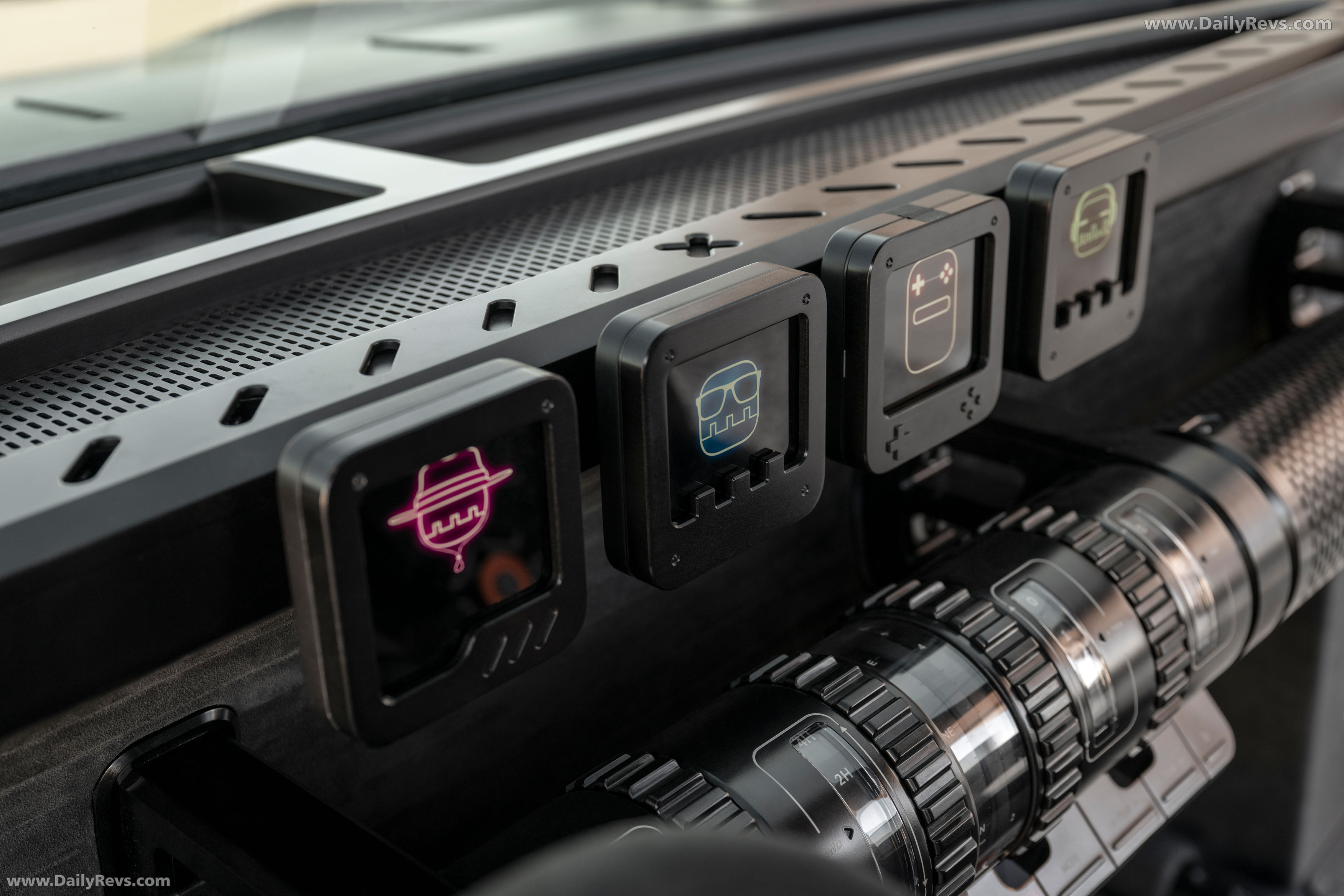
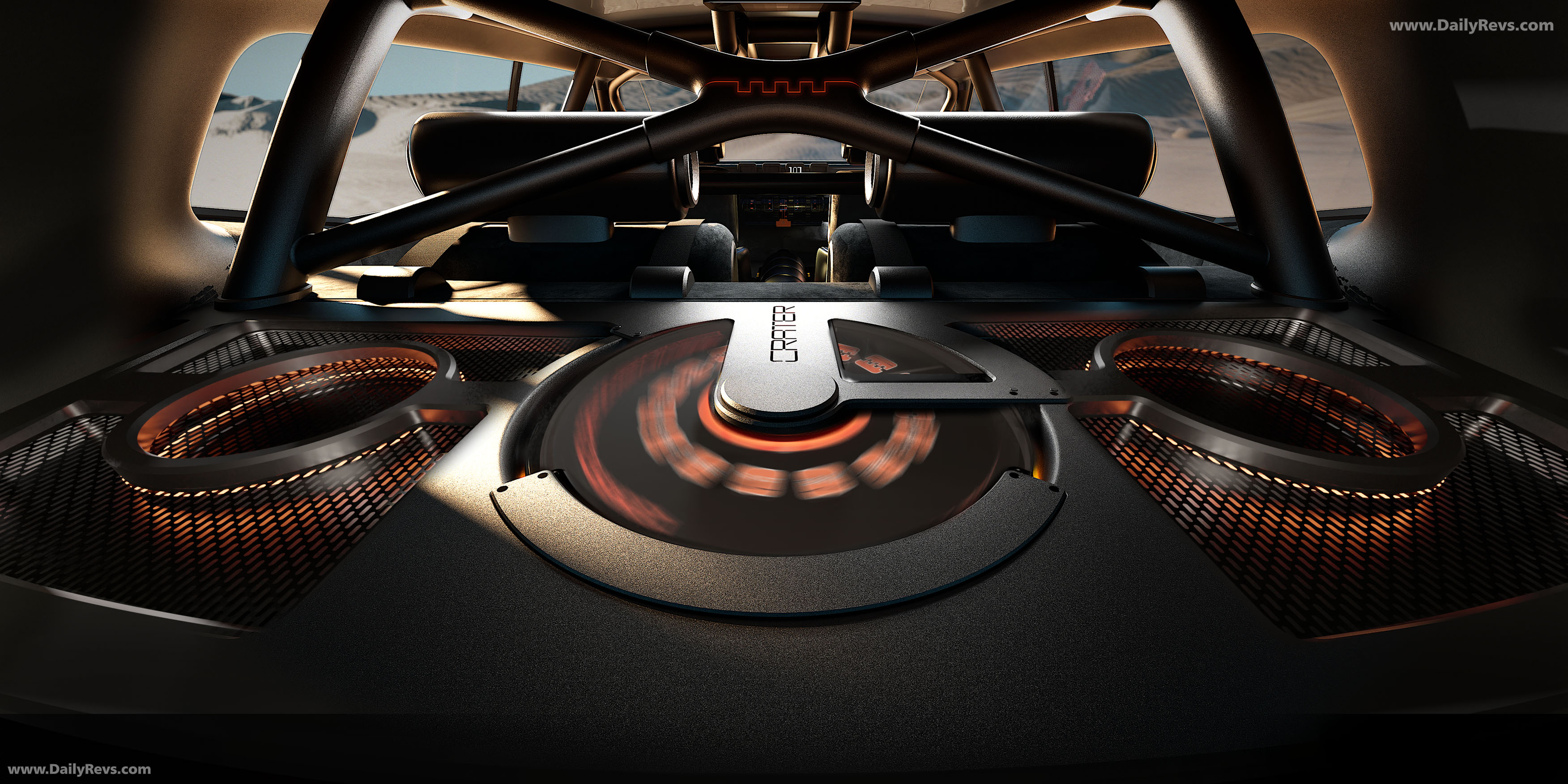
A structural roll cage outlines the cabin, with integrated grab handles and supportive seats shaped for long off-road days. A full-width head-up display stretches across the driver’s view, doubling as a rear-camera feed, while a Bring-Your-Own-Device interface suggests a flexible approach to future infotainment.
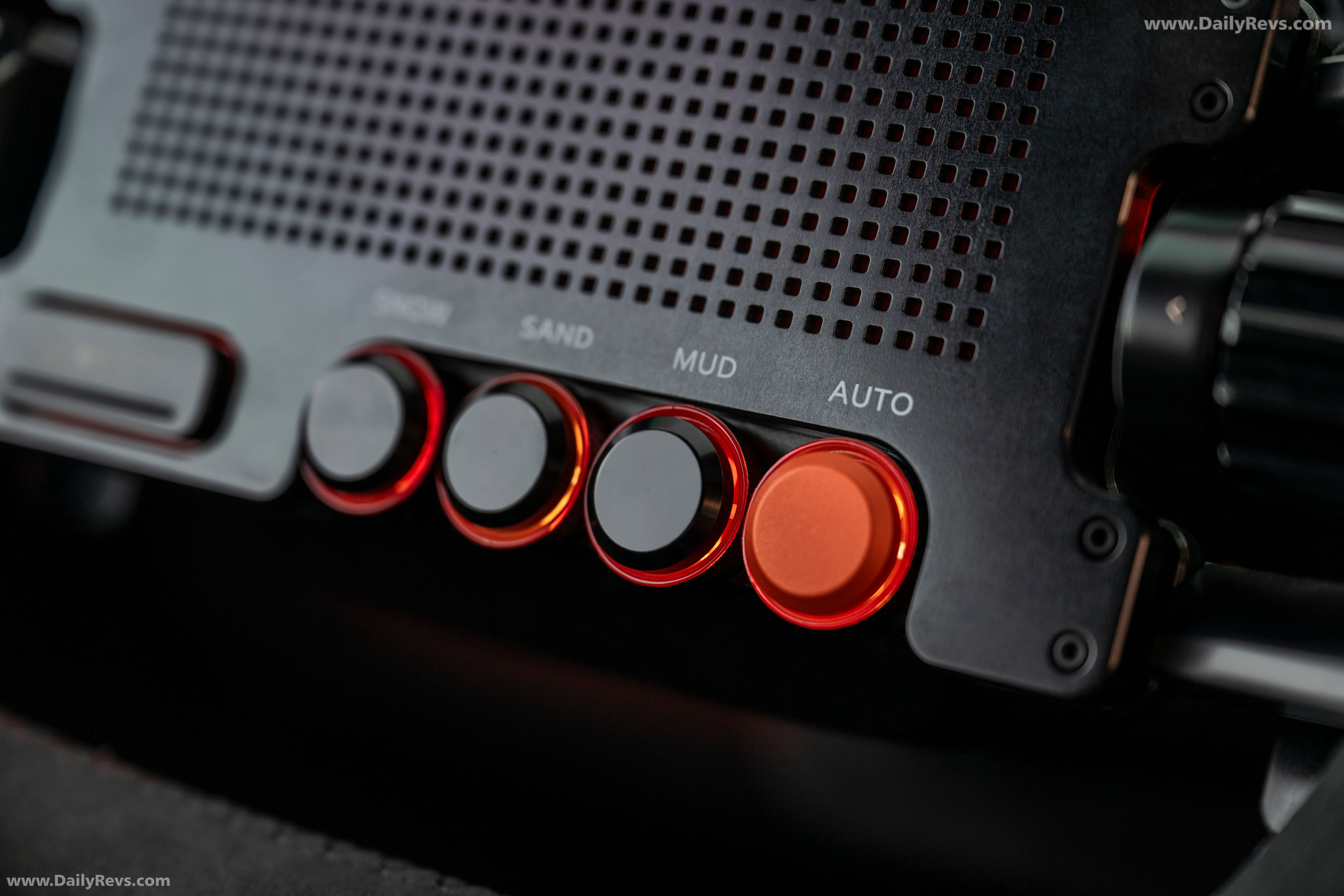
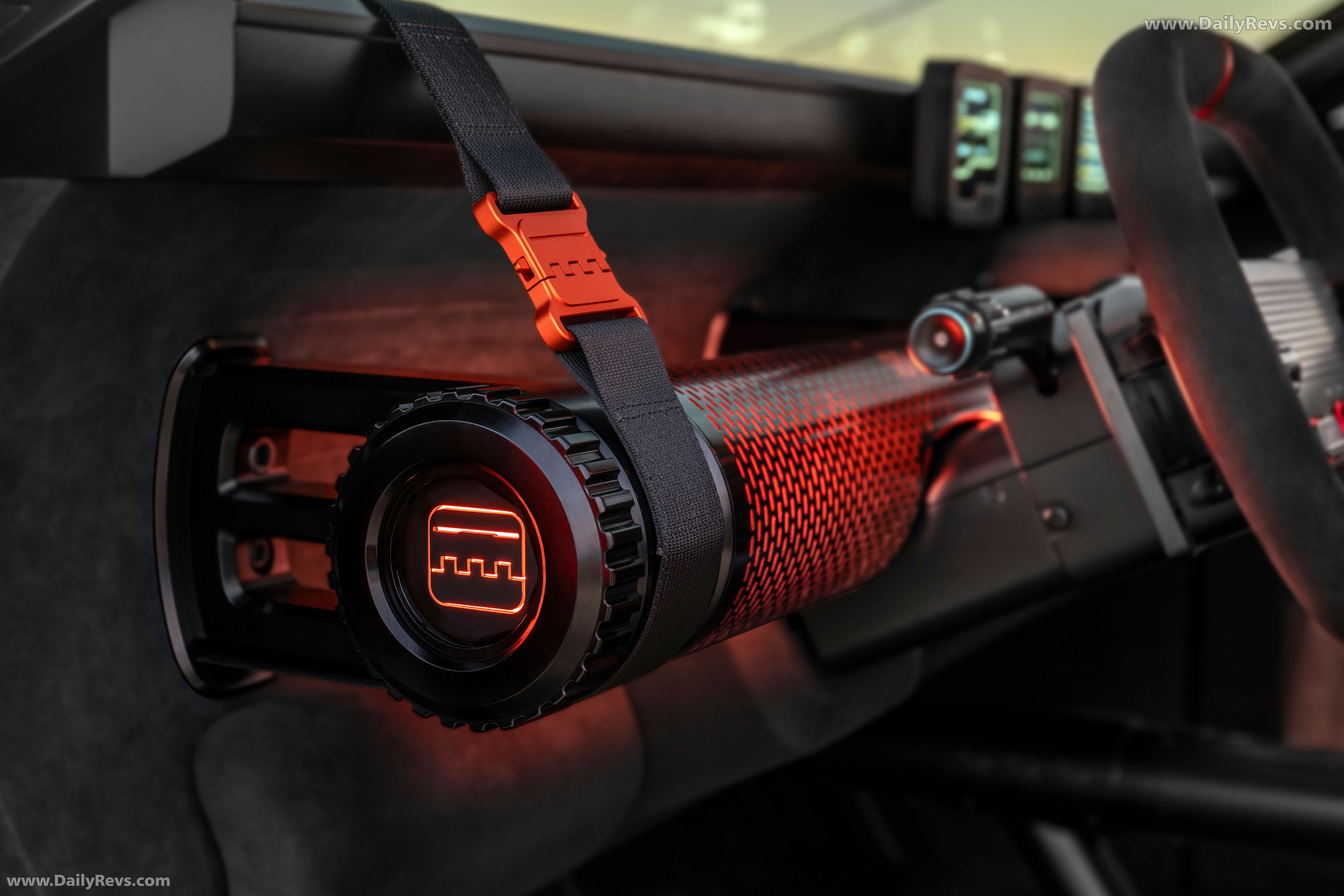
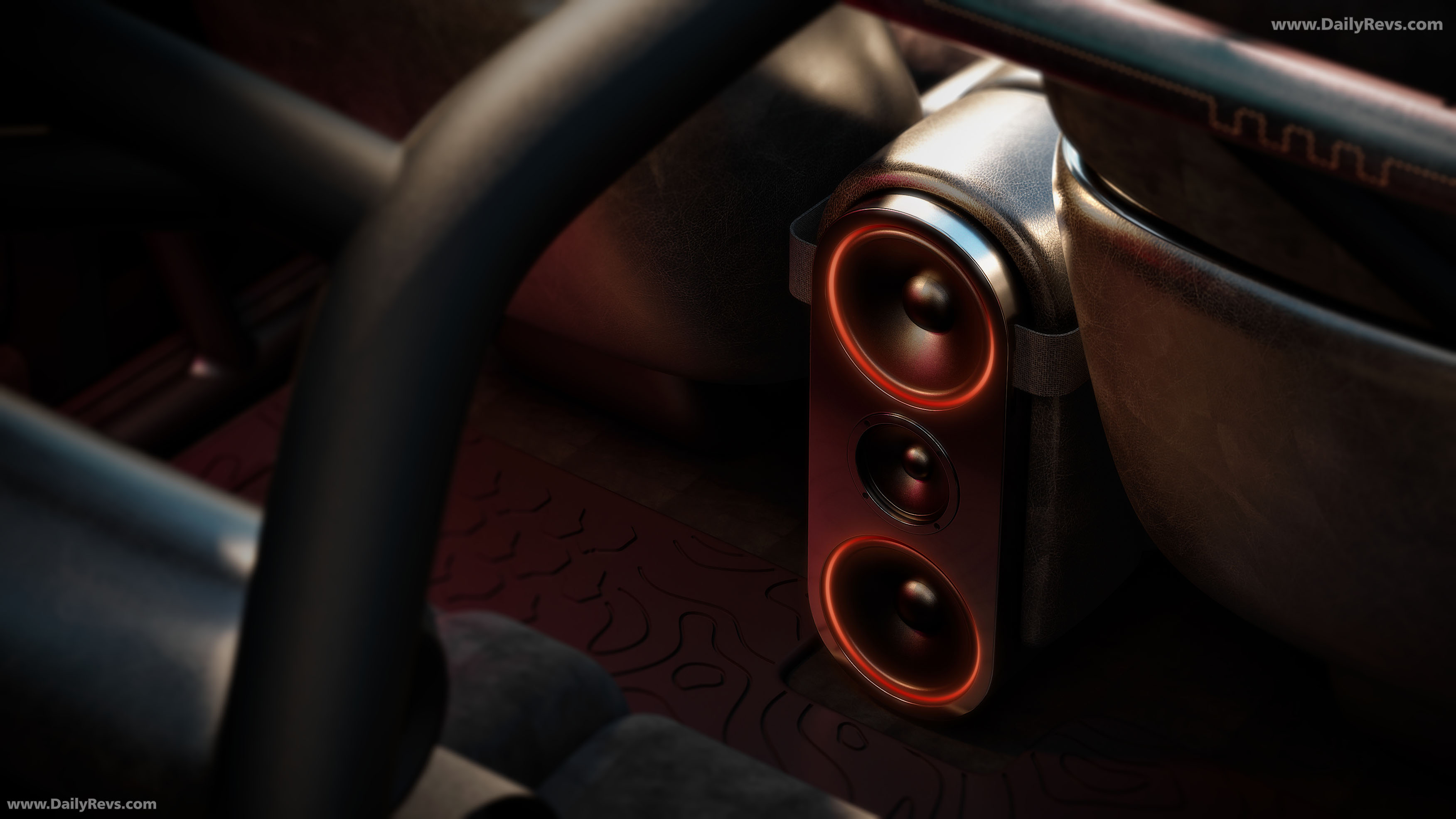
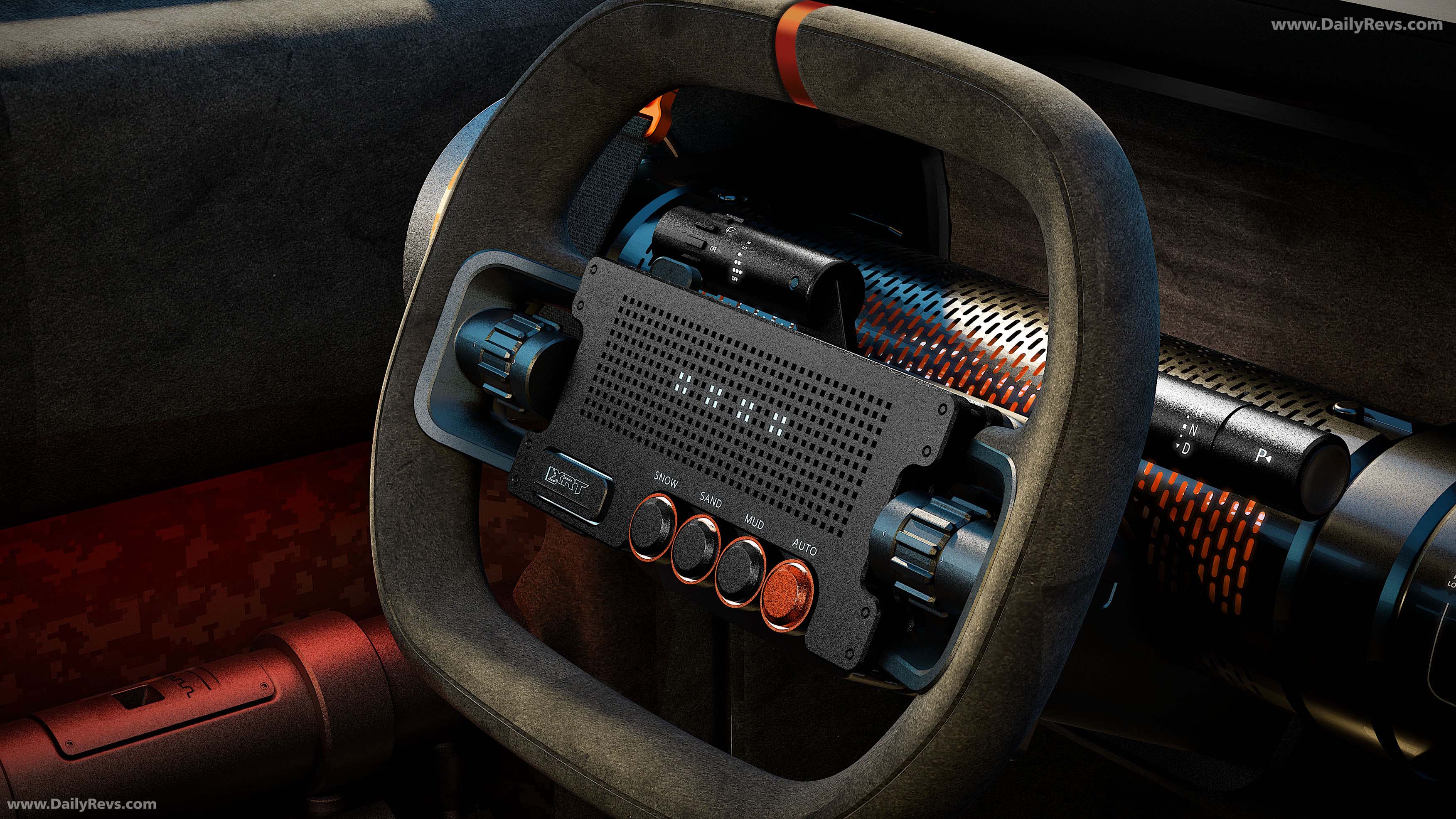
Secondary elements include an exposed fire extinguisher, a removable Bluetooth speaker, and mechanically linked center controls with clear visual indicators. Terrain mode buttons hint at operational modes such as Snow, Sand, Mud, Auto, and XRT.
Positioning a Future XRT Identity
Hyundai positions the CRATER Concept as a guiding reference point for future XRT products rather than a preview of a specific model. Even so, its compact footprint and thoughtful adventure-oriented design signal the direction Hyundai intends to take as outdoor-focused SUVs gain traction globally.