
2025 Ferrari F76 Concept
By Lorenzo Bianchi October 27, 2025
Ferrari’s first car created exclusively as a digital NFT.
Designed by Flavio Manzoni’s Styling Centre using generative modeling.
Celebrates 76 years since Ferrari’s 1949 Le Mans victory.
A New Kind of Ferrari
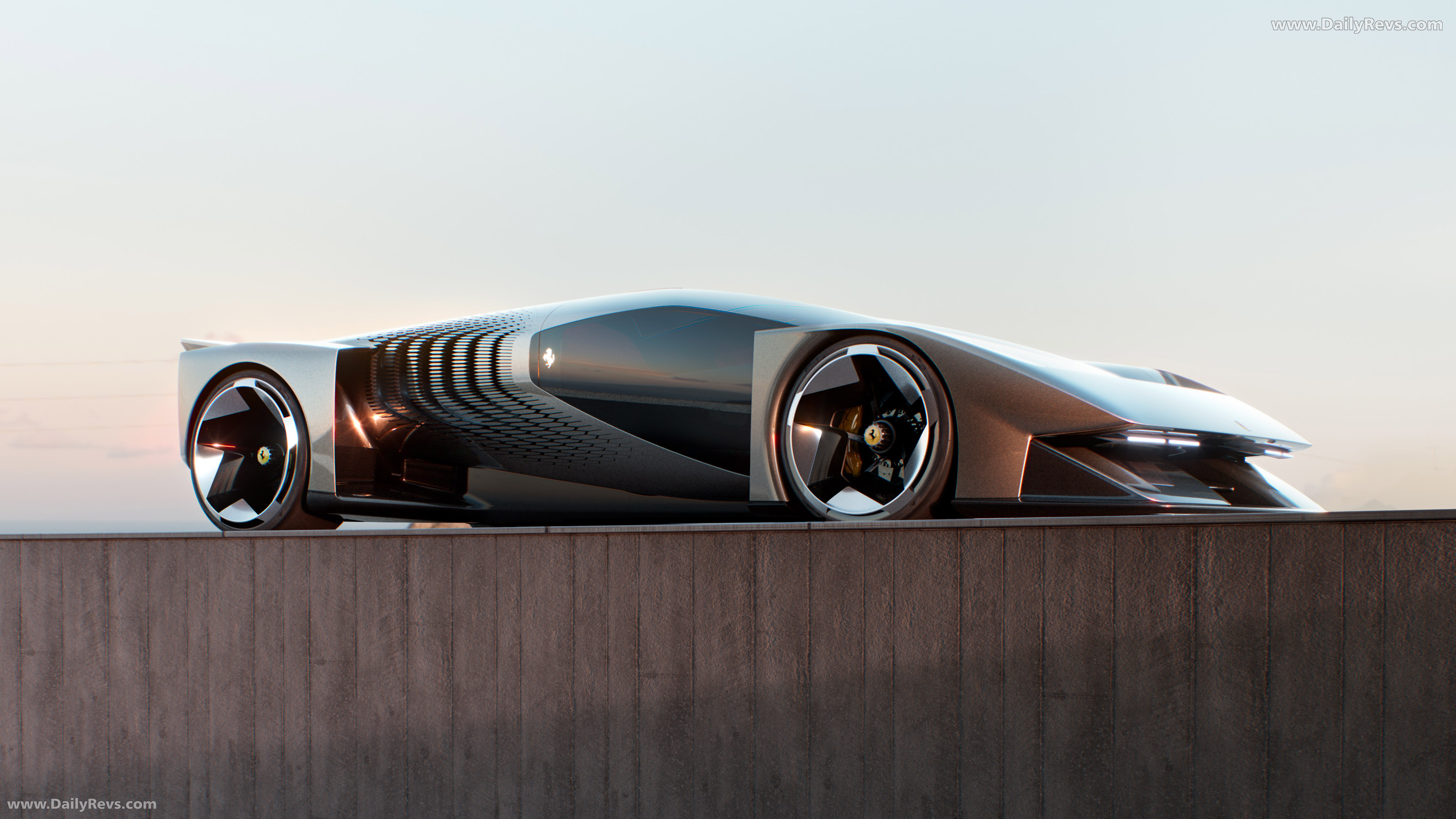
The 2025 Ferrari F76 Concept isn’t a prototype waiting for wind tunnel time or a production green light — it’s a statement of intent. Revealed during Ferrari’s 76th anniversary of its first Le Mans victory, the F76 lives entirely in the digital realm. It’s the first Ferrari built exclusively as an NFT, designed for the brand’s Hyperclub members — an elite group tied to Ferrari’s 499P endurance racing program
The project coincides with Ferrari’s third straight Le Mans win, and the symbolism is deliberate. The name “F76” recalls Luigi Chinetti’s 1949 triumph in the 166 MM Barchetta, but the car itself looks decades ahead — a fluid, generative sculpture built on algorithms instead of clay.
Generative Design Takes the Lead
At Ferrari’s Styling Centre in Maranello, Flavio Manzoni and his team call the F76 a “design manifesto.” Its purpose is to question how Ferrari’s design language can evolve when traditional production limits no longer apply.
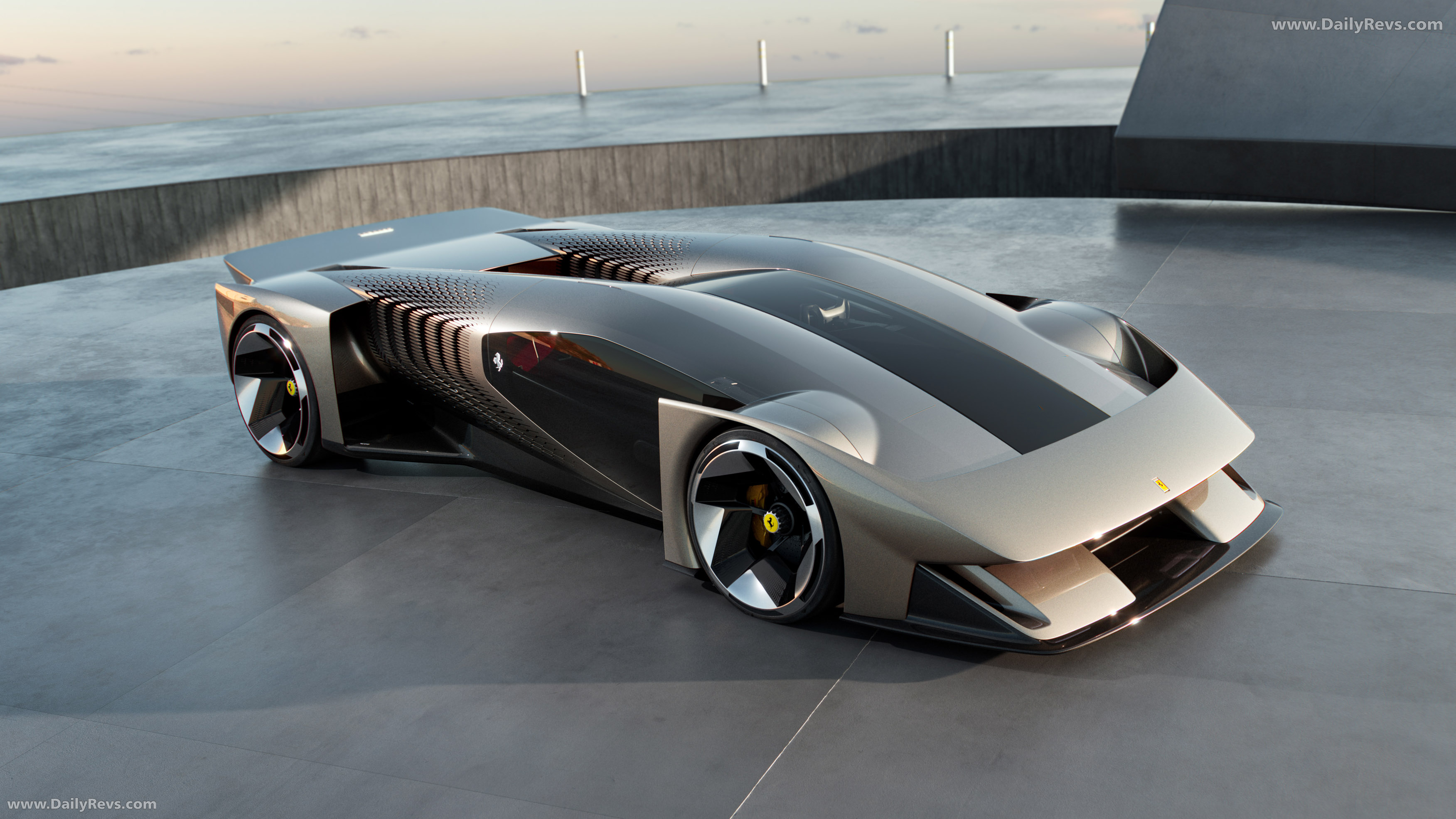
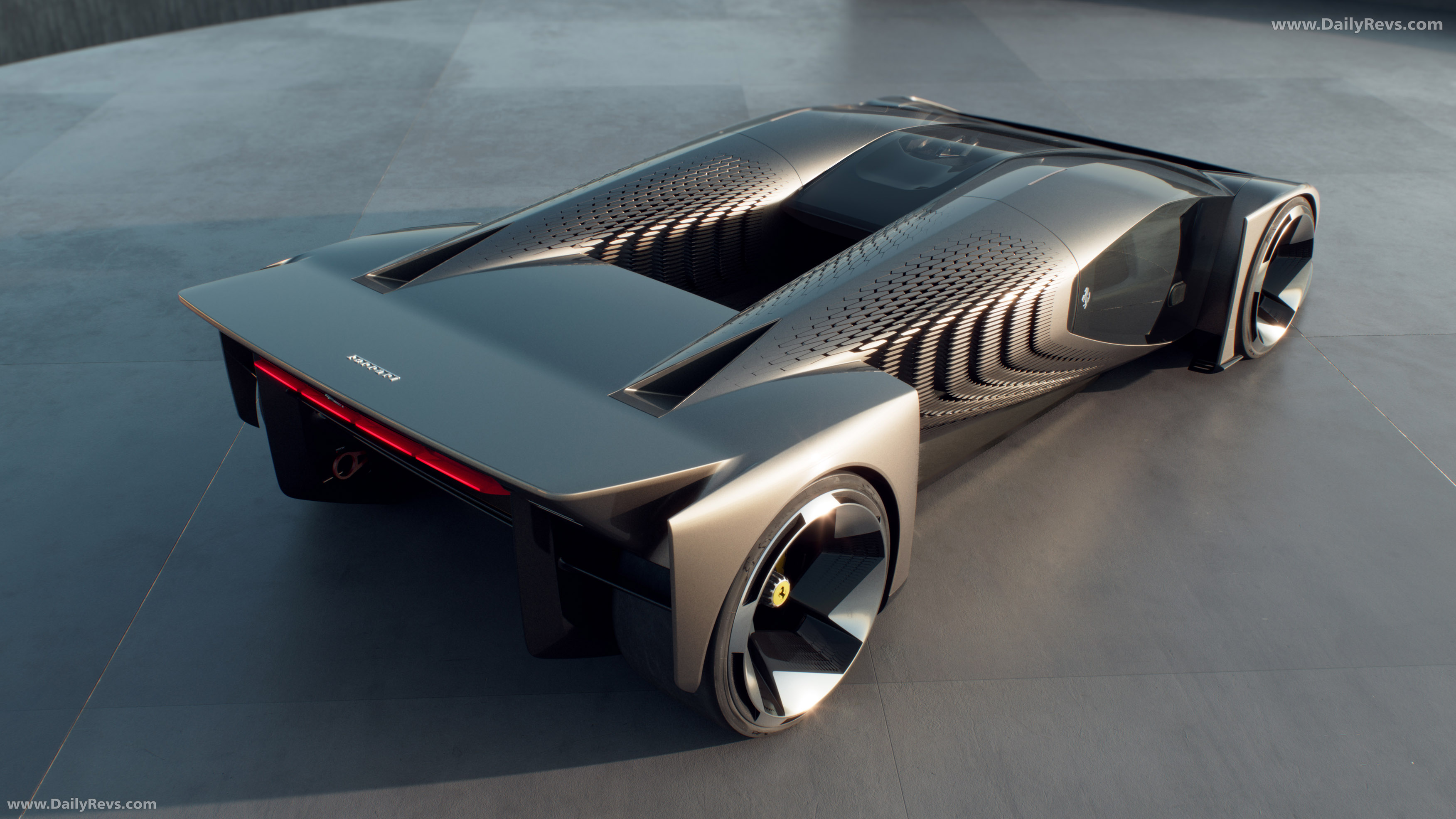
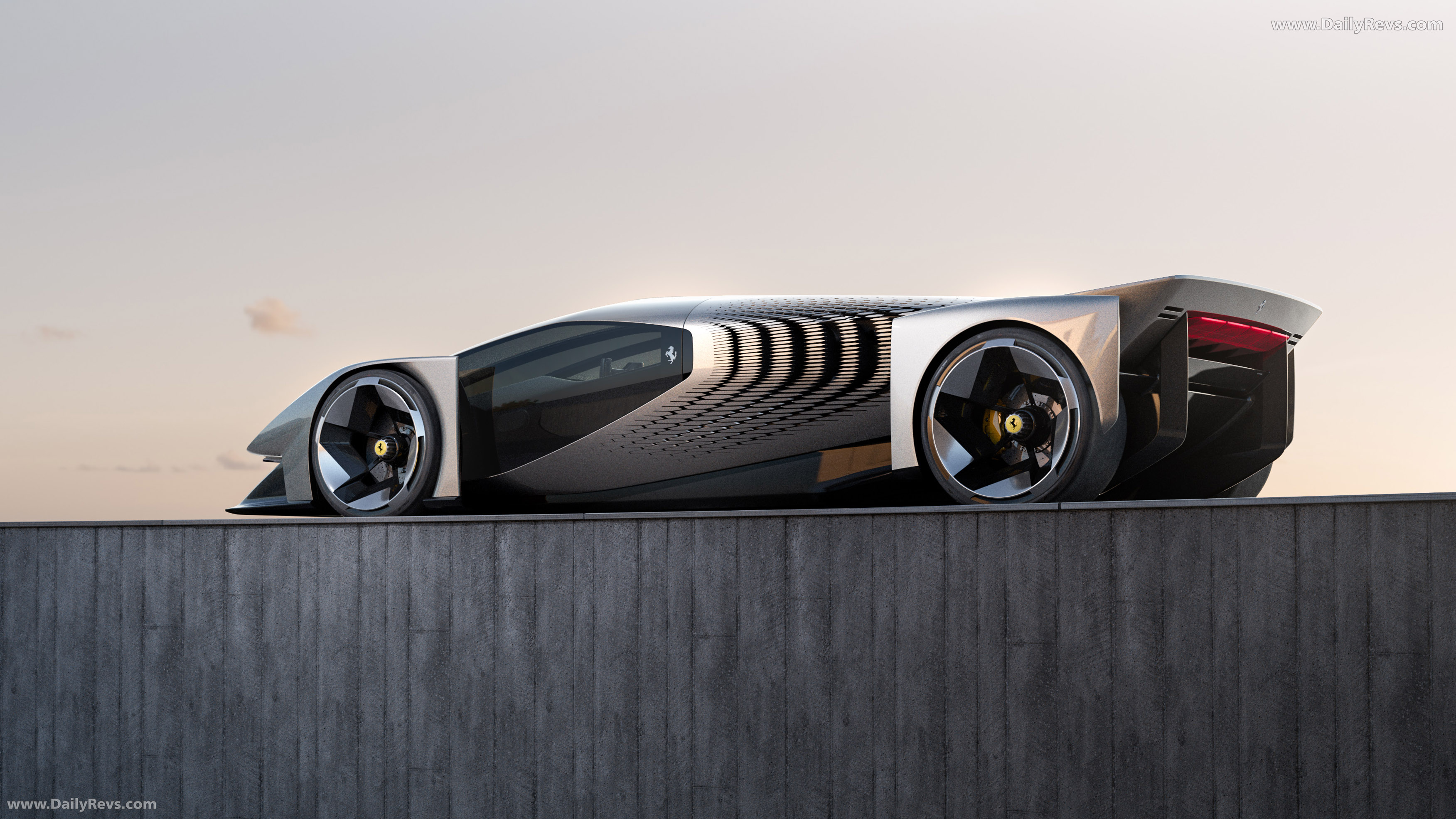
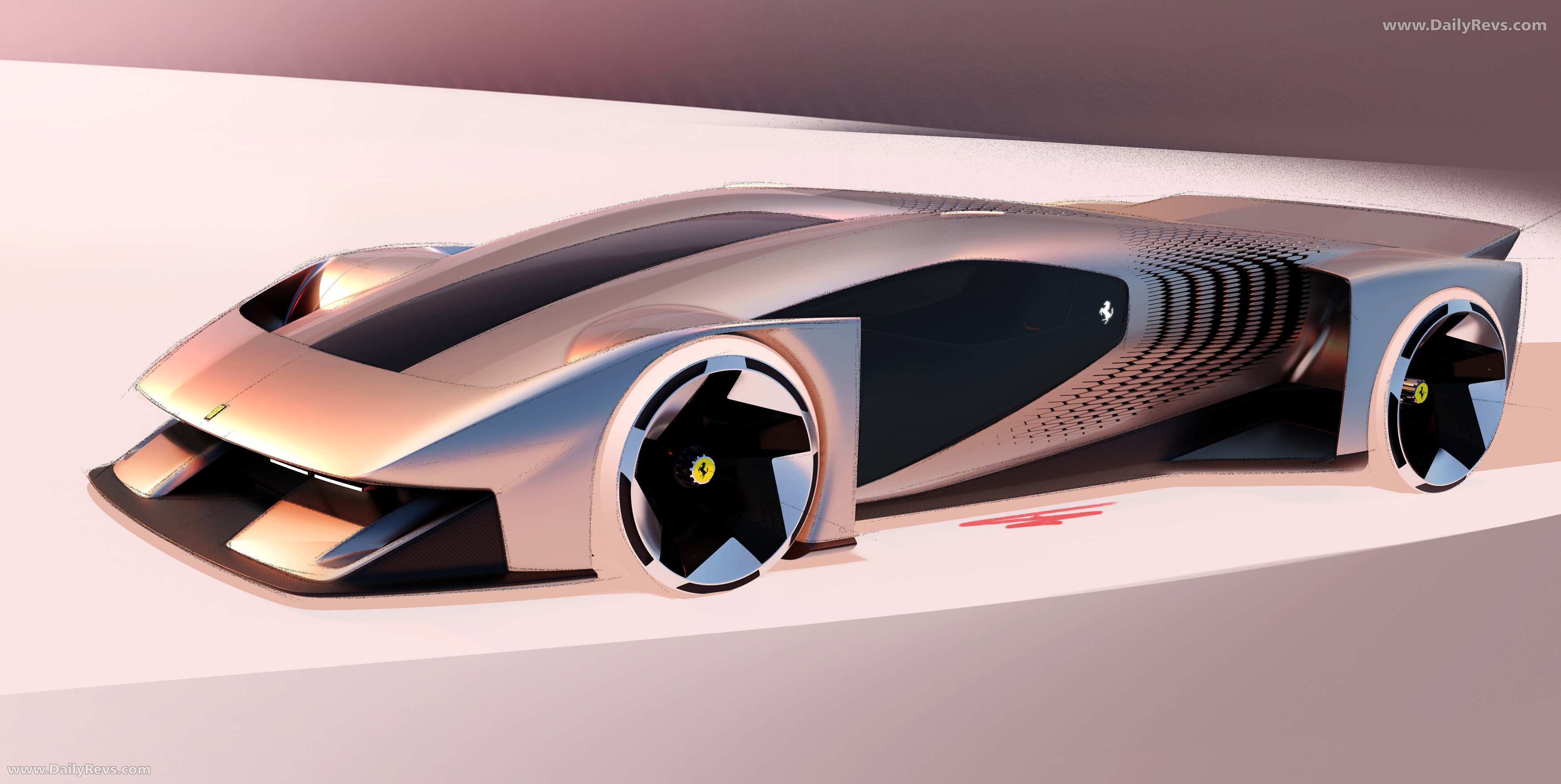
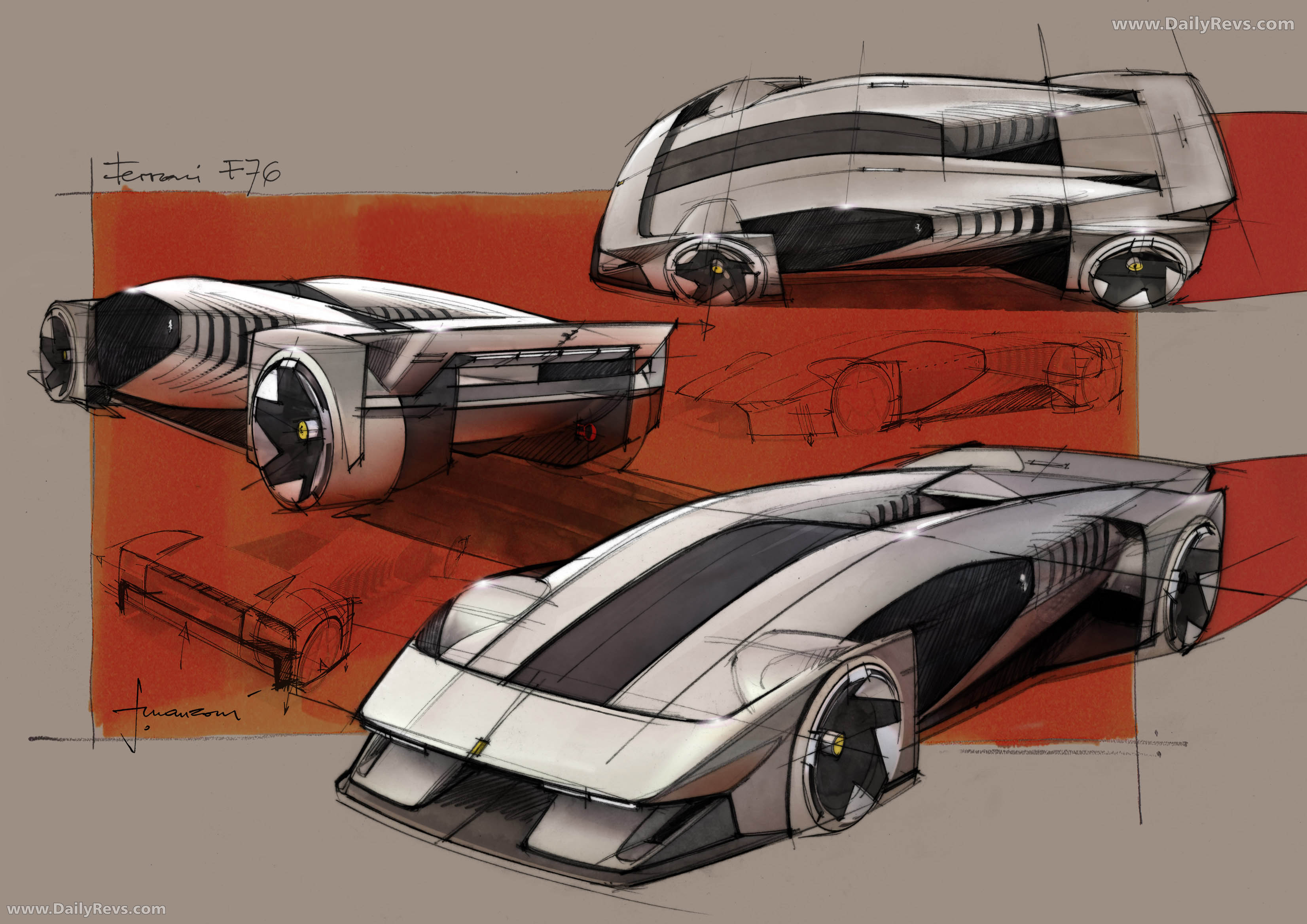
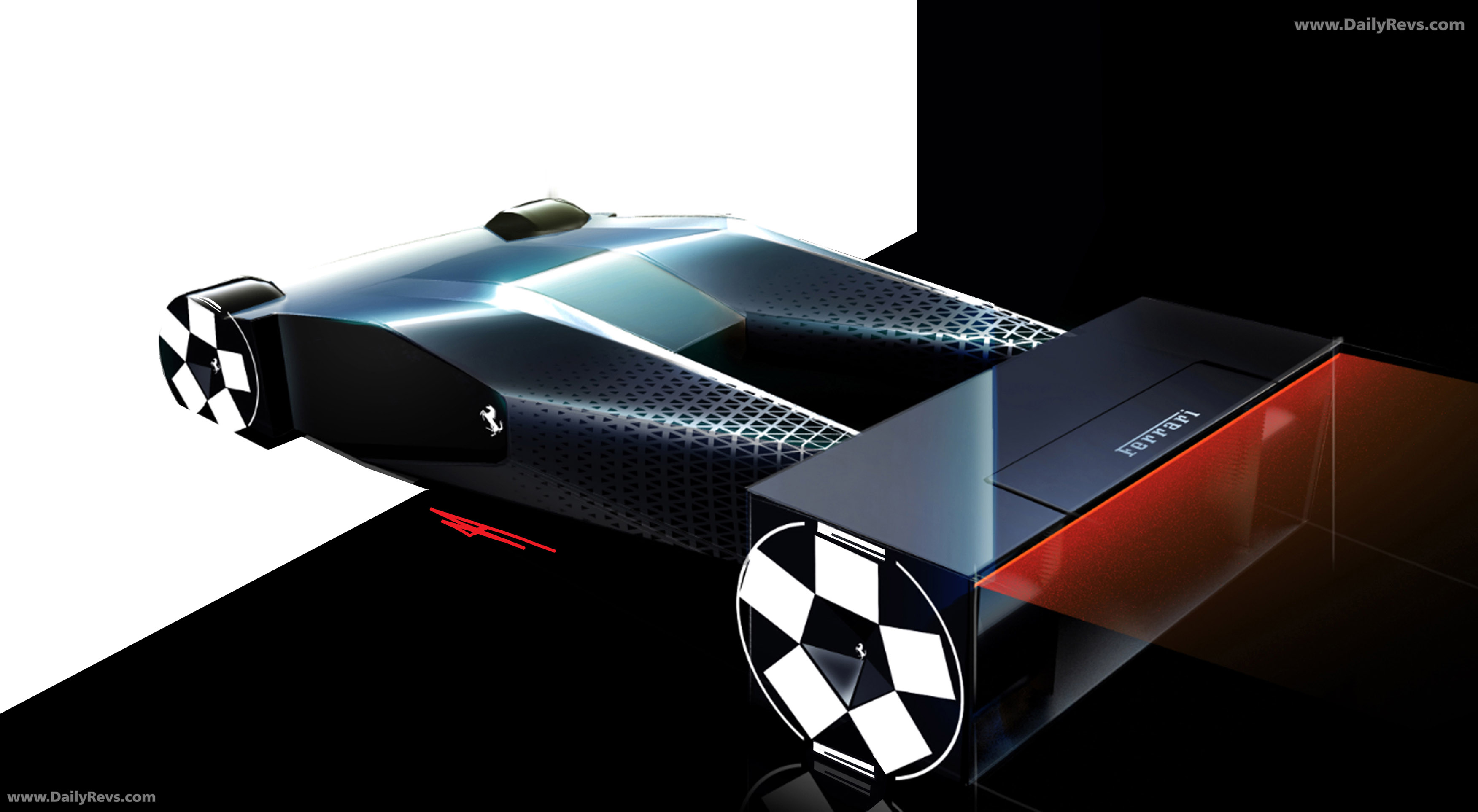
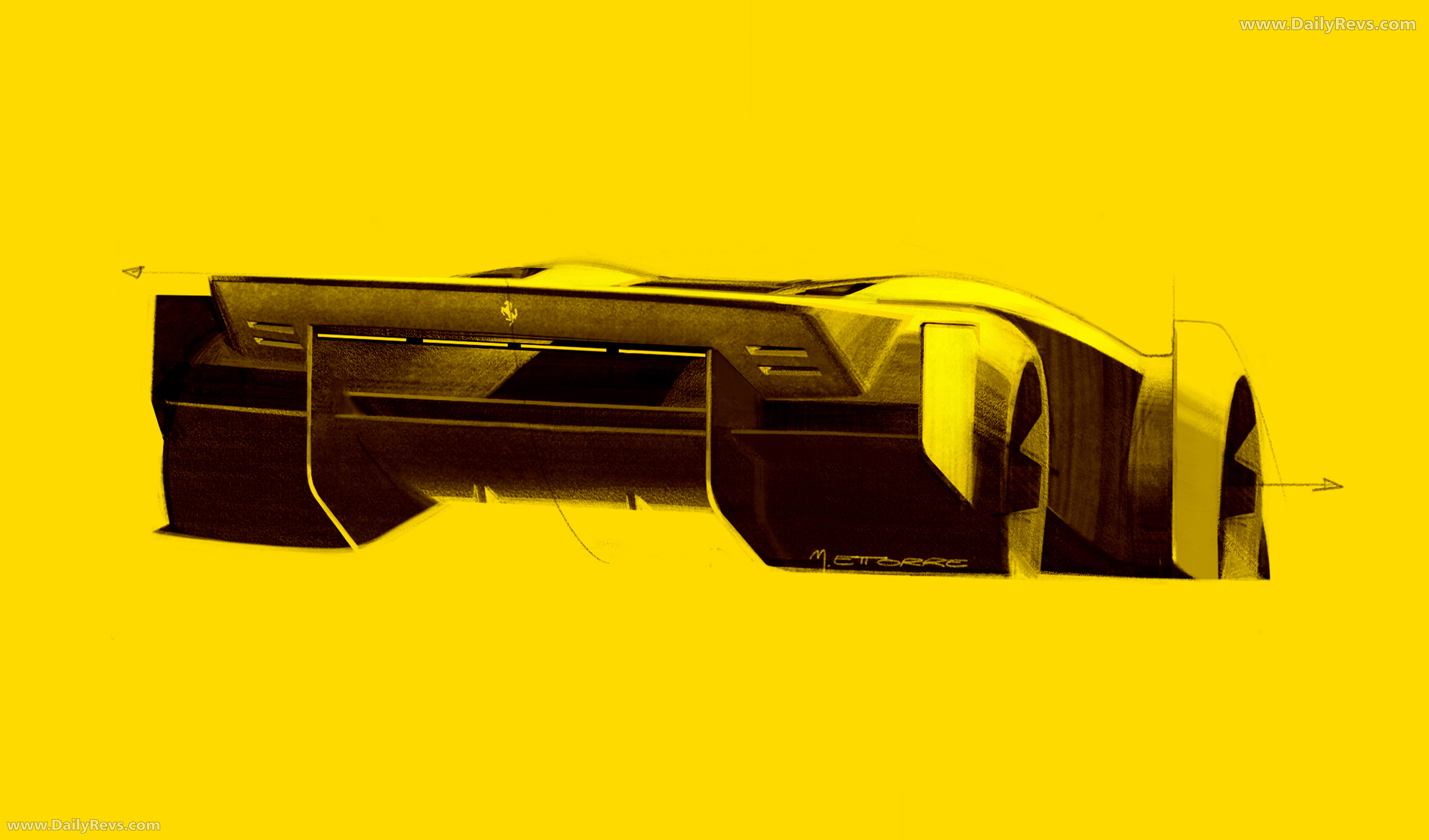
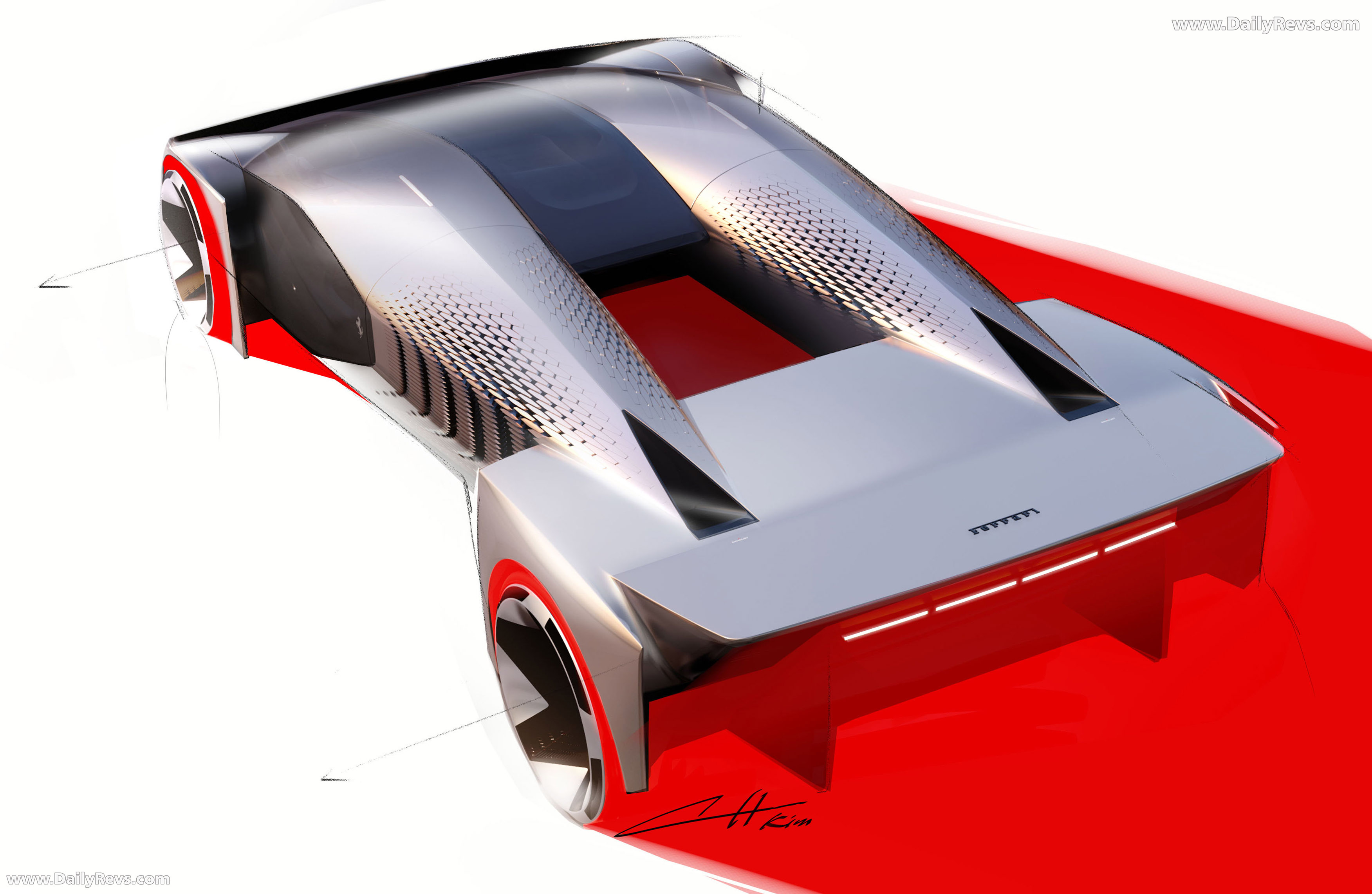
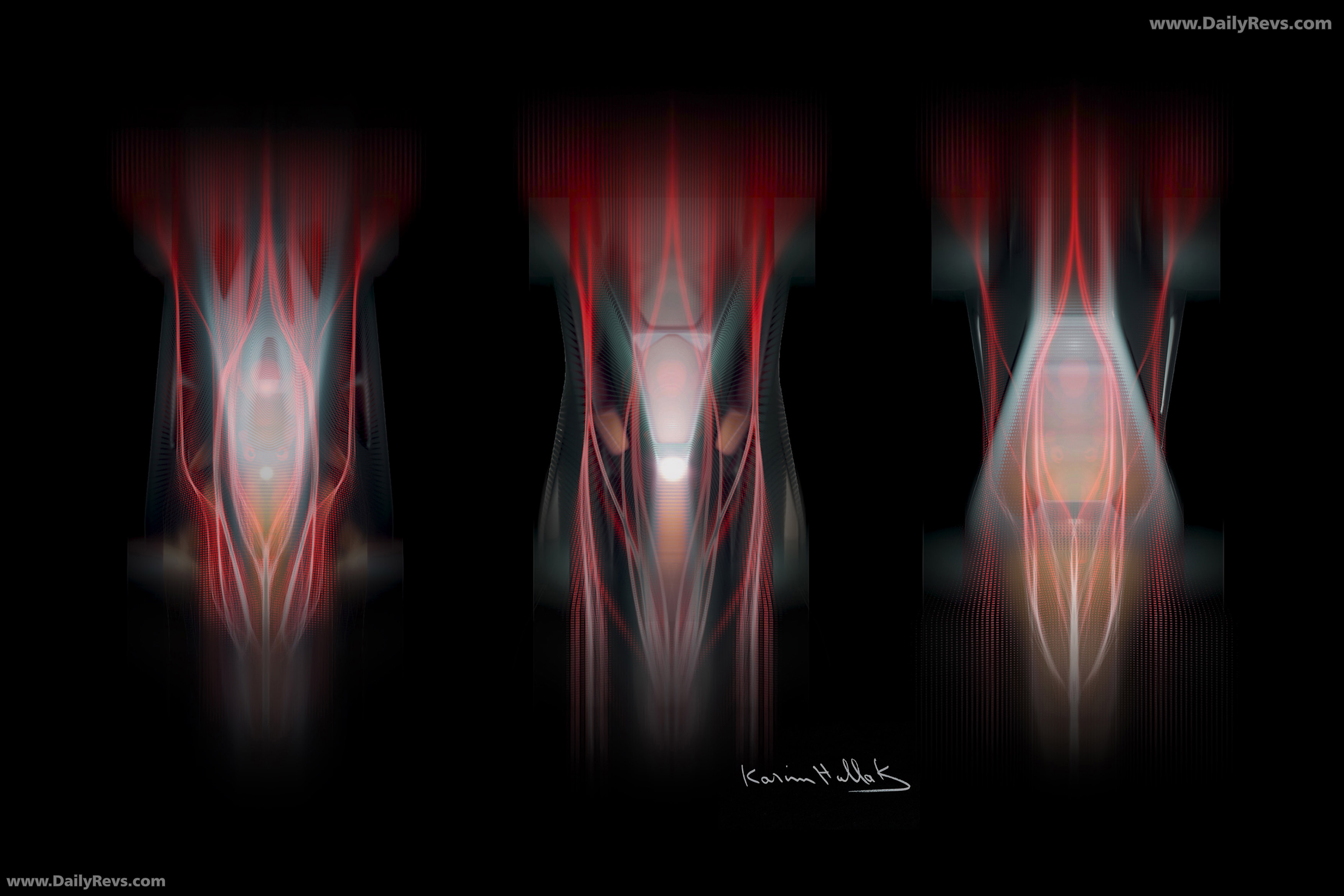
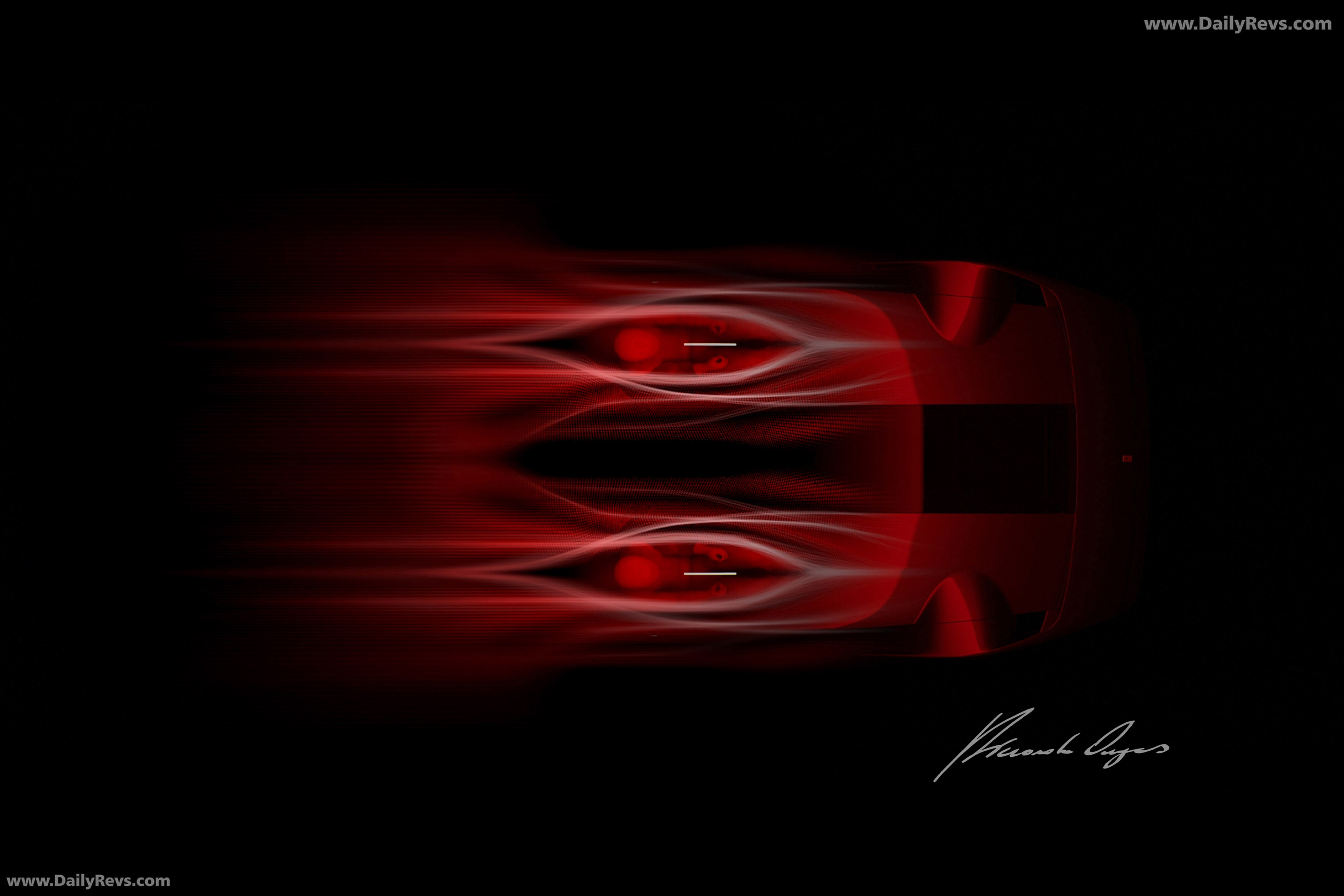
The car’s double-fuselage layout defines its identity — two sculpted pods for driver and passenger, separated by a central aerodynamic channel that turns the entire body into a functional wing. Air flows through, over, and under the fuselages, rejoining at the tail beneath a suspended second wing. Every curve, vent, and cutline comes from computational modeling, tuned for purity of flow rather than aesthetic indulgence
The fuselage flanks wear taut creases and vertical cuts inspired by the earlier F80 concept, while the sculptural surfaces between them carry Ferrari’s unmistakable tension — a balance between control and chaos.
The Details of Heritage
Nestled beneath a floating front band, the retractable headlights make a subtle nod to Ferrari's supercars from the 1970s and 1980s. The taillights, which are integrated into the rear wing, are reminiscent of Ferrari's iconic four-light design, which has been updated using parametric geometry.
Even the color and surface treatments reflect Ferrari’s long obsession with precision. The tails incorporate thermal management directly into the structure — a detail made possible by topology optimization, which channels airflow for cooling without adding visual clutter
Inside, the F76 continues its duality theme. Two separate cockpits are linked through drive-by-wire technology, syncing steering, pedals, and throttle so both occupants share the same mechanical feedback in real time. It’s equal parts design experiment and philosophical statement — a literal embodiment of the “synergy between man and machine.”
A Digital Ferrari for the Hyperclub
Every F76 created for Ferrari’s Hyperclub programme was unique, each one digitally generated through limited design “drops” over a three-year cycle. Participants could shape their car through bespoke options, turning digital ownership into an extension of Ferrari’s craftsmanship ethos.
Technical Specifications
- Manufacturer: Ferrari S.p.A.
- Design Centre: Ferrari Styling Centre, led by Flavio Manzoni
- Vehicle Type: Digital hypercar concept (non-physical, NFT-based design study)
- Purpose: Celebratory design manifesto marking 76 years since Ferrari’s first Le Mans victory (1949)
- Platform: Virtual model developed for Ferrari’s Hyperclub programme
Design and Construction
- Body Concept: Double-fuselage architecture with central aerodynamic channel
Aerodynamic Elements:
- Integrated airflow management through body structure
- Suspended secondary rear wing
- Floating front aerodynamic band with retractable headlight units
Design Approach:
- Generative and parametric modeling using computational algorithms
Material Concept:
- Virtual representation of lightweight composite and biomimetic structural design principles
Powertrain and Technology (Conceptual Framework)
- Powertrain Type: Hybrid-electric inspiration (conceptual, non-mechanical)
- Drive System: Conceptual drive-by-wire system synchronizing dual cockpits
- Control Interface: Dual synchronized steering and pedal input simulation
Interior and Layout
- Seating Configuration: Two-seat, twin-cockpit design
Cockpit Design:
- Separated driver and passenger pods
- Symmetrical digital control interfaces
- Minimalist aesthetic reflecting man–machine synergy
Performance and Dynamics (Conceptual, Non-Quantitative)
- Aerodynamic Objective: Maximize flow efficiency via central channel integration
- Thermal Design: Topology-optimized airflow for cooling and drag reduction
- Chassis Concept: Structural surfaces designed as aerodynamic load-bearing elements
Development and Access
- Programme: Ferrari Hyperclub digital ownership cycle (three-year period)
- Customization: Individually generated virtual variants with evolving design updates
- Availability: Limited to Hyperclub members as exclusive digital collectibles
Design Philosophy
- Inspiration: Ferrari’s endurance racing heritage and Le Mans success
Stylistic Themes:
- Integration of racing aerodynamics with digital generative art
- Visual purity achieved through computational form evolution
- Symbolic transition between analog craftsmanship and digital creation