2025 Baojun Huajing S
By Lorenzo Bianchi December 29, 2025
Large six-seat SUV built on the Tianyu L platform with deep Huawei integration.
Standard Huawei ADS 4 Pro and HarmonySpace 5 cockpit across the range.
Plug-in hybrid powertrain with up to 175 km of pure electric range.
Design and Proportions Emphasise Presence
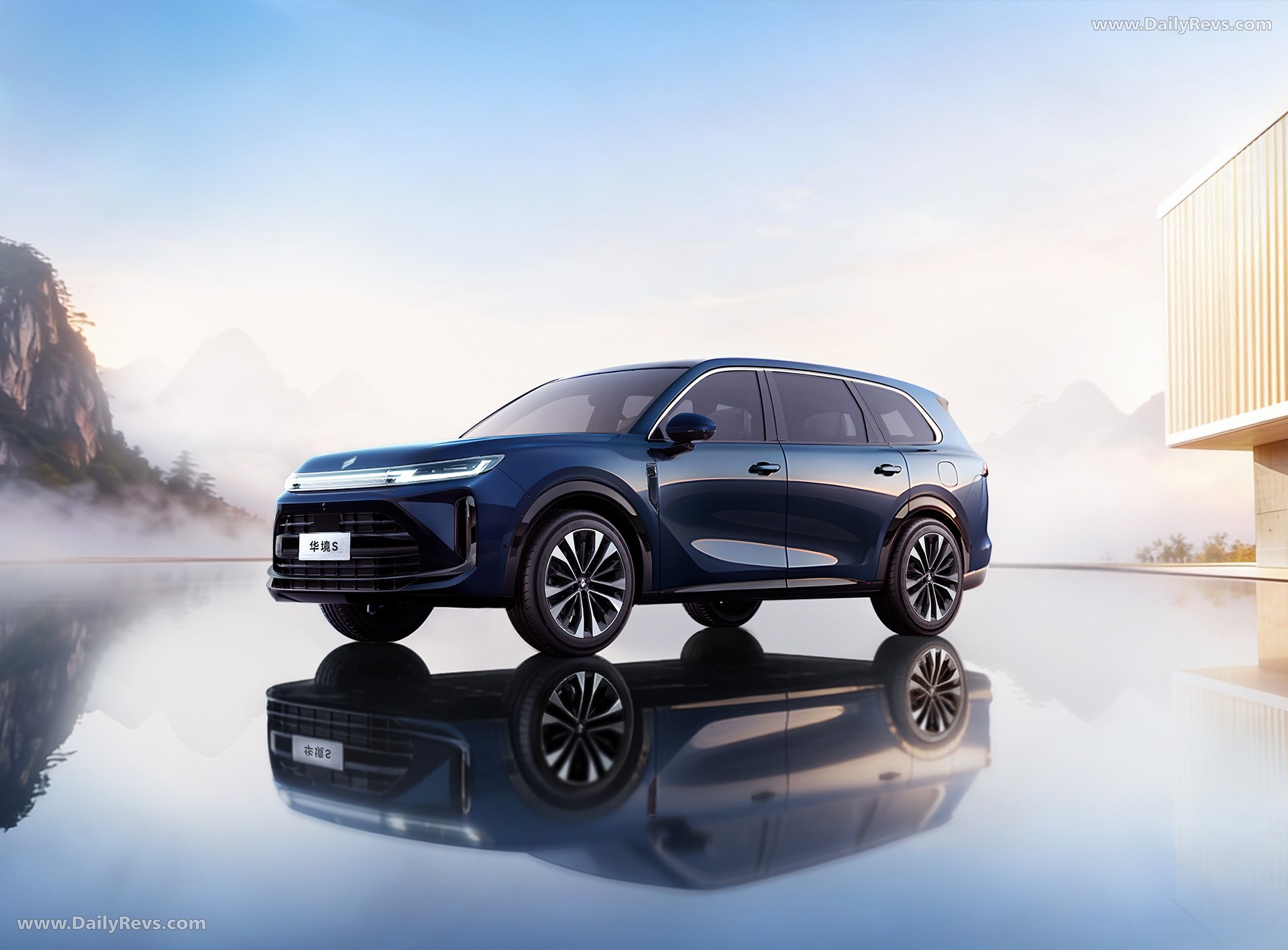
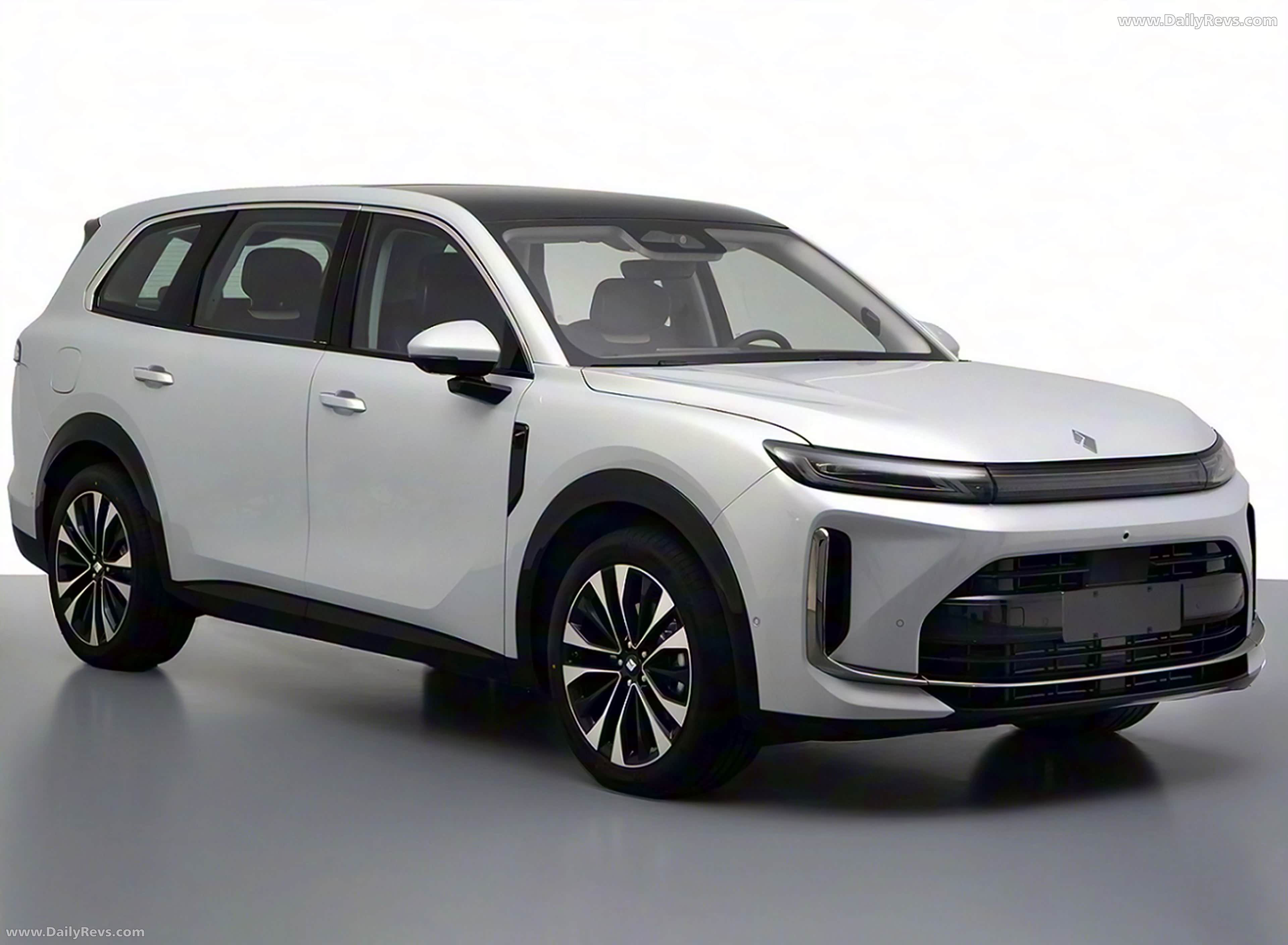
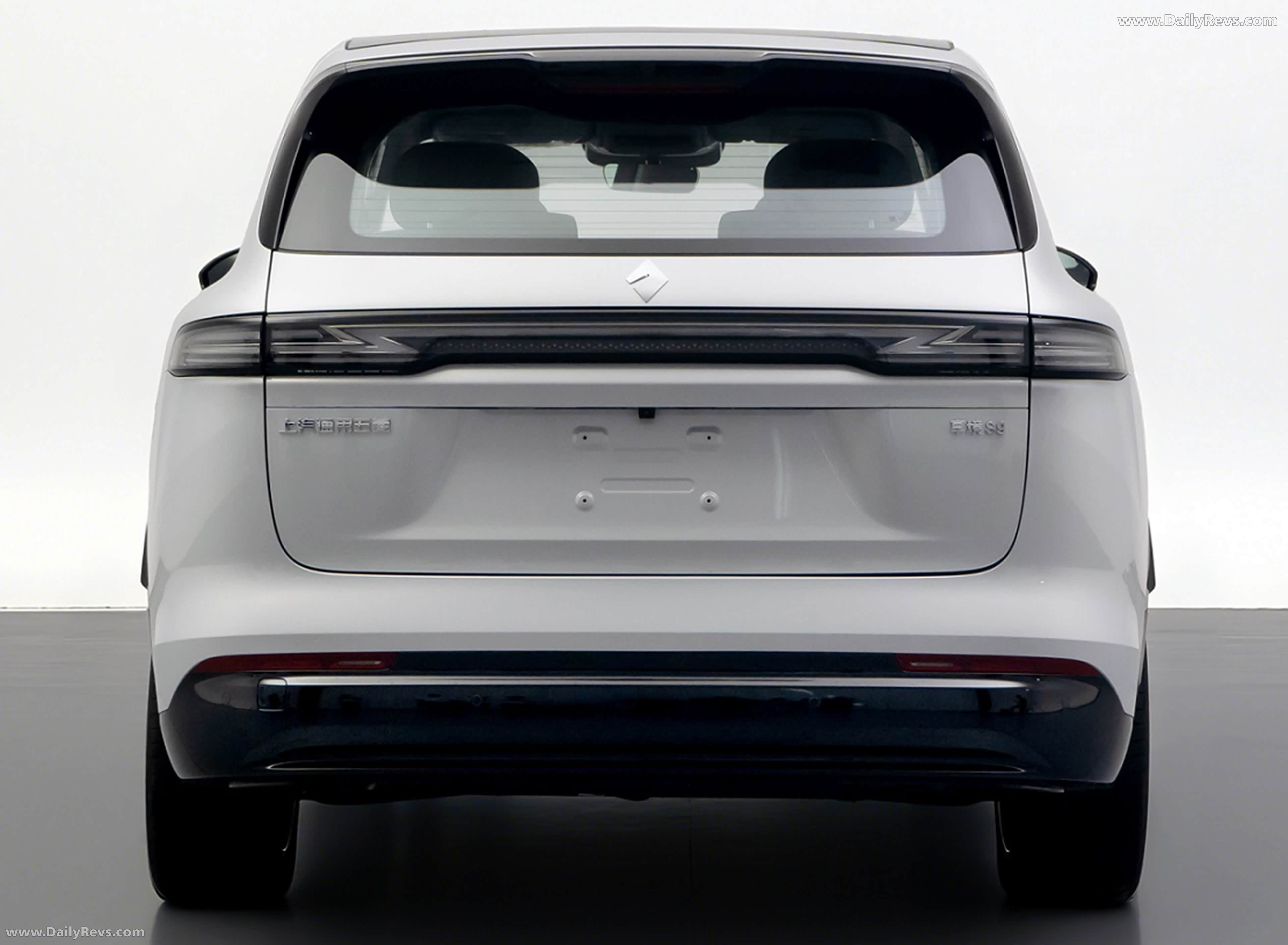
The 2026 Baojun Huajing S presents itself as a large, confidence-led SUV rather than an experiment in styling excess. From the latest official images, the overall shape appears familiar, but details have been subtly refined compared with earlier application photos. The front end continues to feature Baojun’s star-ring headlight design, illuminated in a distinctive Z-shaped pattern that gives the car a clear visual signature. The brand logo sits above the lighting elements, while a large trapezoidal grille anchors the lower portion of the fascia .
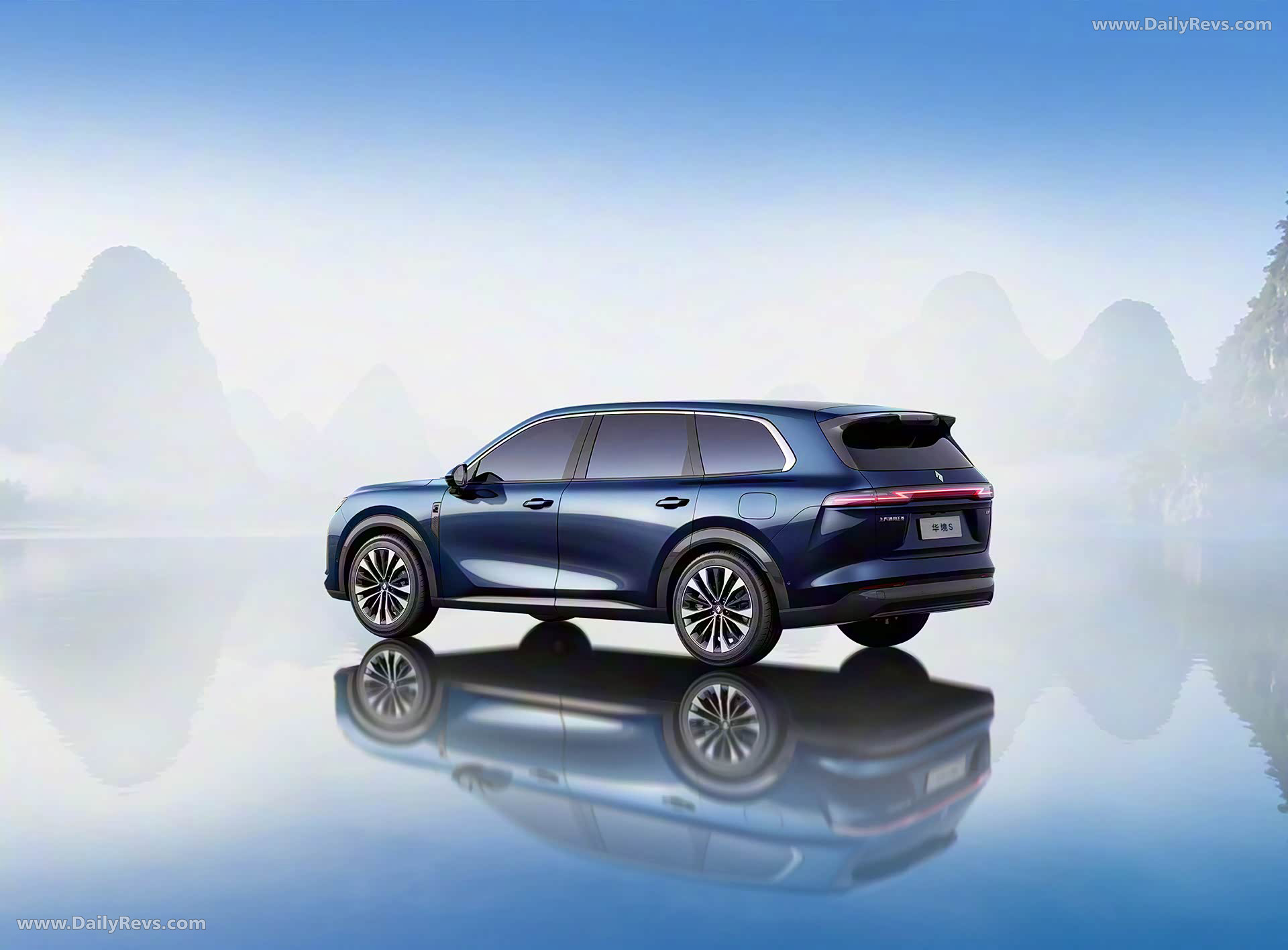
A U-shaped lower bumper design reinforces the sense of width and stability, lending the Huajing S a composed, almost formal character. At the rear, a full-width taillight strip mirrors the front lighting theme when illuminated. Decorative vent-like elements appear at either side of the taillights, likely intended to smooth airflow rather than serve a functional cooling role.
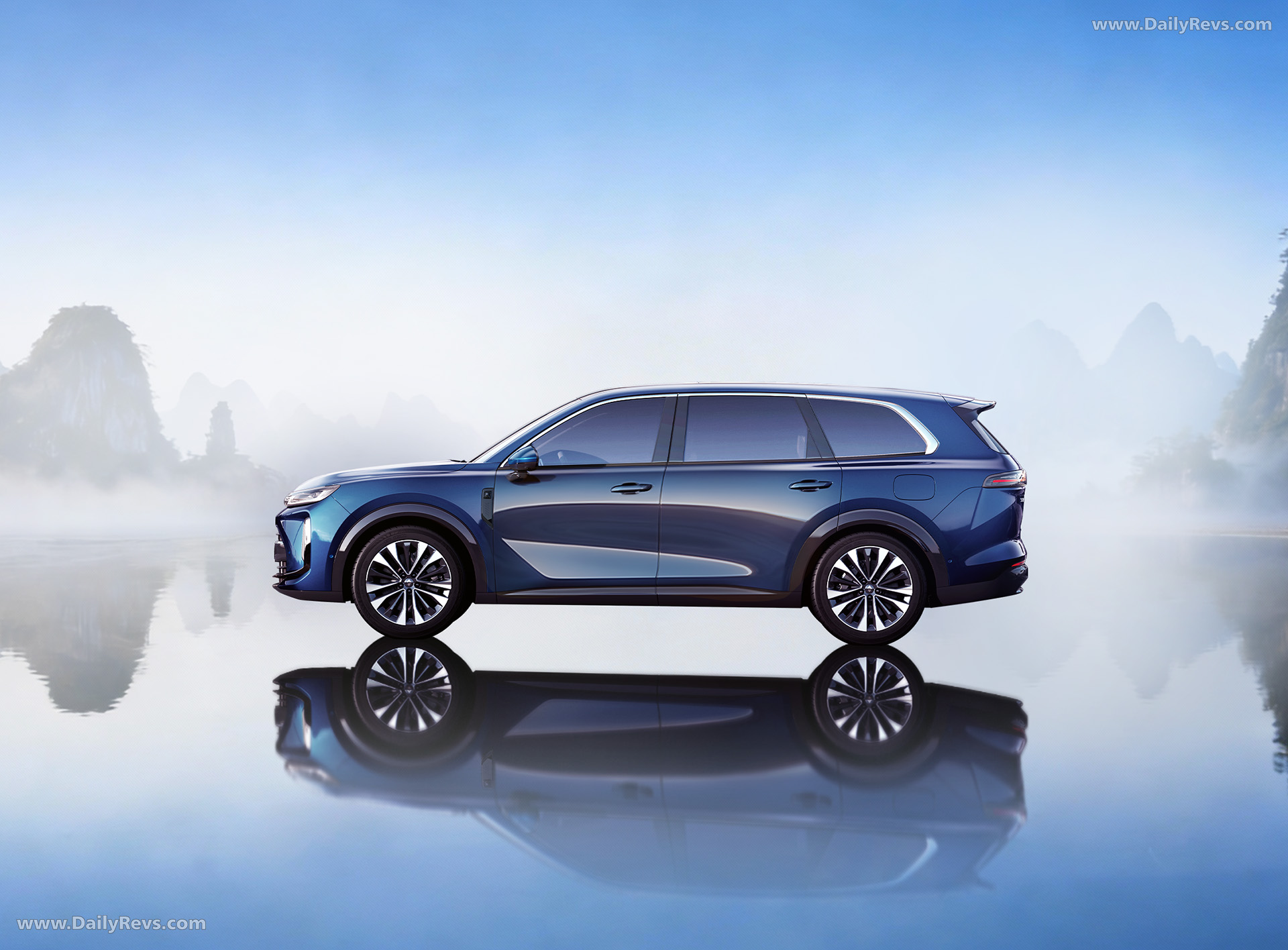
In terms of scale, the Huajing S is unmistakably substantial. Measuring 5,235 mm in length, 1,999 mm in width, and 1,800 mm in height, with a 3,105 mm wheelbase, it firmly occupies the large SUV category. The six-seat layout further underlines its family and long-distance focus.
Interior Technology and Intelligent Systems
Technology forms the backbone of the Huajing S proposition. The vehicle is built on the Tianyu L platform, described as a deep integration between SAIC-GM-Wuling and Huawei. As standard, the Huajing S is equipped with Huawei’s ADS 4 Pro intelligent driving system, positioning advanced driver assistance as a core feature rather than an option.
Inside, the HarmonySpace 5 cockpit provides the digital interface, supported by the Huawei IVCS vehicle cloud platform. In addition, the Huajing S features Huawei’s in-cabin laser vision system, known as Limera, which is designed to enhance in-cabin monitoring and interaction. While Baojun has not detailed the full scope of these systems, the emphasis is clearly on software-driven experience rather than purely mechanical differentiation.
Powertrain and Electric Capability
The Huajing S adopts the Lingxi Power 3.0 plug-in hybrid system, combining a 1.5-litre turbocharged engine with an electric motor. The petrol engine produces a maximum output of 105 kW, forming the combustion component of the drivetrain.
Battery options vary by configuration. Buyers will be offered either a 31 kWh or a 41.9 kWh battery pack, delivering pure electric driving ranges of 130 km, 160 km, or up to 175 km, depending on specification. These figures suggest a clear emphasis on daily electric driving, with combustion support reserved for longer journeys.
Market Positioning and Launch Timing
Baojun plans to launch the Huajing S in the first half of 2026. With its large footprint, six-seat layout, and Huawei technology fitted as standard, the model is positioned as a technology-led alternative in China’s large SUV segment. Rather than relying on visual excess or headline performance figures, the Huajing S places its emphasis on digital integration and everyday practicality, aligning closely with the expectations of family buyers moving toward more software-driven vehicles.