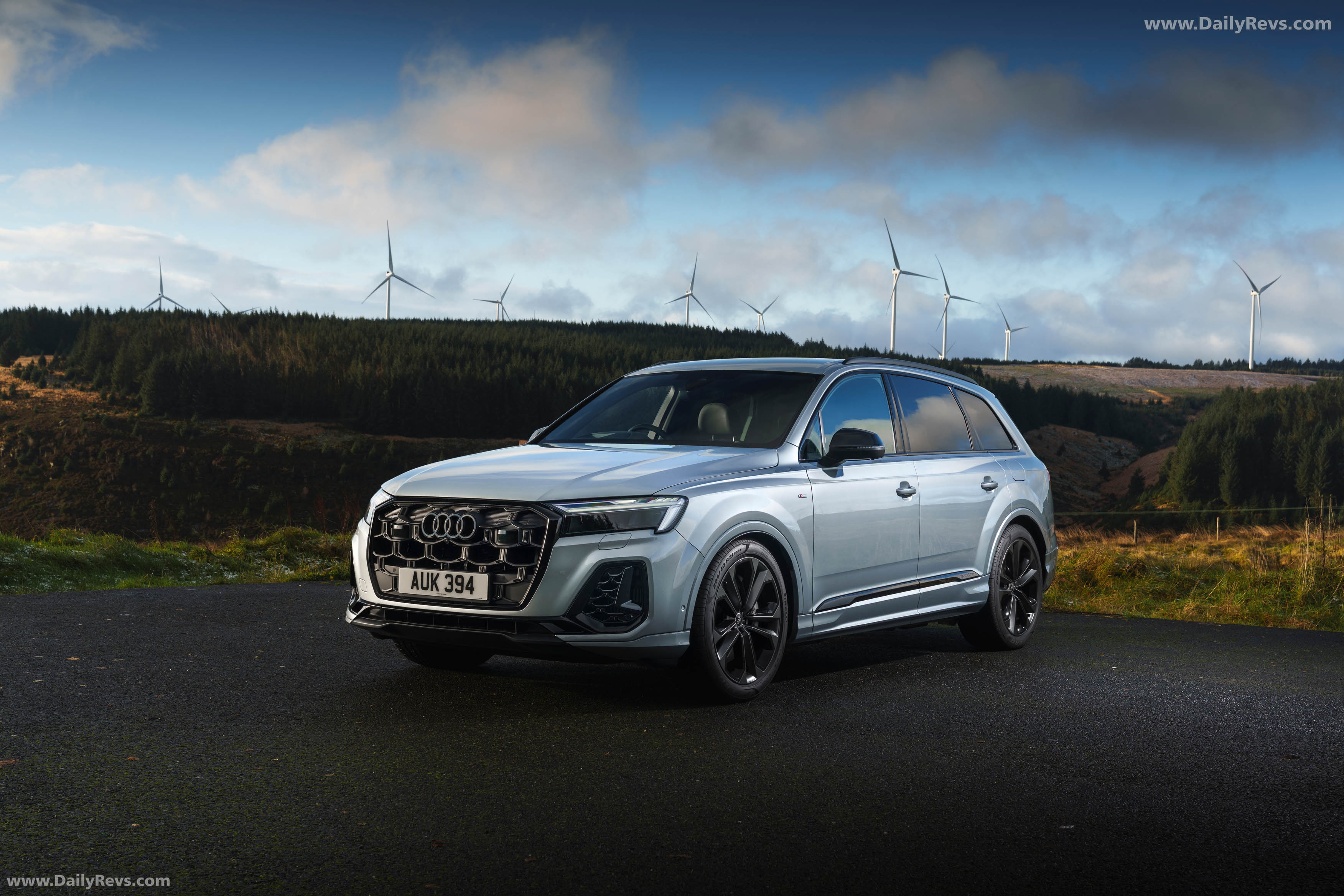
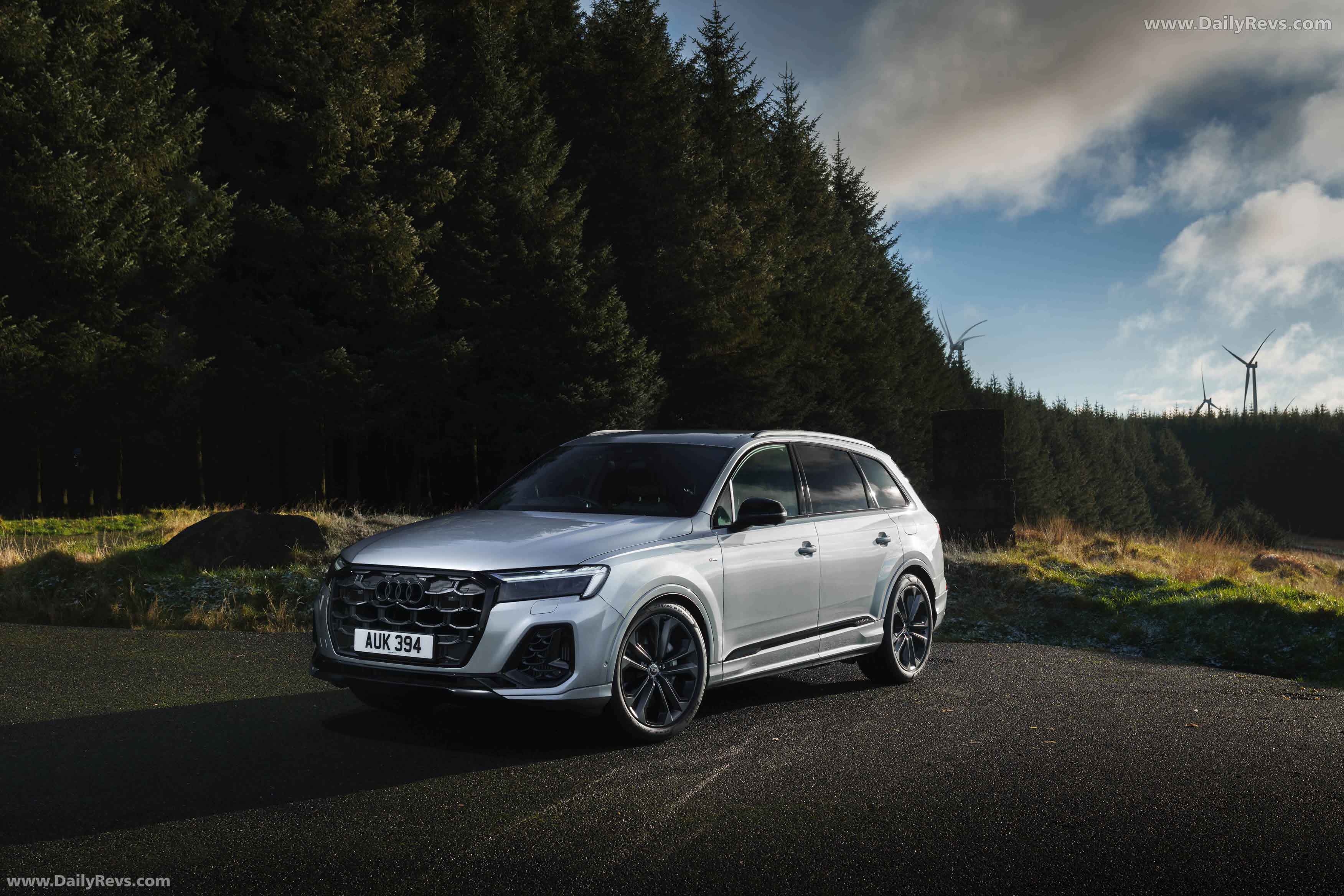
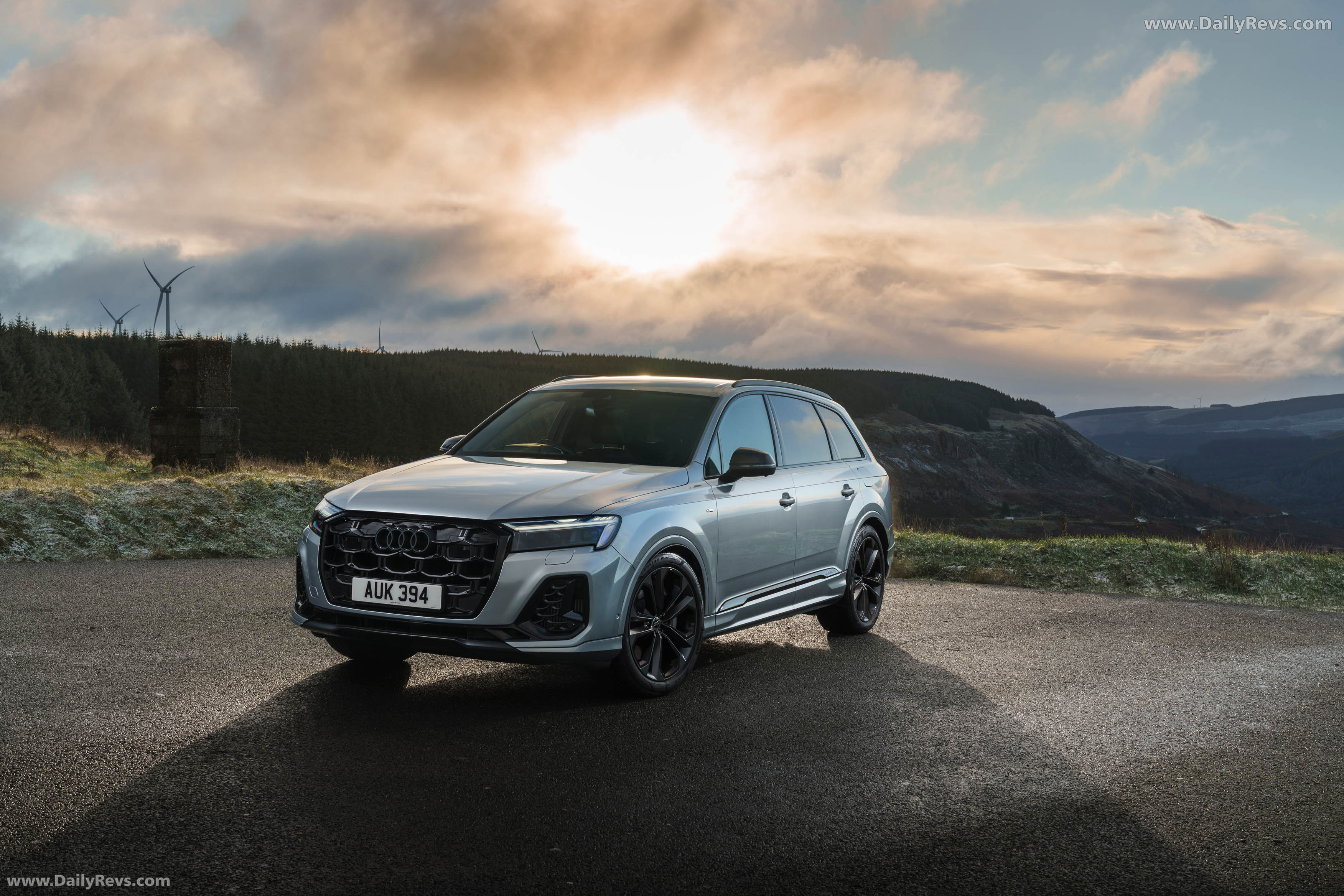
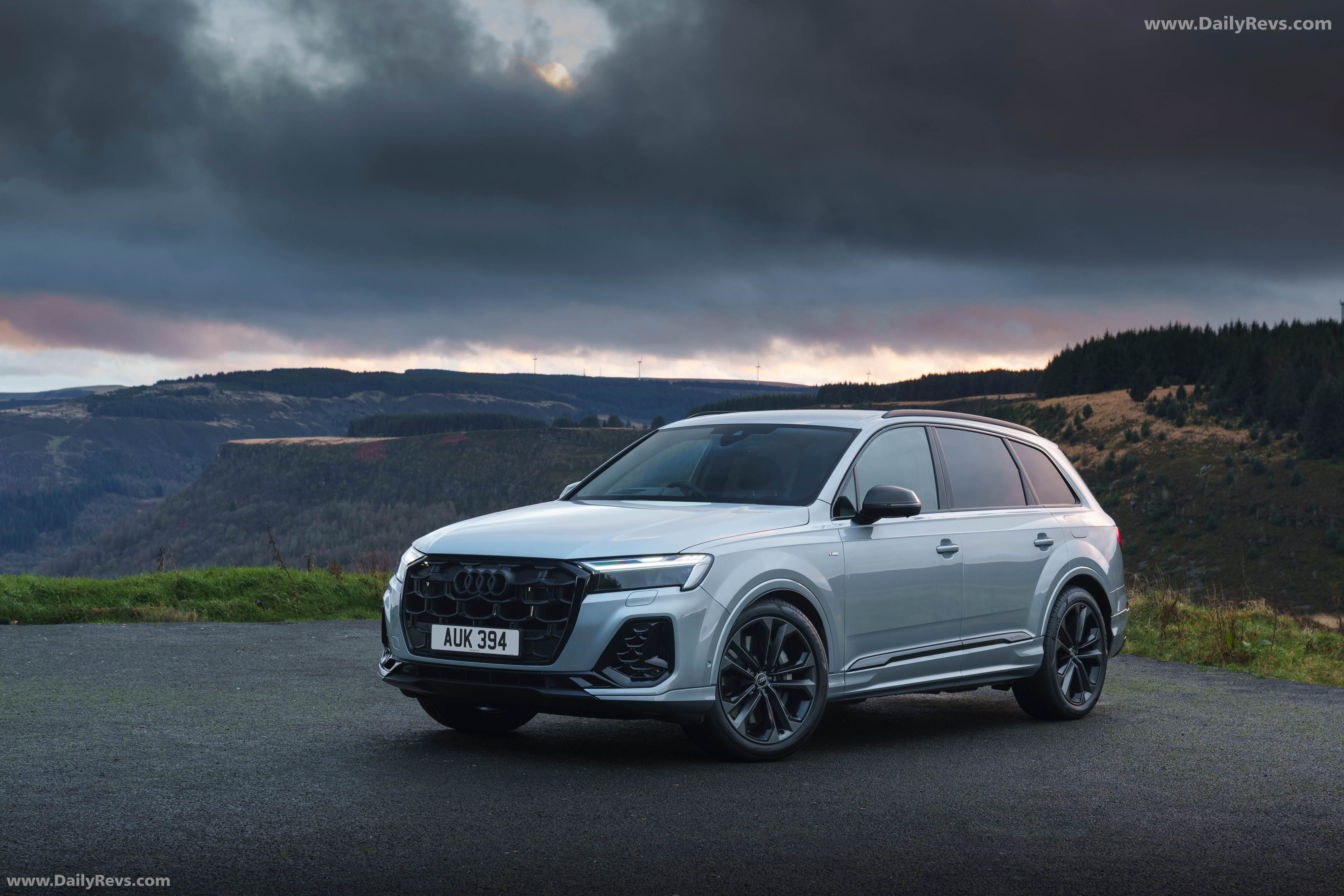
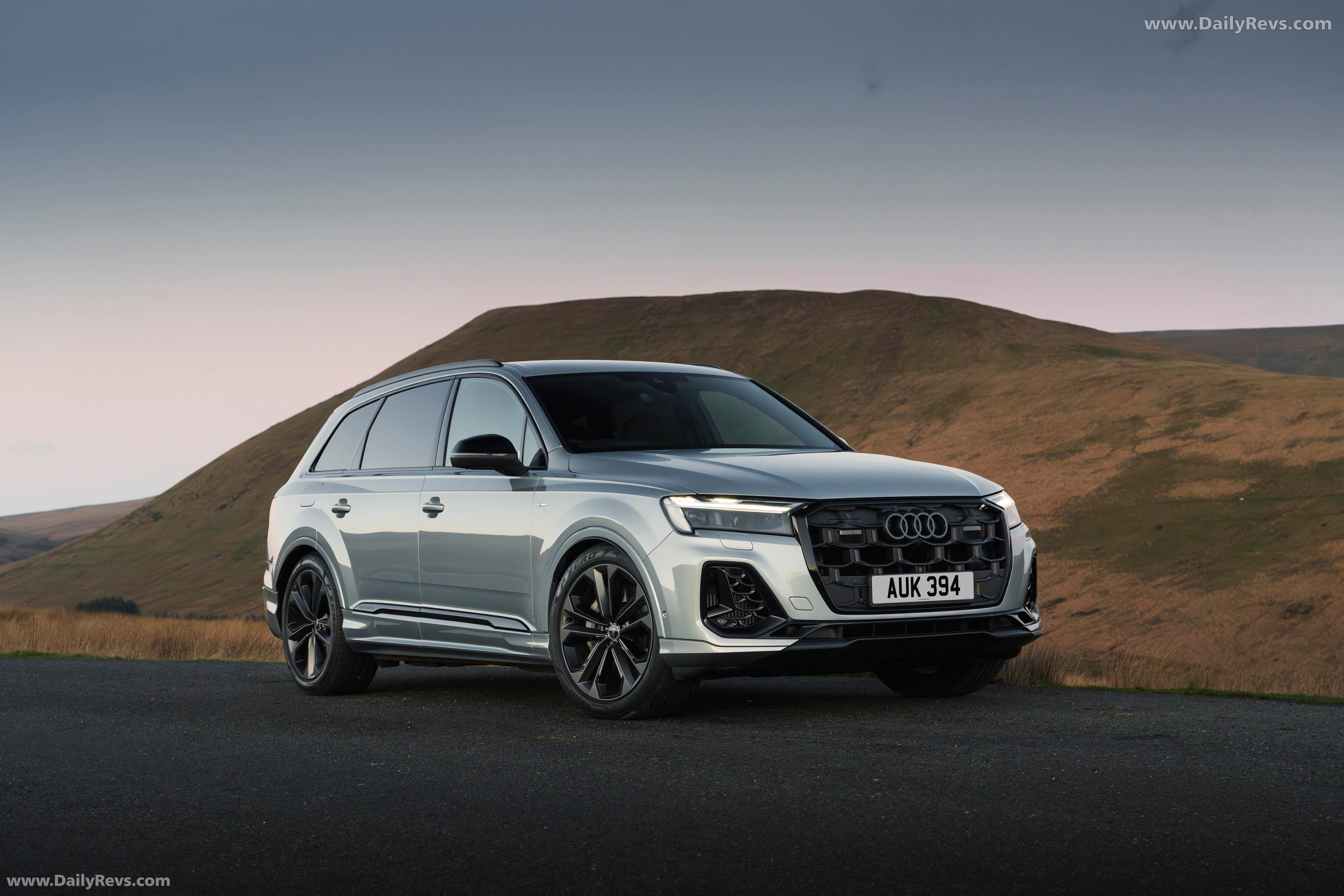
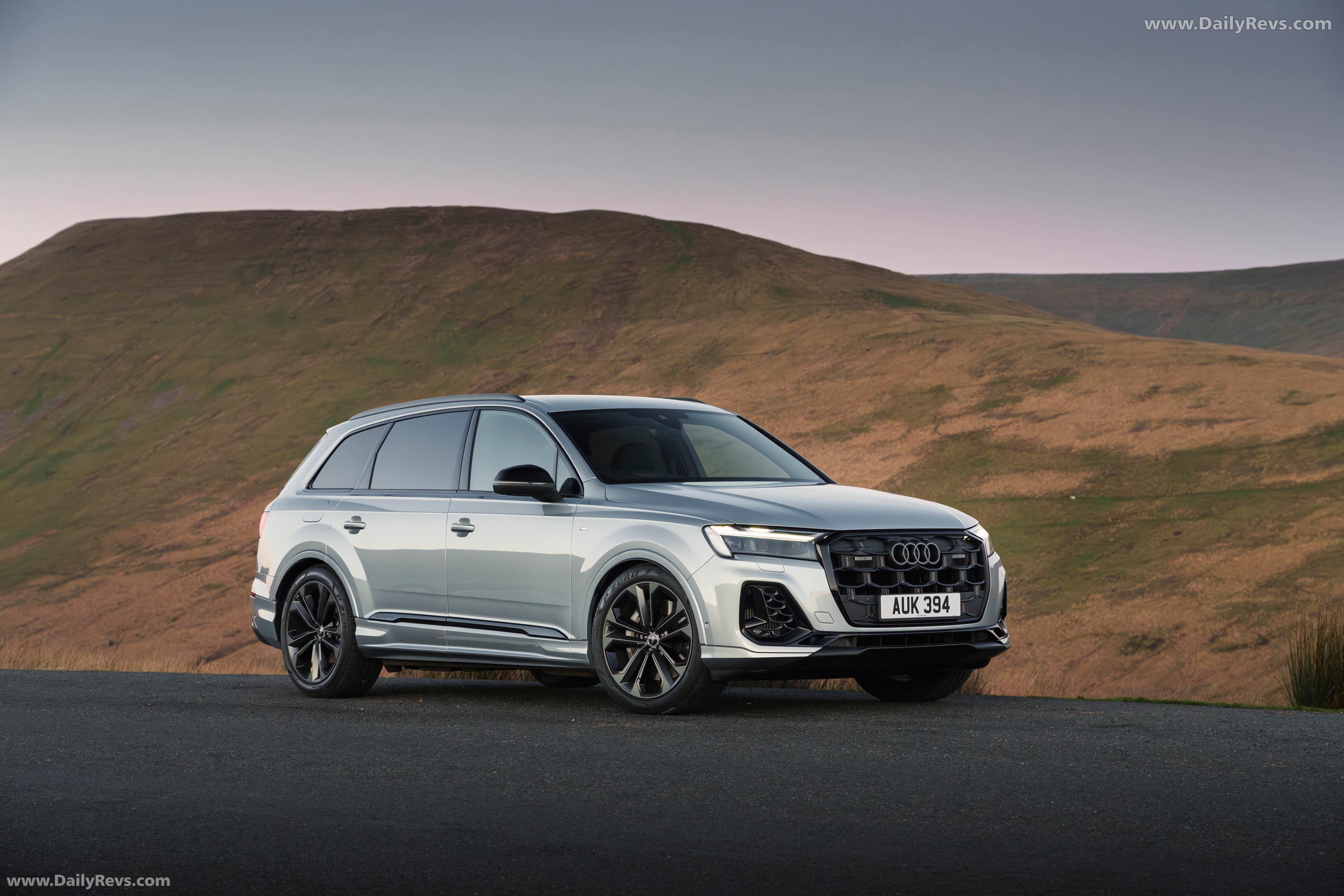
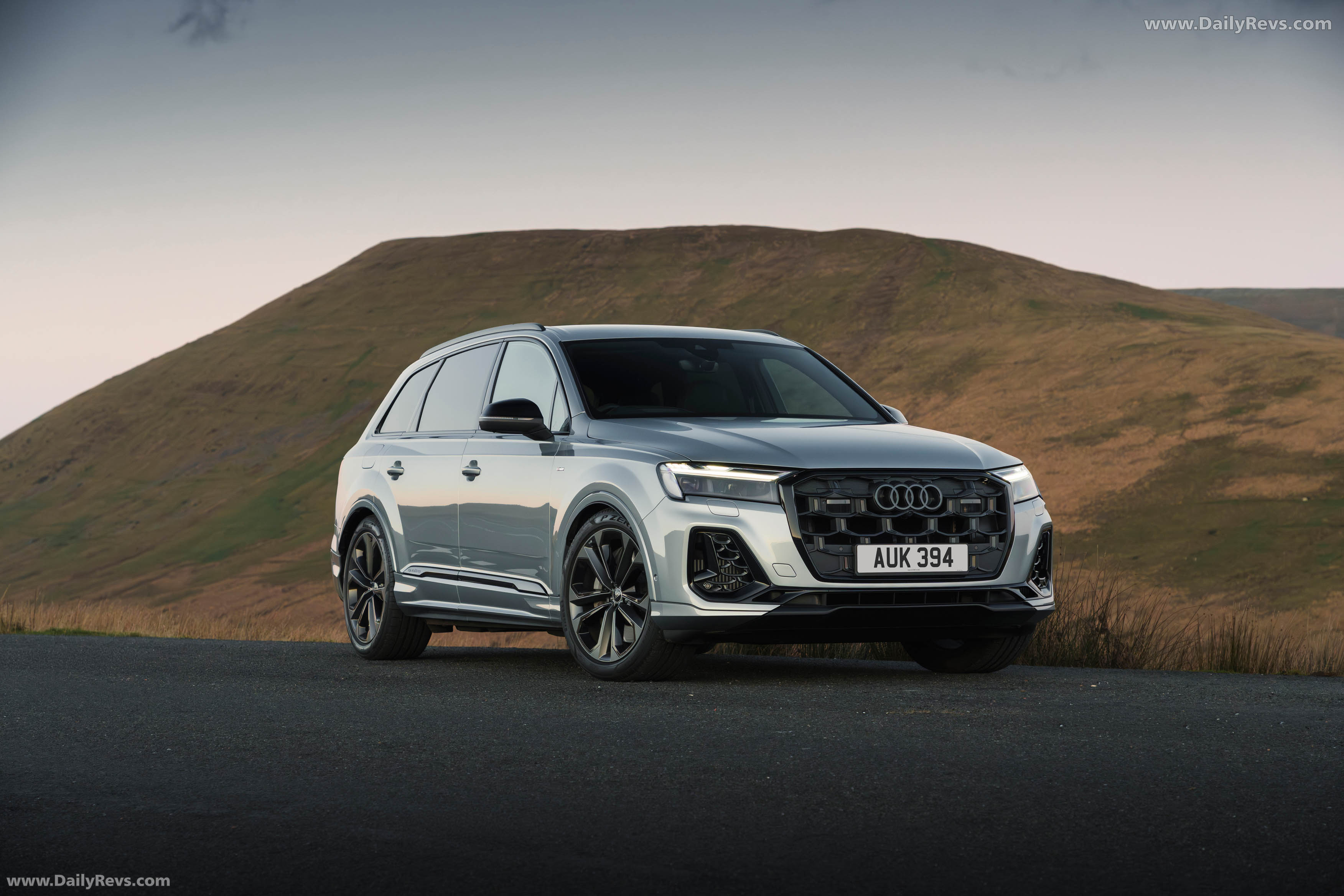
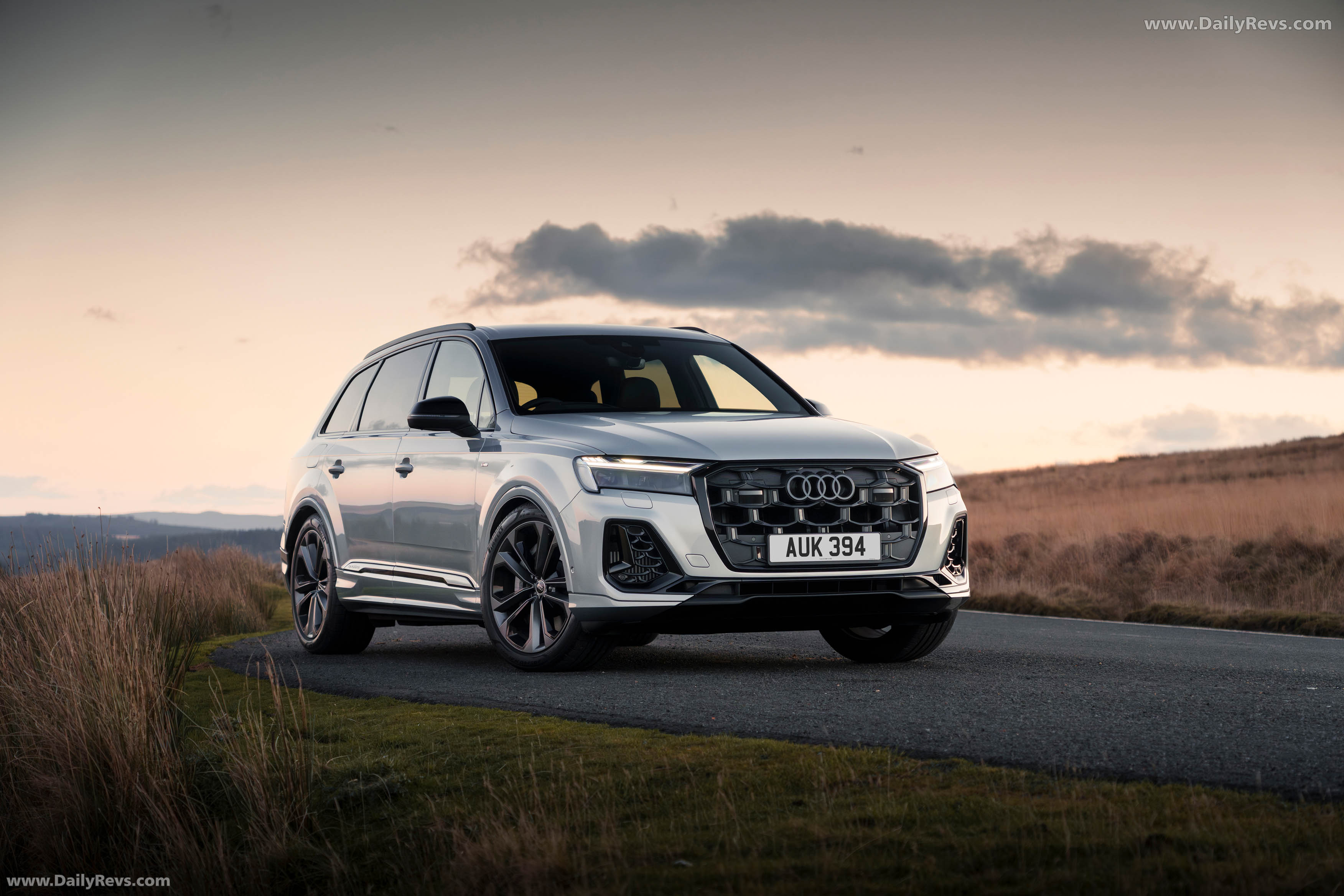
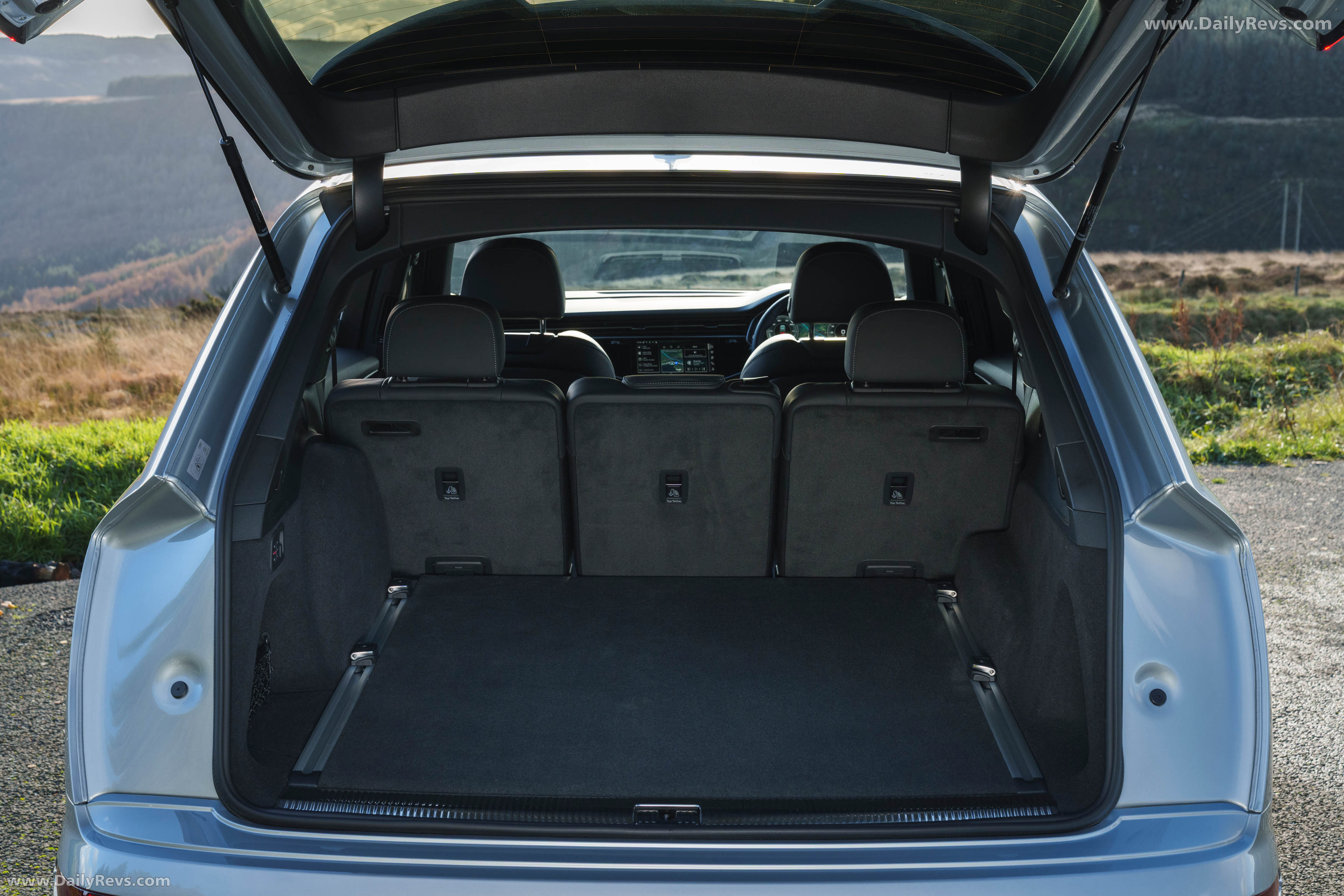
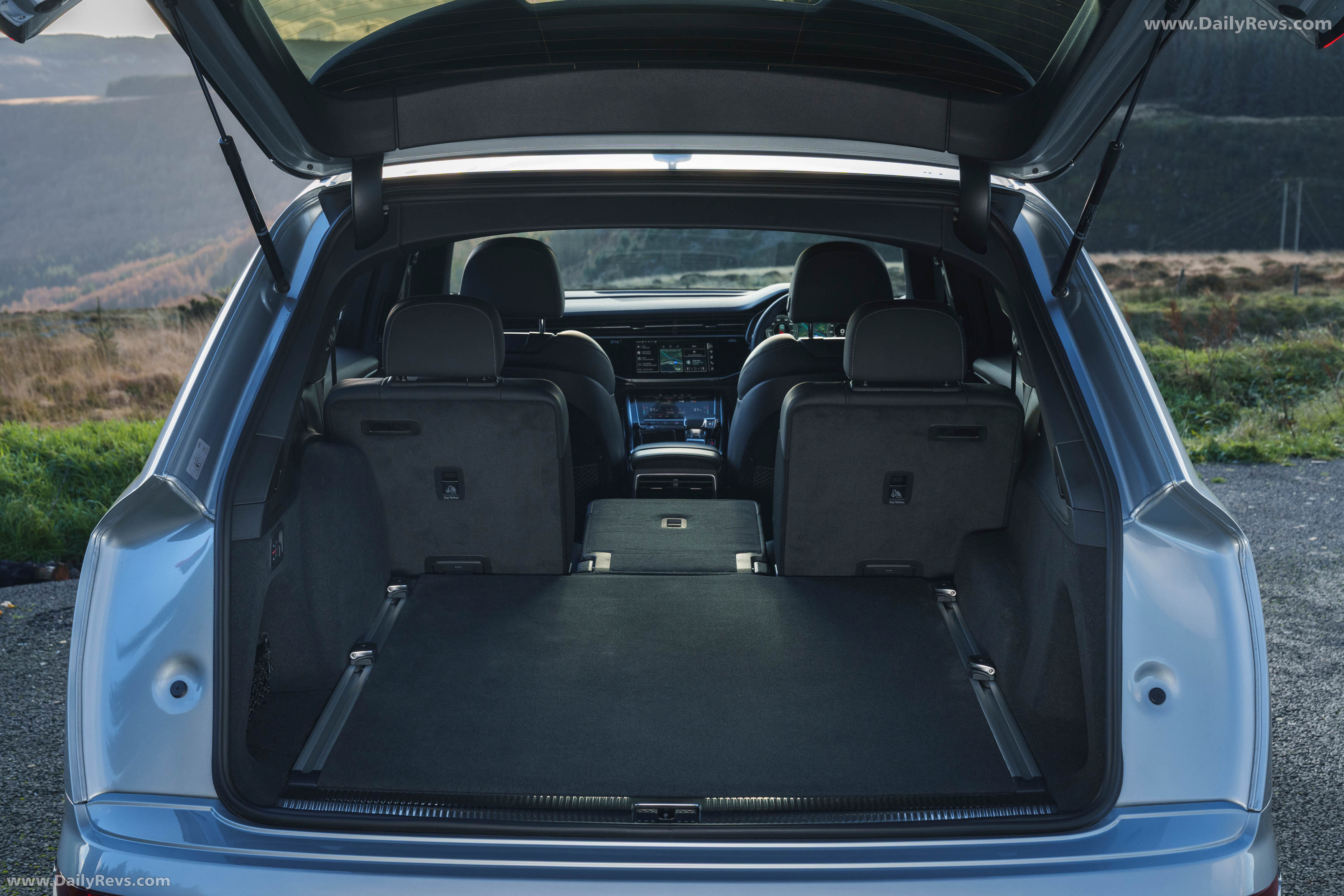
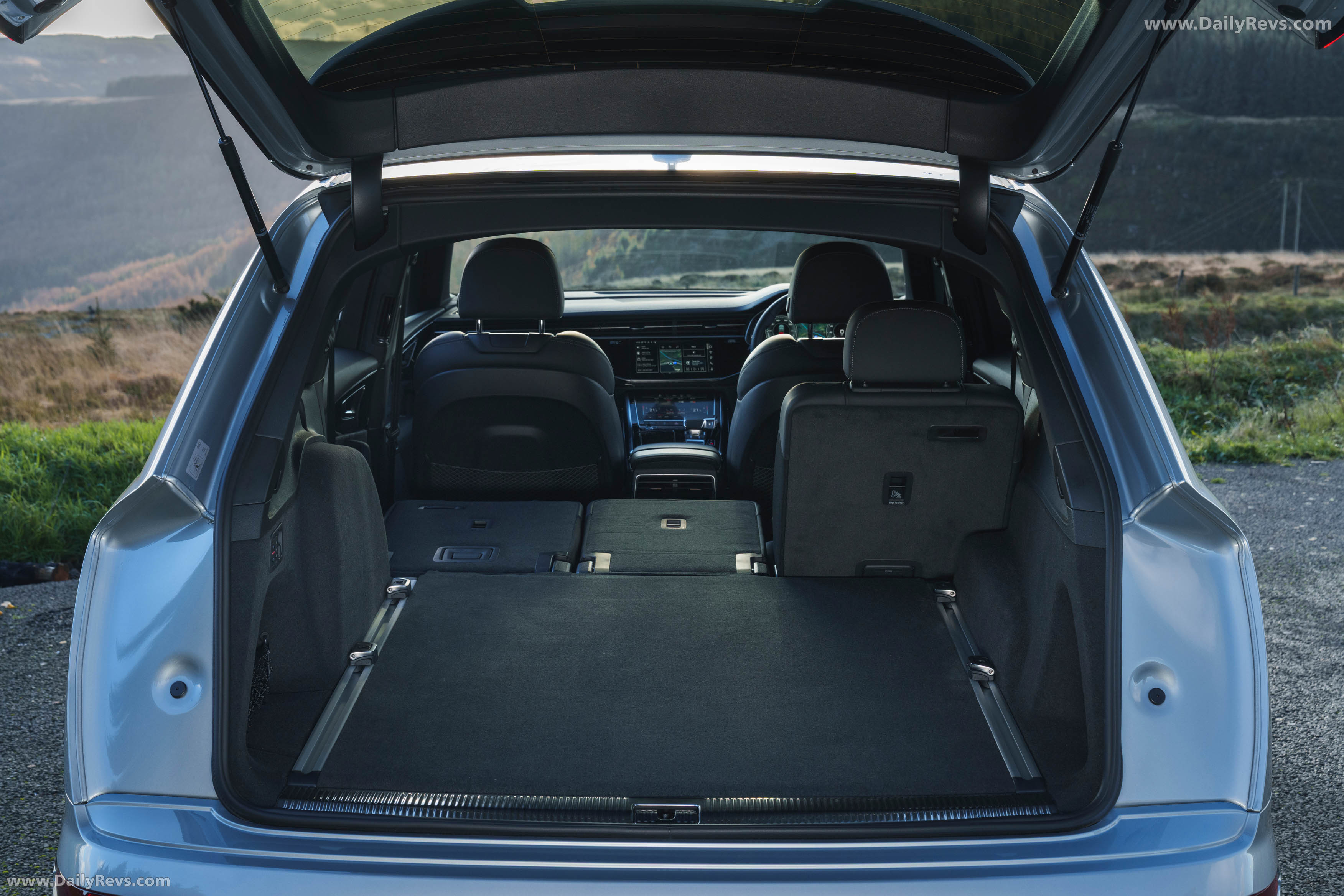
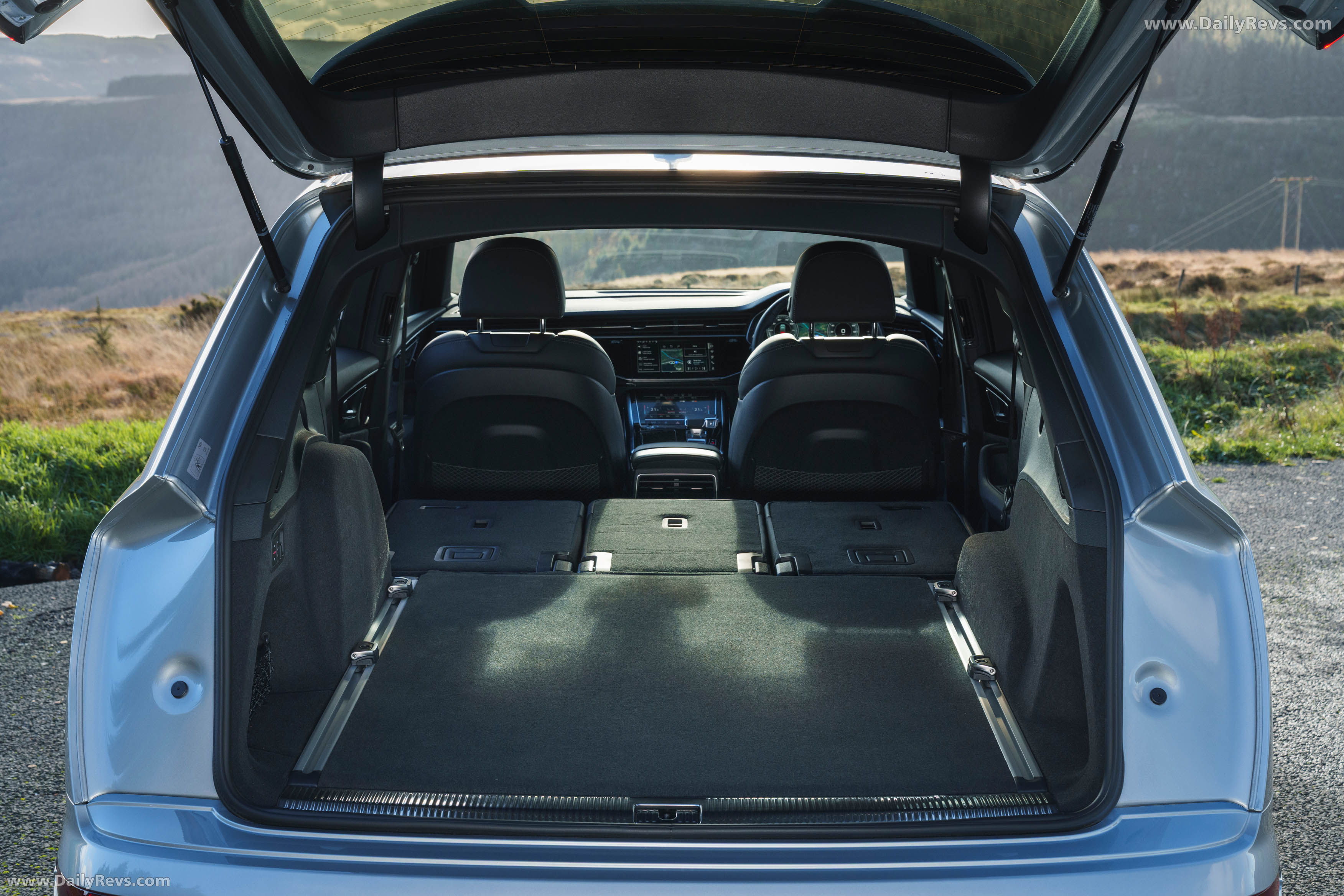
2025 Audi Q7 TFSI e 4M UK Version
By Lorenzo Bianchi December 1, 2025
New 25.9 kWh battery enables up to 52 miles of electric range.
394 PS powertrain pairs a 3.0 TFSI V6 with a 130 kW electric motor.
Updated design, new lighting signatures, and first-time availability of all-wheel steering and roll stabilization on plug-in Q7 models.
Design and Proportions of the Vehicle
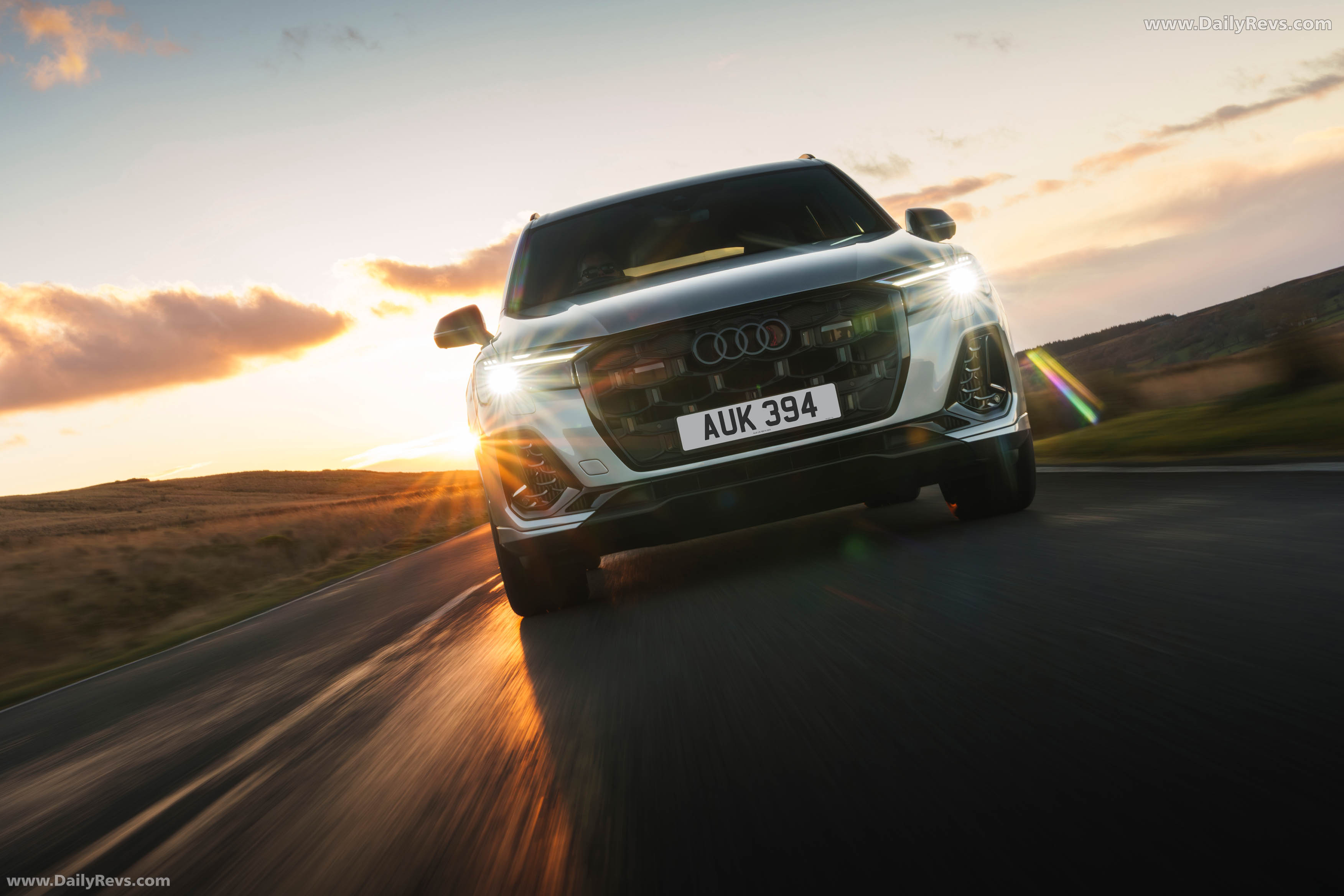
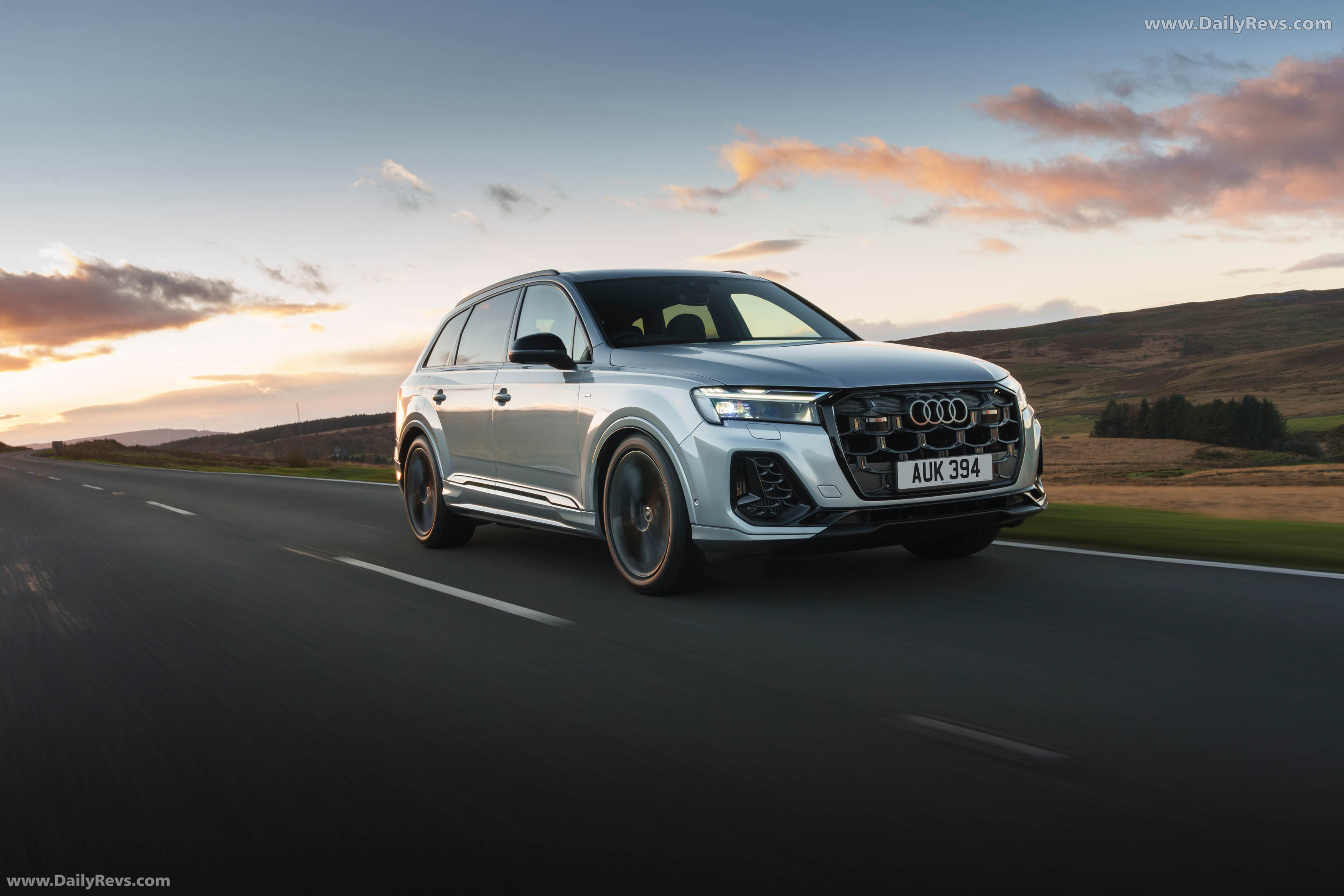
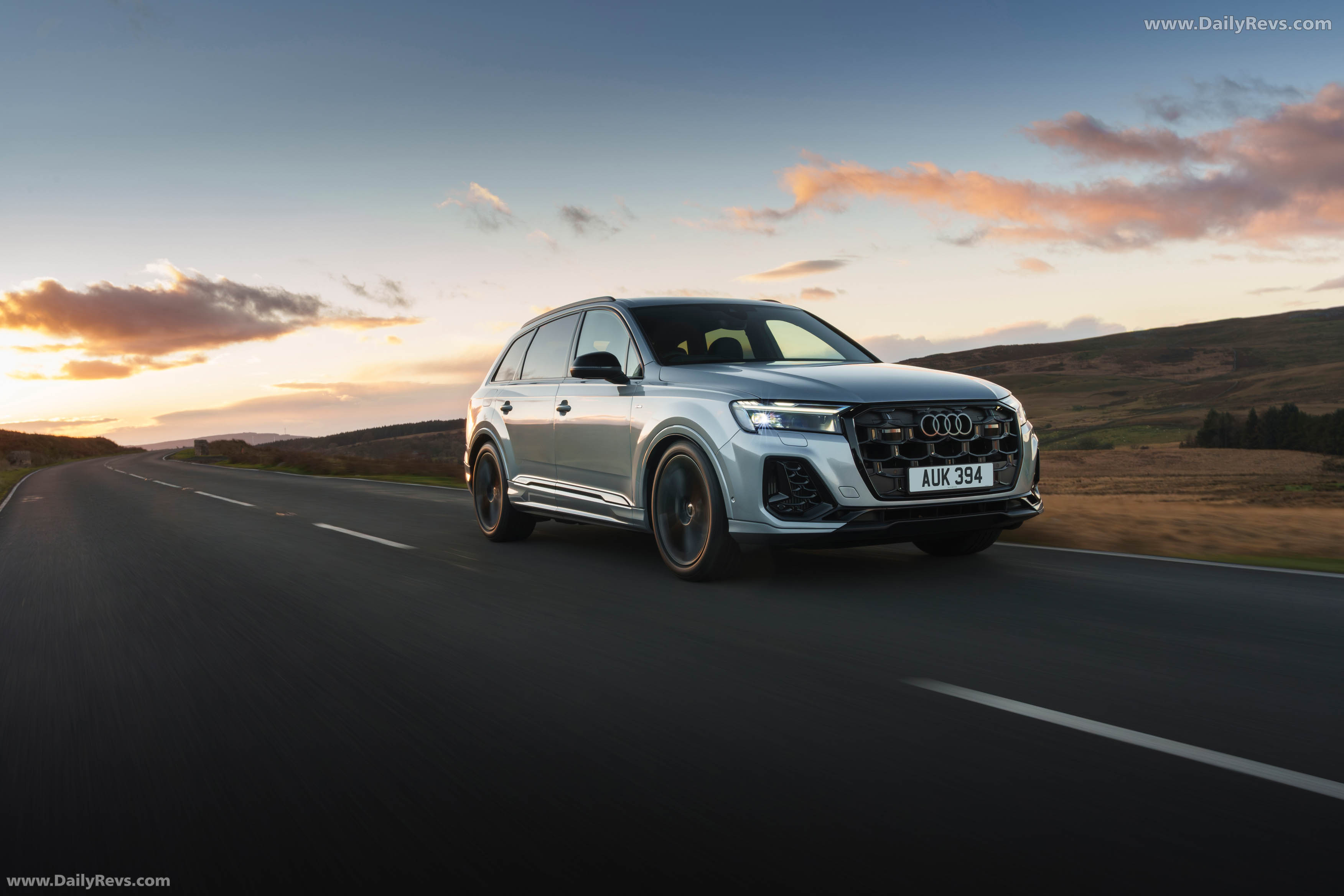
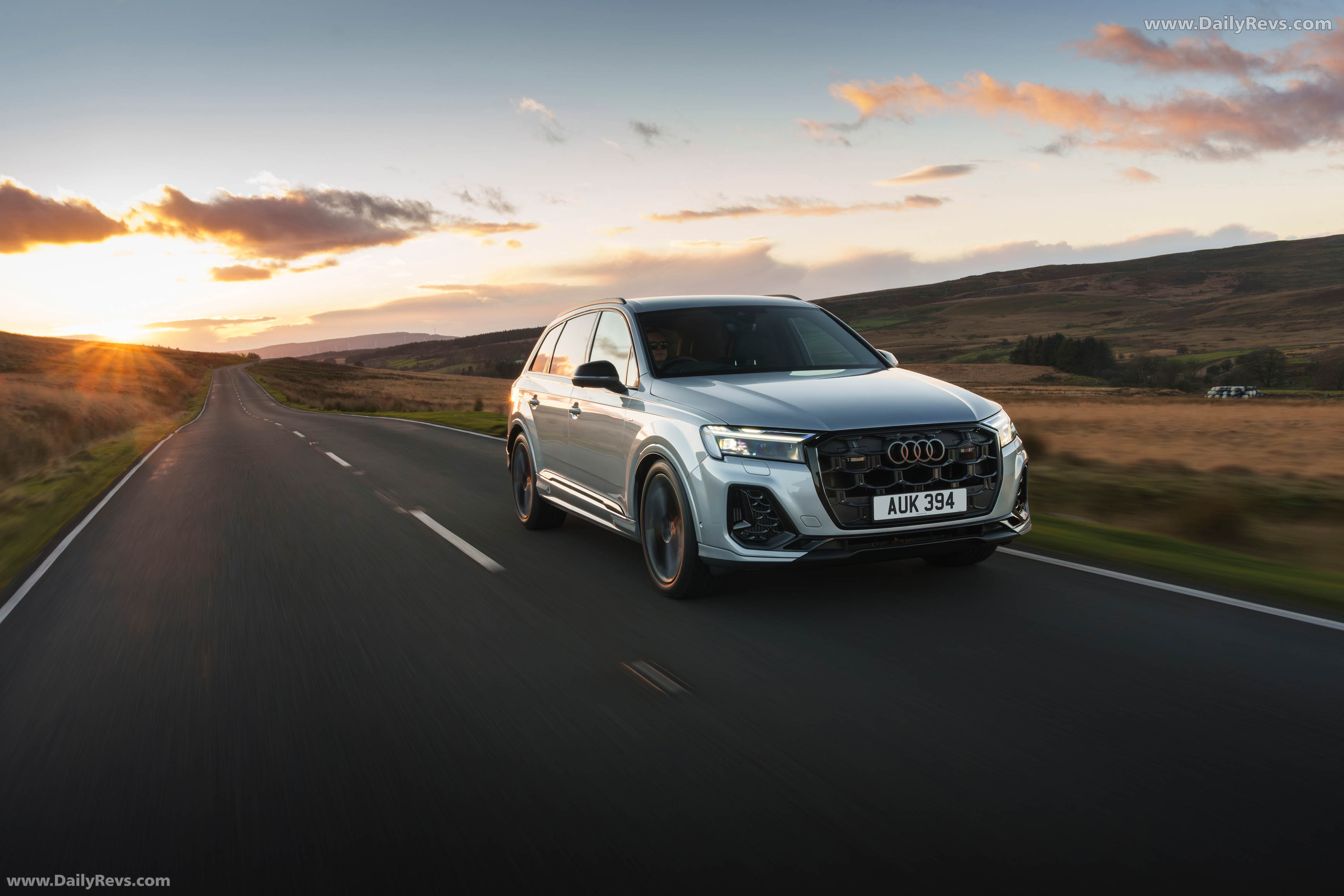
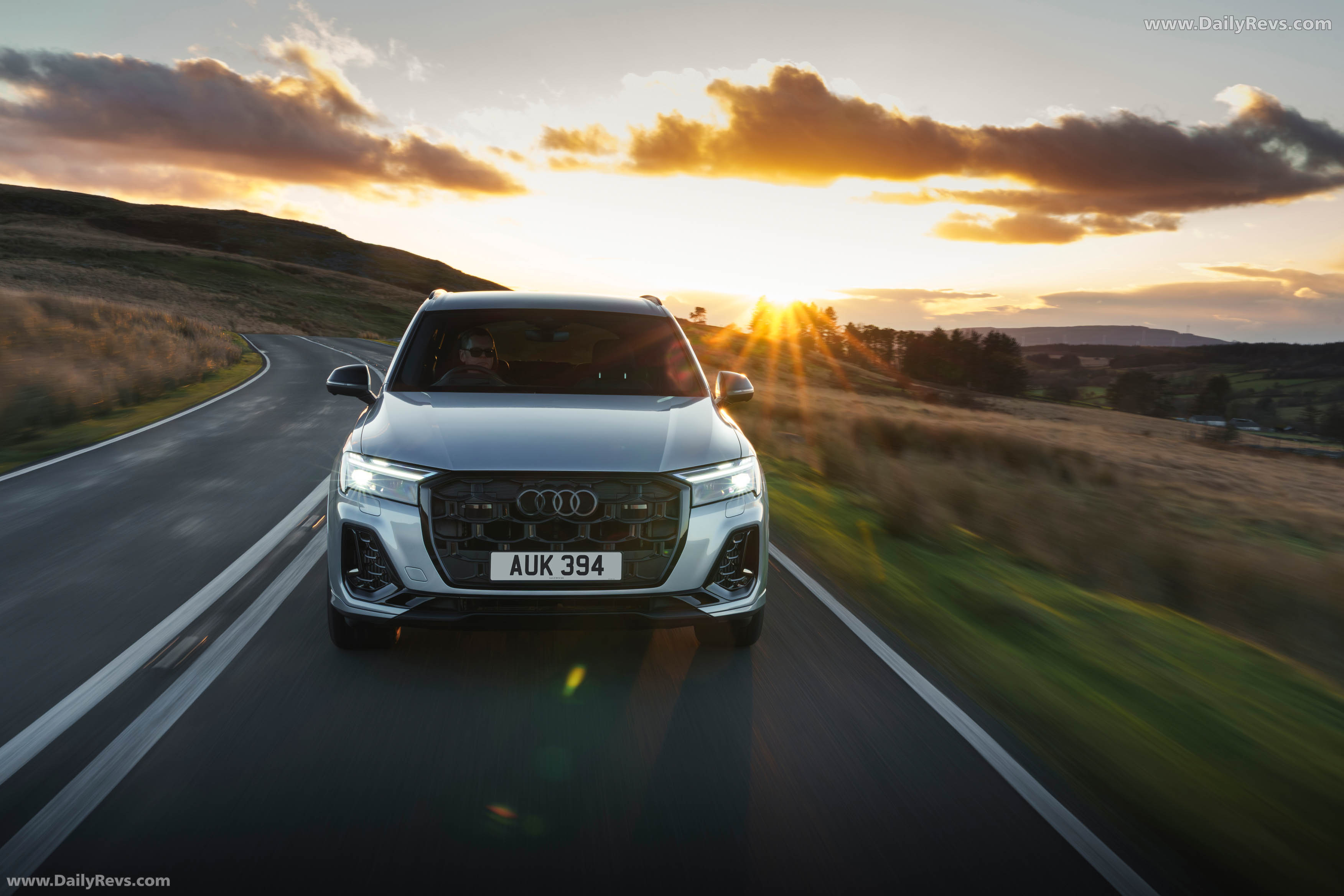
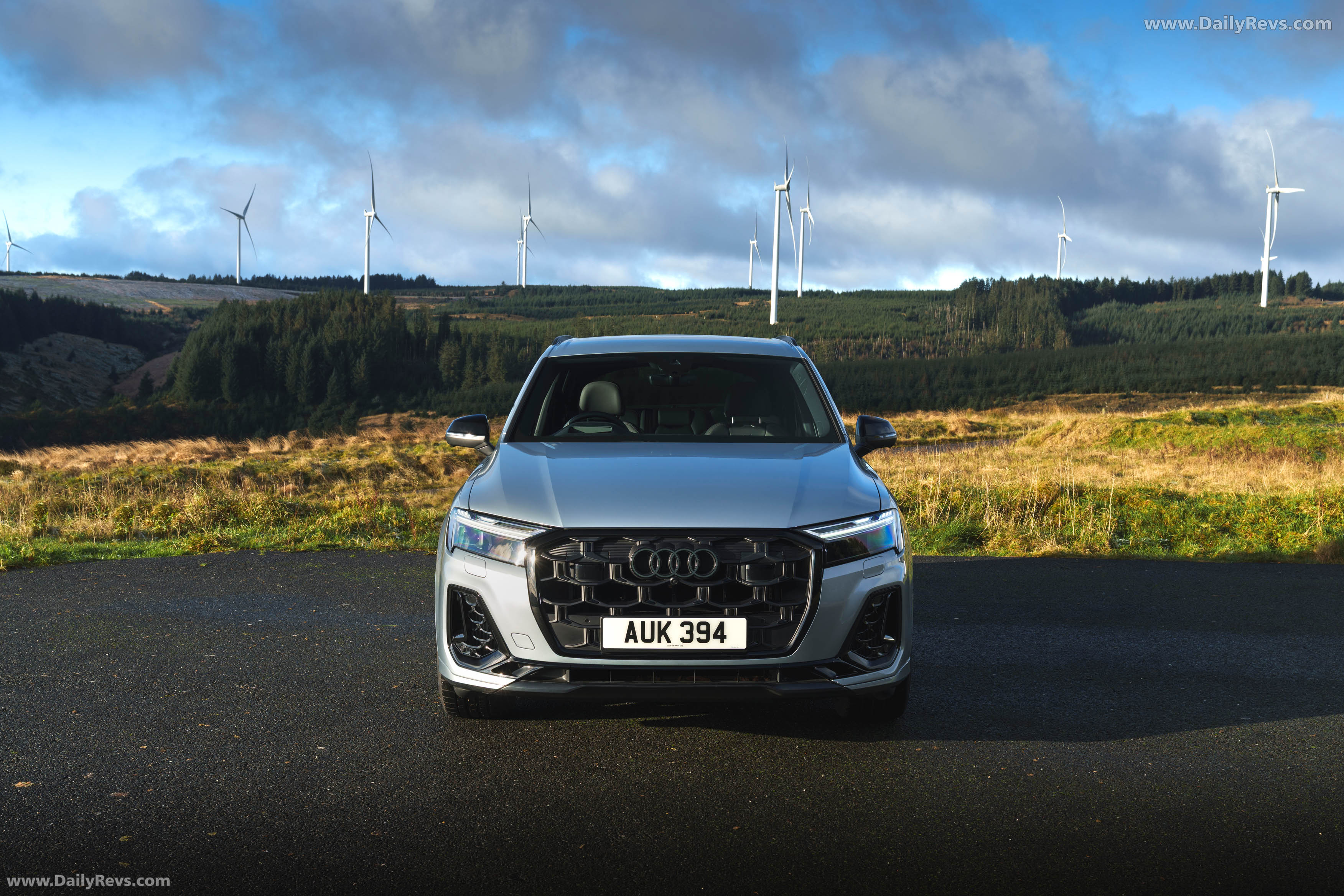
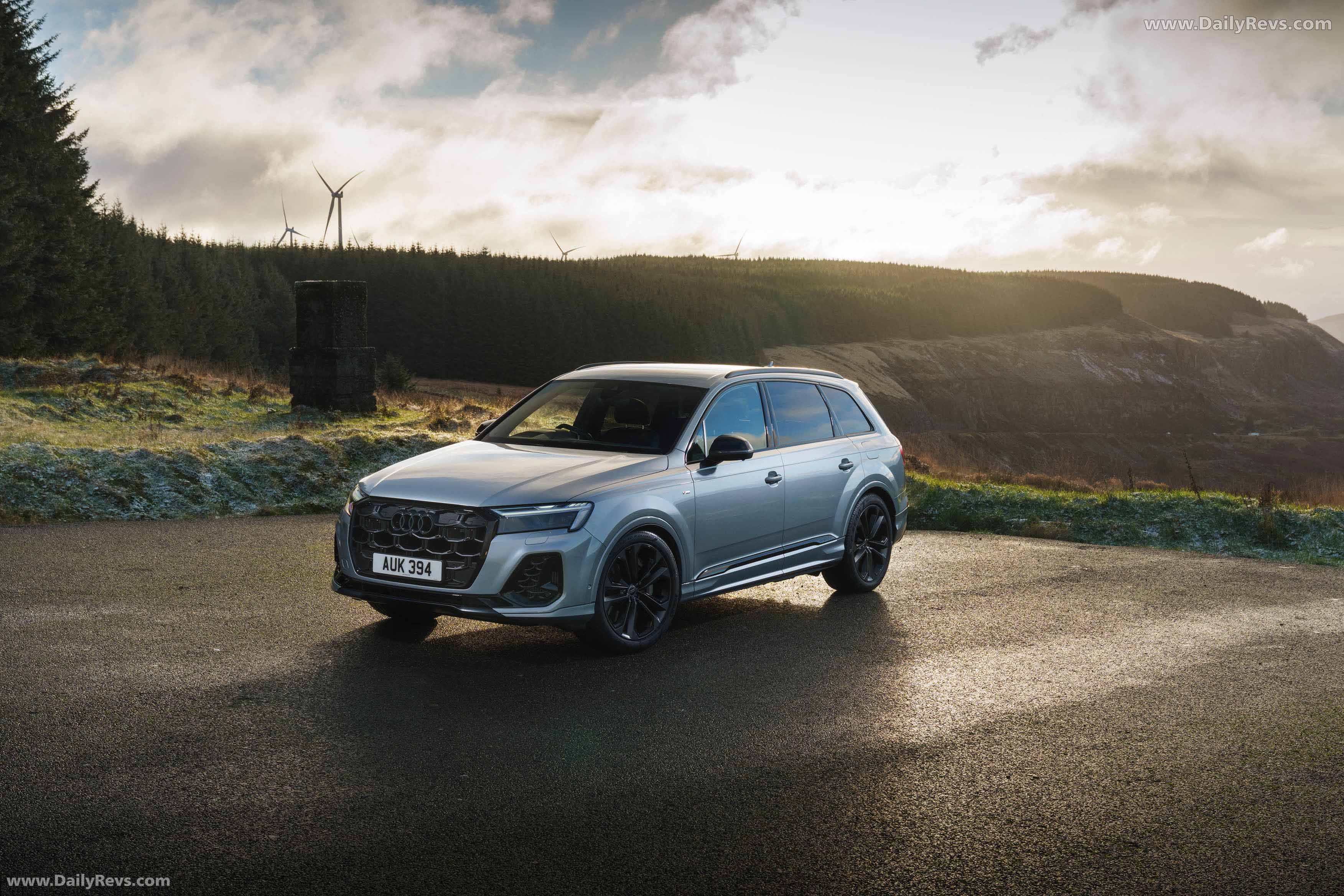
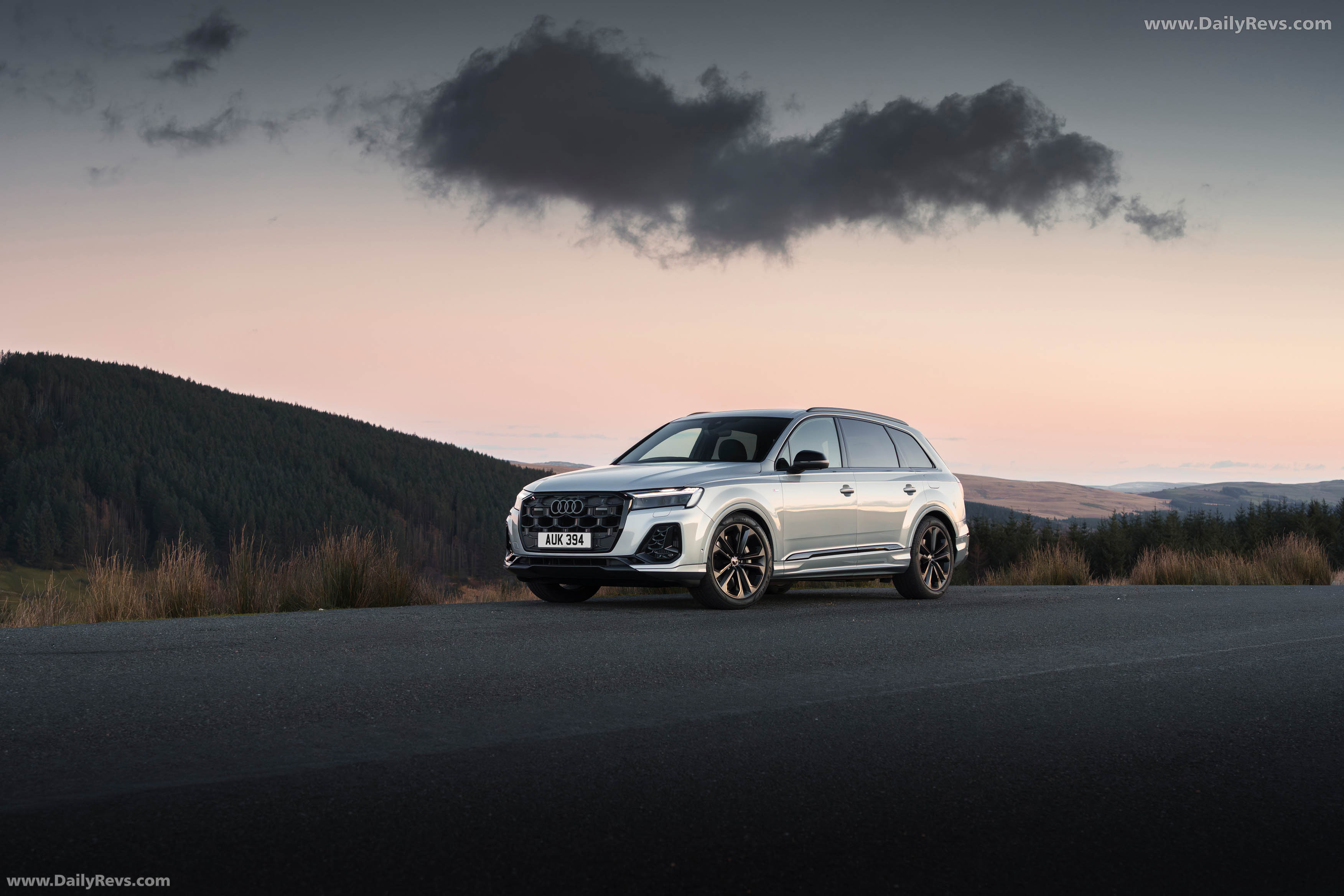
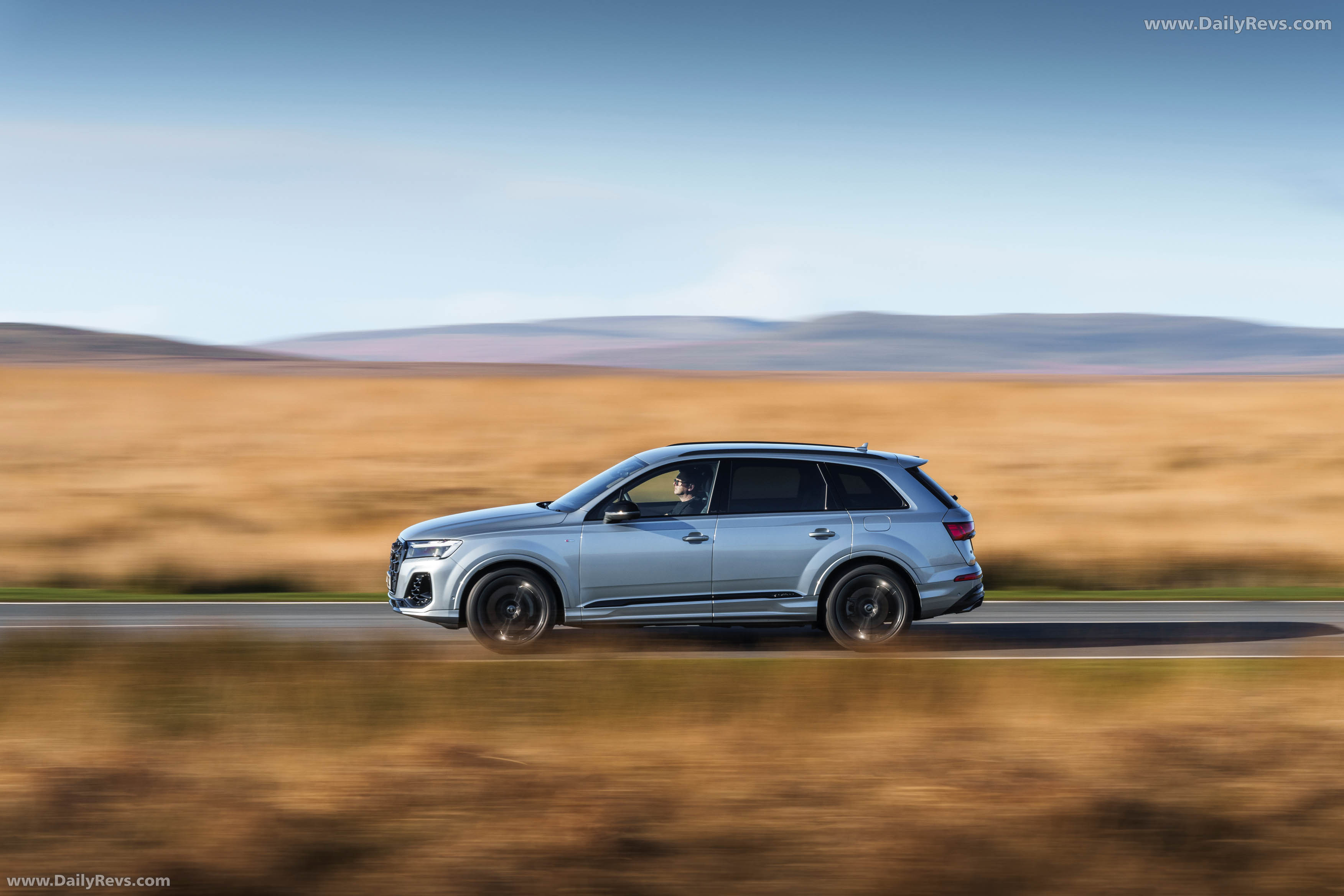
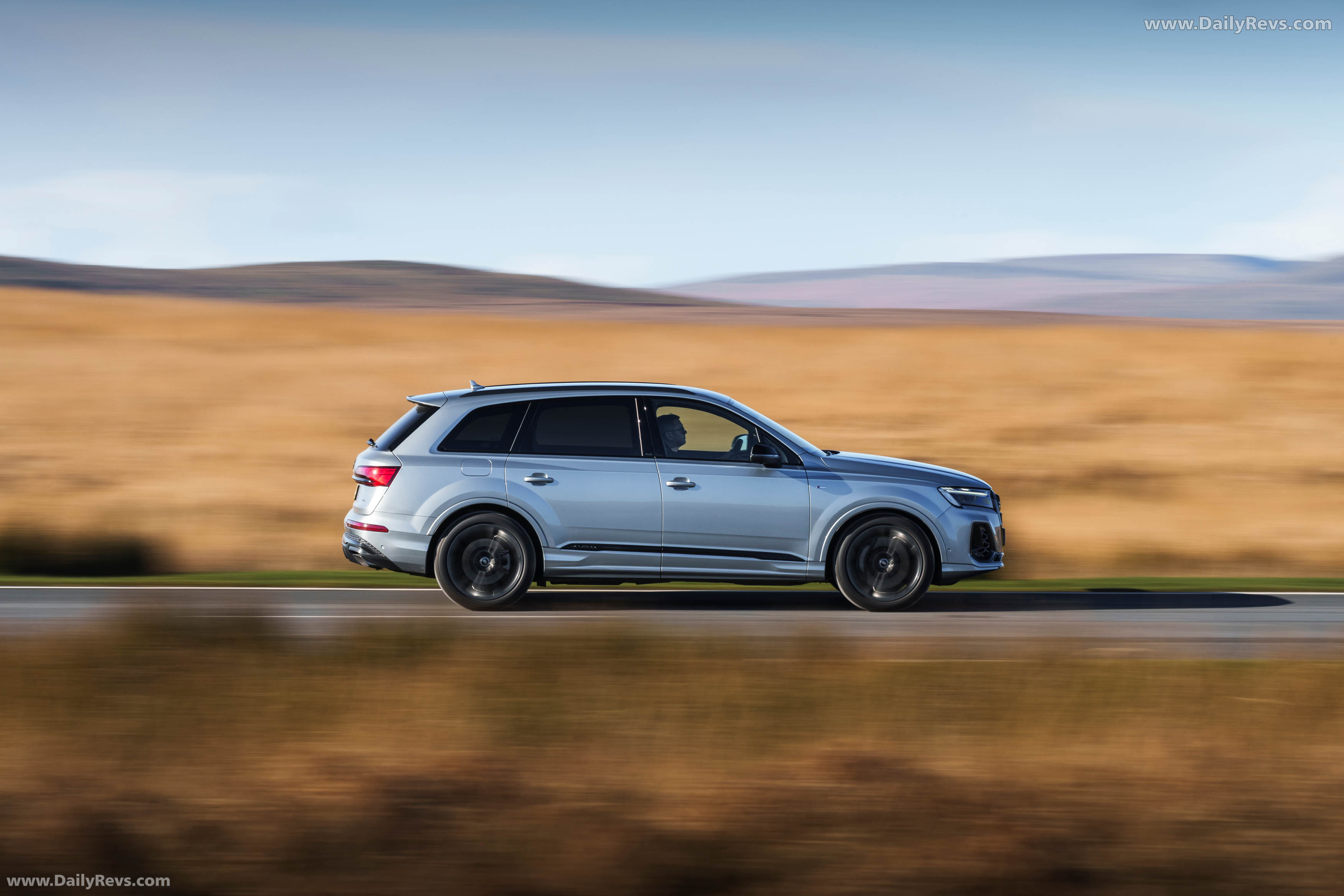
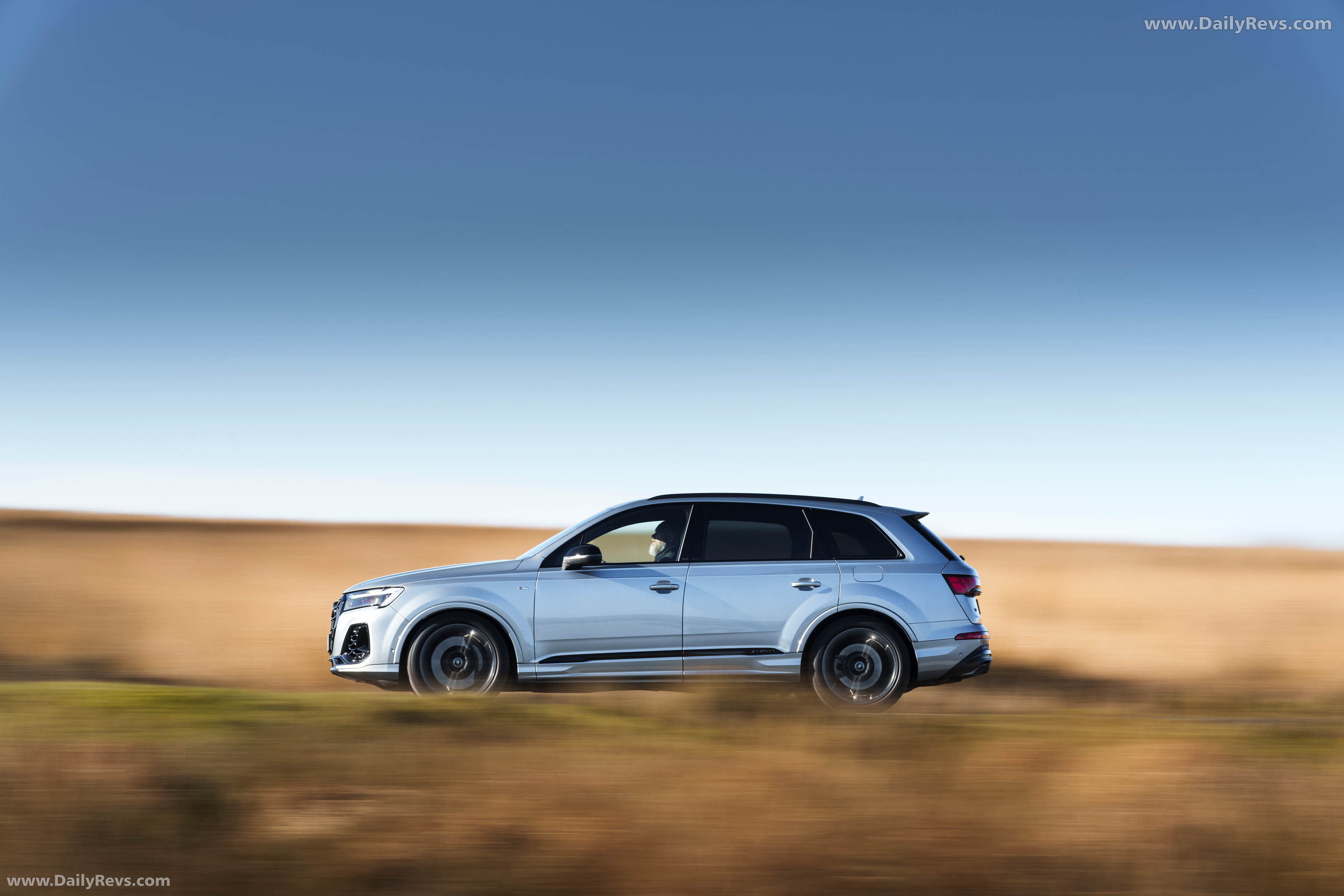
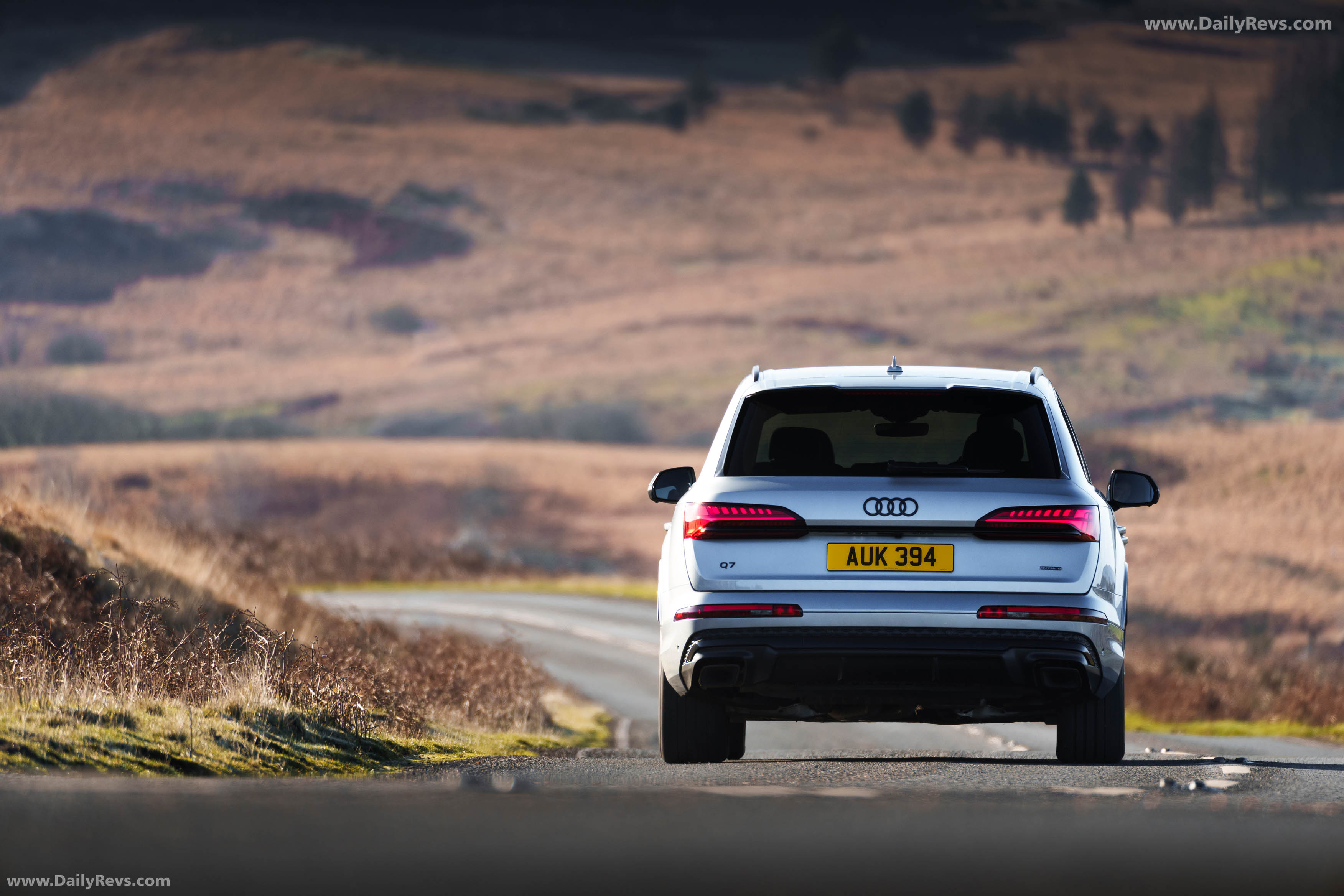
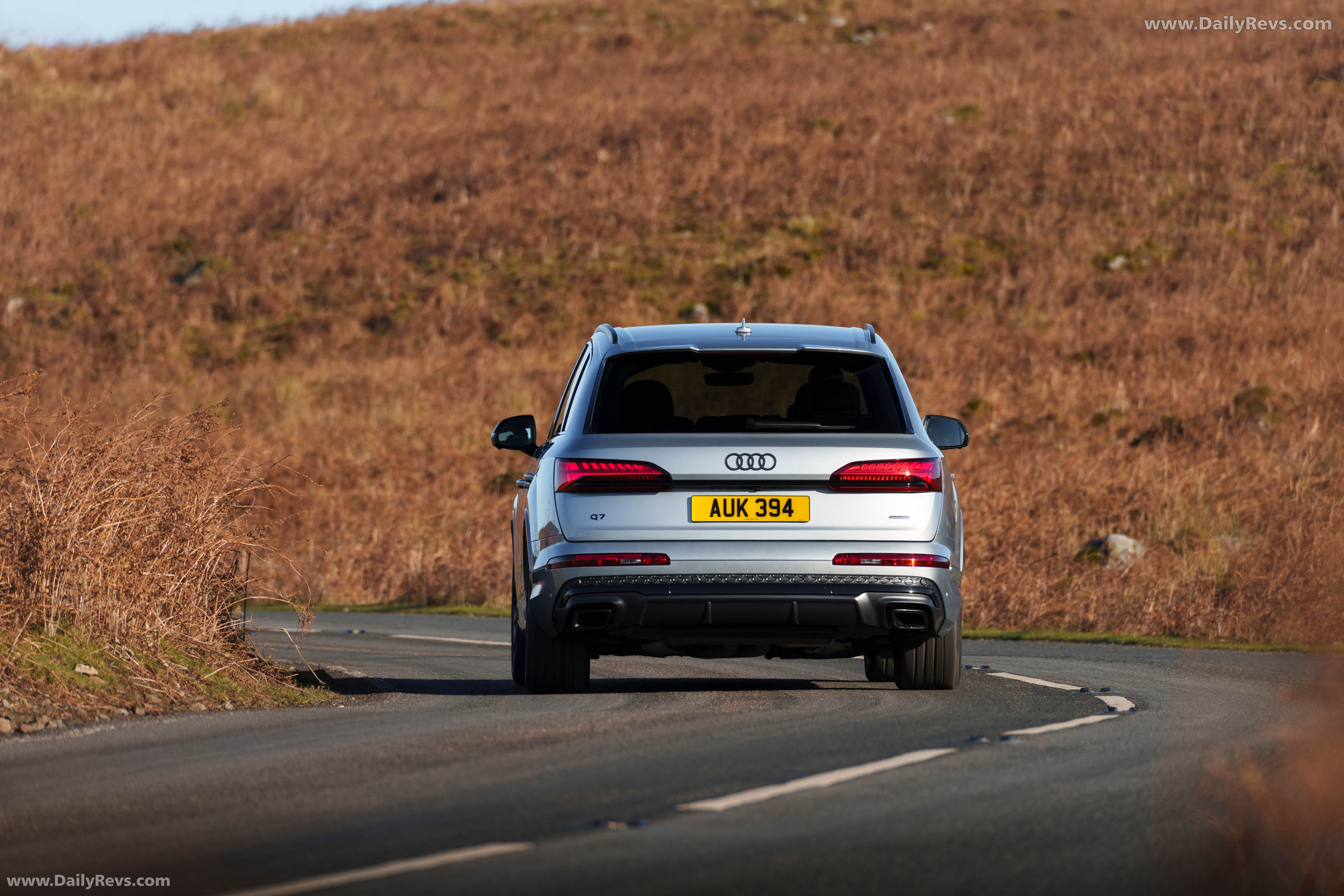
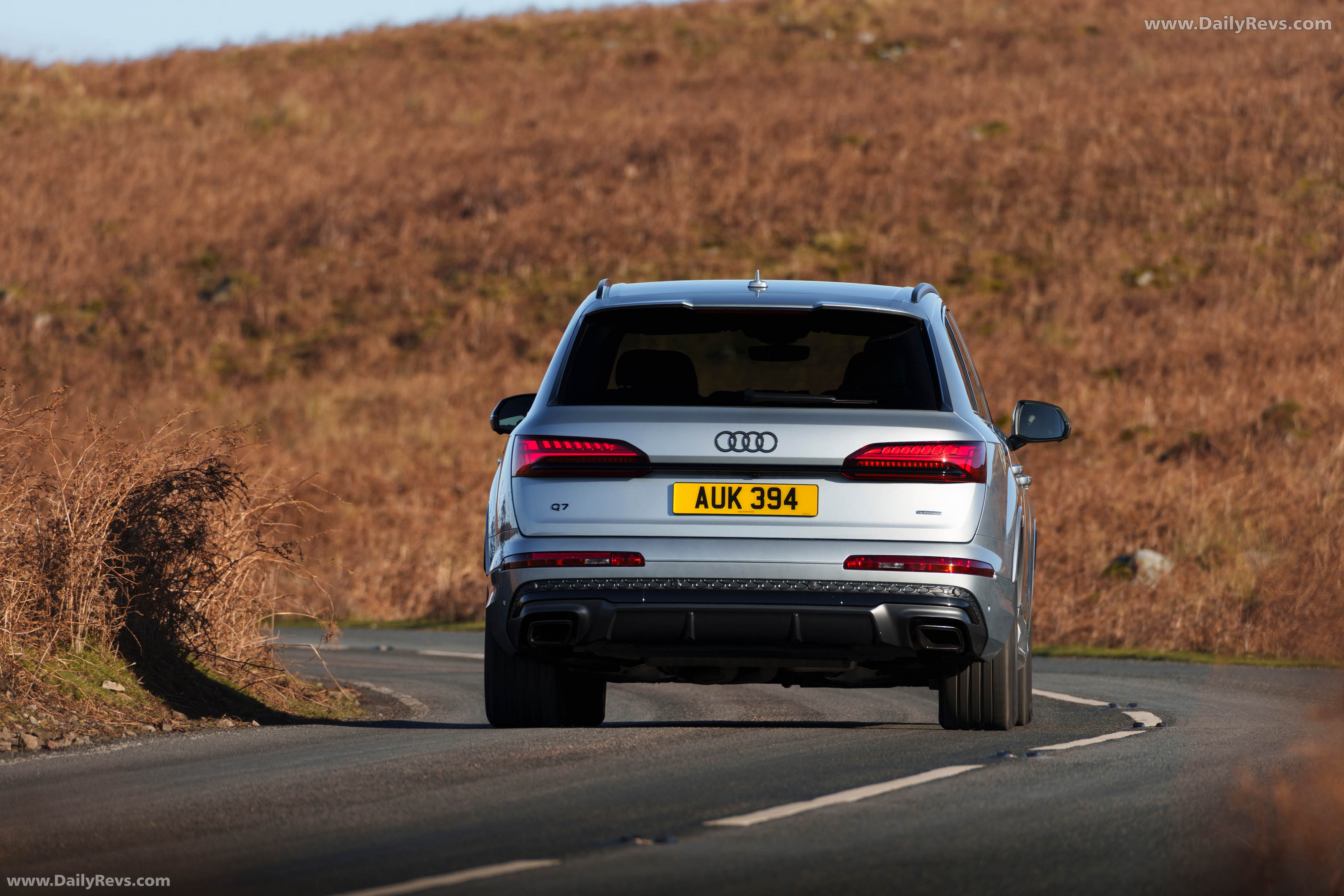
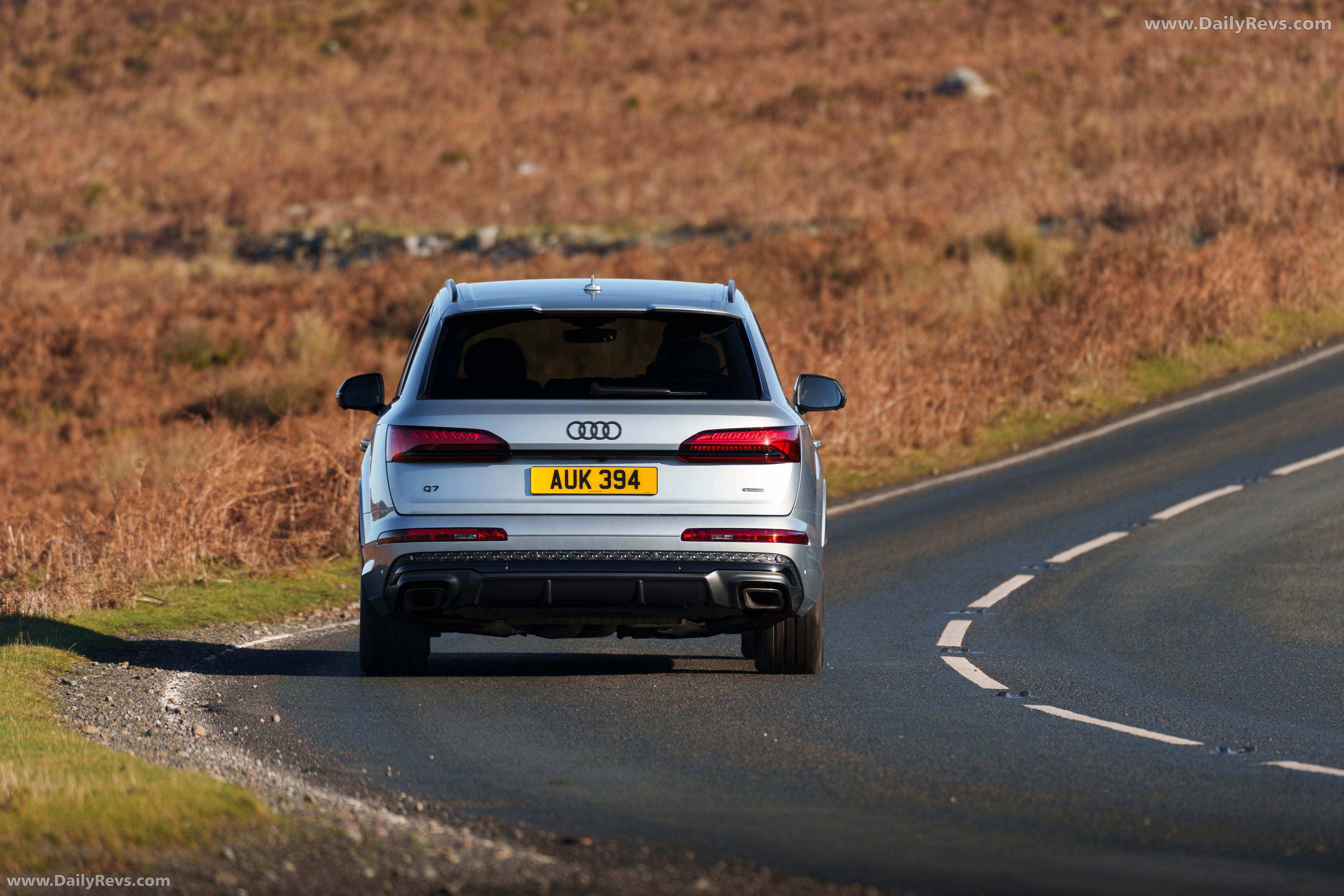
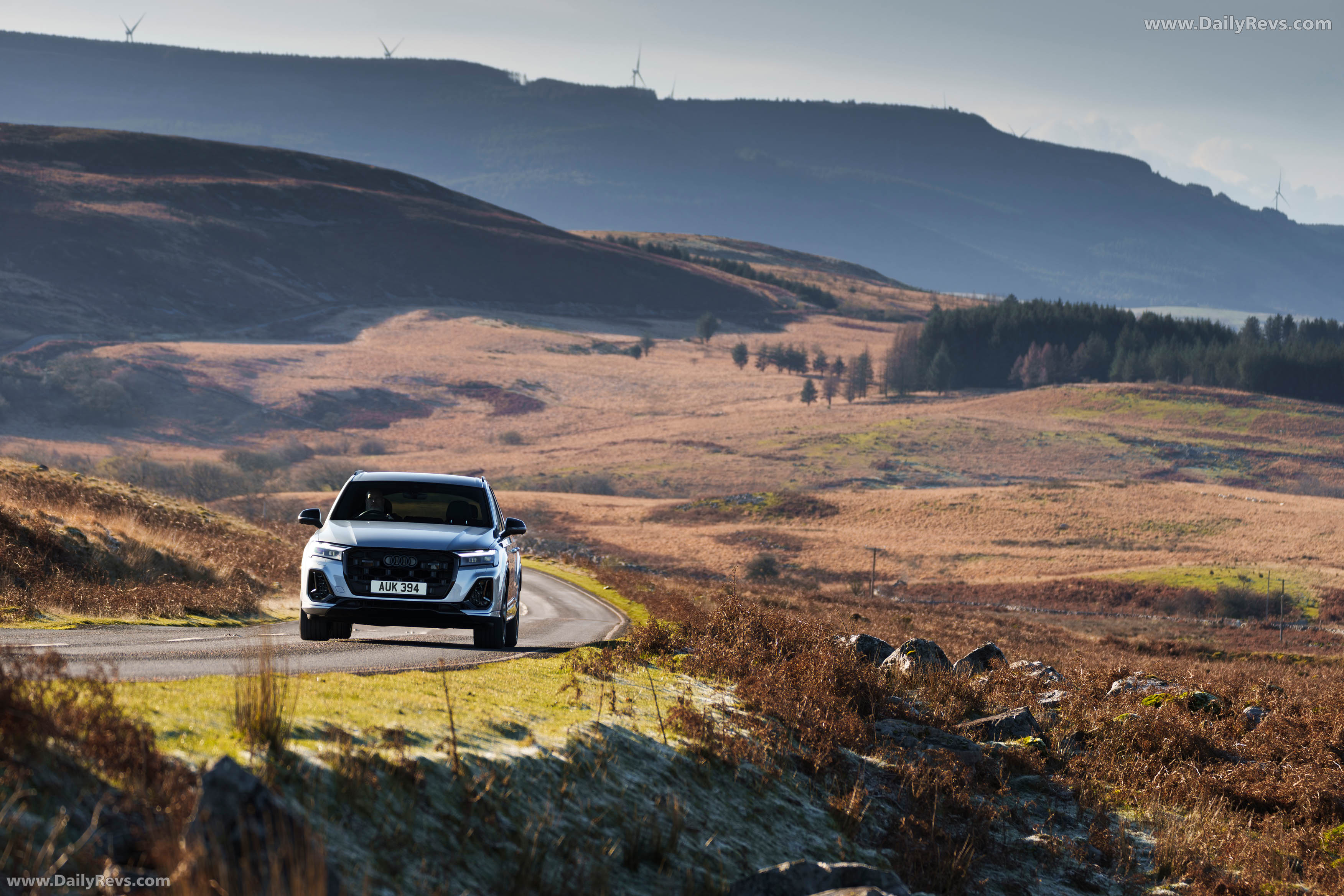
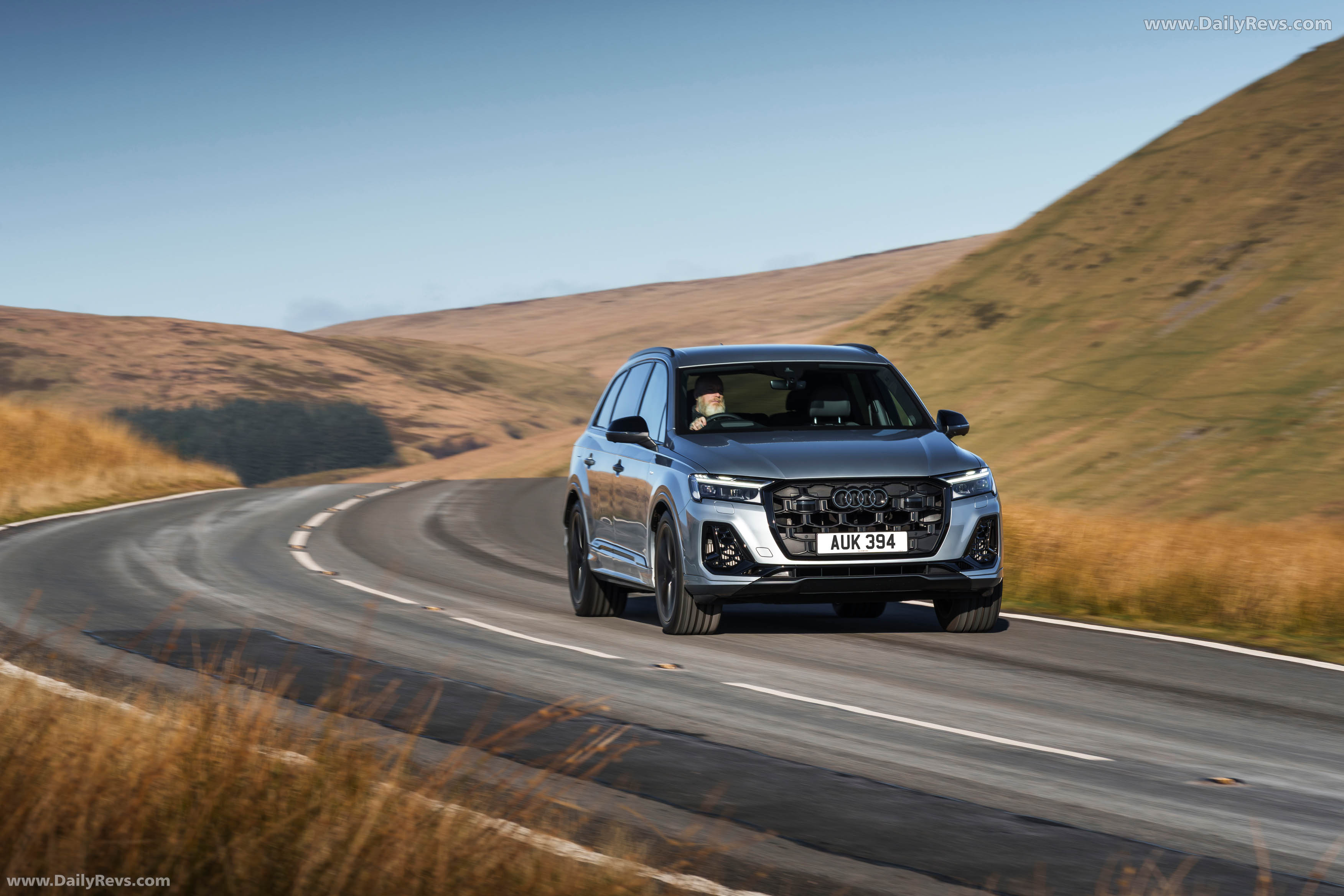
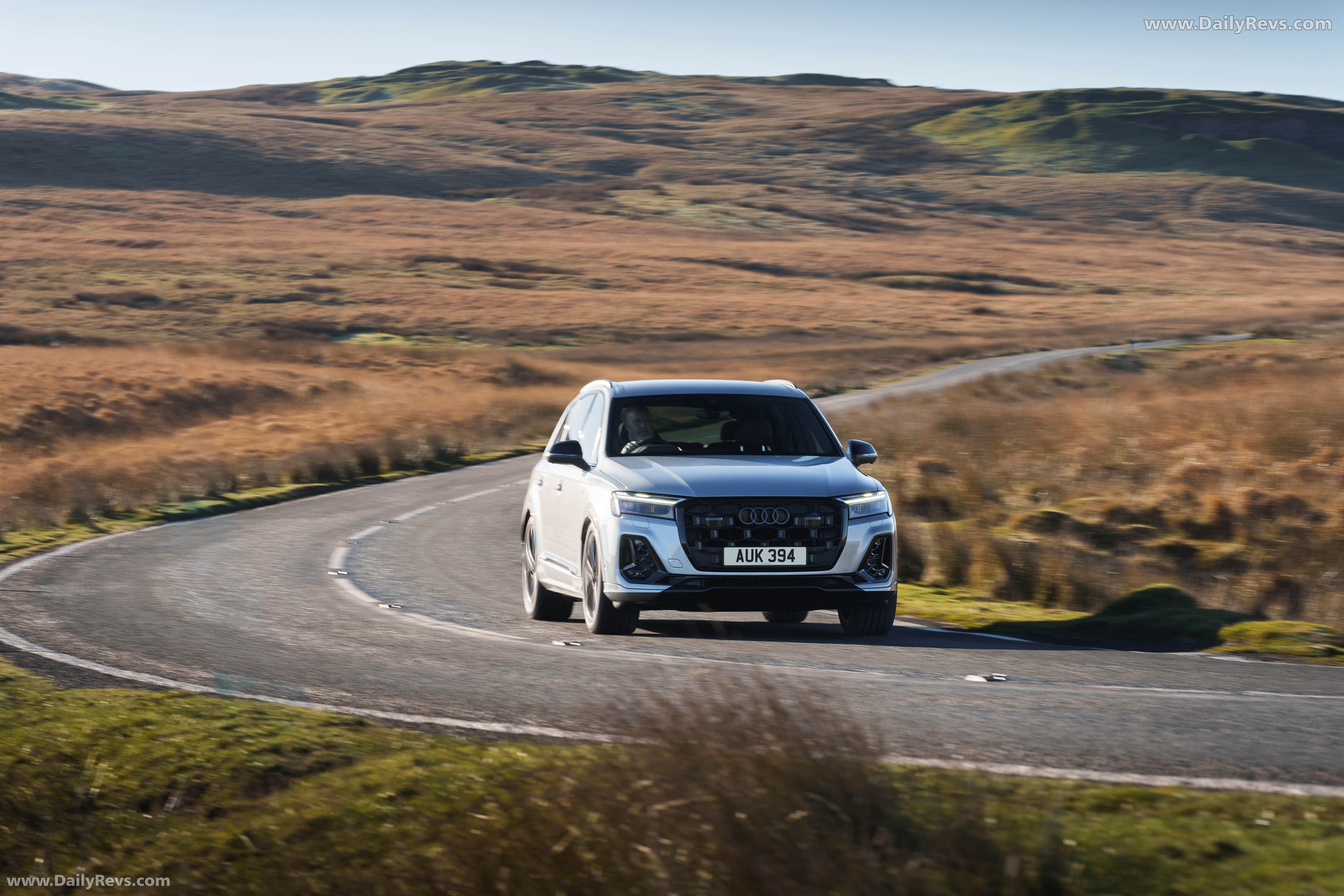
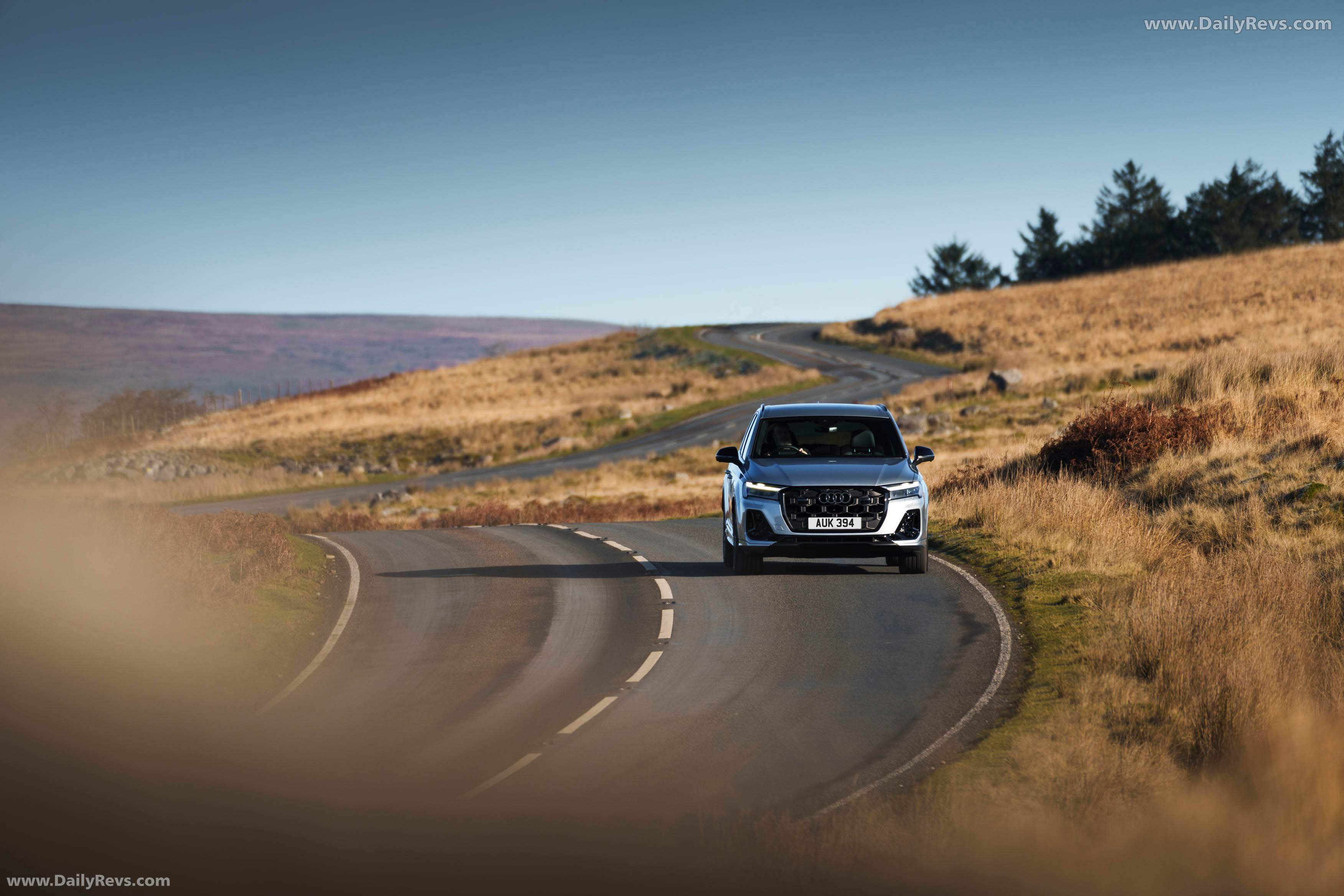
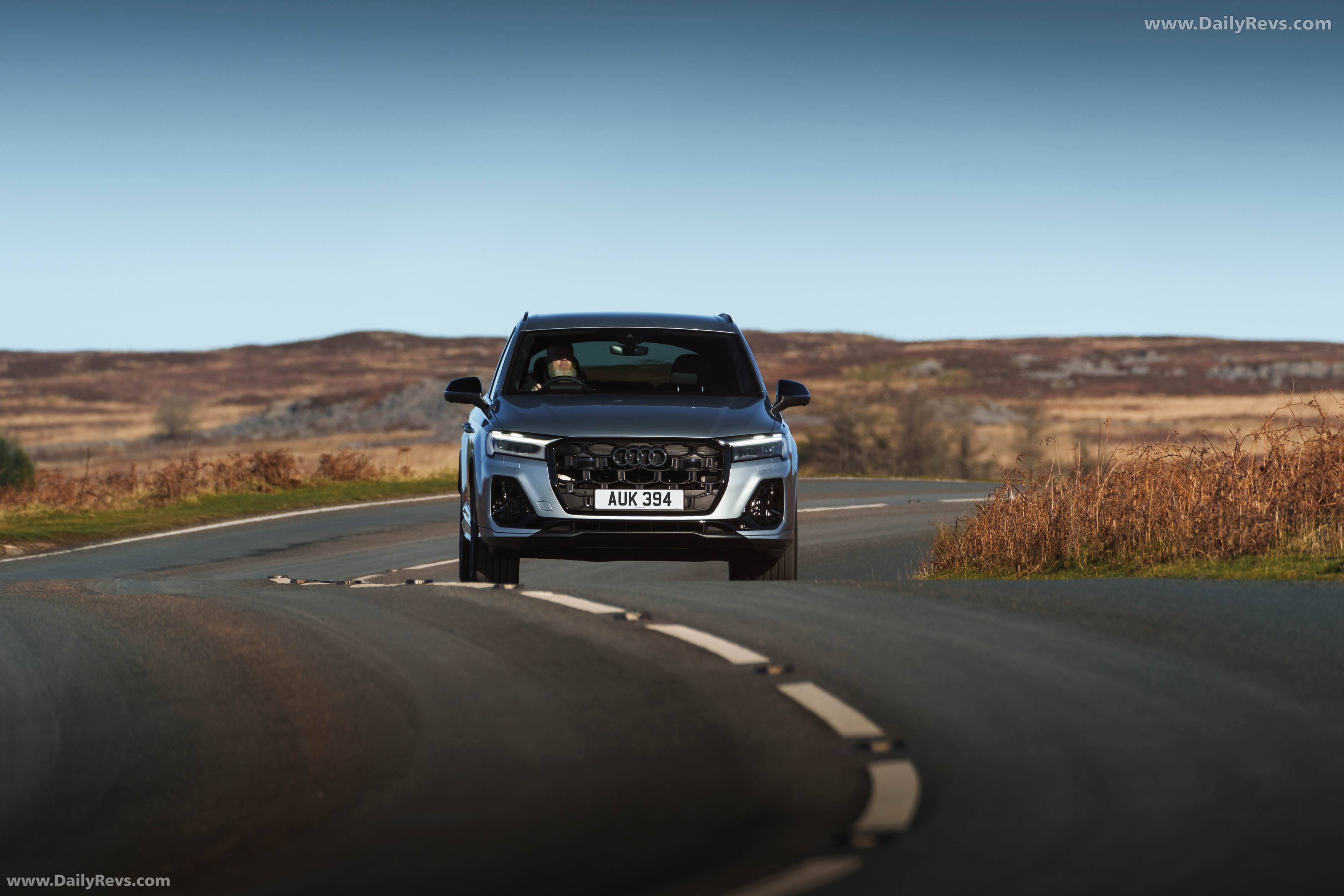
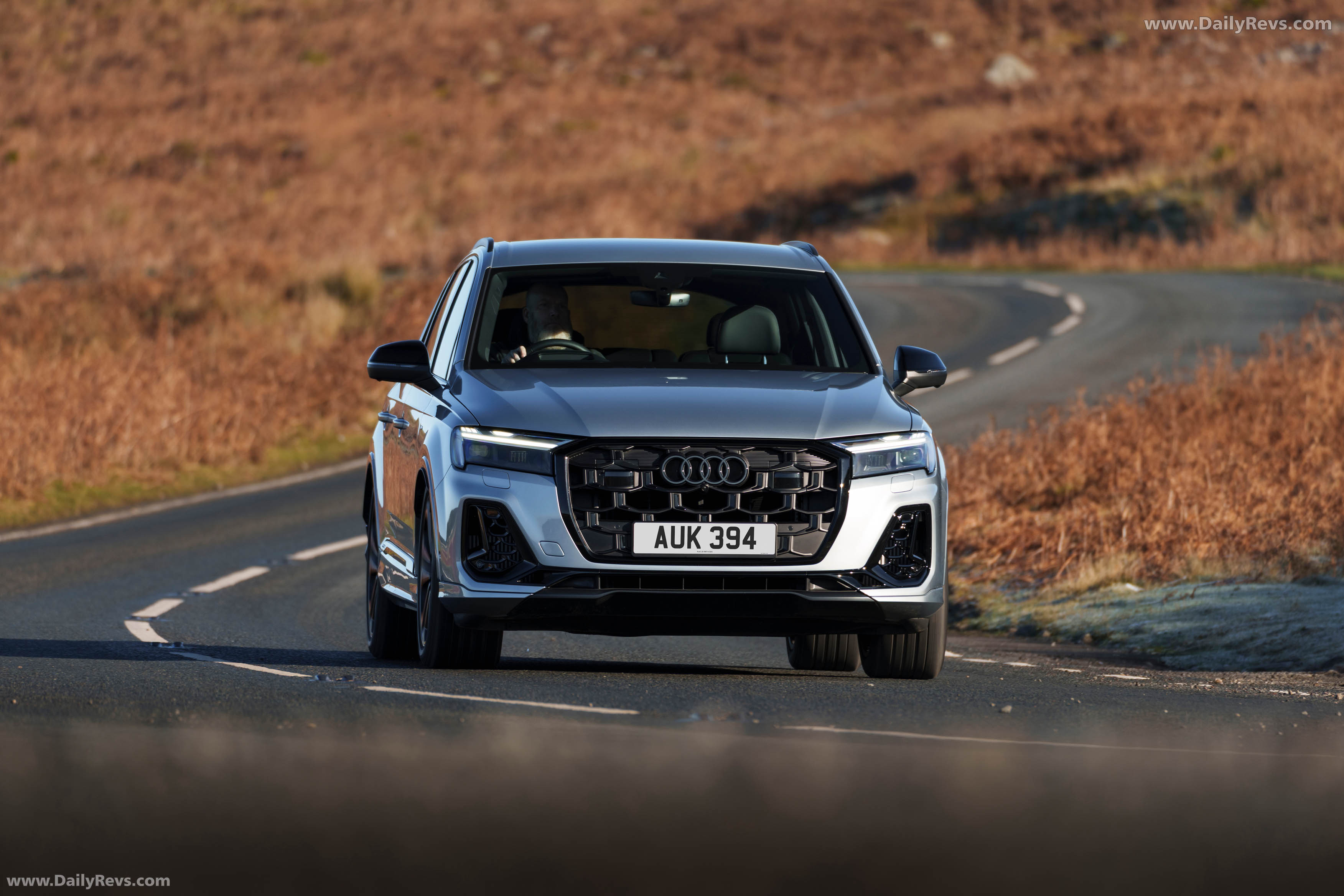
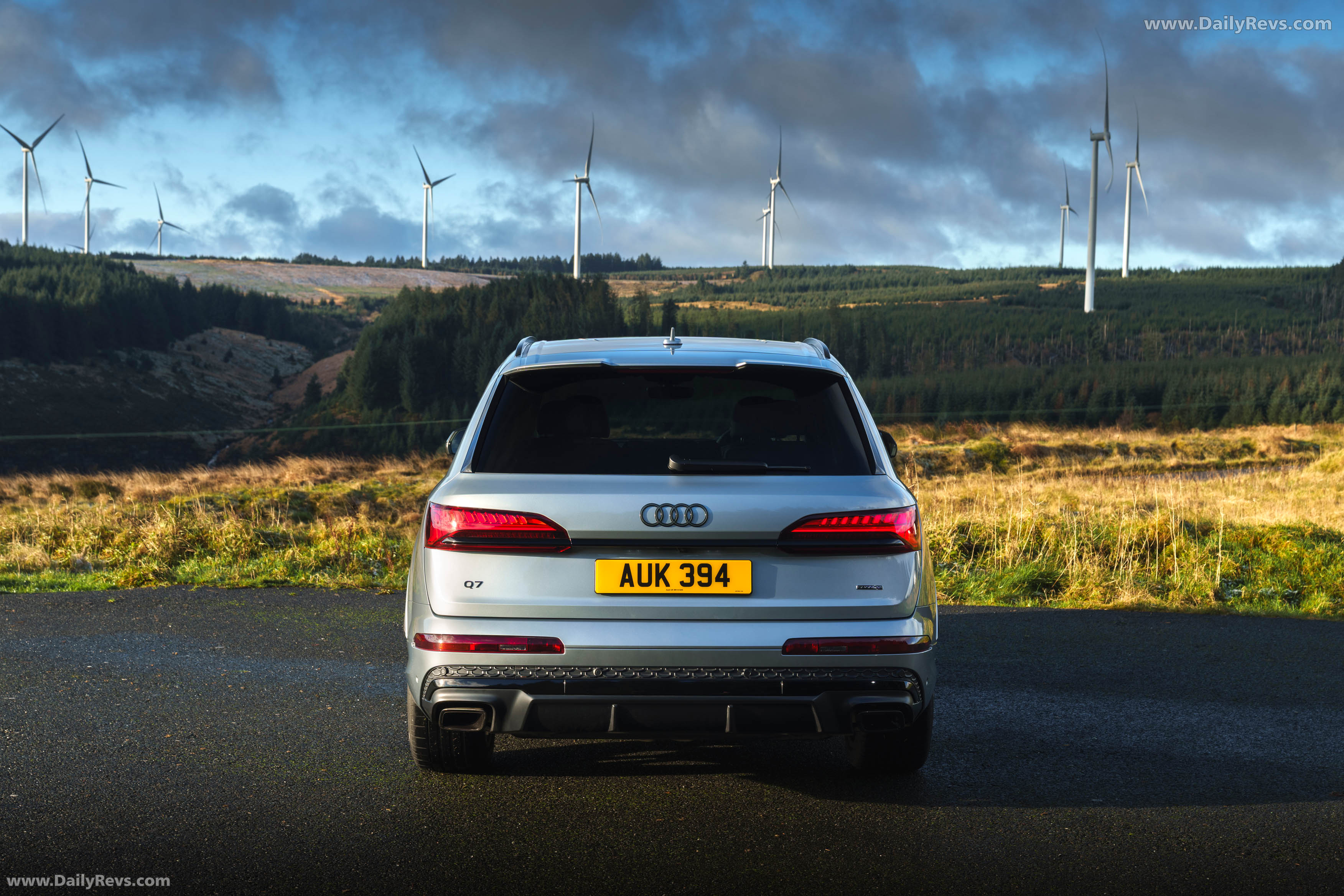
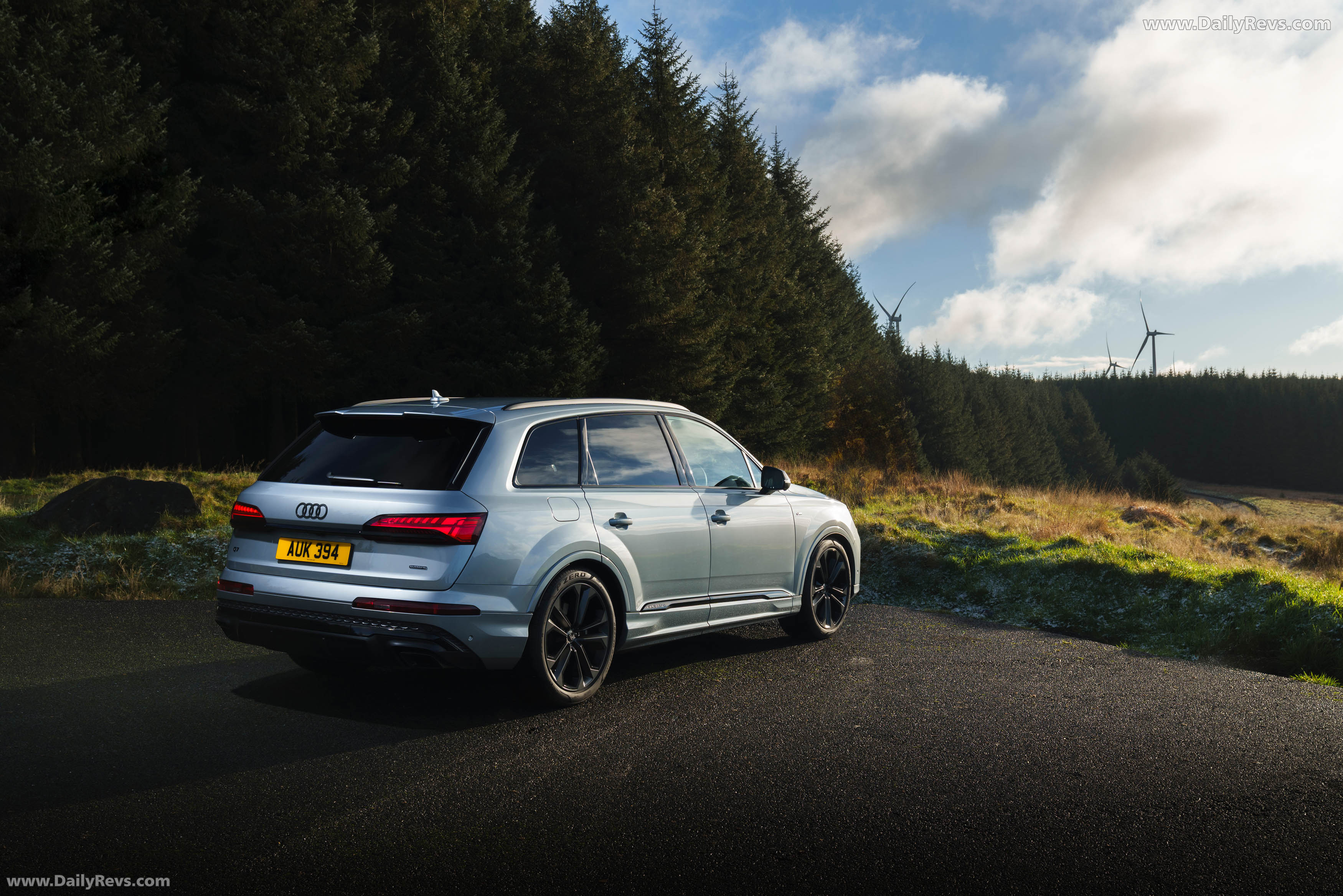
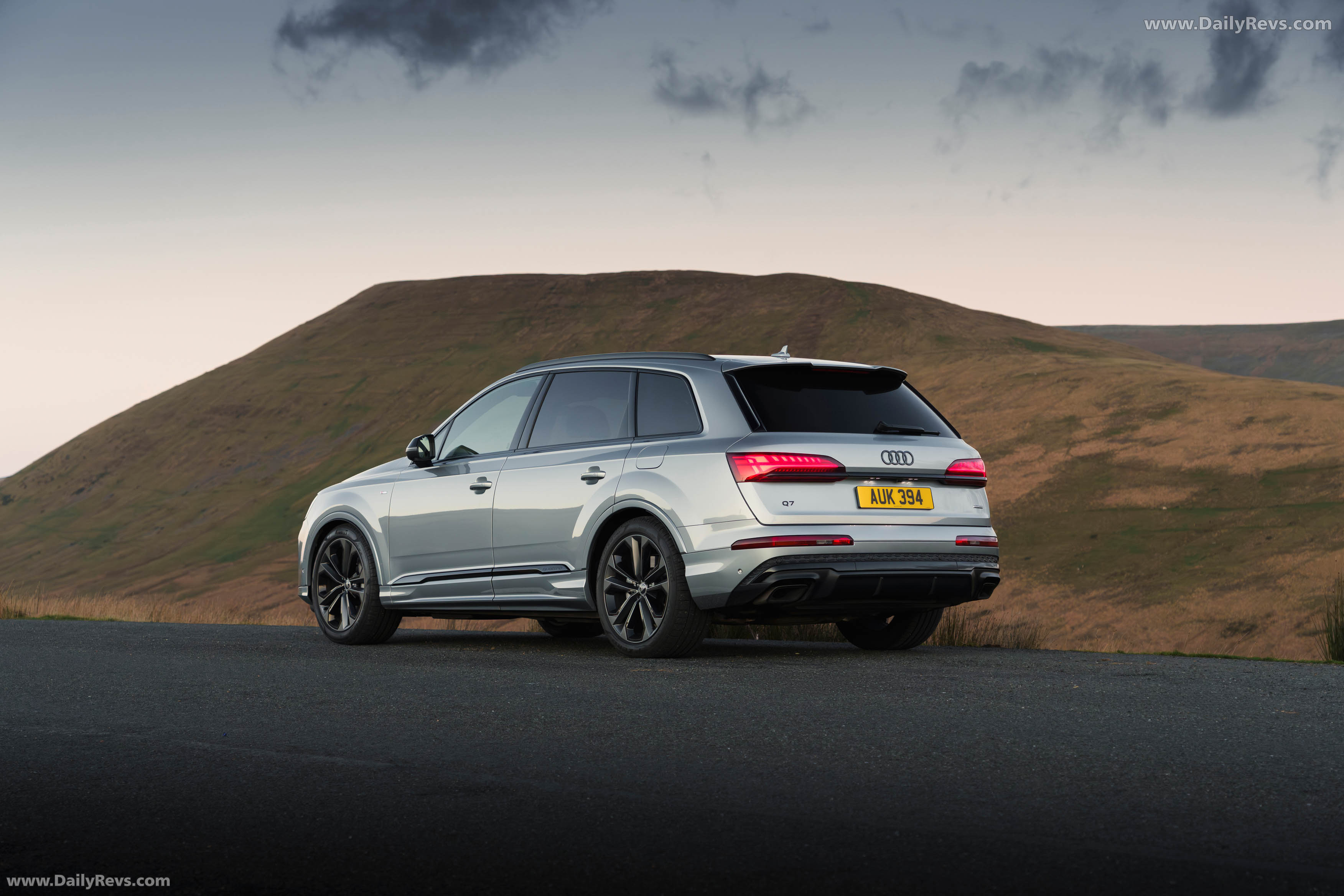
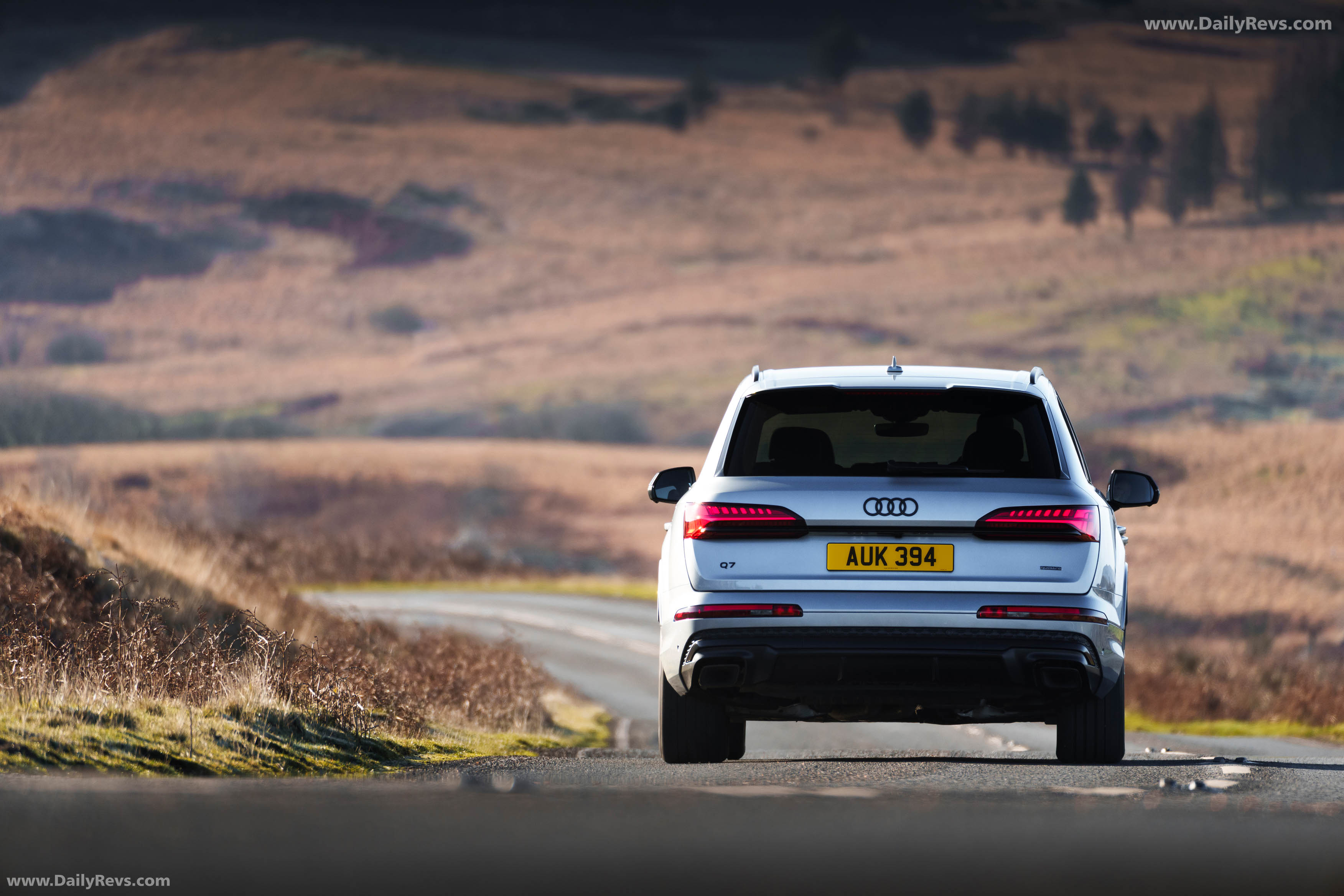
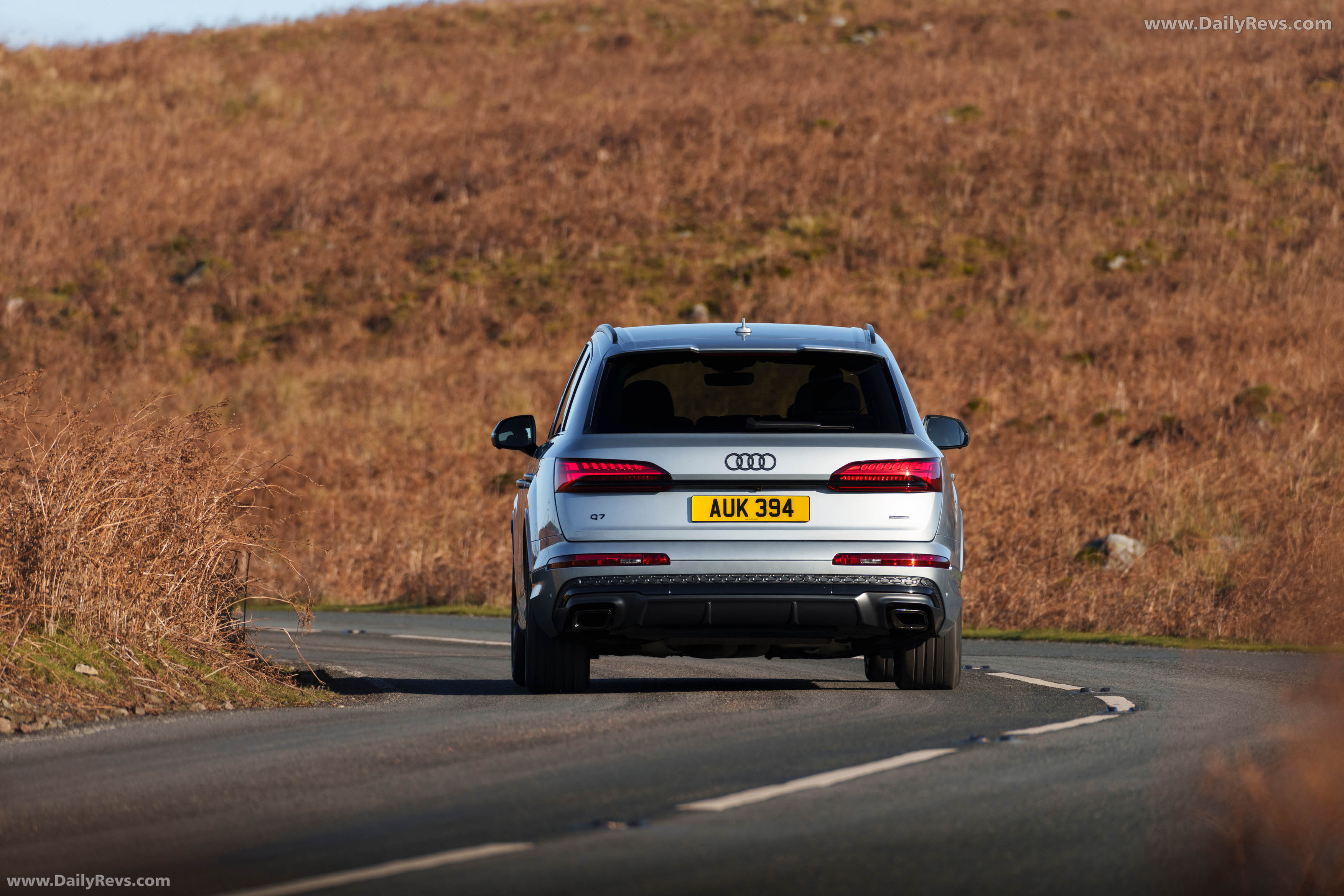
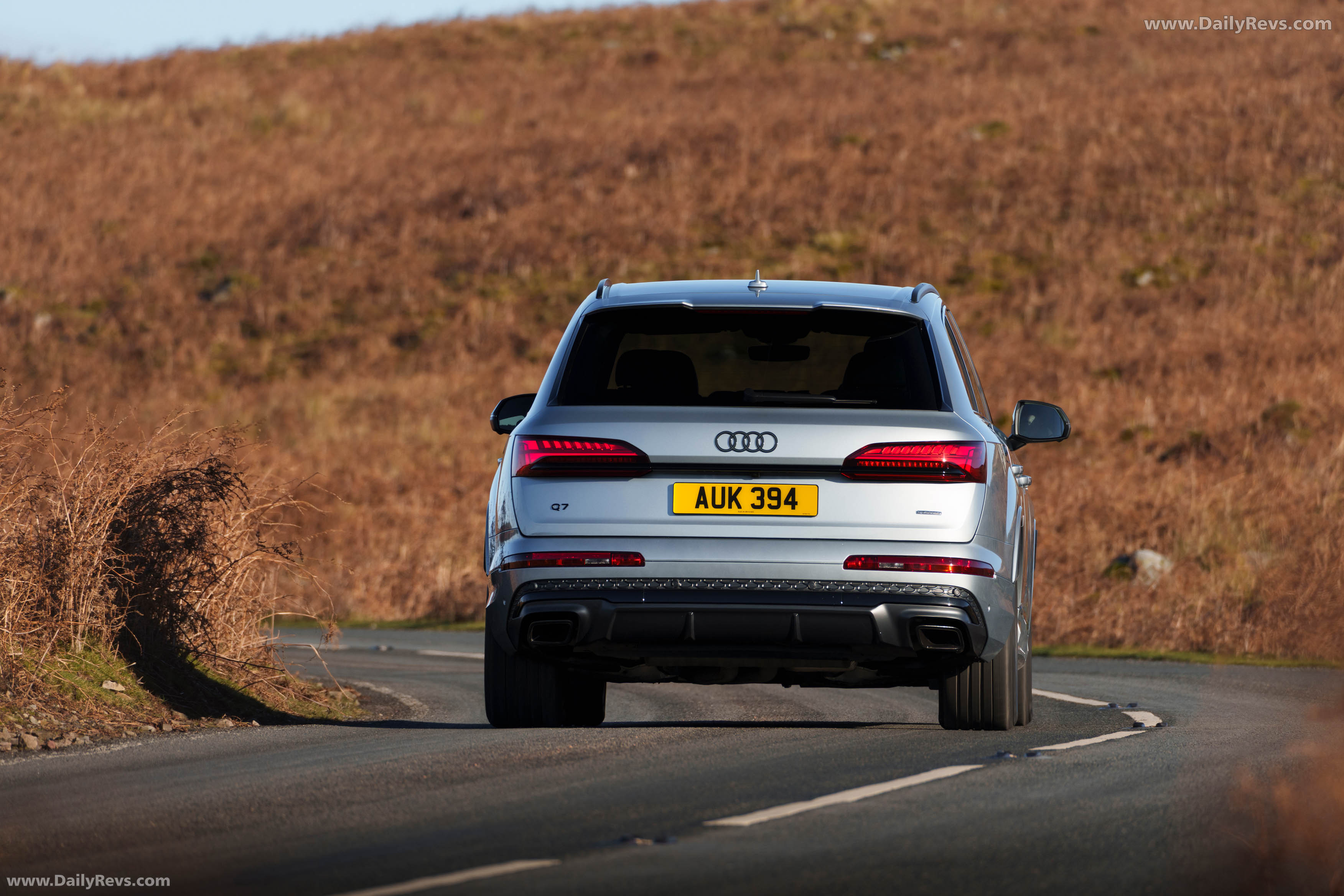
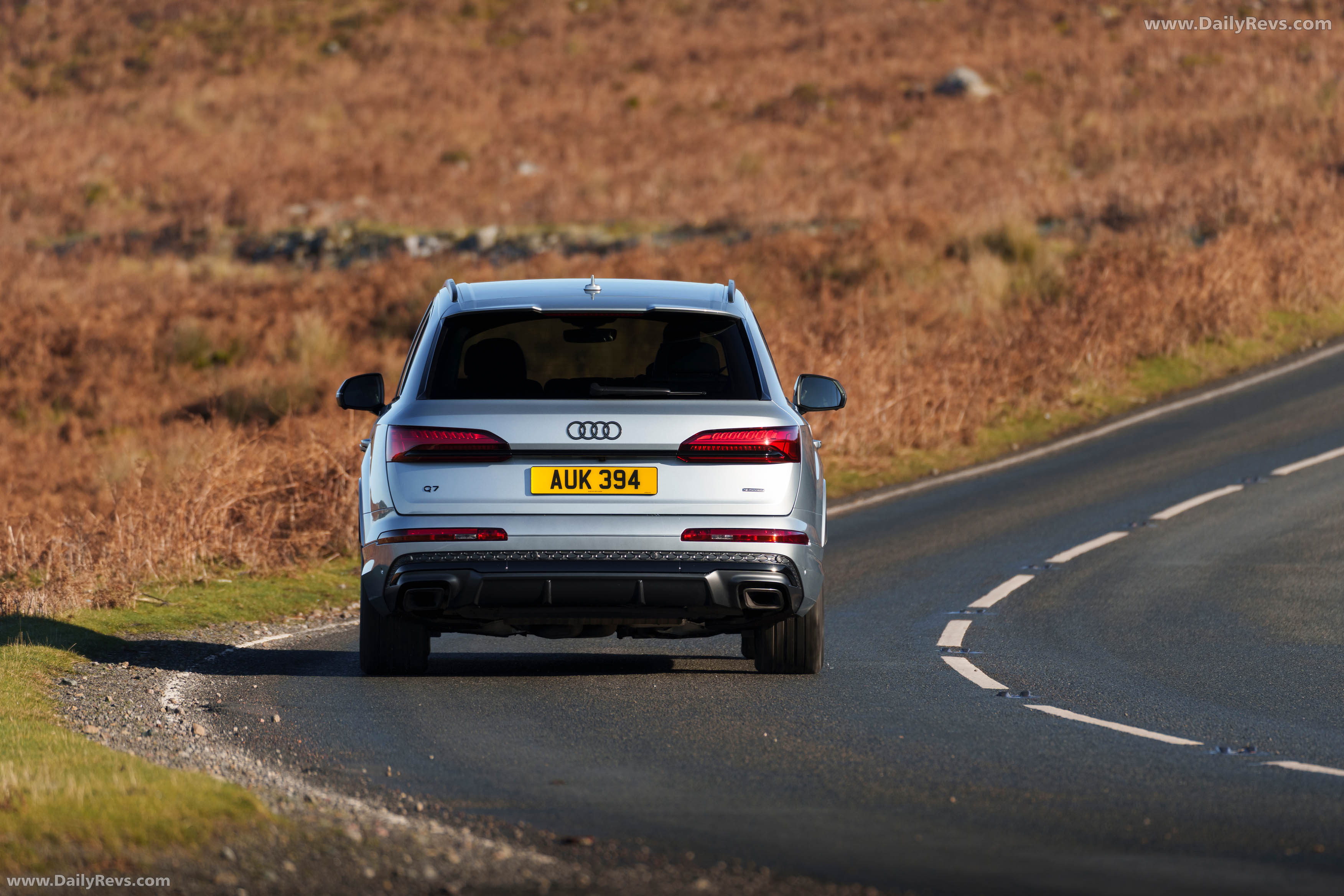
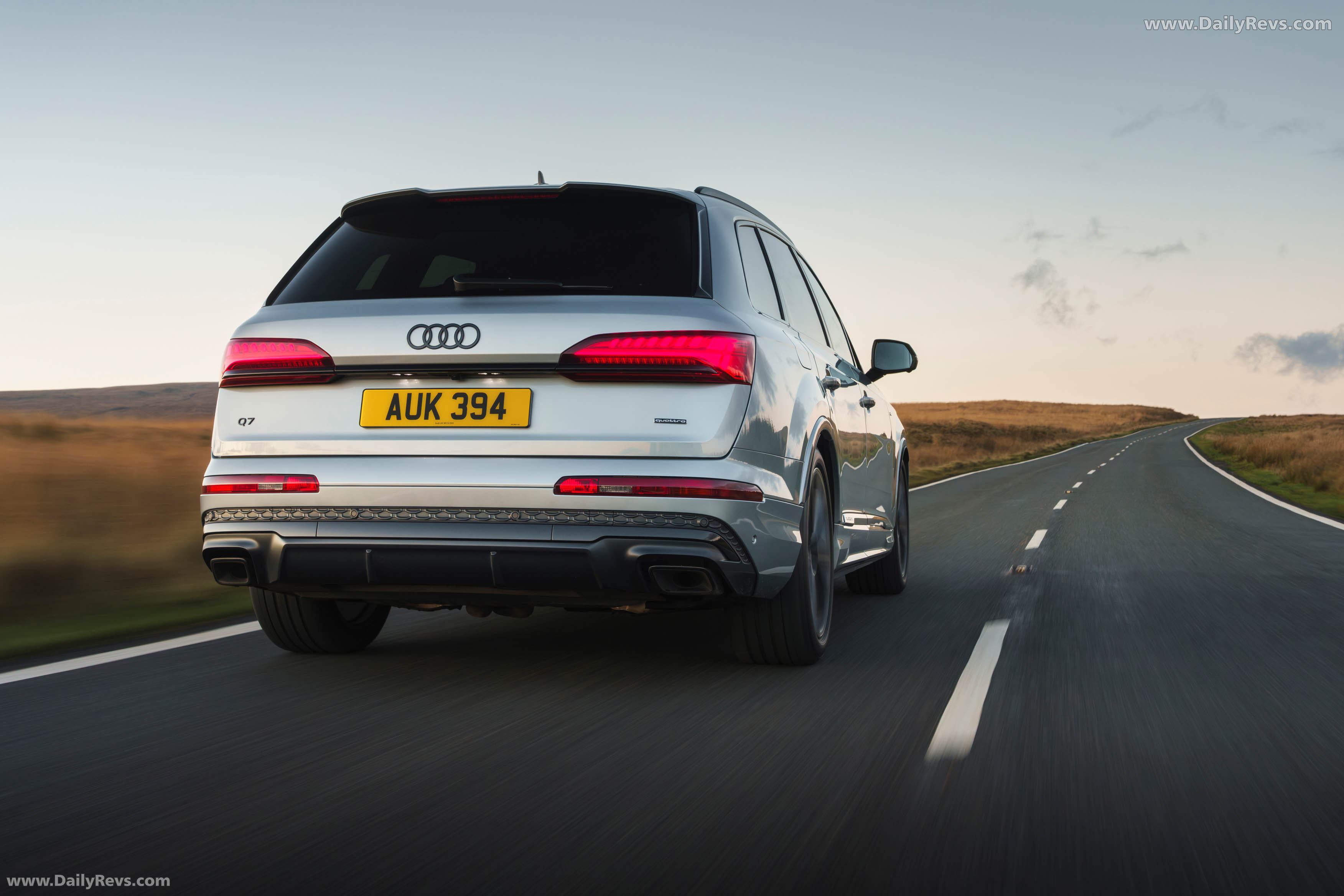
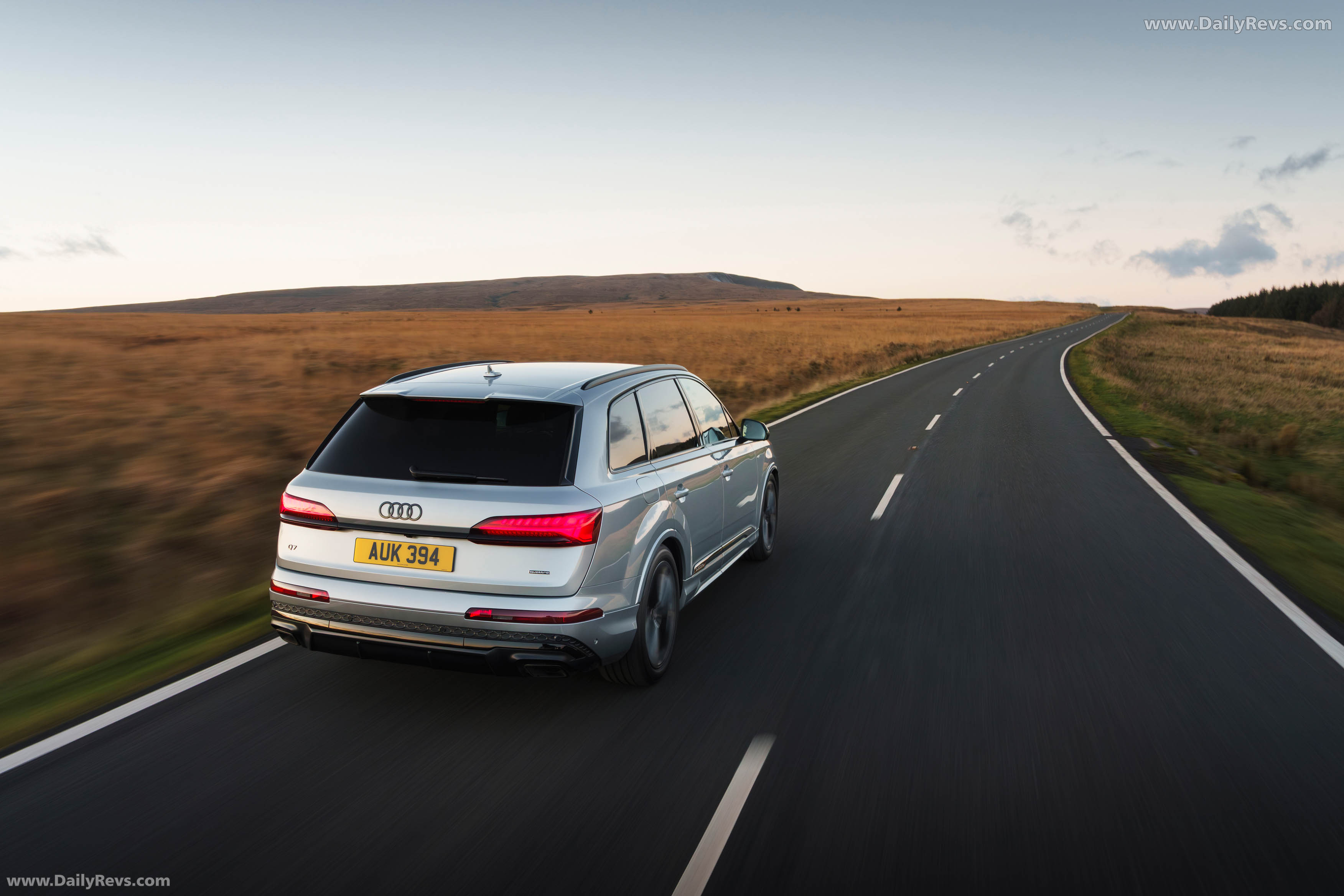
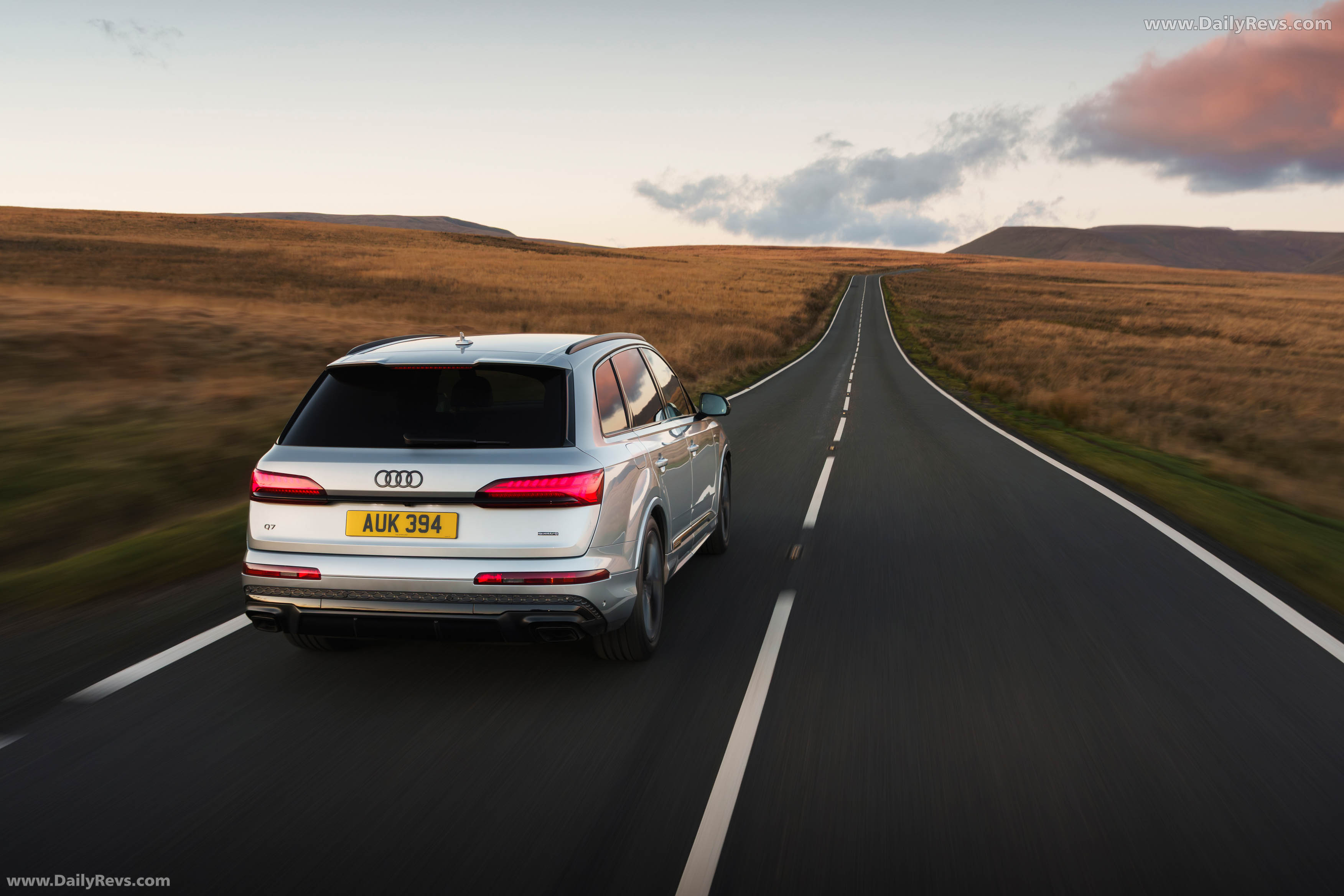
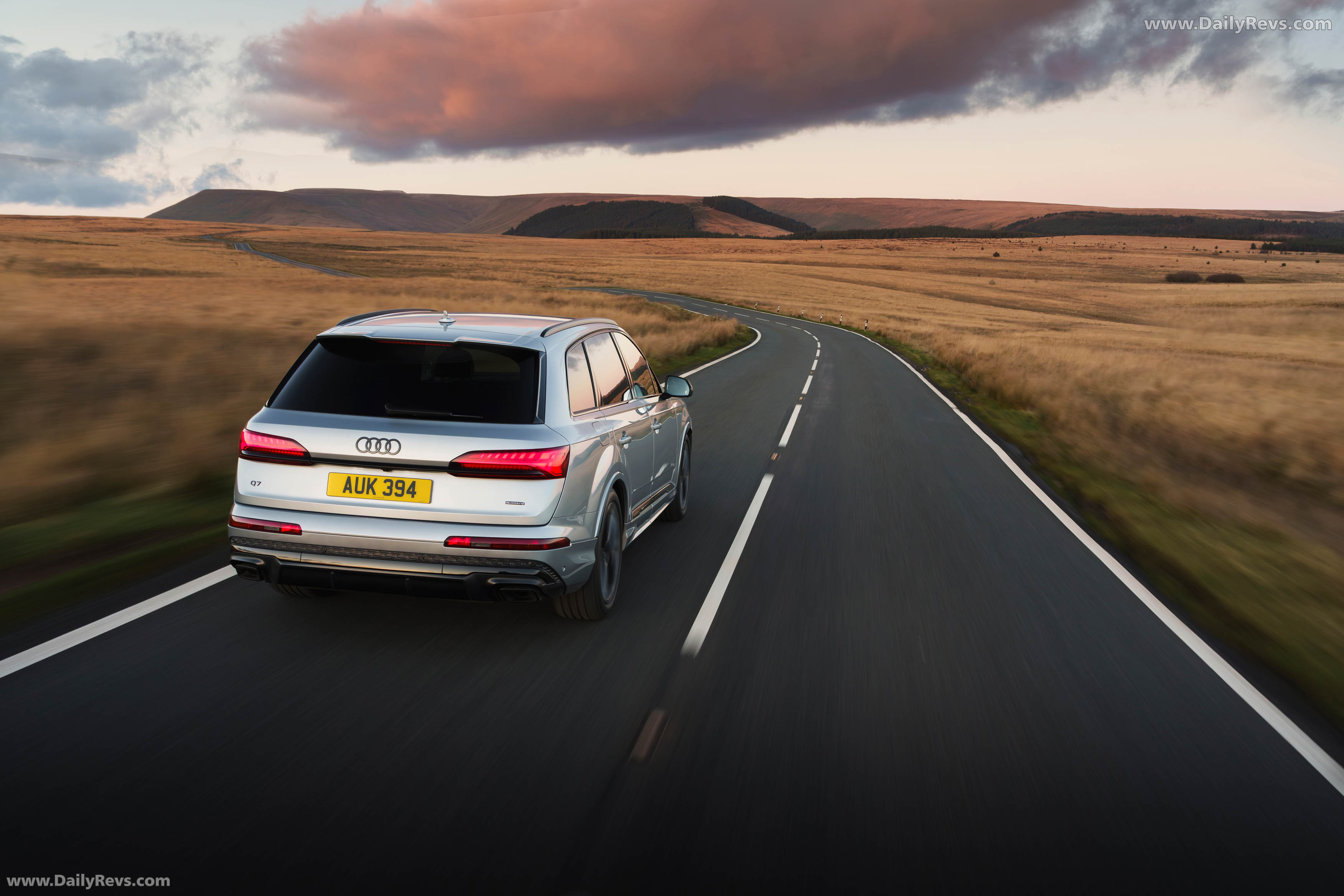
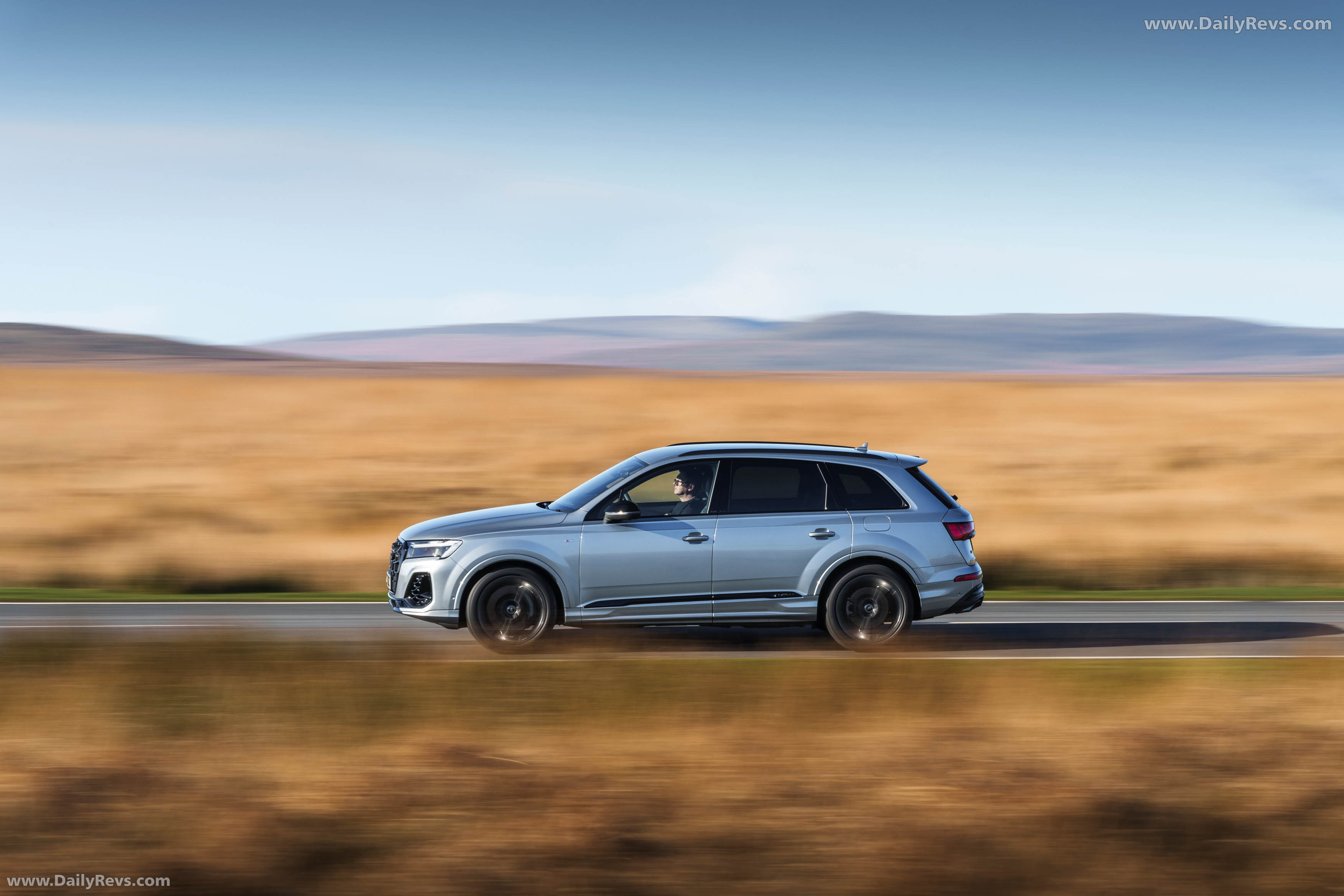
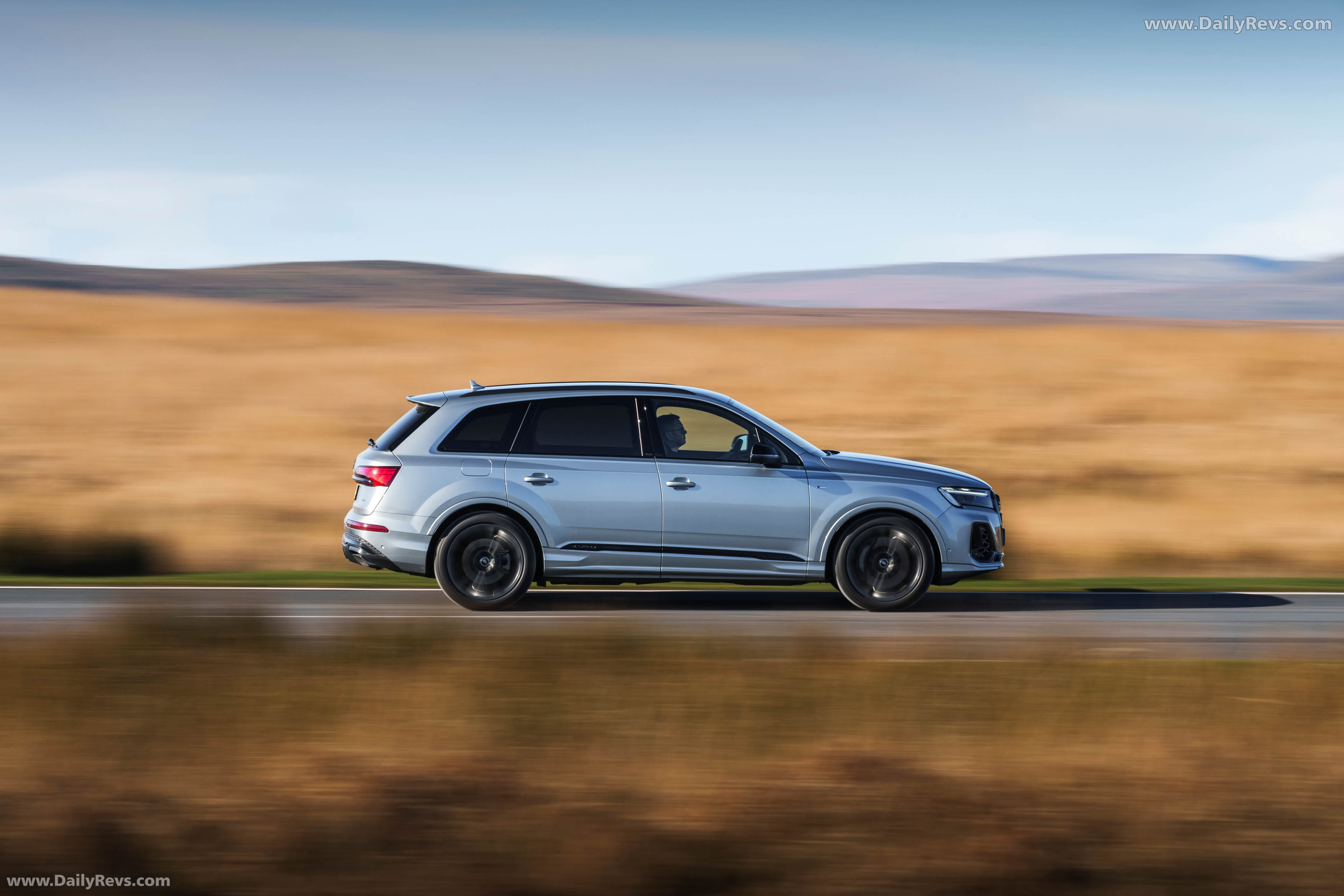
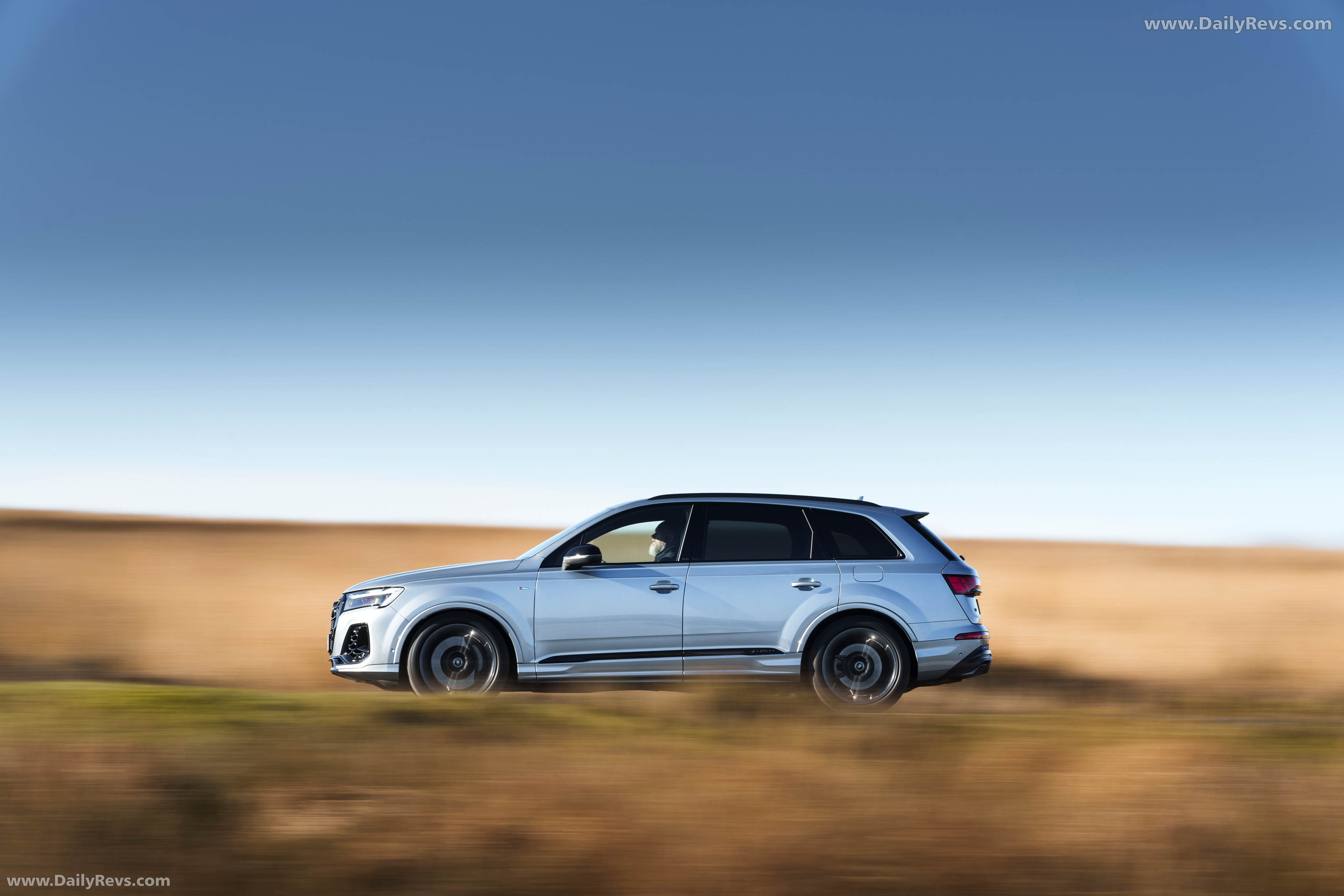
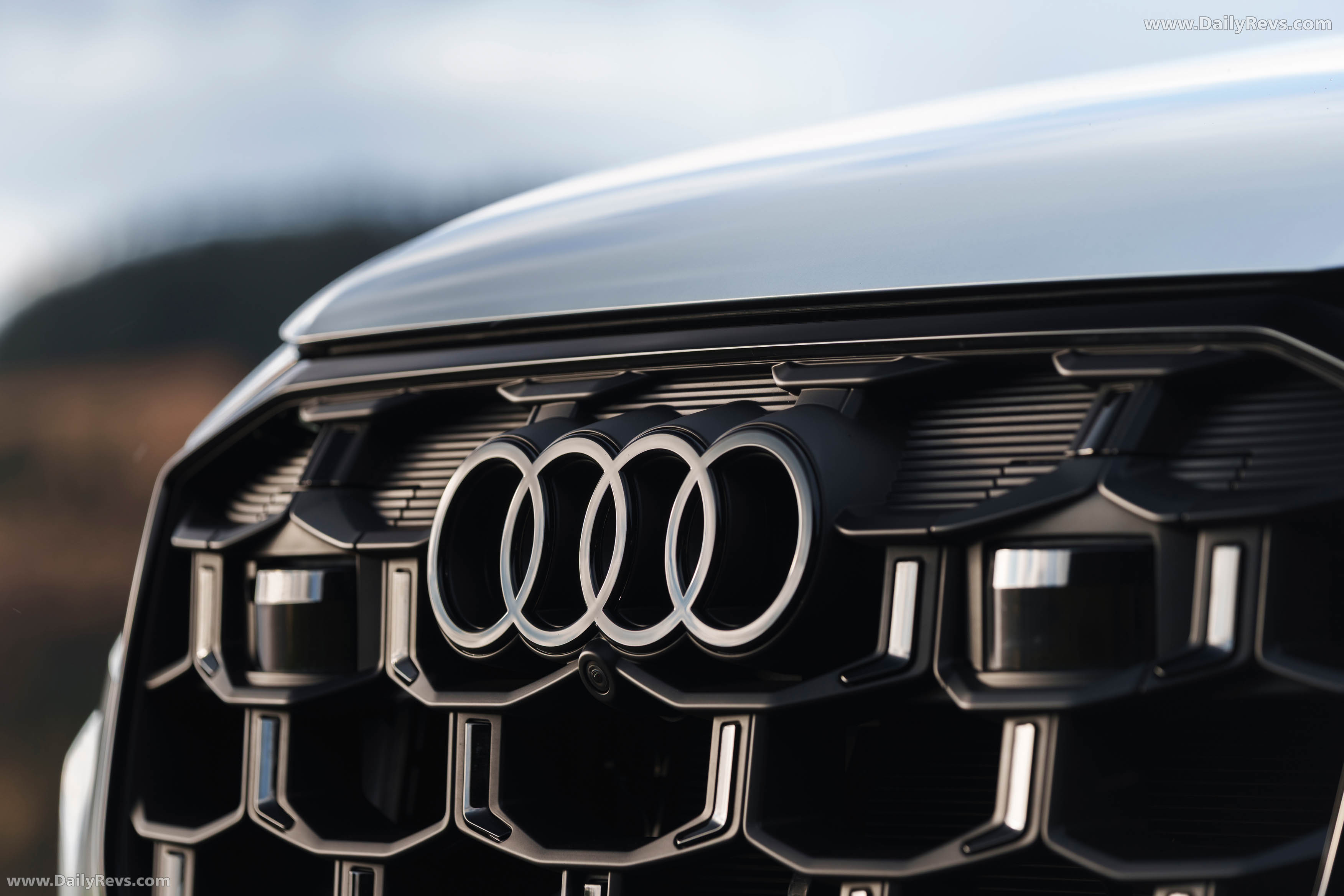
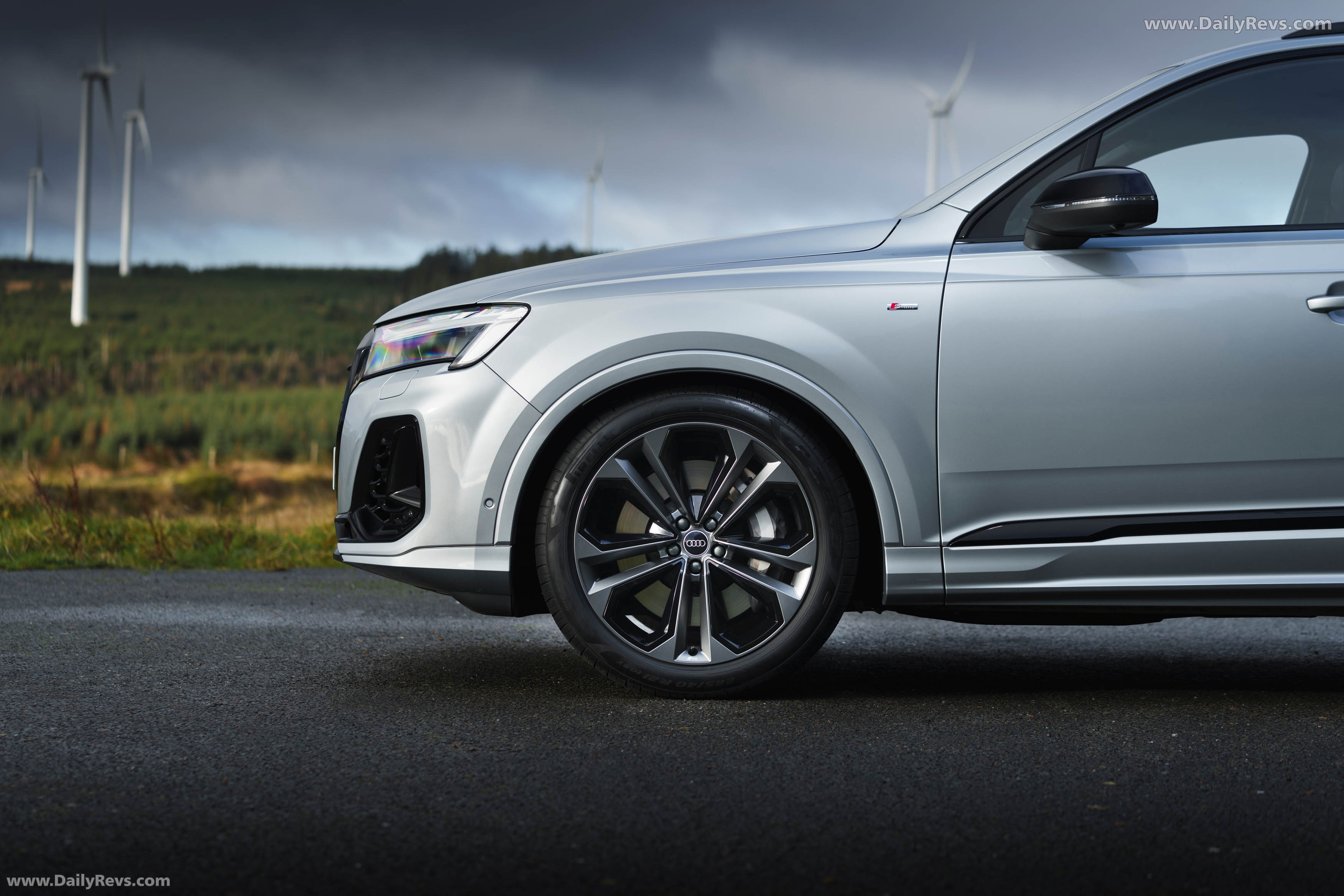
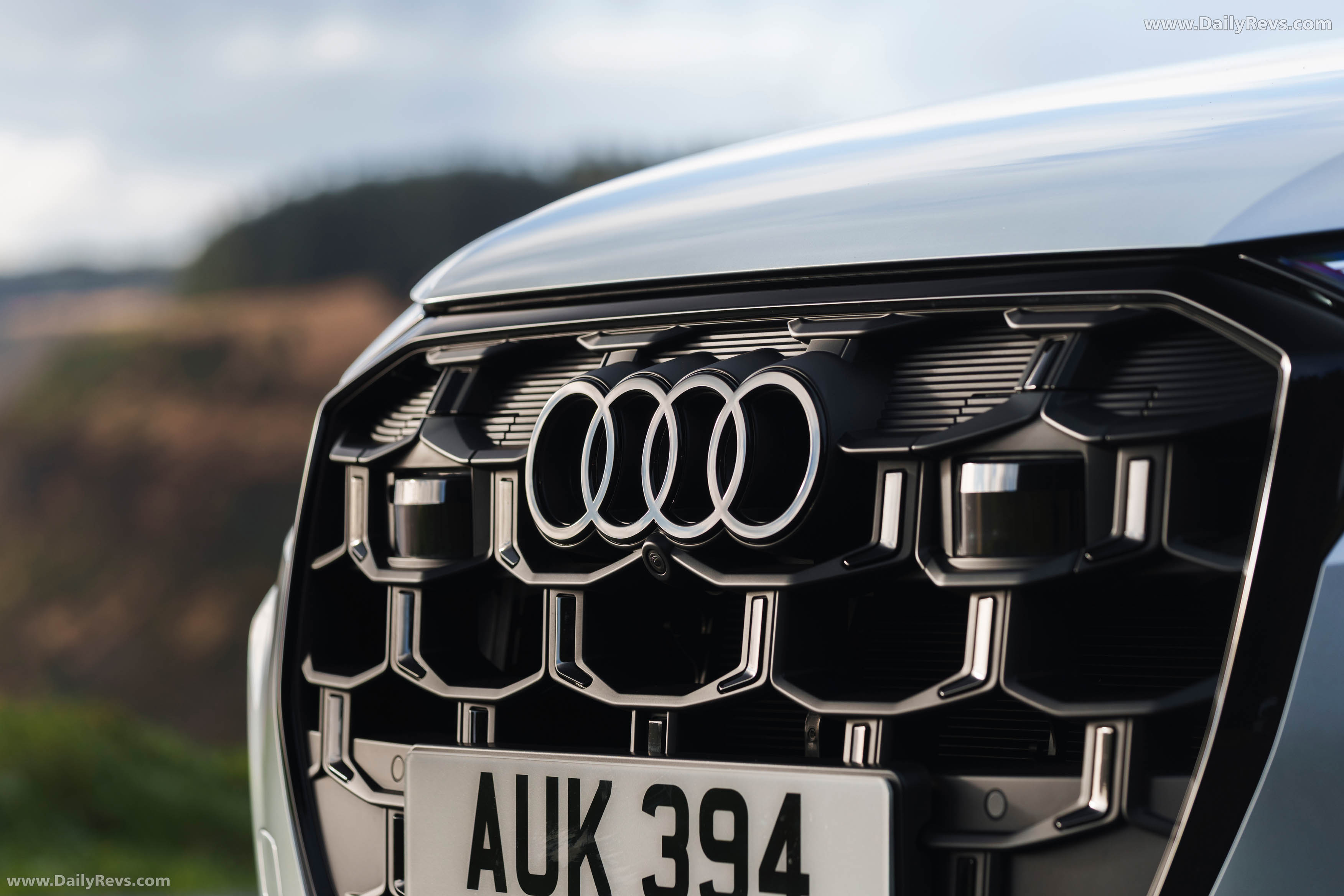
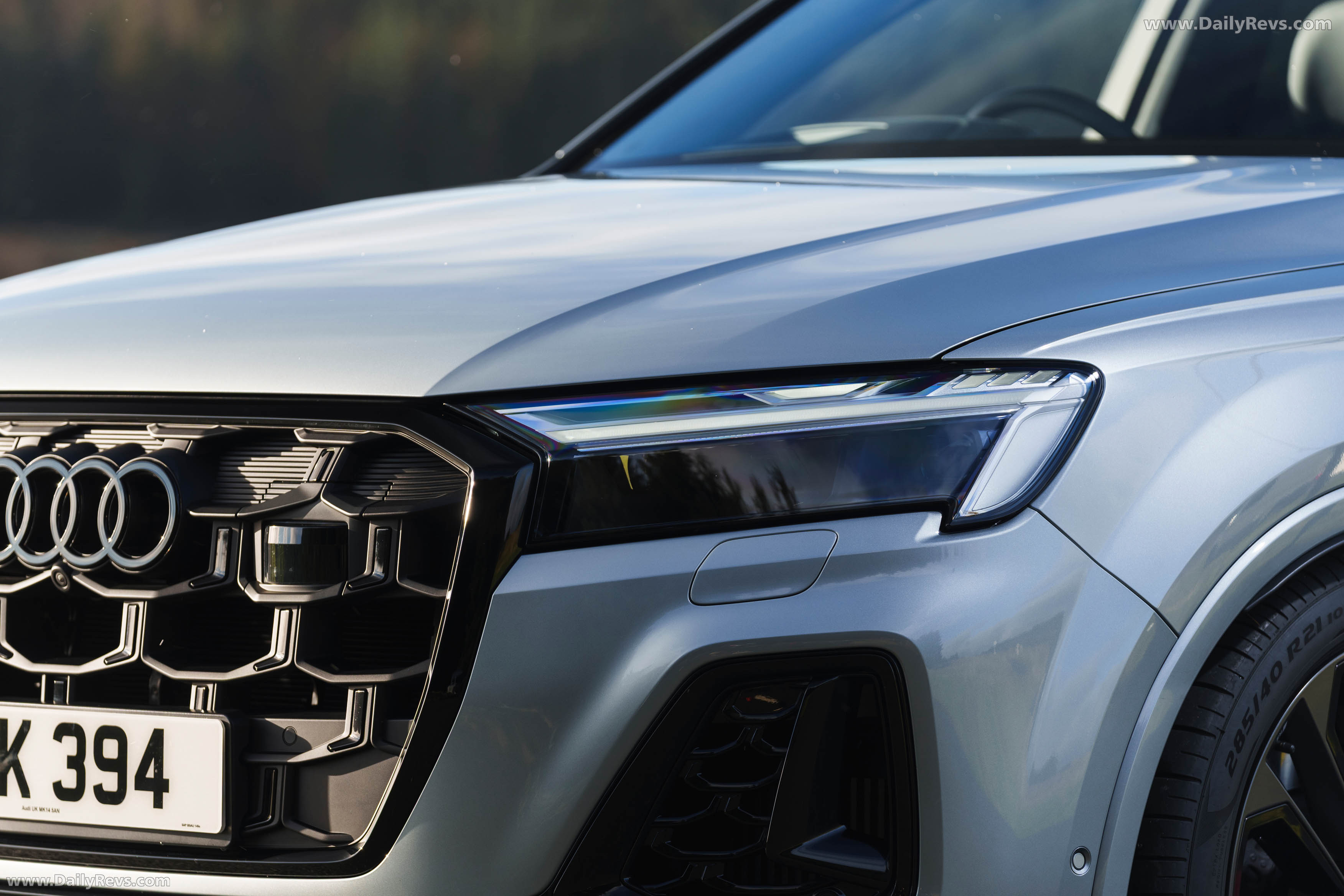
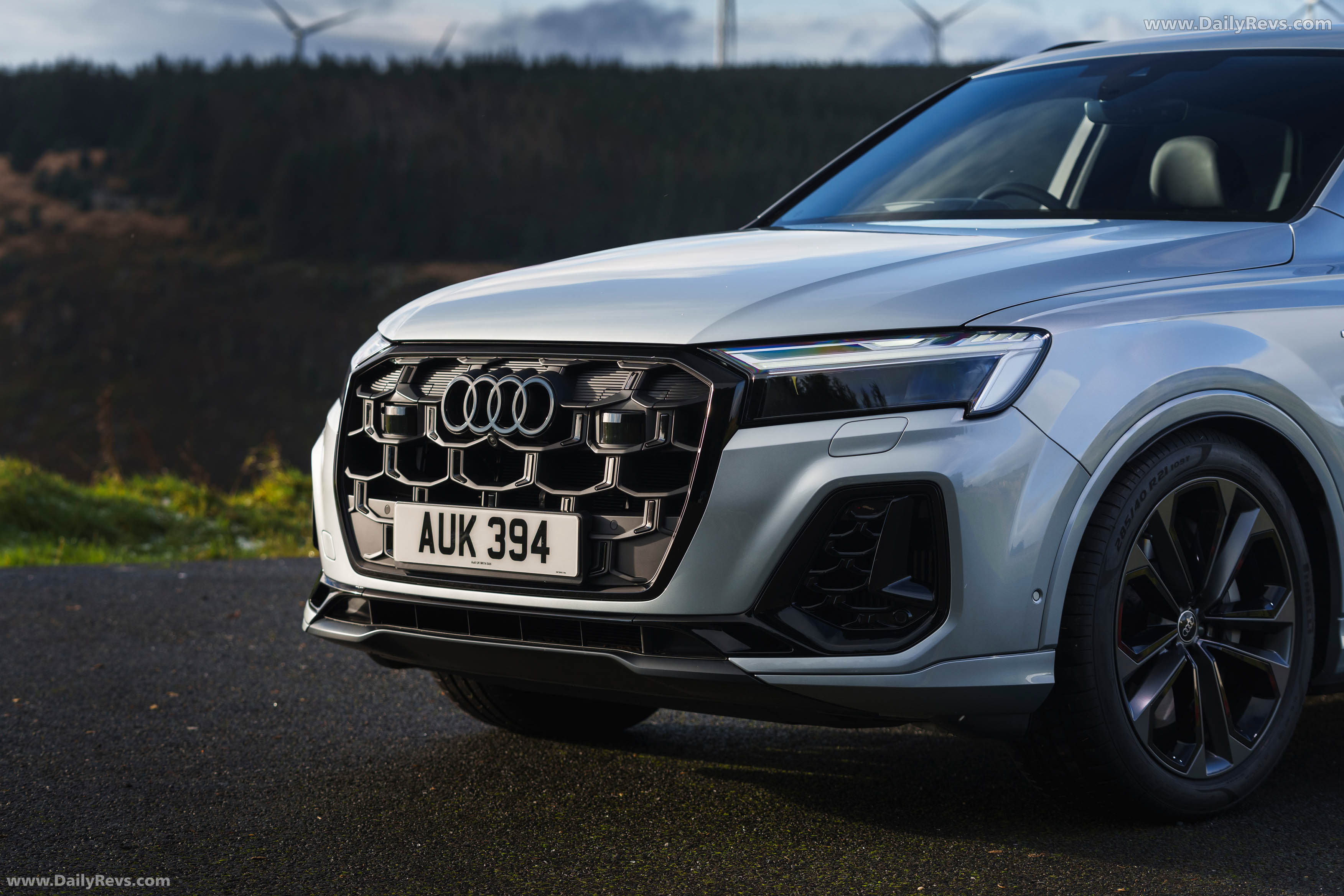
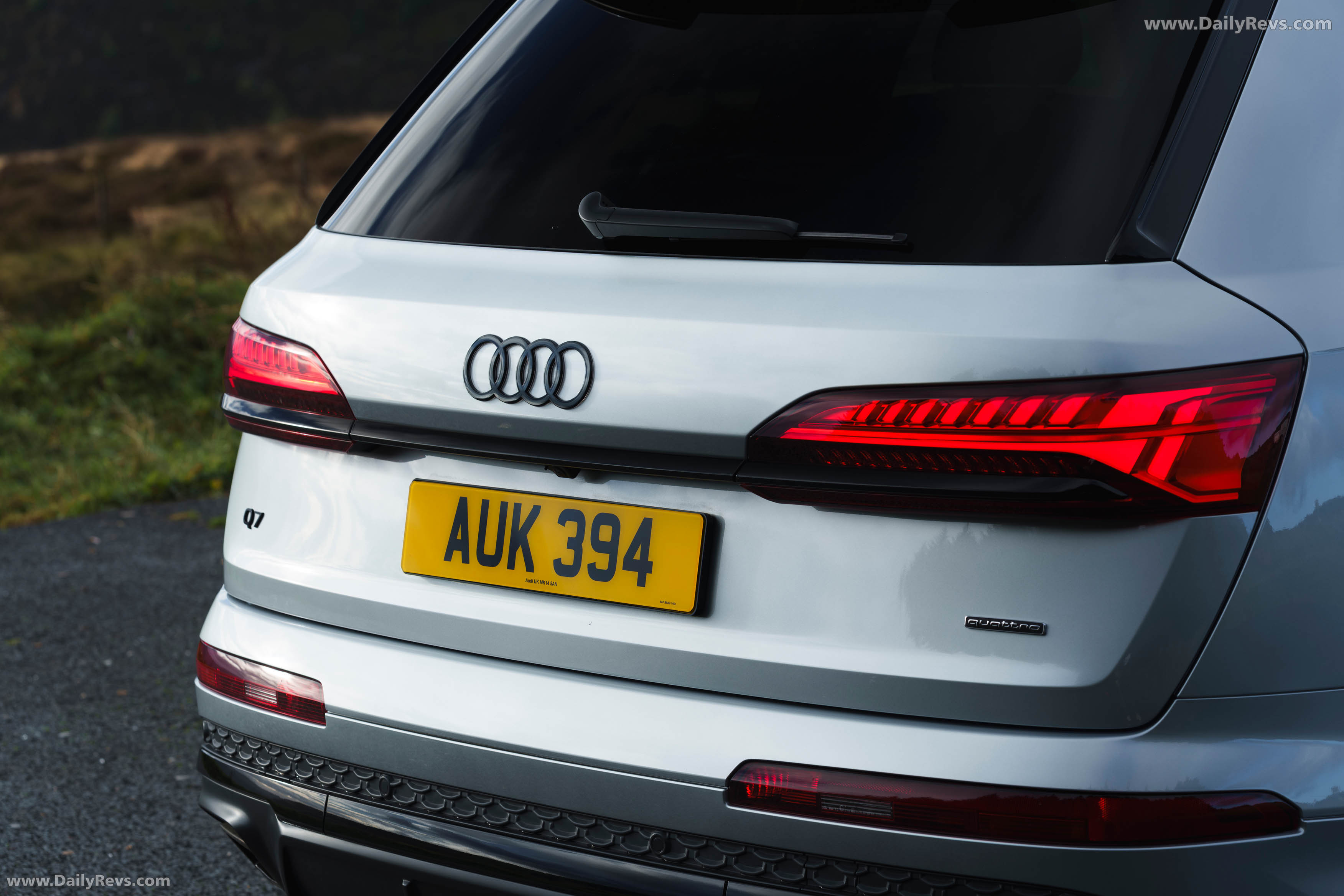
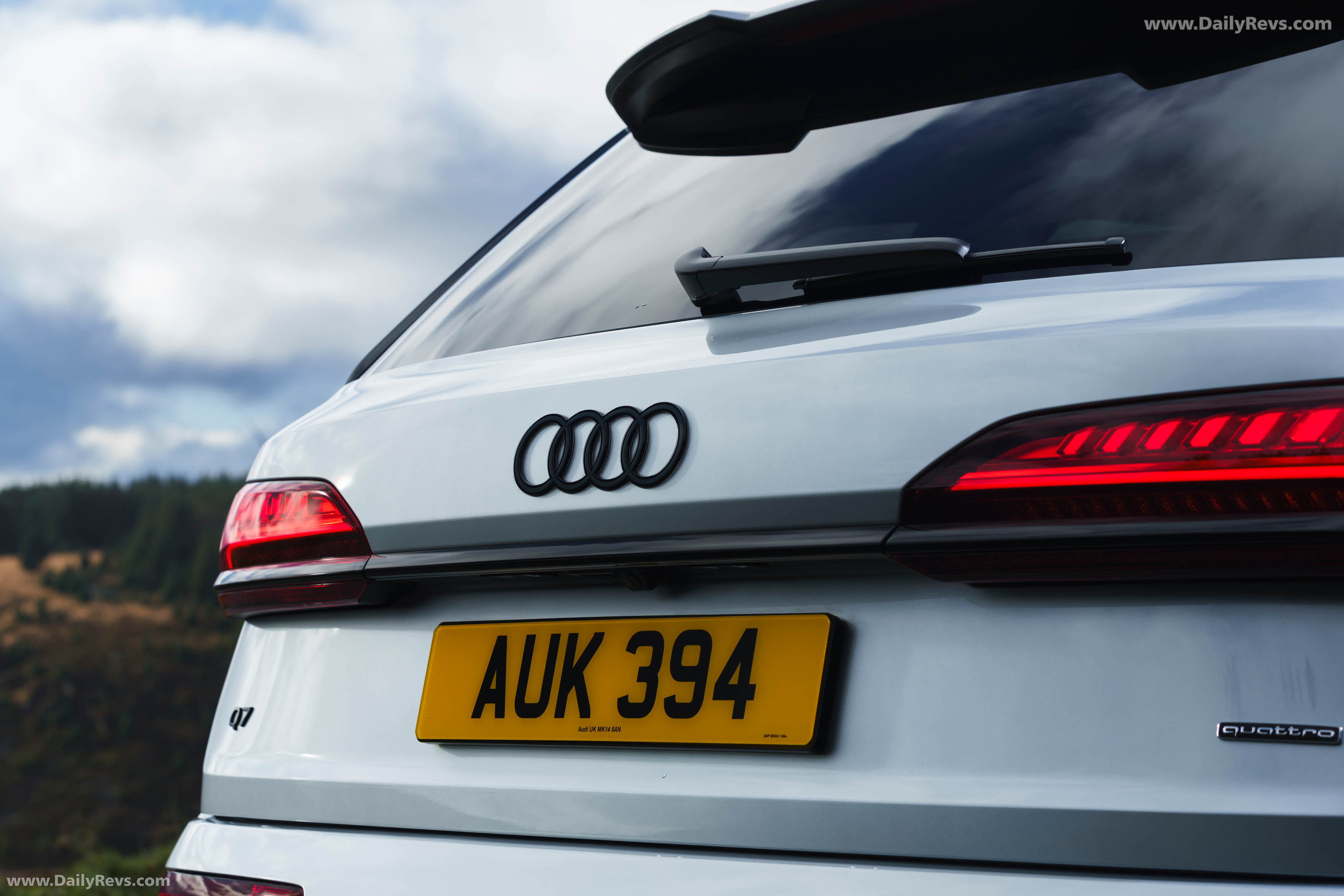
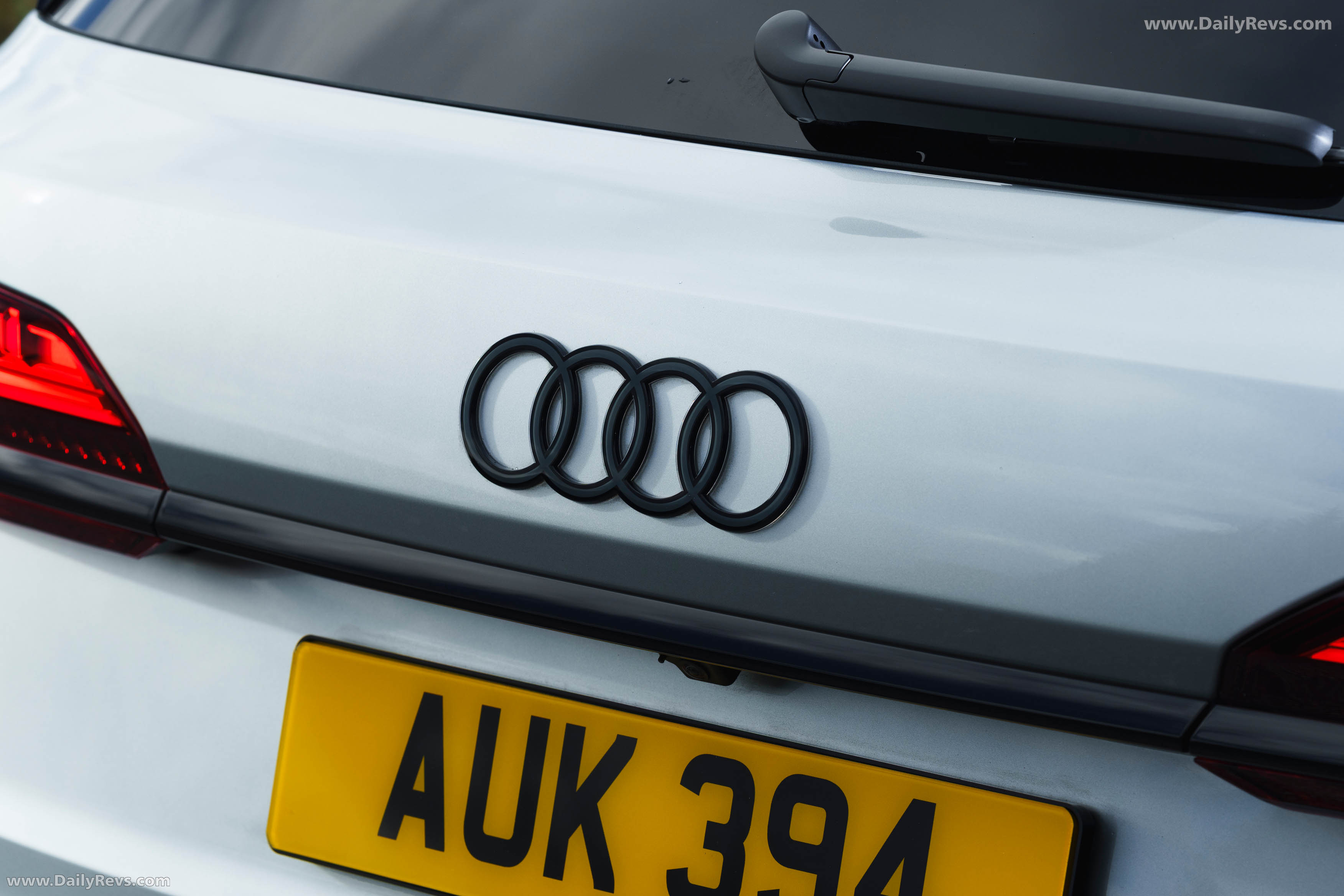
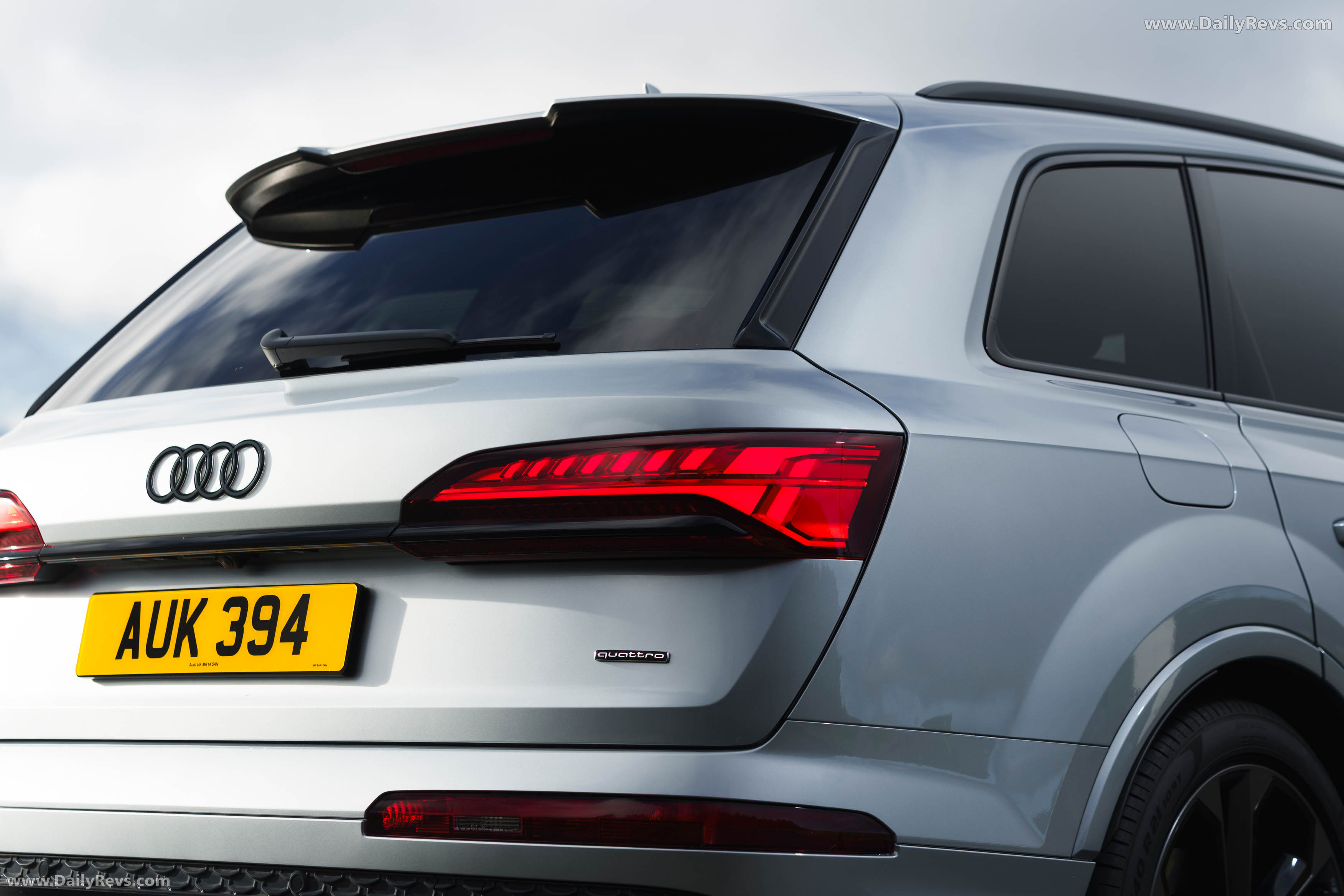
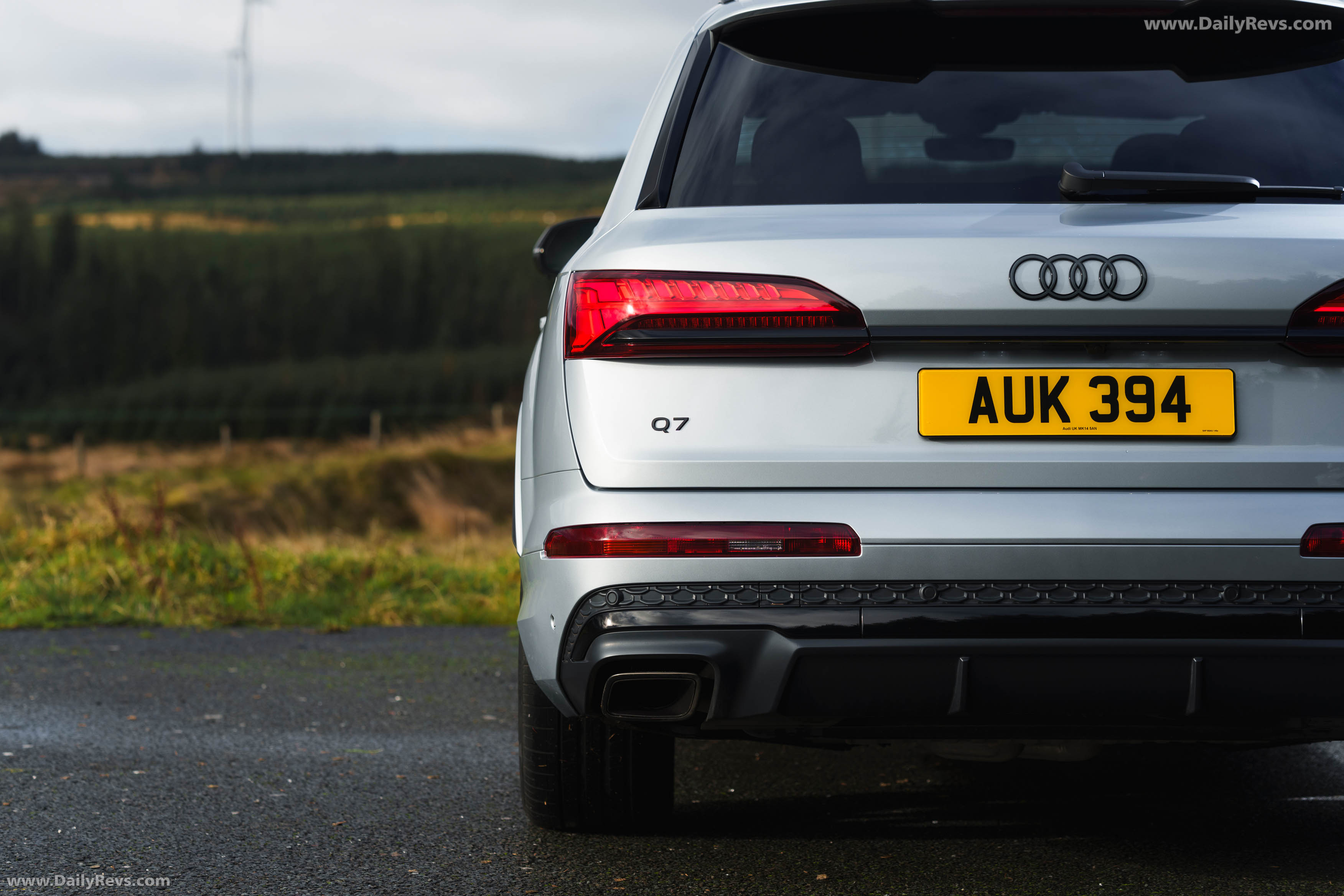
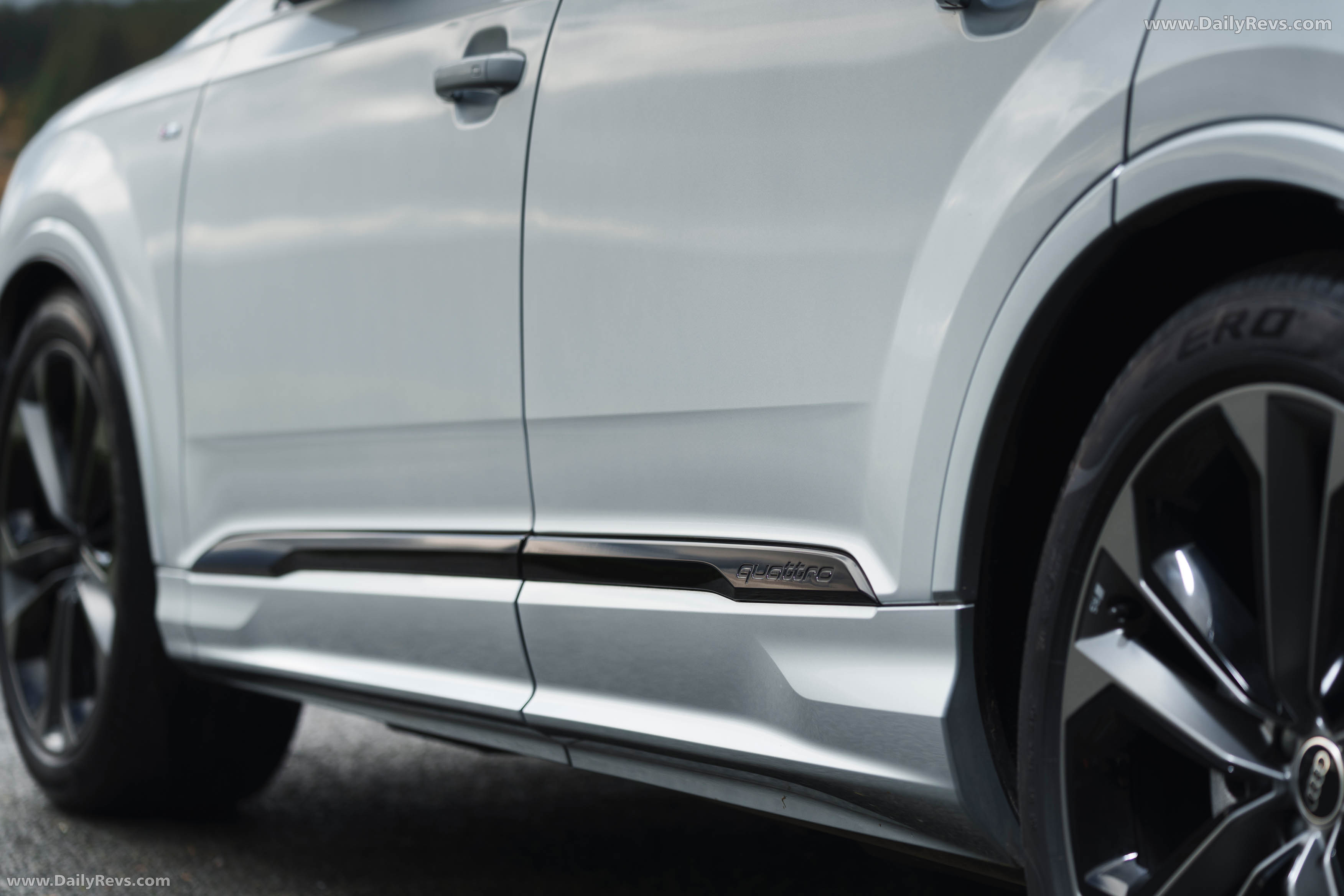
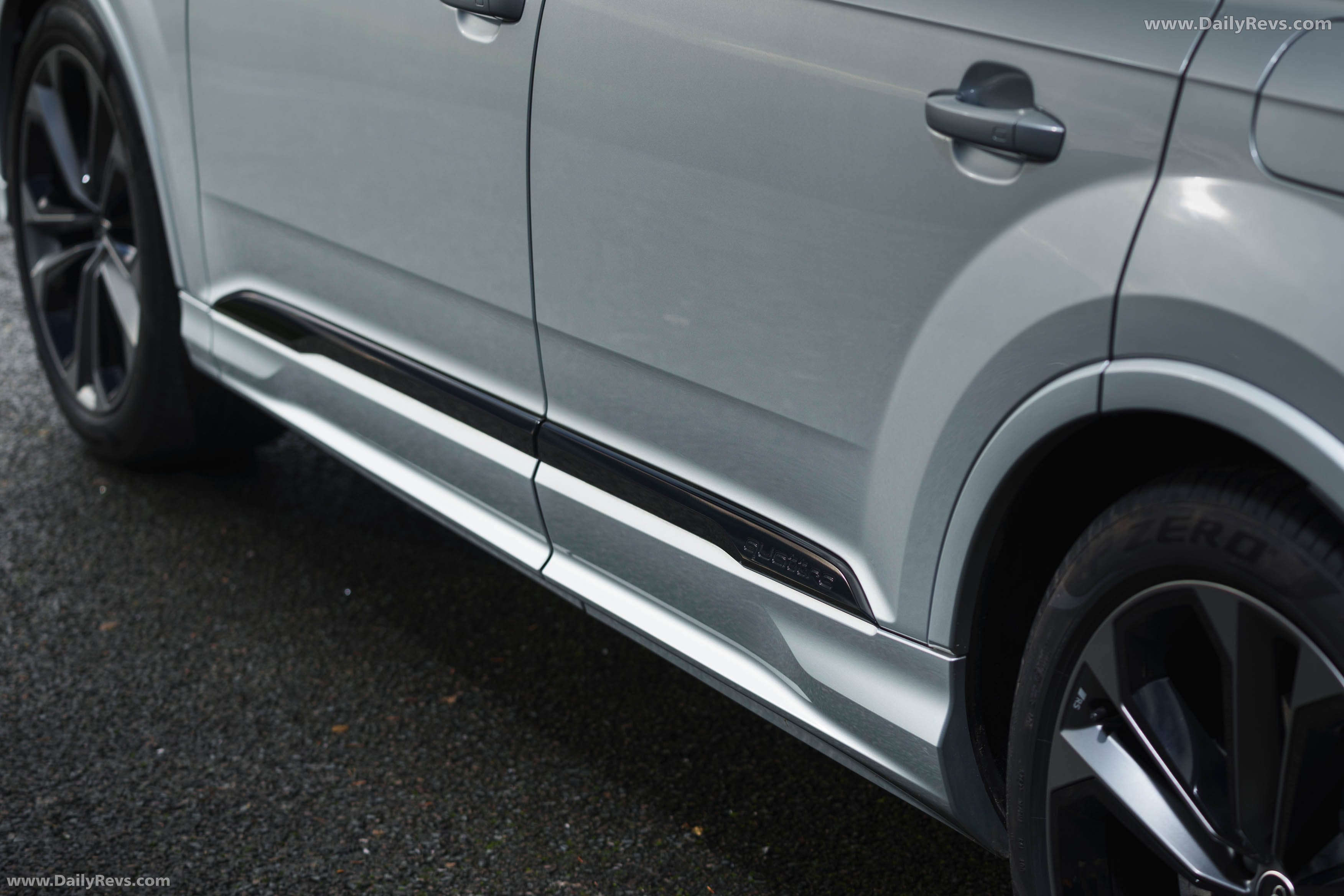
The 2025 Audi Q7 TFSI e 4M UK Version introduces a subtle but meaningful refresh. The front and rear aprons have been reworked, giving the large SUV a cleaner, more confident stance. Viewed from the front, the reshaped surfaces around the grille and air intakes give the Q7 a slightly wider visual footprint, while the side profile still carries the familiar upright roofline and long window line that have defined the model’s proportions for years.
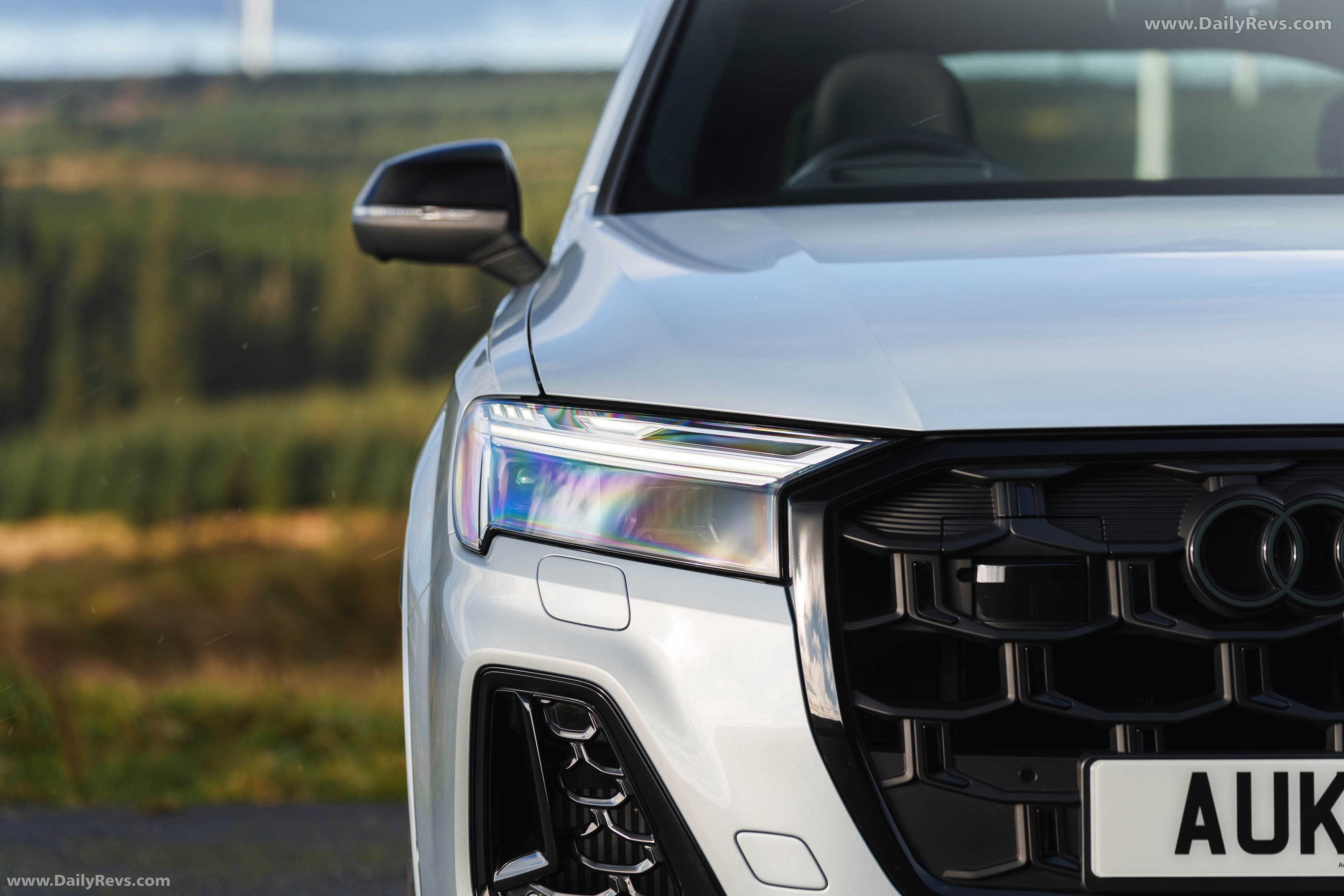
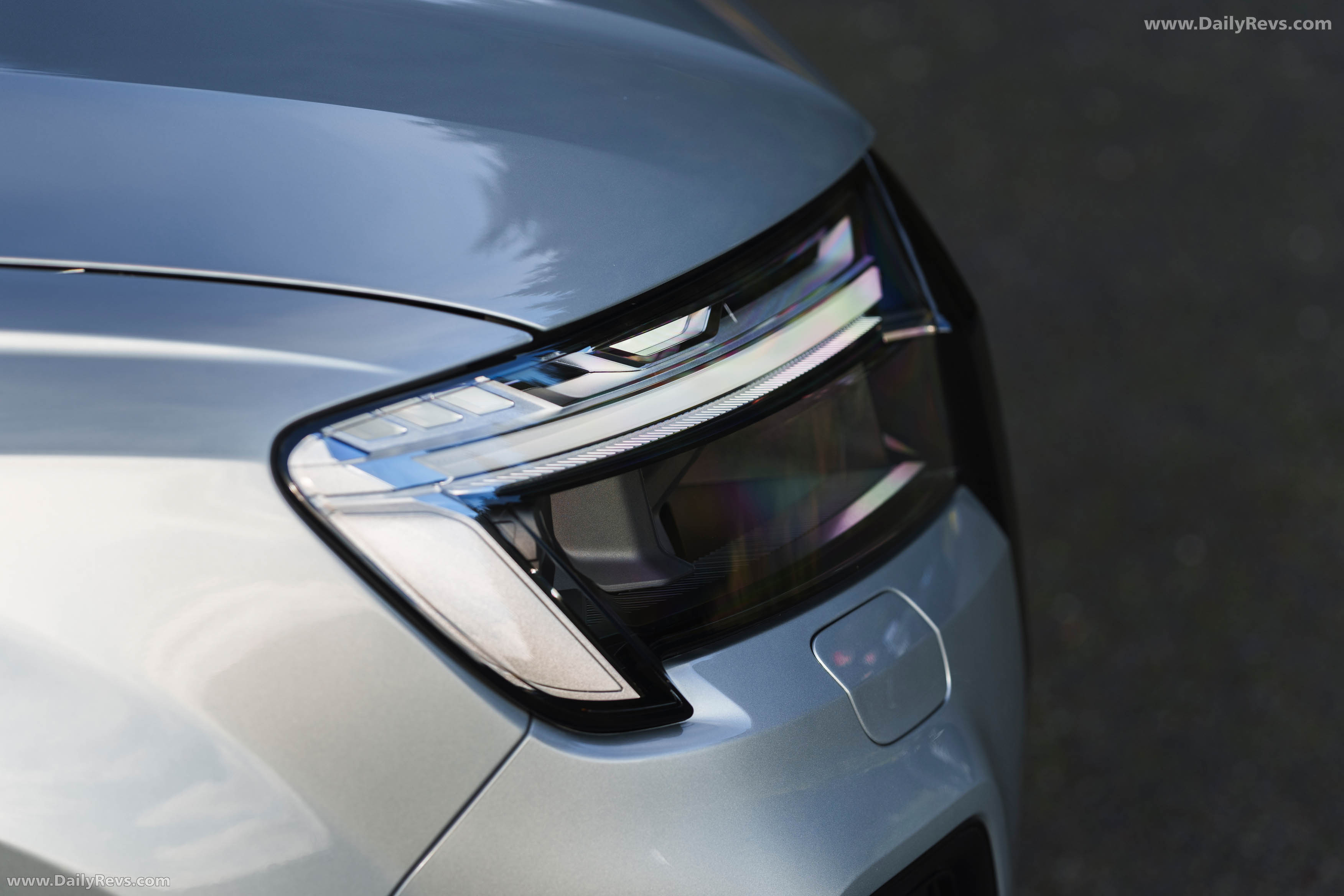
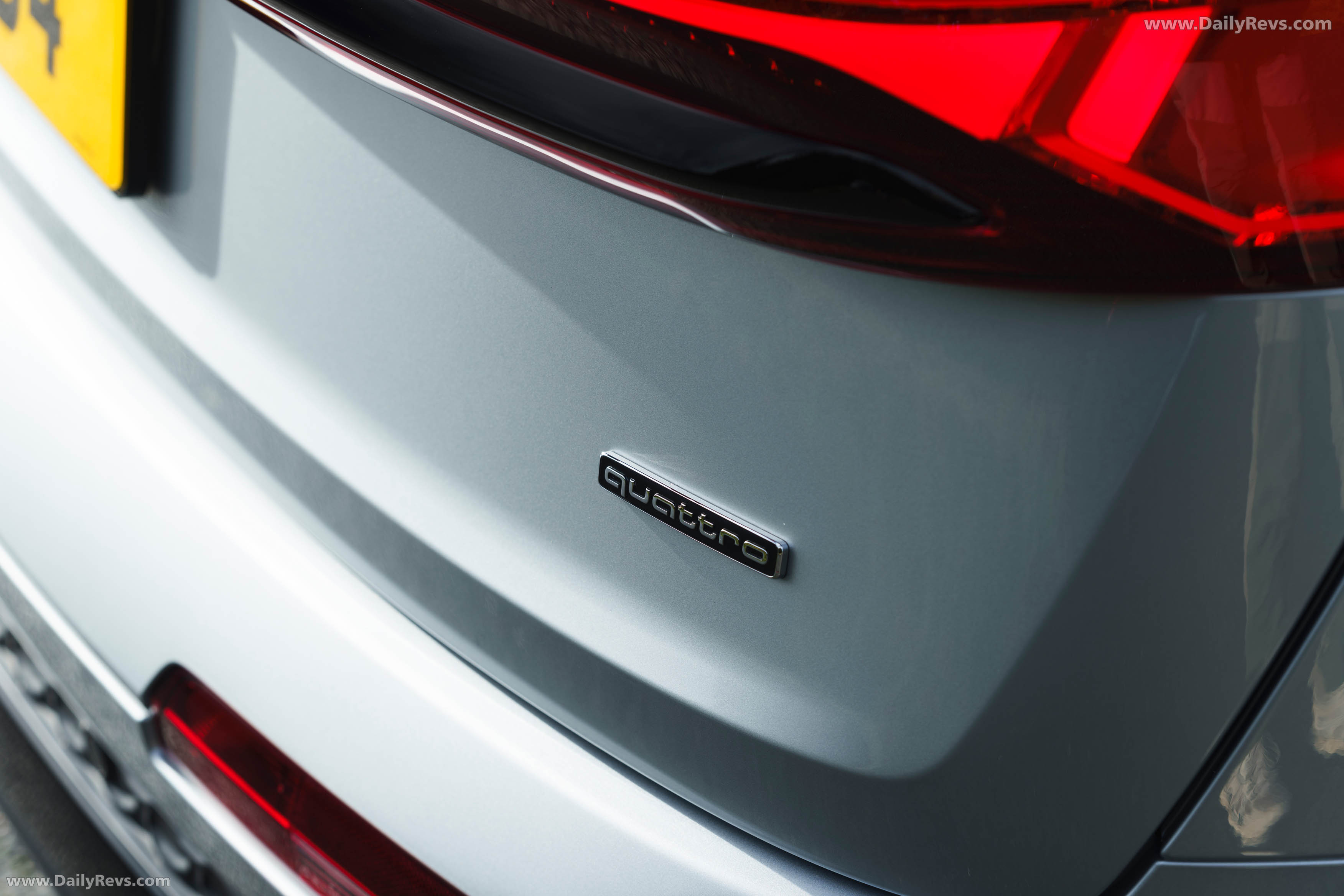
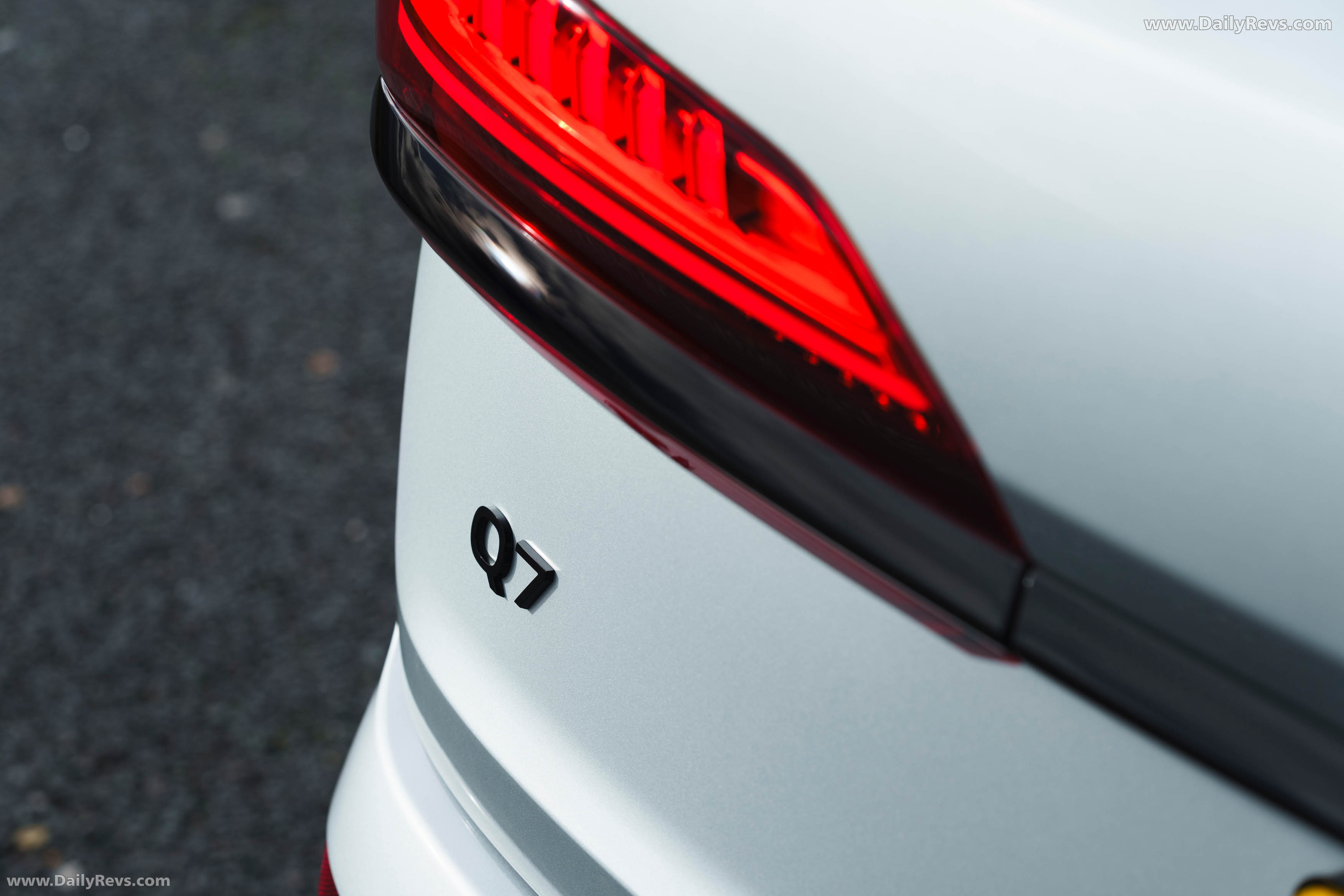
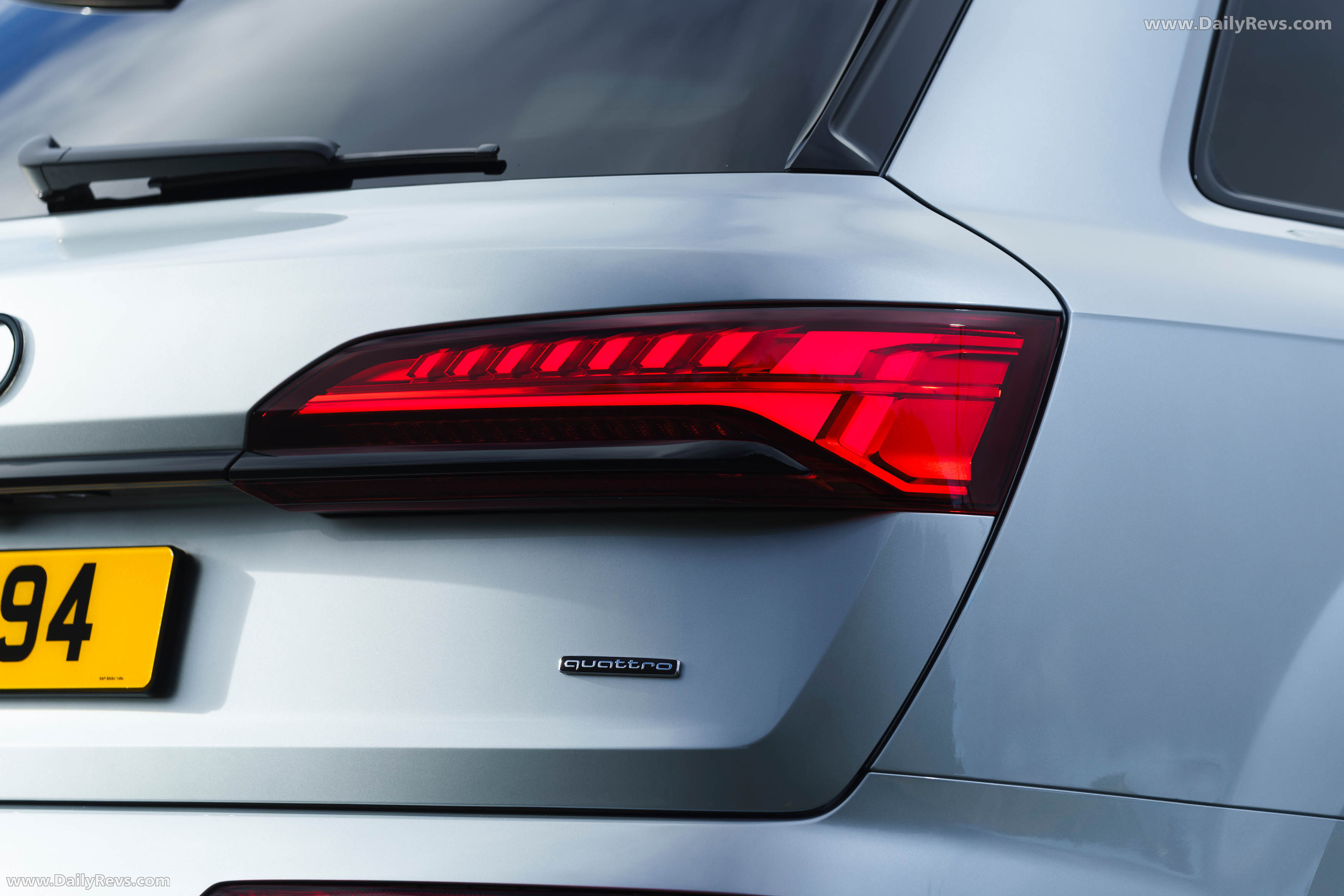
Lighting plays a larger role in this update. Matrix LED headlights are now standard, and higher trims gain the more advanced HD Matrix LED units with an added laser light high-beam. Four digital daytime running light signatures are selectable through the MMI, and Vorsprung models add digital OLED taillights with proximity indication — a feature that communicates to approaching traffic when the Q7 detects another vehicle coming close.
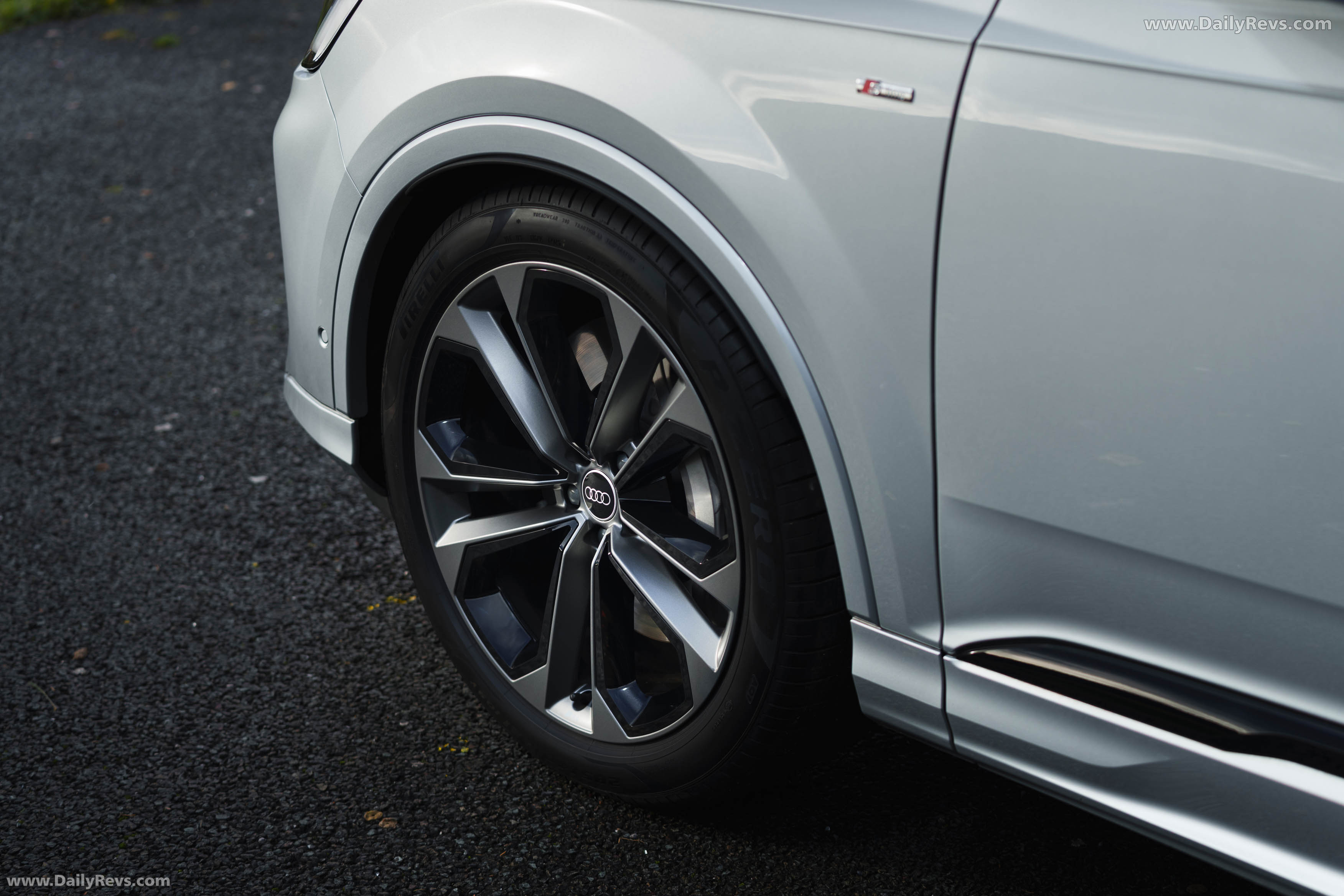
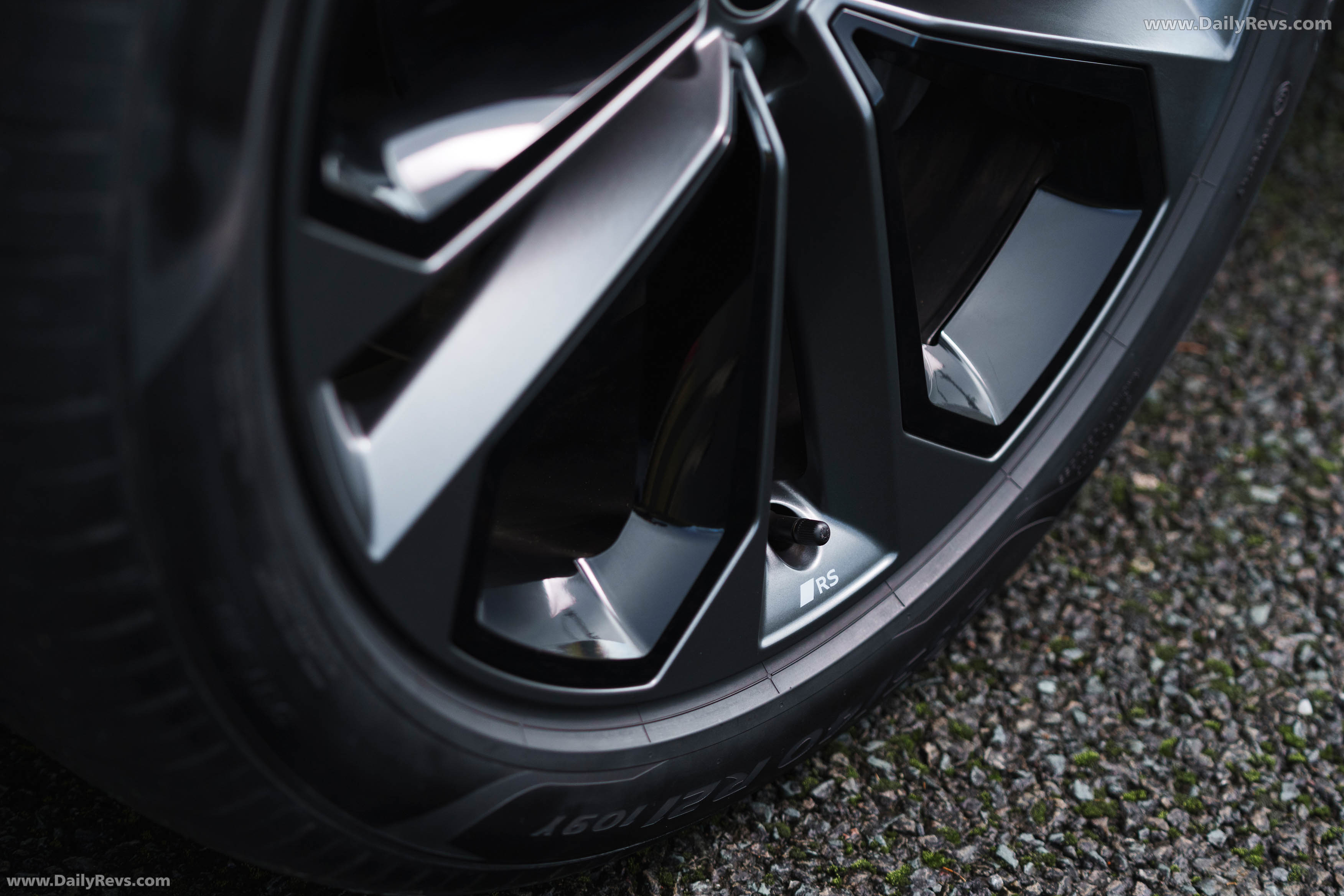
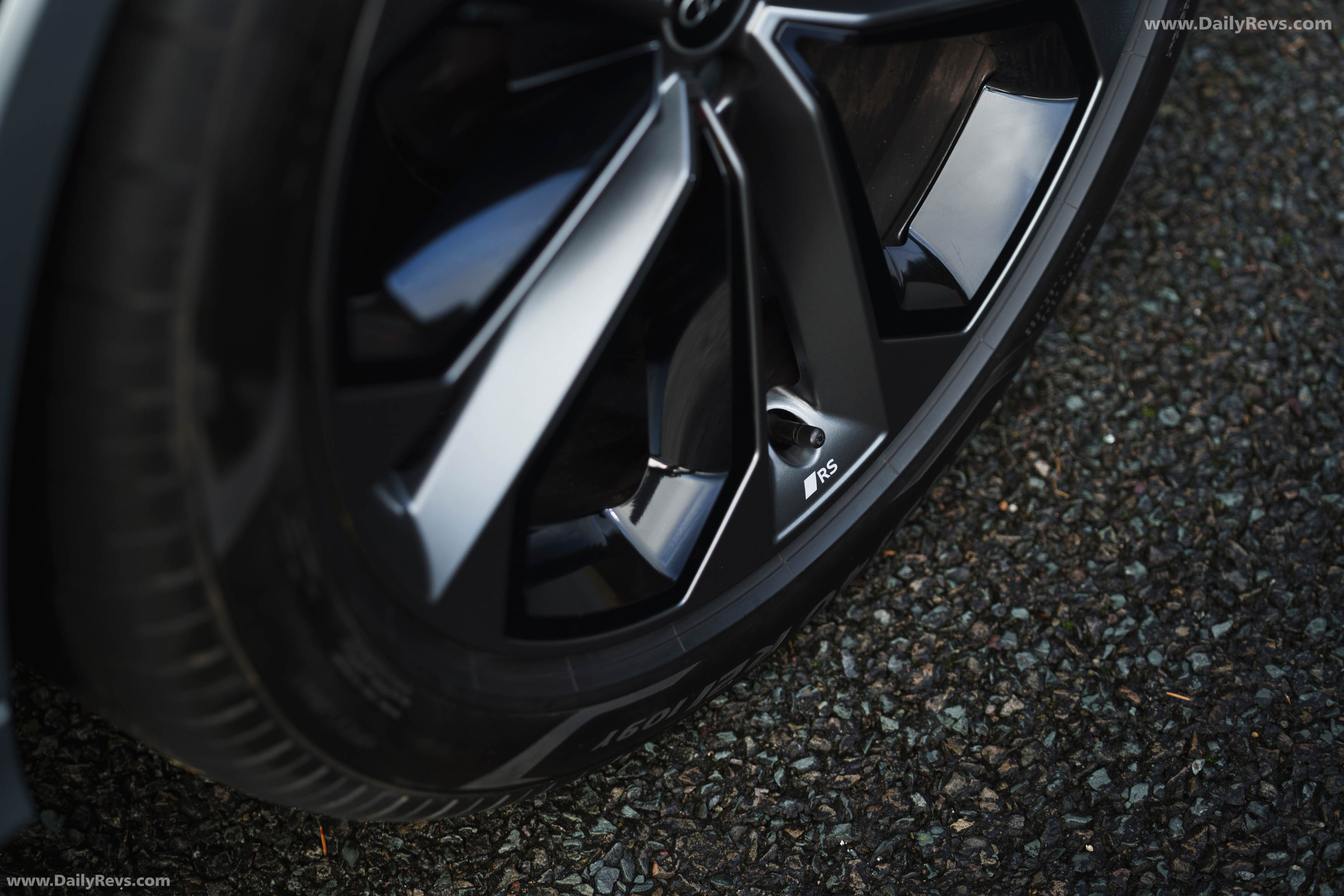
New wheel designs between 20 and 23 inches extend the personalization range, while three new exterior colours join the palette.
Performance and Powertrain Overview
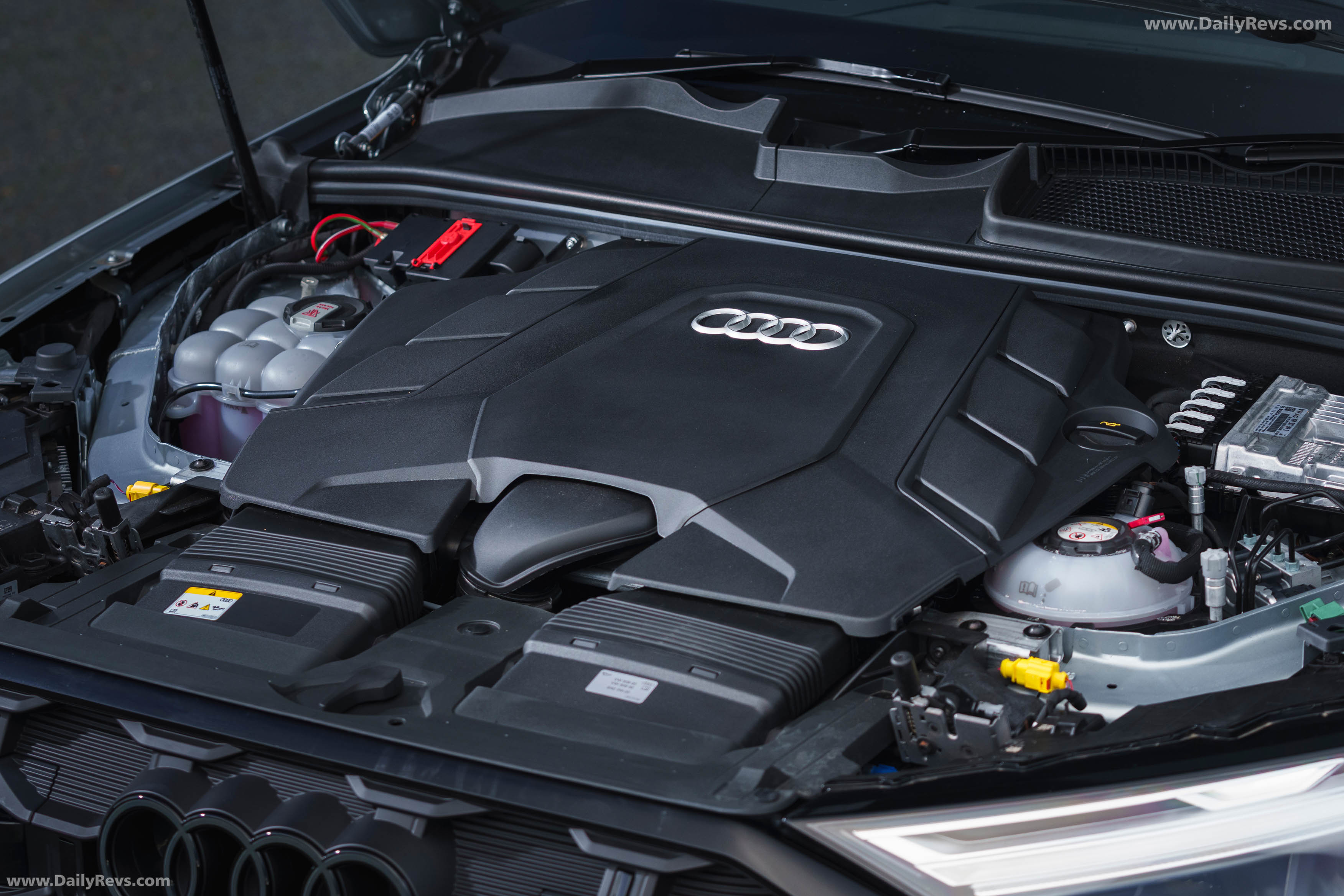
The Q7 plug-in hybrid benefits from a significant mechanical update. At its core is the combination of a 3.0-litre TFSI V6 producing 340 PS and a compact 130 kW electric motor, working together for a maximum system output of 394 PS and 600 Nm.
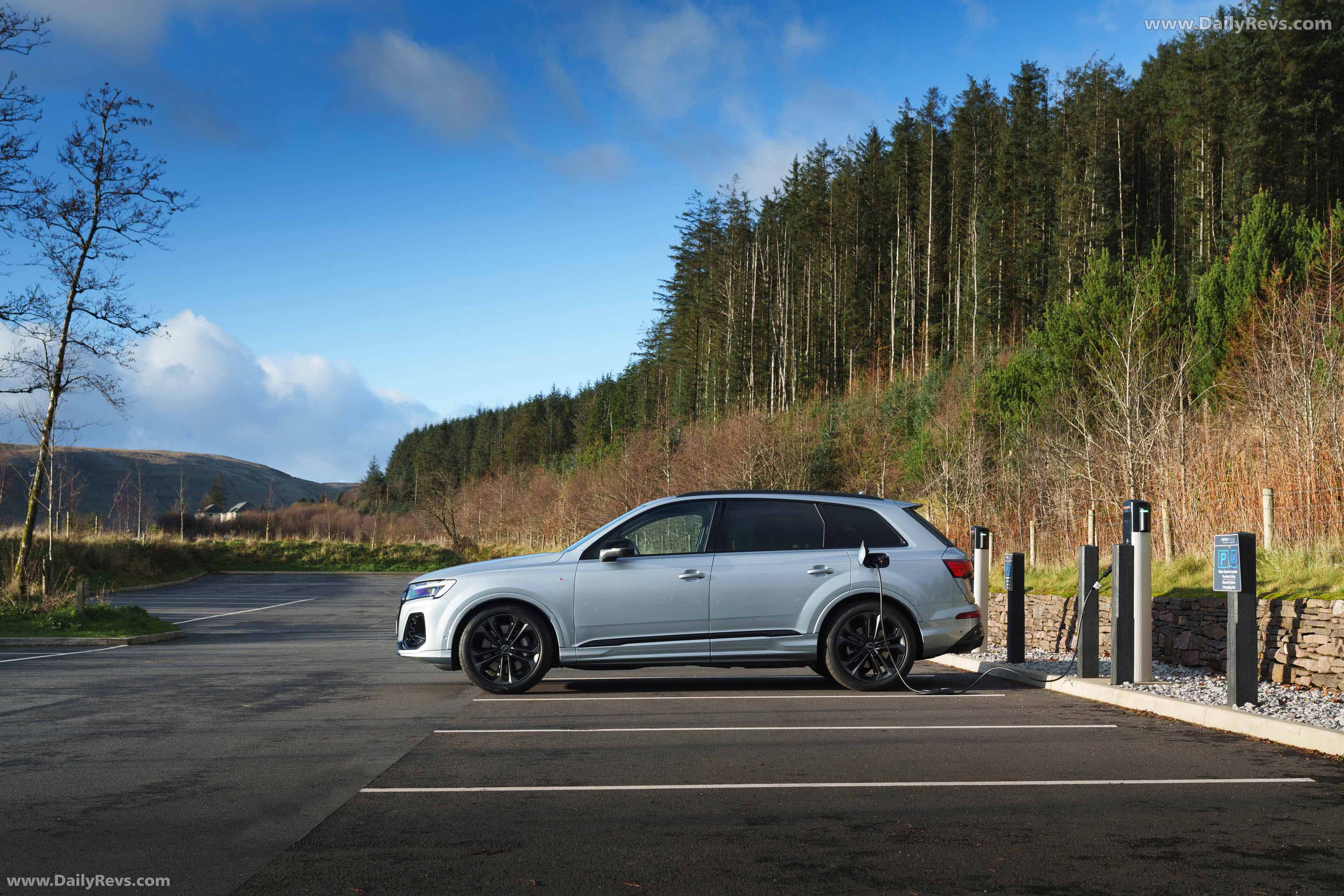
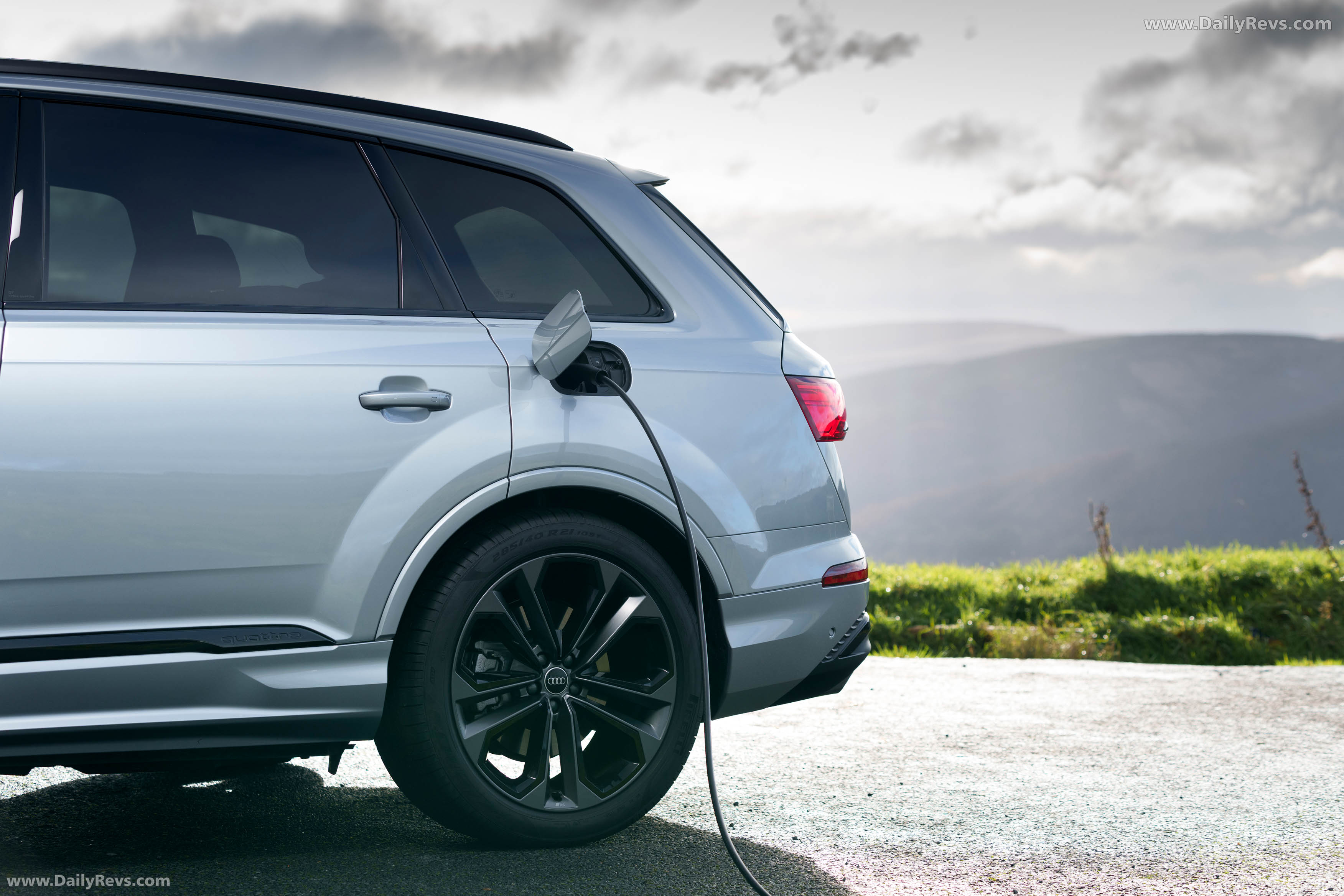
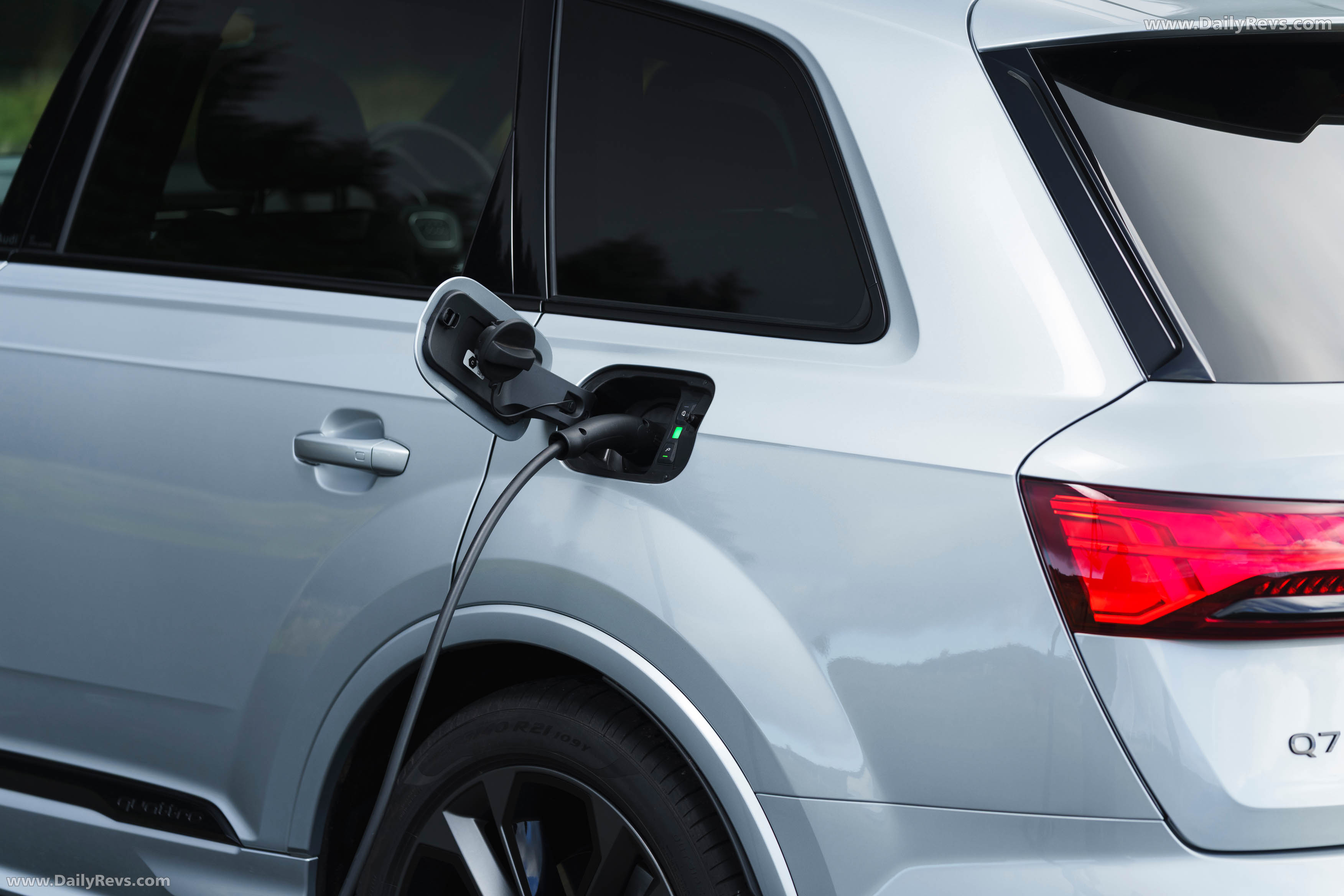
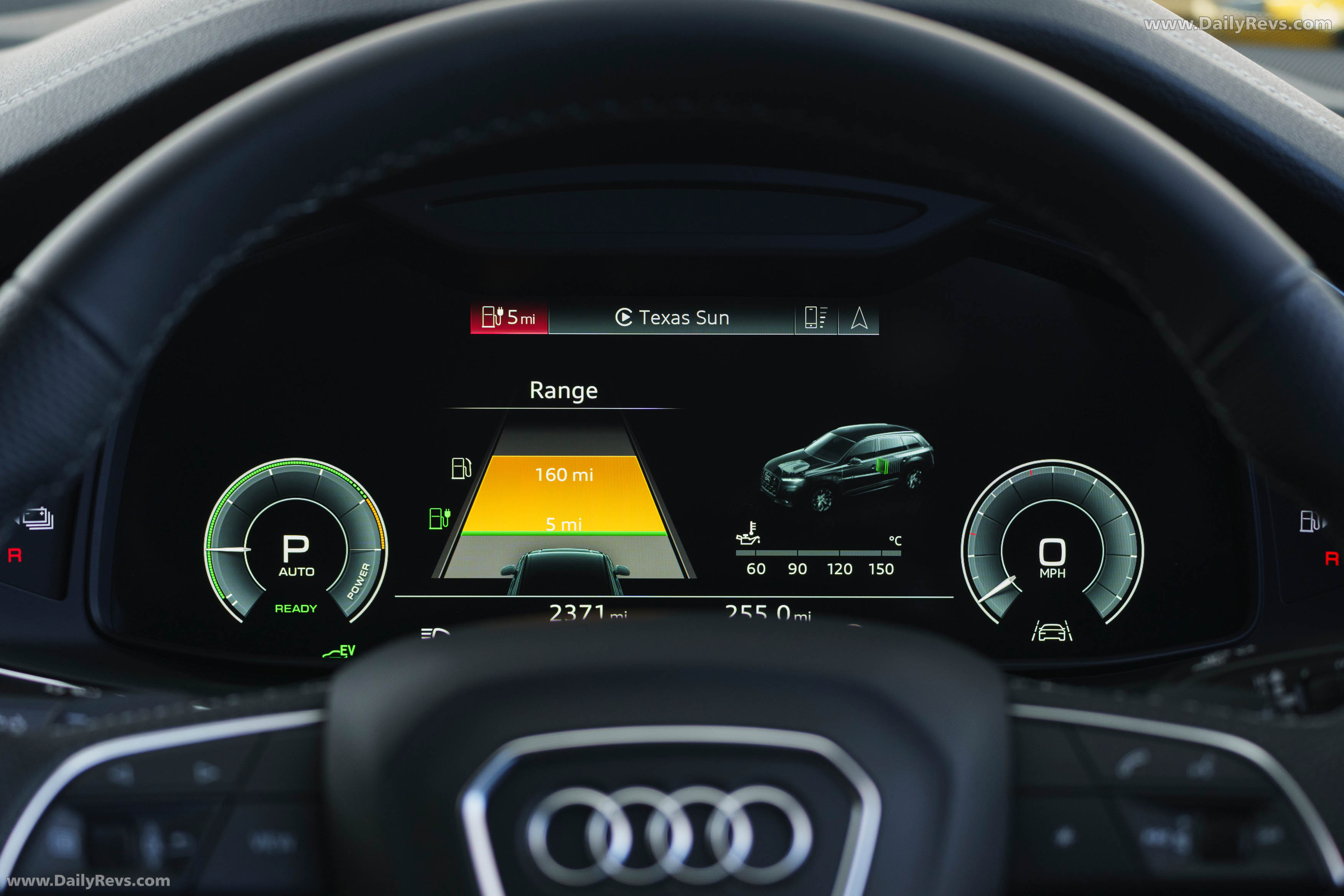
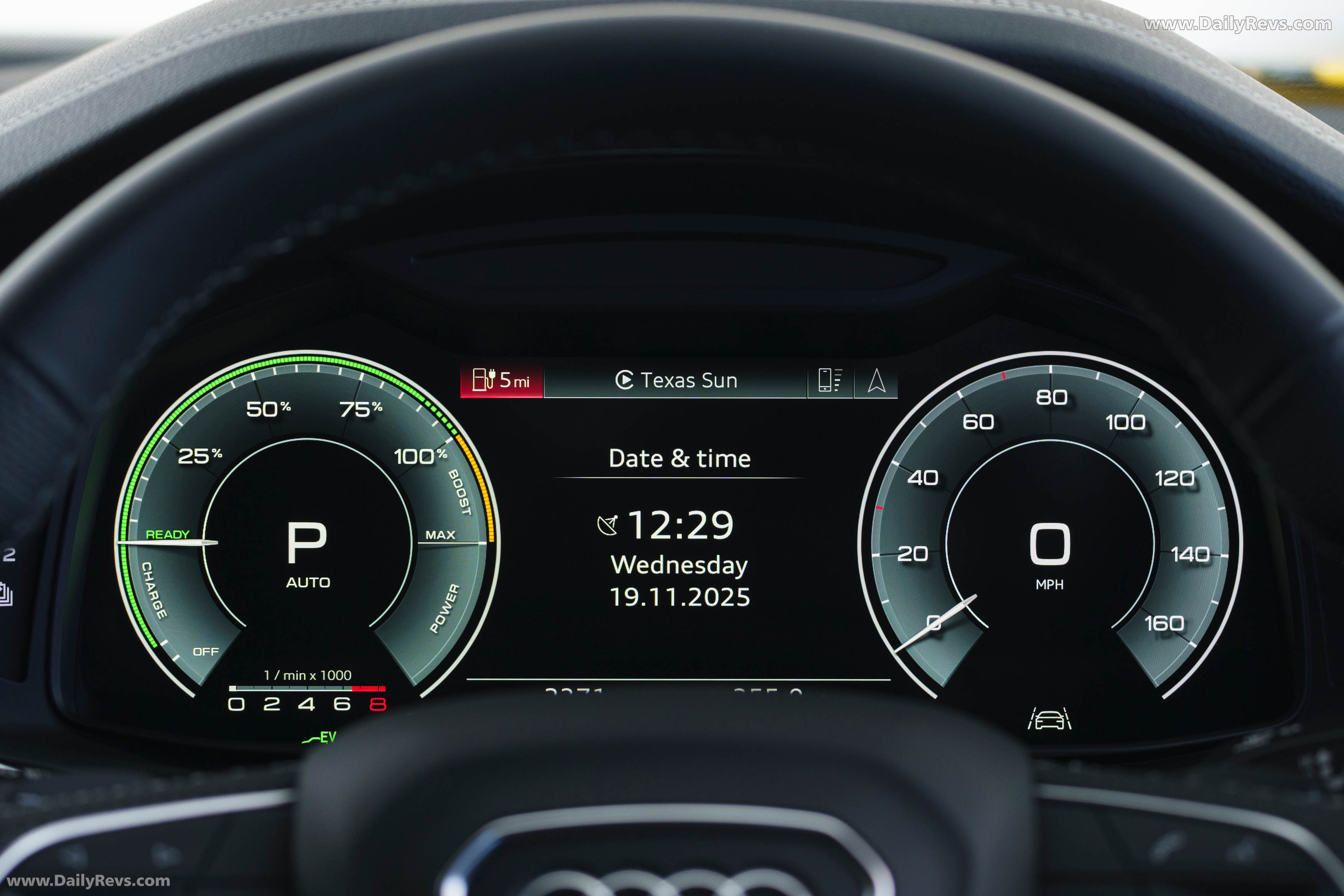
The newly designed 25.9 kWh battery (22 kWh usable) is the headline change. With a more compact, denser internal structure, the pack now enables up to 52 miles of electric-only range. The electric motor alone can propel the Q7 to 84 mph, while hybrid operation gives a 0–62 mph time of 5.7 seconds and an electronically limited top speed of 149 mph.
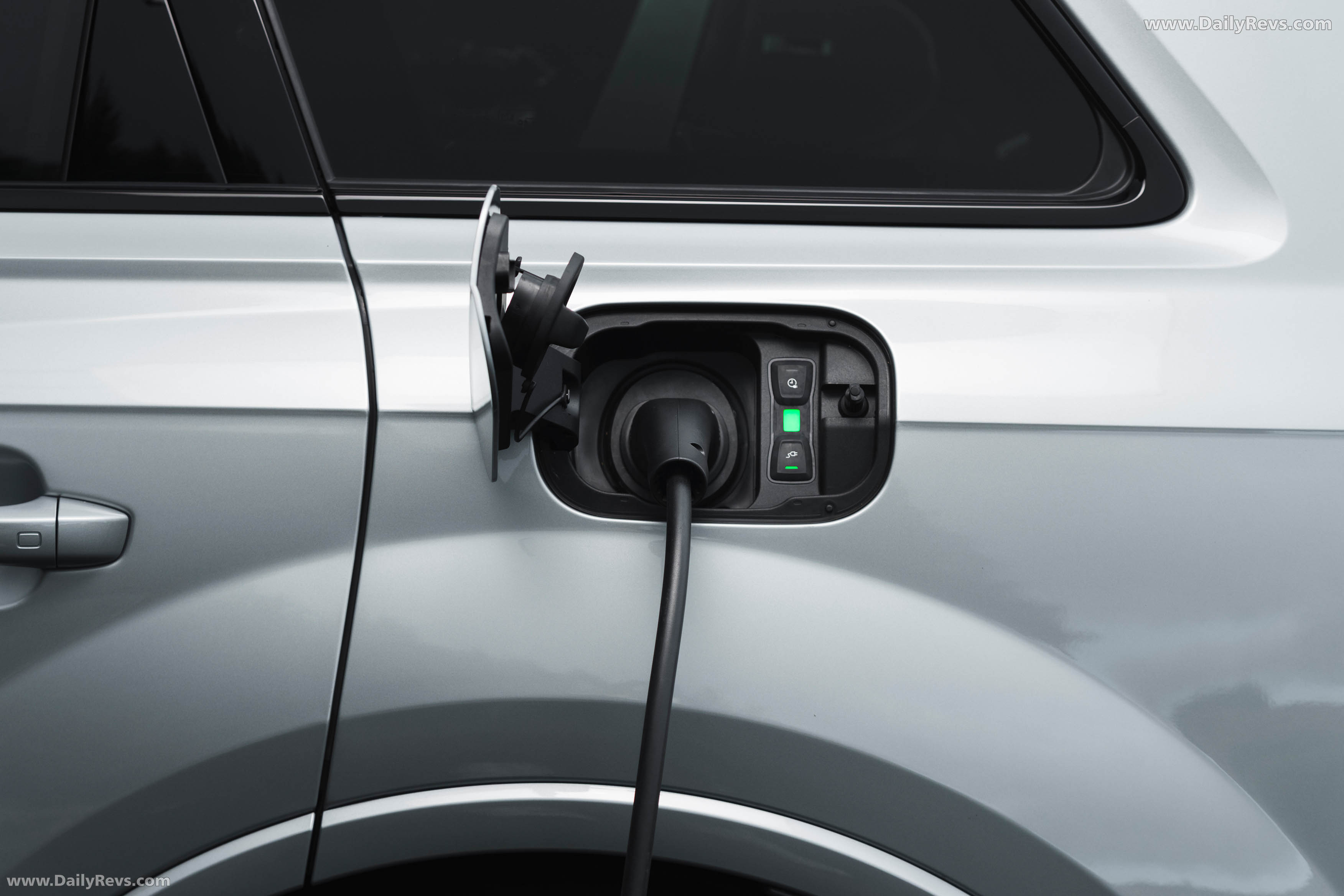
Charging is limited to 7.4 kW AC, reaching 100% in roughly 3 hours 45 minutes.
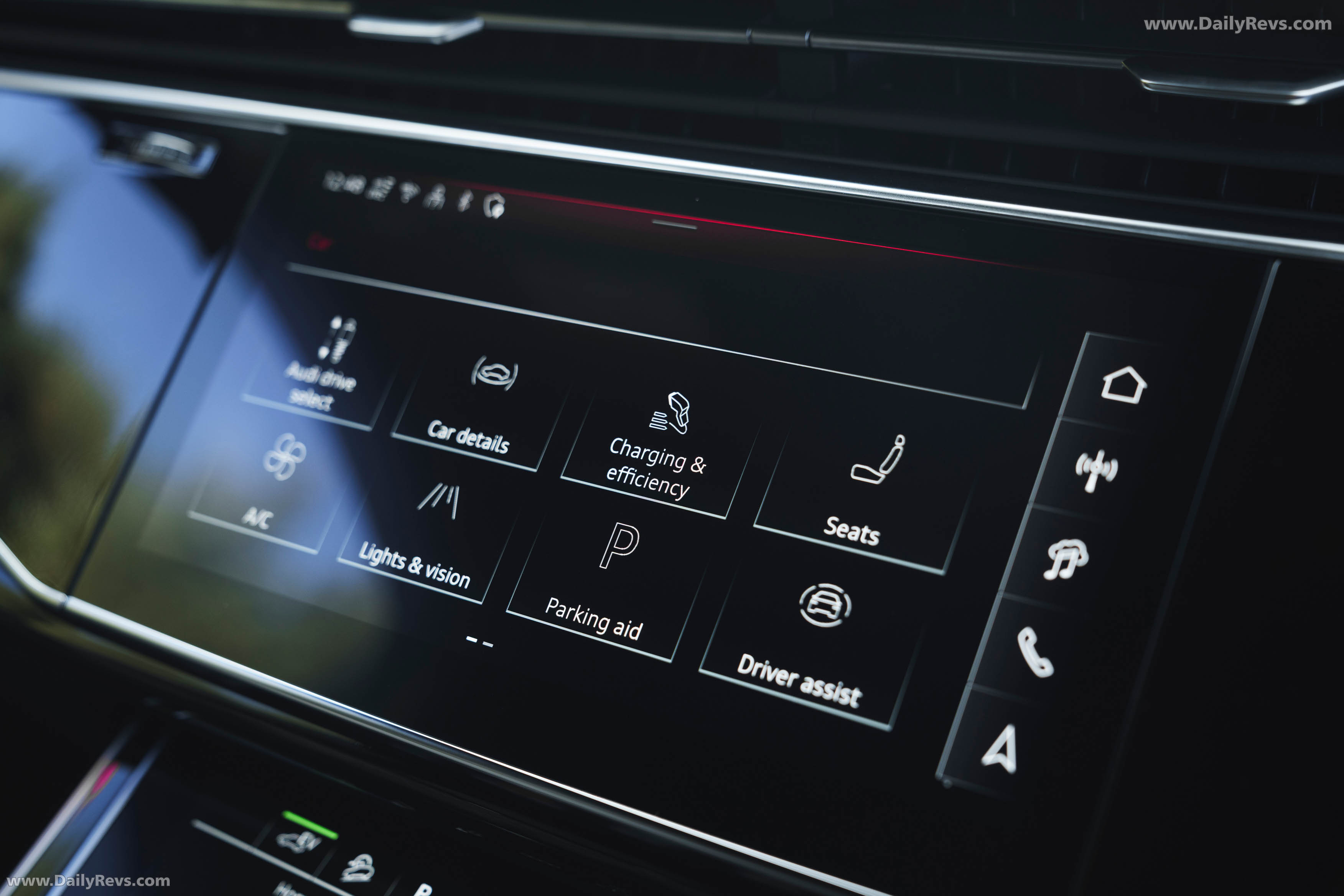
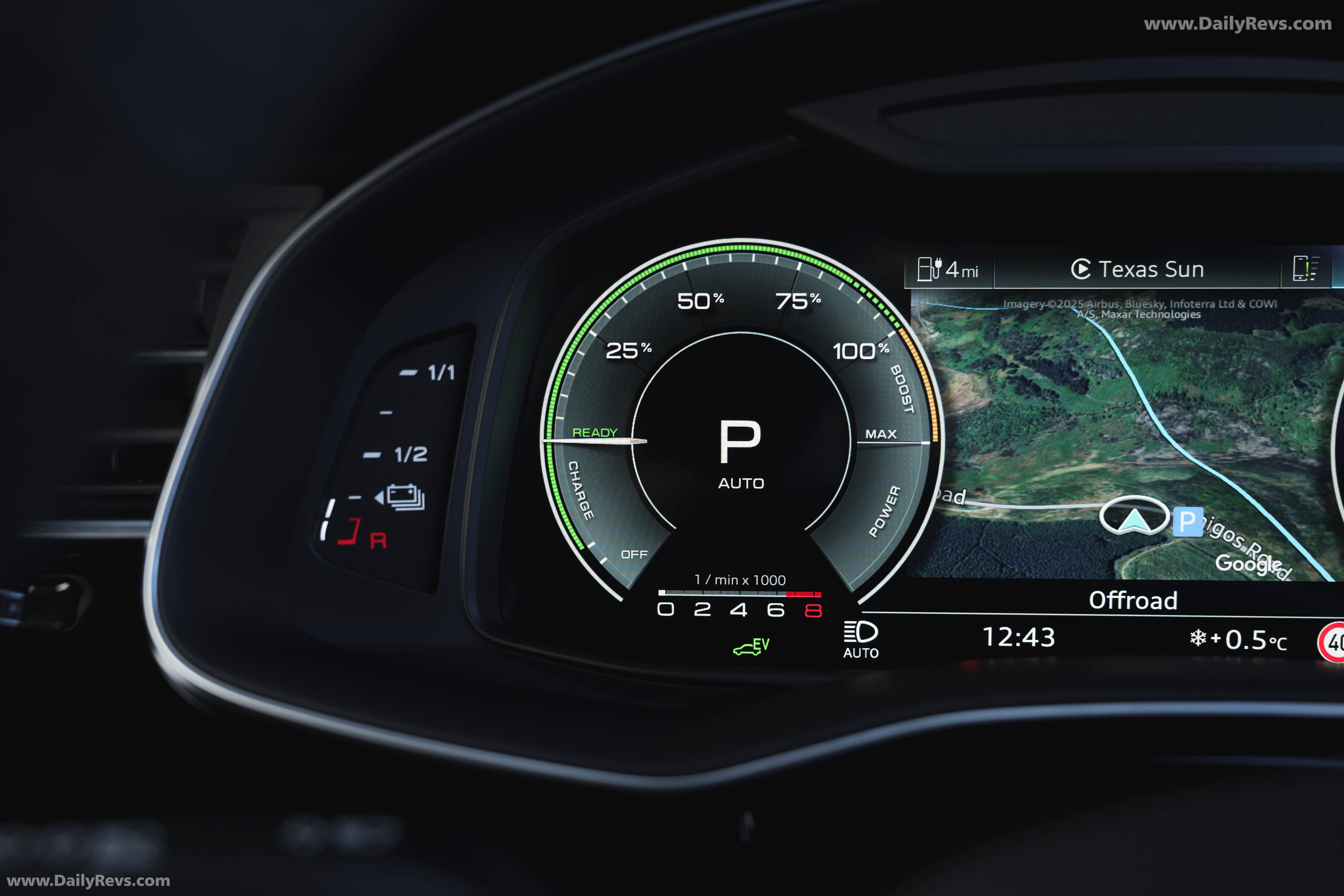
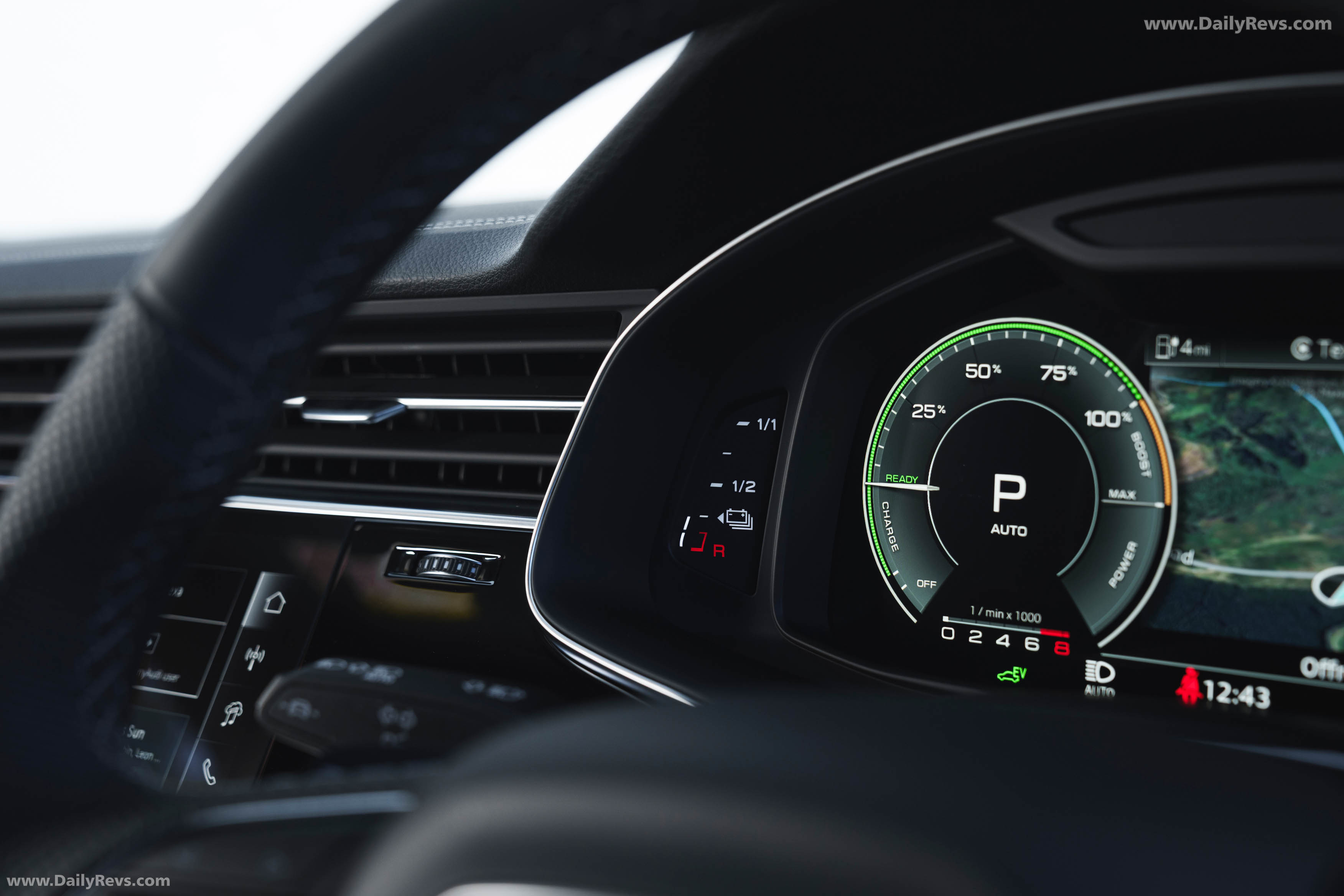
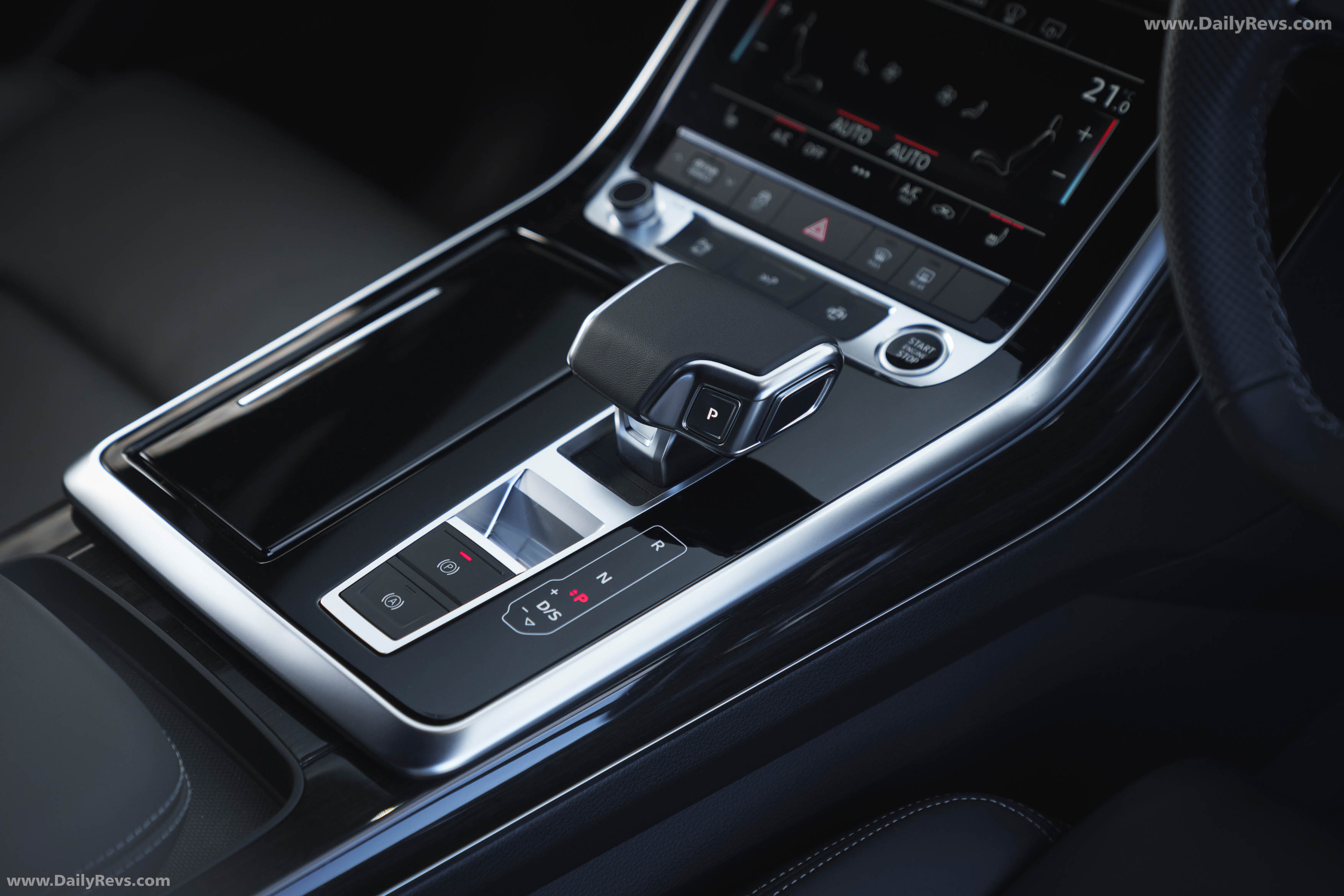
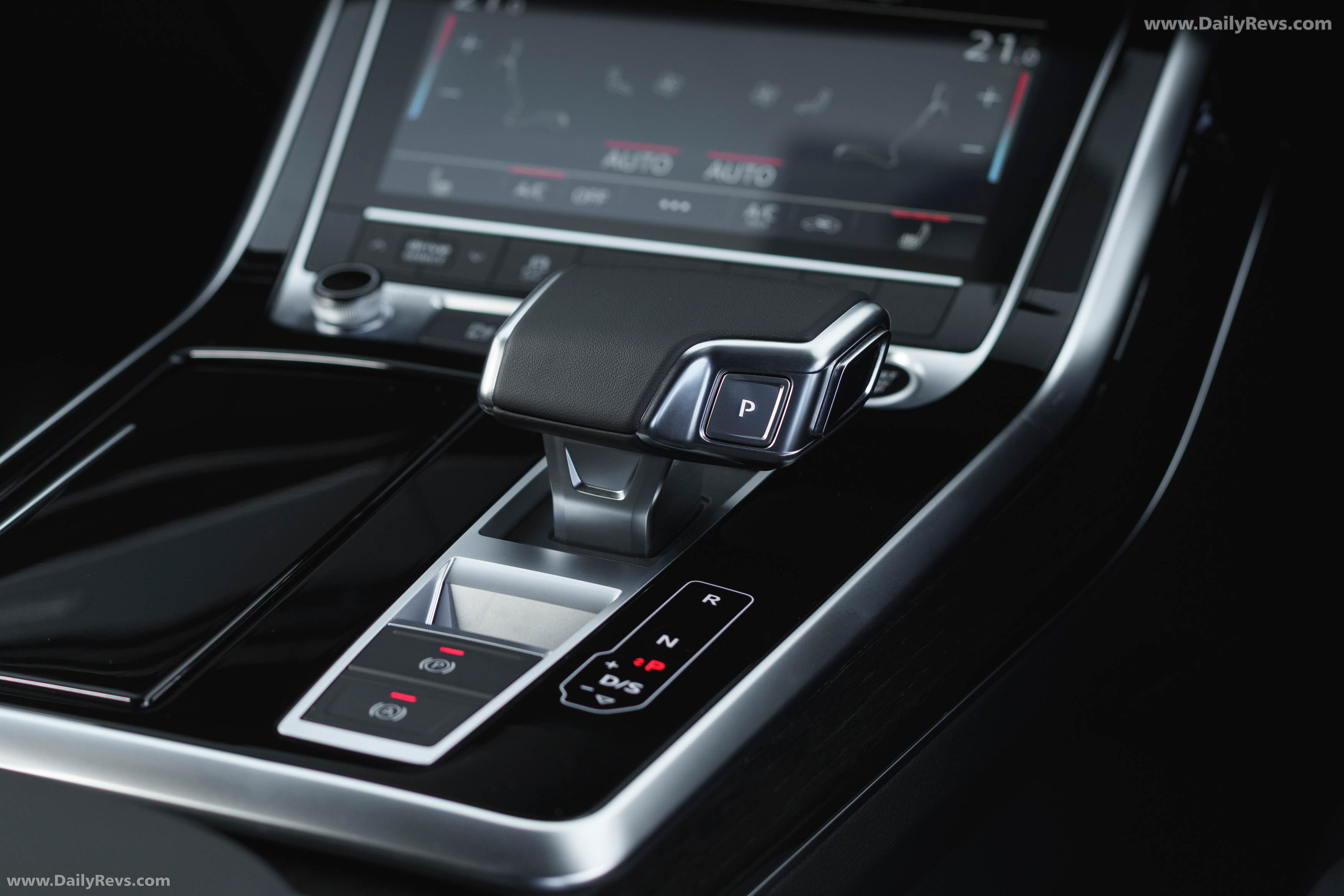
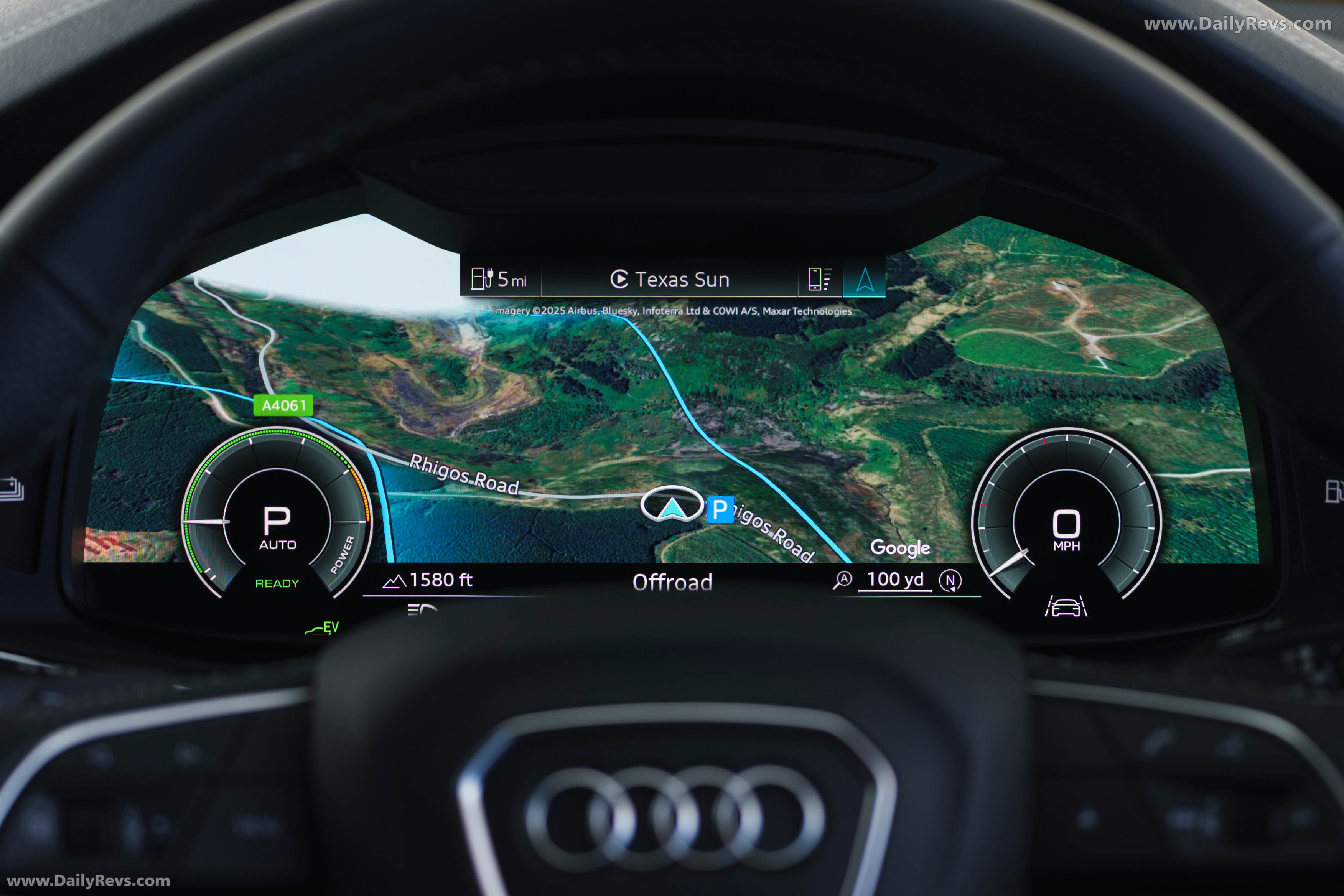
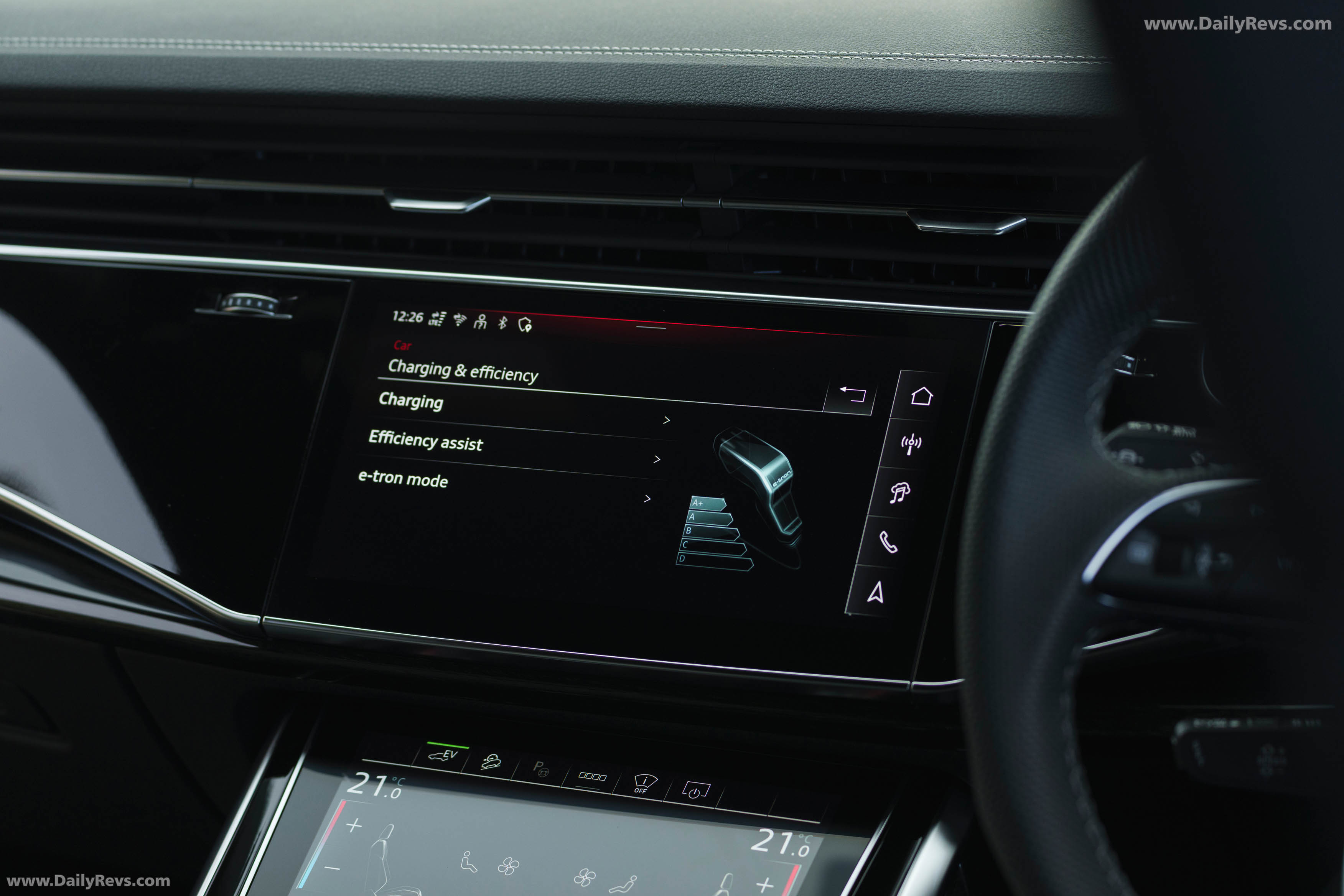
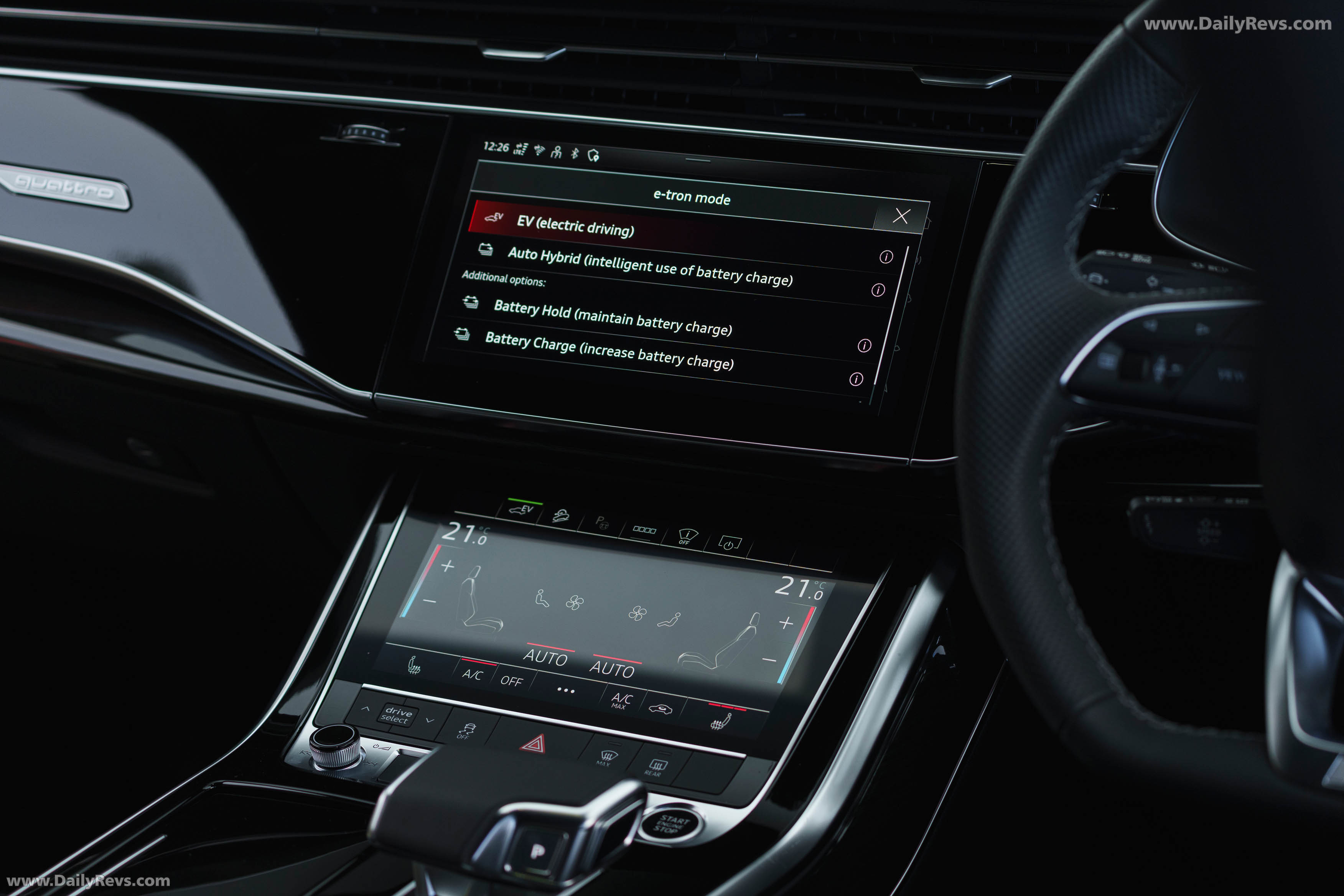
Audi also refines the hybrid operating logic. EV mode now maintains electric drive even under full throttle, while Hybrid Auto mode uses navigation data to optimize energy use across a route. Predictive Efficiency Assist blends coasting and recuperation, recovering up to 25 kW during lift-off and up to 80 kW under braking.
Key Features and Interior Impression
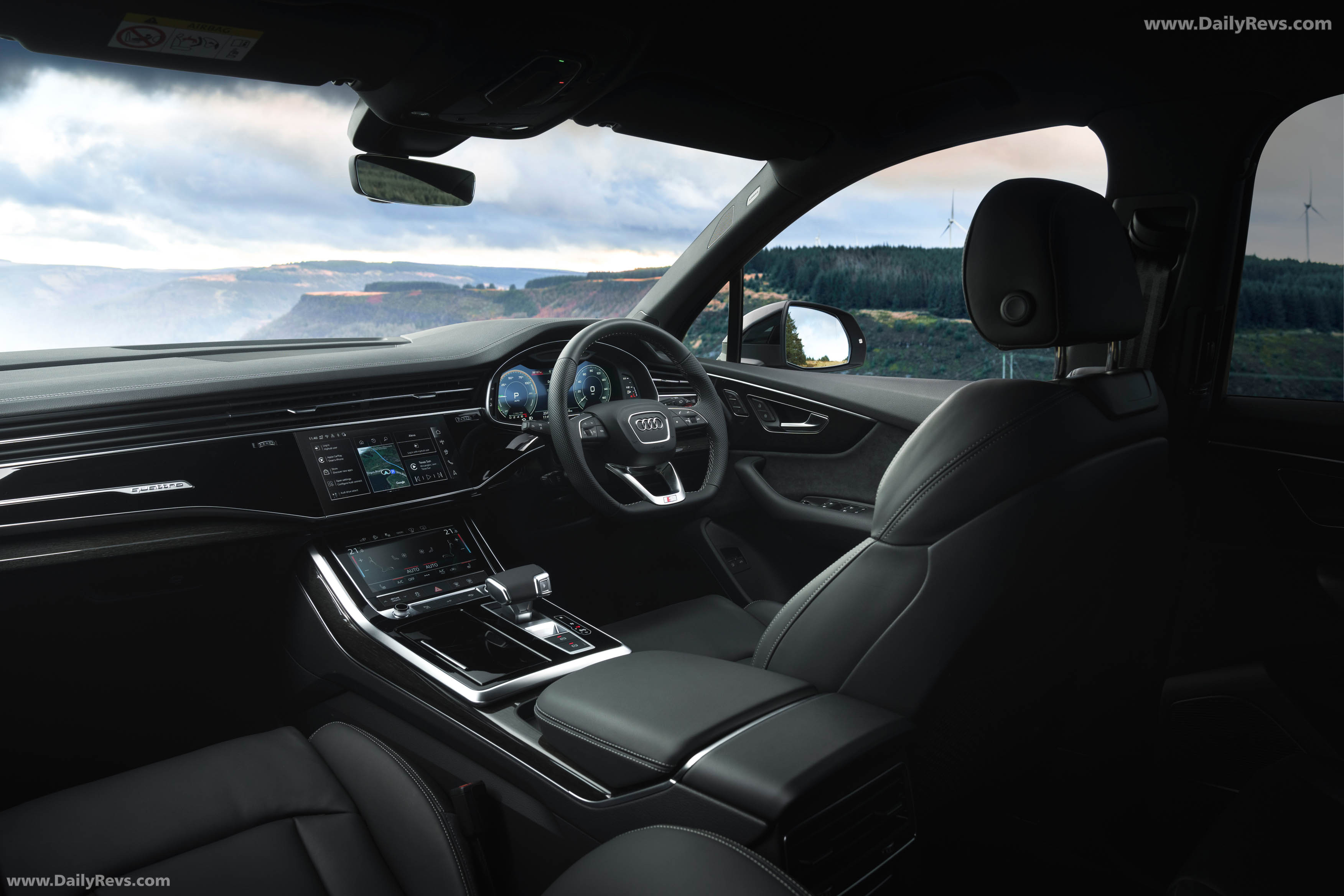
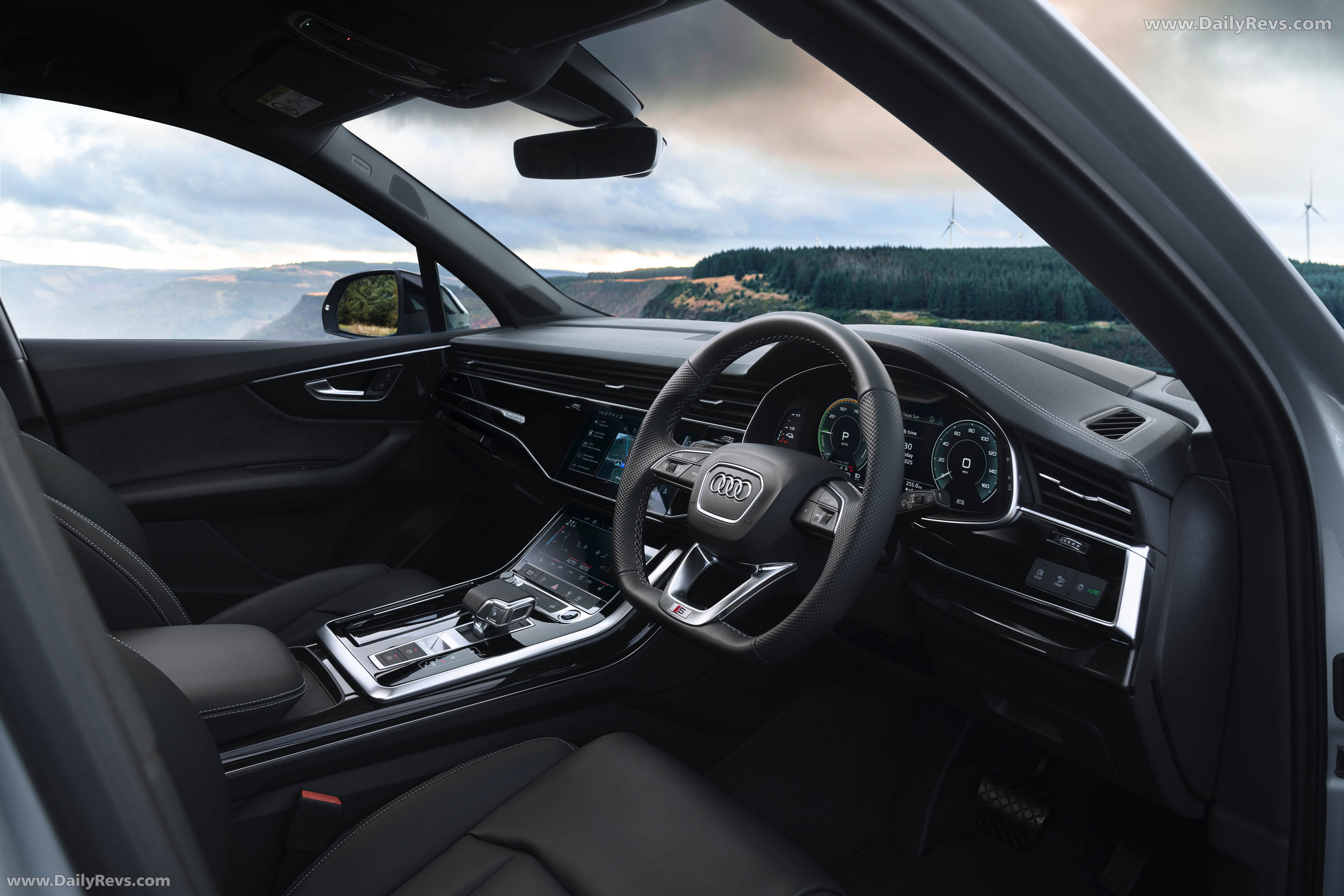
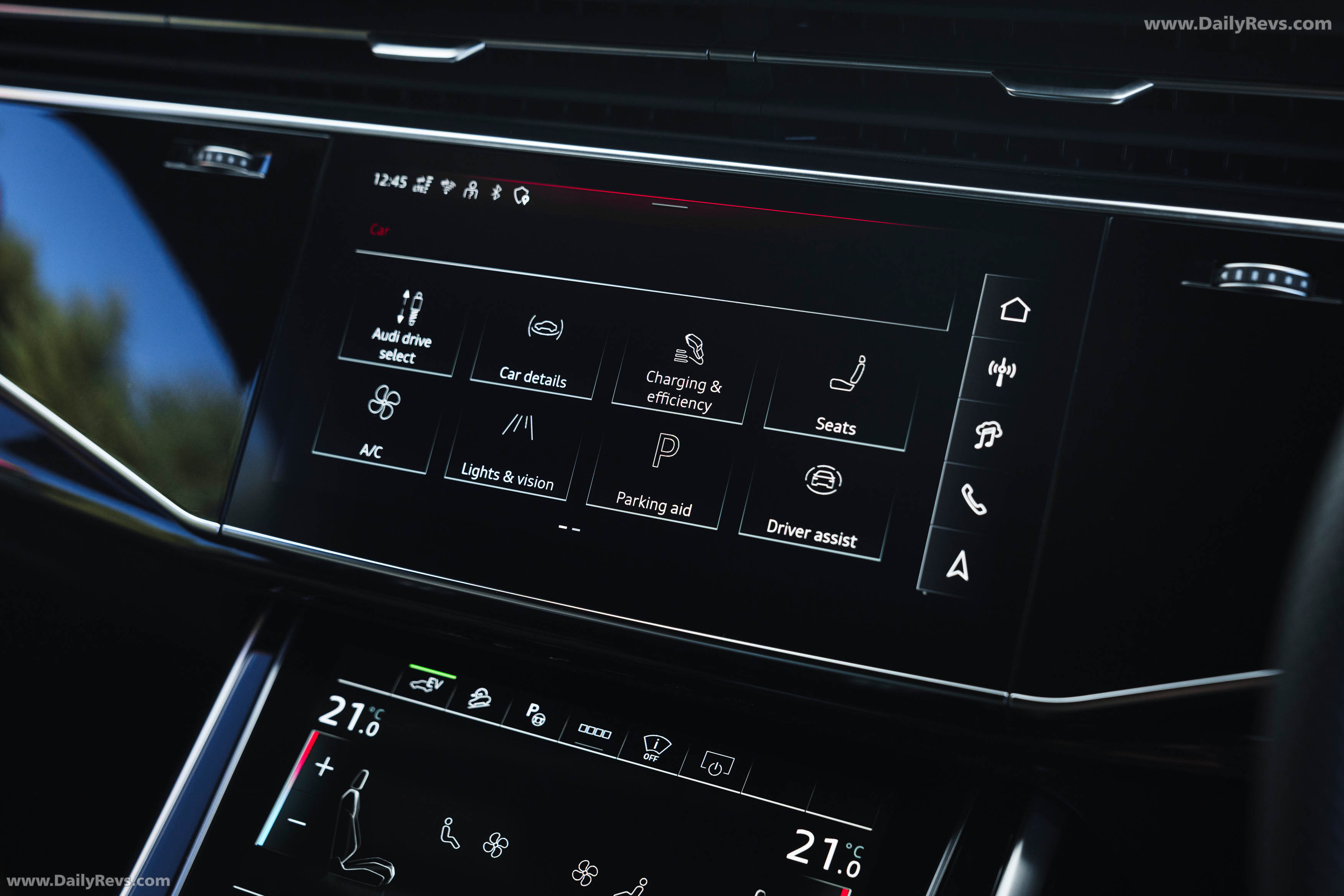
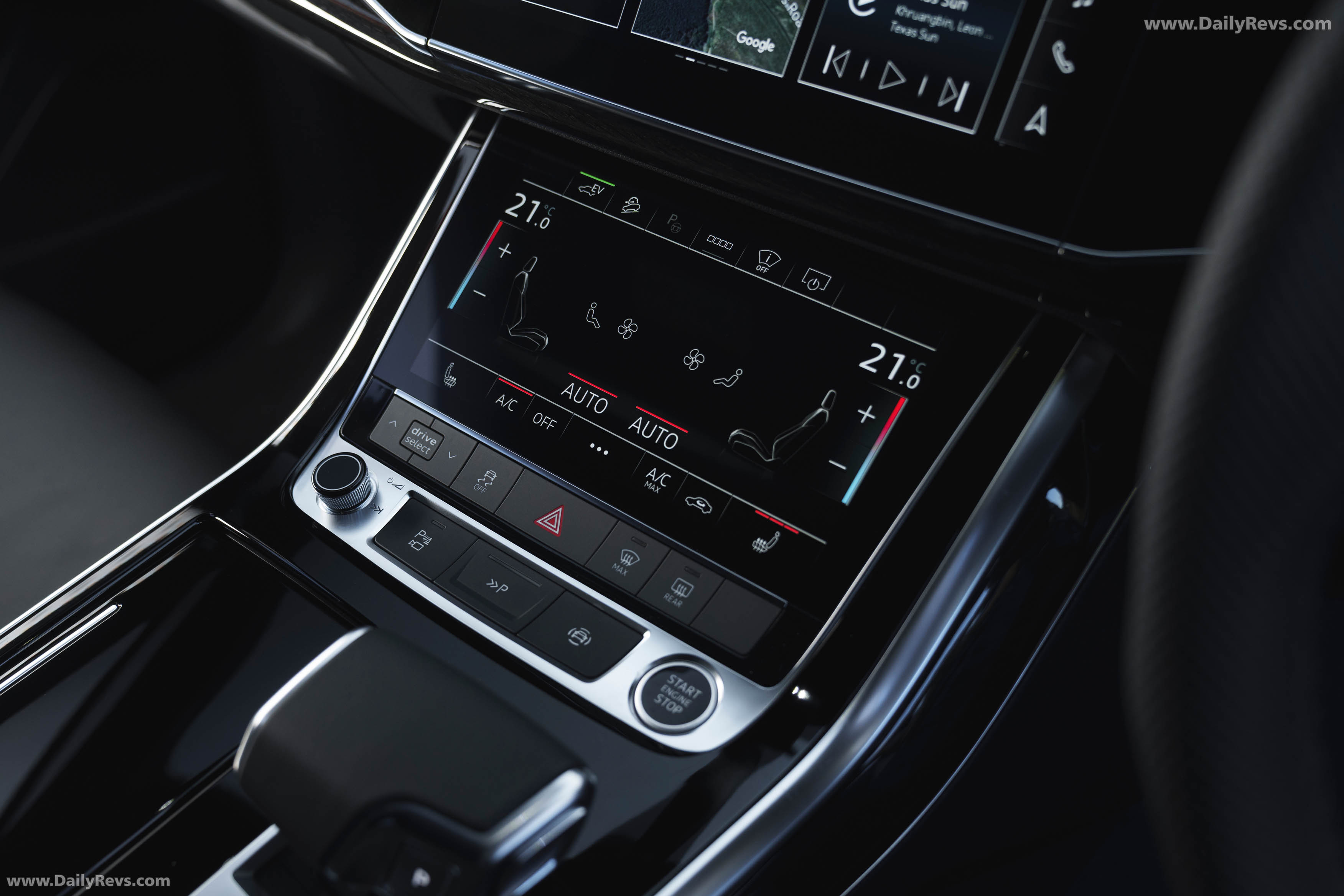
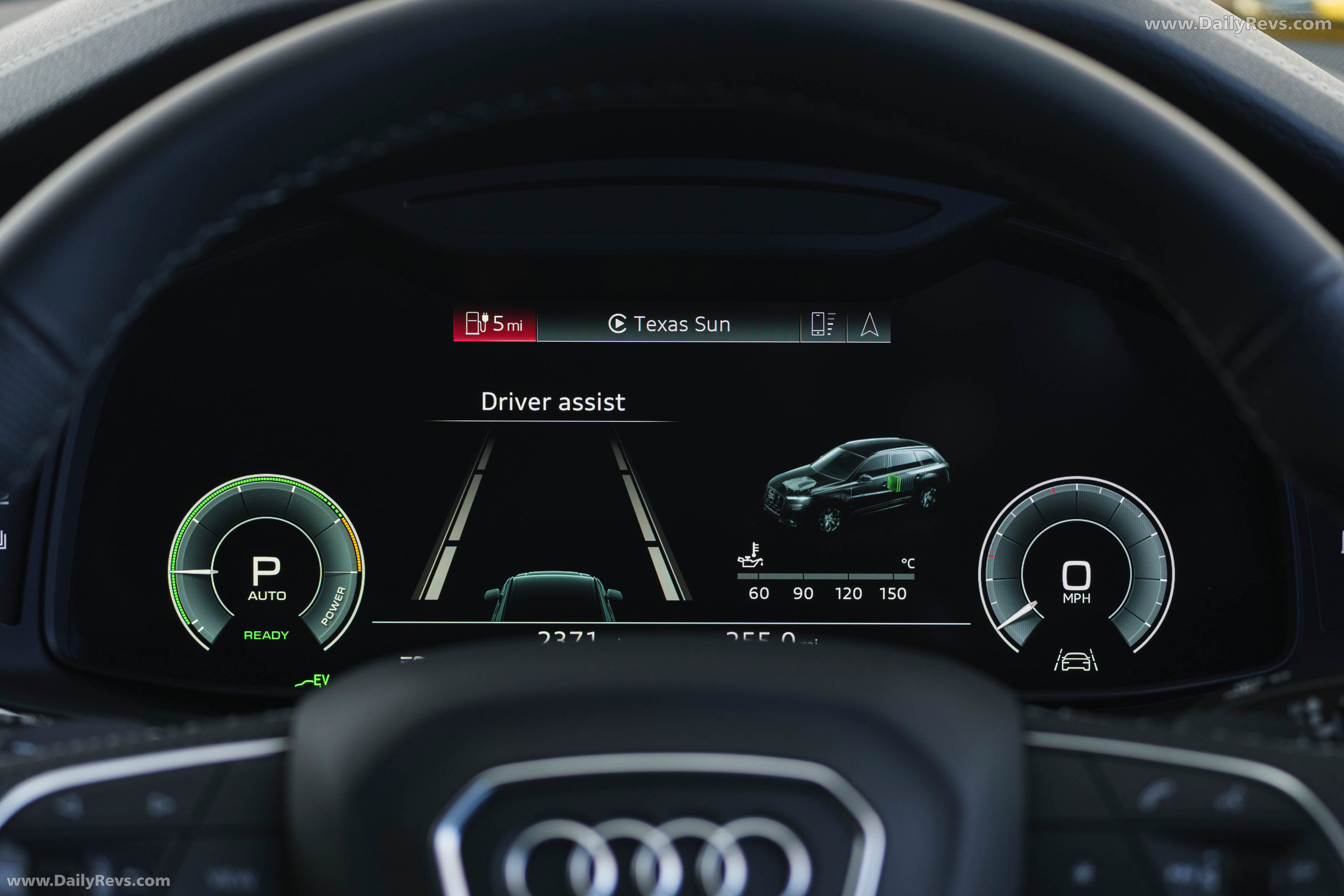
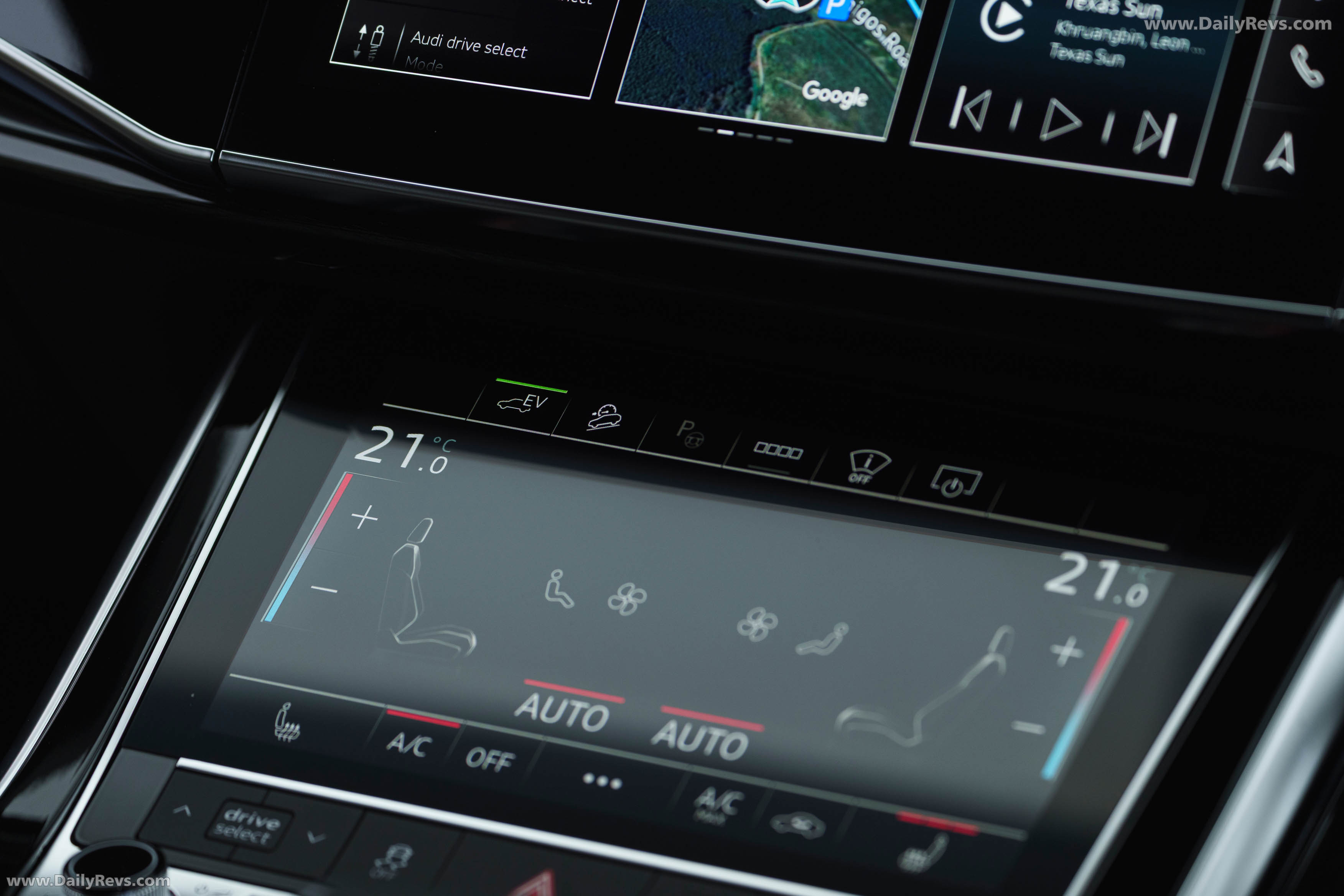
Equipment levels rise across the range. Standard features include 20-inch wheels, adaptive air suspension, Audi Virtual Cockpit Plus, a rear-view camera, three-zone climate control and a Mode 3 charging cable.
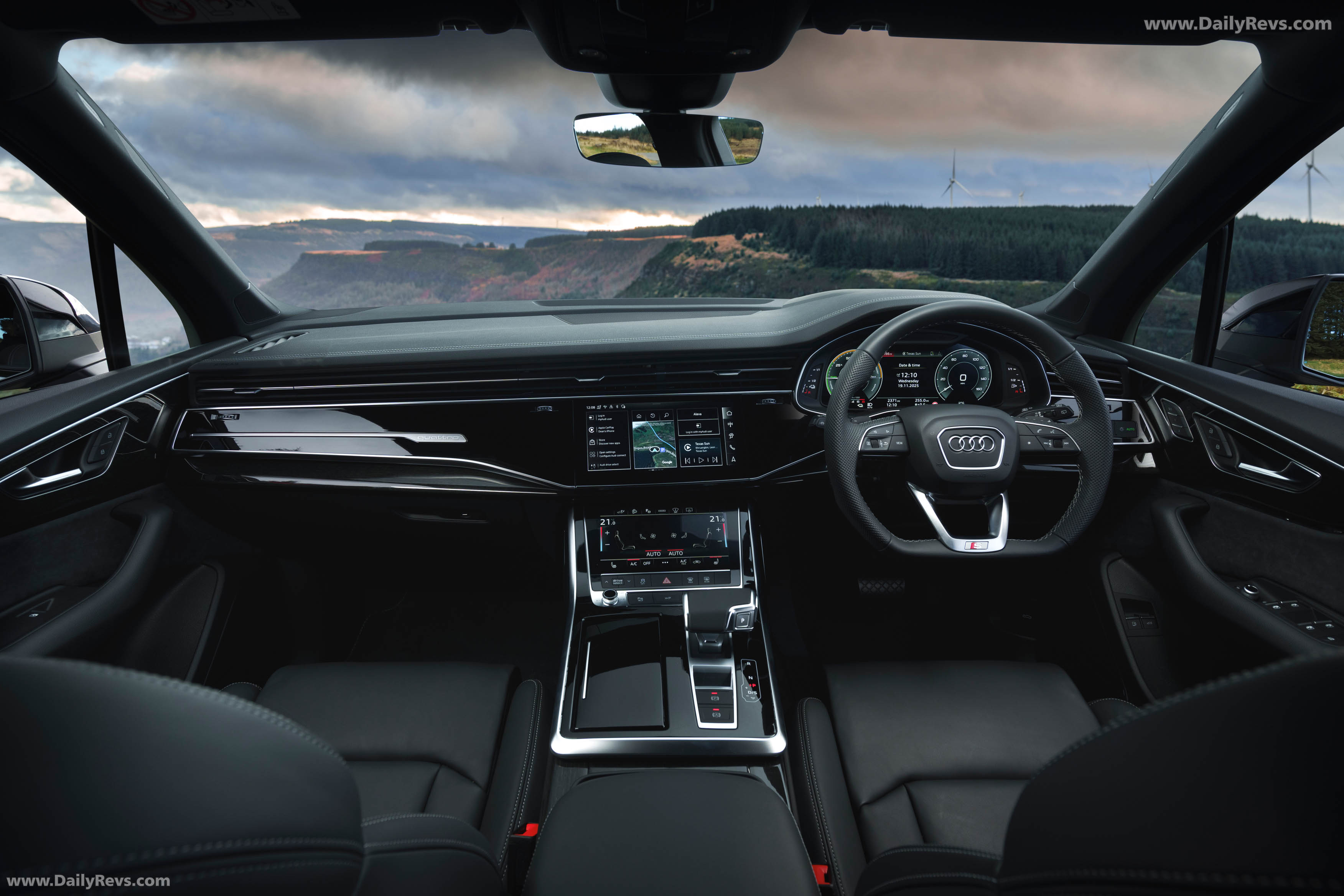
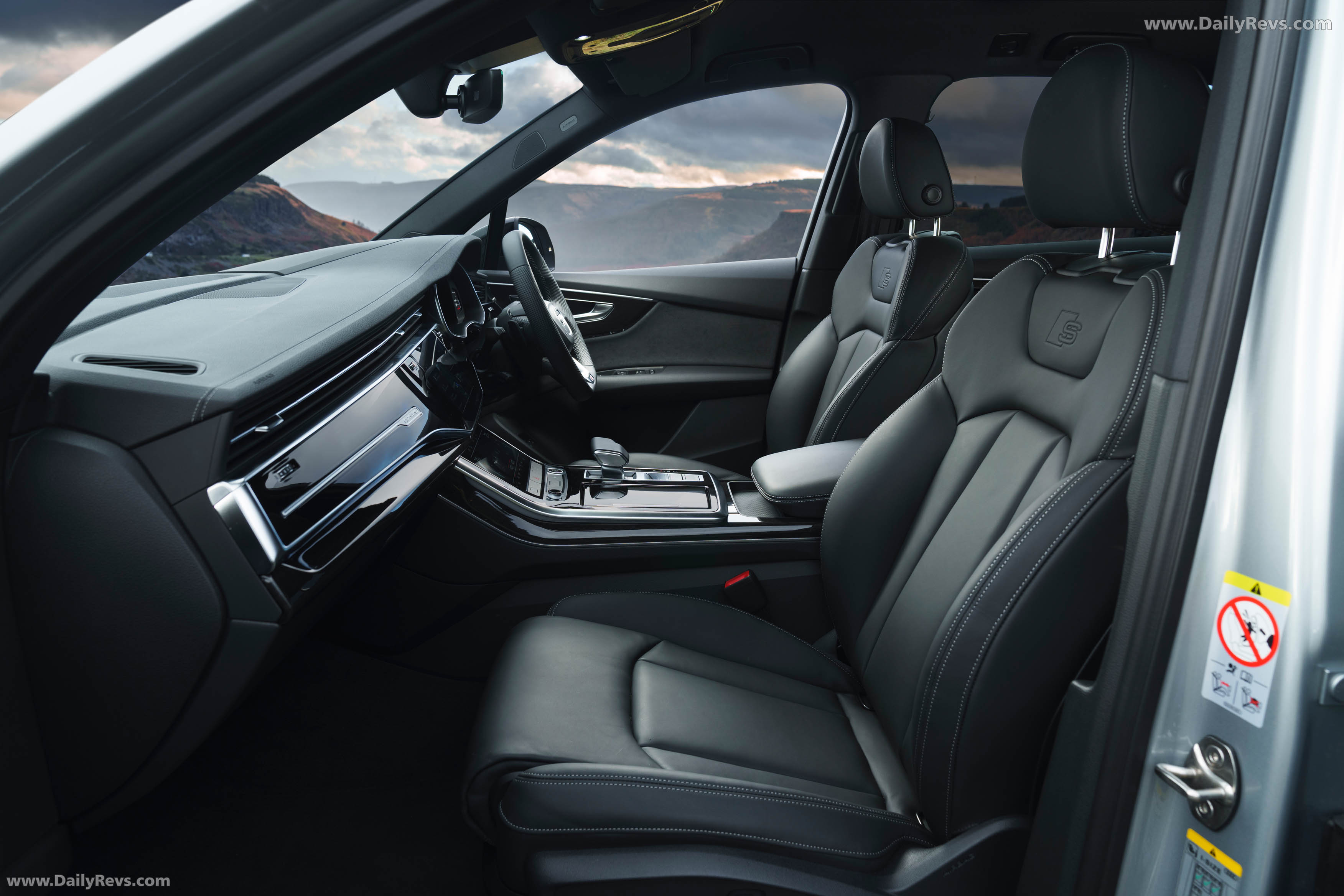
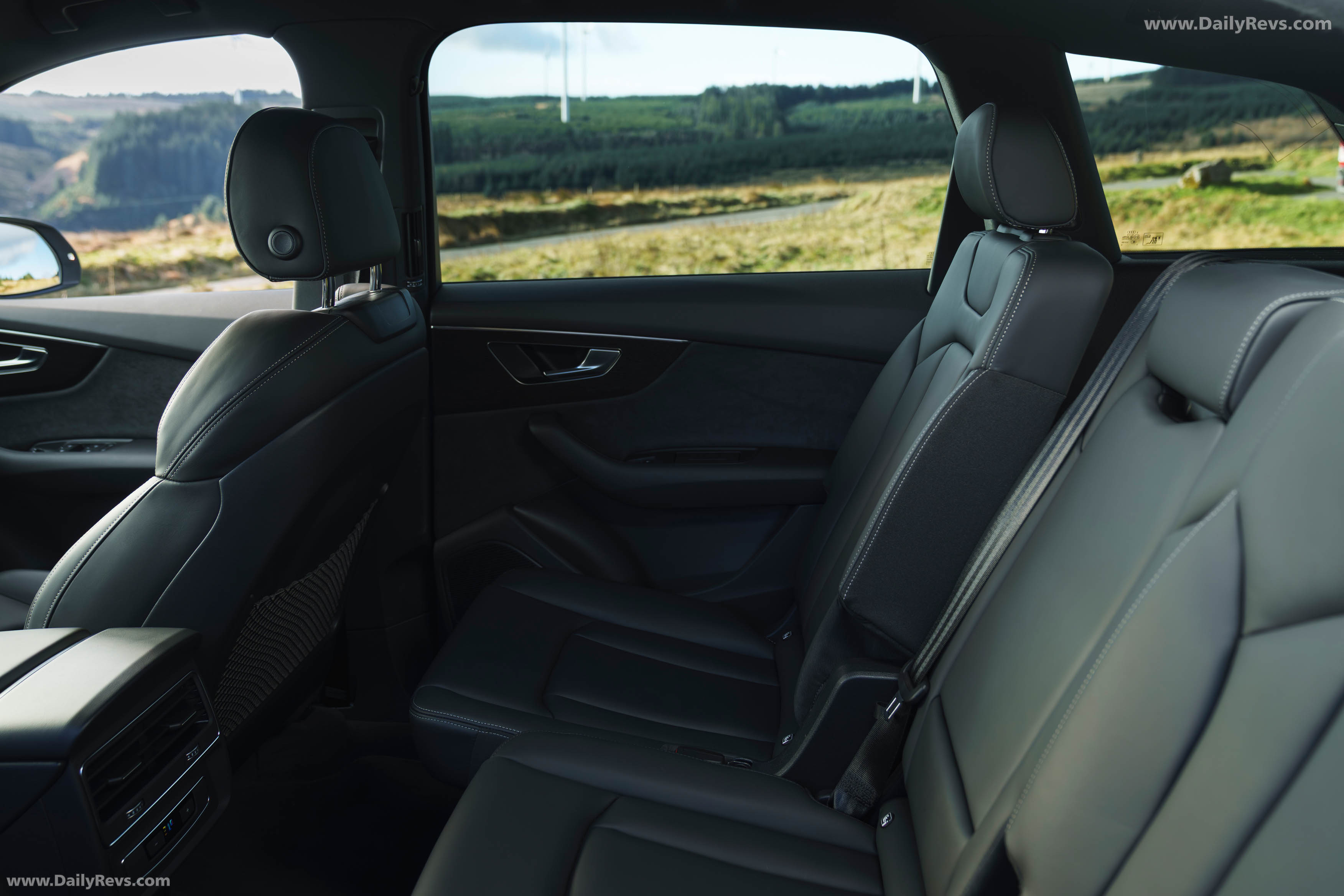
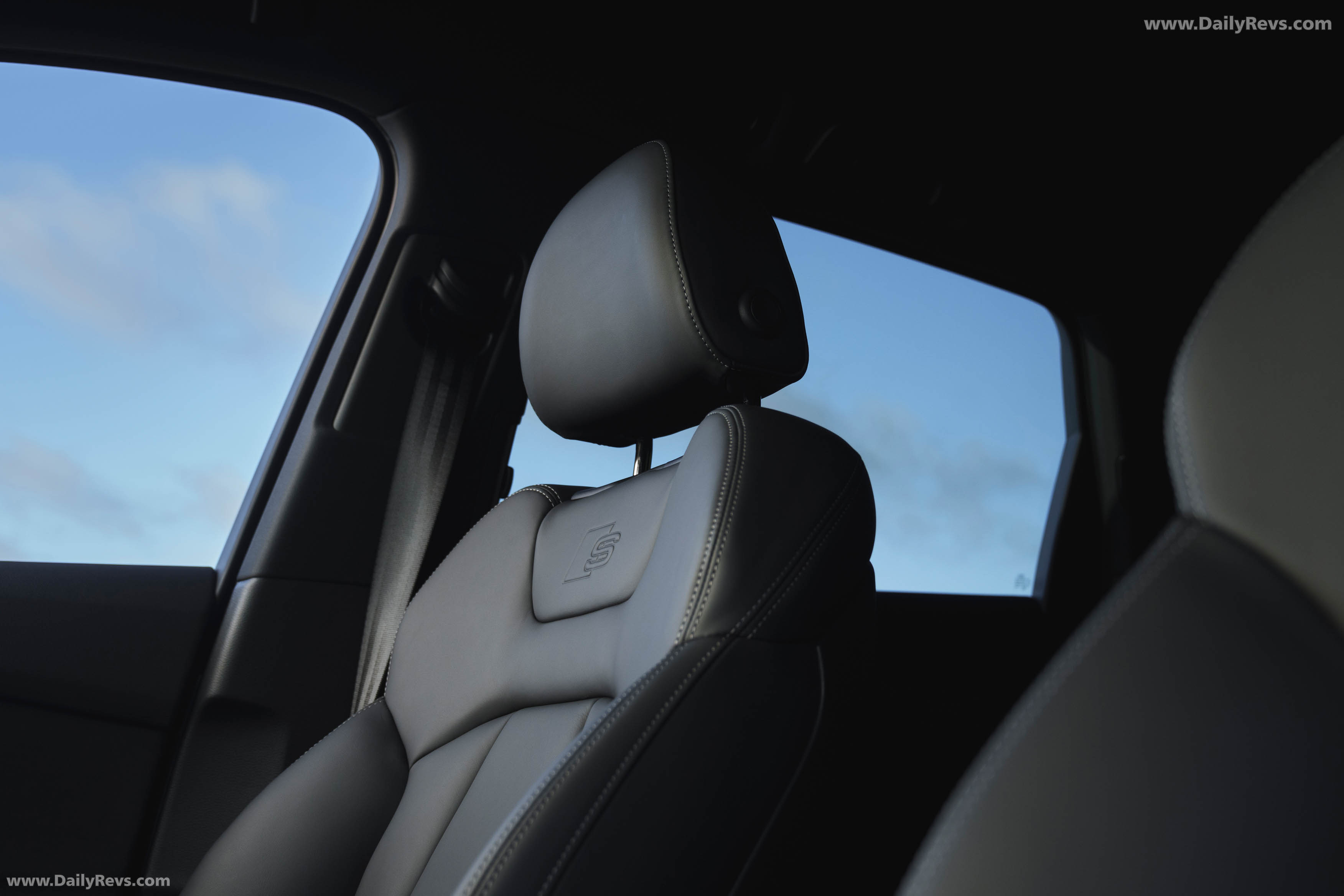
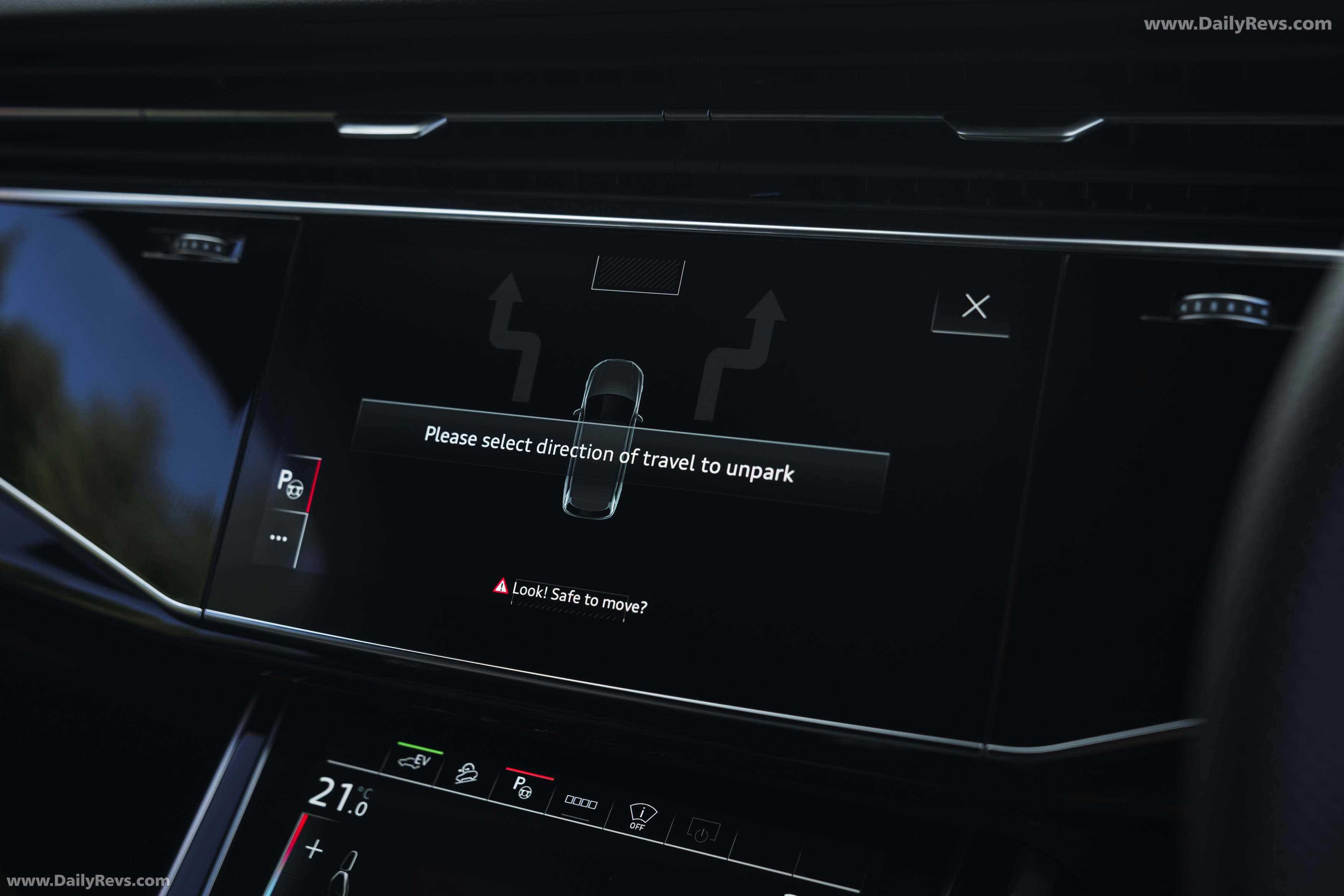
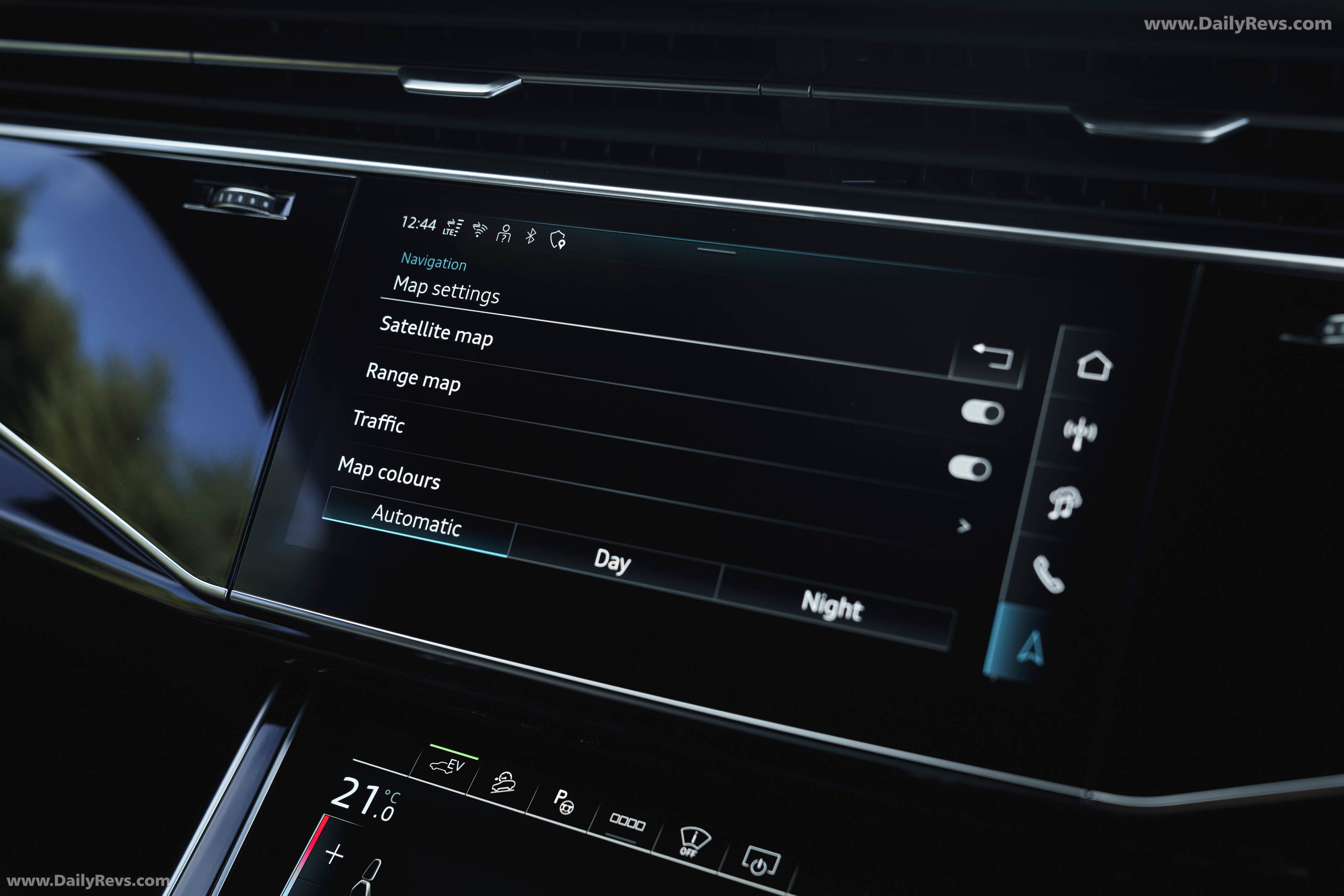
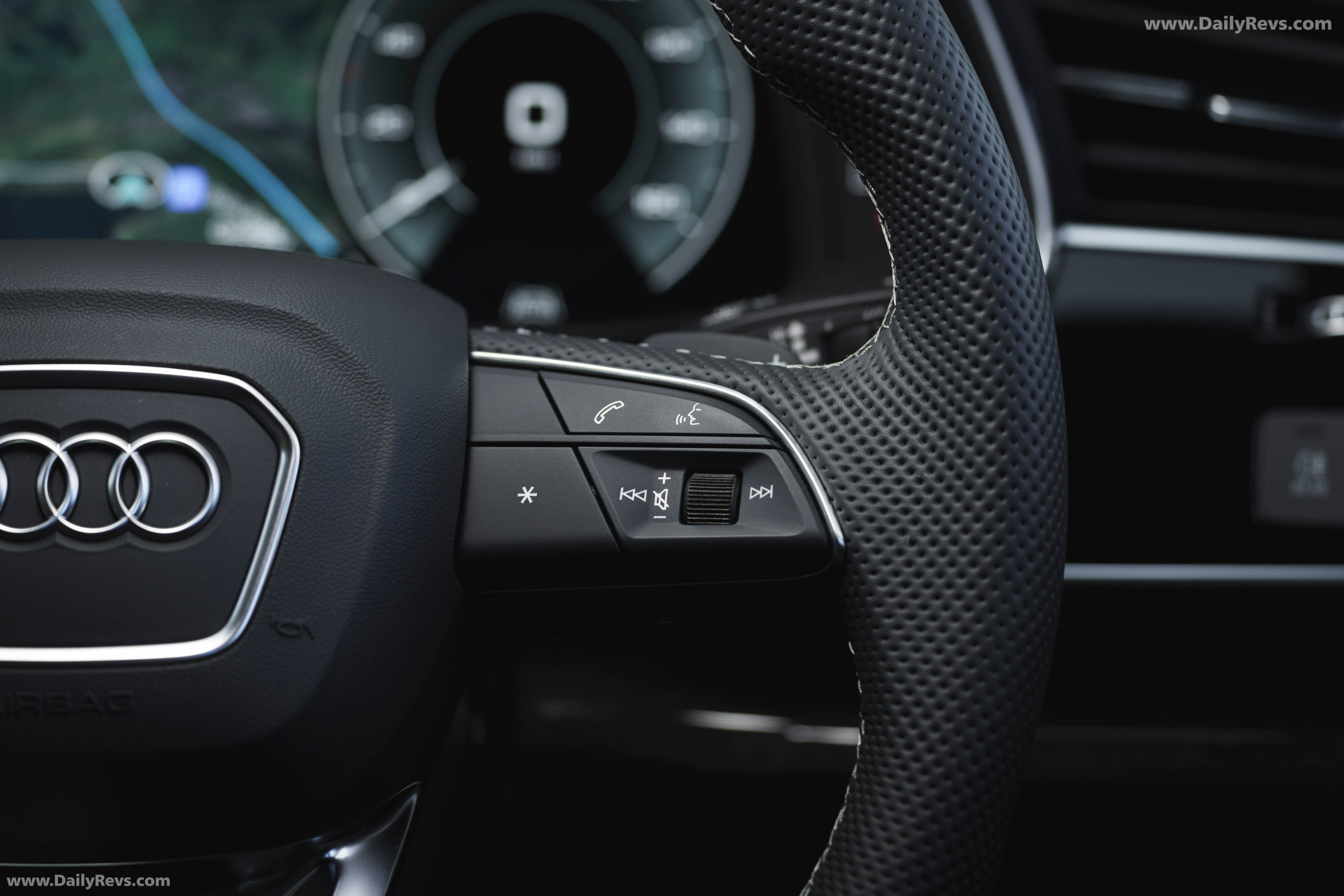
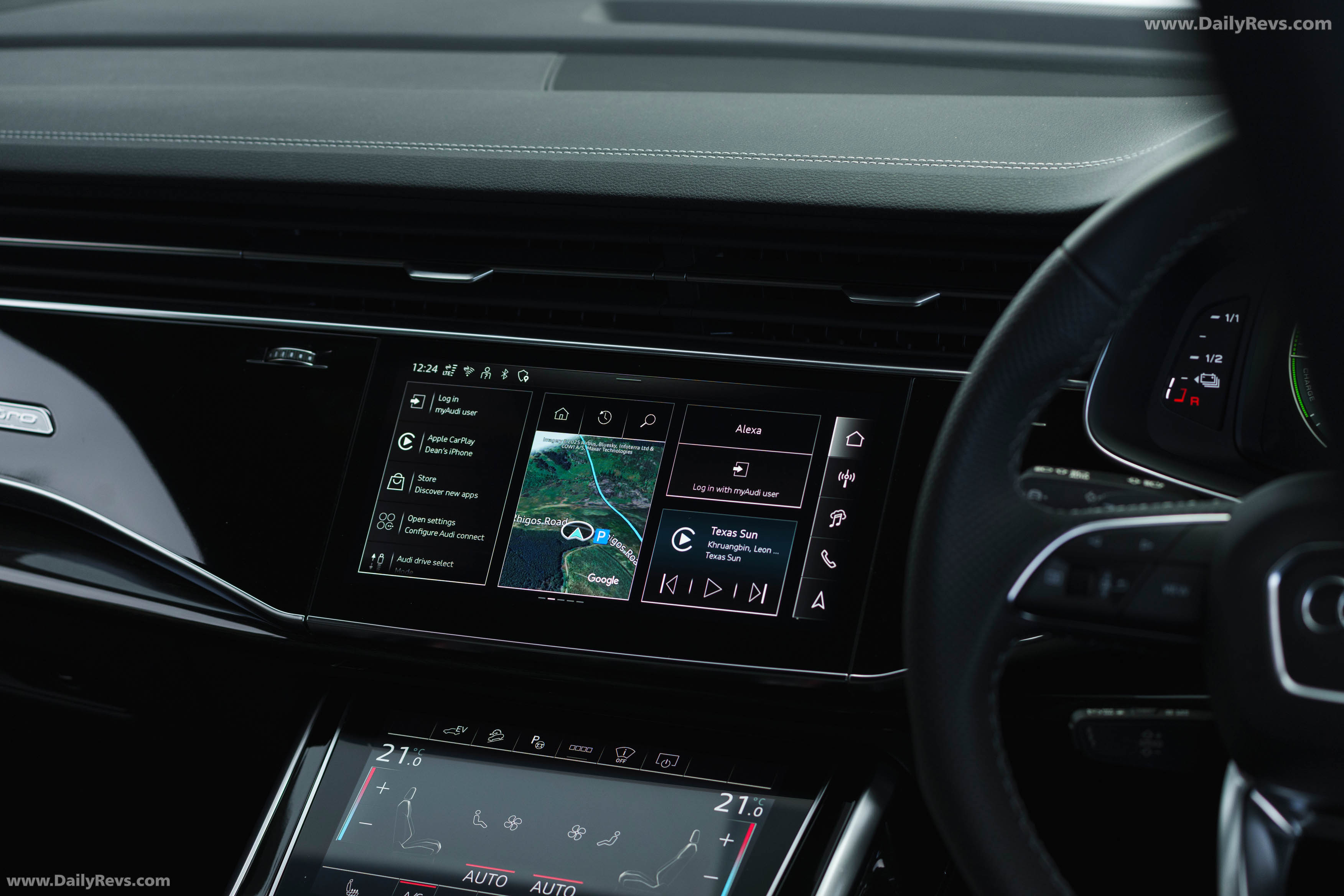
Inside, the Q7 maintains a familiar layout but augments it with expanded app availability and new driver-assistance capabilities. Vorsprung versions introduce all-wheel steering, turning the rear wheels up to five degrees to reduce the turning circle by up to one metre. The same trim also adds electromechanical active roll stabilization, which counteracts body lean using compact electric motors powered by a 48-volt supercapacitor.
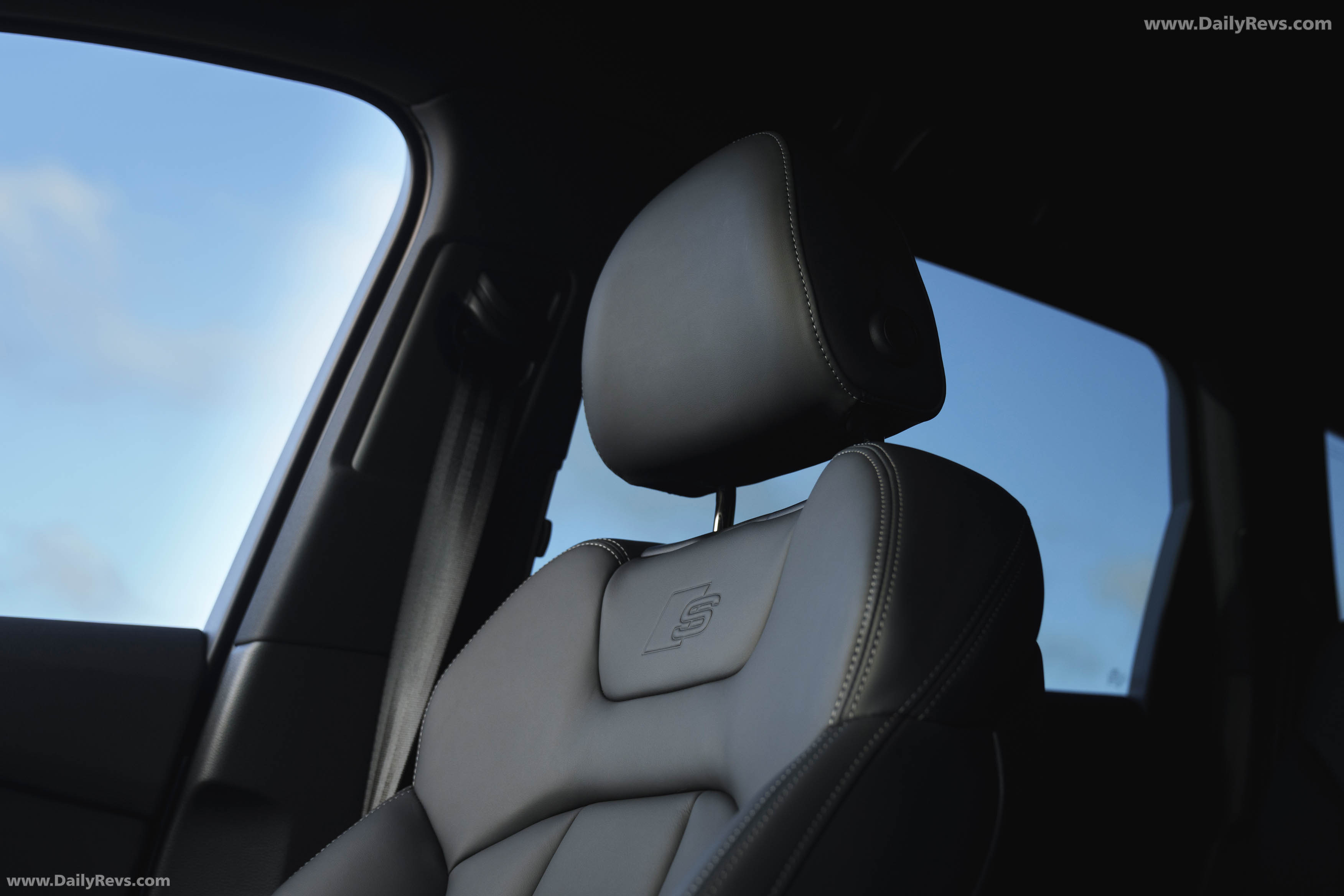
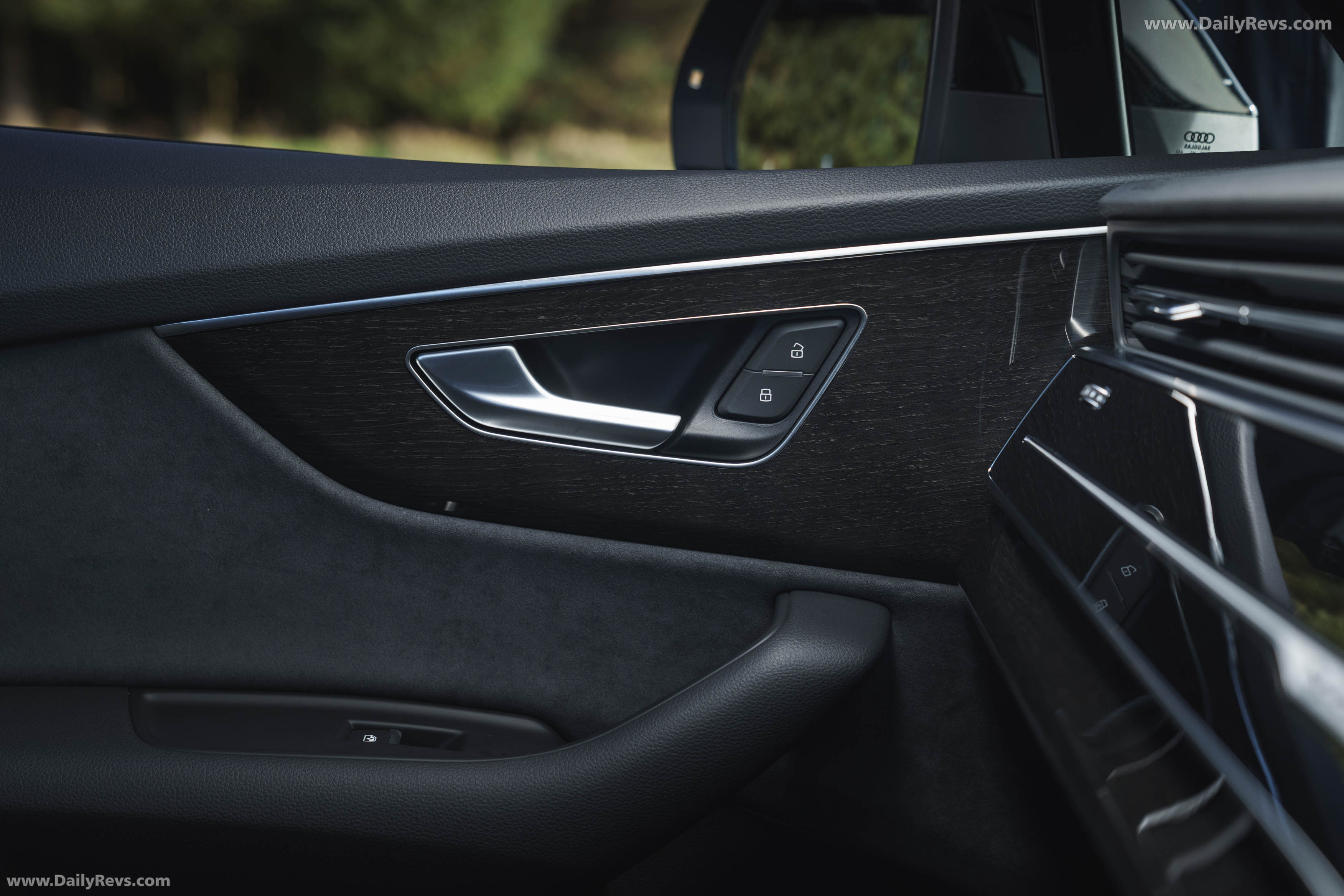
Materials and trim combinations remain extensive, though the press information does not detail new interior colourways [Unverified].
Market Positioning and Segment Context
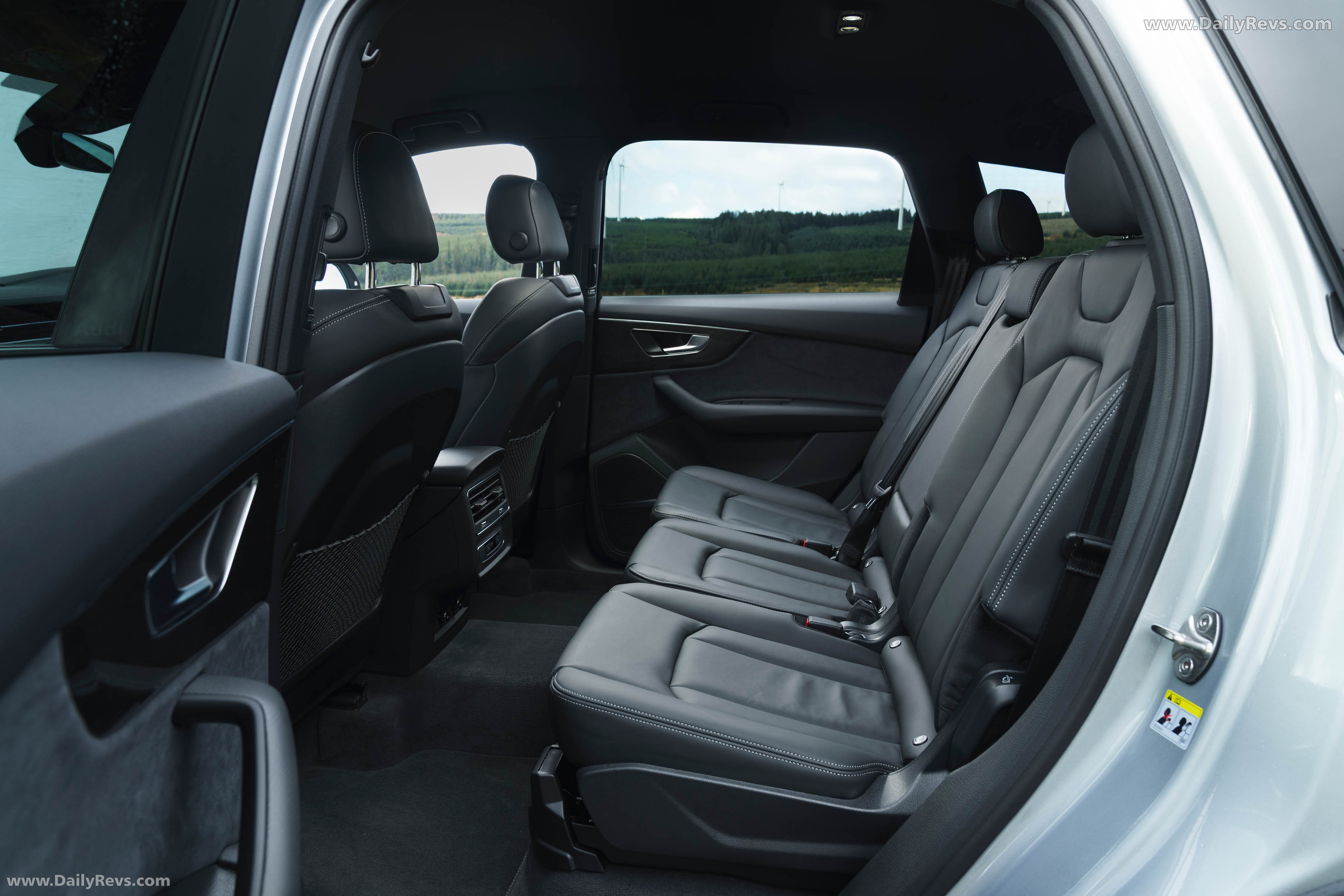
This updated Q7 TFSI e 4M enters a UK market increasingly shaped by electrified large SUVs. Audi positions this model as a bridge between full EVs and traditional combustion SUVs: a vehicle capable of meaningful electric travel for daily use, while retaining long-distance flexibility through its petrol V6.
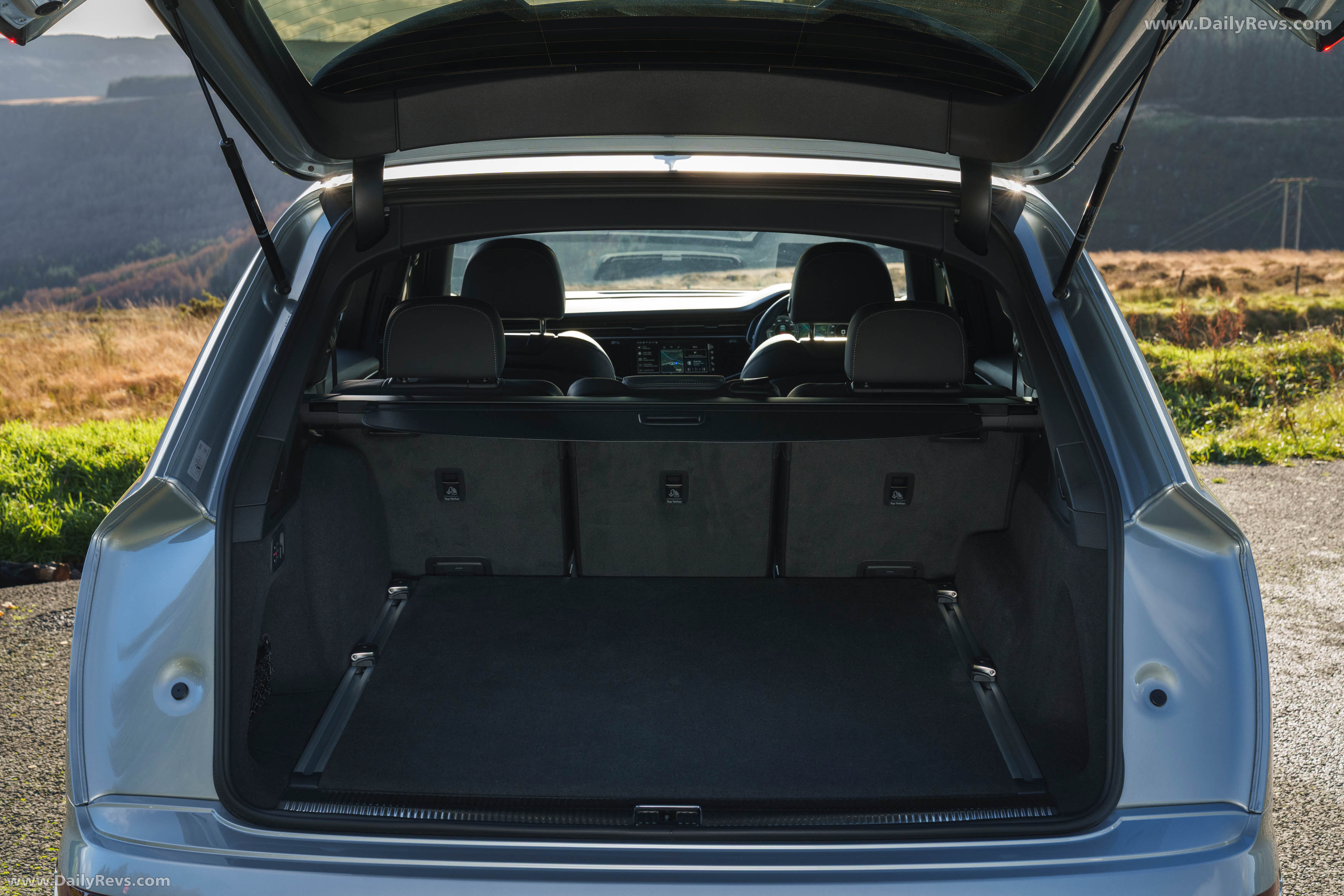
With pricing to be announced, the UK model aims to appeal to families who want electric commuting range without sacrificing space, refinement, or long-journey capability. The addition of all-wheel steering and roll stabilization pushes it further into premium territory, especially for buyers who value stability and manoeuvrability in a large seven-seater.