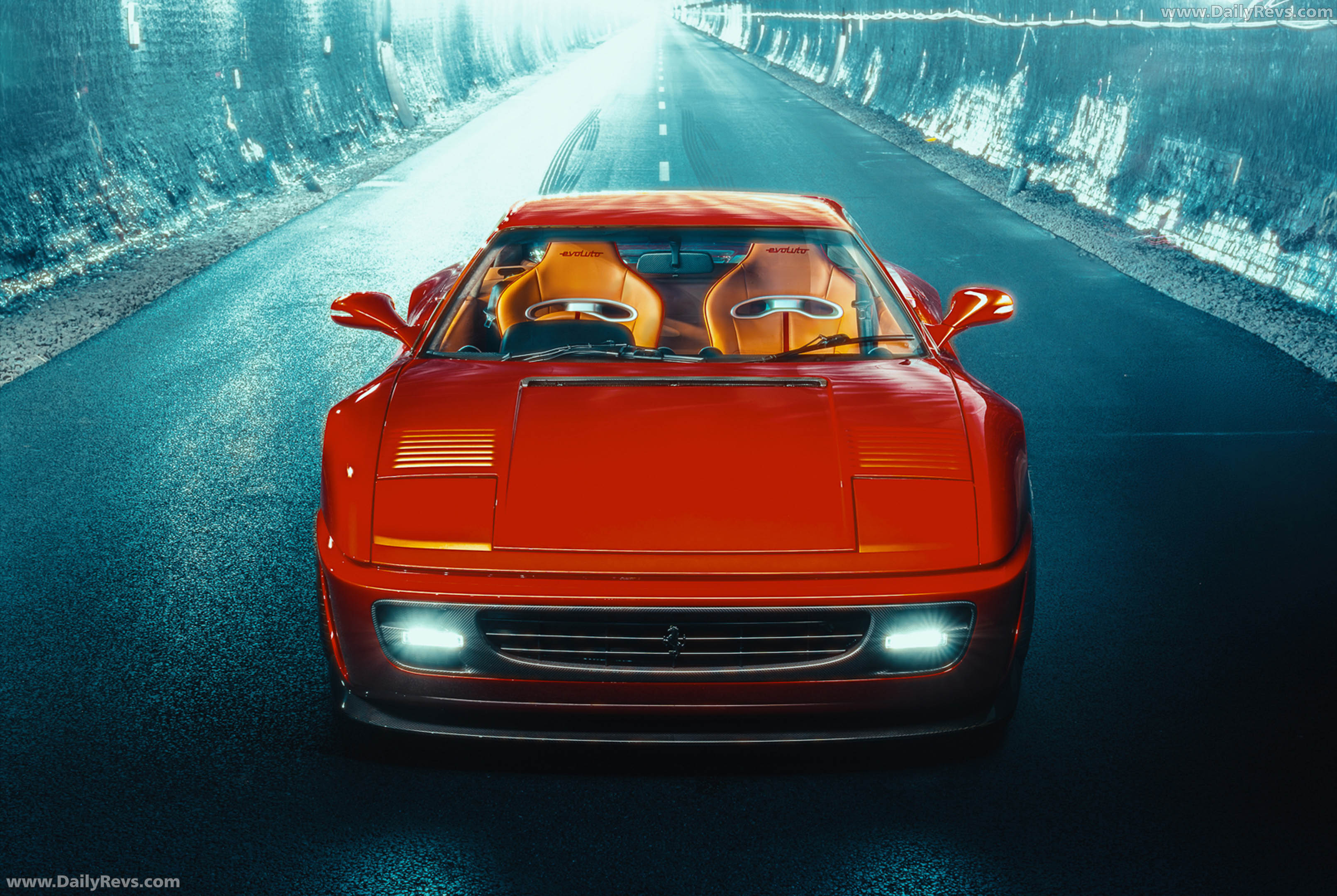
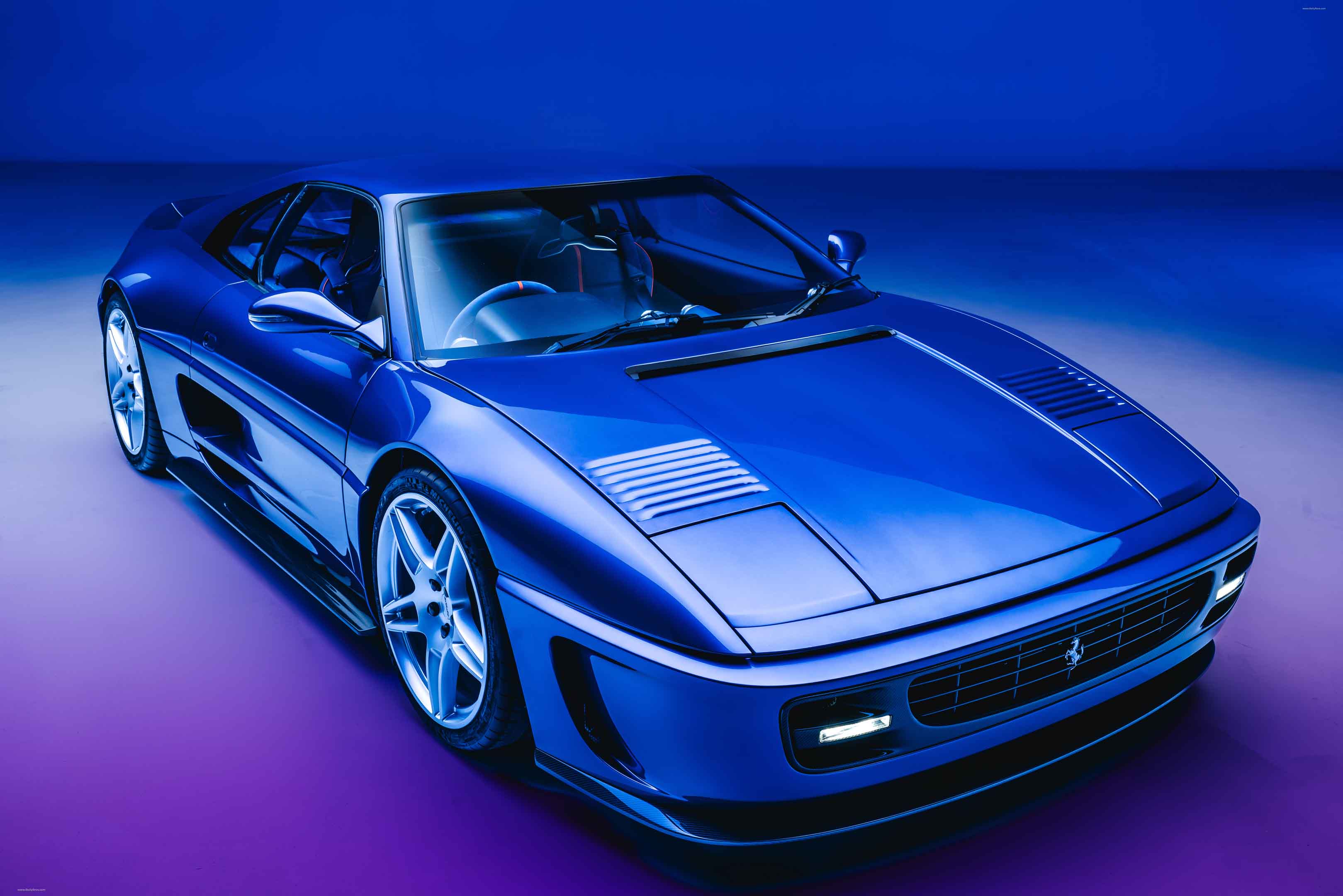
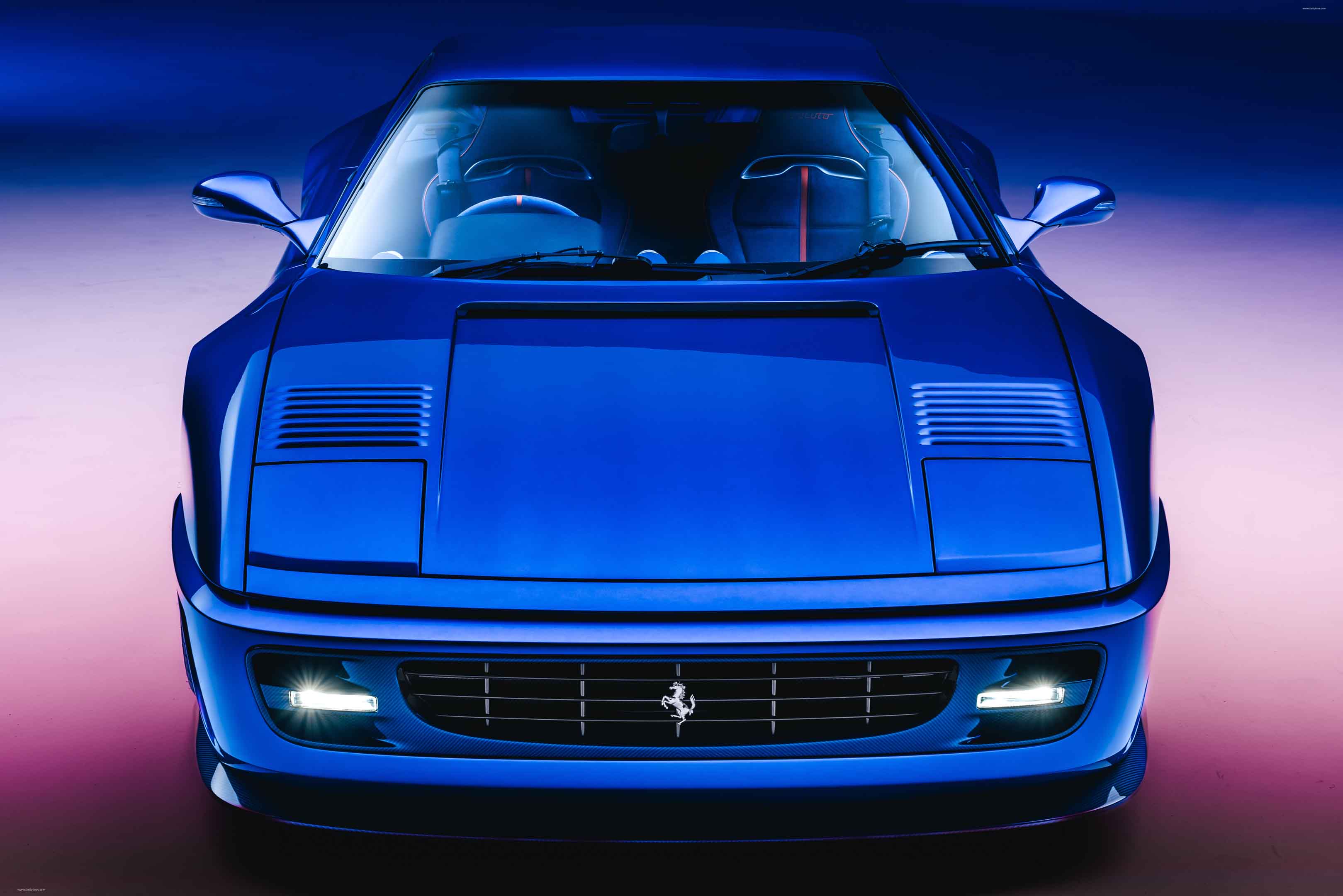
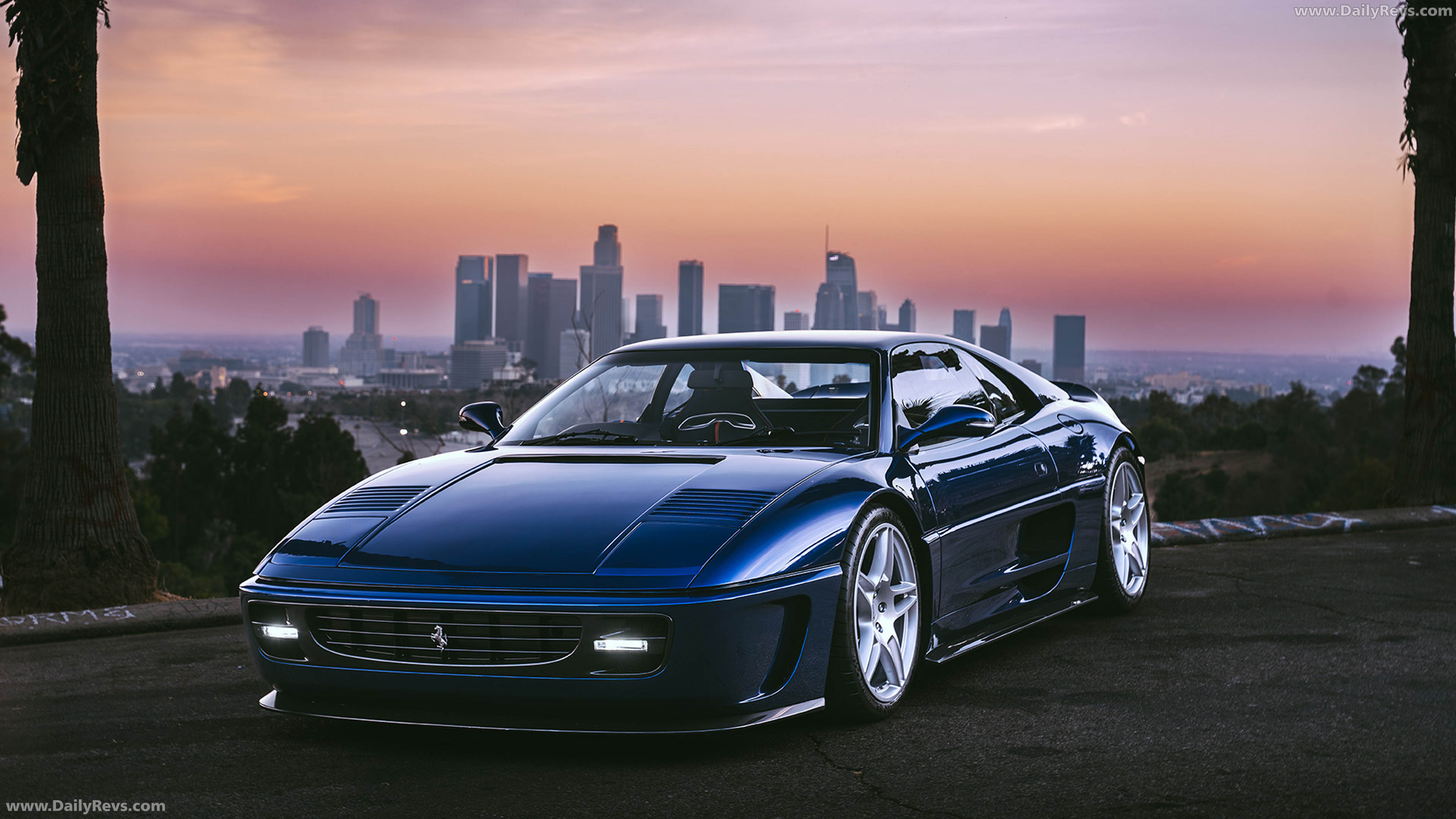
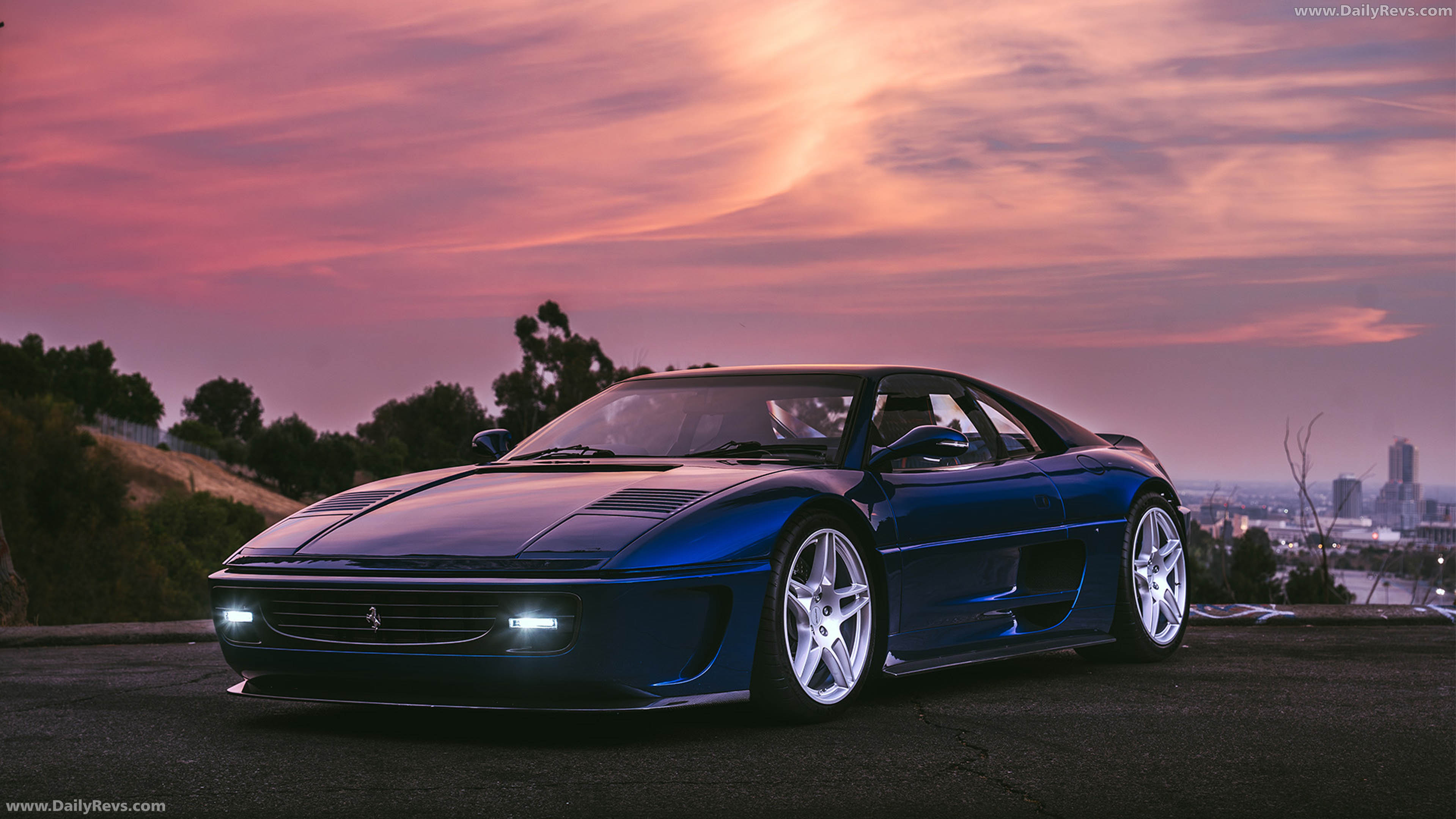
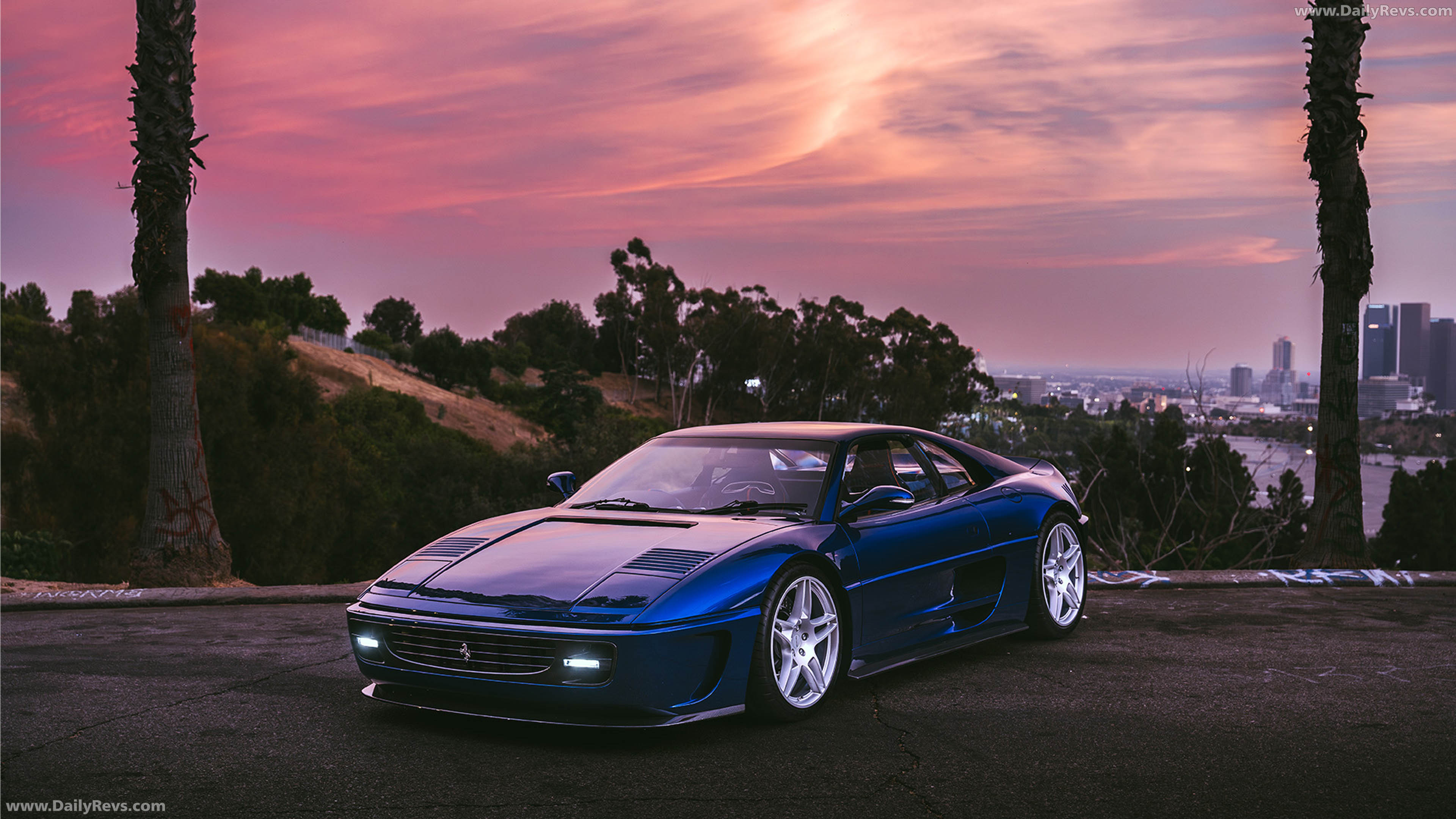
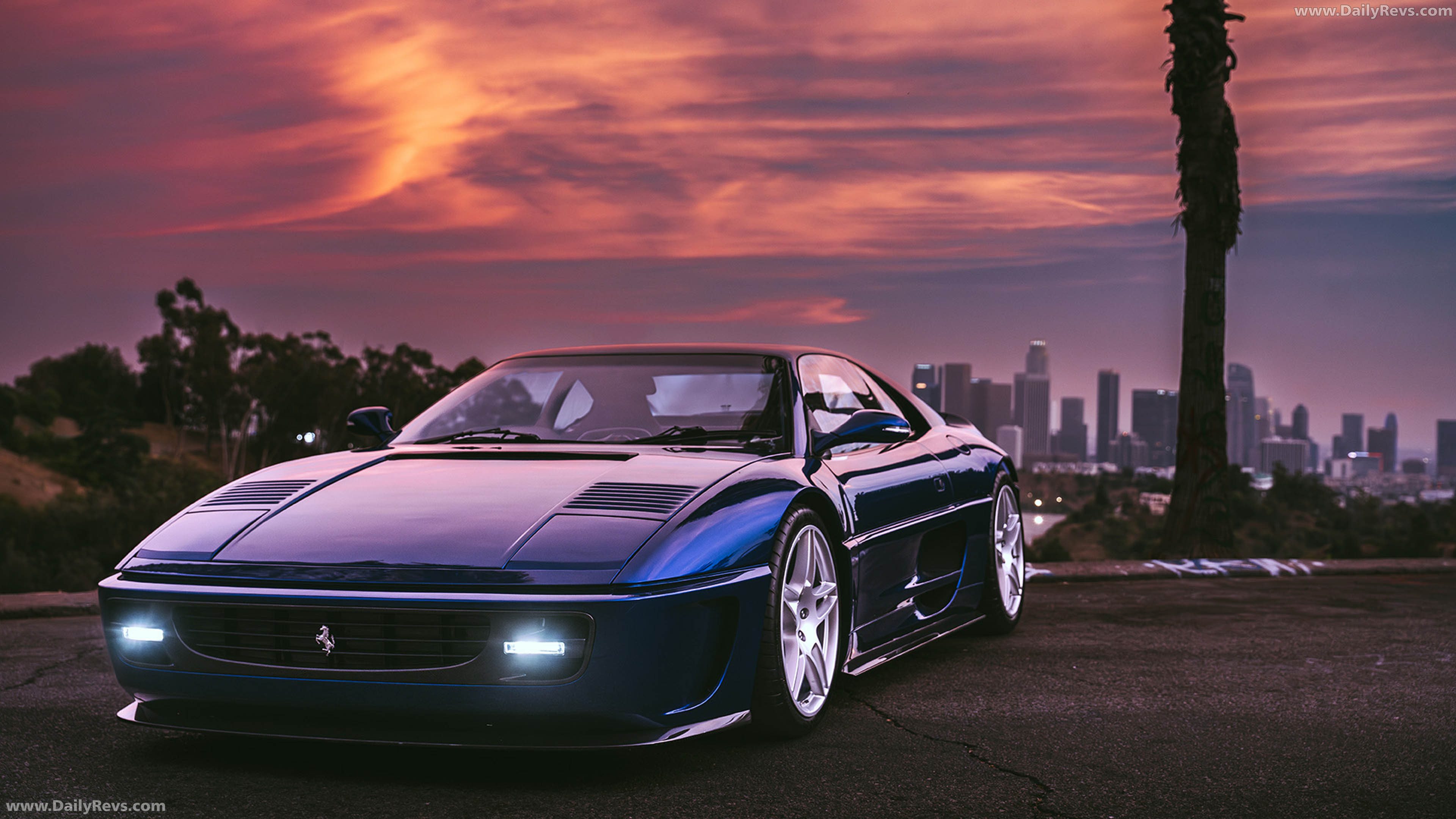
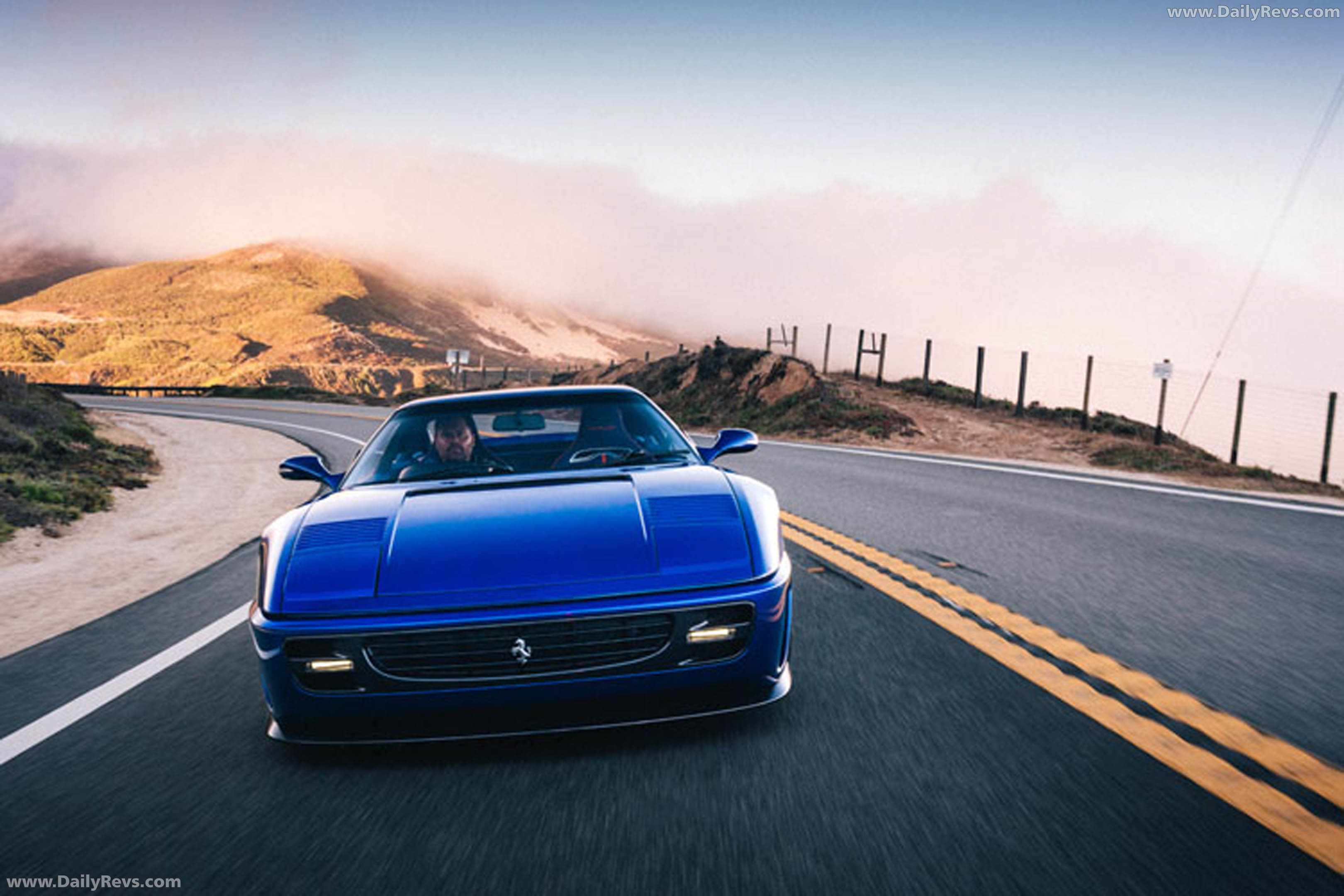
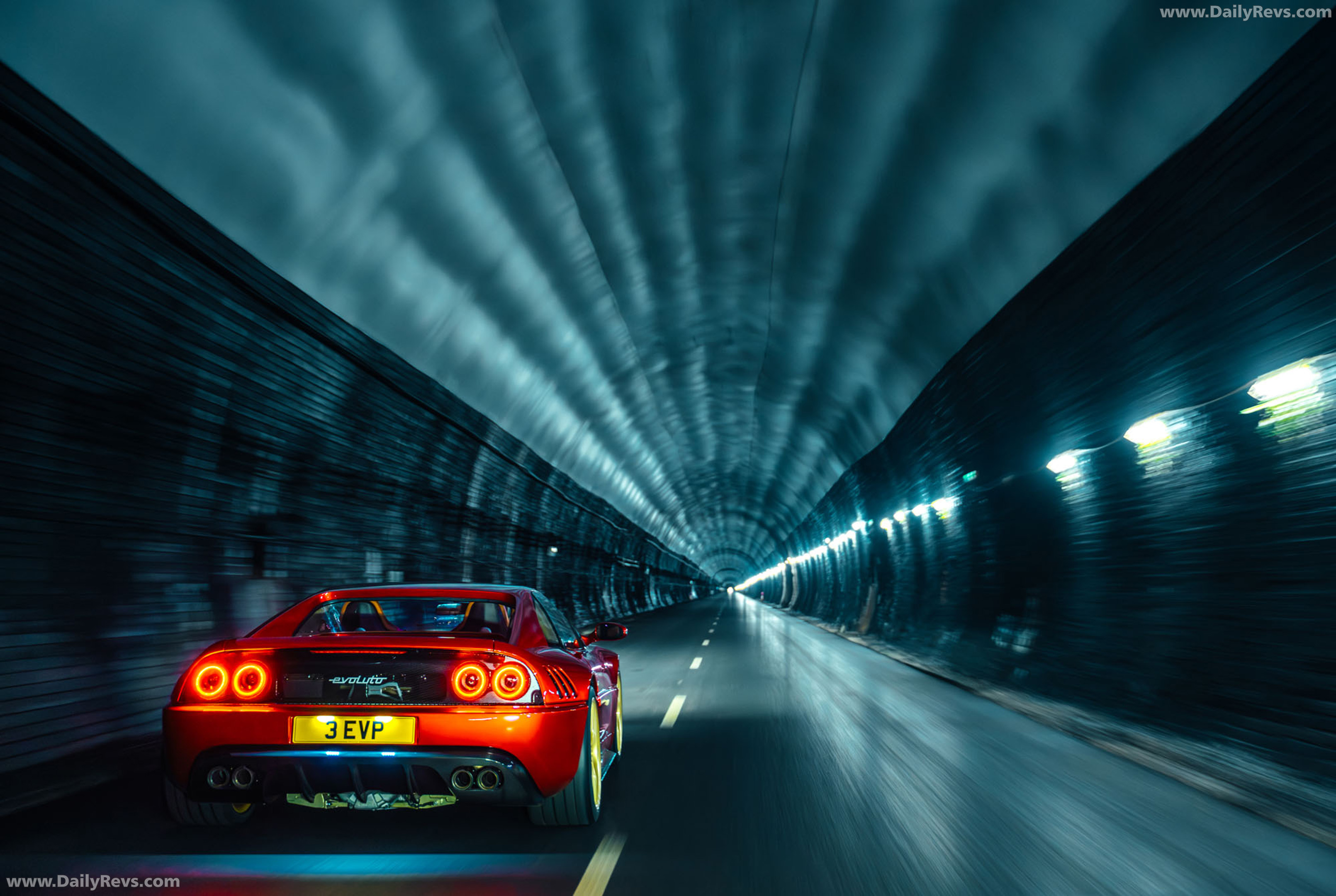
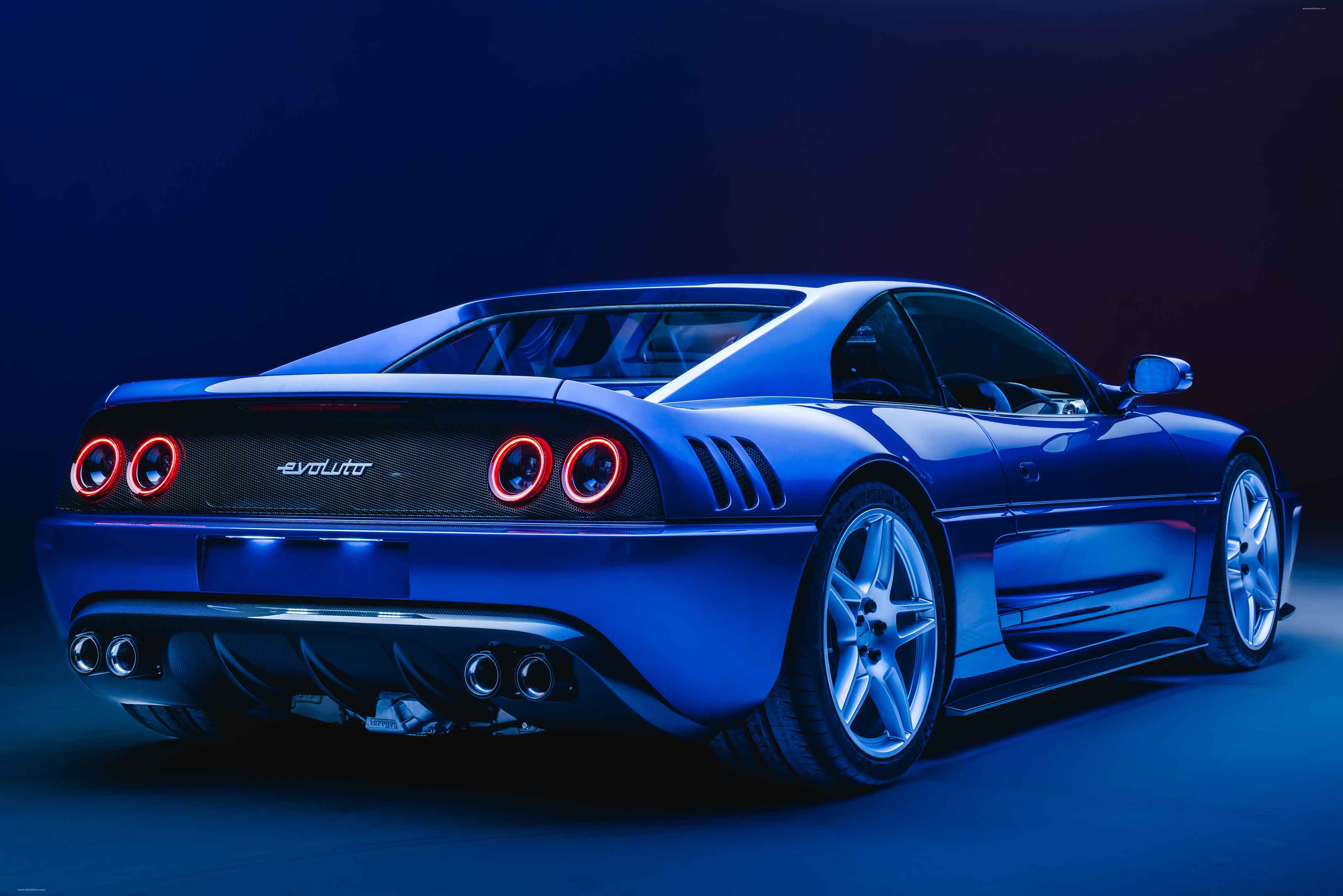
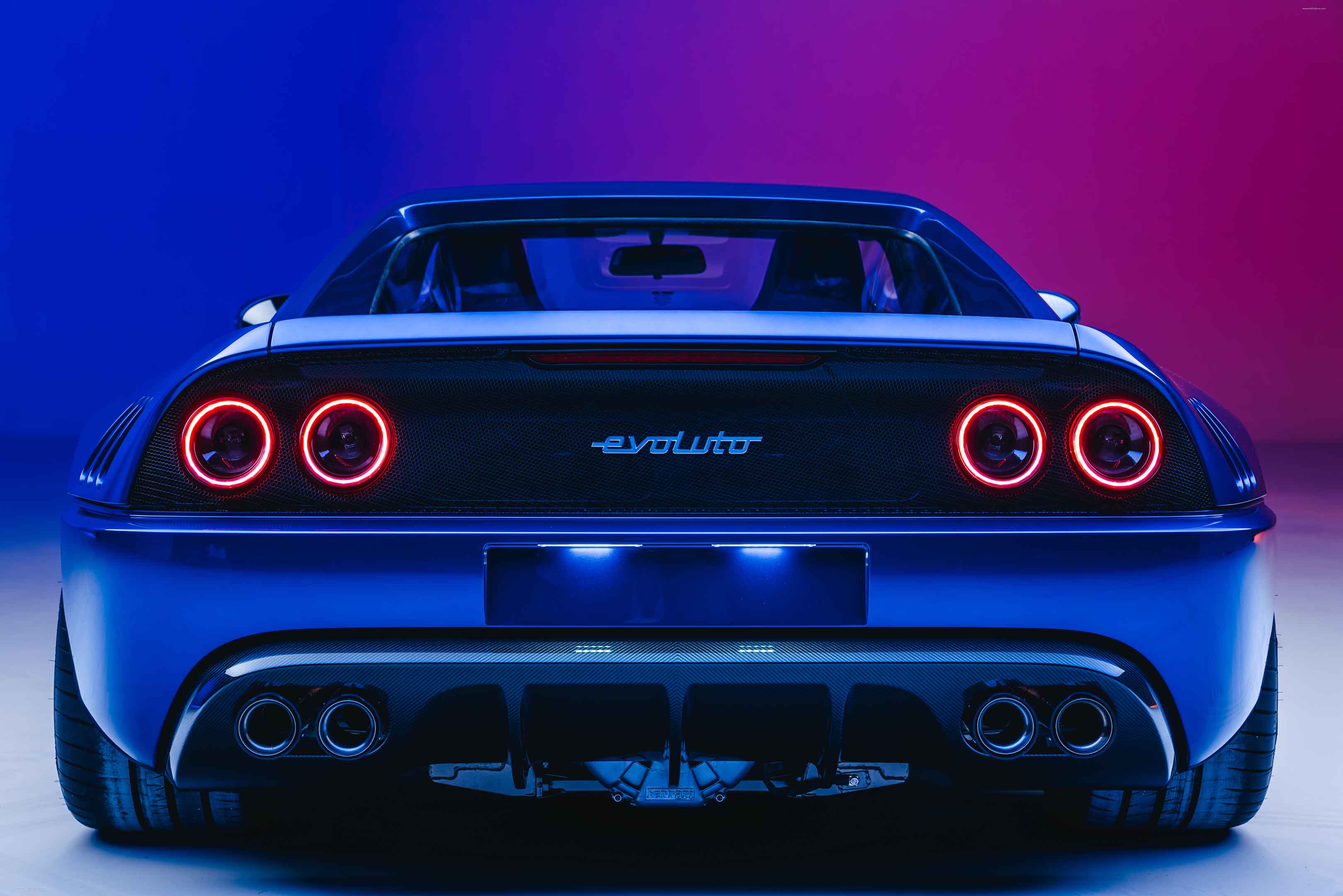
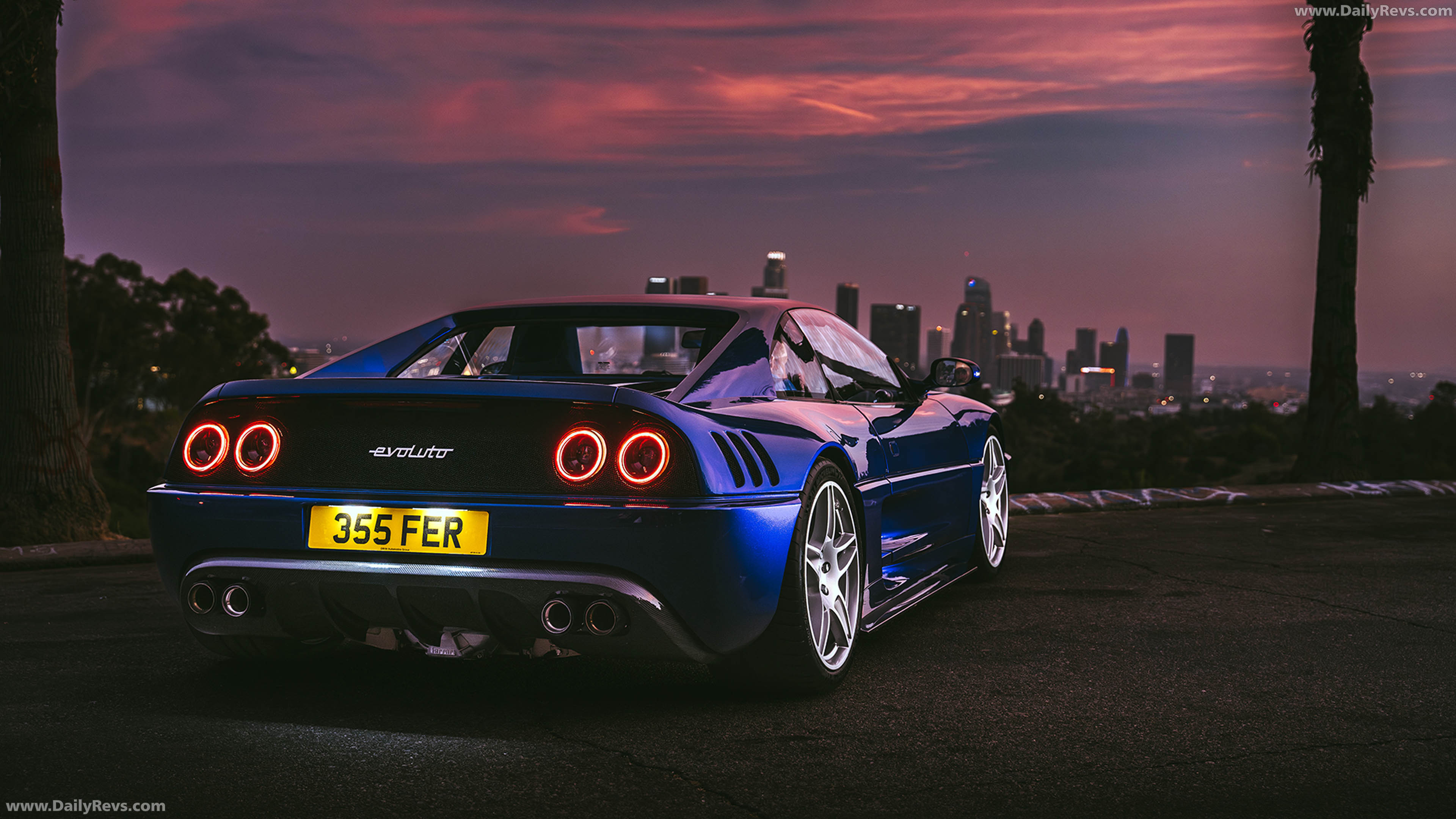
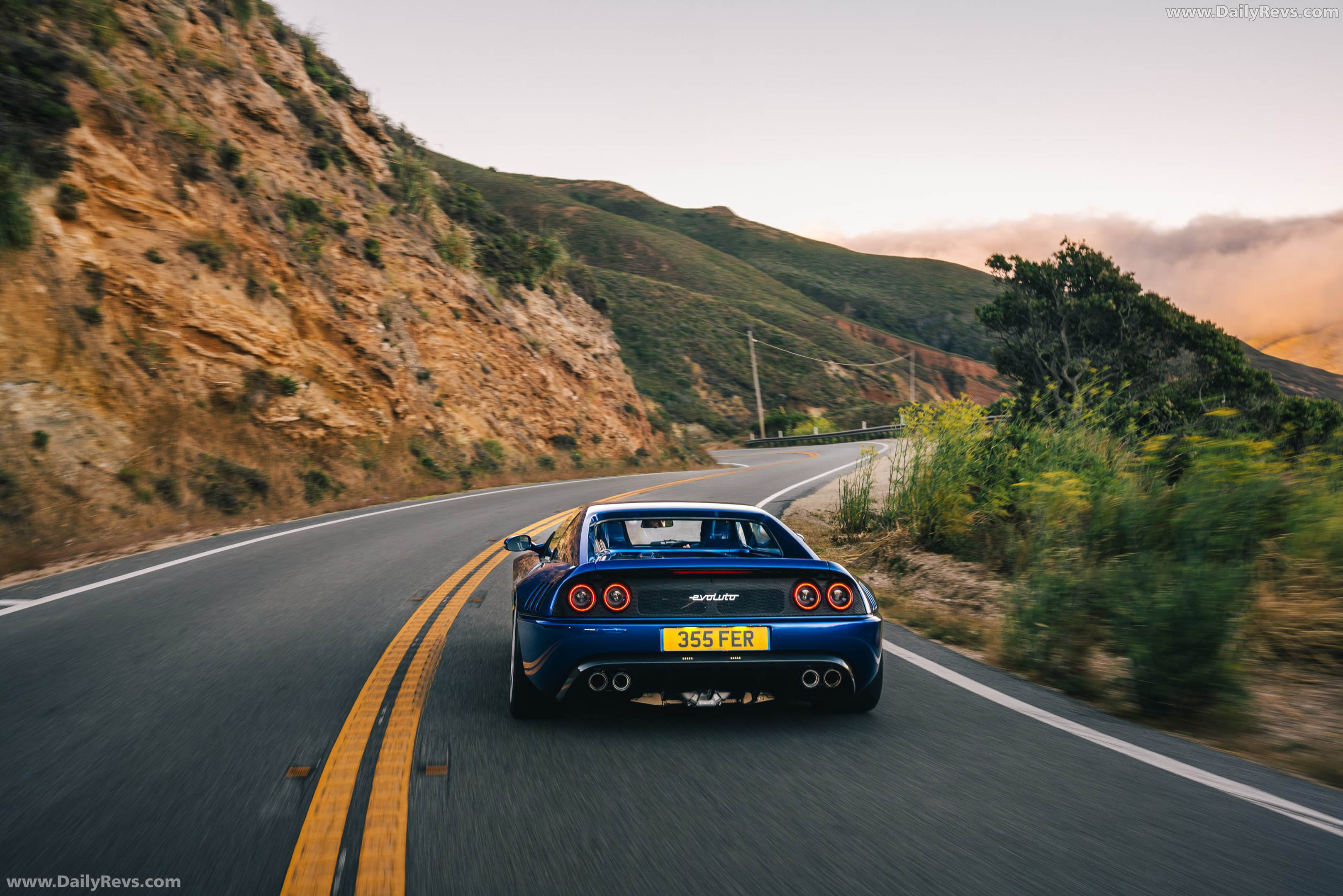
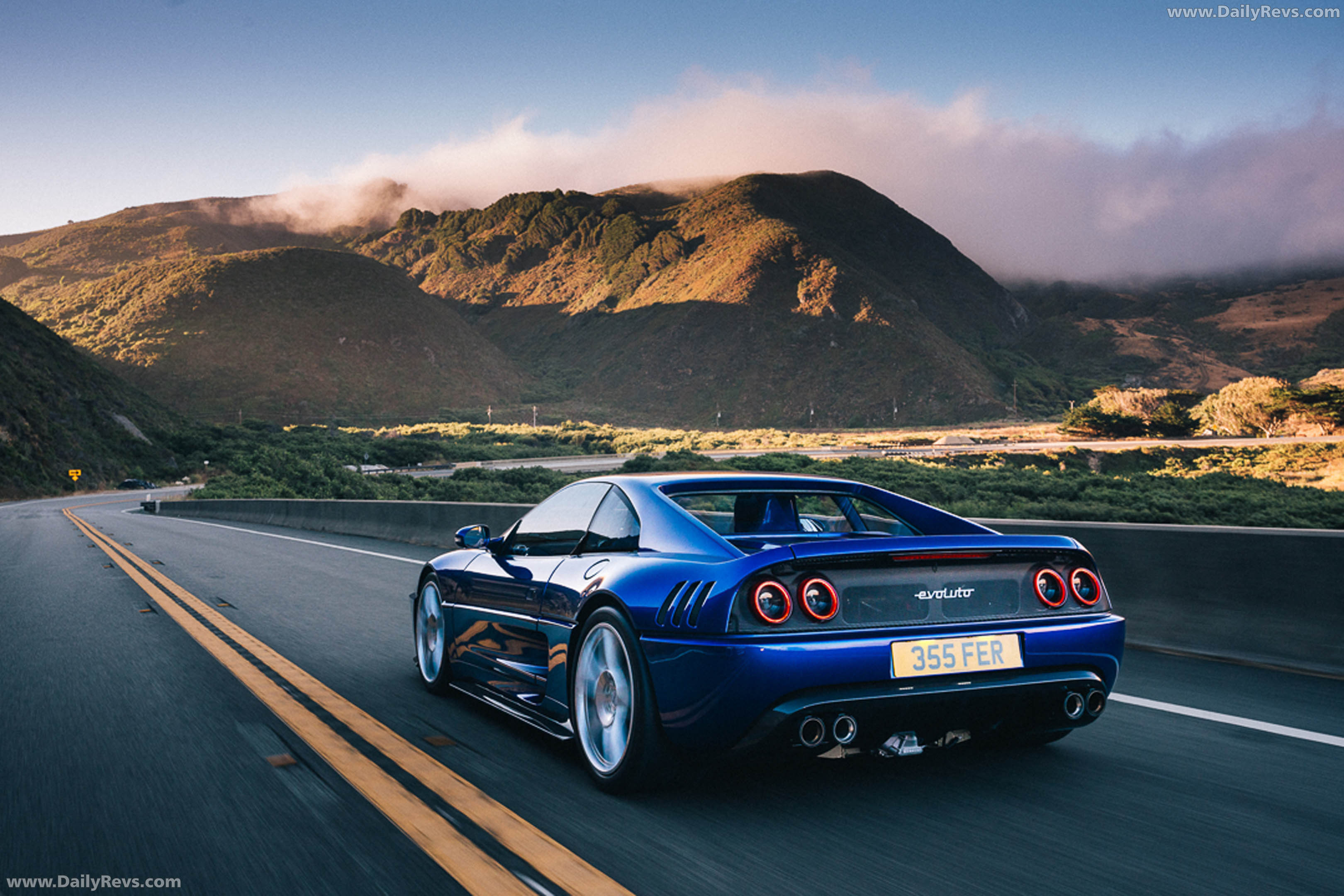
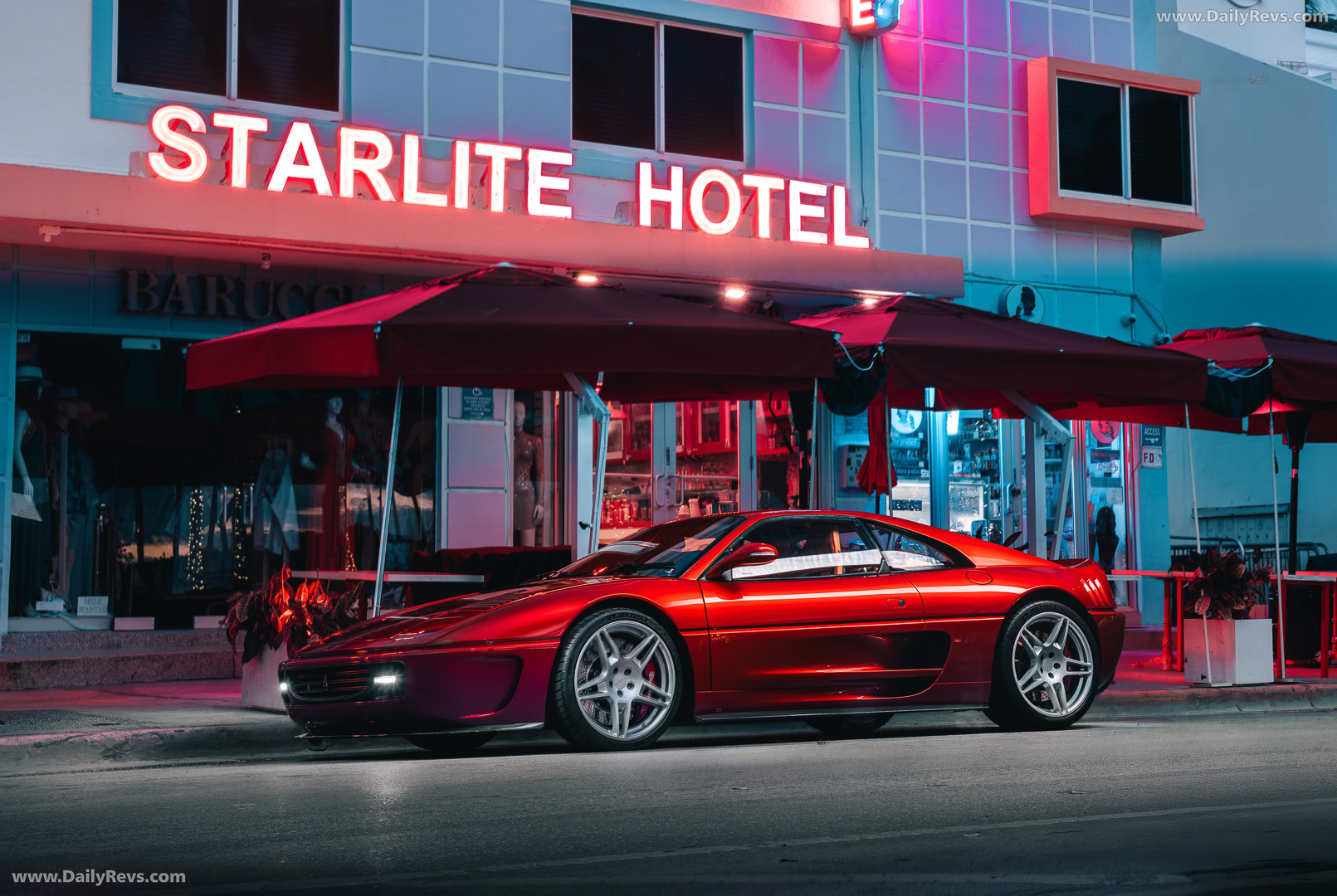
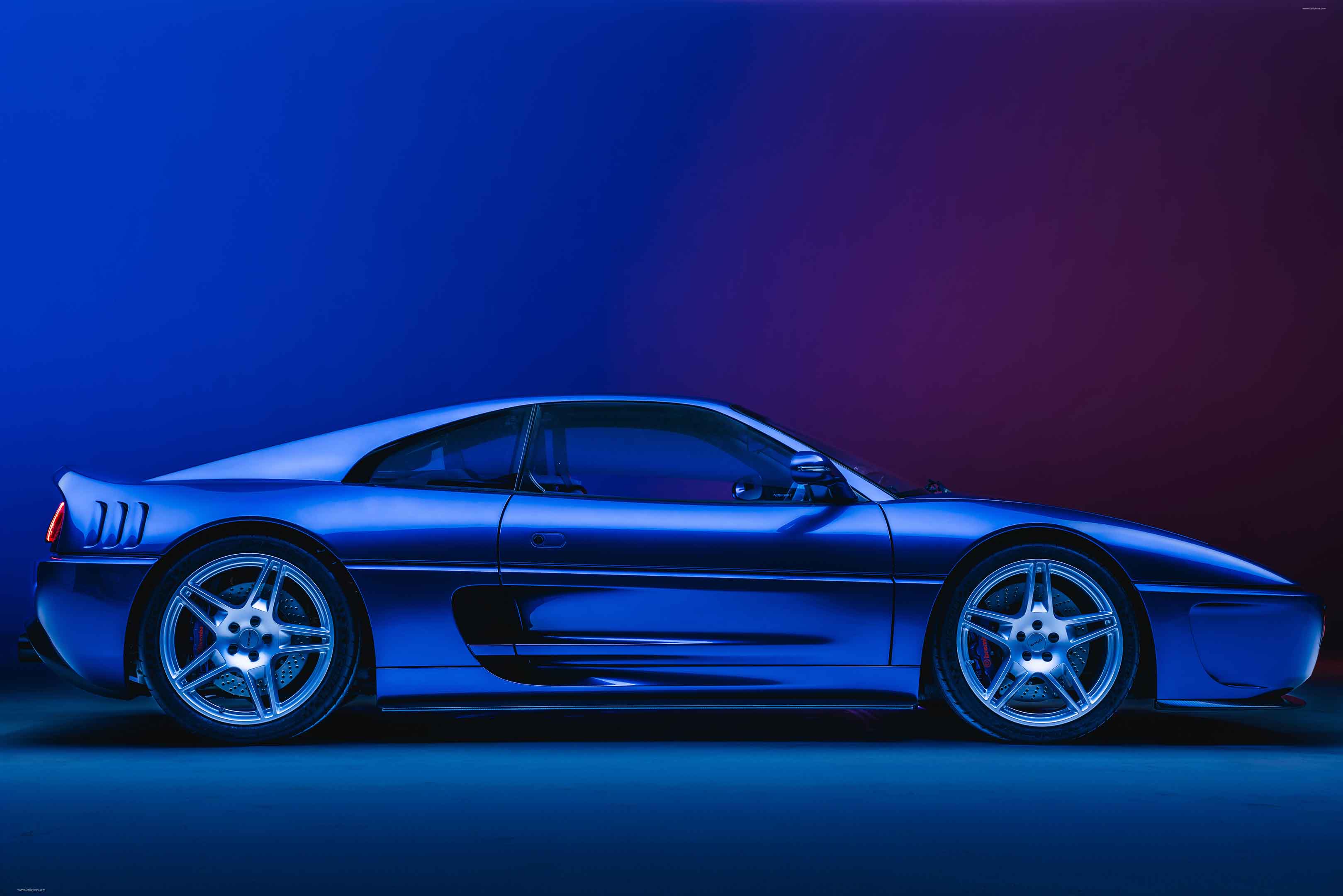
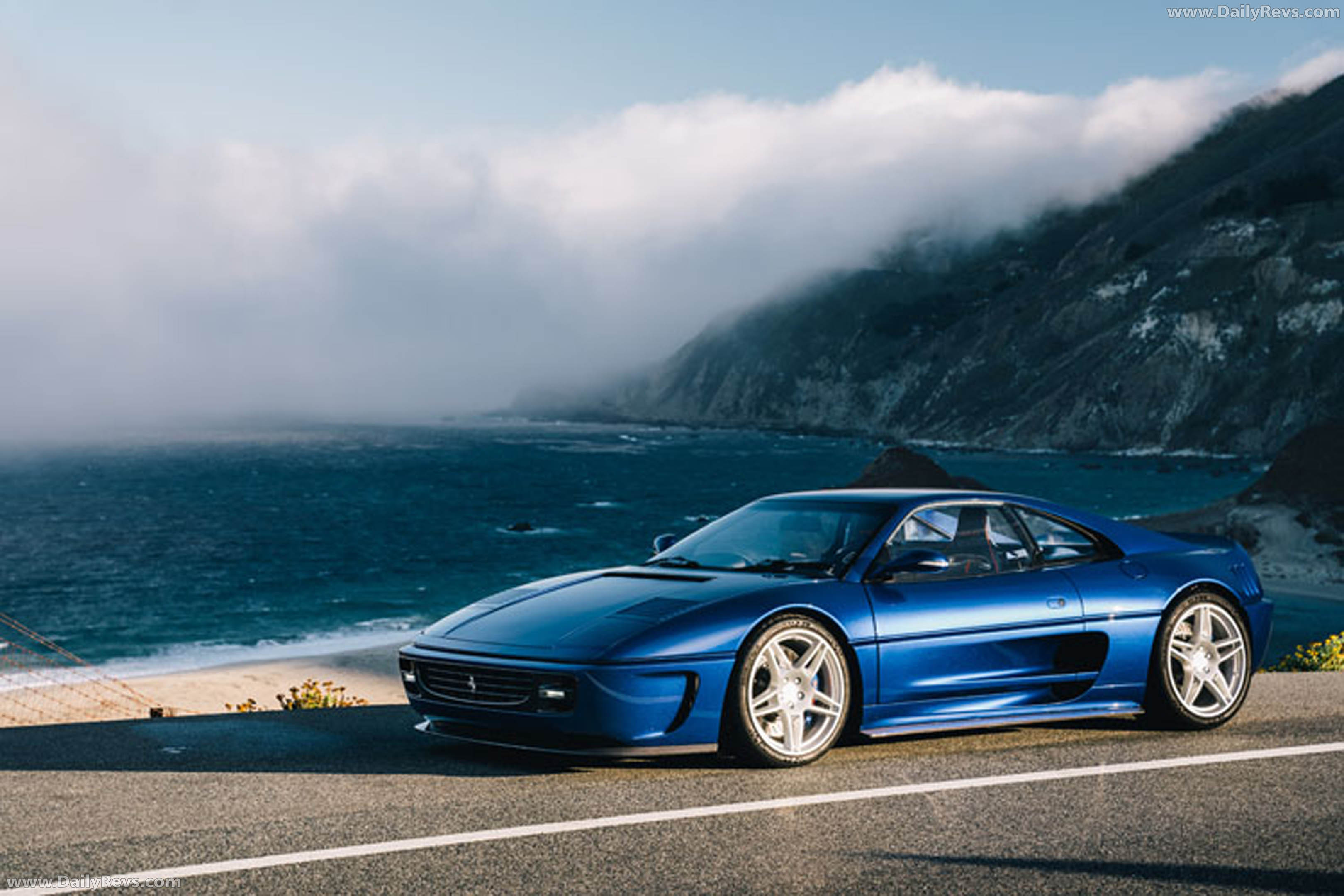
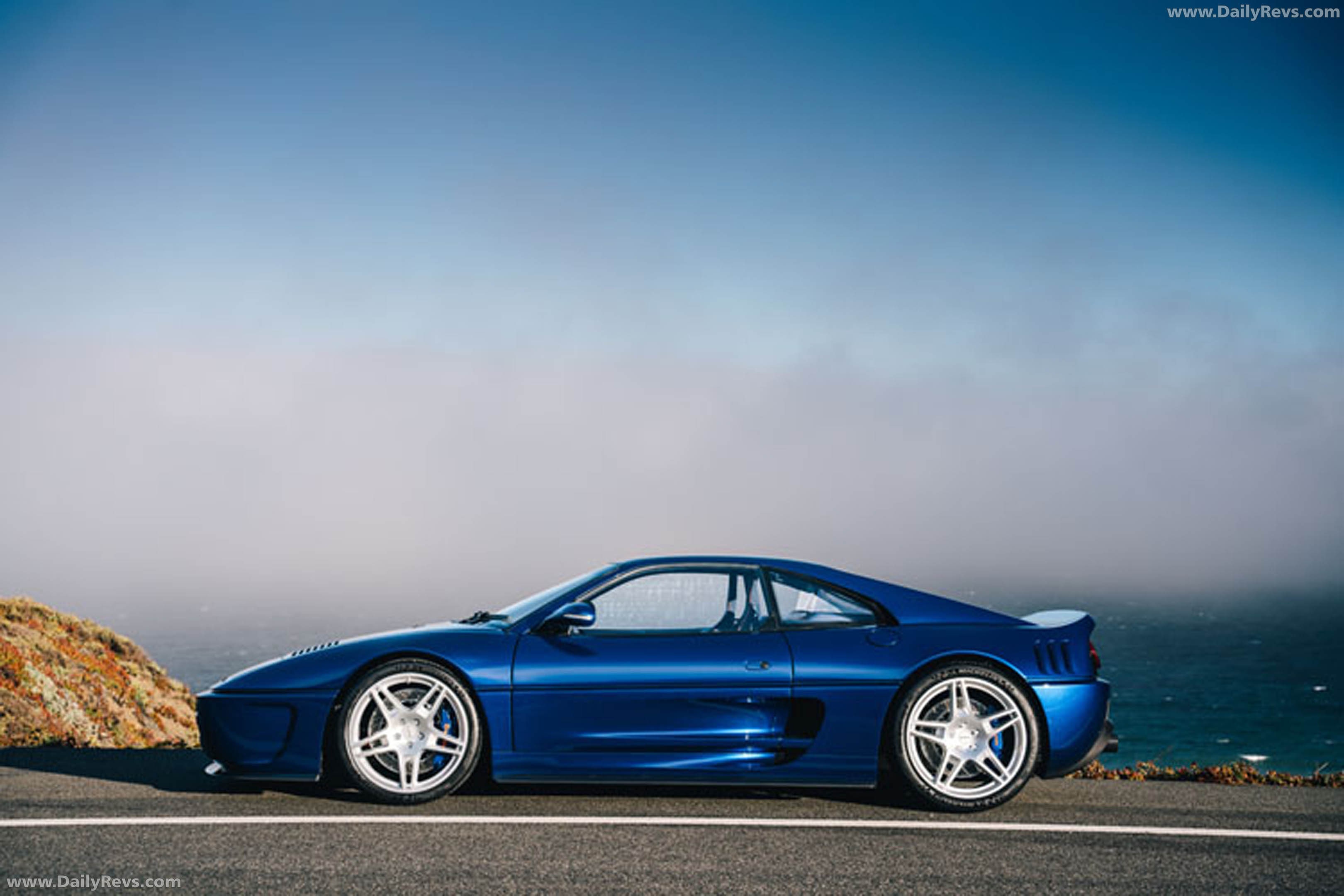
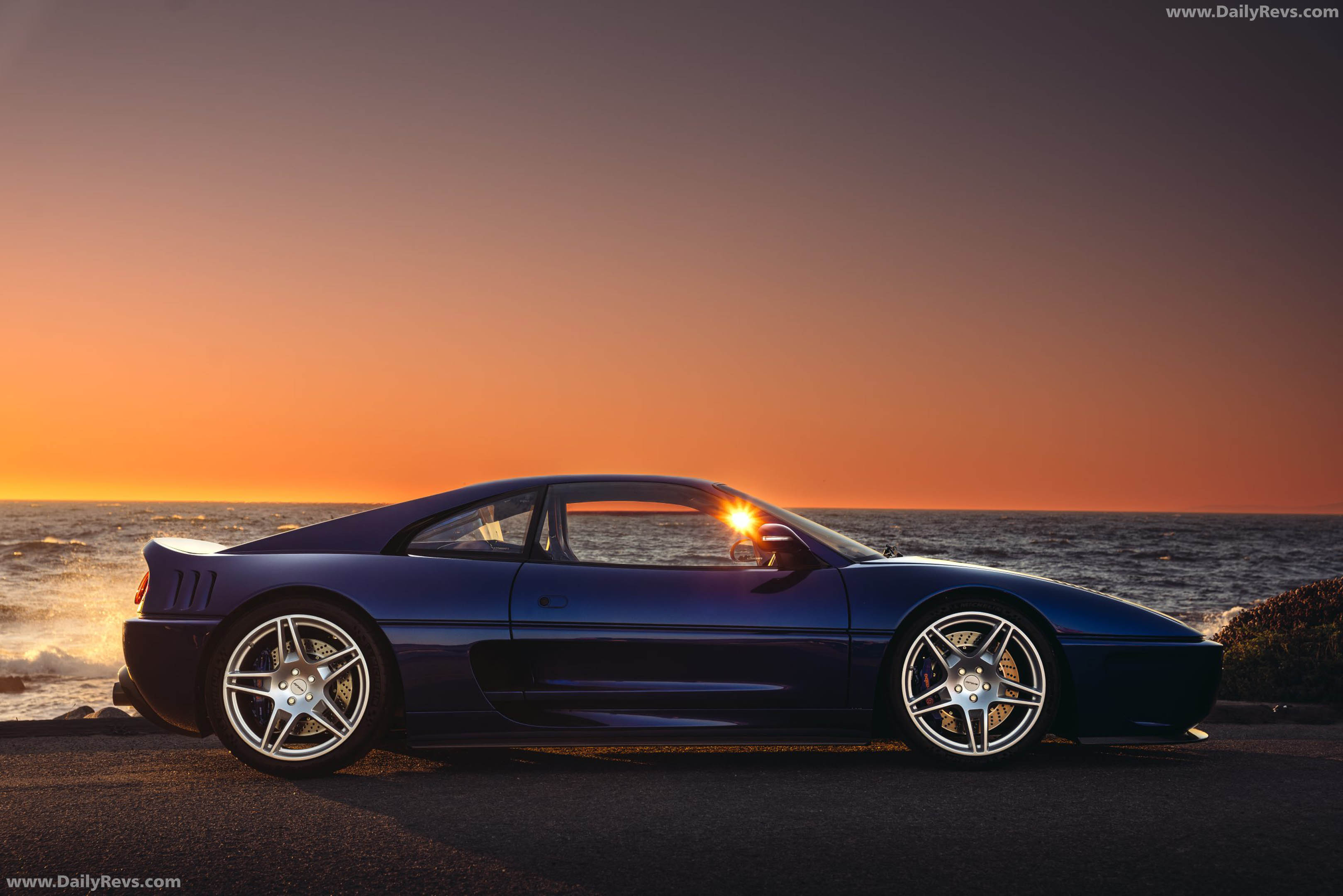
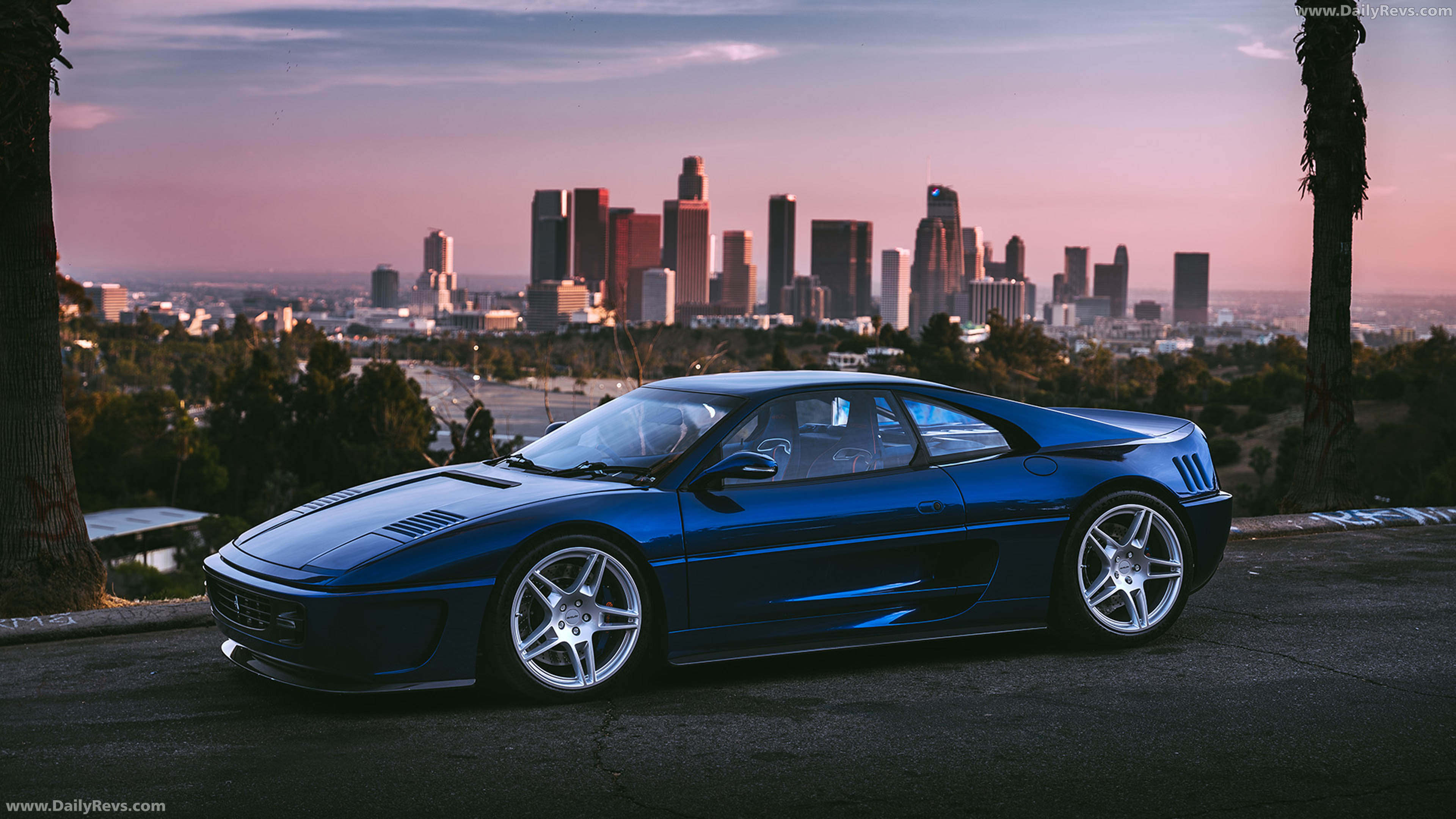
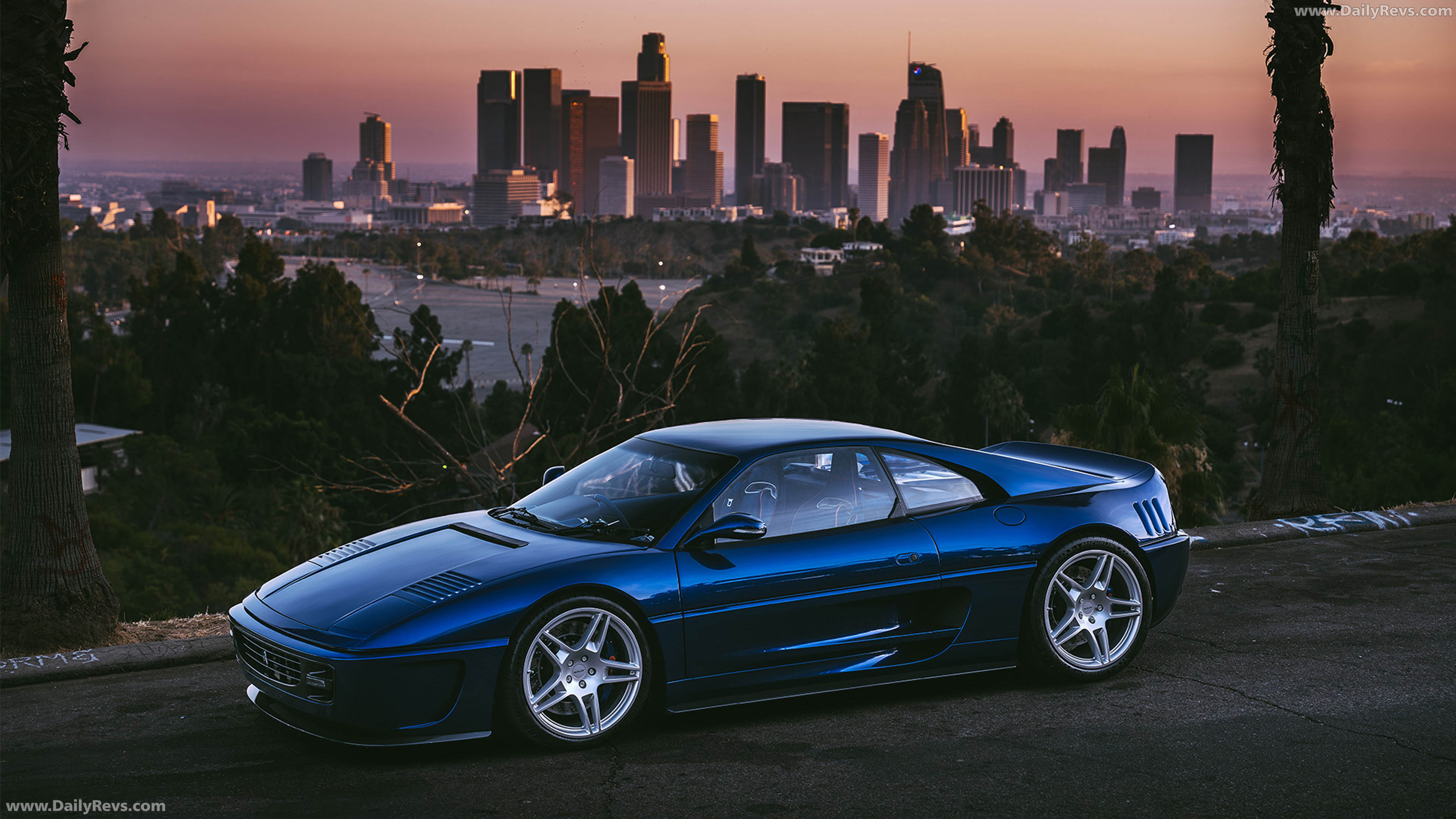
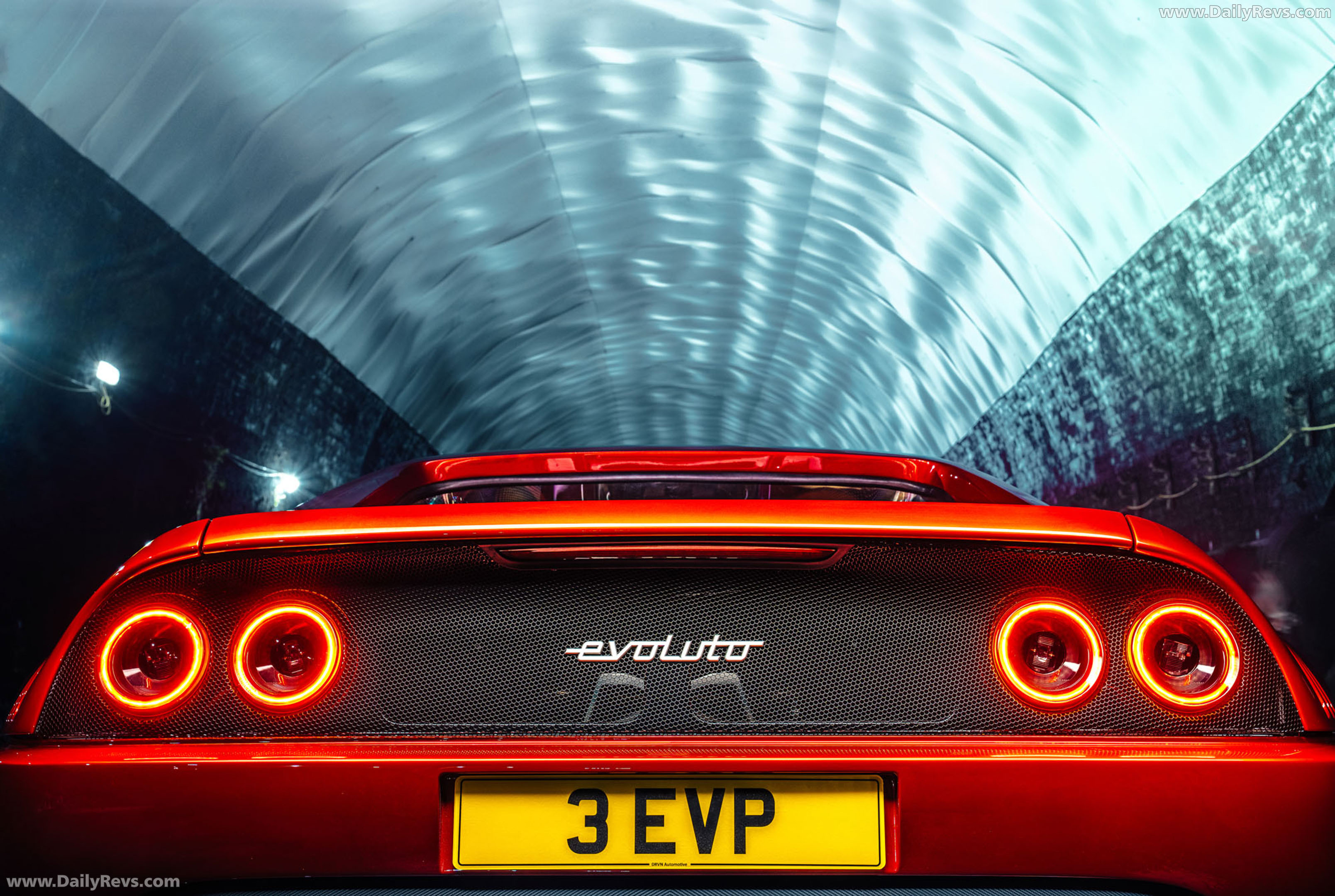
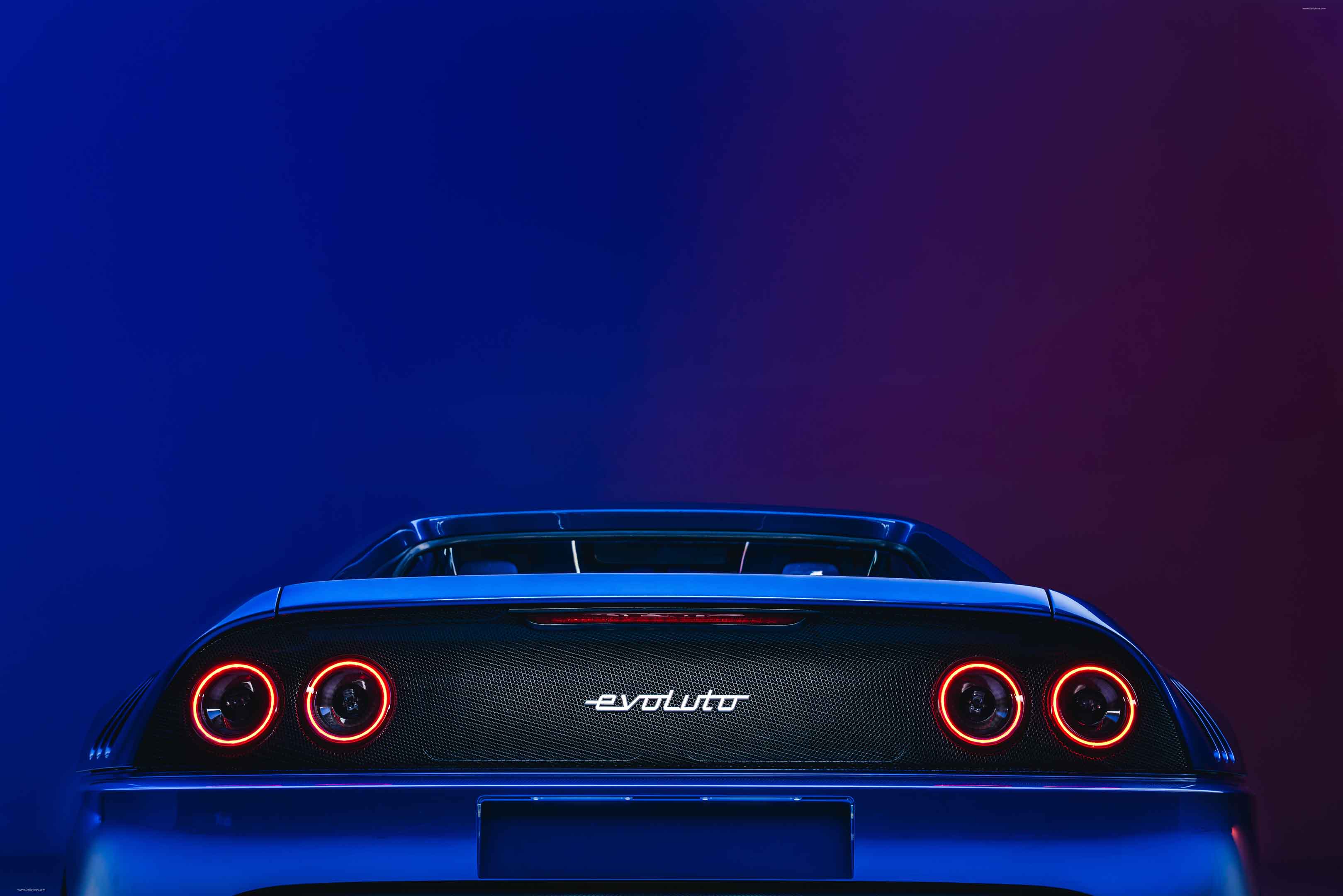
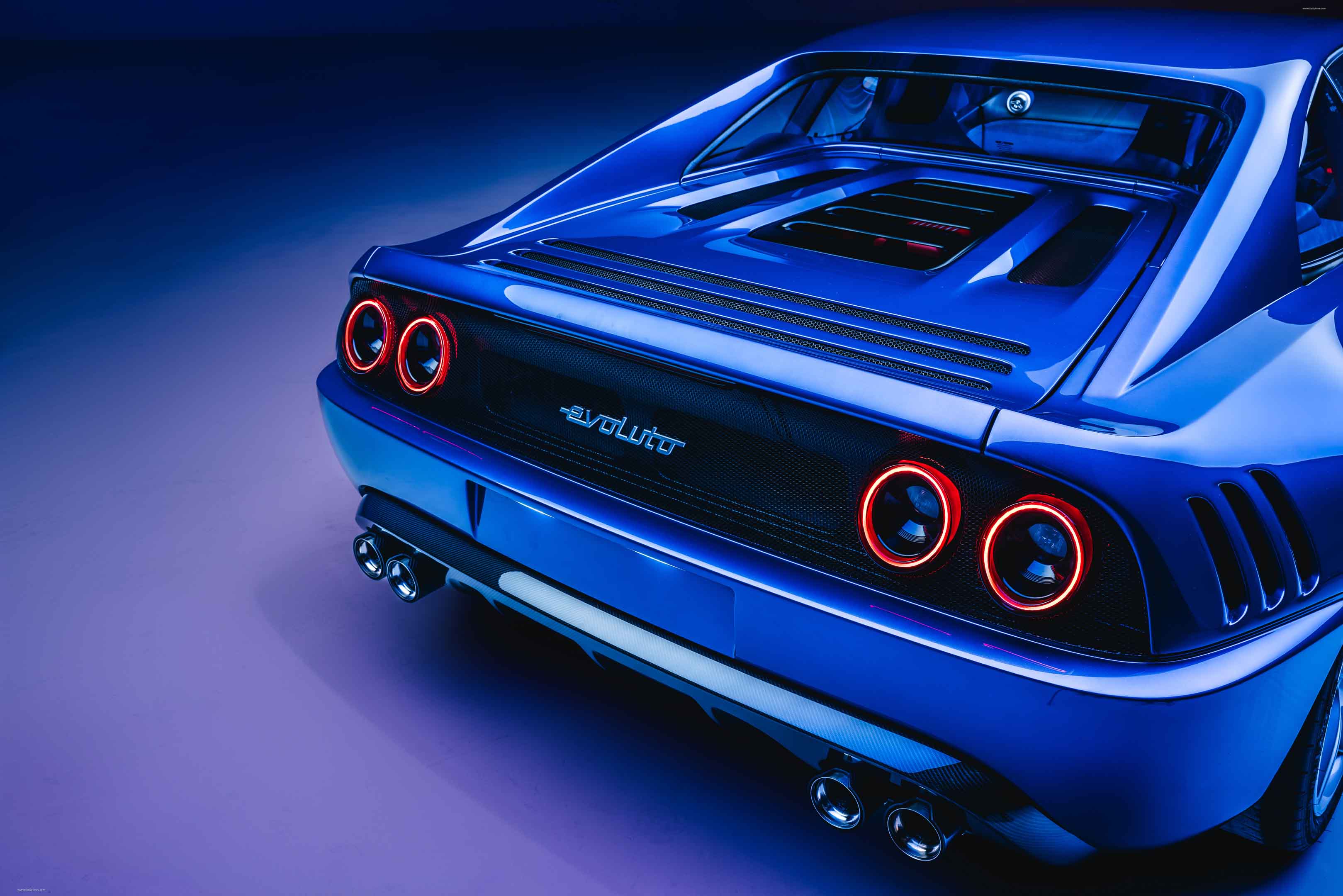
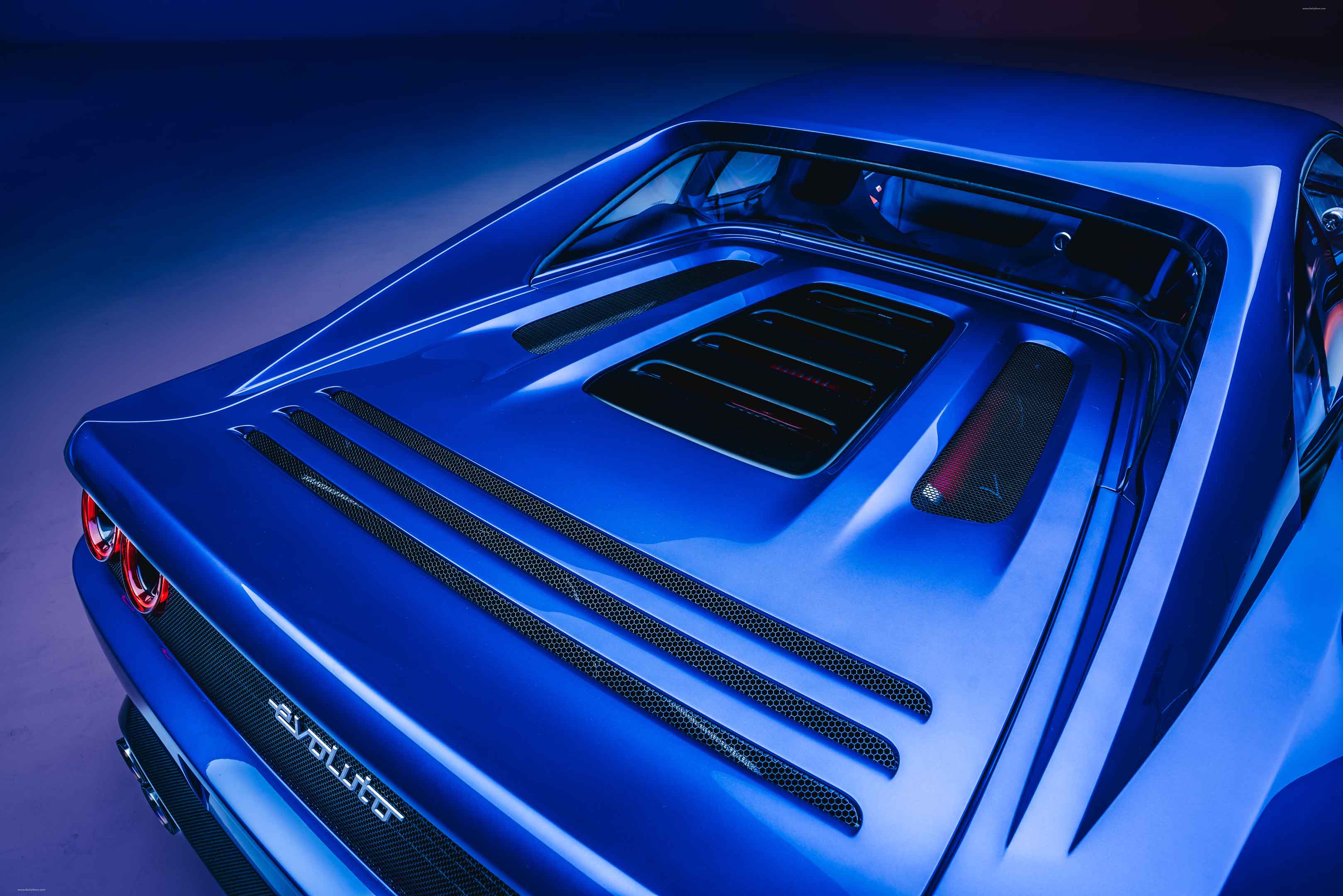
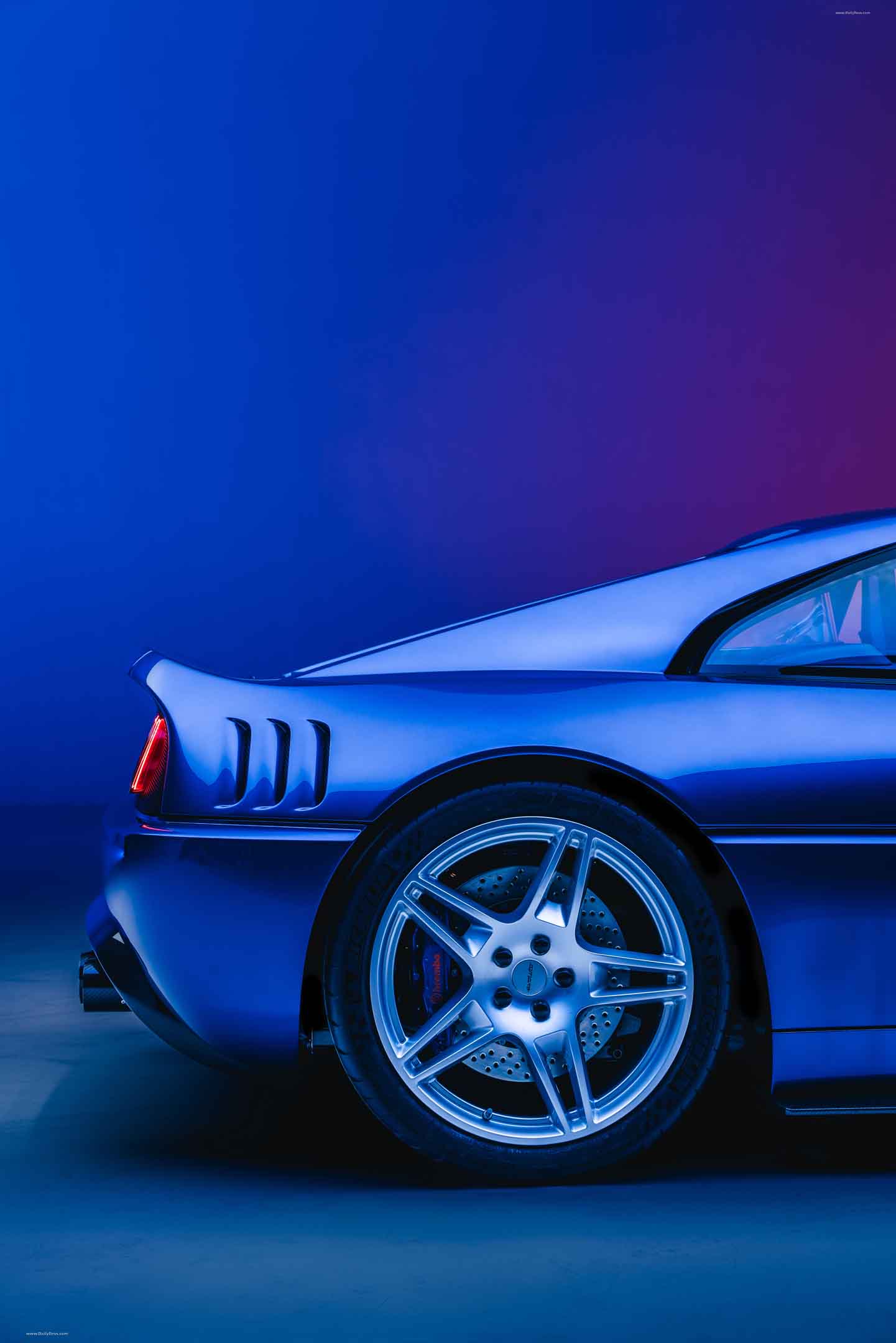
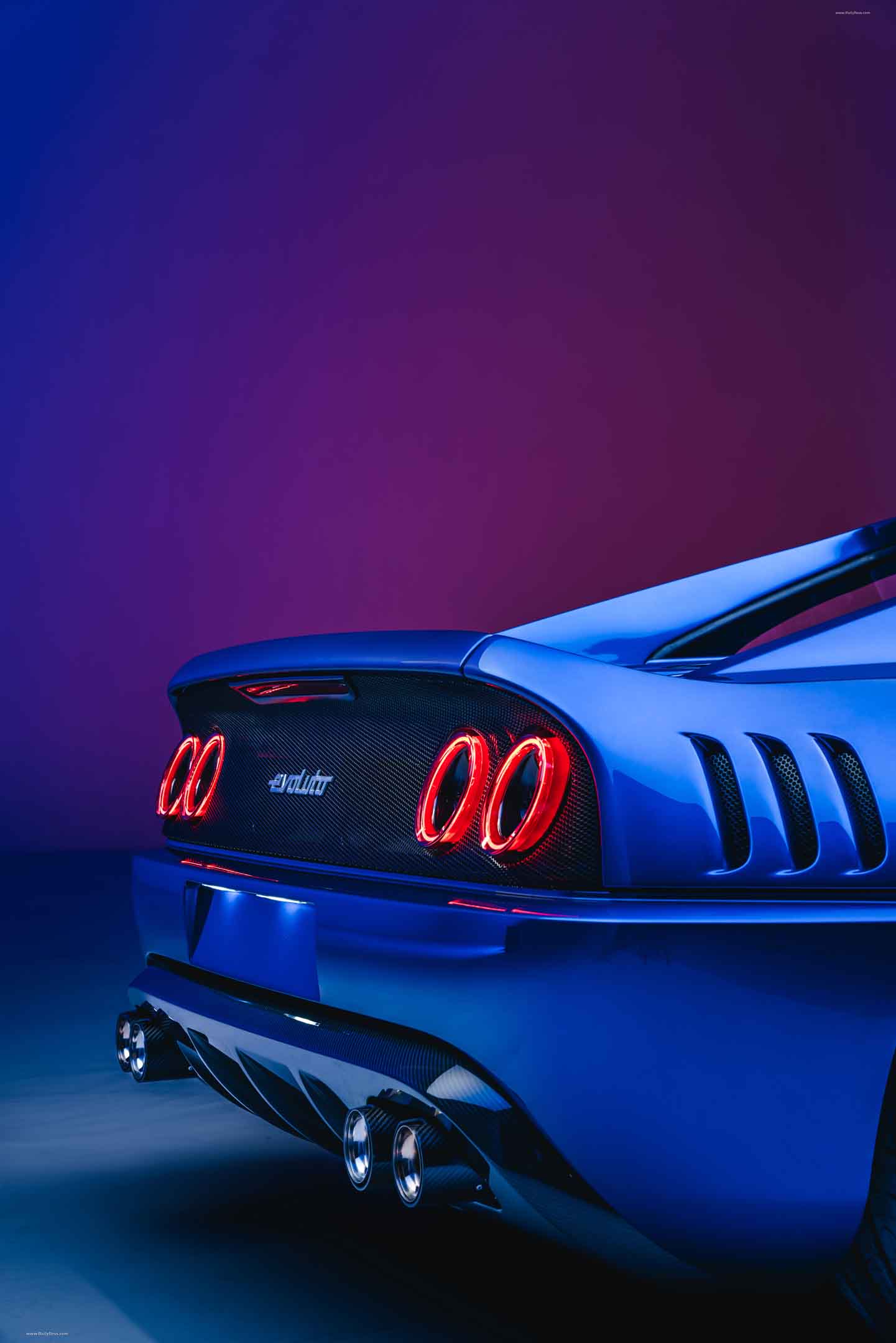
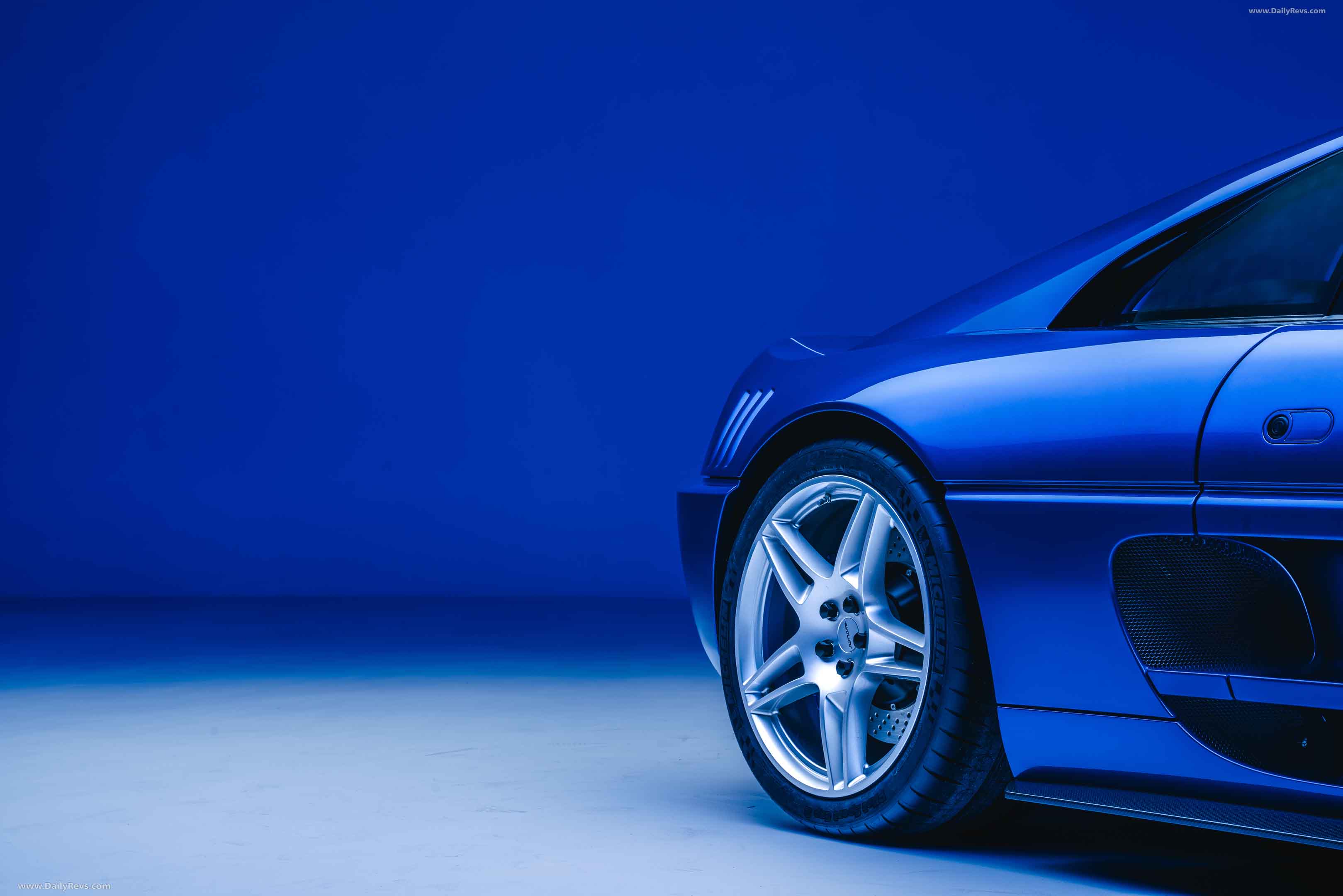
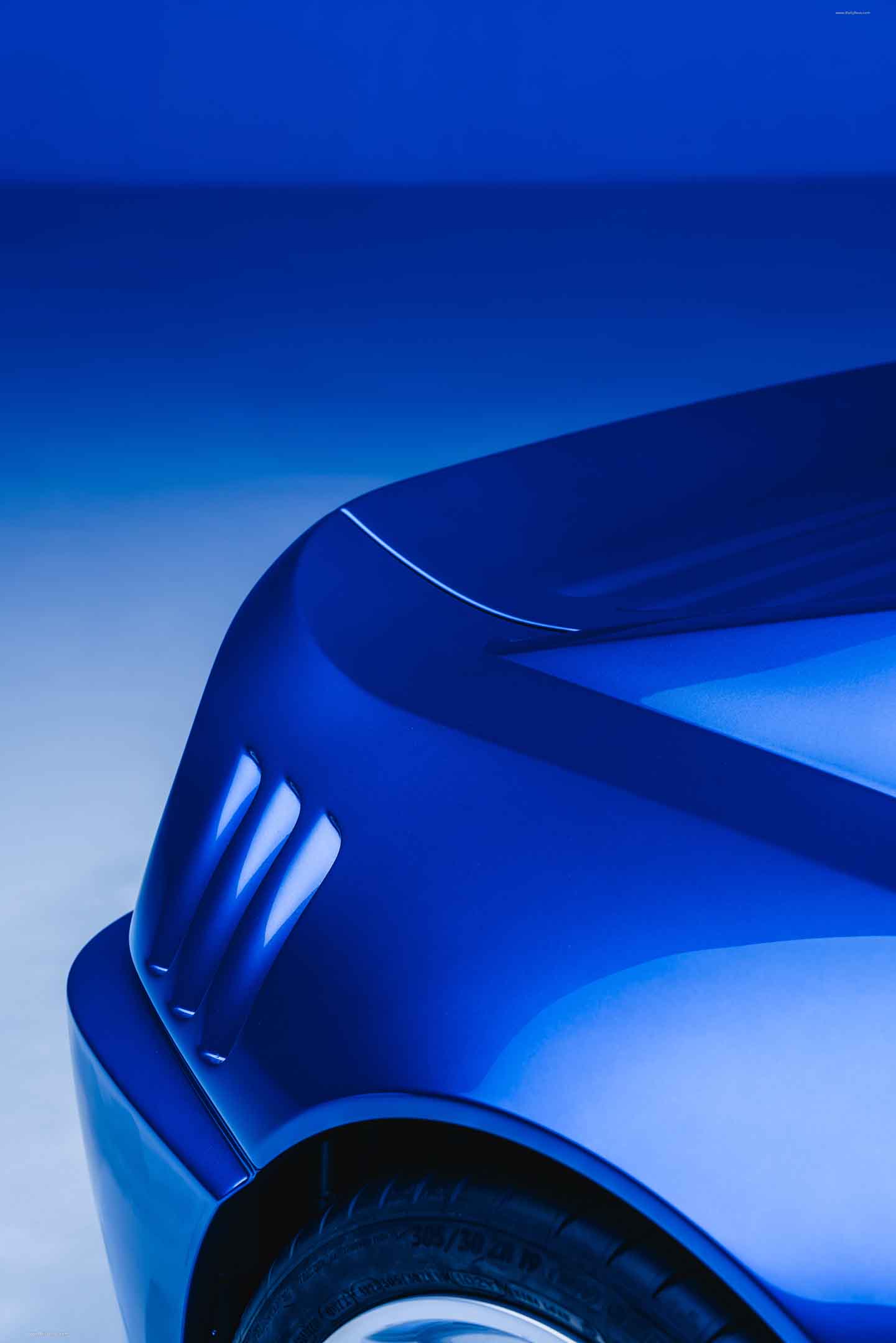
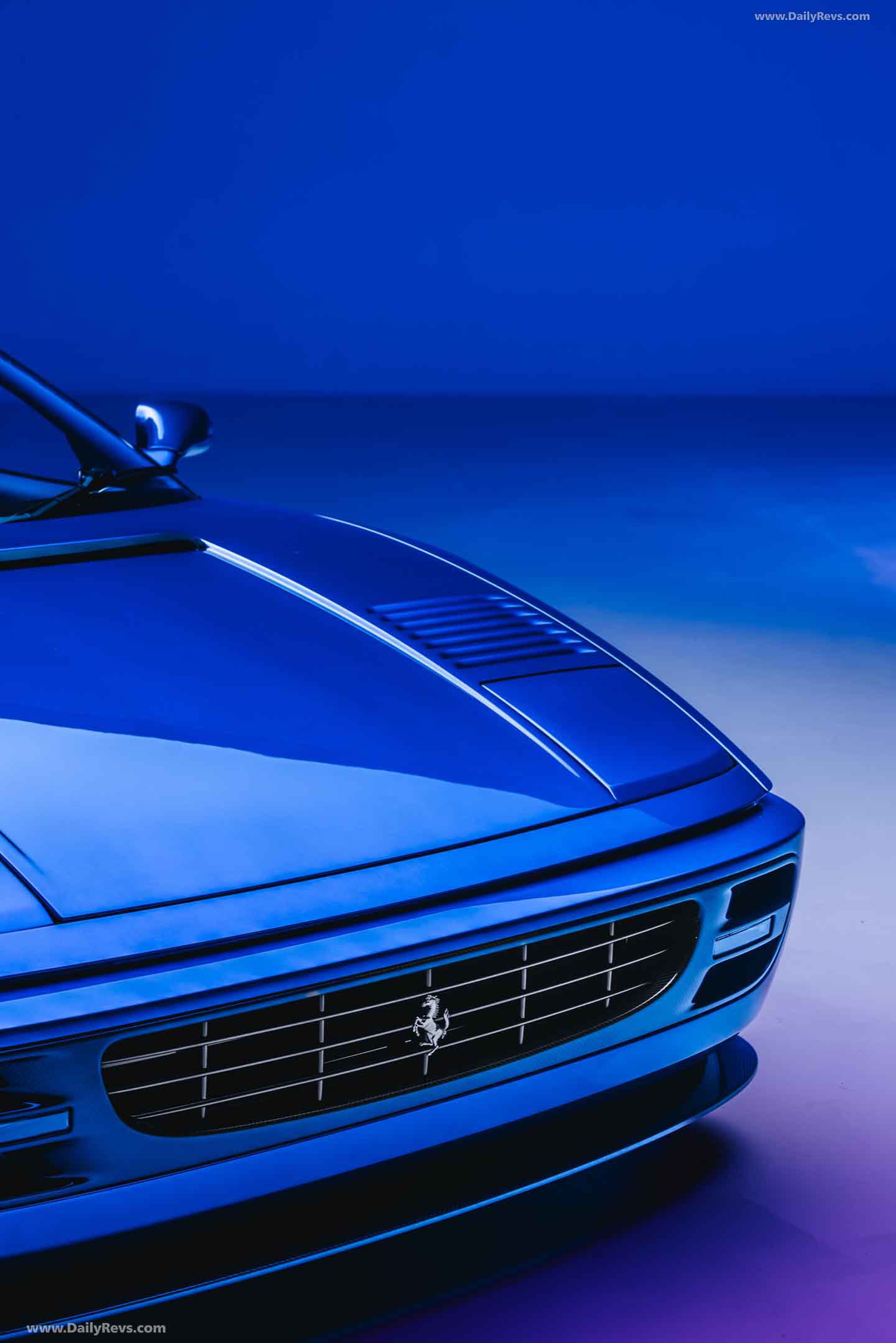
2024 Evoluto 355
By Lorenzo Bianchi July 21, 2024
Evoluto confirms the 355 is production ready after extensive durability testing.
Naturally aspirated V8 lineup offers 420 PS 3.5-liter and 480 PS 3.7-liter variants.
Re-engineered chassis, suspension, and steering dramatically reshape the car’s driving character.
The Evoluto 355 moves closer to customer delivery
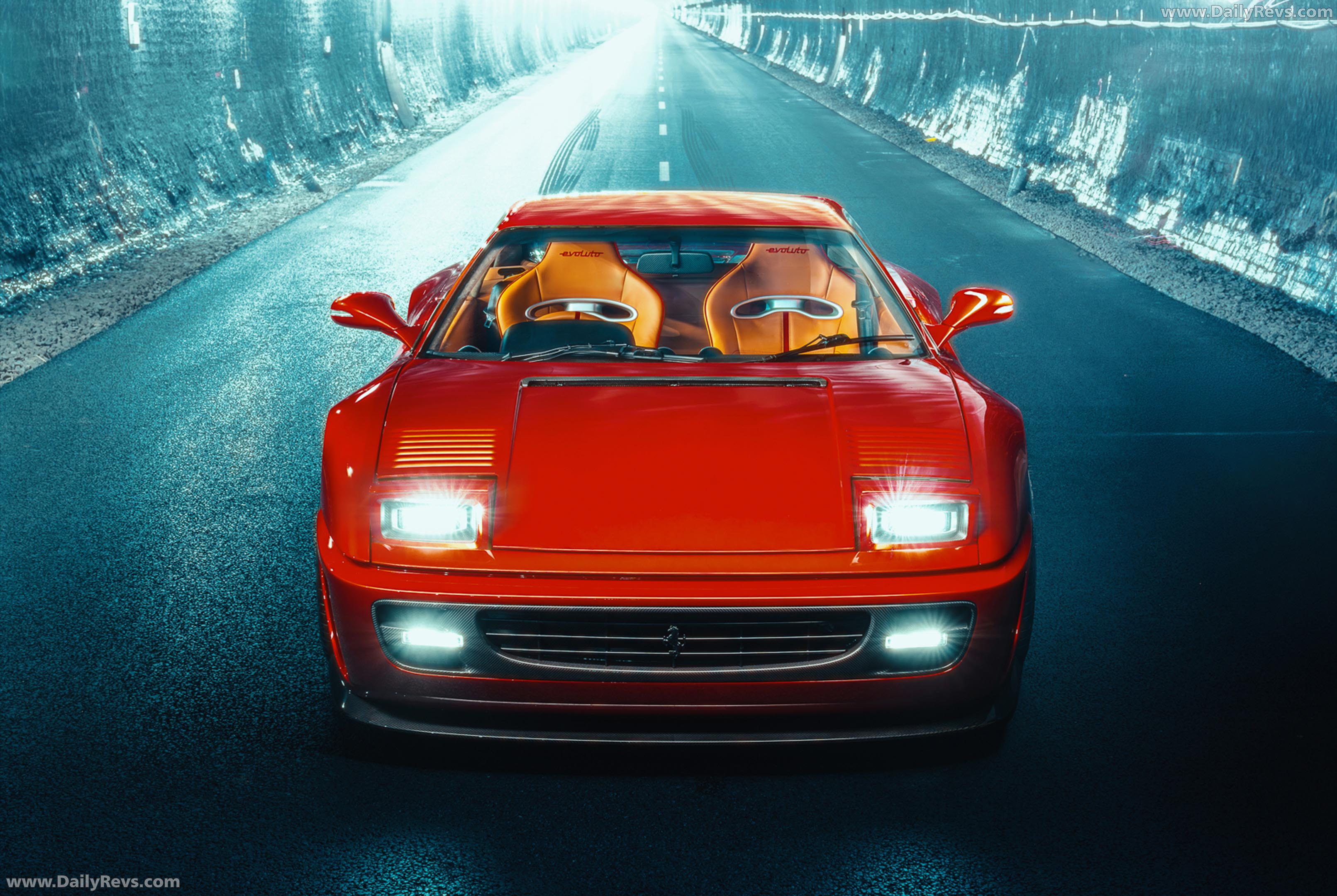
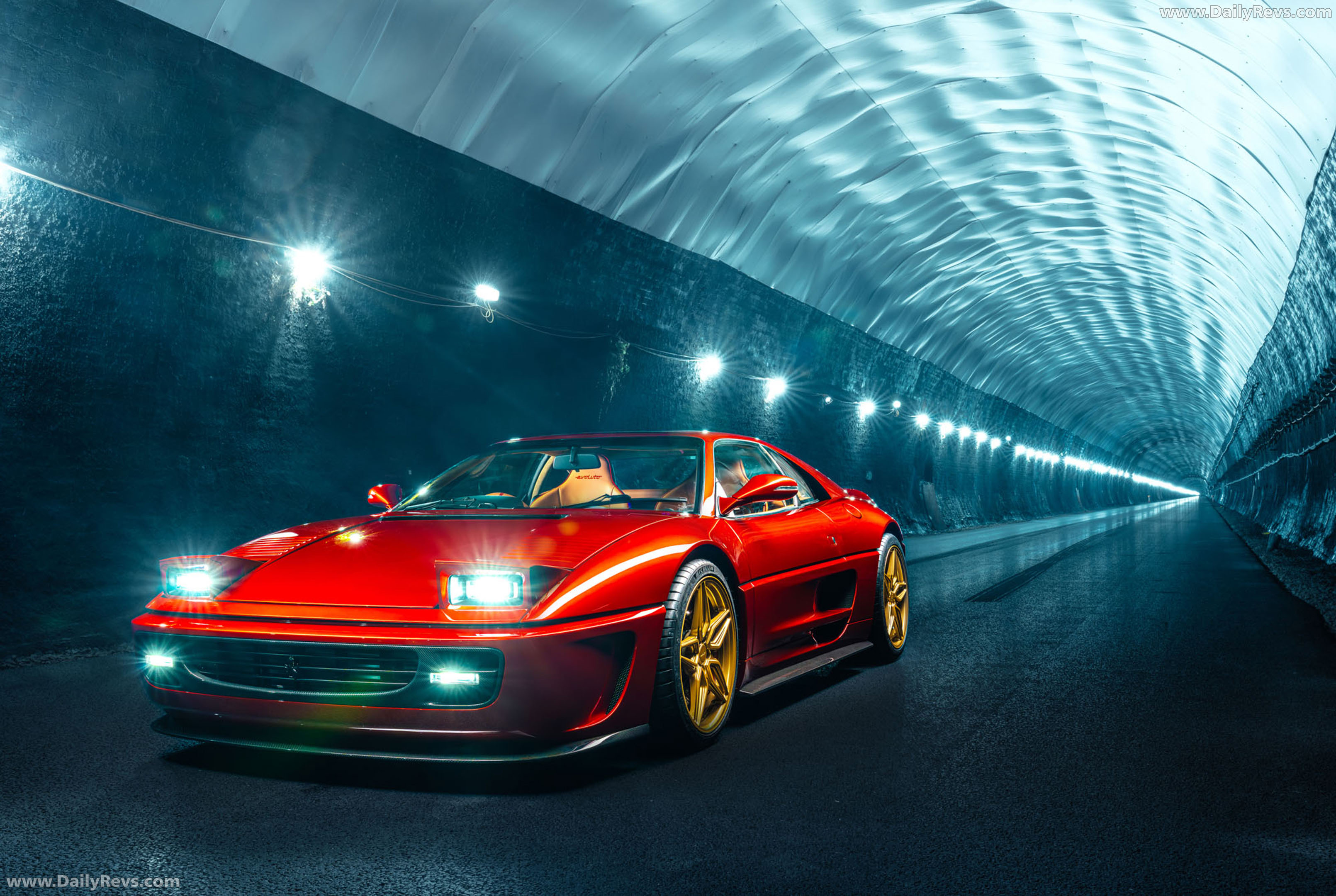
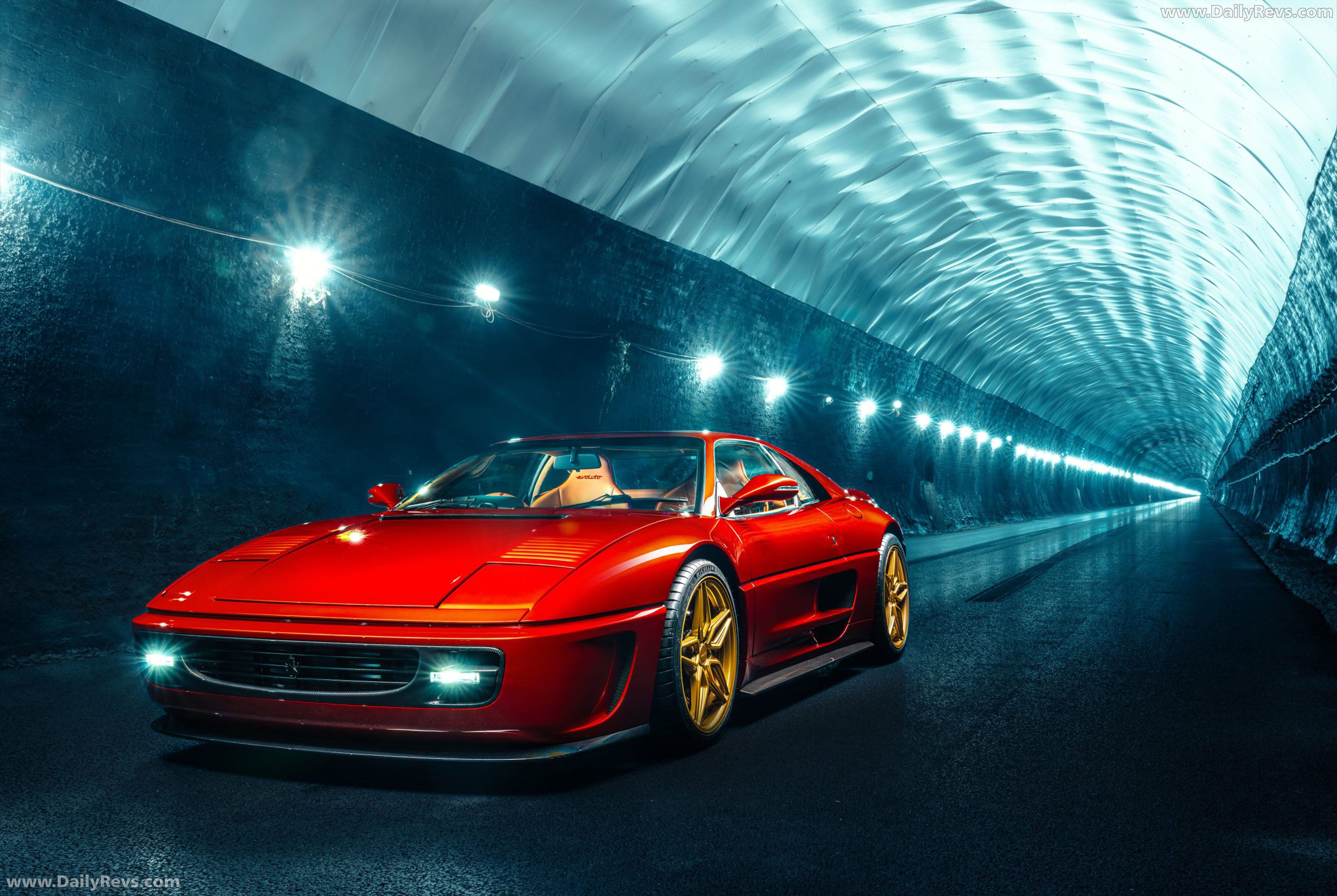
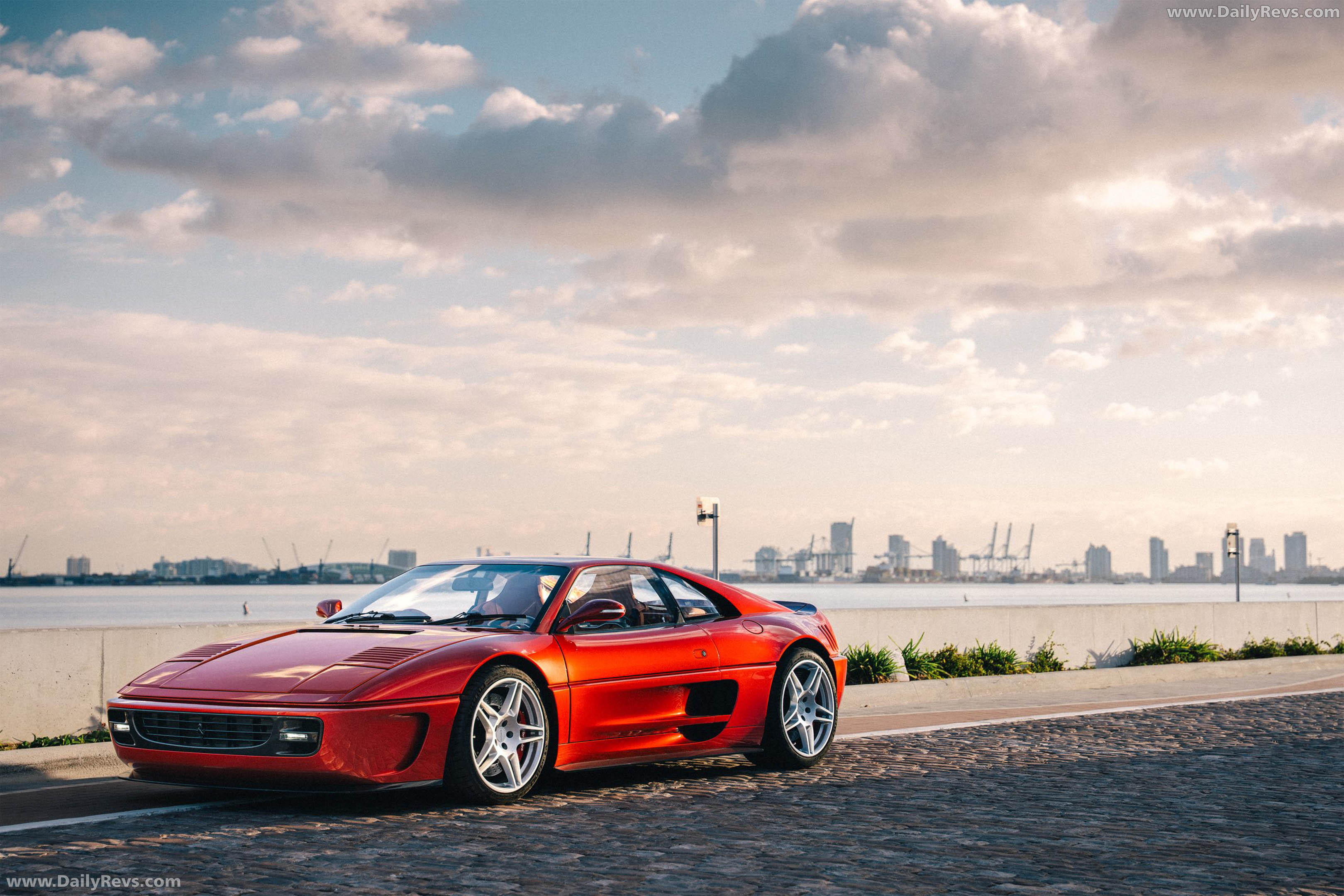
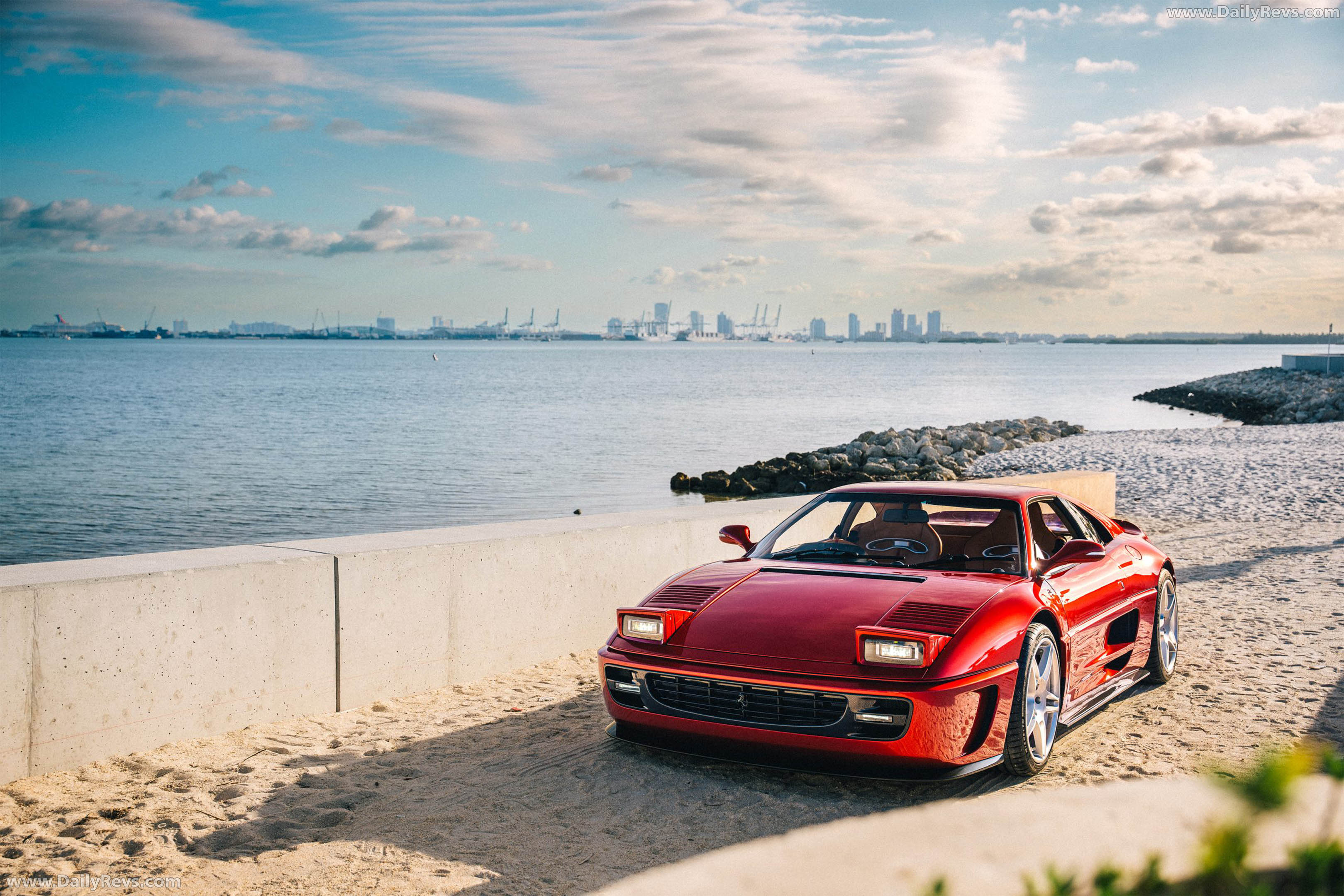
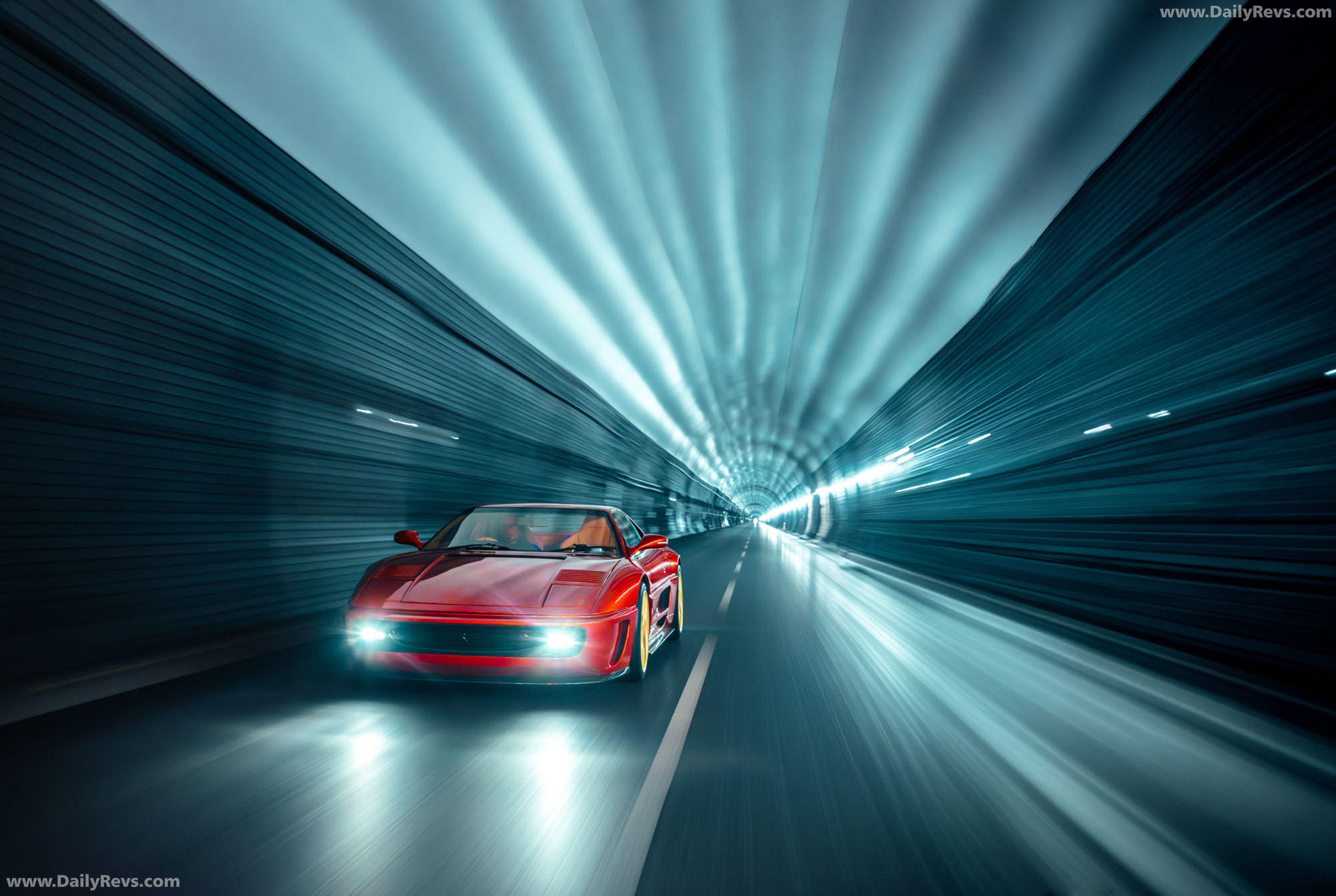
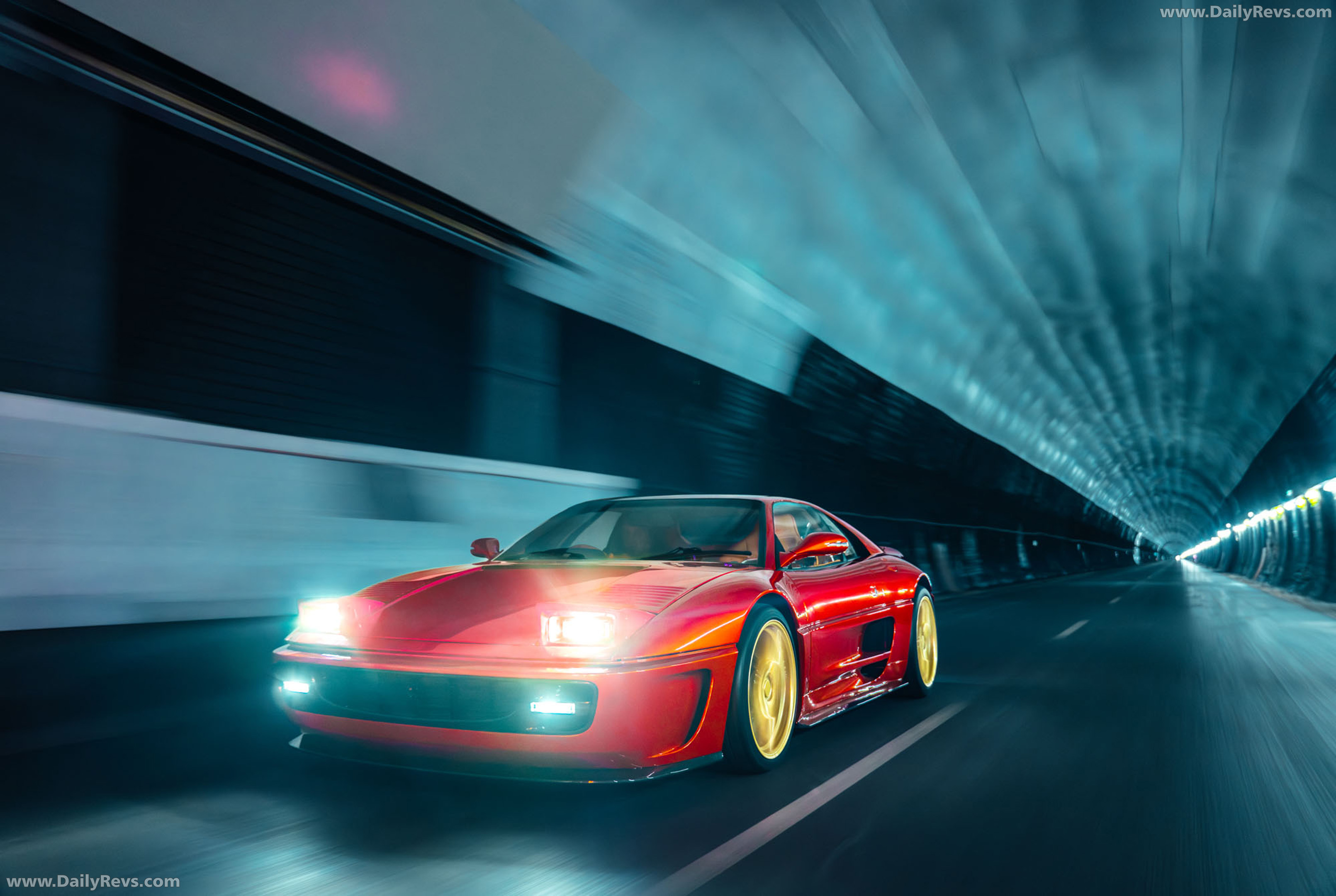
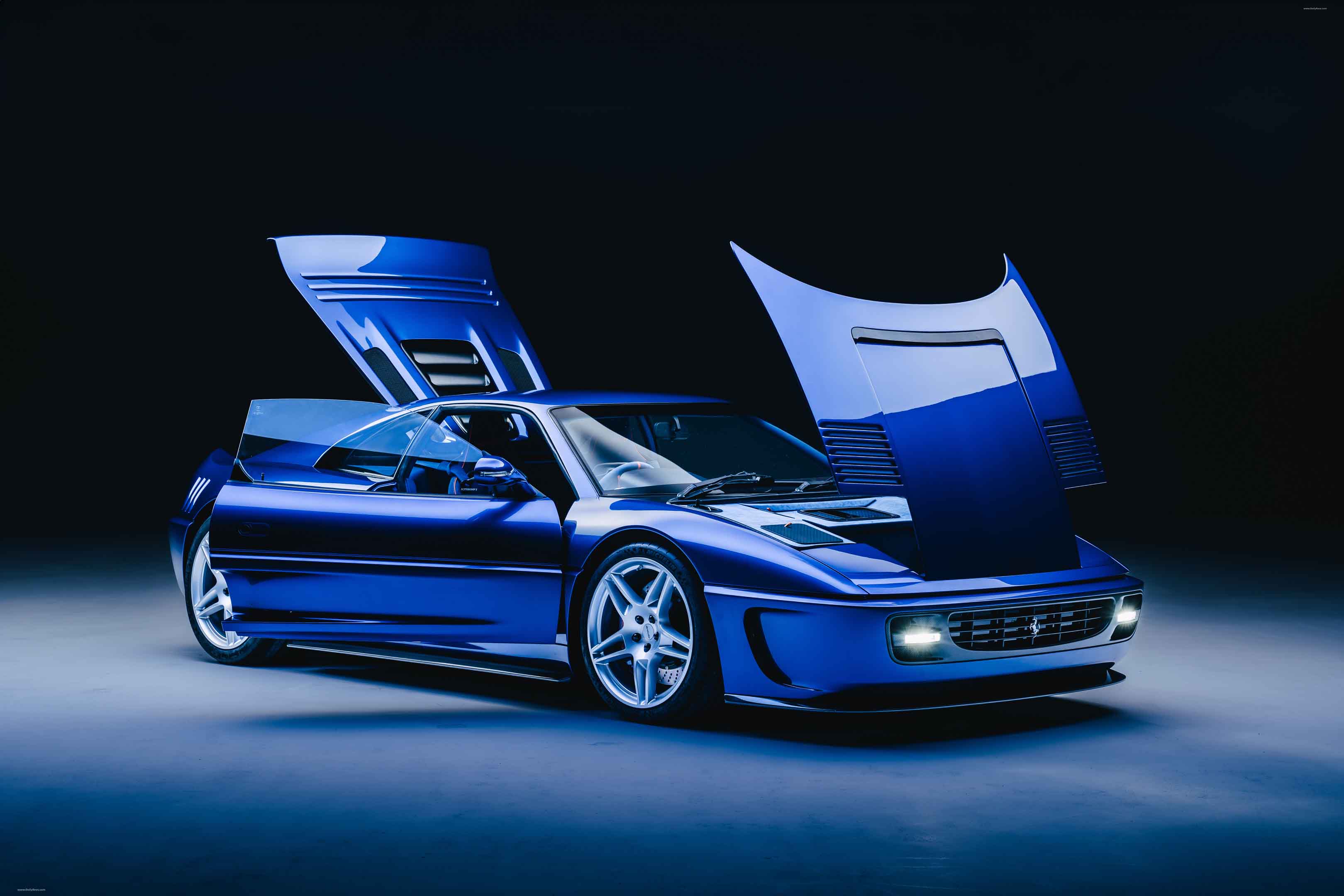
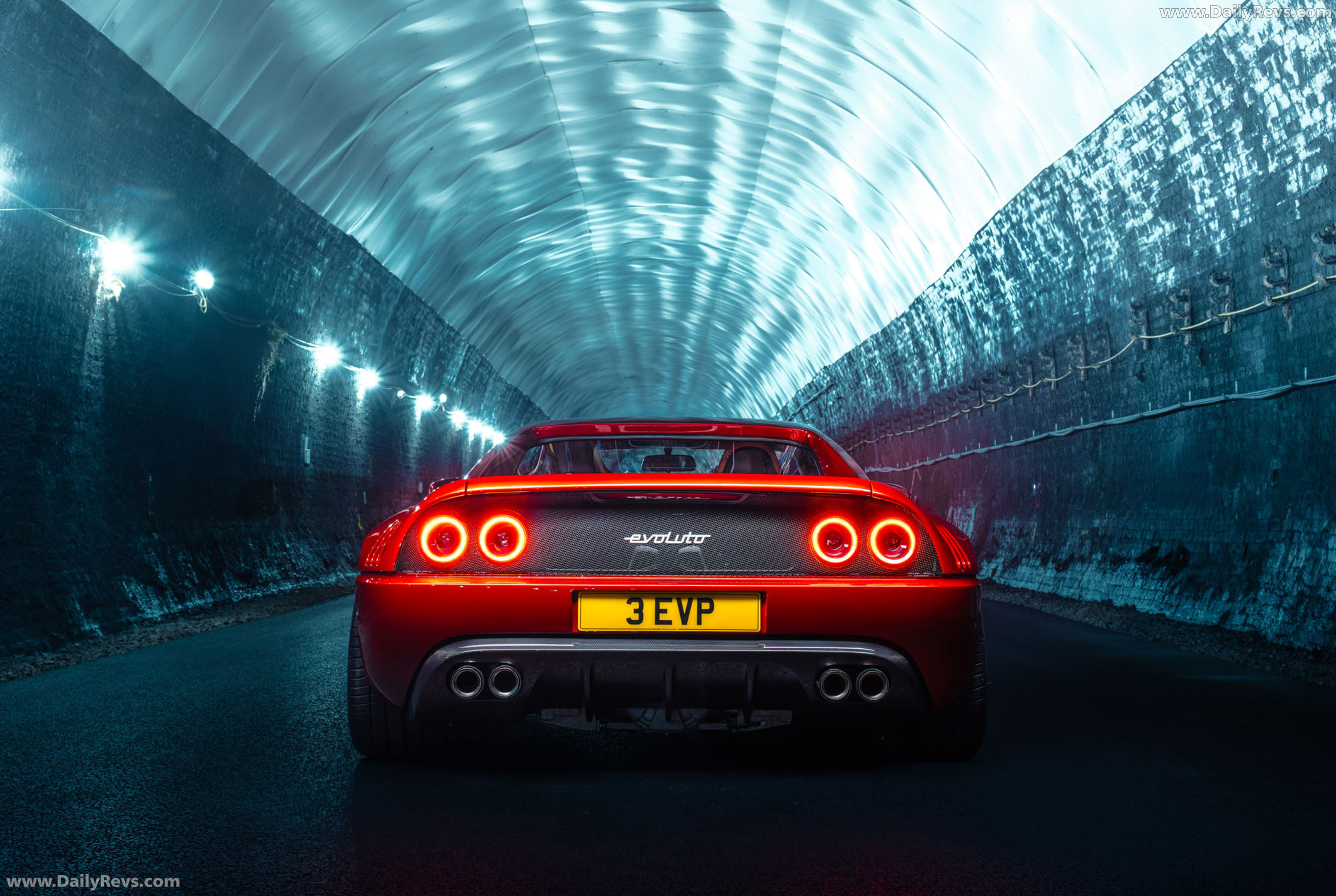
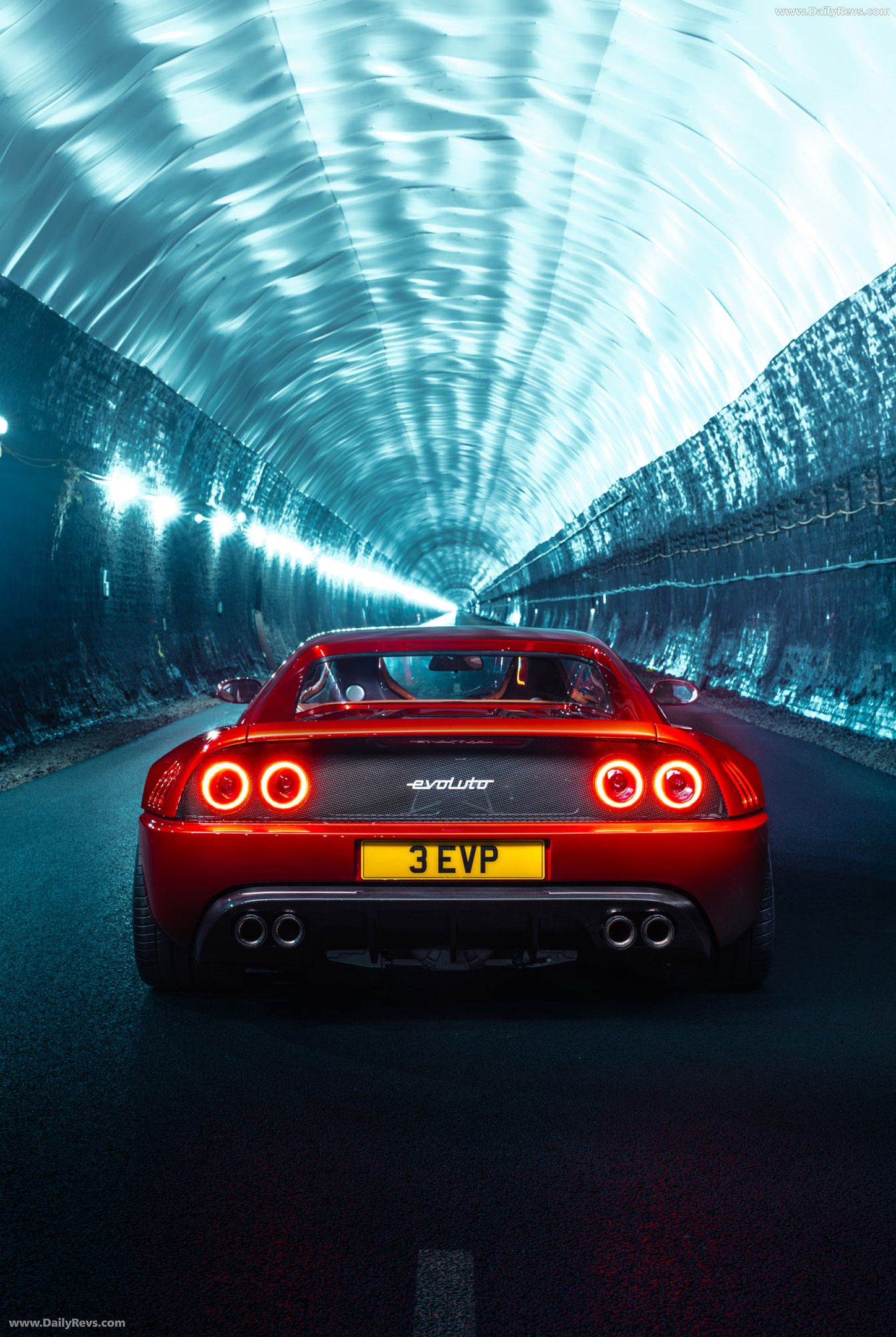
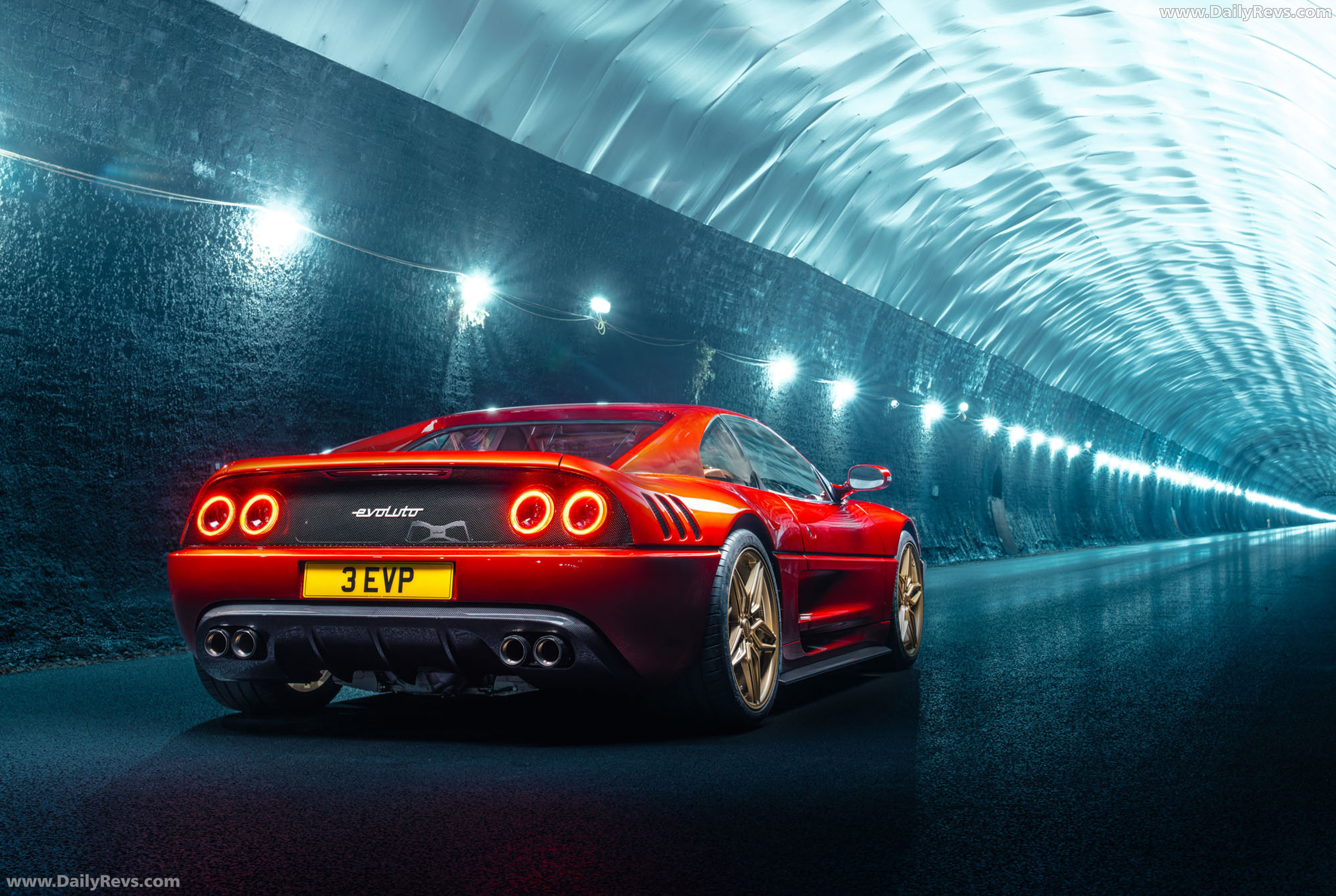
The 2024 Evoluto 355 has officially entered its production-ready phase after a long engineering programme focused less on nostalgia and more on making the platform genuinely usable in modern conditions.
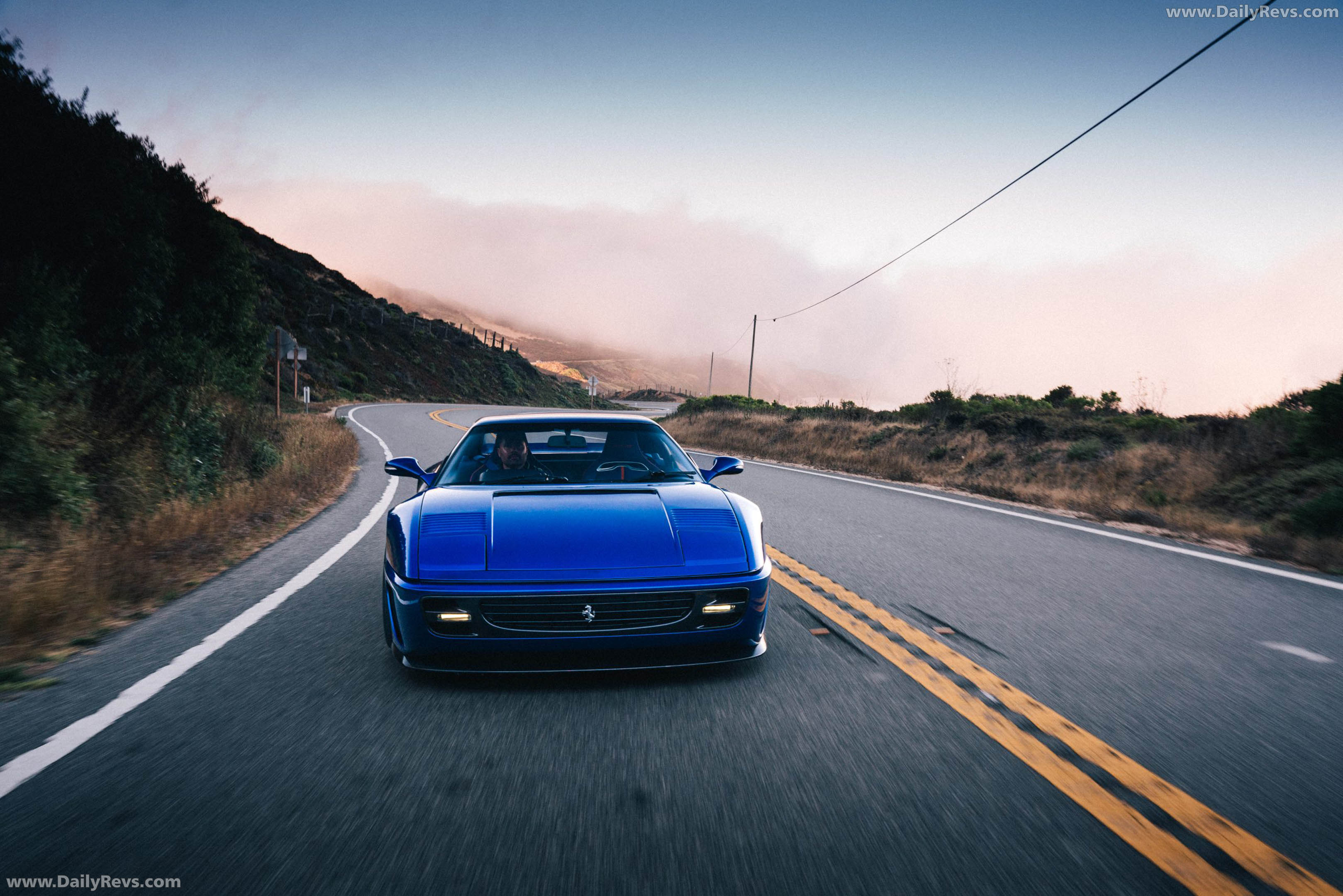
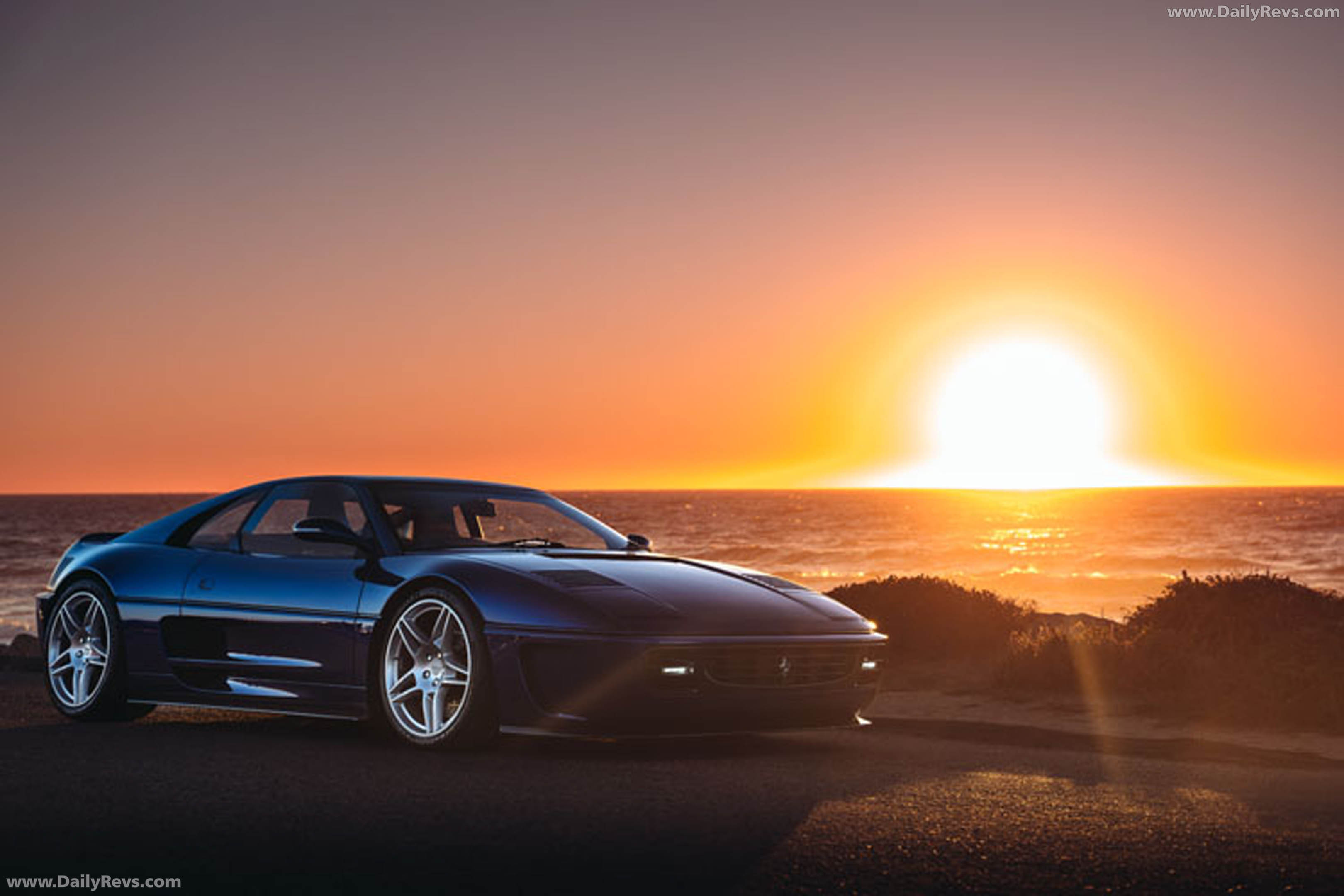
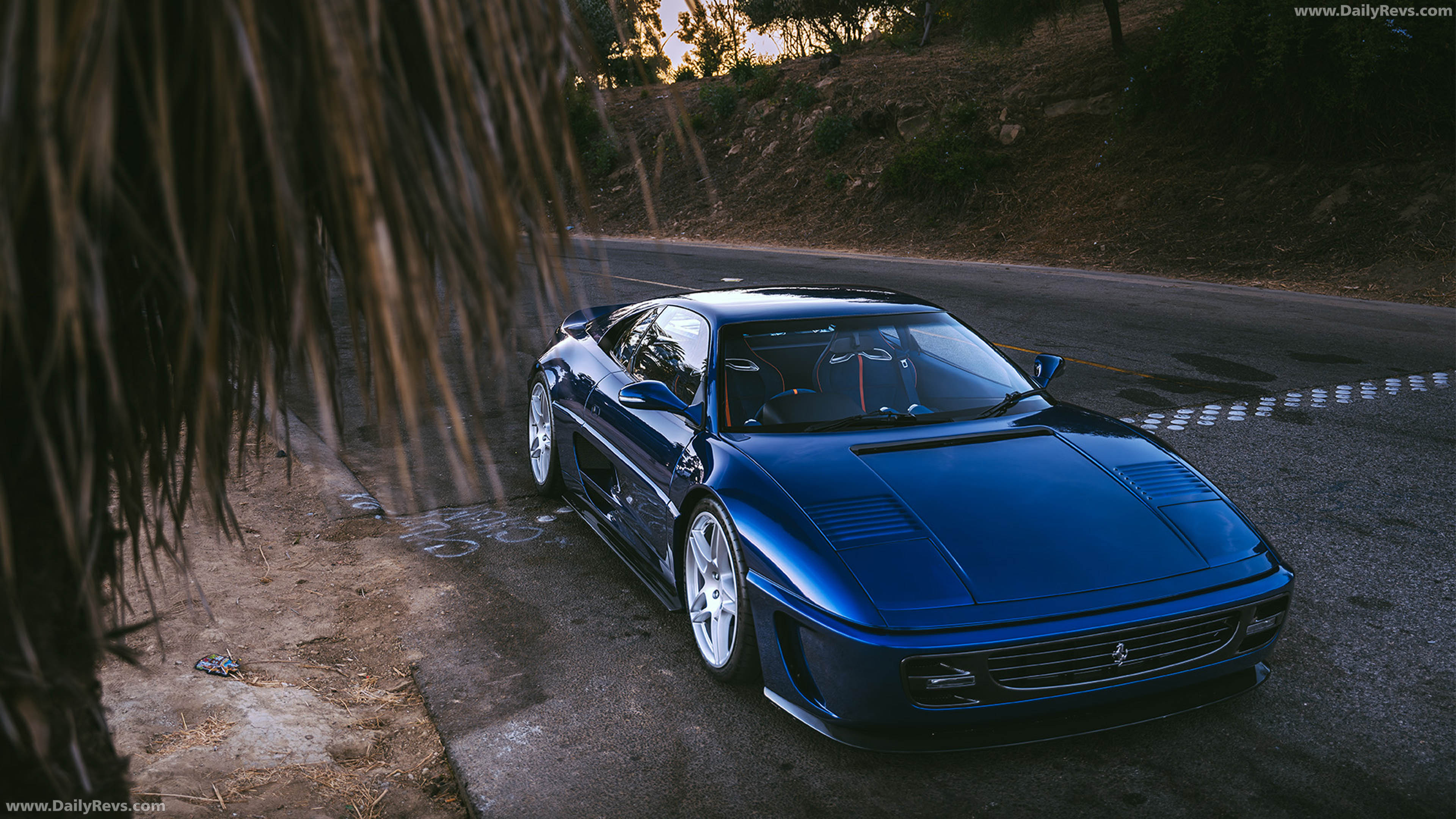
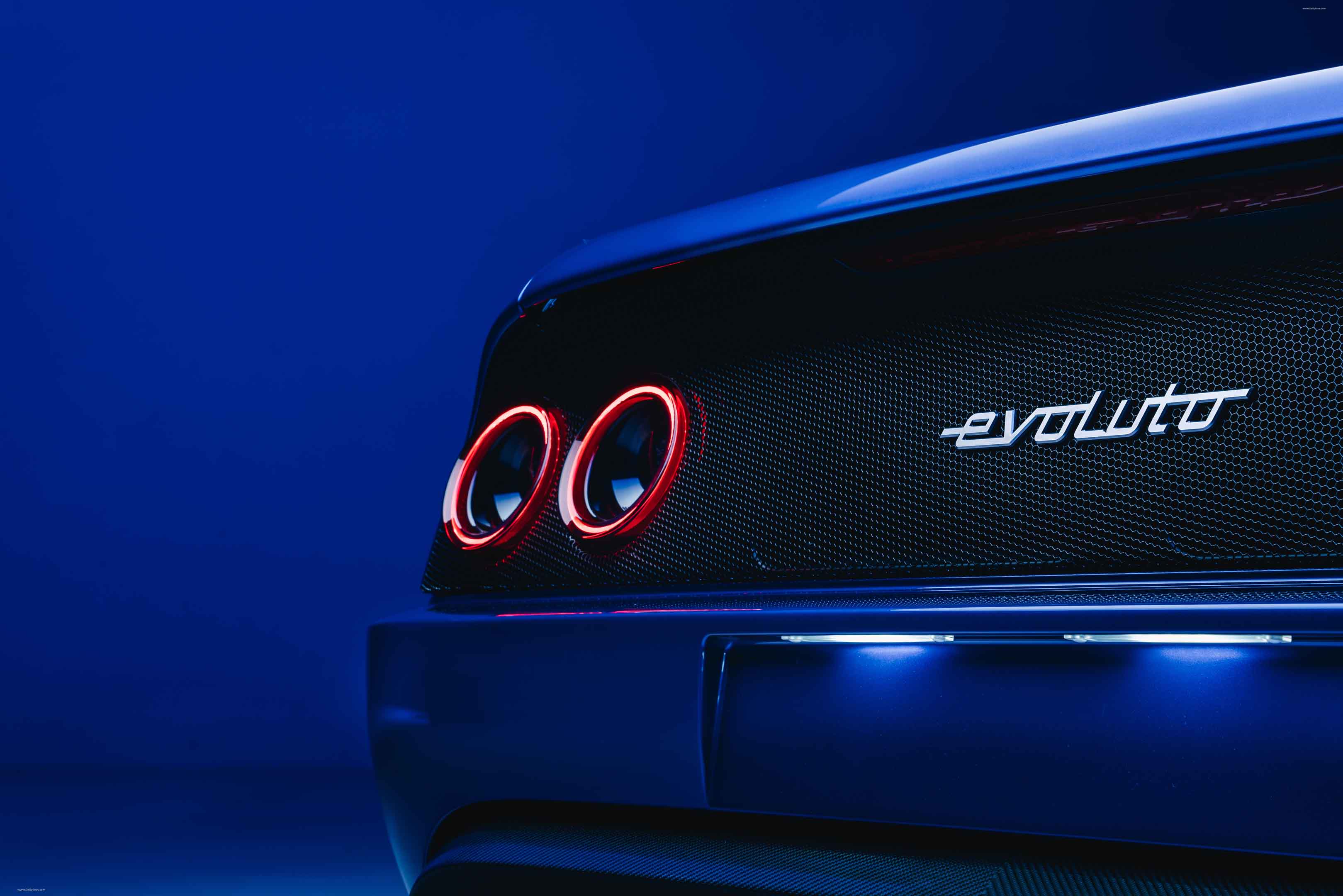
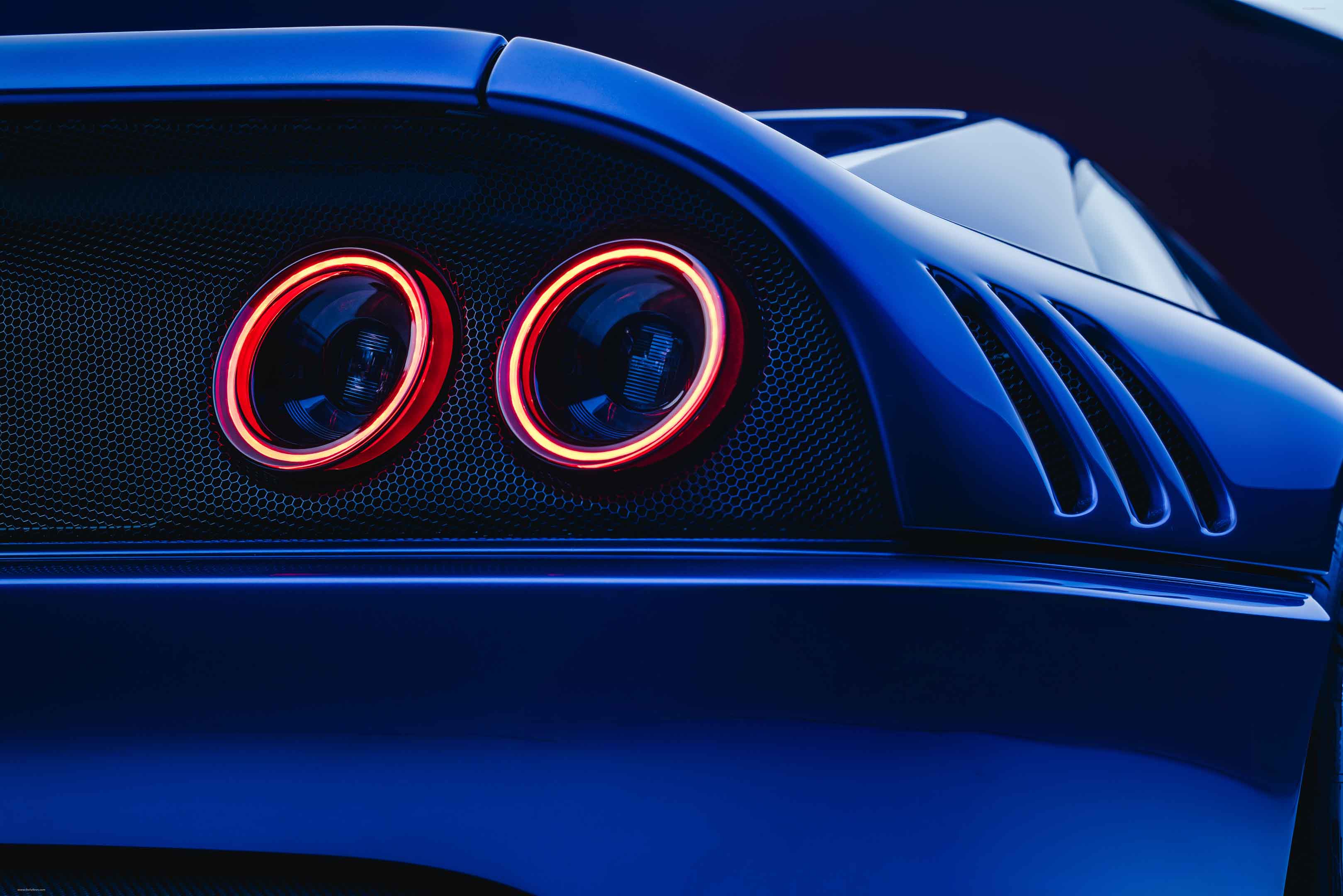
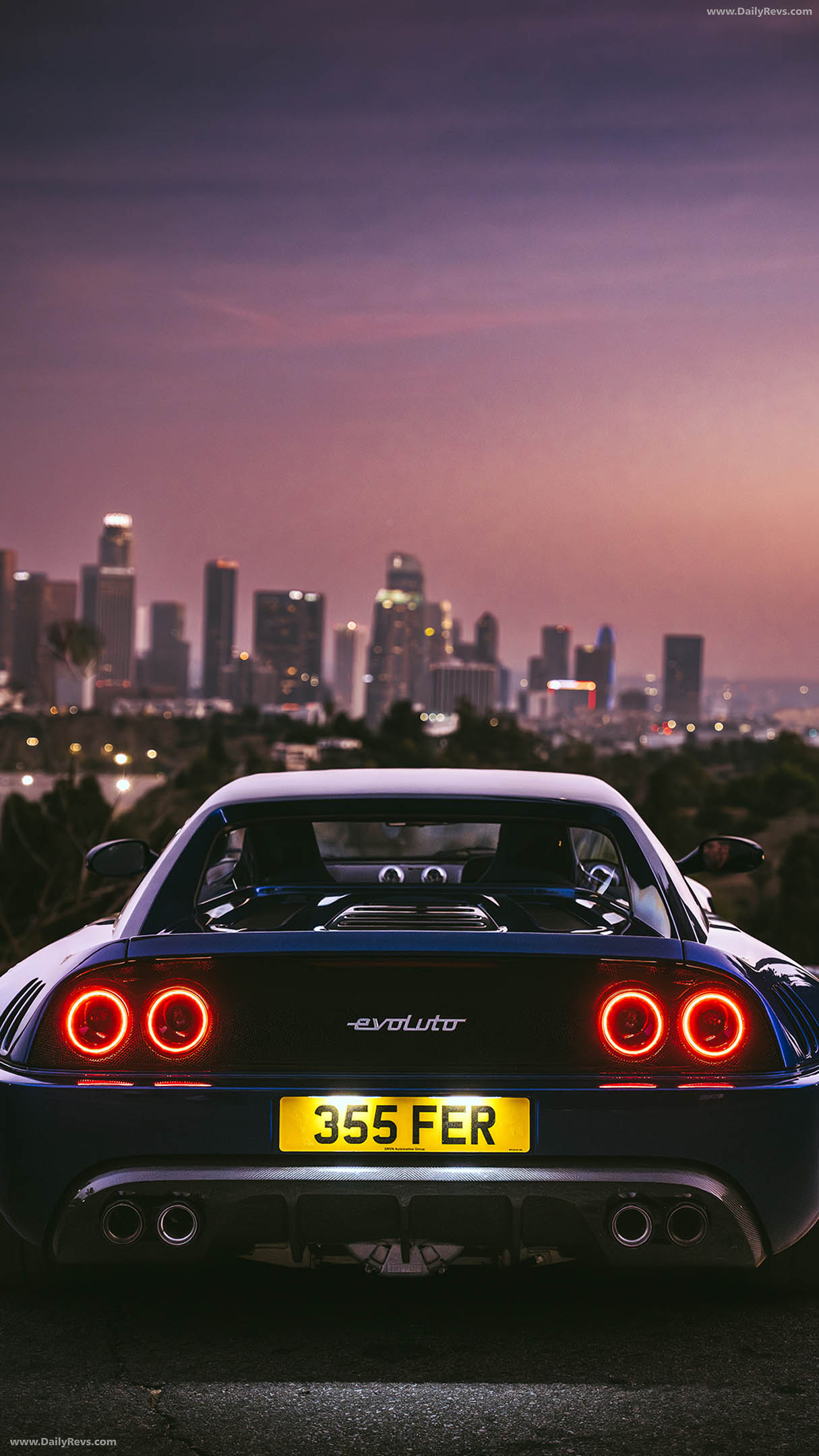
Built around the spirit of the Ferrari F355 but extensively reworked underneath, the 355 by Evoluto now completes final validation ahead of first customer deliveries scheduled for Q4 this year. Only 55 examples are planned.
The company says the final production prototype has already covered over 5,000 miles of track testing and 10,000 miles of engine testing before final durability sign-off. That process also supports a two-year or 20,000-mile warranty, which is unusual territory for something this specialized.
And honestly, that tells you a lot about the intent behind the project.
This is not being pitched as a fragile collector toy.
Wider stance and lighter hardware transform the chassis
A huge amount of the work happened beneath the body.
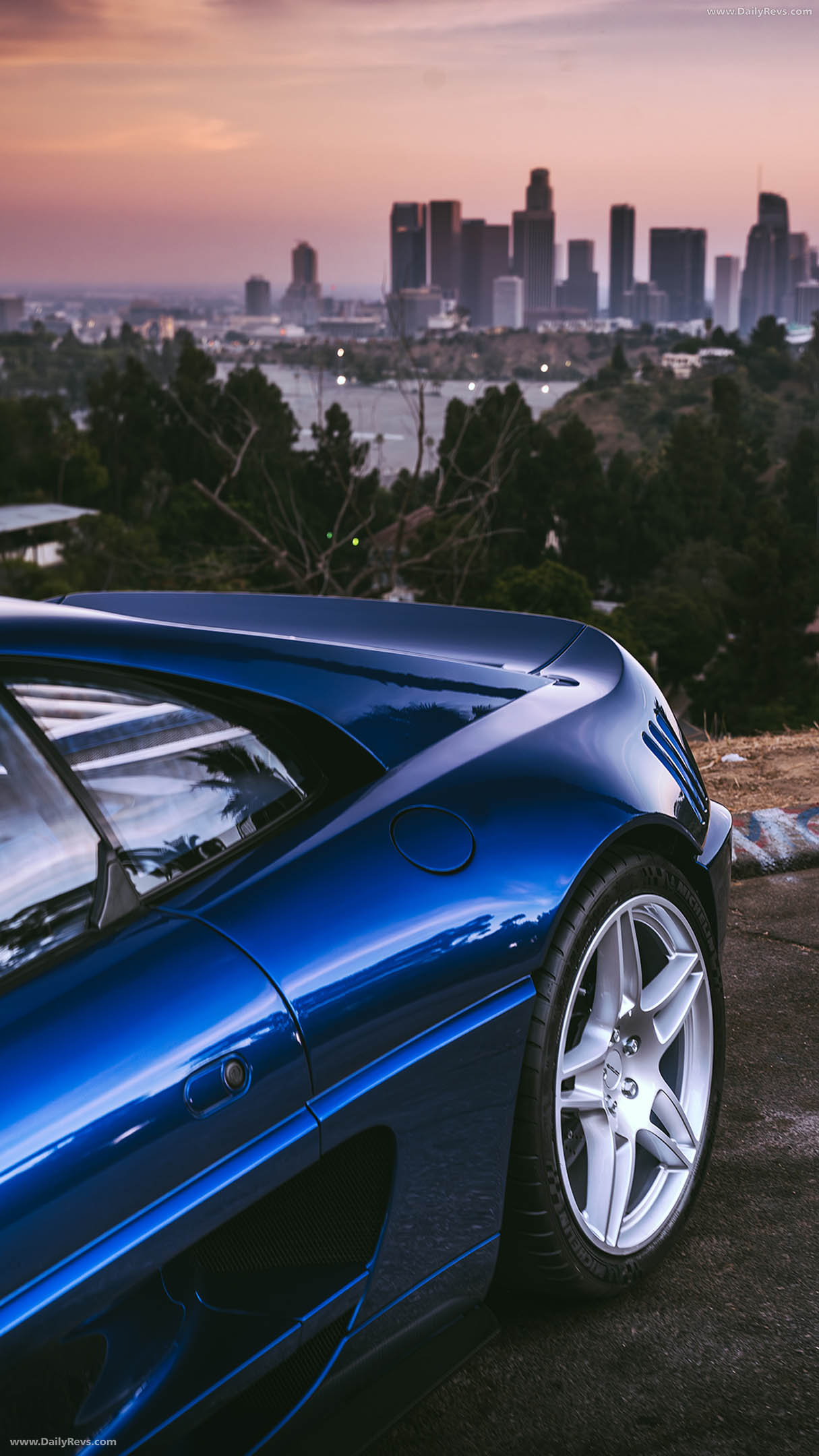
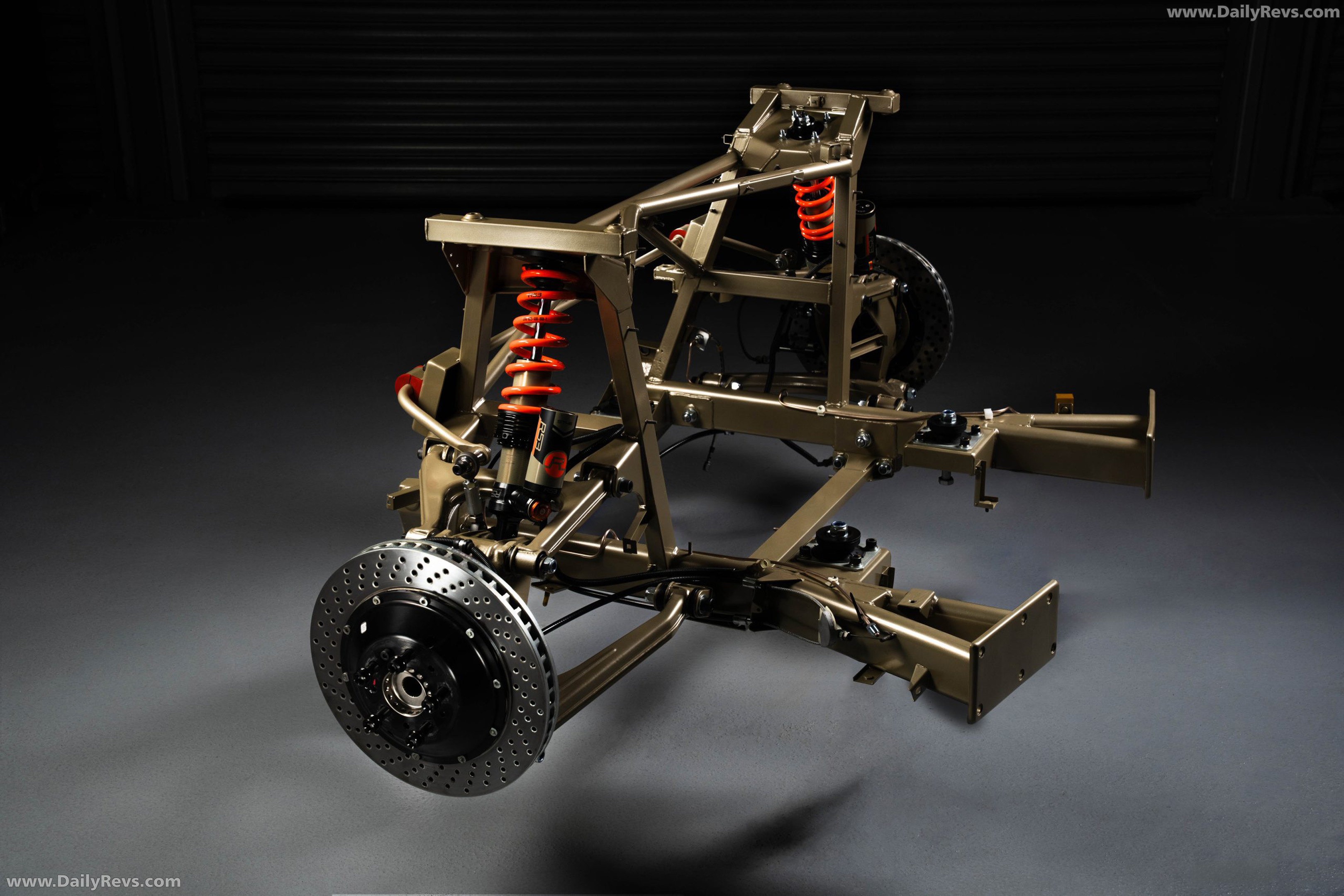
Evoluto widened the front track by 77 mm and the rear by 66 mm, giving the car a visibly broader stance while improving cornering stability. Suspension geometry, control arms, uprights, wheel bearings, and anti-roll hardware were all redesigned from scratch.
The engineering focus seems heavily centered around reducing unsprung mass and sharpening steering response.
New wheel-bearing assemblies alone reportedly save more than one kilogram per corner, while redesigned driveshafts cut nearly two kilograms per side from the drivetrain. Those driveshafts now use motorsport-derived tripod CV joints and ultra-strong 300M steel shafts.
The suspension package comes from R53 Suspension, now confirmed as the suspension supplier for future DRVN Automotive road cars. Three-way adjustable dampers with external reservoirs sit at each corner, developed through CFD analysis and extensive testing.
Steering also changes significantly.
The rack ratio becomes much quicker, dropping lock-to-lock movement from 3.25 turns to just 2.0, paired with a new electro-hydraulic steering system designed to preserve analogue feedback instead of filtering it out electronically.
Naturally aspirated V8 remains the centrepiece
The engines are probably what most people will focus on first.
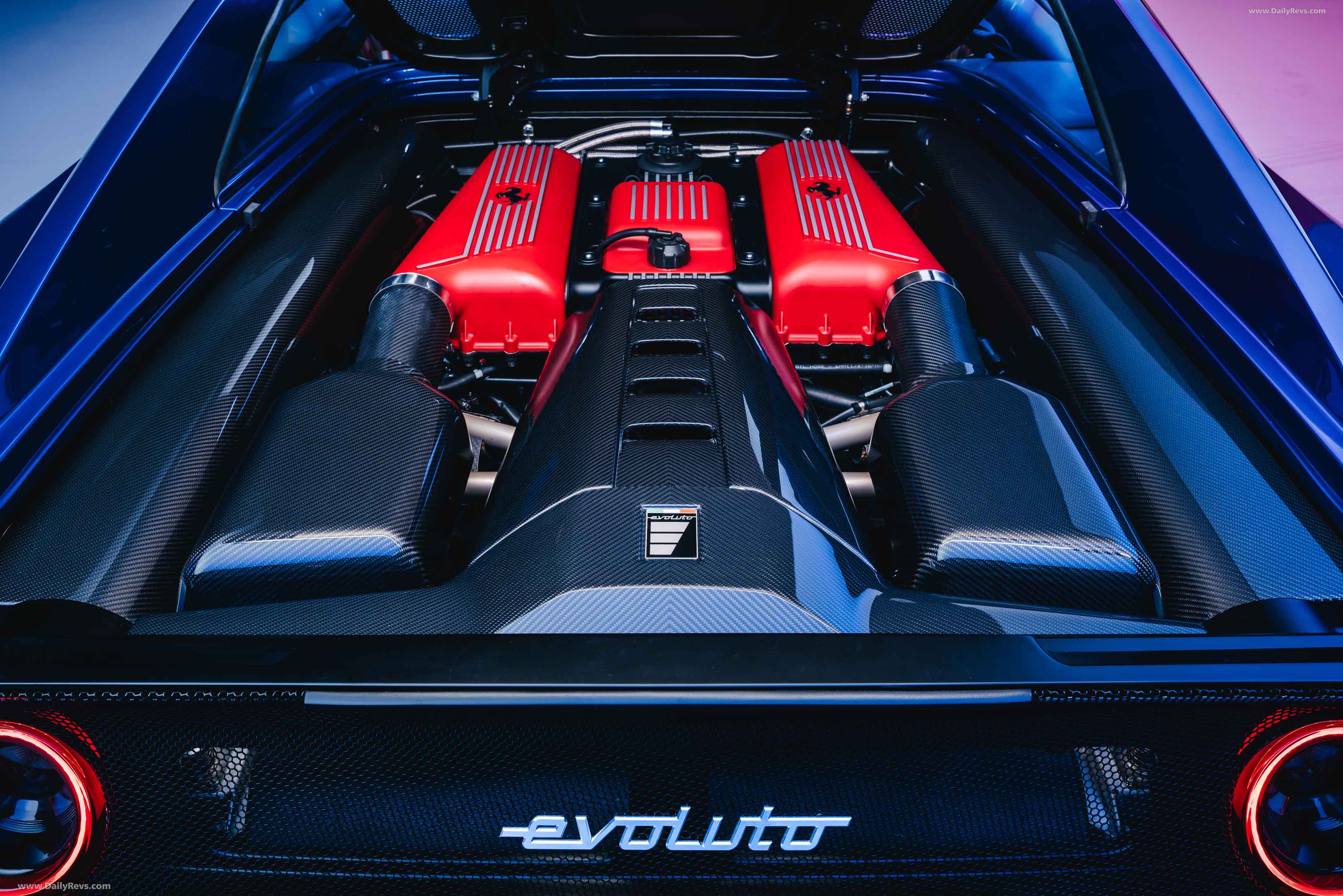
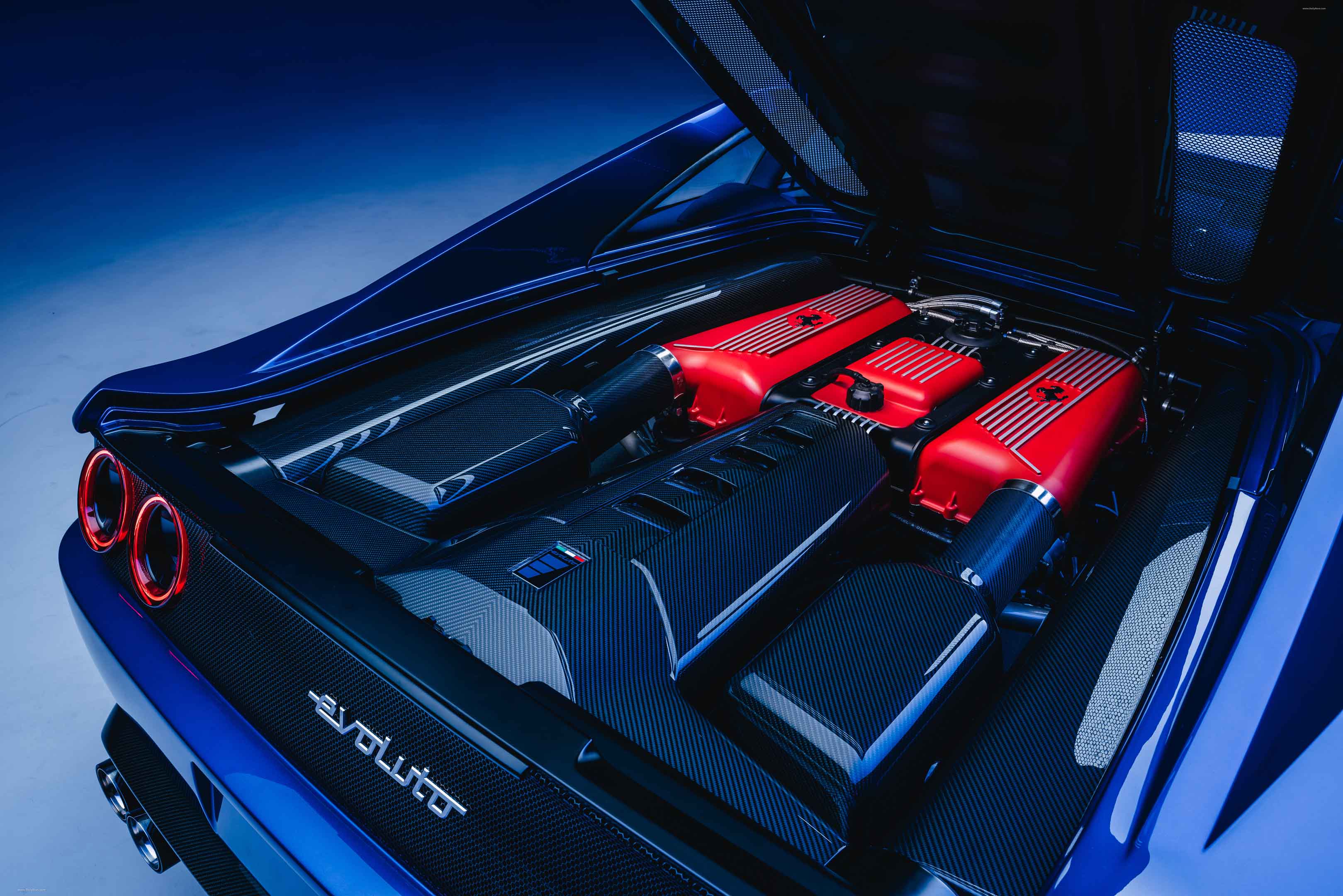
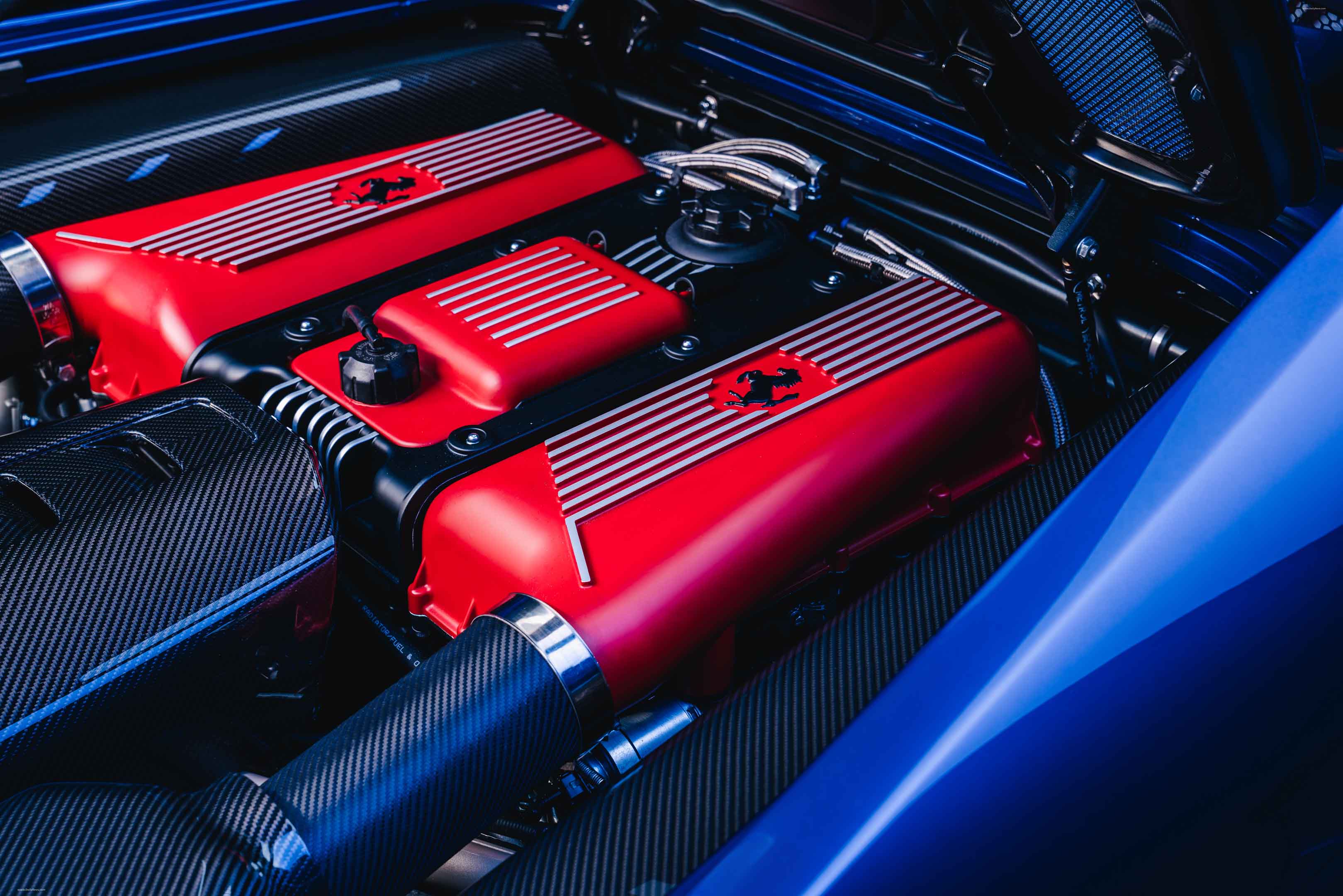
The standard 3.5-liter naturally aspirated V8 now produces 420 PS and revs to 8,500 rpm, while the larger 3.7-liter variant develops 480 PS with a 9,000 rpm redline.
Both engines receive major internal revisions including bespoke camshafts, redesigned cylinder heads, lighter rotating components, and new stainless steel exhaust systems.
Evoluto repeatedly refers to the experience as “Peak Analogue®,” which sounds slightly dramatic on paper, though the mechanical specification backs it up better than most marketing slogans usually do.
No hybrid assistance. No synthetic sound engineering. No oversized touchscreens pretending to replace engagement.
Just a high-revving V8 and a lightweight platform tuned around response.
Cabin keeps physical controls alive
The interior has also moved well beyond the earlier prototype phase.
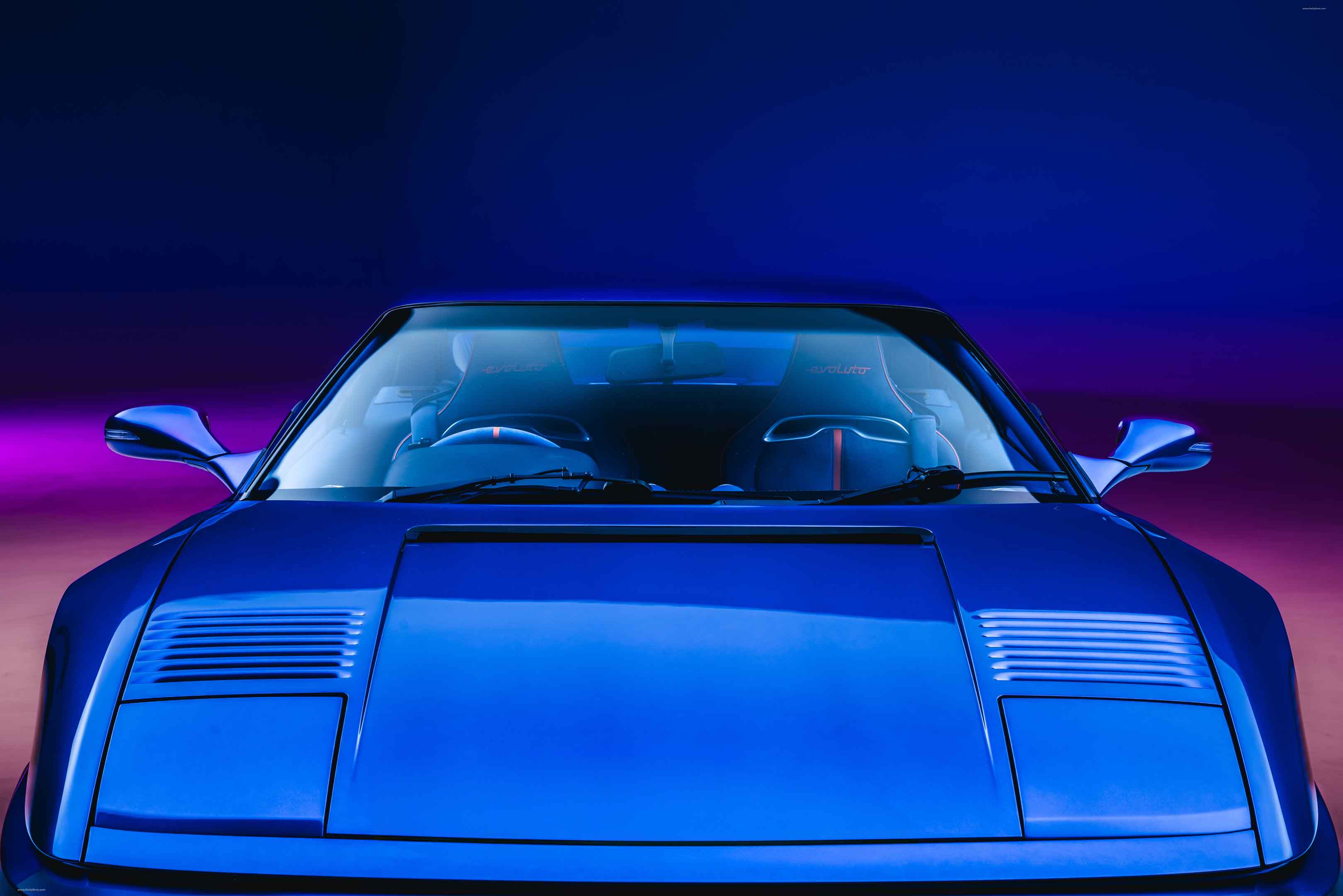
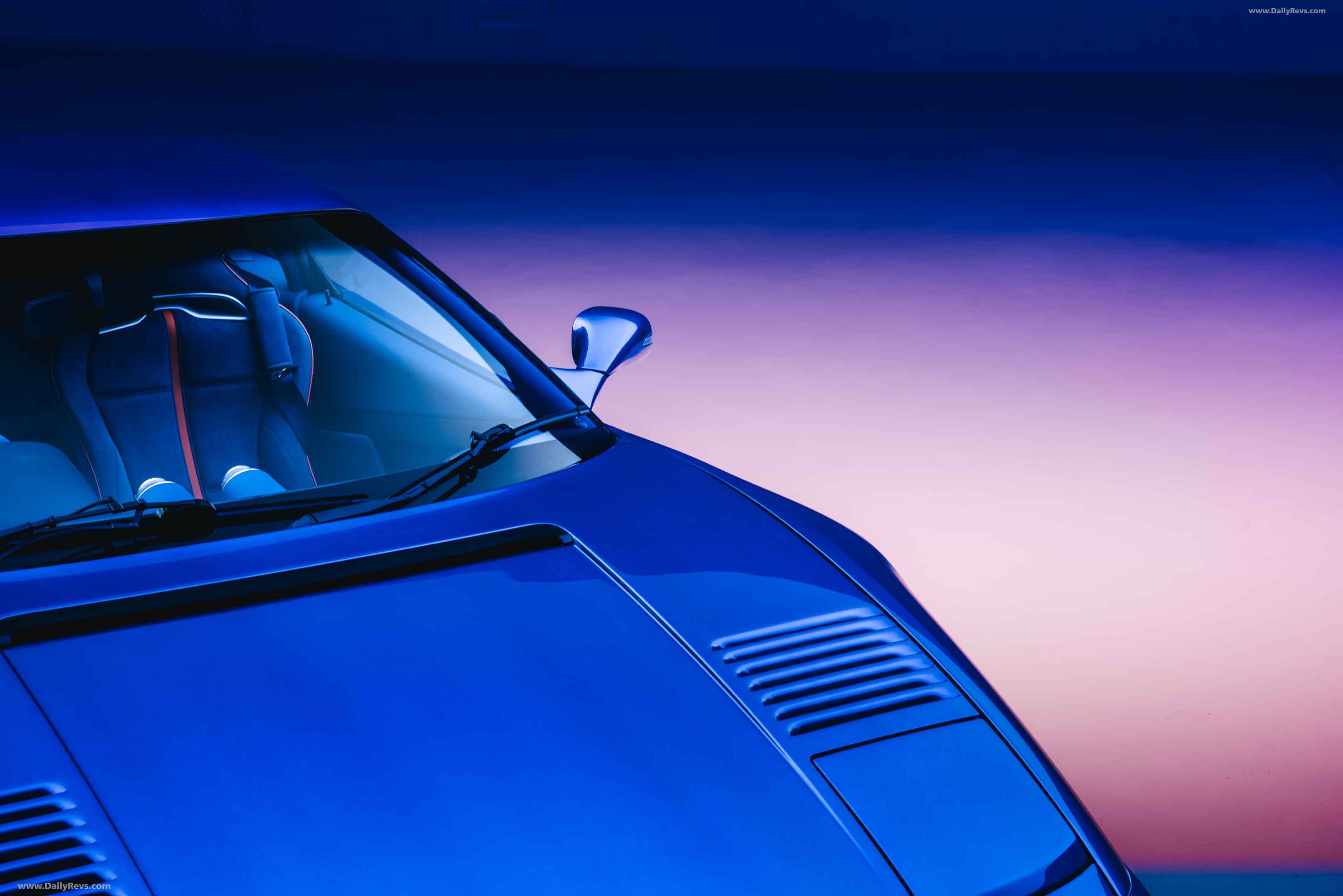
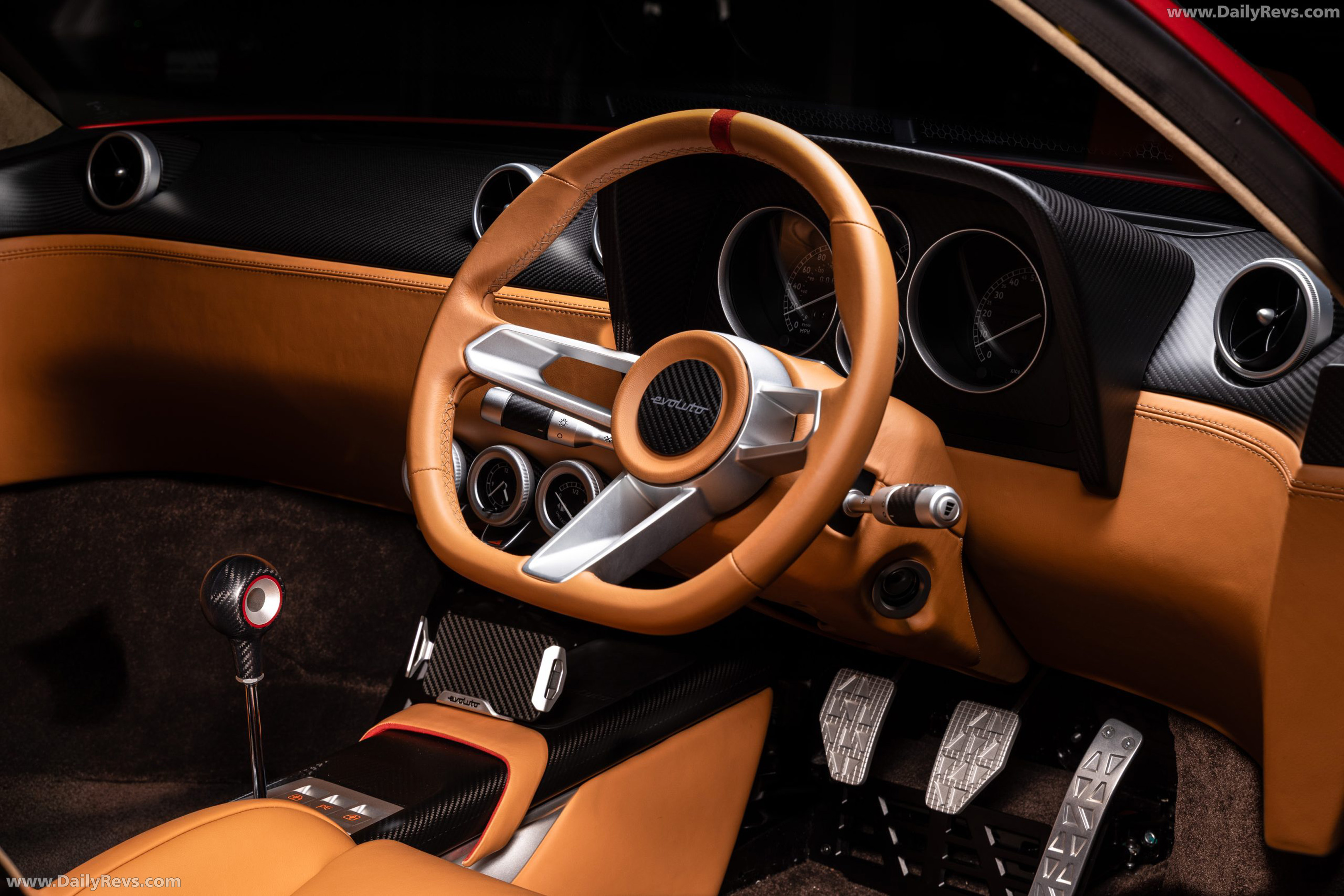
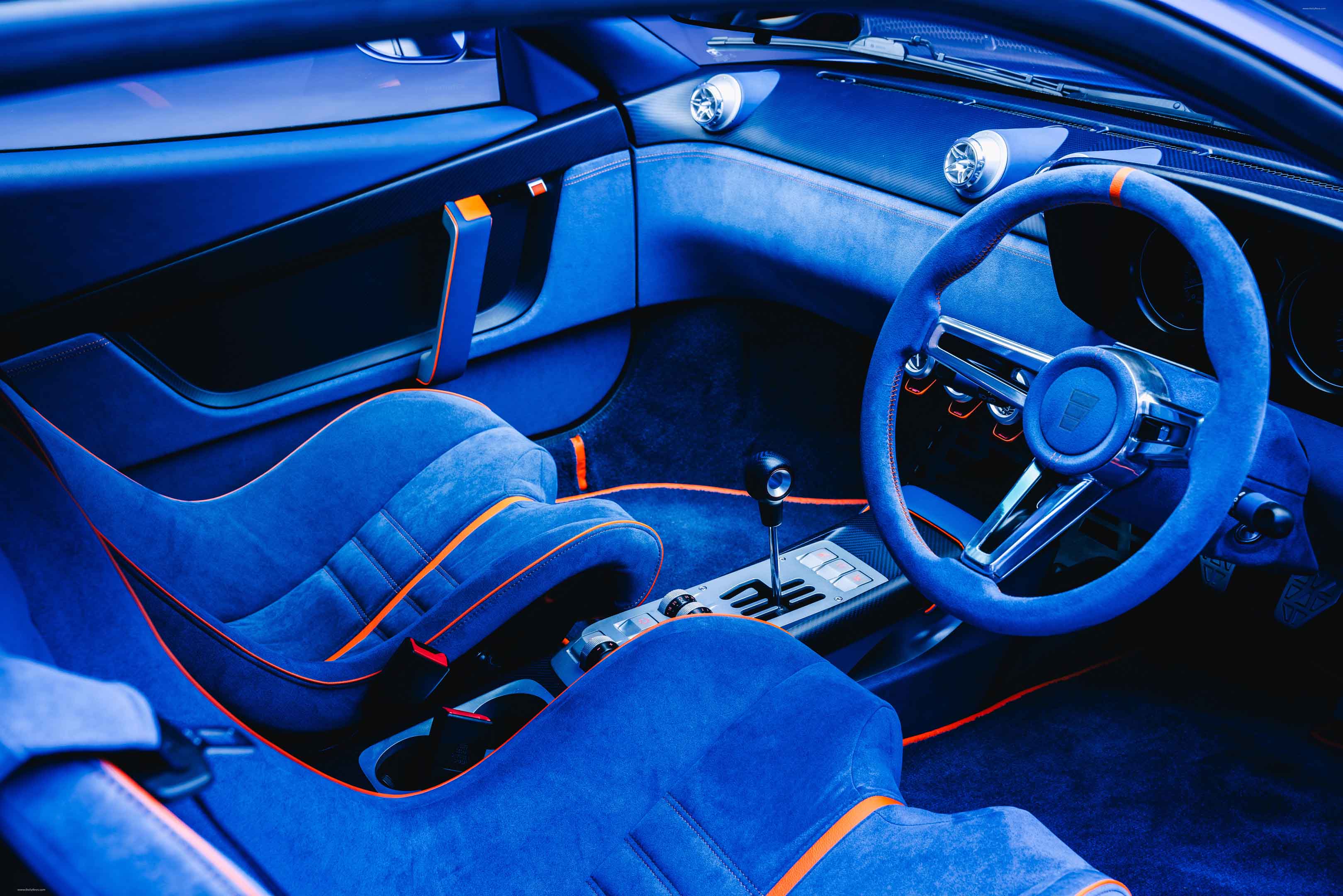
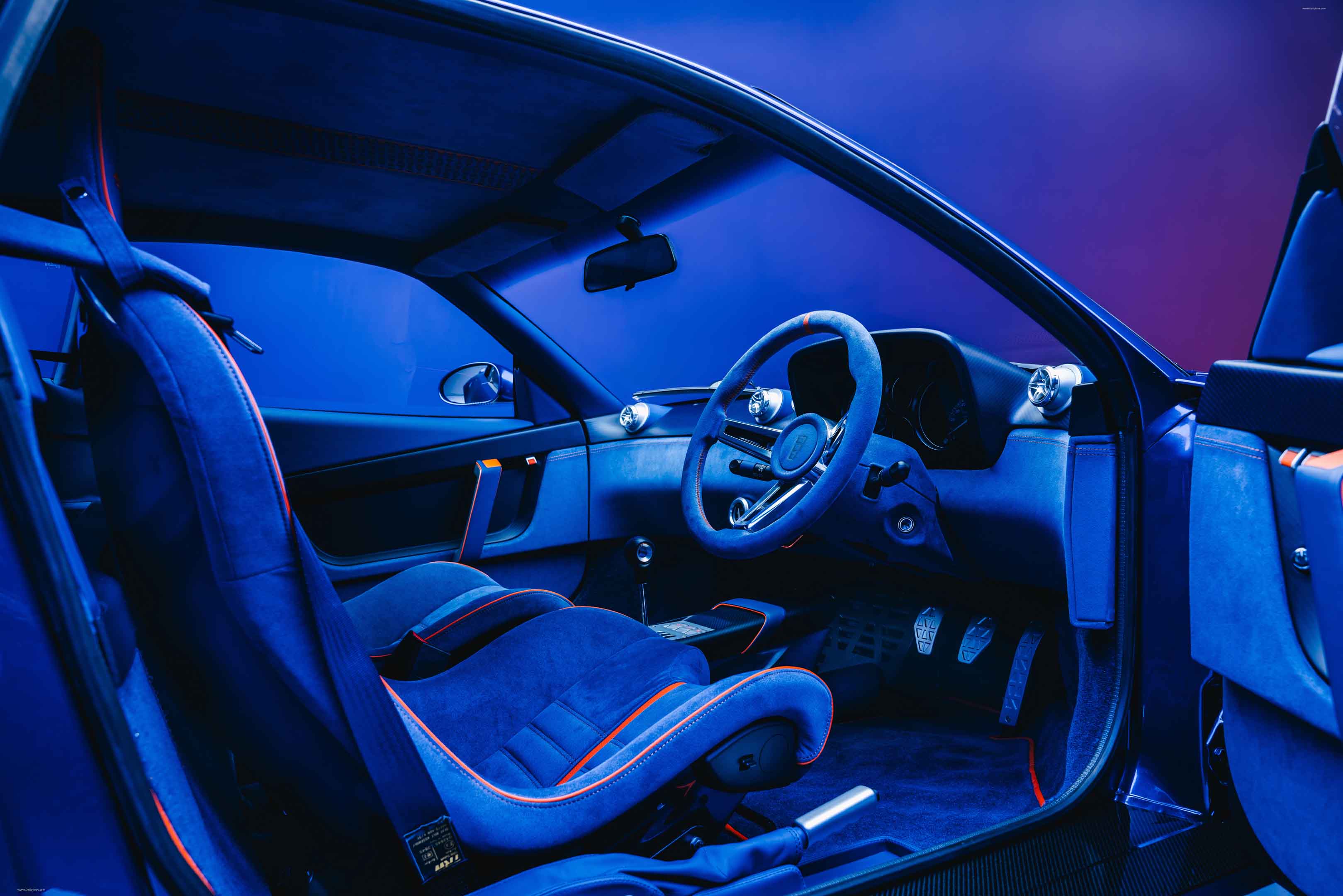
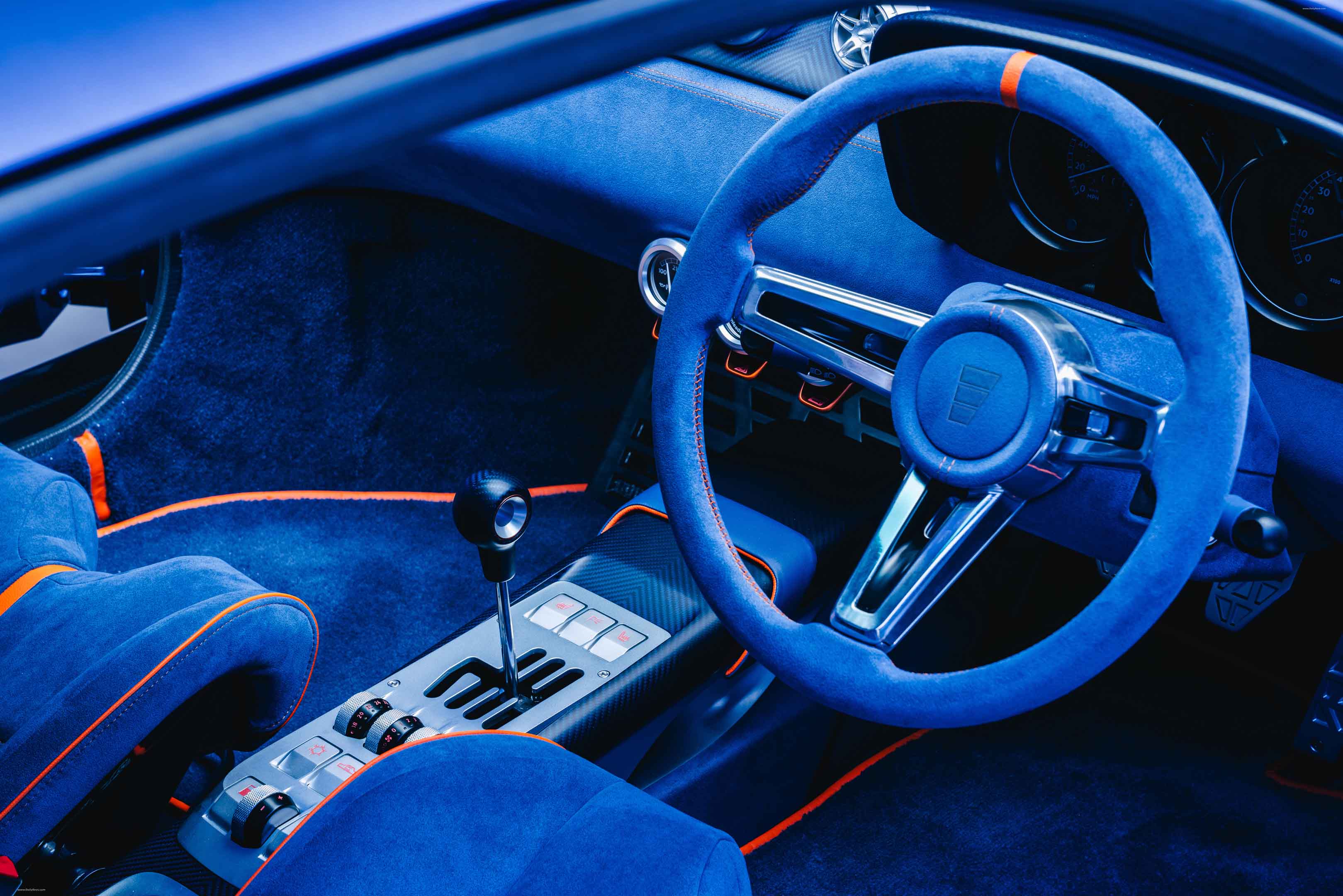
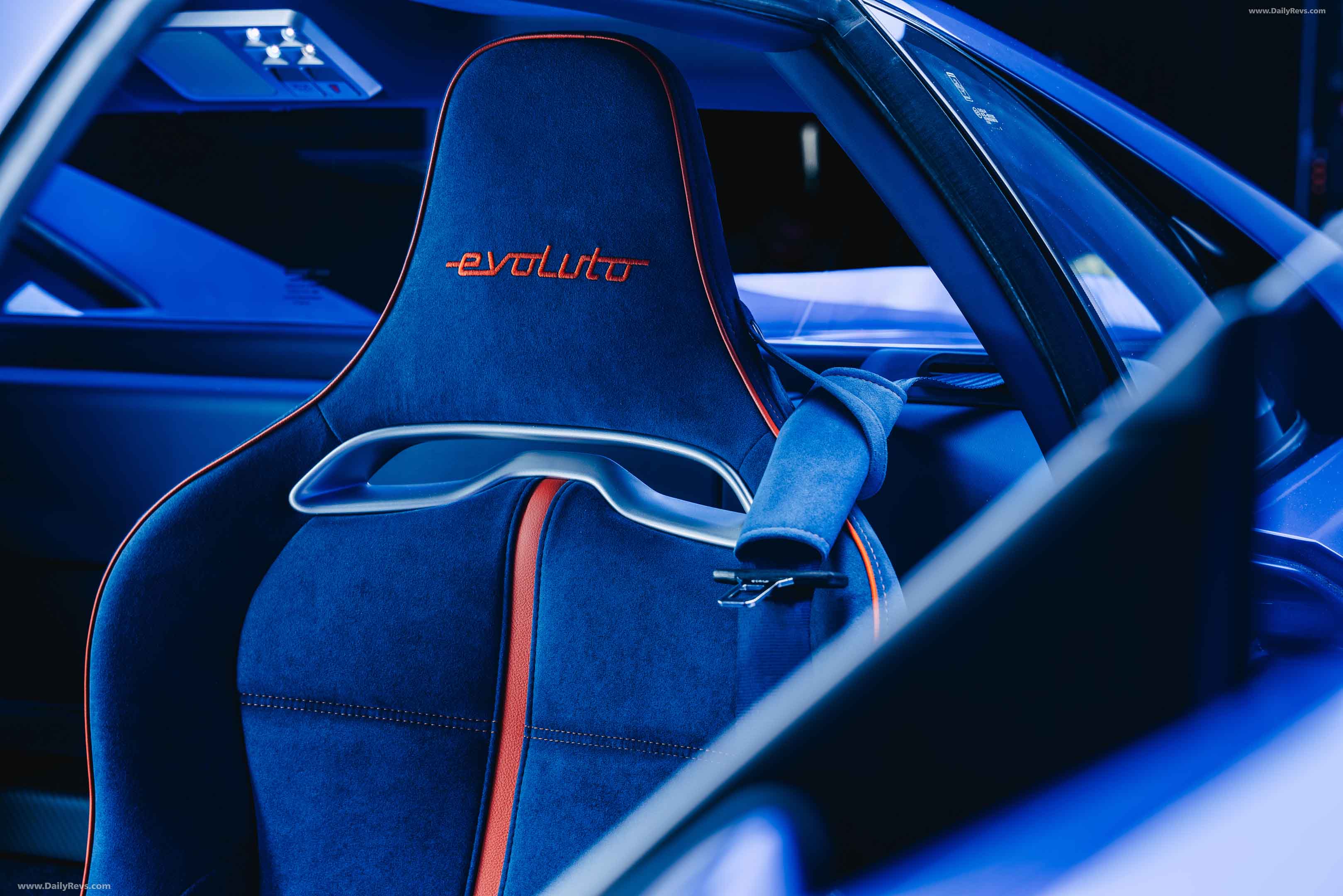
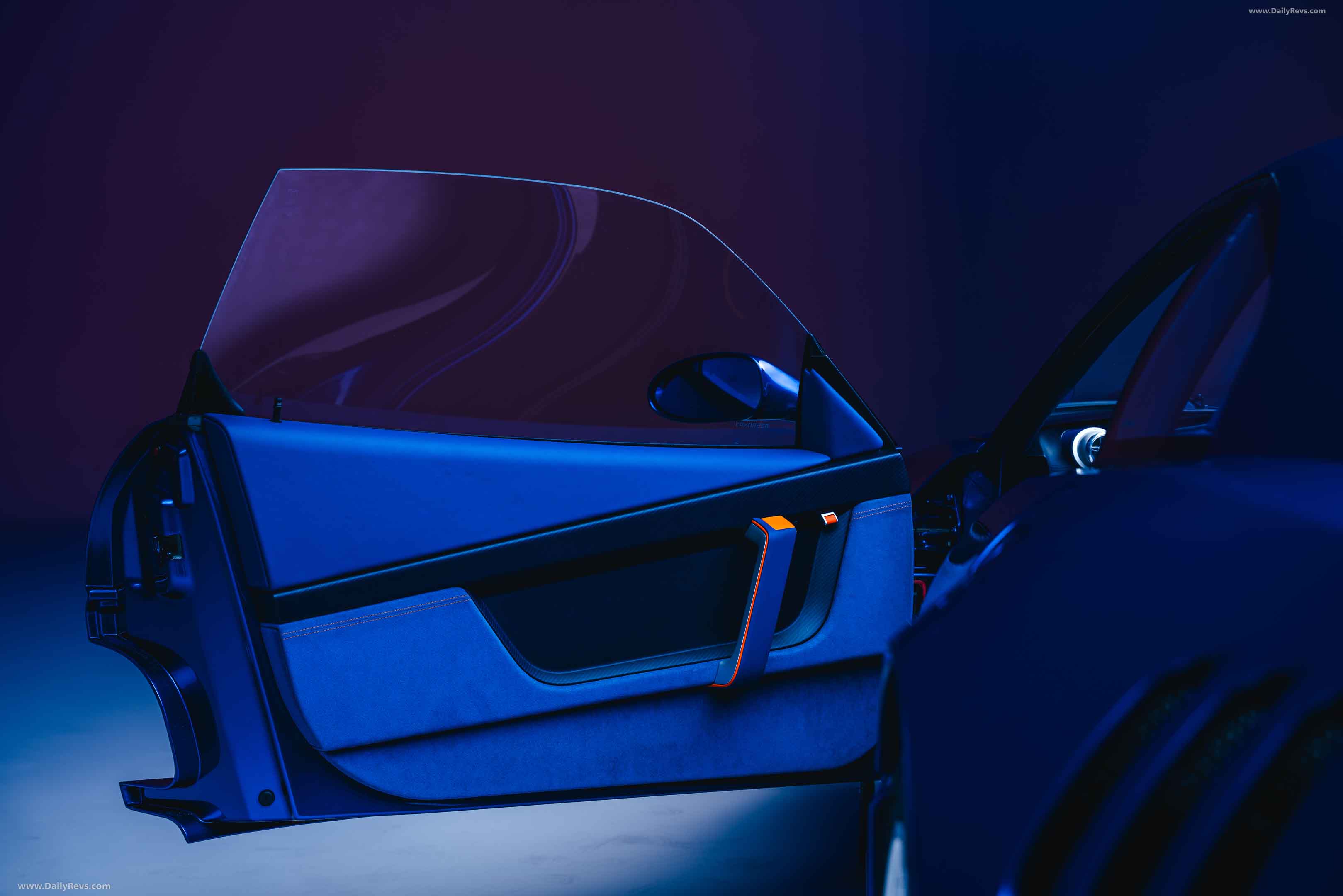
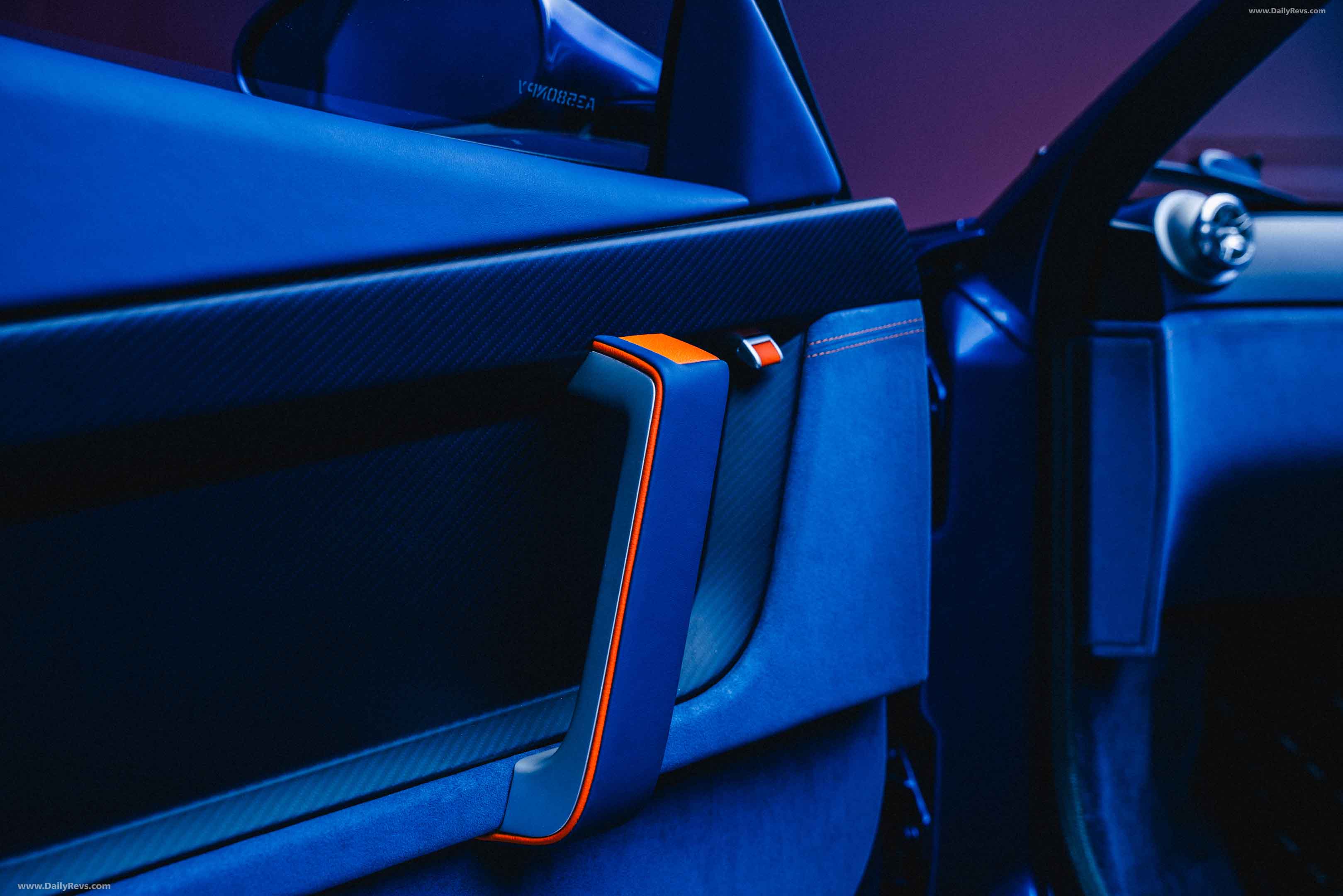
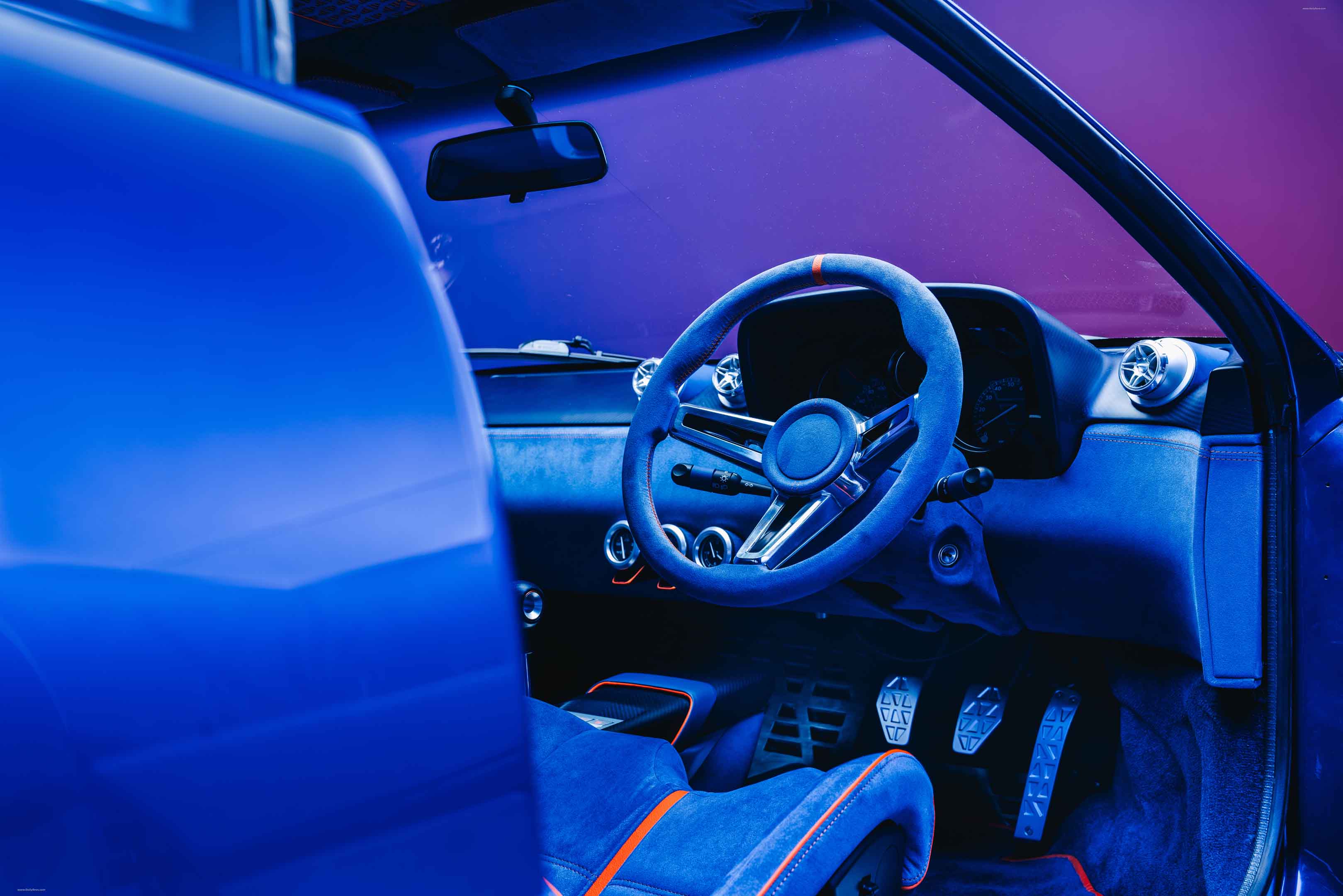
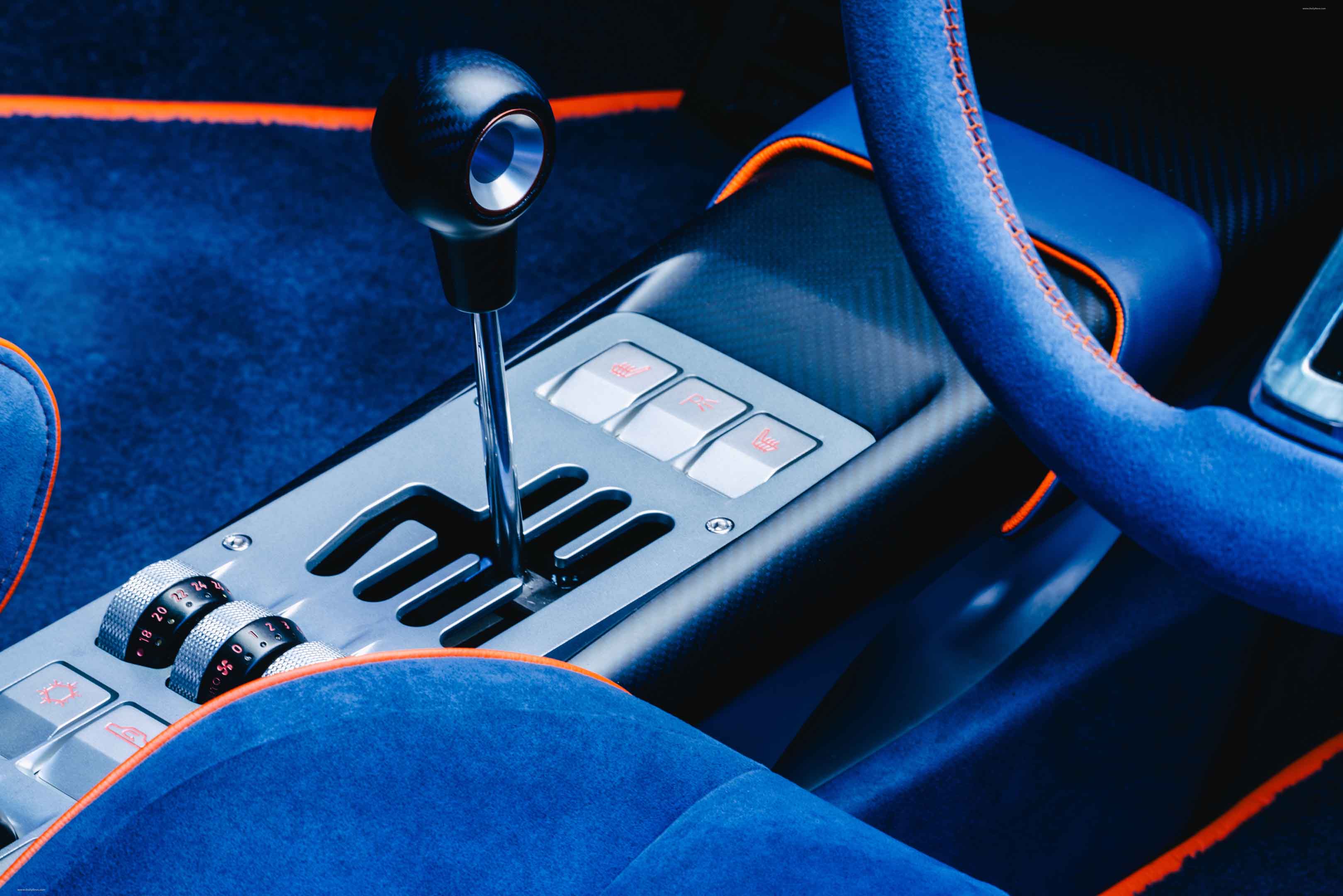
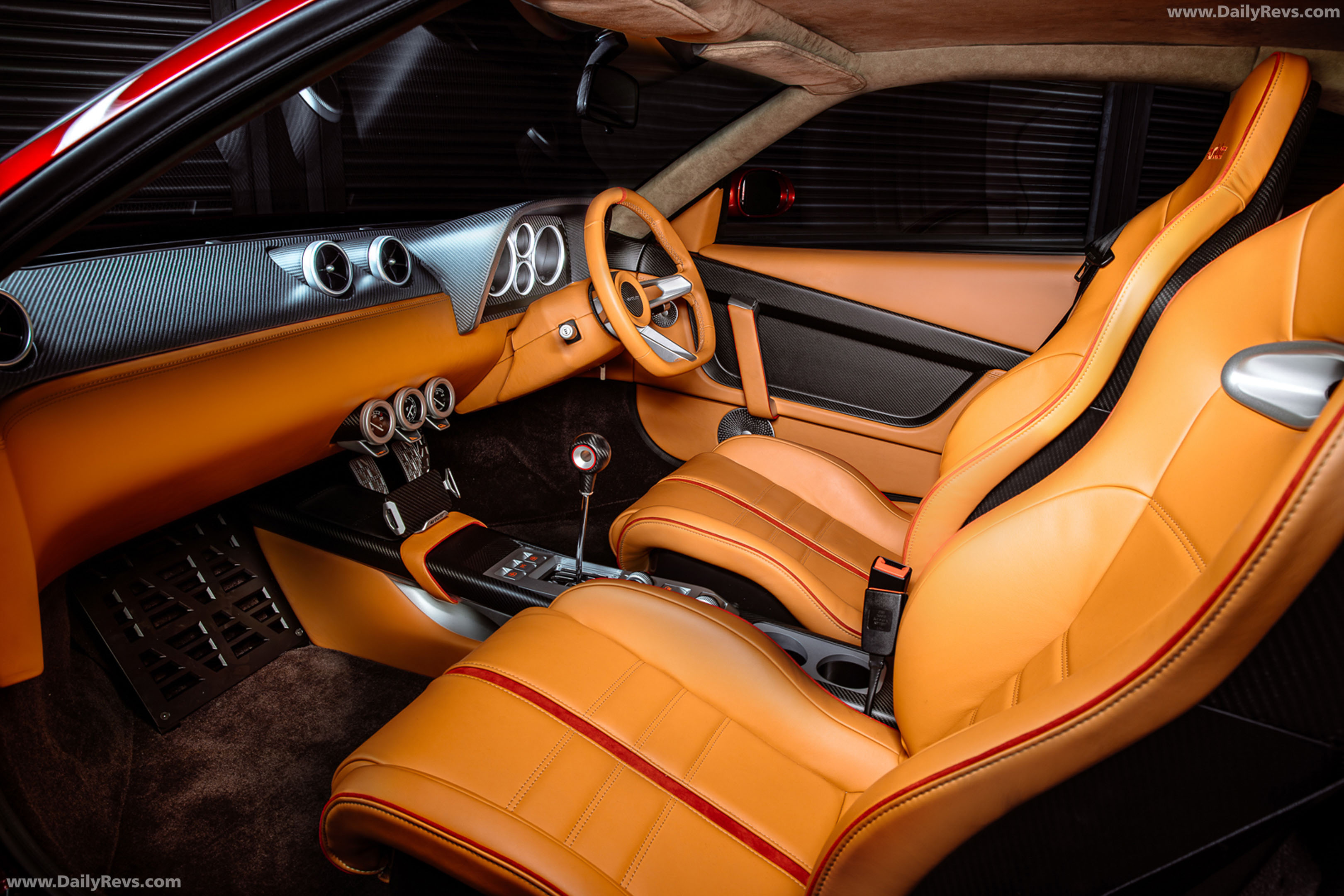
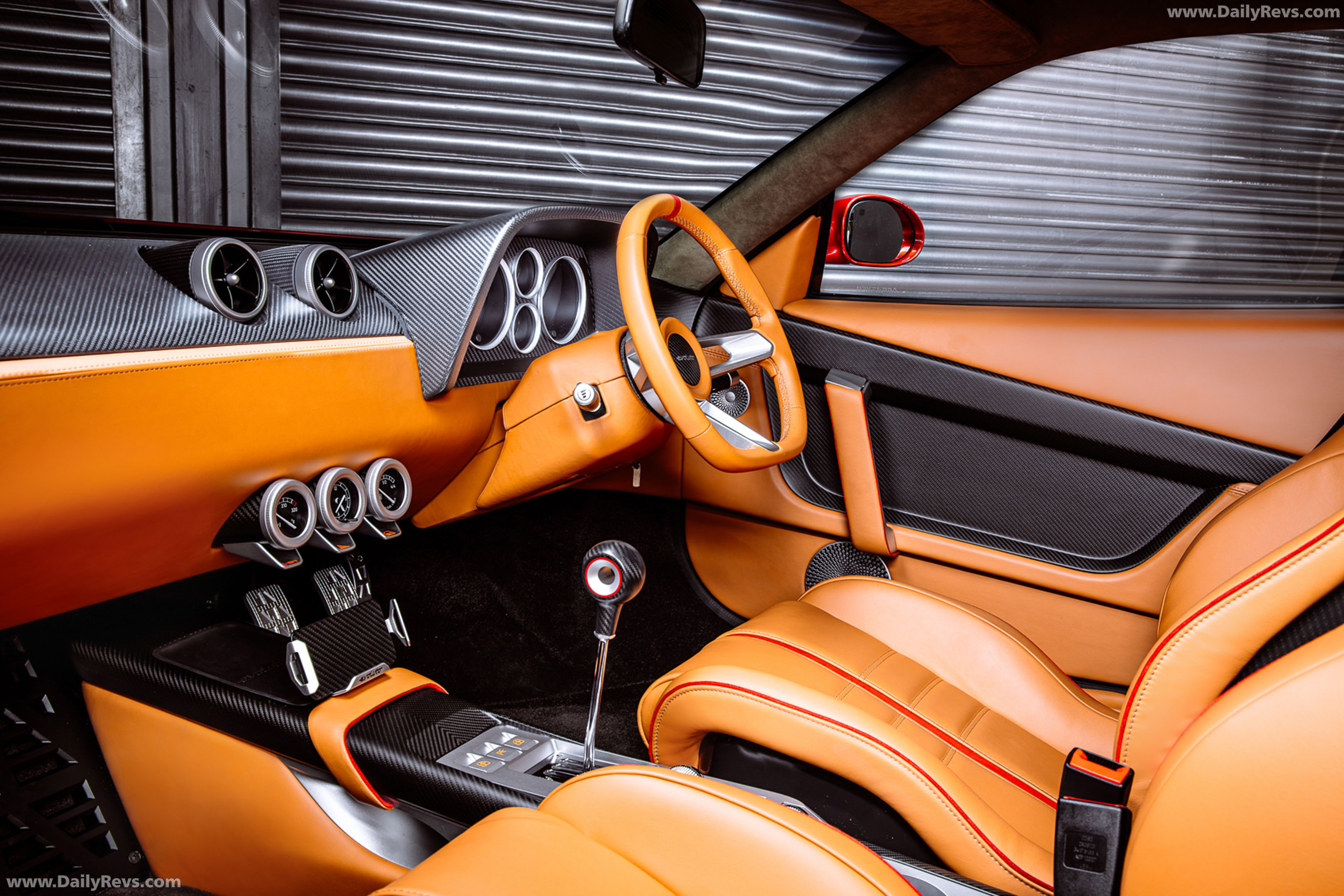
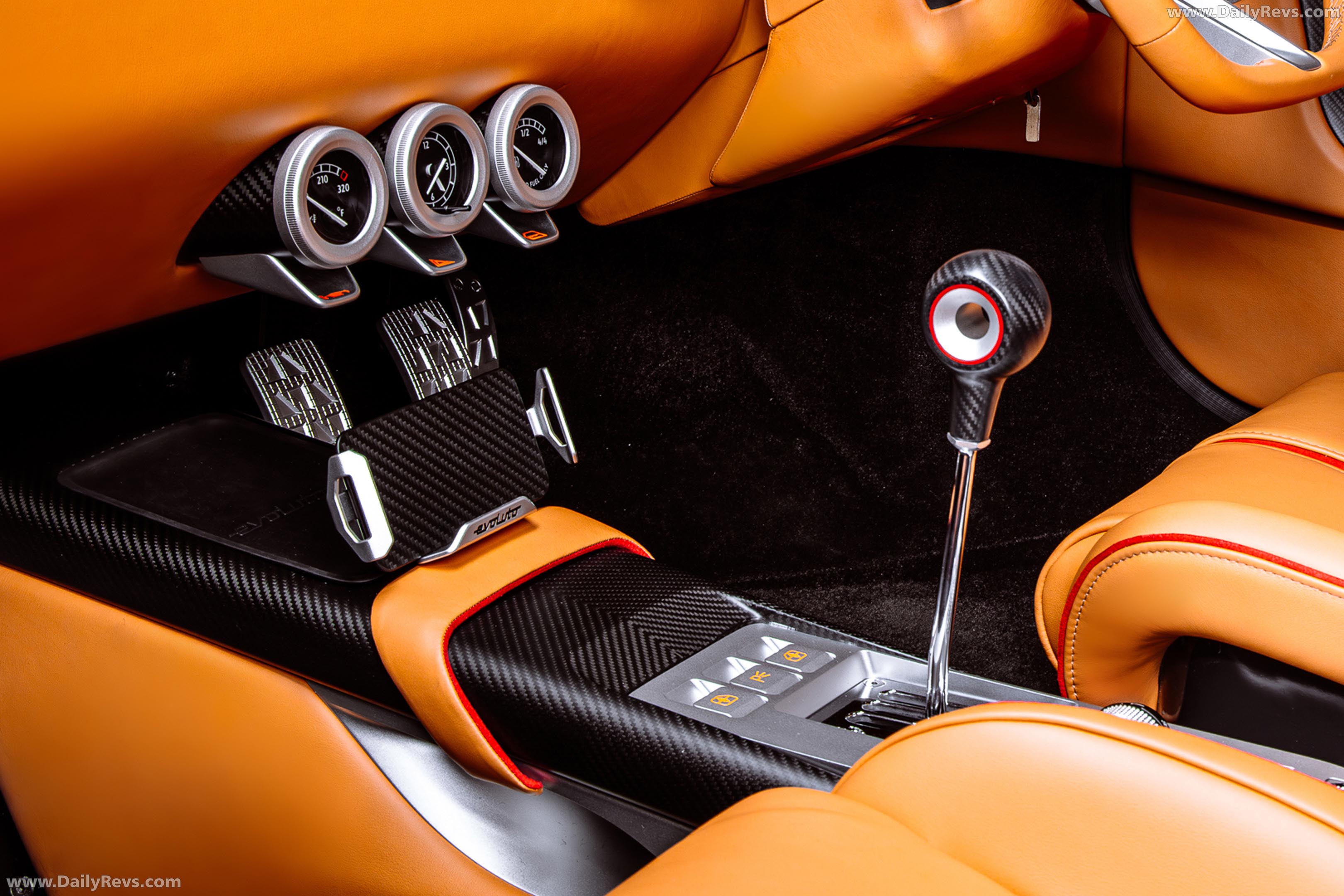
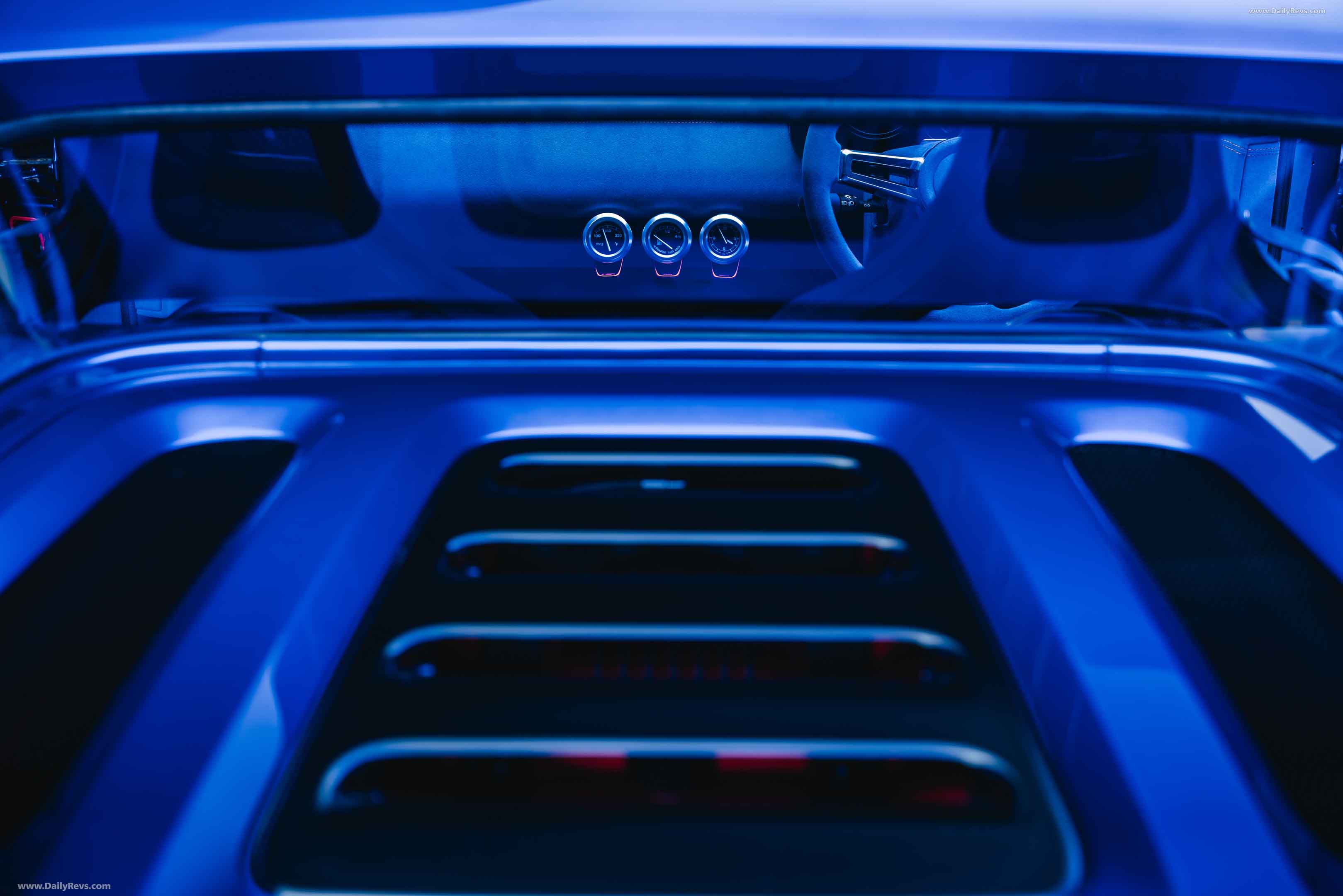
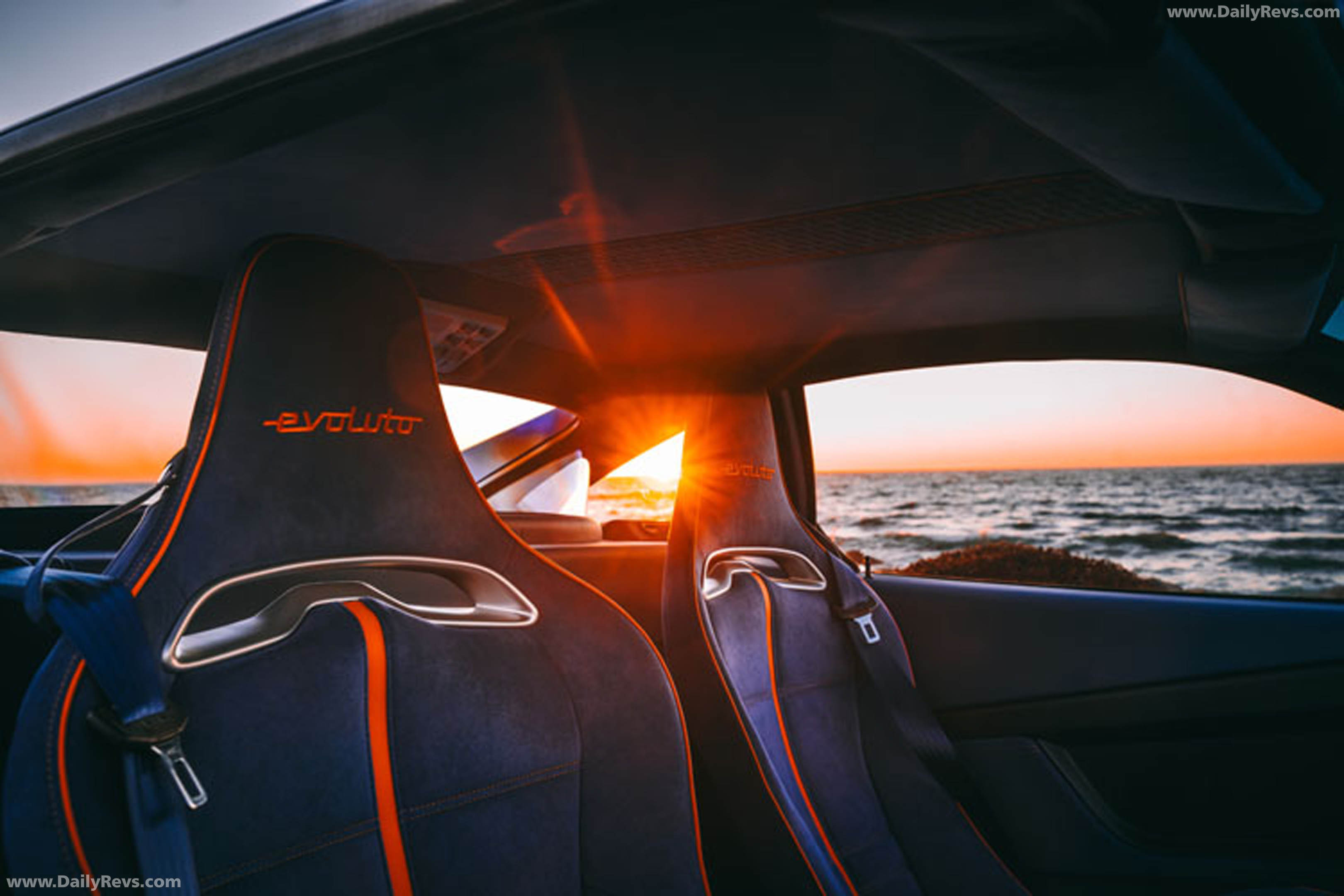
Wayne Burgess and his team redesigned the cabin around lightweight carbon construction, machined metal switchgear, and traditional analogue instrumentation. Physical dials remain central to the layout, avoiding the screen-heavy approach dominating newer supercars.
There are modern upgrades underneath, though.
Around 90 percent of the wiring harness is new, while climate control and electrical systems have been completely modernized for better reliability and usability. The HVAC system now operates independently from engine load, improving efficiency without changing the analogue atmosphere inside the cabin.
The overall impression feels surprisingly focused.
Not retro for the sake of it. Just deliberately mechanical in a market increasingly drifting the other way.