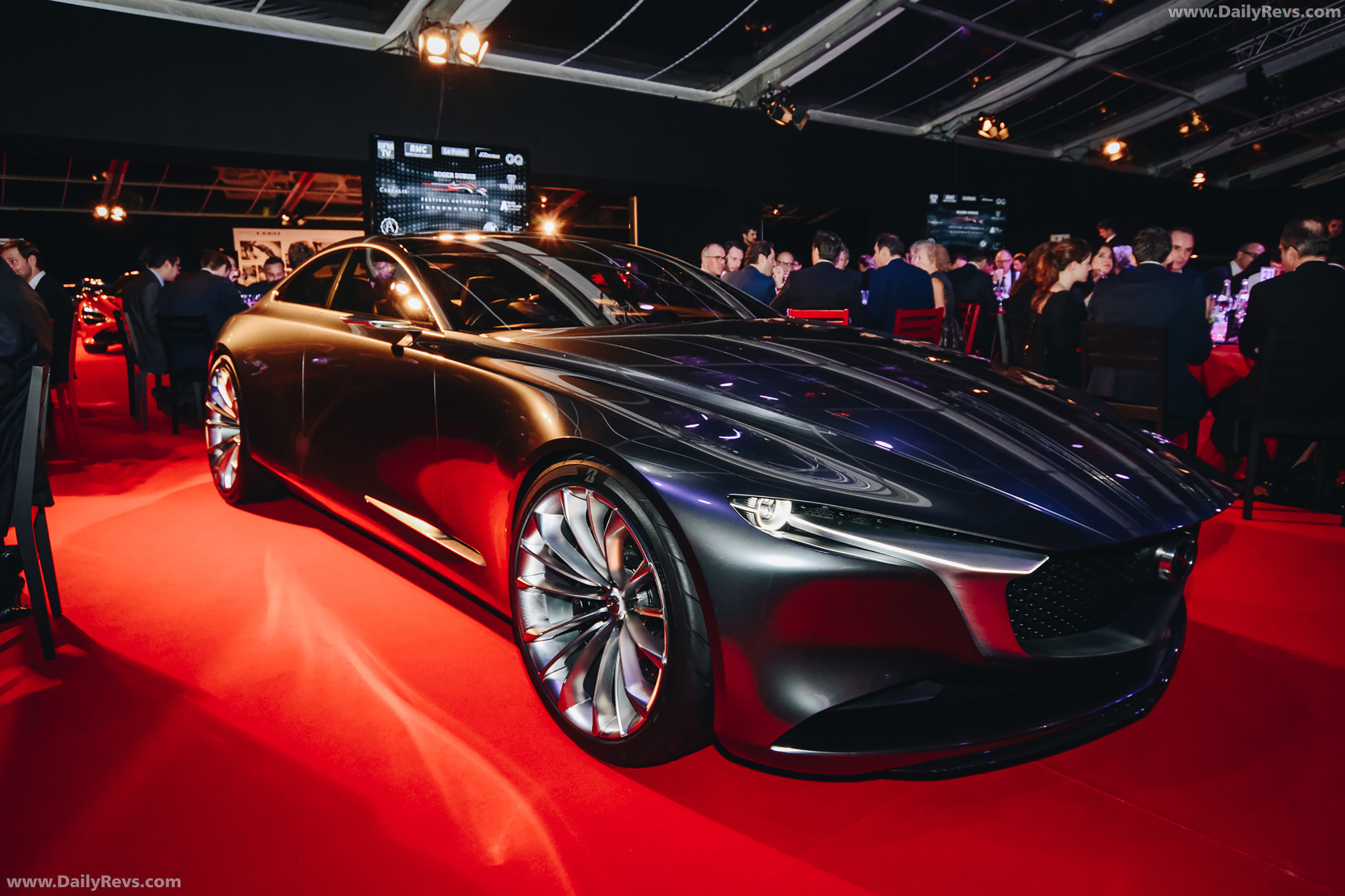
2017 Mazda Vision Coupe Concept
By Lorenzo Bianchi June 22, 2017
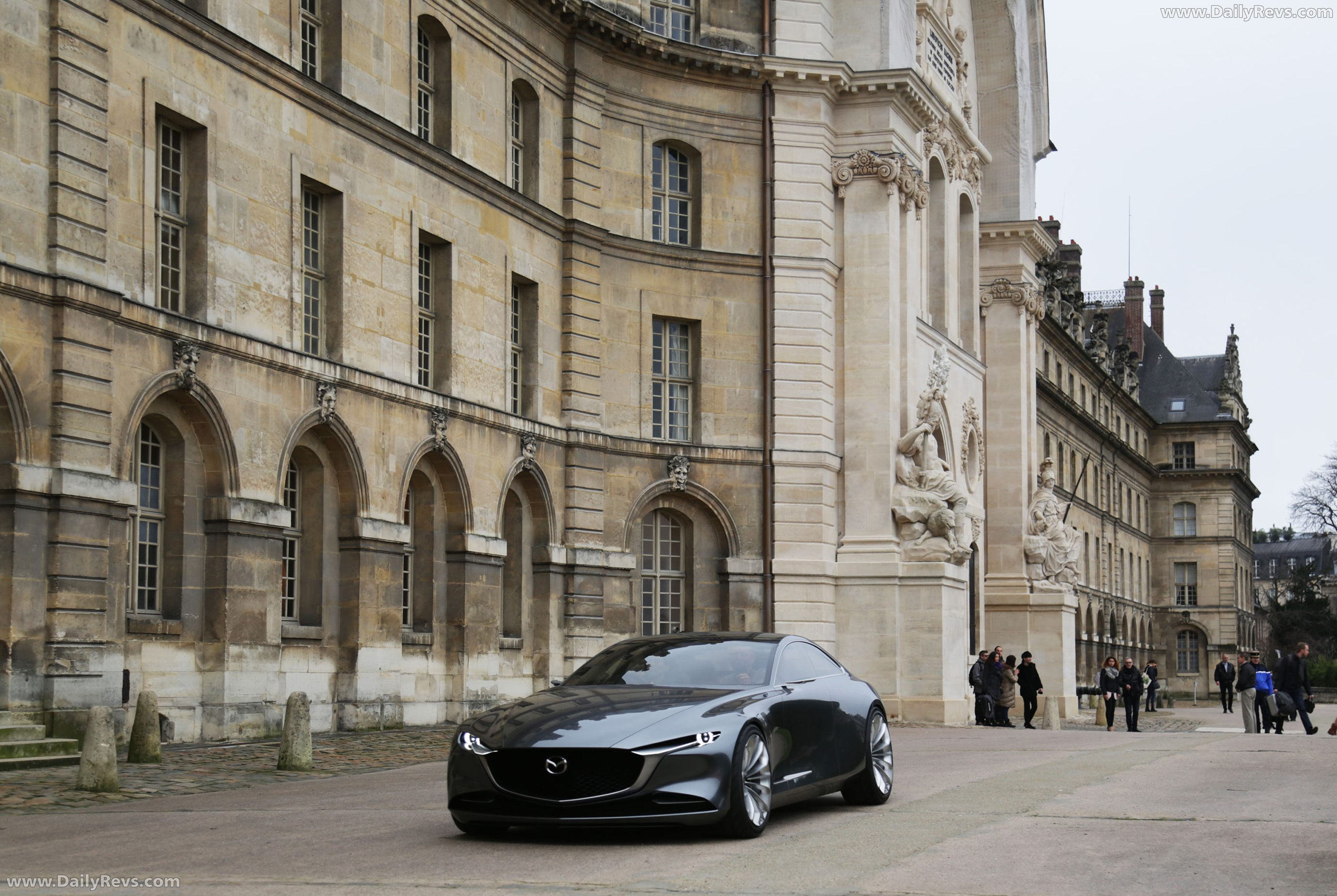
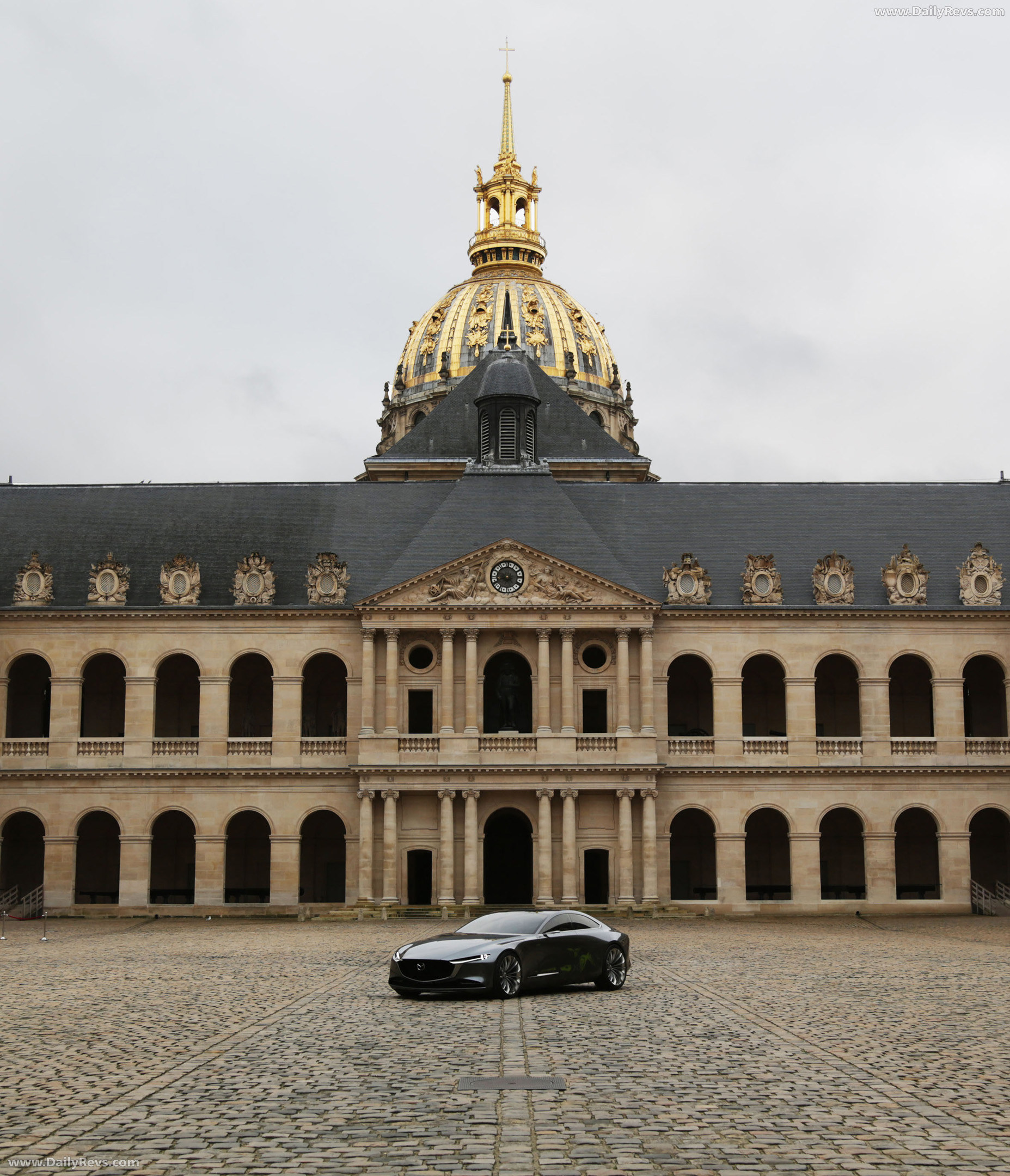
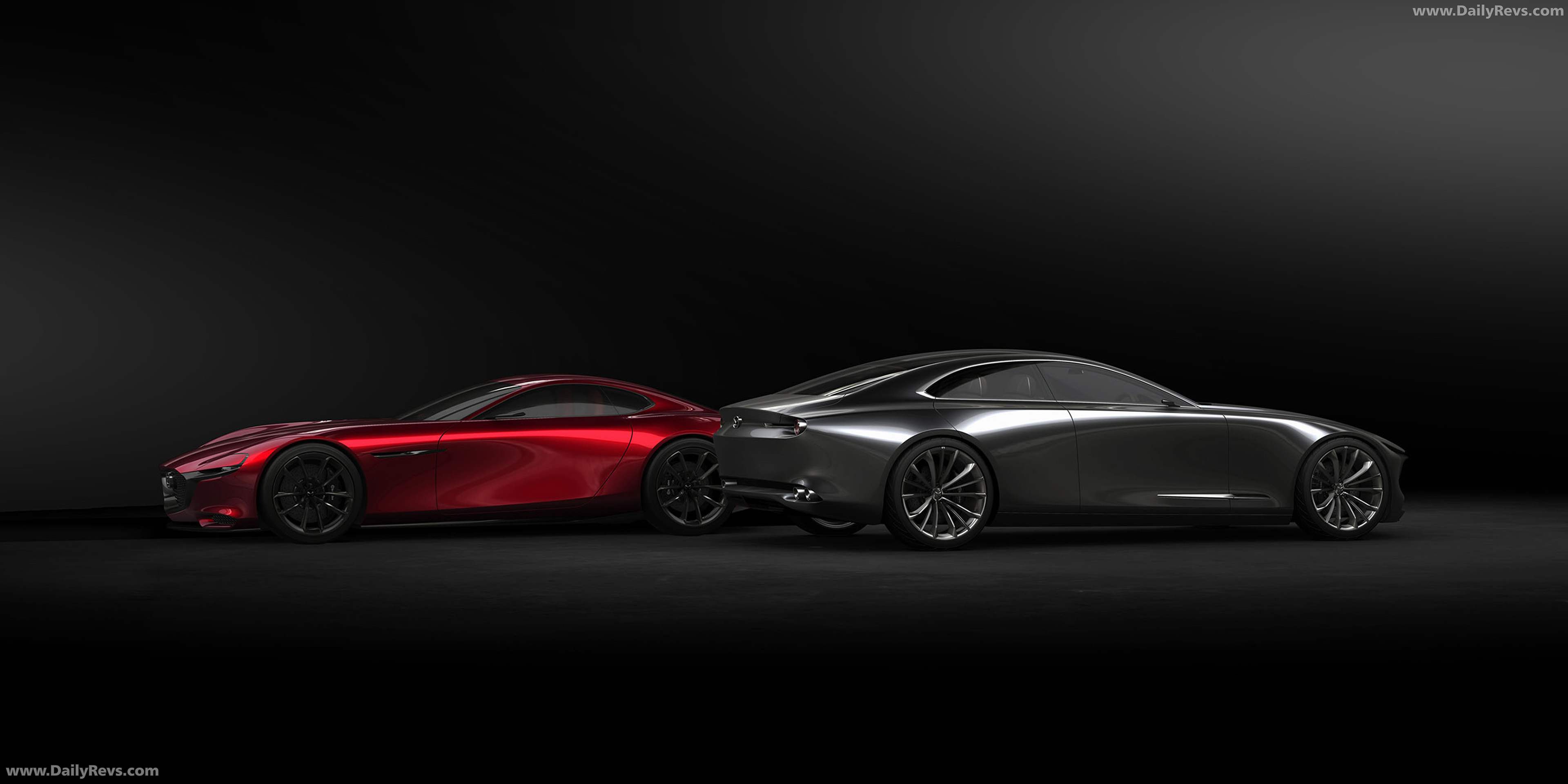
Vision Coupe explored the future evolution of Mazda's KODO design philosophy.
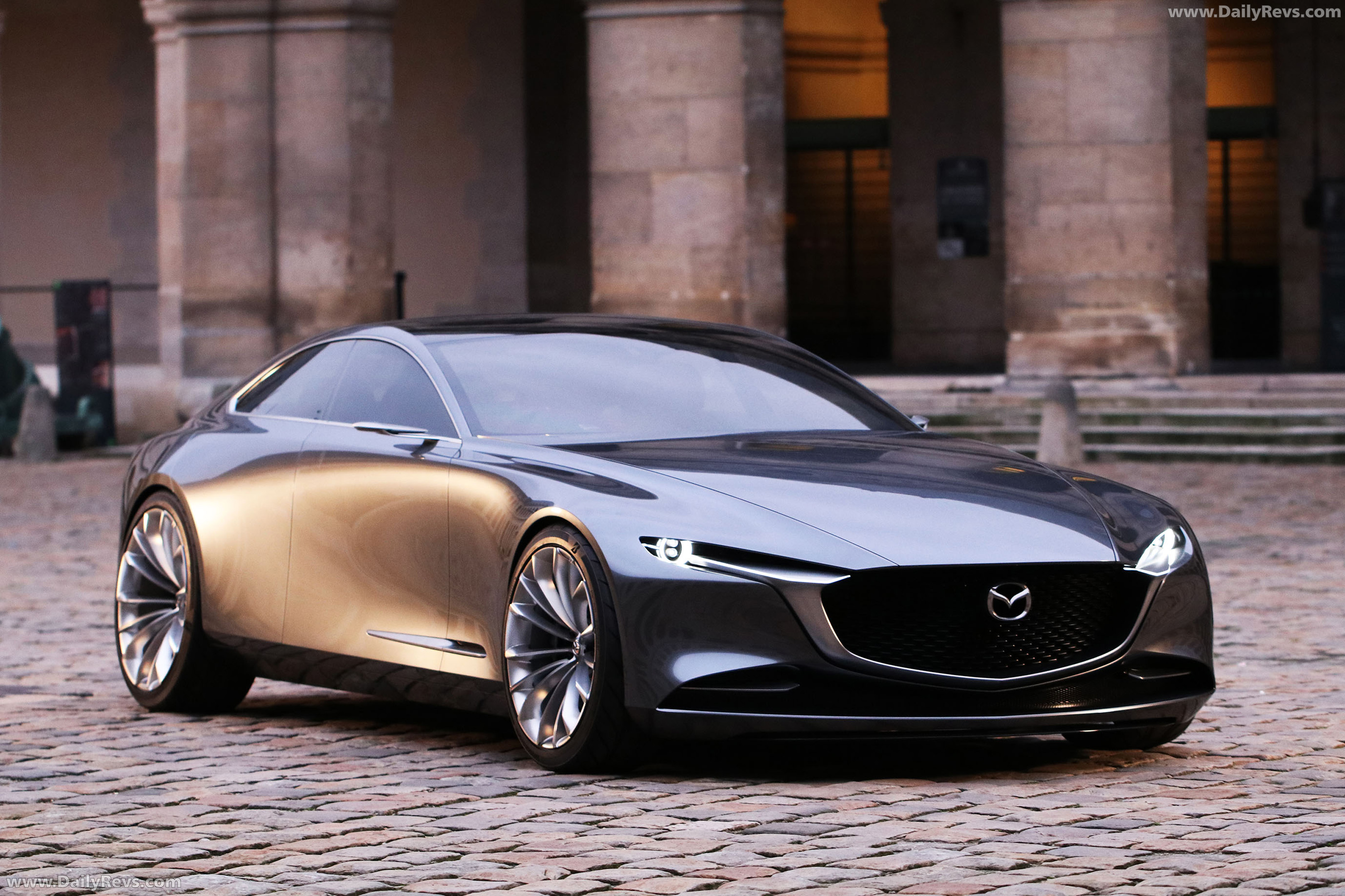
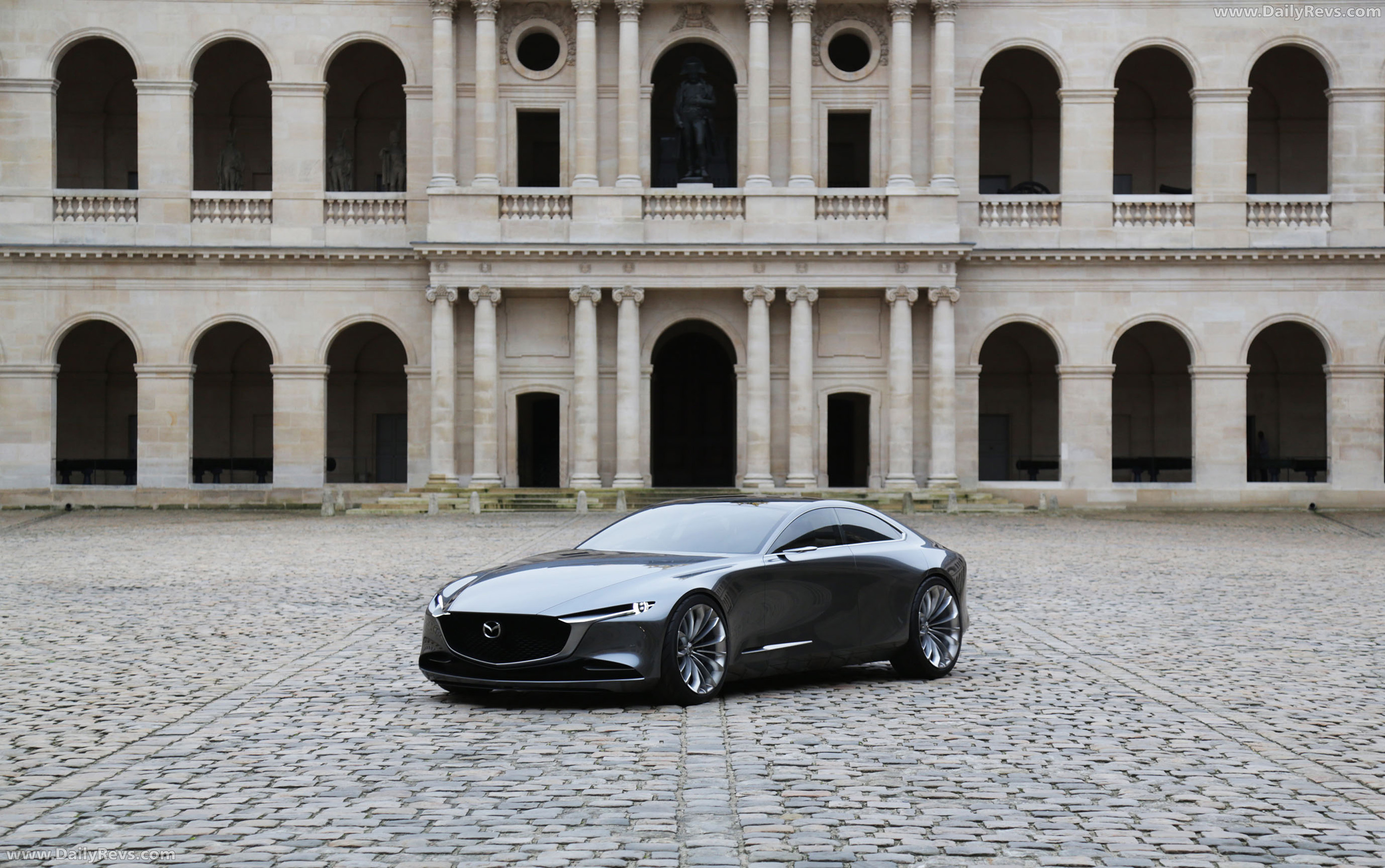
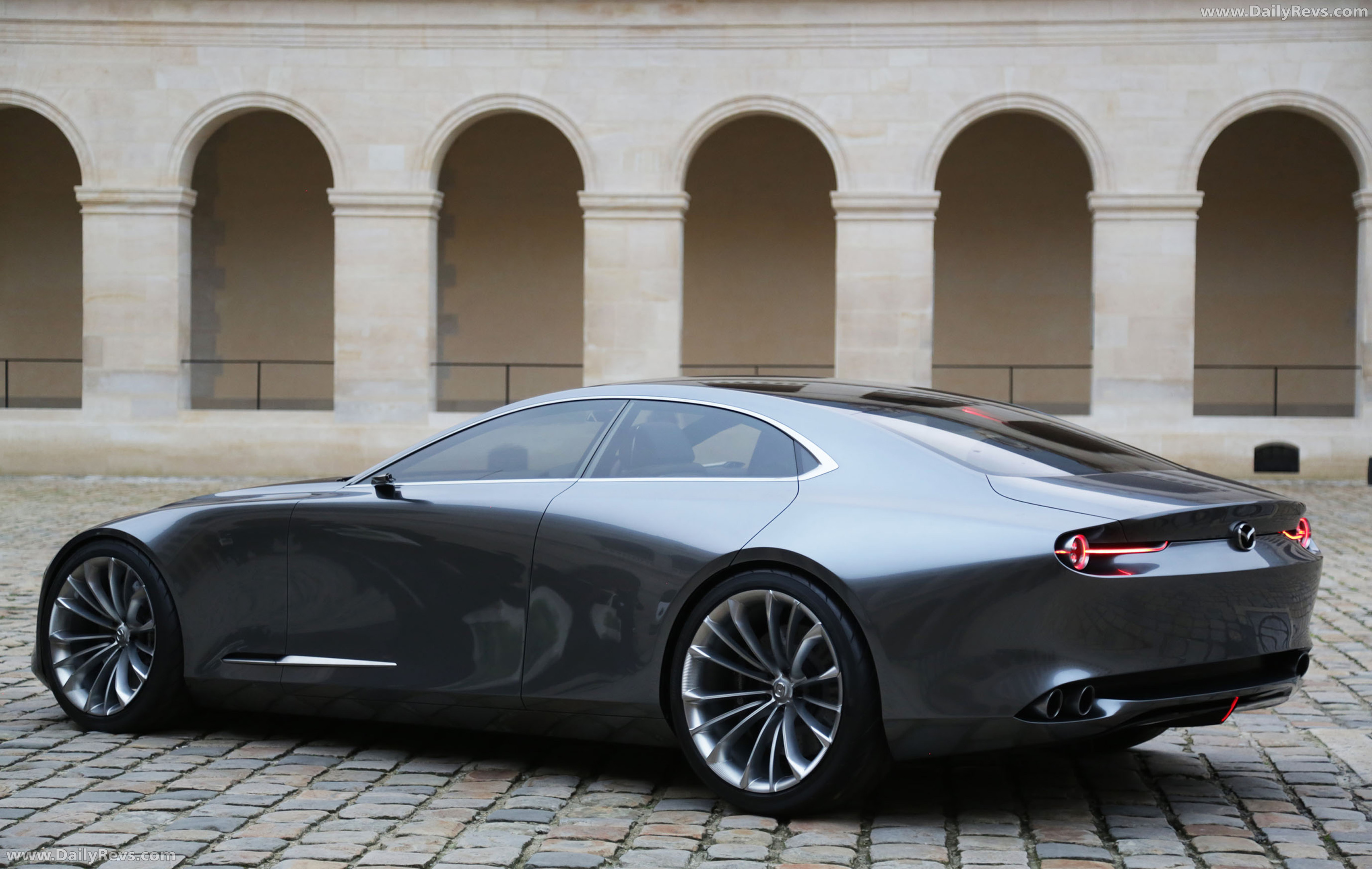
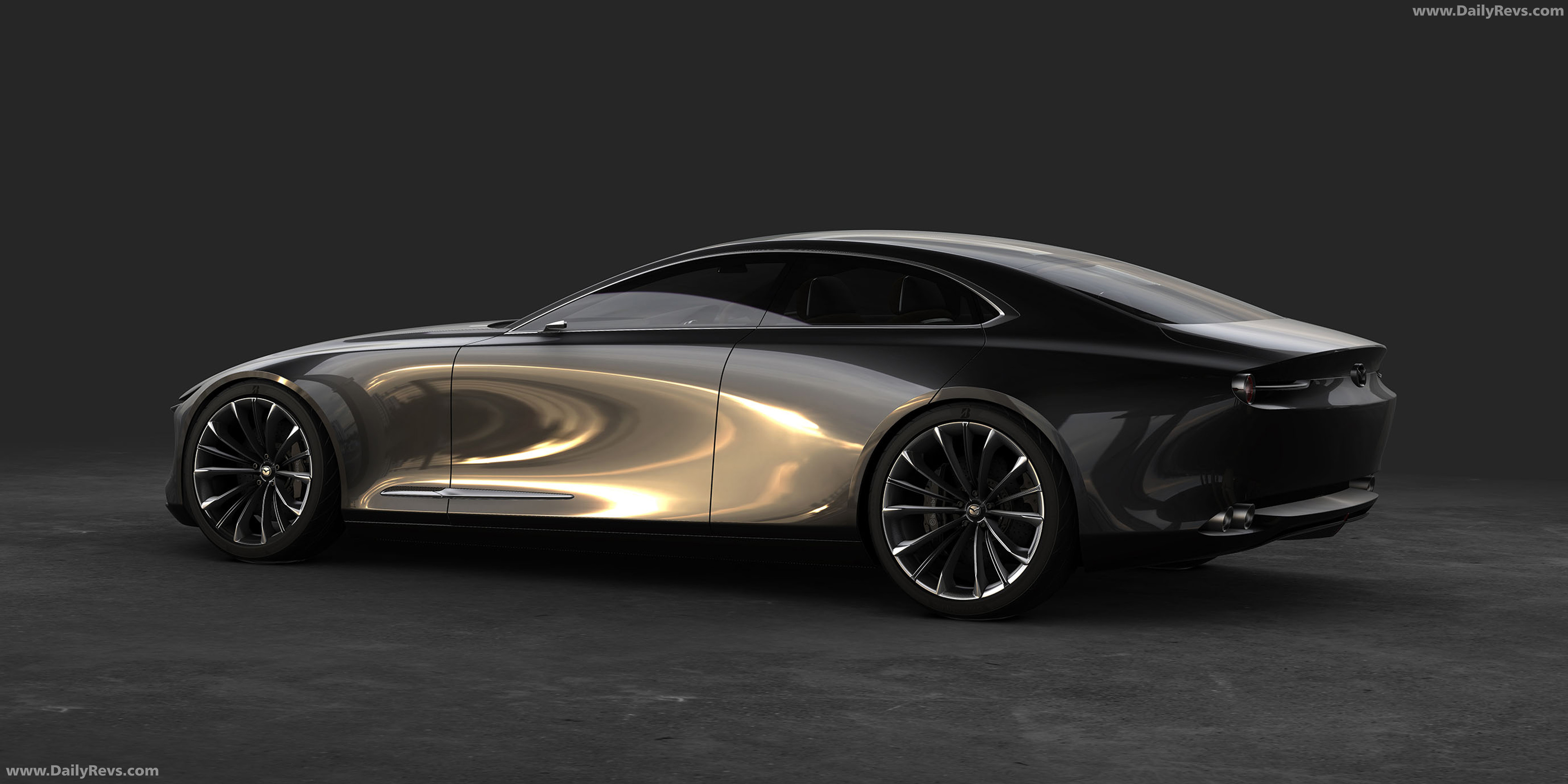
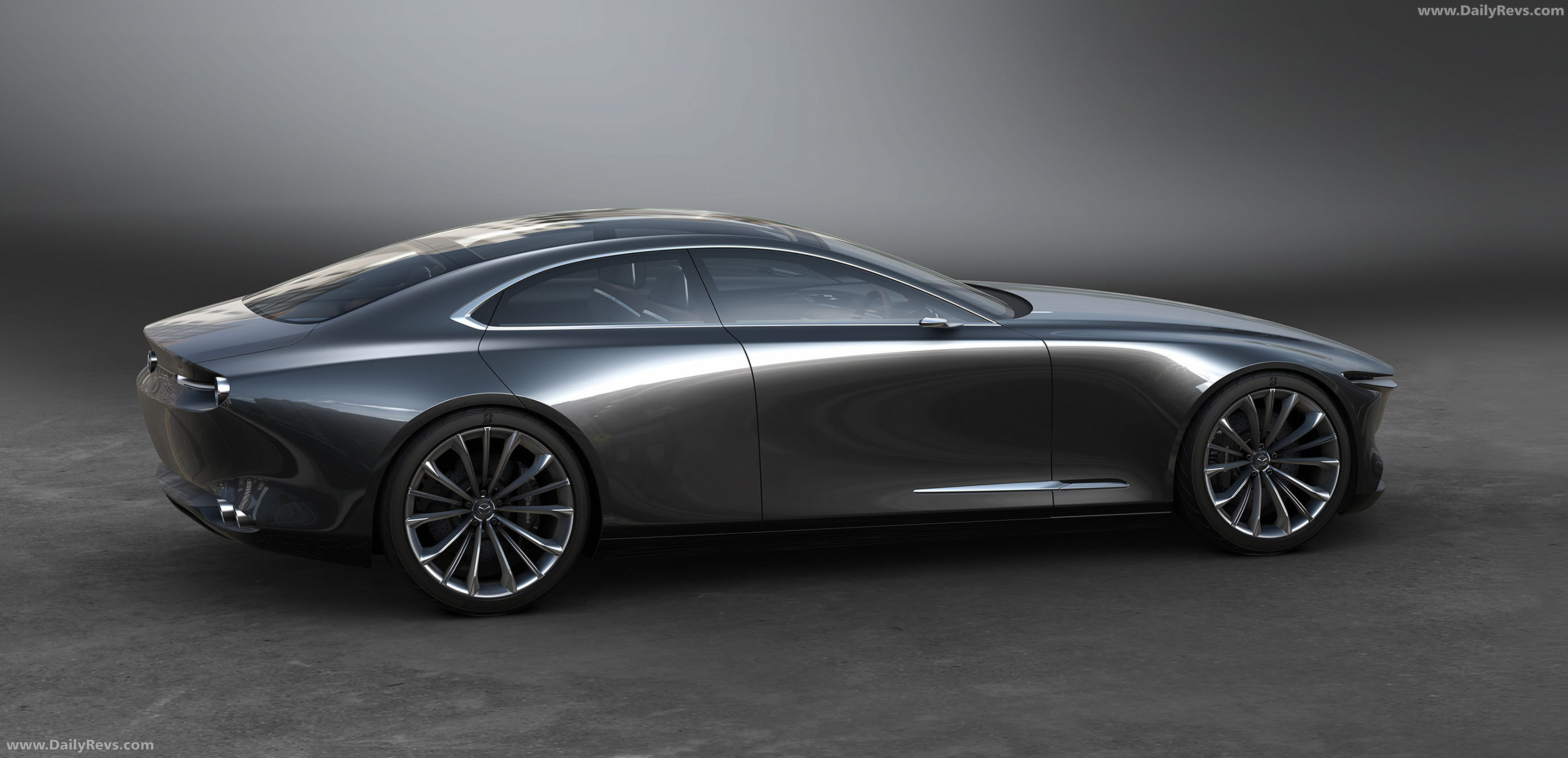
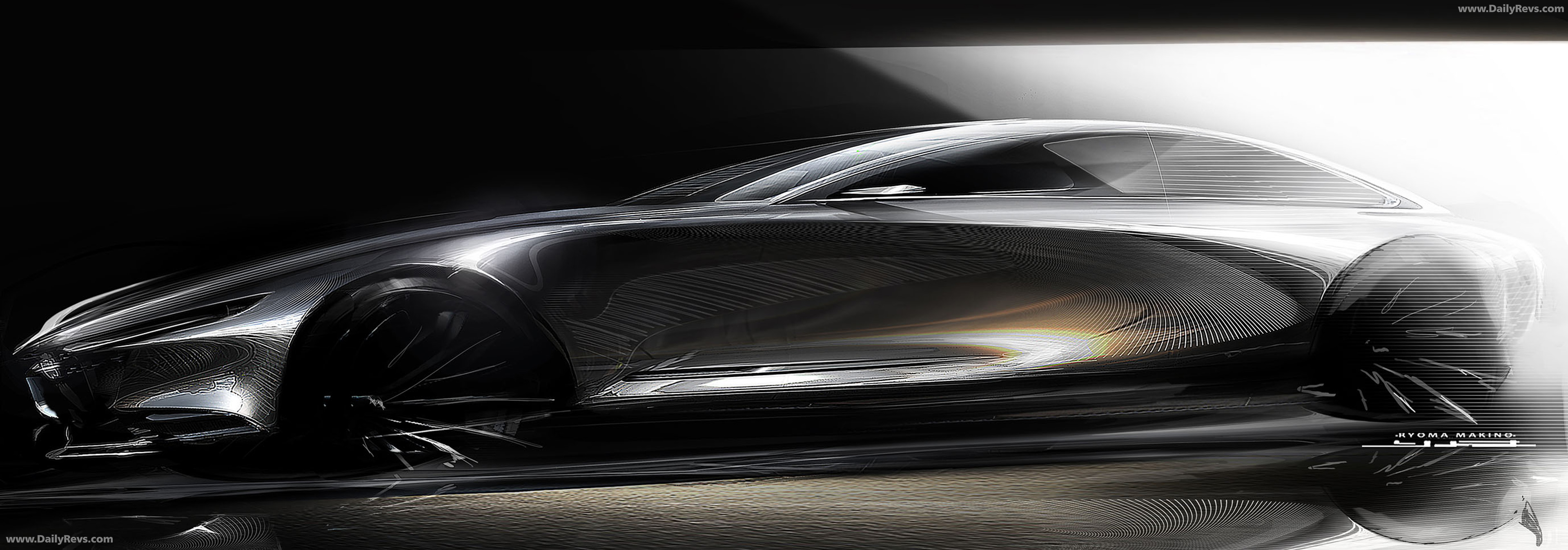
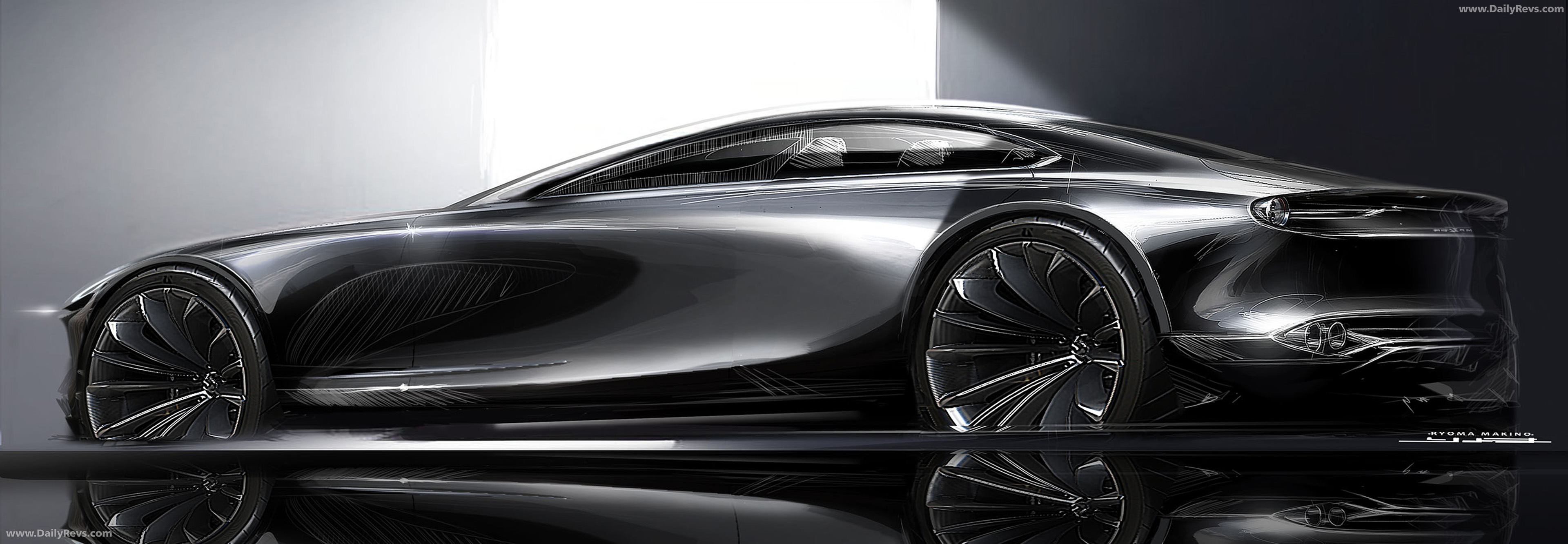
Exterior styling embraced minimalist Japanese aesthetics and flowing proportions.
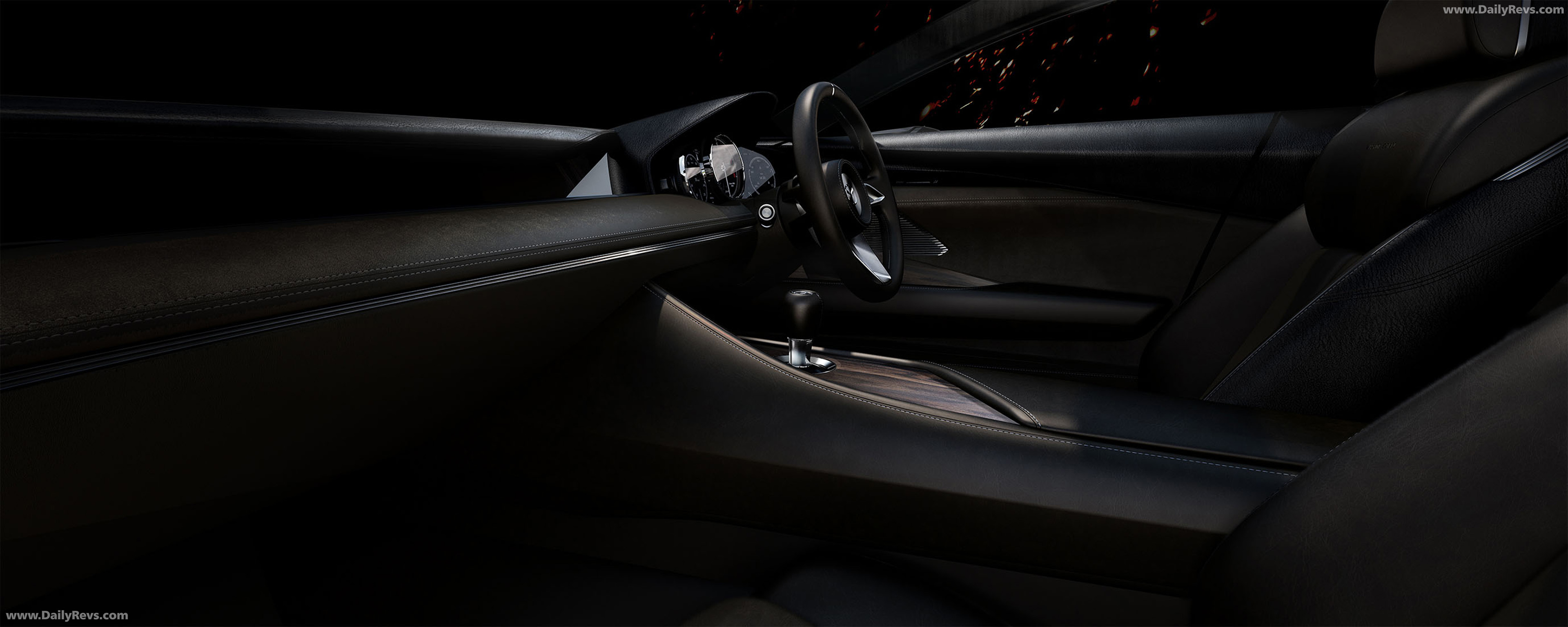
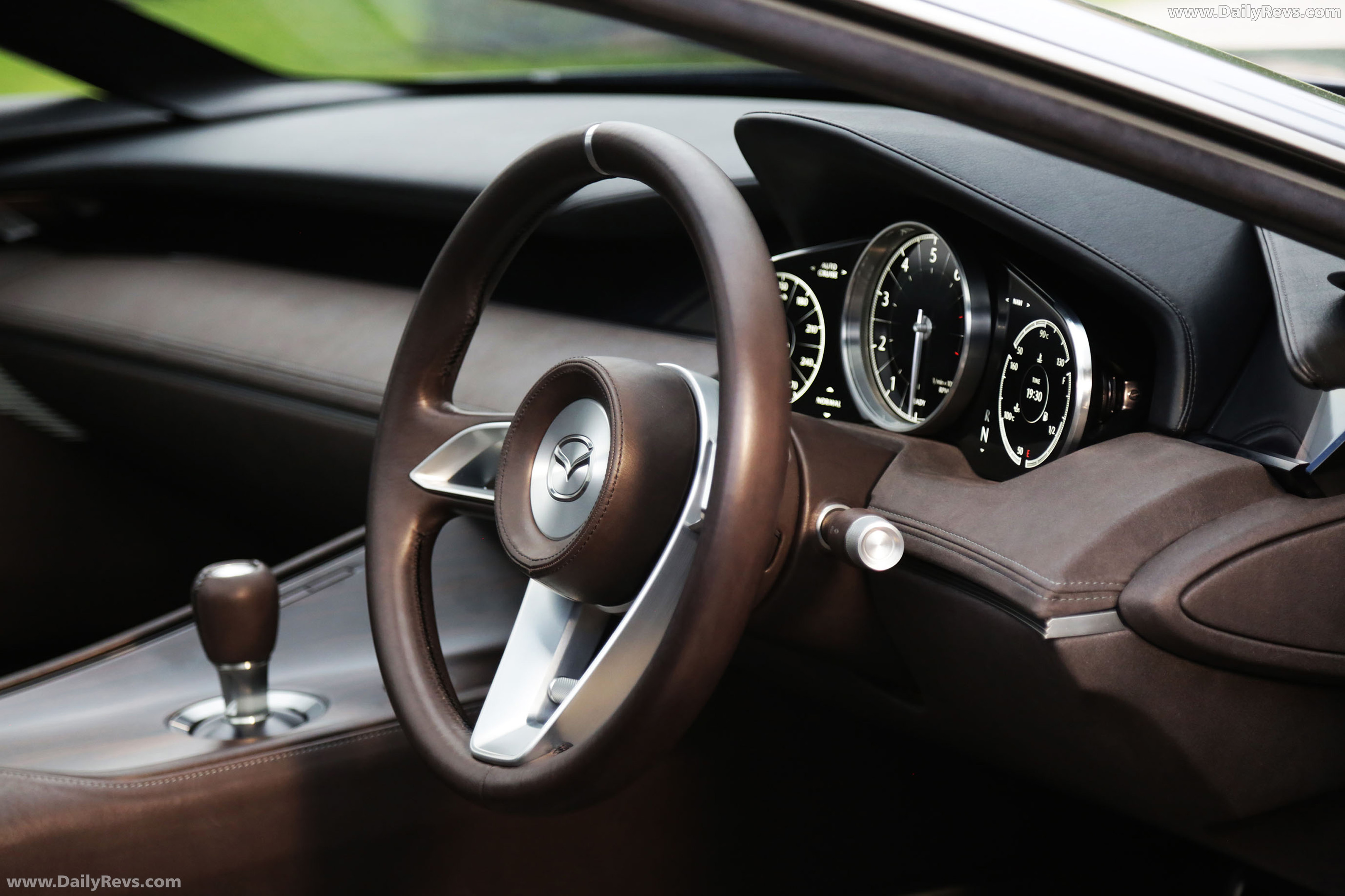
Interior design drew inspiration from traditional architecture and the concept of space.
2017 Mazda Vision Coupe Concept Lets Simplicity Speak
It's easy for concept cars to become lost in their own ambition.
Some arrive covered in dramatic styling elements, futuristic displays, and ideas that never make it anywhere near a production line. The 2017 Mazda Vision Coupe Concept took a different route. Instead of trying to predict the future through technology, Mazda chose to focus on something much simpler: design.
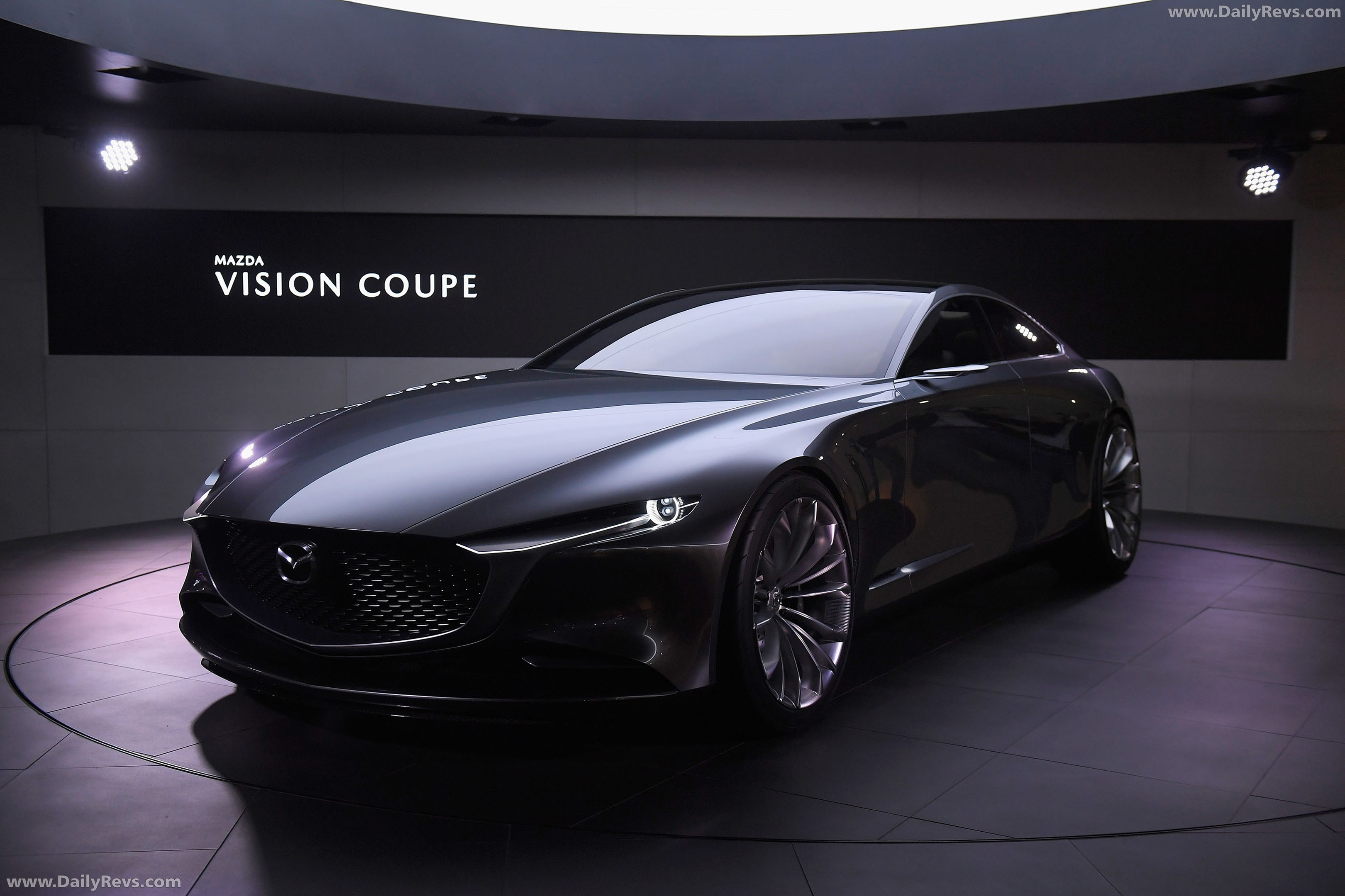
When the Vision Coupe appeared at the Tokyo Motor Show, it wasn't introduced as the next Mazda sedan or a preview of a future flagship model. It was presented as a design vision, an opportunity for Mazda's styling team to show where the company's thinking was heading.
And in many ways, that's exactly what made it stand out.
A Design That Doesn't Need To Shout
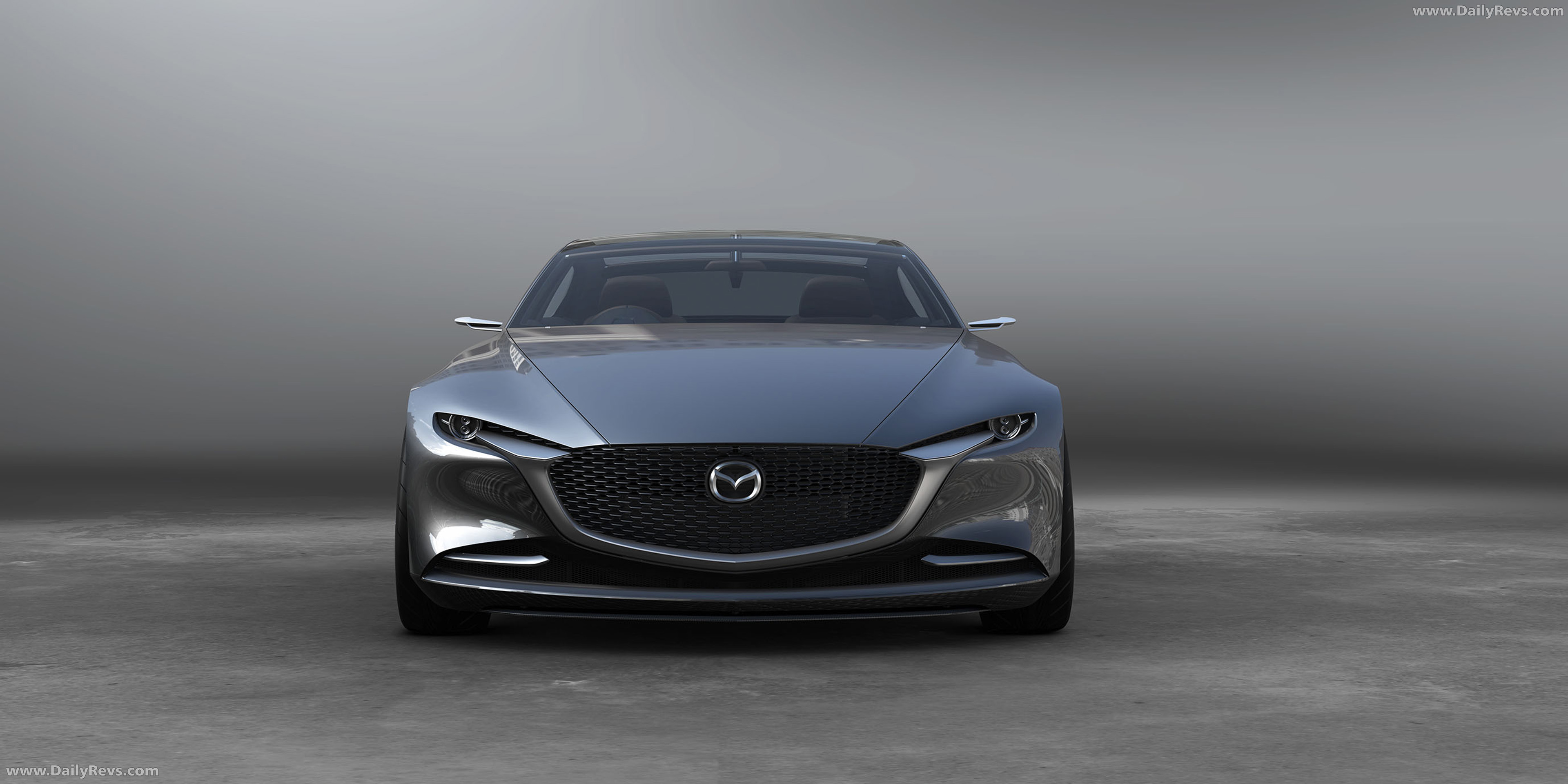
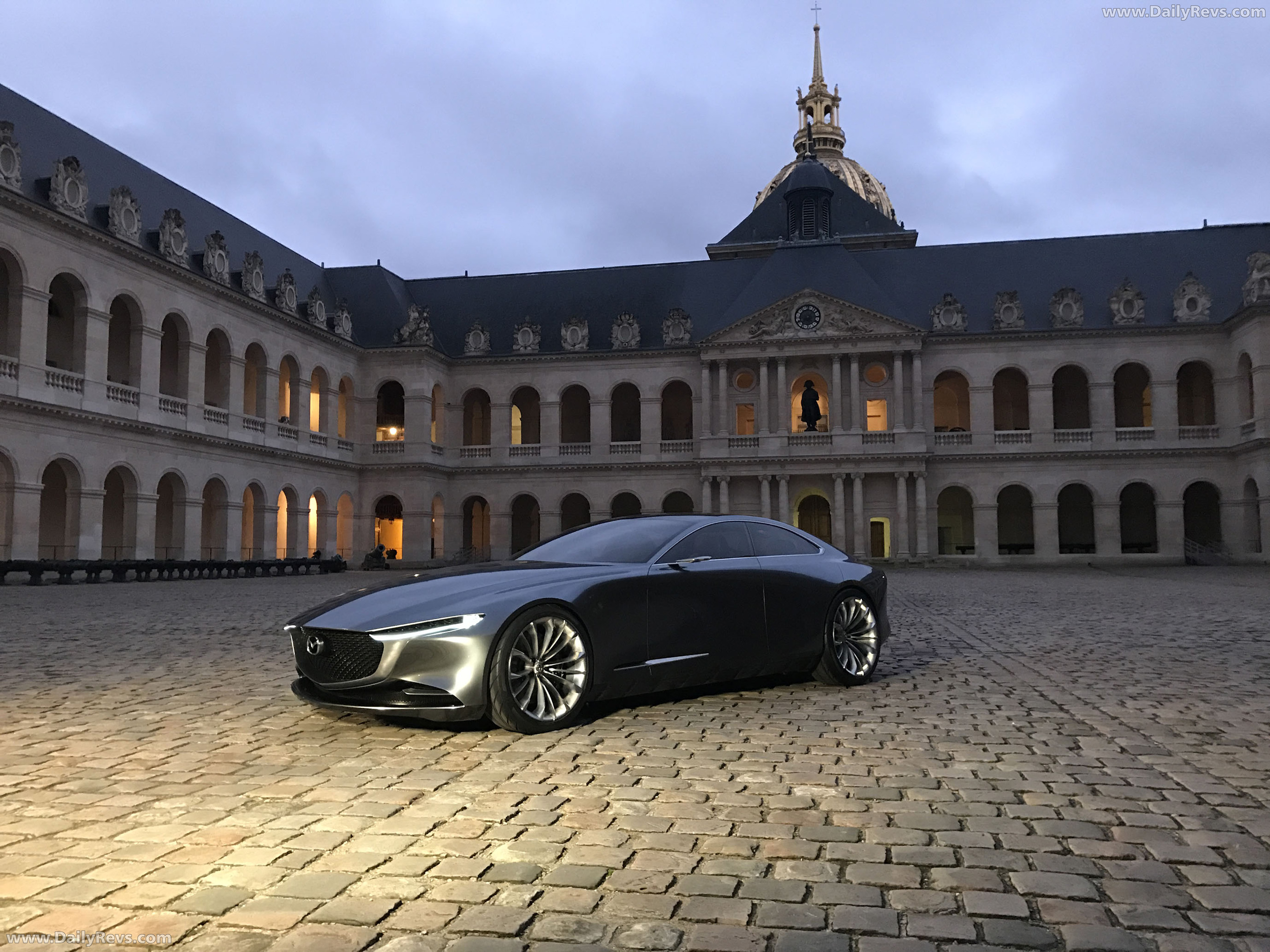
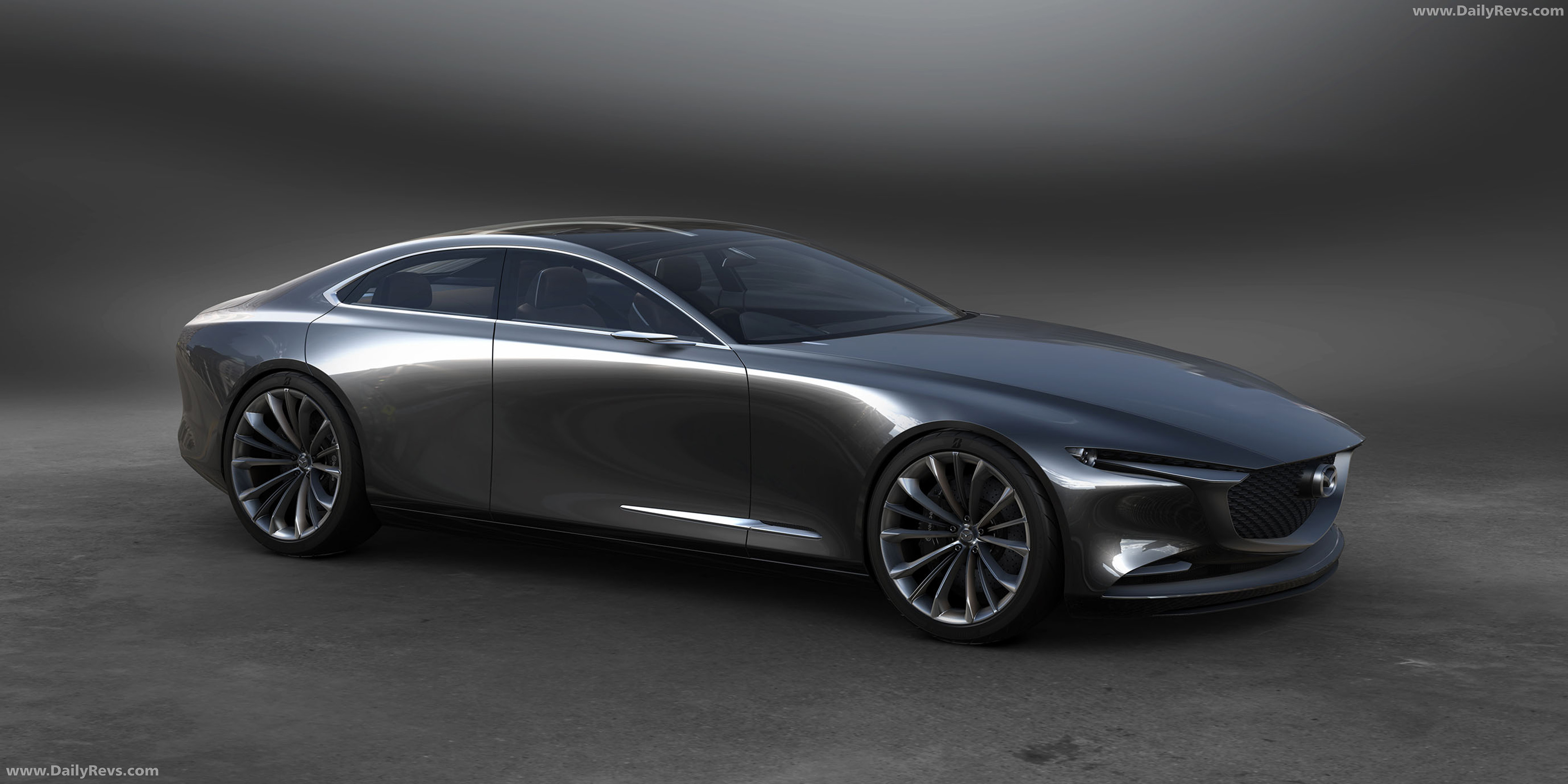
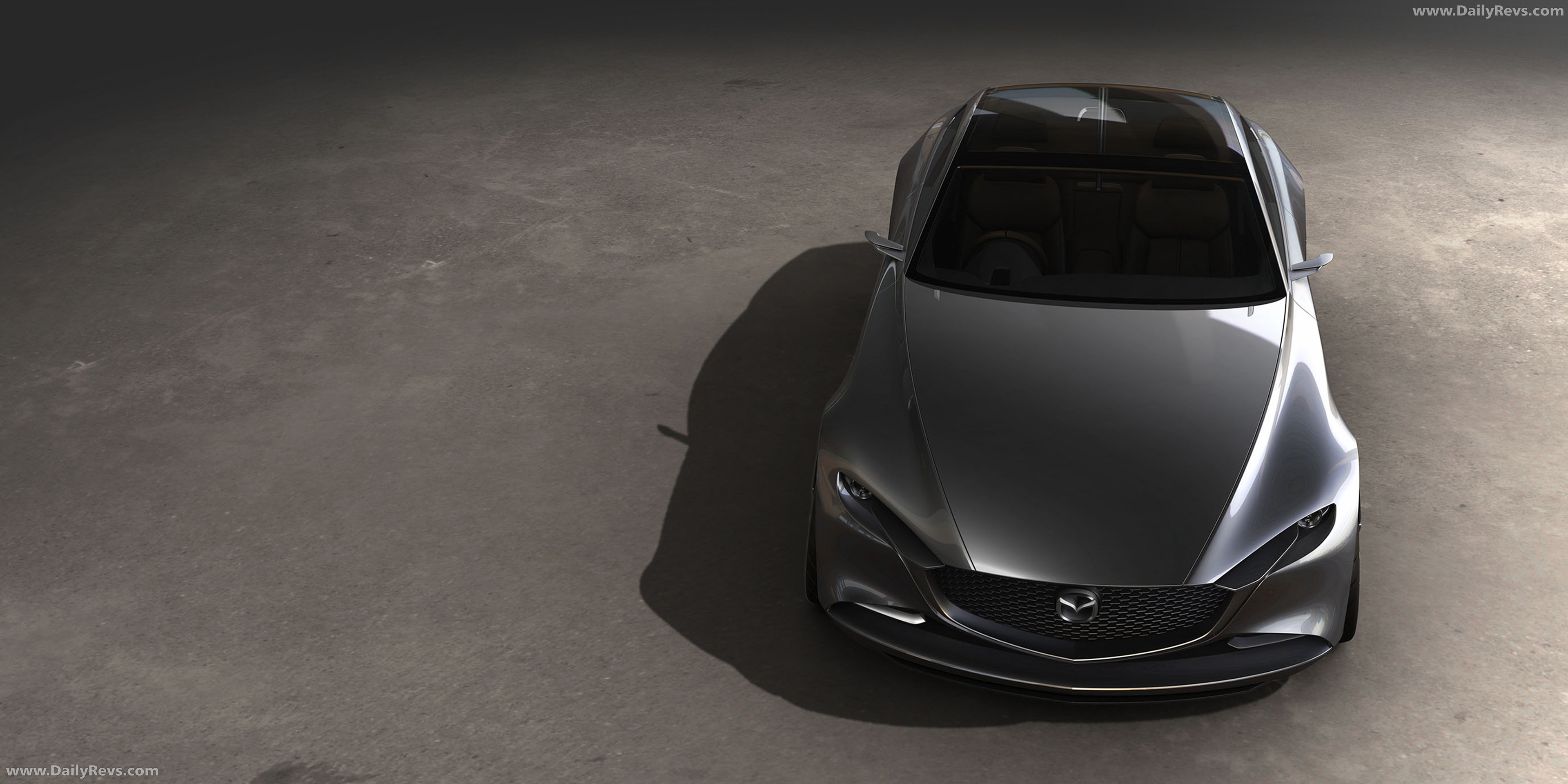
The first impression comes from the car's proportions.
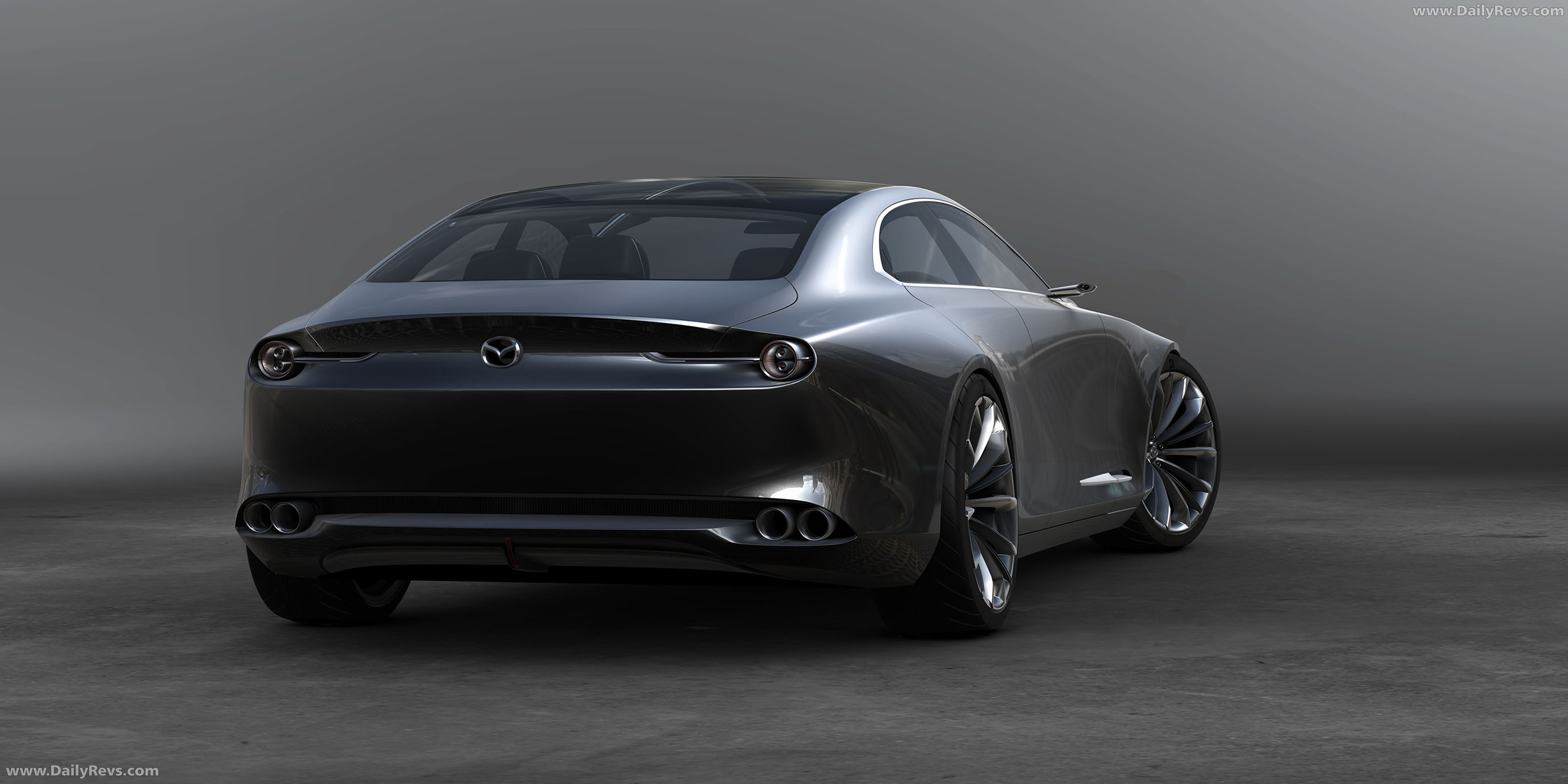
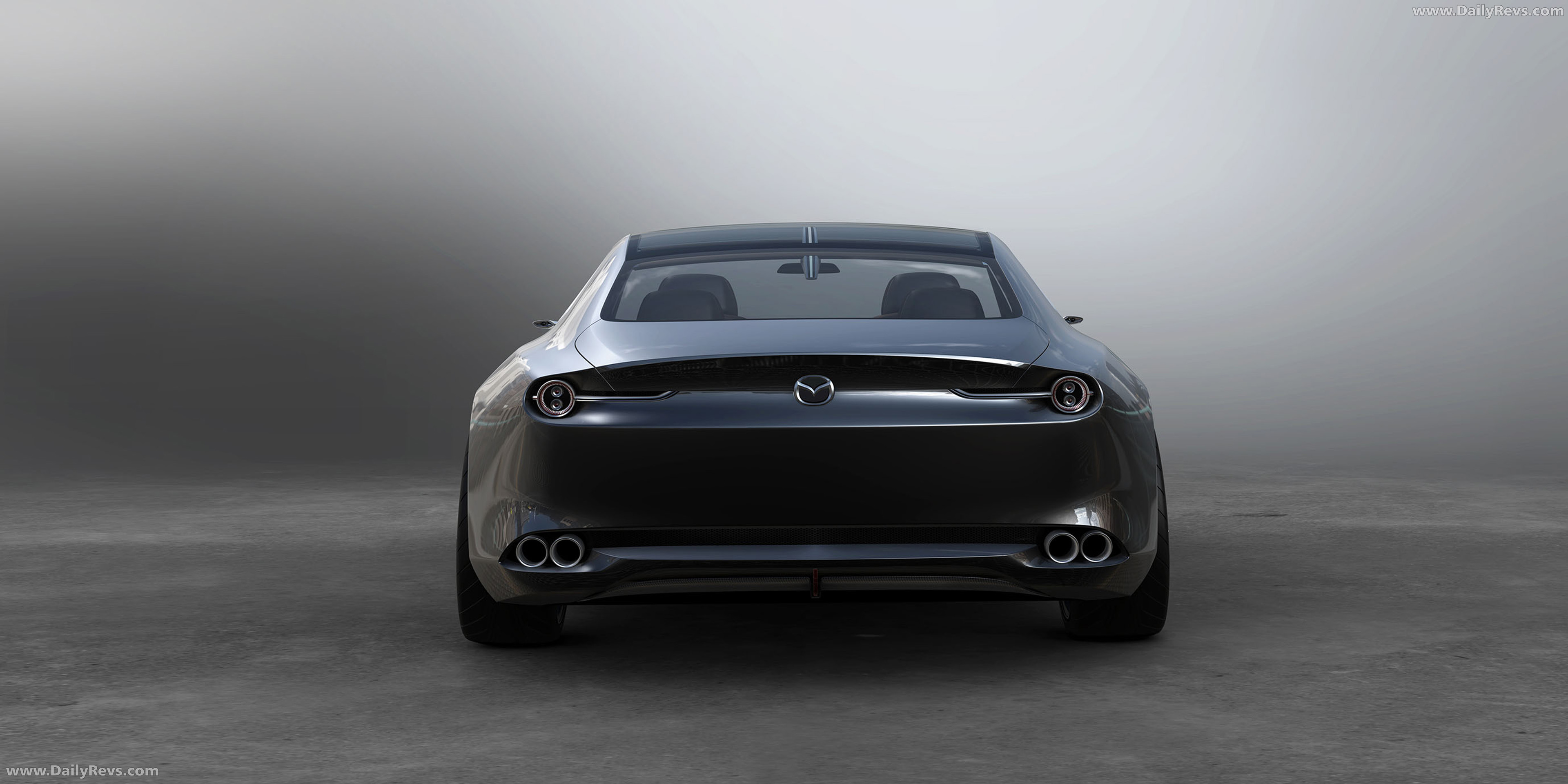
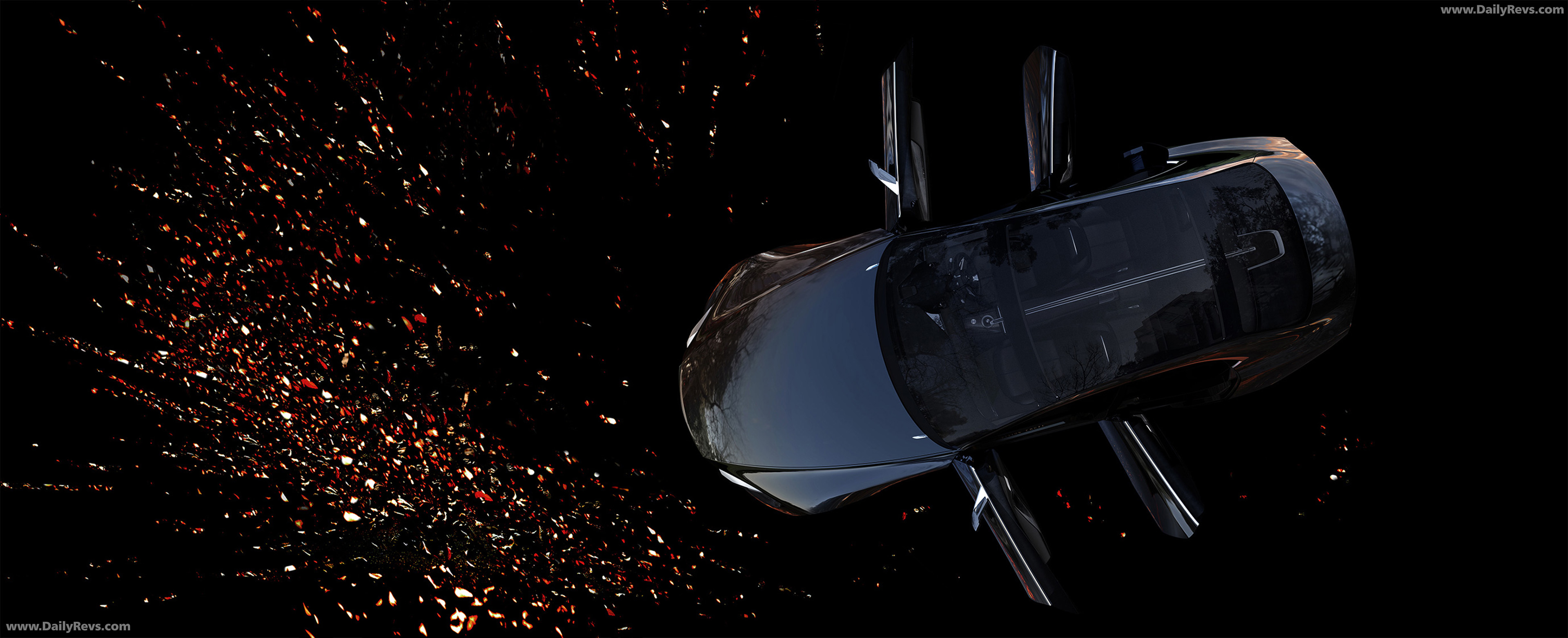
The hood stretches long and low. The cabin sits further rearward than expected. The roofline flows smoothly toward the tail without interruption. There aren't many lines fighting for attention, and that's intentional.
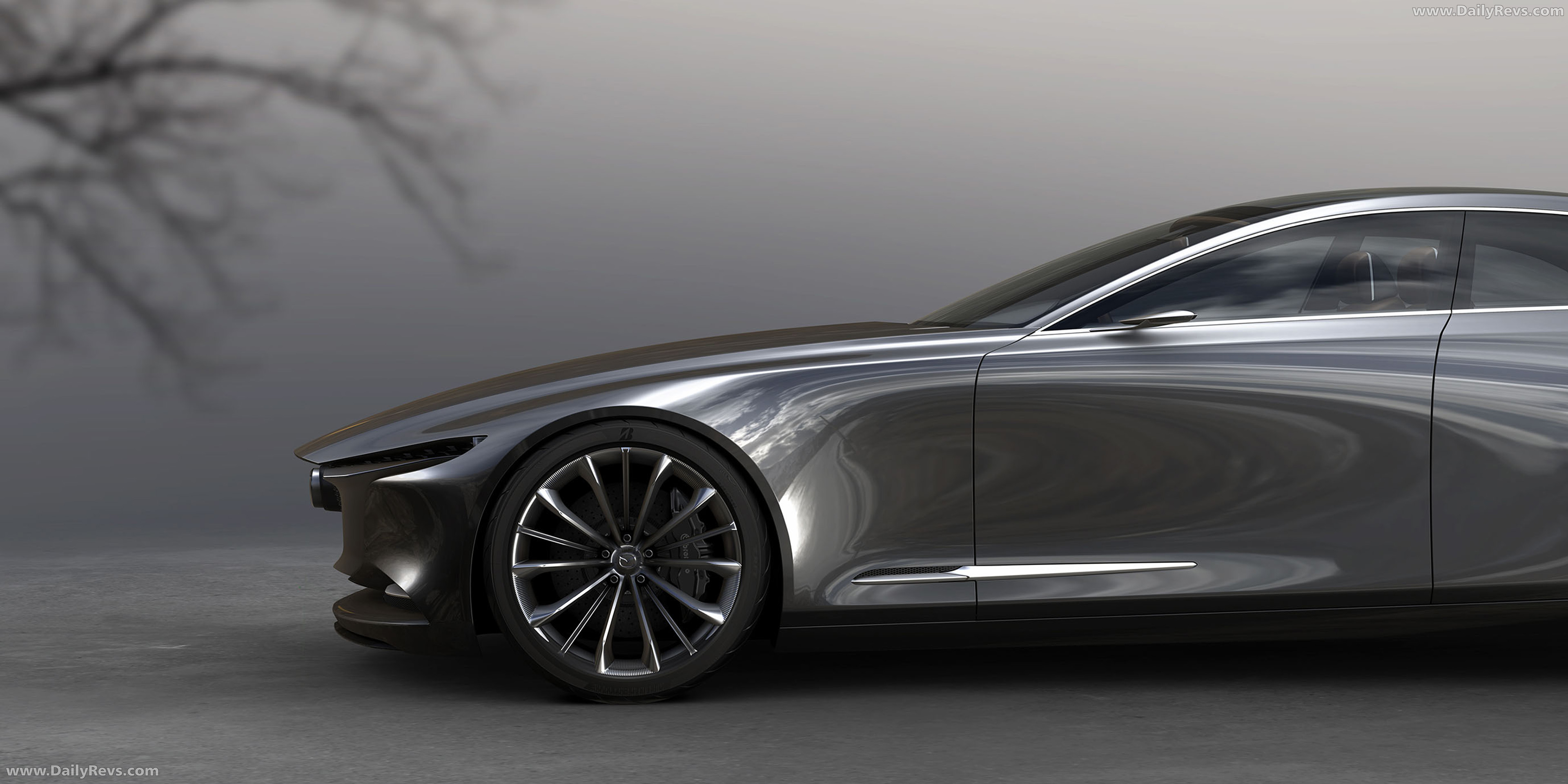
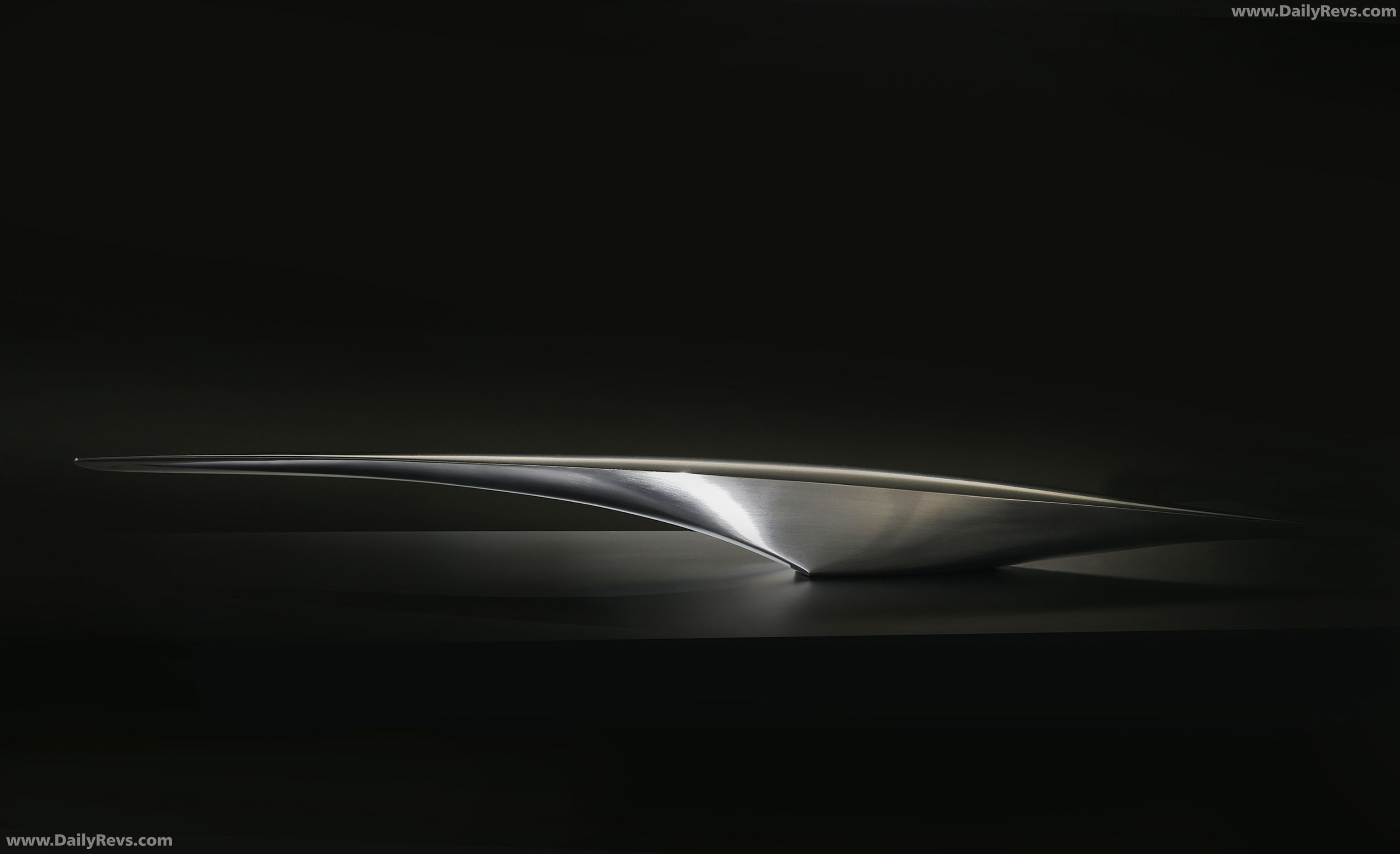
Mazda described the Vision Coupe as an expression of minimalist Japanese aesthetics. Looking at the car today, that philosophy still comes through clearly. Rather than adding visual complexity, the designers focused on removing it. Every surface appears carefully considered, allowing reflections and natural light to create movement across the bodywork.
Walk around the car and it seems to change shape as the light shifts. That's where much of its character comes from.
The Cabin Focuses On Space And Calm
Inside, the approach is just as restrained.
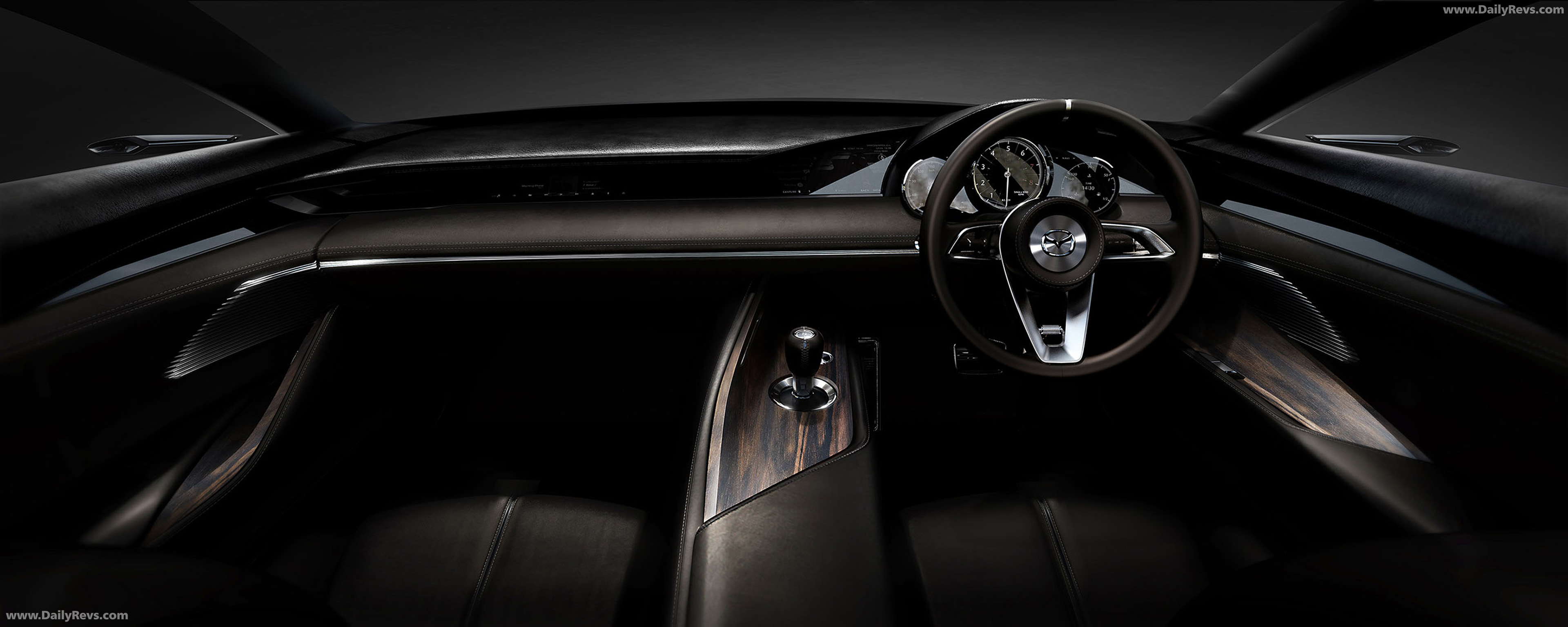
Mazda drew inspiration from the Japanese concept of ma, which centers on the thoughtful use of space. Instead of filling the interior with decorative elements, the designers created an environment that feels open and balanced.
A strong horizontal structure runs through the cabin, while the layered layout adds depth without making the space feel busy. The result is surprisingly calming for a concept car.
Even though it was never intended for production, the interior hinted at ideas that would later appear across Mazda's lineup, particularly the company's move toward cleaner dashboards and more premium materials.
Looking Back To Move Forward
The Vision Coupe may have looked ahead, but it also carried a connection to Mazda's past.
According to the company, the concept pays tribute to elegant models such as the Mazda R360 and the Mazda Luce Rotary. Both vehicles played important roles in shaping Mazda's design identity, and the Vision Coupe borrowed that same sense of proportion and sophistication.
What's interesting is that the references are subtle. There are no retro design cues or obvious throwbacks. Instead, the connection comes through the overall feeling of the car.
One Of Mazda's Most Important Design Studies
Years later, the Vision Coupe still feels remarkably relevant.
Part of that is because it wasn't built around trends. There are no gimmicks, no exaggerated details, and very little that feels tied to a specific moment in time.
The concept was really about fundamentals. Good proportions. Clean surfaces. A sense of movement. Those ideas don't age particularly quickly.
Looking back now, the Vision Coupe feels less like a traditional motor show attraction and more like a turning point. It showed how Mazda could evolve its design language while remaining true to the values that had always defined the brand.