2017 Mazda KAI Concept
By Lorenzo Bianchi June 22, 2017
KAI Concept introduced Mazda's next-generation design and engineering direction.
Debuted with SKYACTIV-X engine technology and new vehicle architecture.
Previewed styling themes that later appeared on production Mazda models.
2017 Mazda KAI Concept Showed Where Mazda Was Heading
Auto show concepts often fall into two categories. Some are little more than styling exercises designed to grab attention for a few days. Others quietly preview what a company plans to build next.
The 2017 Mazda KAI Concept belonged firmly in the second group.
When it appeared at the Tokyo Motor Show, Mazda wasn't presenting an outlandish supercar or a futuristic mobility pod. Instead, the company chose a compact hatchback, a segment that had long been important to the brand. What made the KAI Concept significant wasn't what it was, but what it represented.
Looking at it today, it's easy to see just how much of Mazda's future was already sitting on that show stand.
A Simpler And More Confident Design Language
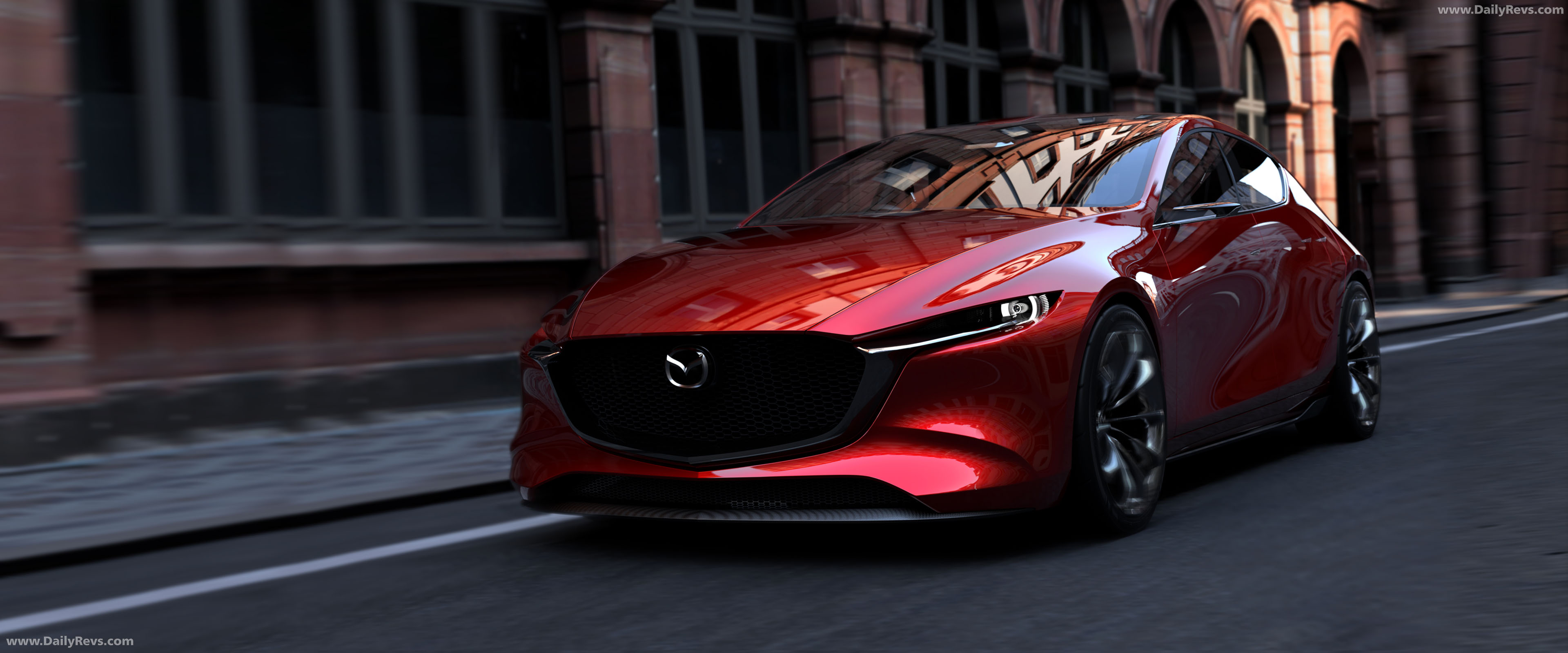
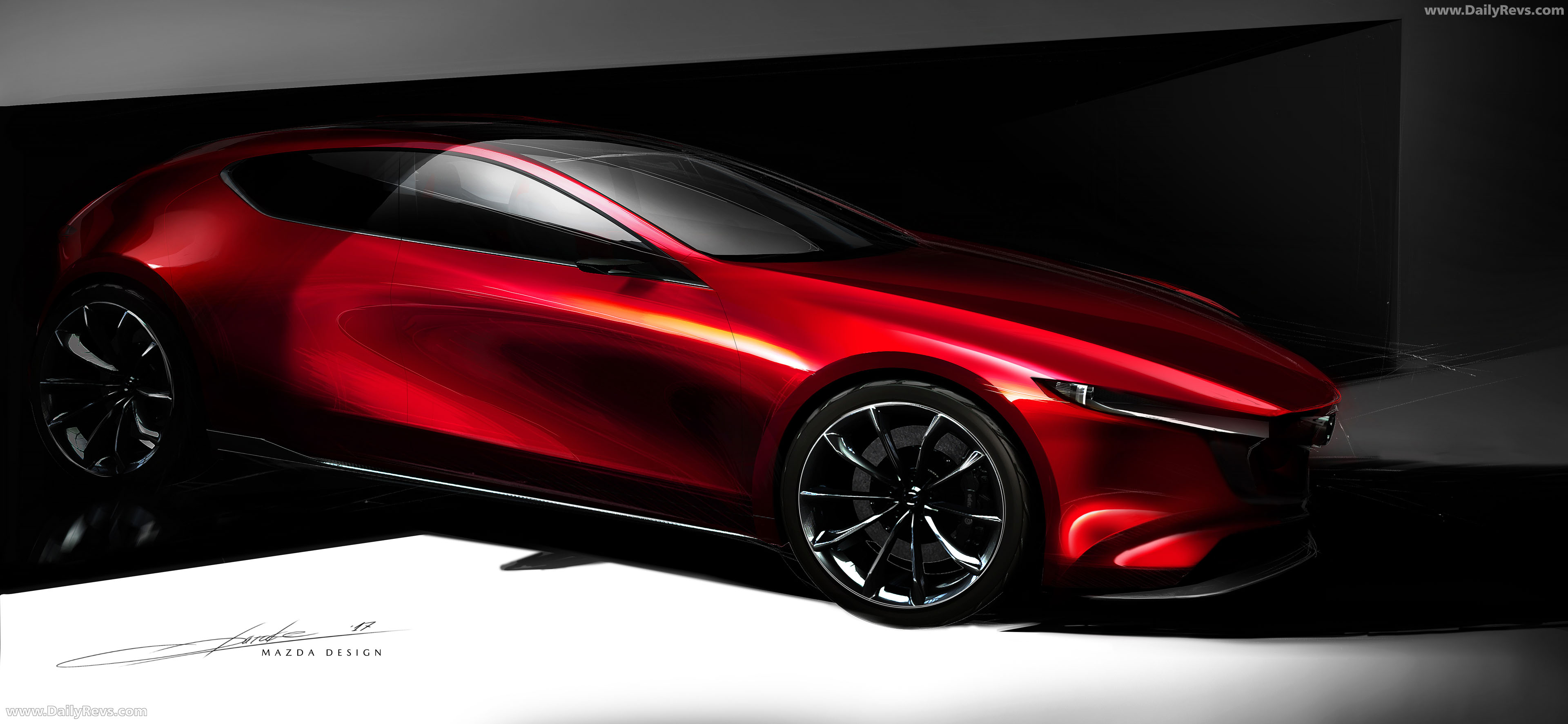
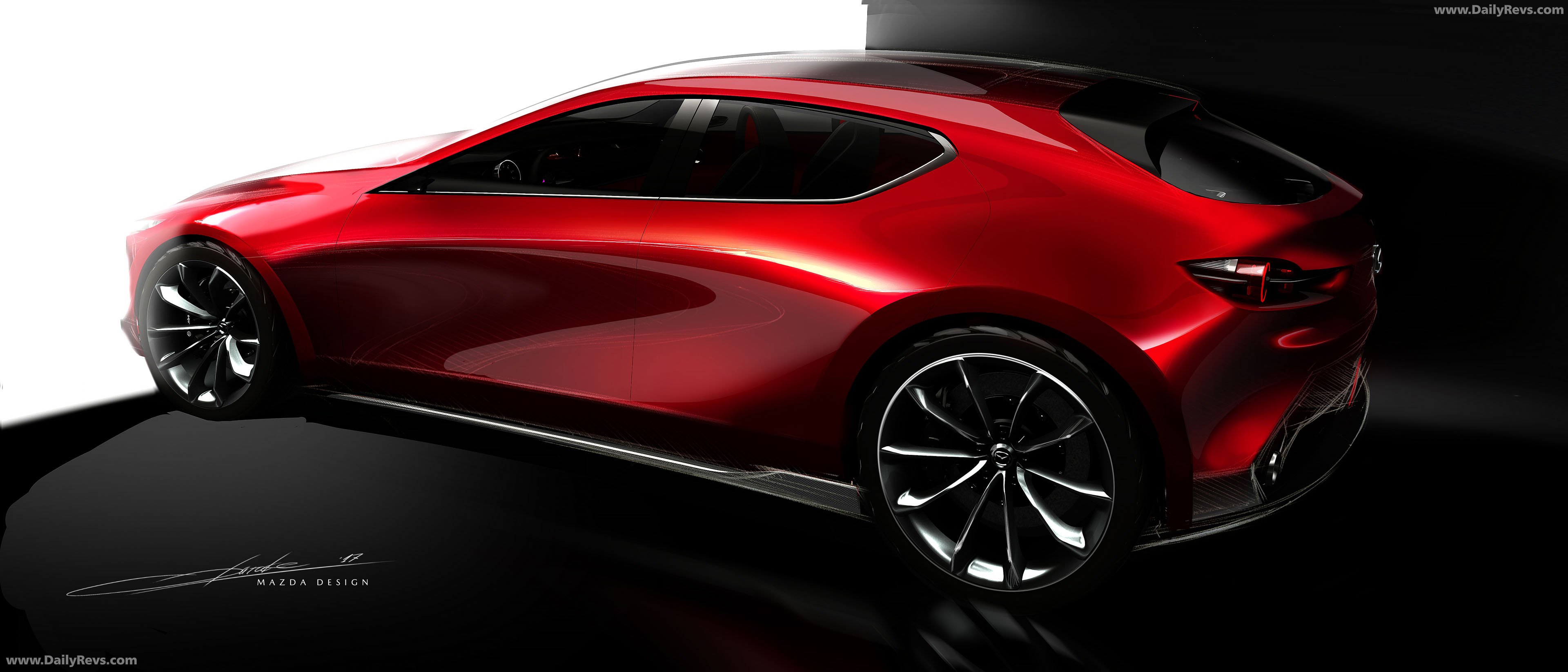
By 2017, Mazda's KODO design philosophy was already well established. The KAI Concept showed what happened when the designers began removing rather than adding.
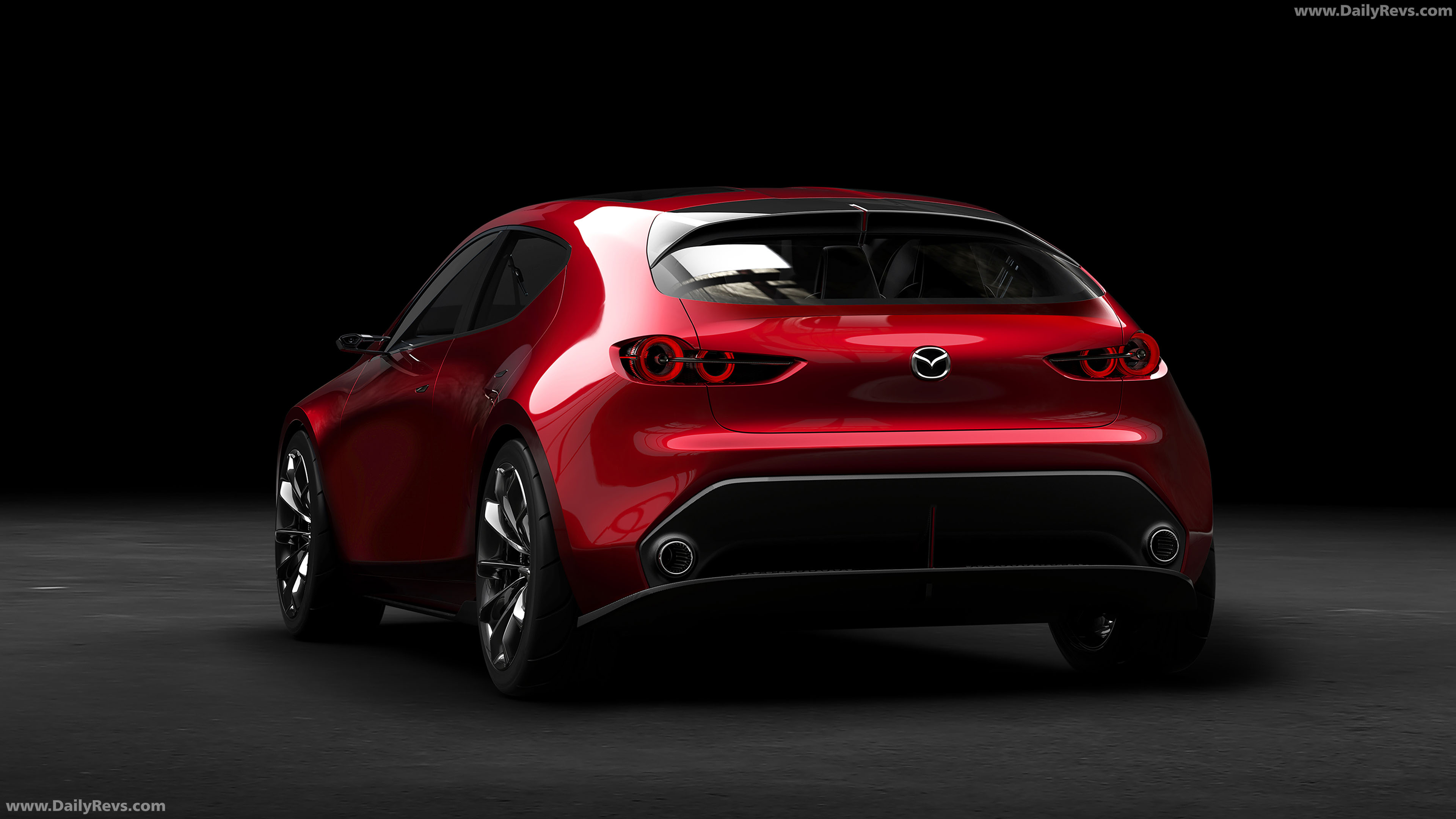
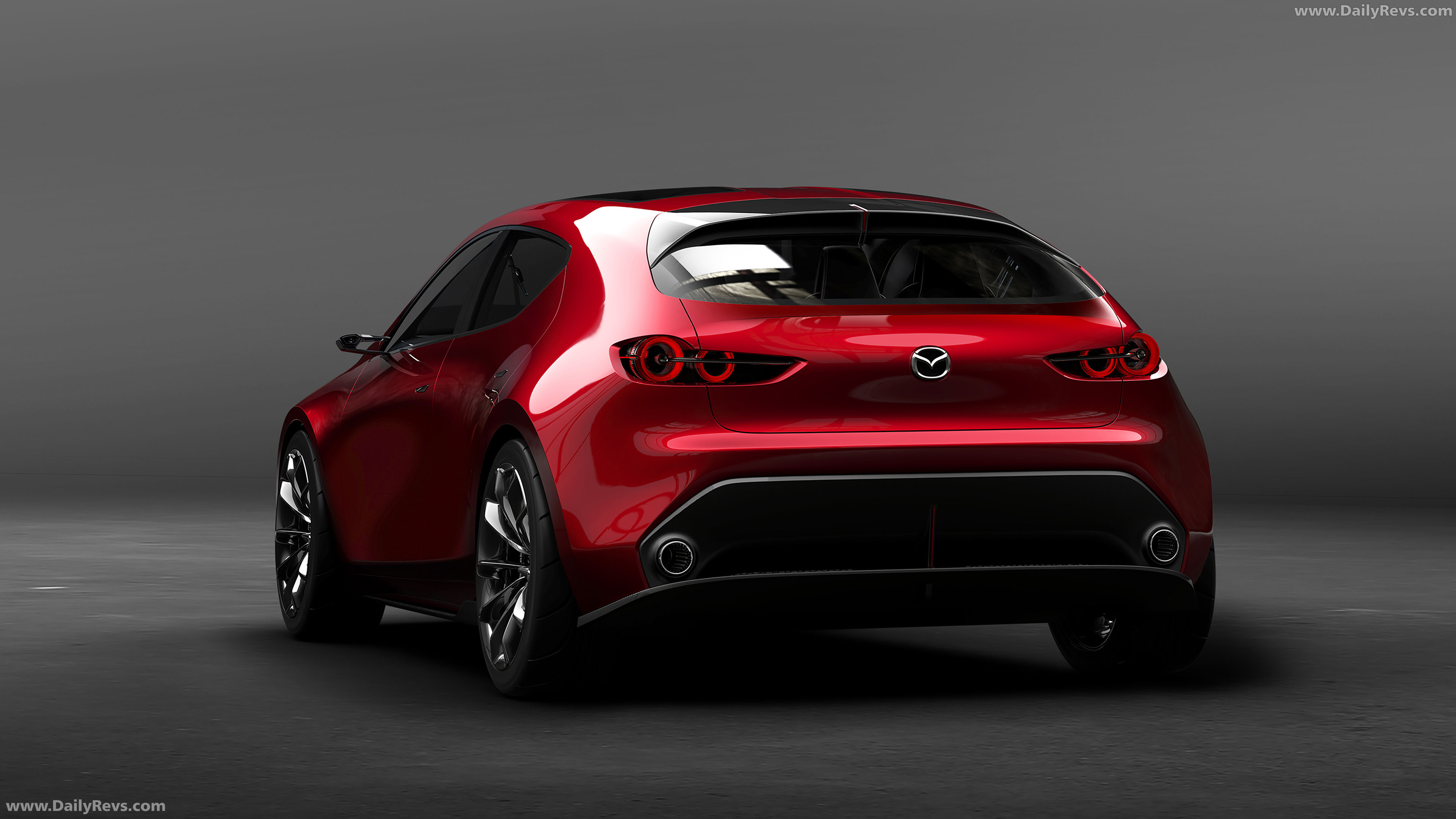
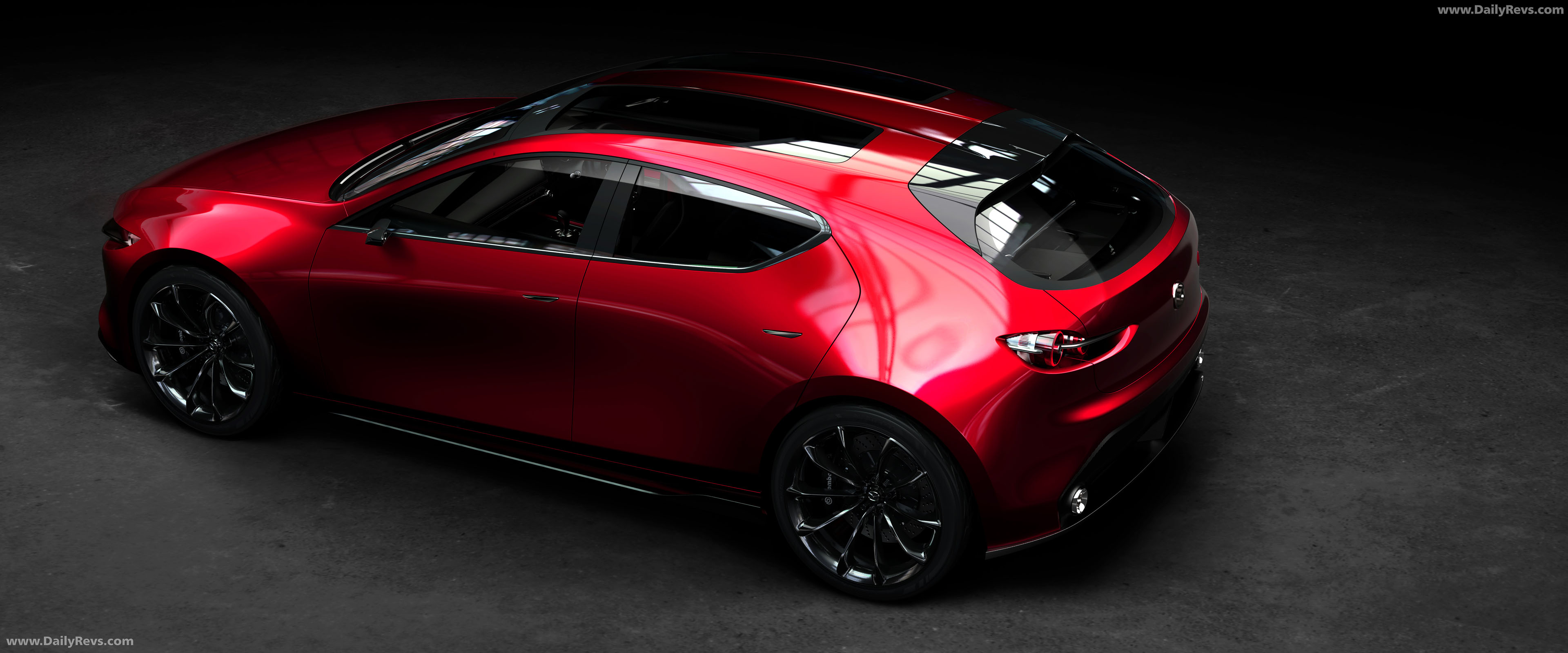
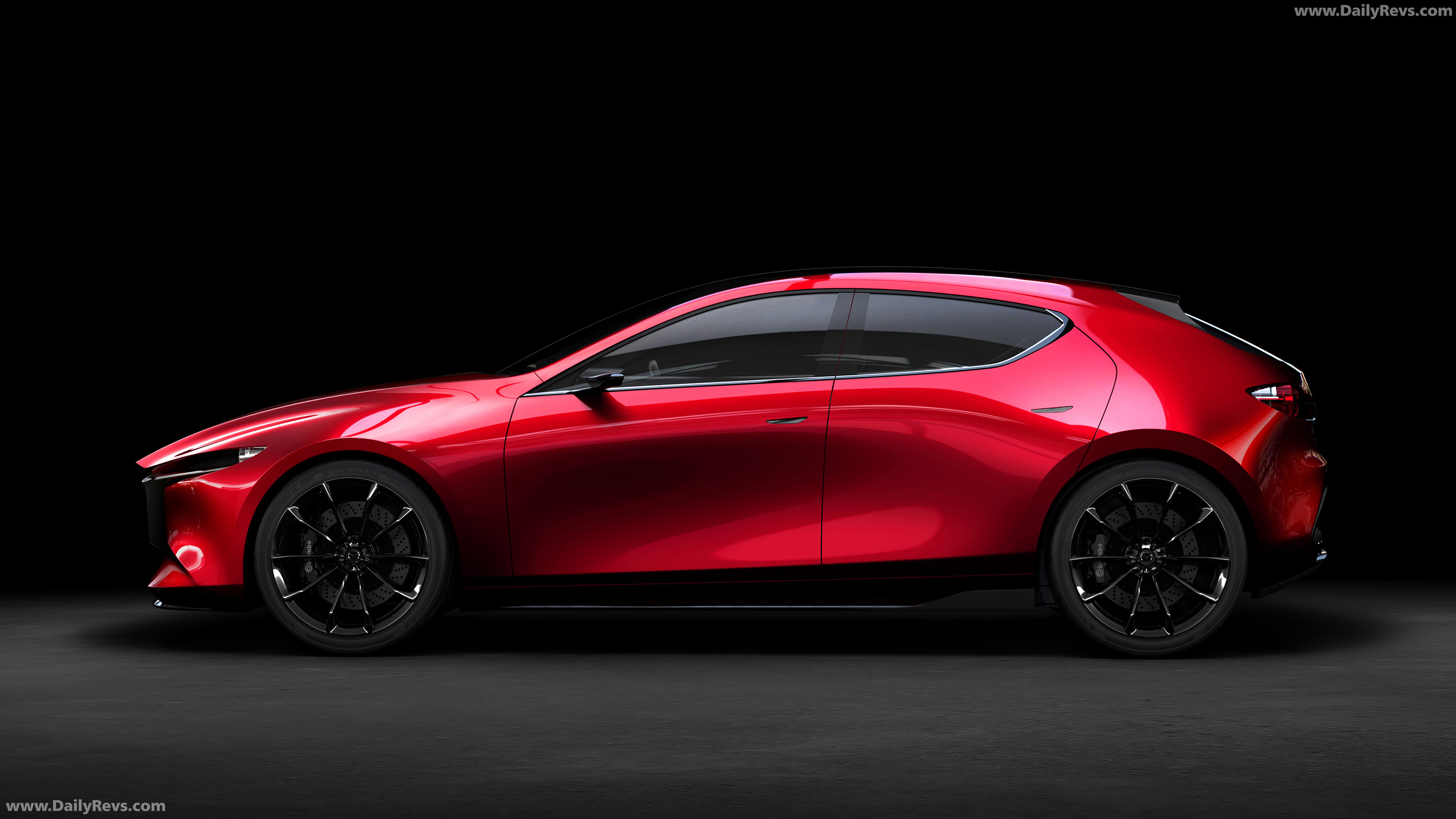
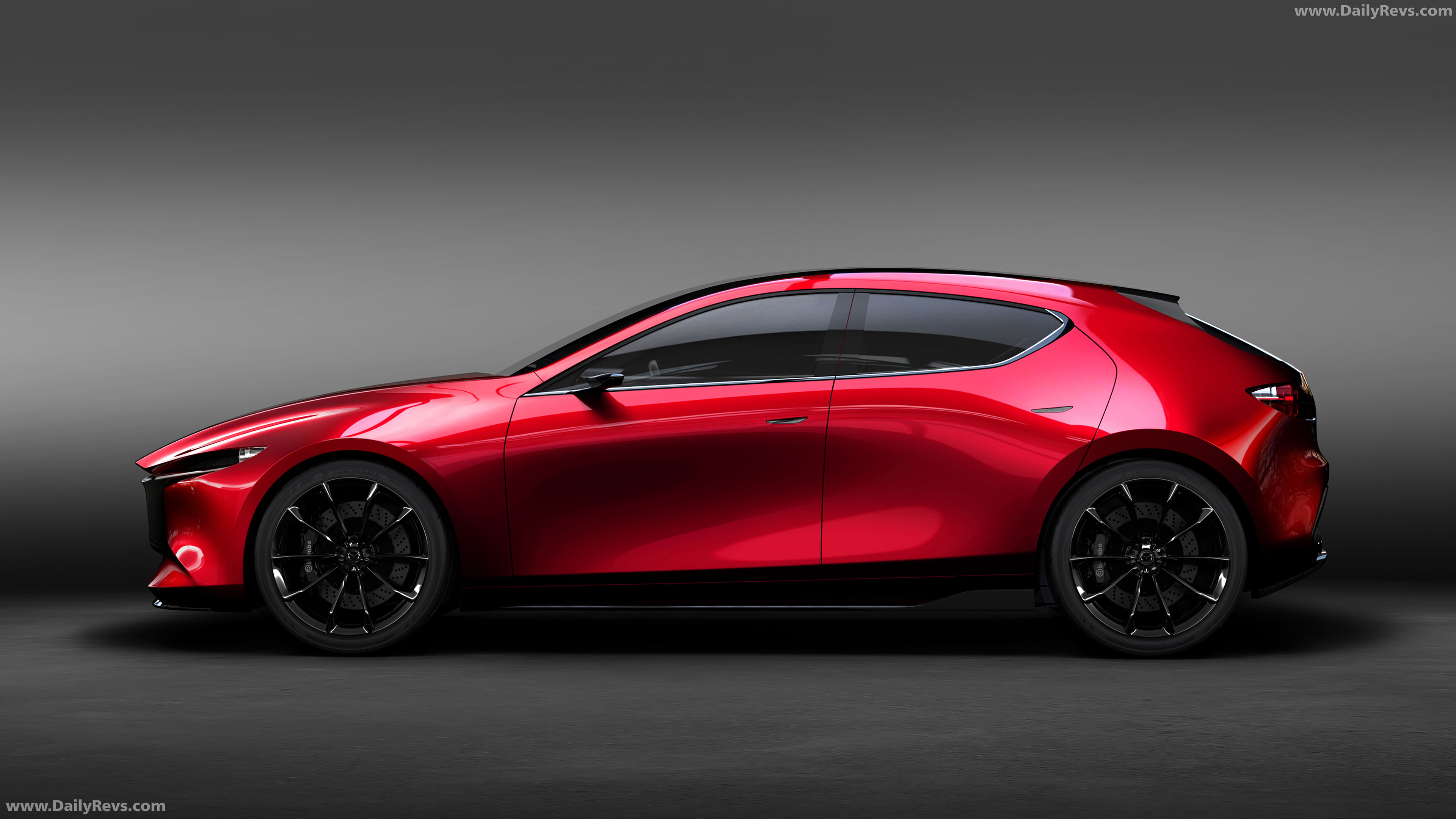
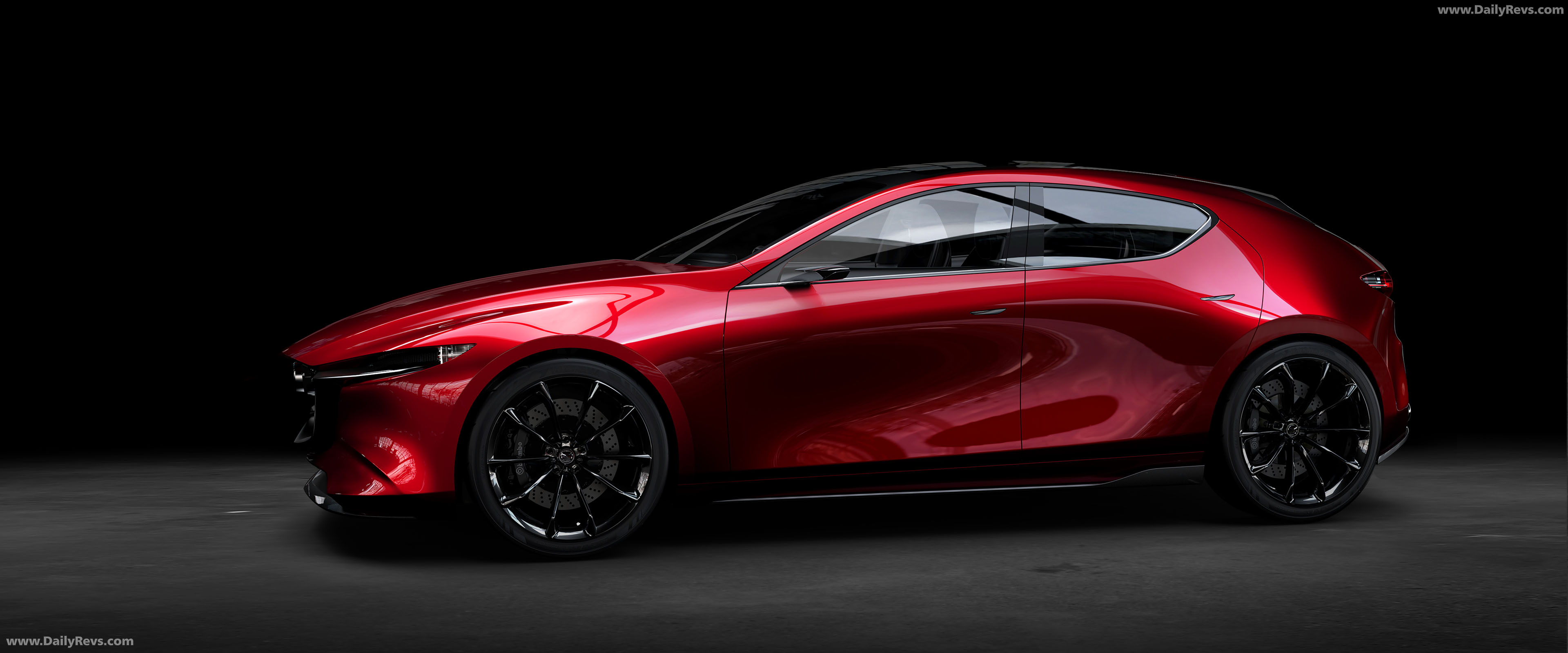
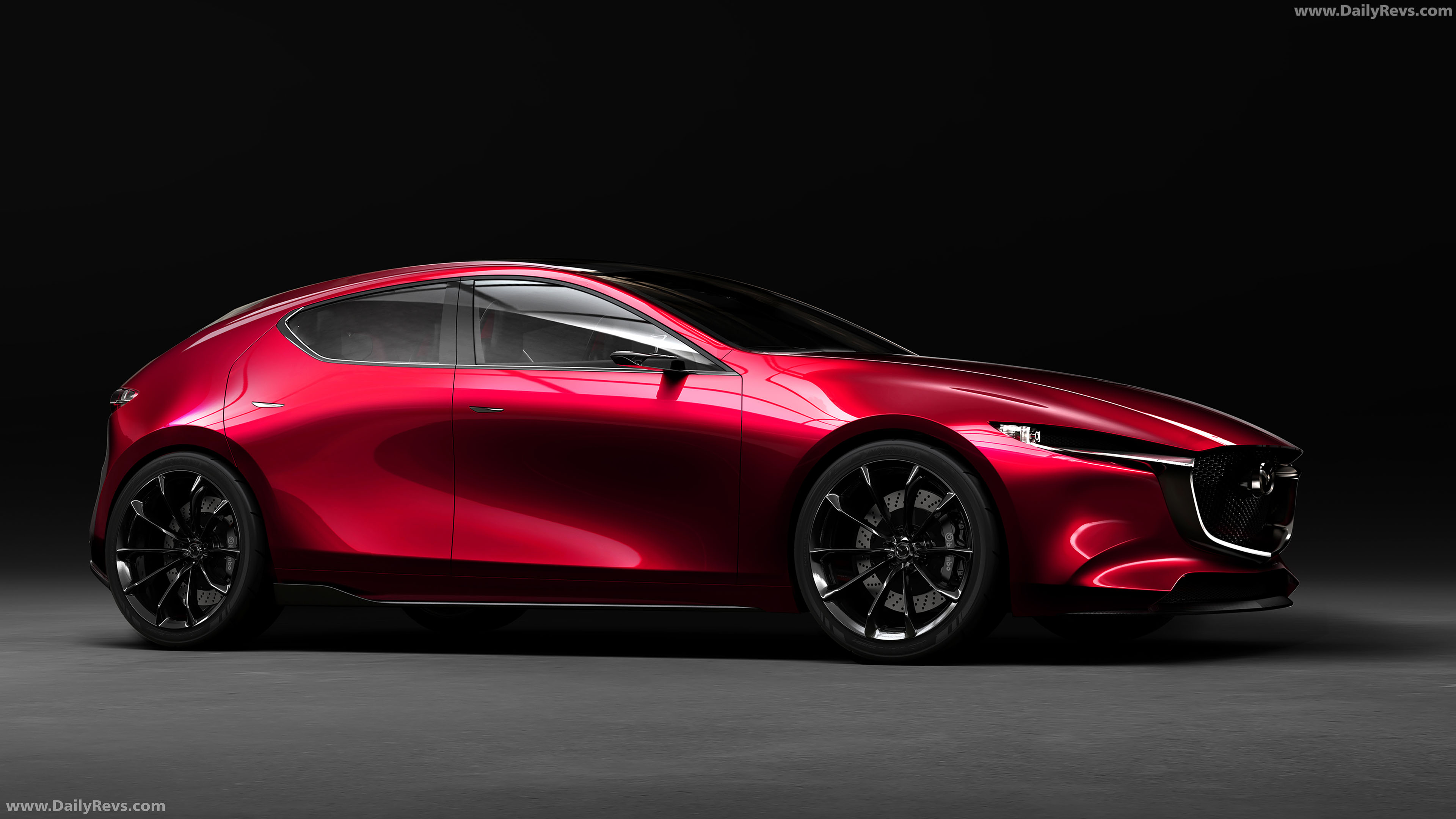
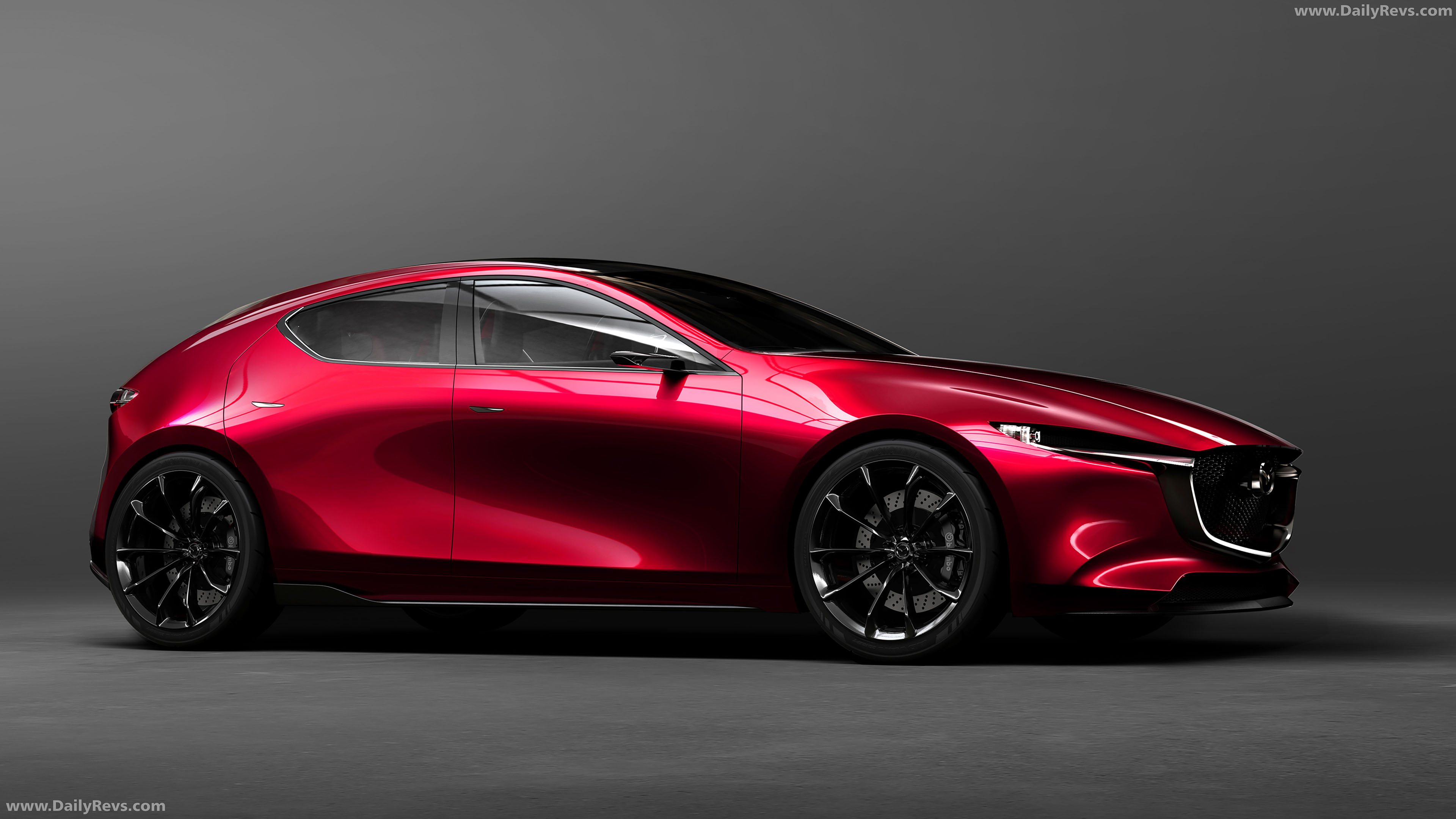
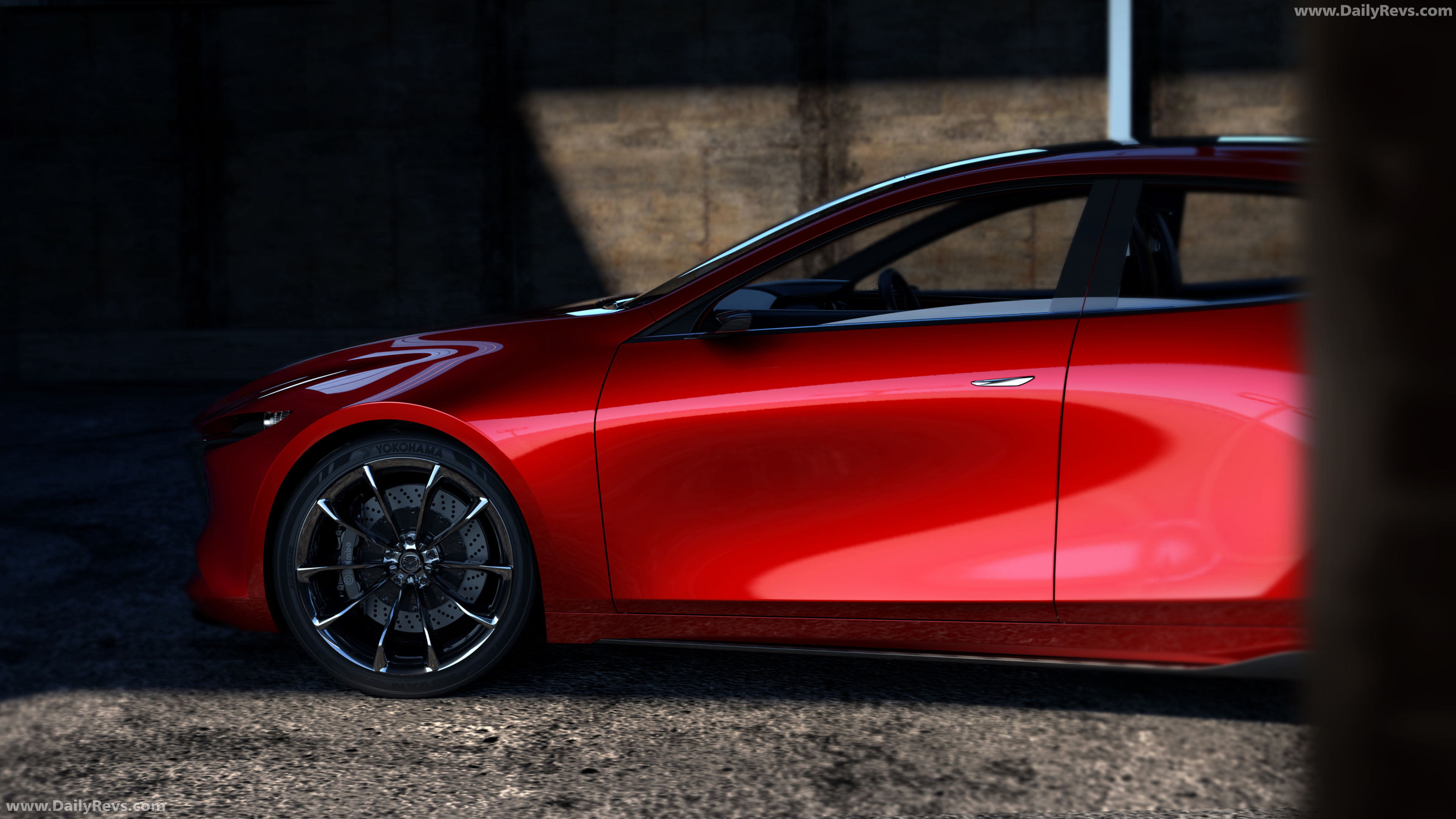
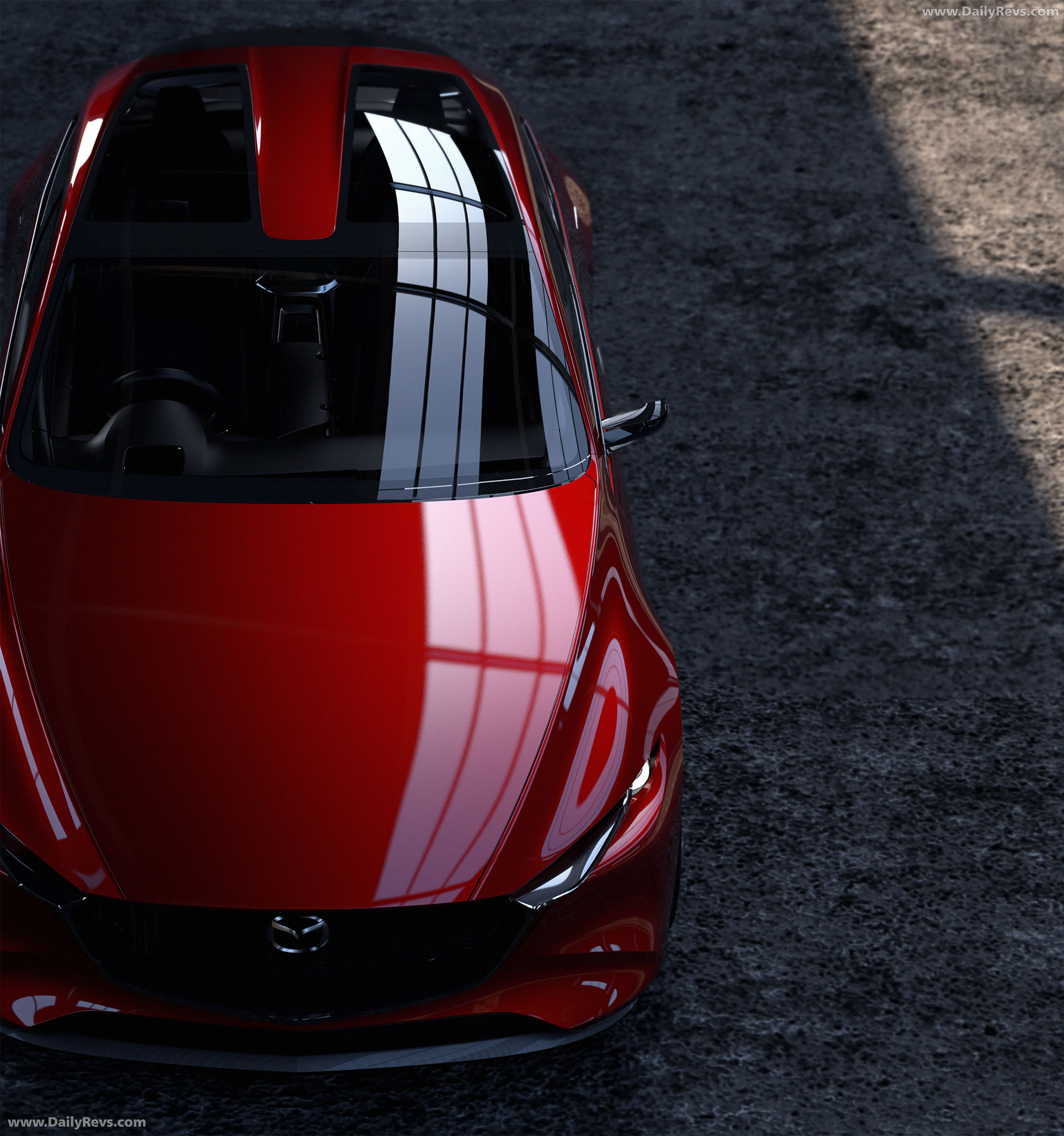
There are very few unnecessary lines across the body. The surfaces appear smooth and uncomplicated, yet the car never looks plain. Light moves across the sheet metal in a way that constantly changes the character of the vehicle depending on where it's viewed from.
The proportions play a major role as well. A long hood, short overhangs and a rearward cabin position give the hatchback a surprisingly athletic appearance. It feels planted and purposeful without relying on oversized vents, exaggerated spoilers or aggressive detailing.
Even nearly a decade later, the design still looks remarkably fresh.
More Than Just A Styling Exercise
Mazda wasn't using the KAI Concept solely to talk about design.
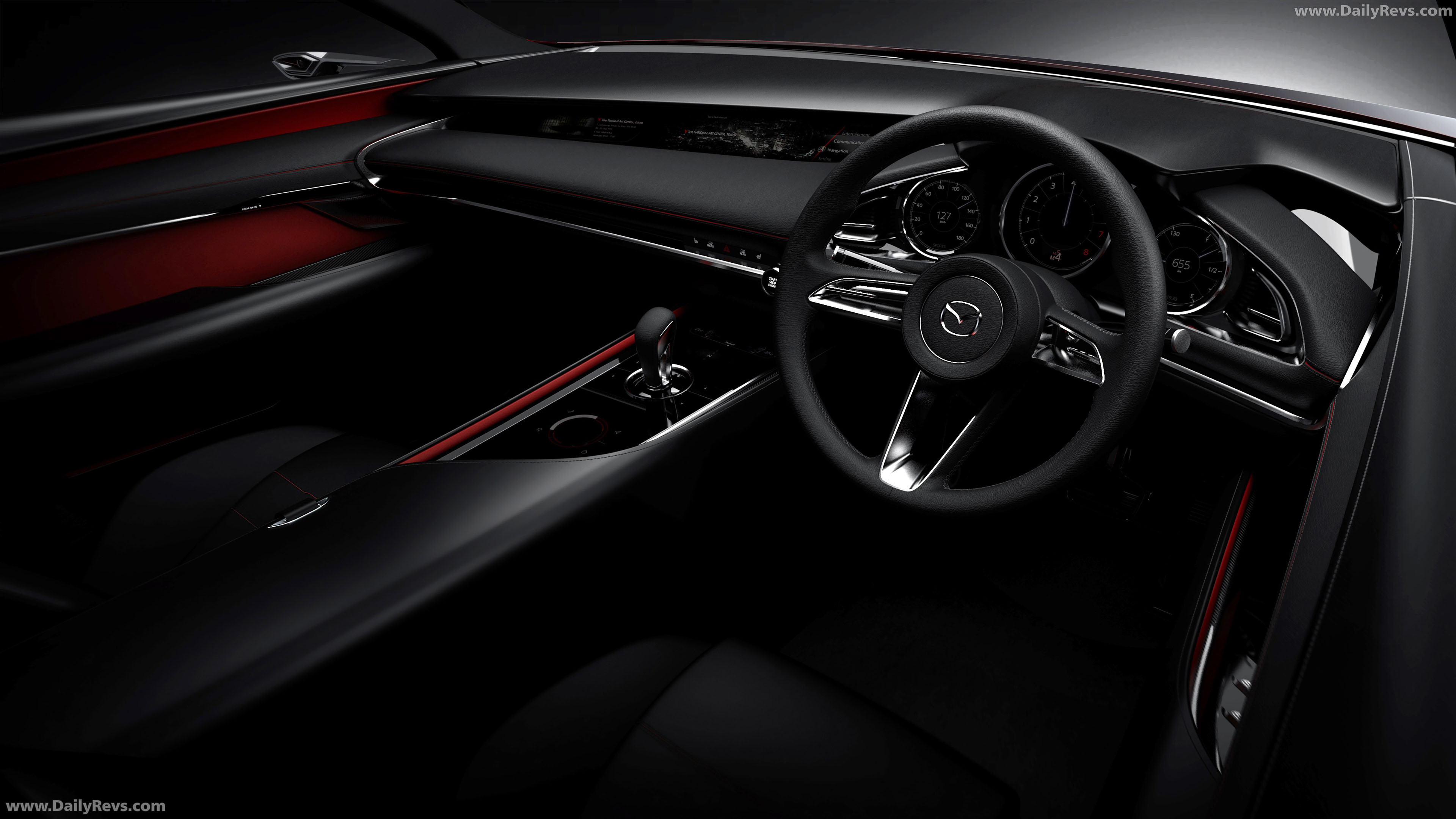
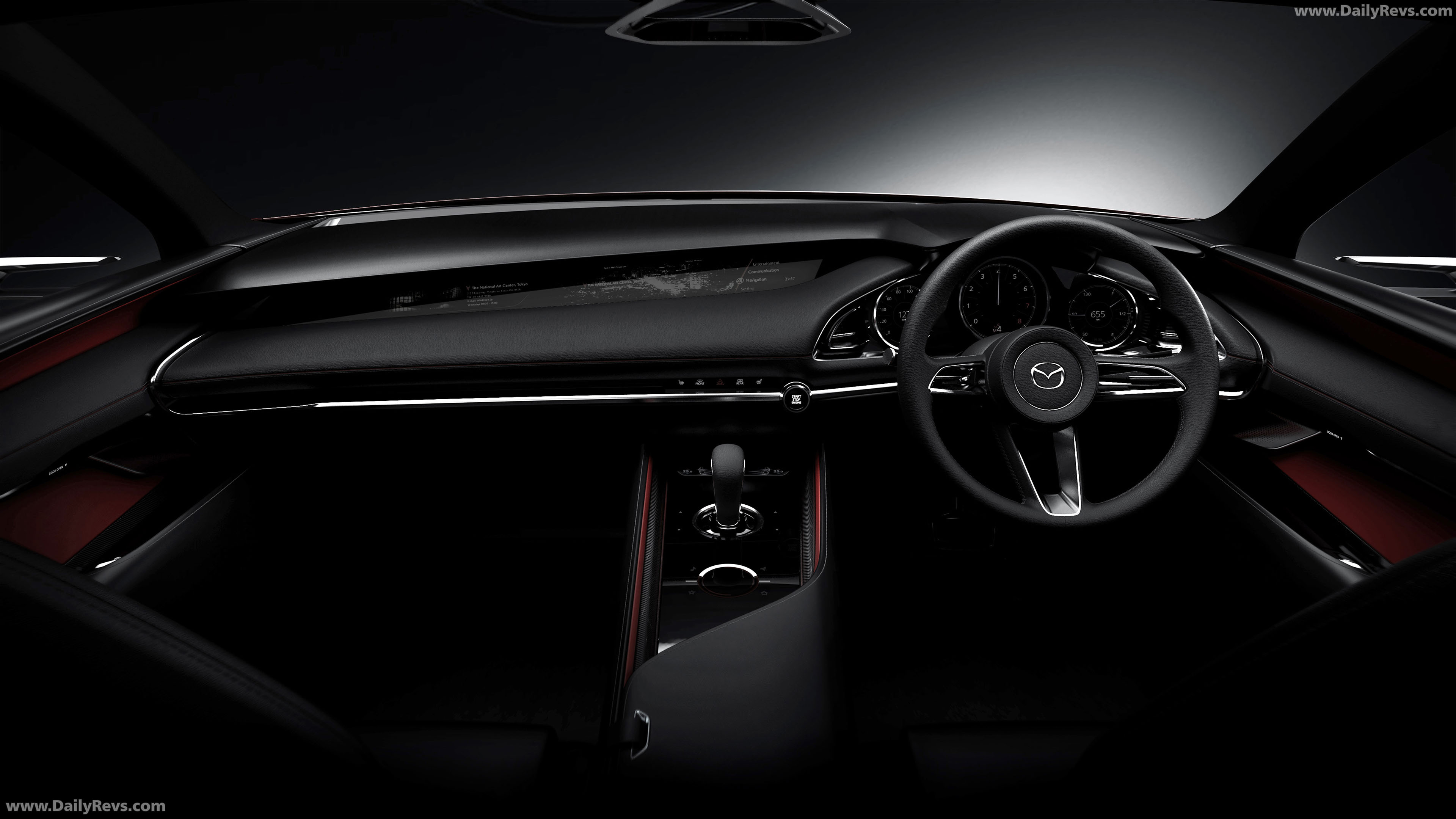
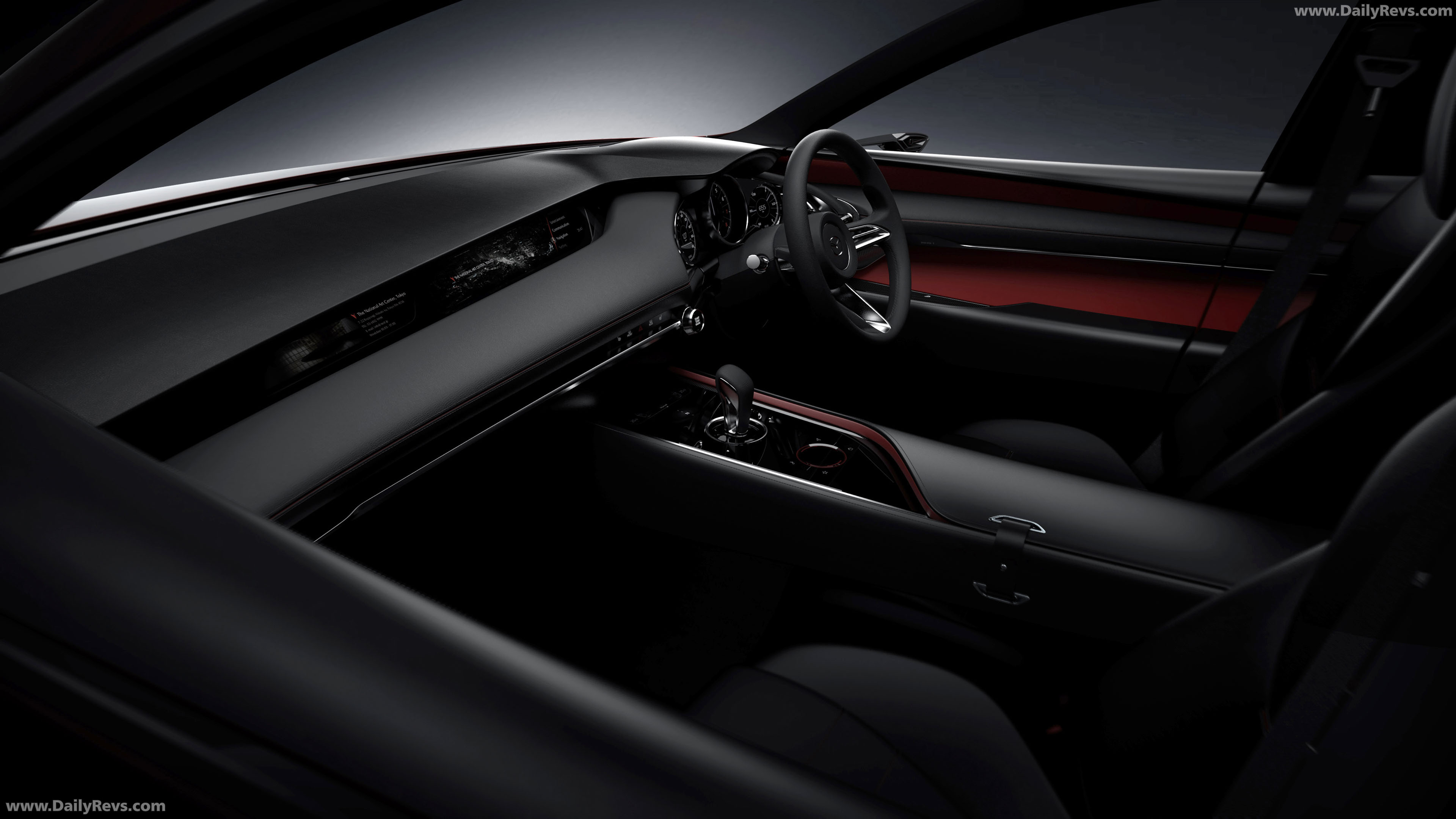
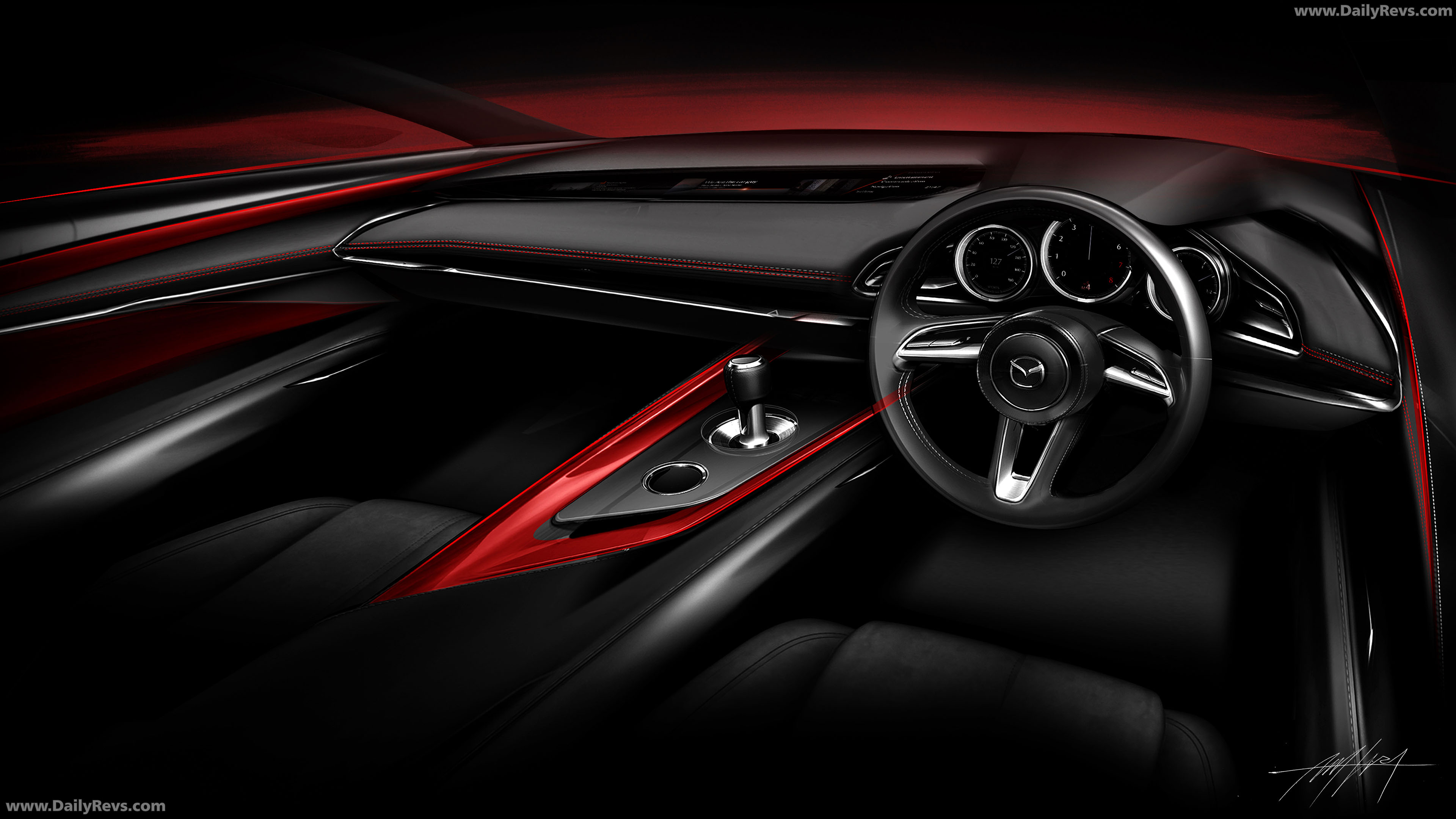
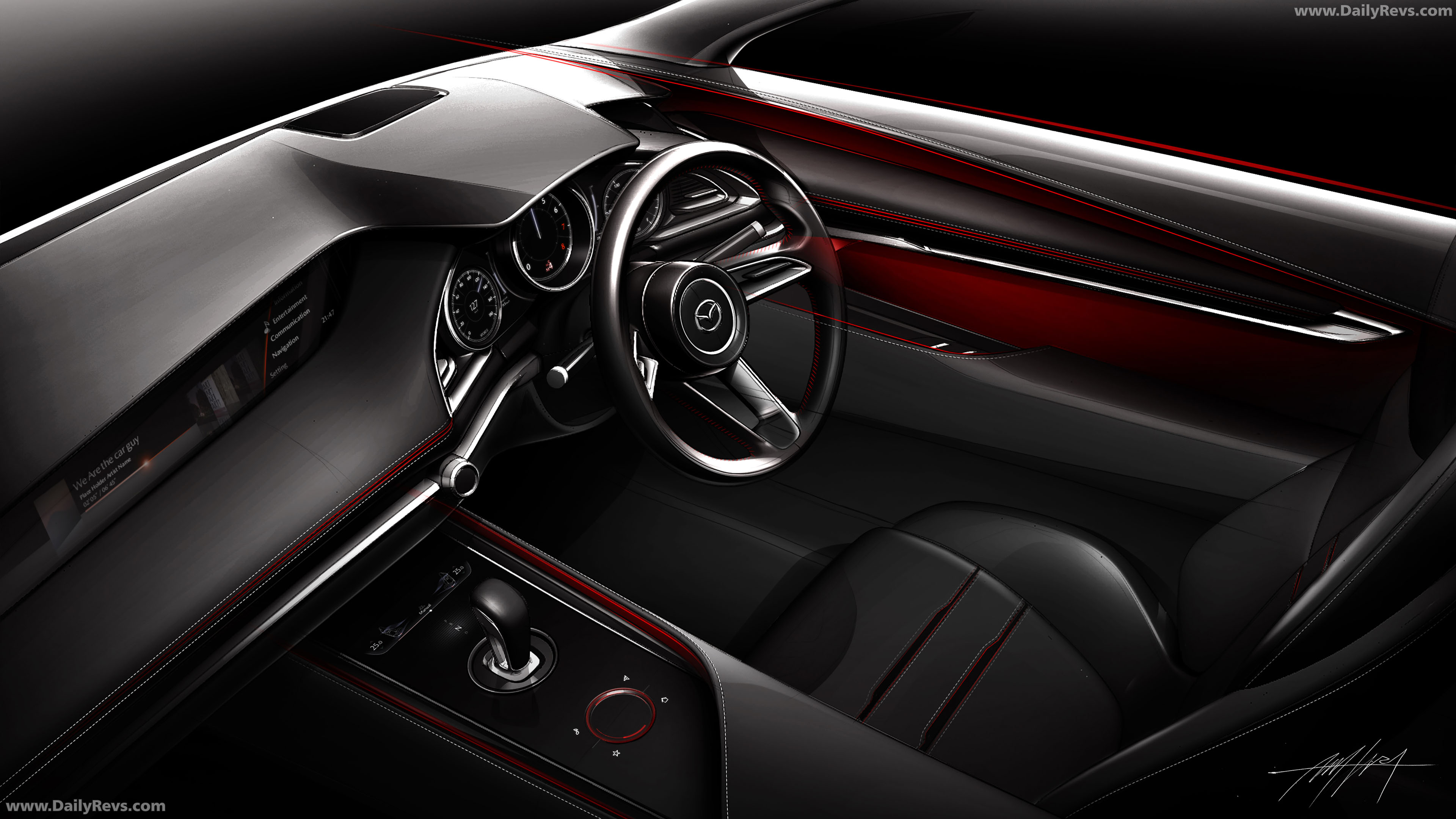
Beneath the bodywork sat technology that would help shape the company's next generation of vehicles. The concept introduced the SKYACTIV-X petrol engine, one of Mazda's most ambitious engineering projects at the time. It also previewed SKYACTIV-Vehicle Architecture, a new foundation intended to improve refinement, comfort and overall driving dynamics.
What stood out about Mazda's approach was its focus on the driving experience rather than headline figures. The company spoke about reducing noise, improving ride comfort and creating a stronger connection between driver and vehicle. Those goals may sound less dramatic than outright performance numbers, but they reflected Mazda's priorities.
The Blueprint For Future Mazdas
The KAI Concept ultimately became one of those rare concept cars that accurately predicted what came next.
Many of the styling themes, proportions and design details eventually found their way into production models. The same can be said for the engineering ideas introduced beneath the surface.
That's what makes the KAI Concept memorable today. It wasn't trying to shock people. It wasn't chasing headlines through extreme design.
Instead, it quietly revealed the direction Mazda intended to take for the years ahead. In hindsight, it may have been one of the most honest concept cars the company ever produced.