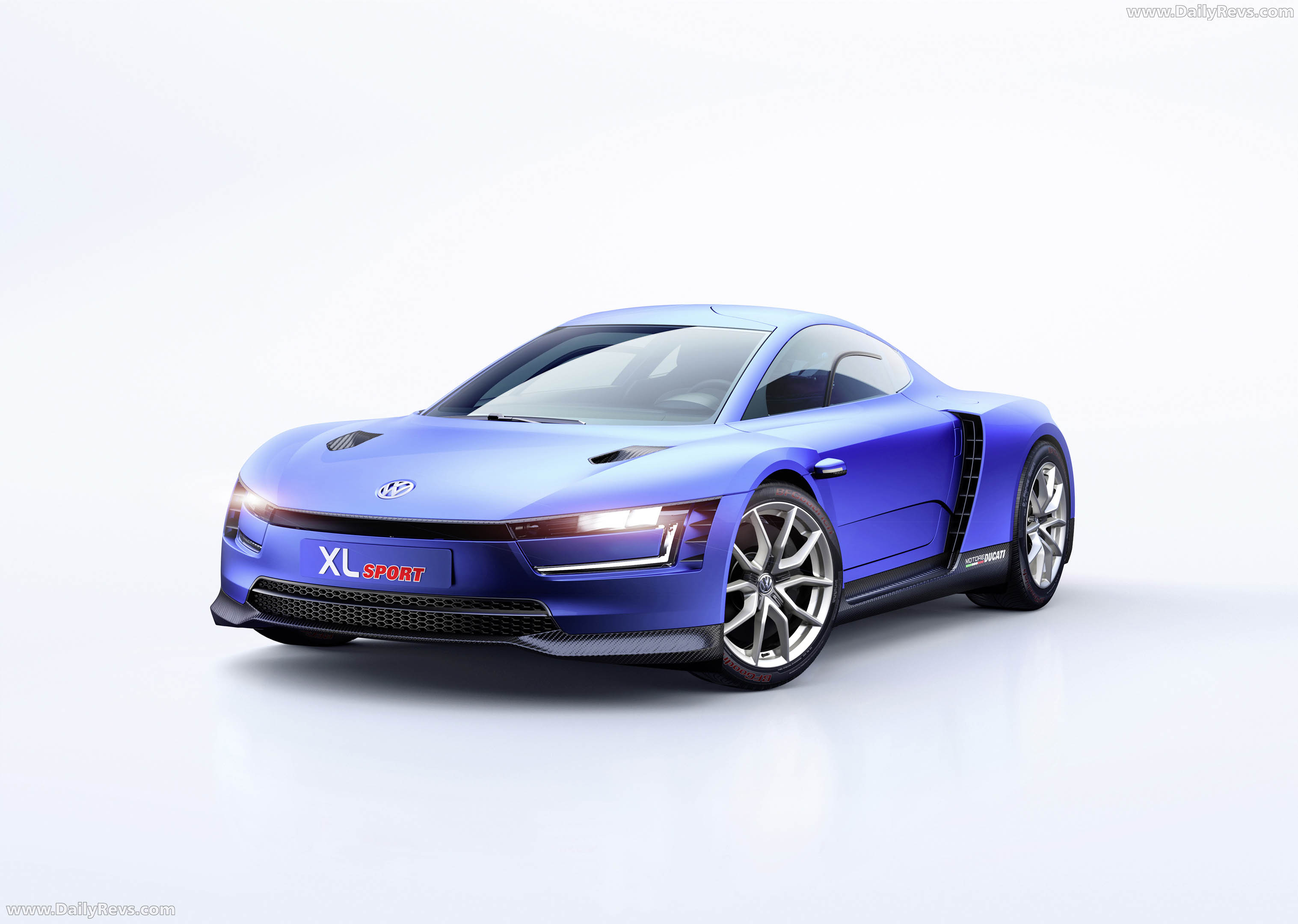
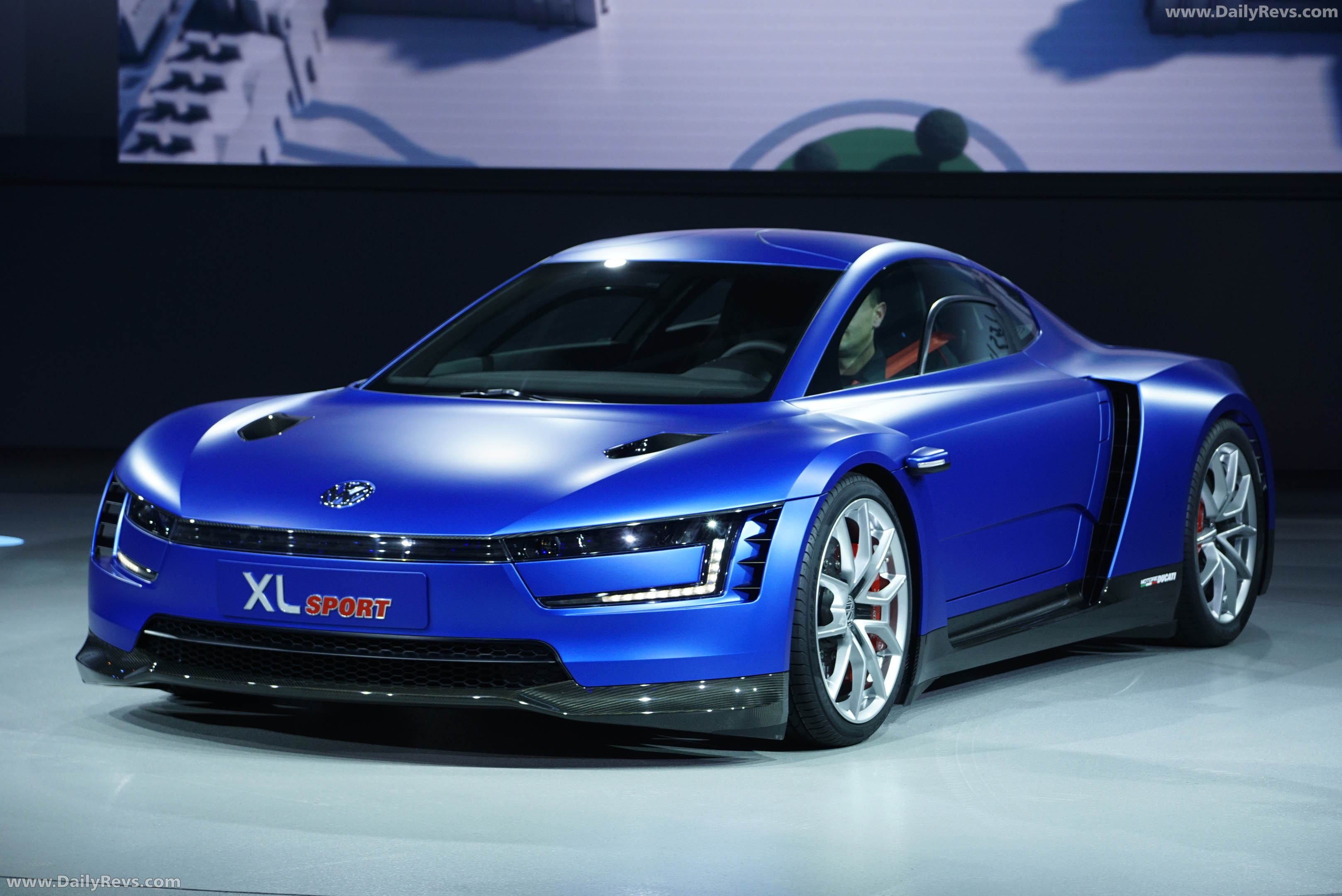
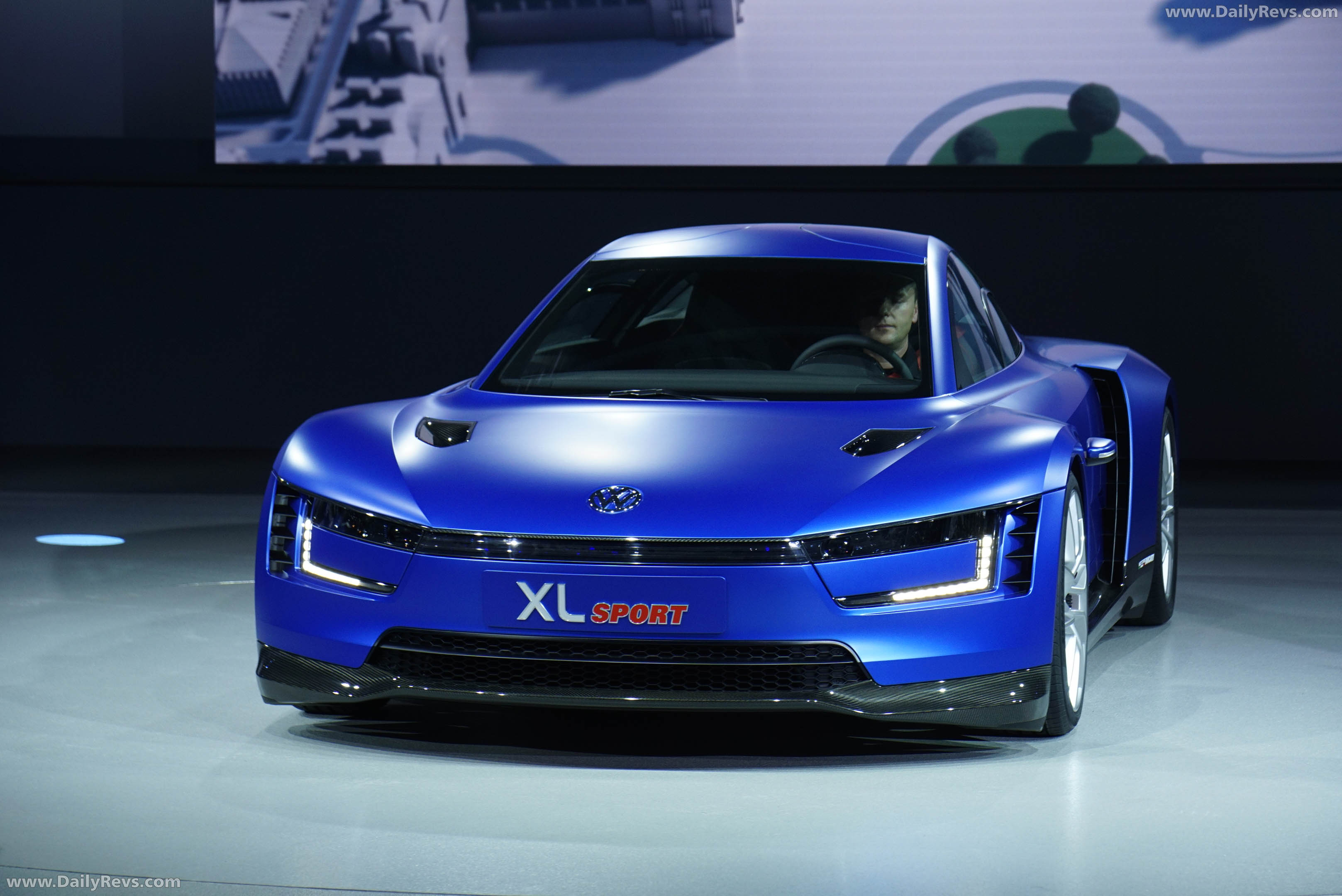
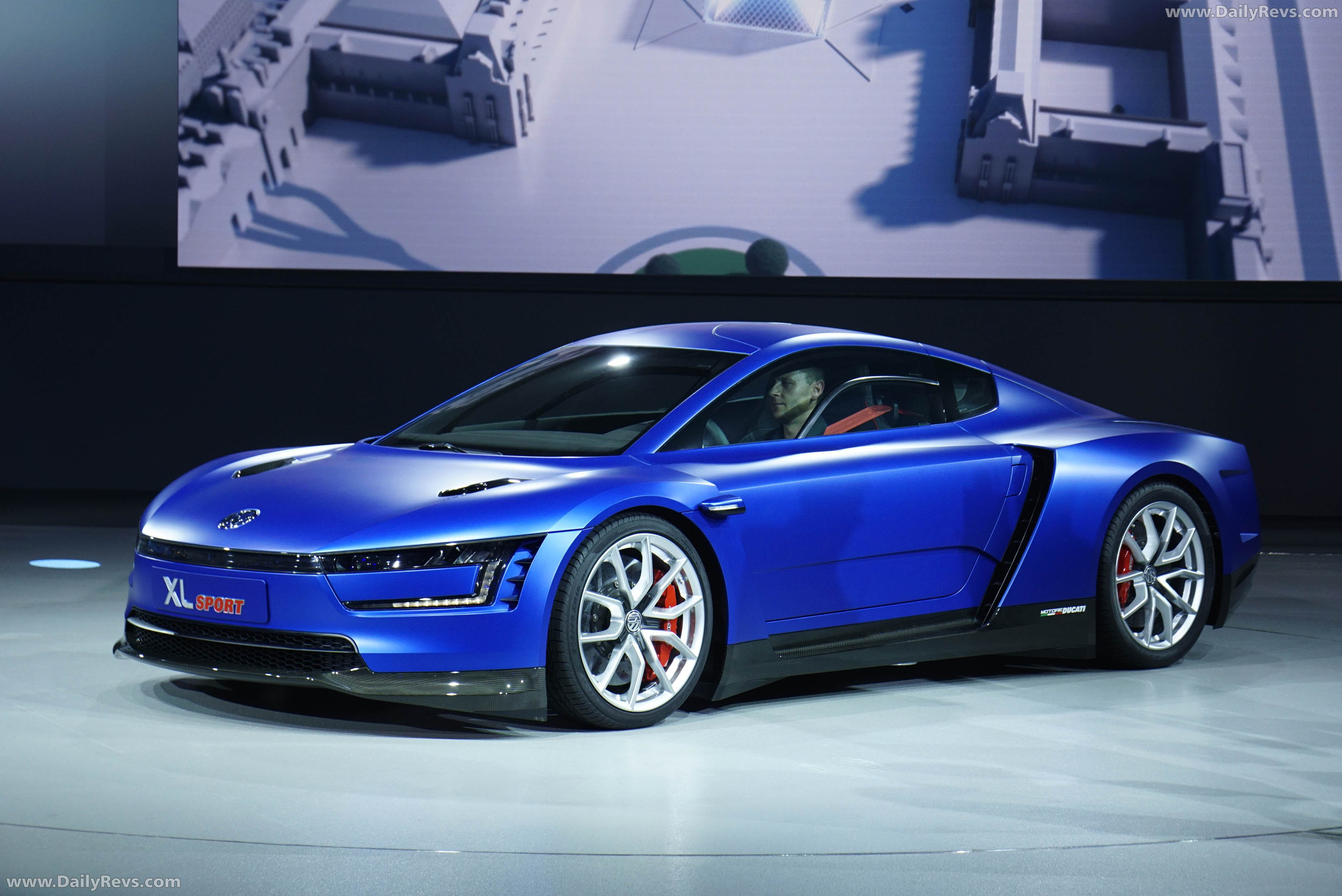
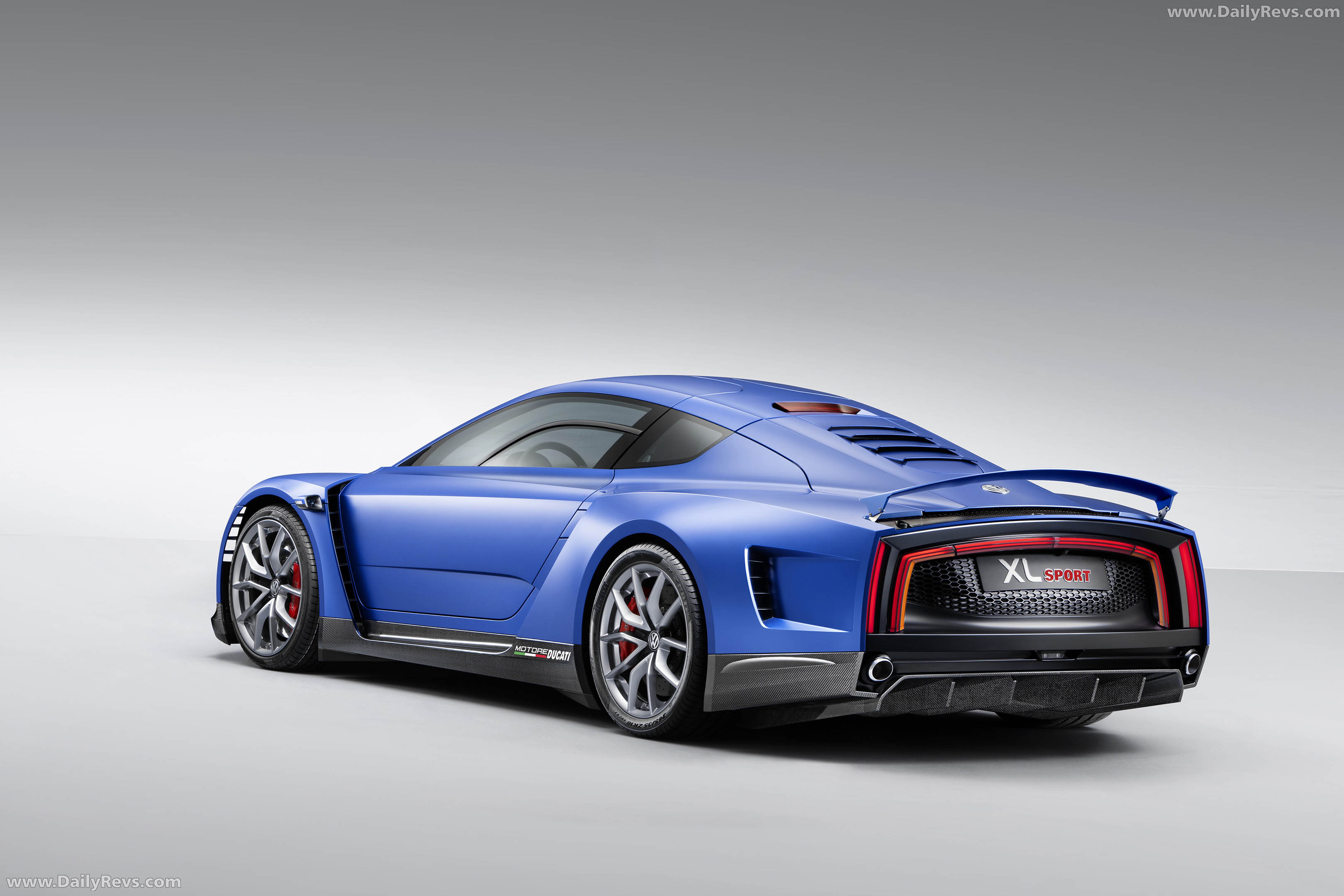
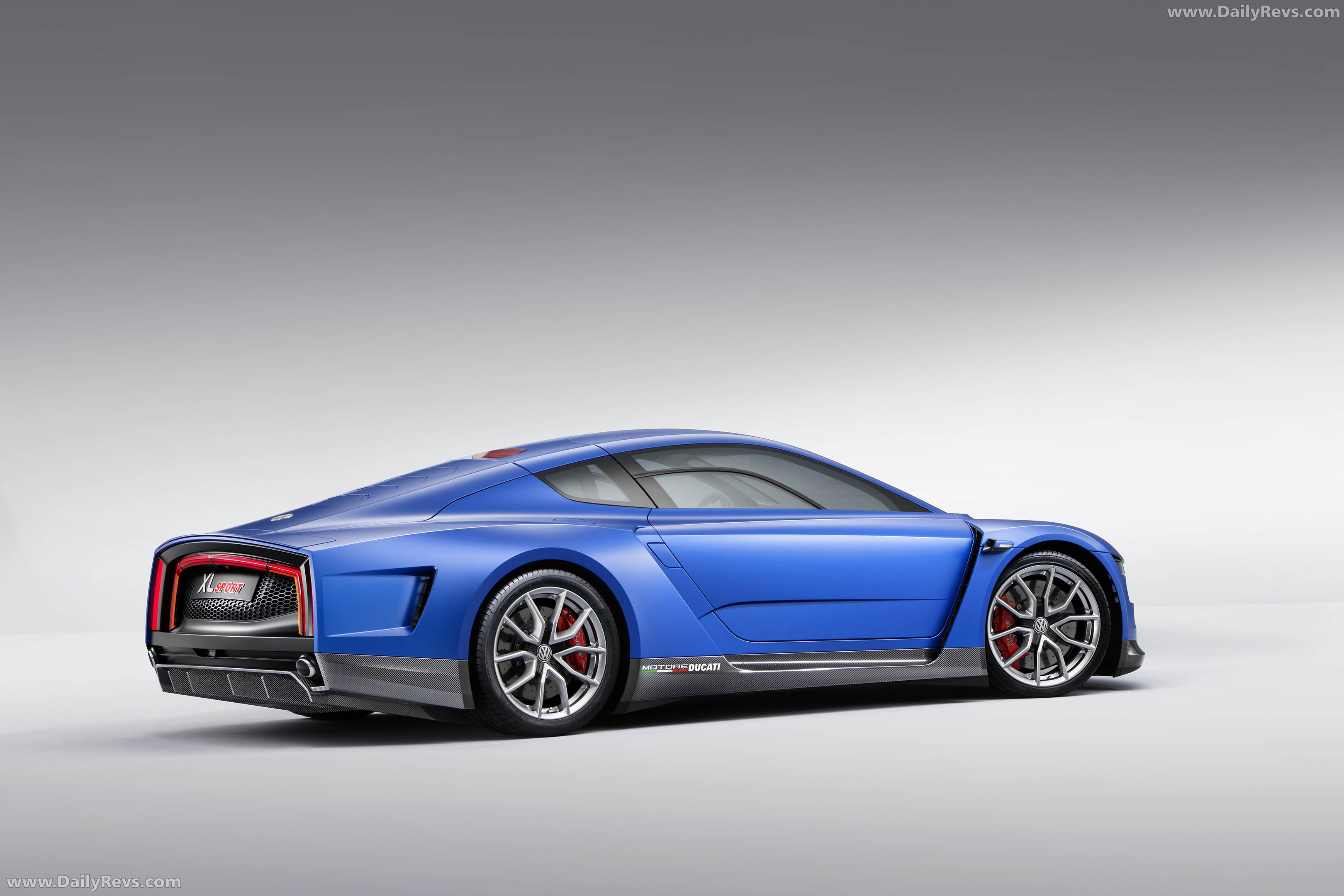
2014 Volkswagen XL Sport Concept
By Lorenzo Bianchi February 23, 2014
147 kW 200 PS Ducati 1,199 cc V2 revving to 11,000 rpm.
890 kg weight and 0.258 drag coefficient enabling 270 km/h.
CFRP monocoque with motorsport-style double wishbone chassis.
Ducati V2 Engine and Performance Figures
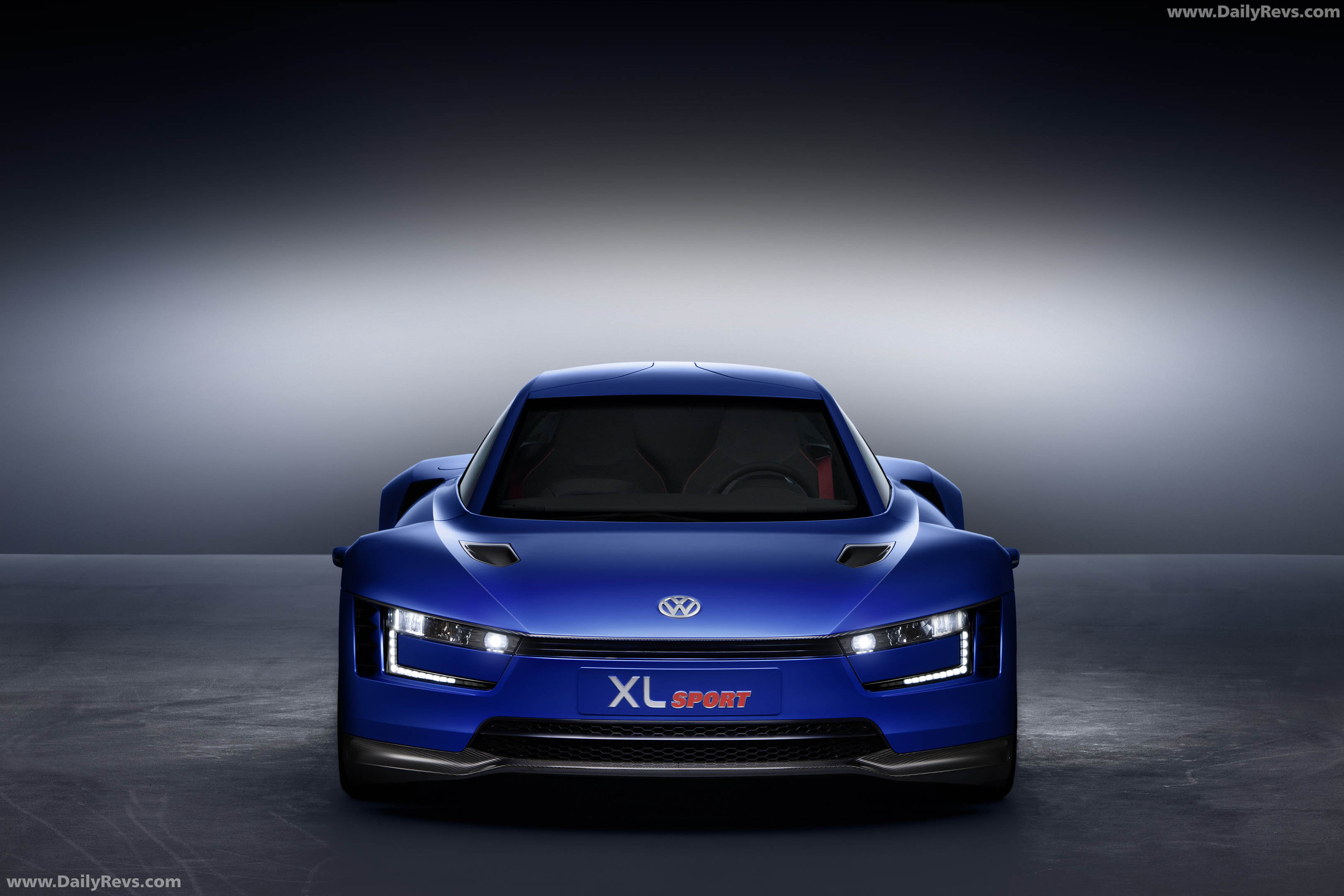
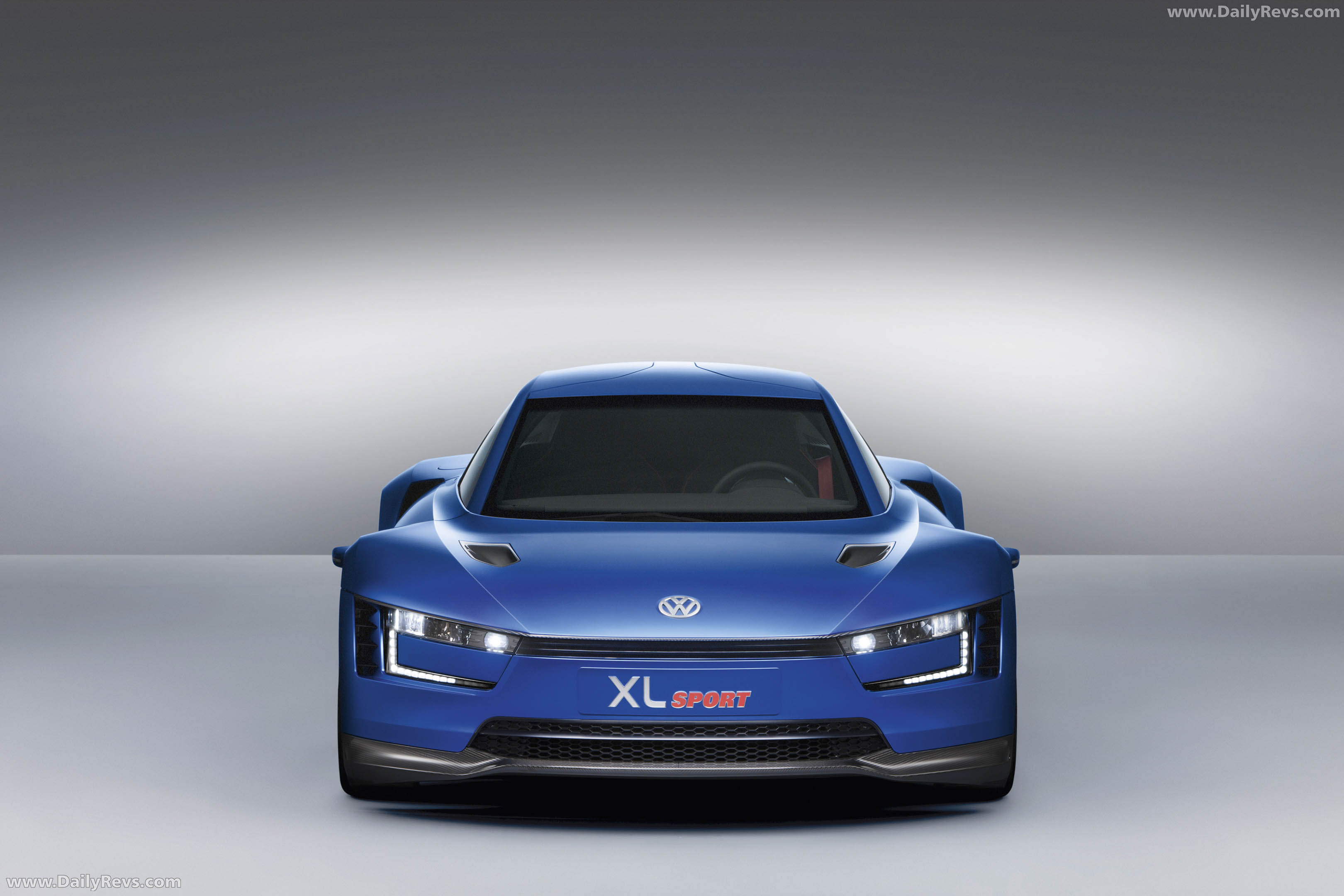
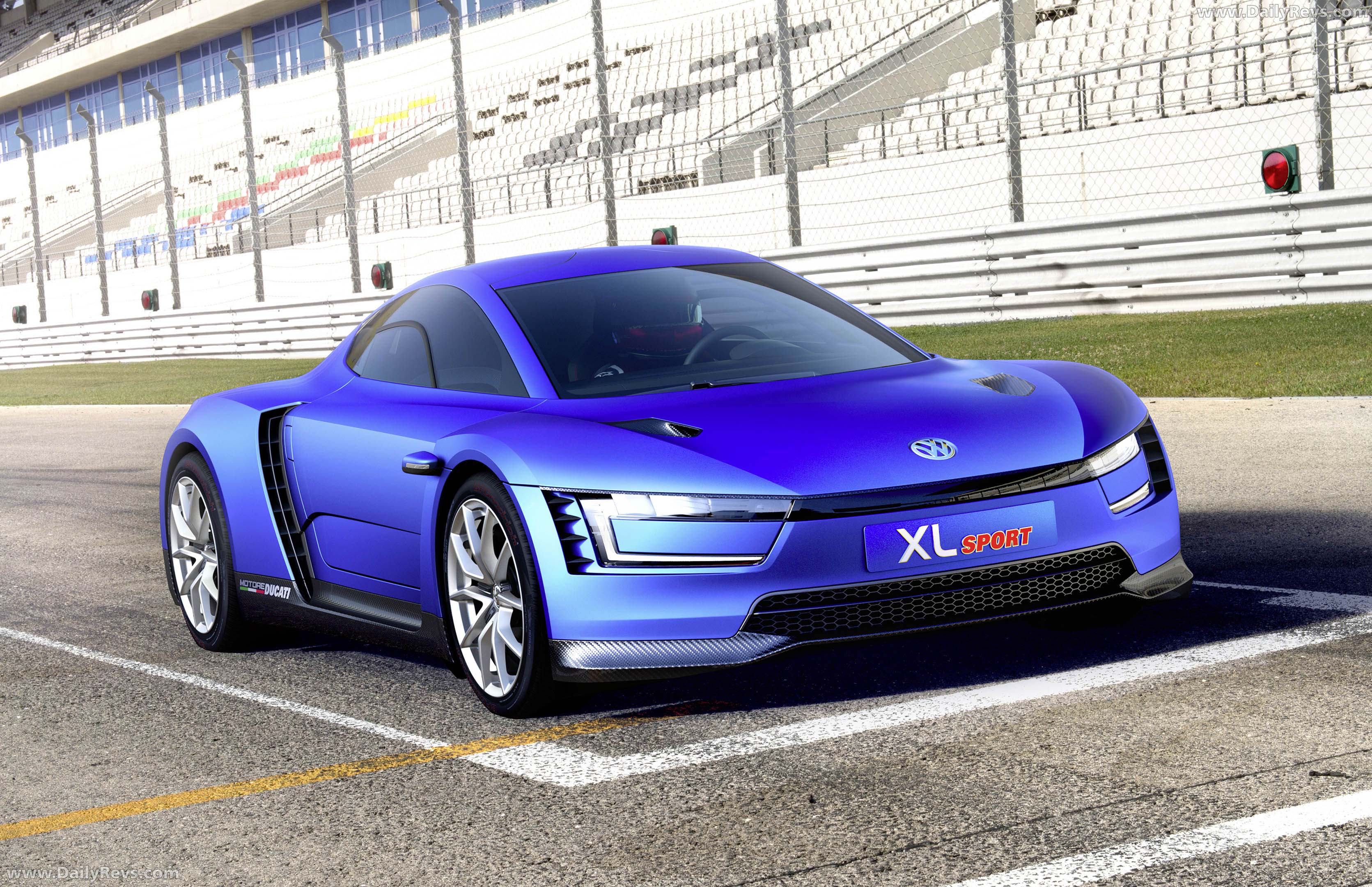
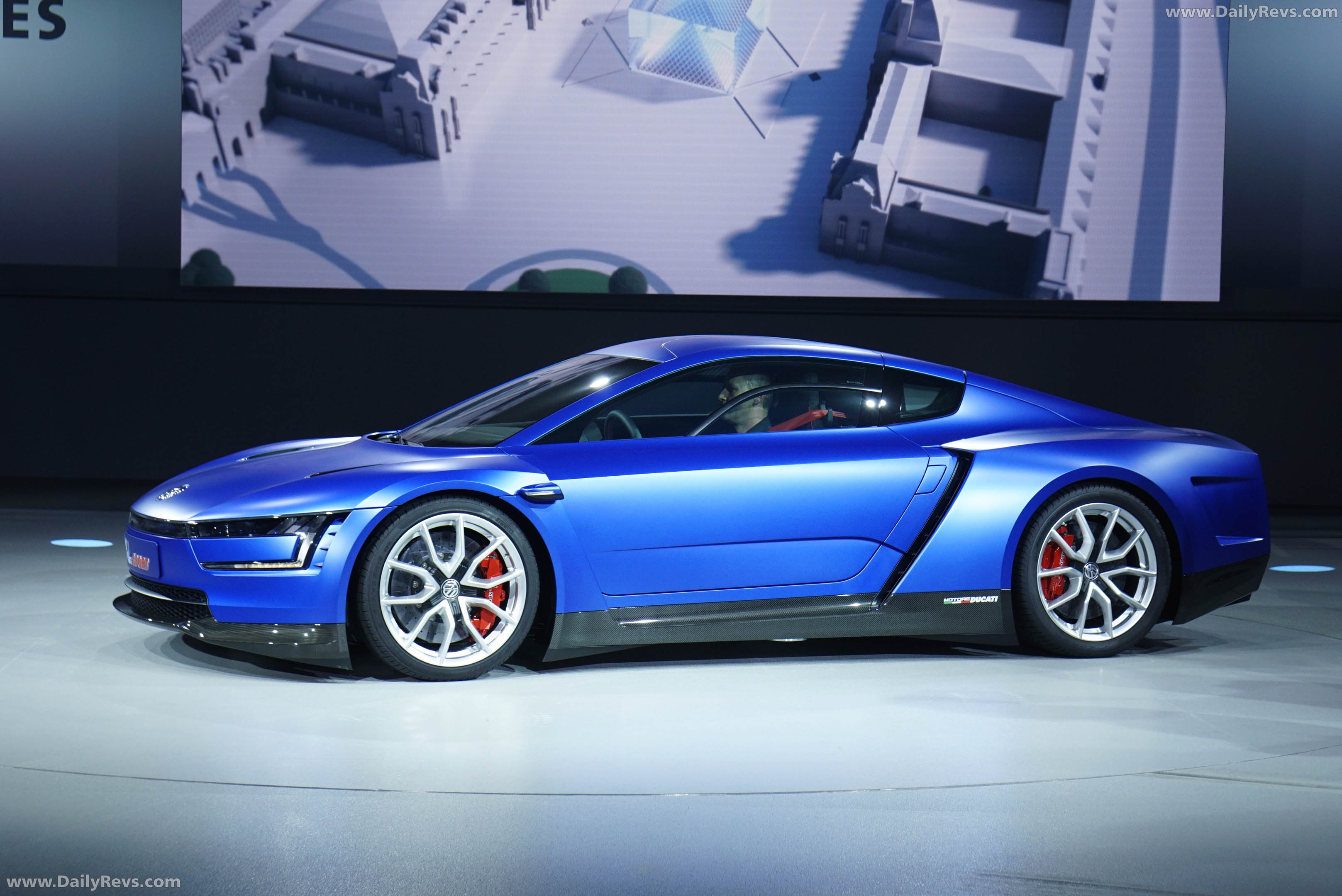
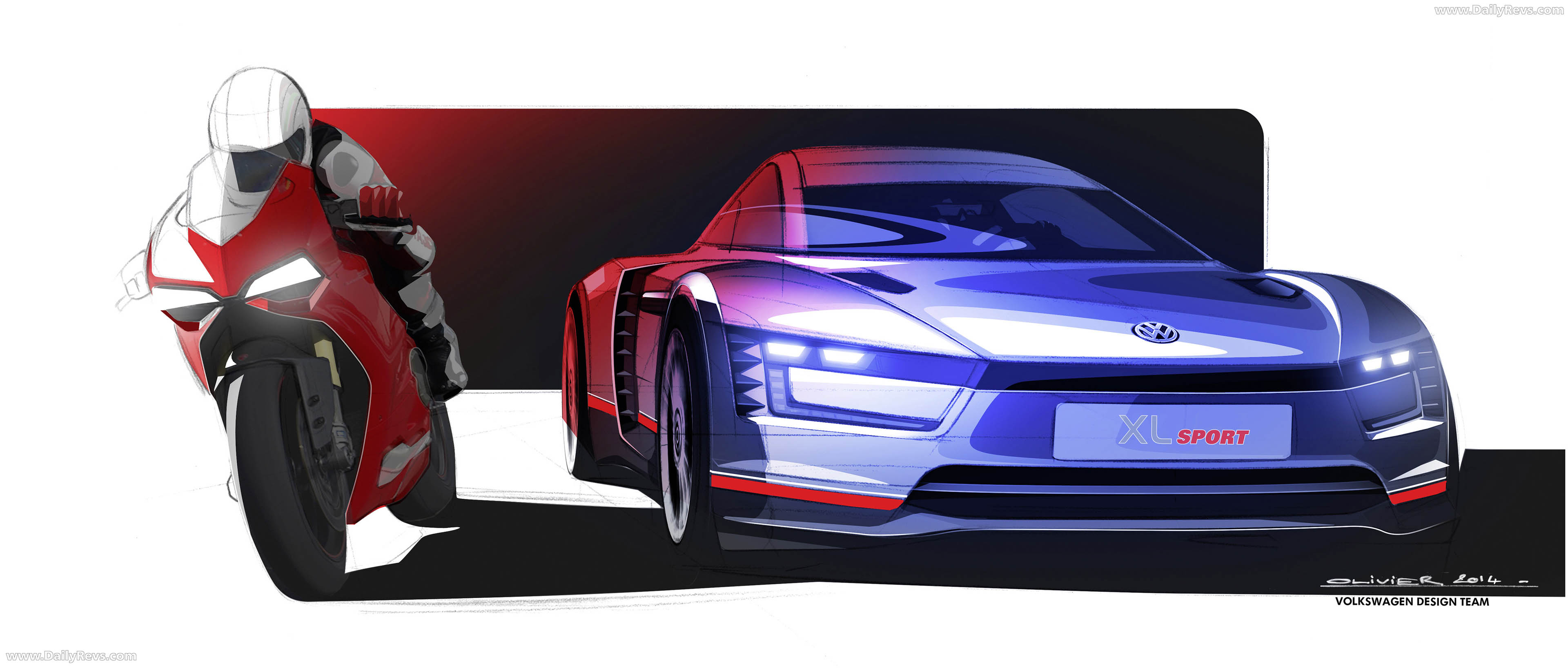
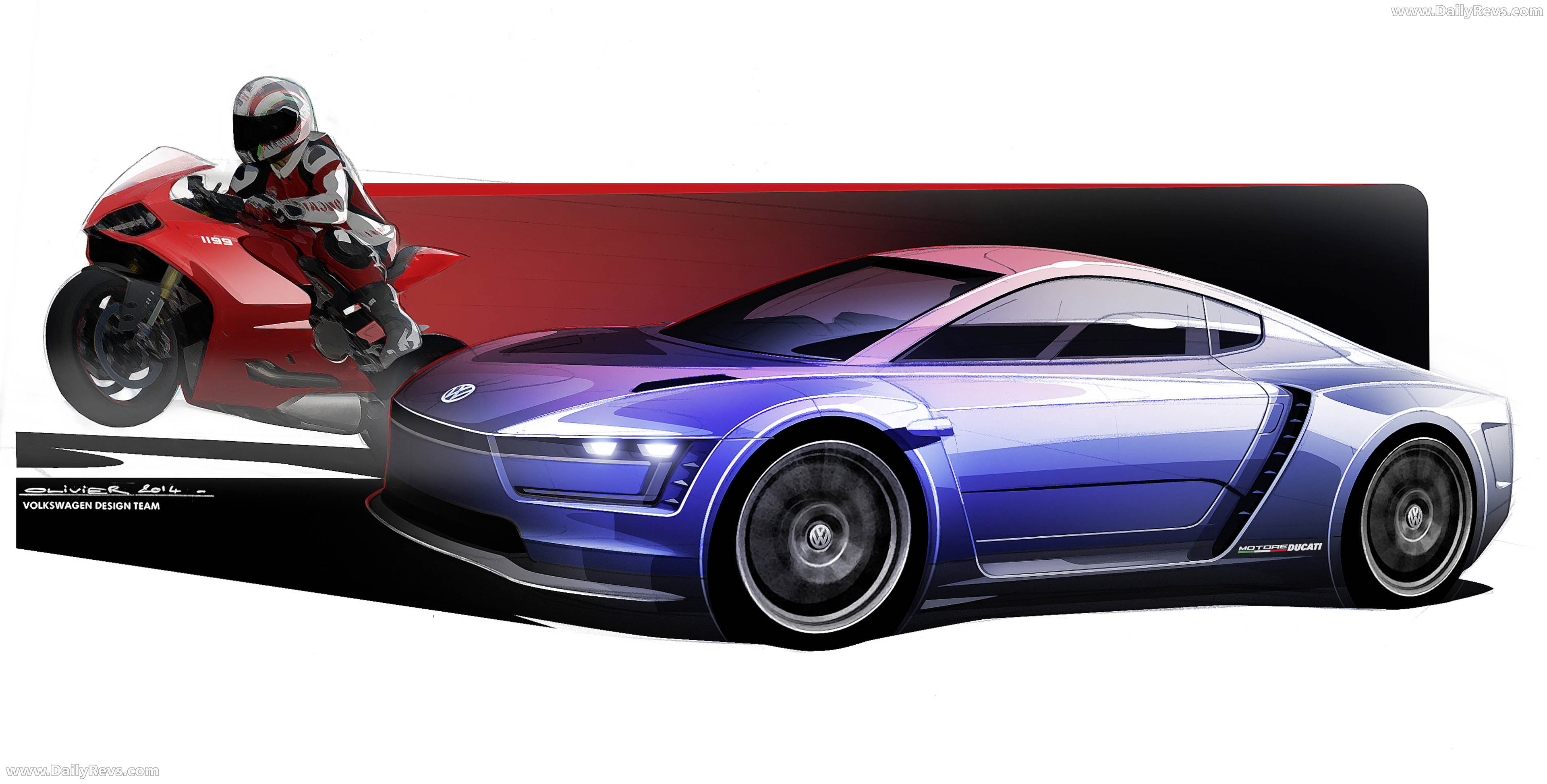
Unveiled at the Paris Motor Show in October 2014, the 2014 Volkswagen XL Sport Concept is based on the XL1 platform but reengineered around a high-revving Ducati engine.
Power comes from a 1,199 cc V2 derived from the Ducati 1199 Superleggera, described as the world’s most powerful two-cylinder engine. Output is rated at 147 kW / 200 PS, with peak torque of 134 Nm. The engine revs to 11,000 rpm and features desmodromic valve control, titanium connecting rods and magnesium alloy components.
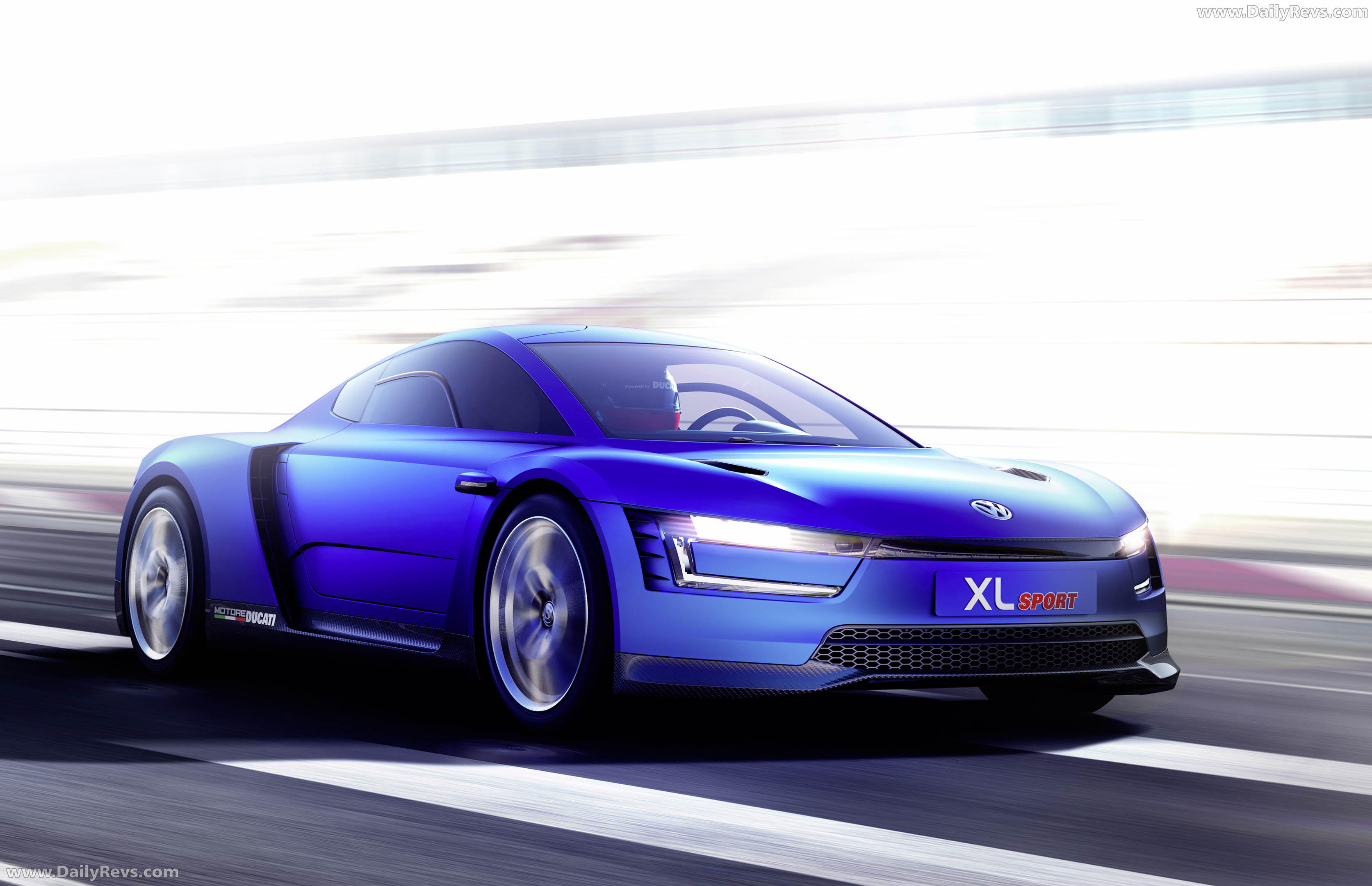
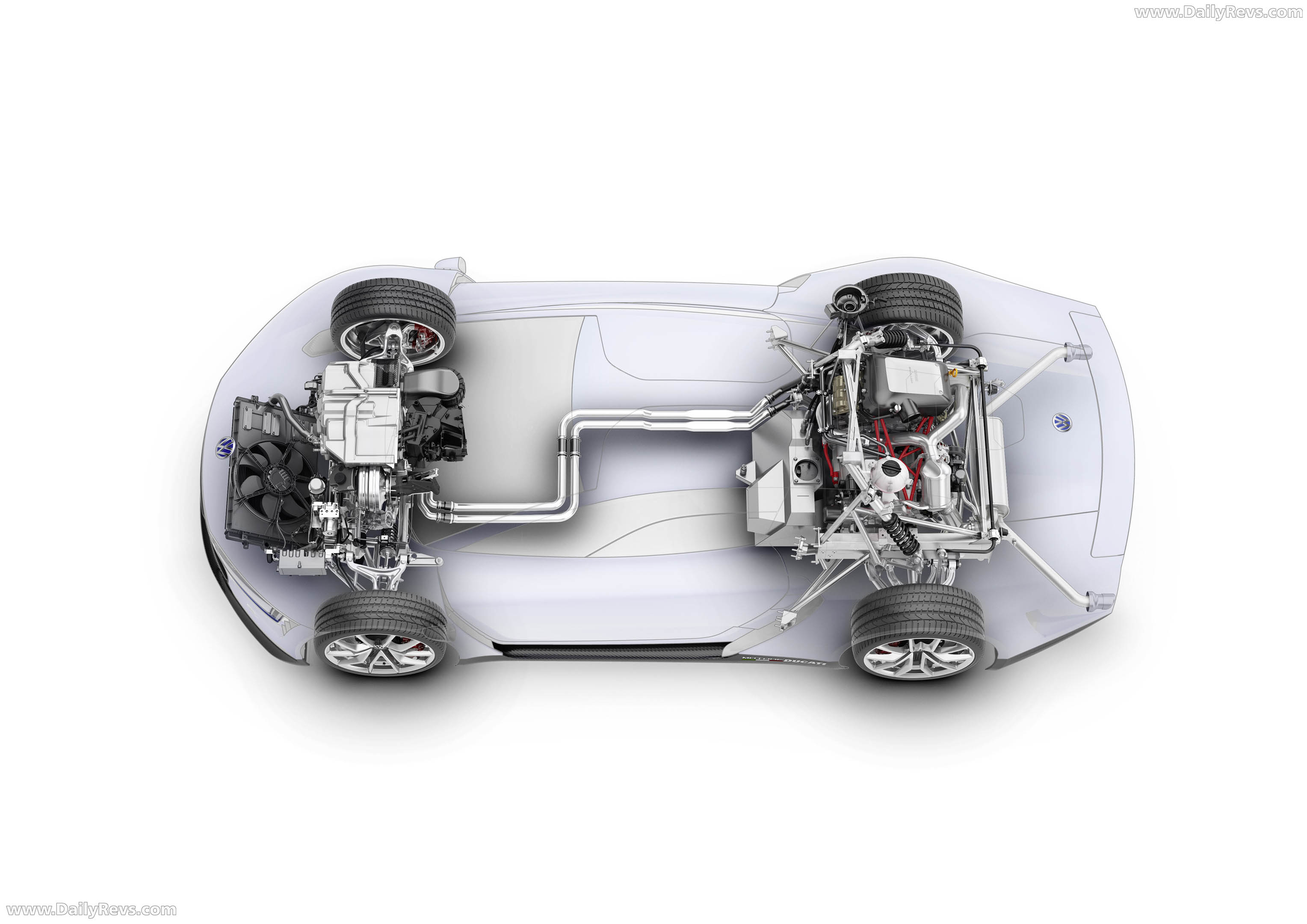
Mounted at the rear, the V2 drives the rear axle through a seven-speed DSG transmission. Volkswagen quotes a top speed of 270 km/h and a 0–100 km/h time of 5.7 seconds.
At 200 PS, the XL Sport achieves a speed figure typically associated with significantly more powerful cars. The key lies in mass and aerodynamics.
Lightweight Construction and Aerodynamic Efficiency
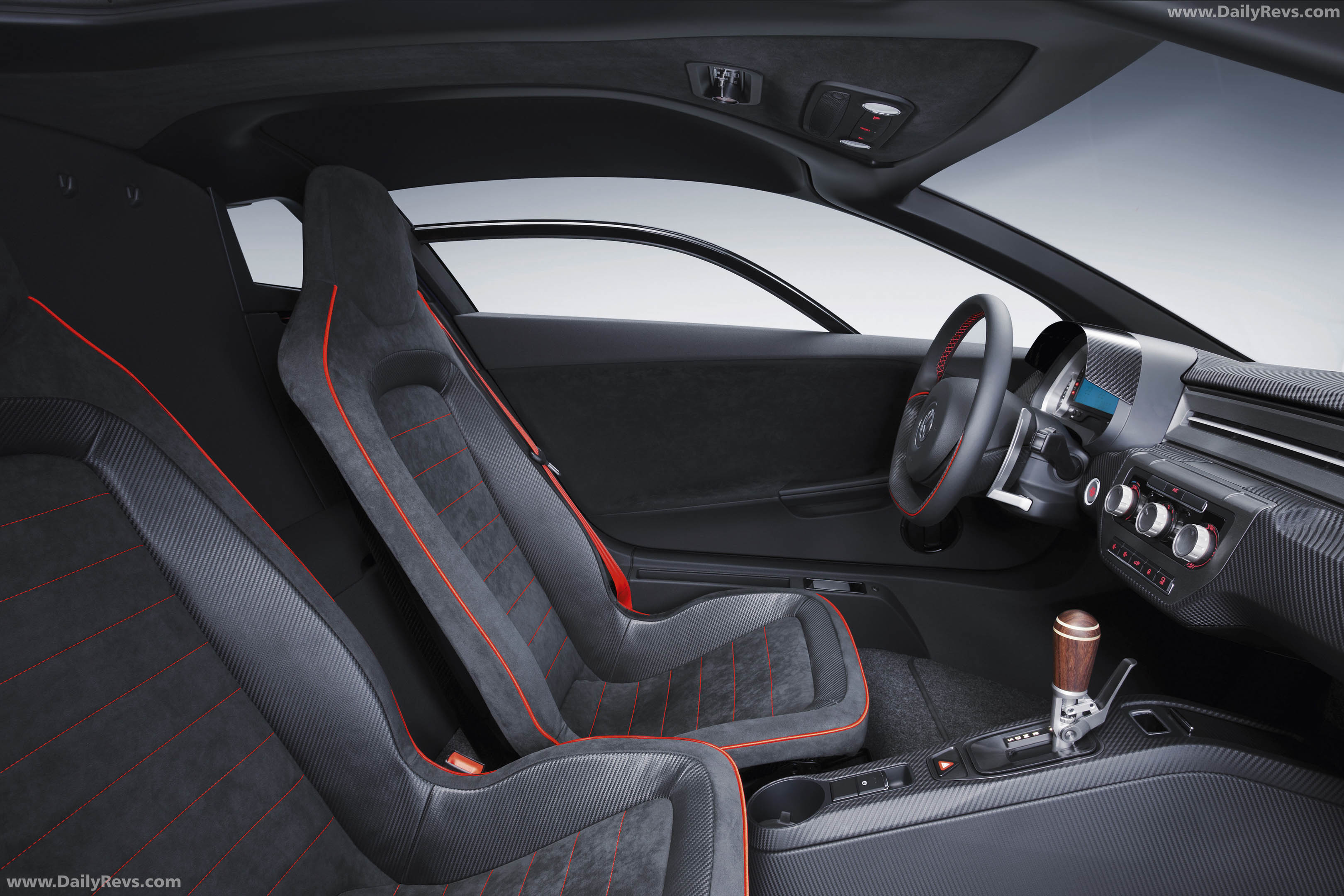
Curb weight is given as 890 kilograms. The body structure makes extensive use of carbon-reinforced polymer, manufactured using the RTM process, with a monocoque featuring slightly offset seating for driver and passenger.
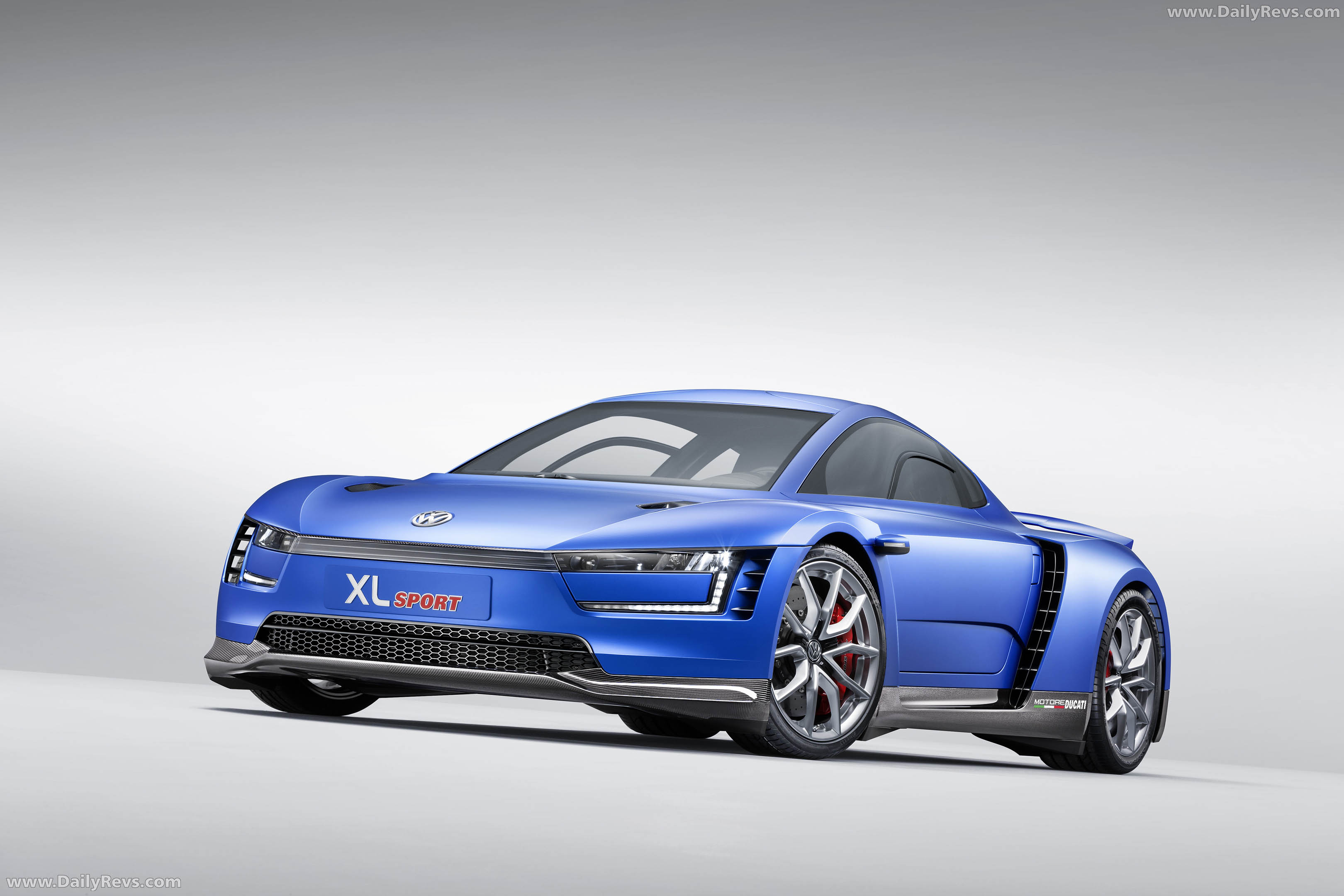
Aerodynamic performance is central to the concept. The drag coefficient stands at 0.258, with a frontal area of 1.7 m², resulting in a cd x A value of 0.44 m². These figures place the XL Sport among the most aerodynamically efficient sports cars of its time.
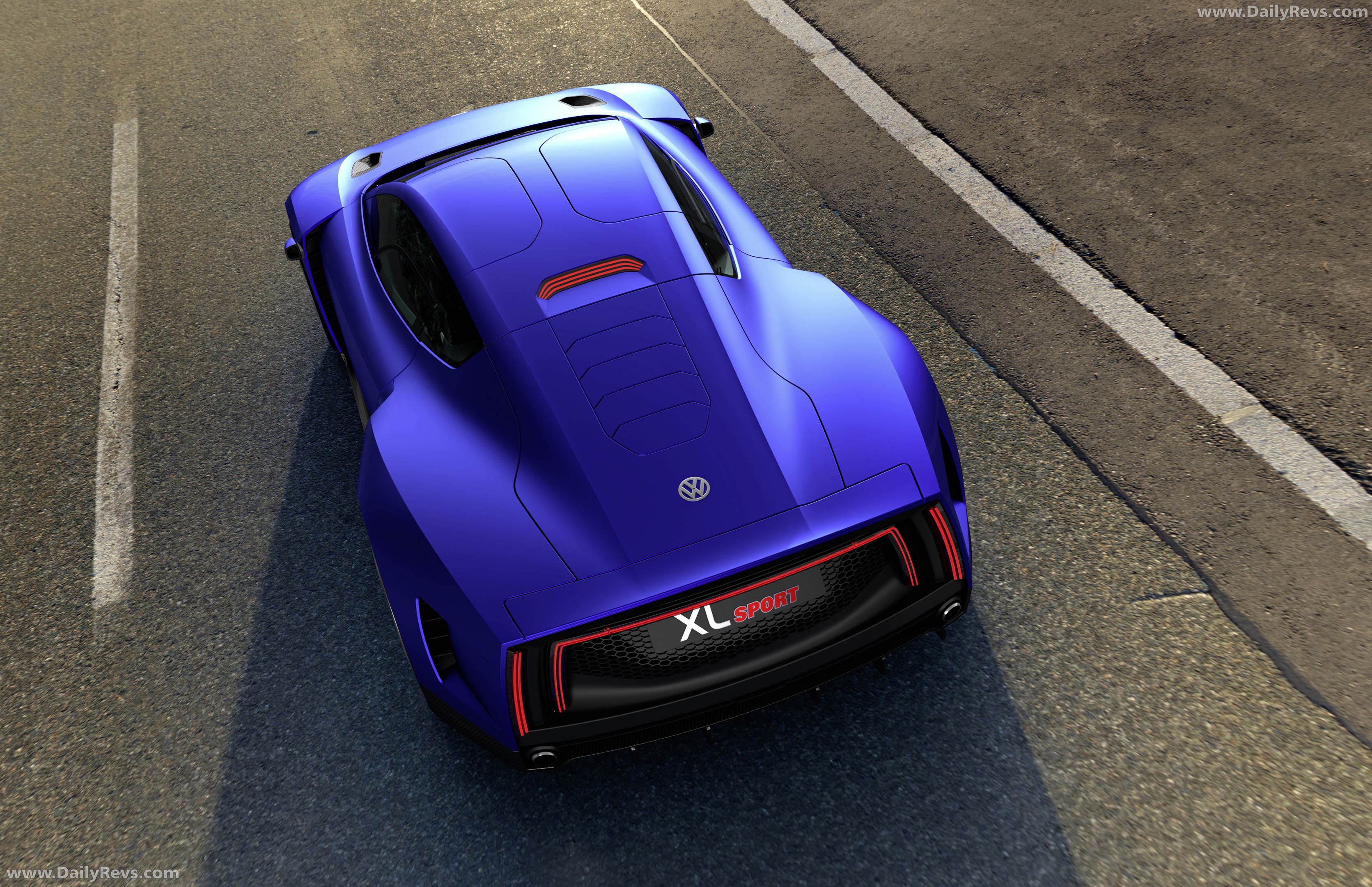
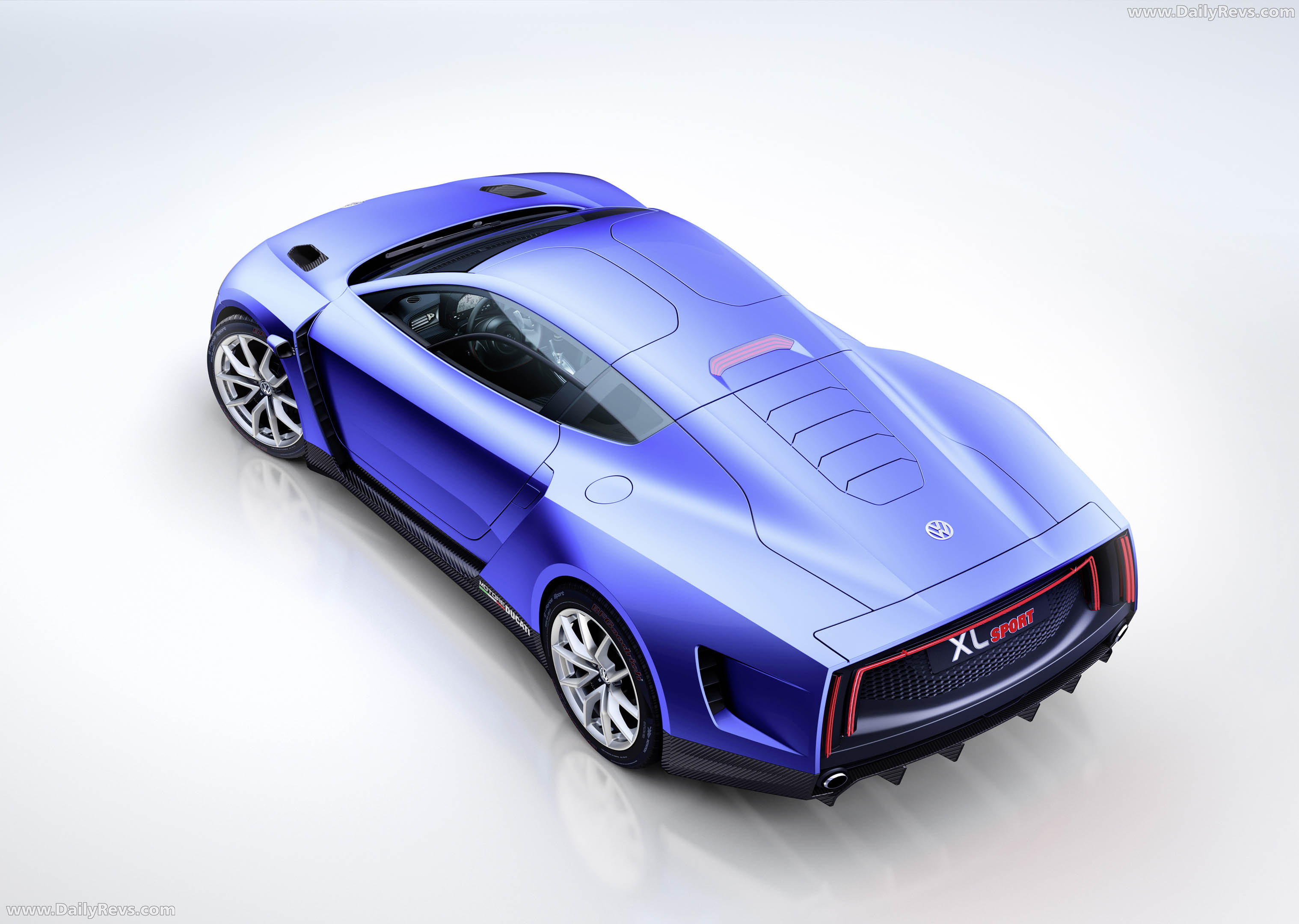
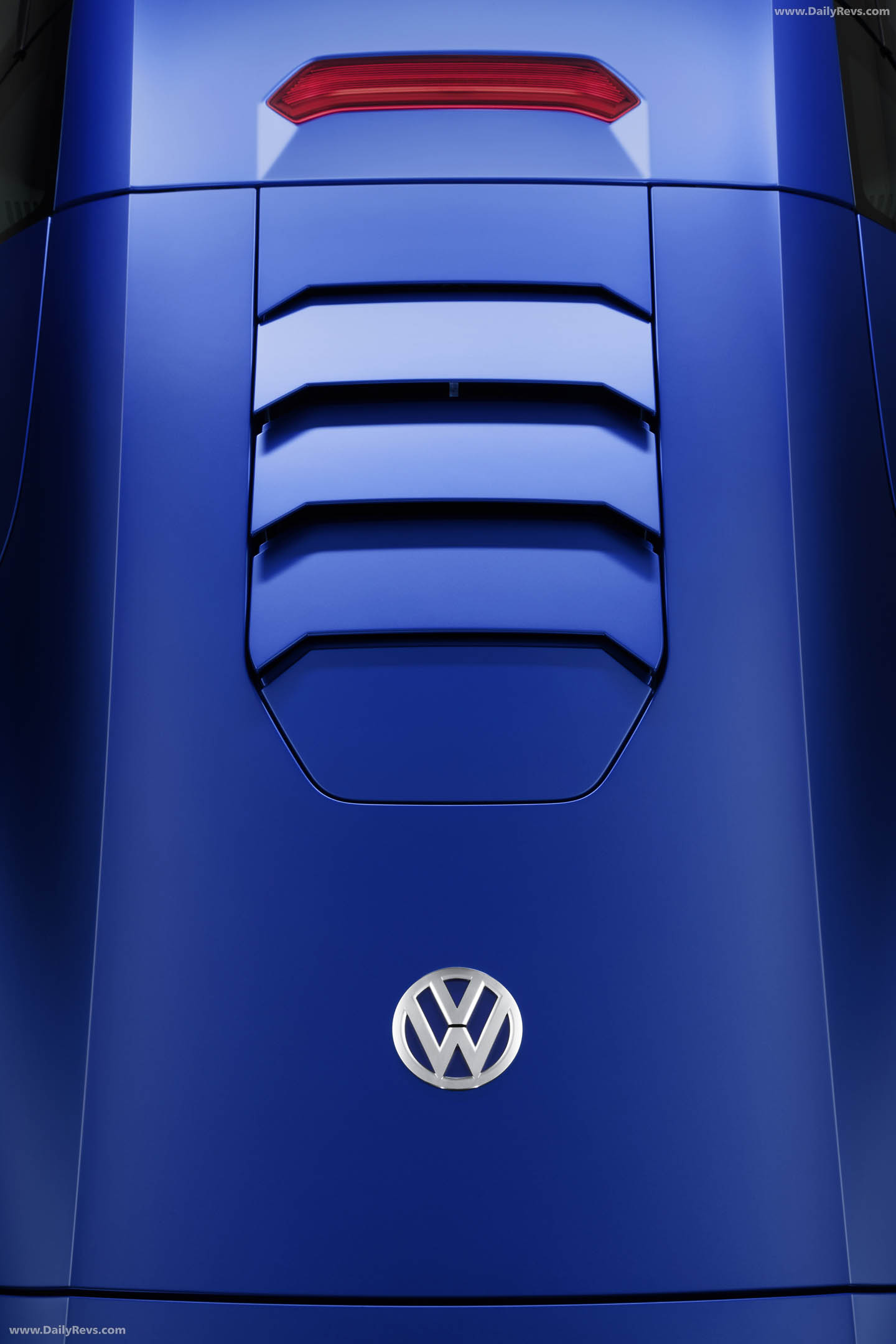
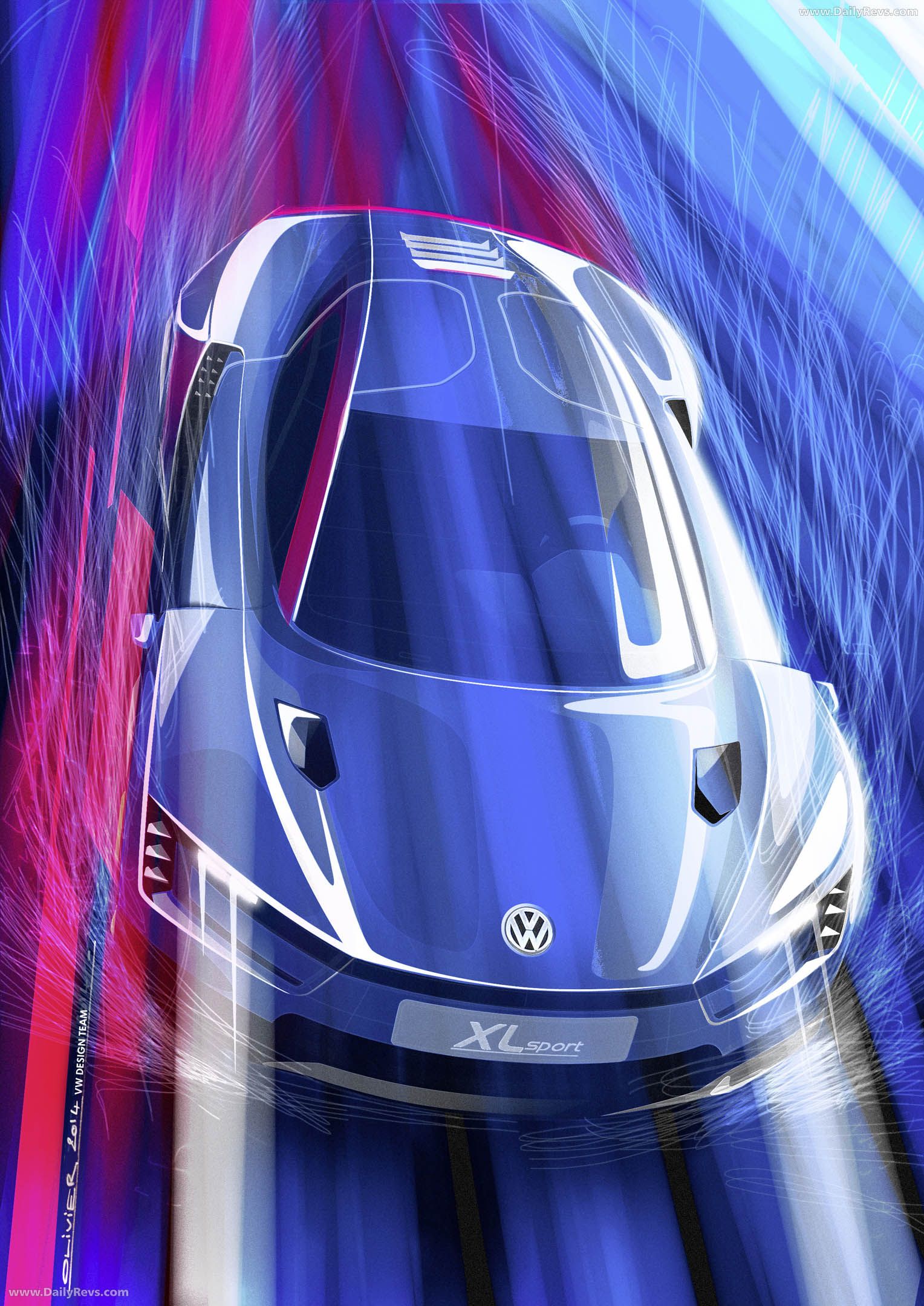
Functional elements support those numbers. Air curtains channel flow around the front wheels, the underbody is optimised, and lift-reducing ducts are integrated into the bonnet. An extendible rear spoiler and adaptive rear hatch louvres regulate airflow and cooling.
Motorsport Inspired Chassis Layout
The chassis departs significantly from the XL1’s efficiency-focused brief. The XL Sport adopts a double wishbone front axle with pull-rod dampers and a double wishbone rear axle with push-rod configuration, integrated into a high-strength steel space frame.
High-speed tyres sized 205/40 R18 at the front and 265/35 R18 at the rear are mounted on forged magnesium wheels, reducing weight by 23.9 kilograms compared with aluminium alternatives. Braking is handled by ceramic discs.
The result is a car engineered not simply for efficiency, but for circuit-level stability and response.
Dimensions and Exterior Architecture
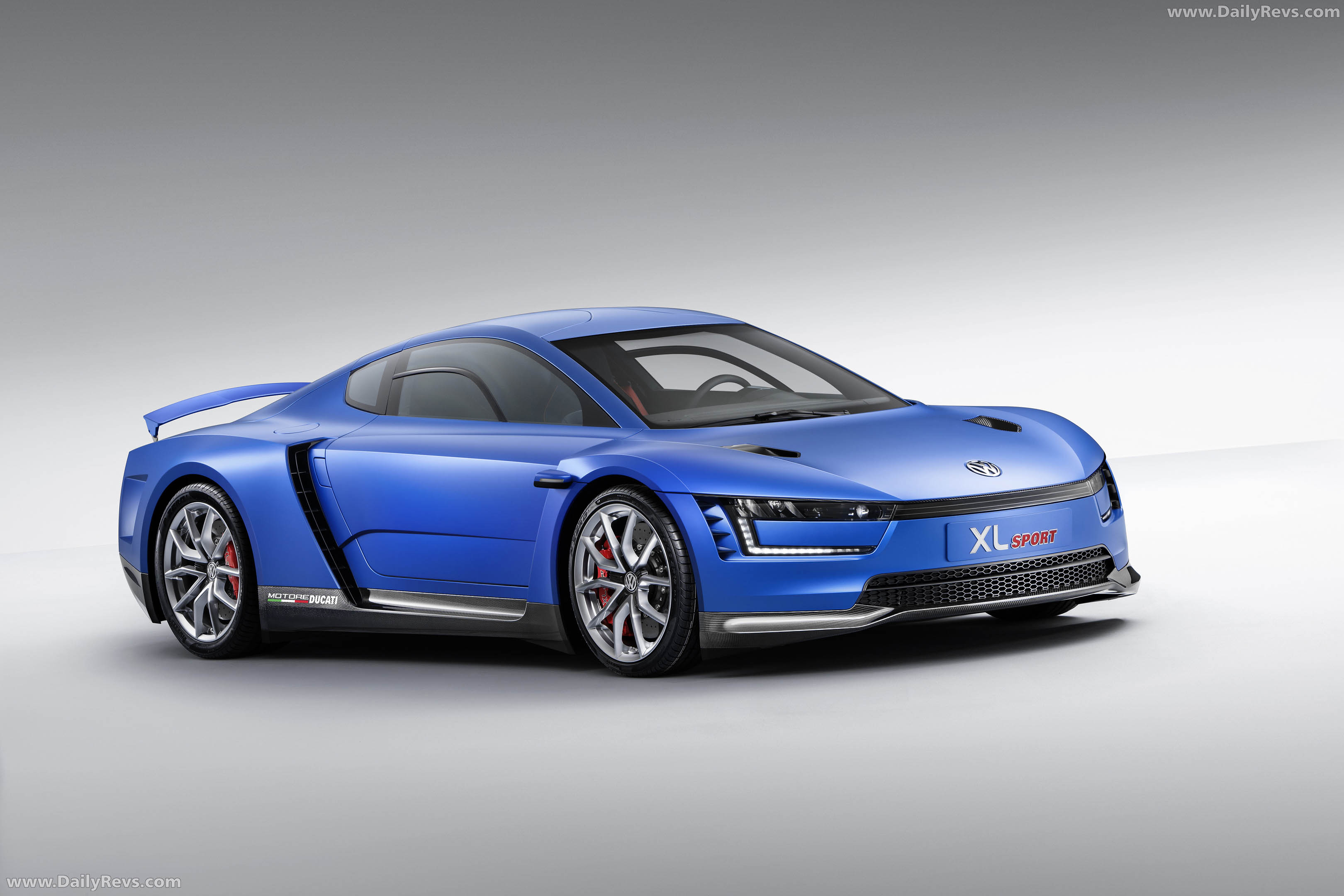
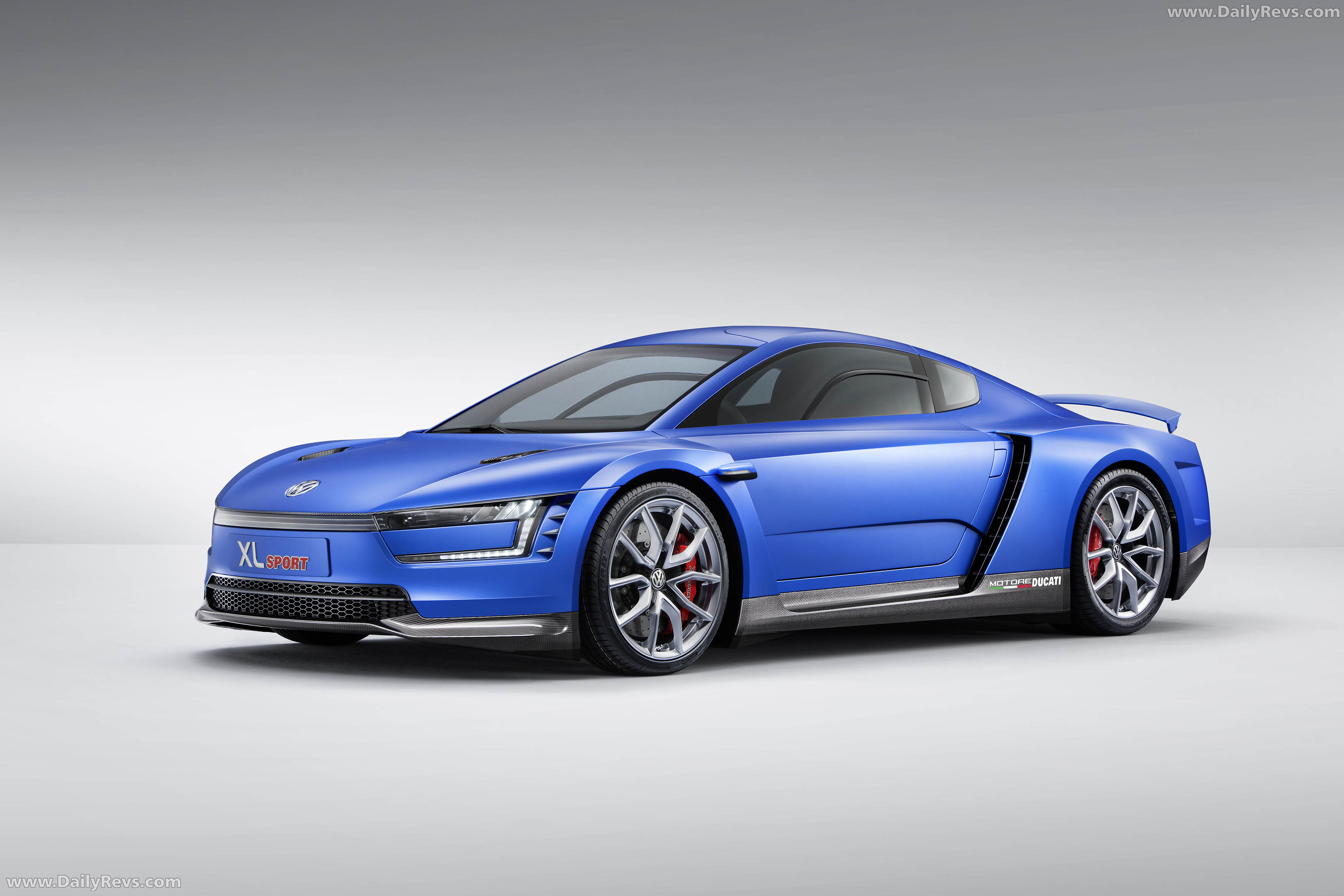
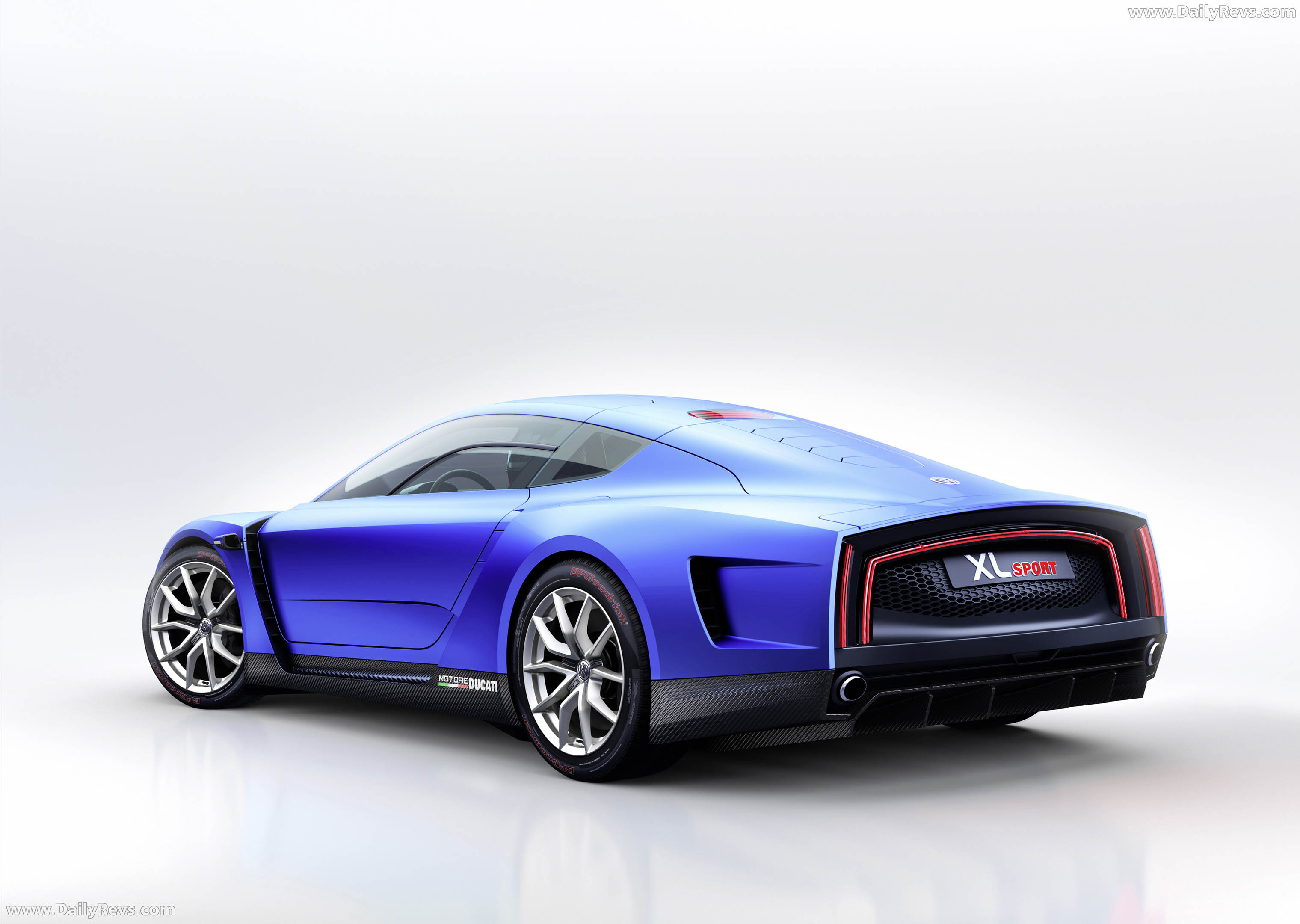
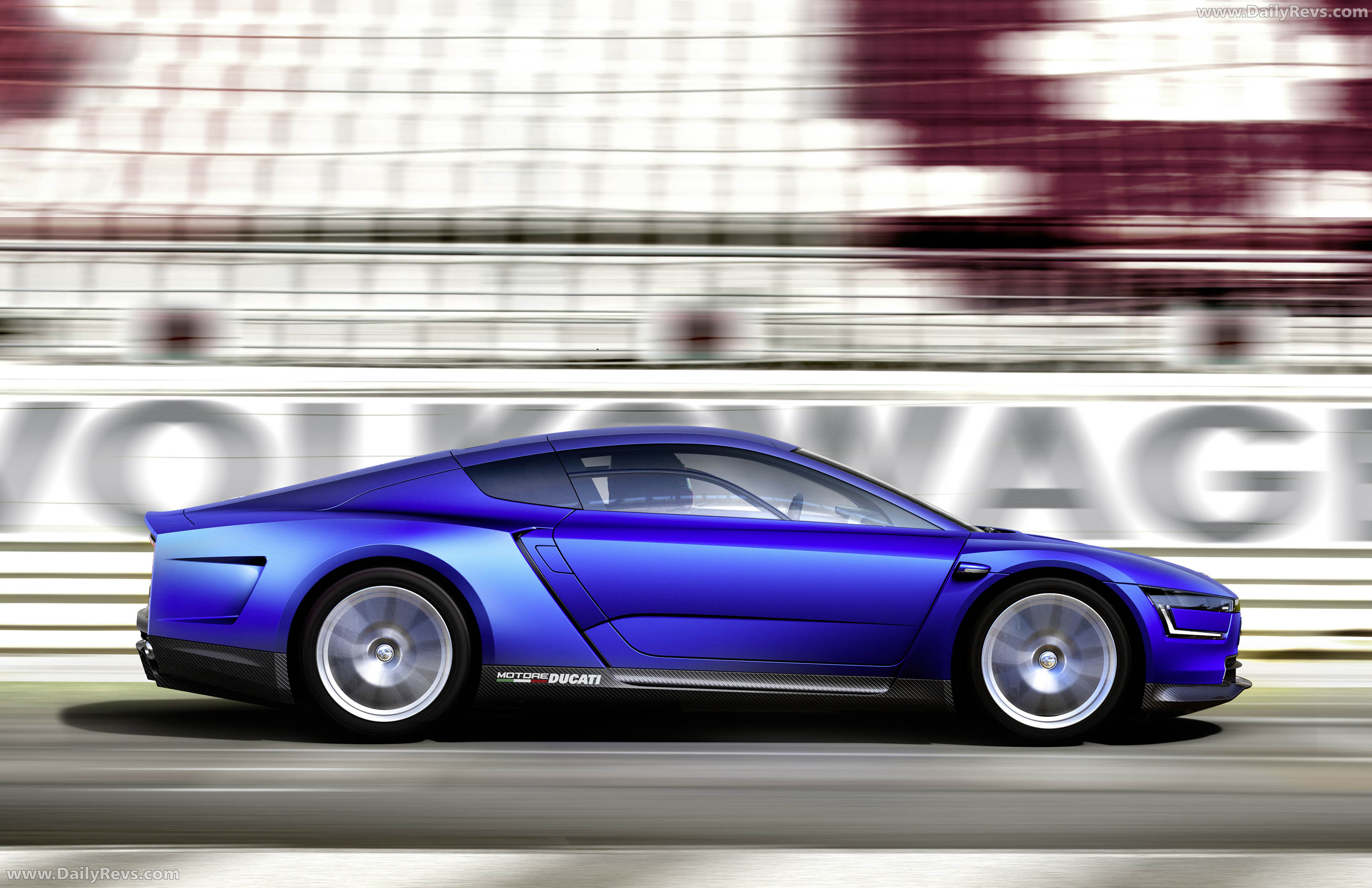
Compared with the XL1, the XL Sport is longer and wider. Overall length measures 4,291 mm, width 1,847 mm and height 1,152 mm, with a wheelbase of 2,424 mm. The broader stance reflects its higher performance brief.
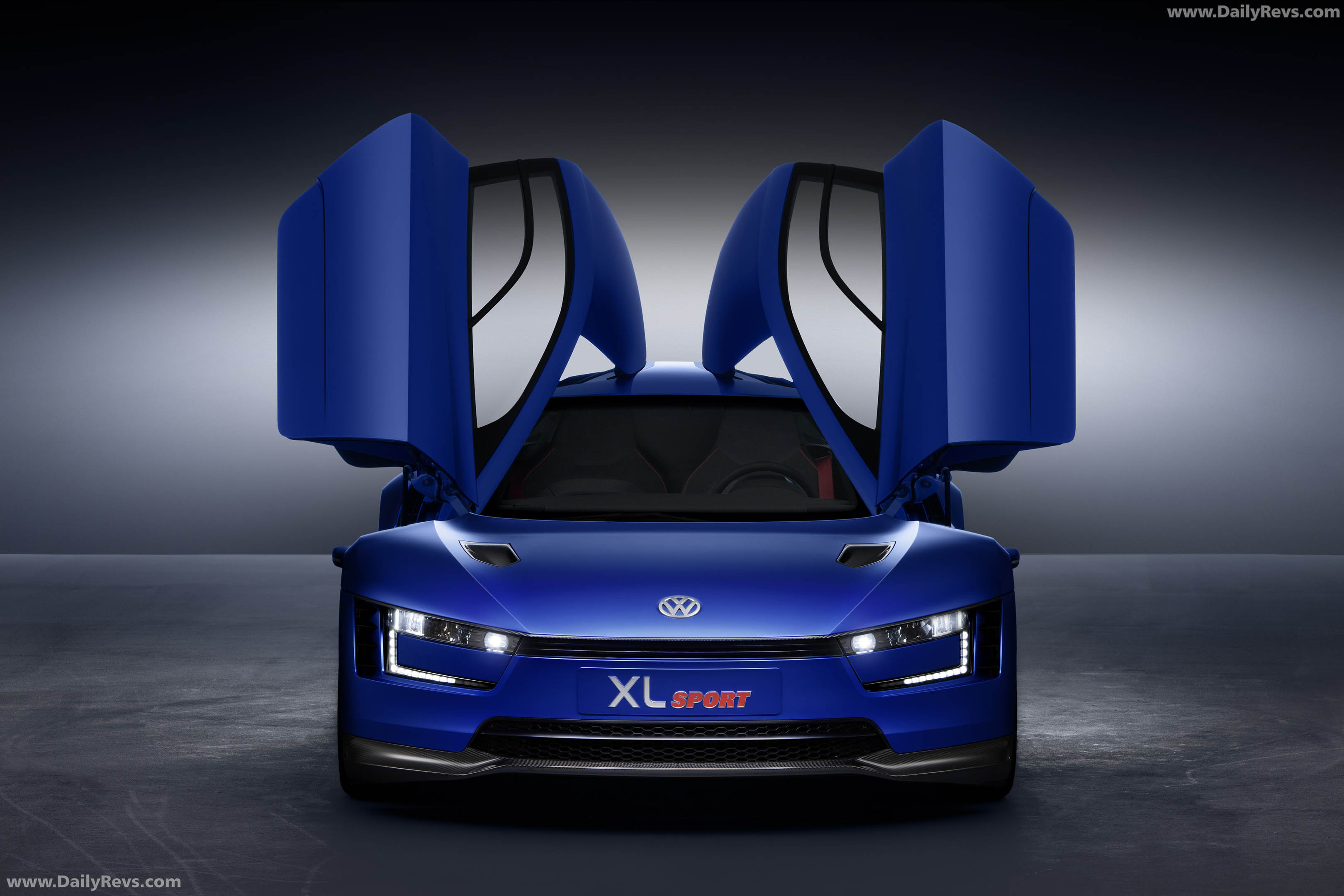
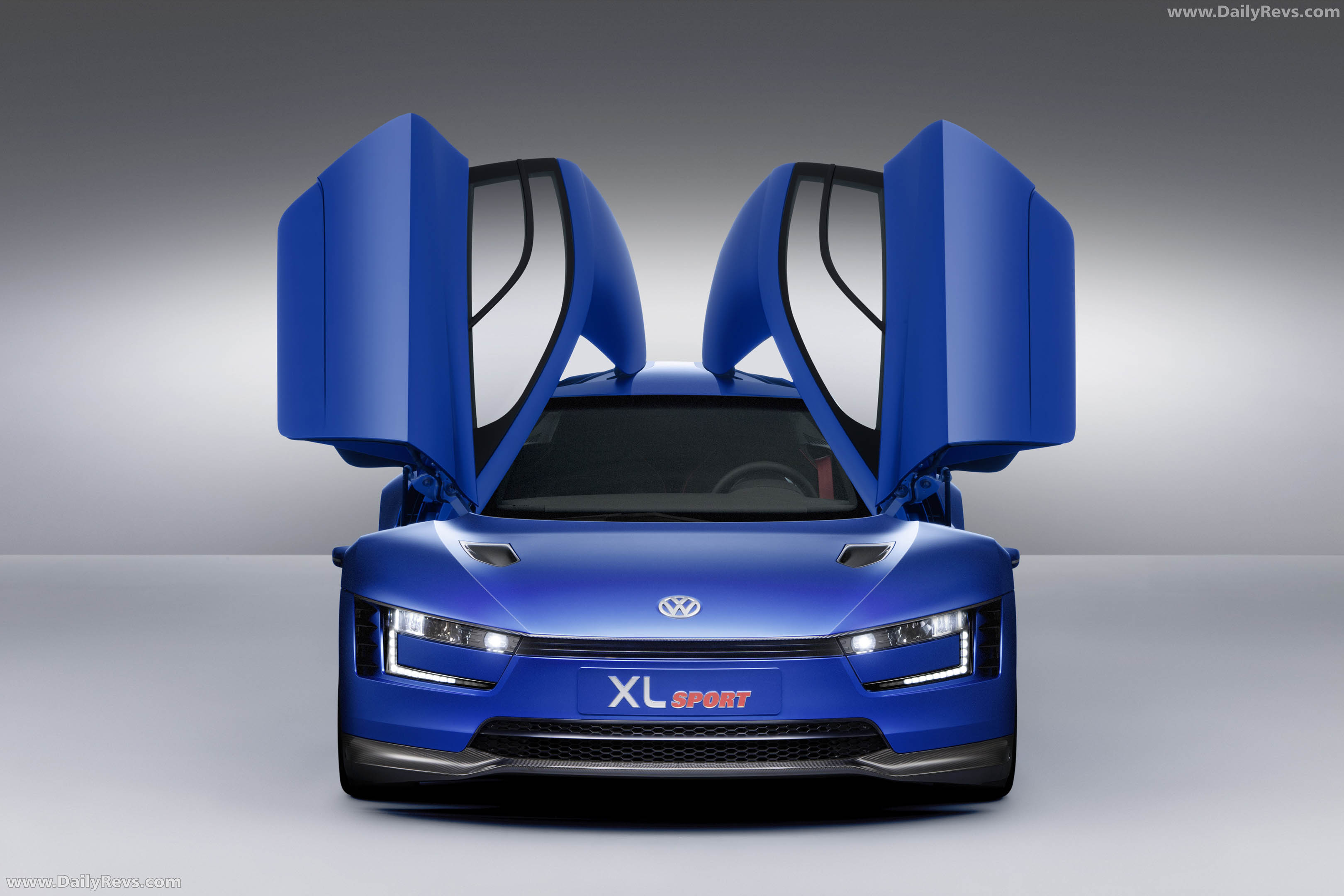
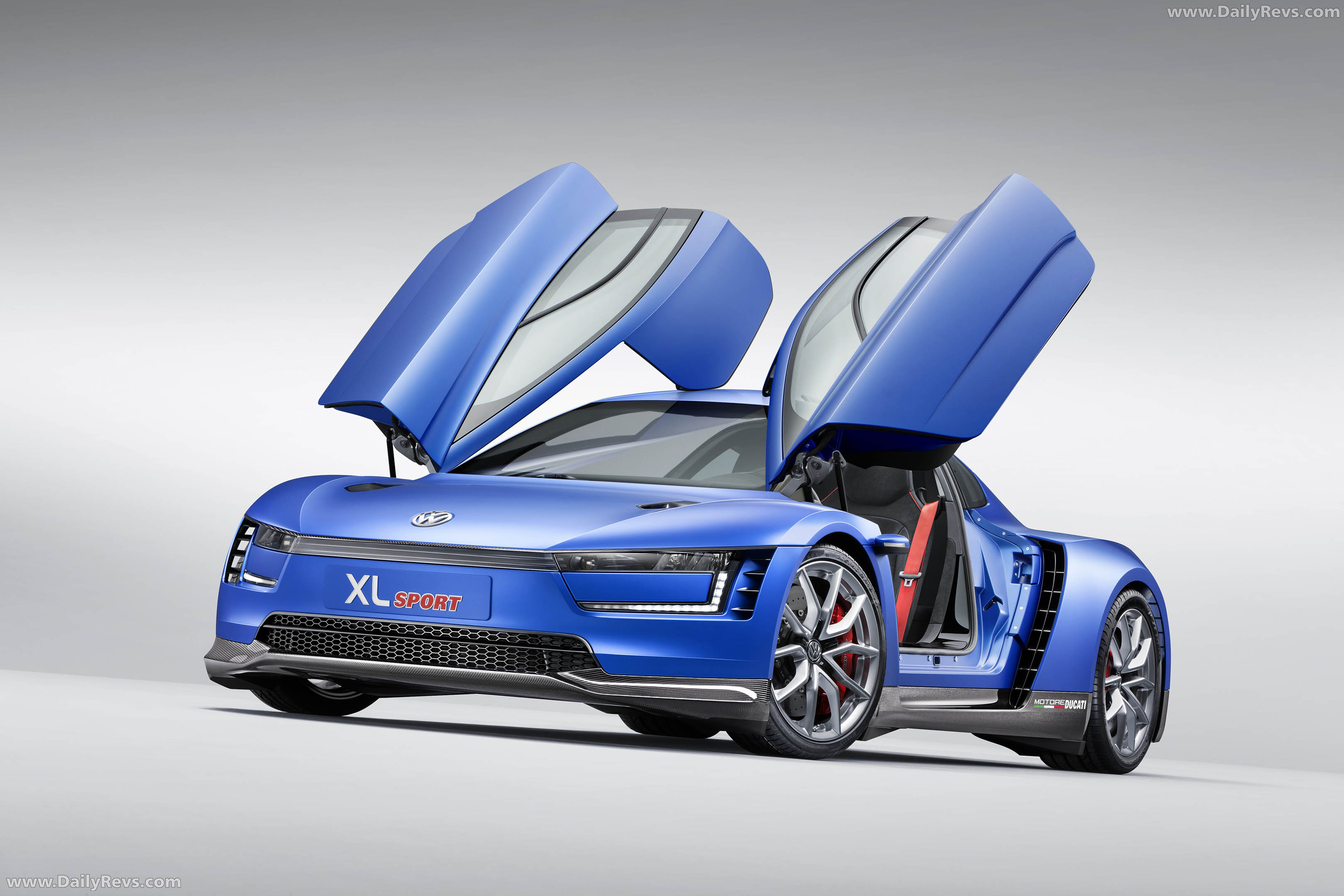
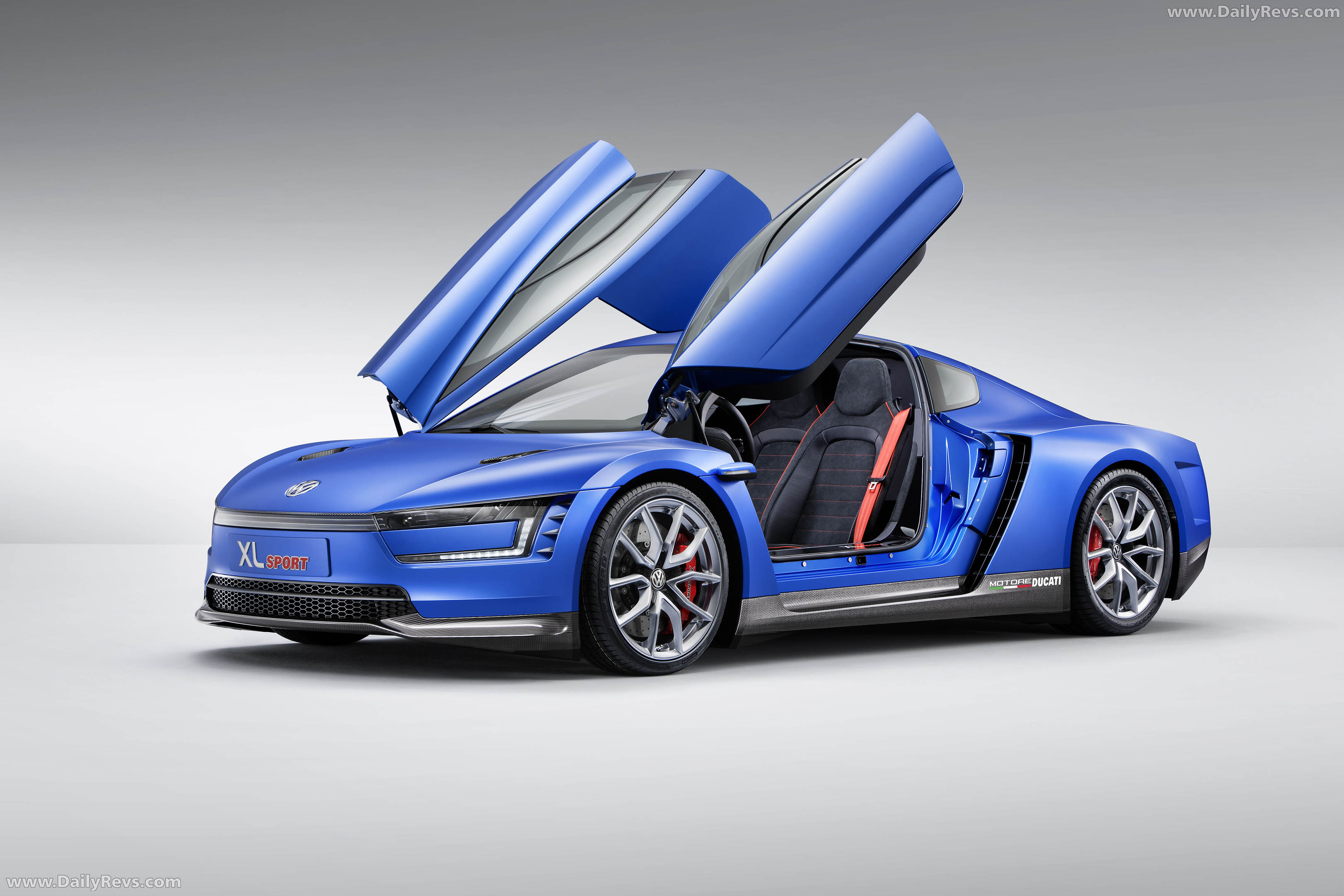
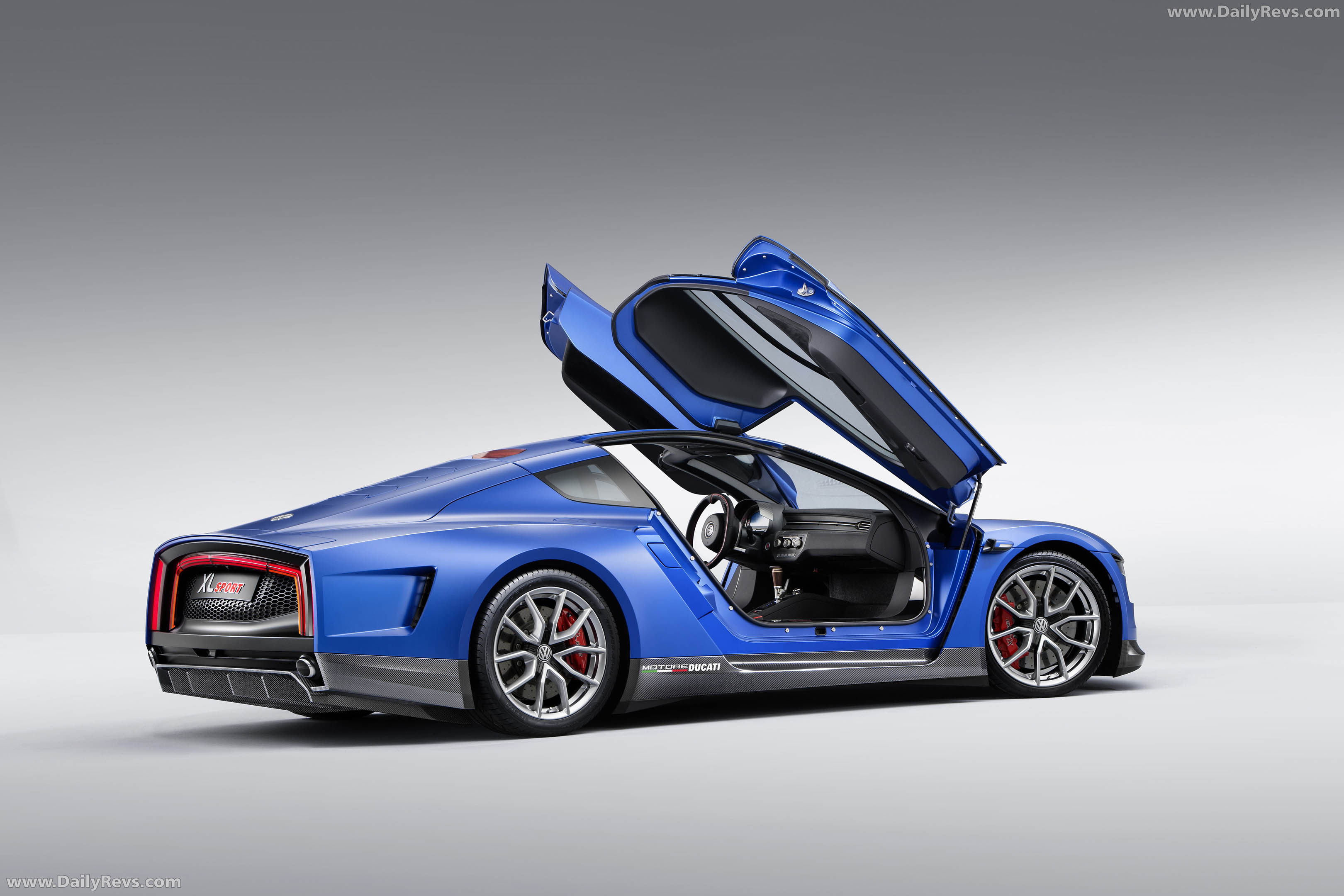
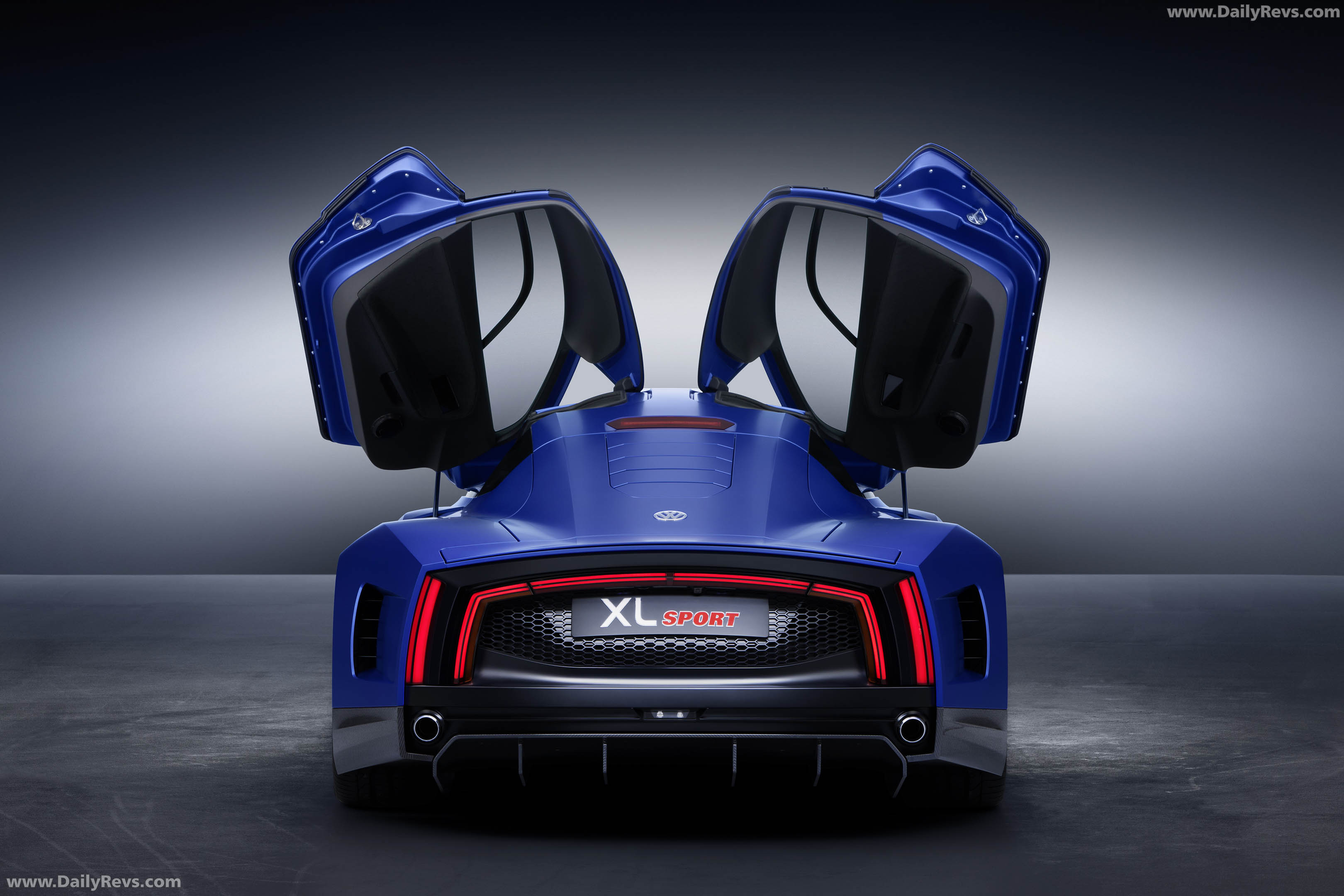
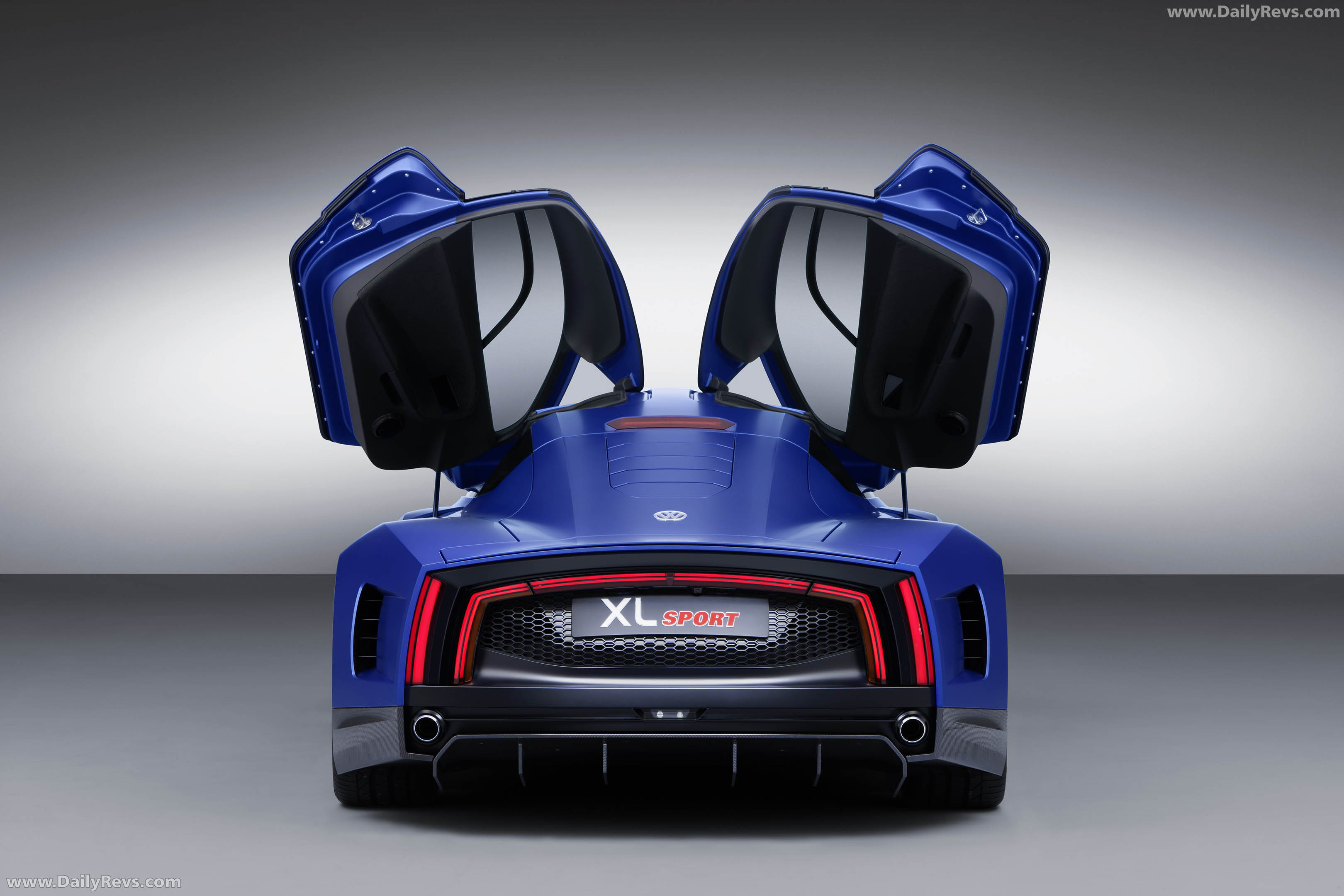
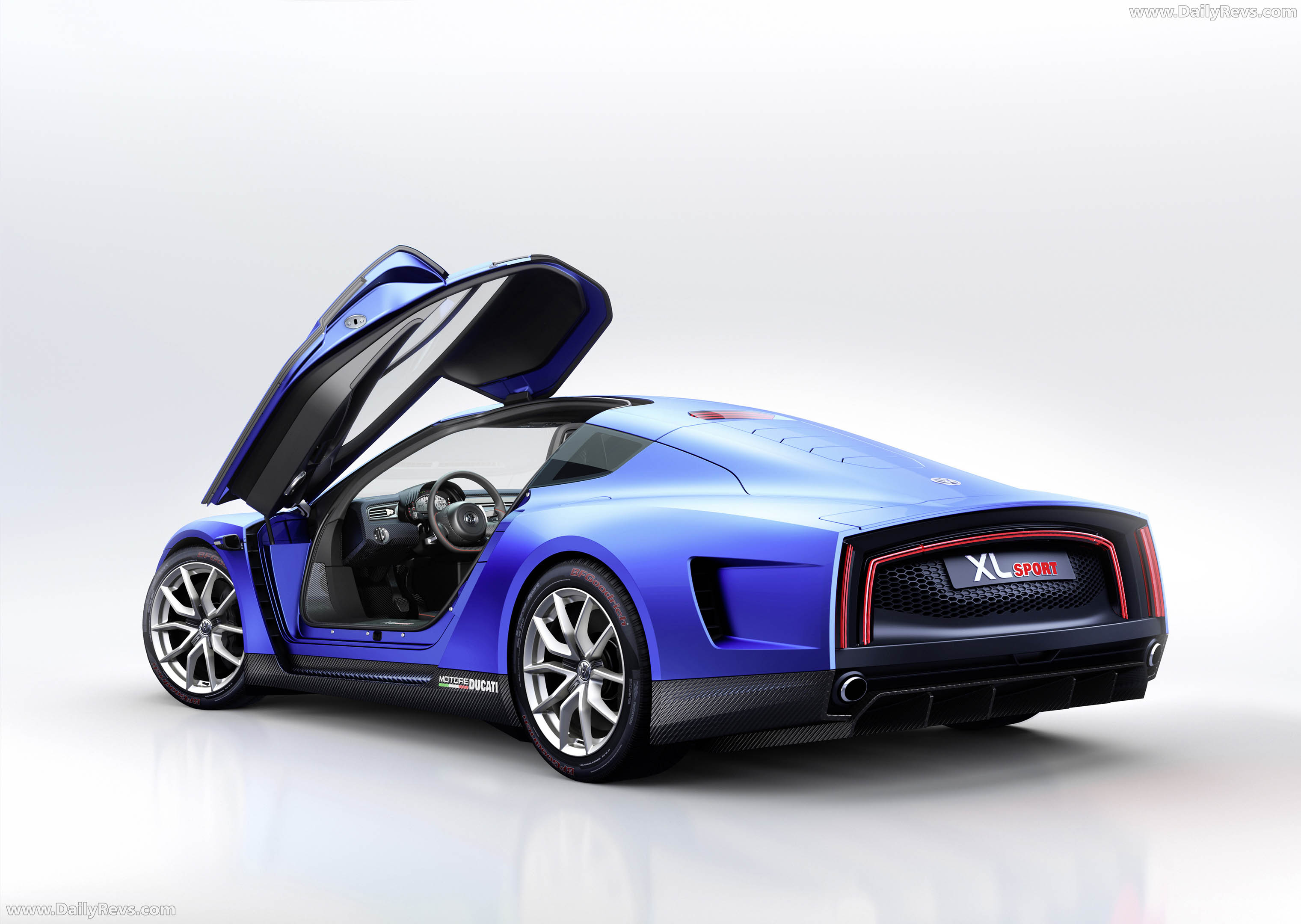
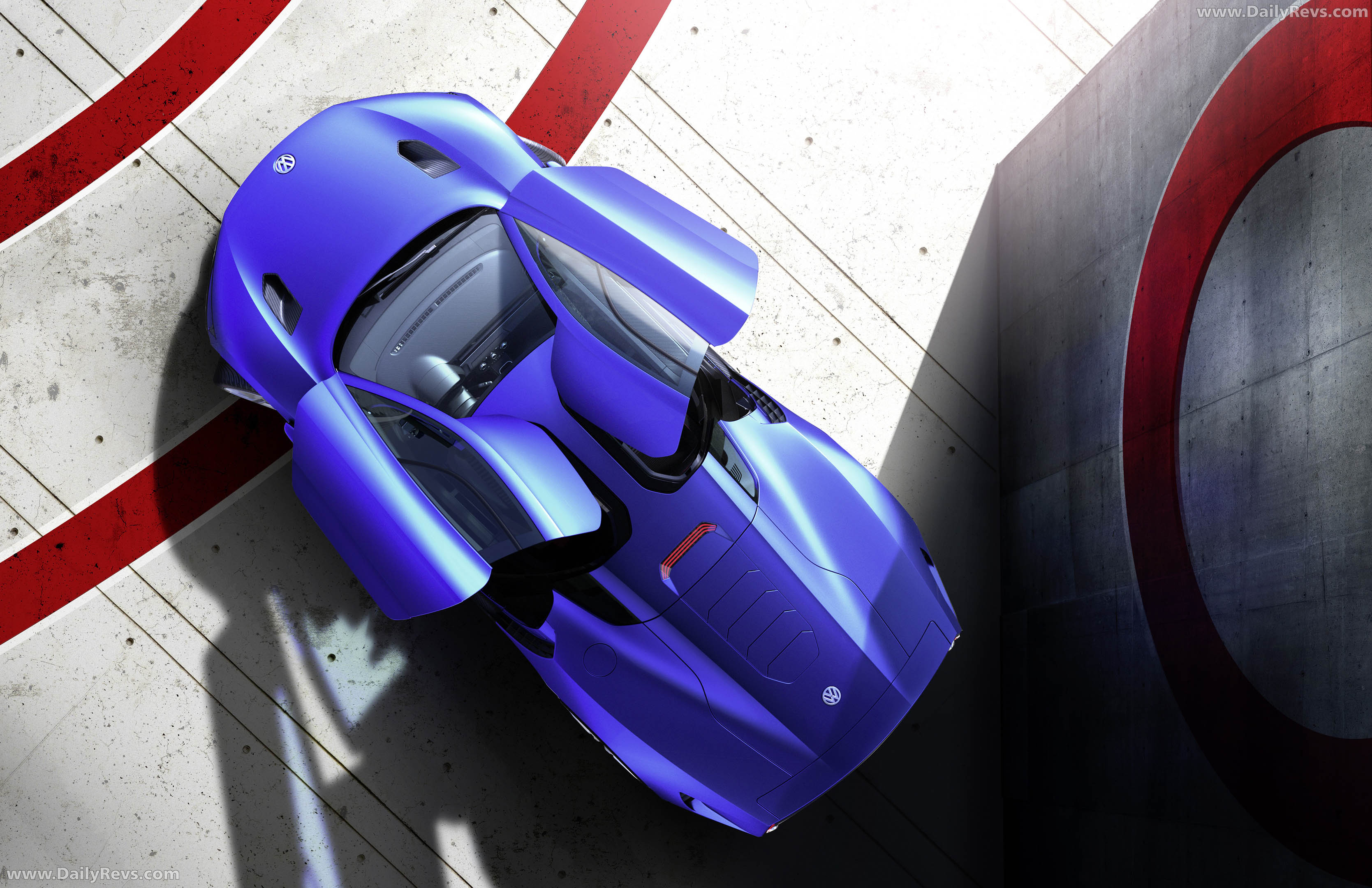
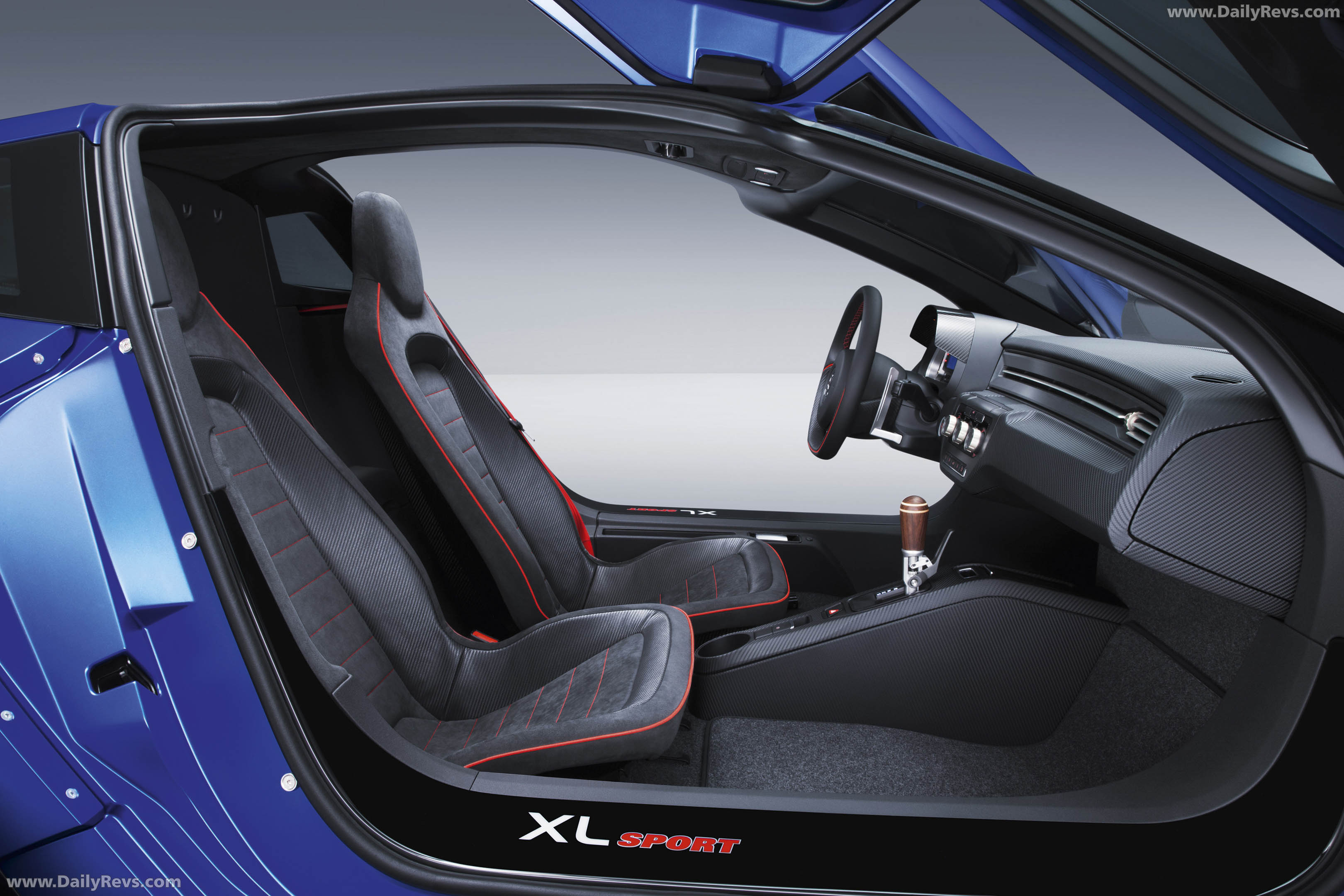
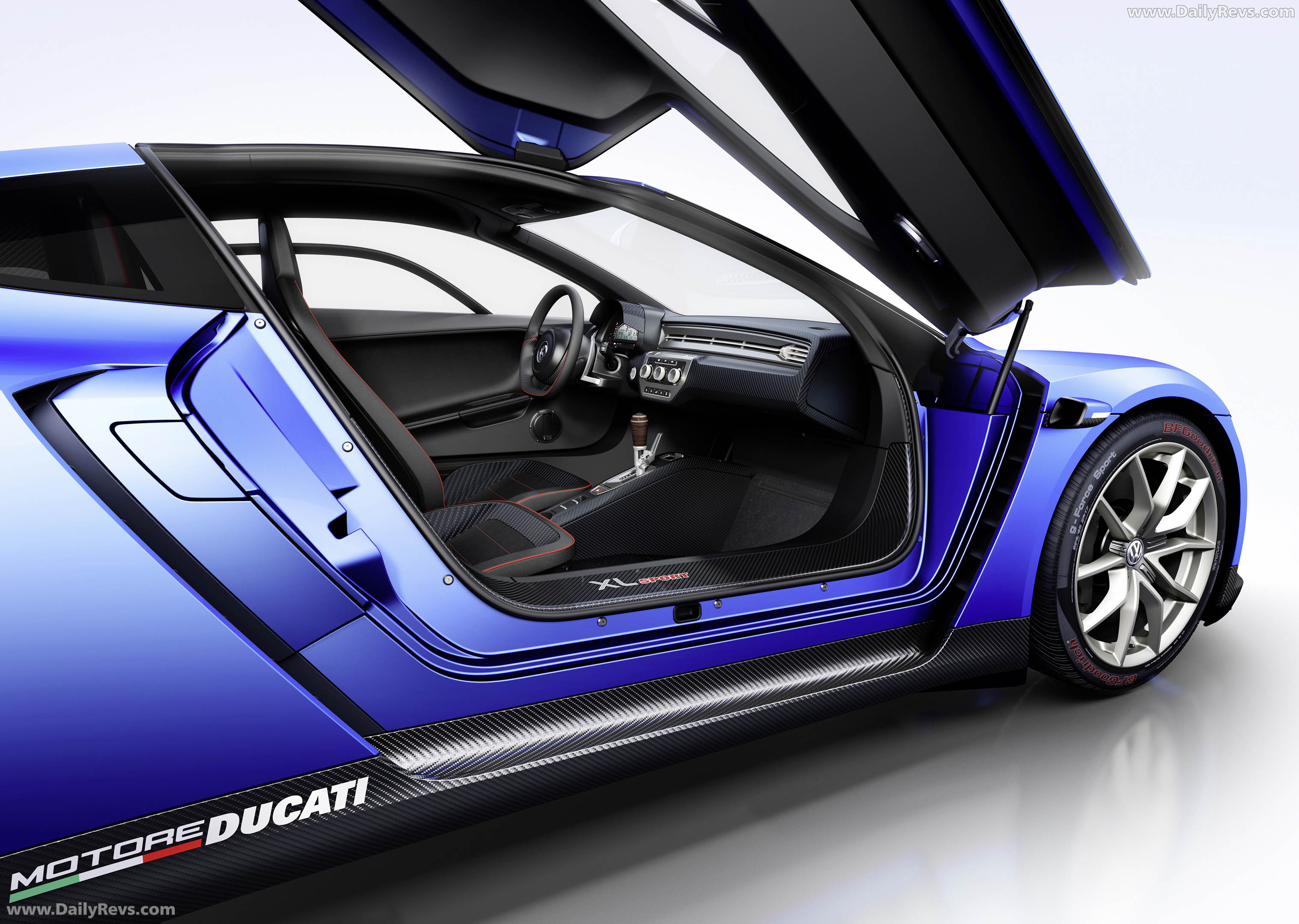
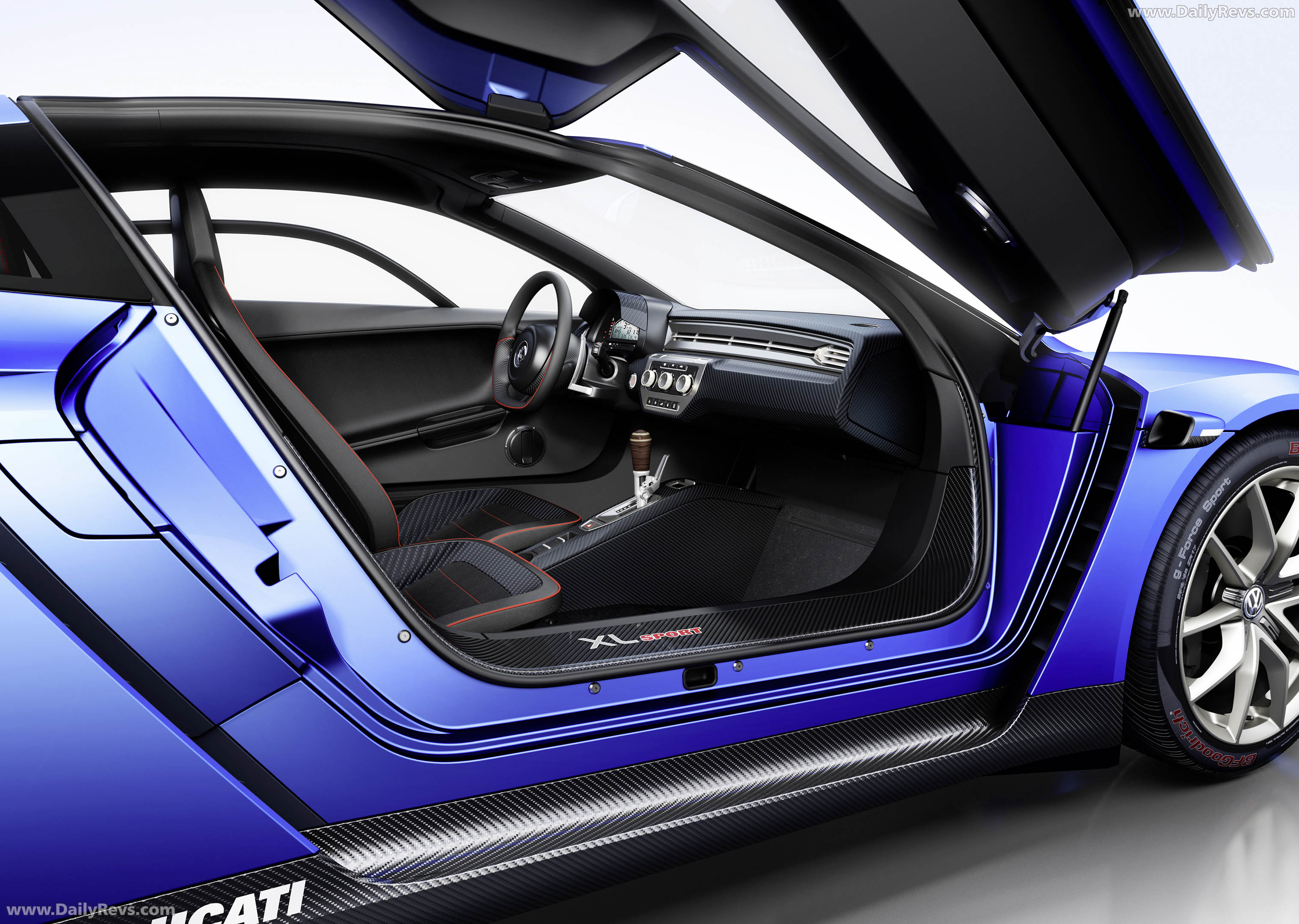
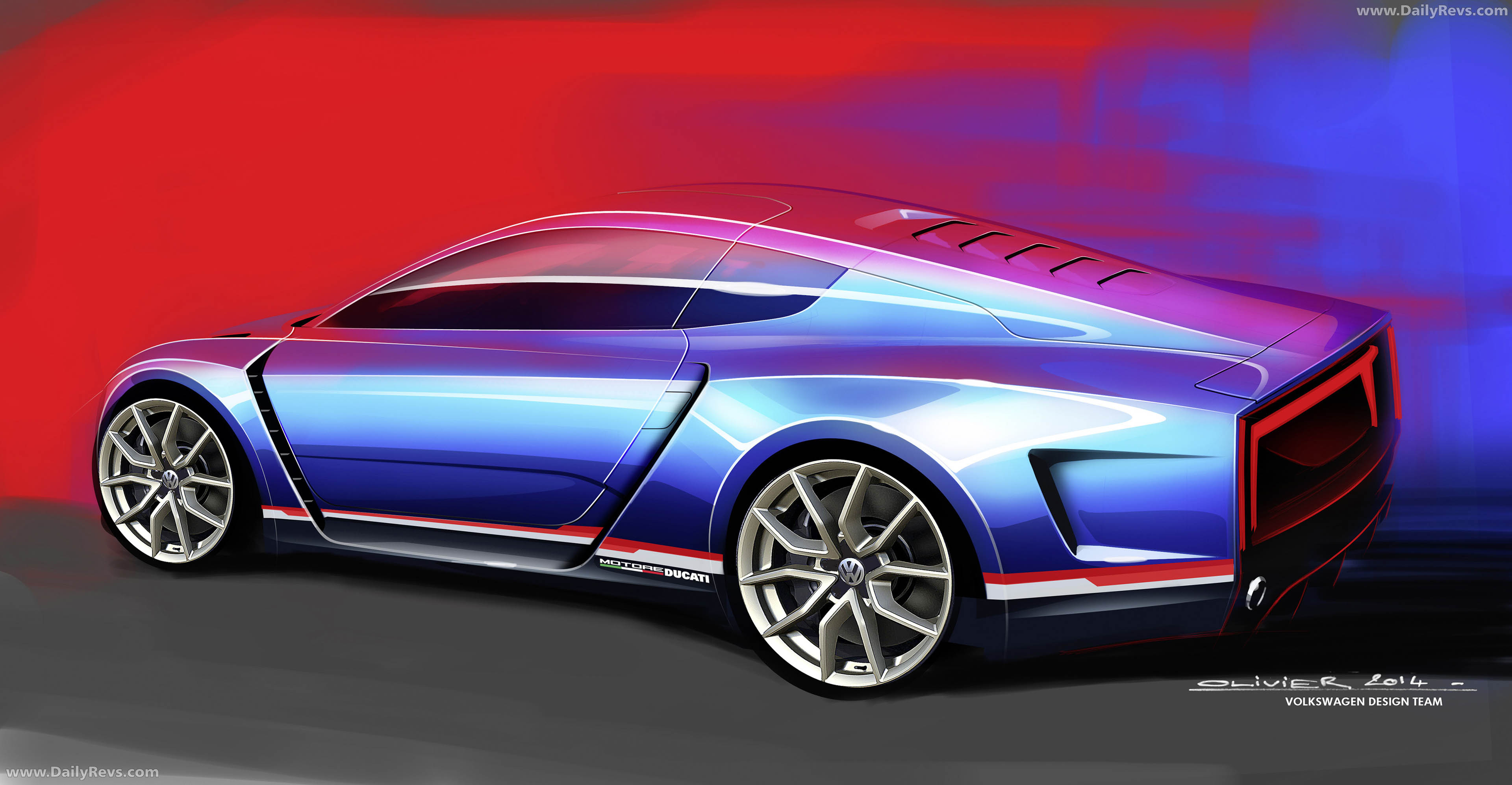
The silhouette remains low and cab-forward, but unlike the tapering XL1, the XL Sport maintains width at the rear. Wing doors swing upwards and slightly forwards, hinged at the A-pillars and roof frame.
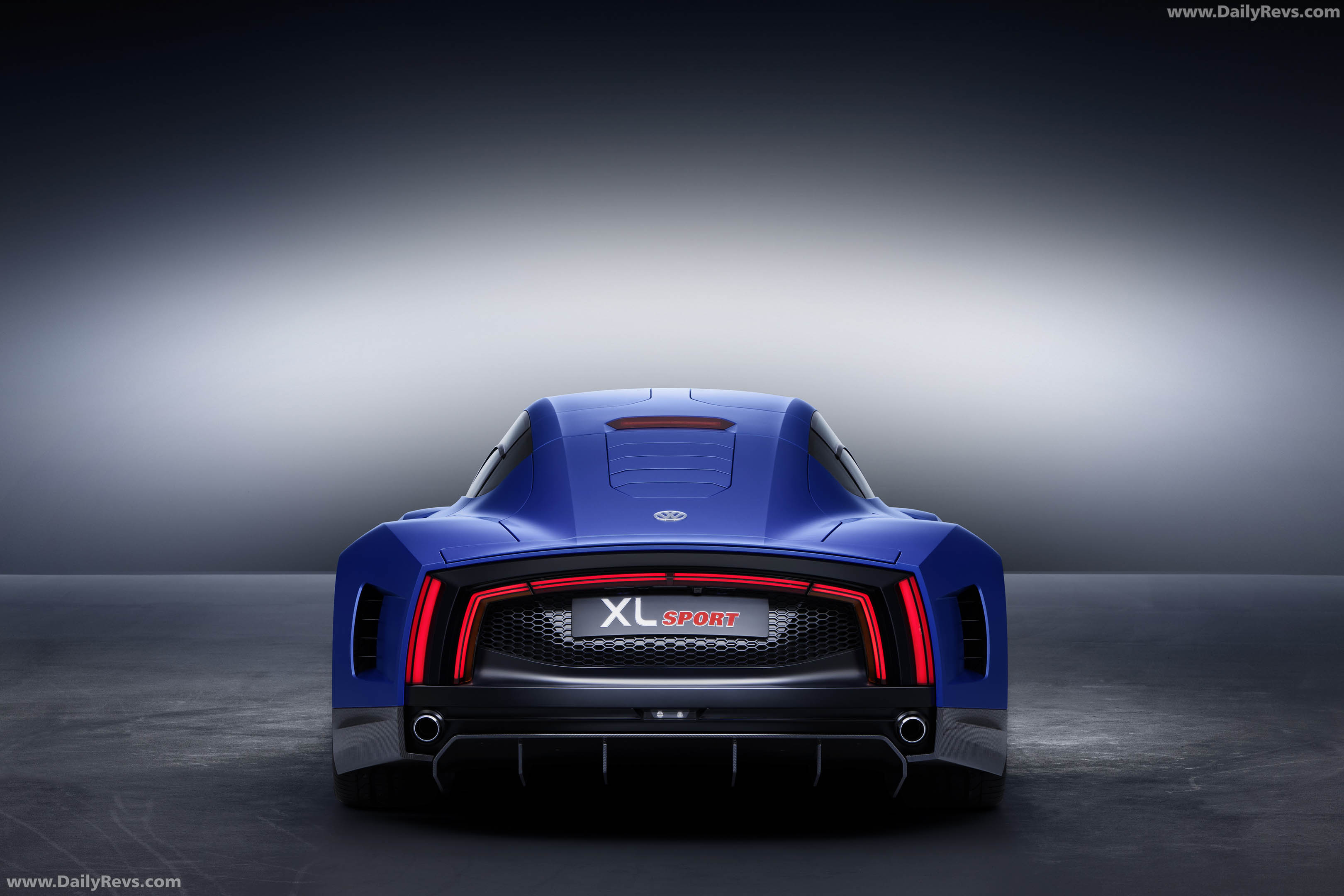
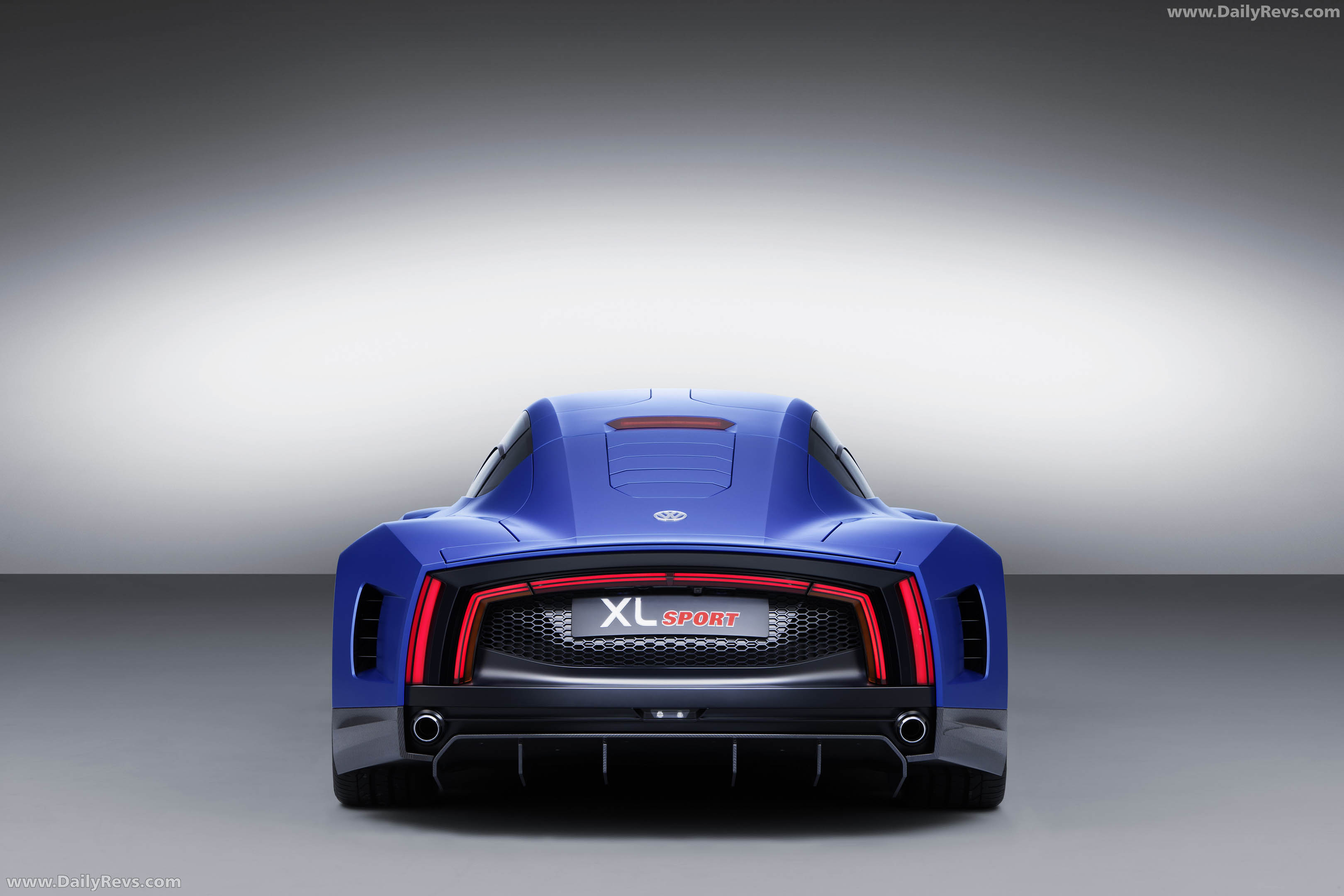
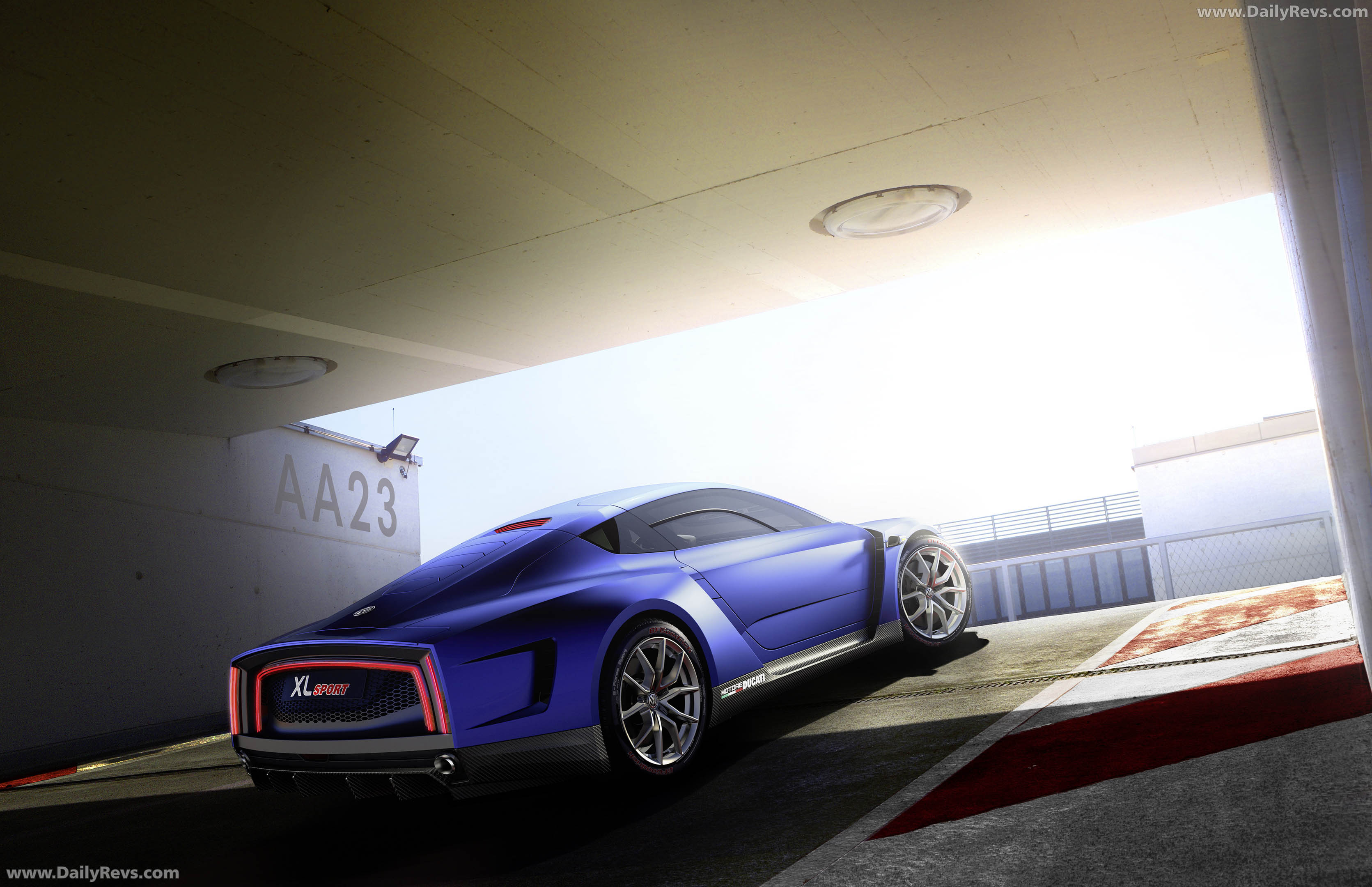
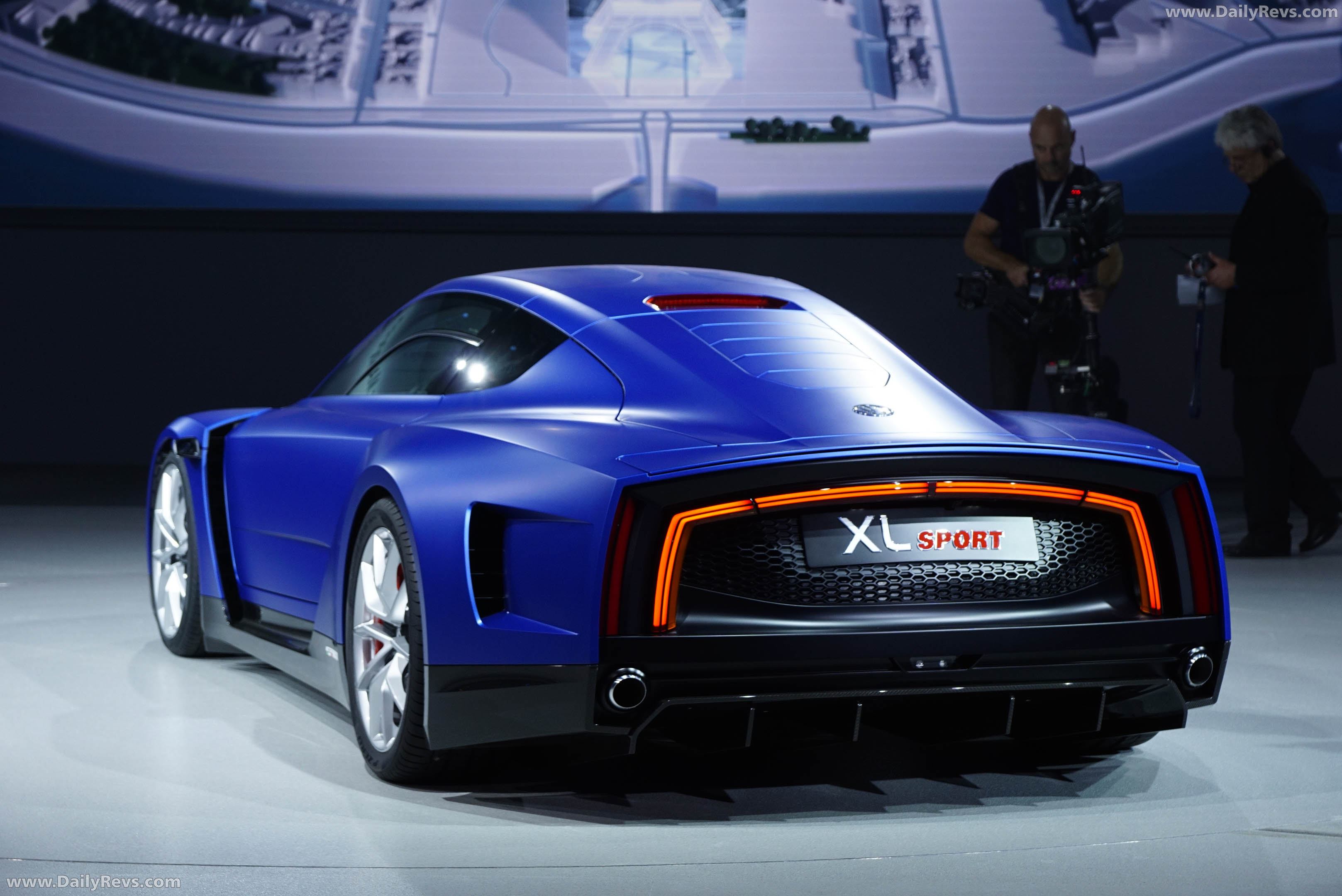
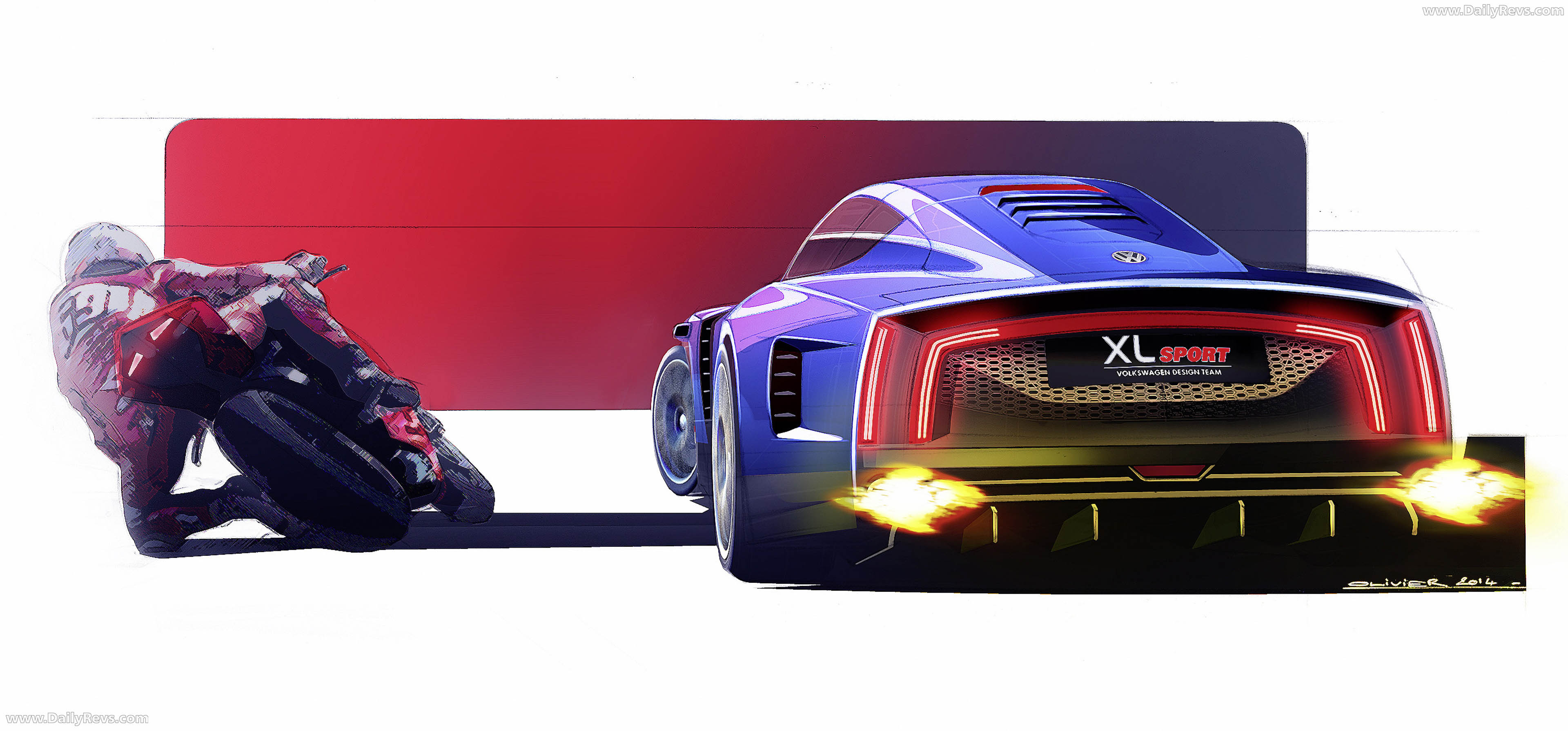
At the rear, the design is dominated by a wide diffuser, chrome exhaust outlets and an LED light ribbon spanning the width. Cooling air for the Ducati engine is routed through rear wing vents, eliminating the need for a conventional front grille.
Driver Focused Interior
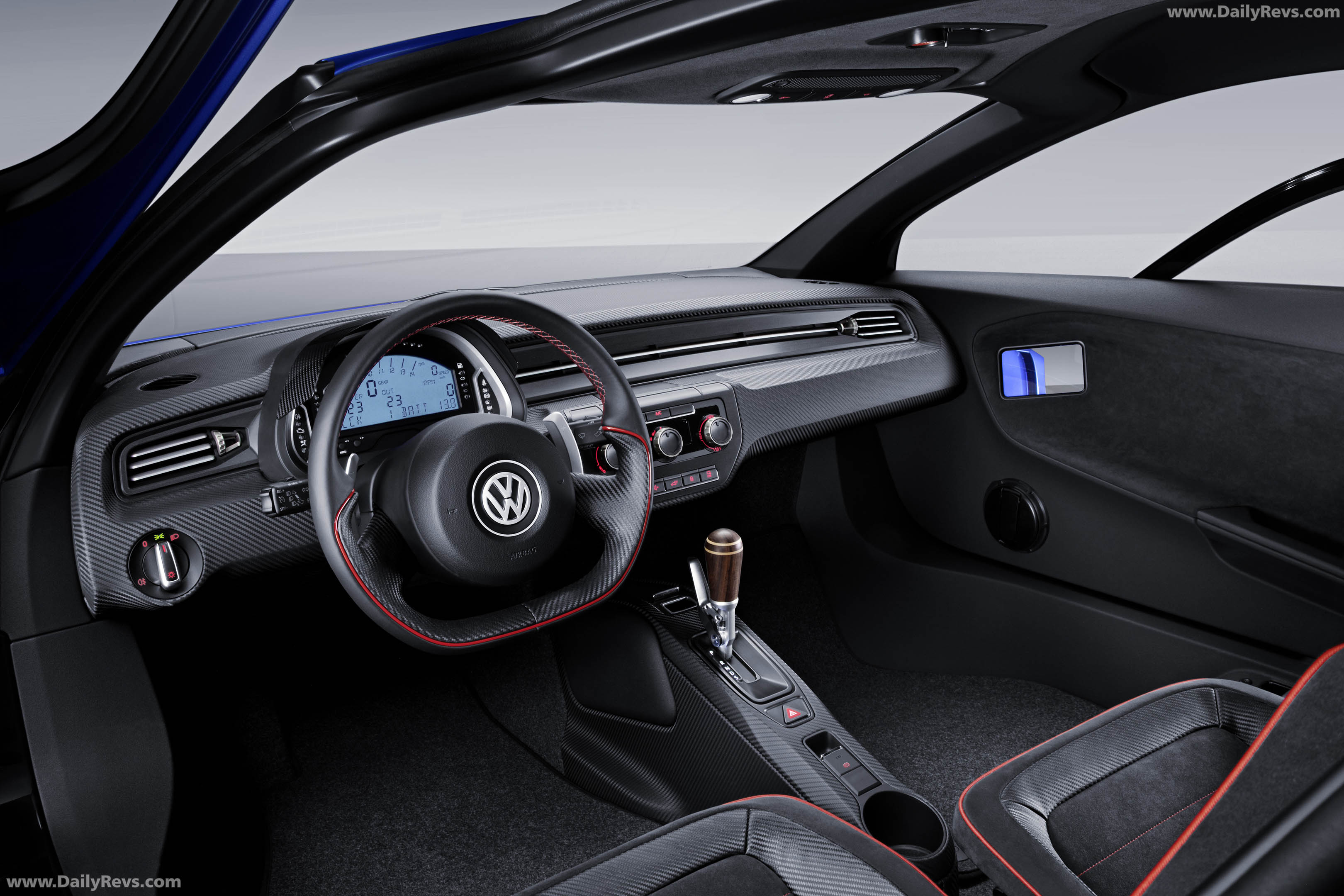
Inside, the 2014 Volkswagen XL Sport Concept retains the XL1’s ergonomic layout but introduces motorsport-specific detailing. A digital instrument cluster includes lap time and oil pressure displays. The steering wheel features red stitching and aluminium shift paddles, while red seat belts reinforce the sporting theme.
In market context, the XL Sport was never positioned as a production model. Instead, it demonstrated how lightweight construction, advanced aerodynamics and high-revving combustion engineering could converge in a single experimental platform.
The 2014 Volkswagen XL Sport Concept remains one of the more technically ambitious interpretations of the modern lightweight sports car.